Categories
Bowery Boys Movie Club

‘Jay Myself’: A new documentary invites you into the most magical address on the Bowery

The allure surrounding the building at 190 Bowery has captivated me from the first moment I laid eye upon it, a century-old bank sealed off from the trendy streets surrounding it. Very few people ever saw the interior. Nobody could have imagined the strange treasures which collected on every floor, in every room, of the building.
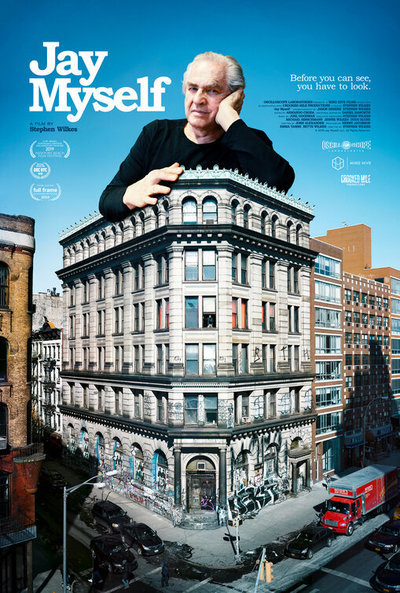
Jay Myself
Directed by Stephen Wilkes
Oscilloscope Laboratories
Currently playing at the Film Forum

In the terrific documentary Jay Myself, the public is finally allowed in, at the very moment when its special charms are forced to vacate the building.

190 Bowery has been the home of renowned photographer Jay Maisel since 1966. During the period when artists began seeking unfinished lofts in the cast-iron districts that became SoHo and Tribeca, Maisel was instead made a most unusual offer — an empty six-story bank along a street famously known as ‘Skid Row’.
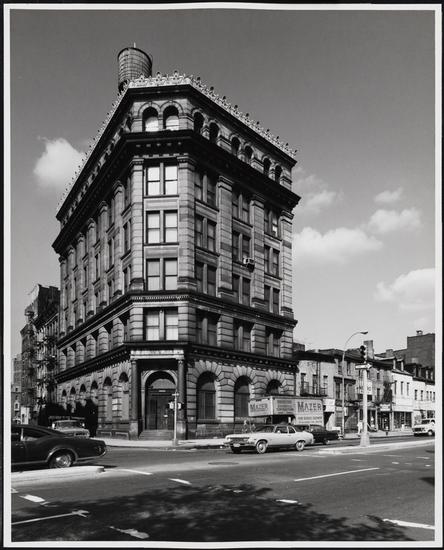
The Germania Bank Building in 1975. Courtesy Museum of the City of New York

For decades, Maisel filled each rooms with items he might use in his lush, colorful photographs. It wasn’t quite hoarding; rooms were meticulously arranged, lined with beautiful bottles, dye transfer prints and even a collection of porcelain hands from a rubber glove factory.

Few were allowed in to Maisel’s strange castle. Maisel’s former associate Stephen Wilkes, an acclaimed photographer in his own right and the director of Jay Myself, finally convinced Maisel to let him film the interiors of the home — but at a bittersweet moment.
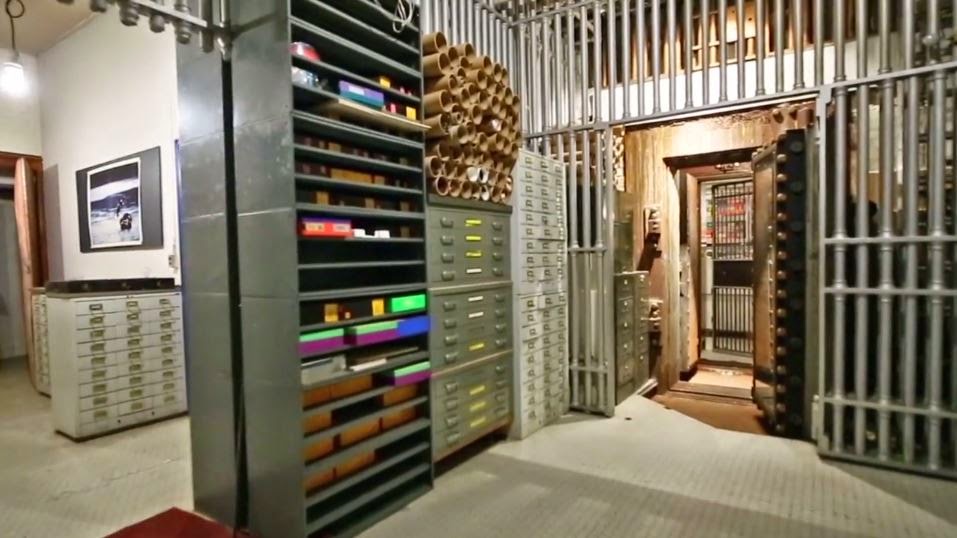
An artist’s wonderland inside a former bank. Courtesy ISO1200

In 2015, Maisel sold the building due to mounting maintenance costs. (In 1966 he purchased the bank for $102,000; he sold it $55 million!) Jay Myself documents Maisel in the process of disentangling himself from an artist’s paradise.

If this were merely a film about mourning the past, it would work better as a photo essay. But almost immediately the film becomes a celebration of Maisel himself, both his incredible body of work — drenched in fascinating experiments in color — and his irascible personality.

Imagine the luxury of expanding yourself physically into a space, filling every corner with whims and potential visions. Then imagine dismantling it all, an era of imagination — if not quite over – at least reduced. (Even Maisel might admit that a healthy back account does offset the disappointment.)

It’s no surprise that he keeps working even as the final boxes were being removed. You’ll not want to leave either.

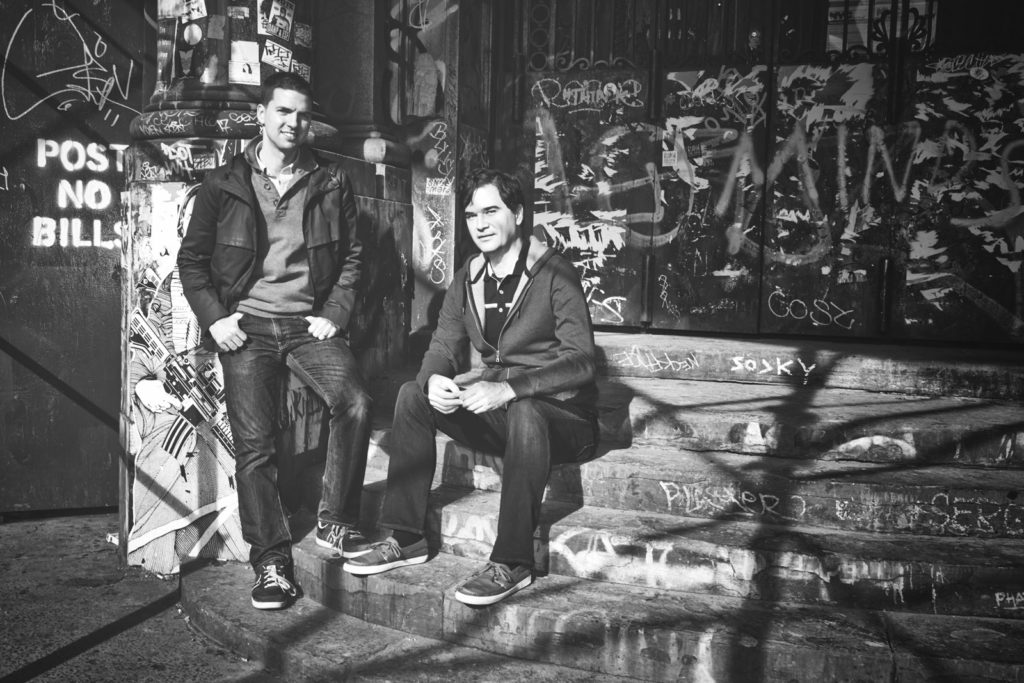
When Maisel still lived there, we took one of our old publicity photos on the steps of 190 Bowery!
Categories
Pop Culture

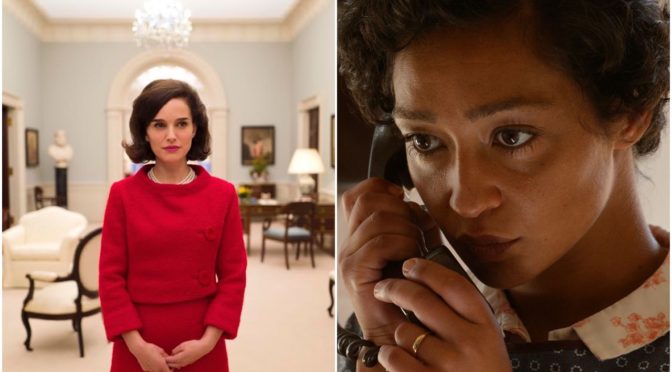
Jackie and Loving: History on Film 2016

The end of the year usually means a higher quality selection at the movie theater– and more films based on historical events, a popular theme for those seeking glory on awards shows.

It always seems each year’s batch accidentally gathers around a certain place or era.  Last year it was New York City history of the 1950s with films like Brooklyn, Carol and Bridge of Spies.  For 2016, three historical films releases hover around the 1960s but move geographically further south — specifically to Virginia and Washington D.C.

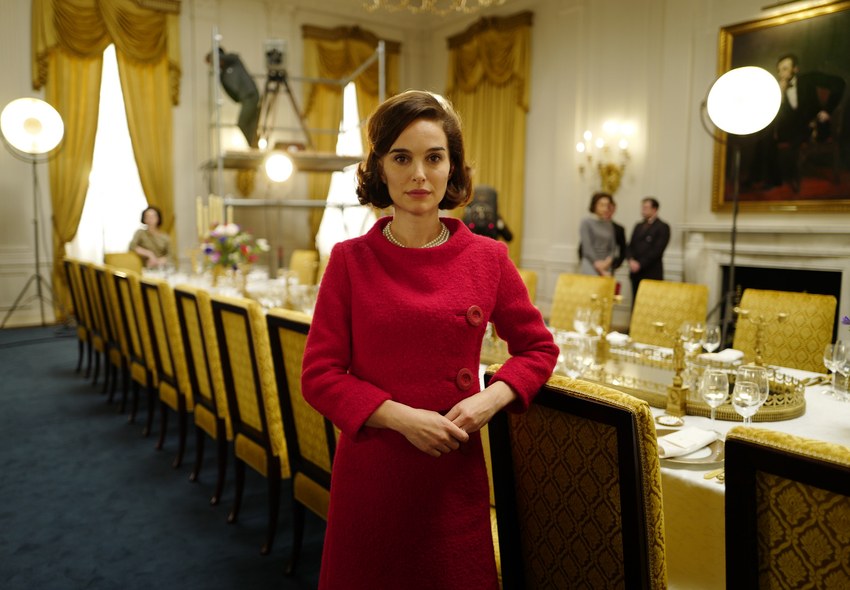
ss01-natalie-portman-jackie-onassis-kennedy

Last night, I saw the riveting film Jackie, directed by the Chilean director Pablo Larraín, an abstract biographical film on the life ofJackie Kennedy, specifically focusing on the days in 1963 following her husband President John F. Kennedy’s tragic assassination in Dallas.

While almost uncomfortably accurate in places, Jackie is by no means a straightforward Lifetime melodrama, but rather a horror film of shifting faces, a speculation on the inner world of Jackie (Natalie Portman), a woman disintegrating, then reassembling before our eyes.

The film spends most of its time in two destinations. A reporter (Billy Crudup) attempts to pluck a magazine profile from a cold and even sinister Jackie out in Hyannis Port. The rest of the film plays out from the various tales spun to the reporter, a few entirely fabricated.

The main set piece of Jackie is, of course, the White House, seen more intimately here than any other film in recent memory. And yet, thanks to the off-kilter score, the hallways feel like those of The Shining, possessed of the weight of history and redecorated with objects that feel absurd and out-of-place.

History is one of the central themes of the film as Jackie attempts to assure her husband’s place in it (not, of course, forgetting her own place there as well). Portman’s Jackie is never played at a single note. Her grief has touches of insanity, her poise entirely self-aware.

This is not a presentation of the actual Jackie Kennedy — she will forever remain an enigma —  but rather an accumulation of the pop culture Jackies — the deified saint, the playful mannequin, the calculated intellectual. It’s a stylistic choice that Portman’s Jackie, at least, would have certainly encouraged

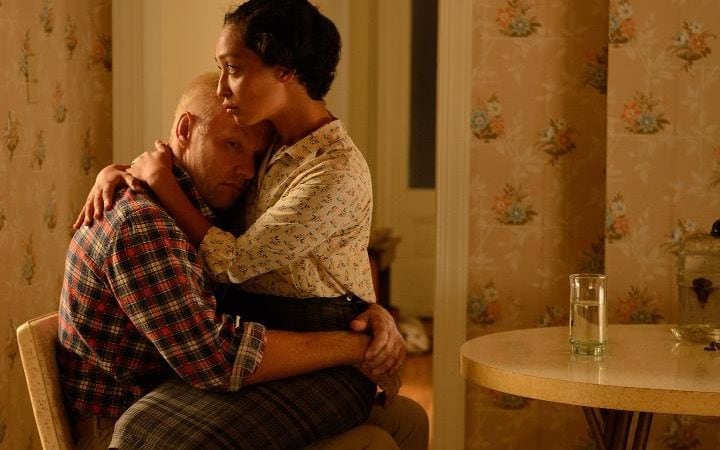
loving3_1-large_transzgekzx3m936n5bqk4va8ruoeazfgpk2eqjdu0_u3rfm

On the other end of the historical panorama is the moving and unpretentious film Loving, directed by Jeff Nichols, a straight-forward and unflashy telling of the events surrounding the landmark Supreme Court case Loving v. Virginia, abolishing laws that prohibit interracial marriages.

Richard and Mildred Loving (Joel Edgerton and Ruth Negga, both pitch-perfect in their performances) are a kind, soft-spoken pair, compatibly rugged and sweet. When Mildred gets pregnant, the couple decide to get hitched in D.C., where interracial marriages are allowed. But in their Virginia small-town home, such a coupling is illegal, and the pair are quickly thrown in jail by a menacing sheriff (Marton Csokas). Eventually the couple and their child have to move out of the state entirely.

Loving is an especially interesting product for being a successful film about an entirely unfilmable subject. The central pair were not flashy individuals. The case took years to get to the Supreme Court and the Lovings didn’t even go to witness it. The heroes are two young, awkward attorneys — Bernie Cohen (played by Nick Kroll) and Phil Hirschknop (played by Jon Bass). There are no fiery speeches. Few words are ever uttered above a polite tone.

Yet, after a somewhat slow start, I found it a quietly engaging and fantastically uplifting experience.  In particular, the smile that stretches across Mildred’s face in Cohen’s office as she realizes her love is about to be validated by law is positively life-affirming.


And by the way, it is IMPOSSIBLE to watch either Jackie or Loving without having the modern world seeping in to influence your viewing experience of both.


The third historical film featuring the Virginia/D.C. area in the 1960s is Hidden Figures, about the life of Katherine Johnson (played by Taraji P. Henson), an African-American physicist who assisted in the planning of NASA’s first manned space flights. The film opens in limited release on December 25.


Another American innovator is celebrated in The Founder, about the life of Ray Kroc (played by Michael Keaton), the man behind McDonald’s golden arches.

And finally, for some Prohibition-era escapism — and for those who miss their Boardwalk Empire — there’s Live By Night, based on the Dennis Lehane novel of the same name.  Ben Affleck directs himself in this saucy, boozy thriller.

Categories
Pop Culture

Finding Magic In Old New York: The historic places of ‘Fantastic Beasts’

The article below contains spoilers involving locations used in the movie, but no specific plot spoilers that aren’t already revealed in the trailer.

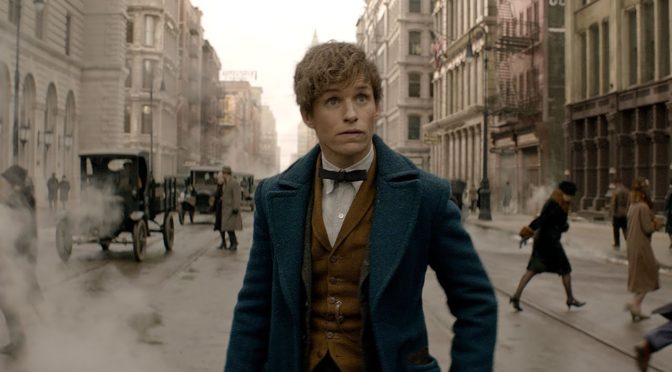
Fantastic Beasts and Where To Find Them, strictly a fantasy film of course, from the vivid mind of J.K. Rowling, is nonetheless the year’s best historical depiction of New York City.  This indulgence of the imagination is even more successful as a celebration of the past.

Sure, its presentation of 1920s New York is filled with physical impossibilities. Its Times Square blazes with the electric insignias of fake Broadway revues and advertisements. Its rows of townhouses are a wee bit too perfect and uniform.

But this story of an English wizard and his mischievous bag of creatures gets the magic of Old New York exactly right. Its a brilliant consideration of the imagined city — shining towers and beautiful architecture, speakeasies and cobblestone streets. The film lovingly unfurls the beauty of steel-beam architecture and old Beaux-Arts mansard roofs with as much loving care as the whimsical beasts of the title.

In a rather unprecedented and creative move, the City of New York has gotten into the movie tie-in game, presenting a fun page of historical photographs with a slider to compare old sites used in the film with today. There’s also an interactive map showing the streets of New York as presented in the film.

No really. It’s pretty darn spectacular. [Try it out here.]

And On Location Tours is providing tours crossing many of the main sites of the film.

Even if you’re not a fantasy film buff, I think you’ll be captivated by the art direction and design of this film. Here are a few of my favorite details:

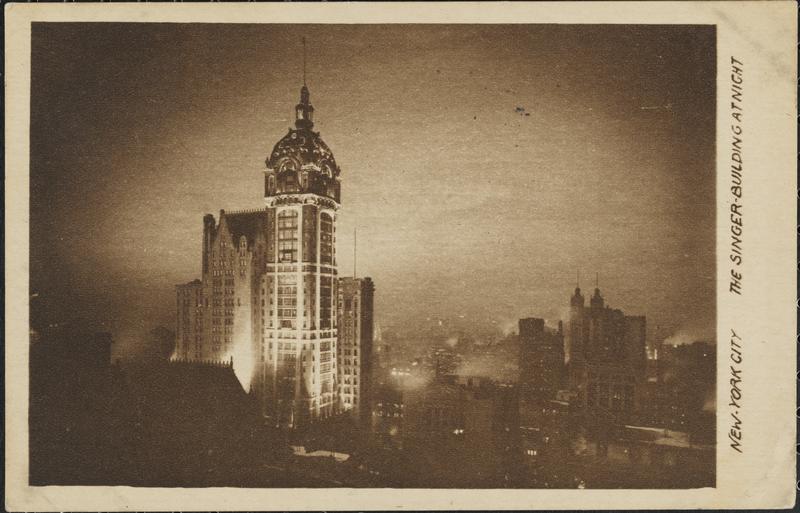
The Singer Building, 1911. courtesy Museum of the City of New York

Singer Building — The main character Newt Scamander arrives in New York Harbor and disembarks at Chelsea Piers. The camera pans over a breathtaking shot of downtown New York, its skyline as it would have looked in 1926. Most prominent among its many skyscrapers is the Singer Building.

From our book Adventures In Old New York:

“For a few short months from 1908 to 1909, the building that stood at 165 Broadway was the tallest in the world: the forty-seven-story Singer Building, the skyscraper trophy built by the head of the Singer Sewing Machine Company. Its unusual appearance—a narrow red tower shooting up from a chunky base—was among the most glorious on the young New York skyline. Its interior was festooned with bronze medallions engraved with the images of needle, thread, and bobbin. Because we can’t have nice things, they ripped it apart at the seams and tore it down in 1967. Prior to 2001, it remained the tallest building in the world ever demolished.”

fantastic-beast-and-where-to-find-them-is-set-in-1926-in-new-york-city-jpg

Woolworth Building — The world’s tallest building in 1926 is pivotal to the plot of Fantastic Beasts, the extra-dimensional headquarters for New York’s magicians. By 1926, it would have felt truly magical — if a bit old fashioned.  The sudden rise of Art Deco architecture and the installation of zoning laws in New York would have made the Woolworth feel like a unusual treasure of the skyline.

From our book:  “Designed by Cass Gilbert for the “five-and-dime” retail king Frank Woolworth, the Woolworth Building was a glowing candle of a skyscraper next to dainty little City Hall. The Woolworth’s intricate facade was adorned with many of the “international races” echoed down at Gilbert’s other big Manhattan building, the U.S. Custom House (1 Bowling Green).

Built three years before the city enacted stricter zoning laws (which, among other things, forced the construction of setbacks that would result in tiered wedding cake–shaped structures), the Woolworth simply zooms straight up into the sky.

Advertisements to fill the office space in the Woolworth Building made use of its unique place in American commerce. Said one ad, “Customers will never overlook your store if it is in the Woolworth Building. The sight and thought of the world’s greatest structure will remind them of you and your store.”

screen-shot-2016-07-25-at-1-59-58-pm

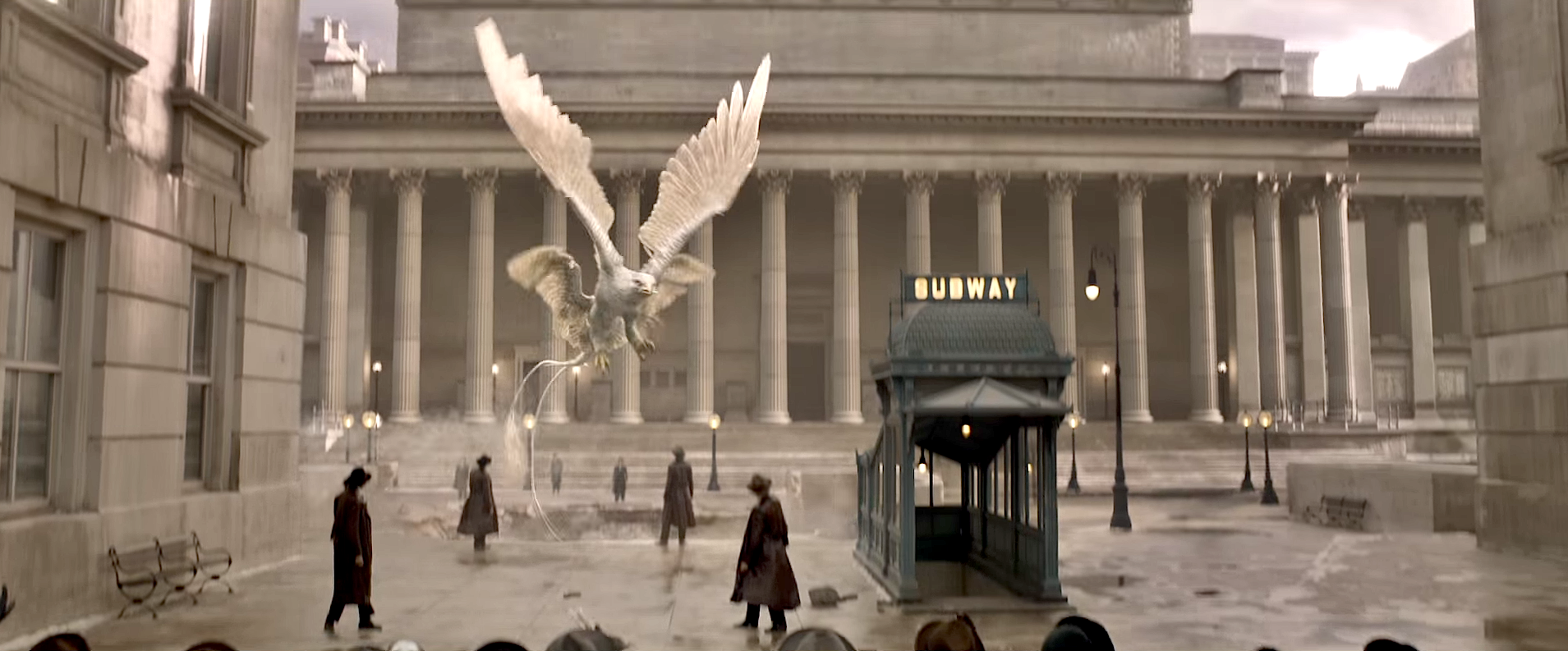
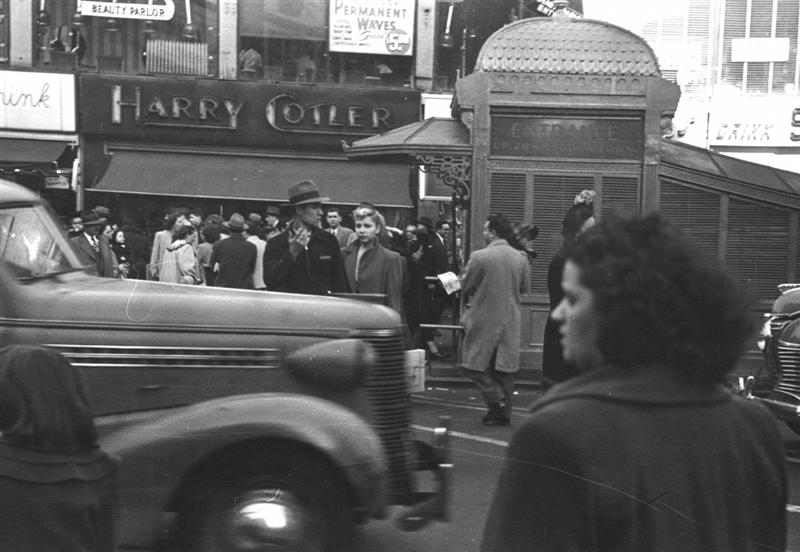
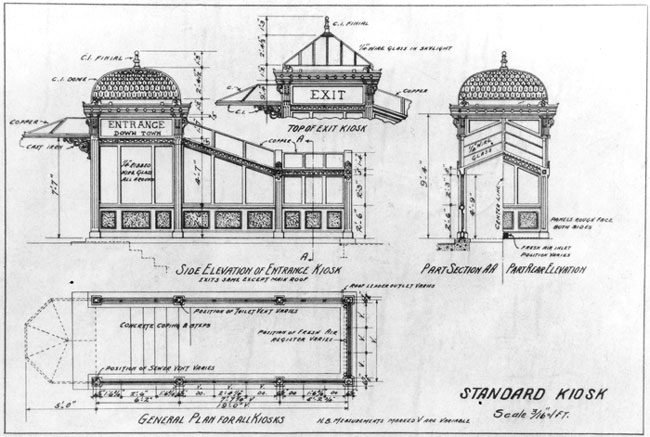
New York Subway Entrances — The unusual but elegant New York subway entrances are marvelously recreated here.  The spectacular design of the entrances is inspired by the subway in Budapest (yes, they had a subway before New York), using a kushk or summerhouse design often found in ancient Turkish structures.

Below: A similar entrance from 1940 in Union Square. Photographer Arnold Eagle, courtesy Museum of City of New York.

mny71700

kiosk


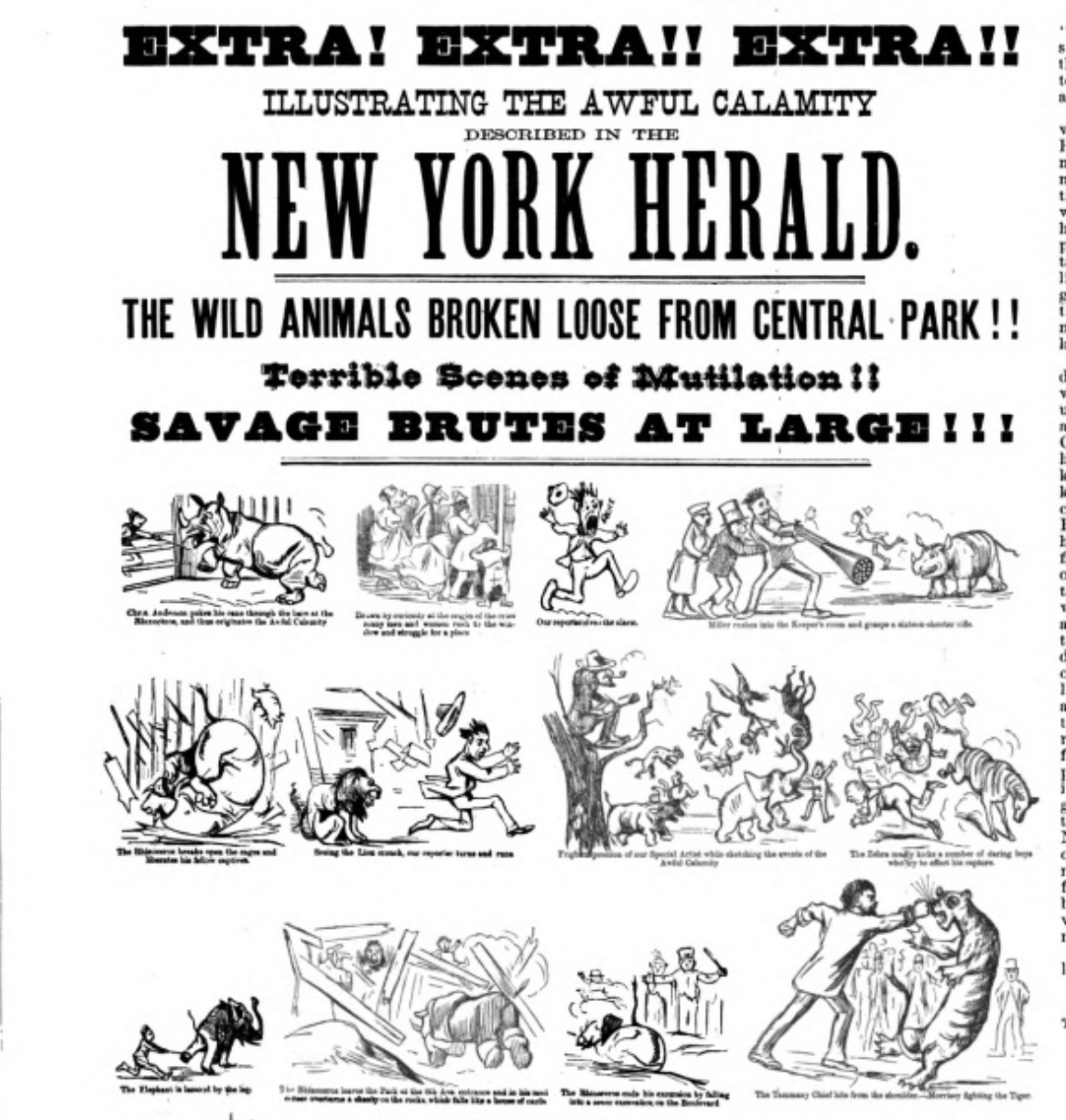
The Central Park Zoo escape — A specific moment in New York City history is strongly referenced in one exciting sequence in the movie. Or, should I say, an imagined moment in New York City history.

On November 9, 1874, the New York Herald ran a fictitious tale of animals escaping from the Central Park Zoo. “A SHOCKING SABBATH CARNIVAL OF DEATH” ran the headline:  “Another Sunday of horror has been added to those already memorable in our city annals. The sad and appalling catastrophe of yesterday is a further illustration of the unforeseen perils to which large communities are exposed.”

Harper’s Weekly recounts the hoax in a article from 1893 here.

screen-shot-2016-11-23-at-10-17-20-am

city_hall_subway_station

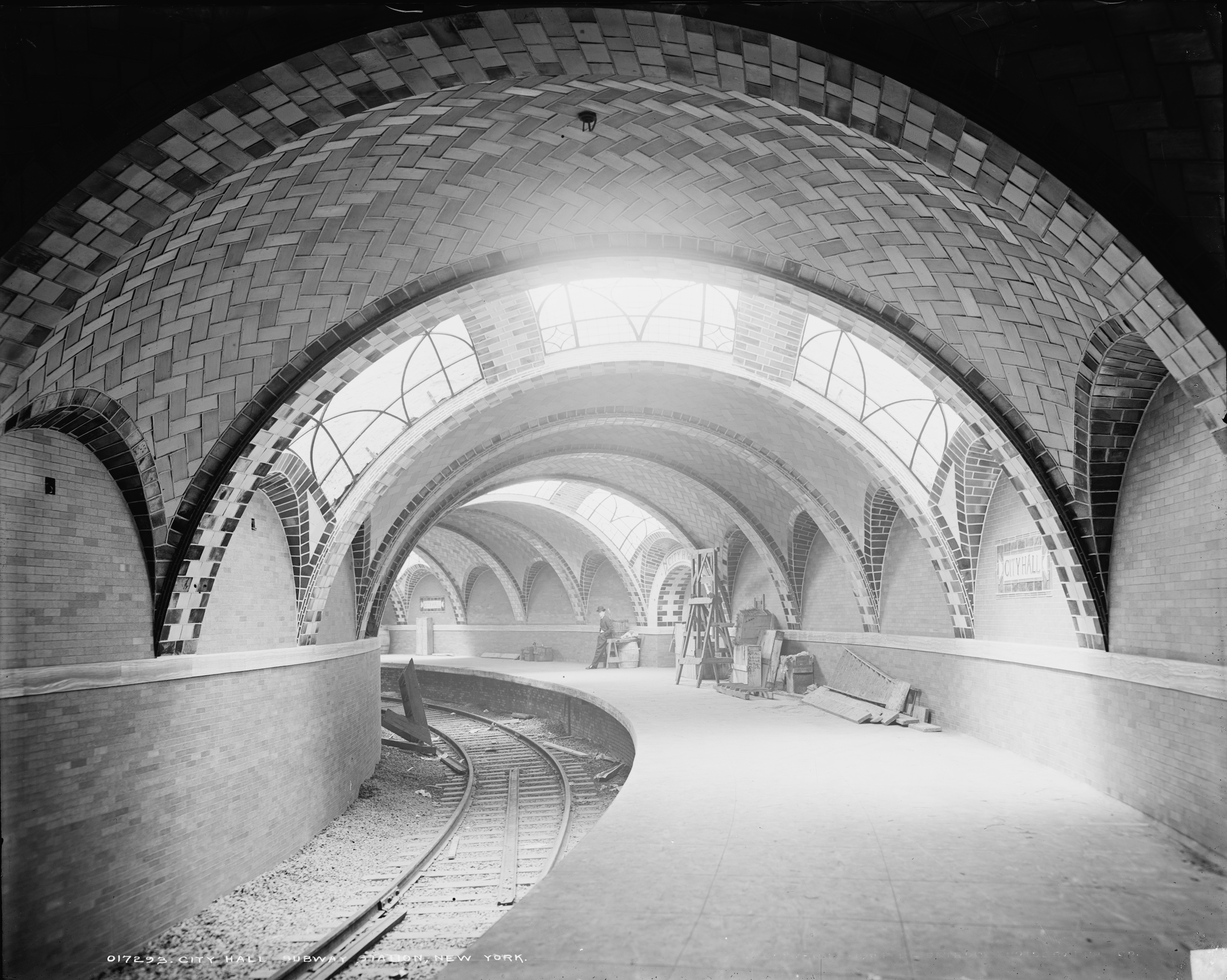
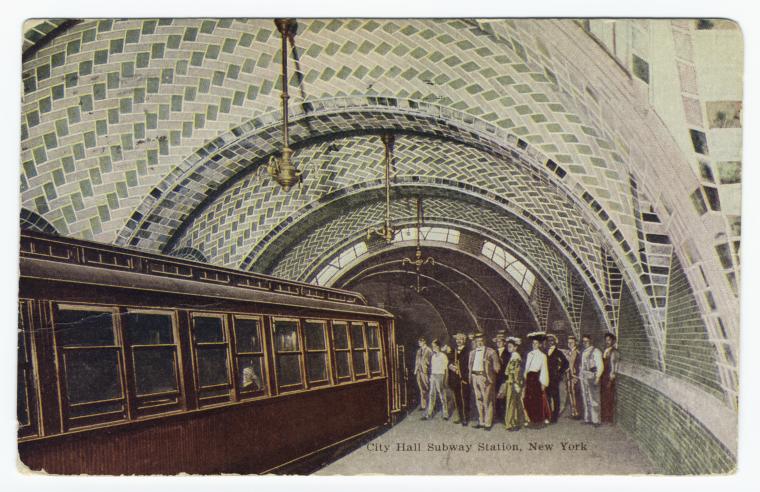
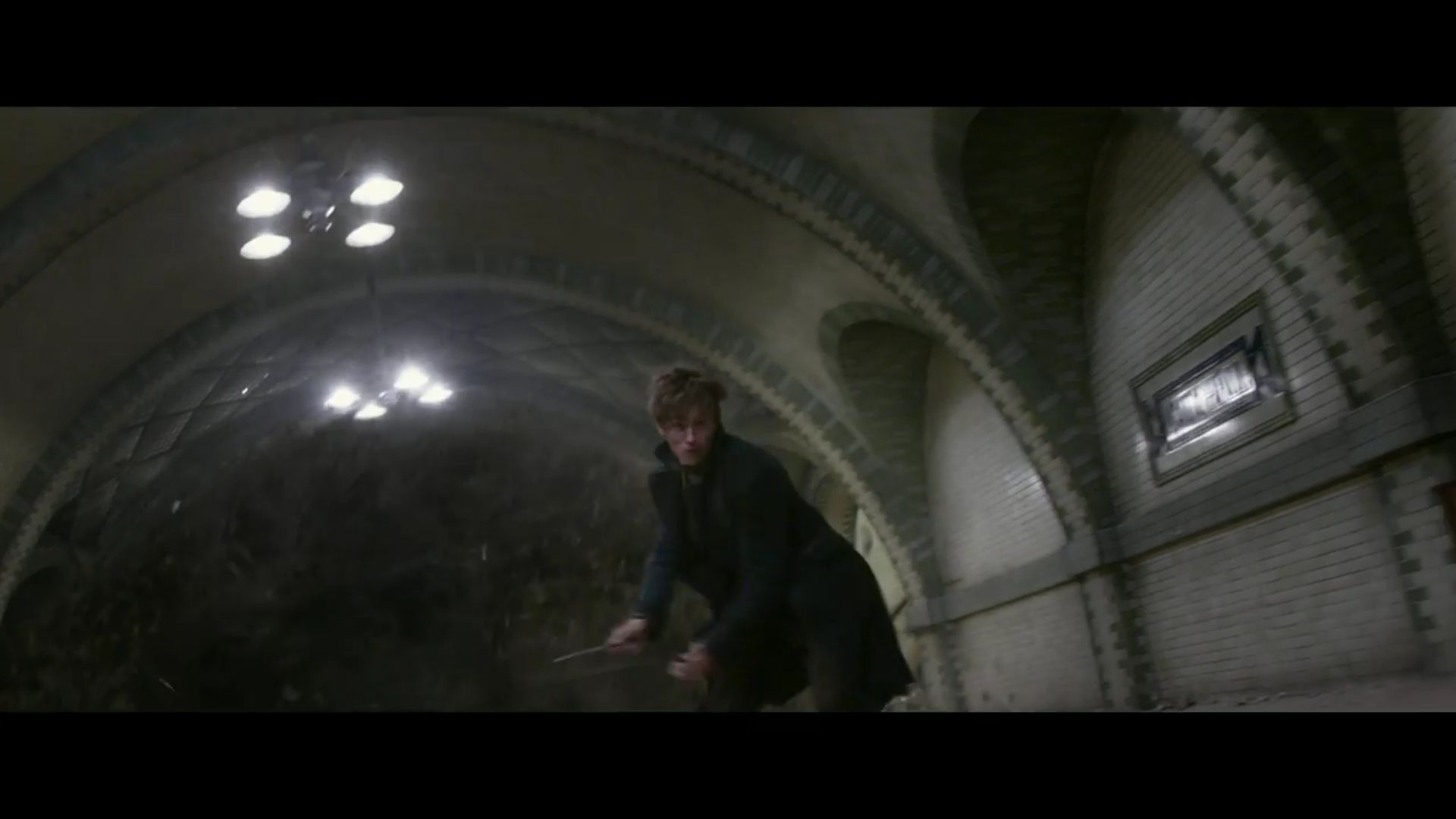
City  Hall Subway Station — One of the major action set pieces of the film takes place in a New York space that few are rarely allowed to go — the underground City Hall subway station.  Built in 1904 for the first subway, it was the most beautiful and the most elaborate, meant to assure the public of the subway’s comfort and safety. It was taken out of regular service in 1945 however it is occasionally reopened for tour groups.

We talk about this station in the first part of our history of the New York City subway:

top

snapshot-110


All images from Fantastic Beasts and Where To Find Them are courtesy Warner Bros. Pictures.


Categories
Pop Culture

The history of NYC in eight pop culture moments from 2014

In our 2014 Year In Review podcast, we didn’t have much time to talk about notable pop cultural events that depicted New York City history.  But here’s a recap a few films and television shows which used the city’s history in their narratives. I’ve arranged them in the chronological order in which they’ve been set:

Courtesy AMC

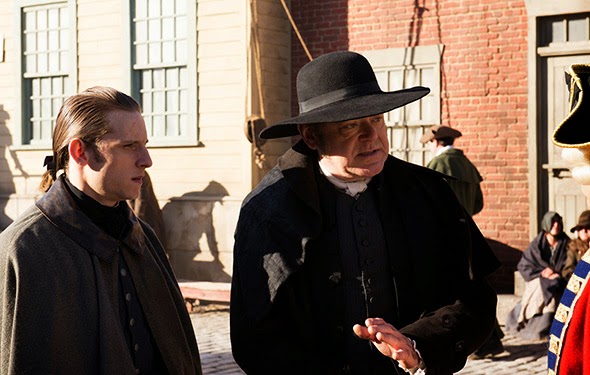
TURN
Year: 1776
This AMC freshman series, revolving around the early years of the Revolutionary War, depicts Long Island, New Jersey and the cramped port city of New York itself in the year 1776. Its first season was so-so, but the performances were good, and the art direction surely excellent, as in the best episode “Of Cabbage And Kings” when Abe Woodhull (Jamie Bell) takes the boat to downtown Manhattan and ostensibly begins his career as George Washington’s newest spy.


Courtesy HBO/Cinemax

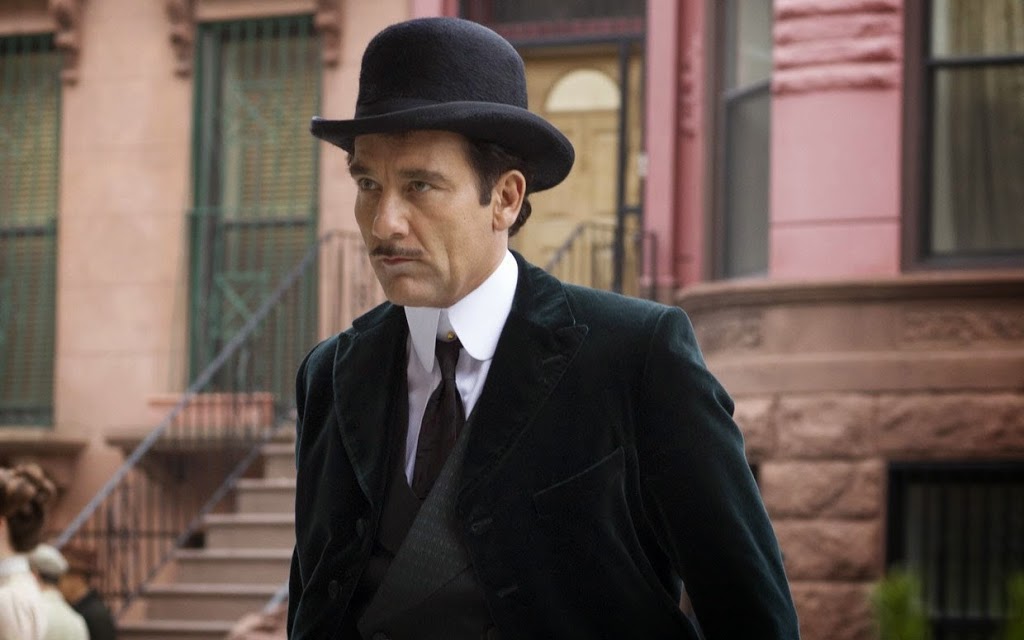
THE KNICK
Year: 1900
Cinemax’s vivid medical drama was certainly the most atmospheric show on American television (excluding maybe True Detective), illustrating the medical practices of a financially strapped Manhattan hospital as administered by drug addict and genius surgeon Dr. John Thackery (Clive Owen).  The exteriors of Knickerbocker Hospital were shot at Boys’ High School in Bed-Stuy and were most prominently featured in the episode “Get The Rope” when a racist mob violently attacked black passers-by.

Screen shot from On the Set of New York

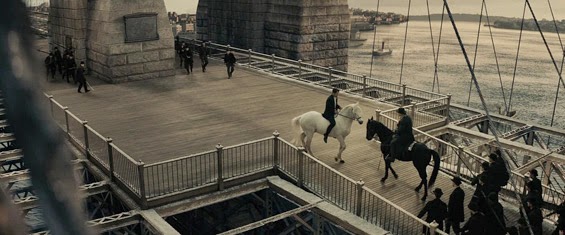
WINTER’S TALE
Year: 1916
A romantic time-warp fuels this  unsuccessful adaptation of Mark Halperin’s fantasy historical novel.  His writing style is truly enigmatic, proven here when plot is separated from description. However the film is not without its visual charms, including a brief look at the East River waterfront, circa 1916, as Colin Farrell gallops over the Brooklyn Bridge on a white horse.

Courtesy The Weinstein Company

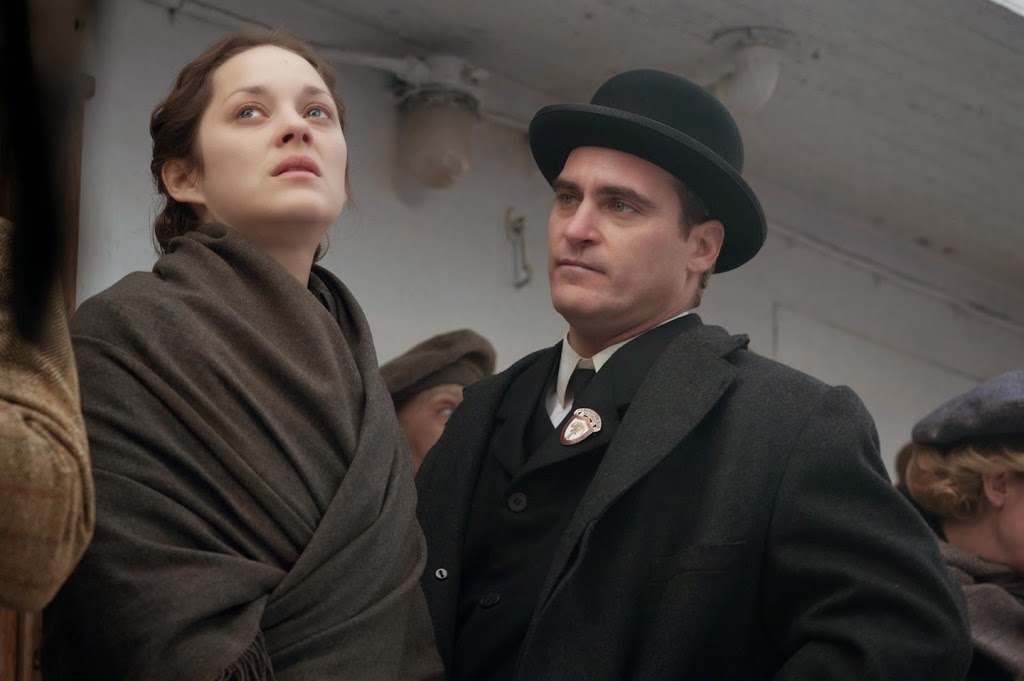
THE IMMIGRANT
Year: 1921
Marion Cotillard, providing an old-school blockbuster performance, is the heart and soul of this film set at the dawn of Prohibition. With her sister Magna is detained at Ellis Island, Ewa (Cotillard) goes to work for a shady impresario (played by Joaquin Phoenix) who then prostitutes her to clients.  The cinematography by Darius Khondji takes inspiration from browned, faded photography, and his views of the Lower East Side in the early scenes are truly breathtaking.

Courtesy HBO
 
BOARDWALK EMPIRE

Year: 1931
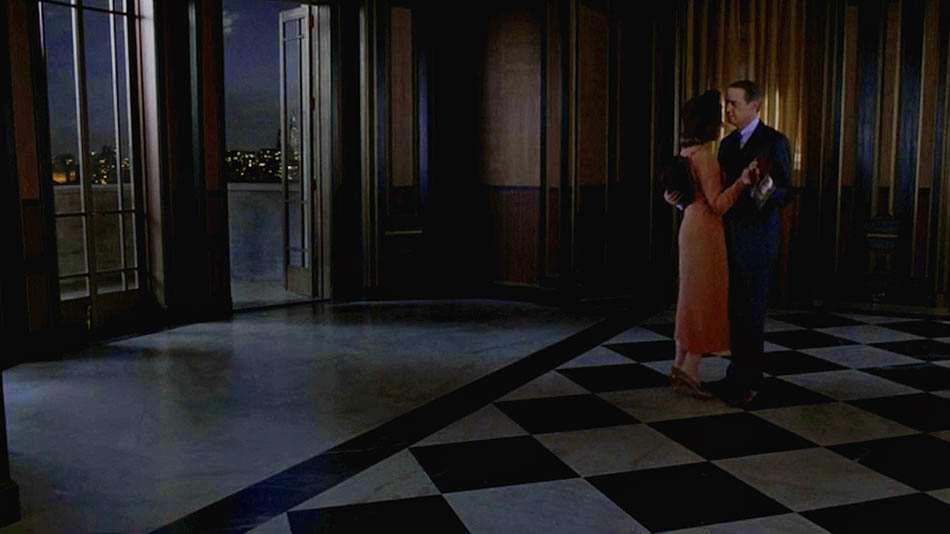
I prefer not to relive the ending of “Eldorado,” the final episode of Martin Scorsese’s Prohibition drama.  So let’s just end it at the lovely scene with Nucky (Steve Buscemi) and Margaret (Kelly MacDonald) dancing in the gorgeous apartment at the Upper West Side apartment complex which gives the episode its bittersweet name.

Courtesy AMC

MAD MEN
Year: 1970
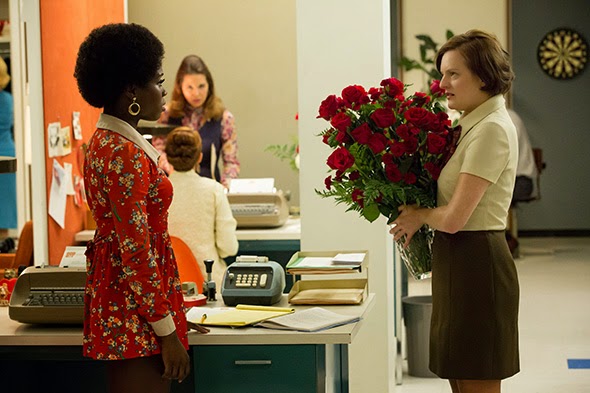
The first half of the final season (can’t believe I’m writing that) saw the beginnings of a redemption arc for Don Draper and general cultural instability for just about everyone else.  The new character Shirley (Sola Bamis) became a bit of a harbinger of the new decade in the episode “A Day’s Work,” bringing out the insane in Peggy (Elizabeth Moss) and the clever side of Joan (Christina Hendricks).

Courtesy A24 FIlms

A MOST VIOLENT YEAR**
Year: 1981
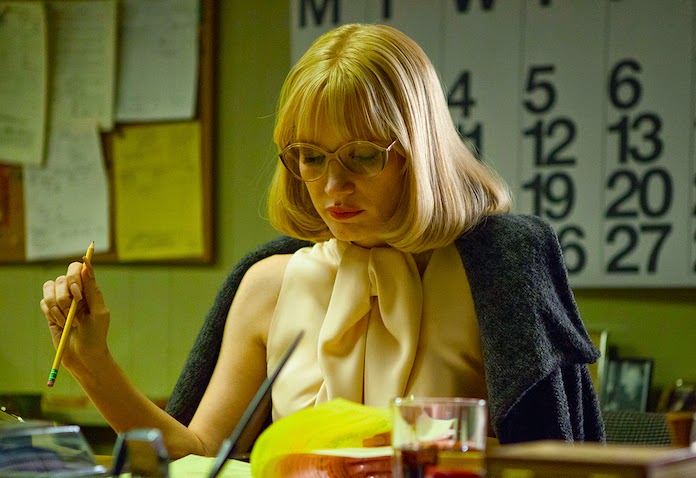
This would be a simple story of an ambitious immigrant businessman Abel (played by Oscar Isaac) just wanting to get ahead in the world, expanding his fuel empire into larger digs in Brooklyn. But this is 1981, and nothing is very simple, least of which his wife Anna (Jessica Chastain) with her familial connections to the mob.

LUCY
Year: Every Year!
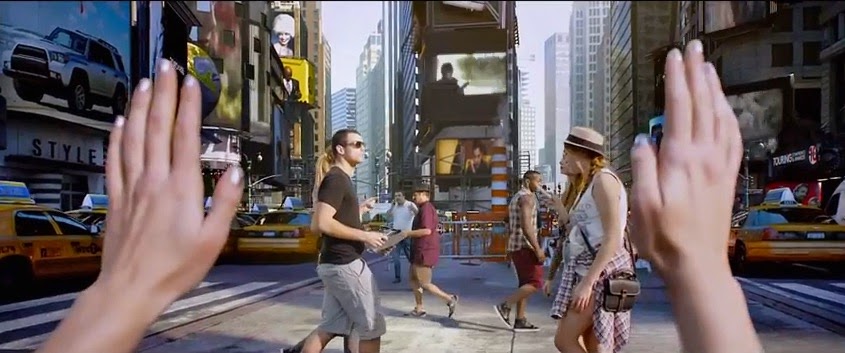
Well, I’m not going to explain why, but let’s just say that La Lucy (Scarlett Johansson) has the ability to both travel through and manipulate time via an extreme overdose of an experimental new drug. It doesn’t matter. What does matter is for about one minute, she finds herself in the middle of Times Square, repeating and rewinding time at that very spot, giving us quick doses of the newly built One Times Square, then of the horse and carriages of Longacre Square.

And then she goes back a couple million more years or so. I cannot confirm the historical veracity of these particular scenes but it looks very pretty.

**For transparency: I’m writing each week at the blog NYC.1981 which is a tie-in into the film.