Categories
Neighborhoods Planes Trains and Automobiles Podcasts

Up and Down Park Avenue: New York City History with a Penthouse View

The story of a filthy and dangerous train ditch that became one of the swankiest addresses in the world — Park Avenue. 

For over 100 years, a Park Avenue address meant wealth, glamour and the high life. The Fred Astaire version of the Irving Berlin classic “Puttin’ on the Ritz” revised the lyrics to pay tribute to Park Avenue: “High hats and Arrow collars/White spats and lots of dollars/Spending every dime for a wonderful time.”

By the 1950s, the avenue was considered the backbone of New York City with corporations setting up glittering new office towers in the International Style — the Lever House, the Seagram Building, even the Pan Am Building. 
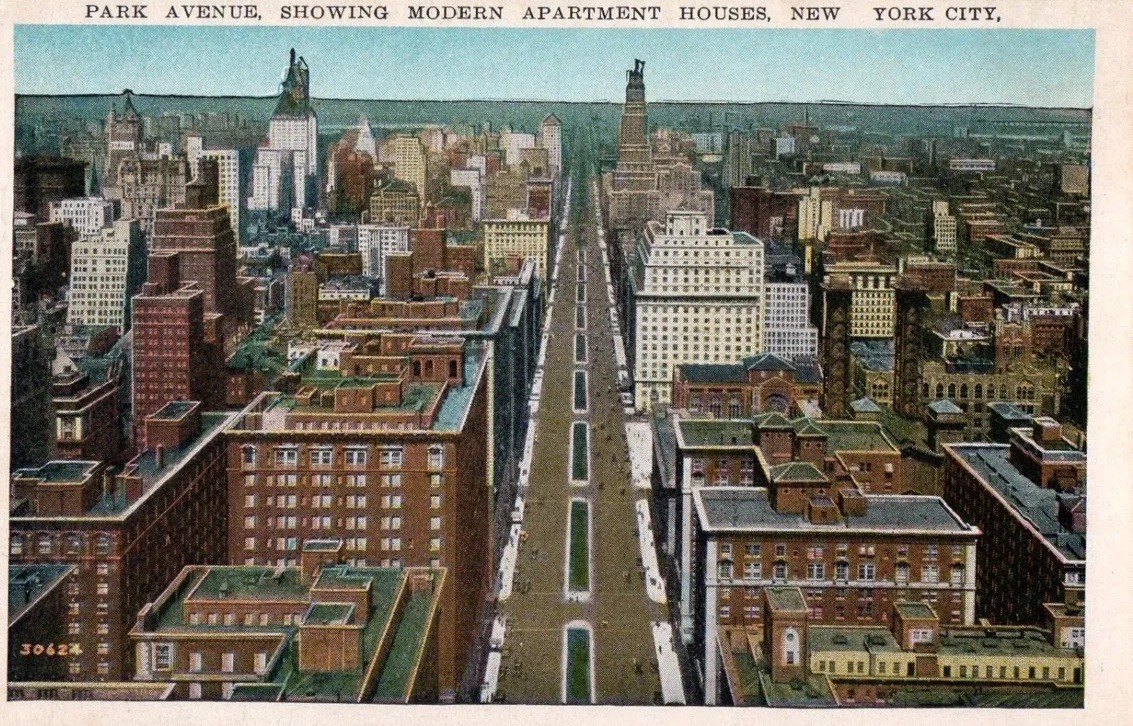
But the foundation for all this wealth and success was, in actually, a train tunnel, originally operated by the New York Central Railroad. This street, formerly known as Fourth Avenue, was (and is) one of New York’s primary traffic thoroughfares. For many decades, steam locomotives dominated life along the avenue, heading into and out of Cornelius Vanderbilt’s Grand Central (first a depot, then a station, eventually a terminal).

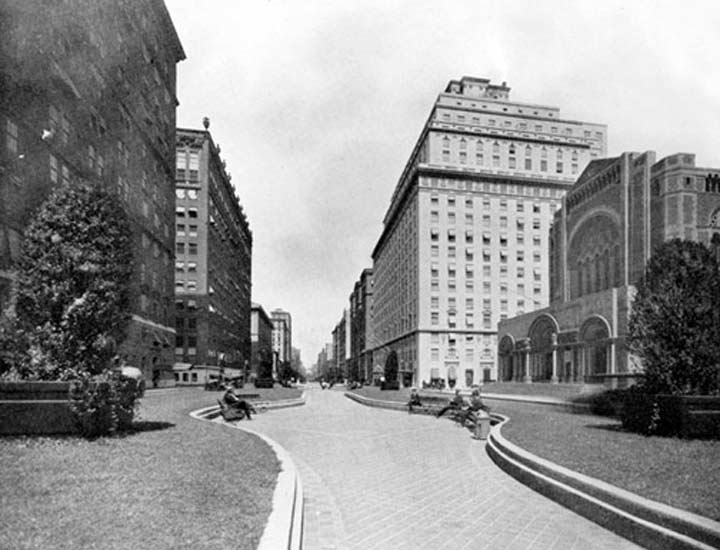
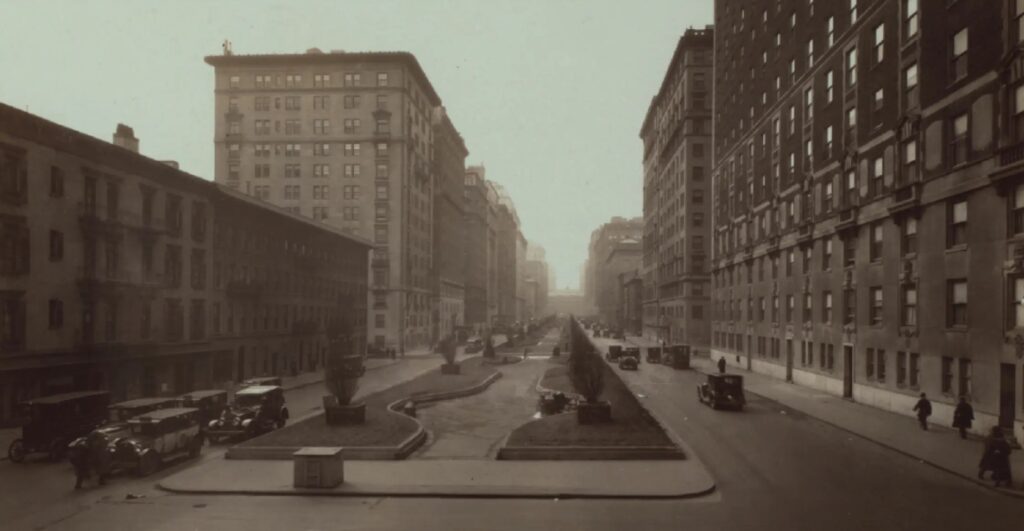
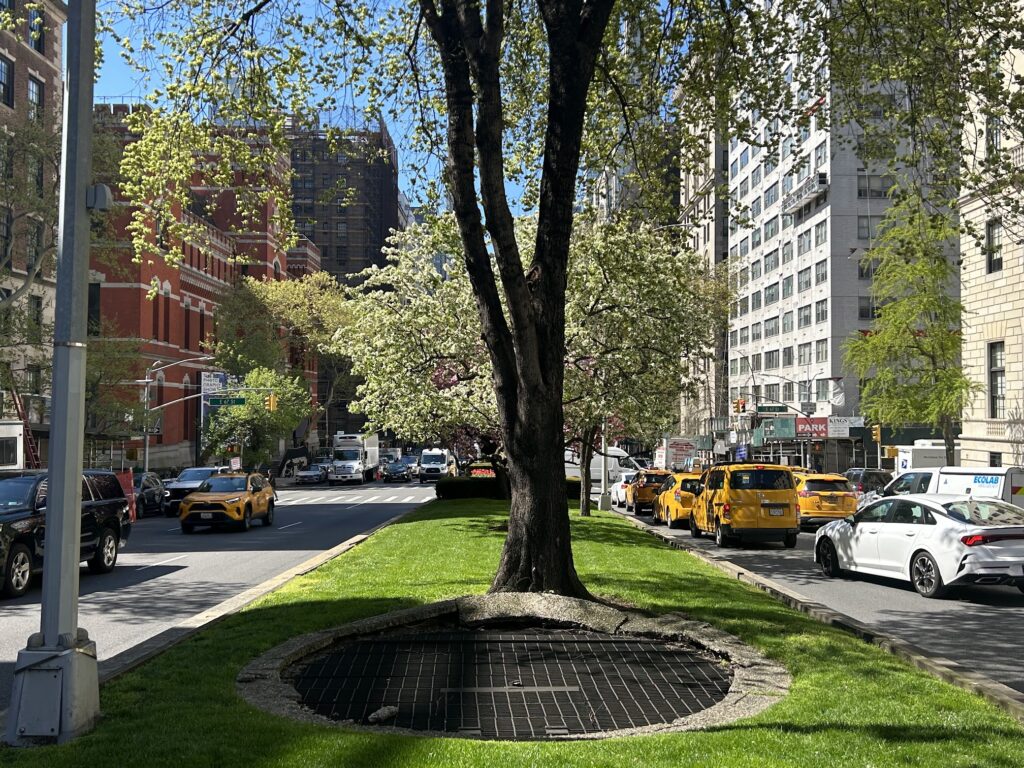
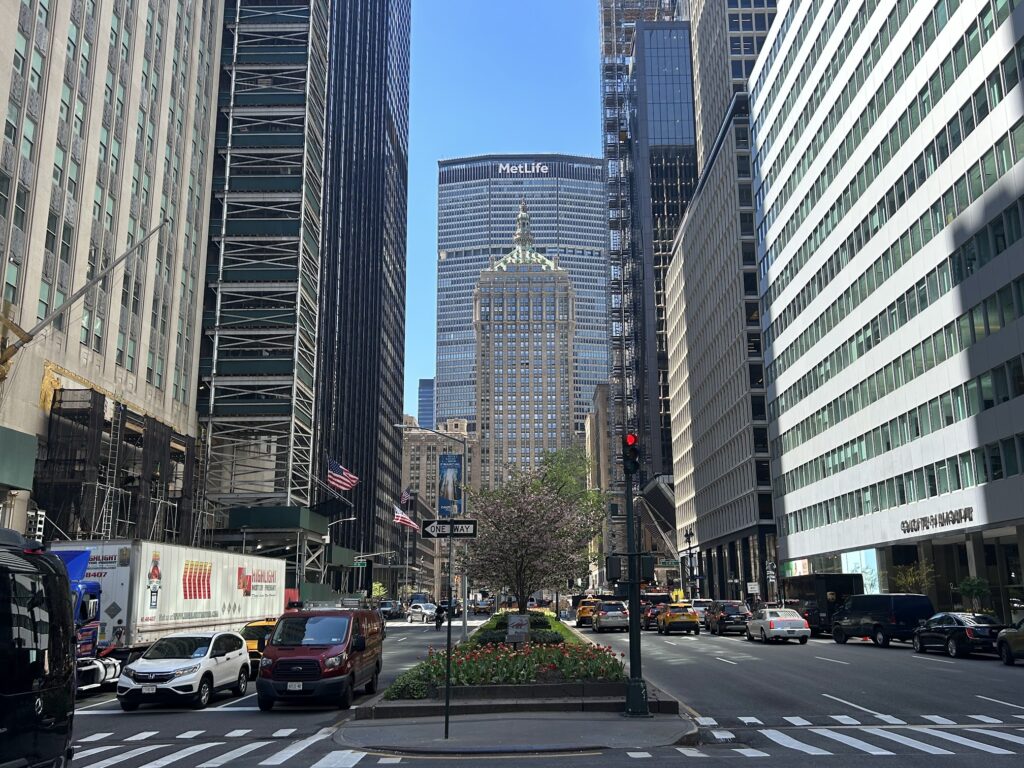
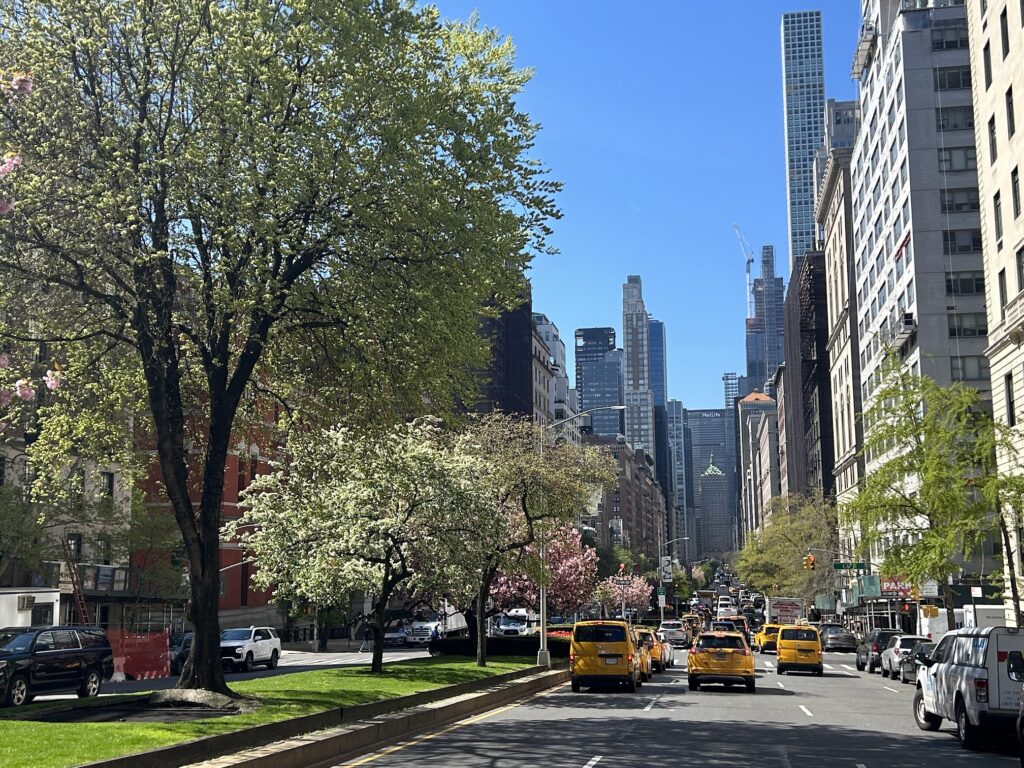
However train tracks running through a quickly growing city are neither safe nor conducive to prosperity. Eventually, the tracks were covered with beautiful flowers and trees, on traffic island malls which have gotten smaller over the years. 

By the 1910s this allowed for glamorous apartment buildings to rise, the homes of a new wealthy elite attracted to apartment living in the post-Gilded Age era. But that lifestyle was not quite made available to everyone. 

In this episode, Greg and Tom take you on a tour of the tunnels and viaducts that helped New York City to grow, creating billions of dollars of real estate in the process. 

LISTEN NOW: UP AND DOWN PARK AVENUE
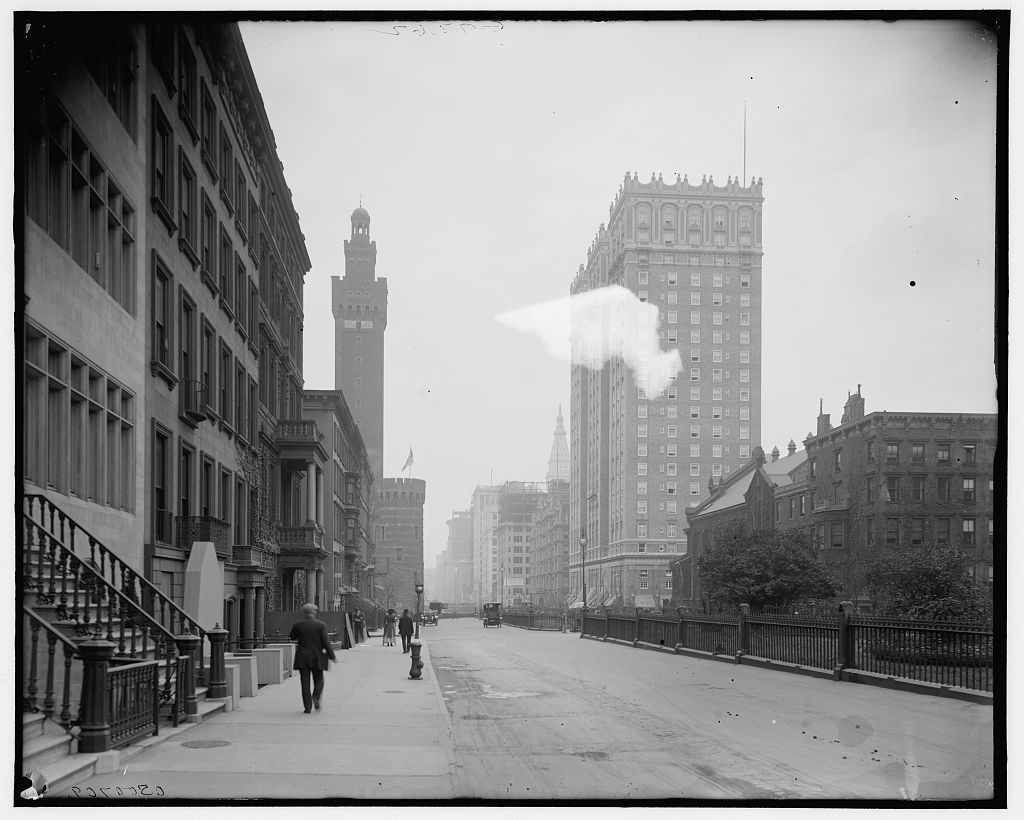

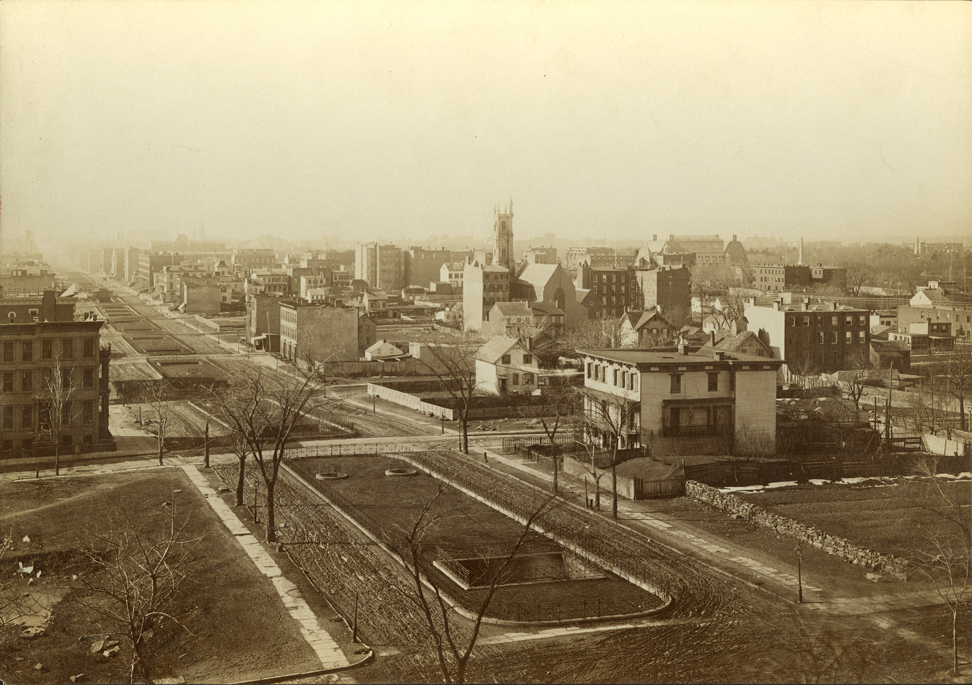
Park Avenue, looking south of 36th Street, 1900-1905 Library of Congress
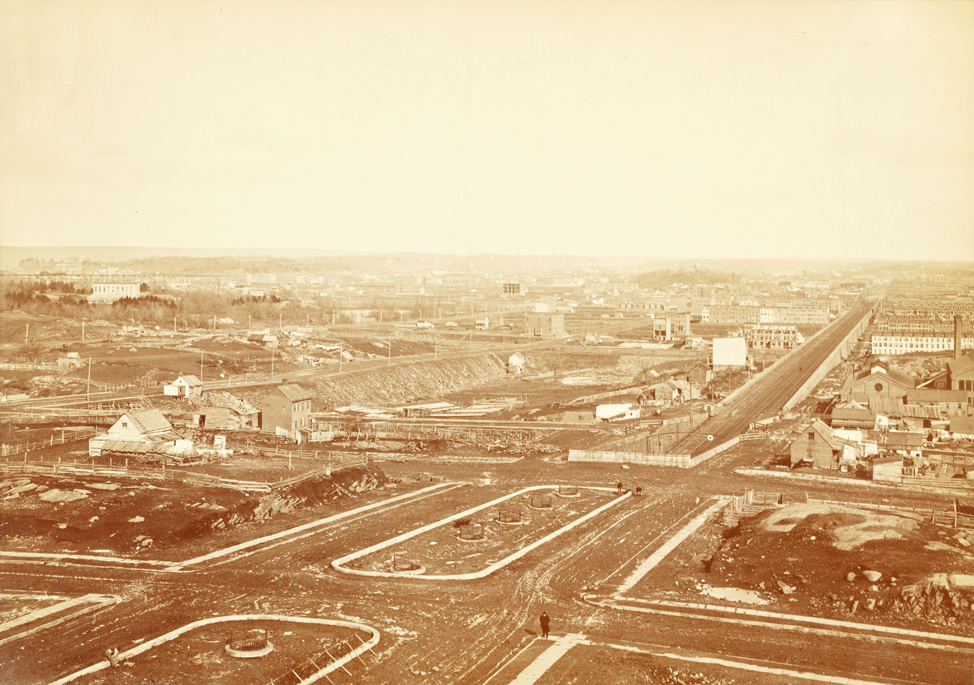
Park Avenue and 94th Street, Library of Congress
Park Avenue, late 1800s, Musem of the City of New York
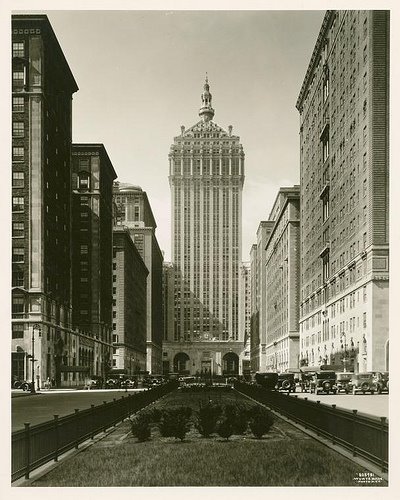
Park Avenue, after St Bart’s came along in 1918 but before these lovely pedestrian areas were destroyed in the late 1920s.
Park Avenue 1927, Department of Transportation
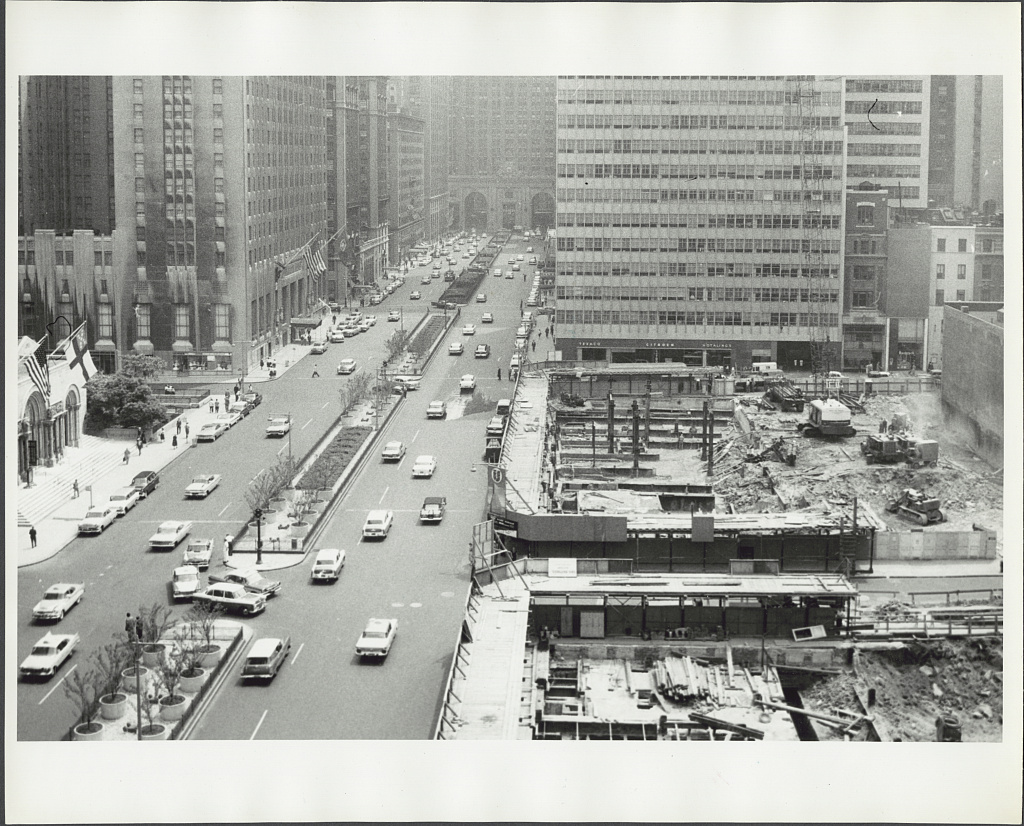
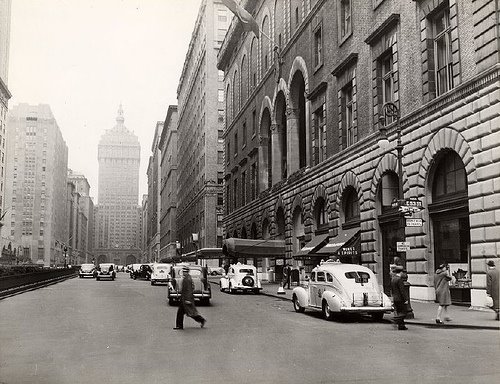
“Photograph shows cars moving along Park Avenue as the road heads towards the tunnels of the Helmsley Building, known then as the New York General Building. Building construction visible to the right. St. Bartholomew’s Church slightly visible on left.” Library of Congress, 1959

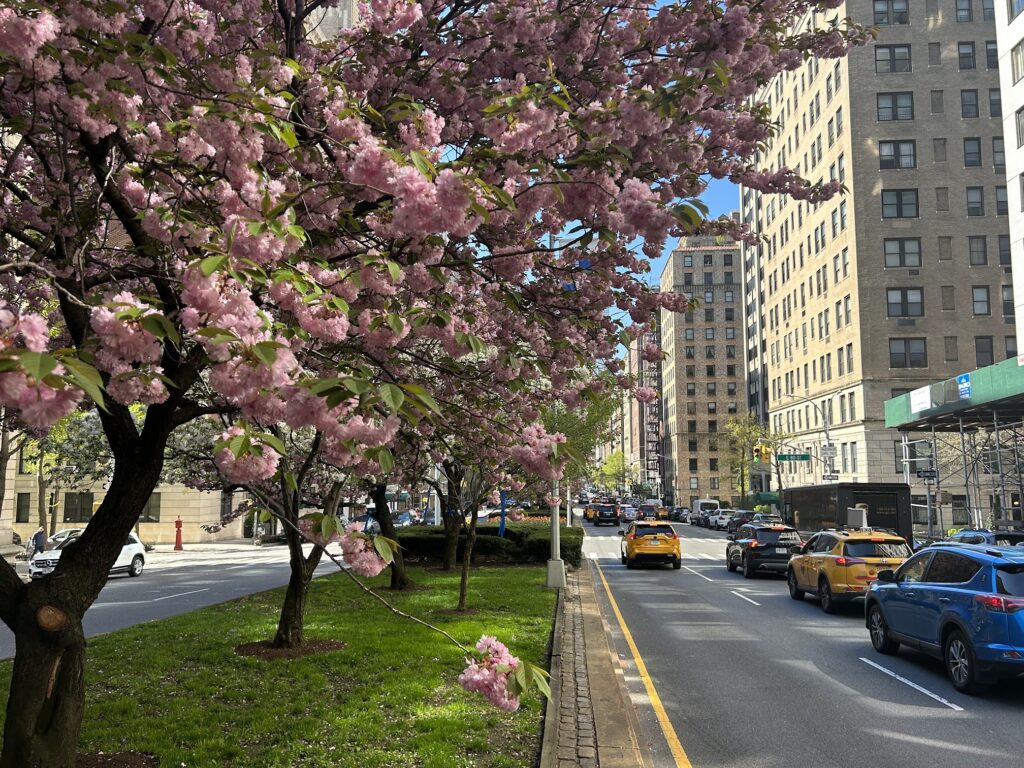
Photo by Greg Young
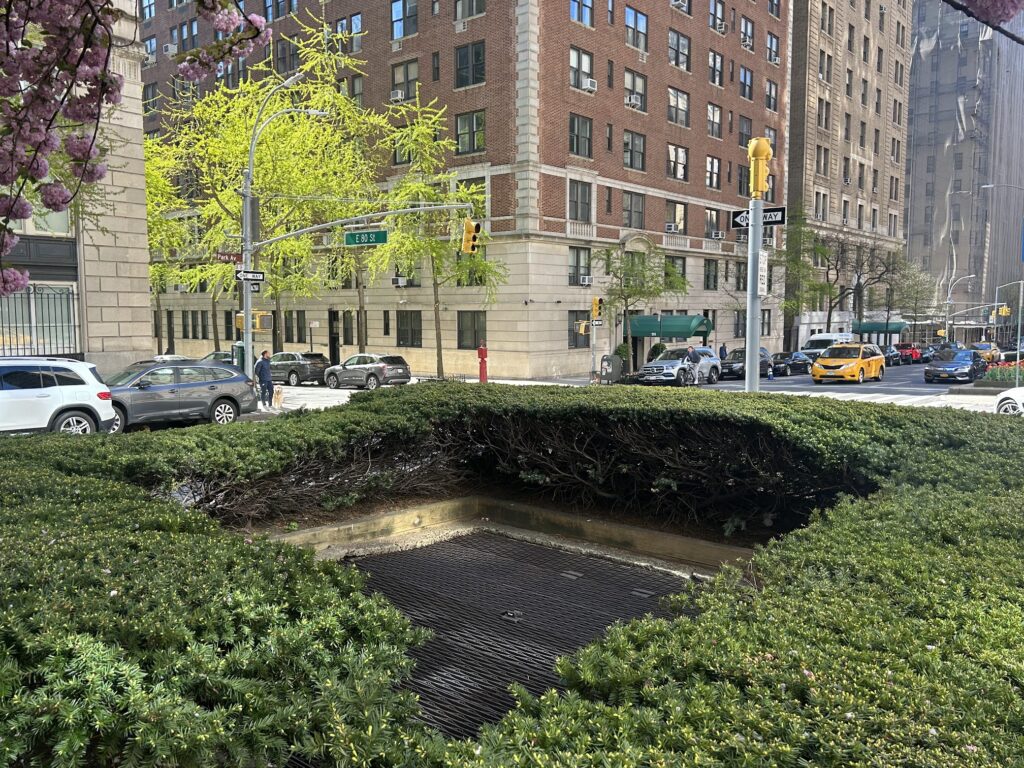
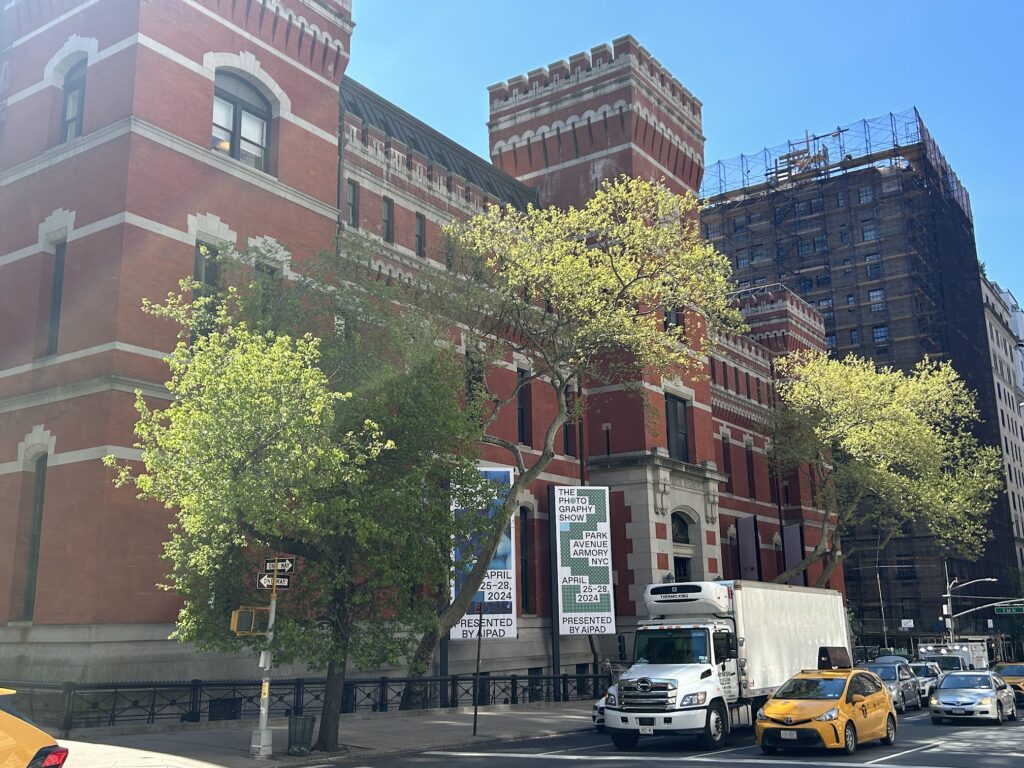
Photo by Greg Young
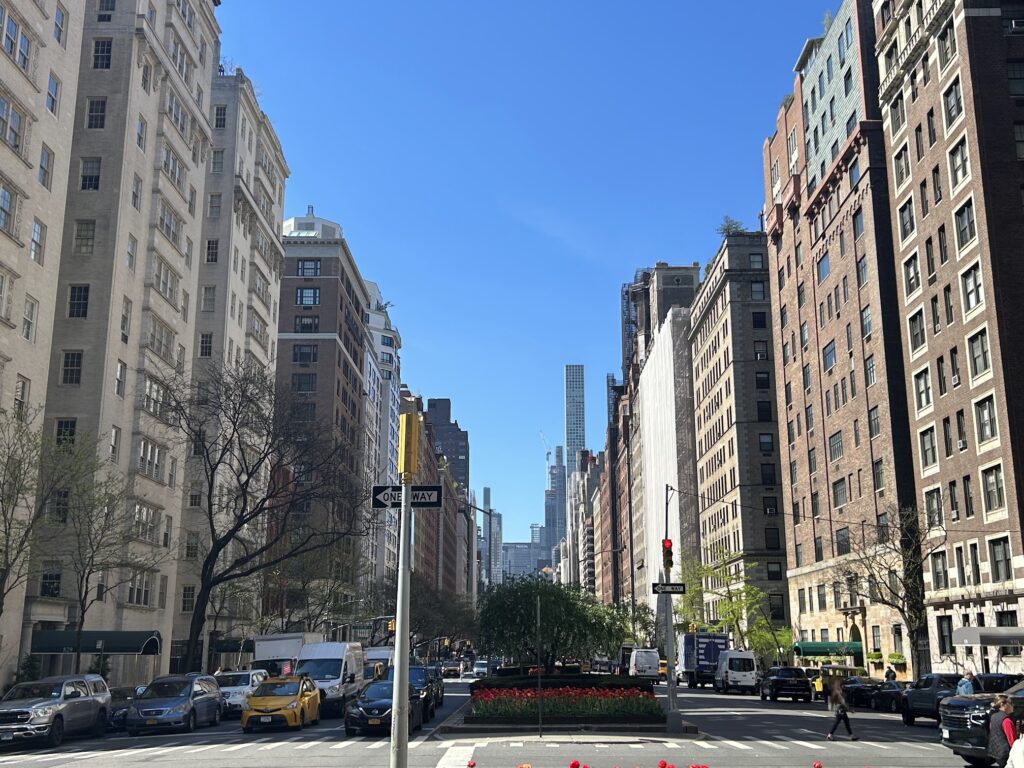
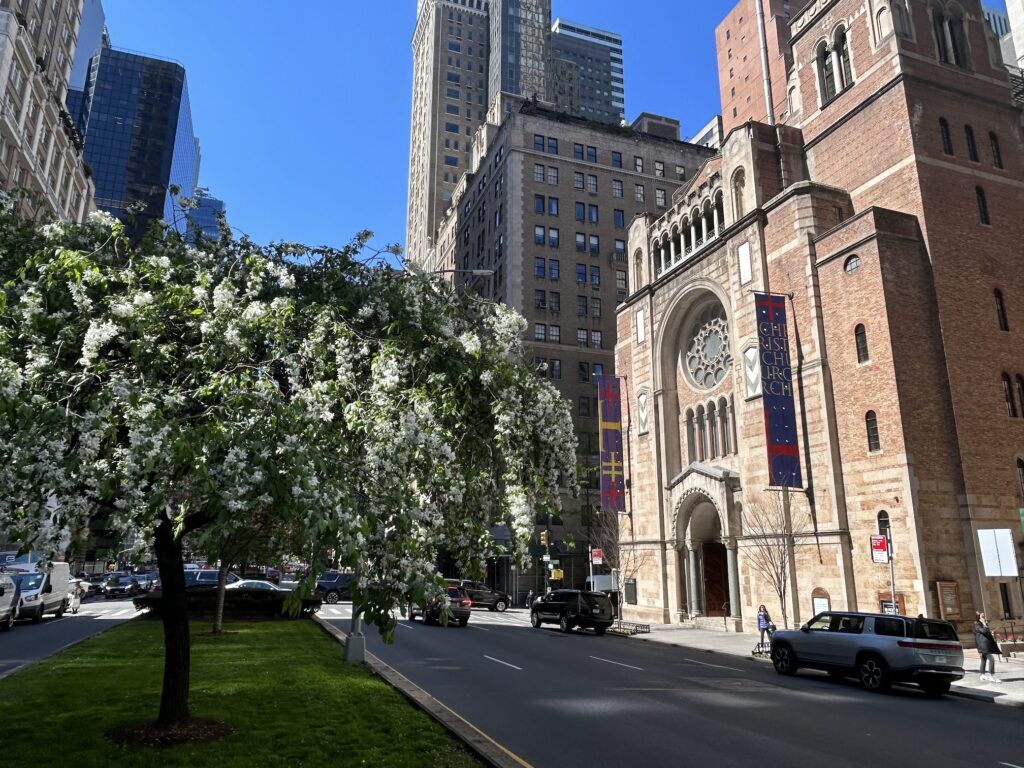
Photo by Greg Young
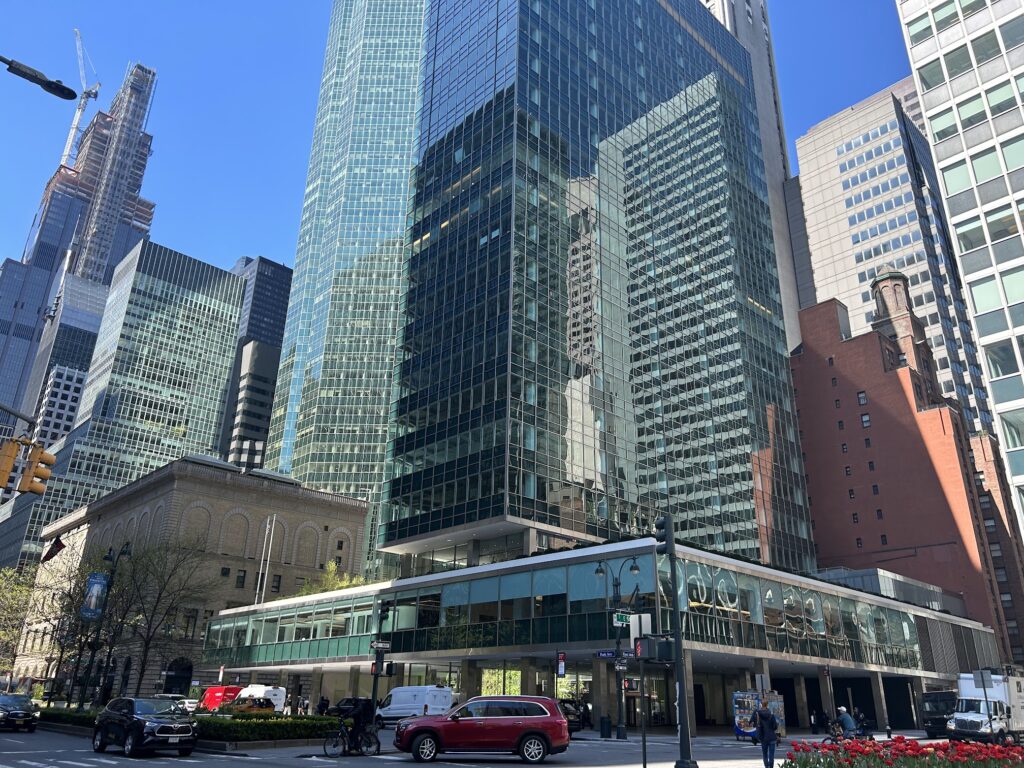
Photo by Greg Young
Photo by Greg Young
Photo by Greg Young
Photo by Greg Young
Photo by Greg Young

FURTHER LISTENING

Listen to these related Bowery Boys episodes after you’re done listening to the Park Avenue show:


FURTHER READING

This week we’re suggesting a few historic designation reports for you history supergeeks looking for a deep dive into Park Avenue history. Dates indicated are when the structure or historic district was designated

St. Bartholomew’s Church and Community House (1967)

Seventh Regiment Armory/Park Avenue Armory (1967)

Consulate General of Italy (formerly the Henry P. Davison House) (1970)

New World Foundation Building (1973)

Racquet and Tennis Club Building (1979)

Pershing Square Viaduct/Park Avenue Viaduct (1980)

Upper East Side Historic District Designation Report (1981)

Lever House (1982)

1025 Park Avenue Reginald DeKoven House (1986)

New York Central Building (1987)

Seagram Building (1989)

Mount Morris Bank Building (1991)
Expanded Carnegie Hill Historic District Report (1993)

Waldorf-Astoria Hotel (1993)

Pepsi-Cola Building (1995)

Ritz Tower (2002)

2 Park Avenue Building (2006)

Park Avenue Historic District Designation Report (2014)

Categories
Landmarks

Grand Central Terminal: The original plan from 1910

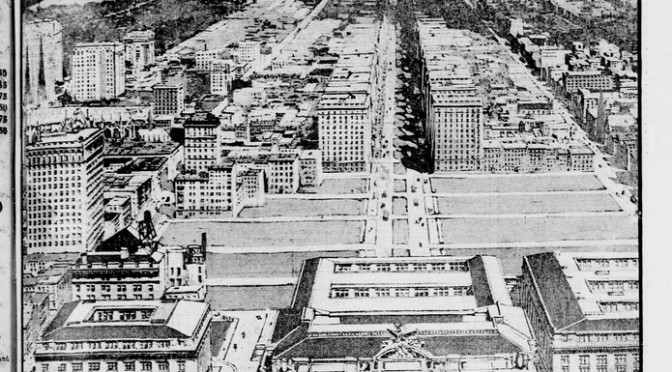
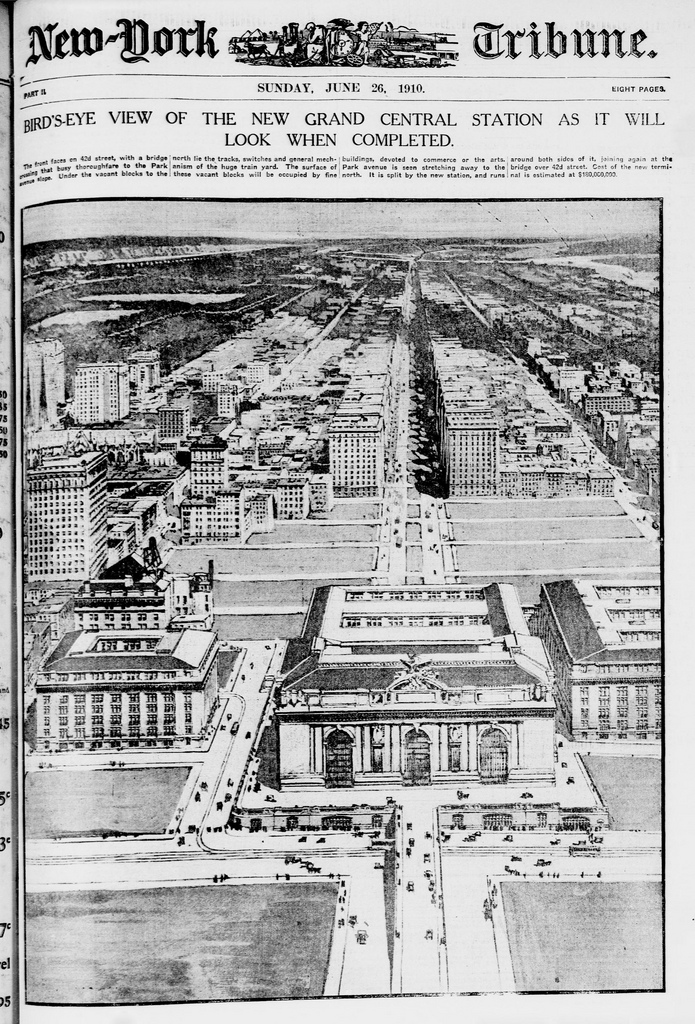
Continuing the celebration of Grand Central Terminal’s 100th anniversary, here’s a look at the proposed street plan which was run in the New York Tribune on June 26, 1910.

“The front faces on 42nd Street, with a bridge crossing that busy thoroughfare to the Park Avenue slope. Under the vacant blocks to the north lie the tracks, switches and mechanisms of the huge train yard. The surface of these vacant blocks will be occupied by fine buildings, devoted to commerce or to the arts.

Park Avenue is seen stretching away to the north. It is split by a new station and runs around both sides of it, joining again at the bridge over 42nd Street. Cost of this new terminal is estimated at $180,000,000.”

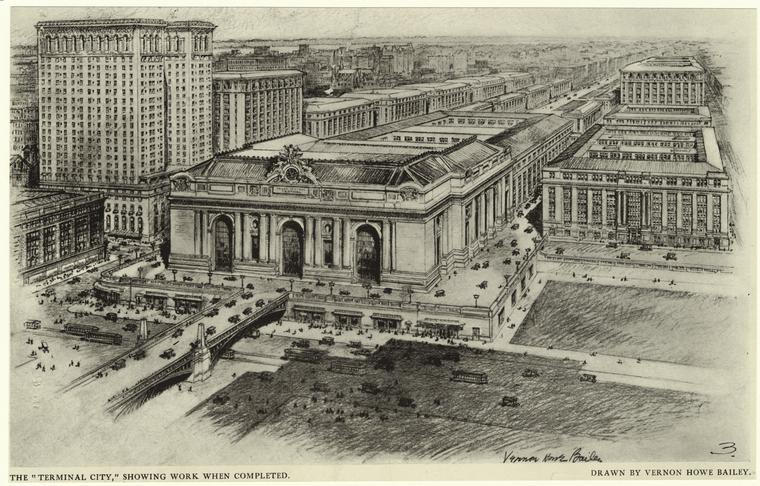
This was the beginning of the ‘Terminal City’ plan, a group of linking buildings with similar design. Sadly, many of those buildings were never built, and those that were have been torn down during the furor of the midtown skyscraper boom.

The plan below shows Terminal City from a different angle, and with new features:

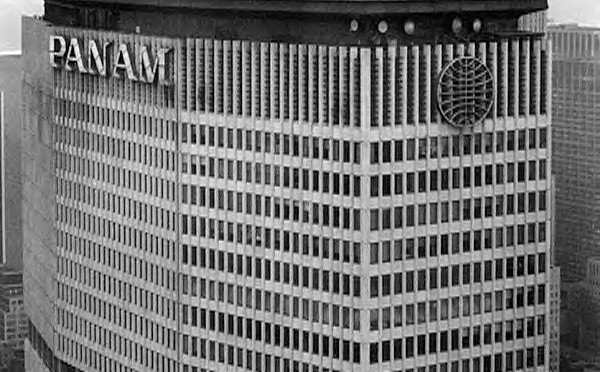
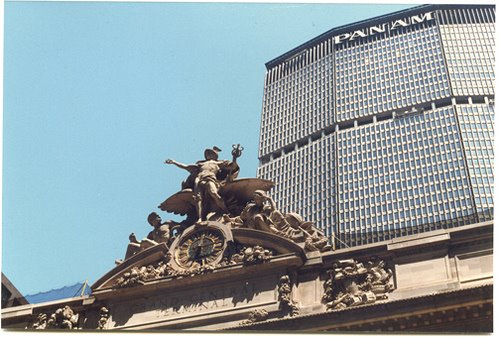
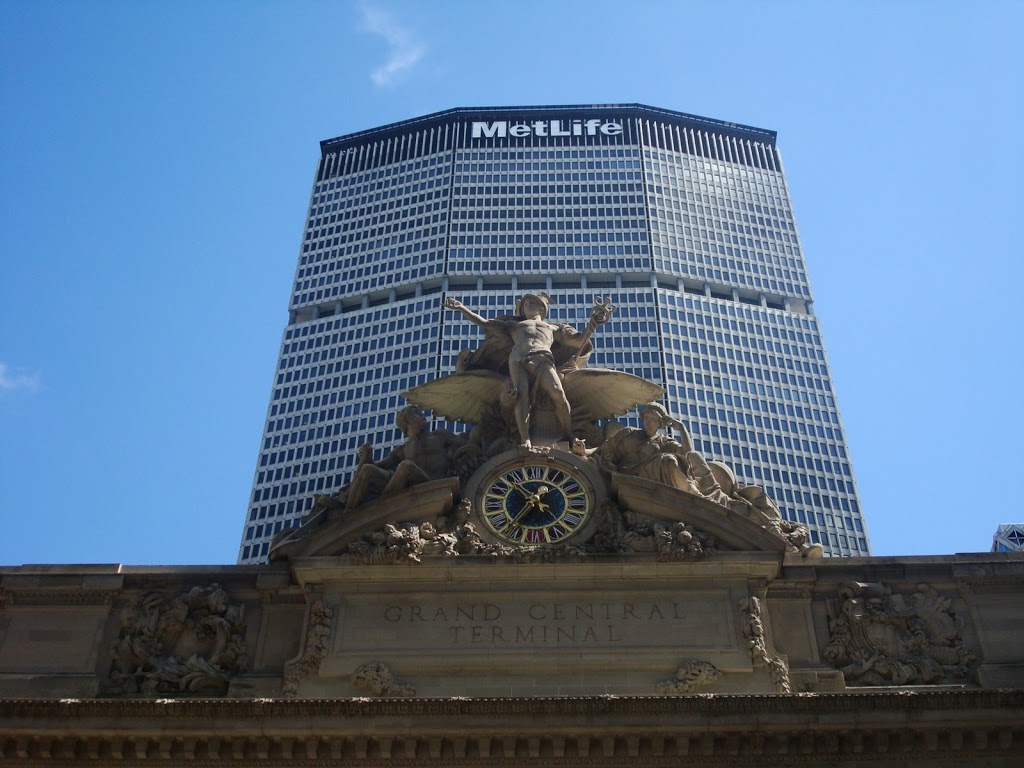
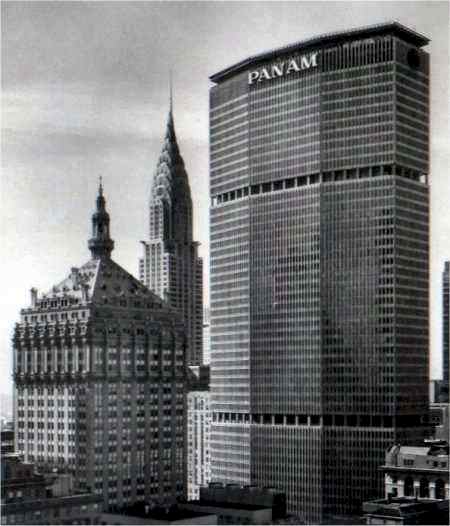
The uniformity intended for Terminal City stands in stark contrast to the multiplicity of towering structures in the area today. In particular, the graceful New York Central Building (today the Helmsley Building) would finally rise to Grand Central’s north in 1929. The decidedly ungraceful Pan Am Building (today the MetLife Building) was planned during the late 1950s, when commuter travel by train decreased and Grand Central was considered an antiquated relic.

But it’s not what you see that New Yorkers marveled at back in 1910. It’s what you didn’t see. “[A]ll of  this machinery of this vast terminal — the signals, the tracks and the hundreds of trains — will never be seen from the street,” proclaimed the 1910 Tribune article. “They will be less in evidence than the engines at the heart of an ocean liner.”

Electric trains afforded such a disappearance from street level, creating an entirely new boulevard from 45th Street to 57th Street.  In some serious understatement, the Tribune continues, “These changes will revolutionize the character of this part of the city. Along the new part of Park Avenue will be constructed a mile and a half of imposing apartment houses.”

Spectacular apartment complexes would appear on Park Avenue, but mostly above 57th Street.  Commerce would eventually fill in the block below, bringing the most innovative skyscrapers of the 1950s, structures like the Seagram Building at 52nd Street and the Lever House at 53rd Street, buildings which toyed with the city’s zoning laws and created new public spaces.

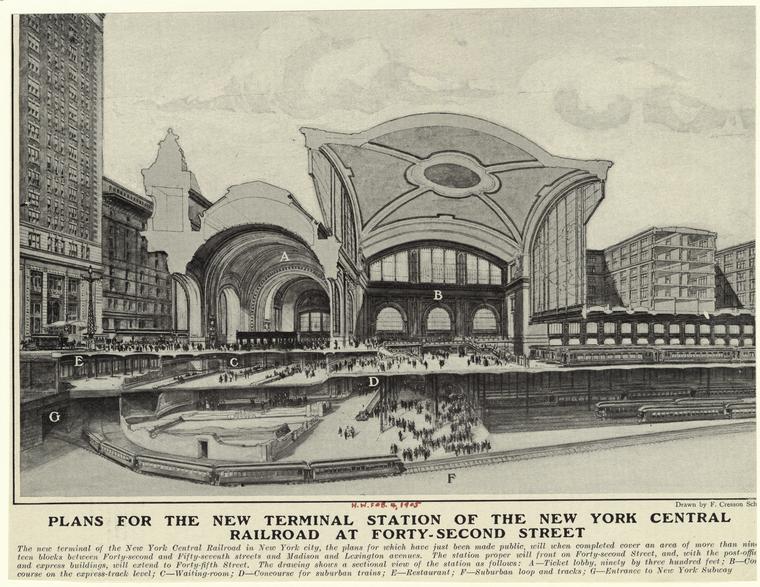
Below: A cross-section plan of the new structure, created in 1905, focuses on what would have focused on the terminal’s most magnificent secret — the buried tracks and public spaces.

Top two images courtesy Library of Congress; bottom image from New York Public Library
Categories
Uncategorized

The Avengers Disassemble the MetLife Building

Fare thee well, you who we once called the Pan Am. We hardly knew thee. Image from Comic Book Movie

Warning: This story contains light spoilers.

Recent fantasy films and TV shows have found ways to alter New York City through the creation of alternate universes.  On Fox’s Fringe, a parallel world features a New York where the World Trade Center wasn’t destroyed, the Department of Defense is in a newly-bronzed Statue of Liberty, and Robert Moses never drove the Dodgers from Brooklyn. (The show also showed us what the skyline might look like with some Antonio Gaudi architecture.)

Comic book movies delight in showing super villains destroying the city — this summer’s ‘The Dark Knight Rises’ blows up bridges and ravages Federal Hall, while ‘The Amazing Spider-man’ will trash Midtown — and sometimes they even re-write history itself.

In ‘Captain America: The First Avenger’, the title character, a resident of Red Hook, discovers underground government laboratories in downtown Brooklyn during World War II.  Elsewhere in this Marvel Comics timeline, Moses’ World’s Fair of 1939-40 was such a smashing success that Tony Stark (aka ‘Iron Man’) turns the site into a year-round glittering expo of technology!

The latest Marvel adventure ‘The Avengers’ takes a more proactive approach to revising the city landscape, as though the entire film was a surly New Yorker architecture critic.

Thanks to the Commissioners Plan of 1811, allowing for a grid striped with long uninterrupted canyons, grotesque alien beings from Asgard can fly down the avenues unabated, wrecking havoc through Manhattan — Park Avenue in particular. Fortunately our heroes gather at Grand Central Terminal‘s traffic overpass, a critical location that they turn into a picturesque battleground. (Honorary Avenger Cornelius Vanderbilt, or at least his old statue from St. John’s terminal, stands resolutely in the background, ready to employ his superpower of acquiring railroads.)

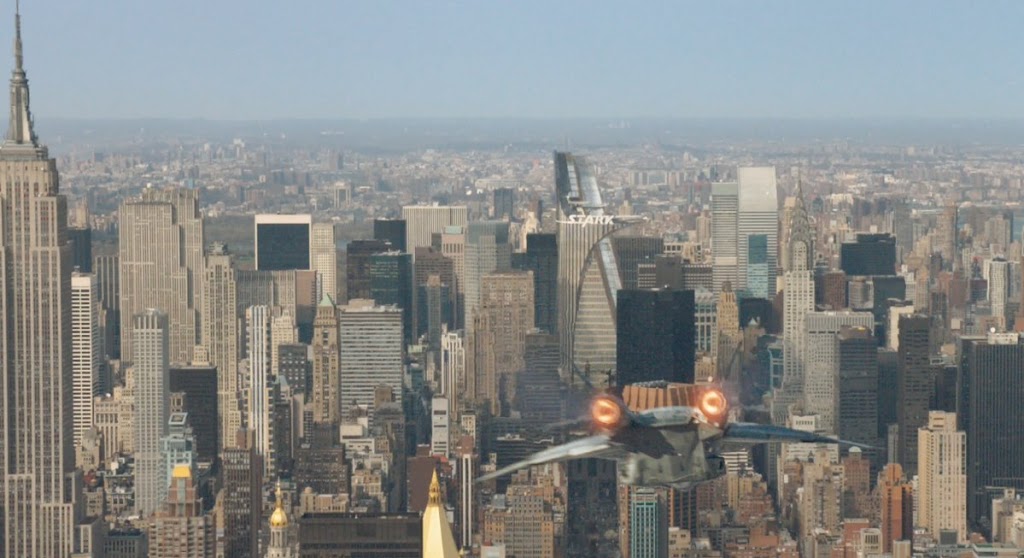
But one famous New York building is notably missing from these shenanigans. Stark, played by Robert Downey Jr., has constructed an energy-efficient new supertower for Stark Industries right on Park Avenue itself. To build this, he has clearly gotten permission from the city to methodically dismantle the MetLife Building (the former Pan Am Building).

The filmmakers have specifically chosen not to merely erase the MetLife Building, but to specifically display it being taken apart. The building is shown greatly reduced in height, decorated with cranes disassembling it like a tinker toy.

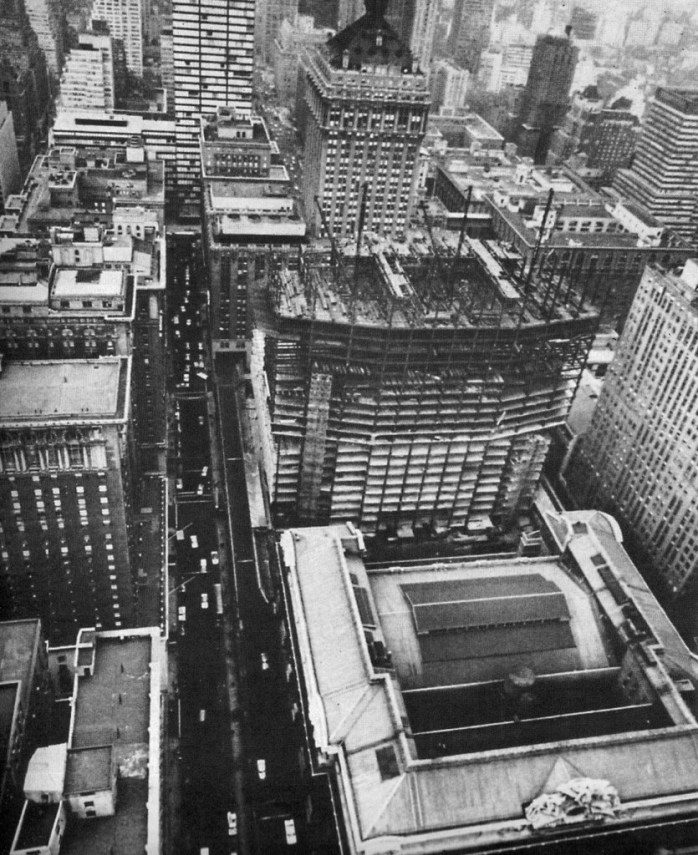
While other buildings enjoy the glamour of being reduced to rubble by gigantic mechanical space fish, the MetLife is ignobly taken apart to be replaced by an even taller, uglier structure. In fact, the dismantling looks a bit like this picture, an image of the Pan Am Building during construction in 1969:

(You can find a few more interesting construction pics here.)

The MetLife Building is easily one of the most disrespected structures in Manhattan and has been almost since the beginnings. Ada Louise Huxtable famously wrote: “A $100 million building cannot really be called cheap. But Pan Am is a colossal collection of minimums.”

According to author Meredith Clausen, “The Pan Am Building and the reaction to it signaled the end of an era. Begun when the modernist aesthetic and the architectural star system ruled architectural theory and practice, the completed building became a symbol of modernism’s fall from grace.”

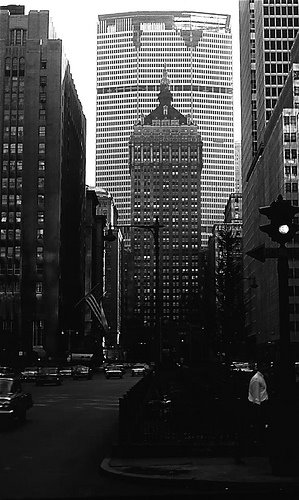
Its broad-shouldered silhouette calls a halt to Park Avenue in a dated style that hovers between two Beaux-Arts structures (Grand Central to its south, the Helmsley Building to its north). Yet people blame the building for somehow ‘ruining’ Park Avenue — when the two other structures already blocked it — and its sly octagonal shape today makes it one of New York’s more interesting Brutalist-style examples.

Modernism happened, and if you use the same criteria that we might apply to other treasured New York structures, then the MetLife Building is a unique and exemplary building. But can you ever imagine a time when the MetLife Building might ever be landmarked?

This is what I was thinking while Thor and the Hulk were tearing into alien lifeforms.

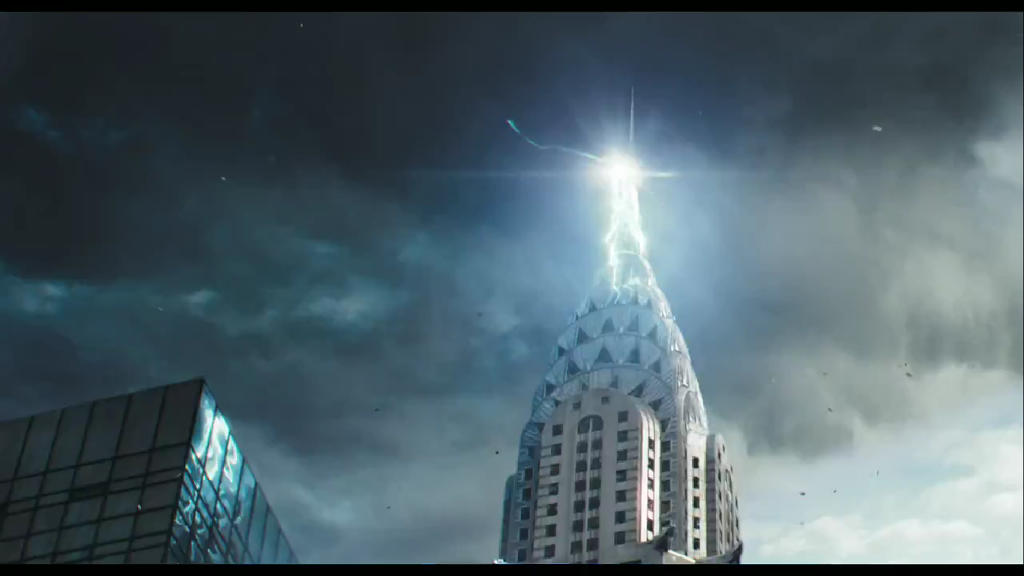
But ‘The Avengers’ isn’t entirely disrespectful of architecture. In fact, the Chrysler Building is practically fetishized as an ideal view from the newly built penthouse of the Stark Building.

Its antenna spire, which makes it New York’s fourth largest building, is even utilized by Thor in the battle to save the Earth. William Van Alen, the building’s architect, would have been quite amused. This very spire was hoisted to the top of the structure from within the building itself in October 1929, a surprise accessory that allowed the Chrysler to take the title of New York’s tallest building from 40 Wall Street.

Pic above courtesy Bleeding Cool

Categories
Podcasts

PODCAST: The Pan Am Building

Today it’s the Met Life Building. It’s been called the ugliest building in New York City. It sits like a monolith behind one of the city’s most enduring icons Grand Central Terminal. But it’s got some secrets you may not know about. In this podcast, we scale the heights of this misunderstood marvel of modern architecture.
Listen to it for free on iTunes or other podcasting services. Or you can download or listen to it HERE

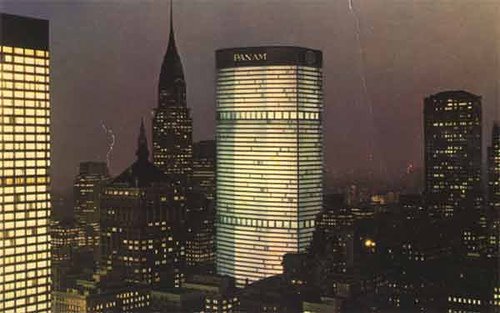
In the days before the Pan Am Building, Park Avenue was lorded over by the ‘dowager queen’ of glamour architecture, the New York Central Building (later the New York General Building, and finally — the Helmsley Building)

Another angle, year of photograph unknown.

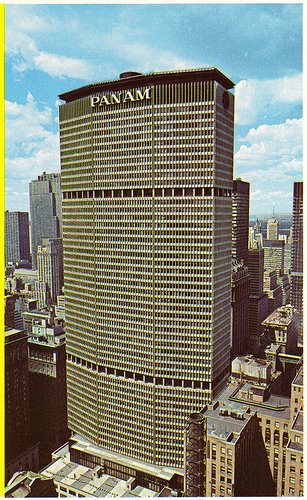
In this picture, taken in 1962, the monolith is almost complete.

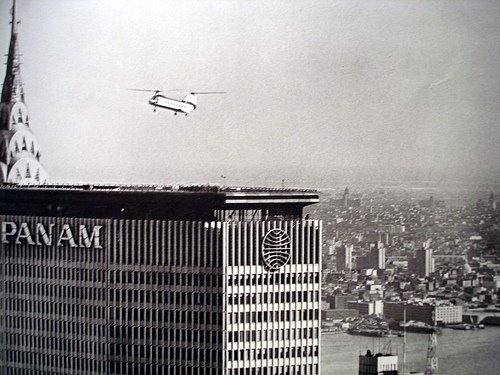
New York Airways once provided helicopter service from the top of the Pan Am in the 1960s. It was briefly revived in 1977, but a tragic accident killing five people ensured it would never be tried again.

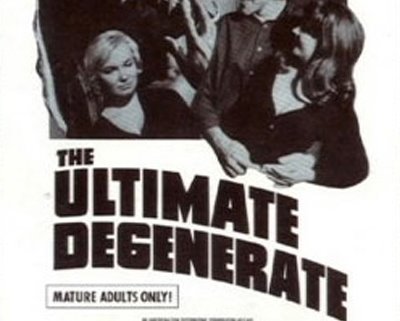
One of those killed in the tragic helicopter blade accident of 1977 was film producer Michael Findlay, creator of such sexploitation classics like the Flesh trilogy and the Ultimate Degenerate. (He also made some films with titles that are bitterly ironic considering his untimely death.)

In 1987

Today

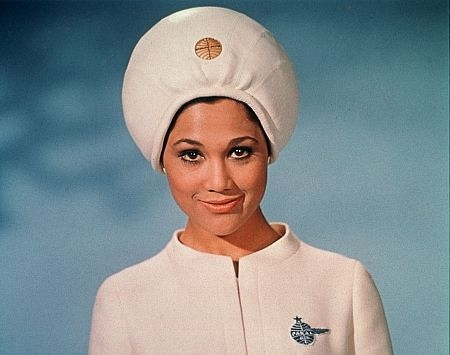
When Pan Am moved into the building in 1962, they were one of the world’s leading airlines, best known for their on-board service and fleet of attentive flight attendants.

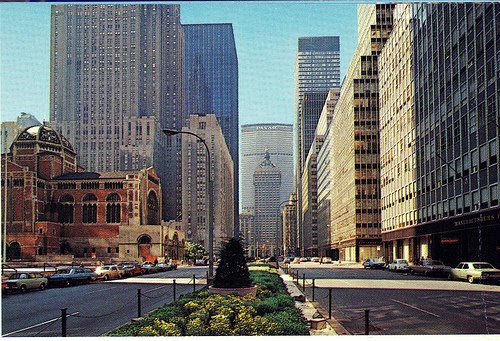
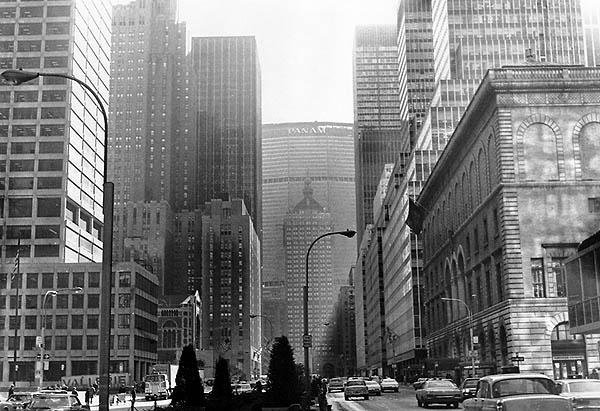
Looking down Park Avenue at the Pan Am in 1970

The same view a few years later

Its relationship to the Helmsley Building has caused great controversy over the years. Some say it’s like hanging a work of art in a cheap frame.

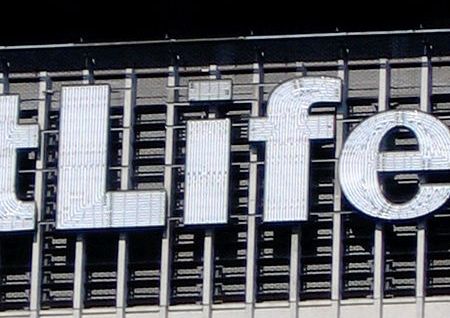
Metropolitan Life replaced the Pan Am logo with its own in 1991

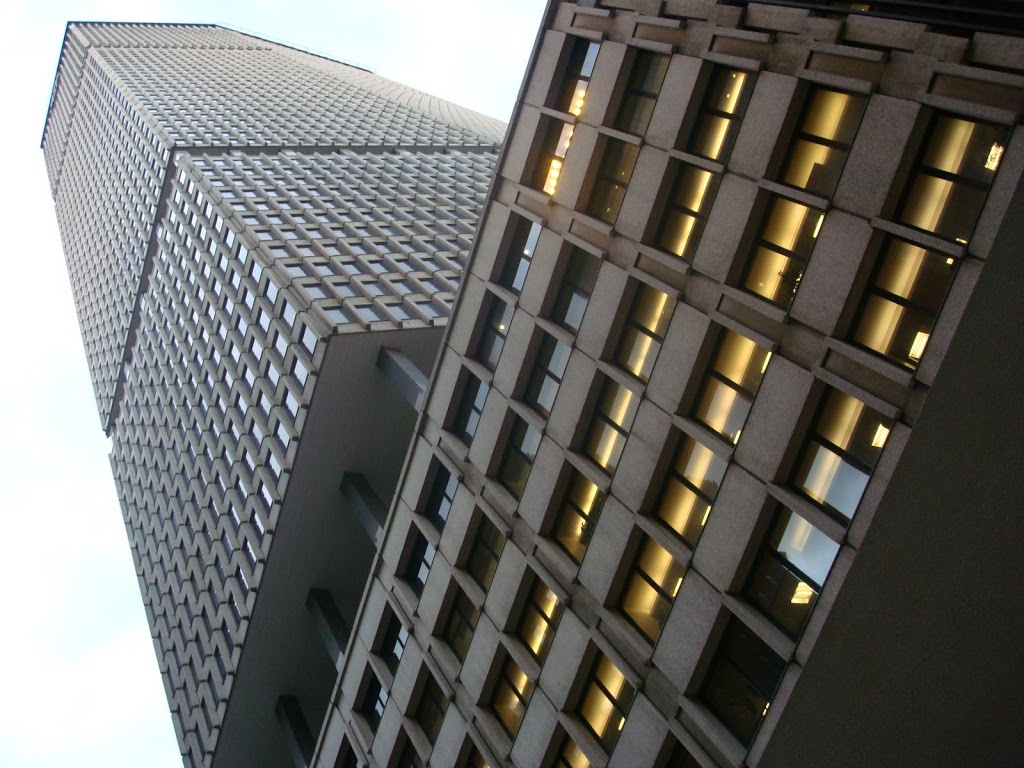
Quite unlike an impressionist painting, the building actually looks more interesting the closer you are to it, revealing some odd angles befitting its imposing proportions and ‘lozenge’ shape

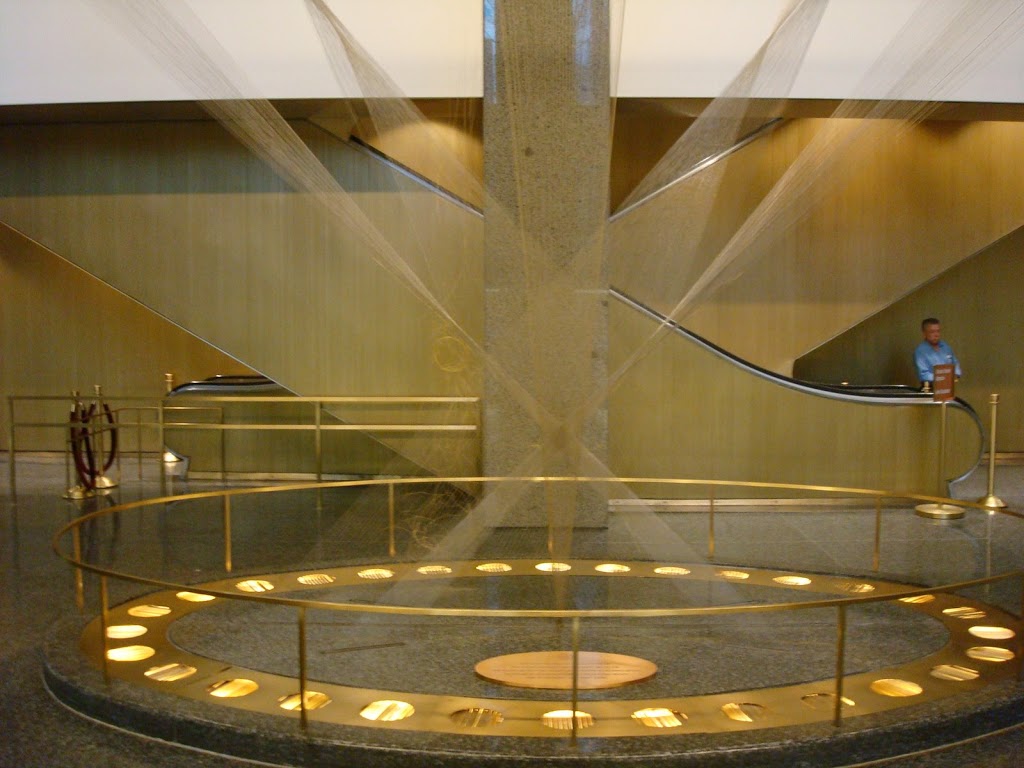
Inside the lobby: Flight, the expressive wire sculpture of Richard Lippold. The lobby once also held a painting by Josef Albers.

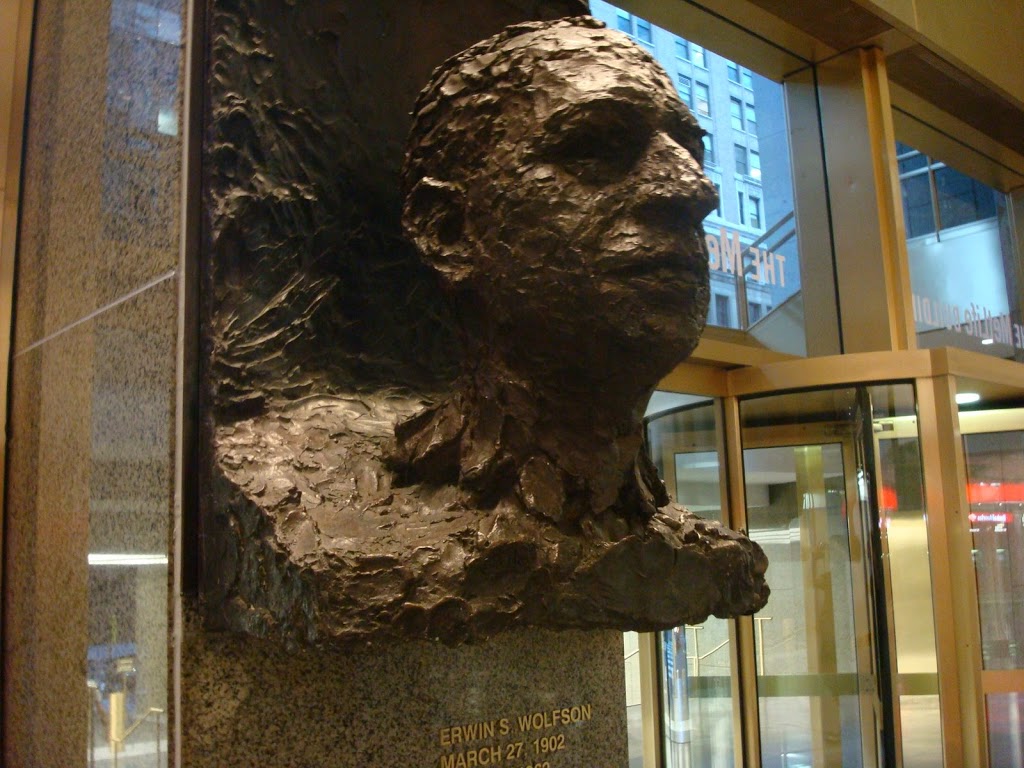
This rather grotesque bronze bust of Erwin Wolfson greets you as you enter the building.

CLARIFICATION: In the podcast, it appears I was a little vague in my description the Metropolitan Life Insurance Tower which is on Madison Square Park. Although the slender clock tower is indeed also topped with gold ornamentation, do not confuse it with Madison Square’s real gold standard — the gilded New York Life Insurance Building