Categories
Neighborhoods Podcasts

Welcome to Yorkville: German life on the Upper East Side

EPISODE 332 The Manhattan neighborhood of Yorkville has a rich immigrant history that often gets overlooked because of its location on the Upper East Side, a destination usually associated with wealth and high society.

But Yorkville, for over 170 years, has been defined by waves of immigrant communities which have settled here, particular those cultures from Central and Eastern Europe — Germans, Austrians, Hungarians, Czechs and Slovaks. 

The neighborhood developed thanks to its location to various streetcar and train lines, but that proximity insured that Yorkville would evolve in quite a different way from the more luxurious Fifth Avenue just a few blocks away.

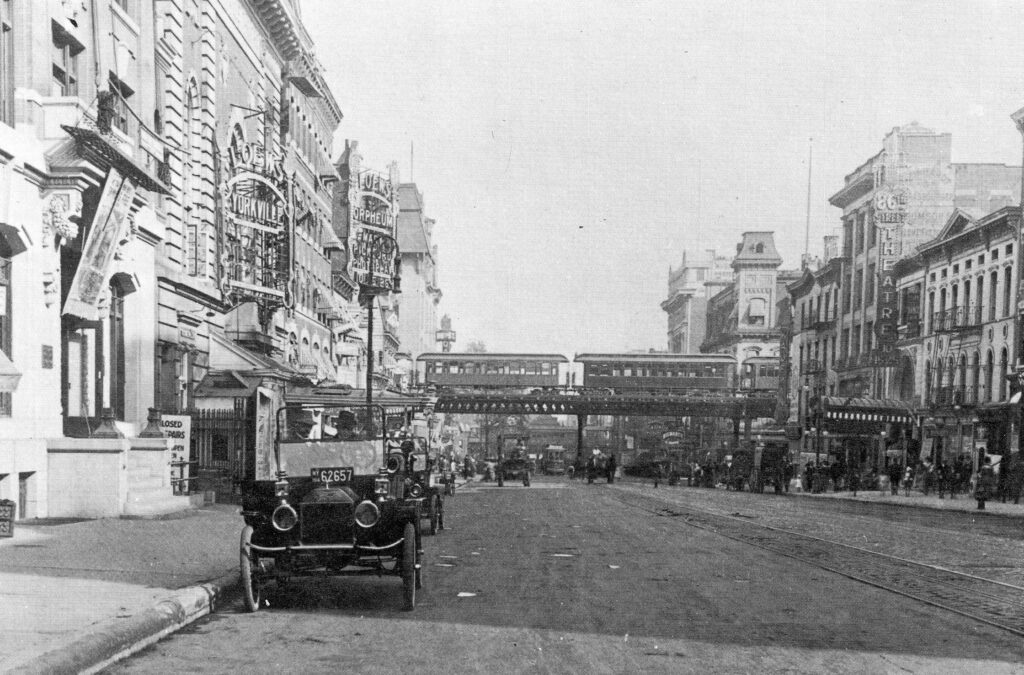
The corner of 86th Street and Second Avenue, 1916 — Library of Congress/Bain Collection

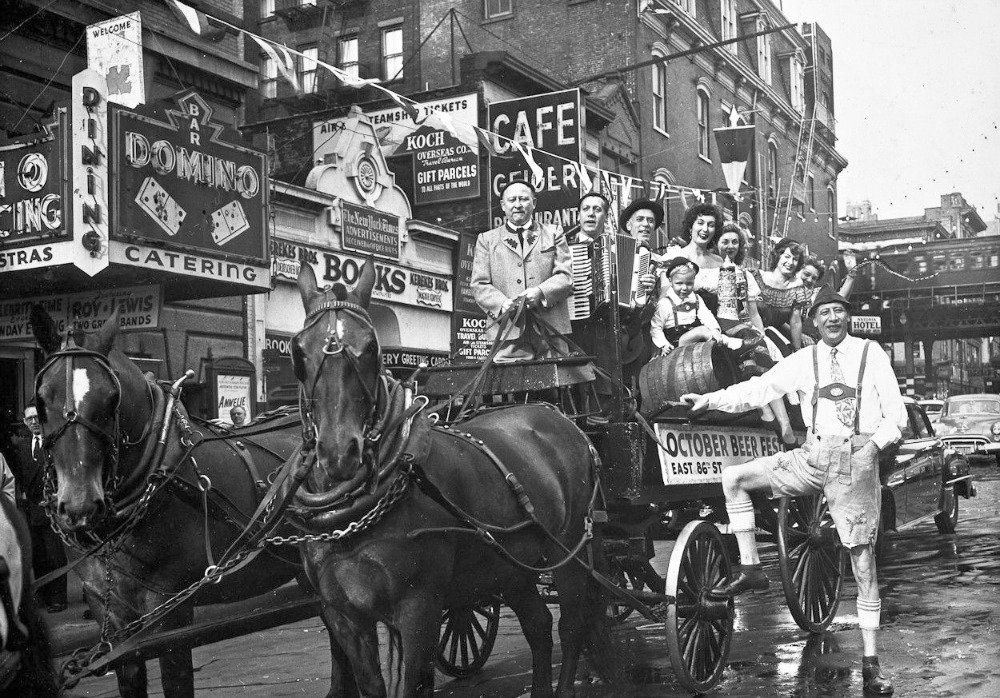
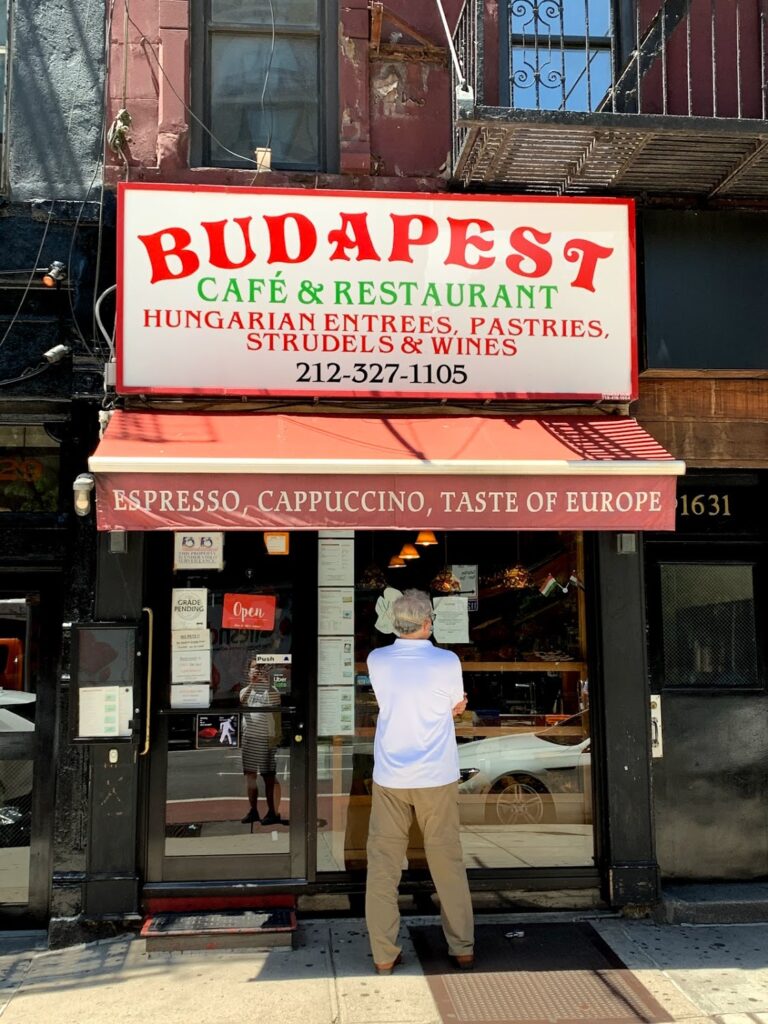
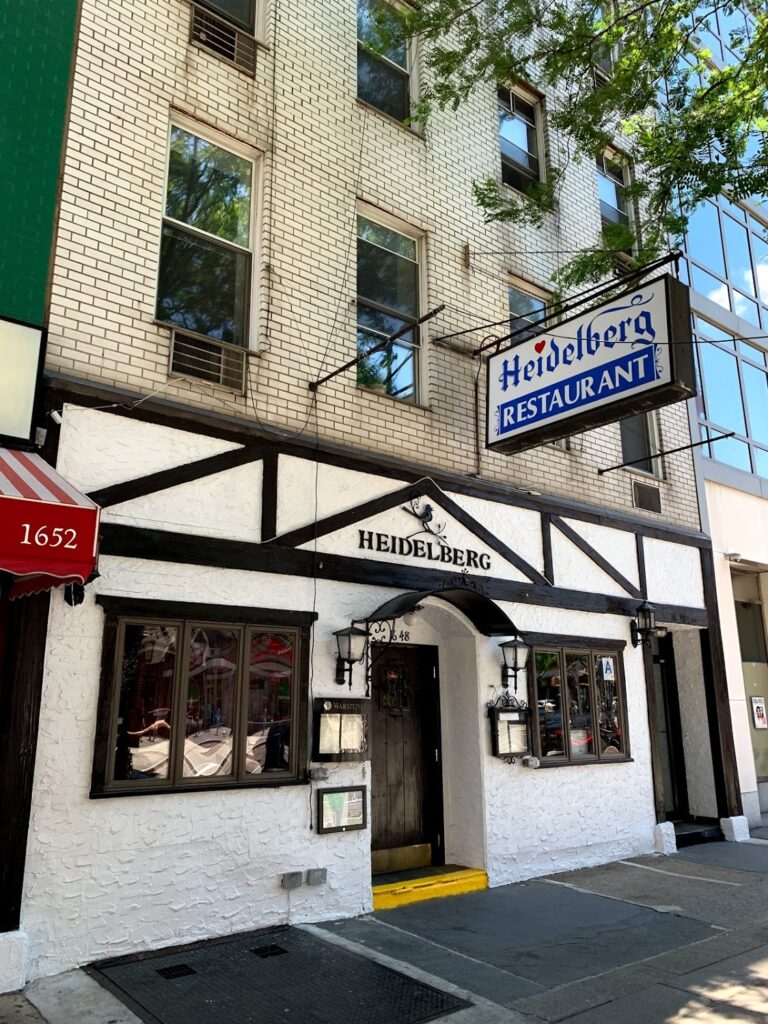
Yorkville’s German cultural identity was centered around East 86th Street — aka Sauerkraut Boulevard — where cafes and dance halls catered to the amusements of German Americans. The Yorkville Casino was a ‘German Madison Square Garden’, catering to those seeking cabaret, film and ballroom dancing.

Does the spirit of old Yorkville still exist today? While events in the early 20th century brought dramatic change to this ethnic enclave, those events didn’t entirely erase the German spirit from the city streets.

In this show, we tell you where can still find the most interesting cultural artifacts of this often overlooked historical gem.

This episode is brought to you by the Historic Districts Council. Funding for this episode is provided by public funds from the New York City Department of Cultural Affairs in partnership with the City Council and Council Member Benjamin Kallos.

This episode features an interview with Historic Districts Council executive director Simeon Bankoff and with Council Member Benjamin Kallos sharing his experiences in the neighborhood.


Listen to our podcast on the history of Yorkville here:

To get this episode, simply stream on Stitcher or your favorite podcast player

Or listen to it straight from here: WELCOME TO YORKVILLE: GERMAN LIFE ON THE UPPER EAST SIDE


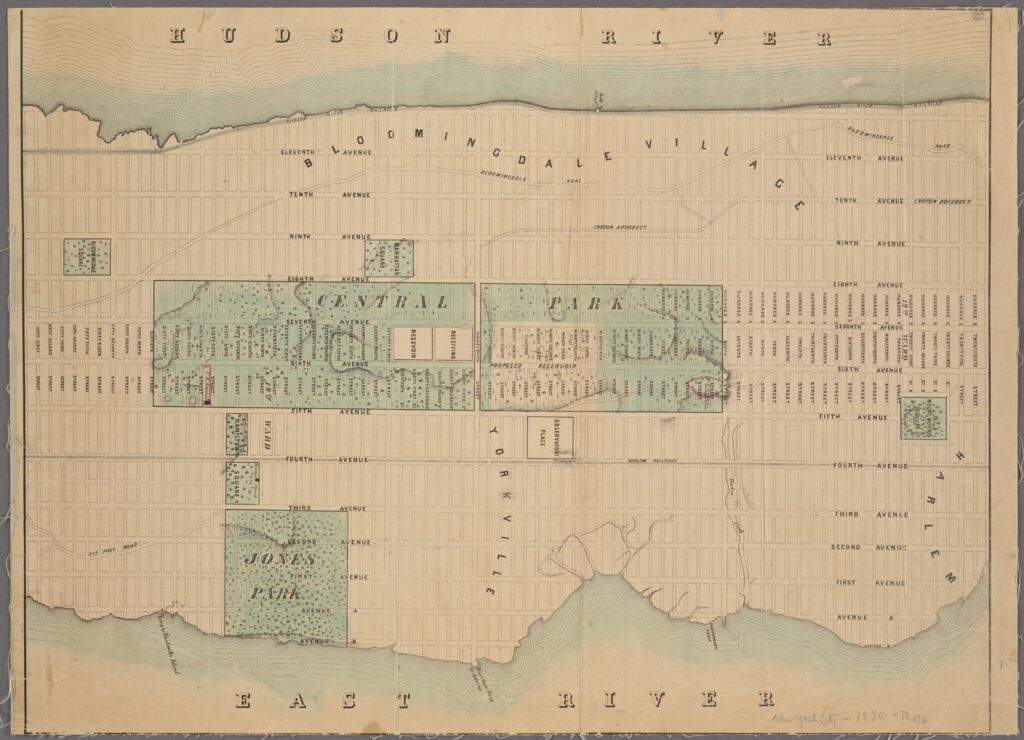
A map from 1870, showing Yorkville officially on the map. Interestingly this is a bit of a ‘ghost map’ as Jones Wood (pictured here as Jones Park) was never really developed as an official park.

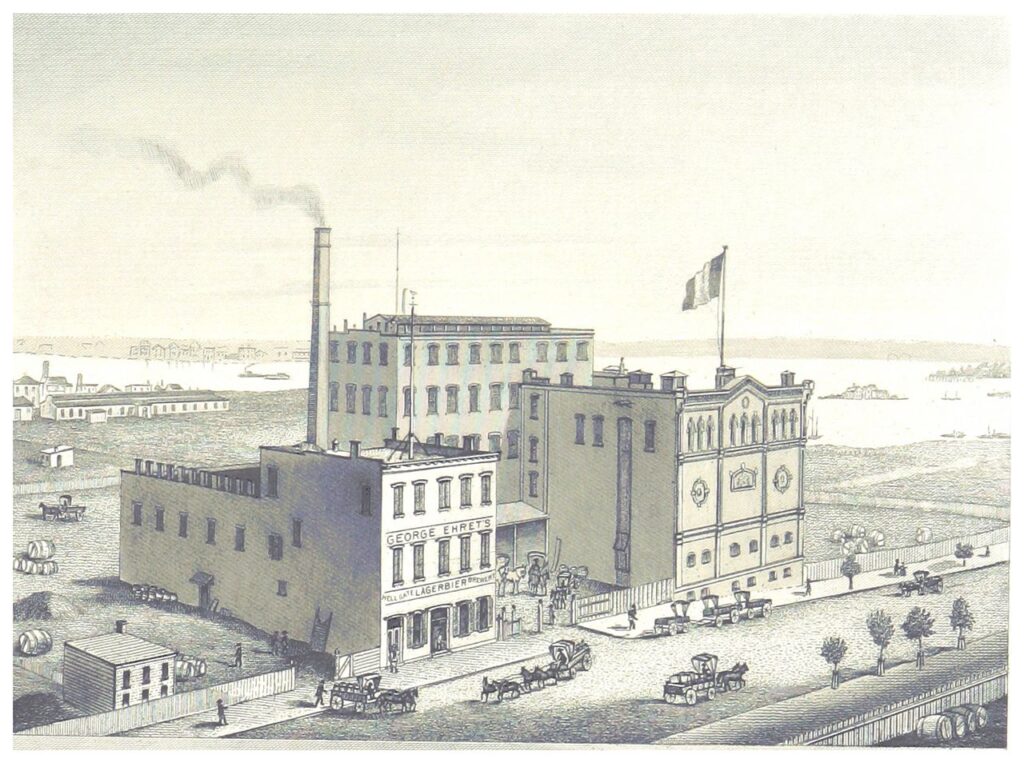
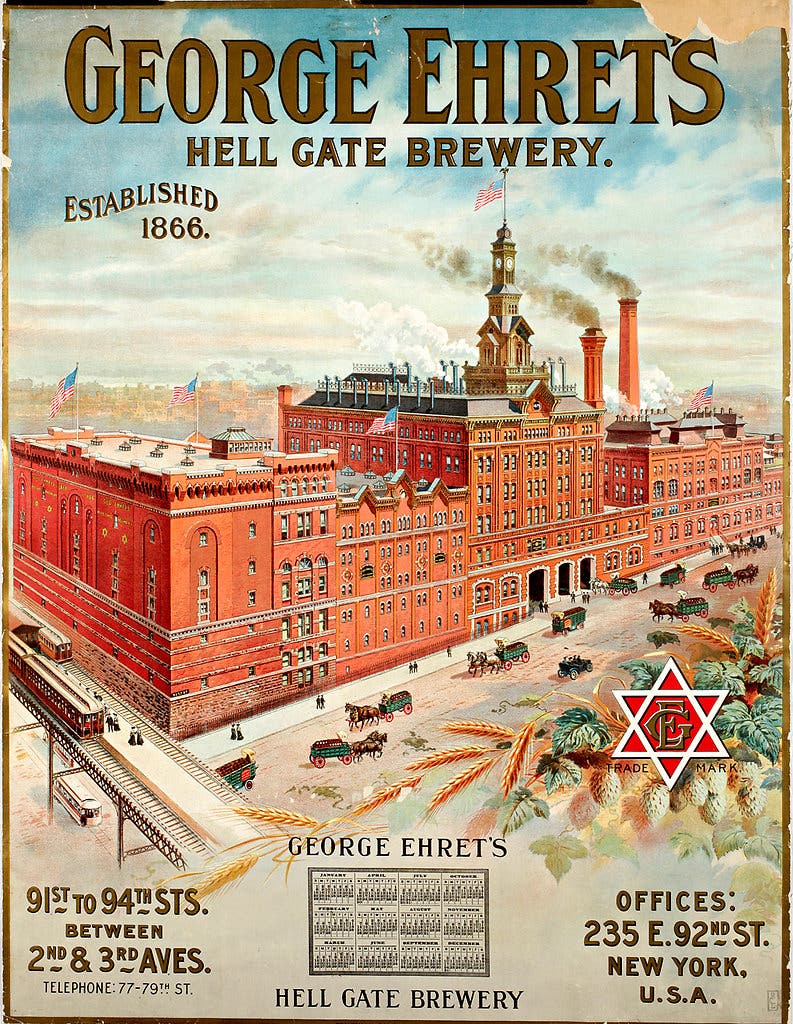
Ehret’s brewery in its early years, then in its grander days:

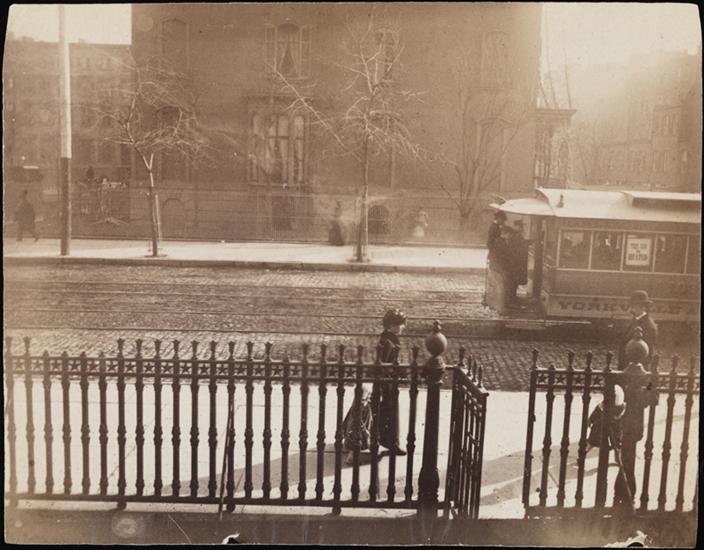
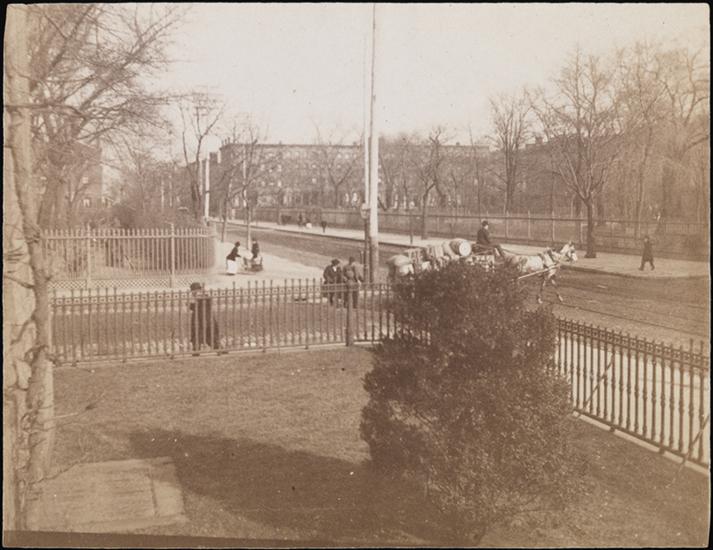
A couple interesting streetscapes of Yorkville from 1885 (courtesy the Museum of the City of New York) showing homes with large yards along a streetcar route:

Museum of the City of New York
East 86th Street in 1914 — Ephemeral New York
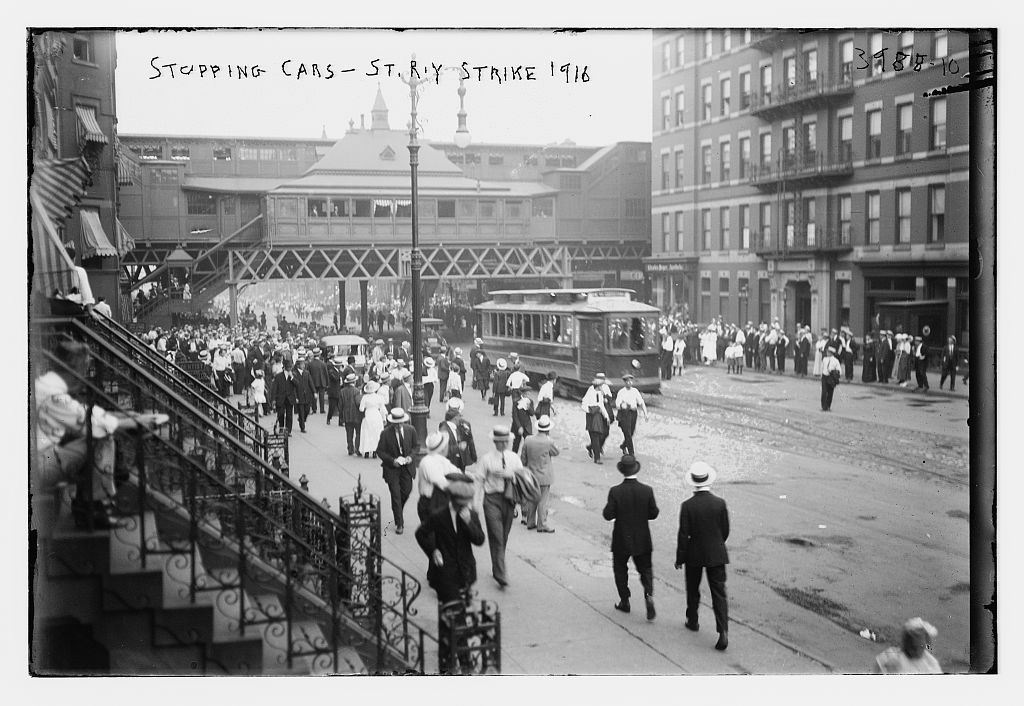
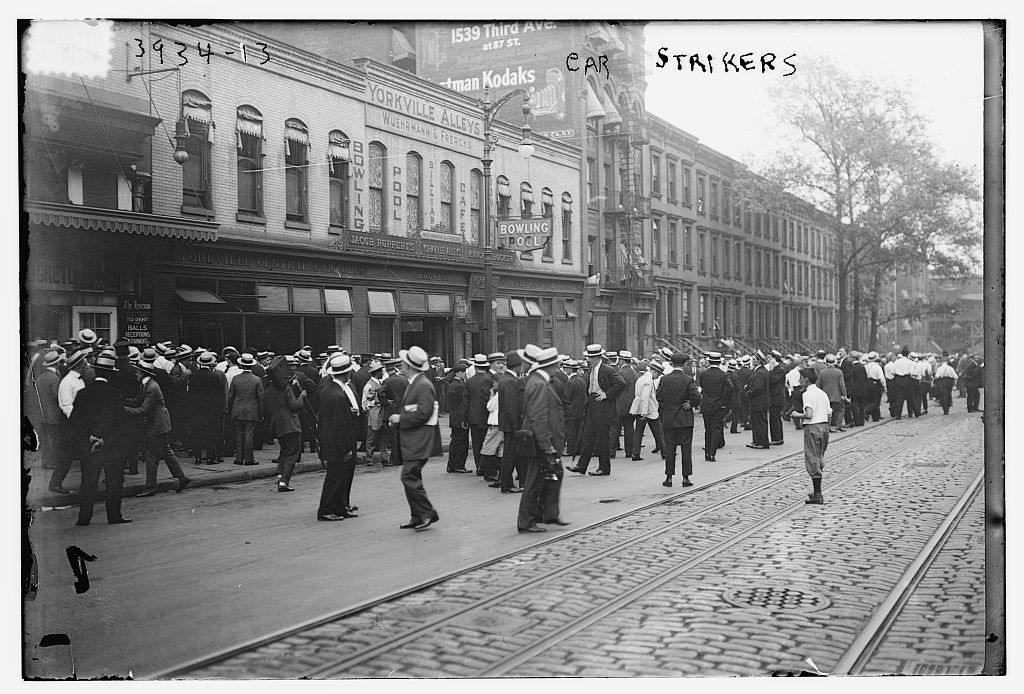
Gathering for a streetcar conductor’s strike in Yorkville on East 86th Street — Library of Congress/Bain Collection

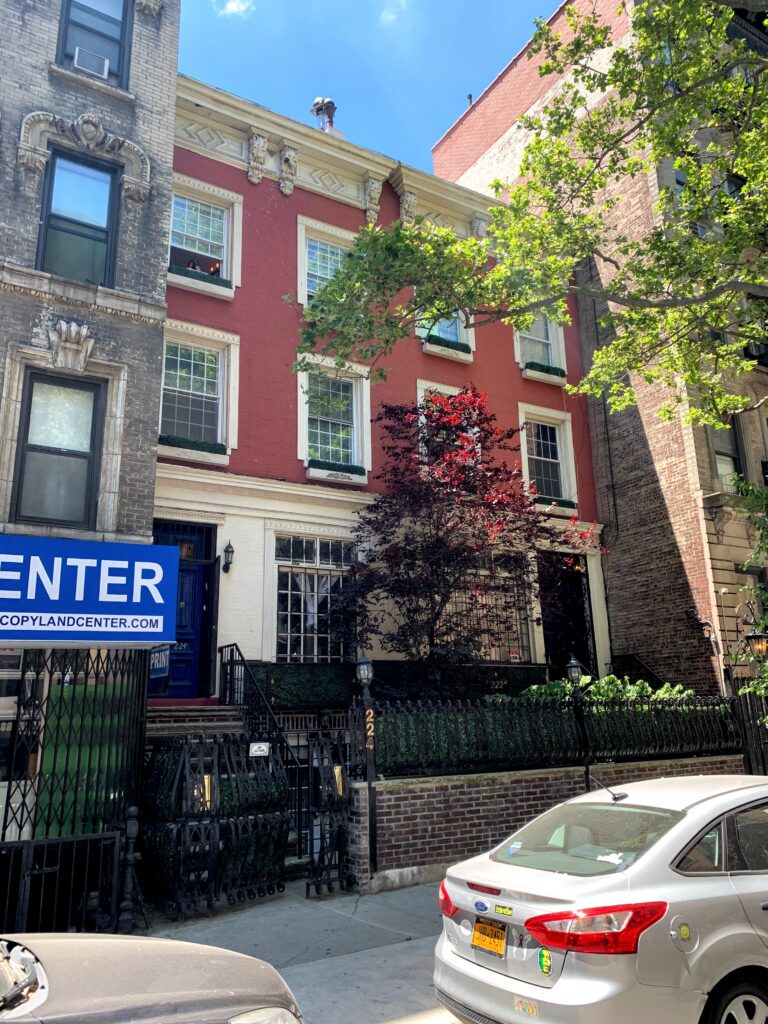
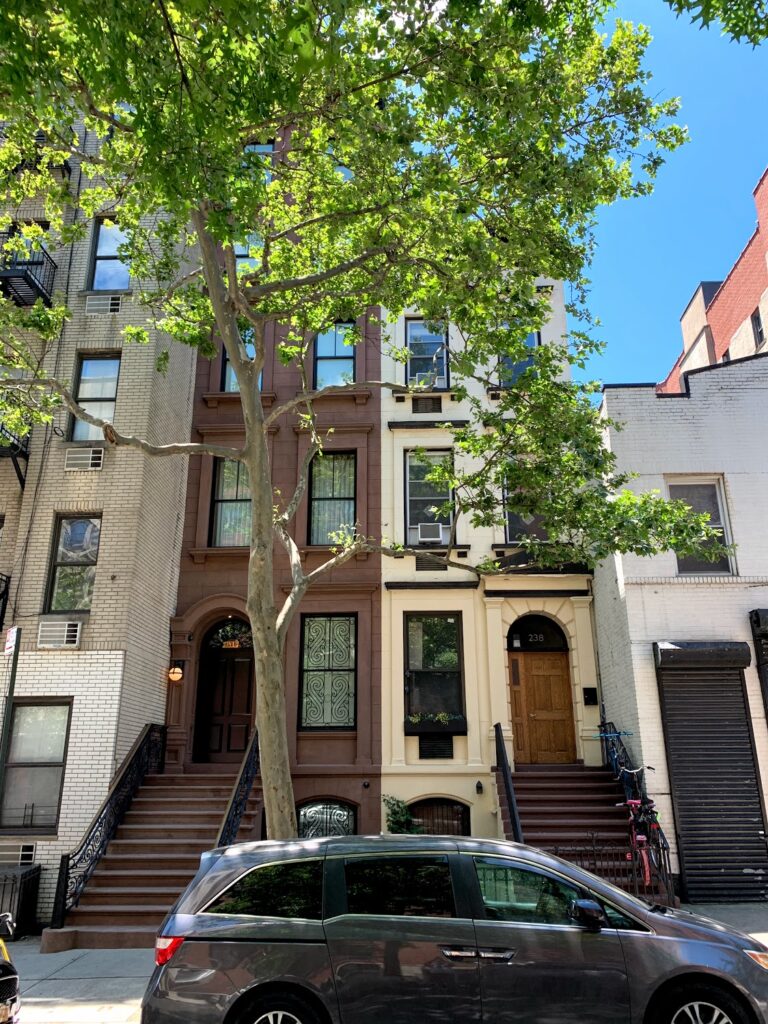
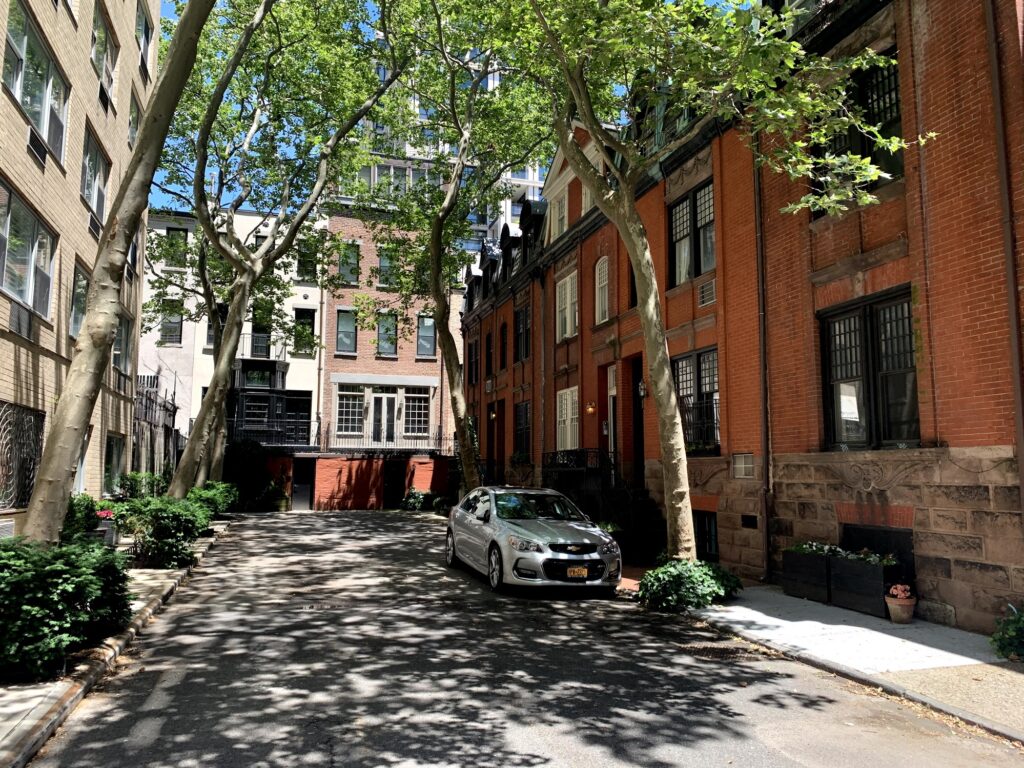
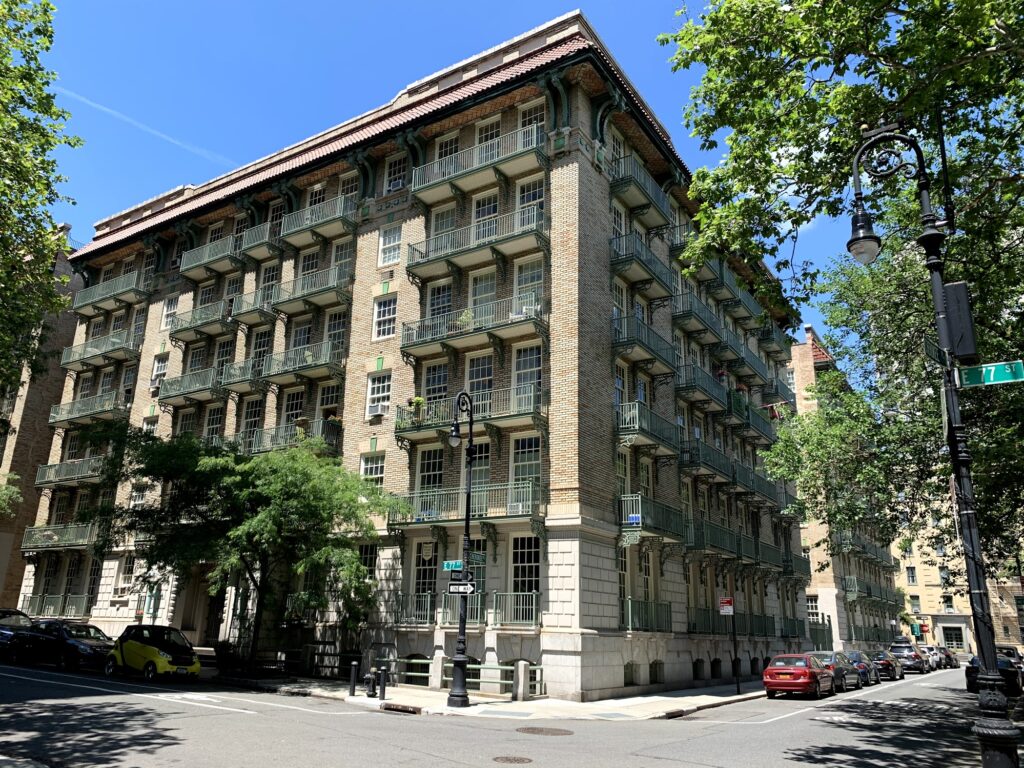
A diversity of housing in just a few blocks (photos by Greg Young):

Beautiful Henderson Place!
The Cherokee Apartments

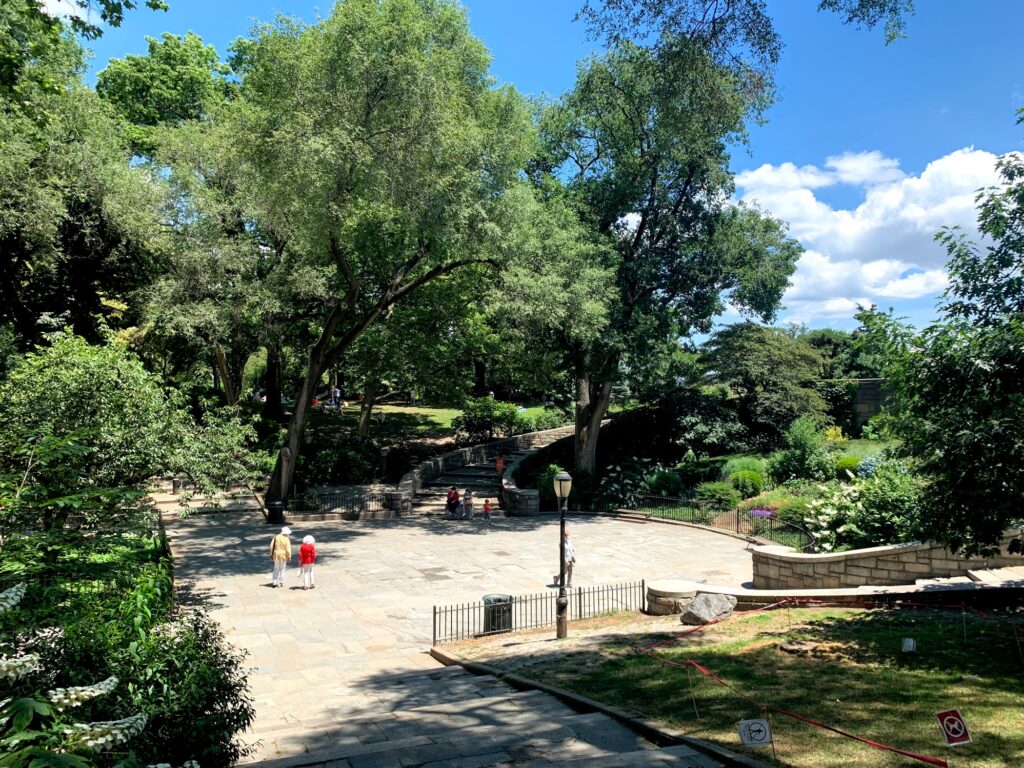
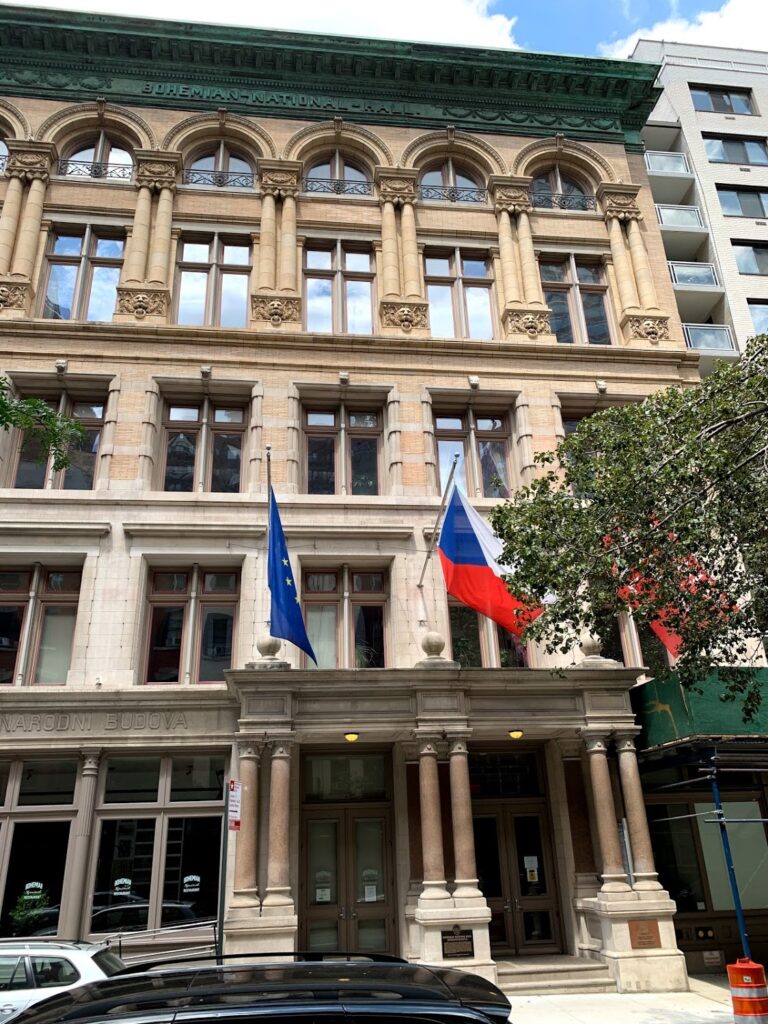
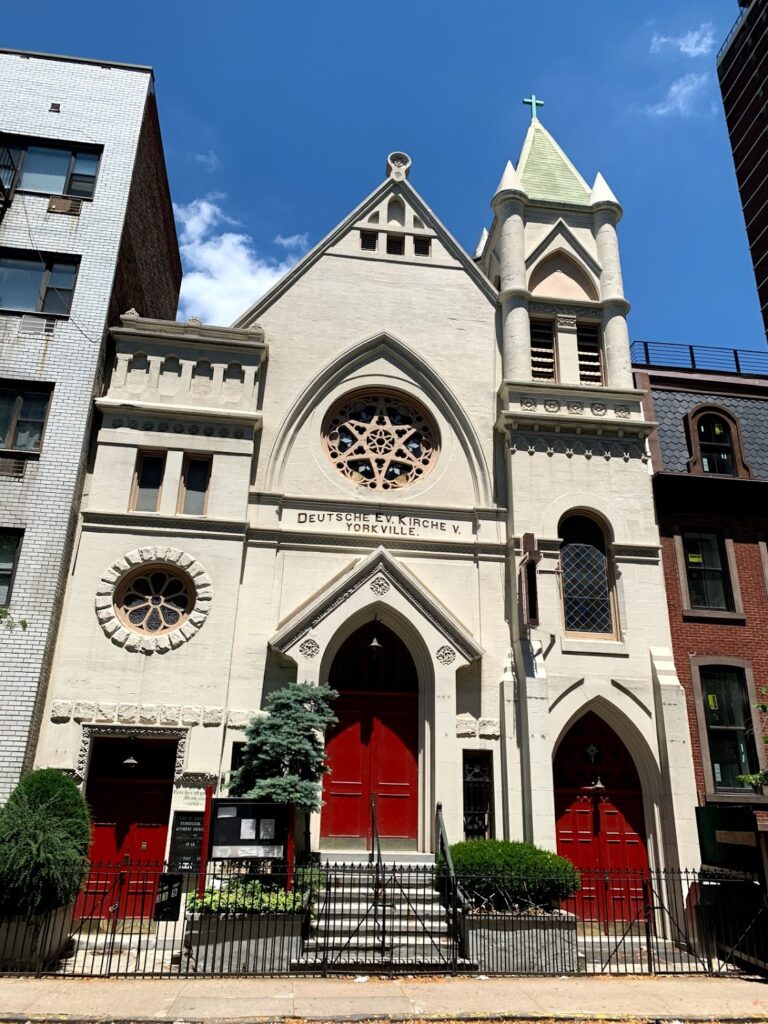
Some other sites of Yorkville (photos by Greg Young)

Carl Schurz Park
Bohemian National Hall
Zion-St. Mark’s Evangelical Lutheran Church ( 339—341 East 84th Street) which traces its congregation from the Lower East Side.

FURTHER VIEWING


An excellent short film about the history of Yorkville from the Friends of the Upper East Side

And a short introduction to Schaller & Weber:


FURTHER LISTENING

After listening to this show on the history of Yorkville, dive into our back catalog to check out shows on subjects mentioned in this show:

The East Side Elevated: Life Under the Tracks

The General Slocum Disaster 1904

Danger In The Harbor: The Black Tom Explosion

Archibald Gracie and His Mansion

Categories
The Knick

The Knick Season 2: A History Recap from the brothel to the freak show

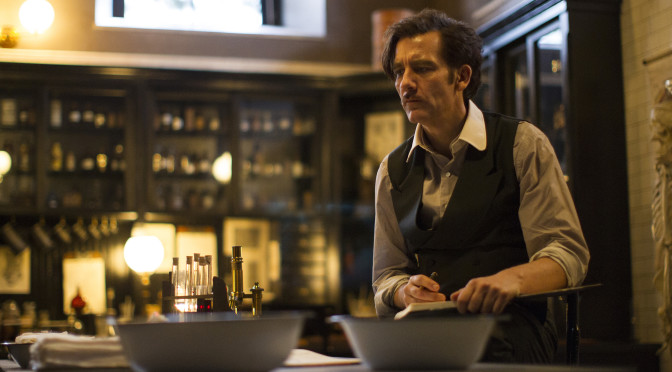
Pictured above: Dr. John Thackery (Clive Owen) explore several experimental procedures in the second season of The Knick, some more successful than others.

This post contains light spoilers of general themes from this season of The Knick although there are no specific plot twists discussed. You can use this as a primer for the second season before you begin, or review this list of historical moments before watching this evening’s finale.

Cinemax’s period hospital drama The Knick, now finishing its second season, spends a serious amount of time hunched over an operating table.

The able and ambitious surgeons of Knickerbocker Hospital cut open flesh, severed body parts, injected experimental serums and performed delicate incisions on brains, faces, throats and abdomens.

The special effects teams should be applauded for making me want to throw up on at least five occasions this year.

But The Knick is more than a procedural about a turn-of-the-century hospital although those watching for medical drama (or horror) will come away satisfied.  

With Season Two (set in 1901) this hospital drama rose to become a detective story about New York City itself.

In Season One historic figures populated a story about a growing hospital. In Season Two the show finally found its footing within the messy patchwork of the Gilded Age.

Below are some historical highlights from the season, taken from some of my Tweets from the show’s original broadcast over the past several weeks.

There are no plot spoilers here — in fact, I’ve chosen to not even mention any characters’ names — and some of you might even find this helpful before you watch.

ELECTRIC AUTOMOBILES

New Yorkers raced to find faster, more efficient solutions to horse-drawn vehicles. In the early years of automotive conveyance, it appeared the electric variety would lead the charge; however the earliest models were expensive and entirely inefficient.

Meanwhile oil refiners like the ones in Lima, Ohio, concerned that Edison’s electric light bulb was killing the kerosene market, began looking for other uses for their product.

THE CENTRAL PARK APARTMENT BOOM

Apartment living was all the rage with the upper middle class in the 1880s and developers around Central Park monopolized on the craze with lavish apartment complexes, bringing the amenities of upper crust life to those who couldn’t afford the upkeep of a mansion.

In particular, the Upper West Side was rapidly developed, becoming one of New York’s trendiest residential neighborhoods by 1900.

FEARS OF THE NEW SUBWAY

The ground was broken on New York’s ambitious new subway system on March 25th, 1900, but not everybody considered it progress. Miles of underground tunnel required unprecedented investment which tore into busy streets, creating nuisance and danger.

Those of the more sheltered class flinched at the idea of immigrant workers ripping into their streets. Most New Yorkers were certainly unsettled at the sound of dynamite explosions and feared that whole city blocks might blow up.

ADDICTION

Medical practice and scientific thought were expanding in the 1900s, but new modes of treating complicated conditions like drug and alcohol addiction were having a difficult time in the morality based institutions of the day.

Most physicians still believed that addictions exposed flaws of the human character and had little connection to the processes of the brain.

EUGENICS

Deteriorated or stunted moral character was also seen as endemic of new arriving immigrants especially those from southern Italy.

The study of eugenics — belief in the improvement of the human race through selective reproduction — rapidly grow in colleges and universities in the 1900s. Naturally the eugenics argument was also used against African-Americans and wielded as a threat against any who attempted to upend the status quo.

“DOING BUSINESS IN NEW YORK”

Although the scandals of Boss Tweed were almost 30 years old by 1901, Tammany Hall still held a viper’s grasp upon New York City infrastructure — from the ports to the construction projects.

A standard building project would often require many layers of ‘greased palms’, and expensive materials were often used because a corrupt middle-man could hide more layers of kickbacks there.

THE WORLD OF DRUGS

While the dangerous qualities of many common drugs were well known, few were actually banned in 1901. Cocaine and heroin were still used in the operating room, and even substances we consider deadly poisons today were available over the counter.

THE REALITIES OF ‘THE FREAK SHOW’

Inspired by P.T. Barnum’s American Museum and the popular cabinet of curiosities of Europe, ‘dime’ museums became a popular pastime for New Yorkers in the late 19th century. They were a hodgepodges of exhibits, from people with extraordinary abilities to exotic foreigners.

In places like Huber’s Museum in Union Square, some of the most popular attractions were humans with various deformities, the individuals who would make up the freak shows of Coney Island. Few considered these people in need of care, and they were often harshly abused by their handlers.

ABORTION AND SEXUALLY TRANSMITTED DISEASES

In a society so clearly judgmental of non-reproductive sexual behavior, STDs were poorly understood.

Syphilis remained a deadly illness running rampant through hundreds of New York brothels. Some protection, like condoms, did exist at the time, but they were terribly uncomfortable and not consistently made.

Pregnant girls were forced into the treacherous world of back-alley abortions. Many died during procedures — or afterwards due to unregulated and filthy conditions — and their bodies dumped into the river.

THE BIRTH OF HARLEM

Violent racial tensions in neighborhoods like Five Points and the Tenderloin forced many black New Yorkers to move north — to the largely Jewish neighborhood of Harlem.

By the year 1900 thousands of African-American lived here, creating a foundation for the huge wave of new residents who would arrive a couple decades later, turning Harlem into the center of American black culture.

THE SICILIAN BOOM

The greatest waves of immigration into America came in the early 1900s, and the largest group among them were southern Italians. Unlike the earlier wave of Italians, Sicilians were poorer and less educated. Difficulties in understanding led many New Yorkers to consider them a vastly inferior class and even dangerous.

THE GILDED AGE DELIGHTS

While the modern restaurant was essentially invented by Delmonico’s in the early 19th century, it wasn’t until the Gilded Age that the delights of public dining were properly indulged. With the influx of opulent life came the finest hotels and eateries, all equipped with modern conveniences. Most were situated on Broadway, from Union Square to Herald Square. Longacre Square (not yet Times Square) was a few years away from becoming the center of New York nightlife.

For more historical Tweets of The Knick and other television shows, just follow me on Twitter at @boweryboys.

Categories
Mad Men

‘Mad Men’ notes: Upscale flowers in a mystery mansion

Every Monday I’ll try and check in with the Mad Men episode from the night before and focus in on one or two historical references made on the show. Spoilers aplenty, so read no further if you don’t want to know….

Last night’s episode of ‘Mad Men’ spent one half of the episode in California and the other half following the two office divorcees (Don Draper and his British partner Lane Pryce) on a raunchy boy’s night out in the Village. Pryce had been victim earlier in the episode of a disastrously slapstick mix-up: his secretary accidentally switched the notes in two boxes of roses, sending a heartfelt card intended to his ex-wife instead to office manager Joan, and vice versa. Joan responds by storming his office, tossing the flowers in his face, then firing Pryce’s befuddled secretary. Wacky!

At least the newly unemployed woman had the good sense to order the flowers from Rhinelander Florists, one of the poshest places to get your bouquets on Madison Avenue in the 1960s.

Rhinelander (867 Madison Avenue) was opened in 1936 by Frank Tomaino, a former gardener for Huntington Hartford, the old-money retail magnate who owned the A&P supermarket chain, and perhaps it was through these connections that Tomaino was able to accumulate a client list that included “the Rockefellers, Astors and Whitneys” (according to his obit).

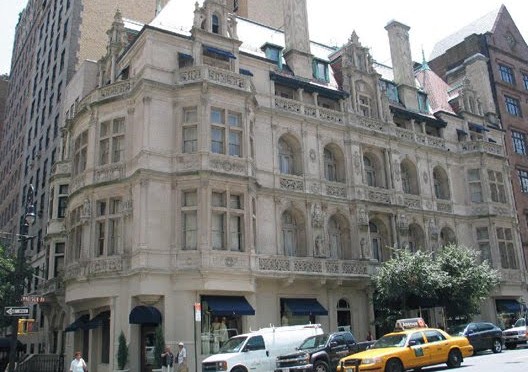
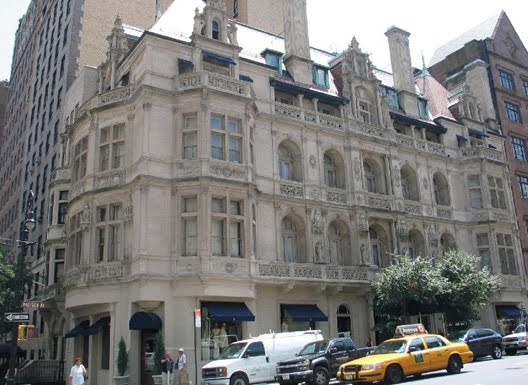
Just as likely however it was the desirability of Tomaino’s choice location and that which he chose to name his business — the mysterious Rhinelander Mansion at 72nd Street. The lushious manor, dripping with old world Beaux-Arts elegance, is notable in that its eccentric owner, Gertrude Rhinelander Waldo*, never bothered to move in when it was completed in 1898.

Mrs Waldo, heavily in debt, didn’t seem to have a knack for real estate. According to historian John Tauranac: “In 1908, a ‘For Sale’ sign hung in front of the building, but there was no sale, as much because of Mrs. Waldo’s price tag as her impetuosity. One broker had practically consummated a sale, but while the papers were being drawn up Mrs. Waldo calmly said, ‘I don’t think I’ll sell,’ and walked out.”

The mansion was left unoccupied — and quite unkempt, to the consternation of neighbors — until 1911, when Gertrude passed it on to her sister, who didn’t want to live here either.

The first floor was made into retail spaces in 1921, and it was fifteen years later, I believe, when Tamaino moved in. His business faced Madison Avenue and would go on to share the building with a corner pharmacy. By the 1950s, the upper floors were finally occupied, and how — by the photographer Edgar de Evia, known for his work in ad campaigns for products like Borden Ice Cream, and for fashion spreads taken here in his very own rustic home, famously transformed into a hazy, Miss Havisham-style set piece.

Rhinelander Florist was well associated with the floral needs of upscale Upper East Side clients. In ‘The Two Mrs. Grenvilles” by Dominic Dunne, he writes, “Babette told her to look up the Grenvilles in the Social Register at Rhinelander Florist on the corner of Madison Avenue and 72nd Street.”

By the 1980s, the florist pops up at a Sixth Avenue location. Tomaino died in 1988, and by then, the Rhinelander Mansion was in the throes of a massive renovation, courtesy Ralph Lauren, who turned the dusty old relic into the retailer’s flagship store in 1986.

*You may know Mrs. Waldo’s son Rhinelander Waldo, who was fire commissioner for New York City during the Triangle Factory Fire, and briefly the city’s police commissioner, famous for promoting officer Charlie Becker to the head of the anti-vice squad. (Listen to our Case Files of the NYPD podcast to hear about Becker’s strange fate.)

ALSO: Don and Lane fill up their flasks and hit a movie theater for some loud, obnoxious heckling. I’m not a big Godzilla fan, but based on chronology, the film they were watching had to be ‘Godzilla vs. the Thing’, more popularly known as ‘Mothra vs. Godzilla’ — unless they were at a revival house watching the original 1954 ‘Godzilla’.

Photo above from Racked

A TV shout-out to a debonair palace for independent women


postcard from Old New York

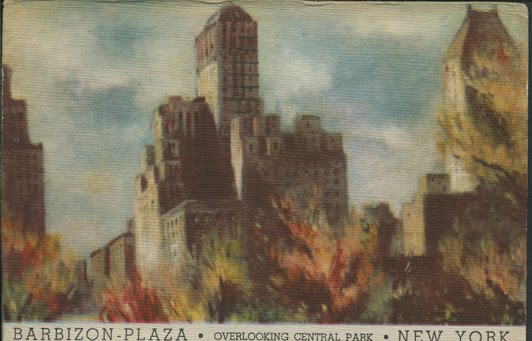
With Mad Men making its return last night on AMC, myself and many other bloggers (like the fabulous Natasha Vargas-Cooper and the folks over at the City Room) are scouring the episodes for fun New York City history references. One of my favorite buildings in the city made an appearance (or at least a notable mention) when, after a blind date, Don Draper drops his actress lady friend off at her home at the Barbizon Hotel for Women at 140 E. 63rd Street.

The Barbizon was a high-end complex for actresses and models, “a combined charm school and dormitory,” “the city’s elite dollhouse” according to Vanity Fair, offering single woman a luxurious address and a home base to pursue career and network. Some of its inhabitants, naturally, would go on to become major stars — Grace Kelly, Lauren Bacall, Cloris Leachman, Liza Minelli. Little Edie, of ‘Grey Gardens’ fame, lived here from 1947 to 1952 while trying to break into show business.

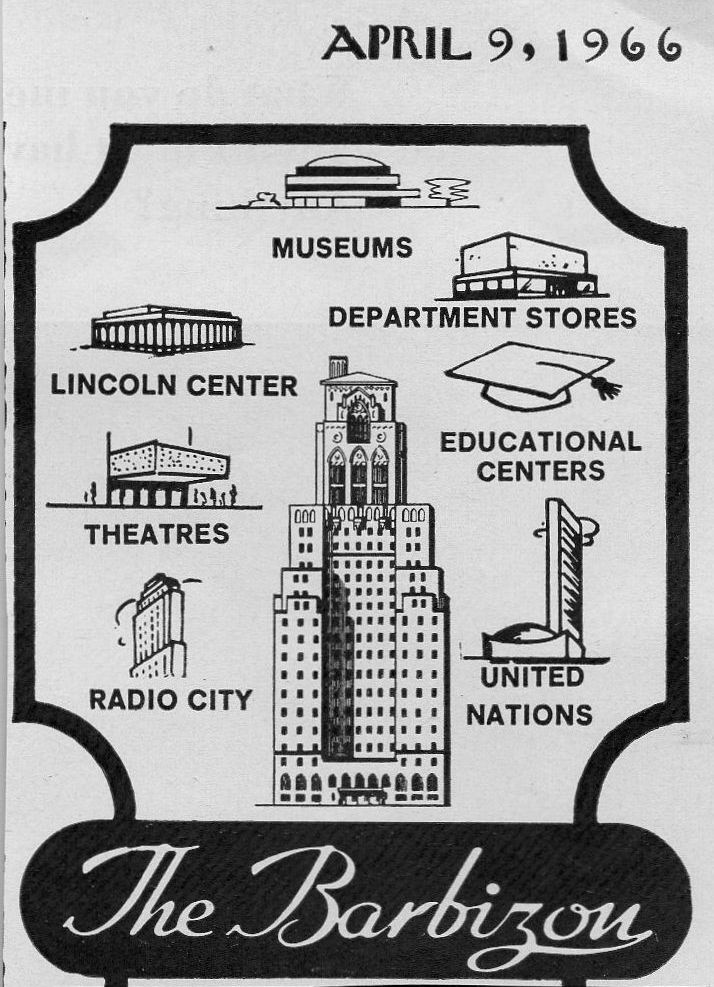
I personally love the dark grown, arch-heavy exterior, which the AIA calls a “romantic, neo-Gothic tawny brick charmer.” The building opened to men in 1981 and, as the Barbizon 63, is still a rather swanky address.

The Barbizon, however, was not known for sumptuous living back in the day. Apparently, a lady was just supposed to be grateful to be admitted here. The rooms were “not luxurious,” according to a biography on Kelly, “and a new girl’s first impression might have been that her austere quarters resembled a convent cell or a house of correction.” Kelly lived here as a teenager in 1947, quietly reading or having tea in the Barbizon’s dining area.

The building was designed in 1927 by the curiously named design firm of Murgatroyd & Ogden, who specialized in brick hotels and apartment complexes with quirky flair. Two years later, their Hotel Governor Clinton opened across the street from Pennsylvania Station.

(New Yorker ad from 1966 courtesy Ephemeral New York)

Jones Woods: ghosts, graves and an ‘amusement park’

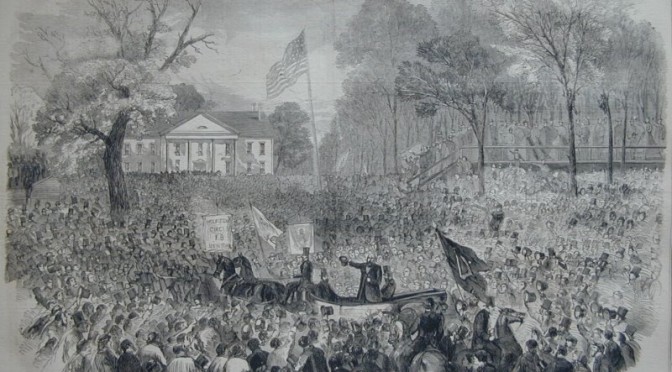
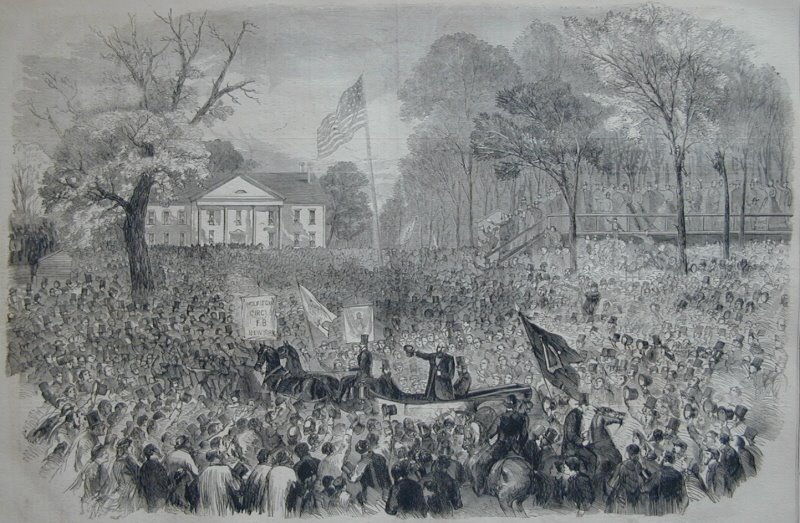
Over 15,000 Irish Americans gathered in Jones Wood in 1856, to greet countryman James Stephen

Once upon a time, back when Fifth Avenue was a dirt path and Bloomingdale was literally a blooming dale, there stood a haunted and most mysterious forest located on bluffs overlooking the East River, far east of the area today known as Lenox Hill in the Upper East Side. (Basically between 66th-88th streets to 75th-77th street.)

Back in the 1700s this was one of the most densely forested areas of the island, miles from the city of New York. Prominent families moved here, settling in secluded homes overlooking the crashing waters of Hells Gate below. And not surprising, ghost stories and legends took root here as well.

As an early account describes it: “It was the last fastness of the forest primeval that once covered the rocky shores of the East River, and its wildness was almost savage. In the infant days of the colony it was the scene of tradition and fable, having been said to be a favorite re-sort of the pirates who dared the terrors of Hell Gate, and came here to land their treasures and hold their revels.”

At the heart of this forest was a small, pioneering 90-acre farm called the Louvre, its owner unknown today, or why it shared its name with a famous French museum. Later, two famous New York families owned manors in this once out-of-town thicket. The Schermerhorns kept the family crypt here until it was nothing but broken tombstones, protruding underfoot when later the area would become better known for picnics and family outings.

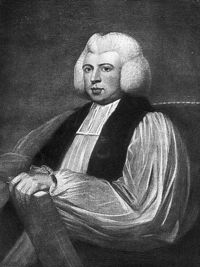
The second family was the Provoost clan, who bought the Louvre in 1742 and transformed it into an elegant home. Although prominent, the Provoosts were supporters of the American cause at the time of the Revolutionary War. Samuel Provoost (that dapper man to the right) later became president of King’s College, the pre-Revolutionary precursor to Columbia University. His cousin David, who fought with Washington’s army, took a more notorious path to fame, become a legendary smuggler nicknamed Ready-Money Provoost.

When Ready-Money died, he too was entombed in the family crypt here. Later, the site of Provoost’s grave attracted ghost seekers, who would “gather there and tell each other wonderful stories of the unearthly doings of the old man’s ghost. Not one of them could have been persuaded by all the ready money in the city to keep a night’s vigil under the trees that overhung the lonely, desolate grave.”

Later still the home was sold to a John Jones, who lent the forest his name. By the 19th century, the woods had become a popular destination for nearby city dwellers. The Provoost’s family chapel was soon turned into a clubhouse and adjoining manor grounds into places of recreation. Stories of its mysterious past and recent days as a retreat for prominent families drew recreationers of all sorts, until it became an what some have called the ‘first major U.S. amusement park’, with beer gardens, sporting events and great spaces for large gatherings.

It was still an untamed, wooded area, but now people arrived for “billiards, bowling, and donkey rides,” for general outdoor carousing and drinking.

Jones Wood was pegged to become the very first site for ‘a great park’, the land to be purchased by the state on 1851, to be transformed into an area worthy of the lavish public spaces of Europe. Proponents for an official park here claims the lush riverfront and rich “dense growth of forst trees” made it ideal for immediate conversion to a formal park.

But there was strong opposition by those who maintained that a ‘central’ park on the island would be preferred, both for its aesthetic symmetry and attractiveness to landowners surrounding it. And at only 150 acres, Jones was also deemed too small. Despite this, in June 1953, the state approved BOTH Jones’ Wood and the area that was to become Central Park.

Landowners around the Jones Wood area and merchants benefiting from sporting events and beer gardens had their day a year later, when city plans for Jones Wood were entirely abandoned.

It still remained popular for much of the late 19th century, particularly used by Irish and Germans from nearby Yorkville, although it was chipped away by new properties tenements. In 1894, a devastating fire swept through destroying properties over eleven acres. By this time, more sophisticated amusement parks began appearing out in a distant area of Brooklyn named Coney Island. Meanwhile, developers looked hungrily at the remaining area of Jones’ Wood. By the light of 20th century, all traces of this jovial and mysterious forest had vanished.