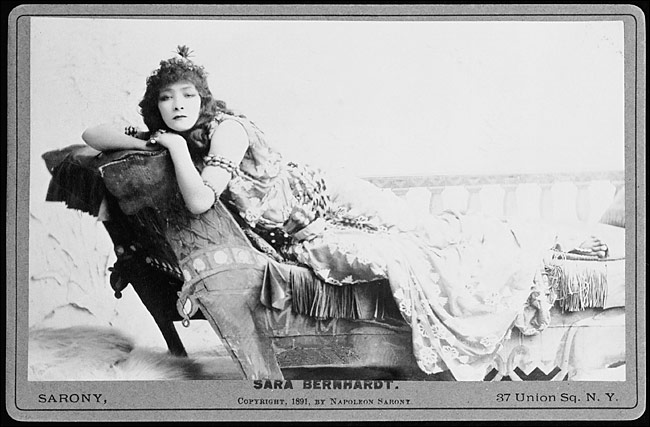
Sarah Bernhardt’s favorite New York landmark

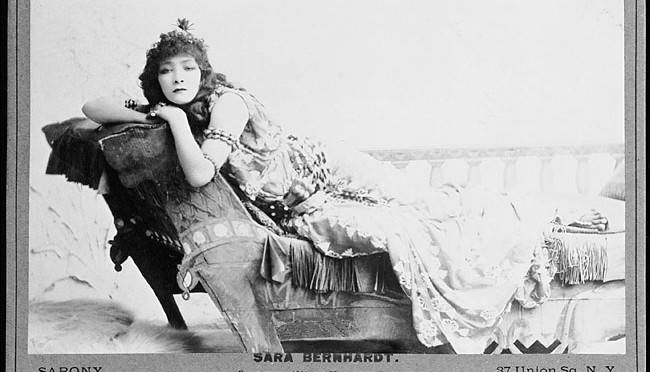
Sarah Bernhardt may be the most famous and most mysterious actress who ever lived and certainly “the greatest celebrity of her era.” Working mostly in the days before recorded medium (there are exceptions), Bernhardt crafted a legend matched by outrageous behavior and provocative stage performance. Naturally, she brought both with her when she came to New York City for her first American tour in 1880 to present the first of many signature roles, Adrienne Lecouveur.

The French actress, lauded as one of Europe’s greatest commodities, didn’t exactly crave a visit to America. Leaving for New York on October 1880, Sarah “was in utter despair, weeping bitter tears, tears that stained my cheek,” according to her autobiography. New York had no such hesitation. When her boat arrived two weeks later into a strangely frozen New York harbor, it was greeted with smaller steamers, filled with fans and decorated with French flags. They feted her onboard in a lengthy, drawn out ceremony of admiration.

Her response? Feeling slightly woozy, “I decided therefore to faint.” She fell gently into waiting arms, people rushed to her attention until “it was time to come to my senses again.”

She stayed that evening at the luxury Albermarle Hotel at Broadway and 24th Street where she blocked her door with furniture to keep other well-wishers and journalists out.

Bernhardt’s auto-biography is so steeped in extremity that you assume she must be exaggerating. Alexandre Dumas did call her a “notorious liar”, but the fact that it took Alexandre Dumas to make that proclamation underscores the exotic circles and experiences in which she traveled.
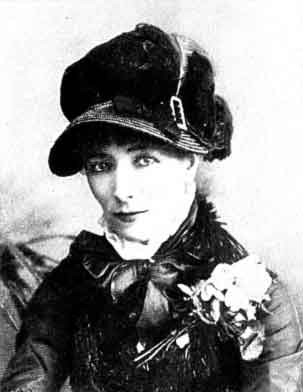
She greatly distrusted the press who she believed willfully printed lies about her (even when the lies were fed to them by Bernhardt’s own management.) At a press conference at the Albermarle later that day, she dismissed even the simplest questions, especially bristling when she was asked about her religion. “Oh Heavens! Will it be like this in all the cities I visit?”

Two days later, she arrived to rehearse at Booth’s Theater, the tony stage built by theatre legend Edwin Booth (John Wilke’s brother) and located near her hotel, at 23rd and 6th Avenue. Her reaction at seeing fans gathered outside to greet her: “These strange-looking individuals did not belong to the world of actors….with their white neckties and their questionable looking hands.”

Inside the theater, she was finally reunited with her 42 trunks of gowns and costumes — briefly and offensively seized by customs, a “chiffon court martial” — and ordered her underlings to open and inspect each container. So horrified was she at the lowly people opening her possessions that she could only grit her teeth and stand in a state of utter mortification. In fact, the experience exhausted her so much that she failed to even rehearse at all that day.
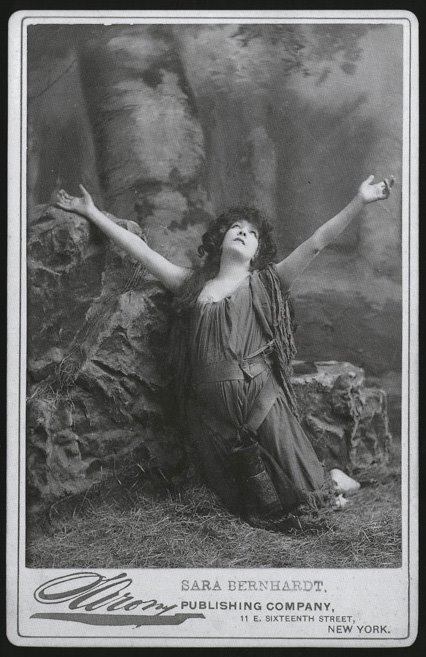
She would later go on to interact with every strata of New York culture, some more friendly than others, appealing more to liberal minded (and daring) social elites than the stalwarts of Mrs Astors storied Four Hundred. Which seemed fine with Sarah; she didn’t want to meet them either.

But for all her condescension that week, for all the superiority and righteousness, there was one thing that stopped her in her tracks. Believe it or not, something actually gave the legendary imperious actress pause.

It was Bernhardt vs. the Brooklyn Bridge, and the bridge won. In 1880, it wasn’t even fully completed, yet in her recollection, it was as if it were bustling with traffic. “Oh, that bridge! … One is proud to be a human being when one realizes that a brain has created and suspended in the air….that fearful thing.” The magnificence of the bridge, its extraordinary scale, filled her with “a strange, undefinable sensation of universal chaos.”

Yet she was able to sleep peacefully that evening, “reconciled with this great nation.” And all it took was for something to make the mighty actress feel small.

She would come many, many times to New York and onward to other major cities. By 1910, her tolerance of America was enough that she endeavored to perform future productions in English. (Up until then, all of her performances were rendered in French.)

I highly recommend peeking into her pompous, overblown autobiography My Double Life (well out of print, although Google Books has a copy to review). Simply flip to any random page and get a whiff of her powerful perfumed prose. They seriously do not make them like Sarah Bernhardt anymore.

Below: the spectacular Booth’s Theatre, where Sarah Bernhardt made her U.S. debut on November 8, 1880. It was located on the southeast corner of 23rd and 6th. Today the building there contains a Best Buy and an Olive Garden.

P.S. It appears that Sara and Sarah were interchangable back in the day. You’d think this discrepancy would have driven the poor thing to the fainting couch.
Categories
Podcasts

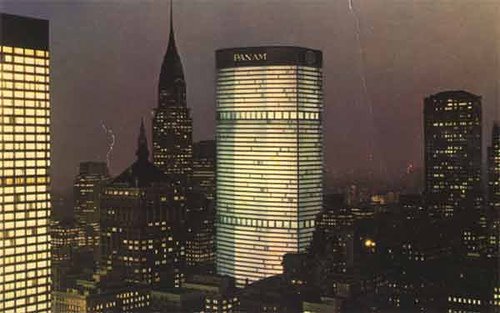
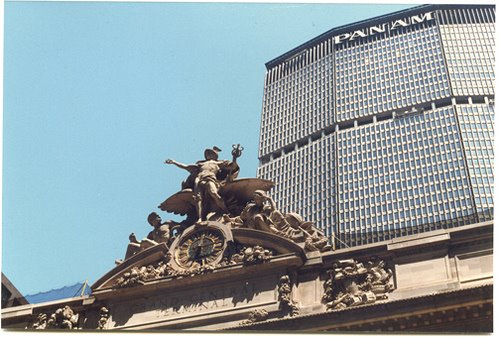
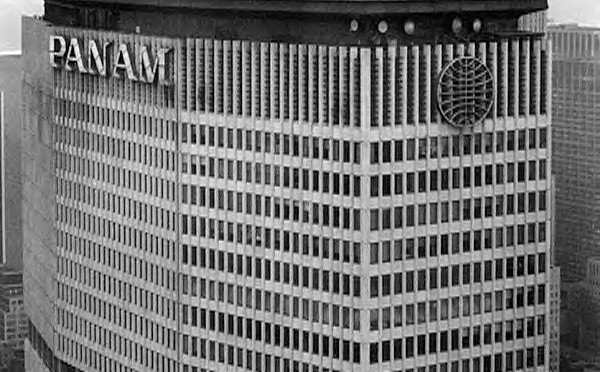
PODCAST: The Pan Am Building

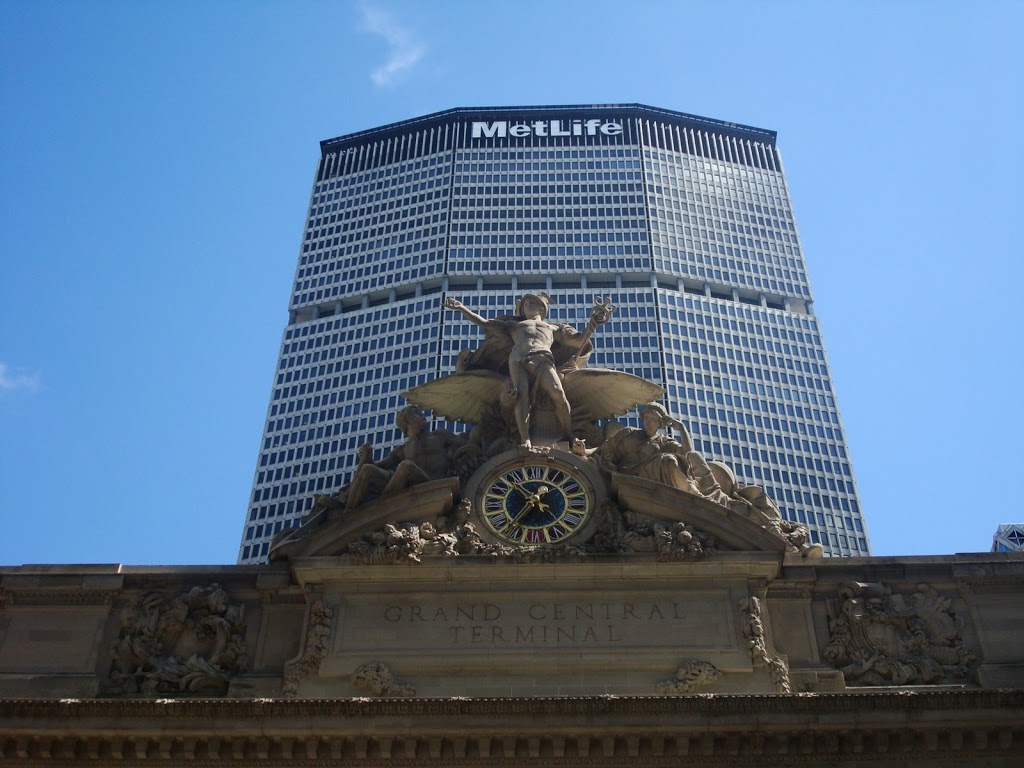
Today it’s the Met Life Building. It’s been called the ugliest building in New York City. It sits like a monolith behind one of the city’s most enduring icons Grand Central Terminal. But it’s got some secrets you may not know about. In this podcast, we scale the heights of this misunderstood marvel of modern architecture.
Listen to it for free on iTunes or other podcasting services. Or you can download or listen to it HERE

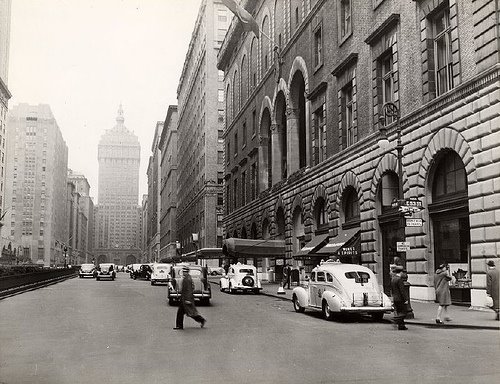
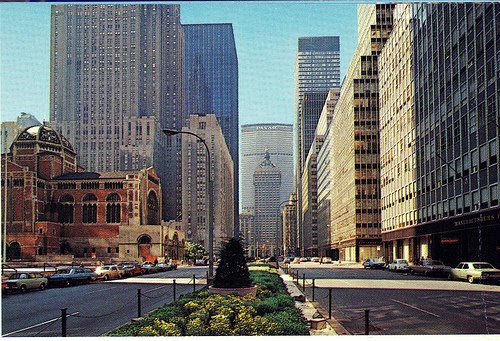
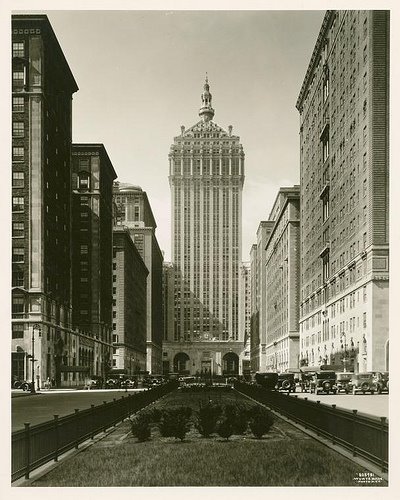
In the days before the Pan Am Building, Park Avenue was lorded over by the ‘dowager queen’ of glamour architecture, the New York Central Building (later the New York General Building, and finally — the Helmsley Building)

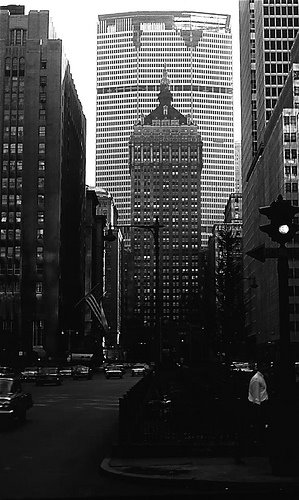
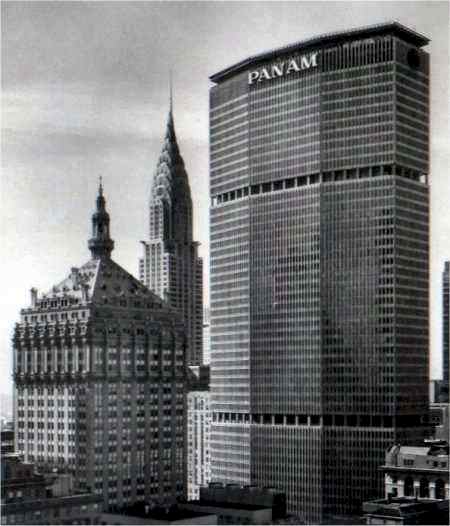
Another angle, year of photograph unknown.

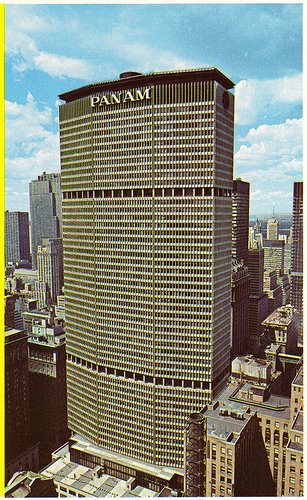
In this picture, taken in 1962, the monolith is almost complete.

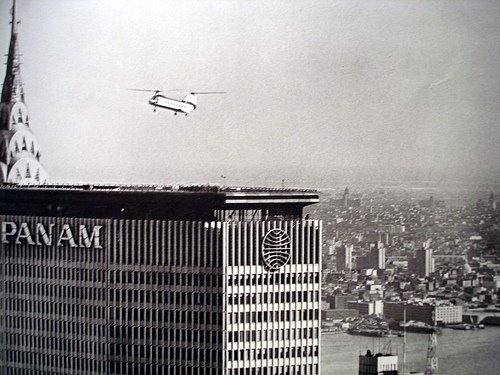
New York Airways once provided helicopter service from the top of the Pan Am in the 1960s. It was briefly revived in 1977, but a tragic accident killing five people ensured it would never be tried again.

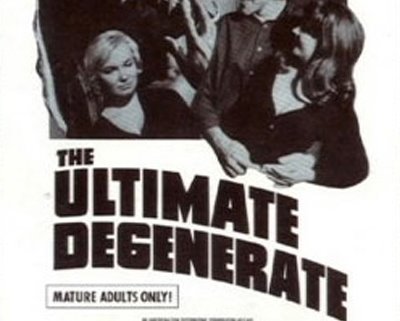
One of those killed in the tragic helicopter blade accident of 1977 was film producer Michael Findlay, creator of such sexploitation classics like the Flesh trilogy and the Ultimate Degenerate. (He also made some films with titles that are bitterly ironic considering his untimely death.)

In 1987

Today

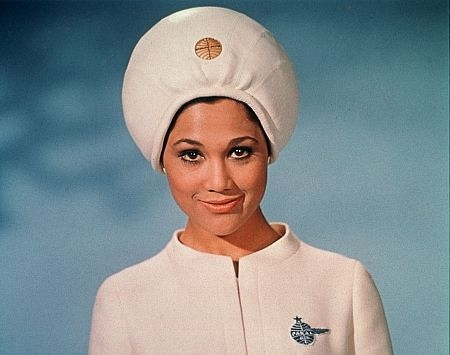
When Pan Am moved into the building in 1962, they were one of the world’s leading airlines, best known for their on-board service and fleet of attentive flight attendants.

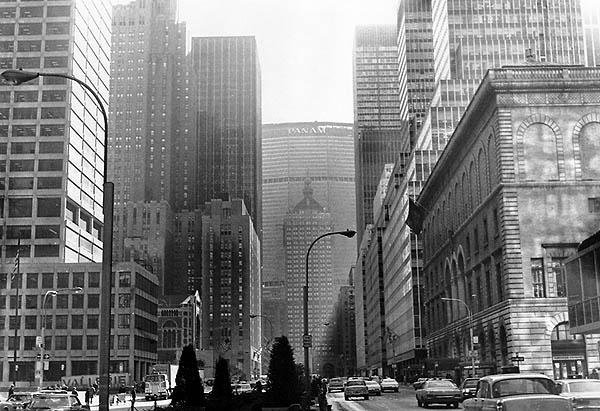
Looking down Park Avenue at the Pan Am in 1970

The same view a few years later

Its relationship to the Helmsley Building has caused great controversy over the years. Some say it’s like hanging a work of art in a cheap frame.

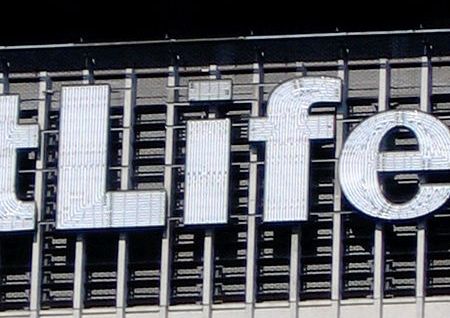
Metropolitan Life replaced the Pan Am logo with its own in 1991

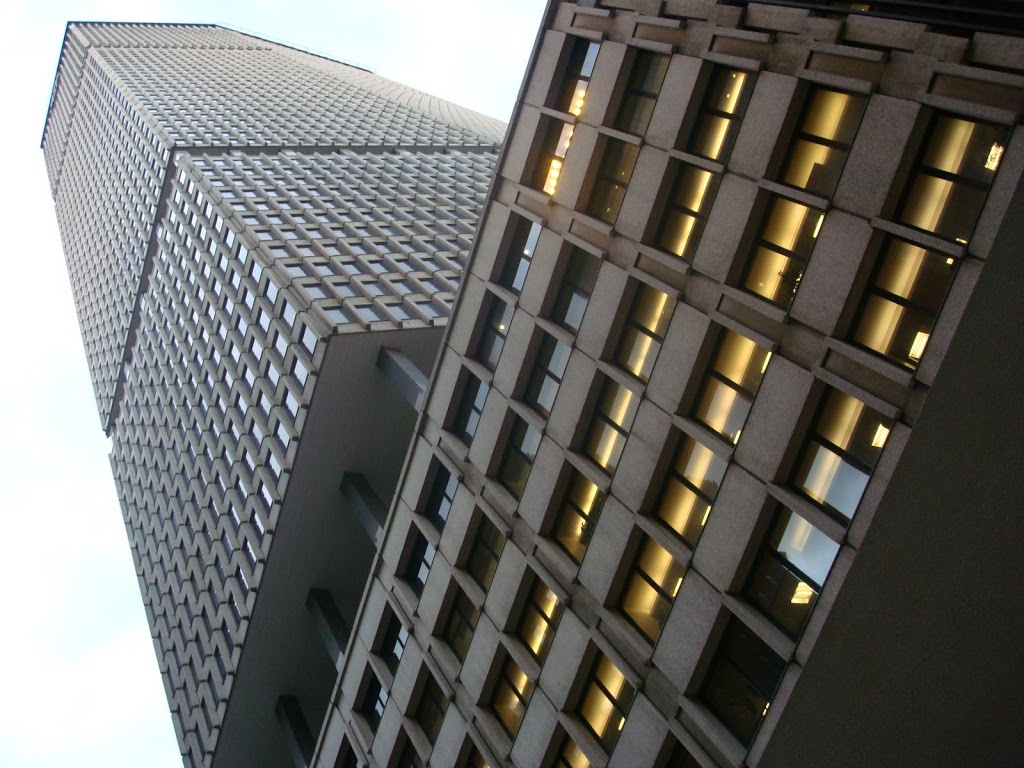
Quite unlike an impressionist painting, the building actually looks more interesting the closer you are to it, revealing some odd angles befitting its imposing proportions and ‘lozenge’ shape

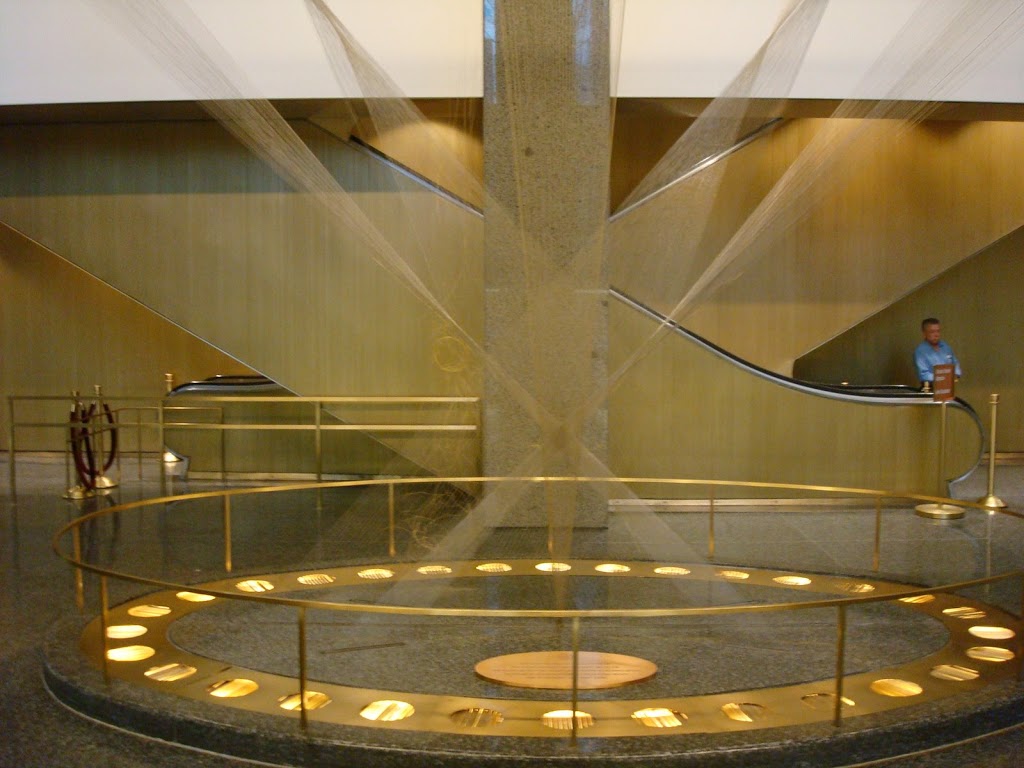
Inside the lobby: Flight, the expressive wire sculpture of Richard Lippold. The lobby once also held a painting by Josef Albers.

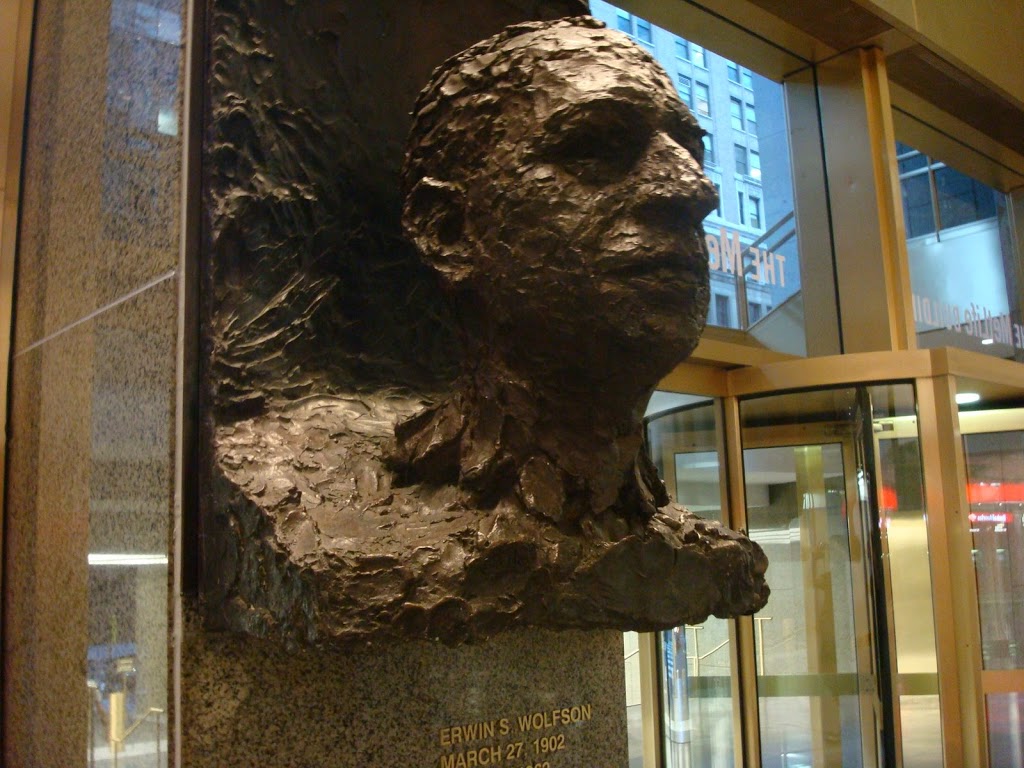
This rather grotesque bronze bust of Erwin Wolfson greets you as you enter the building.

CLARIFICATION: In the podcast, it appears I was a little vague in my description the Metropolitan Life Insurance Tower which is on Madison Square Park. Although the slender clock tower is indeed also topped with gold ornamentation, do not confuse it with Madison Square’s real gold standard — the gilded New York Life Insurance Building

Categories
Podcasts

PODCAST: The Statue of Liberty

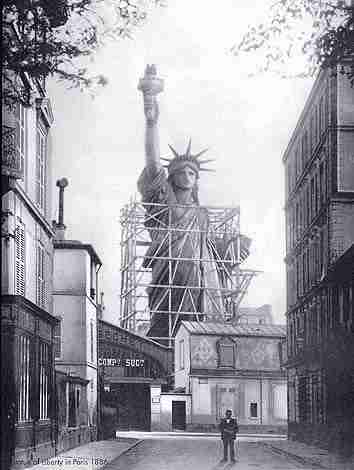
Her torch may shine bright, but what story is she hiding under that copper-toned skin? The Bowery Boys bring you the story of the dinner party that created an American icon.


Her official name is the Statue of Liberty Enlightening The World. You can find a full survey of her measures here. Two facts of interest to me: her copper plating is only the width of a couple pennies. Incredible that something so relatively thin has been able to weather 121 years.
Especially considering fact no. 2: during 50 mph winds, the Statue of Liberty moves approximately three inches. Bartholdi and Eiffel managed to create a structure that could conform to sea winds and temperature changes without causing serious damage to the overall structure.

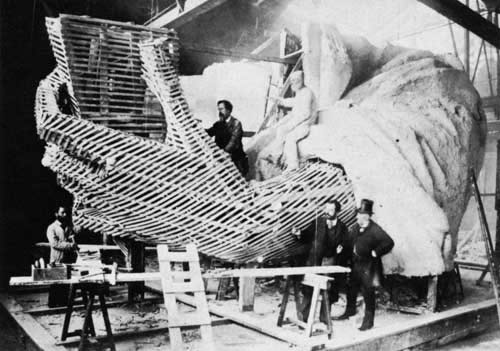
Seen here, one hand, clutching a book with the date July 4, 1776 written upon it, awaits its copper skin at the foundry of Gaget, Gauthier et Companie.

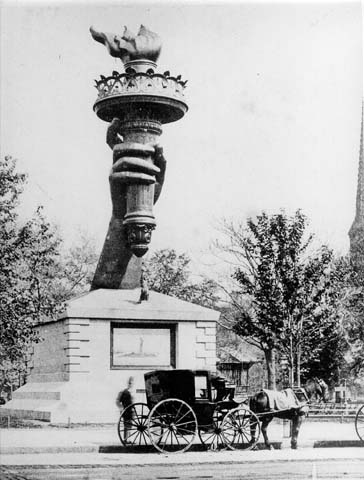
Her other hand meanwhile was busy taking a tour of America. The completed right arm and torch stopped first at the Philadelphia Centennial Exposition in 1876, the 100th year of America’s birth (and technically the date the gift of Liberty was celebrating). It then travelled back to New York, where it became a comfortable fixture of Madison Square Park in 1884.

My blog entry from Monday was about the gravesite of Gen. William Worth, which seems peculiarly placed in middle of a traffic island. To get a better sense of how it was situated, here’s a picture (which I got from Forgotten NY) with Worth on the left, Fifth Avenue cutting through, and the arm of Ms. Liberty to the right.

And to think today, just a few feet to the right, out of frame, now stands the Shake Shack.

Eventually the arm and torch was returned to France, where the entire structure was put back together in the foundry, to the delight of 300,000 visitors, including one Victor Hugo, who said, “To the sculptor form is everything and is nothing. It is nothing without the spirit – with the idea it is everything.”

The designer of the pedestal was Richard Morris Hunt, best known for designing the Metropolitan Museum of Art as well as the sumptuous mansions for the Vanderbilt family. (CNN’s Anderson Cooper probably ran around in one when he was little.) Hunt trained at the Paris’ École des Beaux-Arts which would later see William Van Alen, the architect of the Chrysler Building.

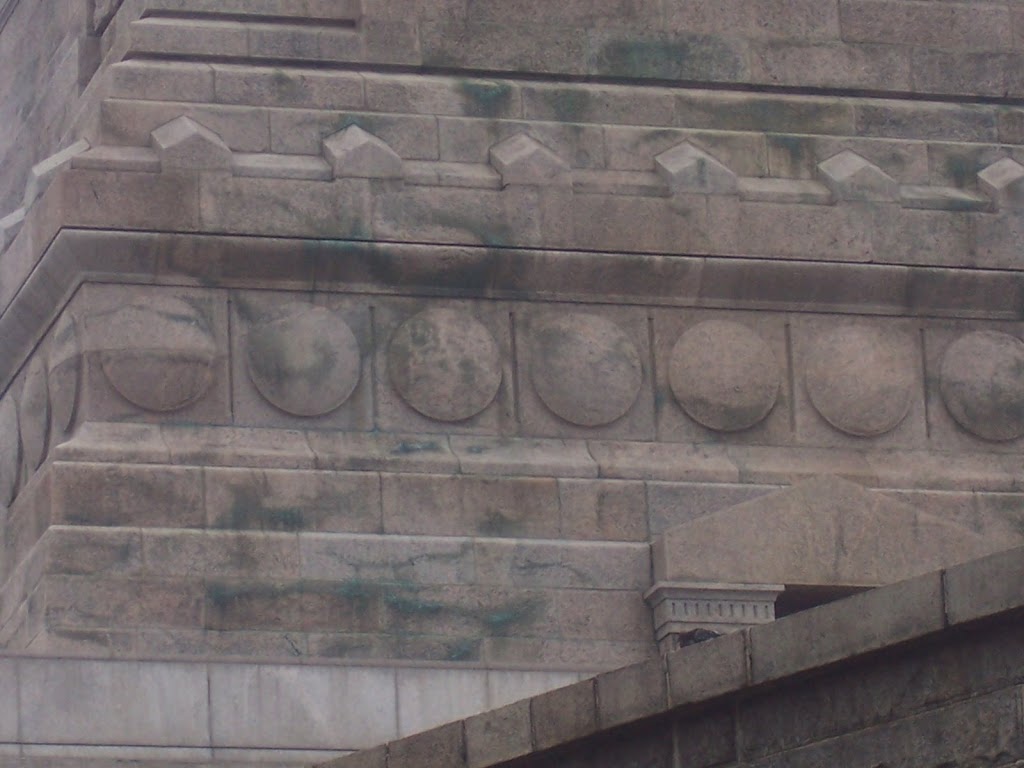
My harangue against my fellow Americans in their rather feeble attempts at fund-raising to build the pedestal obscured my general admiration for the design of the pedestal itself, which had to be understated but reflect some of the statues general themes. For instance, the shield pattern that runs along the side — click to see the detailing more closely — creates a dialogue with Liberty’s classical features and underscoring of strength and protection.

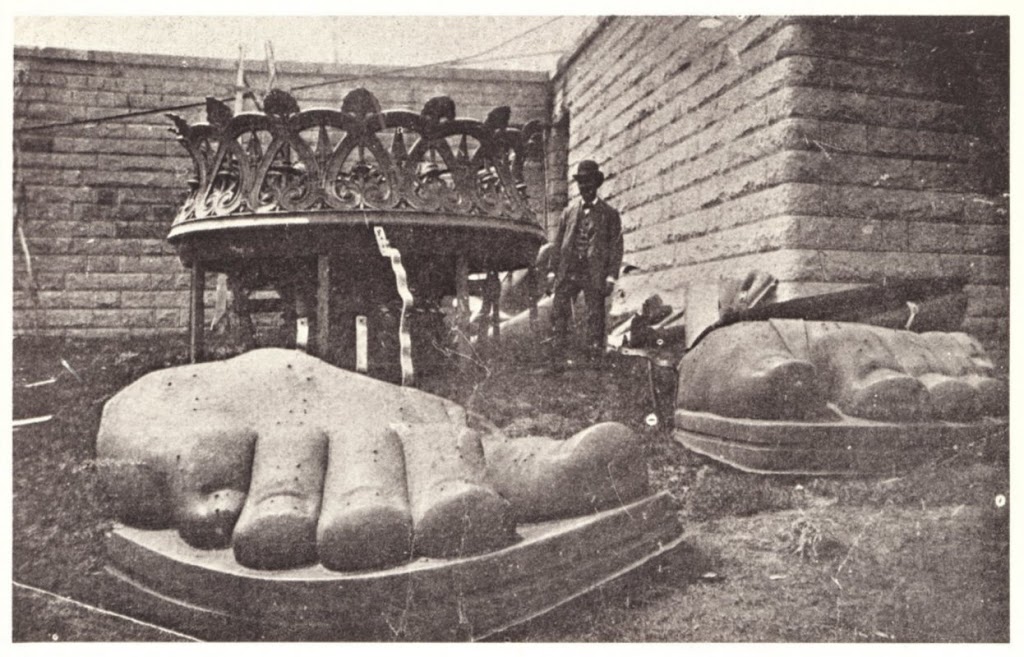
Even as the pedestal was still being constructed, the Statue arrived in New York harbor. Here, some workers unpack her feet at the base of the foundation, what was once a star-like fort:

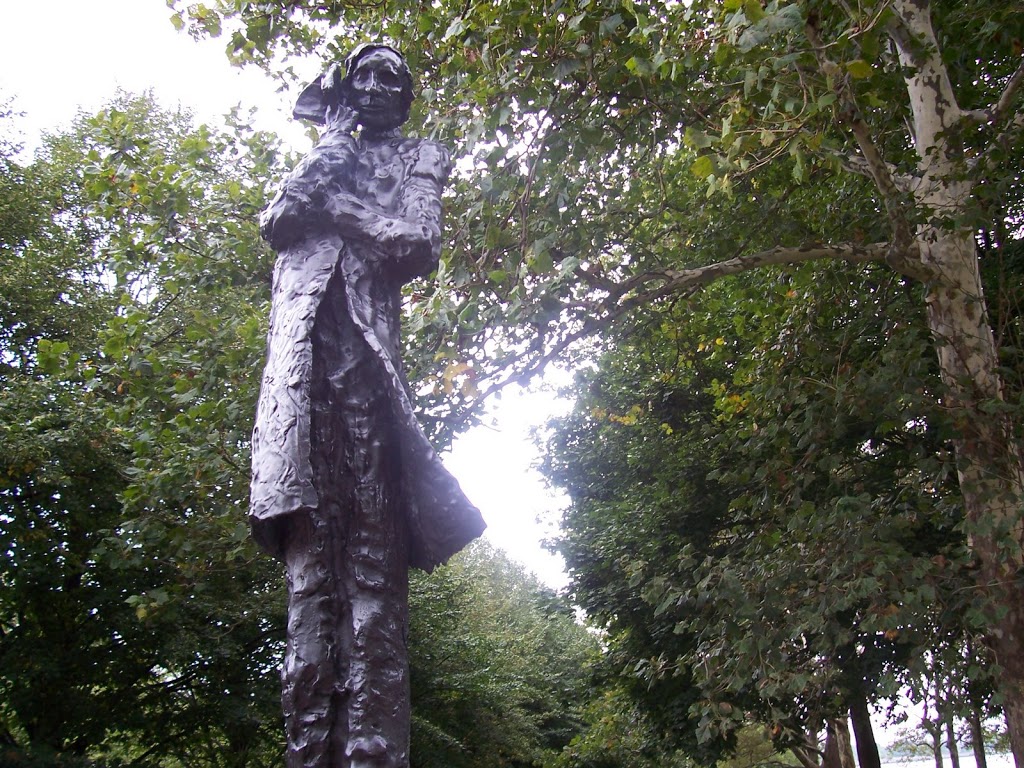
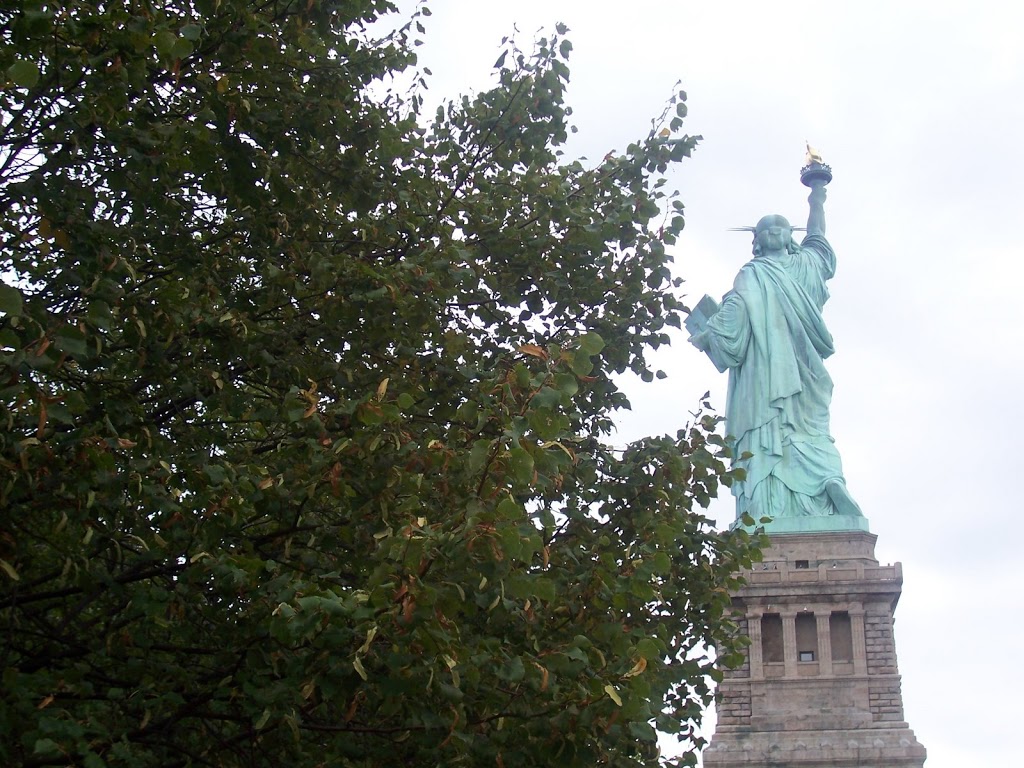
A stroll around the base of Lady Liberty grants you a terrific view of Manhattan, Brooklyn and parts of New Jersey. Along the path are some contemporary sculptures of five pivotal figures of Liberty’s legacy (all detailed in our podcast) — Bartholdi, Gustave Eiffel, Édouard René Lefèvre de Laboulaye (pictured below), Joseph Pulitzer and Emma Lazarus.

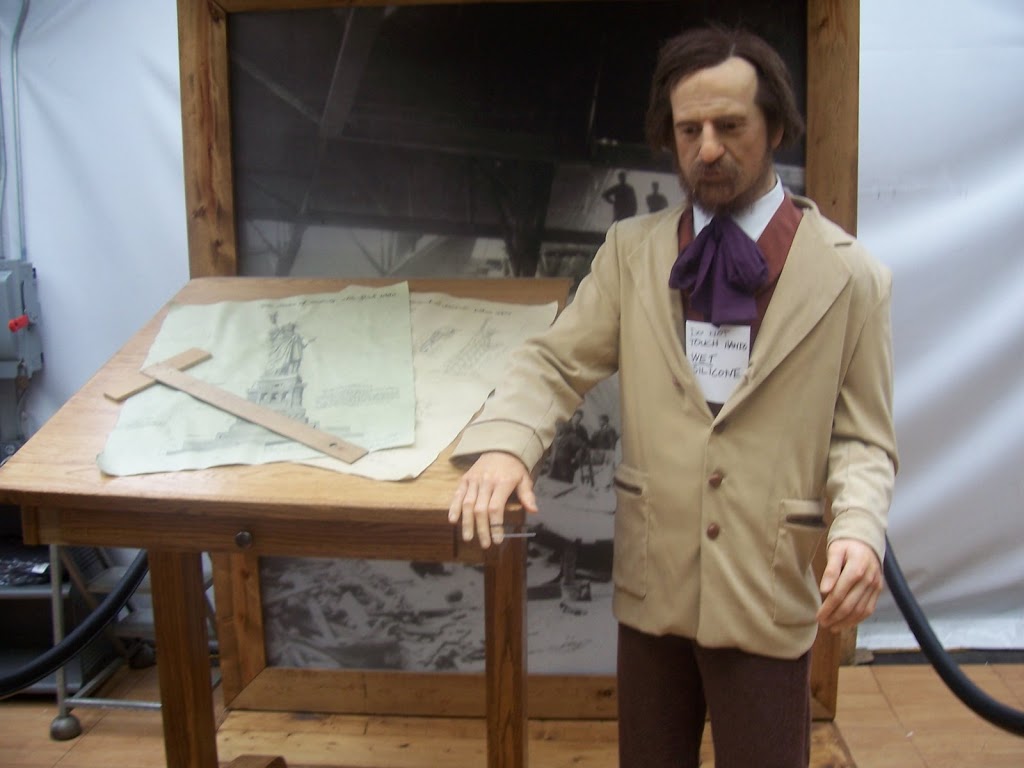
This strangely creepy depiction of Bertholdi also greets visitors. (Click the pic to see what the curious sign says tucked in his jacket.)

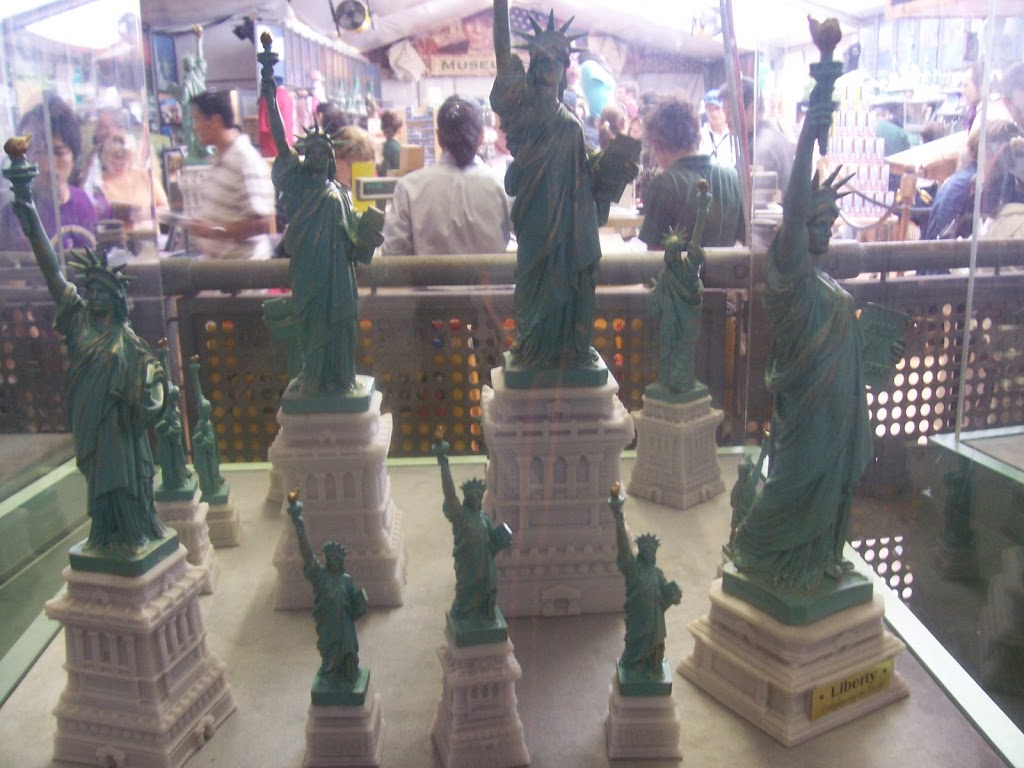
In a prescient bit of fund-raising, Bartholdi sold miniature versions of Lady Liberty before it was even constructed. That honored tradition of capitalism still holds strong throughout every tourist zone in New York City, Liberty Island itself certainly no exception.

By the way, the Statue of Liberty, for many years was actually a deep brown color. When copper oxidizes, however, it turns that rich green color, which prevents it from eroding through rust. The copper used in the construction was so durable that during the extensive 1986 renovation and clean-up of the statue, none of it needed to be replaced. Although Eiffel’s contributions overshadowed those of the original architect Eugène Viollet-le-Duc (who died before the statue was completed), Eugene chose the copper, mined from copper ore obtained in Karmøy, Norway.

Click here to see our history of the Statue of Liberty … as she appears on album covers.

Worth Square: Madison Square’s cemetery for one

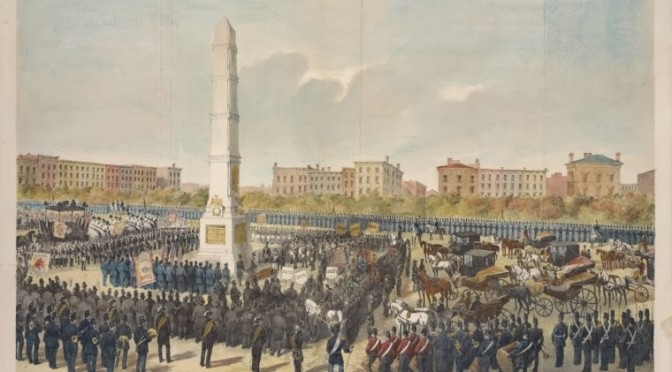
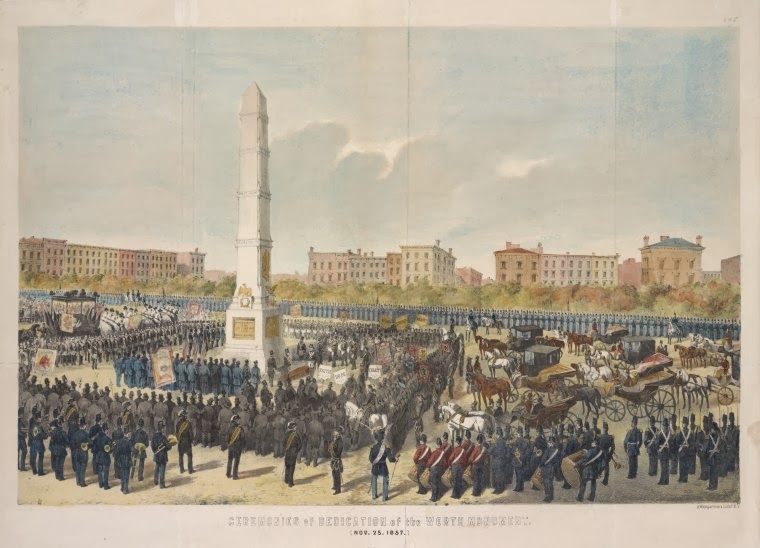
As you can tell from this lithograph of the Worth Monument dedication in 1857, it predates most of the development that surrounds it today. (NYPL)

 Few Americans have been so honored by their country that their remains have been buried in the middle of the most famous street in America in their own personal cemetery.

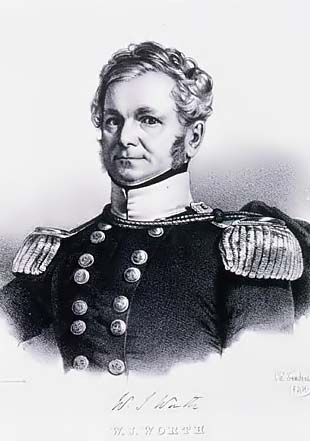
William Jenkins Worth can say that. According to Roadside America, Worth’s is one of only three private graves in all of New York City.  Although exactly why he’s been singled out with this particular honor is a bit obscure.

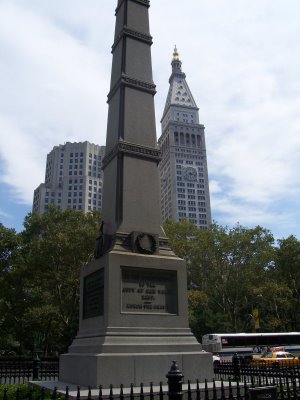
Worth Square, next to Madison Square and just feet from the Flatiron Building, is one of those odd traffic islands that’s hardly a place of peace and repose.  Broadway and Fifth Avenue rush by on either side and the traffic of 23rd street hurls by on its south side.  But it’s here that a monument stands in honor of Worth, a general in the oft-forgotten Mexican-American War, which won for the United States the state of Texas and, eventually, President George W. Bush.

Worth served admirably in many battles of the conflict, becoming the first general in American military history to engage off the shores of Veracruz in ‘amphibious warfare’ — namely, the strategic usage of approaches from the water to engage in combat on land.  In 1847 he also personally hoisted the American flag above the palace in Mexico City after the US’s victorious conquest there.

Within two years he would be dead of cholera, transported to Brooklyn and buried in Greenwood Cemetery, the hotspot for dead celebrities in the 19th century.  A few years later, he was dug up, brought to Manhattan, and buried at this unusual spot underneath an impressive obelisk designed by James Batterson (later to be the go-to guy for Civil War monuments).  Forgotten NY says that the iron rod gate surrounding this solemn monument is a revered example of iron craftsmanship.

Worth’s remains were placed here in a solemn ceremony on November 25, 1857, involving almost 6,500 soldiers in march. Etched upon the monument is a listing of all the many battle Worth fought in.

Worth was born in Hudson, NY, and briefly moved to Albany, but he has no meaningful connection to New York City.  Although I have found no definite conclusion as to why he’s buried here, a couple points to consider don’t make it seem so odd:

— Worth served under then-general Zachary Taylor at the start of the Mexican-American War.  By the time Worth died, Taylor was the President of the United States.  Certainly some political favoritism was at play.

— The monument’s location was considered peaceful at one time. Adjacent Madison Square opened two years prior and the building boom that would give us Flatiron, the Met Life Tower and the other beautiful buildings surrounding the park wouldn’t occur for decades.  The obelisk would have towered over everything.  It would have truly been a sincere honor to be placed here.

The respect New Yorkers had Worth extended downtown to Worth Street, which was, incidentally, one of the five streets intersecting to create the notorious Five Points district.  Another of the Five Points intersection streets — Baxter Street — is named after Charles Baxter, who died in the Mexican-American War. Another example of a well-meaning gesture of honor distorted by the realities of urban growth.