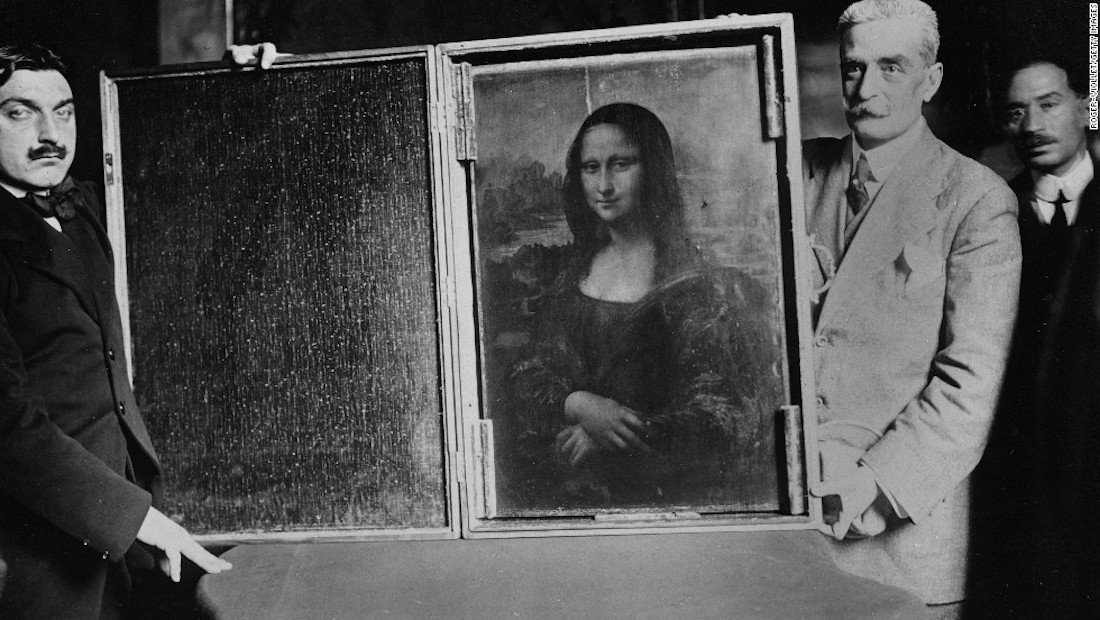
The enigmatic smile of the Leonardo da Vinci’s Mona Lisa, at its longtime home of the Louvre in Paris,has captured the attention of the public for centuries.
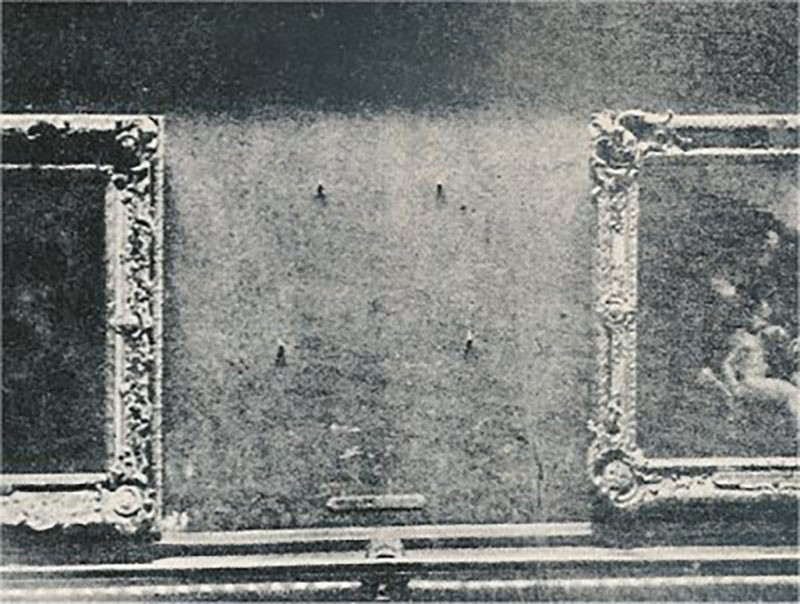
Few people realize however that on a warm summer morning in Paris in the year 1911, the painting was stolen — and remained missing for over two years.
Press hysteria surrounding this unusual robbery made the masterwork of Da Vinci’s quite simply the most famous painting in the world.
But much is still murky about the circumstances of its theft and recovery.
Join The Gilded Gentleman as he takes a look at this case and and attempts to piece it together.
The Gilded Gentleman Podcast is available wherever you listen to podcasts including Apple Podcasts, Spotify and Overcast.
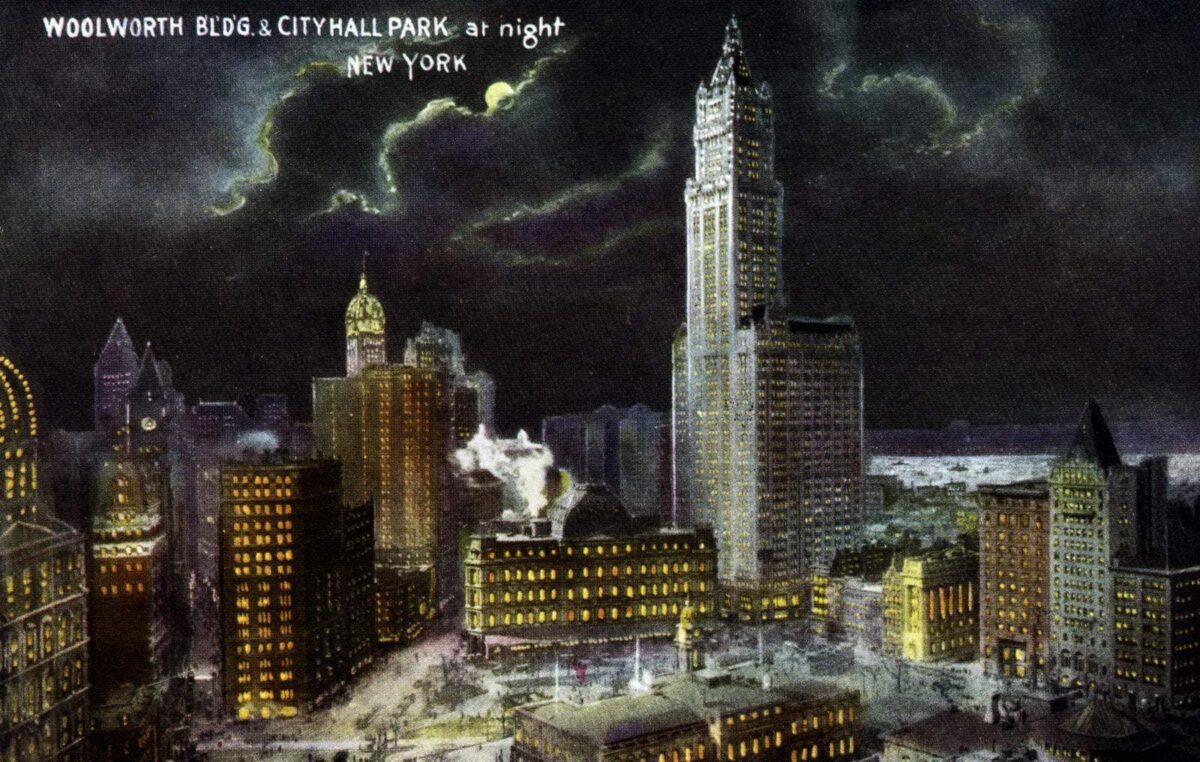
Woolworth Building postcard, 1911, and an extra spooky looking scene of old New York
Bowery Boys Walks is proud to be supported by Founded by NYC, celebrating New York City’s 400th anniversary in 2025 and the 250th anniversary of the United States in 2026.
This month, we’re celebrating the Village Halloween Parade, the largest Halloween parade in the world.
The parade started as a small-time puppet parade for kids in the 1970s by Ralph Lee, a puppeteer who mostly worked on Off-Broadway. It’s been under the artistic direction of Jeanne Fleming since the mid-1980s.
The parade theme this year is “potluck”, centered around the idea of coming together and sharing. Don your best costume and watch the more than 50,000 parade participants as they march down Sixth Avenue, and make sure to catch the Thriller Dance, the highlight of the parade.
In addition to the Village Halloween Parade, be sure to catch other fun Halloween events in NYC, including
— The Bronx Halloween Parade on October 25th
— Live performances and candlelit tours at the Merchant House
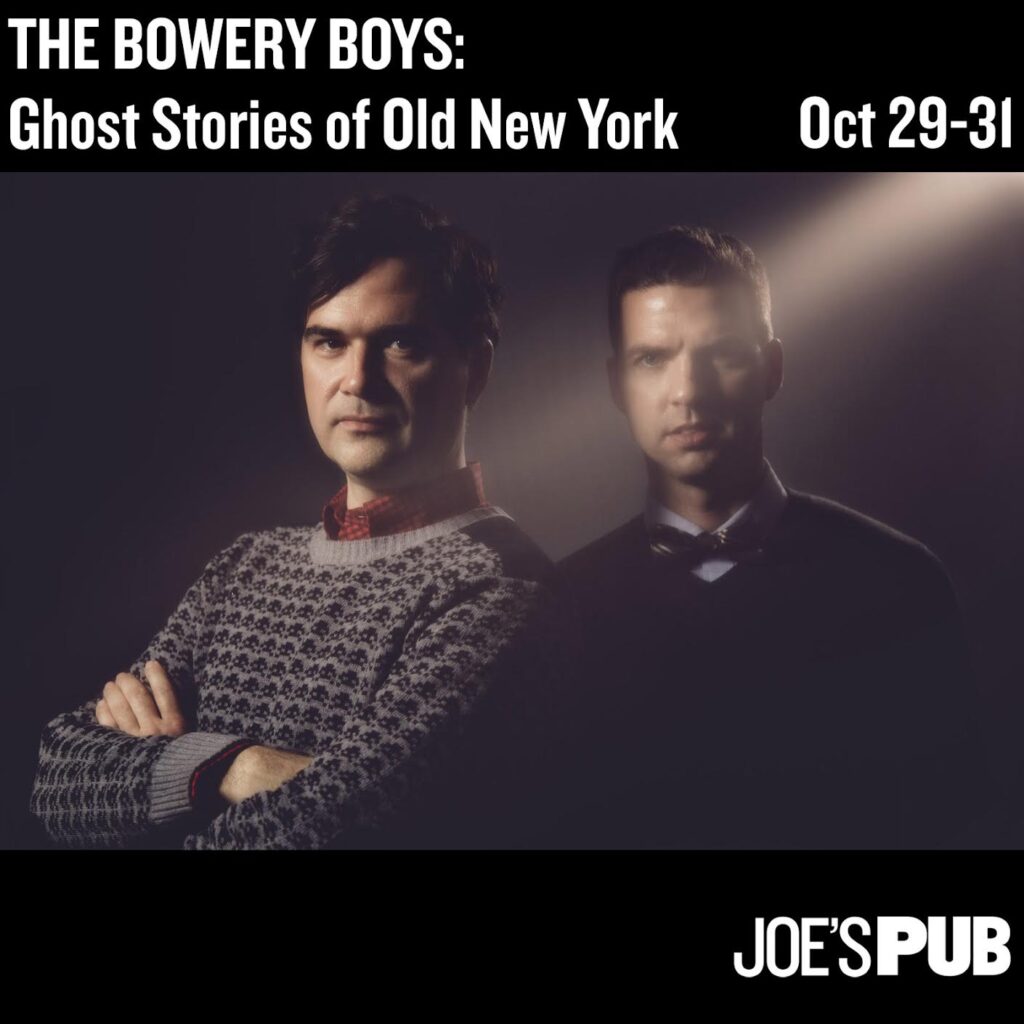
— The Bowery Boys live show at Joe’s Pub
— The Bowery Boys x Founded By NYC Historic Haunts of Lower Manhattan walking tours.
Read about the Village Halloween Parade and all the other exciting events and world-class institutions commemorating the five boroughs’ legacy of groundbreaking achievements, and find ways to celebrate the city that’s always making history at Founded by NYC.
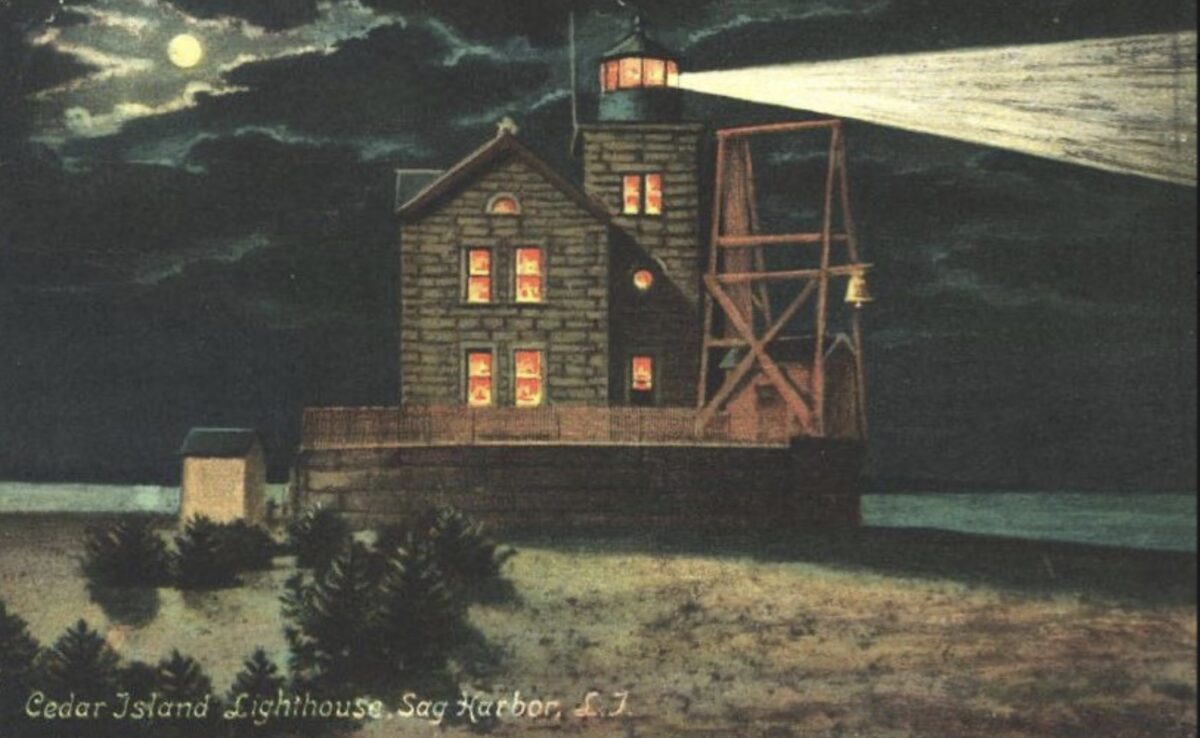
The streets of Old Sag Harbor hold many supernatural mysteries.
For this year’s annual Bowery Boys Ghost Stories podcast, Greg and Tom take a road trip to Long Island to explore the region’s most famous haunted tales from legend and folklore, ‘real’ reported stories of otherworldly encounters that have shaped this historic area of New York state.
When you think of Long Island and scary stories, your mind might immediately go to the Amityville Horror house or perhaps even the Montauk Monster. But let us introduce you to a series of far older stories which incorporate Long Island’s extraordinary history:
— The Sag Harbor Goblin: A restless soldier from the Revolutionary War period harasses the residents of this charming Hamptons retreat.
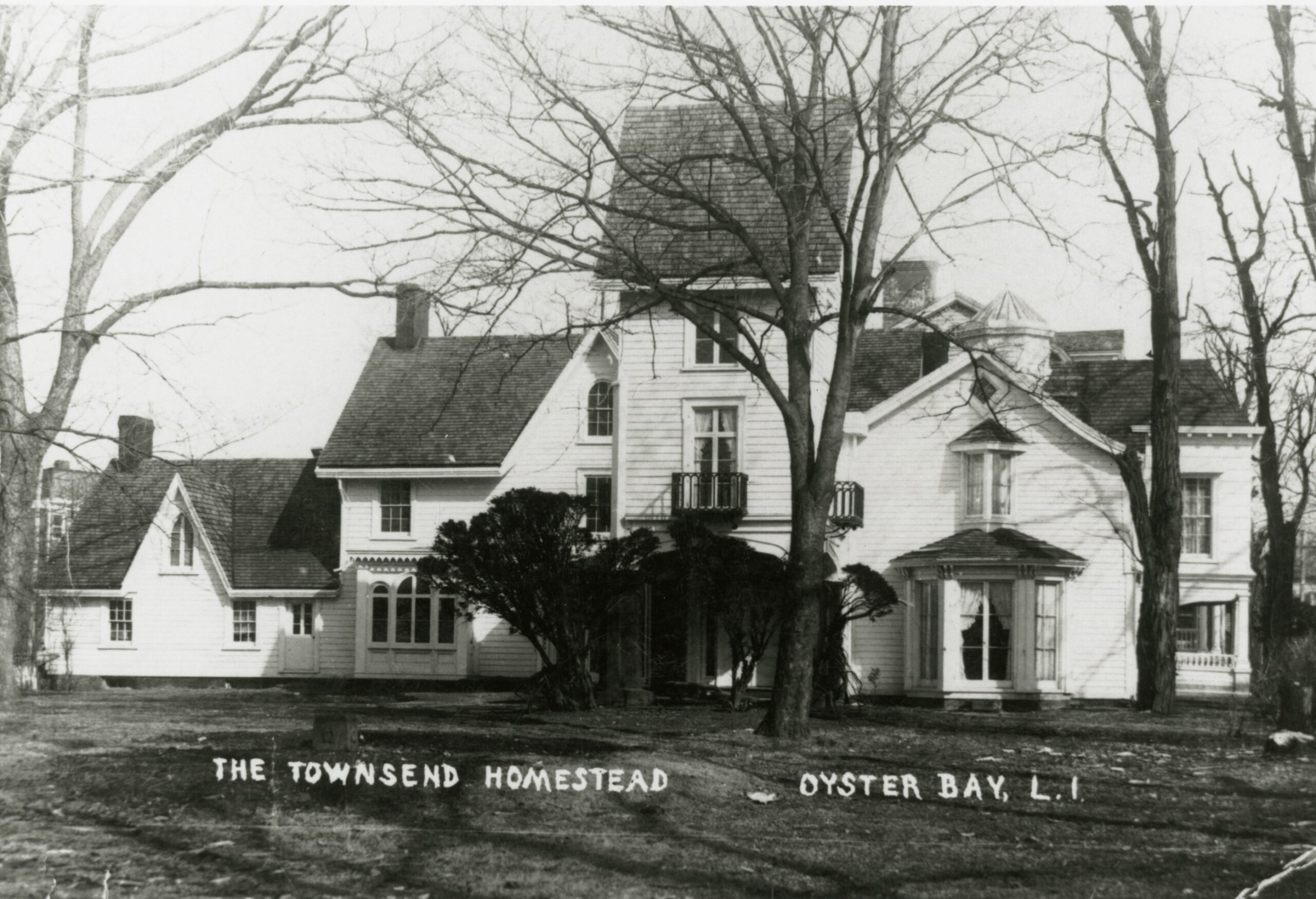
The newer additions to this Revolutionary War-era home accomodate space for more ghosts. Image courtesy Raynham Hall Museum.
— The Wraiths of Raynham Hall: In Oyster Bay, a beloved landmark is sometimes called ‘the Grand Central Station for ghosts’ thanks to its population of historic spirits — including that of a famed Revolutionary War traitor!
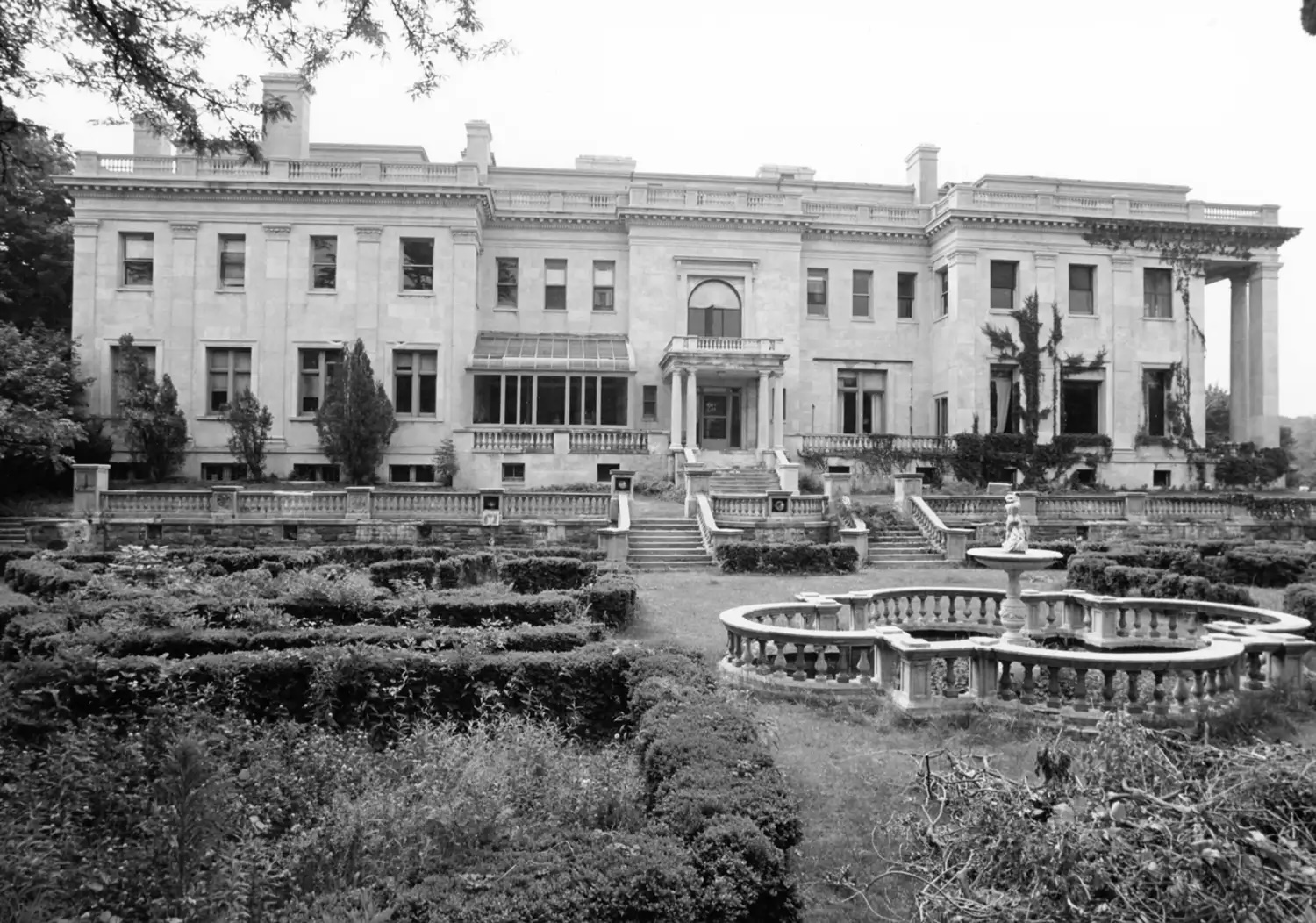
— The Bolt From Beyond: Winfield Hall is better known as the Woolworth Estate, best known for its eccentric owner Frank Winfield Woolworth. But the house is also known for a series of unfortunate events — and the secrets which its marble hallways may still hold.
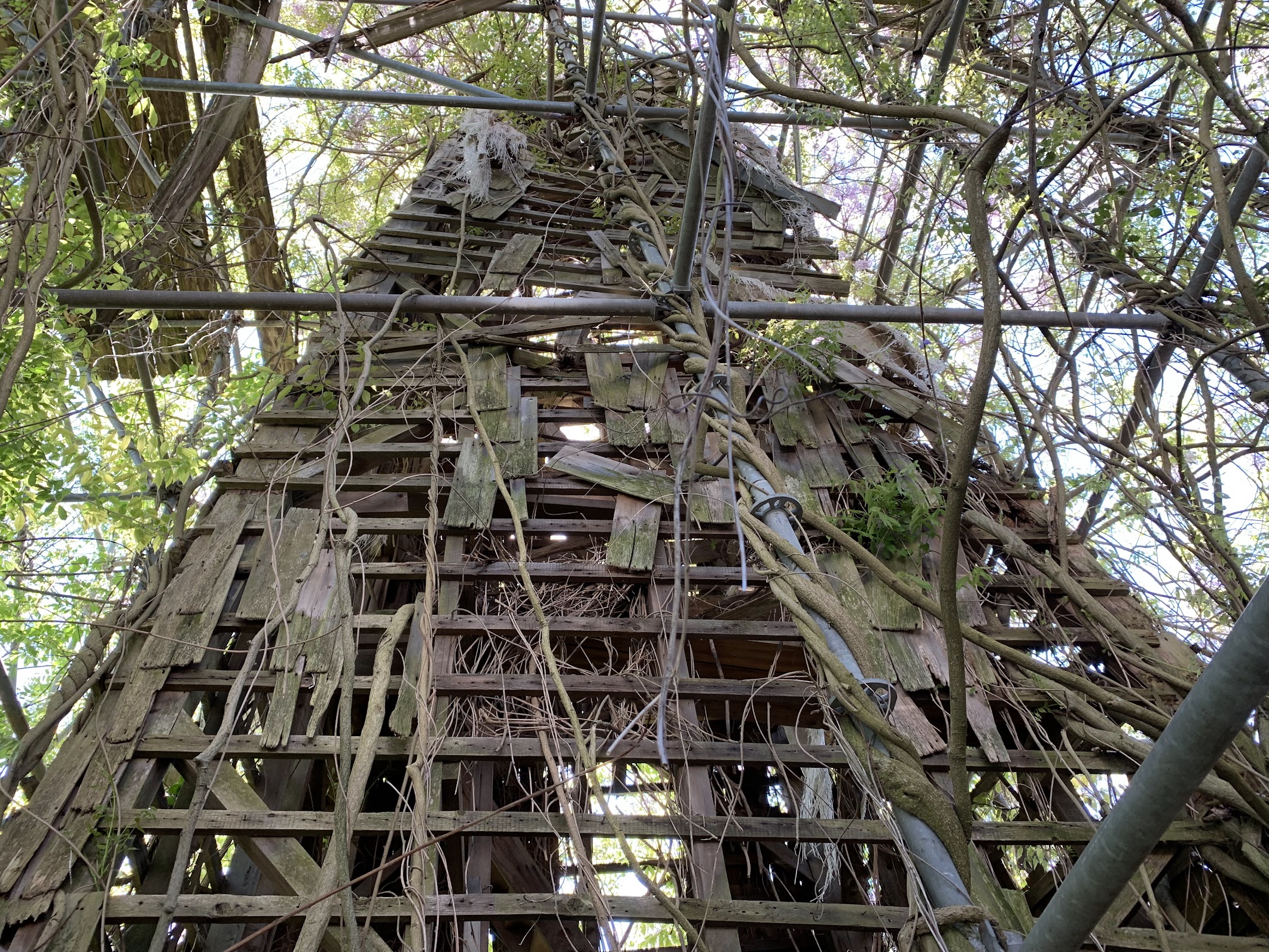
Ruins of the old Gateway windmill
— Dancing In The Ghost Light: The Gateway Playhouse in Bellport celebrates 75 years of regional theater this year — and a few ghosts have returned to join the party.
— The Hermitage of the Red Owl: A spooky tale of folklore in Brentwood, featuring a utopian community, a talking bird and the ancient, unburied bones of a warrior.
LISTEN NOW: GHOST STORIES OF LONG ISLAND
The Bowery Boys Podcast is proud to be sponsored by Founded By NYC, celebrating New York City’s 400th anniversary in 2025 and the 250th anniversary of the United States in 2026.
Read about all the exciting events and world-class institutions commemorating the five boroughs’ legacy of groundbreaking achievements, and find ways to celebrate the city that’s always making history at Founded by NYC.
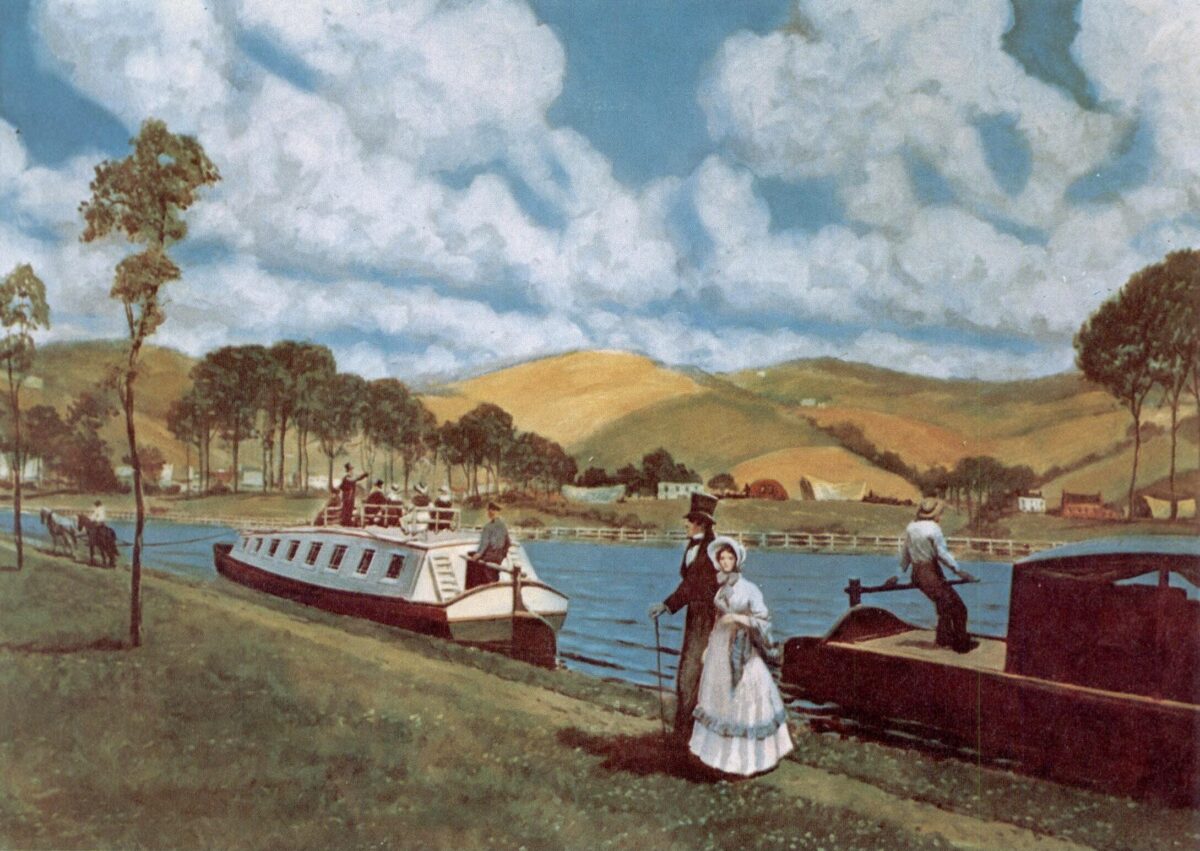
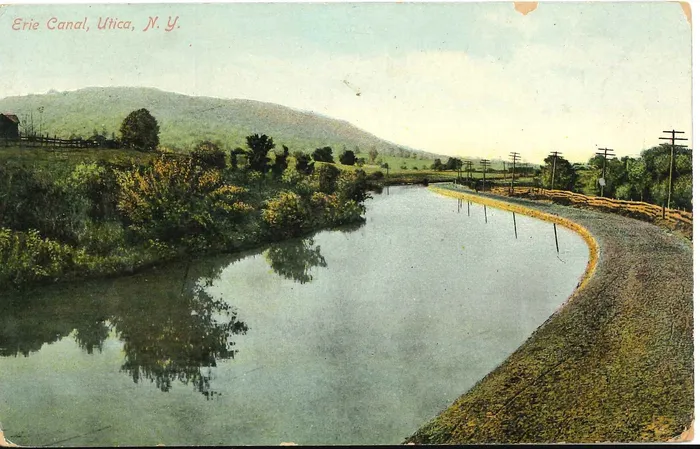
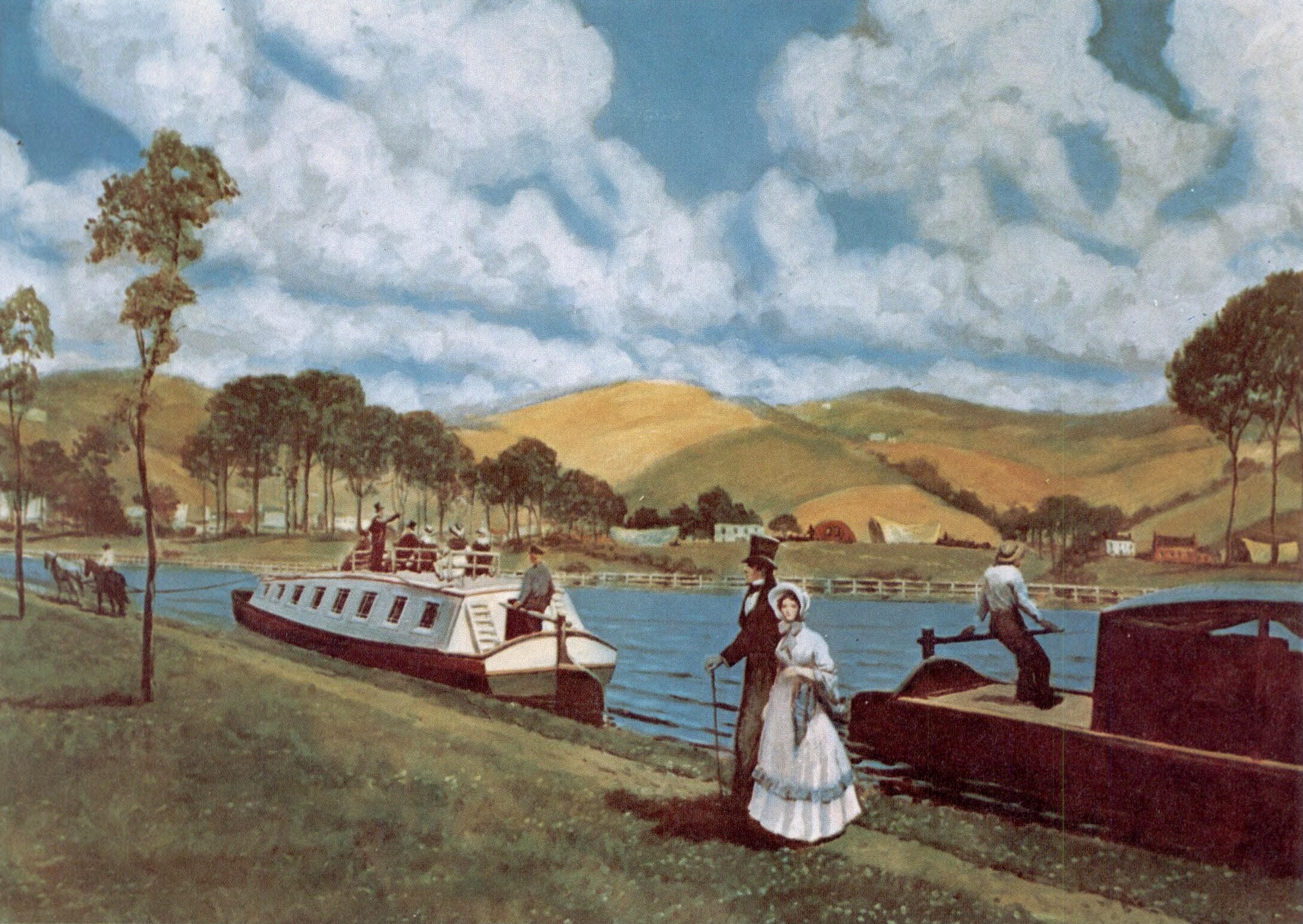
On October 26, 1825, the fate of New York City – and the entire United States – changed with the opening of the Erie Canal, a manmade waterway that connected the Hudson River to Lake Erie.
It was the most significant engineering project of its time, linking the ocean to the nation’s interior — a 363-mile route from Albany to Lake Erie.
Without even knowing where the Erie Canal is on a map of New York state, you could probably guess its course because of a row of cities which developed and prospered, almost in a westward line – including Utica, Syracuse, Rochester, and Buffalo.
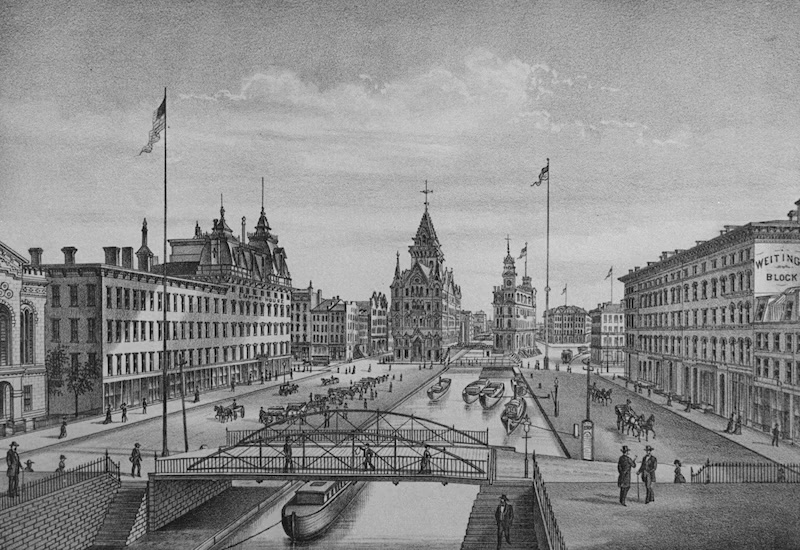
In some cases, these were modest-sized places like Schenectady or Rome that benefited financially from canal construction; in others, such as Syracuse (which was founded in the year 1820), the canal was chiefly responsible for its existence.
However, it was also one of the most critical events in New York City’s history, even though the entrance to the canal is approximately 150 miles north of New York Harbor.
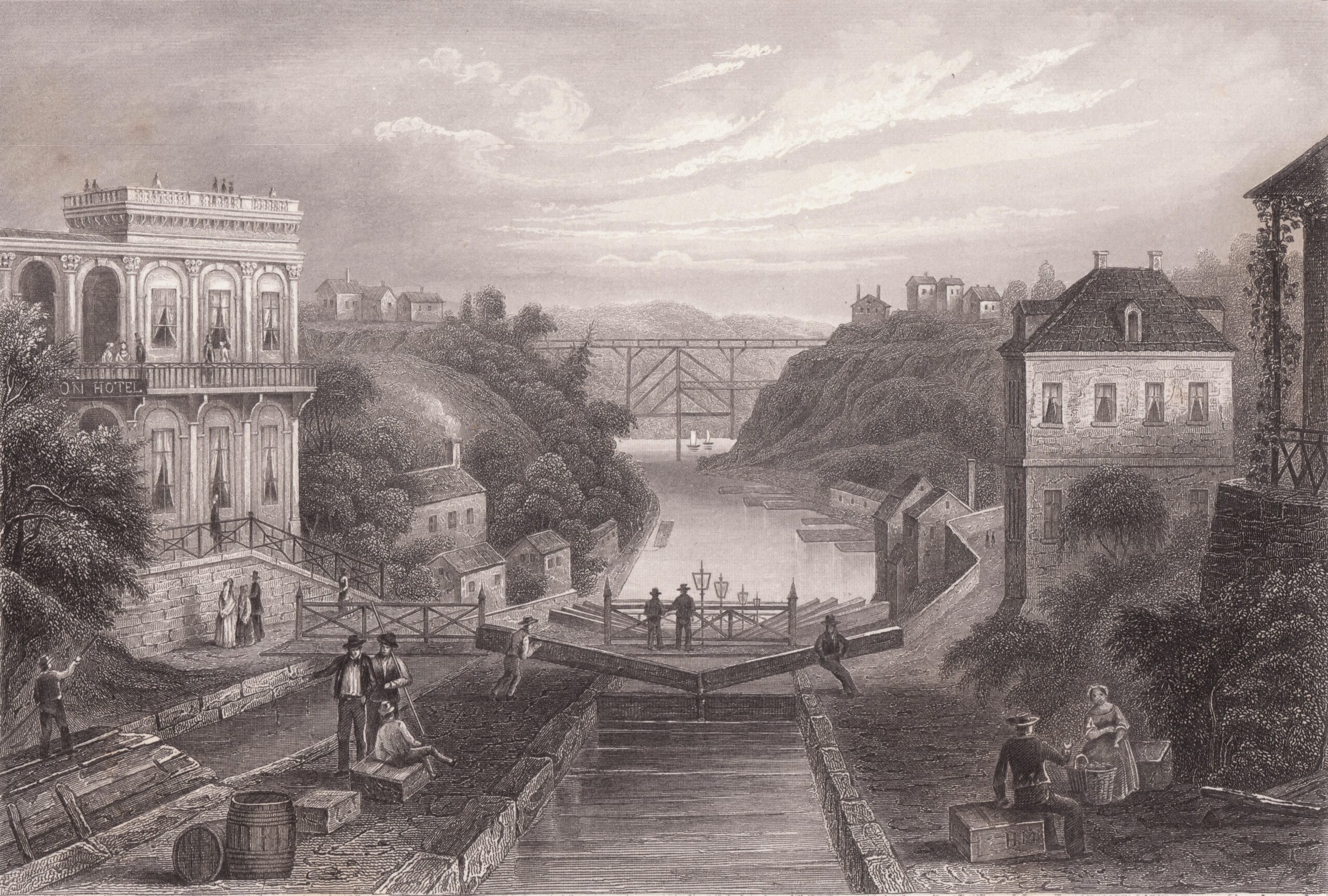
Original lithograph showing the Erie Canal at Lockport, New York c. 1855. Published for Herrman J. Meyer, 164 William Street, New York City.
It essentially became the canal’s gateway for freight traveling to any place inside the country or out to the world. As a result, New Yorkers quickly took advantage of the opportunities the canal offered.
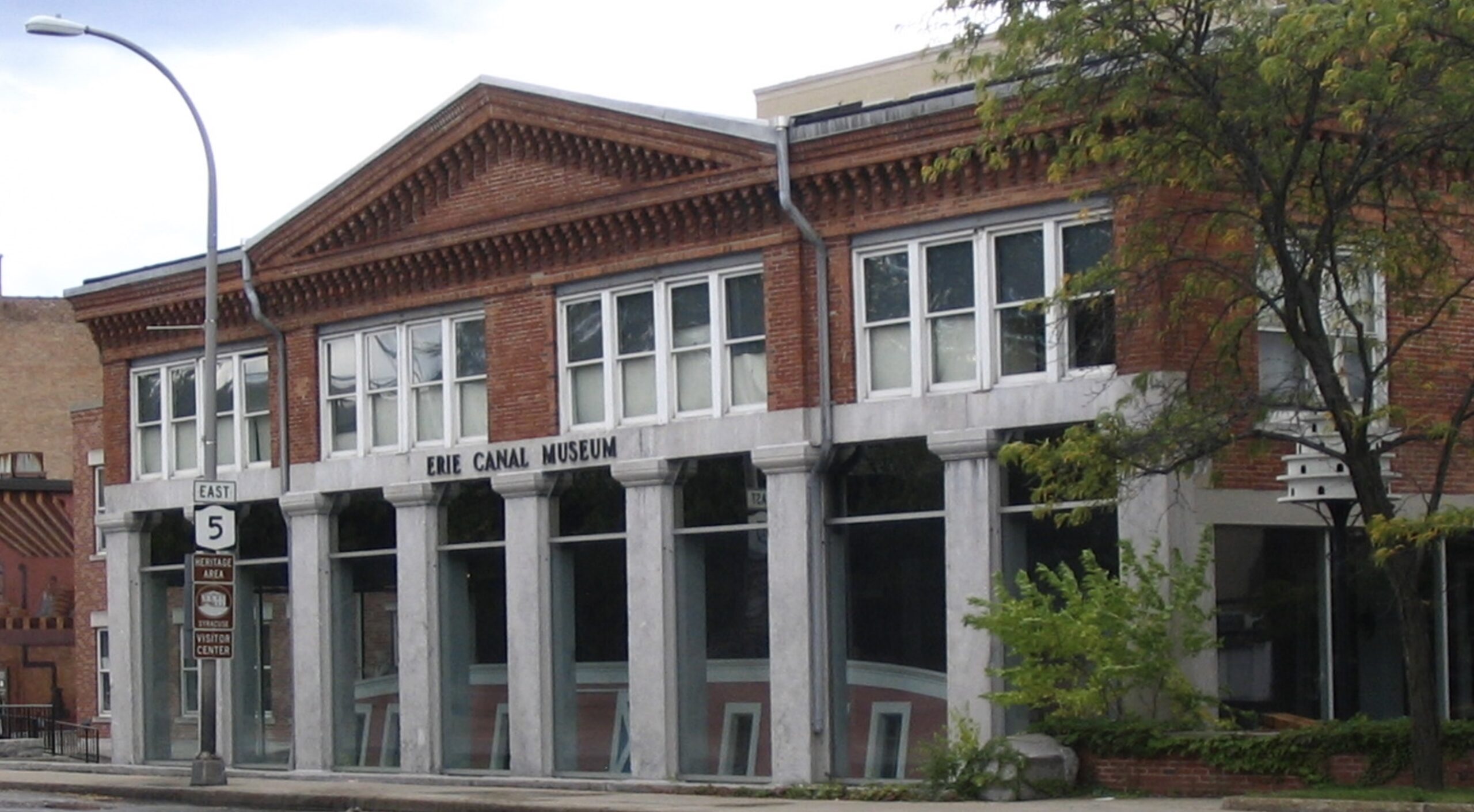
Today, we’re celebrating the 200th anniversary of the opening of the Erie Canal by going straight to the source – in a conversation with Derrick Pratt, the director of Education and Public Programs at the Erie Canal Museum in Syracuse, New York.
LISTEN NOW: THE ERIE CANAL
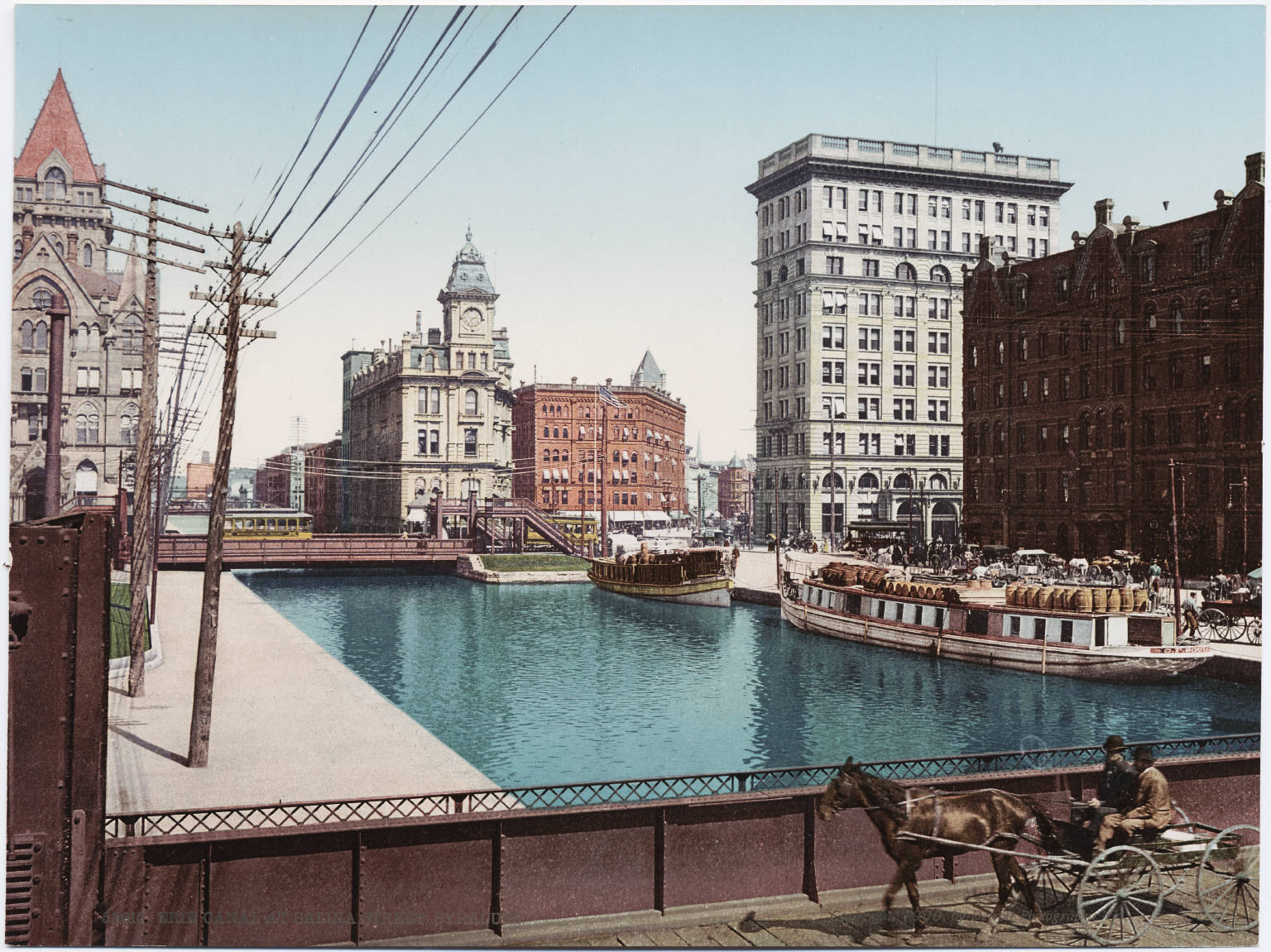
Syracuse, New York. A photochrom postcard published by the Detroit Photographic Company. First published in the United States before 1923 – public domainThe Canal essentially gave birth to Syracuse, aka the Salt City
The Bowery Boys Podcast is proud to be sponsored by Founded By NYC, celebrating New York City’s 400th anniversary in 2025 and the 250th anniversary of the United States in 2026.
Read about all the exciting events and world-class institutions commemorating the five boroughs’ legacy of groundbreaking achievements, and find ways to celebrate the city that’s always making history at Founded by NYC.
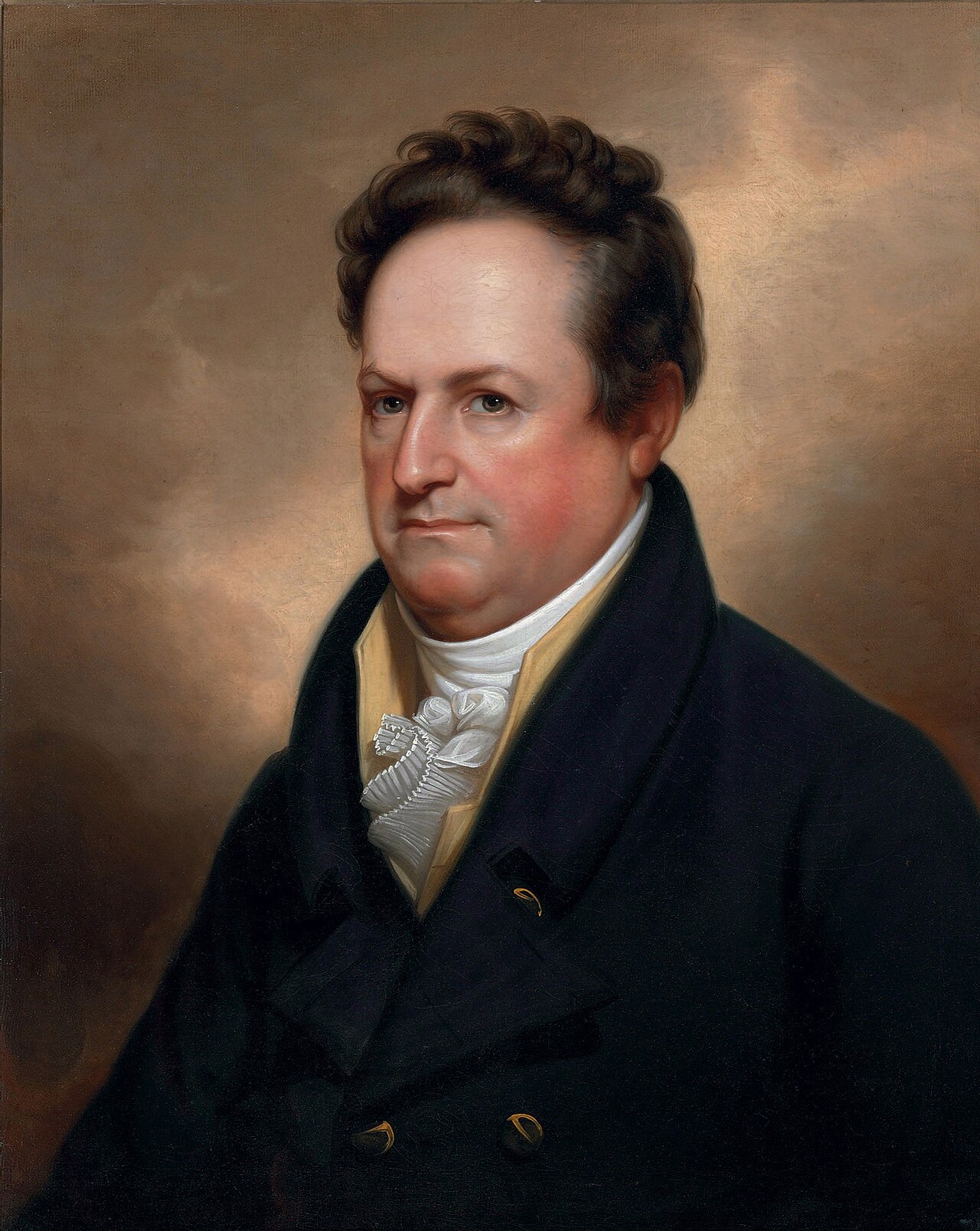
DeWitt Clinton painted by Rembrandt Peale
Visit the Erie Canal Museum in Syracuse, New York, to celebrate the history of the Erie Canal year-round, located in a 1850 Weighlock Building. The Museum’s weigh chamber contains the Frank Buchanan Thomson, which is a full-size replica canal boat.
Screenshot
FURTHER LISTENING
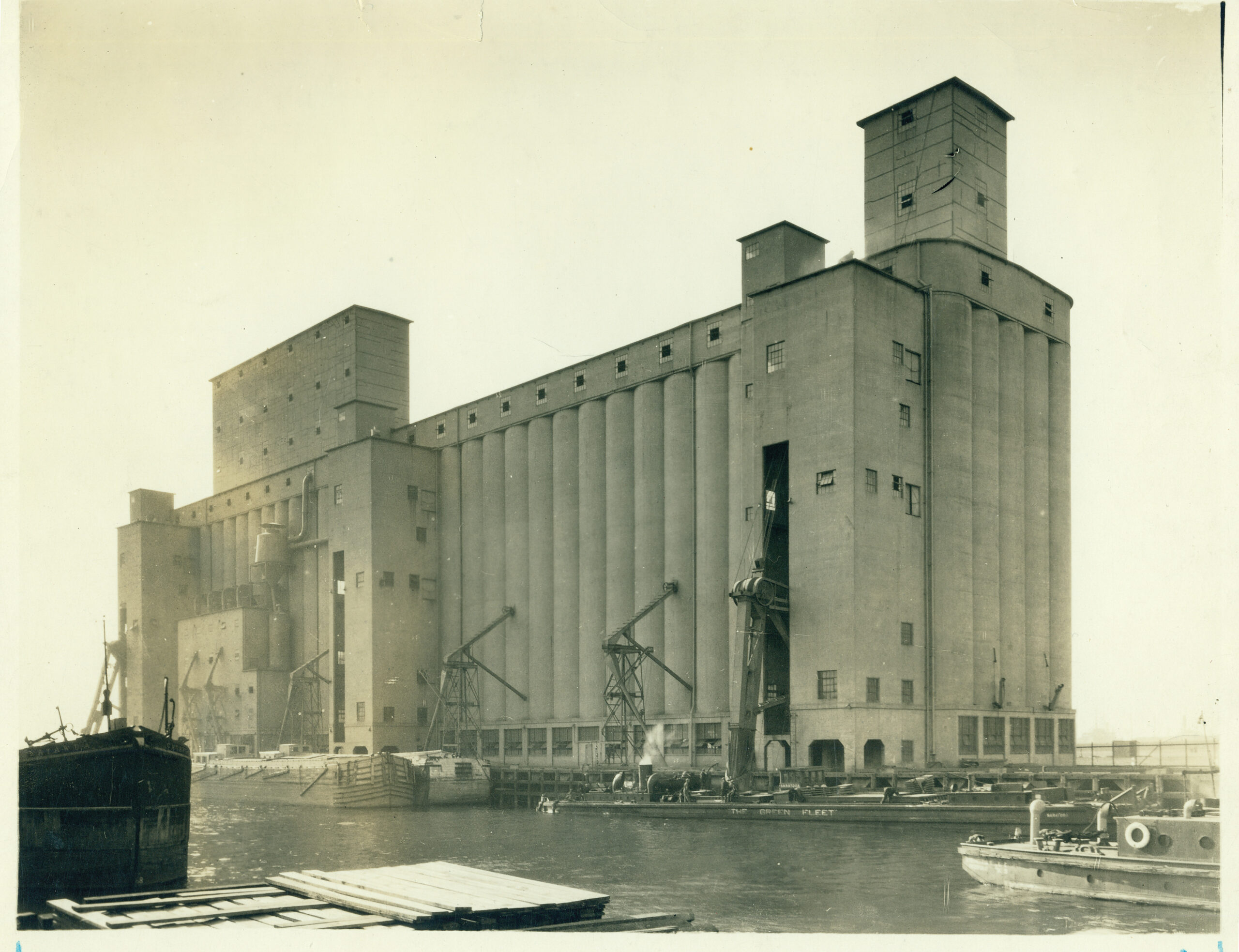
Red Hook Grain Terminal, constructed to store grain for the New York State Canal System, but most mostly obsolete by the time of its completion in the 1920s.
Get into the spooky spirit of the season with the Bowery Boys’ first-ever ghost-themed walking tour — with Historic Haunts of Lower Manhattan, sponsored by Founded by NYC. Discover amazing history and hear mysterious tales on this enchanting walk through Lower Manhattan.
And for this tour, we’ve called into service one of New York City’s greatest tour guides — Jeff Dobbins, best known for his brilliant Landmarks and Legends of Broadway tour with Bowery Boys Walks.
The 1.5-mile walking tour includes sites from the city’s founding 400 years ago to its Civil War legacy. With colorful stories, historic images, and a bit of humor, this tour combines detailed history of the city with ghostly tales of old New York.
On the walking tour, get ready to see…
Bowling Green: site of the city’s founding, oldest park, and spectral visitors
Fraunces Tavern: where spirits are served…and regularly encountered
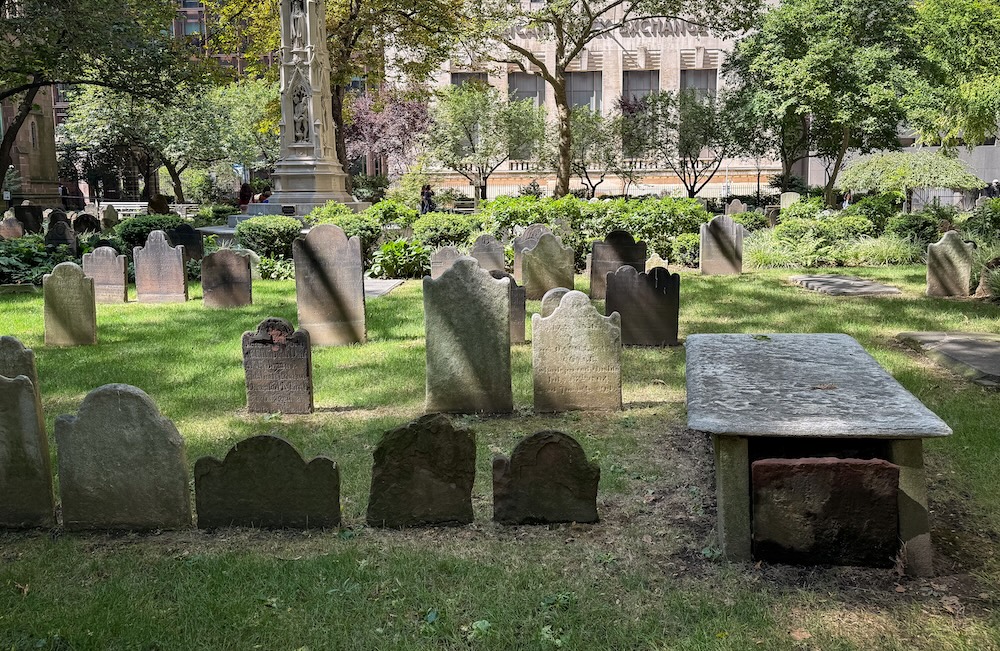
Trinity Churchyard: burial plot of more than 100,000 bodies, including legendary New Yorkers
St. Paul’s Chapel: haunt of one of NYC’s most flamboyant ghosts
Tweed Courthouse: where Boss Tweed’s spirit still holds court
City Hall Park: site of a Revolutionary War-era prison with a ghastly history
Blood Manor: former studio of photographer Mathew Brady and the terrifying spirits he summoned
Tour: 90 minutes; 1.5 miles of walking
This tour starts at Bowling Green in Lower Manhattan, right in front of The National Museum of the American Indian (also known as the Alexander Hamilton U.S. Custom House), and ends at Broadway and Franklin Streets in Tribeca.
Get into a spooky mood by listening to Bowery Boys podcasts about ghosts in New York City. Listen here!
This tour is sponsored by FOUNDED BY NYC, celebrating New York City’s 400th anniversary in 2025 and the 250th anniversary of the United States in 2026.
Read about all the exciting events and world-class institutions commemorating the five boroughs’ legacy of groundbreaking achievements, and find ways to celebrate the city that’s always making history. foundedbynyc.com
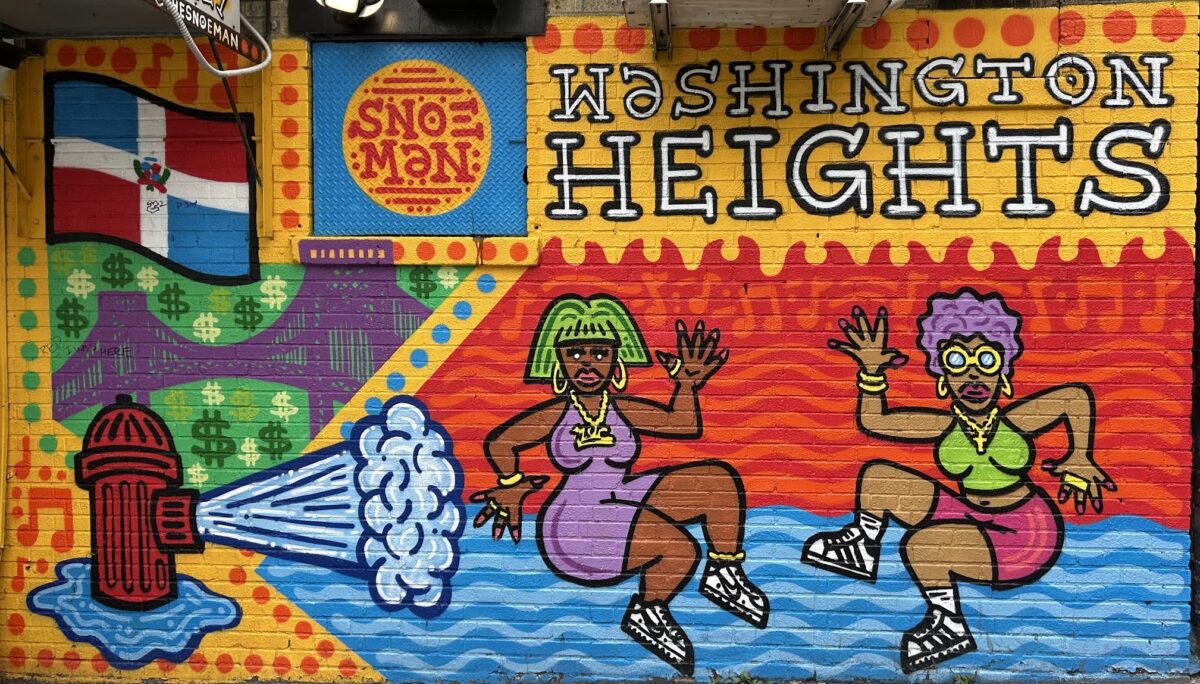
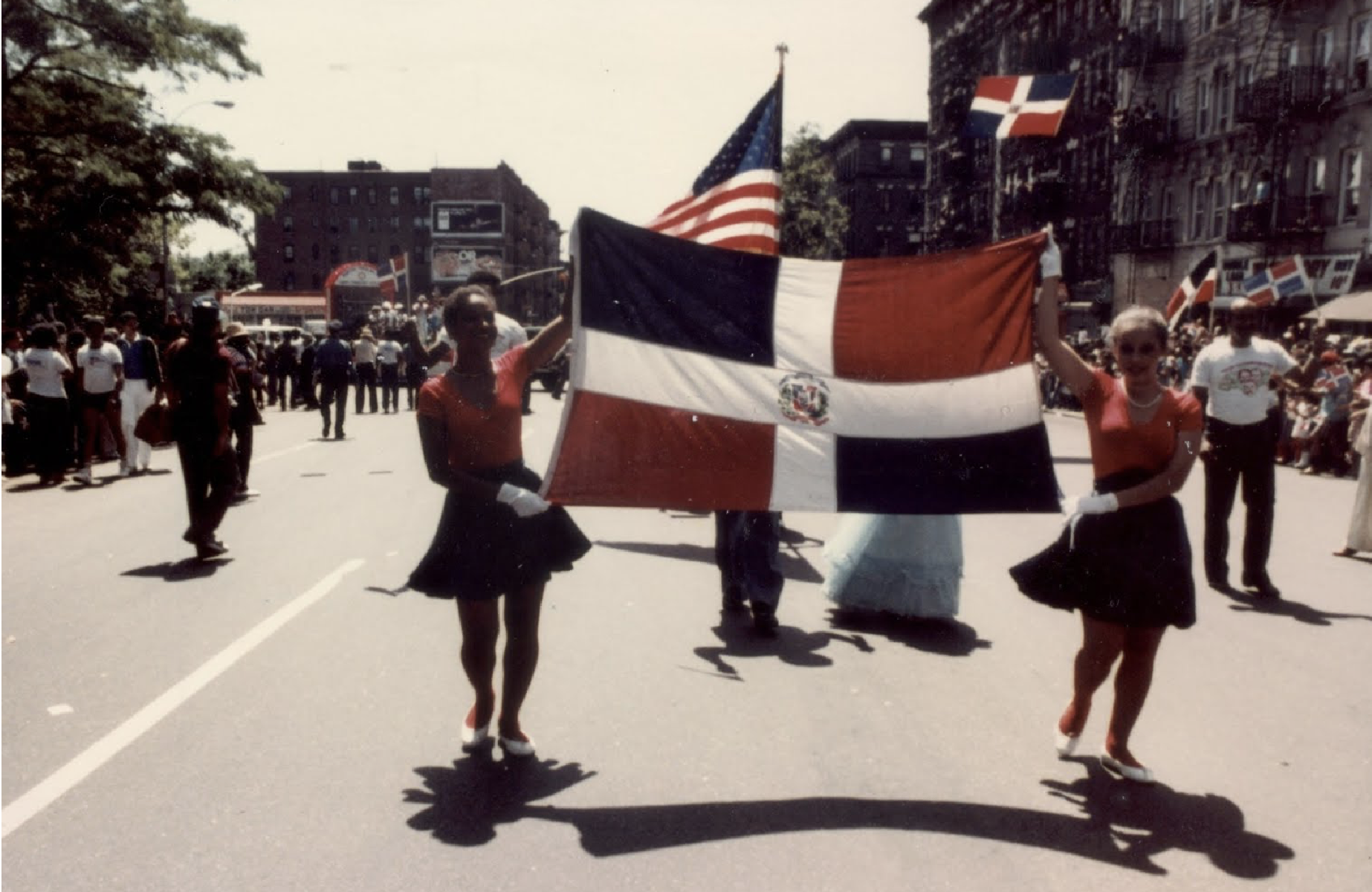
Dominicans comprise the largest immigration group in modern New York City, and Dominican culture has become embedded in the city’s rich fabric of immigrant history. And in one place in particular — Washington Heights.
This historic neighborhood of Upper Manhattan is named for George Washington, who led the Continental Army in an early, pivotal battle here during the Revolutionary War.
But this place is also named for its Heights, the highest elevation in Manhattan, which gives the modern neighborhood a unique feel, with rolling hills and avenues.
Image courtesy CUNY Dominican Studies Institute
Today, many call it “little Dominican Republic,” home to the largest Dominican neighborhood in the United States (although more Dominicans live in the Bronx overall).
It’s here that Dominican and Puerto Rican culture blend as well — from the shops and restaurants to the famous bodegas — alongside other Latin influences and the vestiges of groups who lived here before — Jewish, Irish, African-American.
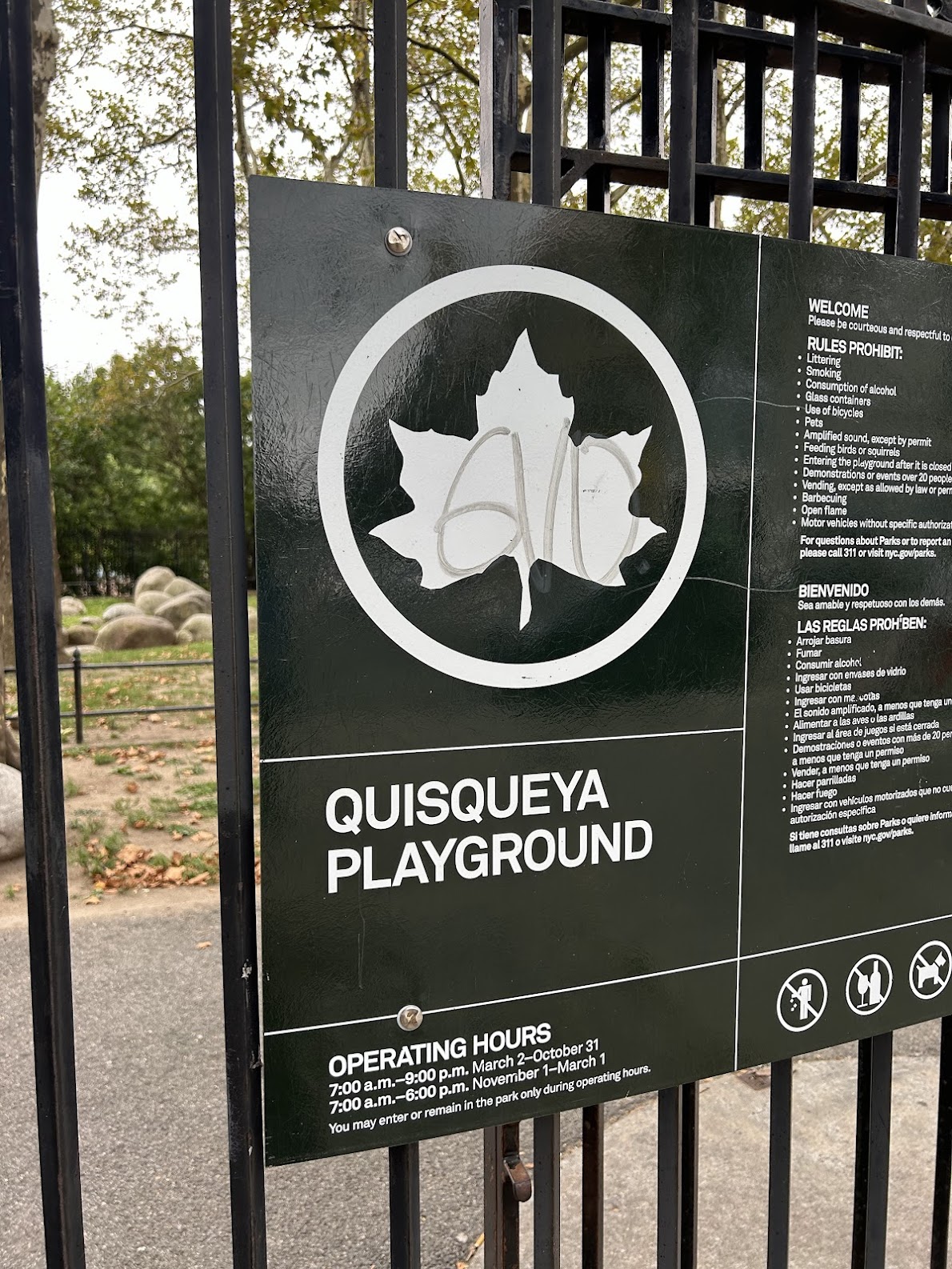
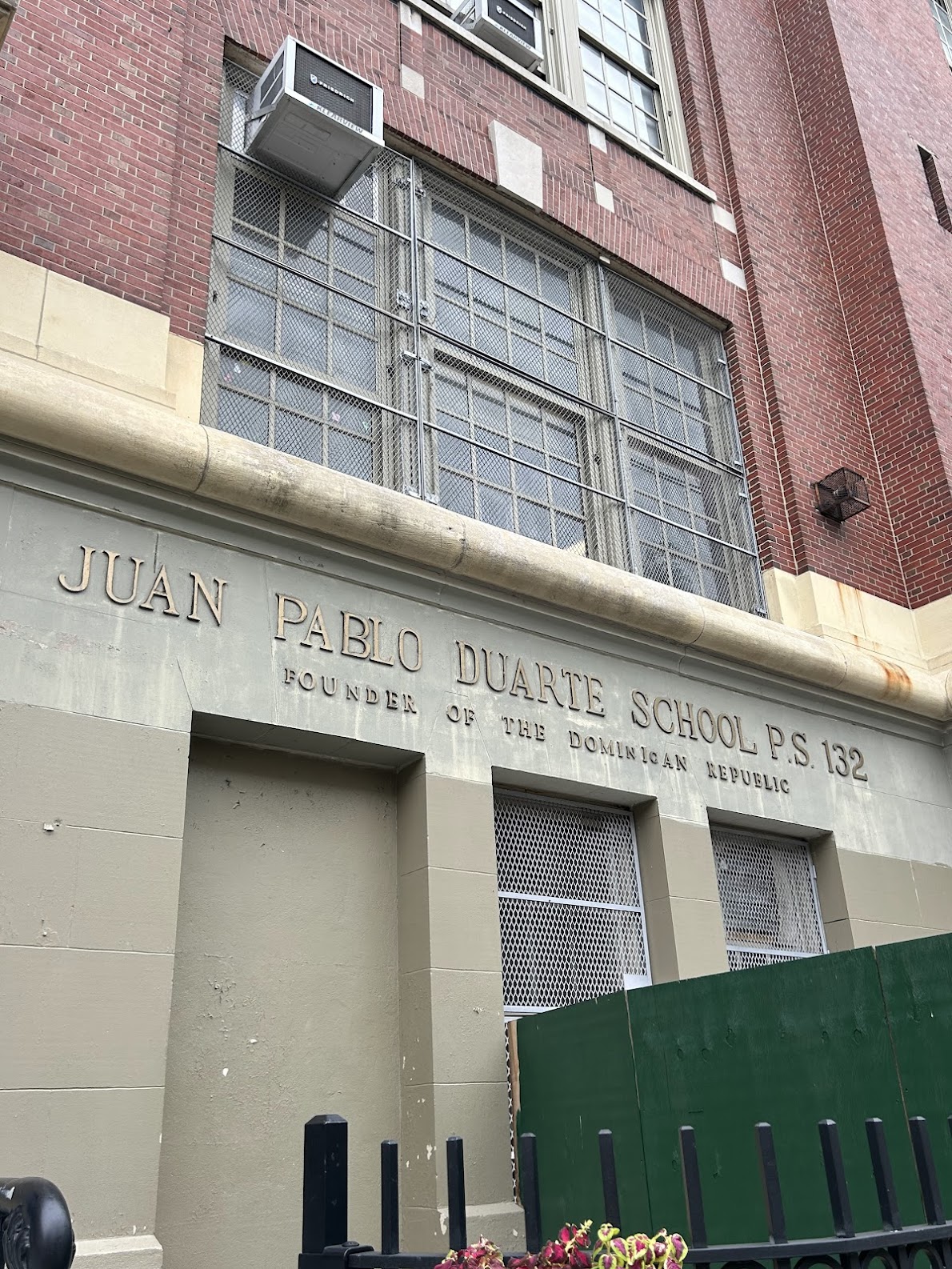
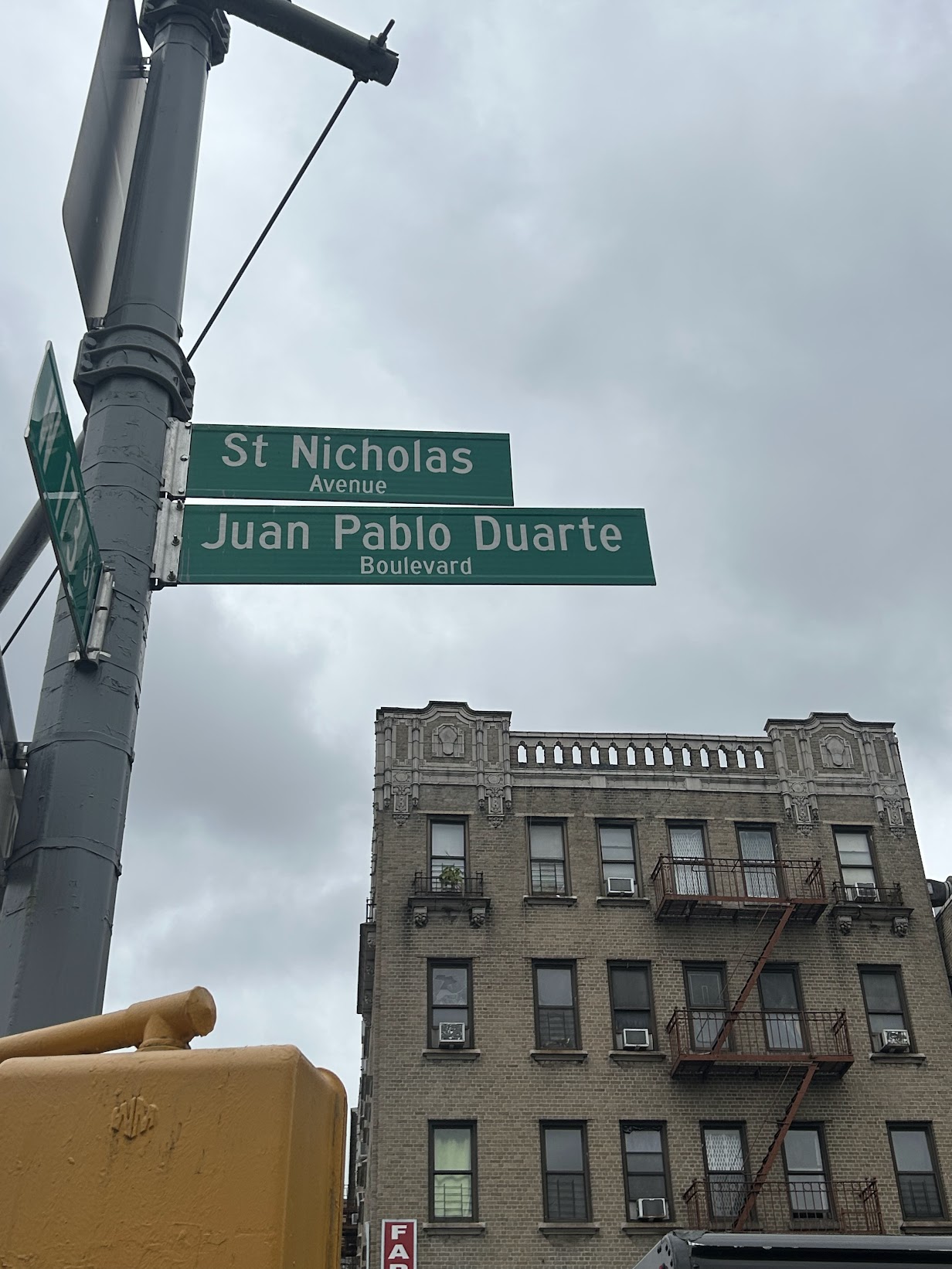
Greg and Tom explore the unique relationship between the Dominican Republic and New York City — and believe it or not, this story begins before the founding of New Amsterdam! It also includes the story of a particular plaza in lower Manhattan, dedicated to Juan Pablo Duarte, the ‘founding father of the Dominican Republic’.
Starting in the 1960s, thousands of Dominicans immigrated to the United States — and most to New York City. Special guest Dr. Ramona Hernández, the director of theCUNY Dominican Studies Institute, joins the Bowery Boys to discuss the extraordinary circumstances that led to this population influx and details the many reasons why Dominican culture still thrives in the Big Apple.
LISTEN NOW: DOMINICAN NEW YORK — HISTORY IN THE HEIGHTS
The Bowery Boys Podcast is proud to be sponsored by Founded By NYC, celebrating New York City’s 400th anniversary in 2025 and the 250th anniversary of the United States in 2026.
Discover the exciting events and world-class institutions that commemorate the five boroughs’ legacy of groundbreaking achievements, and find ways to celebrate the city that’s always making history at Founded by NYC.
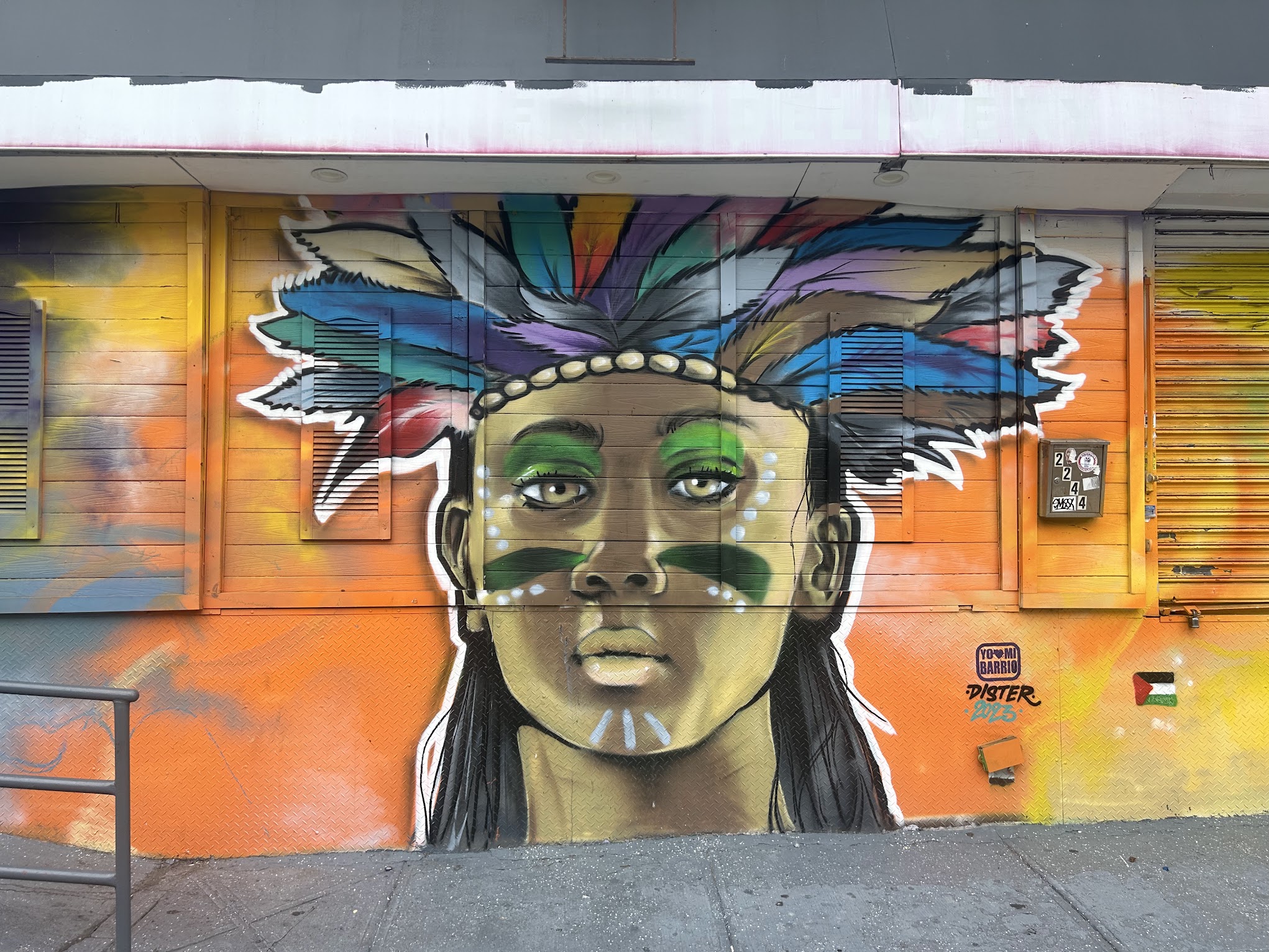
Through October 15th, cultural institutions and neighborhoods across the boroughs will be celebrating the contributions of Hispanic Americans and Latin American culture in New York City.
Check out the latest exhibitions at El Museo del Barrio, focusing on Cuban American and New York-born and based Coco Fusco, as well as new acquisitions for the permanent collection.
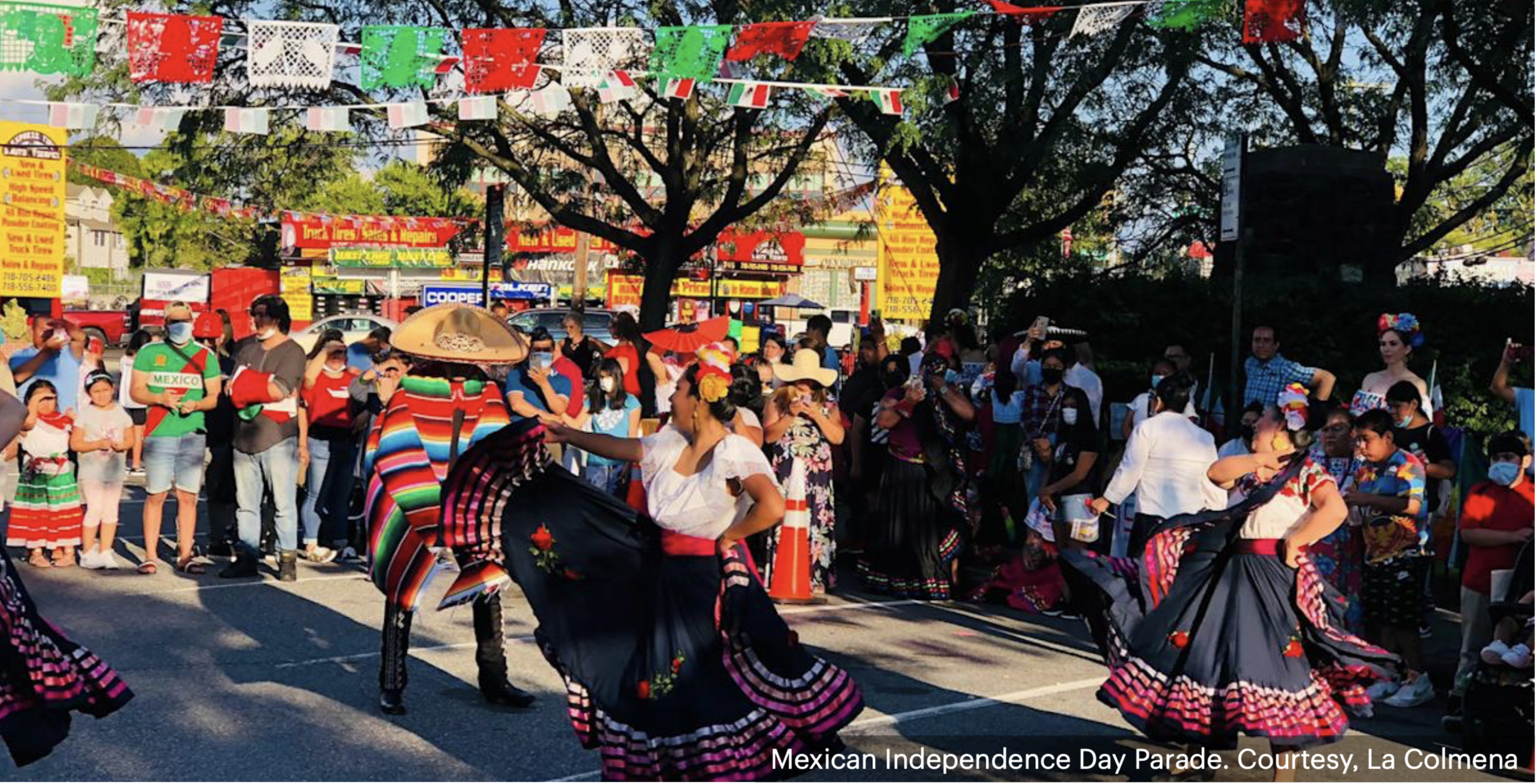
On September 21st, the Mexican Day Parade takes off down Madison Avenue toward Madison Square Park , while — the very same day! — The Hispanic Day parade proceeds through Jackson Heights, Queens, what a day.
The Center for Brooklyn History will host a two-day Afro-Latino film Festival on October 7th and 8th, focusing on Panama, highlighted by a documentary by musician Rubén Blades just a few days before the Panamanian Parade in Crown Heights.
And in late October, the Dominican Film Festival will be held at the United Palace and the Alianza Dominicana Cultural Center.
You can read about all of the other exciting events and world-class institutions that are commemorating the five boroughs’ legacy of groundbreaking achievements and find ways to celebrate the city that’s always making history at foundedbynyc.com.
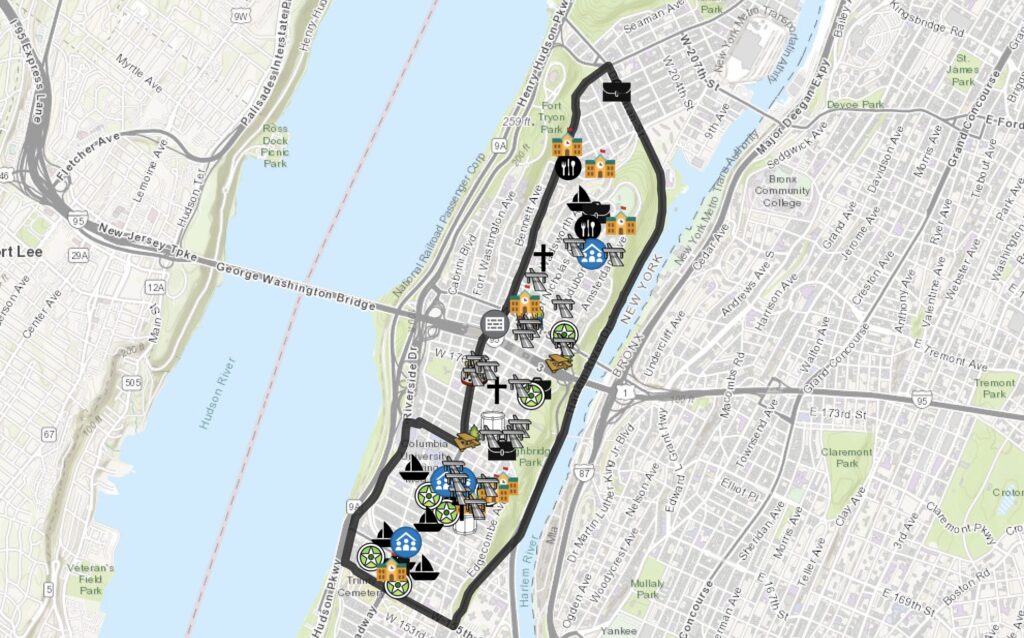
Our thanks to Dr. Ramona Hernández for joining us on the Bowery Boys Podcast! Click here to see the interactive map showcasing the Geographic Boundaries of the Dominican Historic District
The Dominican Heritage District. Click this link to zoom in and read the listings.
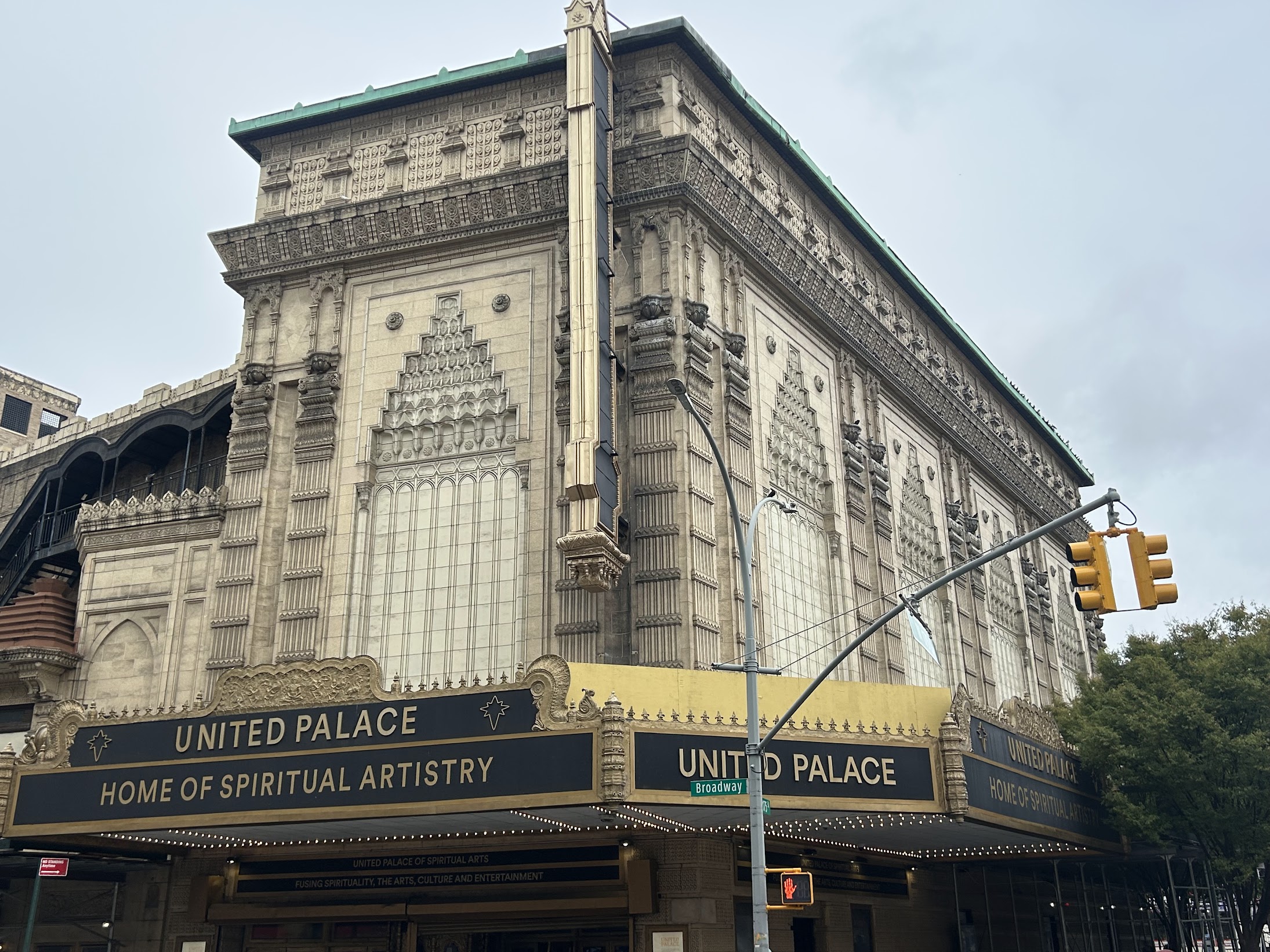
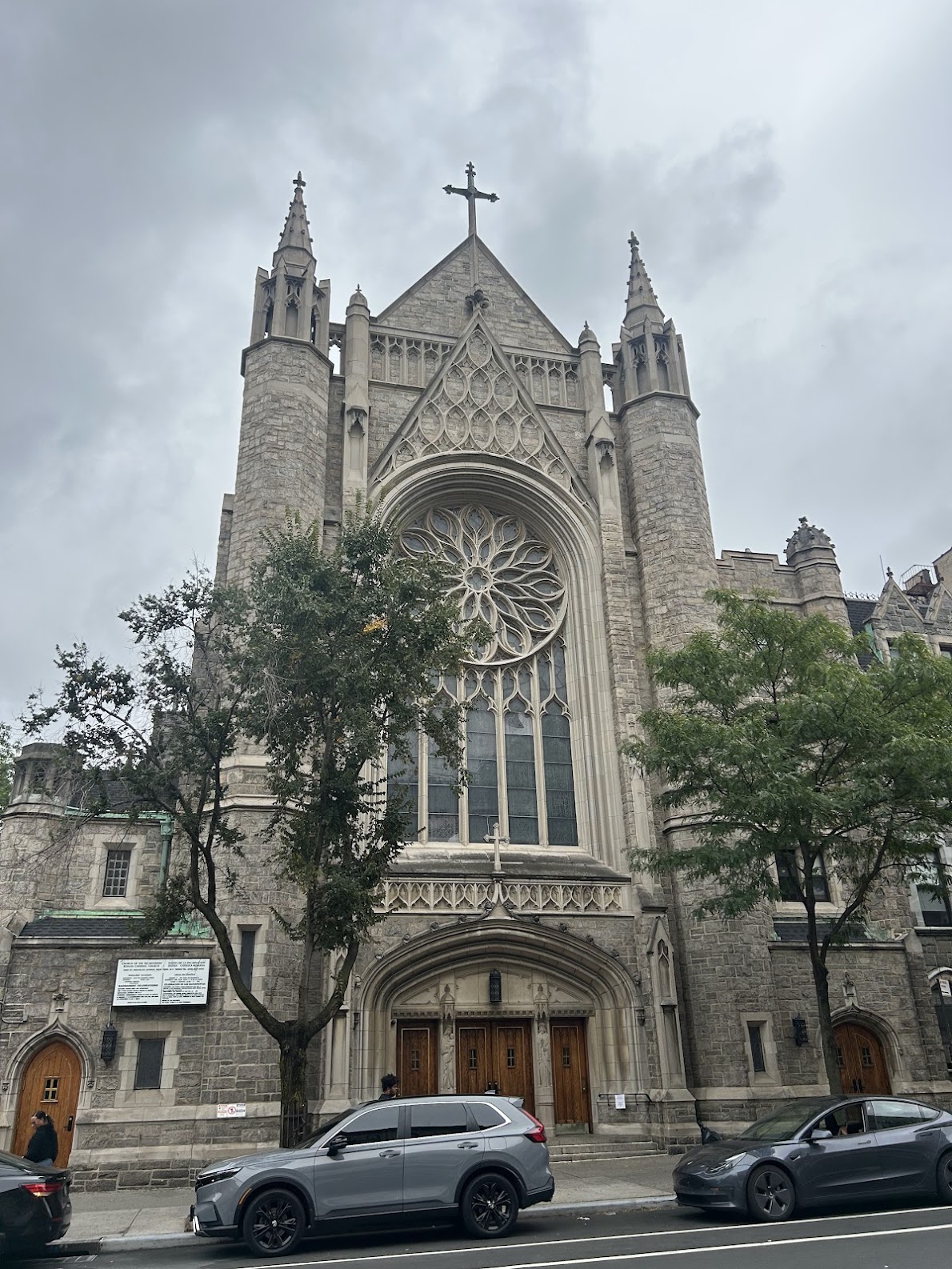
A few stops along the Dominican Heritage District:
United PalaceChurch of the Incarnation on St. Nicholas Avenue
Not on the map but a good place to stop while making your way through the neighborhood:
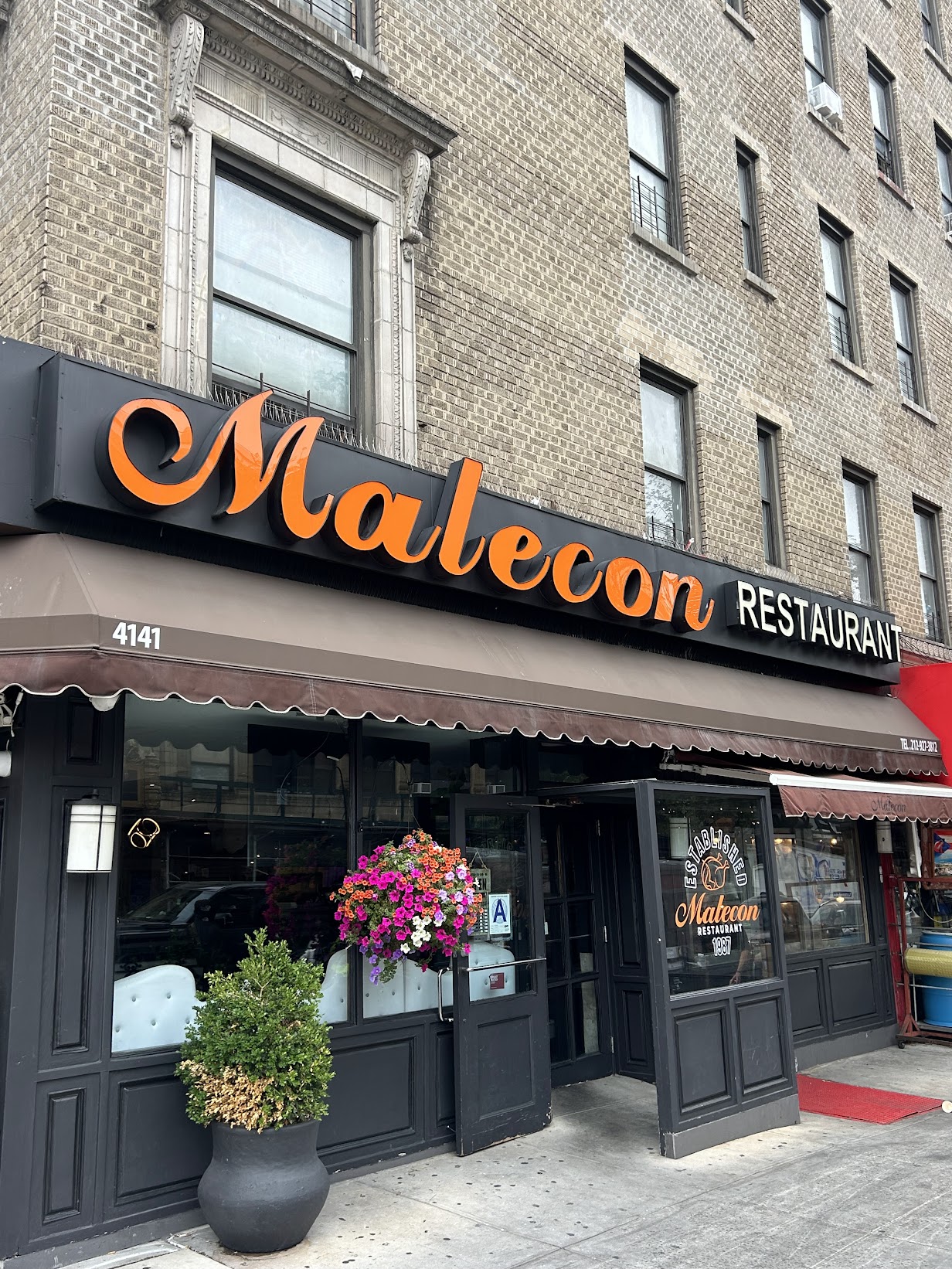
Malecon Restaurant (4141 Broadway) has been serving traditional Dominican food in Washington Heights since 1987
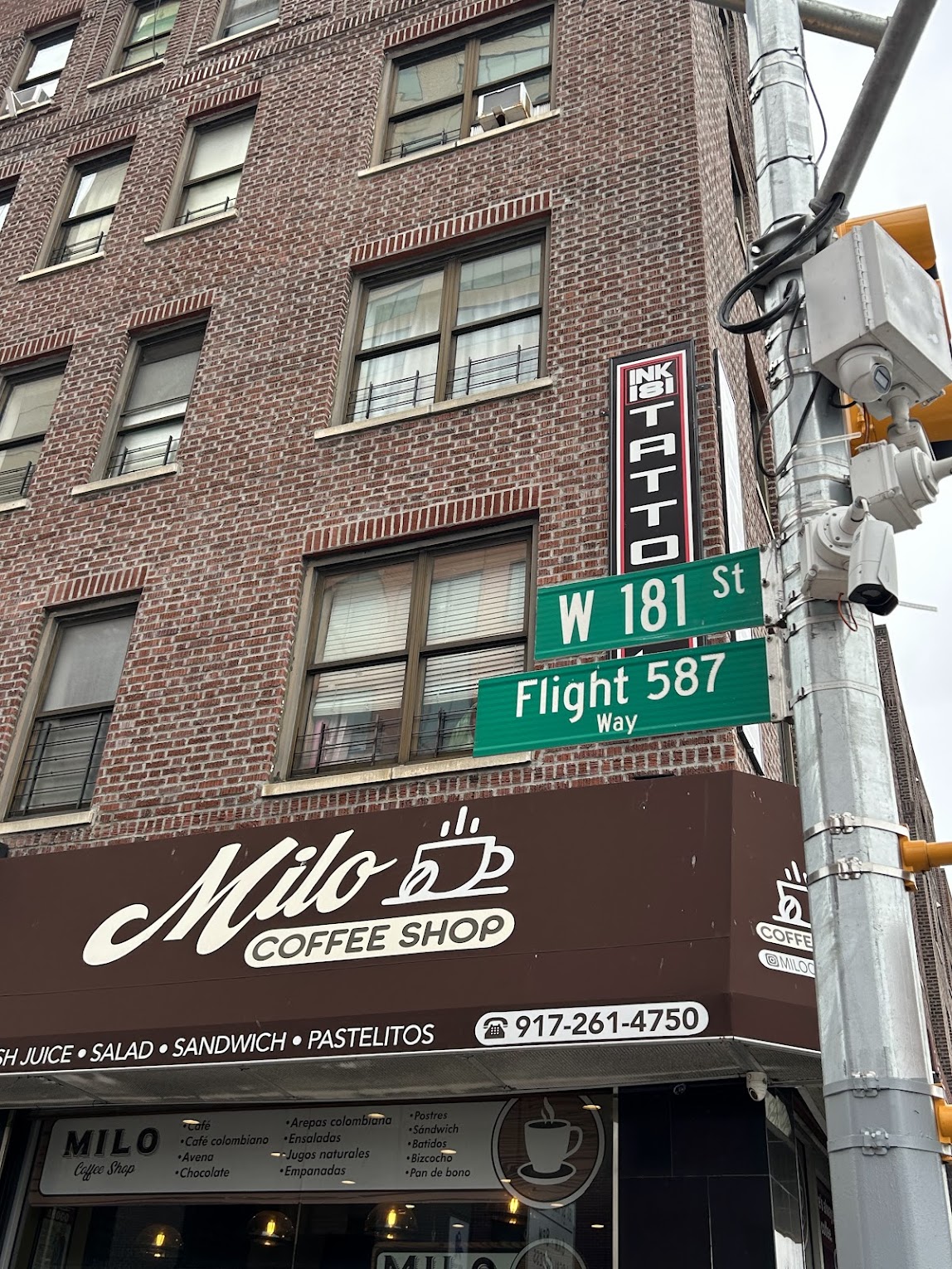
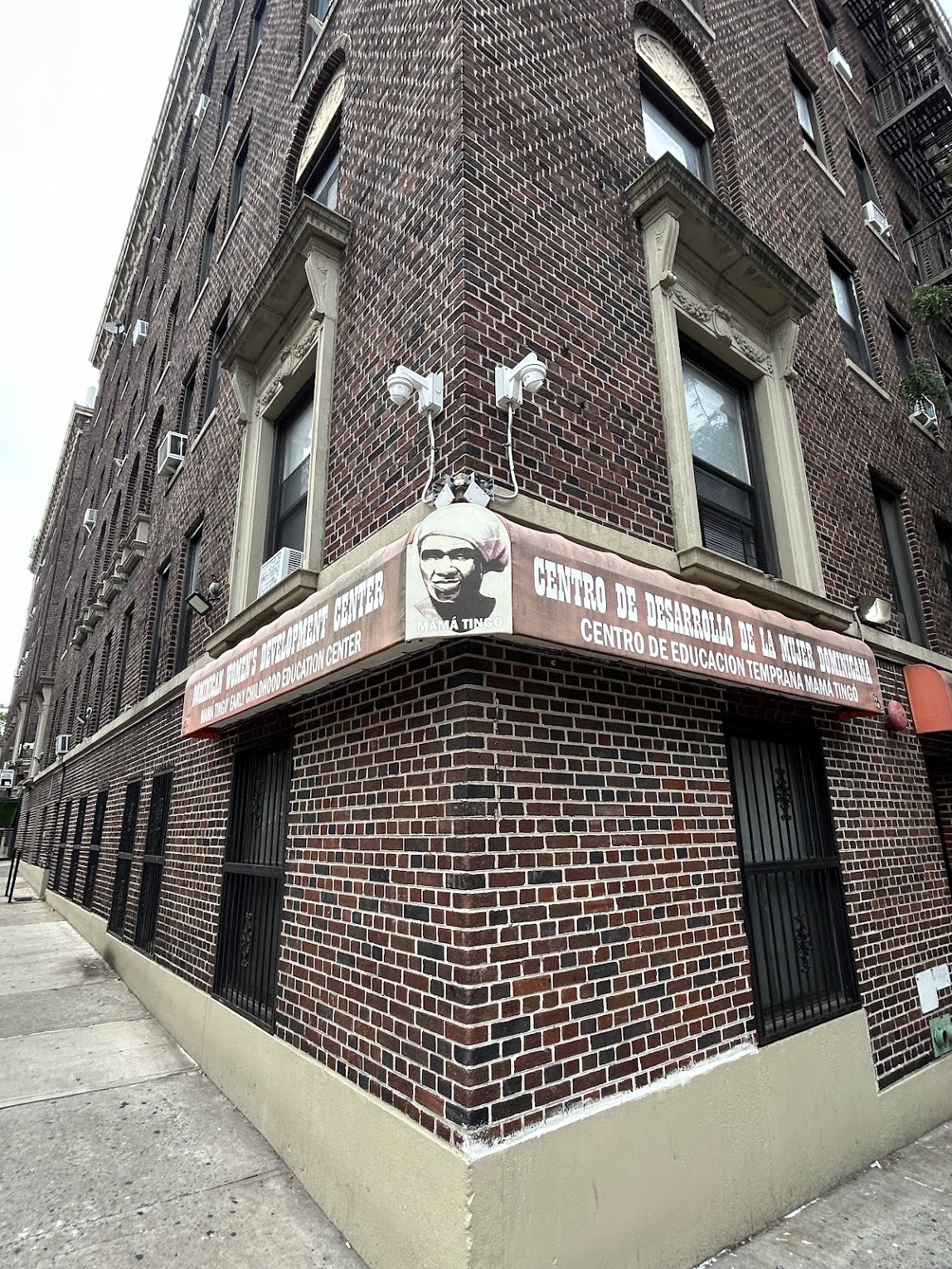
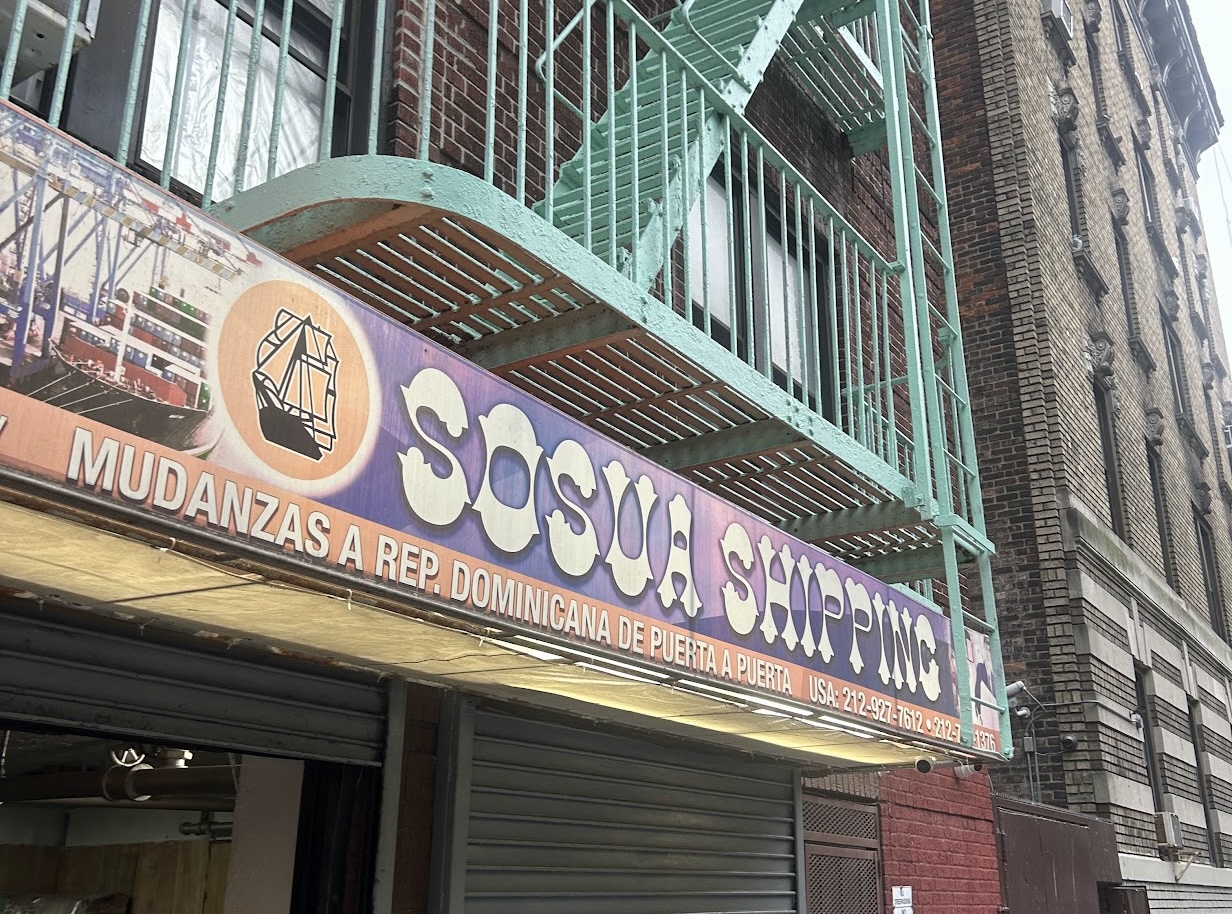
This shop also jumped out to me on my walk:
FURTHER LISTENING
After listening to this episode on Dominican New York, dive back into these episodes which share similar themes and locations.
As the leaves turn and October nights grow longer, there’s no better time to explore the ghostly side of New York City’s founding 400 years ago… with a haunted history walking tour!
You’ll start at Bowling Green, where the spirits of Manhattan’s original inhabitants still wander, then venture to Fraunces Tavern, where Revolutionary War ghosts refuse to leave their posts.
Peek into Trinity Churchyard, where 120,000 bodies lie just 18 inches beneath your feet, and discover St. Paul’s Chapel, where ghostly actors search for their missing heads. You’ll encounter the corrupt spirit of Boss Tweed still haunting his courthouse… and wind up at one of the creepiest sites in the city, Blood Manor.
This isn’t just any ghost tour – it’s a journey through 400 years of New York history, from Dutch New Amsterdam to the present day.
Founded by NYC: Historic Haunts of Lower Manhattan runs select nights in September and October. Visit BoweryBoysWalks.com to book your spot on this limited edition walking tour before it sells out. That’s BoweryBoysWalks.com.
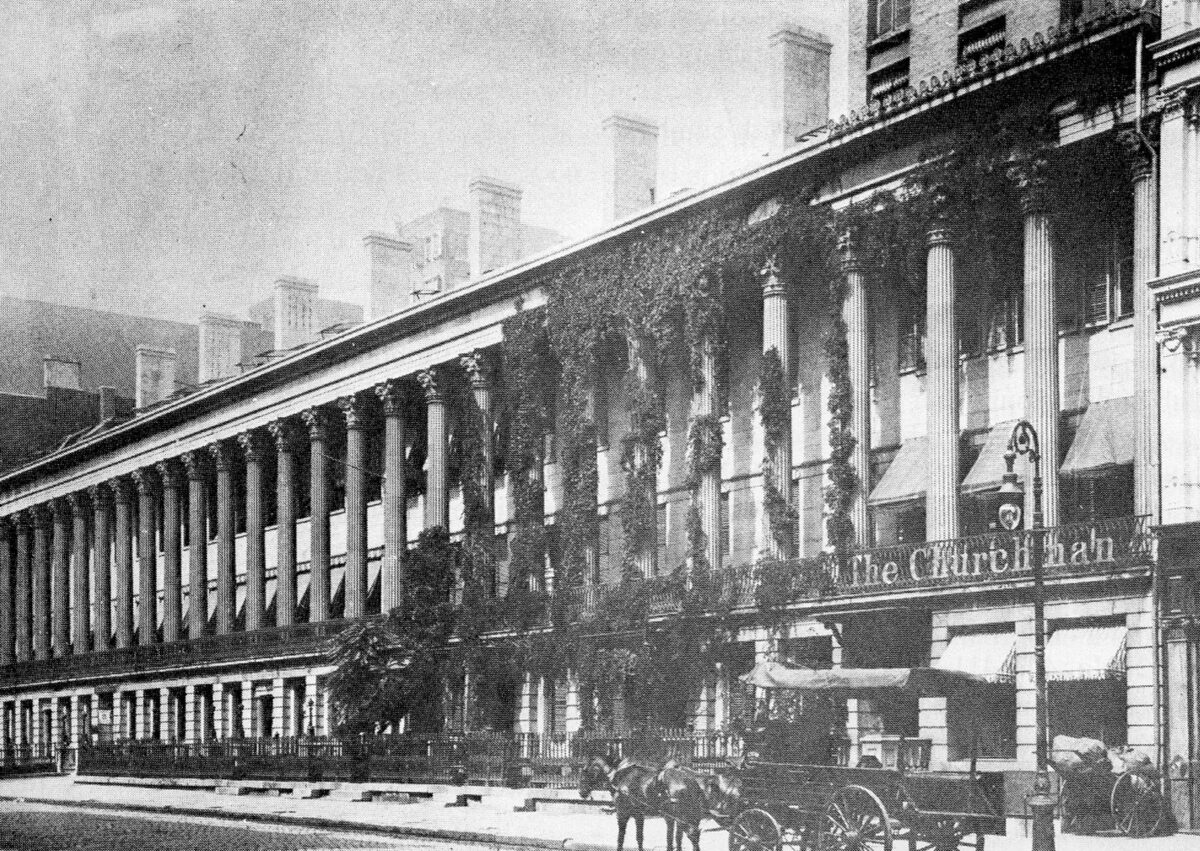
Colonnade Row on Lafayette Street in the late 19th century
Today’s New York neighborhood called NoHo, wedged between Greenwich Village and the East Village, holds many captivating stories from the 19th century, and the tales of many people and places that then went on to become associated with the Gilded Age.
The Astor family began their dynasty here in both investment and real estate as did the well-known Dutch-American merchant family the Schermerhorns.
Caroline Schermerhorn, who became the famed Mrs. Astor, grew up right here on Bond Street along with many members of her family.
NoHo today still contains many remnants of its early 19th-century glamorous past and sites where the tensions between the wealthy residents of the Lafayette Place neighborhood clashed with the growing immigrant population just one street away on the Bowery.
And in 1857, the city was captivated by a gruesome murder which took place here on Bond Street, a crime which remains technically unsolved.
Bowery Boys Walkstour guide Aaron Schielke joins Carl Raymond of the Gilded Gentleman podcast for a look at this fascinating neighborhood, which includes stories of the rich and famous, as well as the macabre details of a grisly 19th-century murder that took place on Bond Street that remains unsolved to this day.
LISTEN NOW: 19TH CENTURY NOHO
The Bowery Boys Podcast is proud to be sponsored by Founded By NYC, celebrating New York City’s 400th anniversary in 2025 and the 250th anniversary of the United States in 2026.
Read about all the exciting events and world class institutions commemorating the five boroughs legacy of groundbreaking achievements, and find ways to celebrate the city that’s always making history at Founded by NYC.
Including South Street Seaport, Tastes of Chinatown, Green-Wood Cemetery, New Amsterdam, The Other Half of the Gilded Age and, of course, our famous Gilded Age Mansions of Fifth Avenue tour.
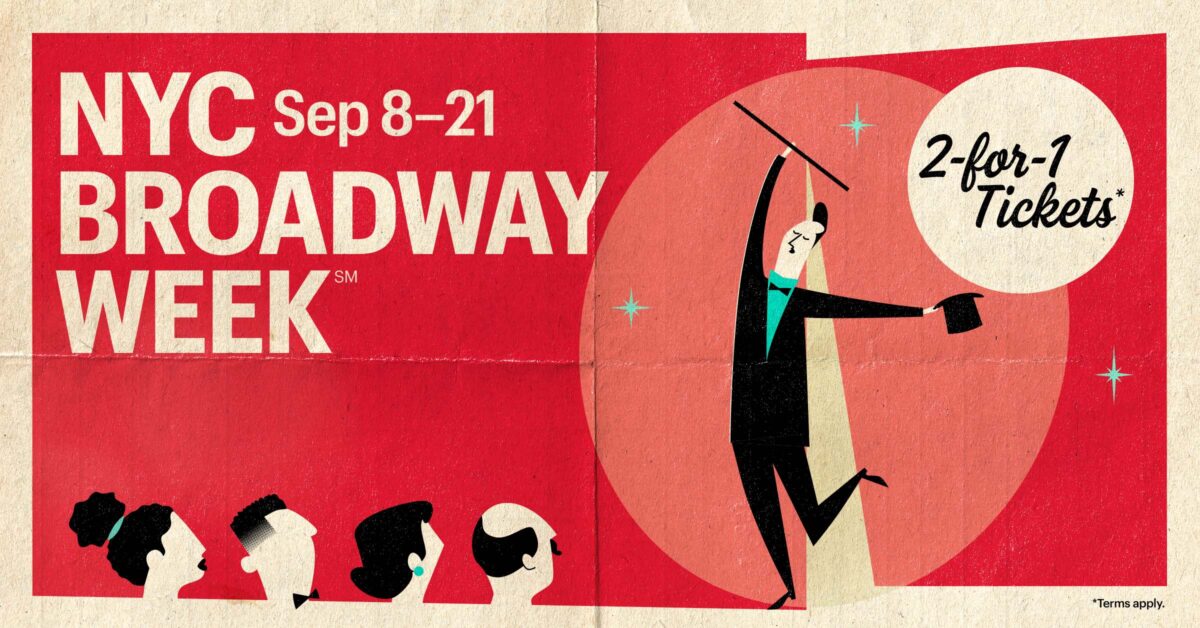
Since its launch in 2011, NYC Broadway Weekhas become a beloved tradition for theater lovers, offering a rare opportunity to experience world-class productions at a fraction of the cost.
Held twice a year, Broadway Weekallows theatergoers to purchase 2-for-1 tickets to many of Broadway’s top shows—making it easy to bring along a friend, partner, or family member.
To date, Broadway Week has sold over 2 million tickets, helping make live theater more accessible to a broader audience. And with Broadway coming off its highest-grossing season ever, there’s never been a better time to join the excitement—at half the price!
The fall 2025 edition of Broadway Week runs from September 8 to 21, with tickets on sale now. Theater fans can find a full list of participating shows and purchase links at this link .
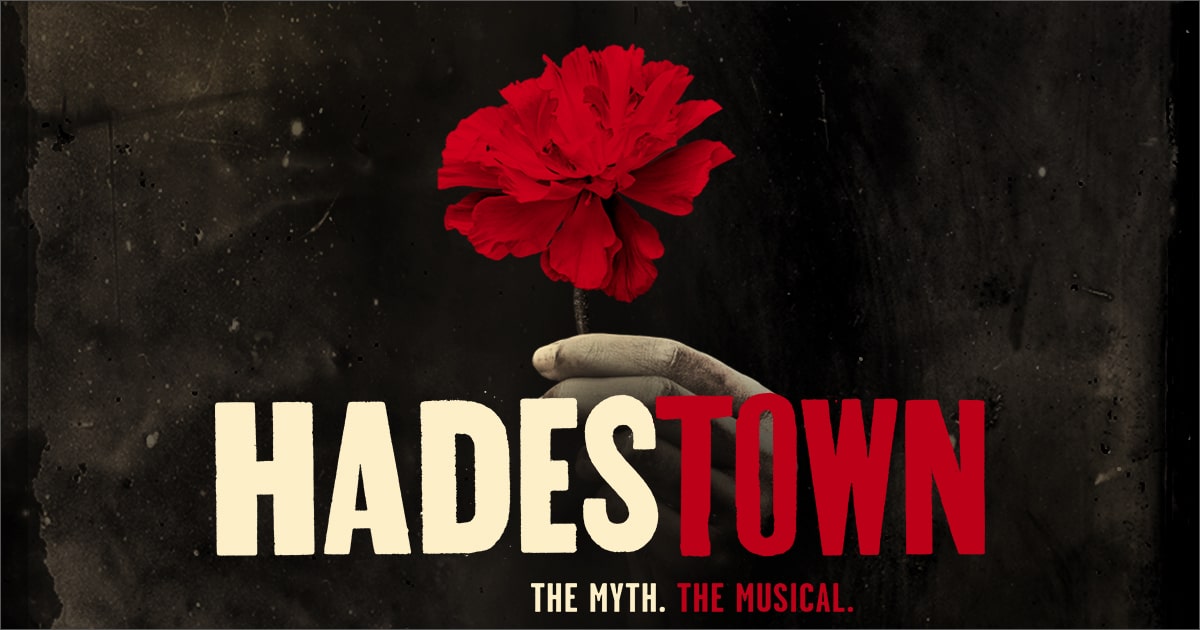
What do you mean you haven’t seen Hadestown? Now’s your chance!
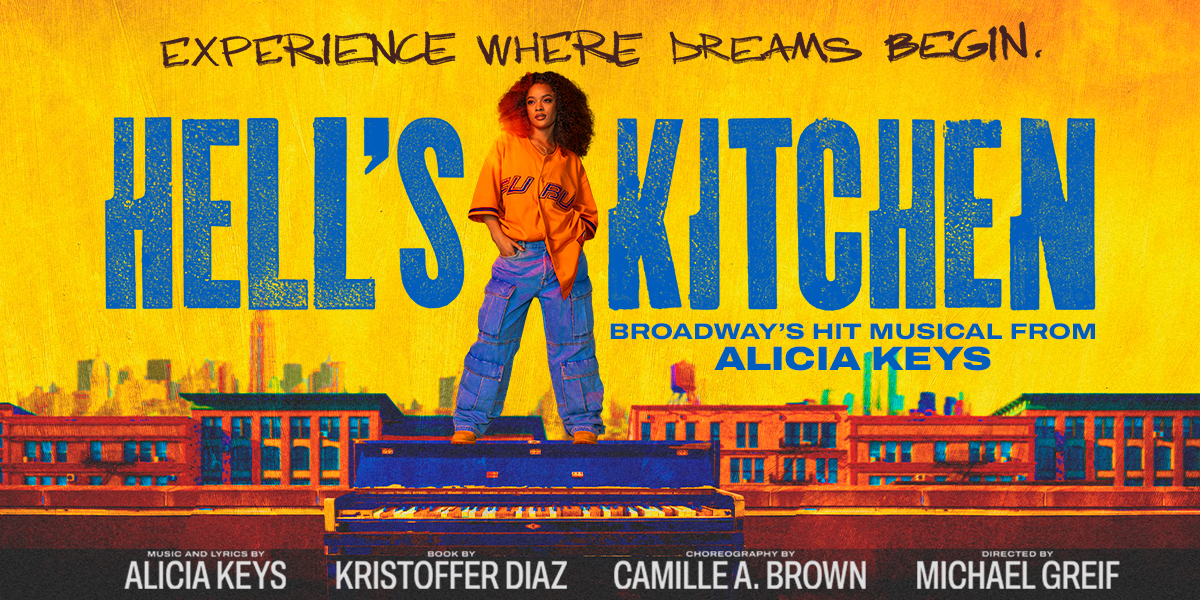
This fall, audiences can enjoy a mix of Broadway legends and innovative new productions. Longtime favorites include Chicago, the longest-running show in Broadway history; The Lion King, directed by Julie Taymor—the first woman to win a Tony for Best Direction (1998); and Wicked, currently featuring Lencia Kebede as the first Black actress to play Elphaba full-time.
Also on the roster is The Book of Mormon, the irreverent hit from the creators of South Park and Avenue Q.
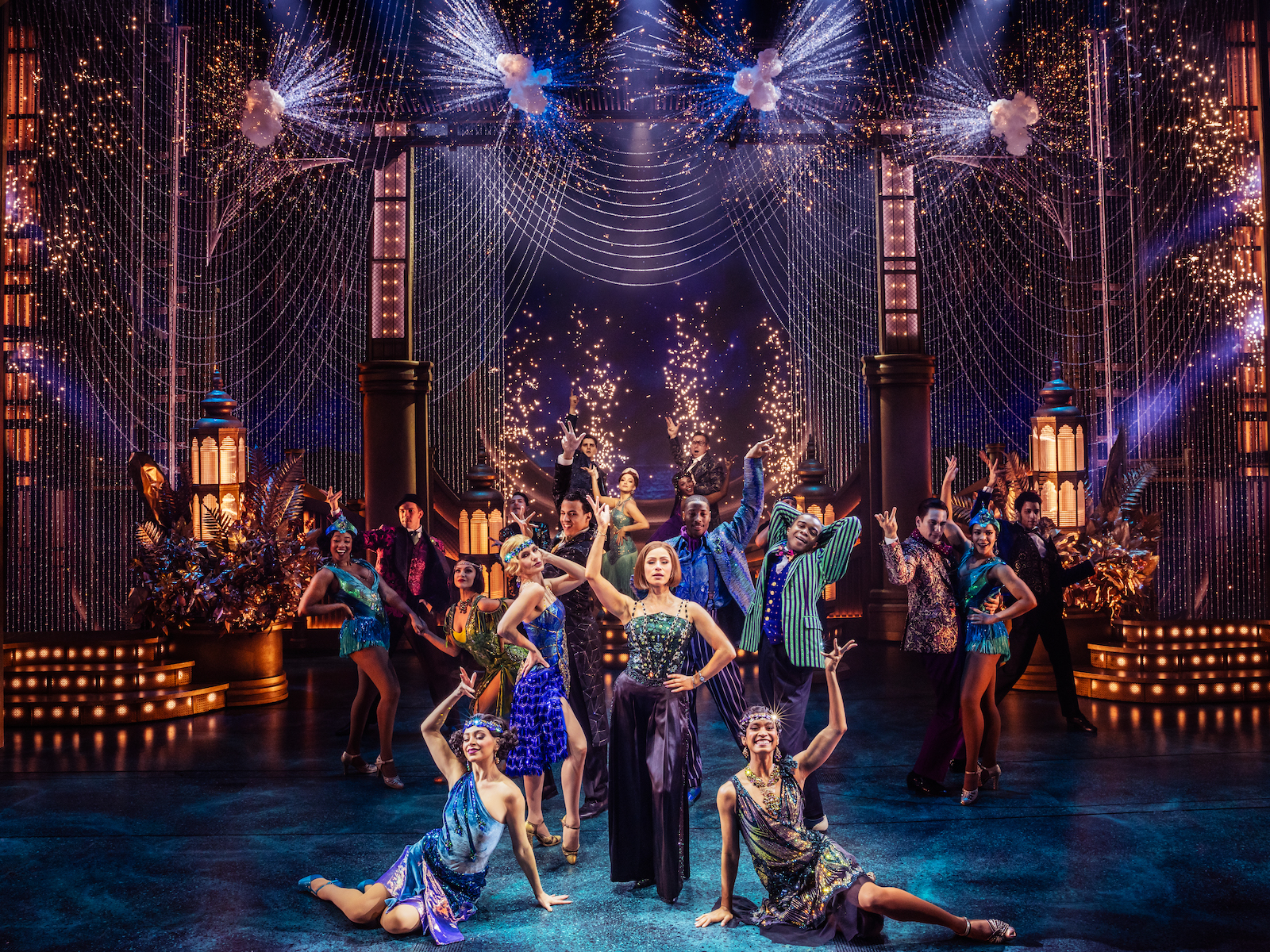
Among history themed shows we recommend — The Great Gatsby
And for those seeking brand-new theatrical experiences, the lineup includes Maybe Happy Ending, the most recent Tony Award winner for Best Musical, as well as Oh, Mary!, a genre-bending historical comedy written by and originally starring Cole Escola, with Jinkx Monsoon currently in the lead role.
Celebrate the city that’s always making showbiz history. NYC Broadway Week is happening September 8––21. Save and get 2-for-1 tickets with code NYCBW400. Tickets are on sale now.
Read about Broadway Week and all the other exciting events and world-class institutions commemorating the five boroughs’ legacy of groundbreaking achievements, and find ways to celebrate the city that’s always making history at Founded by NYC.
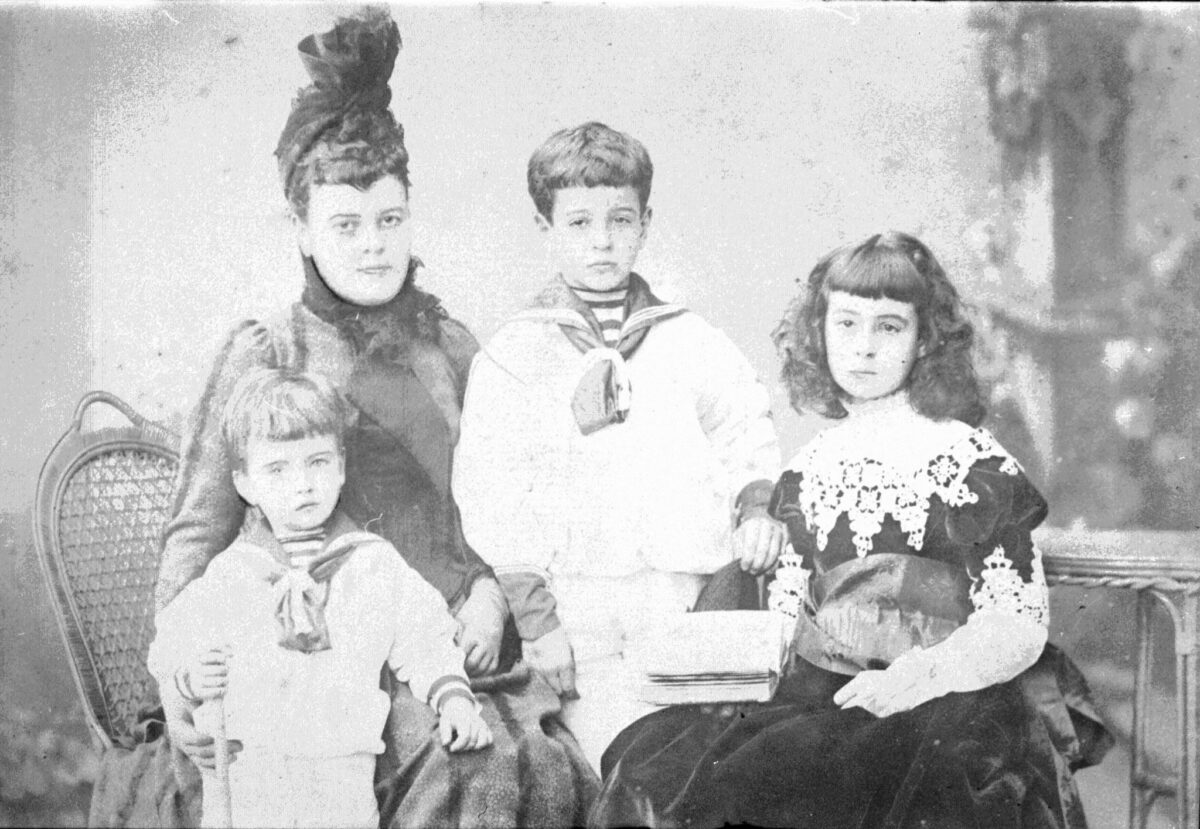
Happy Family: Alva with her children. Courtesy the Suffolk County Vanderbilt Museum
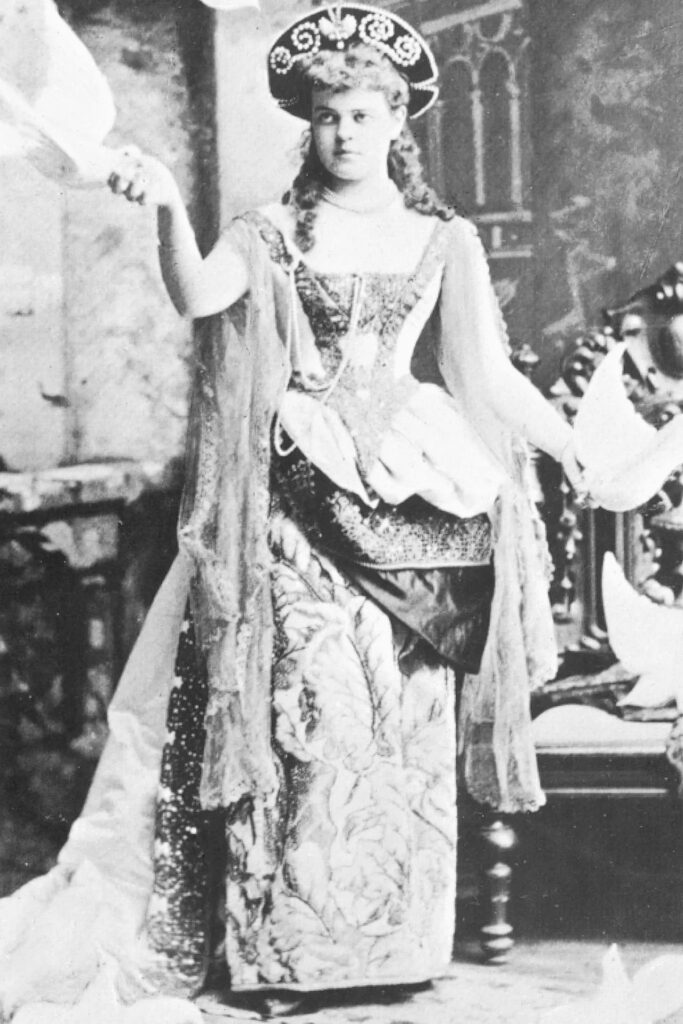
Ever since the premiere episode of HBO’s “The Gilded Age”, viewers and historians have discussed just how close the fictitious character of Bertha Russell (played by Carrie Coon) may be to the real-life socialite steamroller Alva Vanderbilt.
There certainly seems to be similarities from Bertha and Alva’s mutual unrelenting drive to claw a place in society – and then there’s the fact that both women married their daughters off to British dukes.
The Gilded Gentleman takes a look at Alva’s own story — we have so far, been given little of Bertha’s — in an attempt to understand just why she made the choices and had the attitudes to social structure that she did.
Alva Vanderbilt was complex, complicated, conflicted and endlessly fascinating as she navigated her life from a loveless marriage to a new role as a divorced woman and suffragette.
Join The Gilded Gentleman for a look inside the story of who Alva really was as a social climber but also as a 19th-century woman.
The Gilded Gentleman Podcast is available wherever you listen to podcasts including Apple Podcasts, Spotify, Overcast and Stitcher.
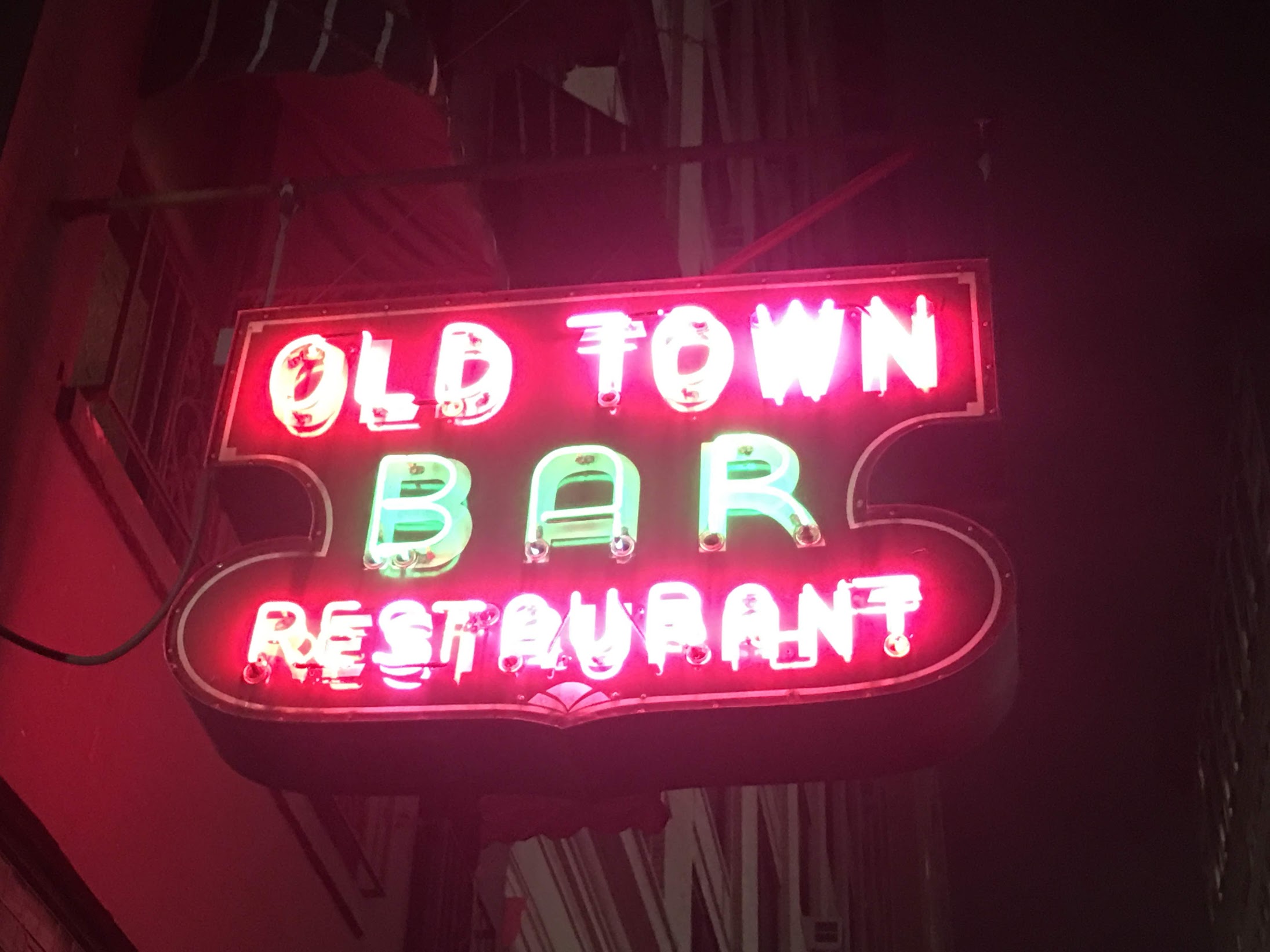
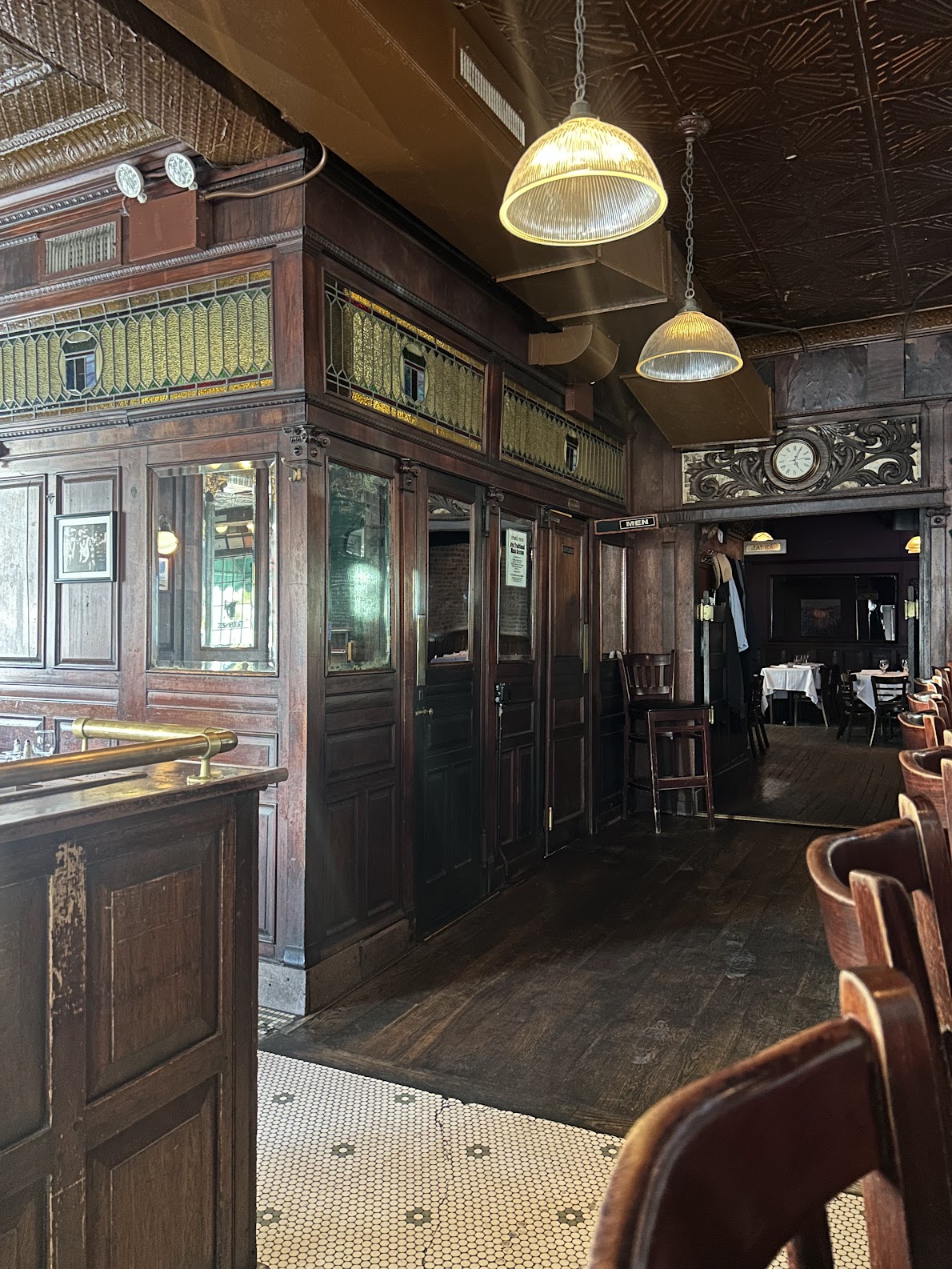
The ultimate bar crawl of Old New York continues through a survey of classic bars and taverns that trace their origins from the 1850s through the 1880s.
And this time we’re recording within two of America’s most famous establishments, joined by the people who know that history the best.
In Part One, we introduced you to the origin story of New York City tavern life in the Dutch and colonial periods, and we ventured into Fraunces Tavern to witness the creation of the United States itself.
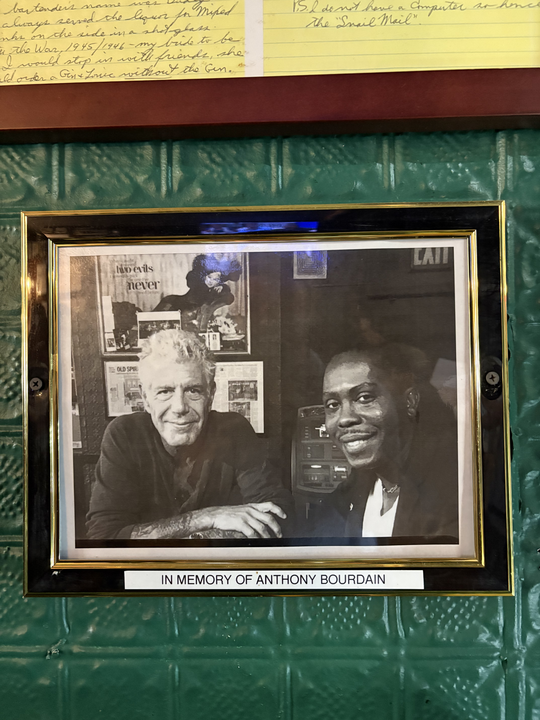
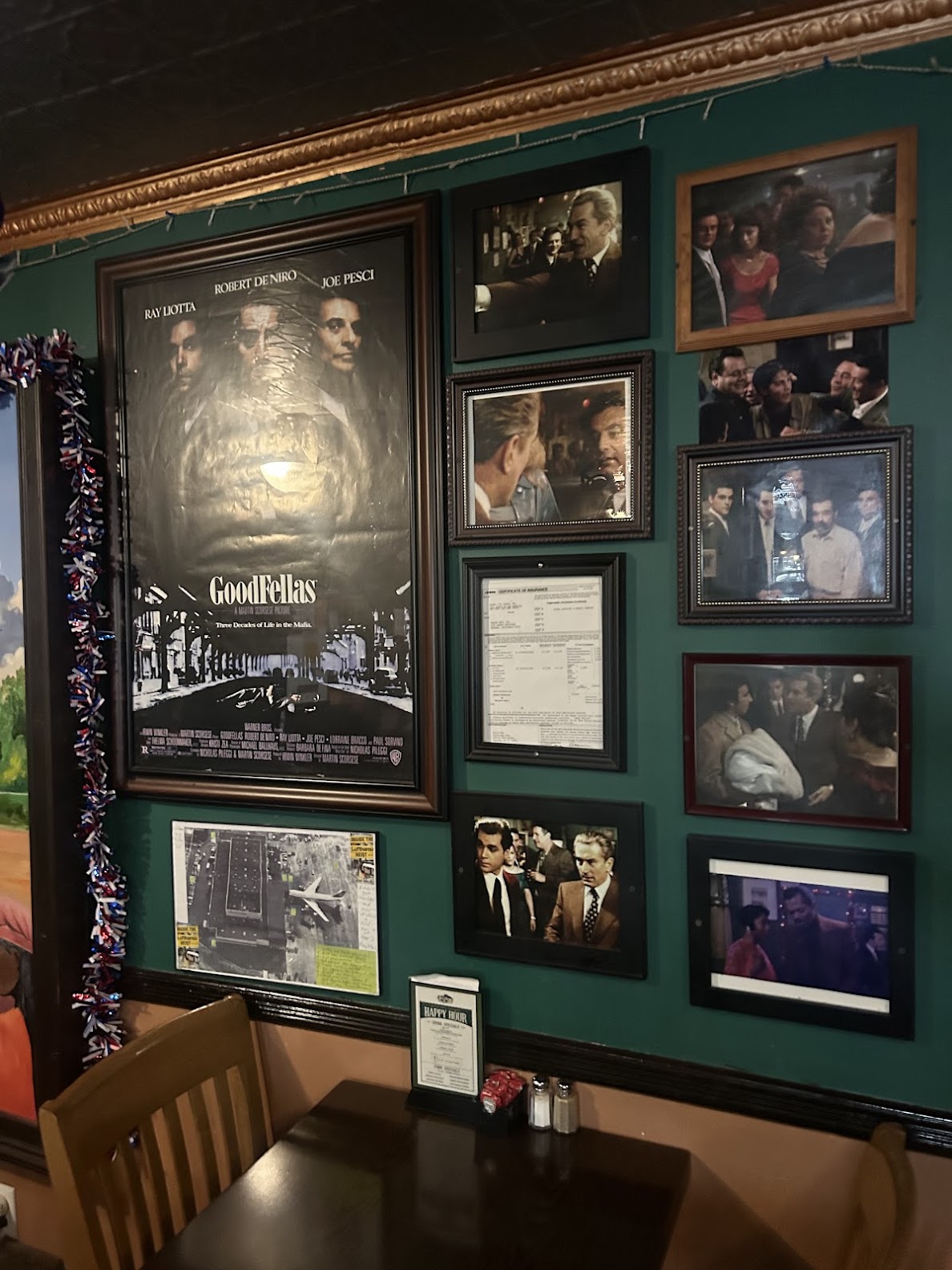
Then we headed out to Queens and to Neir’s Tavern, which quenched the thirsts of horse-racing fans in the early 19th century — and reinvented itself in the 20th century thanks to Mae West and Martin Scorsese’s Goodfellas.
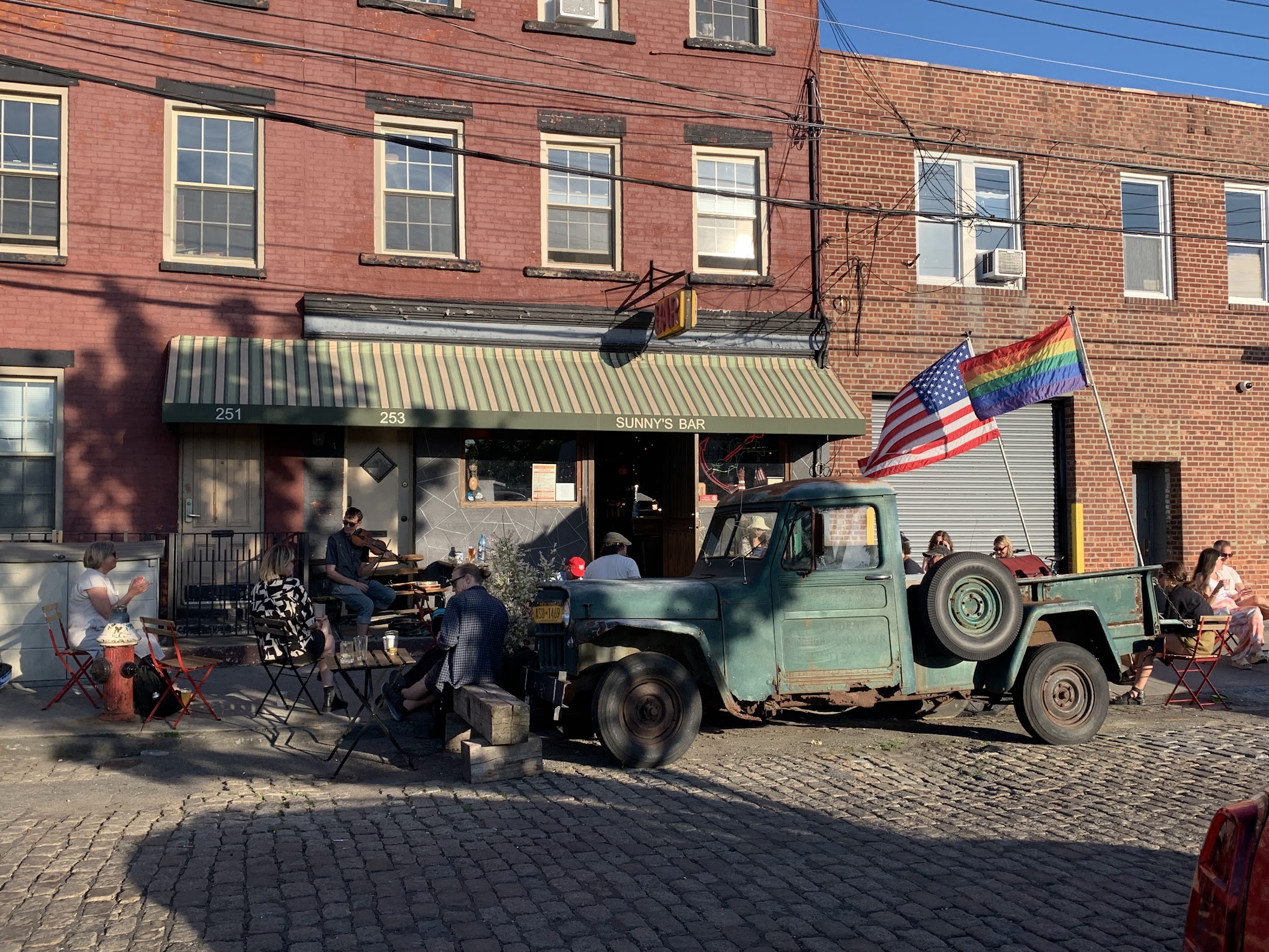
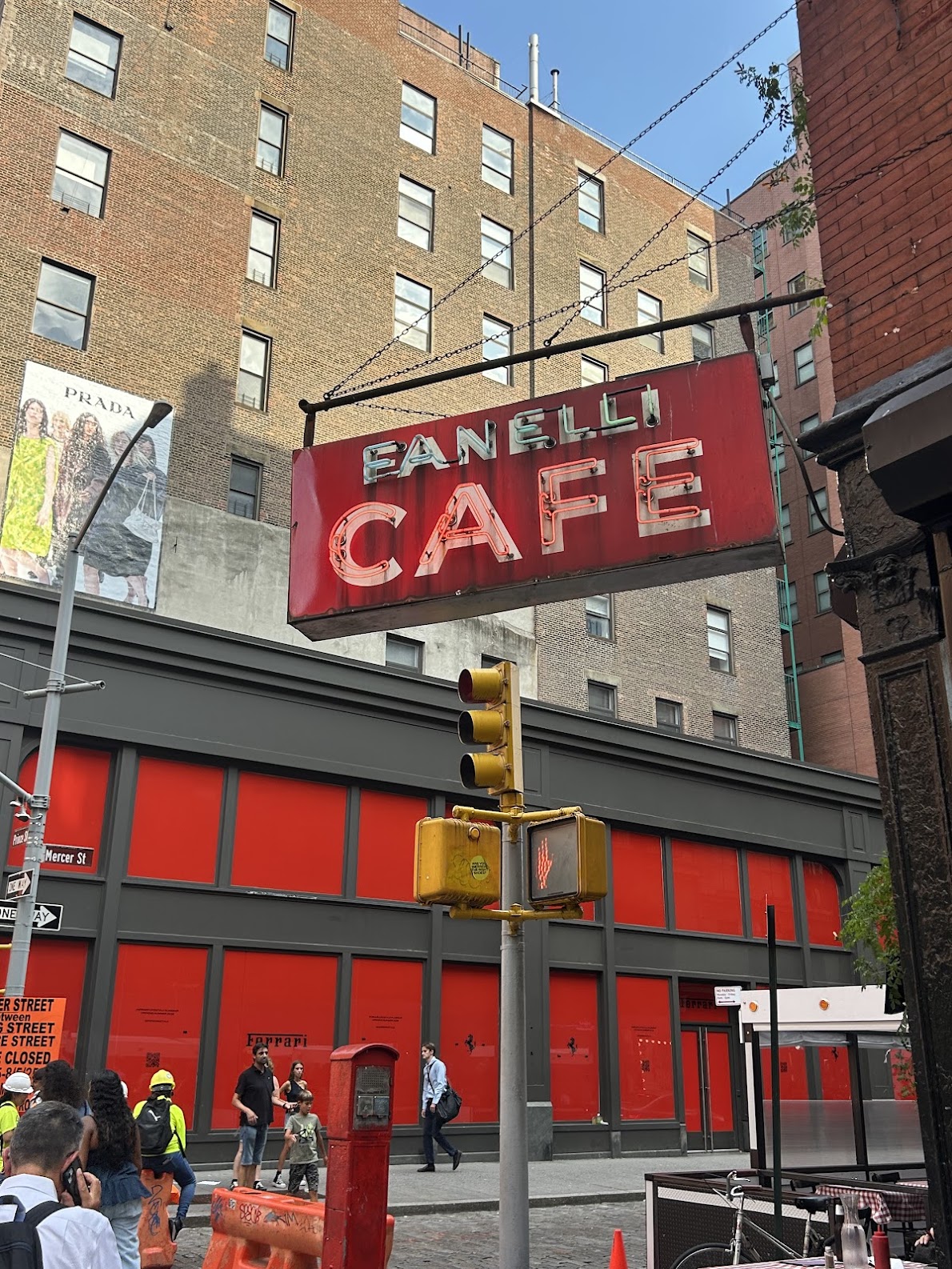
For part two, we fill out our list of the most historic bars and taverns still serving customers in the 21st century — from SoHo to Williamsburg, from Midtown Manhattan to Red Hook, Brooklyn.
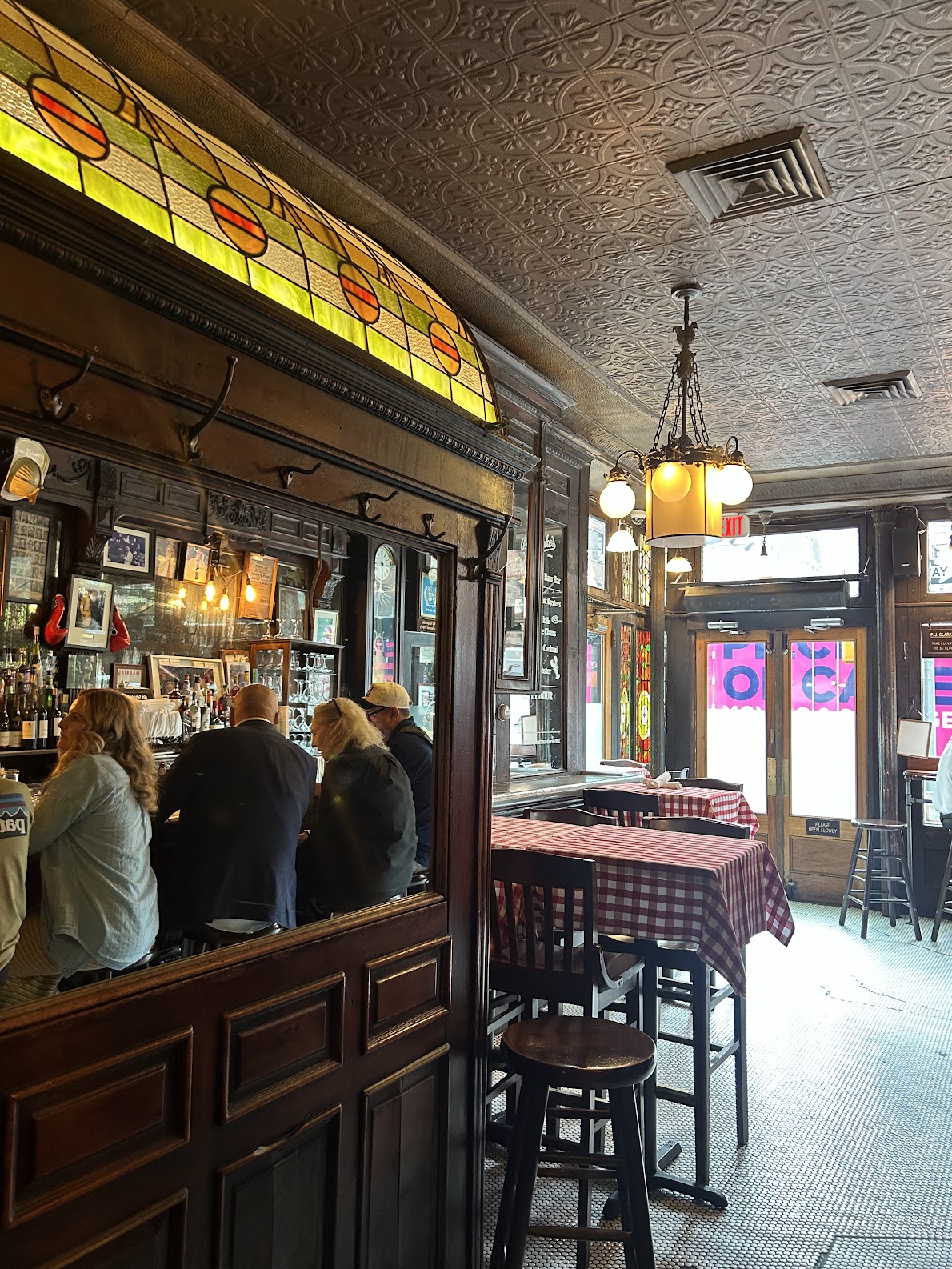
But we center our adventure within two classic Manhattan bars, which wear their histories proudly upon the walls:
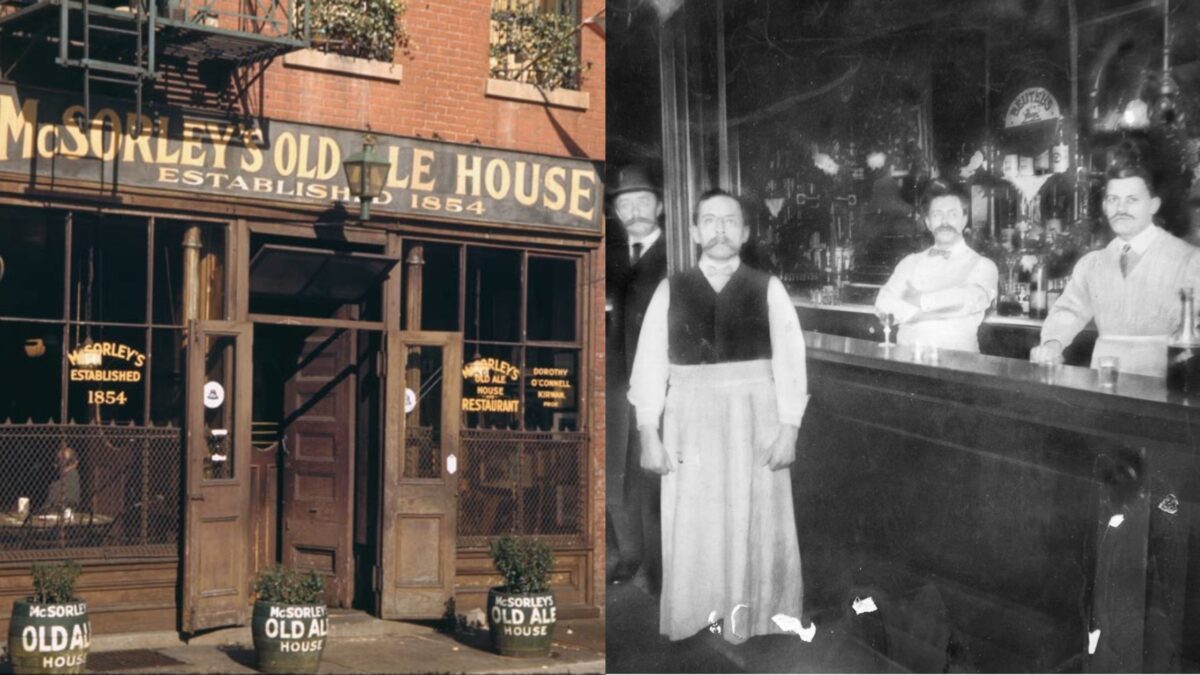
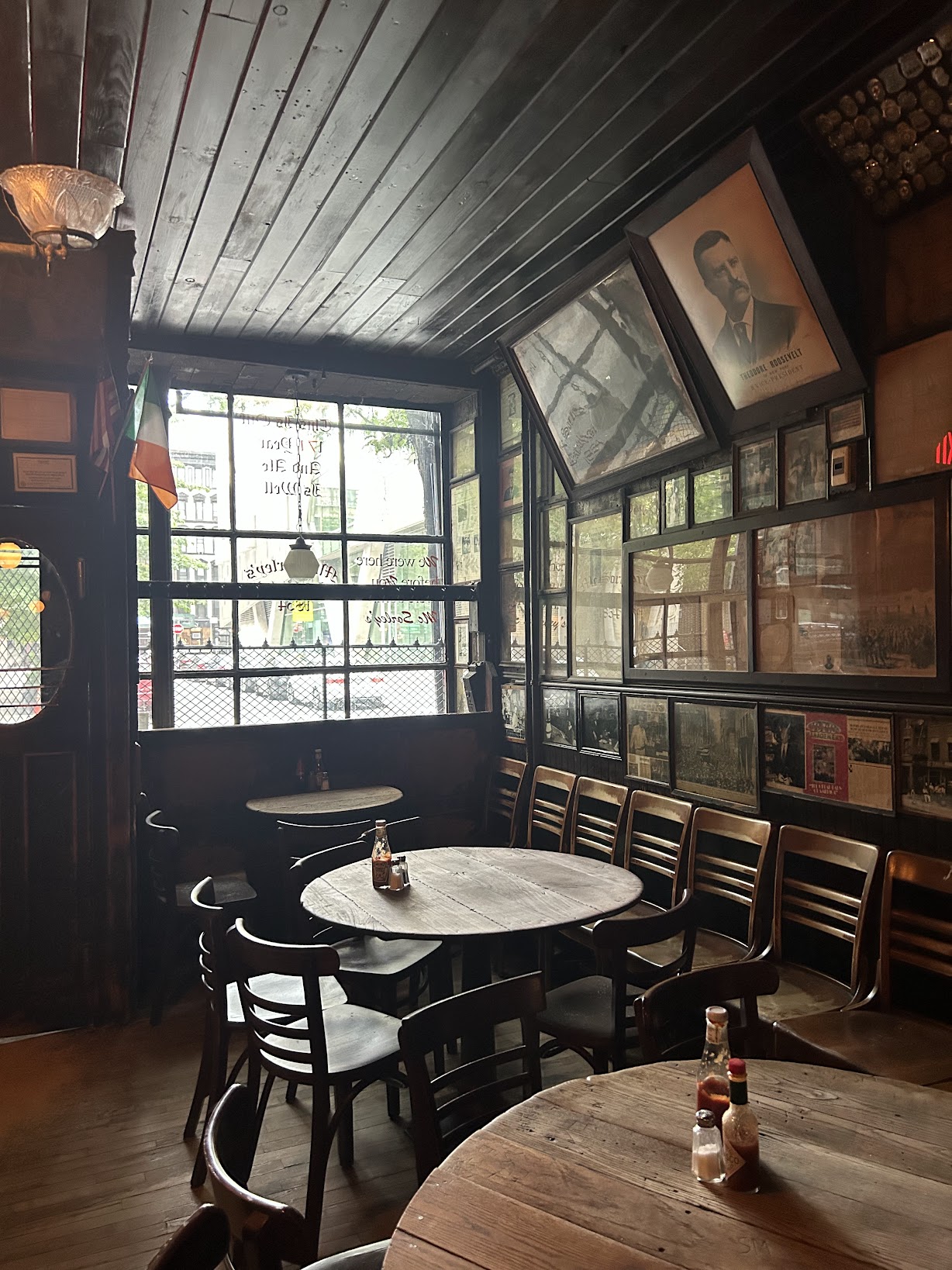
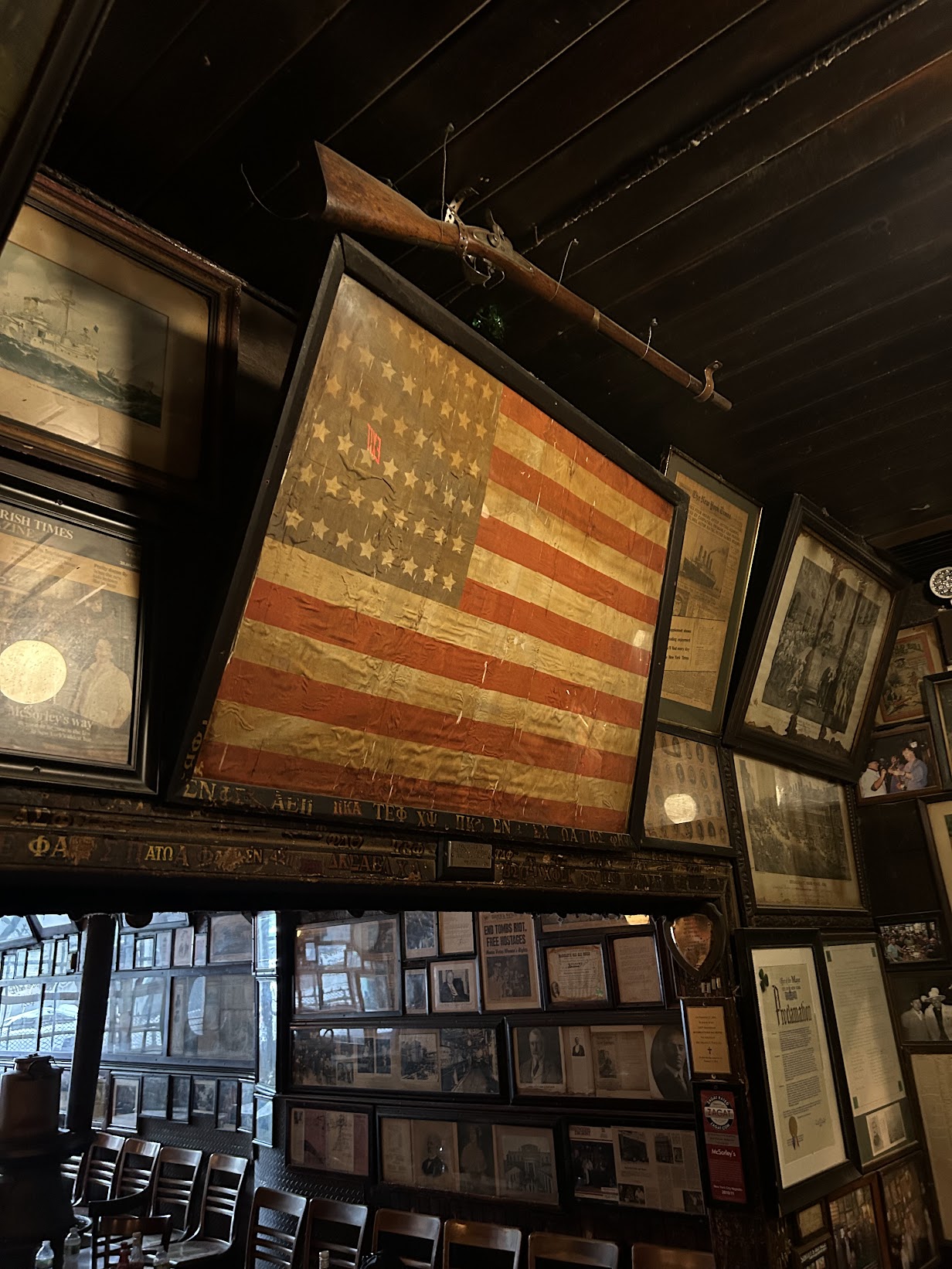
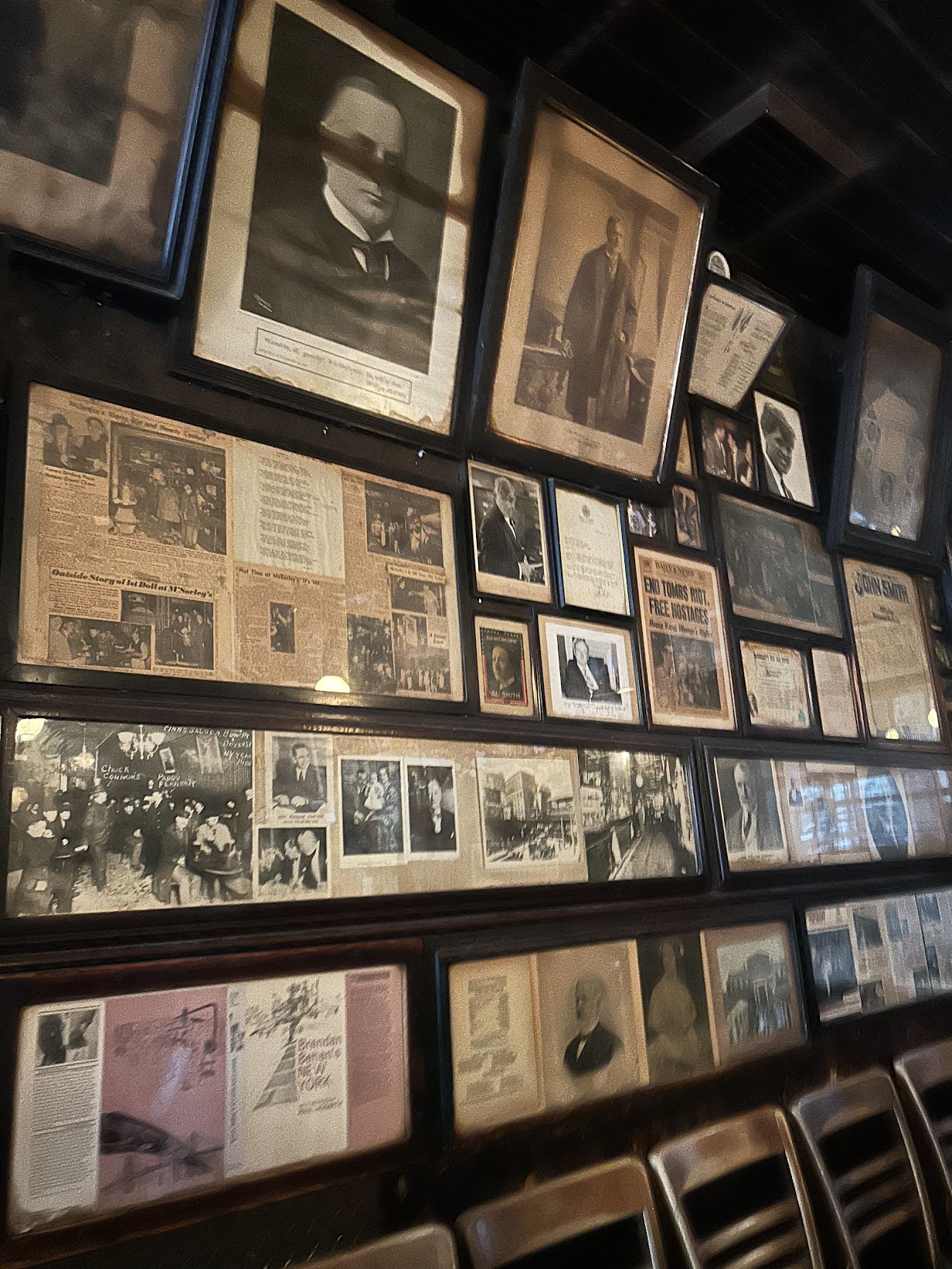
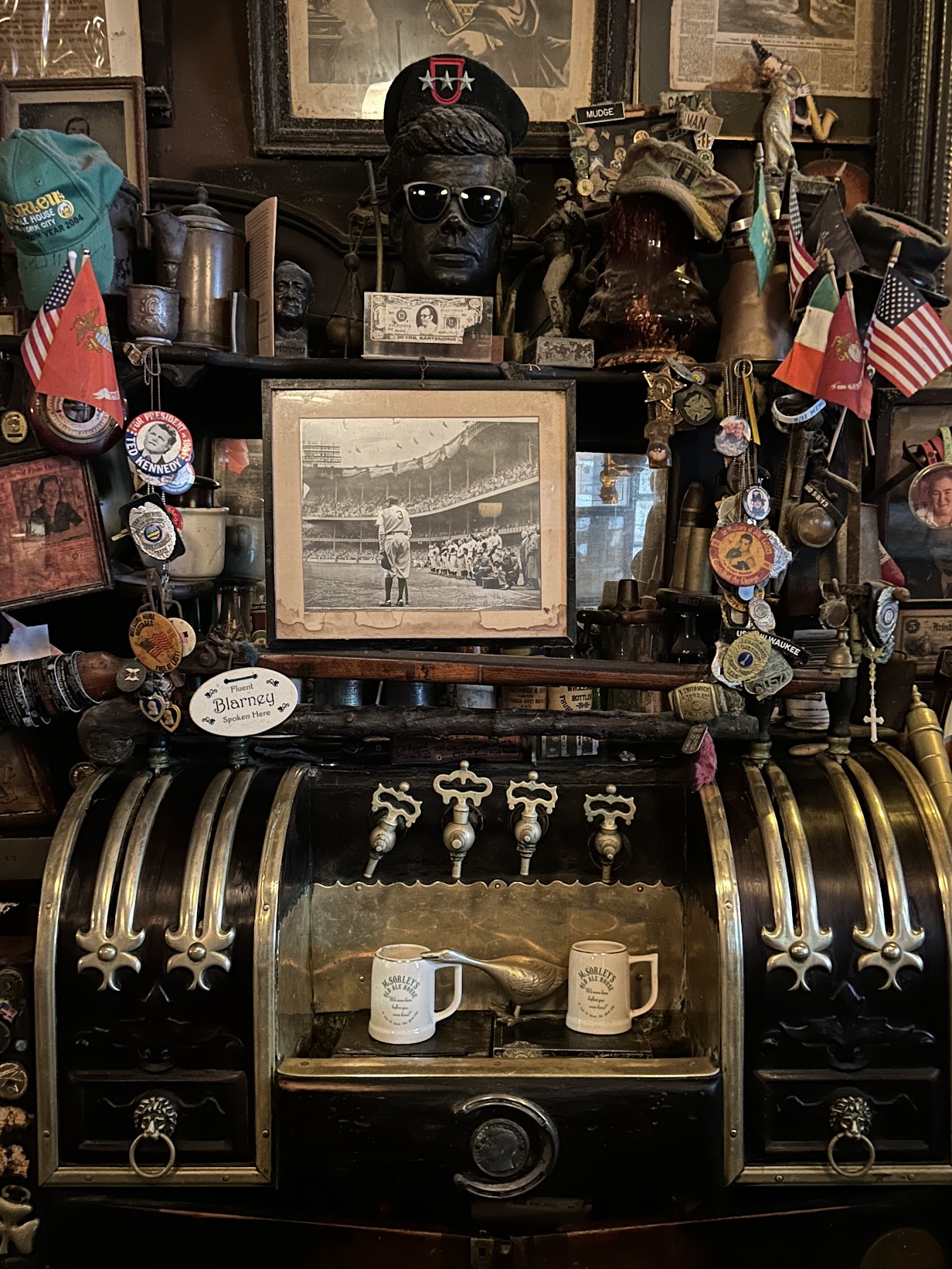
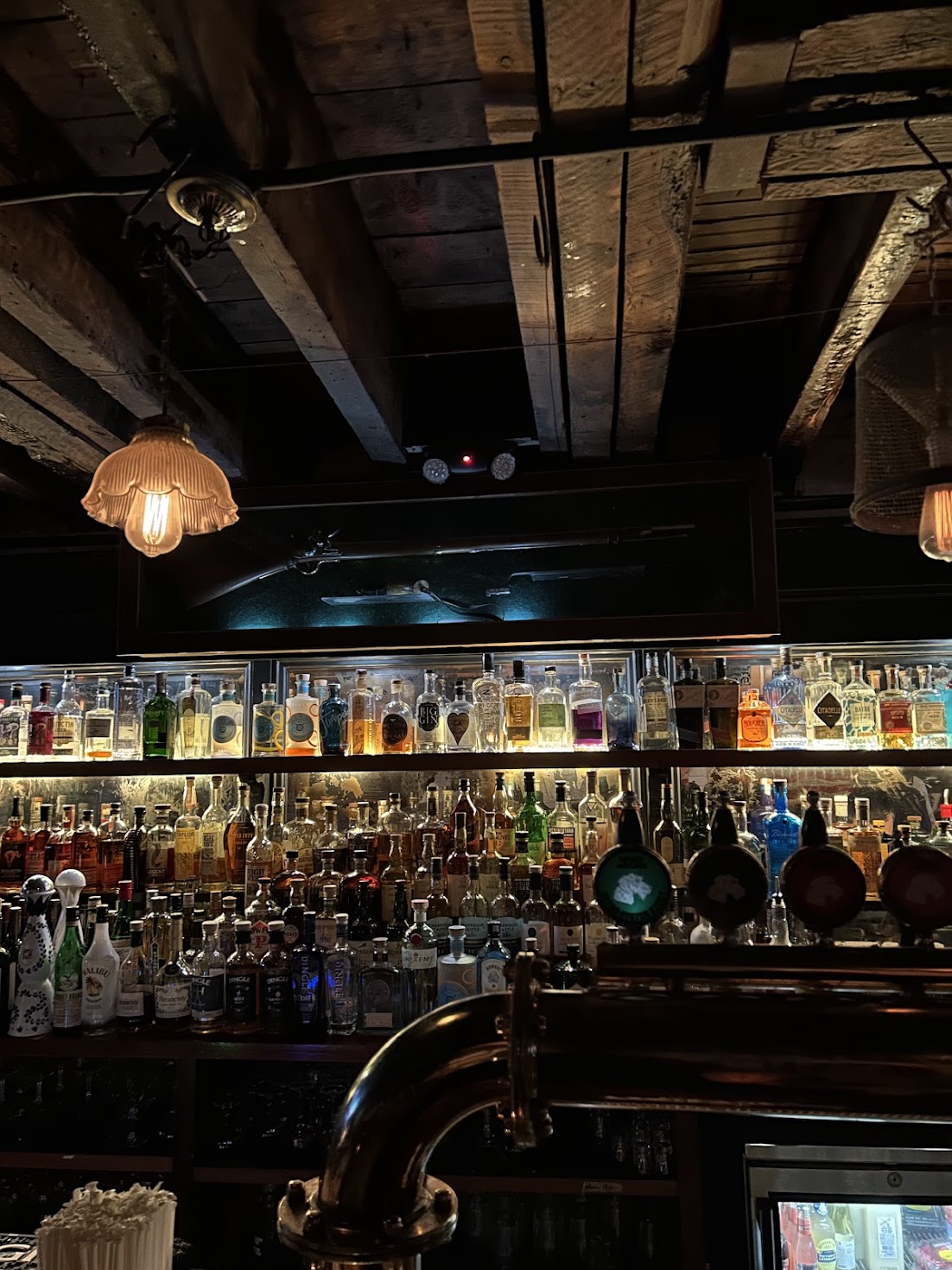
— McSorley’s Old Ale House is the most famous Irish saloon in New York City (and dare we even say, the whole country?), and its stacked, cluttered walls — every strange piece tells a story — welcome you inside to become a part of its history.
Historian Bill Wander and long-time bartender Shane Buggy provide a most intoxicating tour of the joint.
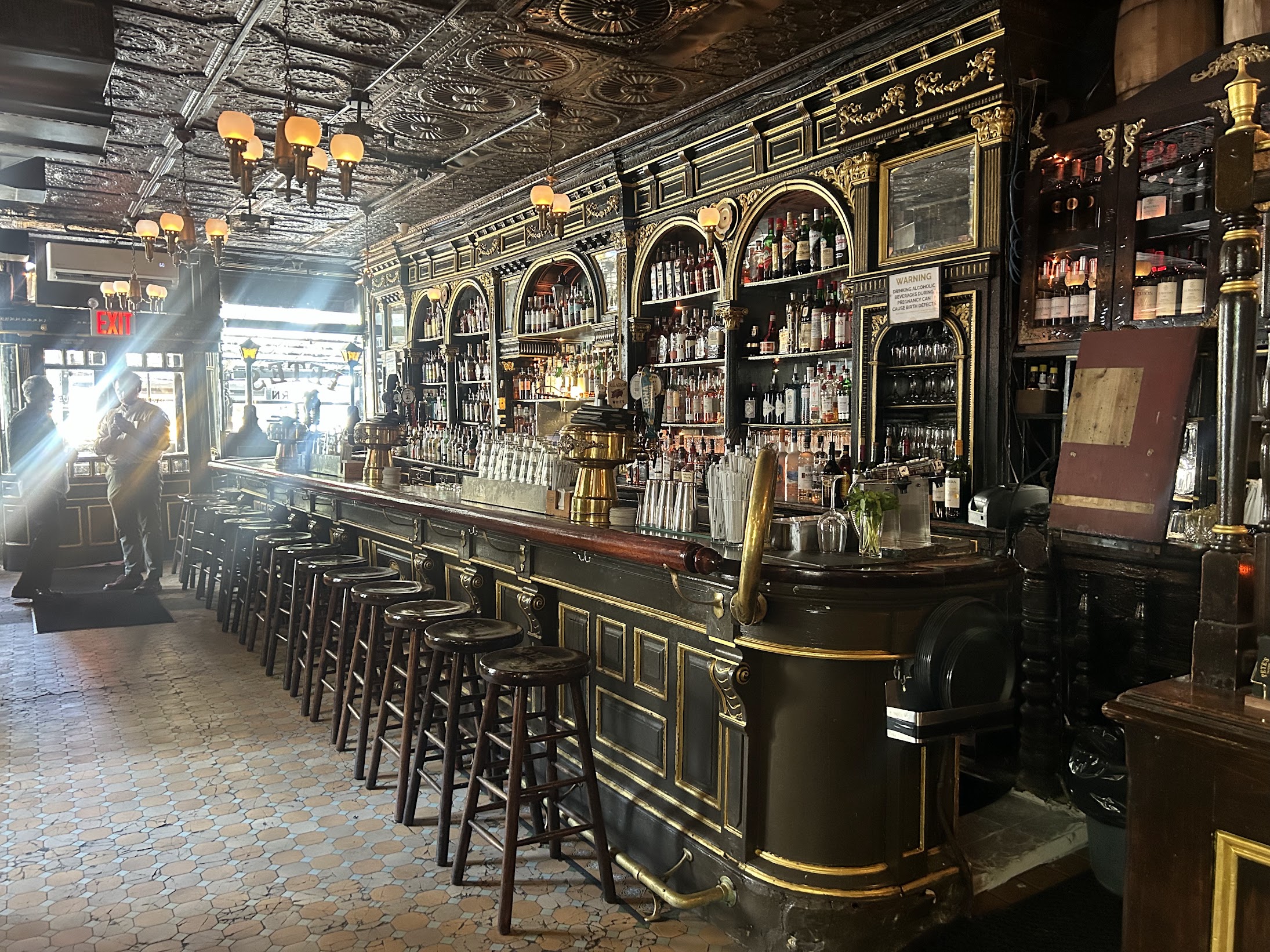
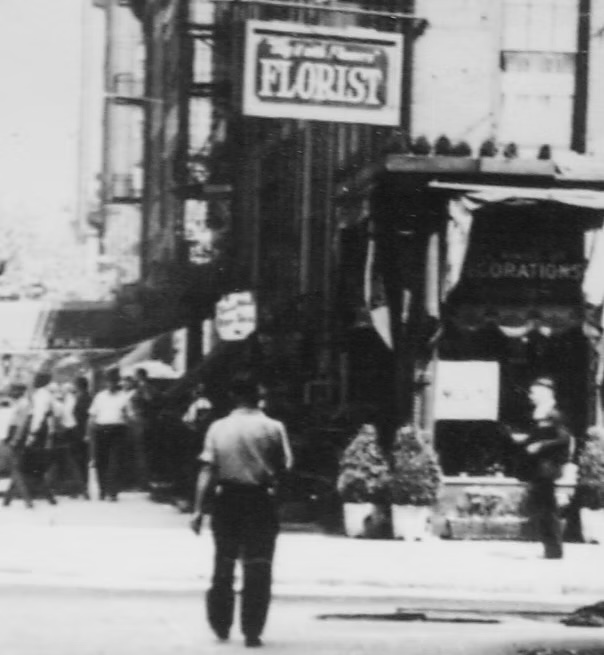
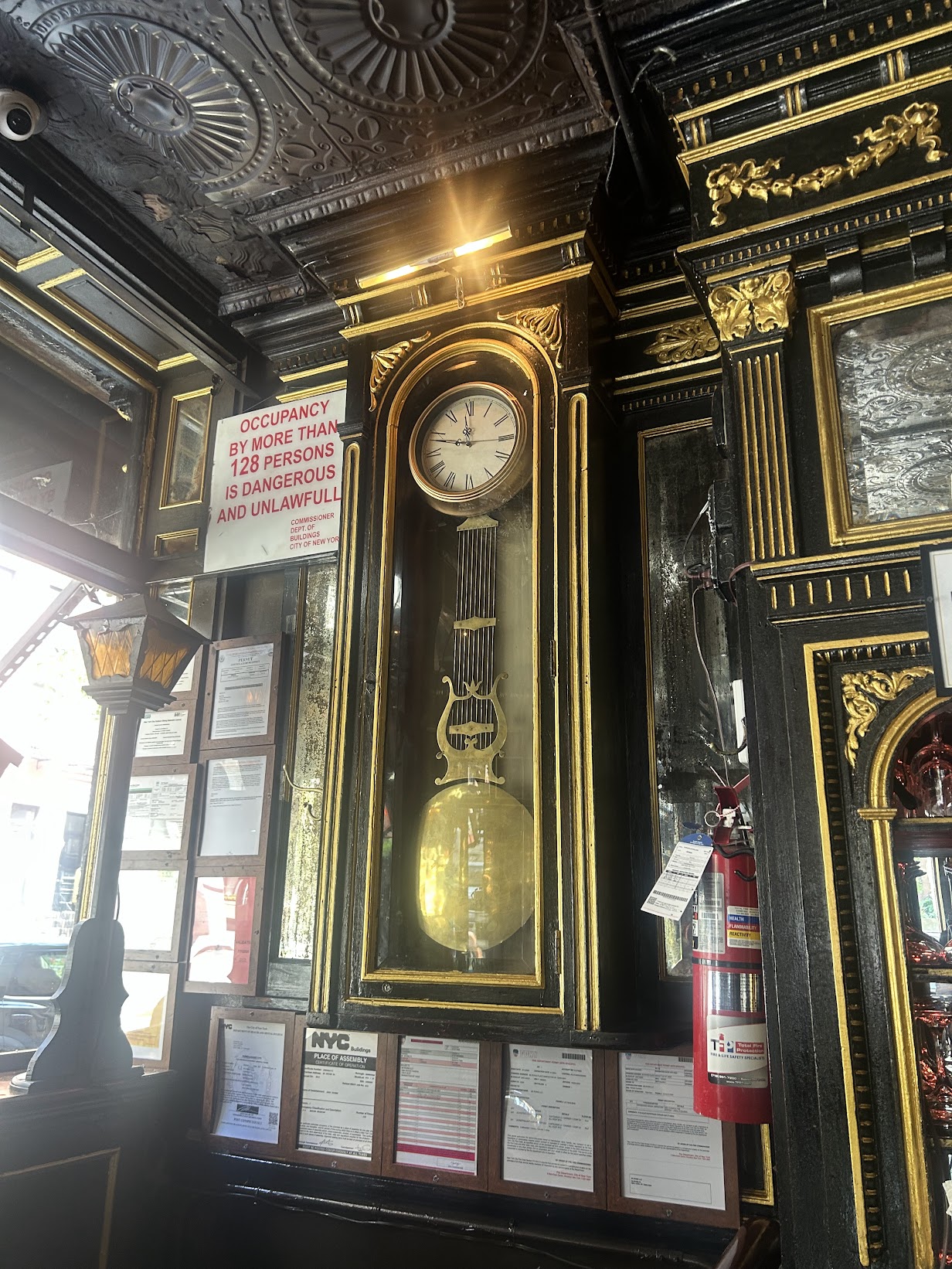
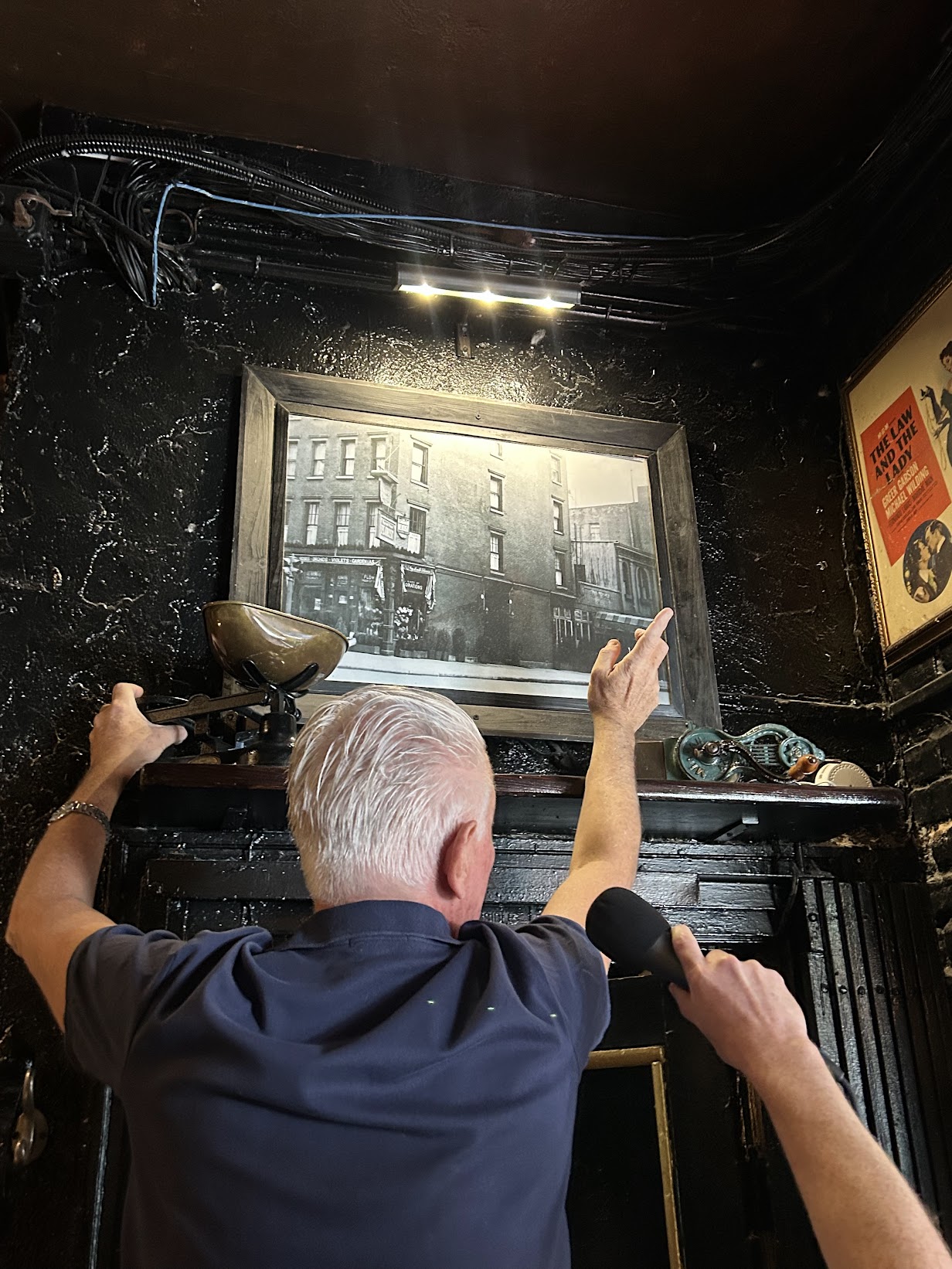
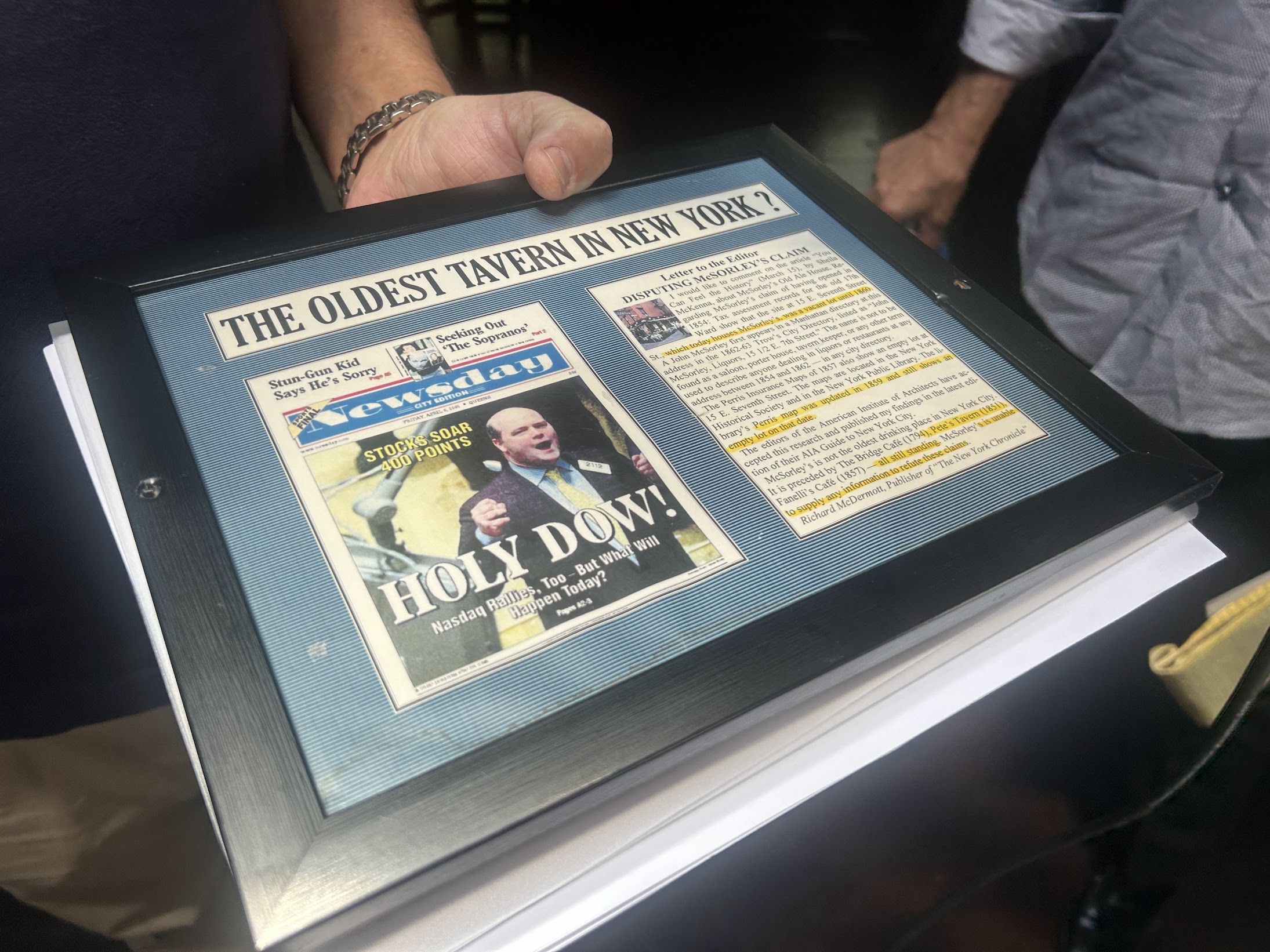
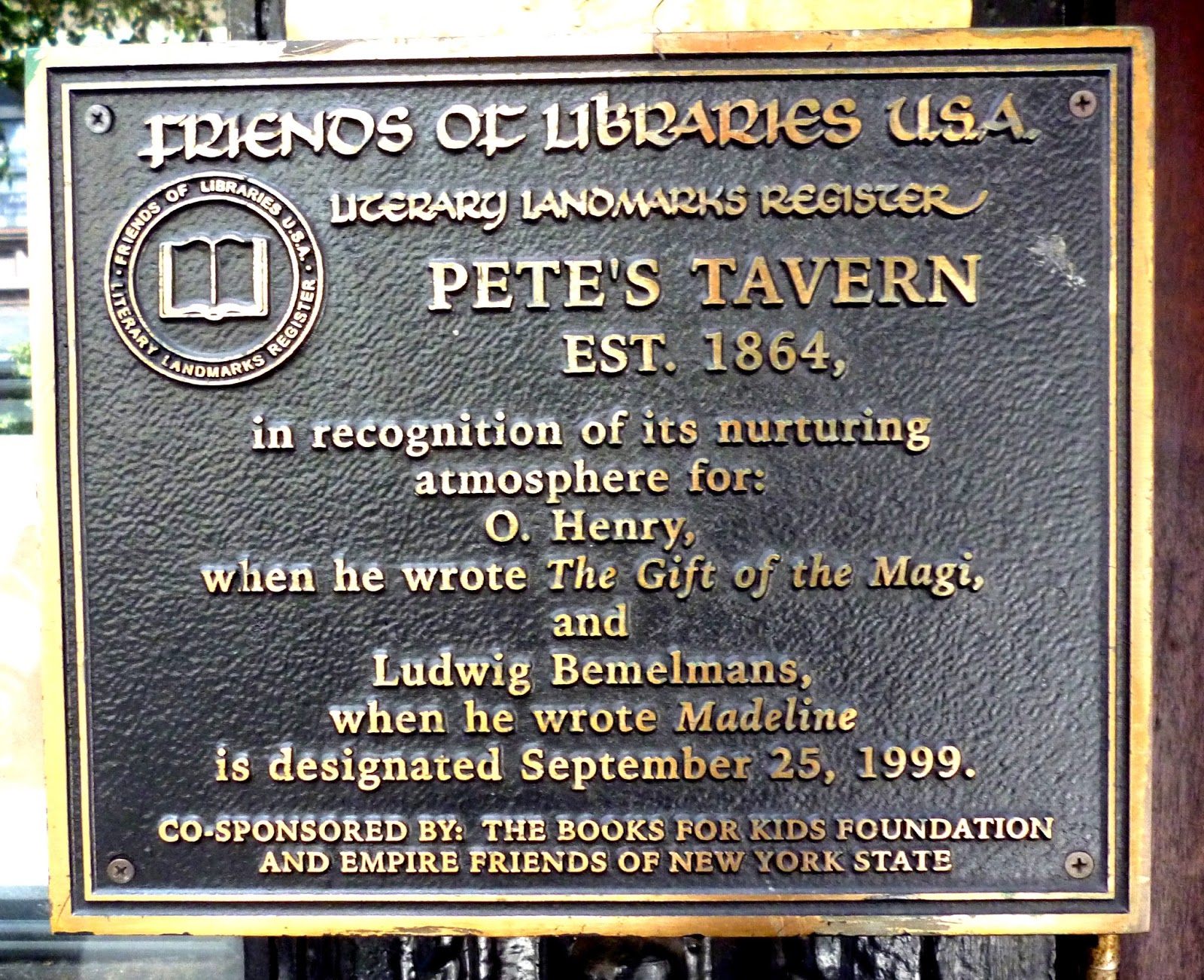
— Pete’s Tavern has become famous as one of America’s most enduring literary bars thanks to its long-time association with O. Henry. But there are so many more secrets awaiting you — from its association with Tammany Hall to its curious transformation into a “flower shop” during Prohibition.
General manager Gary Egan and owner Steve Troy reveal many surprising twists in Pete’s own history.
LISTEN NOW: THE OLDEST BARS IN NEW YORK CITY PART TWO
The Bowery Boys Podcast is proud to be sponsored by Founded By NYC, celebrating New York City’s 400th anniversary in 2025 and the 250th anniversary of the United States in 2026.
Read about all the exciting events and world class institutions commemorating the five boroughs legacy of groundbreaking achievements, and find ways to celebrate the city that’s always making history at Founded by NYC.
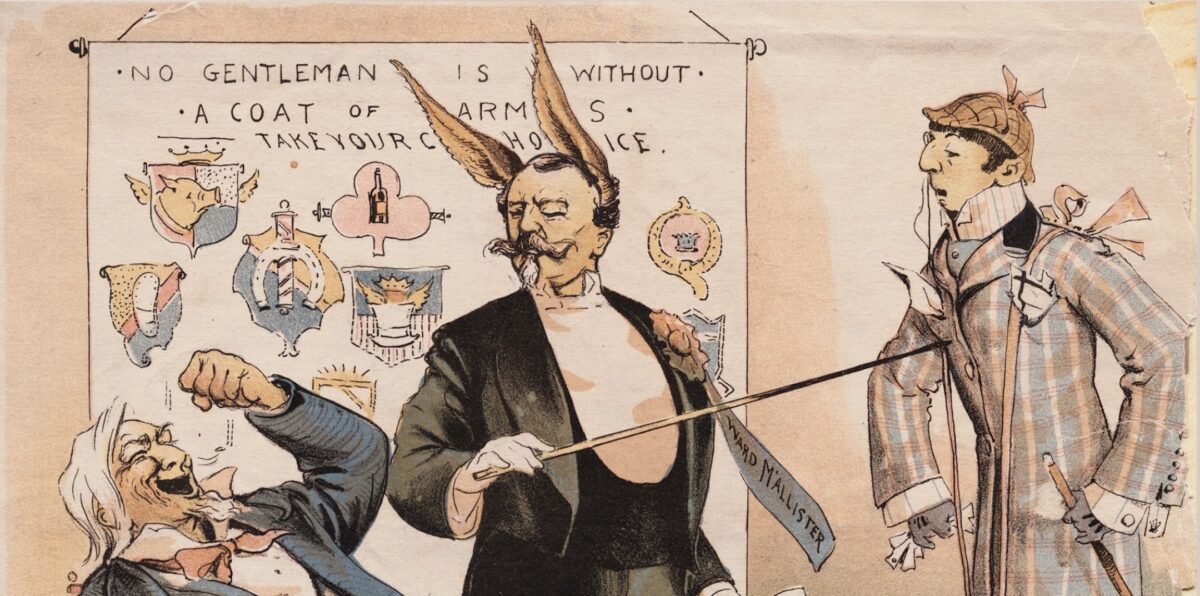
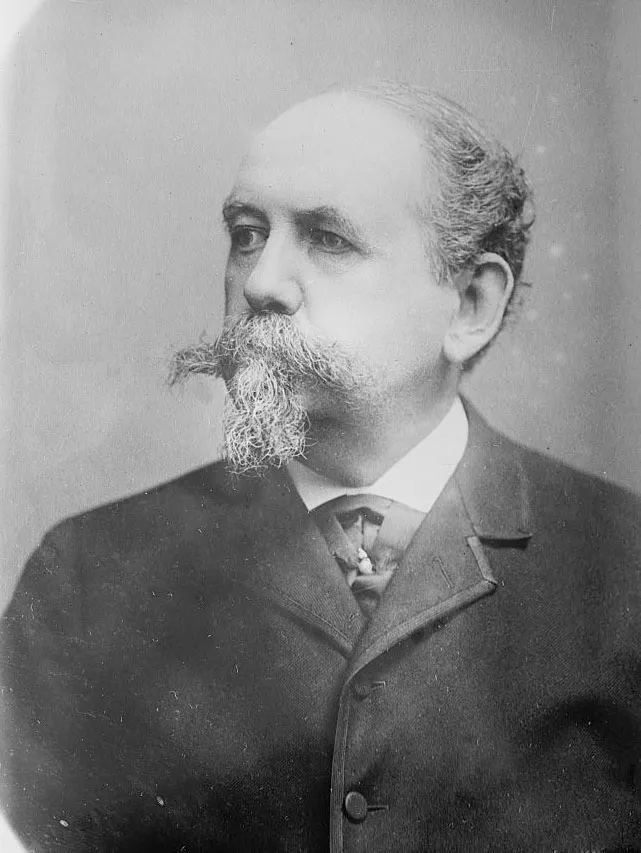
From a Judge Magazine parody of Ward McAllister, after his fall from the graces of Mrs Astor.
On the latest episode of The Gilded Gentleman, meet the man who helped create New York’s Gilded Age high society, a fussy and imperious Southerner who eventually found himself on the receiving end of snobbish scorn.
The famous Mrs. Caroline Astor was credited with building and shaping the Gilded Age elite. But at her side and combining forces with her to create “the 400” was the controversial Ward McAllister.
He was originally a Southerner who himself developed a complex persona as the most socially knowledgeable and refined gentleman of the New York elite.
Join Carl Raymond for a look into who Ward McAllister really was, how he developed his famous reputation and what led to his infamous break from the social court of Mrs. Astor.
The Gilded Gentleman Podcast is available wherever you listen to podcasts including Apple Podcasts and Stitcher.
The history of New York City — as told through the stories of its oldest bars.
We’ve put together the ultimate New York City historic bar crawl, a celebration of the city’s old taverns, pubs, and ale houses with 18th- and 19th-century connections. And throughout this two-part mini-series, you’ll learn so much about the city’s overall history — from its changing shoreline to the everyday lives of its working-class immigrant populations.
Being an old historic bar isn’t just a novel curiosity for history lovers. It can be good for business and many of the most popular landmark pubs literally wear their stories on the walls — framed newspapers and photographs, memorabilia, old clocks, sailors’ caps and fedoras.
The history of old bars is a little like a ghost story, where a legend has grown up around a historic place, and decades or centuries later, it can be hard to determine the pure truth. In many ways, the myths are as powerful and as interesting as the actual history itself.
In this episode, the first of two parts, Greg and Kieran visit two very different establishments representing the colonial and rustic world of Old New York:
Screenshot
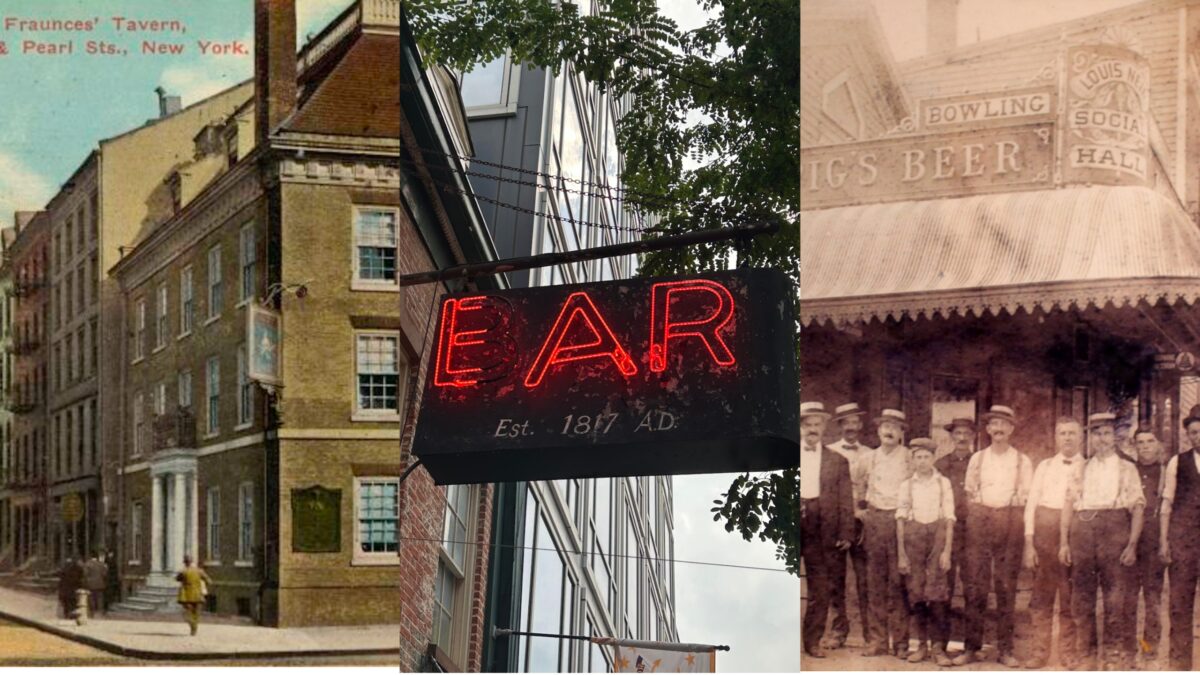
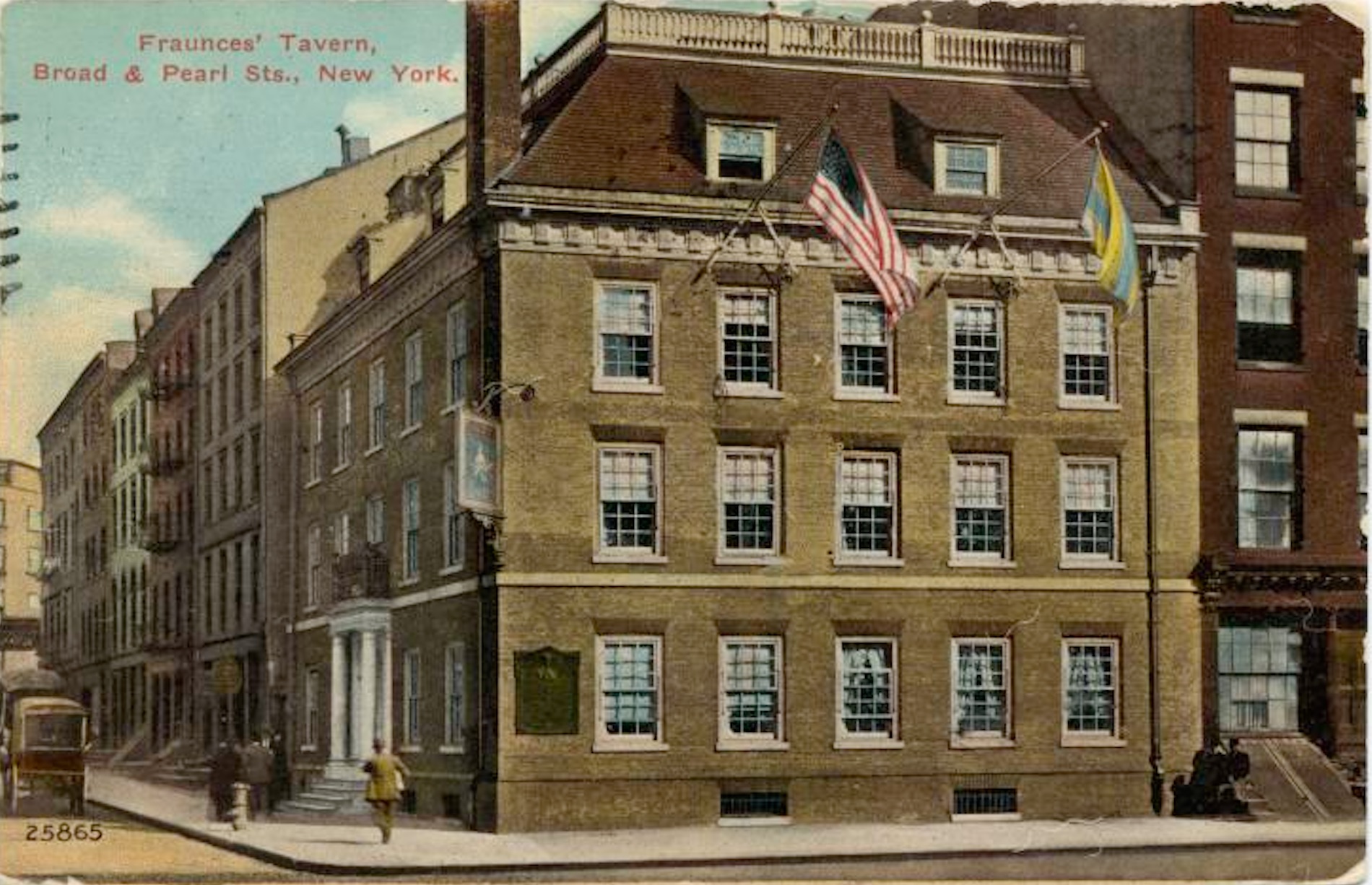
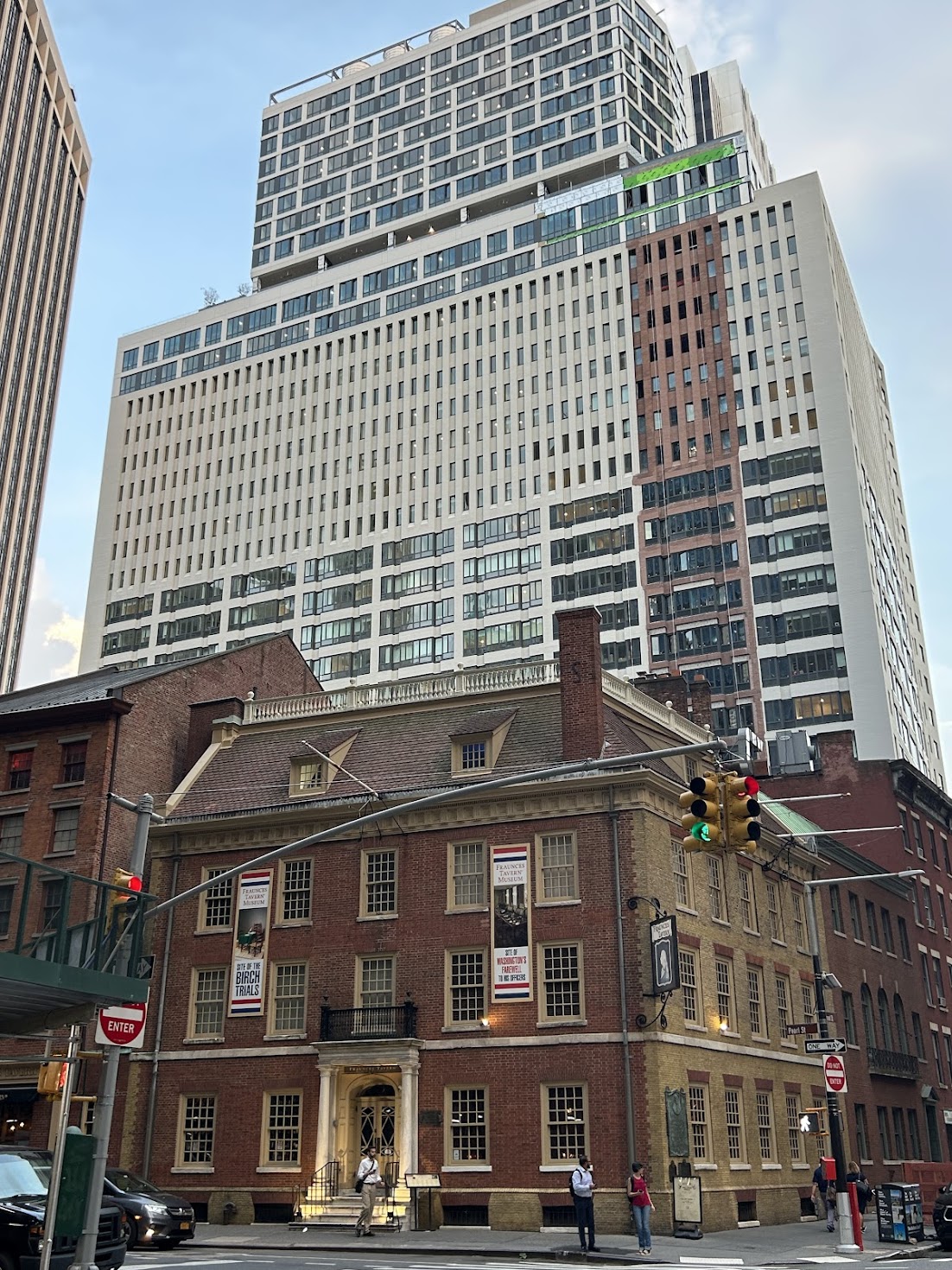
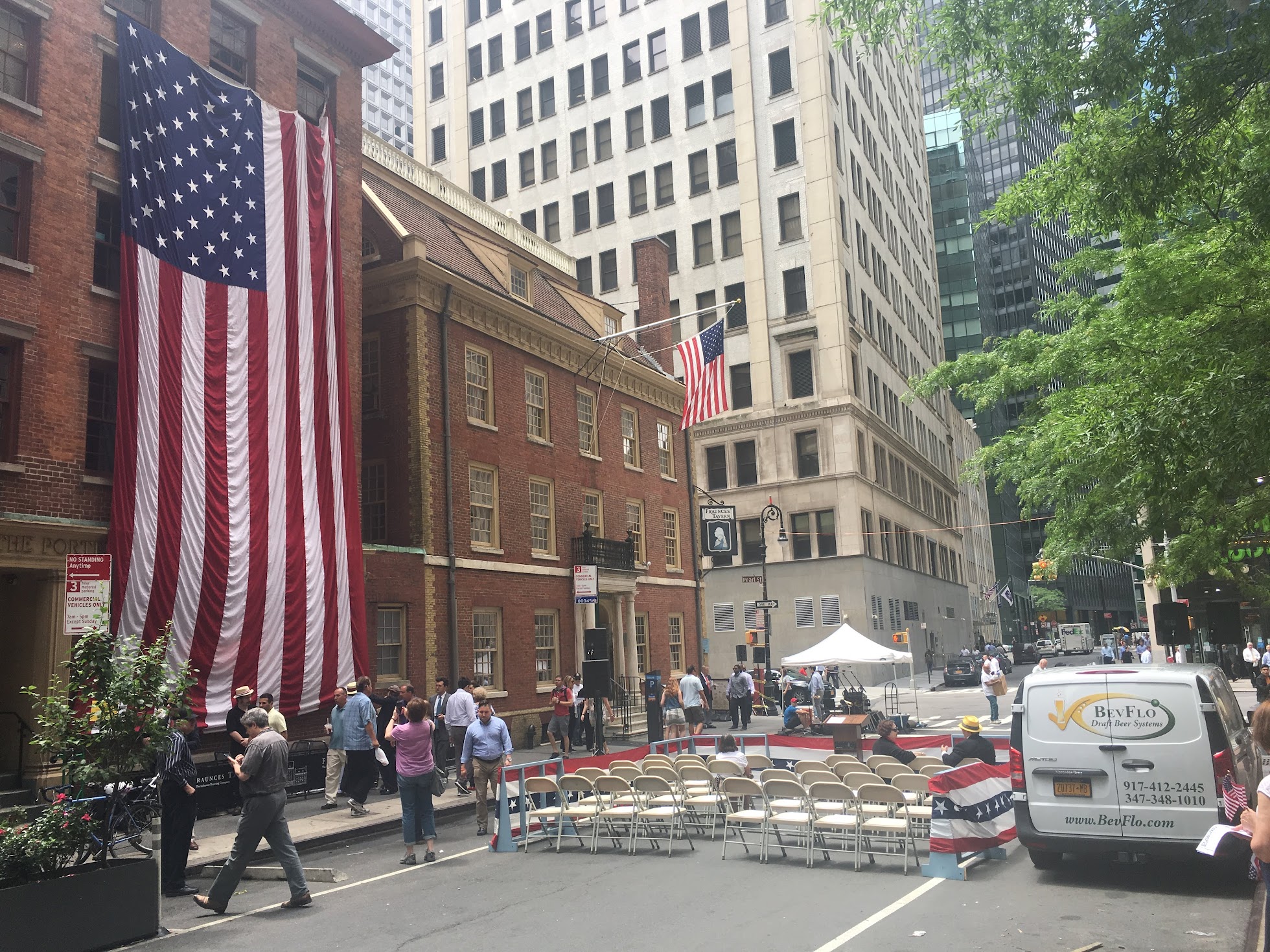
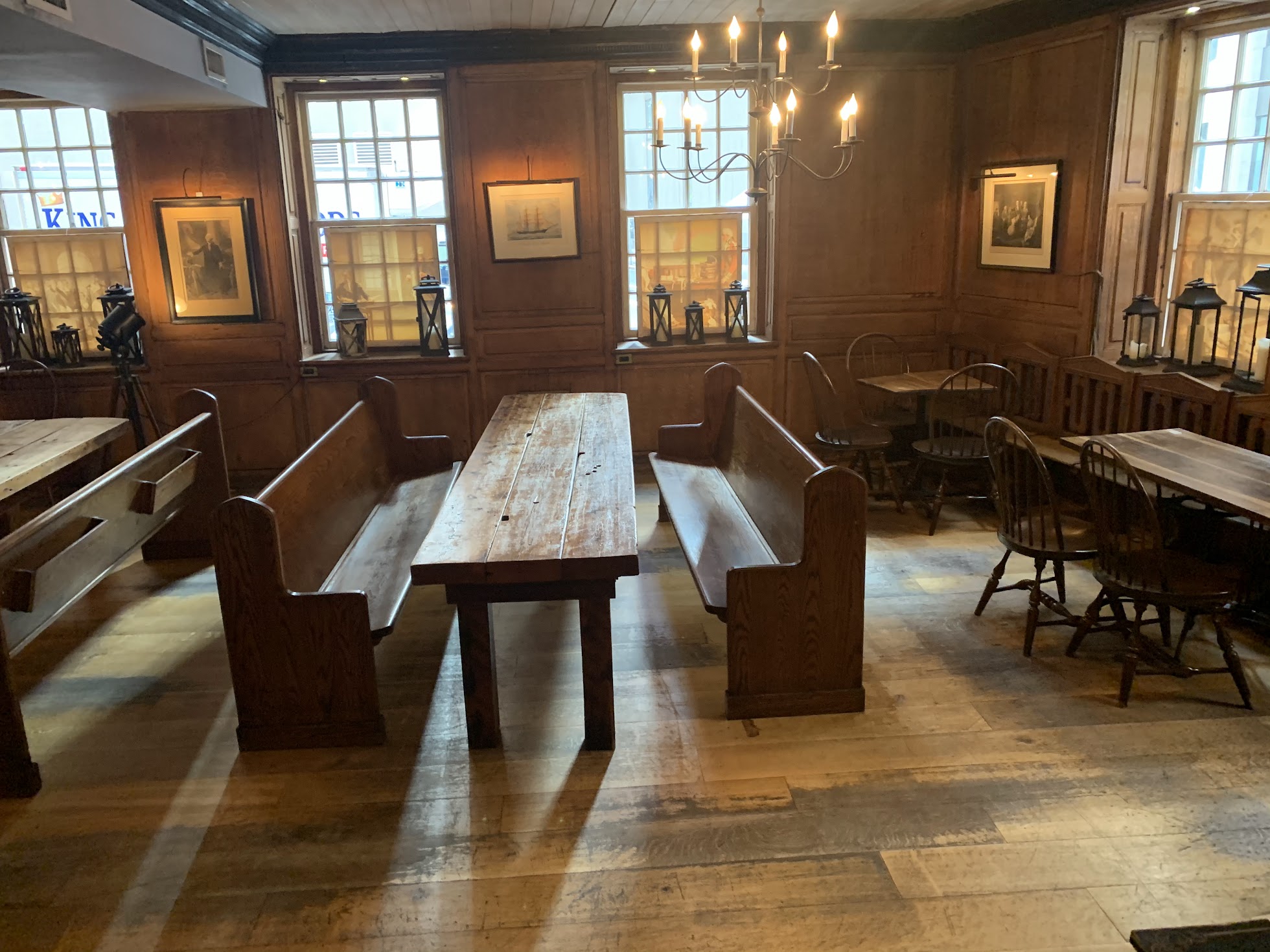
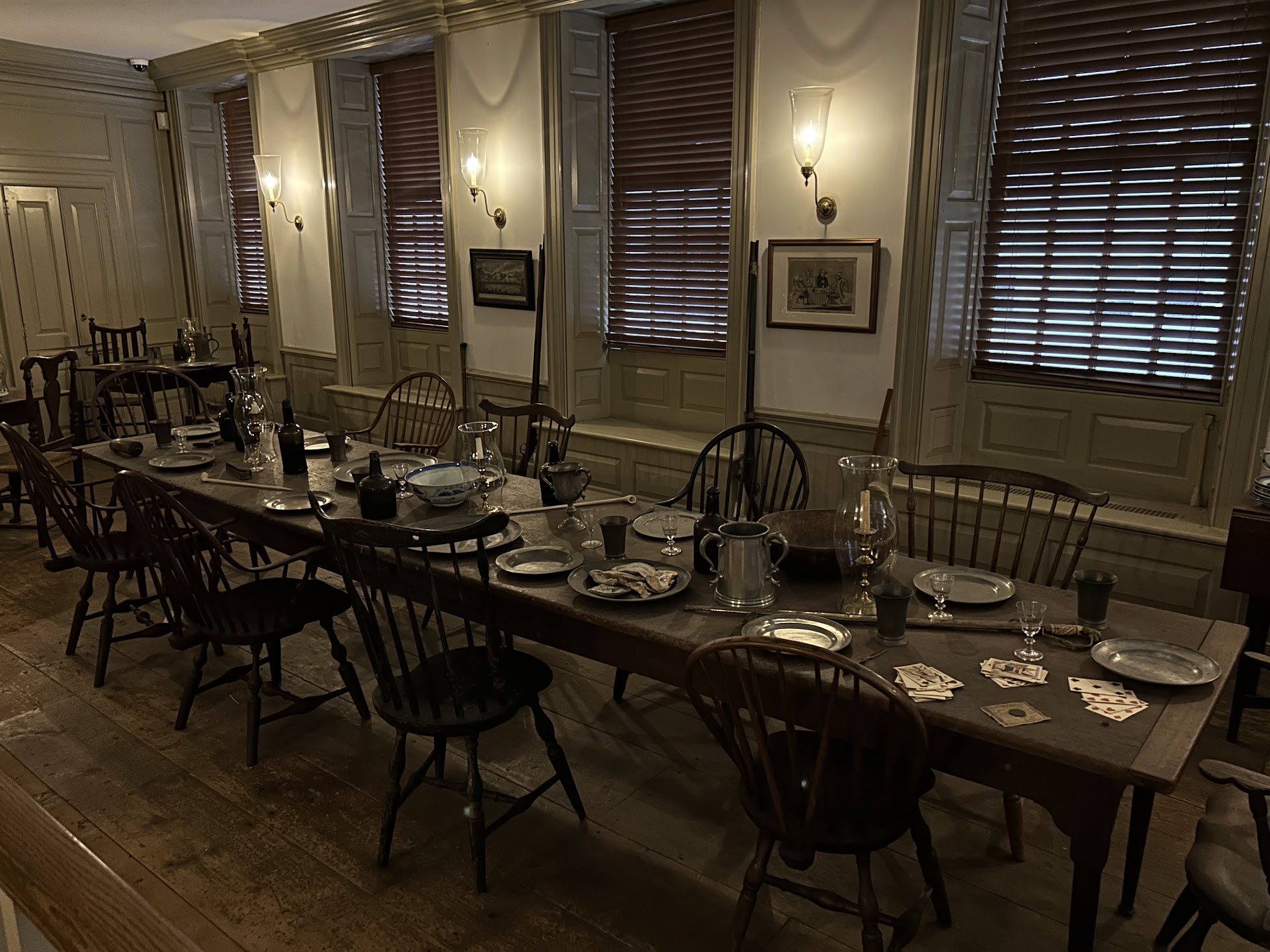
— Fraunces Tavern, one of the most important American landmarks of the Revolutionary War, remains a vibrant spot over 250 years after its stools and tables were occupied with rebellious colonists.
Today, its history lovers and workers from the Financial District who enjoy its labyrinthine bar and dining rooms, while upstairs an impressive museum celebrates the tavern’s many eras of greatness.
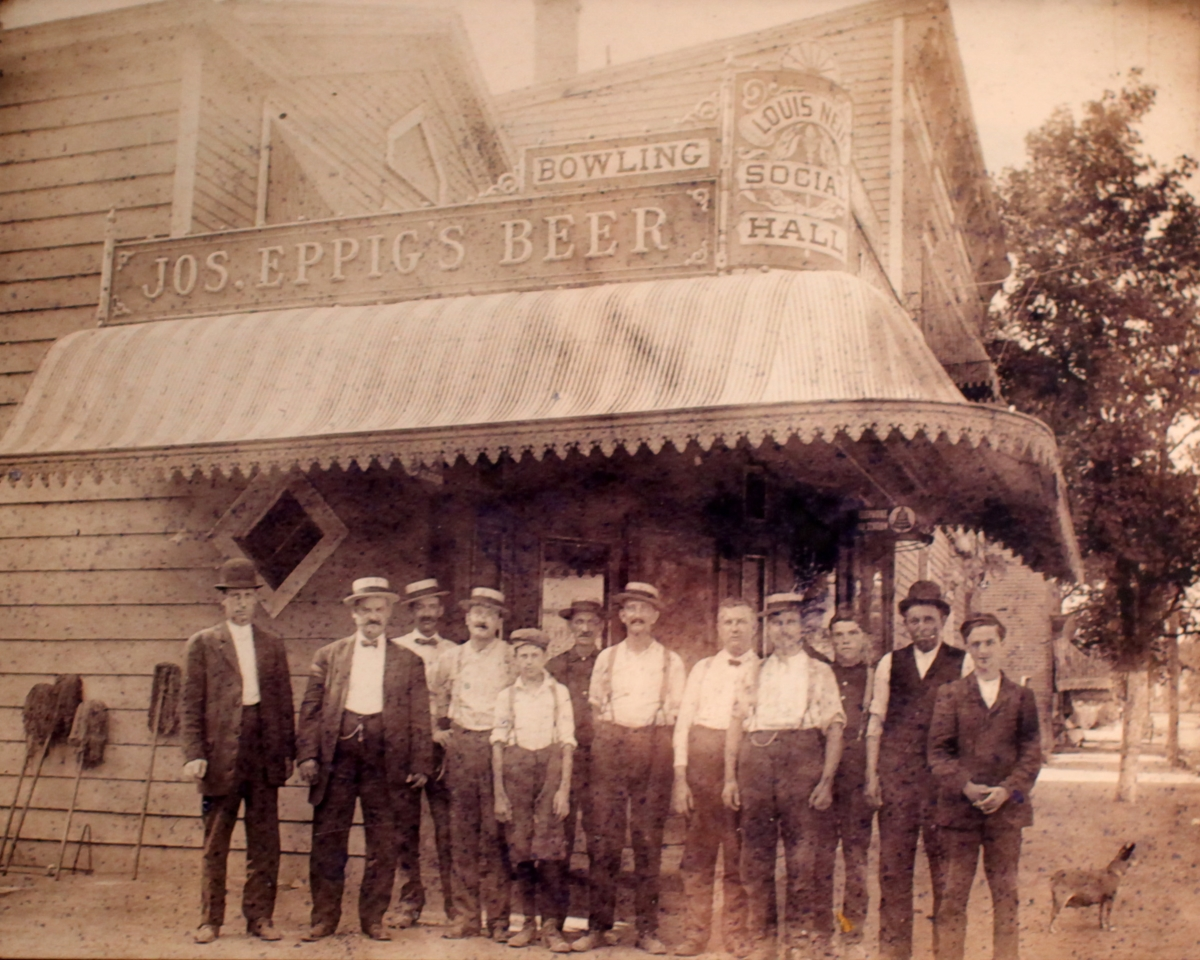
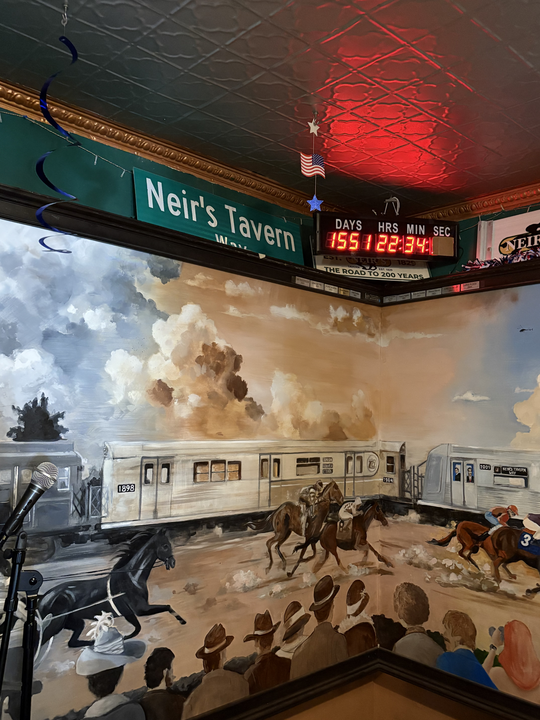
— Neir’s Tavern, in the quiet residential neighborhood of Woodhaven, Queens, once sat next to the popular Union Race Course, one of the key American sports venues of the early 19th century. Horse-racing remains in the bar’s DNA — in its insignia and on its walls.
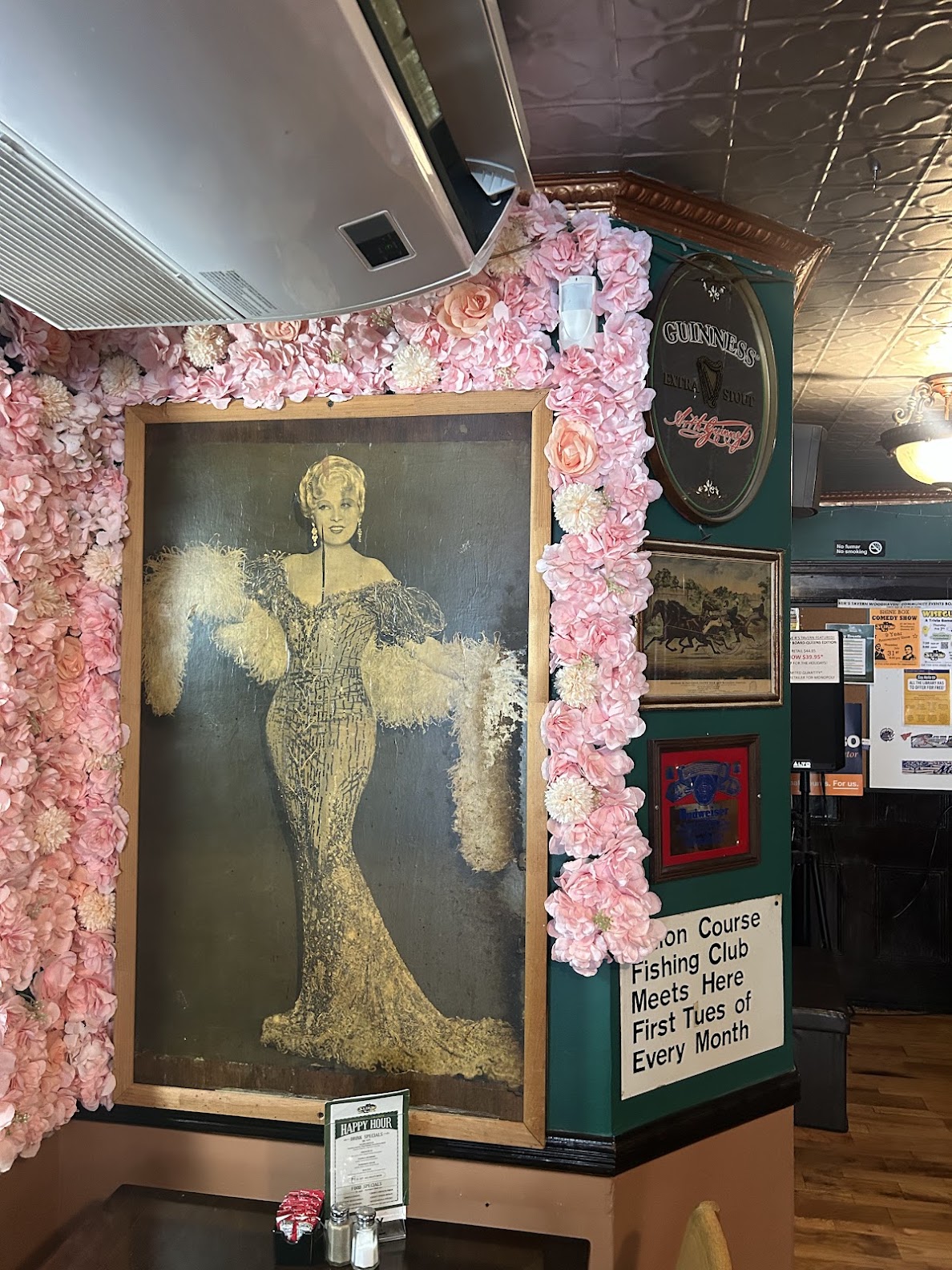
But this surprising spot may be better known for its connections to sassy queen of comedy Mae West and to the iconic Martin Scorsese film Goodfellas, which was filmed here.
PLUS: One of our favorites — the Ear Inn! AND we tell you with absolute certainty the location of the oldest tavern structure in New York City. You can’t drink beer there anymore, but next to it, you can grab a coffee and a croissant.
LISTEN NOW: THE OLDEST BARS IN NEW YORK CITY PART ONE
COMING UP NEXT WEEK: Part Two featuring two mid 19th century drinking establishments beloved by writers. And we fill out the entire list of the oldest bars in New York City
The Bowery Boys Podcast is proud to be sponsored by Founded By NYC, celebrating New York City’s 400th anniversary in 2025 and the 250th anniversary of the United States in 2026.
Read about all the exciting events and world class institutions commemorating the five boroughs legacy of groundbreaking achievements, and find ways to celebrate the city that’s always making history at Founded by NYC.
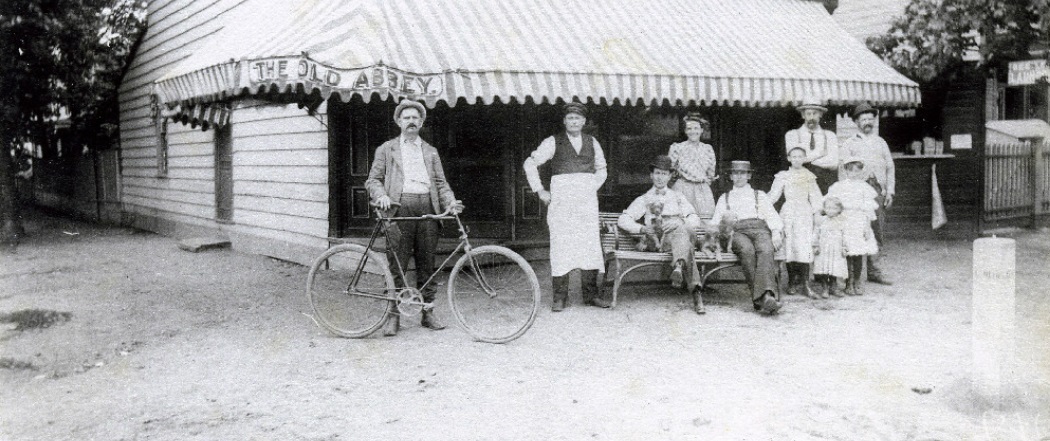
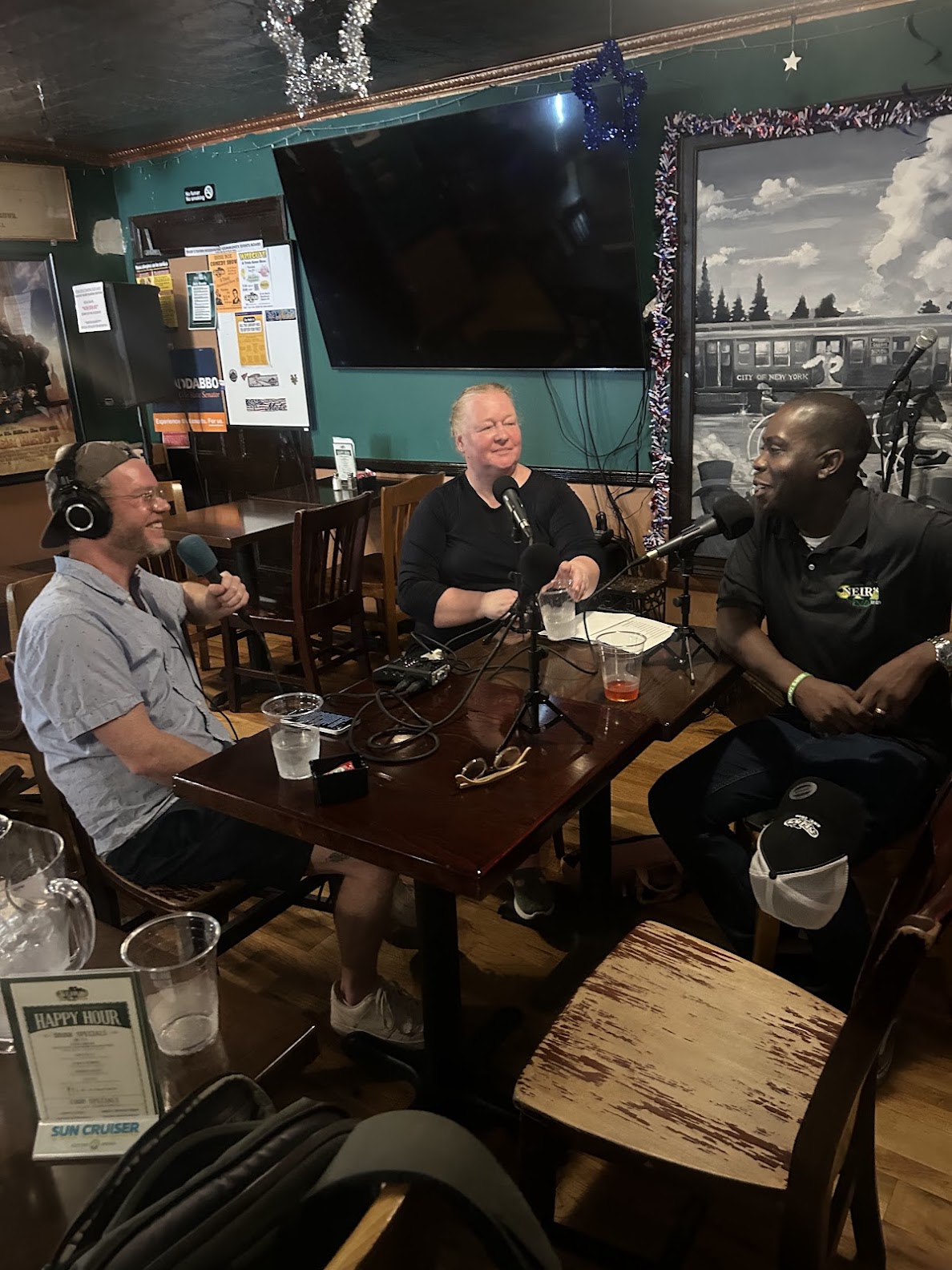
Neir’s, back when it was called the Old Abbey — and back before many streets were paved!Kieran Gannon, Ina Henderson and Loycent Gordon
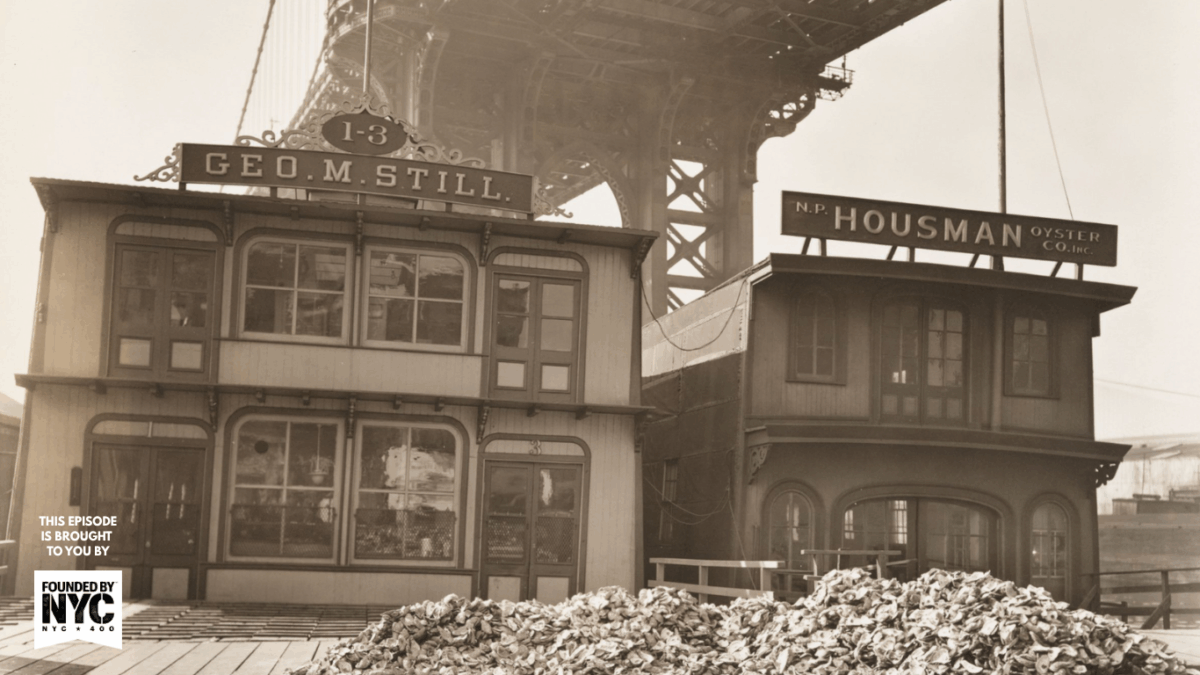
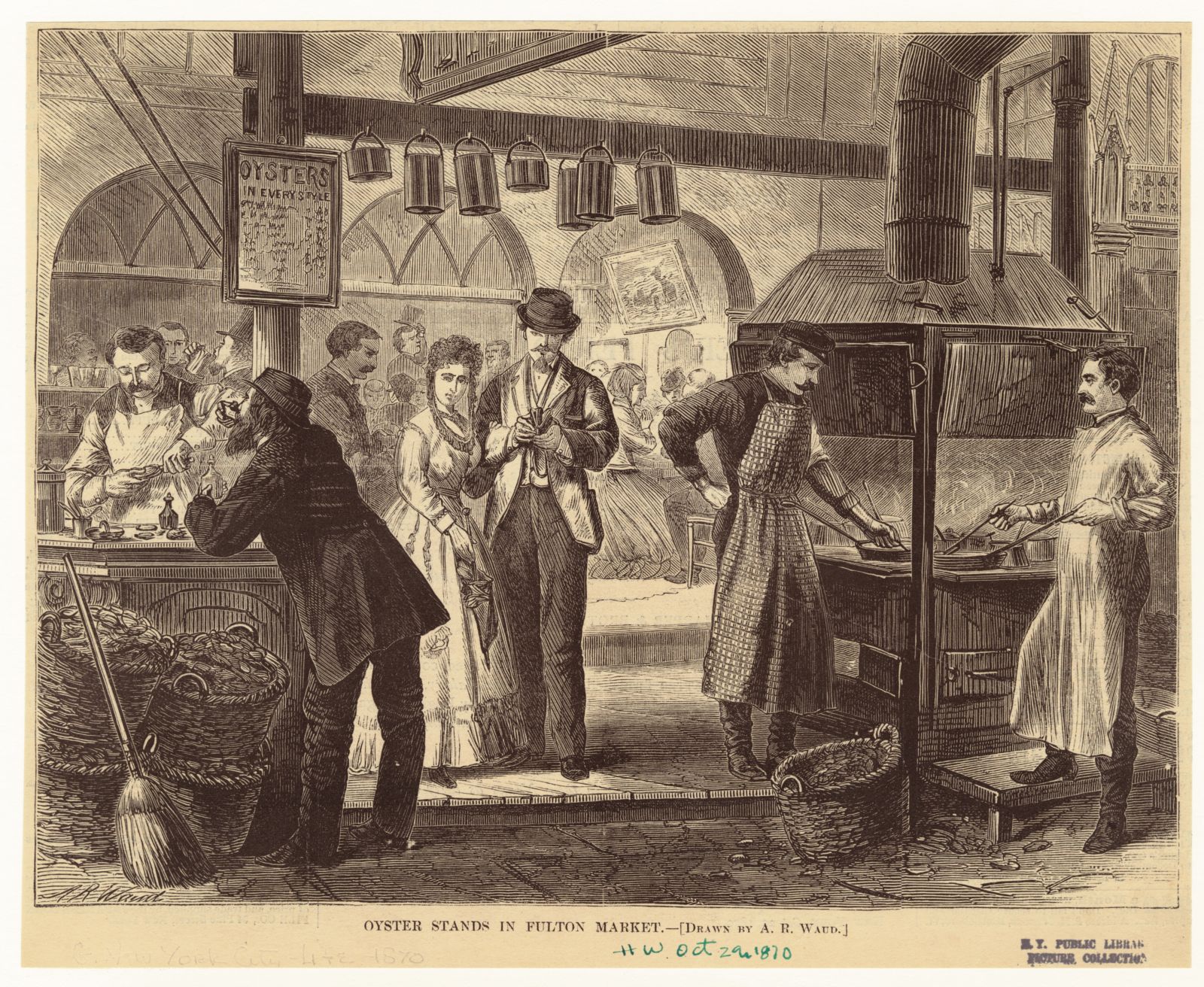
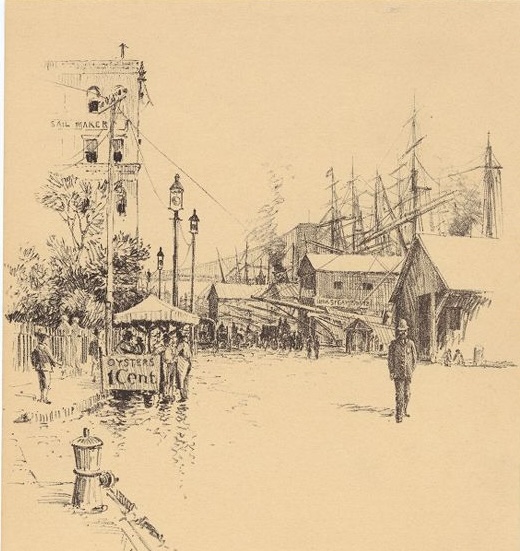
Once upon a time New York City oysters were not only plentiful and healthy in the harbor, they were an everyday, common food source. The original fast food!
For that reason, the oyster could be an official New York City mascot. Oyster farming was a major occupation. Oyster houses were an incredibly common place for people to eat. The greatest restaurants in the city served oysters, as did the small basement dives.
In many ways, they united all New Yorkers, not just from the Lower East Side to Fifth Avenue, but even with those people who came before – the Lenape indigenous tribes, the original Dutch settlers and even the colonial English.
South Street from Coenties Slip, 1898. Today the elevated FDR blocks this view. Courtesy New York Public Library
Oysters defined the New York City palate by the early 19th century. Businessmen like Thomas Downing (one of New York’s first successful Black restaurateurs) fed the stock brokers on Wall Street while the Delmonico Brothers served them on the half-shell in their new French inspired eatery.
But today — New York City oysters are inedible. And for most of the 20th century, they were functionally extinct thanks to the harbor’s notoriously poor water quality.
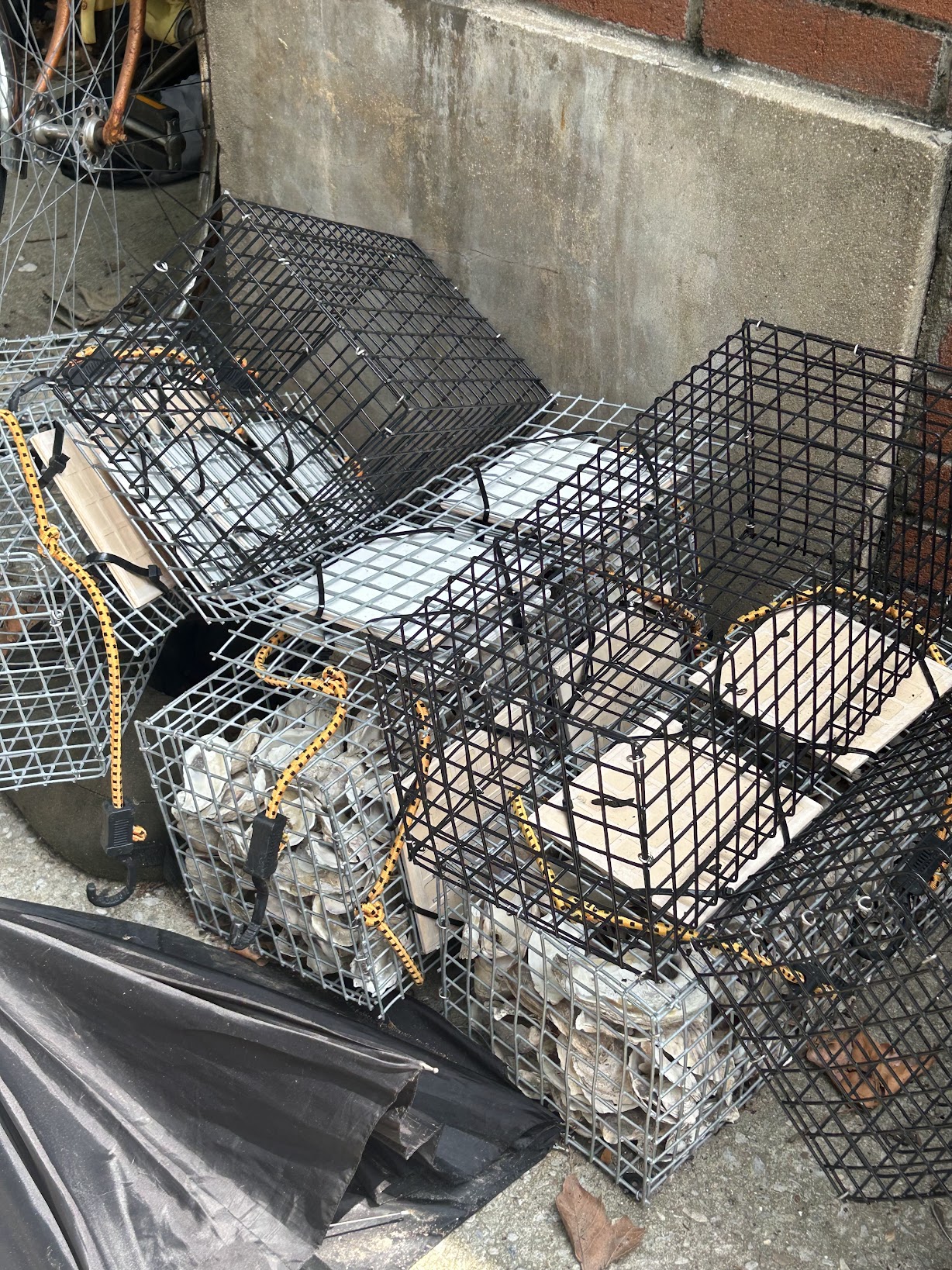
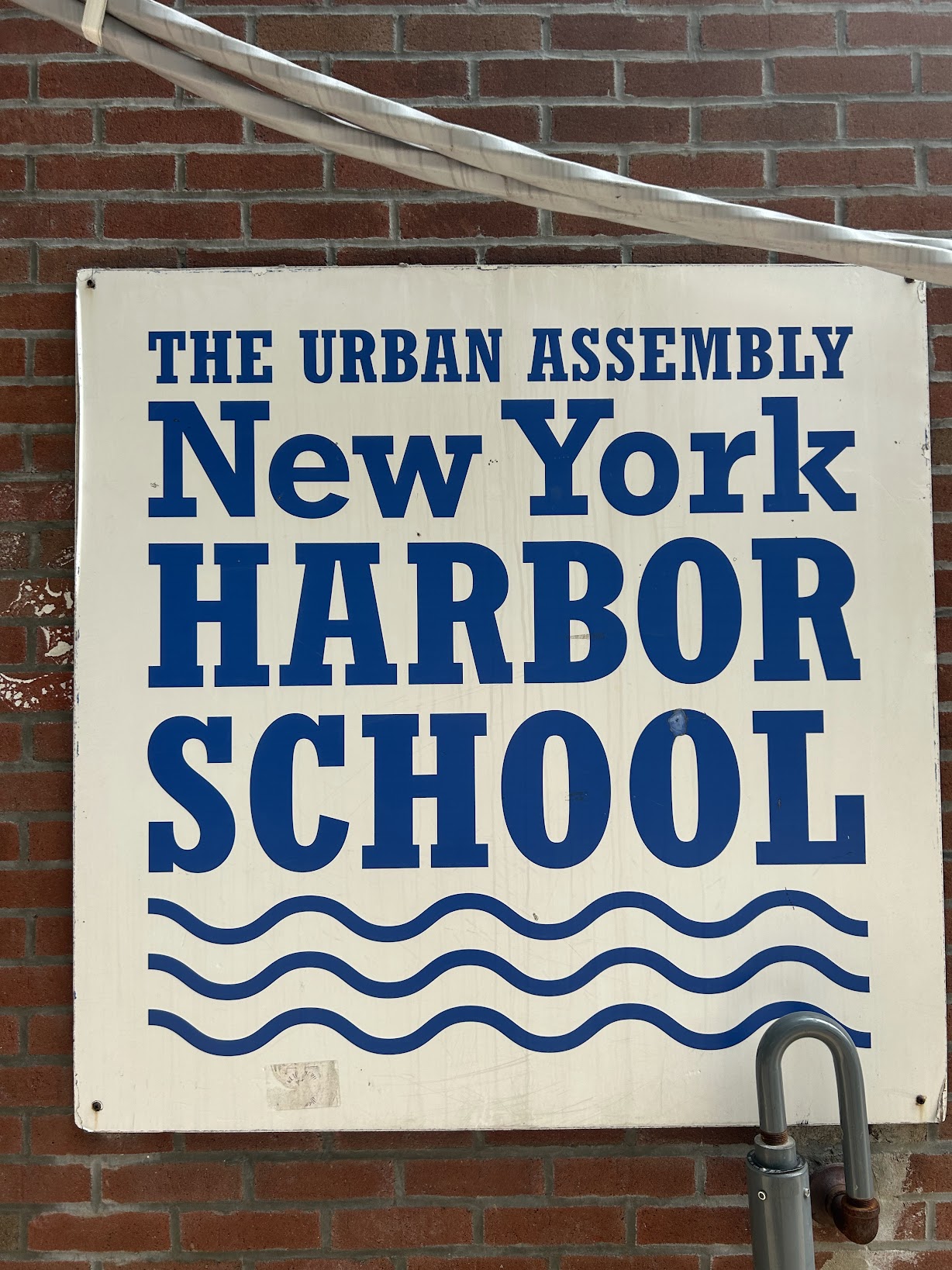
Thanks to organizations like the Billion Oyster Project, however, the oyster has returned to the harbor. And soon we may see a billion oysters — and more! Brian Reagor, director of development and communications at the Billion Oyster Project, joins Tom and Greg to discuss the fascinating process of reintroducing the oyster to its old home in New York harbor.
LISTEN NOW — NEW YORK: THE CITY OF OYSTERS
The Bowery Boys Podcast is proud to be sponsored by Founded By NYC, celebrating New York City’s 400th anniversary in 2025 and the 250th anniversary of the United States in 2026.
Read about all the exciting events and world class institutions commemorating the five boroughs legacy of groundbreaking achievements, and find ways to celebrate the city that’s always making history at Founded by NYC.
Oysters for days! An oyster shop in 1867, according to Frank Leslie’s Illustrated Newspaper.
Billion Oyster Projectwas founded in 2014 by Murray Fisher and Pete Malinowski who envisioned a healthy, biodiverse New York Harbor — and who shared the belief that restoration without education is temporary.
For more information and to look for ways to volunteer, visit their website.
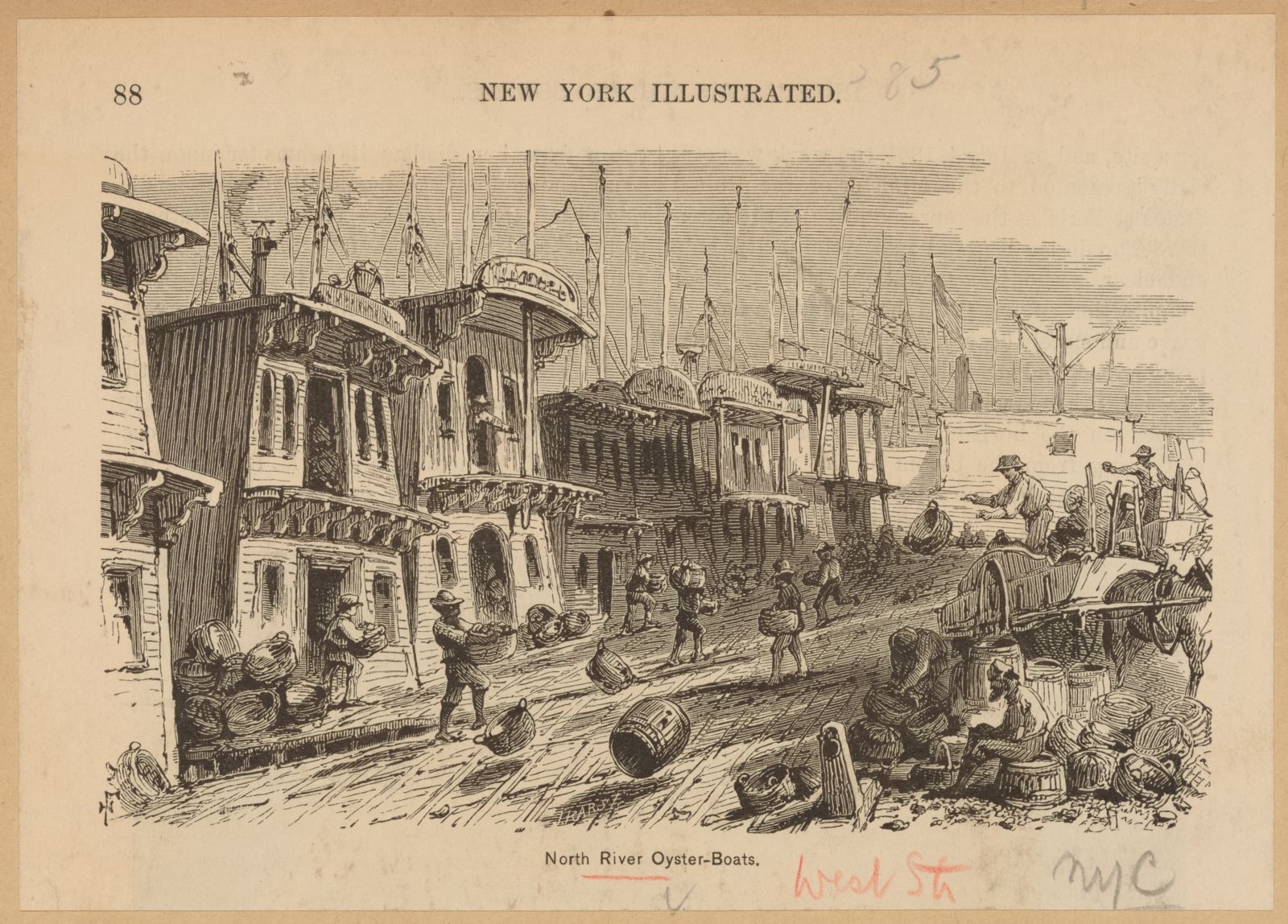
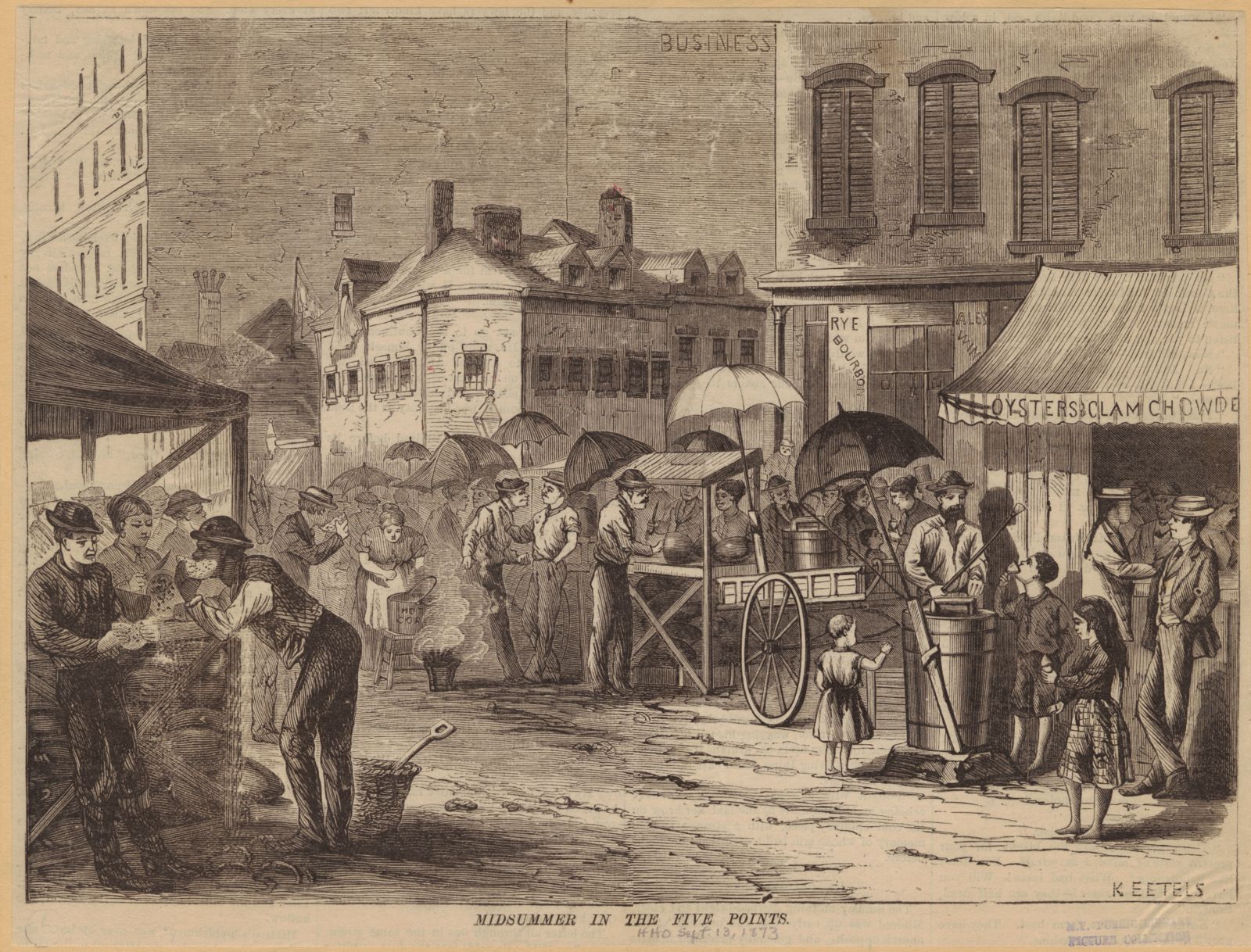
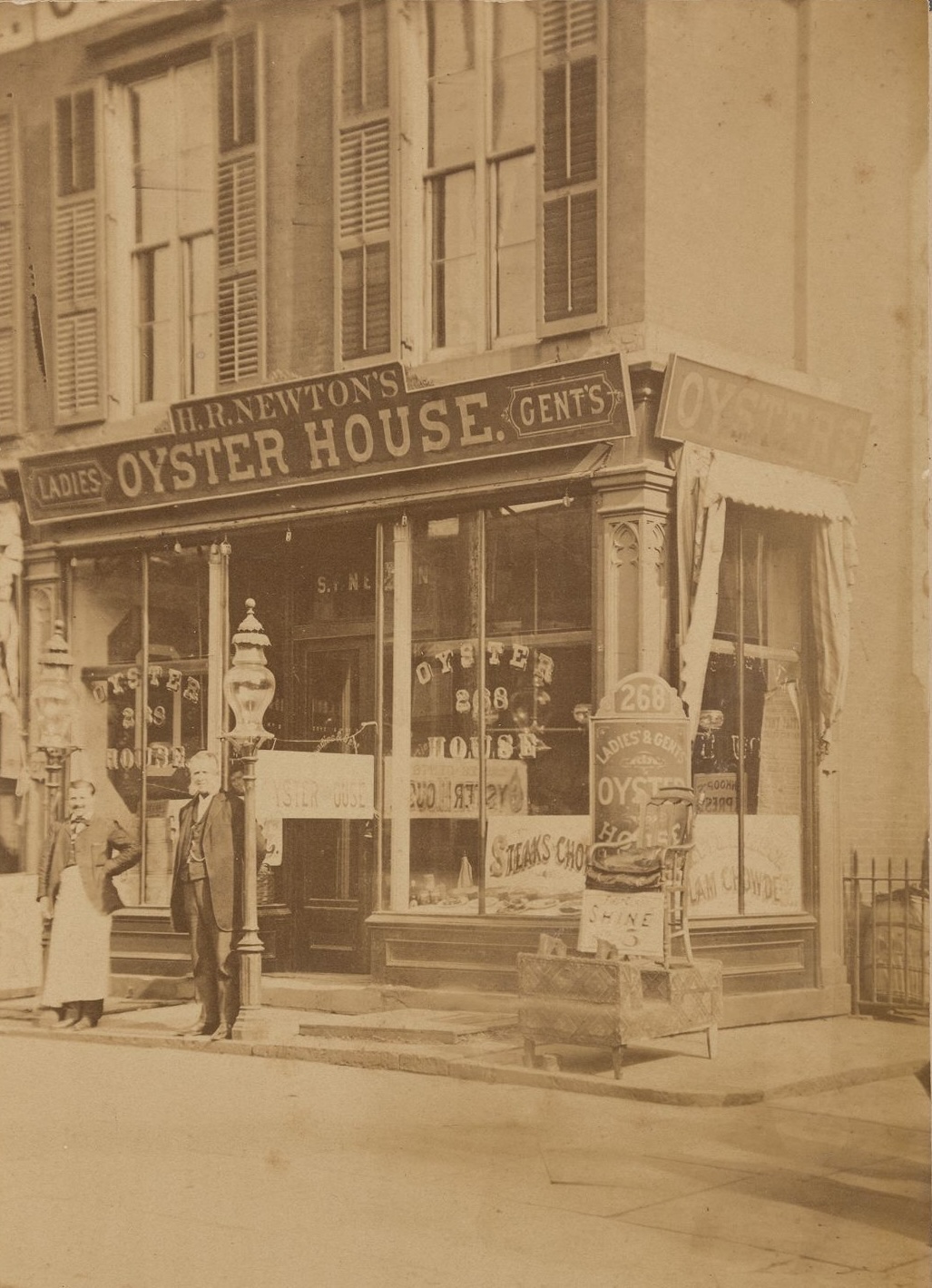
A fascinating view of the ‘North River’ (Hudson River) oyster boats, 1885. [link]Midsummer in the Five Points, 1873, from Hearth and Home magazine, courtesy New York Public LibraryHannah R. Newton’s Oyster House, photo taken 1890-94, courtesy New York Public Library. It was located at 268 Sixth Avenue, corner of 17th Street. “Her husband, Richard W. Newton (1834-1907), an oyster dealer, also farmed in Ronkonkoma, Long Island.” [link]
As we celebrate events in New York City through Founded by NYC, his week we’re celebrating Hamilton: An American Musicalwhich is marking its 10th anniversary this year – can you believe it, ten years since its debut at the Public Theater.
And Lin-Manuel Miranda and the rest of the production are celebrating with a special 10th anniversary production on August 6, 2025, at the Richard Rodgers Theater.
PLUS Leslie Odom Jr will soon be reprising his role as Aaron Burr, a role which earned him a Tony Award for Best Actor. Odom’s back in the show starting on Sept 9 for a limited run through November.
Read about Hamilton :An American Musical and all the other exciting events and world-class institutions commemorating the five boroughs’ legacy of groundbreaking achievements, and find ways to celebrate the city that’s always making history atFounded by NYC.
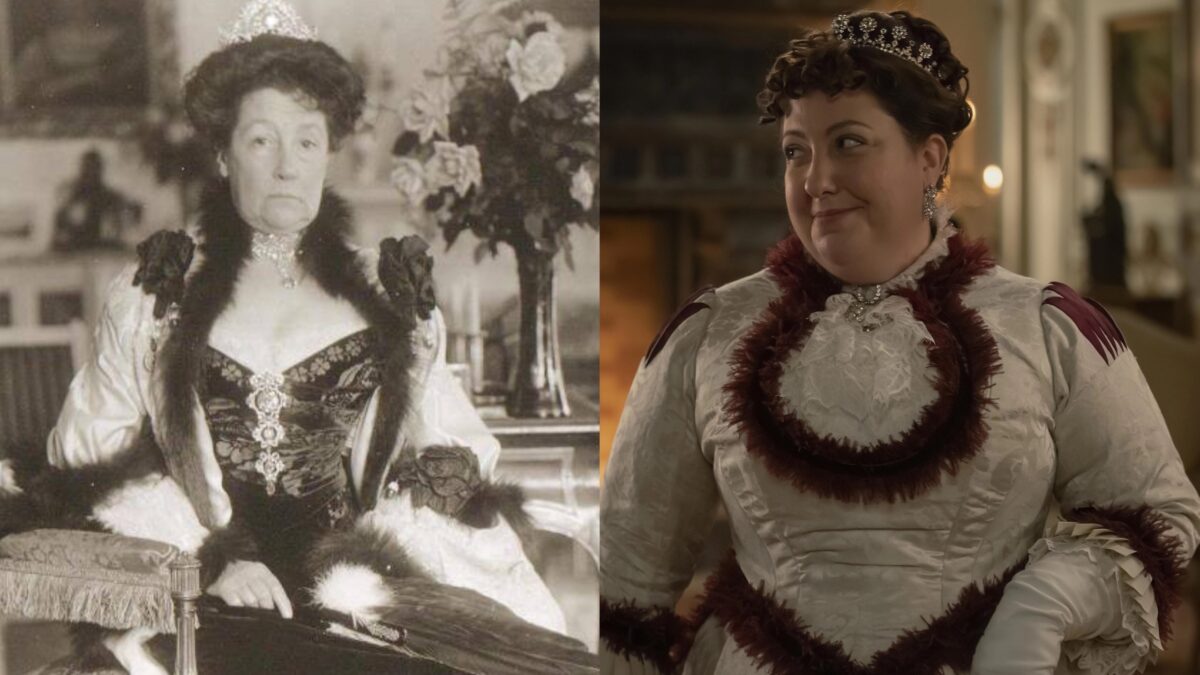
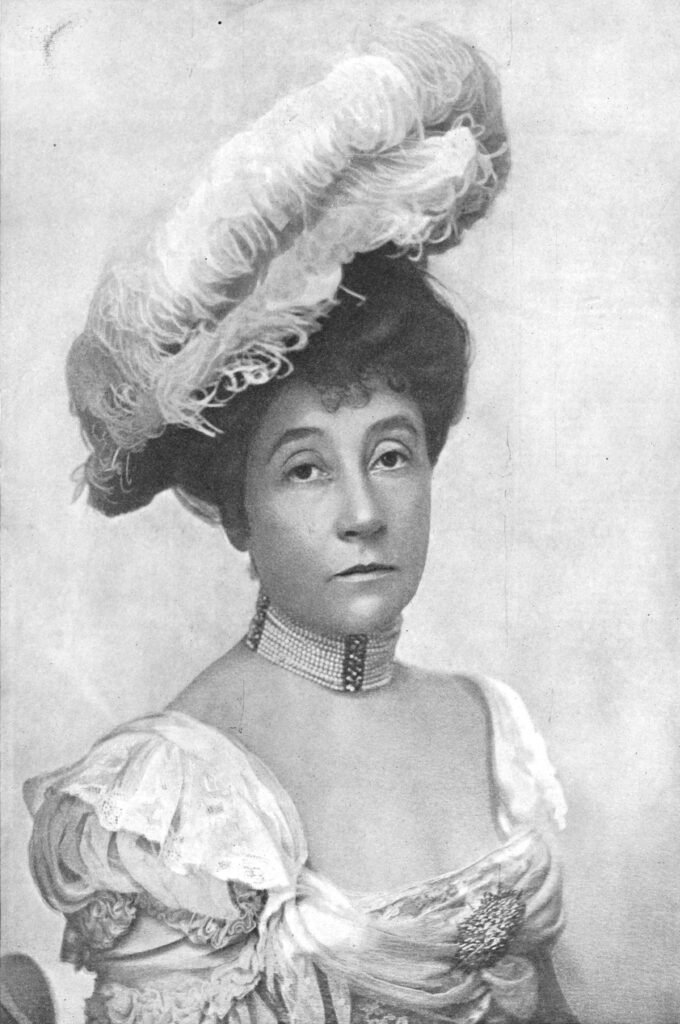
Mrs. Stuyvesant Fish, known to all as just Mamie Fish, was one of the more larger-than-life personalities of the Gilded Age, a hostess who thrived within the confines of high society.
Who was this enigma of the Newport set? Carl Raymond is joined by historian and writer Keith Taillon, a returning listener favorite, as well as actor Ashlie Atkinson who portrays Mamie Fish in HBO’s The Gilded Age for a look at this complicated but fascinating woman.
If you received an invitation to a party at Mamie Fish’s — you went.
Mamie Fish was known as a “fun maker” with an iron-clad family pedigree and enough money to compete with other Gilded Age hostesses. If yoy attended a party by Mrs. Astor’s you may have cemented your role in society. If you attended a party Mamie’s, however, you were just looking for a really good time.
Her parties bordered on the outrageous — from inviting an elephant as a guest to co-hosting the famous dinner for dogs, some of them adorned with diamond collars. But just who was Mamie Fish – and why do we find her fascinating today?
Historian Keith Taillon and actor Ashlie Atkinson offer deeply insightful perspectives on this woman who sought to break out of the role prescribed to her and shake up society.
Mamie, when looked at through a modern lens, was challenging, complicated, conflicted and certainly controversial — but given the Gilded Age’s restrictions and gender rules and roles, it’s interesting to consider how much she can also be considered a rebel and revolutionary for her time.
Listen to the latest episode of The Gilded Gentleman on Apple Podcasts, Spotify, Overcast or wherever you get your podcasts. And be sure to subscribe or follow the show to get future episodes
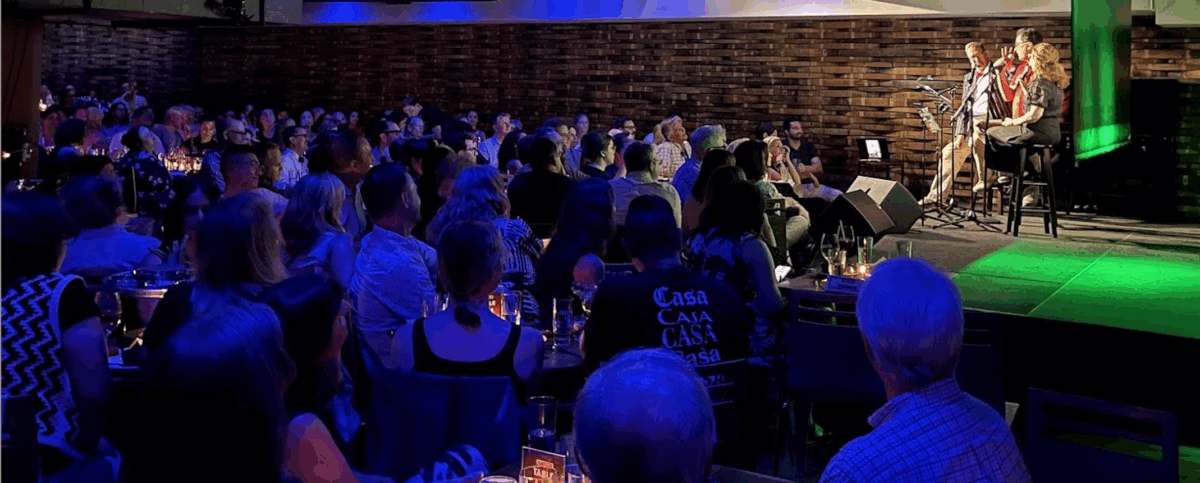
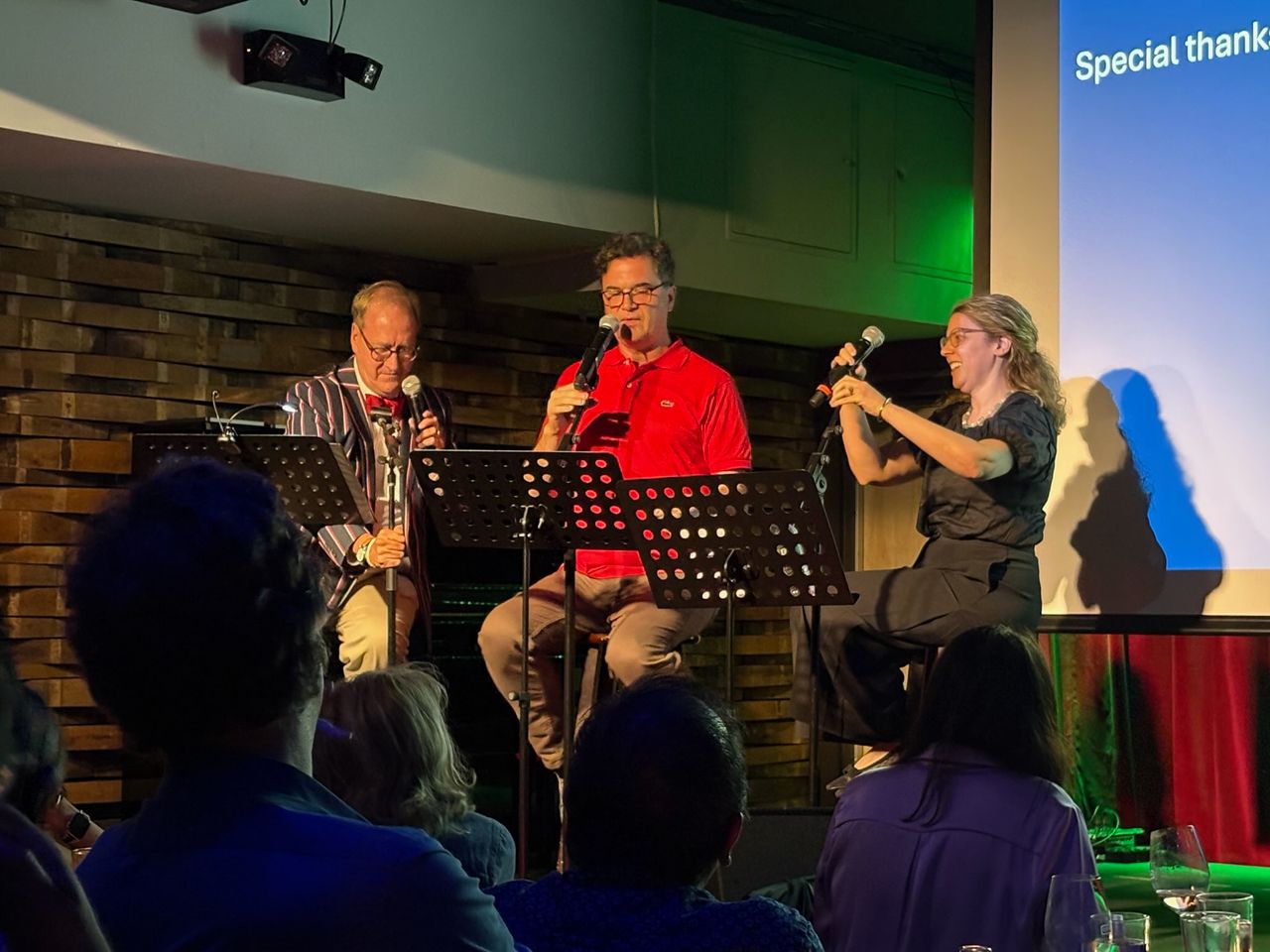
A special presentation of our live show Bowery Boys History Live, recorded at City Winery, July 2, 2025, with a very unusual theme — Gilded Age Golden Girls. Whatever could it mean? *cue the song Thank You For Being A Friend*
Bowery Boys History Liveis a storytelling cabaret of all-true tales and spellbinding secrets from the past, hosted by Greg Young of the Bowery Boys Podcast and brought to you by a rotating roster of the city’s greatest historians.
— Carl Raymond with a cheeky comparison between the ladies of high society and the four comedy queens of Palm Beach, Florida
— Elizabeth L. Block with an exploration of the Gilded Age’s great gowns, bodices and hair preparations
— Keith Taillon with a look at the life of Mrs. Astor through the places she lived
— Greg Young with the origins of the phrase ‘the Gilded Age’ and a look at five influential women of the Gilded Age that NEVER got invited to Mrs Astor’s ball
NOTE: This was a live show with slide presentations, so there may be a few moments referencing an image in the room.
The Bowery Boys Podcast is proud to be sponsored by FOUNDED BY NYC, celebrating New York City’s 400th anniversary in 2025 and the 250th anniversary of the United States in 2026. Read about all the exciting events and world class institutions commemorating the five boroughs legacy of groundbreaking achievements, and find ways to celebrate the city that’s always making history. foundedbynyc.com