So we don’t know if you’ve heard, but New York City is an expensive place to live these days. So we thought it might be time to revisit the tale of the city’s most famous district of luxury — Fifth Avenue.
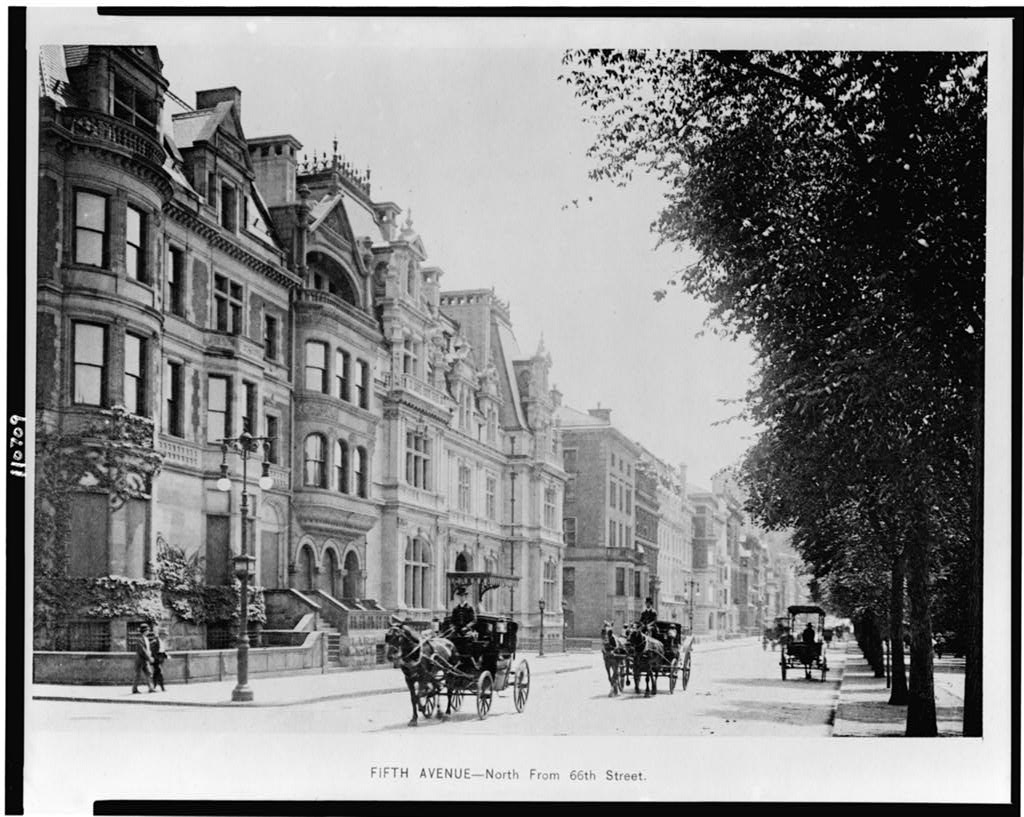
For about a hundred years, this avenue was mostly residential— but residences of the most extravagant kind.
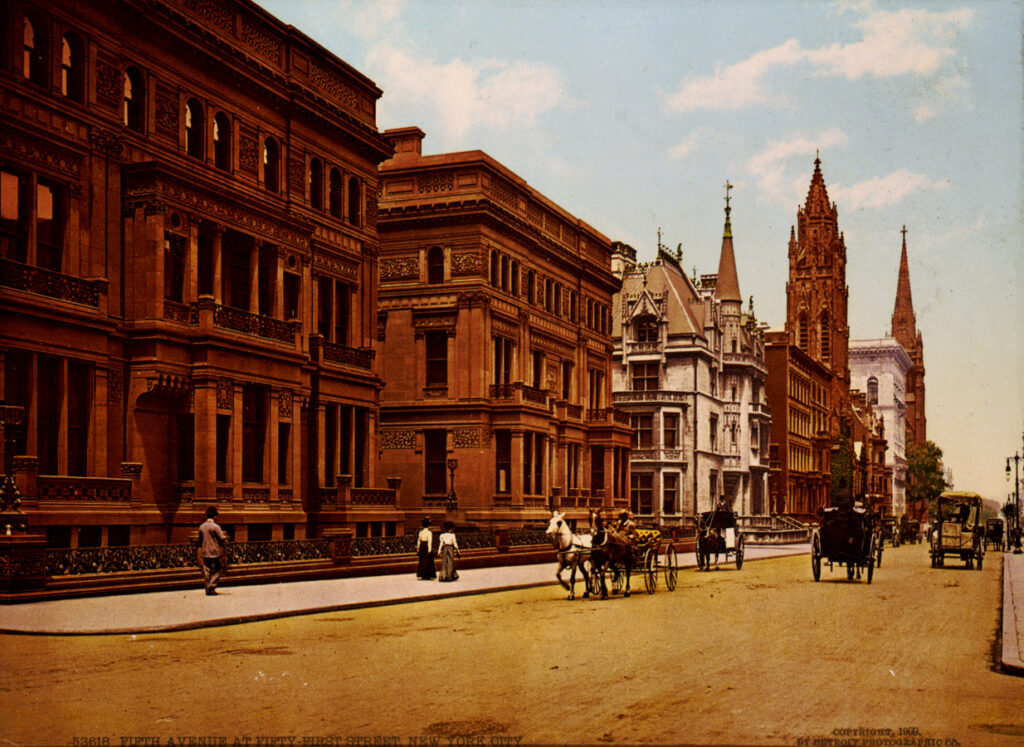
Fifth Avenue at Fifty-first Street in the year 1900. Image courtesy Library of Congress
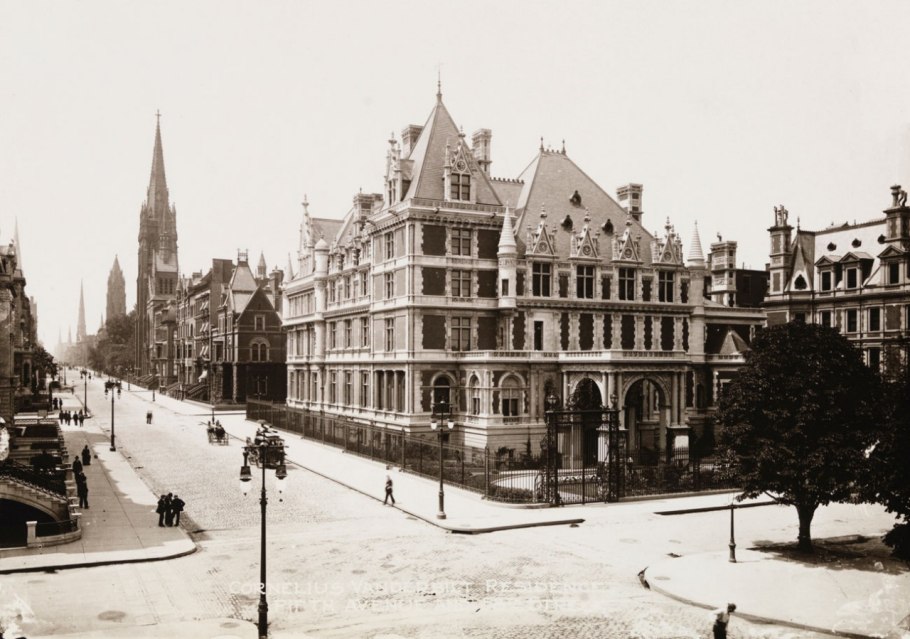
At the heart of New York’s Gilded Age — the late 19th-century era of unprecedented American wealth and excess — were families with the names Astor, Waldorf, Schermerhorn, and Vanderbilt, alongside power players like A.T. Stewart, Jay Gouldand William “Boss” Tweed.
They would all make their homes — and in the case of the Vanderbilts, their great many homes — on Manhattan’s Fifth Avenue.
The image of Fifth Avenue as a luxury retail destination today grew from the street’s aristocratic reputation in the 1800s. The rich were inextricably drawn to the avenue as early as the 1830s when rich merchants, anxious to be near the exquisite row houses of Washington Square Park, began turning it into an artery of expensive abodes.
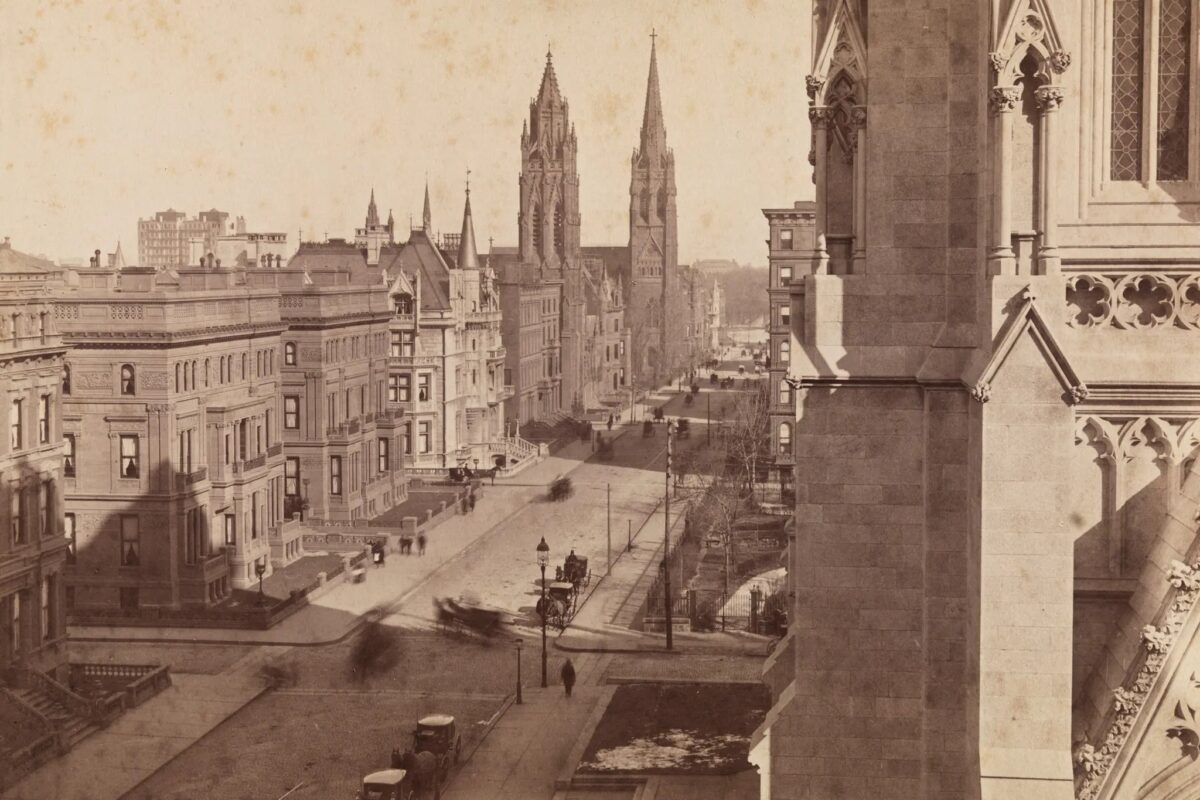
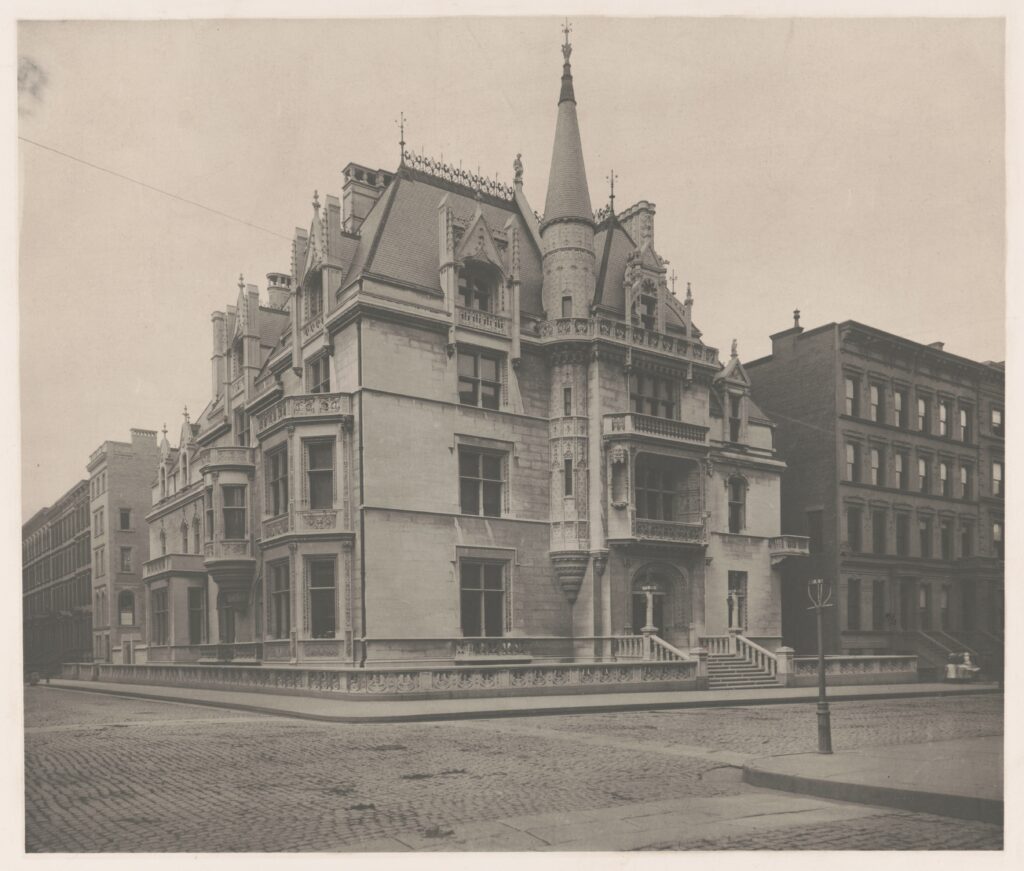
The Vanderbilt Mansion at 660 Fifth Avenue in 1885, Library of Congress
In this podcast, Tom and Greg present a world that’s somewhat hard to imagine — free-standing mansions in an exclusive corridor running right through the center of Manhattan.
Why was Fifth Avenue fated to become the domain of the so-called “Upper Ten”? And what changed about the city in the 20th century to ensure the eventual destruction of most of them?
The following is a re-edited, remastered version of two past Bowery Boys shows — the Rise and Fall of the Fifth Avenue Mansion. Combined, this tells the whole story of Fifth Avenue, from the initial development of streets in the 1820s to its Midtown transformation into a mecca of high-end shopping in the 1930s.
LISTEN NOW: THE GILDED AGE MANSIONS OF FIFTH AVENUE
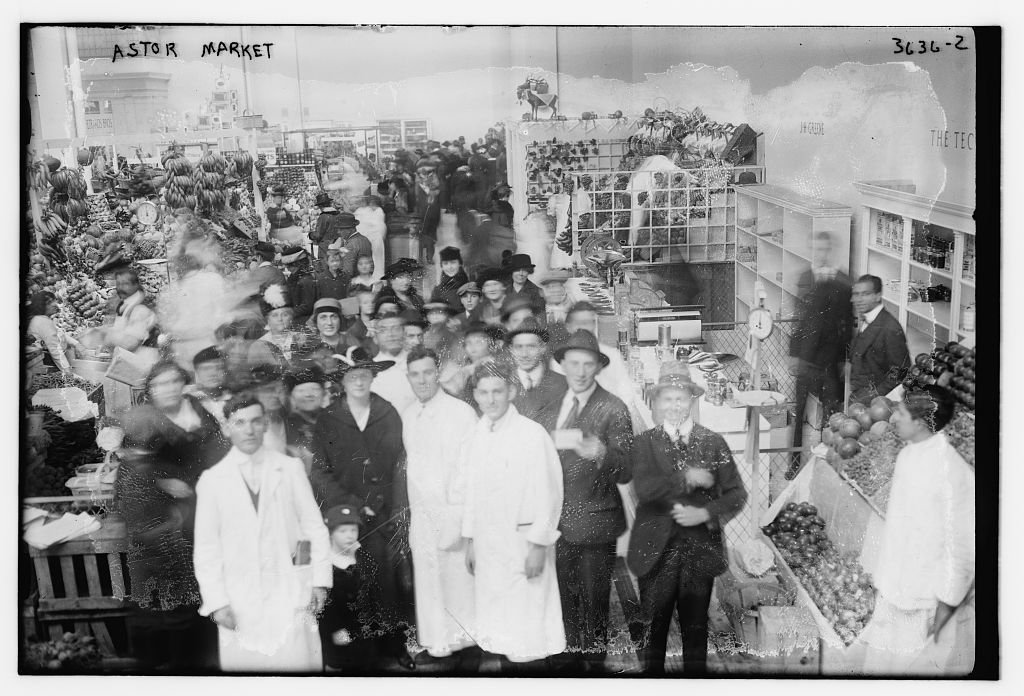
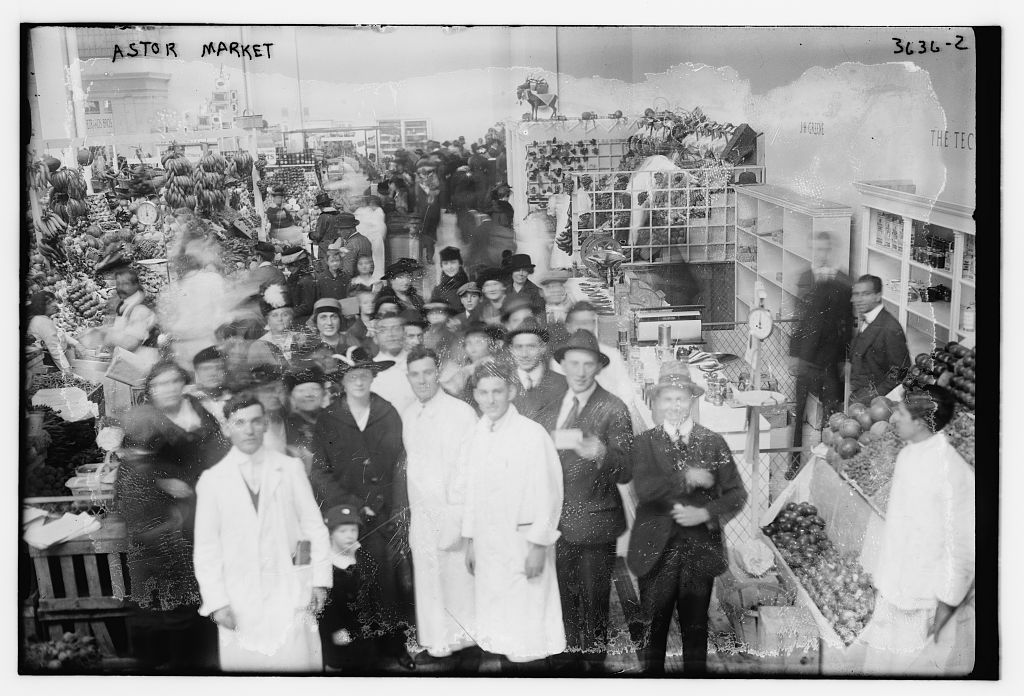
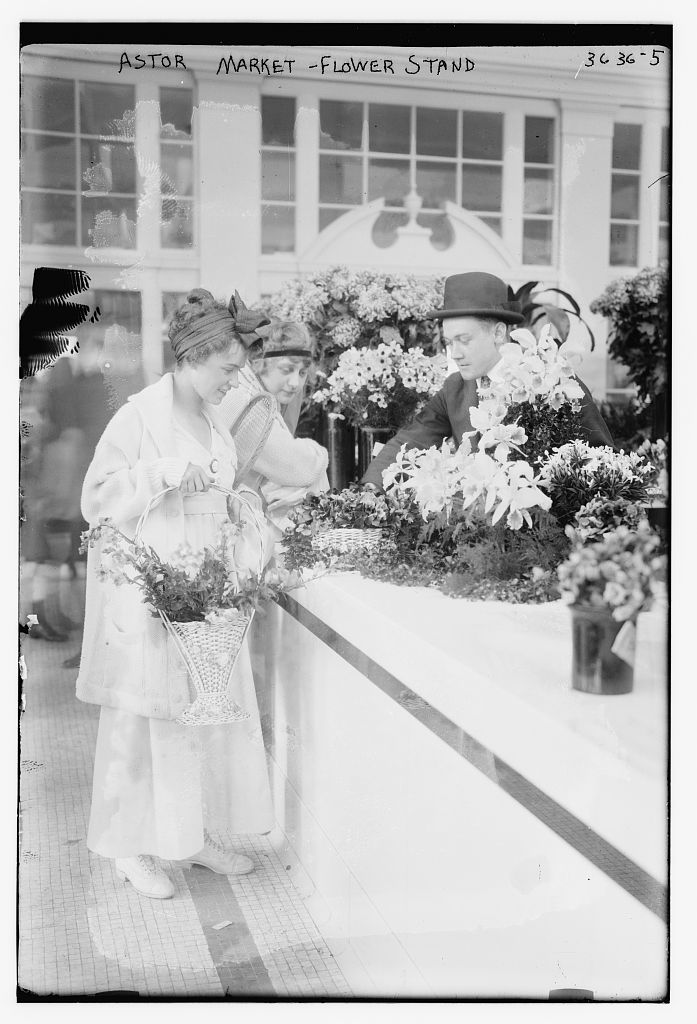
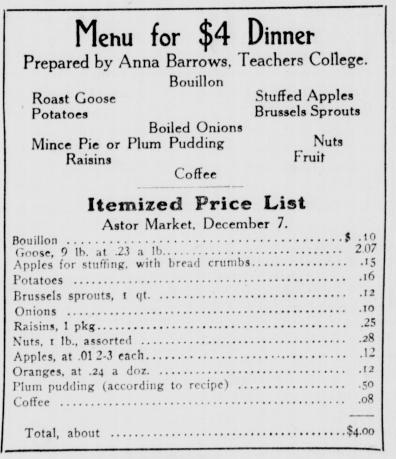
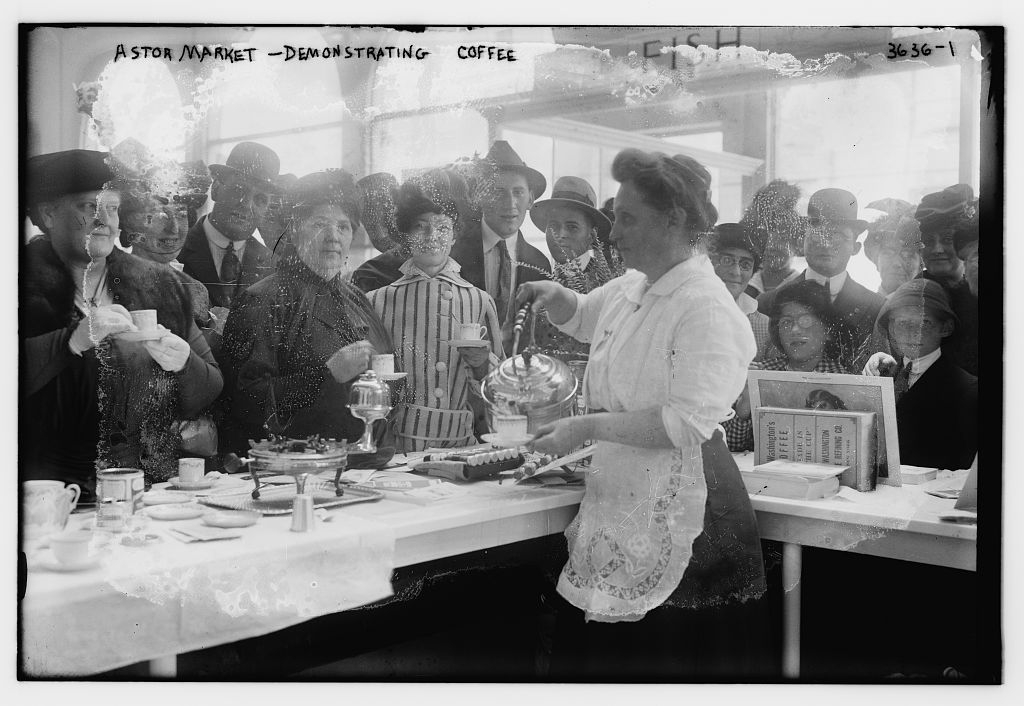
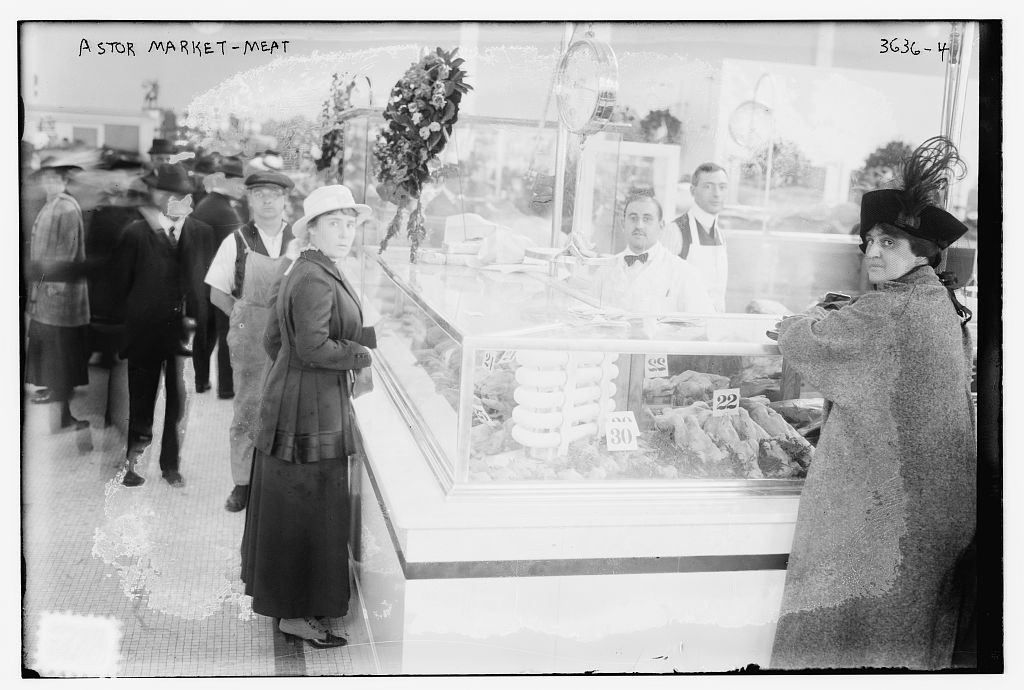
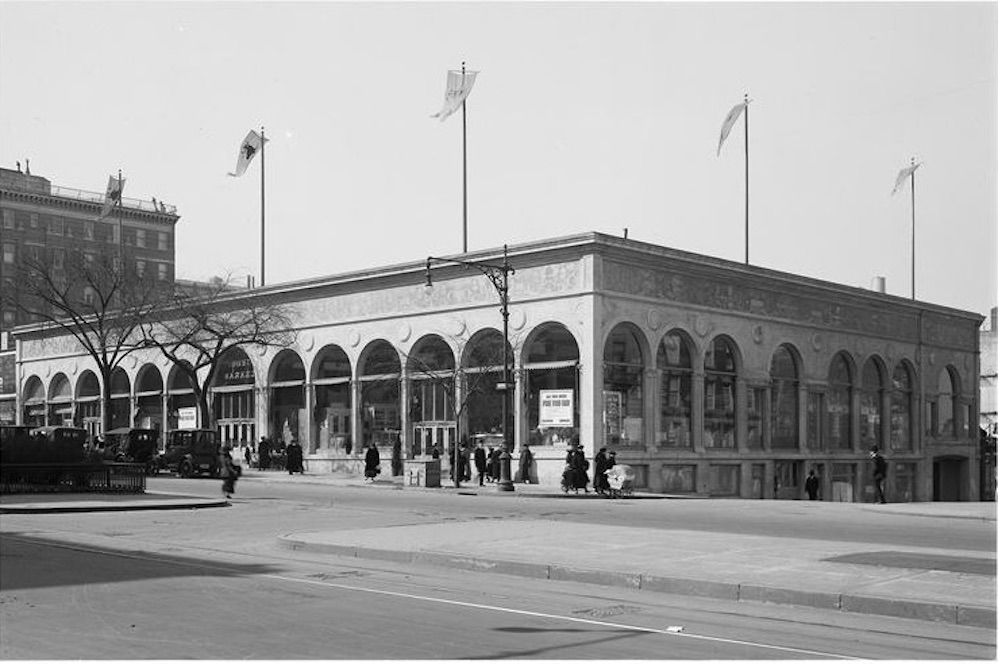
The Astor Market once sat on the corner of 95th Street and Broadway, a ‘model’ market built in 1915, devised by Vincent Astor, son of John Jacob Astor IV(and whose wife Brooke Astor may be better known to you) to combat some of the high food prices brought on by World War I.
Astor was on Mayor John Purroy Mitchel‘s market commission to solve this very problem. (Read more about New York’s wartime market woes here.)
Markets were being heavily re-conceived in New York in the 1910s. Astor would have a guiding hand in the new project. The space was to be both practical and ornate, designed by Tracy & Swartwout, better known by this time for the Yale Club.
According to the New York Times, “under the cornice ran a 290-foot-long frieze by William Mackay depicting a market procession, with farmers and dealers carrying meat, fish, poultry, fruit and vegetables in everything from medieval carts to motor trucks. “
Library of Congress
It was renown for its ultra-clean interior with nary an insect or vermin to disrupt shopping. “Mr. Tracy, the architect, boasts that a fly would starve in this market.” [source]
The city had great hopes that the Astor Market would set the standard for others in the city. “This is the last word in market building,” said the city’s commissioner of markets.
Here’s a standard Christmas menu that one could purchase at the market, printed in the 1915 New York Tribune. Coffee for eight cents!
The Astor Market is sometimes called the first supermarket. But it was a bit too experimental for its day and the market closed in 1917.
Simply put — people still preferred small and local vs. wide selection at a distance.
“Most people, on account of service and convenience, prefer to buy at the neighborhood corner grocery, with the result that in this country there is one grocery store for every 400 people.” [source]
Grocery stores of massive size would become quite popular of course — sometimes driving those neighborhood corner groceries out of business — once they offered lower prices and most people could get to them in automobiles.
Indeed the shopping revolution had already begun in the South with the opening (in 1916) of the first Piggly Wiggly, considered the first self-service grocery store.
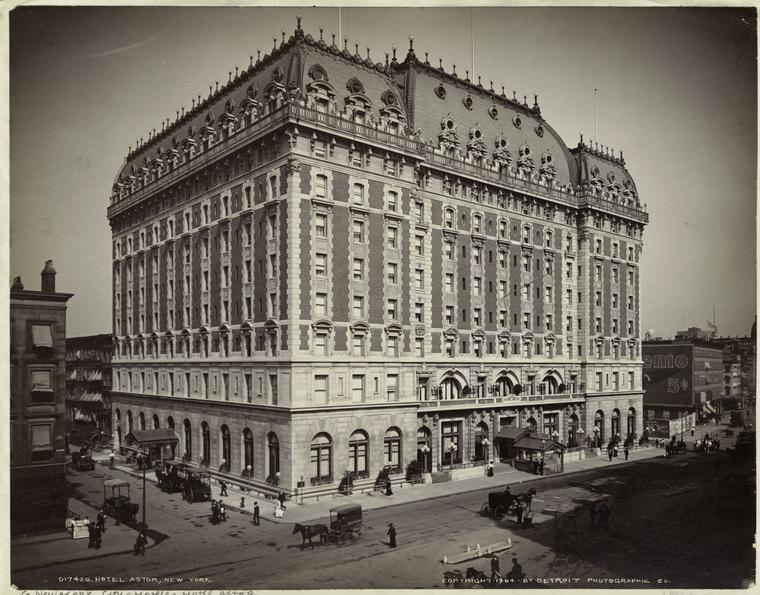
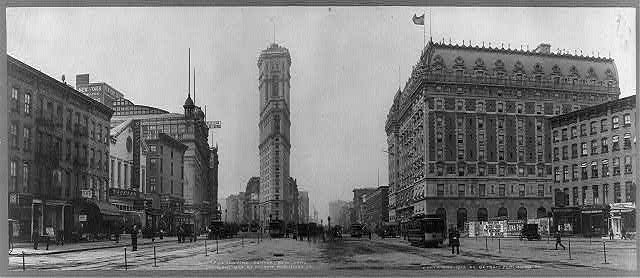
The Hotel Astor in its opening year, 1904. The Astor was a Waldorf; the Knickerbocker was an Astor. Makes sense? (Photo courtesy NYPL)
Longacre Square didn’t become Times Square without the Astor family making a lot of money. Much of the area had been farmland that had been purchased by John Jacob Astor in the 1830s. Later members of the family were not merely content to be landlords. In fact, the great family feud of the Astors and the Waldorfs brought the area its first two luxury hotels.
William Waldorf and his cousin John Jacob Astor IV were famously at odds with each other, but their disagreements produced a few striking landmarks. When Waldorf built a hotel next to the home of his old aunt, Caroline Webster Schermerhorn Astor, her son John moved her uptown and built an even bigger hotel. Voila! The two became one, the original Waldorf-Astoria on 34th Street.
A lesser known manifestation of this real estate feud waged in Times Square. Waldorf would build a spin-off of the Waldorf-Astoria at Broadway and 44th Street, an area once considered too far west for a luxury hotel. However, with the imminent arrival of a major subway station and a host of theaters, the time had arrived.
The Hotel Astor was the brainchild of German businessman William C. Muschenheim, a restaurateur and former proprietor of the New York Athletic Club. Muschenheim’s great dream was to build a hotel. Although planning one at Longacre Square seemed like a risk, it was Astor family property, and the Astors were known for their successful hotels.
With backing from William Waldorf, Muschenheim oversaw the construction of the Hotel Astor, an eleven-floor Beaux-Arts jewel stylistically related to the Waldorf-Astoria. When it opened on September 9, 1904, it seemed the gamble had paid off. Its lush ballrooms, lounges and restaurants would host the biggest soirees of Times Square’s inaugural year. A year later, its sumptuous roof garden would open, providing one of the most romantic views of the city.
John Jacob Astor IV would not be outdone by his cousin. He would soon take over a hotel project that was being constructed on the other side of the Times Building, at the southeast corner of Broadway and 42nd Street. His Hotel Knickerbocker would open in 1906.
An old McClure’s Magazine outlines the rivalry: “John Jacob also flatters William Waldorf by imitation. The latter can hardly make a move not obediently followed by his cousin. He builds the Waldorf and demonstrates his success; John Jacob follows with the Astoria. He goes up to Longacre Square and builds the Hotel Astor; John Jacob takes the hint and puts up the Knickerbocker.”
But John Jacob, who would perish on the Titanic in 1912, would have the last laugh. The Knickerbocker still sits in Times Square today, no longer a hotel but graced with a Gap clothing store on its ground floor. The Hotel Astor would vanish in 1967, to be replaced with the office tower known as One Astor Plaza today — the home of Viacom and The Lion King (in the third floor Minskoff Theatre).
The scene so far: The Packard Motor Car store (which I wrote about Monday) is on the left. The new offices of the New York Times are in the middle. The Hotel Astor is at right. The photographer of this scene has his back facing the Trimble Whiskey written about yesterday.
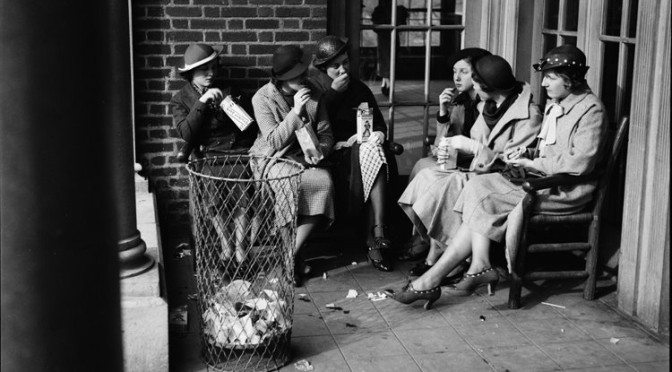
ABOVE: These are the ladies who lunch in Prospect Park 1935
We talk about a lot of white men on the Bowery Boys podcast. When
discussing the mainstream history of the city, it’s pretty unavoidable.
Men had the money, the power, the influence. Not to mention most of the
corruption, the crime, the scandal.
So as Women’s History Month draws to a close (okay, I’m one day
late), I thought I’d make a very opinionated list of the 25 women who
made the biggest impact to the city of New York, at least as seen by
this humble blogger and podcaster.
There have obviously been many, many New York-based women whose
contributions changed the country and the world. There are your
feminists (Elizabeth Cady Stanton), your activists (Ella Baker), your
entrepreneurs (Estee Lauder), your tastemakers (Diana Vreeland) and your
entertainers (Madonna).
But these 25 helped shape
the actual city itself. The neighborhoods, populations and culture, to
be sure. But most importantly, they each effected perceptions of the
city, both to its residents and outward to the world. (Thus, for
instance, you’ll note my heavy emphasis on preservationists.)
This is not an ultimate list. I obviously do not know the impact of
every woman who ever lived in New York City. Many women communicated
power through wealth and property; I don’t have the social register from
every season and cannot gauge the influence of every bold-faced name.
These are just 25 that have crossed my path since we started the Bowery
Boys that I just wanted to celebrate today.
I’ve obviously missed out on a few, so if you have a
particular favorite that’s missing, please put them in the comment
section. At the bottom I have a list of ladies that made my personal
honorable mention. So here we go!
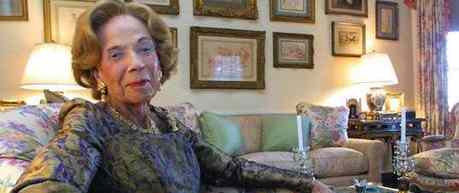
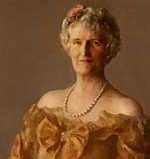
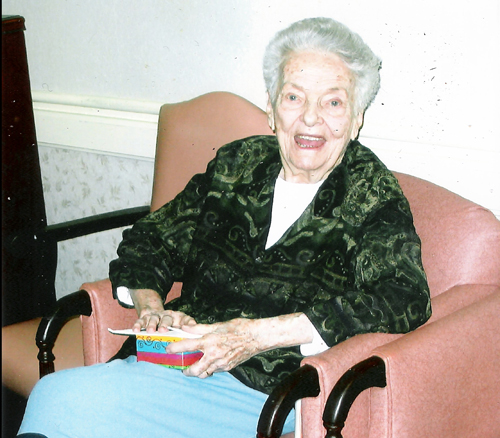
Brooke Astor (1902-2007)
Philanthropist
She was the last of the socialites, as they say. The queen of old
American money, for 105 years Astor ruled as the last official vestige
of one of Manhattan’s wealthiest families, setting a standard for
philanthropy and sadly leaving an uncertain legacy amid scandals
involving her heirs.
Power is the ability to do good things for others. — Brooke Astor
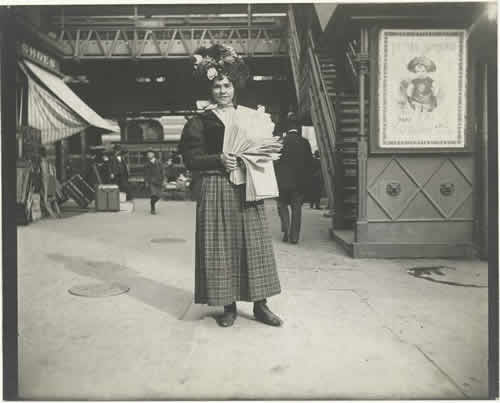
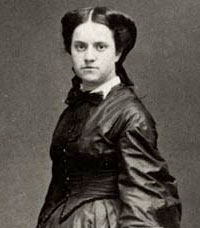
Alice Austen (1866-1952)
Photographer
Few saw the Gilded Age city quite as Austen did, a Staten Island
native who captured the beauties of New York, the horrors of Ellis
Island’s quarantine station, and the wonders of the world, but probably
took her best shots from her own backyard at Clear Comfort, in Rosebank,
SI.
Below: a girl newsie in 1896, as captured by Austen
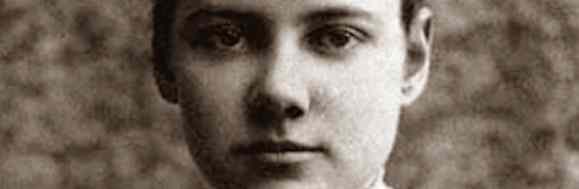
Nellie Bly (1864-1922)
Journalist
Her bravery, curiosity and outright nerve made her a writer of
international fame, one of the first investigative journalists in the
age of sensational journalism. But the story that put her on the map was
her undercover expose at Blackwell’s Island, ripping open the abuses of
New York’s island of untouchables, changing how the city thought about
both the infirm and the incarcerated.
Could I pass a week in the insane ward at Blackwell’s Island? I said I could and I would. And I did. — Nellie Bly
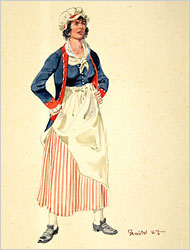
Margaret Corbin (1751-1800)
Revolutionary
Things were so precarious in the fall of 1776, the dawn of the
Revolution, that anyone who lived in New York might have turned the tide
of war. Many women did their part to battle the British, from Mary Lindlay Murray the to the mysterious Agent 355,
a shrouded spy among the British. But Corbin is notable not just for
particular bravery but for sacrifice; she continued to lob cannon fire
at the British from Fort Washington in today’s Washington Heights well
after her husband was killed. Corbin herself was later imprisoned by the
British. Today the street along Fort Tryon is named for her.
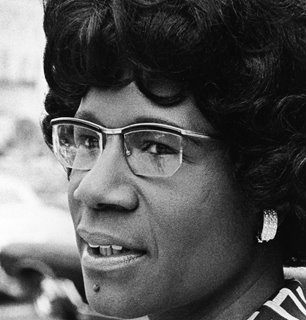
Shirley Chisholm (1924-2005)
Trailblazer
The pride of Bedford-Stuyvesant maneuvering through the precarious world
of New York politics, Chisholm won a seat in the state legislature in
1964 but always dreamed to represent Brooklyn on a national level, in
the U.S House of Representatives. She finally got her wish to represent
her neighborhood when redistricting lines were finally redrawn — finally
allowing a black candidate to run (and win) in a largely black
community — and won her seat in Congress in 1968. Shirley never
disguised her ties to her beloved Brooklyn neighborhood, even as a
candidate for president of the United States.
That I am a national figure because I
was the first person in 192 years to be at once a congressman, black
and a woman proves, I think, that our society is not yet either just or
free. — Shirley Chisholm
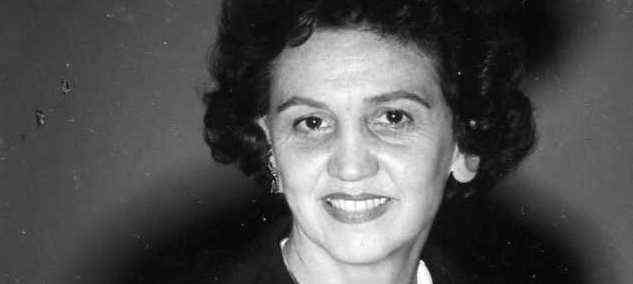
Margot Gayle (1908-2008)
Community leader
Gayle, who died last year at age 100, loved her Victorian
architecture and in particular cast-iron, the antiquated style of
downtown New York warehouses. Seeing destruction imminent, she decided
to save what she considered one of the city’s most neglected treasures.
Forming her first community group in the 1950s to save castle-like
Jefferson Market Courthouse, Gayle galvanized a grassroots architecture
movement.
There might be no SoHo without Gayle; as a campaigner, her work in
saving and preserving this heretofore disregarded part of downtown led
to one of Manhattan’s great neighborhood success stories. The SoHo Cast
Iron Historic District exists due to her efforts. And, more importantly,
her work became a template for how future neighborhoods could be
revitalized. (Read her Times obituary here).
Emma Goldman (1869-1940)
Agitator
Probably the most influential anarchist in American history, Goldman
promoted the rights of workers and upended the role of women in New York
politics. The Russian-born activist made her name on the streets of
Manhattan, stirring Bohemia and workers alike, butting heads with most
of New York’s leading industrialists in the process.
Her views are controversial, often horrifying by today’s standards.
(She once ordered the assassination of Henry Clay Frick, for instance.)
But her powers as an orator and rabble-rouser are unquestioned; her
stirring words in Union Square (pictured above) during the panic of 1893
gave voice to the outrage of the city.
If voting changed anything, they’d make it illegal. — Emma Goldman
Leona Helmsley (1920-2007)
Magnate
Leona and her husband Harry reigned over a vast Manhattan empire of
highrises and hotels, permanently changing Park and Madison avenues,
helping transform New York into a city of condominiums. Her status as
the Queen of Mean also formed the modern caricature of overbearing and
out of touch wealthy elite. Later convicted of tax evasion, Leona died
in 2007 a laughing-stock. (That Suzanne Pleshette film
didn’t help either.) But her reach extends through many of the city’s
great iconic buildings, including the Empire State Building, which she
and her husband once managed.
Billie Holiday (1915-1959)
Chanteuse
Of all the thousands of entertainers that have left their imprint on the
city, Holiday’s is the one that makes the deepest impact. Her entire
story — her birth, her rise to fame, her indiscretions and her tragic
death — takes place in New York. Her greatest performances electrified
and reshaped race assumptions in 1930s and 40s nightlife; legendary
nights at places like Cafe Society ensured entertainment would no longer
be strictly a black and white affair. Her performance style is emulated
nightly in cabarets and clubs throughout the city.
Ada Louise Huxtable (1921-2013)
Critic
She is the best known woman in twentieth century architecture, and she
isn’t even an architect. It’s hard to analyze the history of any
building without first checking in with Ada to see what she has to say
on the matter. Her writing is elegant, persnickety, direct and
affectionate to architectural aesthetic as a whole, and New York City in
specific. As a writer for the New York Times and Wall Street Journal,
Huxtable directed New York’s architecture scene from behind her desk,
excoriating designers for excess or dullness, praising beauty when it
improved the city’s legendary skyline.
I like old buildings that are
intriguing and quite wonderful but don’t make the history books. What
you discover is there’s a little group of people that have been admiring
them quietly by themselves all along. — Ada Louise Huxtable
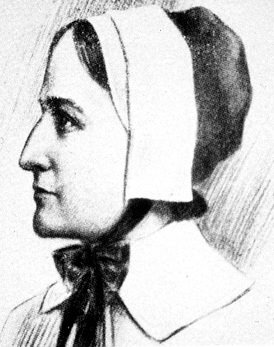
Anne Hutchinson (1591-1643)
Dissident
Escaping persecution in both Puritan Massachusetts and Rhode Island,
religious revolutionary Hutchinson and her followers settled in today’s
area of the North Bronx in the 1640s, one of two significant female
leaders in the early New York area. Although she was later murdered —
Lenapes wiped out the settlement in 1643, a victim of New Amsterdam’s
persistent conflicts with native tribes — she still leaves her mark
today. The Hutchinson River and Parkway both carry her name.
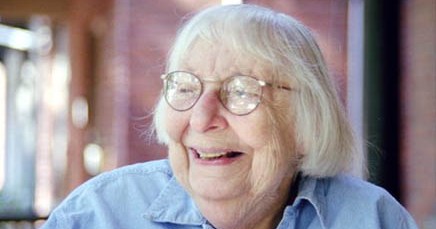
Jane Jacobs (1916-2006)
Community defender
Her theories on urban life have benefited many North American cities,
but it was her struggles to save neighborhoods from Robert Moses and
the rise of car culture in the 1950s and 60s that make her most
influential today. The entirely of downtown Manhattan has her to thank
for fighting back — and ultimately defeating — Moses’ destructive Lower
Manhattan Expressway proposal. The theories described in her classic
“Death and Life of Great American Cities” were shaped from observing
life from her window at 555 Hudson Street in the West Village.
Cities have the capability of providing something for
everybody, only because, and only when, they are created by everybody. —
Jane Jacobs
Lady Deborah Moody (1586 – 1659)
Founder
The British-born Moody, like Hutchinson, took to the unknown when
persecuted for her religious beliefs. With the permission of William
Kieft, the “dangerous” Moody set up the colony of Gravesend in 1645,
becoming the first female founder of an American colony. Gravesend was
one of the original towns of Brooklyn and is still the name of a south
Brooklyn neighborhood today.
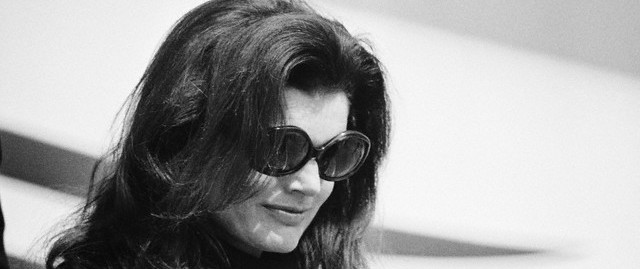
Jackie Kennedy Onassis (1929-1994)
Icon
Settling in New York after the deaths of two husbands, Onassis was
the biggest bold-faced name in the city, famously suffering the
intrusive effects of paparazzi. However she used her headline grabbing
name wisely as a member of the Municipal Art Society, helping defend
Grand Central Station, Columbus Circle and Staten Island’s Snug Harbor
from modification or outright destruction. The Central Parks reservoir
is named in her honor, and MAS gives out a yearly Jackie Kennedy Onassis
Medal to noteworthy New Yorkers. (Margot Gayle received it in 1997.)
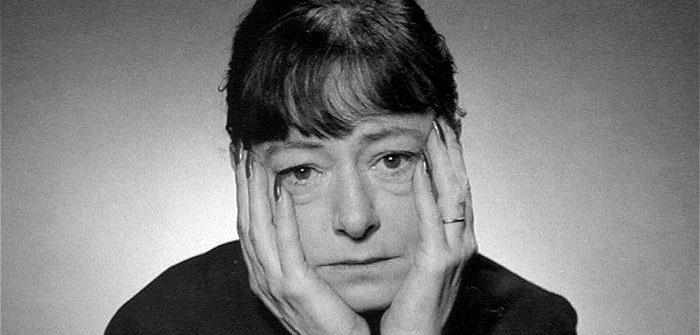
Dorothy Parker (1893-1967)
Wit
As doyenne of the Algonquin Round Table, Parker had the sharpest
friends in town in the 1920s. Her droll charm helped create the
archetype of New York caustic intellectualism, something Woody Allen,
Fran Lebowitz and an entire culture of New Yorker readers can well
recognize.
I’d rather have a bottle in front of me, than a frontal lobotomy. — Dorothy Parker
Abby Aldrich Rockefeller (1874-1948)
Collector
She could very well have stayed in the sidelines with the other
spouses of multi-millionares. But Abby’s tastes and passions for modern
art led her to an astonishing collection she kept on an upper floor of
her townhouse, away from her husband J.D. Rockefeller Jr., who didn’t
much care for those odd little pictures. Years later, that townhouse
would give way to Abby’s pet project, the Museum of Modern Art, one of
the most influential galleries for 20th Century art. Her memory is kept
alive at the museum with the Abby Aldrich Rockefeller Sculpture Garden.
Emily Warren Roebling (1843-1903)
Bridge Builder
Construction on the Brooklyn Bridge had barely begun when her husband
and master engineer Washington Roebling came down with crippling
symptoms of the Bends. Emily at first operated only as his eyes and
ears, but soon grew into the role of leading the completion of New
York’s first great bridge. Ceremonially, she was the first person to
cross it.
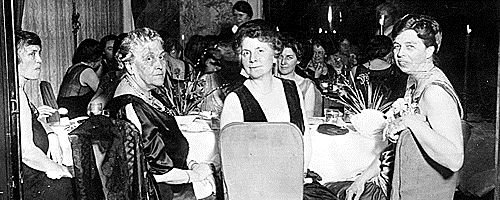
Eleanor Roosevelt (1884-1962)
World Leader
One of the most powerful American women to have ever lived was a New
Yorker through and through. Her aristocratic name may have opened doors
for her early on, but her compassion and ingenuity would soon set her
apart, first as a social worker in Manhattan slums, then as the spouse
of a governor and president. She returned to New York after FDR’s death
to become a U.S. delegate to the United Nations. (Above: Eleanor with
New York City society women.)
Beautiful young people are accidents of nature, but beautiful old people are works of art. — Eleanor Roosevelt
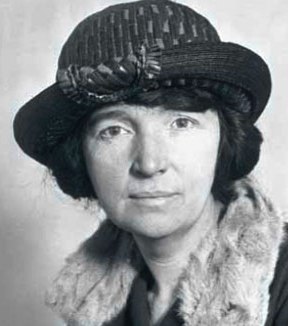
Margaret Sanger (1879-1966)
Rebel
Her influence in the fields of reproduction and birth control would
eventually go global, but all nurse Sanger really wanted to do at first
was help out women in the Lower East Side. From her work in the slums,
Sanger believed radical action was neccessary to control the rising tide
of pregnancies, leading to larger families and greater poverty. In 1917
she opened New York’s first birth control clinic in Brooklyn and was
promptly thrown in jail. Ten years later, her innovations as an educator
in birth control — she’s the mother of Planned Parenthood! — would
catch on worldwide.
During these years in New York more and more my calls began
to come from the Lower East Side, as though I were being magnetically
drawn there by some force outside my control. — Margaret Sanger
Verna Small (1916-2008)
Preservationist
Small is the queen of Greenwich Village, a fiesty, often poetic
community leader who provoked residents into lobbying for historic
preservation. She organized or led one group after another, all in an
effort to preserve the remainder of the Village before developers could
sweep it away. She succeeded. Today it seem impossible that the Village
was ever in that much danger at all. Her many years with the Landmarks
Committee in the 1980s assured the rest of the city would benefit from
her tender loving care.
The attitude of the Village was ‘We’ve got to catch up with Brooklyn Heights!’ —Verna Small
Dorothy Schiff (1903-1989)
Publisher
Native New Yorker Schiff owned the New York Post from 1939 to the 1970s
and eventually shaped its editorial policy as publisher, the first New
York woman to do so. Her stinging, left-leaning views and saavy tastes
for great writers turned the once tame newspaper into the city’s most
successful tabloid. Her sudden decision to sell it to Rupert Murdoch in
1976 led to the decidedly different, far more sensational Post we’re
familiar with today.
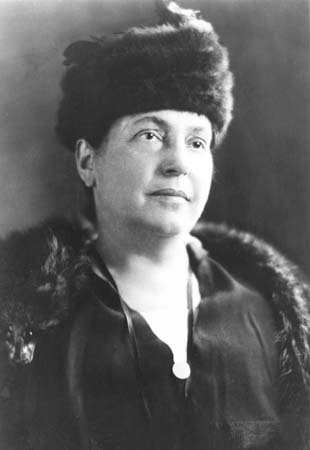
Lillian Wald (1867–1940)
Social Worker
The patron saint of the Lower East Side, devoted nurse Wald helped
found both the Henry Street Settlement and the National Association for
the Advancement of Colored People. Her desire to help New York’s poorest
consumed her life. Her altruism helped save thousands of lives and set
the standard modern social work and nursing. If that isn’t enough, her
innovations from everything to playgrounds and school lunch programs
redefined New York education and reverberated throughout America. Um,
what have you done today to help your fellow man?
Madam C.J. Walker (1867-1919)
Tycoon
Walker, a self-made entrepreneur and hair product queen, was the
richest and most powerful woman in Harlem, during the neighborhood’s
pivotal years of growth in the dawn of the Harlem Renaissance. (Some
sources say she was America’s first female millionaire.) She shattered
color and gender barriers, employing hundreds of other black women and
eventually leaving most of her wealth to notable African-American
organizations. Walker’s daughter A’Lelia was a patron of many great
writers of the Renaissance era.
And her name? She was once married to a man named Charles Joseph Walker; he left in 1910, but the C.J. — and the Madam — stayed.
Edith Wharton (1862-1937)
Observer
Wharton was a woman of ultimate privledge in Gilded Age New York but
had an uncanny ability to describe it. Our notions of what upper-crust
New York was at this time are shaped in part by her novels and short
stories. Her creations Lily Bart and the Countess Ellen Olenska are
still the best evidence we have of the absurdities and restraints
upper-class New York.
A New York divorce is in itself a diploma of virtue. — Edith Wharton
Gertrude Vanderbilt Whitney (1875-1942)
Patron
Gertrude, the daughter of Cornelius Vanderbilt, turned her powerful
name, untold wealth and fascinations with art into an endeavor that
would benefit the general public, eventually founding the Whitney Museum
in 1931. But unlike Abby Rockefeller, Whitney actually was an artist
herself, a sculptrress and a habitue of turn-of-the-century Greenwich
Village bohemia. Gertrude’s daughter Flora Payne Whitney would go on to
head her mother’s museum for decades.
And 25 more that I didn’t get to write about this time around:
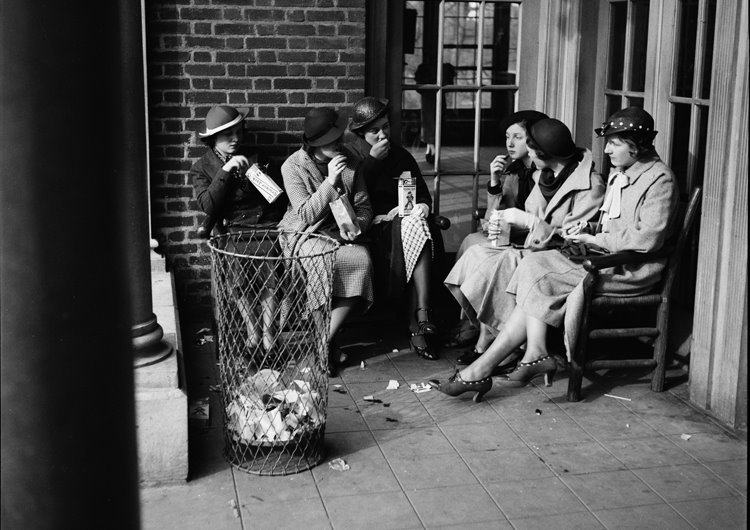
ABOVE: These are the ladies who lunch in Prospect Park 1935
We talk about a lot of white men on the Bowery Boys podcast. When discussing the mainstream history of the city, it’s pretty unavoidable. Men had the money, the power, the influence. Not to mention most of the corruption, the crime, the scandal.
So as Women’s History Month draws to a close (okay, I’m one day late), I thought I’d make a very opinionated list of the 25 women who made the biggest impact to the city of New York, at least as seen by this humble blogger and podcaster.
There have obviously been many, many New York-based women whose contributions changed the country and the world. There are your feminists (Elizabeth Cady Stanton), your activists (Ella Baker), your entrepreneurs (Estee Lauder), your tastemakers (Diana Vreeland) and your entertainers (Madonna).
But these 25 helped shape the actual city itself. The neighborhoods, populations and culture, to be sure. But most importantly, they each effected perceptions of the city, both to its residents and outward to the world. (Thus, for instance, you’ll note my heavy emphasis on preservationists.)
This is not an ultimate list. I obviously do not know the impact of every woman who ever lived in New York City. Many women communicated power through wealth and property; I don’t have the social register from every season and cannot gauge the influence of every bold-faced name. These are just 25 that have crossed my path since we started the Bowery Boys that I just wanted to celebrate today.
I’ve obviously missed out on a few, so if you have a particular favorite that’s missing, please put them in the comment section. At the bottom I have a list of ladies that made my personal honorable mention. So here we go!
Brooke Astor (1902-2007)
Philanthropist
She was the last of the socialites, as they say. The queen of old American money, for 105 years Astor ruled as the last official vestige of one of Manhattan’s wealthiest families, setting a standard for philanthropy and sadly leaving an uncertain legacy amid scandals involving her heirs.
Power is the ability to do good things for others. — Brooke Astor
Alice Austen (1866-1952)
Photographer
Few saw the Gilded Age city quite as Austen did, a Staten Island native who captured the beauties of New York, the horrors of Ellis Island’s quarantine station, and the wonders of the world, but probably took her best shots from her own backyard at Clear Comfort, in Rosebank, SI.
Below: a girl newsie in 1896, as captured by Austen
Nellie Bly (1864-1922)
Journalist
Her bravery, curiosity and outright nerve made her a writer of international fame, one of the first investigative journalists in the age of sensational journalism. But the story that put her on the map was her undercover expose at Blackwell’s Island, ripping open the abuses of New York’s island of untouchables, changing how the city thought about both the infirm and the incarcerated.
Could I pass a week in the insane ward at Blackwell’s Island? I said I could and I would. And I did. — Nellie Bly
Margaret Corbin (1751-1800)
Revolutionary
Things were so precarious in the fall of 1776, the dawn of the Revolution, that anyone who lived in New York might have turned the tide of war. Many women did their part to battle the British, from Mary Lindlay Murray the to the mysterious Agent 355, a shrouded spy among the British. But Corbin is notable not just for particular bravery but for sacrifice; she continued to lob cannon fire at the British from Fort Washington in today’s Washington Heights well after her husband was killed. Corbin herself was later imprisoned by the British. Today the street along Fort Tryon is named for her.
Shirley Chisholm (1924-2005)
Trailblazer
The pride of Bedford-Stuyvesant maneuvering through the precarious world of New York politics, Chisholm won a seat in the state legislature in 1964 but always dreamed to represent Brooklyn on a national level, in the U.S House of Representatives. She finally got her wish to represent her neighborhood when redistricting lines were finally redrawn — finally allowing a black candidate to run (and win) in a largely black community — and won her seat in Congress in 1968. Shirley never disguised her ties to her beloved Brooklyn neighborhood, even as a candidate for president of the United States.
That I am a national figure because I was the first person in 192 years to be at once a congressman, black and a woman proves, I think, that our society is not yet either just or free. — Shirley Chisholm
Margot Gayle (1908-2008)
Community leader
Gayle, who died last year at age 100, loved her Victorian architecture and in particular cast-iron, the antiquated style of downtown New York warehouses. Seeing destruction imminent, she decided to save what she considered one of the city’s most neglected treasures. Forming her first community group in the 1950s to save castle-like Jefferson Market Courthouse, Gayle galvanized a grassroots architecture movement.
There might be no SoHo without Gayle; as a campaigner, her work in saving and preserving this heretofore disregarded part of downtown led to one of Manhattan’s great neighborhood success stories. The SoHo Cast Iron Historic District exists due to her efforts. And, more importantly, her work became a template for how future neighborhoods could be revitalized. (Read her Times obituary here).
Emma Goldman (1869-1940)
Agitator
Probably the most influential anarchist in American history, Goldman promoted the rights of workers and upended the role of women in New York politics. The Russian-born activist made her name on the streets of Manhattan, stirring Bohemia and workers alike, butting heads with most of New York’s leading industrialists in the process.
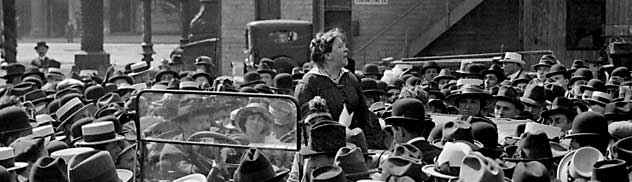
Her views are controversial, often horrifying by today’s standards. (She once ordered the assassination of Henry Clay Frick, for instance.) But her powers as an orator and rabble-rouser are unquestioned; her stirring words in Union Square (pictured above) during the panic of 1893 gave voice to the outrage of the city.
If voting changed anything, they’d make it illegal. — Emma Goldman
Leona Helmsley (1920-2007)
Magnate
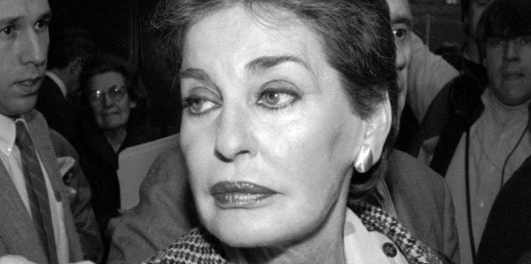
Leona and her husband Harry reigned over a vast Manhattan empire of highrises and hotels, permanently changing Park and Madison avenues, helping transform New York into a city of condominiums. Her status as the Queen of Mean also formed the modern caricature of overbearing and out of touch wealthy elite. Later convicted of tax evasion, Leona died in 2007 a laughing-stock. (That Suzanne Pleshette film didn’t help either.) But her reach extends through many of the city’s great iconic buildings, including the Empire State Building, which she and her husband once managed.
Billie Holiday (1915-1959)
Chanteuse
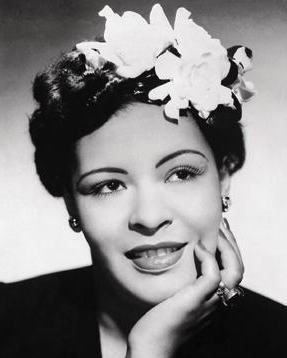
Of all the thousands of entertainers that have left their imprint on the city, Holiday’s is the one that makes the deepest impact. Her entire story — her birth, her rise to fame, her indiscretions and her tragic death — takes place in New York. Her greatest performances electrified and reshaped race assumptions in 1930s and 40s nightlife; legendary nights at places like Cafe Society ensured entertainment would no longer be strictly a black and white affair. Her performance style is emulated nightly in cabarets and clubs throughout the city.
Ada Louise Huxtable (1921-2013)
Critic
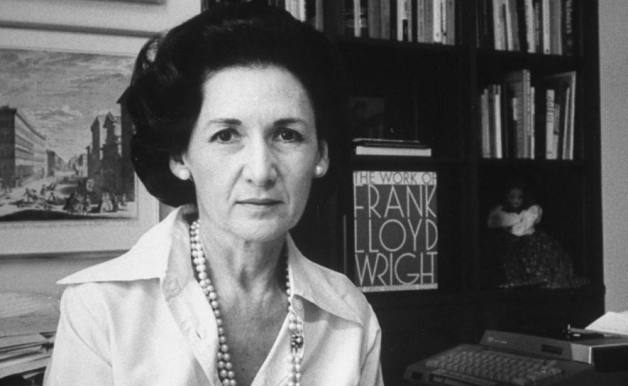
She is the best known woman in twentieth century architecture, and she isn’t even an architect. It’s hard to analyze the history of any building without first checking in with Ada to see what she has to say on the matter. Her writing is elegant, persnickety, direct and affectionate to architectural aesthetic as a whole, and New York City in specific. As a writer for the New York Times and Wall Street Journal, Huxtable directed New York’s architecture scene from behind her desk, excoriating designers for excess or dullness, praising beauty when it improved the city’s legendary skyline.
I like old buildings that are intriguing and quite wonderful but don’t make the history books. What you discover is there’s a little group of people that have been admiring them quietly by themselves all along. — Ada Louise Huxtable
Anne Hutchinson (1591-1643)
Dissident
Escaping persecution in both Puritan Massachusetts and Rhode Island, religious revolutionary Hutchinson and her followers settled in today’s area of the North Bronx in the 1640s, one of two significant female leaders in the early New York area. Although she was later murdered — Lenapes wiped out the settlement in 1643, a victim of New Amsterdam’s persistent conflicts with native tribes — she still leaves her mark today. The Hutchinson River and Parkway both carry her name.
Jane Jacobs (1916-2006)
Community defender
Her theories on urban life have benefited many North American cities, but it was her struggles to save neighborhoods from Robert Moses and the rise of car culture in the 1950s and 60s that make her most influential today. The entirely of downtown Manhattan has her to thank for fighting back — and ultimately defeating — Moses’ destructive Lower Manhattan Expressway proposal. The theories described in her classic “Death and Life of Great American Cities” were shaped from observing life from her window at 555 Hudson Street in the West Village.
Cities have the capability of providing something for everybody, only because, and only when, they are created by everybody. — Jane Jacobs
Lady Deborah Moody (1586 – 1659)
Founder
The British-born Moody, like Hutchinson, took to the unknown when persecuted for her religious beliefs. With the permission of William Kieft, the “dangerous” Moody set up the colony of Gravesend in 1645, becoming the first female founder of an American colony. Gravesend was one of the original towns of Brooklyn and is still the name of a south Brooklyn neighborhood today.
Jackie Kennedy Onassis (1929-1994)
Icon
Settling in New York after the deaths of two husbands, Onassis was the biggest bold-faced name in the city, famously suffering the intrusive effects of paparazzi. However she used her headline grabbing name wisely as a member of the Municipal Art Society, helping defend Grand Central Station, Columbus Circle and Staten Island’s Snug Harbor from modification or outright destruction. The Central Parks reservoir is named in her honor, and MAS gives out a yearly Jackie Kennedy Onassis Medal to noteworthy New Yorkers. (Margot Gayle received it in 1997.)
Dorothy Parker (1893-1967)
Wit
As doyenne of the Algonquin Round Table, Parker had the sharpest friends in town in the 1920s. Her droll charm helped create the archetype of New York caustic intellectualism, something Woody Allen, Fran Lebowitz and an entire culture of New Yorker readers can well recognize.
I’d rather have a bottle in front of me, than a frontal lobotomy. — Dorothy Parker
Abby Aldrich Rockefeller (1874-1948)
Collector
She could very well have stayed in the sidelines with the other spouses of multi-millionares. But Abby’s tastes and passions for modern art led her to an astonishing collection she kept on an upper floor of her townhouse, away from her husband J.D. Rockefeller Jr., who didn’t much care for those odd little pictures. Years later, that townhouse would give way to Abby’s pet project, the Museum of Modern Art, one of the most influential galleries for 20th Century art. Her memory is kept alive at the museum with the Abby Aldrich Rockefeller Sculpture Garden.
Emily Warren Roebling (1843-1903)
Bridge Builder
Construction on the Brooklyn Bridge had barely begun when her husband and master engineer Washington Roebling came down with crippling symptoms of the Bends. Emily at first operated only as his eyes and ears, but soon grew into the role of leading the completion of New York’s first great bridge. Ceremonially, she was the first person to cross it.
Eleanor Roosevelt (1884-1962)
World Leader
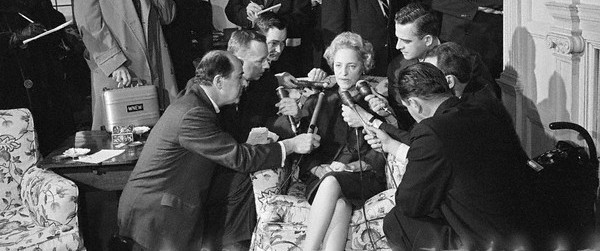
One of the most powerful American women to have ever lived was a New Yorker through and through. Her aristocratic name may have opened doors for her early on, but her compassion and ingenuity would soon set her apart, first as a social worker in Manhattan slums, then as the spouse of a governor and president. She returned to New York after FDR’s death to become a U.S. delegate to the United Nations. (Above: Eleanor with New York City society women.)
Beautiful young people are accidents of nature, but beautiful old people are works of art. — Eleanor Roosevelt
Margaret Sanger (1879-1966)
Rebel
Her influence in the fields of reproduction and birth control would eventually go global, but all nurse Sanger really wanted to do at first was help out women in the Lower East Side. From her work in the slums, Sanger believed radical action was neccessary to control the rising tide of pregnancies, leading to larger families and greater poverty. In 1917 she opened New York’s first birth control clinic in Brooklyn and was promptly thrown in jail. Ten years later, her innovations as an educator in birth control — she’s the mother of Planned Parenthood! — would catch on worldwide.
During these years in New York more and more my calls began to come from the Lower East Side, as though I were being magnetically drawn there by some force outside my control. — Margaret Sanger
Verna Small (1916-2008)
Preservationist
Small is the queen of Greenwich Village, a fiesty, often poetic community leader who provoked residents into lobbying for historic preservation. She organized or led one group after another, all in an effort to preserve the remainder of the Village before developers could sweep it away. She succeeded. Today it seem impossible that the Village was ever in that much danger at all. Her many years with the Landmarks Committee in the 1980s assured the rest of the city would benefit from her tender loving care.
The attitude of the Village was ‘We’ve got to catch up with Brooklyn Heights!’ —Verna Small
Dorothy Schiff (1903-1989)
Publisher
Native New Yorker Schiff owned the New York Post from 1939 to the 1970s and eventually shaped its editorial policy as publisher, the first New York woman to do so. Her stinging, left-leaning views and saavy tastes for great writers turned the once tame newspaper into the city’s most successful tabloid. Her sudden decision to sell it to Rupert Murdoch in 1976 led to the decidedly different, far more sensational Post we’re familiar with today.
Lillian Wald (1867–1940)
Social Worker
The patron saint of the Lower East Side, devoted nurse Wald helped found both the Henry Street Settlement and the National Association for the Advancement of Colored People. Her desire to help New York’s poorest consumed her life. Her altruism helped save thousands of lives and set the standard modern social work and nursing. If that isn’t enough, her innovations from everything to playgrounds and school lunch programs redefined New York education and reverberated throughout America. Um, what have you done today to help your fellow man?
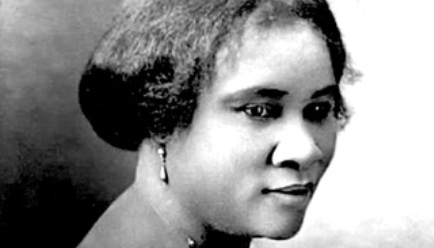
Madam C.J. Walker (1867-1919)
Tycoon
Walker, a self-made entrepreneur and hair product queen, was the richest and most powerful woman in Harlem, during the neighborhood’s pivotal years of growth in the dawn of the Harlem Renaissance. (Some sources say she was America’s first female millionaire.) She shattered color and gender barriers, employing hundreds of other black women and eventually leaving most of her wealth to notable African-American organizations. Walker’s daughter A’Lelia was a patron of many great writers of the Renaissance era.
And her name? She was once married to a man named Charles Joseph Walker; he left in 1910, but the C.J. — and the Madam — stayed.
Edith Wharton (1862-1937)
Observer
Wharton was a woman of ultimate privledge in Gilded Age New York but had an uncanny ability to describe it. Our notions of what upper-crust New York was at this time are shaped in part by her novels and short stories. Her creations Lily Bart and the Countess Ellen Olenska are still the best evidence we have of the absurdities and restraints upper-class New York.
A New York divorce is in itself a diploma of virtue. — Edith Wharton
Gertrude Vanderbilt Whitney (1875-1942)
Patron
Gertrude, the daughter of Cornelius Vanderbilt, turned her powerful name, untold wealth and fascinations with art into an endeavor that would benefit the general public, eventually founding the Whitney Museum in 1931. But unlike Abby Rockefeller, Whitney actually was an artist herself, a sculptrress and a habitue of turn-of-the-century Greenwich Village bohemia. Gertrude’s daughter Flora Payne Whitney would go on to head her mother’s museum for decades.
And 25 more that I didn’t get to write about this time around:
To get you in the mood for the weekend, every other Friday we’ll be celebrating ‘FRIDAY NIGHT FEVER’, featuring an old New York nightlife haunt, from the dance halls of 19th Century Bowery, to the massive warehouse clubs of the mid-1990s. Past entries can be found HERE.
Last time around, I wrote about Max’s Kansas City, a steakhouse that served up a side of punk and pop celebrity like a glamorous cattle call. It has a few things in common with another centerpiece of social life that attracted a few of New York’s boldfaced (in this case, Washingtons and Astors), combining truly Revolutionary business with pleasure. And it had plenty of red meat, of the pre-prepared variety.
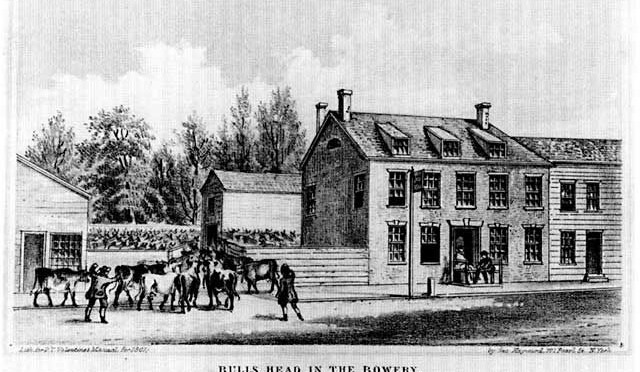
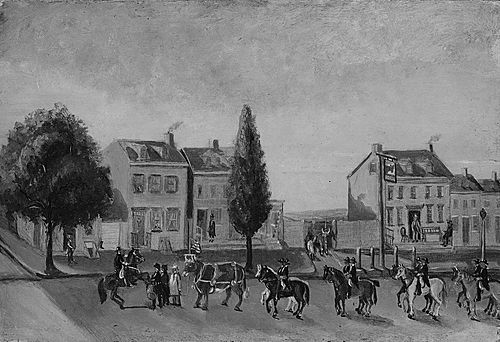
The Bull’s Head Tavern was the gathering-place for farmers, drovers, and merchants in the 18th century, located well outside city boundaries just east of Collect Pond. (At the Bowery, right at the entrance to the Manhattan Bridge.)
It soon became the center of Manhattan’s entire meat selling and rendering industry, with the area surrounding the nearby Collect overrun with tanneries and slaughterhouses. As the Bull’s Head was also located right on the Boston Post Road (later the Bowery), situated at a crossroads of livestock yards and stables, it became an ideal place for both commerce and carousing.
The Bull’s Head was in operation as early as 1755, enjoying business as “the last halting-place for the stages before entering the city.”
Within the next few decades, industry enveloped the area, transforming the Bull’s Head into a cattle market, with pens adjoining the main building where farmers from the surrounding area herded their best specimens for sale. Inside the tavern became a literal stock market, with transactions, news and gossip being shared over brew and a hot meal. Those who lingered well into the night sometimes played a strange game called crack loo — often gambling away any profits they might have made earlier in the day. Out in the pen, dog fights and “bear baiting” sometimes occured as entertainment.
As Washington Irving describes, at the Bull’s Head he would “hear tales of travelers, watch the coaches and envy the more pretentious country gentlemen in Castor hat, cherry-derry jackets and doeskin breeches.”
On November 25, 1783, Evacuation Day, the Bull’s Head entered history. As the British fled New York that day, George Washington and his entourage met at the Bull’s Head, preparing themselves for their triumphant entry into town. Governor George Clinton and over 800 uniformed troops and townfolk gathered right outside, preparing for the procession.
Henry Astor, the older brother of John Jacob, stepped in as owner of the Bull’s Head in 1785. Already an accomplished butcher, Henry served his “celebrated cuts of meats” and often outpriced his own clientele when a particularly choice herd of cattle came travelling by.
Of course, New York was outgrowing its old boundaries by then. By 1813, Collect Pond had been drained and high society eyed the Bowery, sweeping away the filthy stockyards and factories to construct homes, shops and theatres. Moving with the changing times, some civic minded businessmen bought out Astor and moved the Bull’s Head somewhere safely outside the city — this time at 3rd Avenue and 24th Street!
In 1830, this new location fell into the hands of young rancher and entrepreneur Daniel Drew, who turned the tavern into a sort of bank, marketplace and social club for local cattlemen, upgrading the establishment and building his own reputation as a saavy financier.
As this time, according to an old history, “various types of men mingled in the bar-rroom of the Bull’s Head, from the rough country man to the speculative citizen, butcher and horse-fancier. Plain apple-jack and brandy and water… were the principal liquors passed over the bar. Guests were so numerous that at the first peal of the dinner-bell. it was neccessary to rush for the table or fail miserably.” And of course, after hearty meal and vigorous drink, came the gambling, “throwing dice for small stakes.”
Drew eventually went on to become a steamboat mogul. The site of the old Bull’s Head eventually hosted the notorious Bowery Theatre(built upon its old cattleyards), then the sumptuousAtlantic Gardensby the mid-19th century. Drew’s uptown location on 24th, of course, caved in to a growing residential neighborhood. However, today there is a new Bull’s Head Tavern, at that exact location, that probably smells a lot better than the original.
And not to forget, there was also a Bull’s Head Tavern in Staten Island, at Victory Boulevard and Richmond Avenue. Built in 1741, this Bull’s Head was a popular destination for British-loving Tories before the days of the Revolutionary War. Before it was destroyed in a fire, “people from all over the country made special trips to the old house, just to see the famous Tory headquarters,” according to one old history.
The neighborhood that sprouts around that intersection at Victory and Richmond is named Bulls Head in the old tavern’s honor.
We’re going to the ‘original’ Waldorf-Astoria Hotel in this podcast to hang with the filthy rich.
Our guides are the styling and eccentric Astor family, the centerpiece of 19th Century New York wealth and society. Come along as we weave through a family tree of Williams and John Jacobs, not to mention THE Mrs. Astor, the one and only (even if there was more than one).
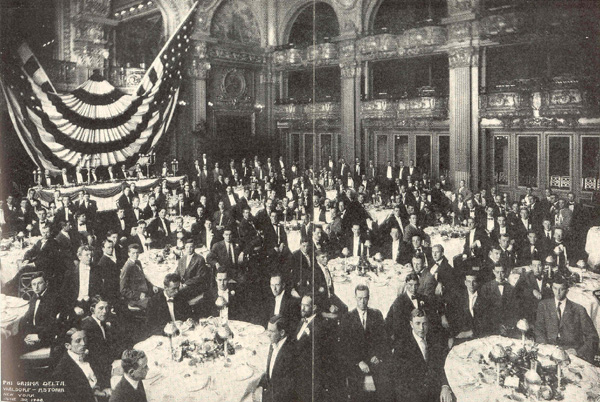
A glimpse inside the Waldorf-Astoria ballroom : a Phi Gamma Delta fraternal function in 1908
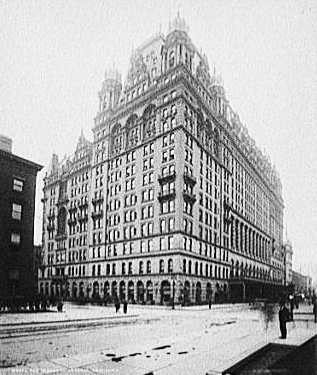
Outside the combined hotels, you can see where the shorter Waldorf ends and the taller Astoria floors begin. The streets look pretty calm too.
John Jacob Astor IV — inventor, writer, gad-about — at 48 years old, the year he meets his fate on the Titanic
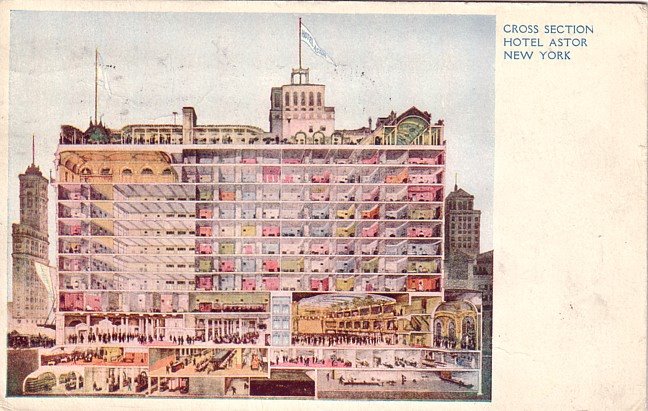
Another Astor holding, the Astor Hotel, was built by William Waldorf Astor in Times Square. This postcard curiously gives us an inside look.
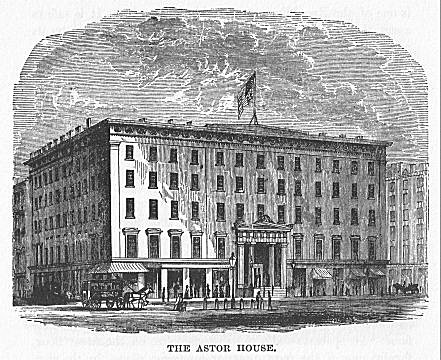
This is not to be confused with the Astor House, the downtown Manattan lodging built in 1836 by William and JJ Astor IV’s great-grandfather, the original John Jacob Astor. Right next door to the long-standing St Paul’s Church, the location of the Astor House is now occupied by a Staples and a New York Sports Club.
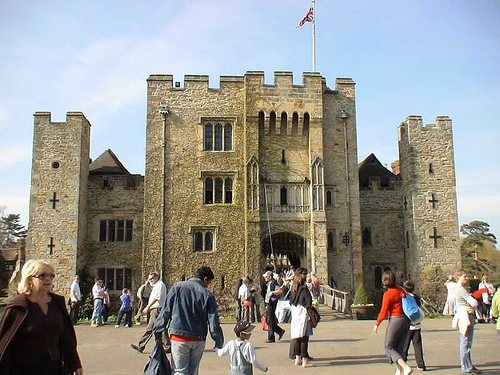
And over in England you can now visit the Hever Castle, once home to Anne Boleyn, but refurbished and lorded over by William Waldorf Astor, shedding his American skin to become an eccentric British viscount.
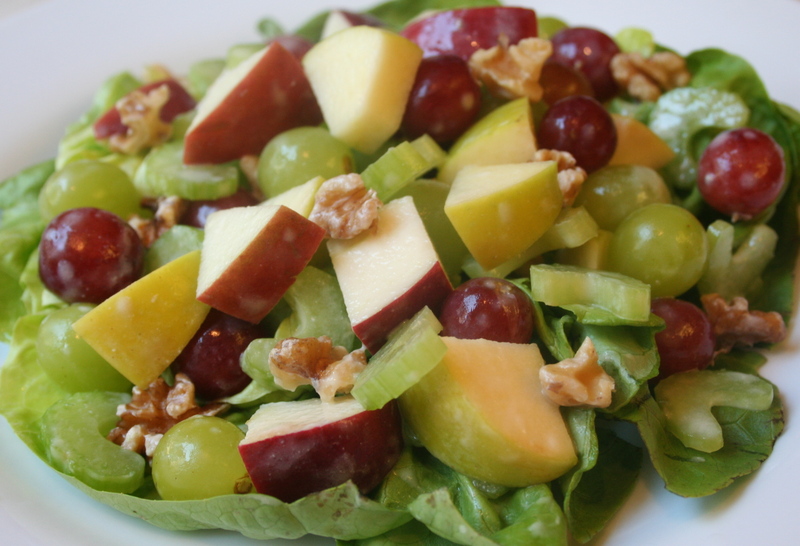
And we failed to mention that the Waldorf salad gets its name from the hotel where it was purportedly invented by Waldorf-Astoria’s much-admired maître d’hôtel Oscar Tschirky, who incidentally also claimed the invention of eggs benedict and veal oscar. As we mentioned on our podcast, thousand island dressing also made its debut at the Waldorf.
If you’re interested in more, you should read Justin Kaplan’s When The Astors Ruled New York . We’ve previously written about the profundity of Astor-named places here.