Categories
Bowery Boys Bookshelf Brooklyn History

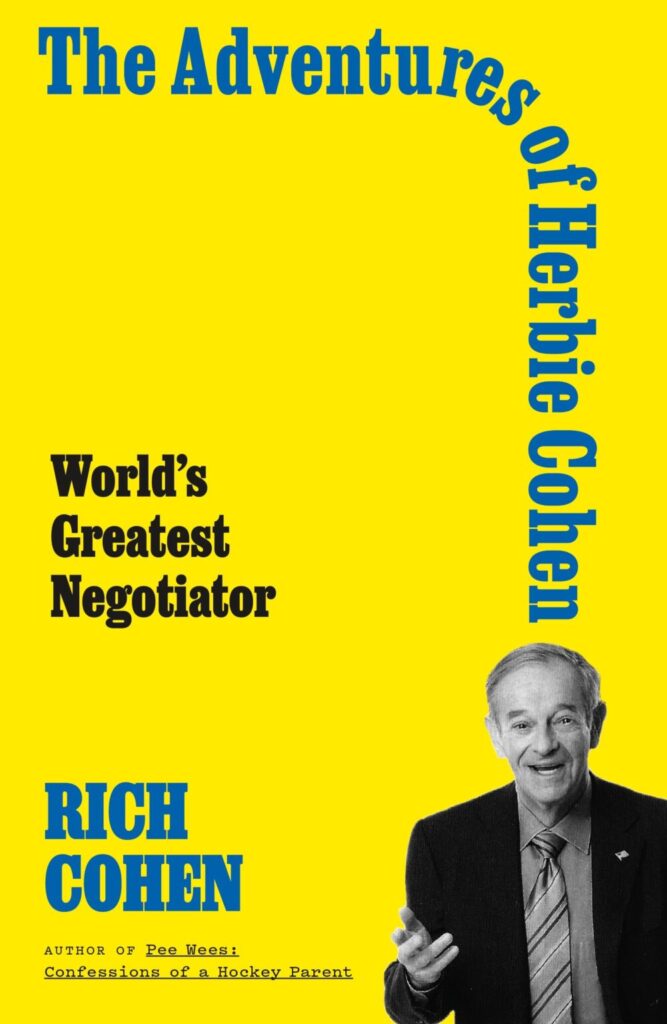
That Kid From Bensonhurst: ‘The Adventures of Herbie Cohen’

Playboy Magazine called Herb Cohen “the world’s greatest negotiator” and whether or not that was true, Cohen could convince you that it most certainly was.

He wrote You Can Negotiate Anything and in 1982 it became a best-seller during a wave of self-help books. A year before its release, Cohen became involved in the Iran hostage crisis — with both Carter and Reagan.

“Over time, without meaning or wanting to, he gathered a group of disciples. He became a kind of guru. People called at all hours looking for answers.”

The Adventures of Herbie Cohen: World’s Greatest Negotiator
Rich Cohen
Farrar, Straus and Giroux

But The Adventures of Herbie Cohen: World’s Greatest Negotiator, written by acclaimed author and journalist Rich Cohen, is not your ordinary profile. For one, Rich is Herbie’s son.

This is no mere ode to a no-nonsense, wise-cracking father. Cohen has managed to craft an absolutely perfect character profile, keeping Herbie’s grounded personality front and center in a hilarious collection of anecdotes, recollections and maybe one or two tall tales (in the way that we share tall tales about ourselves).
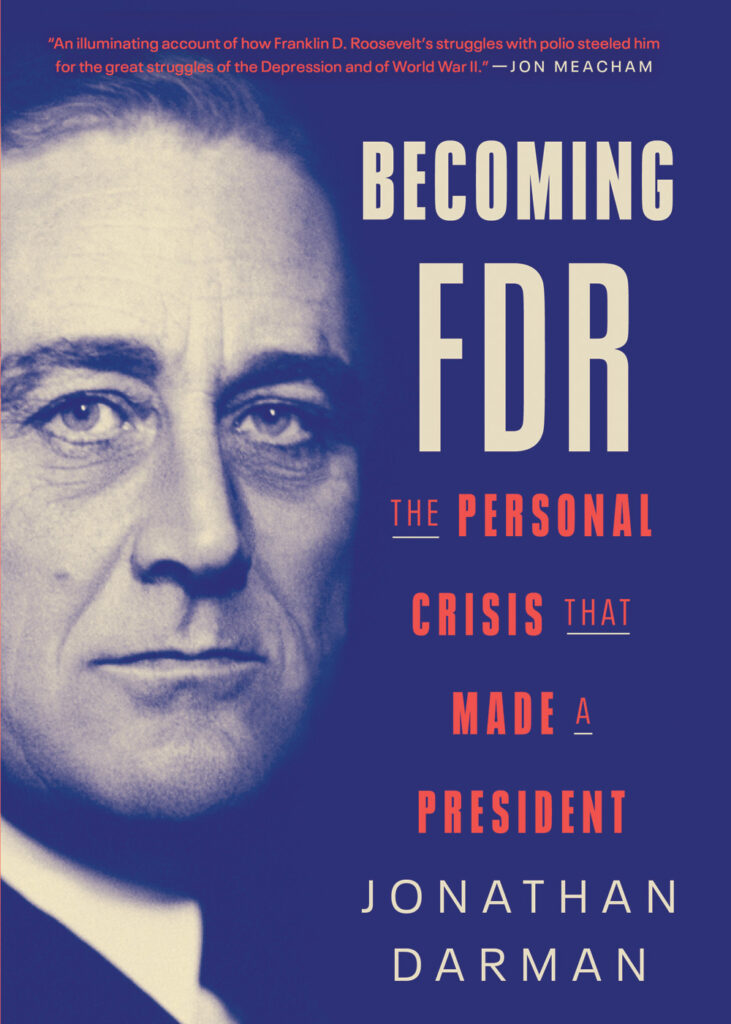
“Though he’s lectured at Harvard and Yale and worked for many Fortune 500 companies,” Rich writes of his father, “he says he learned everything he needed to know about negotiation in Brooklyn as a kid.”

He grew up in Bensonhurst in the 1940s and 1950s, a working class Jewish and Italian neighborhood where Herb got into trouble in a street gang with friends nicknamed Sheppo, Iron Lung and Gutter Rat. (The gang was named the Warriors of course.)

Cohen gathers together family stories and his father’s Army tales in a particular way, building upon nostalgia to reveal Herb’s growing talents as a negotiator and lecturer. Everything in The Adventures of Herbie Cohen feels like it’s being told to you over the kitchen table.

Categories
Black History Neighborhoods Podcasts

A Walk Through Little Caribbean in Brooklyn

What wonderful surprises await the Bowery Boys in Little Caribbean? The Brooklyn enclave in Flatbush is one of the central destinations for Caribbean-American life and culture in New York City.

Since the 1960s, thousands of immigrants from Jamaica, Trinidad, Haiti, the Dominican Republic and other Caribbean nations have made this historic area of Flatbush (mostly east of Flatbush Avenue) their home. The streets are lined with restaurants and markets that bring the flavors of the islands to Brooklyn.

But the story of Caribbean immigration to New York City begins many decades before.

Tom and Greg are joined on the show today by Dr. Tyesha Maddox, assistant professor of African and African-American Studies at Fordham University, to discuss the history of Caribbean immigration into the United States (and into New York City specifically).

Then they head out into the streets of Flatbush to join Shelley Worrell, the founder of caribBEING who led the effort to designate an official Little Caribbean as a vibrant cultural hub. Listen in on this mini food tour of Flatbush and Nostrand Avenues and discover the secrets of this bustling neighborhood.

LISTEN NOW: A Walk Through Little Caribbean


This episode is brought to you by the Historic Districts Council. Funding for this episode is provided by public funds from the New York City Department of Cultural Affairs in partnership with the City Council and Council Member Benjamin Kallos.


Before listening to today’s show, be sure you’ve heard our last show on the history of Flatbush, Brooklyn.


Labay Market, featured in the show — and in the new Brooklyn Botanic Garden exhibition

Plants of Little Caribbean
at Brooklyn Botanic Garden
Discovery Garden Exhibit
June 30 through late September

This summer, the Brooklyn Botanic Garden’s Discovery Garden is highlighting plants that grow in the Caribbean. The fruits and vegetables in this exhibit—including sorrel, okra, callaloo, and turmeric—are just a few of the many plants important to these countries and territories, each of which has its own unique ways of preparing meals.

Exhibit signage connects plants to the restaurants and markets of Brooklyn’s Little Caribbean — including a few of the places we visited in this week’s show. The exhibition was created in partnership with I AM caribBEING

Visit BBG’s website for more information. And visit the Garden on Thursday, June 30 for these two special Caribbean-themed events:


A big thanks to Dr. Tyesha Maddox from Fordham University’s Department of African and African-American Studies. Visit her website for more of her writing and research. And look for her book coming out next year!

And thanks of course to Shelley Worrell of I AM CaribBEING for joining us on these past two shows. And Janluk StaniSLAS for documenting our walk through Little Caribbean.


A group of immigrant women from Guadeloupe who have arrived at Ellis Island, 1911. Listen to our interview with Dr. Maddox for more information the early patterns of Caribbean immigration into America. And look here for more captivating photos of Ellis Island immigrants from all nations.

National Park Service, Statue of Liberty National Monument

Photo by Janluk Stanislas
Jerk chicken from Peppa’s/Photo by Janluk Stanislas
Photo/Janluk Stanislas
Eat, Shop, Lime/Photo by Janluk Stanislas
Photo by Greg Young
Photo by Greg Young
Photo by Janluk Stanislas
Photo/Janluk Stanislas
Allan’s Bakery/Photo by Greg Young
Photo by Janluk Stanislas
Categories
Brooklyn History Neighborhoods Podcasts

The Story of Flatbush: Brooklyn Old and New

Over 350 years ago today’s Brooklyn neighborhood of Flatbush was an old Dutch village, the dirt path that would one day become Flatbush Avenue lined with wheat fields and farms.

Contrast that with today’s Flatbush, a bustling urban destination diverse in both housing styles and commercial retail shops. It’s also an anchor of Brooklyn’s Caribbean community — Little Caribbean.

There have been many different Flatbushes — rural, suburban and urban. In today’s show we highlight several stories from these phases in this neighborhood’s life.

If you are a Brooklynite of a certain age, the first thing that might come to mind is maybe the Brooklyn Dodgers who once played baseball in Ebbets Field here. Or maybe you know of a famous person who was born or grew up there — Barbra Streisand, Norman Mailer or Bernie Sanders. 

But the story of Flatbush reflects the many transformative changes of New York City itself. And it holds a special place in the identity of Brooklyn — so much so that it is often considered the heart of Brooklyn.

FEATURING STORIES OF Erasmus Hall, the Kings Theater, Lefferts Historic House, the Flatbush African Burial Ground and the Flatbush Dutch Reformed Church.

PLUS We chat with Shelley Worrell of I Am CaribBEING about her work preserving and celebrating the neighborhood’s Caribbean community.

Listen Now — The Story of Flatbush


Thank you to Shelley Worrell for being on the show. For more information on I am CaribBEING, visit their website.

Today (June 17) is One Love Little Caribbean Day, celebrating the Caribbean businesses of Flatbush, Prospect Lefferts Garden and East Flatbush.

And this Sunday (June 19) celebrate National Caribbean-American Heritage Month in Prospect Park with I AM CaribBeing and Prospect Park Alliance

A Juneteenth celebration with live performance by Grammy-Award winning Angela Hunte backed by Da Jerry Wonda Band, peer-to-peer gaming powered by Fun With Friends DJ sets by Gab Soul + Khalil and Little Caribbean artisan vendors.


This episode is brought to you by the Historic Districts Council. Funding for this episode is provided by public funds from the New York City Department of Cultural Affairs in partnership with the City Council and Council Member Benjamin Kallos.


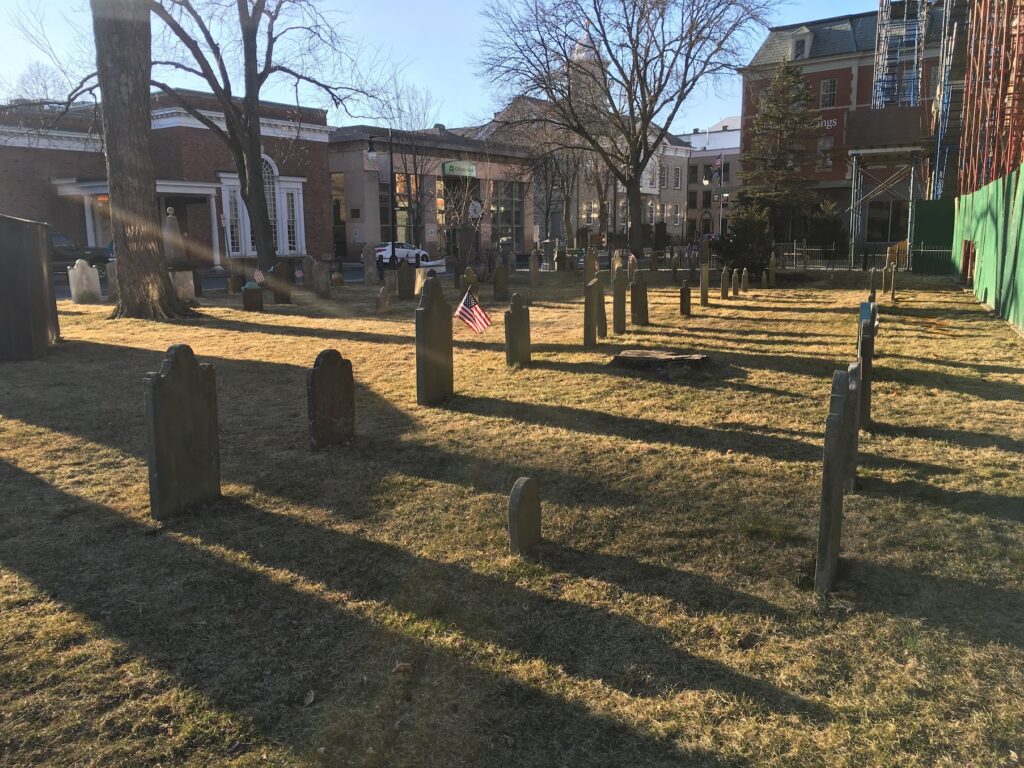
The historic cemetery at Flatbush Dutch Reformed Church

Erasmus Hall High School can be seen from the grounds of the cemetery.

Albemarle–Kenmore Terraces Historic District

Kings Theatre, a Flatbush landmark since the 1920s

Holy Cross Cemetery in East Flatbush

Marker for the Flatbush African Burial Ground and a makeshift tombstone for the two people who were known to be buried here.

A Caribbean restaurant in East Flatbush amid some excellent examples of rowhouses that are scattered throughout the area.

The landmarked Sears Roebuck building, one of the last reminders of the mid-century department stores of Flatbush


Lefferts Historic House in Prospect Park

Historic image of the house at its original site (north of Church Avenue) Courtesy New York Public Library

An 1869 map of state senate districts in Kings County. (Courtesy New York Public Library)
George Bradford Brainerd (American, 1845-1887). Steeple, Flatbush, Brooklyn, ca. 1872-1887. Wet-collodion negative. Prints, Drawings and Photographs. Brooklyn Museum/Brooklyn Public Library, Brooklyn Collection, 1996.164.2-384. (1996.164.2-384_glass_IMLS_SL2.jpg)
George Bradford Brainerd (American, 1845-1887). Erasmus Hall, Flatbush, Brooklyn, 1879. Wet-collodion negative. Prints, Drawings and Photographs. Brooklyn Museum/Brooklyn Public Library, Brooklyn Collection, 1996.164.2-159. (1996.164.2-159_glass_IMLS_SL2.jpg)
Inside Ebbets Field, 1913, Library of Congress. Here’s an article on their first regular game there.

A map of redlined Brooklyn. Flatbush (seen below the Prospect Park white space) has sections in blue, yellow and red.

FURTHER LISTENING

After listening to the story of Flatbush, dive back into these podcasts which touch on some of the themes from this week’s show:

Categories
Bowery Boys Bookshelf Revolutionary History

‘Rebels at Sea’: How Privateers Helped Win American Independence

Privateers have been much maligned in history, so much so that perhaps you didn’t realize their important role in gaining America its independence from Great Britain.

If your first image of a privateer is a sinister, blood-thirsty madman with a knife in his teeth and a skull on his sails, you’re probably thinking of a culturally exaggerated version of a pirate.

But if your next image of a privateer is a tanned and tattooed sailor with a sword and a ship full of stolen treasure — well, now you’re getting closer to the reality of a privateer’s life.

REBELS AT SEA
Privateering in the American Revolution
Eric Jay Dolin
Liveright/WW Norton

There may be no better read for an American Revolution history lover this summer than Eric Jay Dolin‘s latest Rebel At Sea, a look at the forgotten role of the privateer during America’s battle for independence.

Because of their similarity with pirates — criminals who scoured the sea to pillage for personal and malevolent gain — privateers are often ignored in the annals of history, especially in events that have been heavily sanitized of uncomfortable truths like the American Revolution.

As Dolin reveals, privateers were a bit like a shadow navy; indeed they existed in the colonies before there was an actual American naval force.

What set them apart was an authorized letter of marque, a license from the government to capture vessels from enemy nations and take their possessions. The haul would then be sold and, generally speaking, split between the crew and the letter’s issuer.

Dominic Serres; HMS ‘Pearl’ Capturing the ‘Esperance’, 30 September 1780; National Maritime Museum

At first a tool for defense by individual colonies, the American Congress soon passed a resolution employing privateers — months before the signing of the Declaration of Independence. “Privateers were free to capture any British vessel,” Dolan writes, “not just those that were delivering supplies to British forces in America. (Later, neutral ships carrying good bound for British use were also deemed acceptable targets).”

Revolutionaries like John Adams were enthusiastic proponents of privateering. “Thousands of schemes for privateering are afloat in American imaginations,” he wrote his wife Abigail. “Out of these speculations many fruitless and some profitable projects will grow.”

“Boarding of Triton by the privateer Hasard (ex British pilot ship Cartier), captained by Robert Surcouf” (by Ambroise Louis Garneray, 1783–1857)

Dolin describes the life of the average privateer as far less glamorous than that which we might normally prescribe a swashbuckler. Rebels at Sea does highlight some of the privateering triumphs of the Revolution — from John Greenwood, a young privateer who later became George Washington’s dentist, to the many privateering whaleboats.

In a dark local angle, British-occupied New York launched their own counter privateering vessels “with the most fervor and success” and thousands of captured American privateers were imprisoned in the loathesome holds of Wallabout Bay prison ships.

There are men whose sacrifices should also be remembered during Independence Day celebrations this year. And Dolan’s Rebels at Sea presents a great introduction to this hidden corner of American history

Categories
It's Showtime Music History

The Ultimate Guide to Judy Garland’s New York: From the World’s Fair to the Palace Theatre

Frances Ethel Gumm was born 100 years ago (June 10, 1922) in Grand Rapids, Minnesota, a world away from the glamour of Hollywood and the lights of Broadway. Yet — as Judy Garland — she would change both places forever, becoming one of the most beloved entertainers in the world.

And she remains beloved to this day — by international fans of her films The Wizard of Oz, A Star Is Born and Meet Me In St. Louis, by music lovers entranced by her rich, emotional voice, by many members of the LGBT+ community who still exalt her as a pop culture legend.

Unlike California, New York was never really her home in the same way — although she did have an apartment here in the 1960s. New York City always knew Judy as a star and revitalized her career at a critical moment.

And she loved the city for that reason. “I’m always at my best in New York.” she once claimed. And when she was not her very best — which was not uncommon — her New York fans stood by her.

Here’s a look at Judy Garland’s New York, the places and spaces which made her an icon.

A Star Is Born

Garland hit the ground running on her very first trip to New York in 1936 — already an MGM star at age 14 — heading to Decca Records West 57th Street studio to record her very first record — “Stompin’ At The Savoy,” originally made famous by Benny Goodman. (Interestingly she would not actually step foot in Harlem’s Savoy until many. years later.)

Two years later, in 1938, Garland would make her first stage appearance in New York City at the Loew’s State Theater, the Thomas Lamb-designed movie palace at 1540 Broadway that was still booking vaudeville acts into the 1930s.

Garland was there to promote her film Everybody Sings, a forgettable film co-starring Fanny Brice. But her appearances during the hectic promotional tour — a miniature singing and dancing sensation — dazzled audiences, a true ‘star is born’ moment which set her career in motion.

By the time she returned to the Loews State in the spring of 1939, she was already a mega-star thanks to the hit film Love Finds Andy Hardy, her second on-screen appearance with Mickey Rooney.

On April 10, 1939 she was quite literally whisked around town on a cyclone-like tour of Loew’s theaters:

While at the Loews Triboro (2804 Steinway Street in Astoria) she obviously lost a hat. Garland offers a reward to New Yorkers for the accessory that went missing in Queens (April 13, 1939).

Off To See The Wizard

Her next visit to New York is considered by some to be a legendary moment in American entertainment history.

Garland was swinging through town on another frantic tour with Rooney. But this time they were promoting her big star-making vehicle.

The pair arrived at Grand Central Terminal on August 14, 1939 to thousands of well-wishers. (You can see footage of Garland and Rooney at the train station in this video.)

Three days later, on August 17, the film The Wizard of Oz premiered at the Capitol Theater (1645 Broadway), and Garland and Rooney were there, performing live, five shows a day, between sold-out screenings. (On the weekends, they did seven performances a day.)

They were constantly on the go in New York, an exhausting blur of public appearances. And everywhere they went, adoring crowds met them — at restaurants, on the street, at the Waldorf-Astoria, even at a brief appearance at Madison Square Garden.

But the duo’s most interesting stop was to Flushing-Meadows Park in Queens — hopefully Judy left her hat at home — for the 1939 World’s Fair where they met Mayor Fiorello La Guardia:

Rooney and La Guardia shared some corny banter:

Rooney: “Mr. Mayor, I have a lot of friends out on the coast and elsewhere who would like to come to your wonderful fair. Is there any place they can stay besides expensive Park Avenue hotels?”

La Guardia: “Why, Mickey, New York is just like any other city in the country. The only difference is that we have 50,000 places for people who visit the Fair to stay as low as 50 and 75 cents, and we have better food for less money.”

Judy and Mickey then spent the day enjoying the many rides at the fair including the Parachute Jump — the very same amusement which new sits in Coney Island today.

Rooney then left town and Garland returned to the Capitol Theater — but she wasn’t alone.

She was joined by a couple of her Wizard of Oz costars, men who were familiar to New York vaudeville audiences — Bert Lahr and Ray Bolger. Imagine seeing them live — then seeing Oz for the very first time — for just a quarter.

New York Daily News, August 31, 1939

Meet Me In New York

Her rigorous filming and recording schedule in Los Angeles meant long, intense days at the studio — and little traveling. But she appeared briefly in New York in 1943 as part of a USO tour, entertaining troops heading to war. Here’s Garland at Penn Station in August of 1943:

Her next companion in New York was neither Andy Rooney nor a victory doll.

During Thanksgiving week in 1944, Garland arrived with director Vincente Minnelli for the premiere of Meet Me In St. Louis at the Astor Theater (1537 Broadway,). While in New York, they announced their engagement to the press.

The New York Times gifted the film with a rapturous review: “Let those who would savor their enjoyment of innocent family merriment with the fragrance of dried-rose petals and who would revel in girlish rhapsodies make a bee-line right down to the Astor.”

In 1945, Garland and Minnelli honeymooned in New York for three months. Even then she continually recorded music and made radio appearances — all the while pregnant with Liza May (born March 12, 1946).

By the late 1940s Garland’s non-stop (and abusive) schedule had taken a serious toll on her in Los Angeles. Even as her problems began seeping into the press, her supporters came to the rescue.

On September 1, 1950, the New York Daily News published a column from theater impresario Billy Rose titled “Love Letter to a National Asset,” both an adoring fan letter and a pep talk. Rose probably knew Garland through his former wife Fanny Brice but here he scribbles down a gushing tribute:

It gets down to this Judy: In an oblique and daffy sort of way, you are as much a national asset as our coal reserves — both of you help warm up our insides.

An excerpt from the Daily News (with an accompanying illustration):

Queen Of The Palace

But the most important date in Judy Garland’s New York life was October 16, 1951 — her first performance at the Palace Theater. Her scheduled four-week run stretched to a record nineteen weeks, becoming one of the most legendary theatrical runs in New York history.

The Palace (at 1564 Broadway) first opened in 1913 as a straight vaudeville house but it was a 1915 appearance by acclaimed French actress Sarah Bernhardt put the venue on the map. But by the 1930s, like so many Broadway theaters, it had become a movie palace.

Garland’s live appearance was an attempt to reintroduce vaudeville at the Palace. While that certainly did not happen, Garland’s shows became the true stuff of legend.

Garland in rehearsals at the Palace, 1951

“Never in this reporter’s memory has there been such a furor outside and inside a single theatre,” writes Robert Sylvester for the Daily News:

“Outside Broadway and 47th Street was blocked off by sawhorses and harassed cops managed to keep thousands of gawkers on the safe side of the blockades. Inside, the explosion of applause which greeted Miss Garland’s entrance threatened to get complete out of hand. The enfant terrible of the musical films finally hollered it down herself and then went on to do one of the most fantastic one-hour solo performances in theatrical history.

According to Life Magazine: “Almost everyone in theater was crying and for days afterwards people around Broadway talked as if they beheld a miracle. What they beheld was Judy Garland making her debut at the old Palace, which was having a comeback to straight vaudeville. But the real comeback was Judy’s.”

Although this revitalized Garland’s career at a time when her film career was tanking, it also put the superstar through another grueling schedule which facilitated her reliance on alcohol and drugs.

C’mon Get Happy

The Palace would open its doors to her again — next in 1956 for the show Judy Garland in Person. Making her stage debut at the Palace was her ten-year-old daughter Liza who would go on to many Palace performances of her own.

But Judy also performed in other New York City venues over the years. Here’s a list of the most notable:

The Town and Country Club in Flatbush Brooklyn, was notable for Garland opening (on March 20, 1958) to a sold-out house — during a massive snowstorm. Due to various delays, Garland began performing at midnight.

Ten days into her engagement, she was fired.

To quote from the glorious website The Judy Room:

 Judy only got through the first two songs of her act when she announced that she had laryngitis and had been fired, then left the stage.  She had developed severe colitis before opening but had been able to get through the shows until this night. The newspapers reported that she had been an hour late for the show and that the club’s manager, Ben Maksik, noted that when she showed up she was obviously sick. Maksik also said he advanced Judy $40,000, which Judy denied.

The Metropolitan Opera House — Garland’s performances here in 1959 — one of the first by a non-opera performer — benefited the Children’s Asthma Research Institute and Hospital.

During this period, Garland was often very ill in part due to her reliance on alcohol and pills. In 1959, she was admitted into Doctor’s Hospital (formerly at 170 East End Avenue). As James Kaplan wrote in Vanity Fair, “With a quarter-century of hard living behind her, [Garland] lay near death in New York’s Doctors Hospital. Alcohol and pills were the culprits. “

Below: Liza with her mother following a hospital visit

Courtesy the Judy Room

The Swinging 60s

In the last decade of her life, Garland, weakened and exhausted, still gave the audience her all. And she provided New Yorkers with some magnificent music moments.

The Copacabana — Her appearance at this legendary nightclub in January 1961 wasn’t an official performance but I bet it was memorable. She popped up on stage during Sammy Davis Jr. final night of his legendary run of shows here and did an impromptu version of “Over The Rainbow.”

Judy at Carnegie Hall. Courtesy Frank Beacham

Carnegie Hall April 23 and May 21, 1961 Her first appearance here is probably Garland’s best known stage performance because it was recorded and released as Judy at Carnegie Hall, an album which spent 95 weeks on the Billboard Charts.

Manhattan Center 1962 Among the luminaries who witnessed Judy’s performance here in 1962 were Marilyn Monroe and a rising young songstress named Barbra Streisand. She had a bad case of laryngitis that night and Capitol Records scrapped plans for a live album. (In 1989 the album was finally released — Judy Garland Live!)

Forest Hills Stadium She performed two times at the classic tennis-club-turned-performance venue in July 1961, but it was her show here four years later (on July 17, 1965) that made headlines for the 10,000 audience members who gave her allegedly the “longest standing ovation” for a performer at that time.

Before stepping on the stage, Judy told the press: “New York is my town and I’m really looking forward to this concert. I’m always at my best in New York.”

Ruby’s Foos May 11, 1965 — Not a music venue but oh want a performance to have seen! Judy and her daughter Liza performed together at this classic Chinese restaurant in Midtown at an afterparty for Liza’s Broadway debut in the play Flora the Red Menace:

Judy and Liza at Ruby Foo’s

She performed a final run of shows at the Palace Theater from July 31 to August 26, 1967. The shows were greeted with the same enthusiasm as her previous appearances. Jerry Tallmer from the New York Post gushed, “Judy, for the thousand and first time, has come all the way back.”

In 1967 she also played Madison Square Garden, one of the first shows at venue’s new Felt Forum (today’s Hulu Theater at Madison Square Garden) above the new subterranean Pennsylvania Station. During the show she was joined by Tony Bennett for a couple Christmas numbers. She did not complete her run of shows, cancelling after her final appearance here on December 27.

There No Place Like Home

Garland lived in several cities over the years — in the Hollywood Hills, Malibu and London — although in a way, it’s hard to associate her with any place on the map. (Of course, for many, she’ll always be that girl from Kansas or St. Louis.)

While in New York, she mostly she lived in hotels, of the most glamorous sort — the St. Regis, the Carlyle, the Regency, the Plaza, the Sherry Netherland. In 1961 she even lived briefly at the Dakota Apartments.

In 1968 she was locked out of the St. Moritz Hotel (50 Central Park South) for not paying her bills.

The Rainbow

On June 22, 1969, Garland was found dead in her rented house in London. She was 47 years old. The cause of death was an accidental barbiturate overdose.

The world mourned her passing — and most especially, we can assume, her legion of fans in New York City. Her funeral at Frank E. Campbell’s Funeral Chapel drew thousands of mourners who gathered along the surrounding streets.

From the New York Times: “While legions of her fans maintained an ardent vigil in the hot and humid streets, colleagues of Judy Garland bade her farewell yesterday in a swift, simple service at the Frank E. Campbell Funeral Home.

“Judy’s great gift,” James Mason said in his eulogy, “was that she could wring tears out of hearts of rock.”

Although the press was barred from the actual service, portions of the funeral, including Mr. Mason’s eulogy, were audible through a loudspeaker provided by Campbell’s in an upstairs room.”

Many hours later in the West Village, in the early morning hours of June 28, police raided a gay bar named the Stonewall Inn. The patrons, tired of the homophobia and the cycles of police intimidation, at last fought back.

As many of Judy Garland’s most passionate fans were gay, could this mean that her death, as urban legend goes, fueled the passions that went into the historic event today known as the Stonewall Uprising?

It’s impossible to really say. The people at the Stonewall Inn that first night of conflict were probably younger than the average Judy Garland fan. However, in the following days, as more people gathered on the streets of the West Village to protest, it’s very likely that many who attended Garland’s funeral were also there — at the dawn of the Gay Liberation Movement. (Listen to our Stonewall Riots show for more information.)

Everybody Rise

Today the Palace Theatre, the greatest landmark to Garland’s New York legacy is getting a facelift. Scratch that, an UP-lift.

The theater has literally been lifted 30 feet off the ground as part of a massive new construction project, a 46-story, 661-room hotel being built above it.

According to the New York Times: “L&L Holding, the lead developer on the TSX project, made arrangements with the theater’s owner, the Nederlander Organization, to elevate the Palace and fill the void with three floors of new shopping space, part of 10 floors of retail in the tower. The theater will have a new entrance on West 47th as well as a new lobby, marquee and backstage area.”

By the way, does Judy Garland still haunt the Palace Theatre? That urban legend is explored in our podcast Haunted Histories of New York.

Categories
The Gilded Gentleman Writers and Artists

Victory and Apollo: Black Artist Models Hettie Anderson and Thomas McKellar

The tale of two artist’s models named Hettie Anderson and Thomas McKeller — their stories little known until recent years — and the magnificent art they inspired.

These muses are the subject of this week’s episode of The Gilded Gentleman podcast.

Gazing up at the dramatic gilded statue of General William Tecumseh Sherman being led into battle by the allegorical figure of Victory in New York’s Grand Army Plaza or staring at the mythological figures that are painted on the Rotunda ceiling of Boston’s Museum of Fine Arts, one can’t help but be struck by the beauty, majesty and power of elements in these works.

Hettie Anderson

Sculptor Augustus Saint-Gaudens‘ model for the image of Victory on the Sherman monument was a mixed race woman named Hettie Anderson. And John Singer Sargent used the Black model Thomas McKeller as the principal model for his depictions of the Greek deities in his Boston paintings.   

Recent scholarship and discoveries have shed light into the lives and work of both of these models. This episode tells the story of what is known about the worlds of these exceptional artists models and the great art that they inspired.

 A sketch of Thomas McKeller by John Singer Sargent

The Gilded Gentleman Podcast is available wherever you listen to podcasts including Apple PodcastsSpotify, Overcast and Stitcher.

Visit The Gilded Gentleman website for more information on Carl Raymond and the podcast.

Categories
Bowery Boys Bookshelf Health and Living

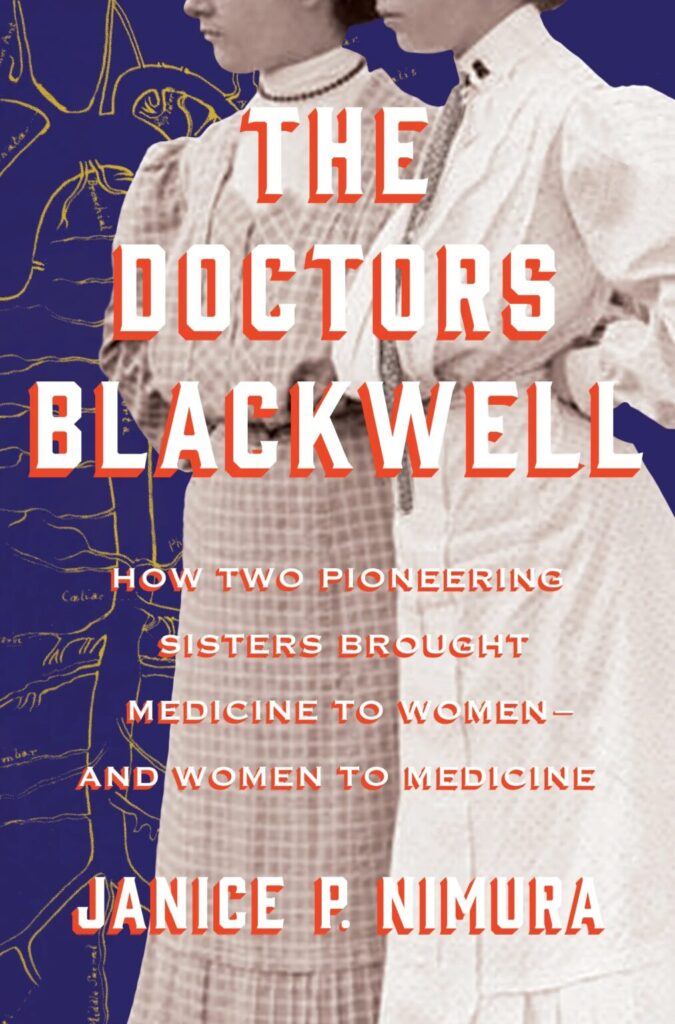
‘The Doctors Blackwell’: The riveting biography of two medical mavens

In 1857 Elizabeth and Emily Blackwell threw open the doors to the New York Infirmary for Women and Children at 58 Bleecker Street, revolutionary as being the first hospital in the world to employ an all-female staff.

We rightly see this today as a major stride in the rights of women as medical professionals and a breakthrough for treating the medical issues of women with forward-thinking understanding.

But the Blackwell sisters were not feminists (in the way we might understand that phrase today) and their journeys to becoming early health care pioneers were certainly not conventional.

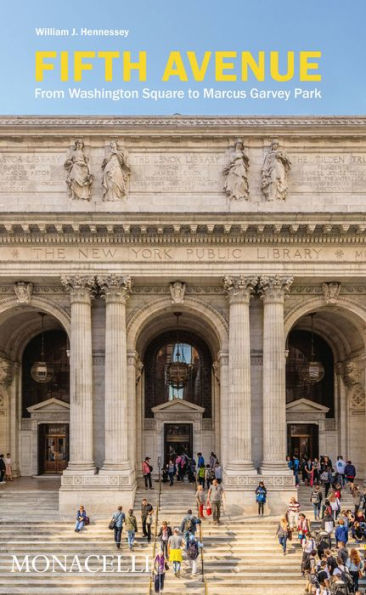
The Doctors Blackwell: How Two Pioneering Sisters Brought Medicine to Women and Women to Medicine  
Janice P. Nimura
WW Norton & Company

In The Doctors Blackwell — a finalist for this year’s Pulitzer Prize for Biography — Janice P. Nimura illuminates the lives of two important women whose rich personal adventures have gotten lost in the shadow of their legacies.
Elizabeth was the first woman in the United States to earn a medical degree and that experience alone made her a celebrity. The only woman in operating theaters and classrooms, she didn’t consider herself a standard-bearer for all women but an example of what a woman could do when highly educated.

“Through Elizabeth was undoubtedly a reformer and a lady,” writes Nimura, “she placed herself in a separate category. She sympathized with the general goals of the women’s movement, but she chuckled dismissively at its tactics.”

(Her brothers would eventually marry two leading women’s rights leaders — Lucy Stone and Antoinette Brown. On those occasional times the family sat around the dinner table together, conversations must have been fascinating.)

Emily’s novel journey to a medical degree was more difficult; the spectacle of Elizabeth’s appearance at all-male schools made institutions (and their faculties) wary of the attention and distraction. Both sisters initially rejected ideas of separate women’s medical schools. (Although eventually they would found one themselves in New York.)

Dr. Elizabeth Blackwell

The medical landscape in New York for professional women in the 1850s was virtually nonexistent. Nimura writes, “In 1851 the term female physician meant something quite different from ‘woman with a medical degree’. For most New Yorkers, it meant one person: [notorious abortionist] Madame Restell.

There was also the esteemed J. Marion Sims, the so-called father of gynecology. (He is no longer esteemed today.) By 1855 he established a Women’s Hospital, staffed mostly by men with a purely symbolic list of prominent women as managers.

“Half are doctors’ wives, the stiffest of the stiff,” Elizabeth remarked, one of dozens of passages Nimura highlights which reveals her subject’s sharp, sometimes exasperated thoughts.

Dr Emily Blackwell

By the time Elizabeth and Emily open the infirmary (with Polish physician Marie Zakrzewska, who deserves her own book one day), Nimura has masterfully laid out the specific challenges of being a professional woman in America in the 1850s.

And more importantly, she has salvaged their voices and beautifully staged their lives in one of the most enjoyable biographies of the past few years.

Categories
Health and Living Podcasts

The Ruins of Roosevelt Island: The macabre history of New York’s “city of asylums”

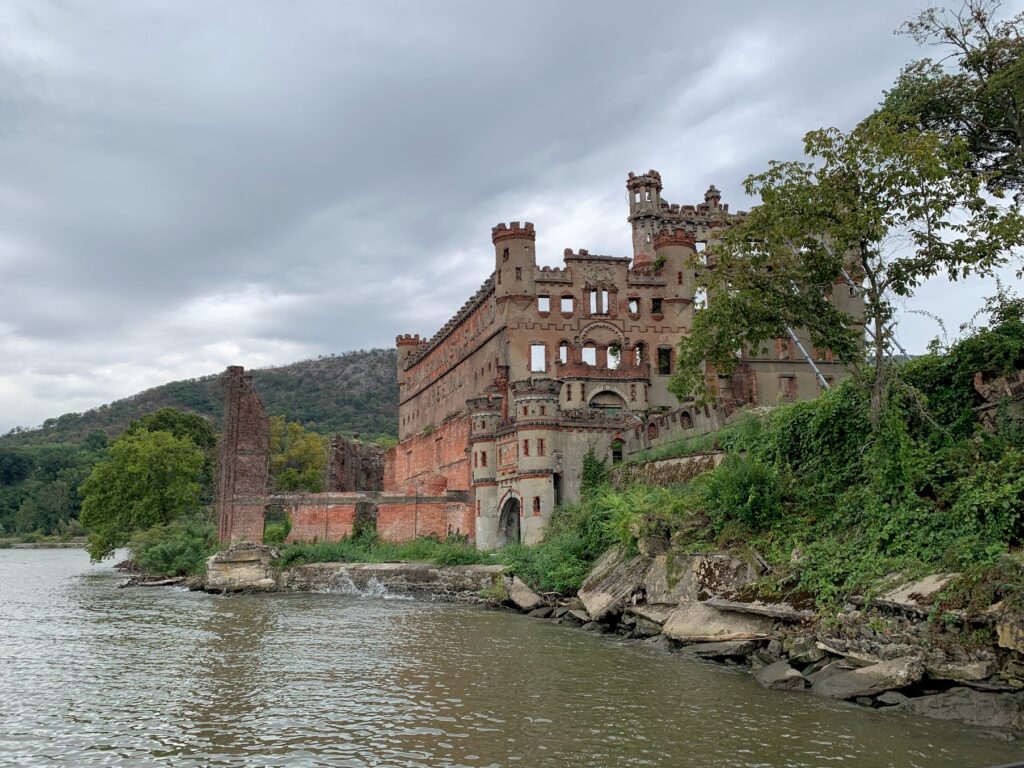
The Renwick Ruin, resembling an ancient castle lost to time, appears along the East River as a crumbling, medieval-like apparition, something not quite believable.

Sitting between two new additions on Roosevelt Island — the campus of Cornell Tech and FDR Four Freedoms Park — these captivating ruins, enrobed in beautiful ivy, tell the story of a dark period in New York City history.

The island between Manhattan and Queens was once known as Blackwell’s Island, a former pastoral escape that transformed into the ominous ‘city of asylums’, the destination for the poor, the elderly and the criminal during the 19th century.
New. York Municipal Archives

During this period, the island embodied every outdated idea about human physical and mental health, and vast political corruption ensured that the inmates and patients of the island would suffer.

In 1856 the island added a Smallpox Hospital to its notorious roster, designed by acclaimed architect James Renwick Jr (of Saint Patrick’s Cathedral fame) in a Gothic Revival style that captivates visitors to this day — even if the building is in an advanced state of dilapidation.

New York City Municipal Archives

What makes the Renwick Ruin so entrancing? How did this marvelous bit of architecture manage to survive in any form into present day?

PLUS: The grand story of the island — from a hideous execution in 1829 to the modern delights of one of New York City’s most interesting neighborhoods.


For more information on Roosevelt Island history:

Friends of the Ruin

Roosevelt Island Historical Society

I also highly recommend the book Damnation Island: Poor, Sick, Mad, & Criminal in 19th-Century New York by Stacy Horn which tells the story of Blackwell’s Island, institution by institution.

And please check out this great video about Roosevelt Island from 1978:


Historic sites on Roosevelt Island to visit (from north to south):

Roosevelt Island Lighthouse

Nellie Bly Monument “The Girl Puzzle”

The Octagon

Chapel of the Good Shepherd

The Blackwell House

Historic Visitor Center Kiosk and Roosevelt Island Tram

Southpoint Park

Strecker Memorial Laboratory

Smallpox Hospital (aka Renwick Ruin)

FDR Four Freedoms State Park


The entire site of FDR Four Freedoms State Park is located on landfill. Want proof?

New York Municipal Archives
The Renwick Ruin
The Smallpox Hospital grounds with grazing geese.
Behind the ruin, guarded by geese and cats.
Southpoint Park, photo by Greg Young

FURTHER LISTENING

After listening to this episode on the Renwick Ruin on Roosevelt Island, jump back into these earlier Bowery Boys podcasts which discuss similar themes or situations from the show:


The Bowery Boys: New York City History podcast is brought to you …. by you!

We are producing a new Bowery Boys podcast every other week. We’re also looking to improve and expand the show in other ways — publishing, social media, live events and other forms of media. But we can only do this with your help!

We are creators on Patreon, a patronage platform where you can support your favorite content creators.

Please visit our page on Patreon and watch a short video of us recording the show and talking about our expansion plans. If you’d like to help out, there are several different pledge levels. Check them out and consider being a sponsor.

We greatly appreciate our listeners and readers and thank you for joining us on this journey so far.

Categories
Hudson Valley Podcasts

Road Trip to the Hudson Valley: The Complete Series Now Available

The Bowery Boys Road Trip to the Hudson Valley mini-series, exploring stories of American history along the Hudson River, is now complete. Catch up on all three episodes — and join us on Patreon for a special ‘behind the scenes’ episode:

On the Trail of the Croton Aqueduct

Welcome to the Old Croton Aqueduct Trail, 26.5 miles of dusty pathway through some of the most interesting and beautiful towns and villages of Westchester County.

But this is more than a linear park. The trail runs atop — and sometimes alongside — the original Croton Aqueduct, a sloping water system which opened in 1842, inspired by ancient Roman technology which delivered fresh water to the growing metropolis over three dozen miles south.

Locations featured: New Croton Dam, the Double Arch Bridge in Ossining, the Keeper’s House in Dobbs Ferry

Hyde Park: The Roosevelts on the Hudson

Hyde Park, New York was the home of Franklin Delano Roosevelt, the 32nd president of the United States. He was born here, he lived here throughout his life, and he’s buried here — alongside his wife Eleanor Roosevelt

But it was more than simply a home.

The Hyde Park presence of the Roosevelts expands outwardly from the Roosevelt ancestral mansion of Springwood, over hundreds of forested acres from former farmlands on the eastern side to the shores of the Hudson River on the west.

Locations featured: Home of Franklin D. Roosevelt National Historic Site, FDR Presidential Library and Museum, Top Cottage, Val-Kill Cottage, all in Hyde Park

The Hudson River School: An American Art Revolution

Two landmarks to American art history sit on either side of the Rip Van Winkle Bridge over the Hudson River — the homes of visionary artists Thomas Cole and Frederic Edwin Church.

Cole and Church were leaders of the Hudson River School, a collective of 19th century American painters captivated by natural beauty and wide-open spaces. Many of these paintings, often of a massive size, depicted fantastic views of the Hudson River Valley where many of the artists lived.

Locations featured: Thomas Cole National Historic Site in Catskill, Olana State Historic Site in Hudson

Tom interviewing Amy Hausmann of the Olana State Historic Site

Road Trip to the Hudson Valley: Aftermath

In this Patreon exclusive, Greg and Tom look back on their adventures in the Hudson Valley and give you a behind-the-scenes look at their journeys along the Croton Aqueduct Trail, Hyde Park and the towns of Catskill and Hudson

PLUS: Some tips on how to make these trips yourself this year.

To listen to this show, support the Bowery Boys Podcast on Patreon.

Greg and Tom with Betsy Jacks in the New Studio, admiring Cole’s unfinished painting.
Categories
Bowery Boys Bookshelf

‘Manhattan Phoenix’: How The Great Fire of 1835 Transformed New York

When a terrible fire swept through lower Manhattan on the late evening of December 16, 1835, and into the morning, many believed the city would never recover.

As we’ve spoken about in our podcast on the subject, “the massive fire, among the worst in American history in terms of its economic impact, devastated the city … destroying hundreds of shops and warehouses and changing the face of Manhattan forever.”

But as it turns out, for the overall growth of the city, the Great Fire was actually … great.

Manhattan Phoenix
The Great Fire of 1835 and the Emergence of Modern New York

Oxford University Press
Daniel S. Levy

In Manhattan Phoenix, Daniel S. Levy‘s vast, transformational history of New York City, we see a moment of destruction as the starting point for an all-new city, finally activating its potential and sweeping away the vestiges of faded colonial life.

While New York has barely survived the Revolutionary War, it did manage to avoid a direct conflict during the War of 1812. Thus the fire was its first genuine test of fortitude in the 19th century.
“But while the Great Fire’s destruction was being swept away,” Levy writes, “it was also being memorialized and transformed into a cultural touchstone about the resilience of New York. Many saw the Great Fire as an opportunity to profit, not only from the rebuilding, but also by referencing and even mythologizing the blaze and the efforts of those who fought it.”

Levy’s book recounts that brilliant rebuilding — from 1835 to the Civil War — the era when New York became a legitimate modern city, revitalizing its civic and social infrastructure and setting the stage for its blossoming international importance during the Gilded Age.

Among the greatest achievements (as we’ve recently discussed) was water, thanks to the marvelous Croton Aqueduct system, which brought both safe, clean drinking water and a new class distinction into the city. “With water flowing into homes, residences receiving water not only benefited from the fresh supply but also gained bragging rights by installing water closets and sinks.”

Levy follows the stories of several prominent New Yorkers (including the abolitionist Lewis Tappan and department store pioneer A.T. Stewart) and wisely borrows beautifully written passages from two of the greatest diarists of the period — Philip Hone and George Templeton Strong.

I especially recommend this book to admirers of Gotham by Edwin G. Burrows and Mike Wallace as it has a similar thrilling sweep of historic narrative. A lot of material but engagingly told.

Categories
Hudson Valley Podcasts Writers and Artists

The Hudson River School: The Story of an American Art Revolution

PODCAST: Two landmarks to American art history sit on either side of the Rip Van Winkle Bridge over the Hudson River — the homes of visionary artists Thomas Cole and Frederic Edwin Church.

Cole and Church were leaders of the Hudson River School, a collective of 19th century American painters captivated by natural beauty and wide-open spaces. Many of these paintings, often of a massive size, depicted fantastic views of the Hudson River Valley where many of the artists lived.

In this episode, the final part of the Bowery Boys podcast mini-series Road Trip to the Hudson Valley, Greg and Tom head up to the historic towns of Catskill and Hudson to celebrate a pioneering artist and his star pupil, two men who transformed the way we look at nature and revolutionized American art.

View on the Catskill—Early Autumn (Thomas Cole 1837)

The Hudson River School painters were philosophers and environmentalists, romanticizing a disappearing wilderness being consumed by rapid industrial growth and American expansion.

Cole found his initial inspiration in the Catskill Mountains, sketching sunrises and returning to his cramped New York City studio to paint. Eventually he moved to Catskill into a crowded home — today the Thomas Cole National Historic Site — and here captured dozens of fantastic, captivating worlds on canvas.

Olana State Historic Site, looking out over the valley. Photo by Greg Young

Across the river sits the Olana State Historic Site, the former estate of Church, who became America’s most famous painter in the mid 19th century. He expanded his worldview beyond New York; the fruits of his South American travels — his classic The Heart of the Andes — would draw thousands of awestruck, fainting crowds.
But in the end, his greatest work might be Olana itself, its manicured hills and graceful carriage roads designed to show off the maximum beauty of the Hudson River Valley.

Greg and Tom are joined on this show by Betsy Jacks on the Thomas Cole National Historic Site and Amy Hausmann and Dan Bigler of the Olana State Historic Site.

Listen Now: The Hudson River School


For more information visit the websites for the Thomas Cole National Historic Site and the Olana State Historic Site. You can also discover the natural places featured in many famous paintings by hiking the Hudson River School Art Trail.


Thomas Cole

Cole photographed in 1845, Macbeth Gallery Records, c. 1890-1964

A View of the Two Lakes and Mountain House, Catskill Mountains, Morning  (1844)

On Catskill Creek (1845-47)

Catskill Mountain Home: The Four Elements (1843 – 1844)

The Voyage of Life: Childhood (1842)

The Voyage of Life: Manhood (1842)

All 2022 photographs taken by Greg Young unless indicated otherwise.

A window display in the town of Catskill.

This wall pattern is from the 1830s/40s and NOT the 1960s.

This room features a multi-media presentation that immerses the visitor in Cole’s creative process.
Greg and Tom with Betsy Jacks in the New Studio, admiring Cole’s unfinished painting.

The Rip Van Winkle Bridge (with pedestrian skybridge)

(And speaking of bridges, swing into the town of Catskill to catch this beauty — an 1882 railway bridge).


Frederic Edwin Church

Photographed by Mathew Brady, 1864

The Heart of the Andes (1859)
Metropolitan Museum of Art

View of the Hudson River Valley from Olana (1867)

The Meteor of 1860 (1860)

Images of Olana State Historic Site. Photos by Greg Young

The home of Frederic Church. Photo by Greg Young

A photo from Whitecliff Vineyard which sits on the site of a 19th century farm. The path from Olana to the ferry ran by this site.

Photo by Greg Young

FURTHER LISTENING

After listening to this episode on the Hudson River School, jump back into these earlier Bowery Boys Podcasts which discuss similar themes or situations from the show:

1) Listen to part one of the Road Trip to the Hudson Valley, featuring the Old Croton Aqueduct Trail:

2) And in part two of this mini-series, we looked at the lives of the Roosevelts at their home in Hyde Park:

3) Frederick Law Olmsted and the creation of Central Park play a minor role in this week’s show

4) A very different set of painters feature in the tale of the Armory Show of 1913

5) … and the Metropolitan Museum of Art is a great place to look at Hudson River School paintings. Frederic Church was even one of the founding trustees!

FURTHER READING

American Paradise: The World of the Hudson River School / Metropolitan Museum of Art
American Wilderness: The Story of the Hudson River School of Painting / Barbara Babcock Millhouse
Charmed Places: Hudson River Artists and Their Houses, Studios and Vistas / conceived by Sandra S. Phillips
Frederic Church / John K Howat
Frederic Church’s Olana on the Hudson / photographs by Larry Lederman
The Life and Times of Asher B. Durand / John Durand

The Bowery Boys: New York City History podcast is brought to you …. by you!

We are producing a new Bowery Boys podcast every other week. We’re also looking to improve and expand the show in other ways — publishing, social media, live events and other forms of media. But we can only do this with your help!

We are creators on Patreon, a patronage platform where you can support your favorite content creators.

Please visit our page on Patreon and watch a short video of us recording the show and talking about our expansion plans. If you’d like to help out, there are several different pledge levels. Check them out and consider being a sponsor.

We greatly appreciate our listeners and readers and thank you for joining us on this journey so far.

Categories
Hudson Valley Podcasts Politics and Protest

The Roosevelts of Hyde Park: American History on the Hudson

PODCAST Hyde Park, New York was the home of Franklin Delano Roosevelt, the 32nd president of the United States. He was born here, he lived here throughout his life, and he’s buried here — alongside his wife Eleanor Roosevelt.

But it was more than simply a home.

Eleanor and Franklin at Hyde Park/Courtesy US National Archives

The Hyde Park presence of the Roosevelts expands outwardly from the Roosevelt ancestral mansion of Springwood, over hundreds of forested acres from former farmlands on the eastern side to the shores of the Hudson River on the west.

FDR was born here in 1882, returning through his life and throughout his storied career — as a state senator, as a governor of New York, as a four-term president. When diagnosed with polio in 1921, Franklin rehabilitated here along the dirt roads emanating from Springwood.

FDR said of Springwood, “My heart has always been here. It always will be.”

Eleanor raised their family here, alongside FDR’s protective mother Sara Delano. She would carve out her own legacy in Hyde Park at a place called Val-Kill Cottage where her political independence and social activism would flourish.

Eleanor Roosevelt with Fala at Val-Kill, 1951

In this episode, Tom and Greg visit both Springwood and Val-Kill, along with two other historic places:

Top Cottage where the King and Queen of England met FDR at the dawning of the World War II (and the King enjoyed a certain staple of American cuisine)

— The FDR Library and Museum, America’s first presidential library, where the legacy of Franklin and Eleanor lives on.

LISTEN NOW: HYDE PARK — THE ROOSEVELTS ON THE HUDSON

Hyde Park Train Station

Inside the station. Photo by Greg Young

Visitors Center

Photo by Greg Young

FDR Library & Museum

Yes FDR was very much alive during the opening of the library. In fact, he was closely involved in its planning. He even worked in this private library within today’s museum.
Springwood

Val-Kill Cottage
Val-Kill Cottage/Photo by Greg Young
Garden at Val-Kill/Photo by Greg Young
Eleanor with Fala by the Val-Kill Pond, 1951
Eleanor Roosevelt entertaining children from Wiltwyck School for Boys at Val-Kill. Eleanor gave millions of dollars to the school.

Top Cottage

FDR at Top Cottage, 1941

Running through our notes before chatting about Top Cottage — as the rain starts to come down.

St. James Episcopal Church, Hyde Park, New York

Inside the chapel of St Jame’s. Photo by Greg Young

FURTHER LISTENING

After listening to this episode on Hyde Park, jump back into these earlier Bowery Boys Podcasts which discuss similar themes or situations from the show:

1) Listen to part one of the Road Trip to the Hudson Valley:

2) FDR plays a big role in these two shows on the New Deal’s effect on the New York City area.

3) And revisit the history of Roosevelt Island, named for Roosevelt in 1973.

The Bowery Boys: New York City History podcast is brought to you …. by you!

We are producing a new Bowery Boys podcast every other week. We’re also looking to improve and expand the show in other ways — publishing, social media, live events and other forms of media. But we can only do this with your help!

We are now a creator on Patreon, a patronage platform where you can support your favorite content creators.

Please visit our page on Patreon and watch a short video of us recording the show and talking about our expansion plans. If you’d like to help out, there are several different pledge levels. Check them out and consider being a sponsor.

We greatly appreciate our listeners and readers and thank you for joining us on this journey so far

Categories
Museums Women's History

The Origin of Met Gala and its Surprising Roots in the Lower East Side

The Met Gala is the most outrageously glamorous event in New York City, a fundraising benefit for the Metropolitan Museum of Art’s Costume Institute that also serves as a kickoff party for the museum’s annual costume exhibition.

This year’s theme is “Gilded Glamour” so expect some genuine throwback costumery and lots of expensive baubles. (The Gilded Gentleman, sadly, will not be attending.)

The Met Gala, 1960. Walter Sanders—The LIFE Picture Collection/Getty Images

The Queen of the Ball

The Costume Institute traces its core collection back to the Museum of Costume Art, which displayed historical garb starting in 1937 in Rockefeller Center. That organization would begin an association with the Met in 1944, becoming the Costume Institute with their first exhibition “Hats and Headdresses.” They would officially move in as part of the Met in 1946.

In 1948, to help fund this fledgling array, influential fashion publicist Eleanor Lambert launched the Costume Institute’s first fund-raising gala, a midnight supper with a fifty dollar entrance fee. (That’s $525.00 today.)

This was just one of a number of events Lambert helped create to promote the American fashion industry during and after the war. 

Eleanor Lambert, 1963. Courtesy Vanity Fair

Despite New York’s long importance in the garment-making world — there was already a bustling Garment District in Midtown by the 1930s — New York City was never seen as a true fashion taste-maker until the 1940s, partly due to the efforts of Lambert. A few years before the first Costume Institute fund-raiser, Lambert created the first fashion Press Week which we know today as Fashion Week.

But where did that first collection from the Museum of Costume Art come from? What is the root of all this glamour?! Believe it or not, we need to turn to the true heart of garment making in New York City — the Lower East Side.

The Neighborhood Playhouse on Grand Street, pictured here in 1916. Courtesy Library of Congress

The First Threads

Alice and Irene Lewisohn, daughters of the Jewish metal merchant and philanthropist Leonard Lewisohn, became involved in the Settlement House movement of the Lower East Side in the early 1900s.

In 1915, bringing theater into the heart of this densely populated district, the sisters opened the Neighborhood Playhouse on Grand Street, “a community theater where the traditions of the neighborhood can find artistic expression.” (Lillian Wald of the nearby Henry Street Settlement was on the board of directors.)

Irene was a collector of historical fashion and her favorites were often used on the playhouse stage. In 1928, the sisters moved their company (and their costumes) uptown to be closer to the Broadway scene, renaming it the Neighborhood Playhouse School of the Theatre (originally at 16 West Forty-sixth Street).

Today the Neighborhood Playhouse is known as an esteemed acting conservatory, most associated with acting teacher Sanford Meisner.

Aline’s Eye

While at the Lower East Side location, the Lewisohns began working with the brilliant Aline Bernstein (pictured below), the hottest theatrical costume designer of the 1920s. 

“Mrs. Bernstein costumed practically every Neighborhood Playhouse production, devoting her spare time to a study of costumes of all ages and countries. She has haunted the museums both here and abroad and acquired an amazingly comprehensive knowledge of her subject.” [New York Times 1927]

Combine Irene Lewisohn’s growing collection and wealth with Aline Bernstein’s expertise and reputation and you get what most regarded as the greatest collection of historical costume in the United States.

And so the Museum of Costume Art was born. Its first exhibition was held on May 3, 1937, at the recently opened La Maison Francaise at Rockefeller Center.

Never Out Of Style

Exhibitions at the museum would almost immediately inspire budding fashion designers. And even by 1939, when the museum opened the exhibition “A Cycle of American Dress” at Rock Center’s International Building, there was talk of a collaboration with the Metropolitan Museum.

“If only the Museum of Costume Art, housed now in the International Building at Rockefeller Center, had been established nearer to the Metropolitan, or even under the same roof, the exhibition of eighteenth and nineteenth century clothes and the Metropolitan’s exhibition of paintings …. could be seen more closely in relation with one to the other.” [NYT 1939]

While the Lewisohn treasures make up the Costume Institute’s core collection, an even older assemblage of costumes entered the Met in 2008 with the merging of the Brooklyn Museum’s costume collection.

In 2014, the Costume Institute was renamed the Anna Wintour Costume Center after the fashion editor and artistic director whose regal presence is felt every year at the Met Gala. 

Pictured at top: Charles Weidman, Eugenia Liczbinska with Blanche Talmud (seated) Dance Group appearing in music-dance-drama “Music of the troubadours” (Neighborhood Playhouse Production, New York, 1931)

Categories
Hudson Valley Podcasts

On the Trail of the Old Croton Aqueduct: Walking Along an Engineering Marvel

What 19th century American engineering landmark invites you through nature, past historic sites and into people’s backyards? Where can you experience the grandeur of the Hudson Valley in (mostly) secluded peace and tranquility — while learning something about Old New York?

Welcome to the Old Croton Aqueduct Trail, 26.5 miles of dusty pathway through some of the most interesting and beautiful towns and villages of Westchester County.
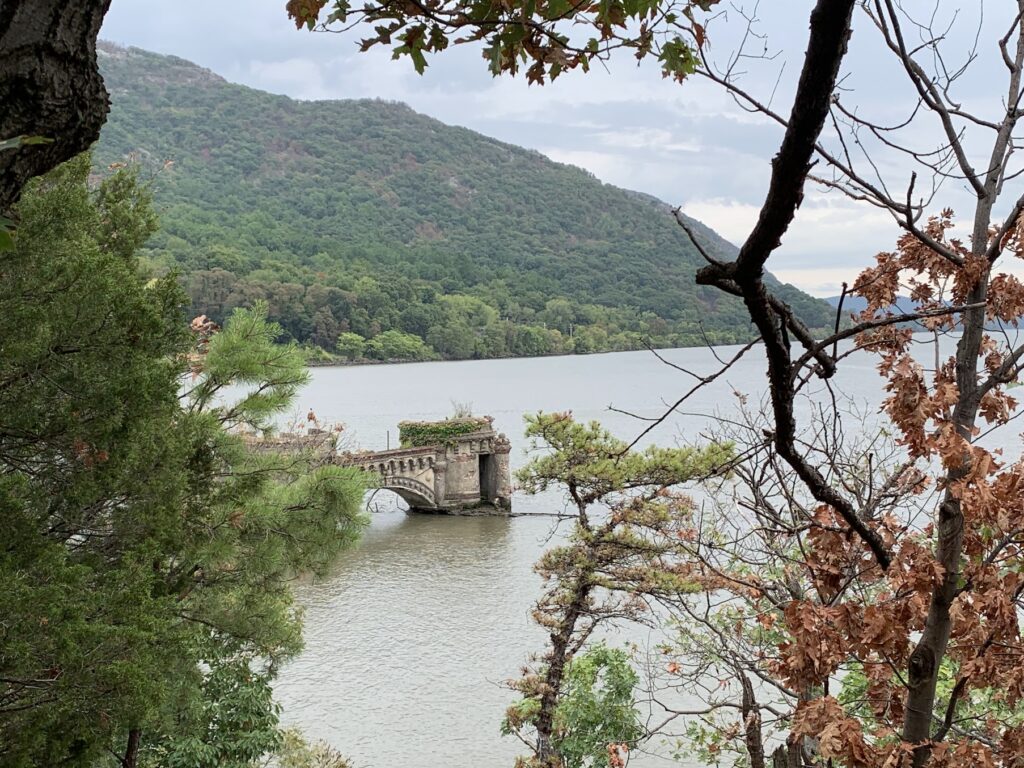
But this is more than a linear park. The trail runs atop — and sometimes alongside — the original Croton Aqueduct, a sloping water system which opened in 1842, inspired by ancient Roman technology which delivered fresh water to the growing metropolis over three dozen miles south.
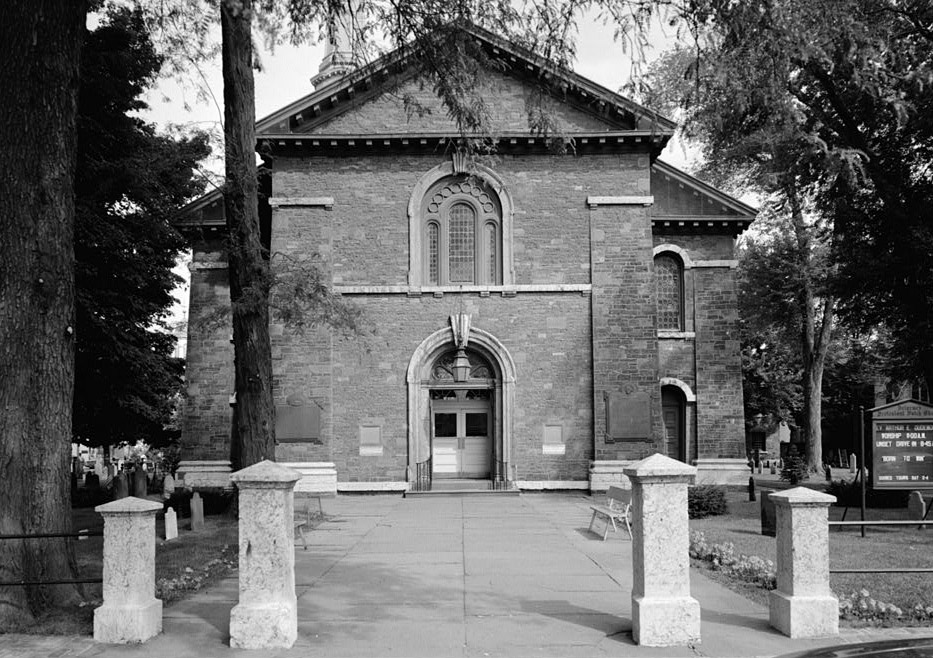
At its northern end sits the New Croton Dam — the tallest dam in the world when it was completed in 1906 — with its breathtaking, cascading spillway (a little Niagara Falls) and its classic steel arch bridge, providing visitors with a view into a still-active source of drinking water.

In the first part of this Road Trip to the Hudson Valley mini-series adventure, Greg and Tom not only trace the history of this colossal engineering project, they literally follow the aqueduct through the village of Westchester County (with some help from Tom Tarnowsky from Friends of the Old Croton Aqueduct).

WITH Nineteenth century ruins! Ancient bridges and weirs! Steep hikes and historic houses!

PLUS: How did this elaborate mechanism help revolutionize modern plumbing? And find out how portions of this 180 year old system are still used today to distribute fresh water.

LISTEN NOW: ON THE TRAIL OF THE OLD CROTON AQUEDUCT


A big thanks to Tom Tarnowsky and everybody involved with the Friends of the Old Croton Aqueduct. Visit their website for information about walking tours and special events. You can also visit the state’s website for the Old Croton Aqueduct Trail for more information and lots of great maps.

And here is Tom’s lecture for the Irvington Historical Society from 2021. Lots of fascinating information here:


An overview of the Old Croton Aqueduct on a map. And here’s an excellent map of the trail.

Courtesy Tom Tarnowsky/Friends of the Old Croton Aqueduct

And where does New York City get all its water today?


A view of the original Croton Dam, equipped with well dressed lads and ladies.

Courtesy Tom Tarnowsky/Friends of the Old Croton Aqueduct

The current Old Croton Dam is submerged beneath the waters of the New Croton Dam. However, in 1955, water was drained from the reservoir and this picture was taken of the old dam.

Courtesy Tom Tarnowsky/Friends of the Old Croton Aqueduct

Much of the trail is actually atop a mound made over the aqueduct masonry.
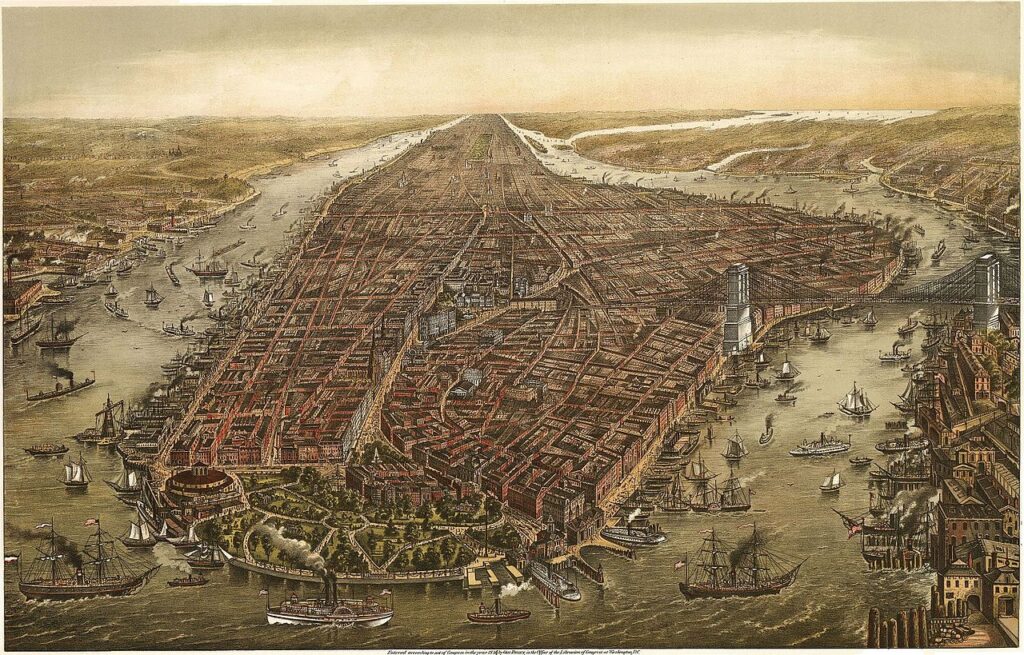
Courtesy Tom Tarnowsky/Friends of the Old Croton Aqueduct

The aqueduct ventilators are the most recognizable features of the existing old aqueduct along the trail.

Courtesy Tom Tarnowsky/Friends of the Old Croton Aqueduct

The Sing Sing/Ossining Double Arch Bridge

The High Bridge brought Croton water over the Harlem River and into New York.

Courtesy Tom Tarnowsky/Friends of the Old Croton Aqueduct

The New Croton Aqueduct, constructed in the late 19th century, would be considerably larger than the old. This 12-foot diameter section is waiting to be lowered into the aqueduct near to 149th Street and Convent Avenue circa 1888…..

Courtesy NYC Water

And then the system would get even bigger! Here’s an image of the Catskill aqueduct system which was completed in 1916.

Courtesy Tom Tarnowsky/Friends of the Old Croton Aqueduct

The New Croton Dam was the largest dam in the world when it was completed in 1906.

The new Croton Dam in 1912, the park side being very manicured and unforested during this time.

Courtesy Tom Tarnowsky/Friends of the Old Croton Aqueduct

The New Croton Dam, filmed right after we recorded the show.

At the Double Arch Bridge in Ossining, NY.

The trail running next to the Keeper’s House in Dobbs Ferry, NY.

Come visit their permanent exhibition at the Keeper’s House!

Images from Greg’s meandering stroll along the Old Croton Aqueduct — from Sleepy Hollow to Yonkers:

The trail cuts straight through the estate of Lyndhurst, the former mansion of Jay Gould….

…and you also pass the stunning home of Madam C.J. Walker Villa Lewaro.

The Armour-Stiner House, aka the “octagon house.” You pass by dozens — even hundreds — of fabulous historic houses during your walk along the trail.

FURTHER LISTENING

After listening to this week’s show on the Old Croton Aqueduct Trail, dive back into these older episodes featuring Westchester County and the Hudson River. Start with this 2012 episode on the Croton Aqueduct.

New Yorkers didn’t just use water from the Croton River; they also often used ice from the Hudson River.

The story of Washington Irving and The Legend of Sleepy Hollow

The story of Henry Hudson’s journey into the area

Bridging the Hudson River: How they built the George Washington Bridge

The Bowery Boys: New York City History podcast is brought to you …. by you!

We are producing a new Bowery Boys podcast every other week. We’re also looking to improve and expand the show in other ways — publishing, social media, live events and other forms of media. But we can only do this with your help!

We are now a creator on Patreon, a patronage platform where you can support your favorite content creators.

Please visit our page on Patreon and watch a short video of us recording the show and talking about our expansion plans. If you’d like to help out, there are several different pledge levels. Check them out and consider being a sponsor.

We greatly appreciate our listeners and readers and thank you for joining us on this journey so far

Categories
Hudson Valley

The Curious Names of Westchester County’s Villages and Towns

Westchester County contains some of the most interesting and historic sites in New York State — from Glen Island and Rye Playland along the Long Island Sound to the charming belt of villages nestled along the banks of the Hudson River.

Until the late 19th century, Westchester was most often defined by its rural charms, an outpost seemingly a world away from the bustle of New York City.
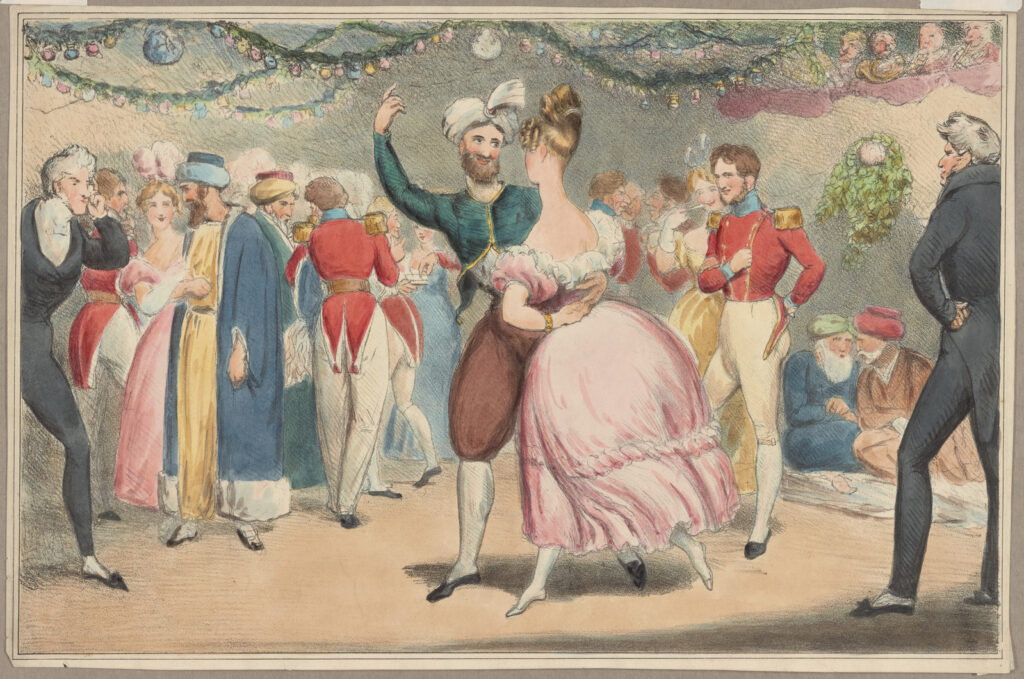
Yet it has often been harnessed to the city and its needs (often to the consternation of Westchester’s residents) from the Croton Aqueduct to the Hudson River Railroad.
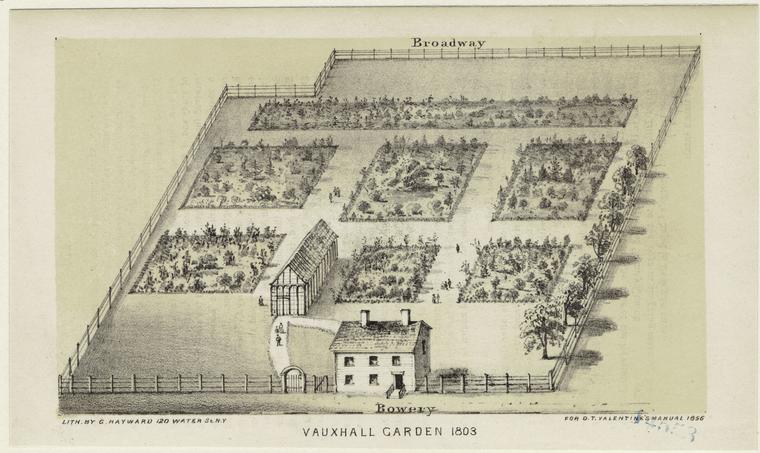
In 1874 New York took from the county again when a southern portion west of the Bronx River was absorbed by the city, creating the Annexed District. By the end of the century, that expanded district would be removed from Westchester altogether and become The Bronx. (Listen to our podcast on the birth of the Bronx for more information.)

The extraordinary history of the lands which comprise modern Westchester trace back centuries (and even millennia, in fact). The county was created in 1682, named for the walled English city of Chester, one of the twelve original counties created by the British as the Province of New York. (The other eleven — Albany, Cornwall, Dukes, Dutchess, Kings, New York, Orange, Queens, Richmond, Suffolk and Ulster.)

Exploring the origin of the names of Westchester County reveals the rich and complex history of the region — from its Native American roots to the realities of 20th century life.

Croton-on-Hudson and the Croton River

The Kitchawancs tribe, a Munsee-speaking native population which lived in this region, was once led by an sachem named Kenoten (meaning the wild wind.) His name evolved into the word Croton which lends itself to the river and to the village Croton-on-Hudson.

Yonkers and Saw Mill River

Adrian Van Der Donck was one of the most prominent residents of New Amsterdam and often at odds with director-general Peter Stuyvesant. In 1645 the Dutch West India Company granted Van Der Donck an estate along the Hudson River where he operated a saw mill along a tributary river now named for that very saw mill.

As a notable Dutch patroon, Van Der Donck was known as jonkheer of the estate, “literally translated as young lord or esquire.” He was killed in 1655 during a conflict with the Lenape known as the Peach War, but his honorific lives on, centuries after his death, in New York’s fourth largest city.

Cortlandt

The Dutch Van Cortlandt family, who first arrived in New Amsterdam, were Westchester’s most prominent Colonial landowners in the 17th century, their estate extending from the Hudson River to the Connecticut line on the east. Not only does their name adhere to the towns of Cortlandt and Cortlandt Manor, but you can find their story in various places in the region — most notably Van Cortlandt Manor and the Bronx’s Van Cortlandt Park

New Rochelle

In the late 16th century, thousands of French Huguenots (Protestants) escaped religious persecution by sailing to English colonial territories that were more welcoming to their faith. In 1688 thirty-three Huguenot families formed a settlement in Westchester County, and in honor of their former home La Rochelle, they named it New Rochelle.

White Plains

To quote from Sandra Harrison in her book White Plains, New York: A City of Contrasts: “Perhaps the best explanation for the city’s name is that there were once numerous wetlands on which a heavy white mist would often linger. Even though many of these wetlands are gone, mists often hover over the city where the tops of skyscrapers disappear.” Mysterious!

Dobbs Ferry

Yes, there was a Dobbs (a Jeremiah Dobbs) and, yes, he had a ferry service here during the Colonial Era. The village played a pretty critical role in the Revolutionary War.

And in 1781, George Washington encamped in Dobbs Ferry with the Continental Army, then headed to Yorktown, Virginia, where his troops would win a decisive victory. (Another Westchester town — Yorktown, New York — was named in celebration.)

Ardsley

Cyrus West Field, who devised the Transatlantic Cable in the 1850s, owned a small property in Westchester County called Ardsley Park, named for the English village of East Ardsley where his ancestors were from. Local lore suggests that Field used his influence to get the village a post office in exchange for it taking the name of his estate. (Most likely the residents were more than happy to be associated with the acclaimed, world-famous financier.)

Ossining

The village formerly known as Sing Sing took its original name from the native people of the region — the Sintsink. In the 1820s the Sing Sing Prison opened along the waterfront, soon becoming one of America’s most notorious correctional facilities. In 1901 the town, frustrated by the association, successfully changed its name (adopting that of the nearby town of Ossining) to escape any further confusion.

The original Tappan Zee Bridge. Courtesy American Bridge
The Tappan Zee Bridge

The expansive widening of the Hudson River between the towns of Nyack and Tarrytown has one of the most interesting names in New York state, a combination of the Tappan native Indian tribe and the Dutch word for sea — zee. Its name fusion expresses the truly unique history of the region, where traditions morph and expand with new generations.

Since the 1950s a bridge has spanned the river at this spot. In 2017 an attractive new bridge replaced the older one. And apparently we’re supposed to call it the Governor Mario M. Cuomo Bridge now. (But it will always be the Tappan Zee to me.)

Do you have any other interesting stories about Westchester County? Leave them in the comments!