Categories
Bowery Boys Bookshelf

The Amazing Race: In ‘Eighty Days’ Nellie Bly tries to outdo Jules Verne while a New Orleans writer vows to beat both


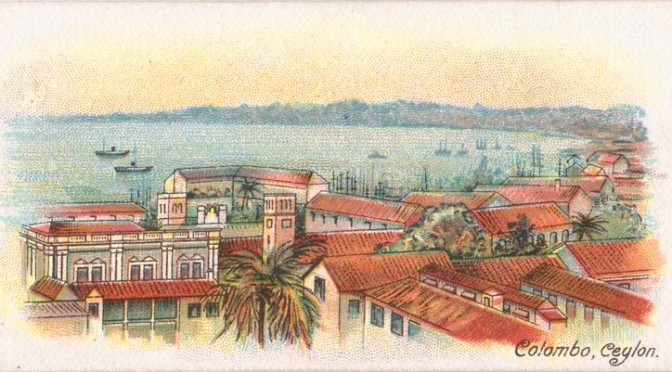
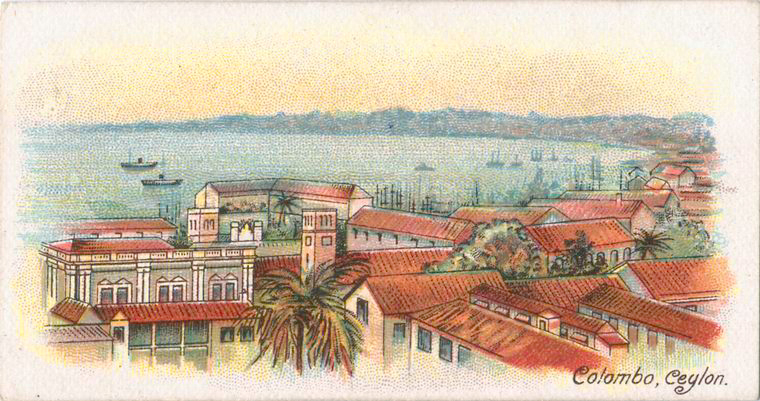
Greetings from Columbo, Ceylon, one of the many glamorous destinations you’ll visit in Matthew Goodman’s new book.

BOWERY BOYS BOOK OF THE MONTH Each month I’ll pick a book — either brand new or old, fiction or non-fiction — that offers an intriguing take on New York City history, something that uses history in a way that’s uniquely unconventional or exposes a previously unseen corner of our city’s complicated past.  Then over the next month, I’ll run an article or two about some of historical themes that are brought up in the selection. 

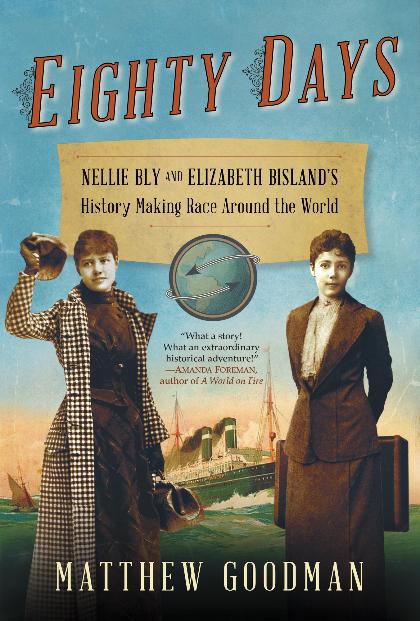
Eighty Days: 
Nellie Bly and Elizabeth Bisland’s History-Making Race Around The World
by Matthew Goodman
Ballantine Books
One under appreciated facet of the Gilded Age is Western civilization’s almost addictive need to push its innovations past their upper limits within the framework of a literal competition — not just in mere quest for improvement, but in a tangible victory over its lessers.  Beauty, in a machine, meant winning.

The value of human life became secondary in the furious race of locomotives crossing vast plains of the United States, or of cross-country automobile competitions over terrain hardly suited for rubber tires, or later the famed air races of early aviation daredevils.

Speed was perfection, but it also came attached with cash prizes (from newspaper moguls or sponsors who benefited from the technology), ticker-tape parades and instant fame.

In 1873, well before the first automobiles and airplanes, one well-noticed gauntlet was thrown by the French writer Jules Verne, who created the character of Phileas Fogg, then sent him “Around the World In Eighty Days.”  The hugely popular novel celebrated both primitive and modern forms of transportation, but a principal theme was the value of speed and modern man’s victory over distance.  The world, already prevailed over by the interests of empire, could now be circumnavigated.

But could this feat be performed by an actual human? And, more daring still, could it be done by a woman?

In Matthew Goodman‘s breathless, exotic new history Eighty Days: Nellie Bly and Elizabeth Bisland’s History-Making Race Around The World, two extraordinary woman attempt to meet Verne’s challenge.  Or rather, challenges made by their New York editors, inspired by Verne’s best-selling novel and dazzled by the possibilities of an impossible quest creating splashy headlines to sell newspapers in 1889.

You are most likely familiar with Bly, the vanguard young journalist best known for her daring exposes for the New York World.  Posing as a patient in Blackwell’s Island’s lunatic asylum in 1887, Bly revealed deep-seeded abuses within the system.  Almost as importantly, Bly helped define investigative journalism along the lines of stunt work.  She was a Victorian era reality star of sorts, fearlessly defying conventions.
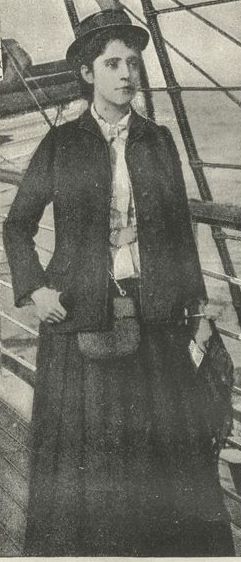
On November 14, 1889, Bly began her quest to beat Phileas Fogg, boarding a steamer for England on her way around the globe. What she did not know then is that the race to beat a fictional character had now been joined by somebody quite real — the journalist Elizabeth Bisland (pictured at left).

A native of New Orleans and a habitue of New York literary salons, Bisland was assigned to take a similar journey by her editor at The Cosmopolitan (precursor to today’s Cosmopolitan magazine).  With less than a day’s notice, he sent Bisland on a trip around the world on the same day — and going in the opposite direction.

Eighty Days is a tale of stops and starts, of telegraph offices and train stations, of foreign places narrowly observed by its two competitors.  Luckily, Goodman doesn’t leave you sitting with the two women, who are sometimes too tired, too rushed or too incurious to explore their surroundings.

With beautiful prose, like a craning camera, Goodman provides sumptuous detail to these fantastic and sometimes mysterious worlds — Hong Kong, Brindisi, San Francisco, Yokohama, the towns along the Suez Canal.

It becomes very clear that this is indeed a trip around the world, but along a fairly narrow band anchored by British ports.  Bly cannot stand the British;  Bisland comes to adore them.  Their personalities are reflected in their empathy.  Bisland mourns a nameless Chinese man who has died aboard her ship.  Bly, at times surprisingly unconcerned of certain conditions, buys a rowdy monkey who accompanies her for the last leg of her trip, to the great alarm of baggage handlers.  Bisland seems the more introspective, Bly the more entertaining companion.
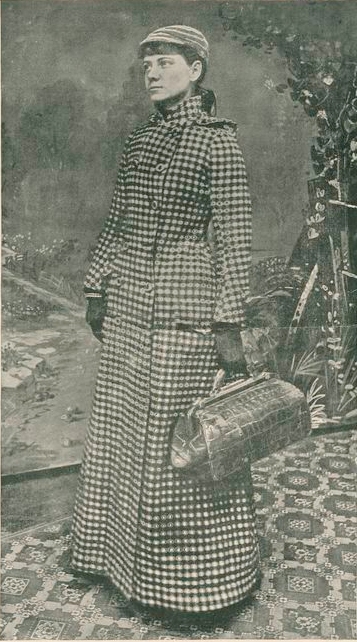
I hate to conjure reality television for a second time in this review, but the competition within Eighty Days, so well paced by Goodman, really comes down to making connections, as often illustrated in CBS’s “The Amazing Race.”  Again, it comes down to the alleged speed of certain vessels, whether they arrive on time, and the abilities of Bly and Bisland to maneuver through foreign countries — many times unaccompanied — to arrive at their next destination.

At right: Nellie Bly, ready for action!

Eighty Days is a romp around the planet, but it returns periodically to Park Row in New York, where Bly’s newspaper has turned her journey into a best-selling sensation.  Thousands enter a contest to guess the exact time that she will finish her trip.

Like those many newspaper readers, you’ll be scrambling to guess which competitor will arrive in New York first — and, more importantly, what unfortunate event might prevent the other from victory.

Goodman’s latest tale expands upon themes he conjured up in his last book, The Sun and The Moon, another tale about fantastical journalism, regarding the Great Moon Hoax perpetrated by the New York Sun in 1835.  Newspapers are perhaps more accurate in 1889 but no less sensational.

Jules Verne himself makes an appearance too, hosting one of the competitors at his home in Amiens, France.  “She is trim, energetic, and strong,” remarks Jules’ wife Honorine.  “I believe, Jules, that she will make your heroes look foolish. She will beat your record.”

COMING FRIDAY: An interview with Matthew Goodman, the author of Eighty Days!

Pictures courtesy New York Public Library. Book cover courtesy Ballantine
Categories
Bowery Boys Bookshelf

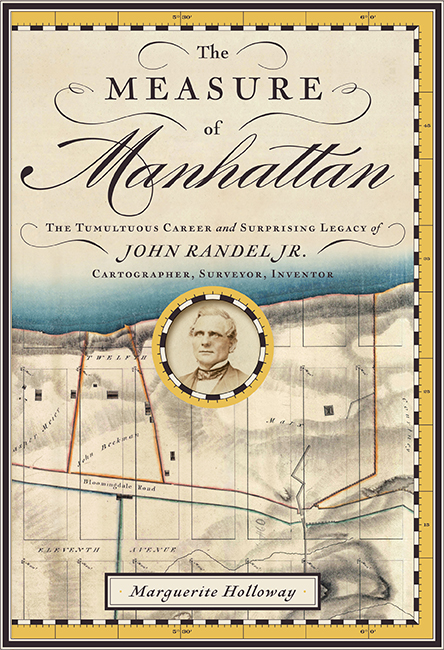
‘The Measure of Manhattan’: The grid plan of New York comes to life, as does its eccentric creator


BOWERY BOYS BOOK OF THE MONTH Each month I’ll pick a book — either brand new or old, fiction or non-fiction — that offers an intriguing take on New York City history, something that uses history in a way that’s unconventional and different or exposes a previously unseen corner of our city’s complicated past.  Then over the next month, I’ll run an article or two about some of historical themes that are brought up in the selection. 


The Measure of Manhattan: 
The Tumultuous Career and Surprising Legacy of John Randel Jr.
by Marguerite Holloway
WW Norton & Company

The man at the center of Marguerite Holloway’s ‘The Measure of Manhattan’ is a genuine riddle.

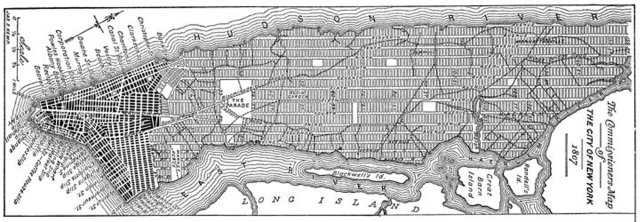
The surveyor John Randel Jr. rarely wrote about himself, jotting down observations of land elevation and incompetent workmen as he mapped out the legendary grid plan along the island of Manhattan.

This ambitious task, occurring early in his career, would assure his place as a pivotal, if quiet, figure in American history.  During this period, he is studious, focused and, let’s just say it, a mite uninteresting.  But just as the grid is completed, Randel’s personal story comes to life.

A traditional historian might not know what to do with the life of Randel, a man who ages into astonishing eccentricity and temperament.  But.Holloway, a journalism professor at Columbia University, treats this story as a two-fold mystery, turning something that could into a real unexpected — and often unpredictable — treat.

Her first concern is the grid itself, the orderly row of streets and avenues that arose out of the former hills and streams of Manhattan, following researchers who are attempting to determine how drastically the landscape has been altered over the years.

Evidence of the original surveying job — which sliced through private property and reorganized nature into something unrelenting and orderly — can be found in Central Park.  In fact, a bolt sits lodged in a rock, the last remaining evidence of Randel’s assiduous work.  It’s an astonishing discovery.

As is Randel, the man who probably put it there.  The young surveyor, taken under wing by the well connected DeWitt family at the start of the 19th century, worked on the grids to Manhattan and Albany before he was 30 years old, braving the wrath of farmers to mark rectangles in the landscape.  So unusual was the island’s terrain that Randel invented his own surveying equipment specifically suited for the job at hand.

But even as Holloway goes deep into Randel’s technique, there appears to be a vacuum at the center of the story.  Randel’s personality seems opaque, even non-existent.  But wait.

The most fascinating aspects to Randel’s character come after the grid is completed, when the surveyor attempts to cash in on his remarkable accomplishment.  He naturally attempts to sell copies of his maps but, in these heady days before copyright, is thwarted by a competitor who basically duplicates his work

From that point, he seems to spend as much time in lawsuits as he does doing field work.  He goes to work on an upstate length of the Erie Canal, only to annoy his peers and tarnish his reputation.  Is it professional jealousy at Randel’s enormous skills, or is the great, embittered surveyor becoming obstinate?

As Benjamin Wright, canal engineer and enemy of Randel’s, once said of his rival in 1824: “I think him the most complete hypocritical lying nincompoop (and I might say scoundrel if it was a Gentlemanly word)…..”

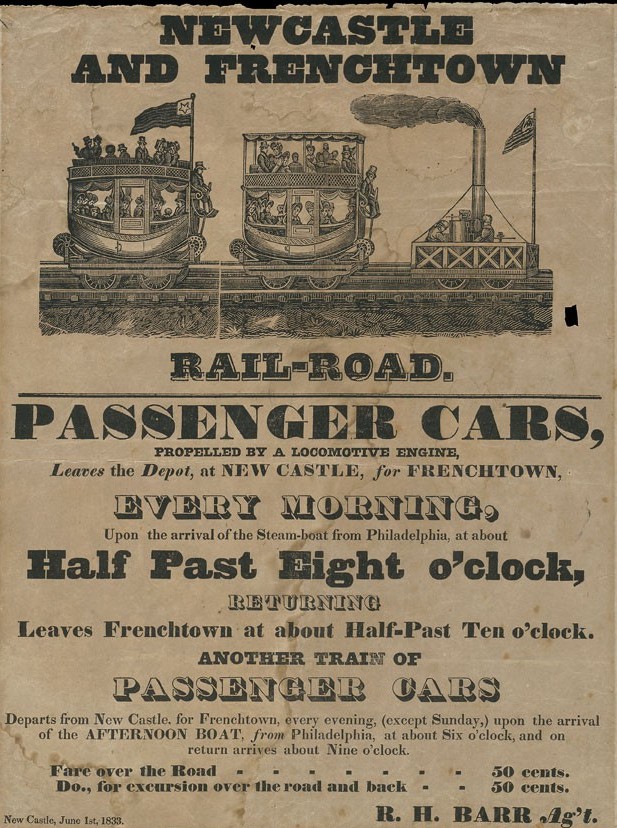
At left: A notice for another of Randel’s great projects, the New Castle and Frenchtown railroad, the first railroad in Delaware 

Far from a career of increasingly applauded works, Randel becomes stepped in controversy at every turn, even as he moves from canals to railroads.  He’s perpetually strapped for cash, even attempting to build his own estate (amusingly called Randelia) with unfortunate results.  In a desperate act of “piracy”, according to the author, he even attempts to collect his very own tolls from a canal he himself surveyed and engineered!

Holloway, employing an extraordinary depth of research, describes a man of great talent who gets ripped asunder by America’s rapid growth, defined not by accomplishment but debt.  In a way, this is as pure an American story as it gets.

The tale often pulls back at times to modern day, constantly reminding us of Randel’s most stunning accomplishment, a New York grid plan so implanted that it seems impossible to imagine that anything else ever existed here.  In particular she turns her focus to Eric Sanderson and his amazing 2009 Mannahatta project, pulling a reverse-Randel in trying to map out the original landscape as it appeared in the year 1609.

Randel returns to New York near the end of his life for the industrial exhibition held at the Crystal Palace in 1853, America’s first great show of its technological prowess. It is here that Randel reveals his last, greatest idea — an elevated railroad transporting passengers up and down the length of avenues he had himself marked over forty years earlier.

His visionary ideas were rejected.  Over fifteen years later, well after Randel’s death, New York built an elevated railroad anyway.

Categories
Bowery Boys Bookshelf

How to make a mermaid: A chat with Mark Siegel, the creator of ‘Sailor Twain, or The Mermaid in the Hudson’

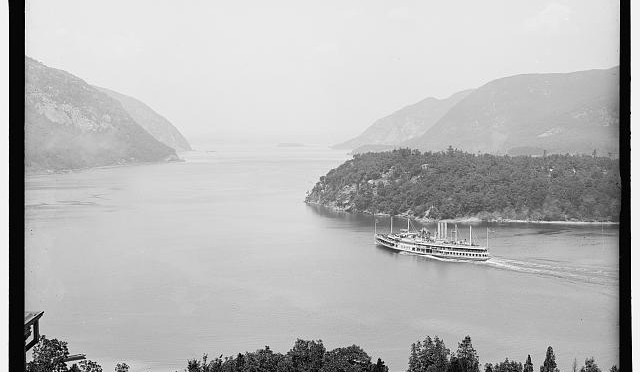
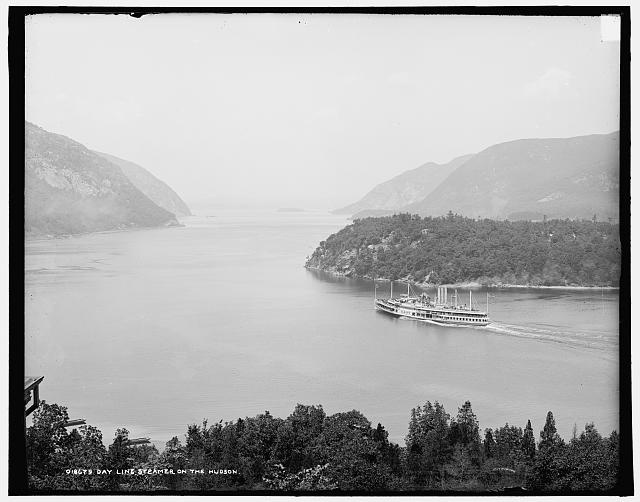
A passenger steamer passes along the Hudson, early 1900s. (Courtesy LOC)
As a kick-off to the Bowery Boys Book of the Month section, I thought I’d ask Mark Siegel, the author of Sailor Twain or The Mermaid in the Hudson,” a few questions on his inspiration for the graphic novel.  I was especially interested in the origin of the book-within-a-book, as it seemed like something familiar….

So which inspiration came first, a history-based story set on the Hudson or a love story involving a mermaid?

It’s hard to say, because the Hudson River and the mermaid have been inseparable in my mind for the nine years I was working on the book.  But the compulsion of a siren’s song was the initial spark—these things in life that compel us and override our reason and our common sense, things we would follow . . . down, down, down.

 The 1887 setting revealed itself very early.  There’s the romance of the Gilded Age, but also the cross currents of that time which I found irresistible: the industrial revolution waxing and the scientific mind in ascendance, the women’s suffrage movement, the uphill fight for Black people’s rights, the lingering shadows of the Civil War, and with poetry and literature, a search for a new and unique American myth and magic—from Irving to Twain to Whitman to Emily Dickinson… Such rich soil to plant a story’s seeds in.  But yes, the seed itself is a love story, or rather three interwoven love stories.

Why did you decide to name the captain Twain? The story makes a couple clever allusions to Mark Twain then launches into a genre quite unlike a Twain story. Is the randy Lafayette an allusion to a real life character as well (say Marquis de Lafayette perhaps)? 

With every major character in Sailor Twain I was interested in finding a resonance in the American psyche. Lafayette evokes the Marquis of course; a great emblem of France, and in the love-hate relationship between France and the United States, that name belongs on the love side: a France that embraces the American ideal.  Now at first, the Lafayette in our story seems like a cliché of the lecherous Latin man, but then his destiny takes him someplace beyond that.

Twain is a dangerous name to give a protagonist—it’s such a trademark of that Samuel Clemens fellow. And Captain Twain even resents being asked if he’s related to the writer! He grumbles “That’s not his real name, you know…” But that’s only the starting point.  Sailor Twain also plays with the Doppelganger theme—so splits or “twainings” of all kinds:  in the Captain, the passengers, the recent Blue and Grey Coats of the Civil War, even in the mighty Hudson herself.  The Algonquian name for the Hudson was “The River That Flows Two Ways.”  So the name Twain runs throughout every level of the story.  Early on in the making of it, it couldn’t be any other name for our doomed captain.

At the core of the graphic novel is a mysterious book ‘Secrets & Mysteries of the River Hudson’ written by the equally mysterious C.G. Beaverton. There’s something very vaguely familiar about this book, perhaps like something similar I’ve read doing research. Is it based on a real book? 

Oh good!  I hoped for exactly that sort of vague familiar feeling.  I wrote out most of that book within the book, so I could know it myself.  It’s like some travelogues, but also the mystical searches of Graham Hancock like in his The Sign and the Seal—part rigorous history, part guidebook, part fable and mystery-dream.  Leonardo DaVinci‘s travel journals were oddly enough an early inspiration: they’re mostly very detailed, very exact and truthful, and suddenly he talks about visiting foreign lands and seeing giants and impossible creatures and all kinds of baffling things. I love that.

How the Beaverton book evolved though, is the author became more of a story-collector than a visionary—something like Zora Neal Hurston, or the folk-song collectors in the Appalachian mountains.  Some of the Beaverton stories draw from actual Hudson folklore, and from all real places—plus some of my own strange visions in some of these places.


Your artistic style also seems inspired by old photographs, not just in the use of ink but in the framing of certain scenes (on the waterfront or in Central Park, for instance). What was your research process with ‘Sailor Twain’ and did any old archival photos or books inspire the direction of the story?

I collected thousands of pictures from all up and down the Hudson, indoors and outdoors, fashions, carriages, ship menus and timetables, anything I could get my hands on.  Lots online—imagine my joy when I first came across The Bowery Boys, which I have plundered shamelessly—but also many hours spent in New York historical societies, at the great NYHS itself, and the NY Public Library, for archival prints, 1880s newspapers and old maps especially.


In a few instances I would draw directly from a photograph, or an engraving from Harper’s Weekly (“The Journal of Civilization”!) but more often than not, I “digested” the pictures and let them evolve in my imagination before drawing the finished pages of Sailor Twain.

Occasionally, some face in an old daguerreotype would strike me deeply, a beautiful face, or a mournful pair of eyes, and I would bring that person into the story, if only in the background. But I don’t think the story really took its cues from archival photos; everything I found seemed pressed into the service of the story, rather than the other way around.

The art has a mix of Gothic and impressionistic elements, with a few dips into the playful. (Lafayette, that nose! Twain, those eyes!) How did you settle upon the haunting, mystical tone of the images?

 There’s something I love about comics, something they can do which movies can’t too easily: mixing styles in different registers, blending for instance realistic characters with more cartoon-y ones.  Since I worked in charcoals, everything was unified by the shading; but within the smoky, smudgy, steamy atmosphere of it, there are some characters who are very naturalistic, others very iconic, almost geometric, like Captain Twain himself.  The mermaid, oddly, looks much more realistic than he is.

I was hoping for a mystical, haunting mood for the Hudson in this very stormy summer of 1887… Again the magic of charcoal lent a fog-shrouded quality, a bit like classical Chinese painting, where things appear and disappear in the mist…

And I enjoyed sabotaging some of the more serious moments with humor. Like in an early dramatic plot point, when the Captain finds a wounded mermaid, bleeding on his deck one night, and tries to pick her up—as it turns out, she is quite slimy and slippery and she slips through his arms and bonks her head on the floor.  Talk about killing the romantic buzz.   I like being able to go playful, then serious again, visually and narratively.

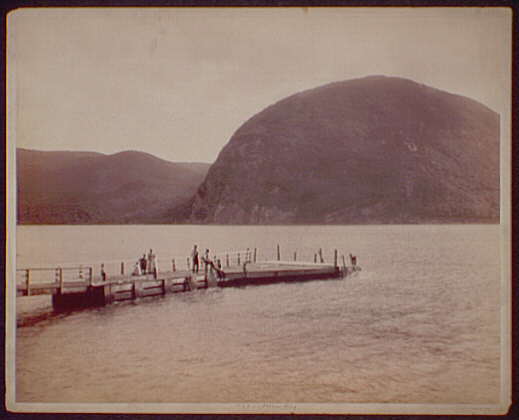
Storm King Mountain, circa 1890, from a photograph by William Henry Jackson (courtesy LOC)

Mermaids may not actually be living in the Hudson, but there are plenty of other urban legends associated with the Hudson River Valley. Any that are your particular favorite? 

 Mermaids may not be living in the Hudson, you say… But treacherous currents alone can’t account for all the shipwrecks at World’s End, just south of West Point Academy!

 But you’re right, there are so many great legends up and down the Hudson River Valley… The stories about Spuyten Duyvil; the supposed origin of the term “cocktails” in an Elmsford tavern where drinks were served with a cock’s feather in them (not true, I am told); the ghosts and various spirits attached to some of the Hudson mountains, like Storm King and Anthony’s Nose; of course I have a soft spot for Sleepy Hollow and Rip Van Winkle… I also like the one about Henry Hudson and the Catskill Gnomes.

Categories
Bowery Boys Bookshelf

‘Sailor Twain’ : A mystery at the bottom of a haunted river (Bowery Boys Book of the Month)


We’re trying out a new feature here on the blog by debuting our very first ever Bowery Boys Book of the Month selection!  Each month I’ll pick a book — either brand new or old, fiction or non-fiction — that offers an intriguing take on New York City history, something that uses history in a way that’s unconventional and different or exposes a previously unseen corner of our city’s complicated past.  Then over the next month, I’ll run an article or two about some of historical themes that are brought up in the selection. 

For the inaugural selection, a page-turning graphic novel that turns to the Hudson River’s 19th century steamship trade for inspiration…..

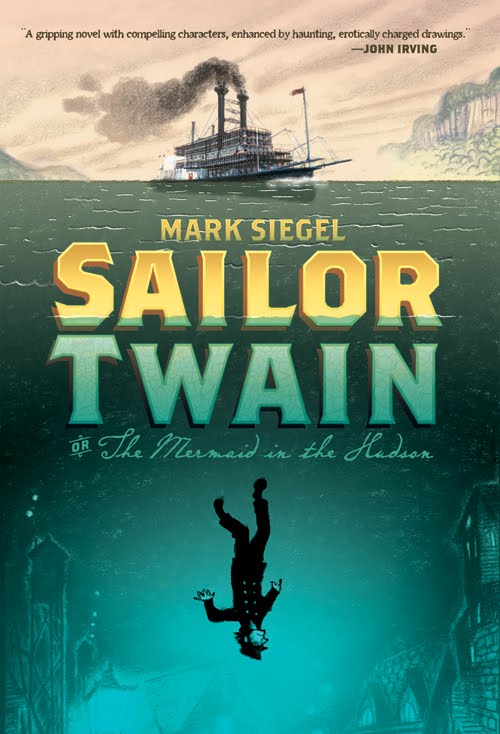
Sailor Twain, or The Mermaid In The Hudson
by Mark Siegel
First Second Books

Something lurks in the waters of the Hudson River in Mark Siegel’s moody new graphic novel.

“Sailor Twain; or the Mermaid In The Hudson,” shaded darkly and finely formed out of moody atmosphere, is an ethereal rumination on American urban legend, borrowing from history to create myth.

The Lorelai is a passenger steamship delivering Gilded Age passengers along a bustling Hudson riverfront in 1887, with the major city in New York Harbor ever at its root.  It untethers northward along a river famously known for strange secrets which lurk beneath its currents.

Elijah Twain has a familiar name for a steamboat captain in the late 19th century. “Are you related to the writer?” asks a fine lady.  “That’s not his REAL –” Twain attempts to explain before being interrupted by the boat’s owner, a French Lothario named Lafayette.  (I can’t help but think that this dandy is a nod to another historical figure, the Marquis de Lafayette.)

Their vessel the Lorelai, named for the famous siren who led sailors to their deaths, travels up and down the Hudson through murky and sometimes surreal waters, inviting to eccentric passengers and otherworldly specters alike..

Books mysteriously appear, as do two ghostly little boys.  Lafayette’s unexplainable lust for female passengers seems connected to his brother’s recent suicide.  Twain’s own moodiness derives from his wife Pearl, bedridden at home and seemingly a distant reality away.

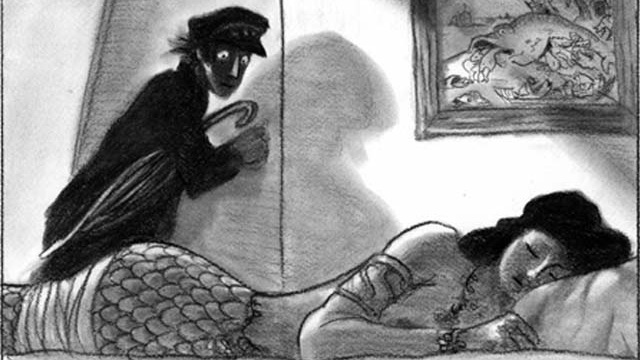
One evening Twain discovers what appears to be a woman who’s fallen overboard.  He lifts her to the deck to discover she’s a mermaid, naked down to her scaly fins and severely injured.  He secrets her away to his room, where the creature slowly casts an erotic spell over the captain.  Even his cabin is affected by her charms as ghostly seaweed slowly breaks through the floor.

Lafeyette’s randy exploits and Twain’s mysterious guest have a very sinister connection, potentially revealed by a book — inexplicably popular with New Yorkers — of local occult stories “Secrets and Mysteries of the River Hudson” by the reclusive C.G. Beaverton.  The author soon boards the Lorelai during a book tour and proves to carry secrets too scandalous even for print.

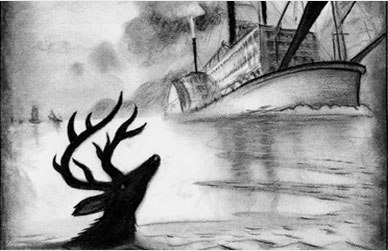
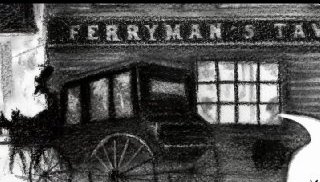
The heavy, charcoal-like images are a perfect complement to the story.  The Hudson River, as illustrated by Siegal, seems like the end of the earth, a world so choked in mist that it feels like the artist’s ink will rub off on your fingers. Siegal presents a lush, romantic view of historical New York, at equal points comic, erotic and melancholy. Some faces are cartoonish, others delicately real.  The art holds the mood as the story unfurls, from Gothic romance to horror parable.  It felt like a fog was rolling in each time I opened the book.

The moments where ‘Sailor Twain’ enters 1880s New York — from its cabarets and saloons to even Steinway Hall on 14th Street — are moments where sun and nostalgia briefly shine, before (and I mean this literally) submerging the main characters into the Hudson itself, entering a world H.G. Wells might have imagined.

We get to see the table of contents of Beaverton’s book, a fictional tome which promises other mysteries of the Hudson River Valley: famous shipwrecks, Indian legends, the ‘Wood People of Pocantino Hills’ and even cigarette-smoking ghosts.  Perhaps Siegel’s ‘Sailor Twain’ is just the first illustrated chapter of a whole menagerie of mysteries?

TOMORROW: A few questions with the creator of ‘Sailor Twain’ Mark Siegel!

Categories
Bowery Boys Bookshelf

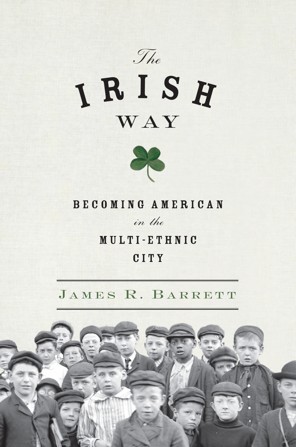
‘The Irish Way’ to becoming American: a hard-fought history of the dockworkers, the vaudevillians and the chambermaids

The Irish Way: Becoming American in the Multi-Ethnic City
part of the Penguin History of American Life series
By James R. Barrett
Penguin Group

The Irish were the first to immigrate to this country en masse in the 1840s, only to find themselves near the bottom of almost every aspect of American life. In James R. Burnett‘s tidy and studied cultural history ‘The Irish Way: Becoming American In The Multi-Ethnic City‘, we found out how they fought their way into American life, transforming it, and paving the way for others.

Burnett, a professor from the University of Illinois at Urbana-Champaign, explores the Irish influence on American life via the collisions and conflicts which occurred between the new arrivals and nativists, and the new arrivals and the newer arrivals. A profound theme of the book is that the definition of being American Irish came not from seclusion that would define later immigrant groups, but from clashes with those groups. By the 20th century, Irish influence came from their successful entry into American life and, according to Burnett, “in strategies for dealing with newcomers.”

The book is categorized into various aspects of modernity as it would have looked to a late 19th century immigrant — The Streets, The Parish, The Workplace, The Machine. Although it purports to be a survey of American Irish urban life, it’s almost wholly based on the New York Irish experience. And for good reason; by the turn of the century, more people of Irish descent lived here than in Dublin.

Many aspects of modern life trace back to more robust strains of Irish defiance. The Catholic Church may have been a powerful organizer of the Irish community, but the many Irish social reformers who pushed against it (even those among the clergy itself) helped fashion modern social reform. The roots of union organizing came from Ireland. And, with nods to the likes of “Big Tim” Sullivan, the modern political machine was essentially fueled by powerful collaborations with Irish community leaders.

If early Irish New Yorkers strived for assimilation, later generations defined their ethnicity against the grain, combating black, Italian and other immigrants in alleyways and along the docks — for territory, for jobs, for identity. The Irish dominated the worlds of minstrelsy and vaudeville. Victimized by horrid stereotypes, Irish entertainers turned the tables with equally vulgar presentations of groups they often considered beneath them. (Those tables could be turned again; as Irish entertainers often did ‘yellowface’, so too could a Chinese entertainer do a broad Irish impression in those years.)

There are lovely details of New York life scattered throughout, from the birth of New York’s first black Catholic Church to the final foothold of Irish dock workers in the neighborhood of Chelsea. While Burnett spends little time amid the grit of early Irish neighborhoods, there are plenty of depictions of fisticuffs and riots to indulge your pugilistic impulse. While it does beautifully illustrate the roots of Irish American pride, ‘The Irish Way’ is not a manual but a map, a reflection upon their path to influence on life in the United States.

Categories
American History

As Garfield fights for life, Arthur lays low in Murray Hill

There are several enemies in Candice Millard‘s ‘Destiny of the Republic, the terrific narrative history of the assassination of President James Garfield during the summer of 1881. The most obvious foe is the delusional Charles Guiteau, who believed himself the nation’s savior when he shot President Garfield twice at a Washington DC train station on July 2, 1881. Then there were the microbial infections transmitted during improperly sanitized operations performed by Garfield’s doctor at the White House, causing blood poisoning that worsened the president’s suffering and ultimately killed him.

For the purposes on this blog, however, I was drawn into the tales of two New York politicians who became victims of rumor-mongering that summer. Powerful New York senator Roscoe Conkling was seen as a political rival of Garfield’s, a thorn in the president’s side, especially considering Conkling’s own political protege — his pawn, really — was Garfield’s vice president, Chester A. Arthur. Traumatic crises in this country are frequently accompanied by a churning undercurrent of suspicion and conspiracy, and Conkling and Arthur became victims of just such a shadowy accusation that summer.

Many believed Conkling to be culpable of the assassination attempt himself — perhaps not of pulling the trigger, but of fostering and encouraging the discord that inspired it. It’s not a stretch to consider Conkling an embodiment of the spoils system which determined hundreds of government jobs through political affiliation. Guiteau thought himself unfairly left out of that patronage system when he attacked Garfield that hot July day.

A few weeks ago I wrote about the Fifth Avenue Hotel, the luxury accommodation at 23rd Street off Madison Square that became Conkling’s second home and a regular scene of political intrigue for the Republican Party. Conkling endured the disintegration of his political career from his rooms here.

Meanwhile, many were mortified at the very thought of Arthur, hardly a universally admired figure, ascending to the presidency. While the president lay incapacitated in Washington, there was even debate as to when presidential responsibilities should cede to the vice president. Nobody seemed enthusiastic at the prospect of a President Chester A. Arthur.

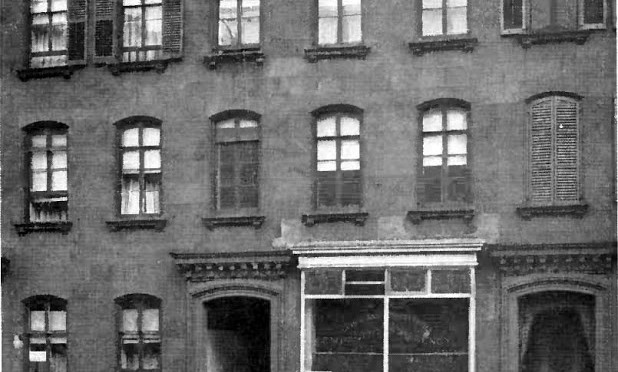
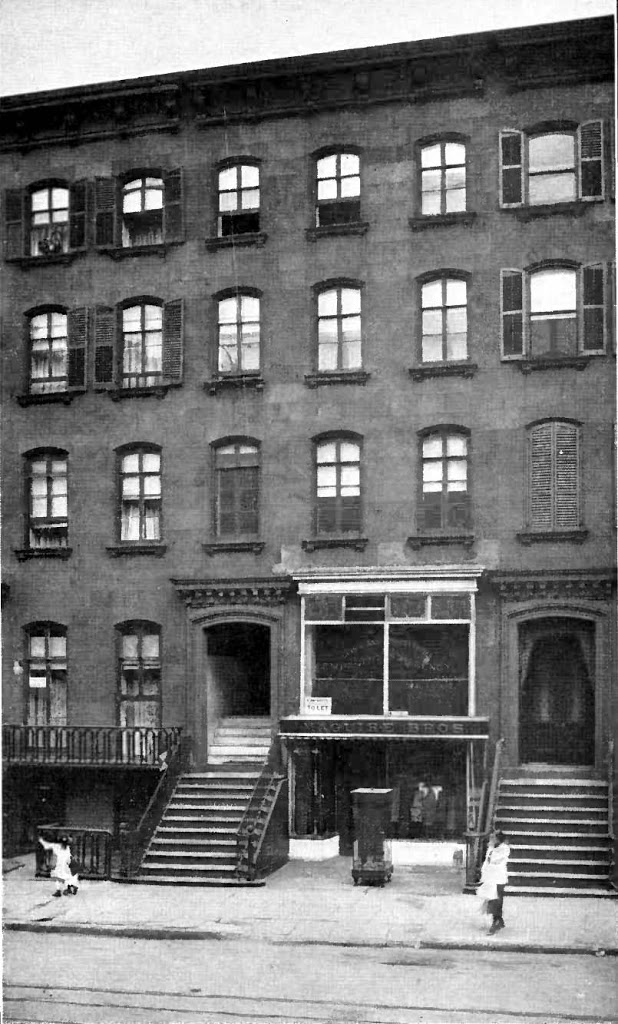
Thus, Arthur essentially spent his summer hiding out in his townhouse at 123 Lexington Avenue (at right), fearful of seeming overly ambitious even as the fate of President Garfield seemed uncertain. On the day the president finally succumbed to his injuries, Arthur sobbed uncontrollably from his shuttered home as servants shooed away the press. Several hours later, he was sworn in as the 21st President of the United States on September 20, at 2:15 a.m, from the green-shuttered parlor of his home here.

‘Destiny of the Republic’ is a swift, thrilling read, certainly worthy of the praise it received when it was released last year, bringing in a cast of icons (including Alexander Graham Bell and Joseph Lister) to present a frightening world of medical uncertainty and strange madness.

Categories
Mad Men

‘Mad Men’ returns: a guide to eating (and drinking) options

Drama for dinner: ‘Mad Men’ meals go down best with fifteen cocktails

AMC’s ‘Mad Men’ returns for its fifth season this March. Until somebody goes ahead and develops a TV show about Peter Stuyvesant and New Amsterdam, the award-winning Madison Avenue drama is the closest we’ll get to straight-up New York City history TV. The writers cleverly embed the action within very specific 60s locations throughout the city. During the season I try and delve into those locations in our regular ‘Mad Men’ feature


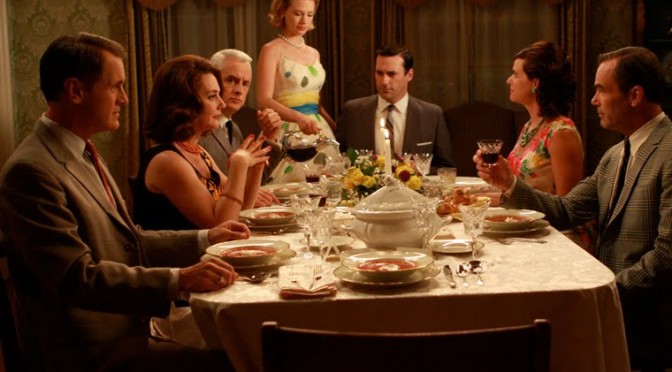
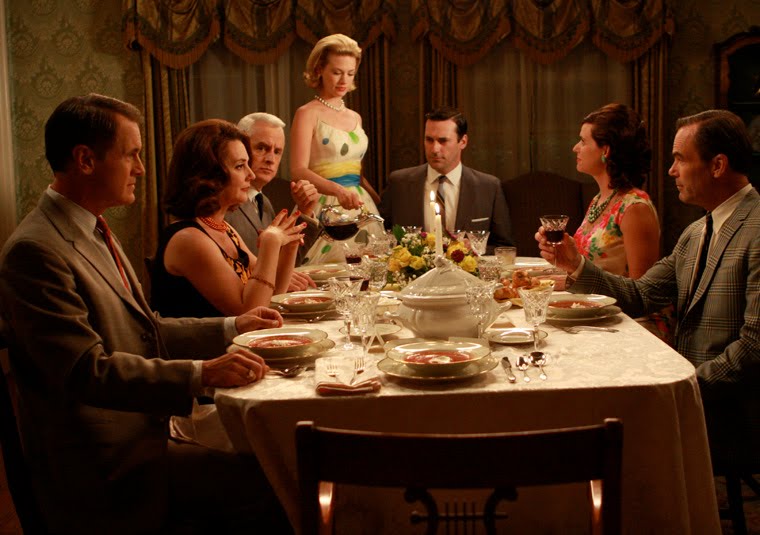
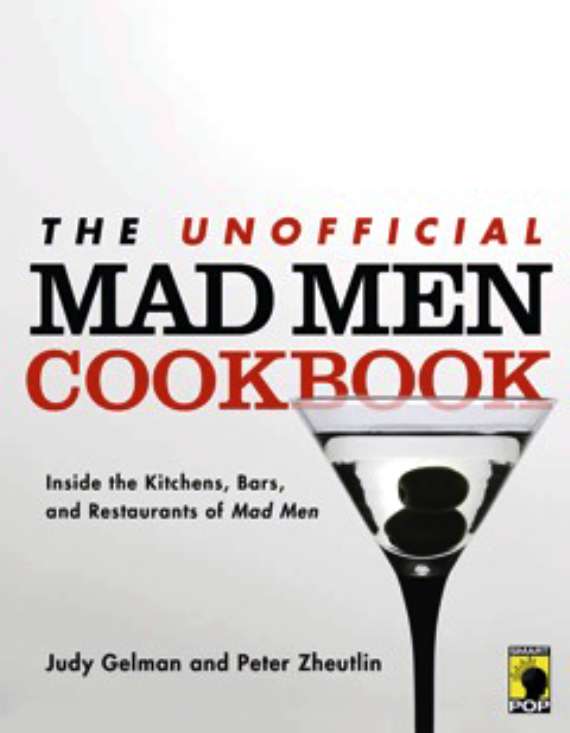
So what, then, to make ofThe Unofficial Mad Men Cookbook: Inside The Kitchens, Bars and Restaurants of Mad Men’, by Judy Gelman and Peter Zheutlin? My first thought, naturally, was, “They eat on ‘Mad Men’?” They certainly flirt over dinners at times. Carla, the Draper’s housekeeper, tortures over hot meals that often get uneaten as Betty sulks and Don swallows down bourbon.

But ‘Mad Men’ is a show of lounges and restaurants, of decorum and indulgence, adrift in a rising stream of booze. It’s also a show of dizzying, if cynical, nostalgia. And that’s the secret of this fun little volume. The particular dishes featured in the book may have been seen or mentioned on the show. But the recipes themselves are straight from the kitchens of New York’s most famous eateries and from original 1960s magazines and cookbooks.

The authors frame each dish within the context of a certain episode. For instance, a recipe on gazpacho and rumaki is prefaced with the description of Season 2, Episode 8, the episode where Betty presents dishes from around the world to her guests (including, you may remember, the at-the-time somewhat exotic Heineken beer.)

The recipes aren’t from Betty’s kitchen, but from actual 1960s magazine articles. Sources include ‘The Kennedy Style’, a 1962 Ebony Magazine cookbook, the 1960’s ‘How America Eats’, among a great many others. Original dishes from New York’s great restaurants make an appearance here too — steak tartar and hearts of palm salad from Sardi’s, fettuccine alfredo from Angelo’s, chicken Kiev from the Russian Tea Room, Caesar salad from Keens Steakhouse, and of course, the original Waldorf salad and sold Amandine from the Waldorf=Astoria.

Betty Crocker, Julia Child, Amy Vanderbilt — all the icons of 60s cuisine and ettiquete are represented. Naturally, this means that few dishes are heart healthy. Butter and red meat are a defining theme.

A more classic selection of original New York recipes has perhaps never been assembled. One might squabble over the fact that most of this has nothing much to do with ‘Mad Men’ itself. But let that slide, relax and have a drink from the guide’s cocktail menu, featuring the how-tos on such classic sips as the Stork Club Cocktail, the 21 Club Bloody Mary and the Classic Algonquin Cocktail (whiskey, vermouth and pineapple juice), all sourced from the original establishments.

I was a sucker for this kind of retro mixology back in the days of the ’90s retro ‘bachelor pad’ craze, and ‘The Unofficial Mad Men Cookbook’ could fit right in with your old Esquivel CDs. But this is an entertaining collection of New York recipes, well-researched, and ready for your weekend soirees and viewing parties..

Jack Finney’s ‘Time And Again’, preservation by sci-fi

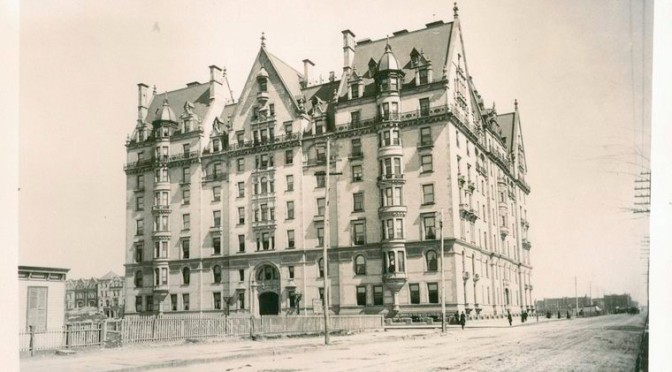
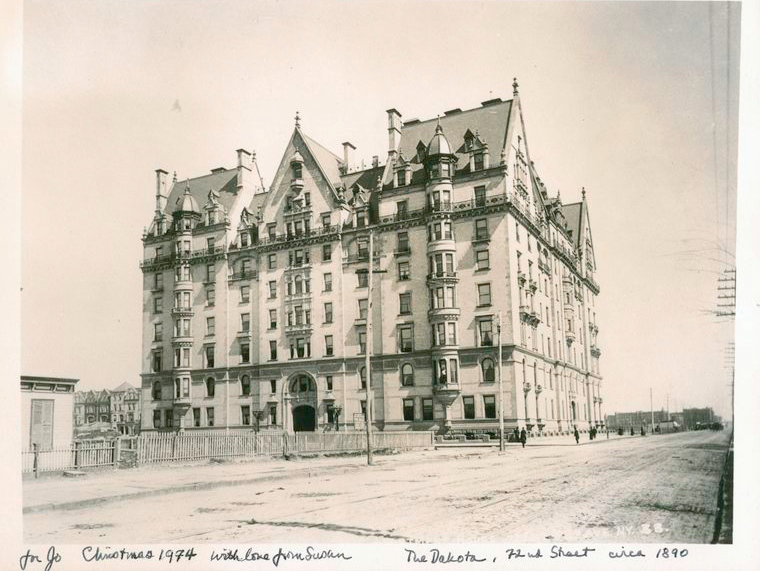
The Dakota Apartment circa the 1890s: If you arranged everything just right, could you go back to it?

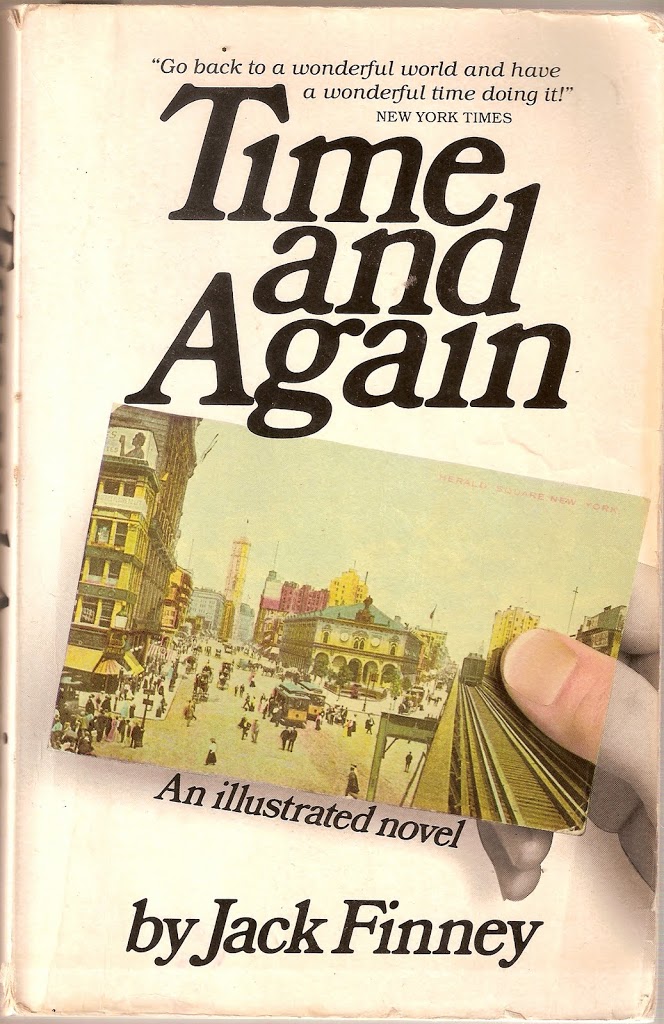
The writer Jack Finney, who was born a hundred years ago this week, on October 2, 1911, turned the Dakota Apartments into a time machine in his 1970 novel ‘Time And Again’. He inspired a legion of New York City history lovers (including myself) and a simple (if scientifically absurd) way of traveling in time, technically obtainable by anybody with adroit attention to detail.

Finney was hardly a New York literary figure of note. Born in Wisconsin, Finney moved to New York in the 1940s to work in advertising but detoured in to a successful short-story writer. He had already moved from New York in 1954 when a set of his serialized stories were compiled for the novel The Body Snatchers, which inspired the classic film Invasion of the Body Snatchers and its many derivatives.

Time travel and New York were common themes in his work. In the 1950 tale ‘The Third Level’, a man finds a mysterious concourse at Grand Central Terminal and a train that carries him to the year 1894. Almost two decades later he wrote ‘The Woodrow Wilson Dime’ about a bored advertising executive who enters an alternate New York universe (imagine ‘Mad Men’ as a science fiction.)

But Time And Again, first published in 1970, was his greatest success, a time-shifting novel short on scientific rationale, but large in nostalgia and architectural romance. The plot involves a curious scientific experiment that delivers a man back to the date January 21, 1882, to locate the sender of a mysterious letter that foretells “the destruction by fire of the entire World.”

The key to the novel’s success were its illustrations and photographic reproductions. Pick up an old copy today and you’ll wonder why the smudged, sometimes darkened reprinted photographs would excite anyone. When I first picked it up, probably twenty years ago, that was part of the allure. The book itself had a creaky, dated presentation and a wide-open earnestness about it. It was ideal for burgeoning history lovers, never lecturing its readers. You felt you were joining Finney himself as he excitedly flipped through a stack of old photographs and imagined a reason for stepping into the images.

Perhaps that’s because the science fiction behind it almost blushingly simplistic. Essentially, anyone can go back in time. All you have to do is recreate a situation exactly as it might have been at a selected date, then hypnotize yourself into thinking it into reality.

For this reason, the Dakota Apartments are chosen for the time experiment. Finney certainly chose the location due to the building’s pristine, unchanged condition. (Meanwhile, as he wrote, Roman Polanski would film ‘Rosemary’s Baby’ here, placing the structure into a far darker fantasy context.)

“We know exactly when all the apartments facing the park have stood empty, and for how long,” proclaims a scientist. “Picture one of those upper apartmenets standing empty for two months in the summer of 1894. As it did. Picture our arraging — as we are — to sublet that very apartment for those identical months during the coming summer….I believe it may be possible this summer, just barely possible, you understand, for a man to walk out of that unchanged apartment and into that other summer.”

Simply by bringing a structure and its surroundings into physical replica of the past can one actually get there. Keep in mind when this was written. Pennsylvania Station had been destroyed seven years before the publication of ‘Time And Again’. The New York Landmark Preservation Commision was but a few years old. People were beginning to fight for their neighborhoods and protect aging city relics.

‘Time And Again’ was a manifesto for preservation. In essense, keeping an area locked in a certain place in history created some kind of metaphysical bridge. Or, more easily put, magic.

Having returned to 1882, the main character wanders the city and marvels in wonder. His adventures take him the offices of the New York World, the old City Hall Post Office and Gramercy Park.. The plot, involving jealous lovers and blackmail, incorporates actual historical detail into the adventure, although not in anyway one would consider subtle. For instance, my favorite detail of the book is easily the disembodied arm of the Statue of Liberty, sitting in Madison Square Park years before it was attached its body.

‘Time And Again’ is written with awe while keeping a certain distance. (Finney was no historian.) The story takes place within a snowglobe of New York more than an actual depiction of it. In other words, there are no visits to Five Points or the Lower East Side, for that matter. Later books, like Caleb Carr’s ‘The Alienist’, would take a more technical, tour-guide approach to its descriptions. ‘Time And Again’ is simple in its tintype illustration of old New York but leaving someting to the imagination makes it an inspiring read, even today.

By the way, Finney wrote a sequel called From Time To Time that was published in 1996, a year after his death. The book takes place in 1911, the year of Finney’s birth.

Top picture courtesy NYPL

Bowery Boys Bookshelf: Film history and a morning Danish

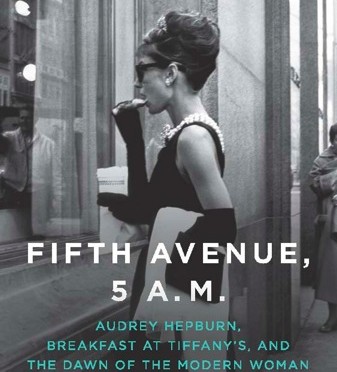
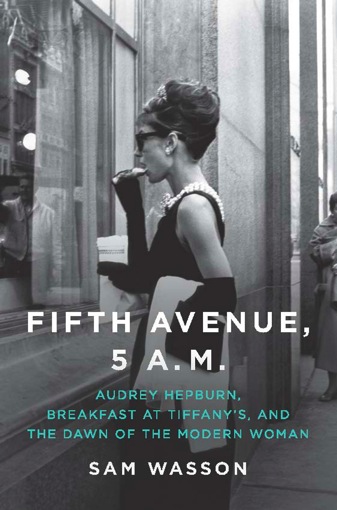
I feel as though I am partly responsible for the death of actress Patricia Neal, who passed away this past Sunday. Last Wednesday I was finishing up Sam Wasson’s indulgent little “Fifth Avenue 5 A.M.: Audrey Hepburn, Breakfast At Tiffany’s, and the Dawn of the Modern Woman” and admired the author’s anecdotes about Neal, who apparently had an awful time with co-star George Peppard.

Then I actually said aloud — in fact, posted on my Facebook page — “Wow, that Patricia Neal, what a lady. I can’t believe she’s still alive!” Next time, I’m keeping it to myself.

However I’m still recommending this book anyway, “Fifth Avenue 5 A.M.,” a morsel of a film bio that is the very definition of a good late-summer beach read, because you can finish it in 2-3 hour (preferably with a summer-y beverage) and it’s as light as a breeze.

‘Breakfast At Tiffany’s’ is one of the greatest films ever shot in New York City and features a heroine, Holly Golightly, that would have the same cultural effect to mid-’60s tastes that Carrie Bradshaw would have to those decades later. However, very little of Wasson’s book truly takes place here in the Big Apply, instead flitting about Europe and Hollywood, tracing the evolution both of the Truman Capote story and Audrey Hepburn’s career.

Capote, of course, was quite unhappy with the adaptation, yet the story as Wasson tells it seems to imply the film, in its finished form, was inevitable. The story of the film’s inception and production are told through snippets concerning the film’s main creators — Audrey’s of course, but also Henry Mancini (composer of ‘Moon River’), costumer Edith Head, and the film’s director Blake Edwards. Capote’s inspirations are also highlighted including the tragic Babe Paley.

Wasson’s retelling of the fateful morning of filming at the corner of Fifth Avenue and 57th Street in front of Tiffany’s, on October 2, 1960, has the feeling of mythology being retold. And yes, I guess that’s a bit much at times — he tends to overwrite a bit — but the wit and subject matter keep it light and frothy.

It’s not completely useless as a New York history tool, thanks to a map up front of key locations (mostly in the Upper East Side and Midtown East) to both the film and its principals that serves as a makeshift self-guided walking tour.

One of the cutest details recalls the ‘cat call’ for aspiring feline actors auditioning for the role of Cat, a sentence all too absurd to retype. You also get to relive some of the most famous legends of film, like the near electrocution within Tiffany’s and the real story about that particular, famous black dress (there were two, one for moving, one for standing).

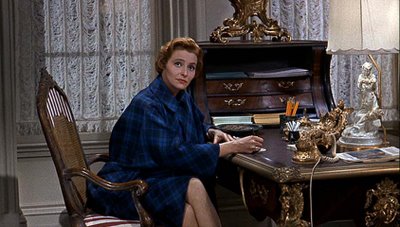
As for Patricia, her appearances are brief but notable. On Peppard: “I always thought he was a piss poor actor.”

Below: Neal in Breakfast At Tiffany’s


A couple years ago, I did a podcast on the history of Tiffany’s & Co., with a definite emphasis on the film. (You can get it here)

Bowery Boys Bookshelf: New York City writes about itself

No city has been more savaged and disparaged, more exalted and varnished, than New York City — and this from the very writers who lived here. The man who exclaimed “Manhattan crowds, with their turbulent musical chorus!” also wrote, “Silence? What can New York-noisy, roaring, rumbling, tumbling, bustling, story, turbulent New York-have to do with silence?” And Walt Whitman isn’t the only writer who loved to hate, and hated to love, growing New York.

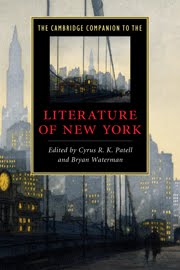
The Cambridge Companion, that staple of academic compendiums focusing on specific subjects, have finally and gratefully gotten around to the literature of New York City. (Although they did hit the Harlem Renaissance a couple years ago.) The editors of the volume, Cyrus R. K. Patell and Bryan Waterman, two associate professors at New York University, have been letting non-students in on their cultural inspirations via their regular site on New York City cultural history, Patell and Waterman’s A History of New York.

The “Cambridge Companion to the Literature of New York” (Cambridge University Press) takes a broad, thematic appreciation of New York’s written history, looking not merely at authors based in the city, but how those writers (and those looking in from elsewhere) viewed the city and its population.

Most of the essays are lovely, bite-sized ideas focusing on a handful of written works. For instance, Elizabeth Bradley distills her recent book ‘Knickerbocker: The Myth Behind New York” into a tale of New Yorkers perception of their Dutch New Amsterdam past and the devilish ways that Washington Irving distorted it. In other essays, you get sweet little snippets on the radical East Village beat scene and the ragged birth of gay and lesbian theater.

Whitman and Herman Melville get their very own takes, appropriately. Generally I preferred the narrowly defined essays to those of broader scope (like the totality of Brooklyn literary perceptions, in ten pages!), but they all work as a whole. Patell and Waterman tackle the introduction and closing essays and lead me to believe that a history of New York literature writtten by these two alone would be an even more satisfying read.

One form of literature curiously absent from the collection? The pulp and crime fiction of the 1930s and 40s. The grimy, simply written tales of gangsters, stewing the ingredients of film noir, were sold as cheaply produced paperbacks and are rarely considered true capital-L ‘literature’.

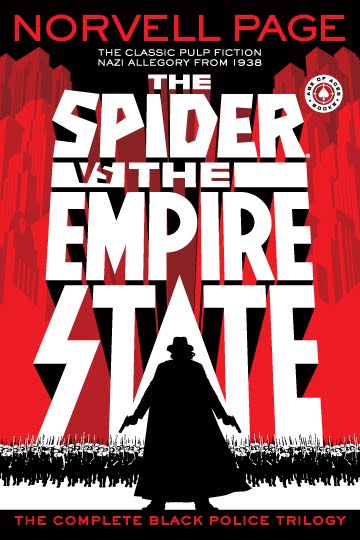
But you may rethink that after reading ‘The Spider vs. the Empire State’ (Age of Aces Books), a gorgeous reprint of three short novels by Norvell Page, exploring an alternate universe where New York is under siege by a vicious fascist regime.

Page wrote dozens of novels from 1933 to 1943 starring his cloaked protagonist The Spider, a crime fighter who straddled the edge of lawlessness, a character ideal that would go on to influence countless comic book writers. His novels were quick reads, set in a fictional New York state and soaked in cartoonish violence.

Most were insubstantial, breezy. But for three novels, the three collected in ‘The Spider vs. the Empire State’, Page created a more serious menace, a iron-handed regime called the Black Police who takes over the government of New York and wrings taxes (often by force) from the poorest citizens. Page’s creation would parallel the rise of Nazi Germany, employing dark political sentiment in a literature usually devoted to the glamour of the underworld.

The story is admittedly absurd — and deathly serious, with breathless scenes of narrow escapes, machine gun fire and midnight biplane getaways, a state run by monsters and a resistance movement centered in … the Catskills! Who wouldn’t want to read a book with scenes that take place at “Albany spy headquarters“? The new reprint by Age of Aces is beautifully designed and bound just in time for some beach reading.

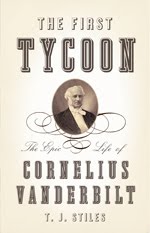
My beach reading was a tad heavier this past Memorial Day — The First Tycoon: The Epic Life of Cornelius Vanderbilt by T.J. Stiles. I’m only about halfway through but it’s an amazing accomplishment, well worthy of its accolades (including this years Pulitzer Prize for biography. It’s now out on paperback, so read along with me!

And finally : I don’t exactly recommend this book — in fact, I thought the whole thing was borderline idiotic — but if you’re an admirer of one Abby Aldrich Rockefeller, you might get a kick out of reading Angelology by Danielle Trussoni, a fantasy-tinged attempt at giving New York City its very own Da Vinci Code. Without spoiling too much, Abby decided to embed Rockefeller properties all over the city with valuable, supernatural items — items which must be reassembled to prevent menacing hoards of evil, vain and fabulously wealthy angels from getting their otherworldly hands on it!

Bowery Boys Bookshelf: ‘Butchery’ and beauties

On January 31 1857, the body of dentist Harvey Burdell was found mangled on the floor of his suite at 31 Bond Street. In Benjamin Feldman’s look at the murder and its famous trial, ‘Butchery on Bond Street‘ he uncovers so many potential suspects that entire episodes of ‘Murder She Wrote’ could be scripted from a single page.

Suspicion, of course, mostly rests on Burdell’s former lover Emma Cunningham, an attractive and elusive women suffers the abuses of a misogynistic press while remaining unsympathetic for much of the tale.

Feldman lays out the details of a love affair turned sour, intertwined with jealous family members, seedy bachelors and secret marraige vows. Notably, A. Oakley Hall makes an appearances, years before his scandals with Boss Tweed.

‘Butchery’ has the ingredients of a delicious gaslight thriller, far more successful a crime novel than period piece. The biographical details of Burdell and Cunningham are indeed rich but the tale’s gothic qualities would have benefited from more atmosphere.

My favorite portions were rather tangental to the actual storyline — solid depictions of Vinegar Hill, Brooklyn, and upstate Saratoga Springs, that “watering hole for the wealth and the aspiring middle class.” It’s worth getting to the third act, when Cunningham concocts a botched fake baby scheme so outrageous it gets the attention of P.T. Barnum.

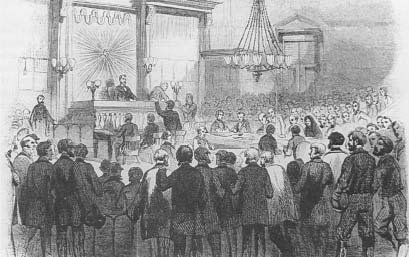
Below: a Harpers Weekly of the 1857 Cunningham trial

You might say ‘Ziegfeld: the Man Who Invented Showbiz’ is a biography with more character than its subject. In fact, I would call this retelling of Florenz Ziegfeld’s life by author Ethan Mordden more a performance than a book. But wouldn’t Flo approve of that?

Mordden wryly recounts all of Ziegfeld’s sexy, zany productions as though he had been backstage and were describing things from a corner booth in a nightclub later that night. One takes away the feeling of crazy possibility in those days, when Ziegfeld could throw any combination of girls, music and dance on stage to see if it would stick. Like a pageant, he parades by the reader every Ziegfeld production — from Eugen Sandow to the final Follies — with both reverence and all-knowing.

The author’s vast knowledge of Broadway history is clearly displayed, but the writing is quirky, friendly, open but insider-y. He peers into Ziegfeld’s heart and even dares prioritize Flo’s true loves in life. (Ann Held, Lillian Lorraine, Billie Burke or Marilyn Miller: who wins?) After racing through the book in a couple days, I felt I had just drank an entire bottle of champagne.

We’ll be occasionally reviewing new New York history-related books on this site. If you’re a publisher and have any upcoming releases, please let us know by emailing boweryboysnyc@earthlink.net.