On January 1, 1898, Greater New York was formed from the union of two cities – New York and Brooklyn, along with other towns and villages of the region, creating the five boroughs we know and love today.
But each of those five boroughs brings their own unique histories and personalities. And so for this year’s annual Bowery Boys Halloween Special, we thought we’d give each borough the spotlight – or rather the spooklight – to highlight the city’s haunted landscape, from rural escapes to densely populated urban centers.
And a special treat — every single one of these ghost stories was sourced from actual newspaper and magazine reporting of their respective eras. Journalists on a ghost beat, finding ghostly activity in every corner of the city.
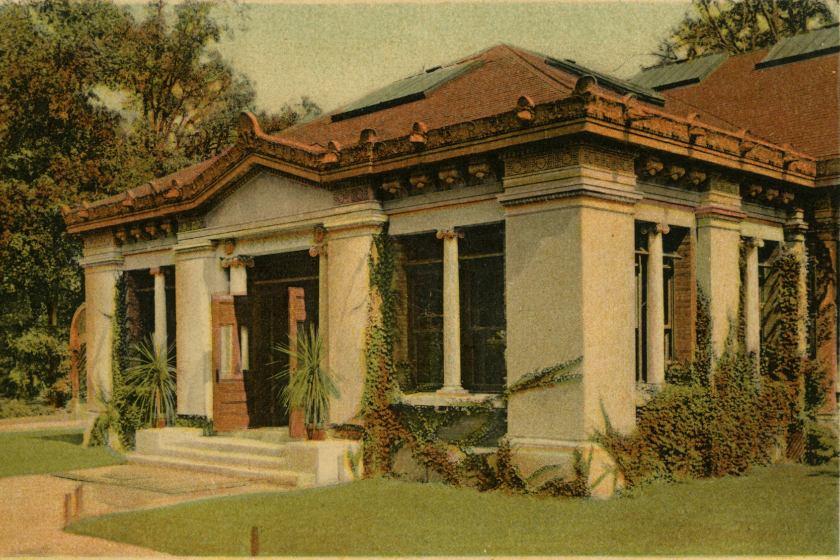
courtesy the Bronx Zoo
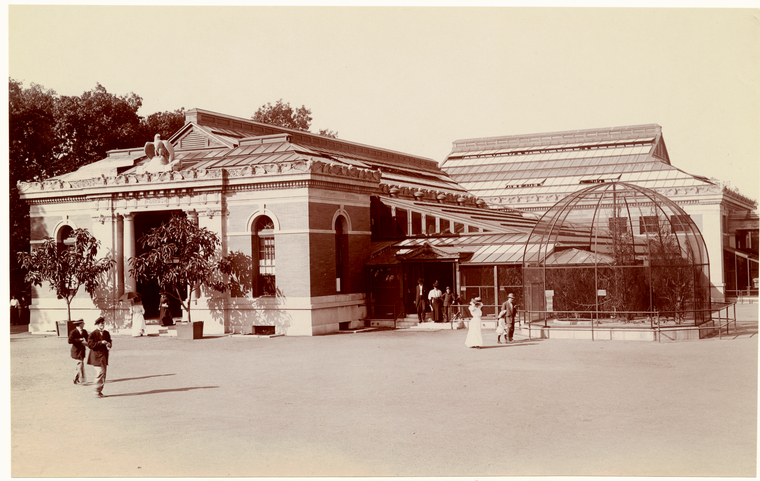
The Bronx: The Reptile House at the Bronx Zoo doesn’t seem like a haunted house, but when a sudden ghost whistling disturbs both man and beast alike, zoo directors call a meeting …. and a medium.
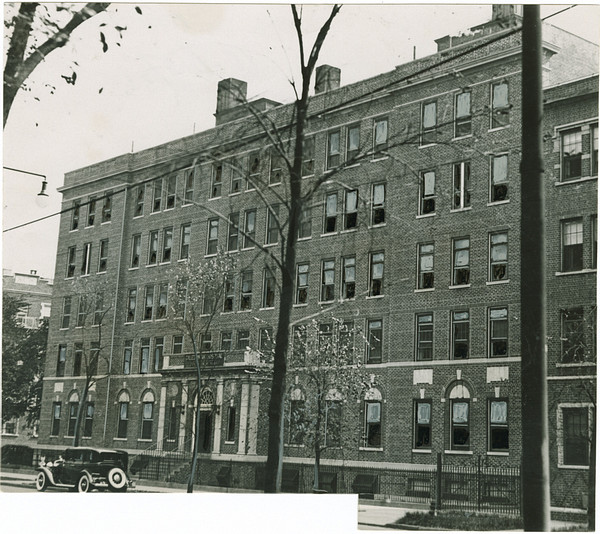
Courtesy Brooklyn Public Library Digital
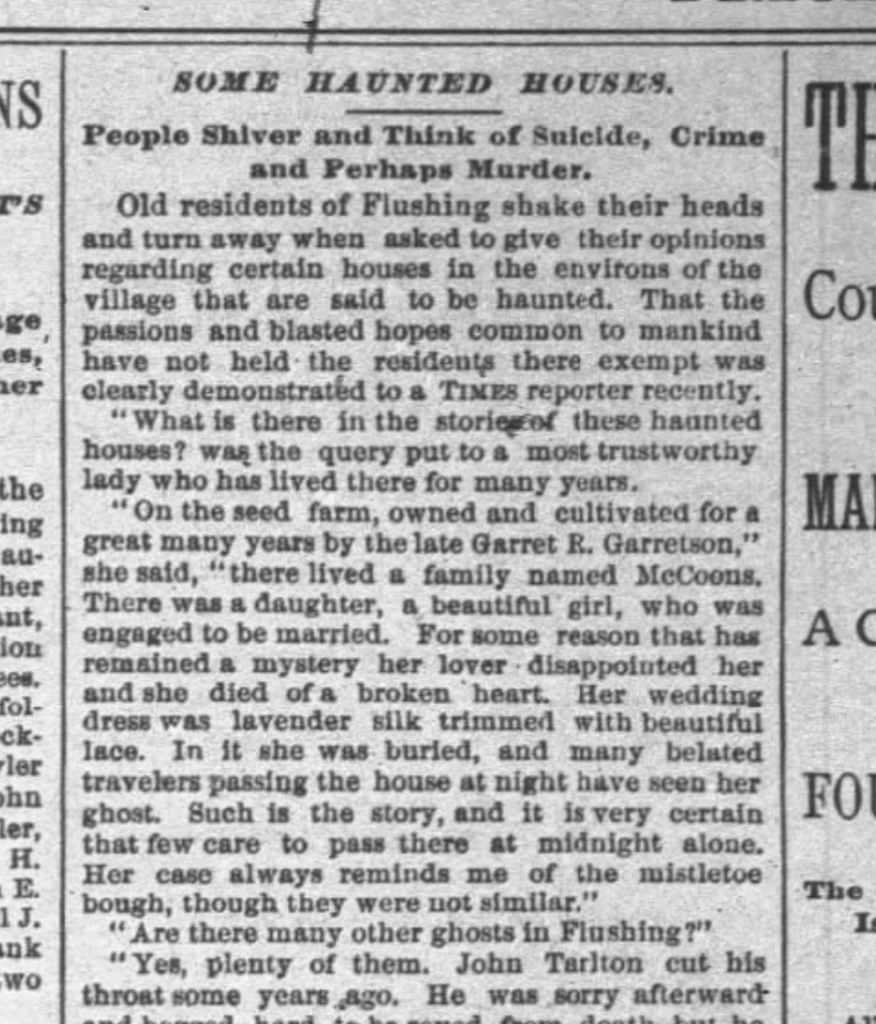
Brooklyn: When a former hospital in Flatbush converts into a luxury apartment tower, horrifying poltergeists stop by to spook the new tenants. Is it all a ruse — or something more sinister?
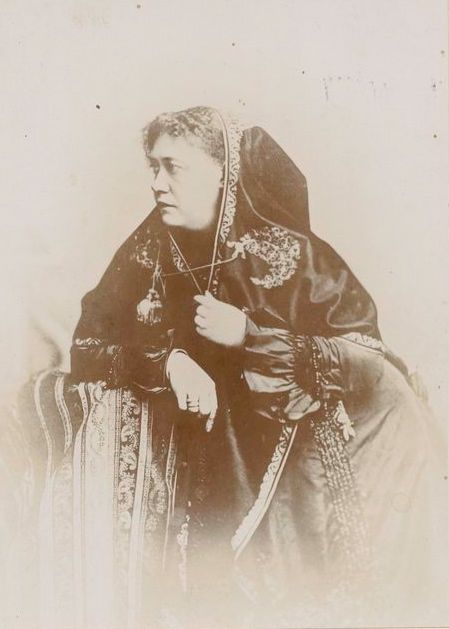
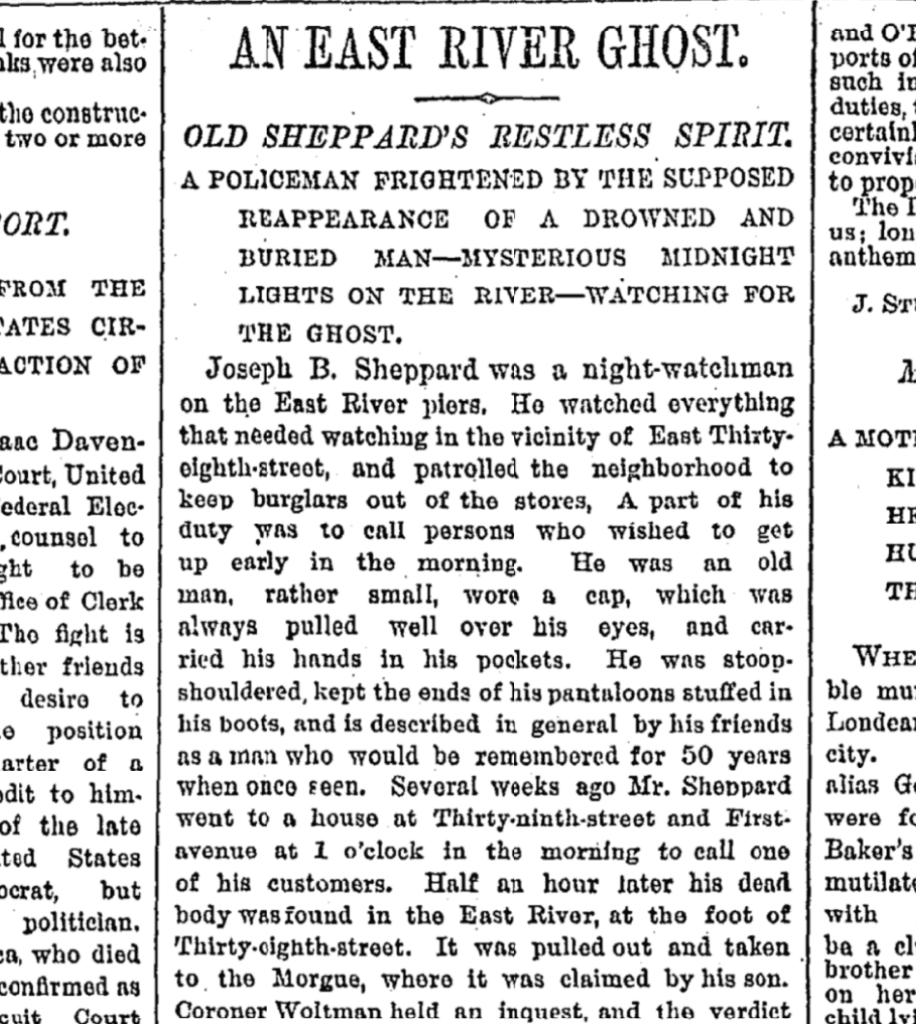
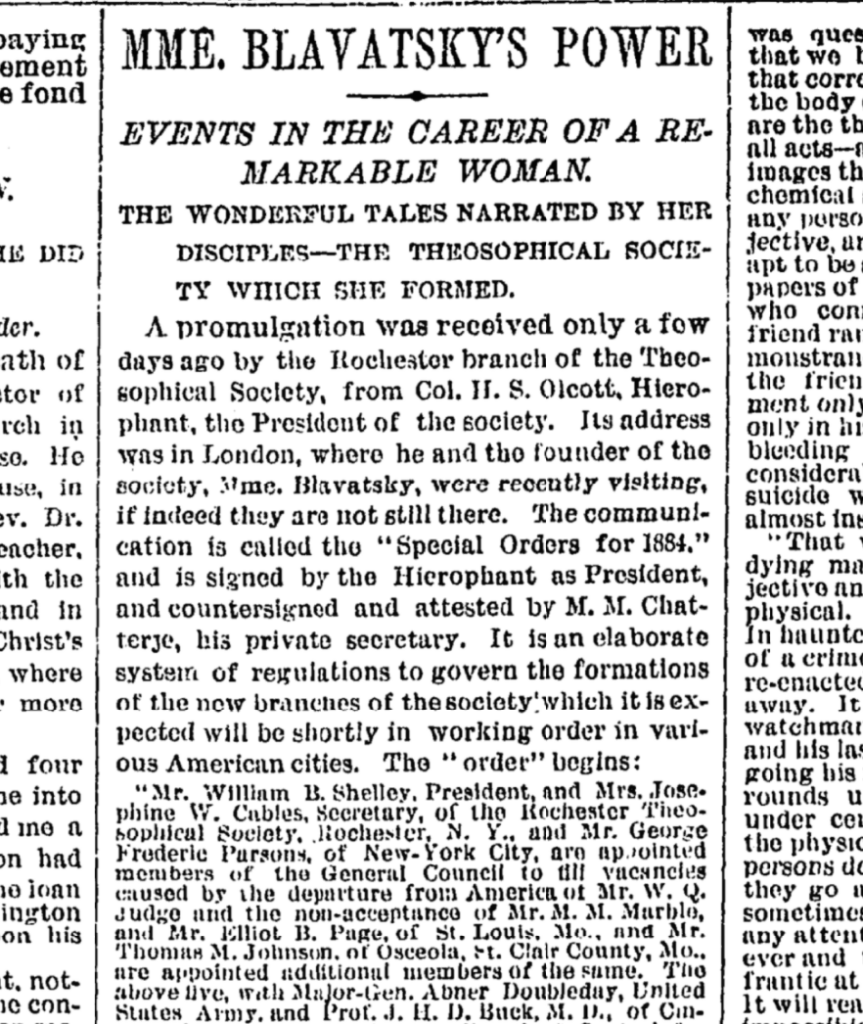
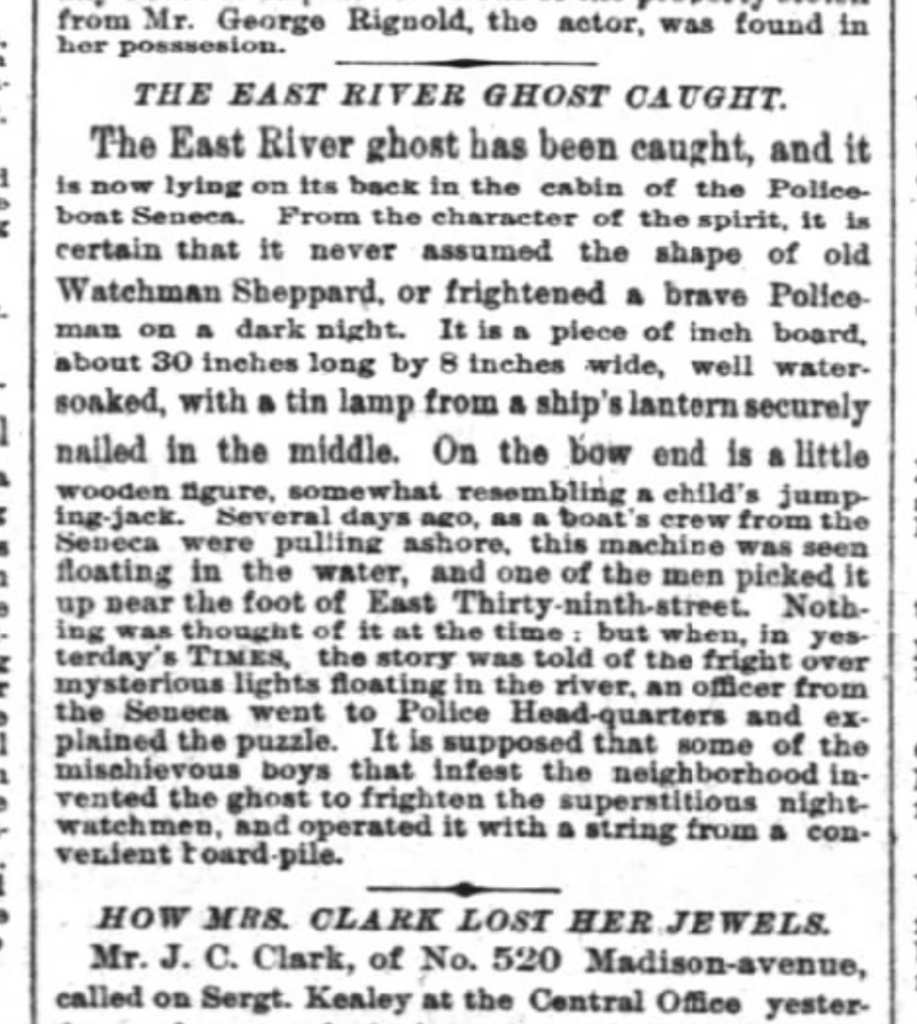
Manhattan: The Russian mystic Madame Blavatsky attempts to divine the identity of a spooky ghost orb along the East River waterfront. Is it the apparition of the beloved watchman Old Shep?
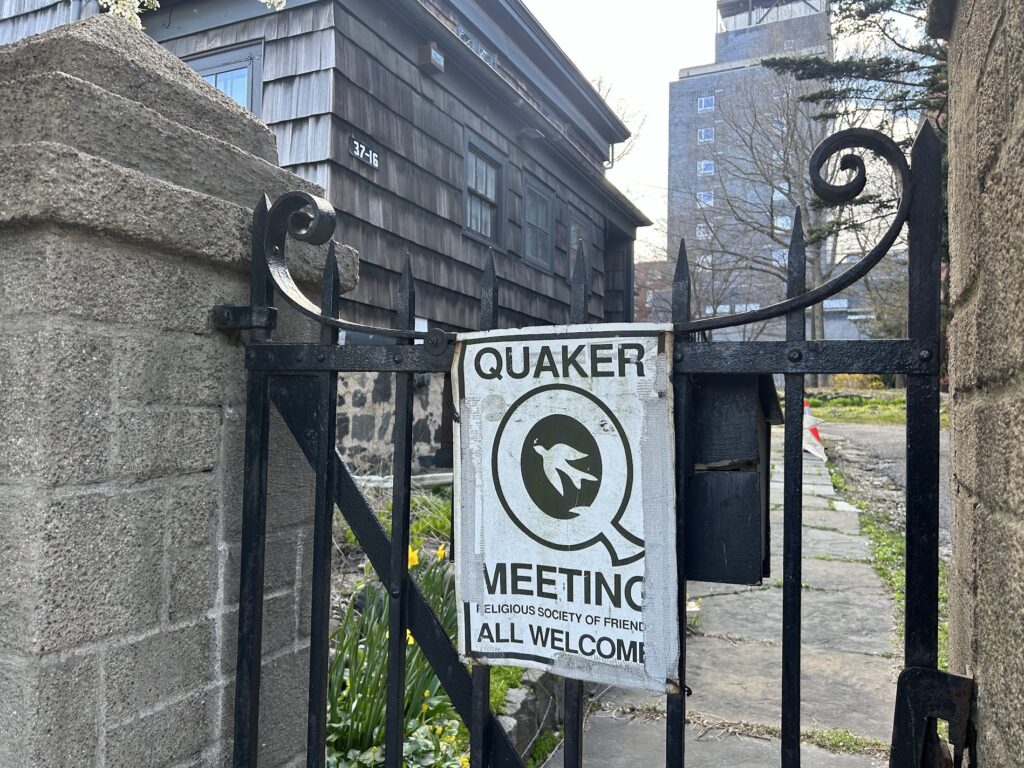
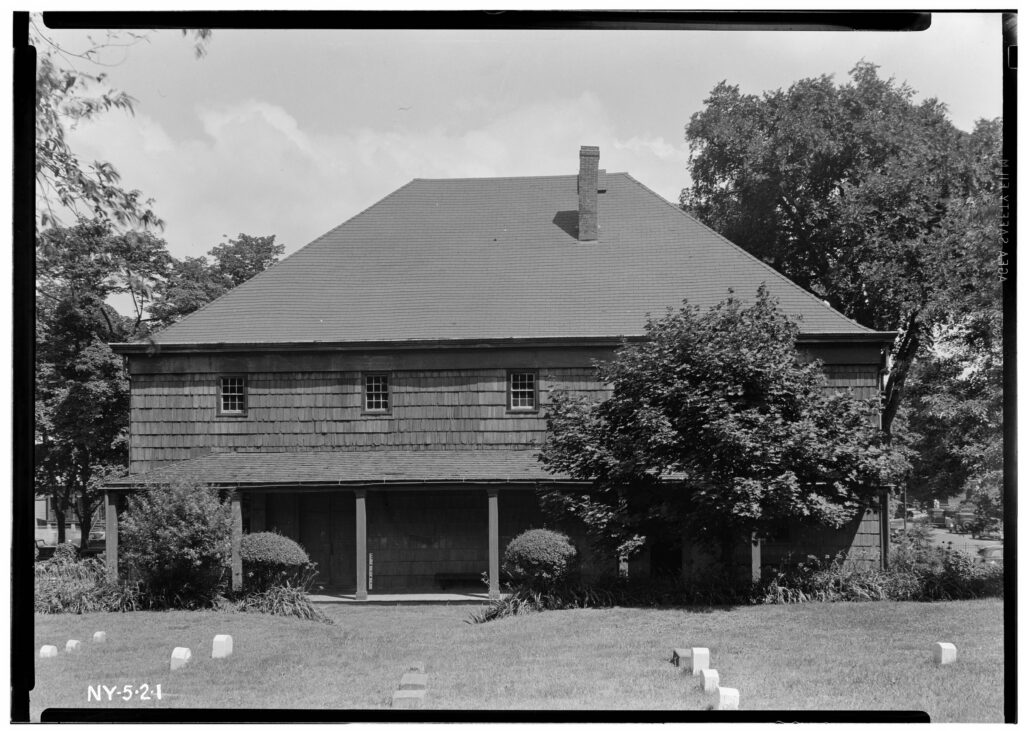
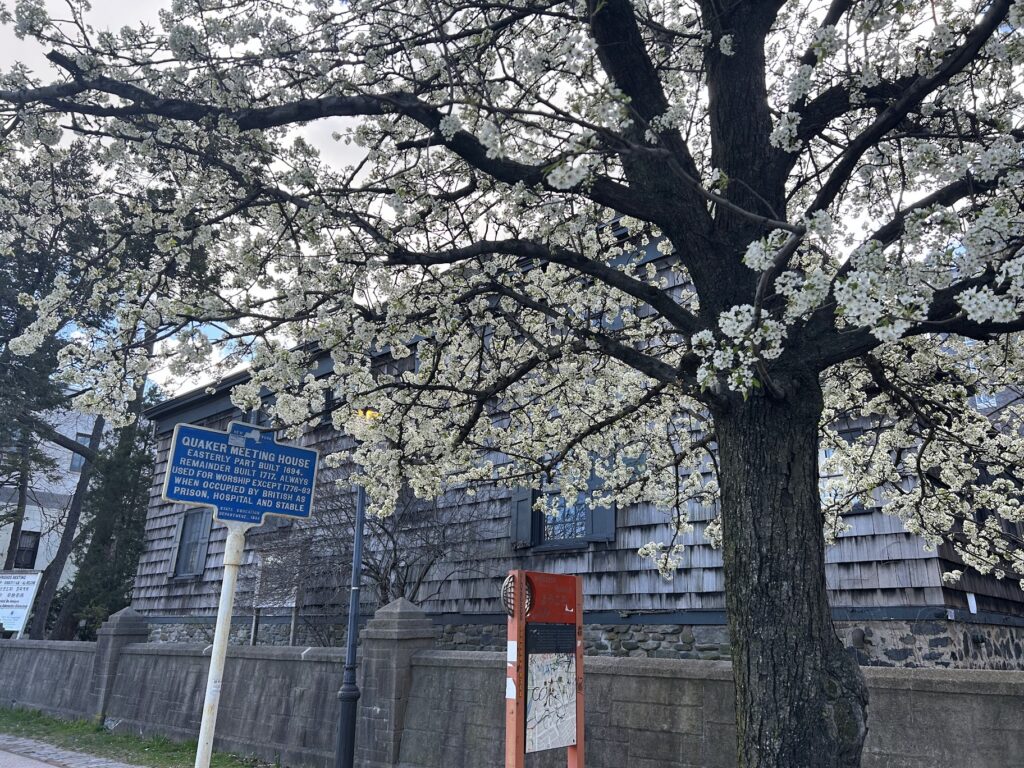
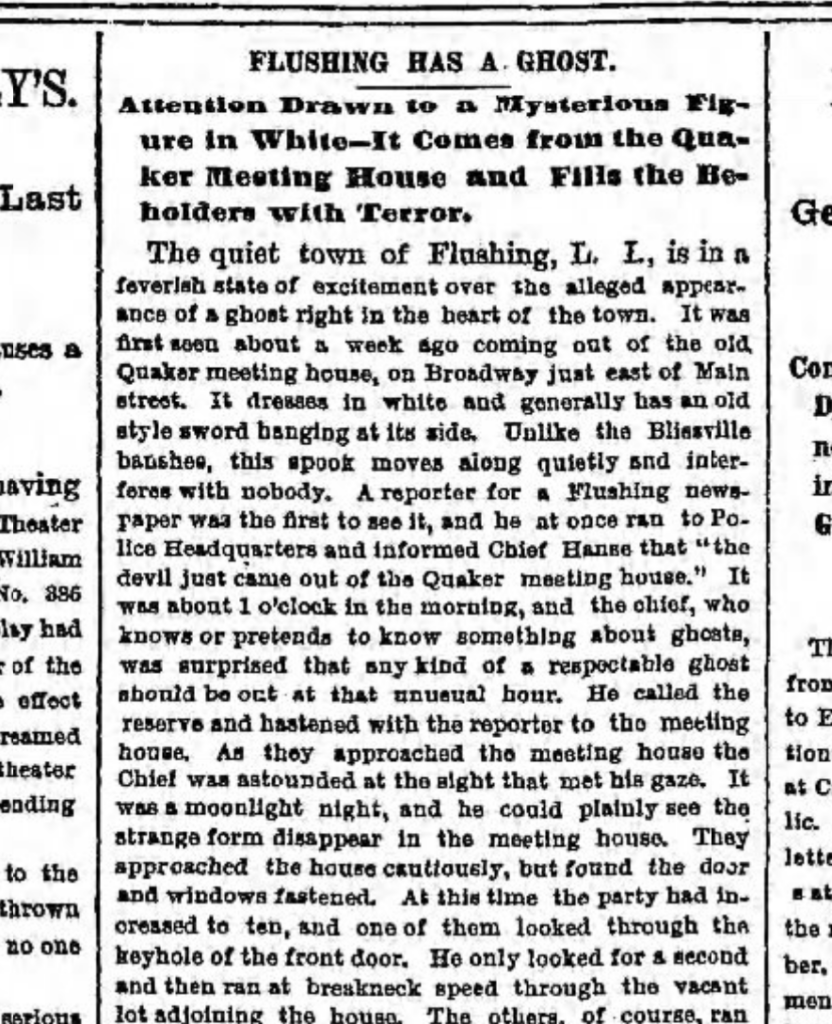
Queens: The 19th-century town of Flushing seemed overflowing with ghost stories! But none more notorious than the sight of three sword-wielding spirits at the Old Meeting House, the 17th-century house of worship with a few secrets under its foundations.
Photo by Tom Wrobleski/SI Advance
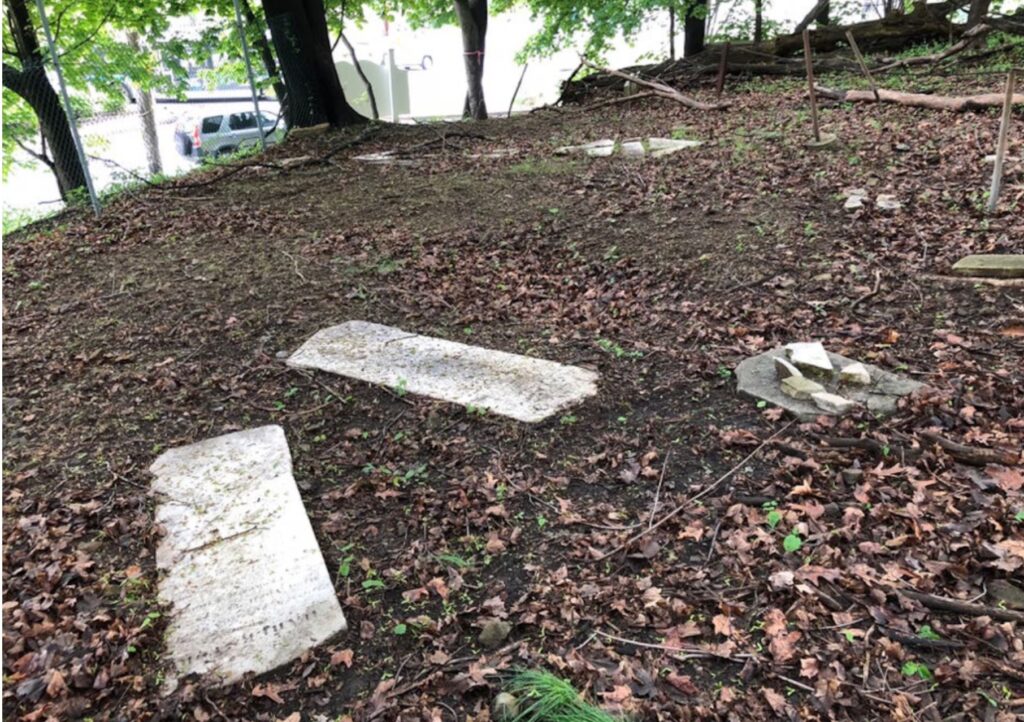
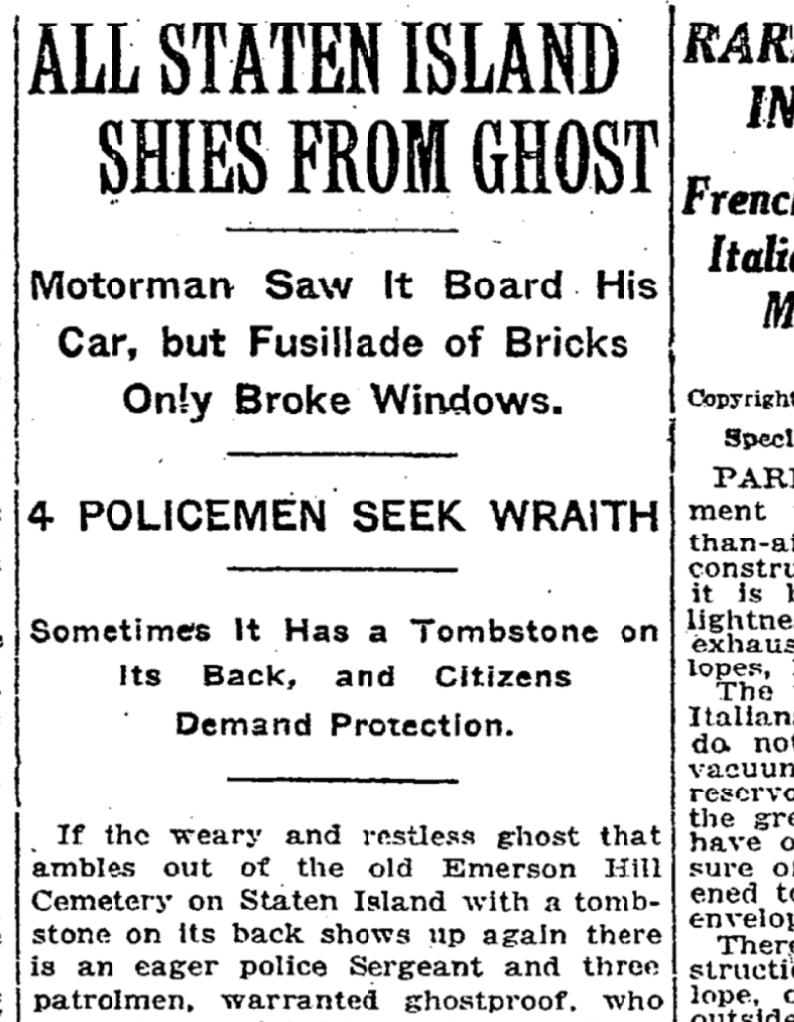
Staten Island: A tombstone-nabbing ghoul at the Old Clove Cemetery in Concord decides to ride a trolley.
LISTEN: GHOST STORIES OF THE FIVE BOROUGHS
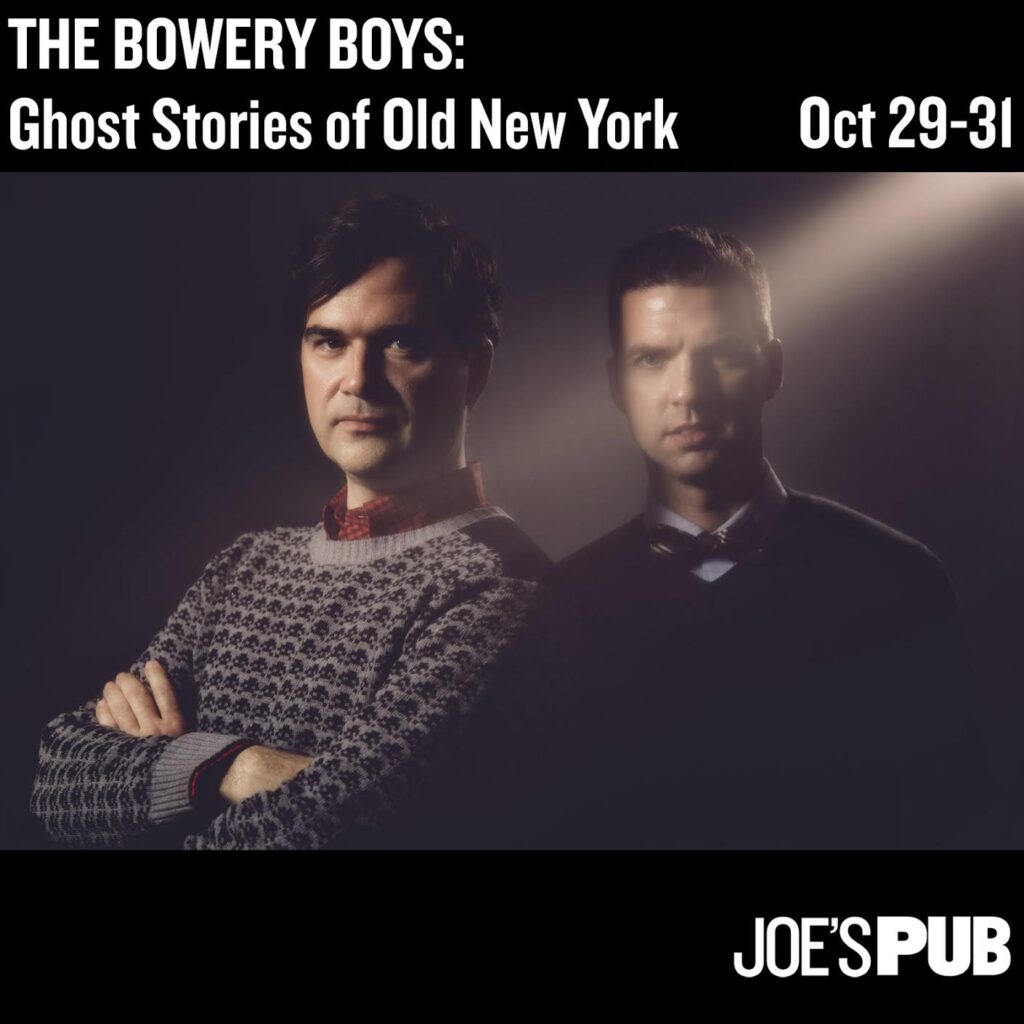
Our LIVE edition of the Bowery Boys Ghost Stories of Old New York comes to Joe’s Pub at the Public Theater again this Oct 29, 30 and 31. Get your tickets today! Some performances have already sold out. Visit the Joe’s Pub website to get your seats.
FURTHER LISTENING:
“Ghost Stories of the Five Boroughs” is the 18th edition of the Bwoery Boys Halloween special. The first was recorded in October 2007! To listen to the entire series, visit our Gotham’s Greatest Ghosts home page.
But this episode references history that we’ve spoken about in many past podcasts. Take a break from the scary stories to dive into these episodes on New York City history:
New York Times, August 21, 1921New York TImes, March 21, 1878New York Times, January 2, 1885NYT, March 22, 1878The Old Flushing Meeting House and its burial ground, courtesy Library of CongressThe meeting house in 2024, from the streetBrooklyn Daily Eagle, April 20, 1884Brooklyn Daily Times, Feb 15, 1888Bronx Zoo Reptile House, courtesy NYPL
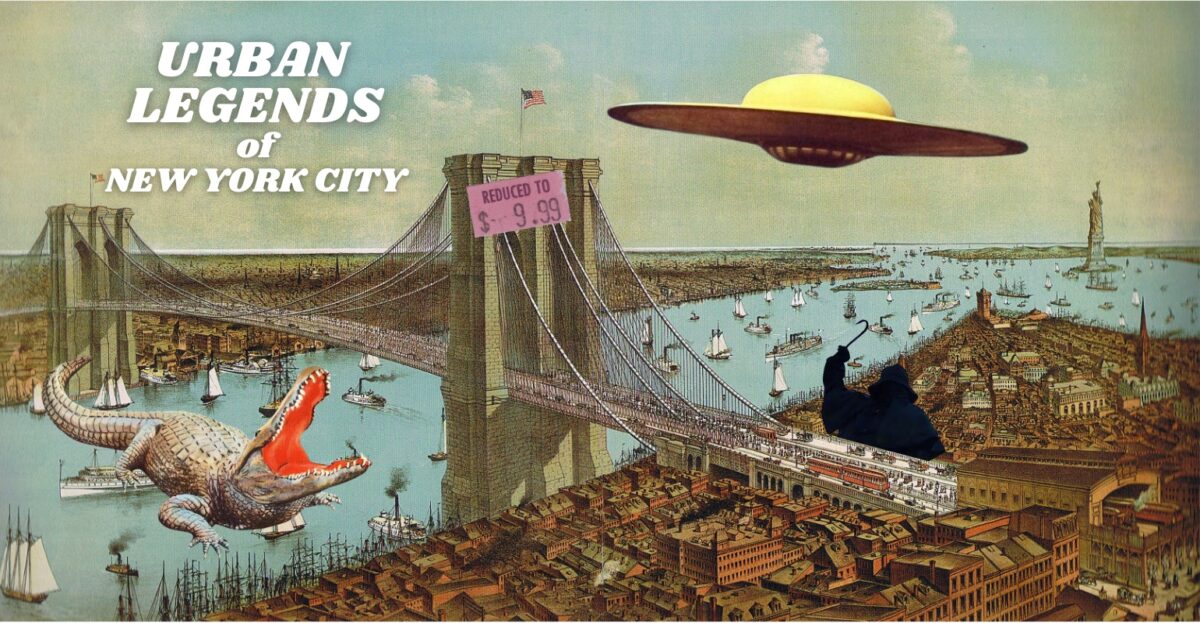
New York City has its fair share of famous ‘urban legends’ — persistent rumors, too good to be true, often macabre and dark.
No, we’re not talking about just about ghost stories. (Those arrive next episode.) We mean far fetched, reality defying fantasies sometimes rooted in science fiction and horror – with just enough bearing to the real world that many people believe them to be true.
Tom and Greg go deep into their favorite New York urban legends. breaking down their origins and revealing the hidden truths that live beneath the legends. This episode answers the questions:
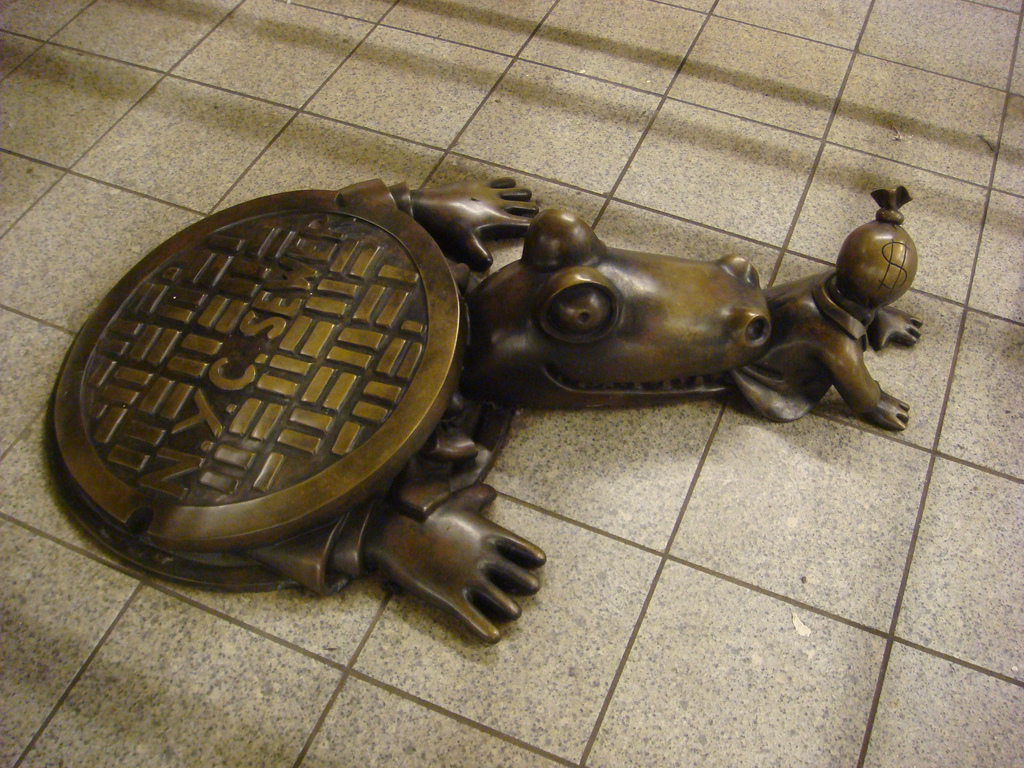
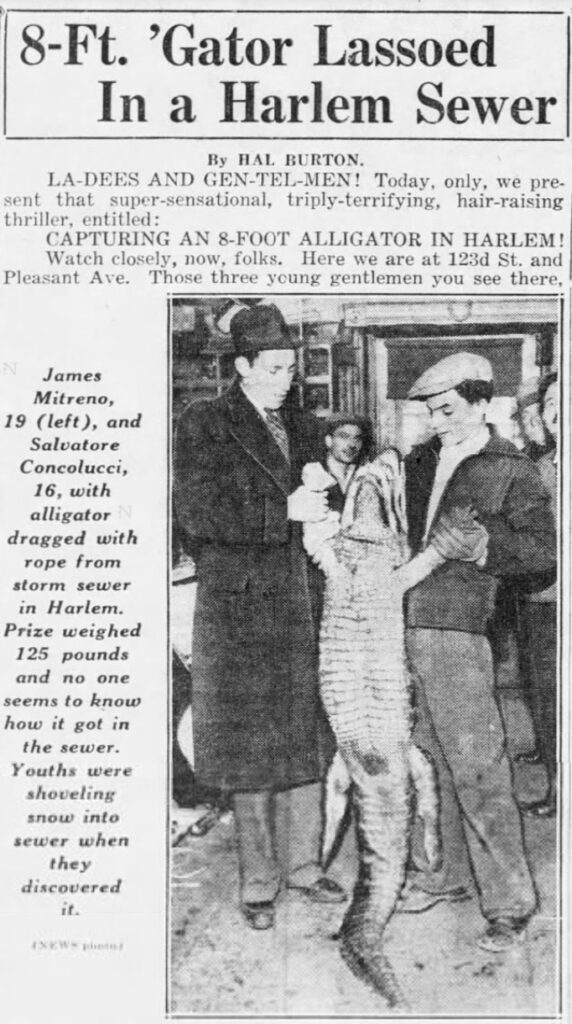
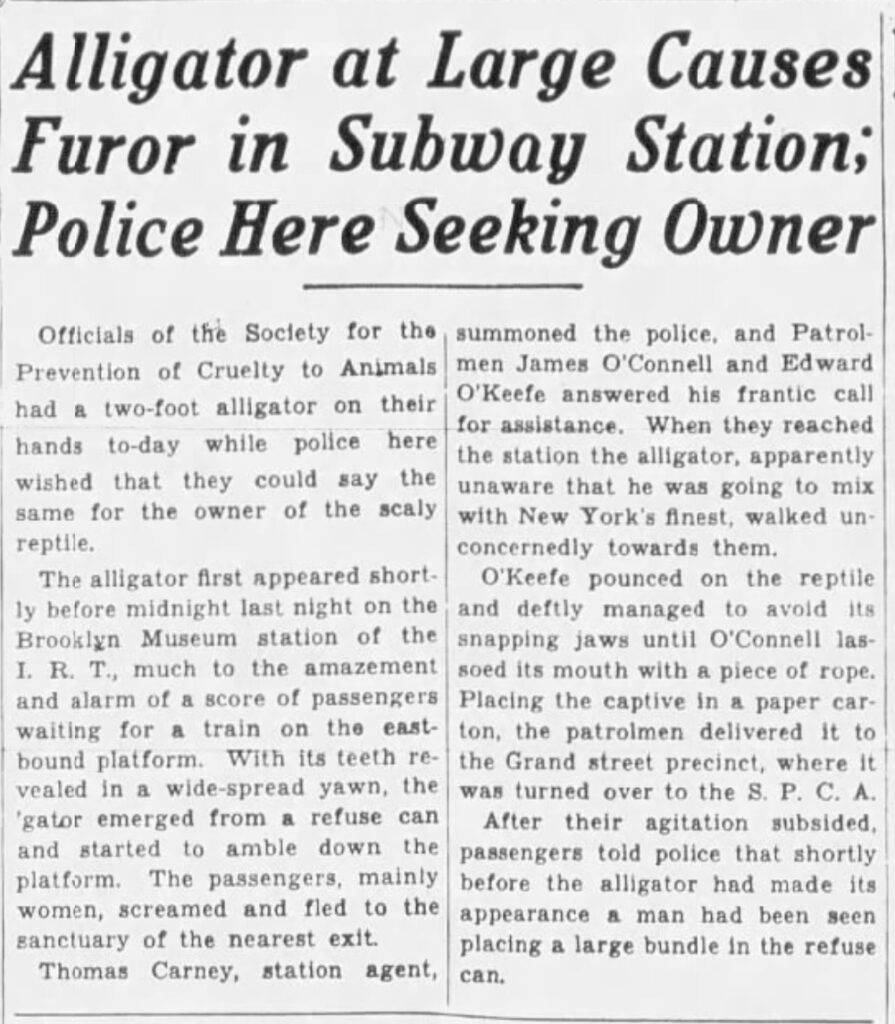
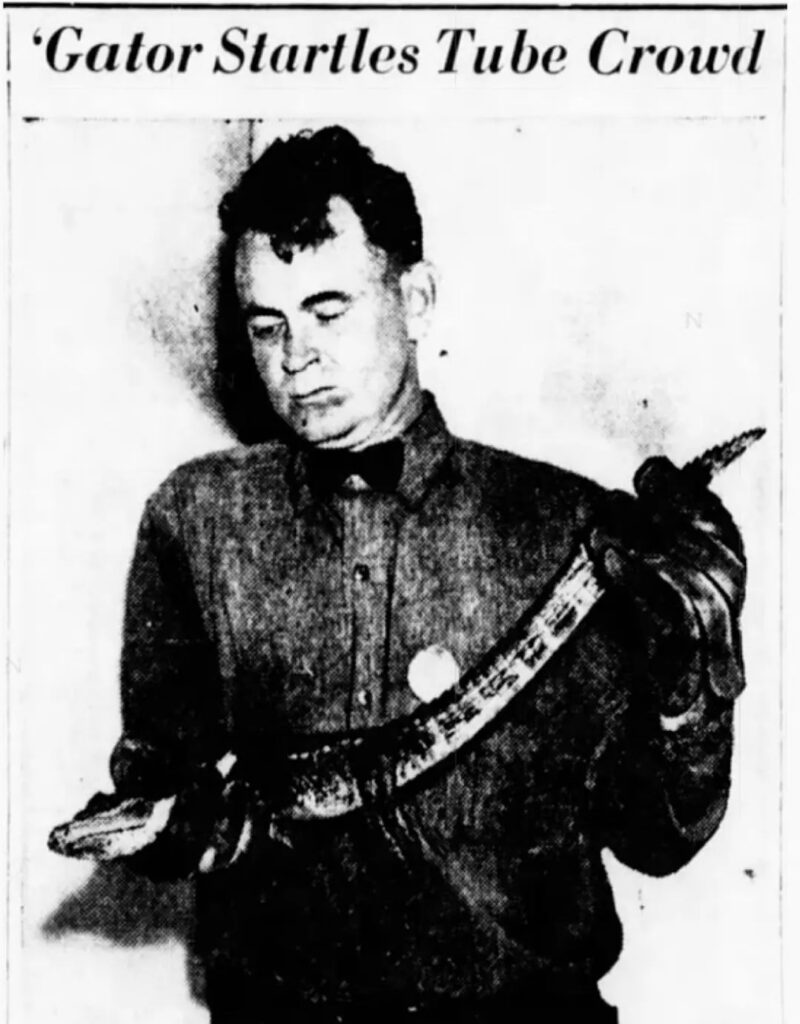
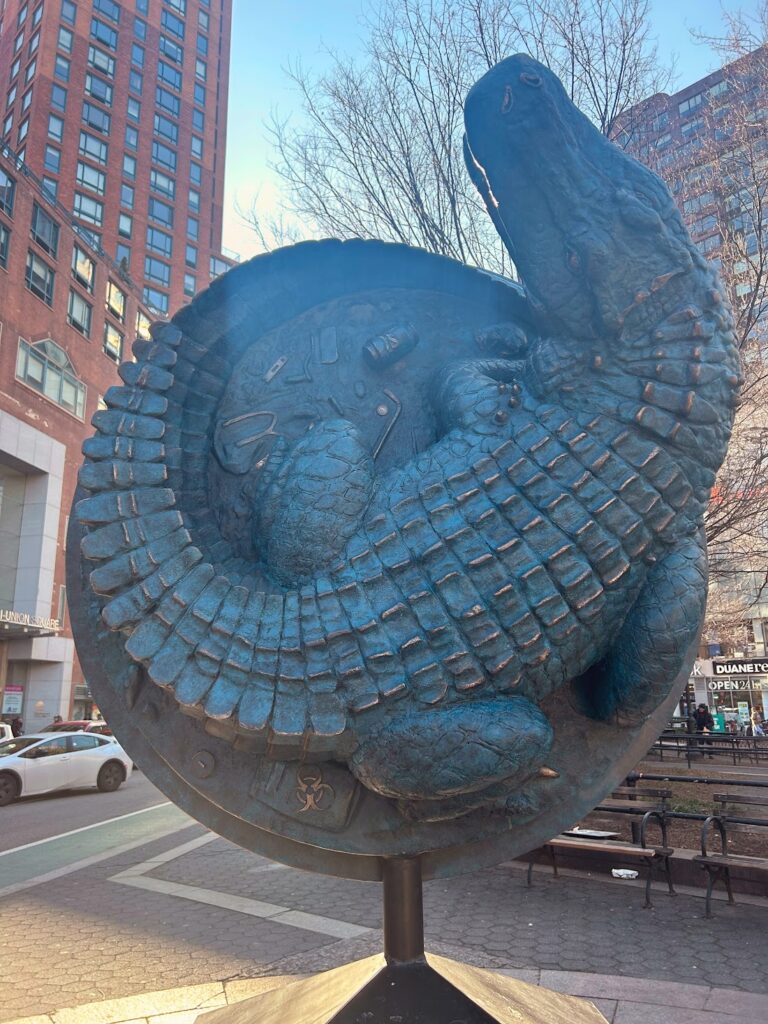
— Are there alligators in the sewer? Believe it or not, there are. Or at least, there were. Kinda. New York’s most famous urban legend has a fun and twisted origin.
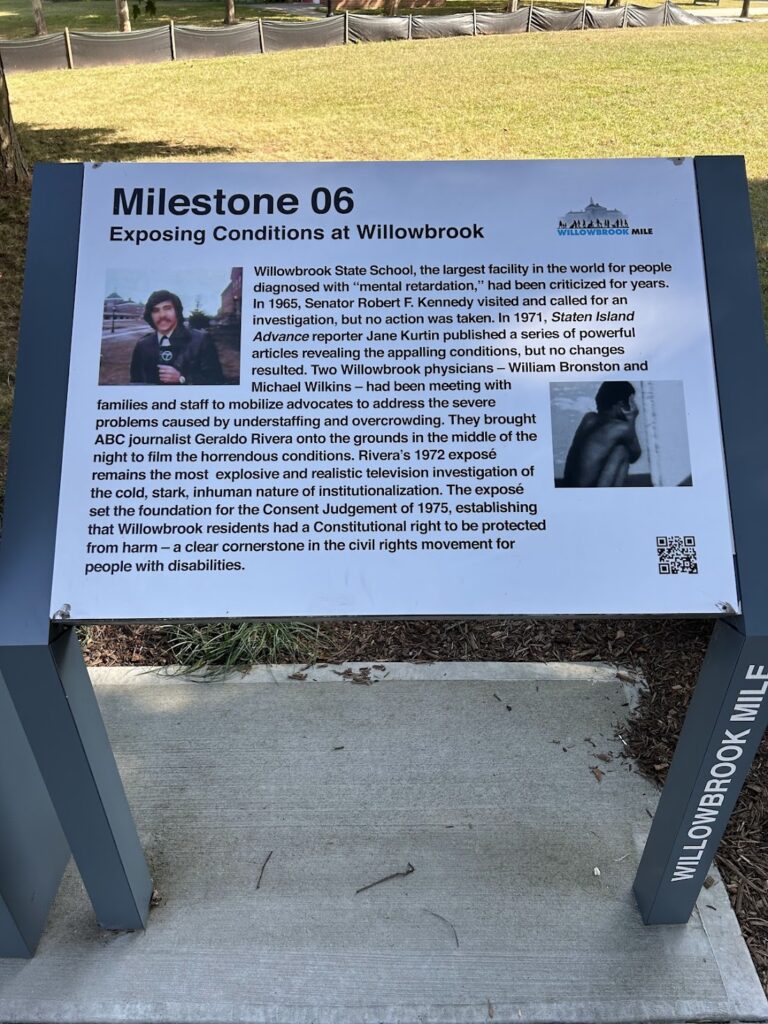
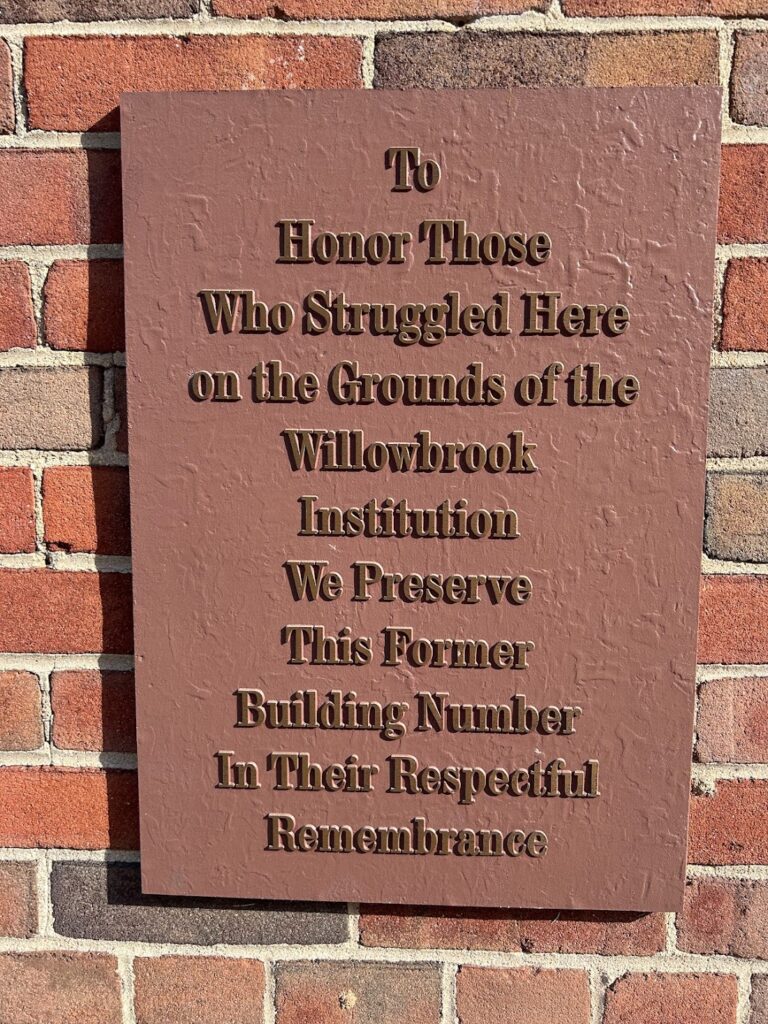
— Does the Cropsey Maniac stalk the corridors of a New York ruin? Campfire tales collide with genuine institutional breakdowns and real-life horrors in this somber story set in Staten Island.
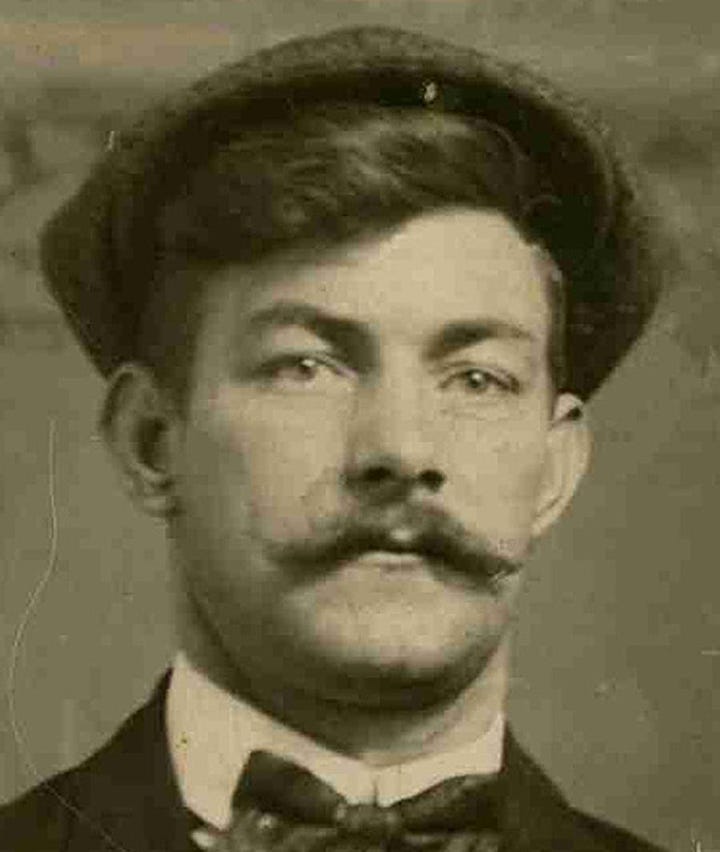
— Did somebody really sell the Brooklyn Bridge? The truth is even more surprising!
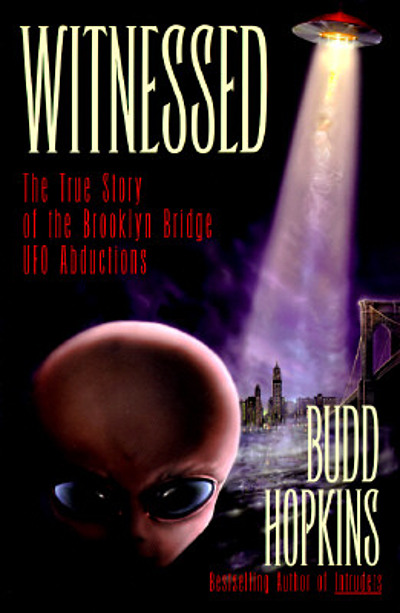
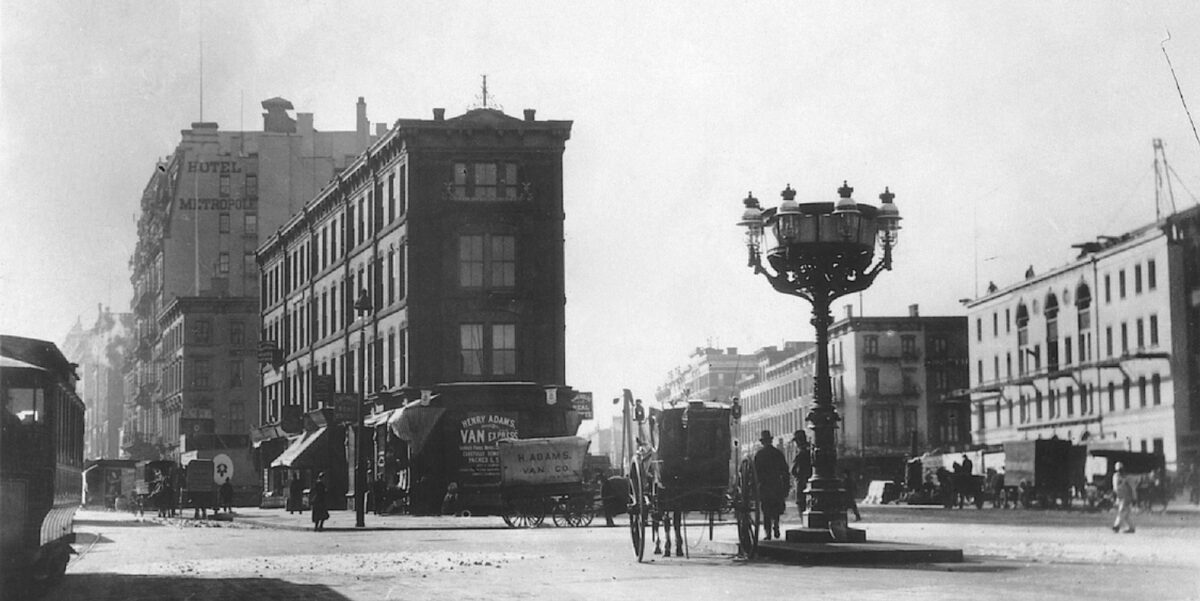
— Have UFO’s landed in New York City? Sounds preposterous, but one incident in 1989 ignited a decade of conspiracies, entangling both the New York Post and the United Nations. You’ll never look at Pier 17 the same way again….
We want to thank Michael Miscione for his help with this week’s show and for keeping the spirit of the alligator urban legend alive.
Michael also made an appearance on the City Reliquary’s podcast Undiscarded, also speaking of the alligator legend.
NYC Legend by Alexander Klingspor, currently in Union Square
Haring, L. & Breselerman, M. (1977). The Cropsey Maniac. New York Folklore
The Geraldo Rivera expose. Very disturbing to watch!
The 2009 documentary Cropsey goes further into the terrifying tale of Staten Island’s missing children and the secrets of the Farm Colony ruins.
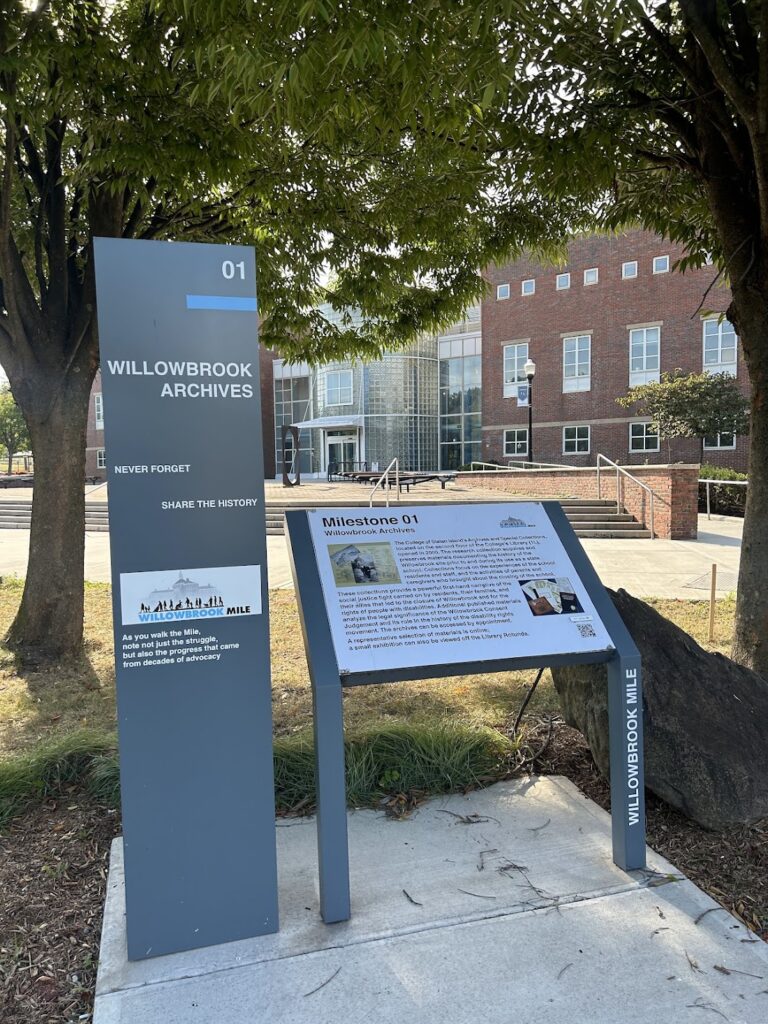
A couple stops on the Willowbrook Mile on the campus of the College of Staten Island. Highly recommended! Not only informative but a lovely campus. And you’ll get a sense of how enormous the total facility was.
George C Parker, the man who “sold” the Brooklyn Bridge.
Did an Unidentified Flying Object abduct a woman from this building on Catherine Street?
FURTHER LISTENING
Of course check out our entire roster of Ghost Stories of Old New York shows. But a few others that pertain to details in this week’s show:
The UFO case in this week’s show takes place right around the spot of one of last year’s creepiest ghost stories….
… and near the place of an infamous Gilded Age murder!
It’s also fair to pair our stories this week with some of the most famous hoaxes in New York history:
Free event at Rockefeller Center! Join Greg Young from the Bowery Boys on Wednesday, September 18, at 6pm as he moderates a conversation with Victoria Johnson, author of American Eden: David Hosack, Botany, and Medicine in the Garden of the Early Republic, a finalist for the Pulitzer Prize in History.
Learn all about the founding of the first public botanical garden in America — on the grounds of Rockefeller Center and on the very spot that Johnson will be giving the talk.
The chat will be held on the rink level at Rockefeller Center at BLOOM, a new botanical immersive experience which celebrates the site’s connection to David Hosack and the past.
What was Times Square before the electric billboards, before the Broadway theaters and theme restaurants, before the thousands and thousands of tourists?
What was Times Square before it was Times Square?
Today it’s virtually impossible to find traces of the area’s 18th and 19th century past. But in this episode, Tom and Greg will peel away the glamour and chaos — evict the Elmos and the pedicabs — to explore a far different world — of colonial estates, rolling farms, horse stables, and beer-themed hotels.
They’ll be ending their story today on the date December 31, 1904, when the very first New Year’s Eve celebration was held here – in the plaza newly christened as Times Square.
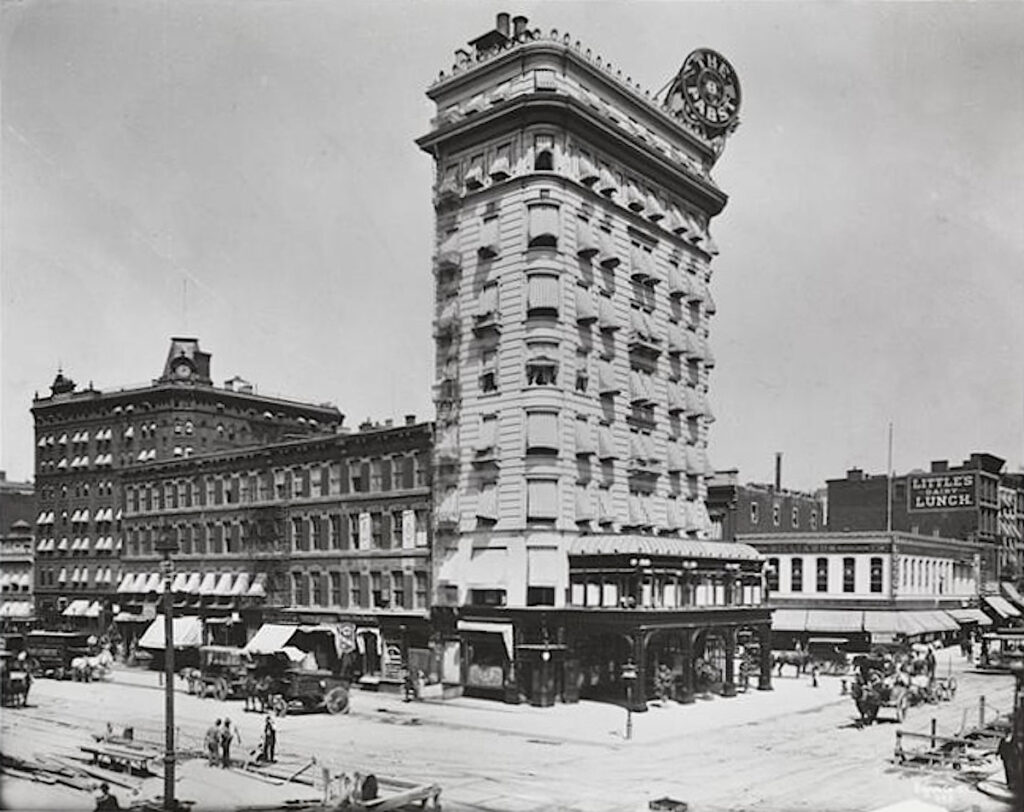
The Pabst Hotel at 42nd Street between 7th Avenue and Broadway
But if you had walked through here fifty years earlier, you certainly would not have called it ‘the crossroads of the world.’
Early real estate speculators like John Jacob Astor saw the district’s potential early, buying up pastures and farms that would soon be transformed into city blocks thanks to the Commissioners Plan of 1811.
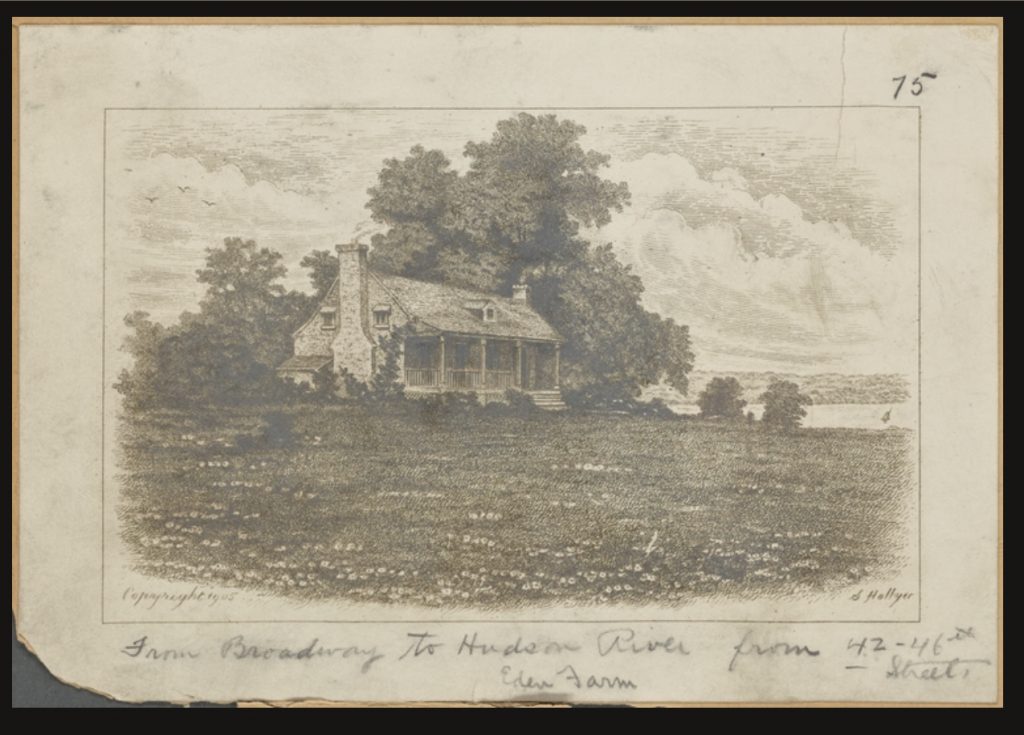
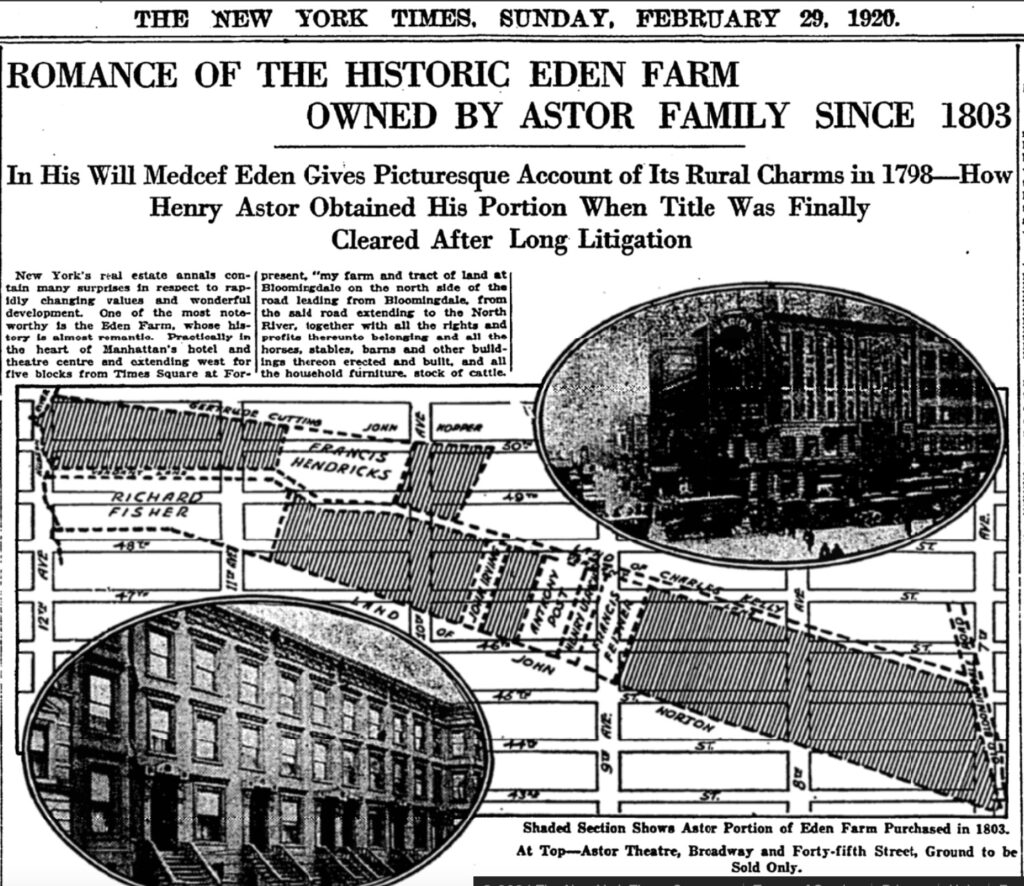
One significant land purchase — Eden Farm — sat on the plot of a former colonial estate of John Morin Scott, a New York founding father who once invited future president John Adam to a very abundant brunch here!
Eden Farm, “from Broadway to the Hudson, 42nd-46th, courtesy New York Public Library
During the 19th century, you would have seen more horses than people here. The area was known as Longacre Square, and it was the heart of New York’s horse-and-carriage trade, the equivalent of an auto garage district today.
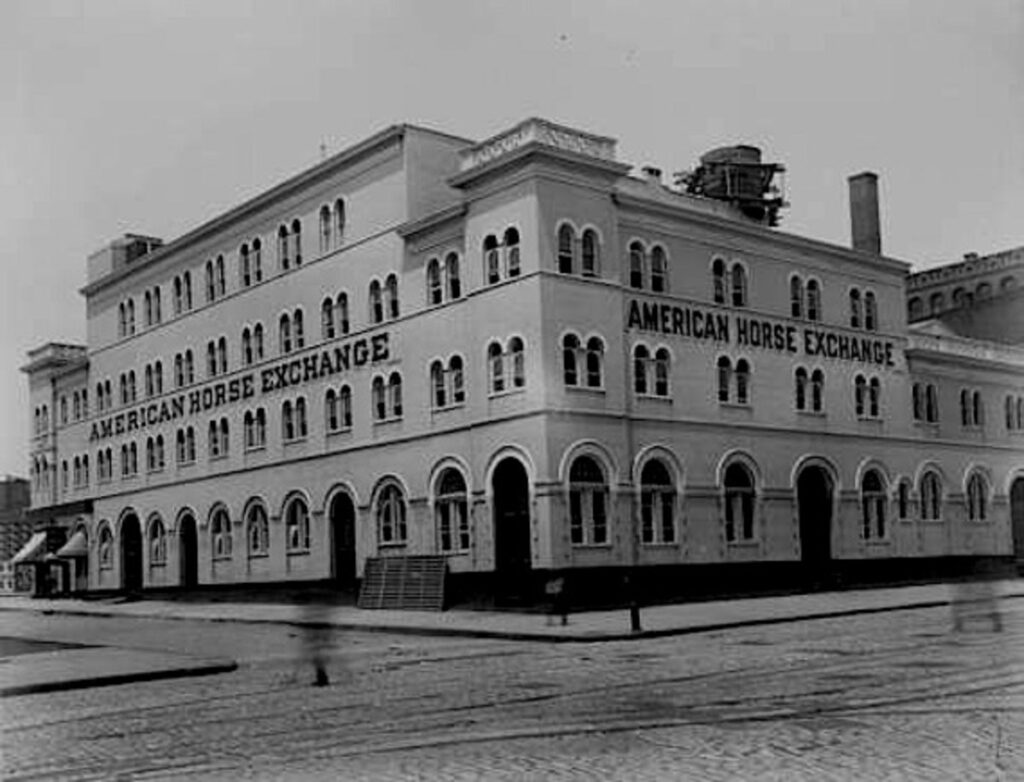
Back in the 19th century, the streets were lined with stables, riding schools, and even the American Horse Exchange, where prized racehorses were bought and sold.
Popular theaters and vaudeville houses began drawing crowded up Broadway, but even in the late 19th century, 42nd Street seemed to keep the entertainment scene out of Longacre Square.
However, when New York decided to build its subway system, Broadway and 42nd Street became an important station in linking the city underground.
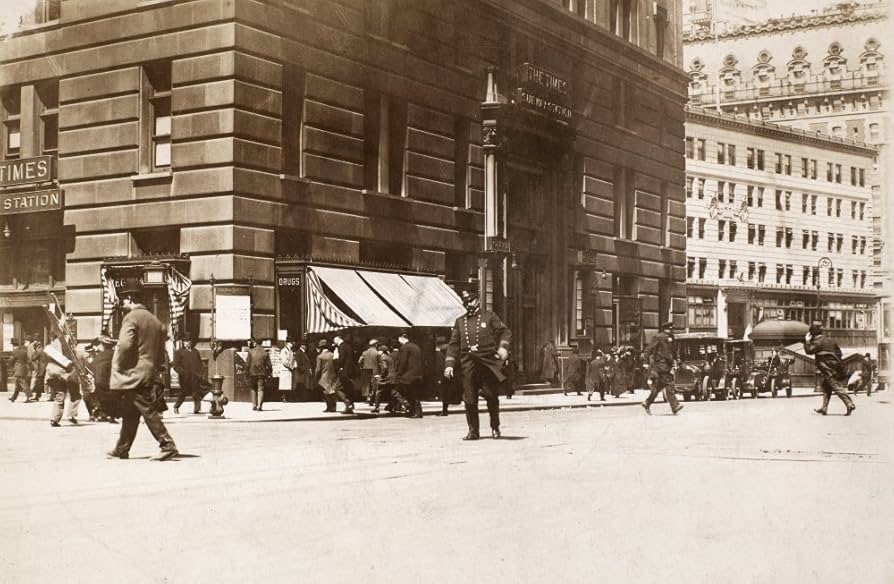
Times Station subway entrance, 1904 within the new One Times Square building.
Suddenly Longacre Square would be considered the center of the city. All it needed was a healthy makeover. And a newspaper publisher looked to define the district with a new, glorious skyscraper headquarters.
FEATURING: The Vanderbilts, the Pabsts, the Ochs, and the biggest musical of the 1900s! And a few connections in Times Square where you can still find these 19th-century traces of the past.
LISTEN NOW: WHEN LONGACRE SQUARE BECAME TIMES SQUARE
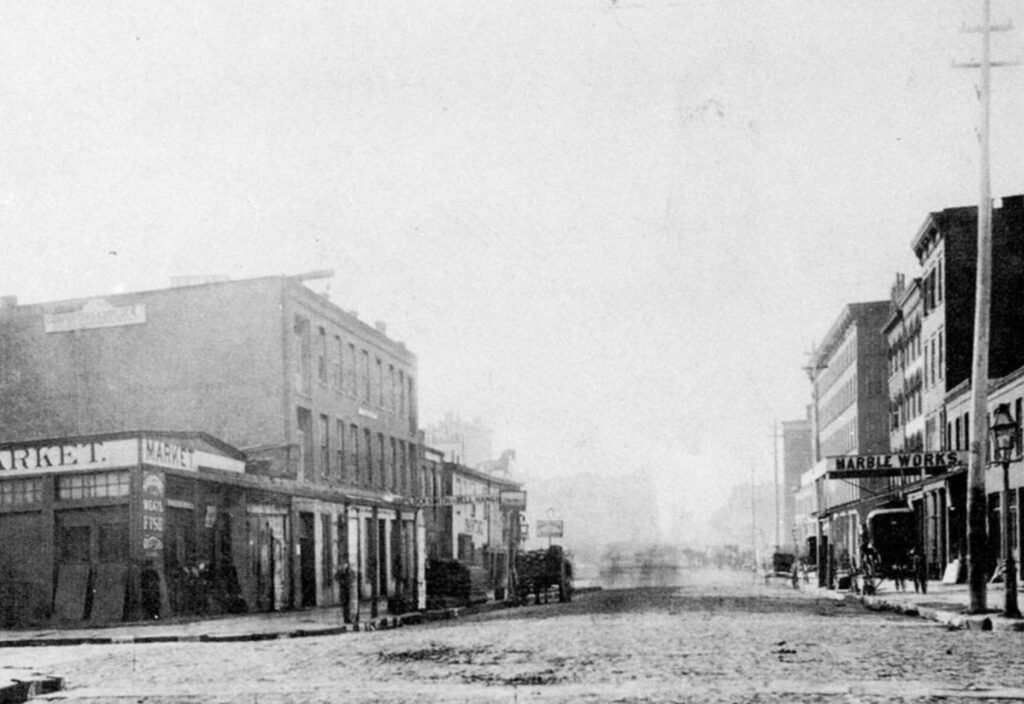
Looking up Broadway into the future Times Square, 1870s
The American Horse Exchange, on the spot of today’s Winter Garden theater.
From the New York Times, 1920, marking the site of Eden Farm
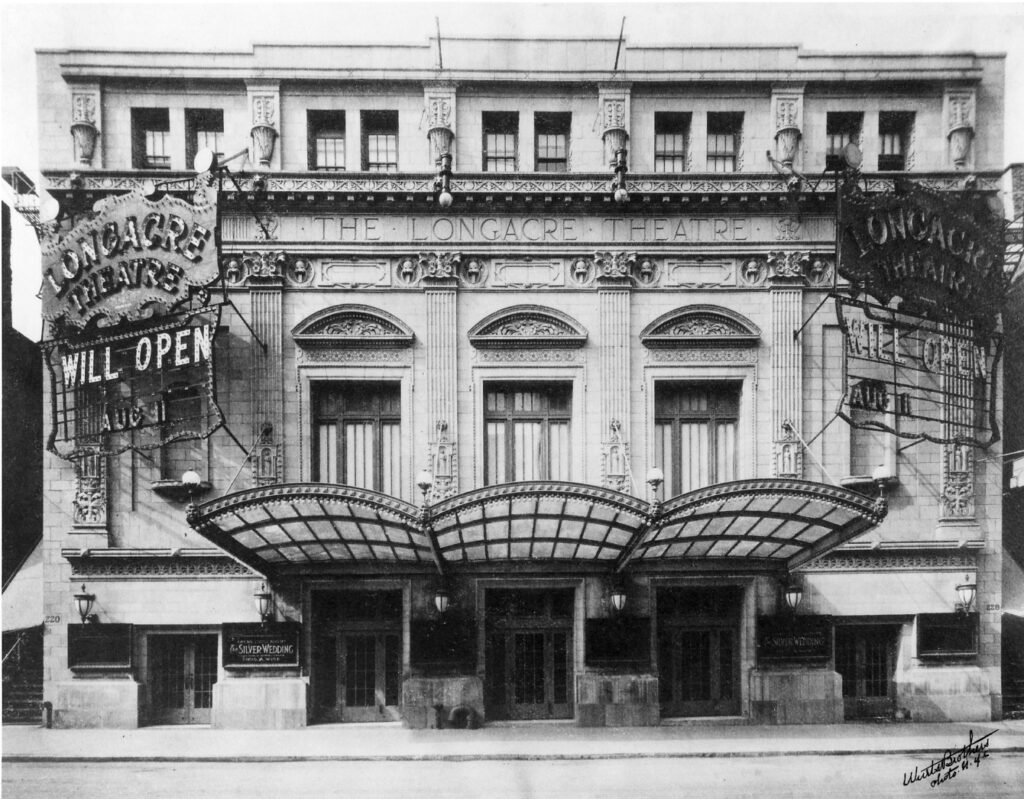
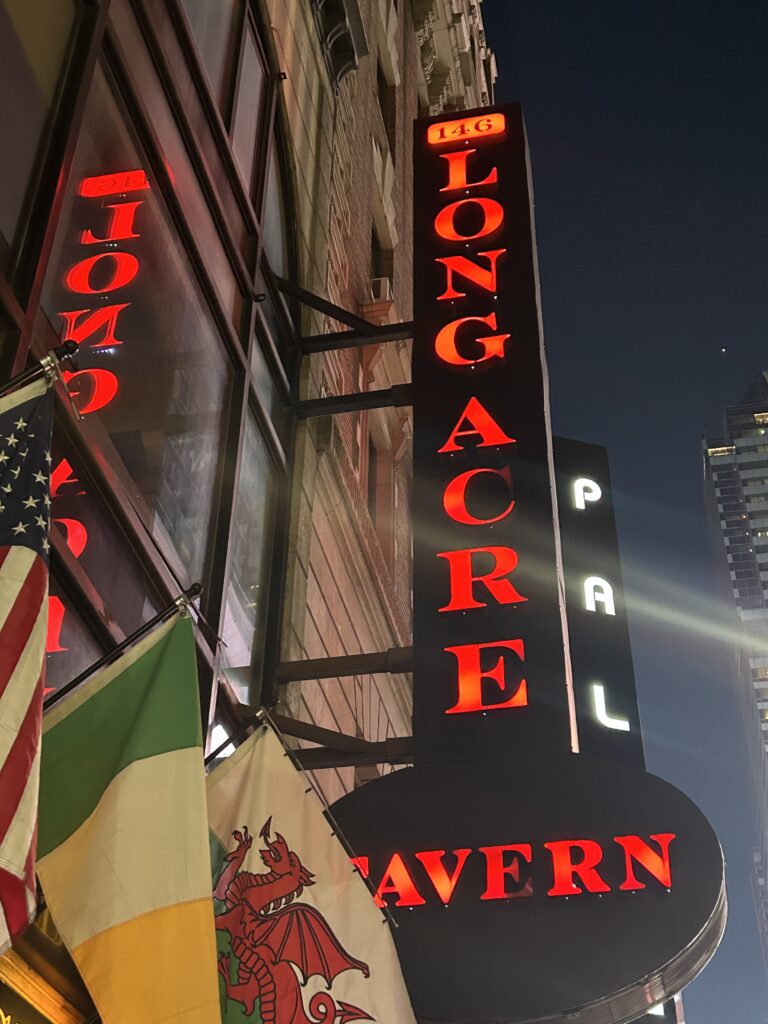
Longacre Theater, still around, operated by the Shubert Organization (courtesy Shubert Org)Had a fine meal at the Long Acre Tavern on 47th Street
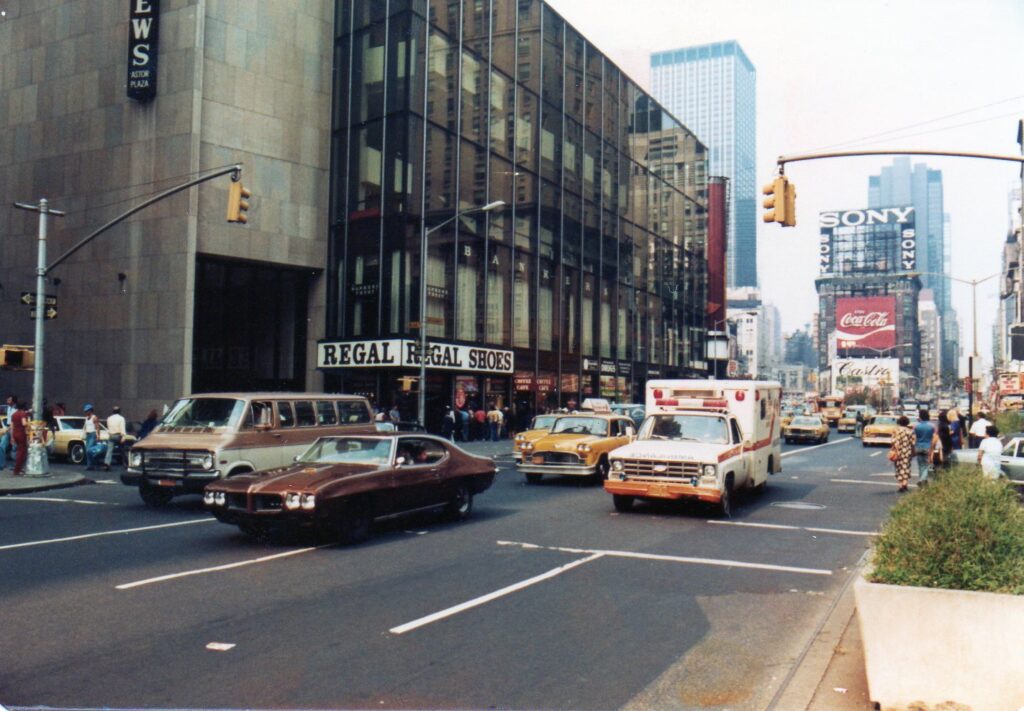
One Astor Plaza on the former Eden Farm site that was eventually owned by John Jacob Astor. Pictured here in 1977. Anybody remember the movie theater? What a place!
Courtesy Yves le bail (Wikimedia Commons)
FURTHER READING
Some articles from the website about the history of Times Square:
Are you a fan of HBO’s The Gilded Age, created by Julian Fellowes? Are you emotionally invested in the lives of Agnes van Rhijn, Bertha and George Russell, Peggy Scott and Marian Brook?
Then we have a special event for you!
Greg Young of the Bowery Boys podcast and Carl Raymond of the Gilded Gentleman podcast cordially invite you to a special events for fans — The Gilded Age Unplugged, an evening celebrating our favorite historcal moments and scintillating scandals from the show, in honor of its six Emmy Awards nominations (including one for Best Drama Series).
Greg and Carl will discuss their favorite scenes, dish about their favorite characters and look closer at the historical scenes depicted on the show.
Join Greg and Carl at The Gilded Age Unplugged on Thursday, September 5 at 7pm, at the historic Montauk Club in Park Slope, Brooklyn, a glamorous social club which dates back to 1889.
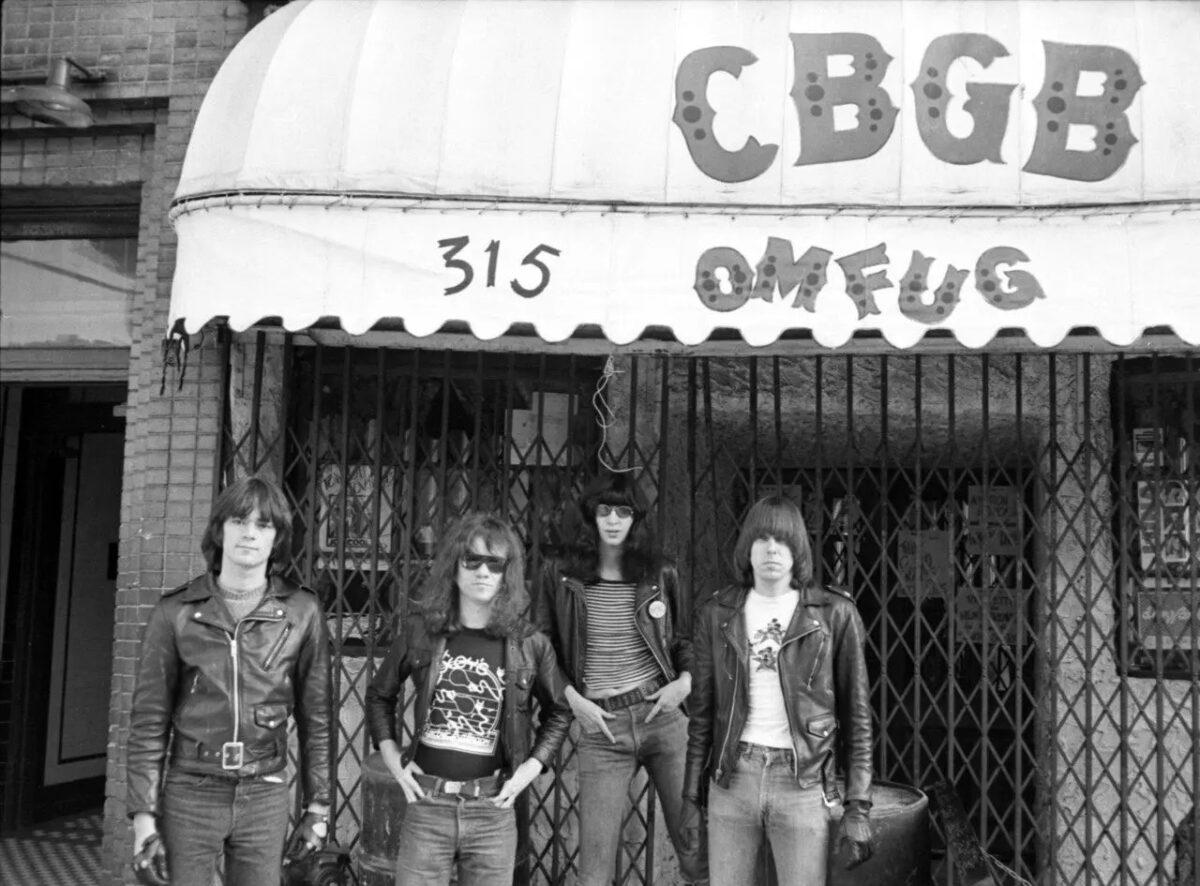
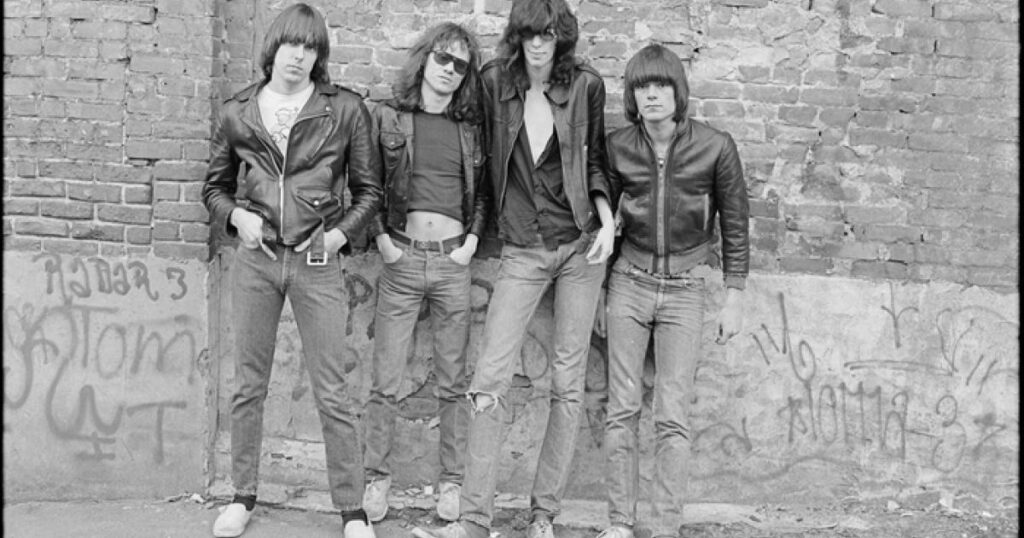
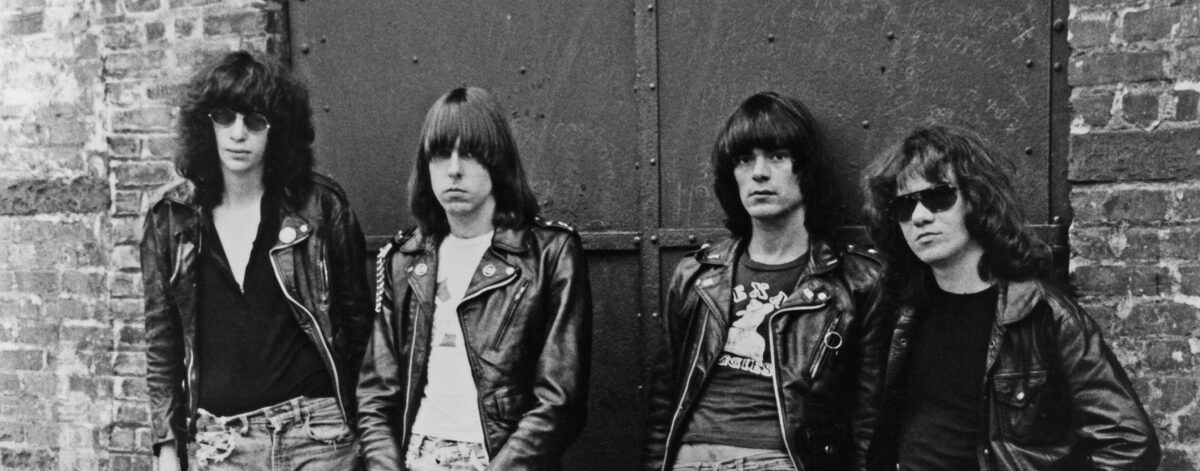
One-two-three-four! The Ramones, a four-man rock band from Forest Hills, Queens, played the Bowery music club CBGB for the very first time on August 16, 1974.
Not only would Joey, Johnny, Tommy and Dee Dee reinvigorate downtown New York nightlife here — creating a unique and energetic form of punk — but they would join with a small group of musicians at CBGB to revolutionize American music in the 1970s.
Photo by Roberta Bayley, courtesy Museum of the City of New York
In this episode we’re celebrating the 50th anniversary of The Ramones’ first performances in downtown Manhattan, but this also a tribute to New York music of the 1970s and to the most famous rock-music club in America.
CBGB & OMFUG officially stands for “Country, Bluegrass, Blues and Other Music For Uplifting Gormandizers,” and Hilly Kristal‘s legendary hole-in-the-wall music venue on the Bowery would be best defined by that “other music” — namely punk, new wave and later hardcore.
Over the course of 70 performances, the Ramones would perfect their sound and appearance on the ragged little stage here at CBGB, building upon musical influences like the local glam rock scene (the New York Dolls, Jayne County) and their own nostalgic callbacks to the Beatles.
The mid-1970s CBGBs scene would produce other artists who would go on to mainstream, international fame — Patti Smith, Television, the Talking Heads and Blondie. Not only would these artists become associated with the Bowery, but most of them would live on the surrounding streets.
On this special episode, Greg is joined by an incredible roster of guests including Ramones record producer and engineer Ed Stasium; longtime CBGBs fixture BG Hacker; tour guide and Ramones fan Ann McDermott and music historian Jesse Rifkin, author of This Must Be The Place: Music, Community and Vanished Spaces in New York City.
LISTEN NOW: THE RAMONES AT CBGB
A special themed playlist for you on Spotify! You can find it there or just listen from the player below:
A special thanks to Greg Jakubik from Shore Fire Media for his help in arranging interviews.
FURTHER LISTENING
Last year we produced a two-part episode on the history of the East Village. Well, surprise! This is the third part of the series and you can listen to it between the prior two:
Stephen B. Armstrong / I Want You Around Deborah Harry / Face It: A Memoir Will Hermes / Love Goes To Buildings On Fire Mickey Leigh / I Slept with Joey Ramone: A Punk Rock Family Memoir Jim McCarthy, Brian Williamson / Gabba Gabba Hey: The Graphic Story of the Ramones Marky Ramone / Punk Rock Blitzkrieg Richie Ramone / I Know Better Now Jesse Rifkin / This Must Be The Place: Music, Community and Vanished Spaces in New York City. Chris Stein / Under A Rock Everett True / Hey Ho Let’s Go: The Story of the Ramones
Did you ever see the Ramones play live — either here in New York or elsewhere? Did you ever go to CBGBs during its heydey — to see the Ramones, Blondie, the Talking Heads, Patti Smith or any other artist? Ever have an interesting experience with a member of the Ramones?
Help us celebrate the 50th anniversary of the Ramones’ first show at CBGB by sharing your memory with us for an upcoming podcast.
Just call and leave a message at (844) 426-9379. After you press 1, you’ll be taken to the Bowery Boys listeners line.
Leave your message (no more than a minute long) and share your memory or enthusiasm for one of New York City’s greatest bands! No need to give your full name, just first name and the place you’re calling from.
By leaving a voicemail, you give permission for the message to be used on the episode. Thank you!
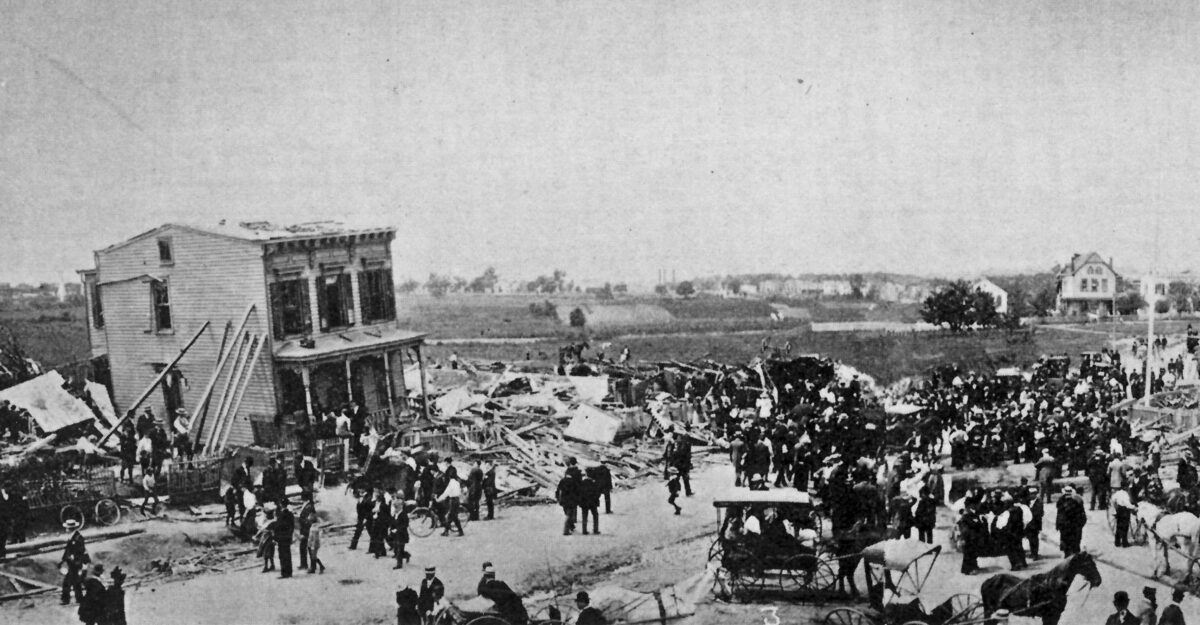
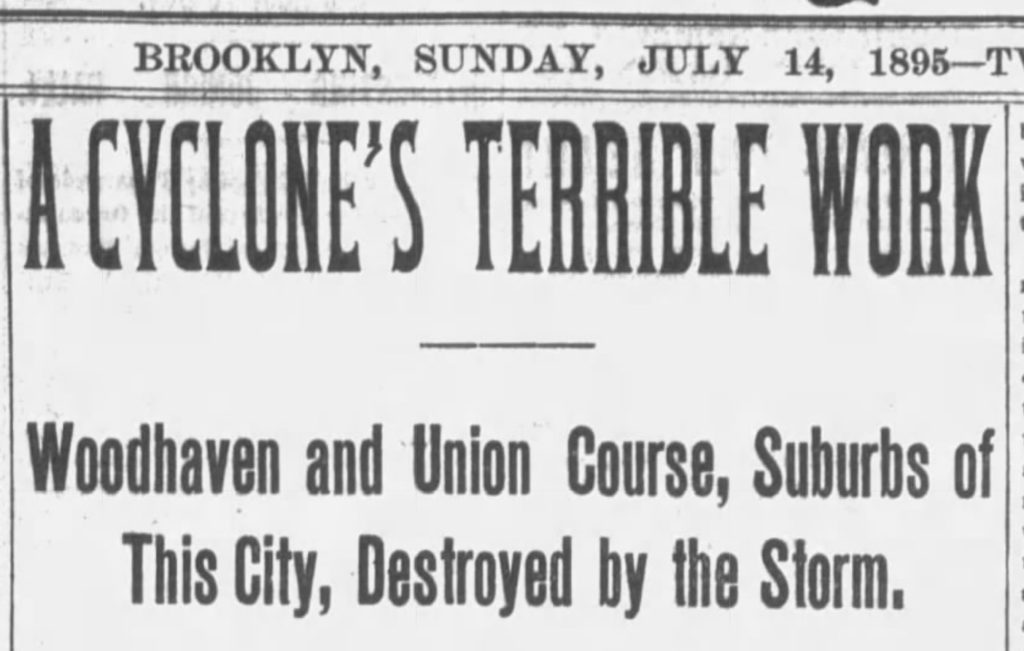
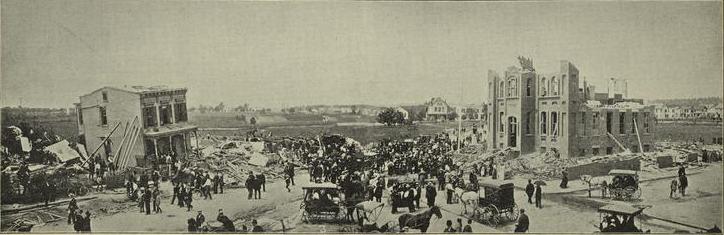
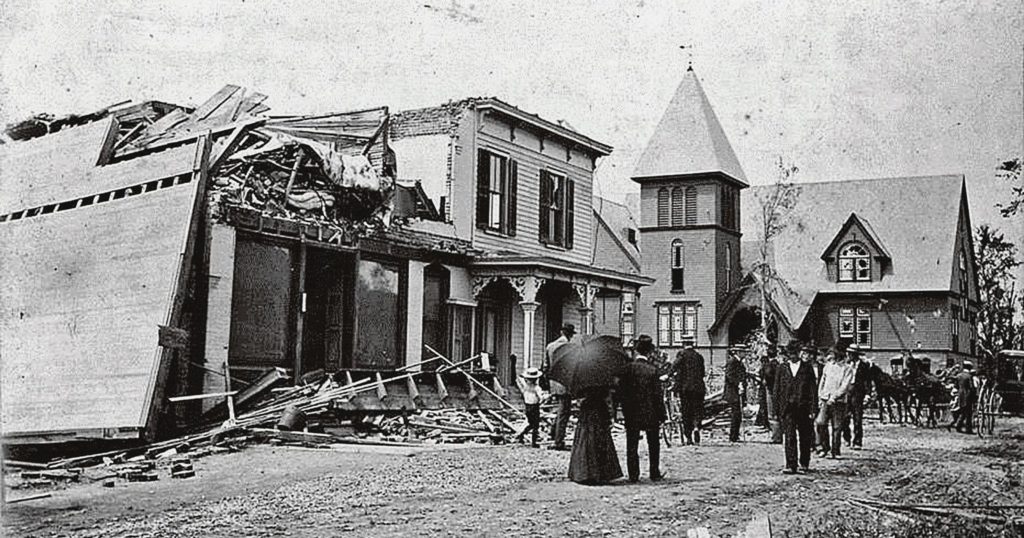
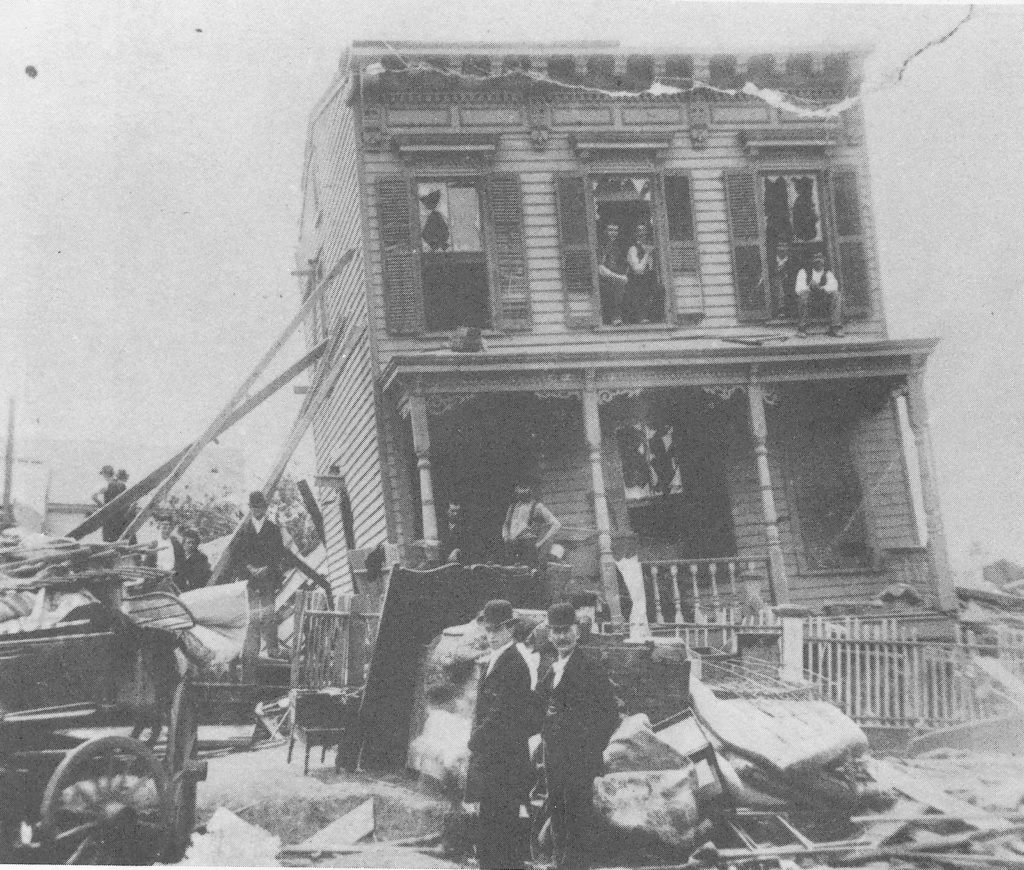
But all of these pale in comparison to the terrifying storm which hit the area in the summer of 1895, nearly decimating a neighborhood in Queens.
Brooklyn Citizen, July 14, 1895 — BROOKLYN ESCAPED AS BY A MIRACLENew York Public Library
On the afternoon of July 13, 1895, a horrendous tornado — a “hellish wind” — ripped apart the New Jersey town of Cherry Hill (pictured below). A New York Times reported that “nearly every building in the place bears evidence of the force of its power.” Some claim the village’s name became so associated with that destructive storm that it later had to change its name to North Hackensack.
Courtesy the Bergen County Historical Society
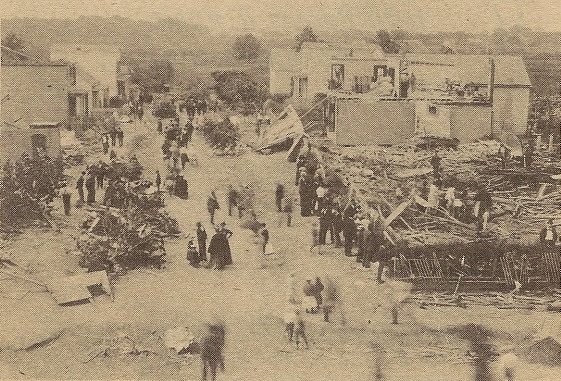
That same storm swept into New York, whipping through Manhattan via Harlem, leaping across the East River and striking the village of Woodhaven.
The rather unusual reaction of New Yorkers to this storm caught my attention, as reported by the New York Sun: “Yesterday was another eventful day in the history of Woodhaven, Long Island. The tornado on Saturday that killed one, wounded forty, demolished fifteen houses and partially wrecked thirty more, was followed by the largest crowd of sightseers that ever collected in town limits.”
The paragraph ends, “Altogether it was a great day in the town.”
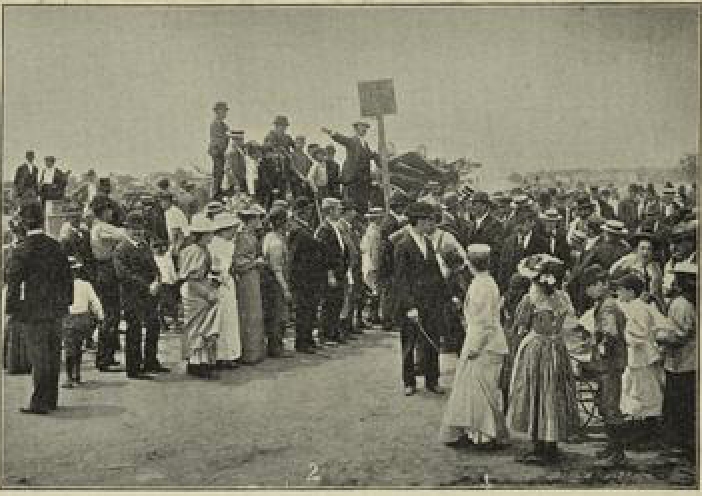
Throngs of locals from New York and Brooklyn took the newly constructed elevated railroads into Queens to witness the carnage, to help out the victims or, in very isolated cases, snag a souvenir of this rare event.
The Sun reports that over 100,000 people visited the site over the next day, and while most were there to assist those in need — a genuine outpouring — still others came merely to witness the pandemonium.
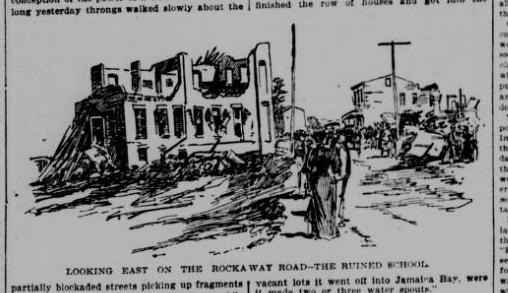
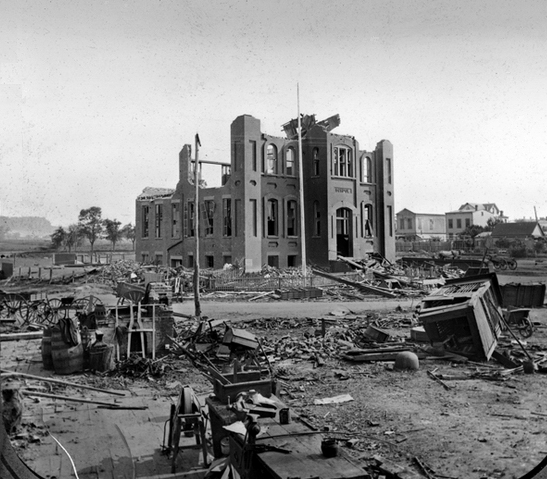
Below: an illustration on the schoolhouse, from the New York Tribune:
For those lucky to own Woodhaven’s saloons — and there were many, the village being near the former Union Course racetrack — the vicious tragedy drew bewildered drinkers. “The saloons that were not wrecked were open. Some of those that were wrecked had beer on tap, and the crowd drank as fast as the spigots could be put in the kegs. Nobody went thirsty.” [Sun]
The tornado tore up pieces of the village and redistributed them at random. One man had four roofs in his backyard; cows and chickens were deposited into new homes. The Sun reports the bodies of dozens of chickens, plucked of their feathers by the winds.
New York Public Library
This being the days before FEMA and decent insurance plans, many families were left to beg.
Many of the gawkers and sightseers began pulling money from their wallets. An enterprising lawyer took an empty beer keg and asked people to fill it with money for the needy. Soon volunteers carried signs saying “Help fill the barrel!” The throngs were directed past the money barrel as a man cried, “You’ve spent your lives emptying kegs. Fill this one!”
The scene took on the feel of a macabre carnival, with gory recounts of the storm and cries from virtual carnies driving more people to arrive and donate. “In the keg! In the keg! In the k-e-g!”
Soon there were many empty kegs (and boxes and bags) distributed throughout the wreckage, gathering funds for the homeless and wounded.
From my experience with late 19th century New Yorkers, I’m going to take a wild guess and say that not all that money ended up in the proper hands. But for the most part, it seems, it was an overflow of generosity and charity that day.
As the sun set upon the ruins of Woodhaven, the money was compiled at the schoolhouse — pictured below, its roof gone and walls torn away — while “perhaps 5,000 people” gathered outside.
Courtesy Woodhaven Cultural and Historical Society
In the end, two people from Queens died during that storm — a pregnant 17 year old struck by a beam and a five-year-old boy. (Actually, the Times reports the boy lived; the Sun says he died. Such was the way of New York newspapers in 1895.)
One rather remarkable story of survival soon emerged — the ten-year-old daughter of the village milkman was walking her cow back to the barn when the tornado picked up both her, the cow and the barn. The barn was torn to splinters and the cow thrown into Jamaica Bay. The girl, thankfully, was deposited into an onion patch, only slightly bruised. [From the New York Tribune]
Let that be a reminder of the days when Queens had barns, cows, milkmen, milkmen’s daughters — and deadly tornados!
Need an escape from the world for just a little while? A place where you can be by yourself? We’ve got the keys.
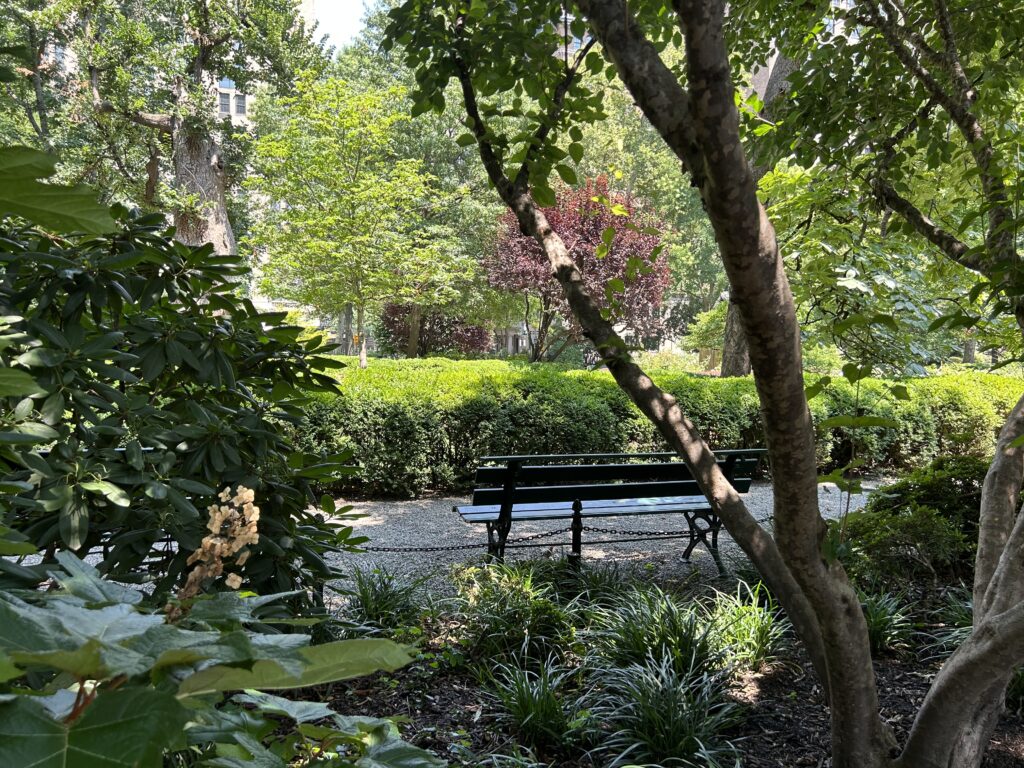
Carl Raymond of The Gilded Gentleman podcast and his guest Keith Taillon invite you into one of the most historically exclusive spaces in New York City — the romantic and peaceful escape known as Gramercy Park.
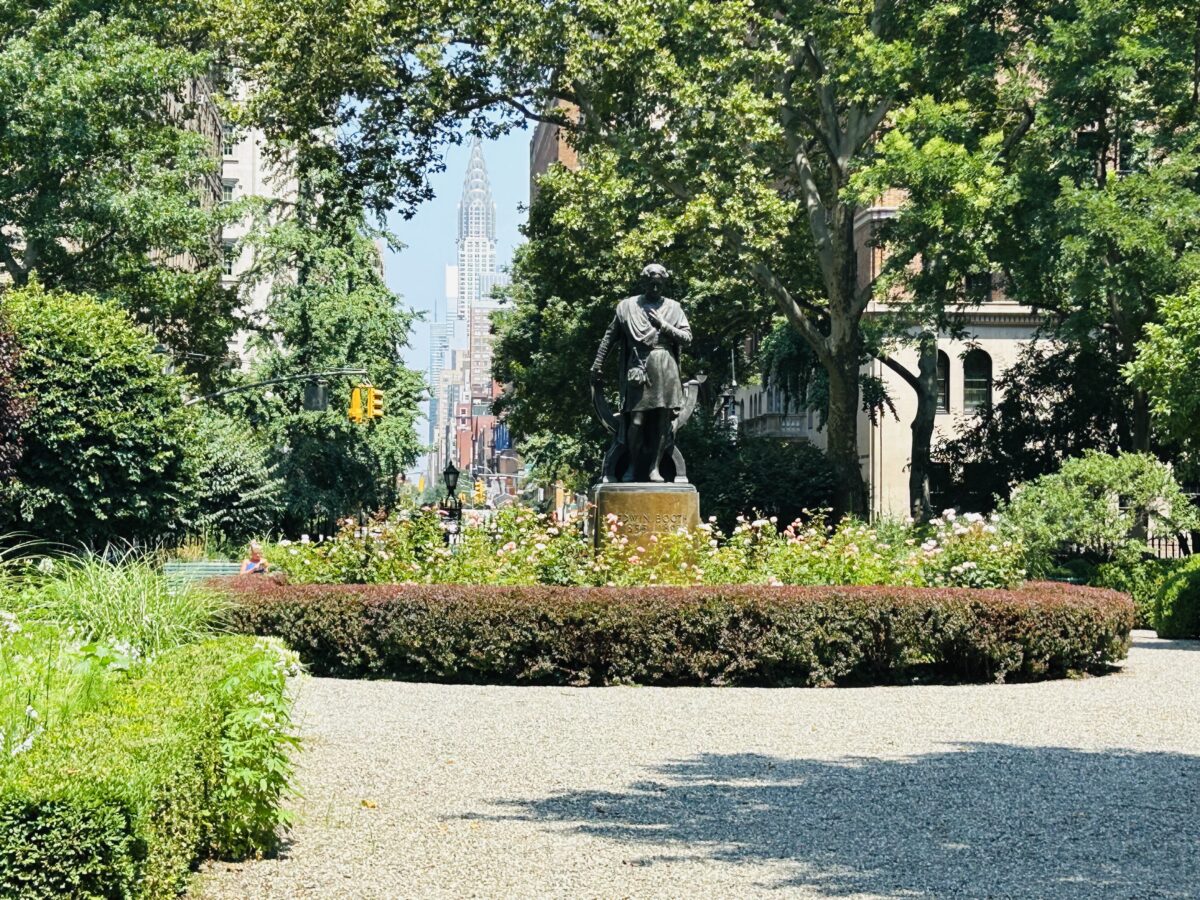
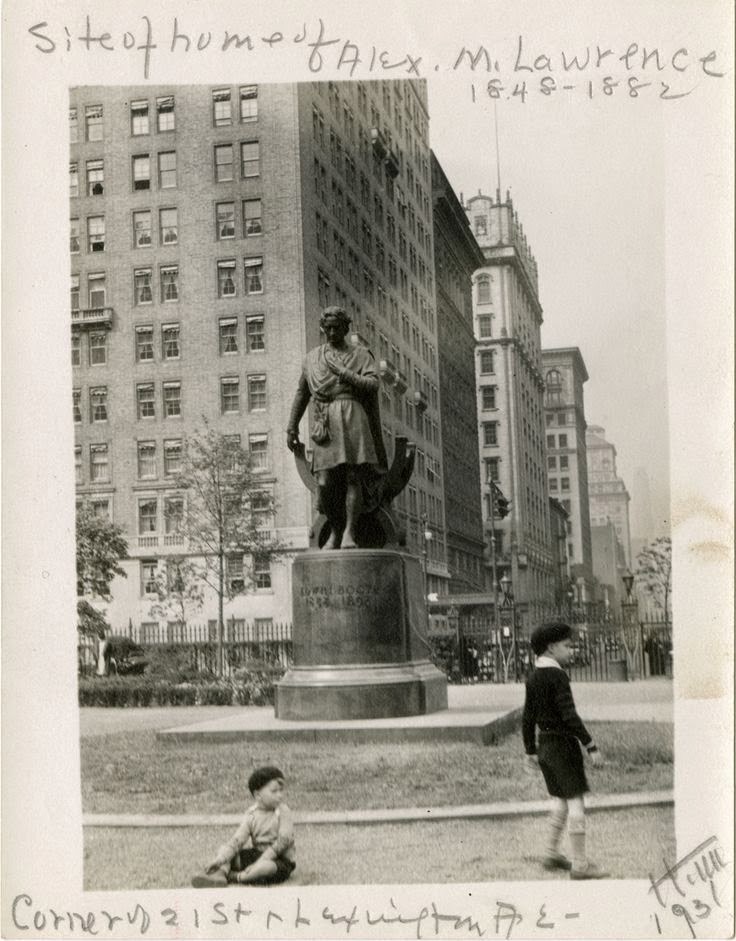
This small two-acre square, constructed in the 1830s, has been called “America’s Bloomsbury”. Taking the reference from London’s famous neighborhood once home to many great writers and artists, New York’s Gramercy Park has similarly included noted cultural icons as architect Stanford White, actor Edwin Booth and the great politician Samuel Tilden.
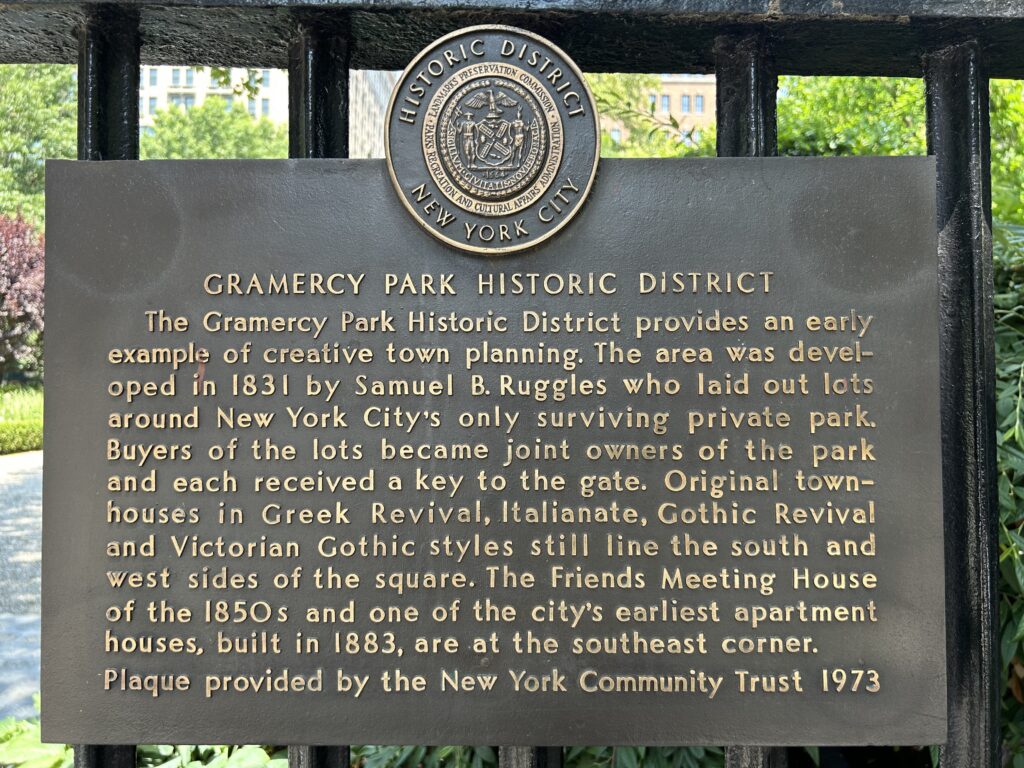
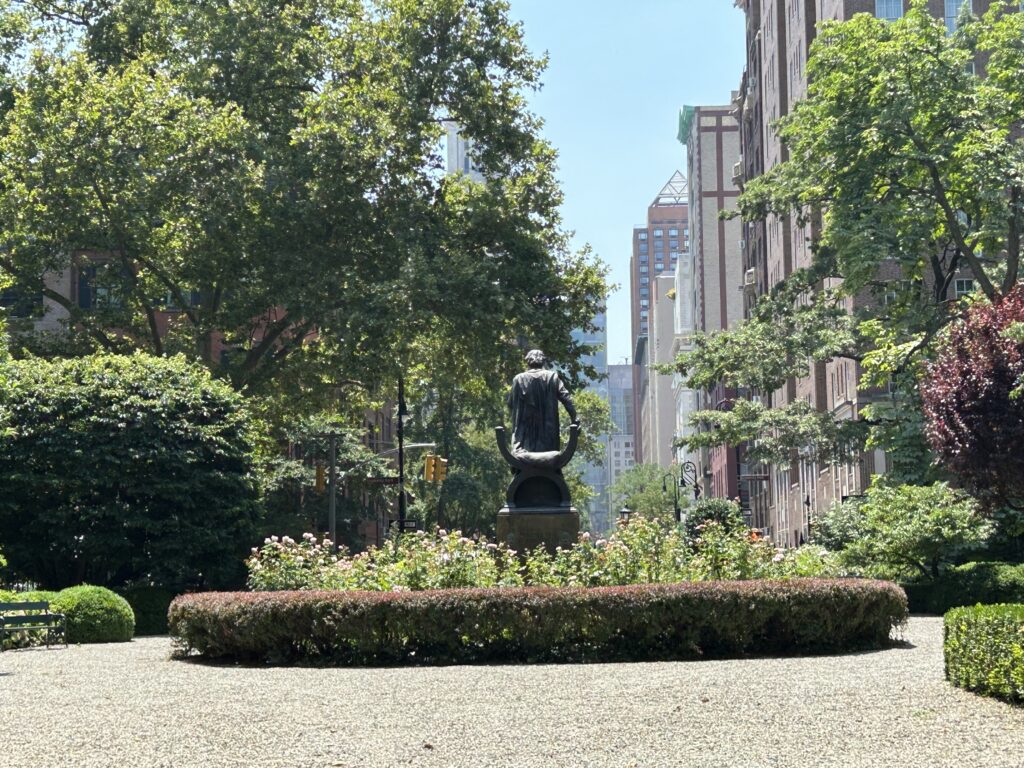
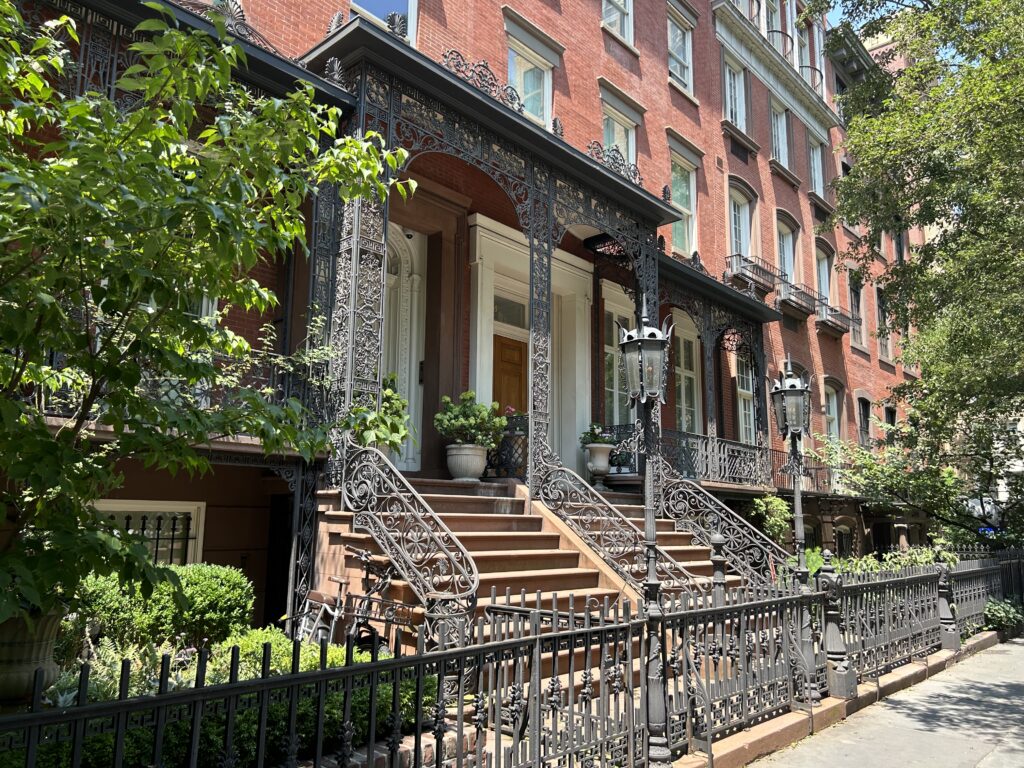
Wandering along the park today it’s easy to gain a view back into the past — many of the original Greek Revival brick townhouses and brownstone mansions remain, some still in private hands.
The park in the center is one of the most unique places in America — it is a private park, not a city property and its upkeep has been managed since its inception in the early 19th century by the property owners around the park itself.
Writer and historian Keith Taillon joins Carl for this episode to look back into this hidden pocket of New York City’s past and unlock its history.
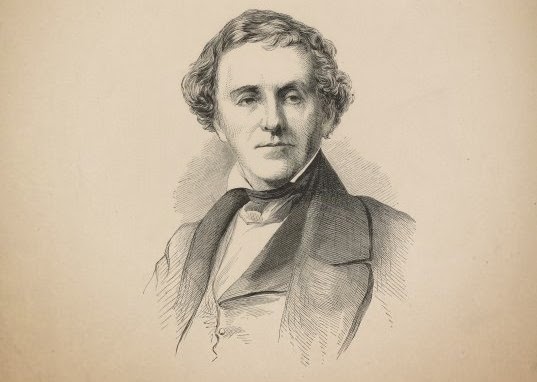
Samuel Ruggles, New York Public LibraryNew York Public Library
This summer Carl Raymond of the Gilded Gentleman Podcast and some very special guests are taking you to some of the most glamorous and relaxing places from the Gilded Age.
Take in the breathtaking views at the Vanderbilt Mansion in Hyde Park….
Retreat to the natural world of the Adirondaks and Great Camp Sagamore:
Gallivant through the lush Berkshire Mountains to visit a few grand 19th century estates
EPISODE ARRIVING JULY 22
Or vacation like Queen Victoria did, with a vist to her rural retreet Osborne House on the Isle of Wight
EPISODE ARRIVING AUGUST 6
FURTHER LISTENING
We have visited Gramercy Park (and other themes from this week’s show) in various Bowery Boys Podcasts over the years. If you’d like to spend a little more time with these topics, dive into one of these favorites:
Our epic ‘road trip’ to the Netherlands is at an end and it was mission accomplished! We learned so much about New York’s Dutch roots — from the settlement of New Amsterdam to the European settlers who first populated the island which would become Manhattan.
Along the way we also found interesting connections — and great contrasts — between America and the Netherlands. We’ll certainly never look at a bike lane the same way.
All five episodes of our Adventures in the Netherlands series are now available. Make that six actually — our show The Lenape Nation serves as an excellent prologue and reminder of the people who were already here when the Dutch arrived in 1624.
Here’s the trailer for the whole series:
The shows were designed so they the end of one show rolls into the next one, so the series makes an excellent summer binge listen! Better yet, take them with you on your own adventure someplace.
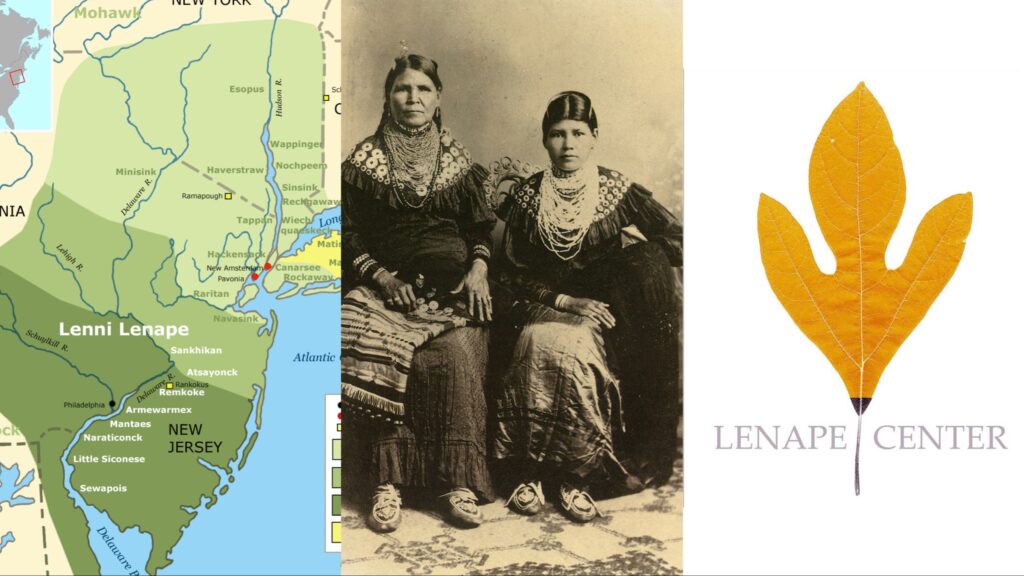
The Lenape were among the first in northeast North America to be displaced by white colonists — the Dutch and the English. By the late 18th century, their way of life had practically vanished upon the island which would be known by some distorted vestige of a name they themselves may have given it – Manahatta, Manahahtáanung or Manhattan.
But the Lenape did not disappear. Through generations of great hardship they have persevered.
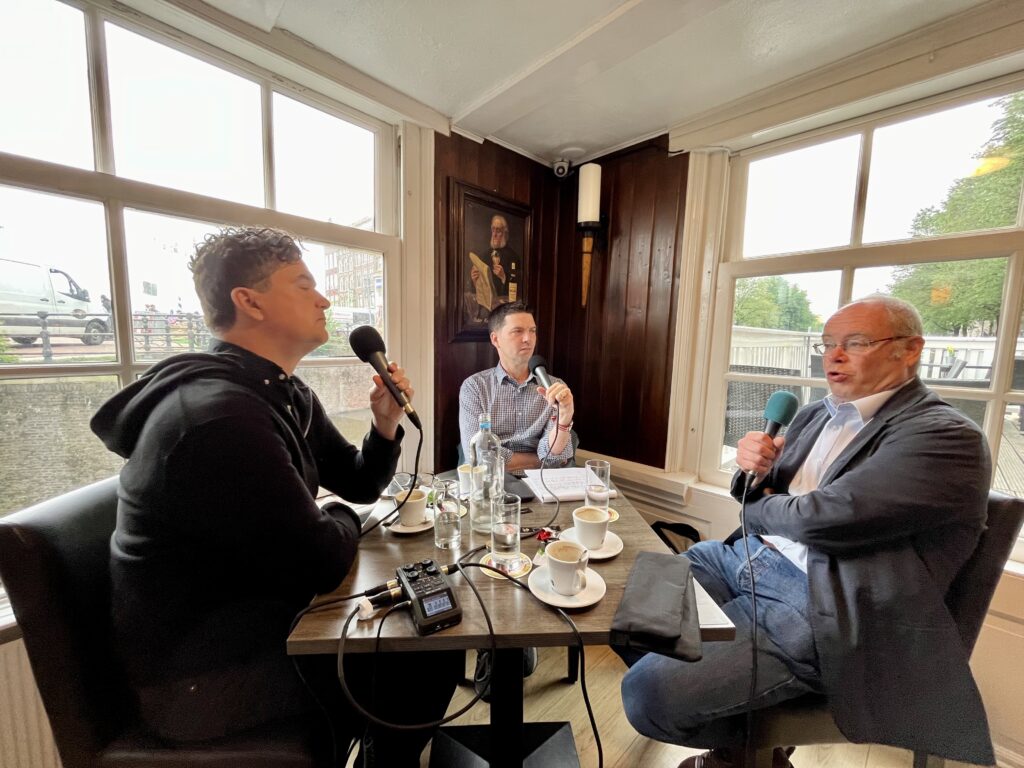
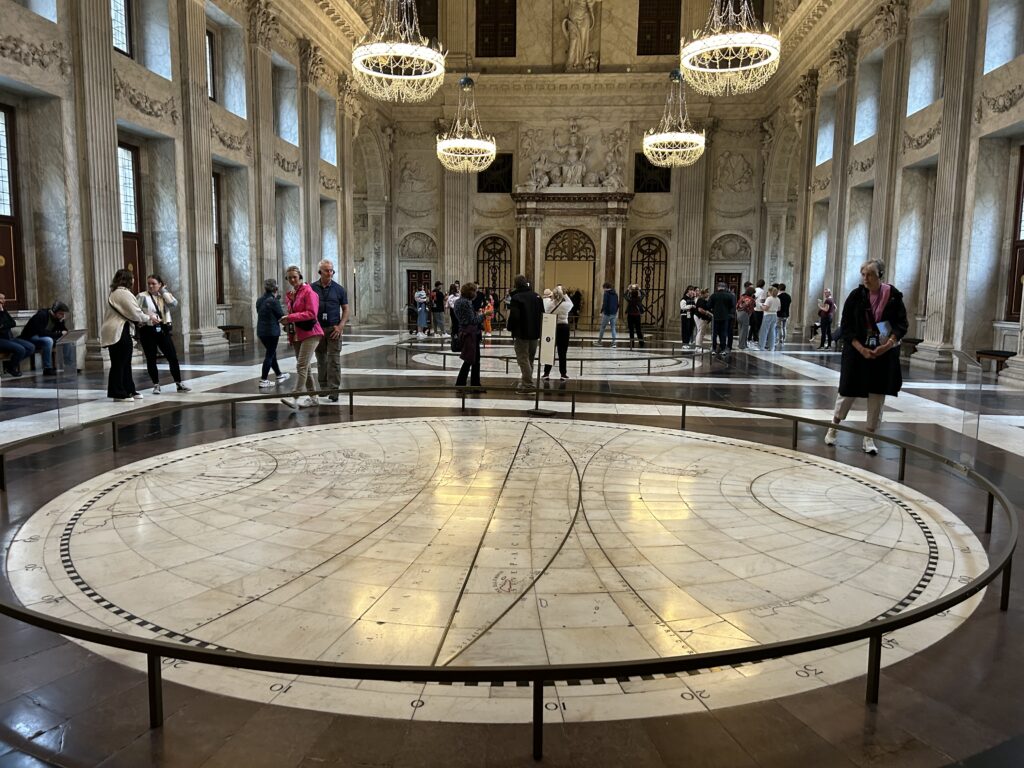
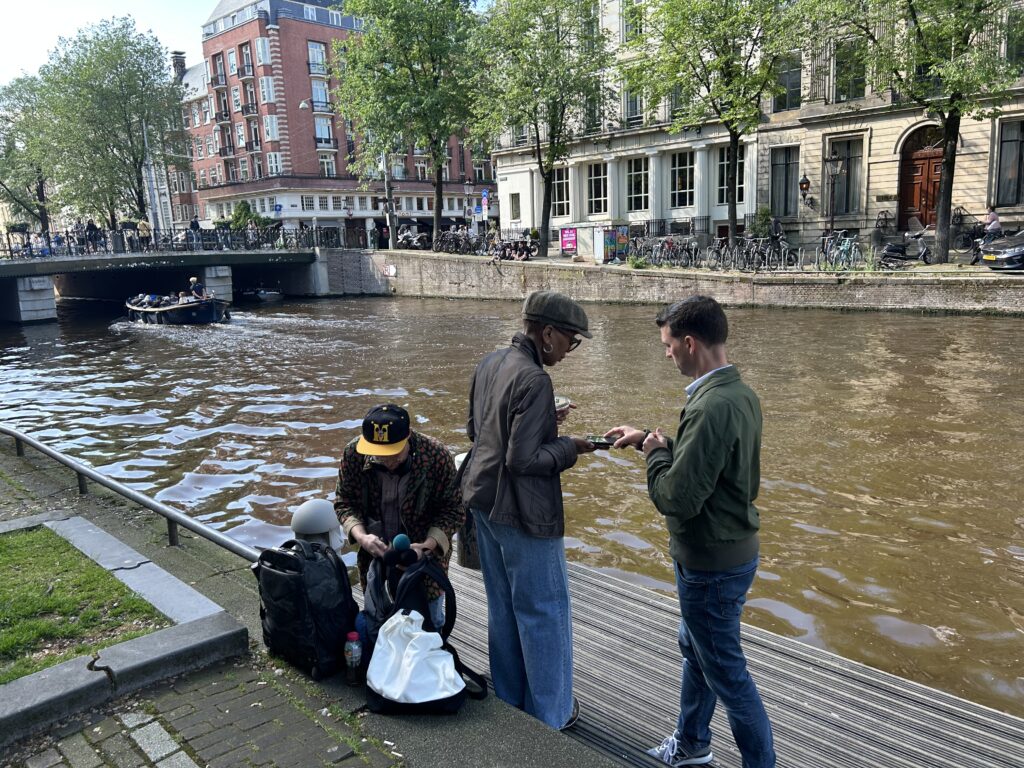
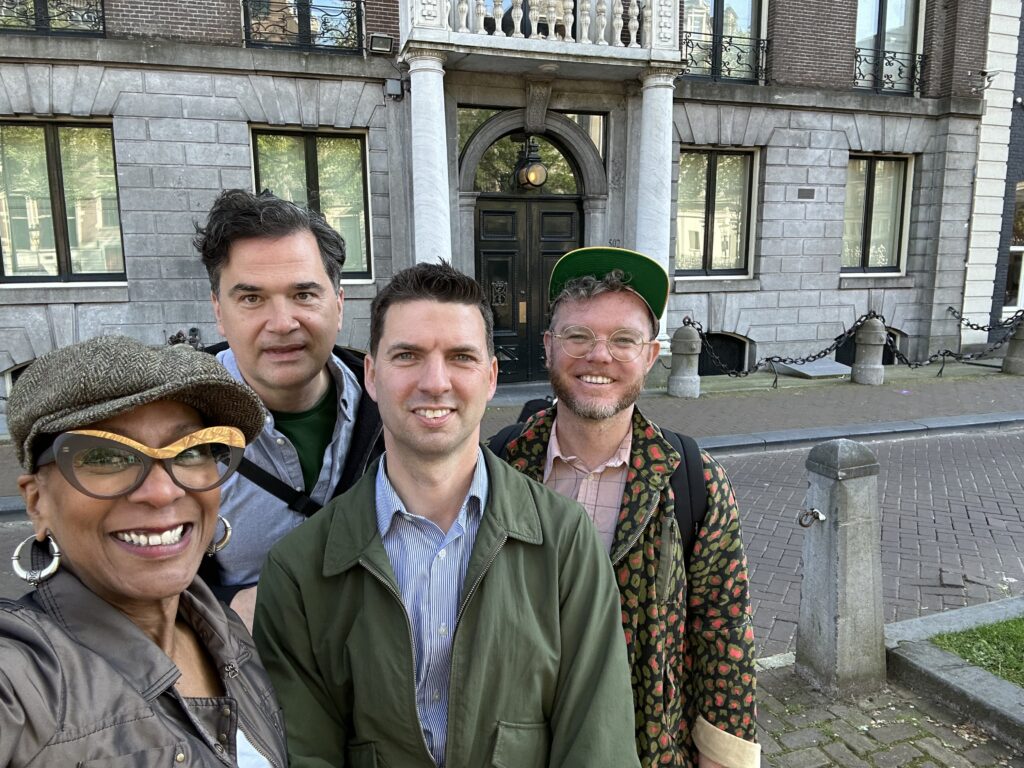
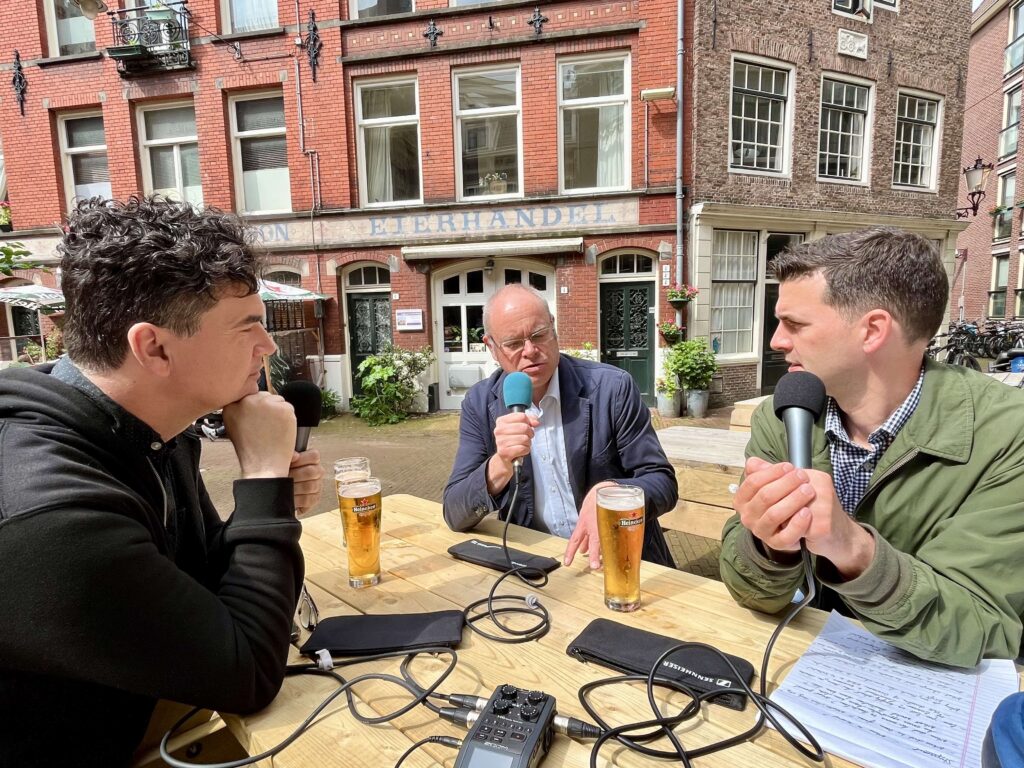
The Bowery Boys Podcast is headed to Amsterdam and other parts of the Netherlands for a very special mini-series, marking the 400th anniversary of the Dutch first settling in North America in the region that today we call New York City.
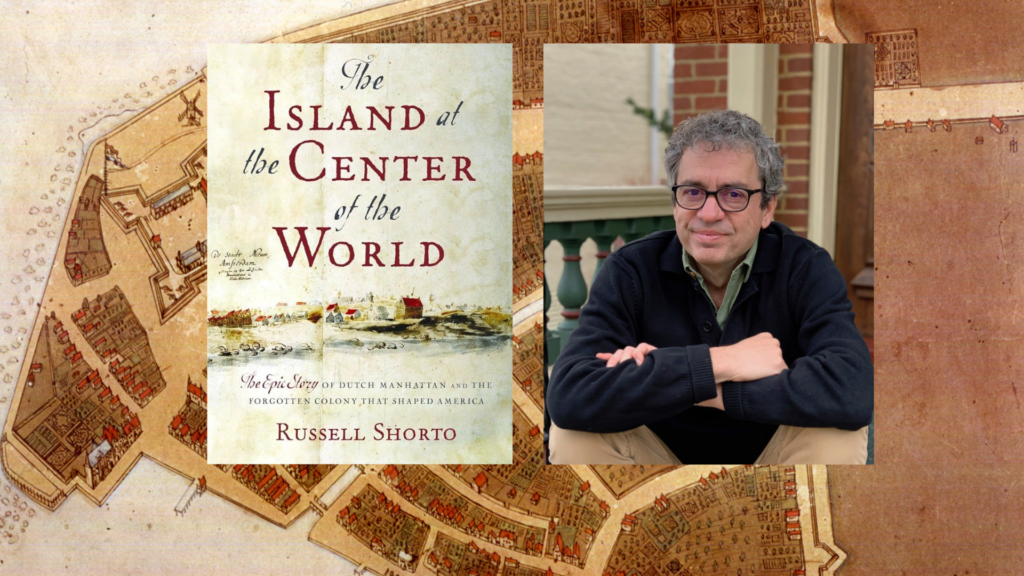
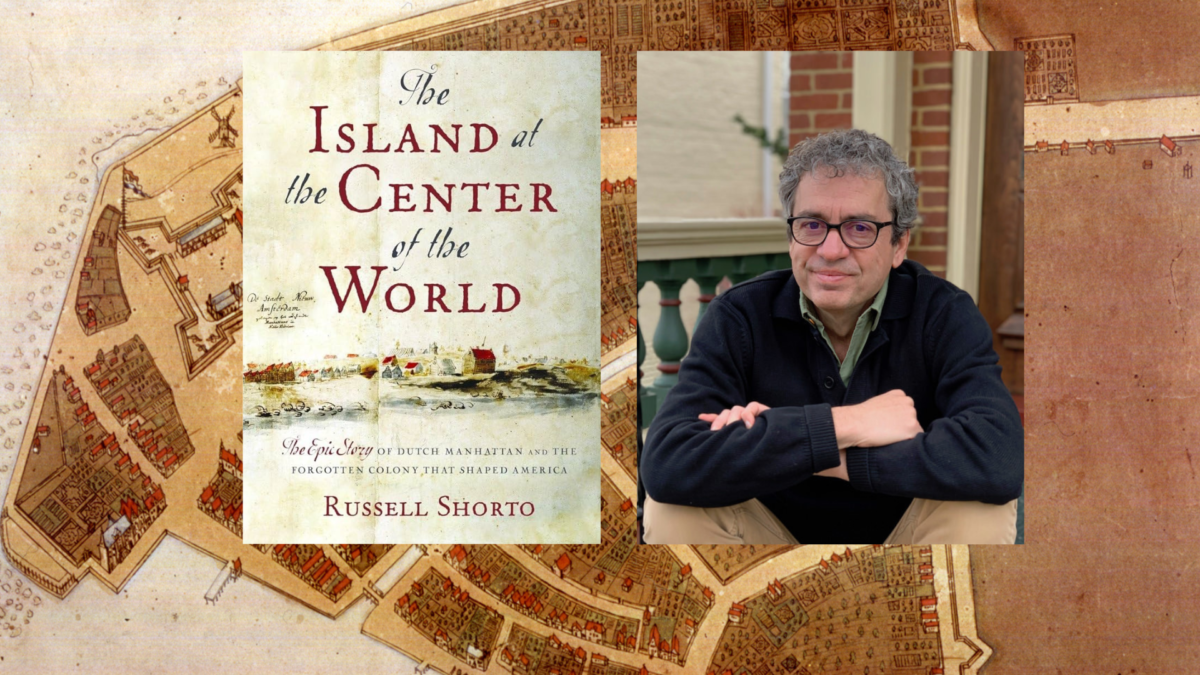
But before they go, they’re kicking off their international voyage with a special conversation — with Russell Shorto, author of The Island At The Center of the World, the man who inspired the journey.
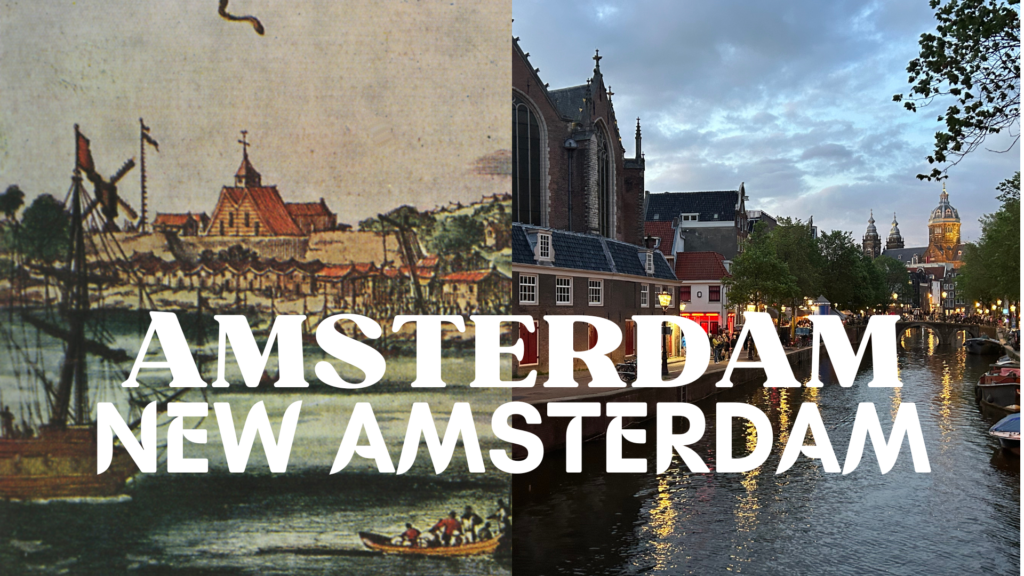
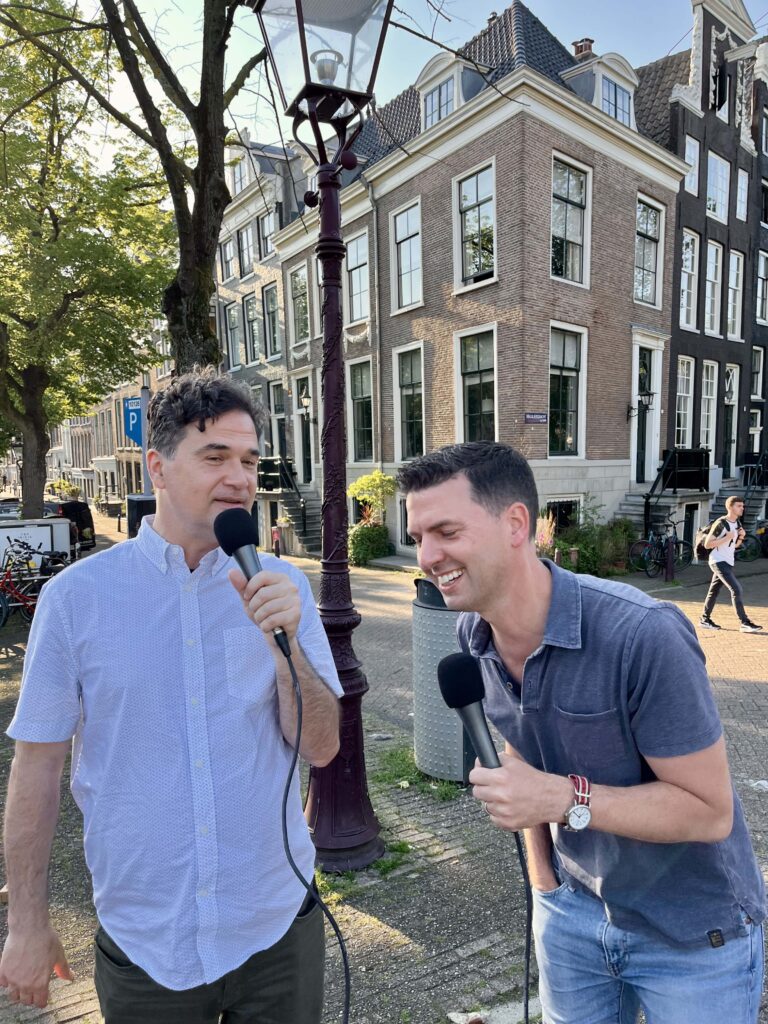
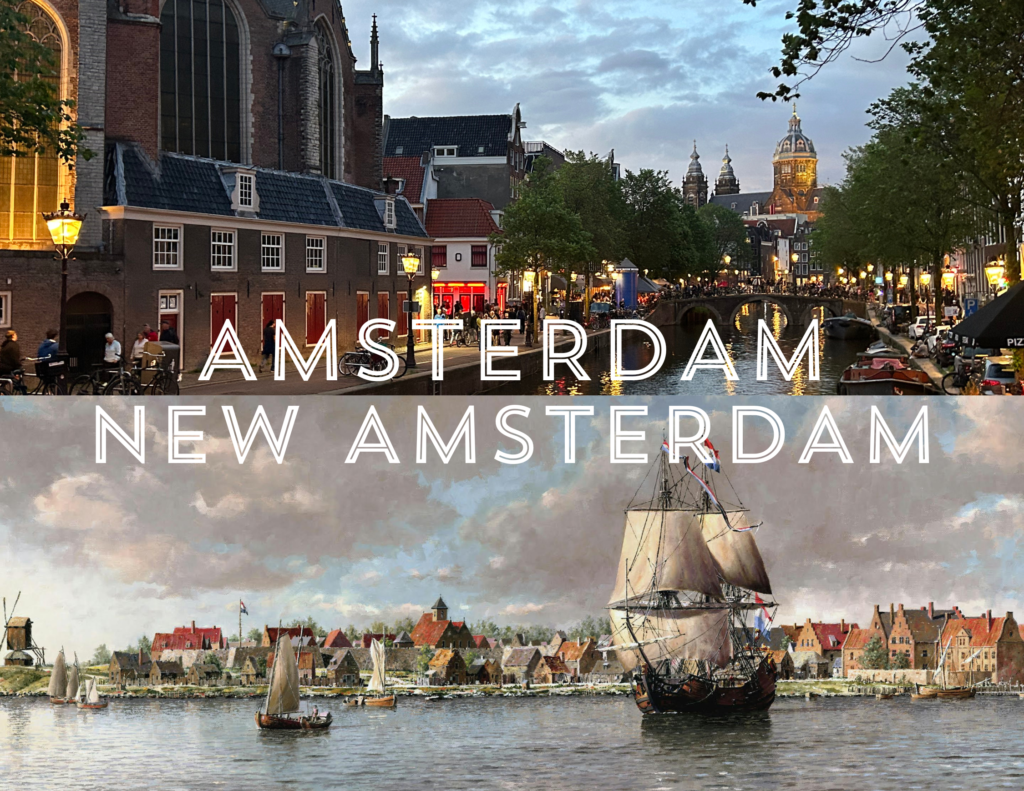
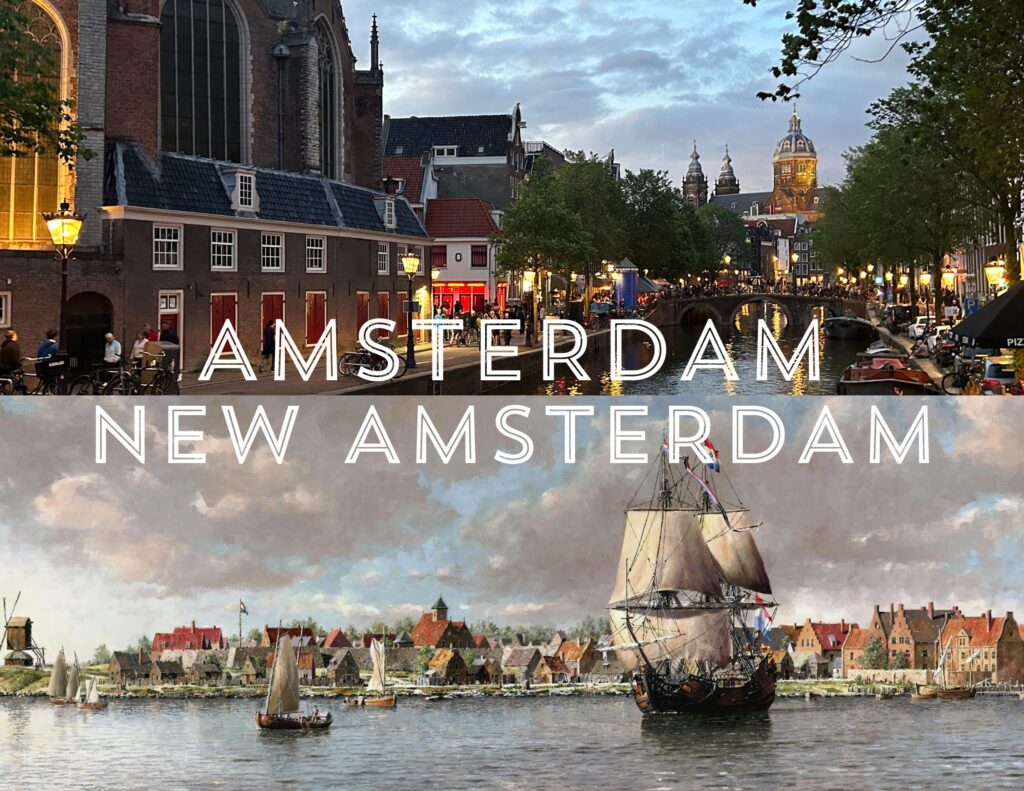
We begin our journey at Amsterdam’s Centraal Station and spend the day wandering the streets and canals, peeling back the centuries in search of New York’s roots.
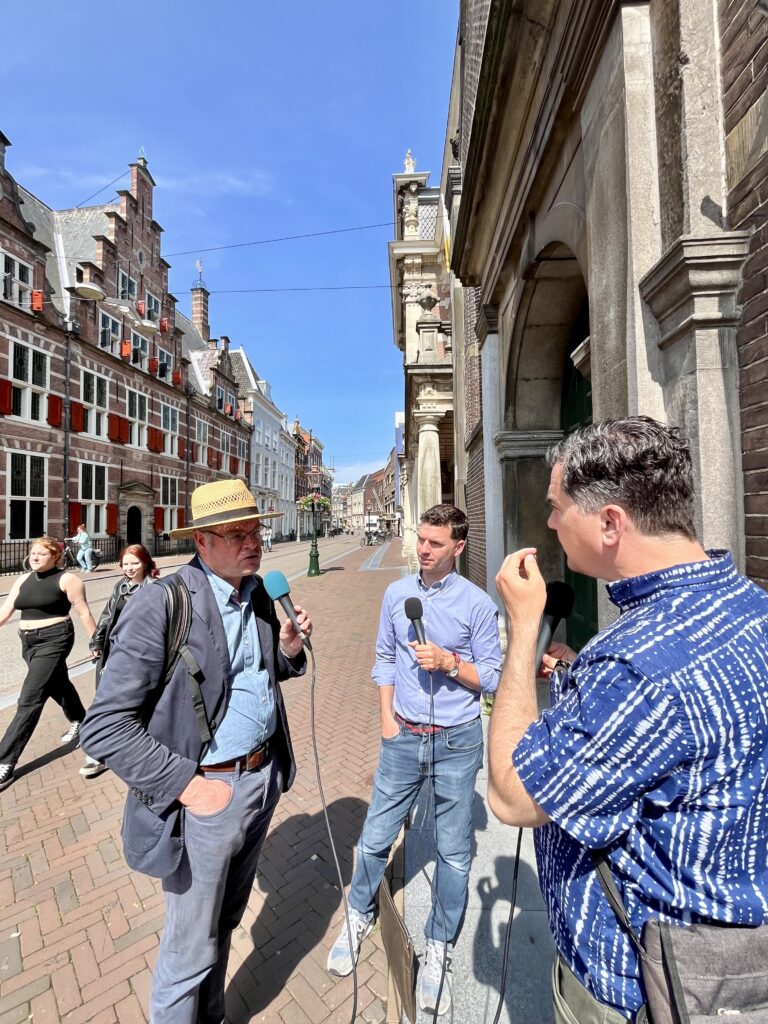
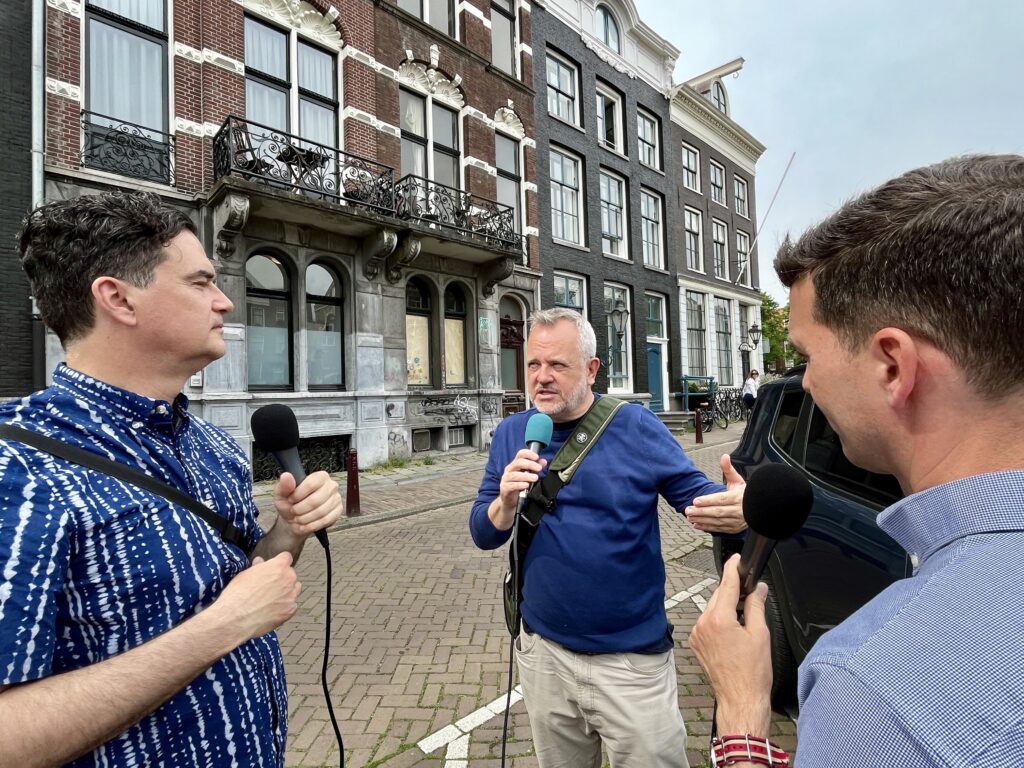
Our tour guide for this adventure is Jaap Jacobs, author of The Colony of New Netherland: A Dutch Settlement in Seventeenth-Century America.
Jaap takes us around to several spots within the old medieval city — Centrum, including the Red Light District — weaving through the canals and along the harbor, in search of connections to New York’s (and by extension, America’s) past.
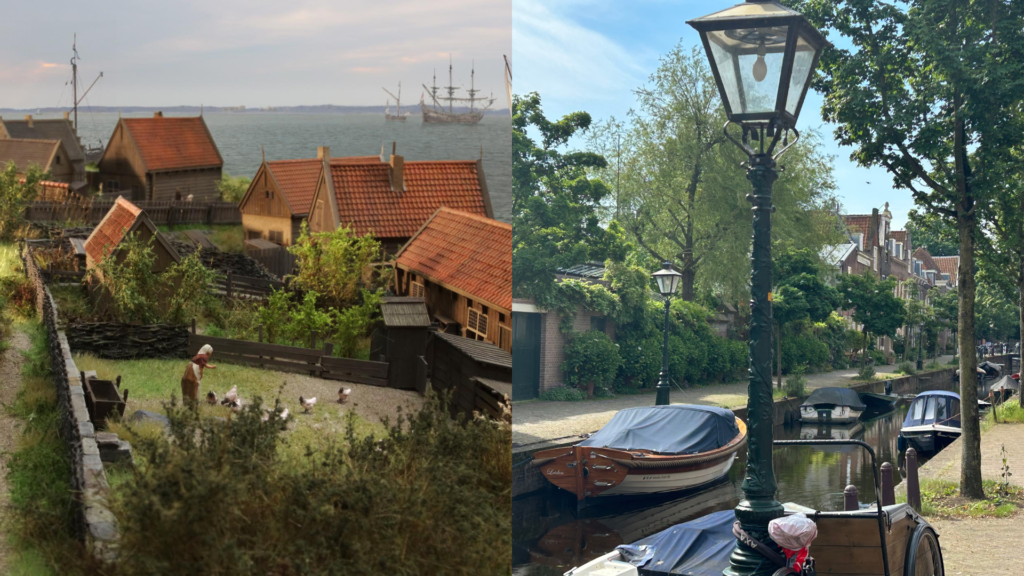
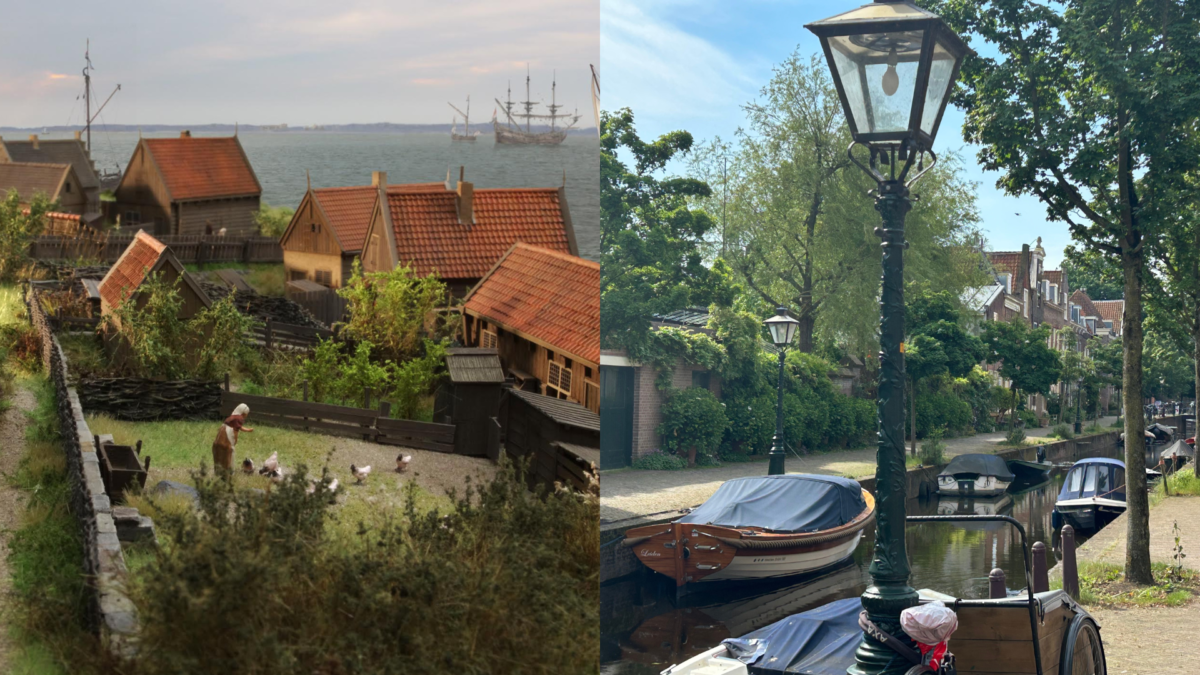
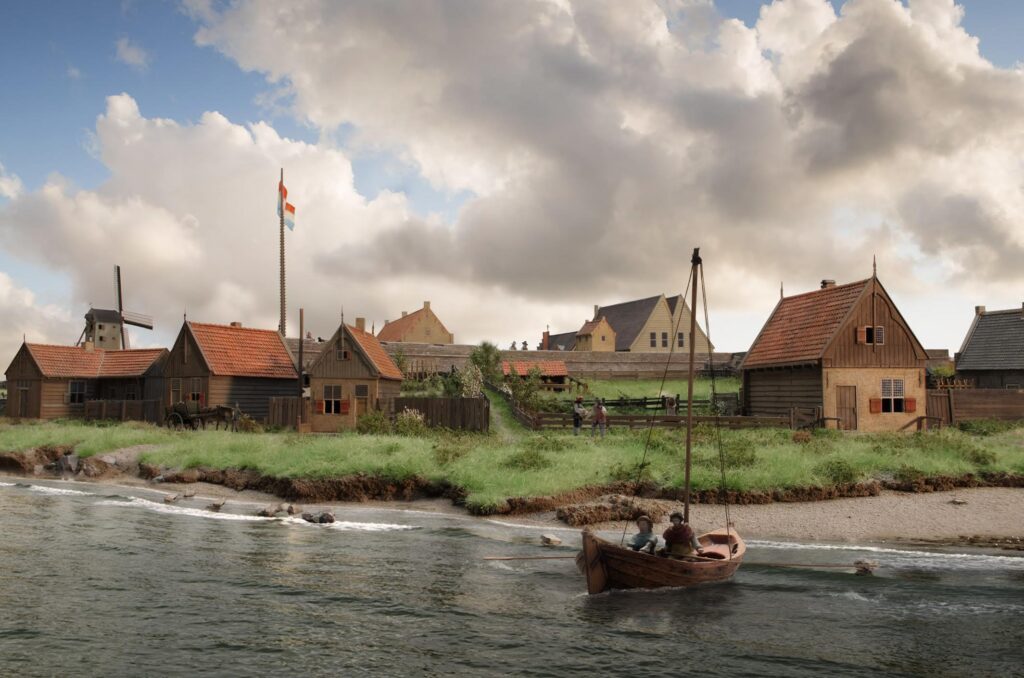
A look at the New Amsterdam miniature and a scene of full-size Leiden
Our adventure in the Netherlands continues with a quest to find the Walloons, the French-speaking religious refugees who became the first settlers of New Netherland in 1624. Their descendants would last well beyond the existence of New Amsterdam and were among the first people to call themselves New Yorkers.
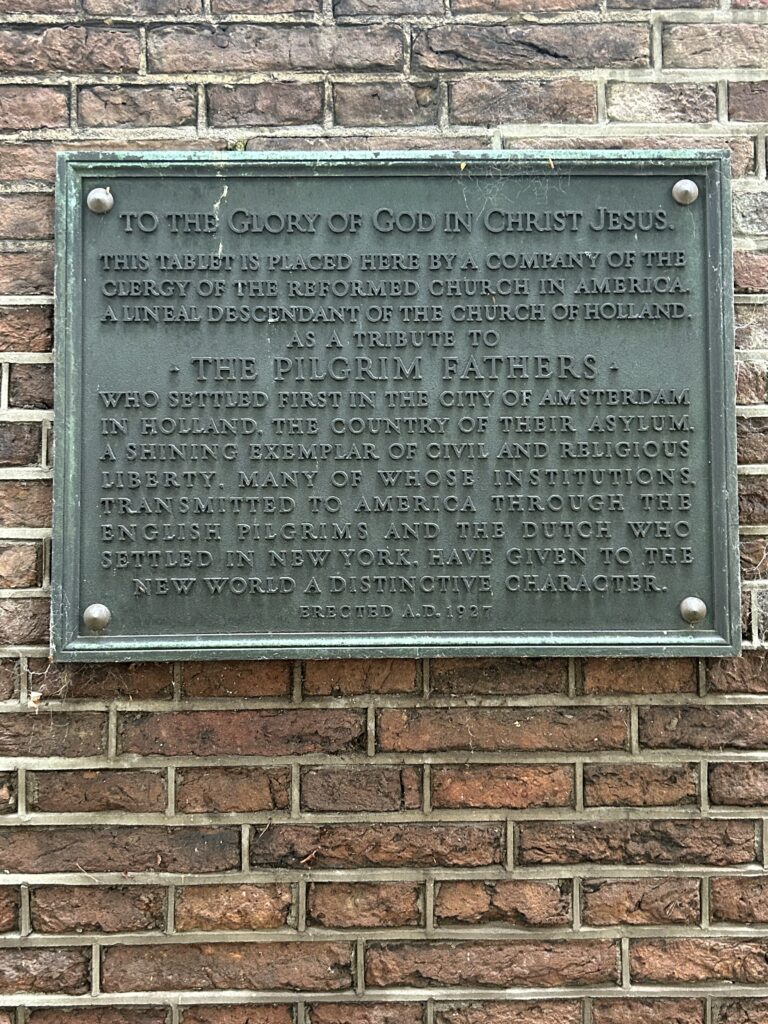
But you can’t tell the Walloon story without that other group of American religious settlers — the Pilgrims who settled in Massachusetts four years earlier.
In our last days in Amsterdam (before heading to other parts of the Netherlands), we spend their time getting to know Peter Stuyvesant, the last director-general of New Amsterdam.
The name Stuyvesant can be found everywhere in New York City. — in the names of neighborhoods, apartments, parks and high schools. He’s a hero to some, a villain to others — and probably a caricature to all. What do we really know about Peter Stuyvesant?
And outside the mayor’s residence in Amsterdam’s exclusive Gouden Bocht (Golden Bend), we meet up with Jennifer Tosch of Black Heritage Tours to investigate the story of New Amsterdam and the Dutch slave trade.
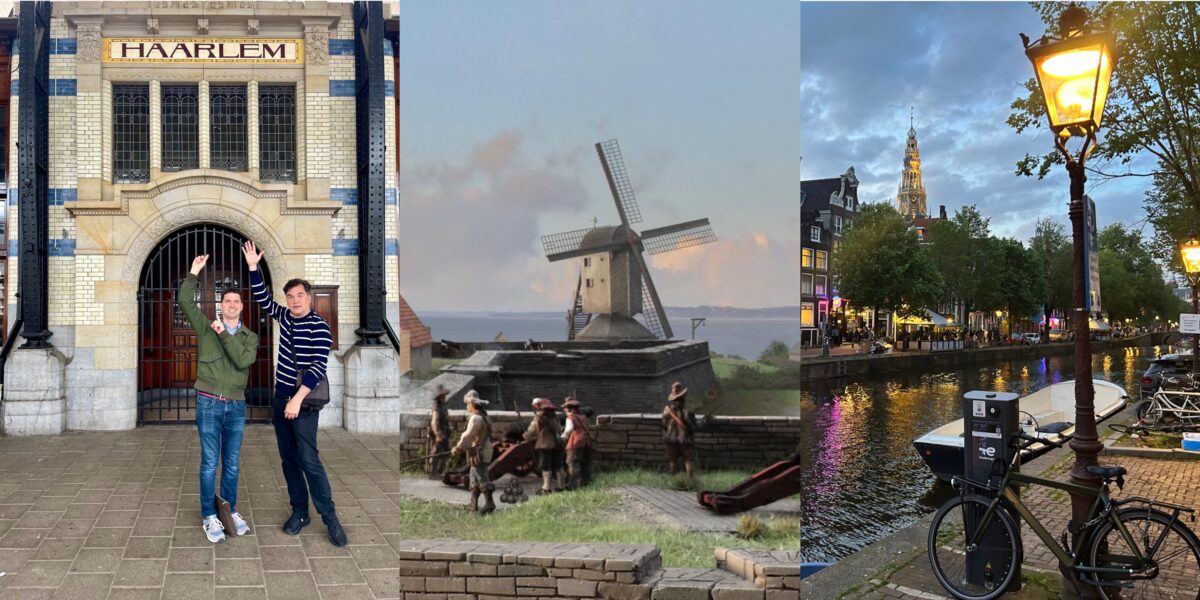
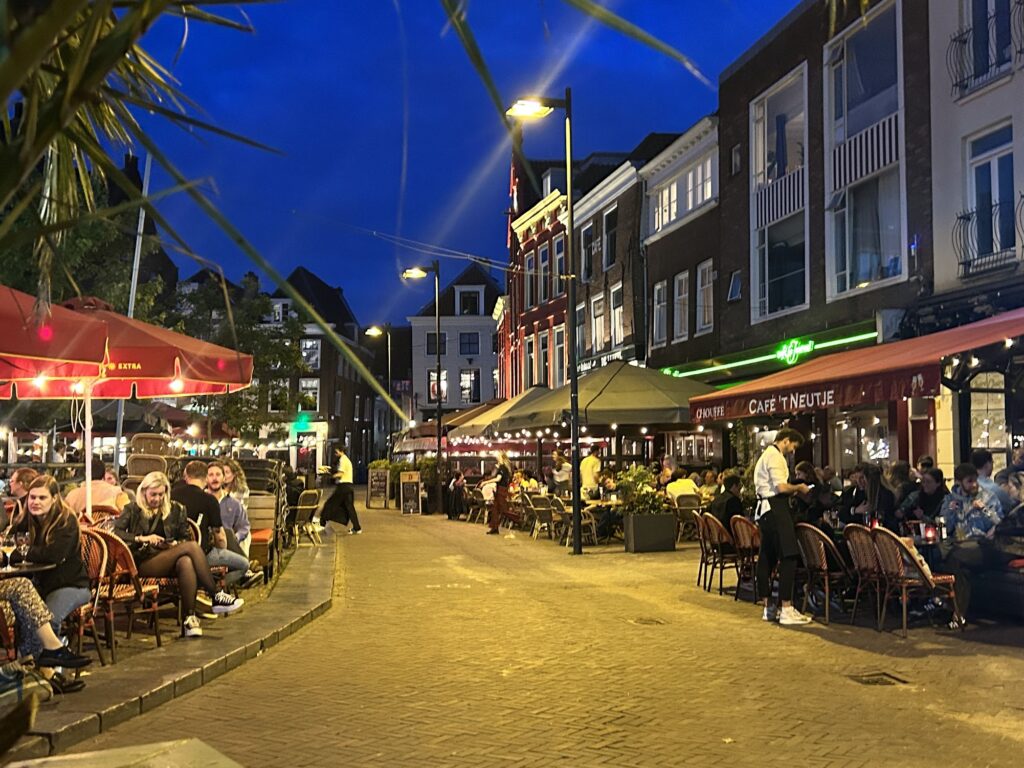
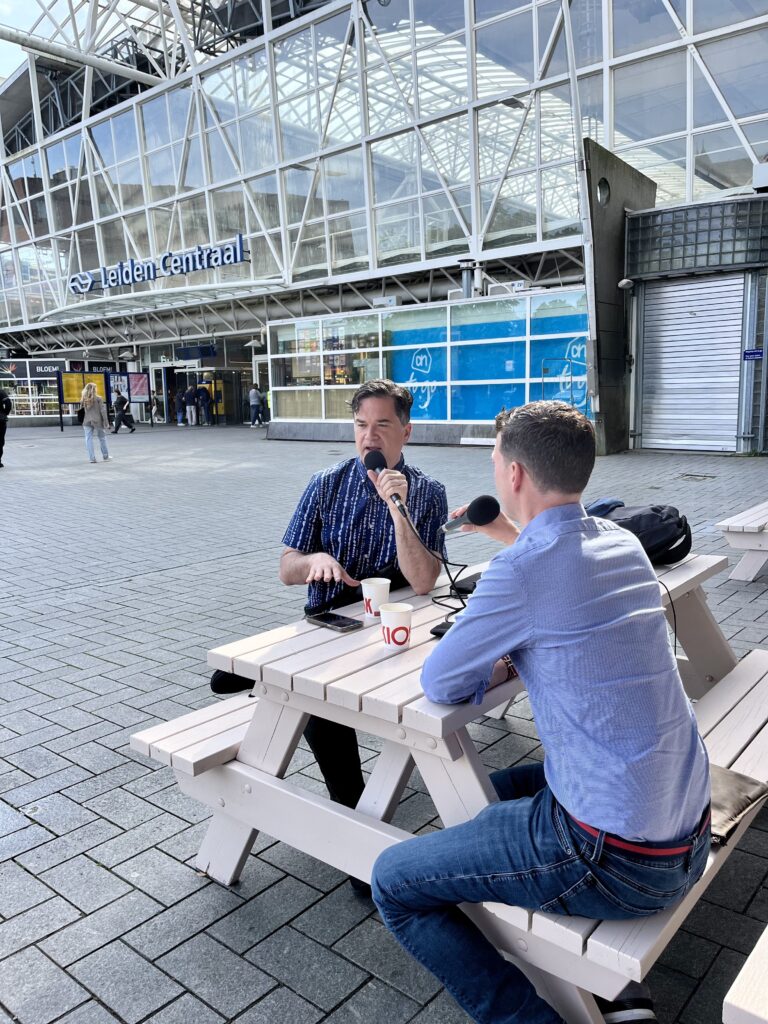
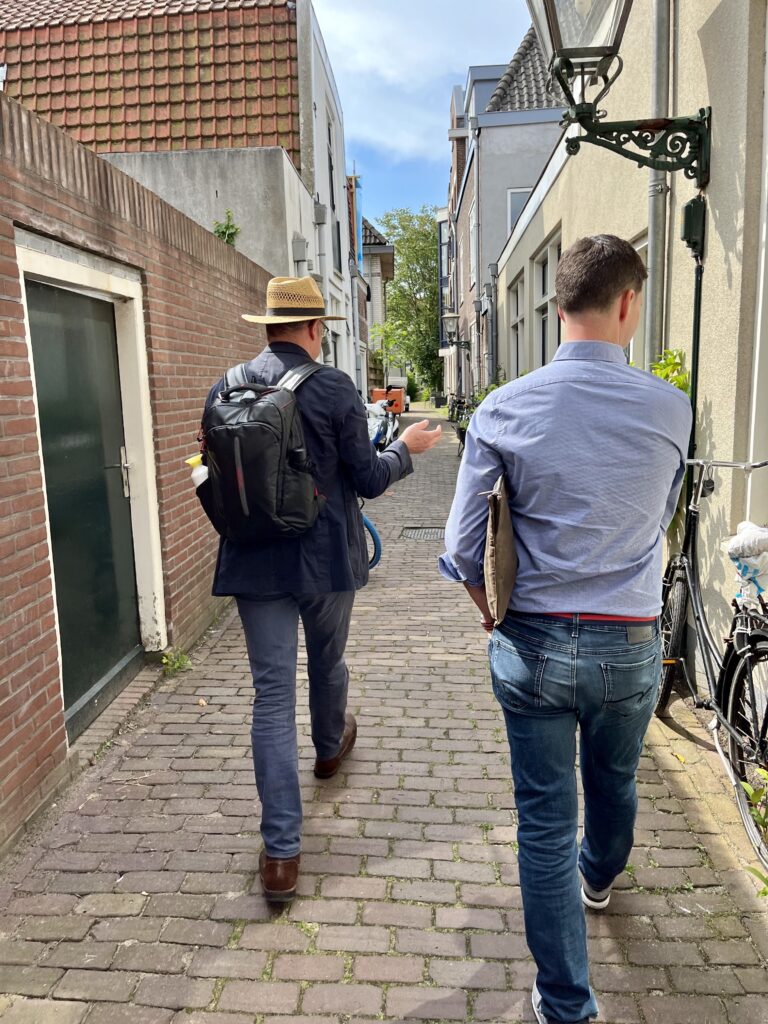
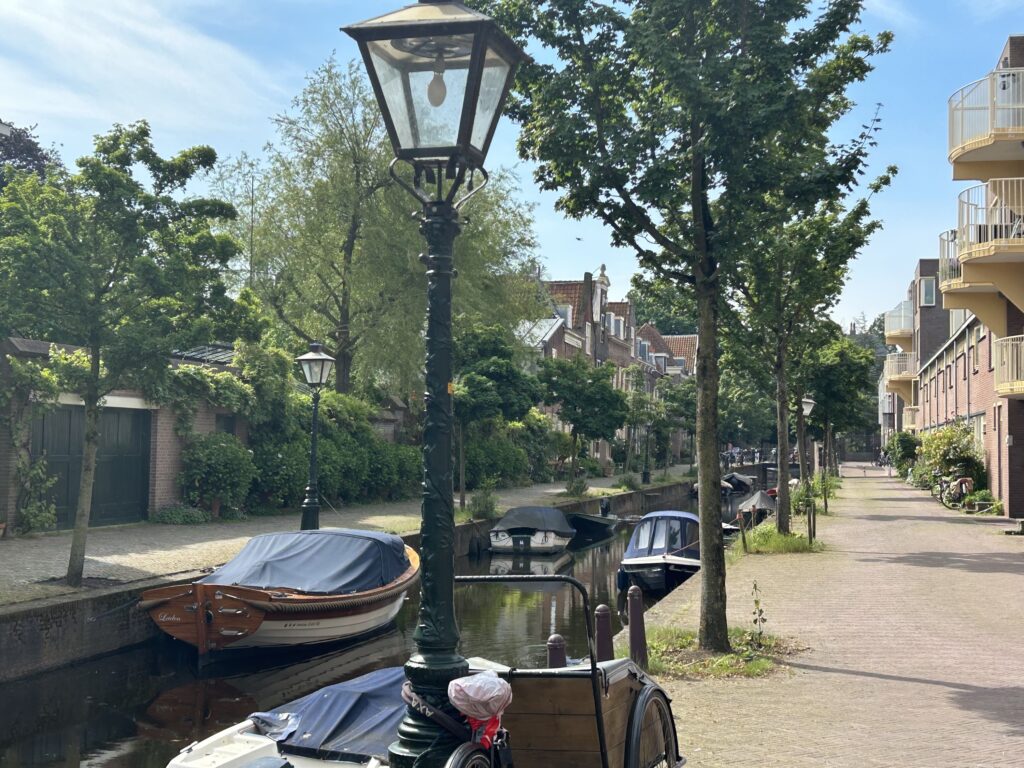
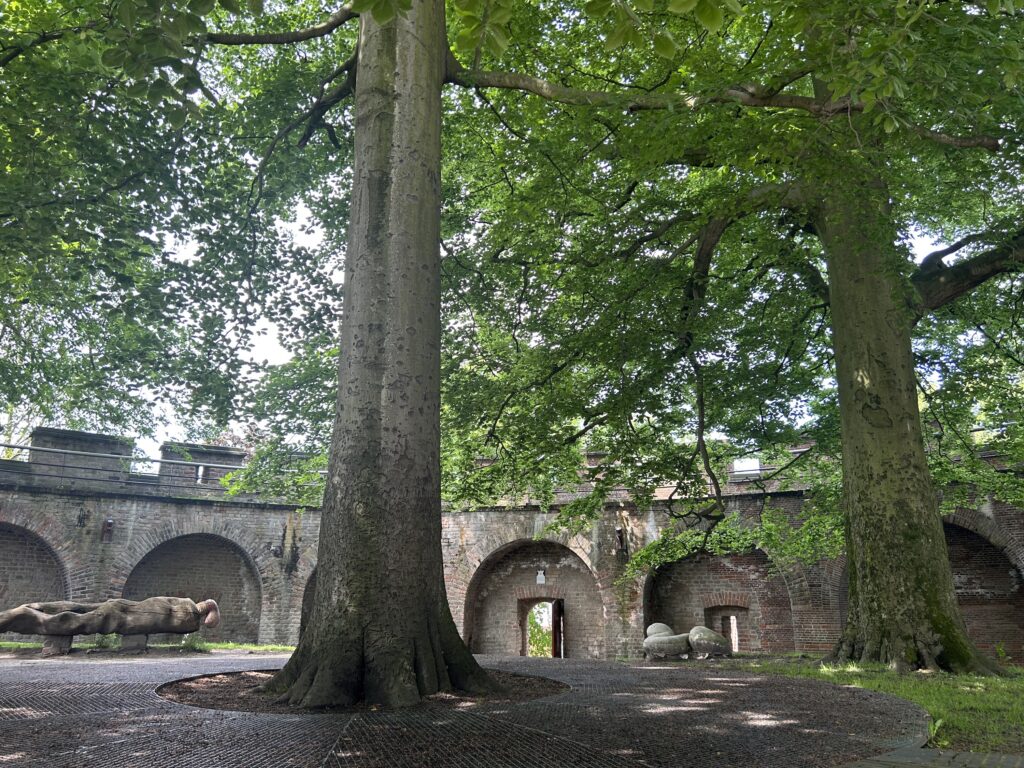
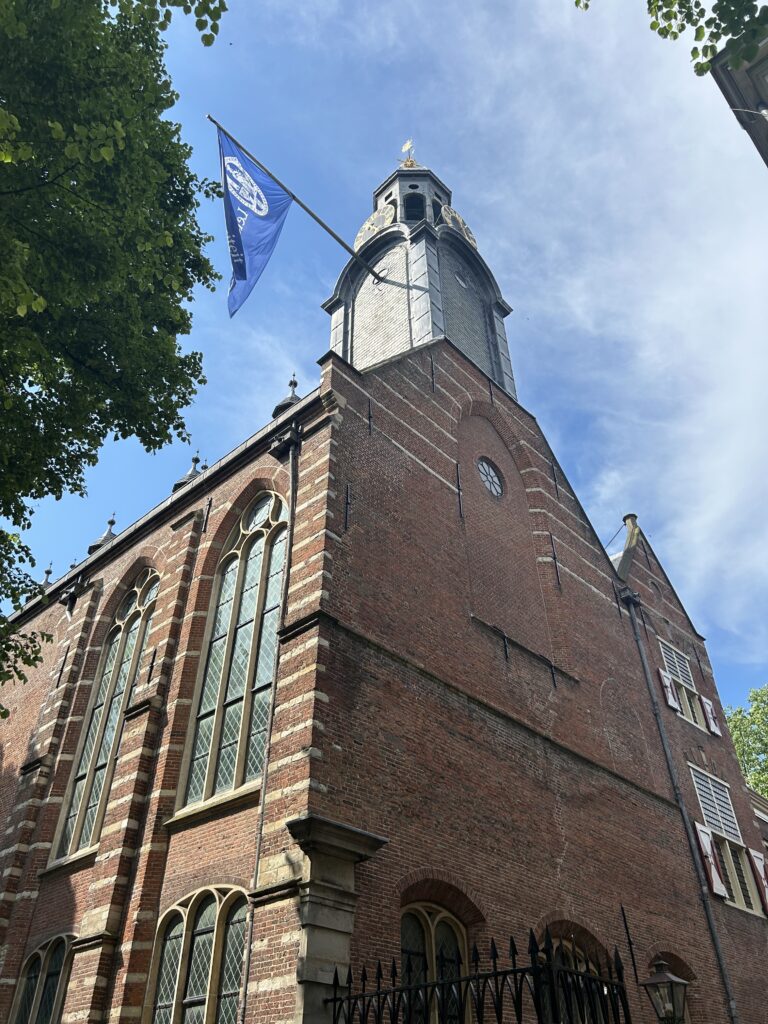
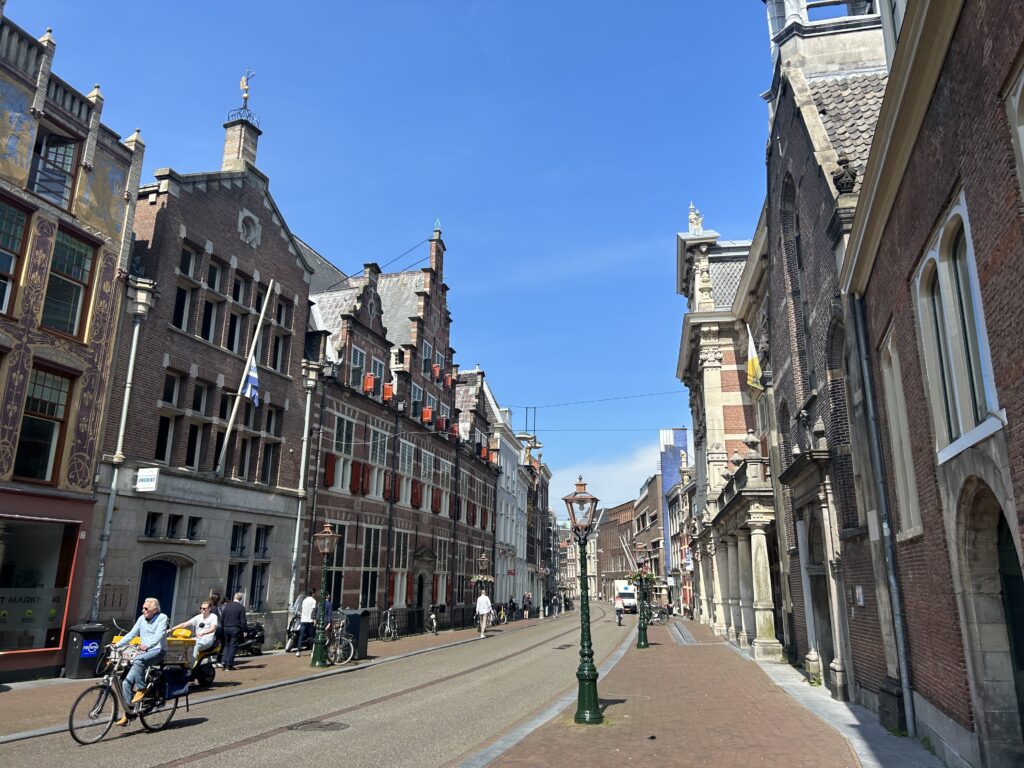
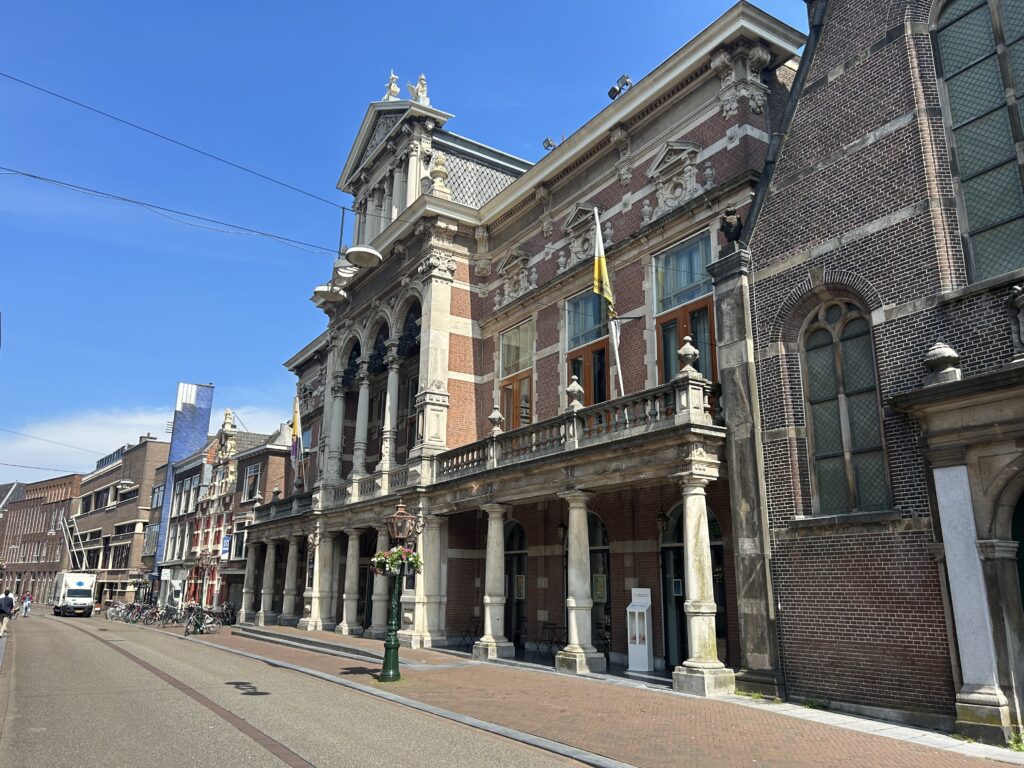
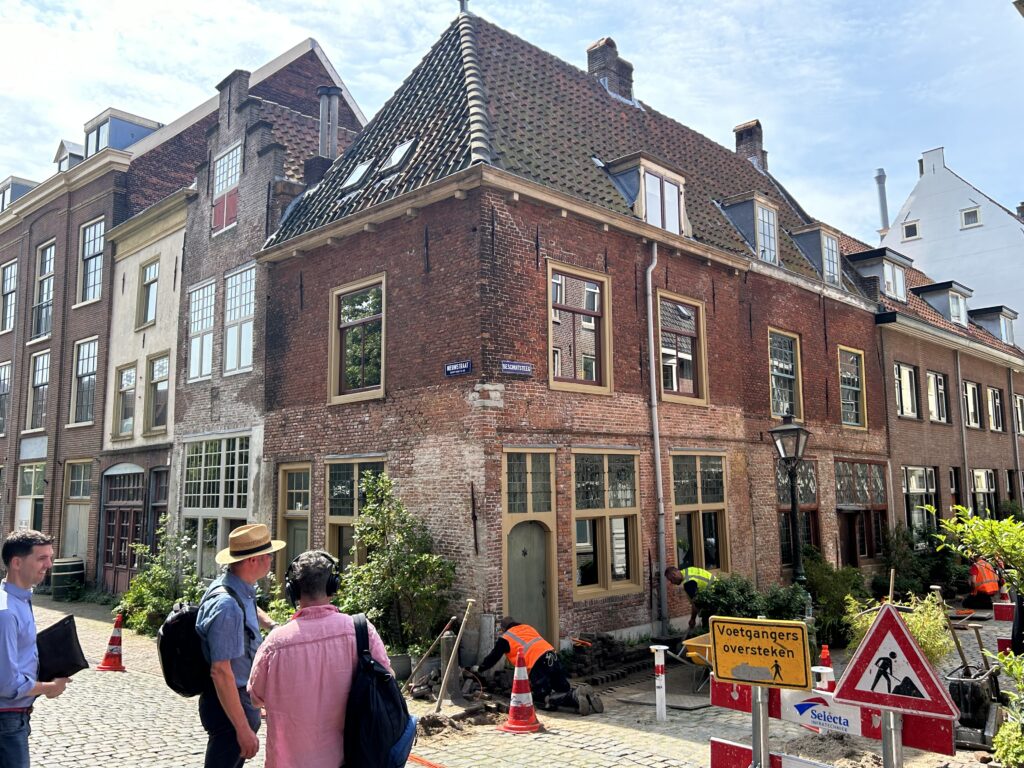
Follow along with us in this travelogue episode as we visit several historic cities and towns in the Netherlands — Utrecht, De Bilt, Breukelen and Haarlem— wandering through cafe-filled streets and old cobblestone alleyways, the air ringing with church bells and
But of course, our mission remains the same as the past three episodes. For there are traces of Dutch culture and history all over New York City — through the names of boroughs, neighborhoods, streets and parks.
Over On Patreon
We released a series of daily shows while on the streets of the Netherlands! These are true behind-the-scenes episodes and we let you in on the unique processes of putting these shows together. You can check out those shows — and the many other benefits of being a Bowery Boys patron — by supporting the show at Patreon.
And on Instagram
We’ve been going wild with the Instagram Reels to show you videos of our adventures. Follow us on Instagram to follow our journey. Here’s just a sampling:
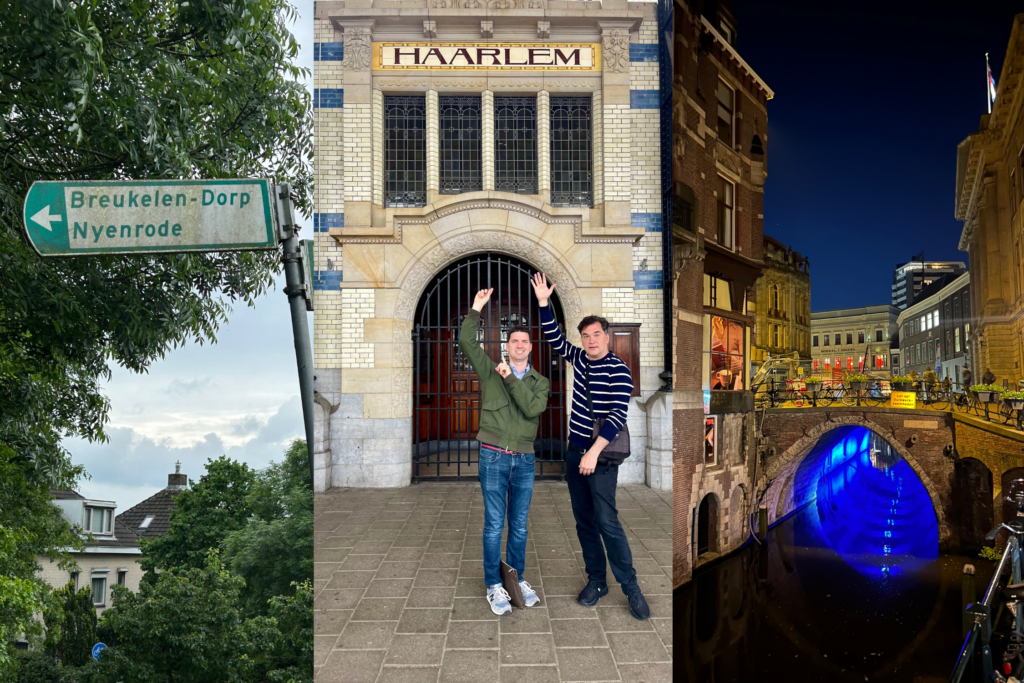
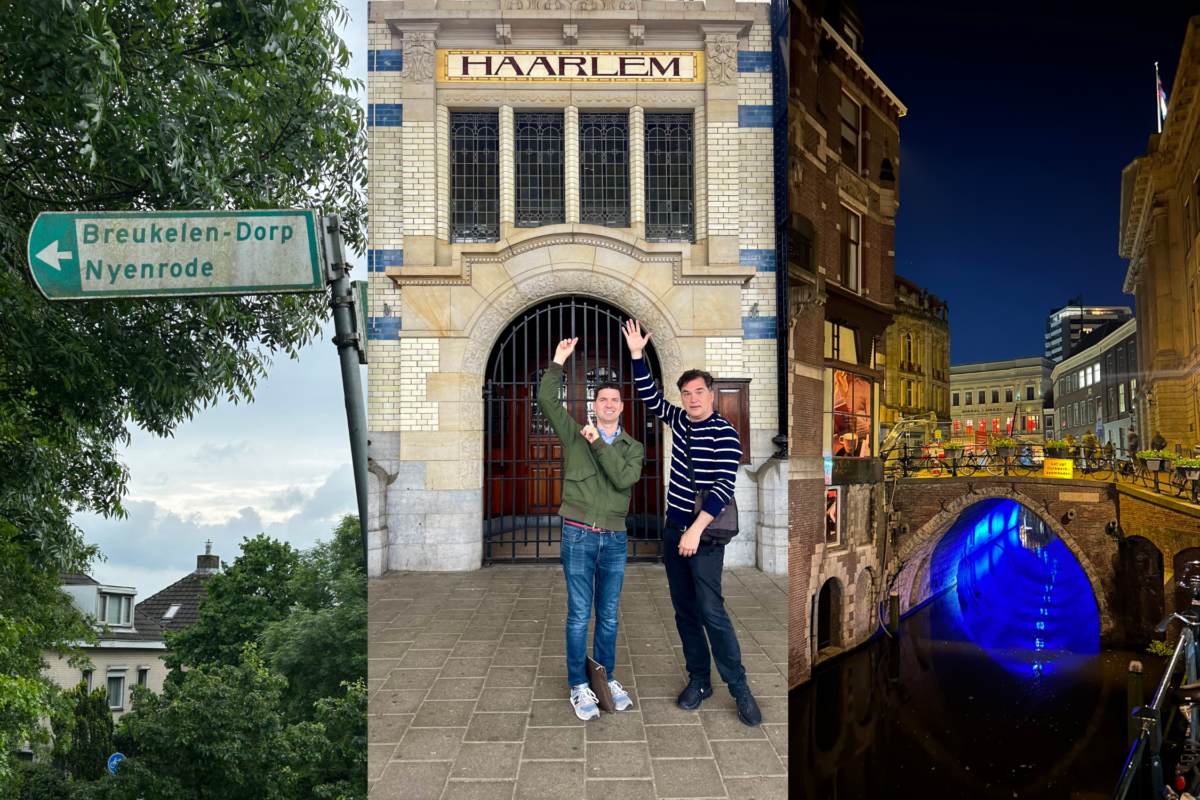
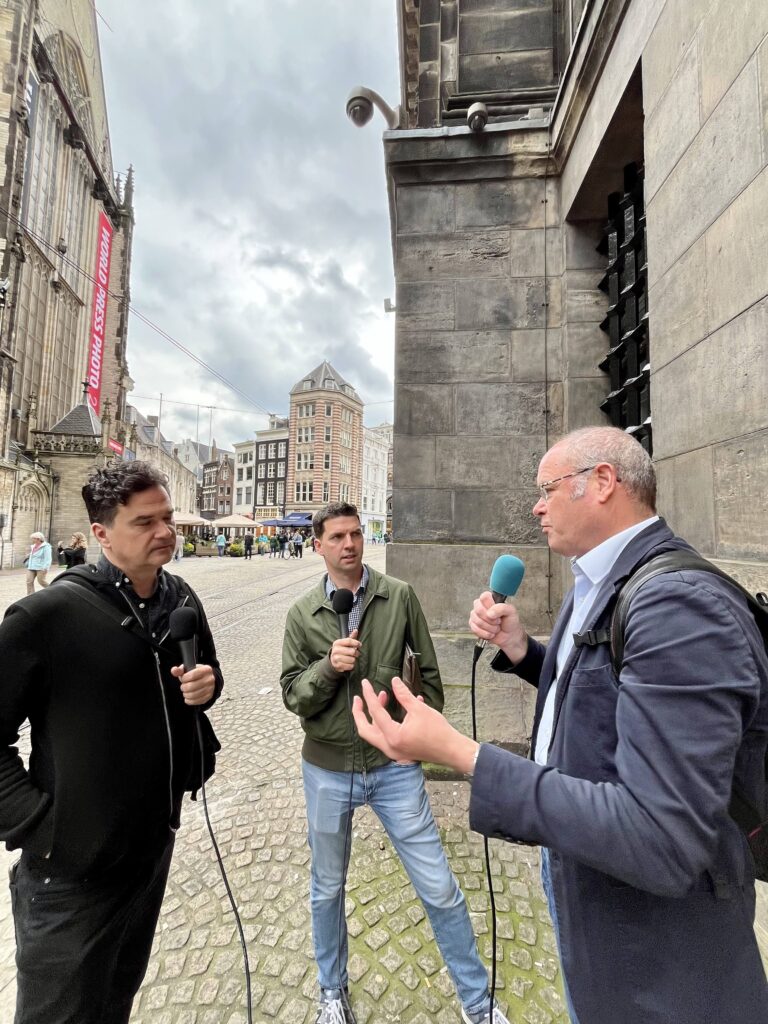
Follow along with Greg and Tom in this travelogue episode as they visit several historic cities and towns in the Netherlands — Utrecht, De Bilt, Breukelen and Haarlem — wandering through cafe-filled streets and old cobblestone alleyways, the air ringing with church bells and
But of course, their mission remains the same as the past three episodes. For there are traces of Dutch culture and history all over New York City — through the names of boroughs, neighborhoods, streets and parks.
From Spuyten Duyvil Creek flowing into the Harlem River along the Bronx shoreline to New Utrecht, Gravesend and Cortelyou Road in Brooklyn. All of those place names can be traced to the Dutch presence of New Amsterdam and New Netherland.
In the final Bowery Boys episode recorded in the Netherlands, Tom and Greg head to several places that have unique links to the New York City area, mostly through Dutch colonial connections made in the 17th century.
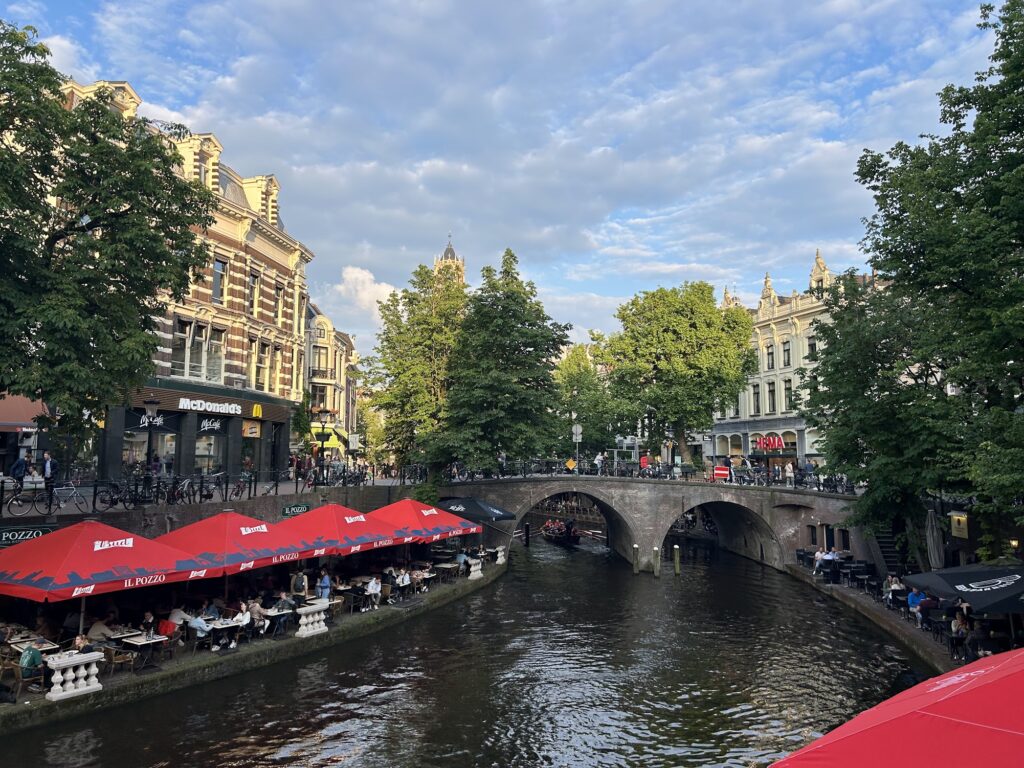
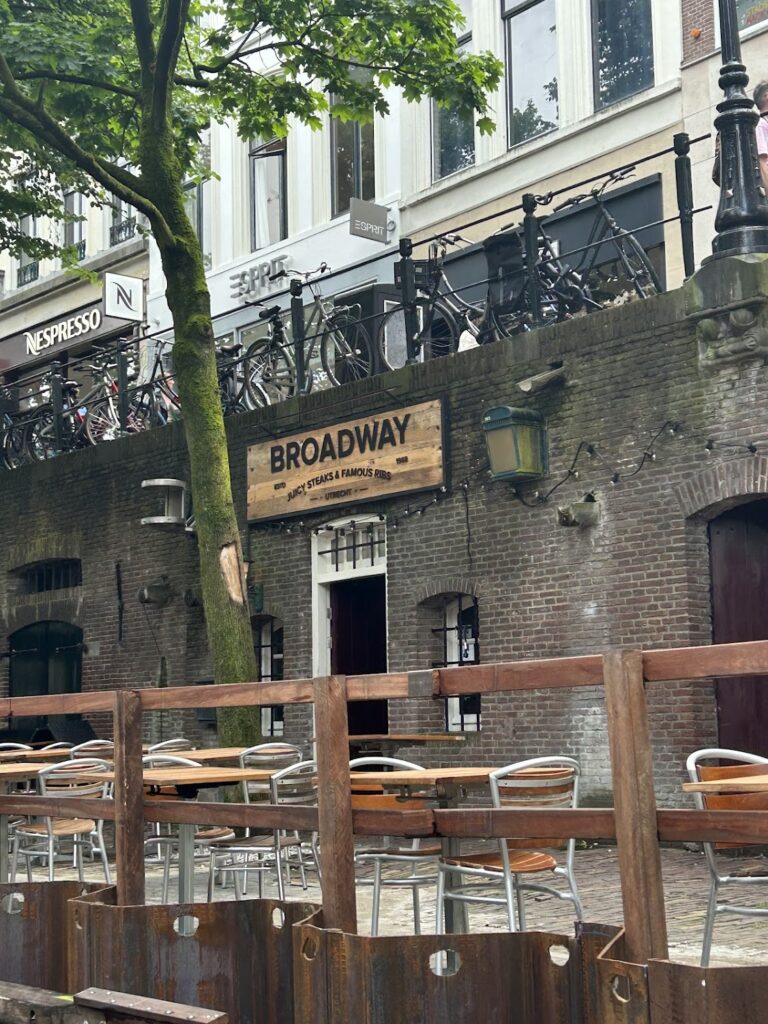
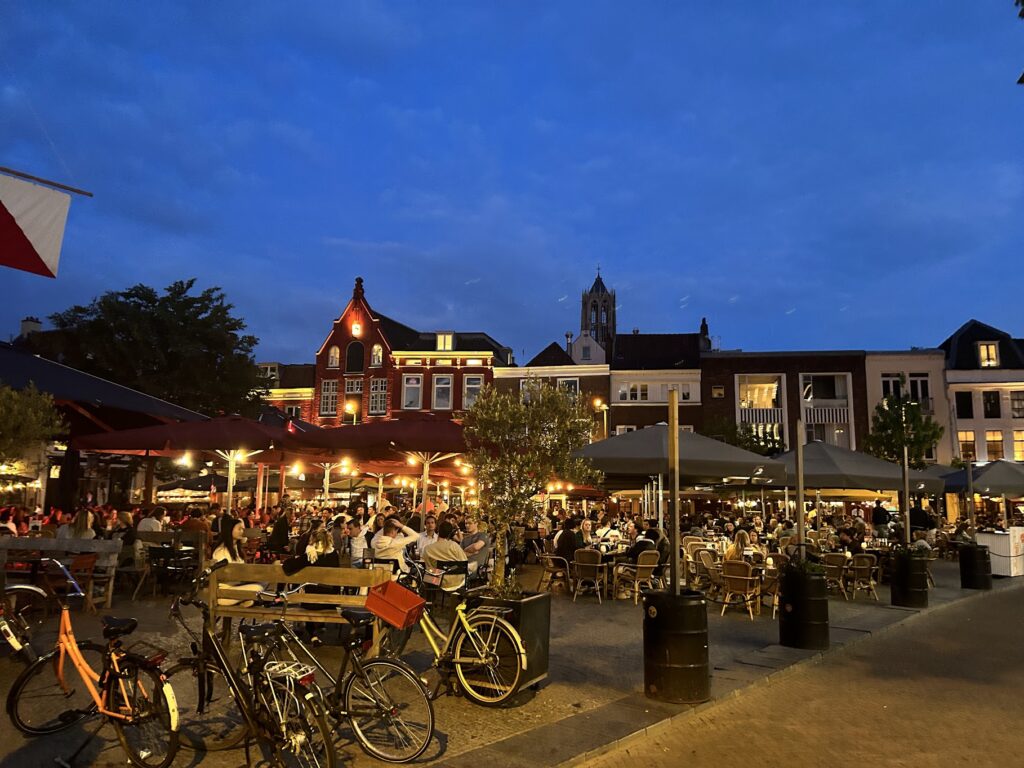
Utrecht — The medieval city with its unique canal wharves and monastery courtyards that may be the bicycle capital of the world. What are its connections to Bensonhurst, Brooklyn?
Breukelen — How did this charming, quiet old town on the Vecht River become the namesake of the borough of Brooklyn? Both places have “Brooklyn Bridges.” But there are a couple of other surprising parallels.
De Bilt — The ancestral home of the Vanderbilt family, can Tom find one of their 17th-century ancestors among the stones of an old cemetery?
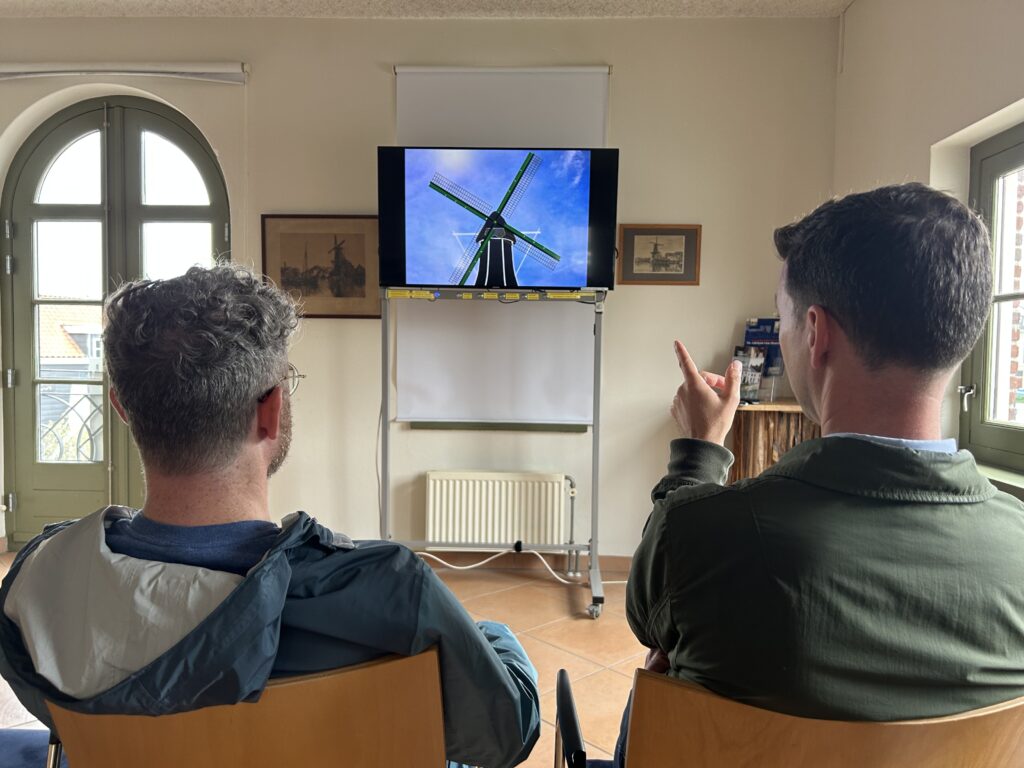
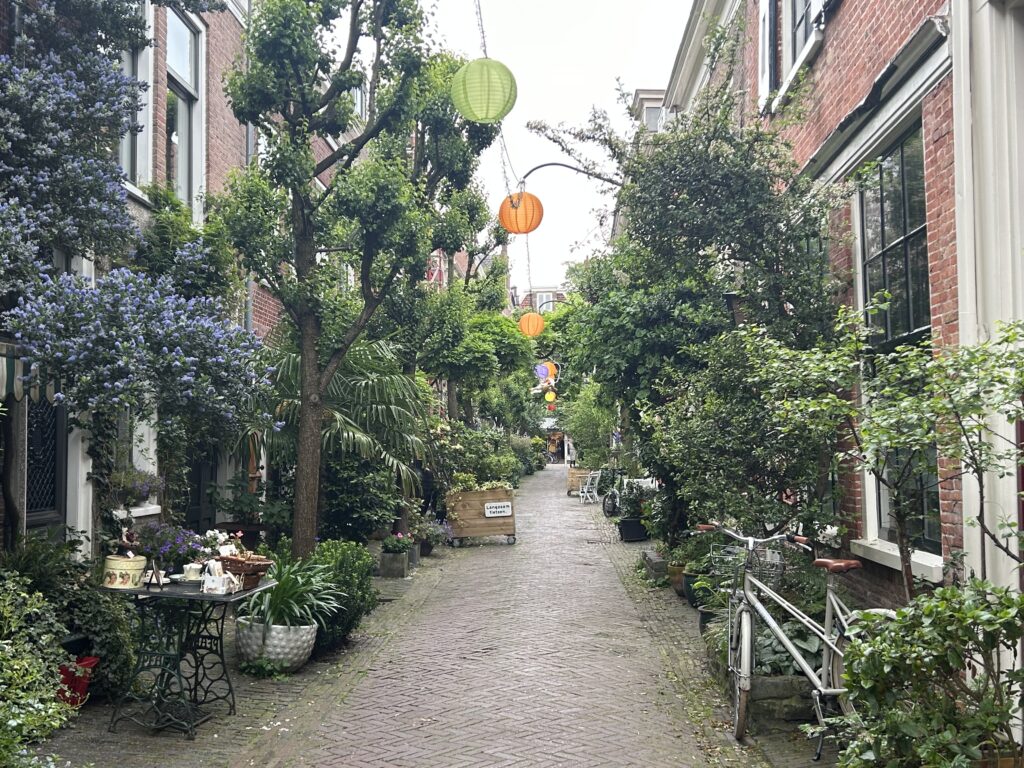
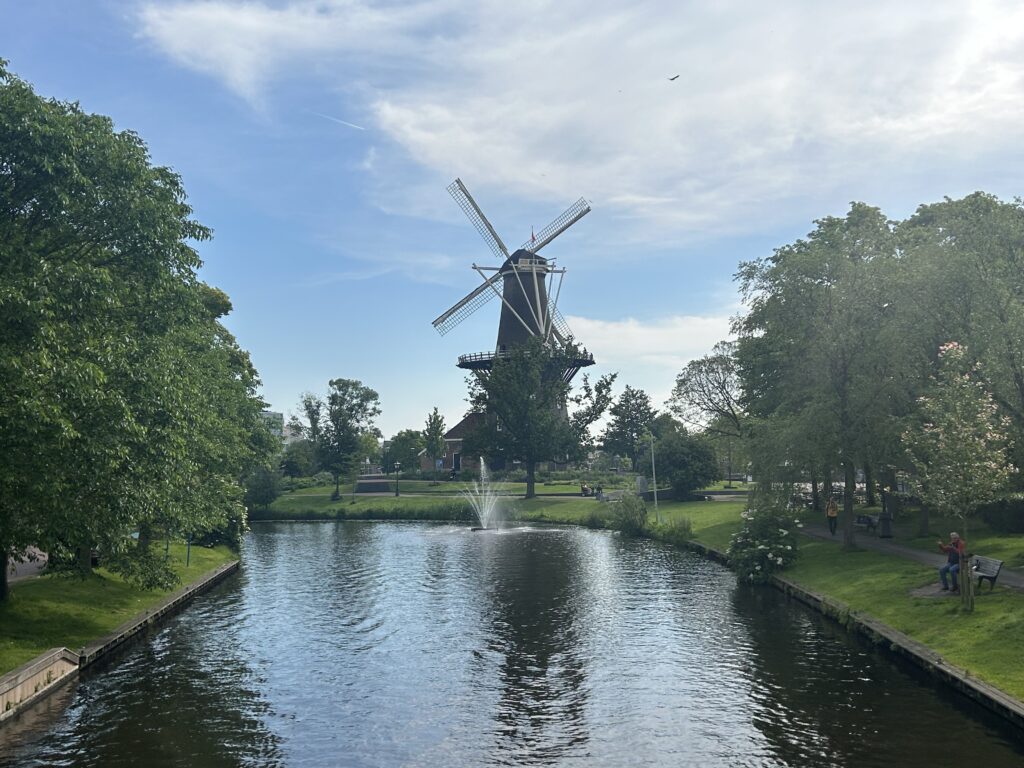
Haarlem — Manhattan’s Harlem remains one of America’s cultural centers, and the rustic Dutch city that inspired its name also has cultural riches aplenty — from its museums to its historic windmill Molen de Adriaan.
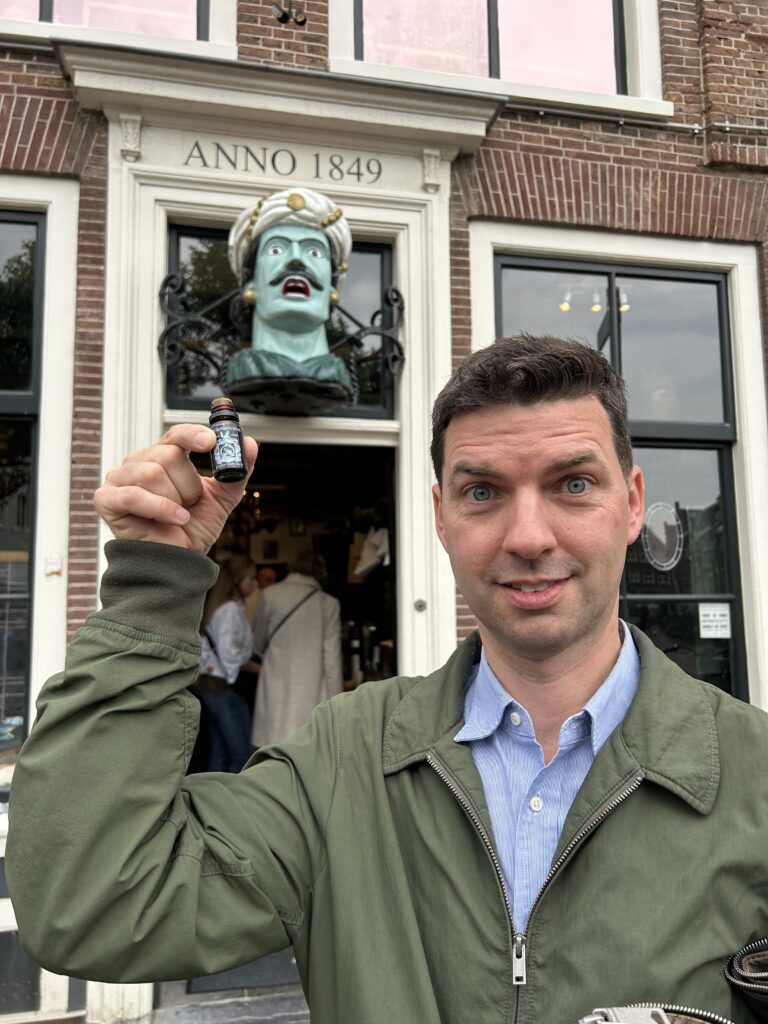
WITH — Mysterious pharmaceuticals, pedal boat misadventures, ghostly apparitions and Aperol Spritzes!
PLUS: The special link between Amsterdam’s Jewish Quarter and New York City’s Lower East Side — through pickles
LISTEN NOW: EXPLORING NEW YORK’S DUTCH ROOTS
Over on Patreon, we released a series of daily shows while on the streets of the Netherlands. You can check out those shows — and the many other benefits of being a Bowery Boys patron — by supporting the show at Patreon.
Below: Tom and producer Kieran Gannon watching the historical video at Molen de Adriaan.
We want to thank Ton de Jager for guiding us through the streets of Utrecht. If you’re heading to Utrecht, you can book a guided tour here. And ask for Ton by name!
The wharf level of Utrect’s canals
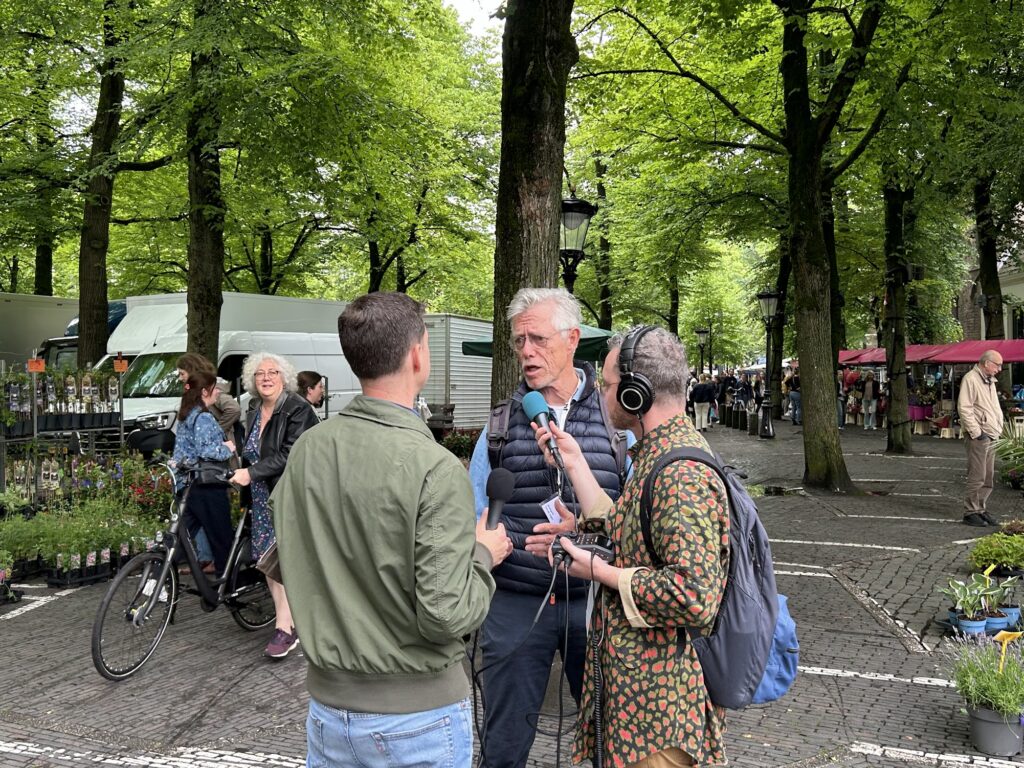
Utrecht flower market with Ton de Jager
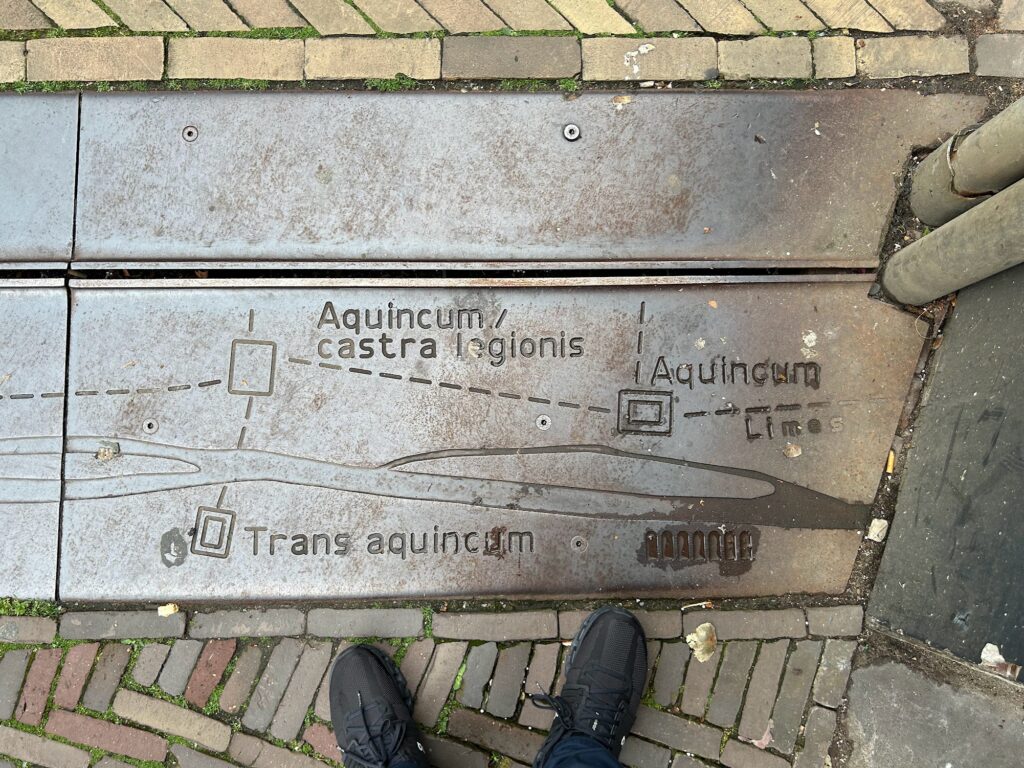
Utrecht’s ancient Roman wall
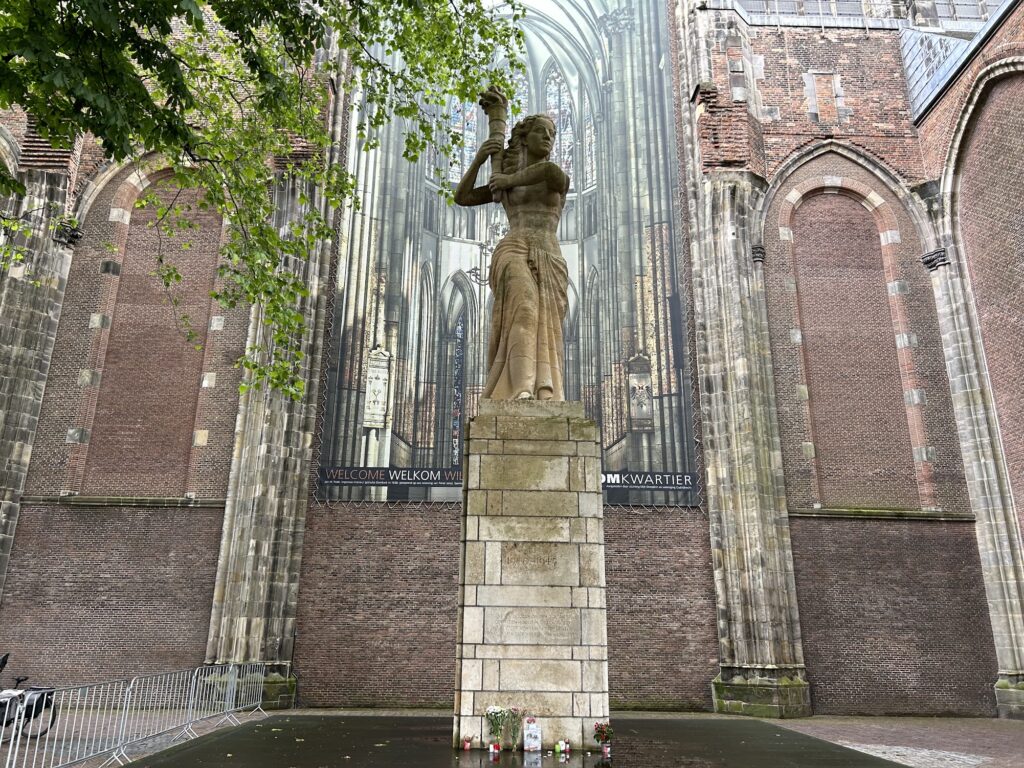
St Martin’s Cathedral aka the Dom Church
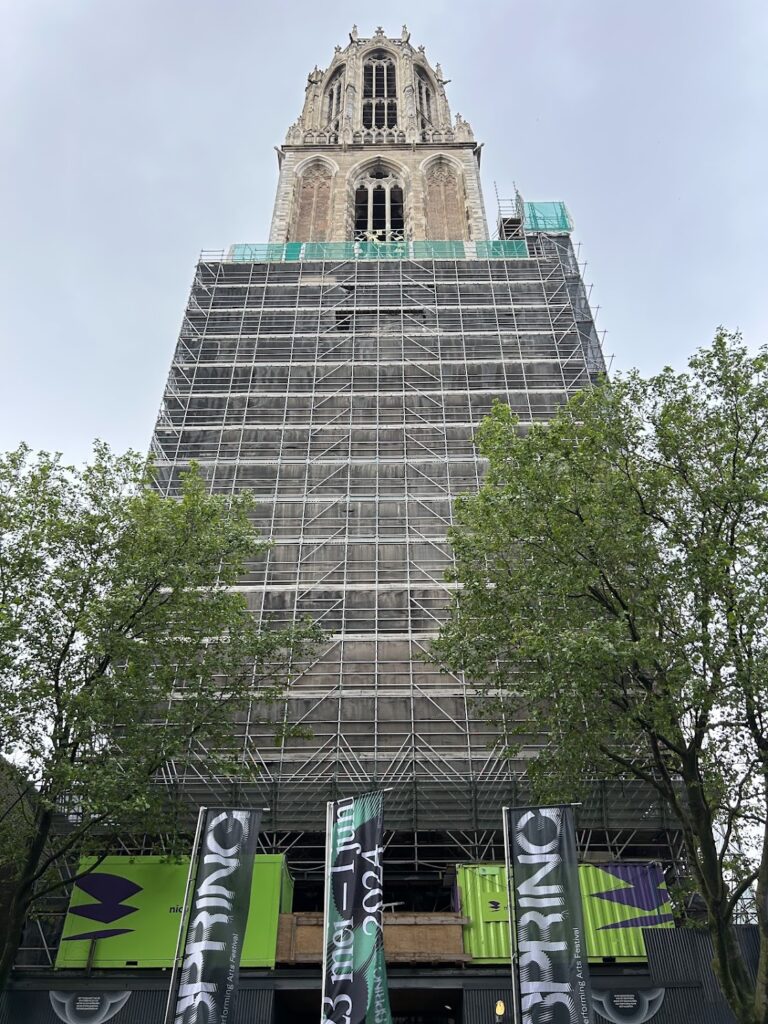
The Dom Church’s bell tower actually sits across from the church. (The reason for this is discussed in the podcast.)
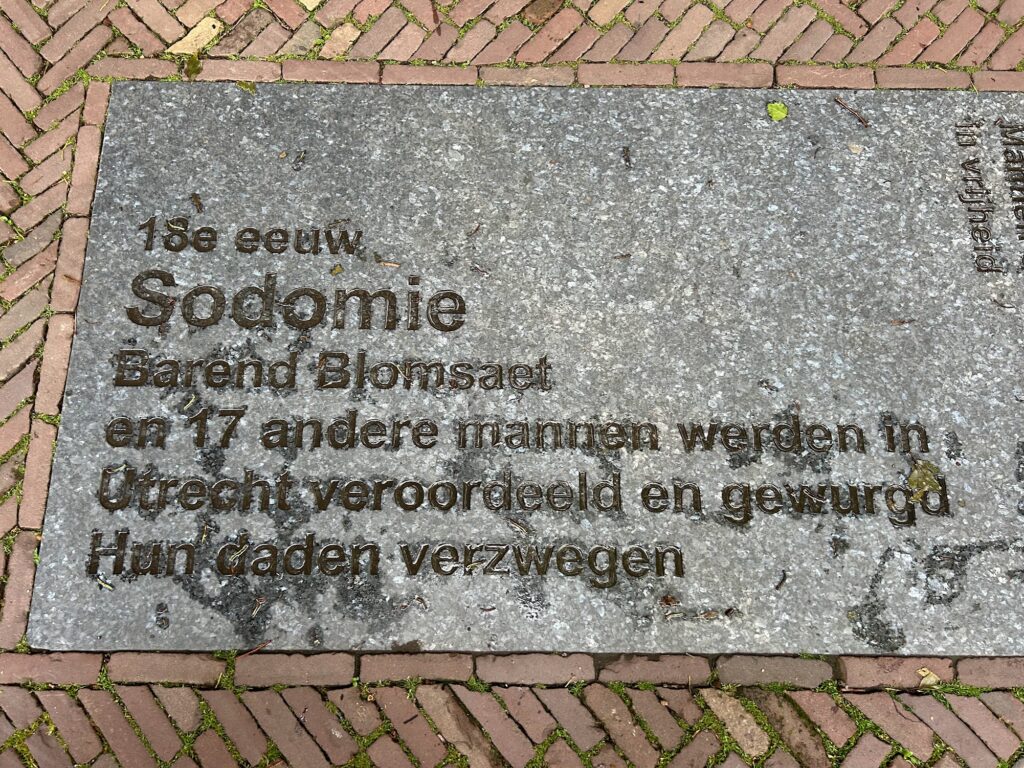
A plaque marking those who died during the Utrechtse sodomieprocessen of 1730.
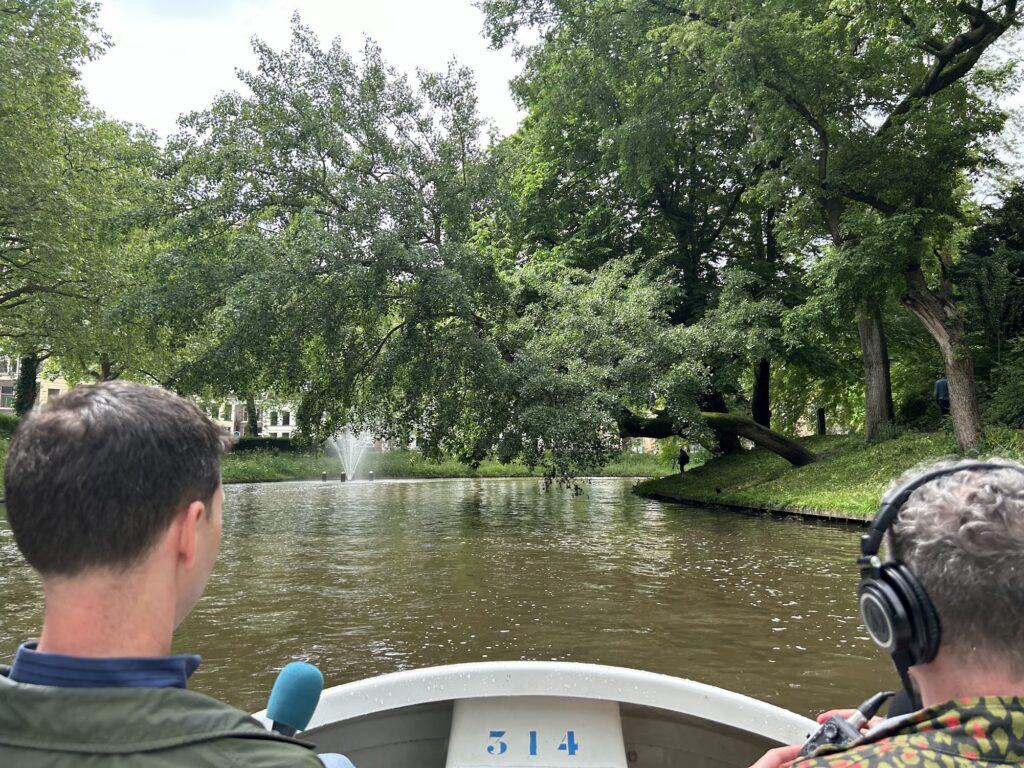
On the old moat in a pedal boat!
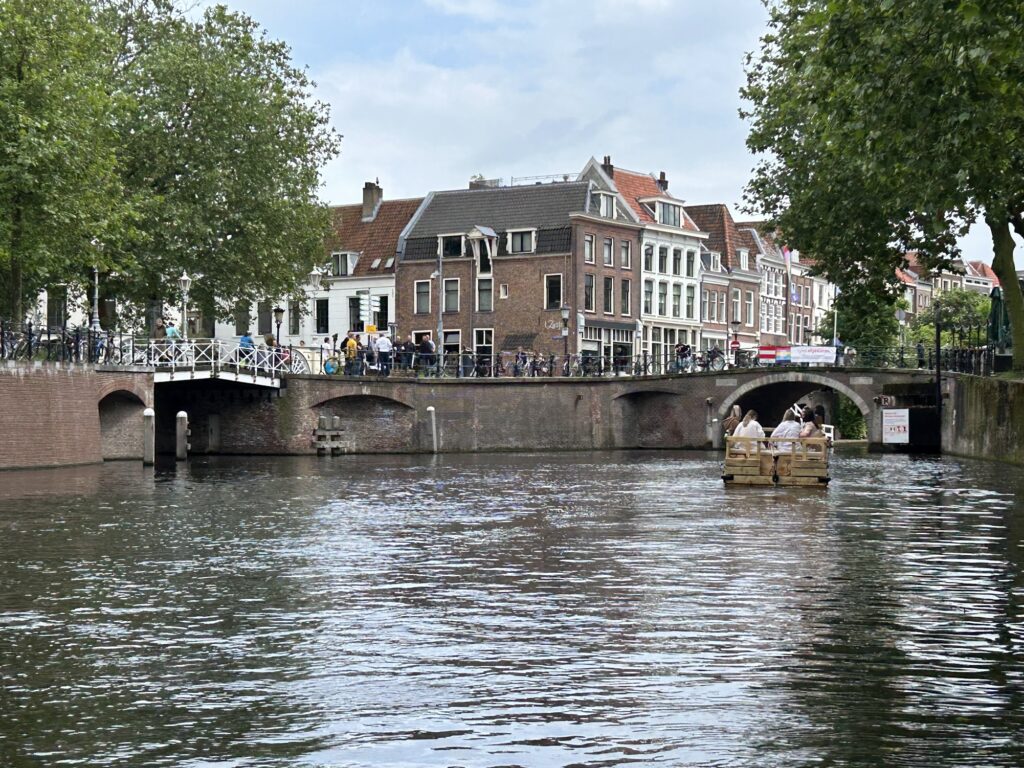
One unique example of Utrecht’s famous wharves or quays
The first three parts of Amsterdam/New Amsterdam — Empire of the Seas, The Radical Walloons and Finding Peter Stuyvesant
Interview with Russell Shorto, author of The Island At The Center of the World
The Lenape and other native peoples of the New York/Hudson Valley region would be both trading partners and adversaries of the Dutch, who claimed to have ‘discovered’ the land those people already lived upon.
The story of religious freedom during the New Amsterdam/Peter Stuyvesant plays a major role in this episode which features a visit to the John Bowne House:
The name Stuyvesant can be found everywhere in New York City. — in the names of neighborhoods, apartments, parks and high schools. Peter Stuyvesant, the last director-general of New Amsterdam, is a hero to some, a villain to others — and probably a caricature to all.
What do we really know about Peter Stuyvesant?
In their last days in Amsterdam (before heading to other parts of the Netherlands), Tom and Greg spend their time getting to know Peter Stuyvesant, thanks to their special guest Jaap Jacobs, the author of a forthcoming biography on the elusive and controversial figure.
And outside the mayor’s residence in Amsterdam’s exclusive Gouden Bocht (Golden Bend), they meet up with Jennifer Tosch of Black Heritage Tours (with tours in New York and Amsterdam) to investigate the story of New Amsterdam and the Dutch slave trade.
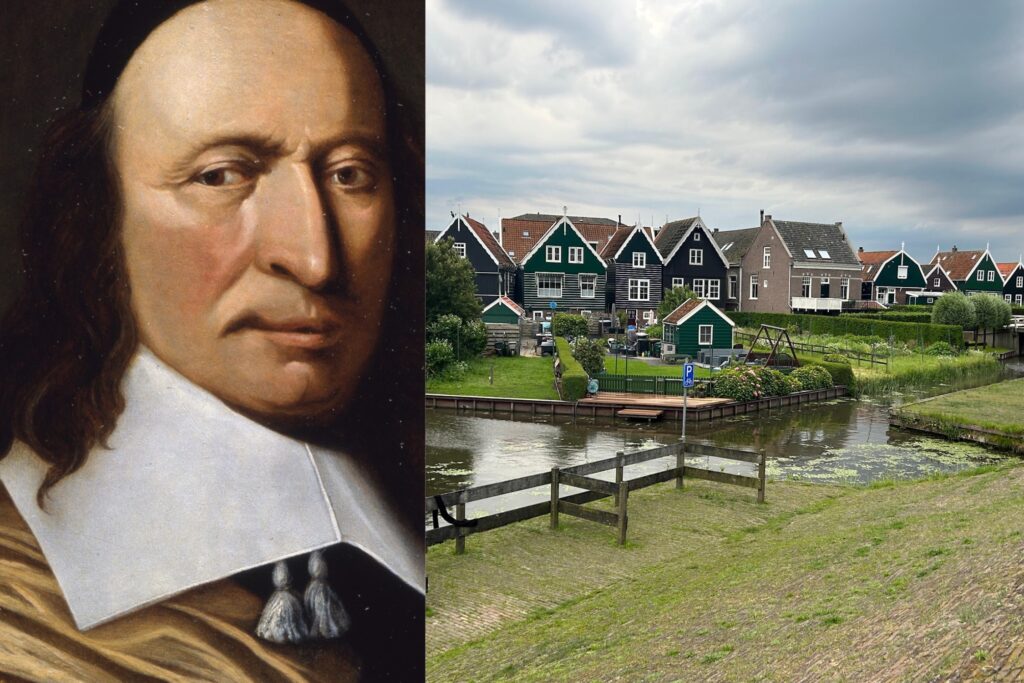
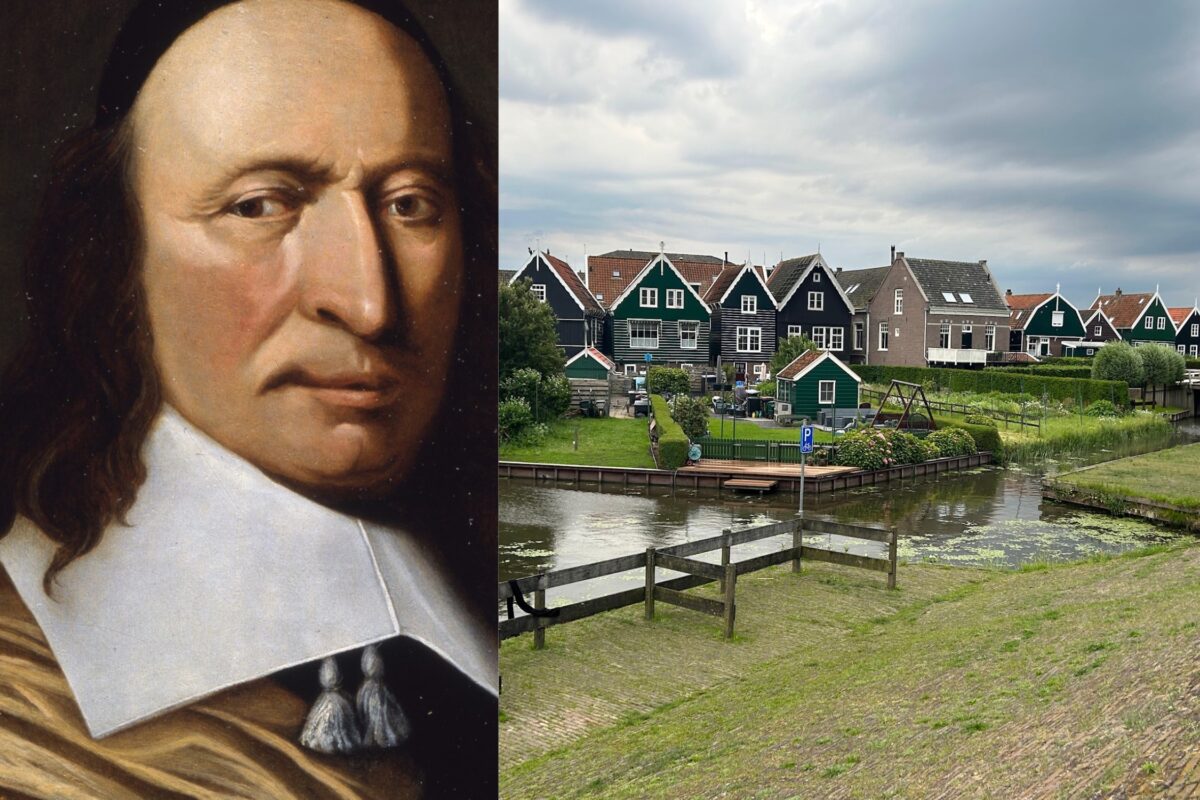
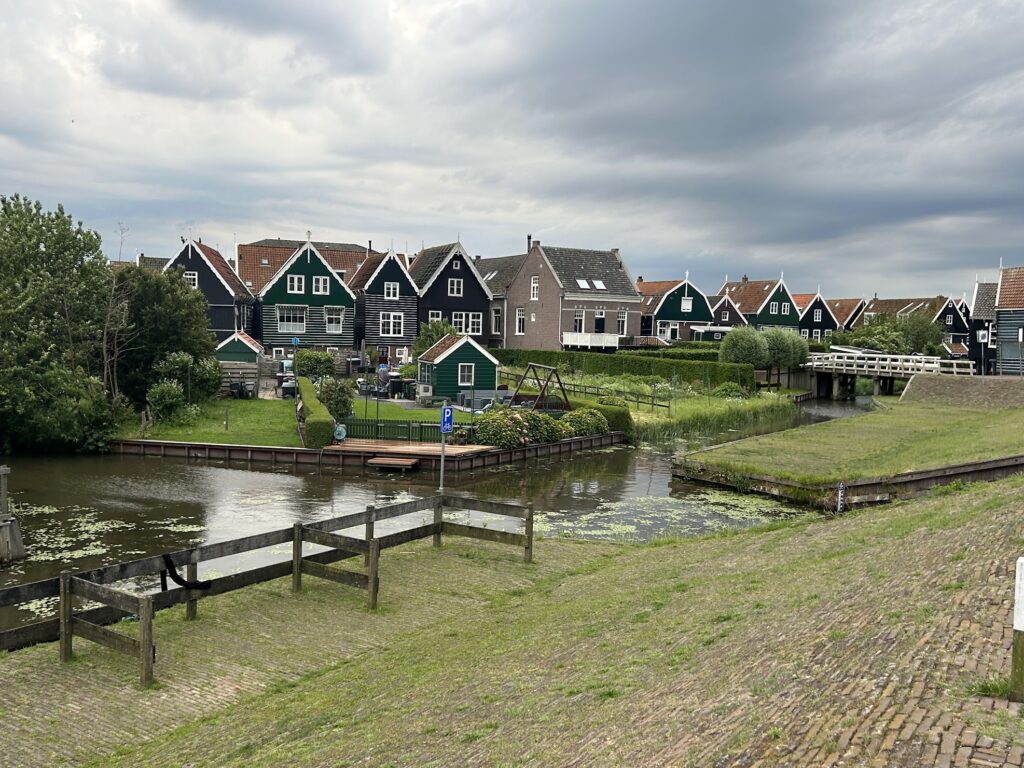
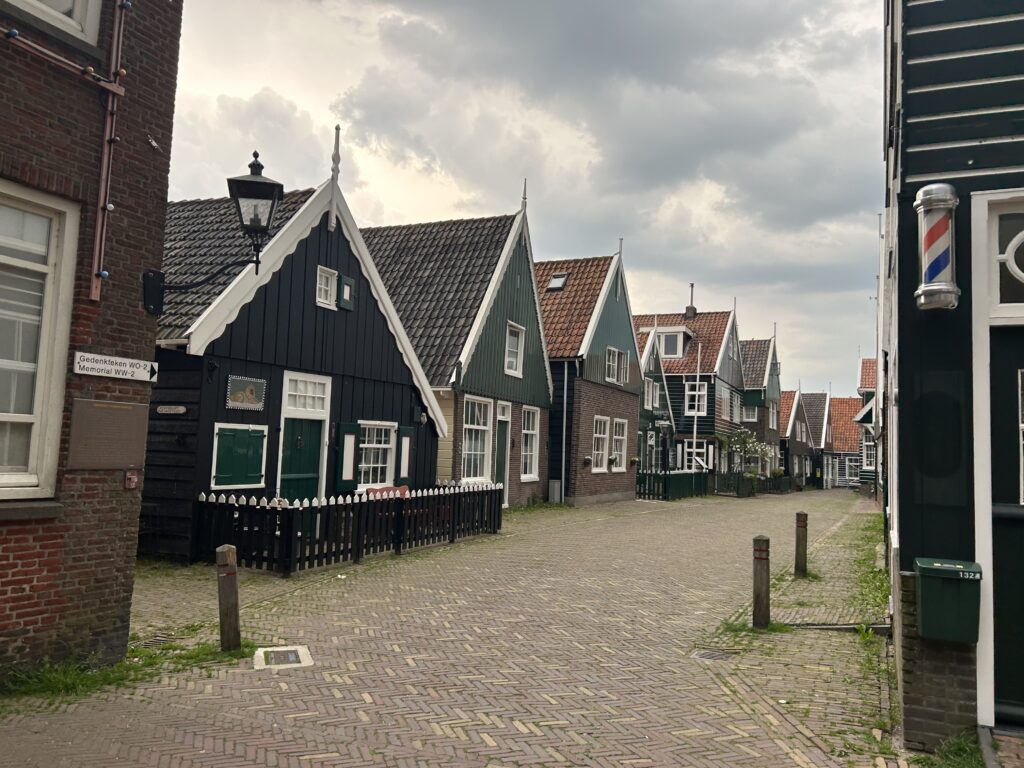
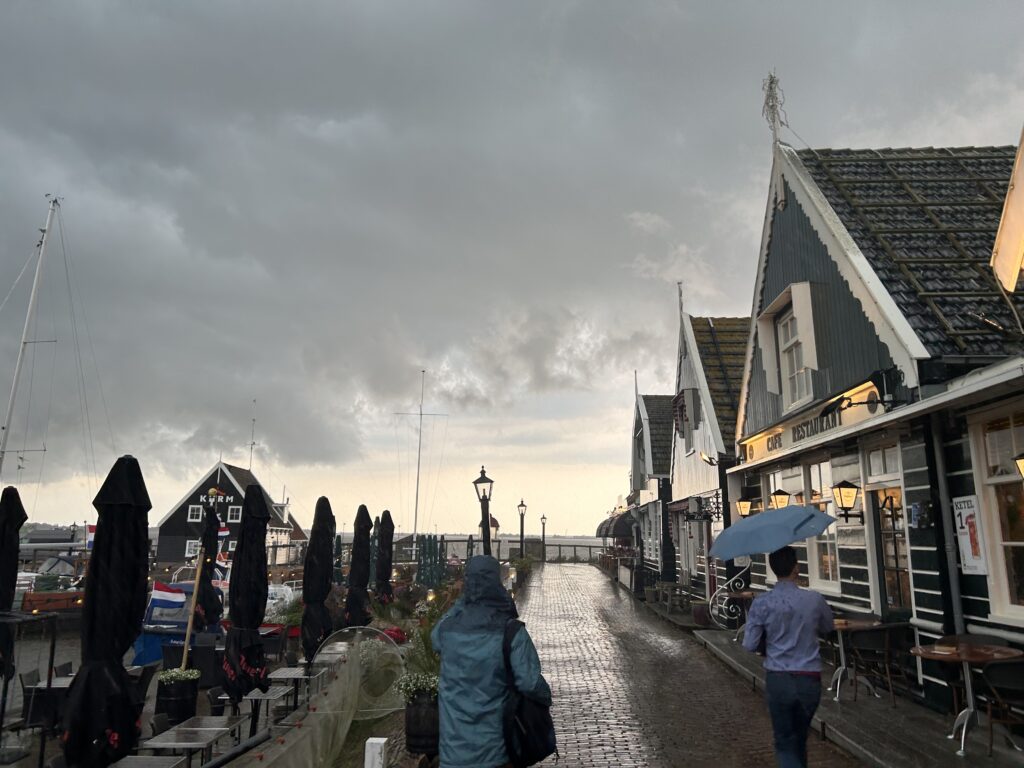
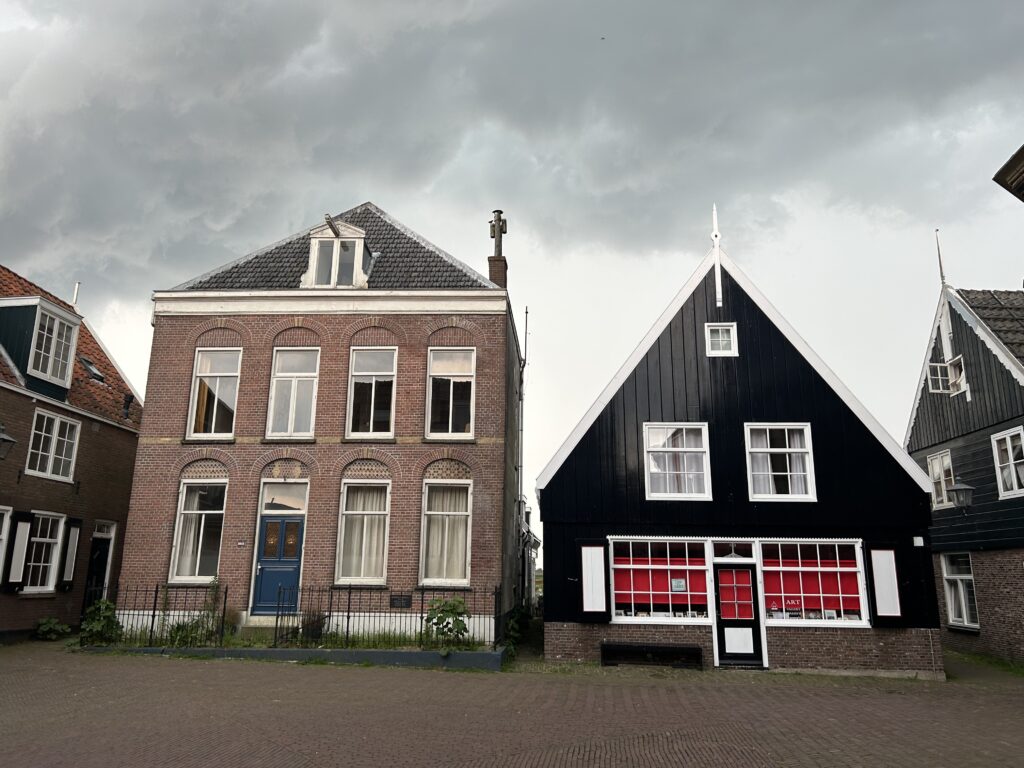
PLUS They stroll around New Amsterdam on a dark, stormy evening. No really! Well, it’s the village of Marken where one can find the closest approximation of what New Amsterdam looked like.
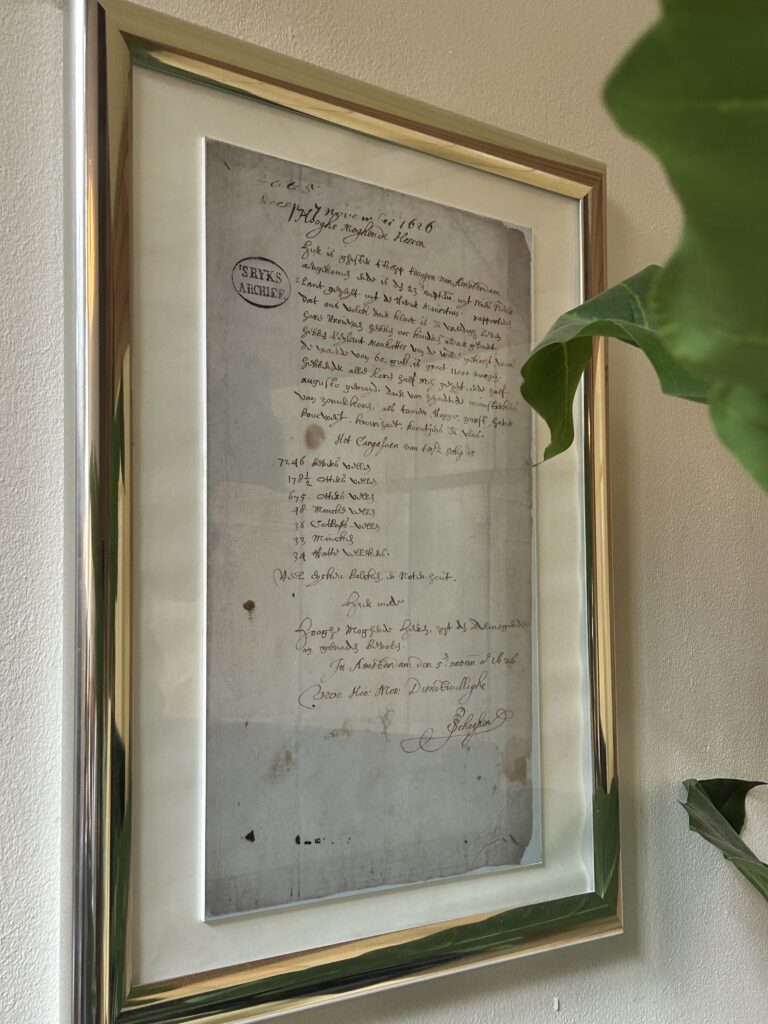
AND A few more myths are dispelled. What actual date should New York City mark as its anniversary — 1624, 1625, or 1626? Did a letter describing the so-called ‘purchase of Manhattan’ from the Lenape actually come from New Amsterdam? And was New Amsterdam, in fact, even its real name?
LISTEN NOW: FINDING PETER STUYVESANT
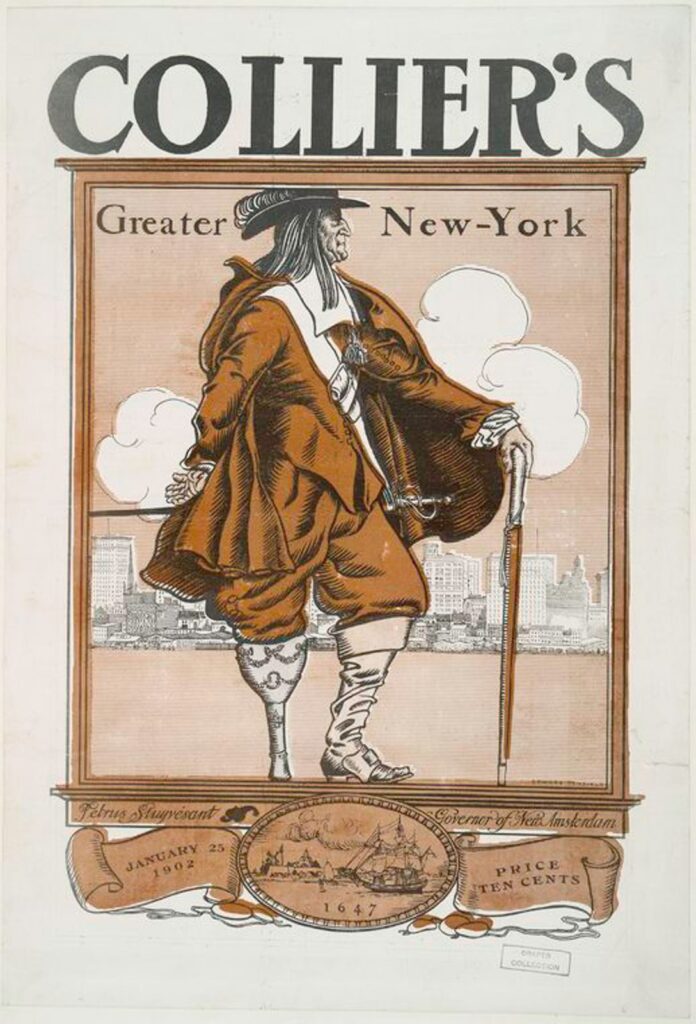
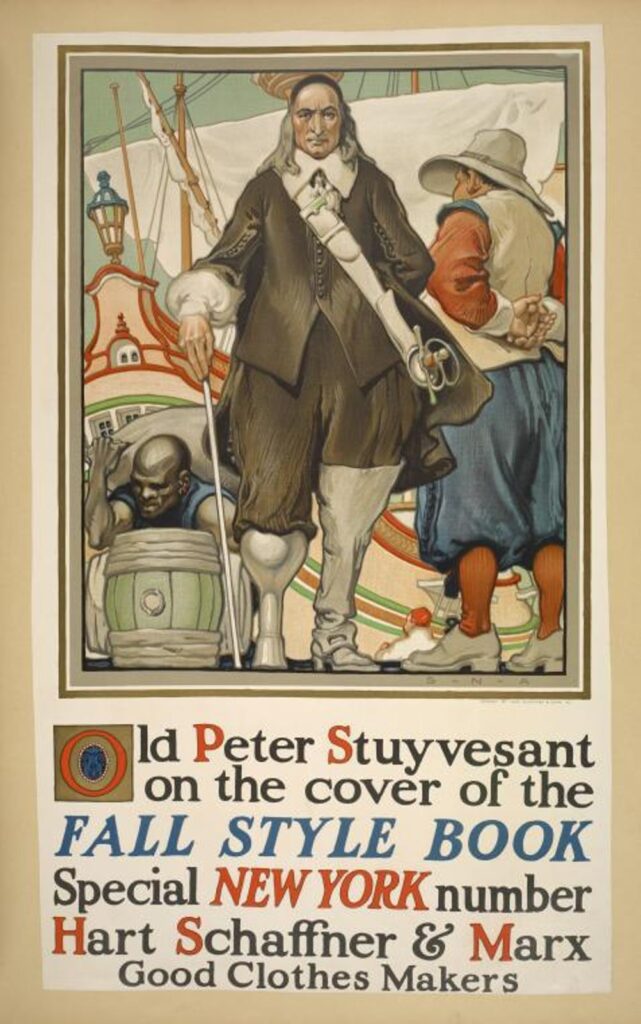
Collier’s Greater New York, Petrus Stuyvesant, Governor of New Amsterdam, 1647, January 25, 1902 (Courtesy New York Public Library)Old Peter Stuyvesant on the cover of the Fall style book, 1911 (NYPL)
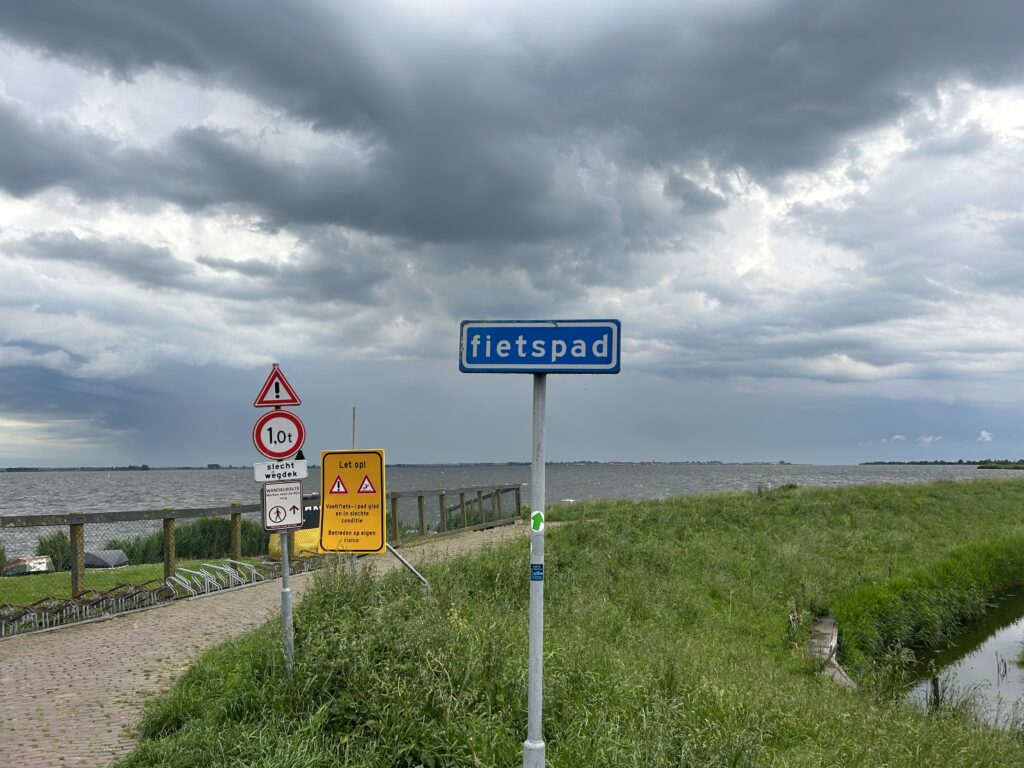
Images of Marken, the island village that has many traits similar to New Amsterdam.
Over on Patreon, we released a series of daily shows while on the streets of the Netherlands. You can check out those shows — and the many other benefits of being a Bowery Boys patron — by supporting the show at Patreon.
FURTHER LISTENING
The first two parts of Amsterdam/New Amsterdam — Empire of the Seas and The Radical Walloons
Interview with Russell Shorto, author of The Island At The Center of the World
The Lenape and other native peoples of the New York/Hudson Valley region would be both trading partners and adversaries of the Dutch, who claimed to have ‘discovered’ the land those people already lived upon.
The story of religious freedom during the New Amsterdam/Peter Stuyvesant plays a major role in this episode which features a visit to the John Bowne House:
A look at the New Amsterdam miniature and a scene of full-size Leiden
Our adventure in the Netherlands continues with a quest to find the Walloons, the French-speaking religious refugees who became the first settlers of New Netherland in 1624. Their descendants would last well beyond the existence of New Amsterdam and were among the first people to call themselves New Yorkers.
But you can’t tell the Walloon story without that other group of American religious settlers — the Pilgrims who settled in Massachusetts four years earlier.
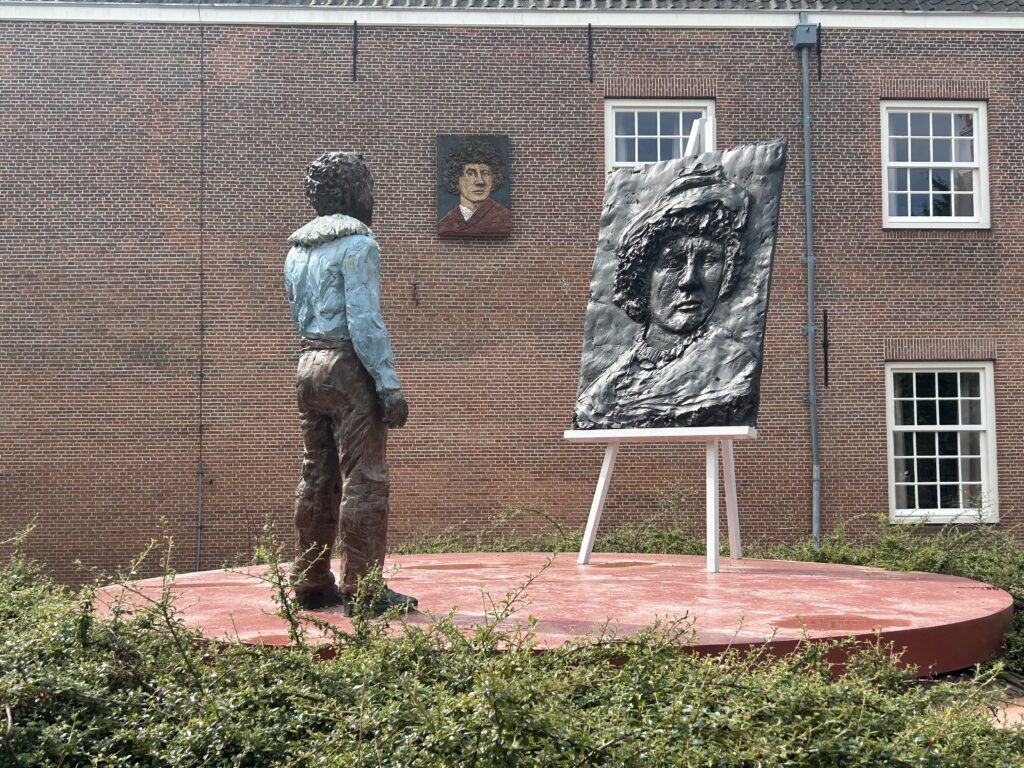
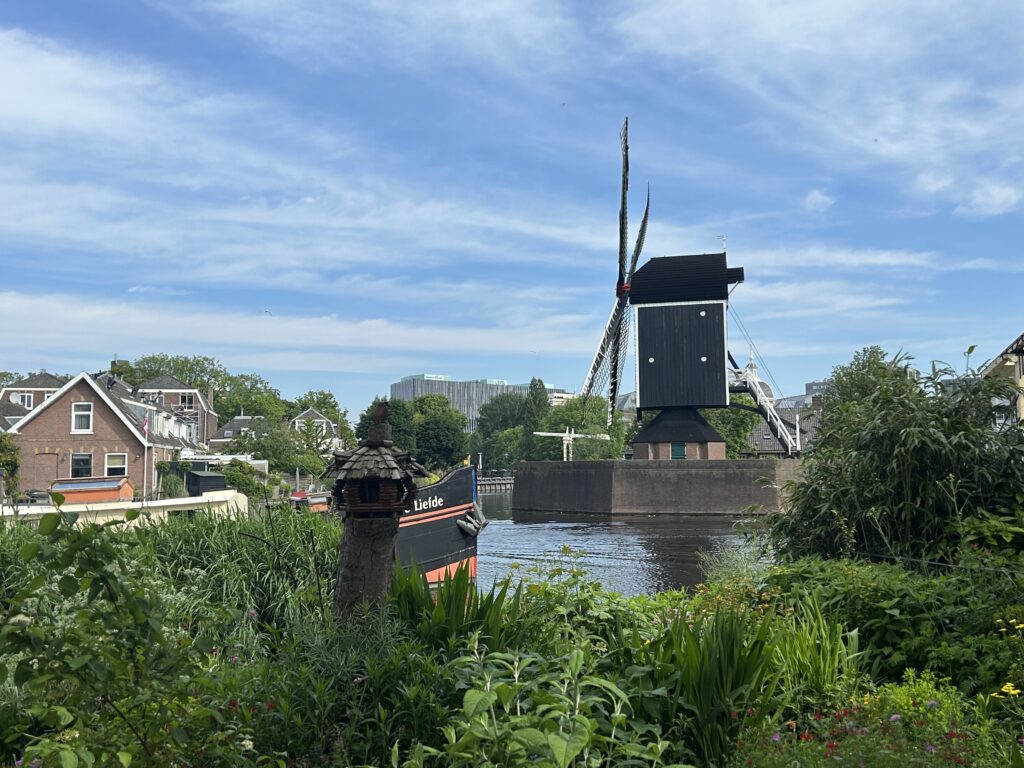
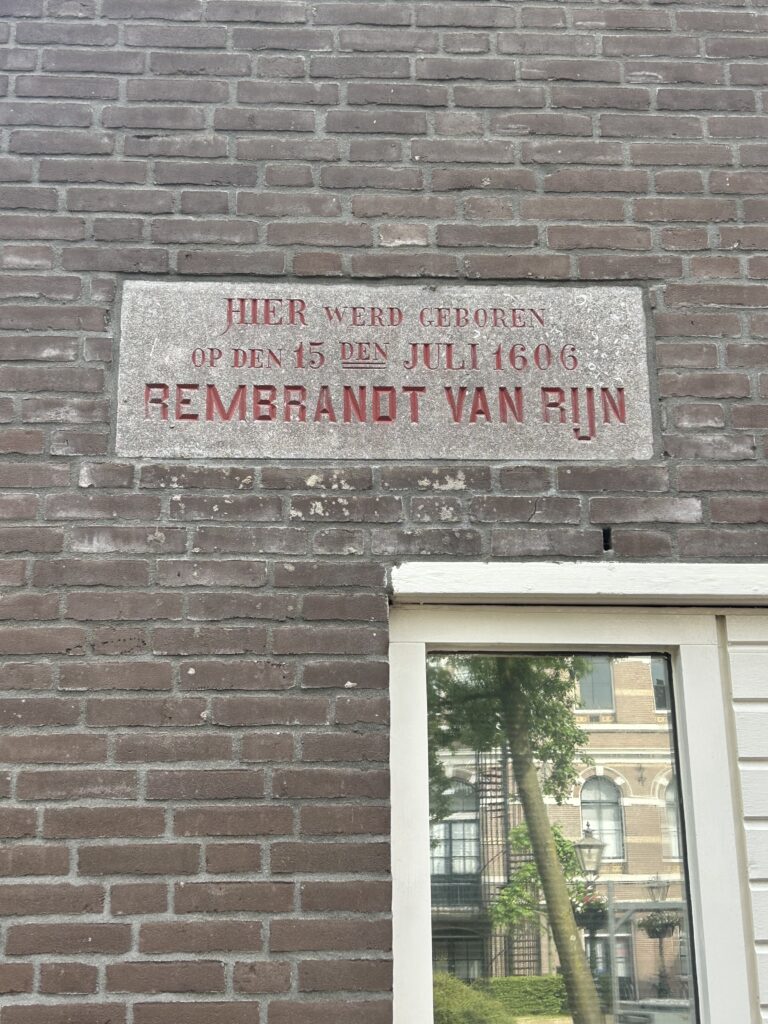
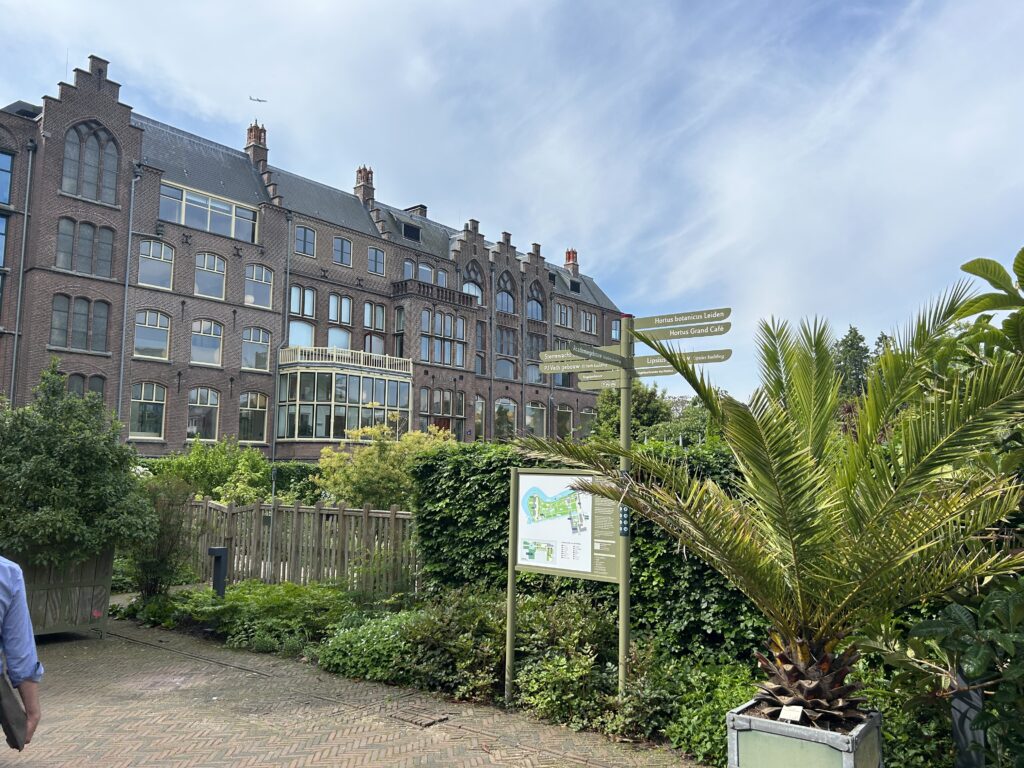
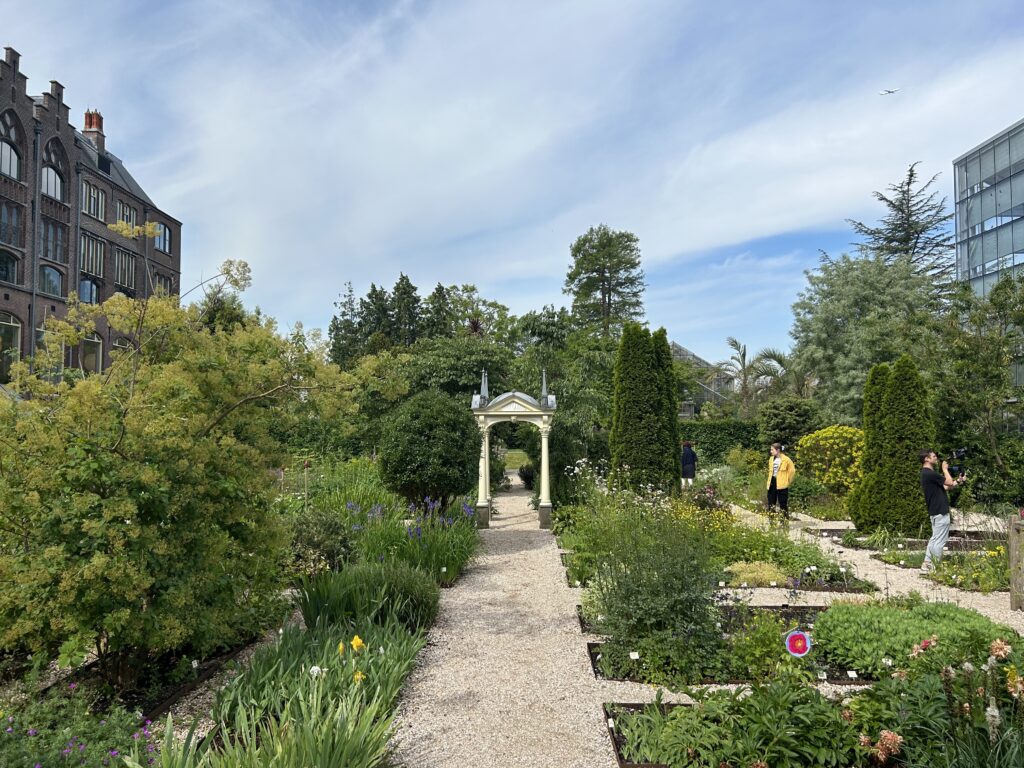
All roads lead to Leiden, the university city with a history older than Amsterdam. Greg and Tom join last episode’s guest Jaap Jacobs, the author of The Colony of New Netherland, to explore the birthplace of Rembrandt, the historic botanical garden and a site associated with Adriaen van der Donck (whose “patroonship,” or manor, gives the city of Yonkers, New York, its name).
Then they visit with Koen Kleijn, art historian and editor-in-chief of history magazine OnsAmsterdam, who takes them on a journey through Amsterdam’s history — from the innovative story of its canals to the disaster known as Tulipmania, the 1630 speculative mania that set the stage for generations of stock-market shenanigans.
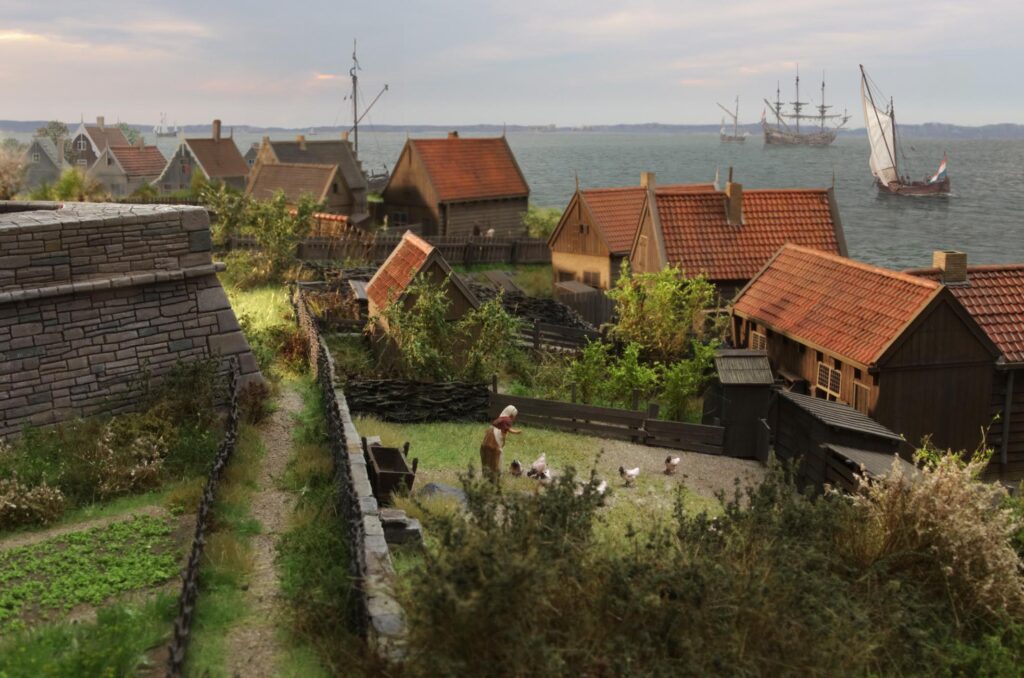
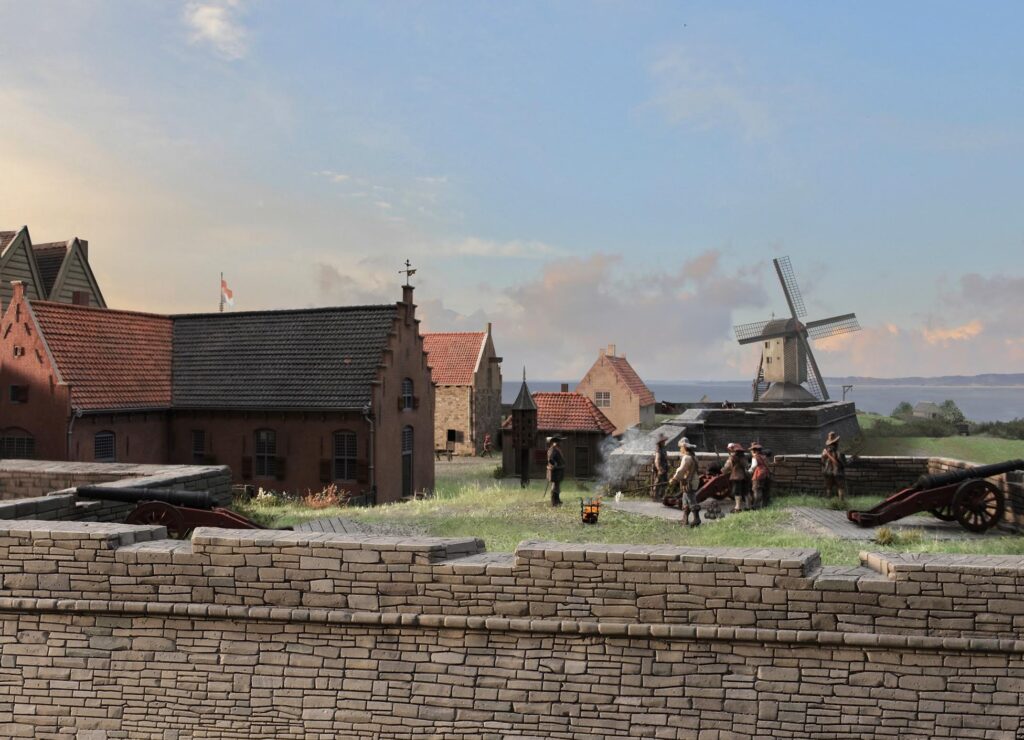
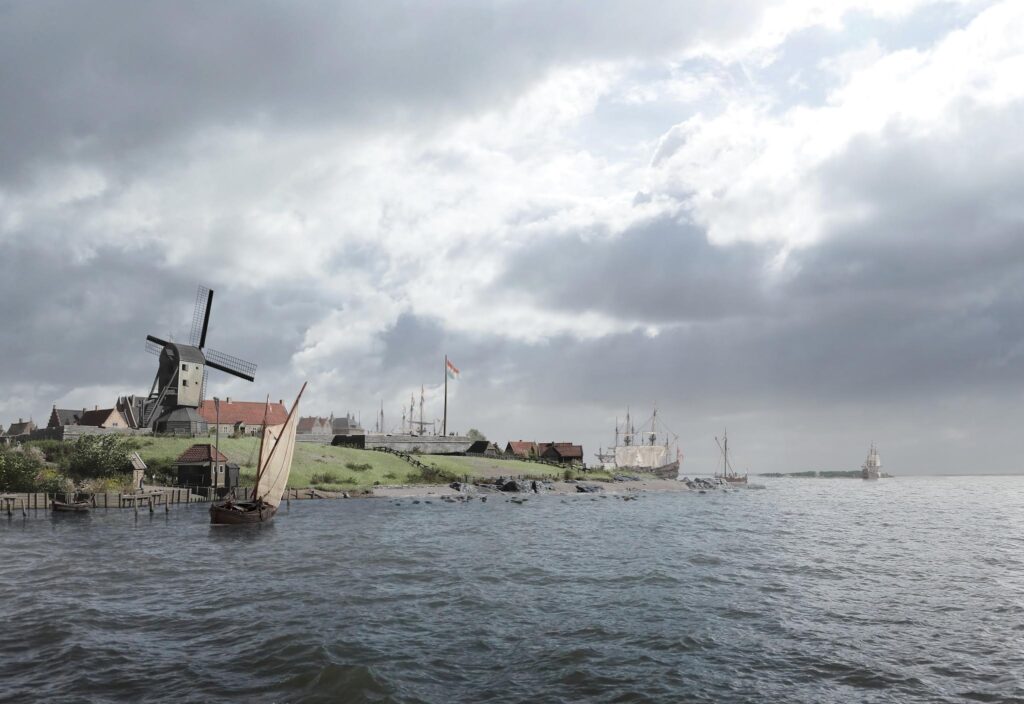
PLUS: A detour to Amsterdam Noord and a look at a miniature model of New Amsterdam, courtesy of the design and production team at Artitec. And while visiting the John Adams Institute — located inside the Dutch West India House — Tom and Greg come upon an old friend holding court in a fountain.
PLUS: Tom sustains an injury — from a bitterballen!
LISTEN NOW: THE RADICAL WALLOONS
The Artitec scale model of New Amsterdam, currently being completed in Amsterdam Noord. There are plans to bring this eleborate and beautiful to the United States so stay tuned!
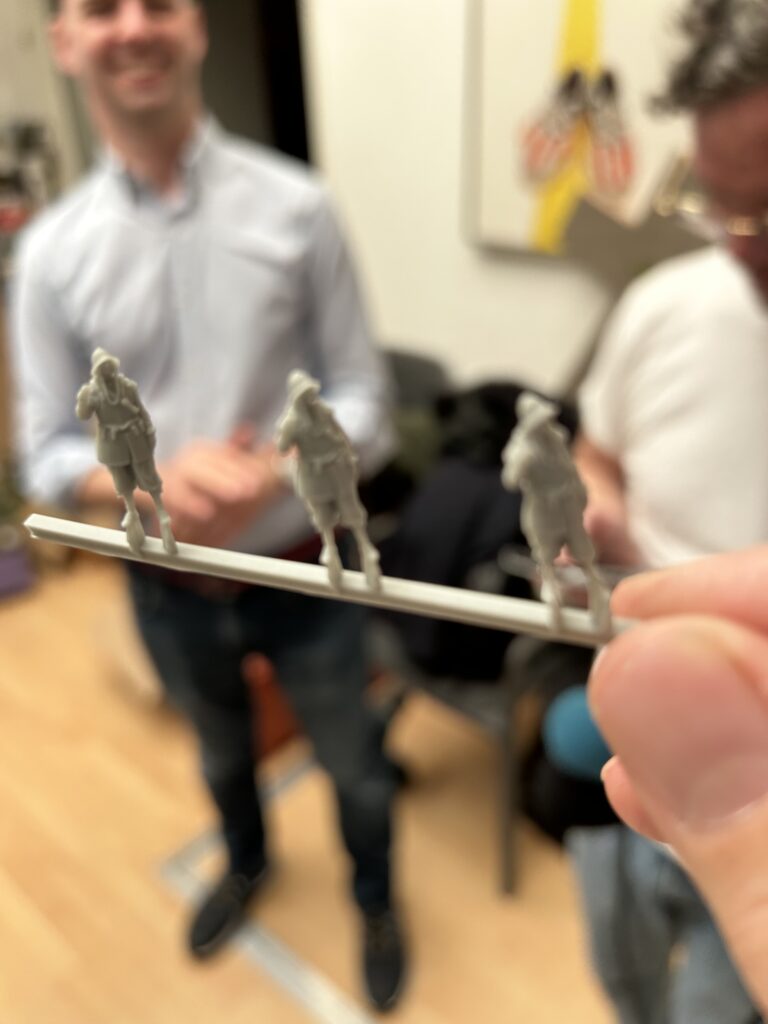
Some little New Amsterdam soldiers under construction.
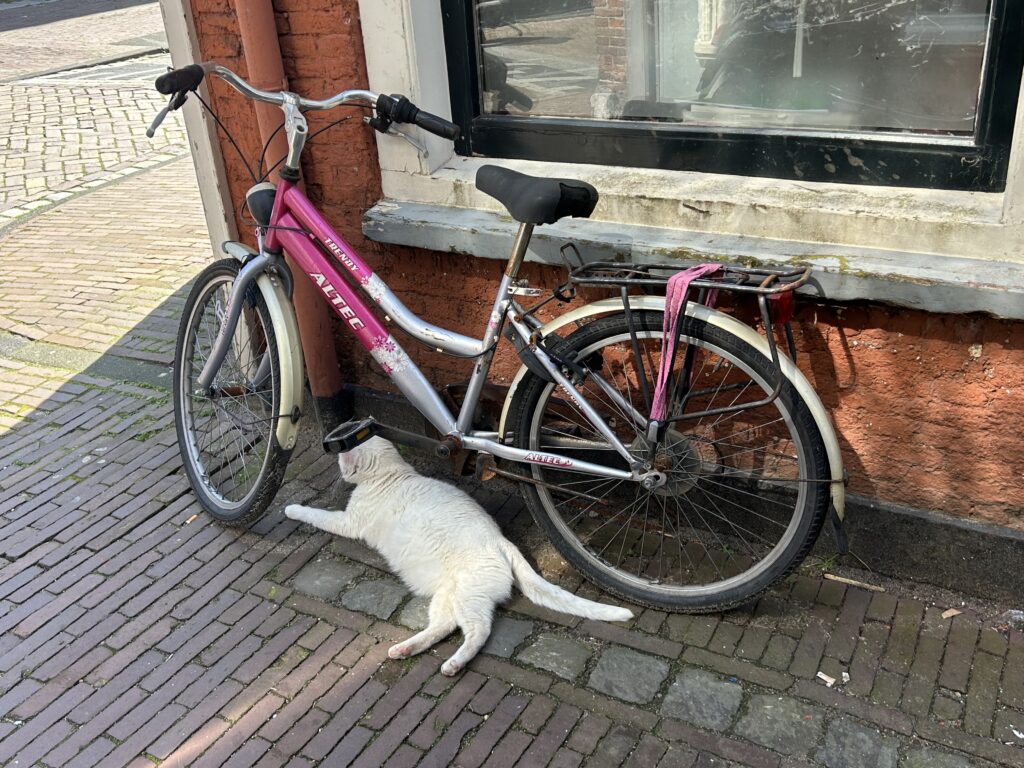
Leiden resident taking a rest after a long bike ride.
Among the historic places featured on this week’s show:
Leiden
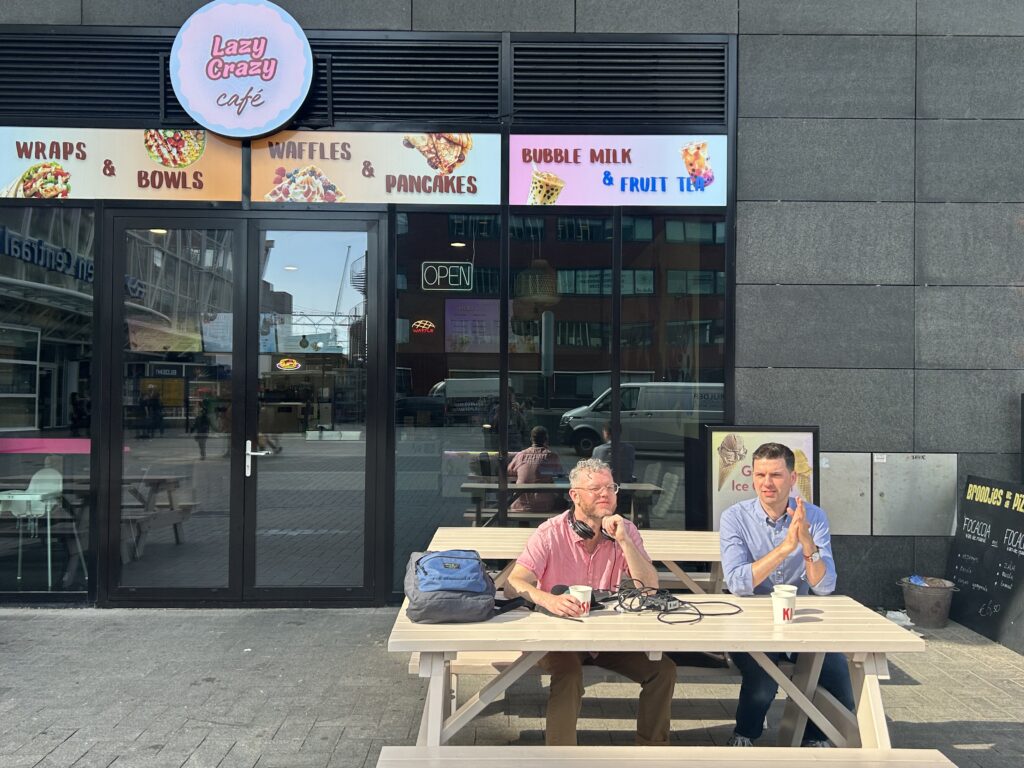
Tom and producer Kieran at the Lazy Crazy Cafe, awaiting Jaap’s arrival
Leyden University (This was the school bell you heard on the show)
Walloon Church of Leyden
American Pilgrim Museum
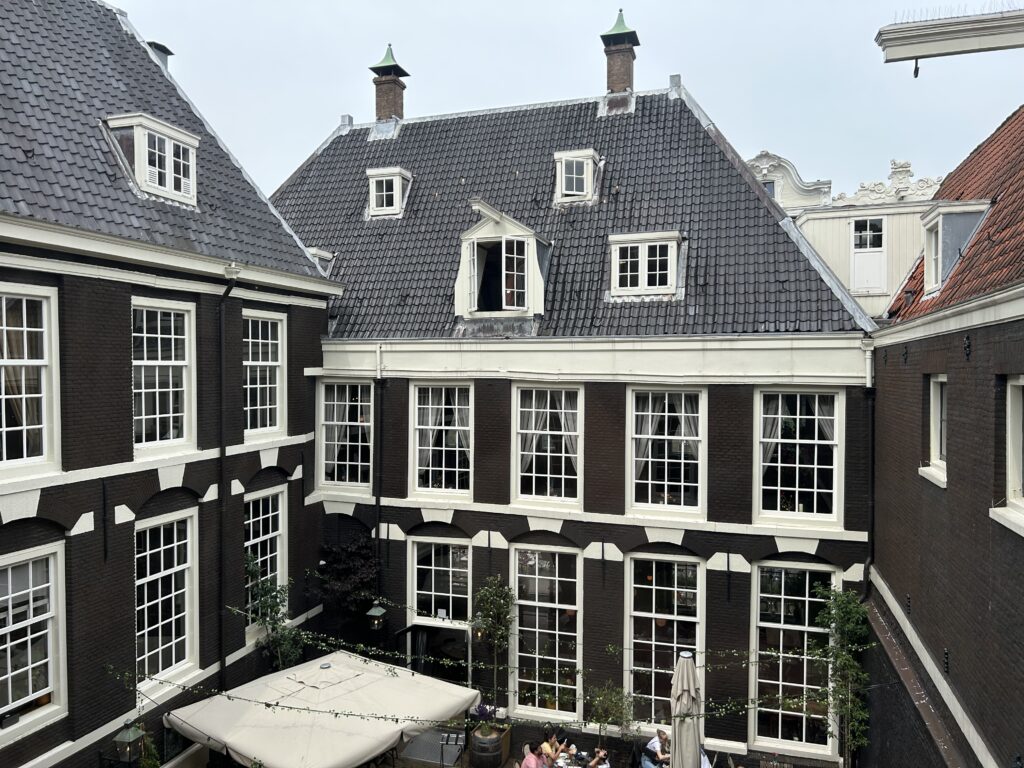
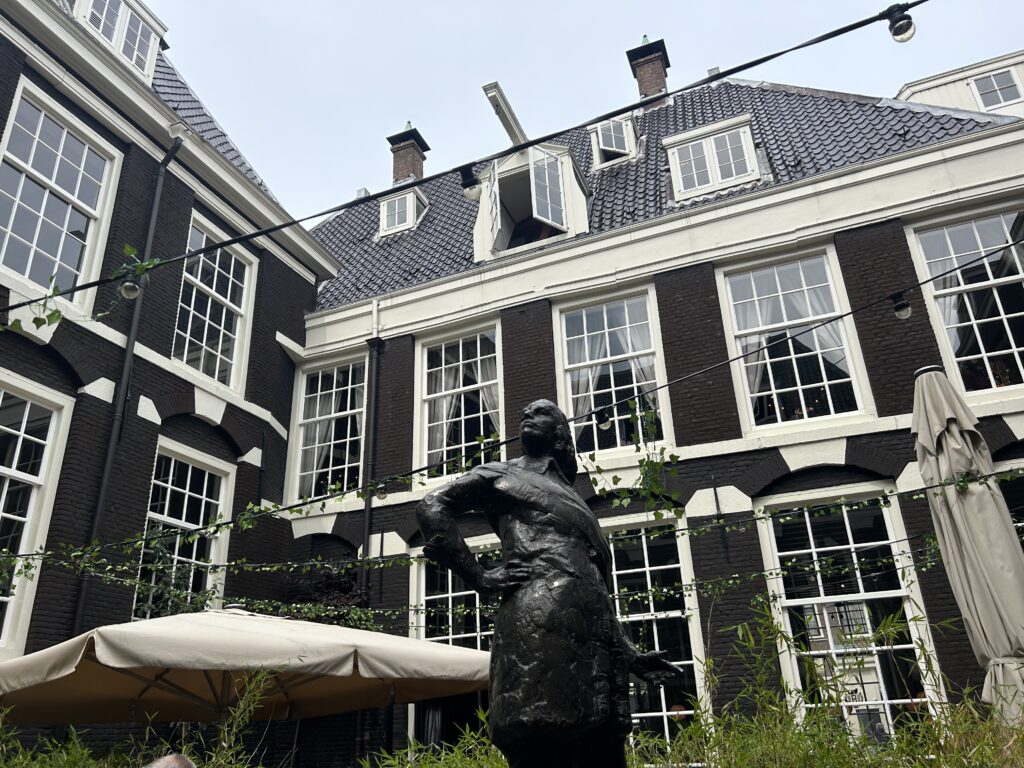
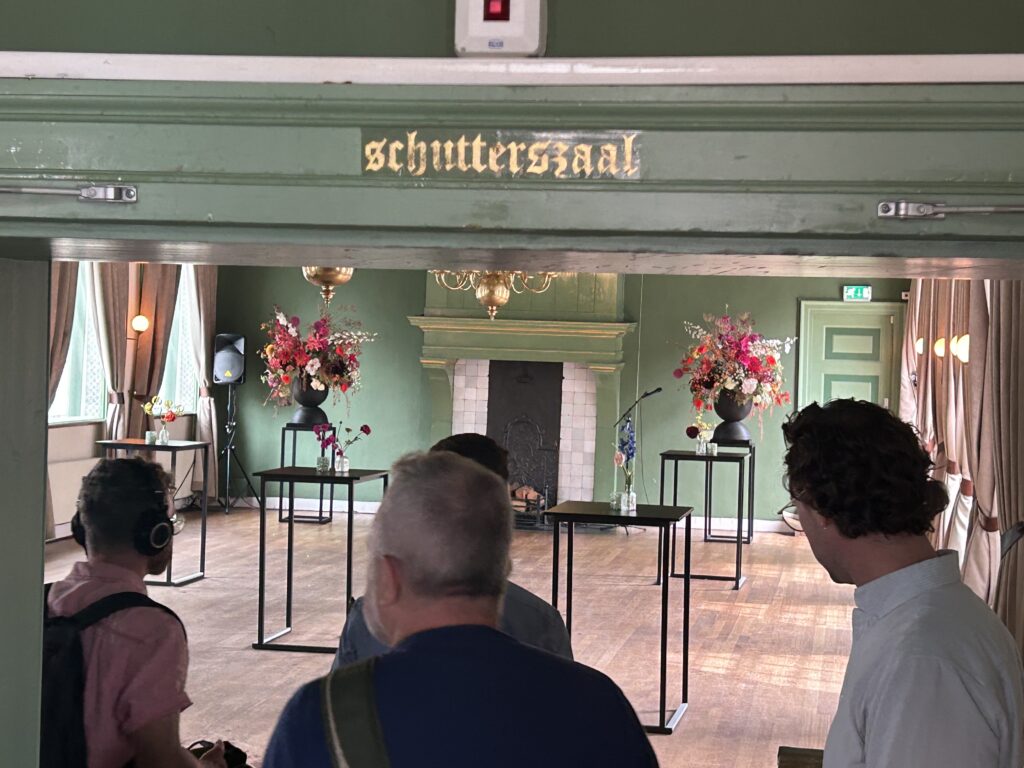
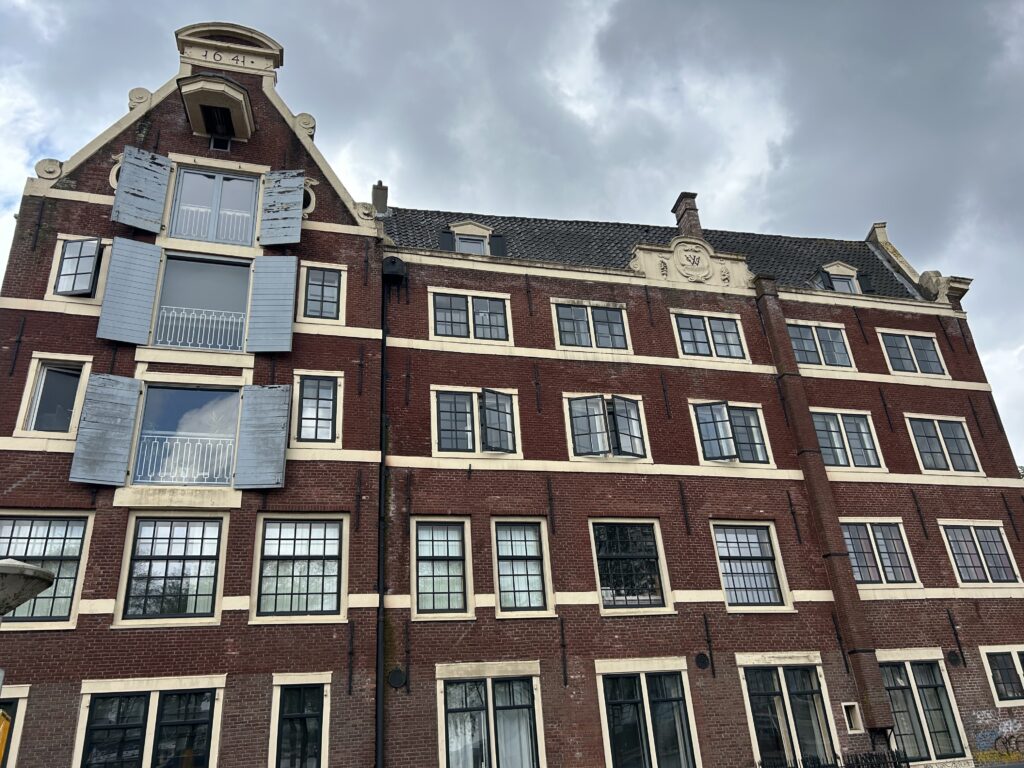
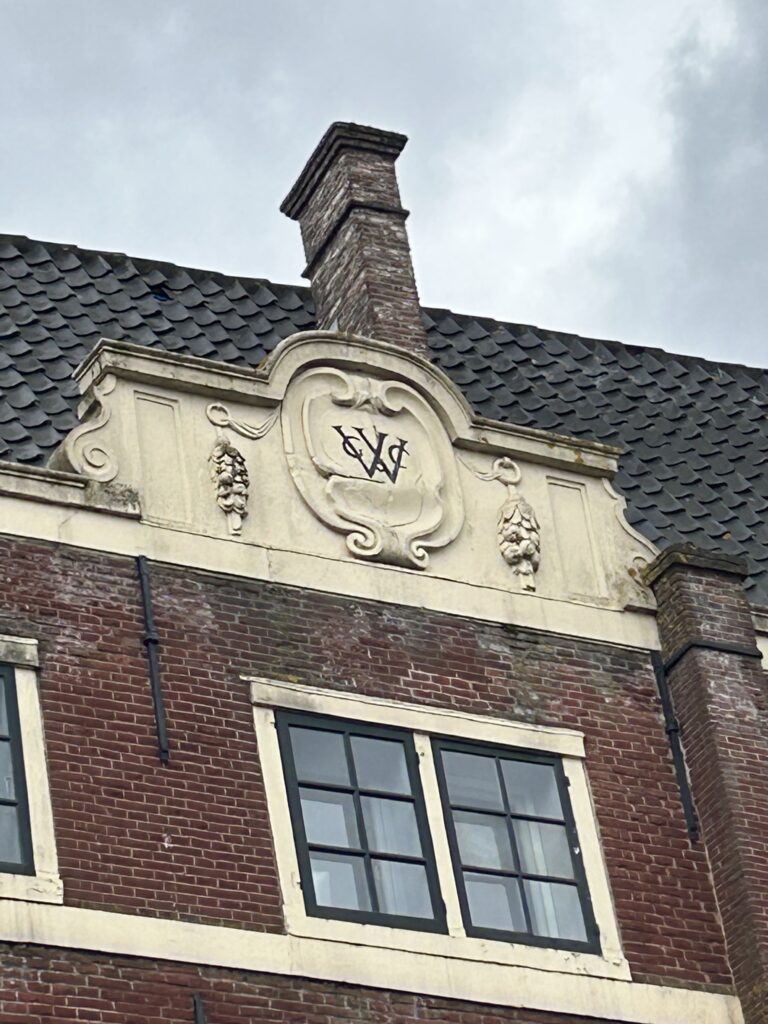
Dutch West India House
Copy of the Schagen Letter hanging on the wall here.
FURTHER LISTENING
Start with part one — Amsterdam/New Amsterdam: Empire of the Seas featuring Jaap Jacobs, who takes us around to several spots within the old medieval city — Centrum, including the Red Light District — weaving through the canals and along the harbor, in search of connections to New York’s (and by extension, America’s) past.
Then, listen to our interview with Russell Shorto, author of The Island At The Center of the World
The Lenape and other native peoples of the New York/Hudson Valley region would be both trading partners and adversaries of the Dutch, who claimed to have ‘discovered’ the land those people already lived upon.
The story of religious freedom during the New Amsterdam/Peter Stuyvesant plays a major role in this episode which features a visit to the John Bowne House:
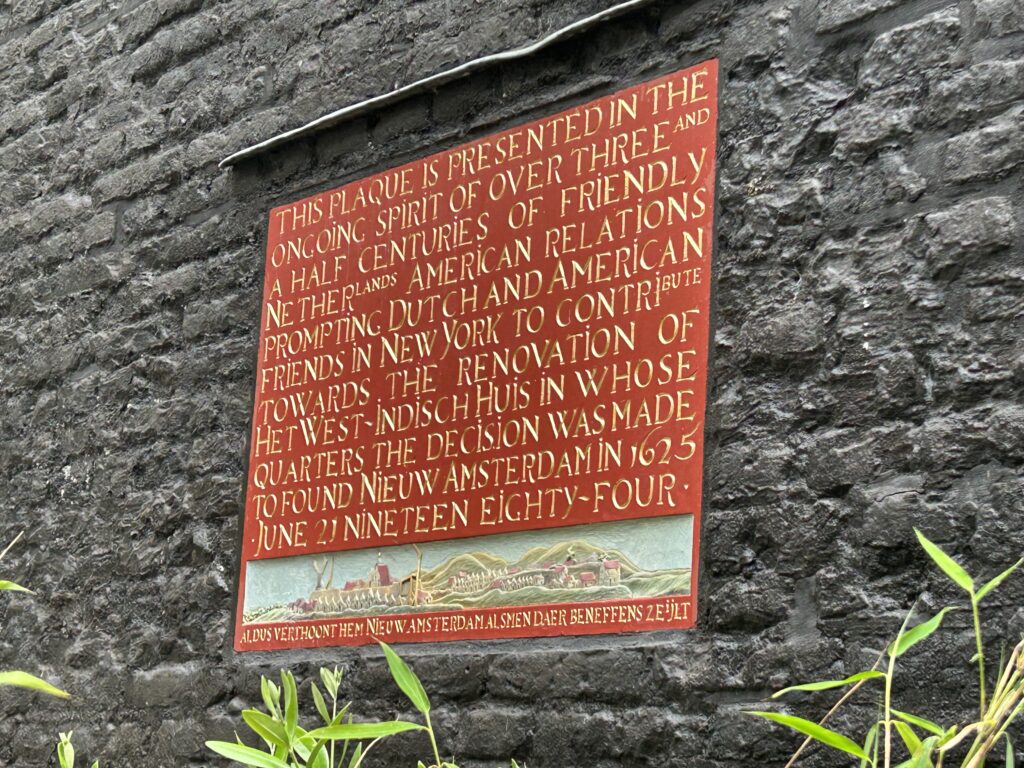
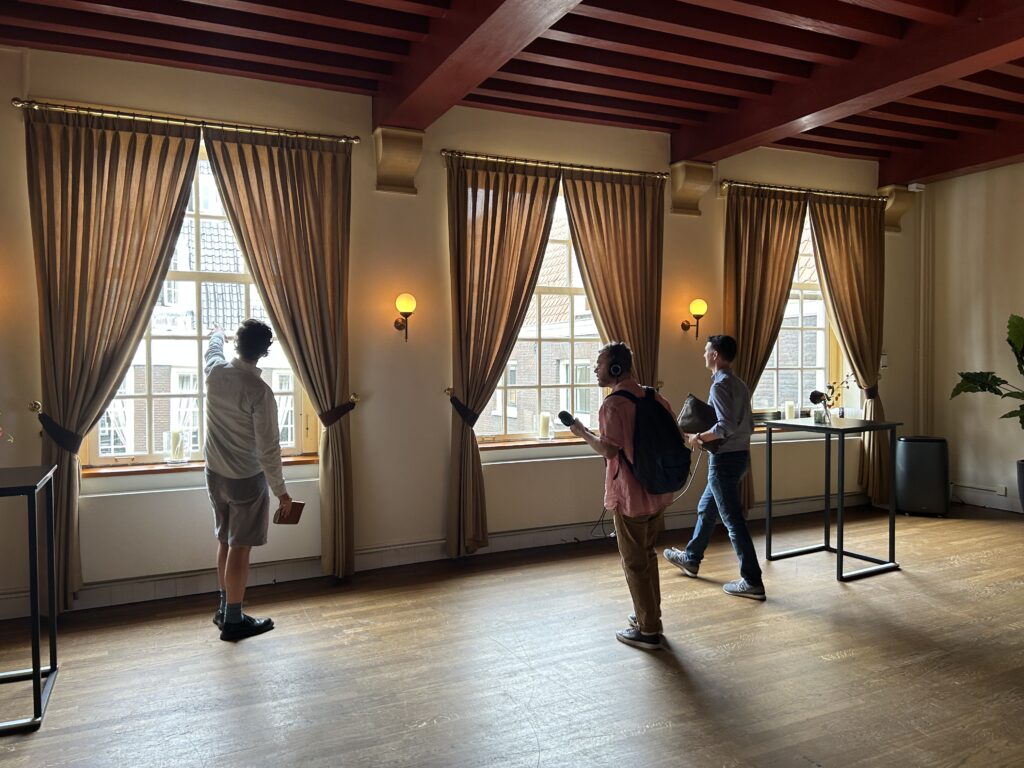
The epic journey begins! The Bowery Boys Podcast heads to old Amsterdam, the capital of the Netherlands, to find traces of New Amsterdam, the Dutch settlement which became New York.
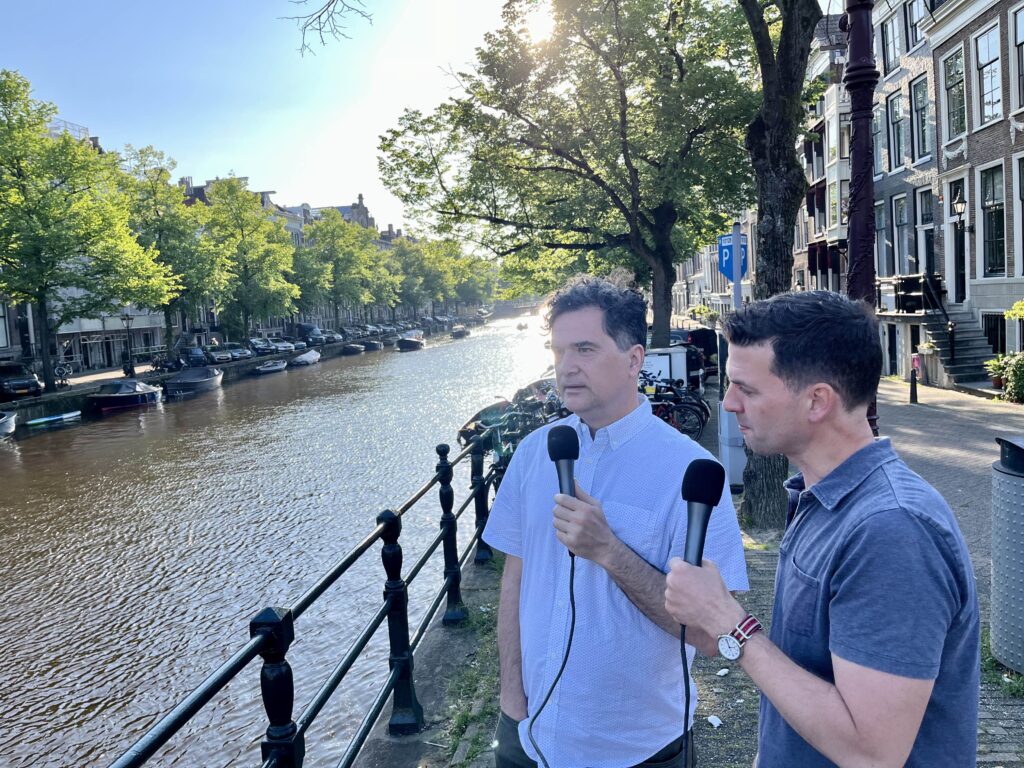
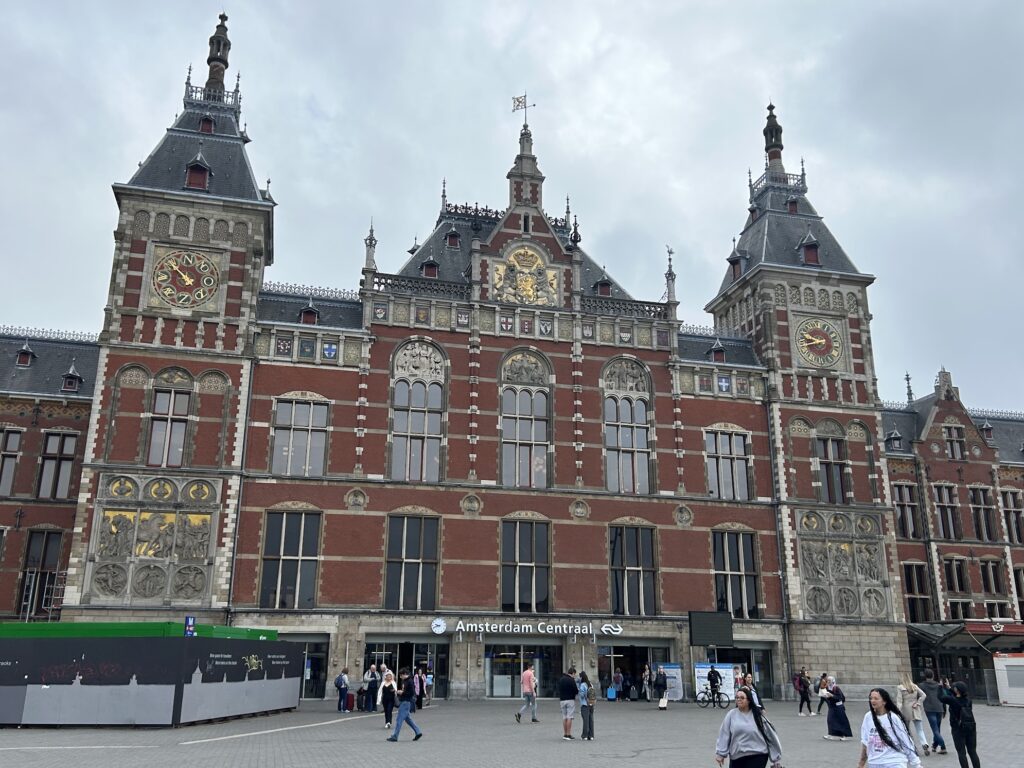
We begin our journey at Amsterdam’s Centraal Station and spend the day wandering the streets and canals, peeling back the centuries in search of New York’s roots.
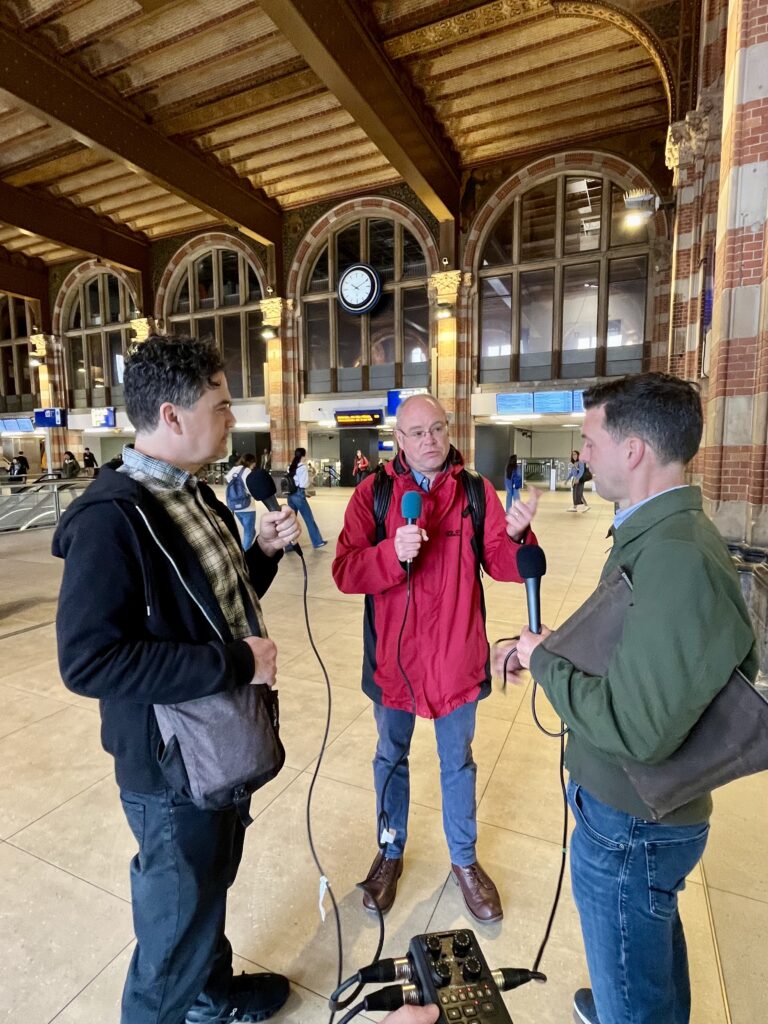
Our tour guide for this adventure is Jaap Jacobs, Honorary Lecturer at the University of St. Andrews in Scotland and the author of The Colony of New Netherland: A Dutch Settlement in Seventeenth-Century America.
Jaap takes us around to several spots within the old medieval city — Centrum, including the Red Light District — weaving through the canals and along the harbor, in search of connections to New York’s (and by extension, America’s) past.
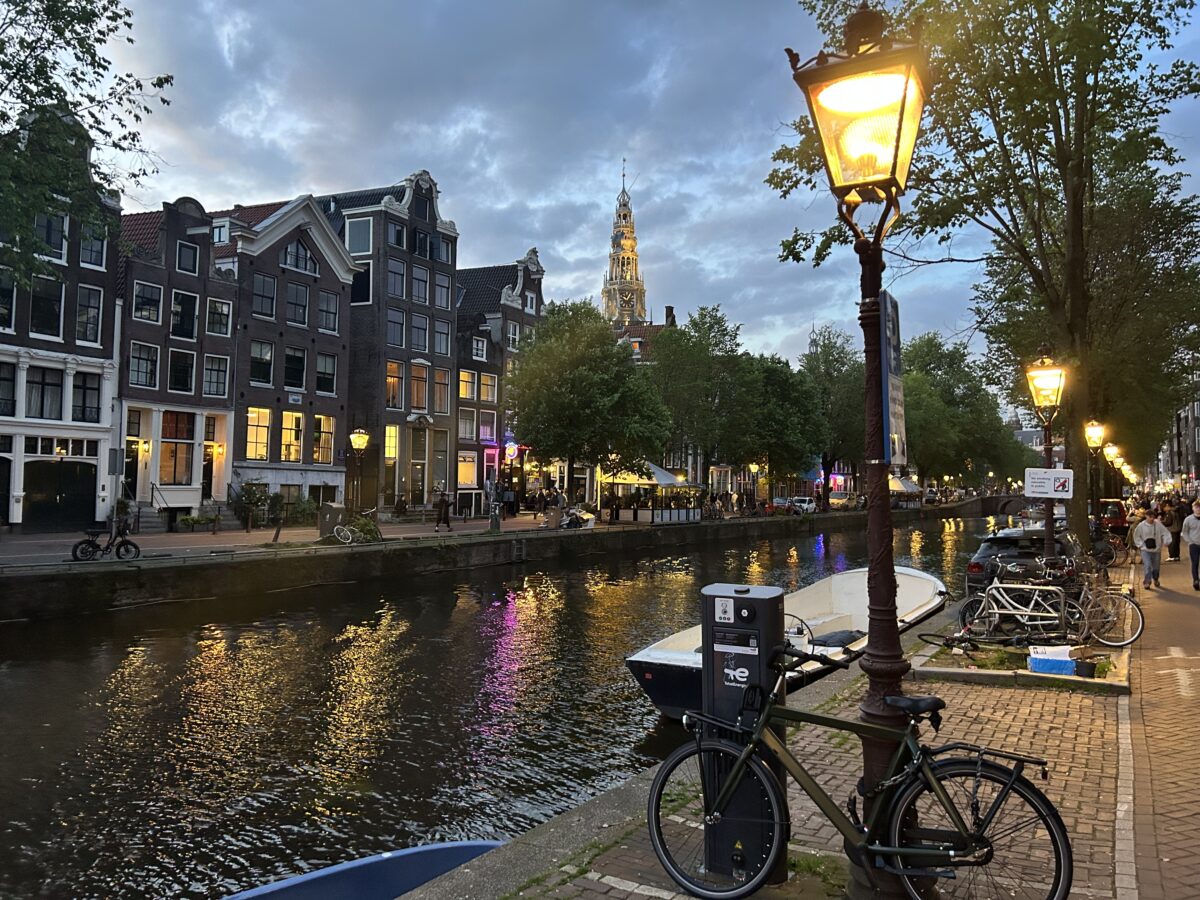
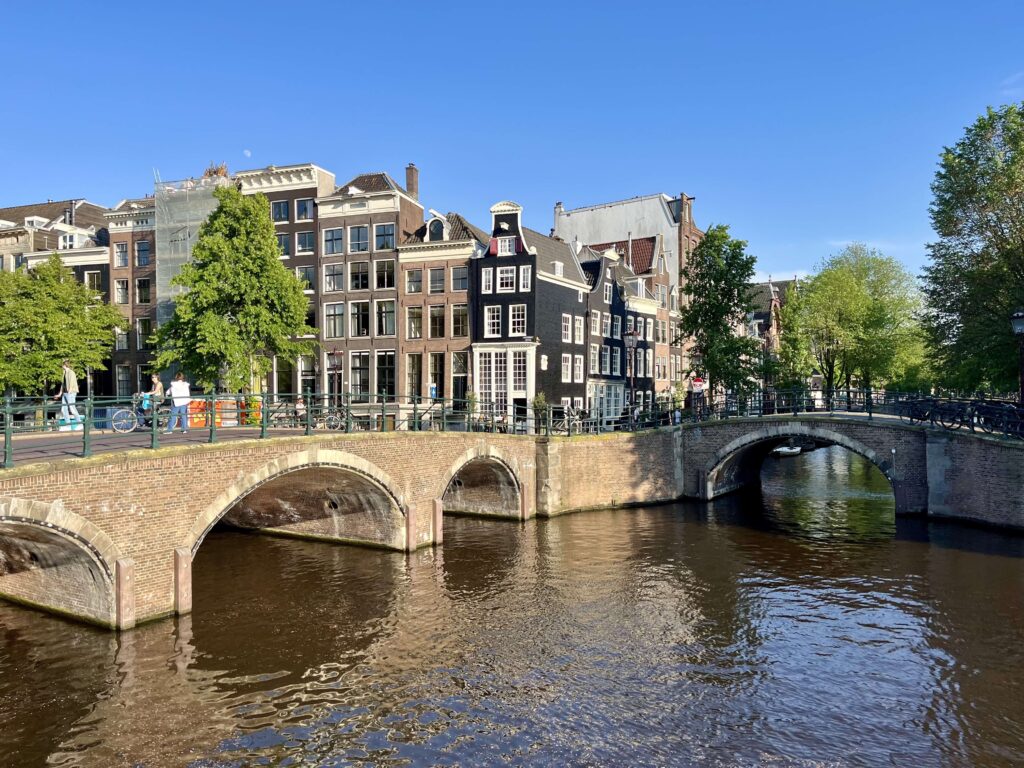
You might see hints of this architecture in New York City but back when it was New Amsterdam, it also had canals!
This year marks the 400th anniversary of Dutch settlement in North America, led by the Dutch West India Company, a trading and exploration arm of the thriving Dutch empire. So our first big questions begin there:
— What was the Dutch Empire in 1624 when New Netherland was first settled? Was the colony a major part of it? Would Dutch people have even understood where New Amsterdam was?
— What’s the difference between the Dutch East India Company and the Dutch West India Company?
— To what degree was New Amsterdam truly tolerant in terms of religion? Was it purely driving by profits and trading relationships with the area’s native people like the Lenape?
— The prime export was the pelts of beavers and other North American animals. What happened to these thousands of pelts once they arrived in Amsterdam?
— How central were the Dutch to the emerging Atlantic slave trade? When did the first enslaved men and women arrive in New Amsterdam?
— And how are the Pilgrims tied in to all of this? Had they always been destined for the area of today’s Massachusetts?
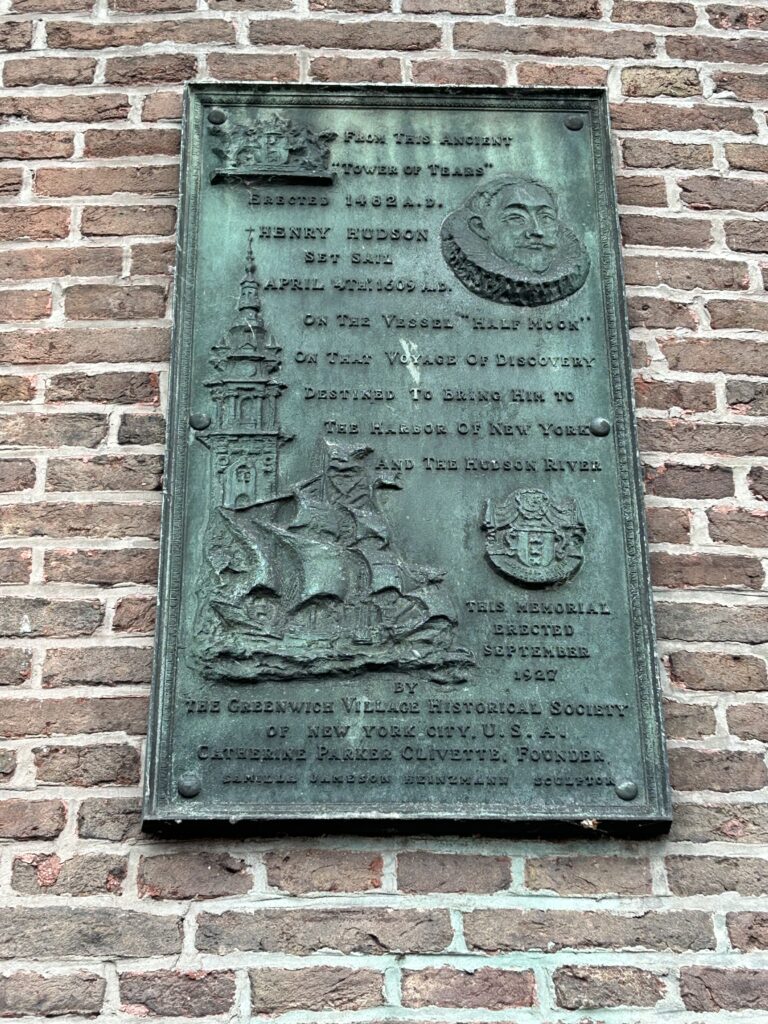
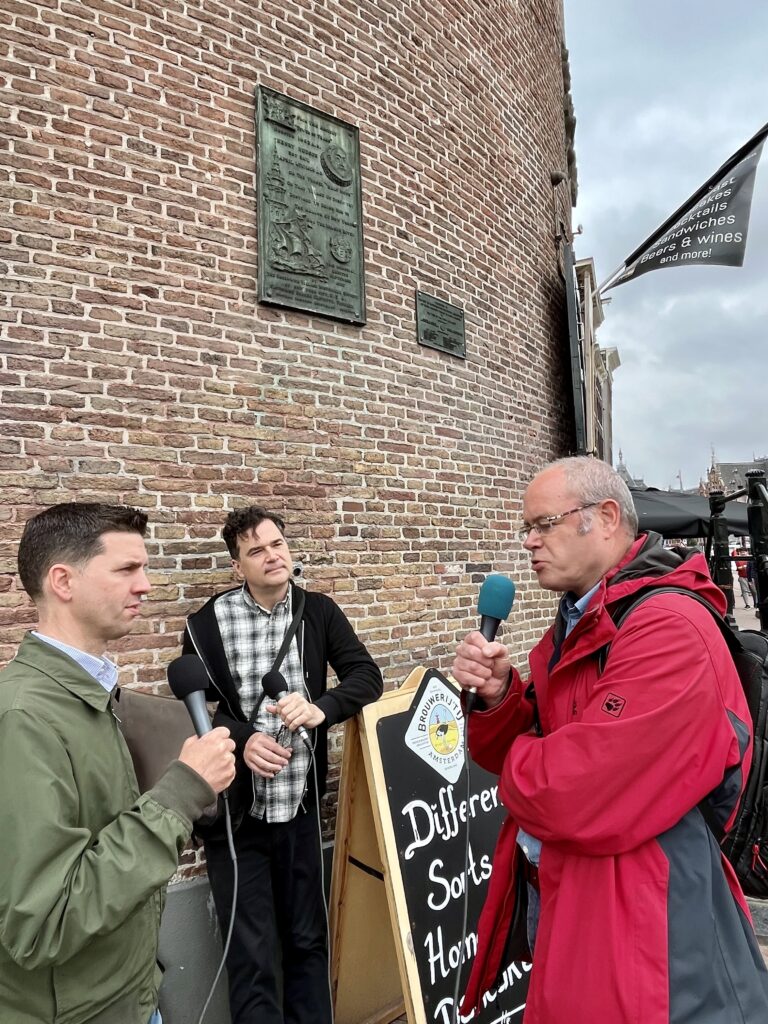
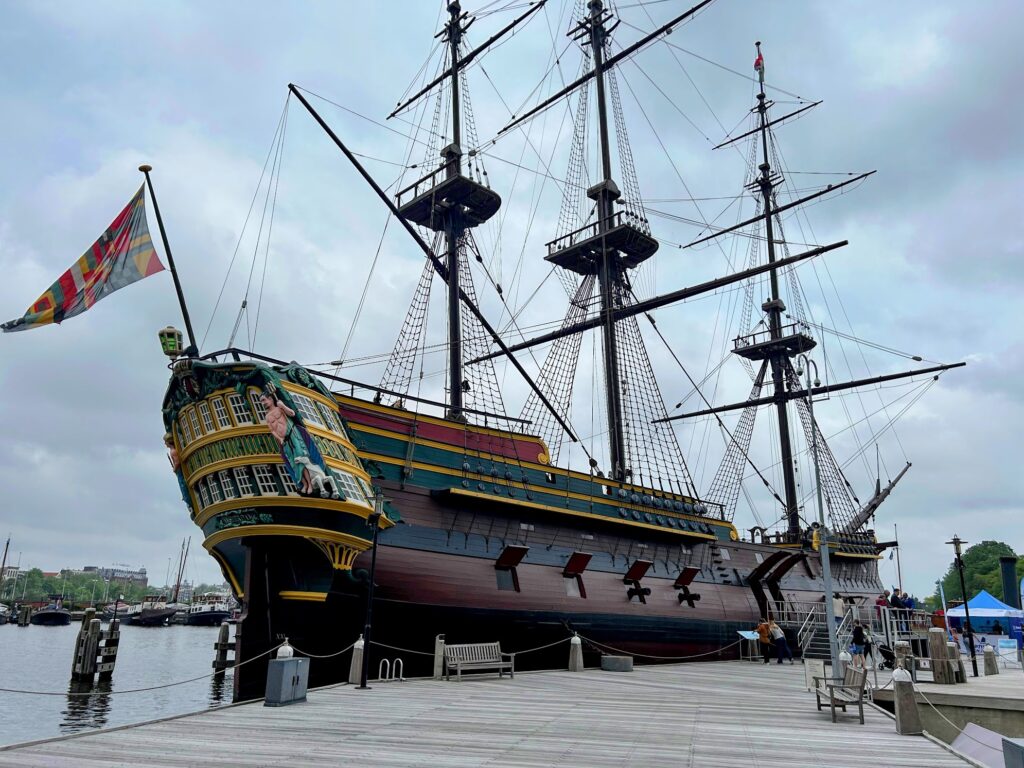
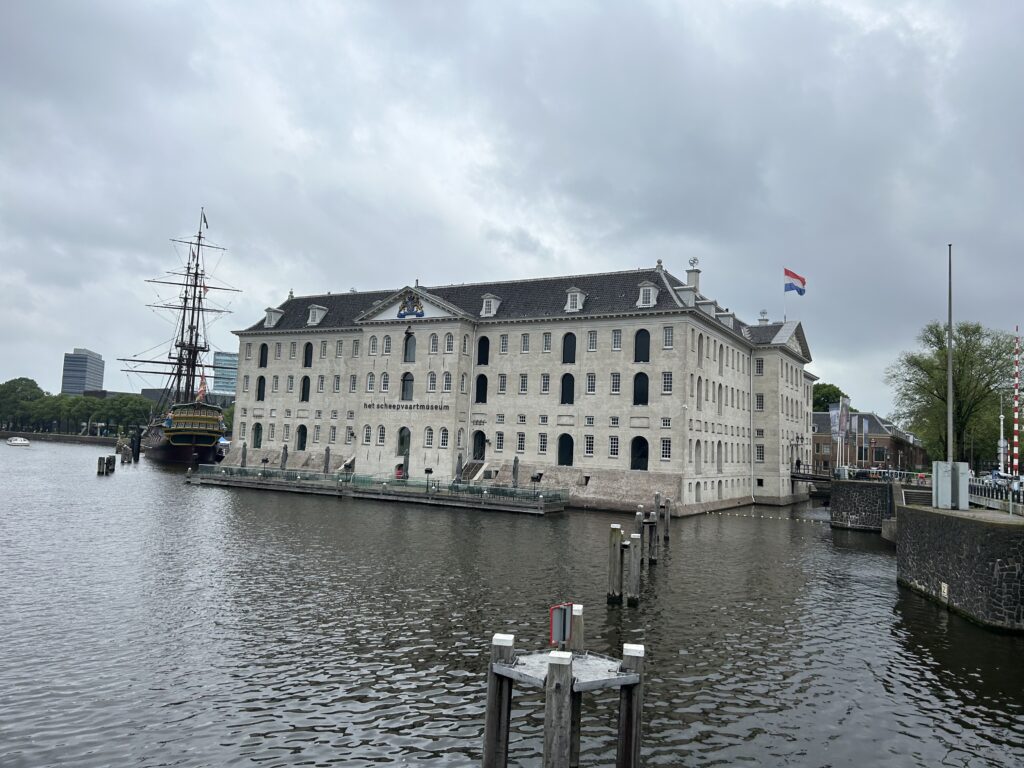
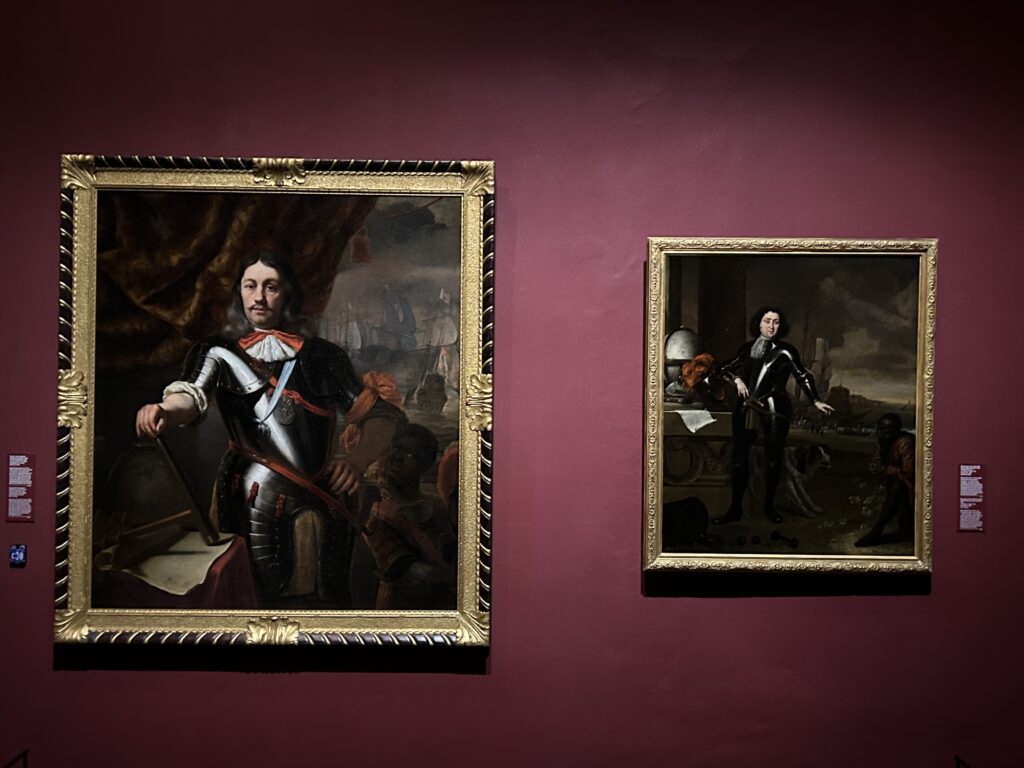
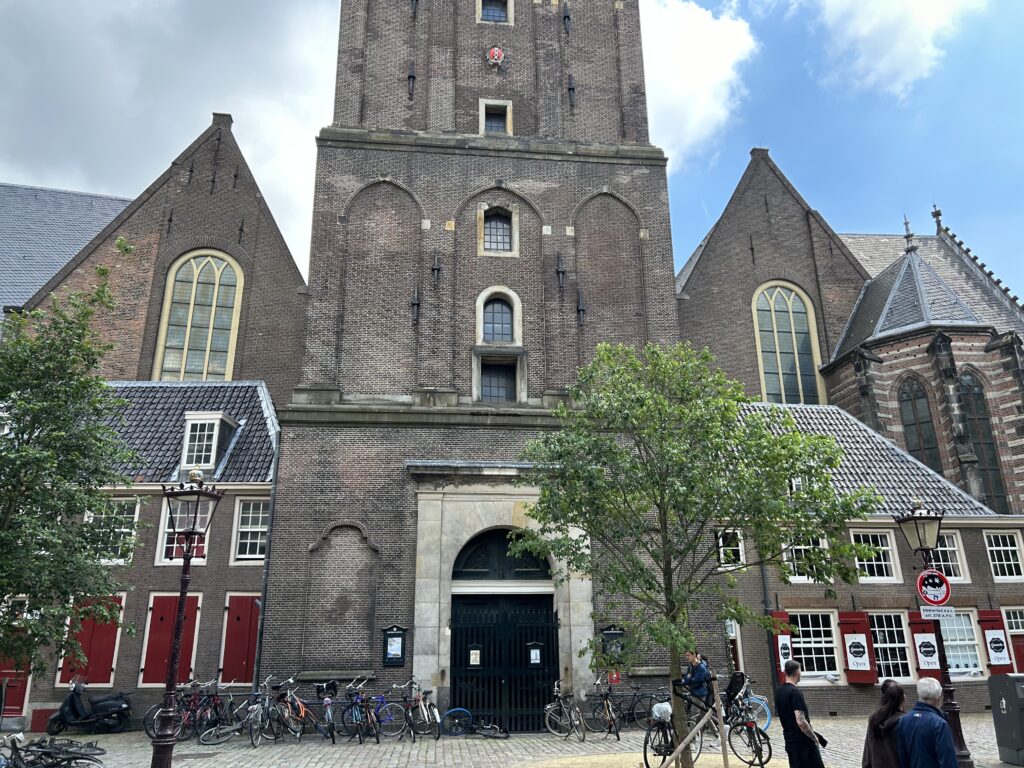
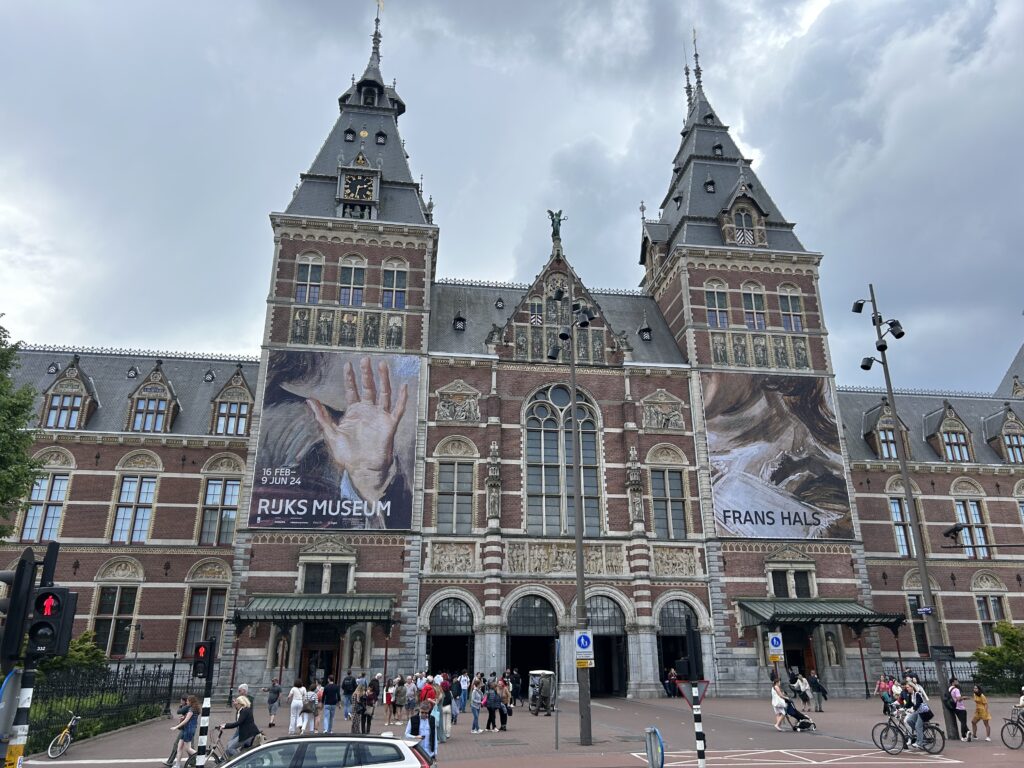
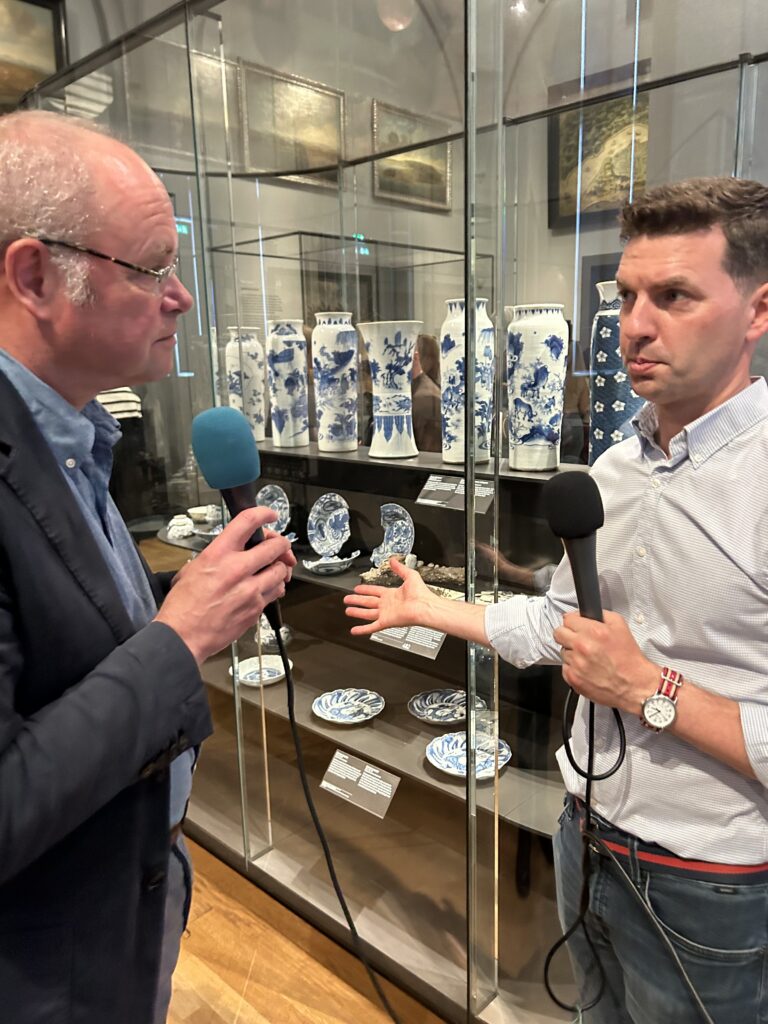
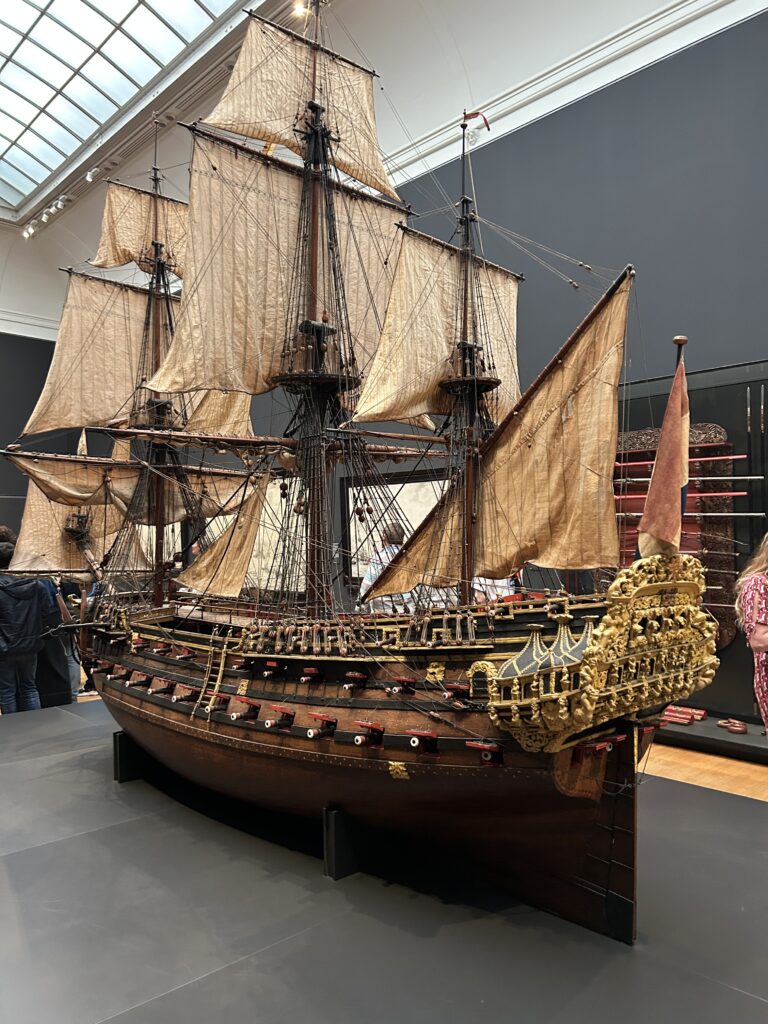
Among the places we visit this episode — the Maritime Museum, the Rijksmuseum, Amsterdam’s oldest building Oude Kirk, the Schreierstoren (the Weeping Tower) and many more
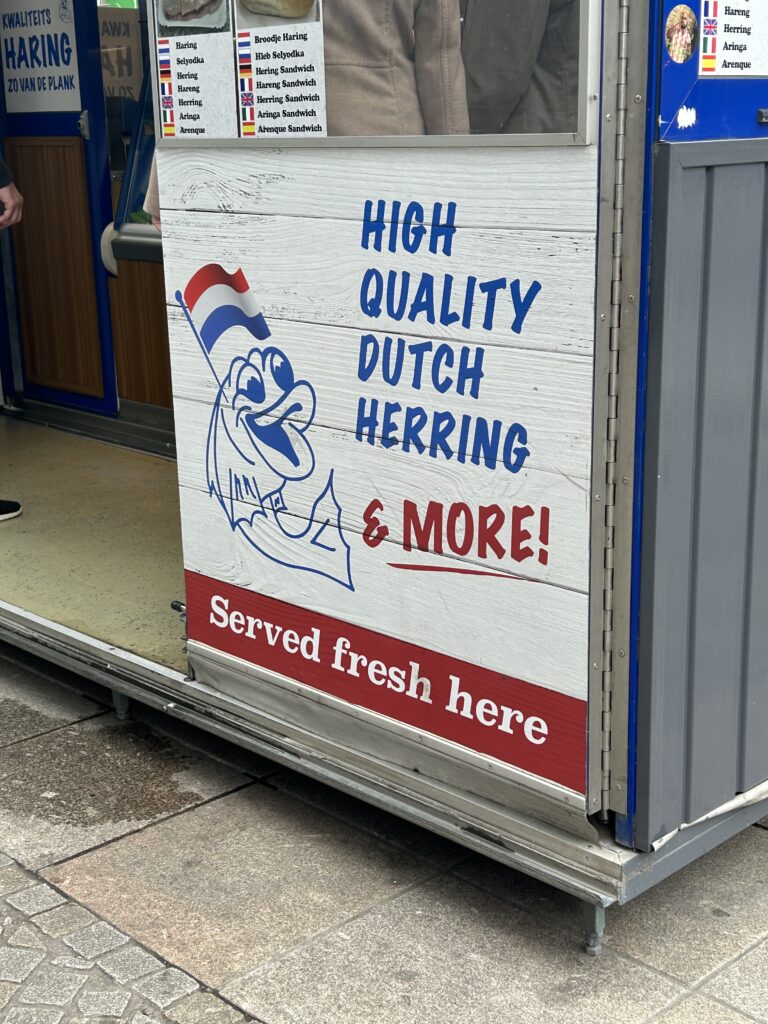
PLUS: We get kicked out of a convent! And we try raw herring sandwiches
LISTEN NOW — AMSTERDAM/NEW AMSTERDAM: EMPIRE OF THE SEAS
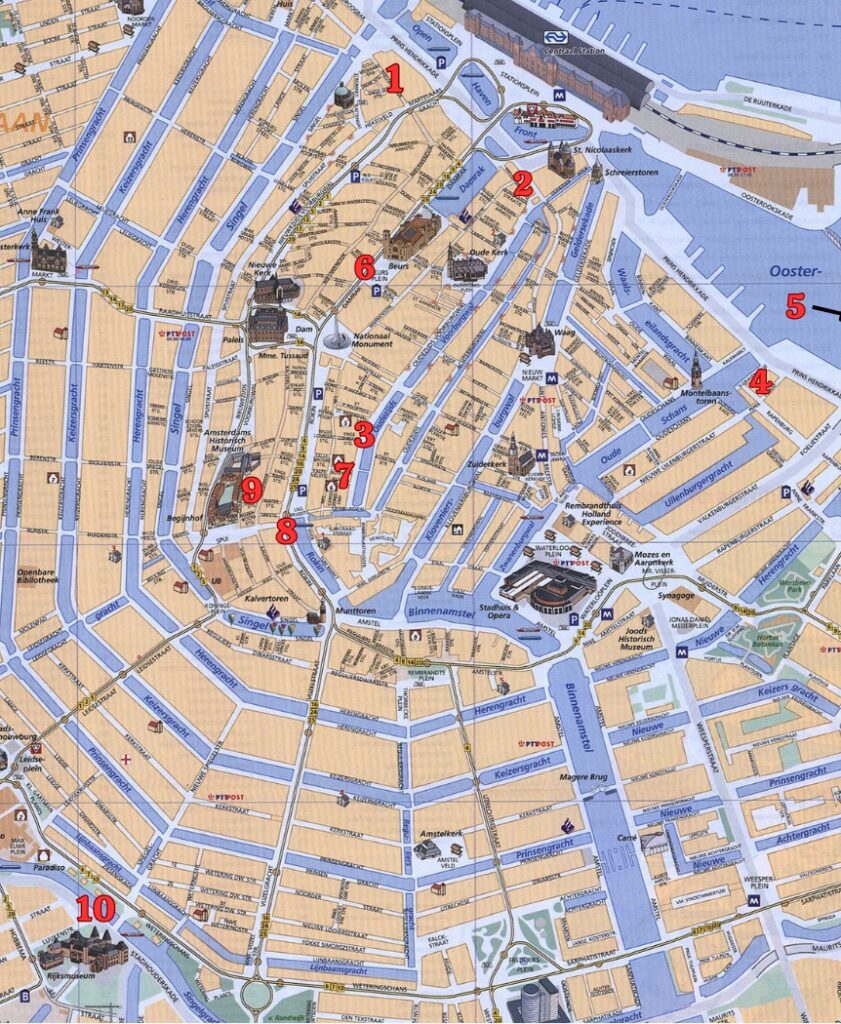
Our destinations in this episode:
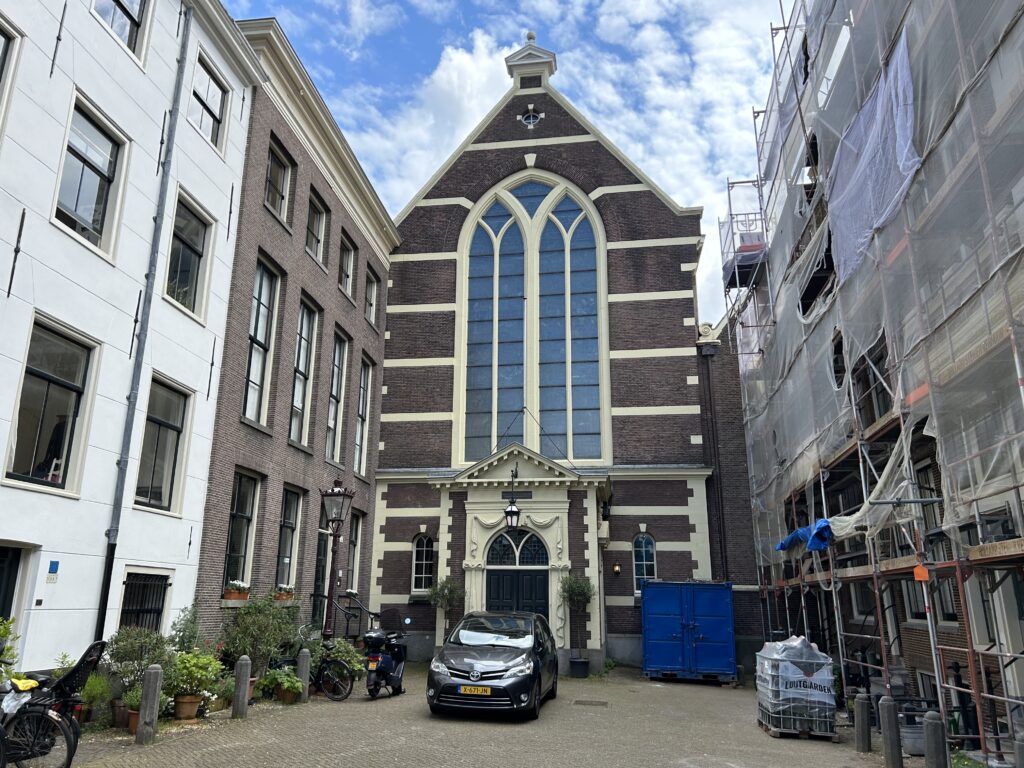
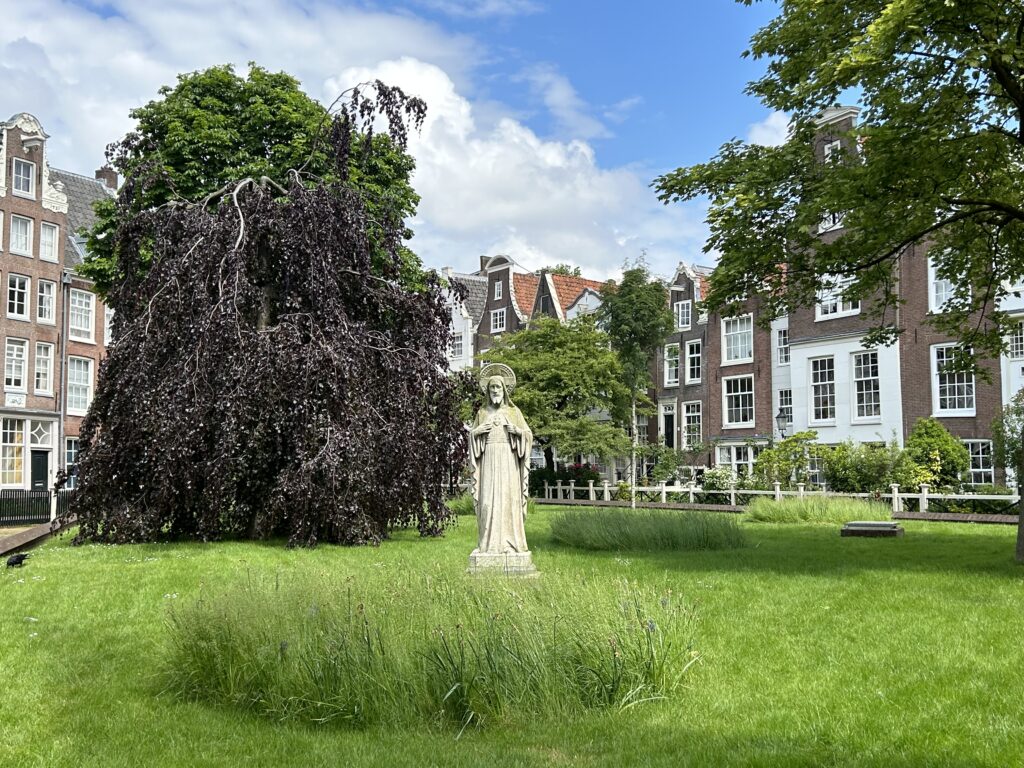
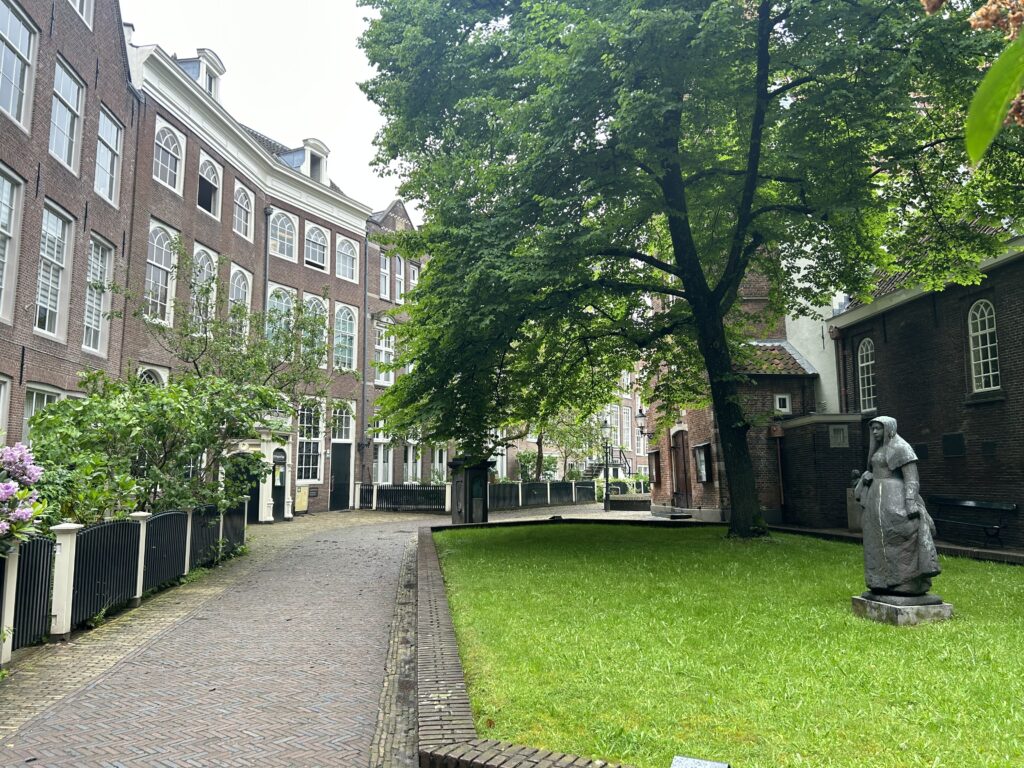
1 Centraal Station 2 “The Crying Tower” 3 Oust East India House 4 Dutch West India Warehouse 5 Maritime Museum 6 Oude Kirk 7 Walloon Church in Asmterdam 8 Frens Haringhandel 9 Begijnhoff/Cloister 10 Rijksmuseum
Among the historic places featured on this week’s show:
Over on Patreon, we released a series of daily shows while on the streets of the Netherlands. You can check out those shows — and the many other benefits of being a Bowery Boys patron — by supporting the show at Patreon.
FURTHER LISTENING
Interview with Russell Shorto, author of The Island At The Center of the World
The Lenape and other native peoples of the New York/Hudson Valley region would be both trading partners and adversaries of the Dutch, who claimed to have ‘discovered’ the land those people already lived upon.
The story of religious freedom during the New Amsterdam/Peter Stuyvesant plays a major role in this episode which features a visit to the John Bowne House:
The Bowery Boys Podcast is headed to Amsterdam and other parts of the Netherlands for a very special mini-series, marking the 400th anniversary of the Dutch first settling in North America in the region that today we call New York City.
But before they go, they’re kicking off their international voyage with a special conversation — with the man who inspired the journey.
Chances are good that if your bookshelf contains a respectable number of New York City history books, we imagine that one of those is The Island at the Center of the World: The Epic Story of Dutch Manhattan and the Forgotten Colony That Shaped America, written by Russell Shorto.
The best-selling book re-introduced the Dutch presence in America to a new generation of readers and revitalized interest in New York City history when it was published in 2004.
Kevin Baker (a recent guest on our show), penning the original review for the New York Times, proclaimed “New York history buffs will be captivated by Shorto’s descriptions of Manhattan in its primordial state, of bays full of salmon and oysters, and blue plums and fields of wild strawberries in what is now Midtown.”
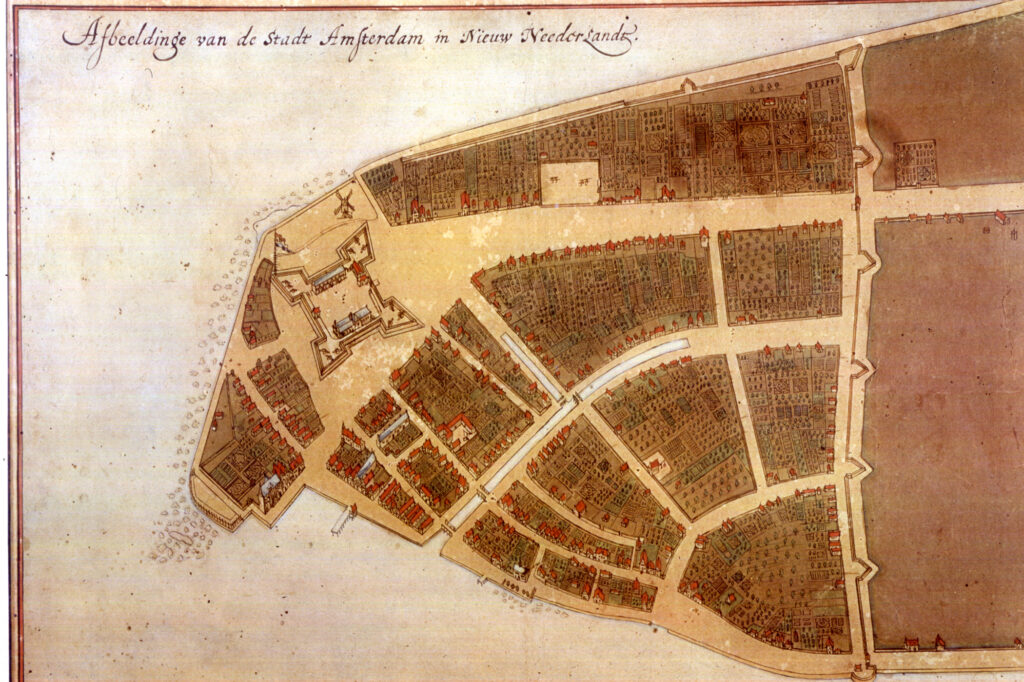
And so before Greg and Tom begin their mini-series by speaking with Shorto about his classic book, his experiences in Amsterdam and his work with the New-York Historical Society, where he has curated a new exhibition New York Before New York: The Castello Plan of New Amsterdam.
Russell also gives Tom and Greg some tips on places to go and advice on how to explore Amsterdam’s old canals and corridors. Is it possible to find traces of New York City’s past in that city’s present?
And then — immediately after the interview — they head for the airport!