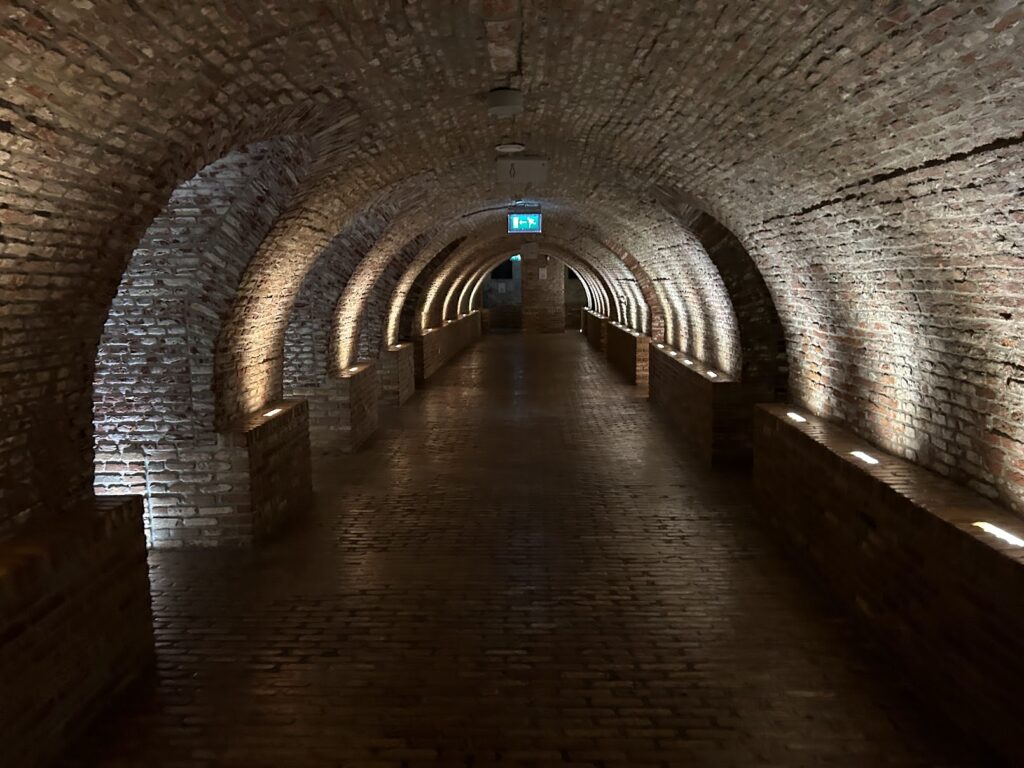
The Bowery Boys Podcast is headed to Amsterdam and other parts of the Netherlands for a very special mini-series, marking the 400th anniversary of the Dutch first settling in North America in the region that today we call New York City.
But before they go, they’re kicking off their international voyage with a special conversation — with the man who inspired the journey.
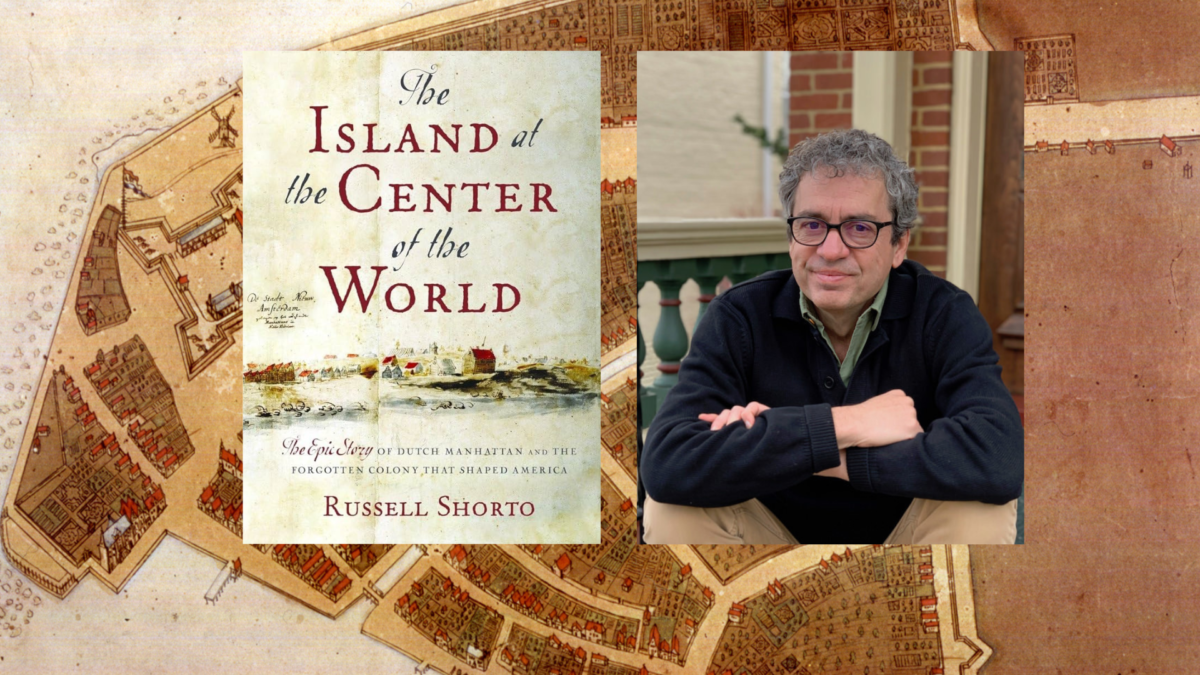
Chances are good that if your bookshelf contains a respectable number of New York City history books, we imagine that one of those is The Island at the Center of the World: The Epic Story of Dutch Manhattan and the Forgotten Colony That Shaped America, written by Russell Shorto.
The best-selling book re-introduced the Dutch presence in America to a new generation of readers and revitalized interest in New York City history when it was published in 2004.
Kevin Baker (a recent guest on our show), penning the original review for the New York Times, proclaimed “New York history buffs will be captivated by Shorto’s descriptions of Manhattan in its primordial state, of bays full of salmon and oysters, and blue plums and fields of wild strawberries in what is now Midtown.”
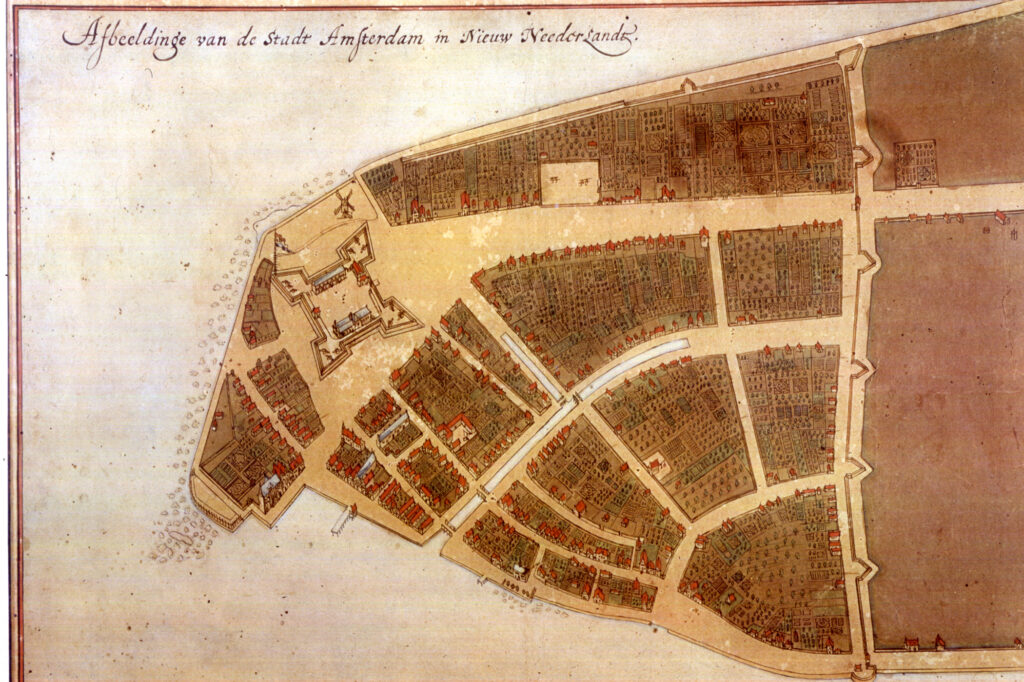
And so before Greg and Tom begin their mini-series by speaking with Shorto about his classic book, his experiences in Amsterdam and his work with the New-York Historical Society, where he has curated a new exhibition New York Before New York: The Castello Plan of New Amsterdam.
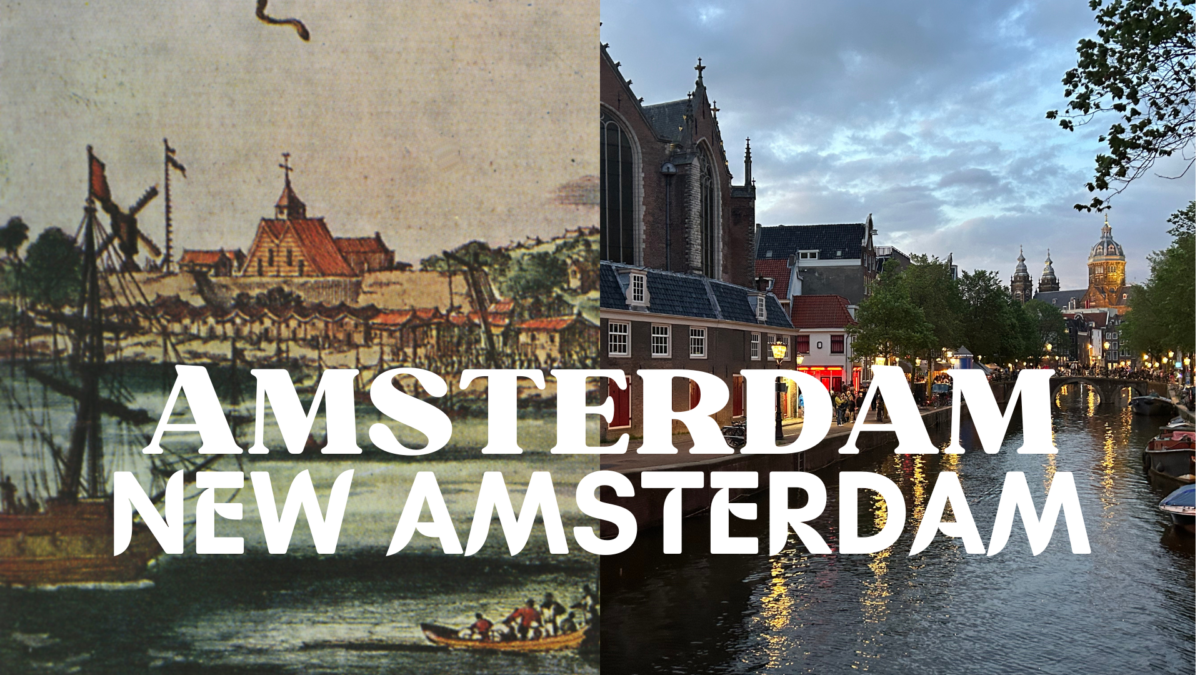
Russell also gives Tom and Greg some tips on places to go and advice on how to explore Amsterdam’s old canals and corridors. Is it possible to find traces of New York City’s past in that city’s present?
And then — immediately after the interview — they head for the airport!
Announcing an epic new Bowery Boys podcast mini-series — The Bowery Boys Adventures in the Netherlands. Exploring the connections between New York City and that fascinating European country, in honor of the 400th anniversary of the first Dutch settlement in this region.
LISTEN TO A SNEAK PREVIEW HERE:
Simply put, you don’t get New York City as it is today without the Dutch who first settled here 400 years ago. The names of Staten Island, Greenwich Village and the Bronx actually come from the Dutch.
The names of places like Brooklyn and Harlem derive from actual Dutch cities and towns.
Even our own podcast name — Bowery Boys — comes from the Dutch! (Bowery comes from the Dutch bouwerij for farm. Yes technically that makes us “farm boys.”)
Starting this Friday, and over the course of several weekly shows, we’ll dig deeper into the history of those Dutch settlements in New Amsterdam and New Netherland — from the first Walloon settlers in 1624 to the arrival of Peter Stuyvesant.
But we’ll be telling that story not from New York, but from the other side of the Atlantic, in the Netherlands.
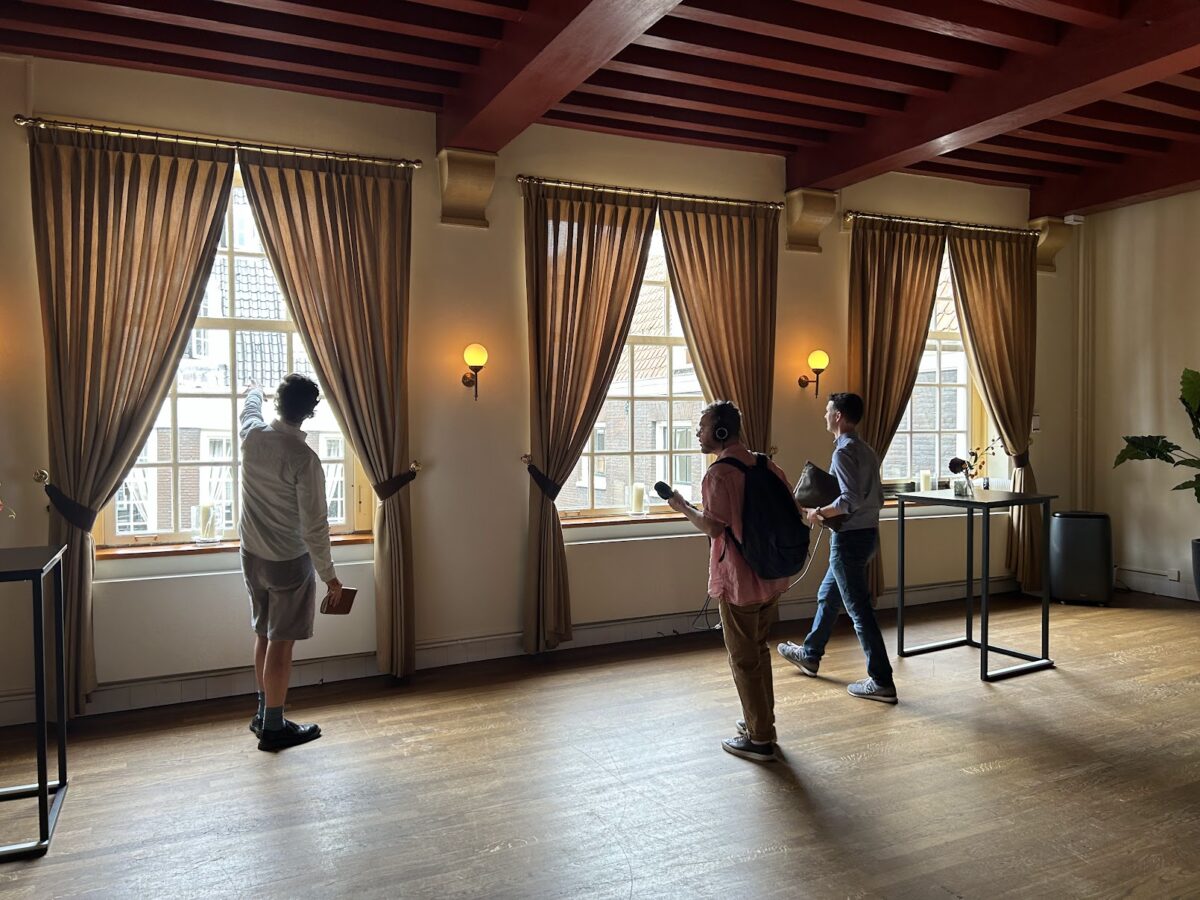
We’ll be walking the the streets of Amsterdam and other Dutch cities, searching for clues of America’s early history. And along the way we’ll be joined by acclaimed Dutch historians, journalists and tour guides.
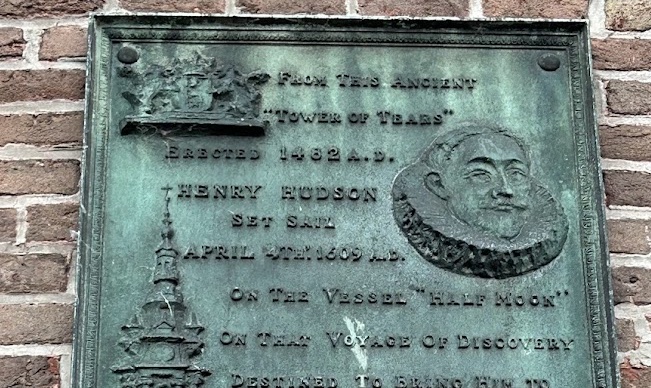
While much of our series was recorded in Amsterdam — tracing the paths of Henry Hudson, Peter Stuyvesant and the beginnings of the Dutch West India Company — we’ll also take the show on the road (or the canal, as it were) to Leiden, Utrecht, Haarlem and more.
That’s the Bowery Boys, Adventures in the Netherlands.
Coming soon. Subscribe to the Bowery Boys podcast so you don’t miss a show.
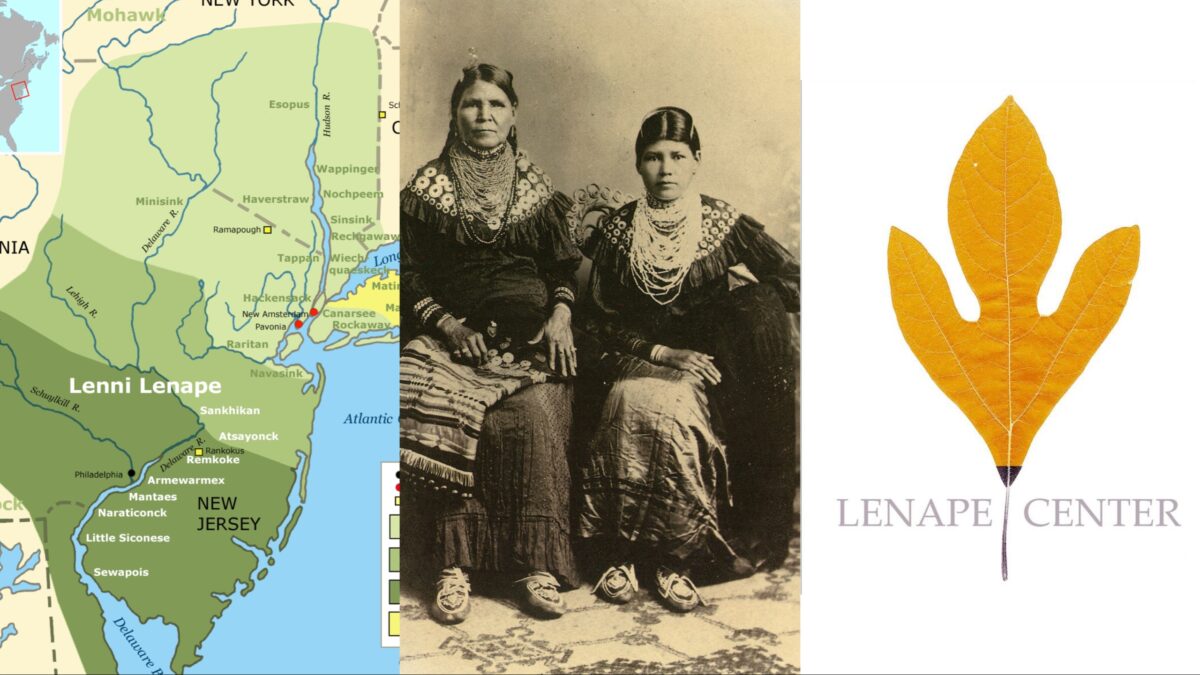
Consider the following show an acknowledgment – of people. For the foundations of 400 years of New York City history were built upon the homeland of the Lenni-Lenape, the tribal stewards of a vast natural area stretching from eastern Pennsylvania to western Long Island.
The Lenape were among the first in northeast North America to be displaced by white colonists — the Dutch and the English. By the late 18th century, their way of life had practically vanished upon the island which would be known by some distorted vestige of a name they themselves may have given it – Manahatta, Manahahtáanung or Manhattan.
But the Lenape did not disappear. Through generations of great hardship they have persevered.
In today’s show we’ll be joined by two guests who are working to keep Lenape culture and language alive throughout the United States, including here on the streets of New York
— Joe Baker, enrolled member of the Delaware Tribe of Indians and a co-founder of the Lenape Center, an organization creating and presenting Lenape art, exhibitions and education in New York.
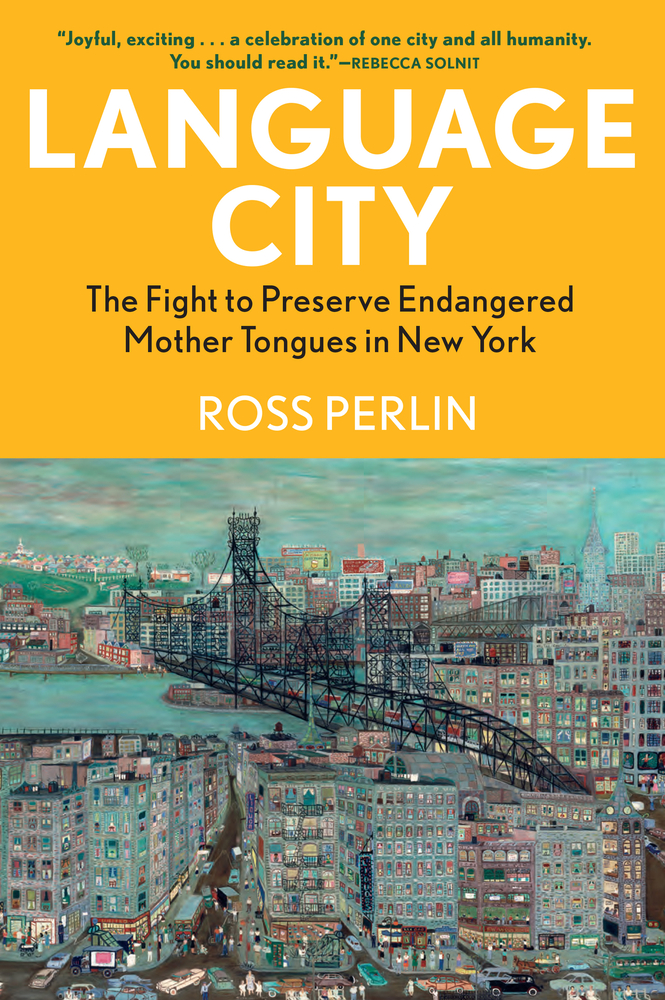
— Ross Perlin, linguist and author of Language City: The Fight to Preserve Endangered Mother Tongues in New York
Joe Baker discusses the cultural significance and history of indigenous seeds and the jewelry they created in this video from the Brooklyn Public Library:
Ross Perlin discussing his book Language City:
FURTHER READING
Ross Perlin/Language City: The Fight To Preserve Endangered Mother Tongues in New York
Ned Blackhawk / The Rediscovery of America: Native Peoples and the Unmaking of U.S. History Pekka Hämäläinen / Indigenous Continent: The Epic Contest for North America Kathleen Duval / Native Nations: A Millennium in North America Roxanne Dunbar-Ortiz/ An Indigenous Peoples’ History of the United States
Tom and Greg are out on the road again — and this time, they need their passports. The Bowery Boys are currently recording material for an EPIC new mini-series which will begin arriving to your podcast feeds in June.
To get the details now and to follow their adventures, become a supporter on Patreon at any level to get DAILY PODCAST updates this week on their progress investigating an important era on American history — from a unique vantage overseas.
More details in the next couple weeks. But join them on Patreon today to get these extra-special — and jet-lag influenced — reports from the road.
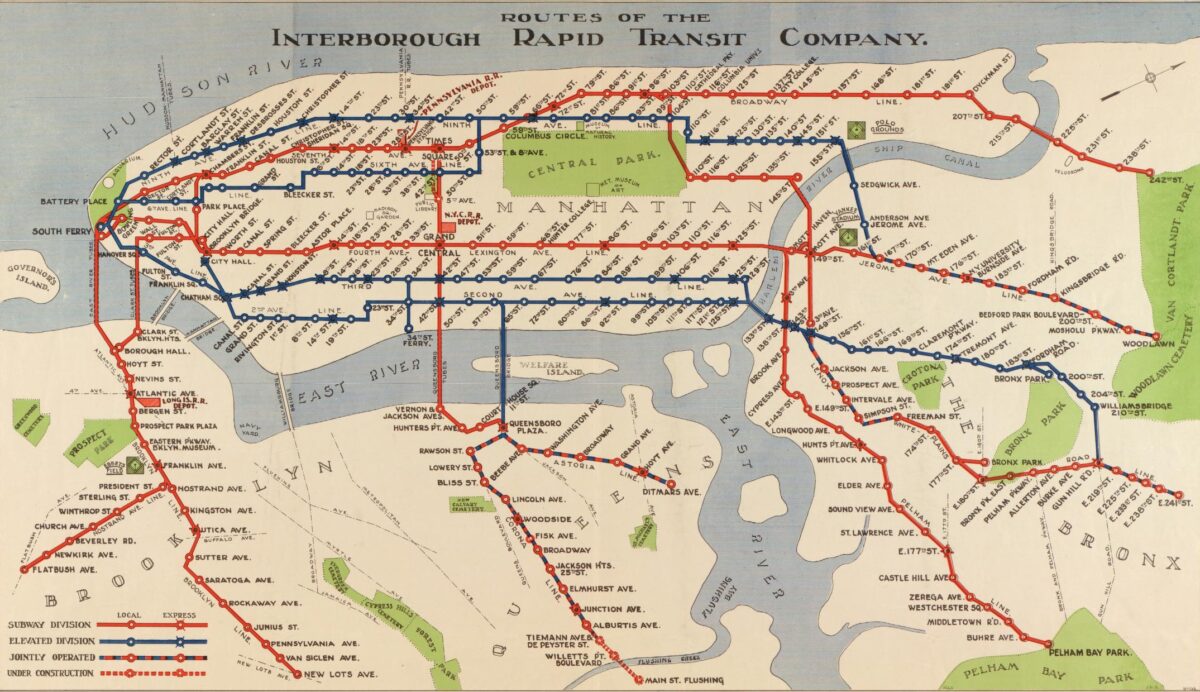
Routes of the Interborough Rapid Transit Company, 1924. Courtesy LIbrary of Congress
The New York City subway system turns 120 years old later this year so we thought we’d honor the world’s longest subway system with a supersized overview history — from the first renegade ride in 1904 to the belated (but sorely welcomed) opening of one portion of the Second Avenue Subway in 2017.
New Yorkers like Alfred Ely Beach had envisioned a subway system for the city as early as the 1870s. Yet years of political delay and a lack of funding ensured that dreams of an underground transit would languish.
It wasn’t until the mid 1890s that the city got on track with the help of August Belmont and the newly formed Interborough Rapid Transit.
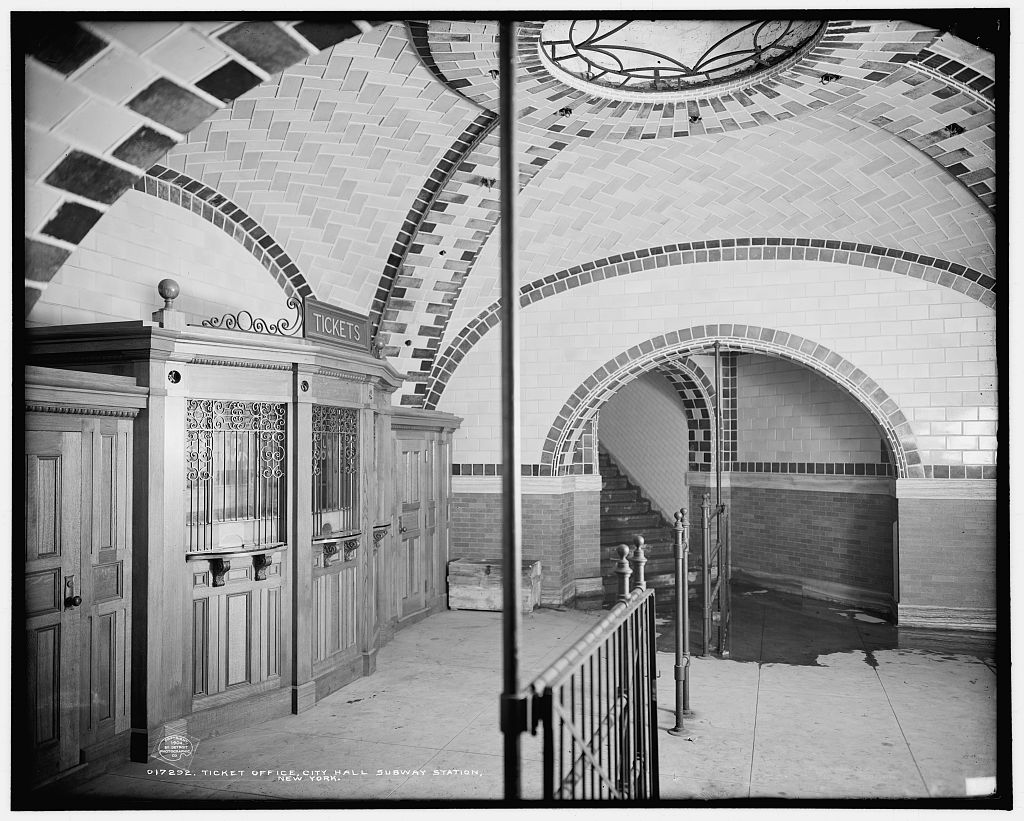
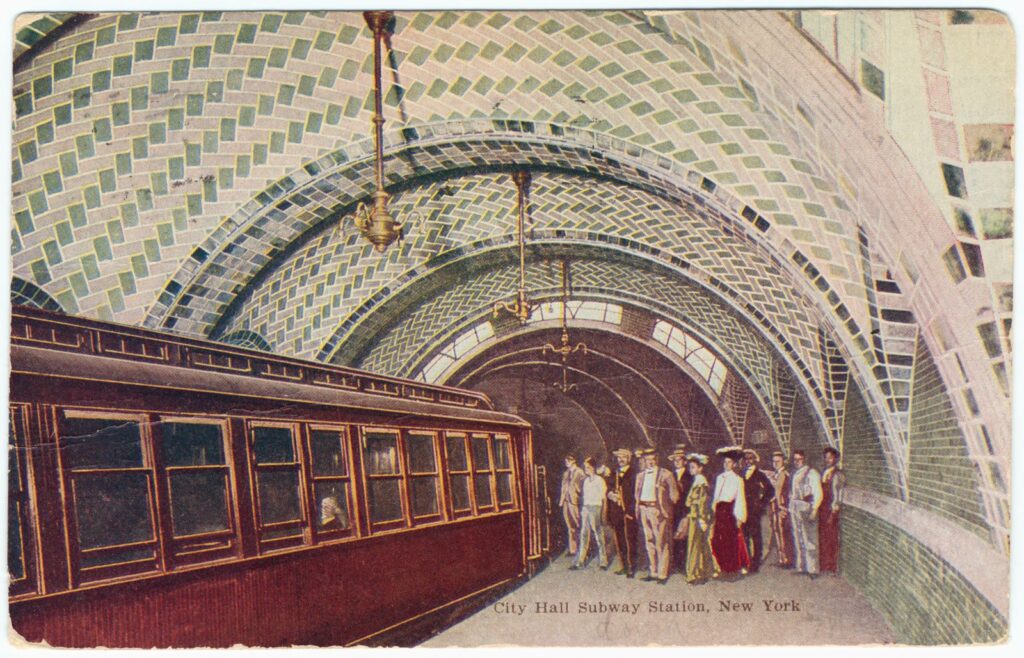
Inside the brand new City Hall station 1904 (Library of Congress)
We’ll tell you about the construction of the first line, traveling miles underground through Manhattan and into the Bronx. How did the city cope with this massive project? And what unfortunate accident nearly ripped apart a city block mere feet from Grand Central Station?
You’ll also find out how something as innocuous sounding as the ‘Dual Contracts’ actually became one of the most important events in the city’s history, bringing the Brooklyn Rapid Transit Company into the mix and creating new underground passages into Brooklyn, the Bronx and (at long last!) Queens.
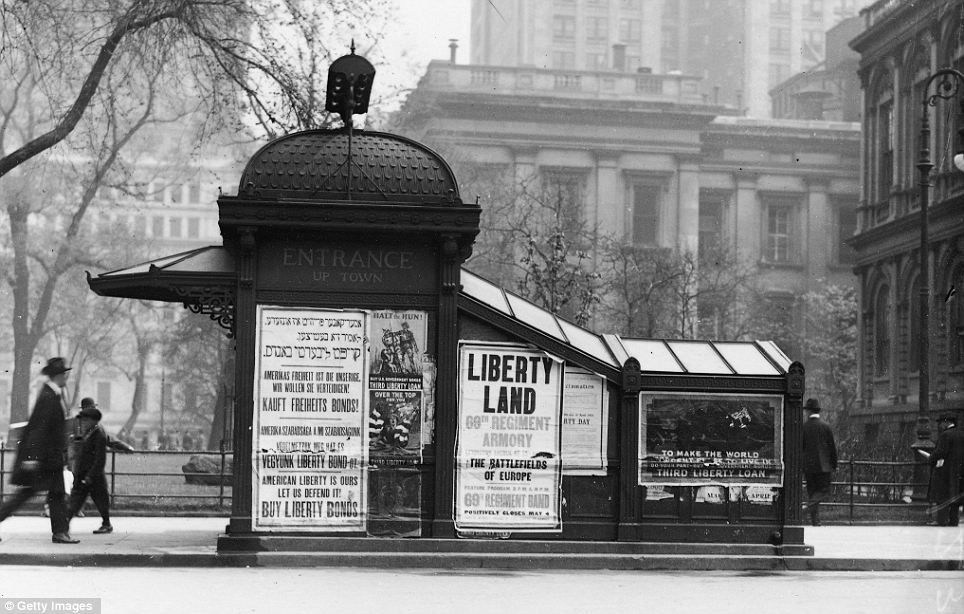
One of New York’s Budapest-inspired kiosks, pictured here 1917
Then we’ll talk about the city’s IND line, which completes our modern track lines and gives the subway its modern sheen.
Through it all, the New York City subway system is a masterwork of engineering and construction. In particular, after listening to this show, you won’t look at the Herald Square subway station the same way again.
Today’s episode is a remastered and reedited edition of two 2011 Bowery Boys podcasts, featuring newly recorded material to take the story to the present day.
LISTEN NOW: History of the New York City Subway
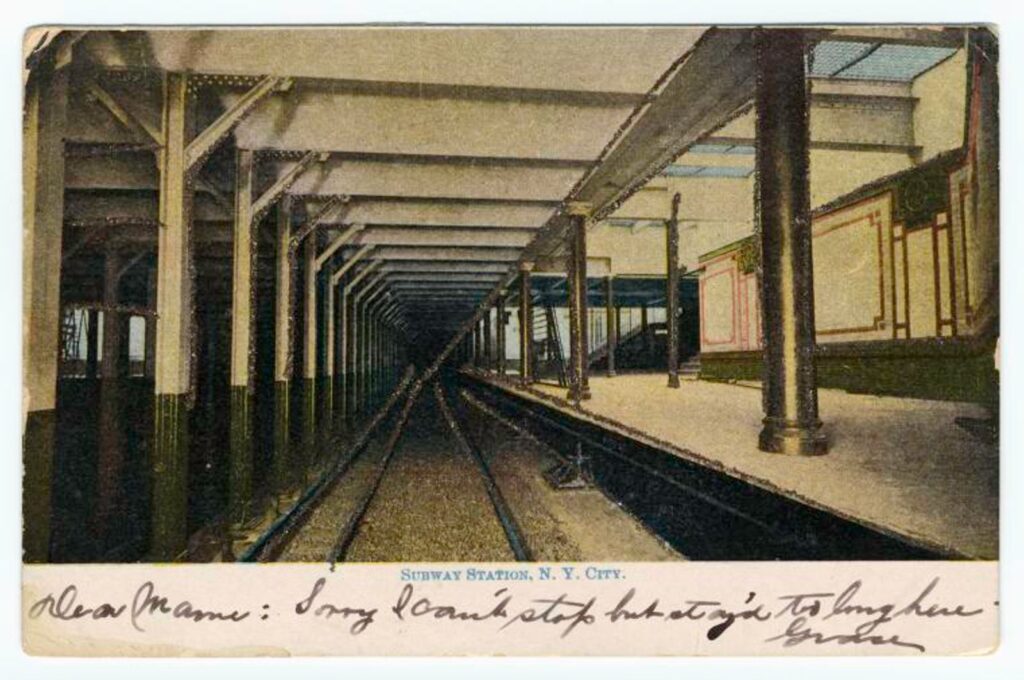
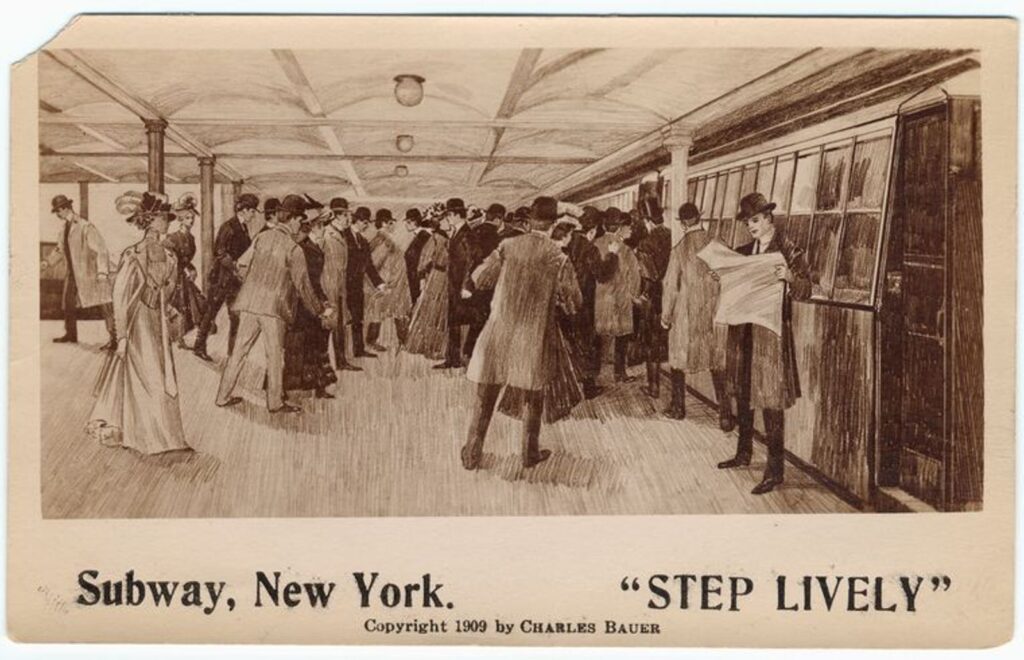
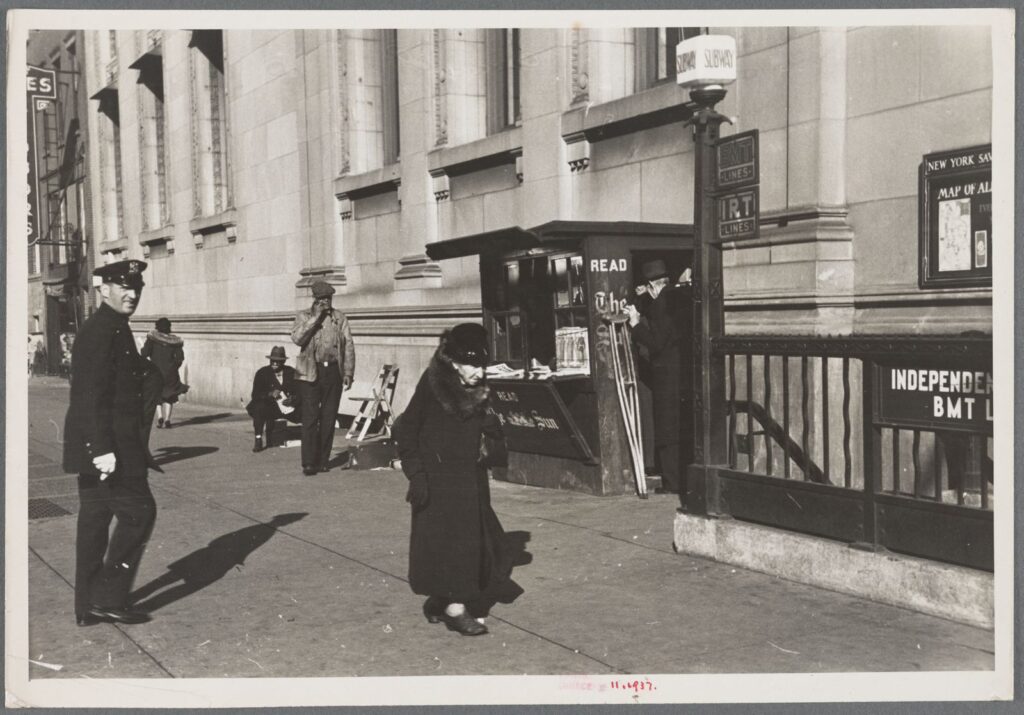
Inside City Hall station, 1906 (NYPL)A 1906 postcard showing — a subway tunnel. Demonstrates what a novel view this was in 1906. (NYPL)The subway in 1909 (NYPL)The Eighth Avenue line, 1937 (NYPL)
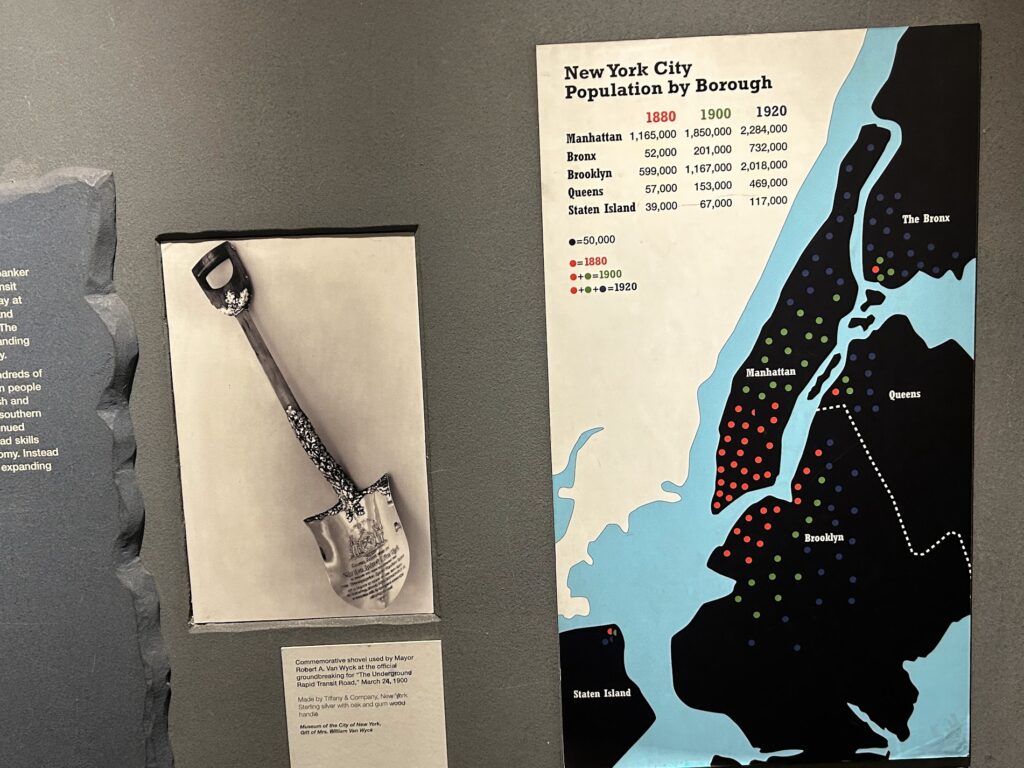
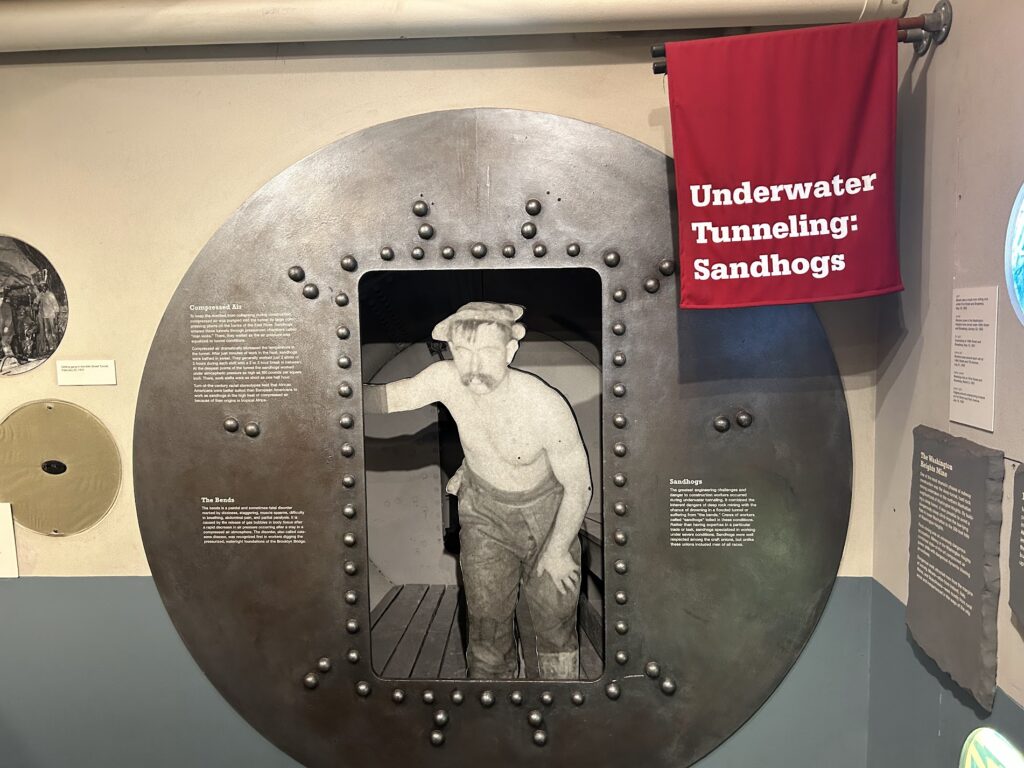
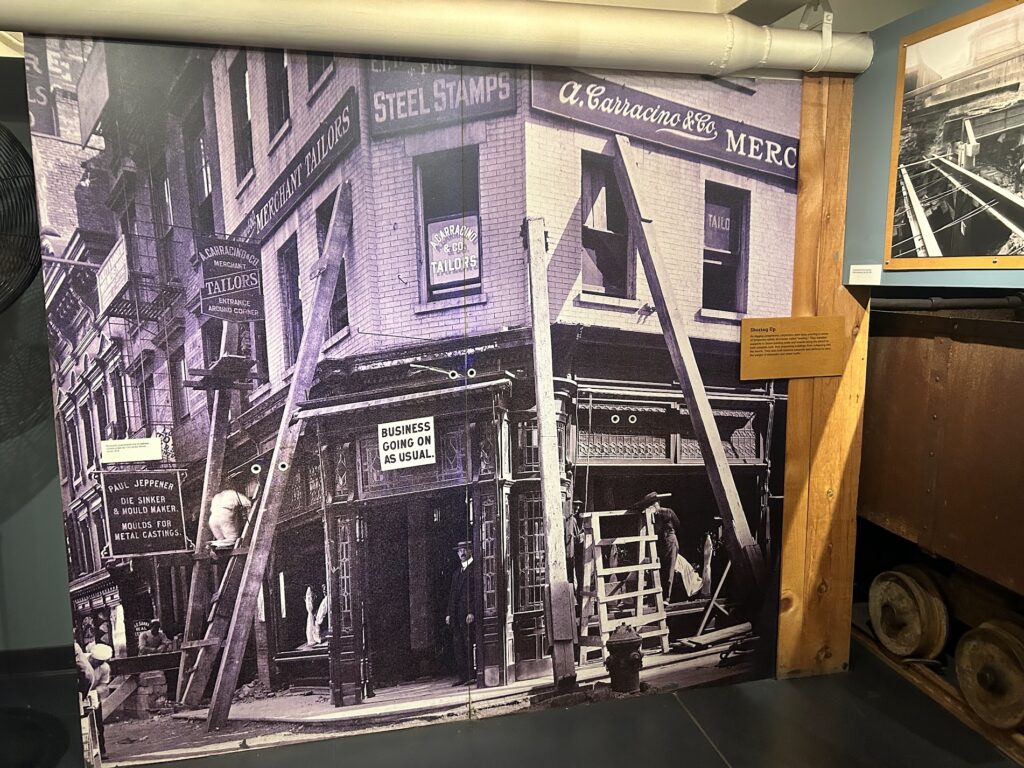
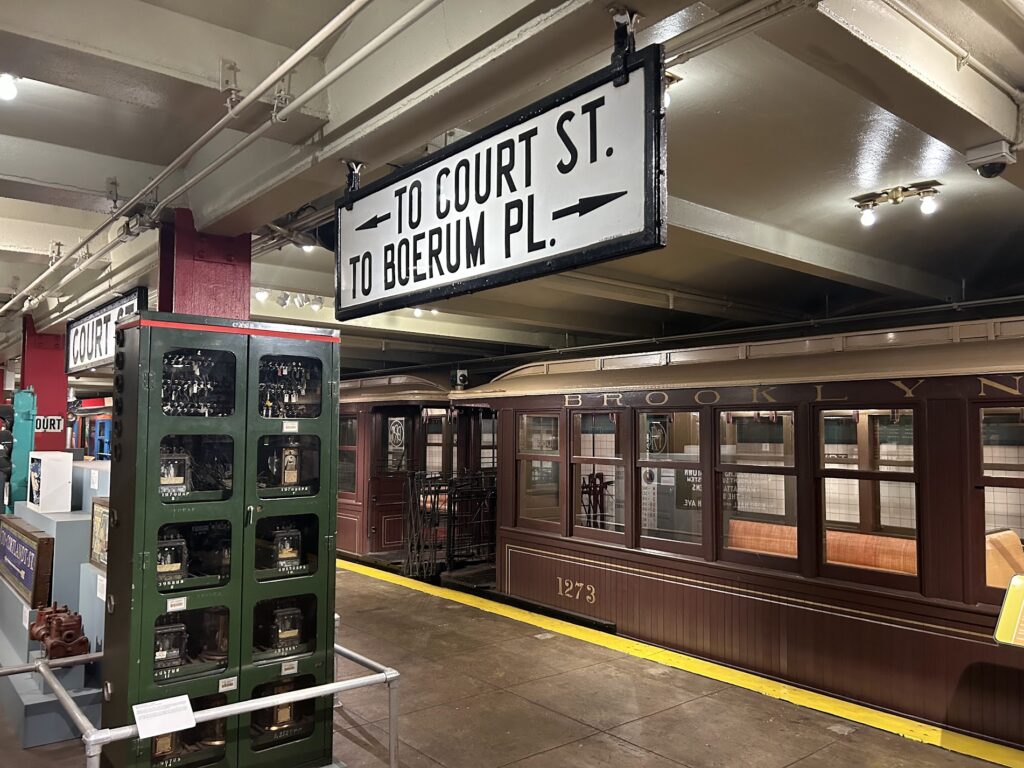
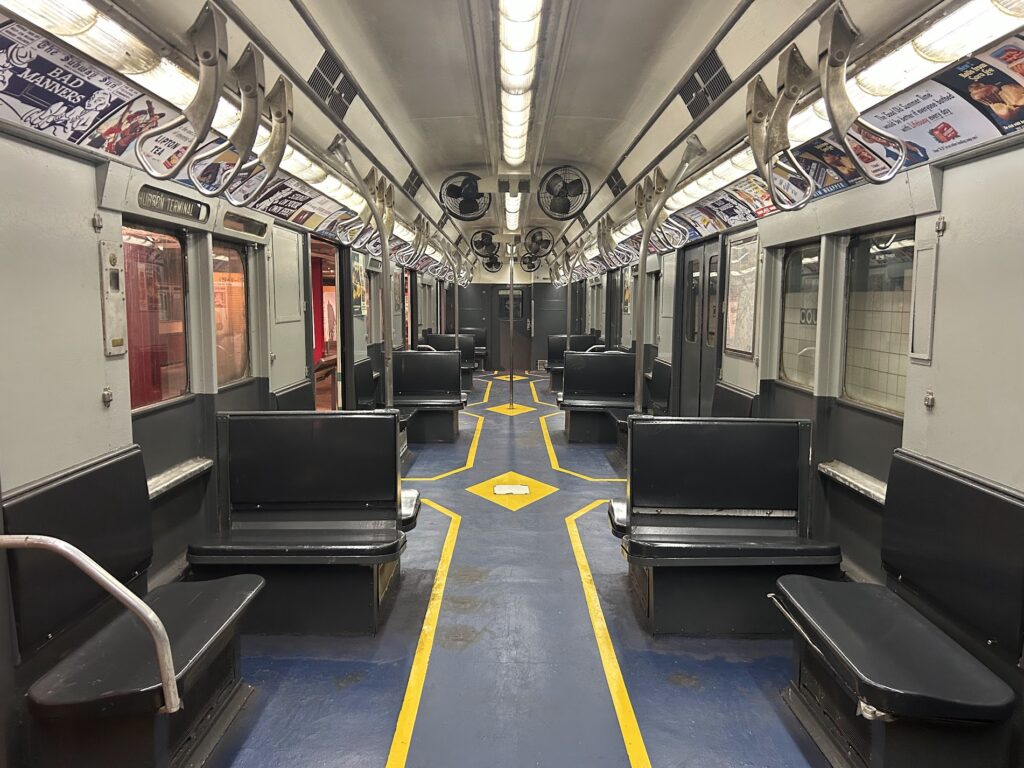
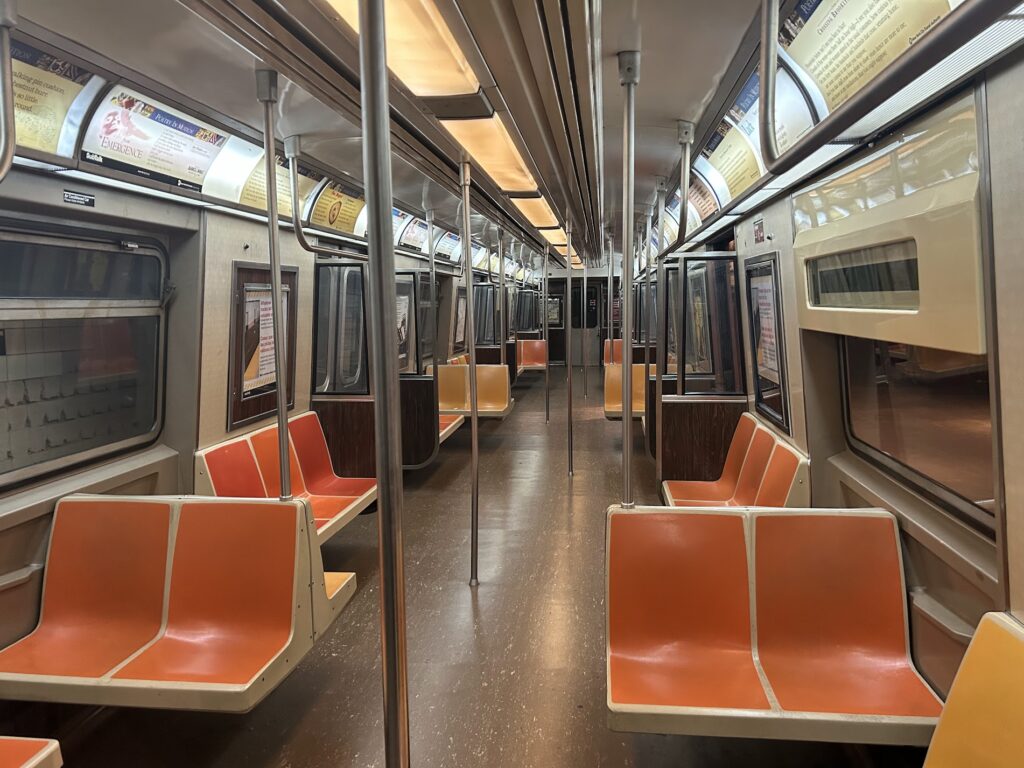
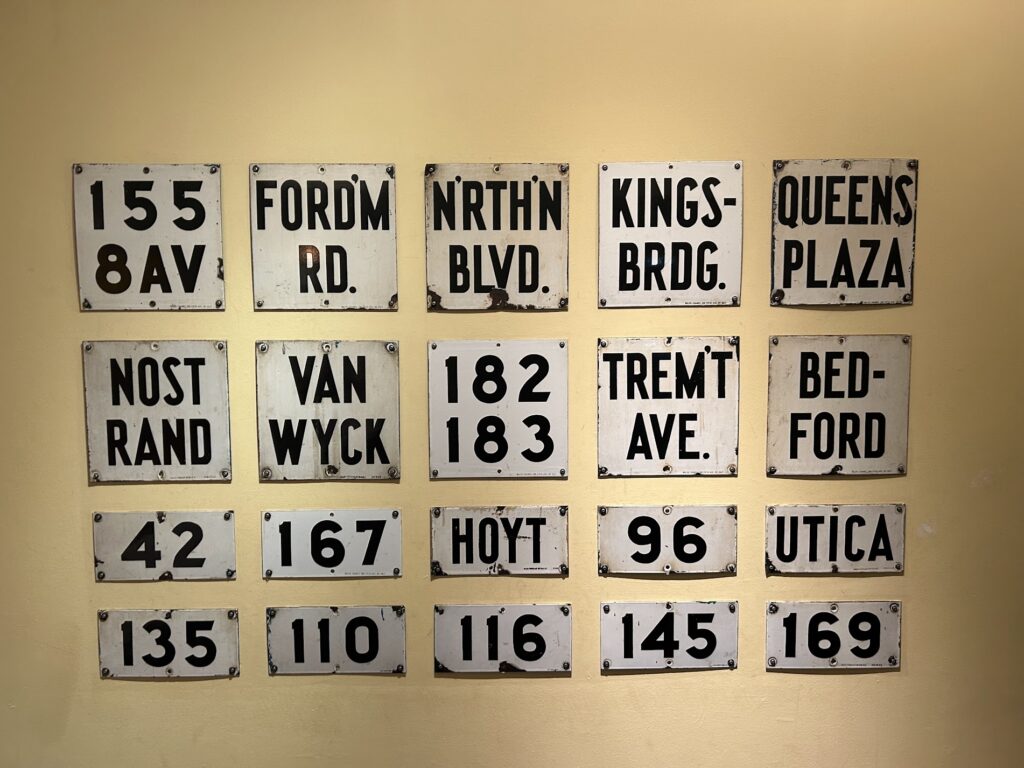
Images from Greg’s recent visit to the New York Transit Museum. Visit the Downtown Brooklyn museum or the gallery in Grand Central.
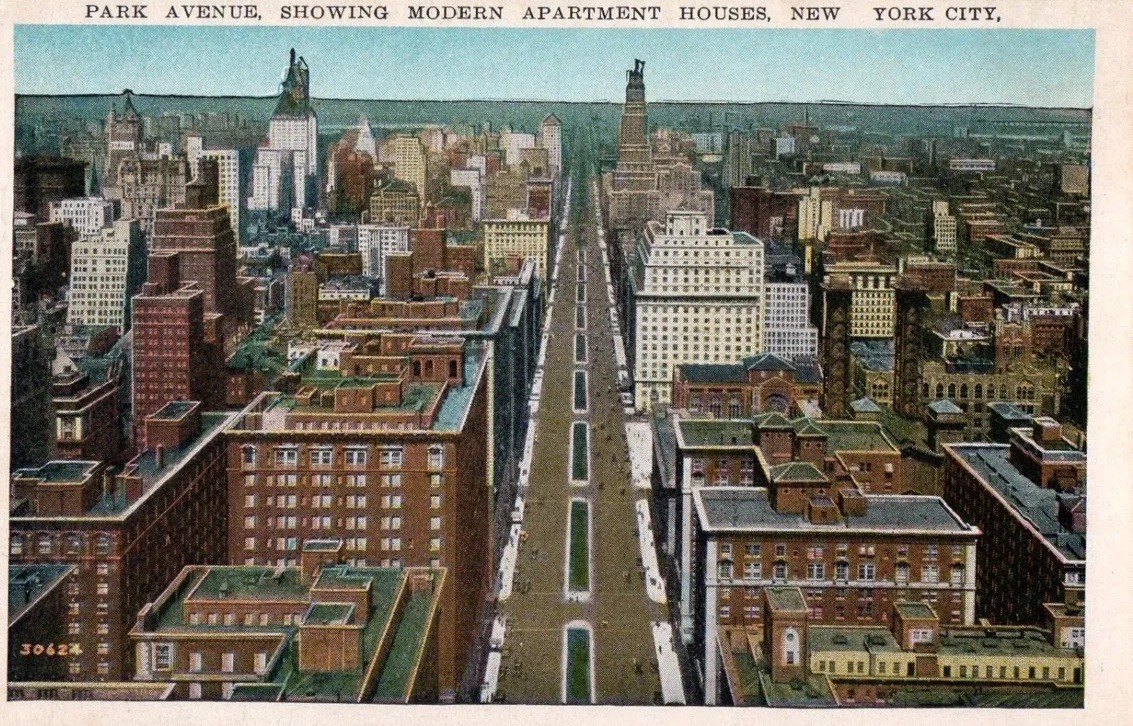
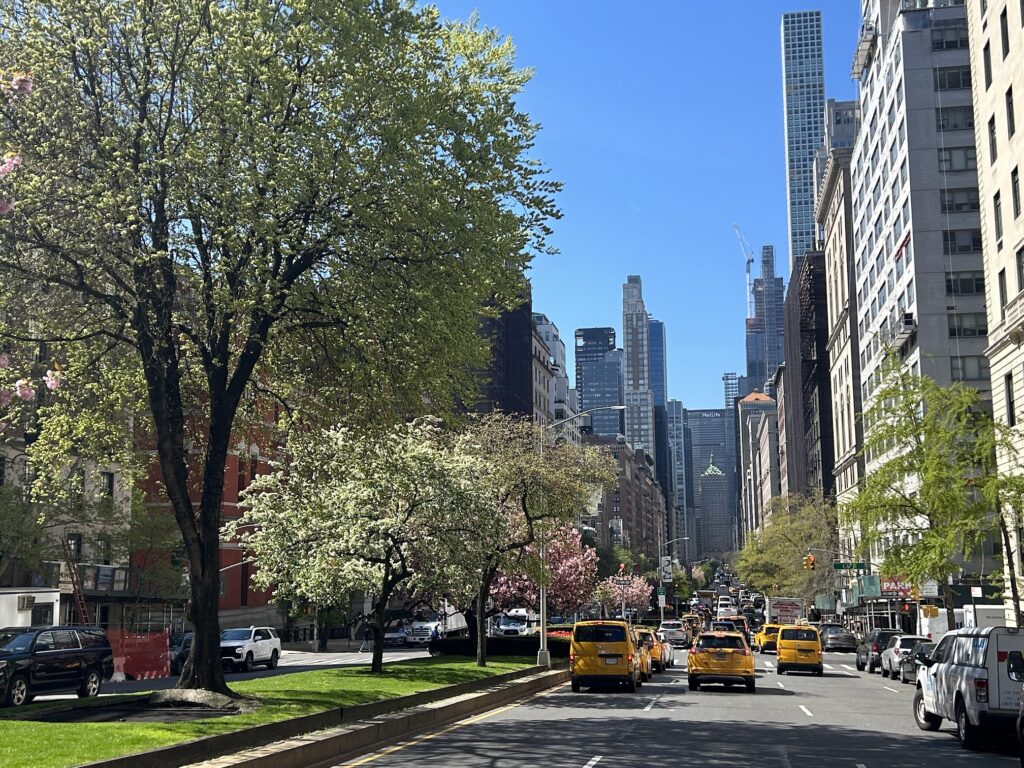
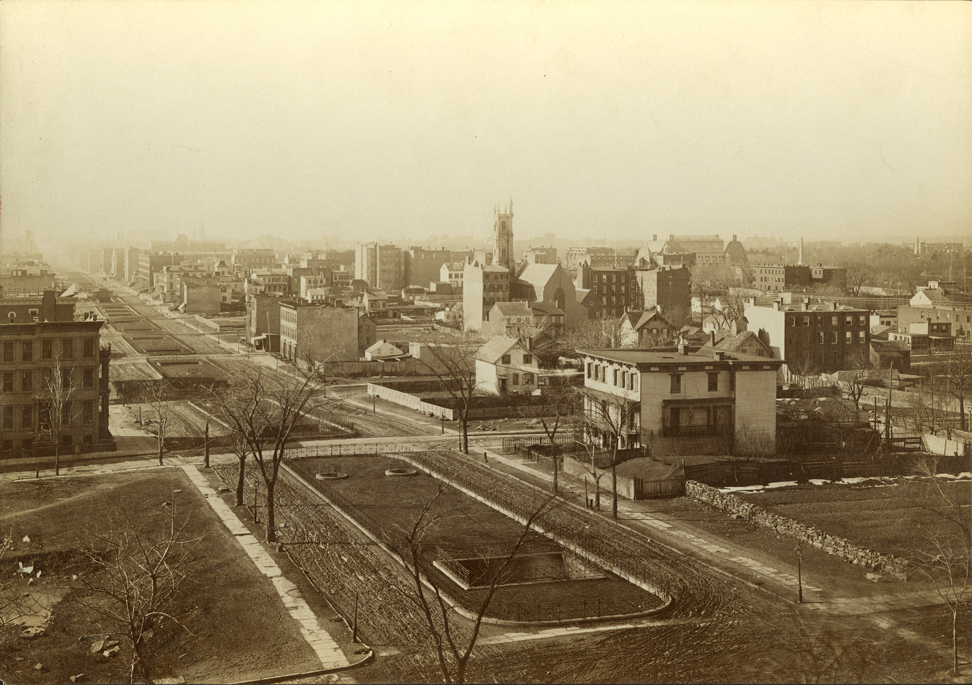
The story of a filthy and dangerous train ditch that became one of the swankiest addresses in the world — Park Avenue.
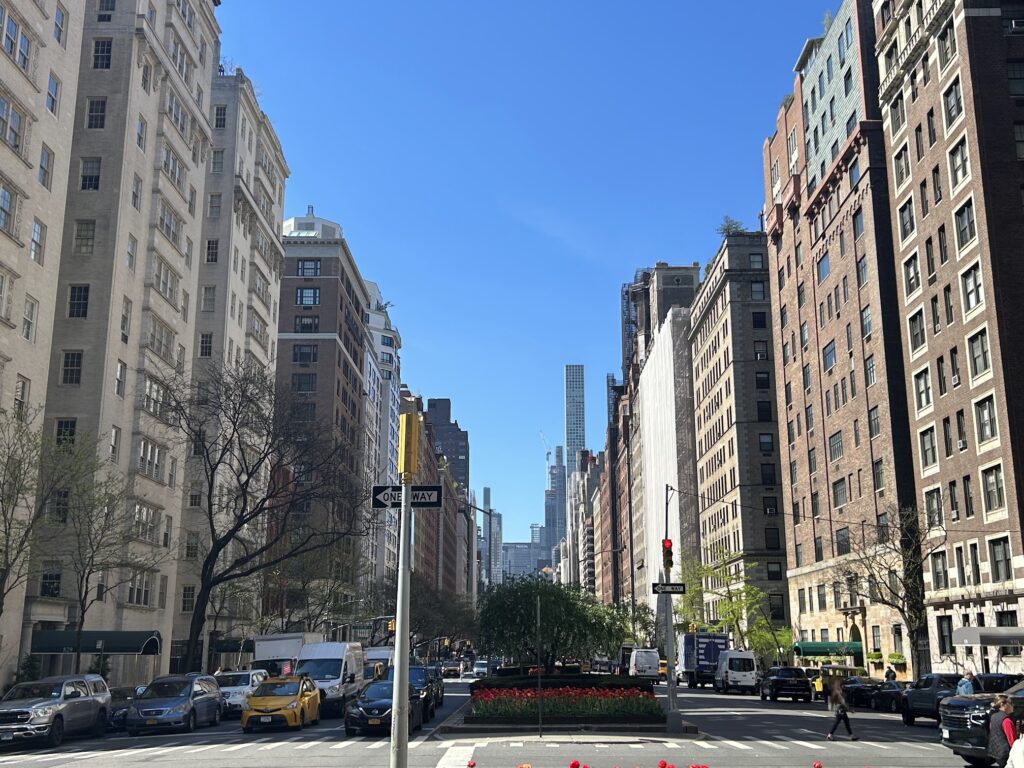
For over 100 years, a Park Avenue address meant wealth, glamour and the high life. The Fred Astaire version of the Irving Berlin classic “Puttin’ on the Ritz” revised the lyrics to pay tribute to Park Avenue: “High hats and Arrow collars/White spats and lots of dollars/Spending every dime for a wonderful time.”
By the 1950s, the avenue was considered the backbone of New York City with corporations setting up glittering new office towers in the International Style — the Lever House, the Seagram Building, even the Pan Am Building.
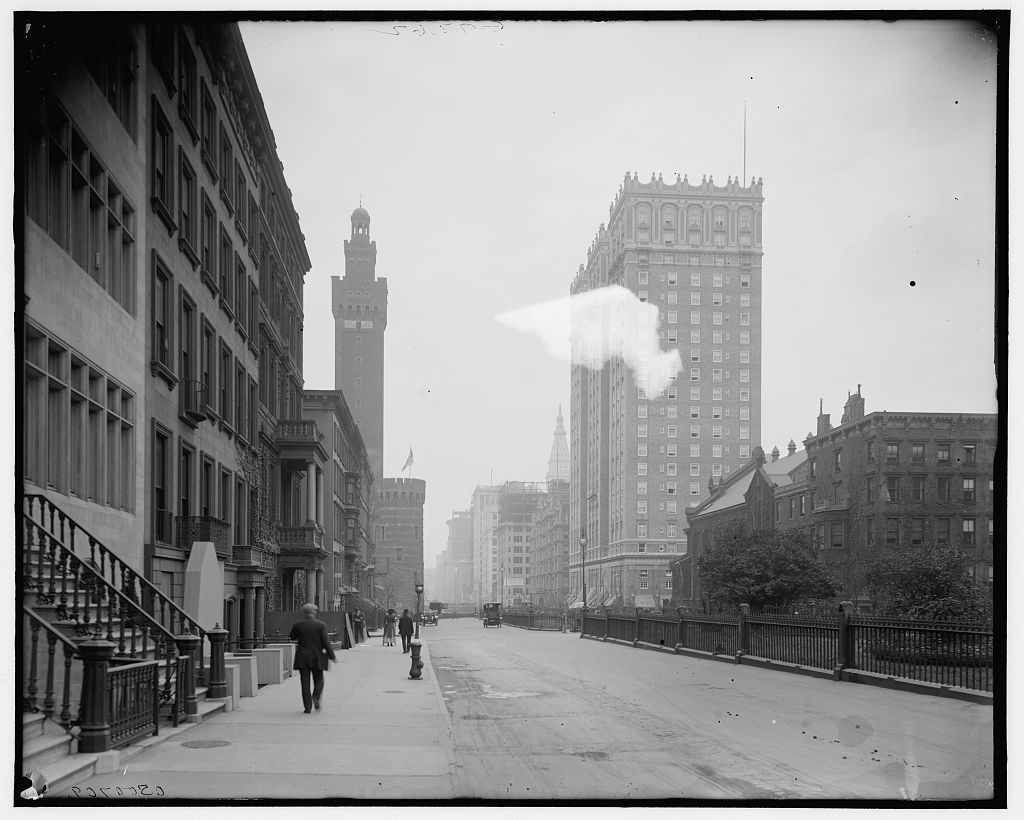
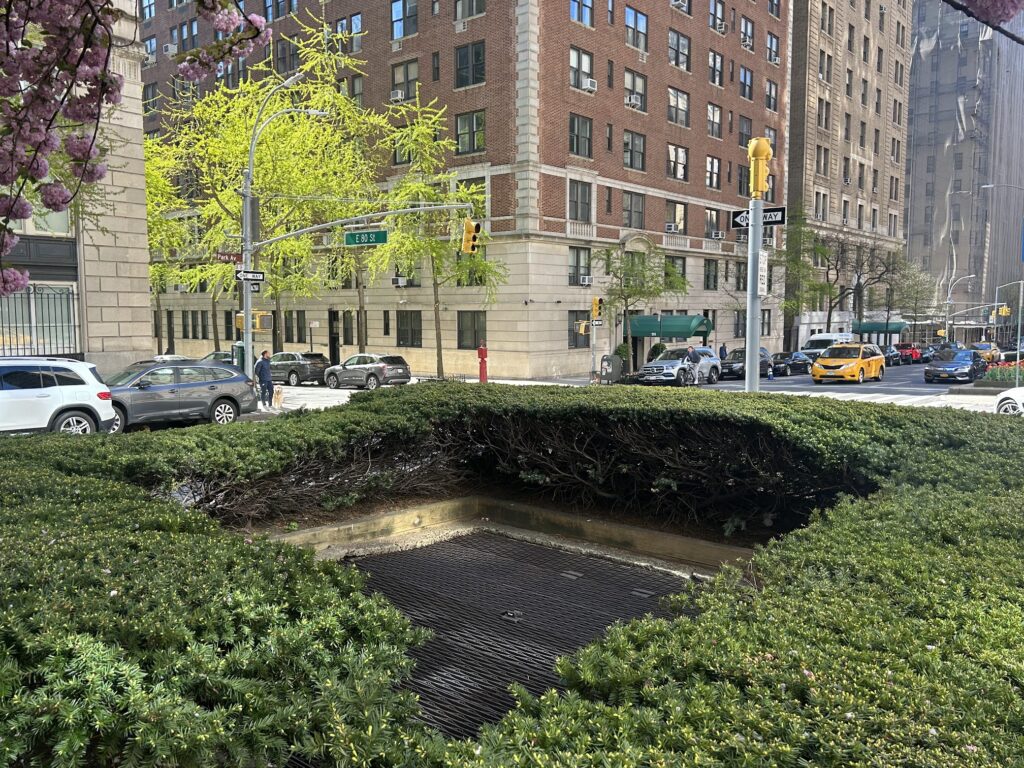
But the foundation for all this wealth and success was, in actually, a train tunnel, originally operated by the New York Central Railroad. This street, formerly known as Fourth Avenue, was (and is) one of New York’s primary traffic thoroughfares. For many decades, steam locomotives dominated life along the avenue, heading into and out of Cornelius Vanderbilt’s Grand Central (first a depot, then a station, eventually a terminal).
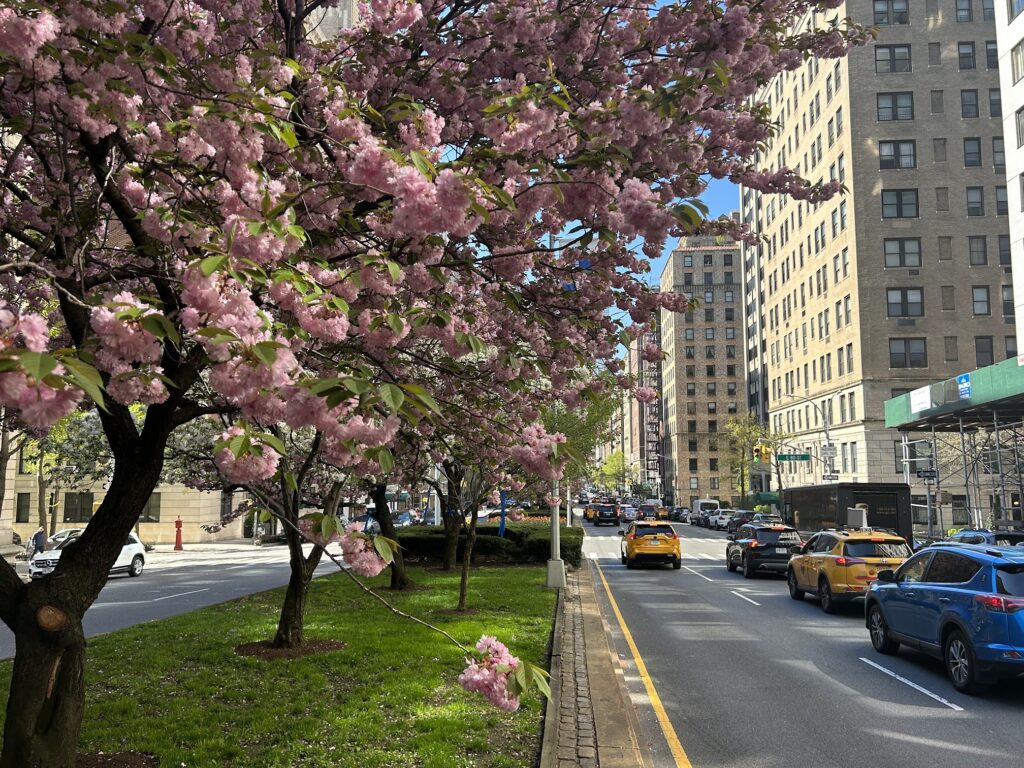
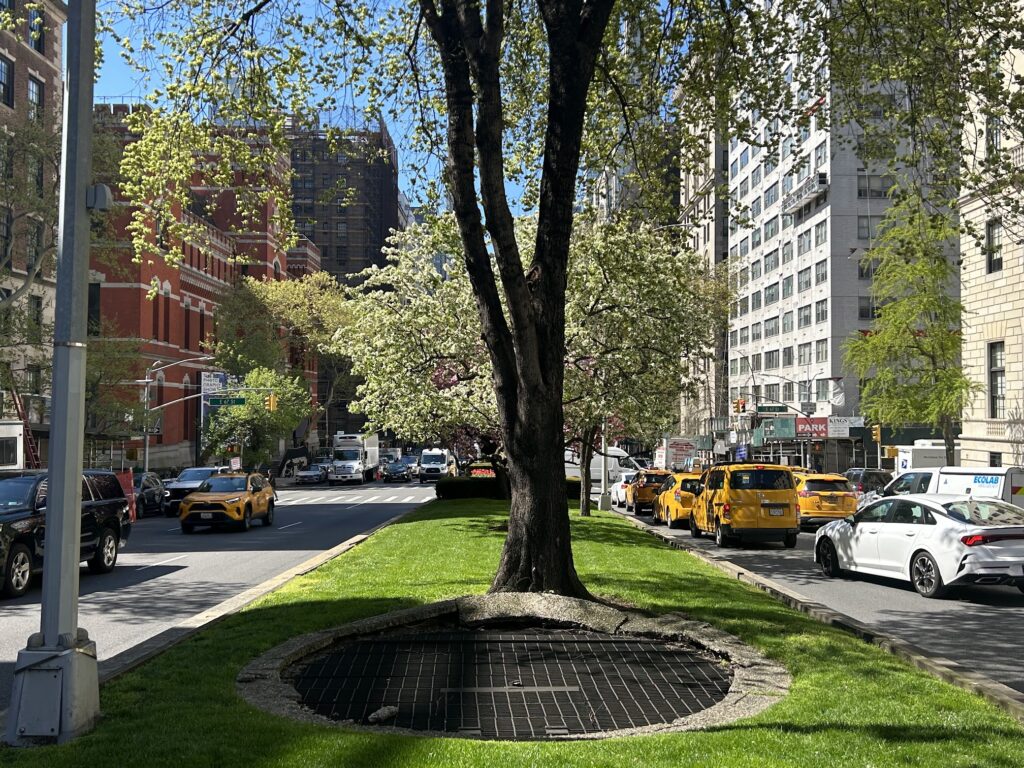
However train tracks running through a quickly growing city are neither safe nor conducive to prosperity. Eventually, the tracks were covered with beautiful flowers and trees, on traffic island malls which have gotten smaller over the years.
By the 1910s this allowed for glamorous apartment buildings to rise, the homes of a new wealthy elite attracted to apartment living in the post-Gilded Age era. But that lifestyle was not quite made available to everyone.
In this episode, Greg and Tom take you on a tour of the tunnels and viaducts that helped New York City to grow, creating billions of dollars of real estate in the process.
LISTEN NOW: UP AND DOWN PARK AVENUE
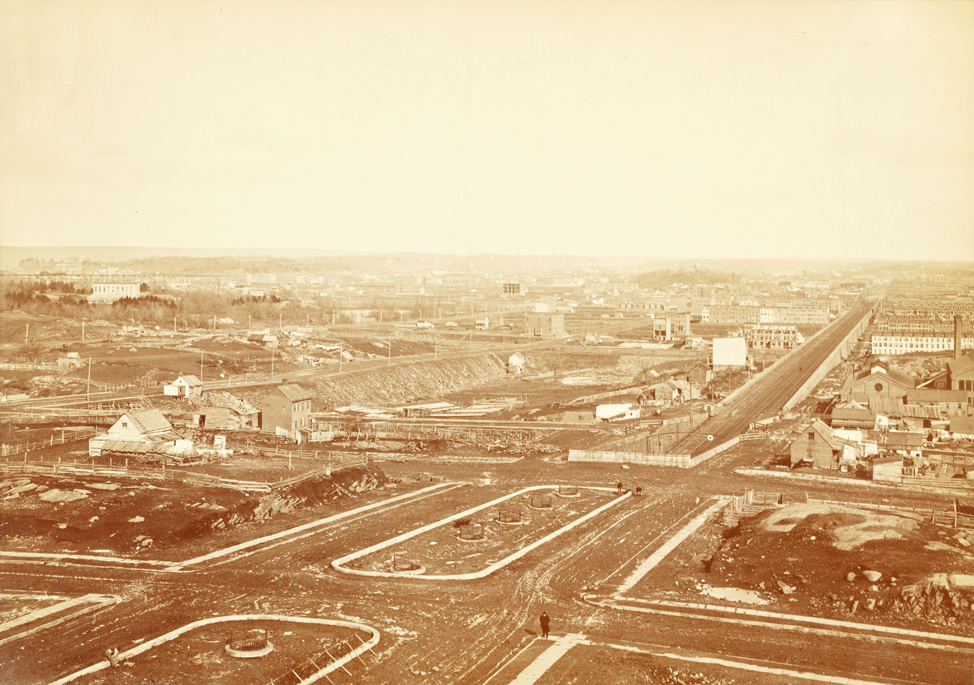
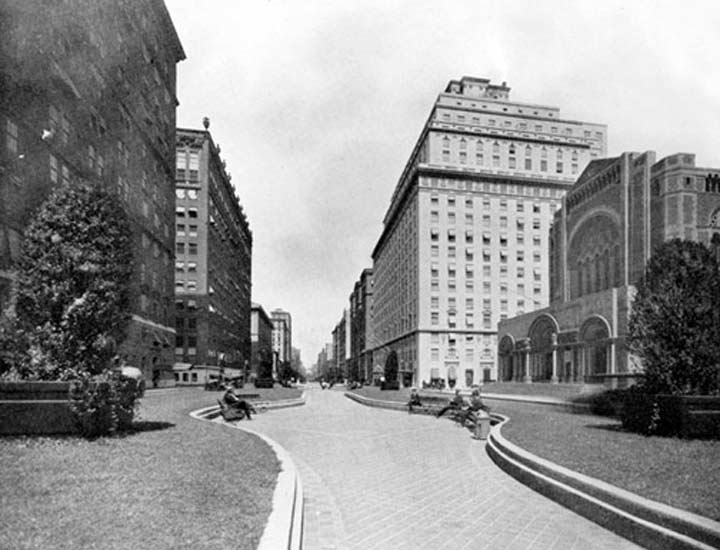
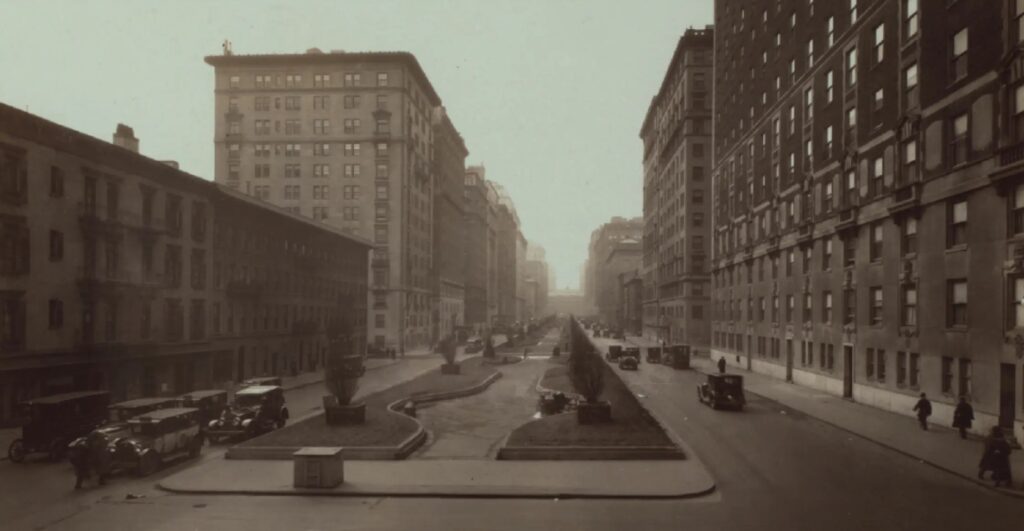
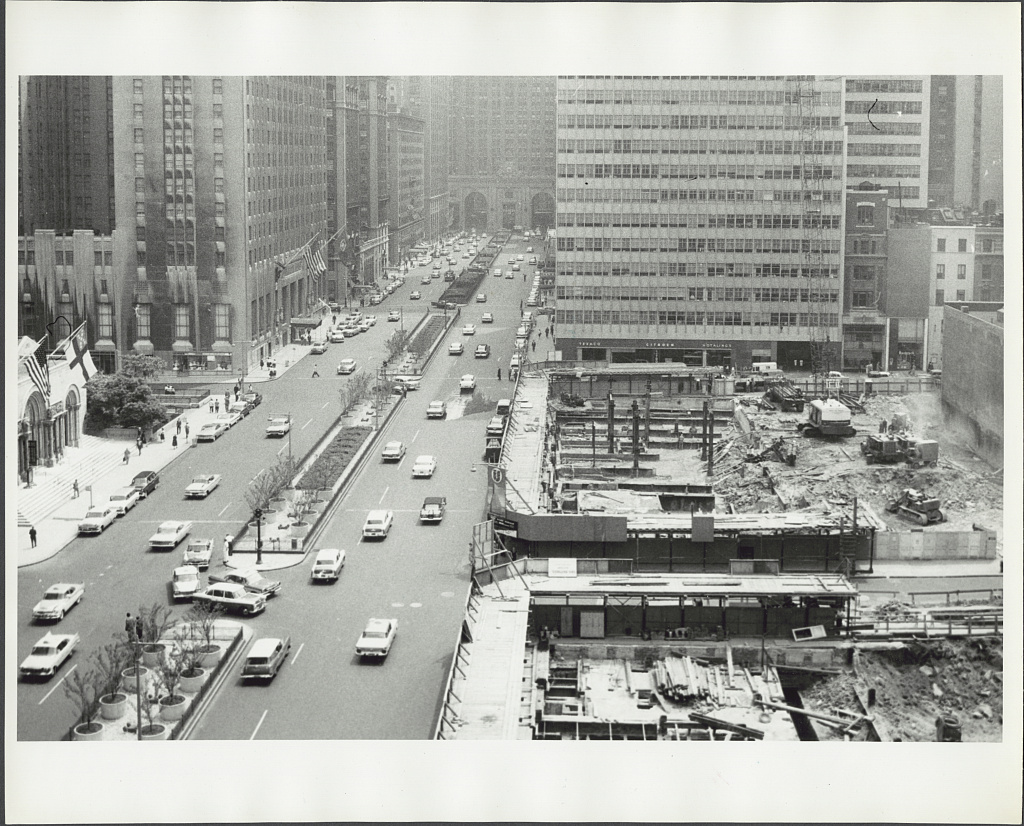
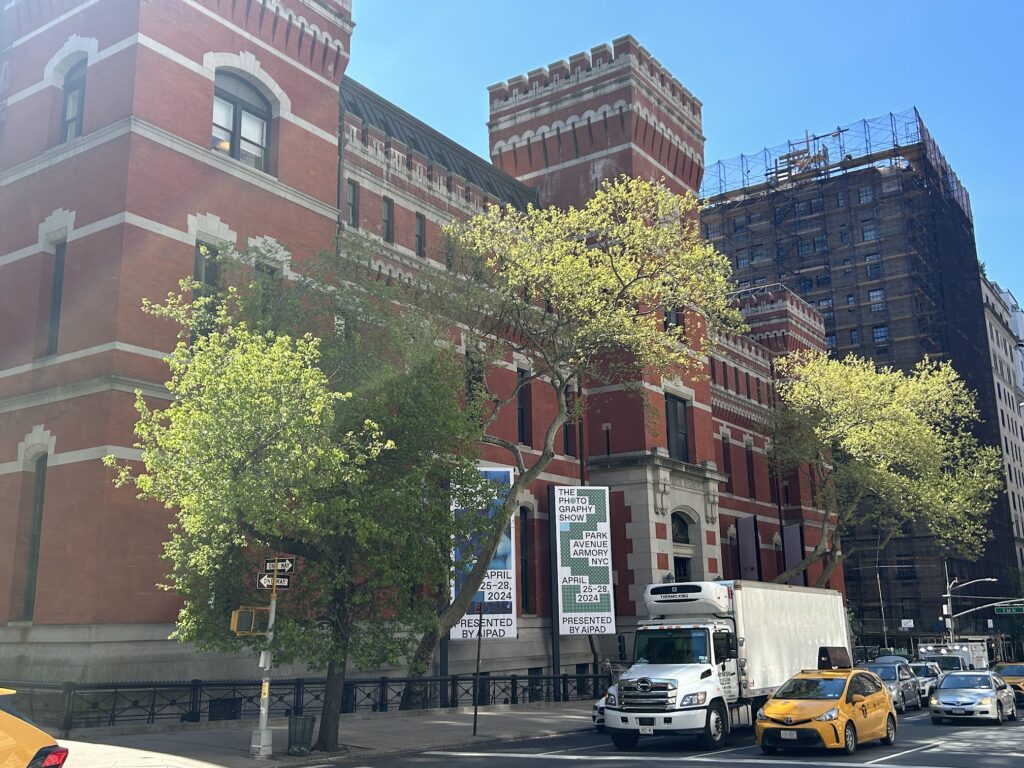
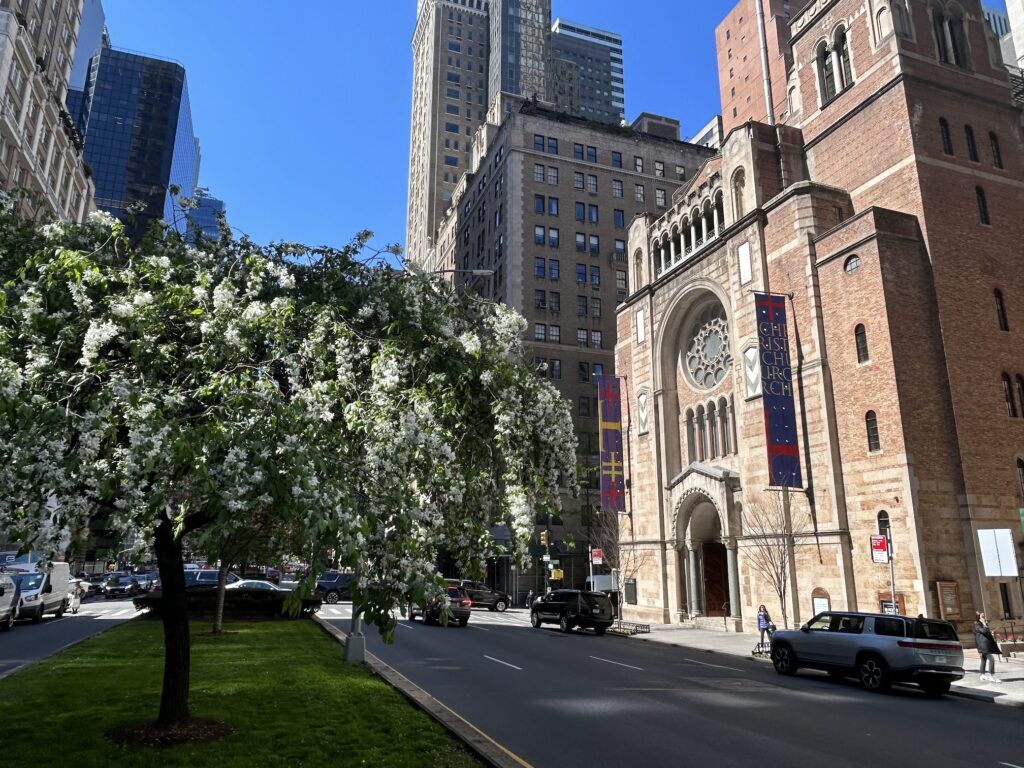
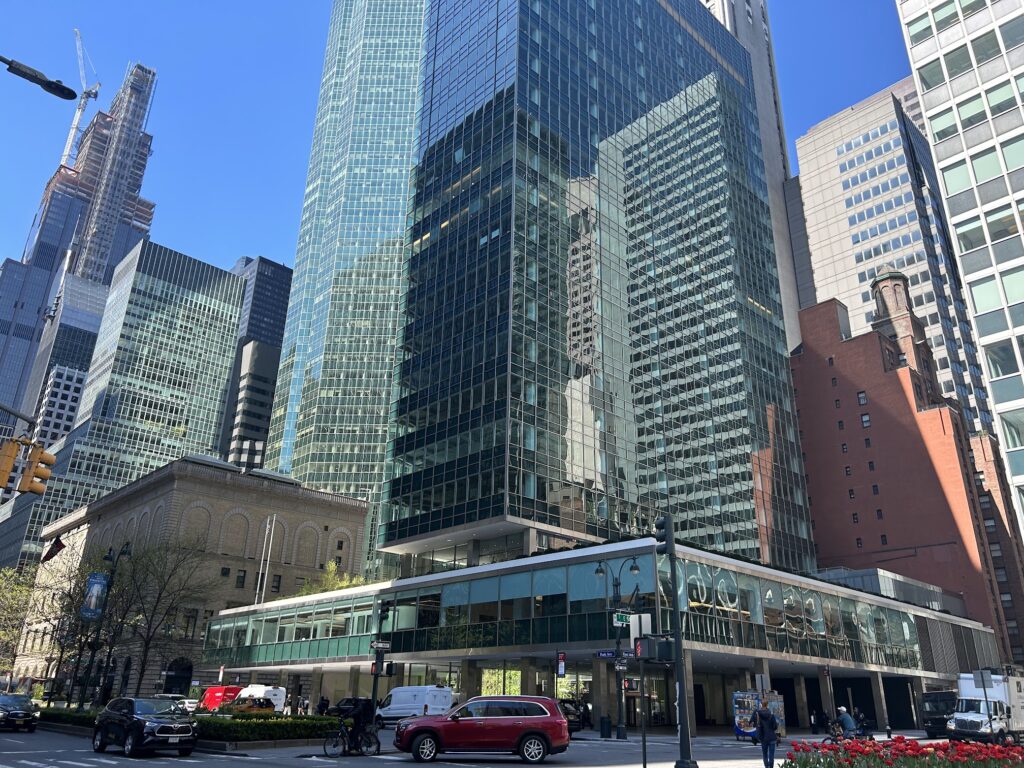
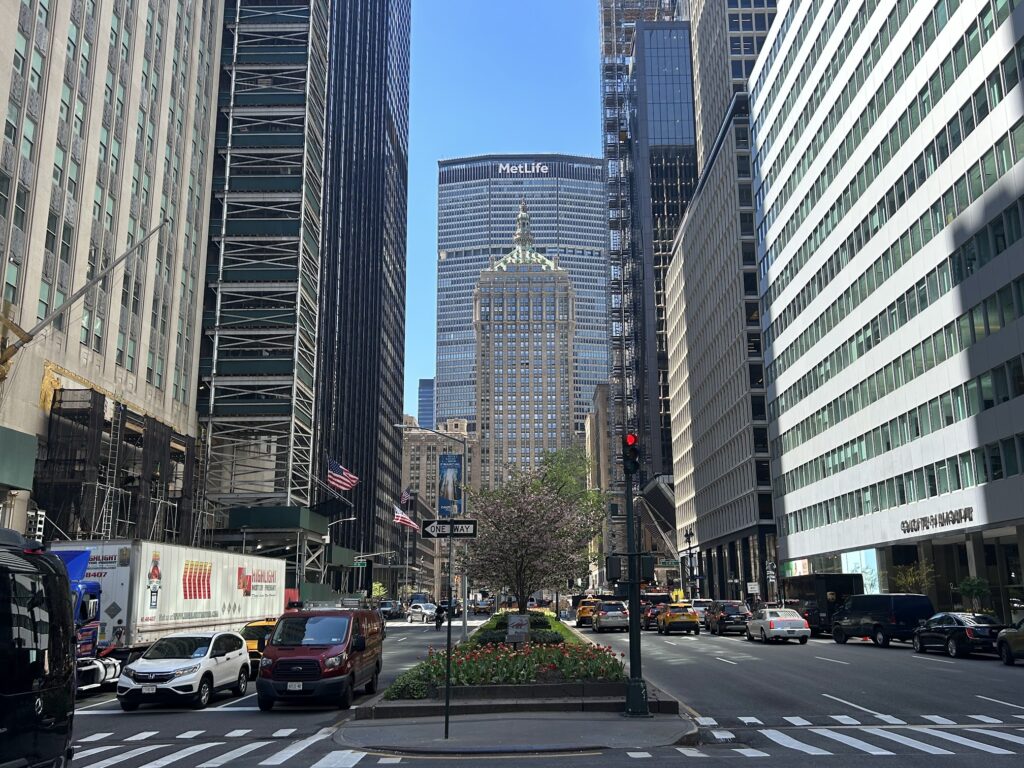
Park Avenue, looking south of 36th Street, 1900-1905 Library of CongressPark Avenue and 94th Street, Library of Congress Park Avenue, late 1800s, Musem of the City of New YorkPark Avenue, after St Bart’s came along in 1918 but before these lovely pedestrian areas were destroyed in the late 1920s. Park Avenue 1927, Department of Transportation“Photograph shows cars moving along Park Avenue as the road heads towards the tunnels of the Helmsley Building, known then as the New York General Building. Building construction visible to the right. St. Bartholomew’s Church slightly visible on left.” Library of Congress, 1959Photo by Greg YoungPhoto by Greg YoungPhoto by Greg YoungPhoto by Greg YoungPhoto by Greg YoungPhoto by Greg YoungPhoto by Greg YoungPhoto by Greg Young
FURTHER LISTENING
Listen to these related Bowery Boys episodes after you’re done listening to the Park Avenue show:
FURTHER READING
This week we’re suggesting a few historic designation reports for you history supergeeks looking for a deep dive into Park Avenue history. Dates indicated are when the structure or historic district was designated
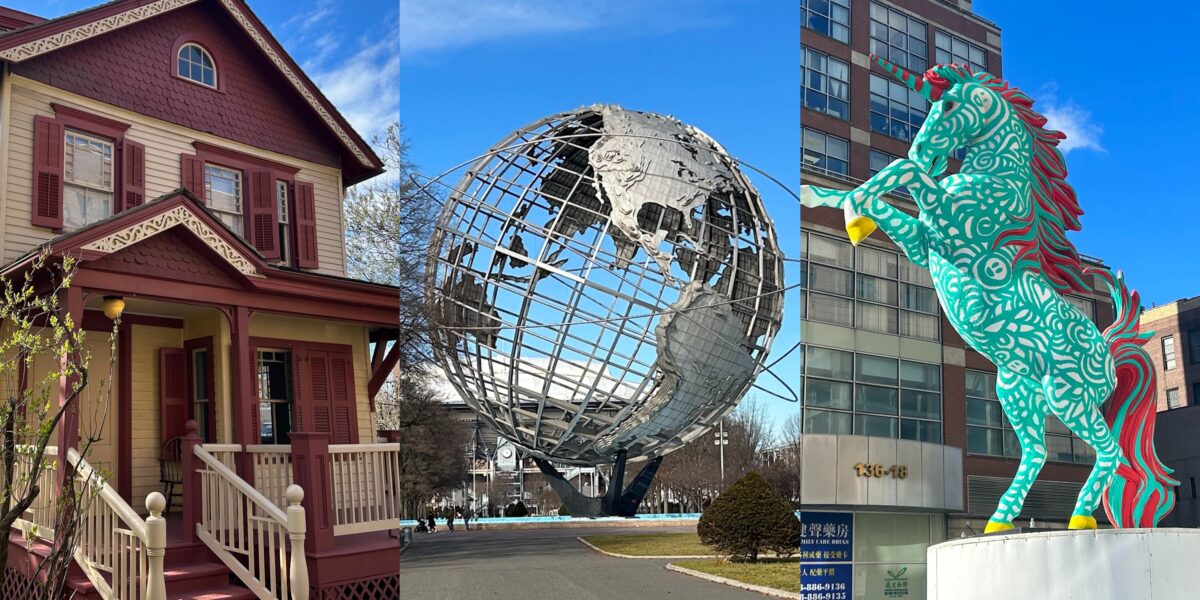
Few areas of the United States have as endured as long as Flushing, Queens, a neighborhood with almost over 375 years of history and an evolving cultural landscape that includes Quakers, trees, Hollywood films, world fairs, and Asian immigrants.
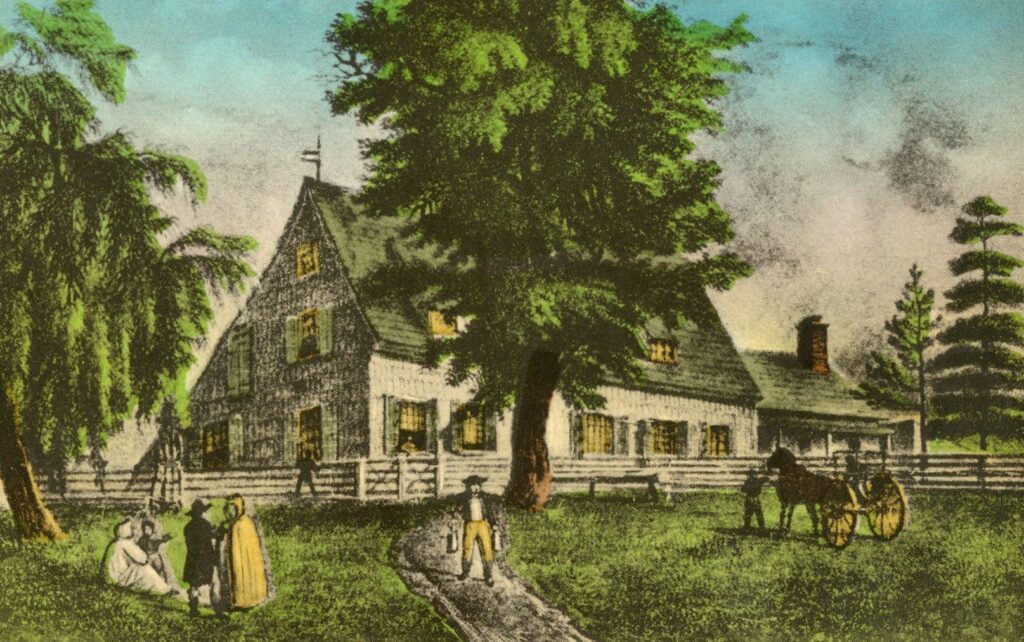
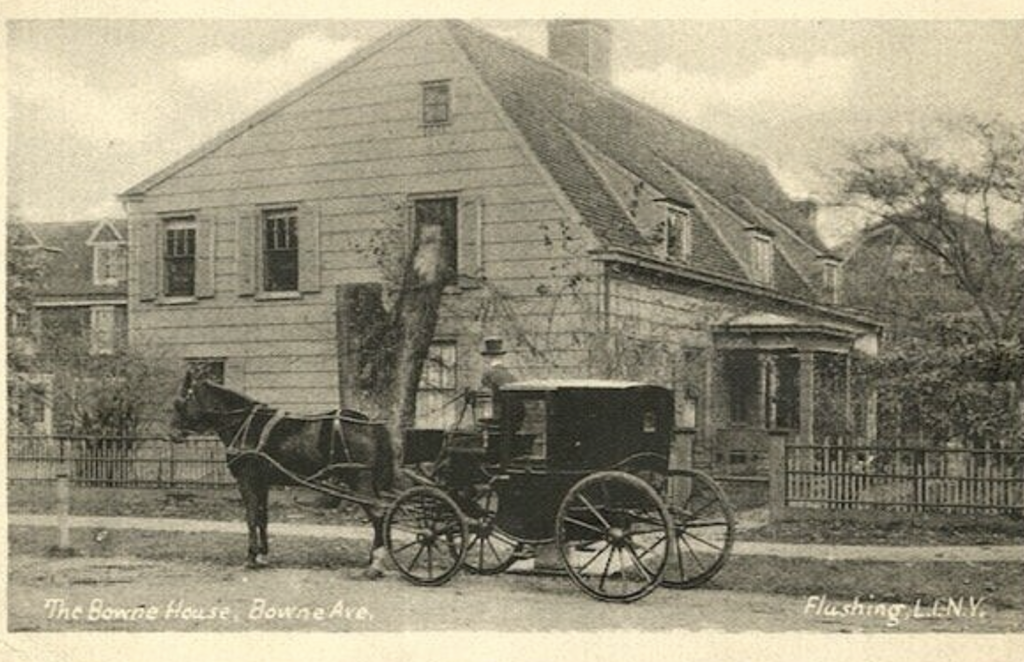
The Bowne House circa 1825 from an old colorized postcard
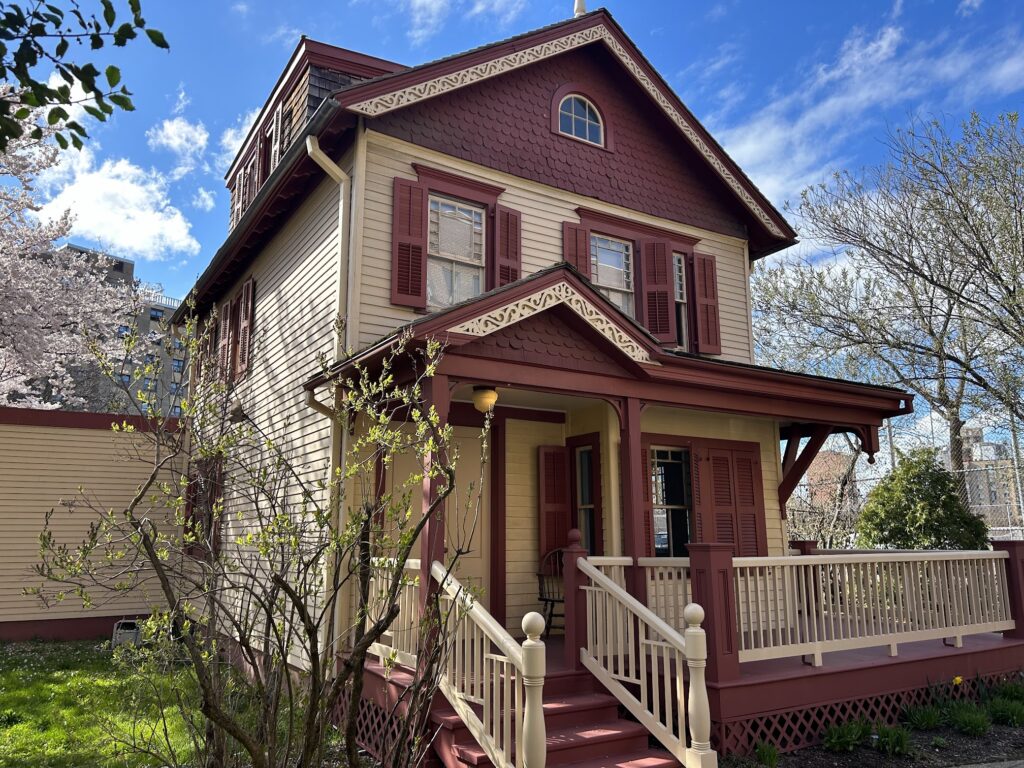
Built on the marshy banks of Flushing Creek, the original Dutch village of Flushing (or Vlissingen) was populated by English settlers, Quakers like John and Hannah Bowne whose home became one of America’s first Quaker meeting places — and the site of a religious struggle critical to the formation of the future United States.
By the early 19th century, Flushing was better known for its tree and shrub nurseries which would introduce dozens of new plant species to North America.
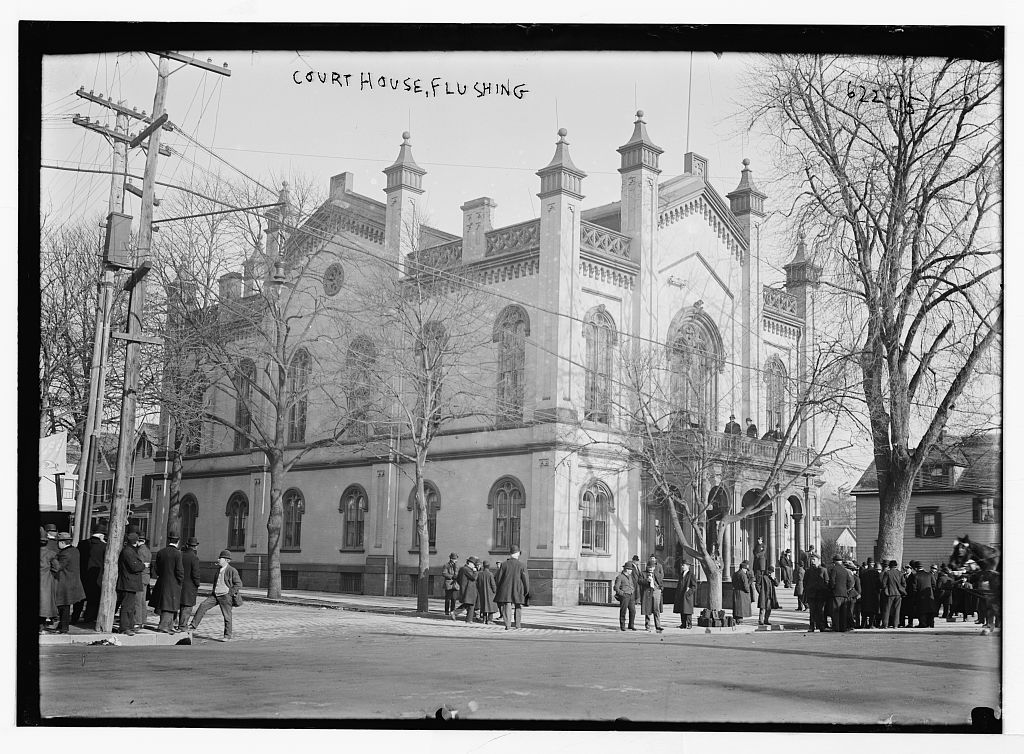
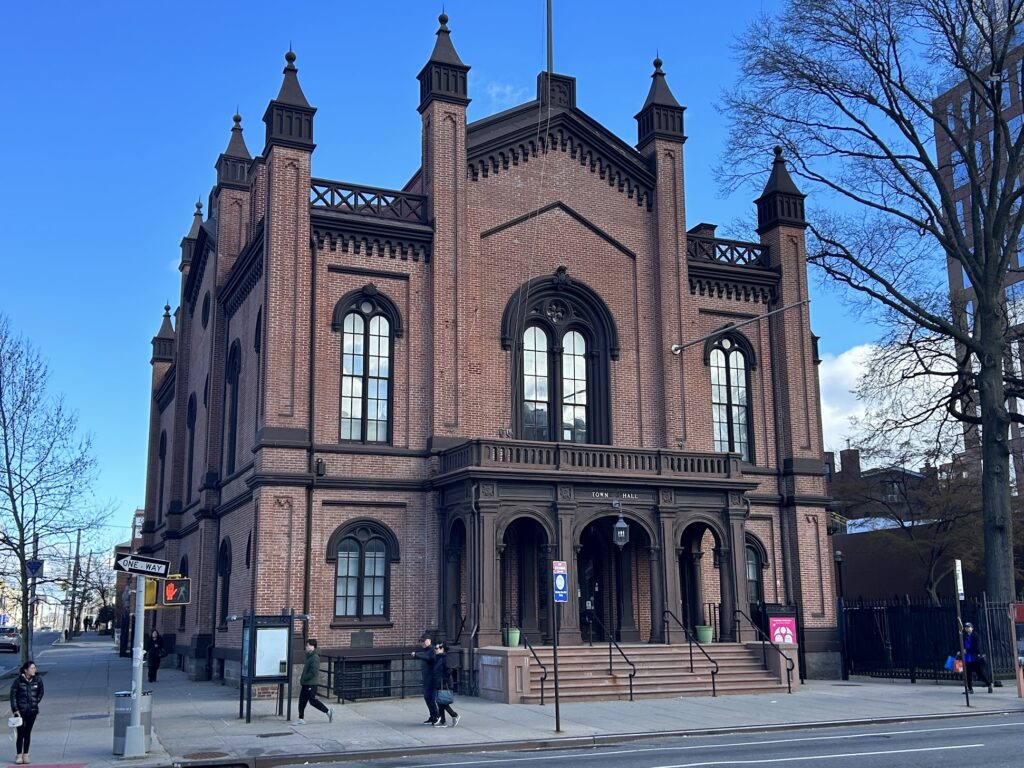
After the Civil War, Flushing became a weekend getaway and commuter town for the residents of western Long Island. The former civic center of town — the 1862 Flushing Town Hall — is still a vibrant performance venue today.
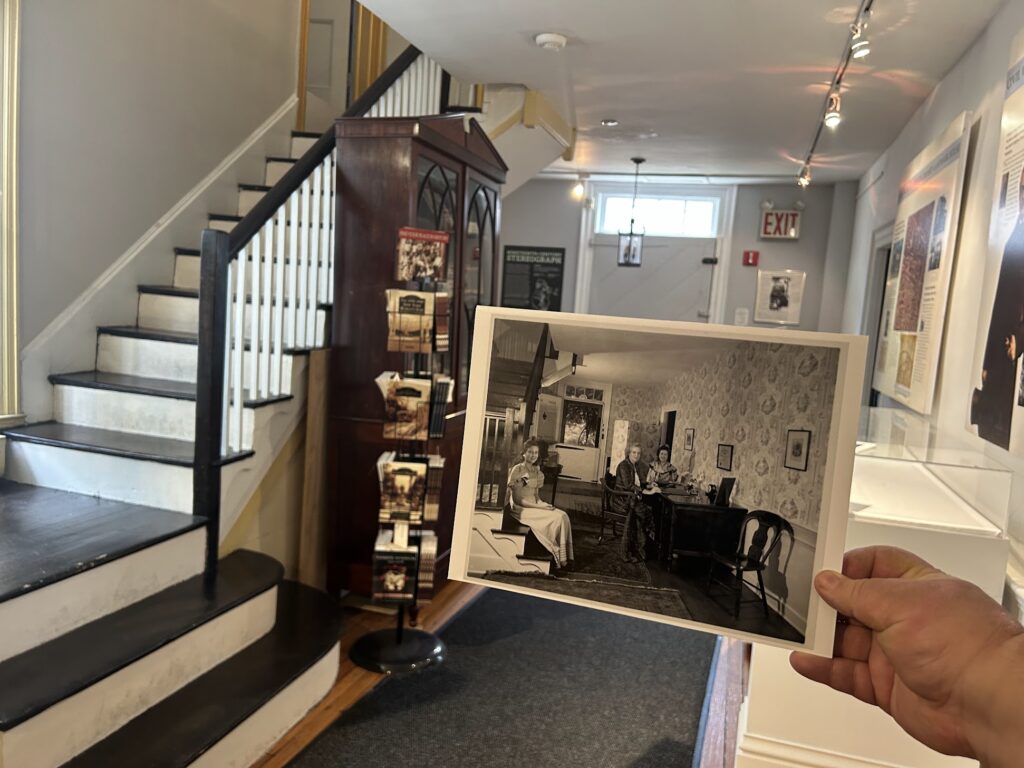
Inside the Kingsland Homestead, with an image of the house before it was a museum
The creation of the borough of Queens in 1898 brought surprising changes to Flushing — from the arrival of the early silent-film industry to the development of new parks and highways (thanks to our old friend Robert Moses).
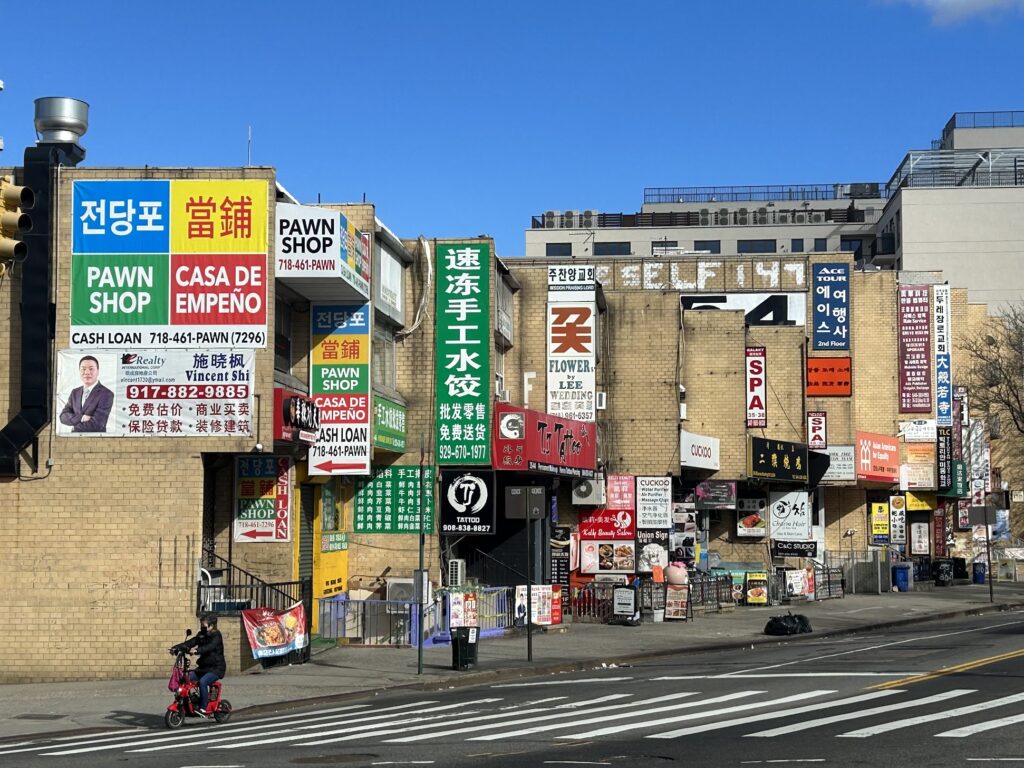
But the most stunning transformation of all came after 1965 when American immigration quotas were eliminated and Flushing gained thousands of new residents from China, Taiwan, Korea, India and other South Asian countries.
Featuring interviews with Elise Helmers and Emily Vieyra-Haley from the Bowne House, Jason Antos from the Queens Historical Society, Kyle Supley from Bowery Boys Walks and Flushing food guide Owen Tan.
LISTEN NOW: THE STORY OF FLUSHING
For more information on our guests, visit the links below:
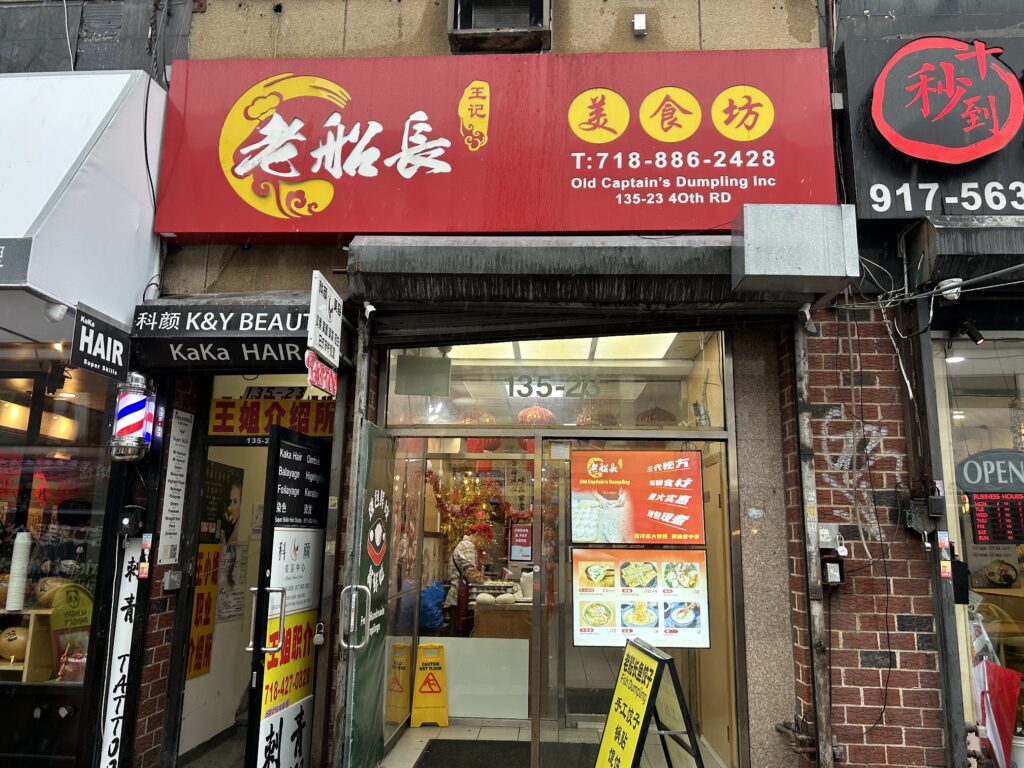
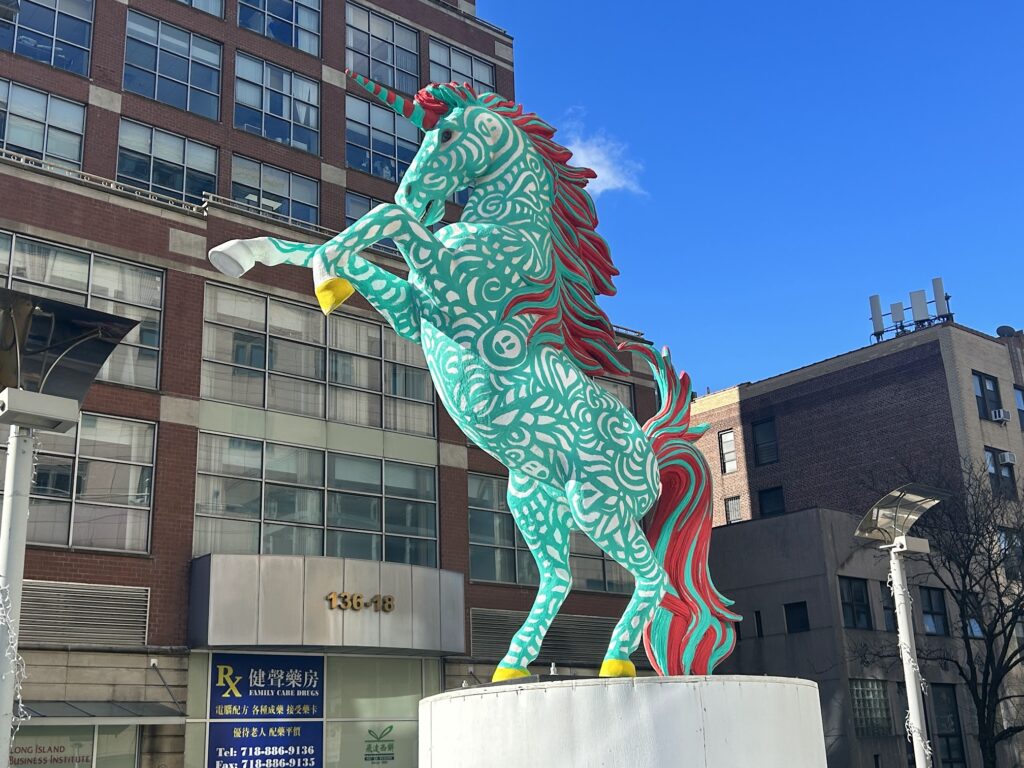
Bowne House in the 19th century when in fact the Bownes and Parsons still lived there.Flushing Town Hall on Northern Boulevard, 1900Flushing Town Hall todayLewis Latimer House MuseumAs Jason revealed in the show, Flushing went through a building resurgence in the 1960s, leading to a larger-than-average representation of modernist, even somewhat Brutalist architecture in places.Old Captain’s Dumplings, 135-23 40th Rd. Like so many restaurants in New York, the non-descript facade does not prepare you for the delicious food served inside. Unity by Shanice Figeroux, on 31st Road in Flushing
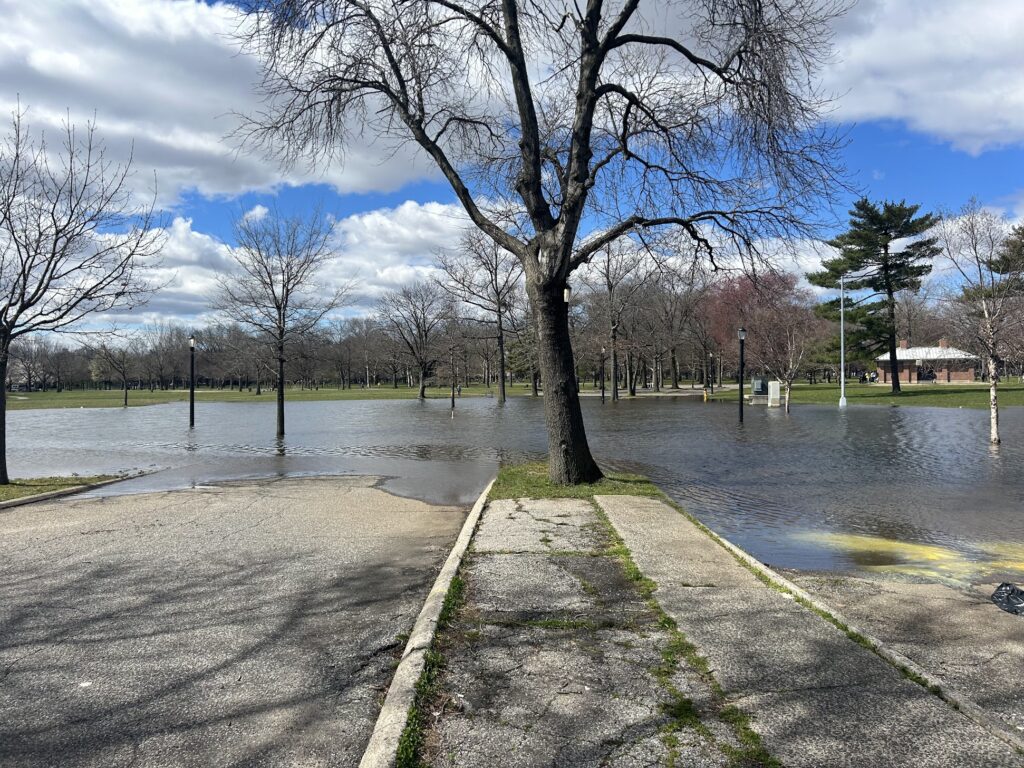
Seen in Flushing-Meadows Corona Park. Are the former salt marches returning to claim Robert Moses’ park?
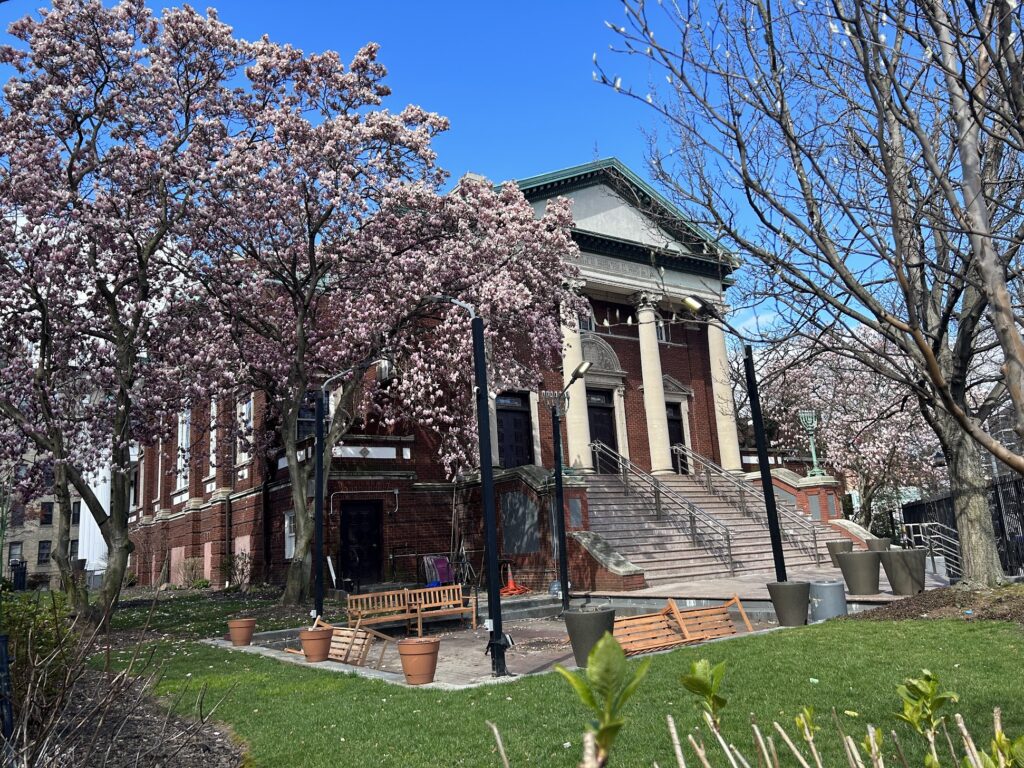
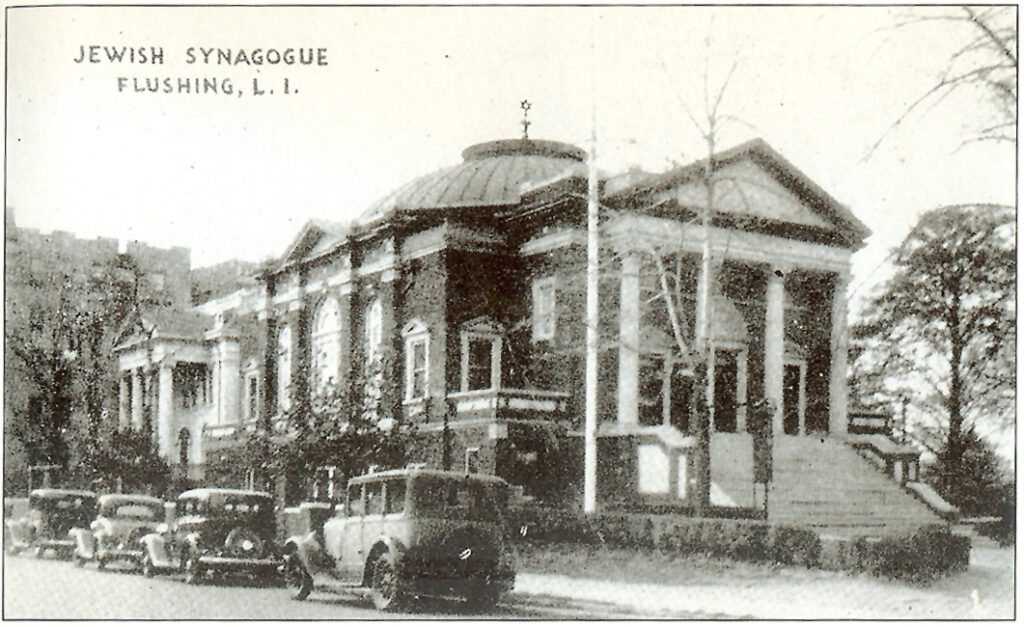
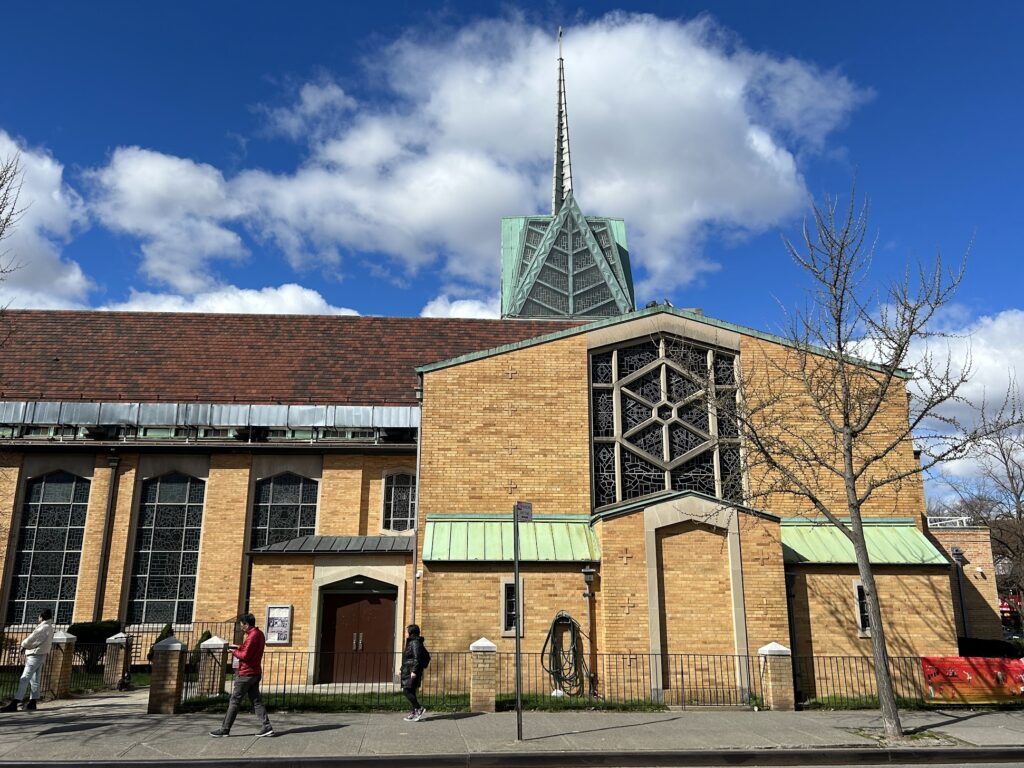
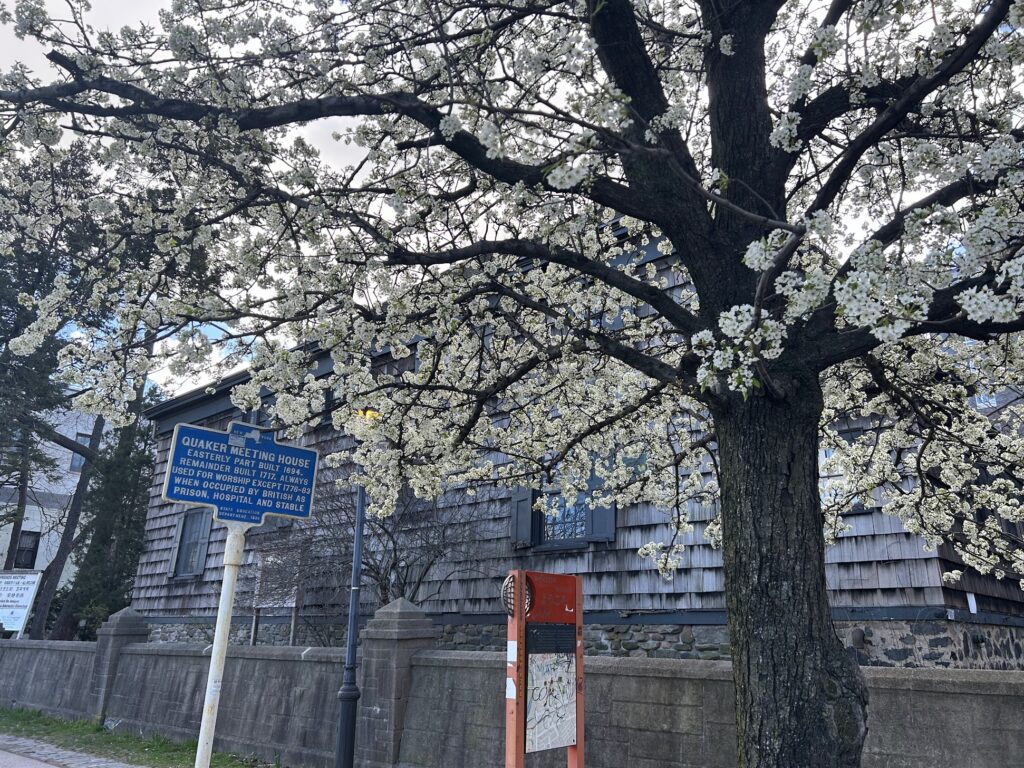
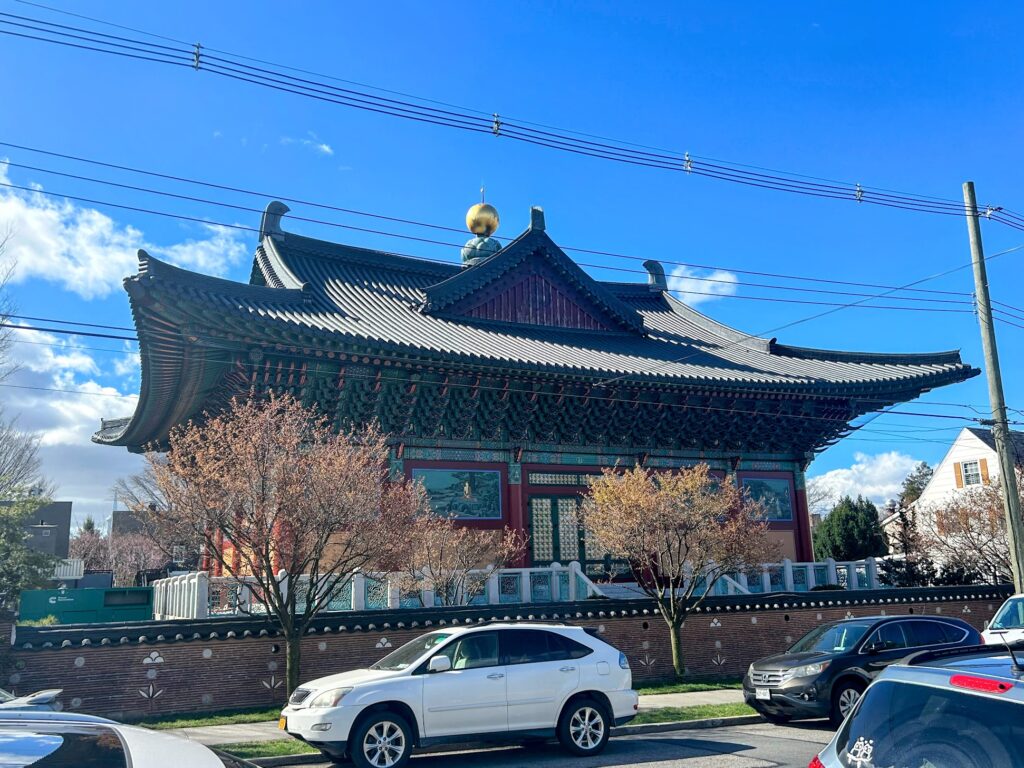
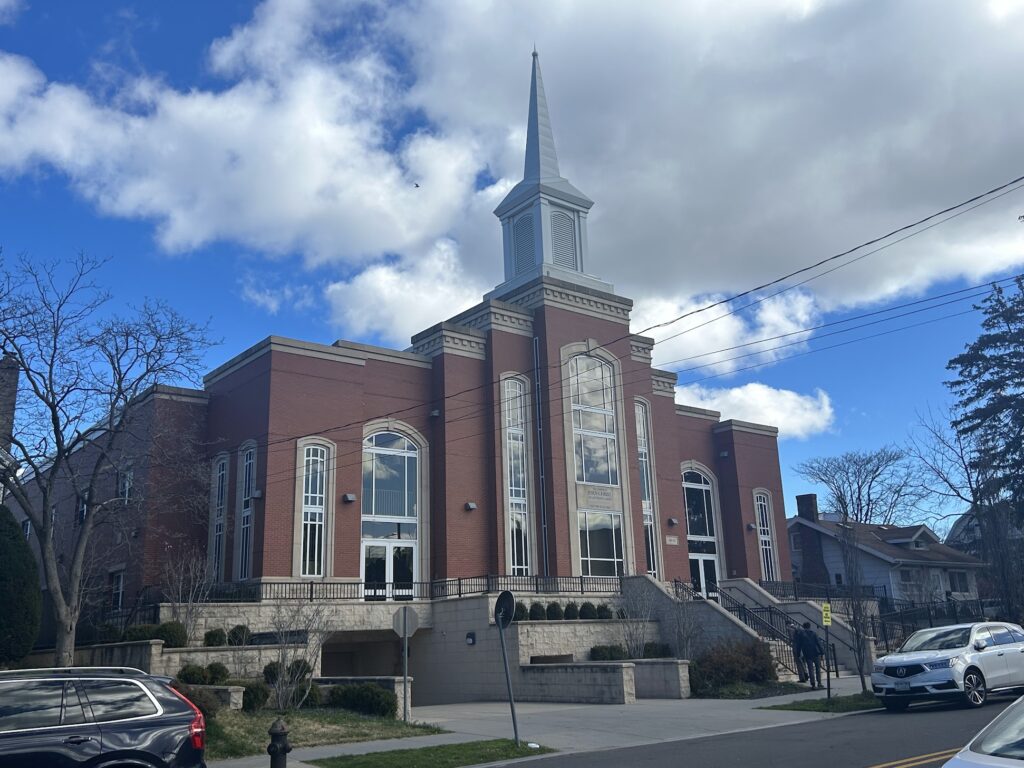
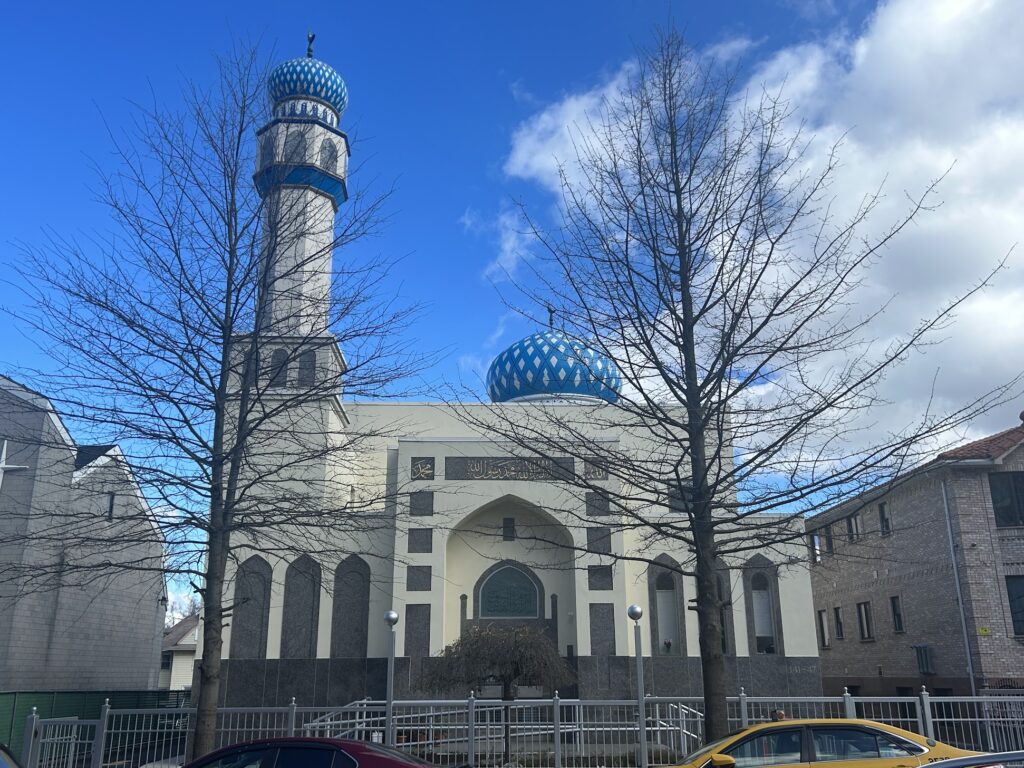
Flushing is a national landmark of religious expression. There are dozens and dozens of houses of worship here. Just a few that I managed to see:
Free Synagogue of FlushingImage courtesy NYC AgoSt Michael’s Roman Catholic Church
Quaker Meeting HouseHanmaum Zen CenterThe Church of Jesus Christ of Latter-day SaintsMasjid Hazrati Abu Bakr Siddique
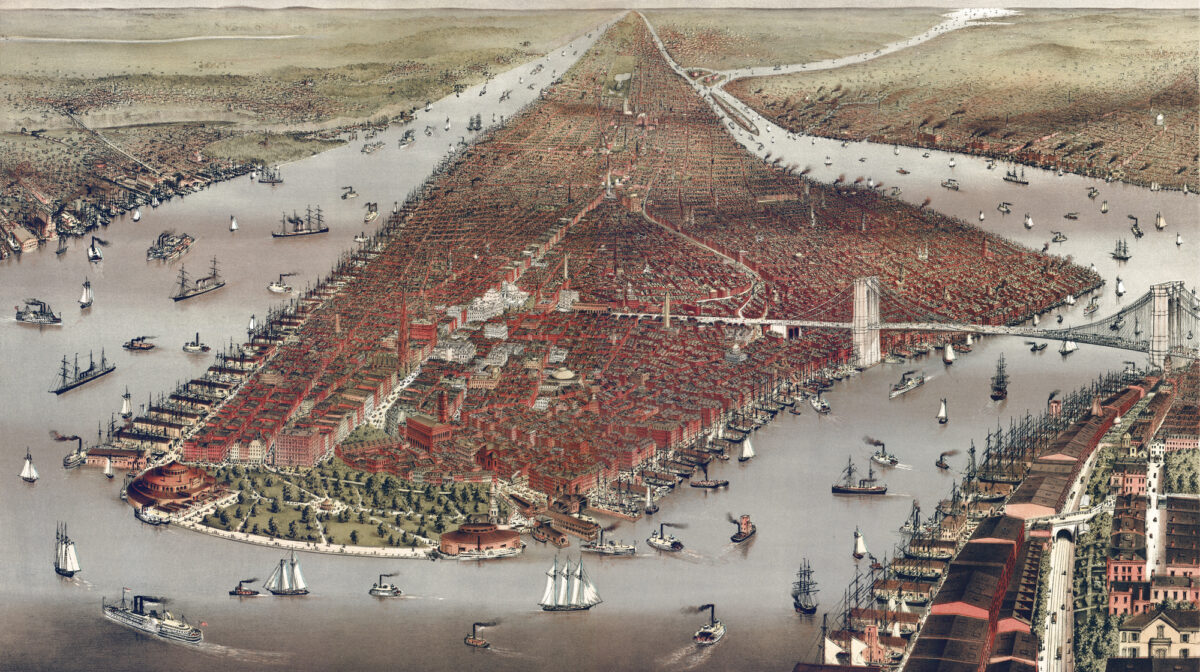
New York City in 1884. Imagine this place furiously quaking!
New York has never suffered severely from the effects of an earthquake. Most recently, the one felt in 2011— reportedly of 5.8 or 5.9 magnitude, centered around Virginia and affecting many Northeast metropolitan areas — ranks quite high on the list of tremors felt here.
There’s no way to compare that local event to the really early quakes, as the Richter scale was only created in 1935. But quakes have hit the city as early as December 18, 1737, when a guesstimated 5.2 rattled holiday chimneys.
But an equally dramatic tremor that hit on Sunday, August 10, 1884, has a few parallels to the one experienced today.
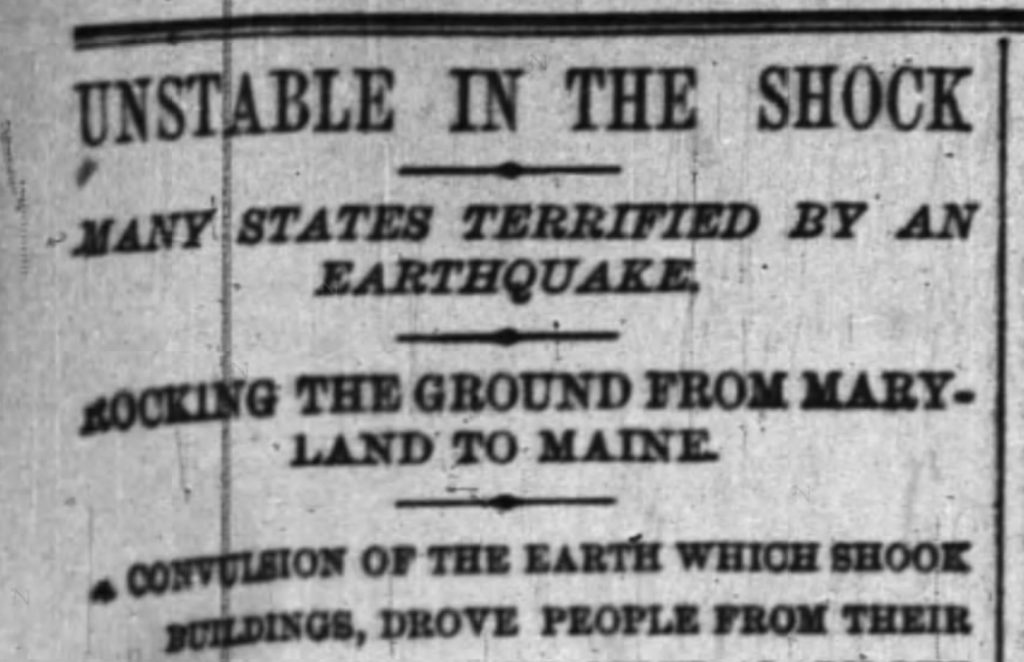
New York Times
“No Damage Done But Queer Sensations Experienced” reported the New York Tribune the next day.
From the Sun: “An Earthquake Shakes Us.” The tremor occurred at 2:07 pm “by the City Hall clock” in a couple separate waves.
Few New Yorkers living in 1884 would have ever experienced an earthquake in an American city. Some ran to their windows expecting to see a runaway horse car. Others standing under the newly built elevated railroad thought the train was arriving.
Those stopped on the street felt something beneath their feet and became starkly confused. Eventually some people left their homes and collected in parks, such as the assemblage the Tribune reports formed outside of City Hall.
Today we feel a rumbling and just assume the subway, which wasn’t built yet in 1884 (outside of the short lived pneumatic tube, of course).
There was some damage reported to homes in the Lower East Side, and some residents — being mostly immigrants, perhaps more in tune to the dangers of tremors in their home lands — rushed out into the street with their furniture. A few horse stables shook open and their residents fled into the streets.
Apparently, those in the poshest hotels felt it strongly, or at least announced to reporters that it had rattled them so.
At the Fifth Avenue Hotel, a clerk described, “On the upper floors the guests say that the oscillations were marked” and reported a rattling of the chandeliers. Apparently, an admired set of colored drinking glasses at the Astor House was thrown from its nook and smashed on the floor.
Rumors spread. Some thought the west side gas works on 14th Street had exploded, while others circulated that dynamite had gone off in the Hell Gate.
A “mouldy headed orator” in Harlem — near one of New York’s natural fault line at 125th Street — proclaimed that Manhattan was built upon a rock shelf that had been abruptly brushed by a passing whale, the tremors caused by its flapping tail.
The sensation of the tremor seemed to be felt almost at random; for instance, those living along the Hudson reporting it rattling dishes, while tourists atop the newly built Brooklyn Bridge barely felt a thing. Some electrical services were briefly disrupted, as was telegraph service. (That’s a lot of extra dots and dashes, I suppose.)
On First Avenue, a drunken afternoon reveler ran out of a local saloon “and hurrahed for earthquakes and for social revolution.” Uptown at the Hoffman House, a California businessman quietly said to his friend, “Well, if everything in New York wasn’t nailed down I should say that we are having an earthquake.”
According to the New York Sun, an aftershock was felt the following afternoon in Far Rockaway, as well as parts of New Jersey.
THIS ARTICLE ORIGINALLY RAN IN 2011 but it’s just as pertinent for today’s earthquake (April 5, 2024)
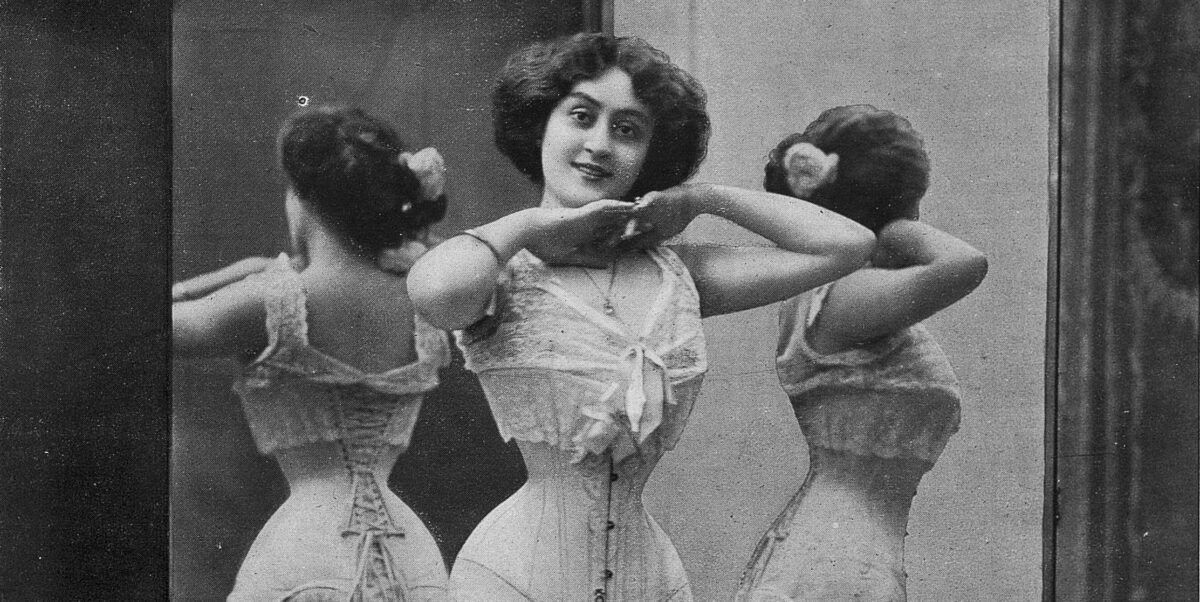
A model wearing 'the Thylda corset', from the French publication Les Modes, October 1908
Fashion historian and author, Dr. Elizabeth L. Block returns to The Gilded Gentleman podcast for a truly “undercover” investigation.
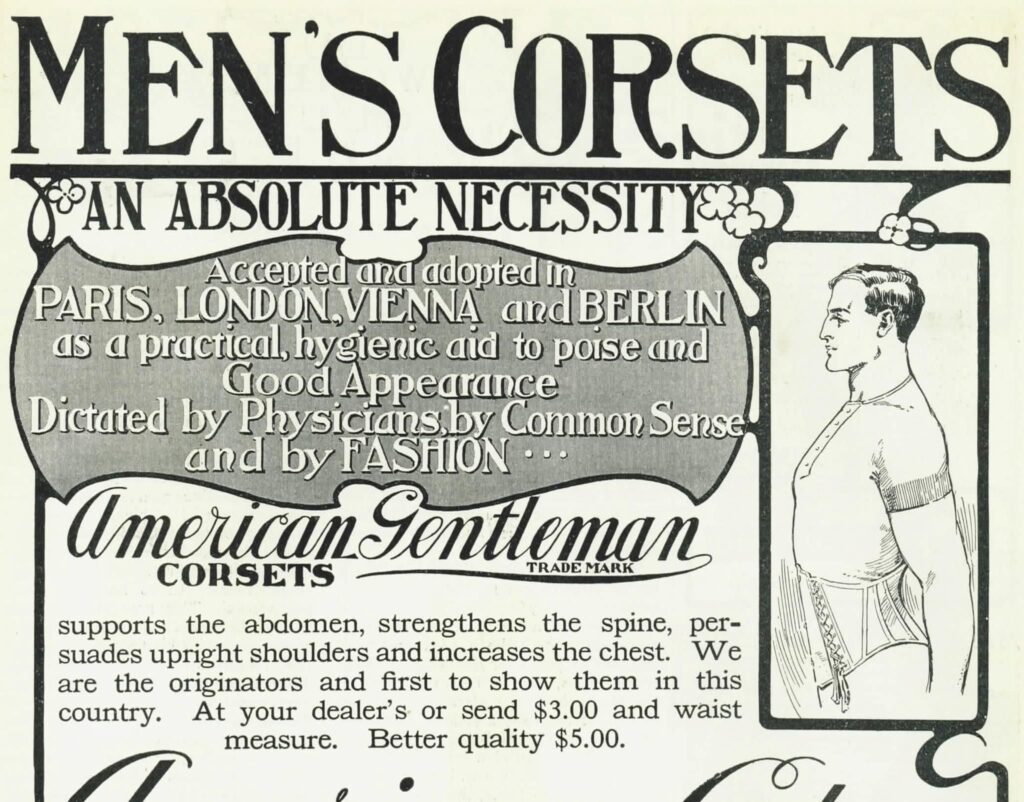
This time, Liz joins Carl to take a look at the world of corsets, bustles, straps and stockings all of which comprised the undergarment engineering to make the glorious gowns by Worth and other designers appear as glamorous as they did.
In addition to architecture and food, it is fashion of the Gilded Age that always elicits comments and sighs at the very beauty and craftsmanship of the great gowns that swept by on ballroom floors.
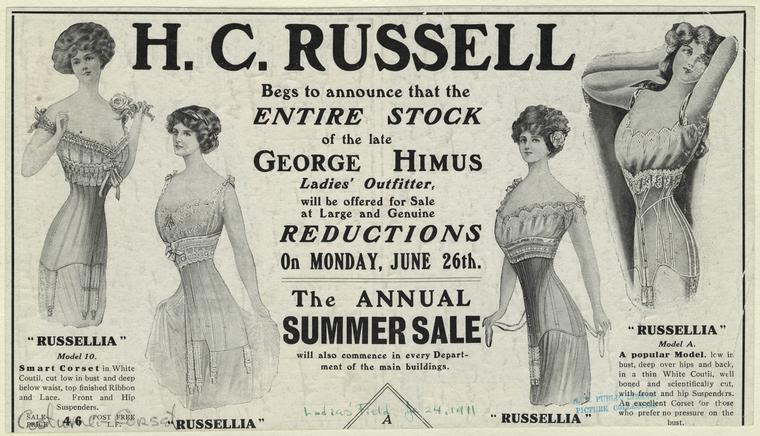
New York Public Library
But the stunning and costly gowns, whether for a ball or for wear during the day, required a complex combination of undergarments to not only make the wearer feel comfortable but to give the outer clothing its required shape.
In this fascinating episode, Dr. Elizabeth Block joins Carl for a discussion that includes insight into not only what garments were required, but also just how they were made and how they were worn.
You may be surprised at just how comfortable and wearable some undergarments actually were. Liz and Carl’s discussion also includes a look at such curious accessories as the “lobster bustle” and even a corset for men.
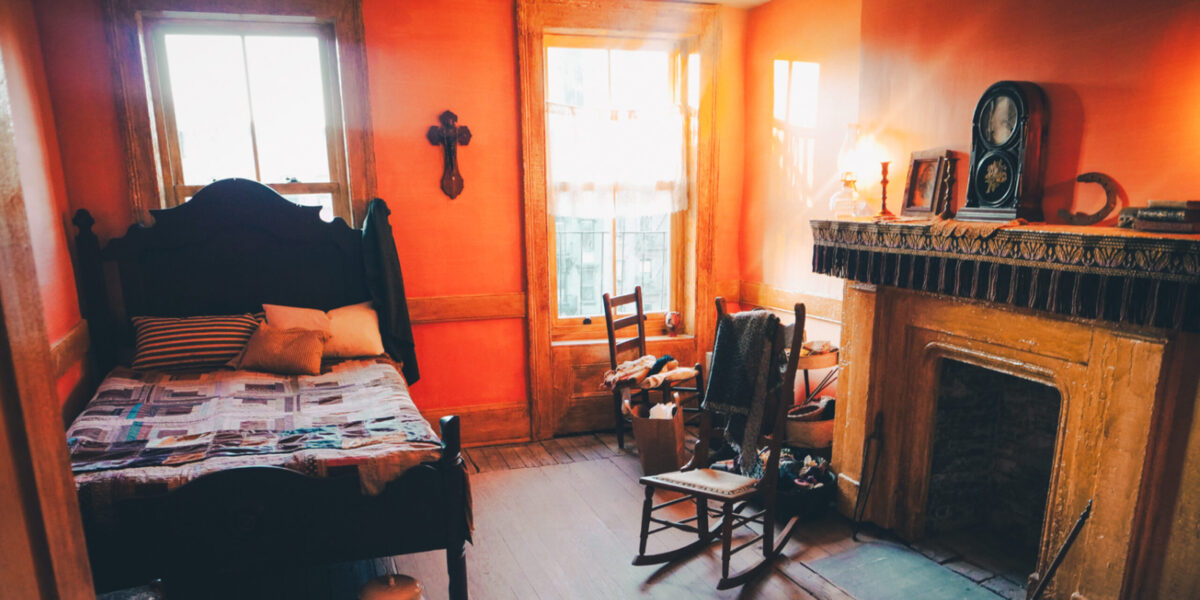
Tom visits the Tenement Museum on the Lower East Side to walk through the reconstructed two-room apartment of an African-American couple, Joseph and Rachel Moore, who lived in 1870 on Laurens Street in today’s Soho neighborhood.
Both Joseph and Rachel moved to New York when they were about 20 years old, in the late 1840s and 1850s. They married, worked, raised a family – and they shared their small apartment with another family to help cover costs.
Their home has been recreated in the Tenement Museum’s newest exhibit, “A Union of Hope: 1869.” The exhibit recreates what their apartment may have looked like – and it also explores life in the 8th Ward of Manhattan, and, specifically, within the black community of the turbulent and dangerous decades of the 1850s and 60s.
This is the first time the museum has recreated the apartment of a black family – although, as you’ll hear, the museum’s founders had long planned for it. And the exhibit is also the first time the museum has recreated an apartment that wasn’t housed in one of their buildings on the Lower East Side, but in another neighborhood.
So, just who were Joseph and Rachel Moore? And how and why did the Tenement Museum choose to put them at the center of their new exhibit?
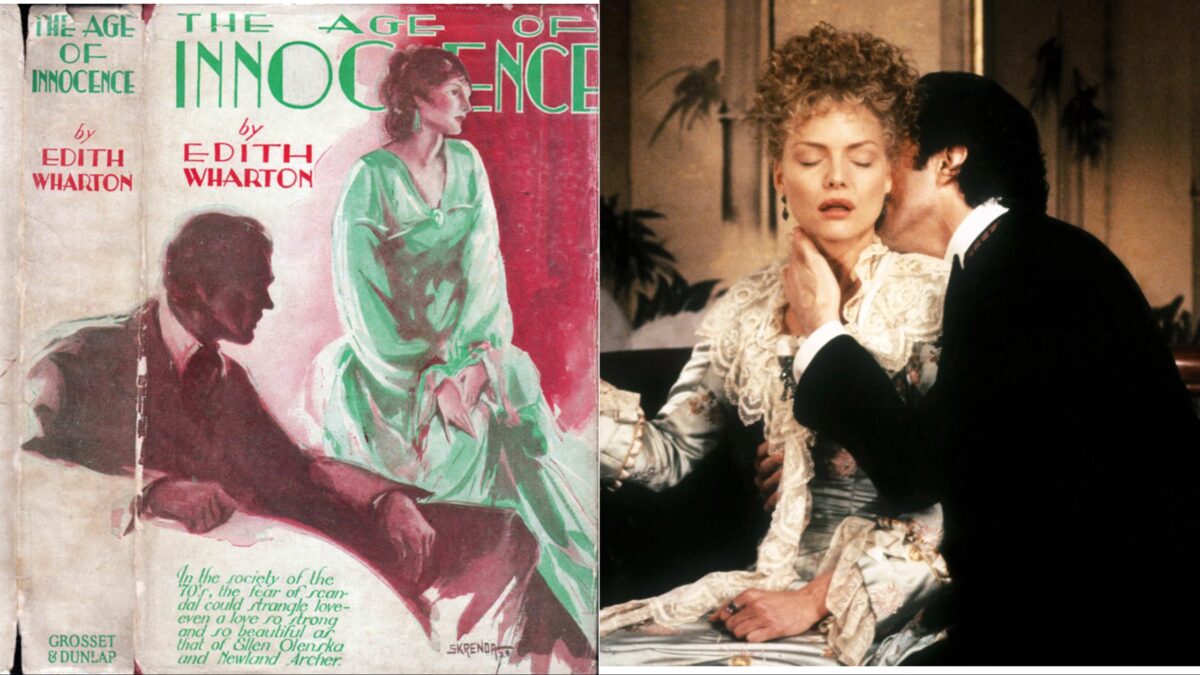
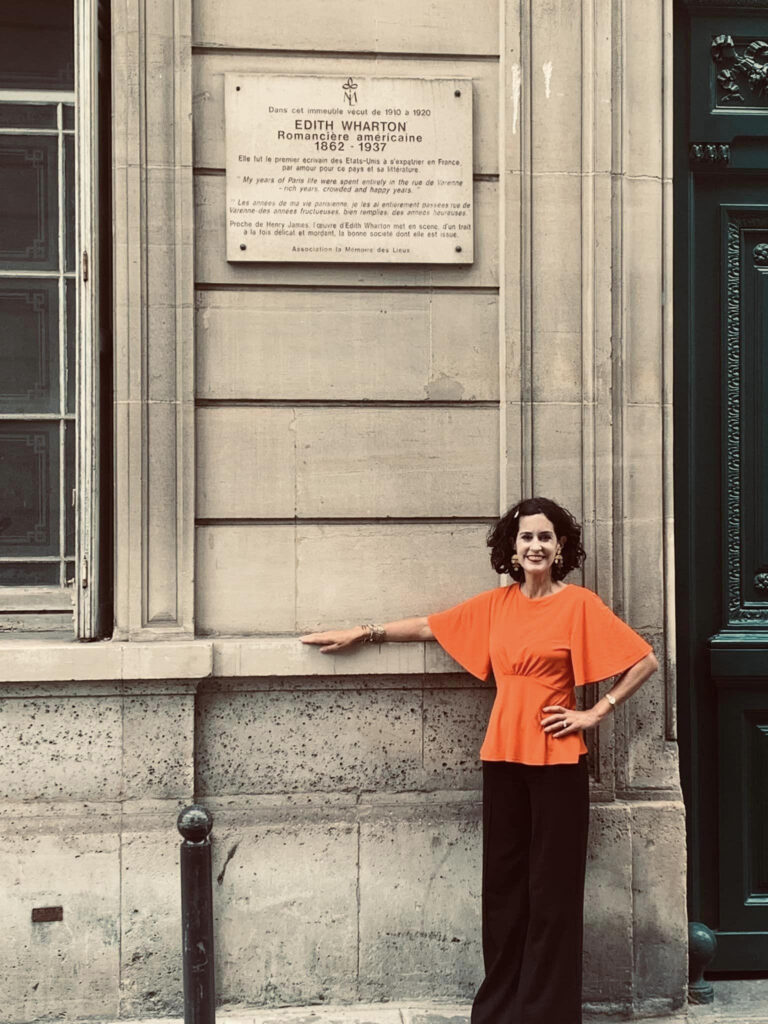
Edith Wharton’s The Age of Innocence is a perfect novel to read in the spring — maybe it’s all the flowers — so we are presenting to Bowery Boys listeners this marvelous literary-themed episode from the Gilded Gentleman.
The Age of Innocence is Edith Wharton’s most famous novel, an enduring classic of Old New York that has been rediscovered by a new generation.
What is it about this story of Newland Archer, May Welland and Countess Olenska that readers respond to today?
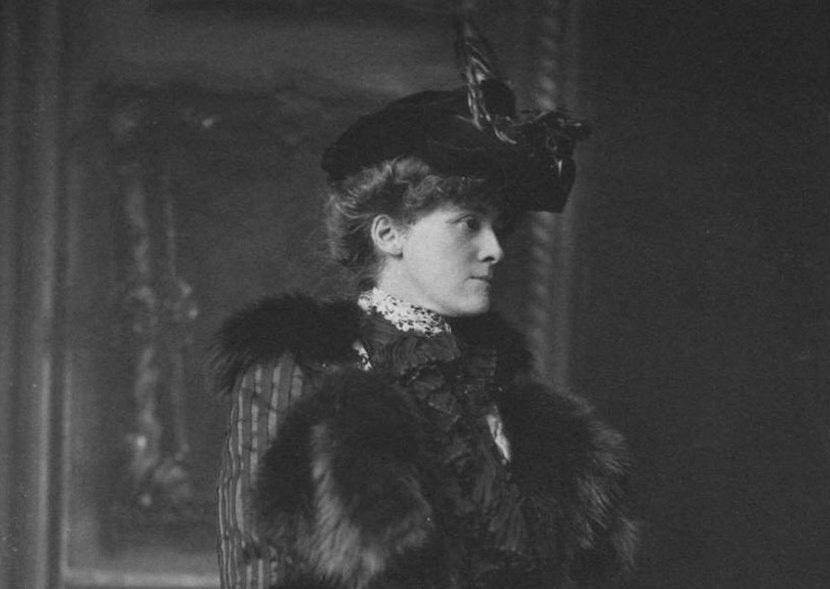
Noted Wharton scholar Dr. Emily Orlando joins Carl Raymond on The Gilded Gentleman podcast to delve into the background of this novel, take a deep dive into the personalities of the major characters and discuss what Wharton wanted to say in her masterpiece.
When the novel came out in 1920, she had been living in France full-time for nearly 10 years and had seen the devastating effects of World War I up close.
Her response was to look back with a sense of nostalgia to the time of her childhood to recreate that staid, restrictive world of New York in the 1870s. A world that, despite its restrictive, social cruelty, seemed to have some kind of moral center (at least to her).
But it was a world in which Wharton, as a creative woman, could not live and work in. And so she transferred her life in stages to France.
Listen today: The Age of Innocence with Dr. Emily Orlando
And subscribe to the Gilded Gentleman podcast for more fabulous tales of the Gilded Age. Find Carl on Apple, Spotify, Overcast, Simplecast or any place you get podcasts.
Orlando in front of Edith Wharton’s residence
Looking for more Edith Wharton listening? Here are a few podcast from The Gilded Gentleman and Bowery Boys catalog for you to dive into:
Baseball, as American as apple pie, really is “the New York game.” While its precursors come from many places – from Jamestown to Prague – the rules of American baseball and the modern ways of enjoying it were born from the urban experience and, in particular, the 19th-century New York region.
The sport (in the form that we know it today) developed in the early 1800s, played in Manhattan’s many open lots or New Jersey public parklands and soon organized into regular teams and eventually leagues. The way that New Yorkers played baseball was soon the way most Americans played by the late 19th century.
But it wasn’t until the invention of regular ball fields – catering to paying customers – that baseball became truly an urban recreational experience. And that too was revolutionized in New York.
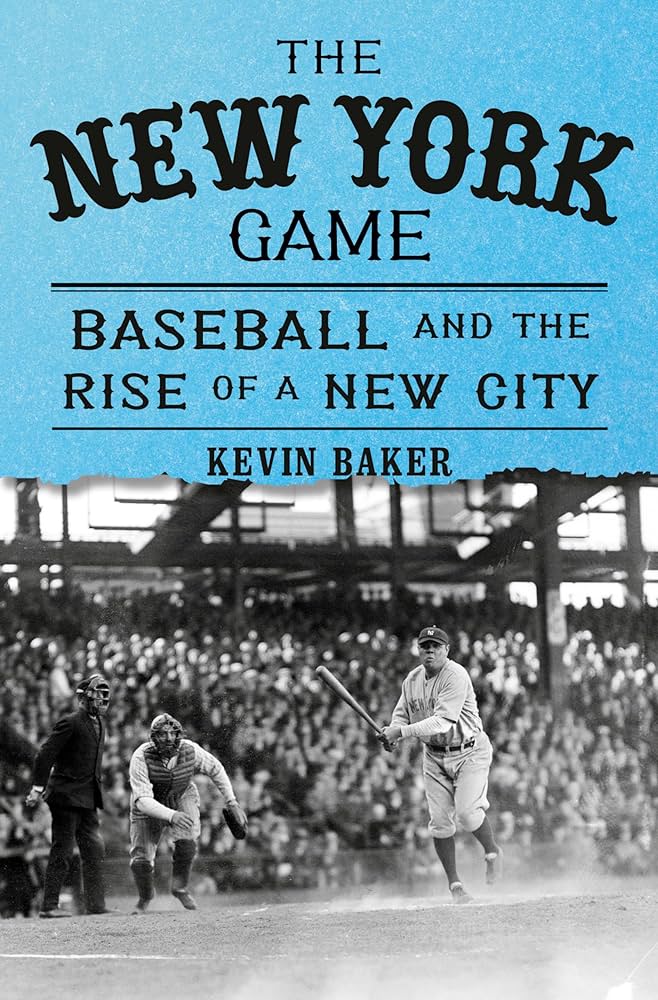
Just in time for spring and the new Major League baseball season, Tom and Greg are joined by the acclaimed Kevin Baker, author of The New York Game: Baseball and the Rise of a New Cityto discuss the early history of the sport and its unique connections to New York City.
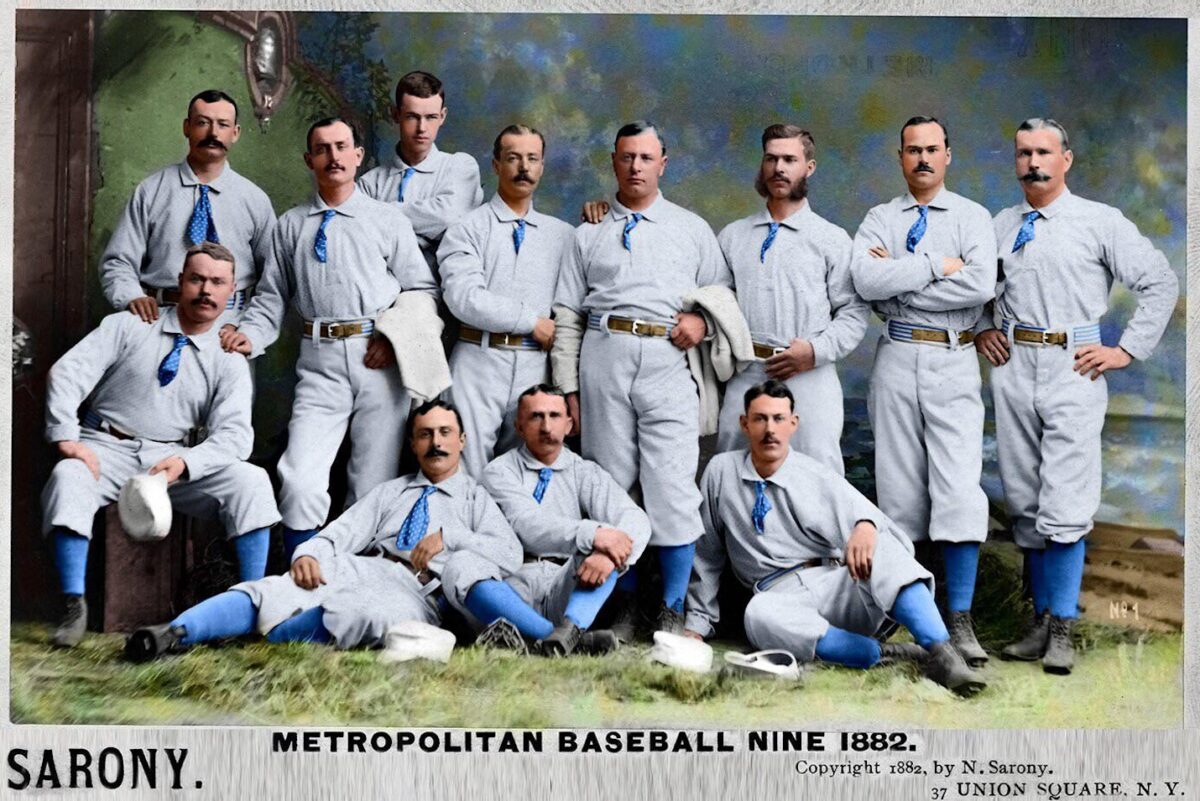
This show is truly the ultimate origin story of New York baseball, featuring tales of the city’s oldest and most legendary sports teams – the Yankees, the Dodgers, and the Giants. AND the New York Metropolitans – a different team than today’s Mets located in Queens.
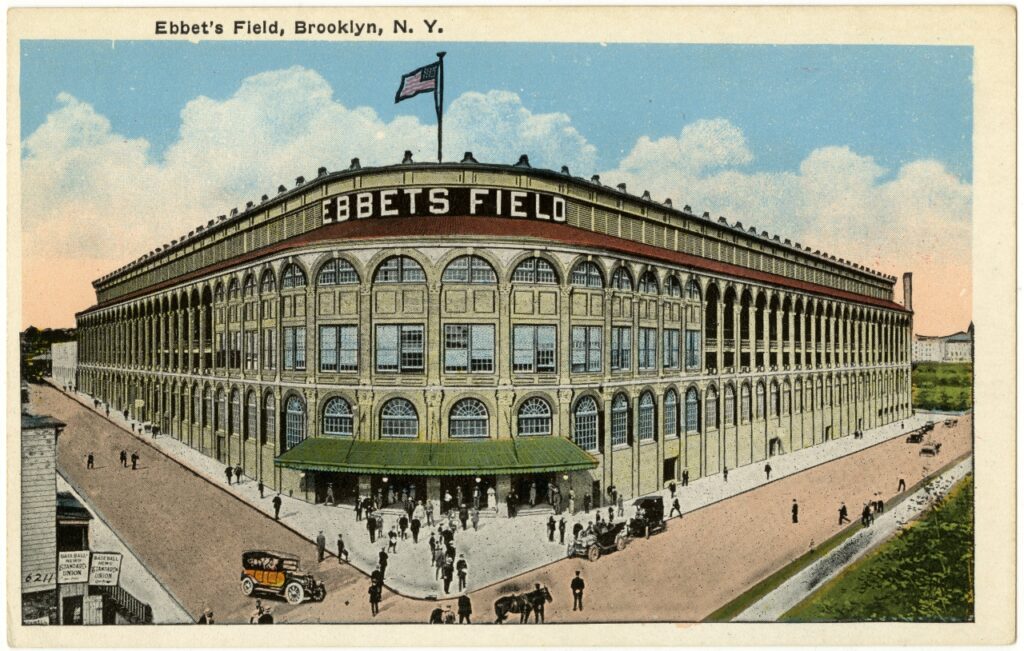
Where was baseball played? Kevin shares the secrets of New York baseball’s earliest venues – from the manyPolo Grounds in upper Manhattan to Ebbets Field in Brooklyn
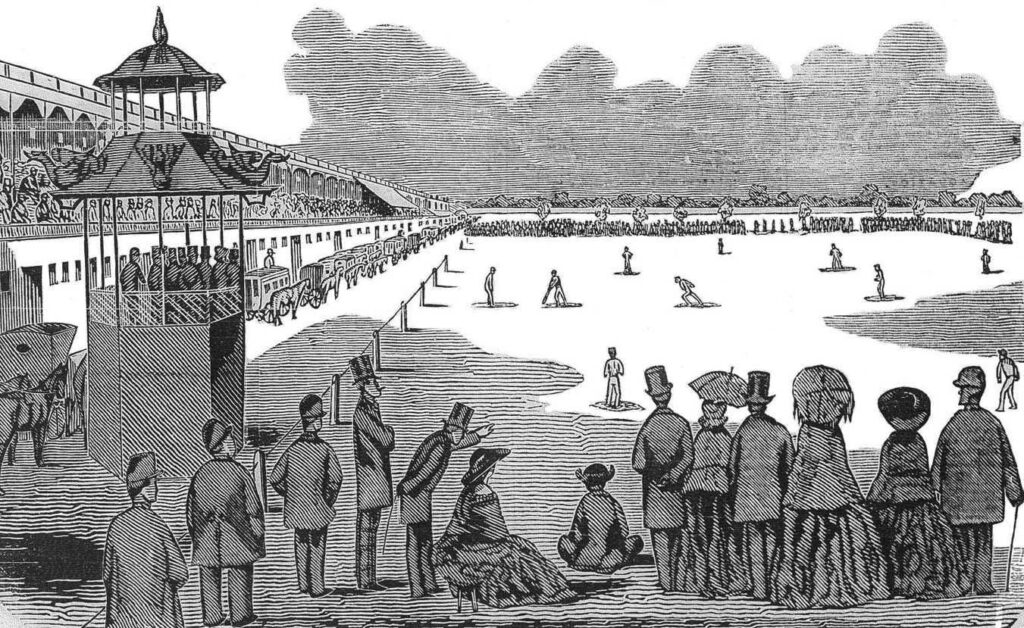
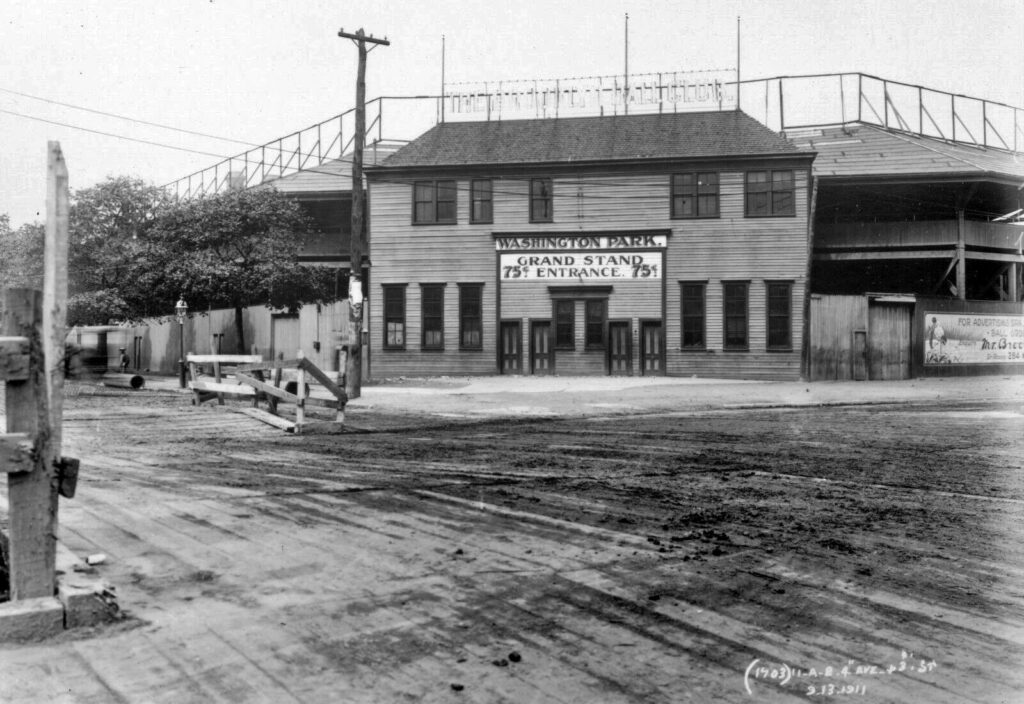
This is a true five-borough origin story! With stops at Hilltop Park (Manhattan), Yankee Stadium (Bronx), Fashion Race Course (Queens), Washington Park (Brooklyn), and St. George Cricket Grounds (Staten Island) among many other sites.
FEATURING the surprising link between baseball and Boss Tweed and his notorious political machine Tammany Hall
PLUS How did segregation distort the game and where did Black ballplayers play the sport? What was baseball like before Jackie Robinson?
LISTEN NOW: THE NEW YORK GAME
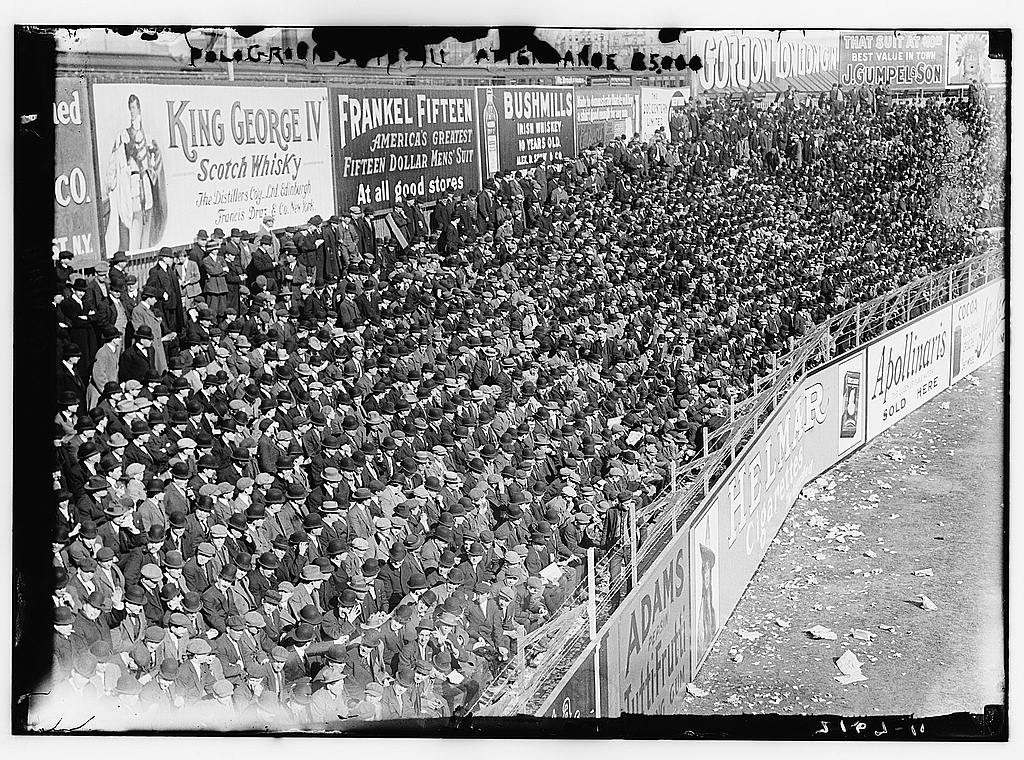
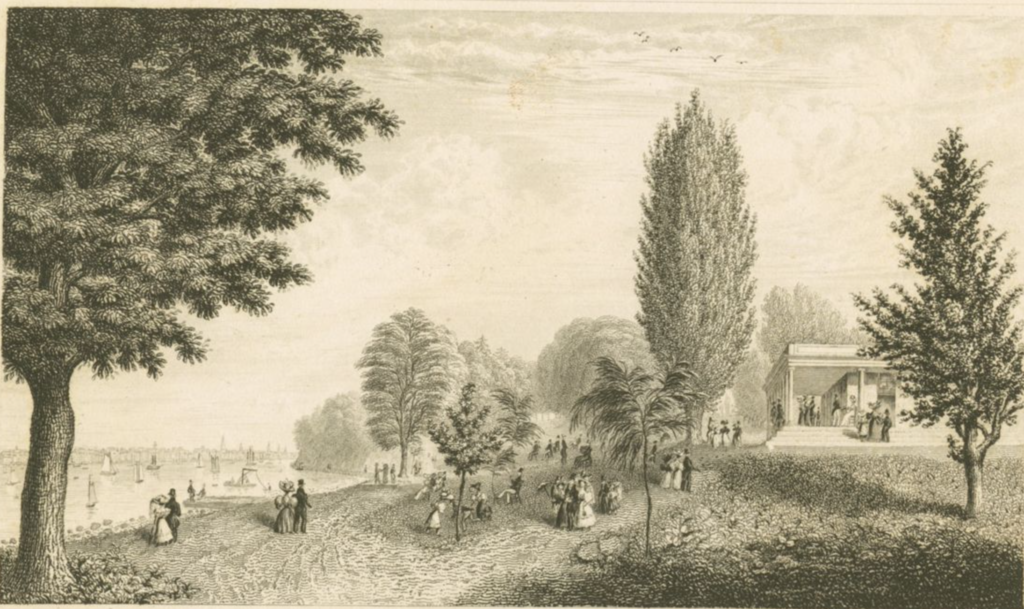
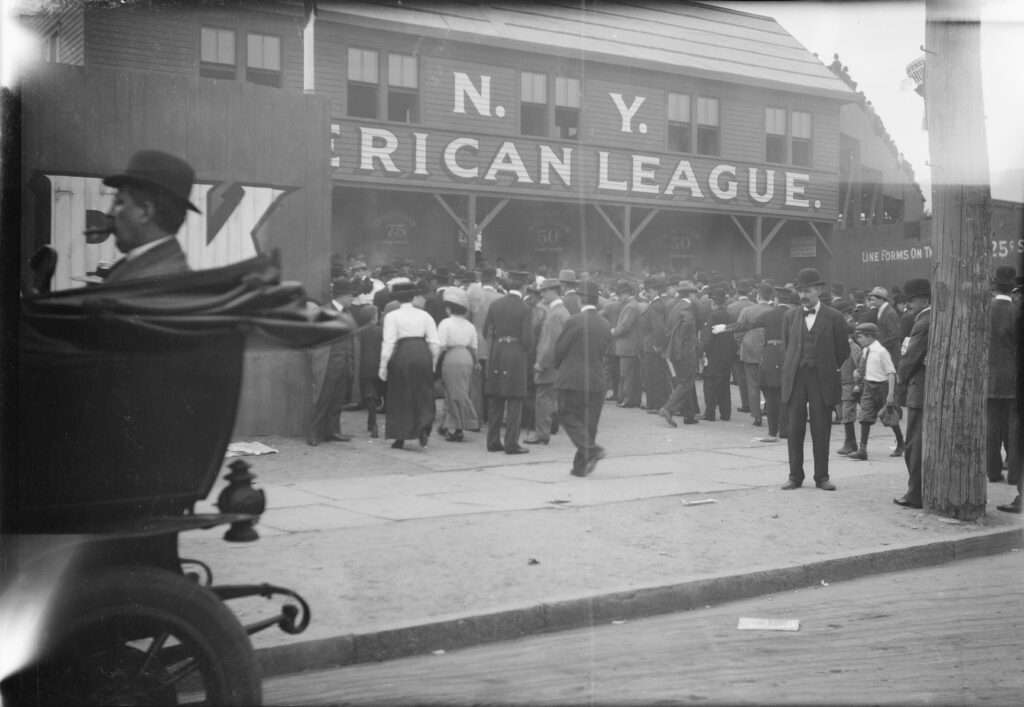
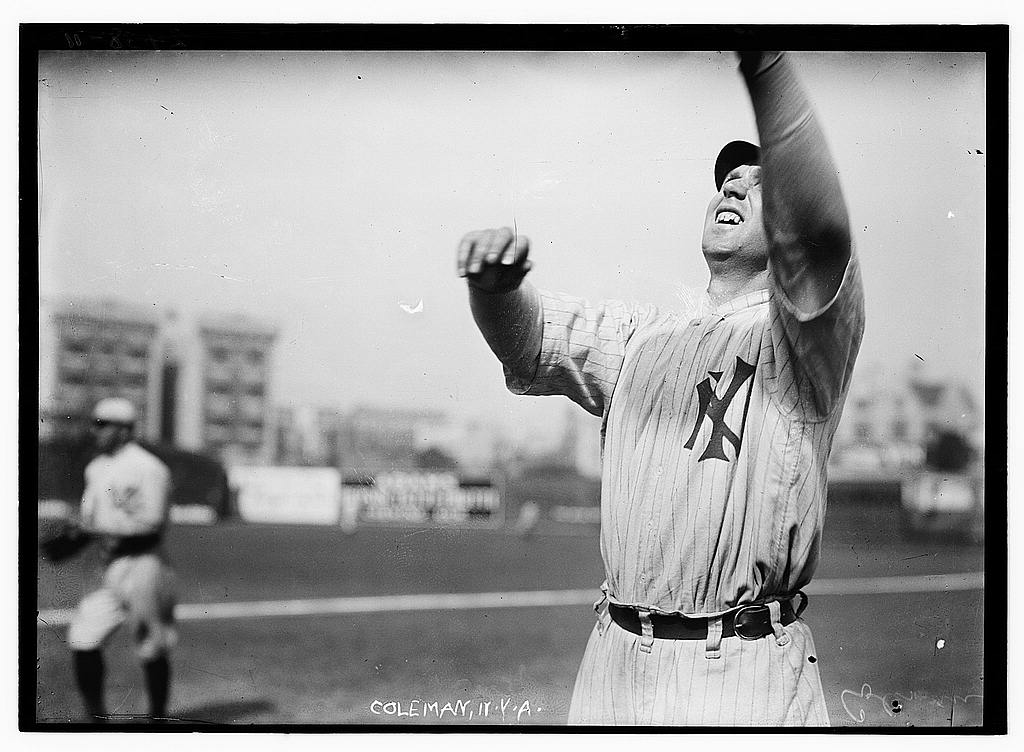
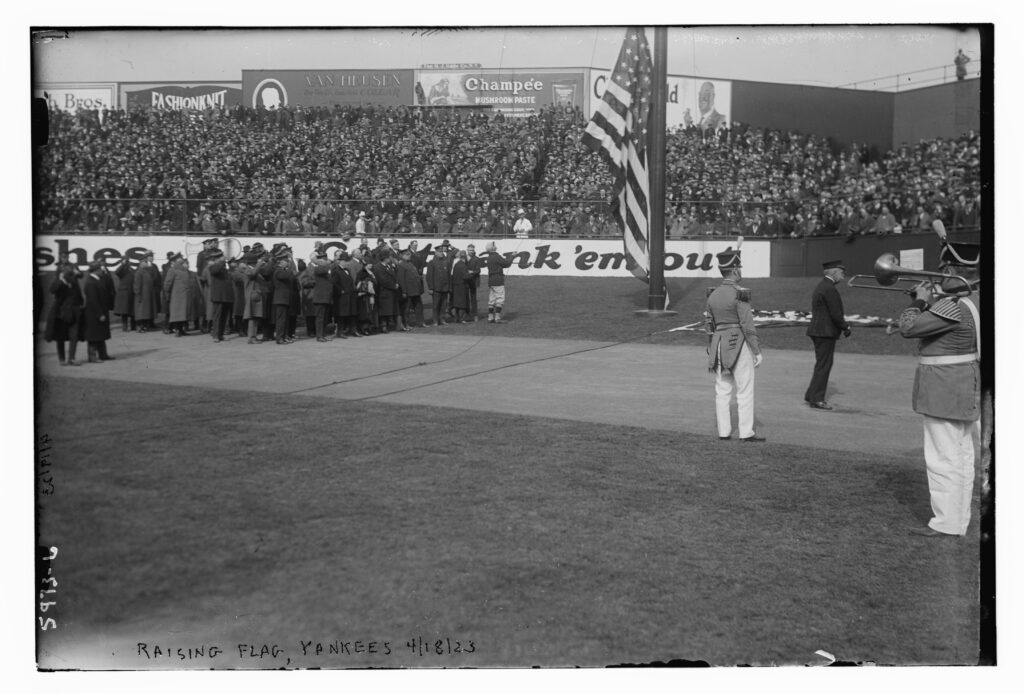
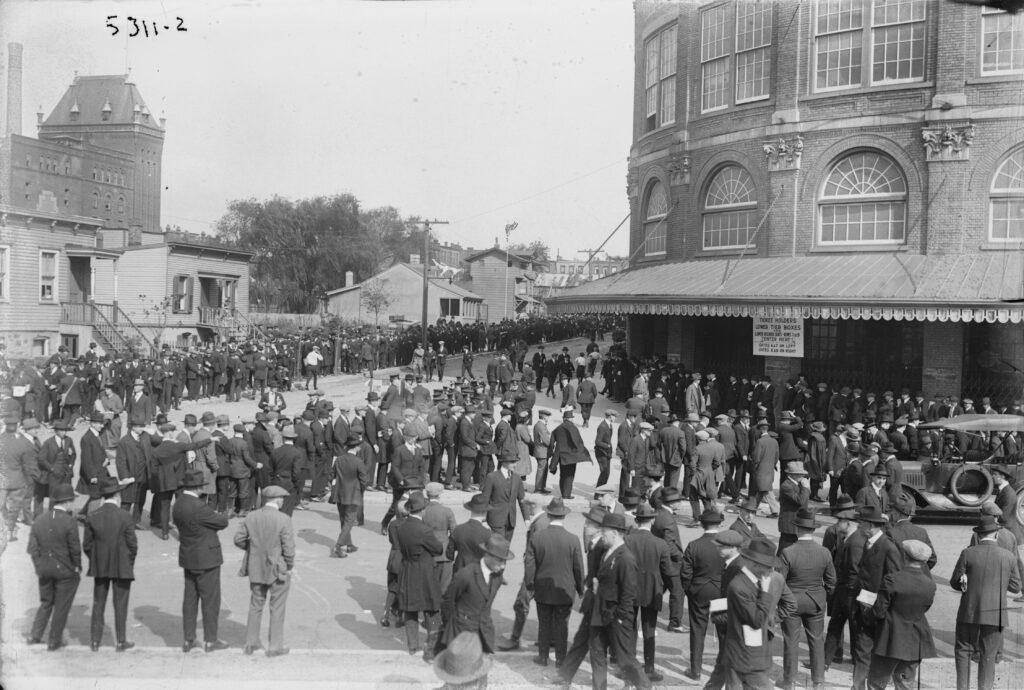
Fashion Race Course in Flushing, Queens, from The Clipper of July 24, 1858 (and via John Thorn/Our Game)Many hatted men at the Polo Grounds, 1911 (Library of Congress)Elysian Fields in Hoboken, the site of America’s first baseball games (NYPL, image from Booth’s History of New York)The entrance to Hilltop Park, 1912 (Library of Congress)Curt Coleman at Hilltop Park, 1912Washington Park taken September 13, 1911 from the intersection of 4th Avenue and 3rd Street in Park Slope, Brooklyn.Opening Day at Yankee Stadium, 1923 (Library of Congress)The crowd outside Ebbets Field for Game 1 of the 1920 World Series, the Brooklyn Dodgers against the Cleveland Indians.
The story of the founding of the US Navy during the Revolution has been told many times, yet largely missing from maritime histories of America’s first war is the ragtag fleet of private vessels that were critical to victory.
Privateers were privately owned vessels, mostly refitted merchant ships, that were granted permission by the new government to seize British merchantmen and men of war.
The men who owned the ships, as well as their captains and crew, would divide the profits of a successful cruise, although some Americans viewed them as cynical opportunists whose only aim was loot.
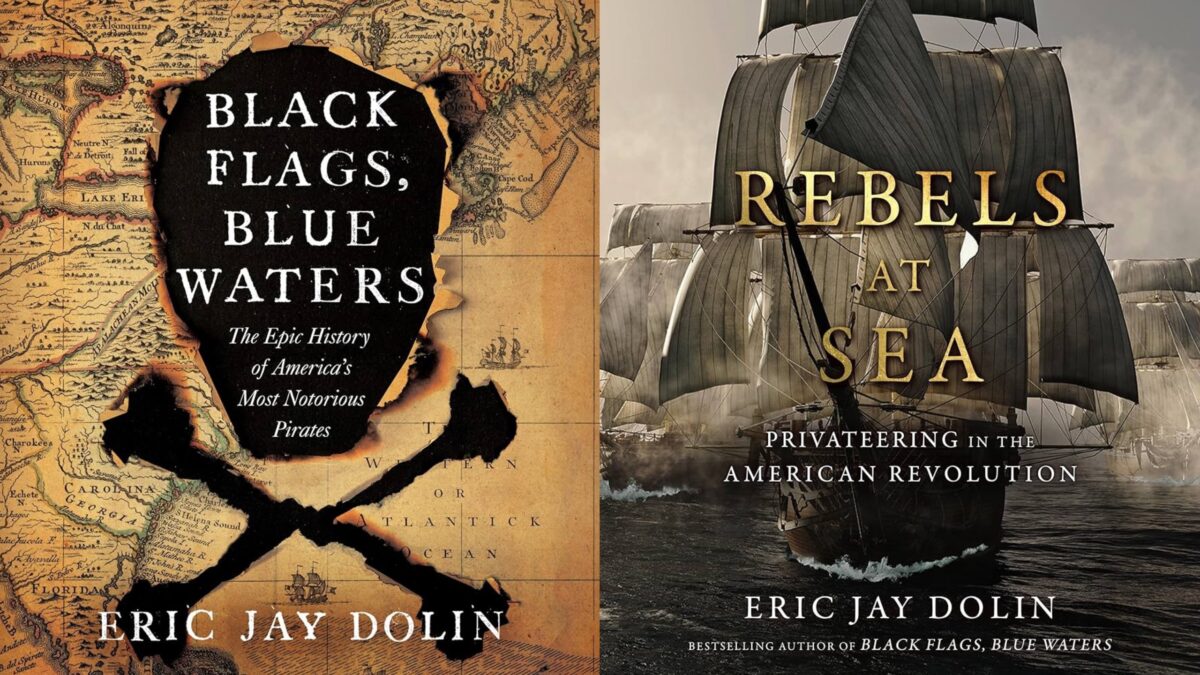
In his book Rebels at Sea, Privateering in the American Revolution, best-selling author Eric Jay Dolin explores the historical distinction between pirates and privateers, showing that the latter were as patriotic as their fellow Americans, and that they greatly contributed to the war’s success.
Eric will be joined in conversation by Greg Young, co-host of the podcast The Bowery Boys. After the talk, Eric will sign copies of his book.
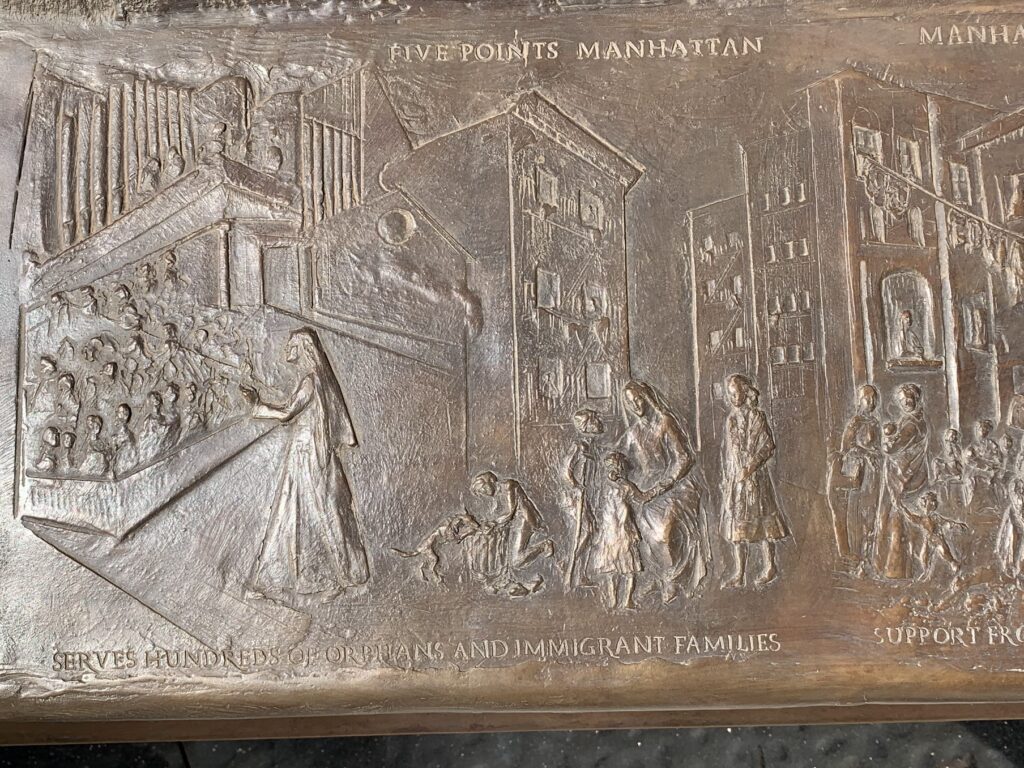
Out in movie theaters this week: The new film Cabrini celebrating the life, of Mother Frances Xavier Cabrini, the pioneering nun (now a saint) who became a pillar of compassion and grace for thousands of Italian immigrations in the late 19th century.
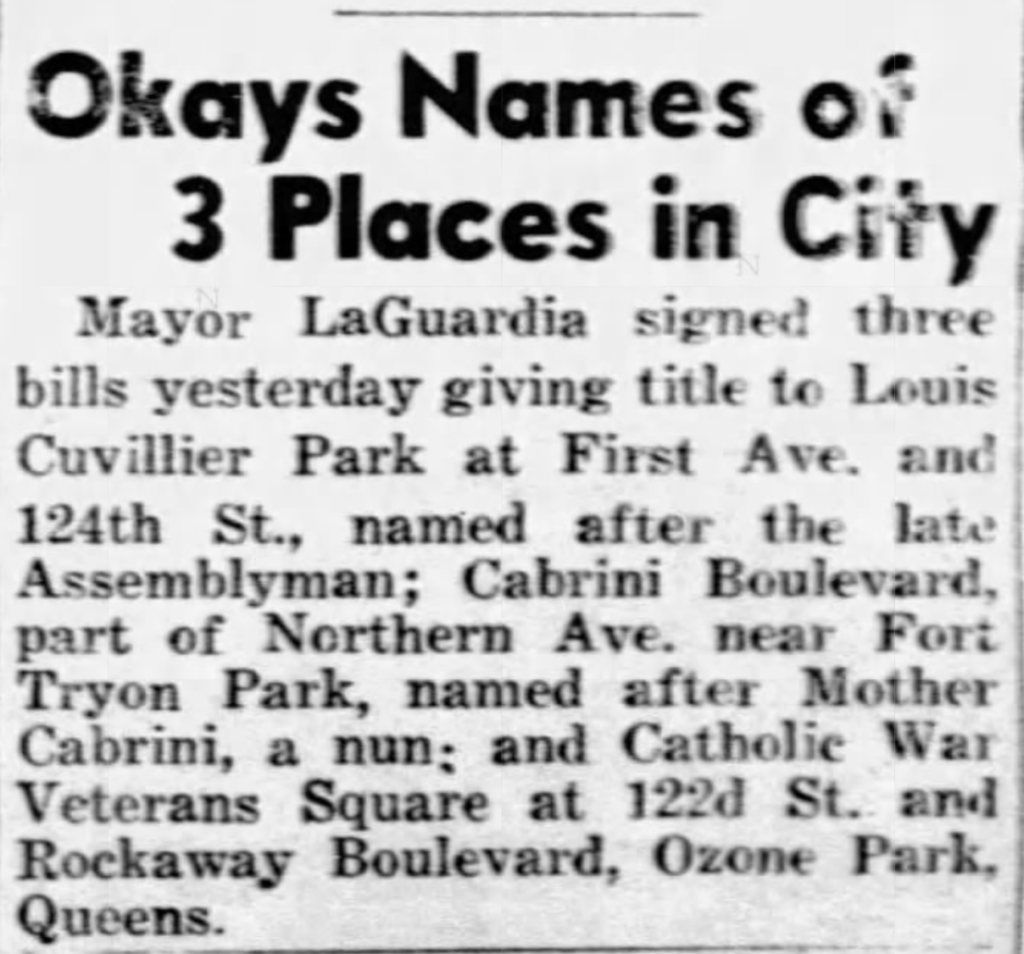
She was canonized by the Catholic Church in 1946. And her legacy continues to be celebrated in several places throughout New York City.
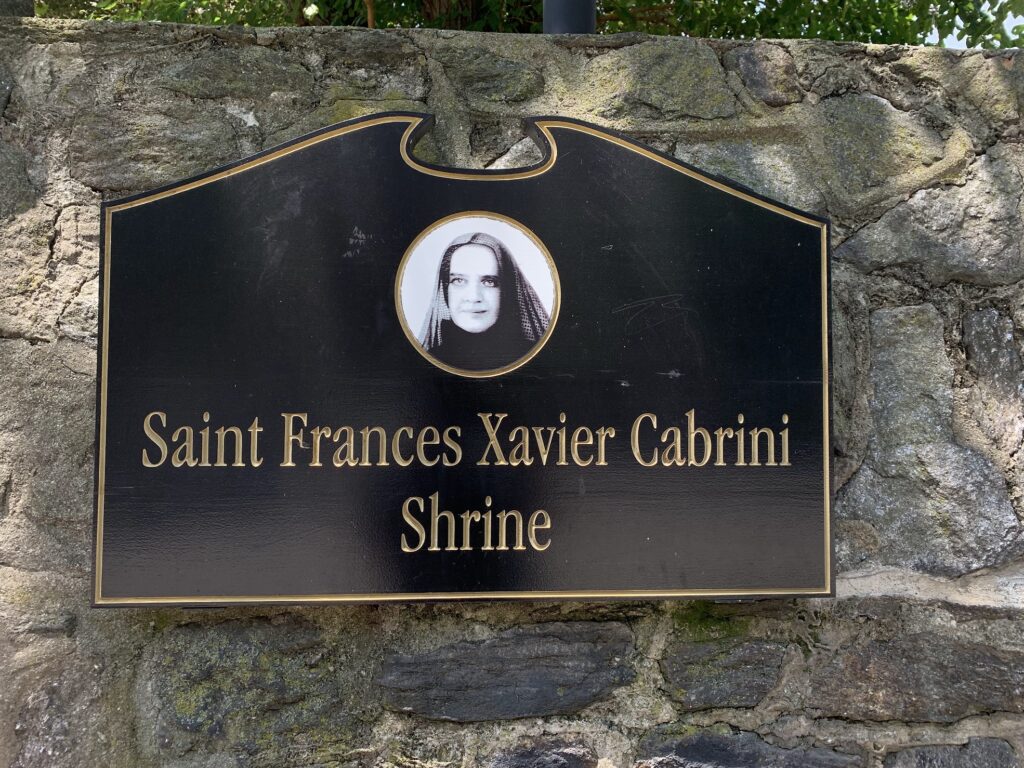
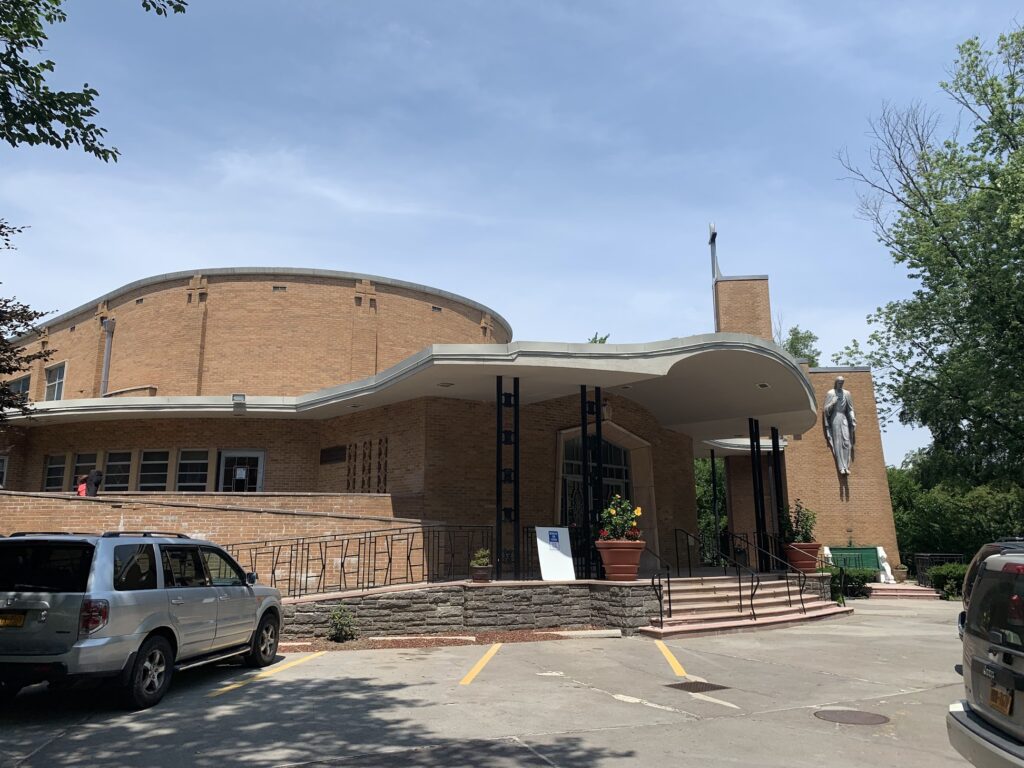
The Cabrini Shrine is located in Washington Heights.
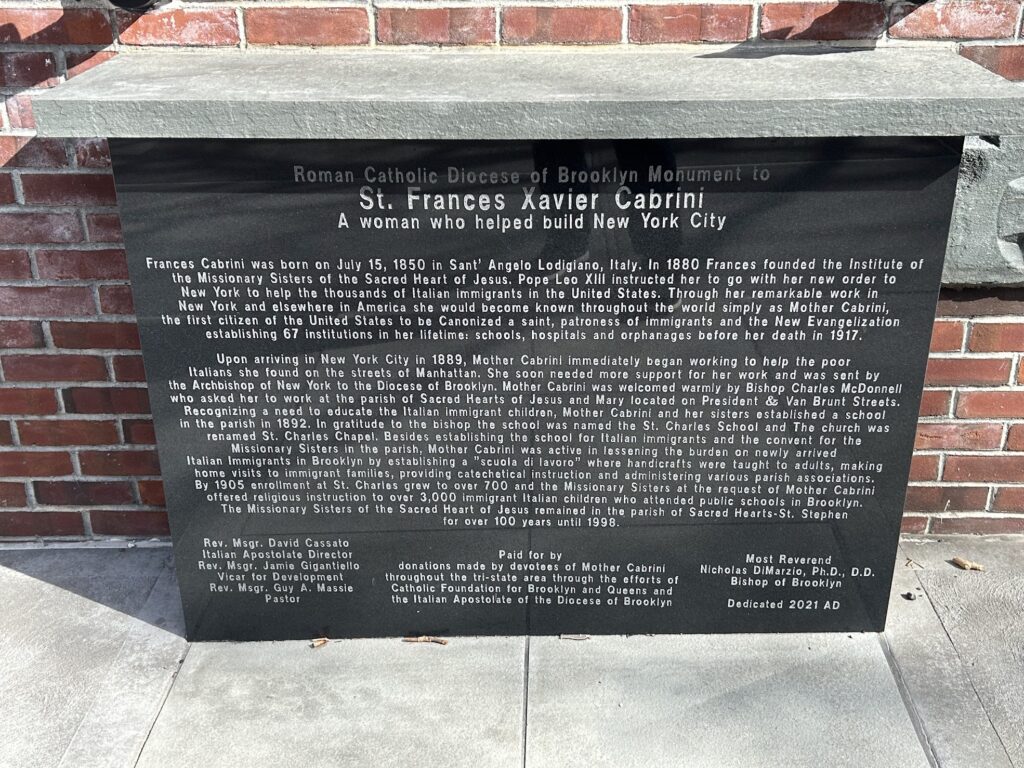
Cabrini was born in 1850 in today’s Italian region of Lombardy. She entered the sisterhood at a young age, and by 1880 had formed her own order with seven other women — the Missionary Sisters of the Sacred Heart of Jesus.
The good works performed by the order soon got the attention of Bishop Giovanni Scalabrini — and Pope Leo XIII. The church had a very specific mission for Cabrini.
Thousands of Italian immigrants already lived in New York by the late 1880s. Word got back to the Vatican of the horrible living conditions in the city — not only the squalor of the city’s tenement districts, but the difficulties for Italian-speaking immigrants to continue practicing their faith. Most Catholic churches in New York at this time were for Irish or German congregations only.
In 1889, Mother Cabrini and the sisters sailed to America with a mission to tend to New York’s new Italian immigrant population. While the recently installed Statue of Liberty, still golden copper, greeted them in New York harbor, it seemed no others did.
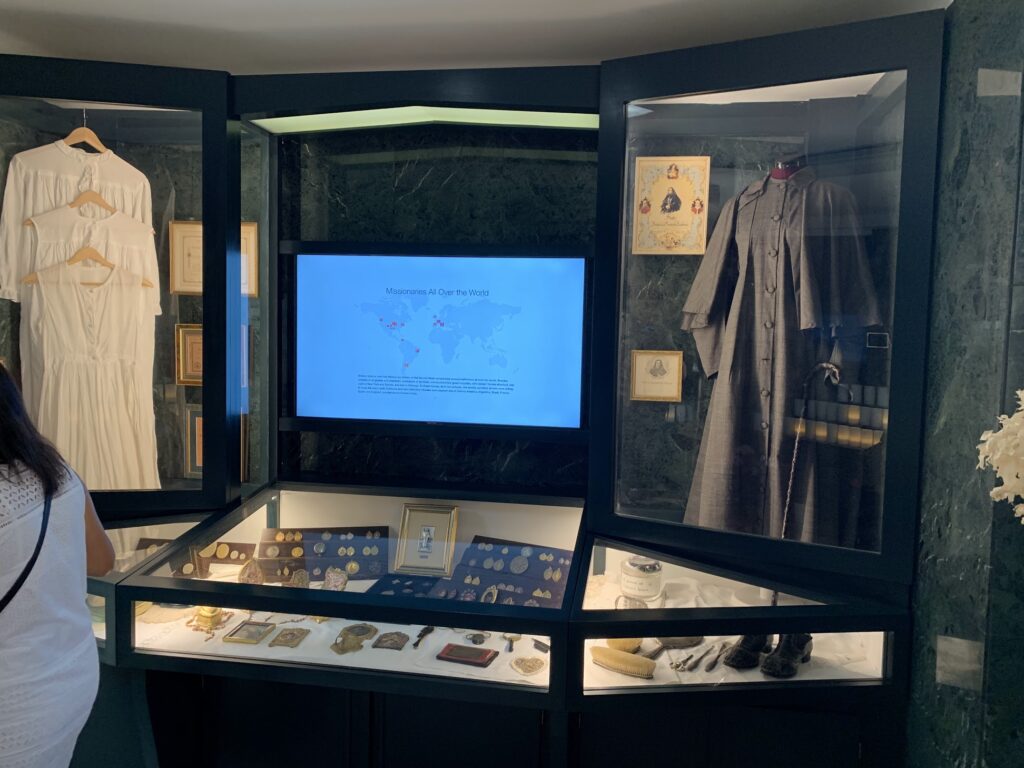
Items from the Cabrini Museum inside the Cabrini Shrine, photo by Greg Young, taken 2019
“No one met them at the dock. No one was there to meet them because they came way faster than anyone expected,” said Cherie Sprosty, director of liturgy at the Cabrini Shrine, who Greg spoke to for his 2019 podcast. “And the next day they made their way to Archbishop Corrigan’s residence to let him know that they were ready to get started. And he said, “What are you doing here? Didn’t you get my letter? Go back. We don’t have anywhere for you to live.”
Unwavering in their mission, Cabrini and the other sisters did eventually get settled in a parish on the Lower East Side. They found a room at St. Joachim’s Church (at 26 Roosevelt Street, now demolished) where they begin holding catechism class in Italian.
Italian immigration would greatly increase within the next couple decades here — not just in New York but across the country — and the sisters’ mission would expand into education and healthcare. Their work would create a sound, religious bedrock for Italian Americans, ensuring a smooth transition into American life without losing their Catholic faith.
From the Cabrini Shrine website: “Mother Cabrini discovered this property in 1899 as she drove her horse and buggy to the remote northwest edge of New York City. She purchased land at what is now 190th St. and Fort Washington Avenue to build a school for middle-class girls, the tuition from which was used to fund orphanages and free schools for the poor. Mother Cabrini always found great peace of mind and personal tranquility whenever she visited this site. A bench upon which she liked to meditate remains for visitors to sit upon.“
Cabrini died at Columbus Hospital in Chicago, Illinois, in 1917. On July 7, 1946 she was canonized as a saint by the Roman Catholic Church. New York’s Cabrini Shrine opened in 1959.
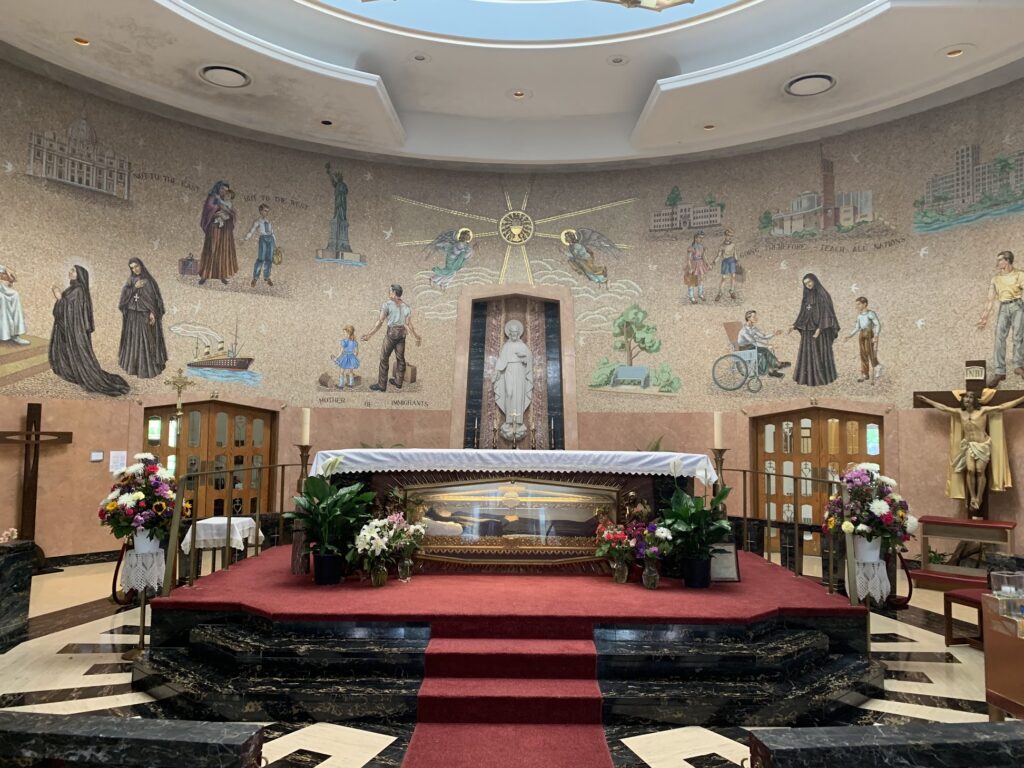
Inside the Cabrini Shrine, photo by Greg Young, taken 2019
From the website:
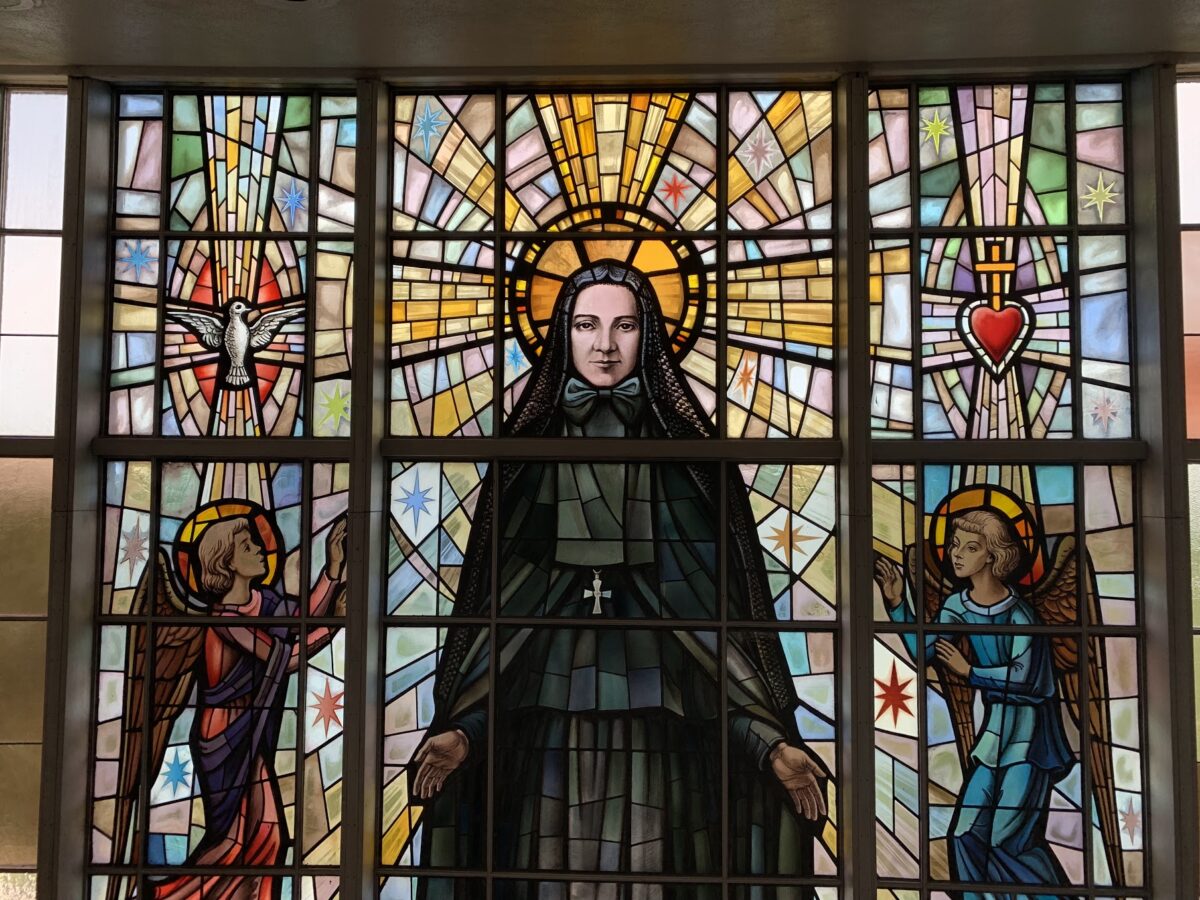
“Mother Cabrini’s remains were then transferred to the Shrine, where she now rests. A pictorial mosaic composed of Carrera marble, Botticino marble, and gilded Venetian glass surrounds the altar, depicting significant scenes from Mother Cabrini’s life. A towering three-story stained-glass image of St. Cabrini at the back of the chapel overlooks the Hudson River. It features an unusual mid-century composition of pieced stained glass with painted details. The carefully restored carriage Mother Cabrini drove when she visited West Park sits beneath it.“
You could find Cabrini’s influence all over the place today, far and wide, 67 institutions throughout the United States, hospitals, orphanages, Catholic schools.
The National Shrine of Saint Frances Xavier Cabrini is located in Chicago on the spot of Columbus Hospital (which she had founded in 1905). According to the Shrine’s website: “The room where Mother Cabrini died has been preserved and is currently on exhibit inside the National Shrine of Saint Frances Xavier Cabrini.”
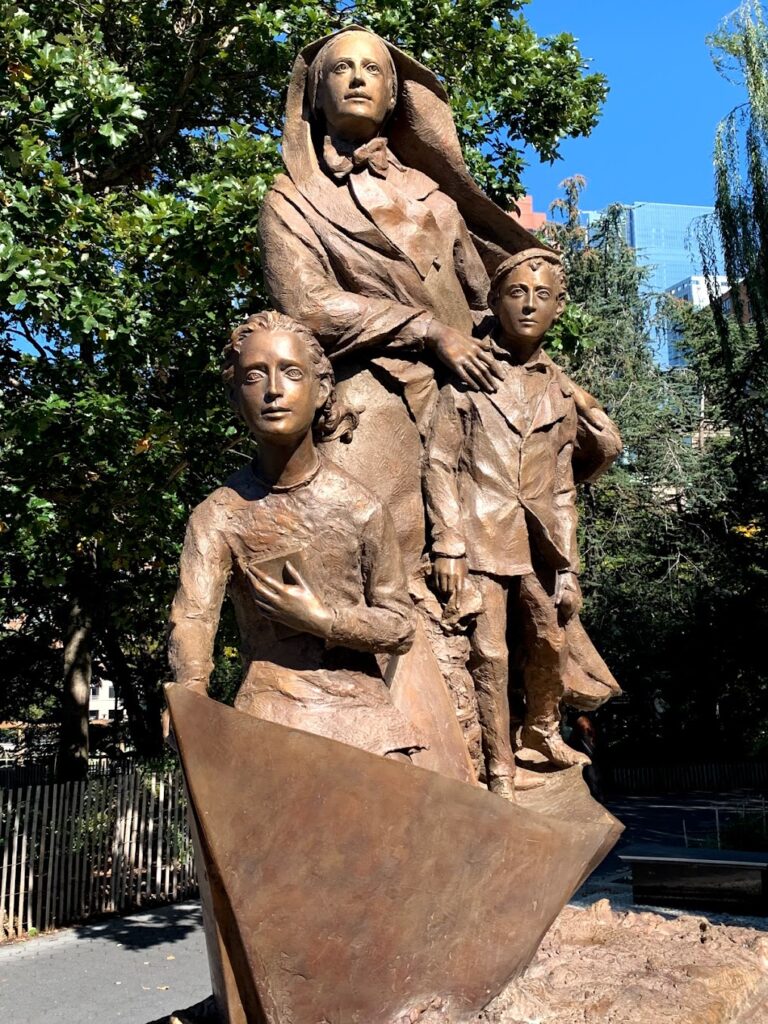
In 2020 a statue devoted to the life and work of Mother Cabrini was placed in New York’s Battery Park:
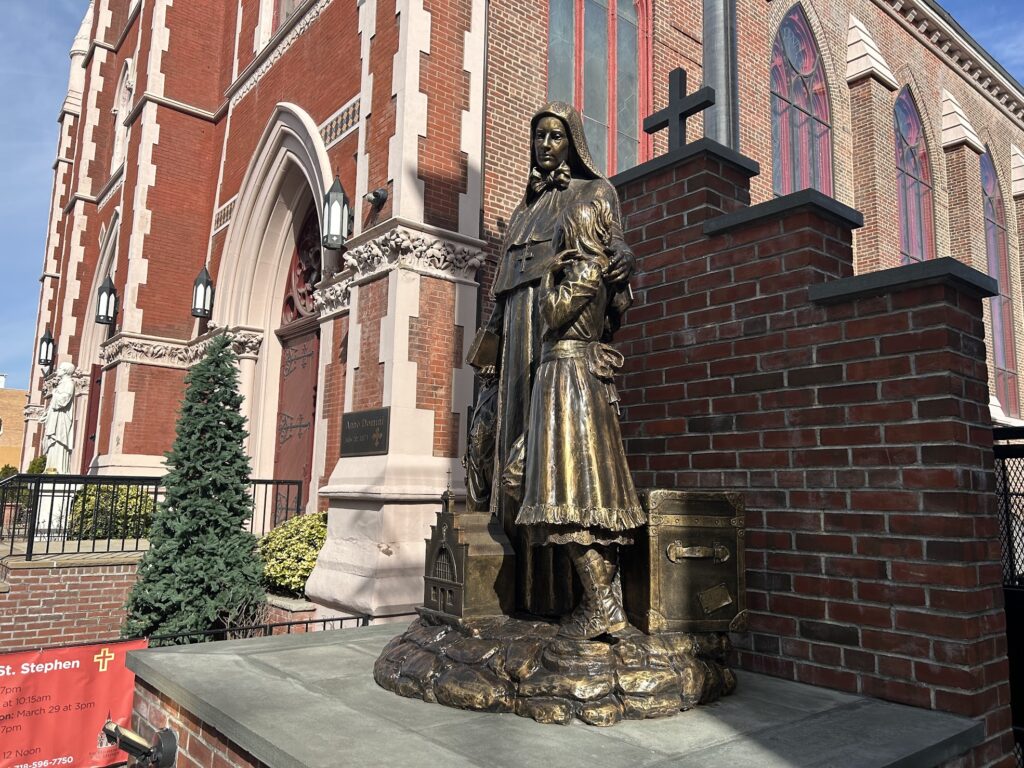
And there’s also a statue of Cabrini standing at the Church of the Sacred Hearts of Jesus and Mary & St. Stephen in Carroll Gardens, Brooklyn. This likeness, installed in 2021, specifically celebrates her connection to Brooklyn. In the 1890s she founded a school for Italian immigrants in the neighborhood of Red Hook. Today Mother Cabrini Park at President and Van Brunt Streets marks the spot where that school once stood.
Presenting new episodes of the Bowery Boys podcast and The Gilded Gentleman podcast, both tied to the story of architecture in New York City. After listening to both of these, you’ll understand the nature of city skyline and unlock the secrets to New York’s most famous landmarks.
The American Renaissance: Beaux-Arts Architecture in New York City
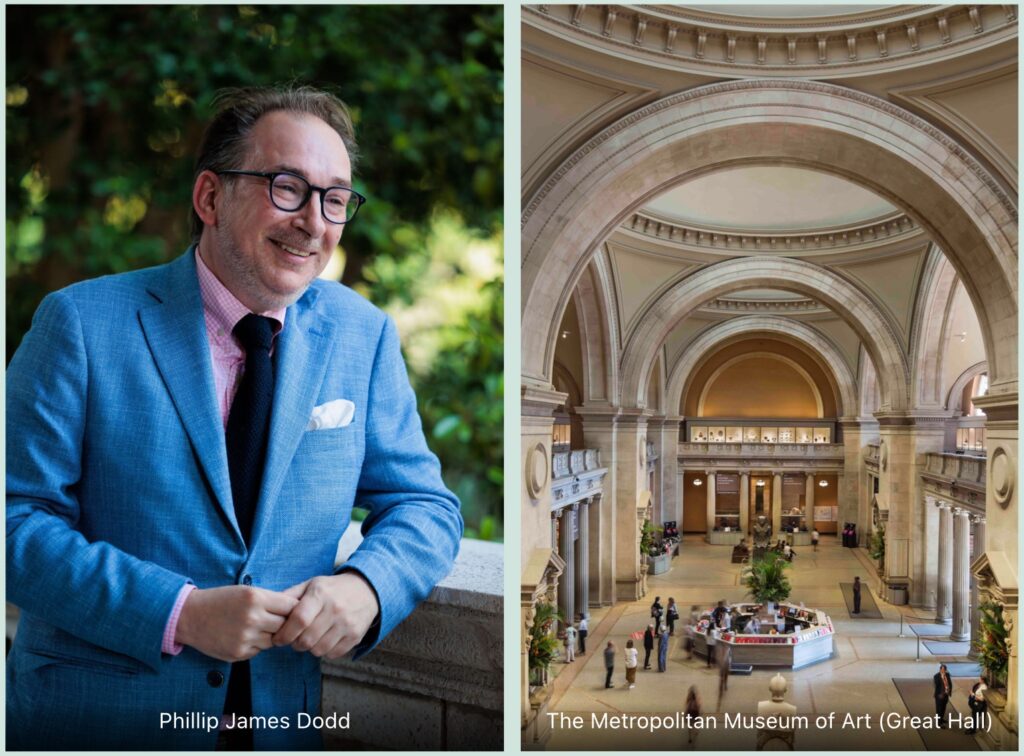
On the latest episode of The Gilded Gentleman, Carl is joined by noted architect, interior designer and author Phillip James Dodd for an in-depth discussion of the “look” of the Gilded Age — a style known as American Beaux-Arts.
Architecture constructed during the height of America’s Gilded Age most certainly had a distinctive look. It was a uniquely American combination of stylistic elements of classical antiquity, the Renaissance palaces of the Medici as well as the more flamboyant styles of France’s Belle Epoque.
But just how does one define this eclectic style that came to be known as American Beaux-Arts and who were its most famous and influential practitioners?
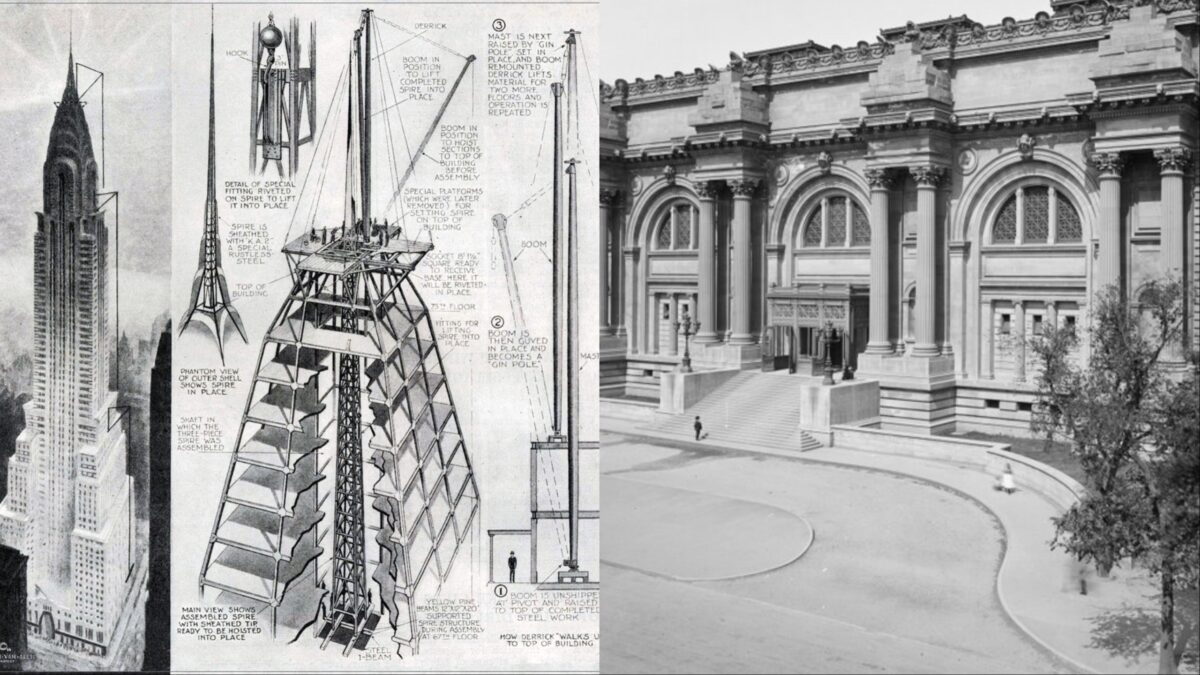
In this episode Carl and Phiilp discuss these concepts in general to arrive at a definition and understanding of the Beaux-Arts Movement. They also take a look at major examples such as the the Metropolitan Museum of Art, the New York Public Library and the Morgan Library, as well as the architects who created them: Richard Morris Hunt, Charles Follen McKim, and the architectural team of Carriere and Hastings.
After having listened to this unique episode, you’ll look at the Gilded Age and New York City with whole new eyes.
Courtesy NYPL
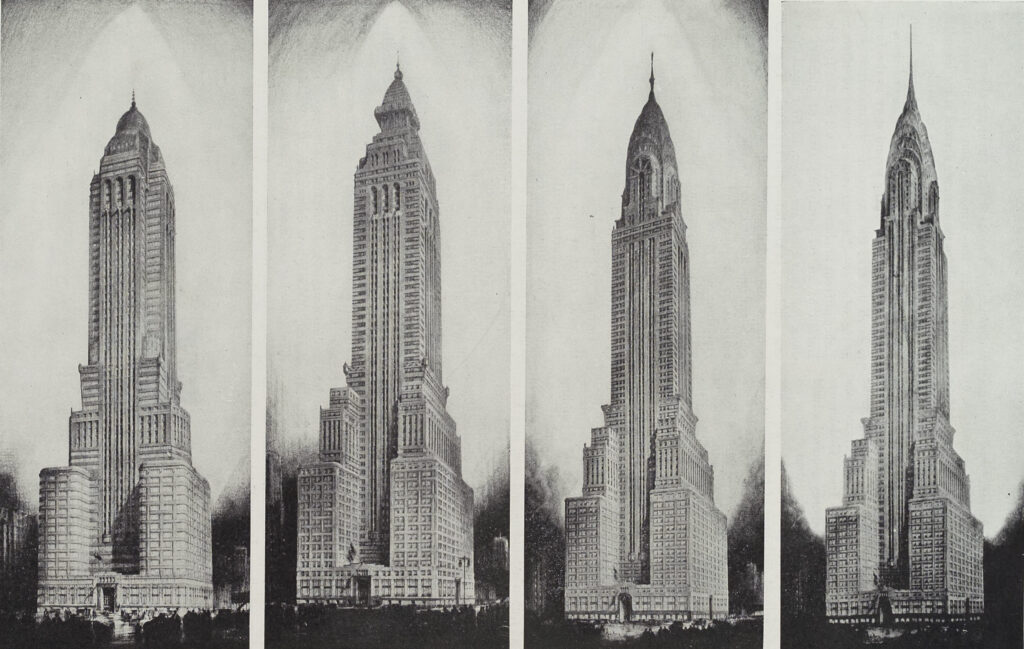
The Chrysler Building and the Great Skyscraper Race
The Chrysler Building remains one of America’s most beautiful skyscrapers and a grand evocation of Jazz Age New York. But this architectural tribute to the automobile is also the greatest reminder of a furious construction surge that transformed the city in the 1920s.
After World War I, New York became newly prosperous, one of the undisputed business capitals of the world. The tallest building was the Woolworth Building, but the city’s rise in prominence demanded new, taller towers, taking advantage of improvements in steel-frame construction and a clever ‘wedding cake’ zoning law that allowed for ever-higher buildings.
Into this world came William Van Alen and H. Craig Severance, two former architectural partners who had unamicably separated and were now designing rival skyscrapers. Each man wanted to make the tallest building in the world.
But Van Alan had the upper hand, backed by one of America’s most famous businessmen — Walter Chrysler. His automobiles were the coolest, sleekest vehicles in the marketplace. His brand required a skyscraper of radical design and surprising height.
Subscribe to both the Bowery Boys Podcast and The Gilded Gentleman on your favorite podcast players (including Spotify, Apple, Overcast, Pocket Casts, iHeartRadio and more.