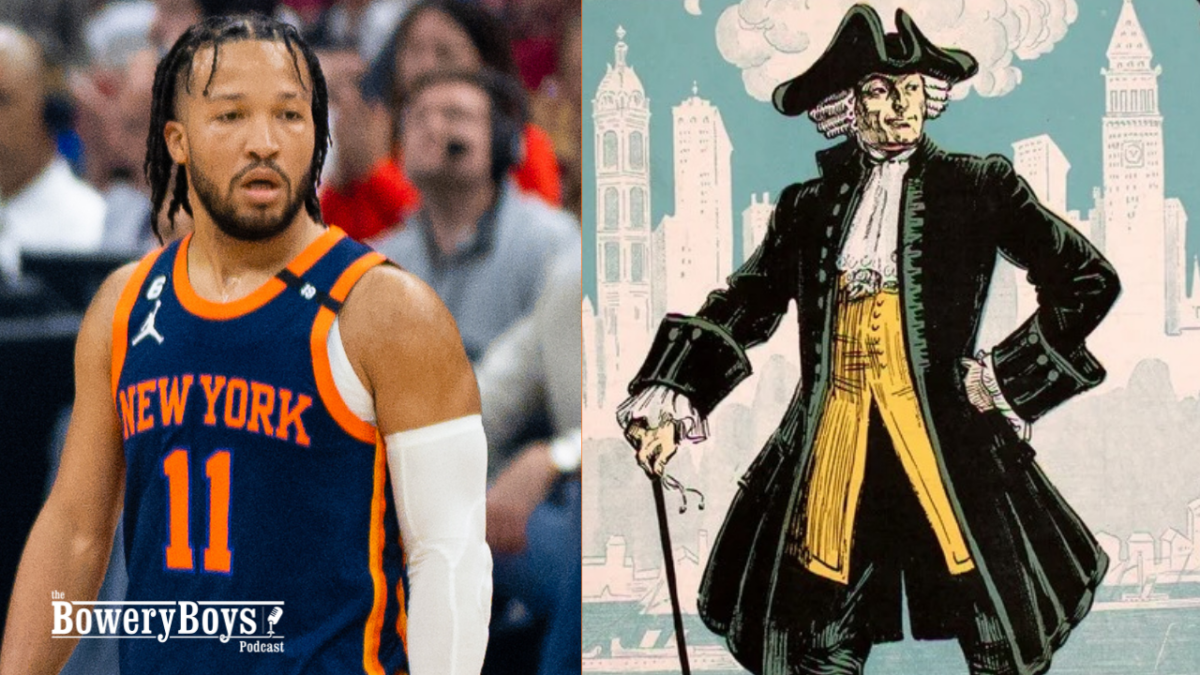
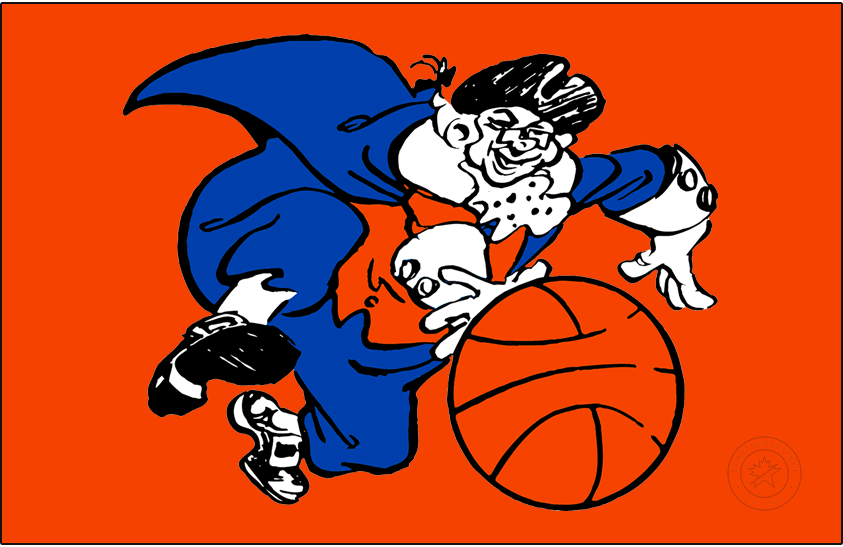
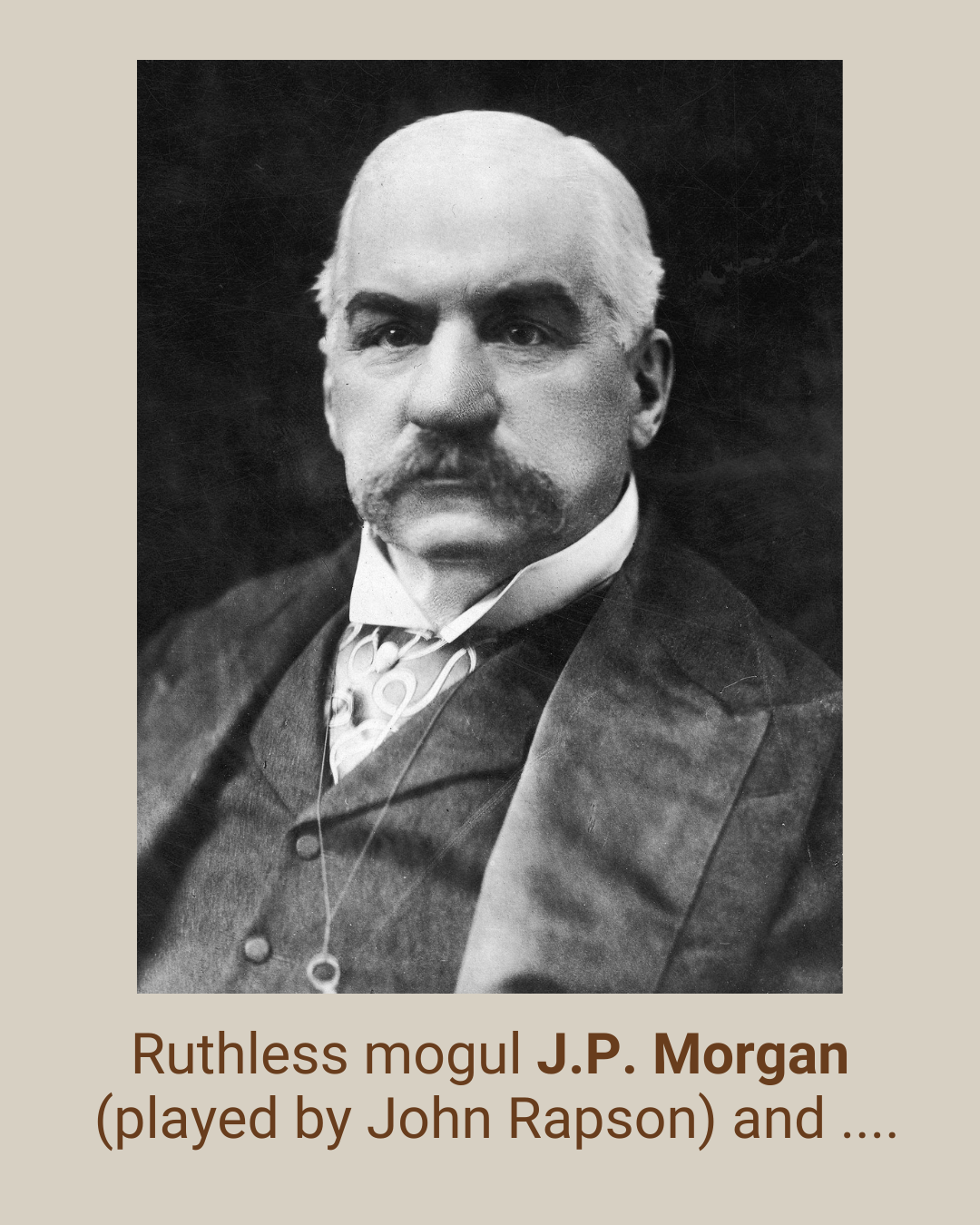
The New York Knicks are the ultimate New York City sporting franchise. Why would we make such a big claim? It’s all in the name.
The Knicks were founded in 1946 as one of the inaugural teams from the sports professional league which became the National Basketball Association (NBA).
However there were no notable Knickerbockers in the original Dutch settlement. Where did this odd name come from?
Tom and Greg go on the hunt for the origins of this unusual name, charting a course through the Hudson River Valley in the early 19th century — to the romantic Knickerbocker Mansion in Schaghticoke, and then following the various wanderings of a young Washington Irving.
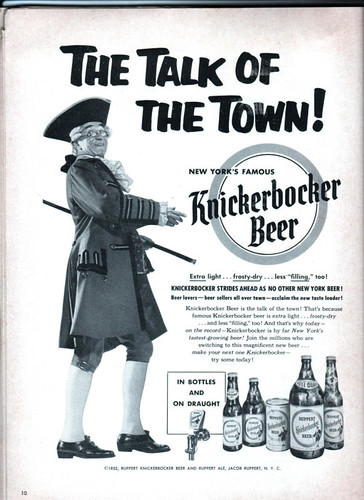
His character Diedrich Knickerbocker would not only bend the will of history, he would inspire generations of New Yorkers to boast traces of their lineage to the city’s Dutch past. By the Gilded Age, it would be a stand-in for New Yorkers in general, adhered to steamships, hotels and even beer
And so the spirit of Washington Irving shines down upon the Knicks to this day!
This episode was produced and edited by Kieran Gannon.
Marilyn Monroe was born Norma Jeane Mortenson 100 years ago on June 1, 1926.
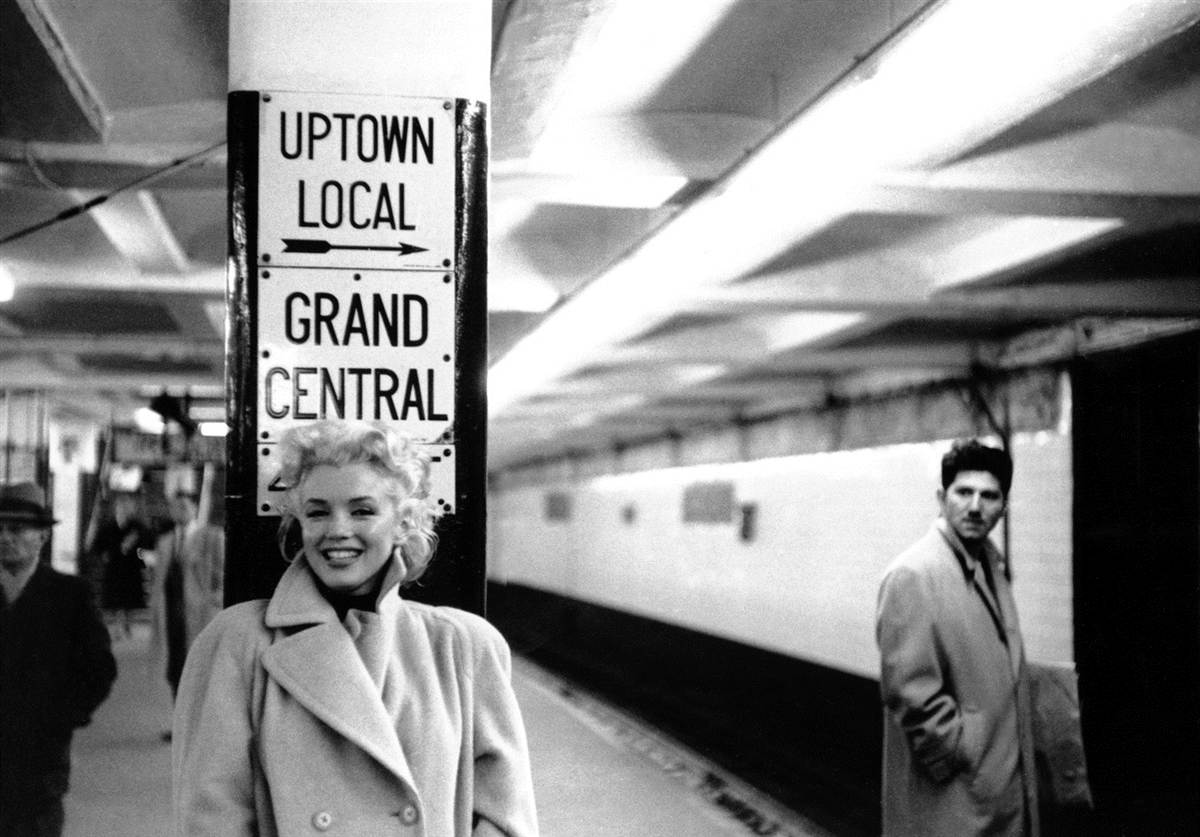
In late 1954, on the cusp of major Hollywood stardom, Marilyn moved to New York City on a quest to become a better actress and to find a little peace on streets where she could sometimes go unnoticed.
The year 1955 was one of discovery for the star of The Seven-Year Itchand Gentlemen Prefer Blondes — exploring the city, working on her craft and generally being the toast of the town.
In particular, she came to New York to become a better actress via the Actors Studio and the influence of Lee Strasberg. But she also managed to see the most glamorous corners of New York.
That deep connection she made with New York City never left her.
We’re big old movie buffs here on the Bowery Boys, and to celebrate a century of Marilyn, we’ve remastered and re-edited a show we recorded on Marilyn’s New York back in 2022. So raise a toast to Marilyn tonight — and put on something a little extra glamorous for fun.
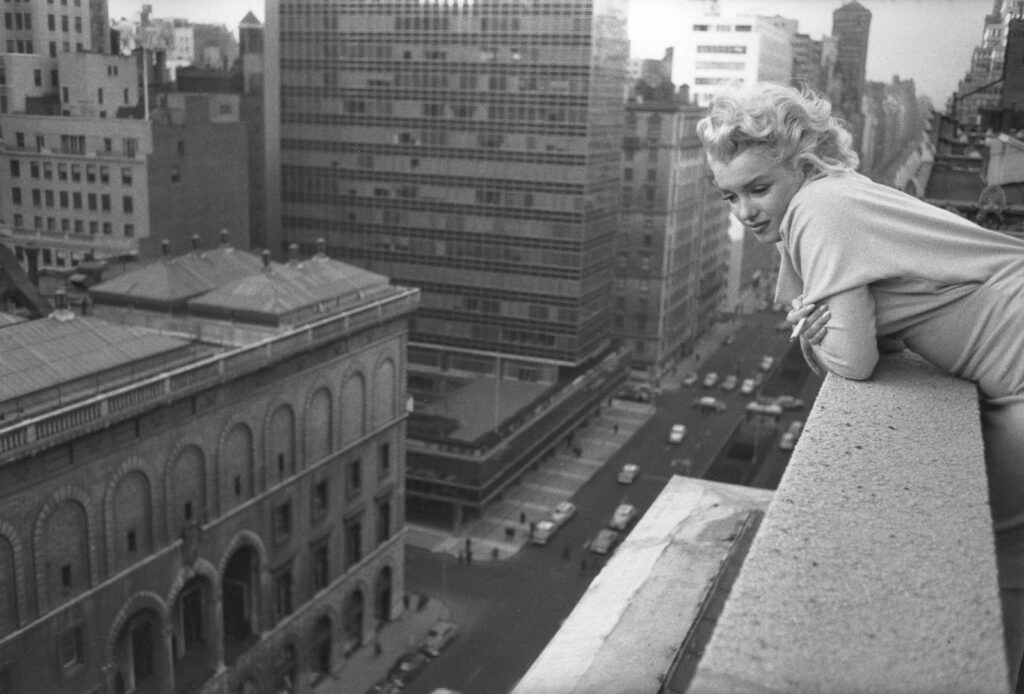
Marilyn Monroe overlooking Park Avenue from the roof of the Ambassador Hotel at Park and 51st. (The hotel was demolished in 1966). From here you can also see the Racquet and Tennis Club (1918) and the Lever House (1952). Photograph by Ed Feingersh, taken 1955.
FEATURING: New York in the 1950s with Frank Sinatra, Marlon Brando, Marlene Dietrich and many others.
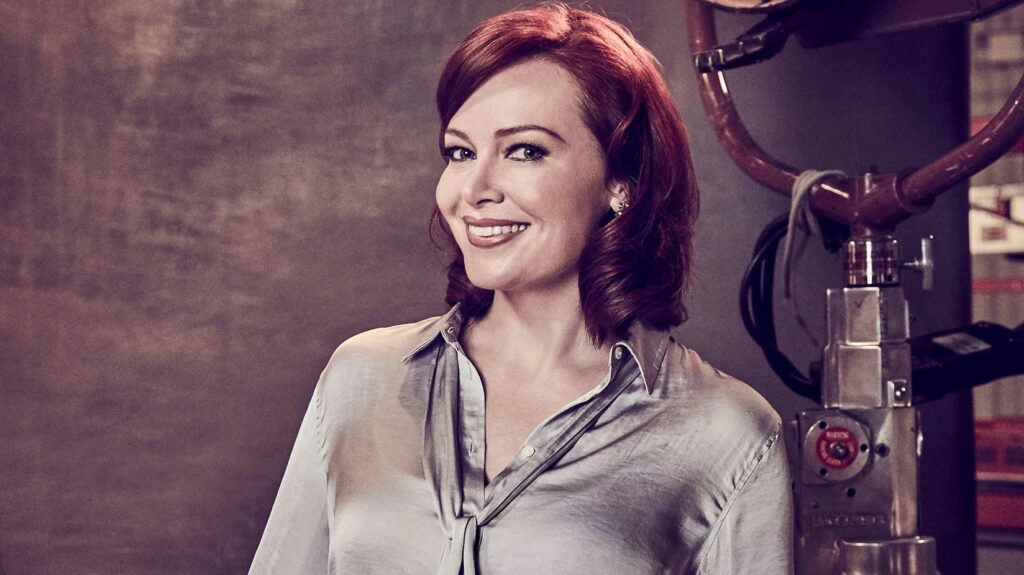
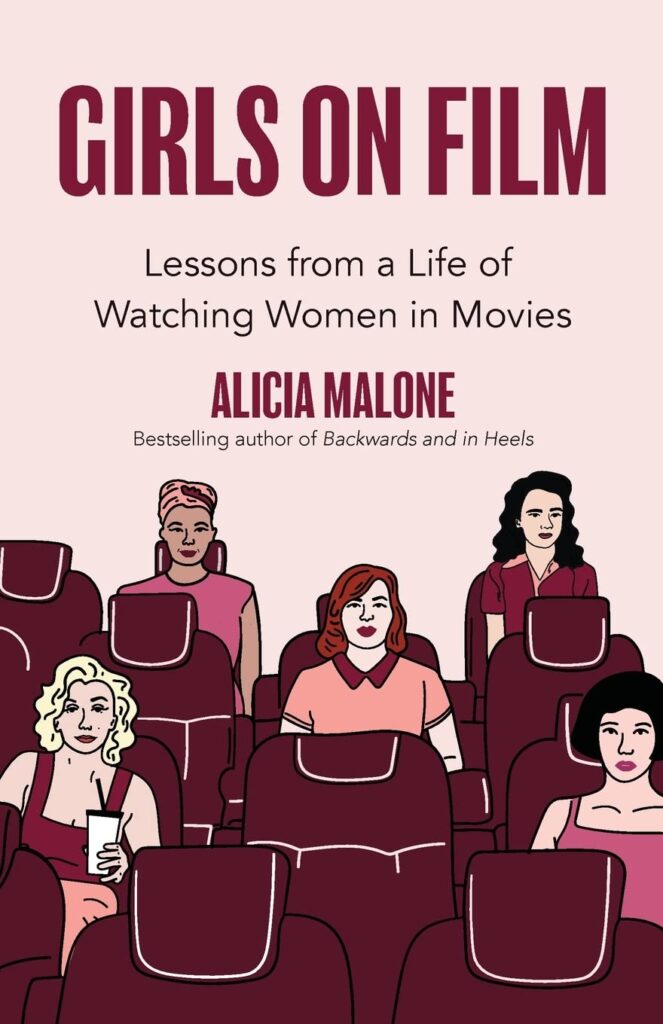
PLUS: As an extra treat, Greg and Tom are joined on the show by Alicia Malone of TCM (and Tom’s co-host on “The Official Gilded Age Podcast”) and author of the book Girls on Film: Lessons from a Life of Watching Women in Movies to discuss how the city changed her career and performances.
Alicia Malone/TCM
LISTEN NOW: MARILYN MONROE AT 100: HER LIFE IN NEW YORK CITY
This episode was remastered by Kieran Gannon.
FURTHER READING
Lois Banner Marilyn: The Passion and the Paradox Isaac Butler The Method: How The Twentieth Century Learned to Act Carl E Rollyson Marilyn Monroe: A Life of the Actress Donald Spoto Marilyn Monroe Gloria Steinem and George Barris Marilyn: Norma Jeane Anthony Summers Goddess: The Secret Lives of Marilyn Monroe Elizabeth Winder Marilyn in Manhattan: Her Year of Joy Donald H. Wolfe The Last Days of Marilyn Monroe
She arrived in New York calling herself Eliza Brown — but she’d been born Betsy Bowen, daughter of a woman jailed for running a disorderly house in Providence.
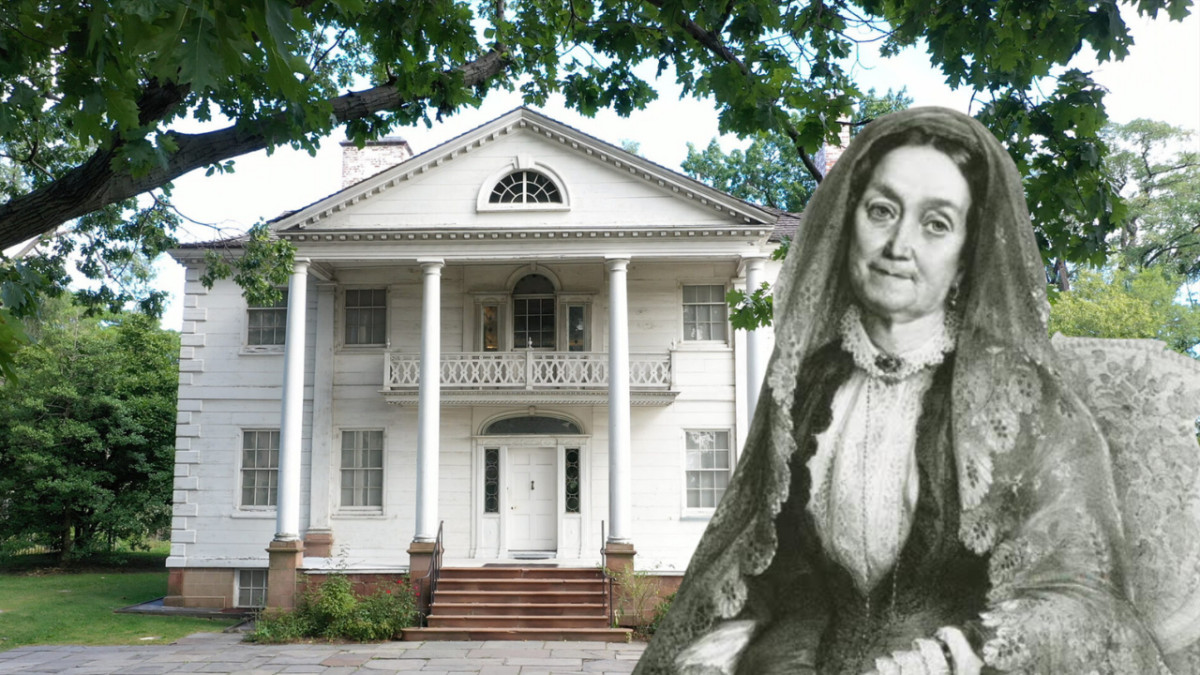
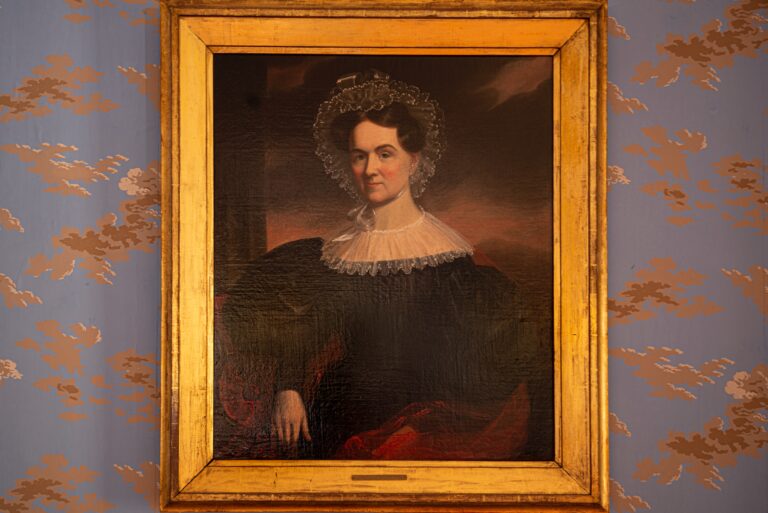
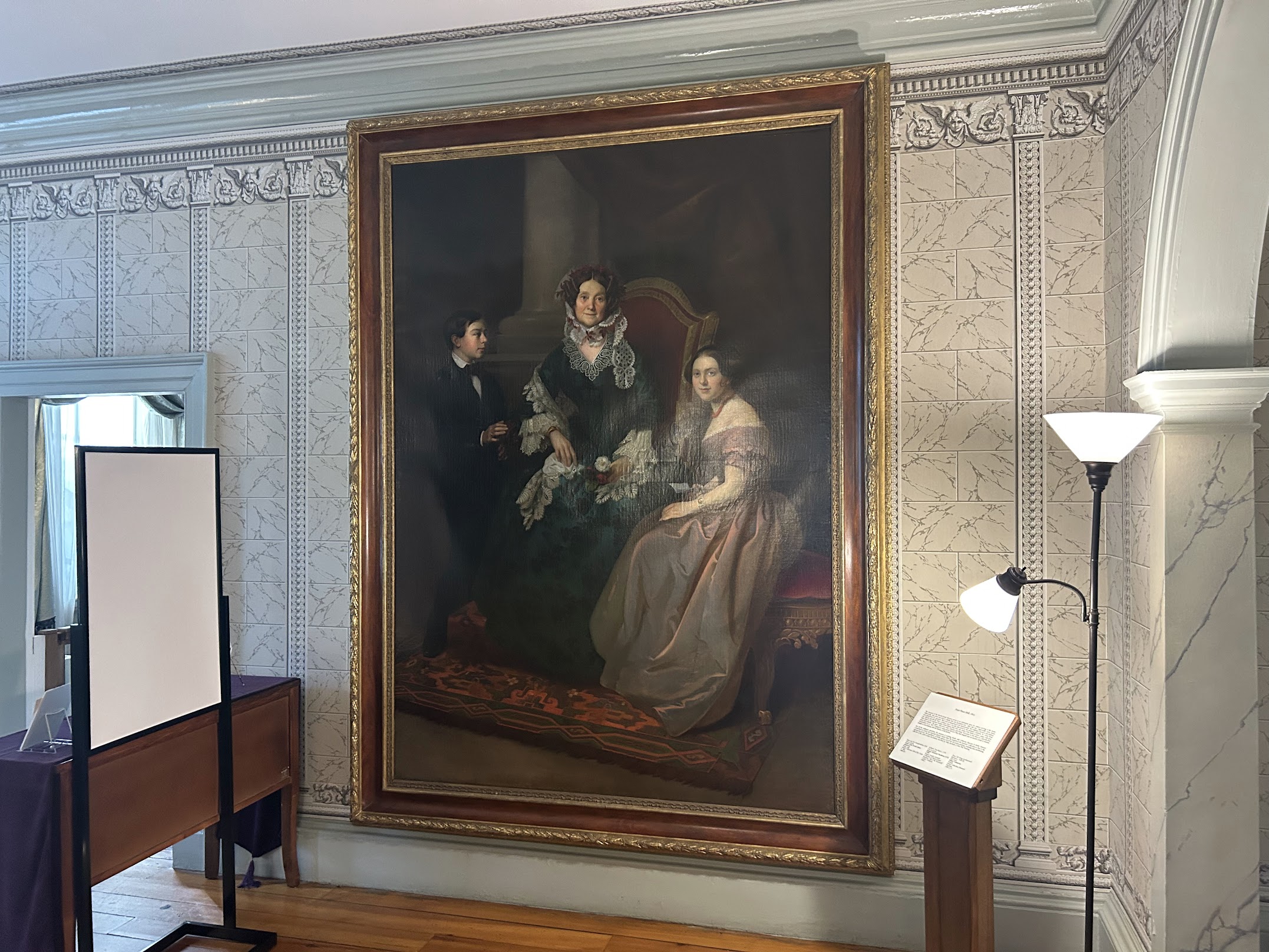
By the time she died in 1865, she was Eliza Jumel — Manhattan’s richest woman, mistress of a hilltop mansion in Washington Heights, the widow of a former vice president, and the subject of so many wild rumors that even her New York Timesobituary couldn’t keep the facts straight.
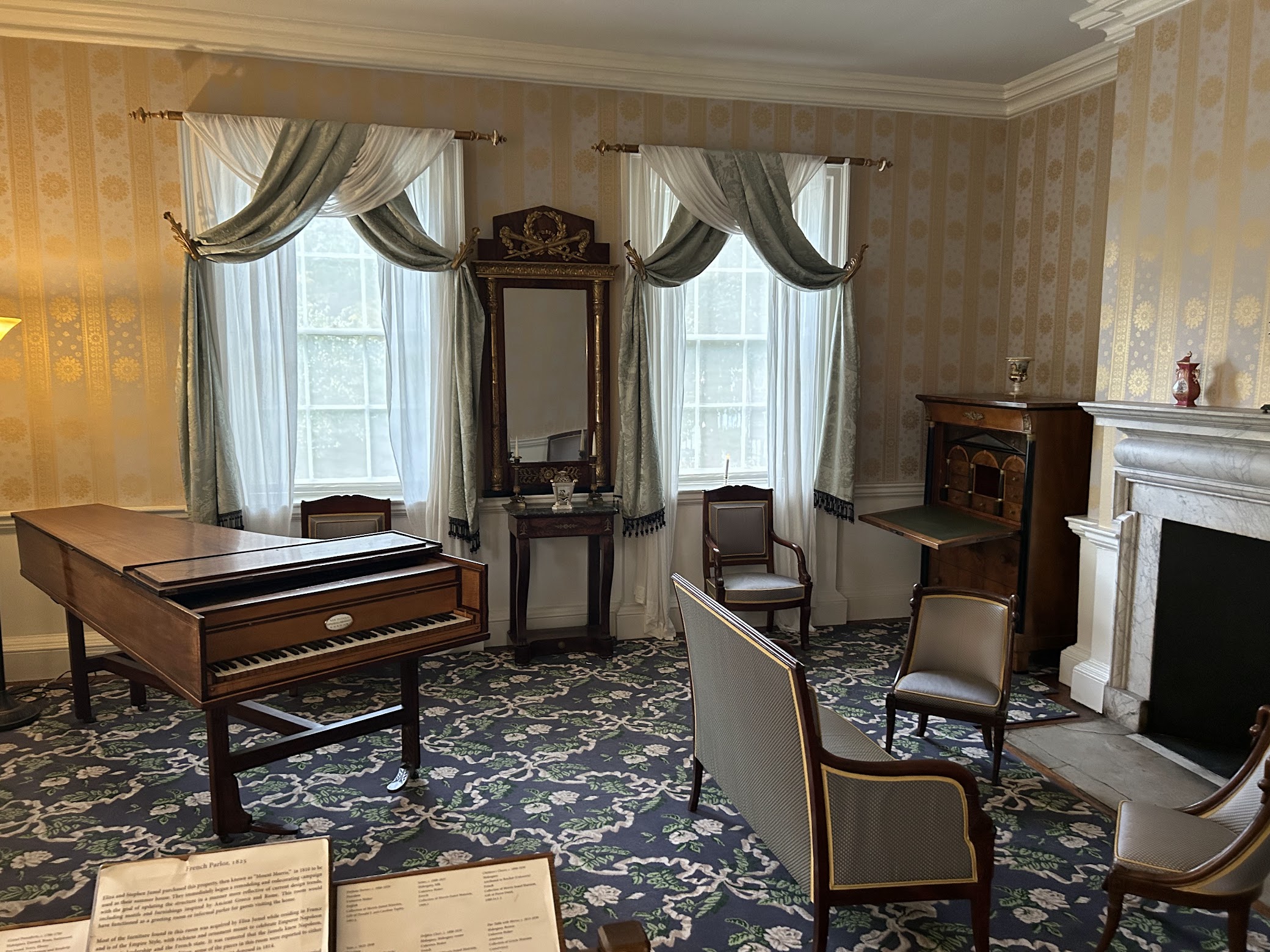
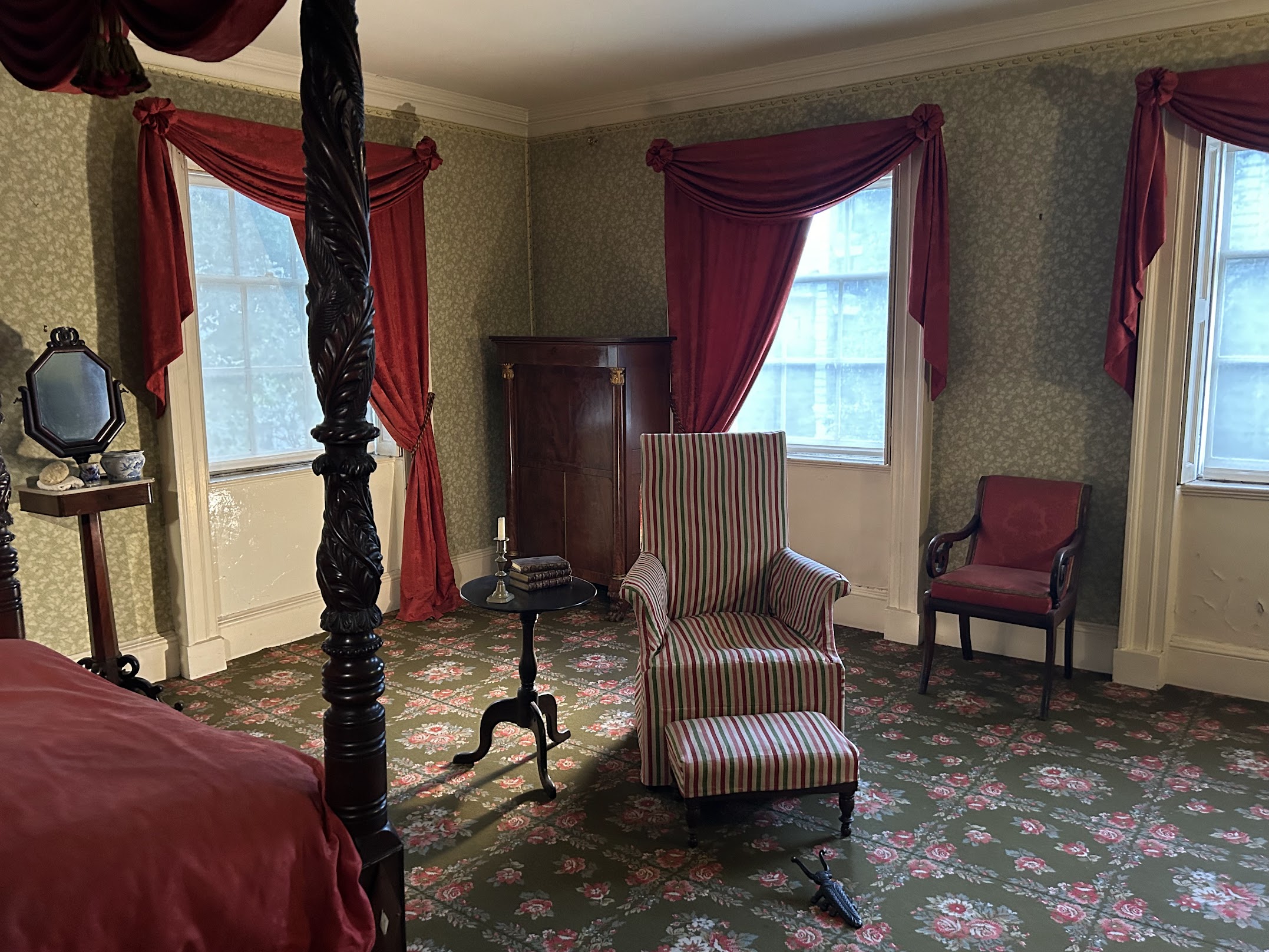
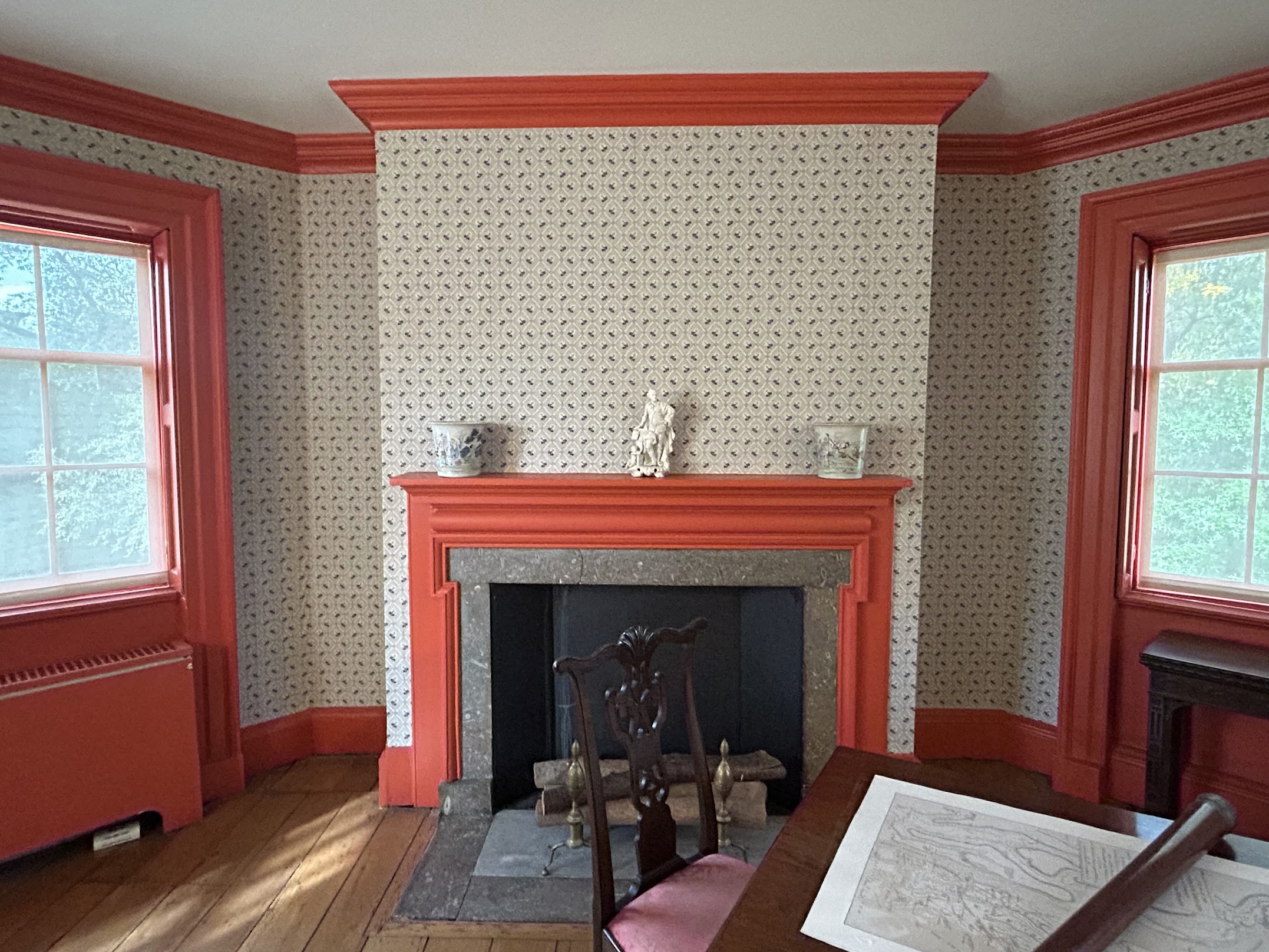
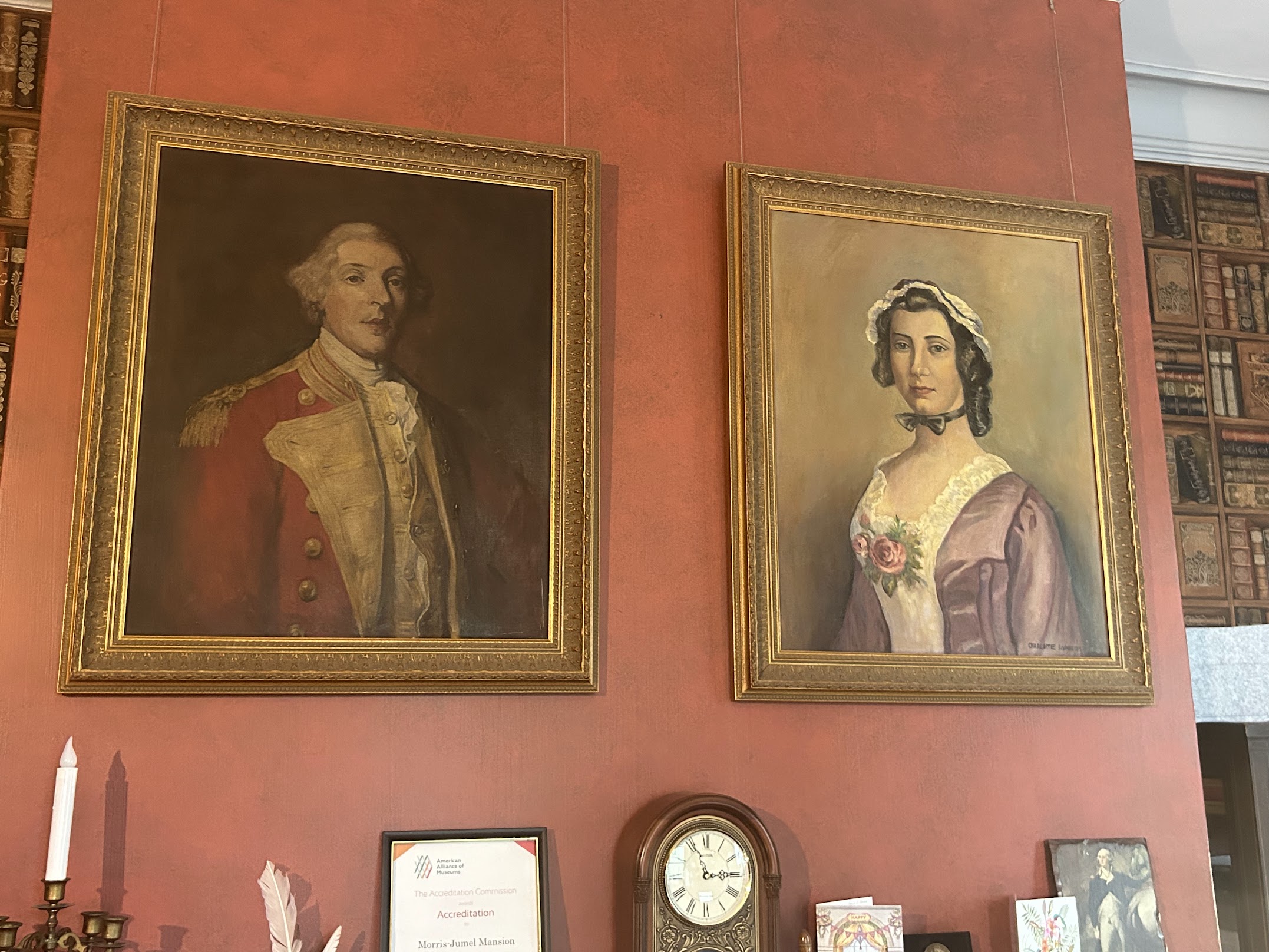
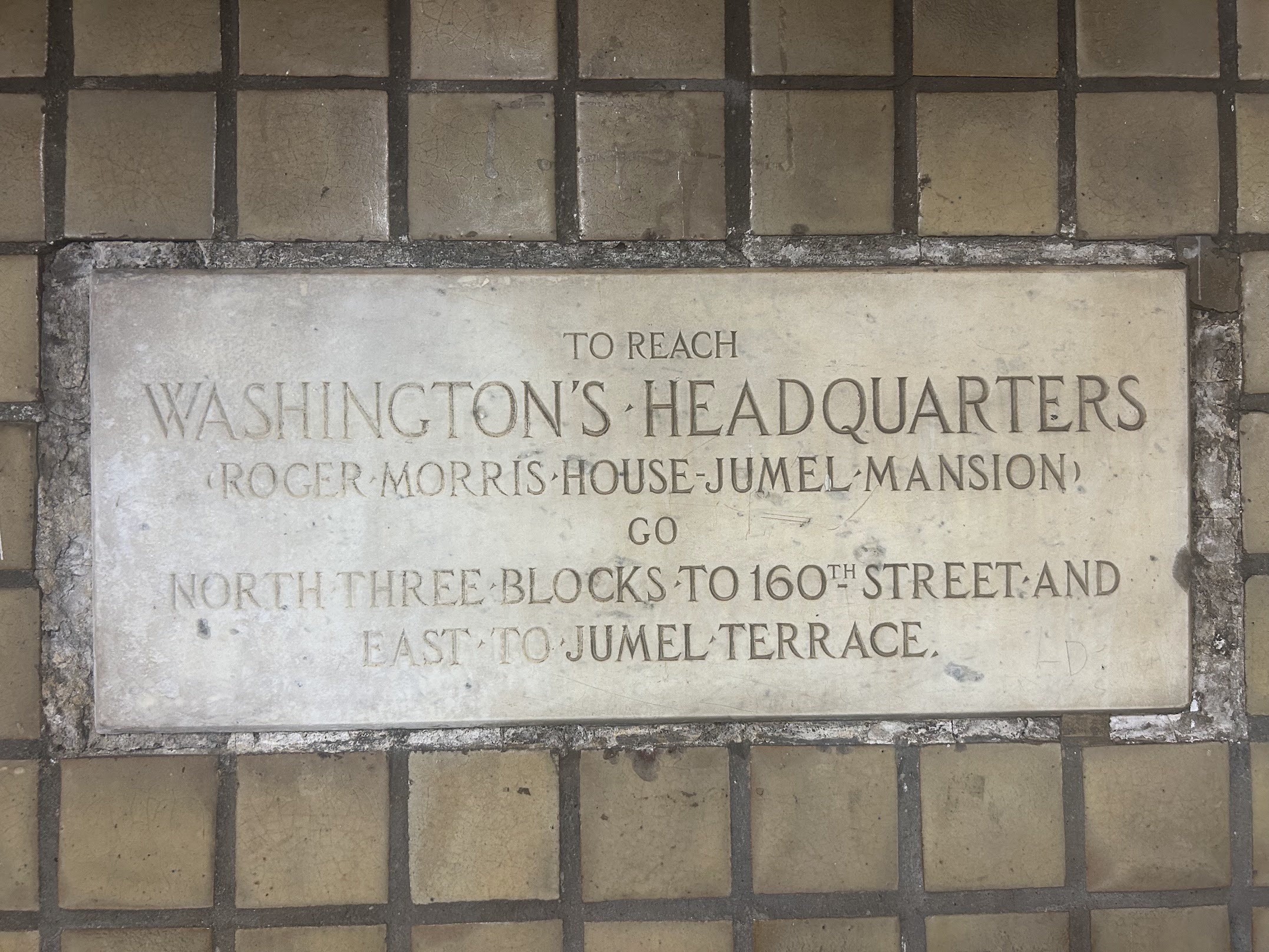
Tom is joined by Catherine Hughes and Danielle Gaita of the historic Morris-Jumel Mansion to sort the legend from the life. Born in 1775 to grinding poverty, Eliza reinvented herself as an actress at the Park Theater, married the French merchant Stephen Jumel in 1804, and in 1810 moved into the grand house that had served as George Washington’s headquarters in the fall of 1776 — Manhattan’s oldest surviving residence.
And from there the story only grows more intriguing. Paris in the age of Napoleon. A staggering art collection. Real estate dealings while her husband stayed an ocean away. A whirlwind second marriage to the 77-year-old Aaron Burr — and a scandalous divorce, finalized on the very day Burr died.
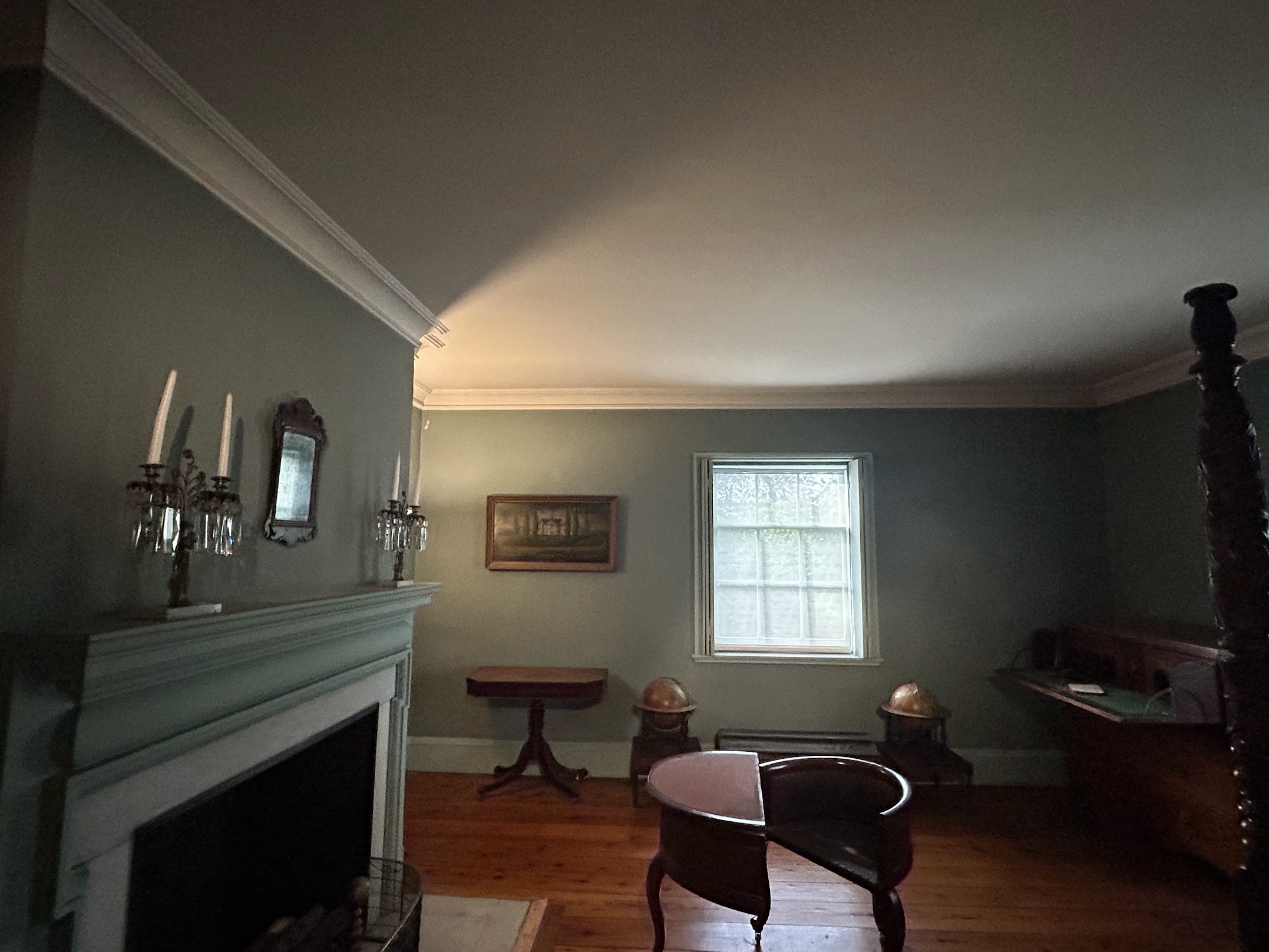
Plus: Lin-Manuel Miranda writing Hamilton lyrics in Burr’s old bedroom!
LISTEN NOW: THE MANY INTRIGUES OF ELIZA JUMEL
Morris Jumel MansionGreg YoungGreg YoungGreg YoungGreg YoungGreg YoungGreg Young
FURTHER LISTENING
After listening to this show on Eliza Jumel, listen to these other shows featuring historical stories of Upper Manhattan
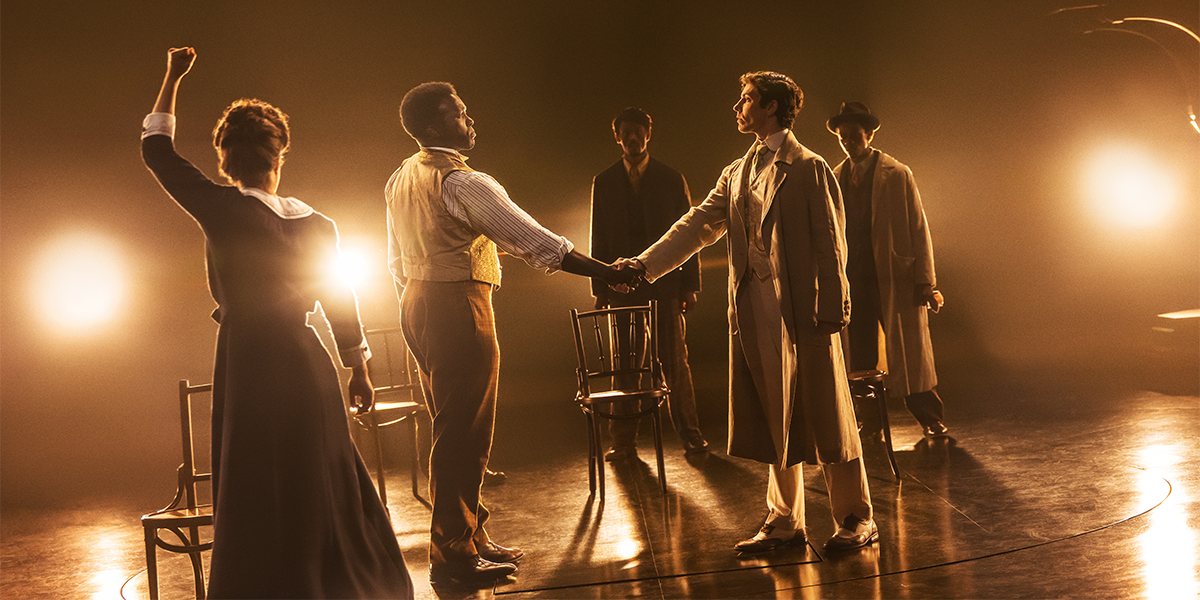
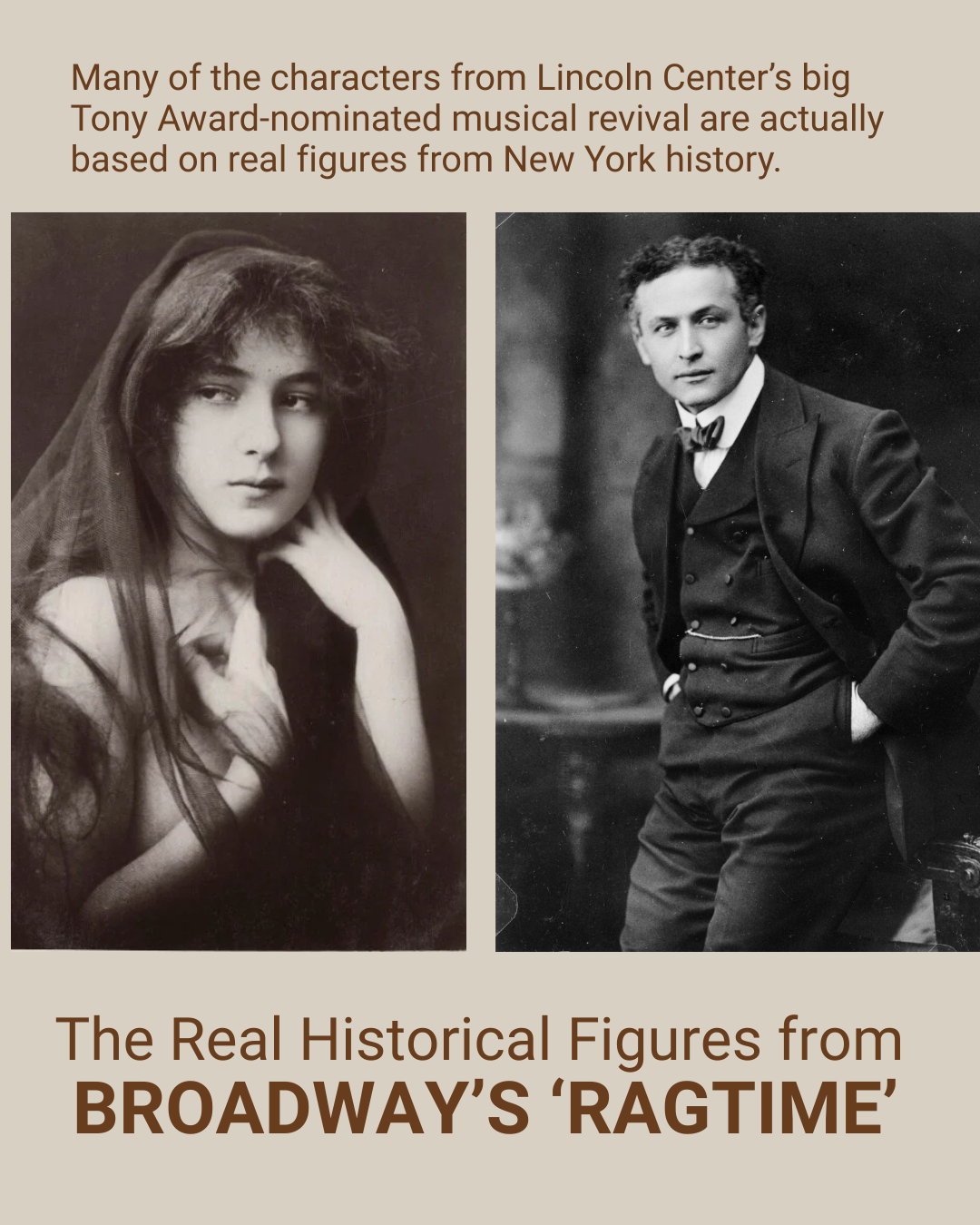
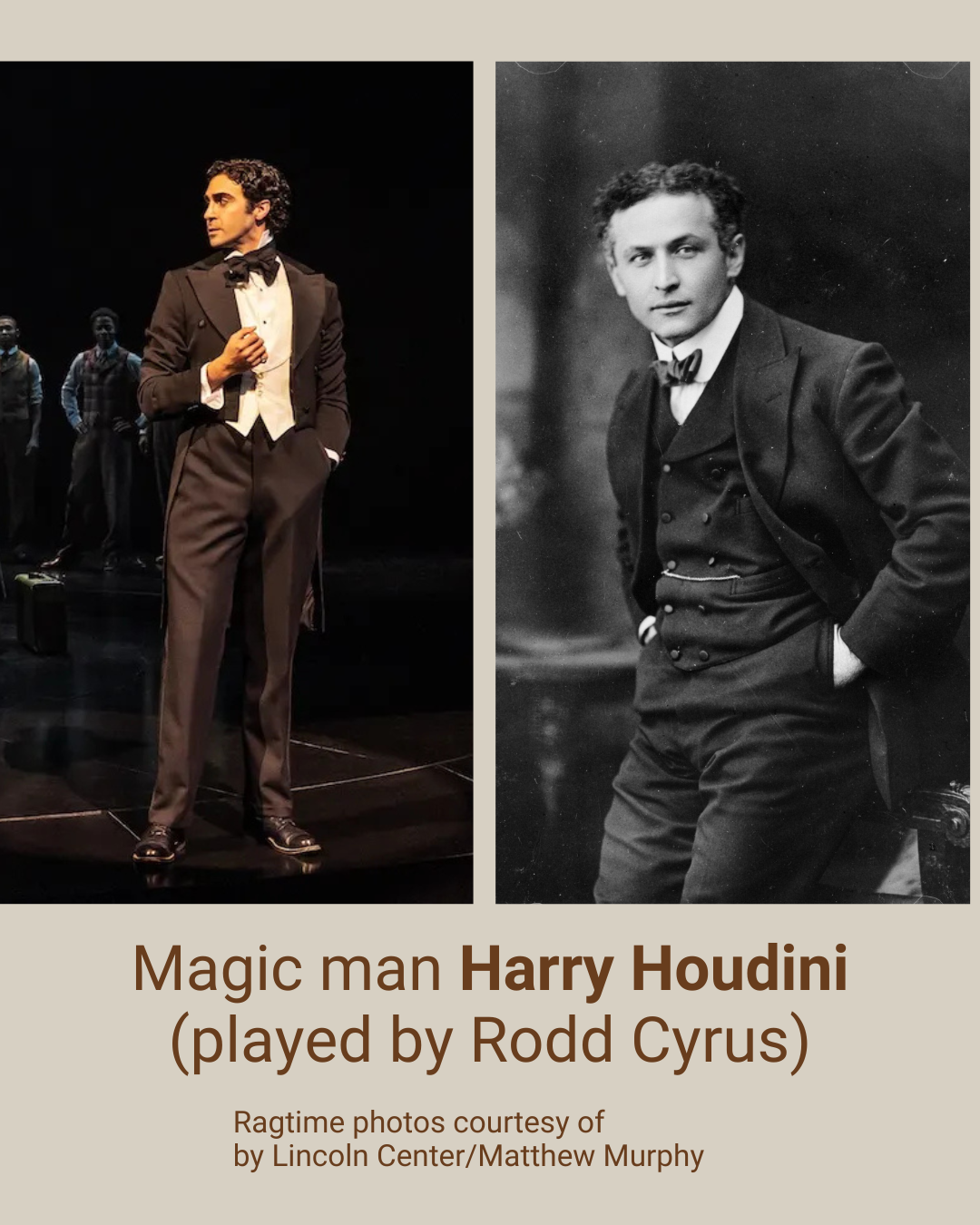
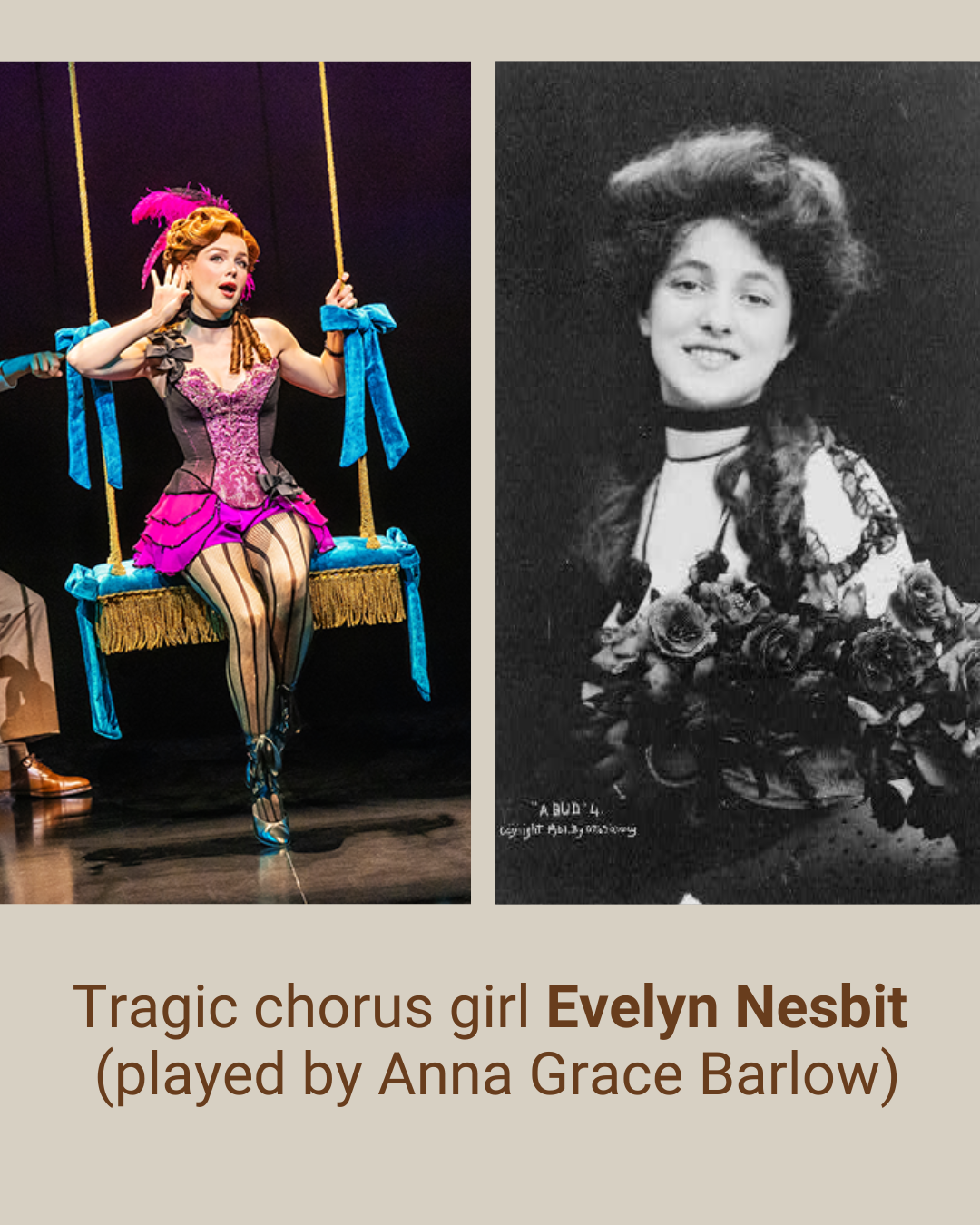
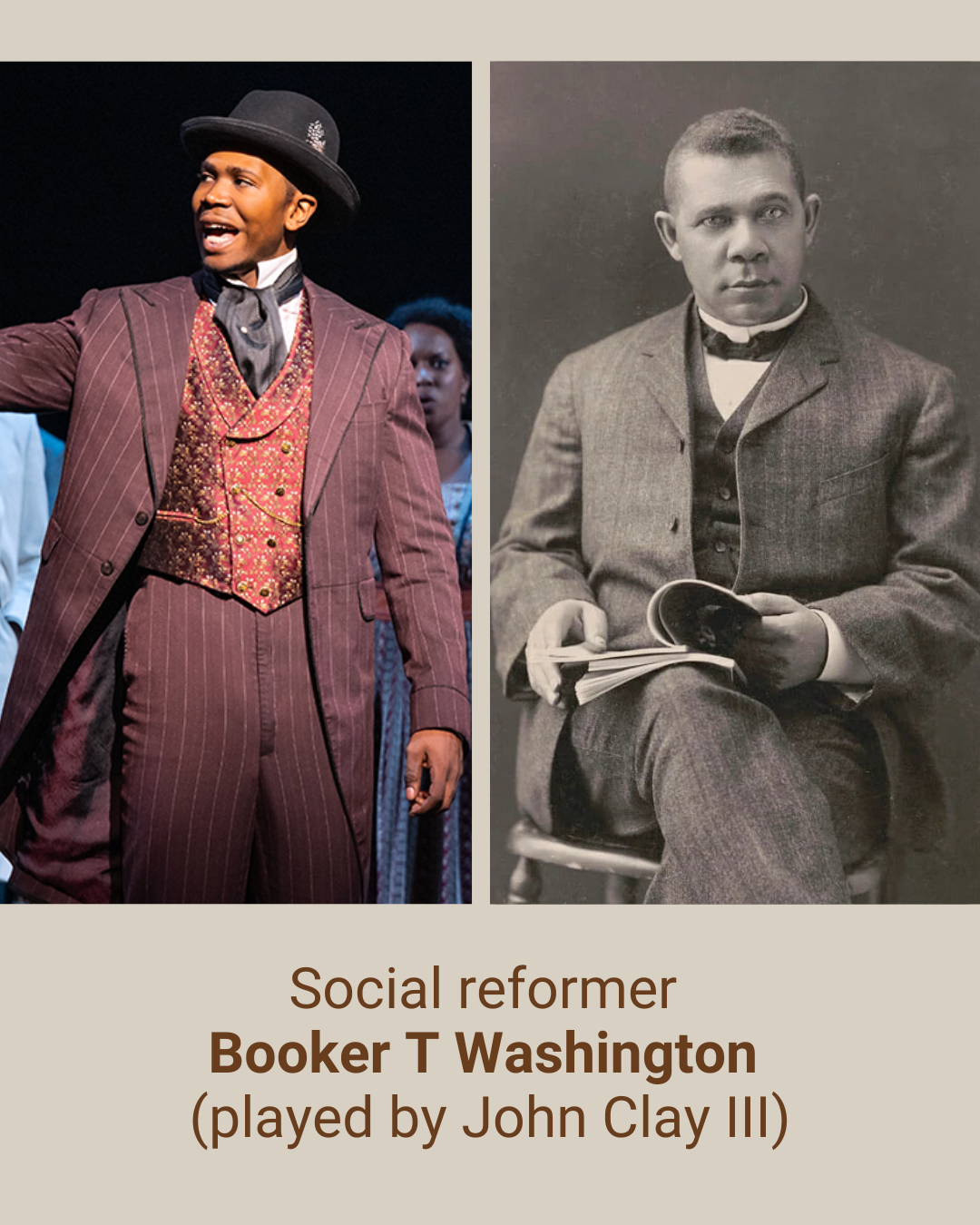
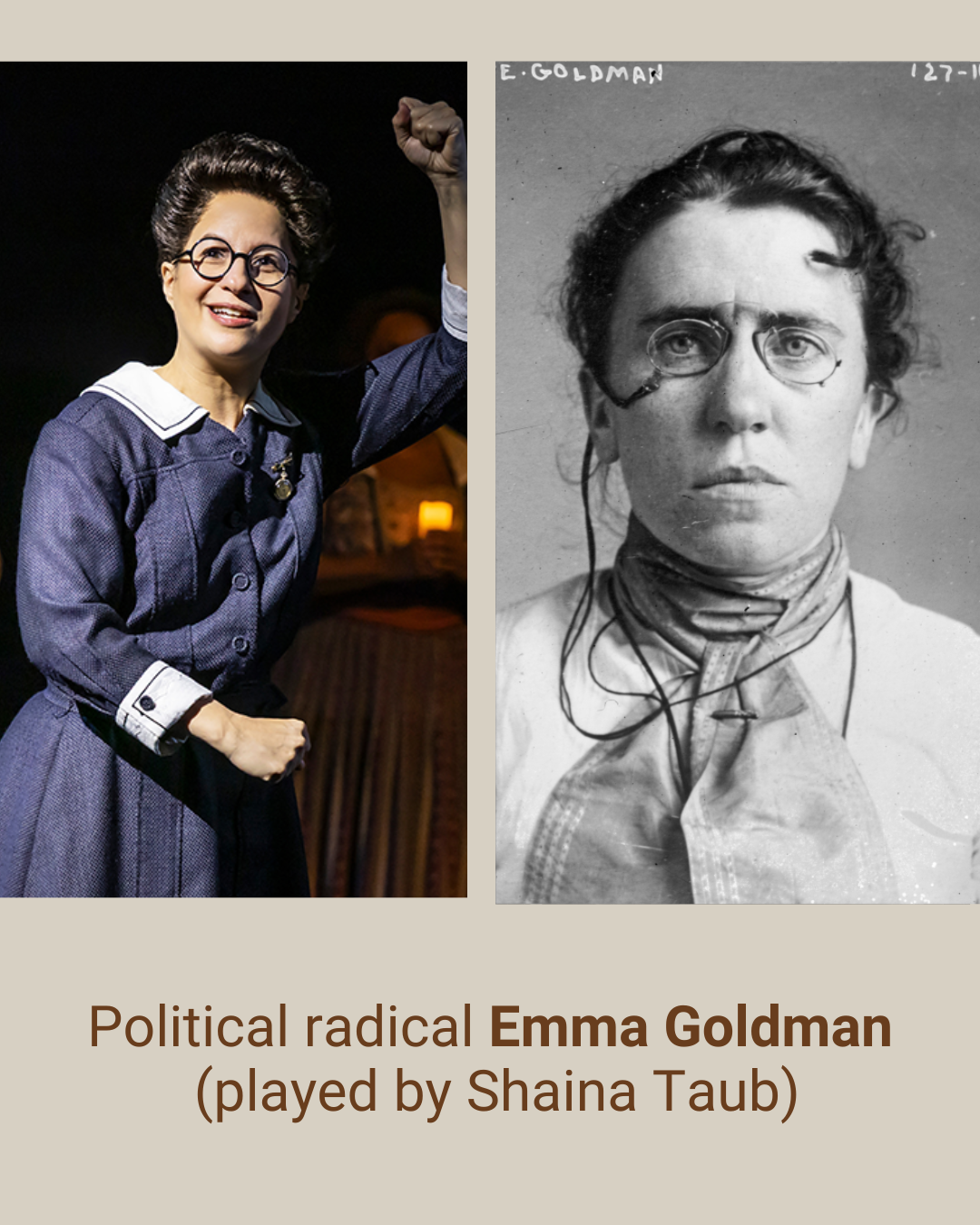
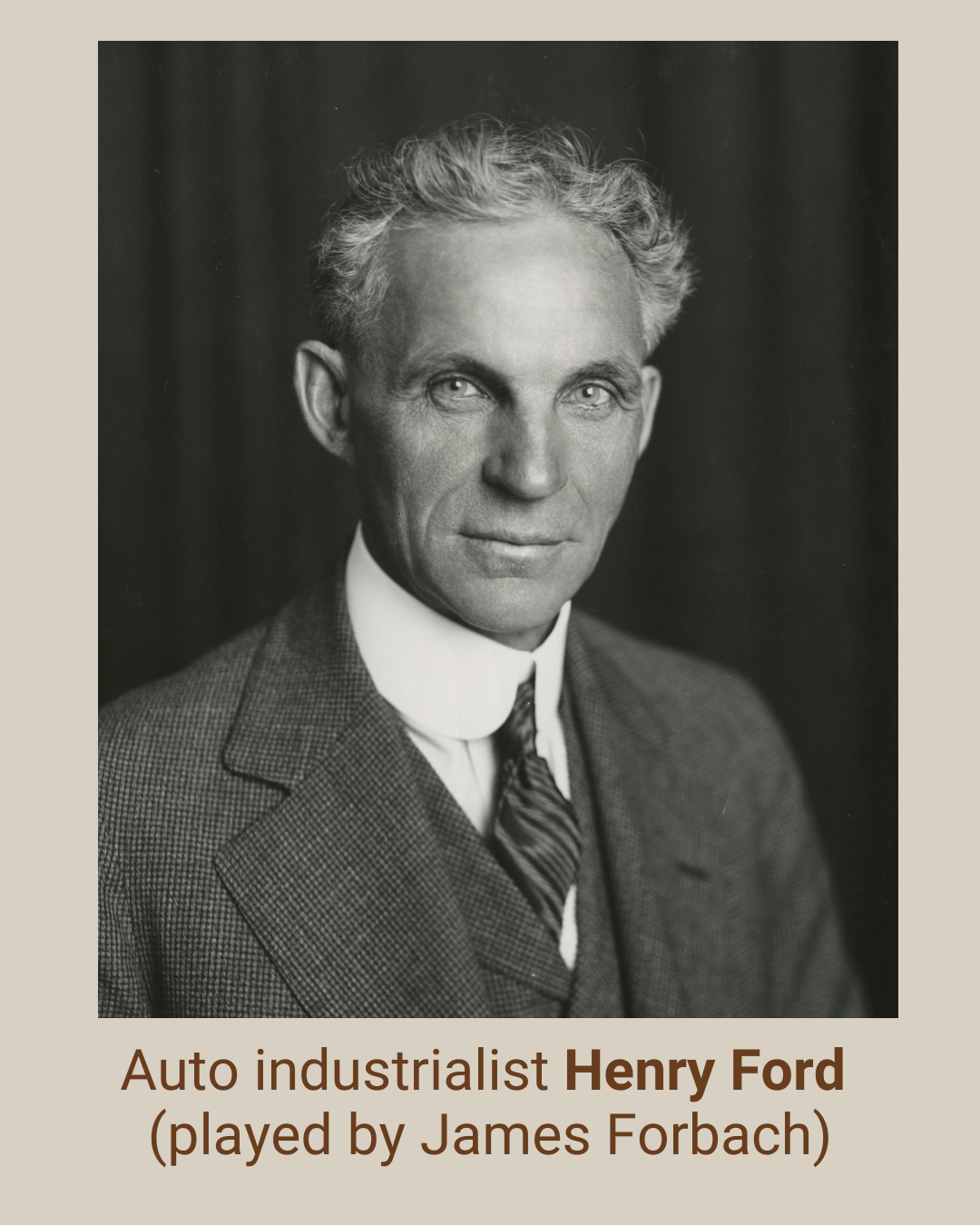
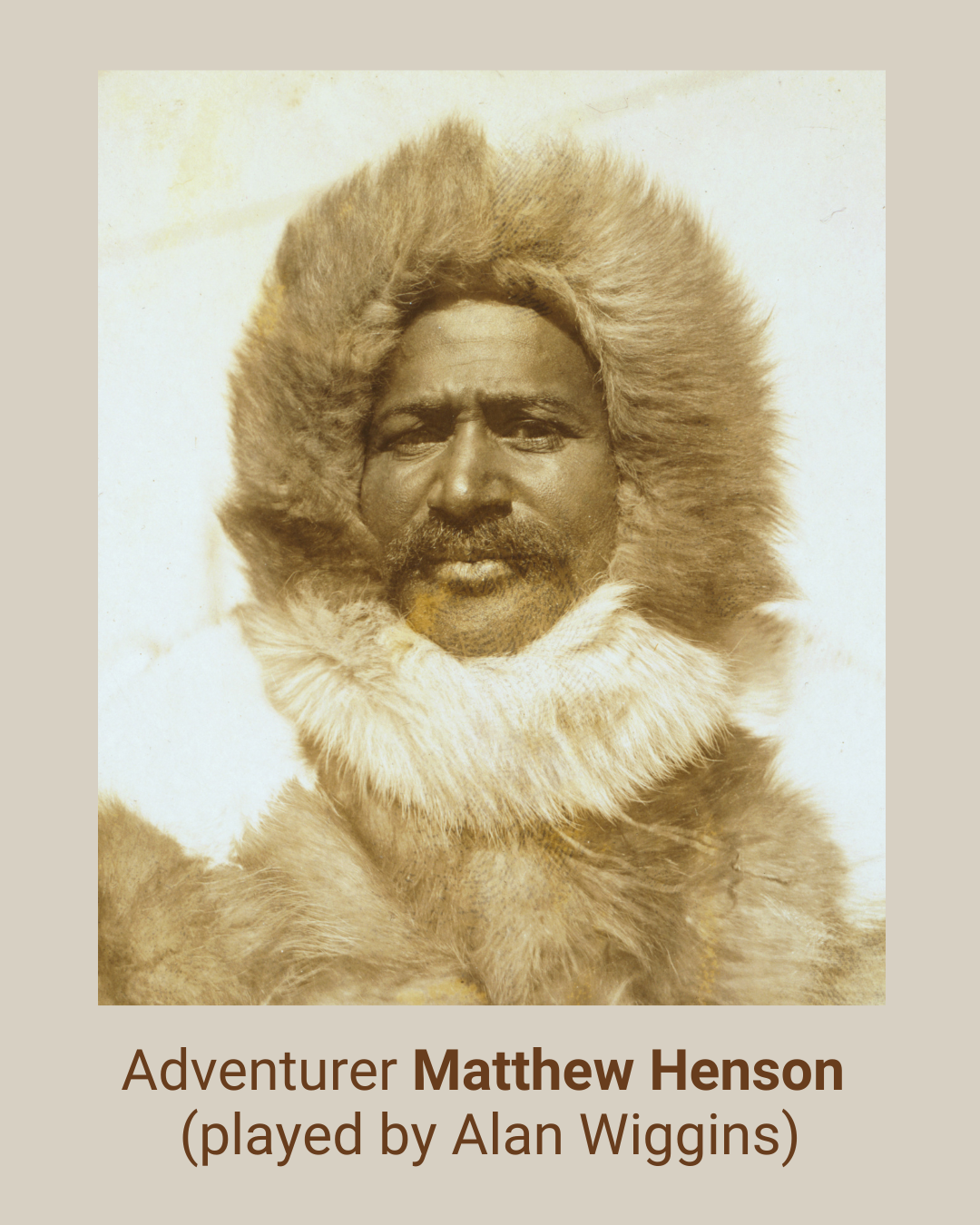
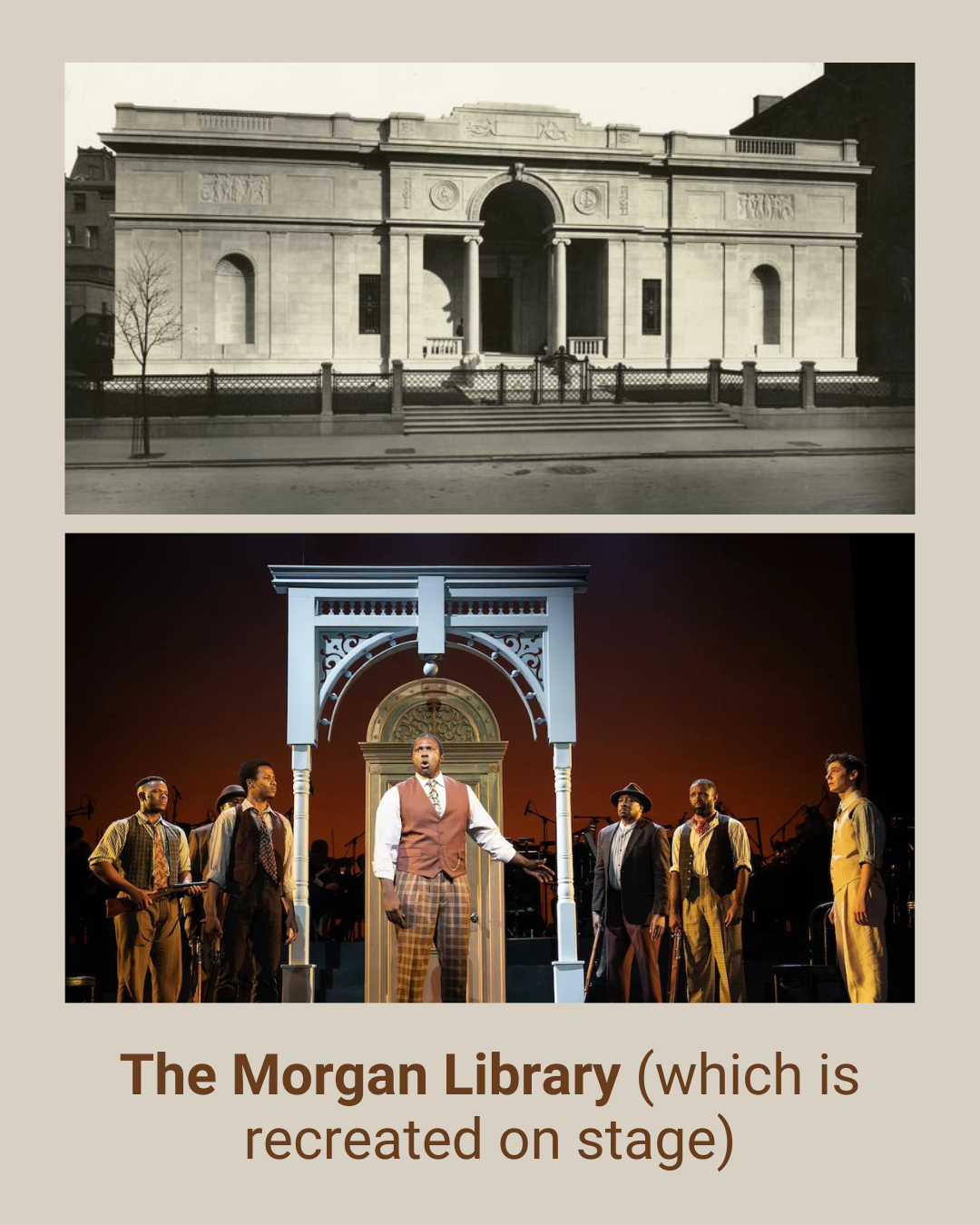
Courtesy: Ragtime on Broadway. (Photos by Matthew Murphy)
The Lincoln Center revival of Ragtime— with music by Stephen Flaherty, lyrics by Lynn Ahrens, and a book by Terrence McNally, adapted from the novel by E. L. Doctorow — has just garnered 11 Tony Award nominations, including Best Revival of a Musical, along with multiple acting nods for its acclaimed cast.
This new production feels more timely and resonant than the one that first played on Broadway in 1998. In addition to the fictional Coalhouse Walker Jr. and several archetypal figures, Ragtime brings to life several real celebrities and power brokers from turn-of-the-century New York.
Anna Grace Barlow, who portrays Broadway sensation Evelyn Nesbit, and Rodd Cyrus, who embodies legendary illusionist Harry Houdini, join Carl Raymond from The Gilded Gentleman podcast for a behind-the-scenes conversation about their characters and their experiences bringing this revival to the stage.
This show is brought to you by The Gilded Gentleman podcast, produced by the Bowery Boys and edited and produced by Kieran Gannon.
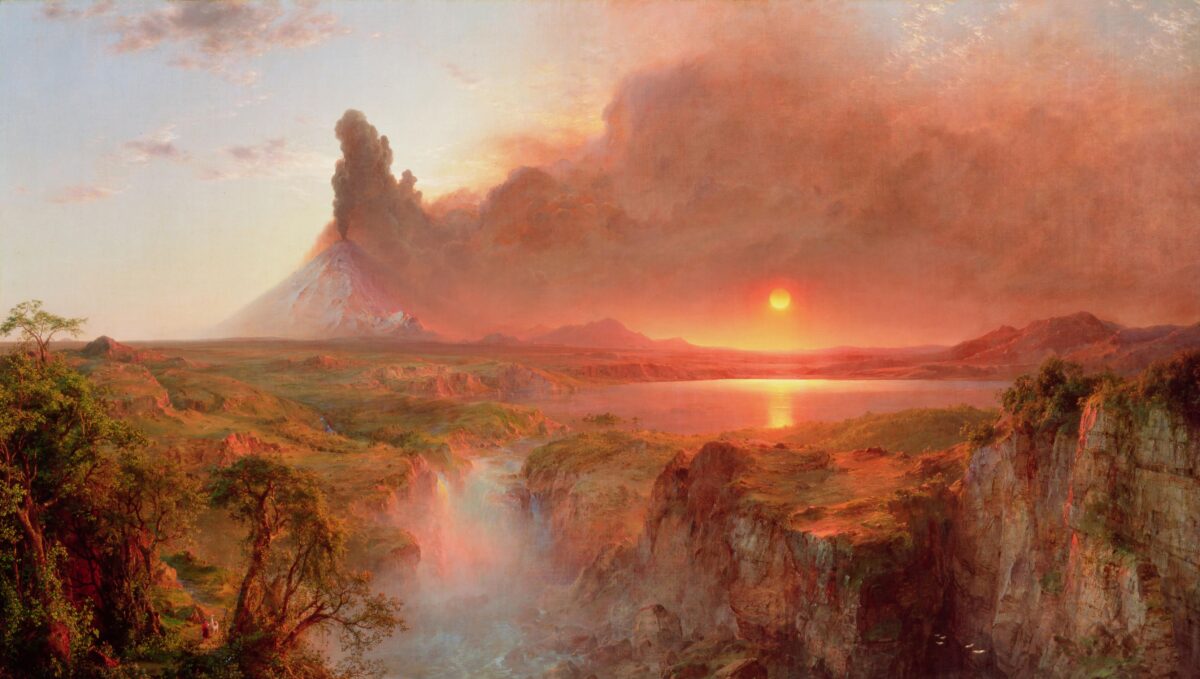
Cotopaxi, 1862, Detroit Institute of Arts, Michigan
Perched over the Hudson River near the city of Hudson sits Olana State Historic Site, once the wondrous home of painter Frederic Church.
This Gilded Age mansion is unlike any in the valley, mystical and imposing, evoking Persian and Moorish architectural styles and reflecting the art and ambitions of its former owner.
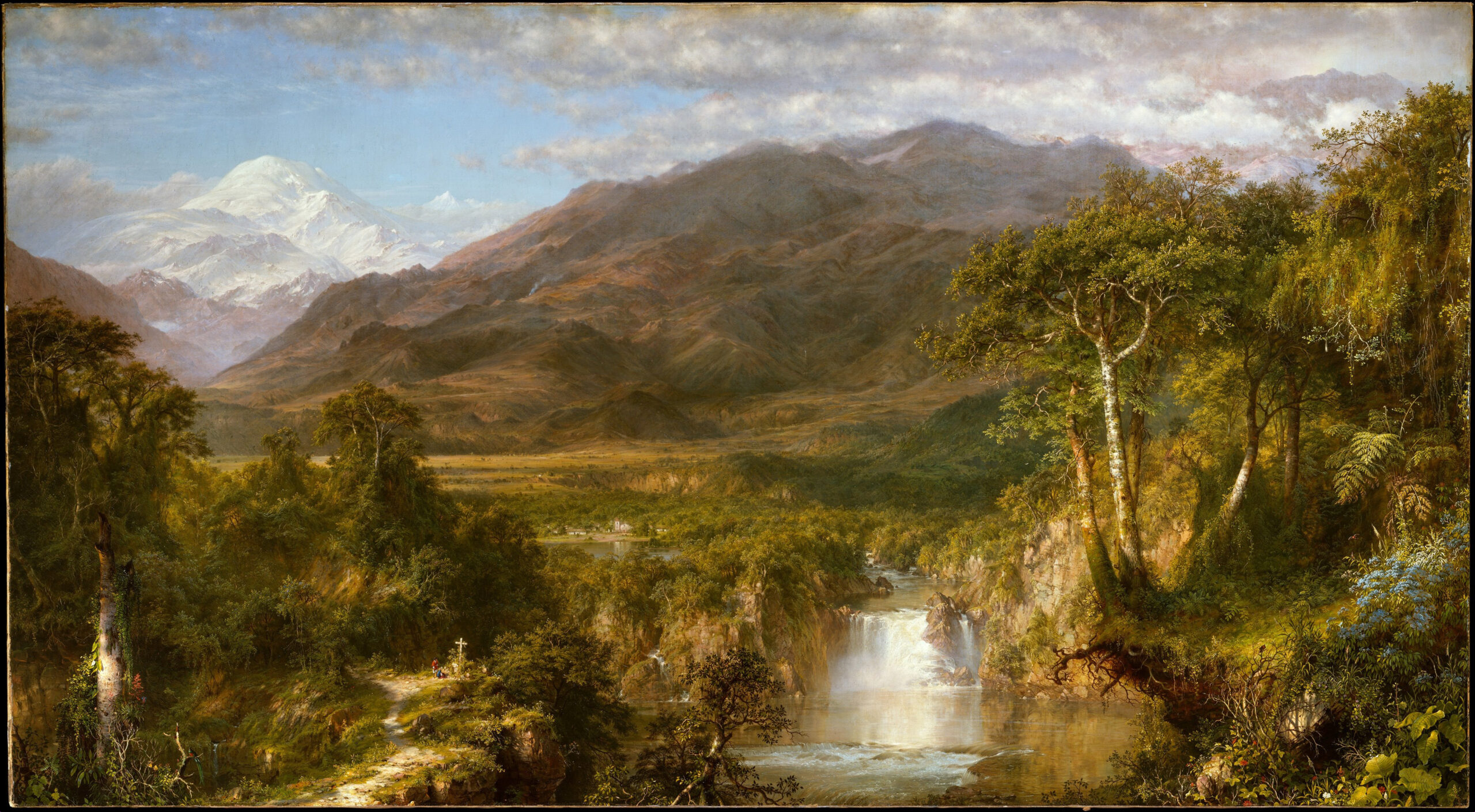
Church was more than a Hudson River School painter; he was an adventurer and dreamer, bringing the vistas of the world to America within his massive landscape creations. In 1859, when his Heart of the Andes made its New York debut, thousands lined up to soak in its impossible beauty.
She joins Greg and Tom on the podcast this week to discuss Church’s unusual life — both as a New Yorker and as a daring traveler. After this show, you may never look at a landscape painting the same way again.
LISTEN HERE: THE PAINTER WHO BROUGHT THE WORLD TO NEW YORK
You can also find the podcast on Apple, Spotify, Overcast and YouTube.
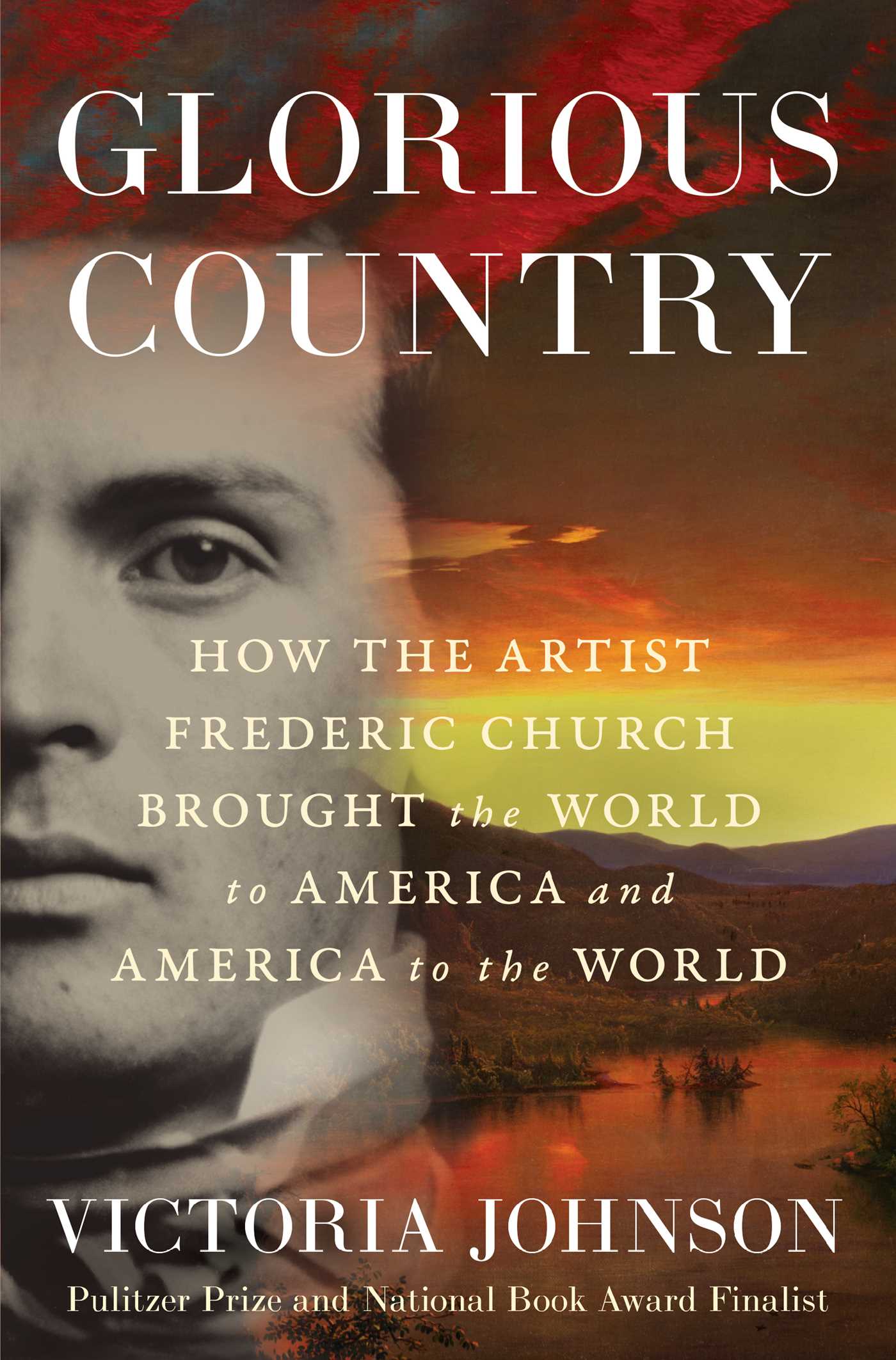
We want to thank Victoria Johnson for joining us on the Bowery Boys Podcast. Her new book Glorious Country is available on Scribner.
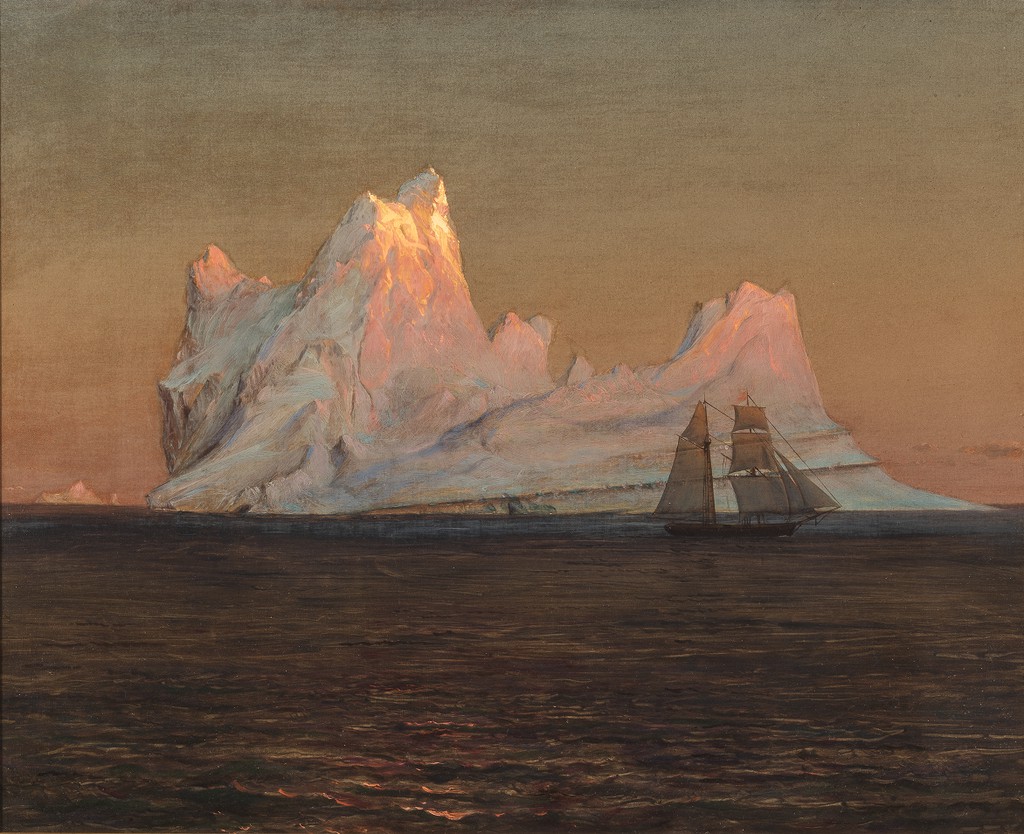
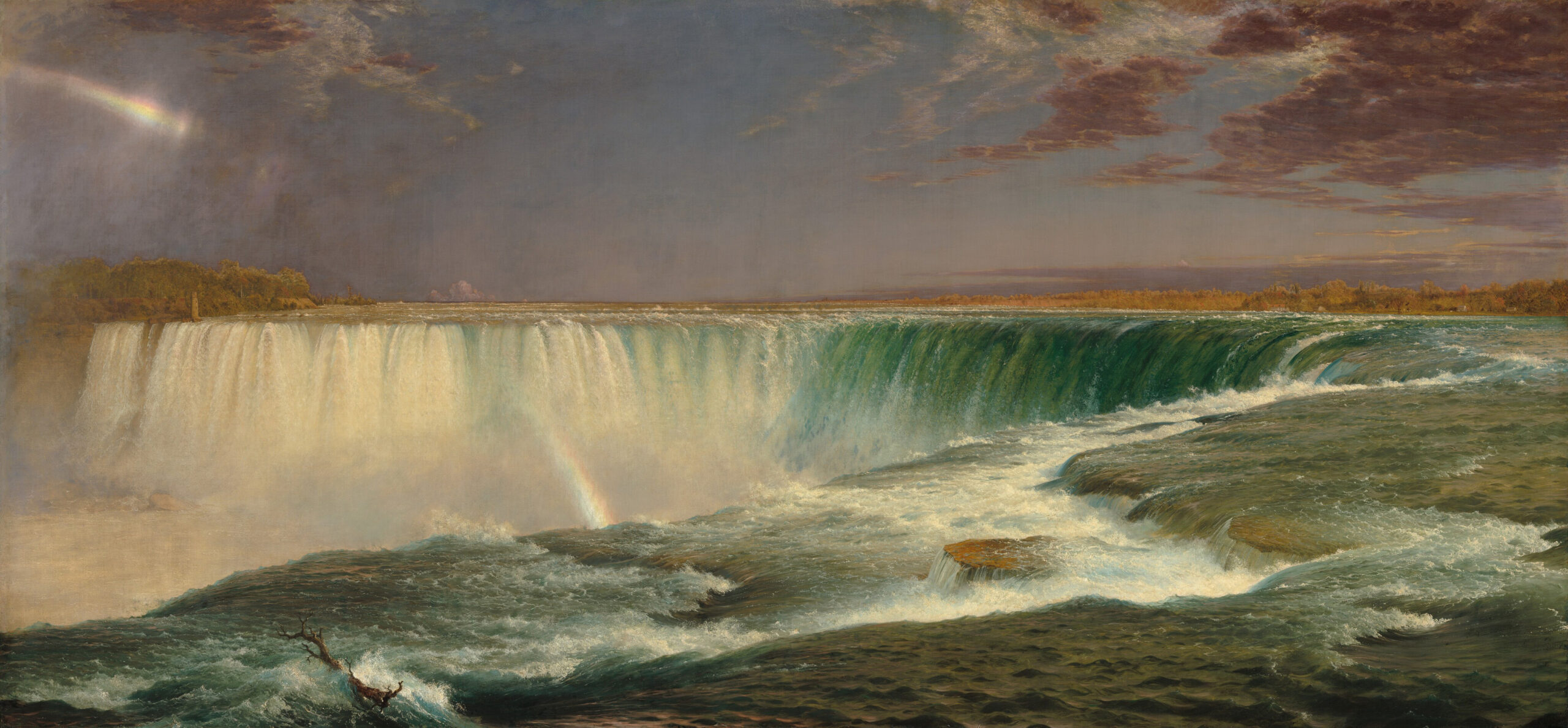
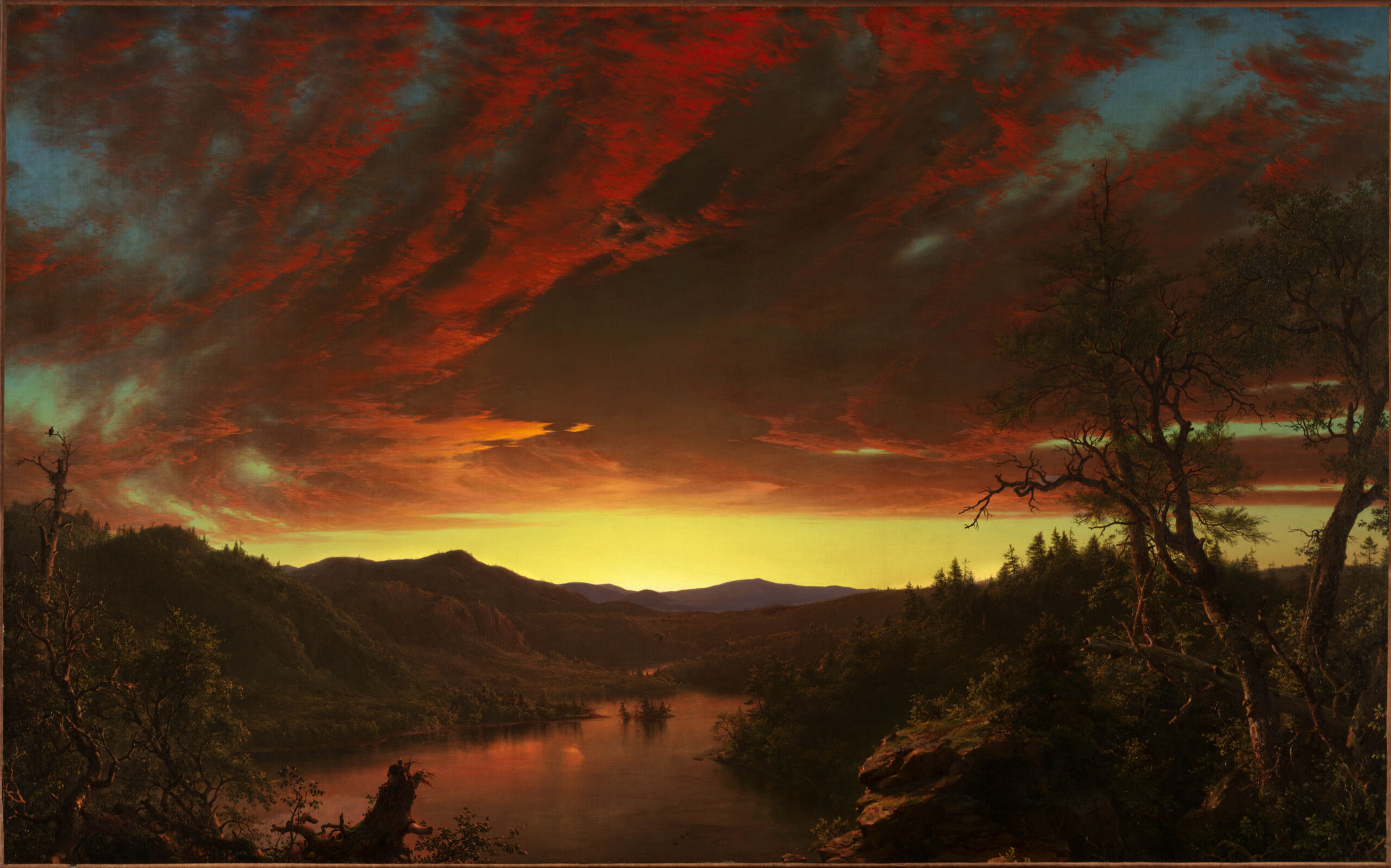
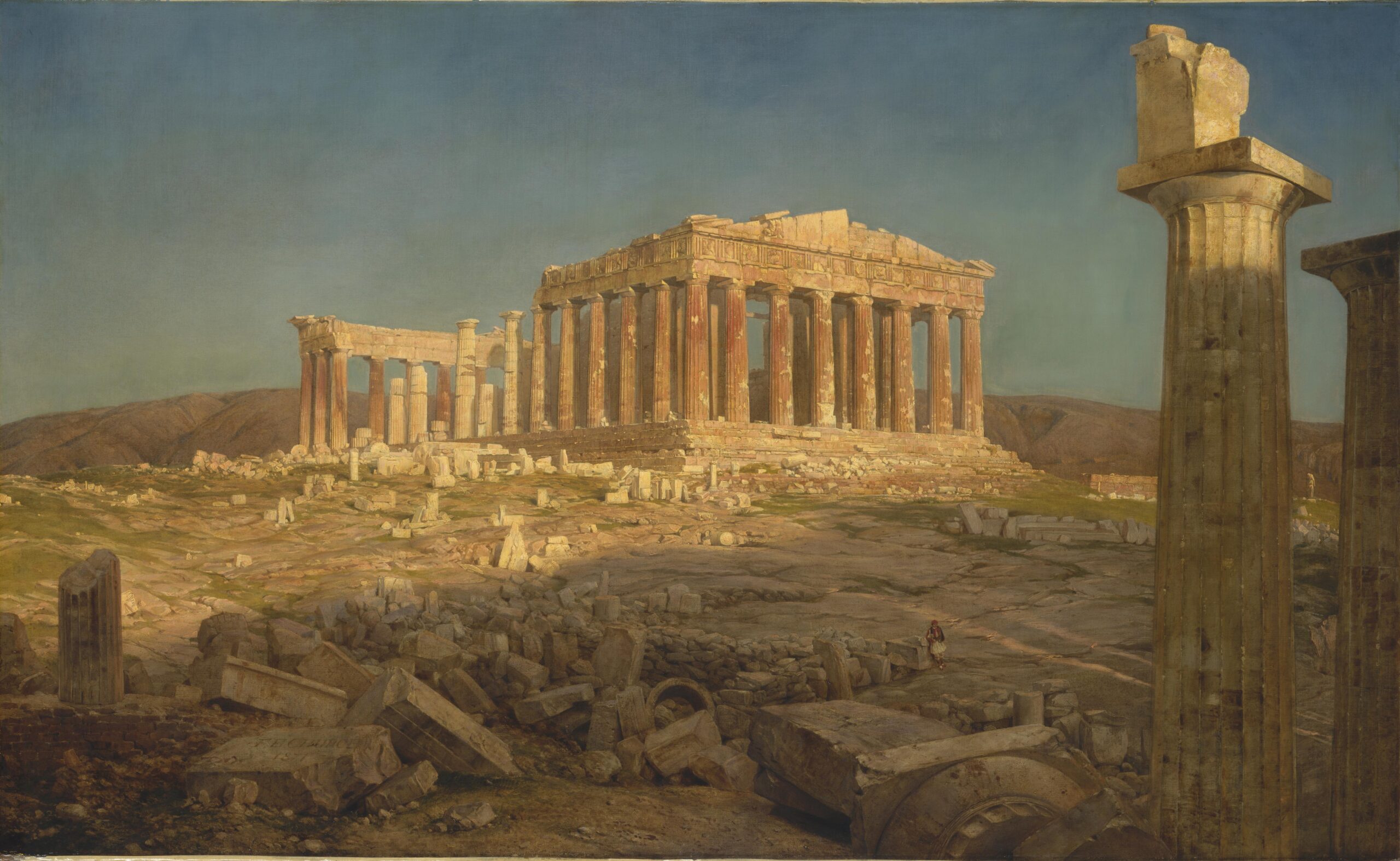
Floating Iceberg, Canada, June–July 1859, Cooper Hewitt, Smithsonian Design MuseumFrederic Edwin Church, Niagara Falls in Winter, March 1856, Cooper Hewitt, Smithsonian Design MuseumTwilight in the Wilderness, 1860, The Cleveland Museum of ArtThe Parthenon, 1871, The Metropolitan Museum of Art10th Street Studio, where Church’s studio was locatedFrederic Edwin Church, The Heart of the Andes, 1859, The Metropolitan Museum of Art
FURTHER LISTENING
Some other shows from the Bowery Boys Podcast related to this week’s show. Give them a listen when you’re done with our interview with Victoria Johnson:
In our modern world, people are turning to all sorts of unusual beliefs and fringe disciplines just outside the bounds of medical science and psychology, all in search of a better understanding of the human mind and the origins of personality.
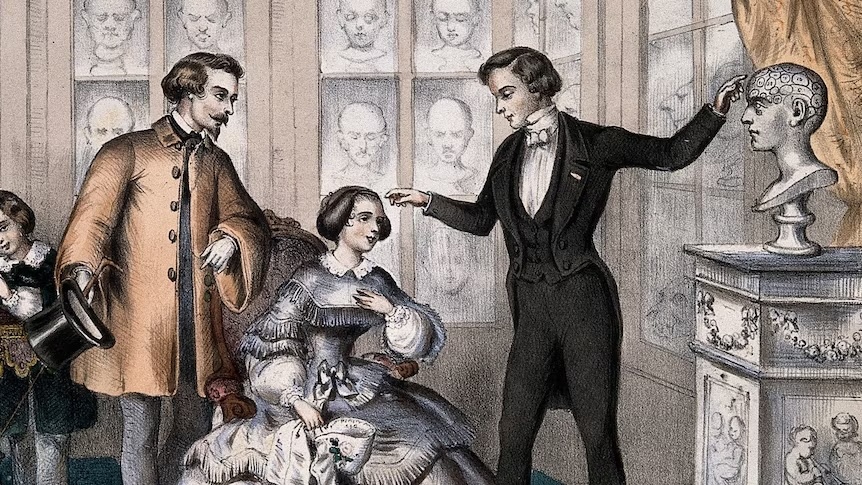
In the mid-19th century, New Yorkers with similar questions became obsessed with the mysterious practice of phrenology, which promised to unlock the secrets of the brain through a careful examination and mapping of the human skull.
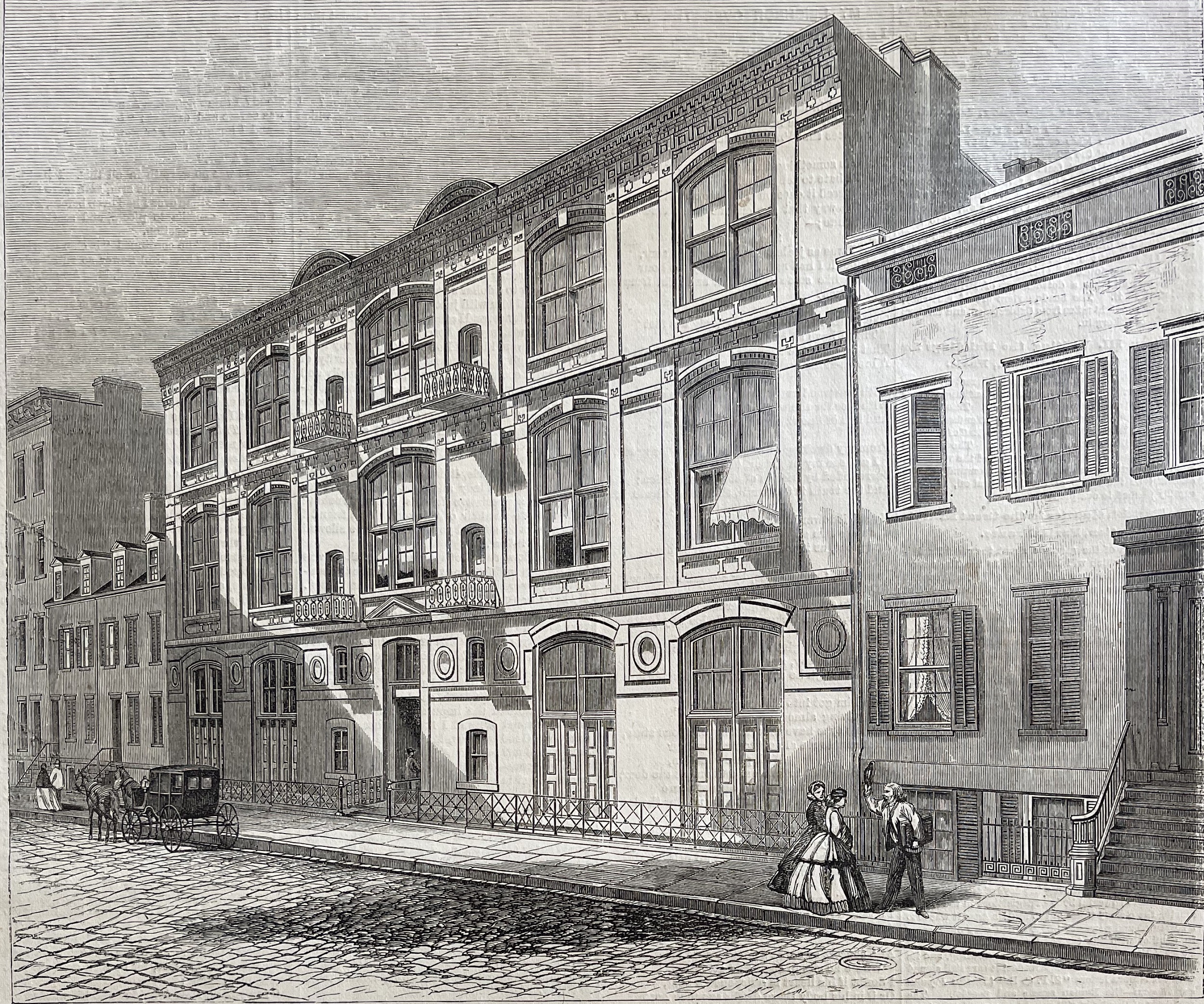
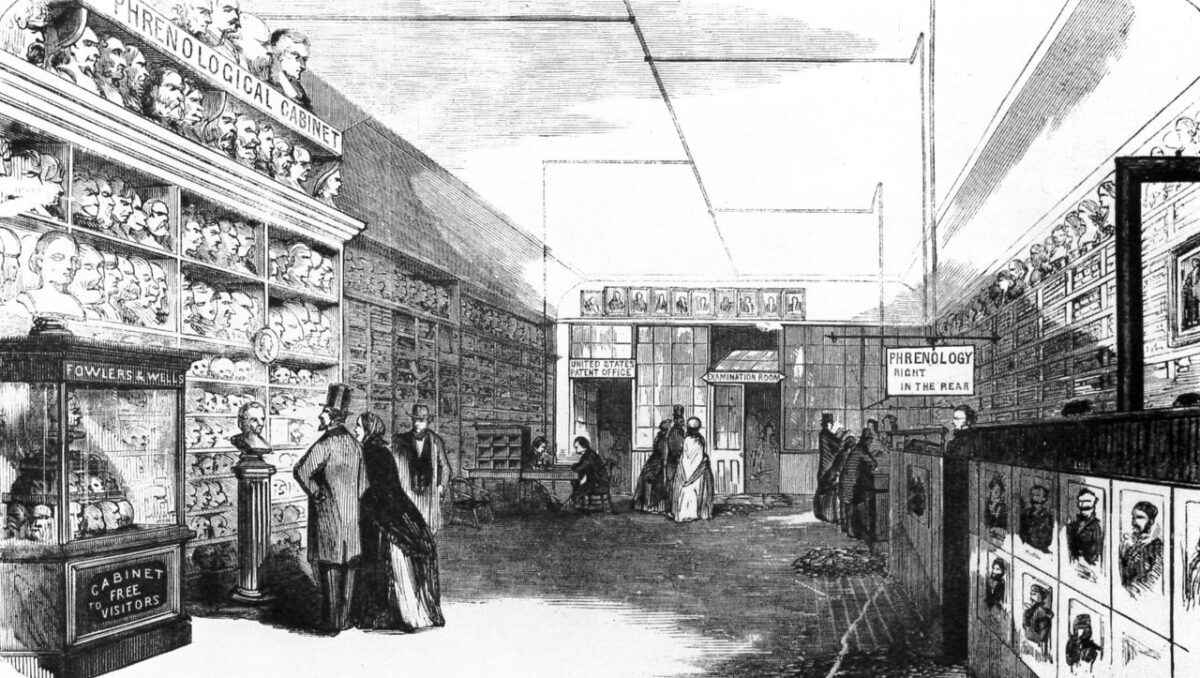
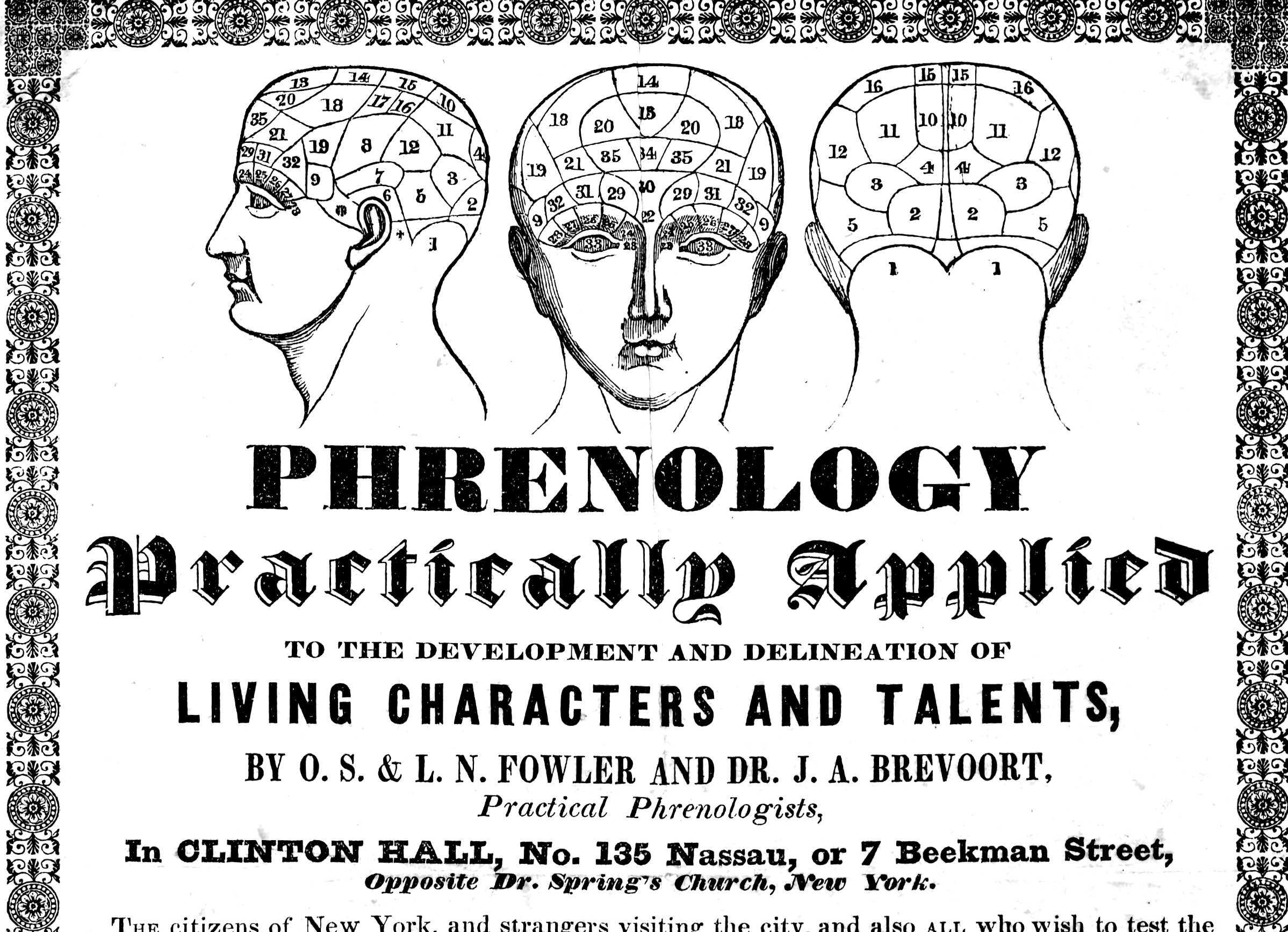
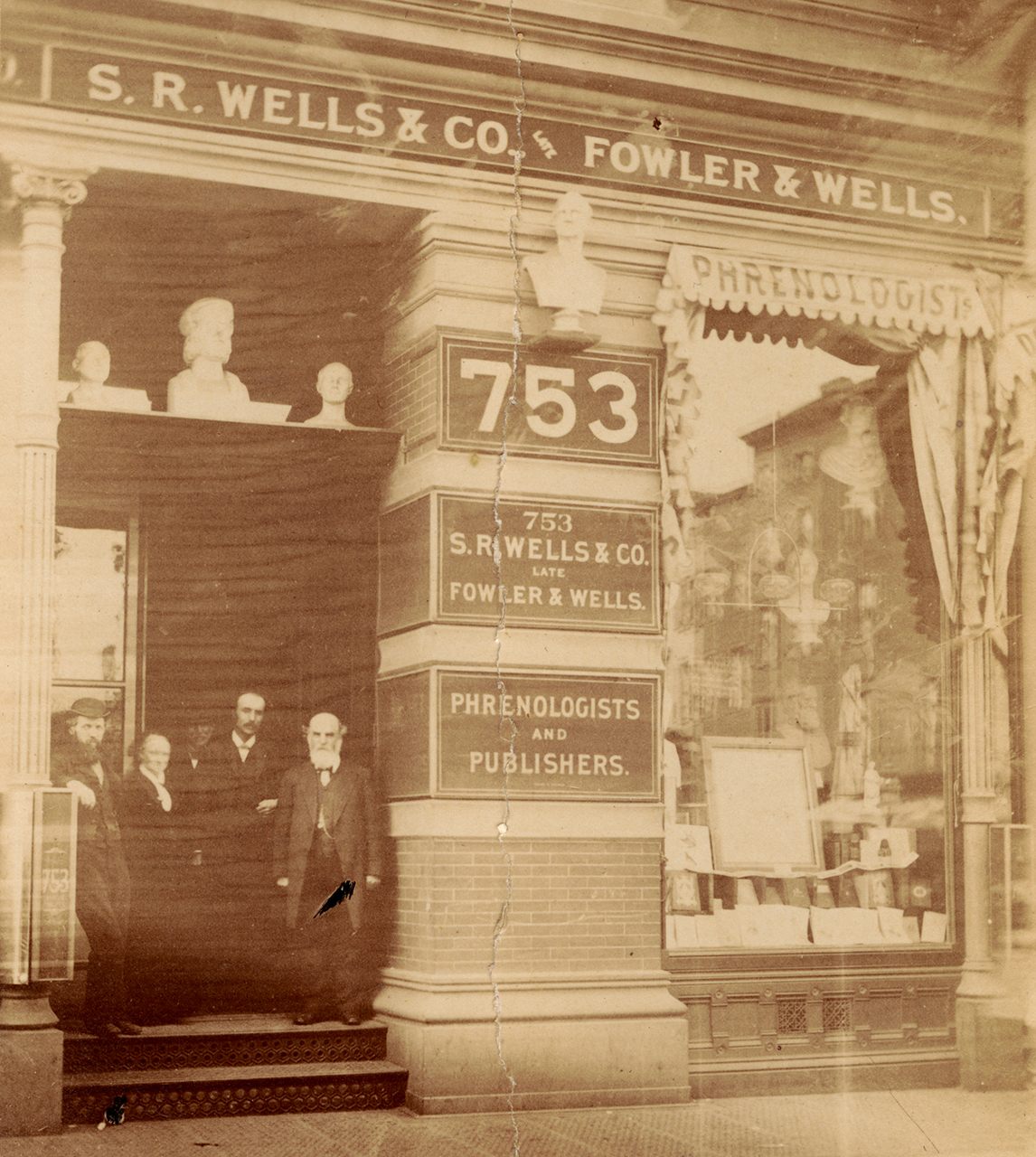
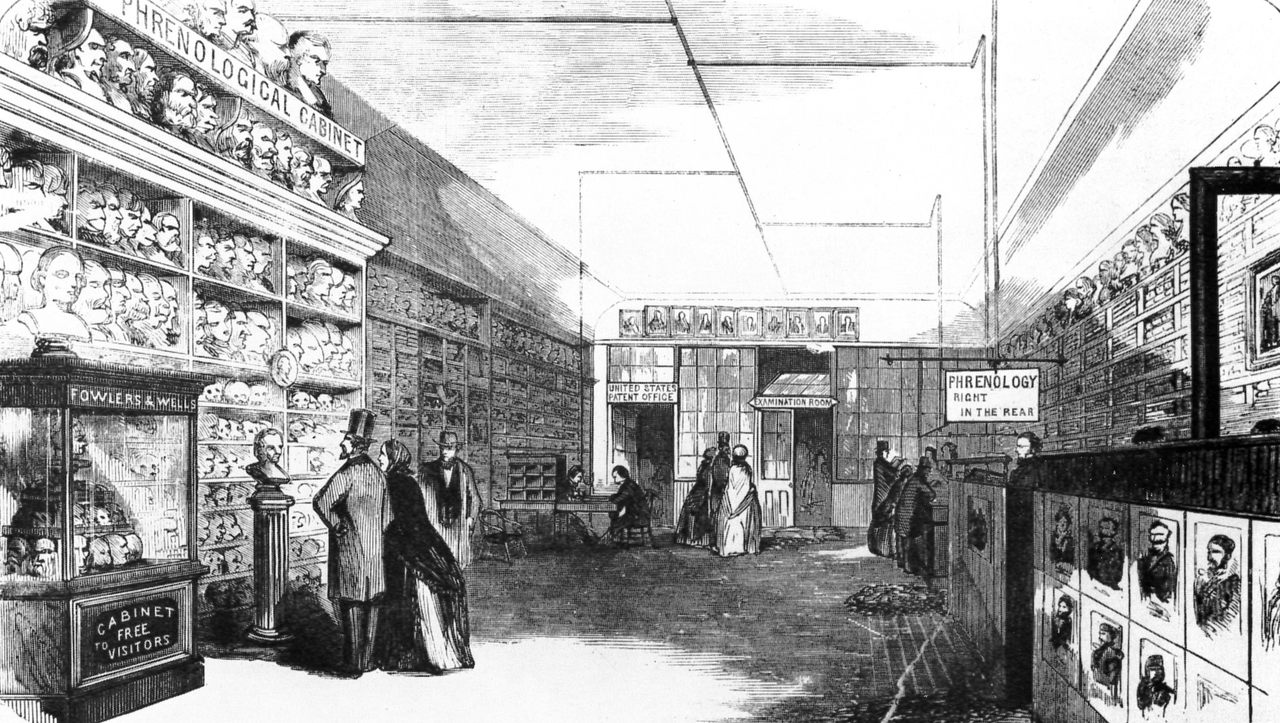
By the 1840s, visitors to New York City Hall and Barnum’s American Museum could walk just a short distance to the curiosity cabinet run by the Fowler family, a group of phrenologists and publishers who helped popularize this now-debunked practice.
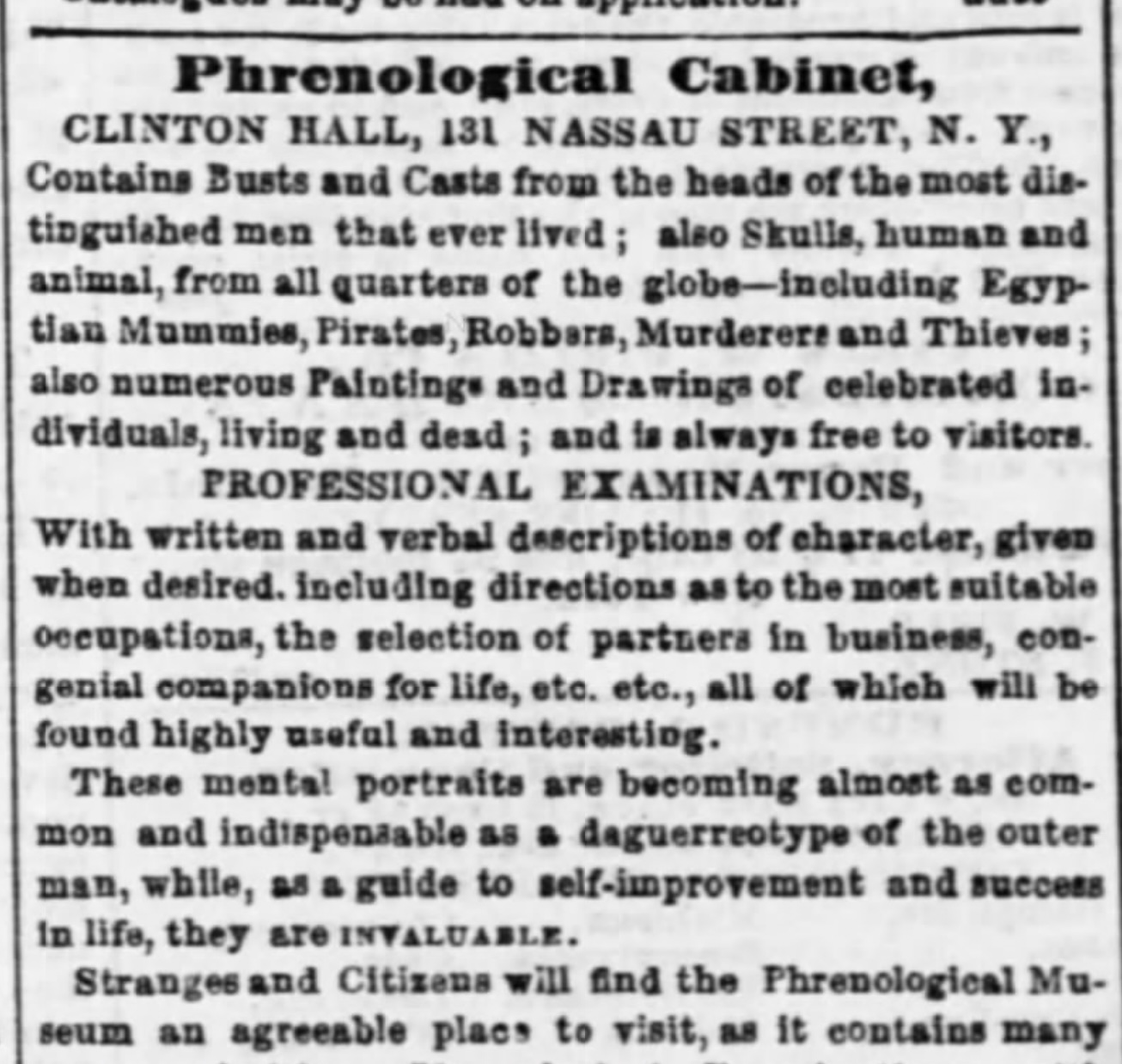
At this very odd tourist attraction, visitors could examine rows of skulls and casts of skulls taken from both celebrated figures in human history and some of the world’s most infamous criminals.
Phrenology attracted the interest of some of the 19th century’s most notable figures, including P. T. Barnum and Walt Whitman. The Fowlers’ empire of unusual disciplines soon expanded to include mesmerism and even spiritualism. But there was also a darker side to phrenology: it was used by many to justify elitist and racist philosophies.
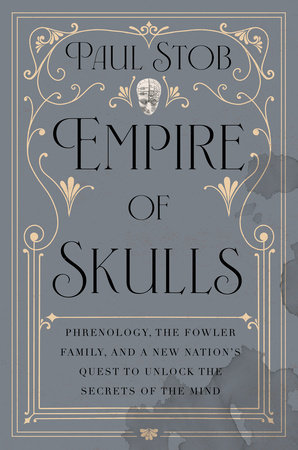
Greg is joined in the studio by Paul Stob, author of the new book Empire of Skulls: Phrenology, the Fowler Family, and a New Nation’s Quest to Unlock the Secrets of the Mind, to explore this strange craze, what people believed they saw when they looked at the skull, and why New York City played such a crucial role in its rise.
LISTEN NOW — THE PHRENOLOGY CRAZE
Thanks to Paul Stob for being on the Bowery Boys Podcast. His new book Empire of Skulls: Phenology, The Fowler Family and a New Nation’s Quest to Unlock the Secrets of the Mind is now available from Counterpoint Press
An advertisement for phrenological services at Clinton Halland an Evening Post ad for the ‘cabinet of curiosities’The study of phrenology was quite risqué in the Victorian era as male practicioners would often examine the scalps of female patients.Outside Clinton Hall….
FURTHER LISTENING
Some other shows from the Bowery Boys Podcast related to this week’s show. Give them a listen when you’re done with The Phrenology Craze:
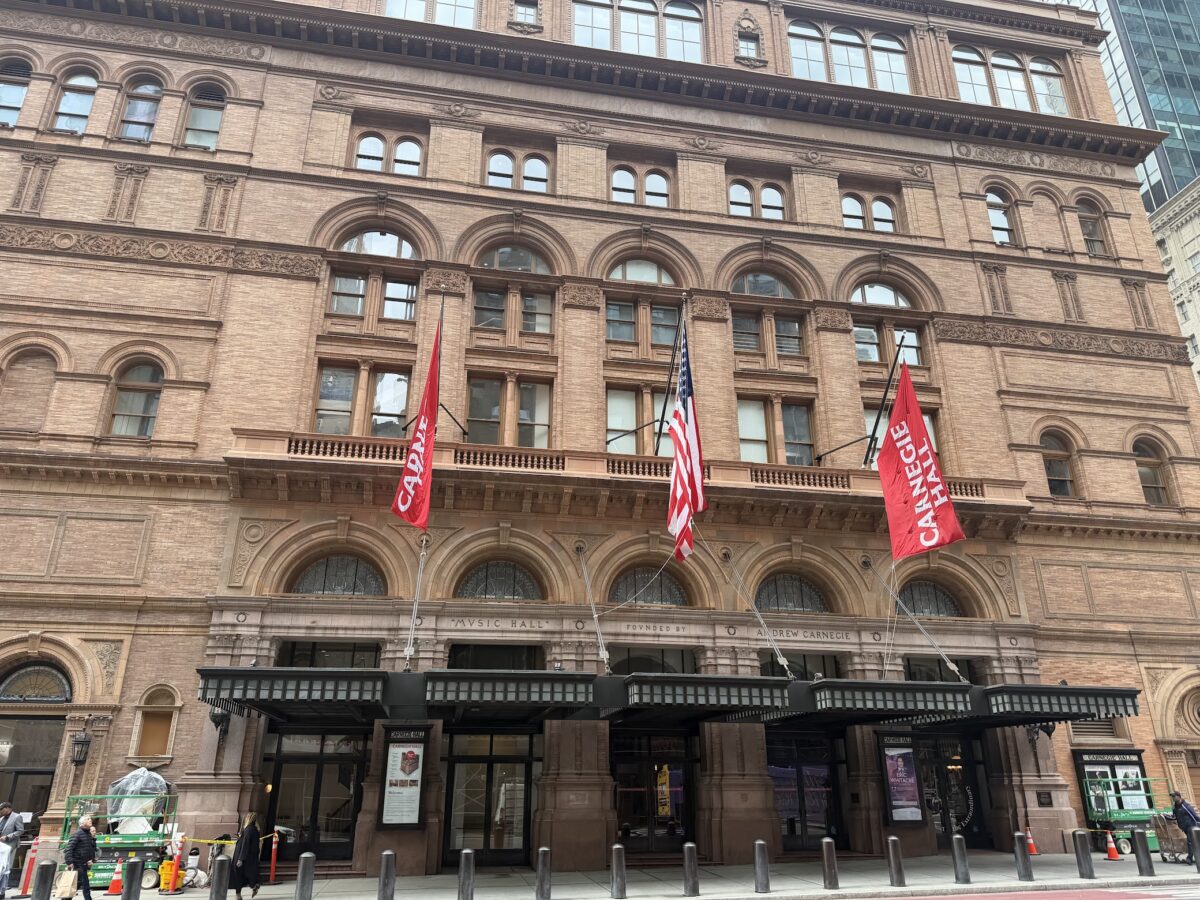
Carnegie Hall is one of America’s greatest and most enduring cultural landmarks, enchanting audiences and making history since its opening night on May 5, 1891, when Pyotr Ilyich Tchaikovsky appeared there in his first performance in the United States.
This groundbreaking performance space (originally known simply as “Music Hall”) is in fact a trio of distinct venues, all nestled within a single, opulent Italian Renaissance–style building.
Although its benefactor Andrew Carnegie and his fellow Gilded Age elites had moved their grand residences farther up Fifth Avenue, New York’s established cultural institutions, like the venerable Academy of Music, still lingered well to the south. Carnegie Hall helped shift that center of gravity uptown.
Yet the true history of Carnegie Hall lives inside its walls—within the experiences of the audiences and the artists, and, for this week’s show, within the archives themselves. Tom and Greg have been invited into the Carnegie Hall archives for an exclusive, unprecedented encounter with the story of American music.
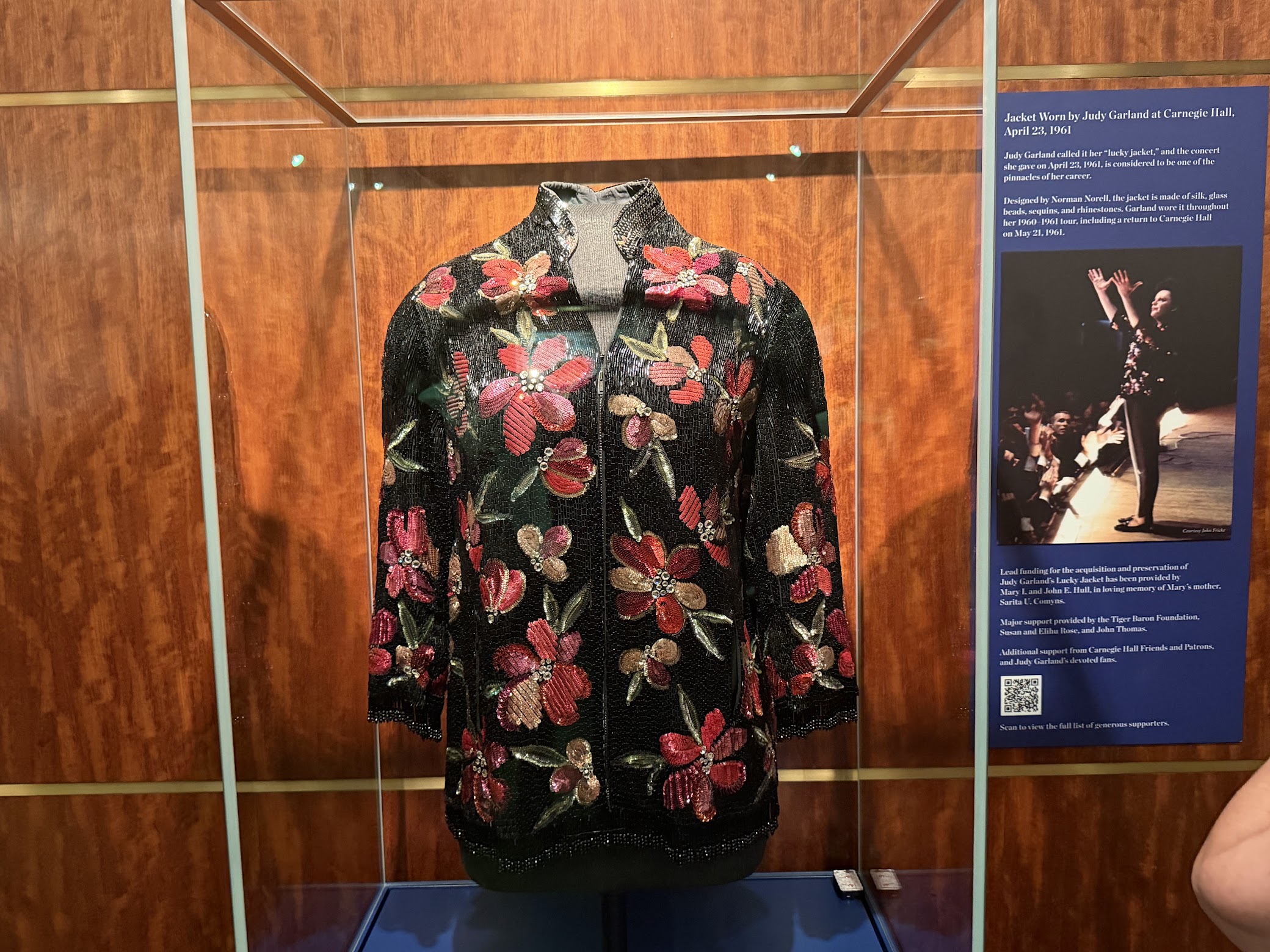
Kathleen Sabogal and Robert Hudson of the Rose Museum & Archives guide the Bowery Boys through the Hall’s past, using some of their collection’s most cherished artifacts: a clarinet, mysterious locks, ledger books, stickpins, suffrage buttons, beaded jackets, photographs, and autograph books that together bring the spirit of Carnegie Hall vividly to life.
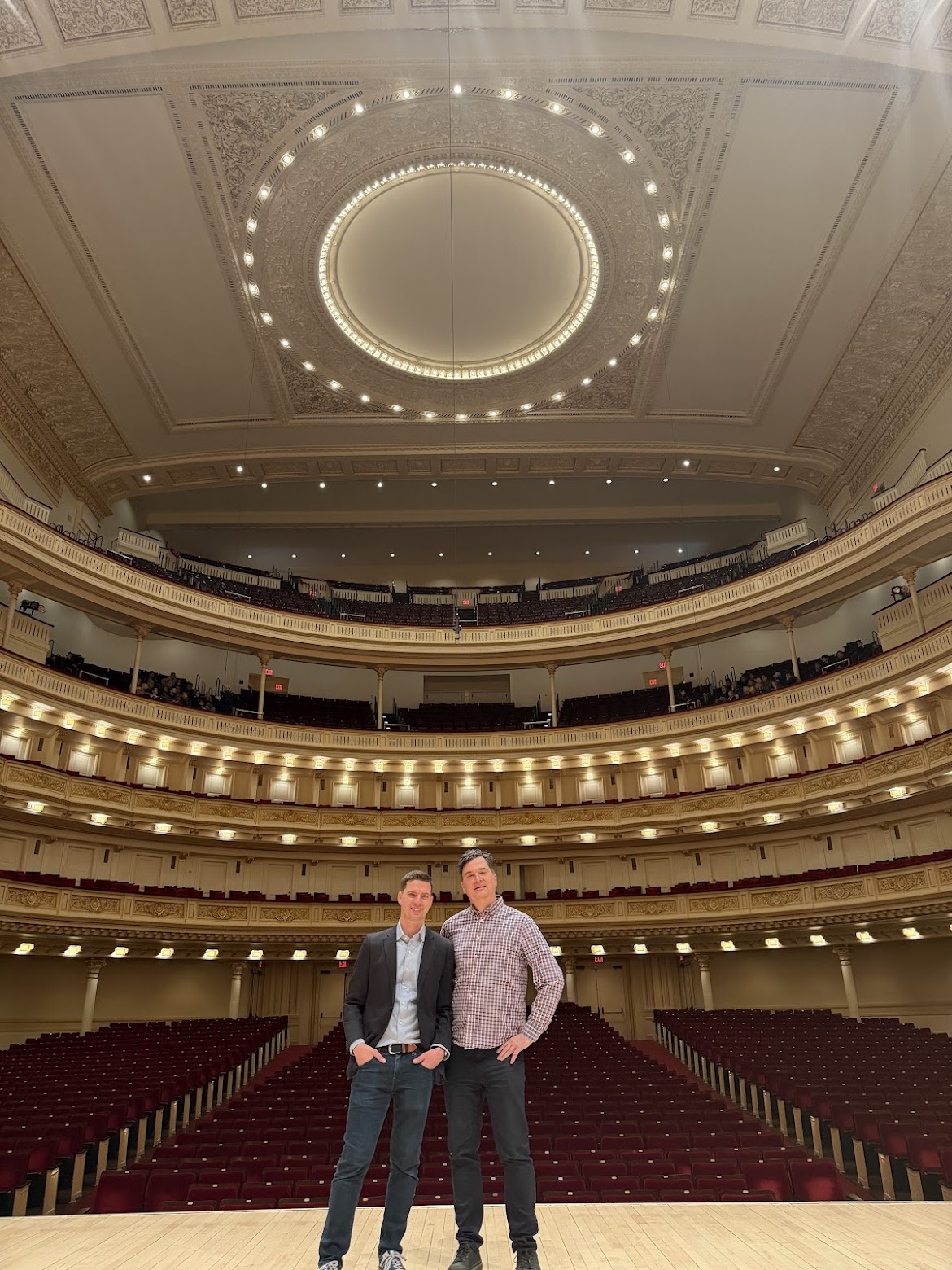
And in the end — they even take to the stage!
This episode was proudly sponsored by Carnegie Hall. Visit CarnegieHall.org for information on upcoming shows, including the United in Sound: America at 250festival, a multifaceted reflection of the United States 250 years since the signing of the Declaration of Independence.
Carnegie Hall’s 2025–2026 season festival is a multifaceted reflection of the United States 250 years since the signing of the Declaration of Independence.
In more than 35 concerts at the Hall, audiences will experience Broadway, jazz, film music, rock ‘n’ roll, hip-hop, bluegrass, classical, and so much more, showcasing the very best of the American spirit through music.
Events at top cultural institutions across New York further expand the festival’s scope, offering new avenues for discovery as we explore our nation’s vibrant and complex past, present, and future.
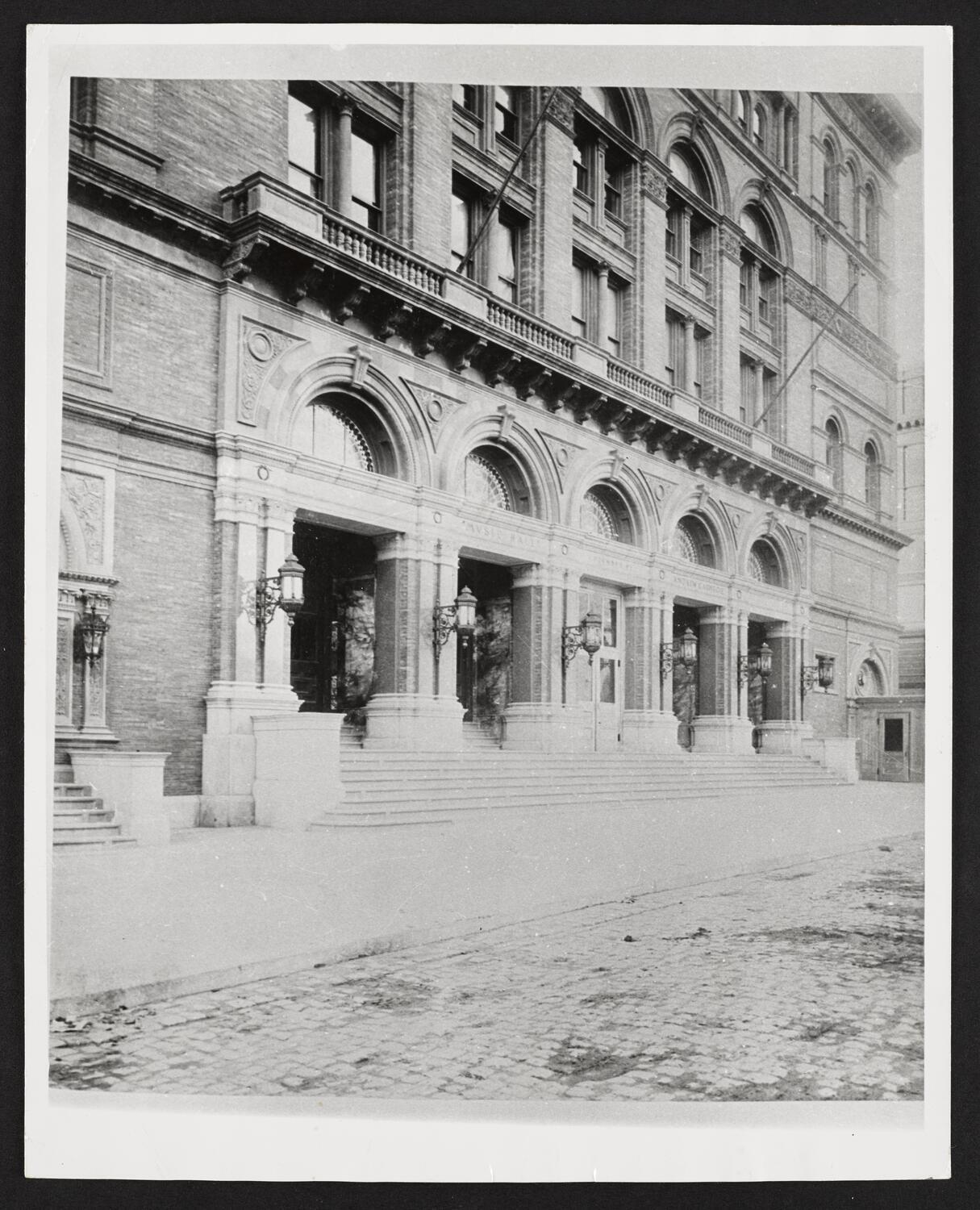
Carnegie Hall, 1891. Main entrance to Carnegie Hall on 57th street. The front stairs were removed in 1920 when 57th street was widened to add two additional traffic lanes.
Courtesy Carnegie Hall Rose Archives
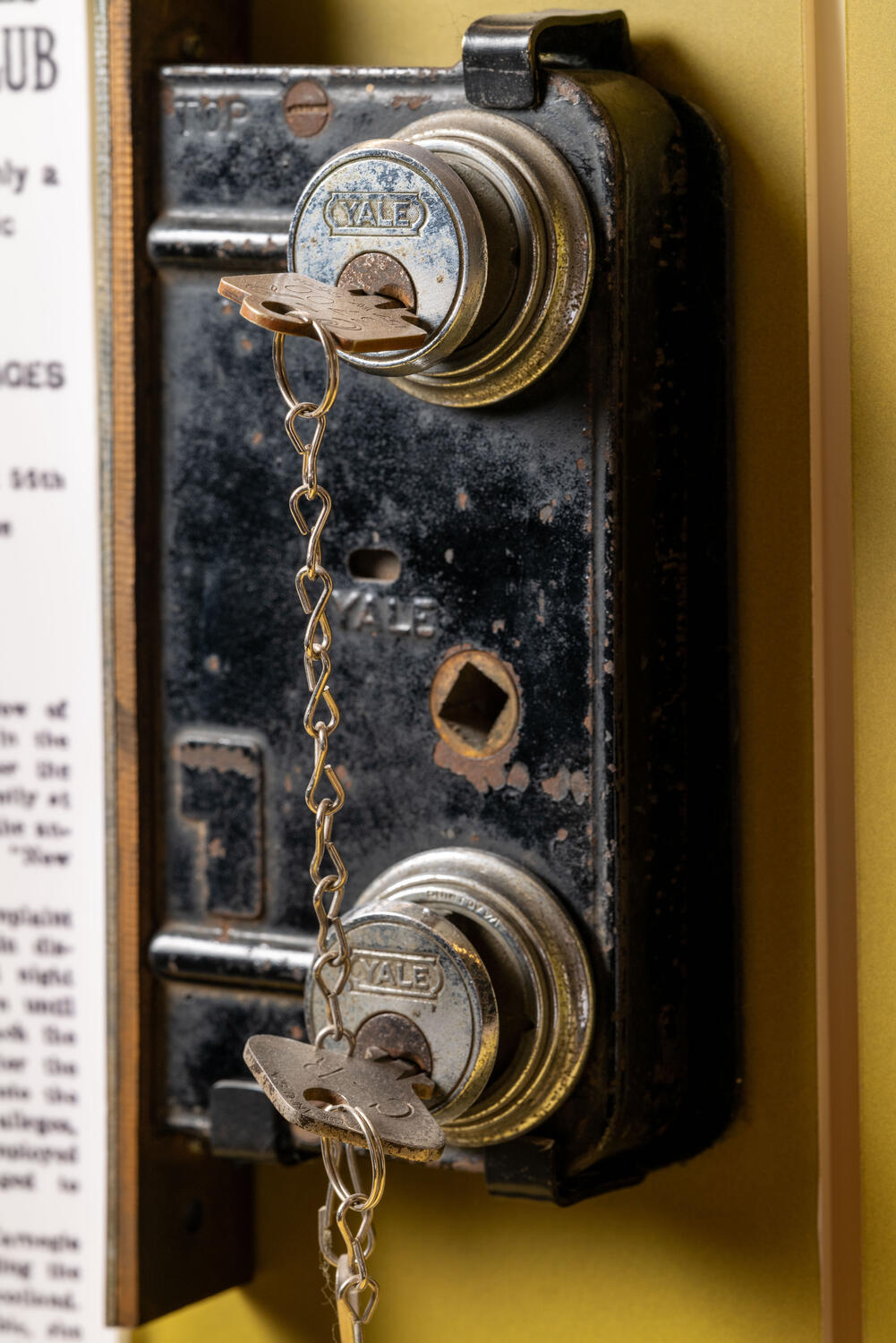
The speakeasy lock! Double-lock used to gain entry to Club Richman, a speakeasy located on the Carnegie Hall property, 1924
Courtesy of Carnegie Hall Rose Archives
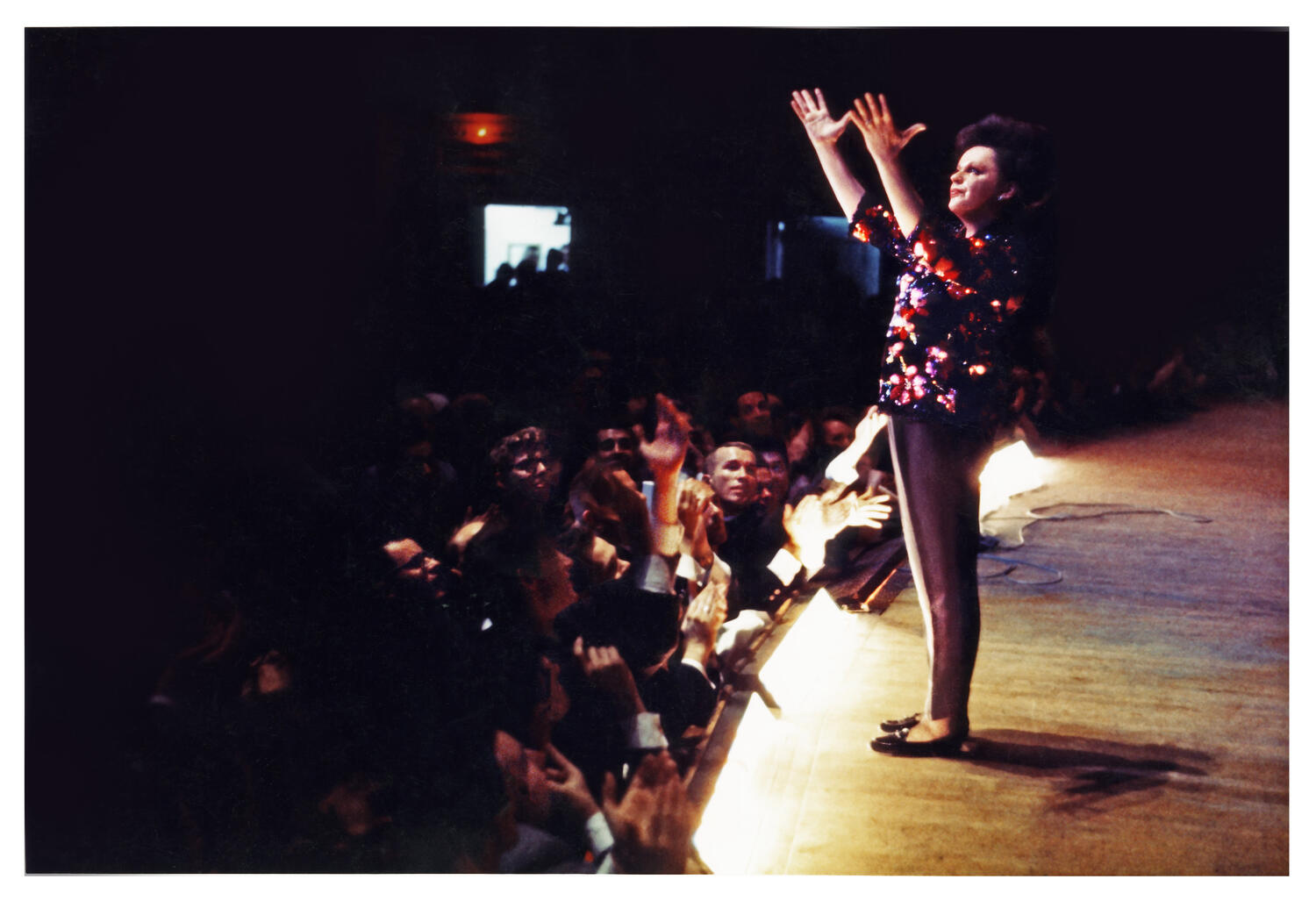
Judy Garland at Carnegie Hall 1961
Courtesy of John FrickeCourtesy Bowery Boys
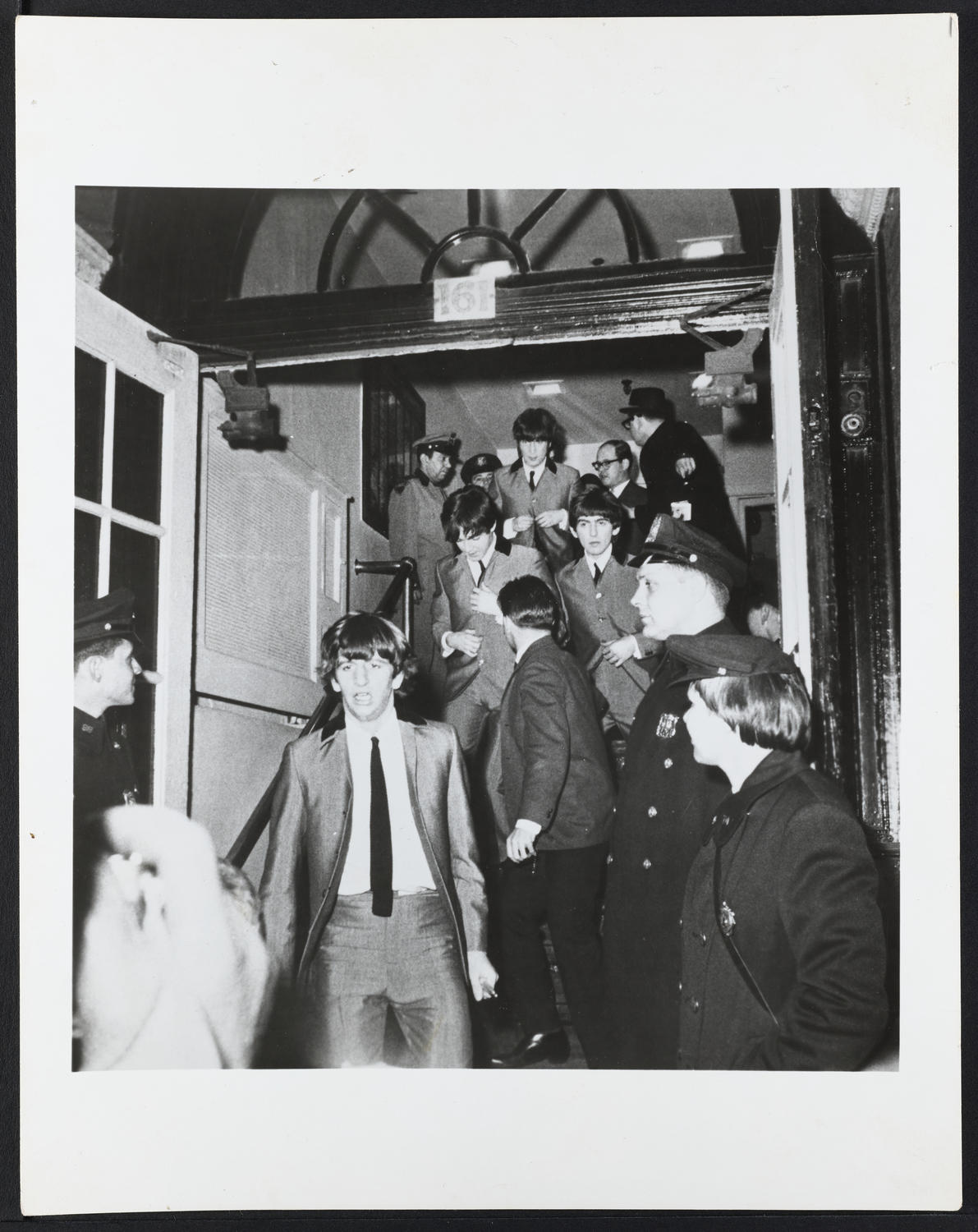
The Beatles at Carnegie Hall, February 12, 1964
Courtesy of Carnegie Hall Rose Archives
FURTHER LISTENING
After taking in the story of Carnegie Hall, take a dive into these past Bowery Boys episodes to learn more about some of the topics mentioned in the show, including some forays into New York City musical history
Calling all history geeks, New Yorkers, and lovers of great storytelling! Greg Young of the Bowery Boys Podcast is bringing you another edition of BOWERY BOYS HISTORY LIVE on May 26, 2026
Bowery Boys History Live is a storytelling cabaret of true tales and spellbinding secrets from the past, brought to life by a rotating roster of the city’s finest historians.
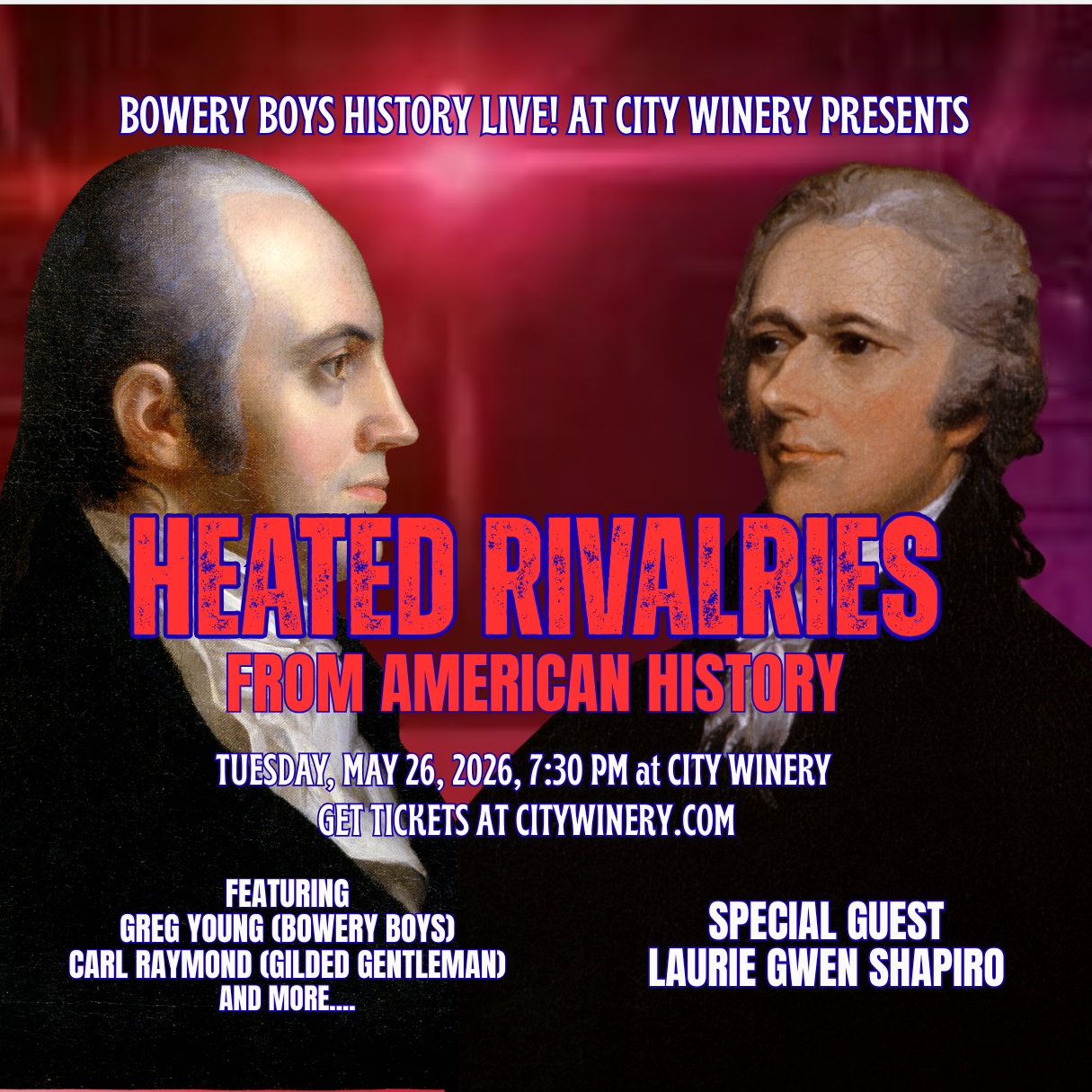
For this season’s installment, Greg is joined by Carl Raymond (The Gilded Gentleman Podcast), Laurie Gwen Shapiro (former Bowery Boys podcast guest and author of the new Amelia Earhart biography The Aviator and the Showman), and many more for HEATED RIVALRIES FROM AMERICAN HISTORY, spotlighting the nation’s most combative frenemies and jaw-dropping personal clashes.
Alexander Hamilton vs. Aaron Burr was only the beginning. Prepare to duel!
BOWERY BOYS HISTORY LIVE! Heated Rivalries of American History The Loft at City Winery NYC (25 11th Avenue) Tuesday, May 26, 7:30 pm (doors open at 6pm)
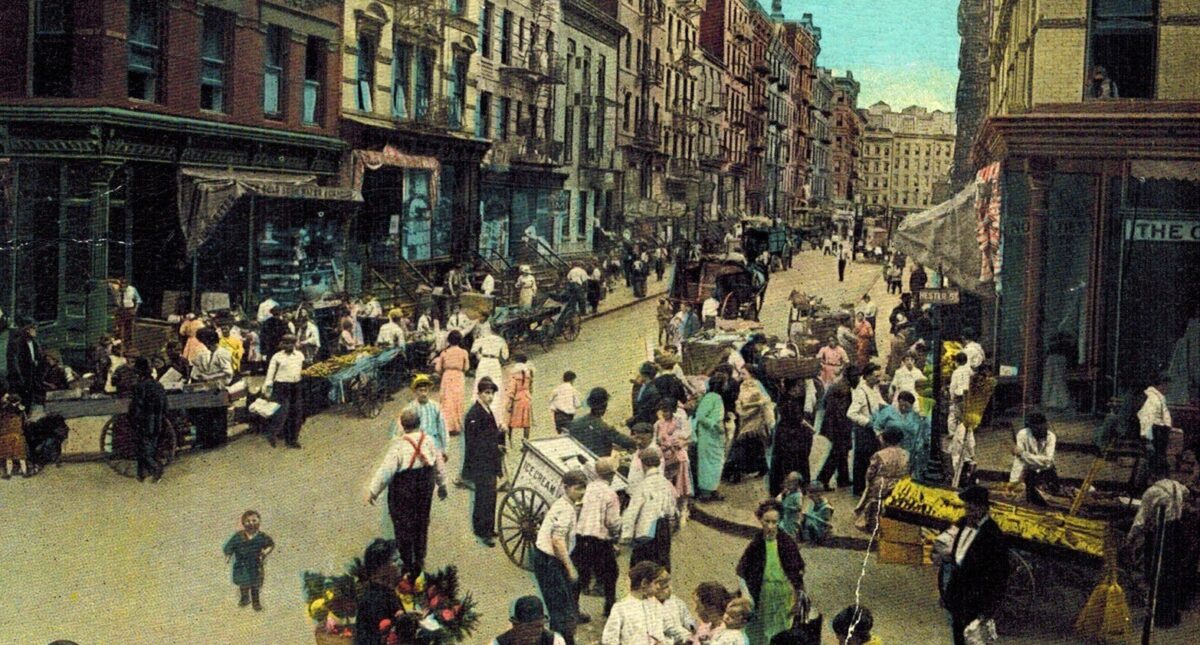
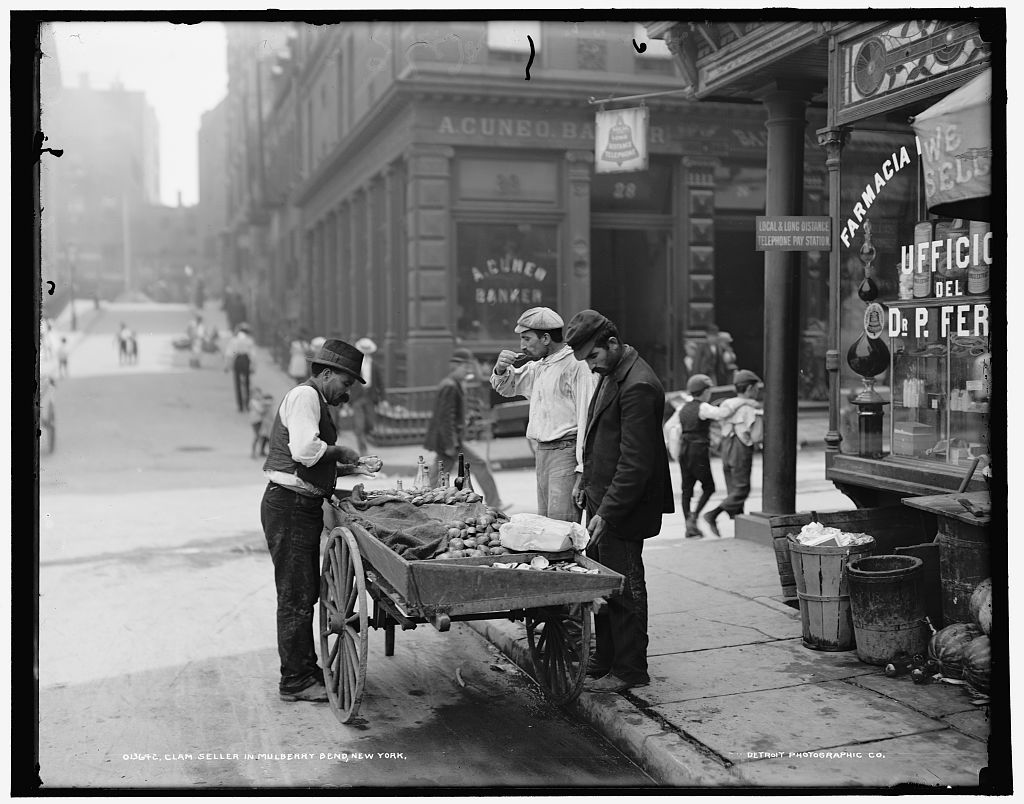
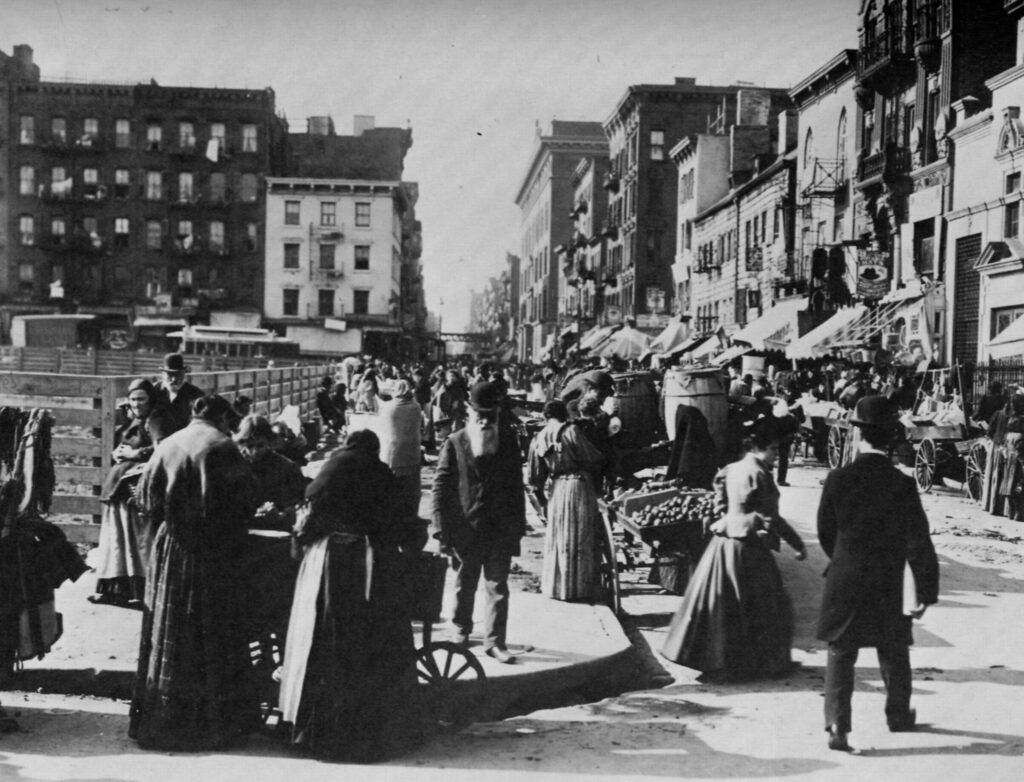
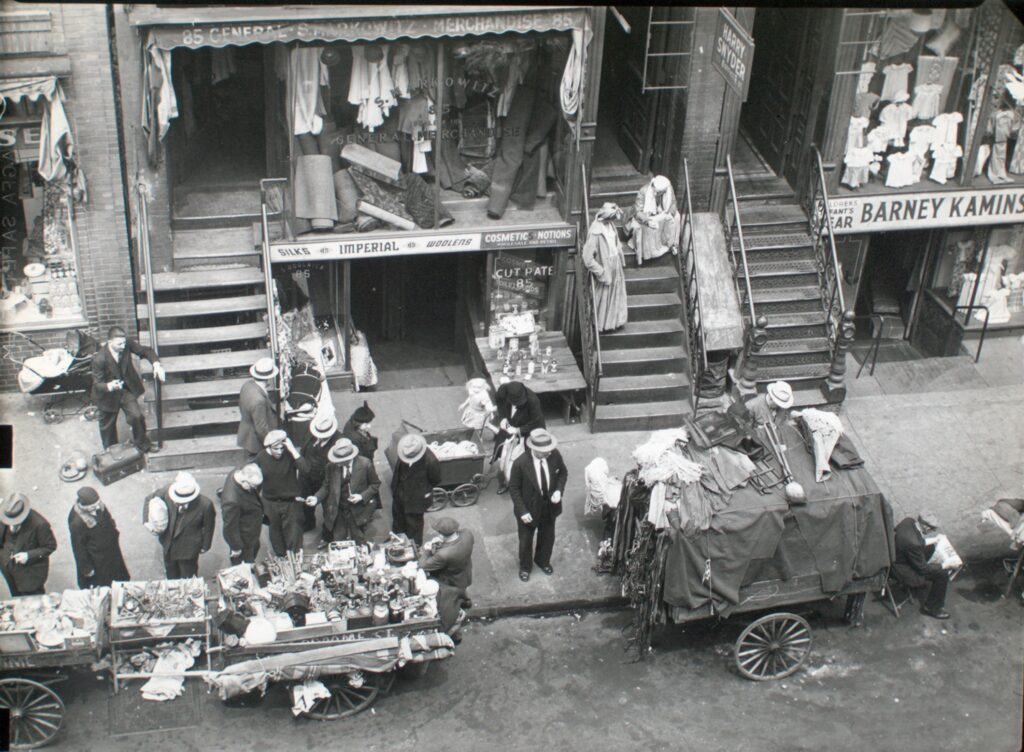
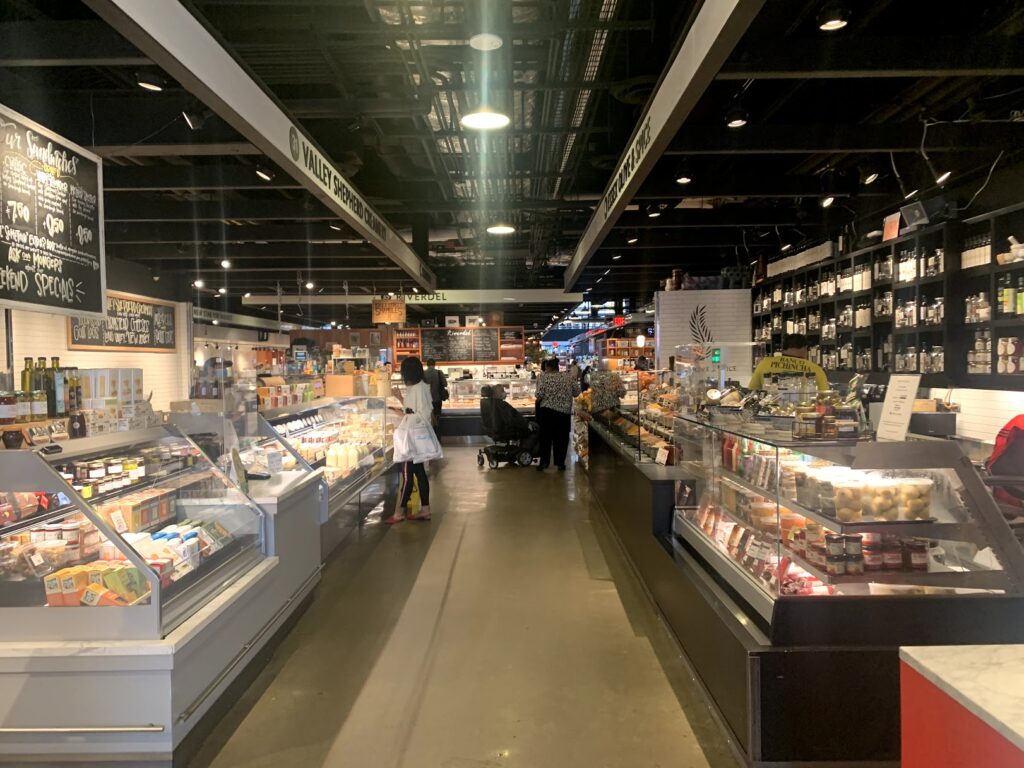
Once upon a time, the streets of the Lower East Side were lined with pushcarts and salespeople haggling with customers over the price of fruits, fish and pickles. Whatever became of them?
New York’s earliest marketplaces were large and surprisingly well regulated hubs for commerce that kept the city fed. When the city was small, they served the hungry population well.
But by the mid 19th century, mass waves of immigration and the necessary expansion of the city meant a lack of affordable food options for the city’s poorest residents in overcrowded tenement districts.
Then along came the peddler, pushcart vendors who brought bargains of all types — edible and nonedible — to neighborhood streets throughout the city. In particular, on the Lower East Side, the pushcarts created makeshift marketplaces.
Many shoppers loved the set-up! But not a certain mayor — Fiorello La Guardia, who promised to sweep away these old-fashioned pushcarts that packed the streets — and instead house some of those vendors in new municipal market buildings.
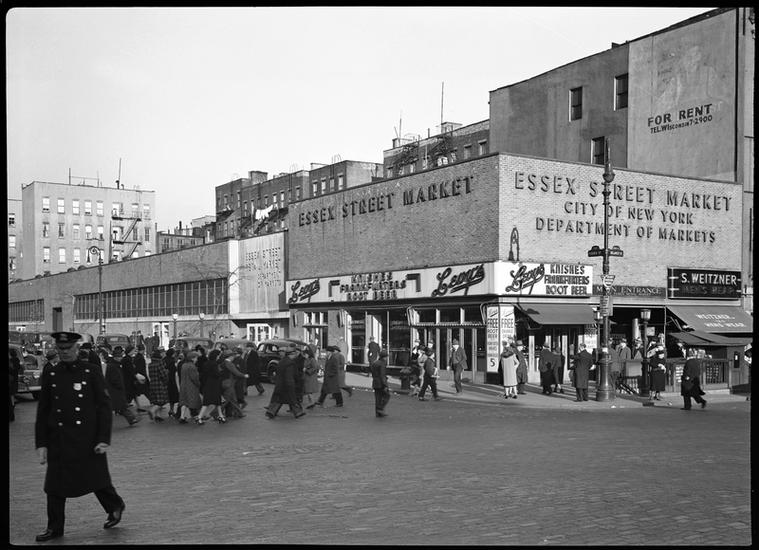
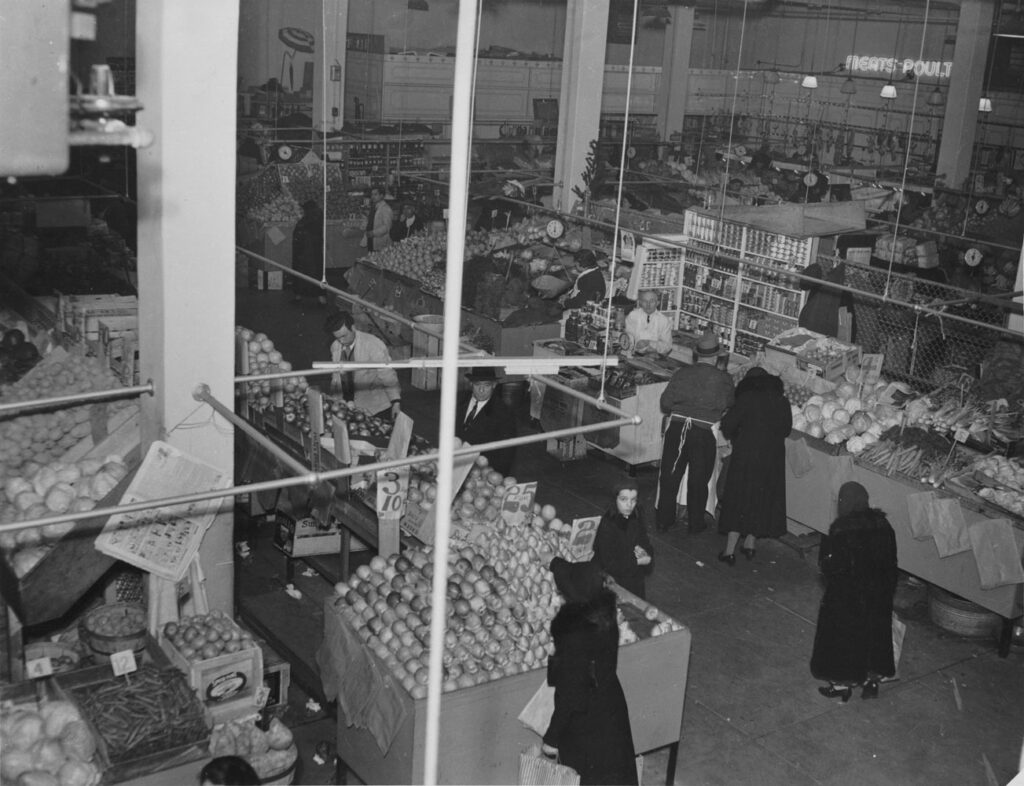
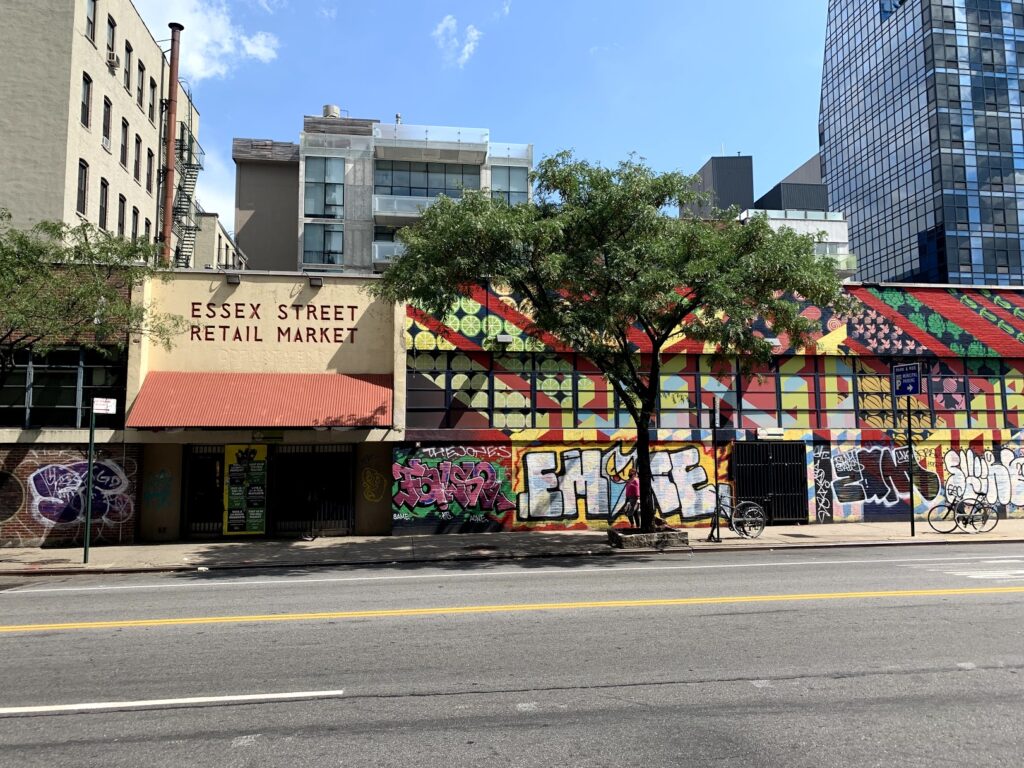
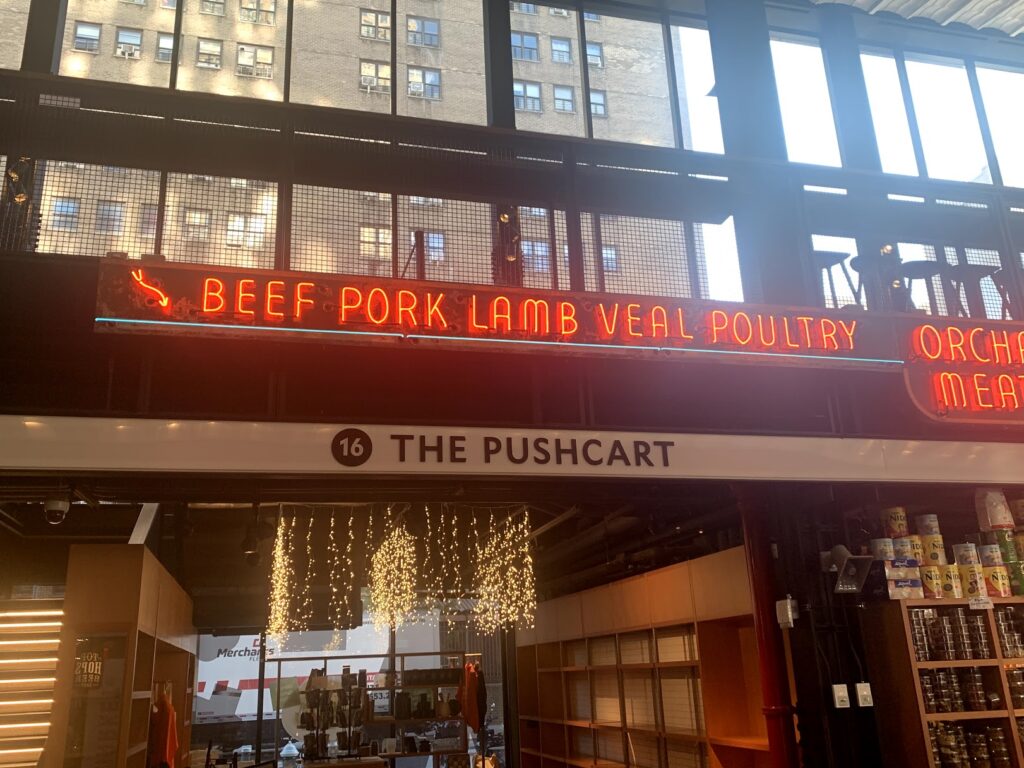
For those immigrant peddlers, the Essex Street Market — in sight of the Williamsburg Bridge — would provide a diverse shopping experience representing a swirl of various cultures: Eastern European, Puerto Rican, Italian and more.
But could these markets survive competition from supermarkets? Or the many economic changes of life in New York City?
Top image from a colorized postcard of the Lower East Side. Find a great collection of these old photographs at the Blavatnik Archive.
Norfork and Hester Streets, 1898
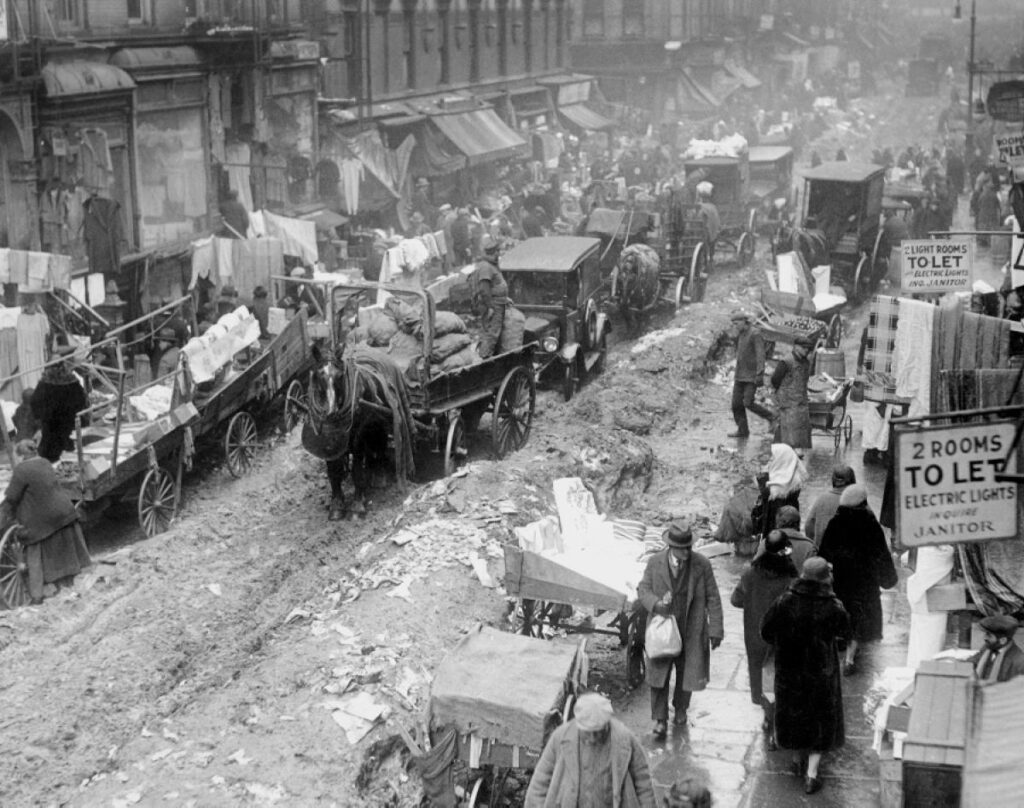
Orchard Street in 1926. That unsightly pile running down the street is dirty snow!
New York Daily NewsBerenice Abbott, Hester Street in 1938Essex Street Market, 1940, Wurts Brothers, courtesy the Museum of the City of New YorkInside the market, early 1940s, courtesy Essex Street Market
Gastropolis: Food and the City, editors Annie Hauck-Lawson, Jonathan Deutsch Landscape of Modernity: Essays on New York City, 1900-1940, editors David Ward and Oliver Zunz Next to Godliness: Confronting Dirt and Despair in Progressive Era New York by Daniel Eli Burnstein The Pushcart War by Jean Merrill “New York’s Many Miles of Pushcarts” New York Times, Nov. 30 1924 “LaGuardia Renews War on Pushcarts” New York Times, May 22, 1938
The Bowery Boys: New York City History podcast is brought to you …. by you!
We are now a creator on Patreon, a patronage platform where you can support your favorite content creators.
Please visit our page on Patreon and watch a short video of us recording the show and talking about our expansion plans.
If you’d like to help out, there are a few different pledge levels. Check them out and consider being a sponsor.
We greatly appreciate our listeners and readers and thank you for joining us on this journey so far.
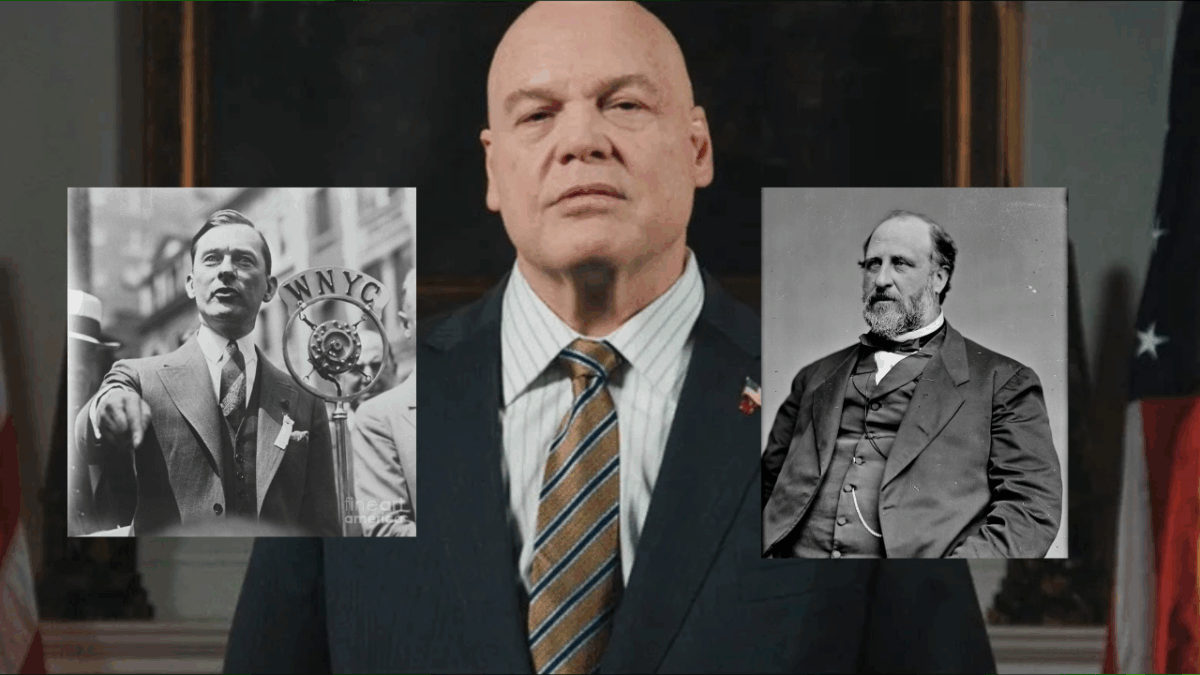
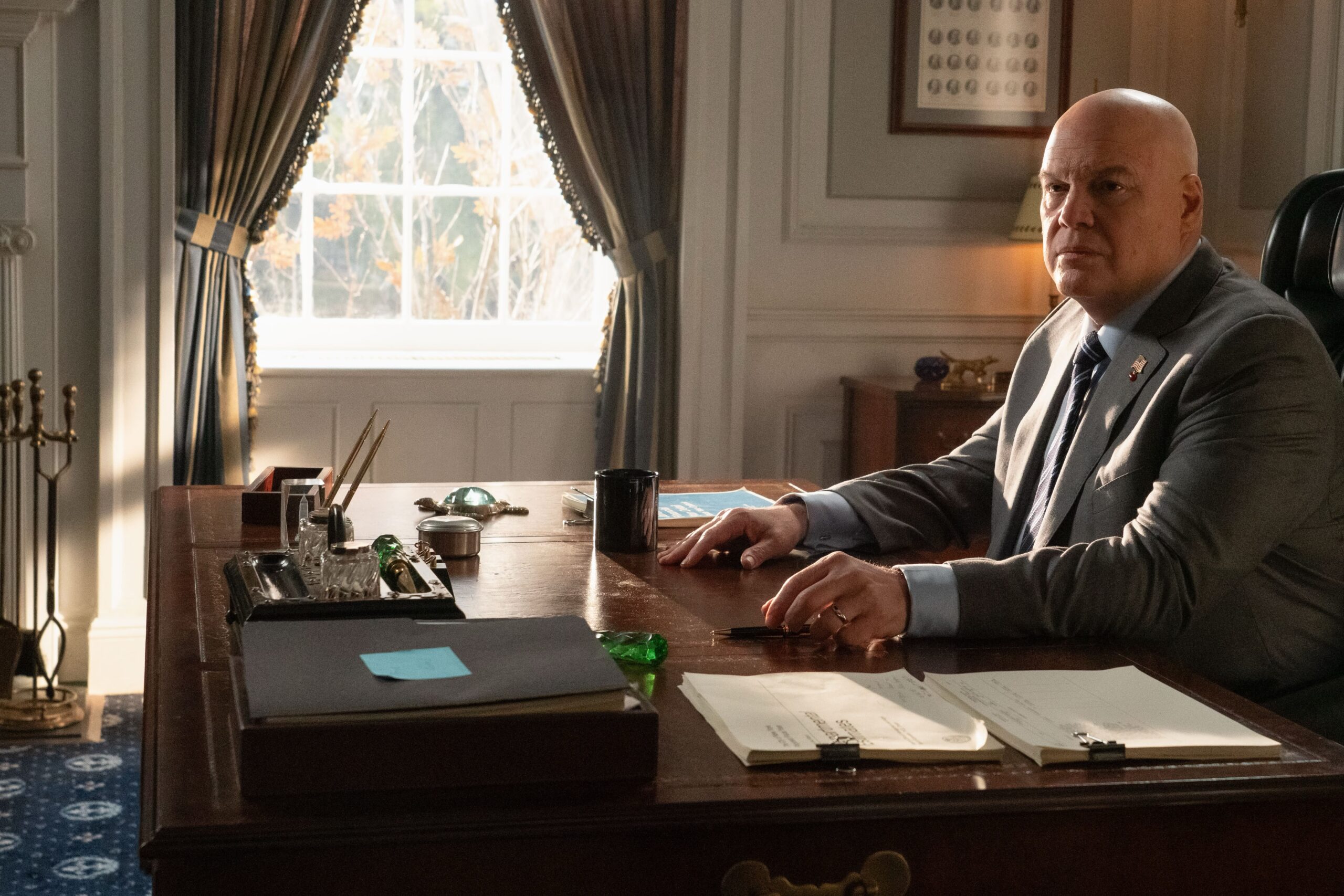
Greg Young from the Bowery Boys Podcast is a guest on this week’s episode of the Official Marvel Podcast, speaking about the TV show Daredevil: Born Againand the intreguing inspirations for its principal antagonist Wilson Fisk aka Kingpin. He’s the mayor of New York City!
Vincent D’Onofrio as Wilson Fisk. Image courtesy Disney Plus/Marvel Studios
Here’s the description of the podcast:
This week, Vincent D’Onofrio and Charlie Cox discuss their work on season 2 of Marvel Television’s Daredevil: Born Again (1:10). Plus, a deep dive on Wilson Fisk’s most unforgettable moments (7:46).
Later on, The Bowery Boys Podcast co-host Greg Young dives into the history of New York City’s most notorious political criminals (12:01). All time codes are approximate.
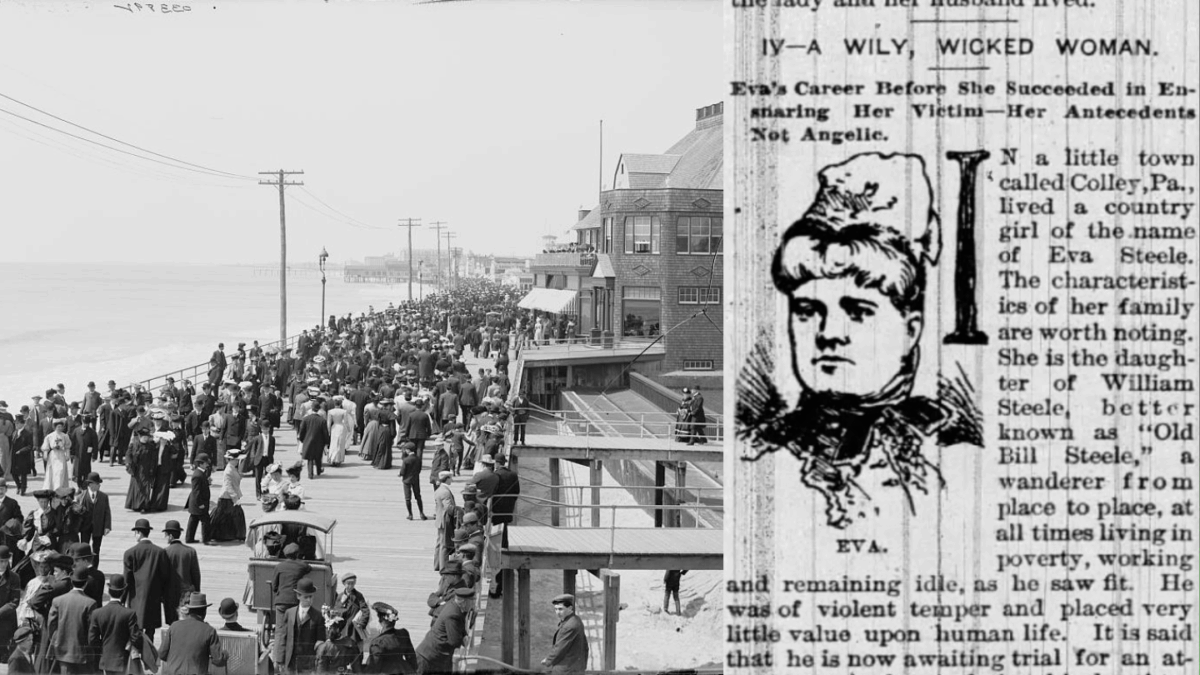
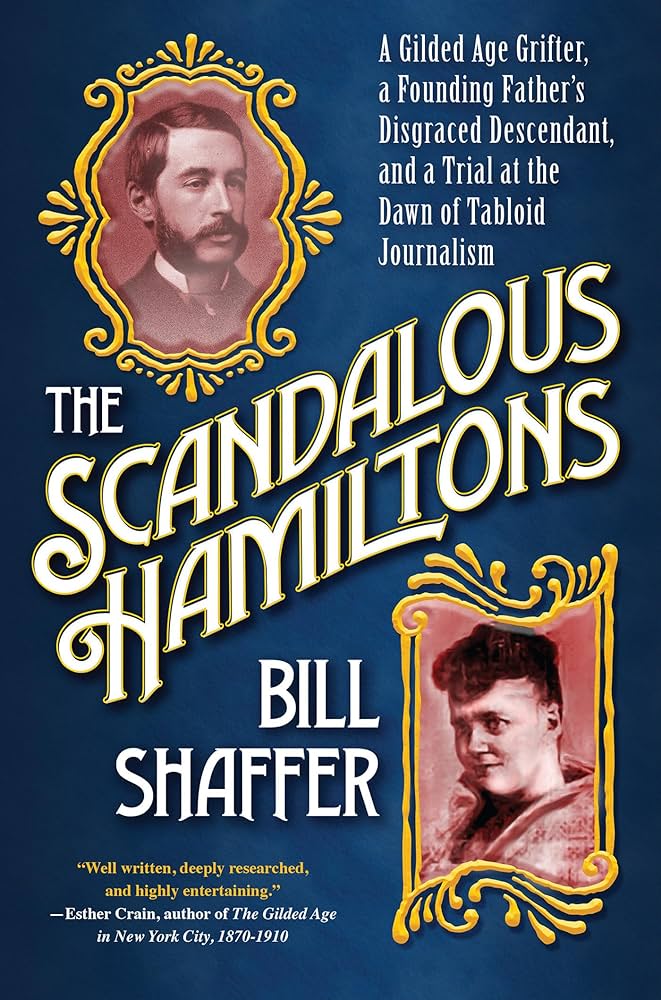
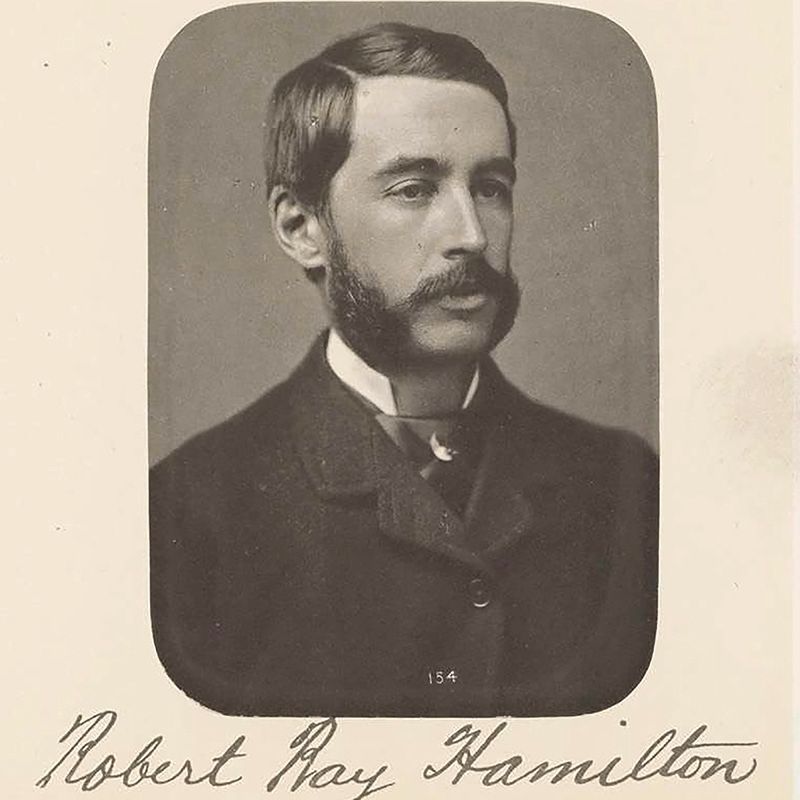
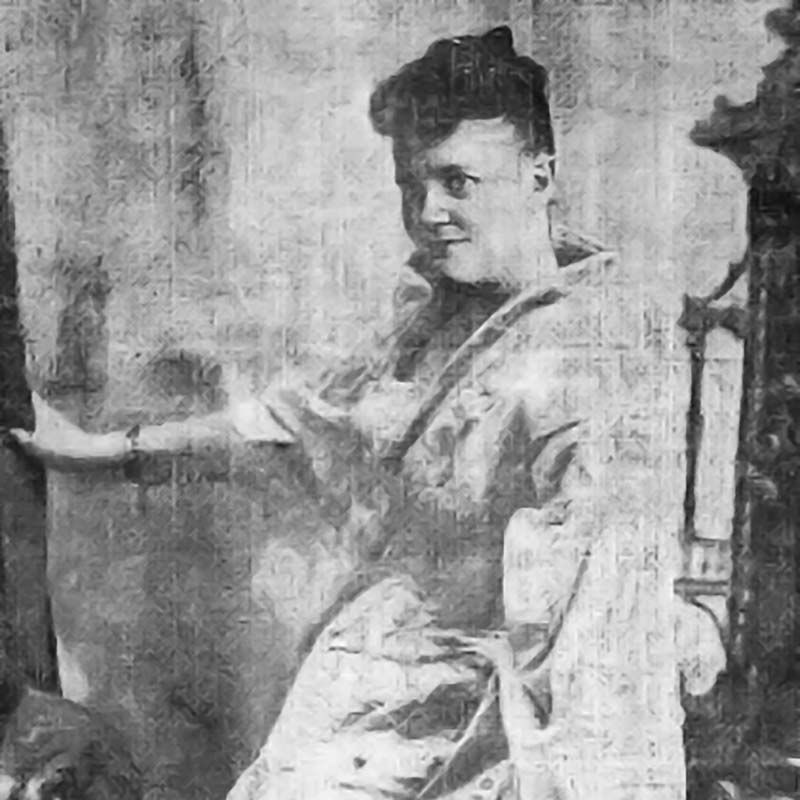
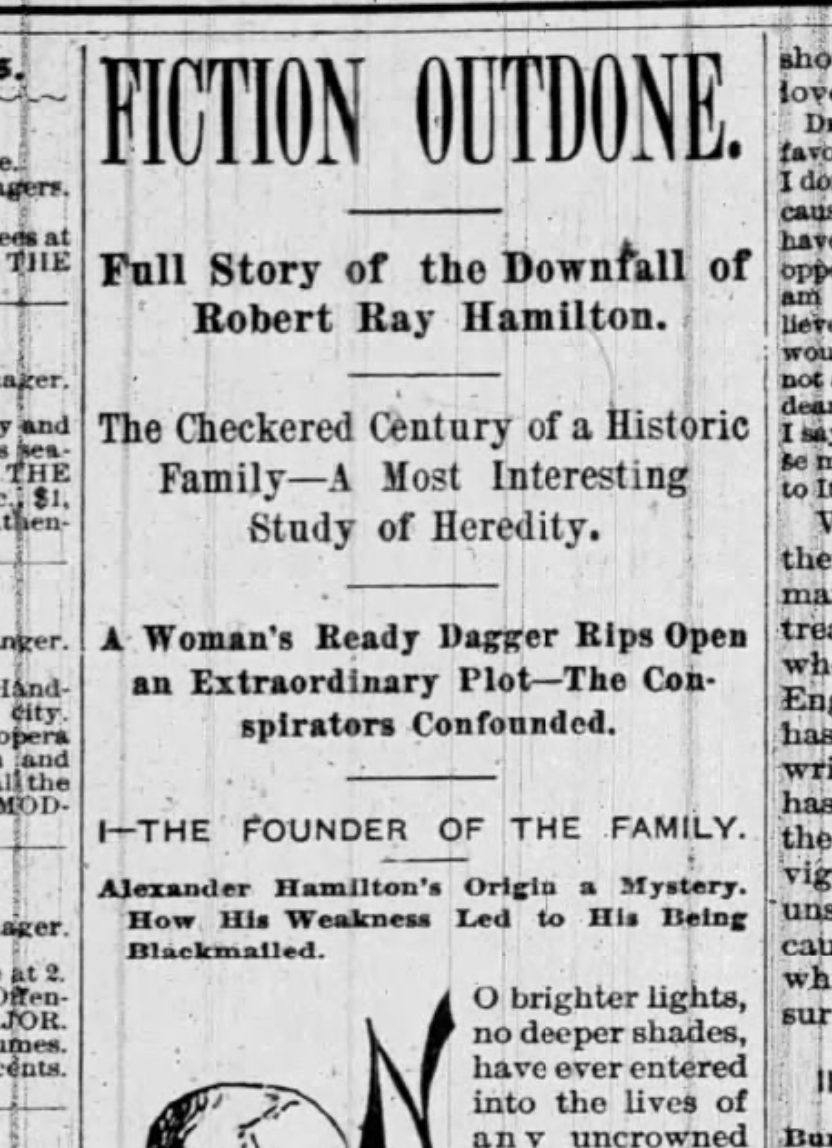
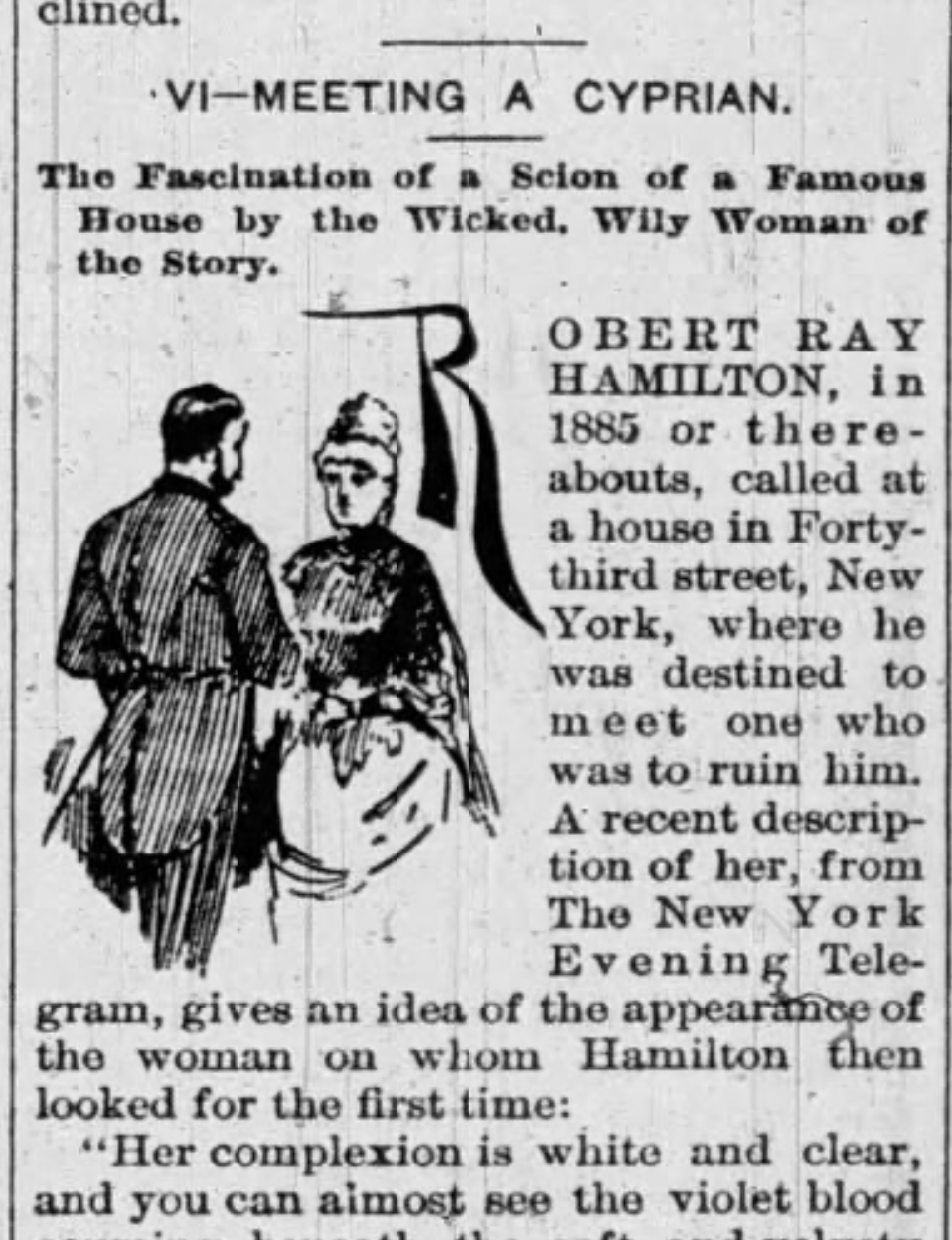
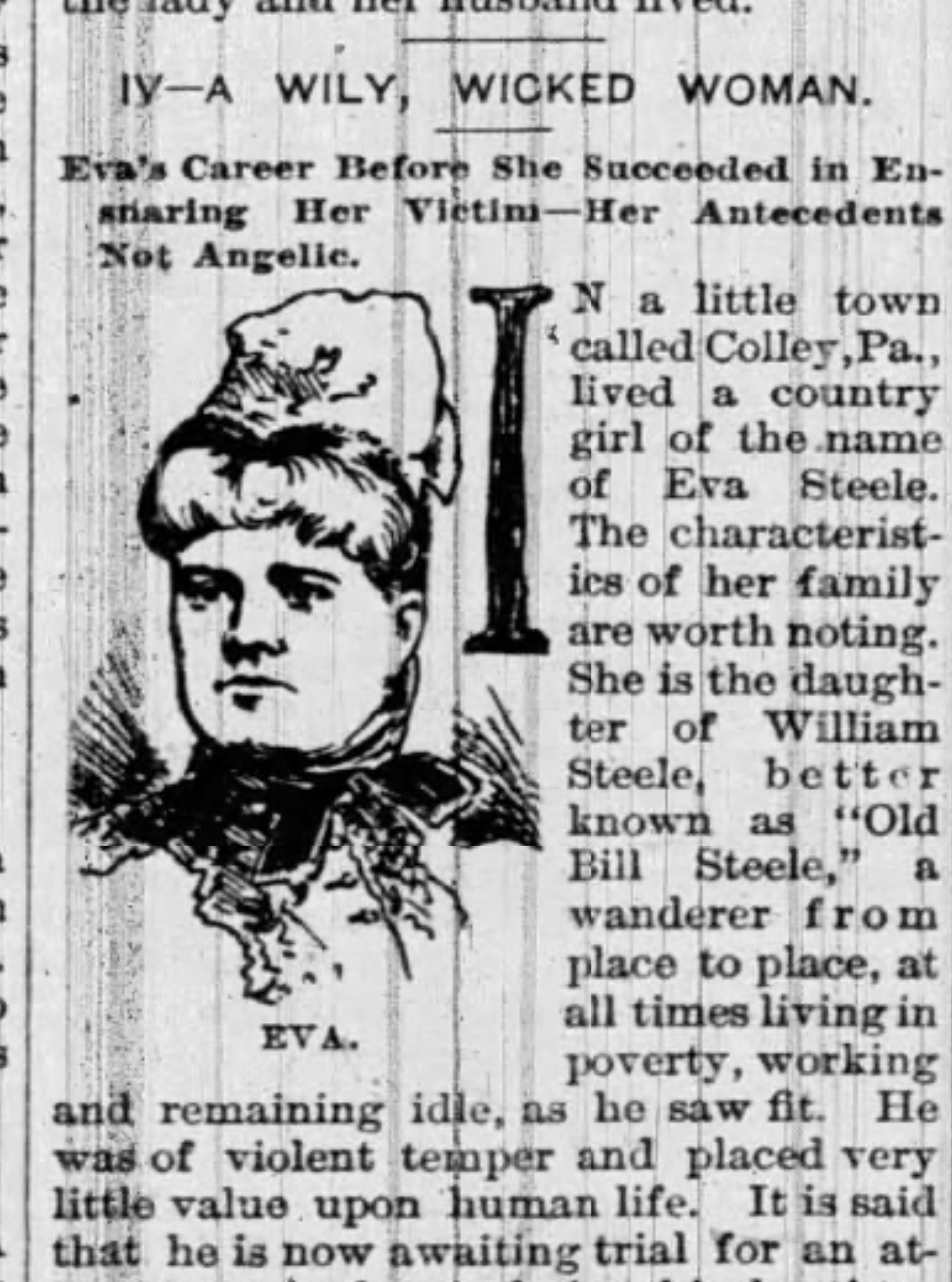
In 1889, Robert Ray Hamilton, great-grandson of Alexander Hamilton, became ensnared in a sensational web of deceit — forged identities, attempted murder, and brazen fraud that captured headlines across the country.
Although this gripping saga played out over a two-year period, it has largely faded from public memory.
Bill joins The Gilded Gentleman to unravel this astonishing true-crime drama, a story that shocked Gilded Age readers and is sure to raise eyebrows even today.
This show is brought to you by The Gilded Gentleman podcast, produced by the Bowery Boys and edited and produced by Kieran Gannon.
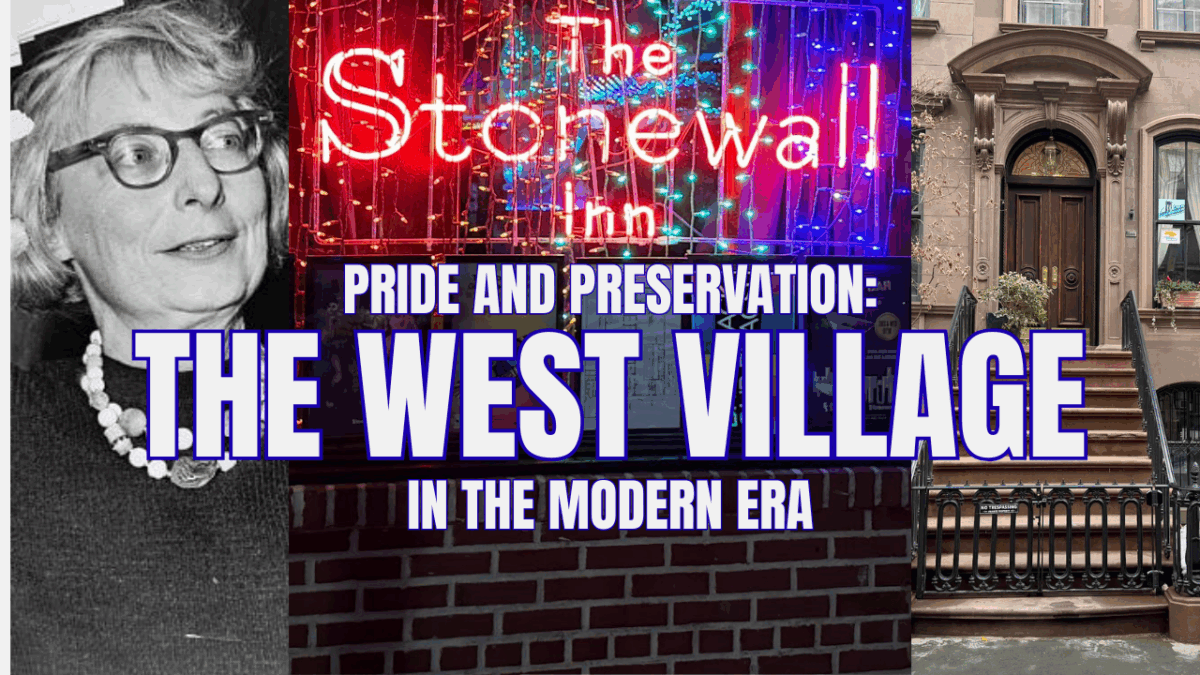
Why is the West Village both historically important and incredibly expensive?
In the final part of our West Village mini-series, we look at the elements that define the modern neighborhood — from battles with Robert Moses to the protests that galvanized the gay-rights movement.
The 19th-century charms of the old Village seem timeless, but they survive thanks to the 1969 Greenwich Village Historic District. The fight to save the neighborhood, however, began two decades earlier, and those early conflicts even popularized the name “West Village.”
Jane Jacobs, fresh off the publication of her landmark book The Death and Life of Great American Cities, would become the leading voice in protecting this uniquely New York enclave.
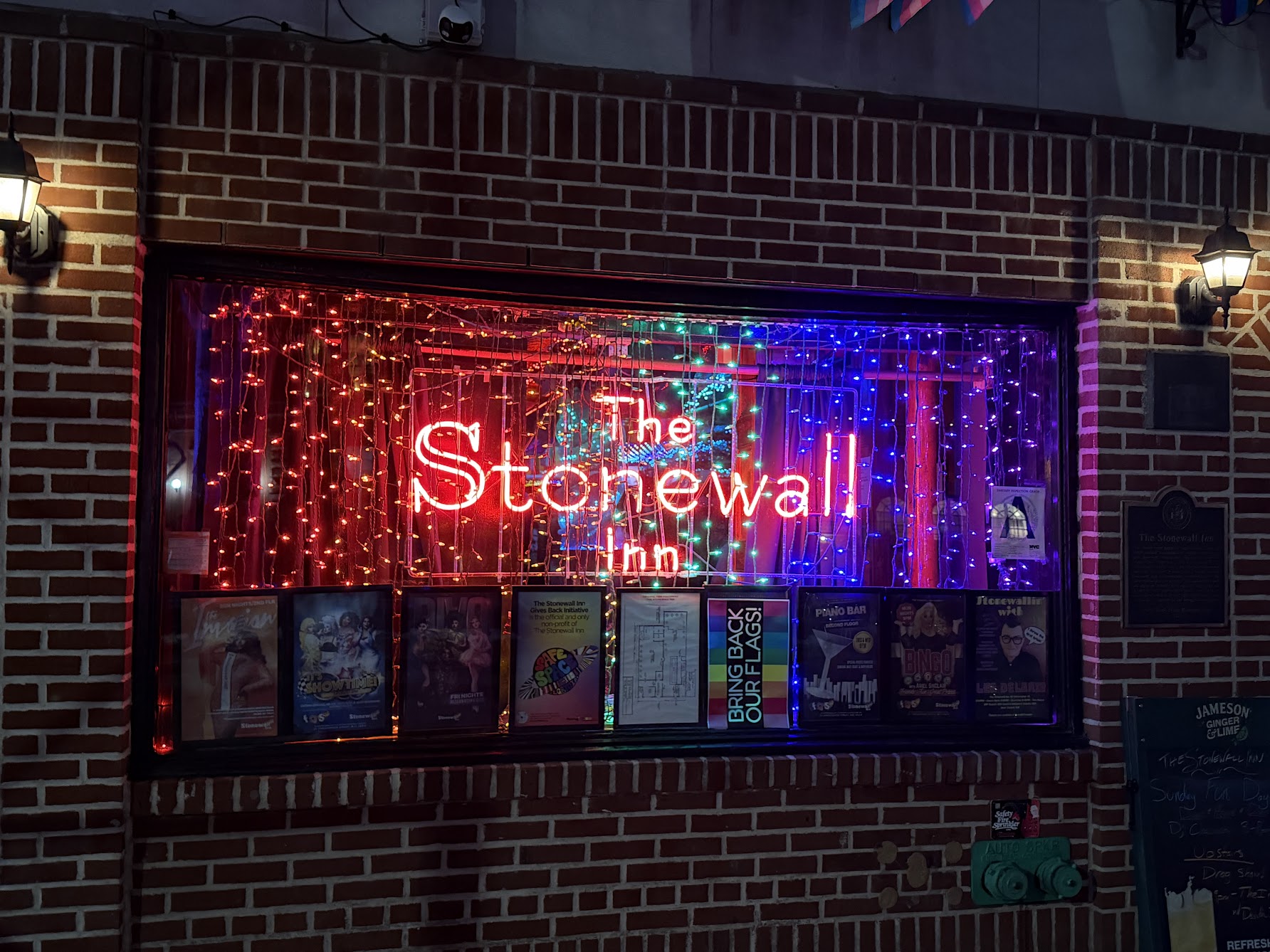
That same year, clashes between police and patrons at the Stonewall Inn united the area’s LGBT residents, culminating in the first Christopher Street Liberation Day Parade (today’s NYC Pride March).
A vibrant, radical queer culture flourished — from leather bars to the Christopher Street Pier.
In the 1980s, thousands of New Yorkers died of AIDS, and St. Vincent’s Hospital became known for its pioneering care. Today, long-running establishments like the Monster and Julius’ form a kind of “legacy cultural district,” linking present-day nightlife to those transformative years.
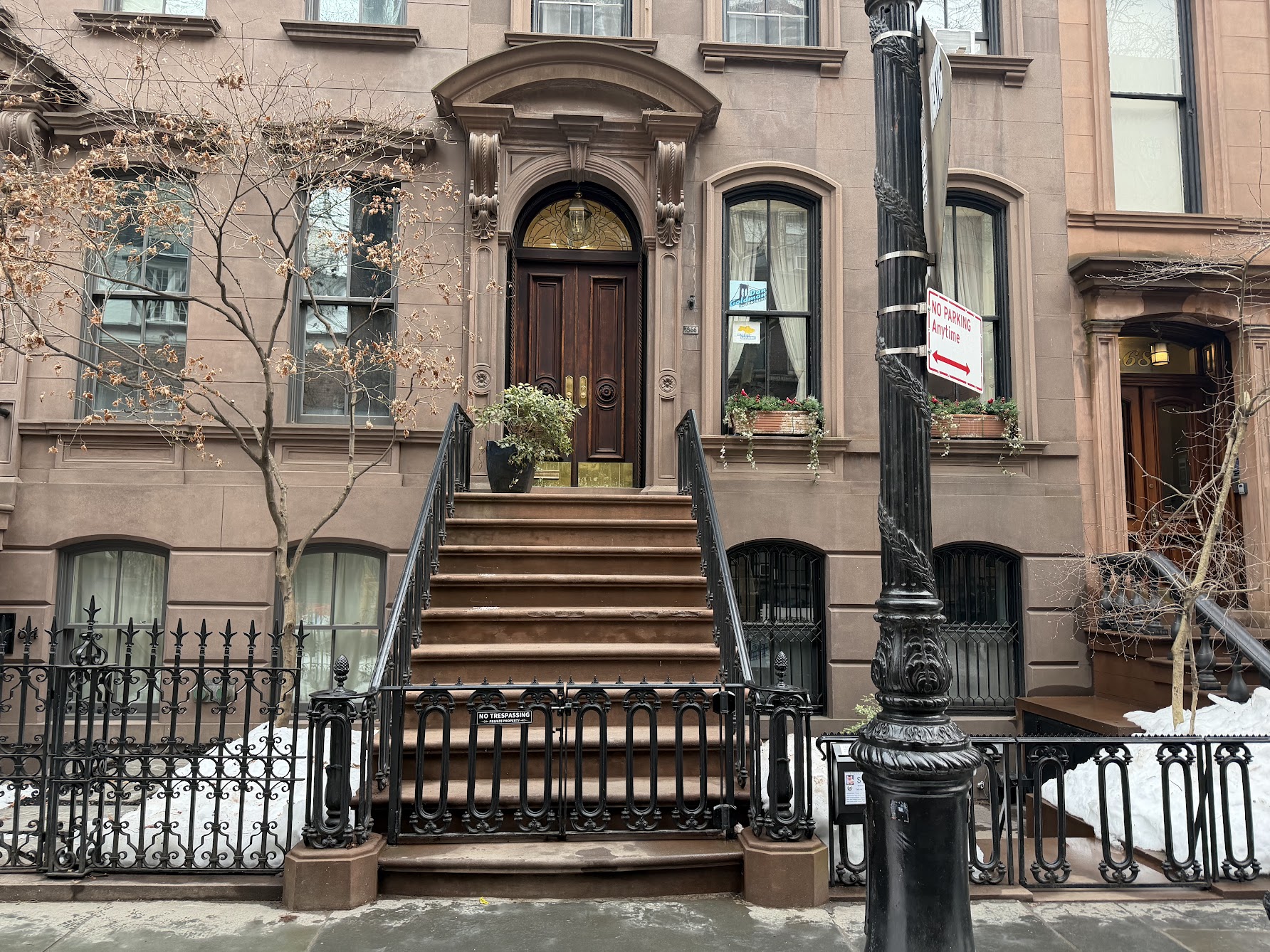
In the 1990s, pop-cultural phenomena Friends and Sex and the City (which made one Perry Street brownstone famous) brought international attention to the neighborhood.
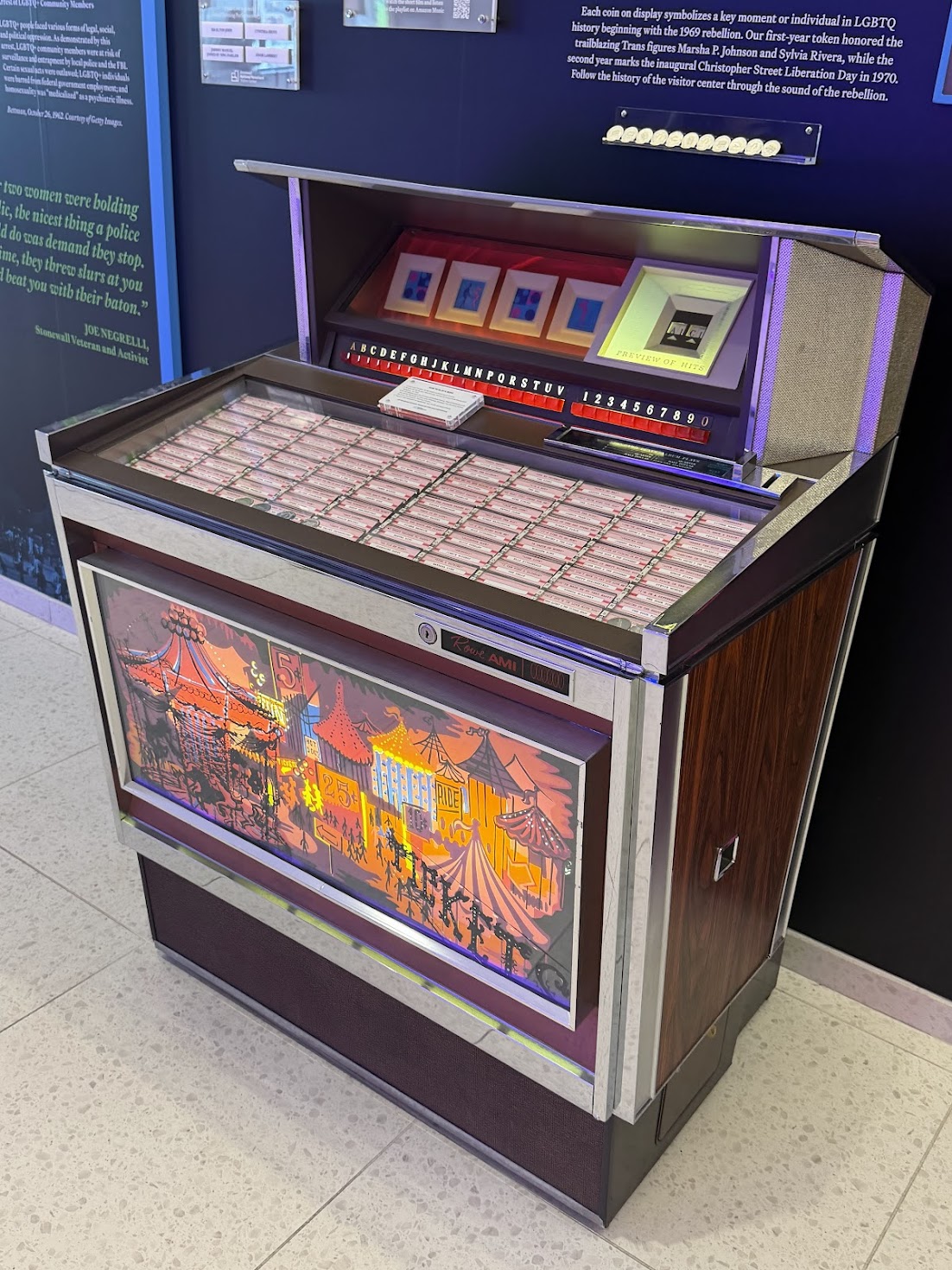
By the 21st century, the West Village had become a luxury enclave, even as its history was further elevated with Stonewall’s designation as a U.S. National Monument.
What has the West Village become in 2026?
LISTEN NOW: PRIDE AND PRESERVATION: THE STREETS OF THE WEST VILLAGE
All episodes of The Streets of the West Village mini-series are now available.
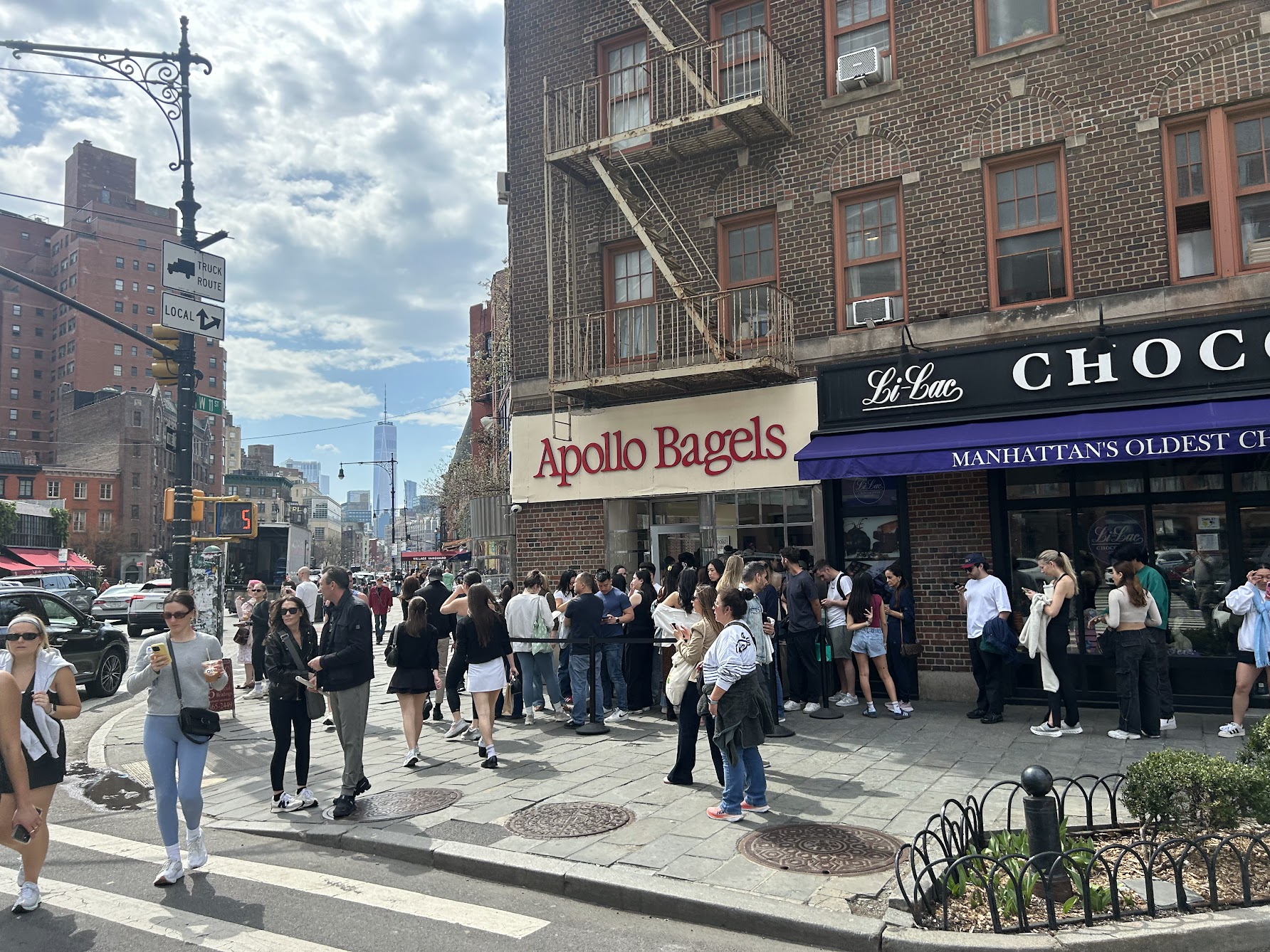
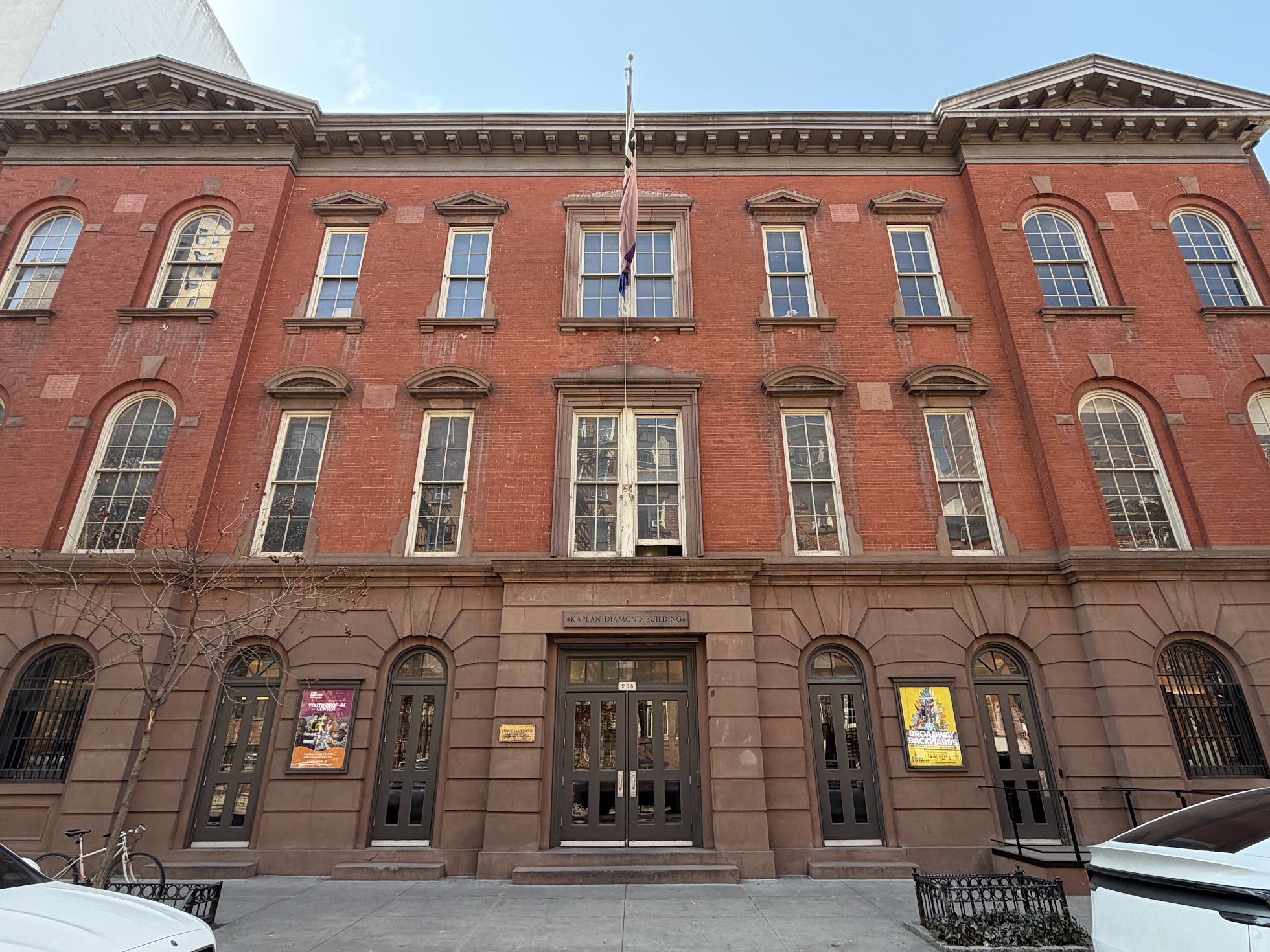
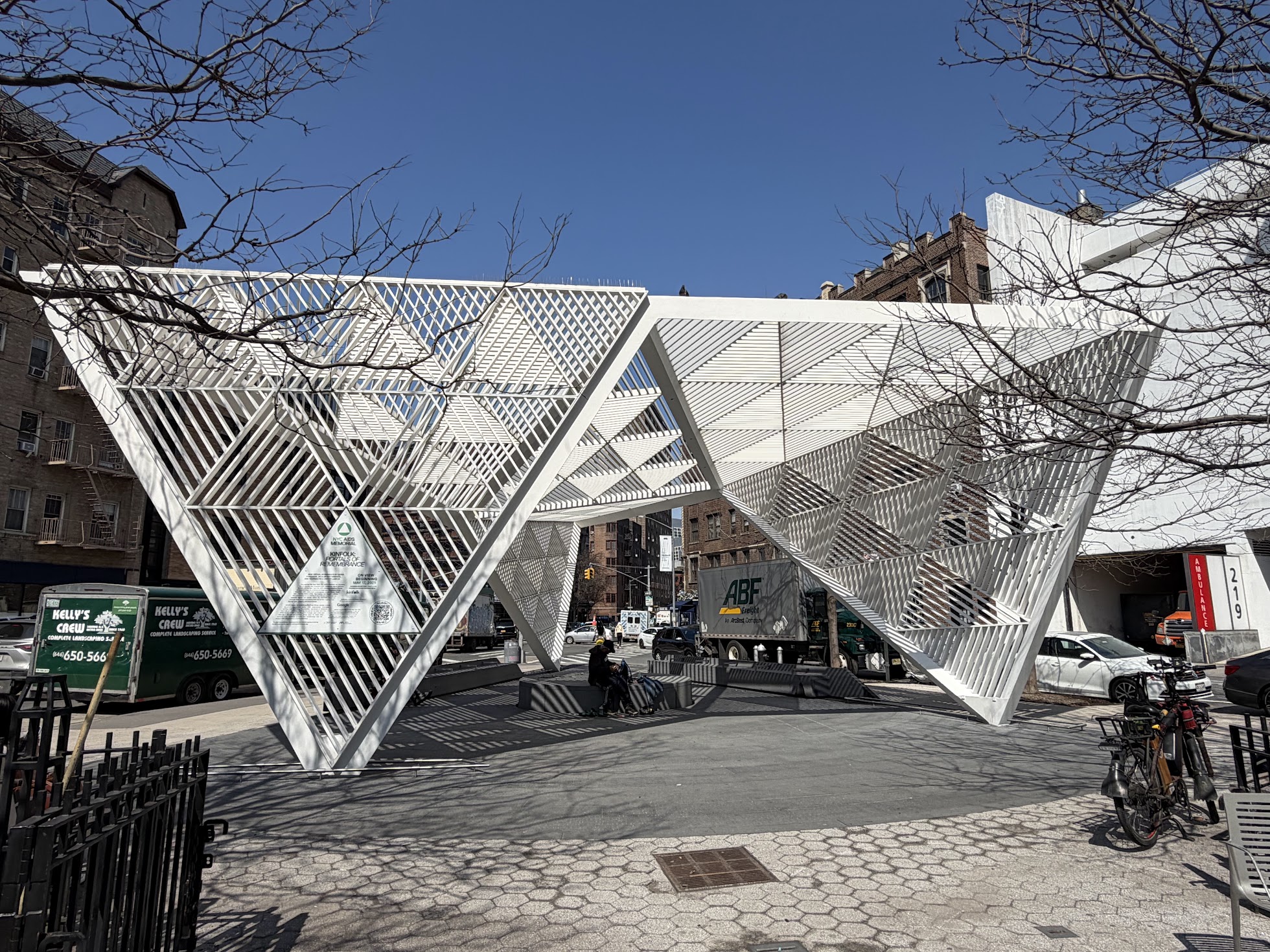
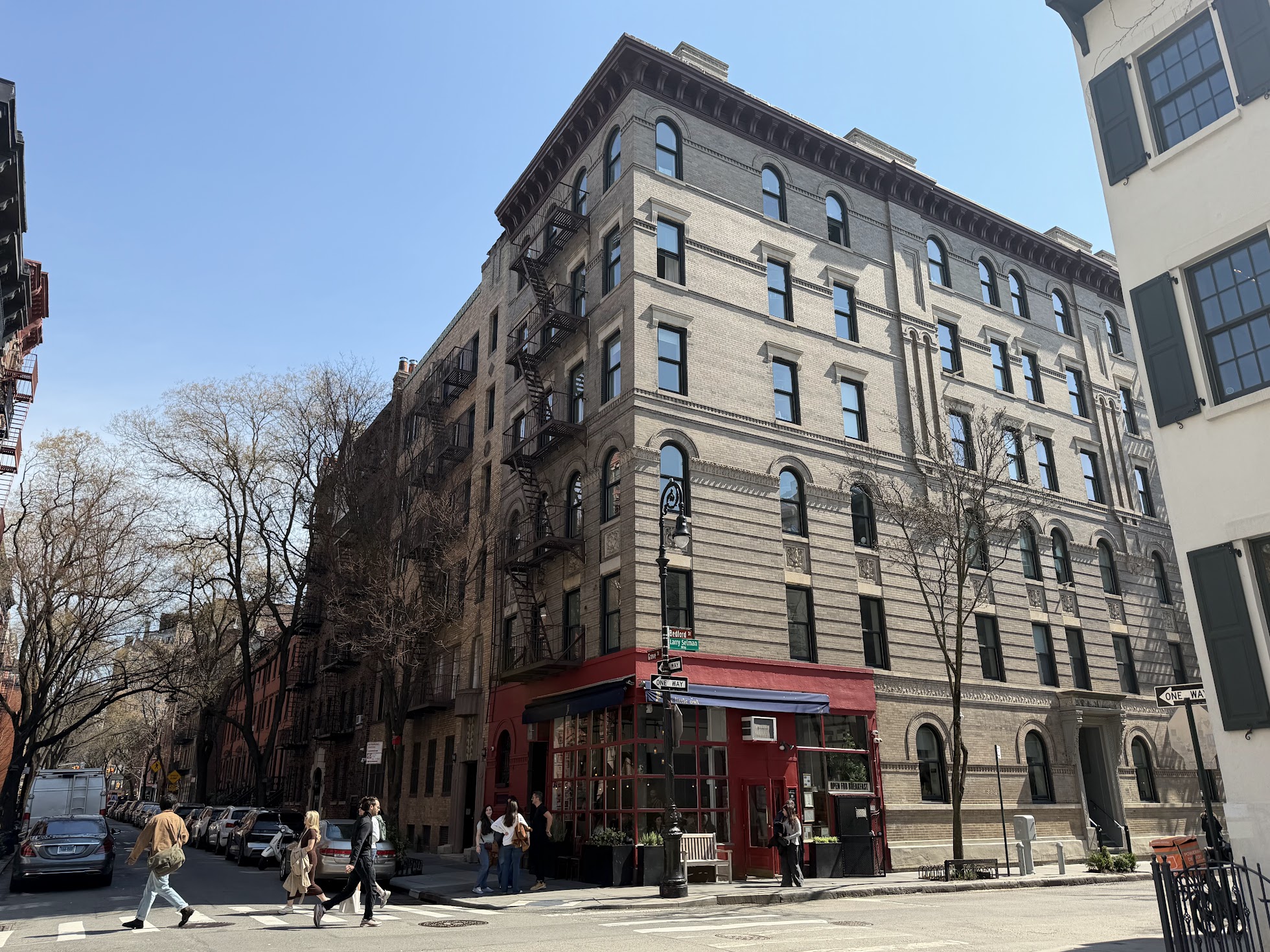
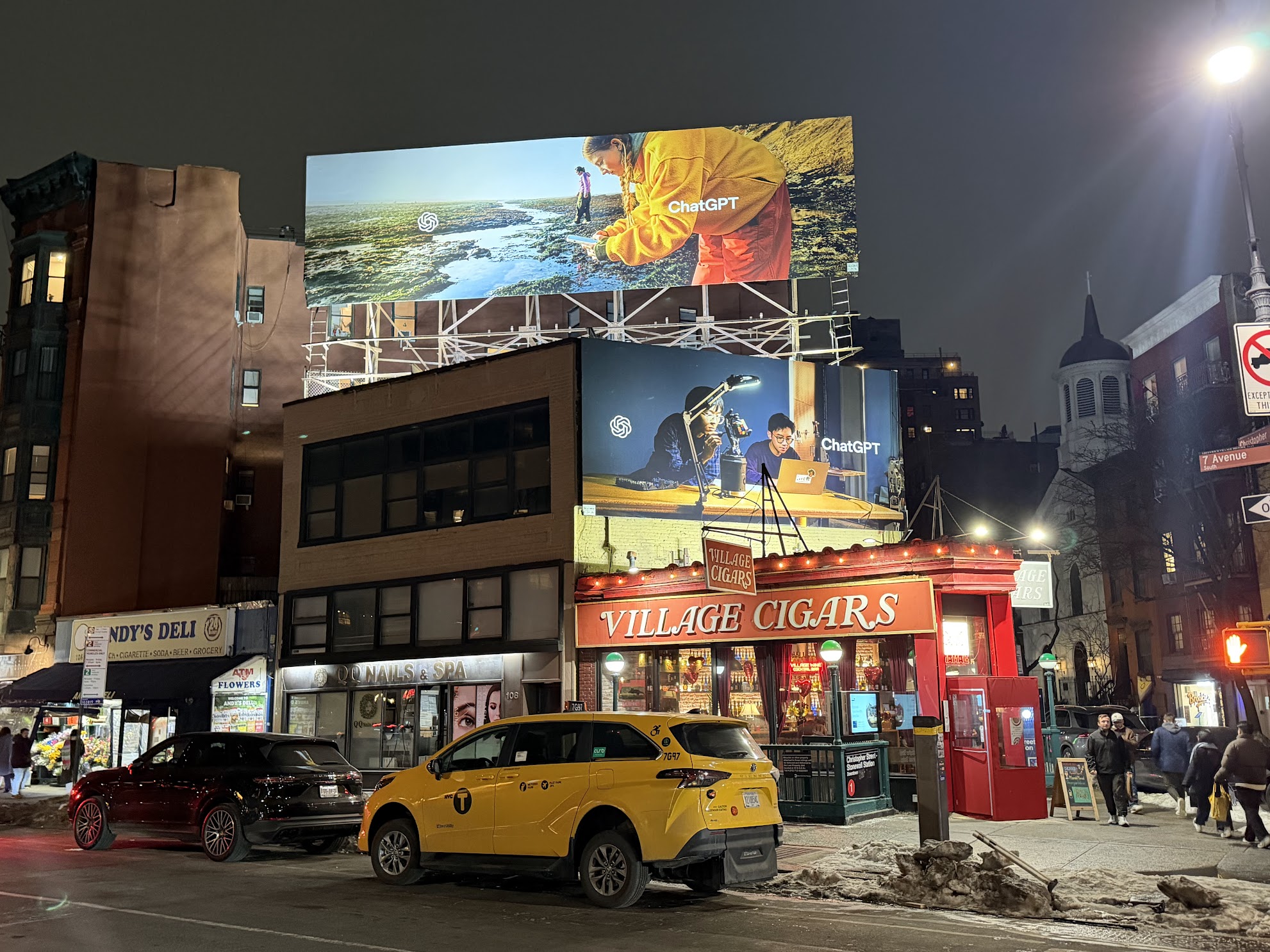
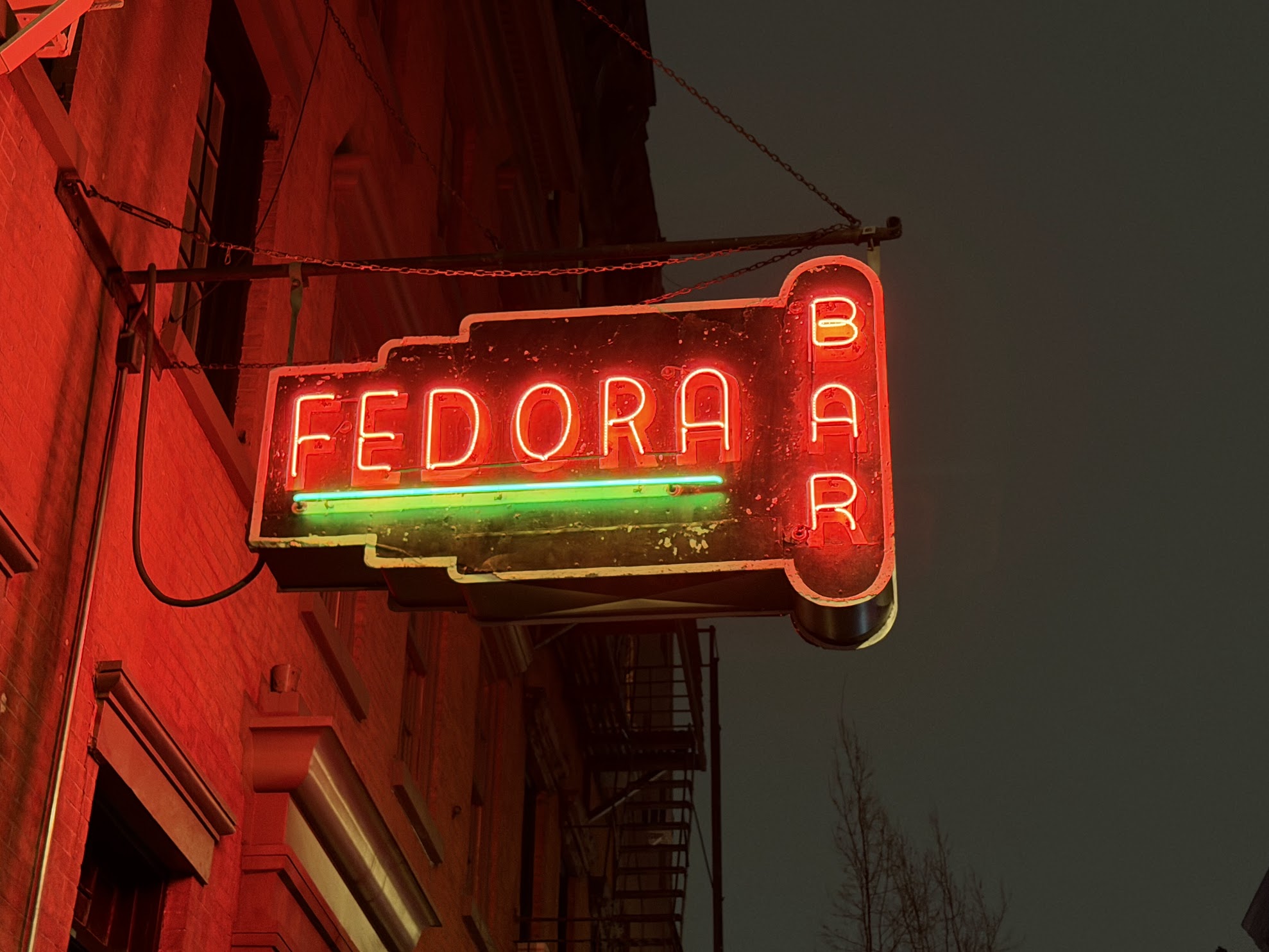
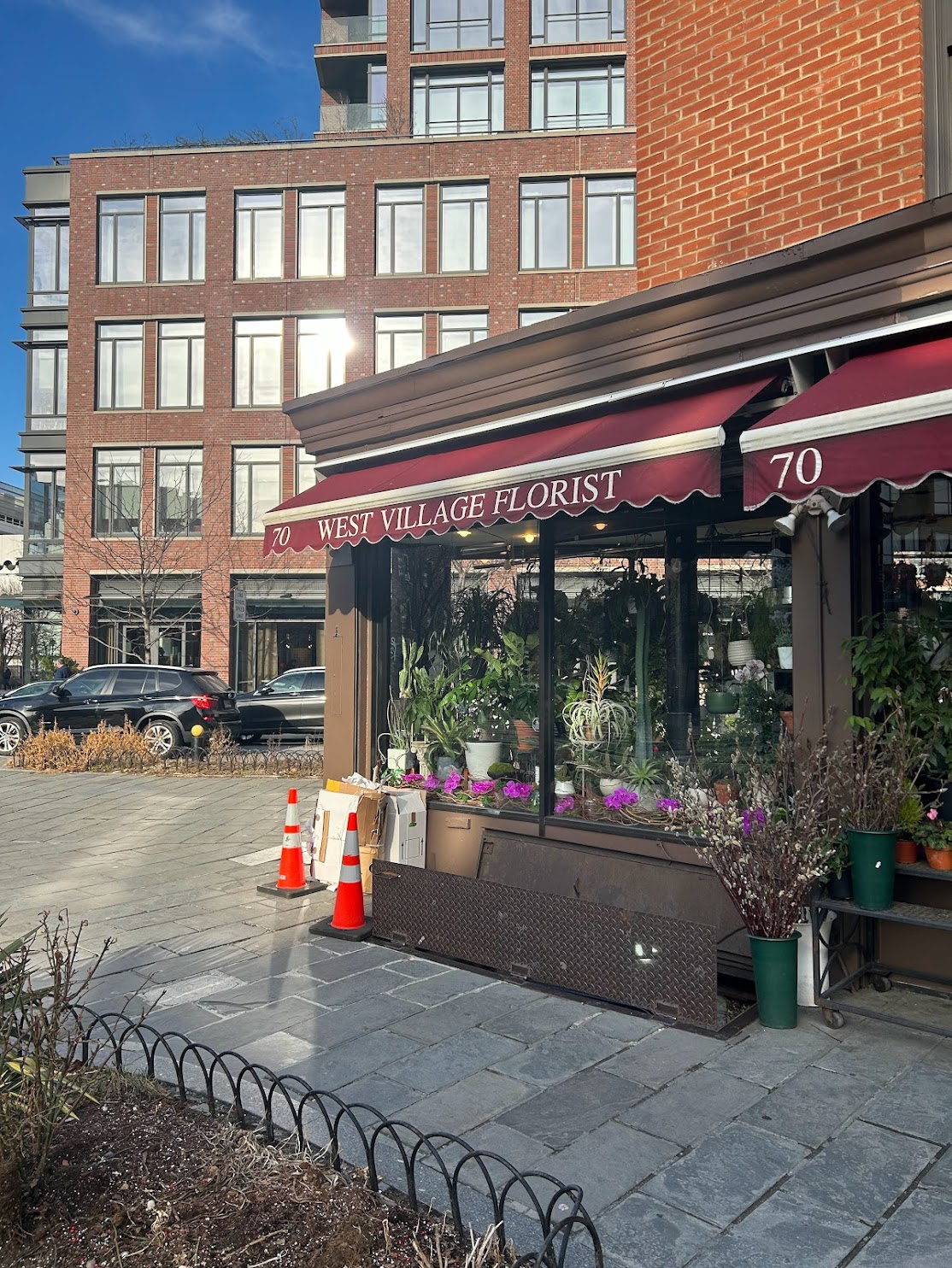
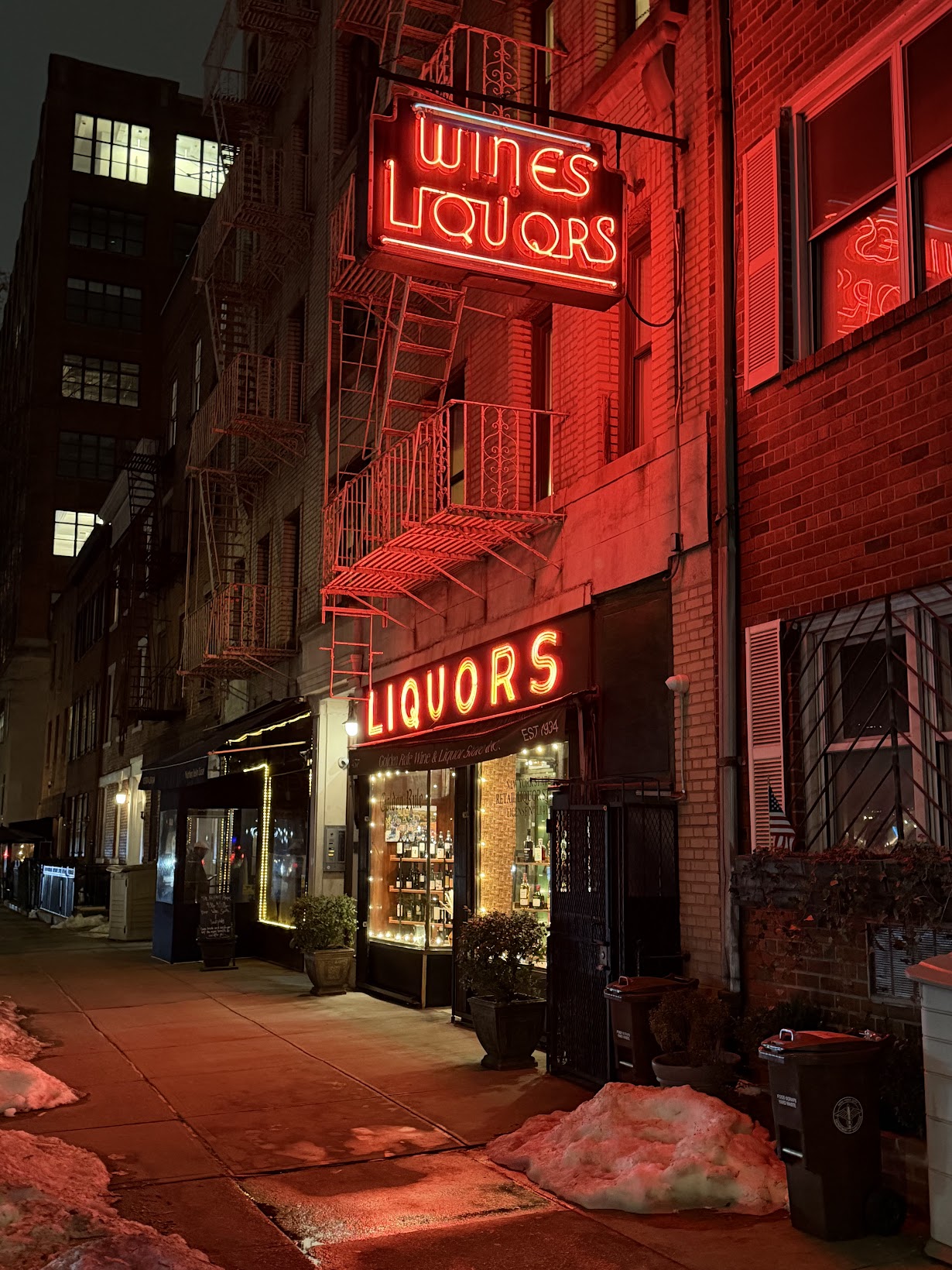
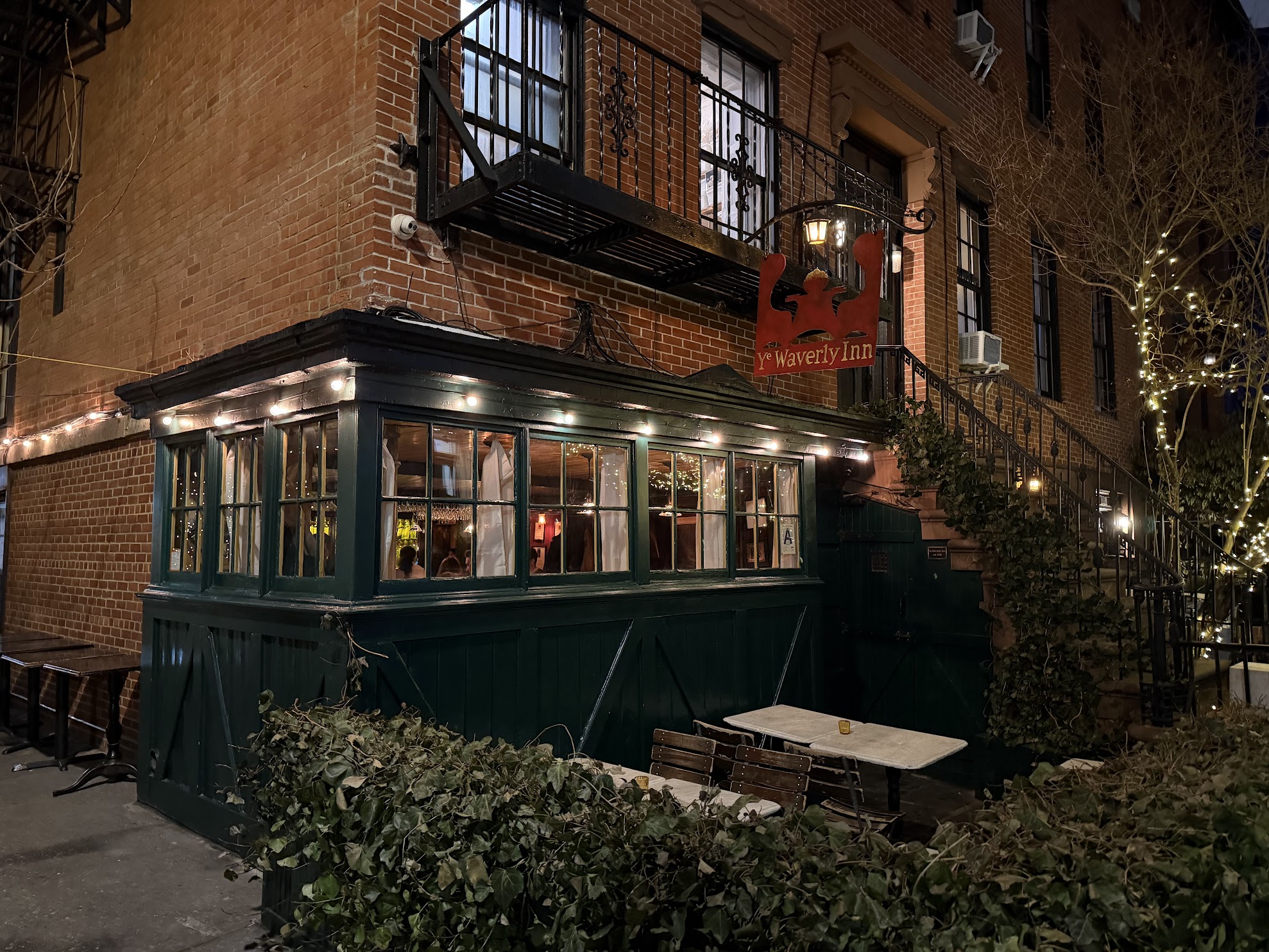
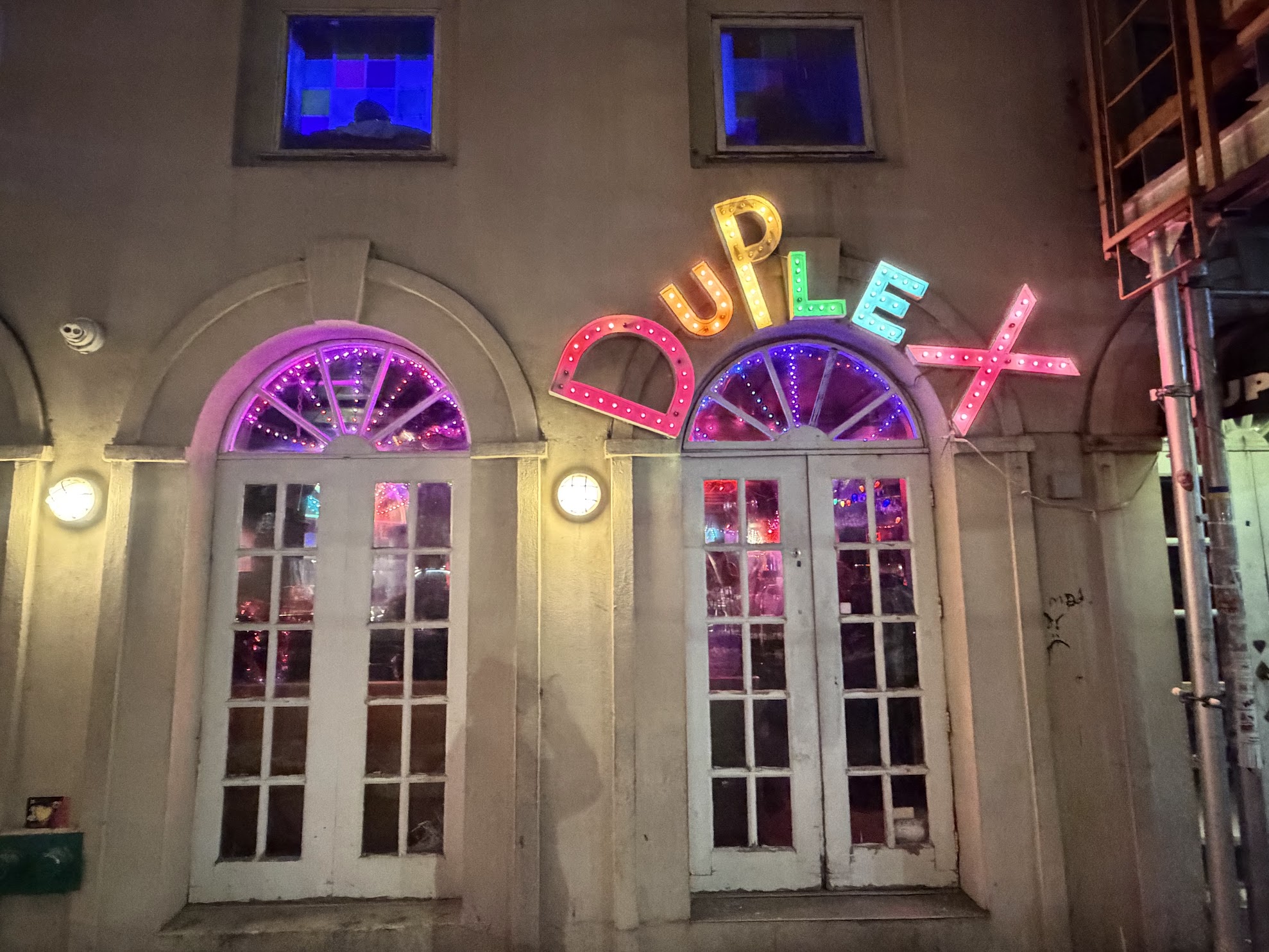
Before the 1910s, Seventh Avenue once stopped right at this intersection with Greenwich Avenue. Today people flock to this corner for trendy bagels. Photo by Greg Young66 Perry Street, made famous for its appearance on Sex and the City. Photo by Greg YoungInside the Stonewall National Monument Visitors Center. Photo by Greg YoungAlthough part of a National Monument, the Stonewall Inn is still an active bar. Photo by Greg YoungThe Center — aka the Lesbian, Gay, Bisexual & Transgender Community Center. Photo by Greg YoungThe New York City AIDS Memorial, opposite the former site of St. Vincent’s Hospital. Photo by Greg YoungThe “Friends” apartment building
In Part Two of our mini-series, The Streets of the West Village, we turn to the people who gave the neighborhood its character and vitality. From Irish longshoremen on the docks to actors on the off-Broadway stage, from street gangs to speakeasy proprietors.
From Eugene O’Neill to Bea Arthur, their stories help define this corner of Manhattan.
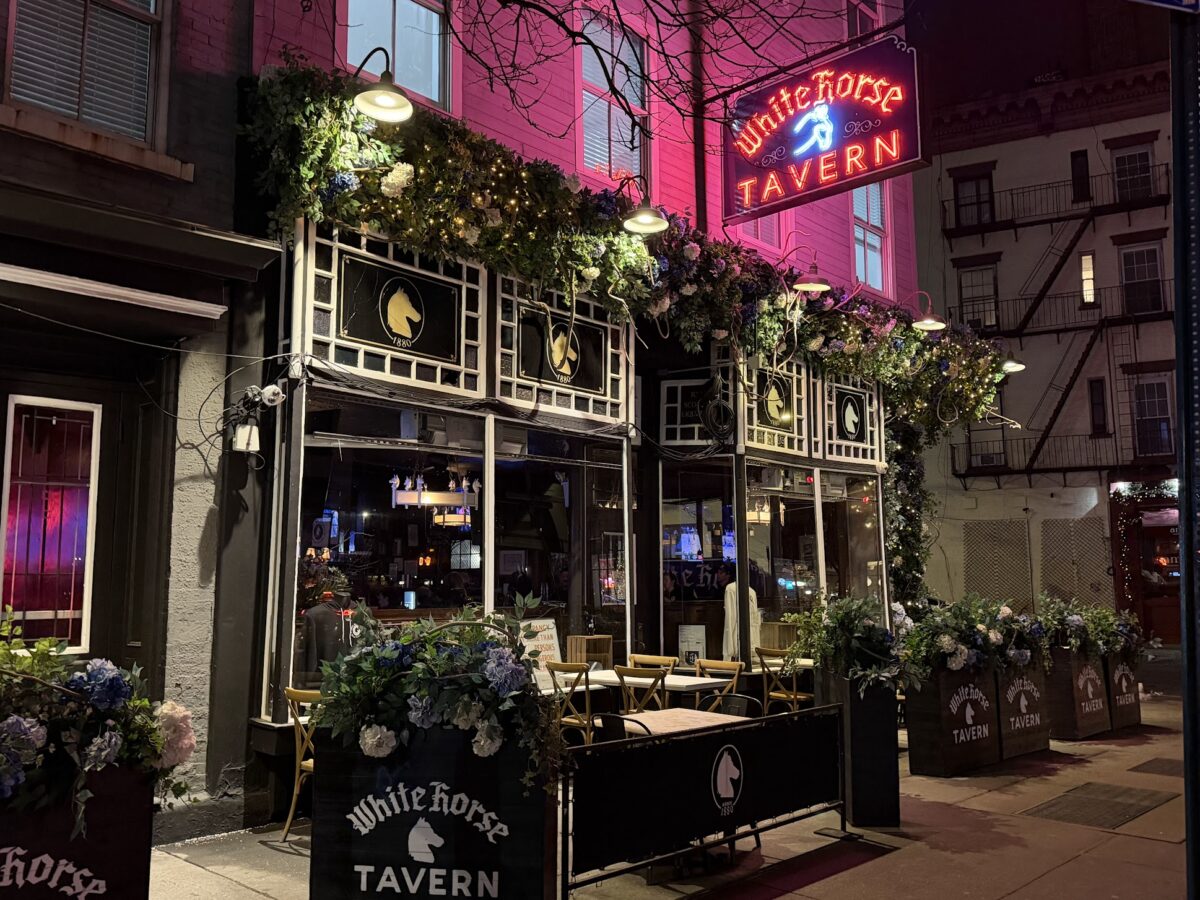
Well into the early 19th century, the West Village still felt like a true village, with its preserved, winding lanes. Over the following decades, a diverse array of residents arrived and made the neighborhood their own, working along the waterfront or gathering at local haunts like the beloved White Horse Tavern.
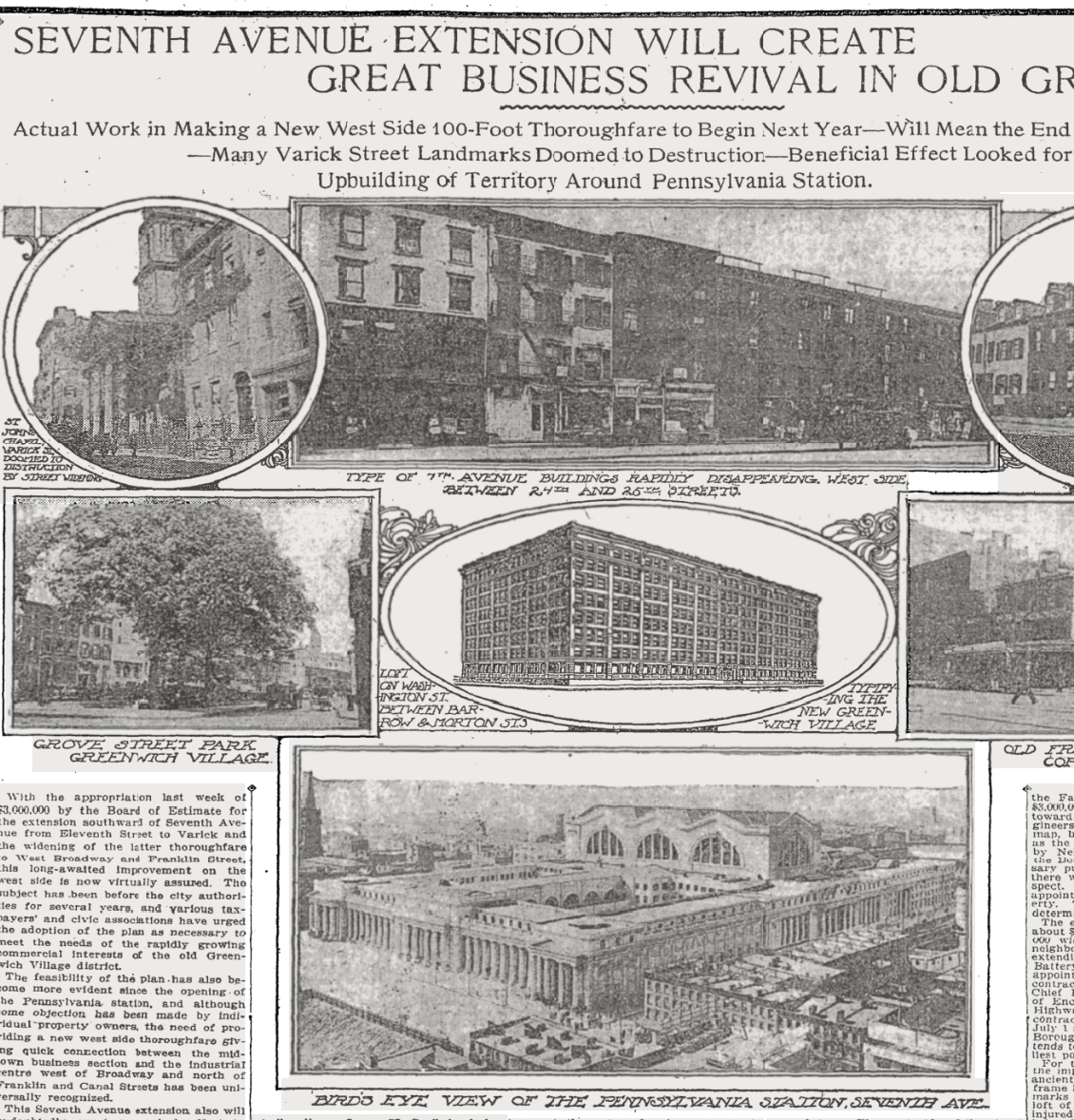
The promise of a new subway line once seemed entirely beneficial, but it brought a devastating consequence: Seventh Avenue had to be extended straight through the western Village, cutting a swath through the existing streetscape and wiping away hundreds of buildings.
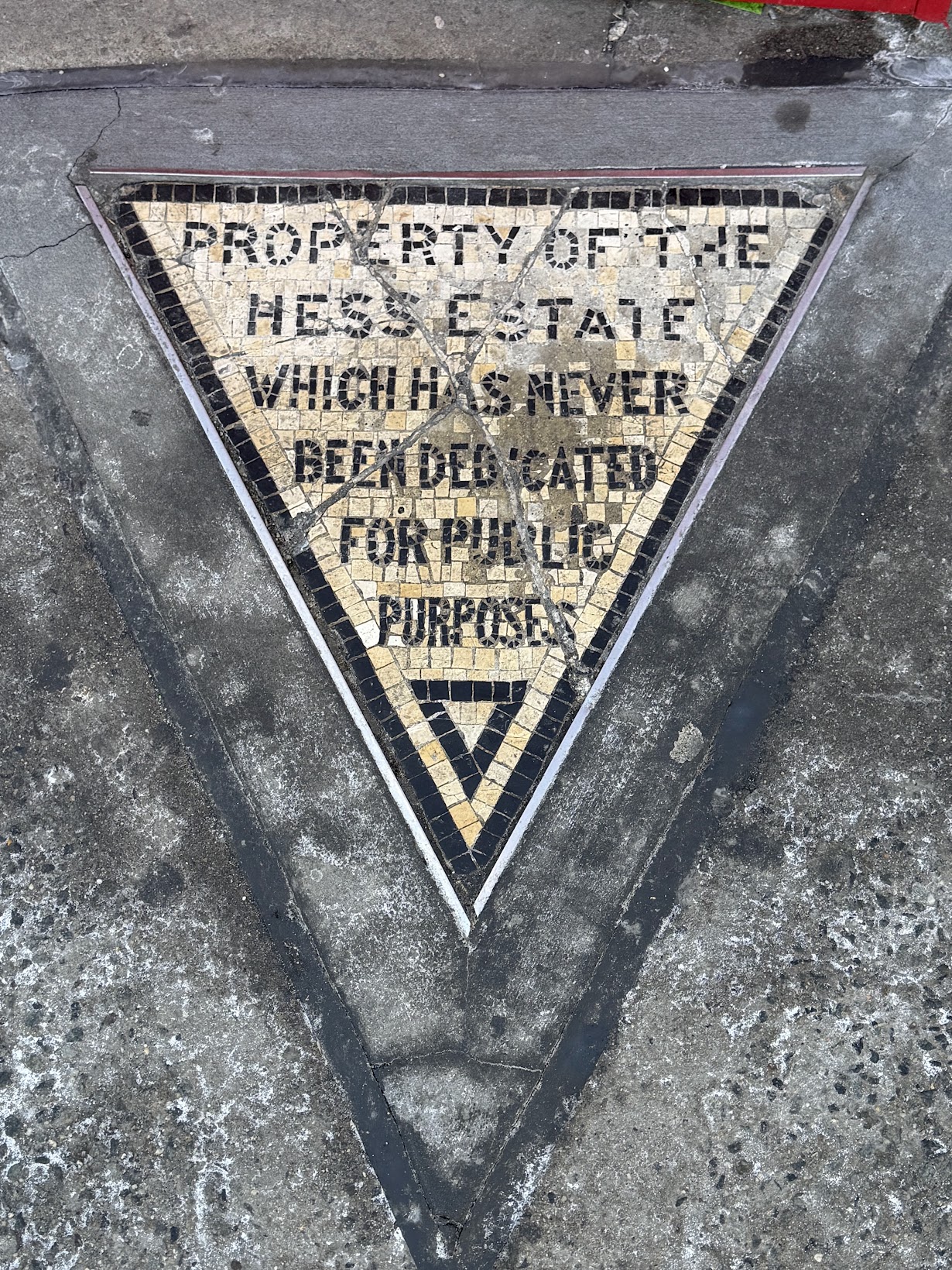
Today, the avenue’s curious wedge-shaped structures stand as evidence of that sweeping change.
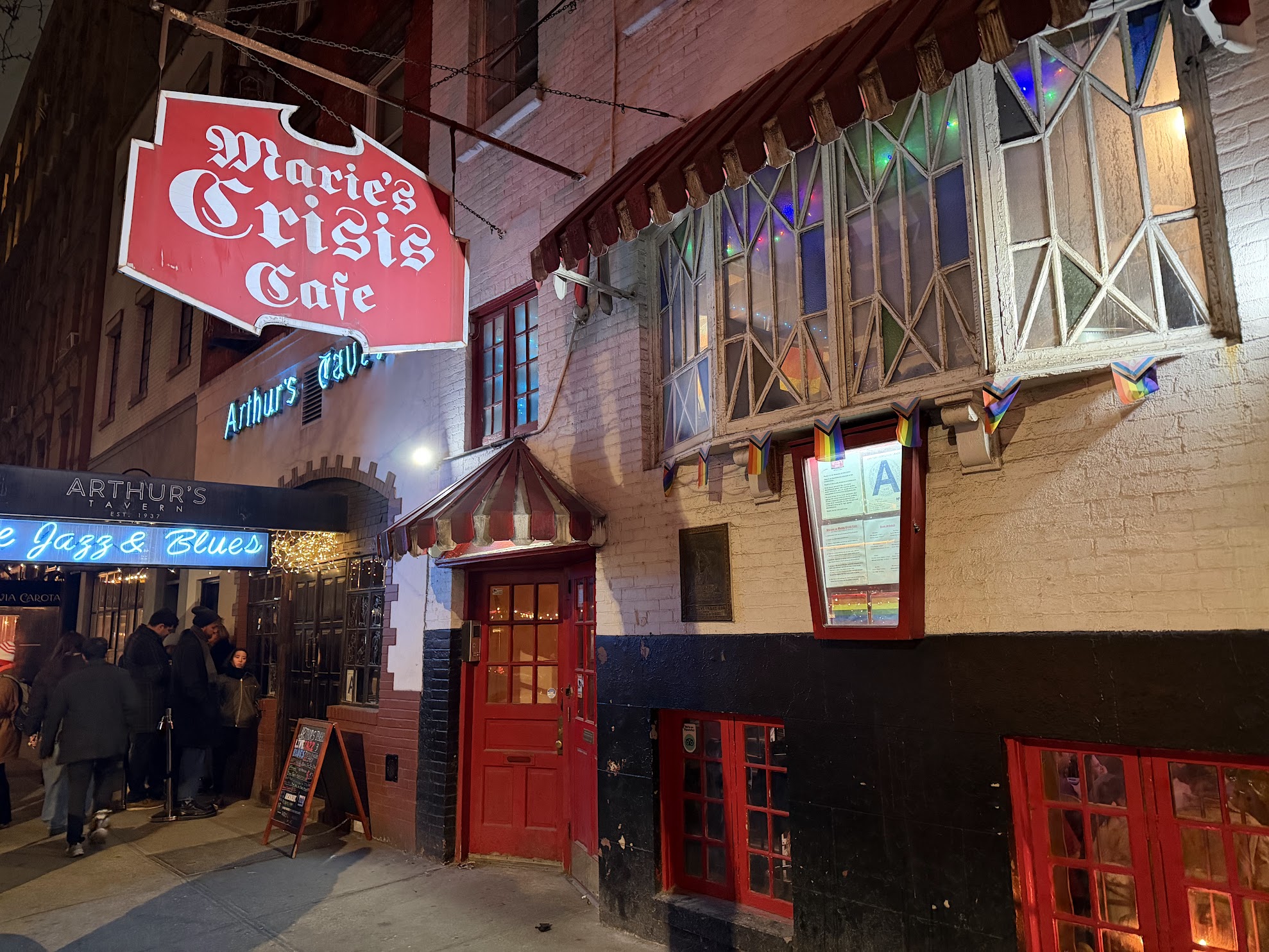
Prohibition and the Jazz Age are seemingly etched into the very fabric of the West Village, reflected in the many institutions that date from the 1920s and ’30s, including numerous former speakeasies.
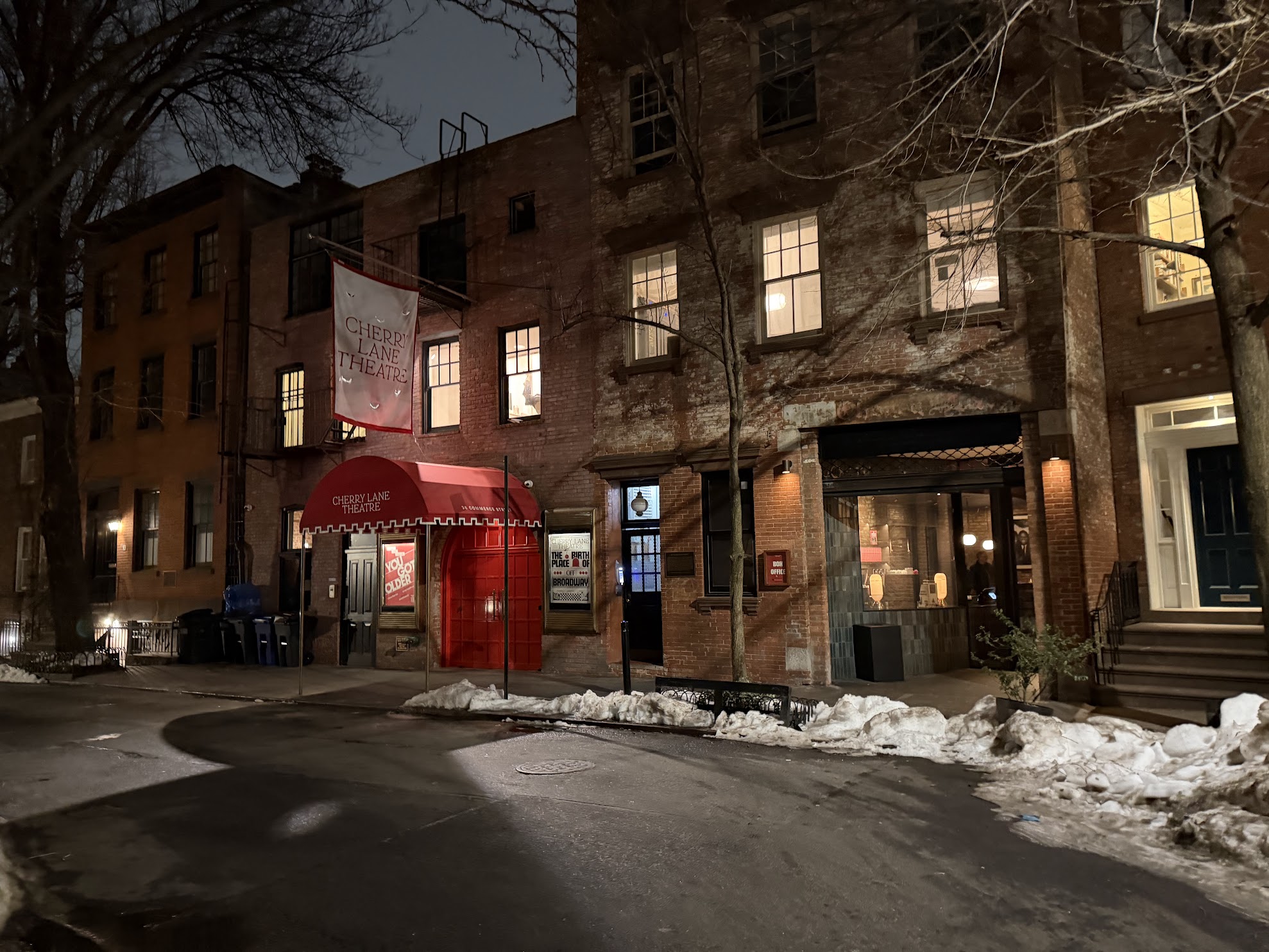
Join us as we wander through the Jazz Age Village — Fedora, Chumley’s, the Cherry Lane Theatre, and more — and trace the echoes of that exuberant era.
LISTEN TODAY: HOW THE WEST VILLAGE BECAME A NEIGHBORHOOD
AND LISTEN TO PART ONE OF OUR THE STREETS OF THE WEST VILLAGE MINI-SERIES HERE — CREATING THE VILLAGE
This episode was produced and edited by Kieran Gannon.
A few West Village landmarks featured in this week’s show. Photos taken by Greg Young/Bowery Boys
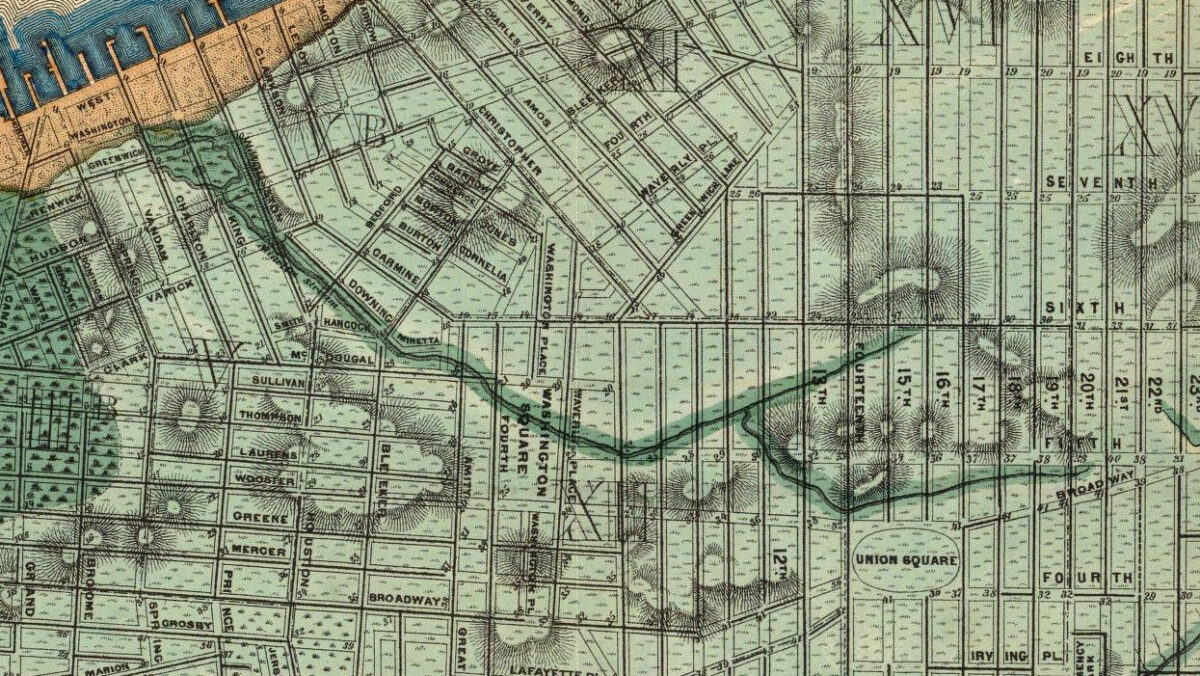
Topographical map showing approximate course of Minetta Creek, overlayed with street grid as of 1865, reproduced from Egbert Ludovicus Viele's "Sanitary & Topographical Map of the City and Island of New York"
Why are the streets of Manhattan’s West Village so unusually charming and romantic? Why does it make such an excellent place for a night out in New York City? Why is the real estate so expensive? And when did it become a distinct place separate from Greenwich Village?
We‘ll get to the bottom of these questions in our epic new limited series on the history of the West Village.
Of course, the biggest question is — why are the streets, you know, so twisty and confusing and so utterly unlike most other places in Manhattan?
People have been living in this region of Manhattan Island for centuries — first the Lenape, then the Dutch, who gave the area its distinctive name (“Groenwijck”). During the English colonial period, several large estates were developed here, and their memories survive today in certain street names — like Christopher Street. The area was remote enough that the state of New York built its very first penitentiary here — Newgate Prison.
By the 19th century, the fear of yellow-fever epidemics in the crowded city south of here brought new residents, new housing development — and new streets, built every which way, conforming to hills, farms, and private property.
It immediately clashed with the city’s plan for an organized Grid Plan of streets and avenues. The result is a bewildering map that often seems to bend space and time (as at the intersection of West 4th and 11th Streets).
But the real economic engine of the neighborhood came from the waterfront, providing jobs, river access, and a future set of piers at Christopher Street that would evolve to become something quite different in the 20th century.
And for 2026, we’ve added a bunch of new exclusive features to our membership levels — on top of our regular behind the scenes podcast called Side Streets, which we are also recording on video, we’re also releasing classic episodes of the Bowery Boys each week, ad-free.
On top of that, of course, we have exclusive merchandise made just for patron, you also get first dibs on tickets for upcoming live appearances – and so much more!
So please join the fun over at Patreon.com/boweryboys and thank you for helping support the Bowery Boys podcast.
We greatly appreciate our listeners and readers and thank you for joining us on this journey so far.
FURTHER LISTENING
After listening to the first part in our Streets of the West Village series, dive into these older shows with similar themes:
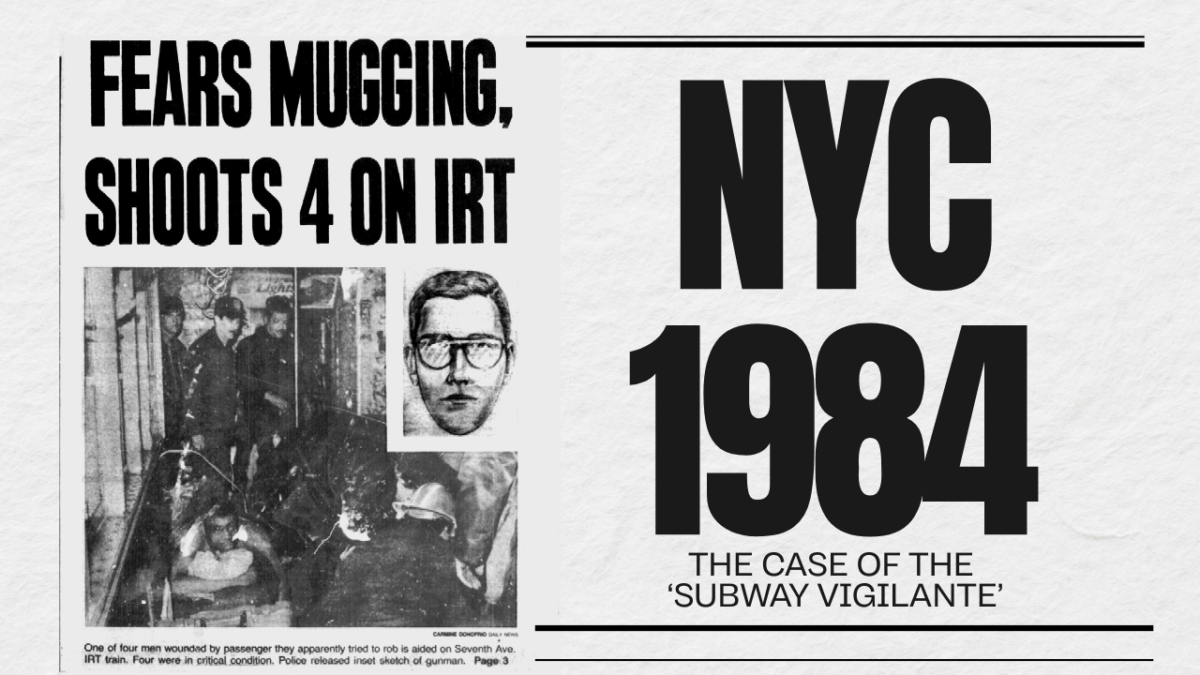
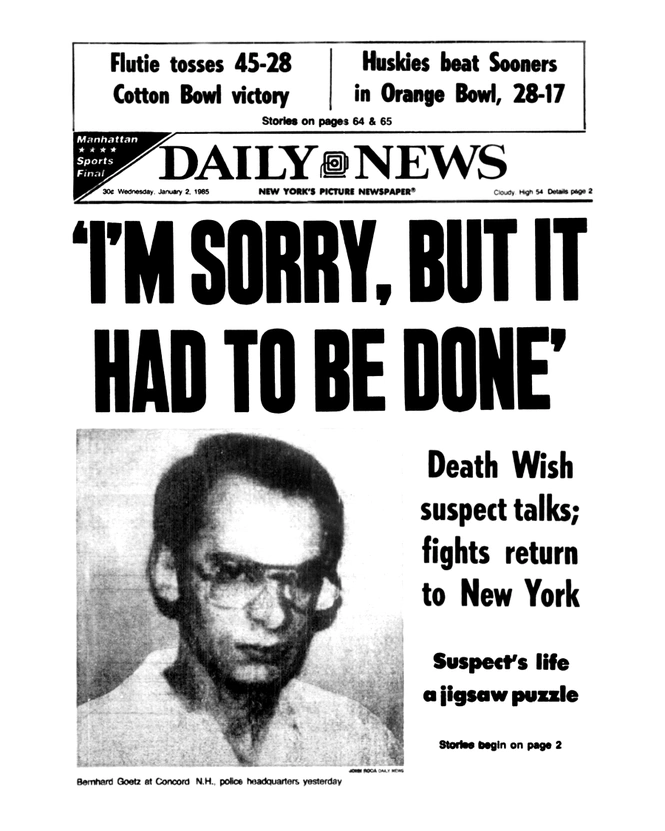
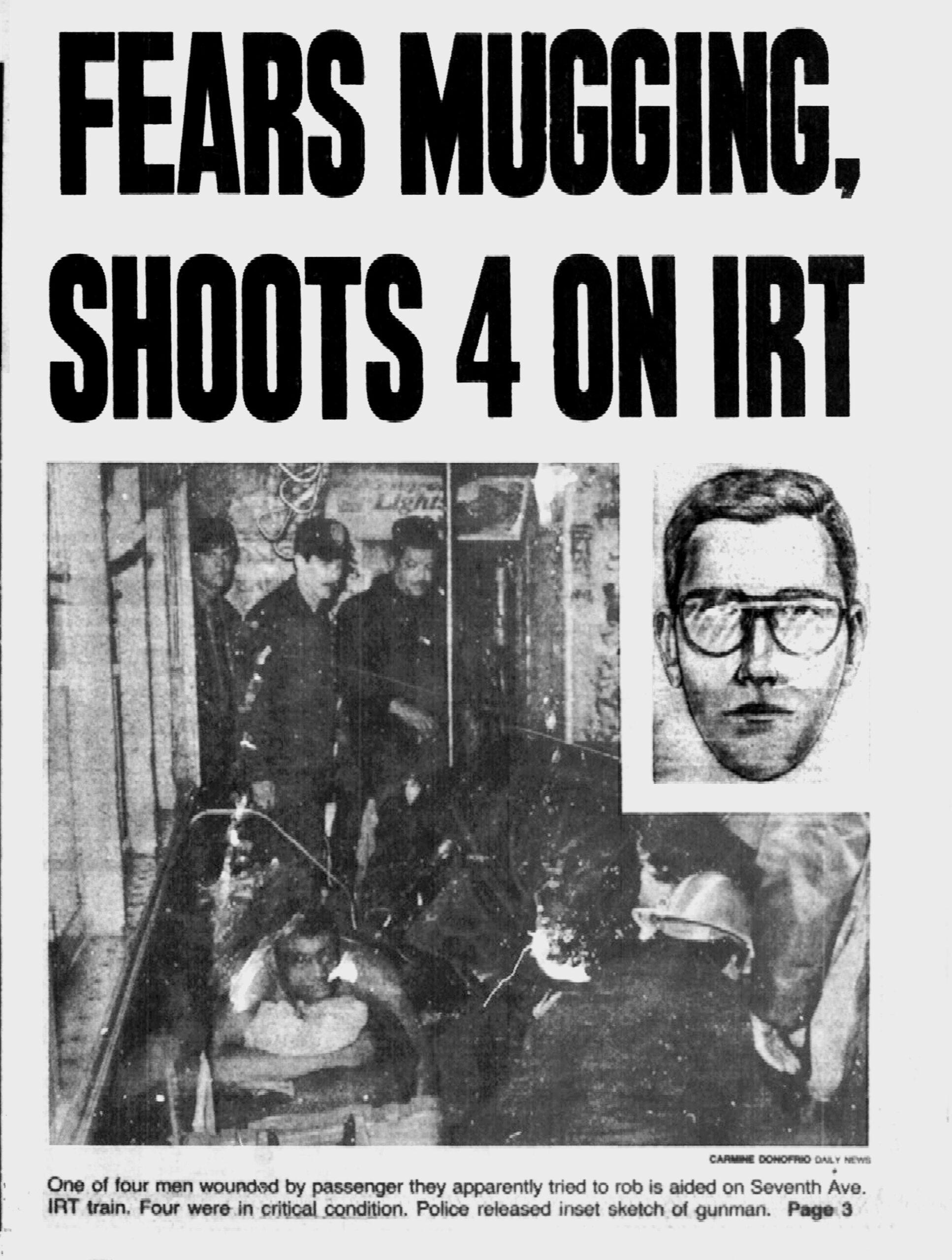
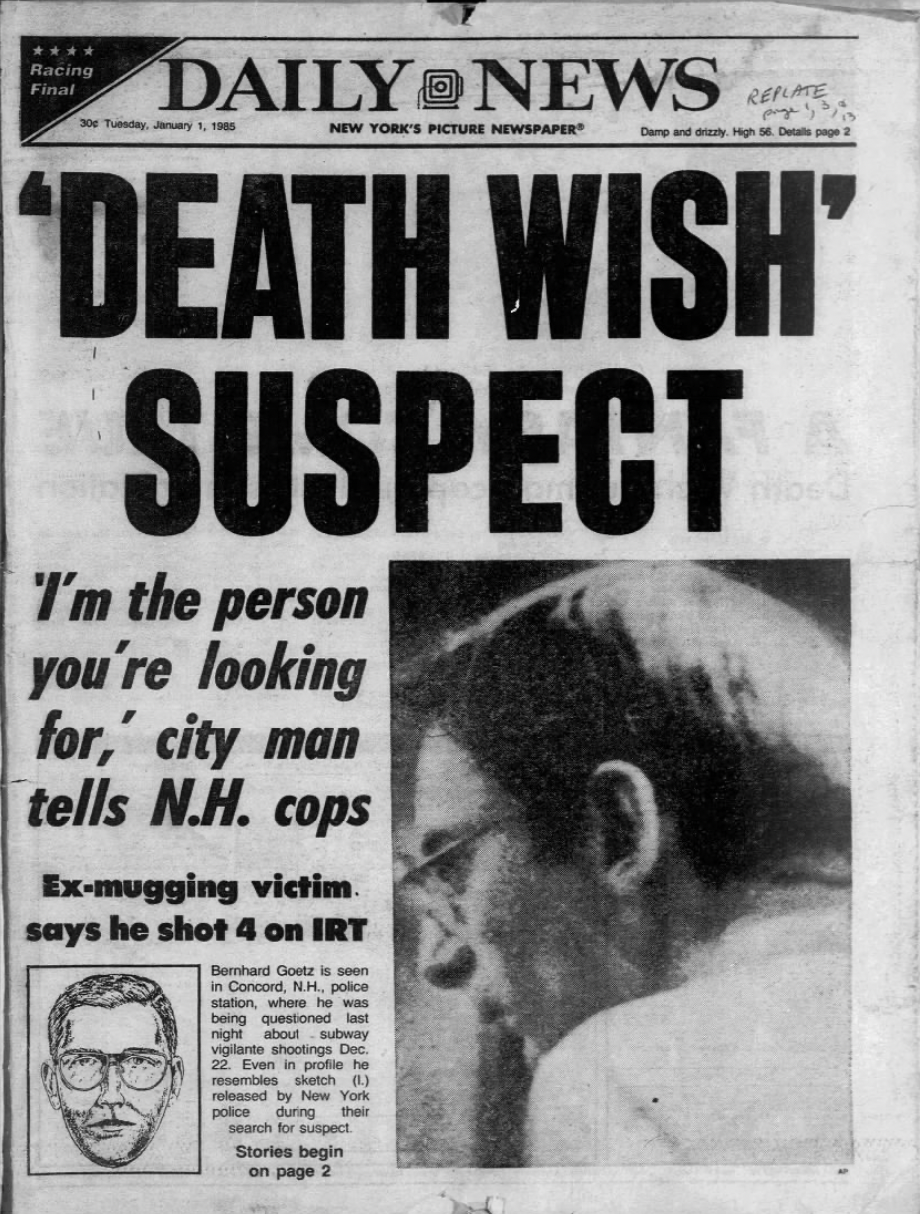
A Greenwich Village man named Bernhard Goetz shot four black teenagers who he believed were about to assault him.
The incident made international news, amplified by the city’s shameless tabloid newspapers because it so perfectly embodied all the cultural stereotypes about New York City in the 1980s.
Goetz became a sort of folk hero, the so-called Subway Vigilante, who took things into his own hands because the city’s weakened and inept services could not.
The facts of this case only came to light in the courtroom, playing out over the years. And, if you’re old enough to remember this incident, chances are that you may not be remembering it accurately.
This episode was produced and edited by Kieran Gannon
LISTEN NOW:
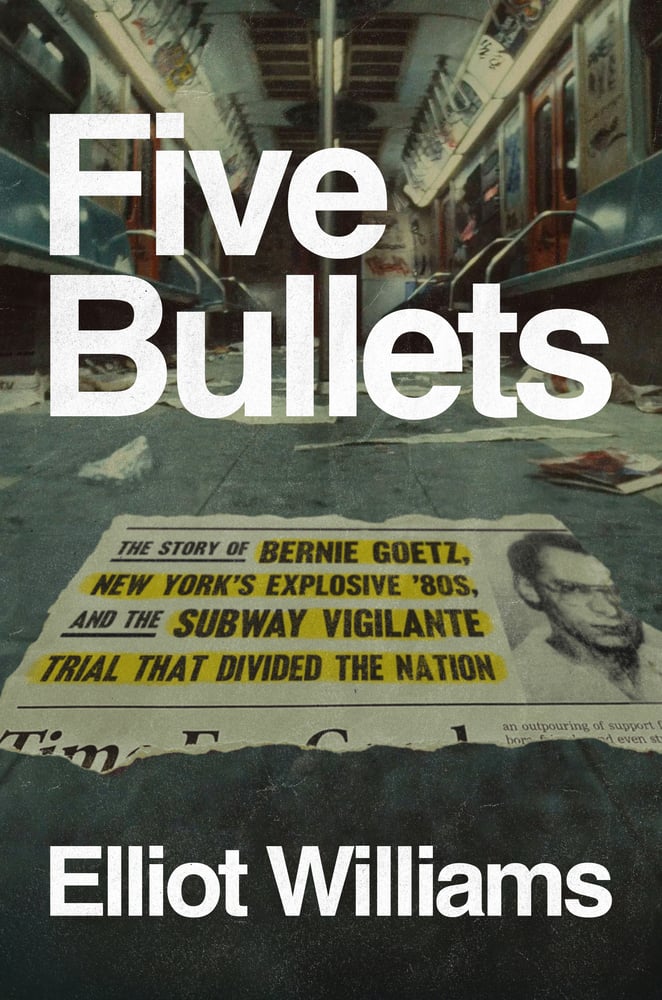
We want to thank Elliot Williams for being our guest on this show. Please run and get Five Bullets especially if you like gripping court cases and insight about life in New York City in the 1980s (which many of you may remember).