An historic New Years Day editorial from 150 years ago, as the Emancipation Proclamation takes effect


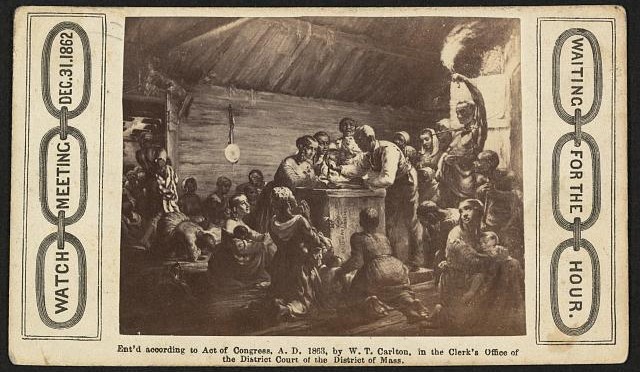
In black churches throughout America 150 years ago, gatherers celebrated ‘Watch Night’ on December 21, 1862, counting down to the moment when Abraham Lincoln’s Emancipation Proclamation would take effect. The carte-de-visite above celebrates a watch night that took place in Boston. [LOC]

The following text is taken from the New York Tribune on January 1, 1863. (You can read the entire issue here.) With the North in the terrible throes of war, most of the issue is filled with battle reports.  New York City celebrations of the new year were most likely muted, with possible exception of a few saloons celebrating some odd-timed primary elections for various Tammany Hall job functions.

But for a great many, midnight brought in more than just a new year.  That day was significant for another reason.  President Abraham Lincoln’s executive order, the Emancipation Proclamation, freeing the slaves in Confederate territories, took effect on January 1.

I’m reprinting the Daily Tribune’s notice in full, both the significant and trivial portions, to give you a full sense of how the news was received, in this case, by the pro-Lincoln paper owned by Horace Greeley (over three decades before Mr. Greeley was immortalized in statuary in Herald Square). It’s a celebration of a true historical event and the pursuit of freedom, with a snide insult lobbed at ‘the low-born and vulgar [who] fear the competition of the negroes’.

Here’s the original article, with excerpts from the text below it.
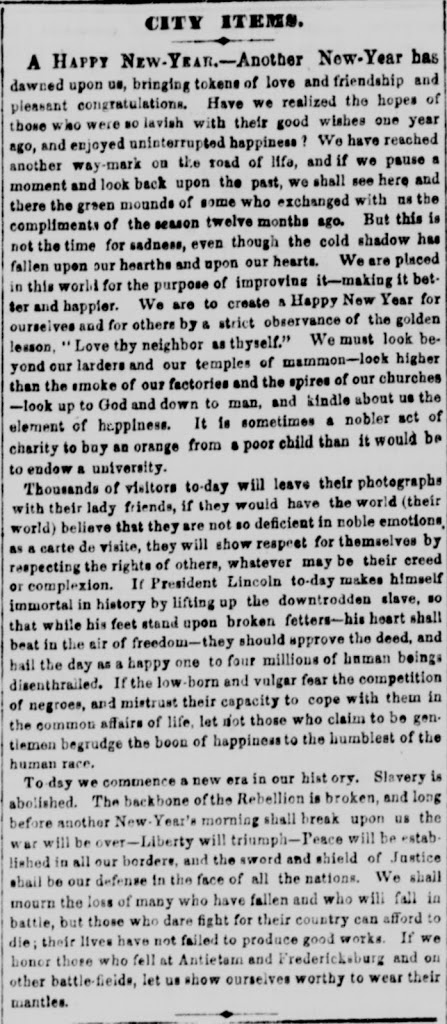
A Happy New Year Another New Year has dawned upon us, bringing tokens of love and friendship and pleasant congratulations. Have we realized the hopes of those who were so lavish with their good wishes one year ago, and enjoyed uninterrupted happiness? 

We have reached another way-mark on the road of life, and if we pause a moment and look back upon the past, we shall see here and there the green mounds of some who exchanged with us the compliments of the season twelve months ago. But this is not the time for sadness, even though the cold shadow has fallen upon our healths and upon our hearts.

….

Thousands of visitors today will leave their photographs with their lady friends, if they would have the world (their world) believe that they are not so deficient in noble emotions as a carte de visite*, they will show respect for themselves by respecting the rights of others whatever may be their creed or complexion. 

If President Lincoln today makes himself immortal in history by lifting up the downtrodden slave, so that while his feet stand upon broken fetters — his heart shall beat in the air of freedom — they should approve the deed, and hail the day as a happy one to four millions of human beings disenthralled**.  If the low-born and vulgar fear the competition of negroes and mistrust their capacity to cope with them in the common affairs of life, let not those who claim to be gentlemen begrudge the boon of happiness to the humblest of the human race.***

Today we commence a new era in our history. Slavery is abolished. The backbone of the Rebellion is broken, and long before another New Year’s morning shall break up us the war will be over — Liberty will triumph — Peace will be established in all our borders, and the sword and shield of Justice shall be our defense in the face of all the nations.**** 

We shall mourn the loss of many who have fallen and who will fall in battle, but those who dare fight for their country can afford to die; their lives have not failed to produce good works.   If we honor those who fell at Antietam and Fredericksburg and on other battlefields, let us show ourselves worthy to wear their mantles.

*Small likenesses  — essentially trading cards of yourself — called carte de visite were especially trendy during the Civil War, both as a novelty and as a way of remembering those at war.

**The Proclamation could only be enforced in rebel territory under Northern control, so not all of the four million enslaved men felt its benefits on this date.

***Referencing fears of new immigrants that freed blacks would become a competitive labor force. These fears would, of course, culminate later that summer in the Civil War Draft Riots.

****Of course, we know now that the war would drag on for over two more years.
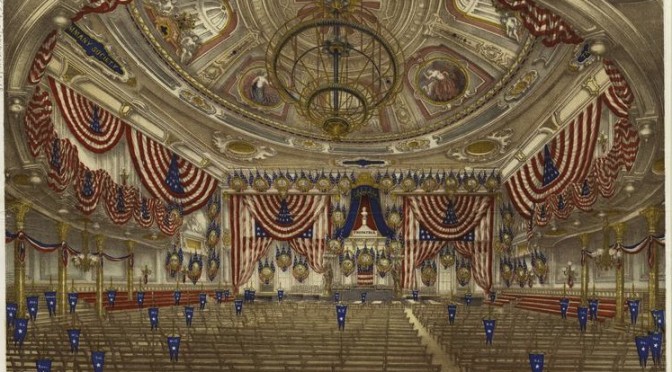


Tammany Hall hosts the city’s first Democratic Convention: Susan B. Anthony, the KKK, and a reluctant nominee

Many of you may remember New York’s sole Republican National Convention, held in 2004 at Madison Square Garden, celebrating the re-election bid of George W. Bush. Some may recall any one of New York’s three recent Democratic National Conventions — two (1976, 1980) for Jimmy Carter, and a rather memorable one in 1992 that placed Bill Clinton on the ticket.

Oh, but that’s modern politics! Conventions of the past — stodgy, contentious, male — are more fascinating artifacts, gentlemanly in tone, chaotic and raw in execution, and dominated by a mix of issues both eternal (war, debt, taxes) and outdated (slavery, territorial expansion).

Of New York’s five Democratic nominating conventions, the most infamous is certainly the 1924 gathering at Madison Square Garden — the old Garden, Stanford White’s palace on 26th Street — distinguished by rancor, the significant influence of an energized Ku Klux Klan and an exhaustive trek through 103 ballots only to settle upon a weak compromise candidate, West Virginian politician John W. Davis, who was crushed in the general election by Republican Calvin Coolidge. Within two years, the Garden would be closed and promptly demolished, as though in embarrassment.

But I find the first national convention, held in 1868, to be the most intriguing and telling of New York life in the mid-19th century, a convention so unusual that the eventual presidential nominee actually recoiled from accepting the nomination.

Four years prior, in 1864, a splintered Democratic Party had tried to replace Abraham Lincoln in the White House with his former Union general George B. McClellan. In New York, former mayor and now-Congressman Fernando Wood led a drive for new national leadership — even though he loathed McClellan — and called for an end to the Civil War with their ‘Southern brethren’. But opposition quickly withered after a series of Union victories, and Lincoln was re-elected.

Flash forward to 1868. Lincoln was dead, the Civil War was over and slavery was abolished. The current president Andrew Johnson aligned with Democrats over Southern inclusion, eventually leading to his impeachment and a serious damaging of the national Democratic brand.

To bring glory back to the White House, the Republicans hoisted forth as their nominee the hero of the war, Ulysses S. Grant. Perhaps the most famous man in America, Grant would eventually prove to be a mediocre president. But his reputation and charm were so great in 1868 that the Democrats knew they stood little chance to defeating him.

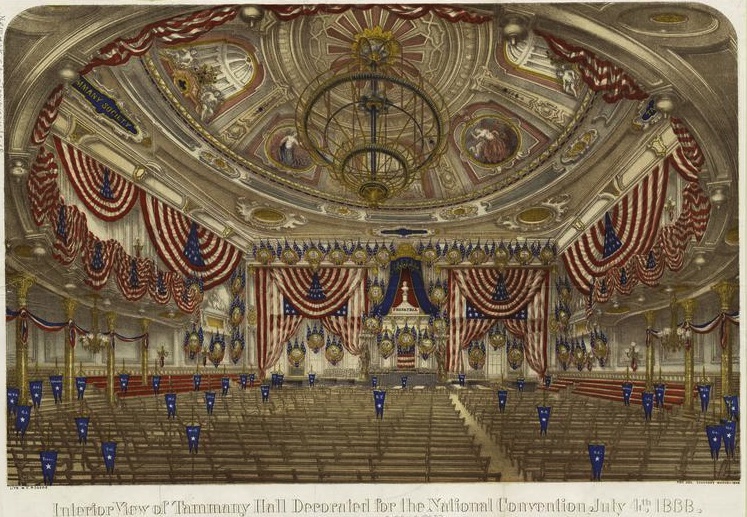
New York’s Democratic contingent — in particular, the political machine Tammany Hall and its leader William ‘Boss’ Tweed — controlled the national committee during this period and steered the convention to New York for the very first time in July 1868.

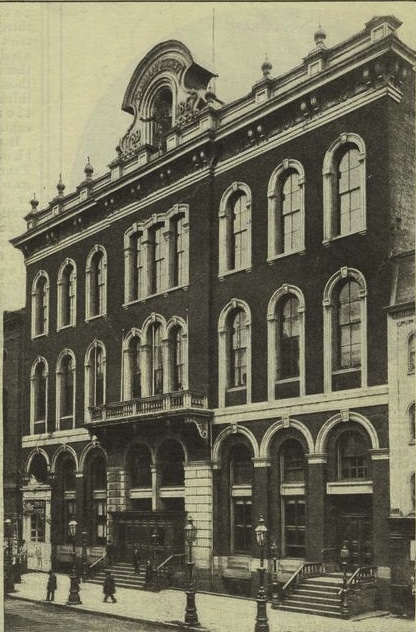
Their headquarters at 141 14th Street (at left) was sparkling new, ‘fresh from the builder’s hands,’ a lush multi-use venue with auditoriums, clubrooms and even a basement cafe, situated next door to New York’s poshest destination, the Academy of Music.

The convention was especially notable as it featured several Democrats from Southern states for the first time since the war.

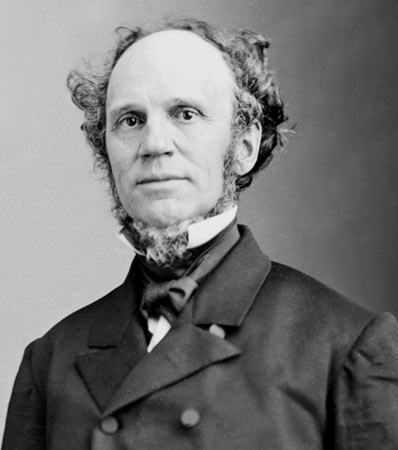
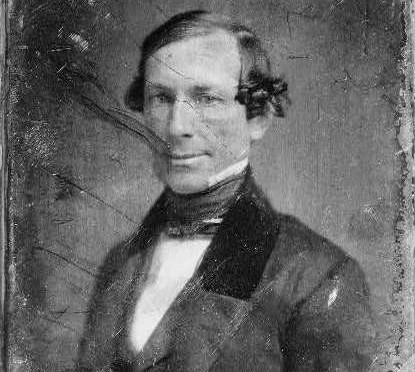
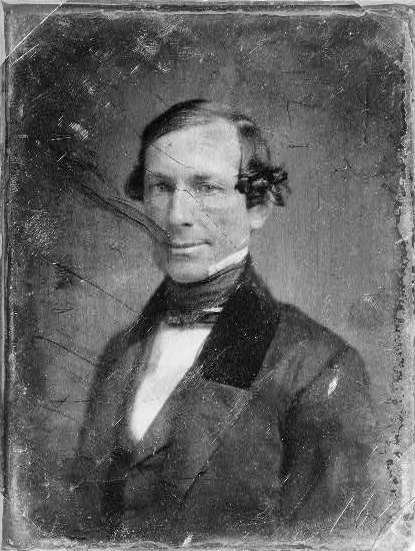
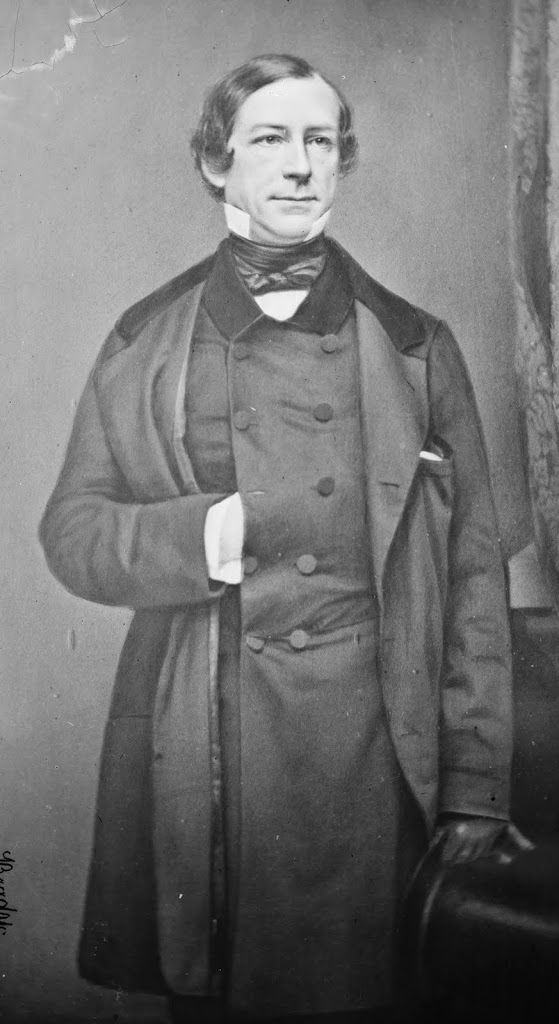
Delegates crowded into the main hall on July 4, and a roar of support greeted Democratic power player (and horse breeder) August Belmont, who gaveled in the proceedings. “I welcome you to this good city of New York,” Belmont declared, “the bulwark of Democracy.”  Nearby smiled former New York governor Horatio Seymour (pictured below), president of the convention. Five days later, there were be far less formality and Seymour, in particular, would not be smiling.

On July 5th, the Democrats unfurled their official platform, embracing the return of the Southern states and harshly criticizing the Republican-dominated Congress:  “Instead of restoring the Union, it has, so far as in its power, dissolved it, and subjected ten States, in time of profound peace, to military despotism and negro supremacy.”  Certainly pleased with this particular inclusion was Tennessee delegate Nathan Bedford Forrest, grand wizard of the Ku Klux Klan.

But the Democrats made room for the consideration of progressive causes too, such as a call for women’s suffrage.  Seymour read aloud a plank from the Women’s Suffrage Association written by Susan B. Anthony and co-signed by Elizabeth Cady Stanton.

Anthony appealed to their quest for dominance. “It was the Democratic party that fought most valiantly for the removal of the ‘property qualification’ from all white men, and thereby placed the poorest ditch-digger on a political level with the proudest millionaire. And now you have an opportunity to confer a similar boon on the women of the country … a new talisman that will ensure and perpetuate your political power for decades to come.”

The request was greeted warmly by the room before being respectfully dismissed altogether.

Things grew less harmonious when the balloting for president began.  Several candidates were submitted, even the disgraced Andrew Johnson. For several arduous ballots, the leader was George H. Pendleton, who had been the vice presidential hopeful under General McClellan. But it immediately became clear that the factions within the party were in no mood to settle quickly.

Pendleton’s lead had weakened by the 13th or 14th ballot, leaving two key candidates — Thomas Hendricks, an Indiana politician, and Winfred Scott Hancock, a Union general that seemed an attractive challenger to Grant.  But neither could approach the two-thirds needed to snatch the nomination.

A stalemate called for a third candidate, somebody that all could agree with, while at the same time, an individual that was absolutely nobody’s top choice.  It was at the podium that delegates found their man — Horatio Seymour.

He was horrified. Seymour wanted to retire and had previously rejected calls to run for national office. Privately he must have considered the pitiful chances of running a lengthy campaign against Grant. But delegates greatly respected the former governor, a bastion of cool Democratic leadership who had been an opponent to the federal draft during the war.  He had also been partly responsible for the Draft Riots, emptying the city of federal militia days before the draft was to begin that July.

Still, their were few ready options for the Democrats. When a delegate from Ohio suddenly declared “against his inclination, but no longer against his honor” to put forth Seymour as a suitable compromise, the room followed suit. On the 22nd ballot, Seymour was enthusiastically declared the Democratic nominee for president.

The only one not enthusiastic about it was Seymour. “I said to them that I could not be a candidate [and] I meant it.” [source]  He left the convention in a huff, only to begrudgingly accept the nomination back at Tammany Hall the following day.

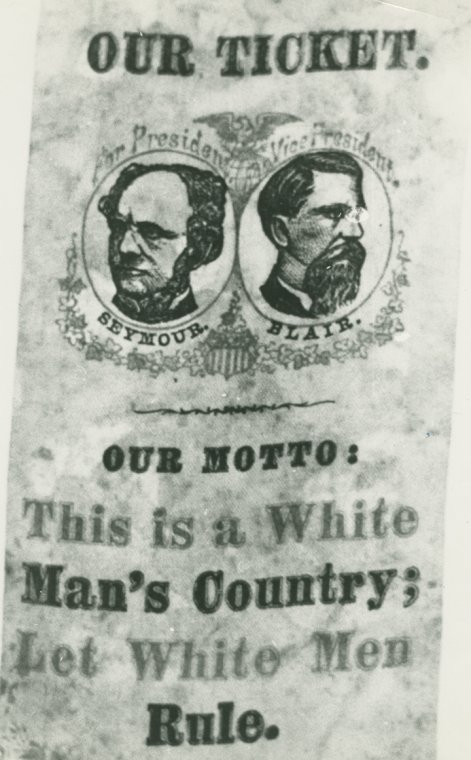
Seymour threw himself into the campaign with vice presidential choice Francis Blair Jr. (whom Seymour barely knew and hardly liked). As evidenced by the campaign poster above, they weren’t afraid to use the Southern racial divide to appeal to voters. But no matter; they lost soundly in the electoral vote to Grant and vice president Schuyler Colfax.

Perhaps the real objective of the convention wasn’t to sway a national crowd, but to energize New Yorkers. Democrats swept into local and state offices, including Boss Tweed’s own choice for governor John T. Hoffman.

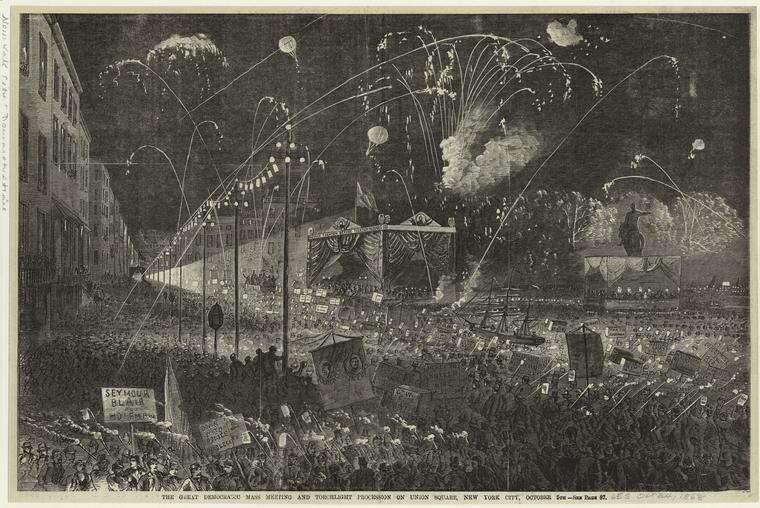
Below: Democrats rally in Union Square in support of Seymour and other local candidates, October 5, 1868

Pictures courtesy of New York Public Library

Categories
Amusements and Thrills

Commodore Nutt: Barnum’s dwarf star, NYC police officer

The attentions of most New Yorkers 150 years ago today were understandably occupied by the events of the Civil War. The general mood in April 1862 had turned cynical and grim. It had been one year since the first battle at Fort Sumter. The bloodiest skirmish yet, the Battle of Shiloh in northwestern Tennessee, left thousands dead on the battlefield just two weeks before, and attention now turned to the standoff at Fort Pulaski.

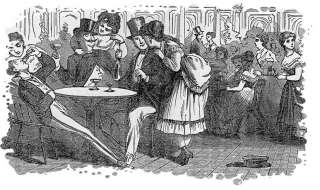
And yet the city in April 1862 was overflowing with distraction. The jewellers Ball Black & Co. displayed a framed personal letter from Queen Victoria, thanking New Yorkers for their well wishers following the death of her husband a few months earlier. Across the street, at Niblo’s Garden, theatergoers could delight in ‘The Enchantress’, featuring actor William Wheatley, who would later stage the world’s first Broadway musical, ‘The Black Crook’, on that very stage. Merry gentleman and naughty ladies drank up in lower Manhattan’s various concert saloons, bracing for the effects of a new law passed that month that would effectively close down such bawdy amusements. (Luckily, the law had little effect.)

But New York’s merry king of showbiz in 1862 was P.T. Barnum, his American Museum still New York’s most popular attraction. That April, Barnum featured a ‘living hippopotamus’ and two beluga whale in its basement, and among the museum’s many shows at Broadway and Ann Street was the feature ‘Hop O’ My Thumb, or The Ogre And The Dwarf’ starring Barnum’s biggest small star General Tom Thumb.

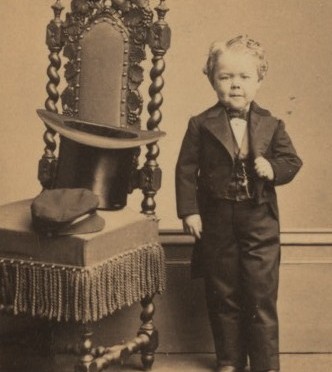
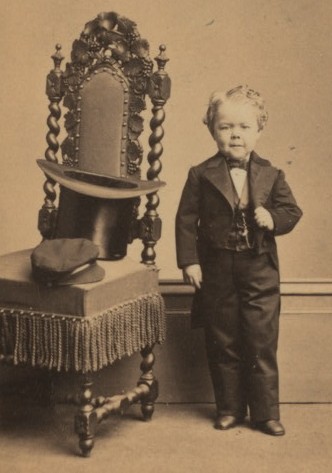
Thumb, however, was not Barnum’s only dwarf star in 1862. Earlier that year, Barnum unveiled a New Hampshire teenager afflicted with dwarfism and presented him with the stage name Commodore George Washington Nutt. Known as the ‘$30,000 Nutt’ due the amount of money he was supposedly paid (although later disproven), the young man was advertised as “the Smallest Man in Miniature in the known world” and “Most Attractive and Interesting human being ever known.”

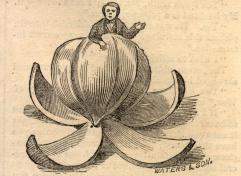
At right: Nutt in an illustration from Harpers Weekly, February 1862, ‘bursting out of his shell’

Although Nutt would perform at the museum, he was frequently used as an instrument to promote Barnum’s many endeavors. He would serve as Tom Thumb’s friendly rival for the hand of diminutive actress Lavinia Warren (whom Thumb later married at Grace Church in 1863) and tour throughout Europe with Barnum. But on April 17, 1862, Nutt had a local duty to perform — at the headquarters of the New York Police Department.

According to the Daily Tribune, Nutt met with local police commissioners in an effort to get an officer specifically assigned to Barnum’s museum. And just in case the idea would be met with indifference, Nutt himself applied to become a New York police officer, although his height of three feet might have precluded him from such an occupation.

A uniform was immediately ordered for the young star, and by telegraph to the Ninth Precinct, he claimed he would hold ‘extraordinary powers to arrest’ troublemakers at the Museum. It appears, however, that Nutt held few responsibilities for the police force.

During his tour of the police facilities, including the famed Rogue’s Gallery, the charming performer even got in a rather dirty joke. According to the article, “Some one said that on the stage the Commodore had been seen to kiss a girl on the mouth. ‘Well, that was the right place, wasn’t it?’ was the reply.”

Top picture courtesy NYPL

Categories
Gangs of New York

Execution in Five Points: Piracy, slave trade and the Tombs

Sometimes you can look back at history and think that nothing ever changes. And sometimes you find something that makes New York seem extraordinary unrecognizable, a city besieged by near barbaric crises.

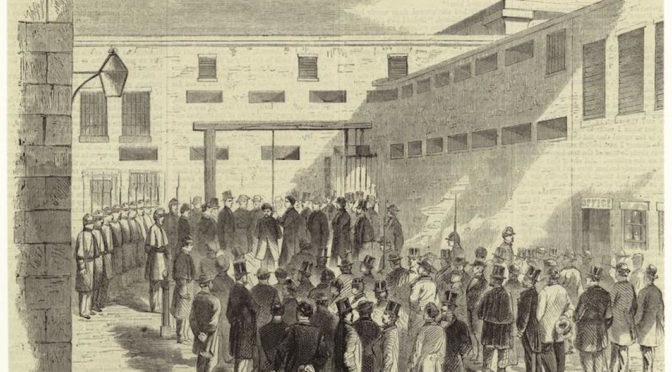
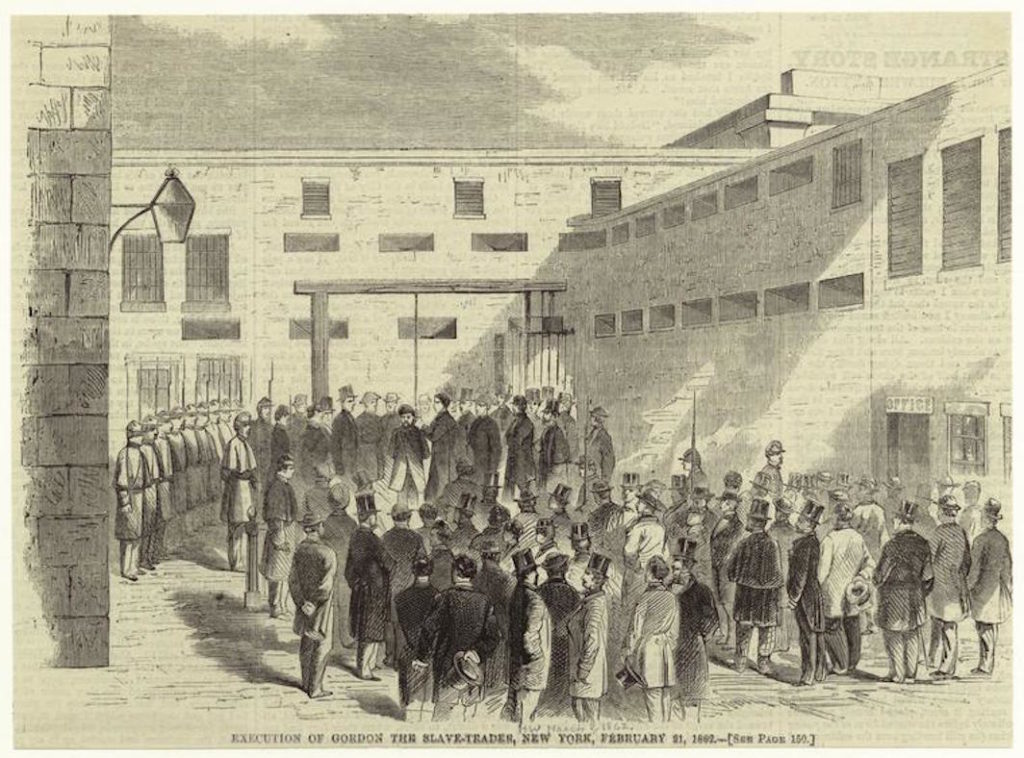
The image above depicts a scene from February 21, 1862, in the courtyard of the famous Tombs prison in the Five Points neighborhood.

The notoriously dank and foul-smelling complex was the scene of a great many public executions since its opening in 1838, but the one which took place on February 21 was particularly urgent, the crime cutting to the core of America’s central dilemma.

The man being hanged was Nathaniel Gordon, and his crime was international slave trade.

America was in the throes of a Civil War between the North and South, waged with slavery as its central issue. But the import and export of slaves into the United States has technically been banned decades earlier, and the U.S. Piracy Act of 1820 included human cargo in its definition of international piracy.

This did not deter Gordon, who sailed to North Africa in 1860 and loaded a boat with almost 900 people, intending to sell them to Southern plantations.

From a vivid description from Harper’s Weekly, the boat was overloaded with “eight hundred and ninety-seven (897) negroes, men, women, and children, ranging from the age of six months to forty years. They were half children, one-fourth men, and one-fourth women, and so crowded when on the main deck that one could scarcely put his foot down without stepping on them. The stench from the hold was fearful, and the filth and dirt upon their persons indescribably offensive.”
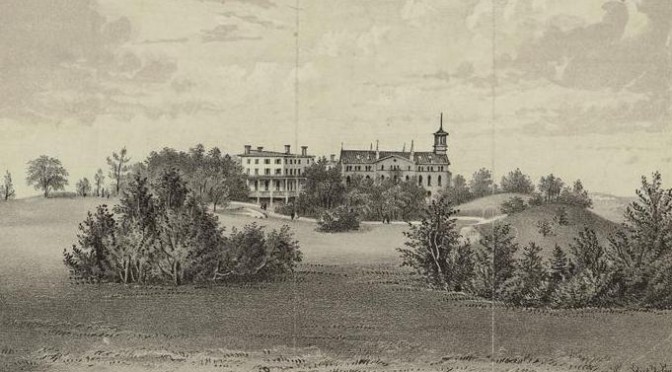
Gordon was caught just 50 miles offshore and brought to the United States for trial. He would have received a stern sentence even before the war, but with the conflict in full swing by the time of his trial in late 1861, Gordon’s defense team never stood a chance.

Despite pleas from wealthy supporters, Gordon was sentenced to die on February 7, 1862. President Abraham Lincoln commuted the sentence by two weeks, and Gordon’s supporters might have even convinced him to commute it further had Lincoln’s young son Willie not died of typhoid on February 20.


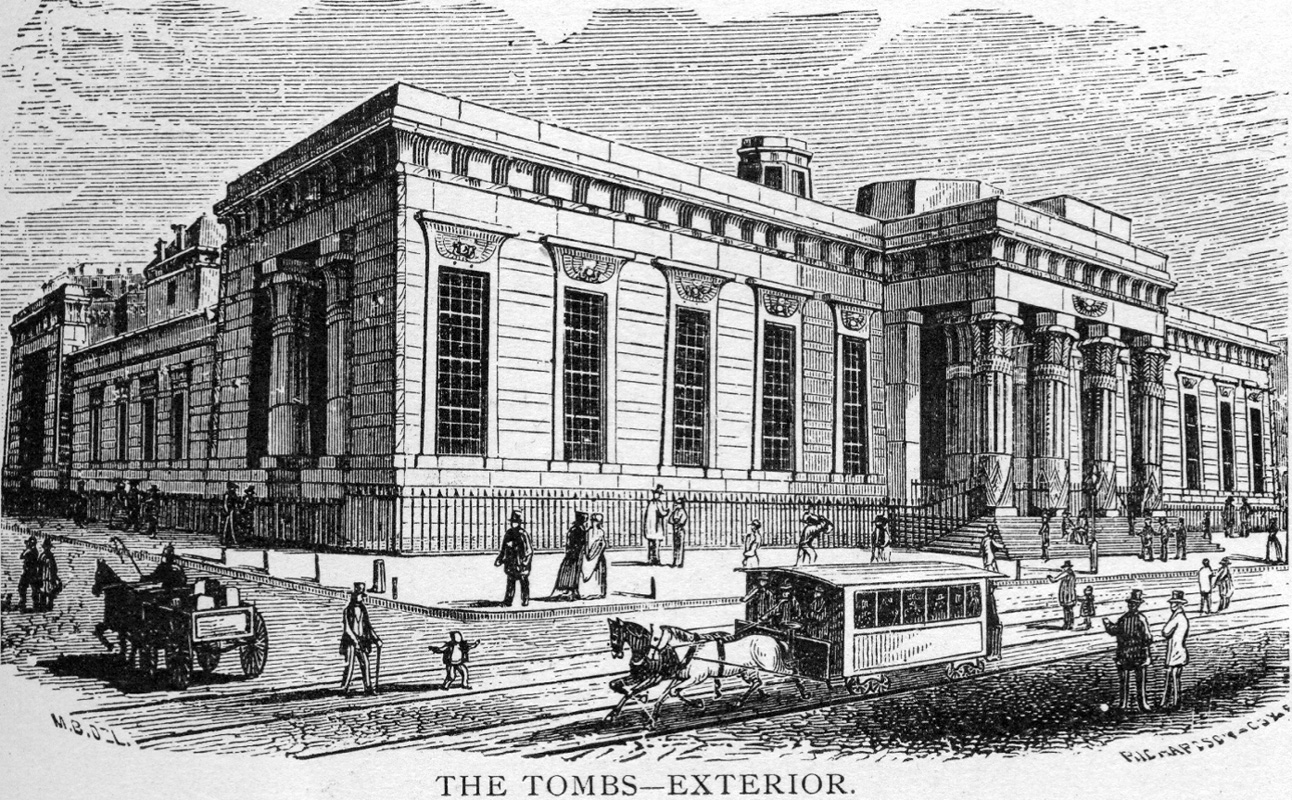
One notable fact about this execution is the Tombs (pictured above, in 1863) is a city prison, but the crime was a federal offense, the only such national execution to have taken place here.

Most federal executions took place at military installations. For instance ‘Pirate’ Albert Hicks was hanged on Bedloe’s Island, home of Fort Wood (and today the residence of the Statue of Liberty). Robert Cobb Kennedy, one of the Confederate conspirators who attempted to torch various New York hotels in November 1864, was executed at Fort Lafayette off the coast of Bay Ridge, Brooklyn.

Gordon was also the last person ever executed by the U.S. government for violations of the Piracy Act.

For more details on the execution, check out the great Corrections History blog which details the messy particulars of the execution.

Illustration above courtesy New York Public Library

Categories
Podcasts

Hoaxes and Conspiracies of 1864: The Confederate Plot to Torch New York

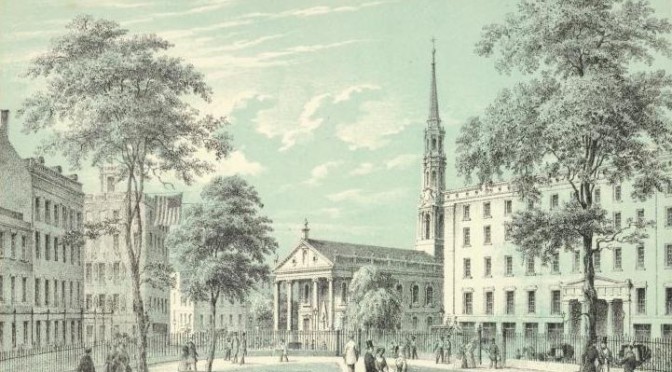
Barnum’s American Museum at left (the building with the flag) and the Astor House at right, from the vantage of City Hall Park, circa 1850. Both buildings were victims of the Confederate plot of 1864 to burn the city.

PODCAST We’re officially subtitling this ‘Strange Tales of 1864’, presenting you with a series of odd, fascinating stories from one pivotal year in New York City history. With the city both fatigued by the length of the Civil War and energized by Union victories, New Yorkers were often at their best — and their worst.

The city unites around an unusual parade — the first regiment of African-American troops — even as it elects a pacifist mayor sympathetic to the Southern cause. A grand and flamboyant fair, uniting the community, offers up a surprising New York tradition — the theme restaurant. Meanwhile, a local newspaper editor devises an elaborate hoax to get rich quick off the gold market.

But with the November re-election of Abraham Lincoln also comes a deadly threat — a Confederate conspiracy aimed at New York’s luxury hotels. Tune in as we recount the botched plot to destroy New York in an conflagration of ‘Greek fire’.

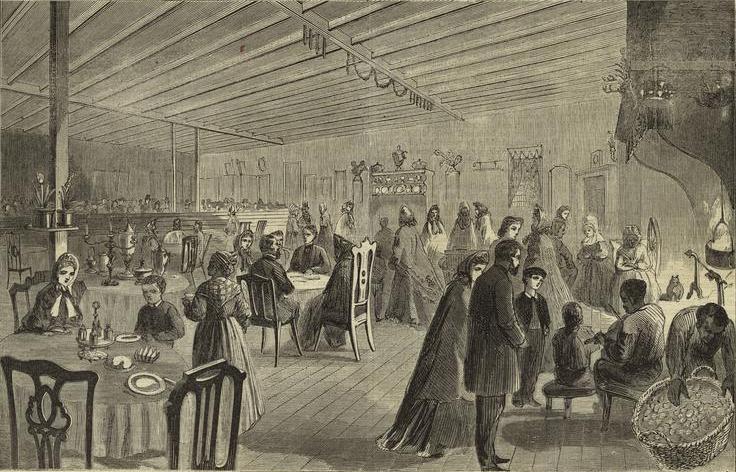
The Knickerbocker Kitchen, a featured restaurant at New York’s Metropolitan Fair. Women dressed in traditional Dutch and Colonial garb and served items believed to be popular with the residents of old New Amsterdam. [NYPL]

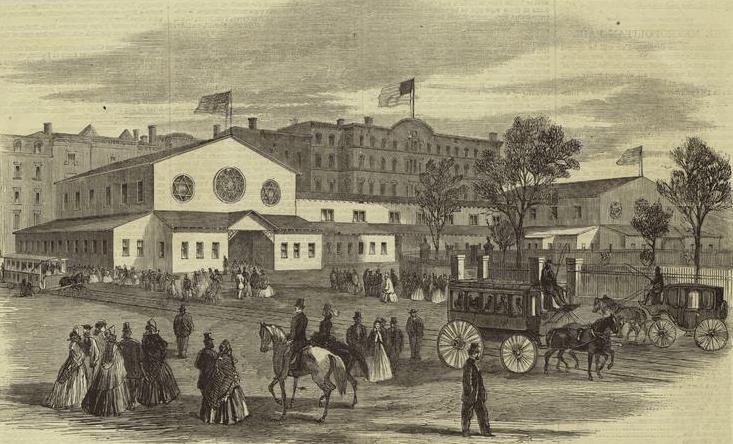
Pavilions were specially constructed around Union Square for the Metropolitan Fair, which raised money for the U.S. Sanitary Commission.

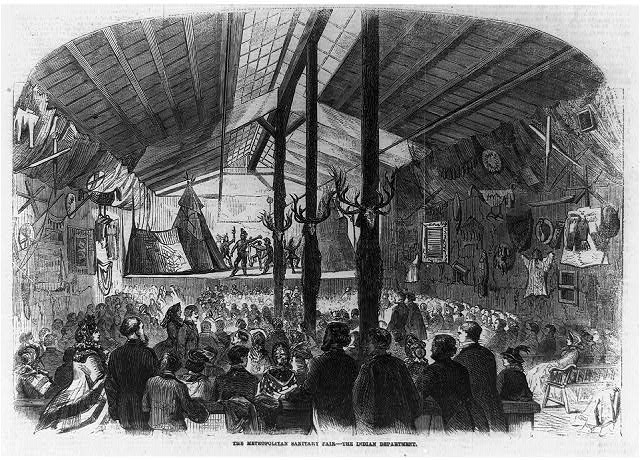
The ‘Indian Department’ at the Metropolitan Fair. [Library of Congress]

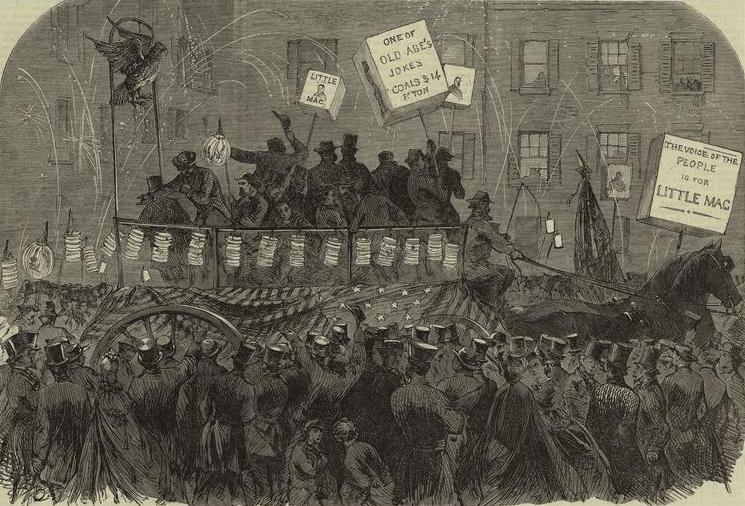
A nighttime ‘torchlight’ rally for presidential candidate George McClellan, the clear choice for New Yorkers in 1864. For a Democratic stronghold like New York, the former general was an especially appealing alternative to Abraham Lincoln. [NYPL]

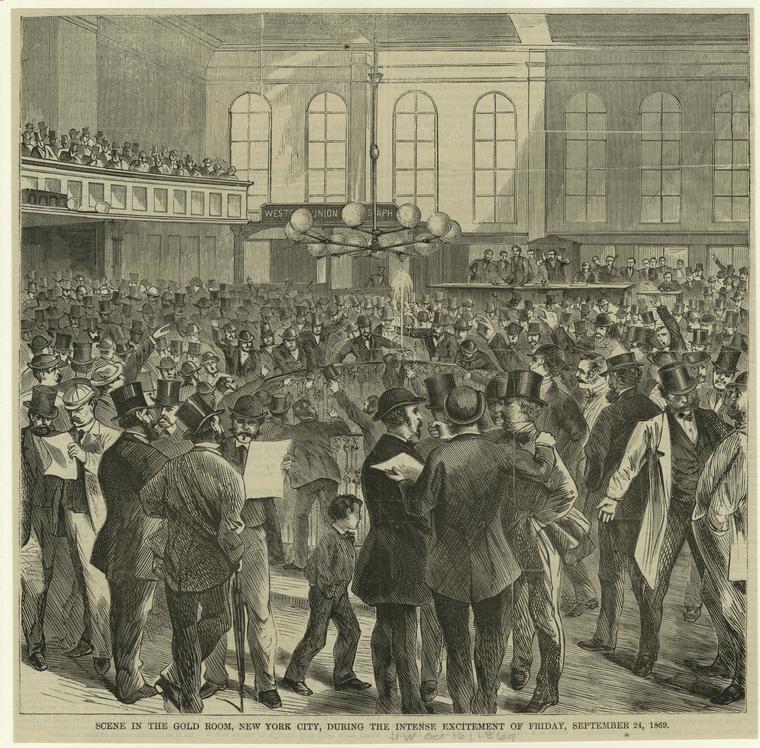
A scene from the New York Gold Room, epicenter of American gold speculation. During the Civil War, traders would buy and sell based upon Union victories and defeats. The trade was also susceptible to false information, such as the events of the Gold Hoax of 1864. (NYPL)

Robert Cobb Kennedy, the only one of the Confederate conspirators to be caught. He was executed at Fort Lafayette in 1865, a couple weeks before the end of the Civil War.

Notes from the Podcast (#127) The Civil War Draft Riots

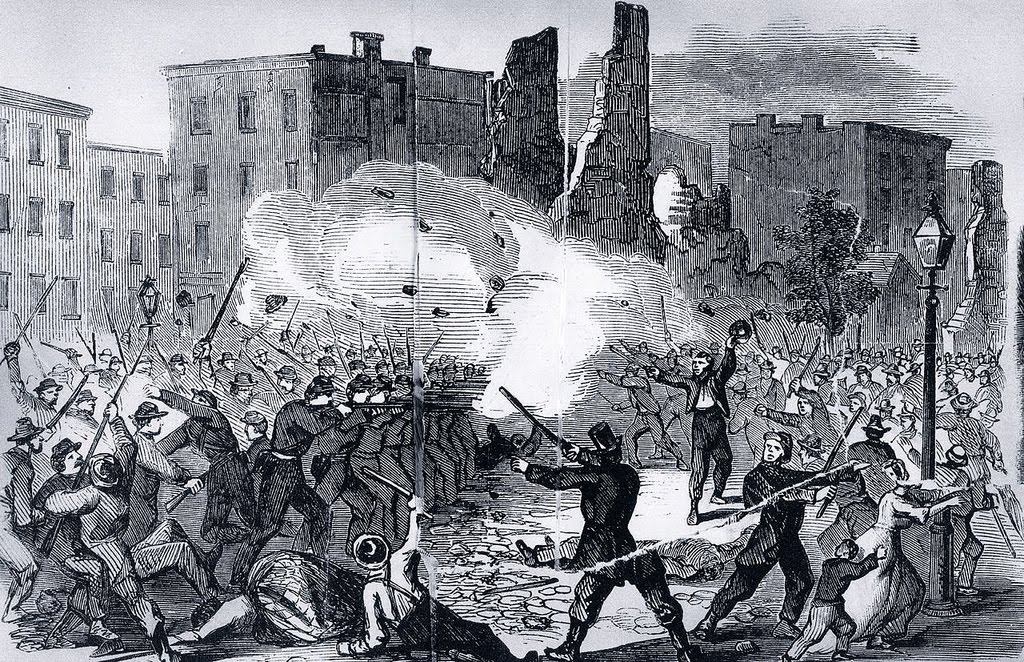
The New York draft riots of 1863 were both a distraction to the actual battles of the Civil War and the purest embodiment of underlying Northern viewpoints, violently displayed. Producing this show was not a lighthearted task, and we clearly needed to check our usual conversational demeanor at the door. Hopefully we presented the riots in a believable and respectful manner.

The other draft riots: Given the New York-centric nature of our program, I should note that draft riots occurred throughout the North that week, and even earlier. Yet none were of the intensity as those that occurred in Manhattan. In Boston, for instance, mobs stormed the famous Faneuil Marketplace and an armory on Cooper Street. But troops quelled the violence early, and only eight people died. [Read more about this even in the Boston Phoenix.]

And events were sparked in the future boroughs of Brooklyn, the Bronx, Queens and Staten Island as well. You can read more about them in this blog post.

Morbid misspeak: Thankfully I said the phrase ‘Invalid Corps.’ correctly twice before mis-pronouncing it a final time where I say ‘invalid corpse’. Ick. And, to my ears anyway, it appears I said ‘a computation fee’ instead of a ‘commutation fee’, but the context should have made the mis-statement obvious. Did I mention we were recording this without air conditioning?

Further Reading: For more information on the Draft Riots, you can turn to several sources, based on your level of interest. My favorite is Barnet Schecter’s ‘The Devil’s Own Work’ which gives a gripping chronological retelling of events. He really manages to tame a chaotic tale in a way that neither confuses nor oversimplifies. I used Schecter’s ‘Mrs. Hilton’ anecdote from this book, and his book is chockful of other individual tales like that one.

If you prefer something a bit more analytical, there’s Iver Bernstein’s ‘The New York City Draft Riots’ which tries to parse who exactly the rioters were. Of course ‘Gotham’ by Edwin G Burrows and Mike Wallace have a nice, compact recount with plenty of context. The City University of New York’s ‘Virtual New York’ web resource has a timeline with maps.

The Gangs of New York: Perhaps the most famous depiction of the riots occurs in Herbert Asbury’s classic ‘The Gangs of New York’. The film version, directed by Martin Scorsese, takes quite a few liberties with the facts of course. The placing of candles in windowsills and the fire at Barnum’s American Museum, for instance, did not happen during the riots. But those are based on true events that happened in New York a year later. We’ll cover those events in our next show.

Next Podcast: Due to some scheduled vacation time and an upcoming apartment move for myself, the last entry in our Bowery Boys Go To War! series will be available on August 26. If the sober tone and raw nature of this current show bummed you out, don’t worry — humor as well as some genuine oddness returns with the next one!

Image above courtesy Library of Congress

The other Draft Riots: Brooklyn infernos, Queens bonfires

You probably know something about the Civil War draft riots that kept New York paralyzed during the week of July 13, 1863. But New York only meant Manhattan back then. What about the rest of the future boroughs?

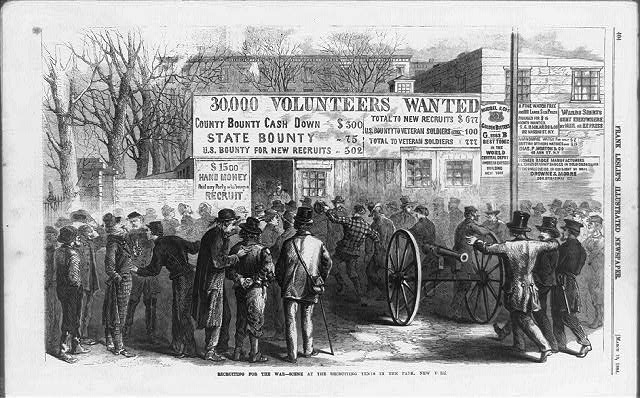
The conscription act initiated draft lotteries throughout the area as, by 1863, the Union struggled to fill its quota of volunteers. Many thought the state of New York had contributed enough; hundreds were already dead after two years of bleak and depressing battle.

Then there was that troublesome little exemption clause. Those chosen in the ‘wheel of misfortune’ could either find a substitute or pay a $300 commutation fee. According to the Inflation Calculator, that’s about $5,250.00 today. Look at your bank account. Could you afford to pay that?

People revolted violently when the drafts were held in New York on July 13. There were also seismic reactions in the surrounding counties as well, chain reactions of the anger quelling in New York. In the surrounding regions, local law enforcement were often better prepared to handle disruptions amongst their less concentrated populations. Even still, the horror of New York’s draft riots did spread.

The homes of many black residents on Staten Island were torched. According to historian Richard Bayles, “From its proximity to New York City this county could not help but feel every pulsation of popular emotion that disturbed the bosom of the city.” Mobs attacked black shopowners in Factoryville, surrounded a black church in Stapleton and threatened parishioners inside, and burned down a railroad station owned by Republican and Union supporter Cornelius Vanderbilt.

Residents from the village of Astoria and the farmlands of Sunnyside and Ravenswood could see New York burning across the water. But Queens County caught the loathsome riot fever when the draft commenced in nearby Jamaica, on July 14. Riled crowds gathered at dusk and nearly torched the village but for the intervention of a few Democratic community leaders.

The draft office in Jamaica was eventually destroyed and number of buildings filled with government property were vandalized. Rioters stormed one building and stole piles of garments intended for the battlefield. According to an 1882 history of Queens County, it was an apparel Armageddon, the rioters “taking out some boxes of clothing which they broke open, piled in heaps and set on fire. The largest pile, which they derisively called ‘Mount Vesuvius’ was about ten feet high.”

In Westchester County, towns along the Bronx River reacted similarly to their own draft lotteries, with rioters in Morrisania and West Farms destroying telegraph offices and yanking railroad ties from the ground. However, other local towns, like Yonkers, were successfully insulated from violence, due to better living conditions and the entreaties of an especially popular local leader, the Rev. Edward Lynch. A mass gathering on July 15th in the village of Tremont eventually snuffed out violence in the region.

Although it was one of the country’s largest metropolises, the independent city of Brooklyn never saw the intensity of violence that New York did. Indeed, some black New Yorkers escaping violence in the city fled to the countryside in Kings County, to places like Weeksville. However the county did see a good share of bloodshed and destruction, particularly in the Eastern District (the areas of Williamsburg and Greenpoint).

The Brooklyn Eagle, solidly Democratic and in quiet support of the anti-draft agitators, had this to say in a July 16th article, “We could fill columns of the Eagle with exciting stories of anti-negro demonstrations, threatened outbreaks, etc.. So far no disturbance has occurred in Brooklyn which two or three policemen could not surprise [sic]. There has been nothing like any attempt to get up a mob, or create a riot.”

This is preposterous, but even through the Eagle’s glossy lens, it’s apparent that violence never fomented to the degree that it did in New York. This, of course, would be of cold comfort to the dozens of black Brooklynites who did have to flee their homes and businesses that week.

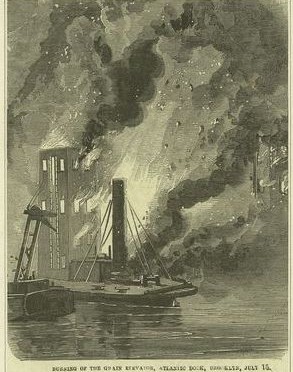
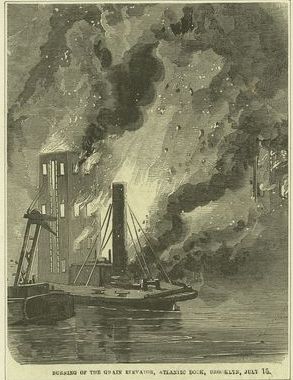
The most dramatic scene in Brooklyn took place before midnight on Wednesday, July 13, with the destruction of two large grain elevators in the Atlantic Basin, in Red Hook. (Pictured at top.)

The Eagle’s reasoning for the blaze demonstrates the reasonless chaos that typified violence in the latter days of the riots. It had nothing to do with racism or with drafts, but rather â€œ[t]he fire was the work of incendiaries, supposed to be grain shovellers who recently had some trouble about a raise on wages, and who have always looked with feelings of animosity on these elevators because they dispensed with a large amount of manual labor.”

The burning elevators, facing into the East River, made a grim bookend to the burning structures across the water in New York. Luckily, within 24 hours, the riots would be calmed throughout the region.

Purging ‘Evil’: New York vs. the Concert Saloon!

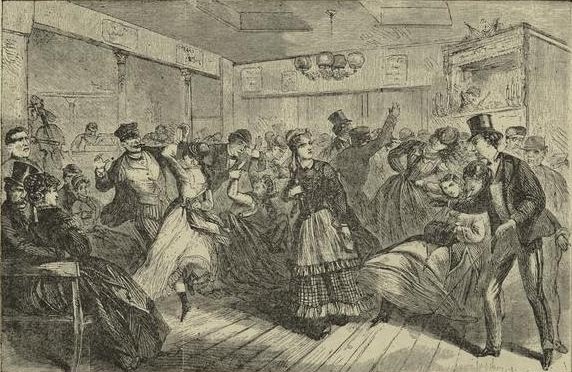
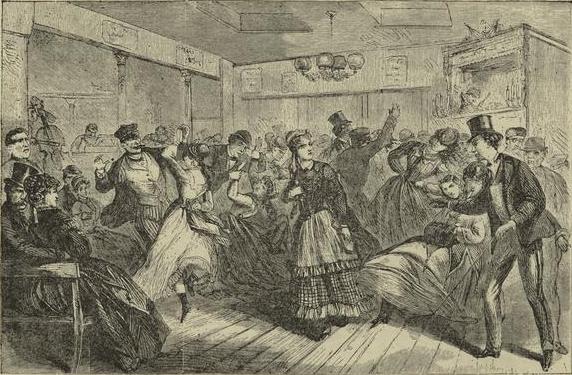
A torrid night at Harry Hill’s concert saloon on Houston Street. Naturally, such fun must be stopped! (Pic courtesy NYPL)

Yes, yes, the Civil War began 150 years ago this year. I hope you have not grown tired of hearing that fact, as I’ve got an entire summer of posts and podcasts relating to it! But for purveyors of New York nightlife, something else occured during that same time period — the peak of the concert saloon. While this particular performance venue does not have a specific date of birth, by 1861, this new form of nightlife rose to such prominence that, quite naturally, cultured people sought to close them down.

The concert saloon combined many entertainment pastimes into a single experience, but its true objective was merely to sell booze. This type of venue developed over a series of years, combining the austerity of the English music hall with the ribald and often debauched leanings of the American musical theater. Think of the Bowery theaters, filled with rowdy audiences and prostitutes going about their business in the balconies, and combine it with the lust for alcohol found in basement grog houses and corner taverns.

As Brooks McNamara notes in his book on the New York concert saloon, the more fashionable concert saloons were found near Broadway, while the more notorious variety found homes near the Bowery. The two streets were often viewed as twins — one good, one evil — but on certain nights, it might have been difficult to tell the two apart.

Vaudeville and cabaret trace their lineage to the concert saloon, with musical acts, ‘waiter girls’, and drink served in vibrant excess. The saloons reflected the character of their neighborhoods, although all would have a touch of debauchery about them. Or perhaps a few touches. They would eventually be associated with prostitution and general lascivious behavior. In the 1880s, perhaps the grandest descendant of the city’s concert-saloon tradition, the Haymarket dance hall, was so synonymous with the ancient profession that it was nicknamed ‘the prostitute’s market’.

The concert saloon was a thriving venue by the 1850s, so much so that reformers and prohibitionists made it the concentrated focus of their ire. On their side were owners of so-called legitimate theaters, who saw their clientele drift into these more lustier establishments.

It came to a head in 1861, with petitions circulated throughout the city to shut down the concert saloons, to eliminate “the abominations of Pretty-waiter-gallism and dram-selling, against which the decency and morality of the City have revolted.” Believe it or not, reformers made serious headway with the Republican-controlled state government. A bill was introduced in January of 1862 “to preserve the peace and order of public places” by forcing venues to seek a license if they intended to feature spoken or sung performances of any kind.

Why were reformers so mobilized in 1861? New York was a station for Union militias, both New York’s own volunteer militias and those from New England states. By the spring, hundreds of young troops were stationed here, awaiting orders and transportation to battlelines. What would be more distracting to a group of young men from out of town than a lively concert saloon filled with pretty girls?

The bill was passed in April of 1862, and the New York Times proclaimed “its effect will be to purge our places of public amusement of most of their evils, and to make respectable and popular those that are properly conducted.”

Many concert saloons did go under. Others turned into traditional saloons without the dazzle. Some venues went the opposite route, throwing out the booze and becoming legitimate variety stages albeit, with the same bawdy entertainments. By the 1870s, these stages produced the first American stars of burlesque and vaudeville.

However, many concert saloon simply shrugged off the law. City lawmakers were often at odds with the state anyway, and constituents for in Democratic-leaning wards preferred to look the other way. Some saloon owners took advantage of the law’s ambiguous language, providing music without vocals and encouraging ‘spontaeous’ song. (“Sorry, officer, they just broke out in a chorus!”) And of course, many others, perhaps protected by Tammany Hall or other political ties, simply flaunted their antics in open violation.

The concert saloon would continue to exist into the next decade, and now it had the element of elicitness attached to its very existence. The battle between New York’s two instincts was far from over.

For many other articles on New York City nightlife, check out my part articles titled Friday Night Fever, which survey the city’s great drinking and dancing venues throughout its history.

Notes from the Podcast (#126) Fernando Wood

Somebody should make a movie about Fernando Wood, and the role should be played by Johnny Depp. Wood is endlessly fascinating, not only as a shady character of political theater, but as a example of bald tenacity. He was written off as finished at many occasions — and saddled with mounting corruption charges — only to return to ever greater public office.

He was blatantly ambitious as a young man, in an era where such naked power grabbing was frowned upon in proper society. By the end of his career, such ambitions were a requirement of New York politicians. Fernando strengthened Tammany Hall style politics even in those occasions when he was blatantly against them. He perfected every despicable element of New York politics as though he were a craftsman.

This was also the ‘set up’ show for our next two episodes, which Tom and I will record later this summer. There’s a lot of coverage of the Civil War this year, but you might be surprised to see the directions we take with these upcoming shows.

Correction: I stated that the amount of business brought to New York per year by just five Southern states equaled $300 million. I overstated; the amount is actually “at least $200 million” according to author Ernest McKay. However, Southern states are estimated to have owed somewhere between $150 to $200 million in New York creditors. Needless to say, from a financial perspective, it’s easy to understand New York’s sympathies to the seceded states.

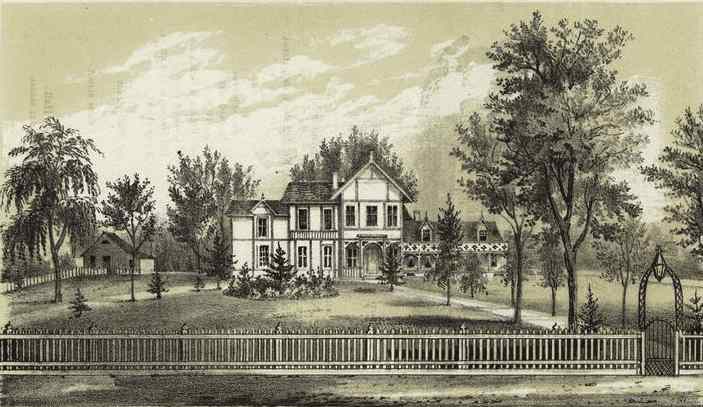
Places to Visit: Fernando Wood was a rather saavy real estate investor as well. In fact, he profited handsomely from leasing a building he owned — at 115 and 117 Nassau Street — to the city government! But his most lucrative acquisition was most likely his own estate of Woodlawn. The borders of his property were between Broadway and the waterfront on the west, running north to south from 76th Street  to 78th Street. That’s some pretty lofty acreage today. Part of Wood’s land was acquired for the development of Riverside Park during his lifetime.

What To Read: Fernando pops up in all the great histories of the city, including Herbert Asbury‘s ‘Gangs of New York’. Jerome Mushkat’s ‘Fernando Wood: A Political Biography’ takes you through the intricacies of the man’s politicking. But challenge for biographers is that Wood wrote very little about his private life. What we do know certainly alludes to details as salacious as some of his public shenanigans

Listen In: Wood figures in greatly to two of our prior podcasts. The details of the Police Riot of 1857 were presented in our show Case Files of the NYPD (episode #103). And he makes his first appearance in a Bowery Boys podcast way back in episode #40, in our Union Square show.

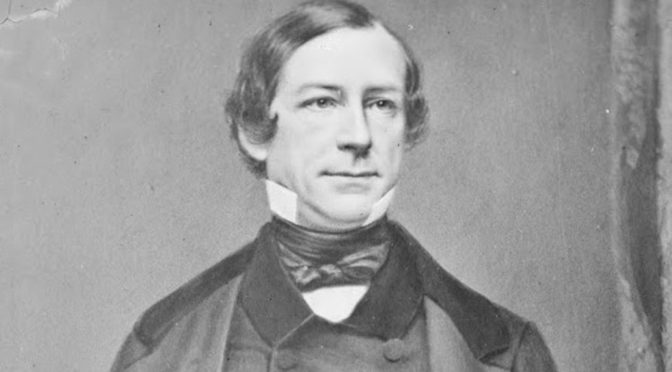
Above: Another portrait of Wood by Matthew Brady, courtesy Library of Congress

Categories
Podcasts Wartime New York

Fernando Wood, the scoundrel mayor during the Civil War: Will New York and Brooklyn secede from the Union?


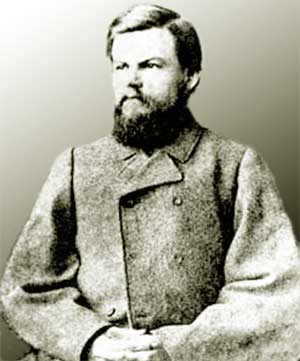
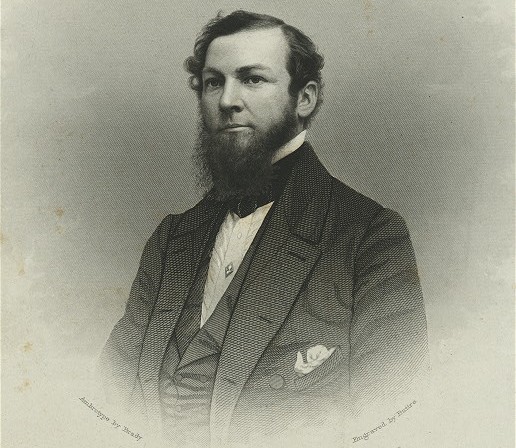
His Honor, one of the most ambitious, most duplicitous leaders of New York in its history — as photographed by no less than Matthew Brady.

PODCAST The first part of our Bowery Boys Go To War! trilogy of podcasts set during the years of the American Civil War.

Fernando Wood, New York’s mayor at the dawning of the war, was the South’s best friend. The rascally politician, famous during his first term for inciting a police riot, drummed up pro-slavery support amongst his Irish and German constituents and even suggested New York secede from the Union itself! But once the war began and public support for the conflict swelled, the nefarious Fernando tried to have it both ways, both leading the Union cry and undermining it.

Click here for notes, corrections and other details on this podcast.

Wood’s ornate mansion at Broadway and 77th Street, called Woodlawn, bought with his newly acquired wealth obtained from the results of a suddenly successful shipping business and advantageous political fortune. (NYPL)

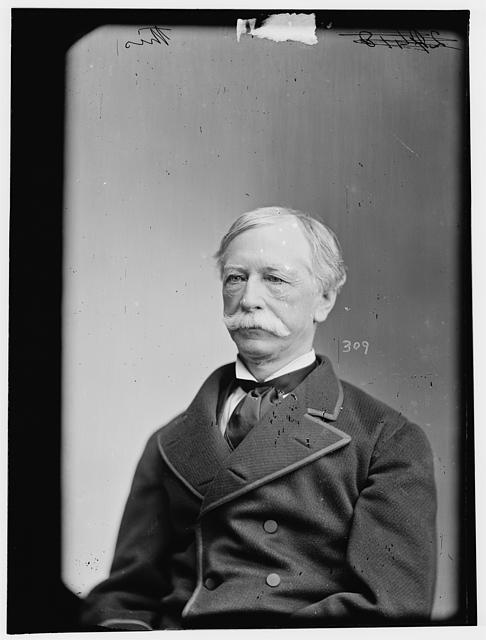
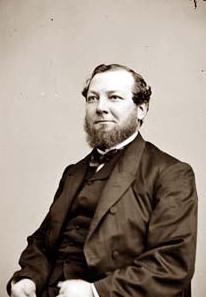
U.S. Representative Wood, near the end of his life, taken sometime in the 1870s.

The mysterious Central Park convent: Mount Saint Vincent

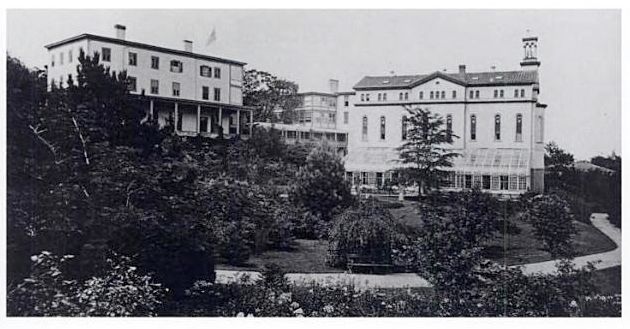
House on the hill: the stark and mysterious convent of Central Park, 1861

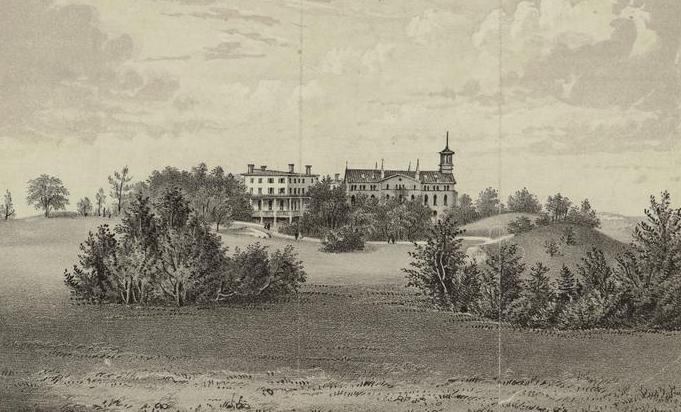
In tomorrow’s podcast, I’ll be spending a bit of time in 1861 and will be briefly mentioning Central Park. So I thought I’d give you a look at what it looked like then. Pictured above is a structure that once dominated the scenery — the Academy of Saint Vincent — on a hill that bore its name.

Located on the northern portion of the park, next to the charming Harlem Meer (and nearest 103rd Street), the Academy sat nestled amid a collection of hills and bluffs left over from its original topography.

A narrow passage between the hills was named McGown’s Pass after Andrew McGown, owner of a popular tavern that sat alongside here called the Black Horse Tavern**.

It was through McGown’s Pass that George Washington traveled on September 15, 1776. He and a portion of the Continental Army had escaped up to today’s Washington Heights area; when hearing that part of his army had been stopped by the British, Washington rode down the pass and led the remaining troops back up to their fortification in the Heights. He rode back through the pass again seven years later, this time as the victor.

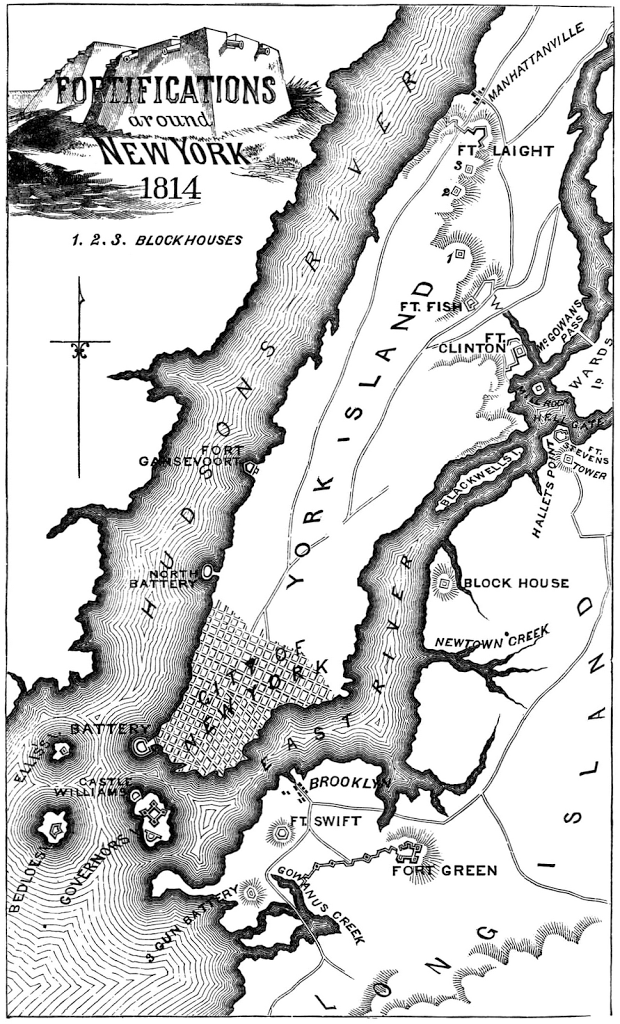
The British and their Hessian mercenaries built forts here to cut Manhattan off from the mainland. Later New Yorkers would seize upon this idea during the early days of the War of 1812. Not willing to become property of the British once again, Manhattan mobilized for any potential battles, building forts all over the island and throughout the harbor. It was here at McGown’s Pass a couple fortifications were built, including Fort Clinton (not to be confused with the fort in Battery Park, although both were named for DeWitt Clinton) and Fort Fish, named after Major Nicholas Fish, father of the New York senator Hamilton Fish.

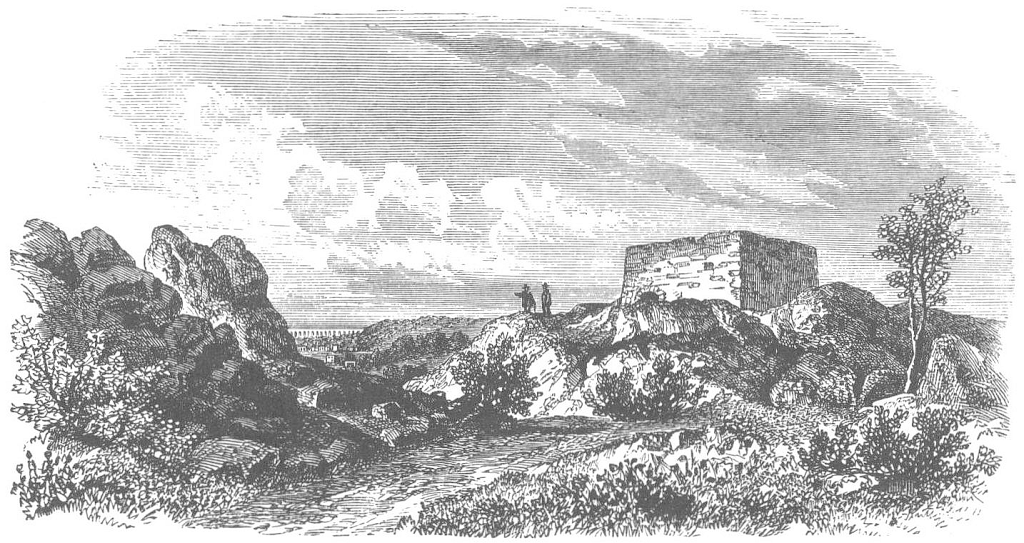
Nothing much remains of these two old forts, which were never used as the war thankfully never made its way to the city. There are, however, two remaining structures from the early days. A stone ledge overlooking the meer is all that remains of Nutter’s Battery, named after a farmer who owned the property. And nearby stands the Block House, its stone face still fairly solid, once armed with cannons and used to hold ammunition — that were, of course, never needed. The Block House was fairly intact when Frederick Law Olmstead and Calvert Vaux included it in their plans for the new park, incorporating the existing building as a ‘picturesque ruin’ covered in vines.

Here’s an illustration of how the Block House looked in 1860:

Before there was a park, however, there were nuns. In 1847 the Sisters of Charity of St. Vincent de Paul arrived at the still-bucolic region of Manhattan and opened the Academy of St. Vincent, a school and convent. The nuns left when the area was incorportated into the park, however the building remained standing and utilized for several purposes. During the Civil War, it was briefly used as a hospital; later, it was a “restaurant and hostelry,” with some certainly spectacular views for guests. The stone chapel was even refashioned as an gallery for artwork and “stuffed specimens of animals of considerable value.” Unfortunately, the structures were destroyed in a fire in 1881. (This site has some great pictures of where the convent once stood.)

Below: The buildings on the hill, circa 1863. By this time, the Catholic sisters had moved onto a new location in the Bronx (from Wikimedia)

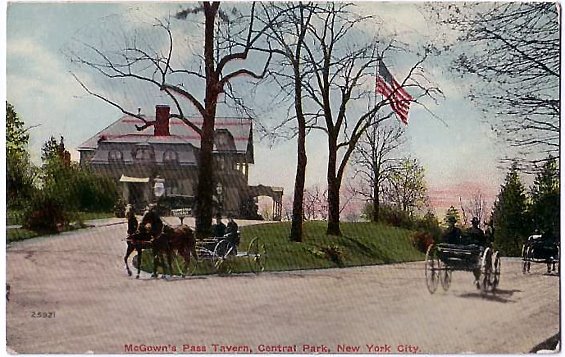
It seems, however, that the area was not through with McGown or his old tavern. Although the Black Horse Tavern had been torn down decades earlier, a two-story refreshment pavilion was constructed at this site — “heated throughout by steam and lighted with Edison’s incandescent lights” — and later renamed McGown’s Pass Tavern.

In 1895, McGown’s was strangely granted its own election district as, being inside the park, it lay outside normal district boundaries. “There were four voters in this territory last year,” declared the New York Times. “They are four men employed at McGown’s Pass Tavern.” The tavern was eventually torn down in the late 1910s.

Below: McGown’s Pass Tavern (date unknown, but possibly around the early 1910s)

This is a bit tangental, but I love this story. A plaque was erected at the old site of Fort Clinton in 1906 and unveiled in a publicized community event for children. It was apparently difficult for some people to find the location and “several chivalrous lads” guided people through the park to the unveiling.

However, the Times reports an incident that might be the only real battle that ever occured at this storied historical spot:

“Among the boys interested in the tablet unveiling were several whose spirit of mischief overcame their sense of the proprieties. These made misleading arrow signs …. and caused a number of persons to go far afield and arrive at the exercises late and angry. These mischievous youngsters were caught at their annoying trick by boys who were more sober and serious. Then there was a short scrimmage, and the mischievous lads scurried away through the Park.”

Finally, from a 19th century book on the War of 1812 comes this spectacular map of the various fortifications built in anticipation of battle. Its dimensions are greatly distorted of course, but it lists the forts and blockhouses that stood in this area as well as those such as Fort Gansevoort and Fort Greene (click on the image to look at it more closely):

**This story is a revision of one I wrote back in July of 2008. (Here’s the original article.) Thanks to commenter sallieparker from original posting in 2008 for this tidbit! All pictures courtesy the New York Public Library except where otherwise noted

The Bowery Boys Go To War!

The Bowery Boys: New York City History podcast celebrates its FOURTH ANNIVERSARY this week! And we’re using the occasion to debut a trilogy of summer podcasts, starting July 1st, featuring New York City’s involvement during the Civil War as a dramatic backdrop.

The secession of Southern states starting in February 1861 brought out the best in New Yorkers — and the very worst. The city boldly fueled the early war effort with volunteers and money. But leaders and businessmen with strong Southern ties also attempted to hinder Union momentum. What kind of encouragement is it when the mayor himself threatens to pull out of the Union?

It all came to a head during the summer of 1863 during the Draft Riots, but even that devastating chaos — certainly New York’s most despicable moment — was not the final word. Even as the South began to falter, New York found itself a target of financial conspiracies and shocking acts of terrorism.

The first part of the trilogy will be available this Friday, July 1, so check back here for details. Or visit iTunes and subscribe to our show there so you don’t miss out!

Picture courtesy NYPL digital images

Stories from Midtown: The journey of an old church, surviving Civil War riots to become a garage


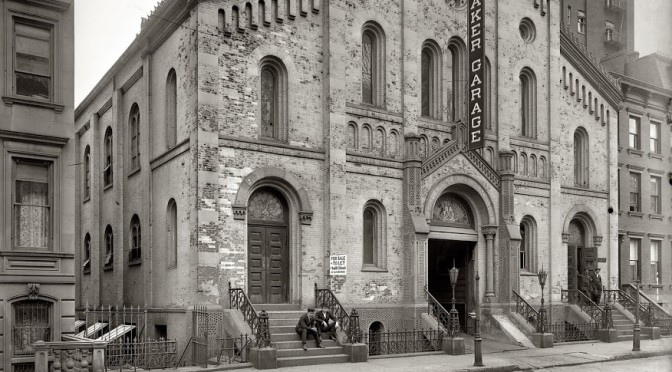
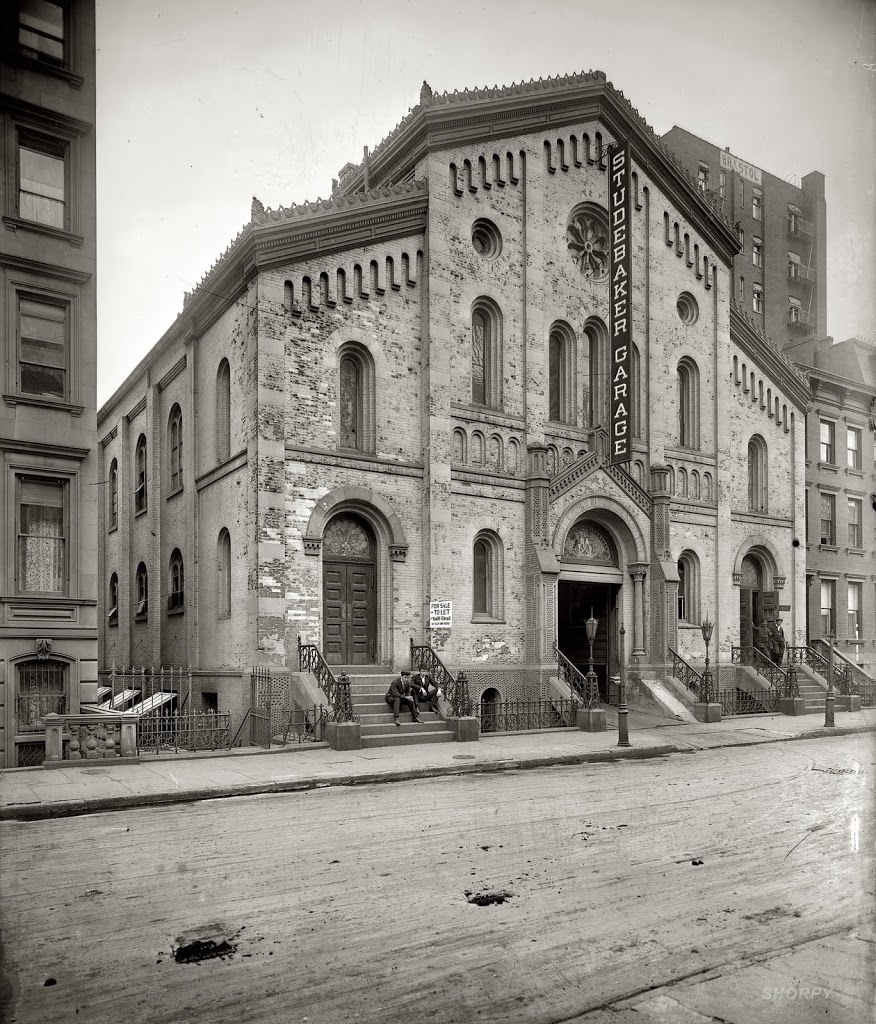
Drive-in salvation: the former All Souls church welcomed automobiles into the fold in 1908. (Courtesy Shorpy)

Another story of a long-gone, forgotten building and one that would have celebrated its dedication 150 years ago this week. This time the story has a strangely sacreligious twist!

It’s safe to say that most Americans were extremely anxious in April 1861. Even as a new president Abraham Lincoln settled into office, most of the Southern states had already seceded from the Union. One week later would begin the battle of Fort Sumter, commensing what would become the Civil War.

In a city of competing loyalties between its country and its rich Southern allies, it would have been difficult to get anything done in New York without lively debate on the matter. Newspaper were consumed with war talk. Irish and German workers excavating Central Park argued with each other about it; society was abuzz, from the Gramercy Park mansion of George Templeton Strong (a proponent for the Union) to the corridors of City Hall and the office of Mayor Fernando Wood (who was very much sympathetic to the South).

War consumed conversation; many New Yorkers feared the future. With everything going on, how can you possibly focus on anything else?

It was in this light, 150 years ago, that a simple little church, a Gothic brownstone structure of red and white brick, was dedicated on West 48th Street between Sixth and Seventh avenues. The All Souls Episcopal Church was nothing particularly fancy, “there were several oriel and oblong windows, not differing from those in churches generally,” the Daily Tribune said frankly.

All Souls would not have been terribly lonely in 1861, but West 48th Street was far from populated. Theaters wouldn’t make it up this far for decades, and nearby Long Acre Square was only now beginning to conjure the horse and buggy industries that would make its late 19th century reputation. Over on Fifth Avenue sat the new campus of Columbia College, its classrooms escaping the growing business district of lower Manhattan.

The congregants had much to pray about in its first years. Those competing loyalties and a conscription lottery that many thought targeted the city’s poor led to riots during the summer of 1863. Angry mobs stormed Columbia College and some nearby factories and residences, but All Souls was spared. Other Episcopal churches weren’t so lucky. (Harlem’s St. Philip’s, for instance was used as a barracks for police and Union soldiers fending off the rioters.)
All Souls survived the war and by the 1870s brandished a new name, the Memorial Church of the Rev. Henry Anthon. Rev. Anthon was a beloved leader from St. Mark’s-On-The-Bowery, and the building on 48th must have been closely connected to that congregation by this time. By the 1880s, it was also known as a charitable ‘bread and beef house’, “for the relief of worthy poor people between Thirty-second and Fifty-ninth streets.”

In 1889, the building went Methodist. Then for a time, in 1896, the church became ‘rented quarters’ for the New York City Christian Science Institute, one of the first New York headquarters for the fledgling religious practice and formed by Augusta Stetson on the orders of the church’s leader Mary Baker Eddy.

According to a 1904 issue of Architectural Record, the former All Souls building “was acquired and radically changed in structure, only the walls being left undisturbed.”

The Christian Scientists eventually moved out to much fancier digs (designed by the renown Carrere & Hastings) on the Upper West Side. But stripping out the detail of old All Souls Church may have ultimately doomed the structure. For in its next incarnation, it became a garage .

The carriage-industry district of Long Acre Square briefly became home to many of New York’s first automobile dealerships at the start of the 20th century.

The Studebaker company was among the most successful. Its main factory and showroom was just down the street at 48th Street and Broadway in what would now be called Times Square. By 1904 it began selling ‘horseless carriages’ that ran on gasoline. In that same year, the Studebaker company bought the old church and turned the former house of worship into a garage for its new vehicles.
The picture at the top of this posting shows the state of the building in 1908. In not a single way has the building’s original purposes been obscured, as though the owners wanted to make their automobiles new objects of worship. I do wonder if more religiously sensitive people thought this new purpose to be a bit blasphemous. What’s worse than turning a church into a garage? Turning a church into a nightclub, then a shopping mall, perhaps.
The garage was torn down one hundred years ago in 1911 and turned into a small theater, reflecting once again the changes of the neighborhood. It too was demolished and replaced — appropriately, with a garage — for the McGraw Hill building.

Photo above courtesy Shorpy

Mayor Charles Godfrey Gunther, Coney Island-bound

KNOW YOUR MAYORS Our modest little series about some of the greatest, notorious, most important, even most useless, mayors of New York City. Other entrants in our mayoral survey can be found here.

Mayor C. Godfrey Gunther
In office: 1864-1865

His past glories were built on a mountain of fur pelts, and his future would wash up on the half-developed shores of Coney Island. But in 1961, it was Civil War that nearly derailed the political career of Charles Godfrey Gunther.

The groundwork was laid in 1857 by former mayor Fernando Wood, who rebelled against Tammany Hall, the Democratic machine he formerly led, to form his new political organization called Mozart Hall. This assembledge of working class reformers and Wood devotees elevated him back to City Hall in 1960, returning to the seat of power occupied by German paint mogul Daniel Tiemann, who had unseated Wood back in 1857.

Back in business, Wood heralded a feisty pro-South, anti-abolitionist stance, pitting himself against Albany and threatening to secede Manhattan from the state.

By the election of 1861 however, a swell of national support for the Union cause turned against Wood. The Democrats were in a precarious spot, splintered between rival Democratic groups. It’s here in our story where we introduce Charles Godfrey Gunther, Tammany’s official candidate for mayor in 1861.

Gunther was born at Maiden Lane and Liberty Street, on Feb 7, 1822 — into a German family that had made its fortunes in the fur trade, rivals of the city’s true fur king John Jacob Astor. Charles spent his youth in his father’s tutelage, taking over the family business C.G. Gunther & Co.

Like so many others before him, Charles’ business saavy and wealth caught the attentions of Tammany Hall. The furrier worked his way up through the political lodge, eventually becoming sachem in 1856.

He was Tammany’s candidate for mayor in 1861, against Wood, and it would have made for a fine contest between them. In fact, Gunther would have won. (He scored all of 600 more votes than Wood.)

But of course, there was another contestant, the Republican George Opdyke. With Wood and Gunther appealing to the same constituencies, they split the traditional Democratic vote, and Opdyke ascended to office.

Perhaps Charles should have been grateful. The years 1862 and 1863 were not gracious times to be mayor of a major city. Opdyke’s execution of military conscription upon the city’s immigrants and his fumbled handling of the ensuing draft riots permanently damaged his political reputation.

By the fall of 1863, New Yorkers craving a change in leadership were given a strange buffet of choices. The Republicans, shedding Opdyke and at a serious political disadvantage, brought forth alderman and gun-maker Orison Blunt, inventor of the ‘pepper box gun’. Tammany meanwhile offered up Francis I. A. Boole, a rather corrupt city official notable for heading the street cleaning department.

With these weak choices at such a pivotal period in history, rebels from both parties — and heavily peopled with disenfranchised former Wood supporters — split to form a temporary coalition of working class Irish and Germans.

With the strong support of the city’s surging German newspapers, Gunther was chosen as their candidate. That November he swept past Blunt and Boole to become New York’s 77th mayor. Boole took it especially hard; he “became insane and died shortly afterwards.”

Was the German furrier an effective mayor? I can’t quite figure out as original sources seem split. An “honest, pleasant gentleman, with frank and cordial manners,” he’s praised for his penny pinching tactics, at one time even cancelling a celebration of George Washington’s birthday as it was thought to be too extravagant. In 1964, on the verge of a national election, he clamped down on any serious city celebrations of Union victory as being too ‘political’ in nature.

In a parallel to Bloomberg’s recent efforts to relieve traffic congestion, Gunther also strived to clear the streets — with the removal of slaughterhouses and roaming herds of cattle.

However, he was also seen as a rather weak political figure, with little influence over other city offices. Perhaps this was because he was honest and the bureaucracies of city government dreadfully corrupted. Running for re-election in 1865, he was crushed in the polling, with three other candidates out voting him. The victor that year was true-blue Boss Tweed crony John Hoffman.


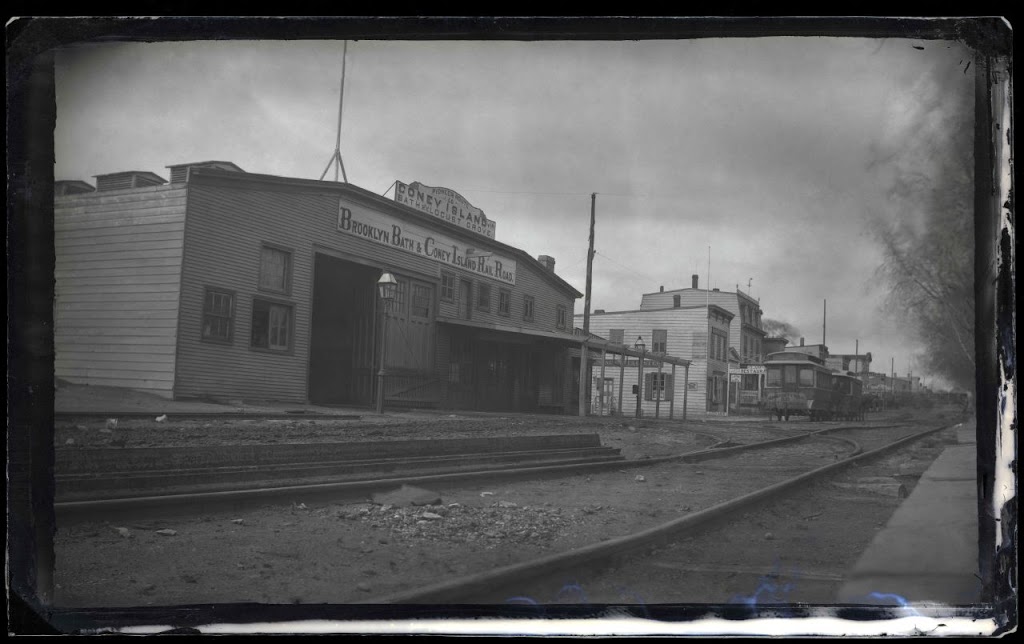
Above: the Coney Island terminal for the Brooklyn, Bath and Coney Island Railroad line

Gunther’s story doesn’t end here. He became a prominent leader in New York volunteer fire department and eventually even a partner in a very lucrative venture — the Brooklyn, Bath and Coney Island Railroad. It was this rail line that allowed thousands of New Yorkers to escape the city, eventually transforming Coney Island into a popular resort and amusement palace.

The train line, nicknamed Gunther’s Road, operated “six steam locomotives and 28 passenger cars” and “carried almost 400,000 passengers” in 1882 alone. Gunther would even own his own resort out on Coney Island, although it burned down a few years later.

And I end with a rather colorful anecdote from a 1906 article about Mr. Gunther and his railroad, from The Third Rail:

“There was one engineer who had served in the war of the rebellion, and who was particularly patriotic, who painted his engine red, white and blue.

Gunther saw it from a distance, on its first trip, tearing across the country, and he was frantic.

“For God’s sake, Drummond,” he said, when he overtook his engineer, “whatever possessed you to paint that engine red, white and blue?’

“You’re a true American, ain’t you?” said Drummond.

“Yes, but-but-“

“Well, so am I.”

“Yes, but that engine looks like a traveling barber shop.”

Gunther could not convince Drummond, however, and the latter quit his job rather than submit to any alterations.

The engine was afterwards painted according to Mr. Gunther’s ideas.

It was painted a flaring yellow.”

Mr. Gunther died on January 22, 1885 and is buried at Green-Wood Cemetery.

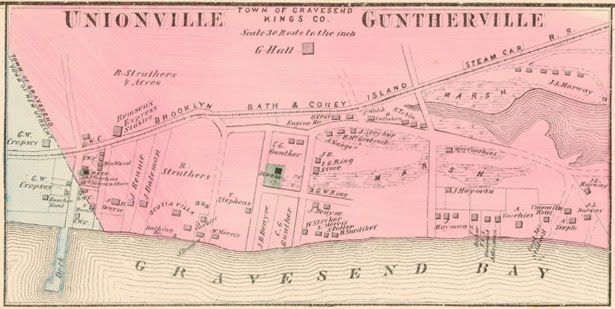
ADDED: One of our Facebook fans reminded me of an even more spectacular fact about Mr. Gunther — there was actually a short-lived Brooklyn neighborhood named after him. Guntherville was actually part of the pre-consolidation town of Gravesend and naturally featured many properties owned by C. Godfrey. The map below from 1873 illustrates its place along the Gravesend shore. Judging from comparing maps, it appears that part of Guntherville would later comprise the fleeting, beach side amusement venture Ulmer Park.