New York transit system stymied by women’s skirt styles

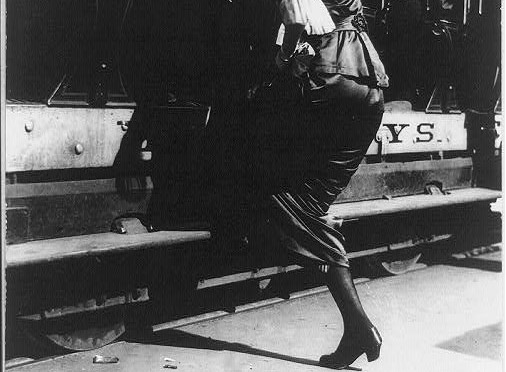
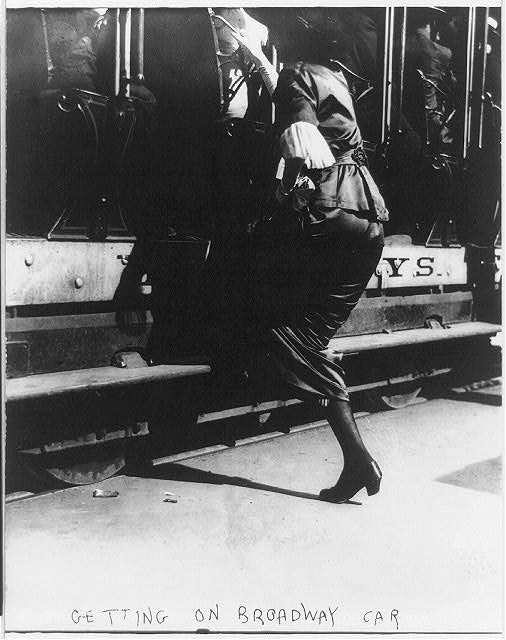
A lady in a relatively normal skirt boards a Broadway streetcar in July 1913. Now imagine trying this in a hobble skirt! (Courtesy Library of Congress)
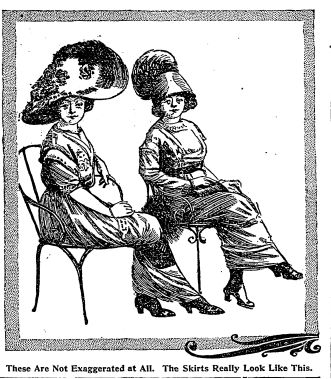
A serious cry (mostly from men) rang out through the city one hundred years ago about the ever-expanding transit system and the scandalous style of women’s skirts. Were frocks getting caught in doorways? Were dress lengths causing women fall down stairs?

Perhaps, but that wasn’t the issue. The latest fashion trend, the hobble skirt, was slowing the progress of women onto and off of streetcars, causing frustrating delays.

The Parisian-style hobble skirt, with its bunched hem near the bottom to create a mermaid-like appearance, made its appearance on New York streets in the early 1910s. The new gowns required ladies to walk more elegantly and, thus, more slowly, a throwback to the Victorian gait. “[T]he mannish stride of the women of today was taken for granted as a permanent thing. Nobody expected it to change, for nobody saw the hobble skirt on the horizon.” [New York Times, January 1912]

Above: Some sass from the Times fashion pages, June 12, 1910

After a millenia of unfettered skirts, this new silhouette must have seemed positively strange to elder fashionistas.

“‘The hobble’ is the latest freak in women’s fashions,” warned the Times upon their arrival in 1910.  “The hobble skirt suits none. But many, too many, women will wear what the fashion authorities decree.”

Aesthetics aside, the hobble skirt created a practical problem. While measured, graceful walking might be fine on Ladies Mile or strolling along Fifth Avenue, it was an encumbrance upon the ever-moving streetcar system.

An executive of the Interborough Transit System (New York’s first subway operator) grumbled to the Evening World in 1912 about the extra burden the hobble skirt created upon city transportation and called for the fashion trend to be abolished.
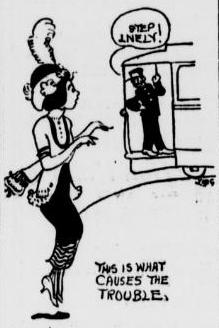
“Often hundreds of people will be forced to stand aside patiently waiting for some women to raise her skirts sufficiently to allow her to step into the car,” said George Keegan, general superintendent.

A special ‘step-less’ car had even been designed with the fashionable lady in mind. The first of these “hobble-skirt, hygenic, fool proof” cars debuted on the streets of New York in the spring of 1912.

Meanwhile, underground, fashionable ladies were finding difficulty clearing the gap between the platform and subway cars. “Nearly all of the accidents in the subway are due to the fact that women wear hobble skirts,” said Keegan, a claim which could not possibly have been true.

The Pennsylvania Railroad, fearful of complaints and potential lawsuits, acted upon the crisis the following year by requiring train conductors to note skirt styles and “height of heel” and report all data to their central office. “If women passengers on the Pennsylvania Railroad insist on wearing such mantraps, or rather womantraps, as hobble skirts and high heels they cannot hold this company responsible for accidents which may happen to them,” claimed the railroad.

But all these railroad executives really needed to do was simply wait — trends subside, to replaced with other, more objectionable wear.

By the time Mr. Keegan was complaining about the hobble skirt, the Evening World fashion section was already clutching its pearls in disbelief about another fashion abomination. “The high note of feminine folly has been struck.  The harem skirt is to succeed the hobbled horror which has made women hideous and ridiculous during the past year.”

But, leaving taste aside, at least you could ride the subway in a harem skirt!

Illustration above is from the August 9, 1912 edition of the Evening World which accompanied the Keegan article
‘Staten Island Has Many Charms Worthy Of Consideration’: Ten ways to sell a borough (and a proposed subway) in 1912


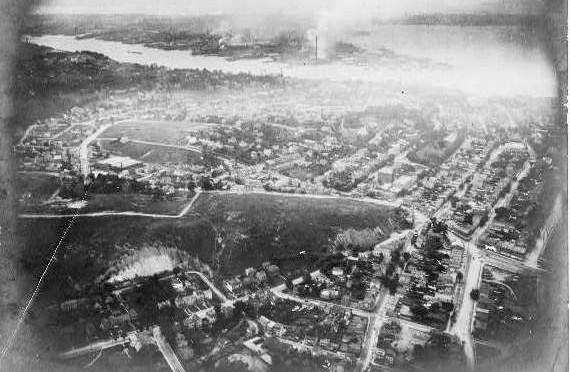
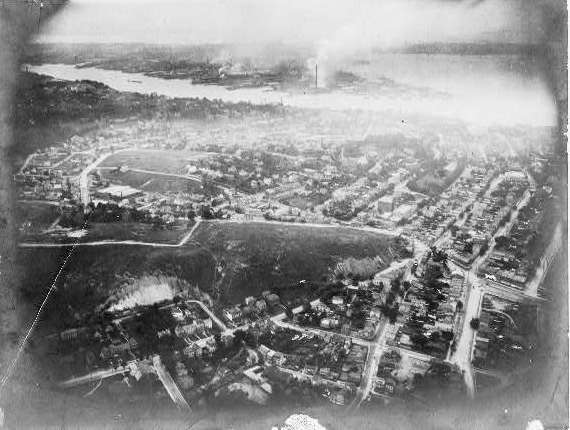
The sky’s the limit: Staten Island from the vantage of a hot air balloon, August 1906. (Courtesy LOC)


“God might have made a more beautiful place than Staten Island, but He never did.” — George William Curtis

If you’ve ever been slightly bemused by the newspaper profiles of trendy neighborhoods, presented as though the reporters were urban archaeologists ‘discovering’ heretofore hidden pockets of the city, then you’ll find amusement in this New York Tribune article from July 1912.
Hopefully to snag the attentions of Manhattan businessmen, the Tribune staff devoted an entire section in their Sunday section to extolling the many virtues of one of its more foreign corners — Staten Island.

The other island borough may have indeed been a mystery to many Tribune readers; the city had taken over ferry service just a few years previous, and there were no bridges yet linking Staten Island to Brooklyn. Many Manhattanites in 1912 harbored the impression that Staten Island, once known as a rural recreational getaway,  was now a dull and uncivilized farmland with a few scattered industries.

But this Tribune article was inspired by a promise that would finally draw Staten Island into the fold — the subway.

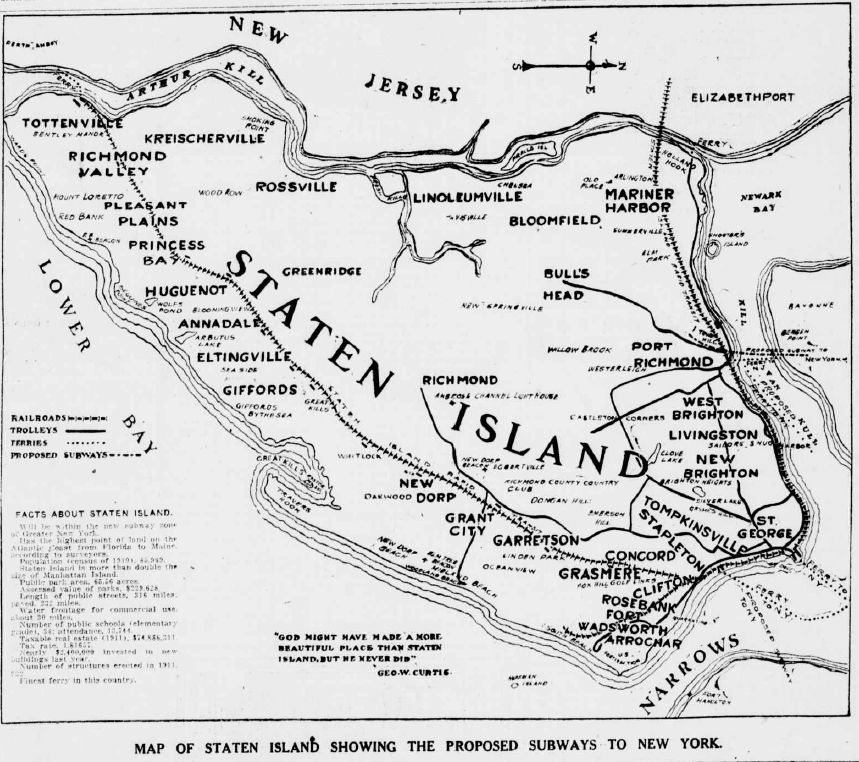
Below: A real estate map of Staten Island from the 1912 article. The dotted lines at the bottom denote where the proposed subway line would have been. 

Manhattan’s Interborough Rapid Transit Company (IRT) and the Brooklyn Rapid Transit Company (BRT) were nearing an agreement with the city to expand the present subway system and create new lines throughout the city. This plan, called the Dual Contracts, helped lay out most of the current New York subway routes today. However there were many potential lines that were never built (despite the efforts of a few future mayors). Among the most ambitious was a subway link to Staten Island.

It was with the anticipation of this underwater track (linking Stapleton to Bensonhurst, see map abovve) that the Tribune hoped to regale readers with the unspoiled wonders of New York City’s least populated borough.

Forget the fact that Staten Island already had an intimate, but thriving old-money scene, the vestiges of a genteel society formed among the mansions of tycoons along the north shore. Fast-paced urbanites would have considered them stubbornly charming but boorish. Society and recreation were not the appeal.

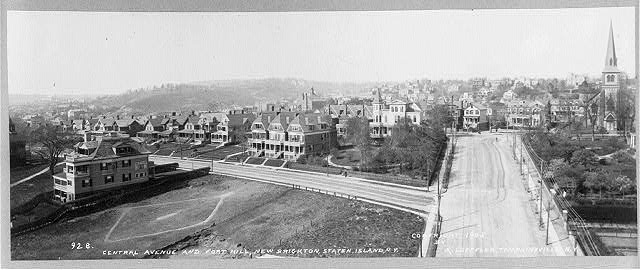
Below: New Brighton, at Central Avenue and Fort Hill, 1905 (LOC)

The Tribune focuses on Staten Island’s destiny as ‘one of the greatest shipping and manufacturing centres of the world’ and wonders deliriously at the delights of that great, underused waterfront. Some highlights from the article (which you may read in full here):
1) Staten Island’s terrific gas supply, the borough’s oldest public service supply, lives up to its motto to ‘Make Gas Service Good Service And Then Some’. Its most recent successes include a yard dyeing manufacturer, the gas engines of the Swift Beef Company, and soldiering furnaces for the U.S. Department of Lighthouses. And the price of gas is going down!, claim management.

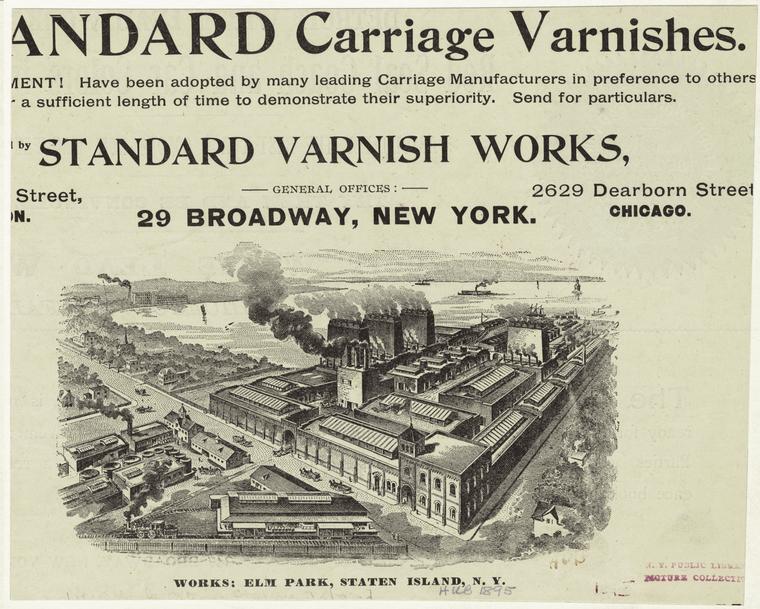
2) The Varnish Capital: One of Staten Island’s great success stories is its varnish industries, most notably Standard Varnish Works, which has miles of underground pipes that filter oil and turpentine from the docks to large storage tanks in the neighborhood of Elm Park. Sold around the globe, “the sun never sets on products manufactured by the Standard Varnish Works.”

3) ‘Country Life’, not ‘Lonely Life’: In New Dorp,  homes upon a ‘noble ranges of hills’ have access to a fine beach, according to the article. “The loneliness that so many people fear as the bane of country life has had in no chance to make itself felt in New Dorp.” A resident describes it as ‘earthly paradise’.

4) Building Innovation: One of Staten Island’s most successful builders is W. H. C. Russell, ‘the pioneer … of the famous asbestos ‘Century’ shingles’, used in the construction of public schools and government buildings.’

Below: The glory of varnish, Standard Varnish Works in Elm Park, that is. (NYPL)

5) Hot Development Opportunities (But Not Too Hot): A St. George realtor admits, “Do not think for a moment that I have been tearing up the earth or anything of that sort, but … I have been doing very satisfactory business.”

6) Great Subway Expectations: The report speculates that the new subway link will get commuters from Stapleton to lower Manhattan in about thirty minutes, bringing the borough’s ‘most entrancing’ residential areas into the subway’s five-cent-fare zone.

7) Don’t Let The Factories Bother You! ‘The man who prefers to live in a place with superb country features, where are green fields, towering shade trees, winding roadways inviting to autoists and owners of harness horses … should not turn his step away from Staten Island because bigger factory zones are going to be built there soon.’

8) There’s Always South Beach: Staten Island’s southern amusement area, rivaling Coney Island, remained a vital recreation center for the city in the 1910s, thanks to Staten Island’s present train services. “Rapid transit has converted an unknown and unused beach into a gay and popular resort, and today South Beach rightly claims to be Coney Island’s only rival.”

9) ‘The Garden Spot of Greater City Of New York‘: ‘Verily, extremes meet here. Already quaint and prosperous little villages have begun to take on new life and expand ……. [E]very day adds to the list of those who through out-of-door life and sunshine are ‘finding themselves’ and adding measurably to the pleasures as well as to the number of their days.’

10) ‘Spotless Town‘: But if you need to be around wealth, the old Vanderbilt estate is being chopped up into ‘high class lots’, near the Fox Hills Golf Course, ‘the finest course in America’!

Categories
Podcasts Uncategorized

The wild times of the subway graffiti era 1970-1989

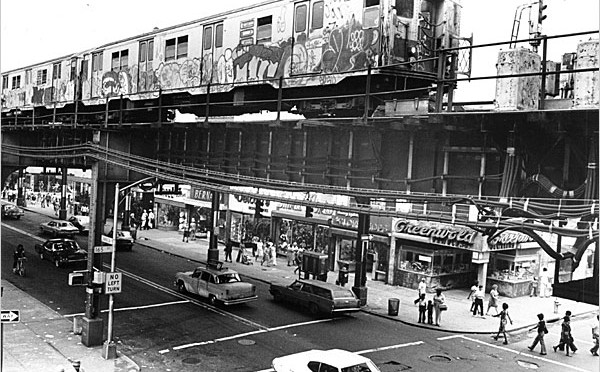
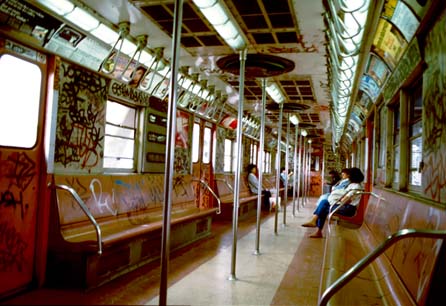
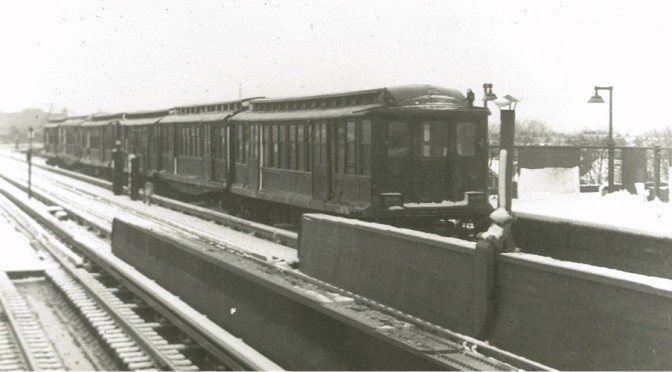
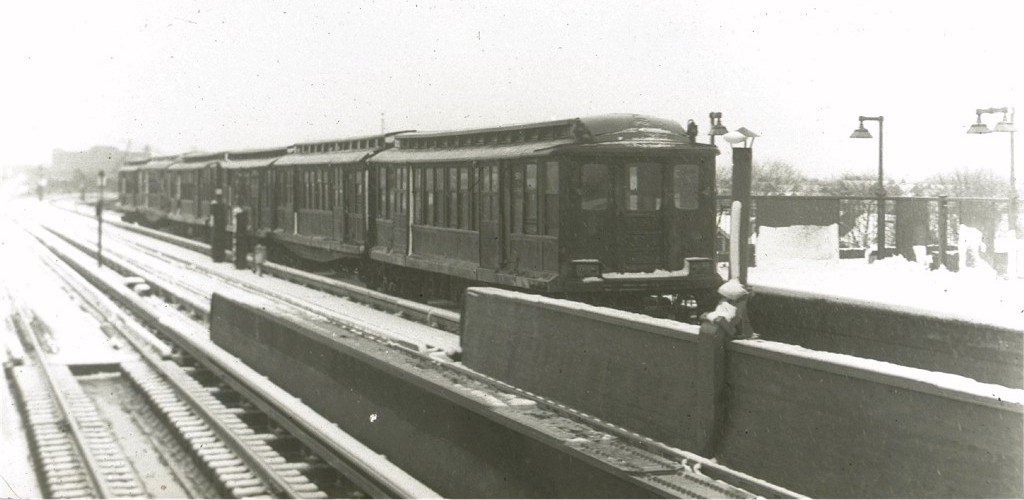
The BMT Jamaica line, late 1970s (Courtesy NYT)

PODCAST #111 Art. Vandalism. Freedom. Blight. Creativity. Crime. Graffiti has divided New Yorkers since it first appeared on walls, signs and lampposts in the late 1960s. Its ascent paralleled the city’s sunken financial fortunes, allowing simple markings to evolve into elaborate pieces of art. The only problem? The best examples were on the sides of subway cars which the city promptly attempted to eradicate, their attempts thwarted by clever, creative artists and a downtown culture that was slowly embracing graffiti as New York City’s defining art form.

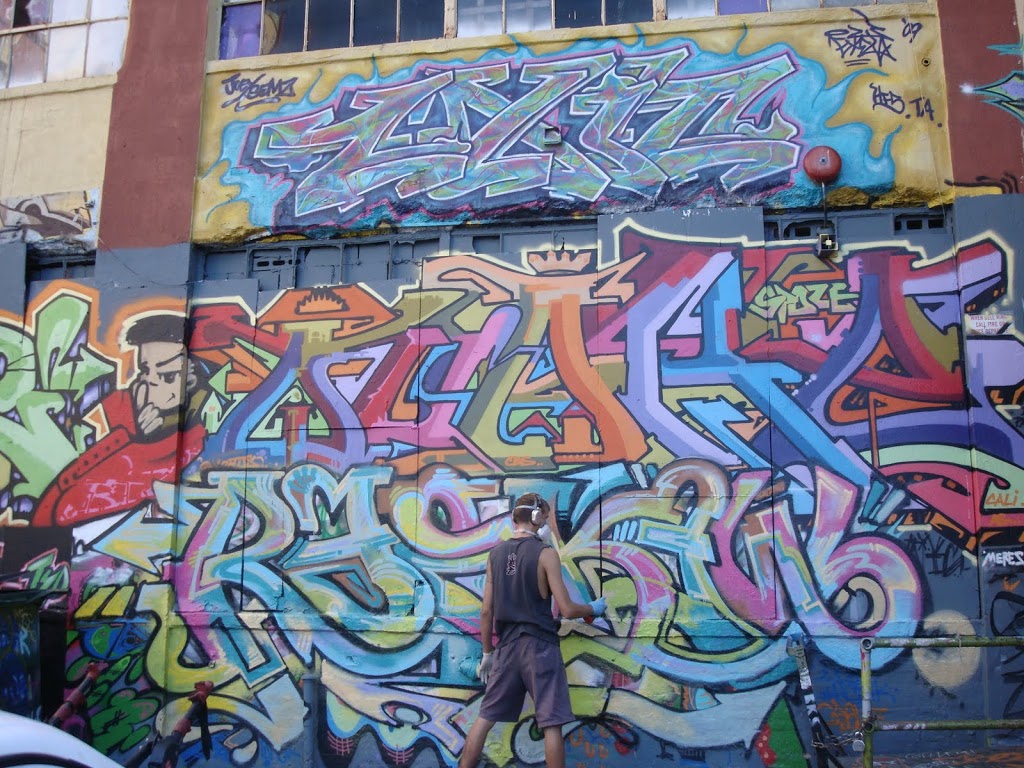
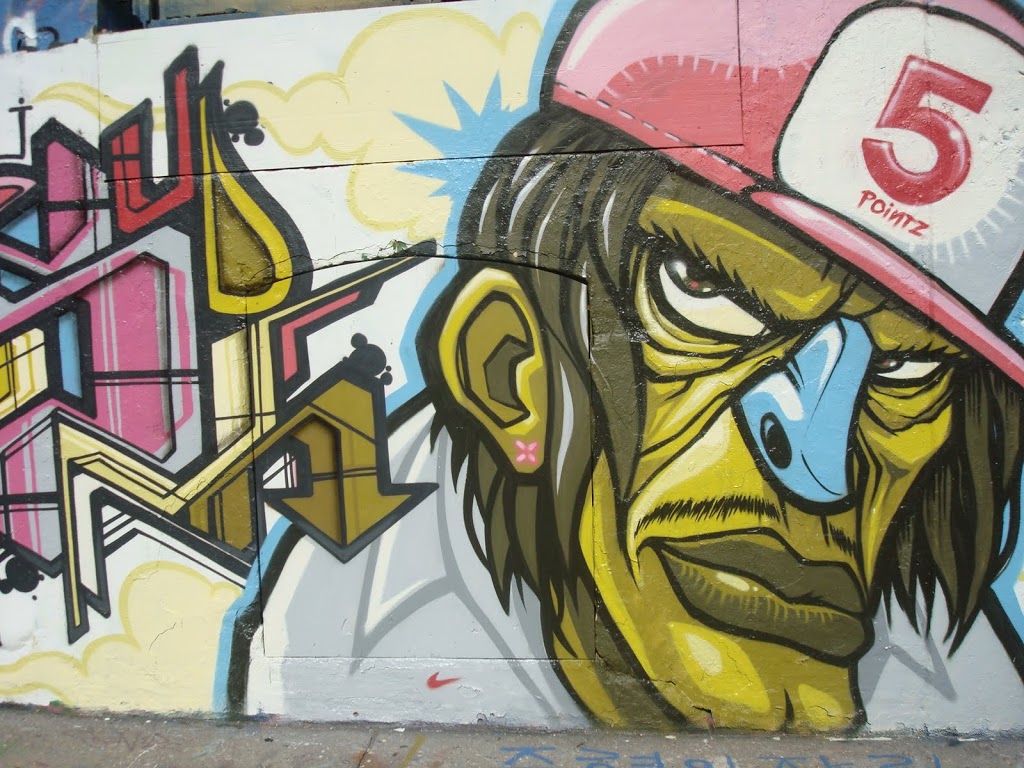
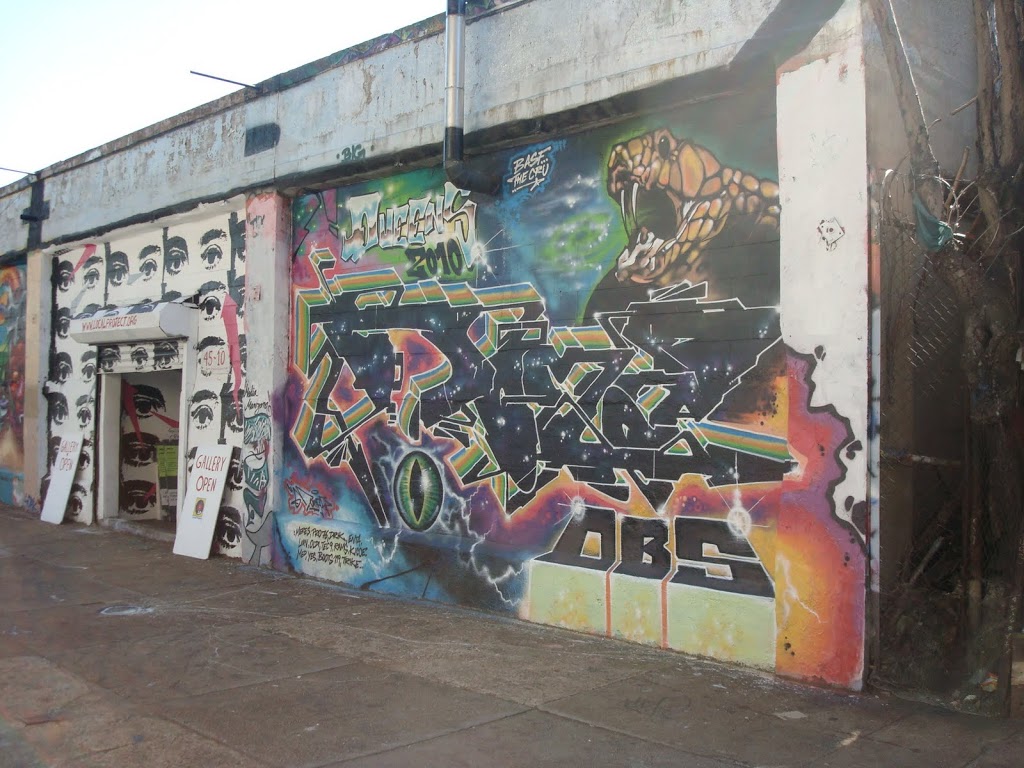
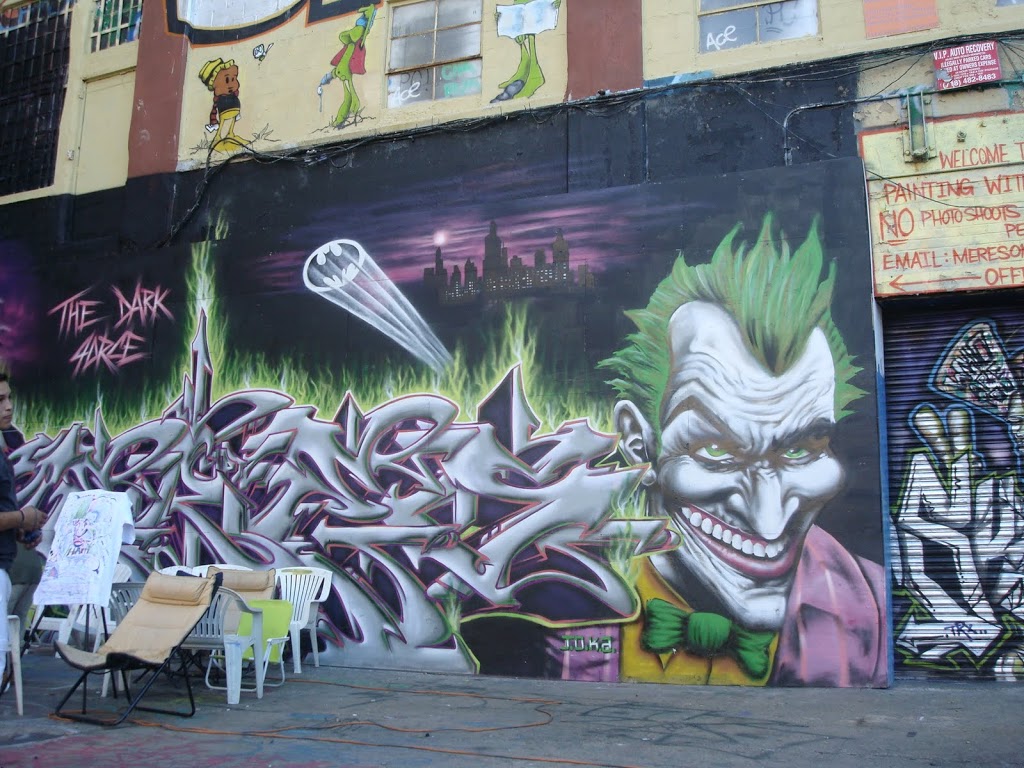
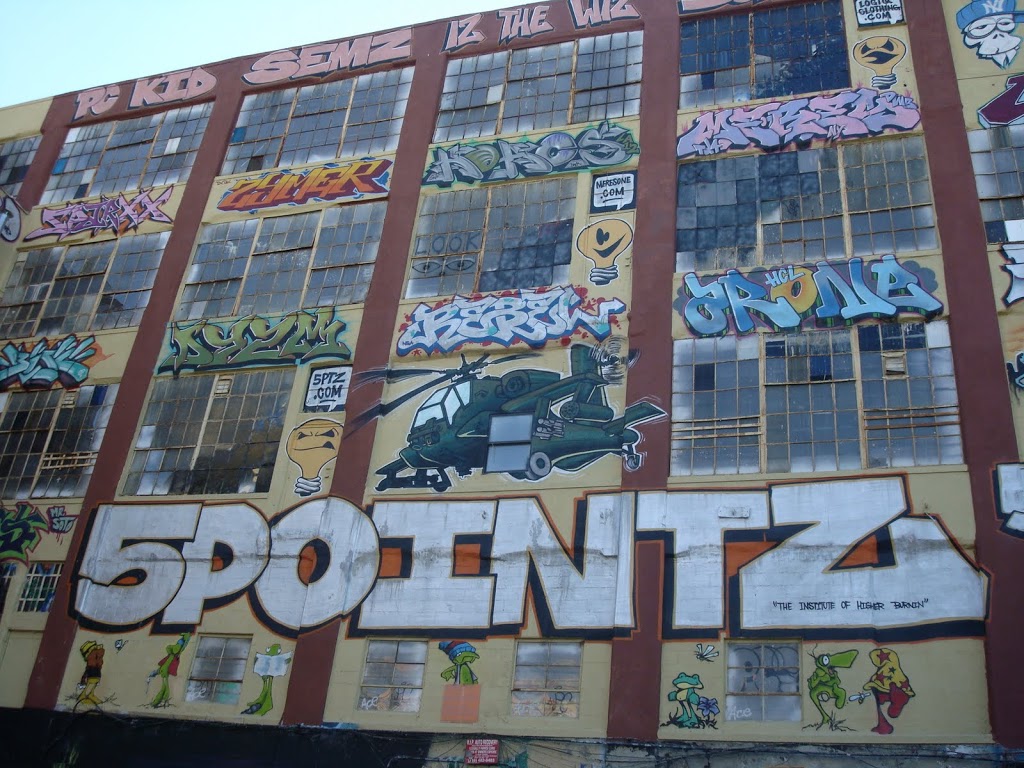
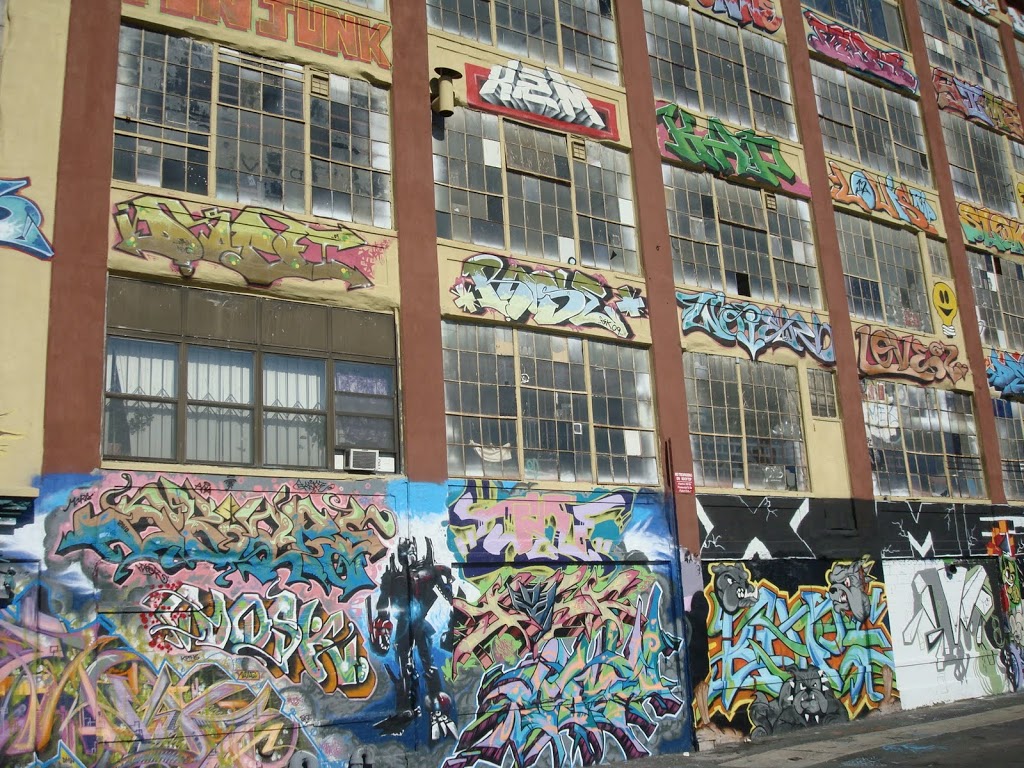
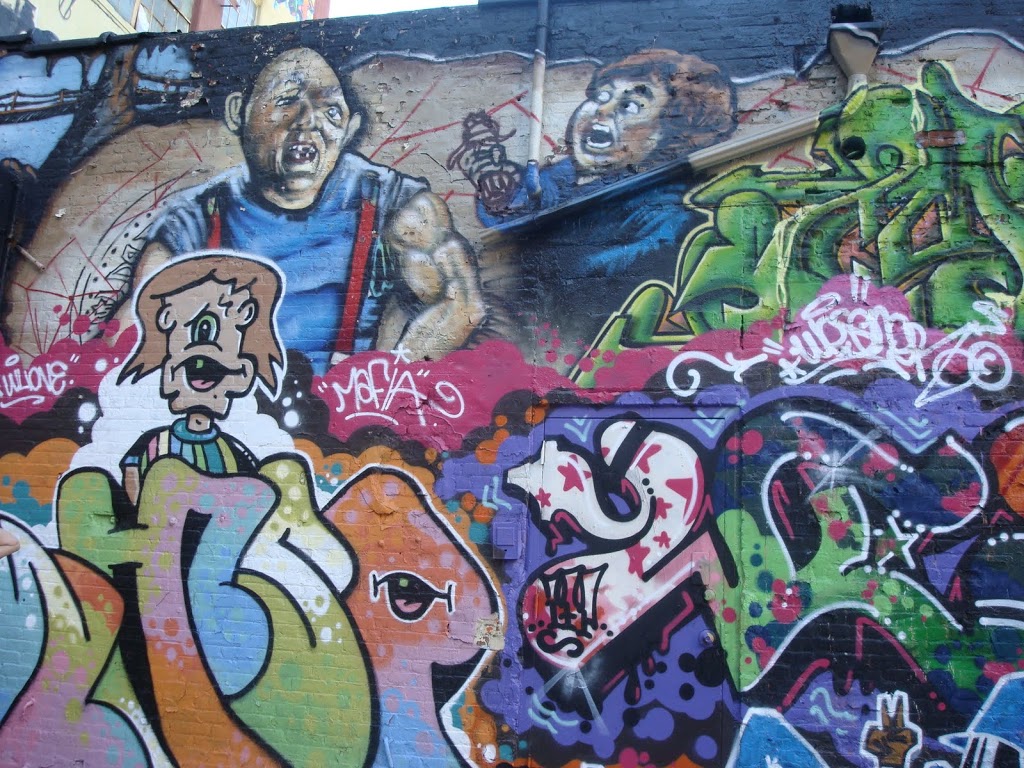
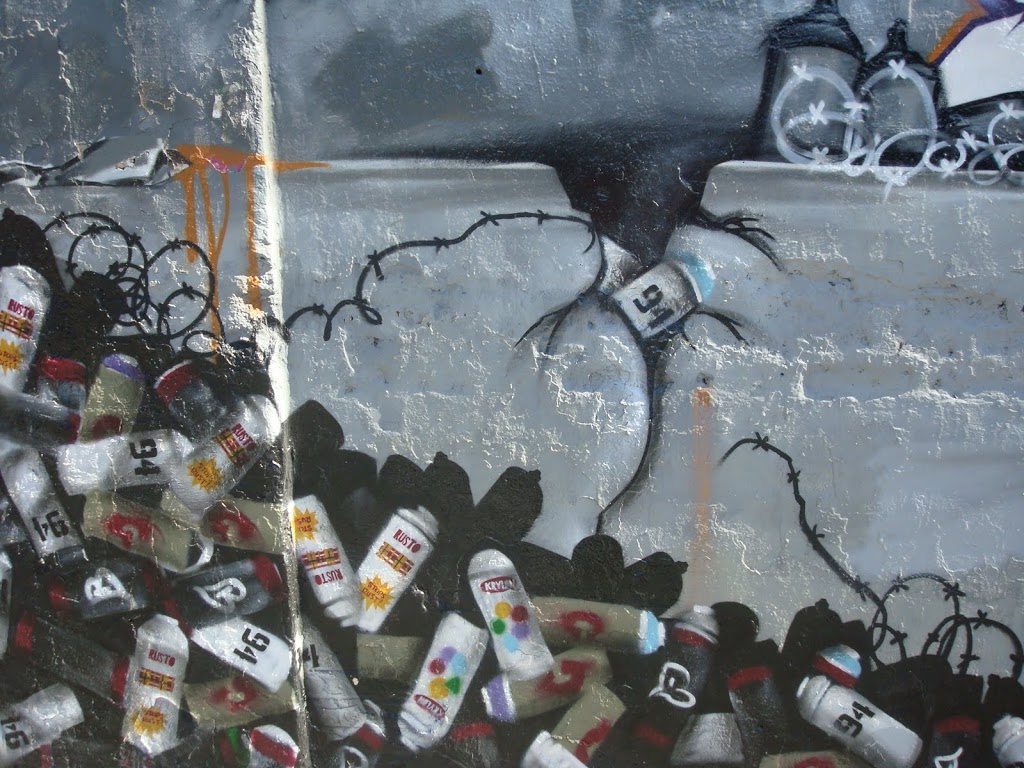
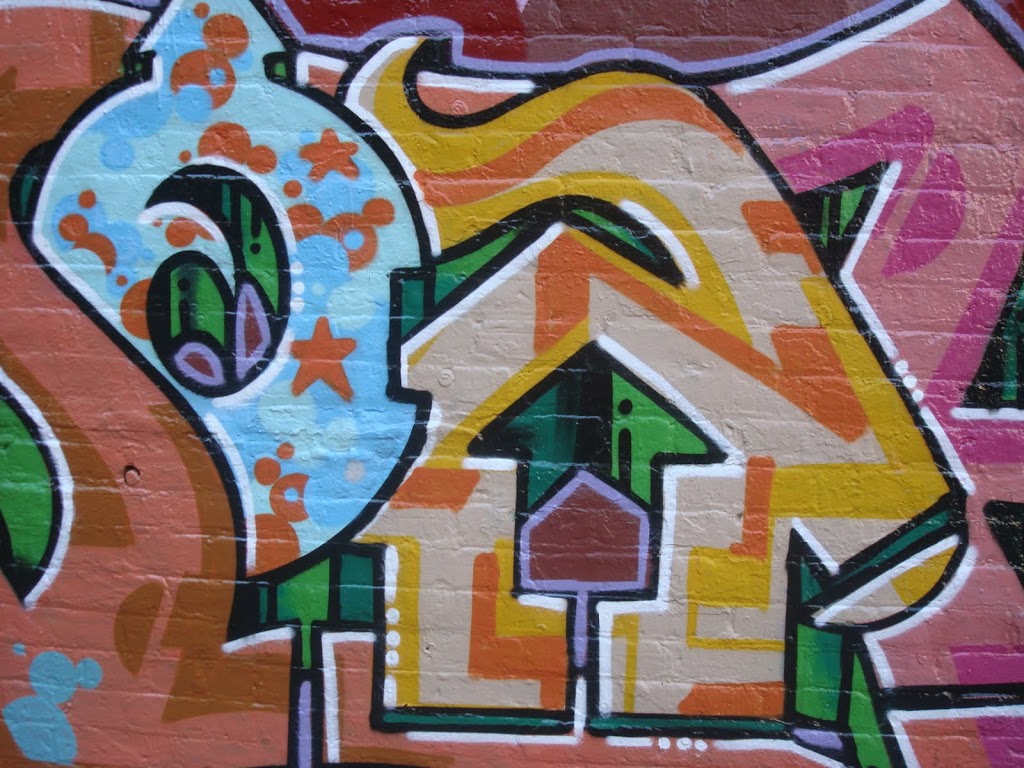
This is a history of the battle between graffiti and City Hall. And a look at the aftermath which spawned today’s tough city laws and a warehouse space in Queens called 5Pointz, where graffiti masterpieces thrive in abundance today.

You can tune into it below, download it for FREE from iTunes or other podcasting services, or get it straight from our satellite site.

Or listen to it here:
The Bowery Boys: Subway Graffiti 1970-1989


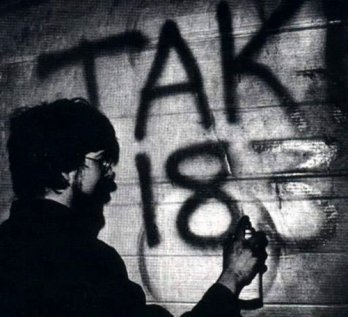
TAKI 183 — he didn’t create the graffiti art movement, but his tags throughout the city inspired a New York Times investigation into the mysterious 17 year old Greek teenanger’s antics, putting other taggers in the spotlight.


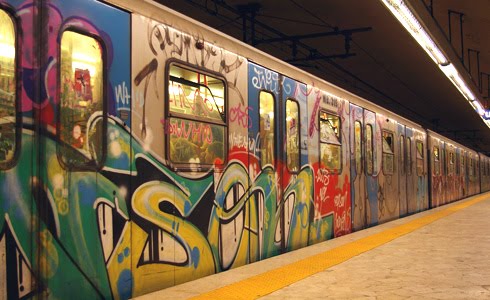
A ride on any subway during the 70s and 80s usually meant containment within a car coated in graffiti tags. The most artistic, colorful pieces (like the one below, by Lee Quinones, 1976) were hung on the outside. (Photo courtesy Second Avenue Sagas)

Below: Some of the astonishing work you’ll find out at 5Pointz Aerosol Art Center Inc., subtitled “The Institute For Higher Burnin’.”


For more tales of the 70s-80s graffiti scene, check out the blog @149st with individual profiles of dozens of period artists and taggers. Kings of New York is a spectacular photo blog of past and current work on walls and other surfaces throughout the city.

Two early photographers and writers of the subway graffiti scene have great books on the topic — Jack Stewart (Graffiti Kings: New York City Mass Transit Art of the 1970s) and Keith Baugh (Early New York Subway Graffiti 1973-1975: Photographs from Harlem, South Bronx, Times Square and Coney Island).

And finally, an excerpt of a short film by Steve Siegel, featuring a host of graffitified trains. And gotta love that opening sequence:

A History of Subway Cinema: From musical daydreams to gritty roller-skating gangs and underground alien bugs

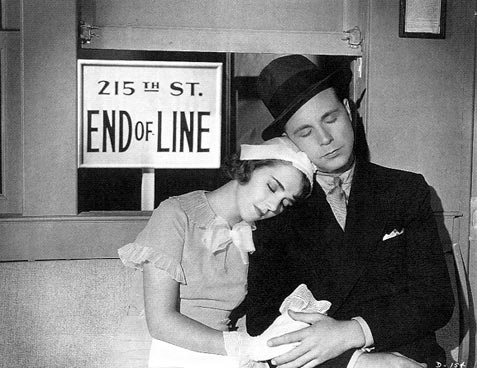
Above: ‘Dames’ on a Train: Keeler and Powell dream of the innocent days

The subway doesn’t immediately come to mind as a photogenic movie star, but in fact, the various tunnels and stations of the New York City Subway have appeared as the backdrop for hundreds of movies. Its route diversity — from deep under midtown to elevations above the outer boroughs — and its longevity have allowed filmmakers to turn the subway into a rolling sound stage. I recently binged on a variety of subway films from several eras and noticed a definite pattern in their development:

The First Subway Movie: I posted this just a couple weeks ago, but the subway makes its first appearance at the inception of the very first IRT line, with a six-minute short (they were all short back then) “New York Subway” filmed by the Edison company, which was simply a camera following behind the first subway from Union Square to Grand Central. The film’s cinematographer, Billy Bitzer, went on to innovate standard filming techniques, like the soft focus and the fade out, and made his reputation working with D.W. Griffith on The Birth Of A Nation and Intolerance.

The Musical Subway: Fiction films wouldn’t be shot on-locaton in the subway until the 1940s, but that didn’t stop Hollywood from transforming it (via a backlot) into a romantic set piece. The most unusual of these is certainly the 1934 hokey gangbuster Dames, featuring an exotic dance number by Busby Berkeley as psychedelic as any 60s counter-culture movie. Dick Powell and Ruby Keeler put on a wacky show — they’re always puttin’ on a show back then — featuring a crowded ride on an uptown train. Powell falls asleep and his dreams burst into hundreds of chorus girls. BONUS: Earlier in the film, the pair woo each other on the Staten Island ferry with the song “I Only Have Eyes For You” (making its debut).

ALSO: Although it’s an elevated train — not a subway — I’d be remiss if I didn’t mention that King Kong (1933) didn’t much enjoy them rumbling down Sixth Avenue either.

The Romantic Subway: ‘On The Town’ (1949) is a candy-colored, on-location race through New York nostalgia, with our three dancing sailors skimming through the city’s greatest landmarks. A subway ride provides the impetus for the central romance, as Gene Kelly falls for a poster of Miss Turnstiles (a play on the mid-century’s quaint beauty pageant contest Miss Subways). Daydreaming similar to ‘Dames’ produces an equally dance-filled response (watch it here).


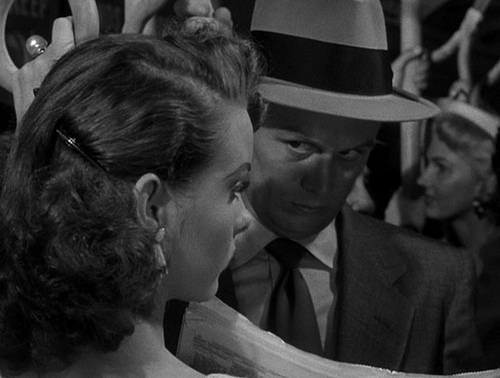
The Dark Subway: I’m not sure why more film noirs weren’t set on the subway — that would be remedied in the 1970s — especially when they’re as juicy as the 1953 Pickup on South Street. The opening scene is one of its most famous, as an eerie Richard Widmark hovers over ditzy Jean Peters in a crowded subway car, gingerly relieving her purse of what proves to be a very troublesome item. From there, the action shifts to the piers of South Street — nearly unrecognizable, not a mall in sight — before submerging back into the subway tunnels for a spectacular finish. Here’s a clip of the opening scene:

ALSO: With intrigue rumbling below, even the breeze from a passing subway train could elicit a sexual response as a defenseless young woman in a white dress stands above a grating in the 1955 comedy The Seven Year Itch.

The Hostage Train: That glowing sheen of the Berkeley musicals — even the somewhat clean shadows of ’50s crime dramas — would slowly fade by the 1960s, along with the conditions of the subway itself. Presaging a rich future as a moving hellcar of violence and death, the 1967 film The Incident presents a group of unwitting passengers terrorized by two young, stereotypical ’60s sadists. Surreptitiously filmed and very low budget, ‘The Incident’ would introduce the subway car-as-trap motif that would fuel the 1974 thriller The Taking Of Pelham 1-2-3 and open its possibilities for urban horror.

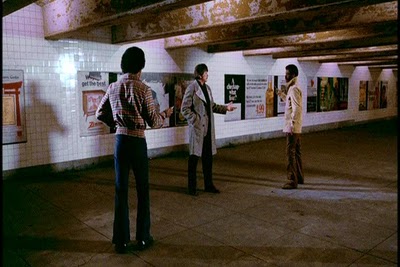
Vengeance Underground: The movies hardly sugar-coated New York City’s hard times in the 1970s and rendered the subway into a place where anybody, at any time, could be shot, stabbed and assaulted. In Death Wish (1974), the subway is one of several locales of seething, bald-faced criminal activity, but it’s so dangerous that Charles Bronson goes down there twice to pick off bad guys. In the universe of this unsubtle action flick, you could be mugged and raped five, six, seven times a day, so best to be proactive and pick them off before they get you. Ten years later, Bernhard Goetz would reinvent this hyper, fictional fantasy by actually doing it.

ALSO: The greatest movie ever made using the subway, The French Connection (1971), actually has its most notorious moment that runs underneath an elevated line in Brooklyn, a breathless chase scene filmed famously without the city’s permission.

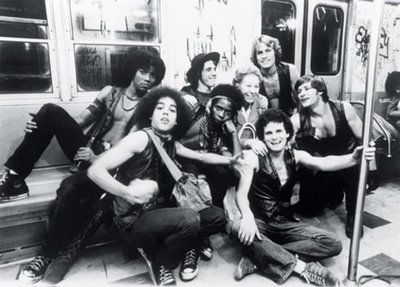
The Fantasy Detour: The reputation of the New York subway system was so poor in the 1970s that depictions went from the ultra-realistic to the absurd without missing a stop. In The Warriors (1979), the train becomes a virtual yellow-brick-row for a costumed Coney Island gang escaping a host of absurd villains. The Union Square subway station holds one of their deadliest challenges: suspendered, roller-skating pretty boy toughs with feathered hair. It’s only a tiny step into pure fantasy and an actual yellow brick road in The Wiz (1978) with a creepy collection of gangly puppets, a pair of Scarecrow-eating trash cans, and living subway posts most certainly not designed by Heins & Lafarge.

Local Lines: While the mainstream movie depictions would get even more outrageous, the growth of independent filmmaking and thoughtful, locally filmed productions in the 1980s depicted the subway in more realistic tones — as a confusing place to lose a child in Gloria (1980), as an underground wild west for graffiti artists and hip hop dancers in Wild Style (1983) and Beat Street (1984, in the clip below), and as a restless throwback to film noir in King of New York (1990).

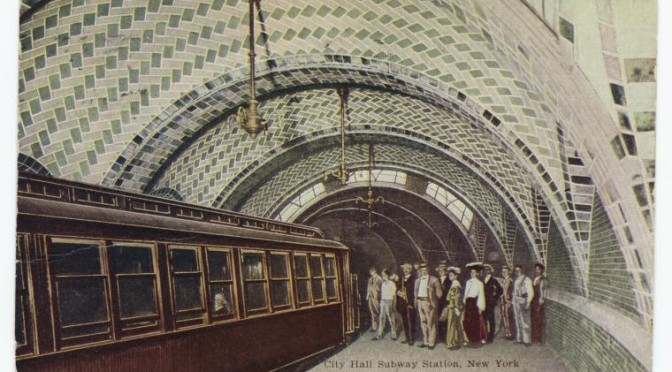
The Sequel Subway: With the advent of the Hollywood blockbuster came a restoration of the subway’s reputation — sorta. The subway in the cinematic 1980s and 1990s was still dangerous, but in wild, sensational and very unrealistic ways. The tunnels underneath Manhattan harbored rivers of ectoplasmic ooze (Ghostbusters 2, 1989), a train booby-trapped with explosives (Die Hard With A Vengeance, 1995), a supernatural danger zone of runaway trains and alien warriors (Superman 2 AND Superman 4), and even the Teenage Mutant Ninja Turtles (who hole up in that abandoned City Hall subway station).

Midnight Horrors: As the subways became safer to ride, the usual tropes of knife-wielding thugs and rapists no longer made sense as objects of menace. Soon the subways were filled with supernatural beings, starting with the relatively sedate Jason from Friday The 13th Part 8: Jason Takes Manhattan and slowly elevating into humanoid insects (Mimic, 1997), monsters from the sea laying large lizard eggs (the Godzilla remake, 1998), and humanoid insect monsters from the sea (Cloverfield, 2008)

ALSO: For a more intriguing take on subway horror, I recommend Jacob’s Ladder (1990) which uses the Brooklyn Bergen Street Station to surreal effect.

The Worst Subway Depiction Ever: Of course, films are allowed to manipulate train lines, distort direction, even put trains next to landmarks that are, in reality, miles away. It’s fantasy. But somewhere out there in the vast universe of fiction there is a vague, undefined point where a film steps over the line, and the movie which does this most shamelessly is the otherwise great Spider-Man 2, which inserts a vast, fantasy elevated R line through the heart of Manhattan, rebuilding what the city so painstakingly tore down in the 1940s and 50s.

21st Century Redux: In the last forty years, Hollywood has had a nasty habit of replicating itself, and that goes for subway movies, with rehashed old themes like vigilantism (in 2007’s The Brave One) and even remakes the older films, like the sorry remake to The Taking of Pelham 1-2-3. Incidentally, that remake’s two stars have two important subway films on their resumes — John Travolta in one of the greatest New York films of all time, Saturday Night Fever, and Denzel Washington, in an uncredited, unceremonious moment in Death Wish.

The MTA is more than happy to increase its exposure in future films. All you need, according to their website, is “a minimum $2 million general liability insurance policy; a $2 million railroad protective insurance policy; and proof of Workmen’s Compensation.”

I know I’ve missed a few goods/bad ones (Money Train, The Yards) but those’ll be for a future post…
Categories
Podcasts

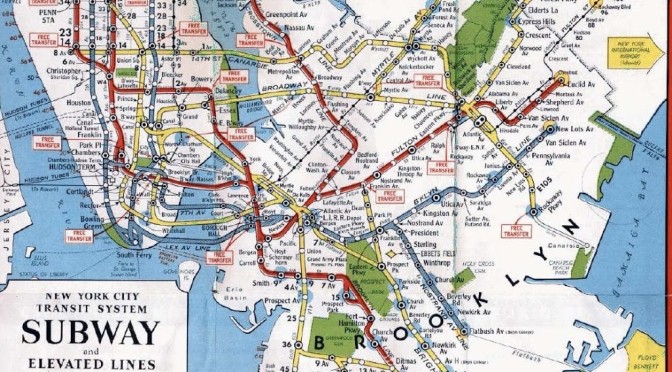
Modern history of the New York City Subway: Expansion from the 1,2,3, the A, B, C, Second Avenue and beyond

The subway in 1951, a bevy of new lines thanks to the unification of the IRT, the BMT and the IND, a consolidation we live with today. (Pic courtesy of NYC Subway)

PODCAST The amazing New York City subway system travels hundreds of miles under the earth and elevated through the boroughs. In this episode, we let you in on how it went from one long tunnel in 1904 to the busiest subway on earth.

This is our last episode in our series BOWERY BOYS ON THE GO, and we end it on the expansion of the New York City subway. Find out how some as innocuous sounding as the ‘Dual Contracts’ actually become one of the most important events in the city’s history, creating new underground rounds into Brooklyn, the Bronx and (wondrously!) and finally into Queens.

Then we’ll talk about the city’s IND line, which completes our modern track lines and gives the subway its modern sheen. After listening to this show, you won’t look at the Herald Square subway station the same way again.

ALSO: Bernhard Goetz, Mayor Jimmy Walker and the future present history of the Second Avenue Subway!

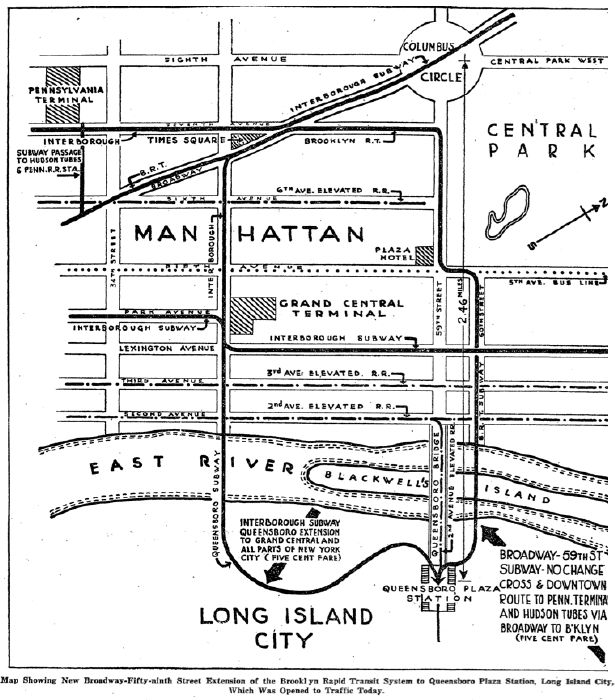
The Dual Contracts let the Interborough Rapid Transit (IRT) to expand its lines and opened Manhattan to Brooklyn Rapid Transit (BRT). And it allowed both companies to extend into Queens for the first time. Below is a simplified map from 1920 of extensions into midtown Manhattan and Queens. (Map below is from New York City Subway, the most invaluable resource on the web about subway history.)

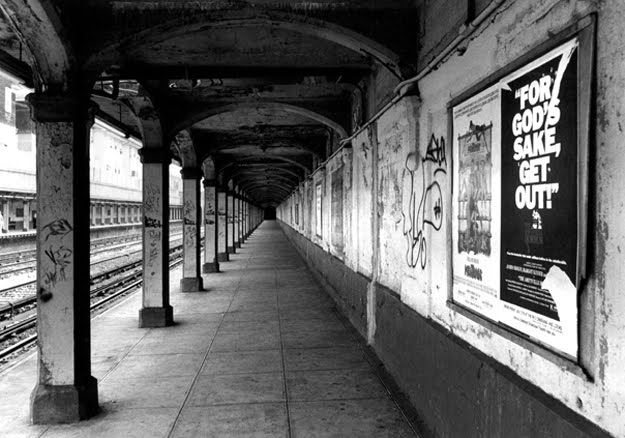
The mean tracks of the subway during the 1970s. The price went up, ridership went down, and the whole line fell into disrepair. In John Conn’s photograph below, a destitute station looks abandoned. (You can see a whole gallery of Conn’s subway photographs at the Daily Beast.)

Bernhard Goetz, below at center, was labeled the ‘subway vigilante’ after shooting assailants on the subway in 1984, highlighting how dangerous New York’s subway had become. (Photo from here)

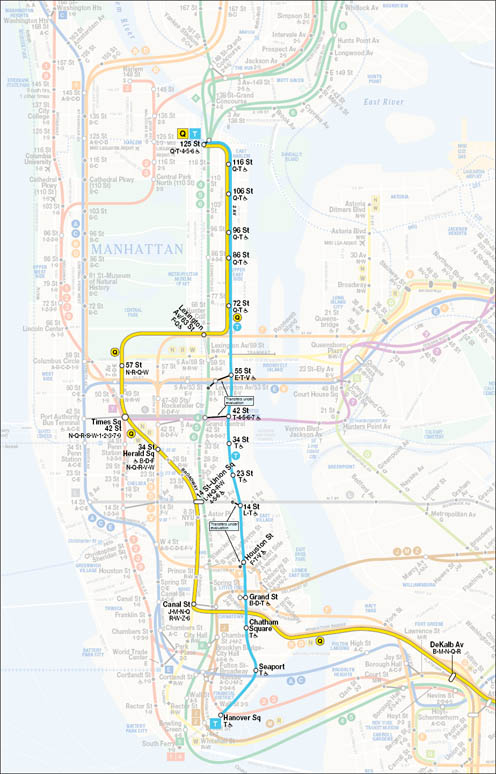
A map of the too-long-in-the-making teal Second Avenue Subway (the T line):

For a more visceral immersion into subway history, visit the New York Transit Museum and walk through the old subway cars contained in an actual, abandoned station. They also have an annex in Grand Central Terminal

Categories
Podcasts

The New York City Subway and the creation of the IRT

PODCAST In the fourth part of our transportation series BOWERY BOYS ON THE GO, we finally take a look at the birth of the New York City subway. After decades of outright avoiding underground transit as a legitimate option, the city got on track with the help of August Belmont and the newly formed Interborough Rapid Transit.

We’ll tell you about the construction of the first line, traveling miles underground through Manhattan and into the Bronx. How did the city cope with this massive project? And what unfortunate accident nearly ripped apart a city block mere feet from Grand Central Station?

ALSO: What New York City mayor had a little too much fun on opening day?

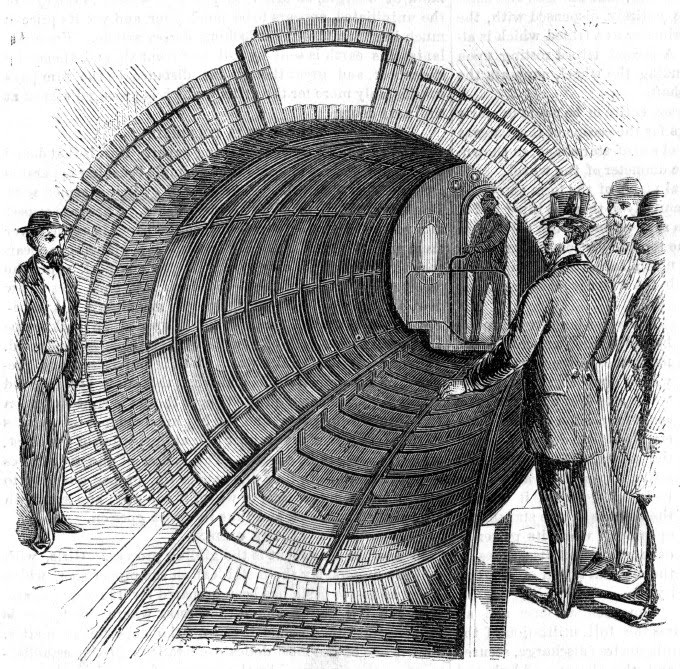
Below: An illustration of Alfred Beach’s pneumatic tube, built in 1870 a short distance from City Hall ran under Broadway from Warren Street to Murray Street. Although it’s little more than a footnote to the history of the New York City subway, it underscores that the technology was always available, even if public and political enthusiasm for such a project was not.

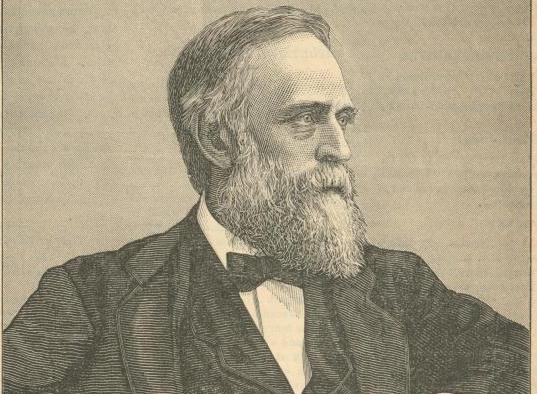
Abram Hewitt, mayor of New York in 1886, and an early proponent for an underground subway. (Pic NYPL)

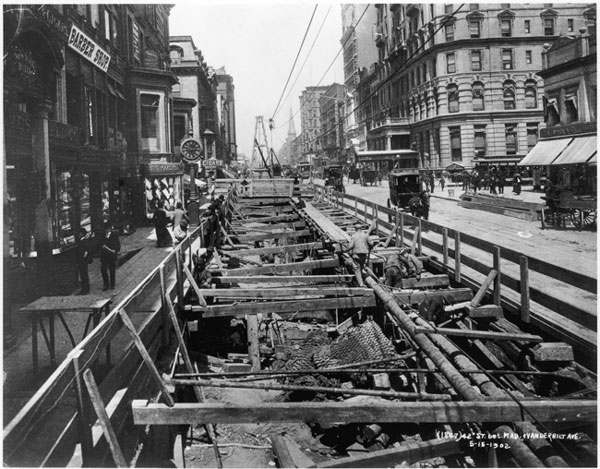
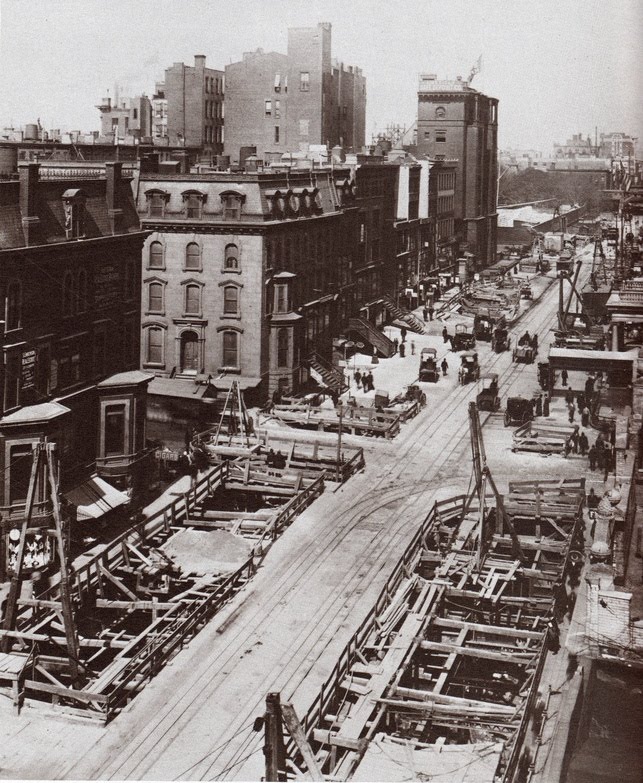
The cut and cover method chosen by subway engineers ensured that New Yorkers would be faced front-and-center with the daily slog of excavation and construction.

Forty-second Street during construction of the subway system, 1901.

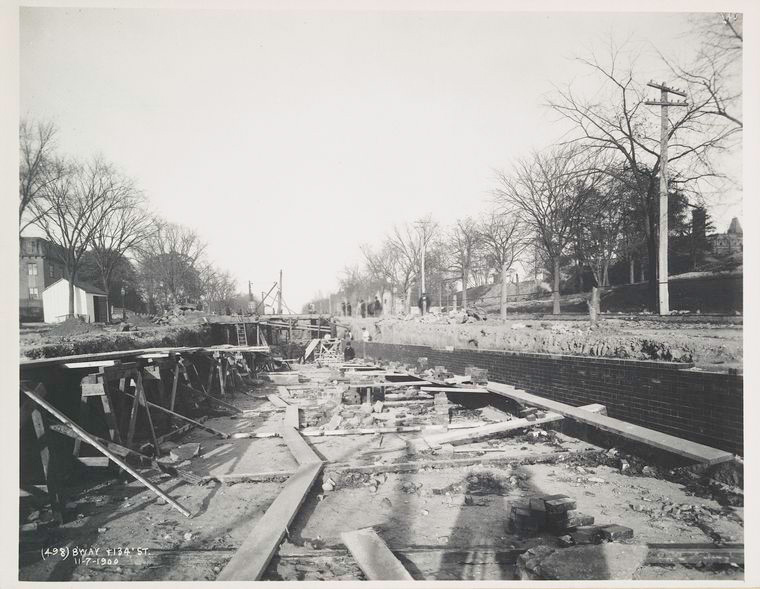
Mayhem during subway construction at Broadway and 134th Street! (NYPL)

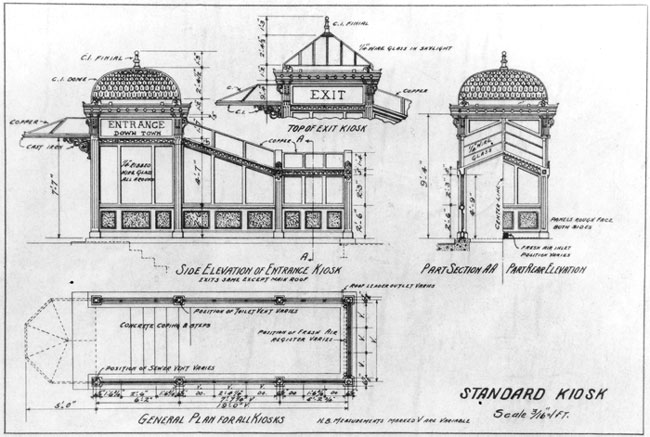
The plan for subway entrances, taking liberally from the design of kiosks in Budapest.

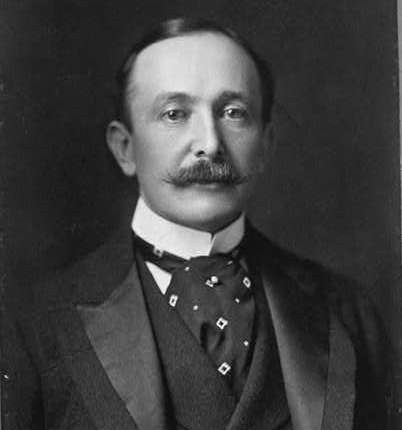
Thank this rich guy for your first subway, New York. August Belmont Jr., later known for his contributions to horse racing, founded the Interborough Rapid Transit Company to help operate the fledgling new subway system. (Pic LOC)

FOR MORE INFO:
We cannot begin to due justice to the birth of the subway in the way the good folks at the website NYSUBWAY.ORG have done. Hundreds of photos, original documents, and a wonderfully exhaustive list of stations, including many no longer in operation. Forgotten New York, of course, has several rich pages devoted to the subject.

And you definitely swing by the New York Transit Museum in Brooklyn, where you can actually sit in one of the original subway cars, among many, many more treasures of the original IRT.

Older Bowery Boys posts on today’s subjects:
Alfred Beach: The Short Lived Thrill of the Windy Subway
Grand Central’s Other Explosion
Know Your Mayors: George B McClellan
Know Your Mayors: Abram Hewitt

Categories
Podcasts

New York City’s Elevated Railroads: Journey to a spectacular world of steam trains along the avenues

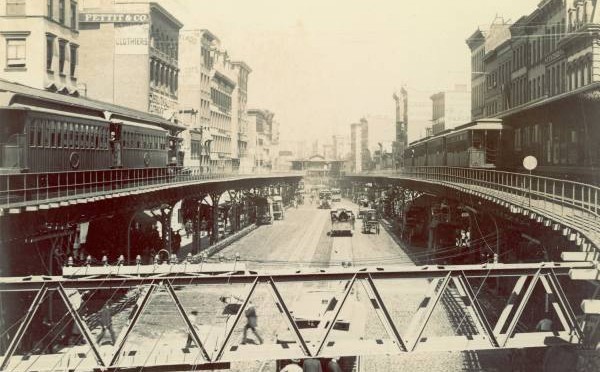
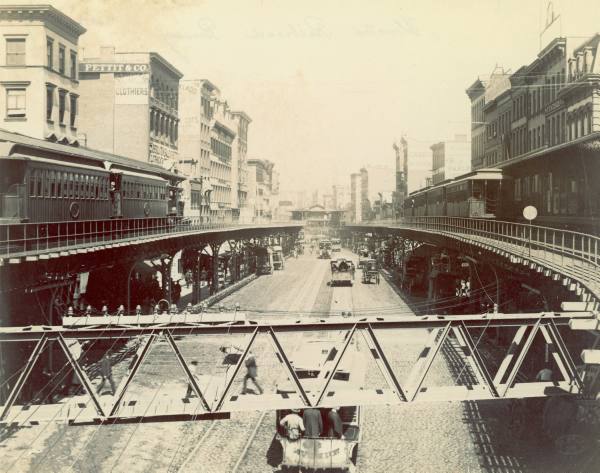
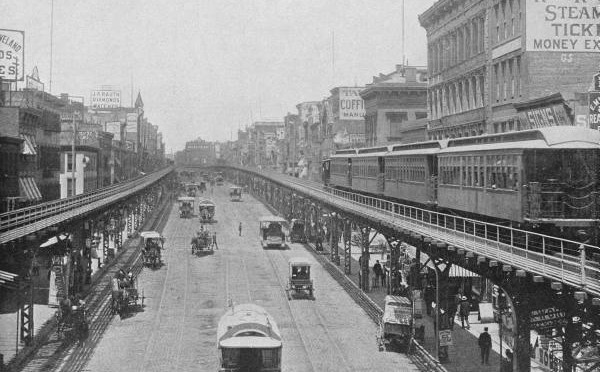
Above: The Third Avenue Line as it looked running along the Bowery, changing the nature of New York street life, even as its innovations helped expand the city.

PODCAST Before there were subways, New York City transported travelers up and down the length of Manhattan by elevated railroad, an almost unreal spectacle to consider today. Steam engines sat high above several avenues in the city, offering passengers not just a faster trek to the northern reaches of Manhattan, but a totally new way to see the city in the 19th century.
Welcome to our second podcast in our series Bowery Boys On The Go, a look at the history of New York City transportation. Before we get to those famous ‘El’ trains, we explore the earliest travel options in the city — the omnibuses and horse-drawn rail cars, the early steam successes of the New York and Harlem Railroad and Hudson River Railroads, and something affectionately nicknamed the one-legged railroad.

What were some of the more peculiar ideas for improving travel? And why was the idea of a subway immediately shot down by the city? Let’s just say — Boss Tweed and Jay Gould are involved.

ALSO: What were the different motivations driving transportation progress in the city of Brooklyn? Well, it has something to do with the beach.


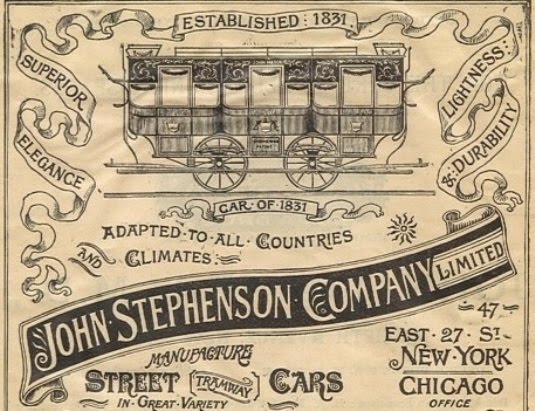
An illustration of the first traincar in the New York and Harlem Railroad system — the John Mason, named for the railroad’s president (Mason was also the president of Chemical Bank). It was designed by master engineer John Stephenson, who customized many of the New York and Harlem’s traincars.

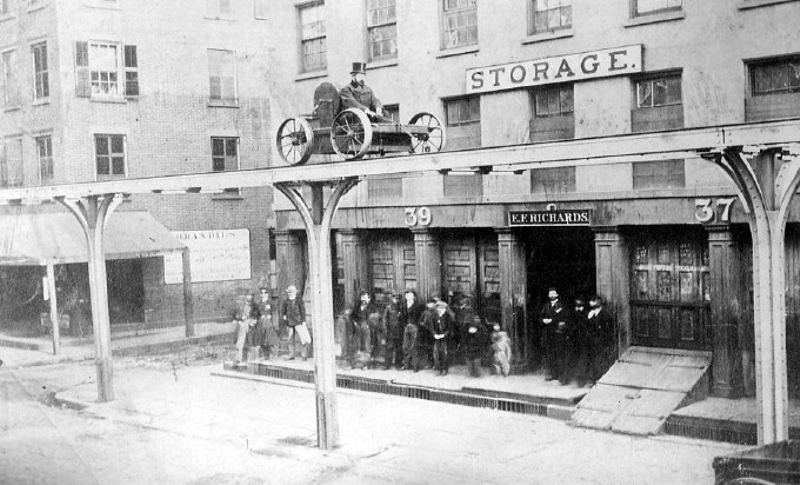
Charles Harvey developed the first elevated system for New York, essentially a cable/pulley system that stretched along the west side from the Battery. Below, Harvey gives his ‘one-legged’ line a tryout in 1867. (Pic courtesy Merritt Island Subway South)

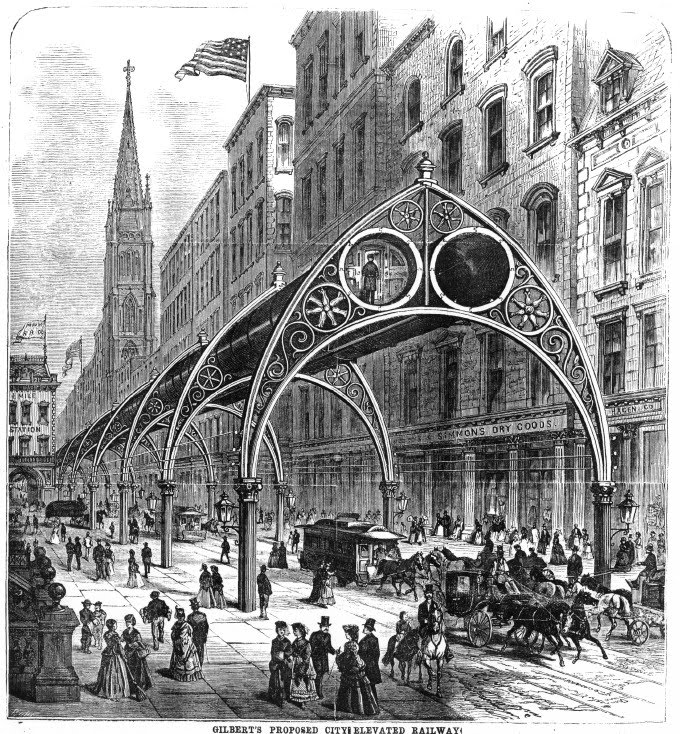
Rufus Gilbert, a Civil War physician, turned to trains after the war and dreamt up an imaginative pneumatic system, to zip passengers above the city in Gothic-themed arches. Gilbert was given the go-ahead to construct this oddity, but the love for steam and a financial crisis transformed the idea into a steam elevated line instead. (Courtesy Columbia U)

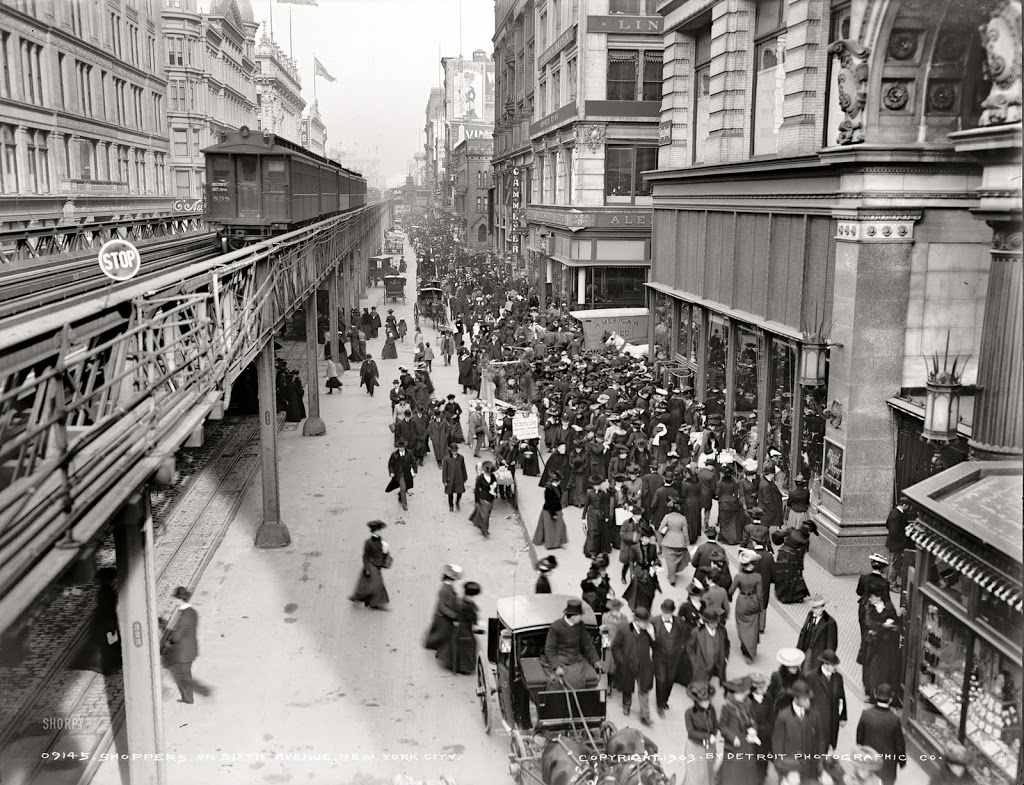
Ladies Mile along the Sixth Avenue elevated line. The trains might have made the city expand outwards, but it also made the streets smaller and darker. (Original pic from Shorpy)
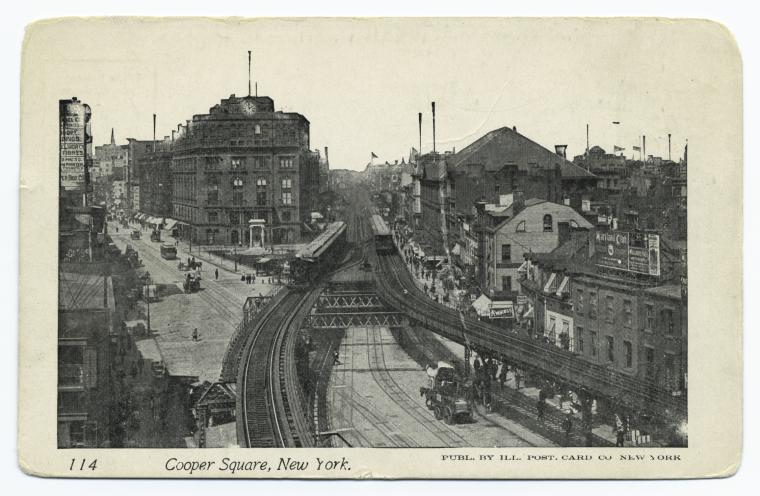
The Third Avenue line, where it ran alongside Cooper Union and traveled south down through the Bowery. This intersectioni today still sits rather wide and empty, a vestige of the days when tracks hovered above the roads. [NYPL]

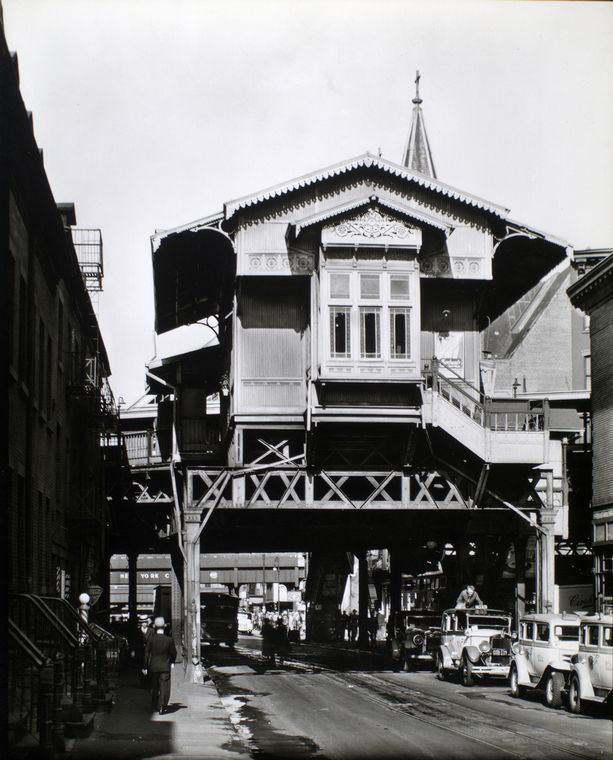
An ornate station for the Ninth Avenue line, at Christopher and Greenwich streets in the West Village.

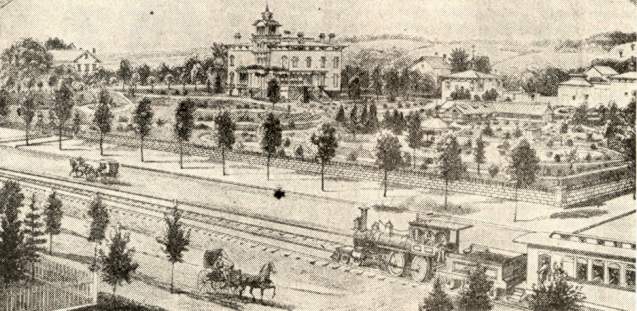
The Brooklyn and Jamaica Railroad, the precursor to the Long Island Railroad. The section illustrated here is along Woodhaven Boulevard, but much of the line went along Atlantic Avenue.

Eliminating the Third Avenue Elevated

Looking up the Bowery in 1920 (from LIFE images)

Fifty-four years ago today, Manhattan passengers said goodbye a true vestige of 19th century New York — the elevated railroad.

The last ride on the Third Avenue El was taken on May 12, 1955. The line stretched up almost the entire length of Manhattan (from Chatham Square, just below Canal Street) all the way up to East 149th Street in the Bronx. 
How did Manhattan look from the vantage point of an elevated train system in the 1950s? Check out this vintage short from 1950, letting the camera roll through a typical ride on the Third Avenue during a sunny day: 

Categories
Uncategorized

Snow shocked: The Blizzard of 1888

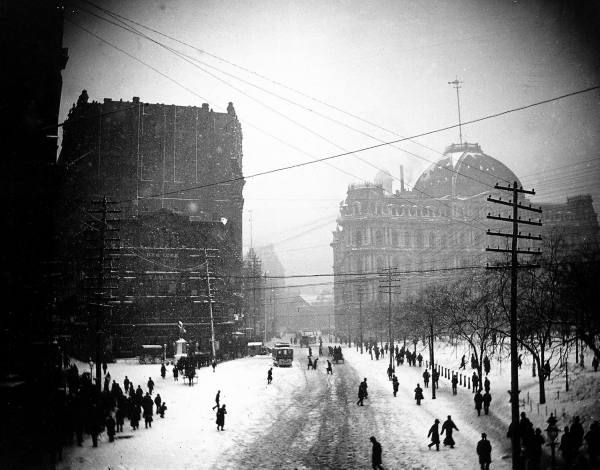
Longacre Square — the future Times Square — after the Blizzard

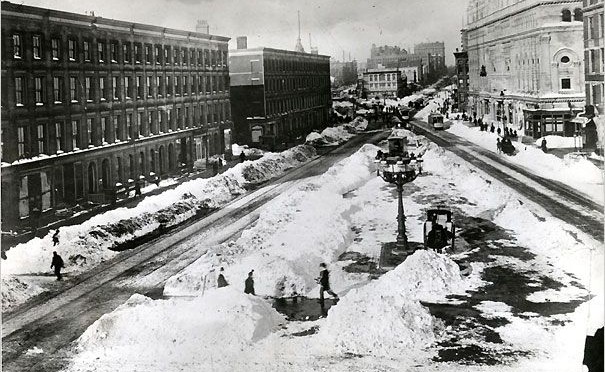
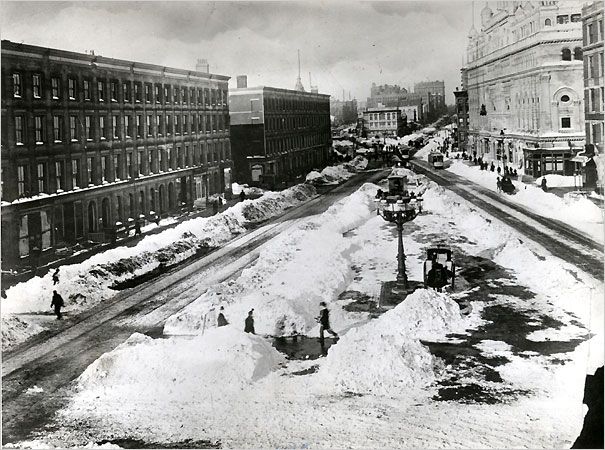
A March blizzard like the one today is discouraging as we’re so close to ridding ourselves of winter forever. But putting it all in perspective, it’ll never top the absolute worst March snowstorm of all time, a snowy catastrophe that completely shut down the city — the Blizzard of 1888.

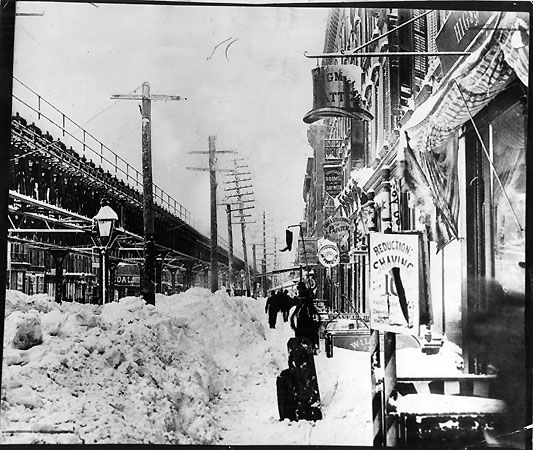
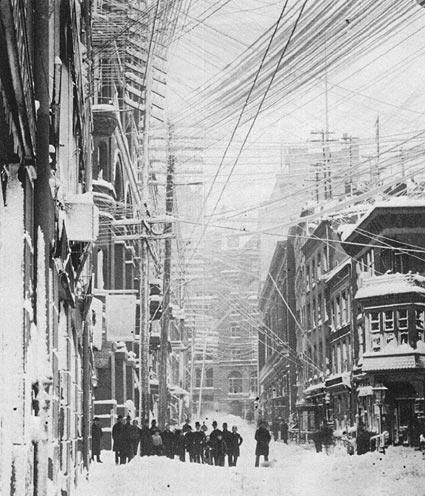
In an age before radio and television, in a city with elevated trains and few effective snow-clearing techniques, New York was held hostage as the blizzard pelted New England, starting as freezing rain on March 11, then building to a 36-hour deluge of wind and snow from March 12-13, winding up the next day. The East River became a solid floor of ice, destroying dozens of boats and ferries. Telegraph poles and rudimentary electrical wires crumbled under ice and wind. Food deliveries stopped, supplies of fresh water froze up; many in downtown tenements froze to death in their rooms.

The storm also underscored the city’s need for an underground transit system. One unfortunate reporter for the New York Sun was on a packed morning Sixth Avenue elevated and observed: “The train moved down a little below Seventeenth street and stopped. It stayed there more than two hours. Then it moved ten feet and stopped another hour; ten feet more and another hour; finally to a little below Sixteenth street, and there it stuck until 5 minutes before 3 o’clock.”

Here’s a few more images from that horrific event. See, today isn’t so bad:

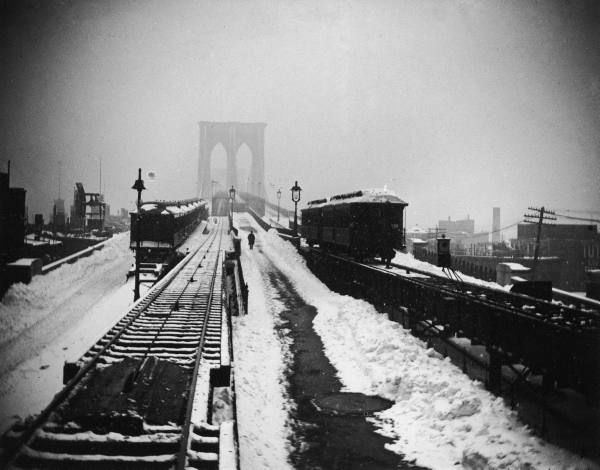
Aftermath along the elevated trains. Within ten years, New York would begin work on underground tunnels to accomodate a more convenient mode of transportation

Not having the luxury of ‘sick days’ or lenient work environment, most New Yorkers braved the awful weather to go into work that day. What greeted them were a death-defying latticework of icy wires and downed telegraph poles.

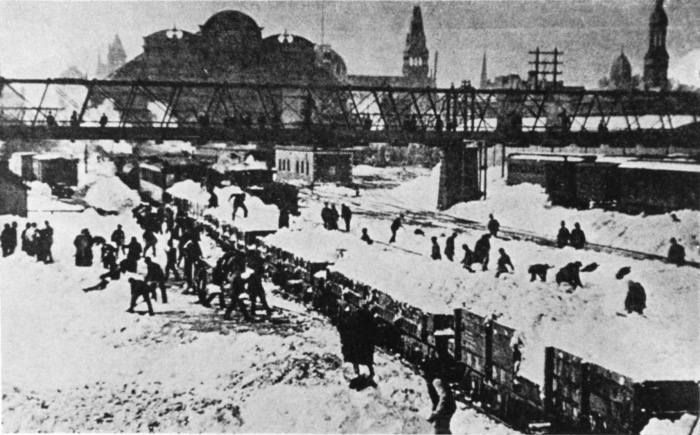
The scene behind the Grand Central Depot at 43rd street — essentially paralyzed

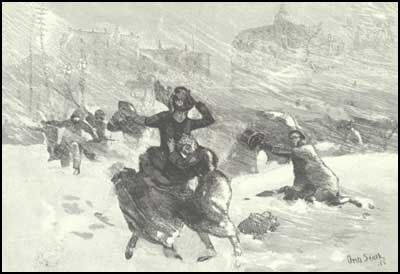
A Harpers Weekly illustration summing up the scene at Union Square. Not a day to hit the Ladies Mile shops!

The view of Park Row in front of the Brooklyn Bridge entrance in Manhattan, with the old post office to the right. Again, just invision sliding down one of these sidewalks, dodging uncontrollable trollies and the risk of falling poles and wires

The Brooklyn Bridge, barely a few years old, aches under the burden of tons of snow and violent winds
(Life archive images)

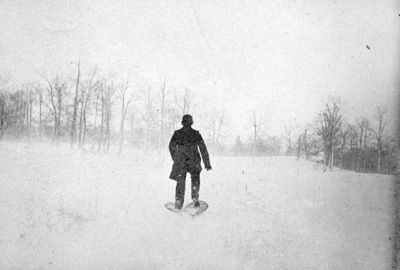
The truly adventurous, however, were well prepared, such as this man in Prospect Park, armed with snow shoes. (Pic courtesy the Brooklyn Historical Society)

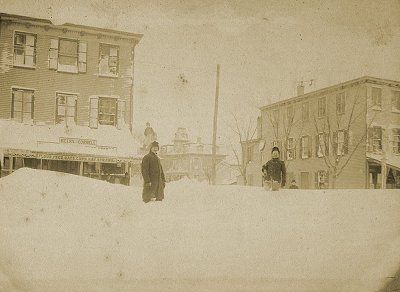
And the scene was certainly no better in the town of Jamaica (Union Avenue is pictured here), which would be incorporated as a part of the borough of Queens just ten years later (pic courtesy wintercenter)

Categories
Know Your Mayors

Know Your Mayors: George B. McClellan Jr.

Our modest little series about some of the greatest, notorious, most important, even most useless, mayors of New York City. Other entrants in our mayoral survey can be found here.

Perhaps no mayor of New York City this side of Fiorello Laguardia has ever overseen so drastic a change to the landscape of the city than George B. McClellan Jr.

For six extraordinary years (1904-09) McClellan presided over the openings of the New York Public Library, Chelsea Piers, Grand Central Station, christened the first subway service and licensed the first taxi cab.

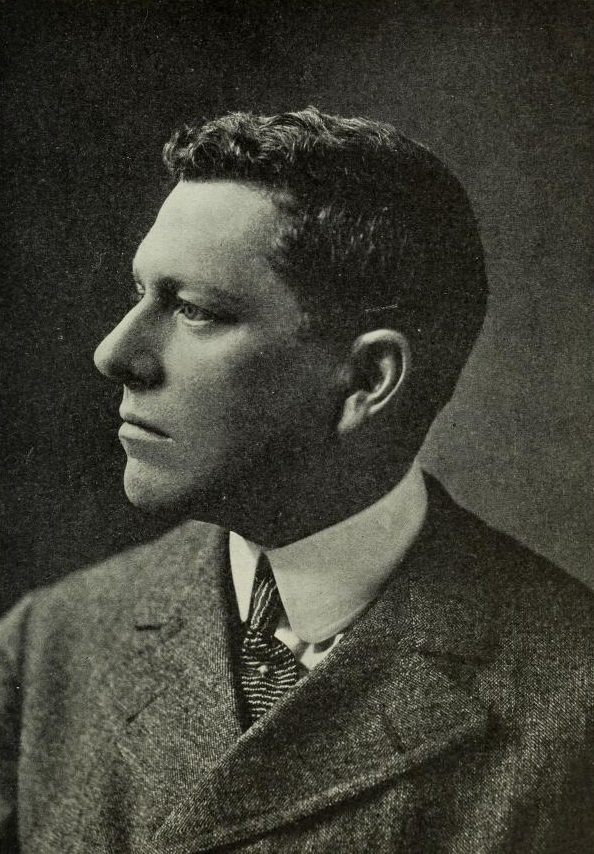
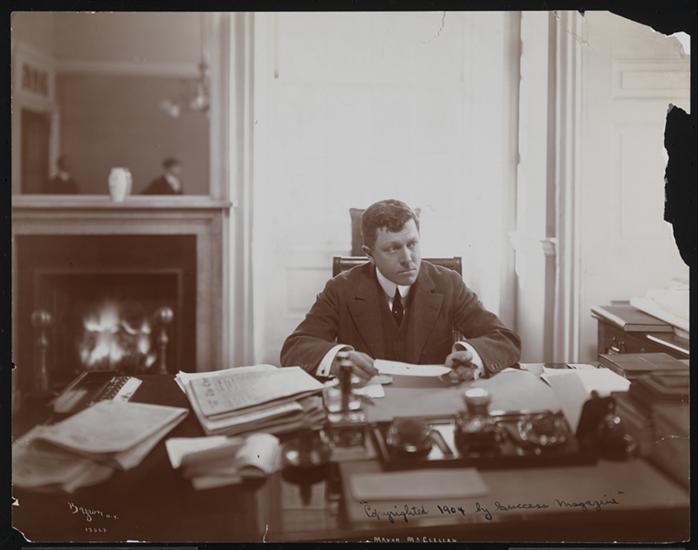
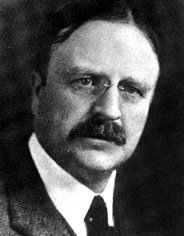
Below: Mayor McClellan in 1904, his first year in office

george

But oddly, George is perhaps best remembered today for his half-hearted but successful campaign against motion pictures.

If his name sounds vaguely familiar, thank your high school history teacher. George Jr. was the son of the ultimately disastrous Civil War general of the same name, a Union general first fired by Lincoln, then defeated by him in the presidential election of 1864. Despite this, George McClellan Sr. did become the governor of New Jersey, providing his son with a model of leadership he would implant into his many civic duties.

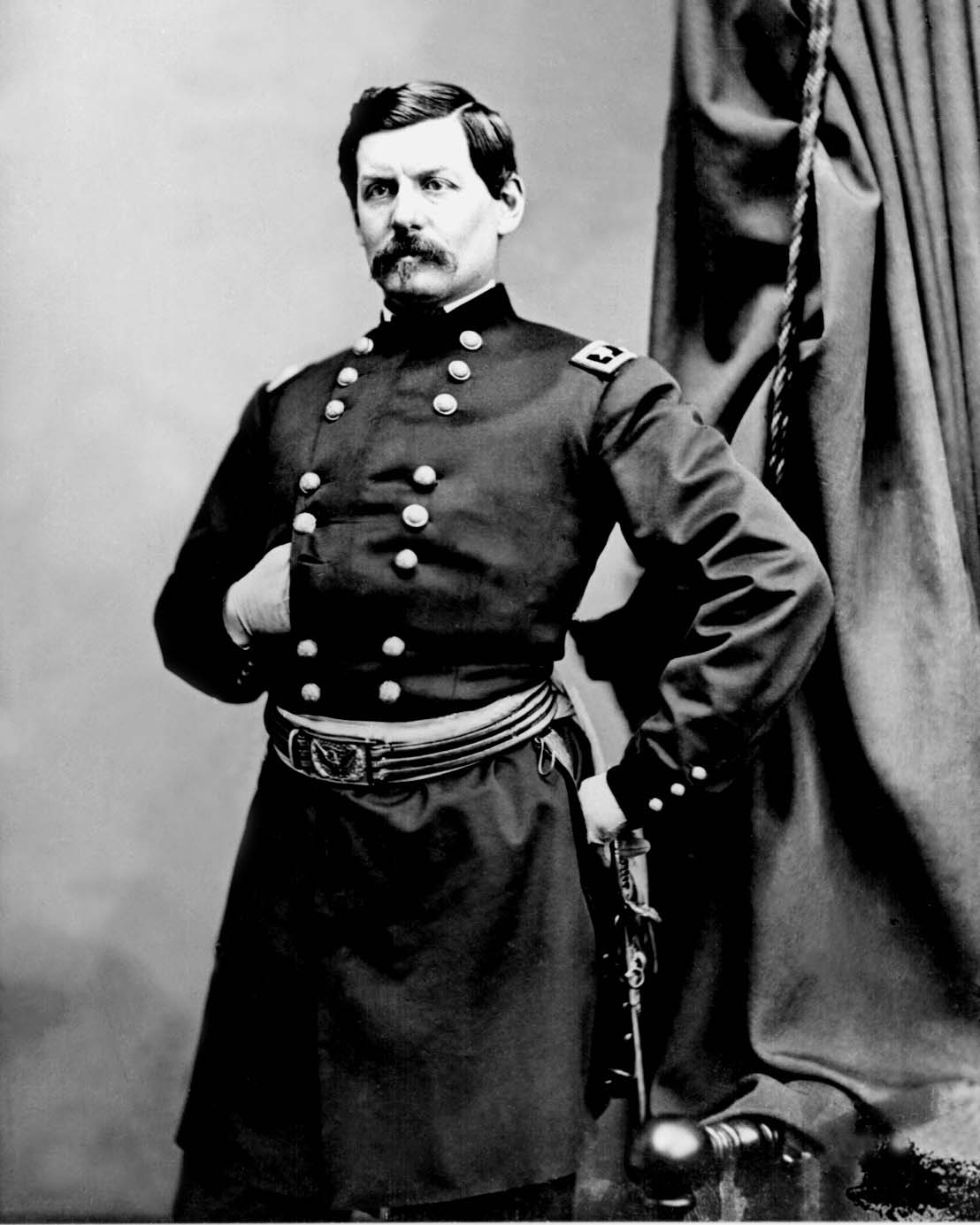
Below: Papa McClellan
father

The dashing George Jr — or you can call him Max, his family did — is one of New York’s few foreign-born mayors, born in 1865 in Dresden, a few years before it was absorbed into Germany. Growing up in New Jersey while father governed, George graduated from Princeton in 1886 and a couple years later ended up as a writer for the revitalized New York World, Joseph Pulitzer‘s popular scandal sheet, in its brand new office on Newspaper Row — just across the street from George’s future office at City Hall.

Actually, George was mayor before he was really mayor. Name recognition and an inherited interest in public service placed him on the Board of Aldermen (precursor to the City Council) by the 1890s, and he was elected board president in 1893. The next year, due to an absence from the city by sitting mayor Thomas Gilroy, McClellan, age 29, became the acting leader for a month.

His biggest controversy? Raising on Irish flag over City Hall for St. Patricks Day, outraging local schoolboys. No, really. He even received threats of bodily harm, but held firm. Deal with it, he told the boys.

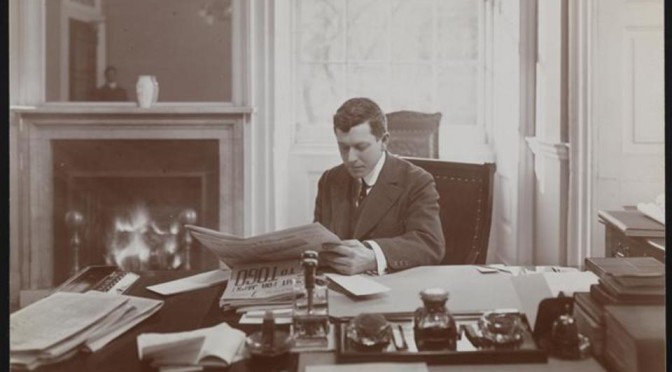
Mayor McClellan in his office, 1904 (Courtesy Museum of the City of New York)


Snugly in bed with Tammany Hall and a favorite of ole Boss Croker, McClellan spent the next several years representing New York in the U.S. House of Representatives. He returned to the New York scene in 1903 as a Tammany instrument to oust mayor Seth Low, a reform ‘clean-up’ mayor who may have irked more than a few tavern owners.

McClellan, with Tammany’s blind eye towards New York’s more lascivious industries, handily won. And would stay in office for six years, making him New York’s longest serving mayor since Richard Varick in 1789. (The man he beat for re-election in 1905? William Randolph Hearst.)

New York blossomed under McClellan’s reign, with many long boiling projects coming to fruition. One new bridge, the Williamsburg, opened under his watch with another (Manhattan Bridge) well on its way, he unveiled lofty plans to improved the city’s water system, and he gave Longacre Square a new name (Times Square). The Battery Maritime Terminal (built in 1906), that jade beauty next to the Staten Island ferry, is even dedicated to McClellan. New York Public Library was nearly completed — and Grand Central Terminal half-way done — by the end of his term.

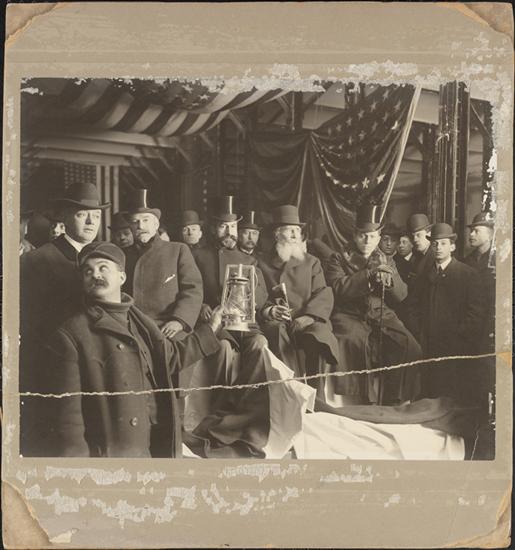
A picture in the new subway tunnels, Mr. McClellan looking very confident near the center right. (Museum of the City of New York)


An intrepid tale springs up about McClellan involving the grand opening of the IRT’s first subway tunnel in October 27, 1904. Meant only go ceremonially start up the engine of the first train, McClellen requested that he would like to actually go ahead and drive the train all the way up to Harlem! (And Bloomberg brags that he only rides the train.) He deftly steered the new engine up to 103rd Street before handing over the controls.

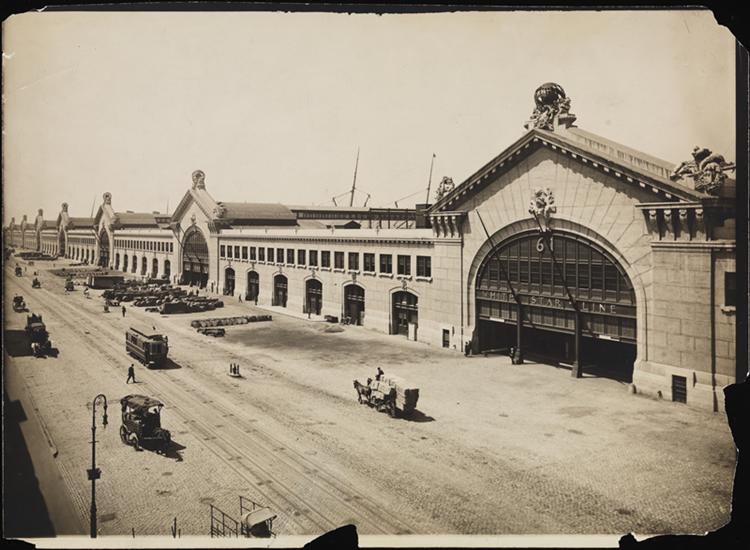
To me, McClellan’s biggest contribution is valuable indeed — overseeing the construction of the Chelsea Piers (below), which allowed massive steamships to dock in the city, turning New York into a truly international port. By 1907, in fact, the Lusitania was already at dock here, although the terminal wasn’t officially completed until 1910.

piers

Yet with all of these remarkable changes, the story which arises the most about McClellan involves his war against a technological threat — the rise of cinema.

By 1905, the city had dozens of ‘movie houses’, nickelodeons and amusement arcades where patrons could pay a penny to see the birth of the motion picture. A theater owned by Marcus Loews, quickly to become the biggest name in film exhibition, opened in New York in 1904; the city got its own production company, Biograph, in 1906.

This new moving pictures craze was sweeping the United States — two million patrons in 1907, according to the Saturday Evening Post — and like everything foreign and new, it was soon seen as a corrupting influence, ‘demoralizing’ children, a bastard offspring of vaudeville and burlesque.

Some accounts have McClellan ardently opposed to this new medium on those grounds. I prefer a more rational theory: by 1908, McClellan had his eye on a new job — president of Princeton University — and in order to get that, he had to be seen as sticking up for higher morals. (Something Tammany candidates aren’t exactly known for.)

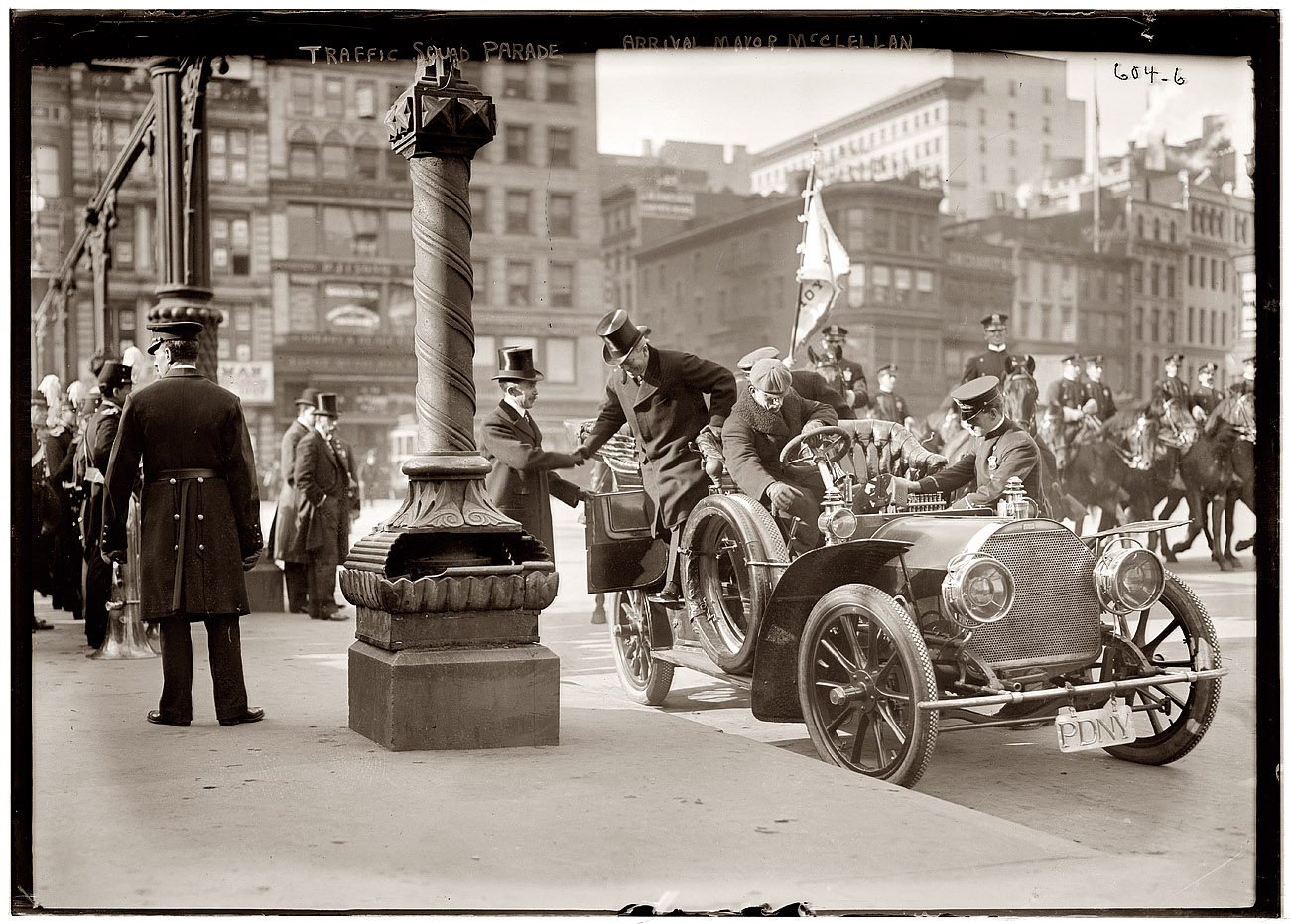
Below: McClellan steps from a newfangled automobile onto the streets of Union Square in 1908 (pic courtesy Shorpy)

02905u

And so, on the technicality of being dangerous fire hazards, McClellan tore up the licenses of over 550 motion picture exhibitors — yes, that’s right, 550. (Nickelodeons were in music halls, taverns, even a few restaurants.) Most were not reinstated until the debut of New York’s Board of Censorship in 1909, a reviewing board which ended up not censoring much of anything. By the 1910s, movie makers and theatre owners were becoming too powerful to overrule.

By why was McClellan looking for a new job in the first place? In 1908, he was not long for the mayor’s office. Like blessed as Tammany Hall golden boys, McClellan got a conscious in his second term, hiring many non-Tammany employees and rooting out a mountain of Tammany related corruption in civic offices.

This turncoat did not please new Tammany boss Charlie Murphy, no it didn’t. In 1909, Tammany put up their new contestant, the colorful William J. Gaynor. (Incidentally, he also beat William Randolph Hearst, in his second and final unsuccessful run at the office.)

McClellan never became the president of Princeton, but he spent his remaining years teaching there until 1931, when he retired to the good life, writing books about his real passion — the history of Venice. He died in 1940 in Washington DC and was buried in Arlington Cemetery.

But clearly, it’s to New York that he belong.

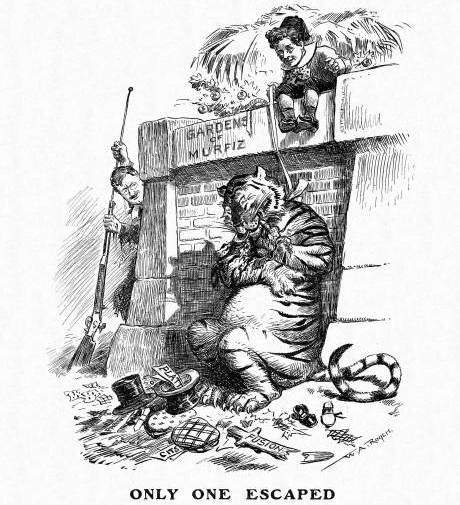
Below: in this 1905 Harpers Weekly cartoon, McClellan is seen as a little boy holding the Tammany tiger, devouring the ‘fusion candidate’ (Seth Low). President Theodore Roosevelt peeks from the side. (He always did like wildlife.) Within three years, McClellan would be the devoured.

Garden of Murfiz = Tammany Boss Charlie Murphy

Know Your Mayors: John F. Hylan

Our modest little series about some of the greatest, notorious, most important, even most useless, mayors of New York City. Other entrants in our mayoral survey can be found here.

Fiorello Laguardia has his airport. James Duane has a drug store. Abram Hewitt is immortalized by the Cooper-Hewitt Museum. Robert Van Wyck has an expressway named after him.

But the former mayors of New York City are not always lionized in monuments or objects they would necessarily be proud of. Take John F. Hylan, the mayor of New York from 1918—1925. He may be the only mayor on planet Earth to have a gigantic hole named after him. Two holes, actually.

When Hylan stepped into the mayors seat in 1918, he brought the Democratic machine Tammany Hall back into city government after four years of Tammany-free leadership by idealistic ‘boy mayor’ John Purroy Mitchel. But Hylan would surprise many by devoting his two terms in office with a single-minded goal — the New York subway.

Hylan was a product of New York locomotive culture. Moving to Brooklyn from upstate New York at an early age, he became a train conductor with the Brooklyn Union Elevated Railroad (later the Brooklyn Rapid Transit Company, or BRT) which operated streetcars trains in Brooklyn and Queens, including the storied Coney Island trains, carrying thousands of passengers out to the beach each summer. Later the BRT would team with the early subway system of Manhattan’s Interborough Rapid Transit System to create a “dual contract” system of unregulated, privately-controlled transportation.

It should be noted that Hylan was fired from the train company after almost accidentally running down his supervisor. His bitterness towards the privately-owned BRT clearly fueled his later actions.

Hylan then became a lawyer and, after initially fighting the advances of Tammany Hall, eventually became one of their loyal candidates. His victory over Mitchel in the 1918 election was partially helped by the powerful William Randolph Hearst.

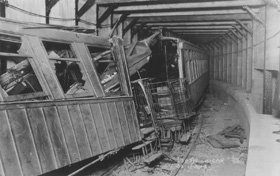
In the first year of Hylan’s term, a BRT train on the Brighton Beach line derailed at Malbone Street (today’s Empire Boulevard) near Prospect Park. The horrific accident (seen below) left 93 passengers dead and virtually destroyed the BRT system overnight.


Meanwhile, the IRT was planning on raising its fares. Uniting the city required miles of more tracks, and it was leasing land from the city. So they decided it needed to bump up the astronomical five cents that customers currently paid.

Hylan had quite enough. Already an advocate against private interests, he often decried organized private power. Here’s an example of his wrath against private banking, a crusade that went unfulfilled: “The real menace of our Republic is the invisible government which like a giant octopus sprawls its slimy legs over our cities states and nation. At the head is a small group of banking houses generally referred to as ‘international bankers.'”

Of course, Hylan is one to speak; he was in Hearst’s back pocket throughout his entire tenure and never swayed from the calls of dear ole Tammany.

Hylan battled the train companies for most of his two terms. He was re-elected in 1921 by effectively thwarting the fare increase and creating a transit commission to refigure a transportation system under city control. By the end Hylan had effectively retooled New York’s transportation industry by creating his own city-run operation, christening the new Independent Subway System (ISS), in his last year of office, on March 14, 1925.

That November however he was swept out of office by Jimmy Walker, who would guide New York as one of its most powerful and influential leaders, leaving Hylan’s legacy virtually forgotten. Hylan died eleven years later of a heart attack. Four years after that, his dream was fully realized; the ISS merged with the other subway lines to create one complete city-run subway system.

But what about that hole? Well, Hylan had another bright idea: a tunnel between Brooklyn and Staten Island. The project began in 1923, with holes began on both sides of the Narrows, at Fort Wadsworth on the Staten side, and Bay Ridge on the Brooklyn side. The project, however, was abandoned. What remains on both sides is affectionately known as ‘Hylan’s Holes’.

The whereabouts of these abandoned holes, as far as I can tell however, remains a mystery.

NYC NOIR: “ONE MILLION DOLLARS!”

The Film Forum is in the midst of their five week NYC Noir screening series, featuring some of the best thrillers, mysteries and action films set on the streets of the city. In this blog every Thursday of the series, we’ll feature a bit about one of the films, and encourage you to go check out some of these classic flicks. Past entries of this series can be found here. Showtimes and other movies in the series can be found at the Film Forum’s website.

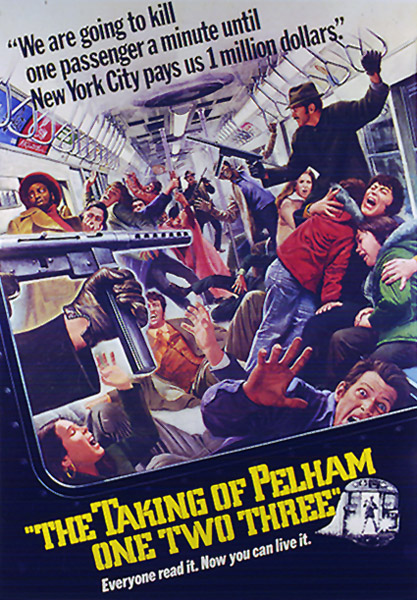
This weekend we feature a tense and perfectly 70-ish action flick The Taking of Pelham One Two Three.

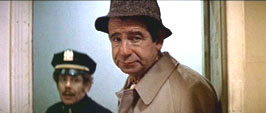
The film is best known now for its very dated but (if you’re budding historians like us) absolutely prototypical settings in a gritty, sweaty New York City. A group of hijackers demanding a ransom of one million dollars (Ha!) hold the 123 train and its unfortunate occupants hostage. On the case is Jerry Stiller and Walter Matthau, both playing the first of many grumpy old men in their futures, as police officers trying to negotiate with the crafty terrorists.

“Pelham” a fantastic example of the zippy, thriling action films that came in the wake of the French Connection (also in the Film Forum series). With a classic soundtrack by David Shire (Talia’s husbund), the best scenes are in the subway cars, with hijackers Martin Balsam and Robert Shaw wrestling with a most diverse group of Manhattanites and their attitude. Those scenes were partially shot in the tunnels below the old Court Street line in Brooklyn — which has now been transformed into the New York Transit Museum.

But as a personal story, my favorite location shots are those involving the police racing to get the hijackers their ransom money. When I first moved to New York, I lived on the corner of Park Ave and 23st Street (back when it was possible to be poor and live there!) and I happened to rent this film. What a surprise to see Park Ave, the stretch between 34th and 23rd, as location shots, with familiar buildings mixing in with now-forgotten shop awnings and people with crazy feathered hair and afros!

Of course, it’s actually the 6 line (that still goes to Pelham Bay Park) that gets hijacked. The 1-2-3 line, meanwhile, runs along the west of the island for much of Manhattan. Its the 1:23 6-train that is hijacked. Yeah, weird, New York subway trains have timetables!

The film runs all this weekend at the Film Forum.

Grand Central’s Other Explosion

Wednesday’s steam explosion disaster at 41st Street and Lexington Avenue, which at ‘press time’ had killed one person and injured 44, gave many people that sinister feeling of déjà vu they felt on Sept. 11. It reminded us almost as much of the New York blackout of 2003, with hundreds of people filling the streets with busy cellphones and sweaty backs, some annoyed, some good humored.

Believe it or not, however, over a hundred years ago, the Grand Central Station environs bore witness to an even more horrifying explosion … just one block away.

William Barkley Parsons was given the arduous task of installing the first New York City subway system in 1894. After visiting the London Underground, he determined that the best way to drill holes through the varied and sometimes delicate surface of the island was with a method called ‘cut and cover’ –- essentially digging a gigantic, deep trench and sealing it up at street level. This was chosen over the trickier ‘deep tunneling’ which required greater blasting and elaborate subterranean passageways.

One of the subcontractors in Parson’s employ was the unfortunate Ira Shaler, who was in charge of the tunneling of 34th through 42nd Street. This being before the days of union and worker’s protection, Shaler was soon stamped with the mortibund nickname ‘the voodoo contractor’ for a nasty string of deadly accidents along the line.

And so, 105 years after Wednesday’s steam explosion, the greatest of Shaler’s accidents happened a block away at 41st and Park Avenue, on Jan 27, 1902. A wooden shed filled with 200 pounds of dynamite ignited and blew, sending billowing flames high into the sky and glass shards flying for blocks. The nearby Murray Hill Hotel was severely damaged as was the great façade of the Grand Central terminal. Five people were killed and many others seriously injured. The tunnels below, strangely, were barely disturbed.

Shaler continued on, and with him, smaller calamities occured up and down the newly constructed tunnel shaft.

In the end, Shaler’s final unlucky victim was Shaler himself. He died five months later, four blocks down, on 37th and Park, crushed by tumbling rocks while he was demonstating the tunnel’s safety to his boss.

Or to quote professor Clifton Hood, a professor of history at Hobart and William Smith Colleges: “Parsons pointed to a rock and said it looked rotten. Shaler disagreed, stepped out from under a protective cover and tapped the rock with his cane. It all came down on top of him. He died a few days later. It was not a good way of losing an argument.”