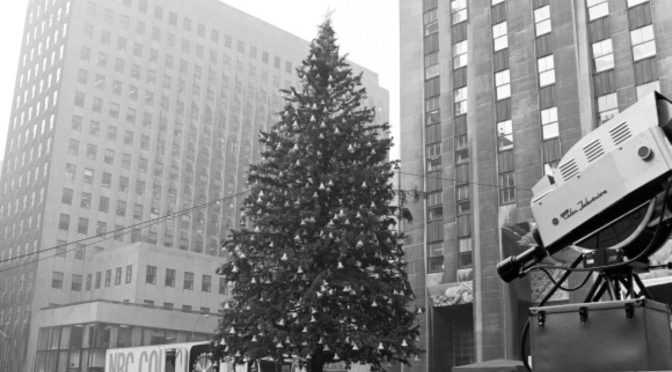
The Christmas tree tradition in Rockefeller Center began in 1931, during the Great Depression, when workers constructing the visionary shopping center, office space and transportation hub first erected a modest tree within the excavation.
Every Christmas tree placed here after that was shipped in from upstate New York, New Jersey or somewhere in New England.
Photo by: NBC NewsWire
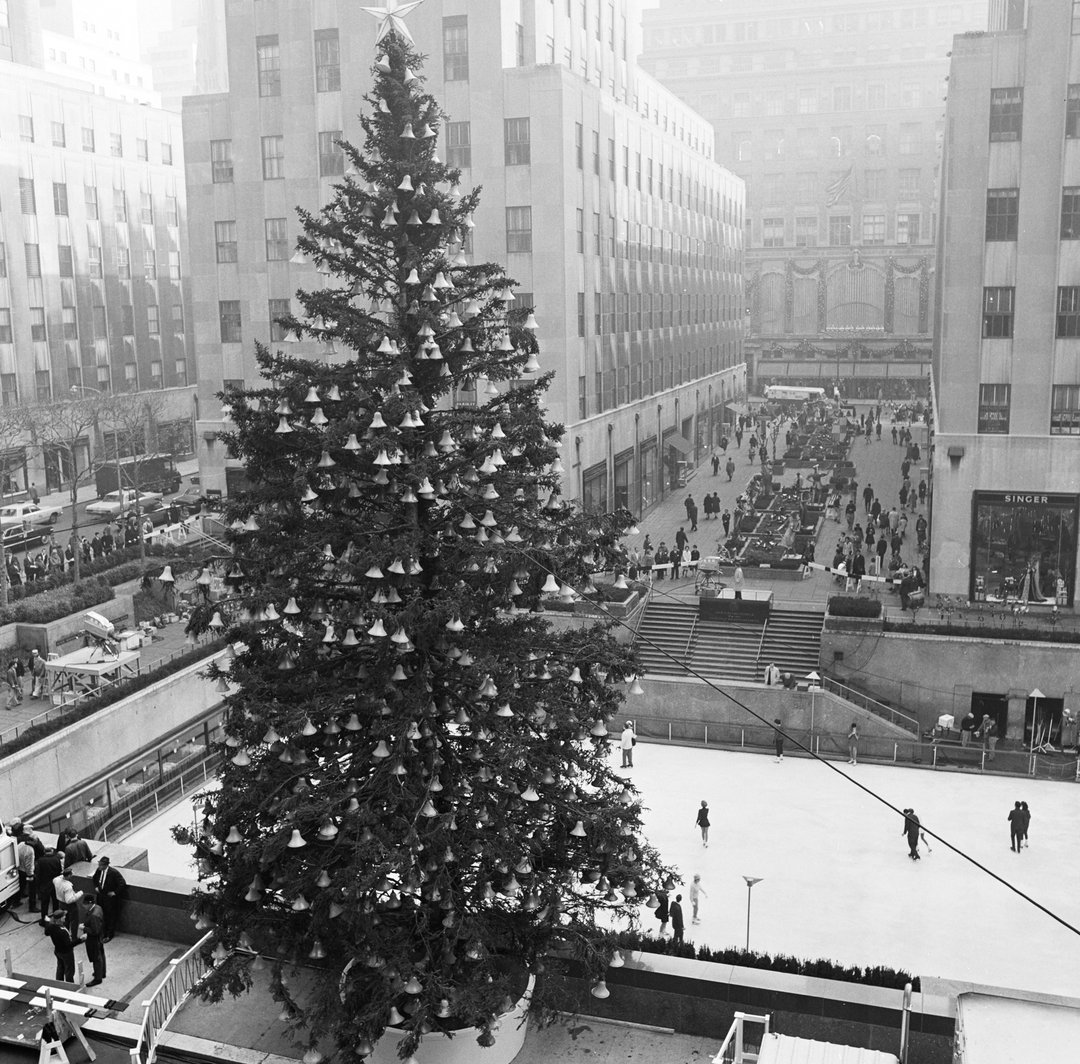
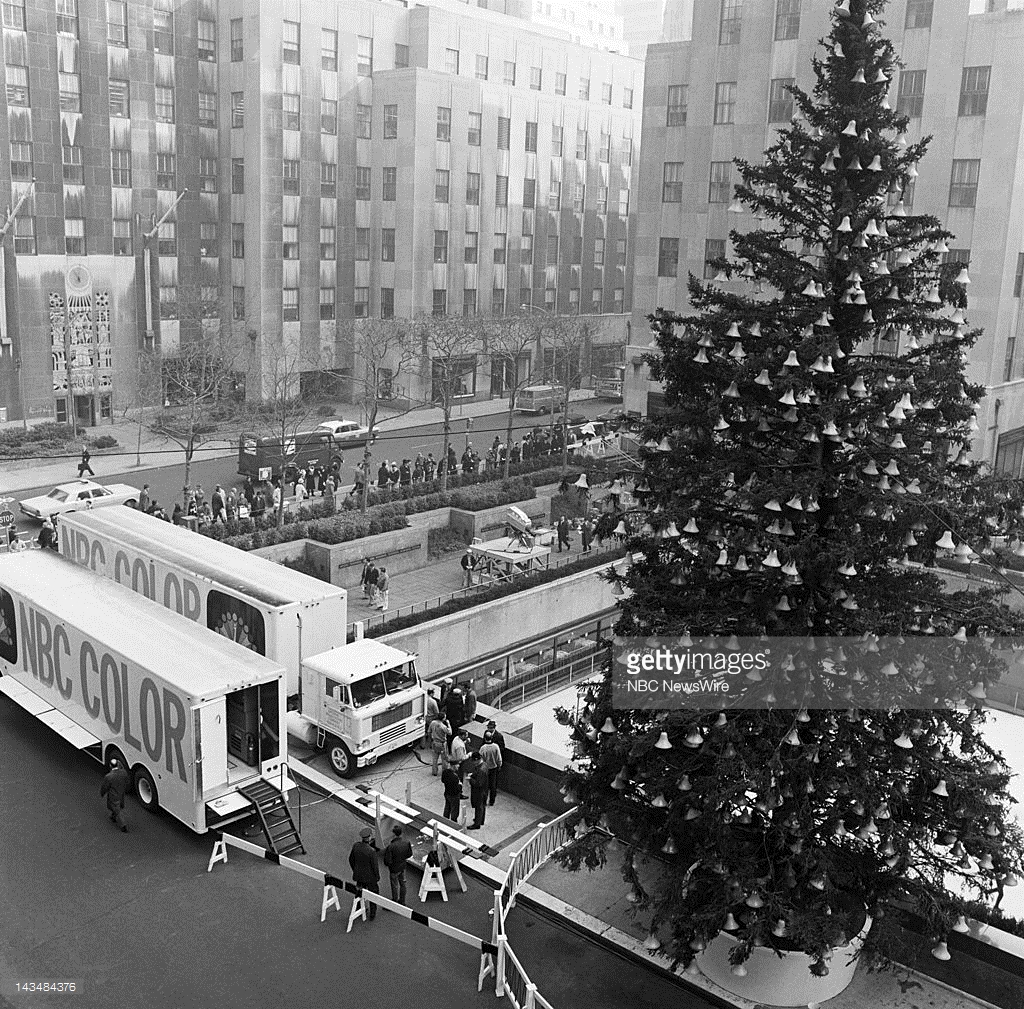
In honor of Canada’s upcoming 100th anniversary (1967), the Petawawa Forest Preserve provided the annual holiday celebration with a massive 64-foot white spruce, shipped across land 550 miles over the Thousand Island Bridge and into New York state.
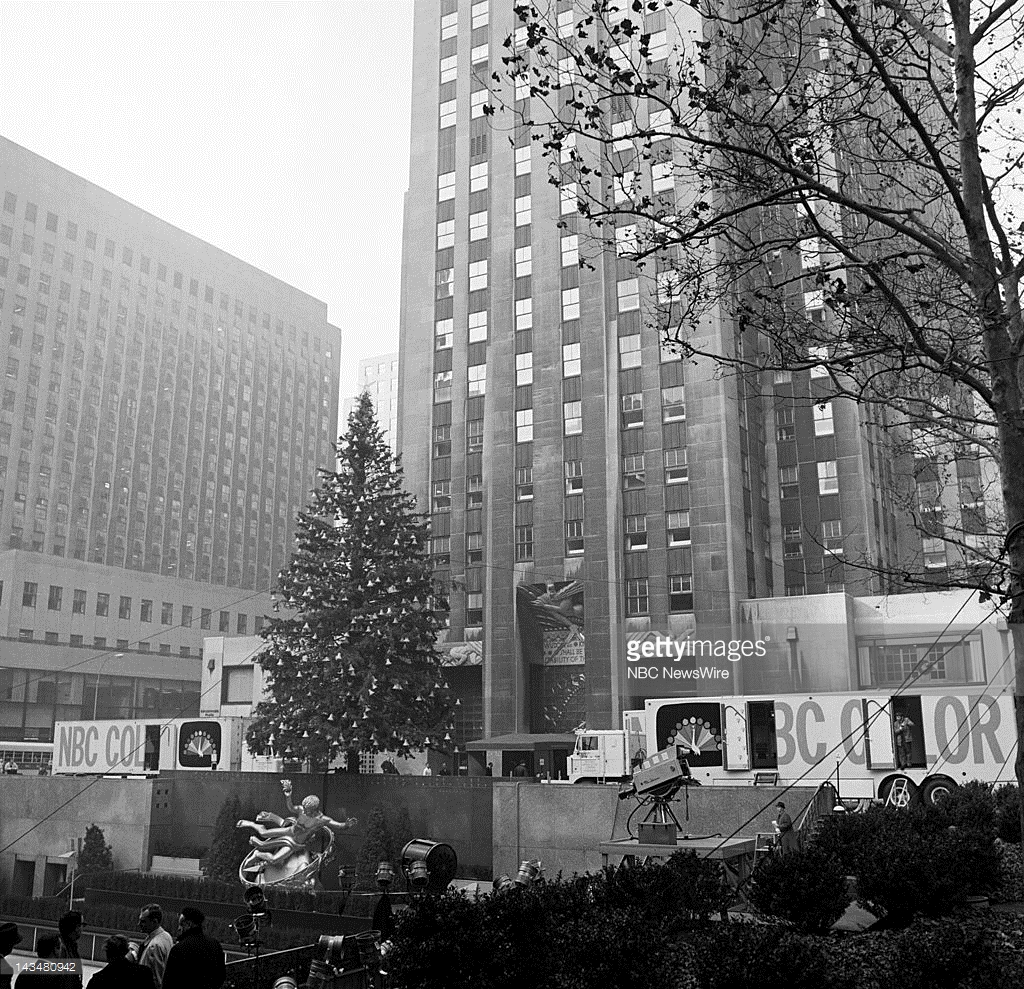
Once installed in front of the RCA Building, the tree was adorned with “five miles of of wire, 1,200 illuminated plastic balls in red, green, blue and yellow, and 4,000 clear 7-watt lamps.” [source]
NBC
The tree-lighting ceremony was held on December 9, 1966, and featured a whole bevy of Canadian stars — particularly Olympic figure skaters and the Little Singers of Mount Royal, a boys choir from Montreal. Canadian officials were on-hand to officially present the tree “as a gift of the people of Canada.”
There were a couple very, very non-Canadian occurrence that evening. The first was the temperature was 66 degrees, breaking the record high for that day.
The second was the deadly levels of smog. Â According to the Times, “the air-pollution index also rose yesterday, and although it did not set a record, at 1pm it was 7.1 points above the normal 12 points.”
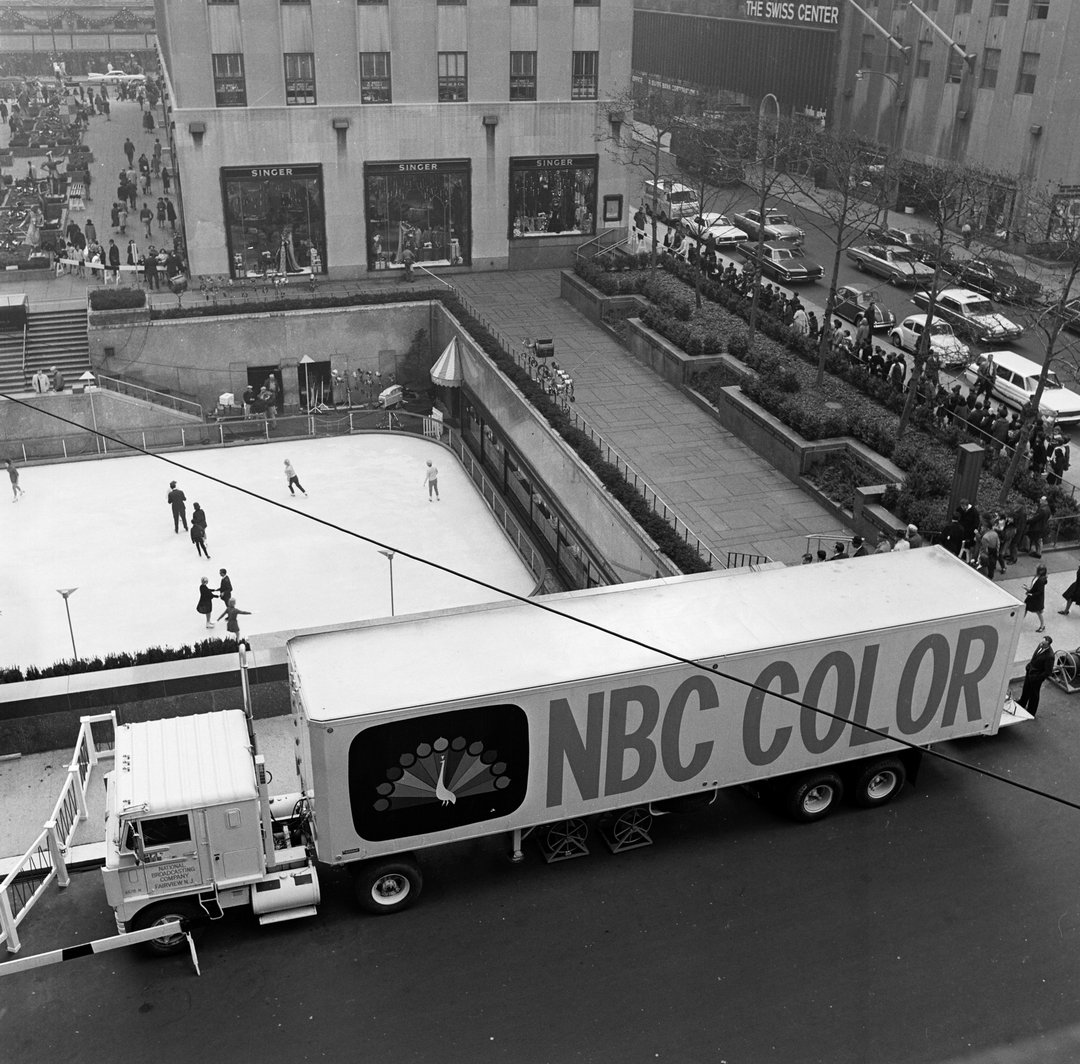
Christmas at Rockefeller Center 1966CHRISTMAS AT ROCKEFELLER CENTER — Aired 12/9/66 — Pictured: NBC Color Mobile Units at the Christmas Tree Lighting in Rockefeller Center, New York City, on December 9, 1966 — Photo by: NBC NewsWire
The article below contains spoilers involving locations used in the movie, but no specific plot spoilers that aren’t already revealed in the trailer.
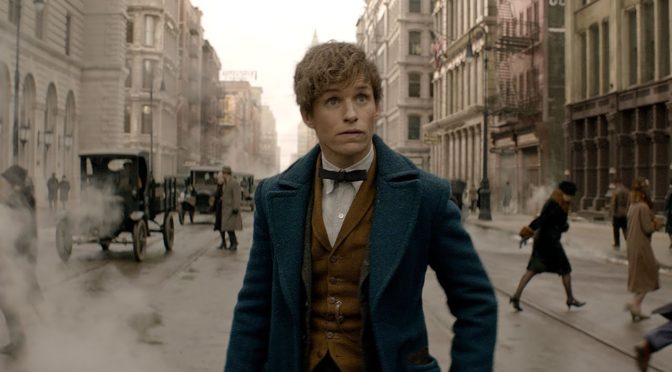
Fantastic Beasts and Where To Find Them, strictly a fantasy film of course, from the vivid mind of J.K. Rowling, is nonetheless the year’s best historical depiction of New York City.  This indulgence of the imagination is even more successful as a celebration of the past.
Sure, its presentation of 1920s New York is filled with physical impossibilities. Its Times Square blazes with the electric insignias of fake Broadway revues and advertisements. Its rows of townhouses are a wee bit too perfect and uniform.
But this story of an English wizard and his mischievous bag of creatures gets the magic of Old New York exactly right. Its a brilliant consideration of the imagined city — shining towers and beautiful architecture, speakeasies and cobblestone streets. The film lovingly unfurls the beauty of steel-beam architecture and old Beaux-Arts mansard roofs with as much loving care as the whimsical beasts of the title.
In a rather unprecedented and creative move, the City of New York has gotten into the movie tie-in game, presenting a fun page of historical photographs with a slider to compare old sites used in the film with today. There’s also an interactive map showing the streets of New York as presented in the film.
And On Location Tours is providing tours crossing many of the main sites of the film.
Even if you’re not a fantasy film buff, I think you’ll be captivated by the art direction and design of this film. Here are a few of my favorite details:
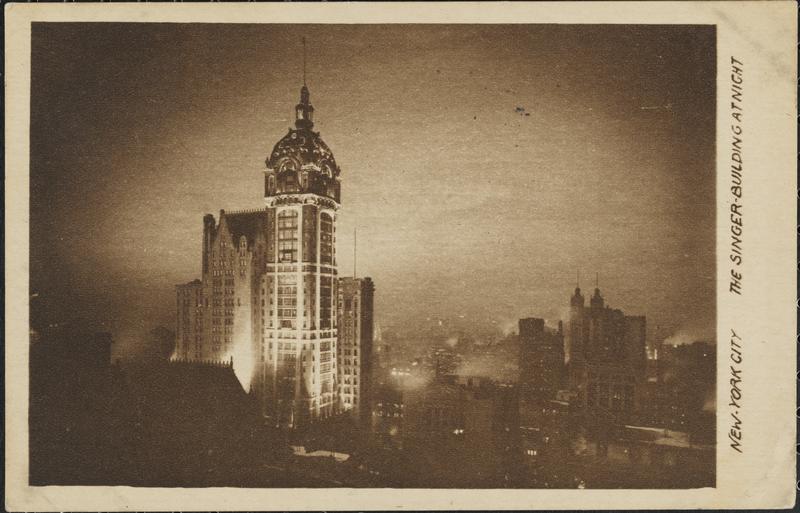
The Singer Building, 1911. courtesy Museum of the City of New York
Singer Building — The main character Newt Scamander arrives in New York Harbor and disembarks at Chelsea Piers. The camera pans over a breathtaking shot of downtown New York, its skyline as it would have looked in 1926. Most prominent among its many skyscrapers is the Singer Building.
“For a few short months from 1908 to 1909, the building that stood at 165 Broadway was the tallest in the world: the forty-seven-story Singer Building, the skyscraper trophy built by the head of the Singer Sewing Machine Company. Its unusual appearance—a narrow red tower shooting up from a chunky base—was among the most glorious on the young New York skyline. Its interior was festooned with bronze medallions engraved with the images of needle, thread, and bobbin. Because we can’t have nice things, they ripped it apart at the seams and tore it down in 1967. Prior to 2001, it remained the tallest building in the world ever demolished.”
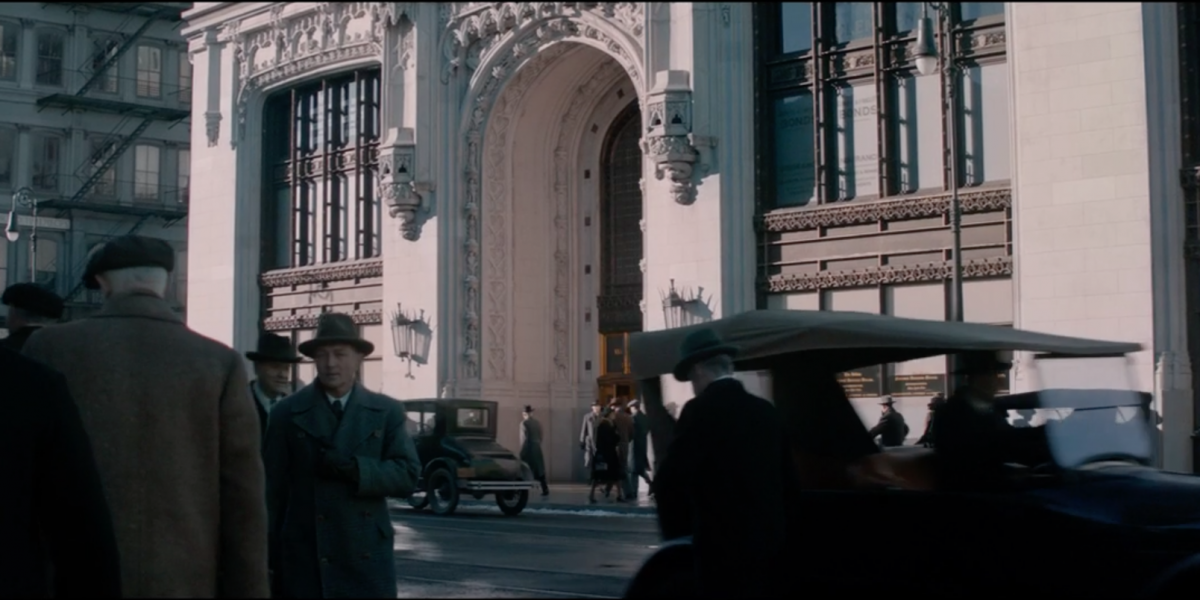
Woolworth Building — The world’s tallest building in 1926 is pivotal to the plot of Fantastic Beasts, the extra-dimensional headquarters for New York’s magicians. By 1926, it would have felt truly magical — if a bit old fashioned.  The sudden rise of Art Deco architecture and the installation of zoning laws in New York would have made the Woolworth feel like a unusual treasure of the skyline.
From our book:  “Designed by Cass Gilbert for the “five-and-dime†retail king Frank Woolworth, the Woolworth Building was a glowing candle of a skyscraper next to dainty little City Hall. The Woolworth’s intricate facade was adorned with many of the “international races†echoed down at Gilbert’s other big Manhattan building, the U.S. Custom House (1 Bowling Green).
Built three years before the city enacted stricter zoning laws (which, among other things, forced the construction of setbacks that would result in tiered wedding cake–shaped structures), the Woolworth simply zooms straight up into the sky.
Advertisements to fill the office space in the Woolworth Building made use of its unique place in American commerce. Said one ad, “Customers will never overlook your store if it is in the Woolworth Building. The sight and thought of the world’s greatest structure will remind them of you and your store.â€
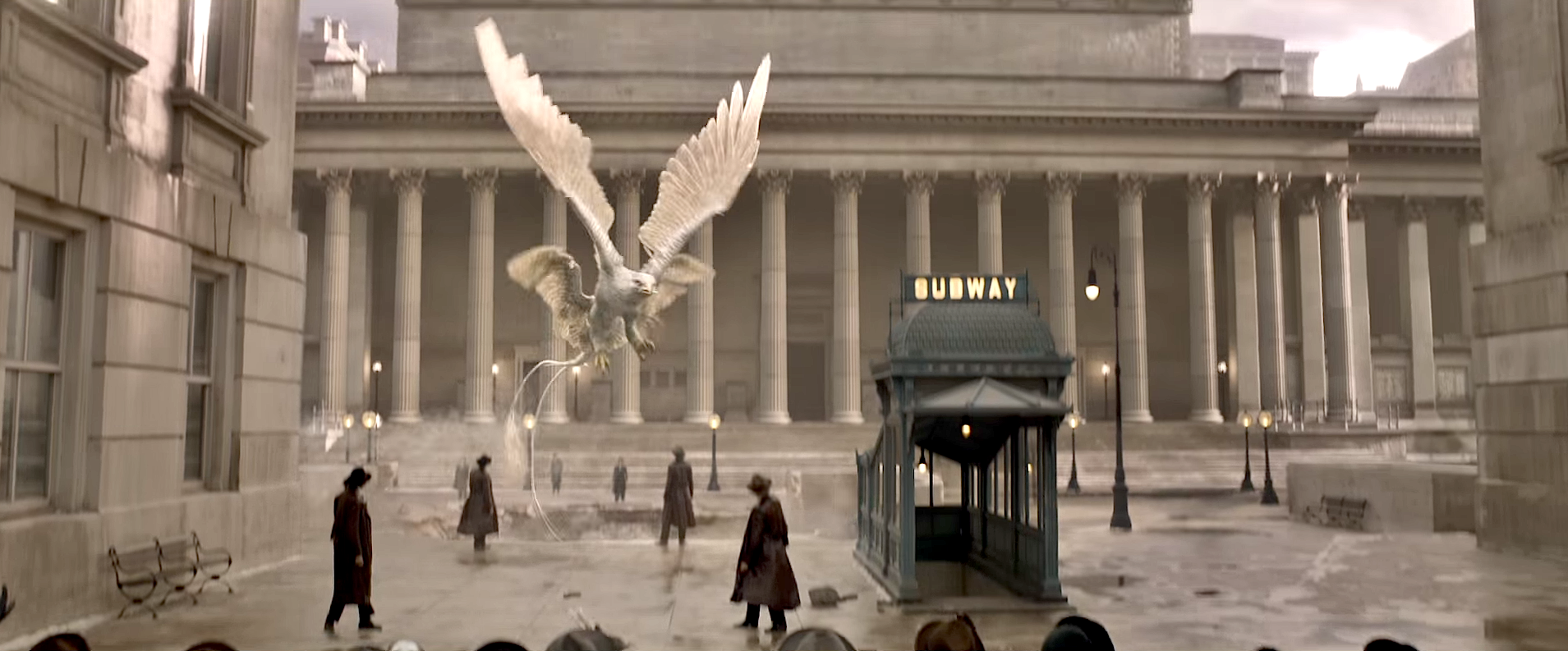
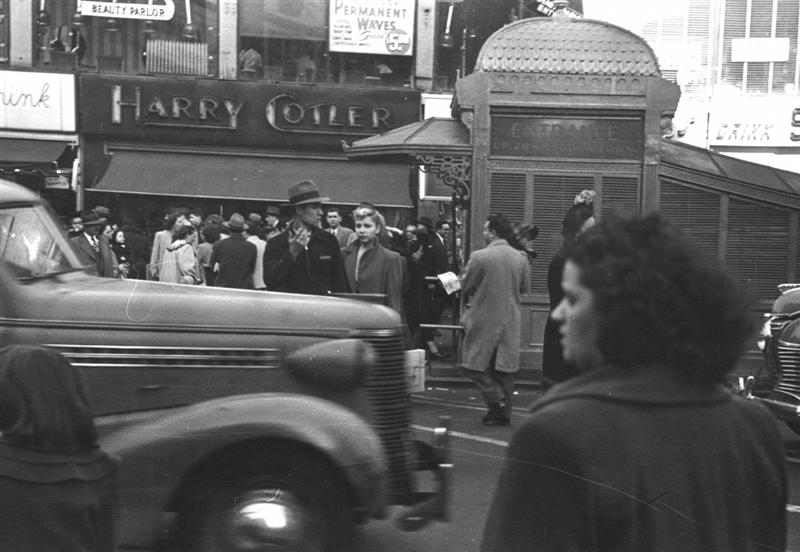
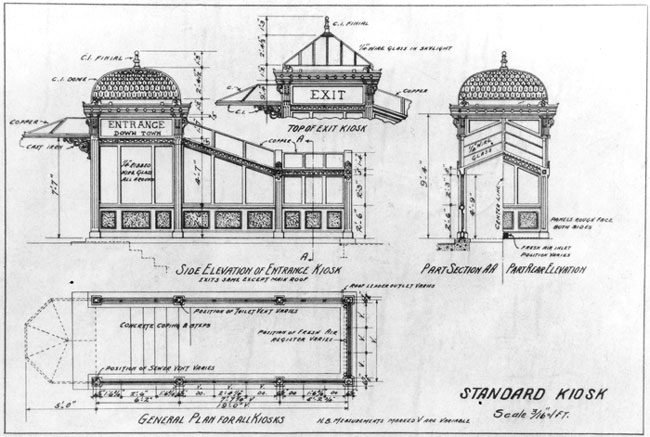
New York Subway Entrances — The unusual but elegant New York subway entrances are marvelously recreated here. Â The spectacular design of the entrances is inspired by the subway in Budapest (yes, they had a subway before New York), using a kushk or summerhouse design often found in ancient Turkish structures.
Below: A similar entrance from 1940 in Union Square. Photographer Arnold Eagle, courtesy Museum of City of New York.
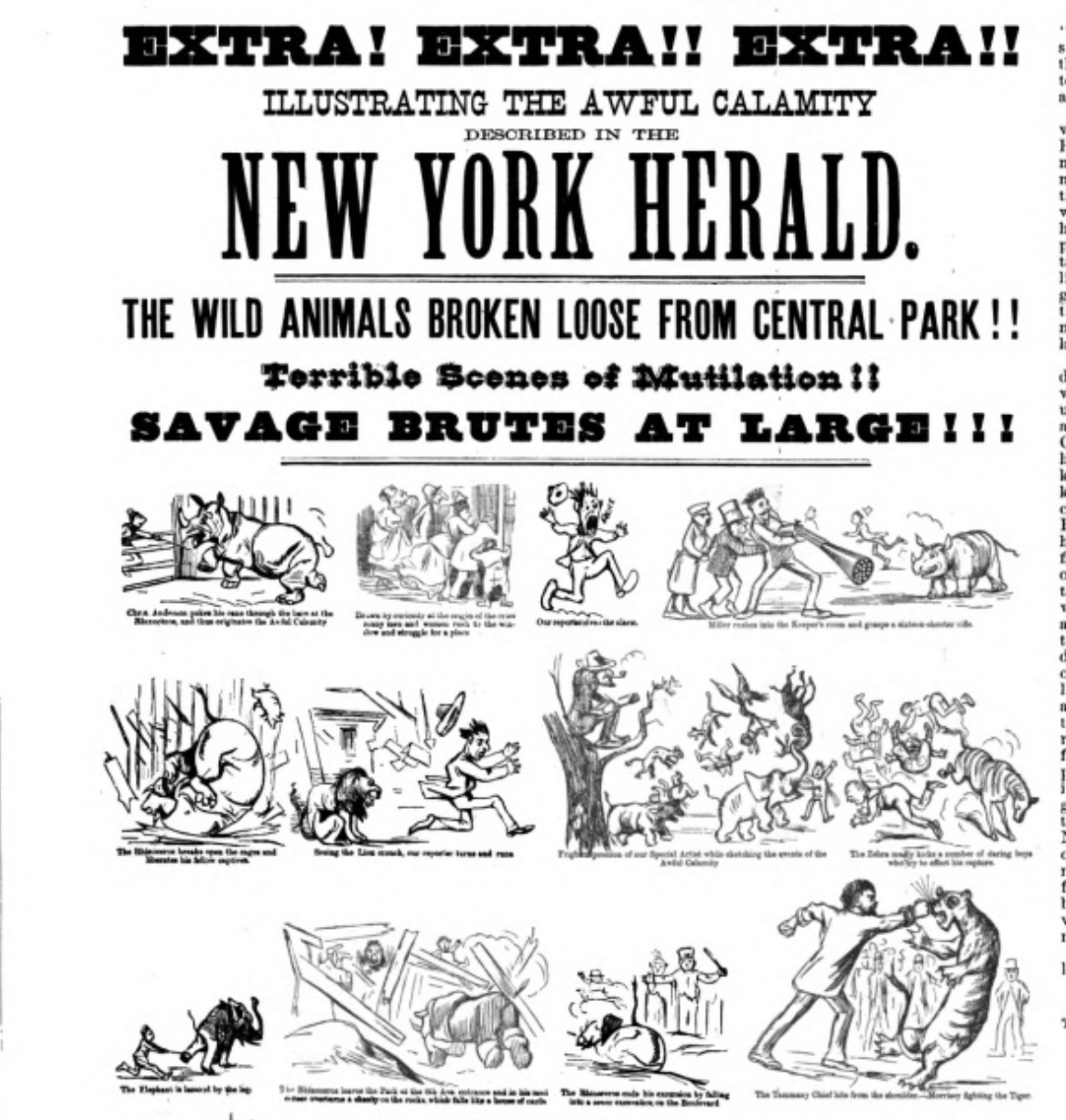
The Central Park Zoo escape — A specific moment in New York City history is strongly referenced in one exciting sequence in the movie. Or, should I say, an imagined moment in New York City history.
On November 9, 1874, the New York Herald ran a fictitious tale of animals escaping from the Central Park Zoo. “A SHOCKING SABBATH CARNIVAL OF DEATH” ran the headline: Â “Another Sunday of horror has been added to those already memorable in our city annals. The sad and appalling catastrophe of yesterday is a further illustration of the unforeseen perils to which large communities are exposed.”
Harper’s Weekly recounts the hoax in a article from 1893 here.
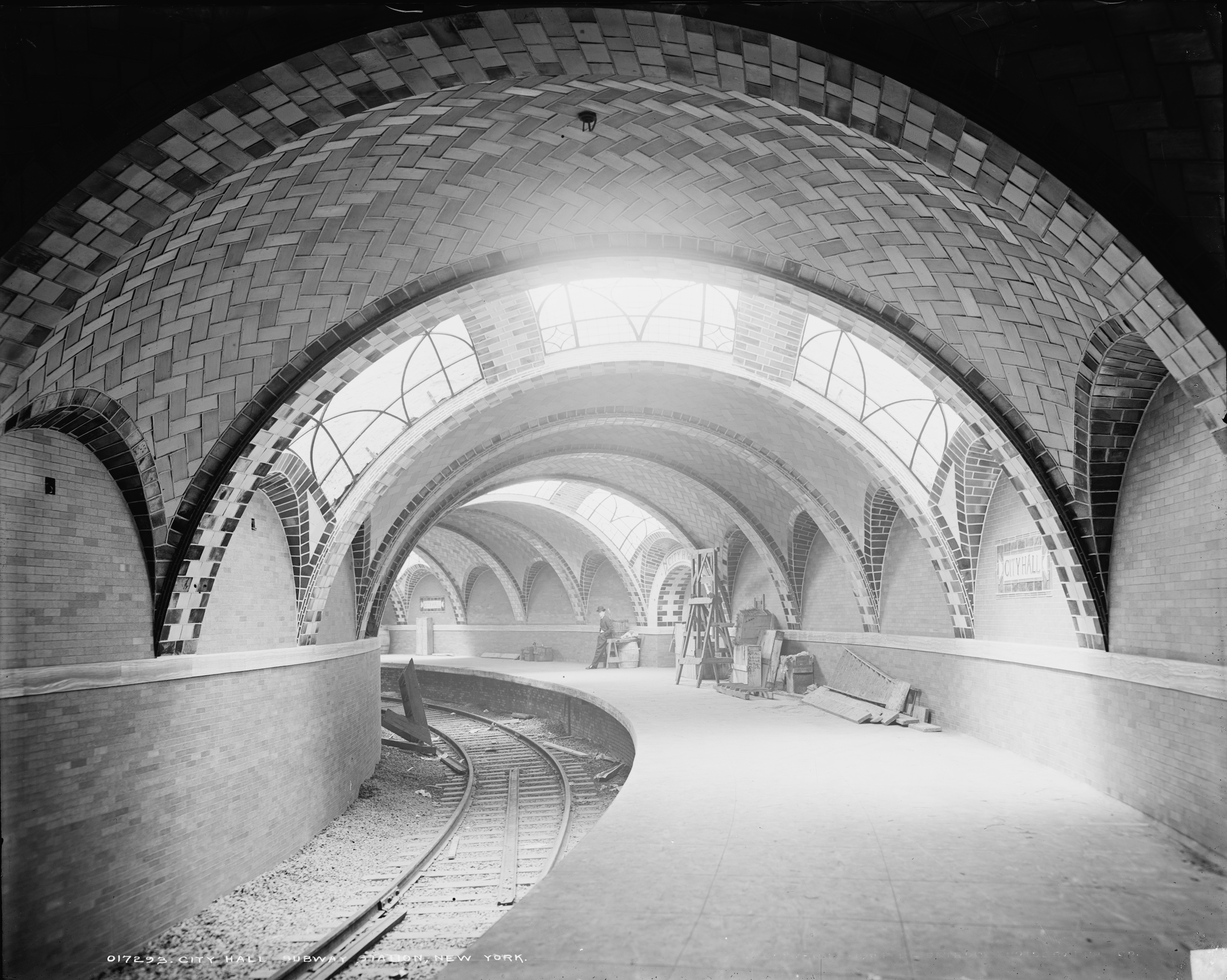
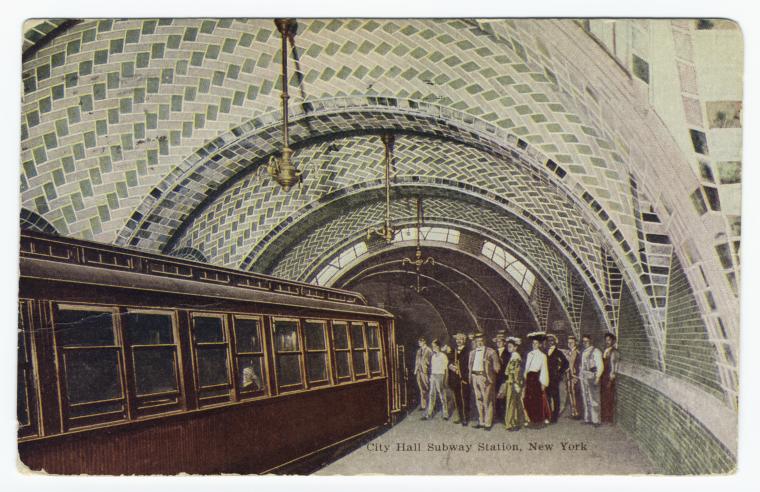
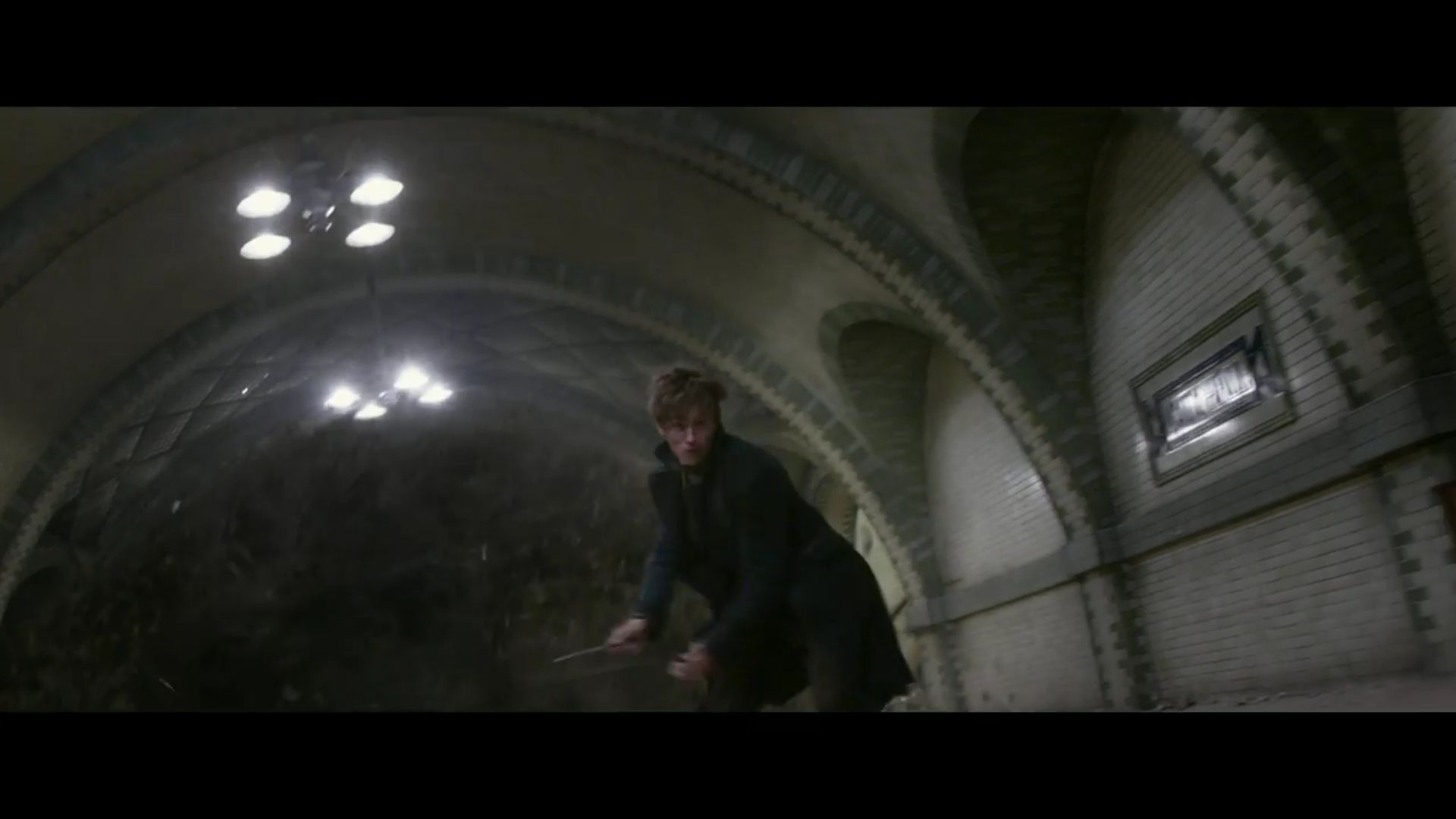
City  Hall Subway Station — One of the major action set pieces of the film takes place in a New York space that few are rarely allowed to go — the underground City Hall subway station.  Built in 1904 for the first subway, it was the most beautiful and the most elaborate, meant to assure the public of the subway’s comfort and safety. It was taken out of regular service in 1945 however it is occasionally reopened for tour groups.
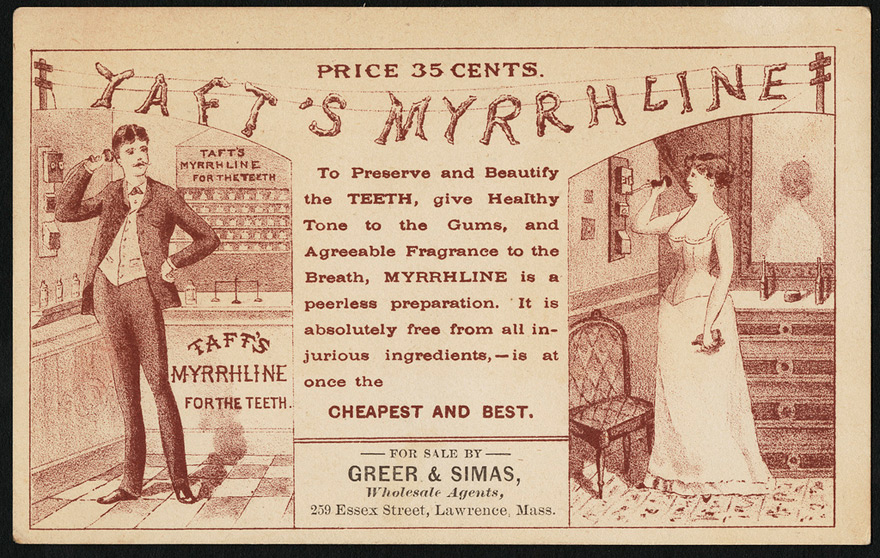
03: American eating habits were transformed in the early 20th century with innovations in freezing and refrigeration, allowing all kinds of foods to be shipped across the country and stored for long periods of time.
But it would actually be the television set that would inspire one of the strangest creations in culinary history — the TV dinner.
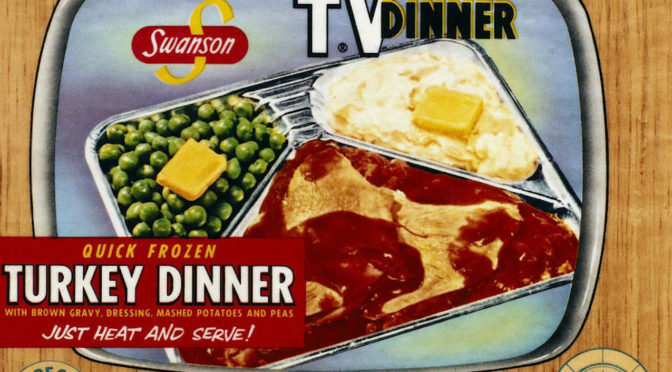
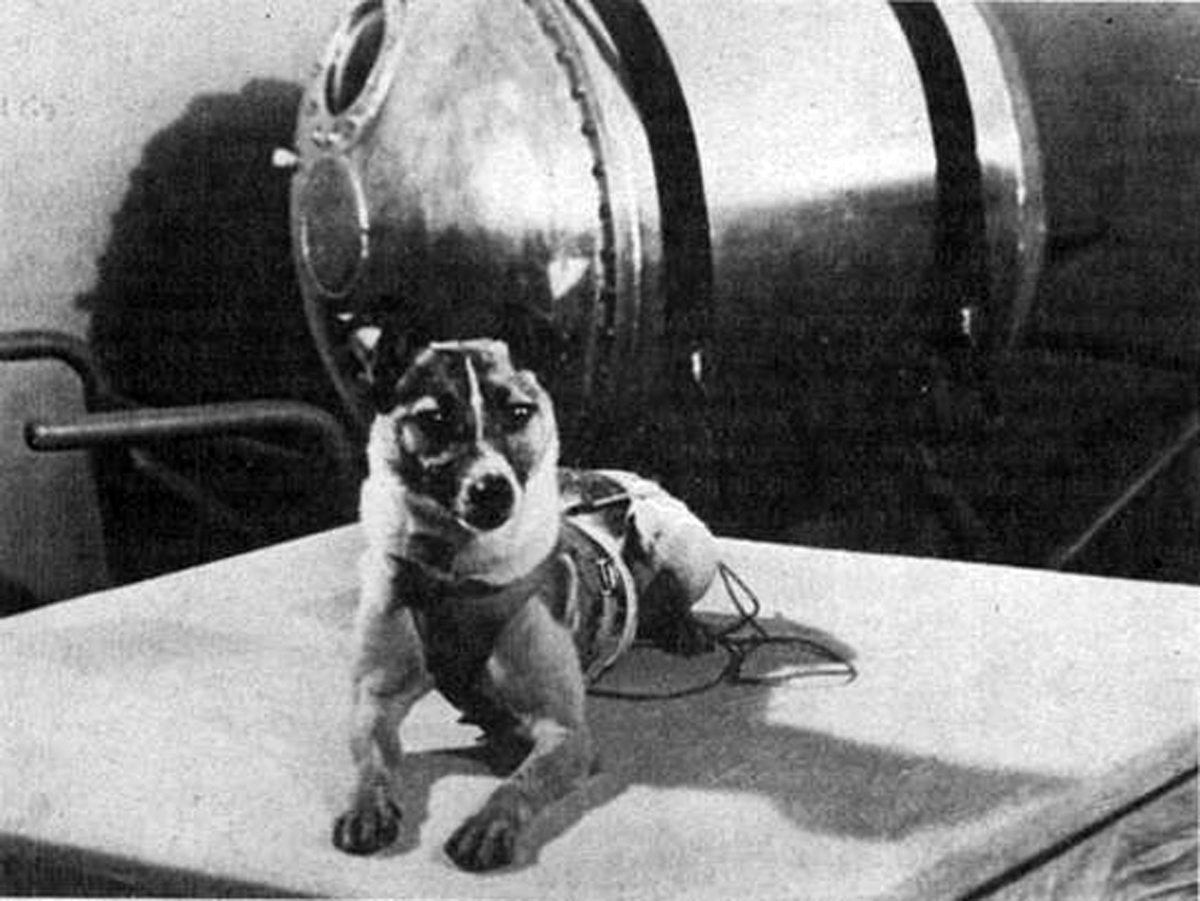
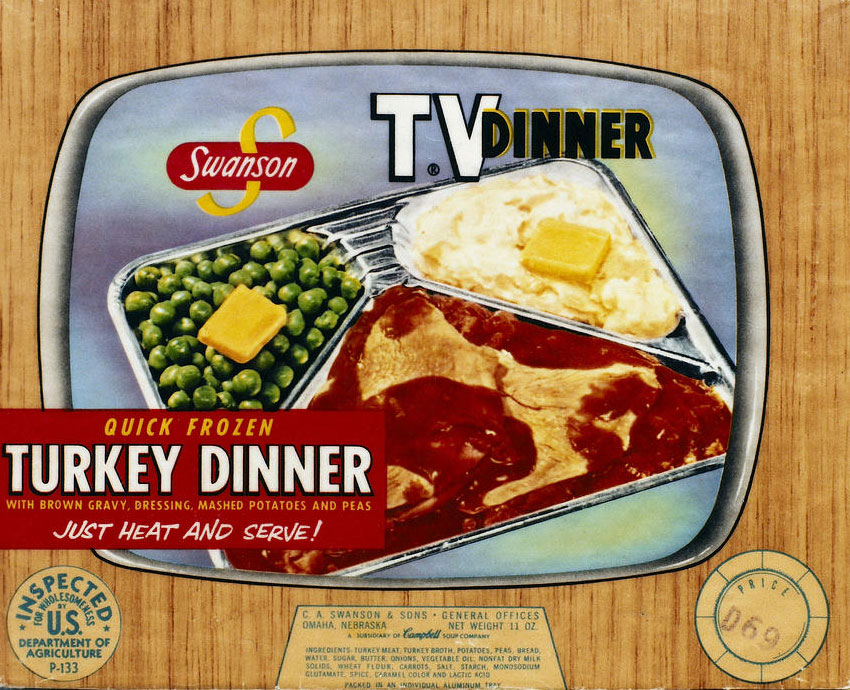
Inspired by airplane meals, the TV dinner originally contained the fixings of a Thanksgiving meal, thanks in part to a massive number of overstocked frozen turkeys.
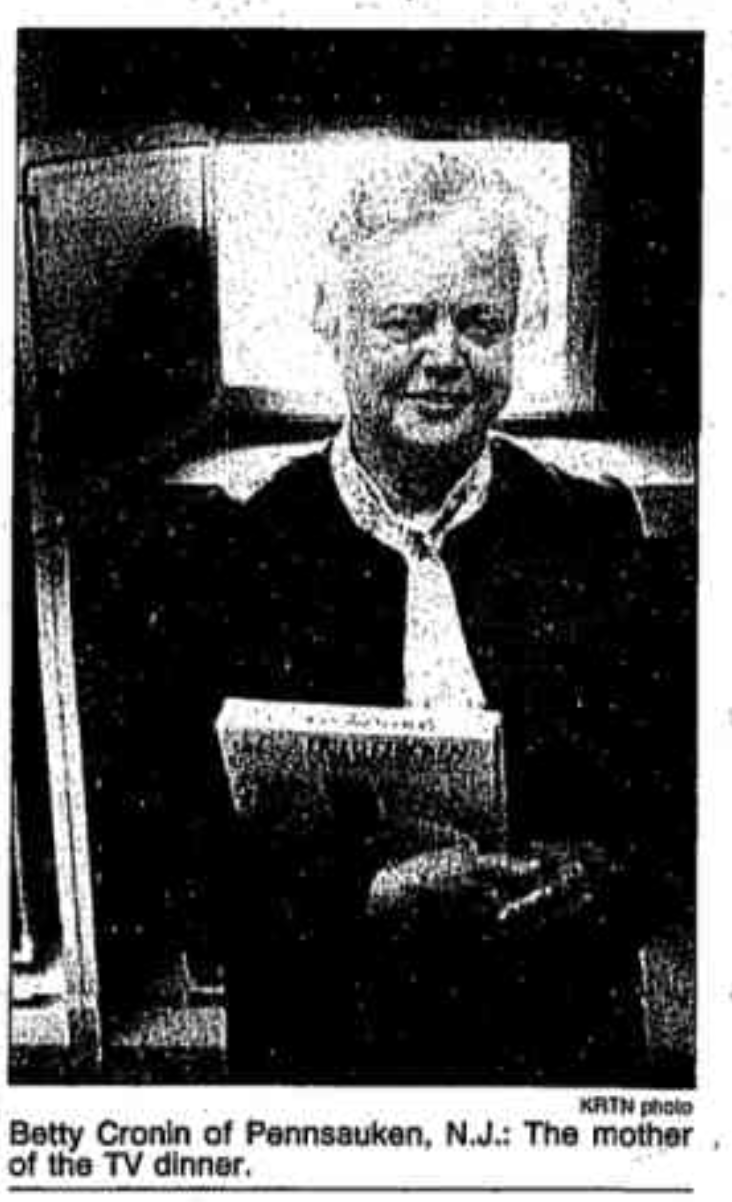
The key to its success was its revolutionary heating process, allowing for all items on the tray to heat evenly. And the person responsible for this technique was a 22-year-old woman from Omaha, Nebraska named Betty Cronin, a woman later called ‘the mother of the TV dinner.’
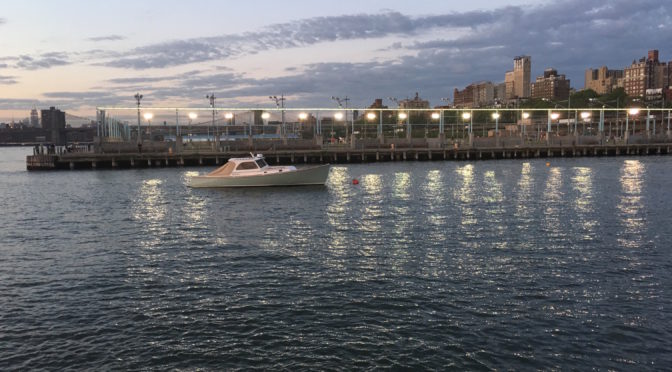
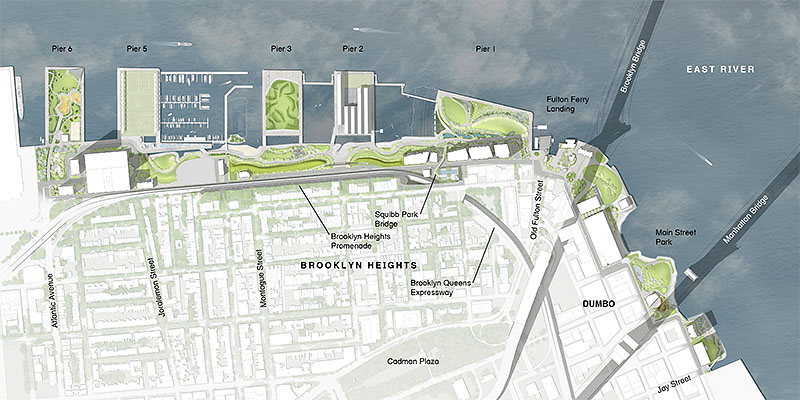
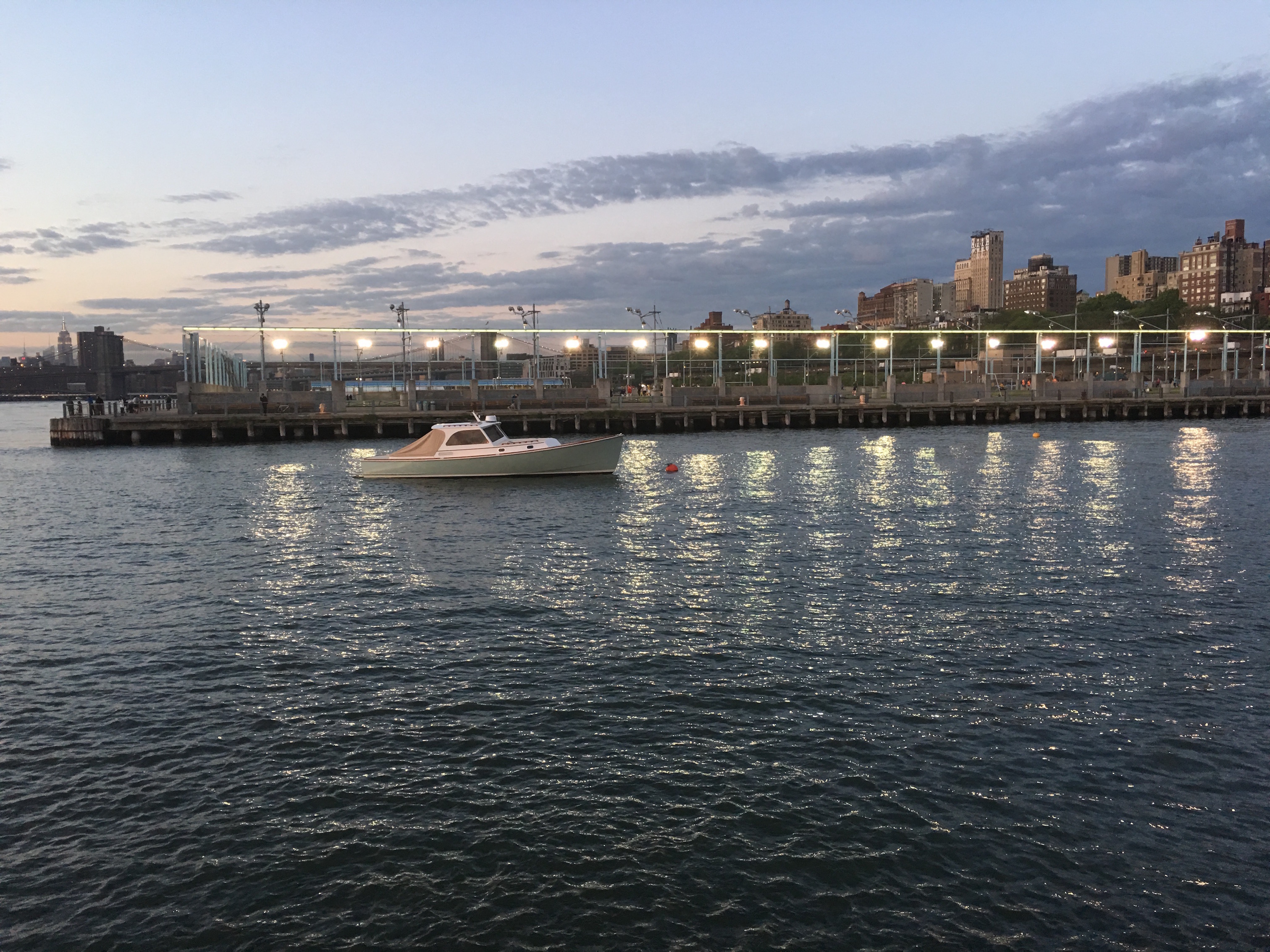
A stroll at dusk along the waterfront paths of Brooklyn Bridge Park presents a look at New York City like no other — the fading skies over Liberty Island and New Jersey, the silhouettes of downtown Manhattan as the lights flicker on, the bridges of the East River awakening for another beautiful night.
You can be forgiven for not liking every element of this 85 acre park along the western waterfront, from Brooklyn Heights to DUMBO. Some aspects are breathtaking, others a bit too phony. Construction began almost nine years ago and bits and peaces have slowly opened to the public.
It’s ravishing but does not as of yet feel comfortable. The interruptions of the BQE, separating the park from Brooklyn Heights, may have something to do with that. See also: the luxury condos, the closed Squibb Park bridge, etc.
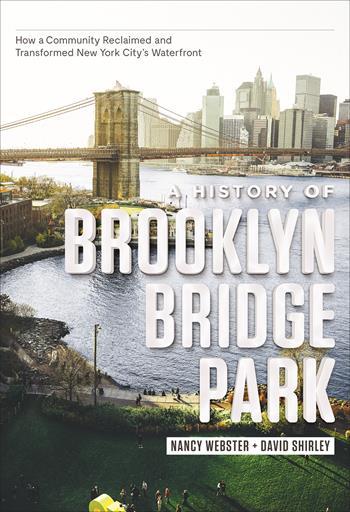
But after reading A History of Brooklyn Bridge Park by Nancy Webster and David Shirley, I’ve gained a new appreciation for this  varied and well-sculpted public space. The decades-long struggle to get it constructed is emblematic of modern New York, and the fact that succeeds for the most part is, in fact, a miracle.
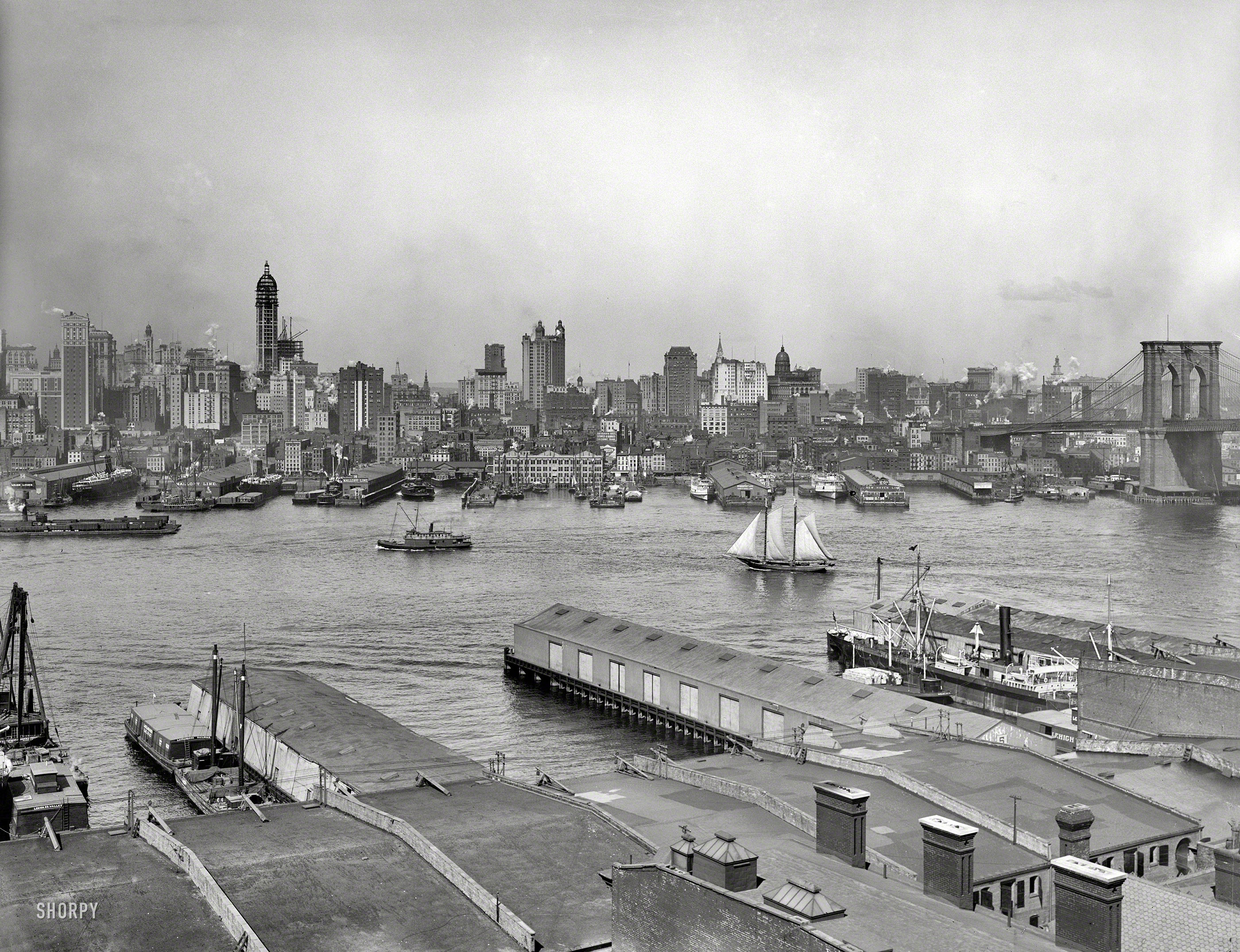
Below: The Brooklyn waterfront sometime in the 1900s.
Courtesy Shorpy
The waterfront has served two purposes — as a thriving port until the mid-20th century (when container shipping effectively destroyed Brooklyn’s pier industries), and as an unobtrusive platform for those that enjoy the gorgeous views of Manhattan from the vantages of the Brooklyn Promenade and the neighborhood of Brooklyn Heights.
In 1965 the waterfront was designated a LH-1 (Limited Height) district, meaning that buildings couldn’t be constructed here that were higher than 50 feet. Of course, it didn’t specify the purpose of those buildings.
For a moment in the 1980s, it seemed both of those original purposes would disappear as Port Authority considered selling the piers to private developers. An interesting struggle between the city and neighborhood activists exposed a litany of complicated issues.
Courtesy Michael Van Valkenburgh Associates
The community activists of Brooklyn Heights seemed to be working in support of the public’s interest in fighting to transform the waterfront into parkland. (The project’s original name was Harbor Park.) But weren’t they also preserving the values of their cliffside homes along the Promenade? Was this really in the best interest of all New Yorkers?
Webster and Shirley take you through every contentious step of the park’s evolution from the 1980s until today. This book places the park alongside an interesting continuum of long-gestating New York projects, from the Second Avenue Subway to the One World Trade Center plaza.
Courtesy Bowery Boys
They also give a pointed impression of Brooklyn Bridge Park’s most unique quality — its location to the Heights which has protected it from routine development.  In comparison, further north in Brooklyn, the waterfronts of Williamsburg and Greenpoint have been swallowed up with condominiums of massive height.
Along the way, Brooklyn Bridge Park paints a fascinating portrait of Brooklyn Heights and its residents who first came together in 1986 as part of a Piers Committee to find use for the land.  For instance, of the neighborhood’s deep social roots, one chair of the committee remarked, “There was nobody you couldn’t get to by knowing somebody in Brooklyn Heights.”
A History of Brooklyn Bridge Park How A Community Reclaimed and Transformed New York City’s Waterfront Nancy Webster and David Shirley Columbia University Press
PODCAST The thrilling tale of Edwin Booth and the marvelous social club he created for the acting profession
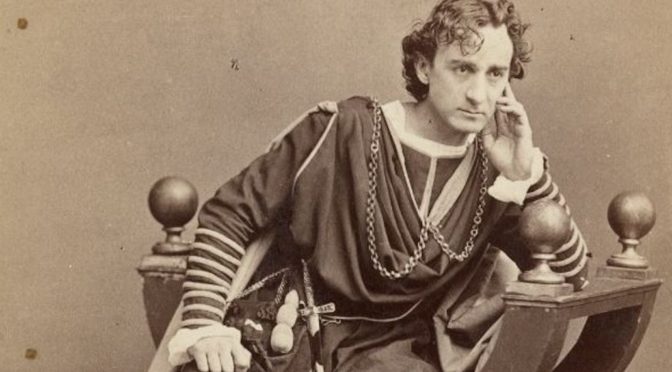
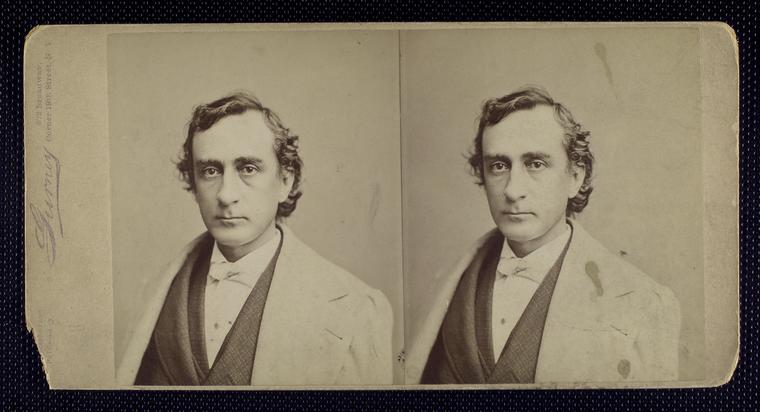
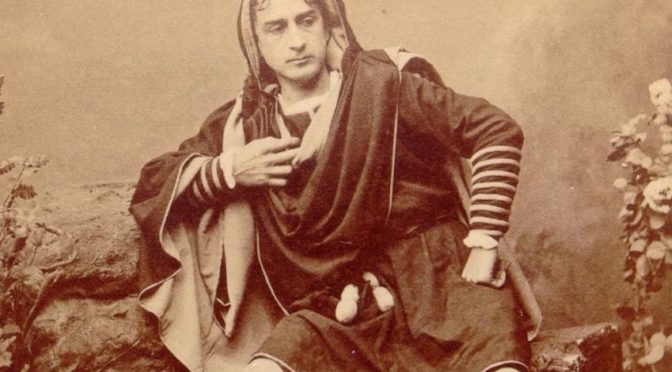
Edwin Booth was the greatest actor of the Gilded Age, a superstar of the theater who entertained millions over his long career. In this podcast, we present his extraordinary career, the tragedies that shaped his life (on stage and off), and the legacy of his cherished Players Club, the fabulous Stanford White-designed Gramercy Park social club for actors, artists and their admirers.
The Booths were a precursor to the Barrymores, an acting family who were as famous for their personal lives as they were for their dramatic roles. Younger brother John Wilkes Booth would horrify the nation when he assassinated Abraham Lincoln in April of 1865, and Edwin would briefly retire from the stage, fearing his career was over.
But an outpouring of love would bring him back to the spotlight and the greasepaint. From then on, Booth would be known as the most respected actor in the United States.
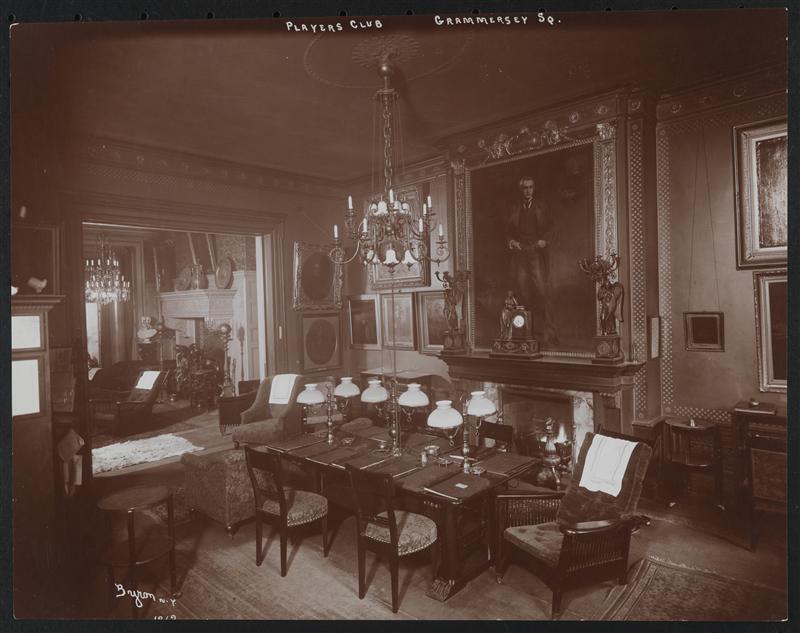
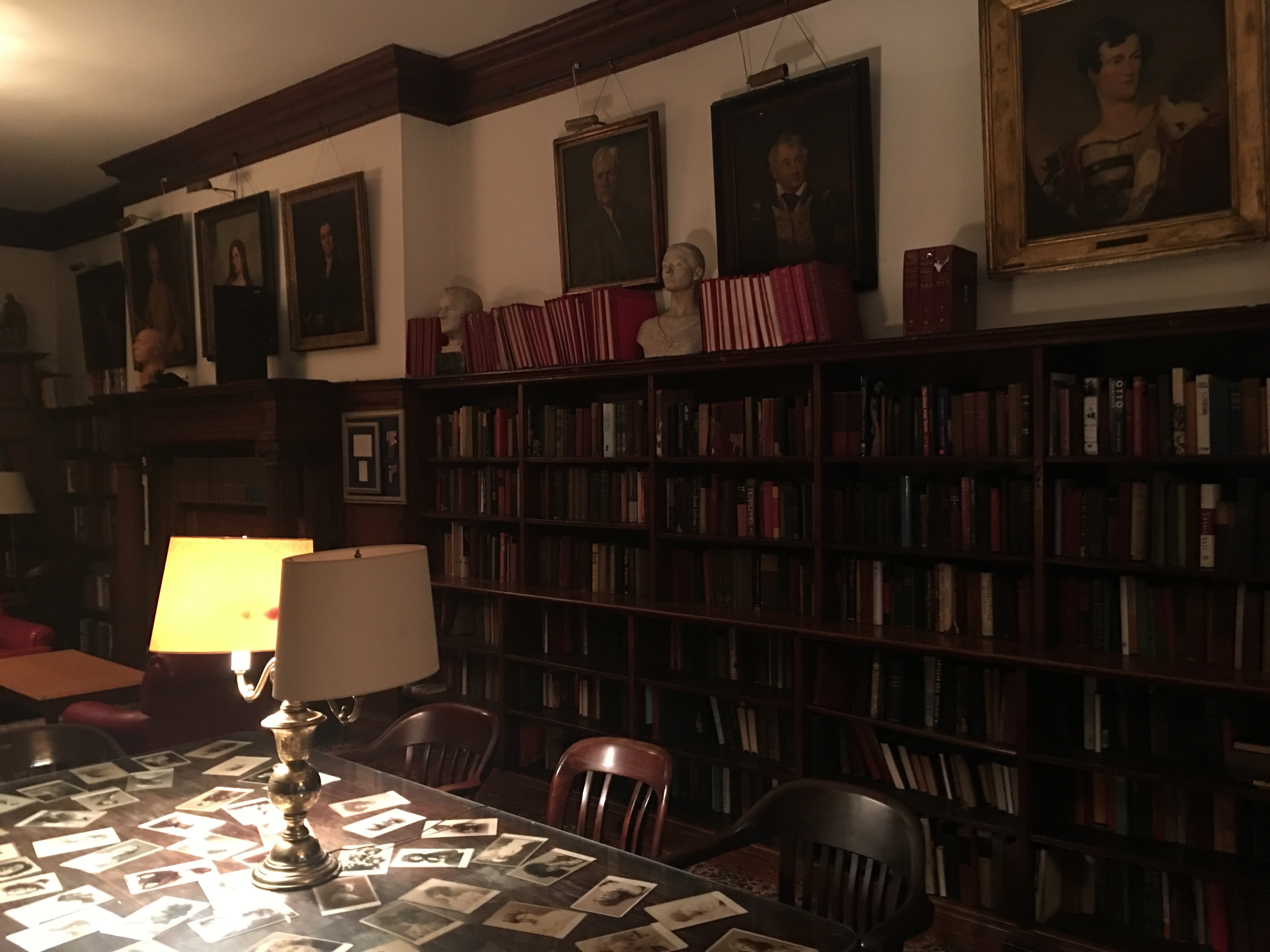
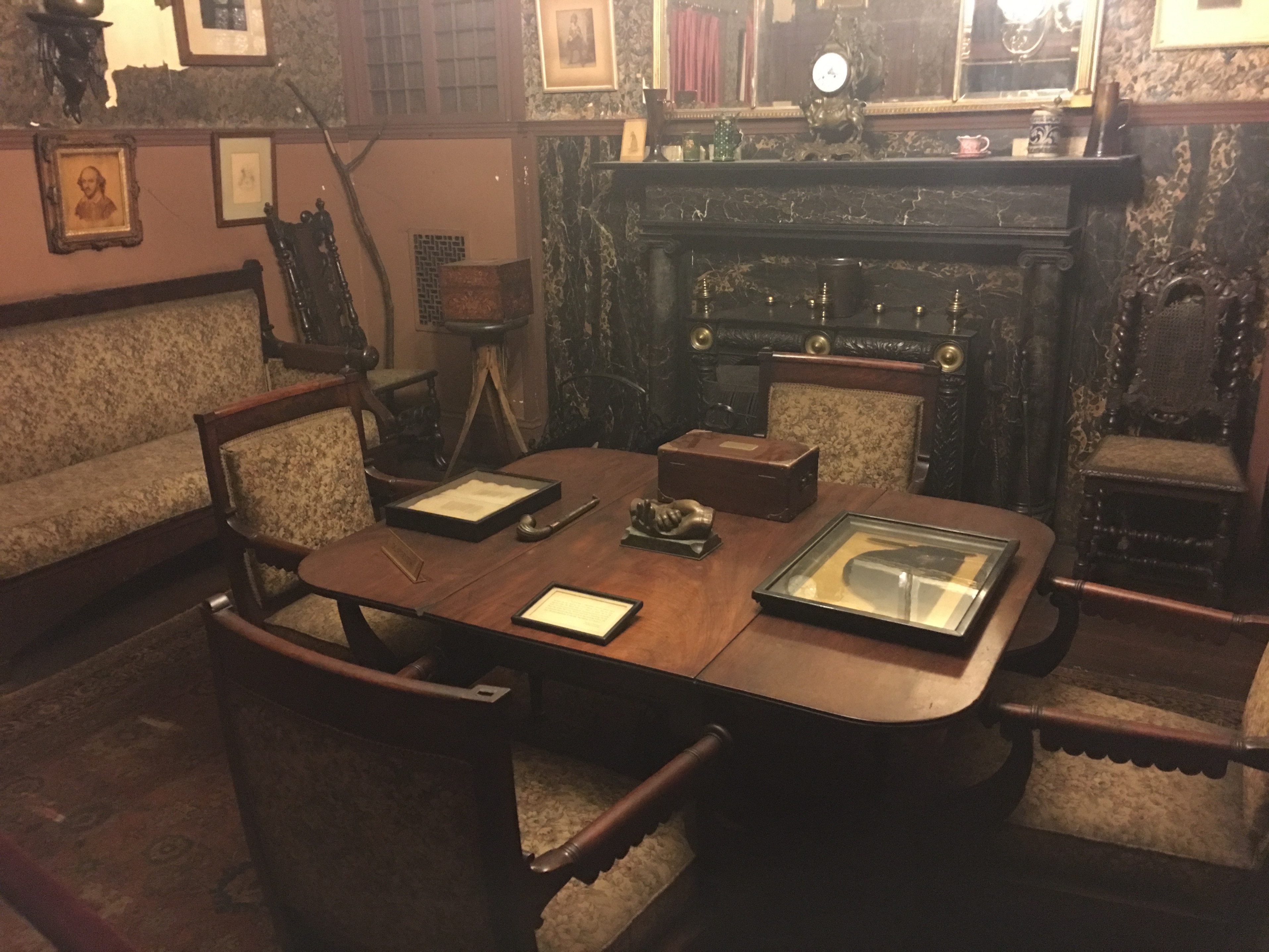
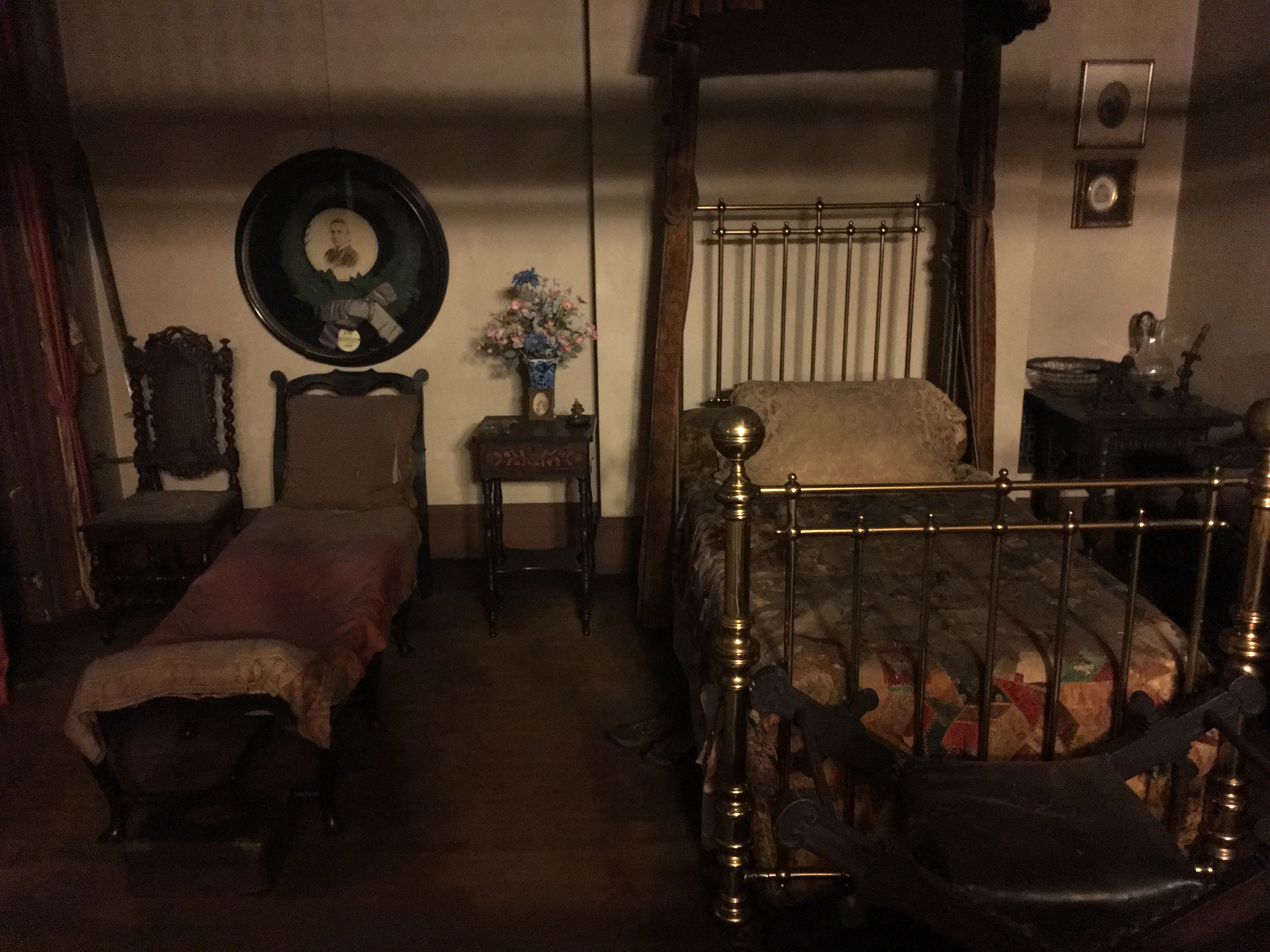
Booth would give back to the theatrical community with the formation of the Players Club which officially made its debut on New Year’s Eve 1888. In this show, we’ll take you on a tour of this exclusive destination for film and theatrical icons, including a look at the upstairs bedroom where Booth died, still preserved exactly as it looked on that fateful day in 1893.
Our thanks to Nicole and Patrick Kelly of Top Dog Tours NYC for giving us a tour of this extraordinary place!
The Bowery Boys: New York City History podcast is brought to you …. by you!
We are now producing a new Bowery Boys podcast every two weeks. We’re also looking to improve the show in other ways and expand in other ways as well — through publishing, social media, live events and other forms of media. But we can only do this with your help!
We are now a member of Patreon, a patronage platform where you can support your favorite content creators for as little as a $1 a month.
Please visitour page on Patreon and watch a short video of us recording the show and talking about our expansion plans. If you’d like to help out, there are five different pledge levels (and with clever names too — Mannahatta, New Amsterdam, Five Points, Gilded Age, Jazz Age and Empire State). Check them out and consider being a sponsor.
We greatly appreciate our listeners and readers and thank you for joining us on this journey so far. And the best is yet to come!
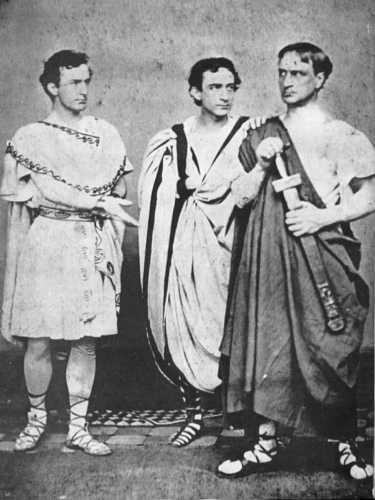
John Wilkes, Edwin and Junius Booth performing Julius Caesar.
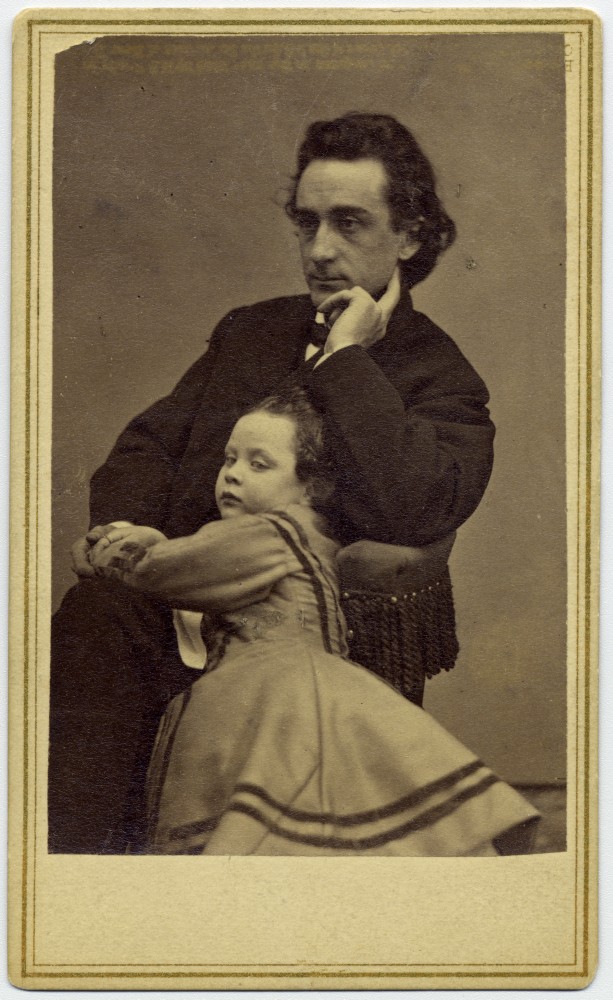
Edwin Booth and his daughter Edwina, photo taken by Mathew Brady, circa 1864
Courtesy George Eastman House
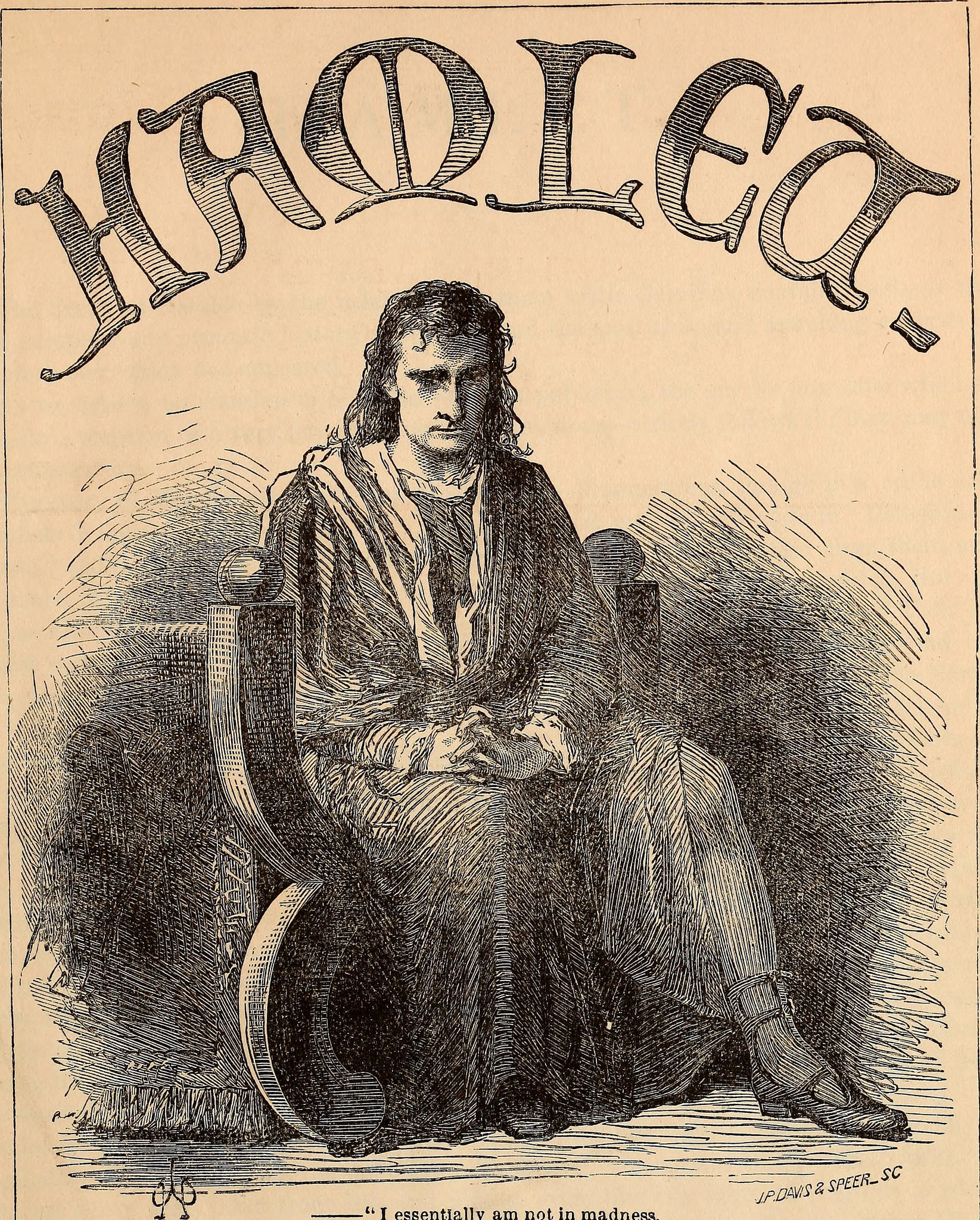
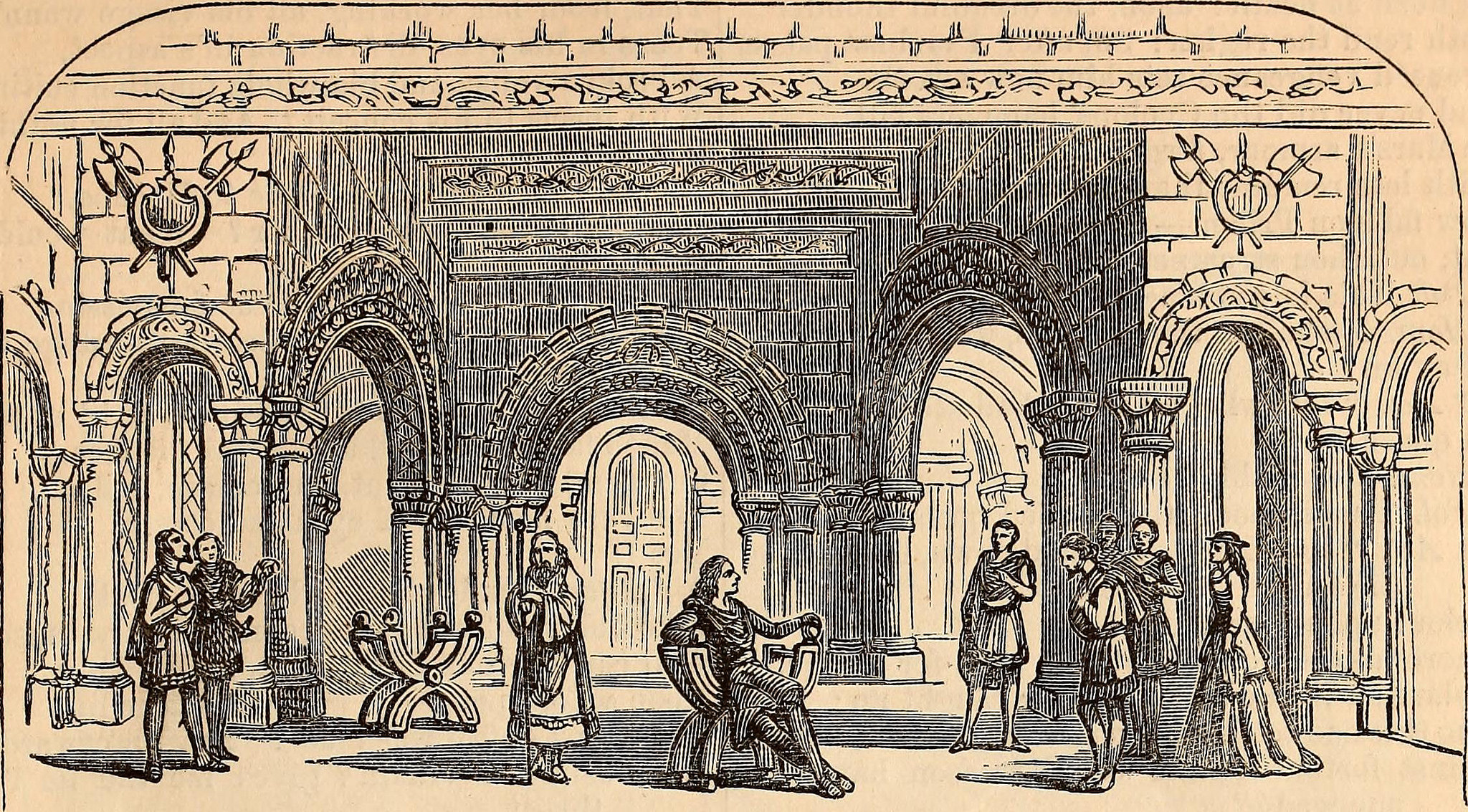
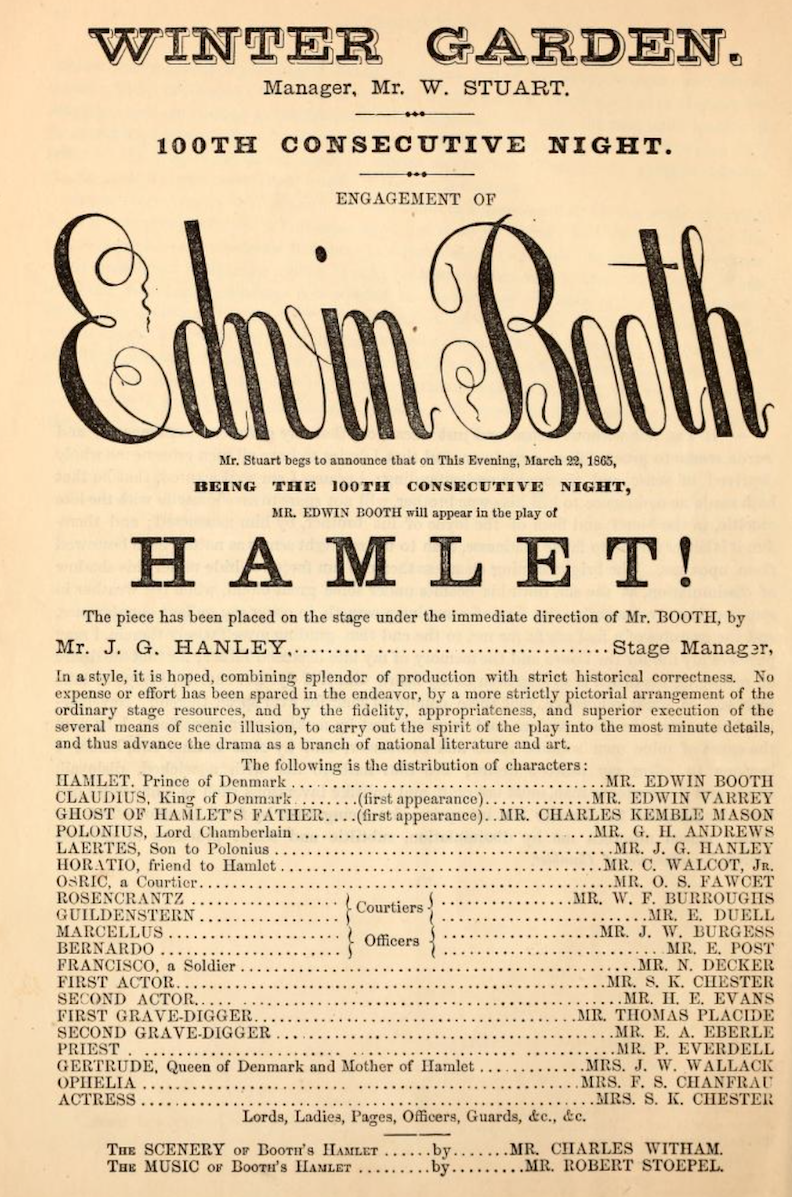
Images from a commemorative book (published in 1866) of Booth’s 100 nights of Hamlet at the Winter Garden.
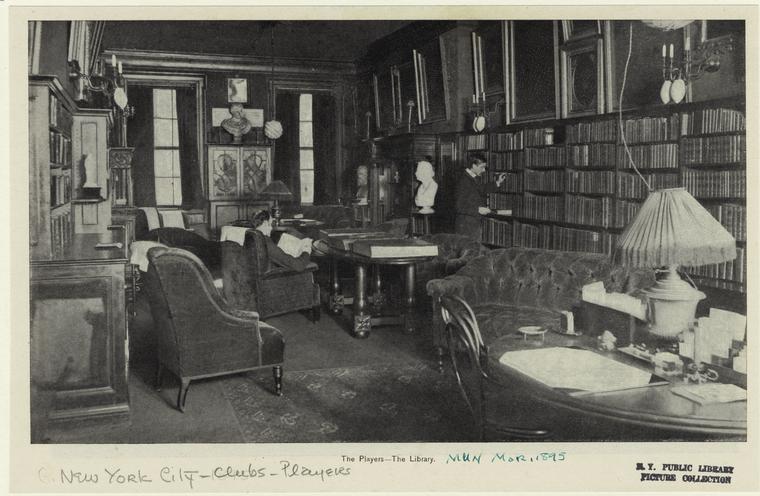
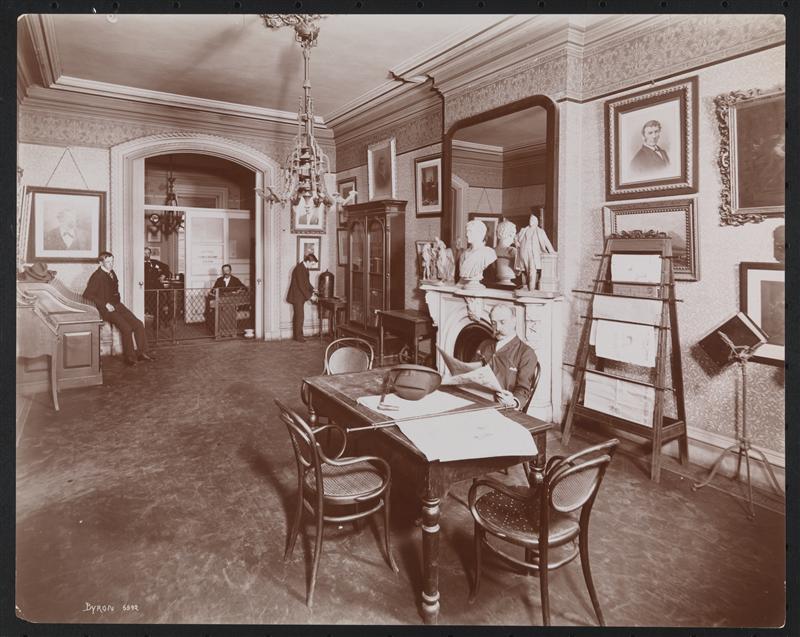
In the library of the Players Club, picture dated 1895
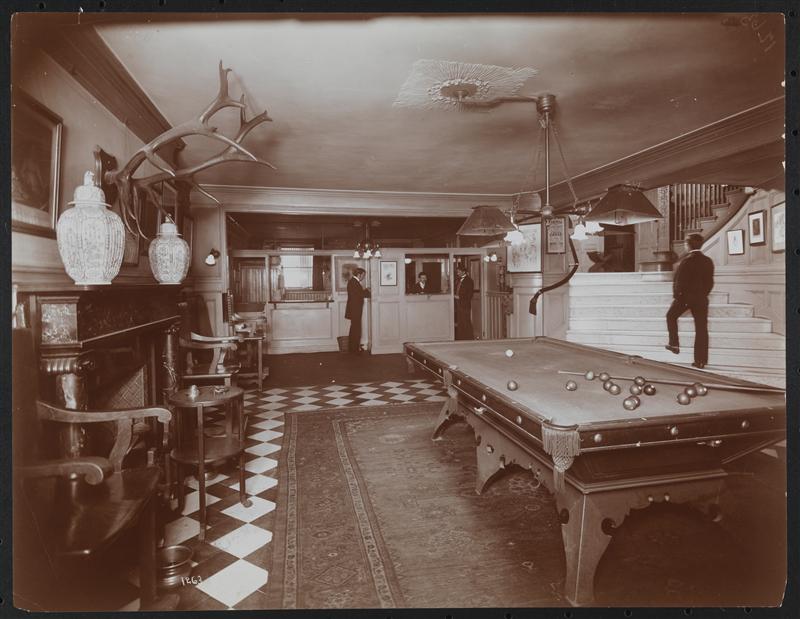
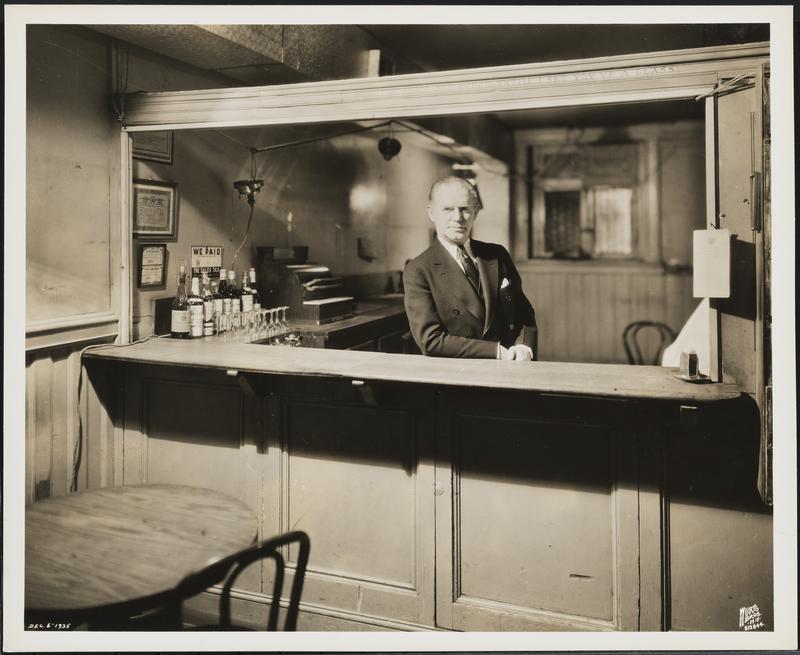
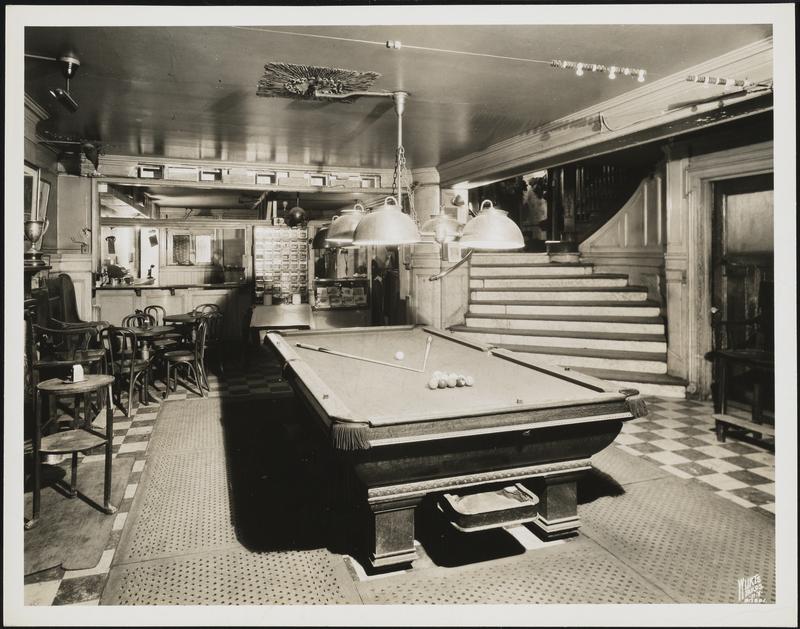
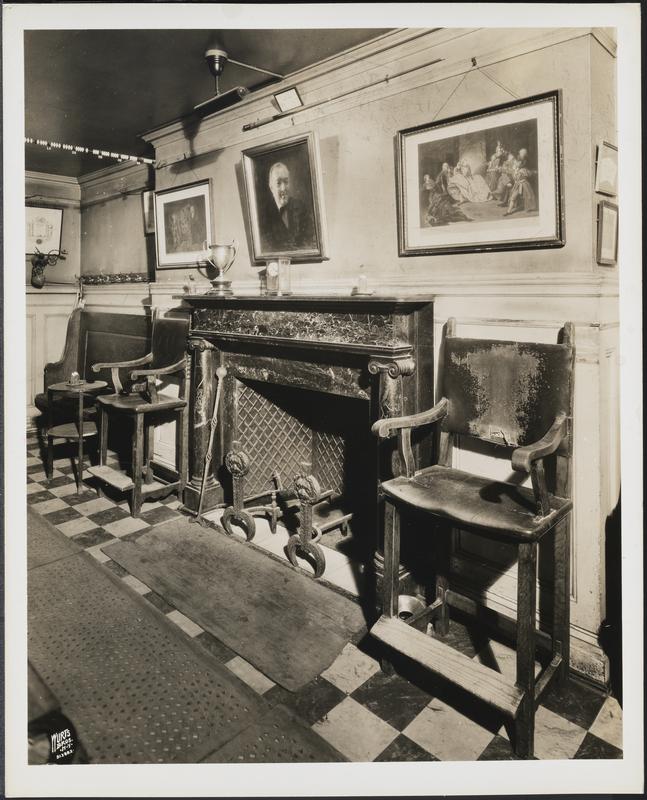
And some from 1935 of the barroom and billiard room downstairs (also courtesy MCNY):
16 Gramercy Park South. Interior, The Player’s Club with Connelly, barkeeper 16 Gramercy Park South. The Players Club. Interior, view of playroom and bar, before alterations 16 Gramercy Park South. The Players Club. Interior, view of playroom and bar, before alterations
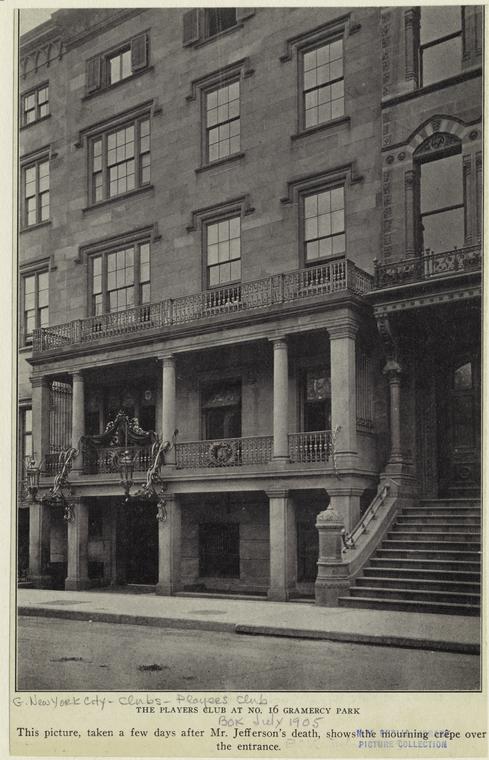
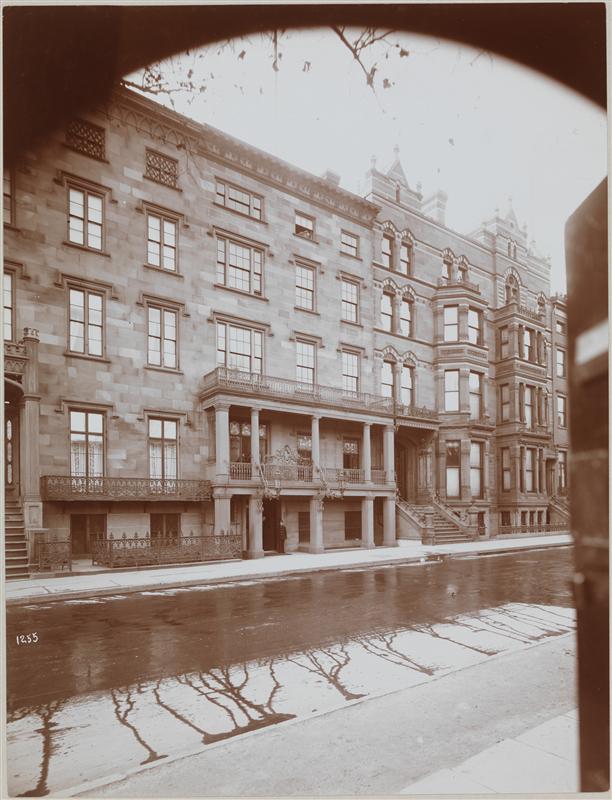
The exterior of the club (image dated 1895) with its distinctive balcony where members would enjoy an evening gazing out of the park, drinking a brandy or a flute of champagne.
NYPLMCNY/Byron Co.
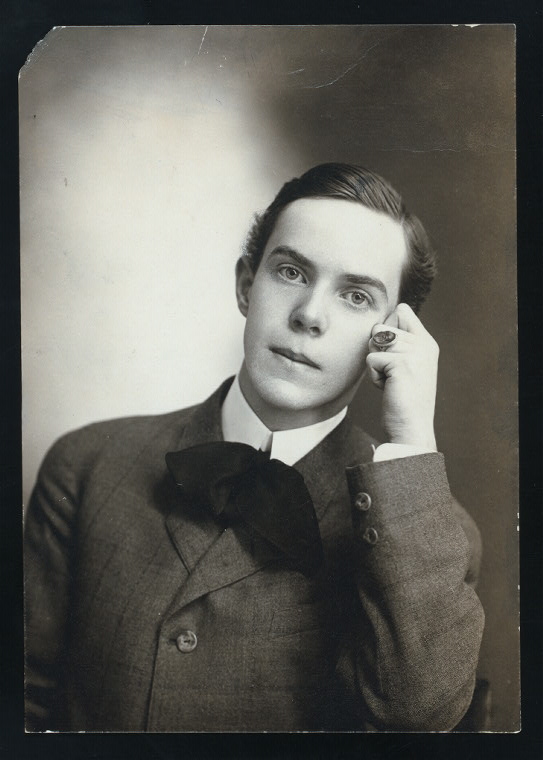
Edwin Booth Grossman, Booth’s grandson, who became a painter.
NYPL
Some pictures of our visit to the Players Club from last week —
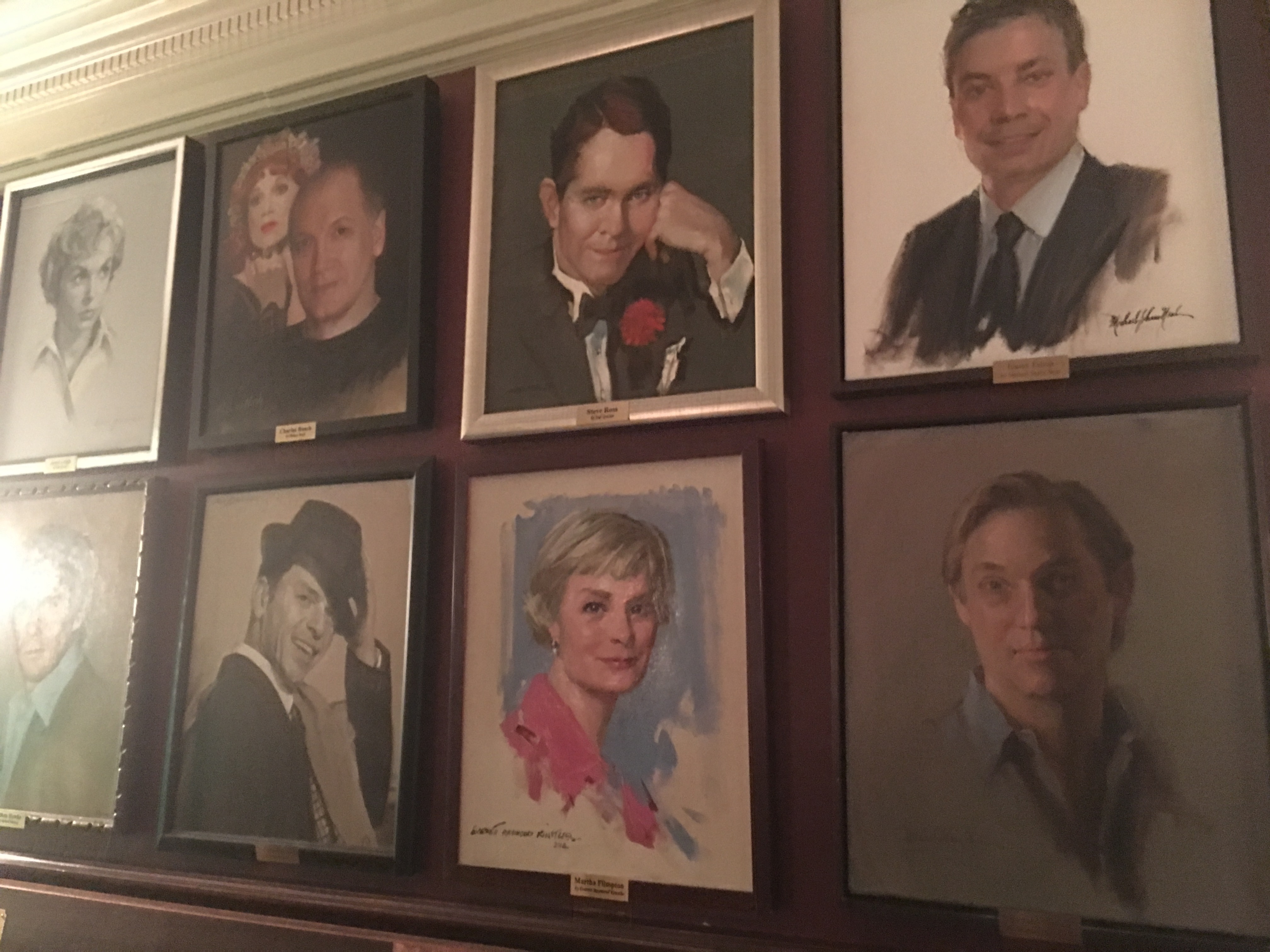
Portraits of members, past and future. Two very recent members are featured here — Martha Plimpton and Jimmy Fallon!
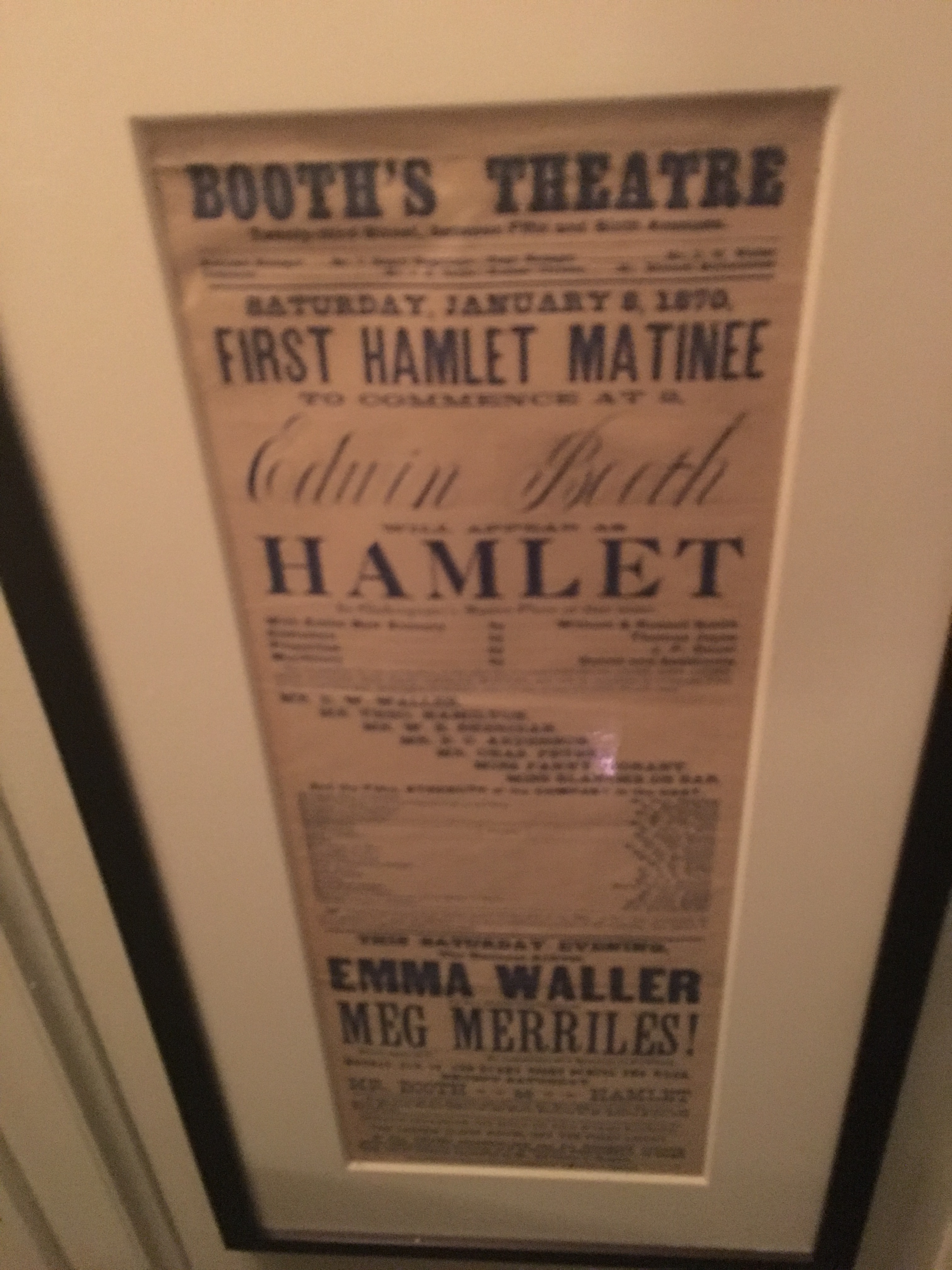
A framed bulletin from Booth’s Theatre on 23rd Street:
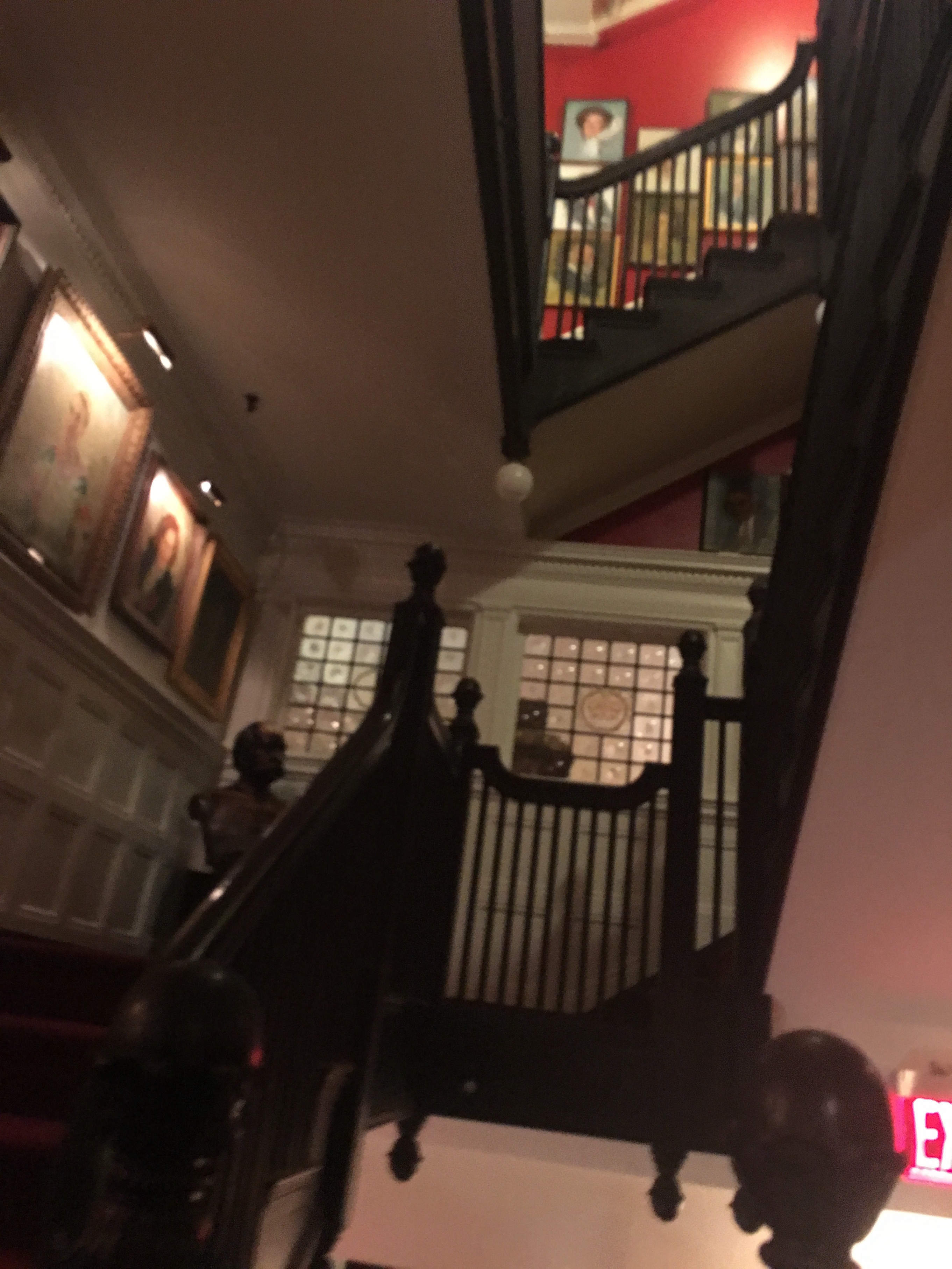
Up the winding staircase to Booth’s bedroom….
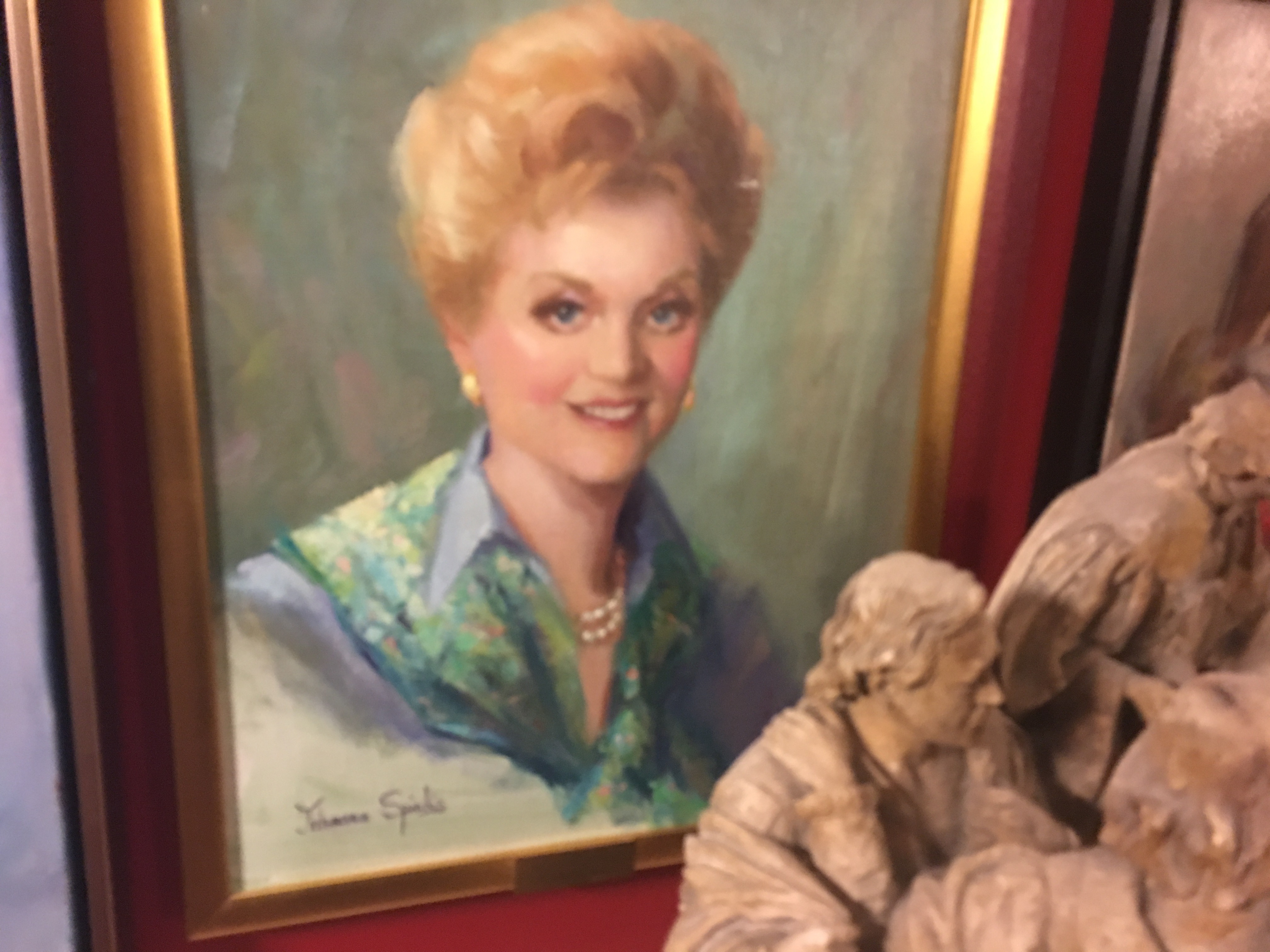
Angela Lansbury awaits us on the landing!
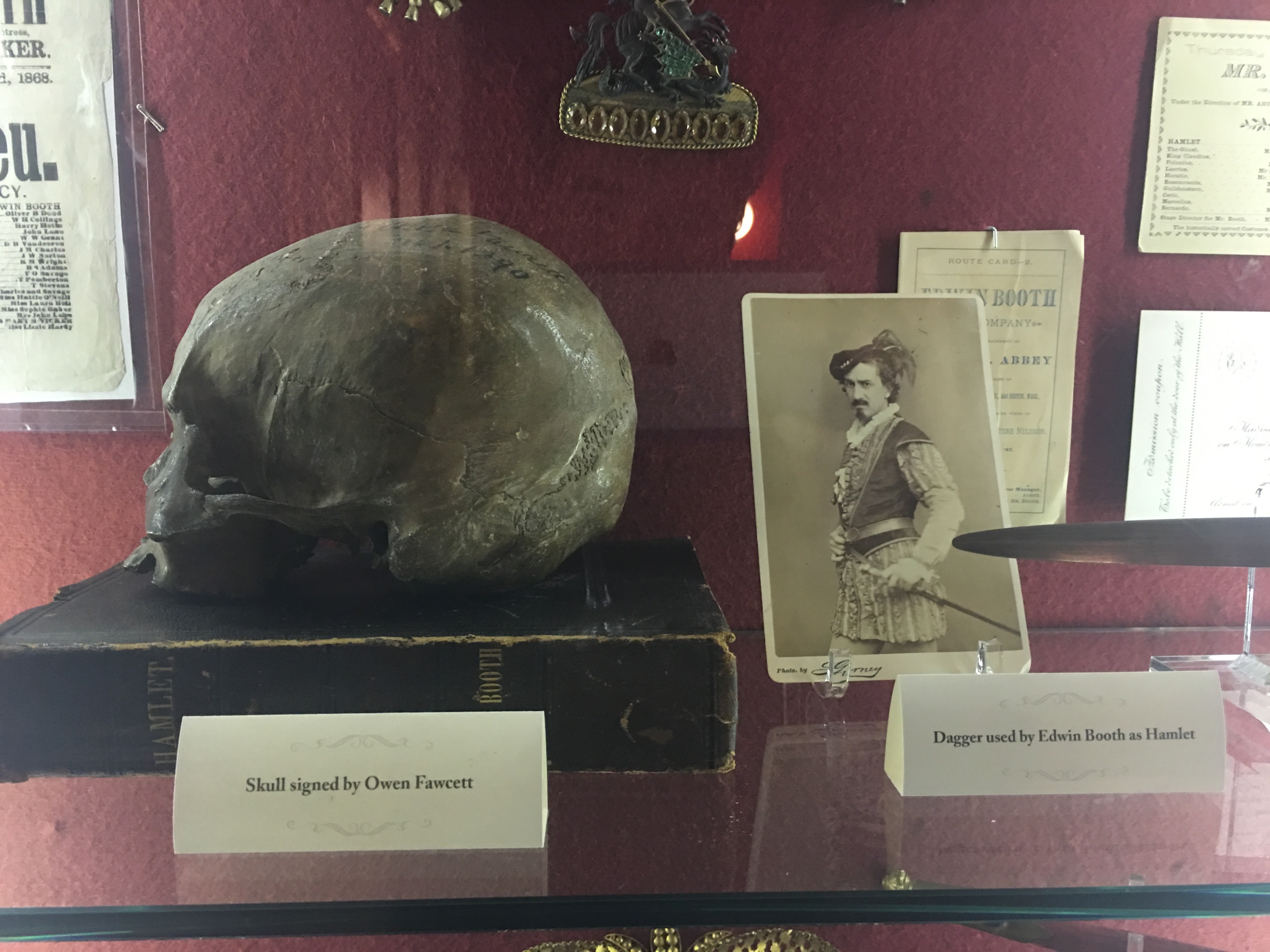
Theatrical props adorn every shelf of the club.
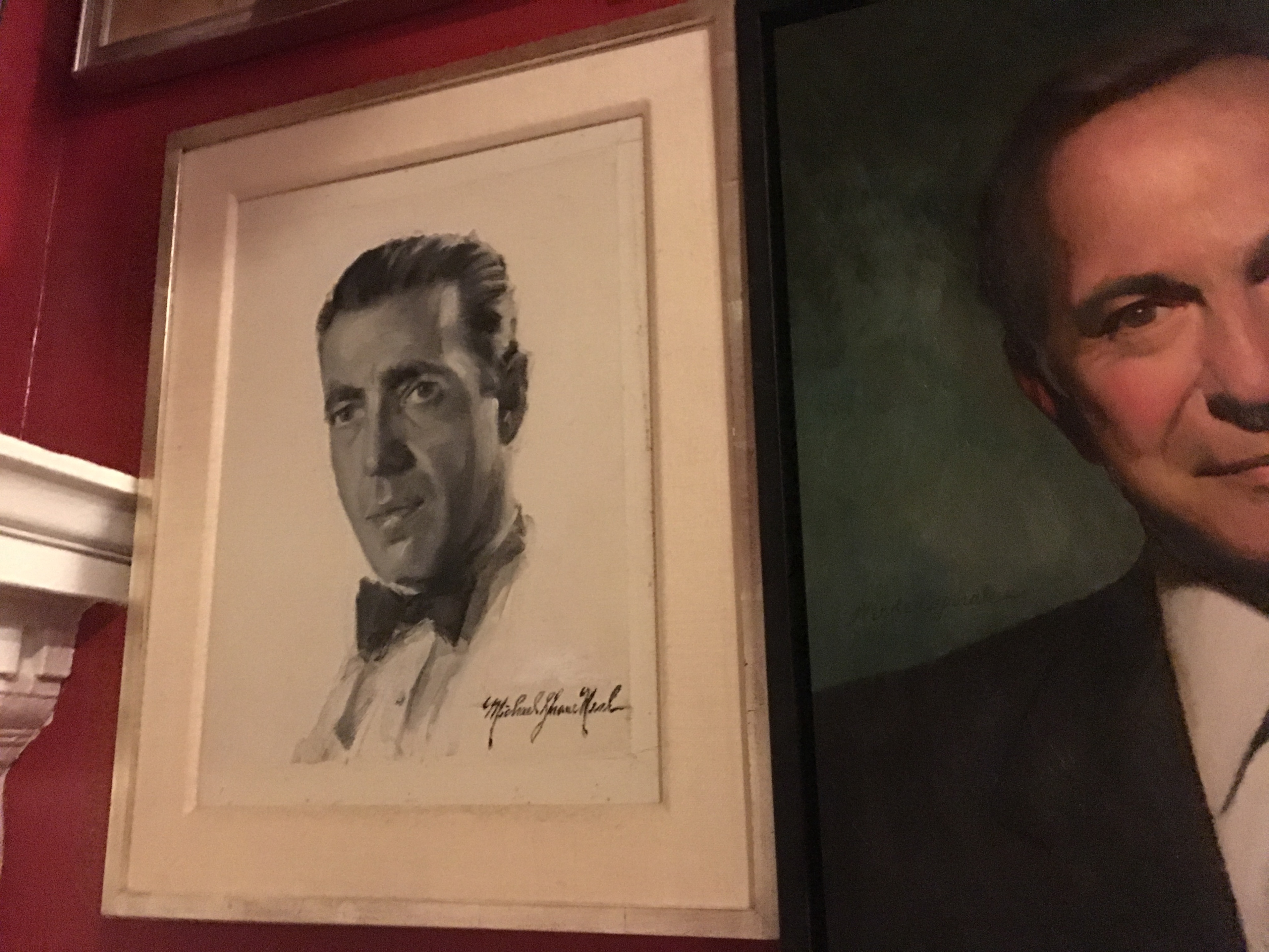
Humphrey Bogart hangs in the hallway. Lauren Bacall, by the way, also has a portrait hanging near the billiard table.
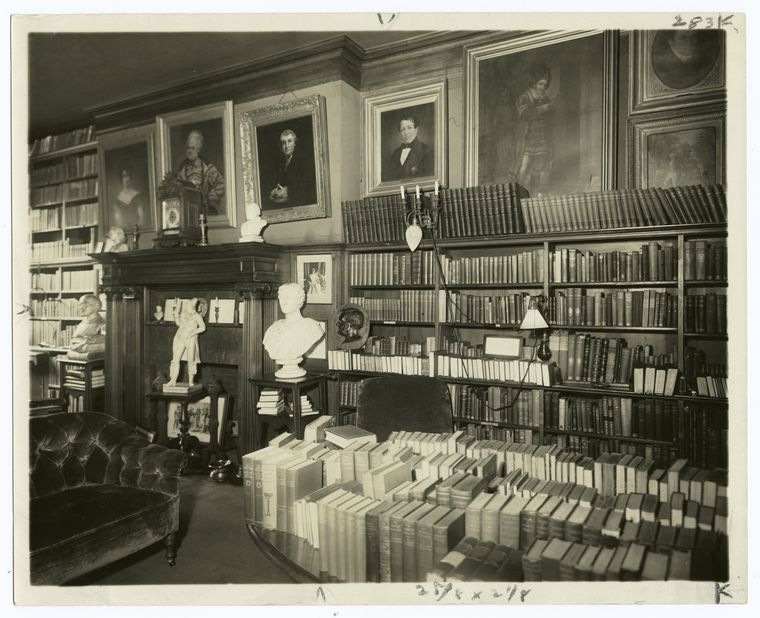
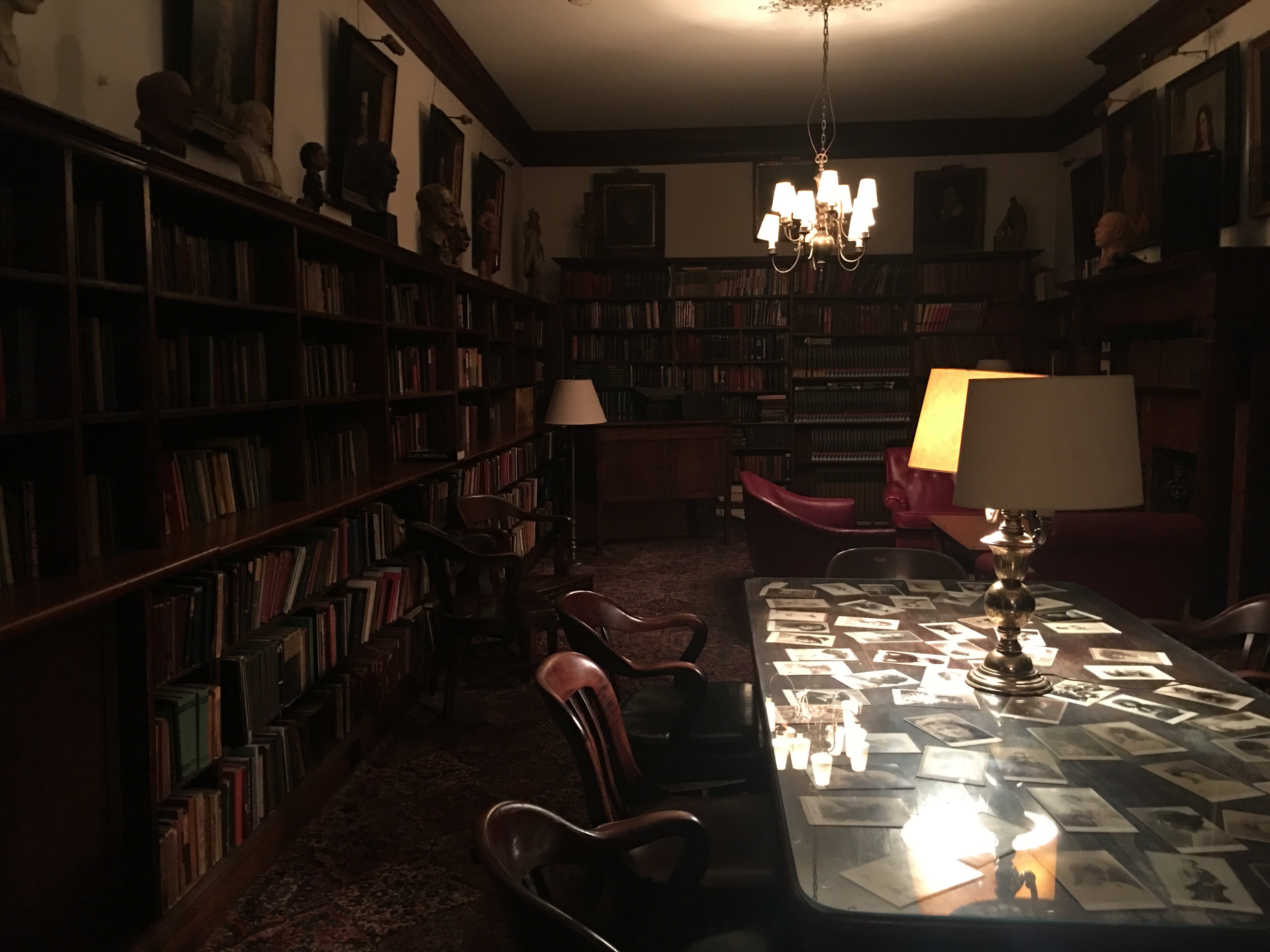
Inside the dark theatrical library, one of the greatest collections of theater history volumes in the world.
Finally, inside Booth’s living quarters! On the table sits a mold of Edwin’s hand holding that of his daughter Edwina.
The bed where Edwin Booth died, and a smaller bed where his daughter kept next to him in his final moments.
The plays and sonnets of William Shakespeare, as the finest examples of the English written word, were also the first recorded sounds ever made. Â The first recording ever made at Alexander Graham Bell‘s Volta Laboratory in Washington DC in 1881 was that of Bell’s very own voice reading Shakespeare’s Hamlet.
Here’s another recording of Bell’s voice from 1885, running through a series of numbers as a sort of ‘test pattern’ for Bell’s new Graphophone:
But Bell, visionary and genius, was no actor. Â The first audio of Shakespeare performance by an actor — the greatest actor, in fact –Â Edwin Booth, also known among the creative set in New York for The Players Club in Gramercy Park.
The recordings were made in Chicago in March 1890, of Hamlet and Othello (heard below):
Booth has a couple tie-ins to the subject of our last podcast,the Astor Place Riot. Â He was named for the early American tragedian Edwin Forrest whose rivalry with the British actor William Macready incited the bloody conflict at the crossroads of Broadway and the Bowery on May 10, 1849.
And, of course, Edwin Booth has a serious connection with another 19th century theater tragedy — the assassination of Abraham Lincoln by Edwin’s brother (and acting partner) John Wilkes Booth. Â The assassin was actually known for his own aggressive version of Othello; during one performance, he almost strangled the life out of the actress playing Desdemona!
Listen to Edwin Booth’s recorded performance. Â You’re listening to the world’s most well-regarded actor of the 19th century. Â He’s at the end of his career here. Â One year later, in 1891, he would give his last performance at the Brooklyn Academy of Music. In the role of Hamlet, naturally.
The recordings, using Thomas Edison’s equipment, were never meant for public performance, but rather at the behest of his daughter Edwina.
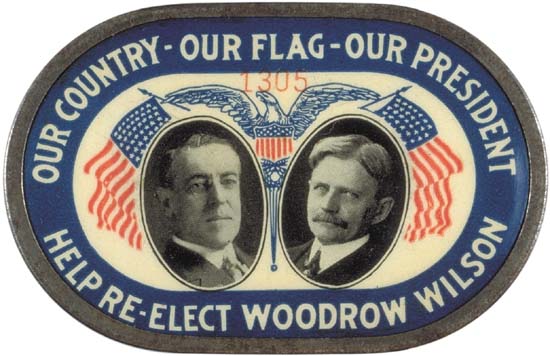
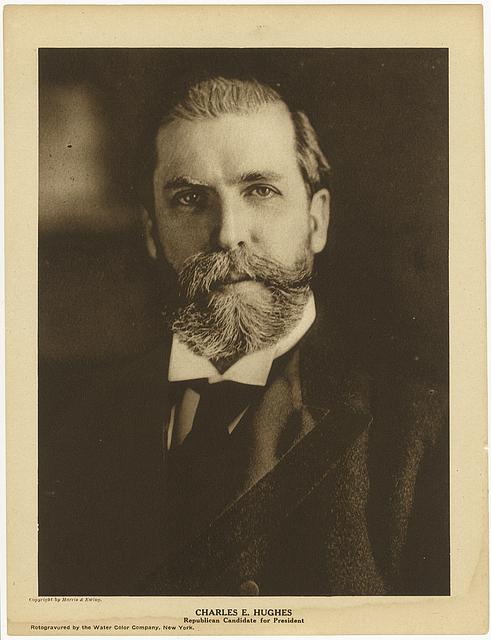
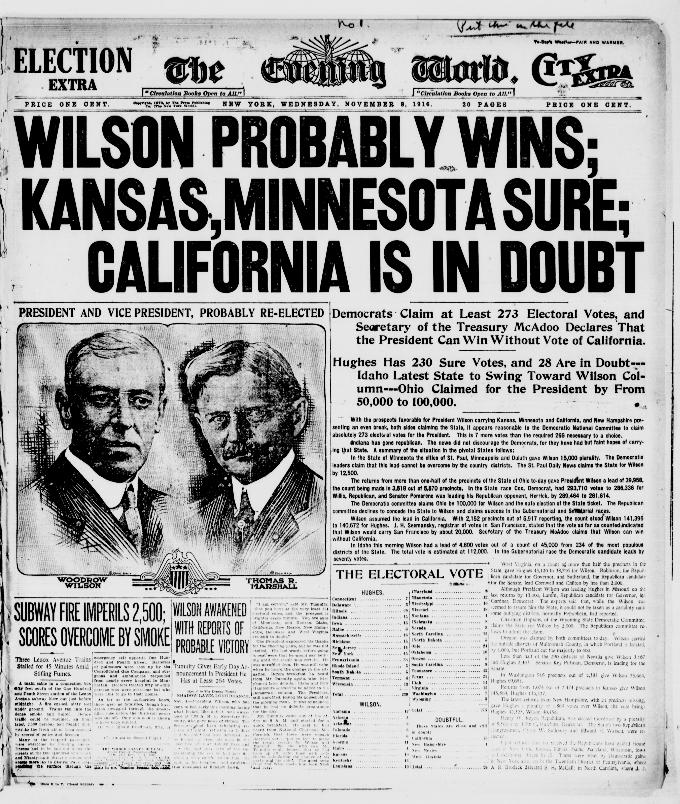
One hundred years ago today, Americans went to the polls to vote for the President of the United States — between the Democrat and incumbent President Woodrow Wilson and the Republican Charles Evans Hughes.
The election was held on November 7, 1916, and it’s interesting to peruse the details of the day itself and the headlines from the following days, looking for parallels to our current election.
Like the current 2016 election, the choice back then sprouted from local political figures, pitting the former governor of New Jersey (Wilson) with the former governor of New York (Hughes). Imagine Chris Christie running against Andrew Cuomo. (On second thought, don’t!)
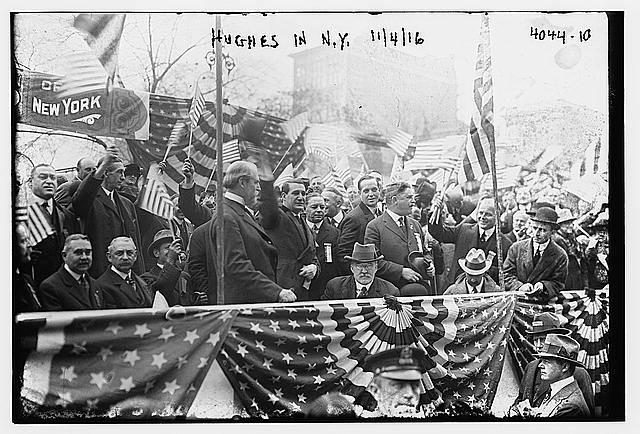
Below: Hughes at a rally in New York a few days before Election Day.
Of course, technically there was a third candidate on the ballot and one with the deepest New York roots — Theodore Roosevelt. After great entreaties by supporters, the former president was submitted as the Progressive Party candidate, only to withdraw his name late in the process to endorse Hughes.
Hughes (pictured above) was a hand-picked recommendation of Charles S. Whitman, the popular New York governor who was himself re-elected that November.
Hughes, who sat on the New York Supreme Court after his tenure as governor, was a popular candidate for President but he was no match for Wilson’s anti-war message. (Literally anti-war. Wilson’s slogan was “He kept us out of war.” President Wilson would eventually enter the war five months after he was elected.)
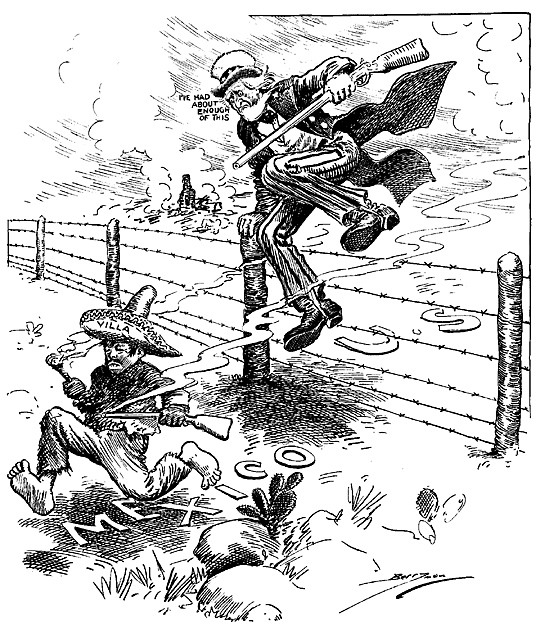
Also on voters’ minds — Mexico. Several Americans had been killed in Mexico and on the border, and the U.S. was in the middle of a punitive attack against Pancho Villa and his militias which had begun that Spring.
Voting looking quite different than it does today. In New York, there were no designated polling places and no absentee voting for non-military members. Half of today’s electorate was missing as women would not achieve the right to vote on the federal level for another few years. (However they would receive voting rights in New York in 1917.)
Secret ballots and voting machines were relatively new installations to the voting process thanks to the election reforms of the 1890s. It was still a wild and relatively imperfect process but a great improvement over the mid-19th century heyday of voter intimidation and fraud.
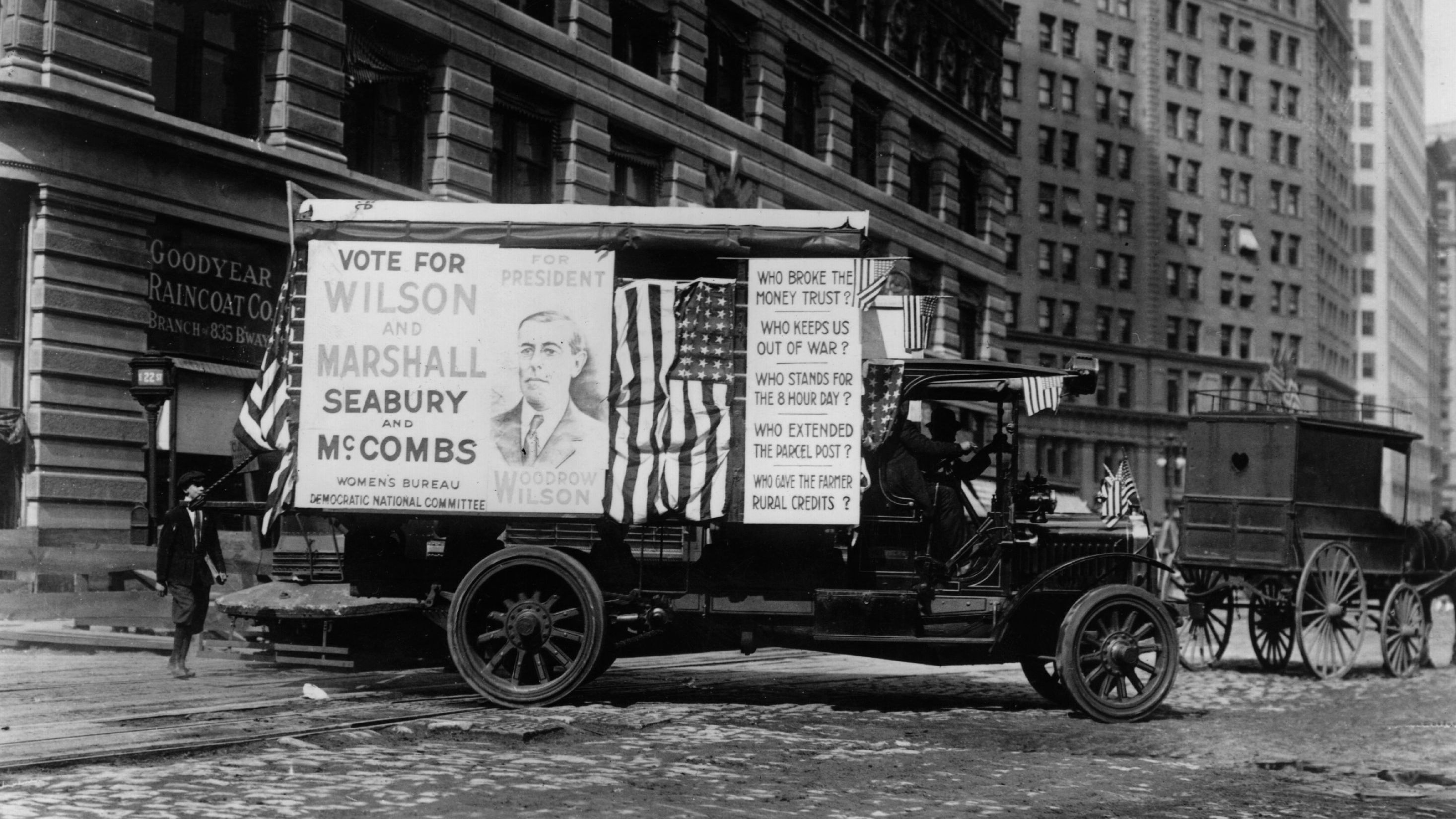
An election campaign car, backing incumbent Woodrow Wilson for president in 1916 in New York.
Of course Hughes was a Republican and at a disadvantage in New York, still considerably controlled by the Democrats and, in particular, the political machine Tammany Hall. Â “Tammany leaders did not give out any figures regarding New York City, but it was asserted at Tammany Hall that Charles F. Murphy was confident that the city would roll up a big Democratic plurality, and that New York state would go Democratic.”
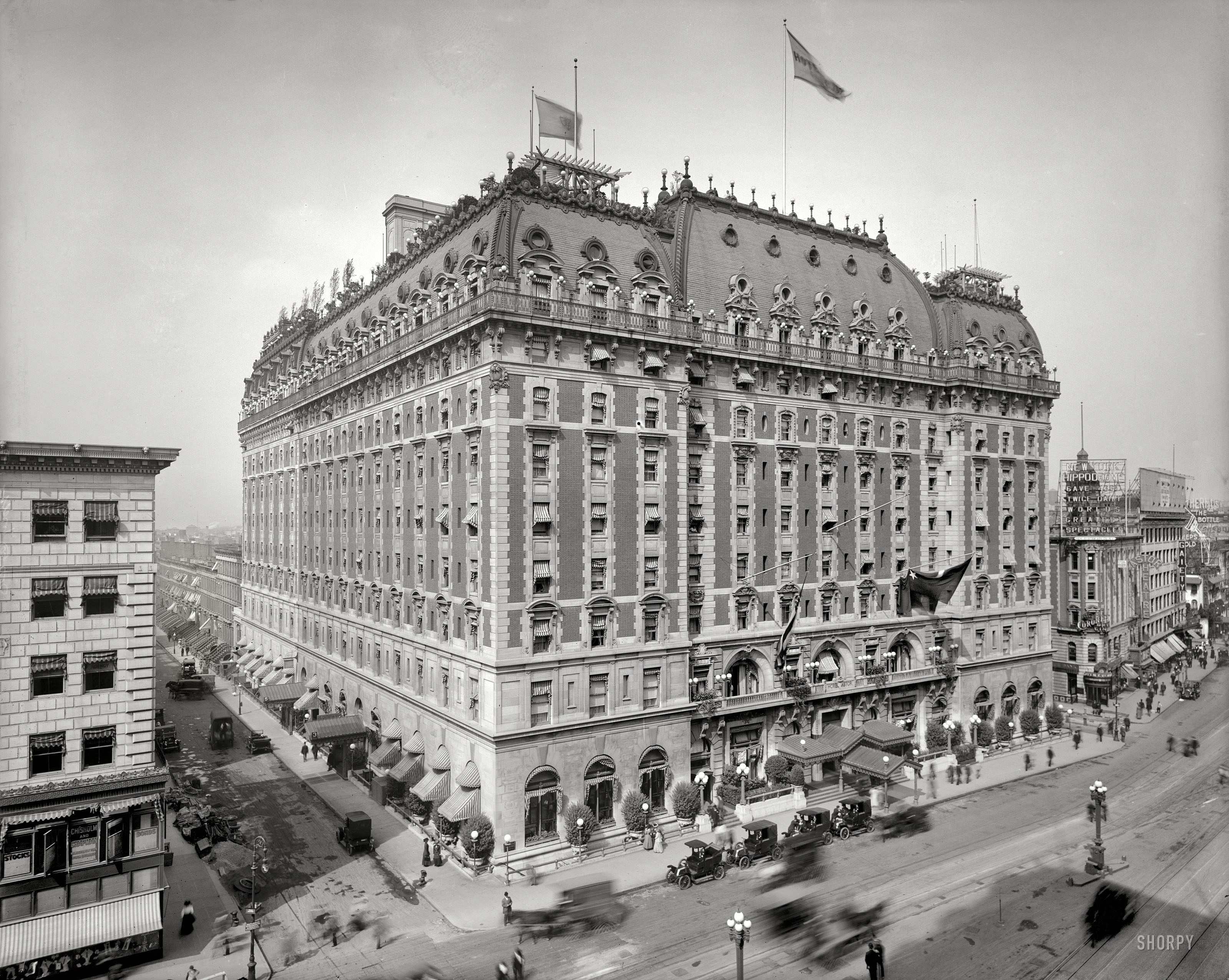
Hughes watched the election results from New York City that day. According to the Times, he voted “in a little laundry in Eighth Avenue between 44th and 45th Streets,” and spent the day at the Hotel Astor in Times Square(pictured below).
While influencers supporting specific candidates were not allowed at the polls, suffragists were certainly there, passing out flyers for their cause and in certain cases, providing poll workers with sandwiches and coffee.
How They Watched The Results
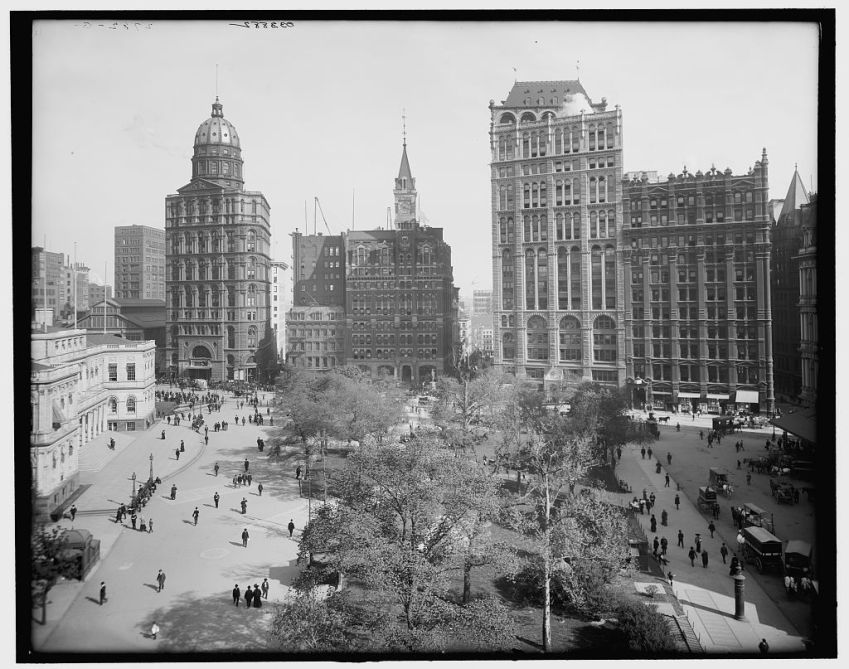
As with many celebrations, there were three gathering points of information, all near newspaper offices — Times Square, Herald Square and City Hall Park. In midtown, people awaited a gigantic searchlight atop of the New York Times building for signs of victory. Late that evening, a red light filled the sky, and New Yorkers who were Hughes supporters began celebrating. At the Hotel Astor, the name HUGHES lit up in electric lights as thousands celebrated below.
It was a confusing time; downtown at the New York World building (pictured below), a white searchlight announced Wilson as the winner. (It would take days for results from all 48 states to come in.)
The streets of Times Square were thick with revelers — it was comparable to New Years Eve crowds and, in fact, probably exceeded them — although this was mostly due to the fine weather and the results coming in at around the same time as the Broadway theaters let out.
Earlier in the week, city officials authorized the shutting down Times Square due subway construction but it seems people still managed to gather around the edges, looking “like the exit of the Polo Grounds after a world’s series game.” The sounds of horns were deafening. Bonfires were set along side streets.
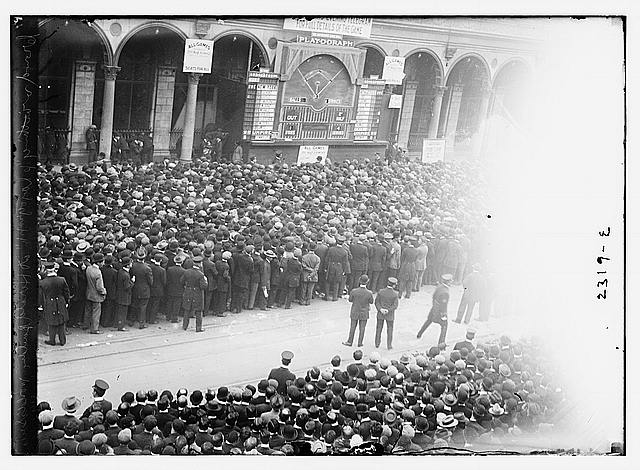
Below: In 1911, in front of the New York Herald building in Herald Square, crowds watch a sporting event via ‘playograph’, a hand-manipulated board. Election results were posted in a similar fashion.
In Herald Square and in Times Square, information on election tallies was delivered via constantly updated bulletins. “[B]ulletins followed each other every few seconds as reports to The Times were telephoned over to the operators from The Times Annex, and the lofty canvas screen was within the view of probably 100,000 people down Broadway and Seventh Avenue.”
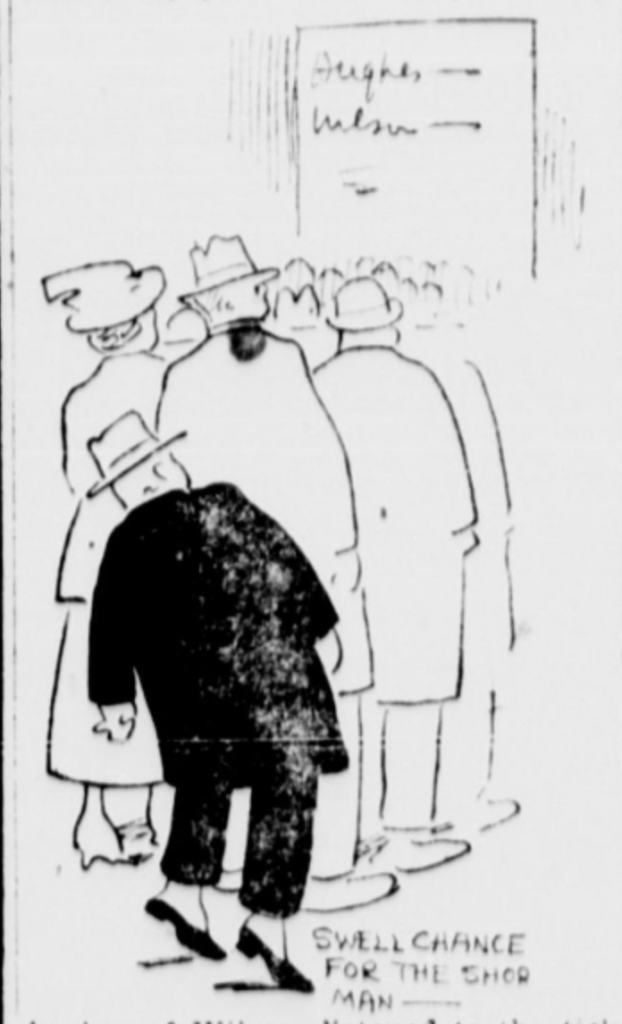
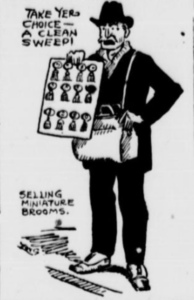
The New York Evening World had a merry go of it, lampooning election enthusiasts on the street. The merry-makers was festively illustrated (see above and below and here for the rest). Yes Election Night used to be fun!
Bulletins were also posted in Columbus Circle. Due to disliked results or perhaps the trauma of the crowd, one man “drop dead there early in the evening.” [source]
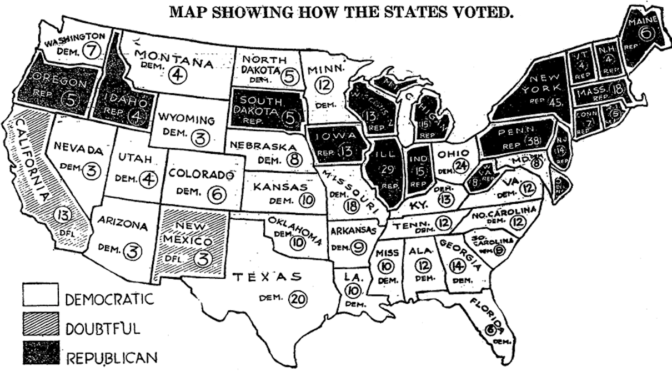
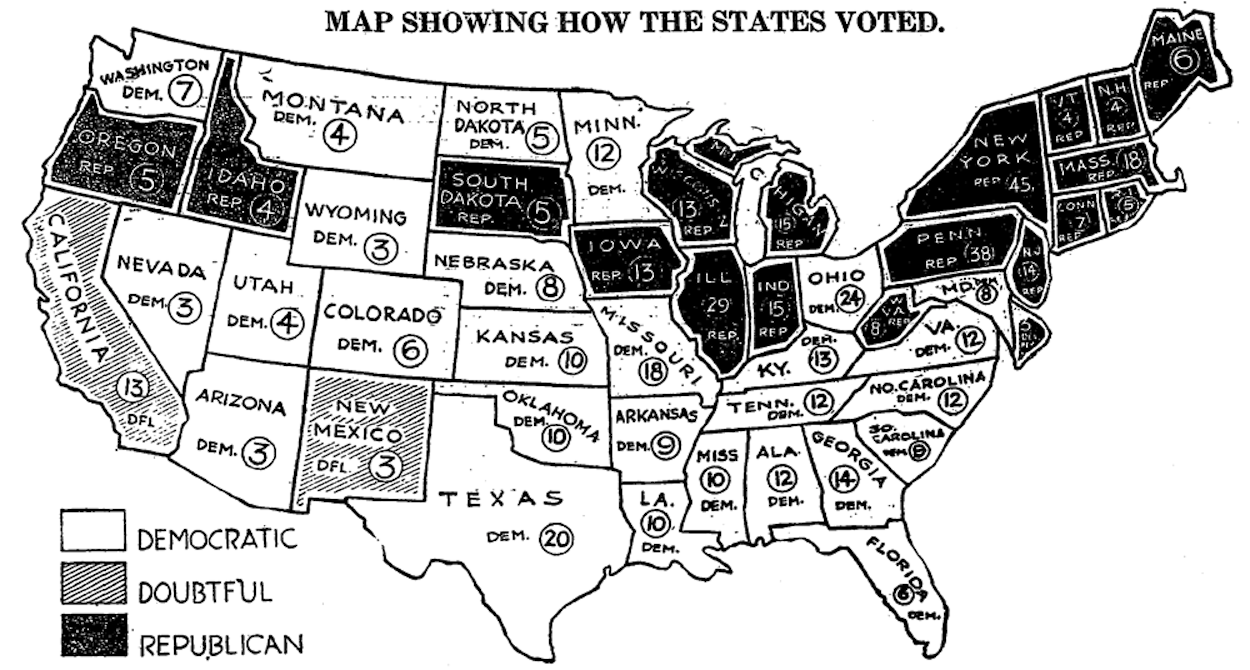
A map of election results which ran in the New York Times on November 8, 1916, is remarkably similar to one which might run in newspapers today. Of course, given the evolution (or de-evolution, depending on you how you choose to look at it) of American politics, the party affiliations have remarkably changed!
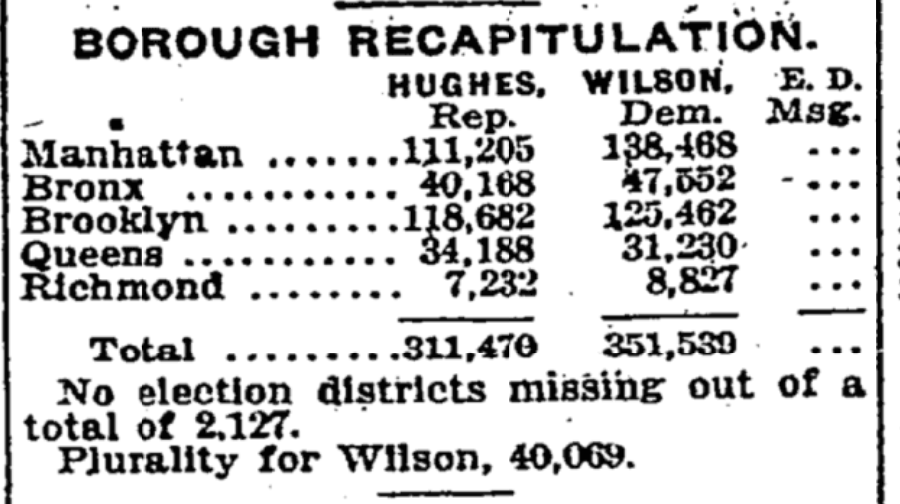
In the end, as with many other elections, New York’s electoral votes went to the Republicans but New York City firmly voted for Wilson. “New York City gave Woodrow Wilson a scant plurality of 40,069 to offset the 186,930 plurality for Charles E. Hughes which the up-State counties sent down to the Bronx line. The city’s vote for Wilson was 351,539, compared with 312,386 which it gave him for President four years ago.” Â [source]
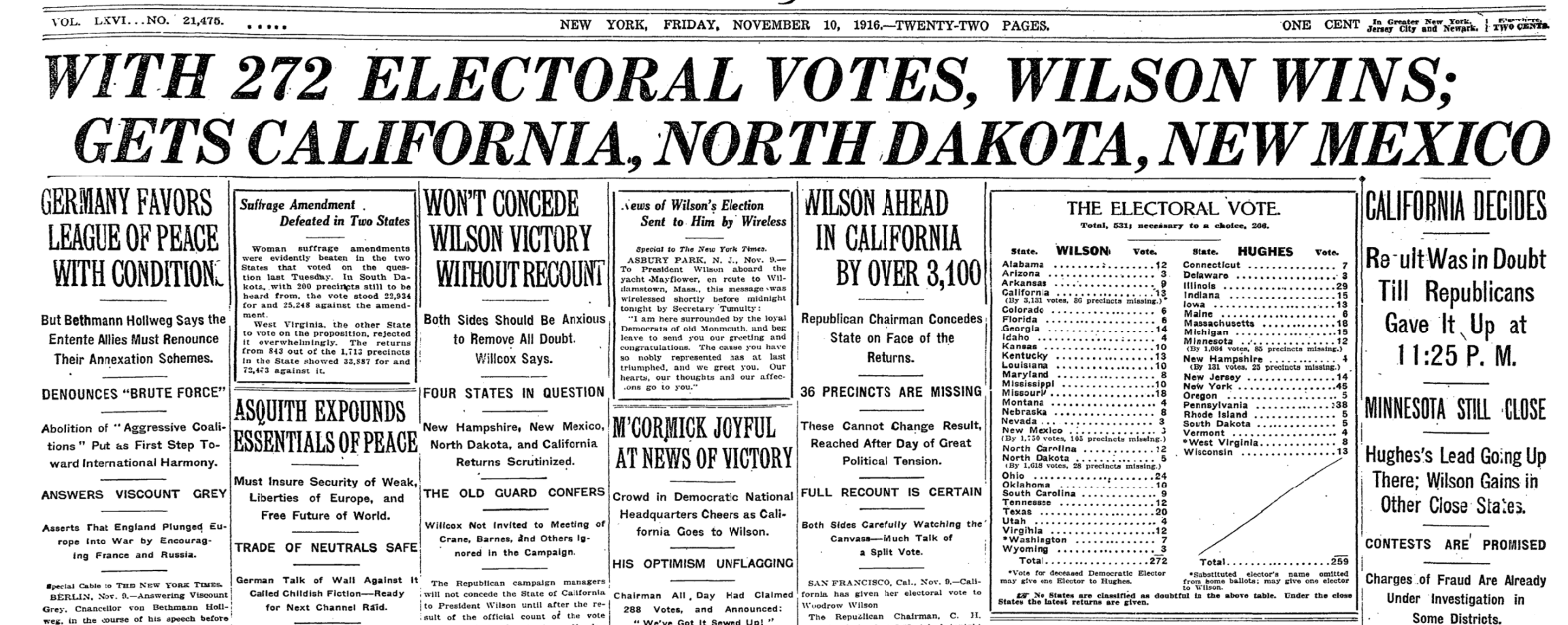
The election was not ultimately determined for a few days. The newspaper front page below is from November 10, four days after Election Day:
Hughes supporters instantly leveled charges of fraud at their opponent but the former governor was too dignified to take the bait. While not yet conceding on November 11, “Mr. Hughes declared that in the absence of absolutely proof of fraud no such cry should be revised to becloud the title of the next President of the United States.” [source]
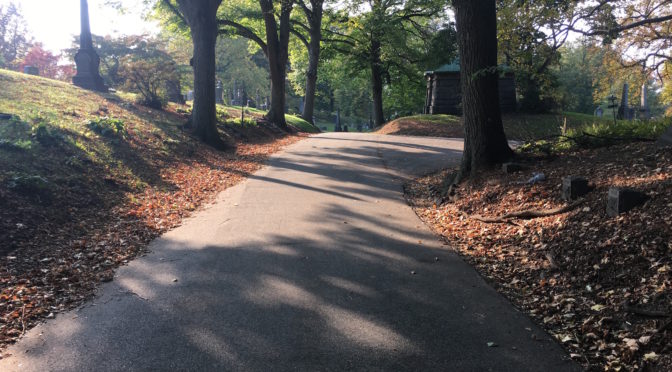
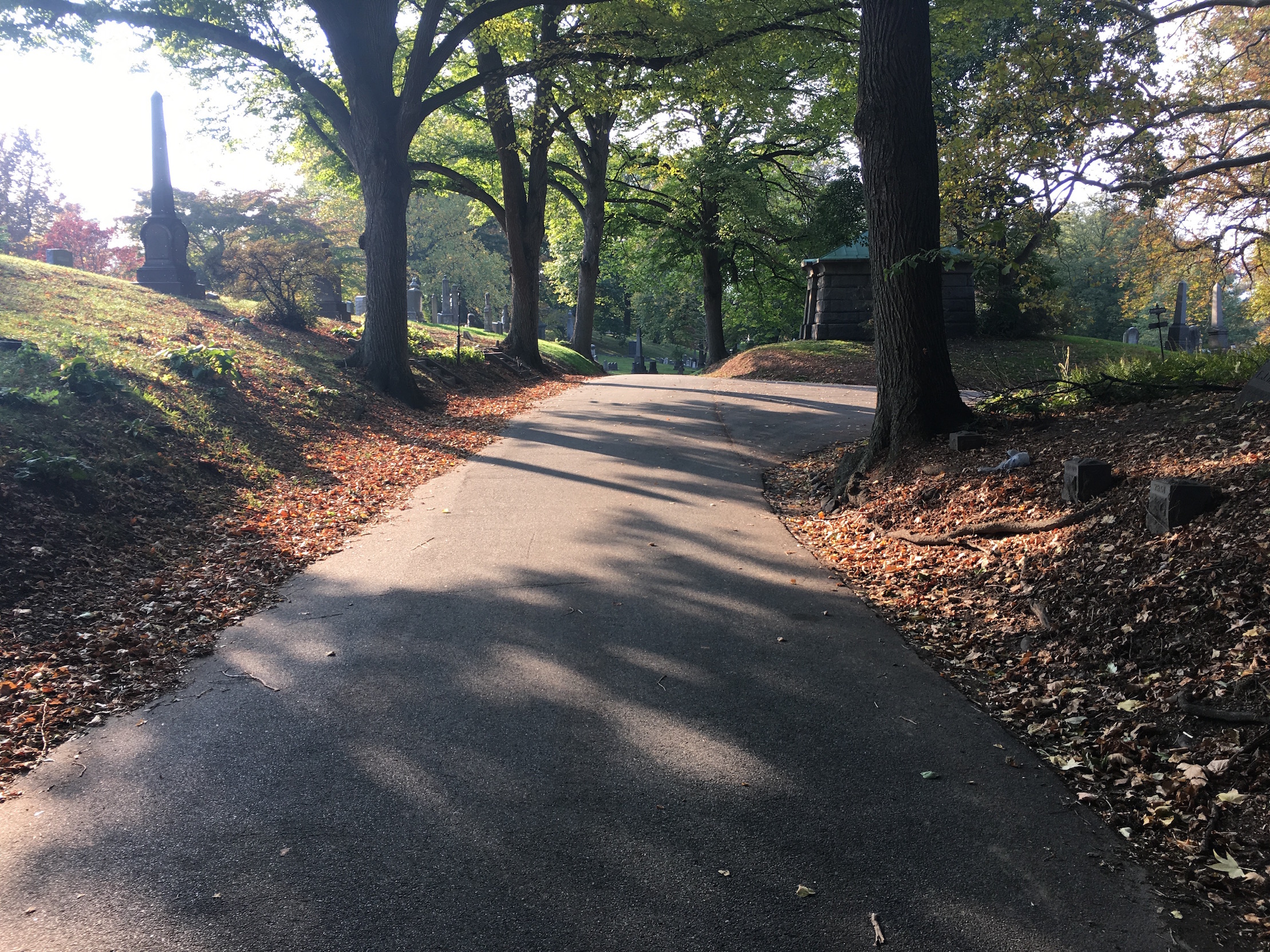
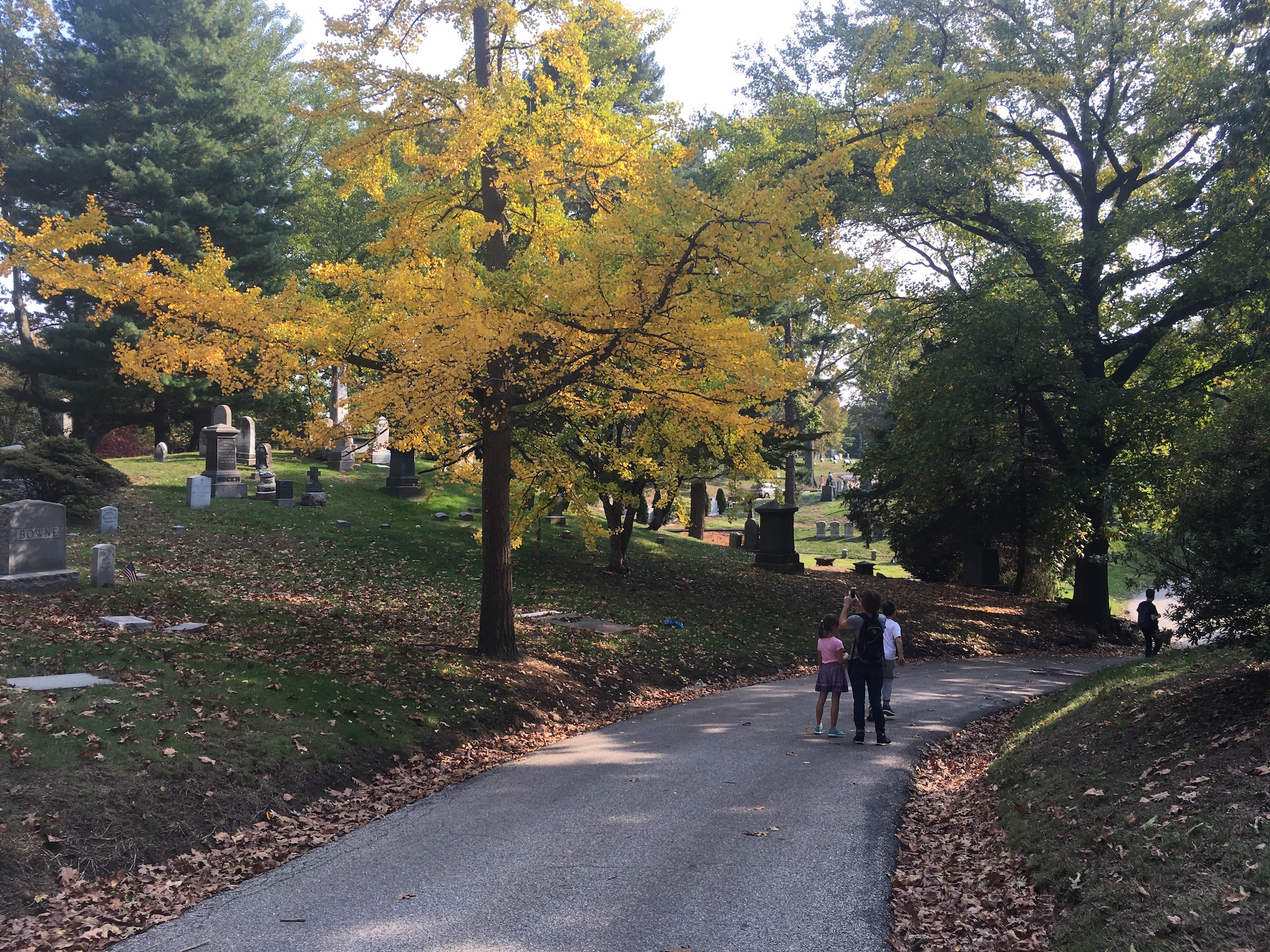
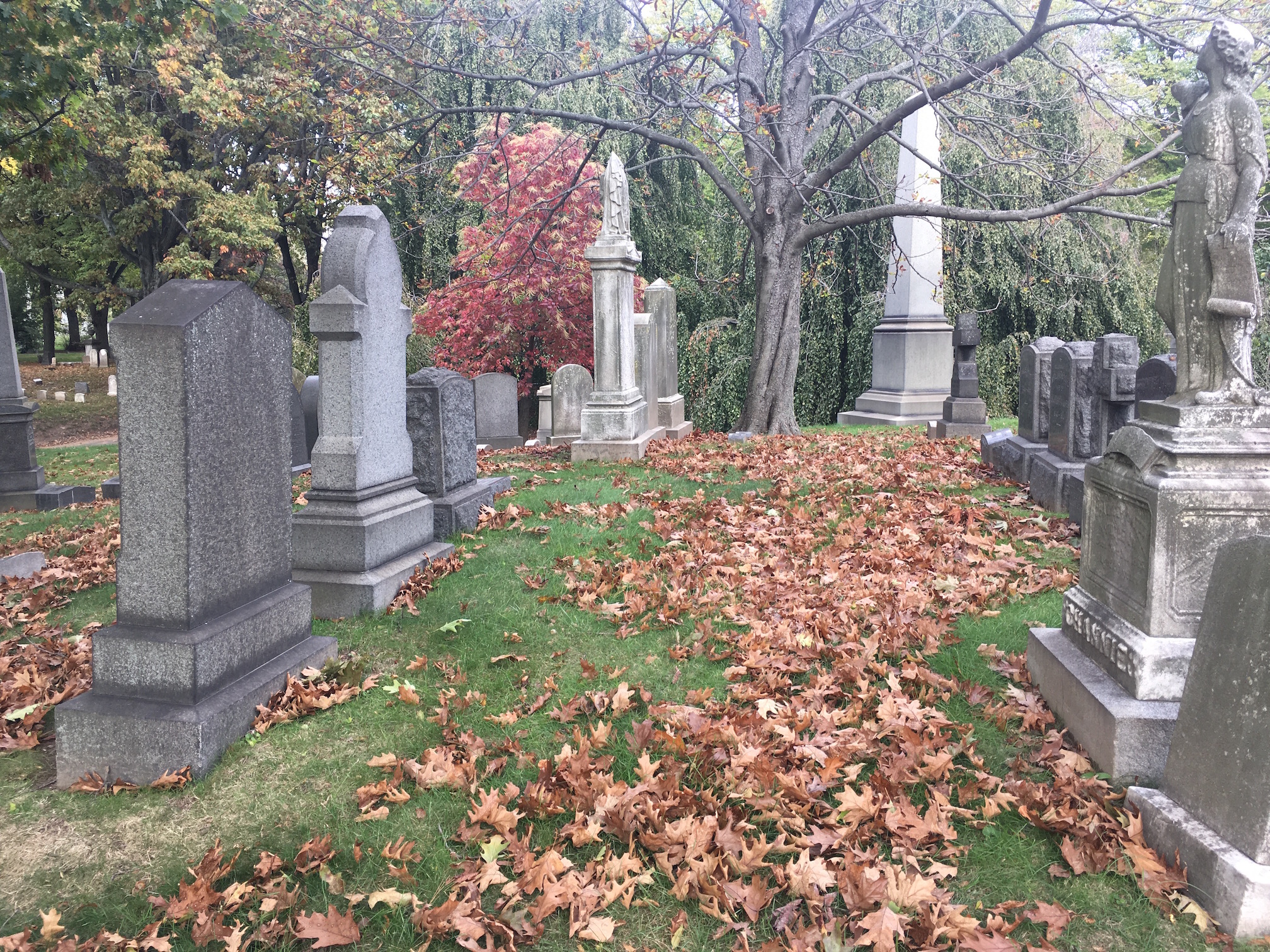
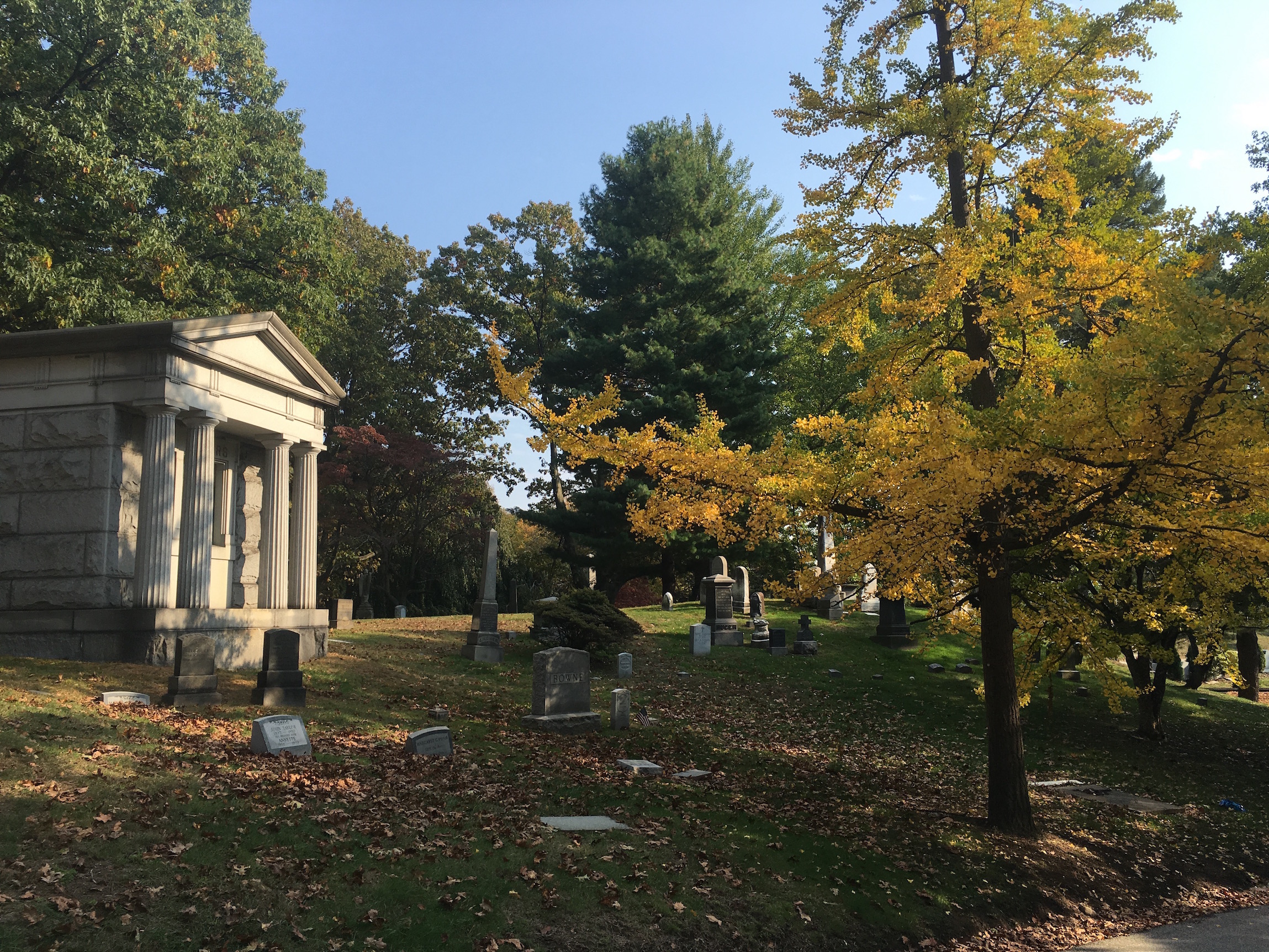
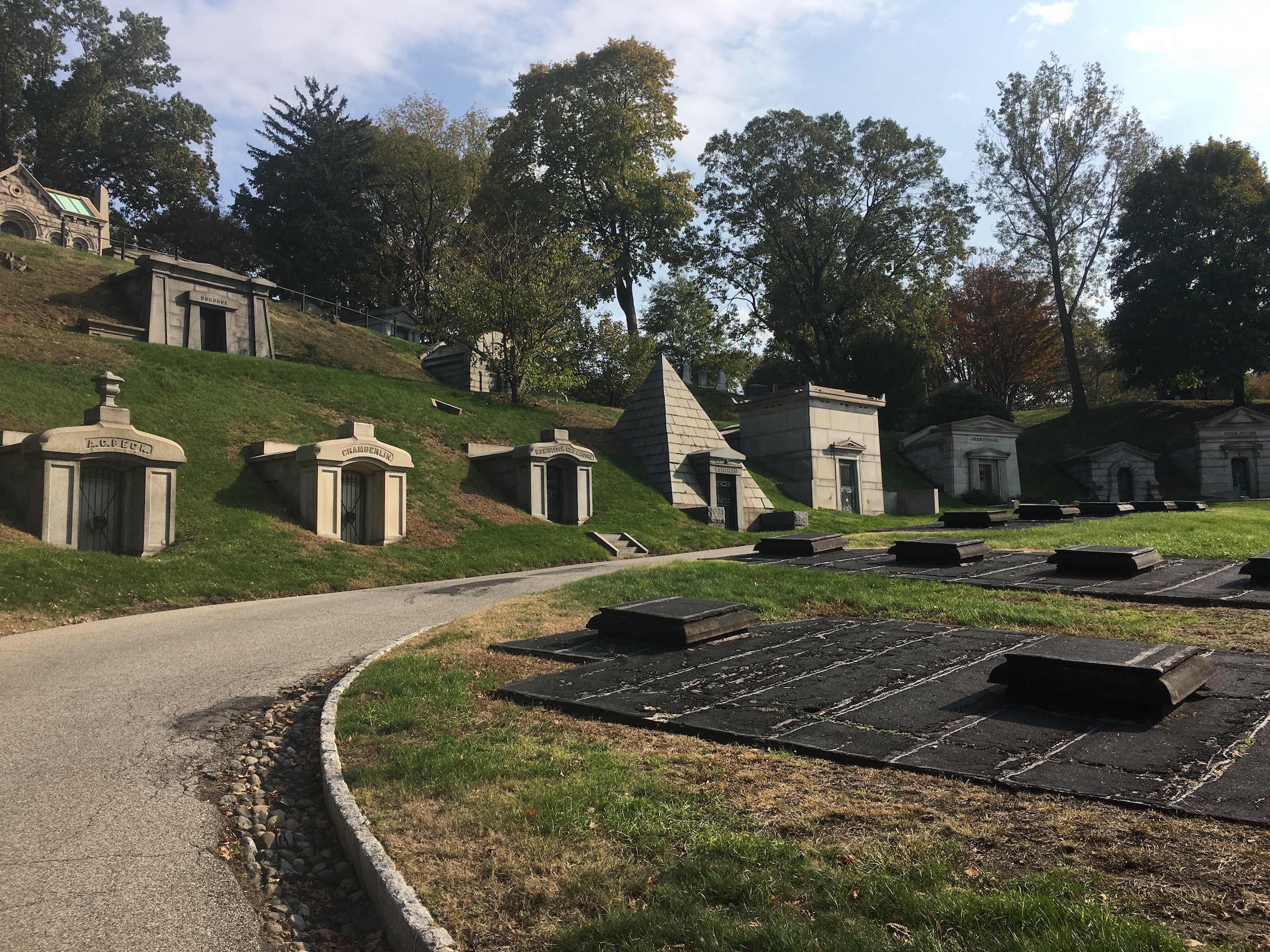
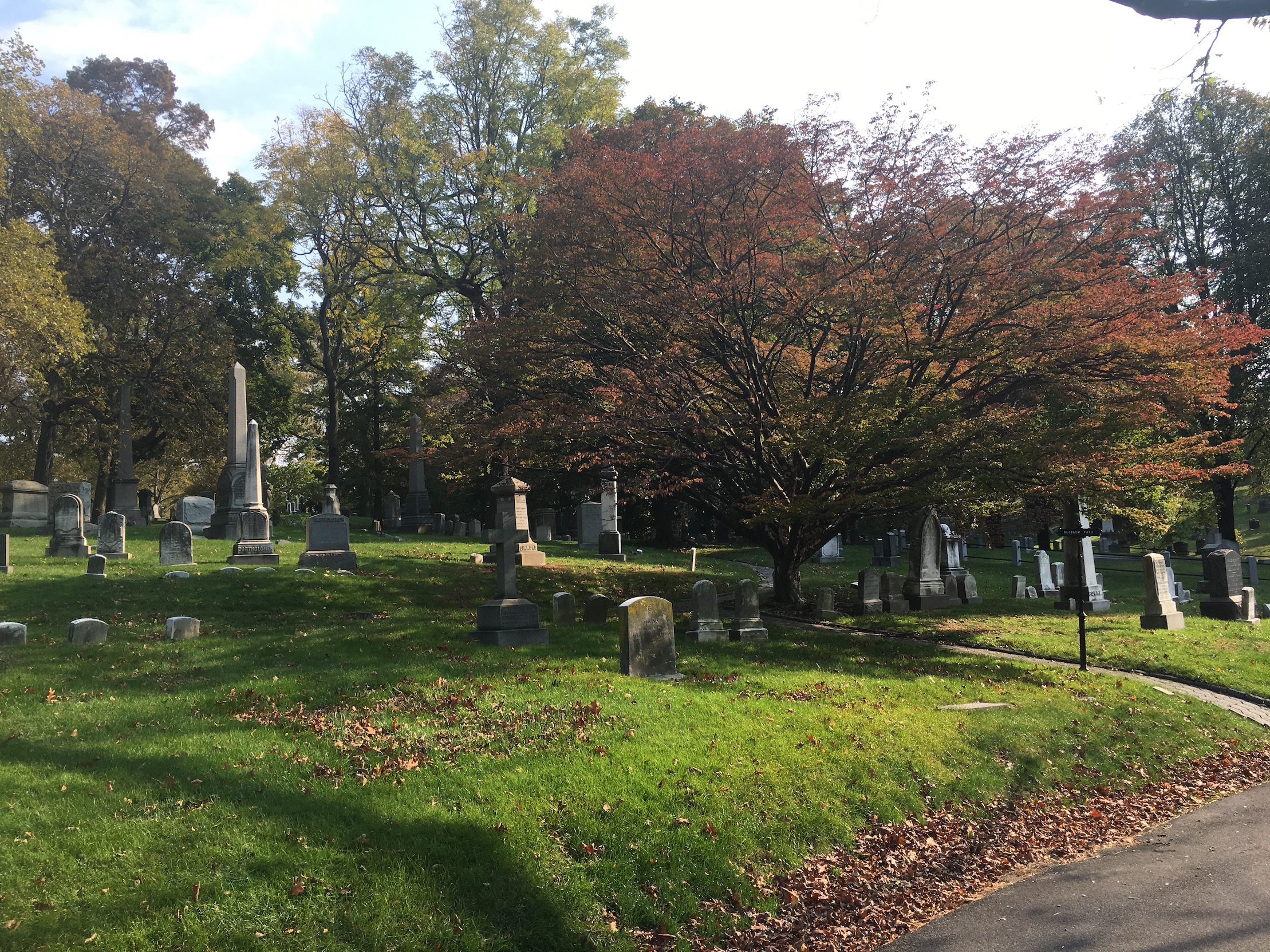
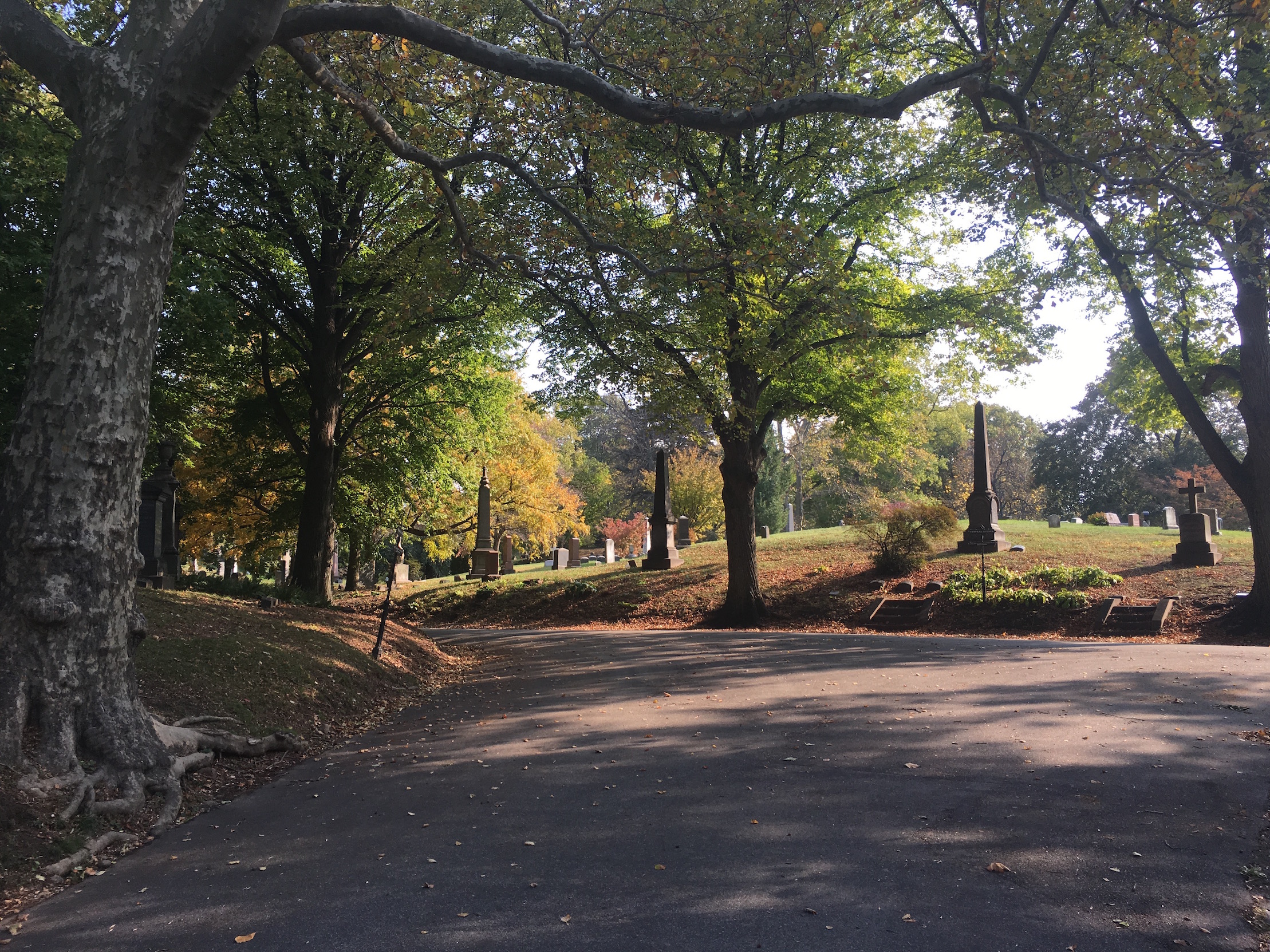
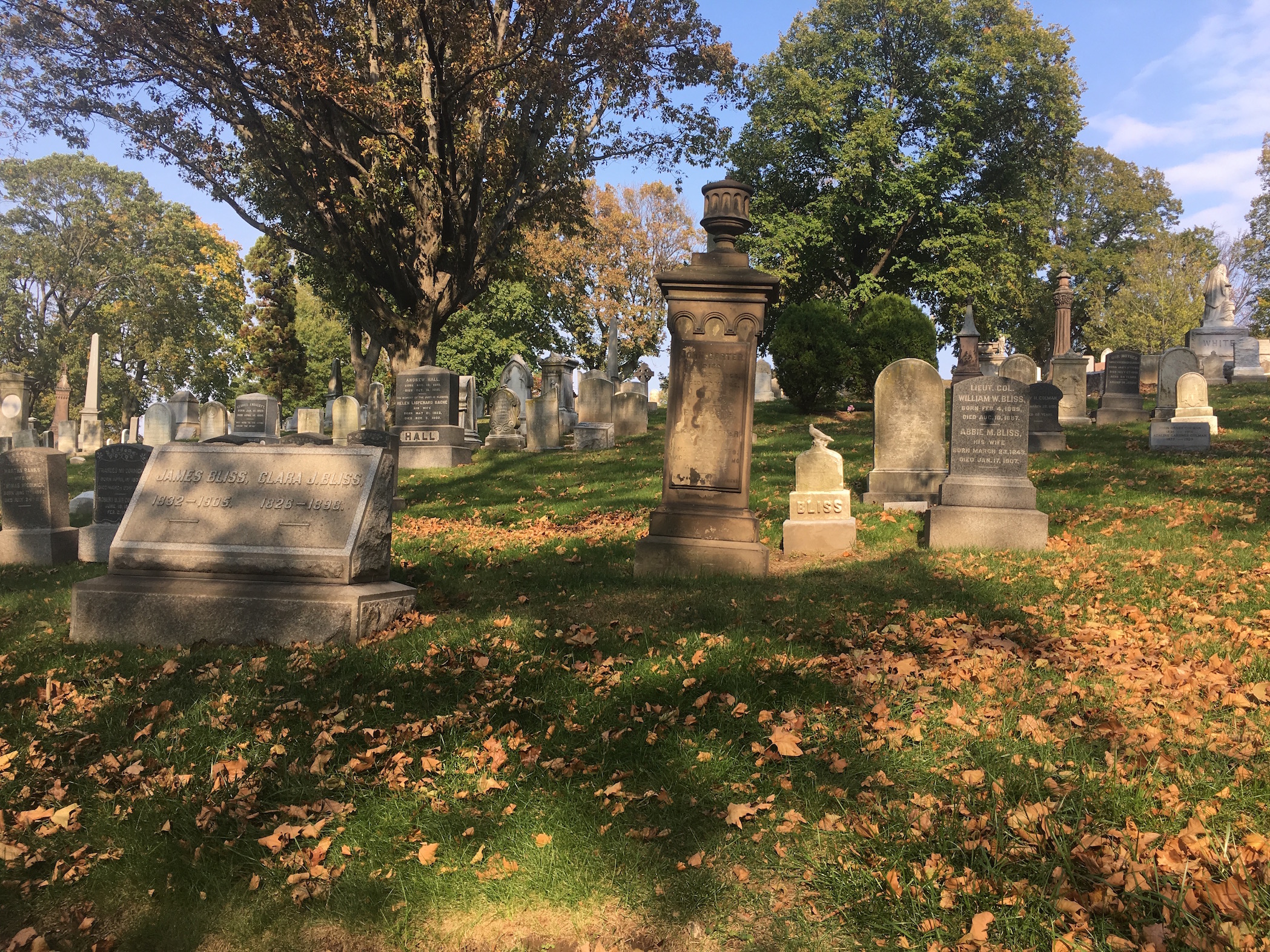
The stunning colors of autumn are upon us, and  you can appreciate the full glory of fall within the limits of New York City, accessible by public transportation. In past years, I’ve focused on the spectacular leafy vistas at Woodlawn Cemetery, Wave Hill and the New York Botanical Garden, as well as Sailors Snug Harborin Staten Island.
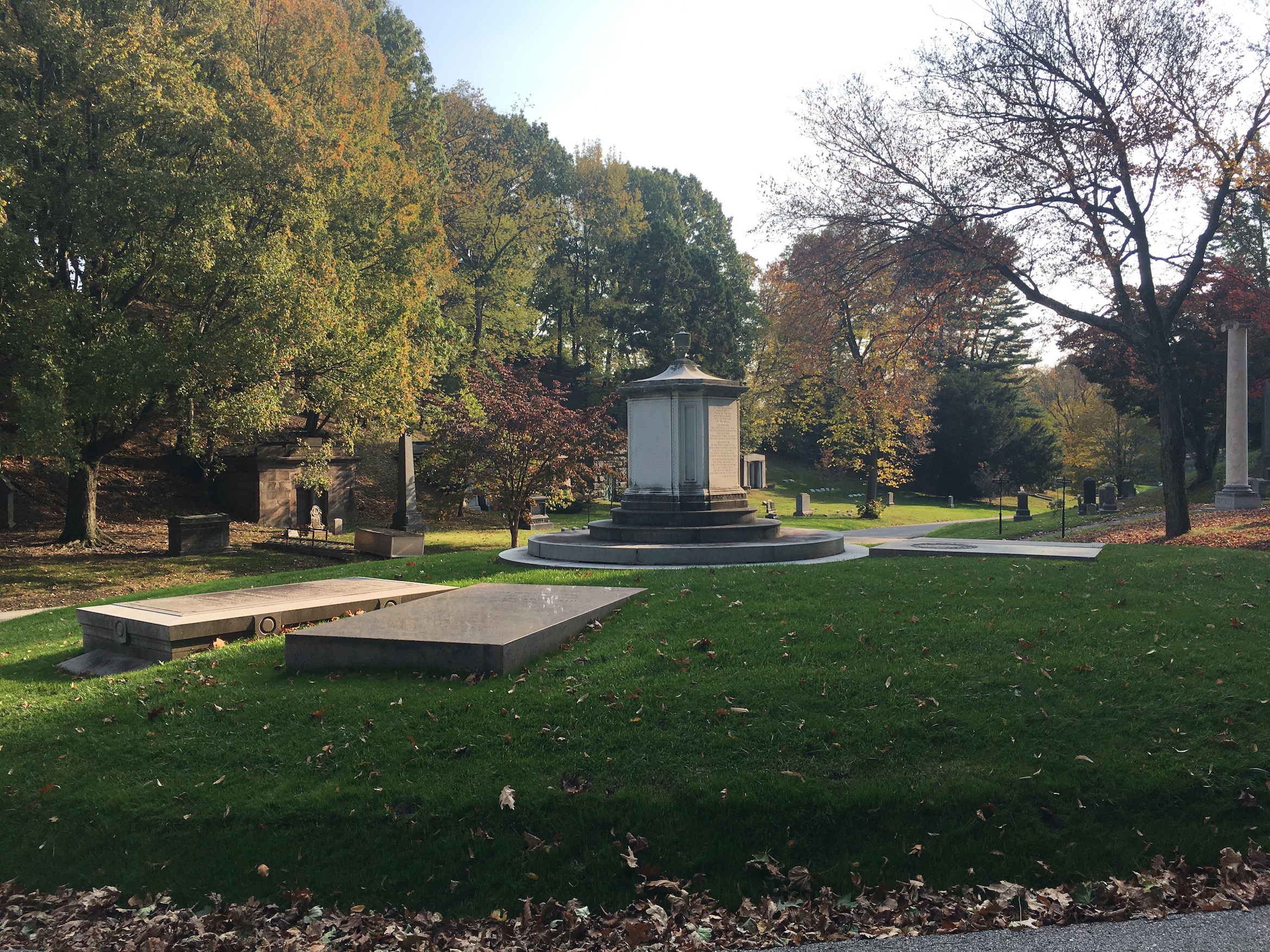
But Brooklyn’s Green-Wood Cemetery offers the colors of fall in a most mysterious, gothic setting, thanks in part to its age (opening in 1838). Its rambling ‘rural cemetery’ design presents a surprising adventure, with a variety of trees changing different hues at different intervals.
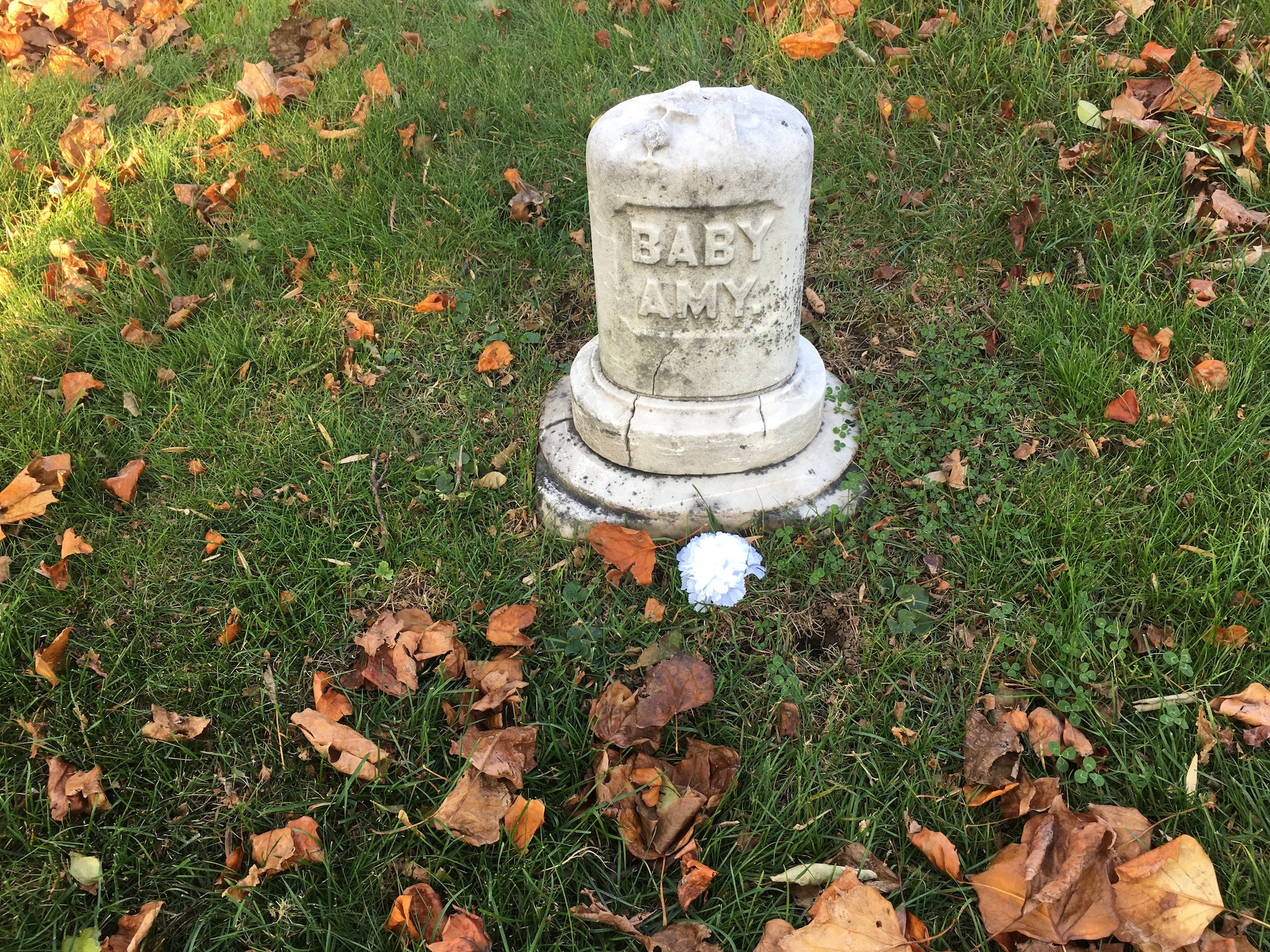
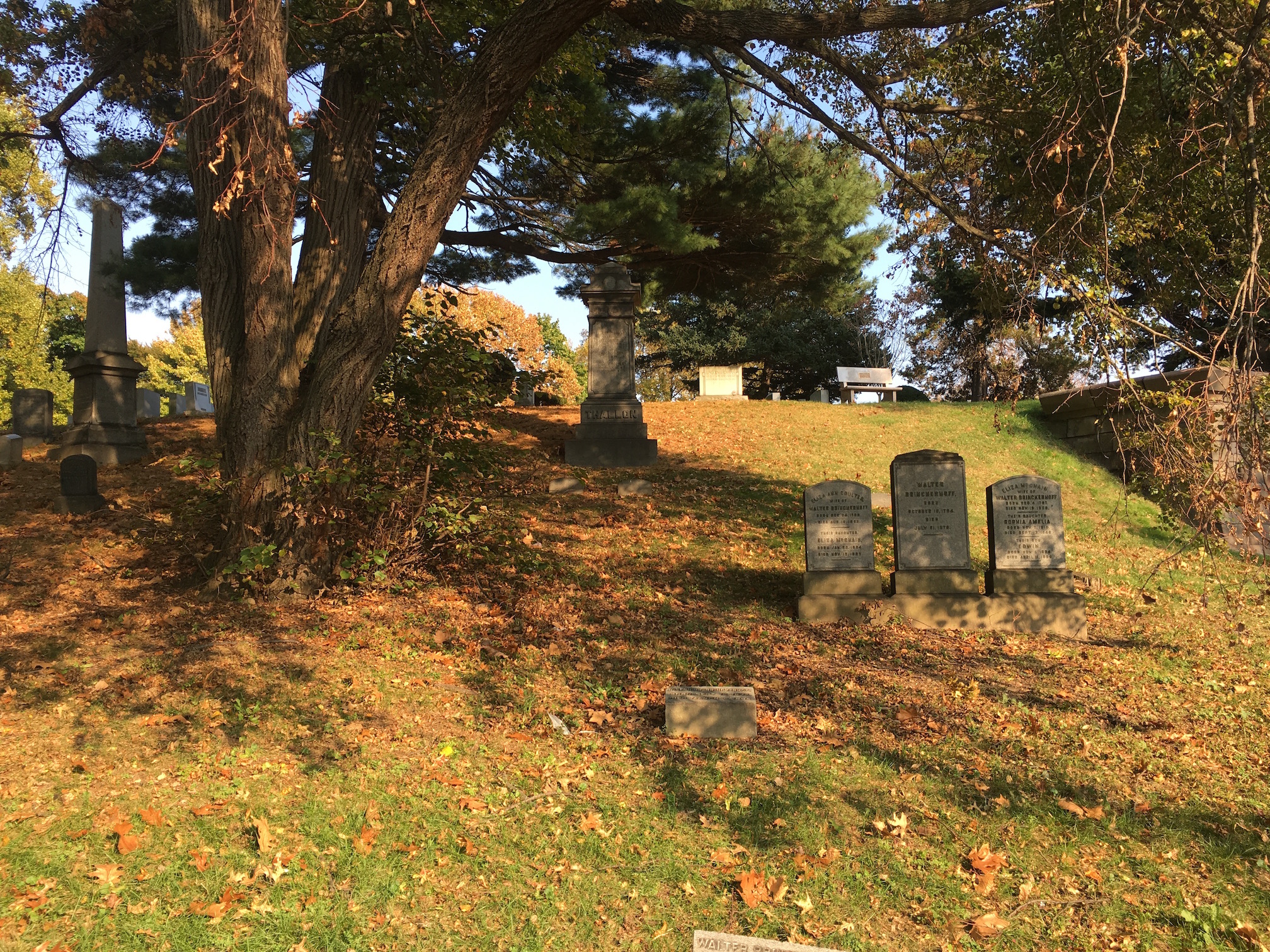
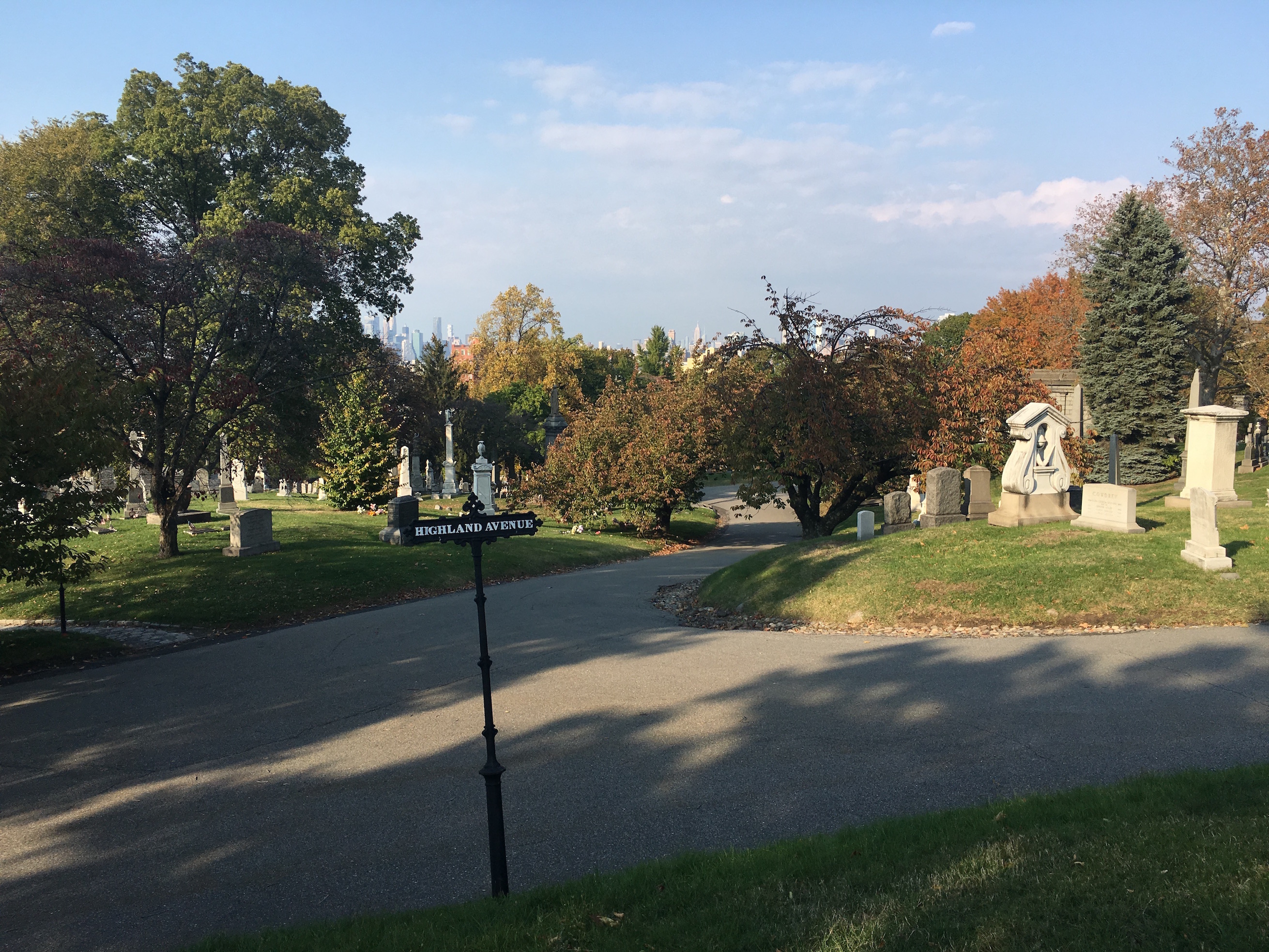
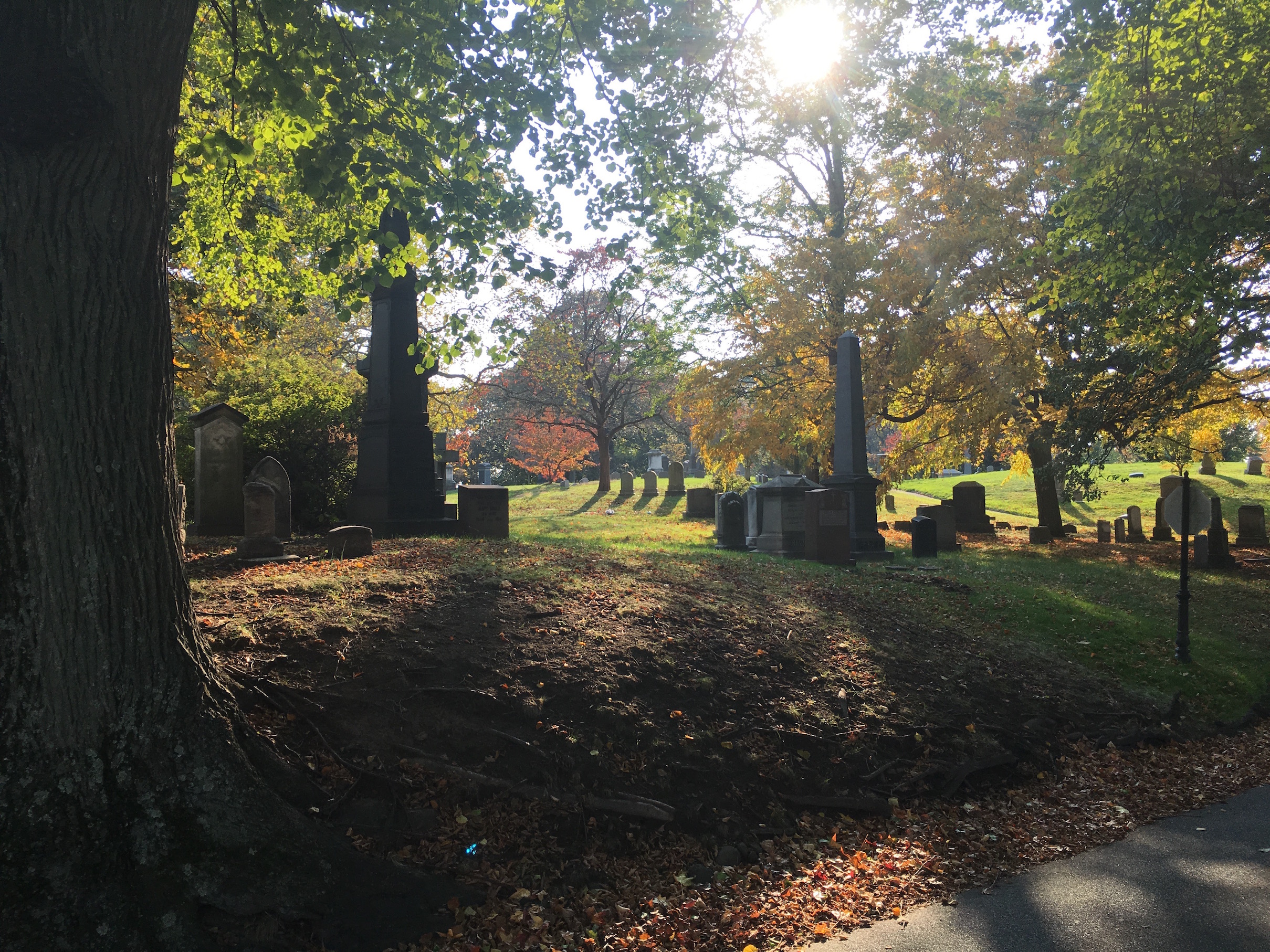
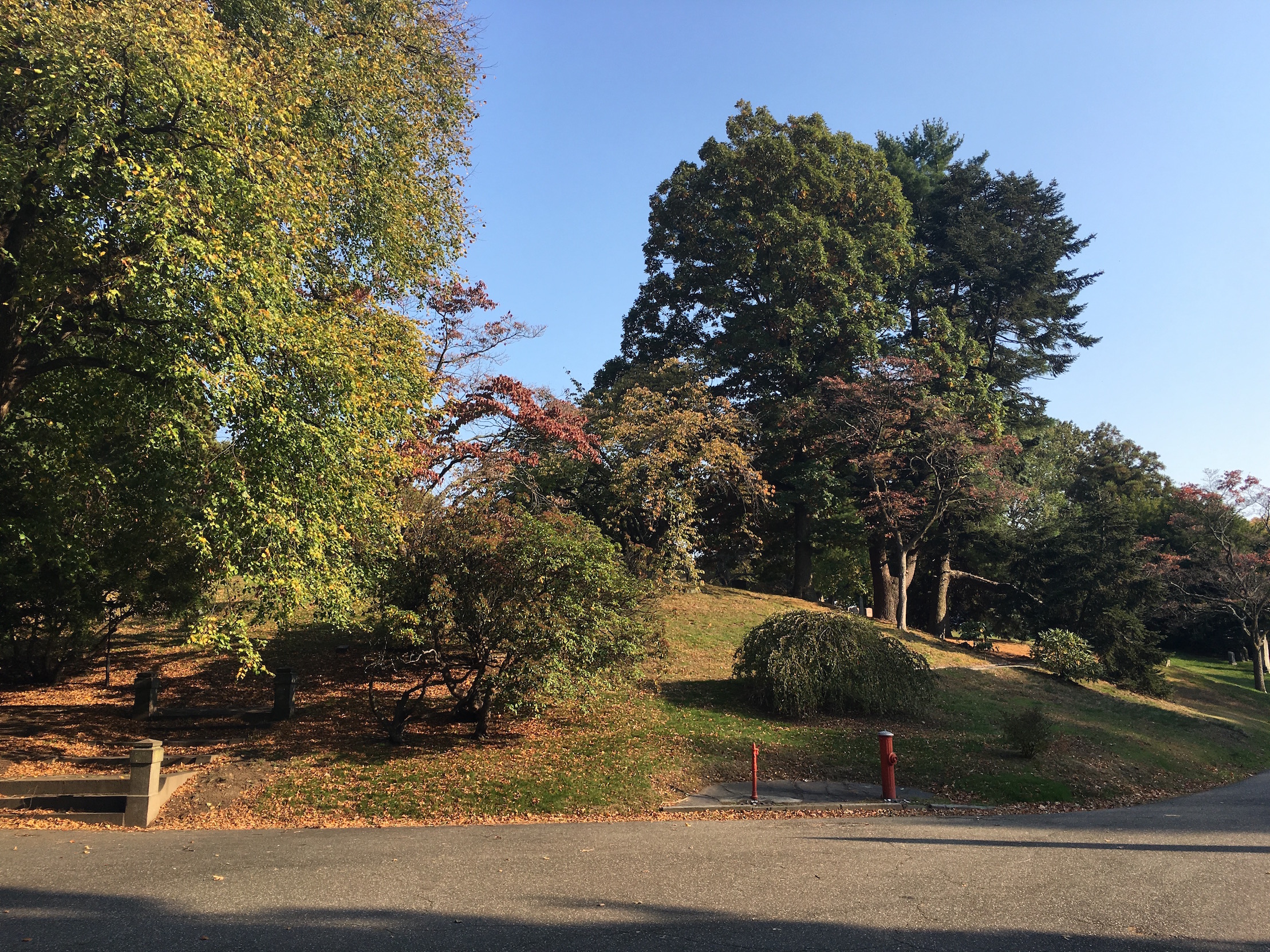
I was there this weekend working on a segment of the next episode of The First and was utterly distracted by the beauty.  Take a look at some of the pictures I took — covering only a small area of the grounds — and plan a visit in the next couple weeks before the leaves are gone.Â
Grab a map at the gate and go on a hunt for the cemetery’s most famous residents — Henry Ward Beecher, Boss Tweed, Peter Cooper (his gravesite is the first picture below), Horace Greeley, James Gordon Bennett, Jean-Michel Basquiat and many, many more.
This is a special preview for the new Bowery Boys spin-off podcast series The First: Stories of Inventions and their Consequences, brought to you by Bowery Boys host Greg Young.
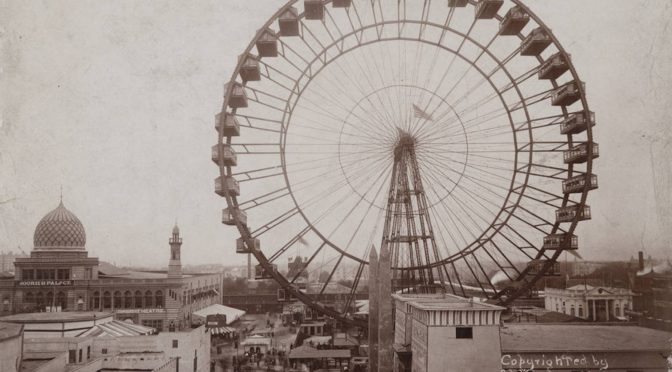
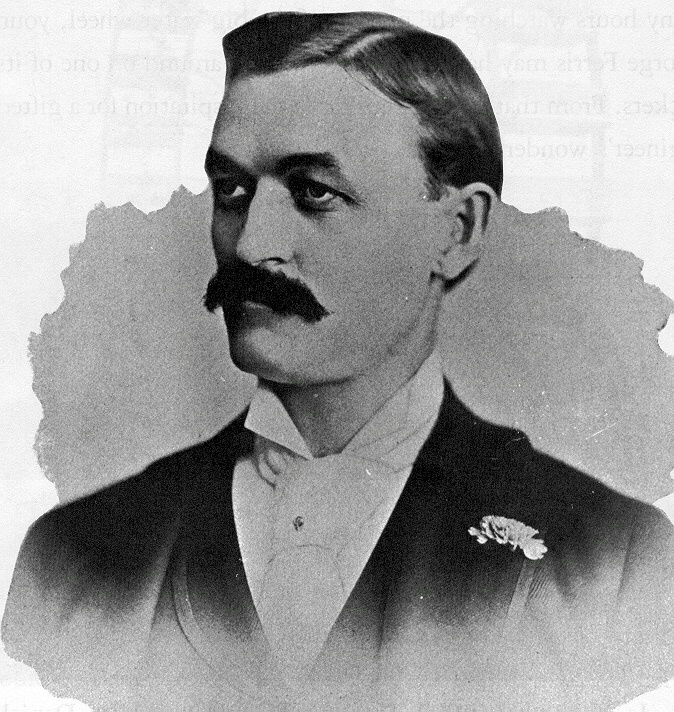
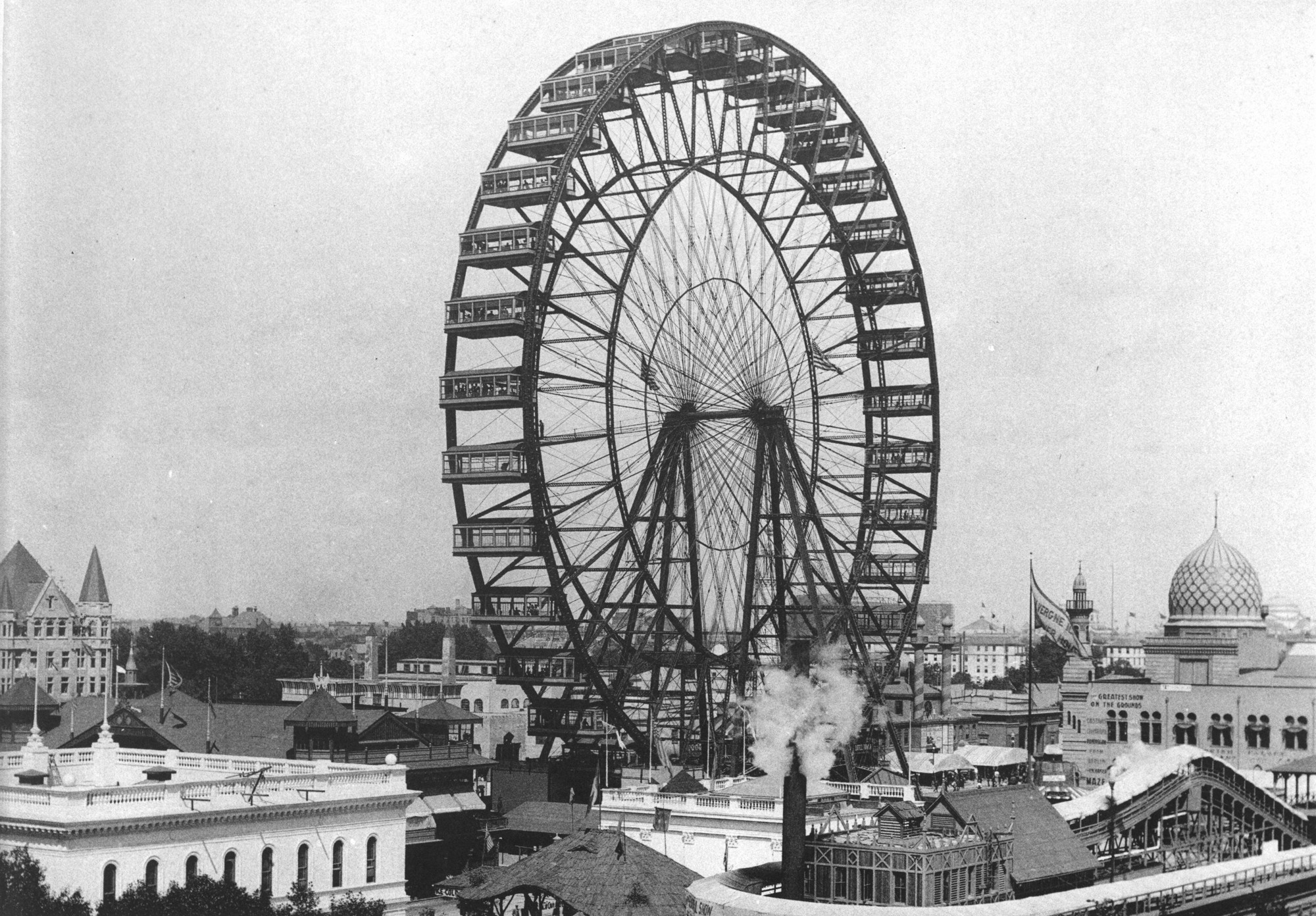
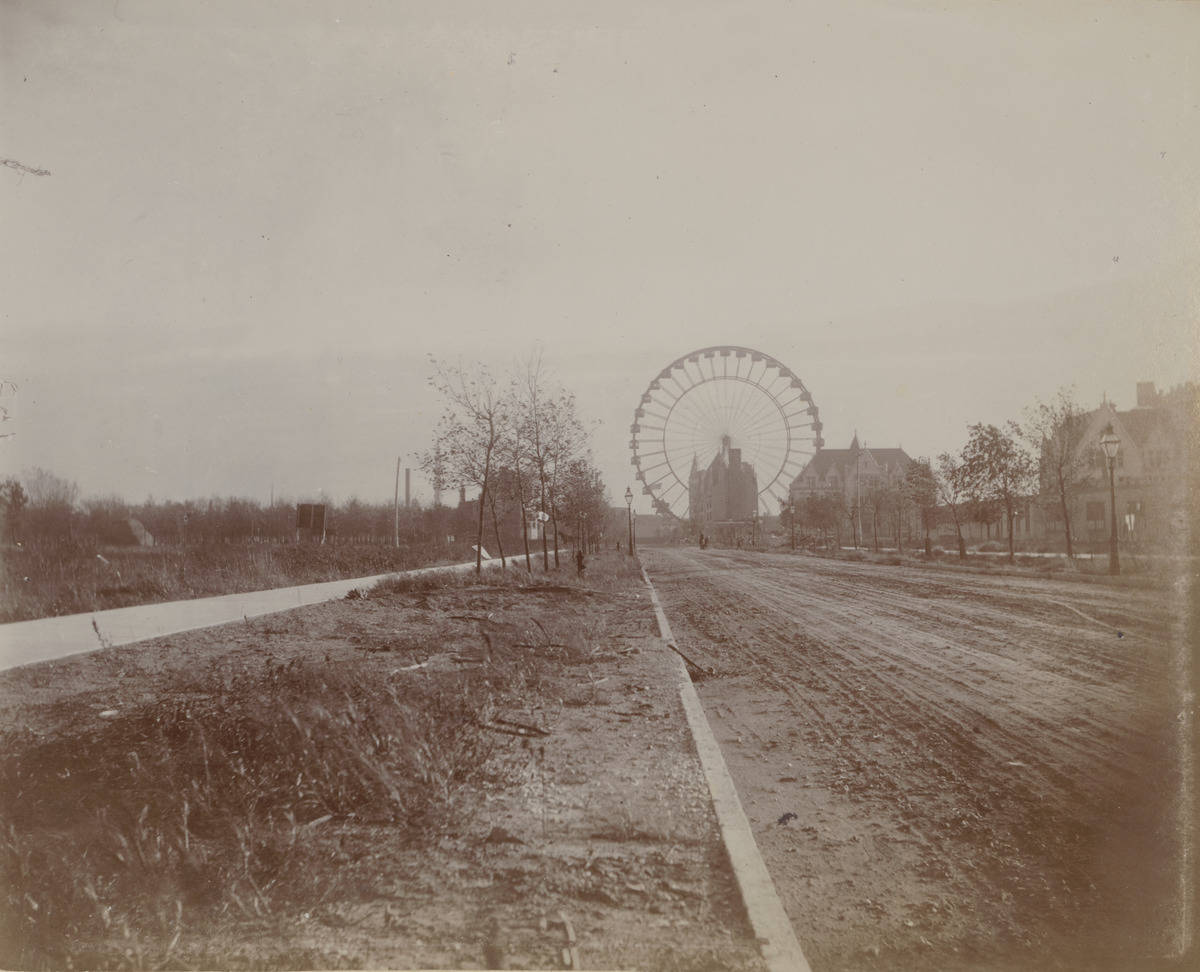
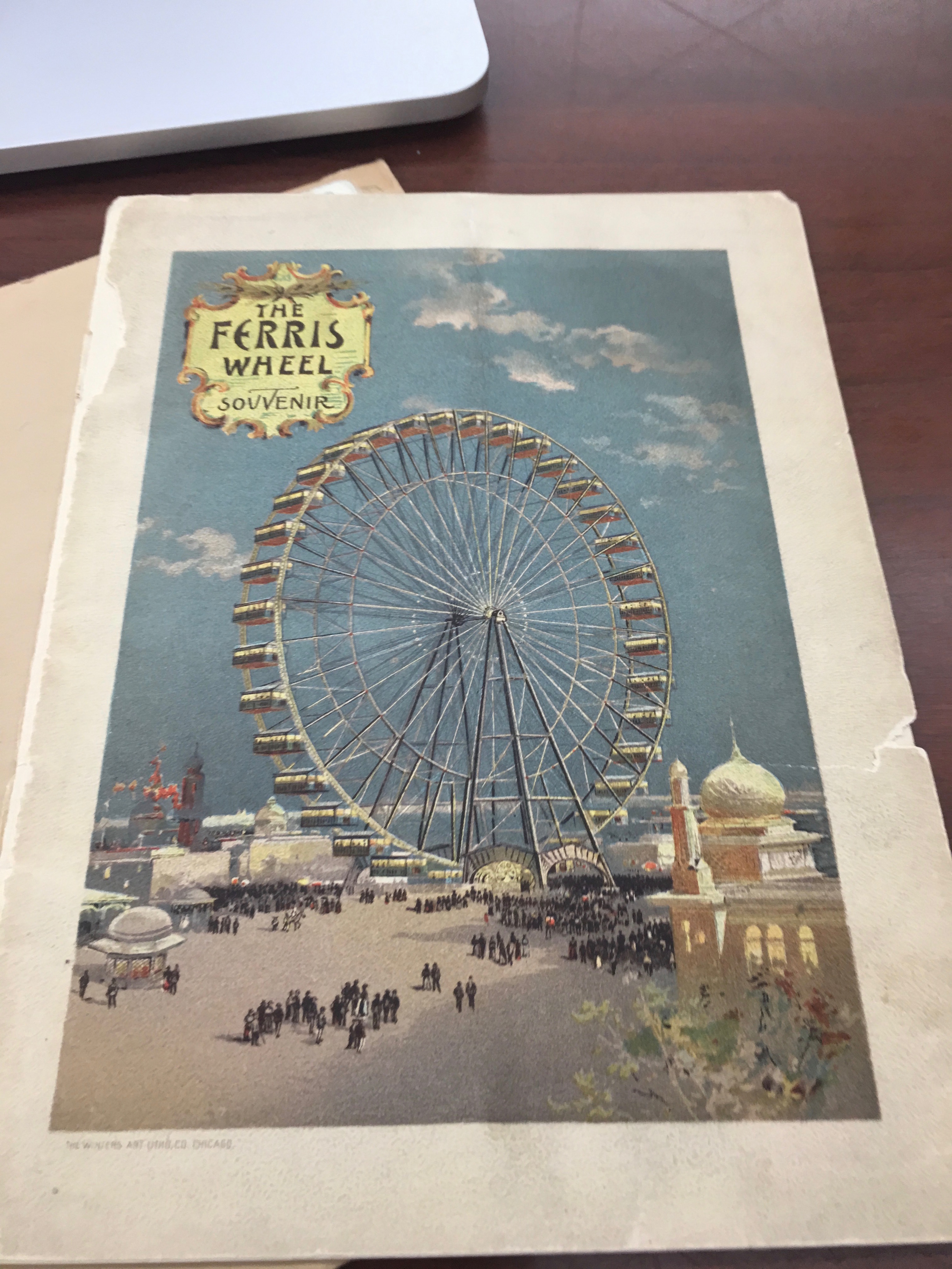
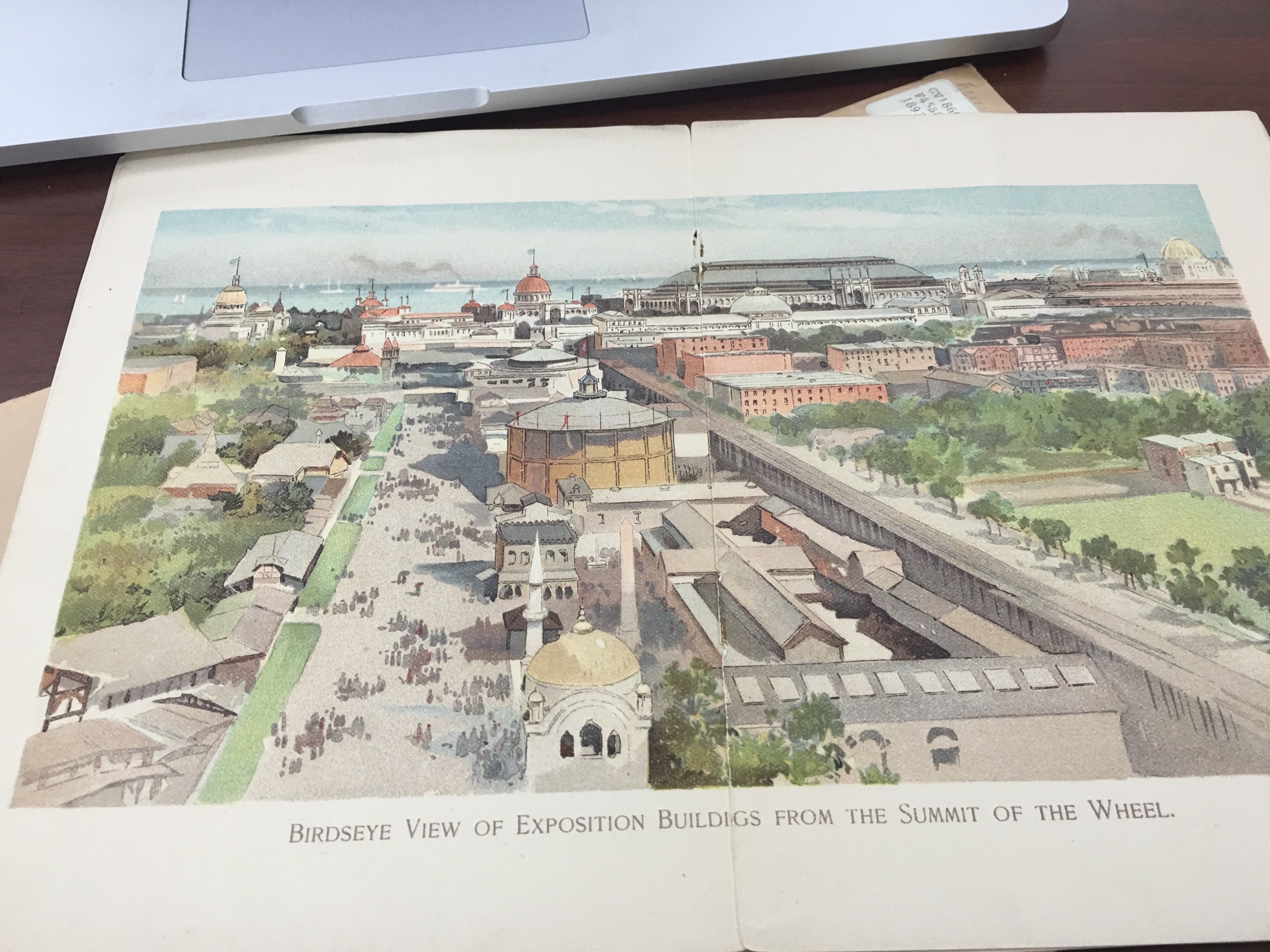
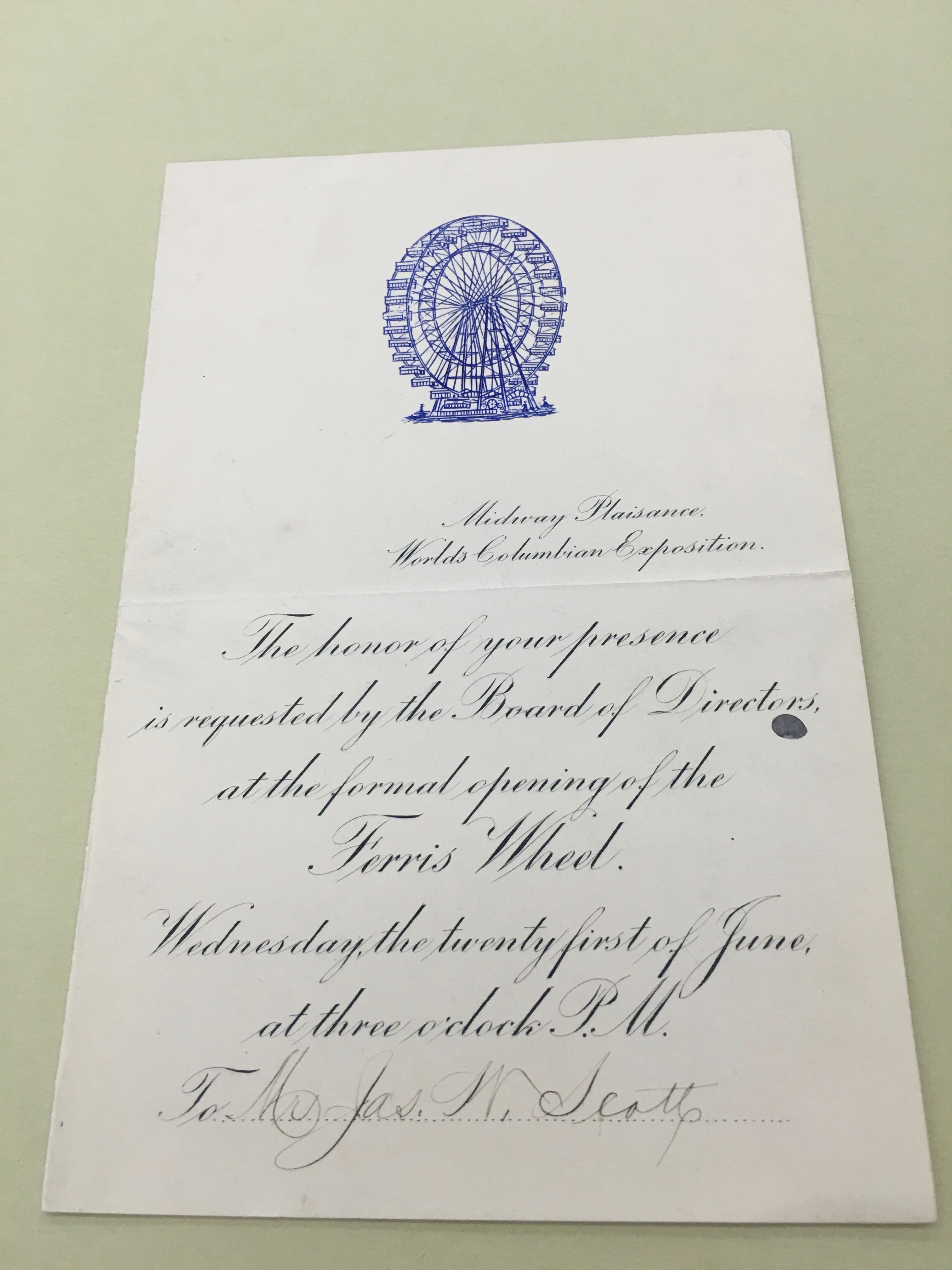
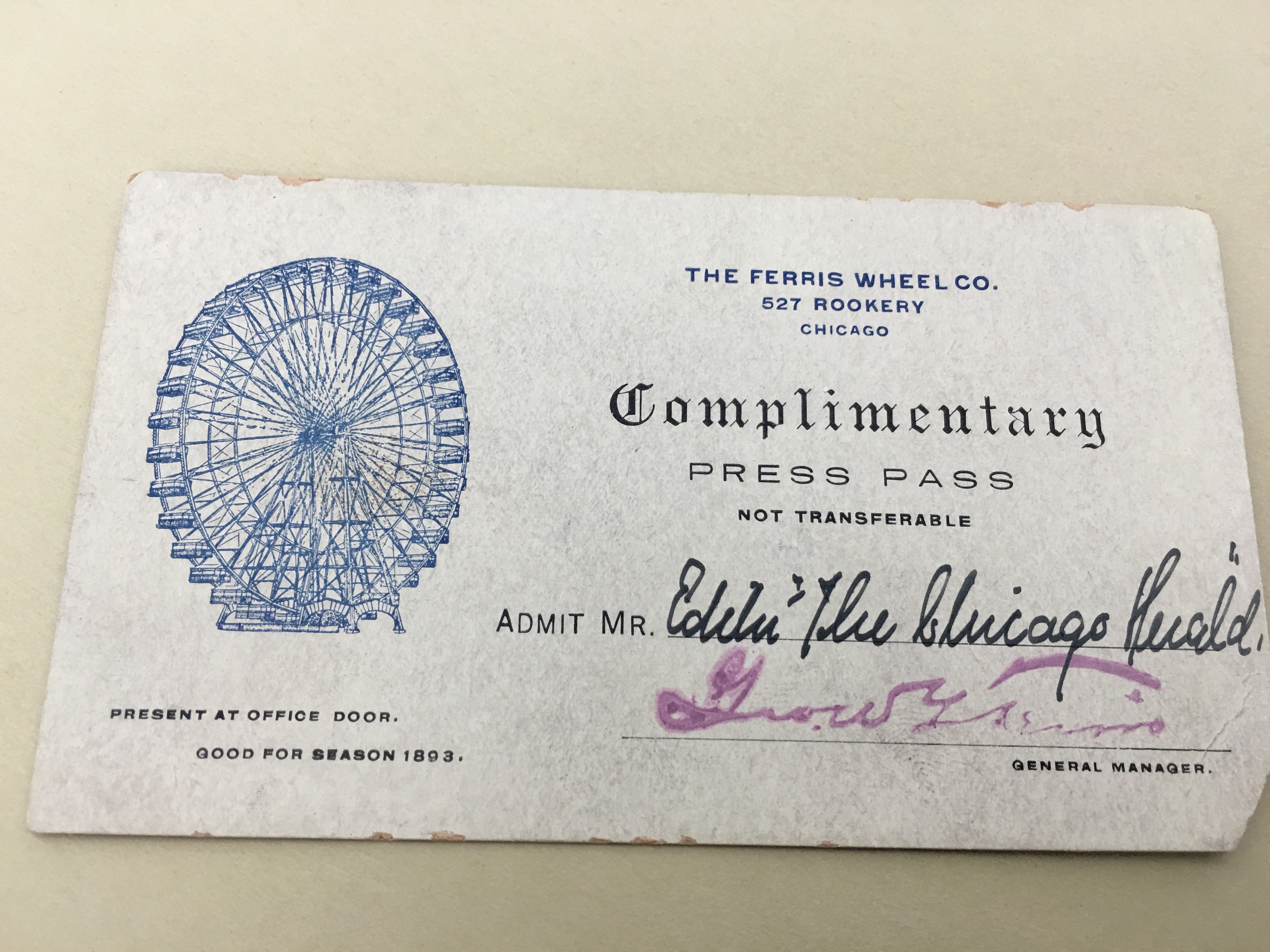
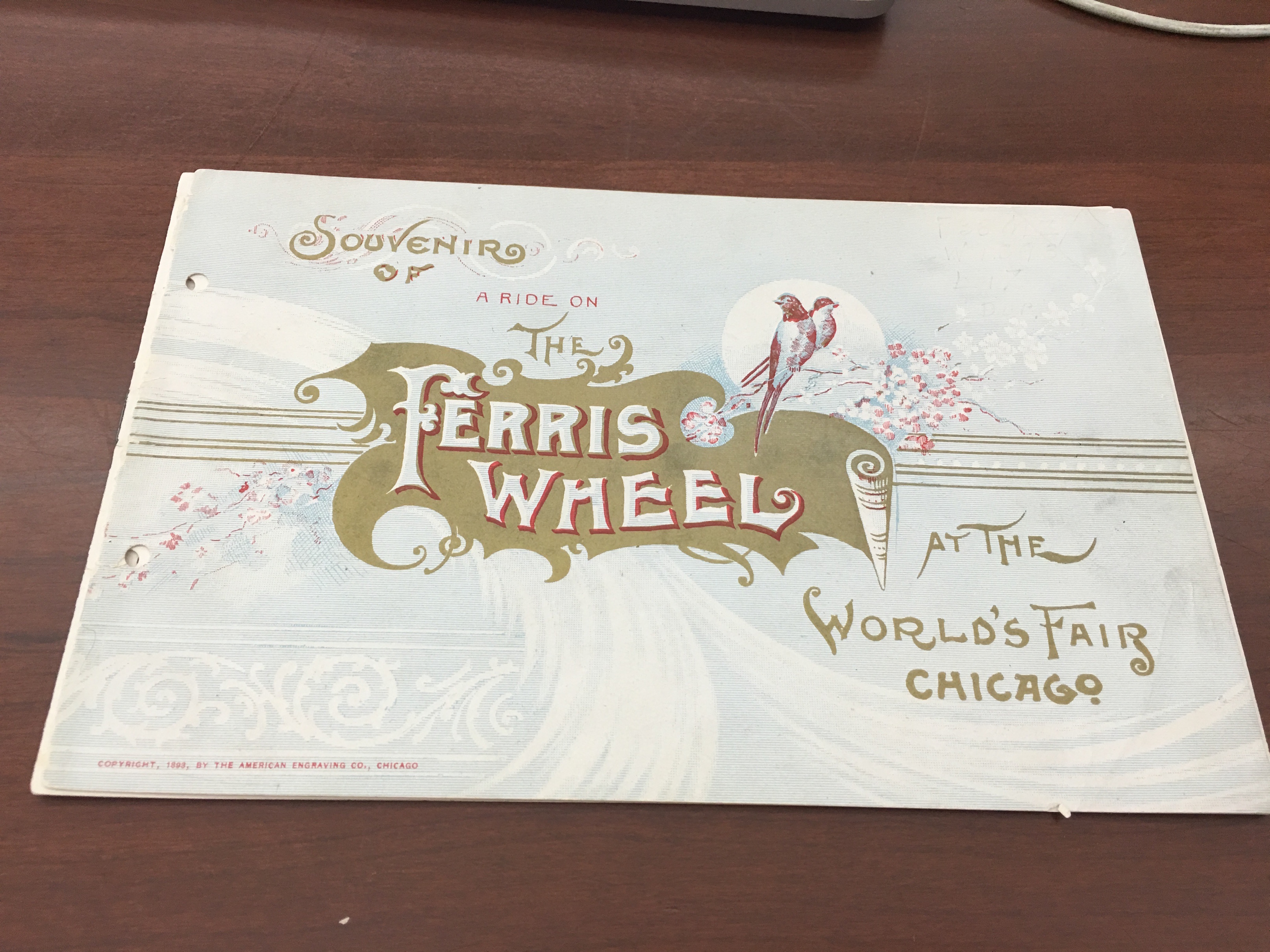
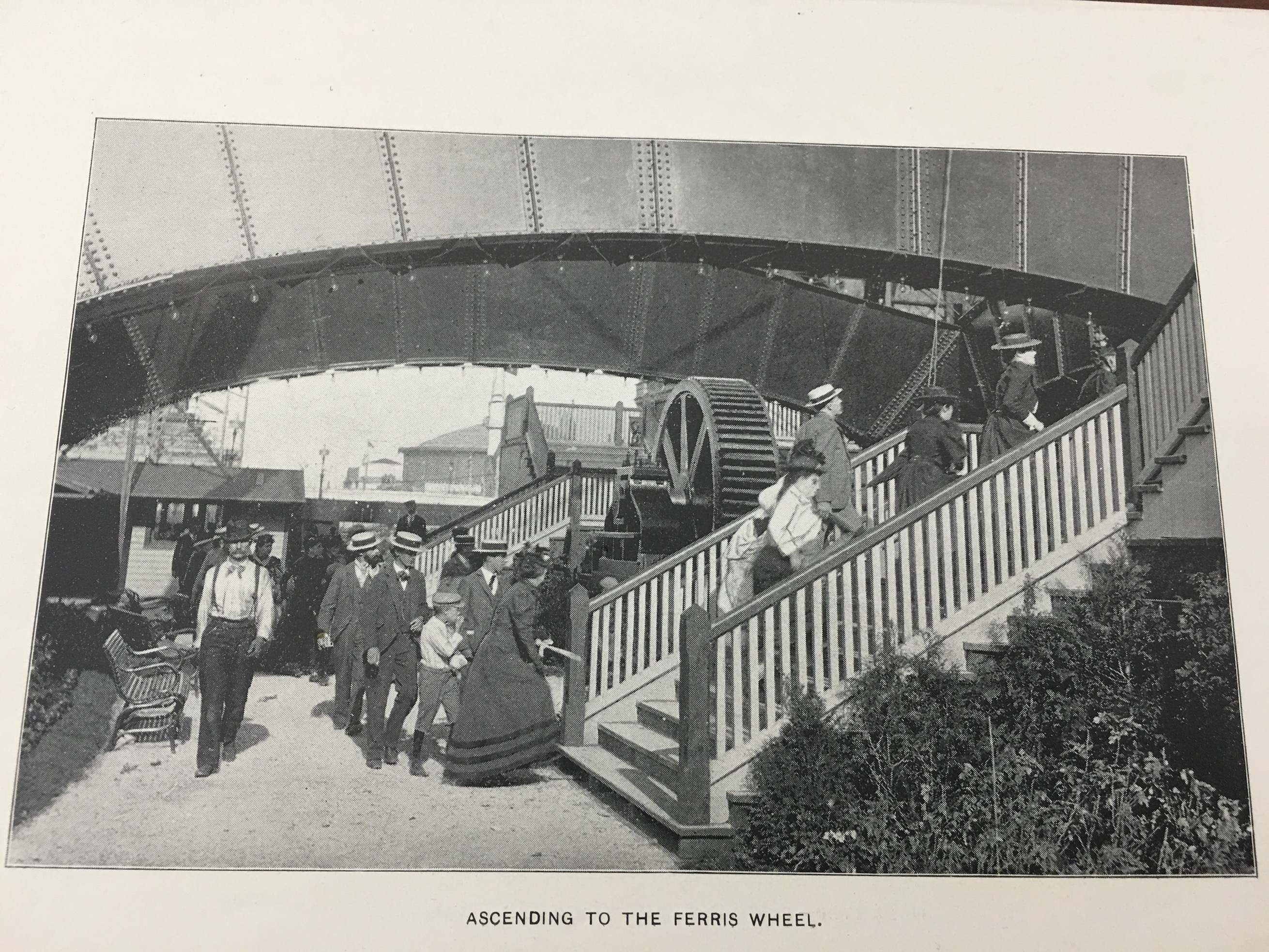
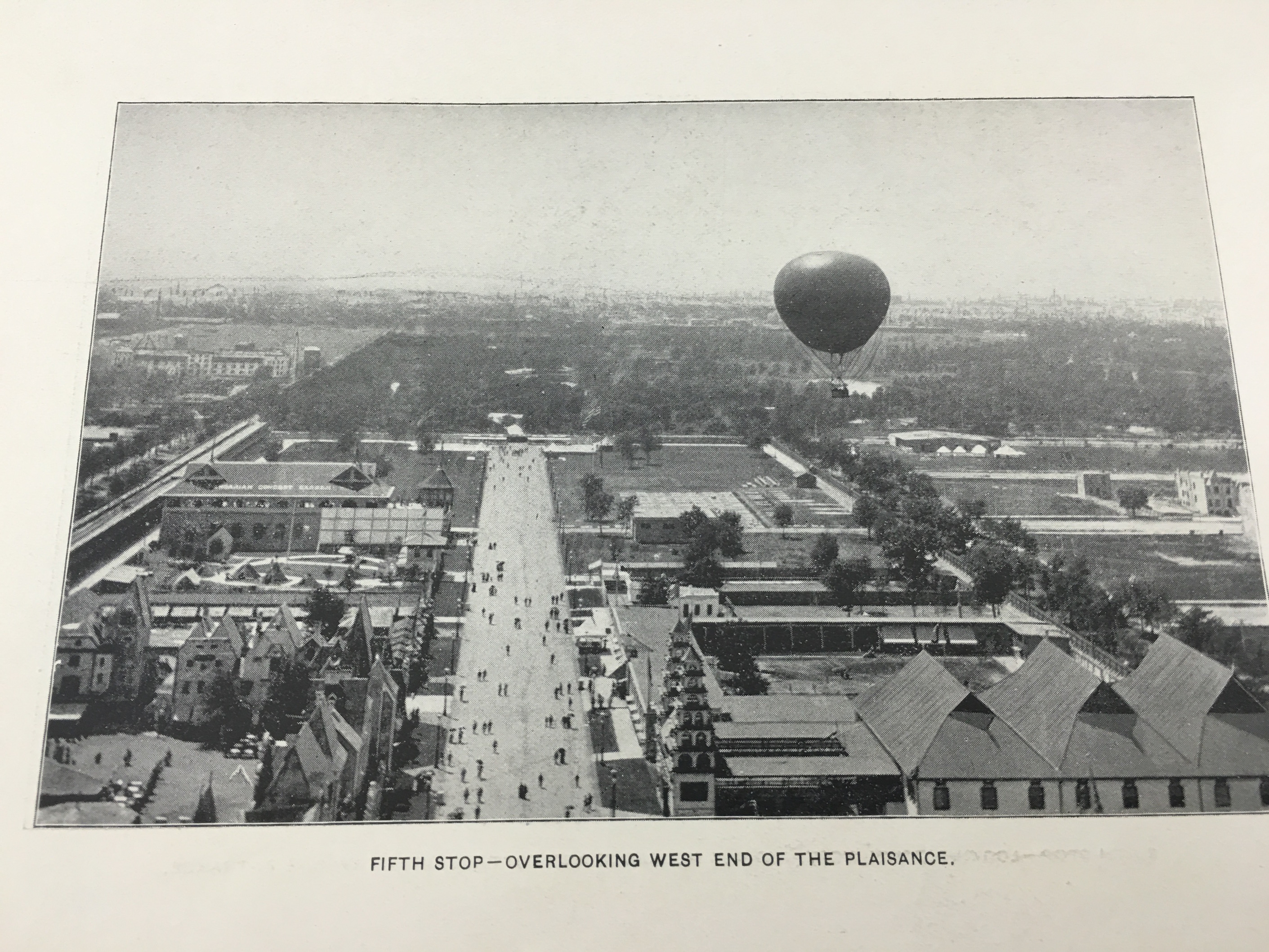
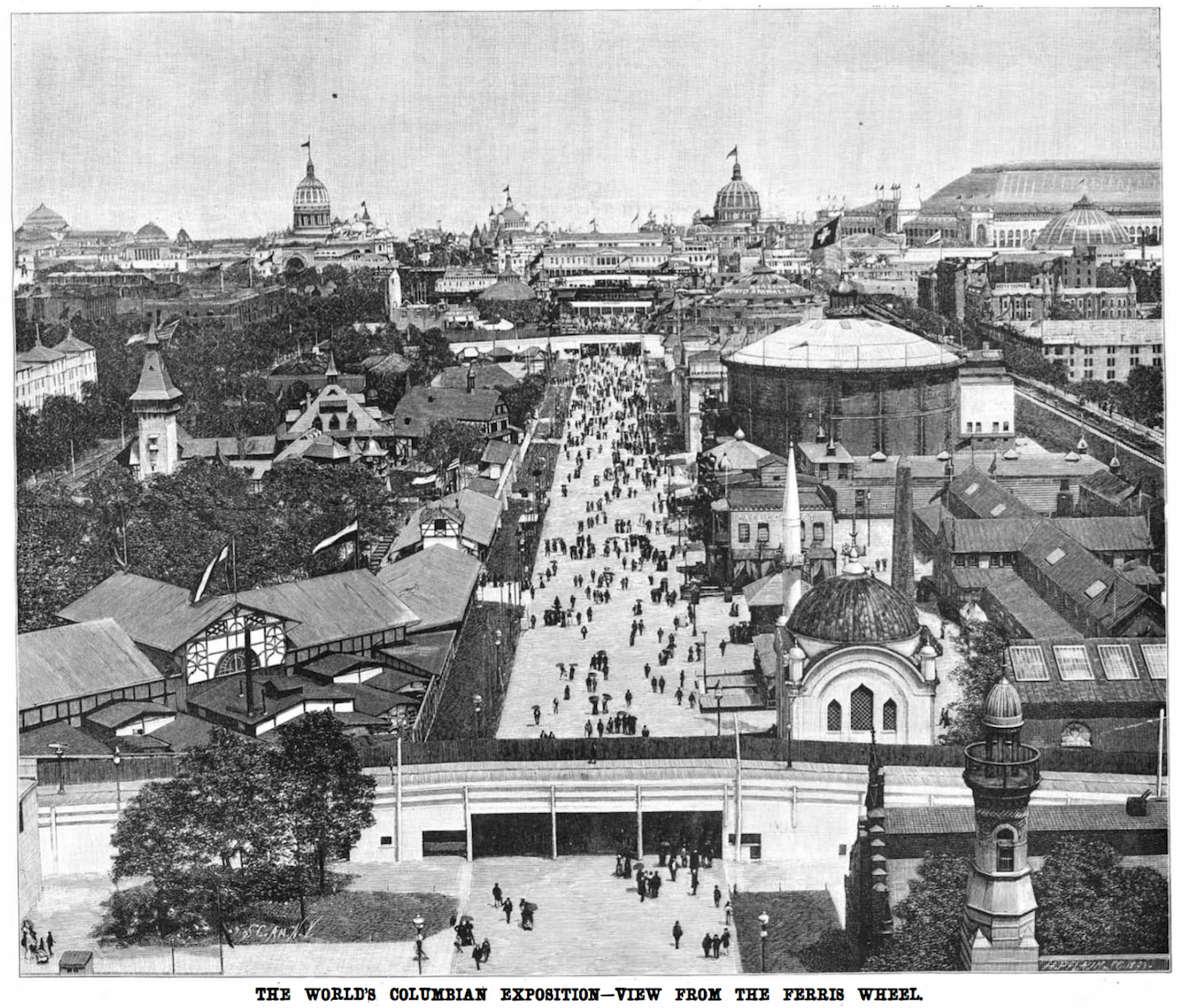
01: The first Ferris Wheel was invented to become America’s Eiffel Tower, making its grand debut at the Chicago World’s Fair of 1893. The wheel’s inventor George Washington Gale Ferris was a clever and optimistic soul; he did everything in his power to ensure that his glorious mechanical ride would forever change the world.
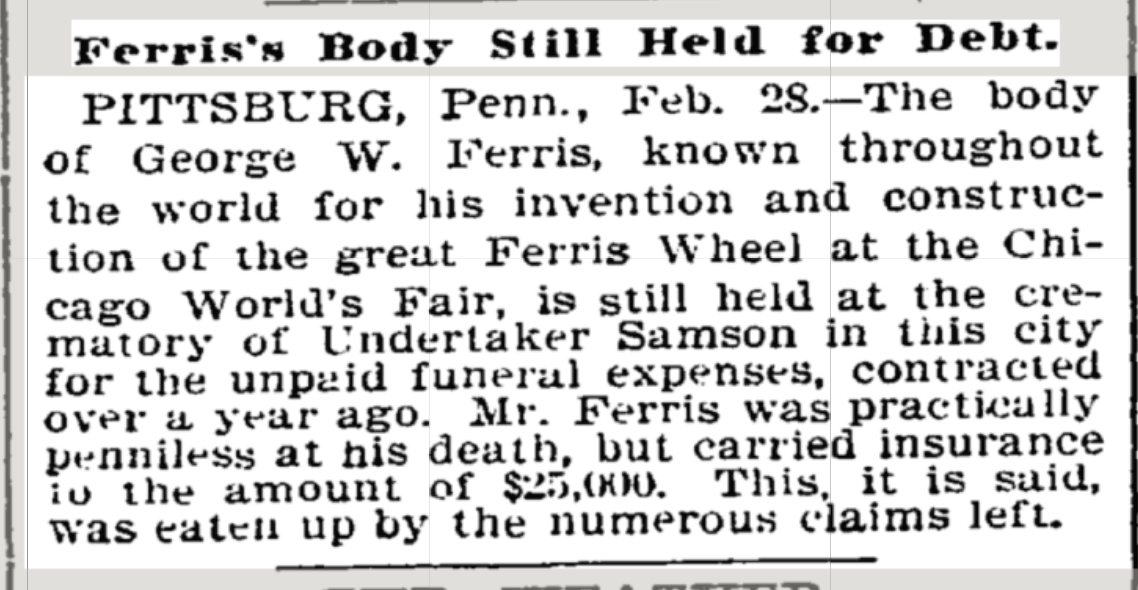
That it did, but unfortunately, its inventor paid a horrible price.
FEATURING a visit the Wonder Wheel at Coney Island, one of the most famous wheels in the world, and a trip to one of Chicago’s newest marvels — the Centennial Wheel at Navy Pier.
The Bowery Boys: New York City History podcast is brought to you …. by you!
We are now producing a new Bowery Boys podcast every two weeks. We’re also looking to improve the show in other ways and expand in other ways as well — through publishing, social media, live events and other forms of media. But we can only do this with your help!
We are now a member of Patreon, a patronage platform where you can support your favorite content creators for as little as a $1 a month.
Please visitour page on Patreon and watch a short video of us recording the show and talking about our expansion plans. If you’d like to help out, there are five different pledge levels (and with clever names too — Mannahatta, New Amsterdam, Five Points, Gilded Age, Jazz Age and Empire State). Check them out and consider being a sponsor.
We greatly appreciate our listeners and readers and thank you for joining us on this journey so far. And the best is yet to come!
The star of the show — George Washington Gale Ferris:
… and the Ferris Wheel at the World’s Fair!
Courtesy Chicago History Museum
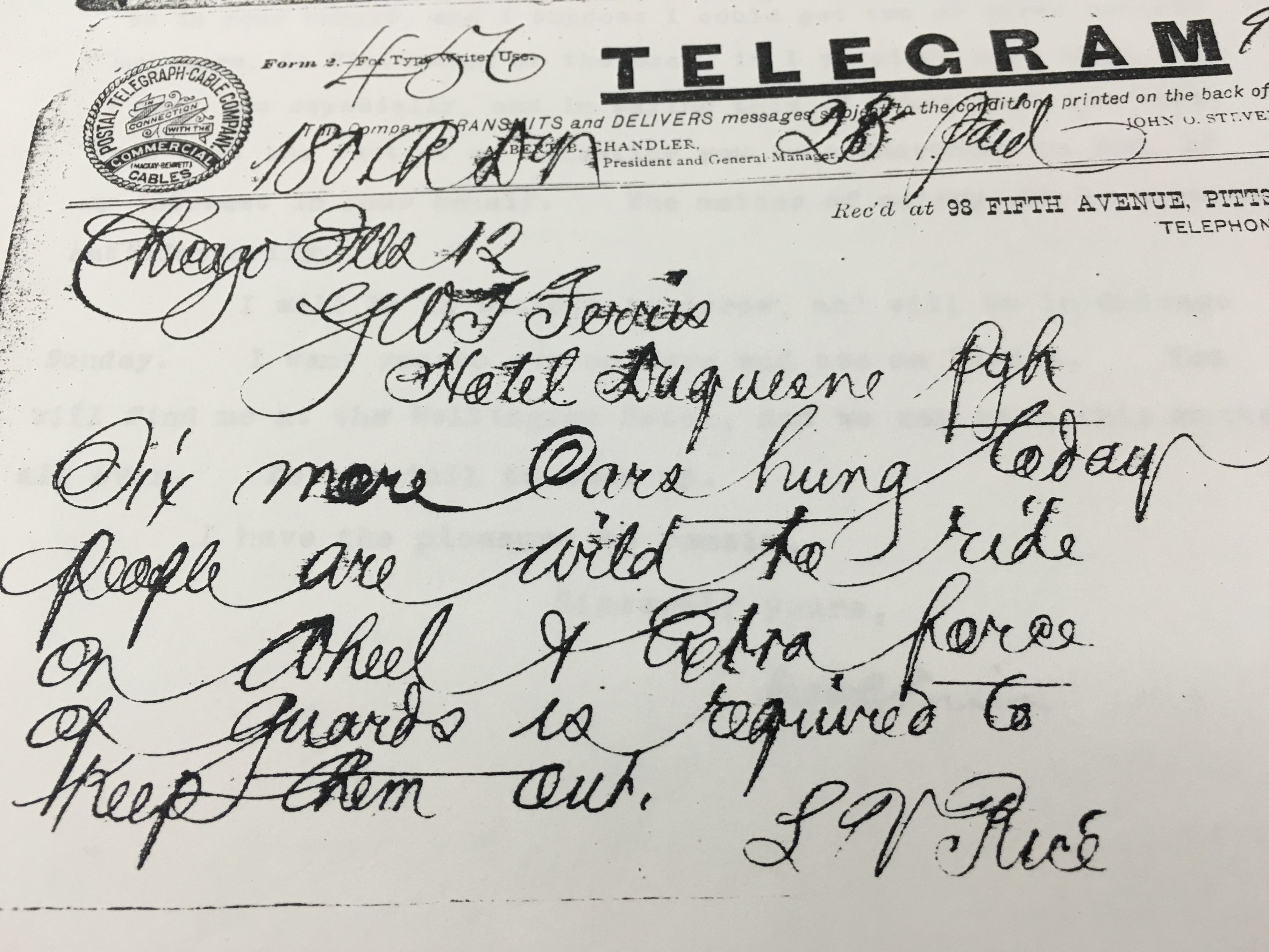
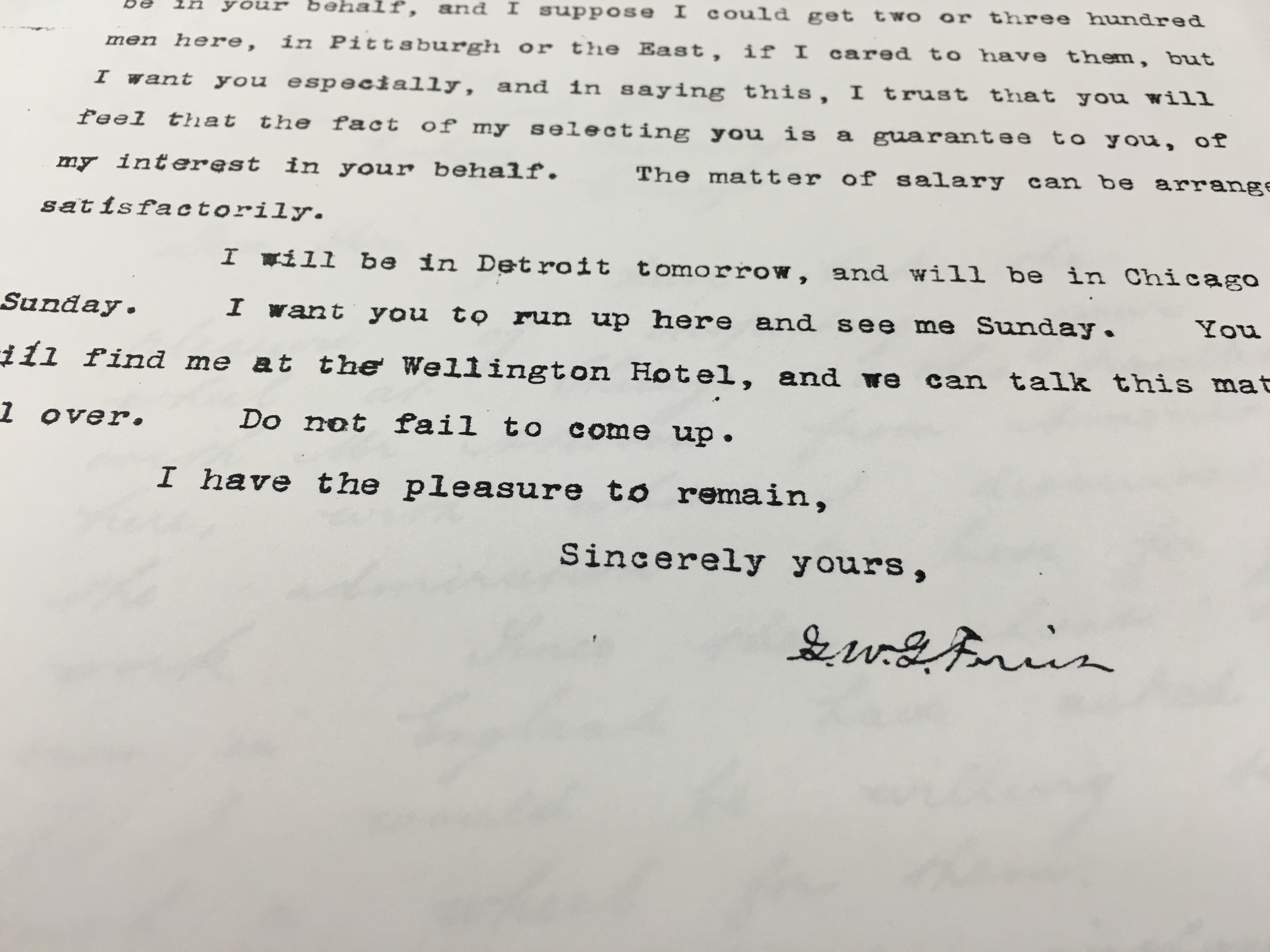
Some intriguing finds I made while researching at the Chicago History Museum and the National Archives:
The telegram from Luther Rice to George Washington Ferris that was read on the show:
This was also featured on the show — the passionate letter from Ferris, asking Rice to join the project
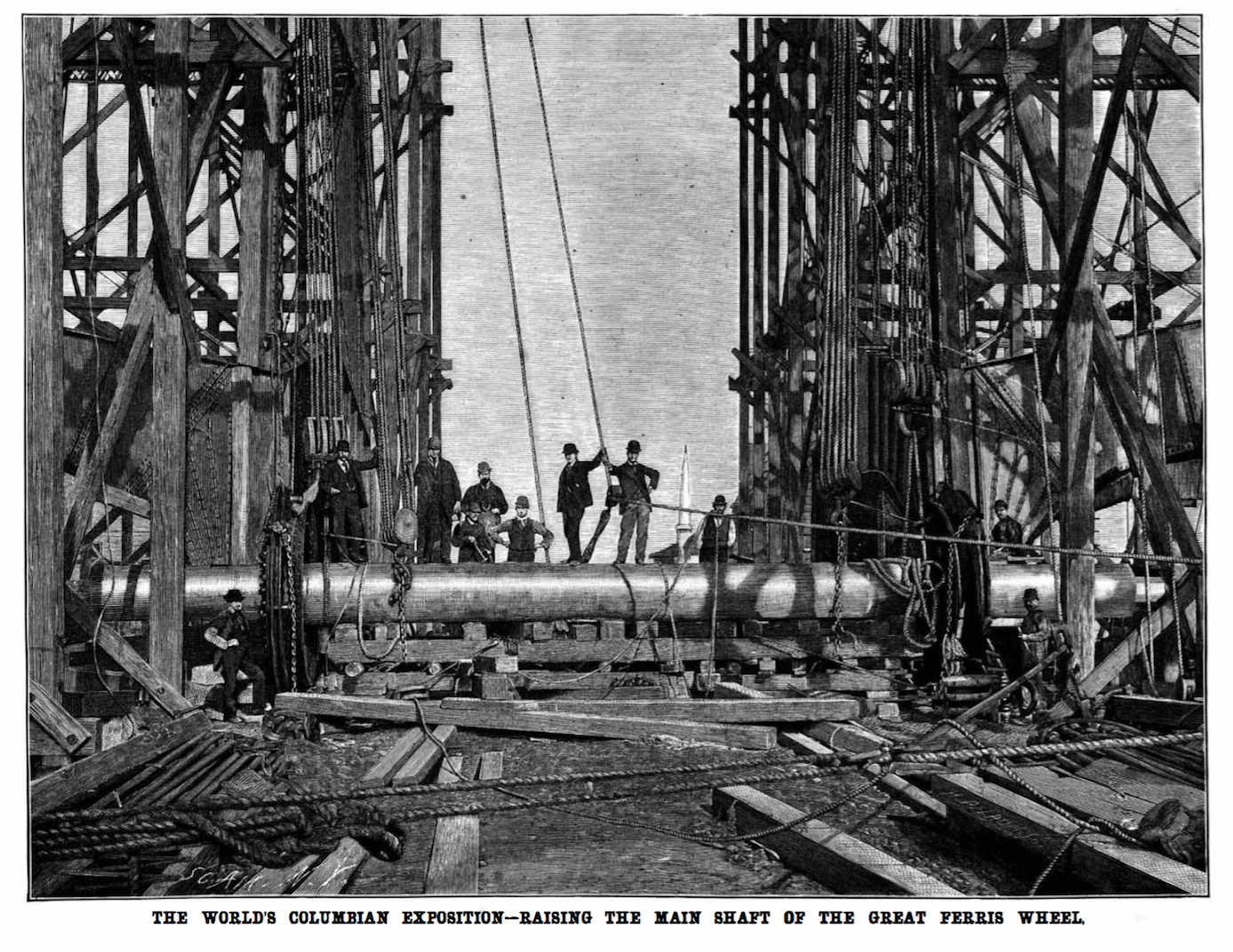
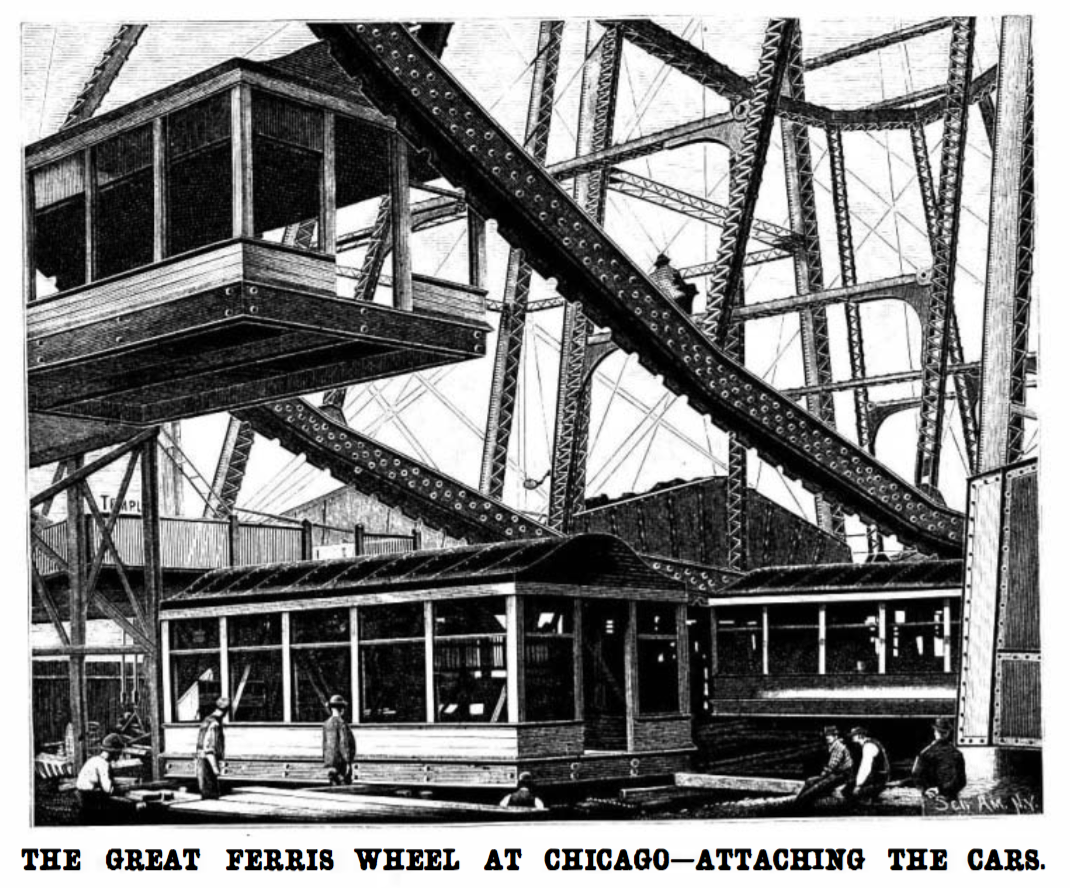
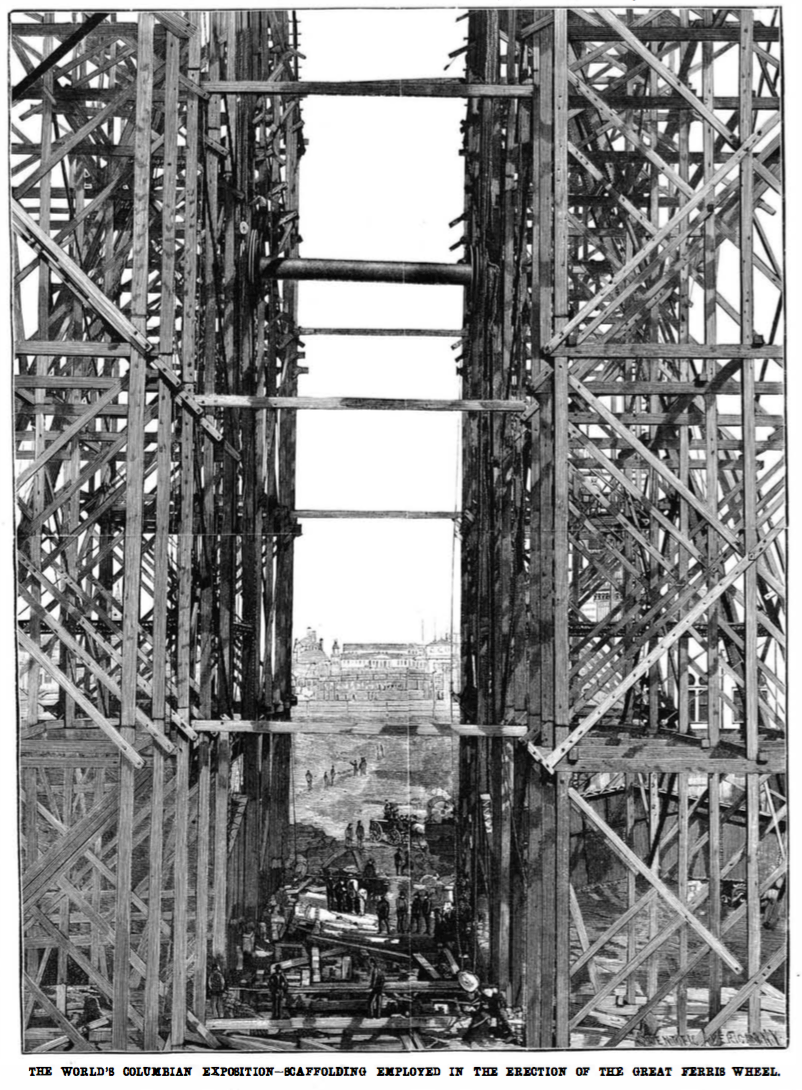
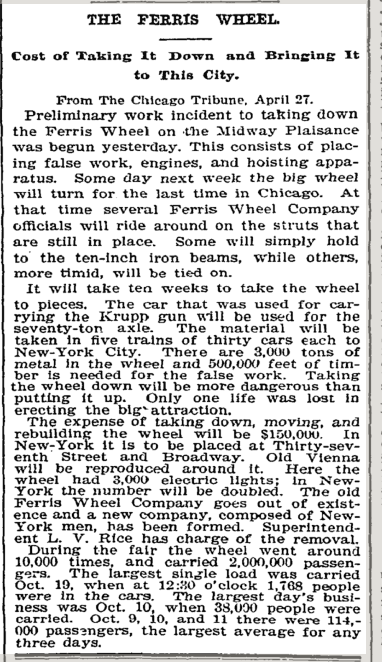
Images of wheel construction courtesy Scientific American.
Courtesy Scientific AmericanCourtesy Scientific AmericanCourtesy Scientific AmericanCourtesy Scientific American
New York Times, May 13, 1894 — This article mentioned the plan to move the Ferris Wheel to New York (but the plan fell through)
Arriving at the end of the month — a brand new podcast series from Greg Young of the Bowery Boys: New York City History podcast. ‘The First: Stories of Inventions and their Consequences’ explores the people and circumstances around the creations of every day objects and ideas of the modern world.
Even the most ordinary invention often has an extraordinary reason for being. Â This is the history of our technological world, one item at a time. Â Hopefully you’ll never look the same way at objects that you’ve taken for granted in your life.
— The First begins on October 28. Bowery Boys subscribers will get a sneak preview of their show in their podcast feeds but you’ll want to subscribe directly from iTunes as well. The first episode will be up at other streaming servers shortly.
— The First will be released every two weeks on alternating weeks with the Bowery Boys. Â Subscribe to both and you’ll have a new history podcast to listen to each week!
— The blog for The First is still under a bit of construction but if you want a clue to the subject of the first episode, check out the rough version of the blog here.
If you’re heard the Bowery Boys’ latest podcast Ghosts of the Gilded Age, then you’ve heard the trailer for The First. If you haven’t gotten to that yet, then you can listen to the trailer here. Enjoy!
We are very pleased to announce the very first Bowery Boys podcast spin-off series — a new show called The First: Stories of Inventions and their Consequences.
As the name implies, this will be a series about the history of inventions, but not those flash-bang EUREKA! Thomas Edison-with-a-lightbulb moments. The firsts in human history are never so perfectly defined or picture perfect.
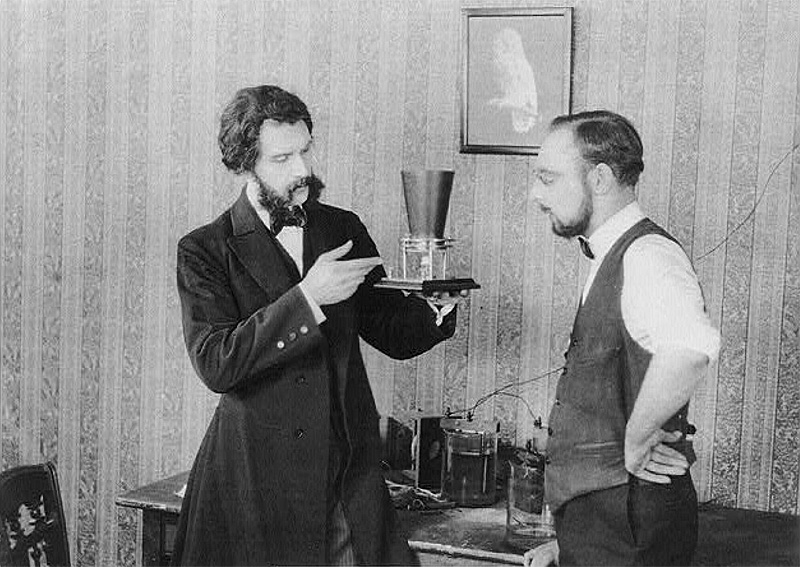
You know the man who made the first phone call, but do you know who he was calling?
The First, brought to you by Greg Young of the Bowery Boys: New York City History podcast, is a look at the history of inventions and innovations at the so-called ‘moment of impact’, focusing less on iconic inventors and more on the forgotten geniuses and everyday people who were responsible for bringing us the tools of the modern world.
The show will also highlight those that were first affected by these inventions — for better or for worse. New technologies and ideas might have made the world a different place, but they did not always make them a better place.
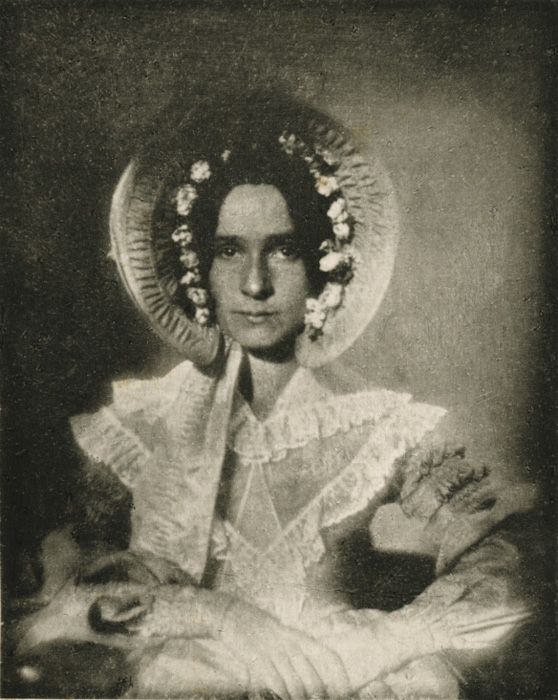
You may know the names of those who invented the camera, but do you know those who were first photographed?
From the automobile to the rocket ship, from chewing gum to the TV dinner, from the first face in a photograph to the first voice on the telephone. These are the stories of the First.
In addition, where possible, these stories will always feature the original words of the subjects themselves — telegrams, journal entries, diaries, court testimonies, newspaper interviews.
The official trailer for The First will be introduced at the end of the next Bowery Boys episode (which just happens to be our 10th annual Halloween special)!
Grab yourself America’s first TV dinner (a Thanksgiving meal) and tune in.
The First artwork is designed by Thomas Cabus, an award-winning designer who has worked on projects for the New York Road Runners, the New Orleans Film Festival and Circle of 6.
PODCAST The trials and tribulations experienced by the Bronx through the mid and late 20th century.
In the third and final part of our Bronx history series, we tackle the most difficult period in the life of this borough — the late 20th century and the days and nights of urban blight.
The focus of this show is the South Bronx, once the tranquil farmlands of the Morris family and the location of the first commuter towns, situated along the new railroad. By the 1950s, however, a great number of socio-economic forces and physical changes were conspiring to make life in this area very, very challenging.
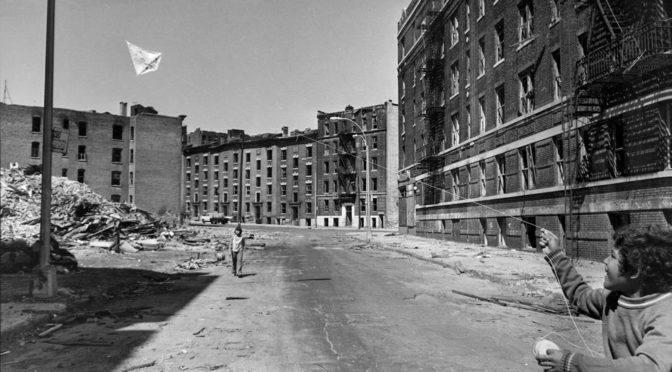
Construction projects like the Cross Bronx Expressway and shifts in living arrangements (from new public housing to the promise of Co-Op City) had isolated those who still lived in the old tenements of the South Bronx. Poverty and high crime rendered the neighborhood so undesirable that buildings were abandoned and even burned.
Mainstream attention (from notable television broadcasts to visits by the President of the United States) did not seem to immediately change things here. It would be up to local neighborhood activists and wide-ranging city and state programs — not to mention the purveyors of an energetic new musical force — to begin to improve the fortunes of this seemingly doomed borough.
FEATURING an interview with Inside Out Tours founder and chief tour guide Stacey Toussaint about the new Bronx renaissance.
ALSO: Appearances by Howard Cosell, Sonia Sotomayor, Robert Moses, Grand Wizzard Theodore, and Jimmy Carter!
The Bowery Boys: New York City History podcast is brought to you …. by you!
We are now producing a new Bowery Boys podcast every two weeks. We’re also looking to improve the show in other ways and expand in other ways as well — through publishing, social media, live events and other forms of media. But we can only do this with your help!
We are now a member of Patreon, a patronage platform where you can support your favorite content creators for as little as a $1 a month.
Please visitour page on Patreon and watch a short video of us recording the show and talking about our expansion plans. If you’d like to help out, there are five different pledge levels (and with clever names too — Mannahatta, New Amsterdam, Five Points, Gilded Age, Jazz Age and Empire State). Check them out and consider being a sponsor.
We greatly appreciate our listeners and readers and thank you for joining us on this journey so far. And the best is yet to come!
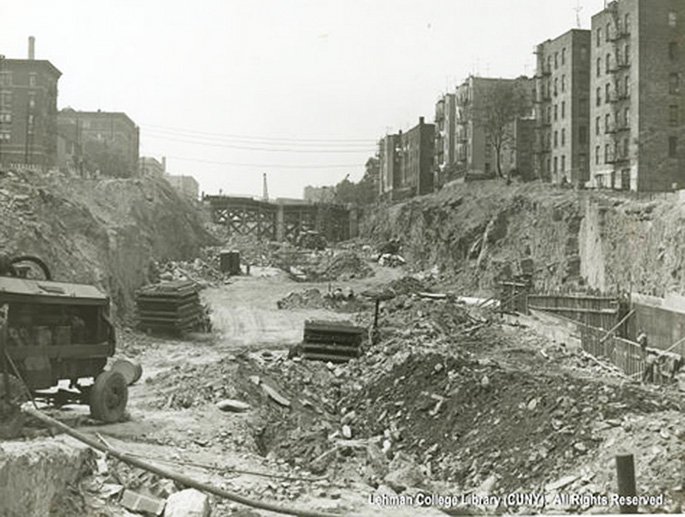
Construction of the Cross Bronx Expressway required the mass expulsion of residents from their homes
Lehman College
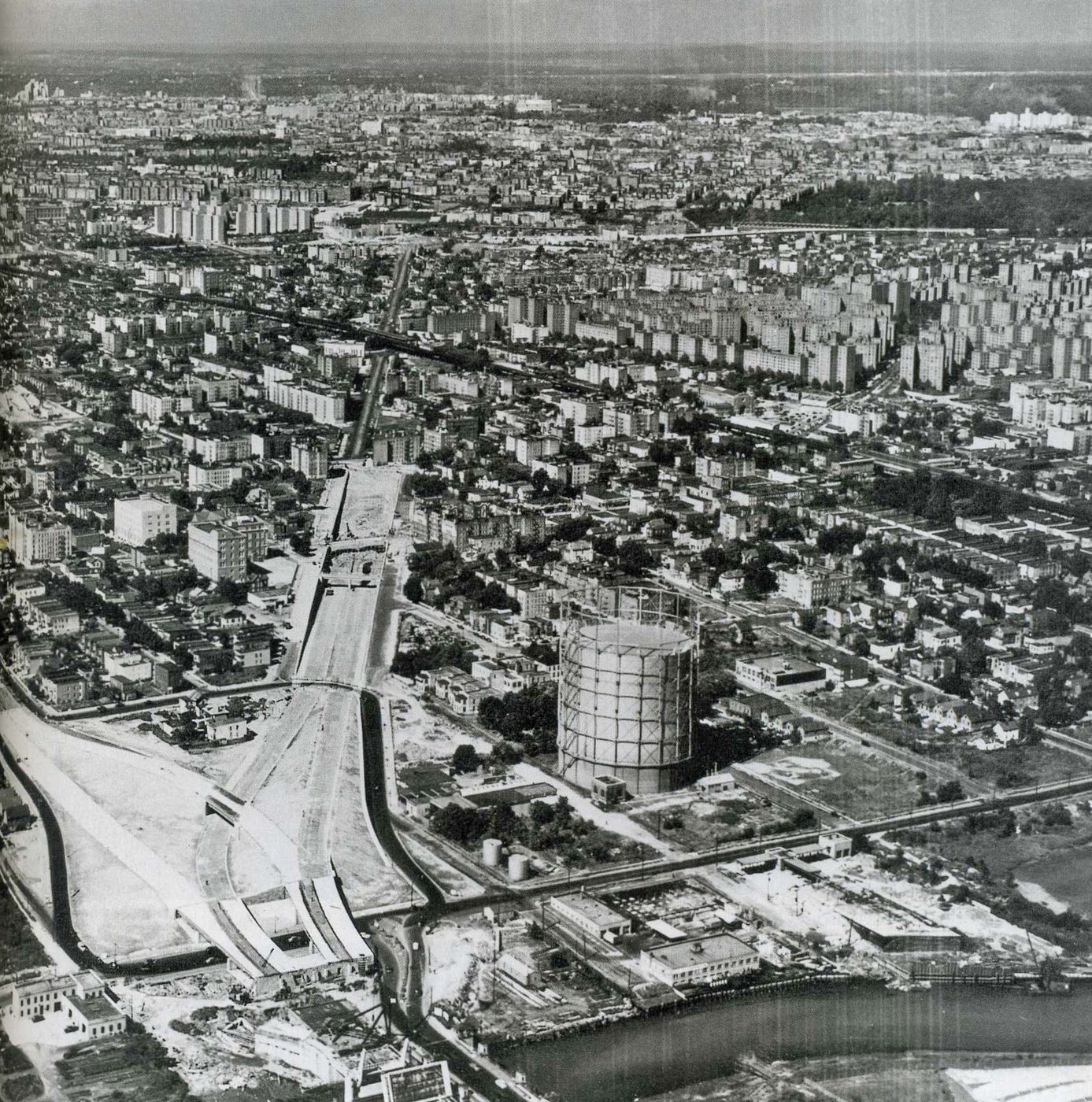
From this overhead view, you can see the areas of the city about to be wiped away by expressway construction. And you can also observe the powerful impact public housing has already had on the landscape
NYU Furman Center Archives
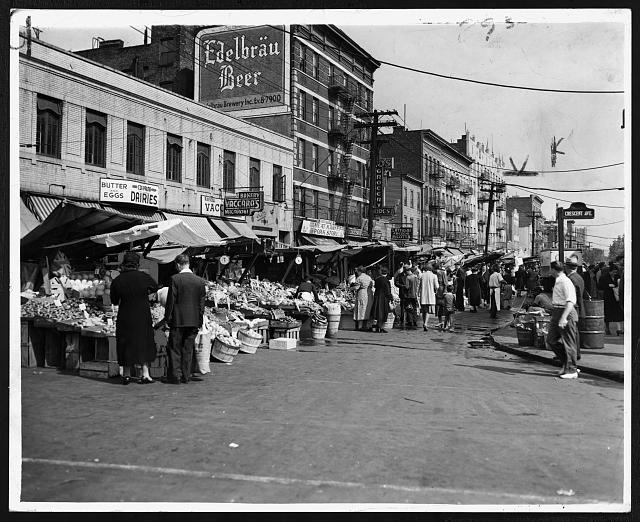
Life on Arthur Avenue, 1940. The Italian sector of the Bronx would only grow larger in the mid 20th century as more Italians from southern areas of New York City migrated to the Bronx
Stieglitz, C.M./Library of Congress
The scene on Macombs Road, 1964
Macombs Rd., Bronx / World Telegram & Sun photo by Phil Stanziola.
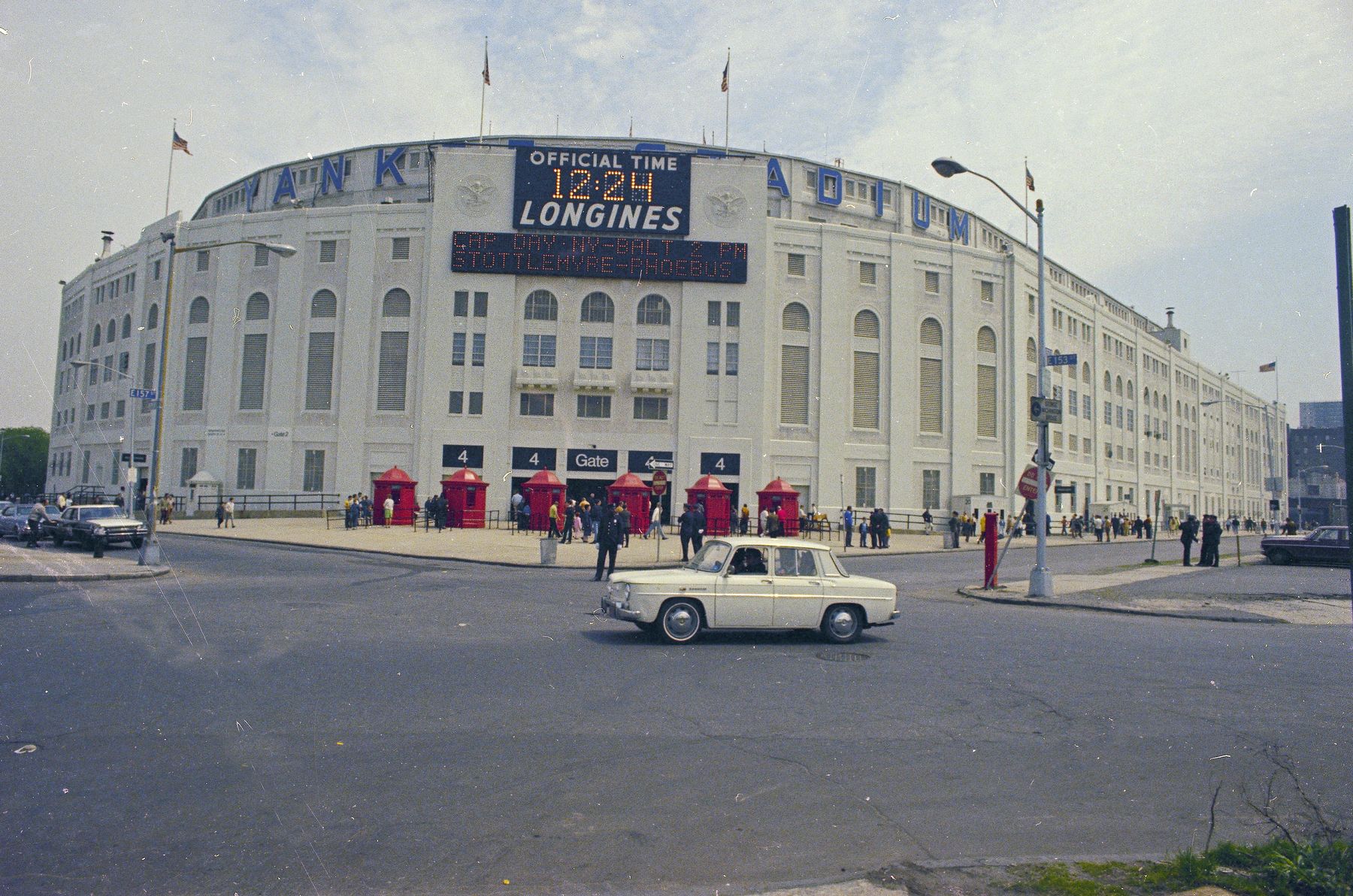
Yankee Stadium in 1969
Photo by AP Images
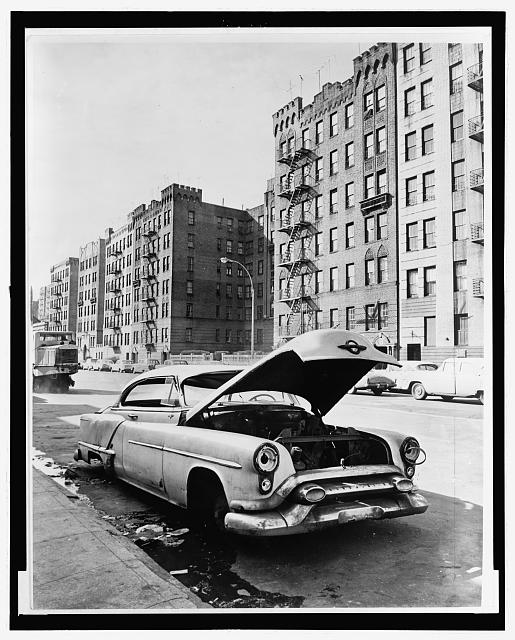
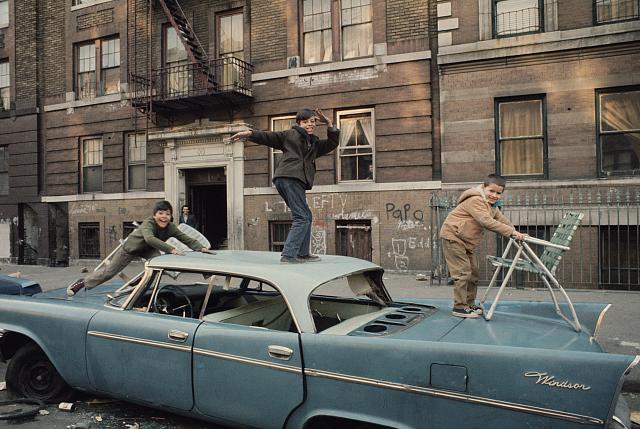
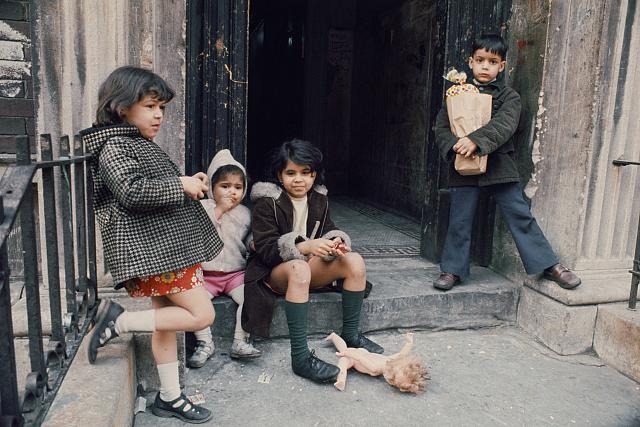
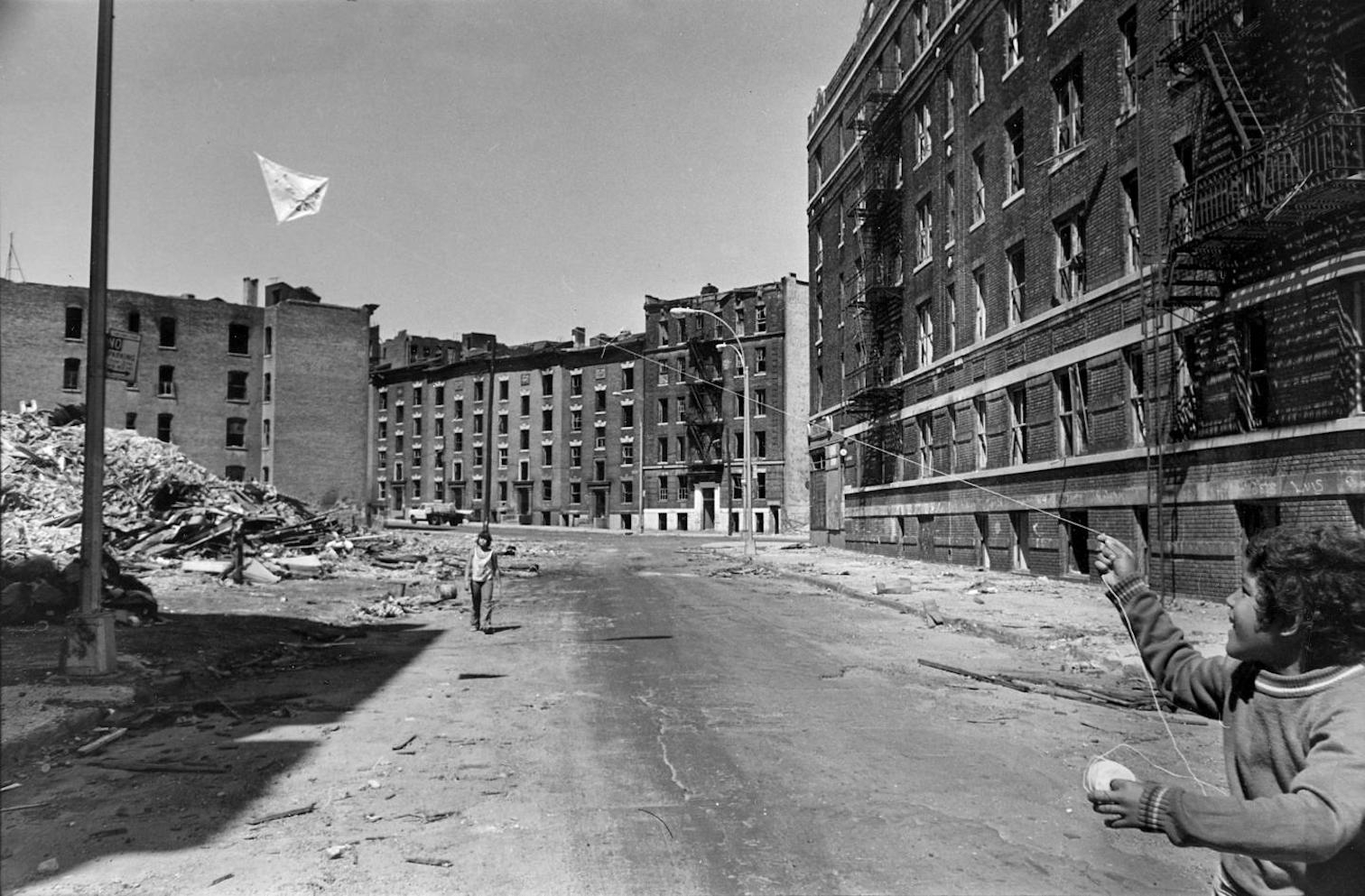
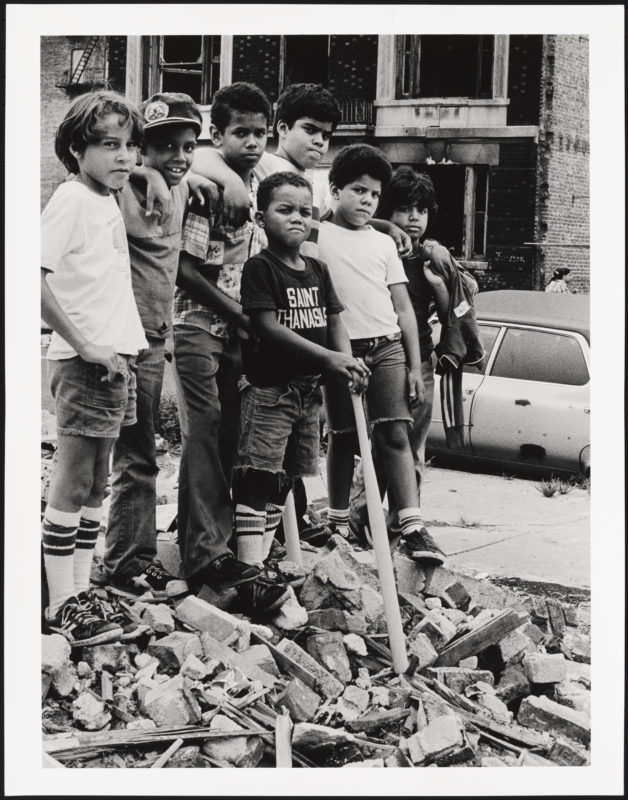
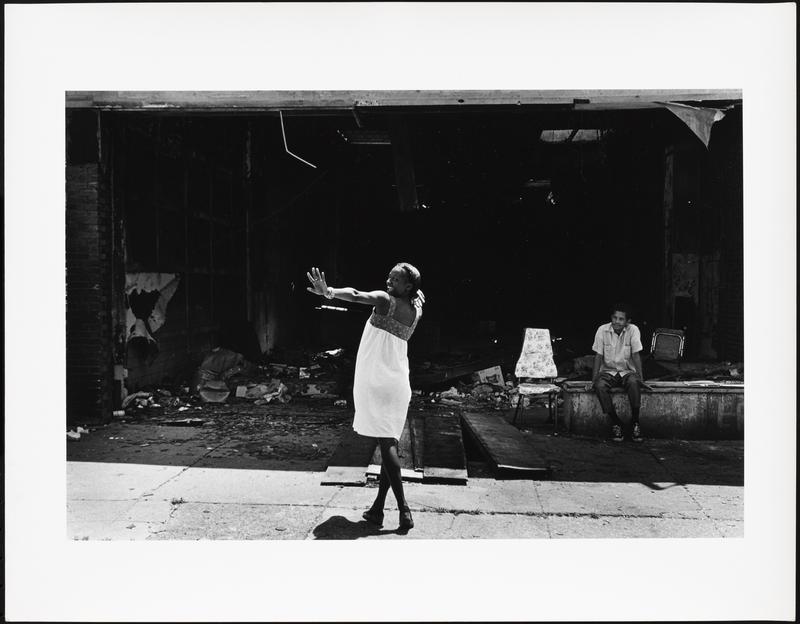
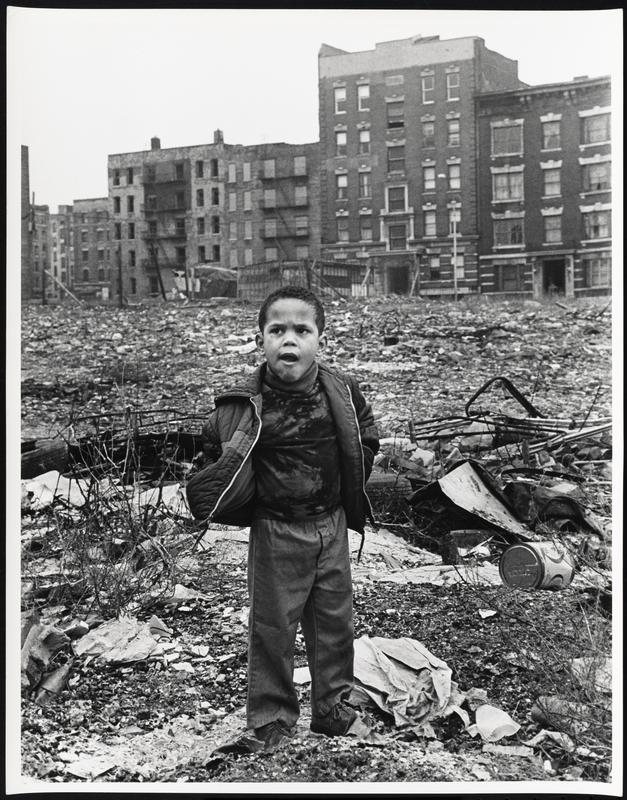
Scenes from the South Bronx, early 1970s, from photographer Camilo J. Vergara, courtesy Library of Congress
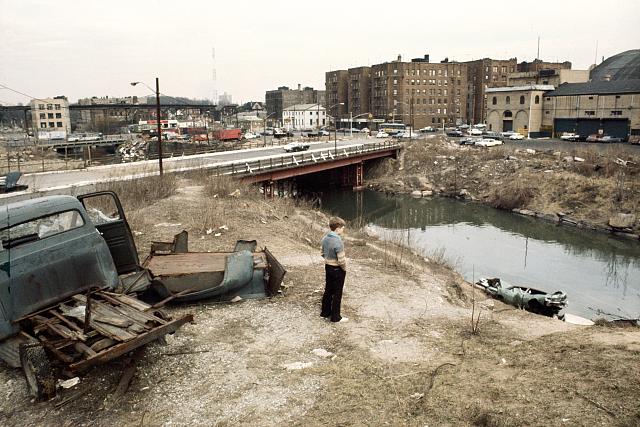
Overlooking a portion of the Bronx River, 1970
Camilo J. Vergara photographer/Library of Congress
Camilo J. Vergara/Library of Congress
Camilo J. Vergara/Library of Congress
Camilo J. Vergara/Library of Congress
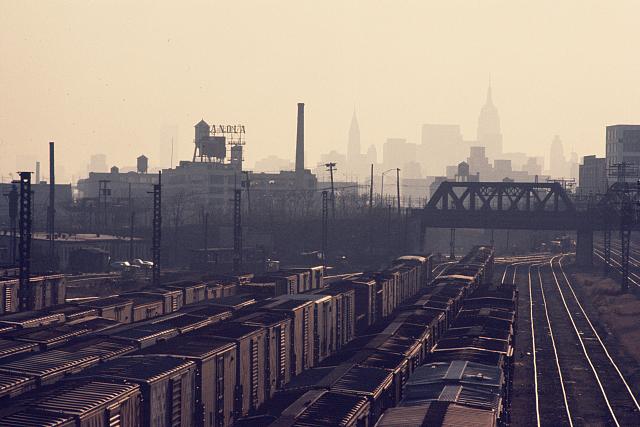
The view from Hunts Point, 1970
Camilo J. Vergara/Library of Congress
East 167th Street, South Bronx, 1973, Camilo J. Vergara/Library of Congress
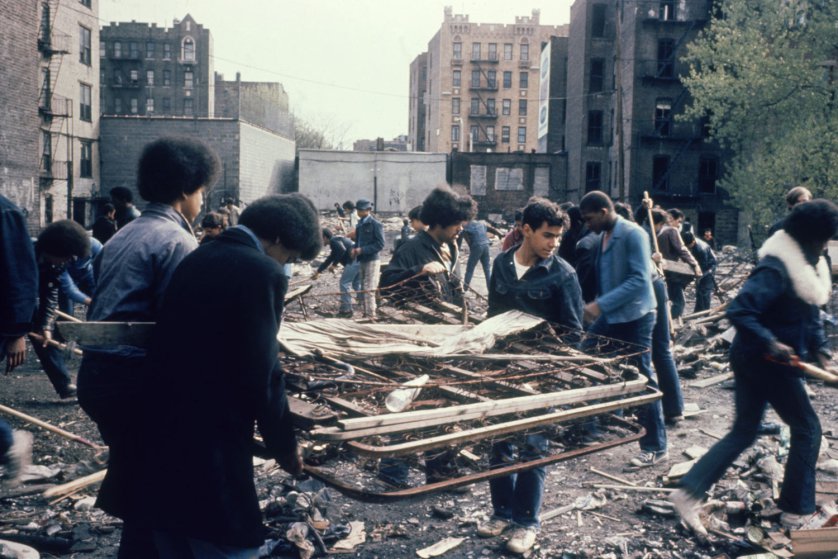
Members of the Reapers gang clean up a lot in the South Bronx, 1972. Photo by Life Magazine photographer John Shearer. Check out the rest of the photos in this series here.
John Shearer Time & Life Pictures/Getty Images
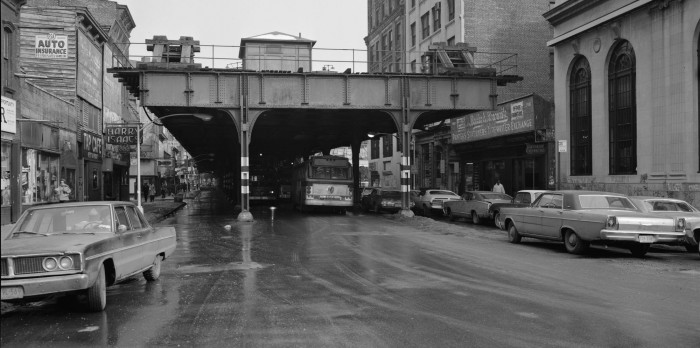
The termination point of the Third Avenue El (around 147th through 149th) which was torn down in 1977.
Jack Boucher photographer
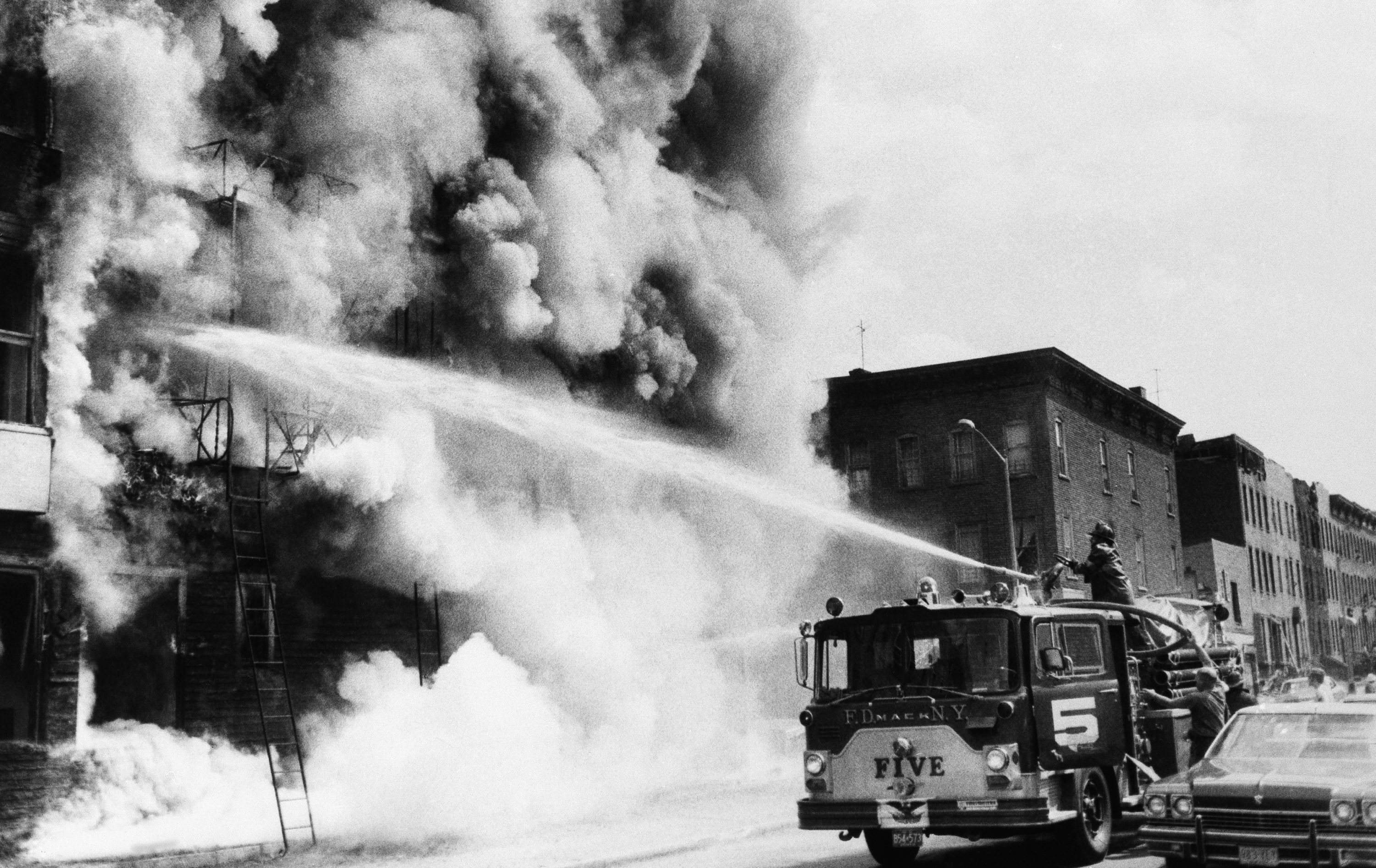
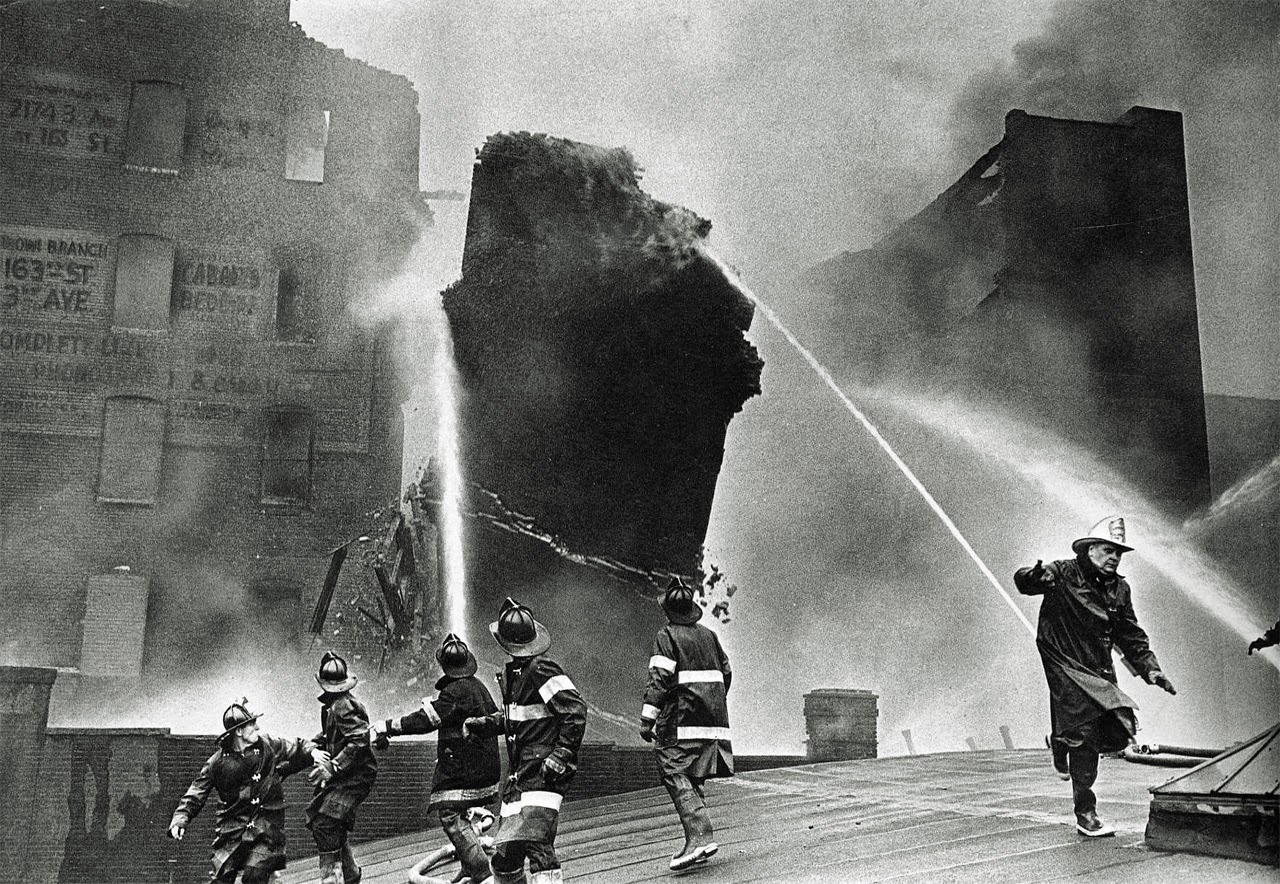
Insanity: One of dozens of fires that occurred in the aftermath of the blackout of 1977.
AP Photo/HG
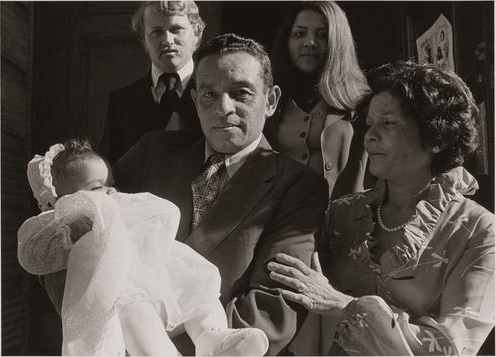
A child’s baptism at St. Jerome’s Church in the South Bronx
Photo by Susan Lorkid Katz/MCNY
June 1977.
Courtesy AP
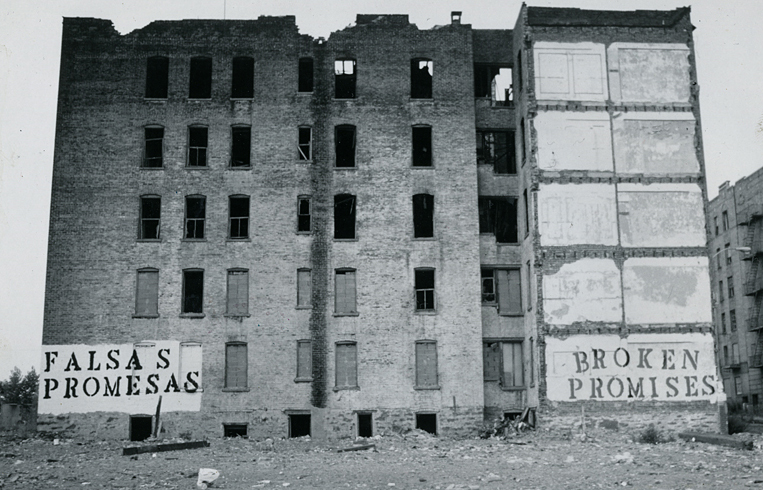
An abandoned building on Charlotte Street was turned into an art project by John Fekner, Broken Promises/Falsas Promesas, 1980
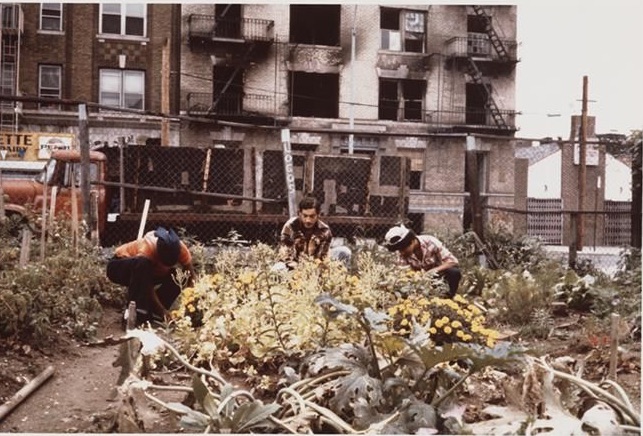
Planting a community garden in a vacant lot, 1980s
A current exhibit at the Museum of the City of New York celebrates the photography of Mel Rosenthal in their show In The South Bronx of America, running until October 16
Mel Rosenthal/MCNY
Mel Rosenthal/MCNY
Mel Rosenthal/MCNY
And now a few videos — both of actual events and dramatized, highly exaggerated depictions of the Bronx.
The infamous video from the 1977 World Series between the Yankees and the Dodgers, with Howard Cosell running play-by-play for both the game and the drama outside the stadium.
A film about DJ Kool Herc made in the 1980s
Dramatic video from ABC News of the Bronx as it looked in 1982
A news report about Fort Apache, police precinct in the Bronx. This uses documentary footage (albeit with dramatic music).
Later the film Fort Apache: The Bronx dramatized the events at this police precinct:
The trailer from the exploitation film ‘1990: The Bronx Warriors’ made in 1982
Was there an estate in New York ever as beautiful as Morrisania, nearly 2,000 acres that hugged the Harlem River until it opened out into the turbulent East River as it coursed past small islands and flowed into the Long Island Sound?
A property that varied from western hills looking over the river to the rolling spread of Manhattan below, to eastern marshes and flatlands suitable for farming.
Today’s Bronx neighborhood of Morrisania is only a small portion of the original property owned by the Morris family since the 1670s, during the dawning years of British dominance in the New York region.
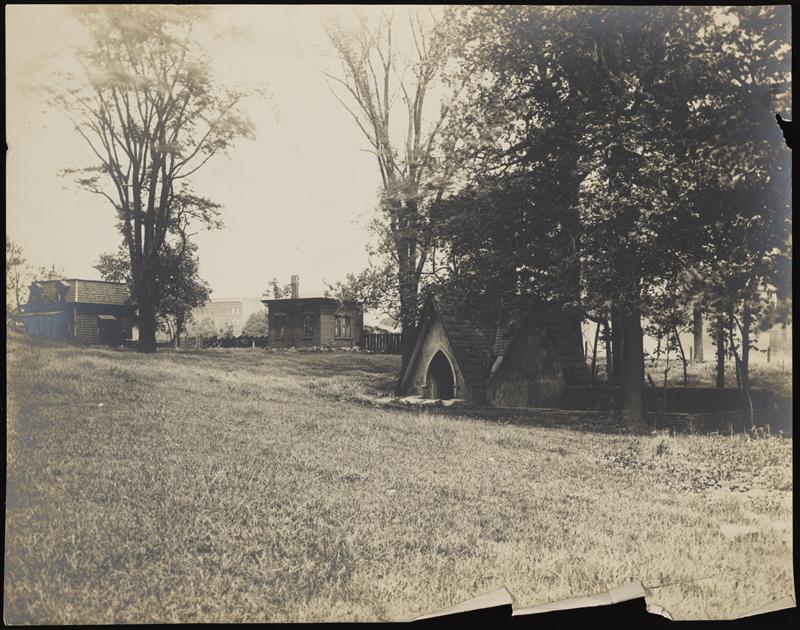
Vestiges of the old estate still existed well into the 20th century, including their old well (pictured below in 1910)
The original parcel, purchased by Welsh captain Richard Morris, was only 500 acres, a part of original land settled by Bronx namesake Jonas Bronck.
When Richard died, brother Lewis Morris (for reasons that will soon be evident, let’s call him Lewis I) moved from the West Indies to claim the property. He would be one in a succession of Lewis Morrises to live here and place an imprint on what would some day contain much of the South Bronx.
The Morris family was feisty, business savvy, well connected, extremely aristocratic and entirely unoriginal with names. Another Lewis Morris (Richard’s son, or Lewis II) became the governor, at separate times, of both New York and New Jersey. Yet another Lewis (Lewis III) became a powerful New York justice. His son Lewis Morris (Lewis IV) was a signer of the Declaration of Independence.
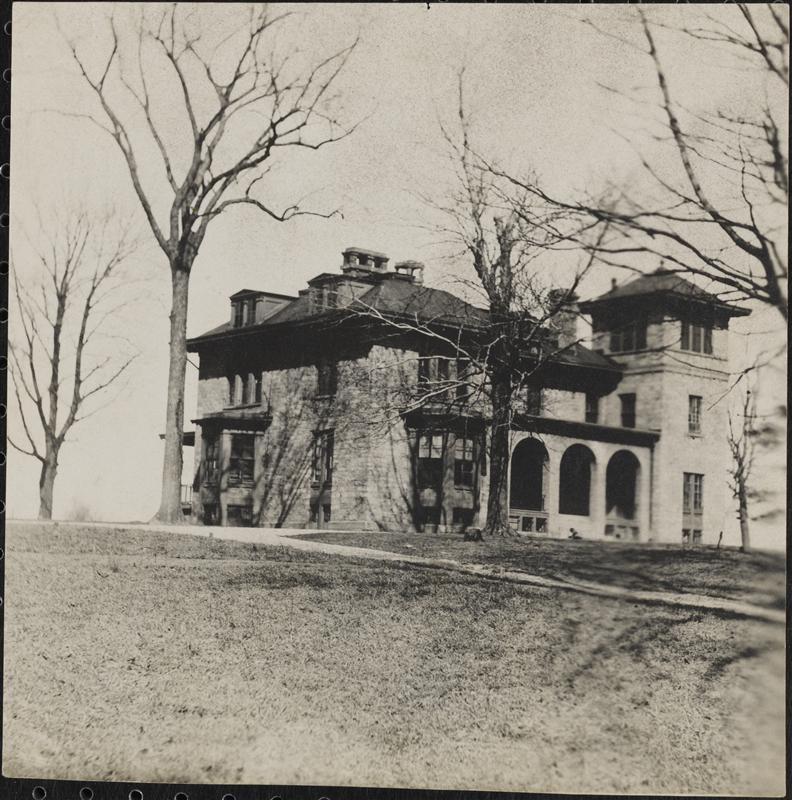
Below: Morris farm houses, still standing in 1920
If you haven’t gleaned it already, the clan carried themselves like some kind of royal family. They were, artificially at least, as were many families in the New World who quickly made fortunes here and staked claims in manners similar to what their forebears were accustomed to in Europe. Over the decades, the Lewises would blend by marriage into other elite, bold-faced families to form a tangled ball of interlinked faux American royalty.
Morrisania for most of the 18th century resembled a miniature British kingdom, with a spread of small farms, dairies and cattle pens operated by those leasing from the Morris family, a proper workaday serfdom common for the era. However, during the early decades, the land was even worked with slave labor, although the practice was phased out in later generations.
Below: The Lewis G Morris house which stood at Montgomery Avenue and 176th Street at late as 1905 (the date of this image)
Museum of City of New York
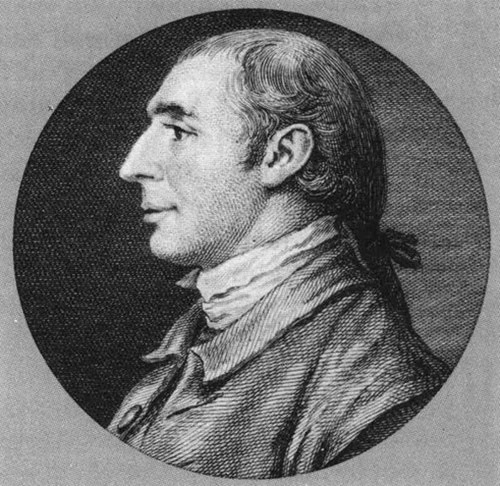
When Lewis 3passed in 1762, this massive property was split in two. West of the small babbling Mill Brook (honored today with a playground and a housing development) belonged to Lewis IV and his brothers, but the more bucolic eastern side fell to Lewis III’s second wife Sarah and eventually her only son. That’s right, Gouverneur Morris (pictured below).
Gouverneur fled his home during the Revolutionary War, but his mother Sarah stayed behind. During this time, the rich farmland was vandalized and the family’s voluminous library, one of the largest collections in North America at the time, was ransacked.
Gouverneur was quite busy in the late 18th century doing things like penning the Constitution and being minister to France in the midst of their bloody revolution. But wherever he traveled, he always felt a closeness to Morrisania.
After the war, while Gouverneur was in France, Lewis Morris (the fourth one, Gouverneur’s half brother) offered up the family estate of Morrisania be used as the site for the new American capital. One can just imagine the history of New York had Congress taken him up on that offer!
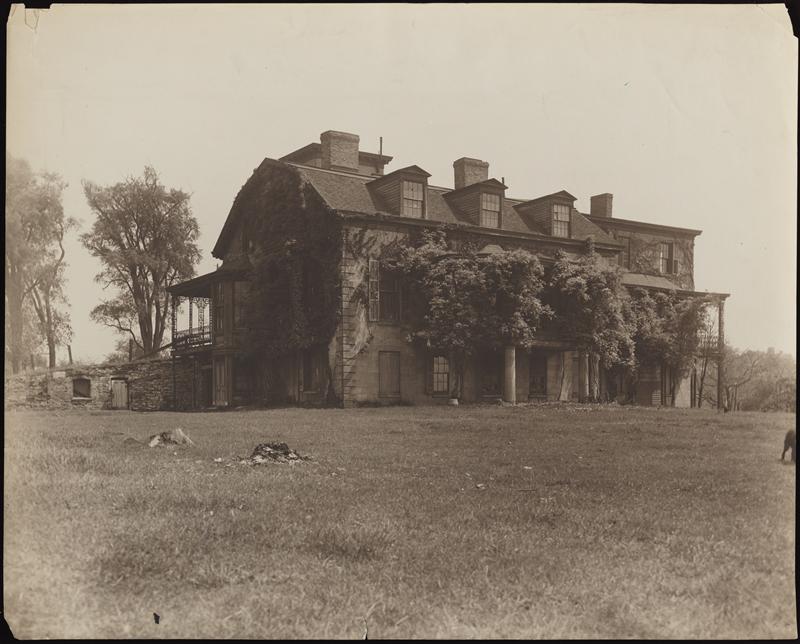
The former mansion of Gouverneur Morris which sat near the waterfront in the Bronx until the 1900s.
Museum of the City of New York
In 1798, when Gouverneur returned from France and claimed the property for himself, he built a new home here (the one pictured above) and filled it with all his gathered French finery. Perhaps no household was more beautiful — or as pretentious — as Morris’ new manor.
Gouverneur, of course, facilitated the growth of New York with his roles in the development of both the Commissioners Plan of 1811 and the Erie Canal. His old farms, however, were technically part of Westchester Country. In the 1840s, his son Gouverneur Morris Jr. emulated New York’s former estate owners and began to develop his property for commercial and residential use.
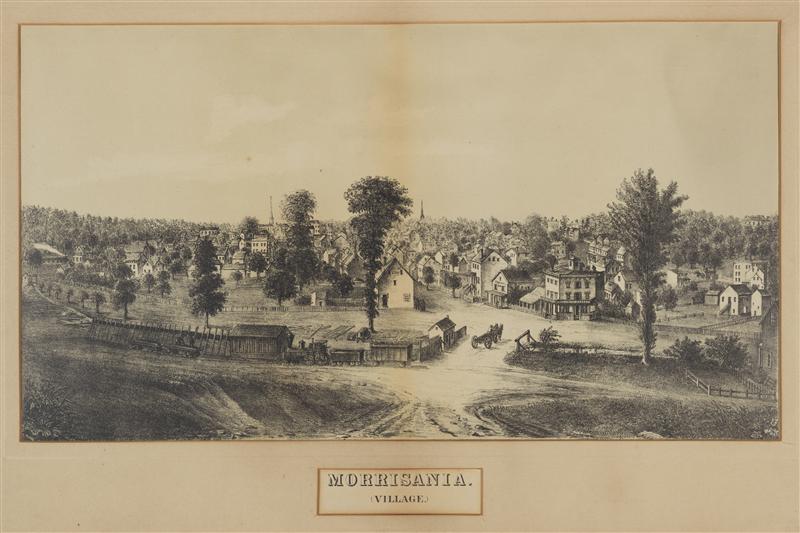
Below: The village of Morrisania, an original ‘commuter’s town’ for those who worked in the city of New York down south.
MCNY
Chief among these decisions was becoming vice president of the New York and Harlem Railroad (eventually to be owned by Cornelius Vanderbilt) and allowing the railroad to cut through the old property. Townships formed around the railroad station, include one small village named for the old manor, Morrisania. That village is the root of today’s neighborhood of the same name.
Gouverneur Junior was cut from the visionary mold that would define many in the 19th century. One pet project was the development of a port village along the old family property on the eastern shoreline, today’s Port Morris area.
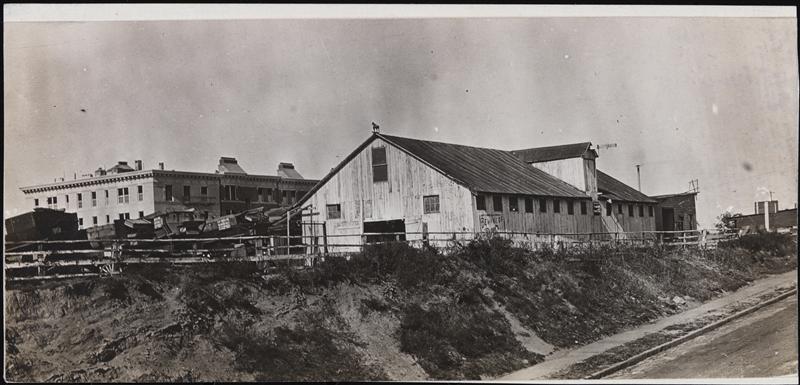
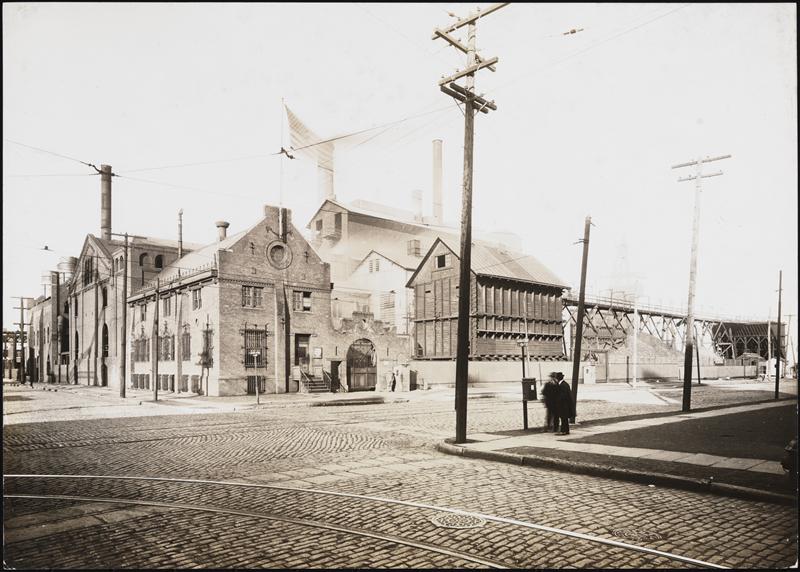
Port Morris, pictured below in 1920, would become a chief location for manufacturing in the borough.
Given that Gouverneur Senior was partially responsible for Manhattan’s grid, it’s no surprise that a different grid patterns were adhered to the old Morris properties over the years. In emulating Manhattan’s pattern, all traces of the area’s early farm existence was eradicated.
The following years would hold many strange detours in the history of the South Bronx: opulent boulevards, the New York Yankees, 1970s urban decay. But the Morrises live on, if in name only.
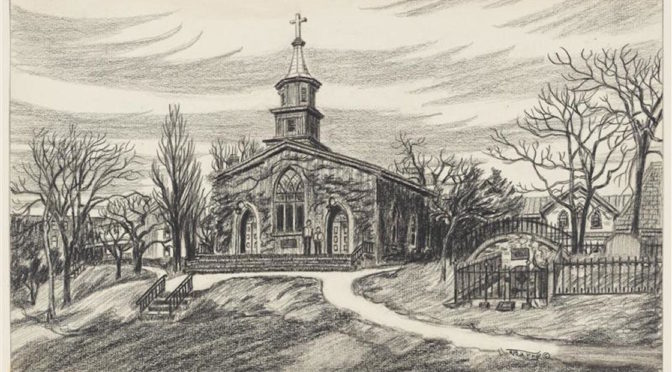
However one lasting physical vestige to the Morris family still remains — St. Ann’s Church (pictured below) in the neighborhood of Morrisania, built in 1840 and the location of burials for members of the Morris family, including Gouverneur Morris and Lewis Morris (the fourth).
Portions of this article were taken from an earlier one that I wrote for this blog back in 2010.
PODCAST REWINDNew Yorkers are serious about their pizza, and it all started with a tiny grocery store in today’s Little Italy and a group of young men who became the masters of pizza making.
In this podcast, you’ll find out all about the city’s oldest and most revered pizzerias — Lombardi’s, Totonno’s, John’s, Grimaldi’s and Patsy’s in all its variations.
But if those are the greatest names in New York-style pizza, then who the heck is Ray — Original, Famous or otherwise?
NOW UPDATED with several minutes of new pizza history –– including an update on Totonno’s in Coney Island, the pizza war firing up underneath the Brooklyn Bridge and the story of Sbarro’s mall pizza domination.
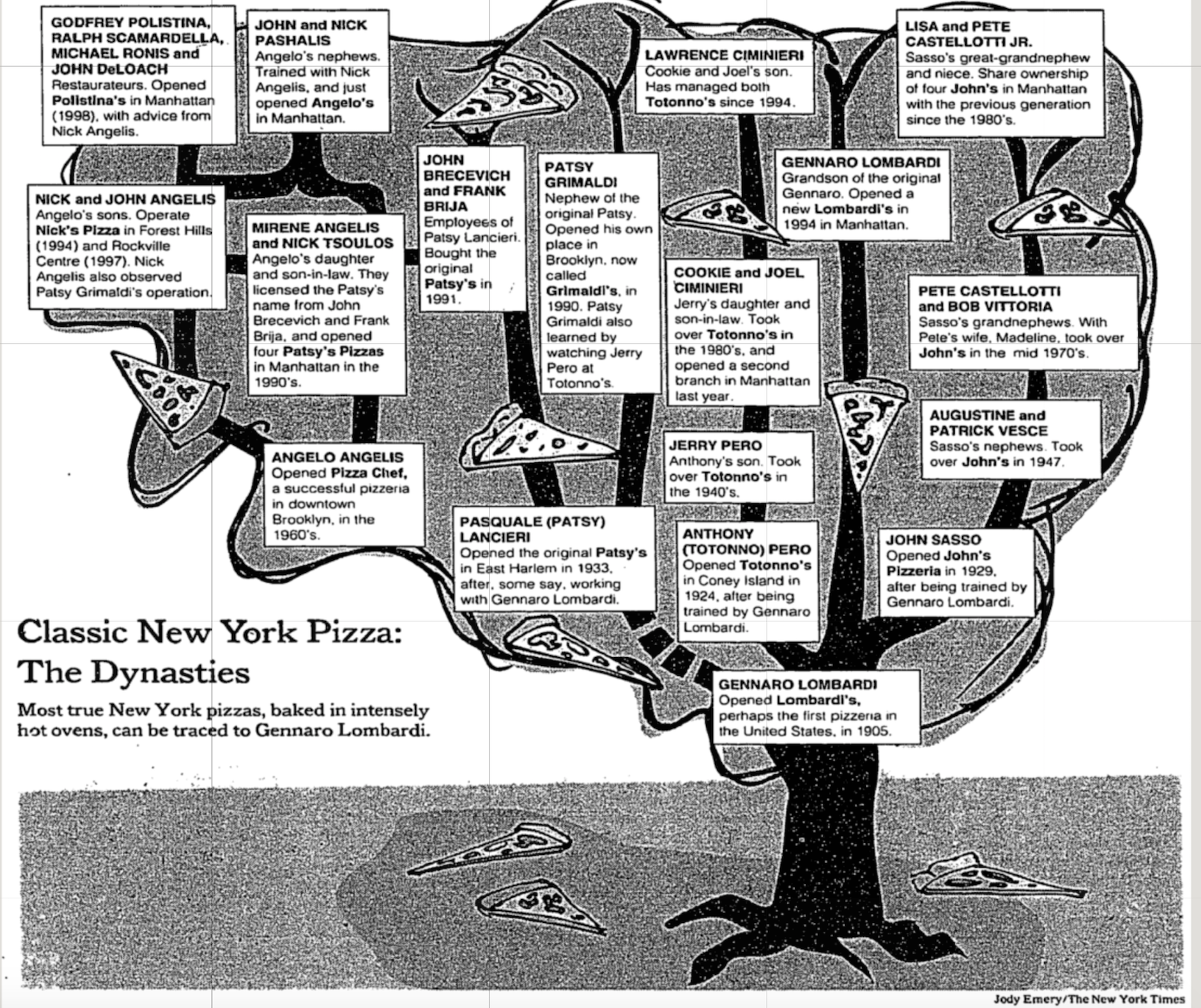
A New York ‘pizza tree’ which ran in the New York Times in 1998, outlining the lineage of local pizza. (Read the entire article here, section F6, page 87.)
Courtesy New York Times
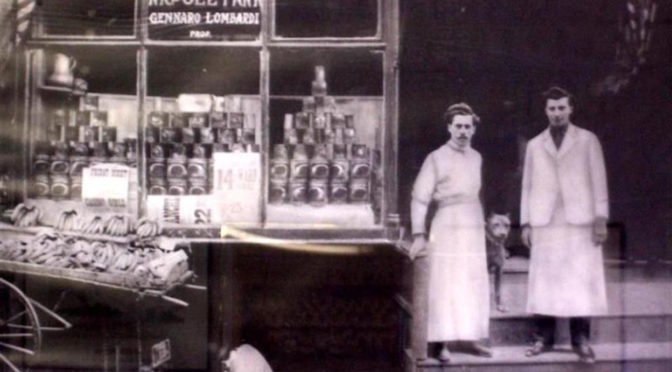
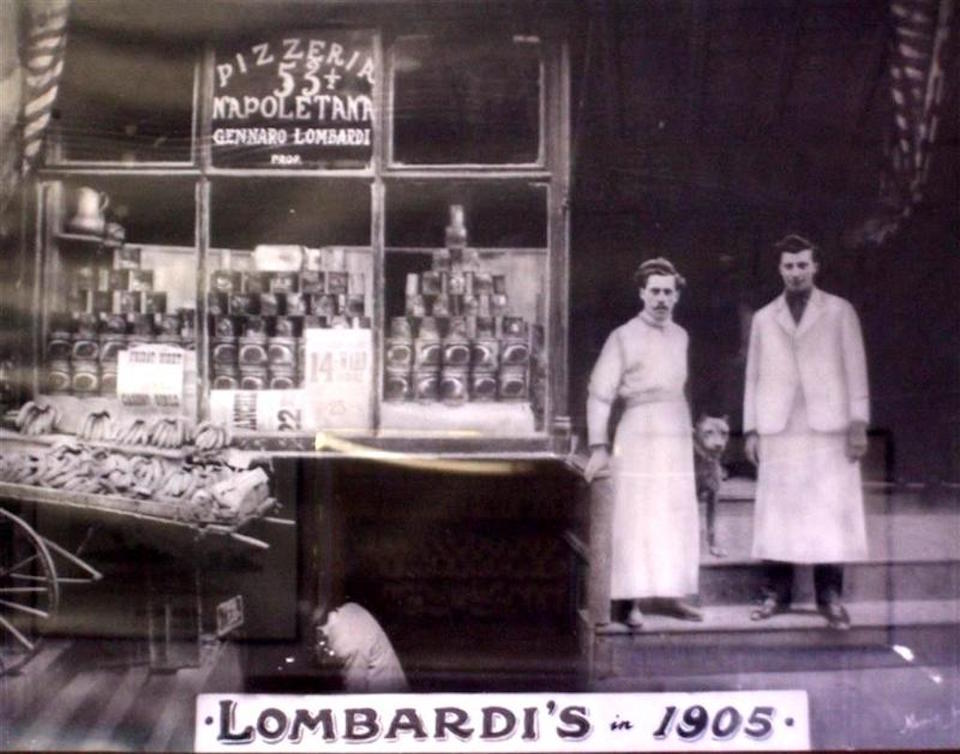
Below: The original Lombardi’s back when it sold a lot more than just pizza.
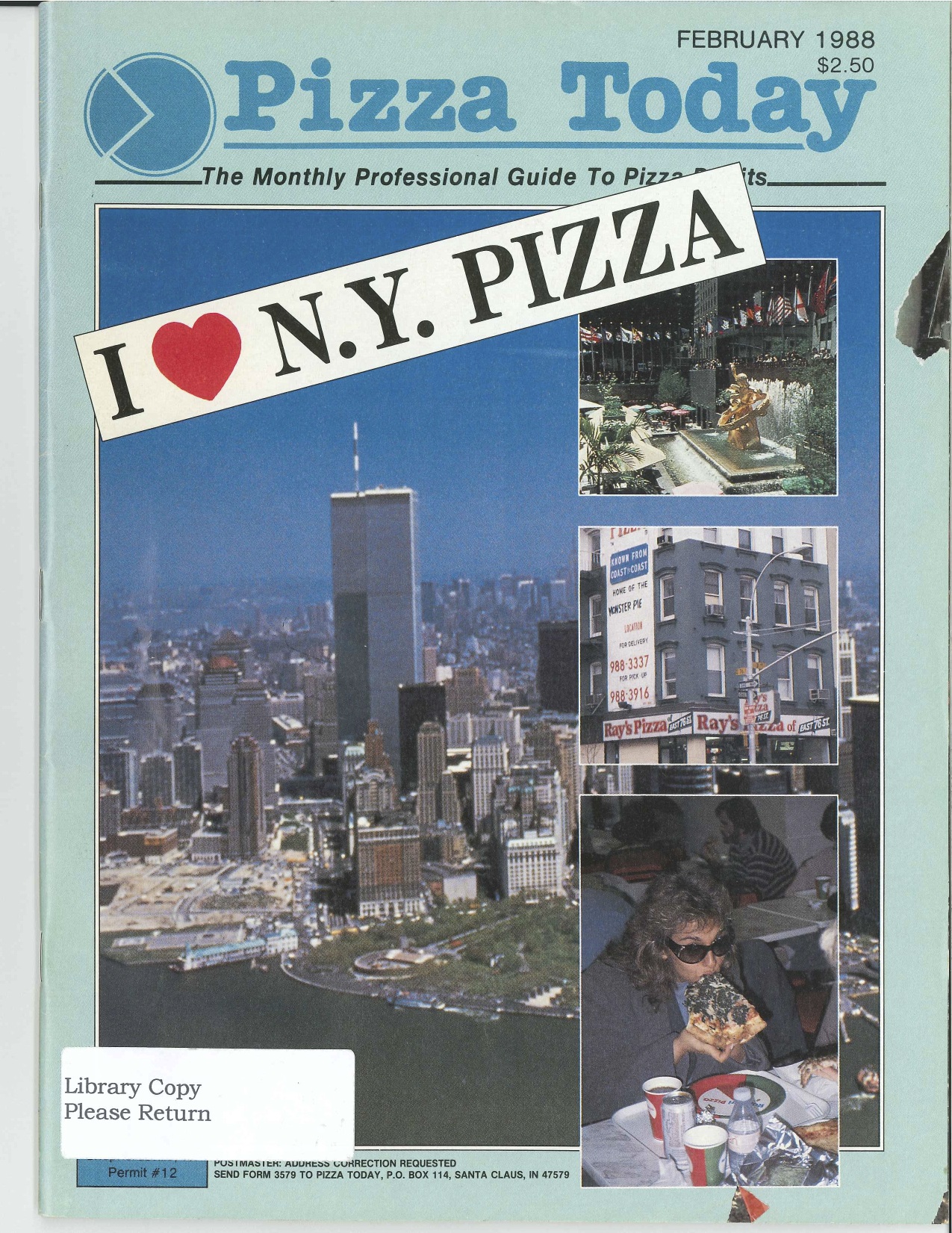
The 1988 issue of the trade journal Pizza Today, extolling the virtues of New York and one of its signature dishes.
PODCAST The story of how the Bronx became a part of New York City and the origin of some of the borough’s most famous landmarks.
In the second part of the Bowery Boys’ Bronx Trilogy — recounting the entire history of New York City’s northernmost borough — we focus on the years between 1875 and 1945, a time of great evolution and growth for the former pastoral areas of Westchester County.
New York considered the newly annexed region to be of great service to the over-crowded city in Manhattan, a blank canvas for visionary urban planners. Soon great parks and mass transit transformed these northern areas of New York into a sibling (or, perhaps more accurately, a step-child) of the densely packed city to the south.
The Grand Concourse embodied the promise of a new life for thousands of new residents — mostly first and second-generation immigrants, many of them Jewish newcomers. The Hall of Fame of Great Americans was a peculiar tourist attraction that honored America’s greatest. But the first time that many outside New York became aware of the Bronx may have been the arrival in 1923 of New York’s most victorious baseball team, arriving via a spectacular new stadium where sports history would frequently be made.
By the 1930s Parks Commissioner Robert Moses began looking at the borough as a major factor in his grand urban development plans. In some cases, this involved the creation of vital public recreations (like Orchard Beach). Other decisions would mark the beginning of new troubles for the Bronx.
The Bowery Boys: New York City History podcast is brought to you …. by you!
We are now producing a new Bowery Boys podcast every two weeks. We’re also looking to improve the show in other ways and expand in other ways as well — through publishing, social media, live events and other forms of media. But we can only do this with your help!
We are now a member of Patreon, a patronage platform where you can support your favorite content creators for as little as a $1 a month.
Please visitour page on Patreon and watch a short video of us recording the show and talking about our expansion plans. If you’d like to help out, there are five different pledge levels (and with clever names too — Mannahatta, New Amsterdam, Five Points, Gilded Age, Jazz Age and Empire State). Check them out and consider being a sponsor.
We greatly appreciate our listeners and readers and thank you for joining us on this journey so far. And the best is yet to come!
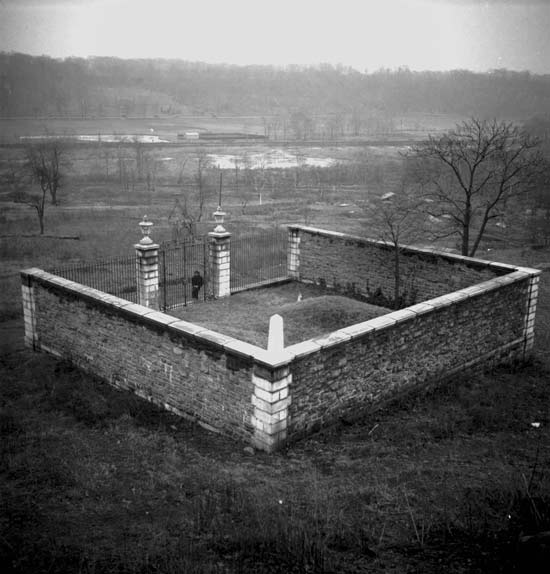
The burial vault of the Van Cortlandts was actually contained within the newly formed park. And it’s still there.
Courtesy New York Park Service
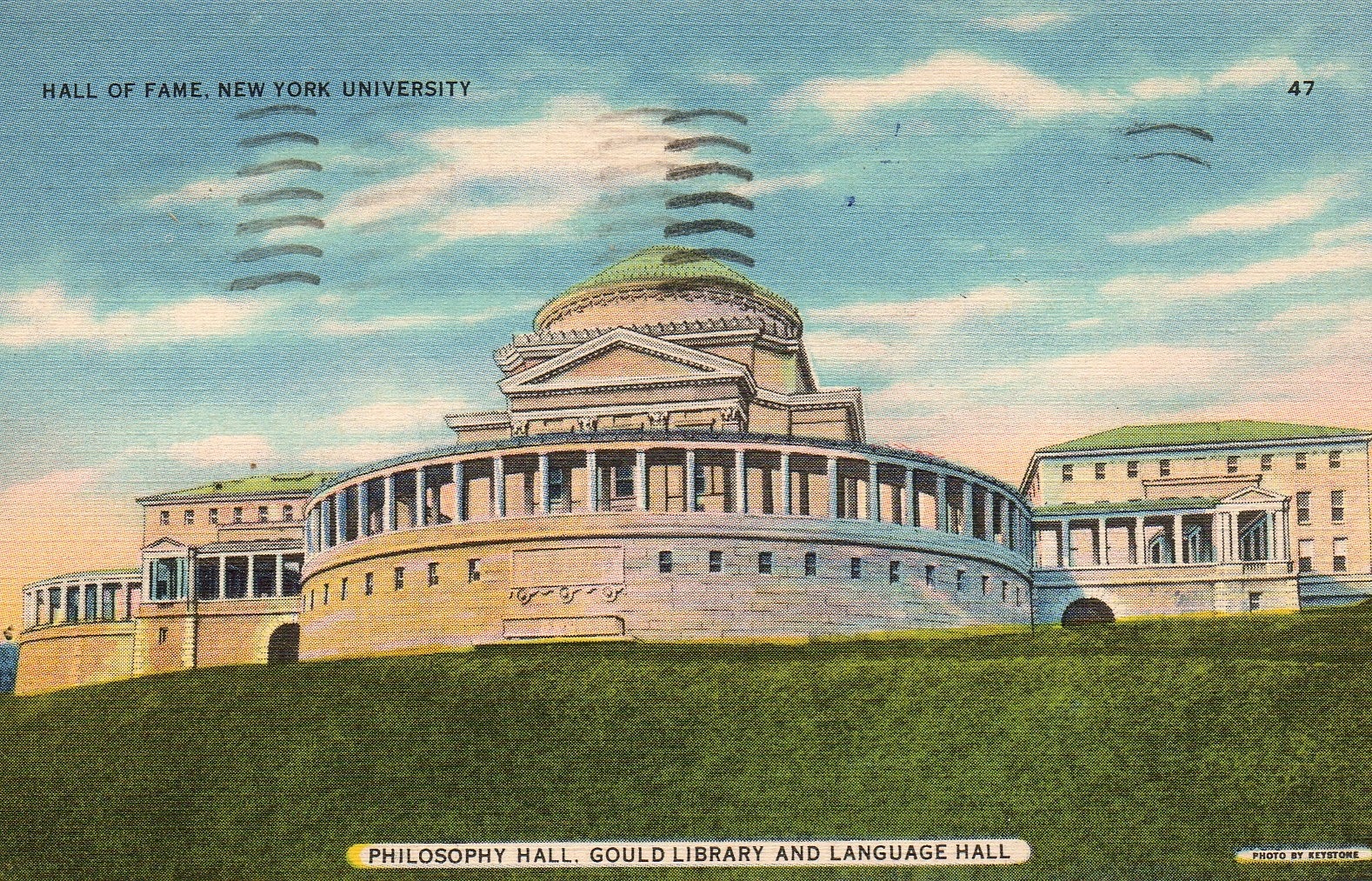
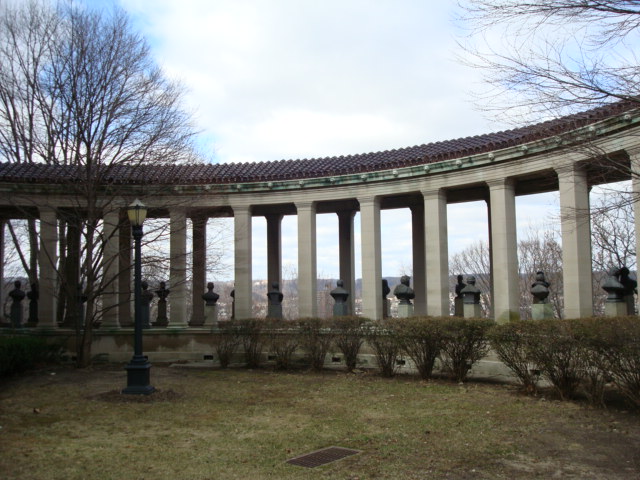
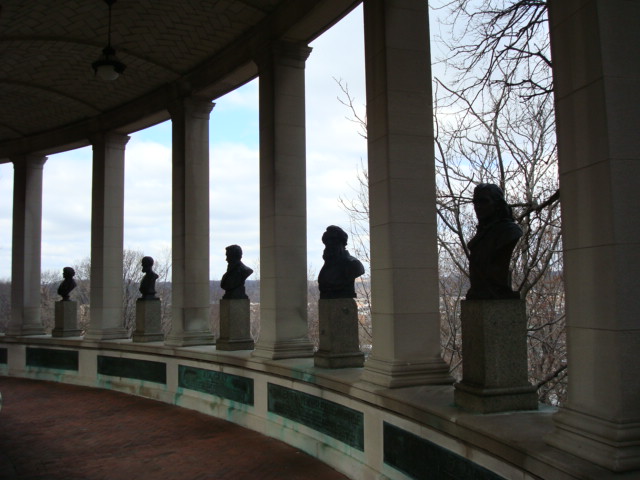
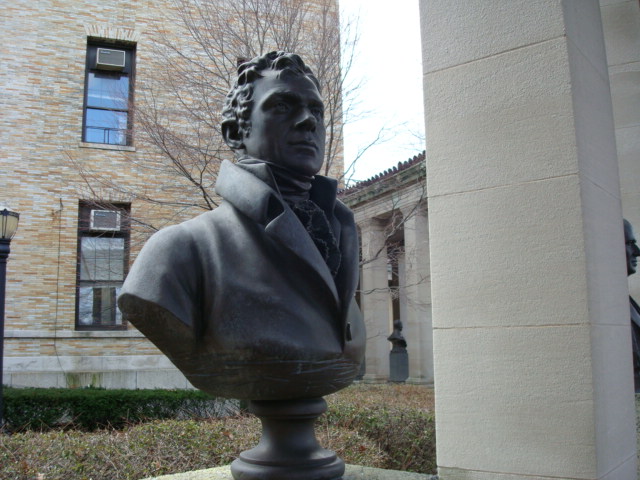
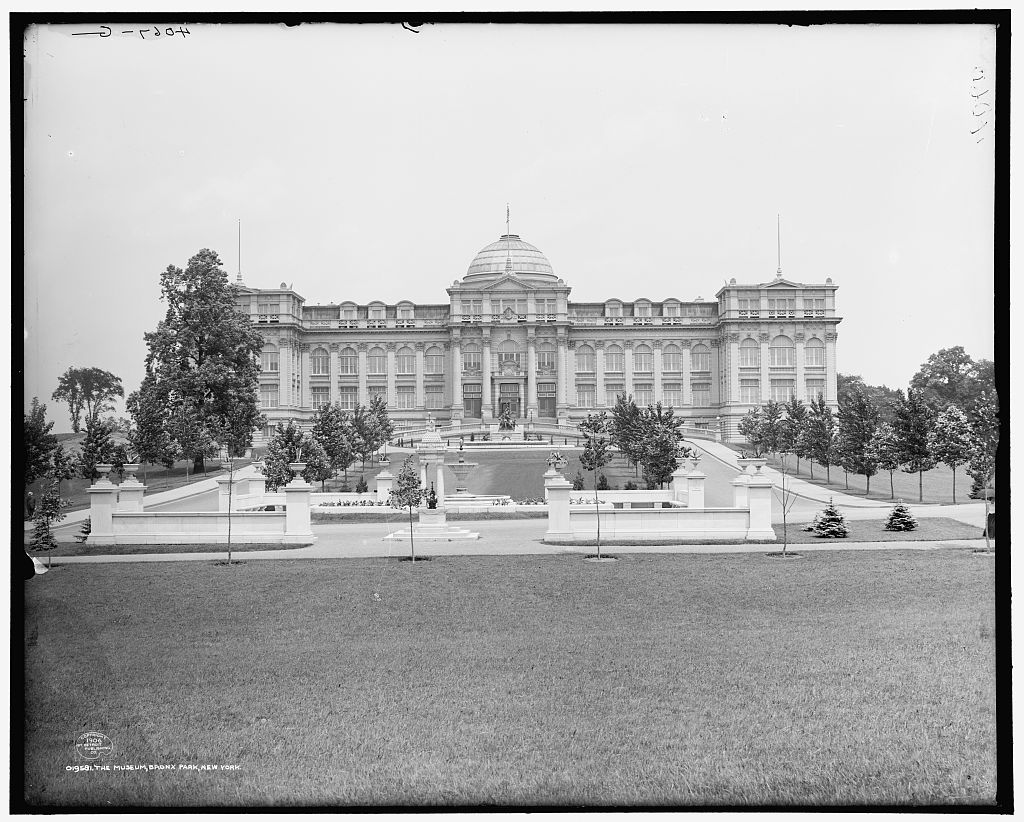
NYU’s former University Heights campus (now the home of Bronx Community College) contains one unusual tourist attraction — the Hall of Fame of Great Americans
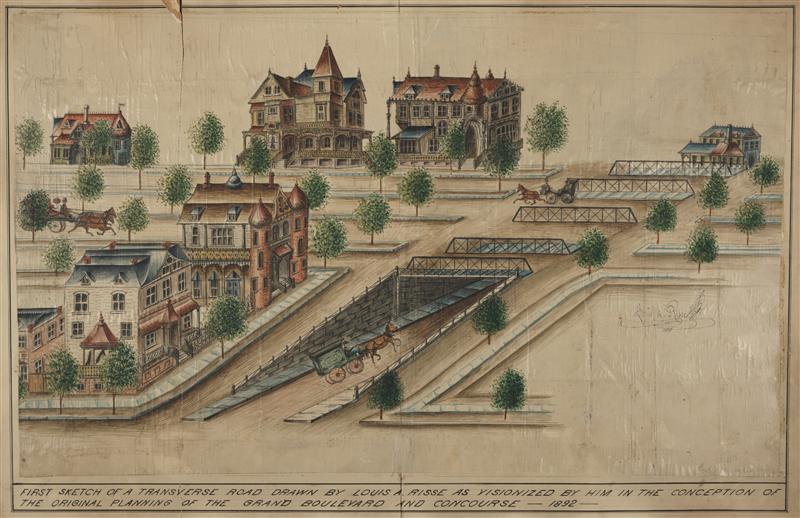
Louis Risse’s vision of the Grand Concourse in 1892 obviously did not imagine automobiles using the boulevard.
MCNY
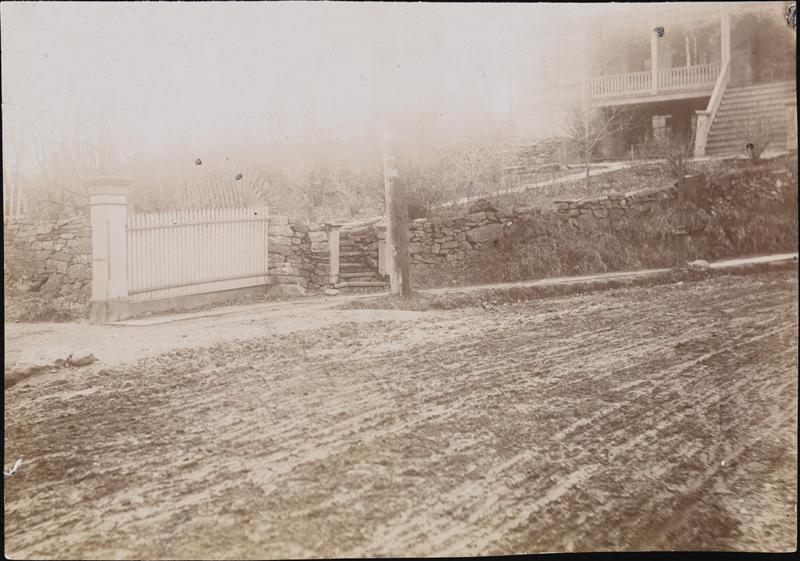
Kingsbridge Road near the Grand Concourse, 1890. It was originally a dirt road of course.
MCNY
The New York Botanical Garden inaugurated Bronx Park and created another reason for New Yorkers to head up to the vastly evolving area up north.
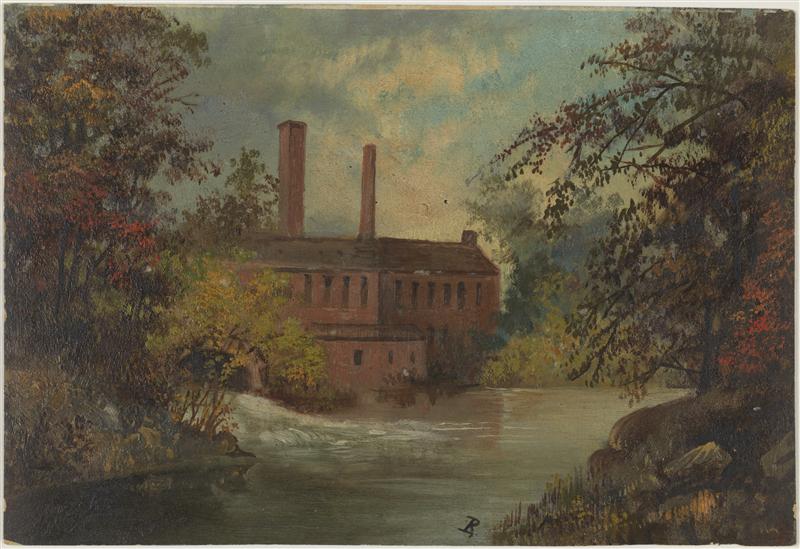
A romantic depiction of the Lorillard snuff mill on the Bronx River. The building is still on the river, contained within the Botanical Garden.
By Frederick Rondel, Jr., courtesy MCNY
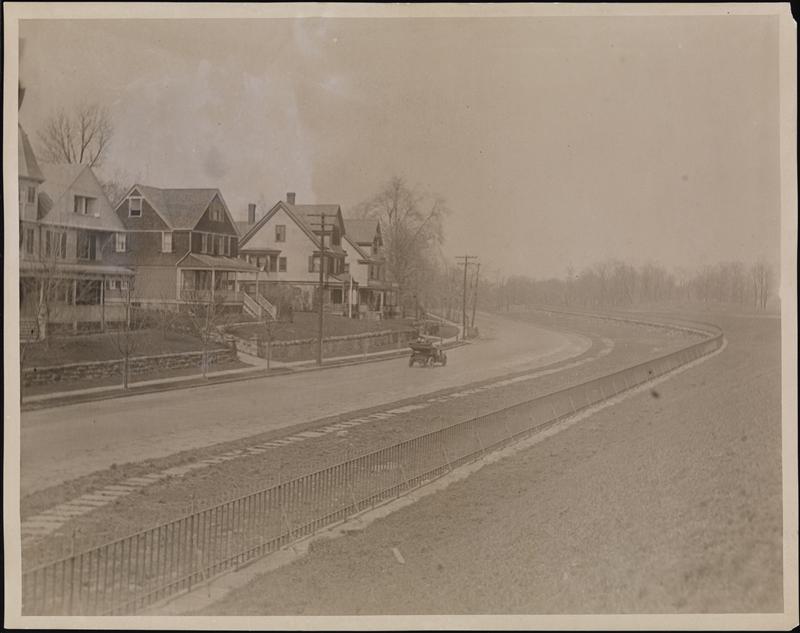
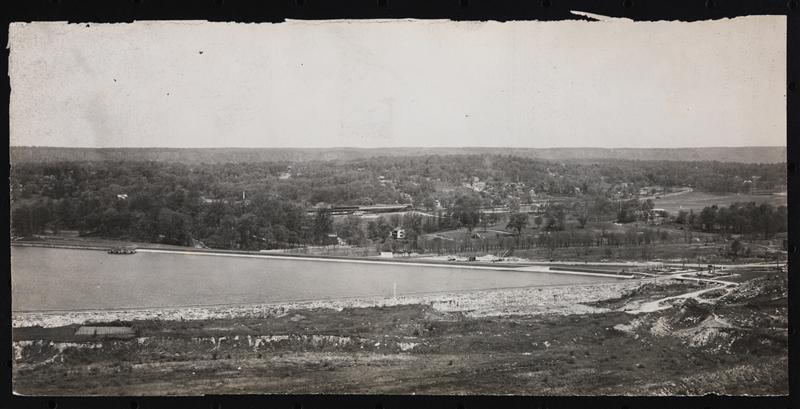
Jerome Park Reservoir, opposite a set of homes, pictured here in 1920 and (below) 1936.
MCNYMCNY
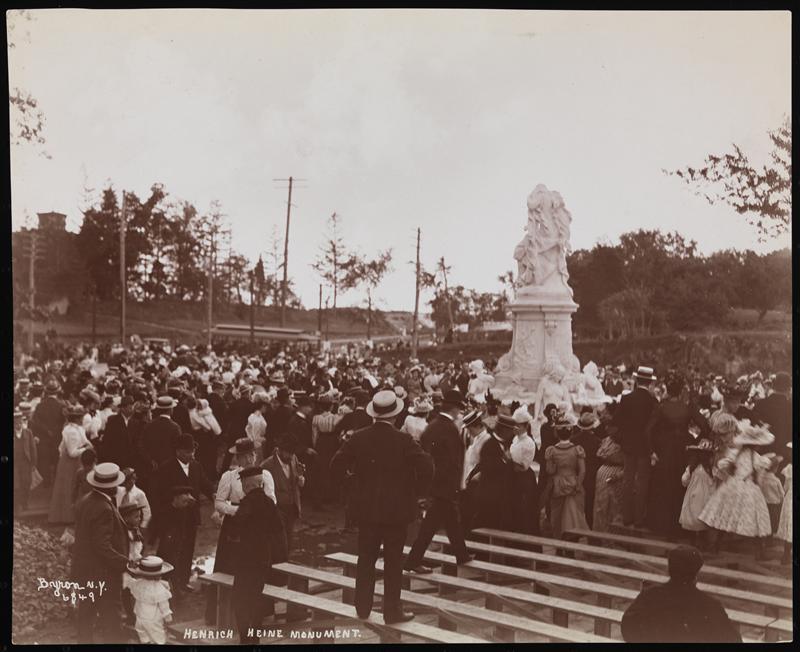
The unveiling of the Heinrich Heine monument in today’s Joyce Kilmer Park on the Grand Concourse.
MCNY
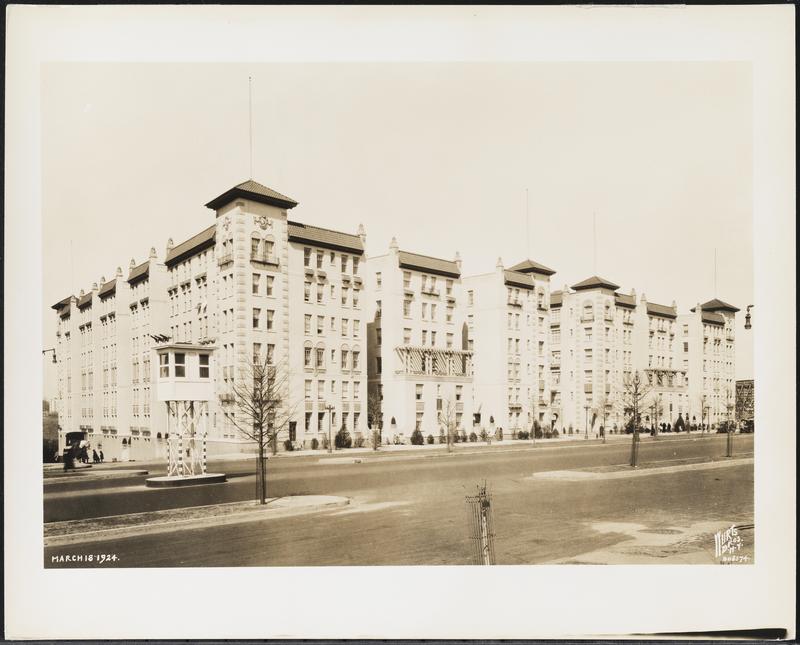
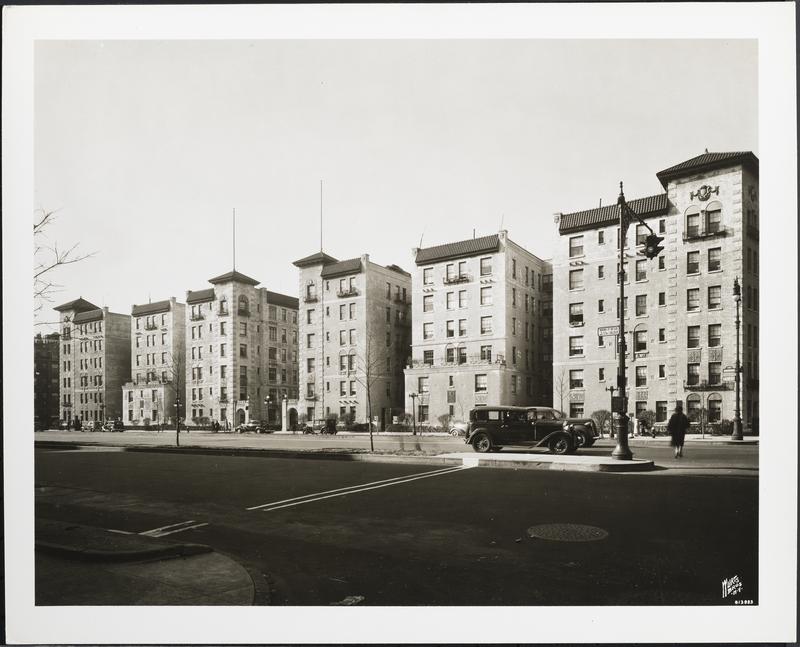
Lavish apartments like the Roosevelt (pictured here in 1924 and in 1937) were able to attract New Yorkers escaping the overcrowded Lower East Side.
MCNYMCNY
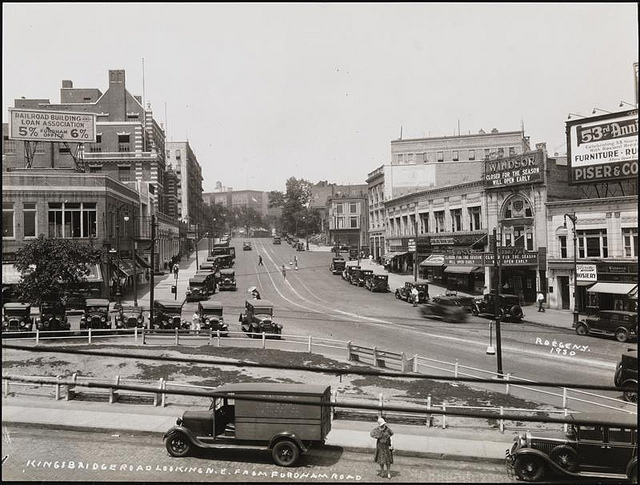
Fordham Road in 1930 with the Grand Concourse East Kingsbridge Road steaming by.
Photo by William Roege (1930)
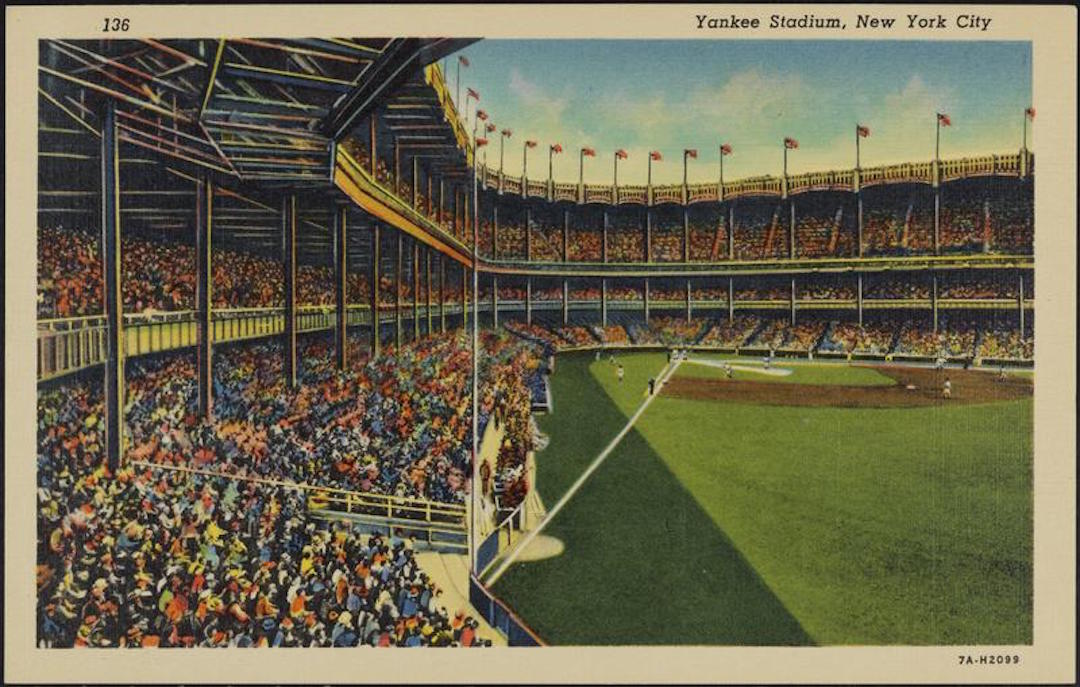
A Yankee Stadium postcard circa 1945
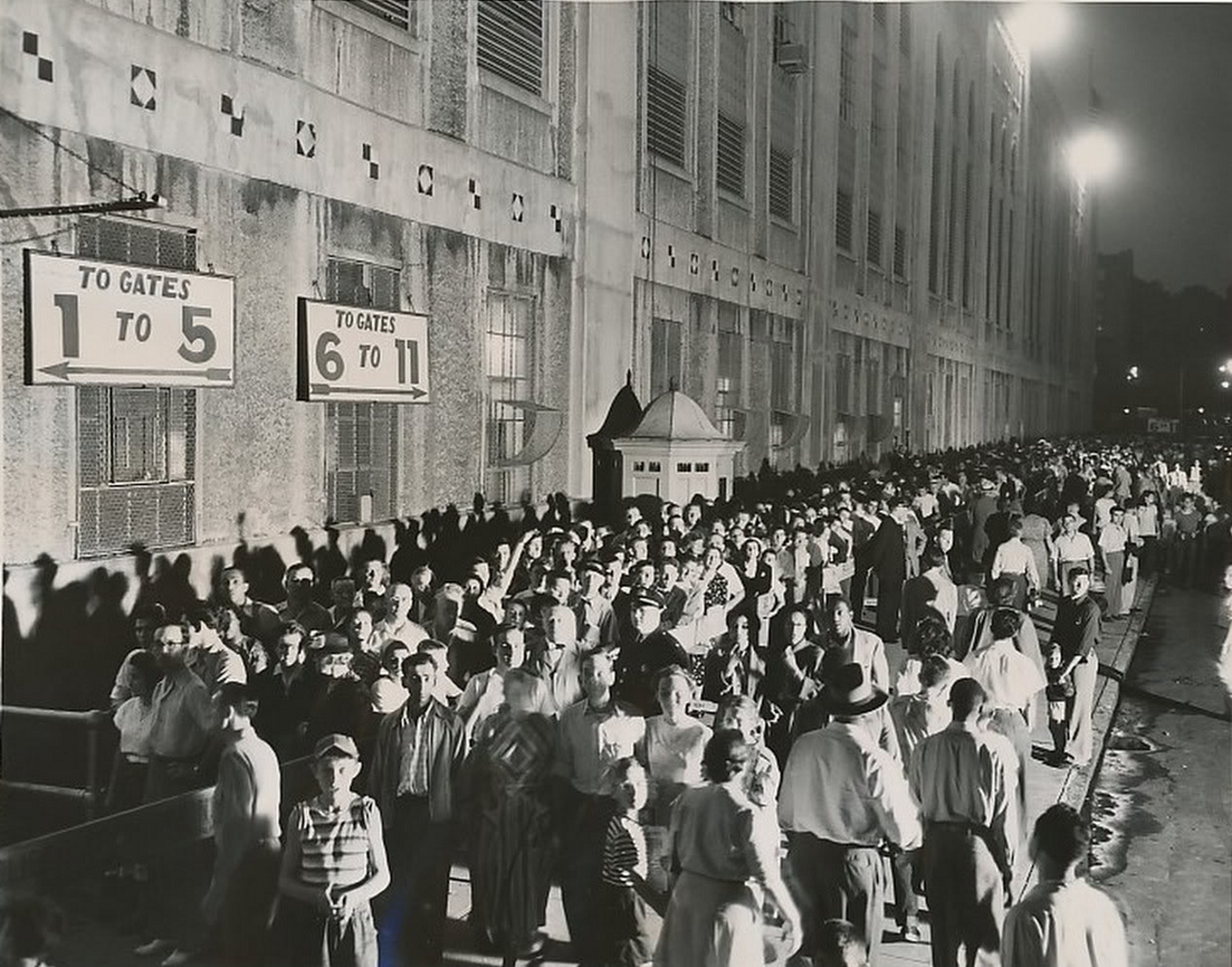
Courtesy MCNY
Ruth was so integrally a part of the Bronx and Yankee Stadium that when he died in 1948, his casket was taken to the stadium where tens of thousands of people came to pay their respects.
A few selections from our Instagram account of things we discussed on this week’s show: