Charles Dickens’ guide to New York City low life


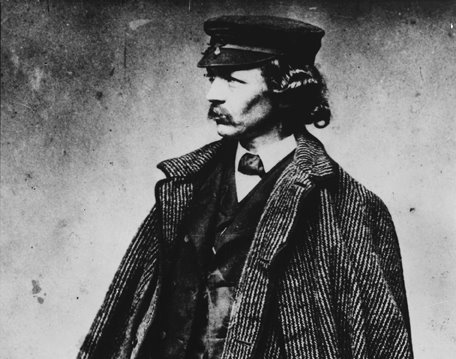
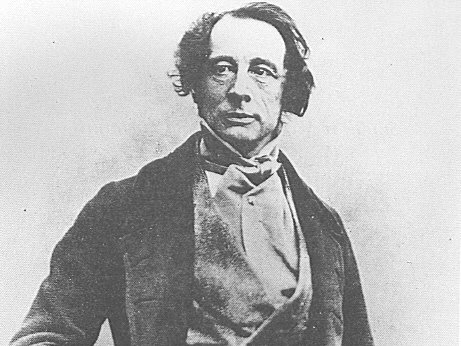
Dickens in 1850

What is this dismal-fronted pile of bastard Egyptian, like an enchanter’s palace in a melodrama! – a famous prison, called The Tombs. Shall we go in?

And thus in this voice continues the eager, fey, often condescending but spectacularly written account of Charles Dickens’ New York excursion as captured in his “American Notes for General Circulation,” written in 1842. (Read the entire thing here.)

Dickens’ was among the first published travelogues about America for European audiences, and among his travels through the states he devotes an entire chapter to young New York.

How young precisely? Dickens gives us a yardstick to measure it: “The great promenade and thoroughfare, as most people know, is Broadway; a wide and bustling street, which, from the Battery Gardens to its opposite termination in a country road, may be four miles long.” During the 1840s, the city would have ended at 42nd street, so this sounds accurate.
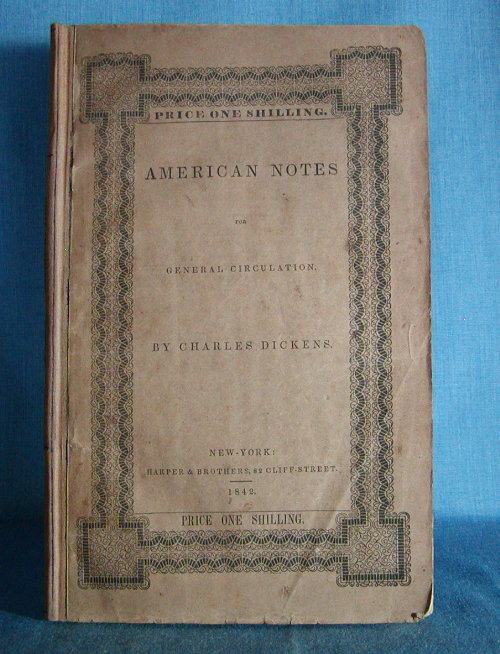
Dickens’ tone throughout “American Notes” is ebullient but persnickety, as if he’s smiling and curling his nose at the same time as the sights and sounds of the city. In real life, Dickens was treated like royalty, feted in sumptuous celebrations at the Park Theatre and Delmonico’s, courted by literati such as New York Evening Post editor William Cullen Bryant and aging Washington Irving.

Dickens had an ulterior motive to his American journey: to discuss international copyright laws, presently being violated with American reprints of Dickens novels. Surprisingly he turned most Americans off with what they considered to be ungrateful sniping. A bit of that shared animosity seeps through some of Dickens depictions, especially those in New York, which was doing a bulk of the copyright violation.

The book’s most famous descriptions come in his colorful look at Five Points, already a legendary neighborhood of filth and vice by 1842. These passages could have been ripped from any of his most famous novels:

“Ascend these pitch-dark stairs, heedful of a false footing on the trembling boards, and grope your way with me into this wolfish den, where neither ray of light nor breath of air, appears to come….”

“Here too are lanes and alleys, paved with mud knee-deep, underground chambers, where they dance and game; the walls bedecked with rough designs of ships, and forts, and flags, and American eagles out of number: ruined houses, open to the street, whence, through wide gaps in the walls, other ruins loom upon the eye, as though the world of vice and misery had nothing else to show: hideous tenements which take their name from robbery and murder: all that is loathsome, drooping, and decayed is here.”

And as if that wasn’t enough gothic material for him, he ends his New York piece by touring Blackwell’s Island (today’s Roosevelt Island), home of the city’s various asylums for lunatics and criminals:

“…everything had a lounging, listless, madhouse air, which was very painful. The moping idiot, cowering down with long dishevelled hair; the gibbering maniac, with his hideous laugh and pointed finger; the vacant eye, the fierce wild face, the gloomy picking of the hands and lips, and munching of the nails: there they were all, without disguise, in naked ugliness and horror.”

The New York chapter is reprinted in full here.

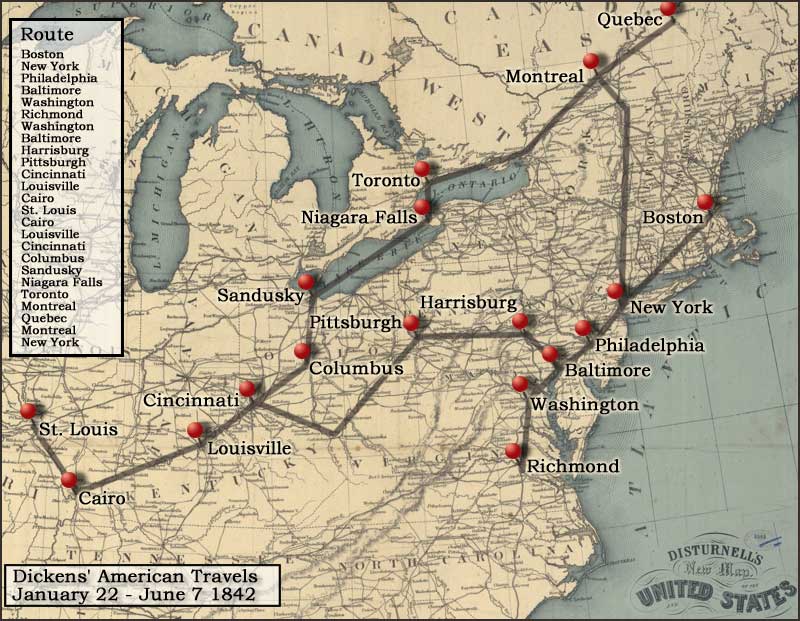
Below from the Charles Dickens Page, a list of all the places he visited during his American stay. They also feature a thorough description of his entire journey.
Categories
Podcasts

PODCAST: Delmonico’s Restaurant Francais

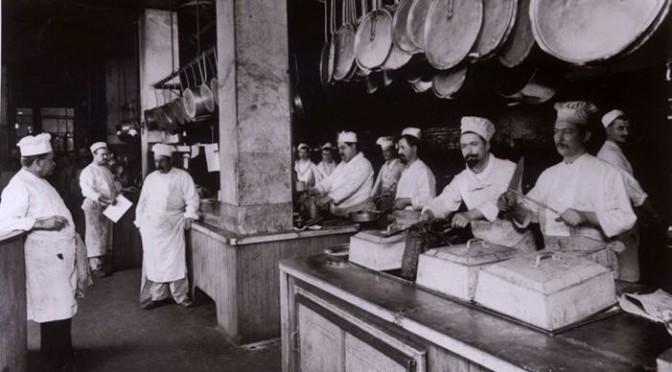
The kitchen staff, 1902

Before Delmonico’s, New Yorkers ate in taverns or oyster houses. But the city caught the fine dining bug at this family-owned business, which standardized everything you know about restaurants today. Find out about “menus”, “fresh ingredients”, “dining rooms for ladies” and other unusual and exotic Delmonico innovations.

Listen here:

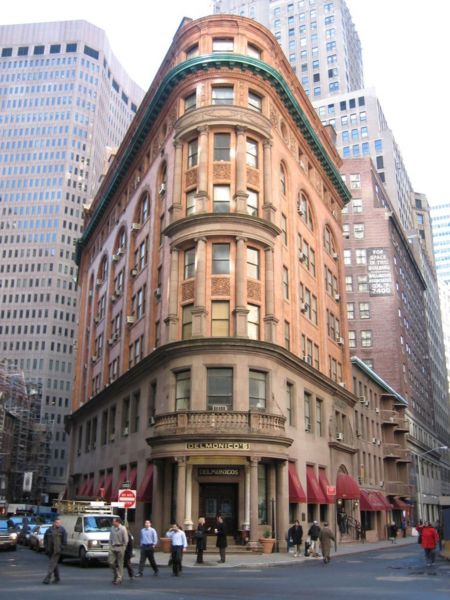
The Delmonico building today, with alleged Pompeiian column intact. Although the current incarnation has nothing to do with the original, but you can still get a few of the famous Delmonico dishes there.

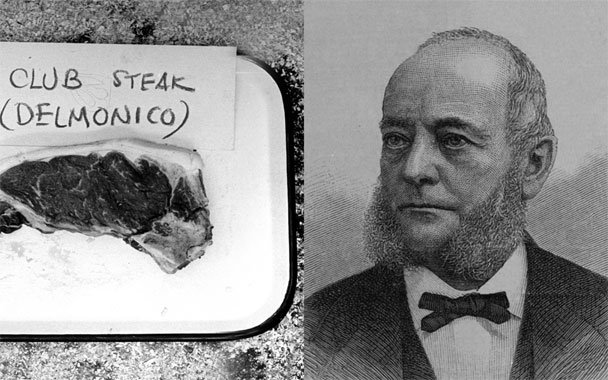
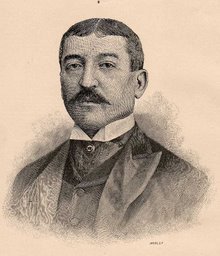
Lorenzo Delmonico, the inspired and flamboyant owner during the restaurant’s heyday

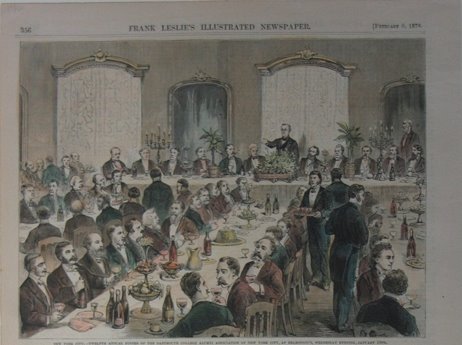
A dinner at Delmonico’s from 1876, in this case the “Twelfth Annual Dinner of the Dartmouth College Alumni Association of New York City” Fancy!

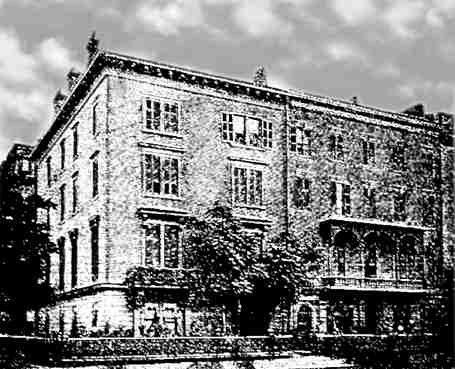
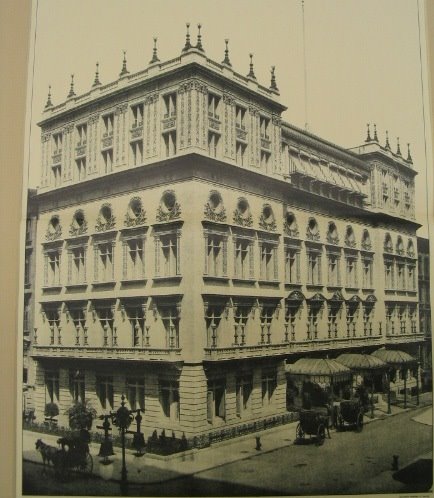
The location at 1 E. 14th Street

The ‘uptown’ location at Fifth Avenue and 44th Street

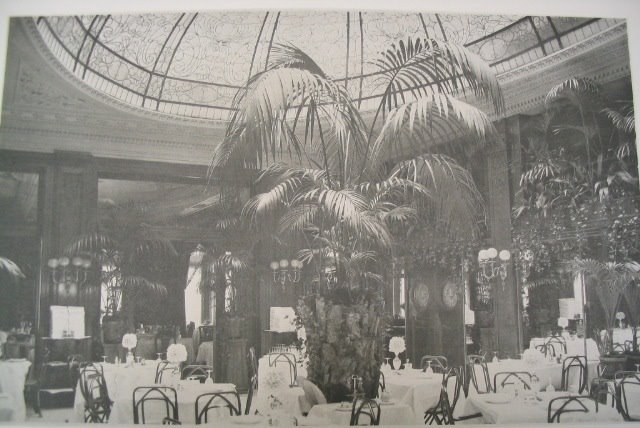
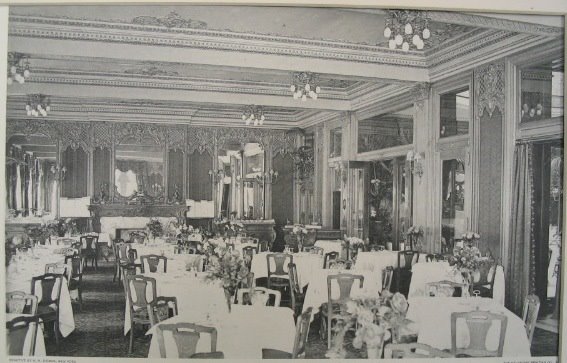
Inside the ‘Palm Garden’ dining room, at the Fifth Avenue location, upstairs…

…and downstairs

Alessandro Filippini, head chef of Delmonico’s during the 1850s

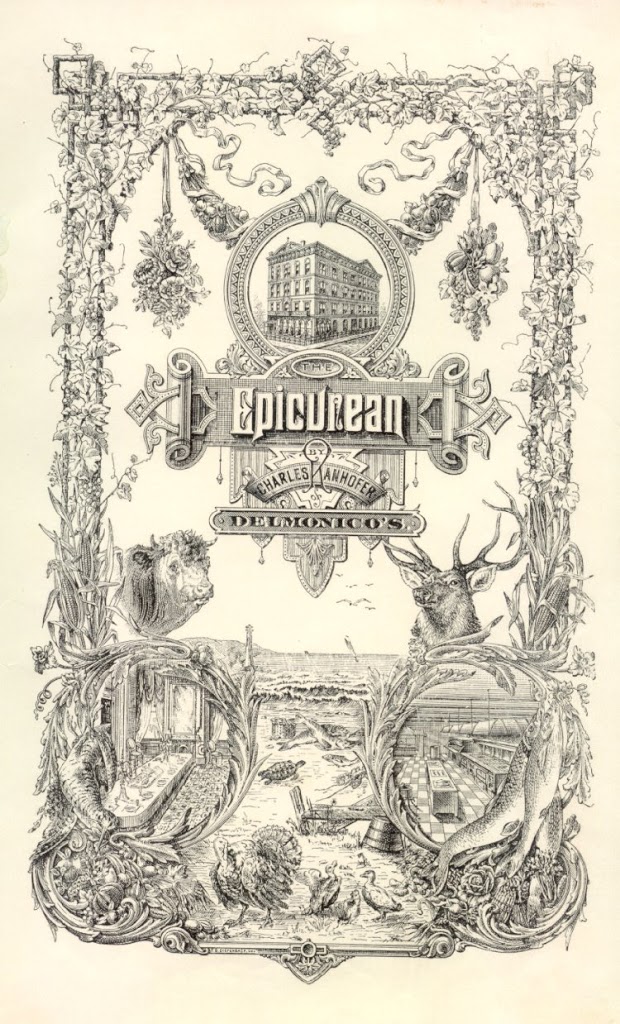
Chef Charles Ranhofer, in the kitchen of Delmonico’s from 1862 to 1896, threw 3,500 of his favorite recipes into his seminal 19th Century cookbook The Epicurean

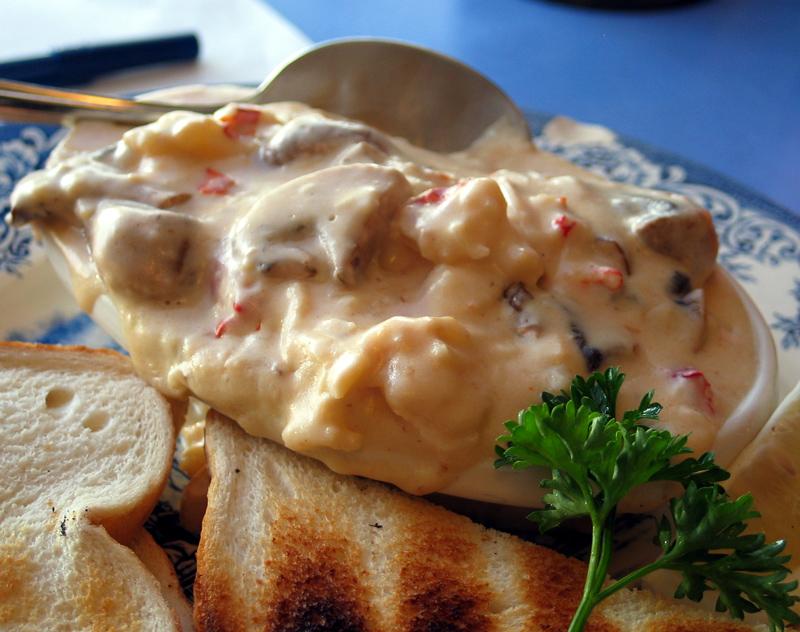
A heaping plate of Lobster Newberg

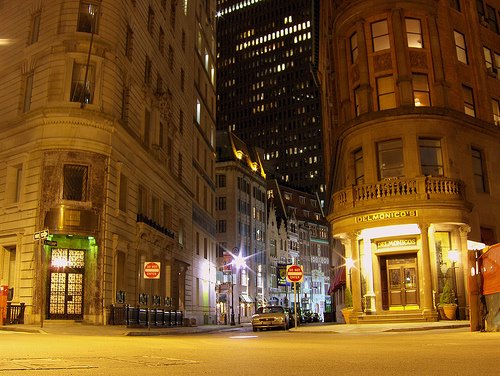
The current Delmonico at night

Categories
Uncategorized

Jimian? The strange affair of Lillian and Diamond Jim


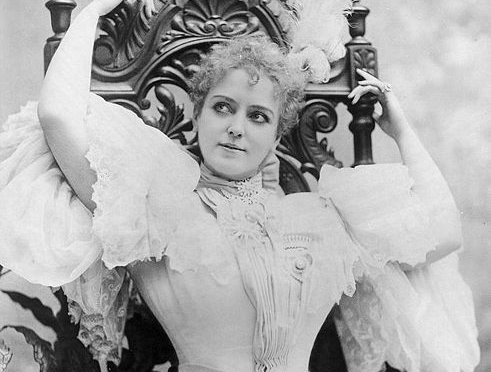
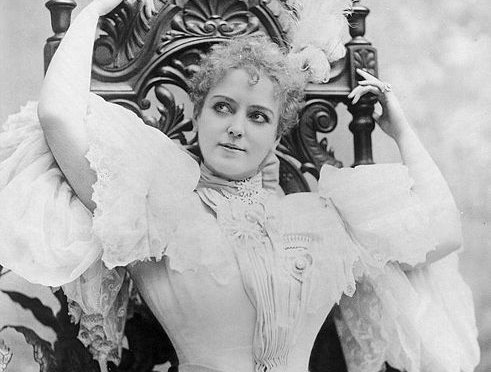
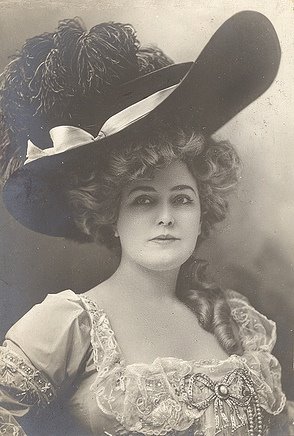
Had there been a paparazzi in the 1880s, the woman they would have hounded the most would be New York stage singer and actress Lillian Russell. Like a Scarlett, she was always hanging on the arm of a famous, powerful man. Like an Angelina, she did dramatic things in her personal life that often upstaged her work. And like a Britney, she was occasionally caught doing things most unbecoming for a lady.

Celebrity fame in those days derived primary from legend and word of mouth; most of the people who idolized Russell had never seen her, in anything. As P.T. Barnum aptly demonstrated with Jenny Lind in the early 1850s, nobody actually needed to hear you sing to become a famous singer; you just had to be desired as one.

Russell (as Helen Louise Leonard) came to New York from Iowa in 1878 to become a opera star, managing to train under no less than Leopold Damrosch, whose son Walter was intimately involved in the creation of Carnegie Hall. The next year, she changed her name to Lillian Russell.

She made her name thanks to Tony Pastor, a vaudeville showman who presented a wide range of acts at his Union Square music hall. Her sweet singing voice and good looks made her perfect for the comic opera circuit, and she quickly became the toast of New York theatre. She eventually toured Europe, hopped from opera company to opera company, and became the first voice in travel over long-distance phone wire in 1890, thanks to admirer Alexander Graham Bell. (She sang the ‘Sabre Song’ to listeners on the other line in Boston and in D.C.)

But it was her penchant for glitz, and roster of suitors that made her a legend among celebrity seekers. She would breeze through four different tempestuous marriages with an actor, a politician, a composer and a newspapermen, but she would be most famous for the one man she didn’t marry — ‘Diamond’ Jim Brady.

Brady was a legend of the Gilded Age, a wealthy businessman who embodied indulgence. Enamored of wearing jewels (thus the nickname), Brady painted the town with his money, a frequent and well-known guest at all the hottest restaurants in town, especially Delmonico’s and later Luchow’s.

He was known for his sizable appetite, a usual evening meal at Charles Rector’s restaurant involving “two whole ducks, six or seven lobsters, a sirloin steak, two servings of terrapin and a variety of vegetables.” And, in the process, growing terribly, unbelievably fat.

He began a public flirtation with Russell that lasted throughout the 1880s and 1890s(throughout her various marriages!) by wooing her with jewels and fancy meals. They made quite a pair. Two celebrities in their thirties, their rubies and diamonds twinkling under gas light in the most exclusive dining room in the world. Oscar Tschirky, later to become the leading chef at the Waldorf-Astoria, got a job at Delmonico’s in his early years just to get a closer glimpse of Russell.

He would see quite a lot of Russell’s eating habits, keeping up with Brady as the pair shucked down oysters and drank champagne, her gluttonous abandon leaving little of her glamorous image intact. Like any actress today, her weight was closely observed, as during her years with her extravagant paramour, she blossomed to 160 pounds.

It seems clear that Brady was in love with Russell, and that Russell was in love with Brady’s attentions. Their public affair crept into the new century as Russell became the defining voice of American operetta. She went on to marry newspaper publisher and later U.S. ambassador Alexander Pollock Moore, and even toured Europe in her later years on behalf of president Warren G Harding. She died in 1922.

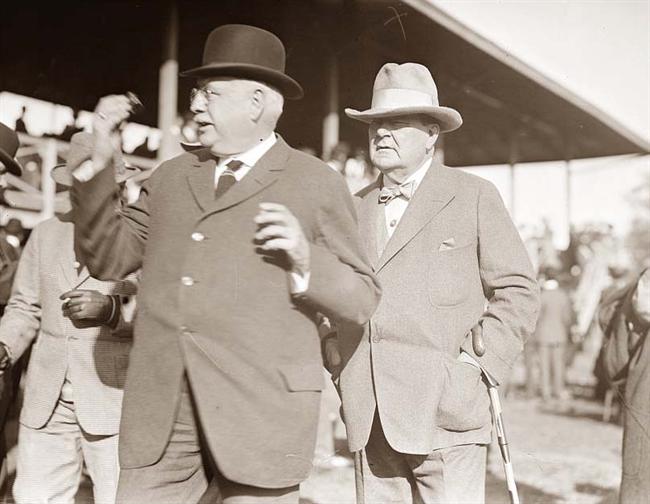
Diamond Jim (below) had died five years previous, having never married, with Russell still presumably in his heart, and god knows how many pounds of oysters in his gut.

Know Your Mayors: Hugh Grant, our youngest mayor

Our modest little series about some of the greatest, notorious, most important, even most useless, mayors of New York City. Other entrants in our mayoral survey can be found here.

The year Carnegie opened his illustrious Music Hall to the delight of New York’s cultured class, the city’s fate was in the hands of the youngest man ever elected to the office of mayor — Hugh J. Grant.

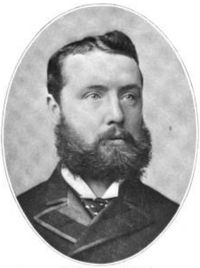
Although there would later be a man elected to job unofficially called ‘The Boy Mayor of New York’, Grant would be 31 years old when he finally stepped into the job. A stalwart of the Tammany Hall machine, the young Irish-Catholic worked his way through the ranks, from alderman in 1882 to sheriff in 1885 and graduated from there to mayor in 1889, where he stayed in office for two two-yera terms until 1892.

Grant was defeated in earlier attempts for mayor by businessman and reform Democrat William Grace. When Grant ran again in late ’88, he successfully defeated Abram Hewitt, thanks to the machinations of new Tammany ‘Boss’ Richard Crocker, who had personally grown weary of Hewitt’s independence. Grant would be a far less wily pawn.

At this point, I should quote at length the unreliable and heavily biased but enjoyable description of Grant, according to a 1922 chronicle: “Unfortunately in 1888 Hewitt was defeated by the old Tammany favorite, “Hughie” Grant, and corruptions returned to their former power and spoils. Worst of all, Grant’s election was accepted without alarm, and even with satisfaction, by the educated classes.

“The new Mayor, an ignorant and unprincipled son of a saloon-keeper, was given ‘social recognition,’ asked to dinner in the best circles, and opened a ball with Mrs. Astor. When he said, “If I don’t prove a good Mayor, it will be because I don’t know how,” this remark was repeated as if it were a gem of aphoristic wisdom.”

Grant was a Tammany loyalist, and enemies sniped that his administration hemmed in spirit to the corruption of the Tweed Ring, which had been taken apart twenty years earlier. It is true that the ‘tacit alliance of Tammany, business and underworld went unchallenged‘ under Grant’s hardly watchful eye; however, great city improvements developed rapidly under his administration.

Despite a state legislature probe into rampant city corruption, Grant was easily reelected in 1890.

Grant most notably attempted — and failed — to snag the 1892 World’s Fair for New York which he would have planted on the northern edge of Central Park. Instead, the fair was awarded to Chicago, to become the legendary 1893 World’s Columbian Exposition, or the fair of the White City.

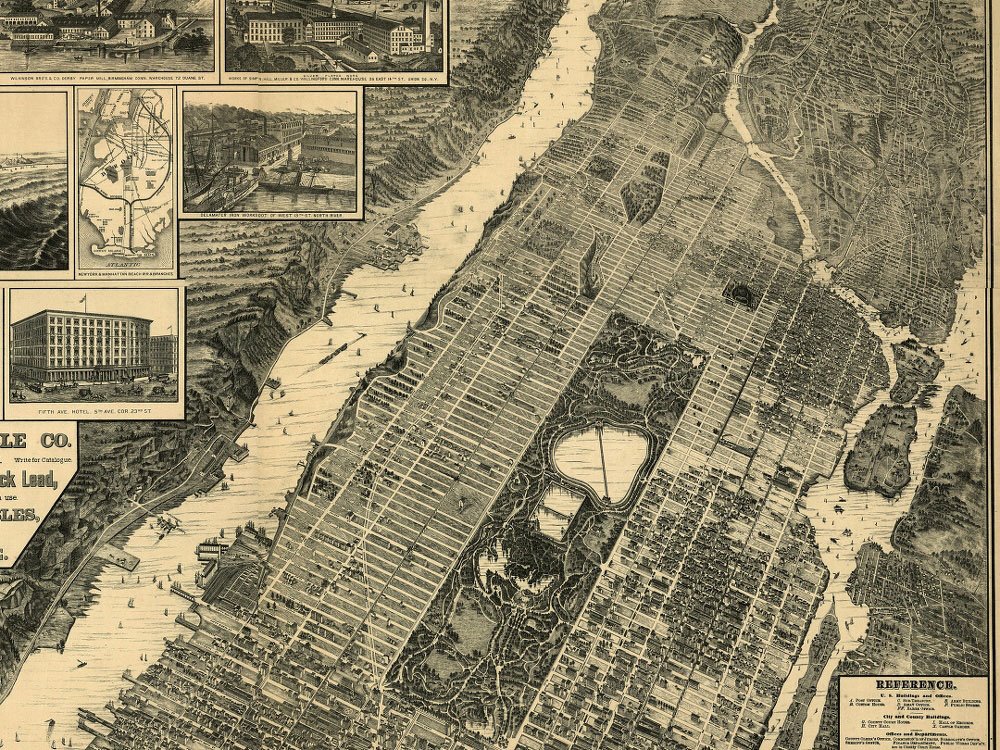
Below: an illustration of northern Manhattan, 1879 (Pic courtesy Times Up)

The city’s decisions regarding lands that would become the Bronx would also stir up a controversy. Despite technically being outside New York’s jurisdiction, development of the Bronx flourished in the 1870s. New York was powerful enough to exert its influence here, acquiring some areas as early as 1873. By 1895, most of the Bronx would belong to New York.

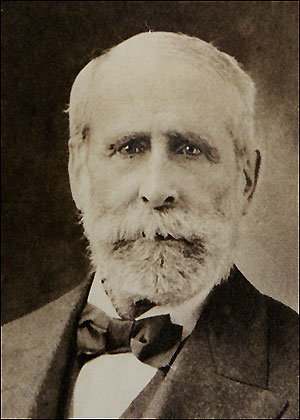
Andrew Haswell Green (pictured right), the influential parks commissioner and proto-Robert Moses who had once bunted Fredrick Law Olmstead from his own Central Park project, exerted great powers in developing outlying regions of Manhattan and had even proposed New York consolidation with the future boroughs long before 1898. Green would grow to become one of the most influential men in 19th century New York. In fact, Green had assisted close friend Samuel Tilden in taking down the Tweed Ring.

Grant was skeptical of these expansion plans, seeing developments of these outlying regions as pointless costly money pits. Like many under the thumb of Tammany Hall, he also disdained the state’s involvement in city affairs. Regardless, areas which became Van Cortlandt Park and Pelham Bay Park were bought during his tenure and today a small park in the Bronx is named in his honor. As New York Parks Department cheekily notes “Grant may be the only person who fought against parks who nonetheless has a park named after him.”

He didn’t resist another innovation that would soon change the fate of New York. Grant would be the first mayor to appoint a “rapid transit commission” in 1890 to develop a subway system.

Grant would pass off the mayor’s seat to another Tammany man, Thomas Gilroy, in 1892.

USELESS TRIVIA OF THE DAY: Hugh Grant isn’t the only New York mayor who shares his name with well-known 20th Century pop culture figures. Joining him in this lofty honor is Robert Wagner, James (Jimmy) Walker and David (Dave) Matthews.

Categories
It's Showtime Podcasts

PODCAST: The Glory of Carnegie Hall

How do you get to Carnegie Hall? Well, we can at least show you the way through its tumultuous history, from a fortunate meeting on a Norwegian cruise ship, passed a symphonic rivalry, and into the 20th Century with some of the biggest names in classical and popular music.

Listen to it for free on iTunes or other podcasting services. Or you can download or listen to it HERE

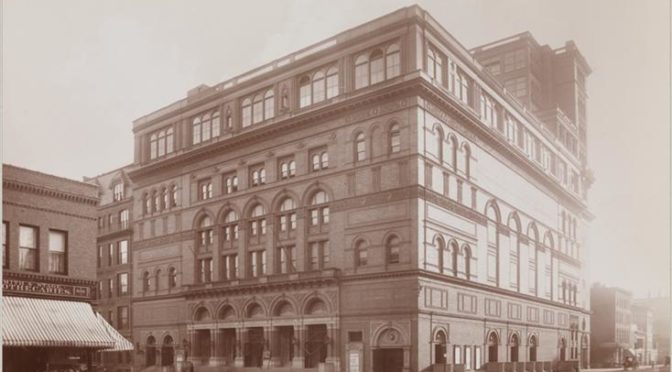
The Hall in 1895

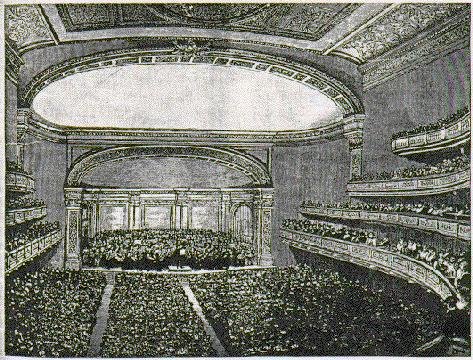
A crude sketch of Carnegie Hall on opening night, illustrating how simply packed it was

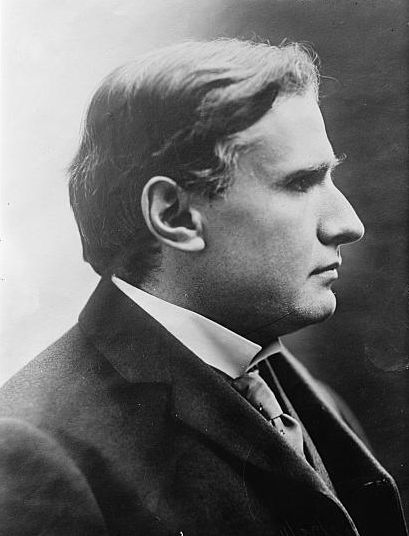
Walter Damrosch

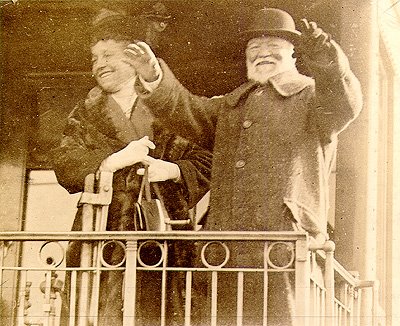
Andrew and Louise Carnegie in 1914

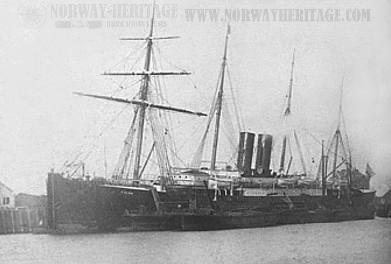
The steamship Fulda, where Damrosch and Carnegie had their fateful meeting

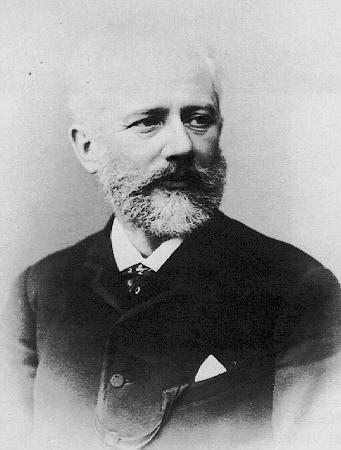
Pyotr Ilyich Tchaikovsky, ‘nervous’ but head intact, who gave one of his final performances on Carnegie Hall’s opening night

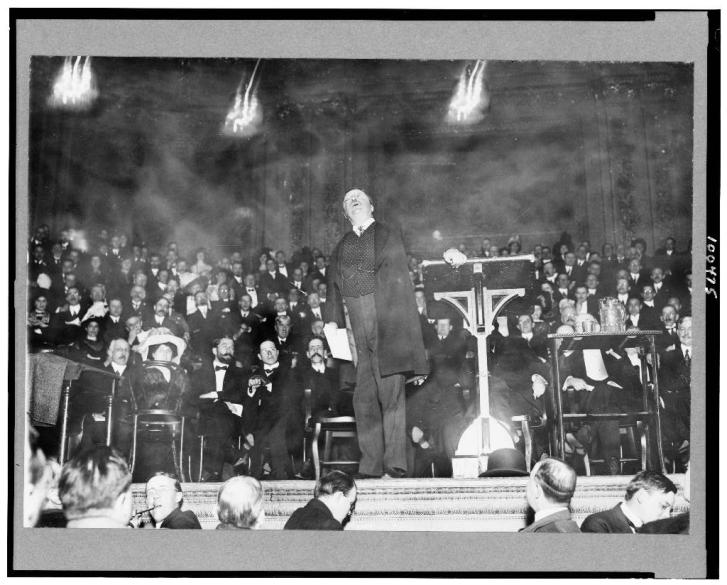
Teddy Roosevelt grandstands to a captive audience in 1912

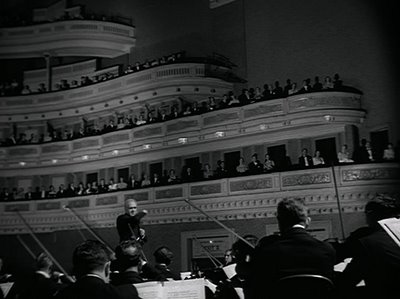
The interior, taken in 1947, for a feature film by Edgar G Ulmer titled Carnegie Hall, which featured performances by Artur Rubinstein and Lily Pons. Walter Damrosch makes a cameo in the film!

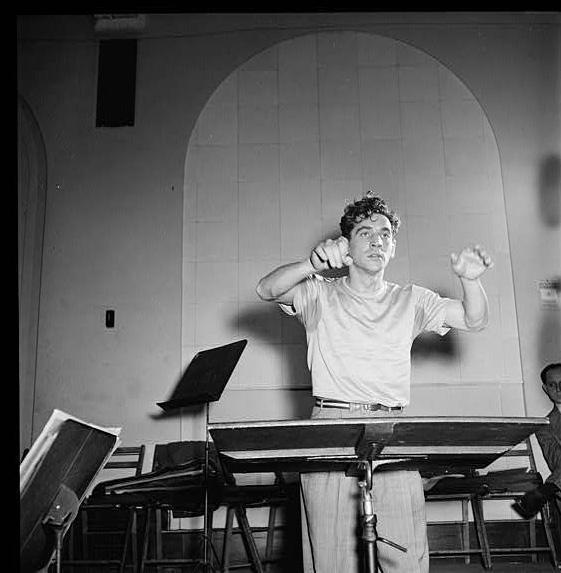
Leonard Bernstein, one of Carngie’s most enduring figures, seen here in a shot between 1946-48

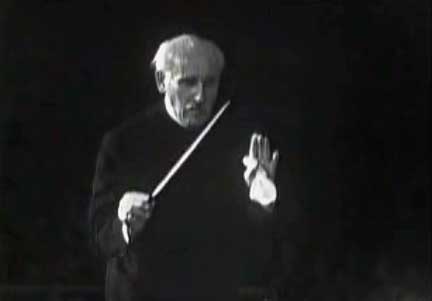
Arturo Toscanini was a regular here, in particular performing with the NBC Orchestra, bringing classical music to the new medium of television

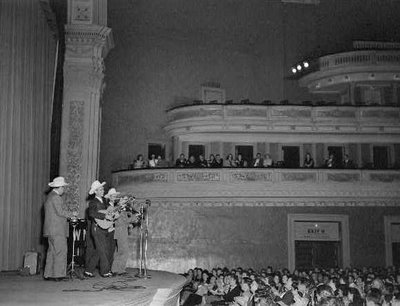
A long way from the Grand Ole Opry! Bob McCoy and Ernest Tubb brought country music to Carnegie back in 1947

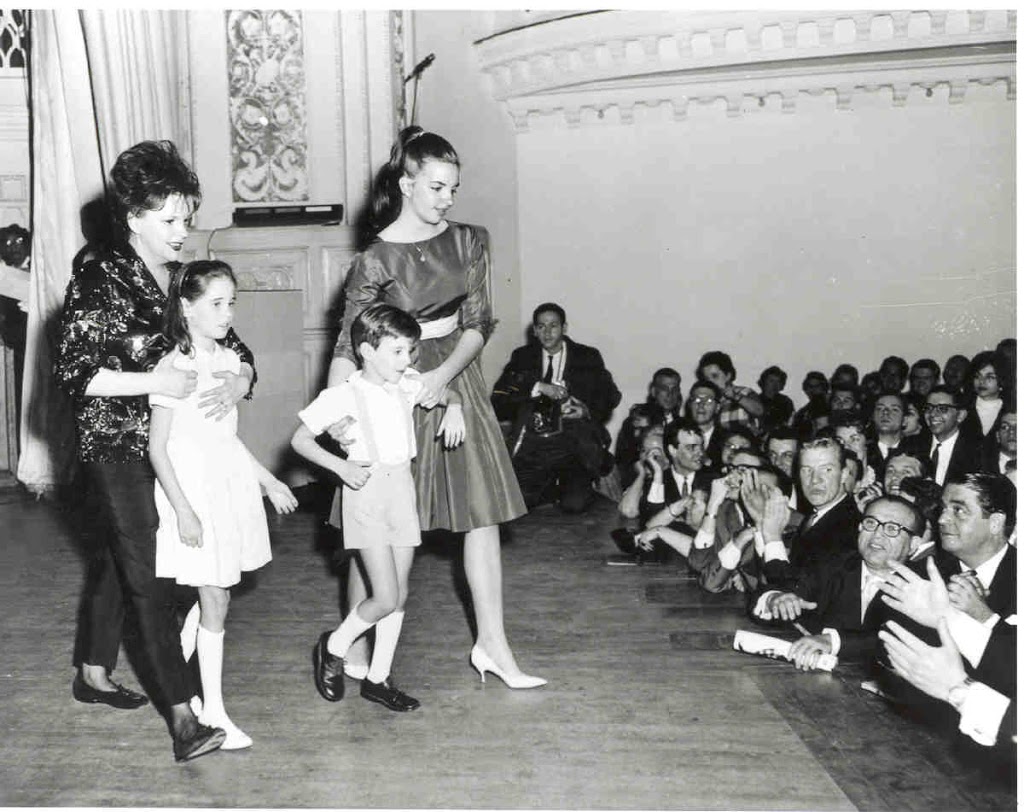
Judy Garland brings her family on stage. Young Liza would grow up and perform here as a superstar in her own right.

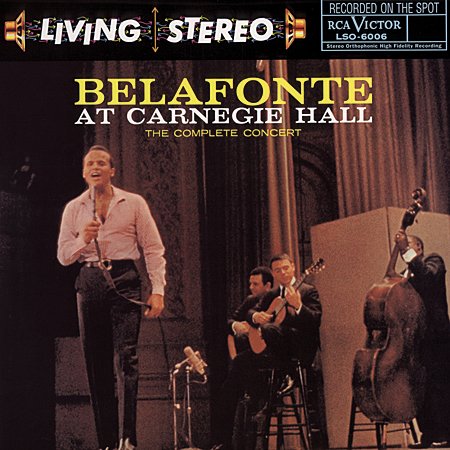
Dozens of performance have recorded live albums here, including Harry Belafonte, whose 1959 album (below) was such a success, he recorded another one the next year

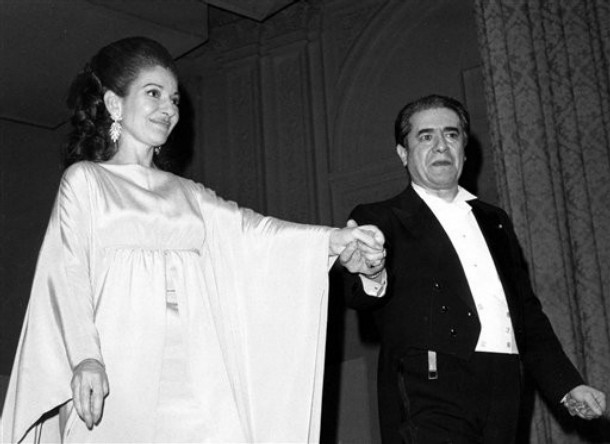
Maria Callas and Giuseppe di Stefano perform at a Carnegie Hall benefit in 1974. Callas would give a farewell performance on this stage.

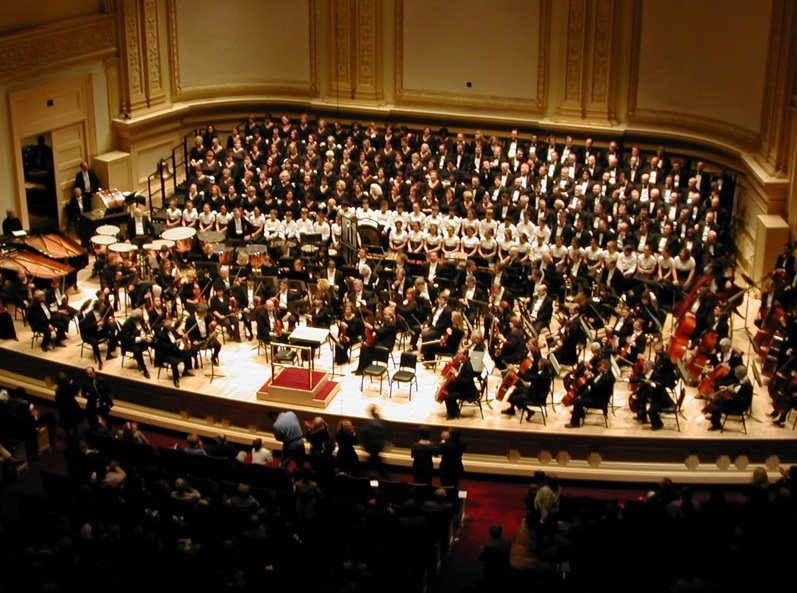
The Dallas Symphony and Chorus, in 2005. Most major-city symphonic and choral groups have made their way to the Carnegie Hall stage at one time or another

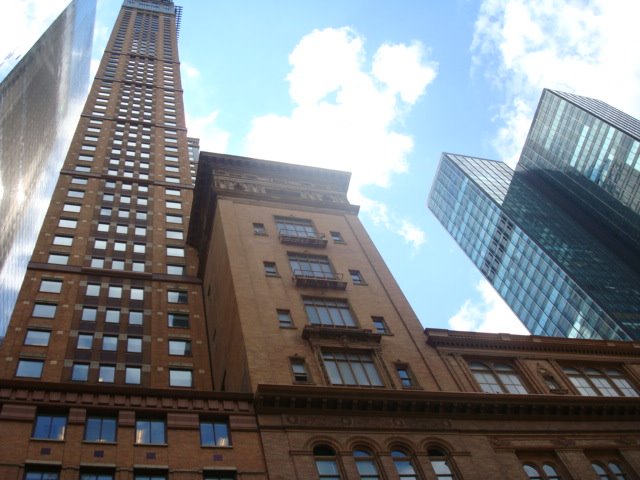
The Carnegie Hall Towers, rising nearby, were built in the late 1980s

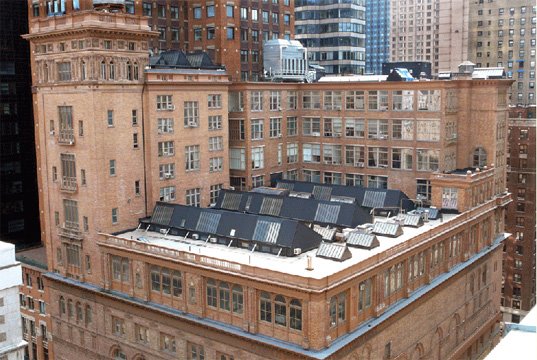
The top of the building, looking down at the famed Carnegie Hall Studios. A haven for artists, Carnegie Hall recently announced the studios were being transformed into music education facilities, an announcement not greeted kindly by some.

Is that any way to treat an Olympian?

Has an internationally famous monument ever had to endure such grave indignities as the Discus Thrower of Randall’s Island? Scandal!

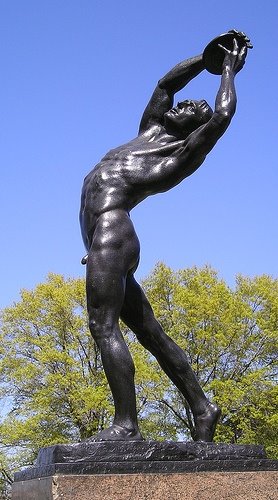
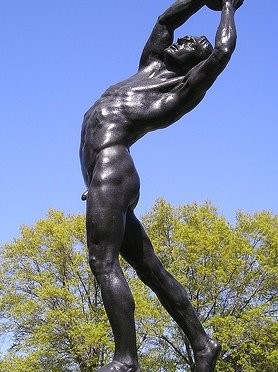
Nothing proclaims the revitalization of Randall’s Island more than this distinctive, classically inspired statue by Greek sculptor Kostas Dimitriadis. The Discus Thrower is the most graphic symbol of the changing island and a hallmark of its sports past. However, almost since its creation, Dimitria’s work has been constantly on the move and was even, at some point, ravaged and dismembered.

Dimitria created this award-winning discobolus for the 1924 Olympic Games in Paris. Two years later, businessman Ery Kehaya donated it to the Metropolitan Museum of Art as “an expression of gratitude from Greeks living in New York to the city that has given them opportunity.” The bronze was displayed behind the Museum, not in it, for ten years.

Finally, when the new stadium was opened on Randall’s Island in 1936, the Discus Thrower was installed in front of it, a natural fixture for a place soon to burst with Olympic superstars.

But respect for this Olympic icon faded in the 1960s. Badly rusted, the poor guy was riddled with graffitti, his discus was stolen, and part of his arm was broken off. Eventually, in 1970, the entire statue was placed into storage.

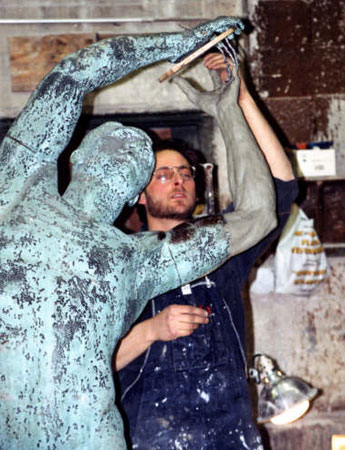
Almost thirty years passed before the island was in good enough shape, thanks to the Randalls Island Sports Foundation, to welcome the Discus Thrower back. But not before some delicate restoration to replace the missing limb. The statue was rededicated on July 21, 1999, in a ceremony that featured an actual discus thrower, and a pretty legendary one at that — Queens native Al Oerter, who won Olympic gold in the event in four consecutive games, a feat yet to be surpassed in any sport.

Later Mayor Bloomberg, who had worked with Oerter during the failed 2012 Olympic bid, turned the now-gleaming statue into a tribute when the athlete died in 2007. “From now on, when New Yorkers pass the iconic discus thrower statue on Randall’s Island, they should remember the life and contributions of Al.”

The Discus Thrower has a brother replica in Athens, Greece. He hasn’t moved from the entrance of Athens’ Panathinaiko Stadium since 1927.

Categories
Podcasts Sports

PODCAST: Randall’s Island and the 1936 Olympic trials

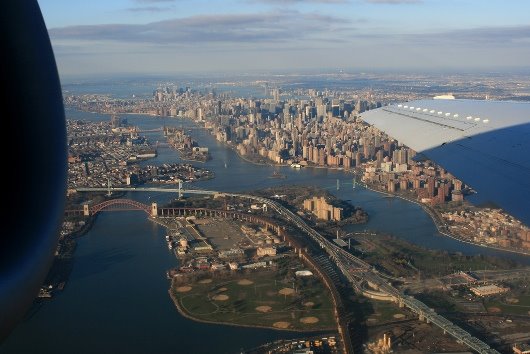
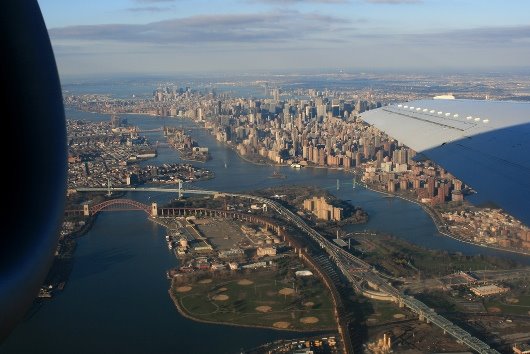
PODCAST The smaller islands of the East River reveal fascinating secrets of the city’s past, and Randall’s and Ward’s Islands are no exceptions.

Found out how these former potter’s fields are related to the most important Olympics-related event New York City has ever seen. The cast includes a swashbuckling British engineer, Jesse Owens, Tony Bennett, Franklin Delano Roosevelt, Fiorello LaGuardia, Robert Moses, and Pearl Jam!

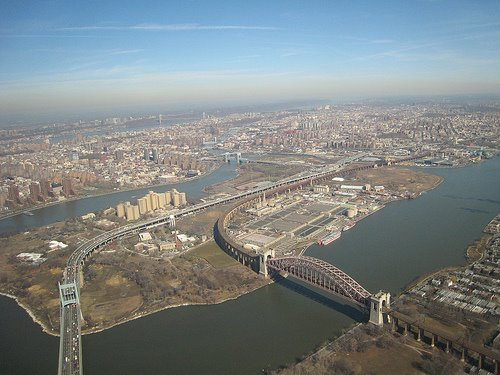
2326150506_5987517b19

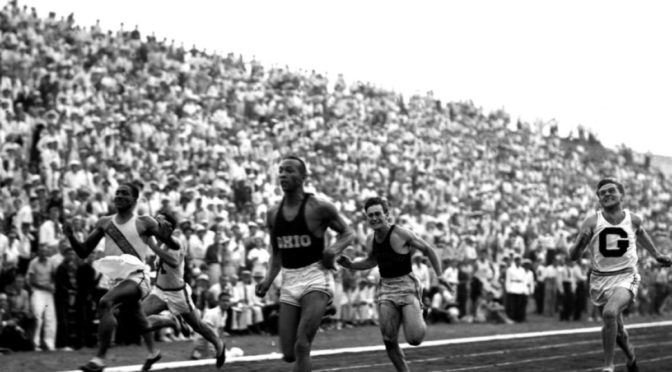
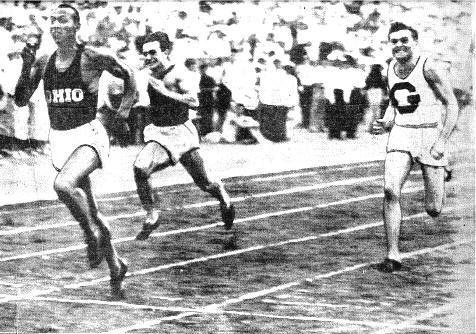
The Olympic trials at Downing Stadium not only made Jesse Owens (seen below in the 100 meter) into an athletic superstar, but the black and Jewish American athletes who qualified that day became an embarassment to the Olympic host city, Berlin, and Nazi leader Adolf Hitler.

jesse-owens

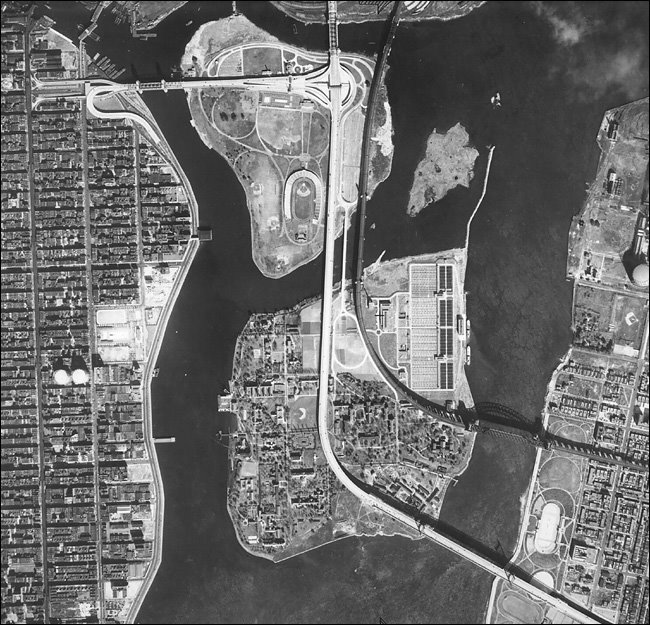
From a stock picture in the 40s, when Randall’s and Ward’s were still seperate entity and the Little Hell Gate was still a existing body of water.
1948-randalls-and-wards

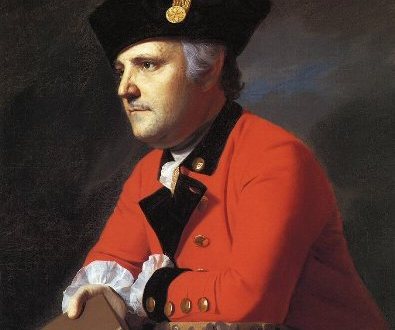
Engineer and interogator John Montressor, who owned Randall’s Island during British occupation.
montresor

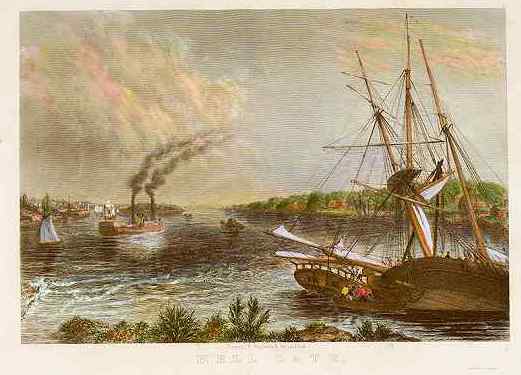
From a British print — the treacherous Hell Gate pass, as seen from ‘Great Barn Island’ (later to be known as Ward’s Island)

hell-gate-great-barn


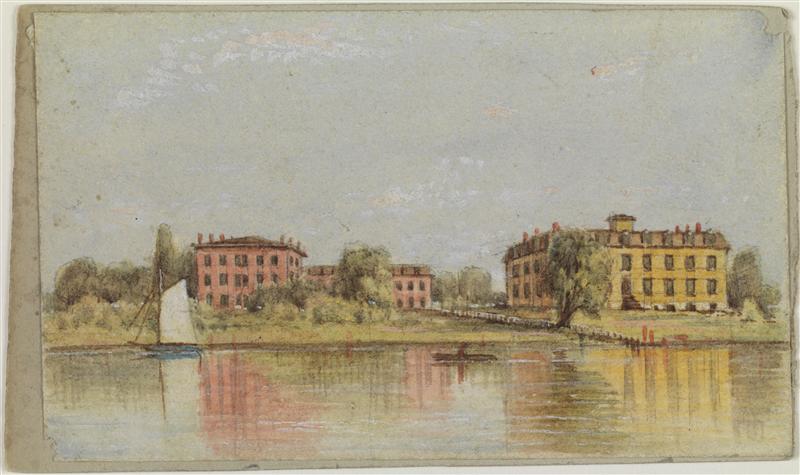
Two hospitals on Wards Island, 1880

Museum of the City of New York

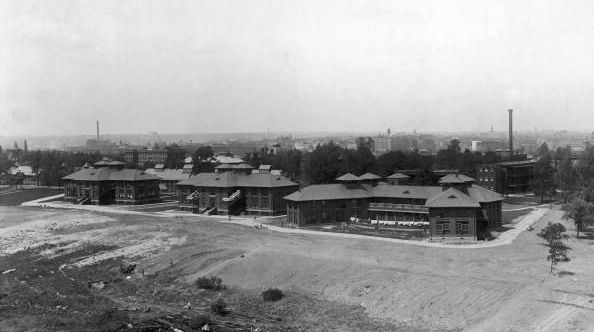
A picture of the Infant’s Hospital on Randall’s Island, 1935

infant-randals

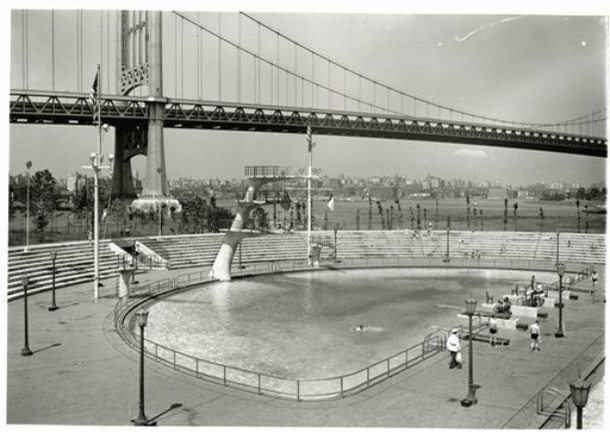
The Triborough Bridge as seen from Astoria swimming pool, circa the bridge’s date of birth — 1936

1936-Triborough-Astoria-Pool

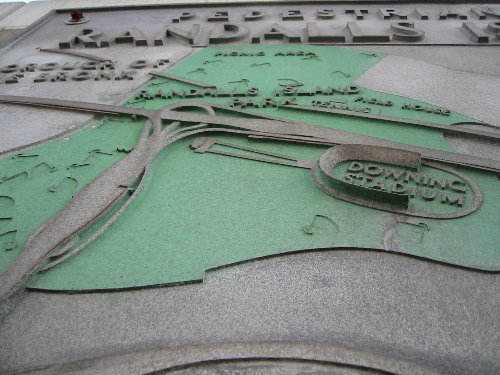
From on old tactile sign on the island, indicating the placement of Downing Stadium.

randalls
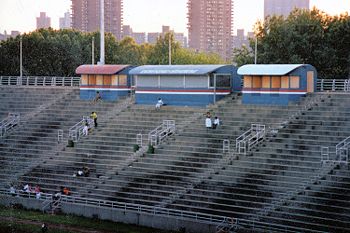
Downing Stadium, the later years.

downing

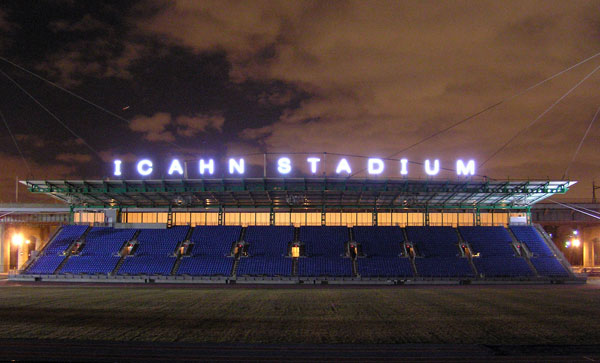
The spectacular new Icahn Stadium at night

2006-09-Icahn-Stadium_SloanLED

Another angle, with downtown Manhattan at top.

randallsisland

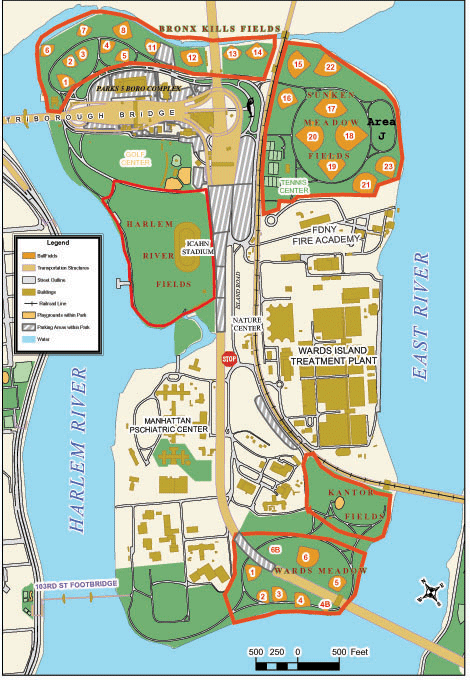
A current map of Randall’s and Ward’s.

current-map

Soylent Green: New Yorkers taste the best!

BOWERY BOYS RECOMMEND is an occasional feature where we find an unusual movie or TV show that — whether by accident or design — uniquely captures an era of New York City better than any reference or history book. Other entrants in this particular film festival can be found HERE.

Thirty-five years ago, the future of New York City was bleak indeed.

“Soylent Green” is a noir mystery like so many staged on Manhattan city streets, but its nuances are clearly reflections of its time. The 70s would see a catastrophic financial crisis for the city, with energy shortages and surges of crime and pollution. This film, back in 1973, seems a bit like a dour prediction, albeit overdramatic and cheesy.

The film estimates that by the year 2022, the population of New York City will reach 40 million, which is five times our current population. At least “20 million are outta work,” according to grizzled man’s-man detective Scotch (Charlton Heston), who takes to the streets to solve the murder of a wealthy businessman. (Ugh, is that really Joseph Cotten?)

As Jeremiah’s Vanishing New York has noted, this schlock Charlton Heston vehicle manages to nail one prediction, the naming of “Chelsea West” as an exclusive high-rise-clogged neighborhood for those remaining few with money. Of course, in the film’s vision, the High Line is nowhere to be seen and the unrecognizable buildings are surrounded by what looks like some kind of moat or canal.
What these new condos lack in neighborhood charm, they make up for with a rather beguiling feature — free women. Apparently over the next decade, women will revert back to a pre-19th century notion of becoming the property of men, to be installed in a condominium unit like an appliance, even when the prior owner dies. One night, the women decide to have a party, draping themselves over bear-skin rugs, brushing each others hair. When the building manager/pimp finds out, he gets so mad.

This high-rise brothel condo, an unrealized dream of Eliot Spitzer’s, also comes furnished by an East Village vintage store, high-tech Asteroids video game included.

In stark contrast, Scotch visits his buddy Sol in a walk-up tenement straight out some Five Points nightmare, with dozens of people sleeping in the stairwells. Sol is played by that most New York of actors Edward G. Robinson, who might have been familiar with such snug living environment as a young Romanian immigrant who arrived at Ellis Island in 1903. (Said Robinson: “At Ellis Island I was born again. Life for me began when I was 10 years old.”)

This schlock Charlton Heston vehicle and moralistic clarion call actually foretells our current state of rampant over-development, as well as environmental concerns (lamented here as ‘the greenhouse effect’) and a worldwide food shortage.

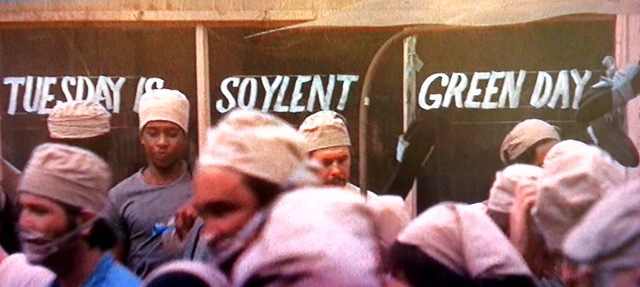
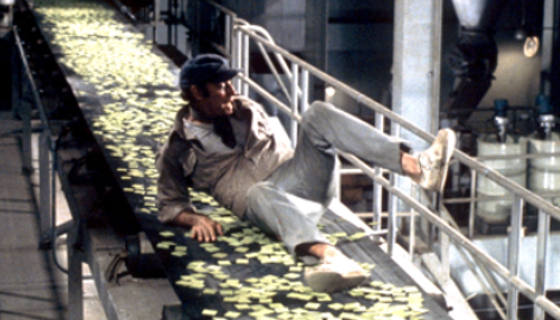
Sol waxes poetic for the days of excess and cries when he sees a real celery stick and a slab of beef. New York’s supply of artificial foodstuff called ‘Soylent’ — the least attractive food ever to be associated with New York City — is particularly taxed on Tuesday, when there’s a shortage of the most popular supplement, Soylent Green. Looking at bit like a Post-it Note, Soylent Green is, well, you probably know what it is. But it’s a gas to watch Sol and Scotch uncover the mystery.
Directed by Richard Fleischer (of “20,000 Leagues Under the Sea” fame), “Soylent Green” won’t remind you of New York at all, but its fun when they try and shock you with recognizable things. For instance, Gramercy Park has now become the city’s only haven for trees — and wan, sad looking trees at that. And I’m sure you’ll never look at trucks from the Department of Sanitation the same way again.
McGown’s Pass: the original tavern on the green

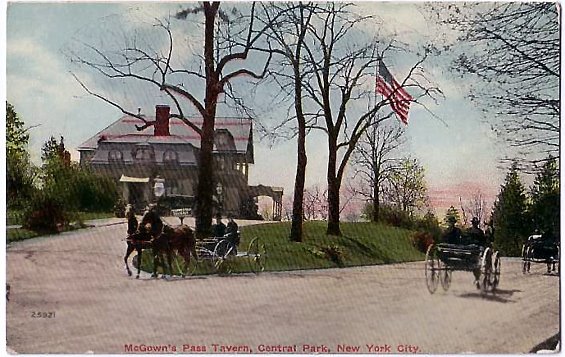
McGown’s Pass Tavern (date unknown, but possibly around 1913

We’re finally moving on from Central Park, but not before observing perhaps its most historically significant area — McGown’s Pass and the Block House.

Located on the northern portion of the park, next to the charming Harlem Meer, are a collection of hills and bluffs left over from its original topography. Not surprisingly, these higher altitudes played a pivotal role during the American Revolution.
A narrow passage between the hills was named McGown’s Pass after Andrew McGown, owner of a popular tavern that sat alongside here. Kept in the McGown family, the tavern was torn down early in the century but rebuilt in the 1880s. In 1895, McGown’s was strangely granted its own election district as, being inside the park, it lay outside normal district boundaries. “There were four voters in this territory last year,” declared the New York Times. “They are four men employed at McGown’s Pass Tavern.” The tavern was eventually torn down in 1917.

It was through McGown’s Pass that George Washington traveled on September 15, 1776. He and a portion of the Continental Army had escaped up to today’s Washington Heights area; when hearing that part of his army had been stopped by the British, Washington rode down the pass and led the remaining troops back up to their fortification in the Heights. He rode back through the pass again seven years later, this time as the victor.

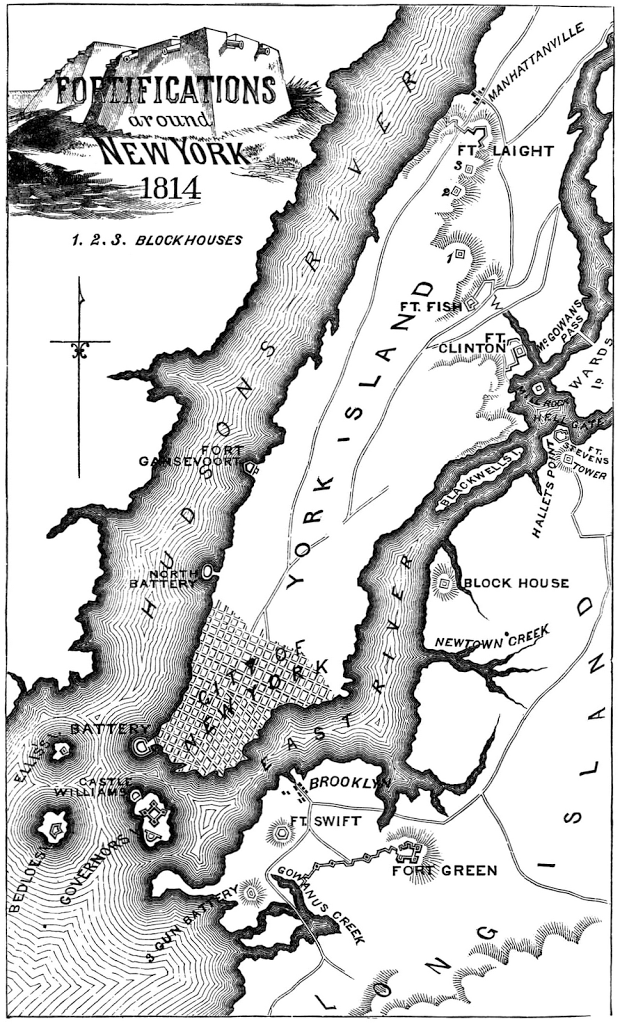
The British and their Hessian mercenaries built forts here to cut Manhattan off from the mainland. Later New Yorkers would seize upon this idea during the early days of the War of 1812. Not willing to become property of the British once again, Manhattan mobilized for any potential battles, building forts all over the island and throughout the harbor. It was here at McGown’s pass that the erected a few fortifications, including Fort Clinton (not to be confused with the fort in Battery Park, although both were named for DeWitt Clinton) and Fort Fish, named after Major Nicholas Fish, father of the New York senator Hamilton Fish.

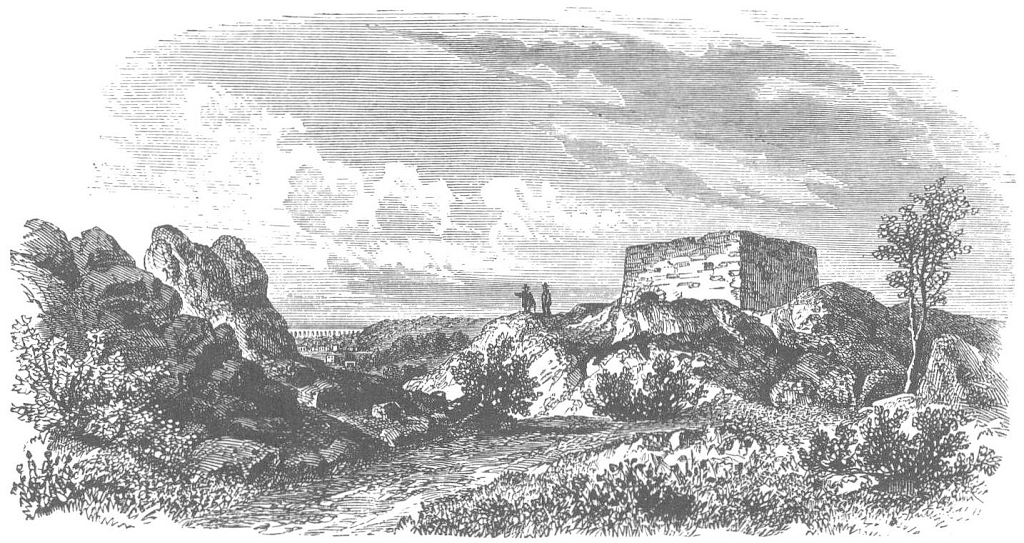
Nothing much remains of these two old forts, which were never used as the War of 1812 never made its way to the city. There are, however, two remaining structures from the early days. A stone ledge overlooking the meer is all that remains of Nutter’s Battery, named after a farmer who owned the property. And nearby stands the Block House, its stone face still fairly solid, once armed with cannons and used to hold ammunition — that was, of course, never needed. The Block House was fairly intact when Olmstead and Vaux included it in their plans for the park, using the building as a ‘picturesque ruin’ covered in vines.

Here’s an illustration of how the Block House looked in 1860:

For a short while, this military site was even used as a convent and hospital. In 1847 the Sisters of Charity of St. Vincent de Paul opened a ‘motherhouse’ and school called the Academy of St. Vincent. The nuns left when the area was incorportated into the park, however the building stood until the 1870s, when it burned down and was replaced with the refurbished new McGown’s Pass Tavern mentioned above. (This site has some great pictures of where the convent once stood.)

This is a bit tangental, but I love this story. A plaque was erected at the old site of Fort Clinton in 1906 and unveiled in a publicized community event for children. It was apparently difficult for some people to find the location and “several chivalrous lads” guided people through the park to the unveiling.

However, the Times reports an incident that might be the only real battle that ever occured at this storied historical spot:

“Among the boys interested in the tablet unveiling were several whose spirit of mischief overcame their sense of the proprieties. These made misleading arrow signs …. and caused a number of persons to go far afield and arrive at the exercises late and angry. These mischievous youngsters were caught at their annoying trick by boys who were more sober and serious. Then there was a short scrimmage, and the mischievous lads scurried away through the Park.”

Finally, from a 19th century book on the War of 1812 comes this spectacular map of the various fortifications built in anticipation of battle. Its dimensions are greatly distorted of course, but it lists the forts and blockhouses that stood in this area as well as those such as Fort Gansevoort and Fort Greene (click on the image to look at it more closely):

Categories
Parks and Recreation Podcasts

PODCAST: The Evolution of Central Park

When last we left the Park, it was the embodiment of Olmstead and Vaux’s naturalistic Greensward Plan. Then the skyscrapers came. Also, how did all those playgrounds, a swanky nightclub, a theater troupe and all those hippies get here?

Listen to it for free on iTunes or other podcasting services. Or you can download or listen to it HERE

NOTE: Please forgive my butcher pronounciation of the word Jagiello in today’s podcast!

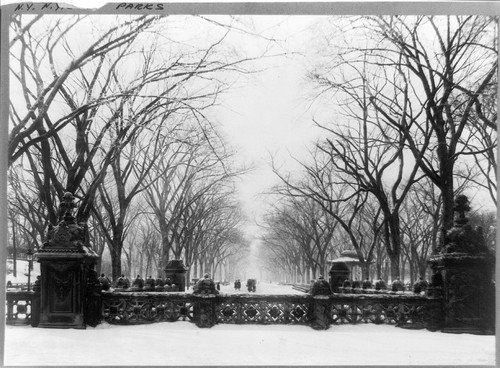
The Park in a wintry day in 1906:

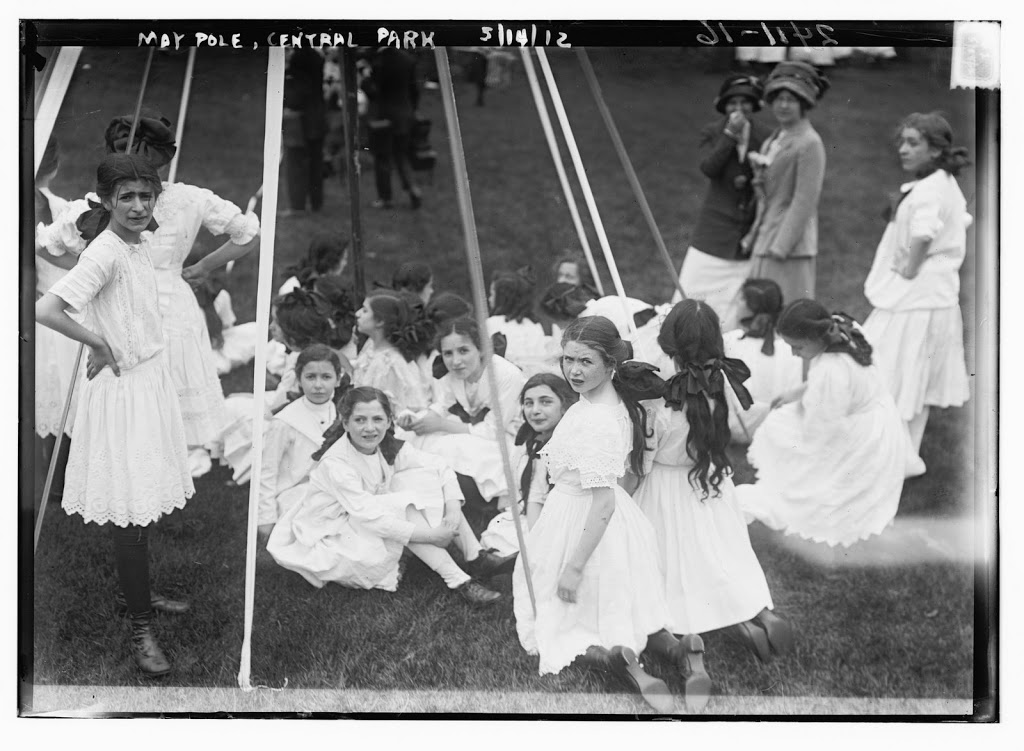
Children celebrate May Day in the park, circa 1912:

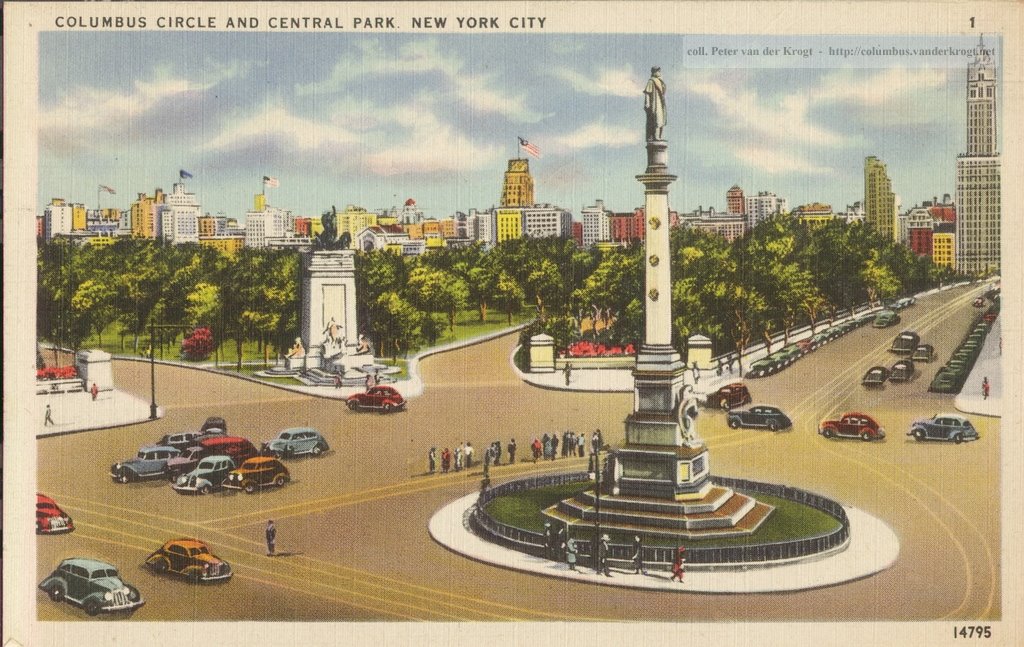
The southwestern entrance of Central Park, punctuated by Columbus Circle:

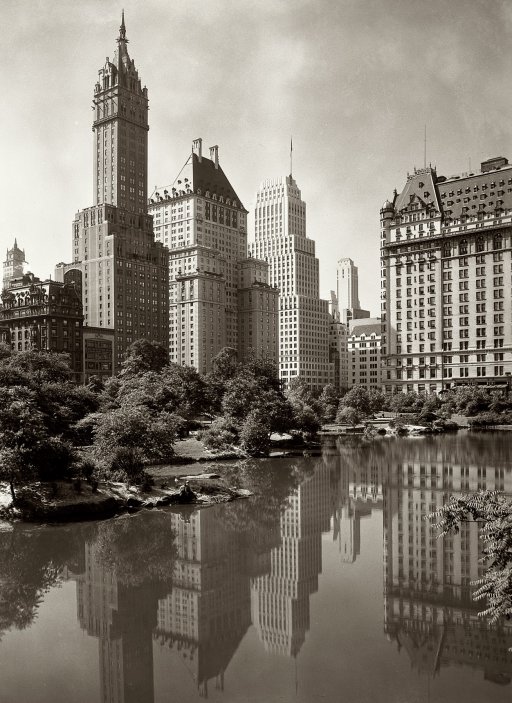
By the early 30s, the original dream of Central Park as ‘oasis’ was effectively destroyed by skyscrapers

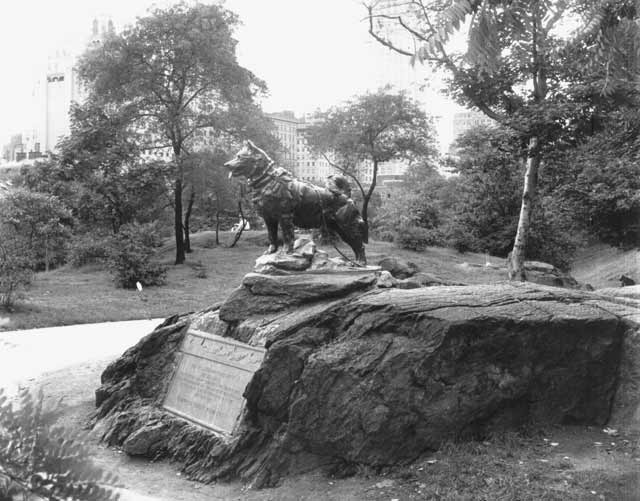
Balto to 1934, looking pretty much the same as he does today:

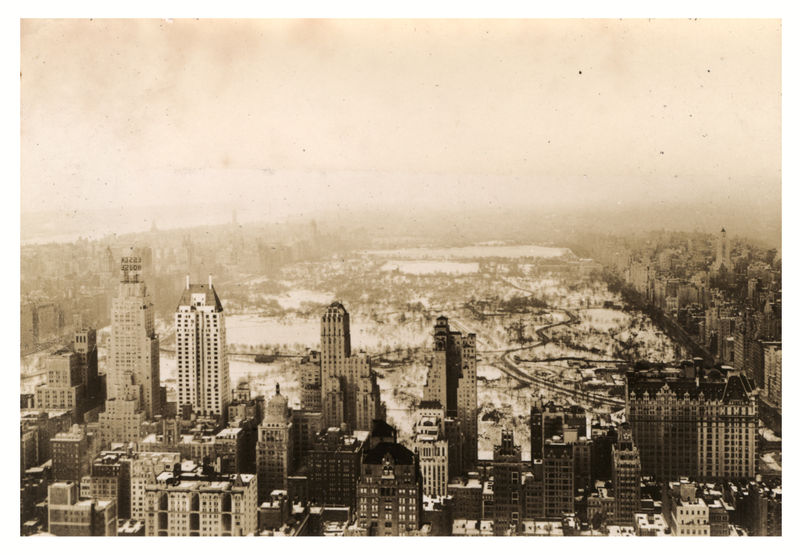
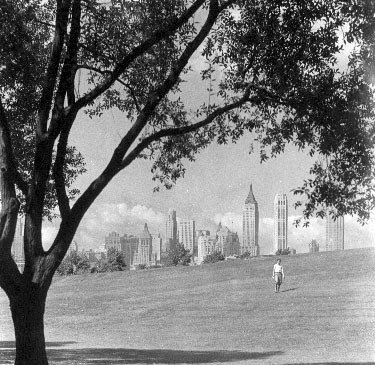
The skyline changes the horizon of Central Park. Here, in 1935:

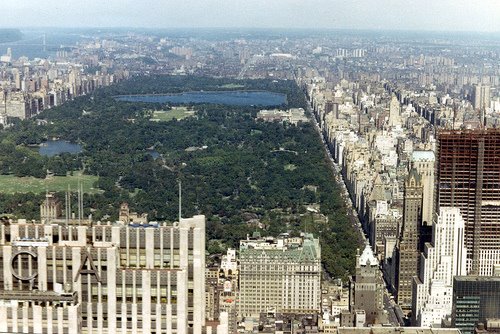
1967:

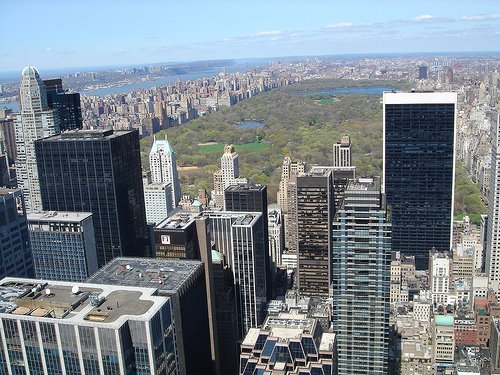
And today:

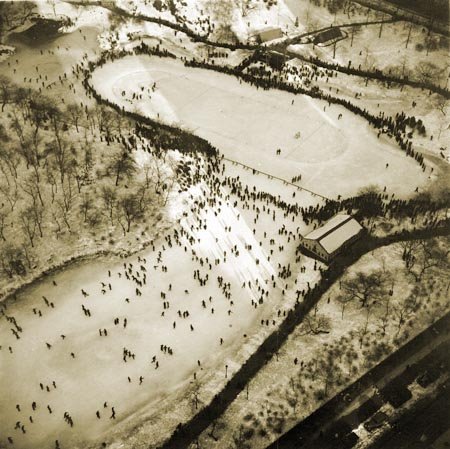
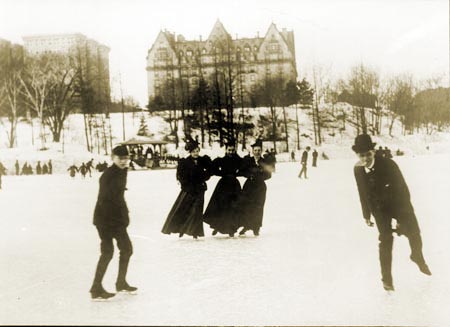
Ice skating, circa 1936

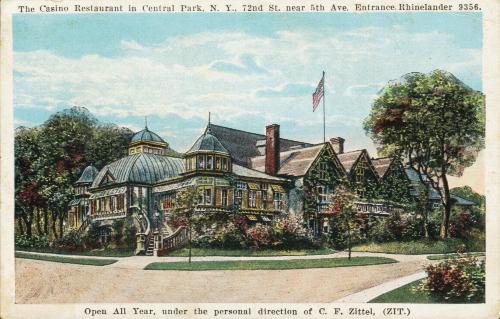
The Casino, which went from restaurant to nightclub during the 1920s. Demolished by Robert Moses, it became Rumsay Playfield and home of Summerstage

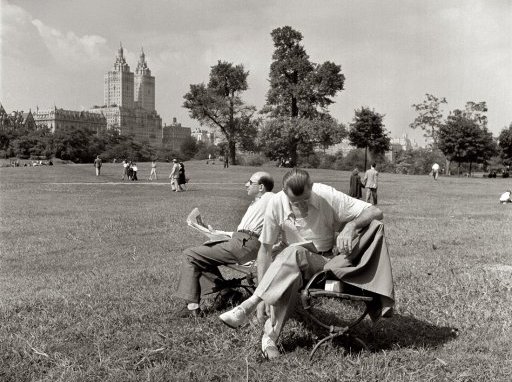
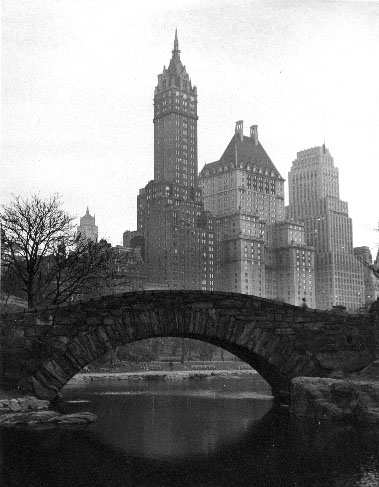
Ah, life was much simpler back in 1942 (well, in Central Park, anyway). The luxury San Remo apartments peeks from the background

By the 1950s, most of the Park’s modern features and lawns were built. It’s getting more difficult, of course, to find a corner of the park all your own.

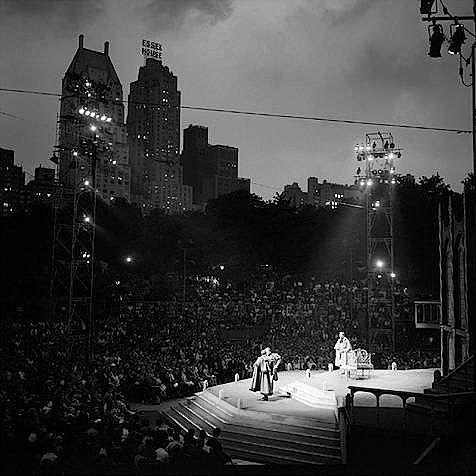
Joseph Papp brought Shakespeare to the park in the 1950s, but didn’t make a home of Delacorte Theatre until 1962

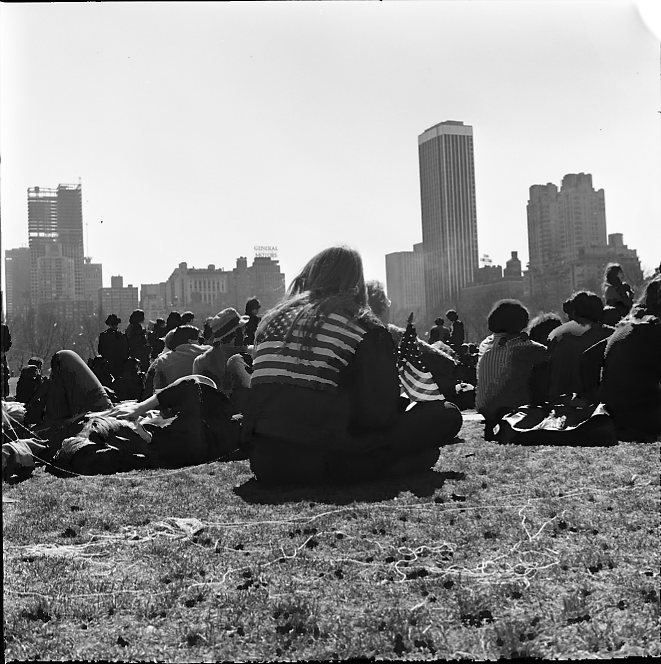
Park ‘happenings’ in the 1960s attracted thousands of people to partake in activities unheard of in the Olmstead days.

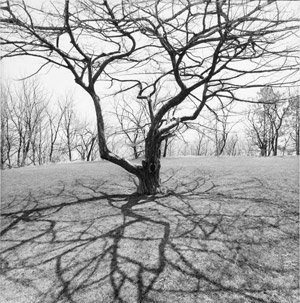
Central Park was a popular model for photographer Lee Friedlander, turning its natural beauty into striking patterns of abstraction

Jones Woods: ghosts, graves and an ‘amusement park’

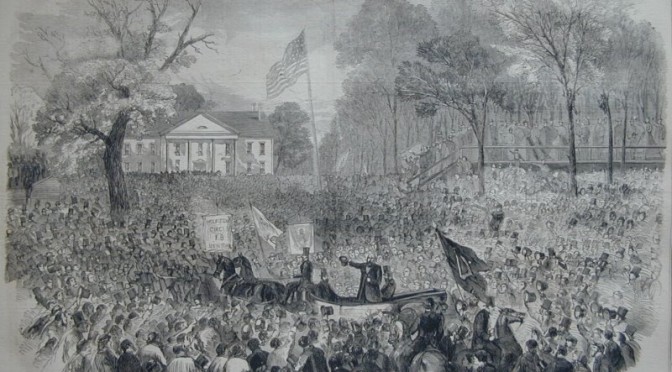
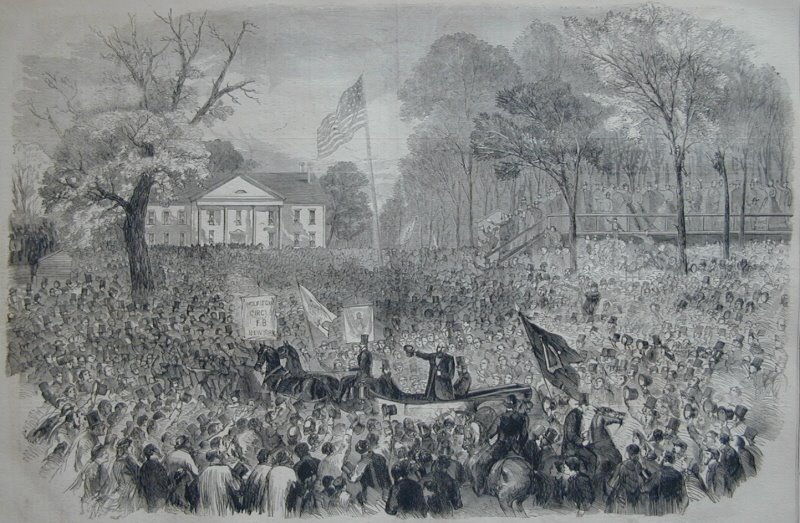
Over 15,000 Irish Americans gathered in Jones Wood in 1856, to greet countryman James Stephen

Once upon a time, back when Fifth Avenue was a dirt path and Bloomingdale was literally a blooming dale, there stood a haunted and most mysterious forest located on bluffs overlooking the East River, far east of the area today known as Lenox Hill in the Upper East Side. (Basically between 66th-88th streets to 75th-77th street.)

Back in the 1700s this was one of the most densely forested areas of the island, miles from the city of New York. Prominent families moved here, settling in secluded homes overlooking the crashing waters of Hells Gate below. And not surprising, ghost stories and legends took root here as well.

As an early account describes it: “It was the last fastness of the forest primeval that once covered the rocky shores of the East River, and its wildness was almost savage. In the infant days of the colony it was the scene of tradition and fable, having been said to be a favorite re-sort of the pirates who dared the terrors of Hell Gate, and came here to land their treasures and hold their revels.”

At the heart of this forest was a small, pioneering 90-acre farm called the Louvre, its owner unknown today, or why it shared its name with a famous French museum. Later, two famous New York families owned manors in this once out-of-town thicket. The Schermerhorns kept the family crypt here until it was nothing but broken tombstones, protruding underfoot when later the area would become better known for picnics and family outings.

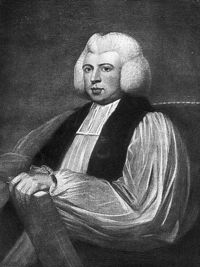
The second family was the Provoost clan, who bought the Louvre in 1742 and transformed it into an elegant home. Although prominent, the Provoosts were supporters of the American cause at the time of the Revolutionary War. Samuel Provoost (that dapper man to the right) later became president of King’s College, the pre-Revolutionary precursor to Columbia University. His cousin David, who fought with Washington’s army, took a more notorious path to fame, become a legendary smuggler nicknamed Ready-Money Provoost.

When Ready-Money died, he too was entombed in the family crypt here. Later, the site of Provoost’s grave attracted ghost seekers, who would “gather there and tell each other wonderful stories of the unearthly doings of the old man’s ghost. Not one of them could have been persuaded by all the ready money in the city to keep a night’s vigil under the trees that overhung the lonely, desolate grave.”

Later still the home was sold to a John Jones, who lent the forest his name. By the 19th century, the woods had become a popular destination for nearby city dwellers. The Provoost’s family chapel was soon turned into a clubhouse and adjoining manor grounds into places of recreation. Stories of its mysterious past and recent days as a retreat for prominent families drew recreationers of all sorts, until it became an what some have called the ‘first major U.S. amusement park’, with beer gardens, sporting events and great spaces for large gatherings.

It was still an untamed, wooded area, but now people arrived for “billiards, bowling, and donkey rides,” for general outdoor carousing and drinking.

Jones Wood was pegged to become the very first site for ‘a great park’, the land to be purchased by the state on 1851, to be transformed into an area worthy of the lavish public spaces of Europe. Proponents for an official park here claims the lush riverfront and rich “dense growth of forst trees” made it ideal for immediate conversion to a formal park.

But there was strong opposition by those who maintained that a ‘central’ park on the island would be preferred, both for its aesthetic symmetry and attractiveness to landowners surrounding it. And at only 150 acres, Jones was also deemed too small. Despite this, in June 1953, the state approved BOTH Jones’ Wood and the area that was to become Central Park.

Landowners around the Jones Wood area and merchants benefiting from sporting events and beer gardens had their day a year later, when city plans for Jones Wood were entirely abandoned.

It still remained popular for much of the late 19th century, particularly used by Irish and Germans from nearby Yorkville, although it was chipped away by new properties tenements. In 1894, a devastating fire swept through destroying properties over eleven acres. By this time, more sophisticated amusement parks began appearing out in a distant area of Brooklyn named Coney Island. Meanwhile, developers looked hungrily at the remaining area of Jones’ Wood. By the light of 20th century, all traces of this jovial and mysterious forest had vanished.

A ride around New York’s remaining merry-go-rounds

Carousels aren’t really for kids anymore. Sure, you won’t see many adults truly captivated by the process of mounting a wooden animal and twirling in a circle. But well-preserved models of the famous amusements are nostalgia goldmines; tinkling calliope music and a few flashing light bulbs can sometimes capture a by-gone era more than a multi-million dollar restoration can.

New York City used to have dozens of the swirling entertainments. Today, you can only find them in a few places:

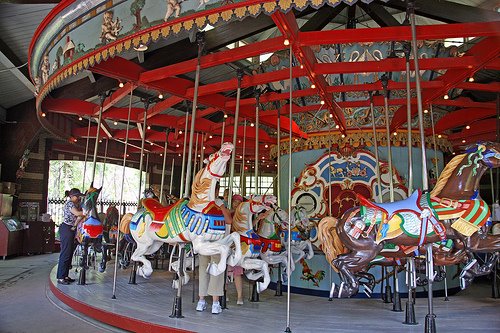
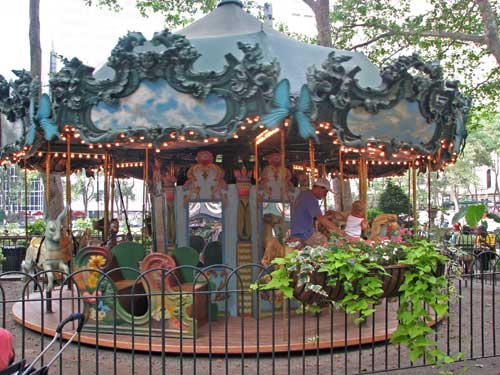
Central Park Carousel (above)
This is perhaps the world’s most famous carousel, but it’s not the original amusement which debuted in 1871. That carousel was controlled by a blind mule that walked around in circle in a dark, underground pit, as upper-class children paid the rather steep ten cent admission for a chance to ride it. It was replaced by an electric carousel in 1924 and was eventually destroyed in fire.

The carousel that whirrs about here today is actually much older, built in 1908 and entertained children during Coney Island’s heyday. Still one of the world’s largest carousels, it moved to this location in 1950.

La Carrousel
Given to the park’s symmetrical French landscape design, they call the one in Bryant Park Le Carrousel (ooo la la). Despite seeming very rustic, this miniature wedding-cake was only installed in 2001. I can only imagine what a carousel would have seemed like had it been here during Bryant Park’s days as a hangout for drug addicts.

Battery Park SeaGlass
This glittery, futuristic looking thing recalls Battery Park’s past as the home of the New York Aquarium, with horses replaced by creatures of the sea. Oh wait. This carousel’s not built yet.

Flushing Meadows-Corona Park ‘Carousel In The Park’
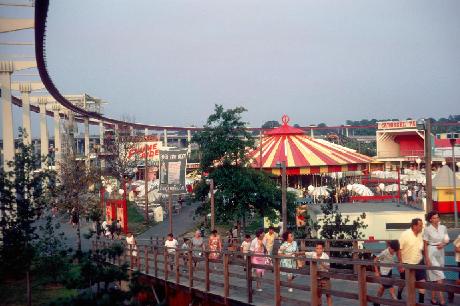
Queens’ only merry-go-round came here from Coney Island, by way of the New York World’s Fair in 1964. Previously, it spent the early part of the century as the official carousel of Stubbman’s Beer Garden until the 1950s, where it moved up to the boardwalk next to the parachute jump and became the Steeplechase Carousel. It was transported to the World’s Fair Lake Amusement area (pictured above) and was left there, donated to the city, long after the Fair left town.

B & B Carousell
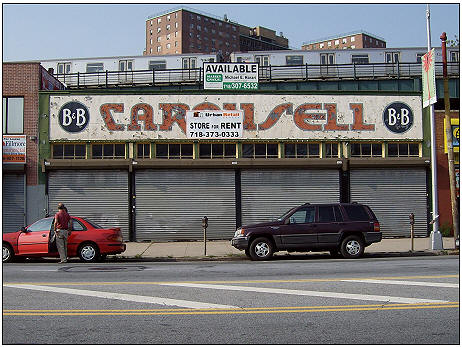
Coney Island was the home of dozens of spectacular carousels and could safely be considered the world’s largest assemblage of them. Today there’s only one left — the wonderfully misspelled B & B Carousell, which arrived in 1923. But don’t go looking for it. After being purchased by the city, the Carousell is currently being refurbished in Ohio for the fancy new Steeplechase Plaza, the city’s costly revamp of the Coney Island amusement sector. However its former home still sits, sad and vacant:

Prospect Park Carousel
Sitting close to the zoo and Leffert’s Homestead, this was also acquired from a Coney Island site in 1952, although the park has had merry-go-arounds since its inception. It stopped running altogether in the 1980s due to mechanical failures but was renovated in 1990. The park has a ‘horse adoption and grooming’ program to keep the carousel in working order.

The Carousel for All Children
This awkwardly named merry-go-round is located at Willowbrook Park in Staten Island’s Greenbelt. Nothing too retro about this ride; a modern model built in Ohio, it was installed here at Willowbrook in 1999. However, some of the horses are reproductions of those of Staten Island’s very first carousel — a version that entertained on Midland Beach Boardwalk from the mid 1910s that was dismantled in 1957.

The Bronx Zoo Bug Carousel
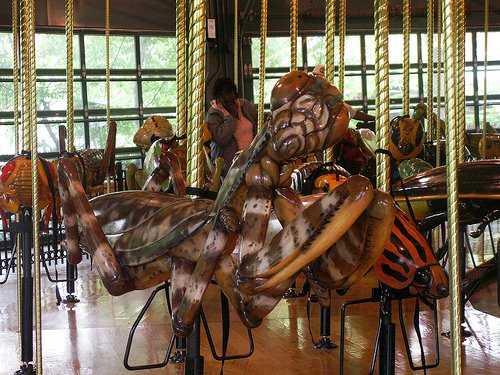
The New York area’s newest carousel, debuting in 2005, the Bronx Zoo model is certainly the only one of its kind to be comprised entirely of insects.

Jane’s Carousel
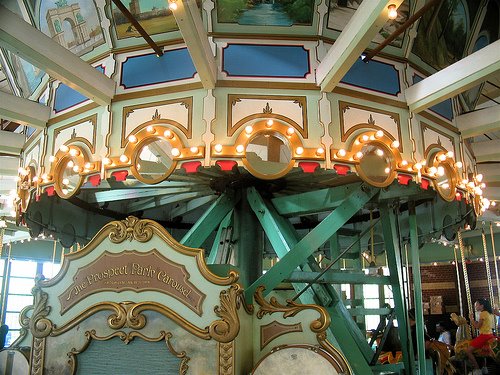
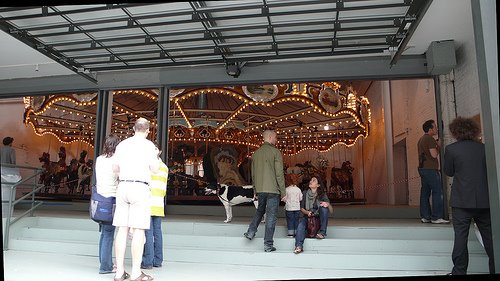
The strangest carousel in New York is one that unfortunately does not take riders. Jane Walentas, wife of Brooklyn real estate developer David Walentas, keeps a fully restored 1922 carousel (seen below) tucked away in a building on Water Street. Walentas, who purchased the crumbling amusement in 1984 and personally restored it, has been hoping the city would adopt her hobby horse for the expanding Brooklyn Bridge Park. Until then, pop by 56 Water Street to grab a view, if not a ride.

Know of any I might have missed?

Categories
Podcasts

PODCAST: The Creation of Central Park

Above: Central Park’s first recreation was ice skating, almost as soon as the lake was completed in 1858. The Dakota Apartments look like a ski resort.

Come with us to the beginnings of New York’s most popular and most ambitious park — from the inkling of an idea to the arduous construction. Learn who got uprooted and find out who the park was REALLY intended for. On the 150th year anniversary of the design of Central Park!

Listen to it for free on iTunes or other podcasting services. Or you can download or listen to it HERE

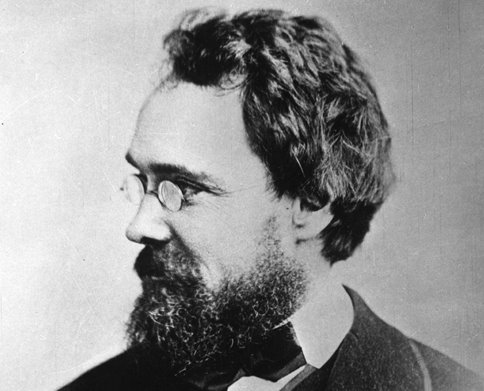
Frederick Law Olmsted, the brilliant and sometimes testy creator of the Greensward Plan, the basis for Central Park. As America’s go-to guy for park creation, Olmsted helped develop thousands of acres of public space in America, including the grounds of the U.S. Capitol, dozens of college campuses, and parks in Atlanta, Boston, Louisville and Detroit.

His British partner Calvert Vaux was a genius landscape architect in his own right. He and Olmstead would go on to also create Brooklyn’s Prospect Park. He’s particularly noted for personally designing Central Park’s more beautiful bridges, as well as the fanciful Belvedere Castle.

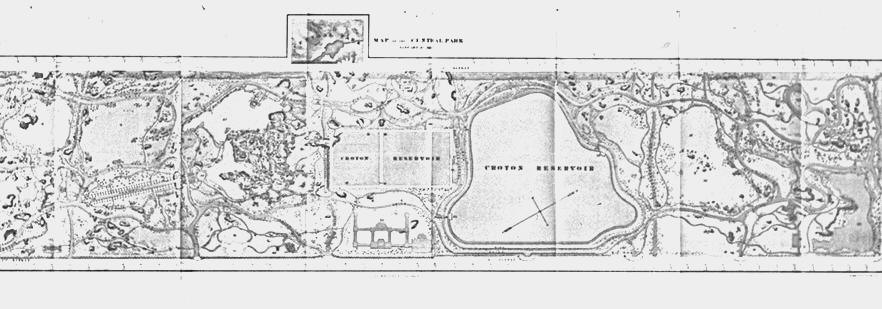
The original design of Central Park, circa 1857, informed by the upper and lower reservoirs and a noticable lack of structures. (Click on map for greater detail.)

From an original sketch of the Greensward plan, by Vaux

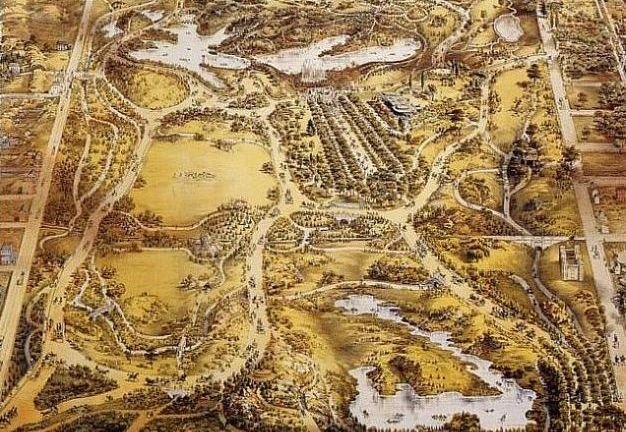
A brilliantly rendered lithograph of the Greensward plan (From an exhibit last month Celebrating Greensward.)

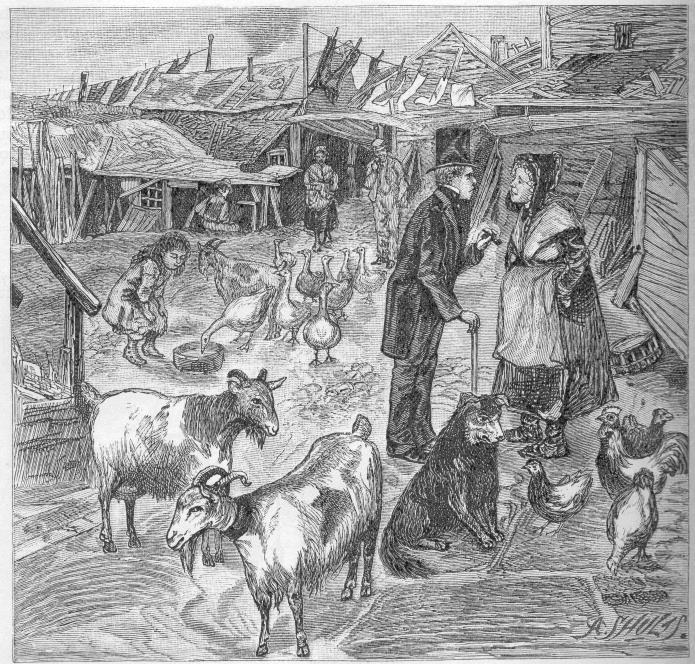
A sketching of some alledged ‘squatters’ in the lands that would eventually become the park. The reality of their situation was oftentimes far more complex.

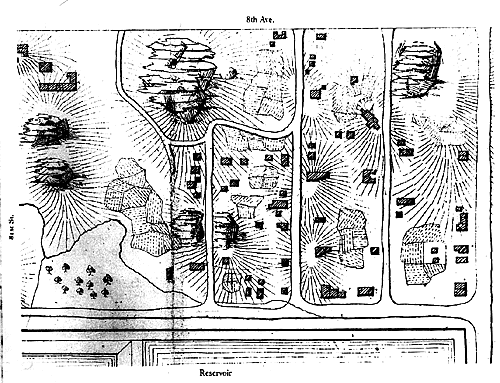
A map of Seneca Village (with Eighth Avenue at top), the small town of African-American property owners that was swept away with the building of the park

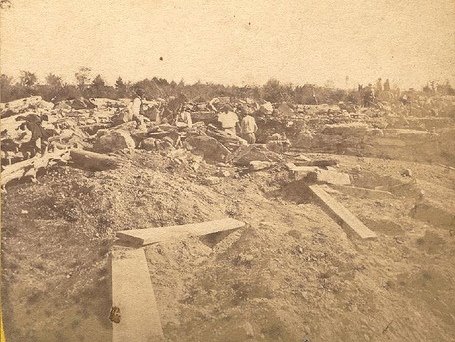
A rare photo of some rather unsightly construction in the park, circa July 1863

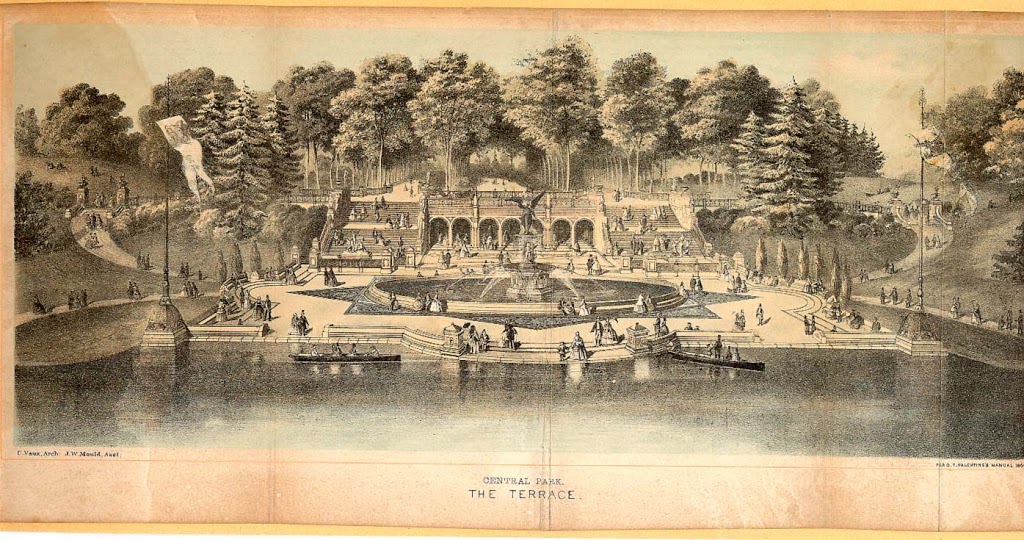
An illustration from 1864 of the Bethesda Terrace (click on the picture for greater detail)

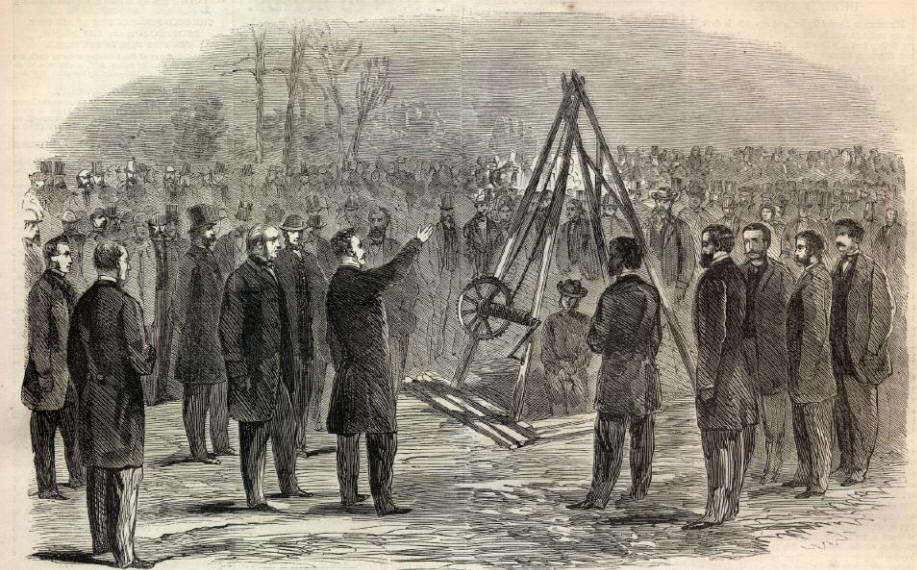
The original plan for Central Park included no monuments, and Olmstead wanted it that way. Still, by 1864, they were already hoisting up a tribute to William Shakespeare. In the picture below, the cornerstone is being laid on the 300th anniversary of Shakesspeare’s birthday, April 23

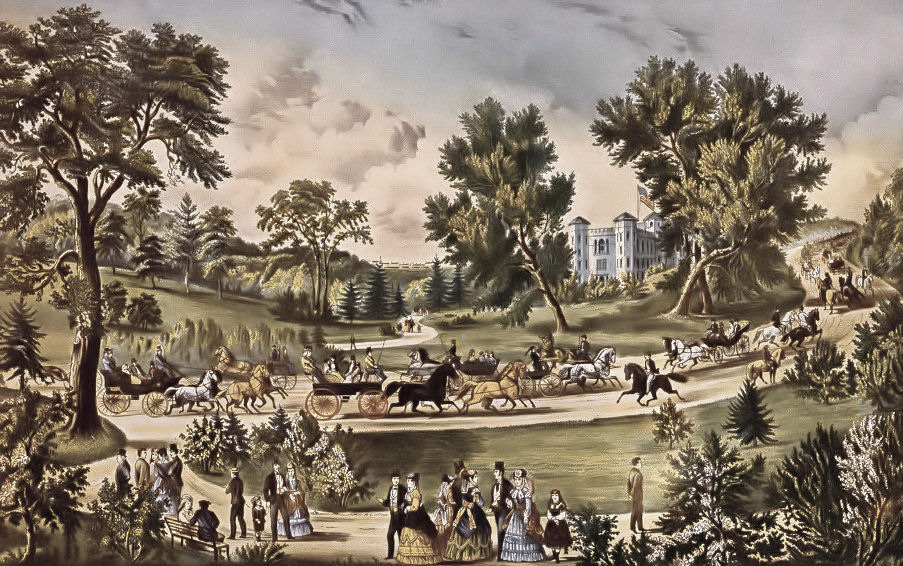
By 1869, the park had been taken over by elite New Yorkers, who could afford to ride through on their carriages. (Click for details of this rich picture.) In the background is the old Arsenal, which tranformed into the Central Park Zoo in later years.

Check out our older podcast on the Central Park Zoo and accompanying photographs.

Who is the Queen of Central Park?

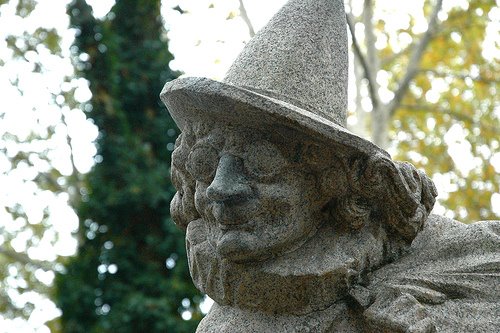
Above: the grotesque face of Mother Goose in Central Park. What did she ever do to deserve her own statue?

While mulling over the list of famous people great and small depicted in Central Park sculpture — Ludwig van Beethoven! Duke Ellington! Alexander Hamilton! — I was reminded of one curious and well-known fact: Not one statue depicts a non-fictional female.

Famous living dogs 1 (Balto), famous living women 0.

The most famous representatives of the XX chromosome are Mother Goose, Alice In Wonderland, and Juliet (of Romeo And). Dancing maidens, random ornamental goddesses and angels (if one can even consider them females, and not androgynes) are strewn throughout the park, but they’re essentially decor.

It’s not that they’re hesitant to honor women here. Jackie Kennedy Onassis had the reservoir named after her in 1984. The relatively obscure child welfare advocate Sophie Irene Loeb has a drinking fountain in her honor. Diana Ross even has a playground!

The age of honoring great souls in marble and bronze is well past, but hardly over. (Lebow, from the post below, was installed in 1994 and Ellington’s honor was erected in 1997) If they ever decided to honor a famous New York City woman here, who would it be?

Jane Jacobs definitely needs one (although maybe not in Central Park). Eleanor Roosevelt, the first American woman displayed in a public park, already stands contemplating Riverside Park. Onassis could use a statue as well, but let’s not get carried away. Nellie Bly, C.J. Walker, Billie Holiday, Abby Aldrich Rockefeller — all good choices, but not specific to this area.

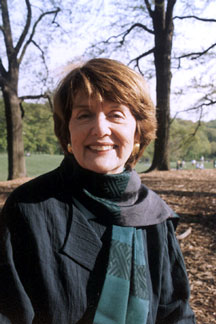
If you’re looking for one woman crucial to today’s Central Park, I would like to officially nominate Elizabeth Barlow Rogers, writer, landscape designer and the first president of the Central Park Conservancy.

In the first year of the Conservancy, 1980, Central Park was a shambles, hit by the neglect of the 70s financial crisis and years of massive events in the park which decimated lawns and public places. By the time the infamous attack on the Central Park Jogger took place in 1989, the park had become almost a national landmark to crime.


The Conservancy was (and still is) the publicly run lifeboat for the park. Working with mayor Ed Koch and parks commissioner Gordon Davis, Rogers (then Barlow) and the Conservancy began the herculean task of taking back the park, by the mid-80s assuming most of the responsibility. The Conservancy’s official site has a landmark-by-landmark rundown of restorations and underscores what a disaster area it was in the 80s. Millions of dollars of public funds were paired with city support to bring the park back to the original Olmstead and Vaux vision.

Rogers stepped down in 1996, having seen the park back to nearly full health, and founded the Cityscape Institute, a private fund-raising organization branching out to help other New York public spaces, including Battery Park and Malcolm X Plaza.

I would go as far as say that today Betsy Rogers is the Queen of Central Park, and of the domain of New York City parks in general. Rogers actually has a small plaque to her honor — in Diana Ross Playground — but why stop there?

The sexy secret underneath ‘Little Flatiron’

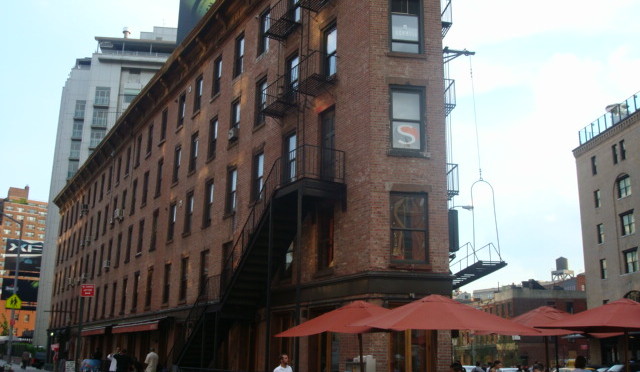
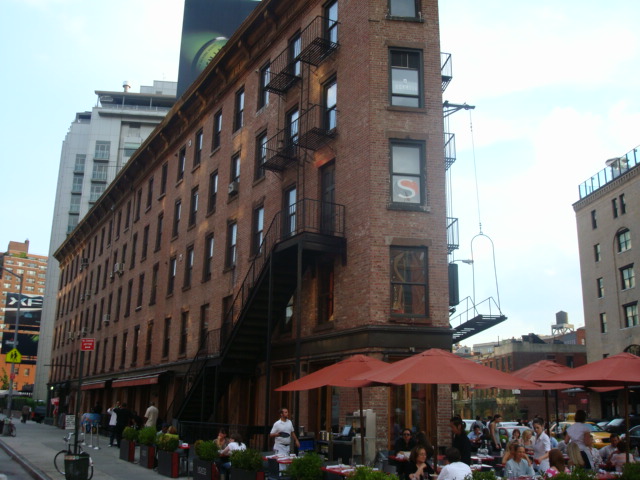
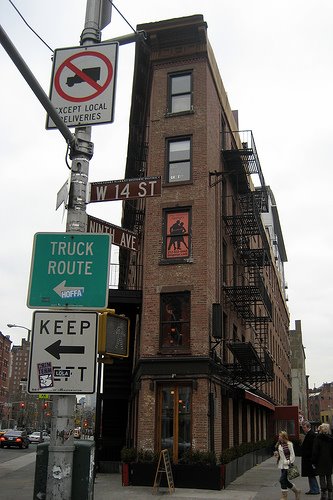
Some of the most interesting buildings in New Yorks are the triangular ones, those that sit at the intersection of diagonal streets that cut through the grid system. The Silas C. Herring Lock and Safe Company Building, more affectionately known as the L’il Flatiron Building or simply the Triangle Building, is probably the ‘cutest’ example of these, a five-story brick structure that notifies traffic to the change in neighborhood. Hudson spills down to the West Village to its east, while cobblestones grace its western front. But this girl’s led a hard life.

L’il Flatiron was built in 1849 as a four-story building for Herring’s well-known safe company. After Herring died in 1881, a fifth floor was added to the building two years later and converted into general shop space.

Today, its ground floor is presently occupied by pleasant Italian restaurant Vento, while the basement houses the lounge Level V. The crowds at these places are mainstream, young, professional. Are they aware that they dine and imbibe in what was once one of the most sexually active places in all of New York City? Literally thousands of people have had sex in the basement of the Little Flatiron.

A host of erotic clubs once took residence here, most notably the legendary Vault, perhaps best known as the location of a few of Madonna’s ‘Sex’ book photoshoots. After a few years in this space, the Vault was such a success that it moved a short distance away on Little West 12th Street (and later still to another location on 23rd Street), where it became a sort of ‘sex mall’.

The Hellfire Club, the Manhole and Jay’s Hangout were also residences of the little Flatiron at some point during the 80s and 90s, catering to the various sexual proclivities of both straight and gay people.

And that was just the inside. Prostitutes openly trolled around outside during the 80s and early 90s, hobbling over the cobblestone, trying to make a living. Says one person who lived in the neighborhood in the early 90s: “The corner in front of that triangle building was tranny hooker & drug dealer central! Now it’s all Prada girls chatting away over triple low-carb lattes.”

Even its most prestigious filmic moment aches of high drama. Glenn Close’s psychotic character in ‘Fatal Attraction’ lived here, and the building was also used in the Oscar-nominated film ‘The Hours’. In fact a pivotal character leaped to his death from a window on its upper floors. As far as I know, no movie character has ever lived in this building and survived. (Sorry to spoil the movies.)

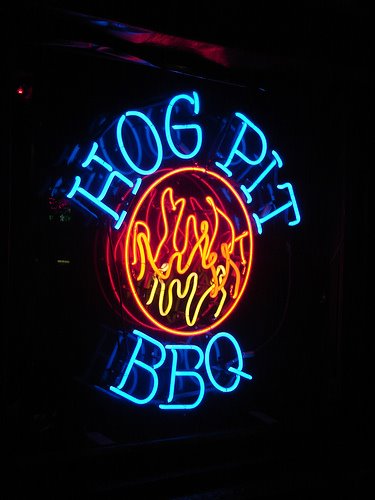
Today about the only hot spicy action one can find in the building is at the Hog Pit barbecue restaurant around the corner. This stomach-destroying barbecue establishment has been a mainstay of the neighborhood and has attracted its share of famous fans, such as Harrison Ford, Willie Nelson and Keanu Reeves . However, it, too, is being run out of the neighborhood by the end of the year. With a Ralph Lauren store slated to move in by 2009, the Little Flatiron will officially (and regrettably) become a respectable place.

However, they may want to reconsider moving in there. Perhaps the most starling and shocking fact of all — the building starred in a hit music video ‘2 Become 1’ by the Spice Girls. Oh, knowing that, how can I even look at it the same way? Lil Flatiron, hide your shame!

(Second pic above courtesy wallyg at Flickr)