Categories
Podcasts

PODCAST: The Fate of Five Points

Part two of our “Five Points” podcast. Join us as we explore the “wicked” neighborhood’s clean up, fall from grace, and eventual destruction.

Listen to it for free on iTunes or other podcasting services. Or you can download or listen to it HERE
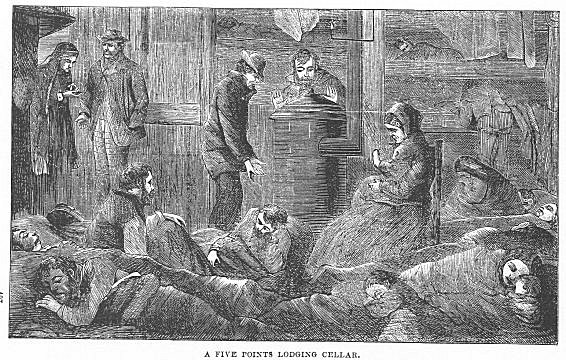
Sleeping quarters
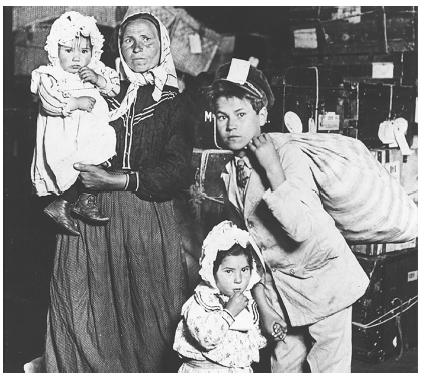
An Italian family newly arrived in New York.
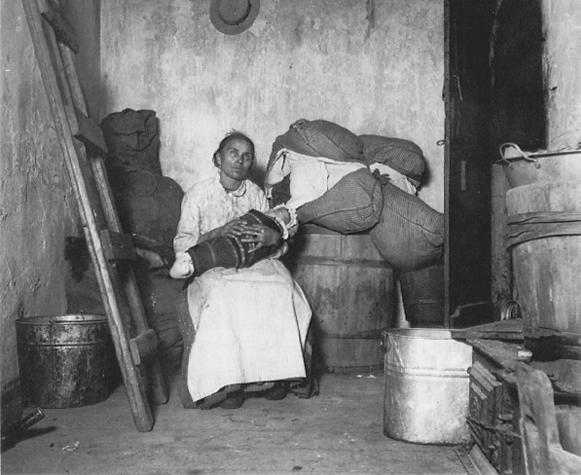
An Italian woman, employed as a ‘rag picker’
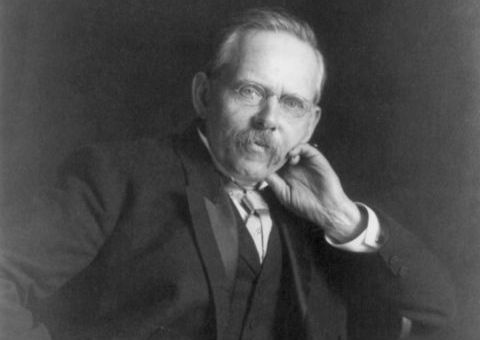
Jacob Riis, who helped define the early days of investigative journalism with his exposes on life in New York City slums
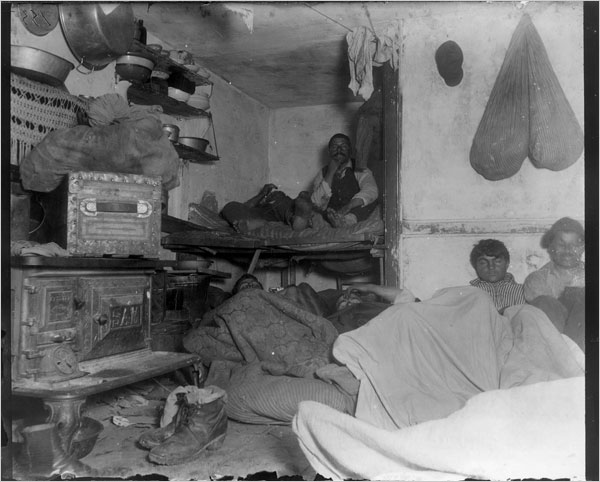
A Riis photograph of a typical residence that would have been found in Five Points
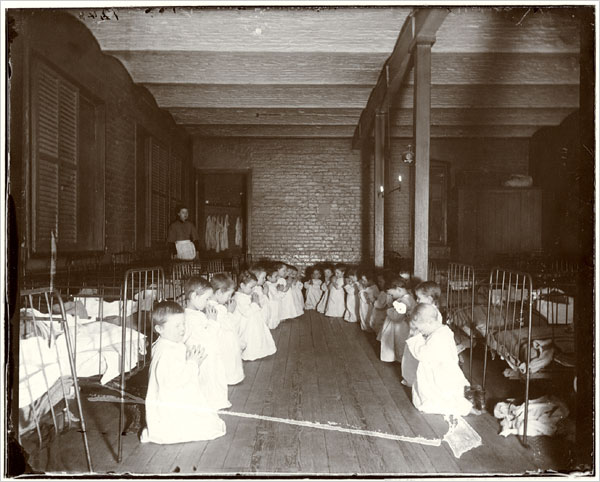
Inside the House of Industry in 1888
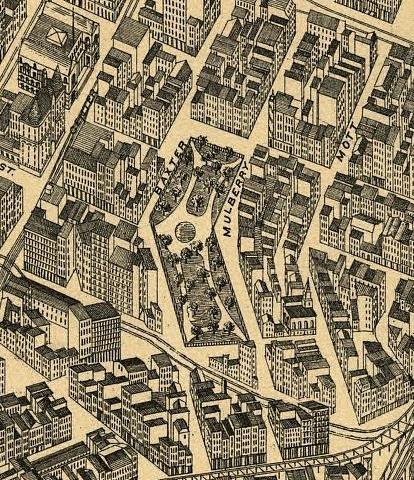
A look at the neighborhood after portions of Five Points was cleared away in 1895
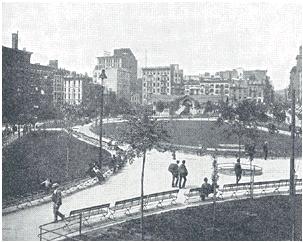
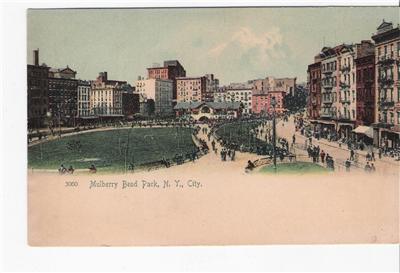
Mulberry Bend Park, designed by Calvert Vaux, and opened in 1897
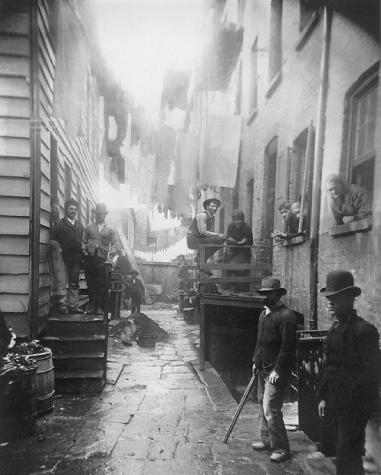
Jacob Riis’ most famous photograph of Bandits Roost. Gang members stare menacingly at the camera. By the stairwell is a stale beer hall.
http://www.blogger.com/img/gl.link.gif
Greetings from Mulberry Bend Park. Who would have ever imagined this area as being perfect for a postcard a few years before this?
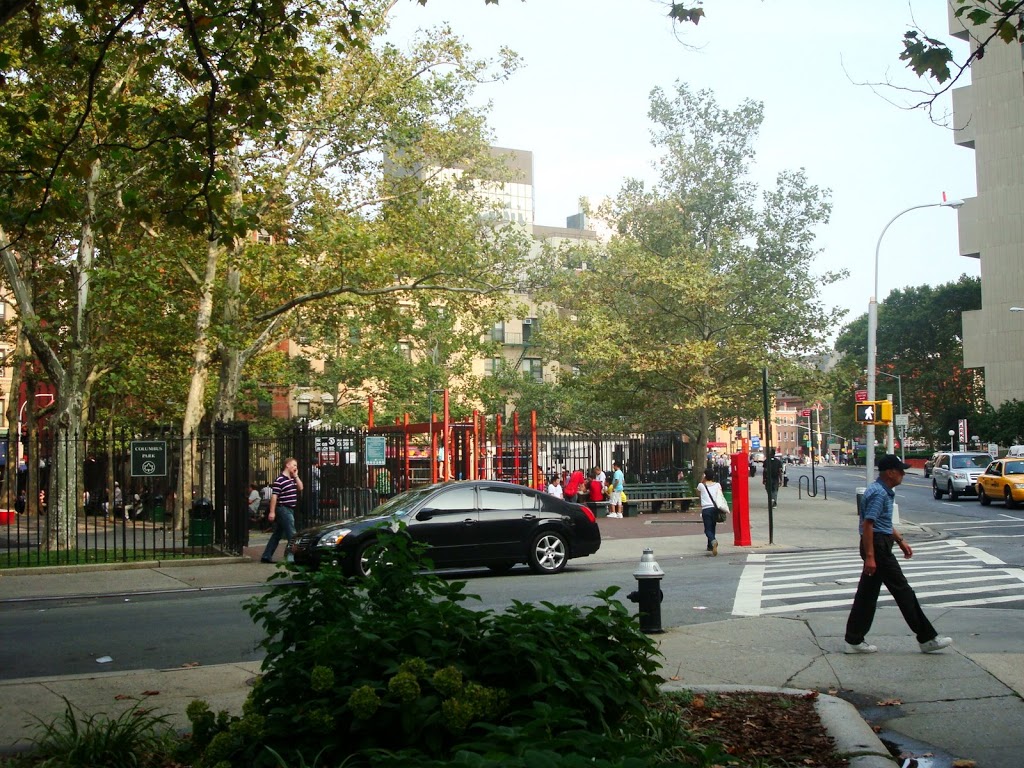
Not much remains of the once infamous Five Points intersection
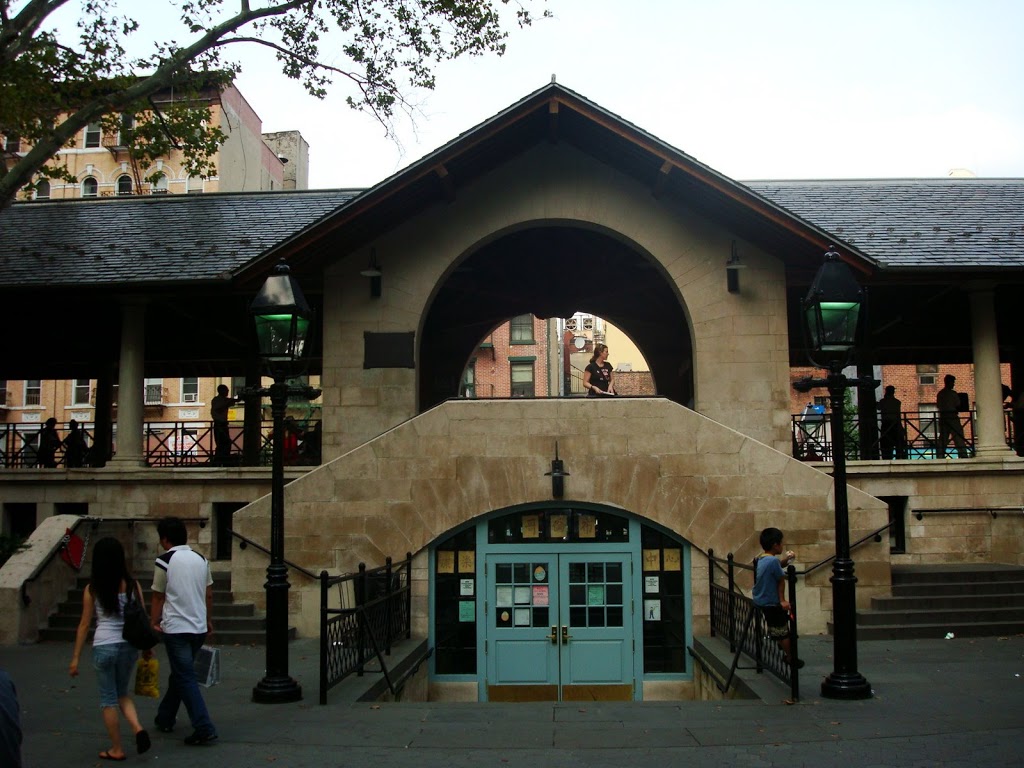
The pavilion in Columbus Park, erected in 1897 when the park was called Mulberry Bend Park
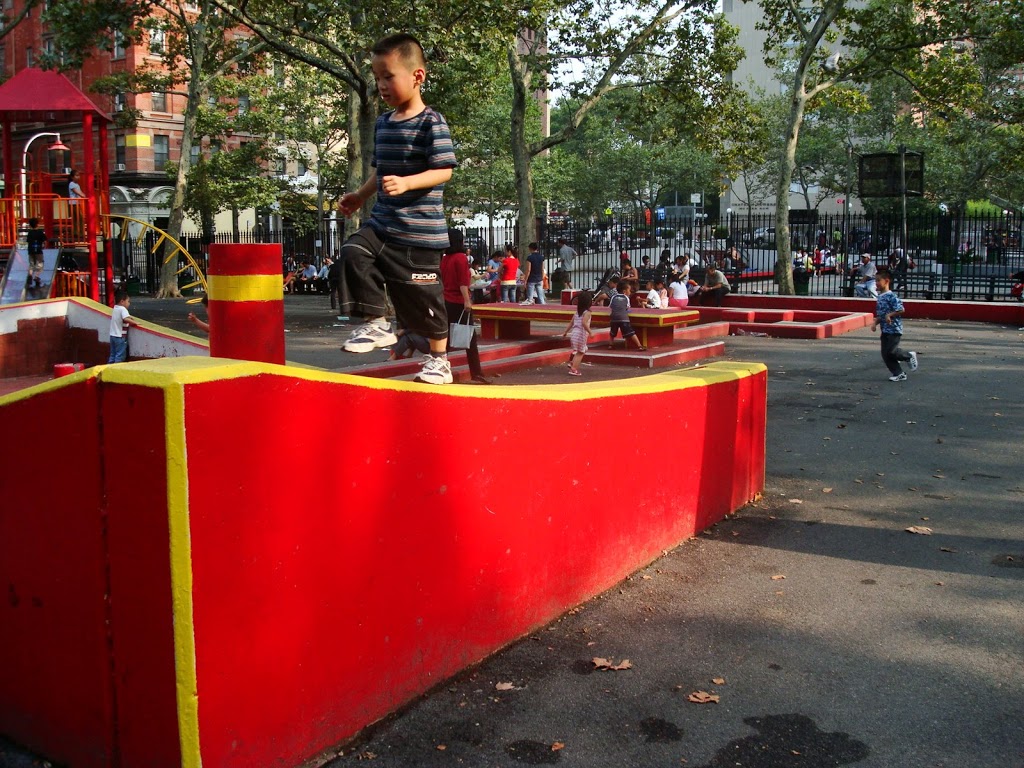
Columbus Park today: the FIve Points tenements replaced with playgrounds
Some other great resources about Five Points: An archaeological look at the area, and “Urbanography” which feature some great original source articles
Categories
Podcasts Uncategorized

The Story of Five Points: Wicked Slum

You’ve heard the legend of New York’s most notorious neighborhood. Now come with us as we hit the streets of Five Points and dig up some of the nitty, gritty details of its birth, its first residents and its most scandalous pastimes.

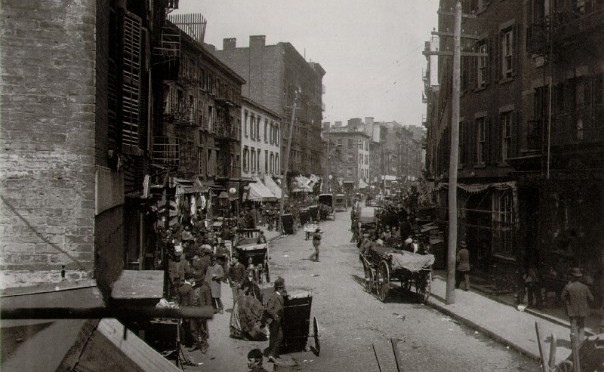
One of the most famous images of Five Points, accentuating its bustle and chaos

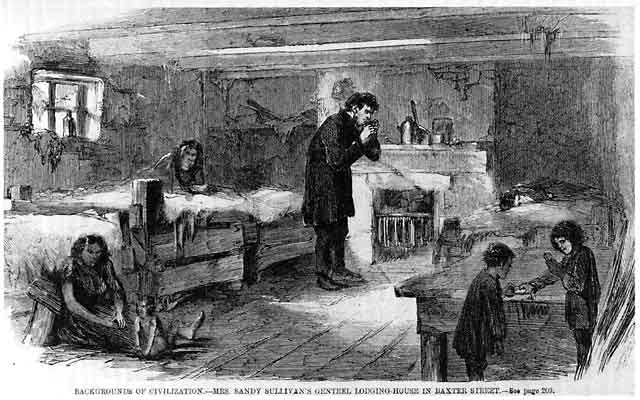
A dour living condition in a Baxter Street tenement

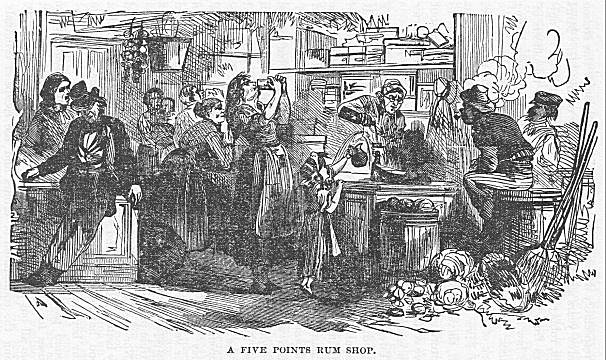
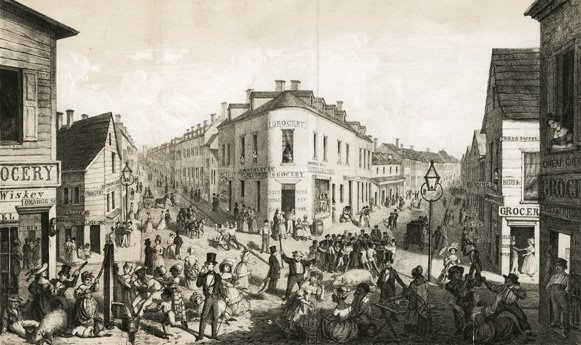
People drank their woes away at one of Five Points’ hundreds of groceries, rum shops and grog houses

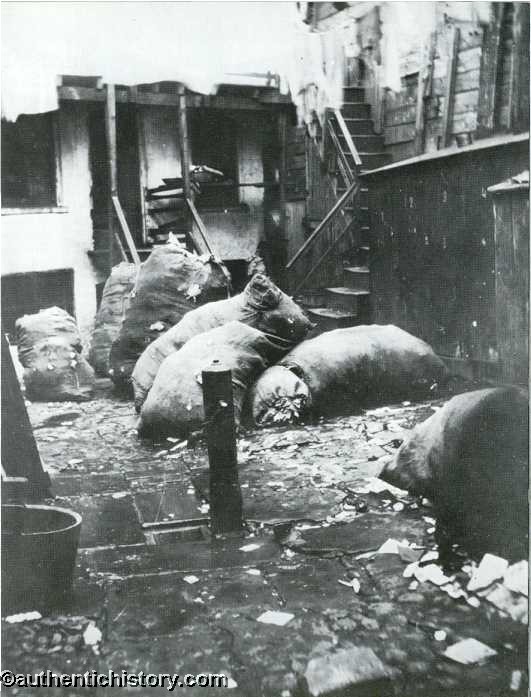
A typical scene down Bottle Alley

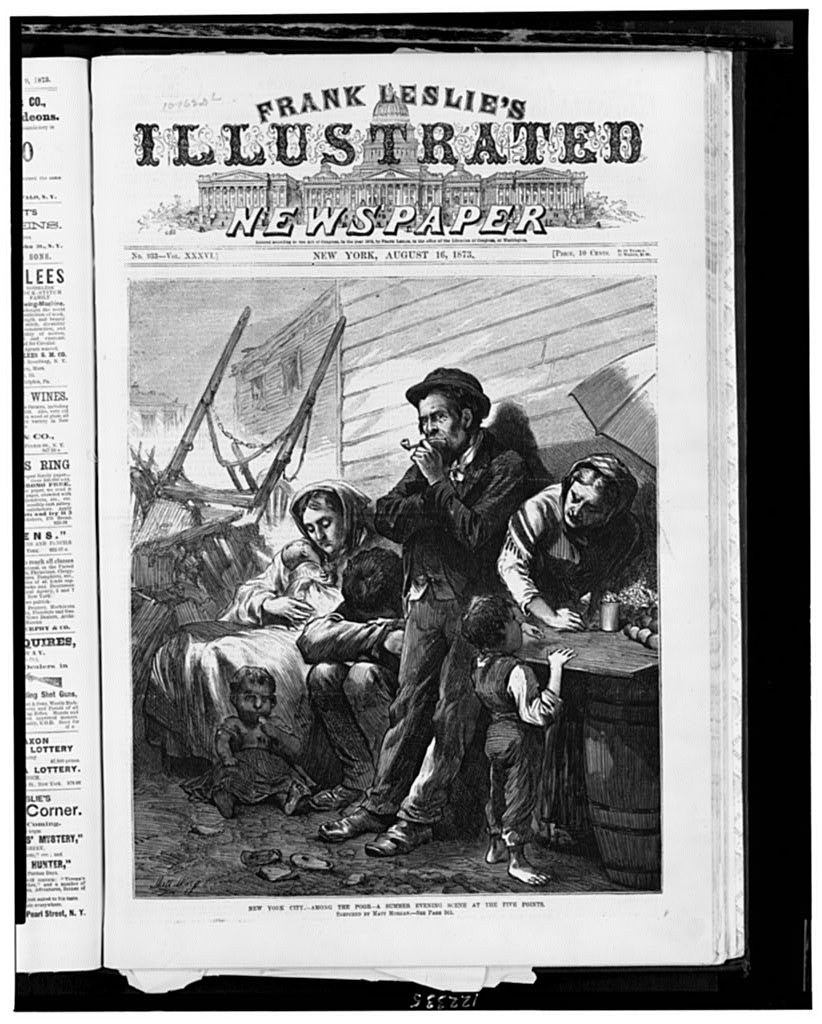
Newspapers kept images of Five Points’ squalor in the public eye for shock value

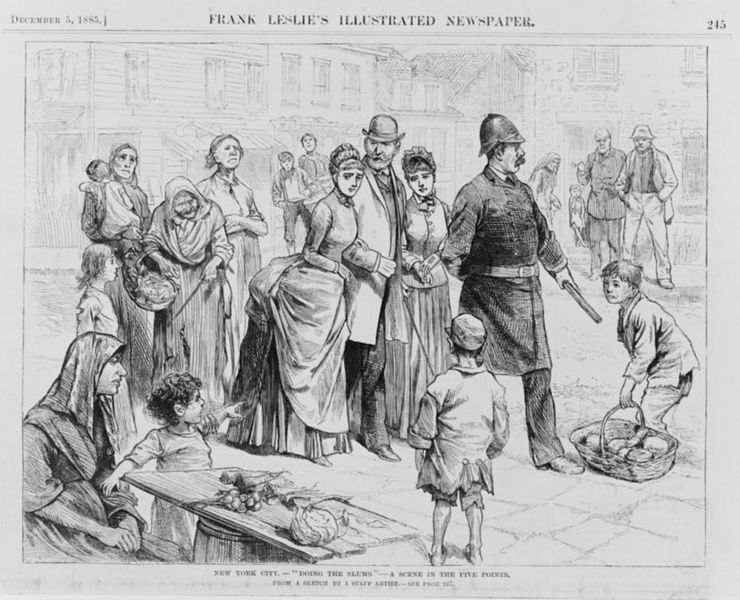
The rich would venture into Five Points on guided tours, observing its poverty and sordidness as though at a zoo

Categories
Podcasts

PODCAST: Delmonico’s Restaurant Francais

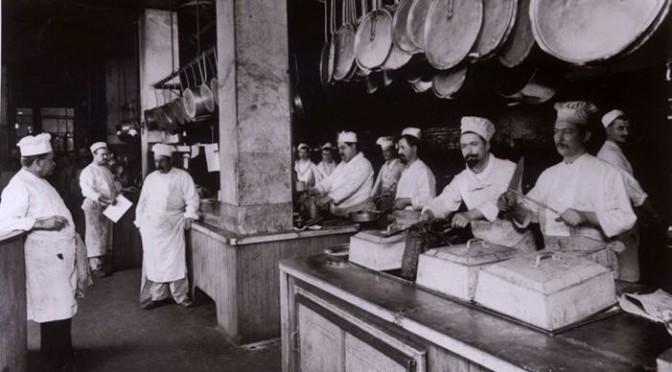
The kitchen staff, 1902

Before Delmonico’s, New Yorkers ate in taverns or oyster houses. But the city caught the fine dining bug at this family-owned business, which standardized everything you know about restaurants today. Find out about “menus”, “fresh ingredients”, “dining rooms for ladies” and other unusual and exotic Delmonico innovations.

Listen here:

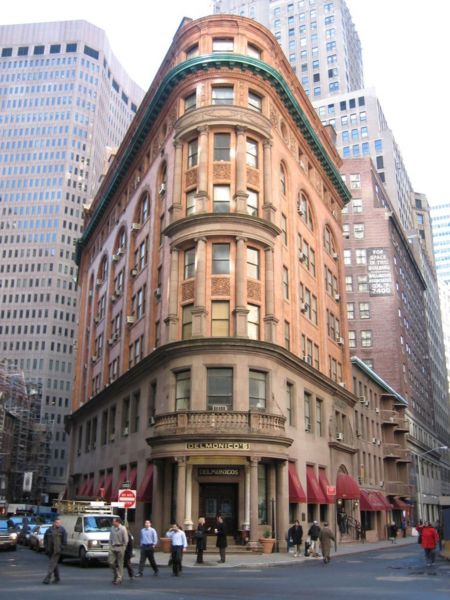
The Delmonico building today, with alleged Pompeiian column intact. Although the current incarnation has nothing to do with the original, but you can still get a few of the famous Delmonico dishes there.

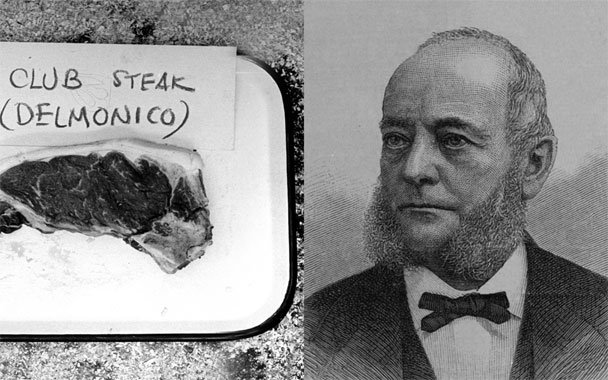
Lorenzo Delmonico, the inspired and flamboyant owner during the restaurant’s heyday

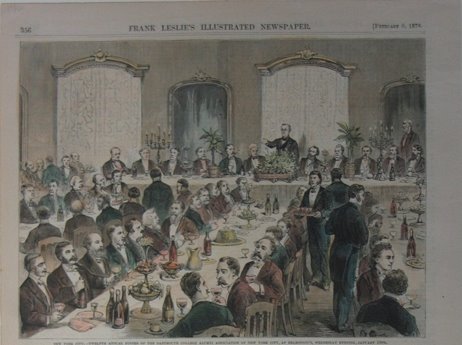
A dinner at Delmonico’s from 1876, in this case the “Twelfth Annual Dinner of the Dartmouth College Alumni Association of New York City” Fancy!

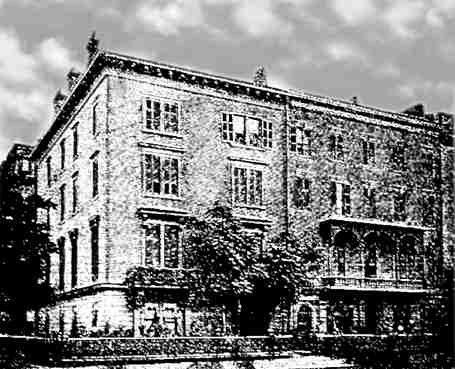
The location at 1 E. 14th Street

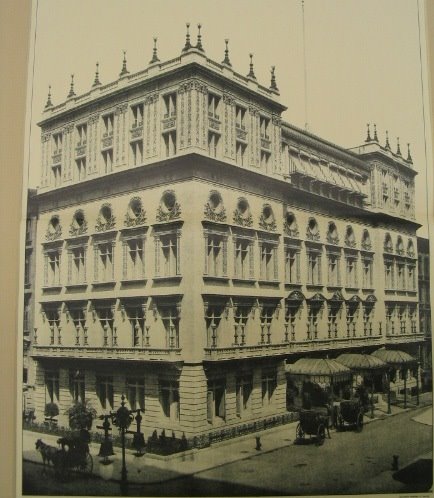
The ‘uptown’ location at Fifth Avenue and 44th Street

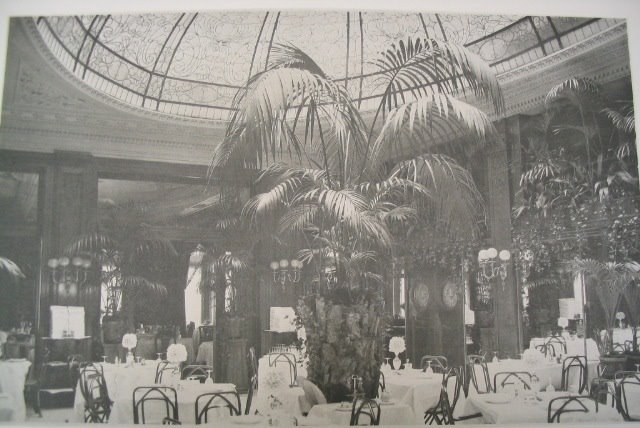
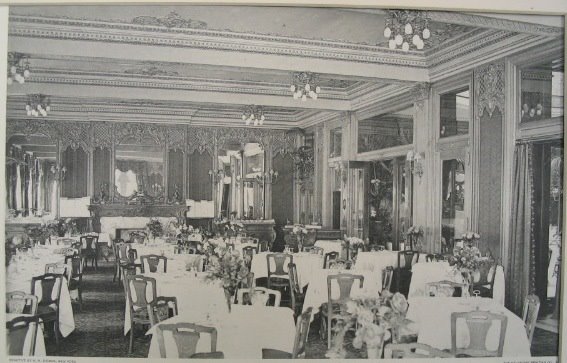
Inside the ‘Palm Garden’ dining room, at the Fifth Avenue location, upstairs…

…and downstairs

Alessandro Filippini, head chef of Delmonico’s during the 1850s

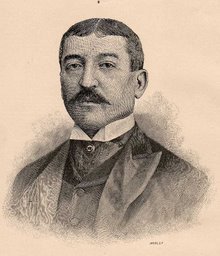
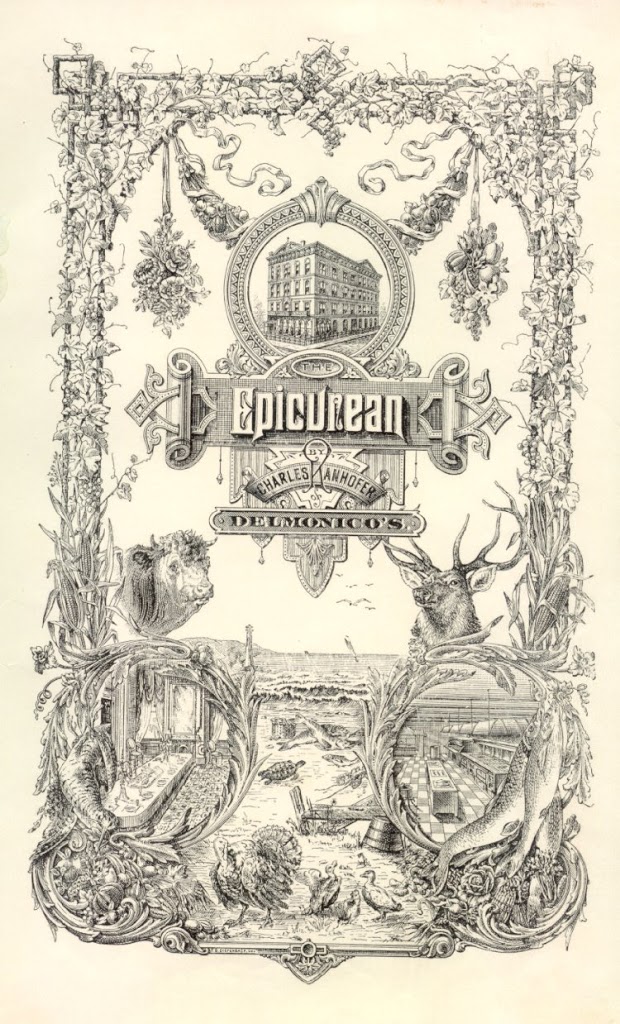
Chef Charles Ranhofer, in the kitchen of Delmonico’s from 1862 to 1896, threw 3,500 of his favorite recipes into his seminal 19th Century cookbook The Epicurean
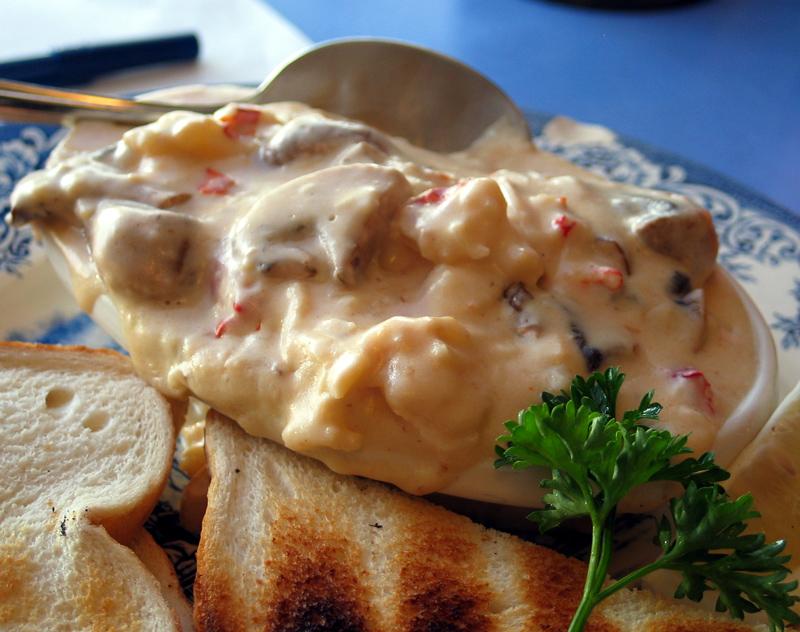
A heaping plate of Lobster Newberg

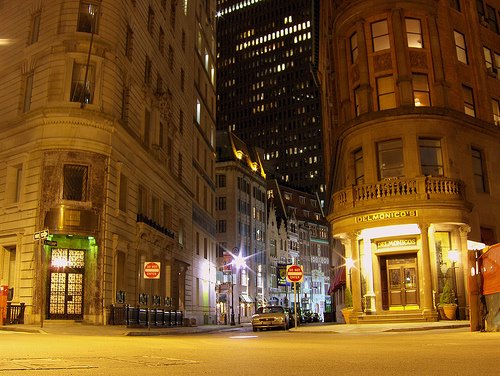
The current Delmonico at night

Categories
It's Showtime Podcasts
PODCAST: The Glory of Carnegie Hall

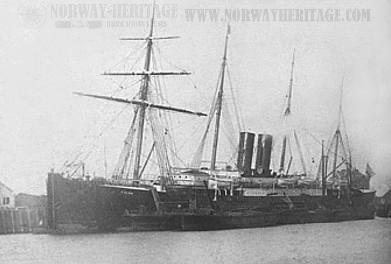
How do you get to Carnegie Hall? Well, we can at least show you the way through its tumultuous history, from a fortunate meeting on a Norwegian cruise ship, passed a symphonic rivalry, and into the 20th Century with some of the biggest names in classical and popular music.

Listen to it for free on iTunes or other podcasting services. Or you can download or listen to it HERE

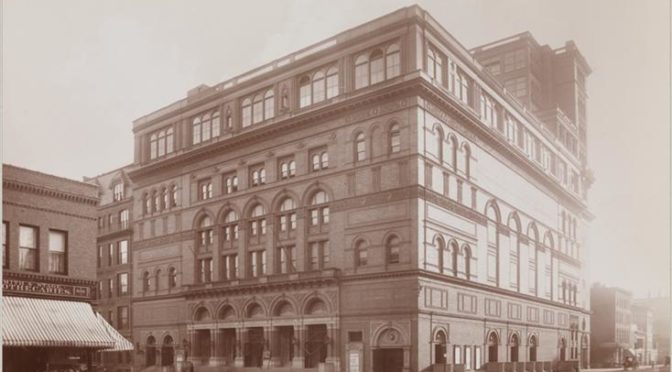
The Hall in 1895

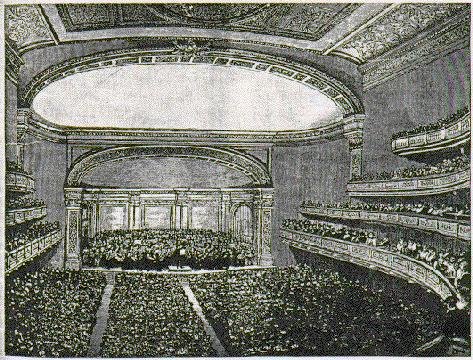
A crude sketch of Carnegie Hall on opening night, illustrating how simply packed it was

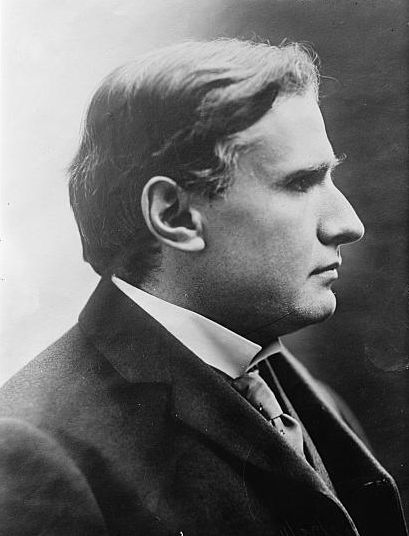
Walter Damrosch

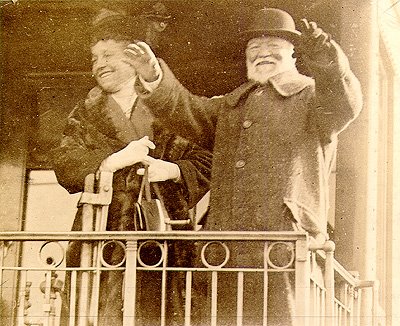
Andrew and Louise Carnegie in 1914

The steamship Fulda, where Damrosch and Carnegie had their fateful meeting

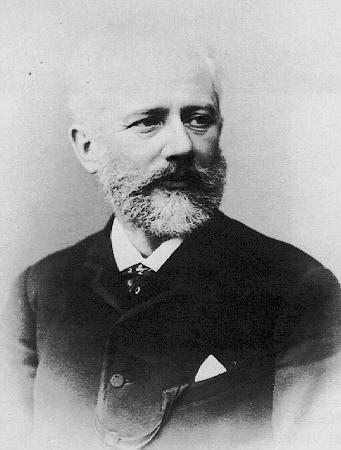
Pyotr Ilyich Tchaikovsky, ‘nervous’ but head intact, who gave one of his final performances on Carnegie Hall’s opening night

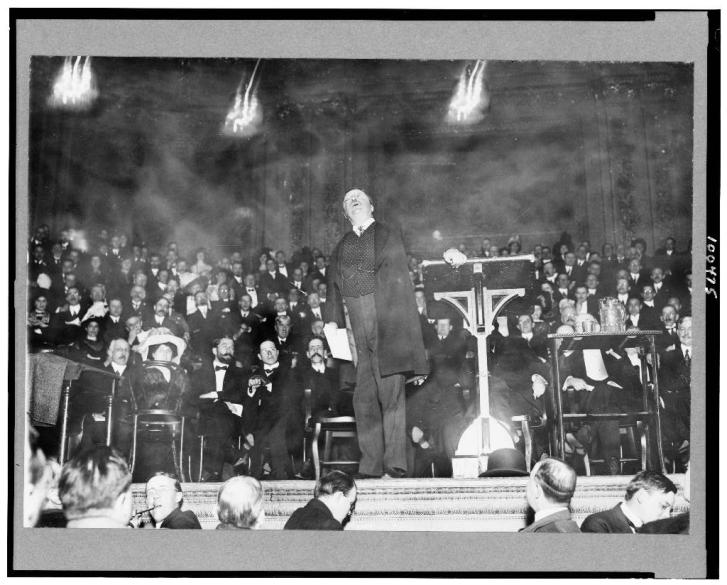
Teddy Roosevelt grandstands to a captive audience in 1912

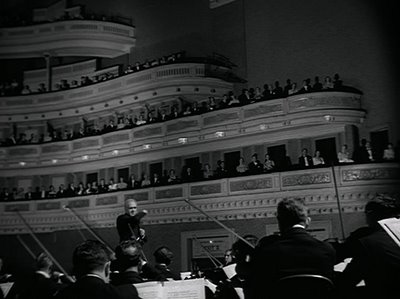
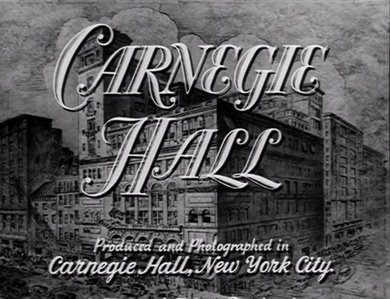
The interior, taken in 1947, for a feature film by Edgar G Ulmer titled Carnegie Hall, which featured performances by Artur Rubinstein and Lily Pons. Walter Damrosch makes a cameo in the film!

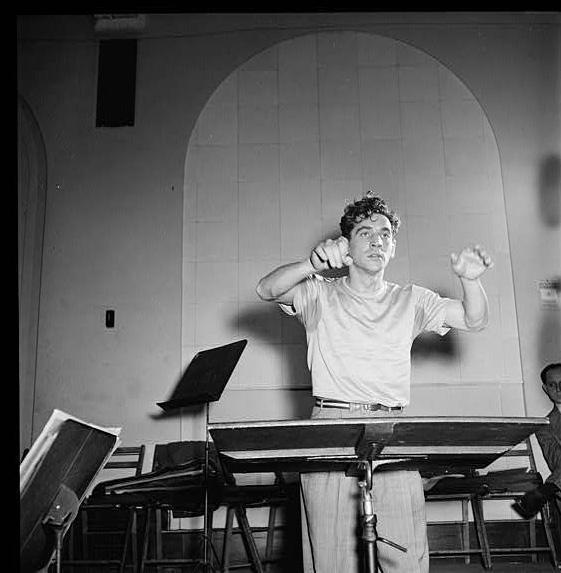
Leonard Bernstein, one of Carngie’s most enduring figures, seen here in a shot between 1946-48

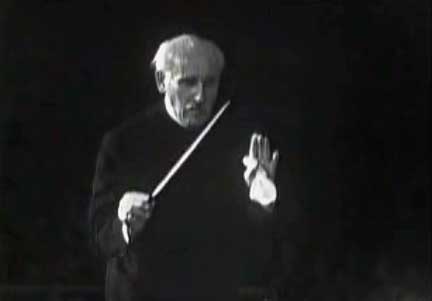
Arturo Toscanini was a regular here, in particular performing with the NBC Orchestra, bringing classical music to the new medium of television

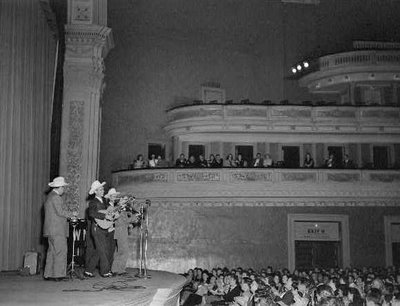
A long way from the Grand Ole Opry! Bob McCoy and Ernest Tubb brought country music to Carnegie back in 1947

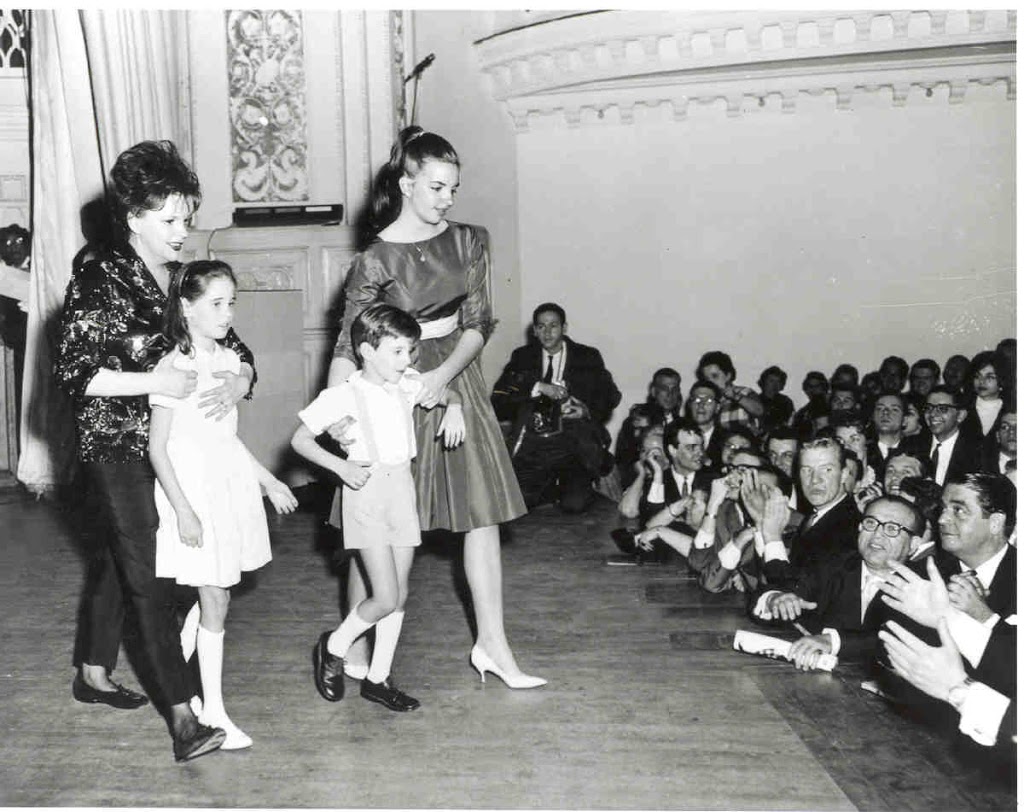
Judy Garland brings her family on stage. Young Liza would grow up and perform here as a superstar in her own right.

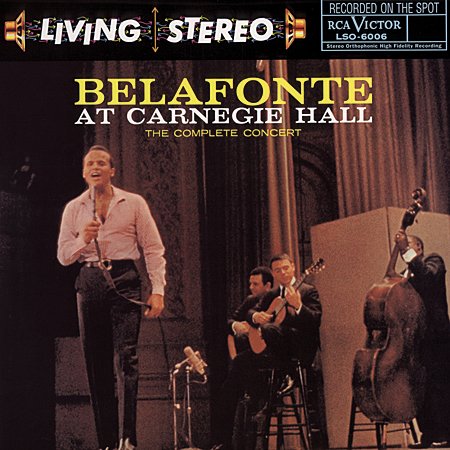
Dozens of performance have recorded live albums here, including Harry Belafonte, whose 1959 album (below) was such a success, he recorded another one the next year

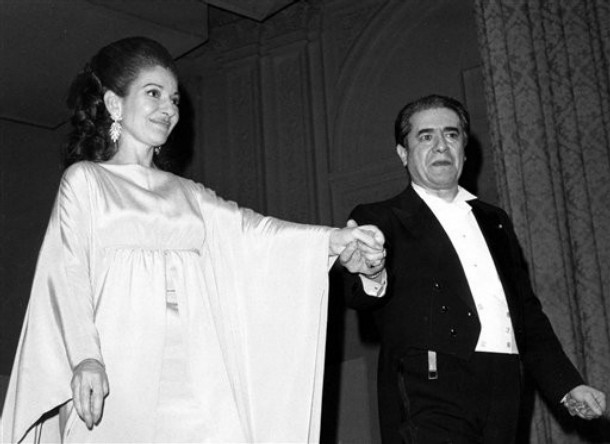
Maria Callas and Giuseppe di Stefano perform at a Carnegie Hall benefit in 1974. Callas would give a farewell performance on this stage.

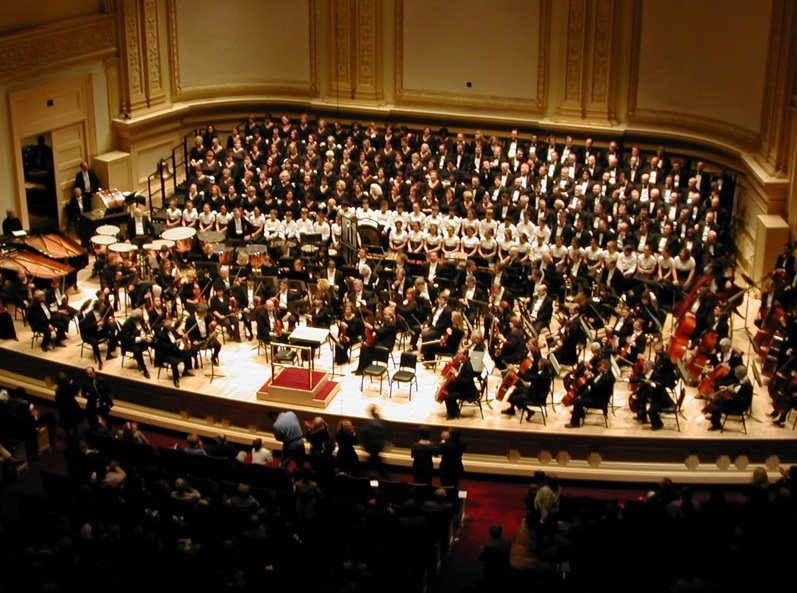
The Dallas Symphony and Chorus, in 2005. Most major-city symphonic and choral groups have made their way to the Carnegie Hall stage at one time or another

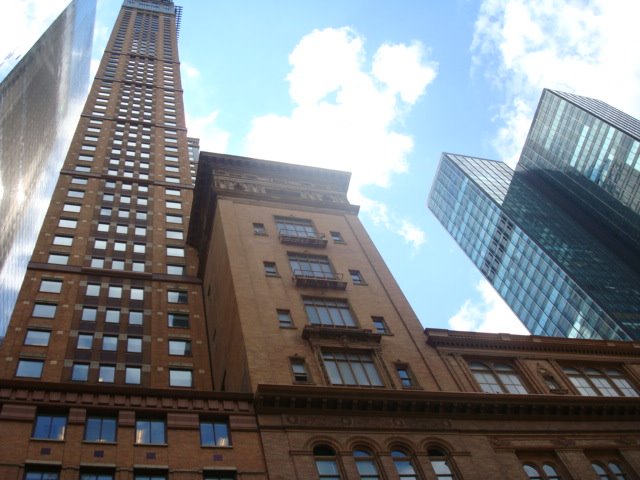
The Carnegie Hall Towers, rising nearby, were built in the late 1980s

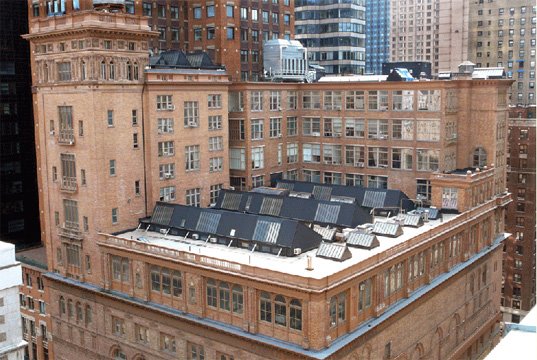
The top of the building, looking down at the famed Carnegie Hall Studios. A haven for artists, Carnegie Hall recently announced the studios were being transformed into music education facilities, an announcement not greeted kindly by some.

Categories
Podcasts Sports

PODCAST: Randall’s Island and the 1936 Olympic trials

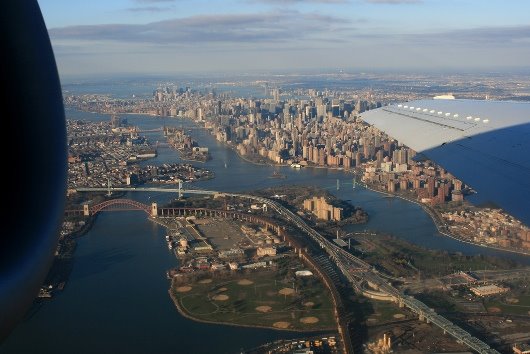
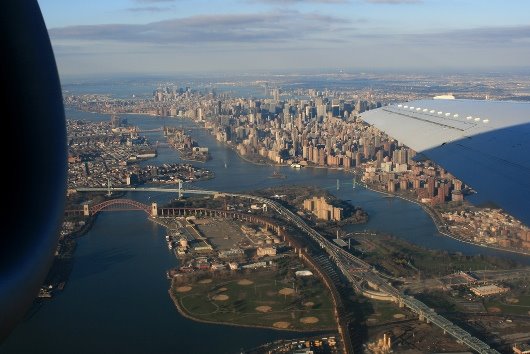
PODCAST The smaller islands of the East River reveal fascinating secrets of the city’s past, and Randall’s and Ward’s Islands are no exceptions.

Found out how these former potter’s fields are related to the most important Olympics-related event New York City has ever seen. The cast includes a swashbuckling British engineer, Jesse Owens, Tony Bennett, Franklin Delano Roosevelt, Fiorello LaGuardia, Robert Moses, and Pearl Jam!

2326150506_5987517b19

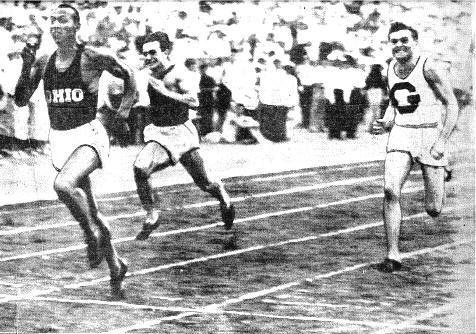
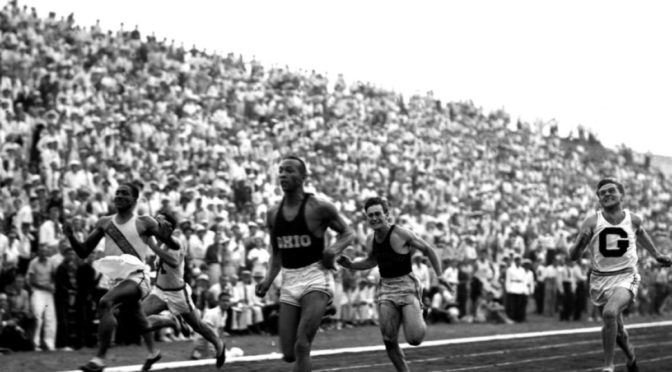
The Olympic trials at Downing Stadium not only made Jesse Owens (seen below in the 100 meter) into an athletic superstar, but the black and Jewish American athletes who qualified that day became an embarassment to the Olympic host city, Berlin, and Nazi leader Adolf Hitler.

jesse-owens

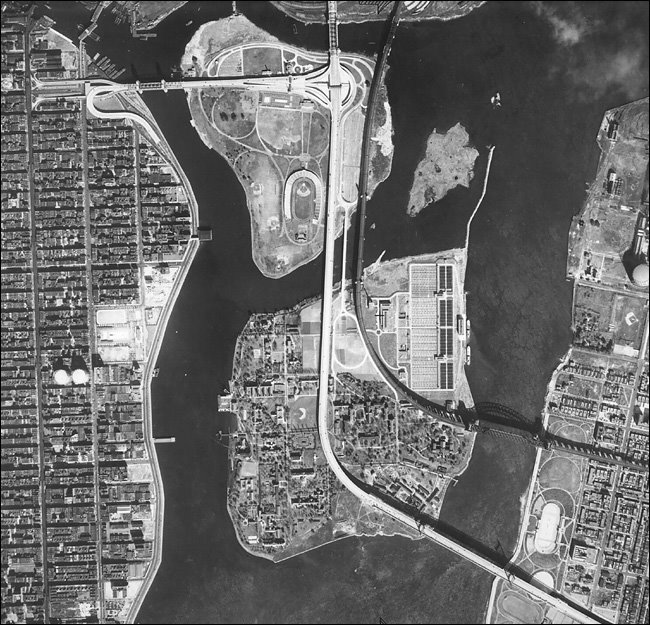
From a stock picture in the 40s, when Randall’s and Ward’s were still seperate entity and the Little Hell Gate was still a existing body of water.
1948-randalls-and-wards

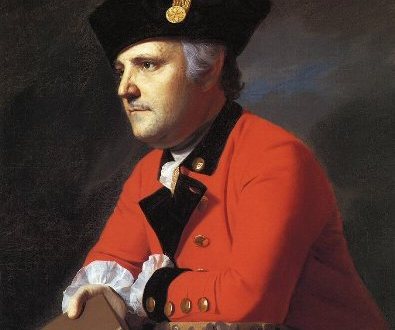
Engineer and interogator John Montressor, who owned Randall’s Island during British occupation.
montresor

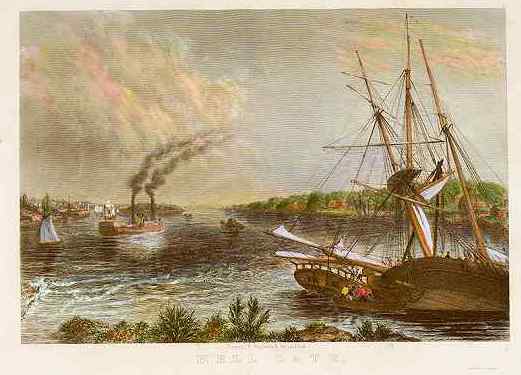
From a British print — the treacherous Hell Gate pass, as seen from ‘Great Barn Island’ (later to be known as Ward’s Island)

hell-gate-great-barn


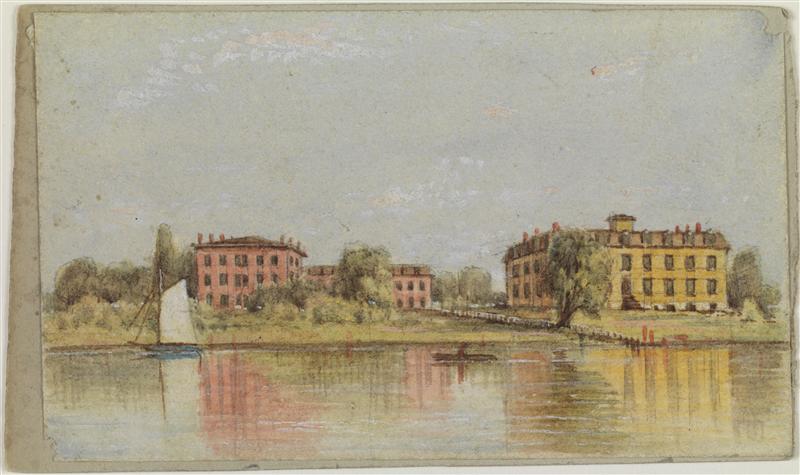
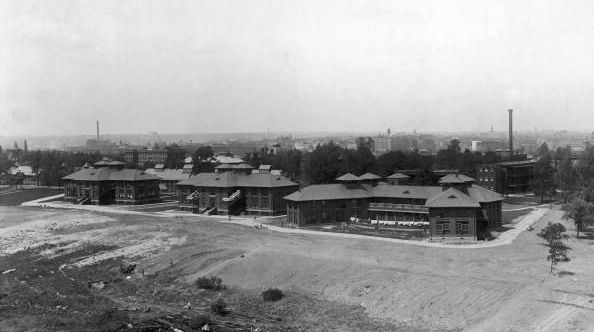
Two hospitals on Wards Island, 1880

Museum of the City of New York

A picture of the Infant’s Hospital on Randall’s Island, 1935

infant-randals

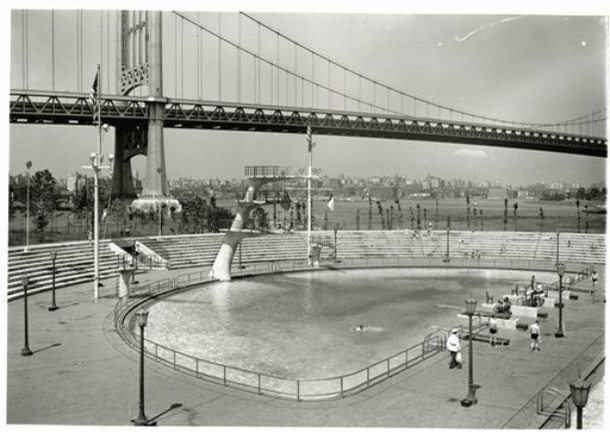
The Triborough Bridge as seen from Astoria swimming pool, circa the bridge’s date of birth — 1936

1936-Triborough-Astoria-Pool

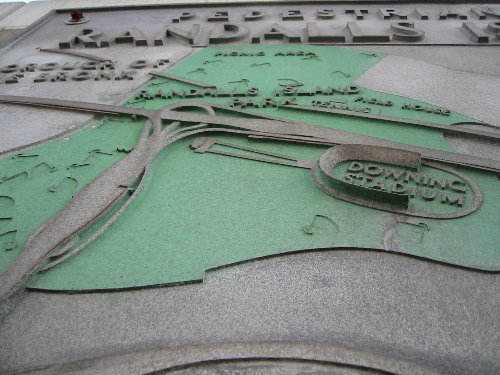
From on old tactile sign on the island, indicating the placement of Downing Stadium.

randalls
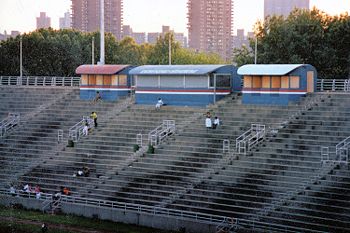
Downing Stadium, the later years.

downing

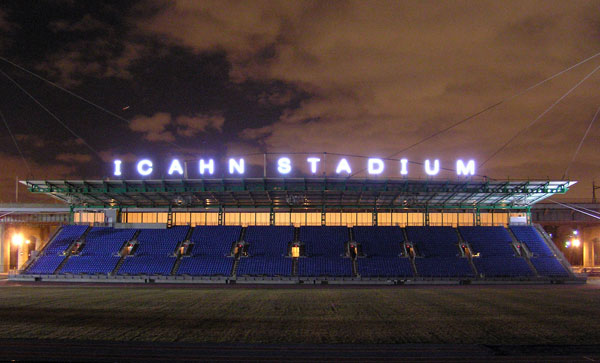
The spectacular new Icahn Stadium at night

2006-09-Icahn-Stadium_SloanLED

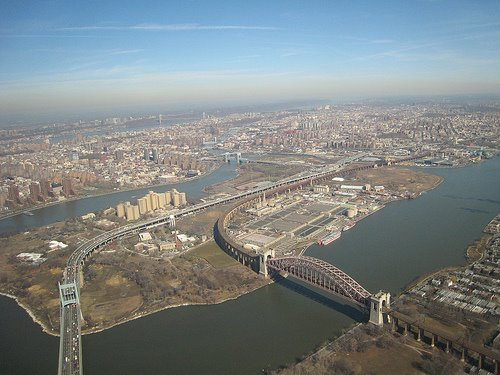
Another angle, with downtown Manhattan at top.

randallsisland

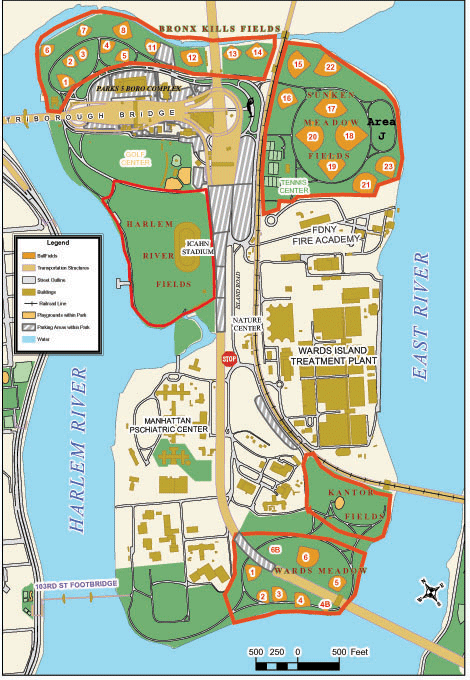
A current map of Randall’s and Ward’s.

current-map

Categories
Parks and Recreation Podcasts

PODCAST: The Evolution of Central Park

When last we left the Park, it was the embodiment of Olmstead and Vaux’s naturalistic Greensward Plan. Then the skyscrapers came. Also, how did all those playgrounds, a swanky nightclub, a theater troupe and all those hippies get here?

Listen to it for free on iTunes or other podcasting services. Or you can download or listen to it HERE

NOTE: Please forgive my butcher pronounciation of the word Jagiello in today’s podcast!

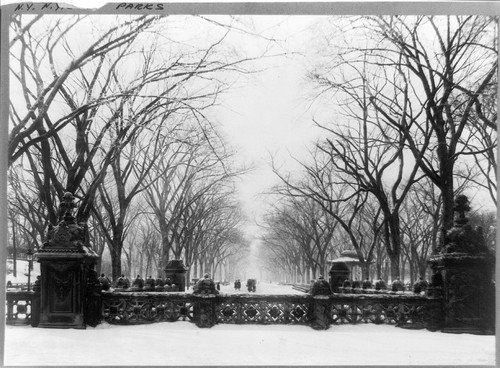
The Park in a wintry day in 1906:

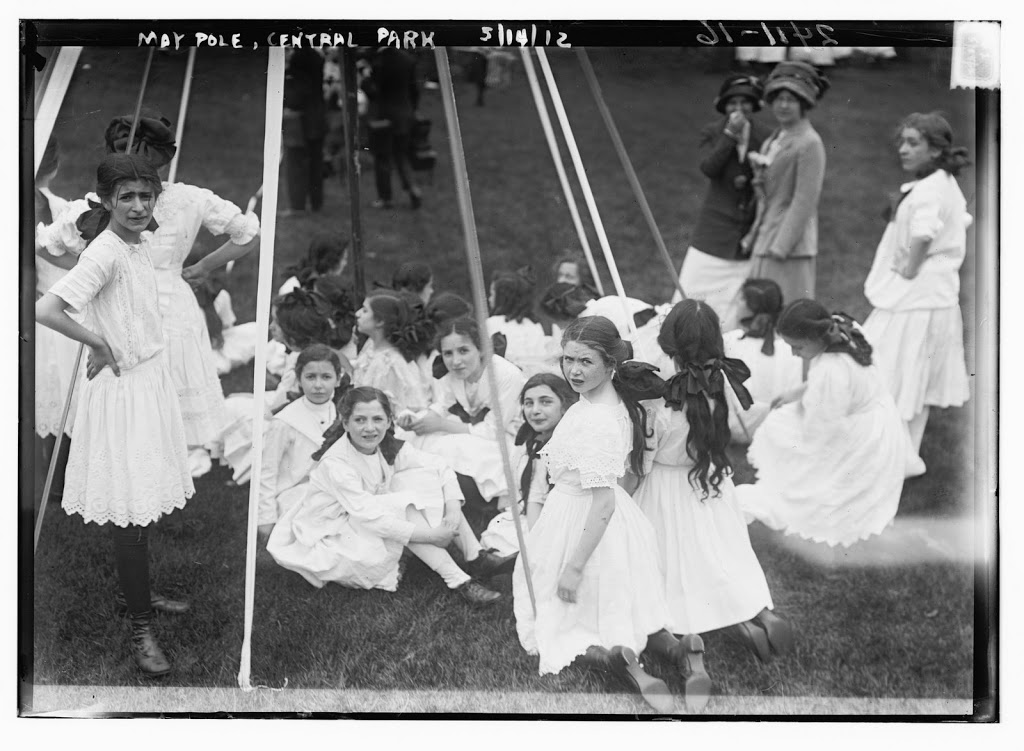
Children celebrate May Day in the park, circa 1912:

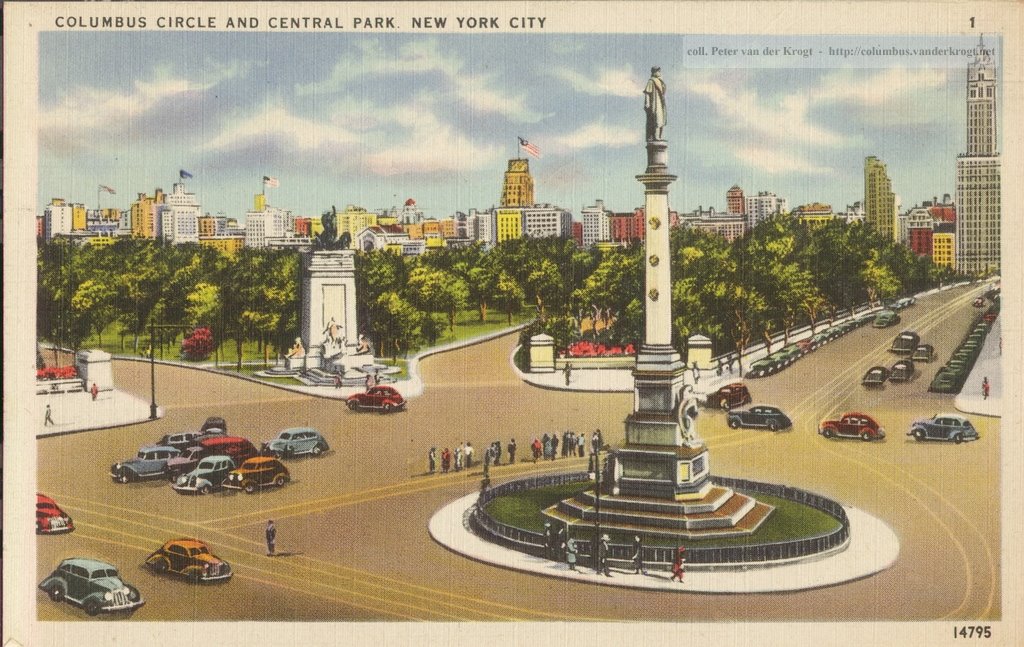
The southwestern entrance of Central Park, punctuated by Columbus Circle:

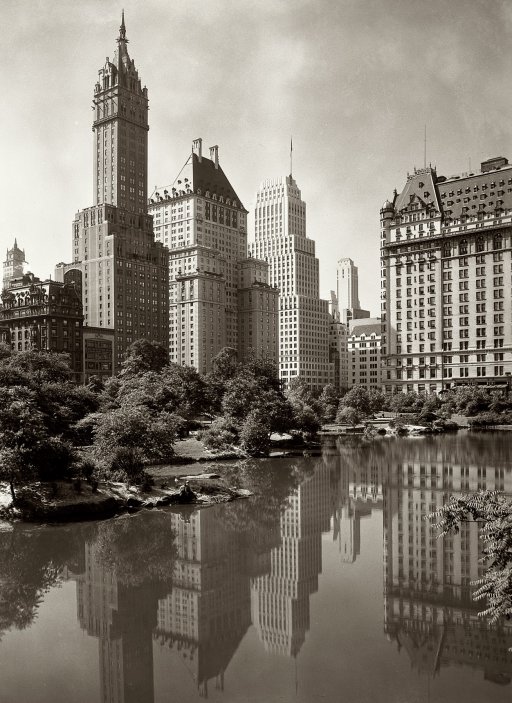
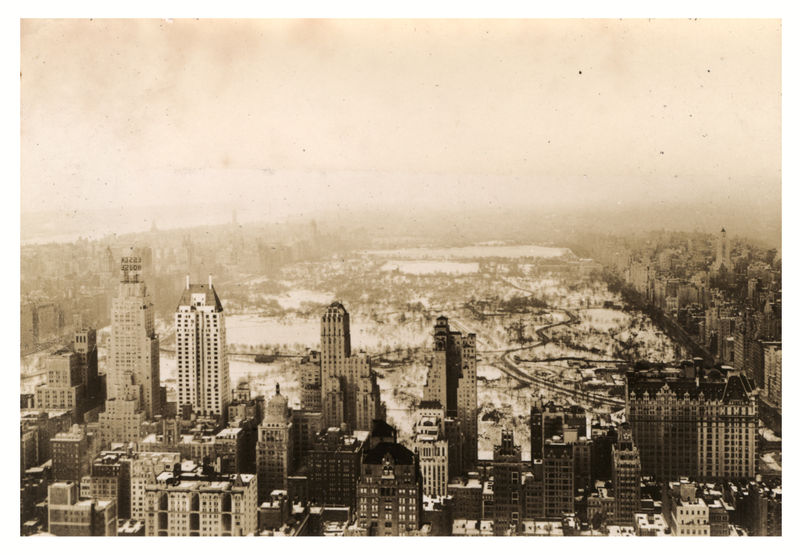
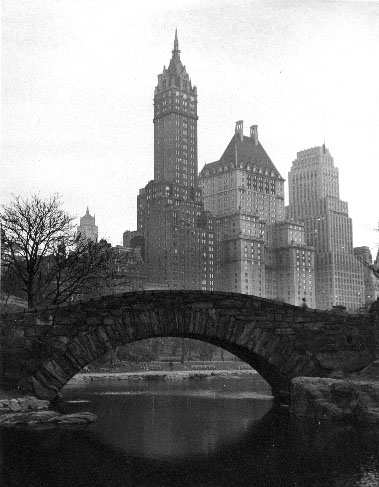
By the early 30s, the original dream of Central Park as ‘oasis’ was effectively destroyed by skyscrapers

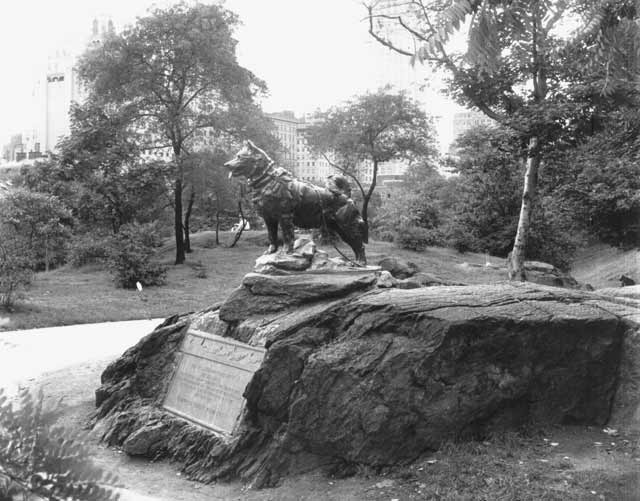
Balto to 1934, looking pretty much the same as he does today:

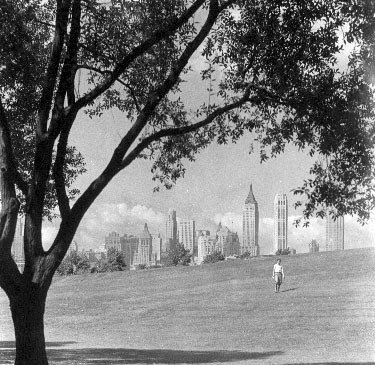
The skyline changes the horizon of Central Park. Here, in 1935:

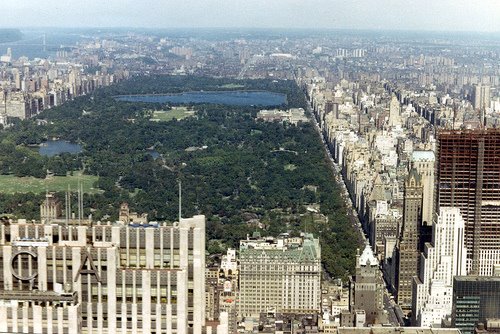
1967:

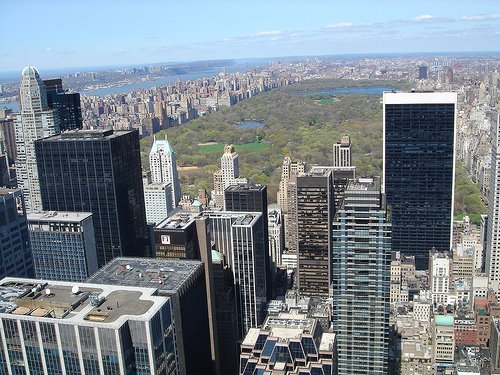
And today:

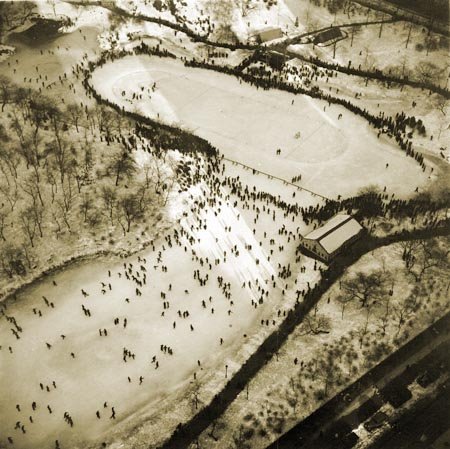
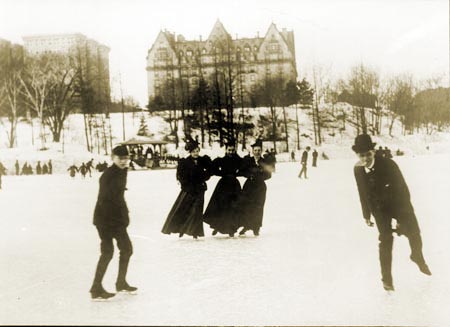
Ice skating, circa 1936

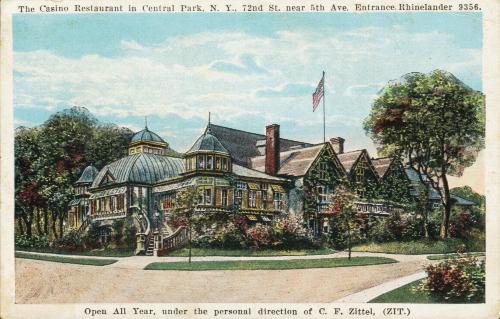
The Casino, which went from restaurant to nightclub during the 1920s. Demolished by Robert Moses, it became Rumsay Playfield and home of Summerstage

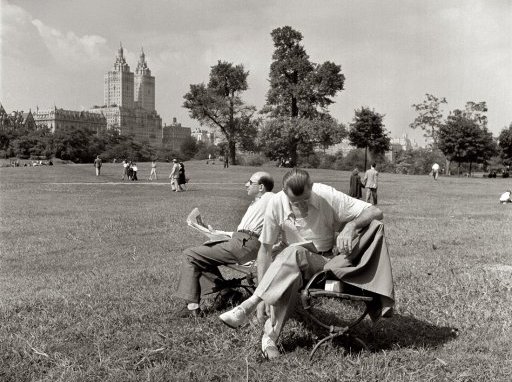
Ah, life was much simpler back in 1942 (well, in Central Park, anyway). The luxury San Remo apartments peeks from the background

By the 1950s, most of the Park’s modern features and lawns were built. It’s getting more difficult, of course, to find a corner of the park all your own.

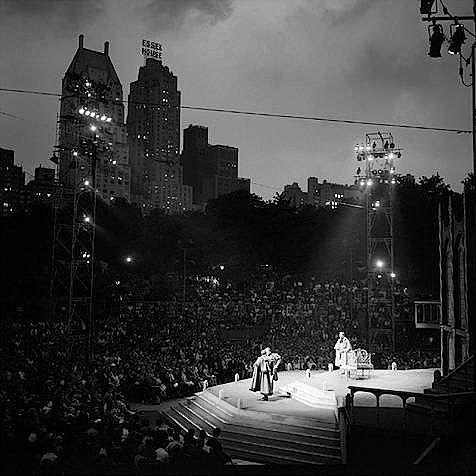
Joseph Papp brought Shakespeare to the park in the 1950s, but didn’t make a home of Delacorte Theatre until 1962

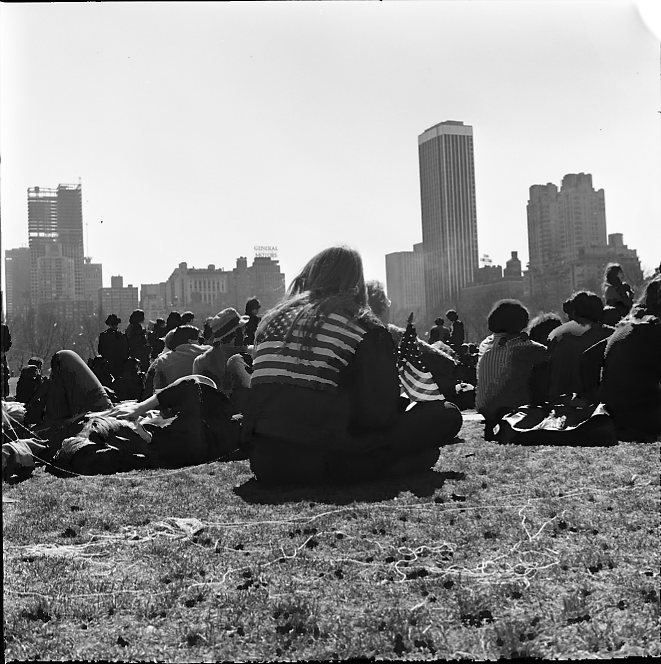
Park ‘happenings’ in the 1960s attracted thousands of people to partake in activities unheard of in the Olmstead days.

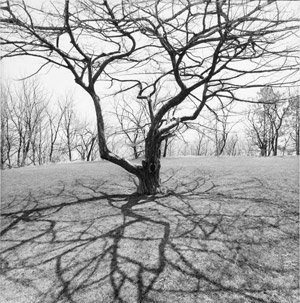
Central Park was a popular model for photographer Lee Friedlander, turning its natural beauty into striking patterns of abstraction

Categories
Podcasts

PODCAST: The Creation of Central Park

Above: Central Park’s first recreation was ice skating, almost as soon as the lake was completed in 1858. The Dakota Apartments look like a ski resort.

Come with us to the beginnings of New York’s most popular and most ambitious park — from the inkling of an idea to the arduous construction. Learn who got uprooted and find out who the park was REALLY intended for. On the 150th year anniversary of the design of Central Park!

Listen to it for free on iTunes or other podcasting services. Or you can download or listen to it HERE

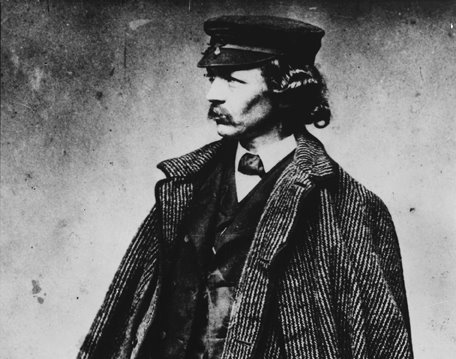
Frederick Law Olmsted, the brilliant and sometimes testy creator of the Greensward Plan, the basis for Central Park. As America’s go-to guy for park creation, Olmsted helped develop thousands of acres of public space in America, including the grounds of the U.S. Capitol, dozens of college campuses, and parks in Atlanta, Boston, Louisville and Detroit.

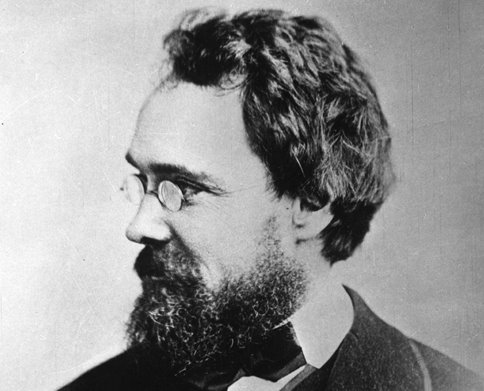
His British partner Calvert Vaux was a genius landscape architect in his own right. He and Olmstead would go on to also create Brooklyn’s Prospect Park. He’s particularly noted for personally designing Central Park’s more beautiful bridges, as well as the fanciful Belvedere Castle.

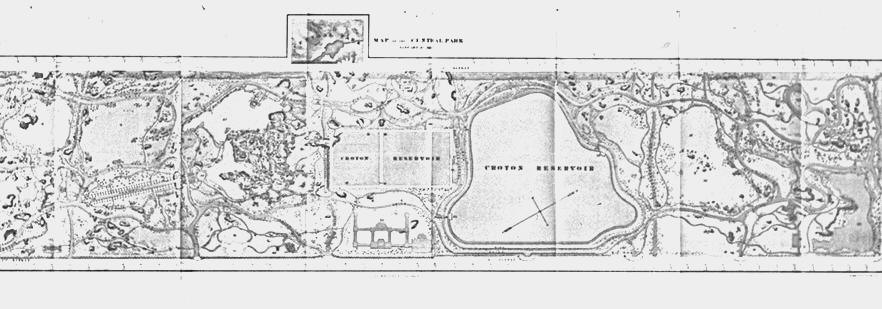
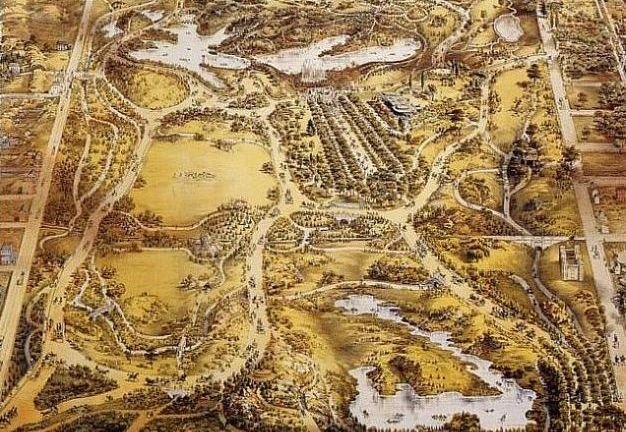
The original design of Central Park, circa 1857, informed by the upper and lower reservoirs and a noticable lack of structures. (Click on map for greater detail.)

From an original sketch of the Greensward plan, by Vaux

A brilliantly rendered lithograph of the Greensward plan (From an exhibit last month Celebrating Greensward.)

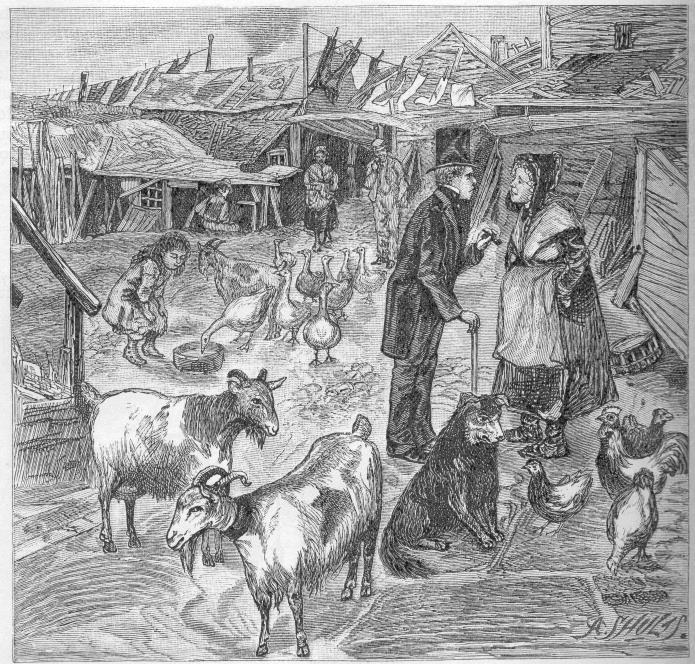
A sketching of some alledged ‘squatters’ in the lands that would eventually become the park. The reality of their situation was oftentimes far more complex.

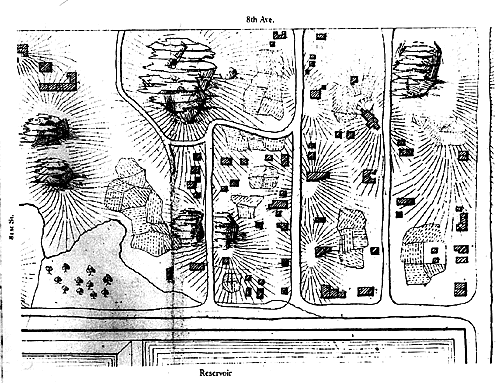
A map of Seneca Village (with Eighth Avenue at top), the small town of African-American property owners that was swept away with the building of the park

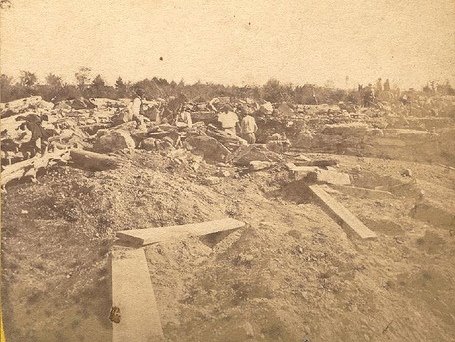
A rare photo of some rather unsightly construction in the park, circa July 1863

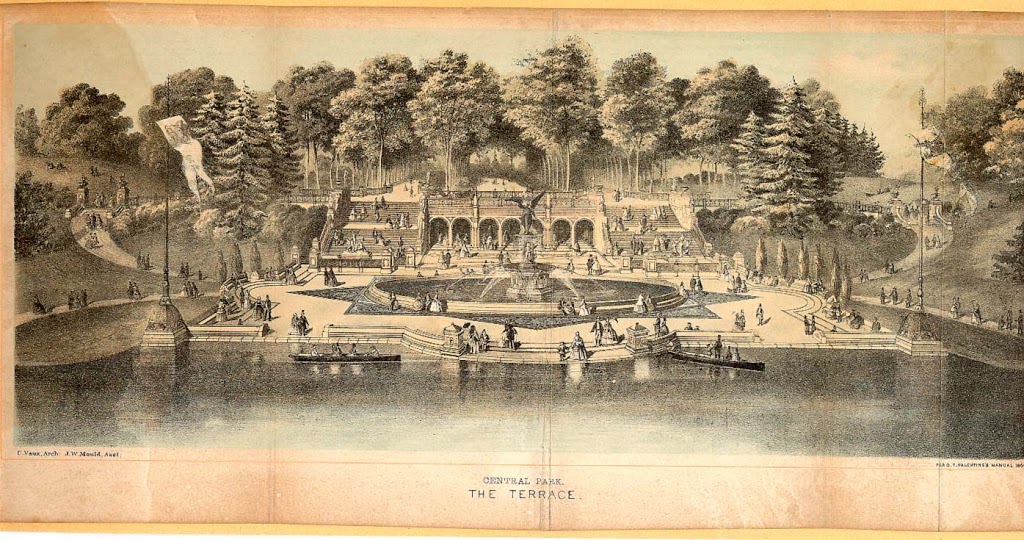
An illustration from 1864 of the Bethesda Terrace (click on the picture for greater detail)

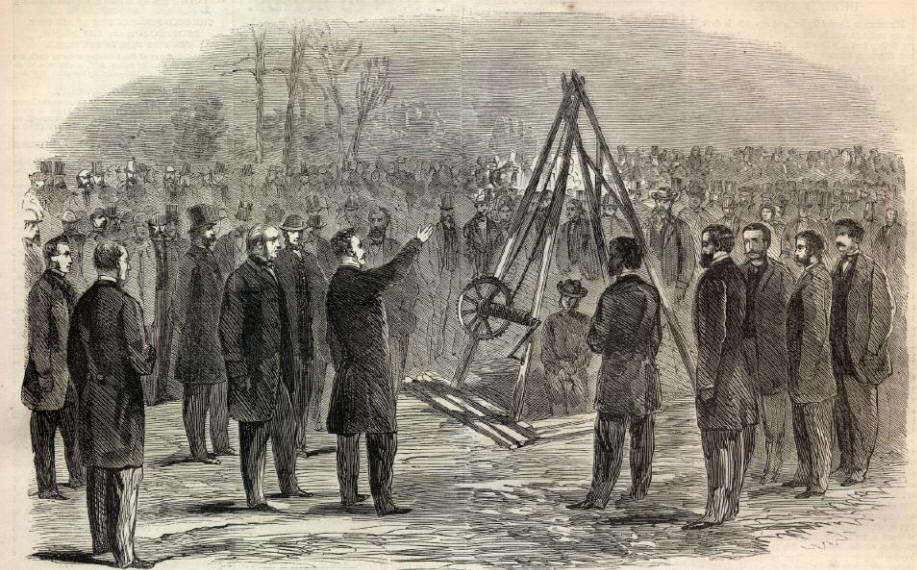
The original plan for Central Park included no monuments, and Olmstead wanted it that way. Still, by 1864, they were already hoisting up a tribute to William Shakespeare. In the picture below, the cornerstone is being laid on the 300th anniversary of Shakesspeare’s birthday, April 23

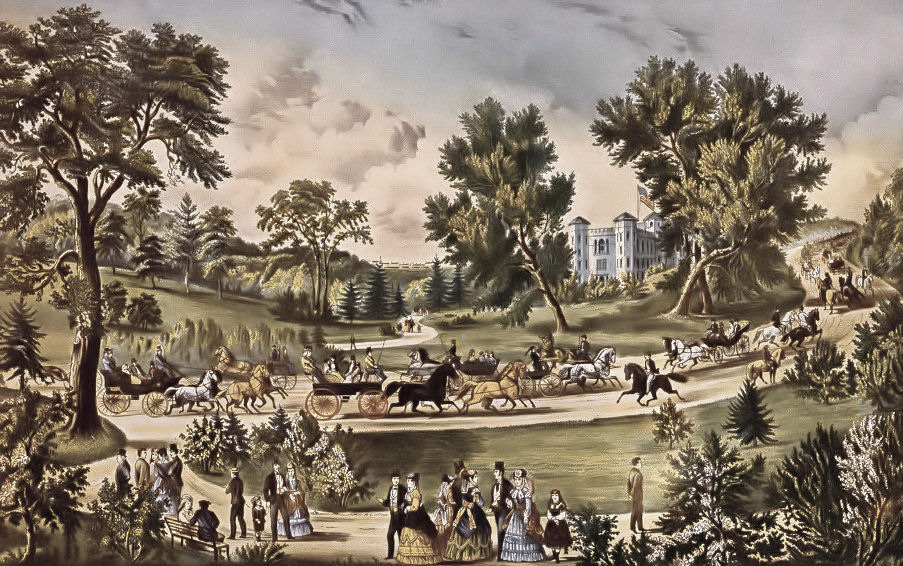
By 1869, the park had been taken over by elite New Yorkers, who could afford to ride through on their carriages. (Click for details of this rich picture.) In the background is the old Arsenal, which tranformed into the Central Park Zoo in later years.

Check out our older podcast on the Central Park Zoo and accompanying photographs.

Categories
Podcasts

PODCAST: McSorley’s Old Ale House

Grab yourself a couple mugs of dark ale and learn about the history of one of New York City’s oldest bars, serving everyone from Abraham Lincoln to John Lennon — and eventually even women!

Listen to it for free on iTunes or other podcasting services. Or you can download or listen to it HERE

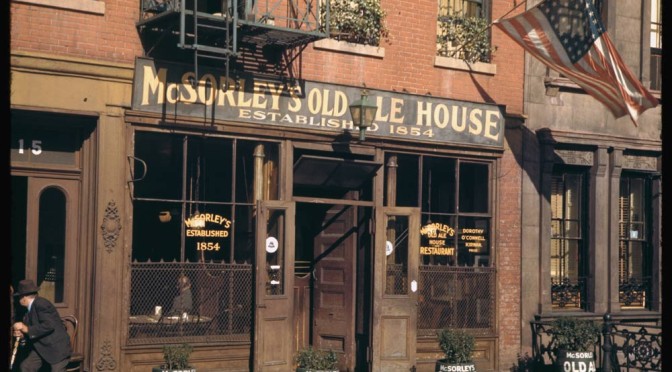
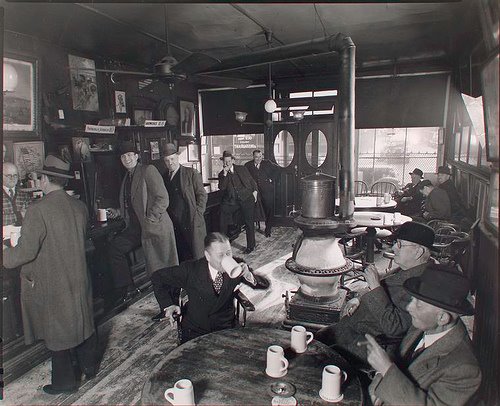
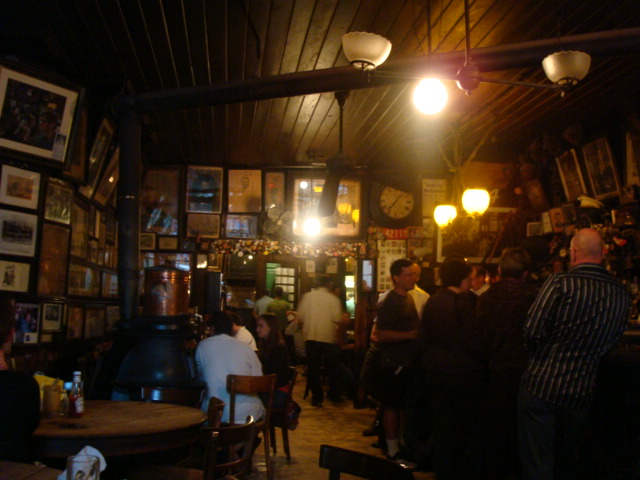
McSorley’s through the ages. Here’s one from 1937:

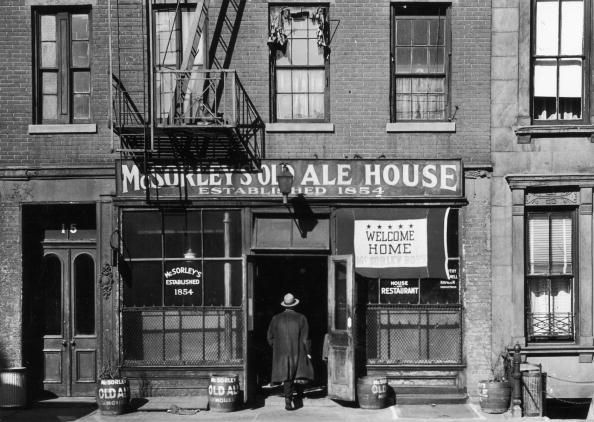
The outside from 1945

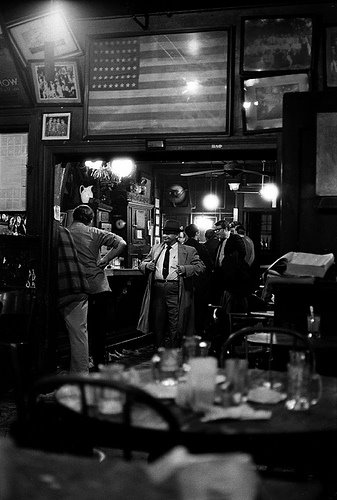
1969:

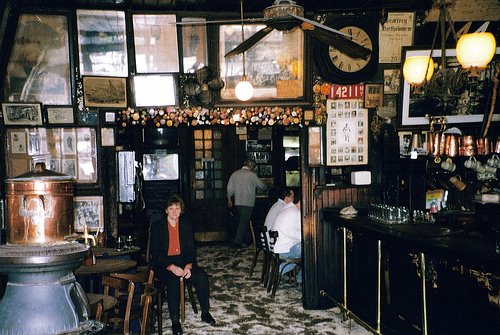
1998:

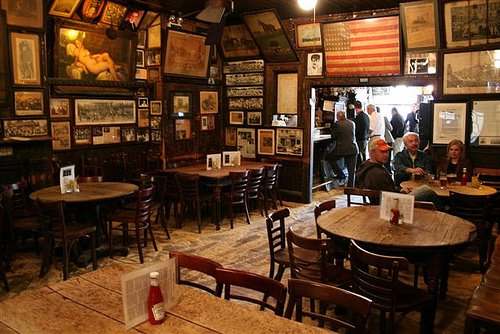
And McSorley’s today

The backroom:

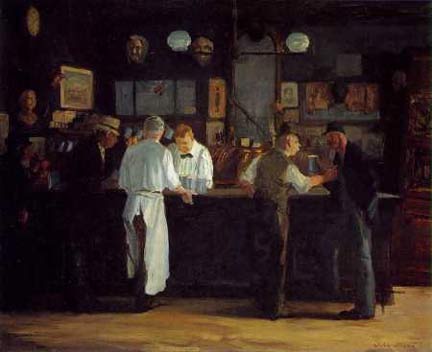
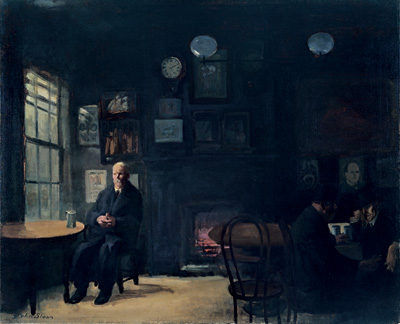
Two of John Sloan’s most famous works, with McSorley’s as its subject:

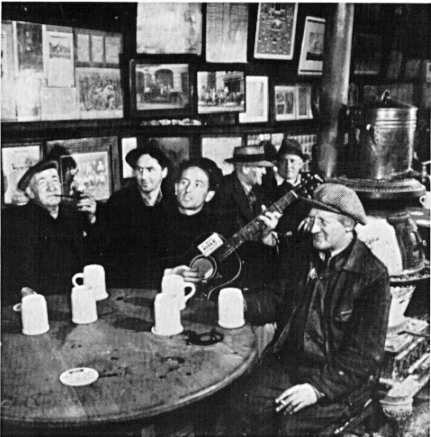
Woody Guthrie hams it up by the coal burning stove.

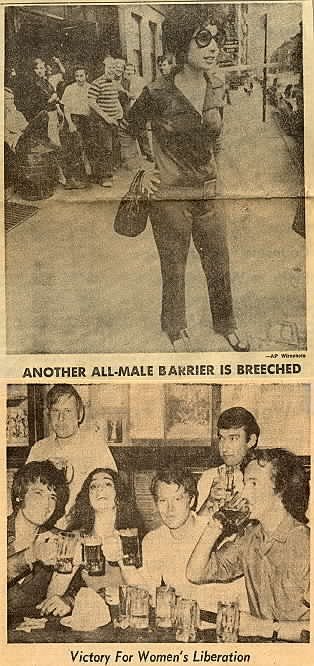
Women win the right to vote: dark ale or light ale!

Categories
Podcasts

PODCAST: Collect Pond and Canal Street

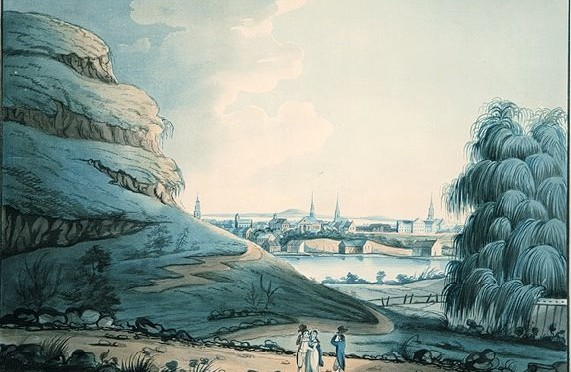
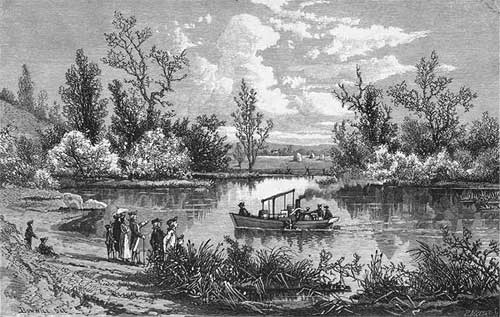
Collect Pond (and what I assume to be Bunker Hill) as depicted in watercolors by artist Archibald Robertson in 1798

We celebrate a year of New York City history podcasting by re-visiting the topic of our very first show.

Downtown Civic Center used to have a big ole pond in the middle of it which provided drinking water for the island’s first inhabitants.

What happened to it, why is it important today and how did it give rise to Canal Street, New York’s biggest traffic thoroughfare?

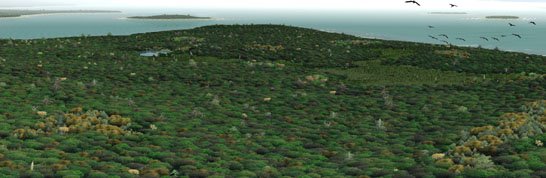
From the Mannahatta Project, a visualization of downtown Manhattan, with Collect Pond and acres of forest

Hard to believe, but this is downtown Manhattan and Collect Pond

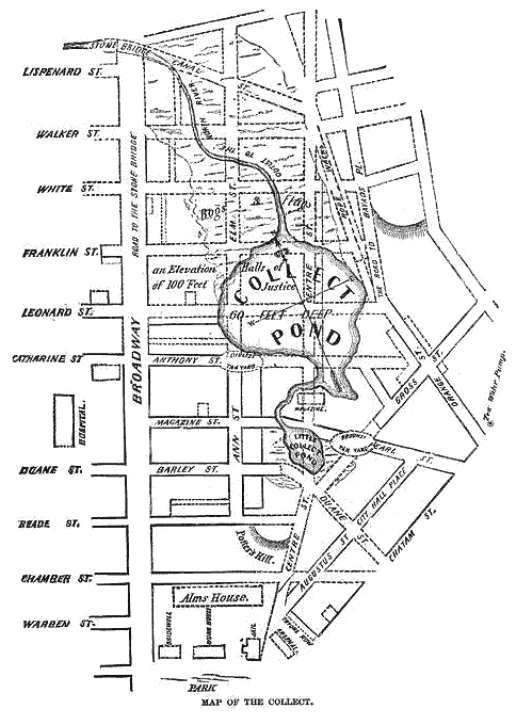
An early 19th century map of Collect Pond and the streets that usurped it. (Click into it to see details.)

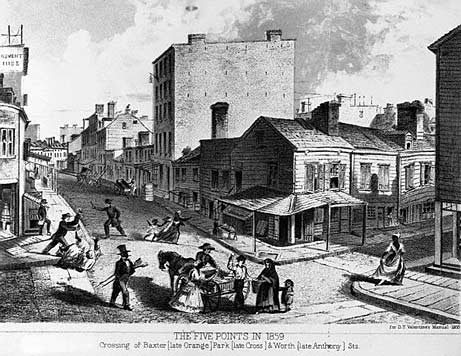
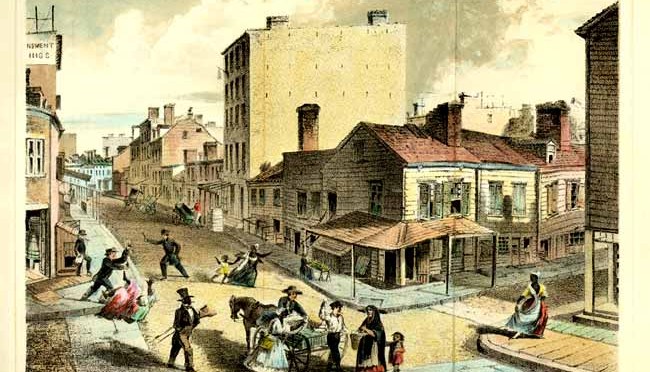
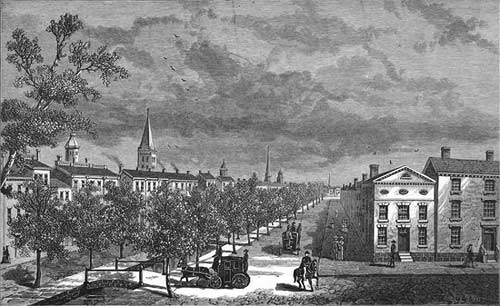
A mid-century depiction of Five Points, this corner in particular being where Paradise Square sprang up, an ambitious residential project doomed by soggy land and noxious odors

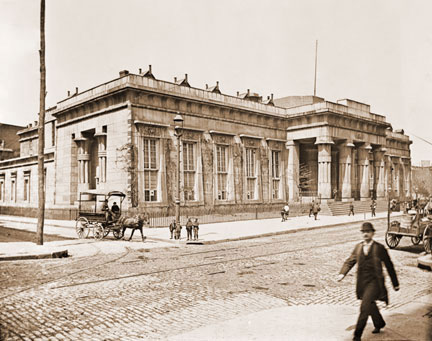
The Tombs Prison, in 1890, before being condemned. Its squalid conditions are legendary and are due in part to unsatisfactory construction over the former Collect Pond area

The early days of Canal Street. The actual foul-smellin canal was concealed with a row of lovely trees shielding the new tenements and businesses surrounding it

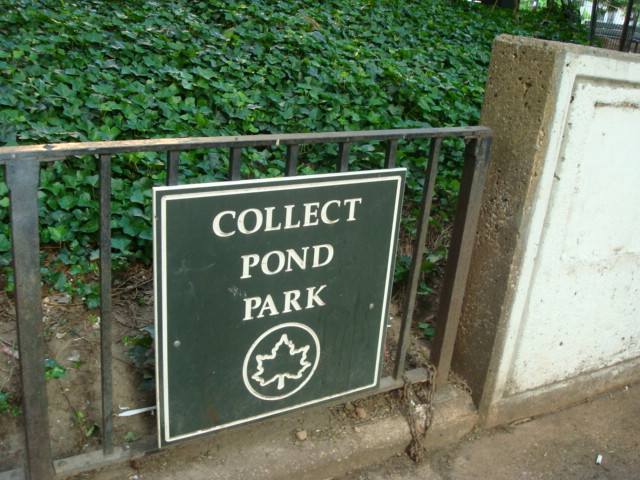
A tiny park surrounded by government buildings pays homage to the early (and far more natural) days

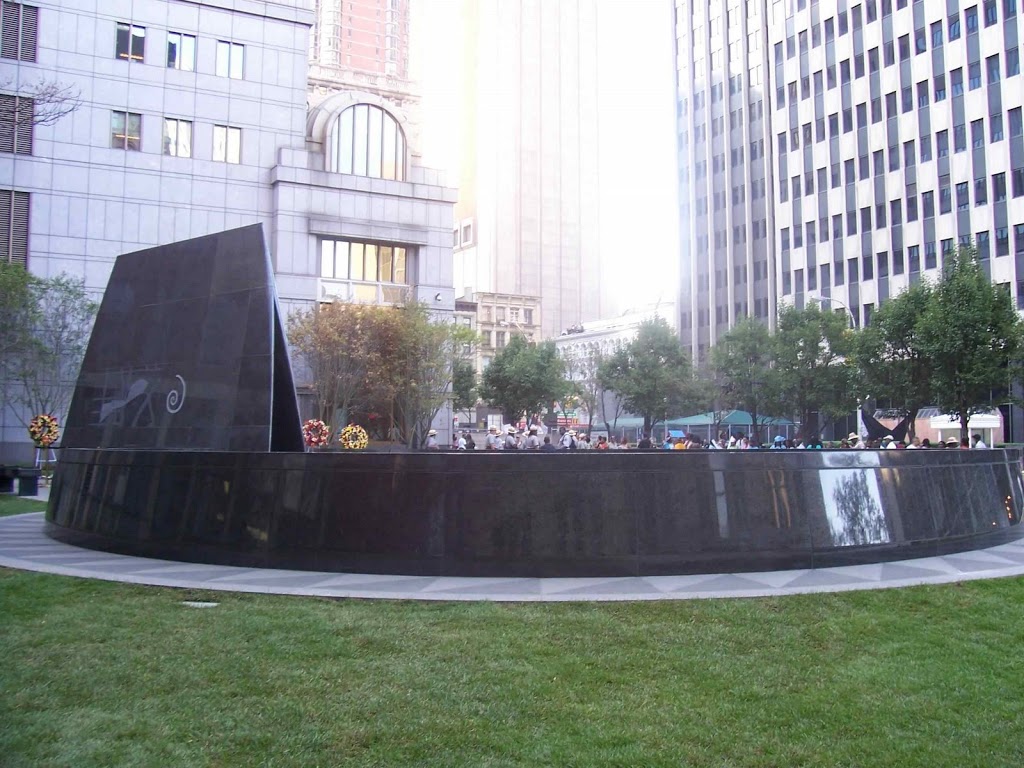
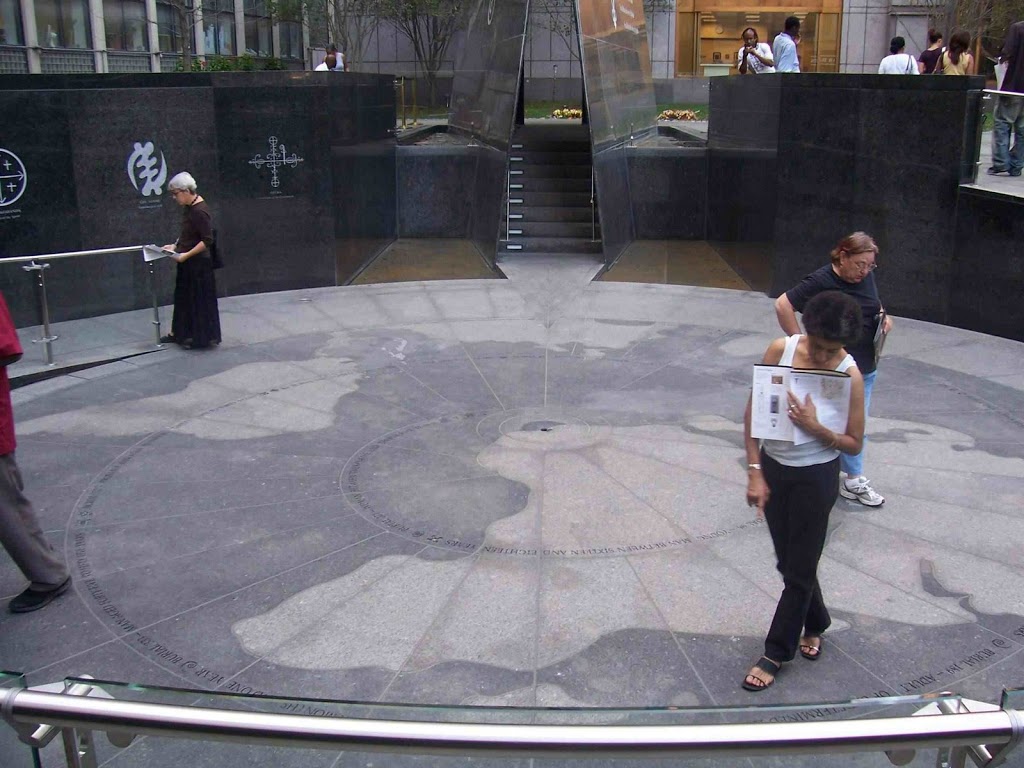
The most dramatic reminder of the neighborhood’s early days, however, is the African Burial Ground Memorial, which opened last year

Categories
Podcasts Uncategorized

PODCAST: LaGuardia Airport

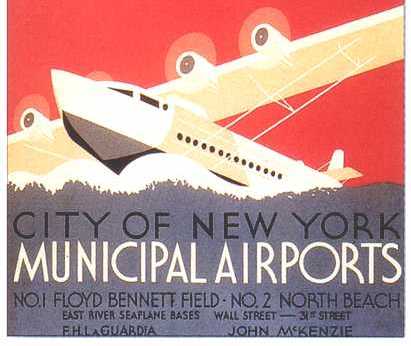
We embark on the tale of the birth of New York City flight — featuring a Wright brother on Governor’s Island, the site of a glue factory turned Brooklyn air strip, Queens’ forgotten first airport, and finally to the baby of mayor Fiorello LaGuardia.

PODCAST TAKEN DOWN TEMPORARILY, WILL BE REPOST SOON!

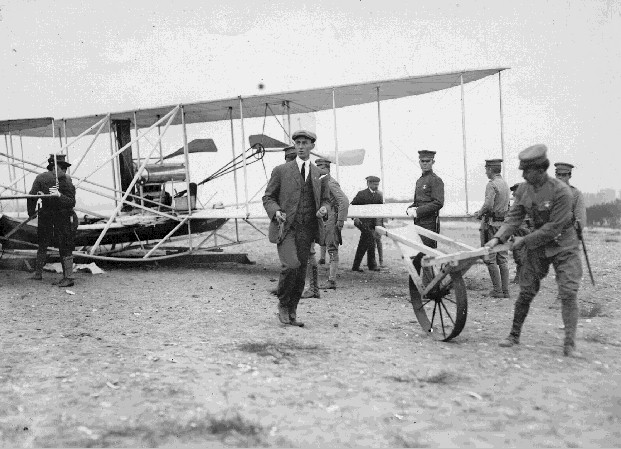
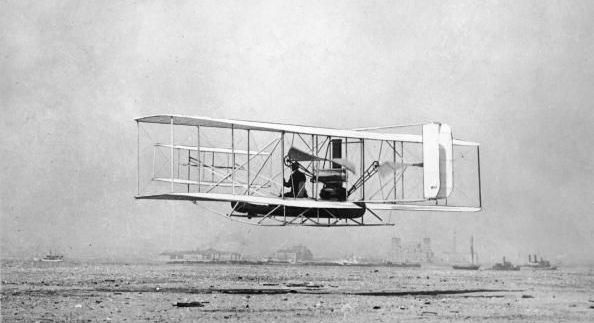
Wilbur Wright on Governor’s Island, preparing his plane for its historic flight

Wilbur Wright flying over New York Harbor. You can clearly see the canoe attached at bottom, the very first lifeboat.
(Photo by Hulton Archive/Getty Images)

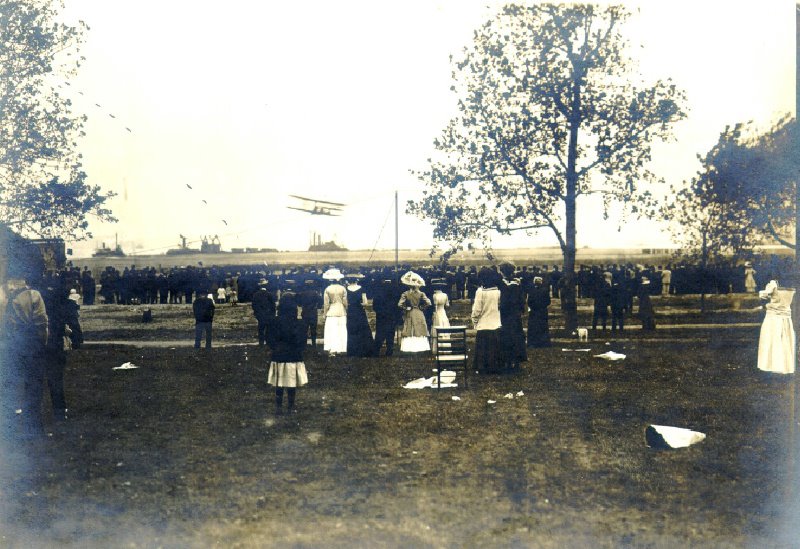
All of New York stood entranced by the waterfront as Wright took to the skies above the city.

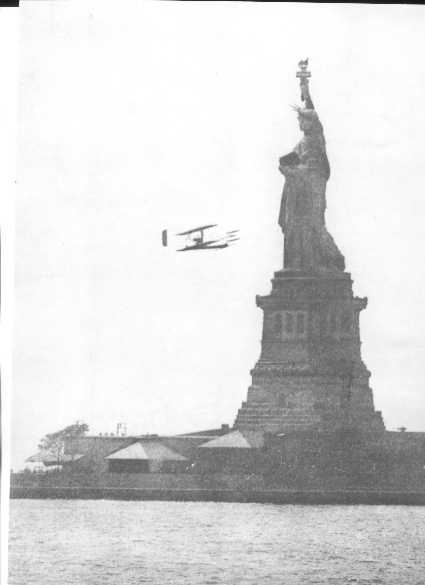
Wright’s first flight only took him around the perimeter of the Statue of Liberty. A voyage a few days later took him all the way up the Hudson River to Grant’s Tomb.

You can find a great many more pictures of Wilbur and his first New York flight at the website First To Fly. For more info on visiting Governor’s Island, go to their official website or check out our podcast.

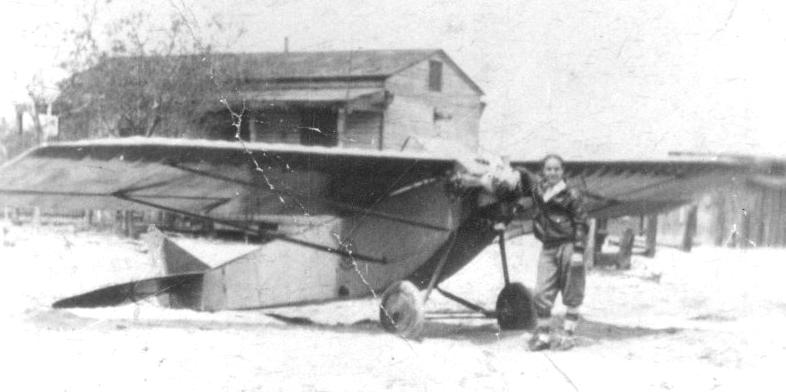
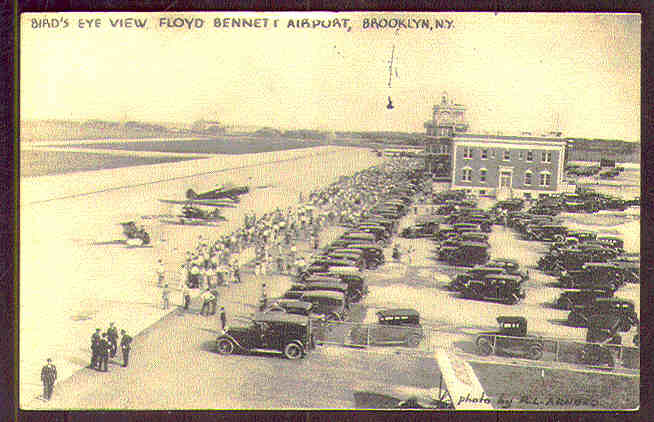
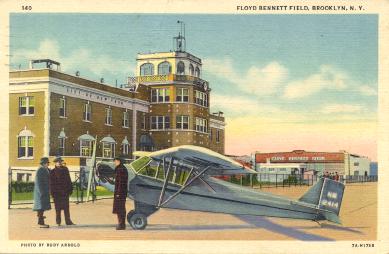
Before it was Floyd Bennett Field, a pilot named Paul Rizzo took joyrides from a tiny dirt airstrip here. This picture, from 1928-29, is of a 1924 monoplane. That may be Rizzo!

Floyd Bennett Field, too small for the growing size of commercial aircraft, but plenty big enough for the daredevils of early American aviation like Amelia Earhart, Wiley Post and ‘Wrong Way’ Corrigan

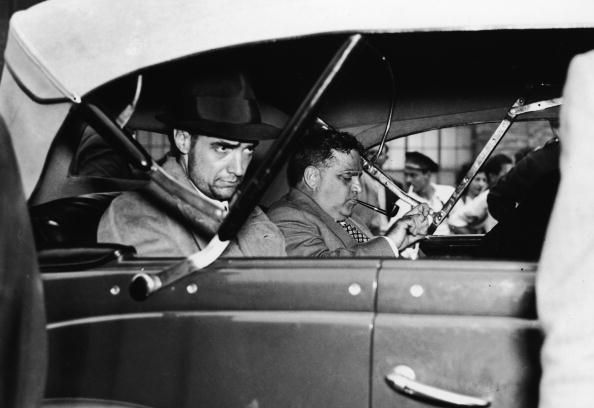
After his deathdefying around the world journey, Howard Hughes is personally escorted from Floyd Bennett Field by mayor Fiorello LaGuardia (Photo by Hulton Archive/Getty Images)

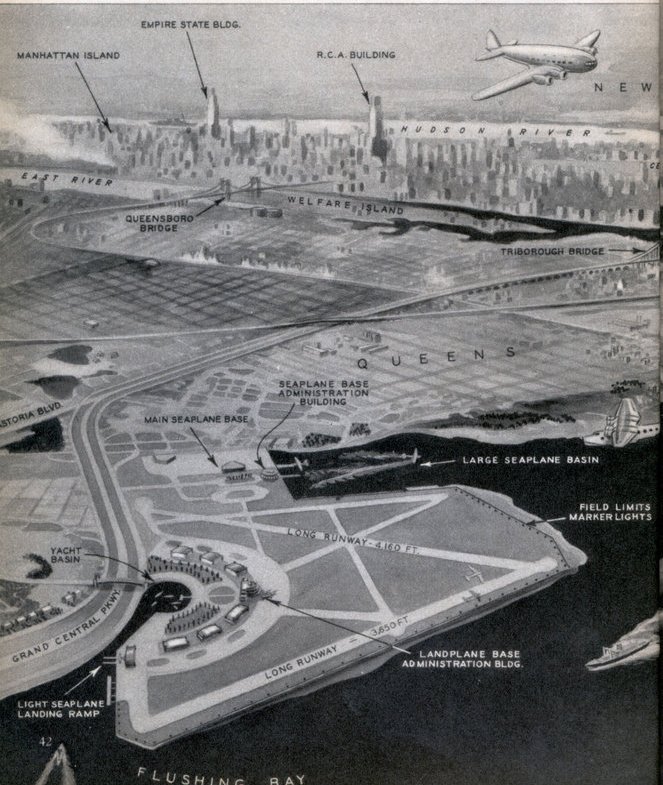
An early illustration from Modern Mechanix extoling the virtues of the new airport in Queens

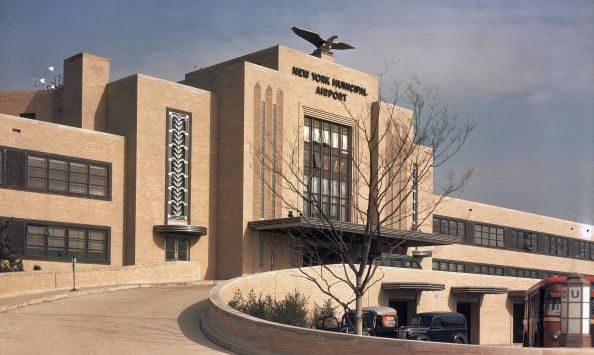
The old central terminal at LaGuardia, circa 1940

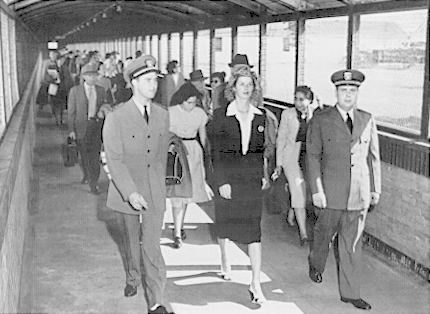
Passengers and crew arrive at a 1947 Laguardia airport terminal

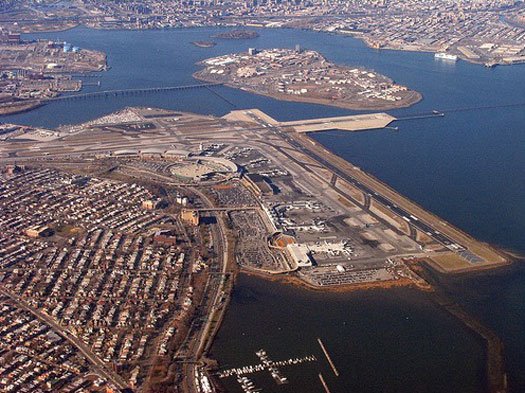
On overhead view of LaGuardia, highlighting its proximity to Rikers Island and the Bronx

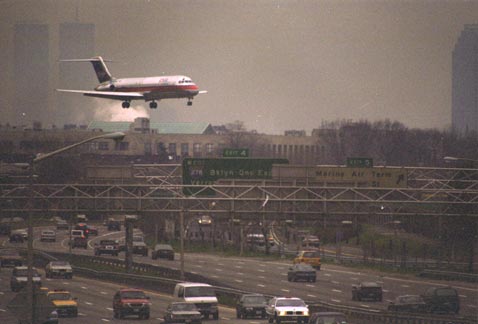
A picture that oozes congestion. From OddballNY

Forgotten New York naturally has some terrific photographs of what Flushing Airport and Floyd Bennett Field look like today.

CORRECTION: I have a massive brain freeze and incorrectly state that the RMS Lusitania was torpedoed by Nazis. Clearly, Nazis didnt exist in 1915. It was however, brought down by a German U-20 submarine during World War I. The corrected version is now available for download.

Categories
Podcasts

PODCAST: Barnum’s American Museum

You know PT Barnum from his circus, but he was bringing the freakshow to New York long before then. Come take a tour with us of the craziest museum to ever hit New York City.

Listen to it for free on iTunes or other podcasting services. Or you can download or listen to it HERE

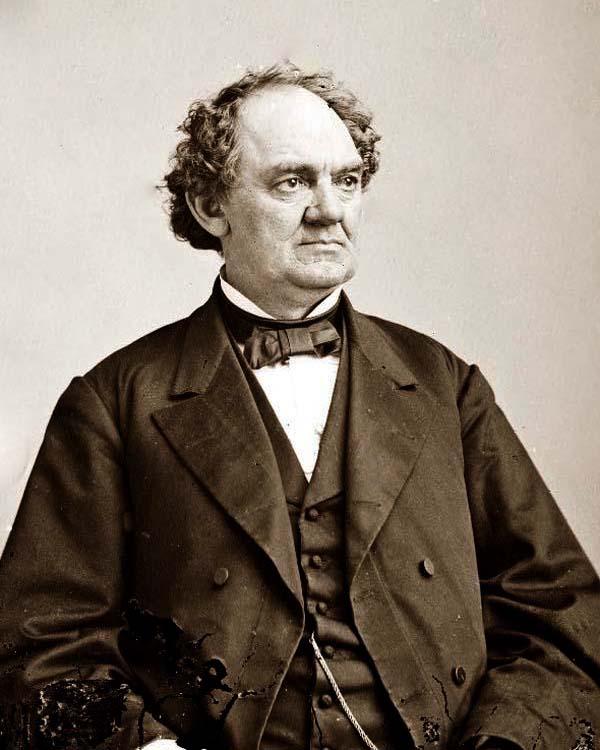
P.T. Barnum, godfather of the spectacle

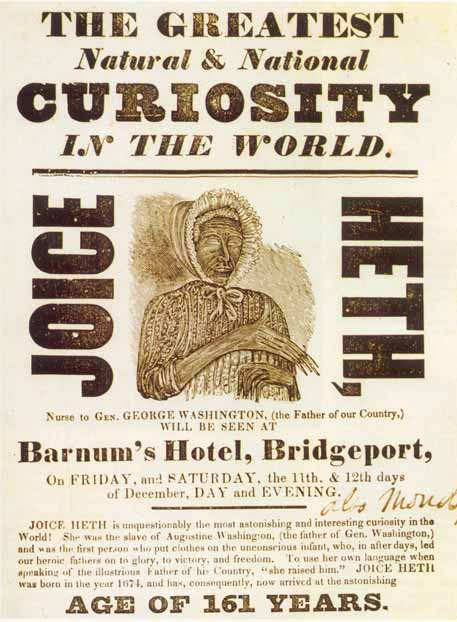
Barnum’s first hit, his ‘the 161 year old’ find

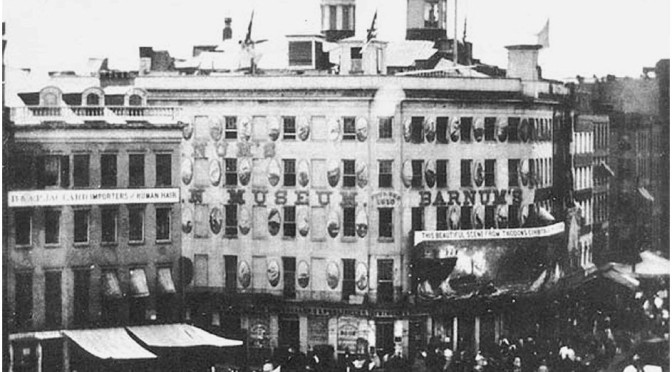
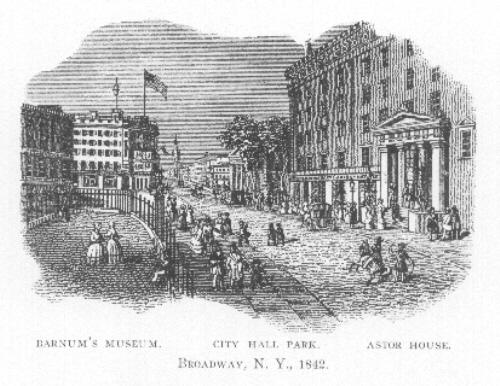
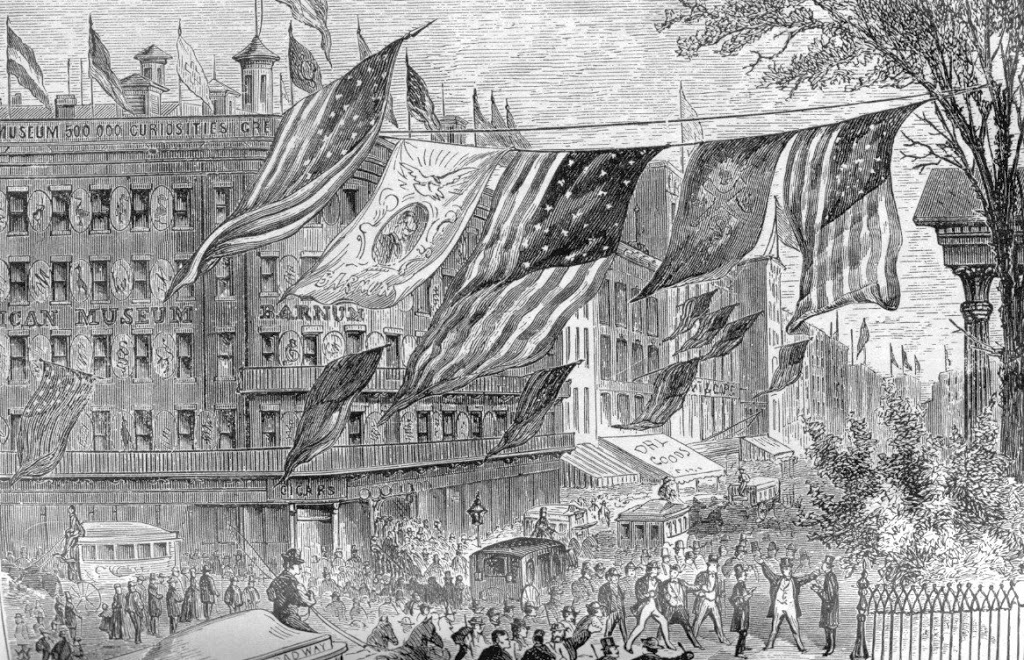
The scene around City Hall Park in 1842. The Barnum Museum is the building with the flag:

Another illustration of the wild scene in front of the museum

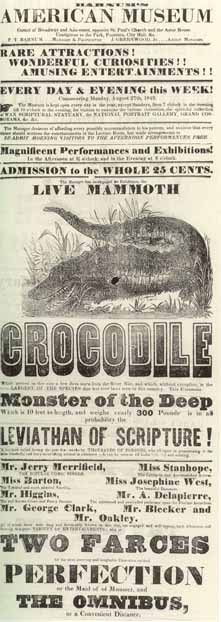
A typical Barnum advertisement:

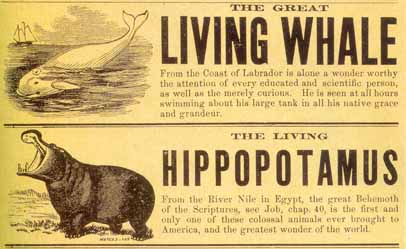
Unbelievably, Barnum’s hosted a wide variety of aquatic creatures, including whales:

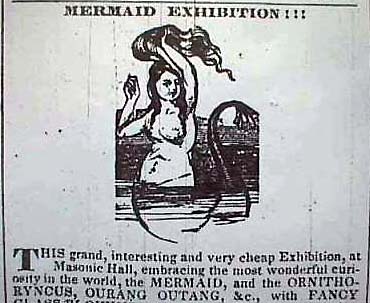
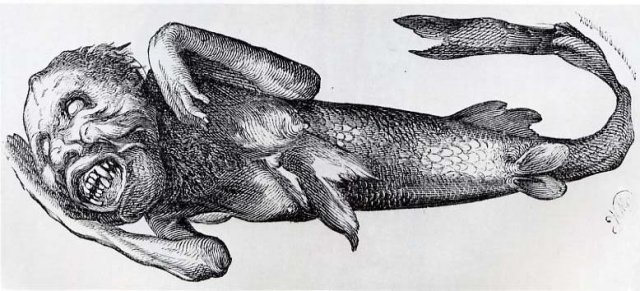
An advertisement for the Fejee Mermaid:

And the real thing:

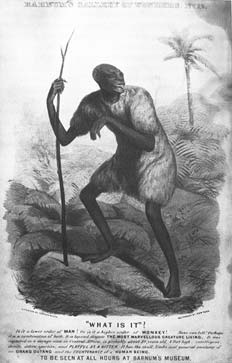
An illustration — by Currier and Ives, no less — of the ‘What Is It’

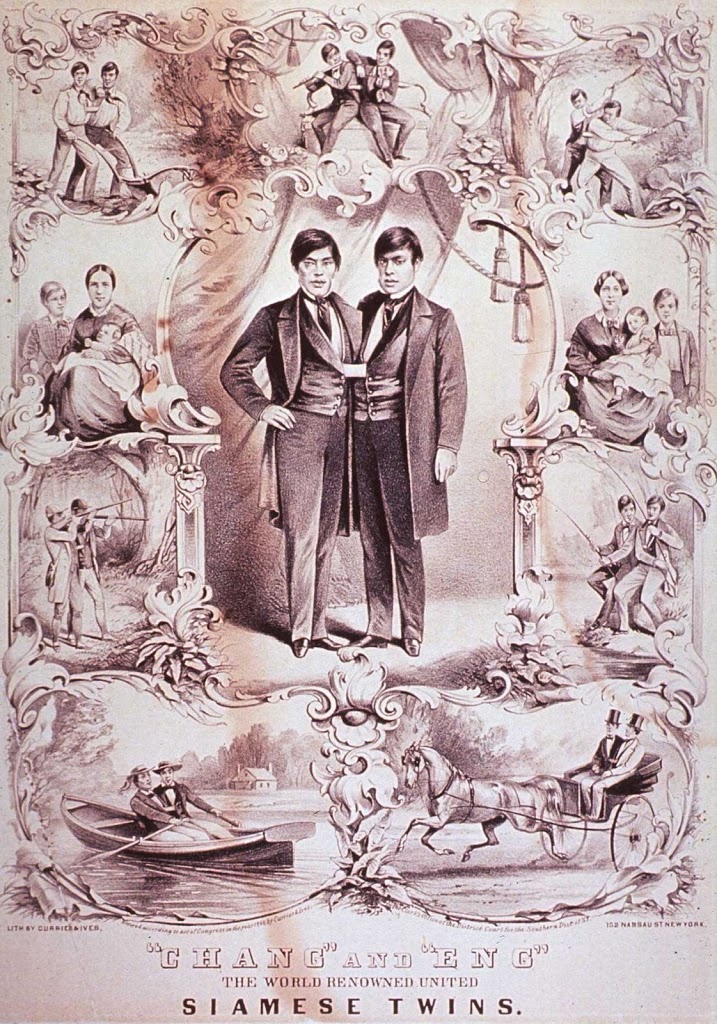
The Siamese Twins, Cheng and Eng

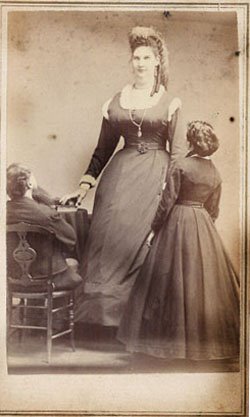
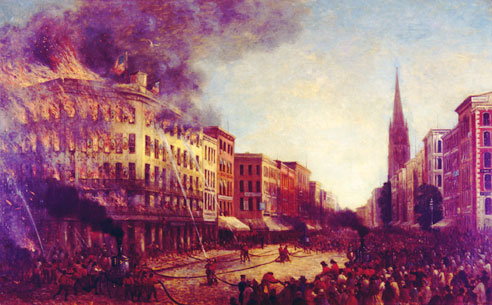
Another attraction: Anna Swan, the Nova Scotia giantess, who had to be rescued from the fire that burned the museum down in 1865

The museum burns, 1865

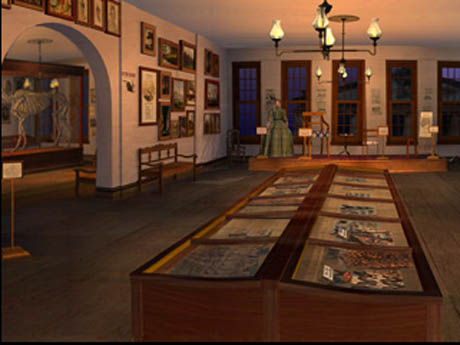
The City University of New York has an extraordinary website devoted to Barnums, which includes a very Myst-like simulated walkthrough of the American Museum and a thorough archive of information. I highly recommend you check it out.

Categories
Podcasts

PODCAST: Grand Central

Join the Bowery Boys for a trip through the history of Grand Central — the depot, the station, and the terminal.

Listen to it for free on iTunes or other podcasting services. Or you can download or listen to it HERE

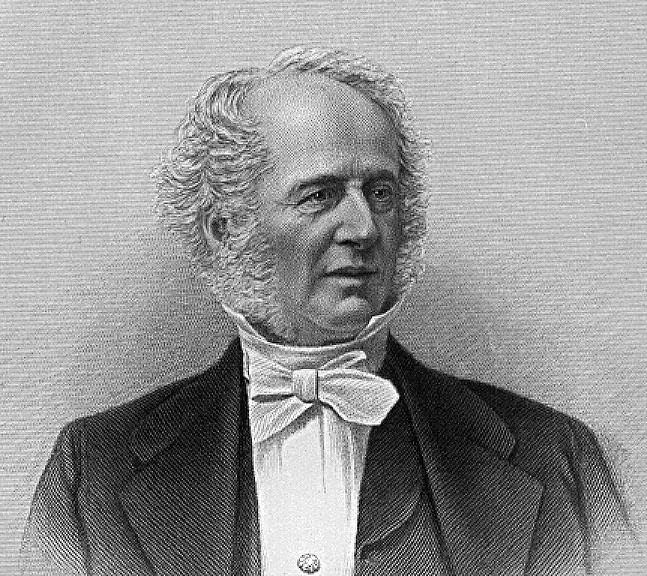
Cornelius Vanderbilt, railroad baron and mastermind of the original Grand Central Depot

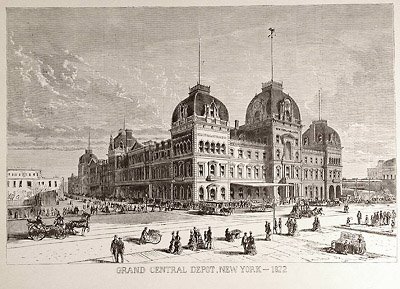
Vanderbilt’s Grand Central Depot in 1873

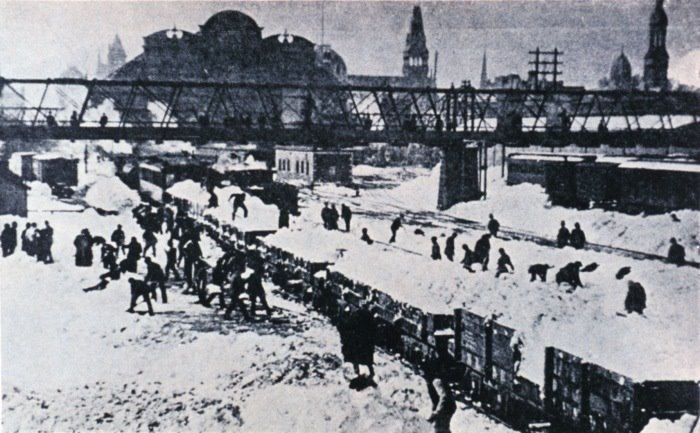
Behind the Depot during the blizzard of 1888. The walkways over the tracks are easily seen from this vantage.

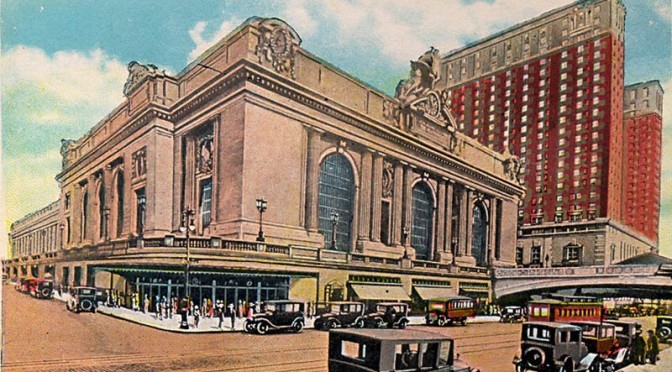
An interesting angle of Grand Central from the 1920s. Notice the big nothing behind it.

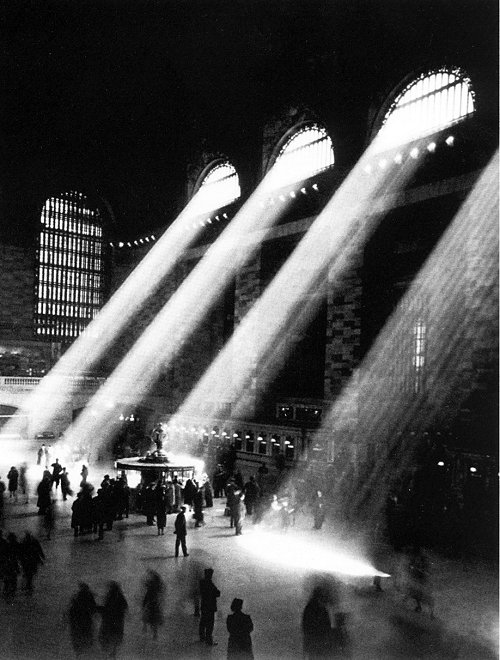
Probably the most famous image of Grand Central Terminal is this one from 1935

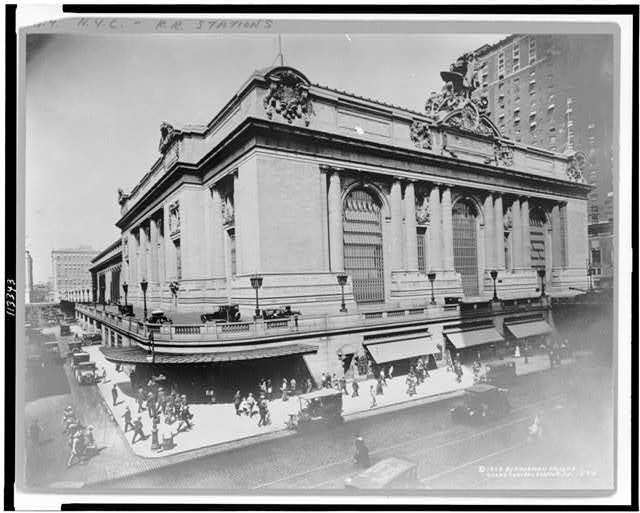
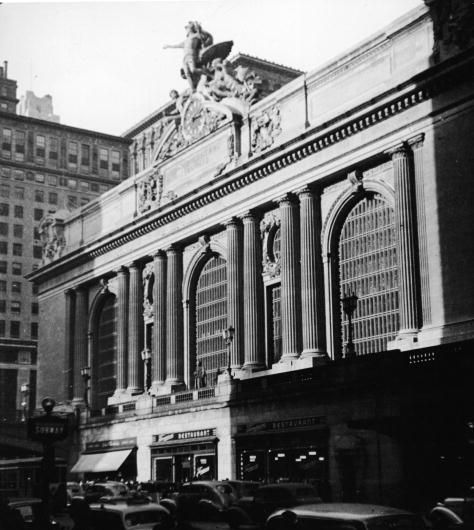
The exterior, from the 1940s

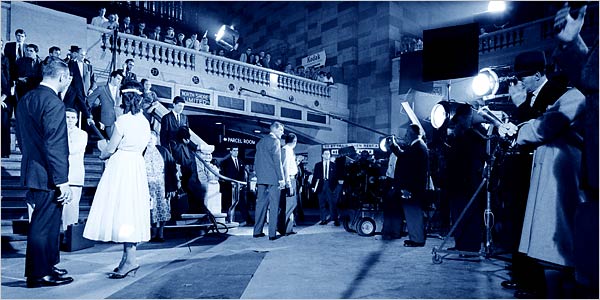
Alfred Hitchcock films Cary Grant in the Main Concourse for his film ‘North By Northwest’

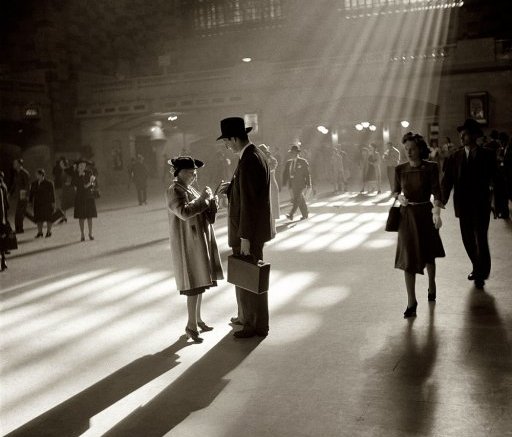
Mid-day, 1941 (Pic courtesy of Shorpy’s)

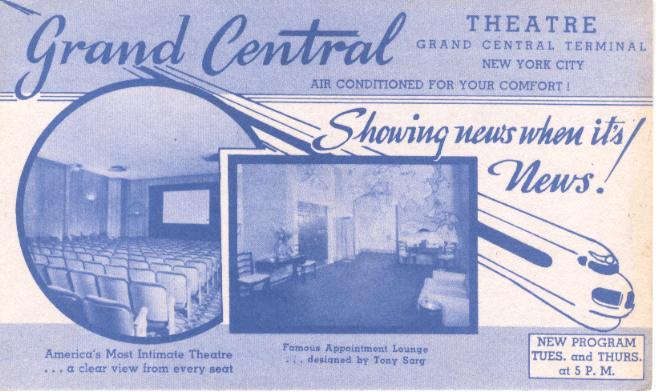
For a short time, Grand Central hosted a movie house

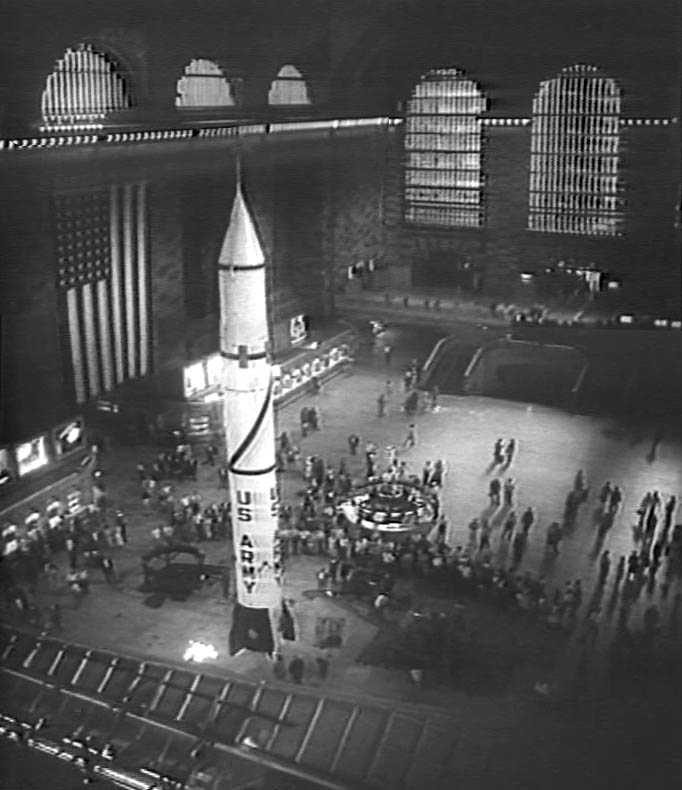
Grand Central becomes a host to a lot of unusual objects, including this Redstone rocket, in an apparent sign of U.S. strength during the Cold War

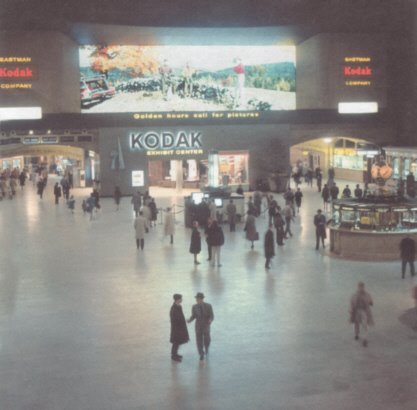
Advertising dominated the main concourse by the 50s, including this well known (and rather garish) Kodak sign

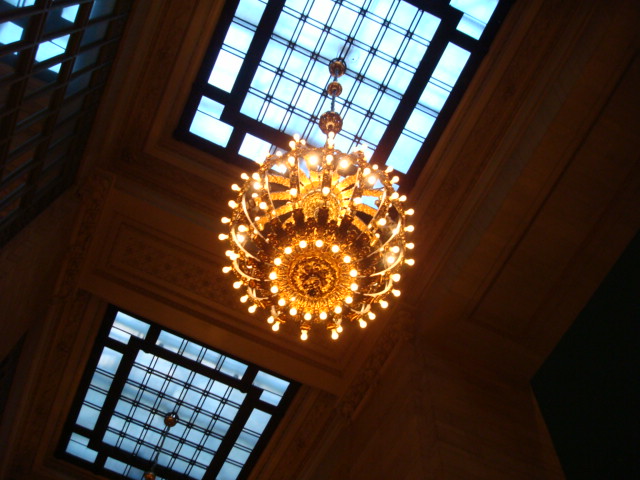
Inside the Terminal today: the glittering spherical chandeliers, their gold lustre rediscovered during the extensive renovation of the 1990s

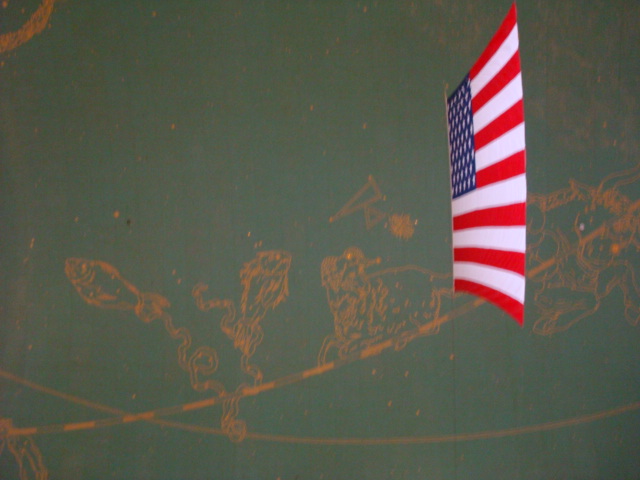
The vast astrological themed ceiling, lit with fiber optics to highlight the constellations

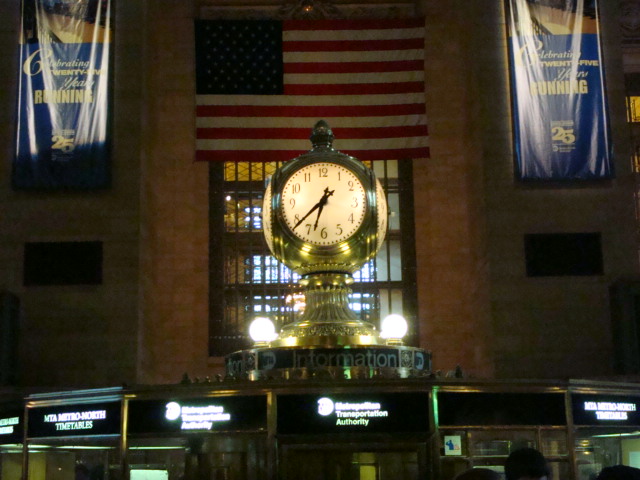
The opal timepiece which sits above the information desk has an estimated worth between $10 and $20 million dollars

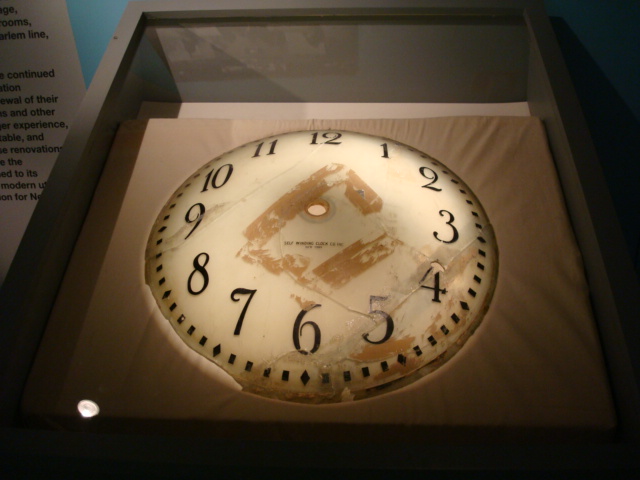
On original face of the opal clock sits in the Grand Central Transit Museum. The hole you see in the face is purported to be a bullet hole!

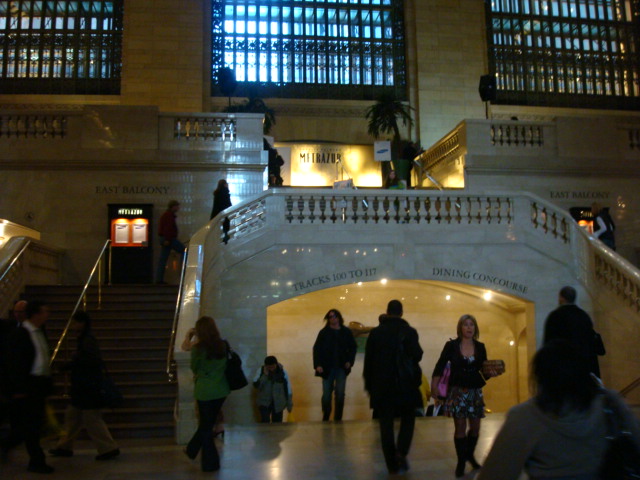
The eastern staircase, in near perfect symmetry with its older western companion, was actually just built during the renovation. It was in the original plans but was never built, probably because nobody considered there would be much activity on the building’s east side.

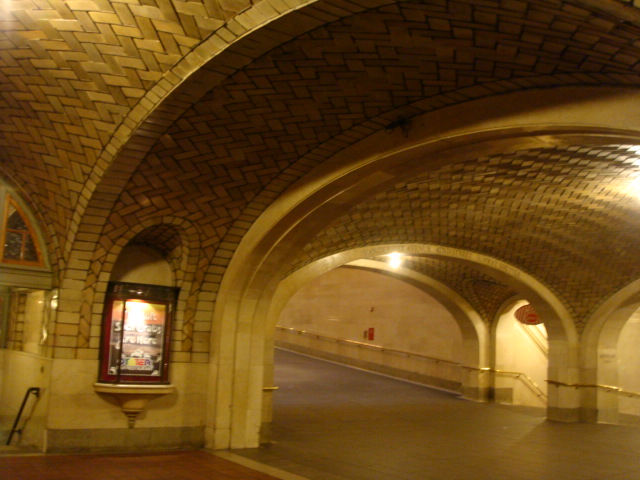
The famous Whispering Gallery

Categories
Podcasts

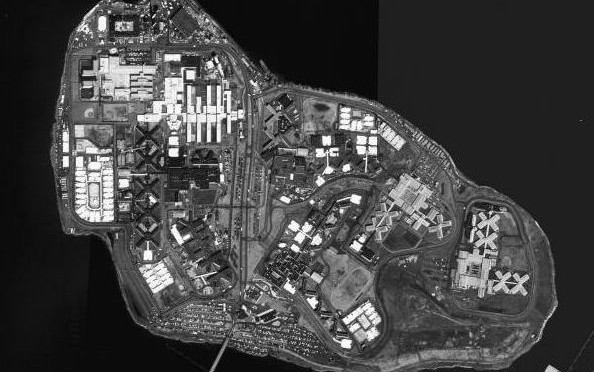
PODCAST: Rikers Island

What do Salvador Dali, John Jacob Astor, Peter Stuyvesant, the Civil War, and a big pile of trash have to do with the world’s biggest penal colony? We connect the dots in this history of Rikers Island.

Listen to it for free on iTunes or other podcasting services. Or you can download or listen to it HERE

Categories
Podcasts

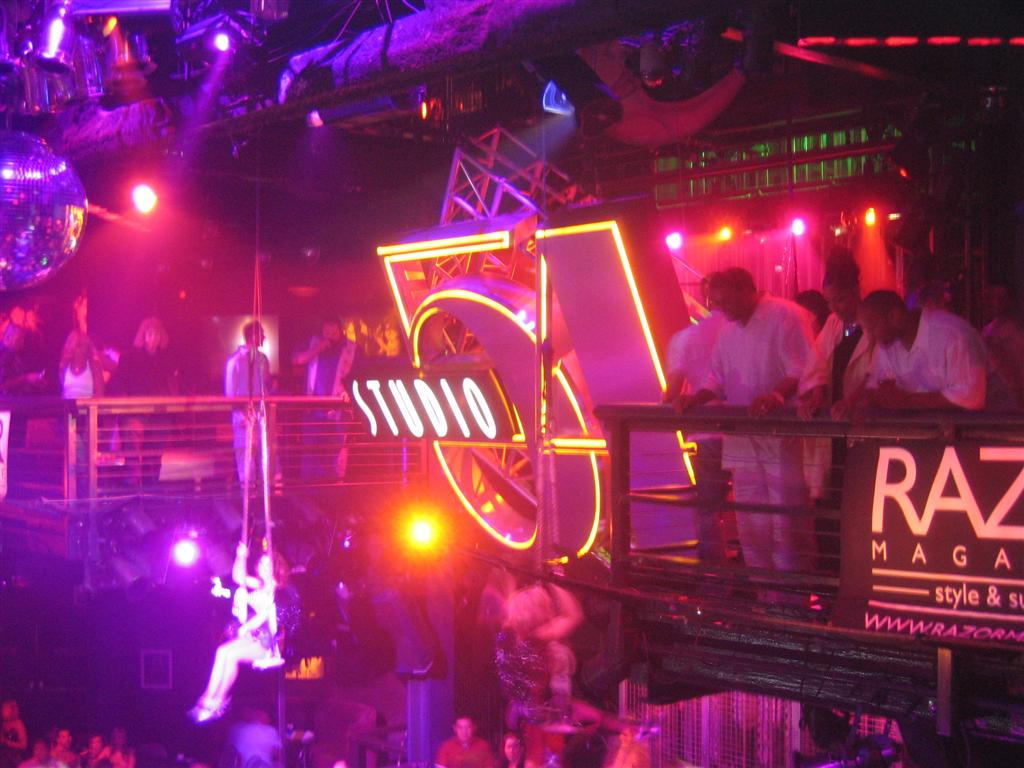
PODCAST: Studio 54

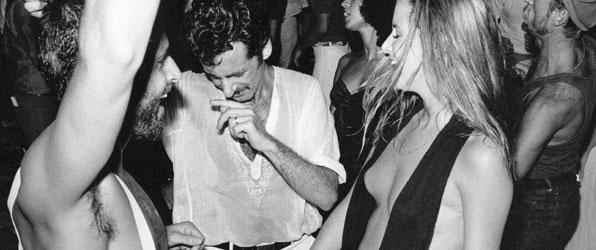
Join us as we step behind the velvet ropes to explore the history of Studio 54, legendary dance club.

Listen to it for free on iTunes or other podcasting services. Or you can download or listen to it HERE

April 26 marks the 31st anniversary of the opening of Studio 54

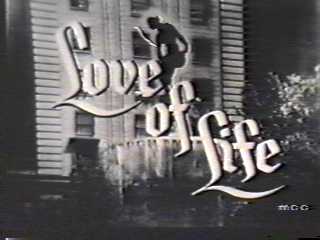
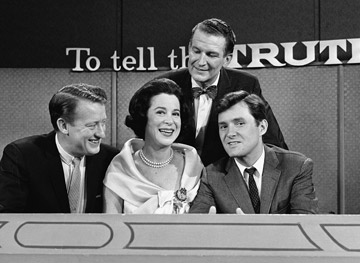
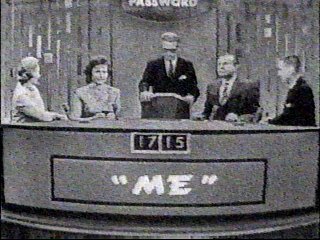
Before it was Studio 54, Studio 52 was one of CBS’s premier recording studios for a wide variety of programs. It was the home of such shows as Password, To Tell the Truth and the soap Love Of Life.

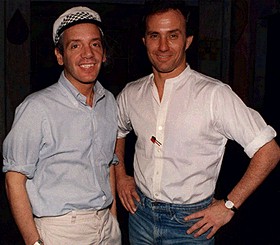
Steve Rubell and Ian Schrager

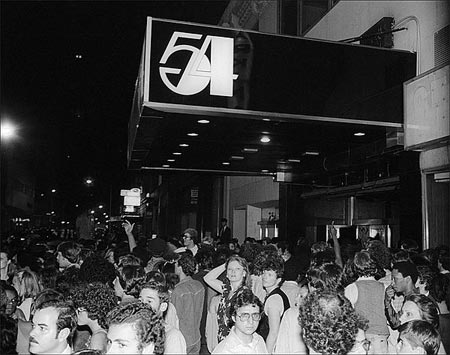
A typical scene outside the club

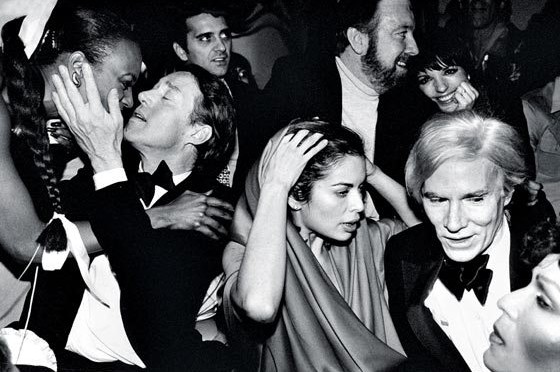
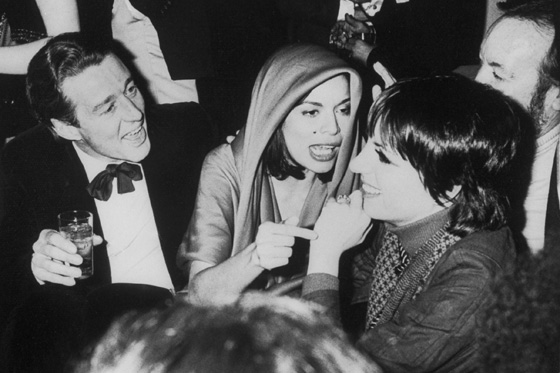
Halston, Bianca Jagger and Liza Minelli at 54

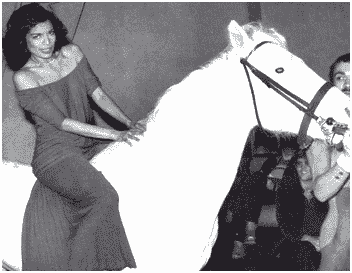
Bianca … on horseback!

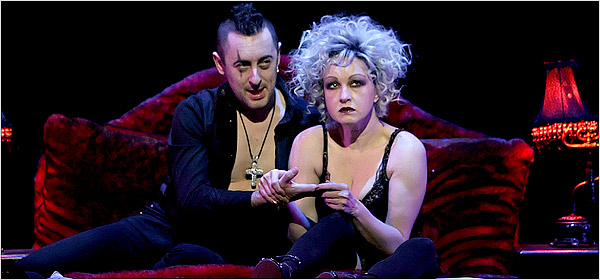
A different Studio 54 as the Roundabout Theatre moves in. Here’s Alan Cumming and Cyndi Lauper from the edgy production of Threepenny Opera
(Photo Sara Krulwich/The New York Times)

An entirely different Studio 54, this time in Las Vegas

Disco Disco has a warm look back at the club. New York Magazine did a where-are-they-now? And check out some of Ian Schrager’s elegent properties — the Hudson and the Gramercy Park Hotel

Categories
Podcasts

PODCAST: The Triangle Factory Fire of 1911

Shirtwaist factory workers on strike!

Come listen to the strange and shocking facts of the Triangle Shirtwaist Factory fire, of a workplace tragedy that changed how New Yorkers live and work in a world of tall, flammable buildings.

Listen to it for free on iTunes or other podcasting services. Or you can download or listen to it HERE