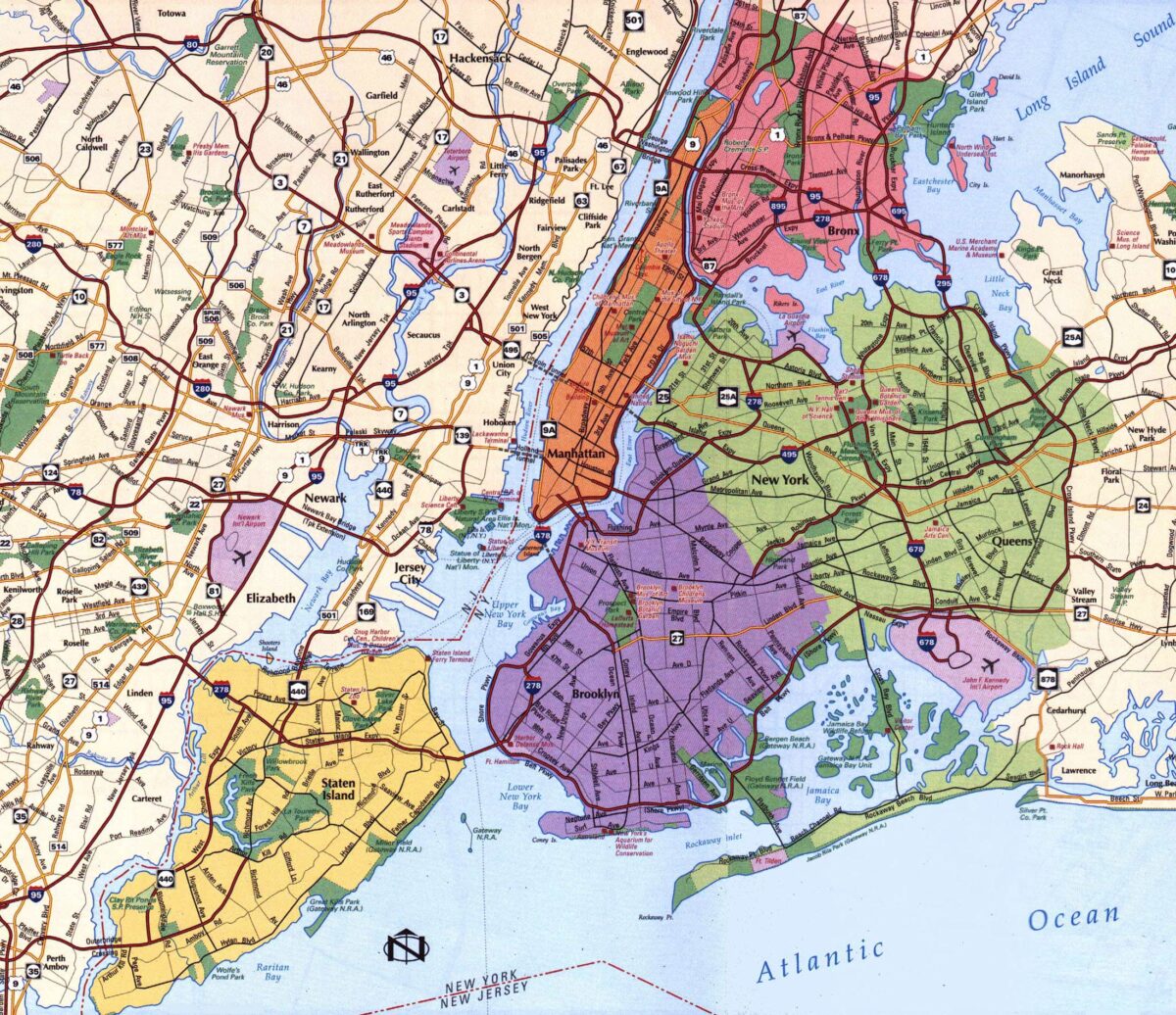
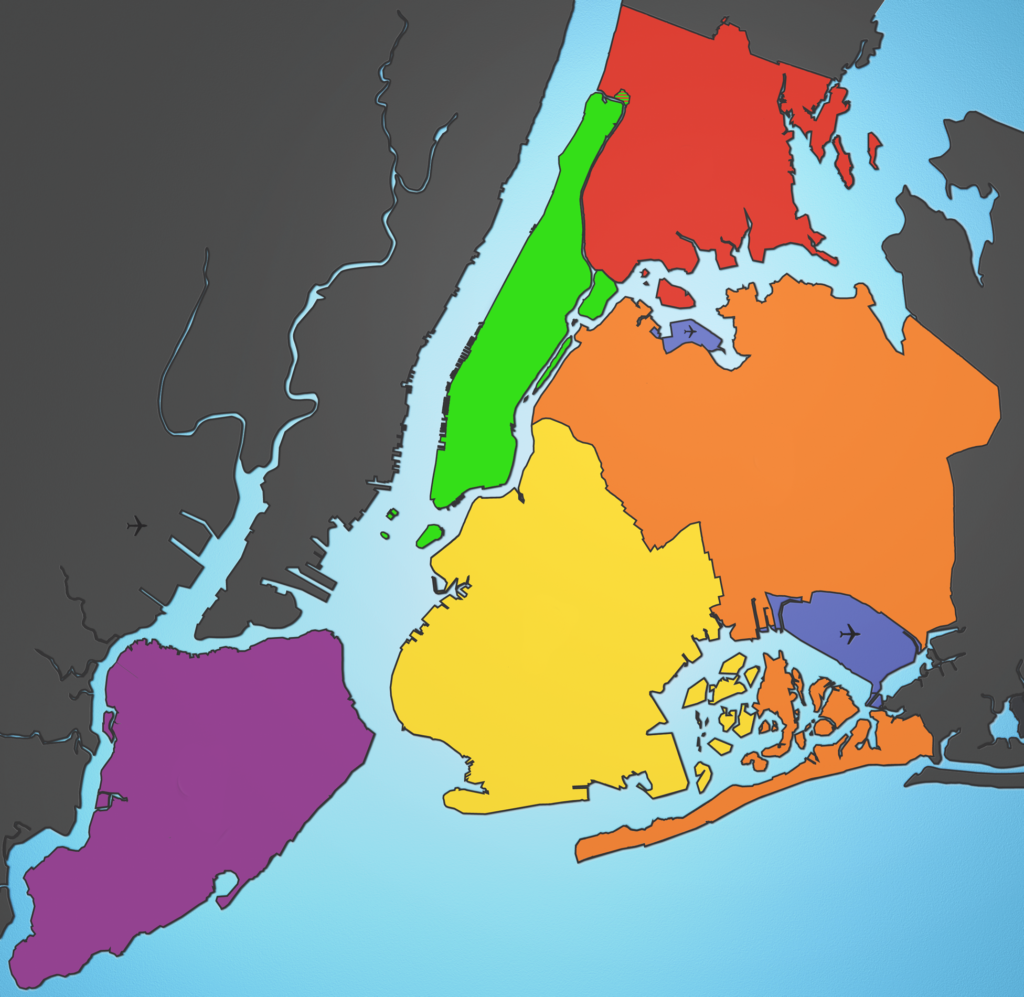
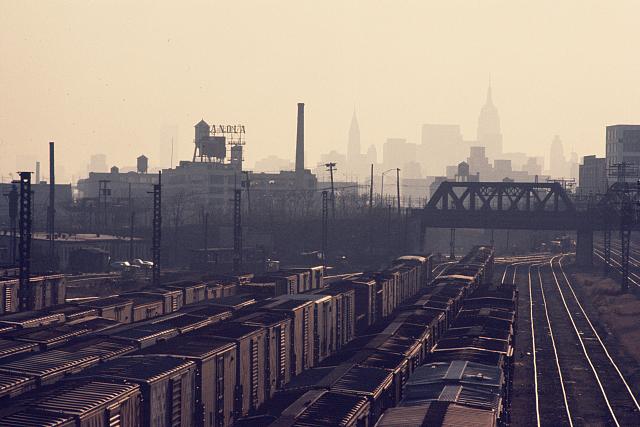
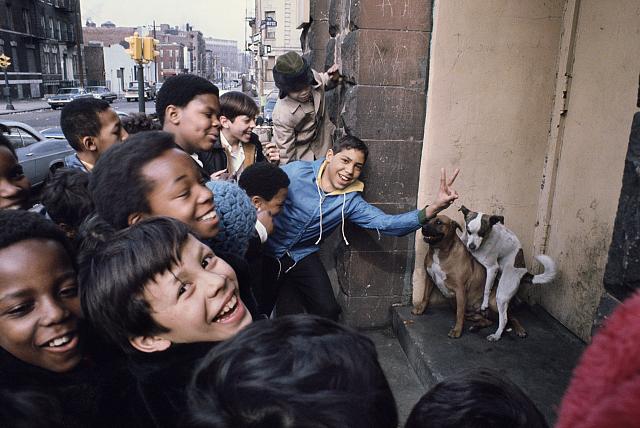
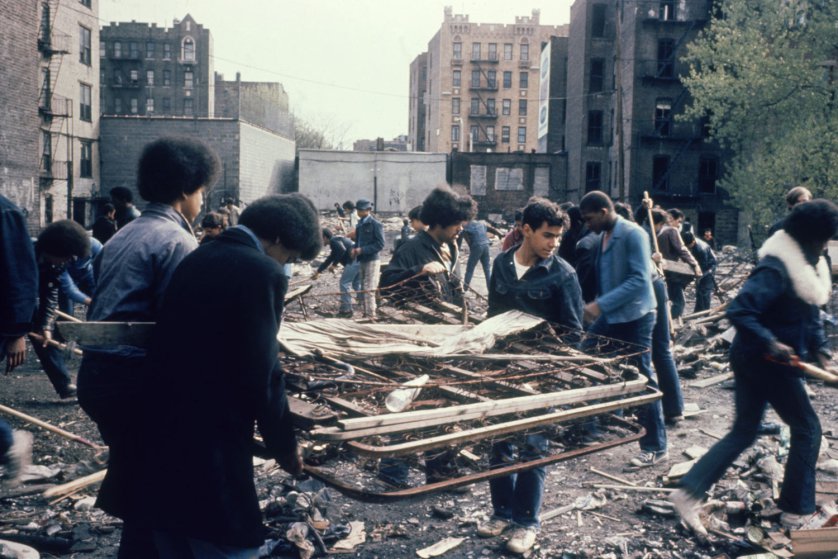
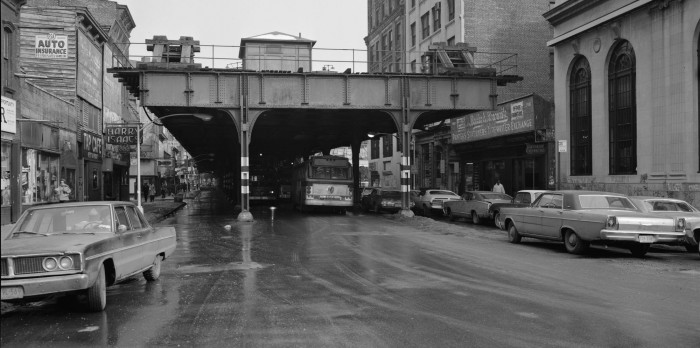
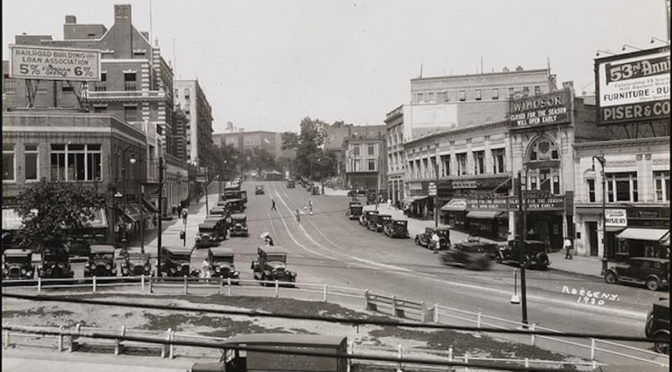
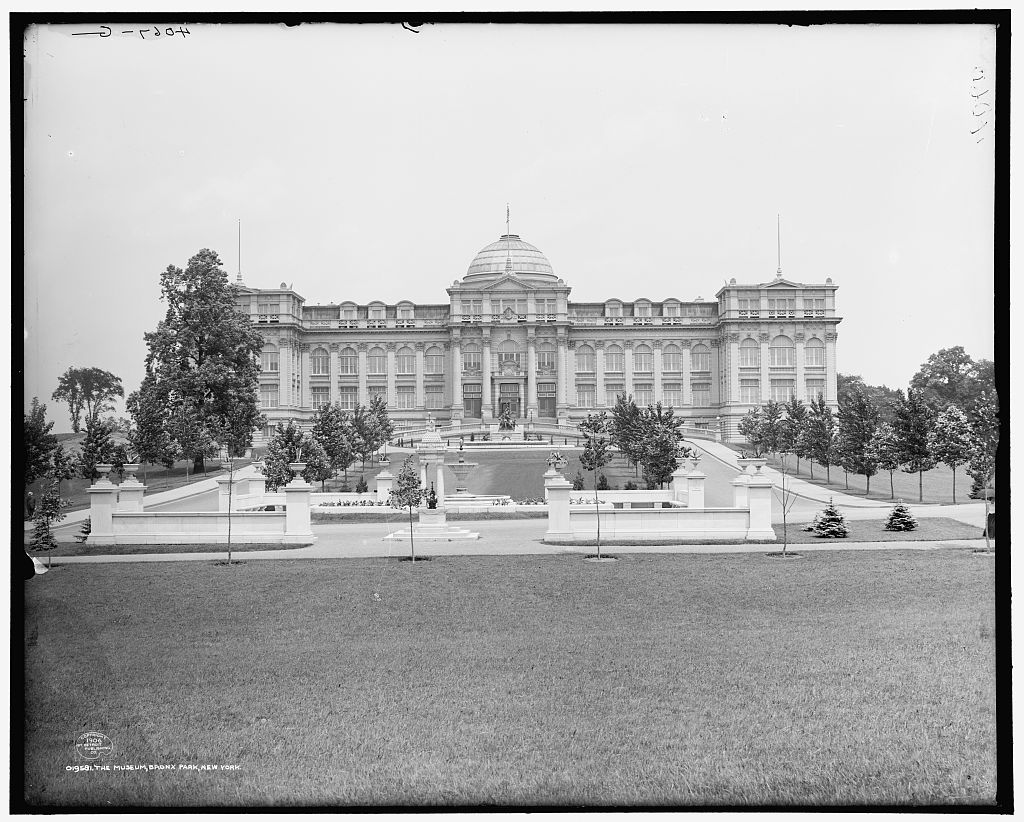
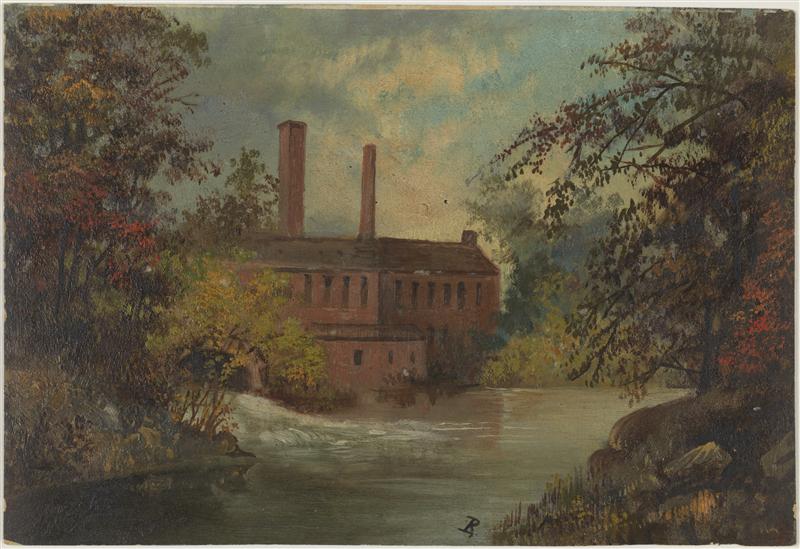
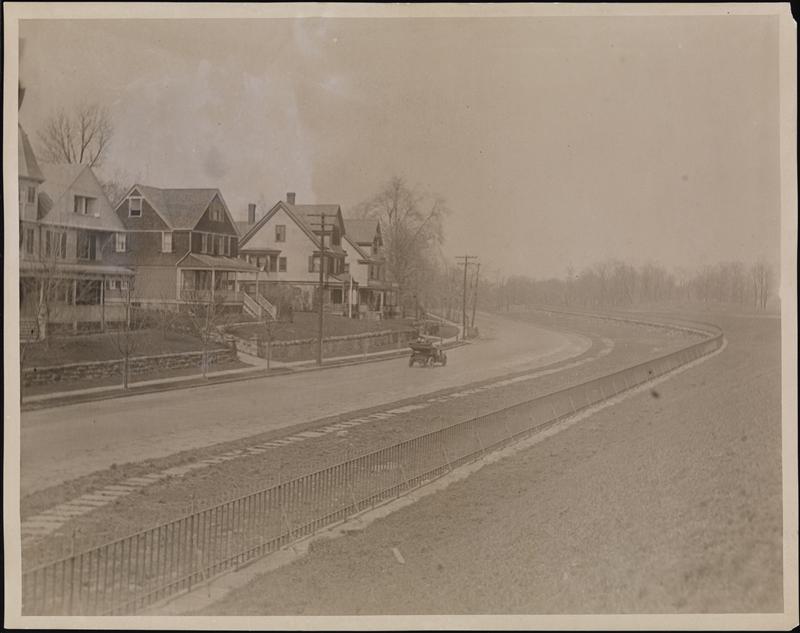
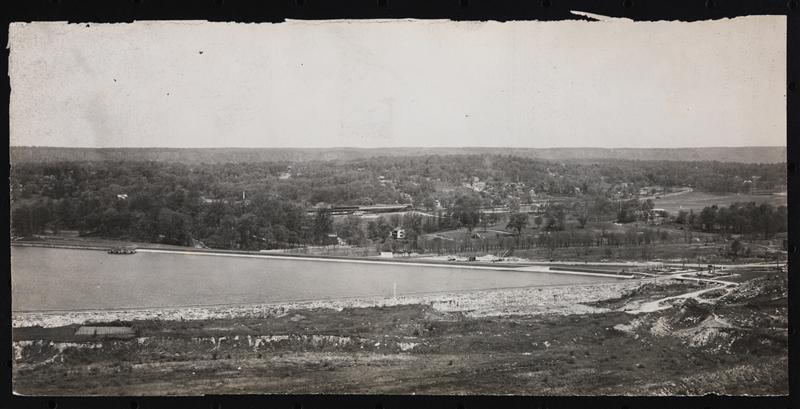
On January 1, 2023, New York City will celebrate a special moment, the 125th anniversary of the formation of Greater New York and the creation of the five boroughs — The Bronx, Brooklyn, Manhattan, Queens and Staten Island.
In honor of this special moment in New York City history, we are celebrating a bit early, reissuing our episode (originally #150) on the Consolidation and the formation of the boroughs, with a new introduction.
And stay tuned for new episodes of the Bowery Boys Podcast for the rest of the year!
Artwork Julius Schorzman; modified by Astuishin, courtesy Wikimedia Commons
Here’s the story of how two very big cities and a whole bunch of small towns and villages — completely different in nature, from farmland to skyscraper — became the greatest city in the world.
This is the tale of Greater New York, the forming of the five boroughs into one metropolis, a consolidation of massive civic interests which became official on January 1, 1898. But this is not a story of interested parties, united in a common goal.
In fact, Manhattan (comprising, with some areas north of the Harlem River, the city of New York) was in a bit of a battle with anti-consolidation forces, mostly in Brooklyn, who saw the merging of two biggest cities in America as the end of the noble autonomy for that former Dutch city on the western shore of Long Island. You’ll be stunned to hear how easily it could have all fallen apart!
In this podcast is the story of Manhattan, Brooklyn, the Bronx, Queens and Staten Island (or Richmond, if you will) and their journey to become one. And how, rather recently in fact, one of those boroughs would grow uncomfortable with the arrangement.
LISTEN NOW: BIRTH OF THE FIVE BOROUGHS
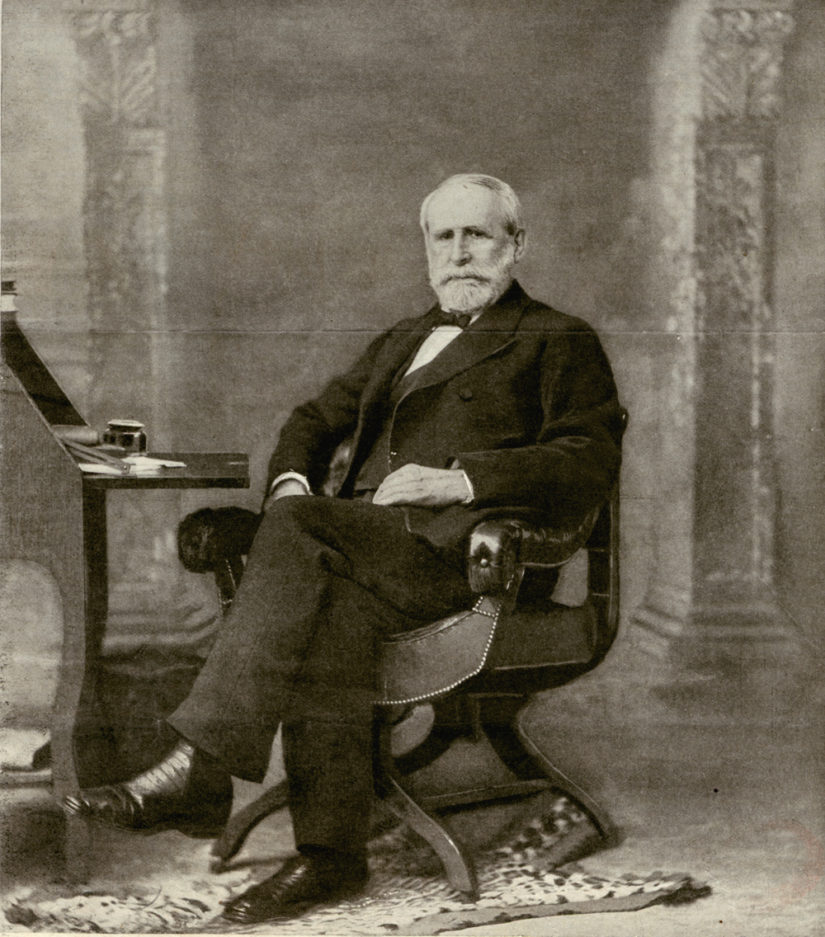
The hero of our story — Andrew Haswell Green
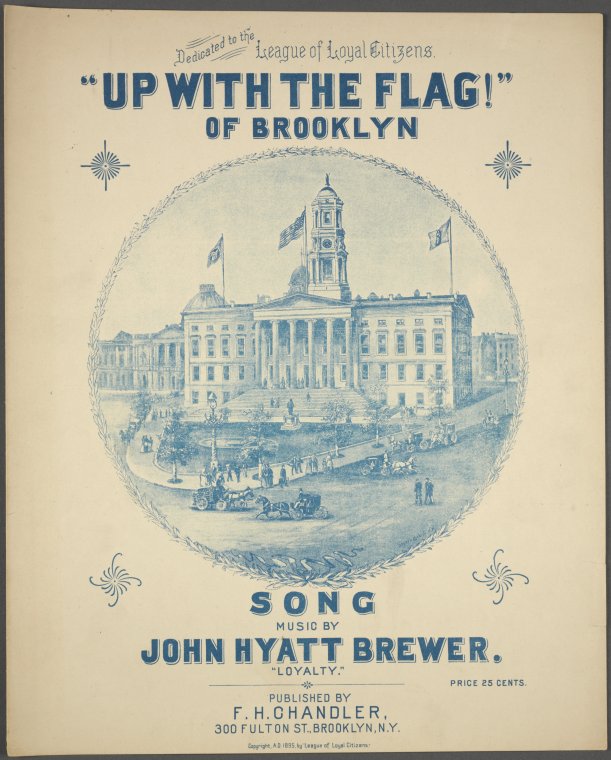
Below the prize-winning anti-Consolidation song mentioned in the podcast (courtesy NYPL):
Style: “Music_Sep4E”
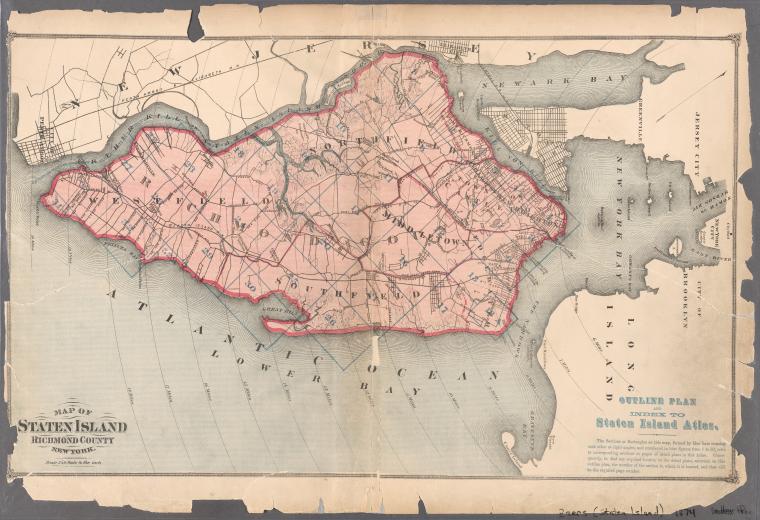
A map of Richmond from 1874
FURTHER LISTENING
This show was recorded in 2013 and since then, many aspects of this story have been turned into their own podcasts. After listening to this show, dive back into these episodes:
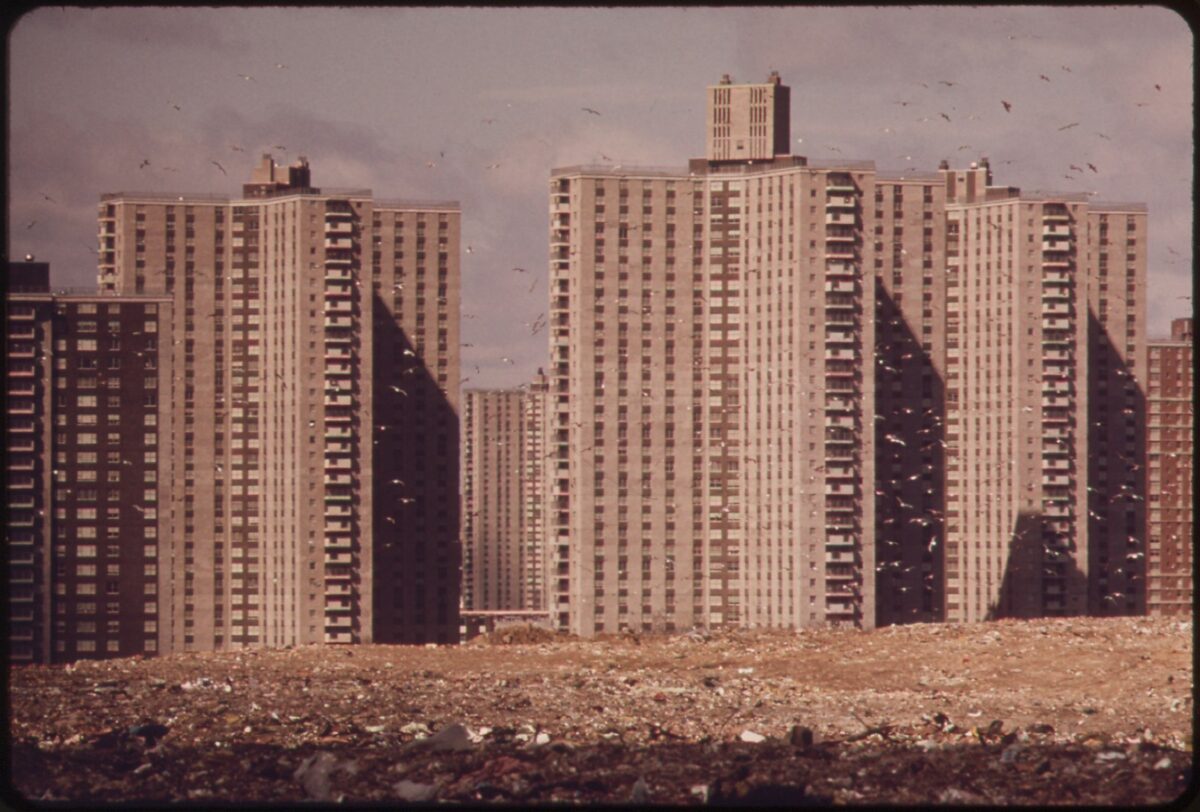
Co-Op City, March 1973. Photo by Gary Miller/EPA, courtesy National Archives
Most New Yorkers have probably never been to Co-Op City, the massive residential development in the Bronx. And that’s partially by design.
This historic development, built upon the site of the old Freedomland amusement park, is the largest single residential development in the world. It is a true city-within-a-city — and also a place seemingly outside the patterns of regular New York City life.
But a new book dispels the myth of Co-Op City’s perceived independence and refocuses it front and center as a landmark to renter’s rights and the changing nature of housing in modern New York.
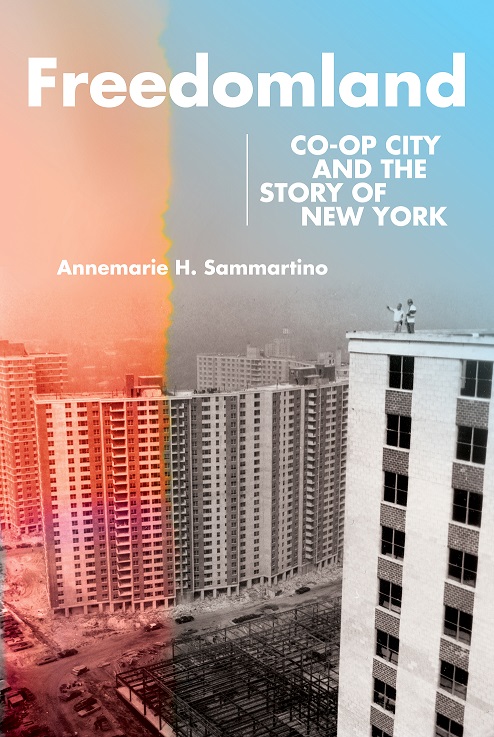
Freedomland Co-Op City and the Story of New York Annemarie H. Sammartino Three Hills/Cornell University Press
In Freedomland, Annemarie H. Sammartino, an Oberlin College history professor and a former resident of Co-Op City, reveals the rich and often contentious history of one of New York’s most famous development projects.
The massive Co-op City development, first announced in 1965, was born from the optimism of the Mitchell-Lama housing program, New York State’s push to provide its residents with affordable housing.
It is quintessential ’60s architecture. One reason it is often maligned is its stark modernist arrangement, the very anti-Jane Jacobs tower-in-the-park style more frequently seen in public housing.
Sammartino reveals those criticisms were lobbed at the development from the very start. She quotes a Columbia architecture professor, who believed “Co-Op City’s architectural banality rendered it an illegitimate ‘negation of the ideals of the great society.’ “
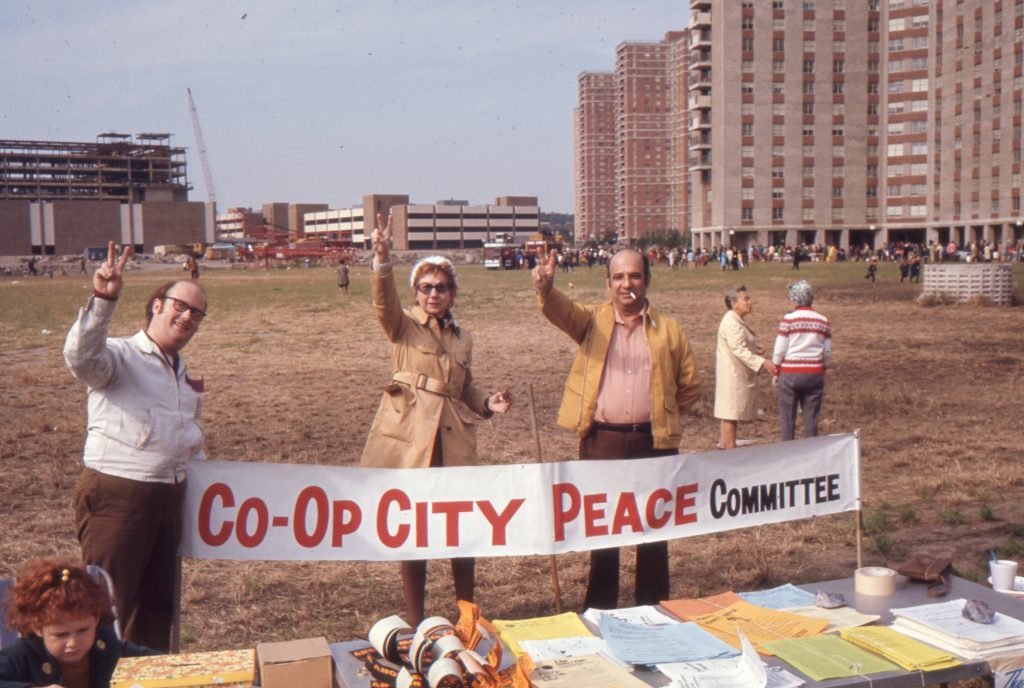
Life at the development, early 1970s. courtesy of Co-op City via 6Sqft
But its affordability and its modern amenities — its newness in a city of such much deteriorating housing — greatly appealed to middle class buyers, particular Jewish residents of the Western Bronx.
During the late 1920s and into the 30s, thousands of Jewish New Yorkers left the Lower East Side and moved to Bronx cooperatives associated with labor unions. Now, in the 1960s, their children were moving again, contributing to a devastating mass exodus from Bronx residential regions like the Grand Concourse.
“Co-op City’s location on the urban fringe made it attractive to those seeking to escape the city,” Sammartino writes, “but without the means to purchase a suburban home.”
Initially 70 percent of the residents were Jewish. In the first years, as more Black and Hispanic residents would move in, Co-Op City was seen as a success of social integration. The author quotes from one of Co-Op City’s most famous residents — Justice Sonia Sotomayor — recalling her childhood days and her interactions with Jewish residents.
But in a city in economic freefall during the 1970s, Co-Op City was not immune to financial woes, especially as tensions between the residents and the Co-Op City’s developer the United Housing Foundation. Saddled with mounting debt, the UHF began raising carrying charges (like maintenance fees).
“In private, UHF leaders were themselves increasingly distraught about rising costs in their developments,” Sammartino writes. “They worried that inflation meant not only their own fate, but that of the ‘entire democratic system’ was increasingly precarious.”
Things came to a head in 1975 with the “largest rent strike in American history,” a protest which eventually lead to the residents themselves being awarded control of Co-op City.
Sammartino then charts further struggles as cycles of city crime and decay belatedly arrive to Co-Op City. But today the place can be seen as exceeding all its initial expectations. Still without a direct subway line (something Robert Moses hinted at during the building’s groundbreaking), Co-Op City has developed into something those initial naysayers would not have imagined — a proper community.
In the fall of 1783 Lewis Morris, signer of the Declaration of Independence, helpfully suggested in a letter to the Continental Congress that his own bucolic estate Morrisania (in today’s area of the South Bronx) would make a fine home for the new capital of the United States.
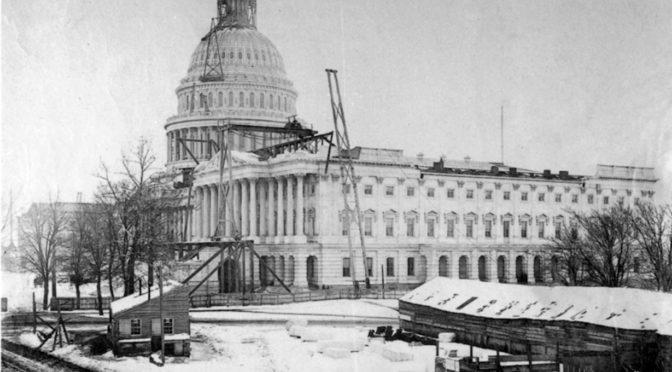
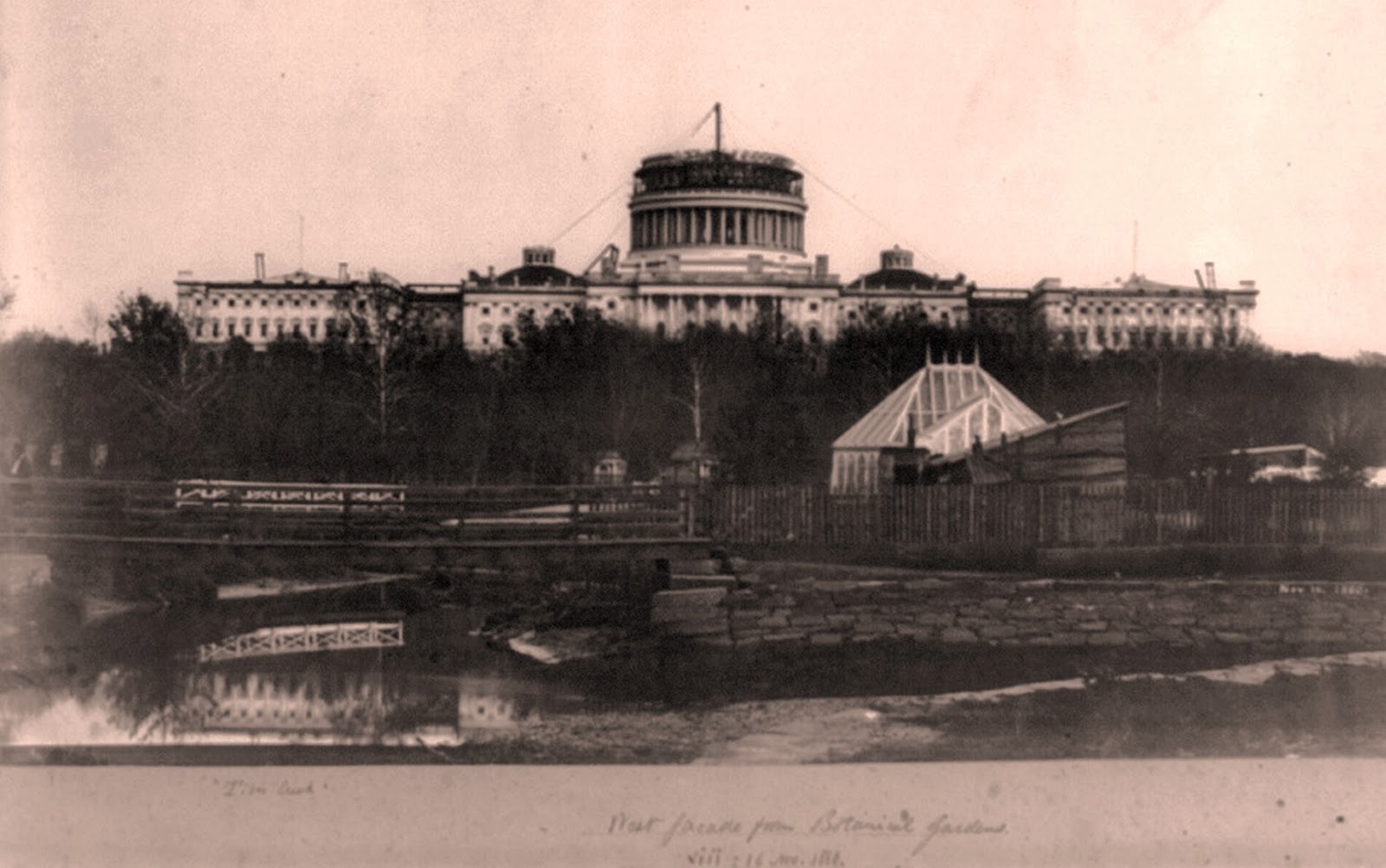
That didn’t happen, of course, but the Bronx plays a big role in another big national artifact – the dome of the U.S. Capitol Building.
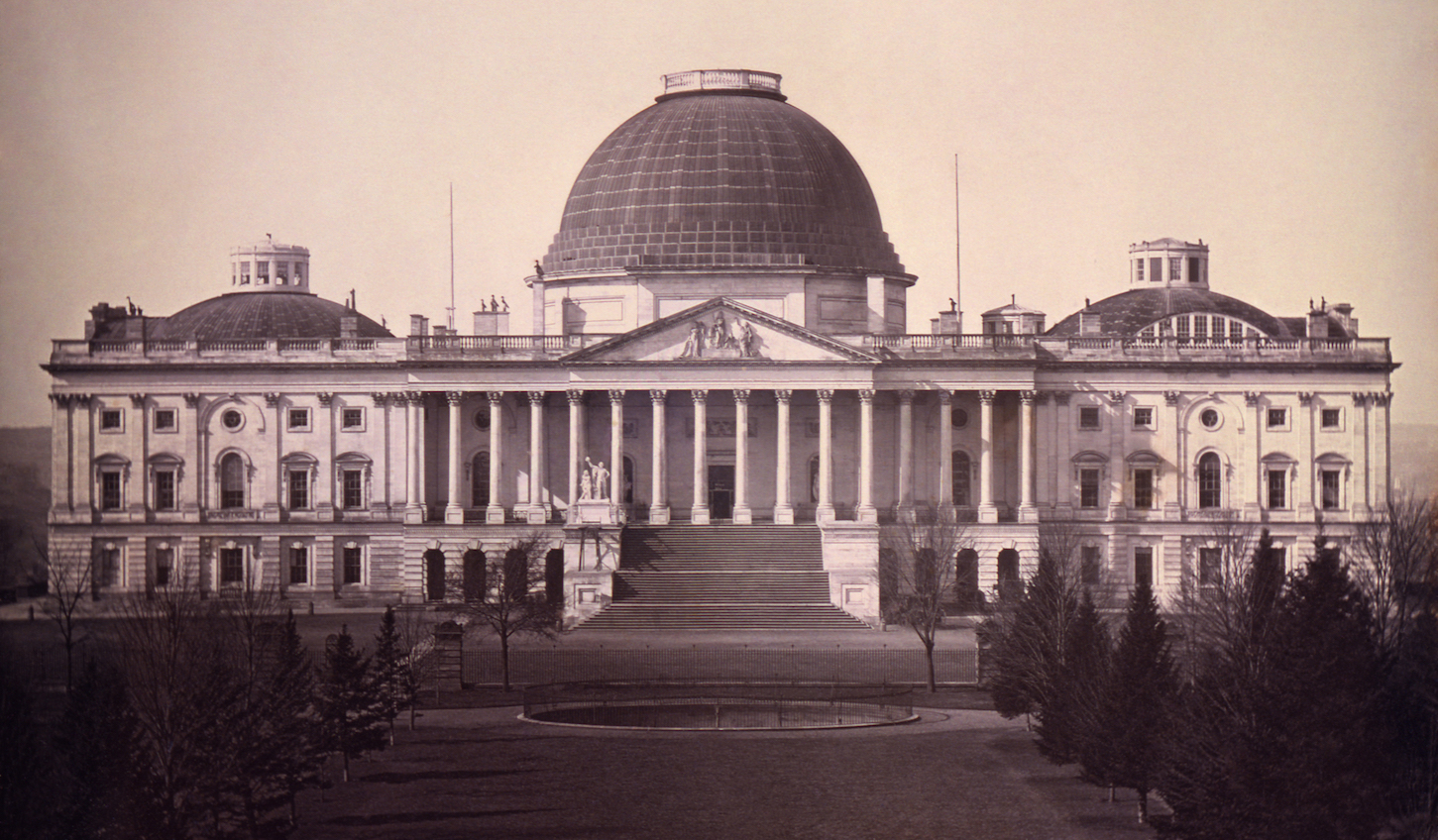
The Capitol Building in Washington D.C. was originally built in 1800. After suffering a fire during the War of 1812, it was a thoroughly redesigned, with a low wooden dome adorned with copper.
By the 1840s the copper had oxidized, giving the dome a similar hue as the one worn by the Statue of Liberty today.
From an early 1846 daguerreotype by John Plumbe:
But with the inclusion of new states into the Republic, the nation’s leaders were outgrowing this home. The addition of new wing extensions in the 1850s made the copper dome seem embarrassingly small.
In a city of mighty and grandiose architecture — for a young country still very much unsure of itself — this simply would not do.
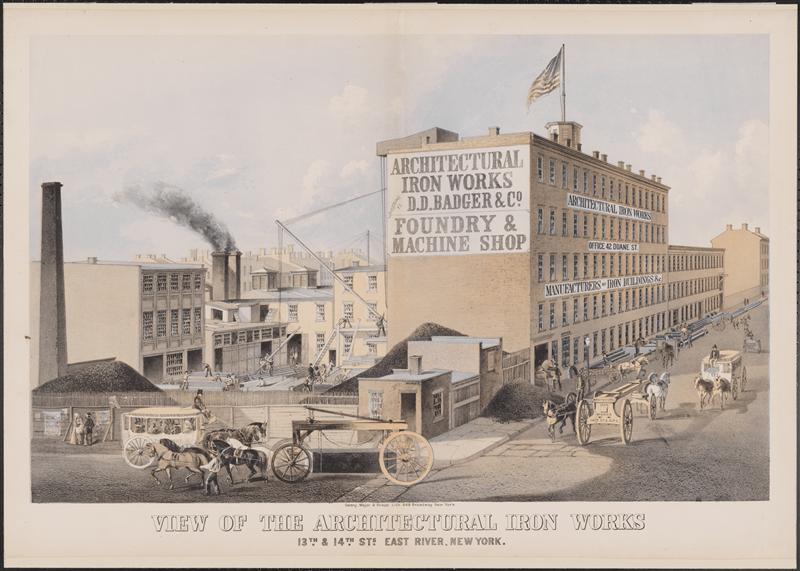
The story now turns to New York, home to some of the most profitable iron foundries of the 1850s. It seems extraordinary today, but the city actually had several large iron works scattered throughout the region. Below: A 1865 depiction of one such iron foundry at 14th Street and the East River
Museum of the City of New York
A couple key foundries were built near the southern shore of Westchester County, near Spuyten Duyvil Creek, including Johnson Iron Works and J.L. Mott Iron Works. (Mott’s president Jordan Mott would develop nearby land into the small town — and later neighborhood — of Mott Haven.)
They were kept in business by mass production for railroad lines and, a decade later, by manufacturing cannons and other weaponry during the Civil War.
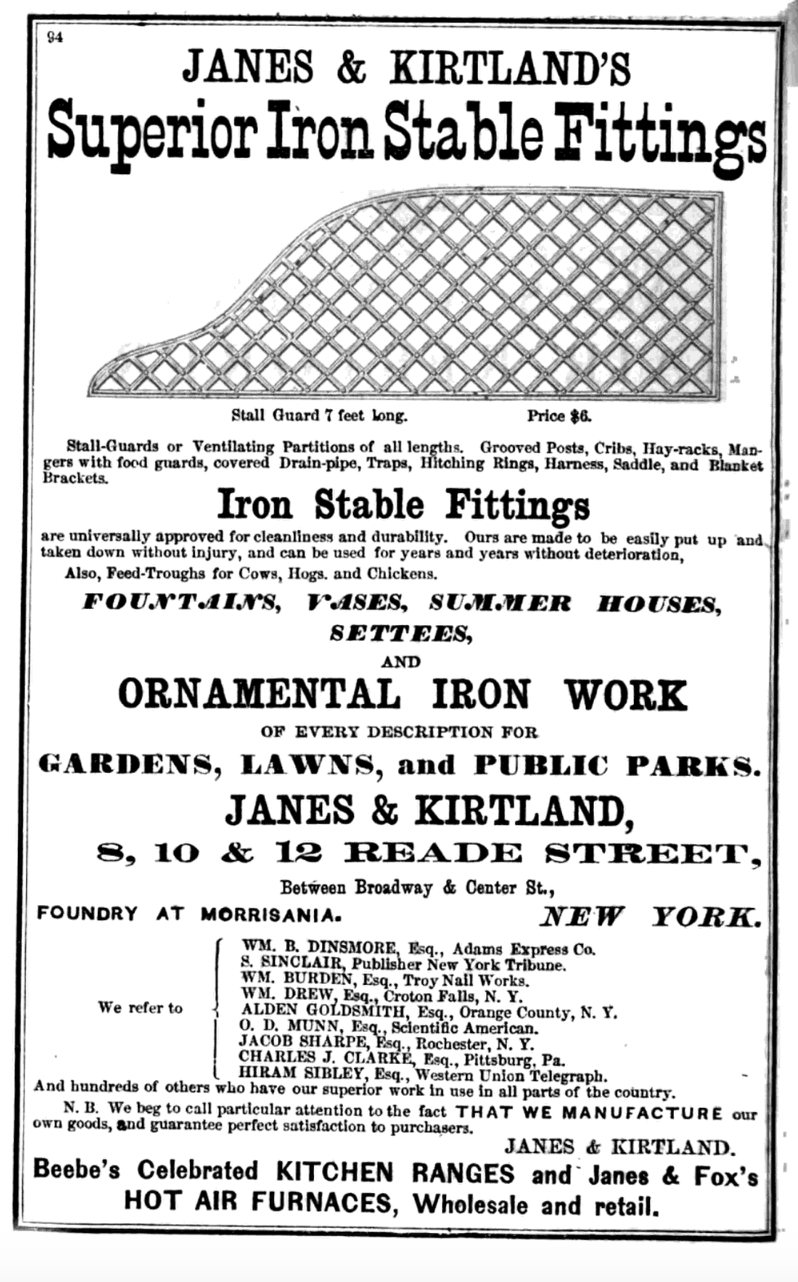
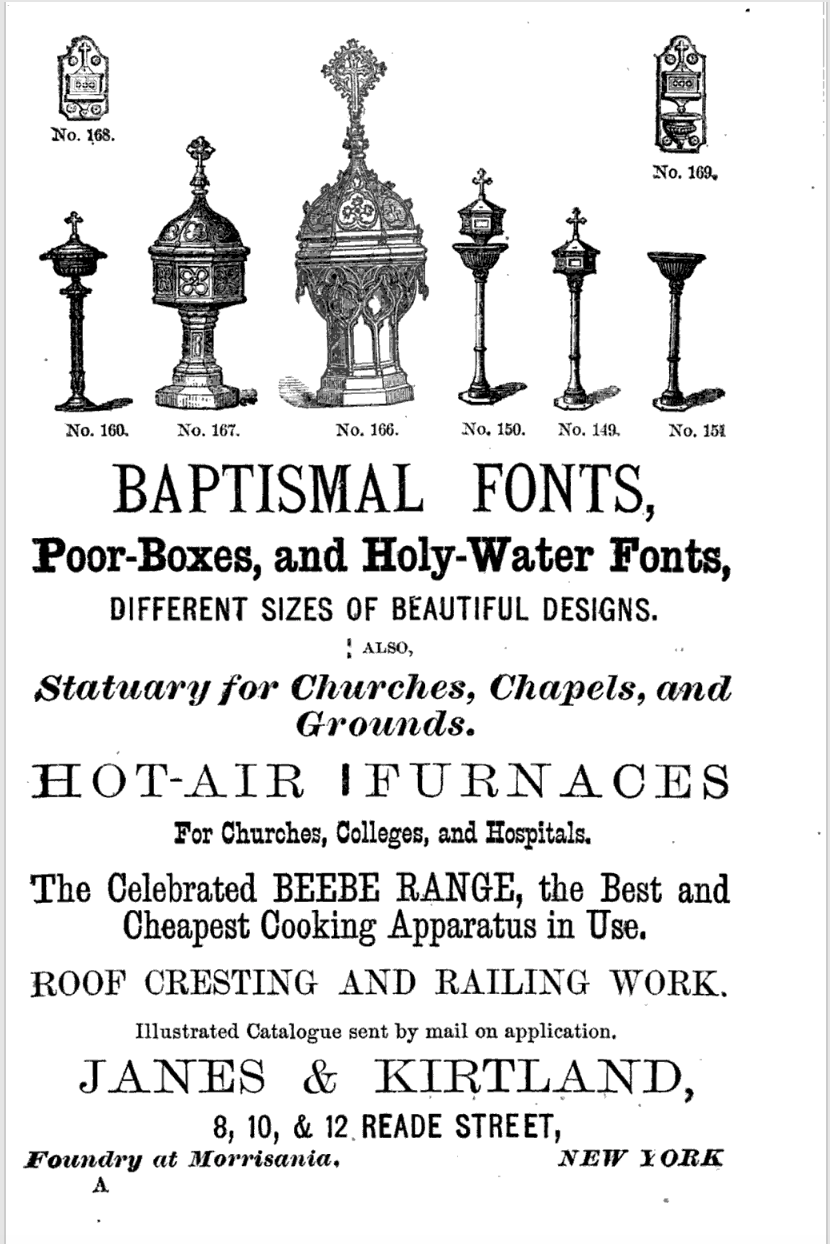
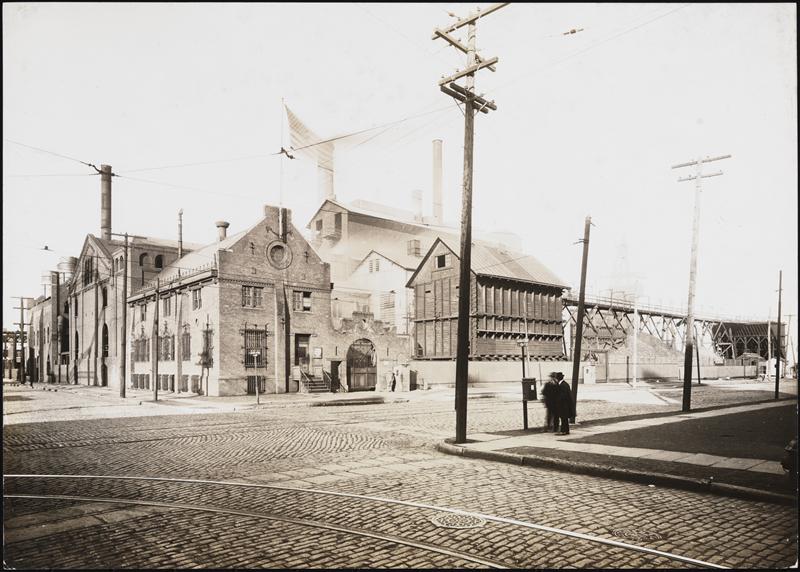
Another local iron works was Janes, Beebe & Company which was originally housed in a factory at Reade and Centre Streets in Manhattan.
By 1859 the boardroom will have changed a bit to become Janes, Fowler, Kirkland & Company. A little audacity on their part would win them a most treasured contract.
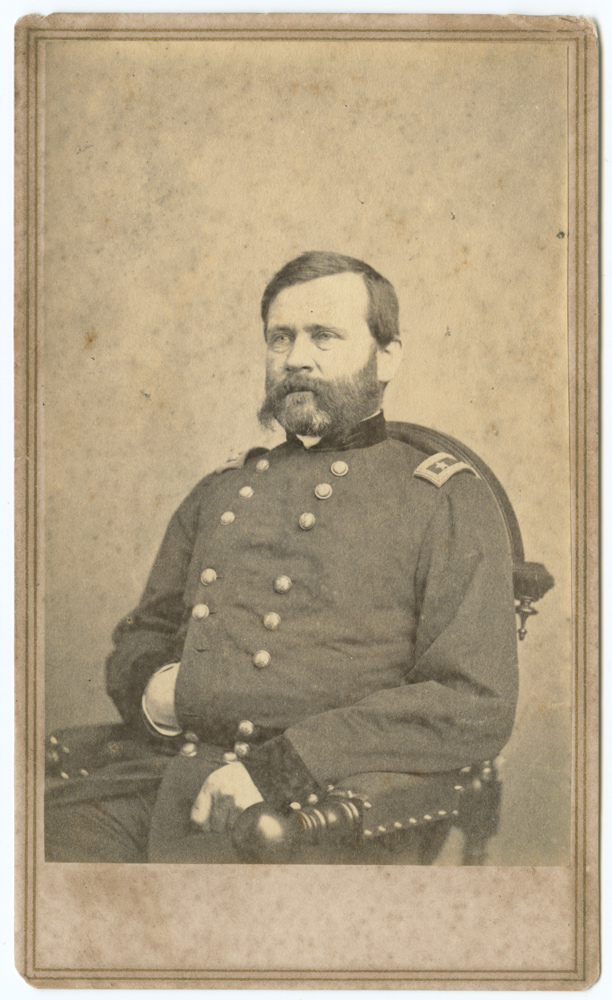
Colonel William Buel Franklin, a respected civil engineer and later to be a Union Army general (as pictured above), was tasked with developing the new dome and reached out to various iron foundries for bids.
Originally, Janes, Fowler, Kirkland & Co. had only been asked about providing surface covering for the dome. Seeing a possibility for greater profit, they boldly offered to do the entire thing — for an unbelievable price:
“Having thus made an offer in accordance with your letter of the 1st instant, we beg leave to lay before you another proposition. We have examined the plans for the dome, and we find the design of what remains to be done above the work now being put up, is so dependent, the one part on the other, that it forms a whole that cannot well be divided…. [W]e therefore propose to execute all that remains to be done to the dome, including the putting up of the entire work, exclusive only of staging and hoisting, as before expressed, for seven cents per pound (7c)” Â — source
That’s a little under $2 per pound in today’s money. What’s astonishing is that they were mostly known for small ornamental iron furniture and decor, not exactly recommending themselves for such a massive project.
But the company’s bold ‘all in’ proposition got them the job, although both they and Franklin were later accused by members of Congress of colluding on a higher price — that the dome could have actually been completed for mere six cents a pound.
(Although such price gouging was a regular feature of government contractors, this appears in retrospect to be your usual Congressional grousing.)
Janes, Fowler, Kirkland & Co. were awarded the contract in February of 1860, the same month that a young lawyer from Illinois named Abraham Lincoln spoke to a packed Cooper Union, a mile north of Janes’ original foundry.
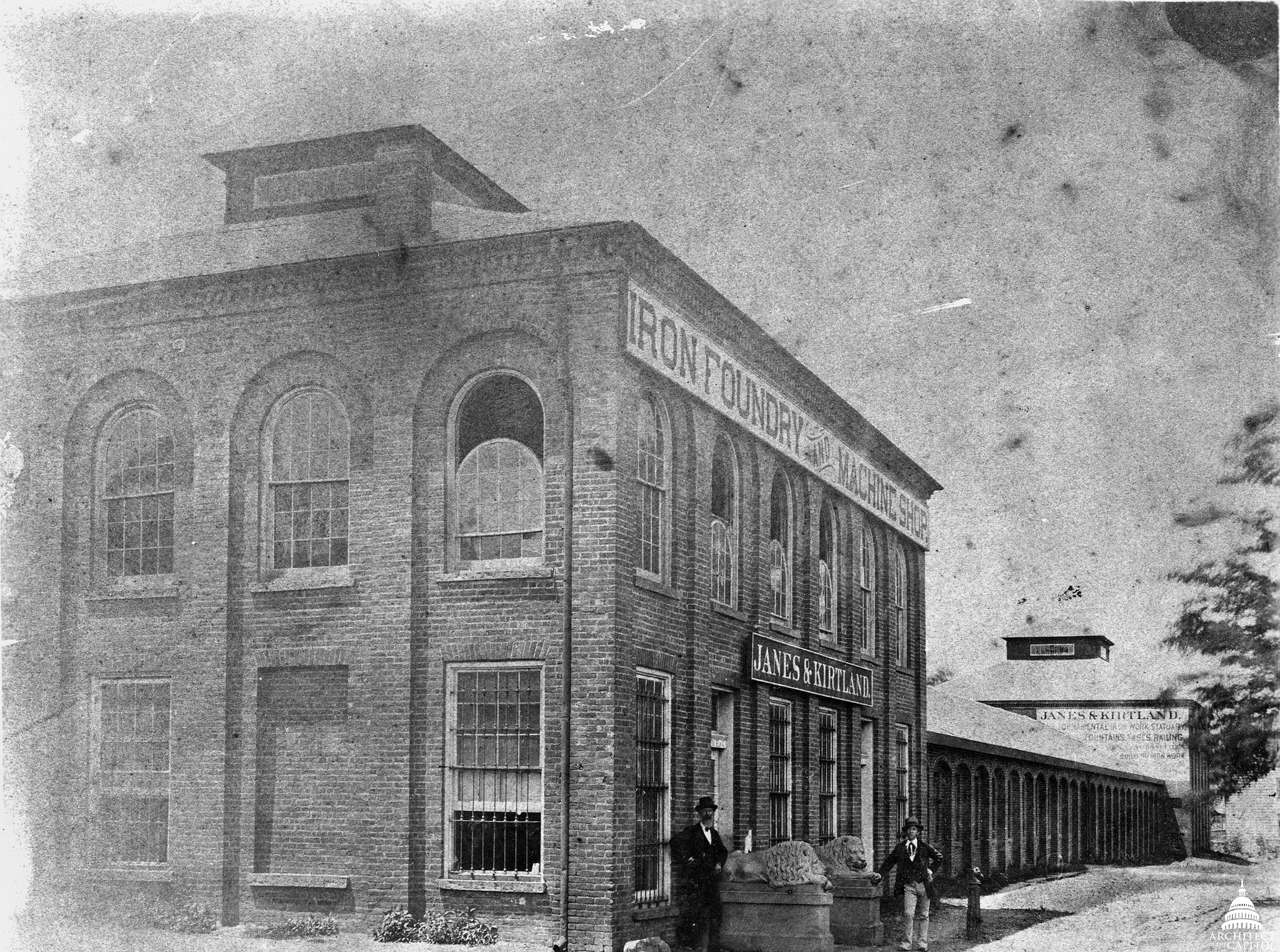
Fortunately by this time, however, the foundry had decided it needed a much larger space for ambitious projects such as the Capitol dome. In 1857, anticipating great things, they moved from Manhattan to a foundry in the town of Morrisania in Westchester County.
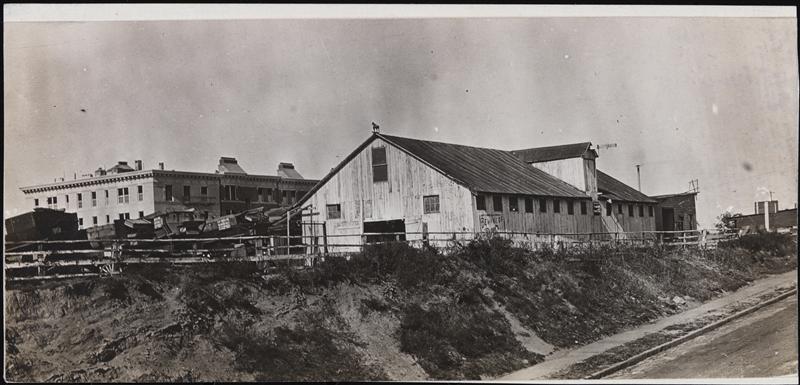
The iron works was “1,000 feet long by 50 feet wide, giving employment to a large number of hands, many of whom have been with the firm for years.”
The new Morrisania foundry of Janes, Kirtland and Company, in 1862
Courtesy the U.S. Capitol
From here, parts were forged, partially assembled and loaded onto ships in the East River where they then made their way down to the District of Columbia. The foundry became a critical job creator for the town.
“The wages paid to the workmen amount to many thousand dollars yearly, and with the taxes paid is of great importance to the town of Morrisania.” [source]
The Civil War halted construction on a great many projects across the country, but not at the Capitol Building. In the spring of 1861, the firm was told to stop working on the dome.
But contractors at Janes realized that so much work had been done — and so much ironwork already delivered — that they continued unabated, taking the government in good faith that they would pay their bills after the war.
“There was not a day during the Civil War when the sound of the hammer was not heard at the Capitol,” wrote George Cochrane Hazleton in 1914.
“Even when, in May 1861, all work was ordered to be suspended, the contractors practically continued at their own expense to put in place the 1,300,000 pounds of iron castings then upon the ground.”
They completed work on the dome — in all, using 8,909,200 pounds of cast iron — in October of 1865, six months after the end of the Civil War and the assassination of President Abraham Lincoln.
Adrian Janes, founder of the foundry, died on March 2, 1869, but he had seen his company produce marvelous things by this time. His Bronx foundry also produced the Bow Bridge in Central Park in 1862 and would later manufacture the railings used on the Brooklyn Bridge.
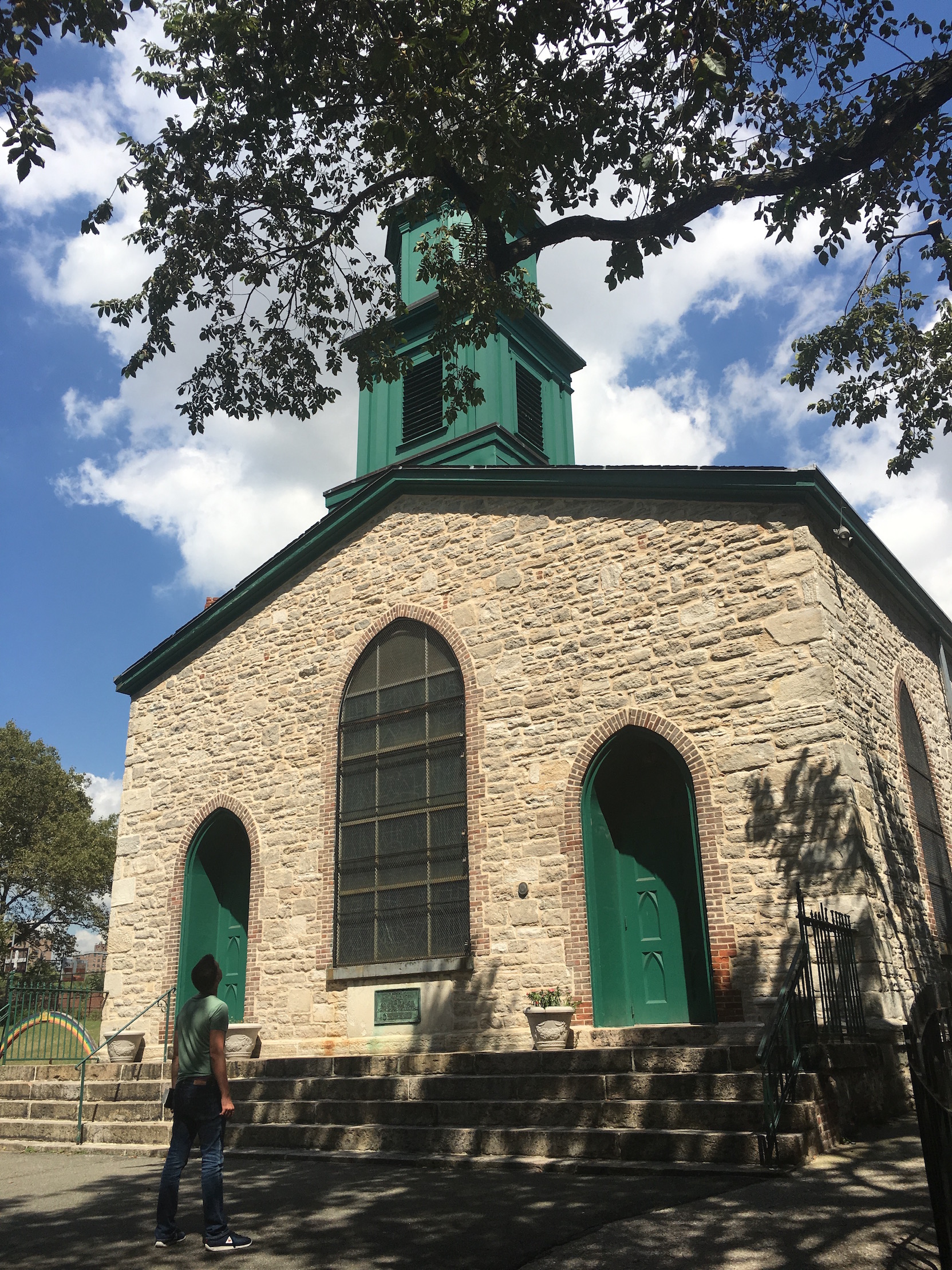
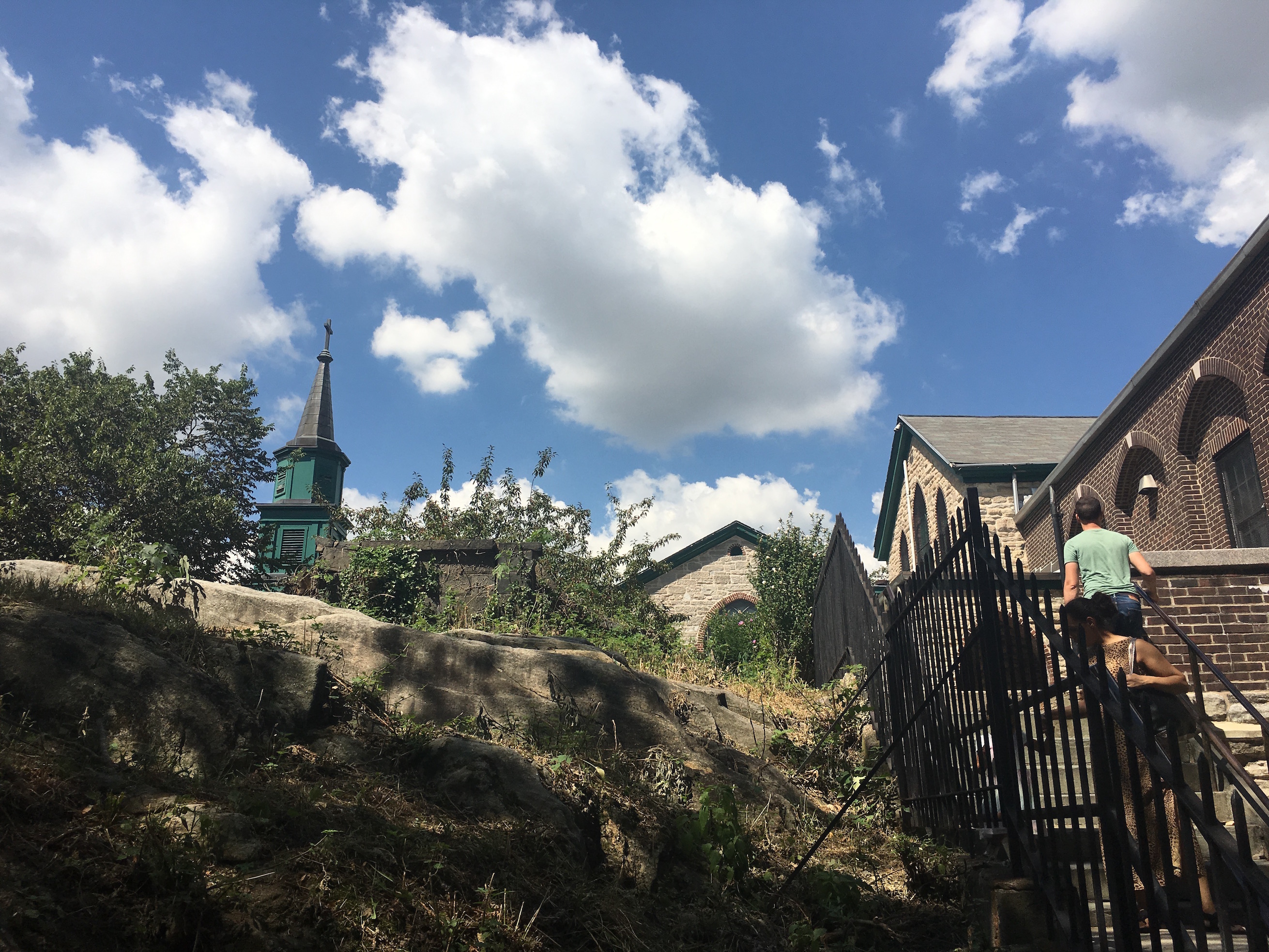
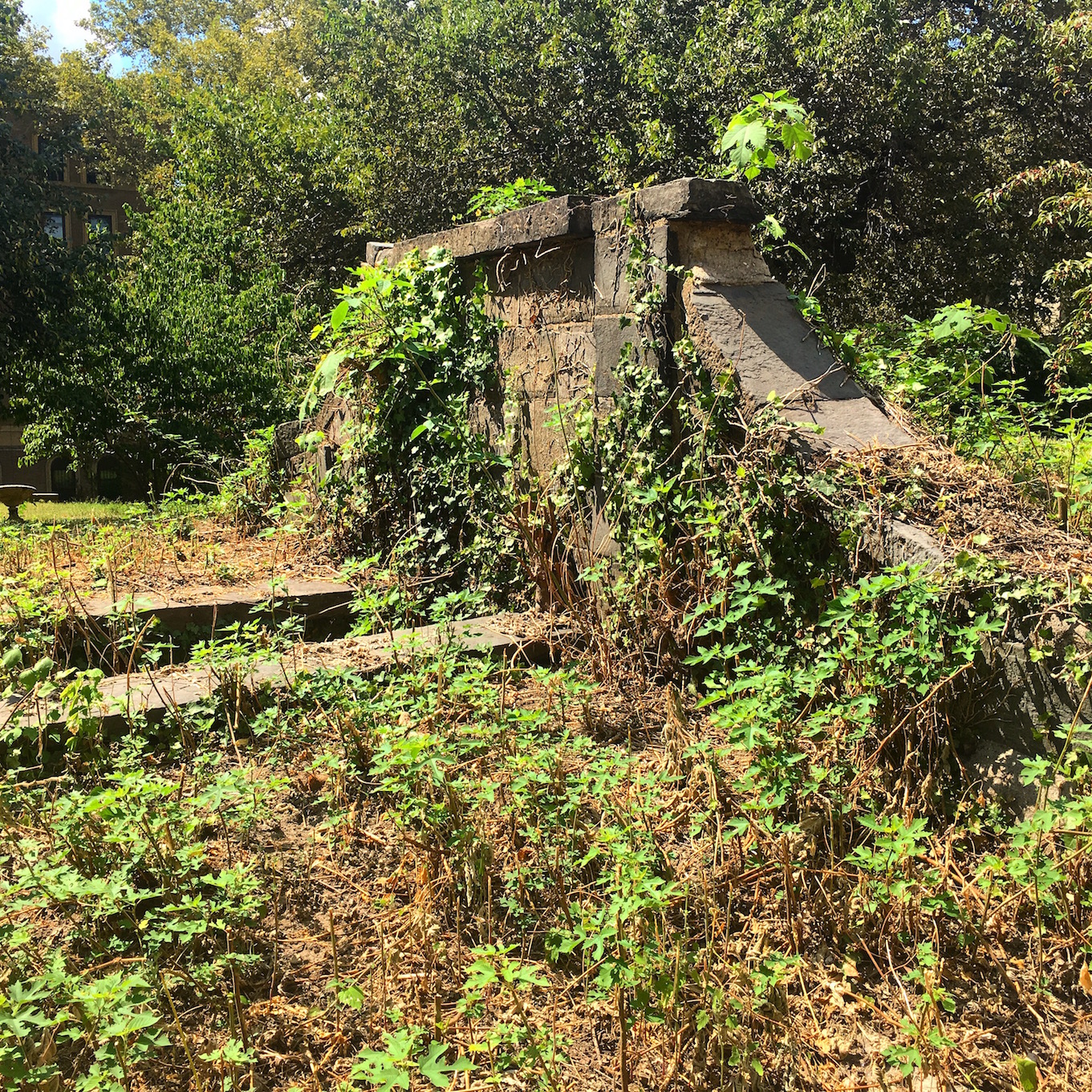
While the foundry is long gone of course, one vestige of Janes’ legacy remains — St. Mary’s Park.
The land was purchased from the Morris family by Janes in the 1850s for the purpose of developing a foundry and other properties, including his home. For a time the area was even known as Janes Hill, and an area to the park’s northern side still takes that name.
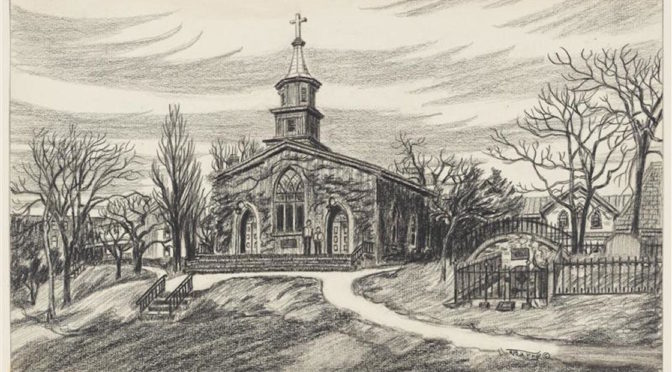
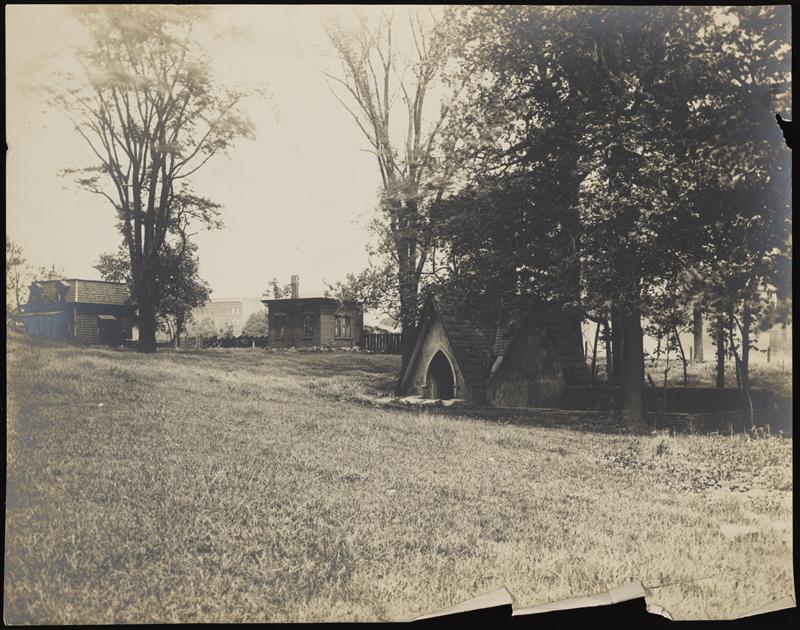
A small chapel was once on the property — St. Mary’s Church — for which the park gets its name. The Mary in question is actually Adrian Janes’ youngest daughter Mary. If that seems a bit hard to believe, keep in mind that St. Ann’s Episcopal Church just a couple blocks south — where Gouverneur Morris and Lewis Morris are presently interred — is actually named for Gouverneur’s wife Ann!
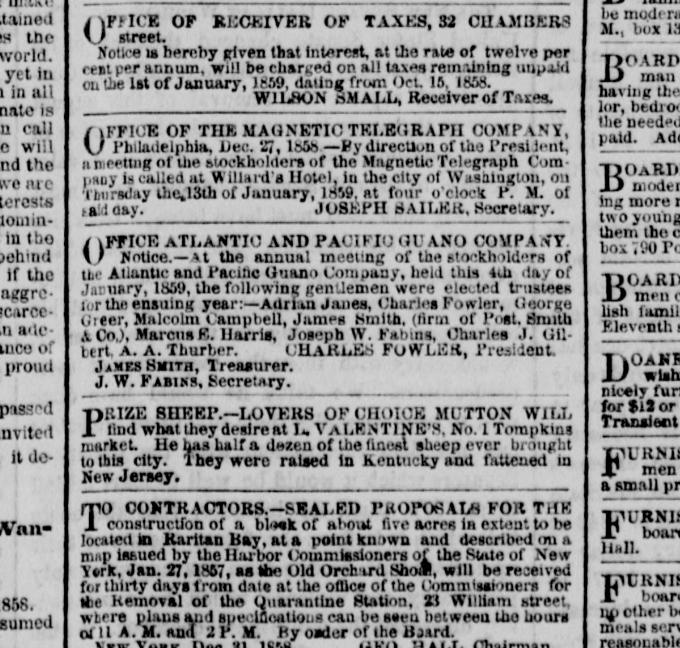
From the January 5, 1859 New York Herald — Mr. Janes was also a speculator in guano (bat and seabird droppings) as evidenced by the newspaper notice below:
It may be some time before we all get to truly enjoy the inside of a movie theater again. Hopefully soon!
But outdoor movies — in particular, drive-in movies — have had a bit of a renaissance, a socially distanced way to enjoy blockbusters on a big screen. Mommy Poppins has a great round-up of all the outdoor drive-in movie options in New York City and the surrounding area.
Watching movies outdoors is tradition much older than you think.
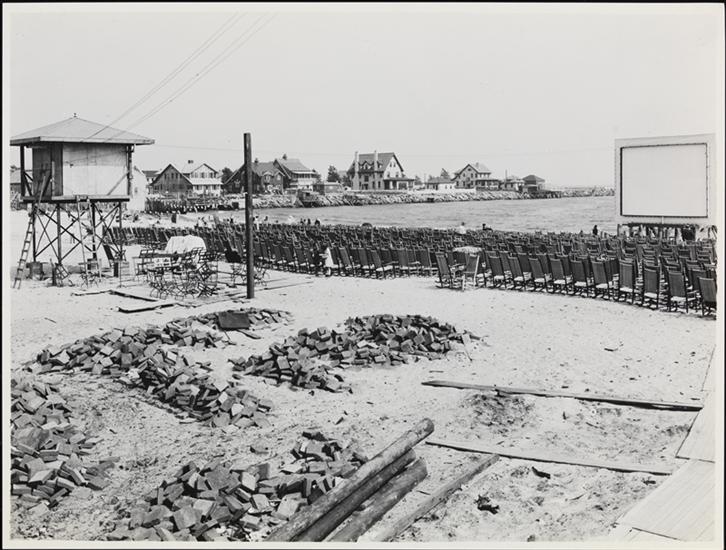
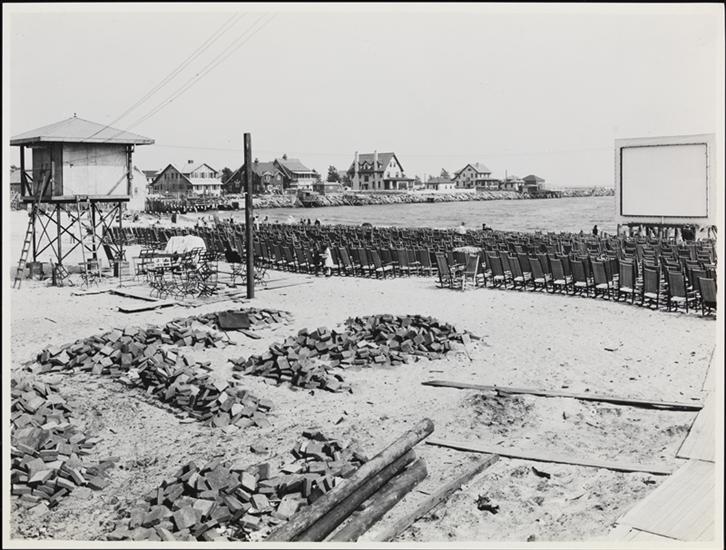
At an outdoor movie theater in Brighton Beach, 1920. (MCNY)
Yes, there were outdoor (or open air) theaters showing films almost as soon as the medium became popular.
This is not terribly surprising. There were already outdoor playhouses for theater and vaudeville, and, in an era of over-crowded tenements and no air conditioning, any reason to sit outside on a nice summer’s night seemed practically luxurious.
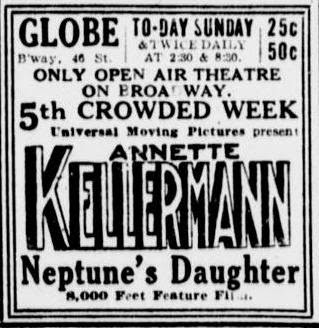
An advertisement for a rare Midtown open-air theater. The lights of Broadway and street noise would have been a serious impediment.
One drawback outdoor movie lovers deal with today is the loud city interfering with the sound of the movie. Not so then; the city might have been loud, but the movies had no sound.
It was a purely visual sensation, a thrilling entertainment light show under the moonlight.
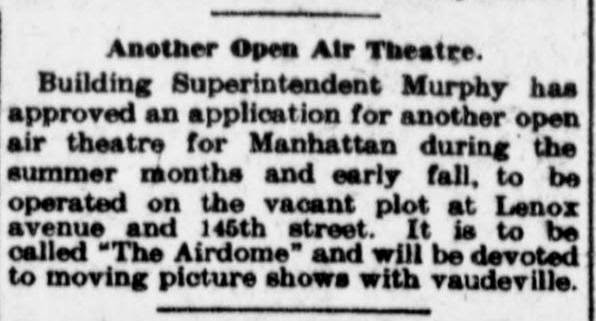
Early outdoor theaters in New York, sometimes called airdomes, were not usually in city parks, but in abandoned lots or open spaces in upper Manhattan.
Here’s a description of an airdome from a 1914 exhibition guide: “An airdome is simply an outside moving picture show that is run on practically the same lines as the old summer garden, and is therefore essentially a fair-weather show, although a few airdomes are equipped with pavilions.”
Airdomes were designed to be temporary although you did need a permit from the city to operate one. Other than that, anybody could do it! “Nothing elaborate …is necessary for a successful airdome,” said the guide. “The chairs and tables may be of the ordinary kitchen variety.”
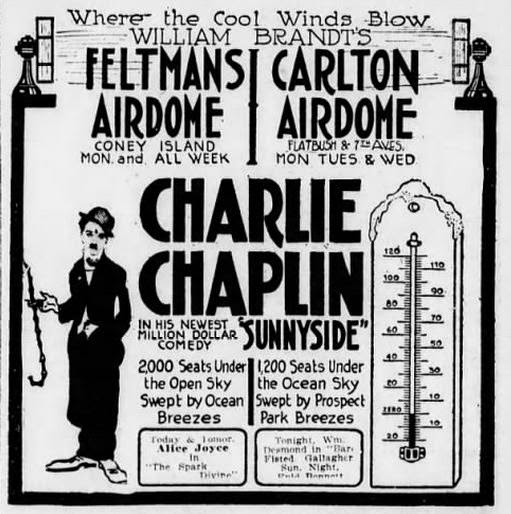
An advertisement for two Brooklyn airdomes — in Coney Island and Prospect Heights (Brooklyn Daily Eagle)
From surveying various newspapers from the 1910s, it appears most airdomes were located either in upper Manhattan and the Bronx (where there were more open lots) or in Coney Island (where the masses went for recreation).
Before 1915, movies were one-reelers, quite short, and often featured alongside live acts as part of a vaudeville routine. This airdome (listed in the July 1909 New York Sun) was typical of the day:
Outdoor movie theaters were so prevalent in the 1910s that, during planned war time electrical blackouts in 1918, they were specifically mentioned as a “bonafide food and entertainment establishment” alongside “roof gardens and outdoor restaurants.” [source]
But as with modern outdoor theaters, sometimes reality elbows its way into the picture.
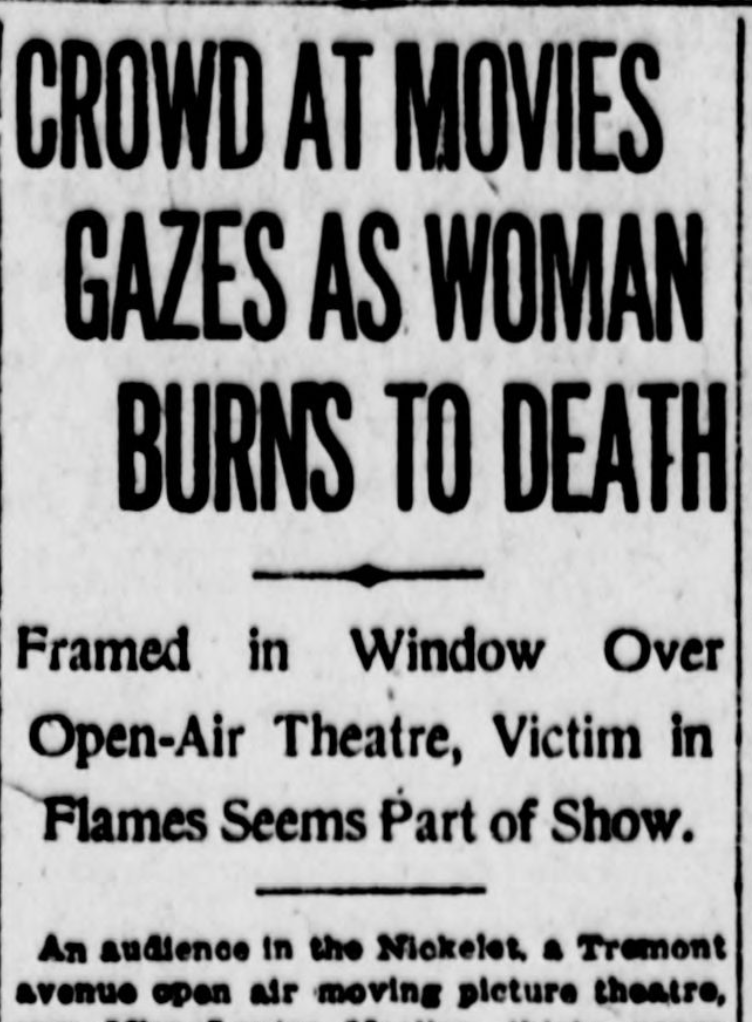
One of the Bronx’s most prominent open air moving picture theatres was the Nickelet (at Tremont and Prospect Avenues), presumably named for the admission price.
One evening in June 1913, audiences witnessed a terrifying sight — a woman burning to death in a building adjacent to the theater lot. Audience members scrambled to her rescue to no avail.
The transient nature of the airdome — and the ability for anybody with a license to have one — did cause friction at times.
During the spring of 1909, in the Long Island town of Freeport, a Brooklyn man enraged the town when he set up an airdome there even though he was not a town resident.
The airdome never went away of course. But the experience paled in comparison to the grand delights of the movie palaces, especially when air conditioning technology came along.
They eventually died out, along with the rooftop garden, in the 1920s, only to return later in the century when sound and projection technologies allowed for a more enjoyable evening at the movies.
And now, ladies and gentlemen, I hope you’re reading this outside! Create your own airdome experience and watch this film — Charlie Chaplin’s Sunnyside — enjoyed by Brooklynites over 90 years ago in an outdoor moving picture theater:
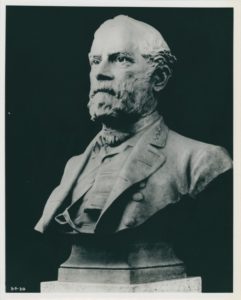
On Wednesday, Governor Andrew Cuomoannounced that the busts of Robert E. Lee and Stonewall Jackson, located on the campus of BronxCommunity College, would be permanently evicted, following the removal and dismantling of several sculptural depictions of the Confederate generals across the country in recent days.
There are many great Americans, many of them New Yorkers worthy of a spot in this great hall. These two confederates are not among them.
The funny thing about these particular busts though. Most New Yorkers were probably saying to themselves, “Busts of Confederates? In the Bronx?” Â Cuomo’s statement is probably the most that been written about them in more than five decades.
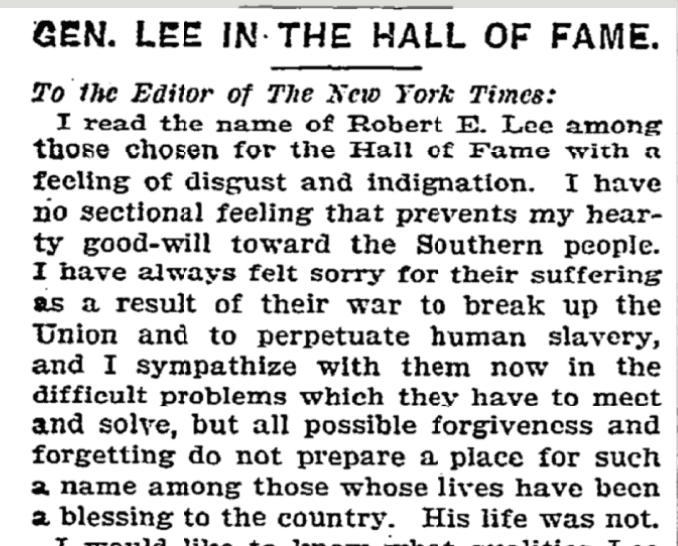
But many people have been displeased with Lee’s placement in the Hall of Fame from the moment it was decided to place his bust there back in 1900. Angry New Yorkers wanted to rip down his likeness before it was ever even erected.
“Robert E. Lee deserves the everlasting contempt of every soldier and every honest American.” – A.B.W., New York Times, 1900
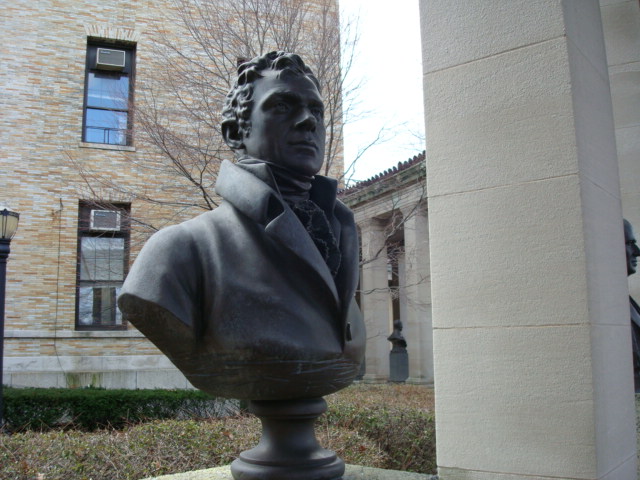
Below: The Hall of Fame bust of Robert E. Lee
Archives of Bronx Community College, City University of New York
History remains static even as our recollections of it evolve, even as our monuments to it transform without a single chip of the chisel. Statues often reveal more about the nature of collective memory than the likenesses represented in these honors.
Nowhere in New York City is that more true than a strange little nook of marble busts in the Bronx.
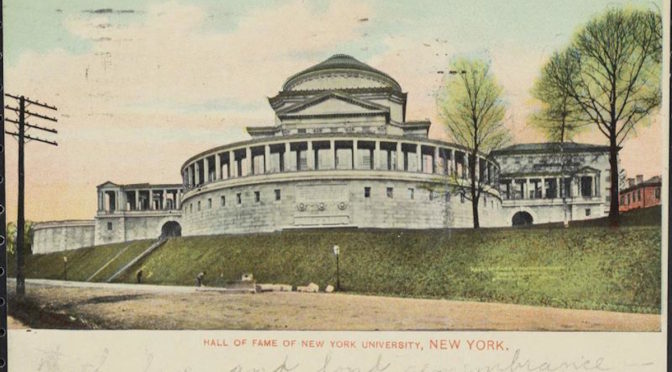
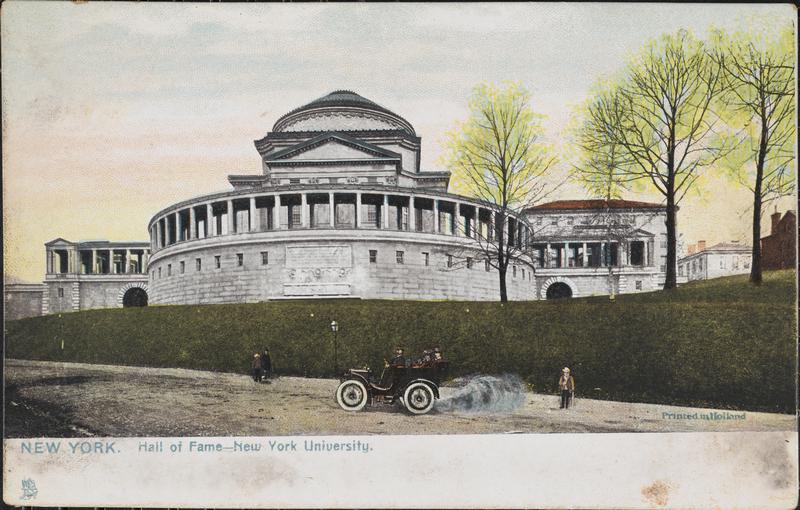
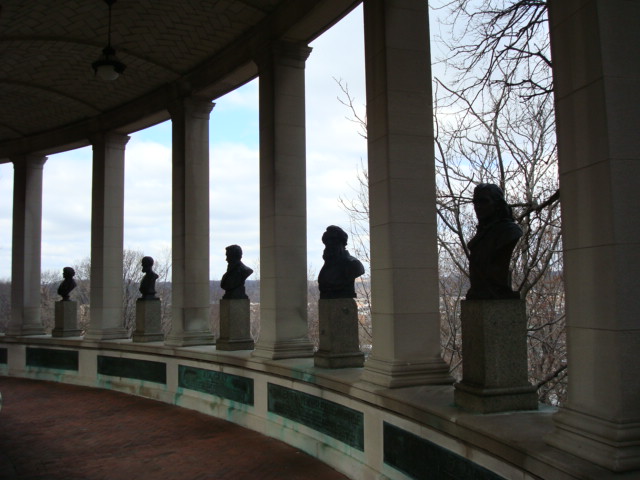
The Hall of Fame of Great Americans, located on the beautiful campus of BronxCommunity College (the former uptown campus of New York University), used to be considered a very, very important place.
MCNY — Raphael Tuck & Sons
Tucked on a scenic cliff overlooking the Harlem River (and with the Cloisters well in sight), the Hall of Fame  was an ambitious project constructed in 1900 with the idea of immortalizing Americans who had made significant contributions to the sciences, the arts, politics and the military.
Spearheaded by then-chancellor of NYU Henry Mitchell MacCracken, the project is the first real memorial ‘hall of fame’ concept to be executed in the United States. With America flush with Gilded Age wealth, the Hall of Fame was intended to be an American pantheon, a modern response to the god-filled marble hallways of Europe.
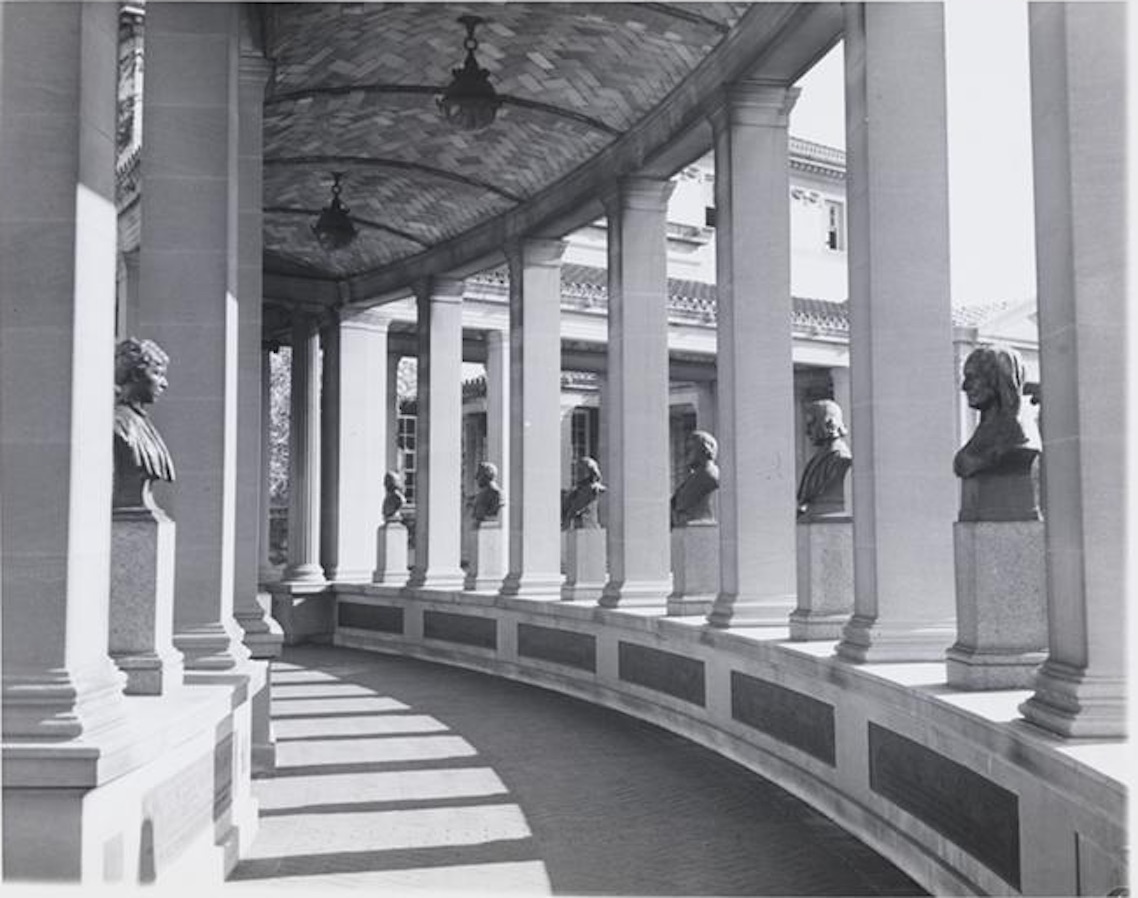
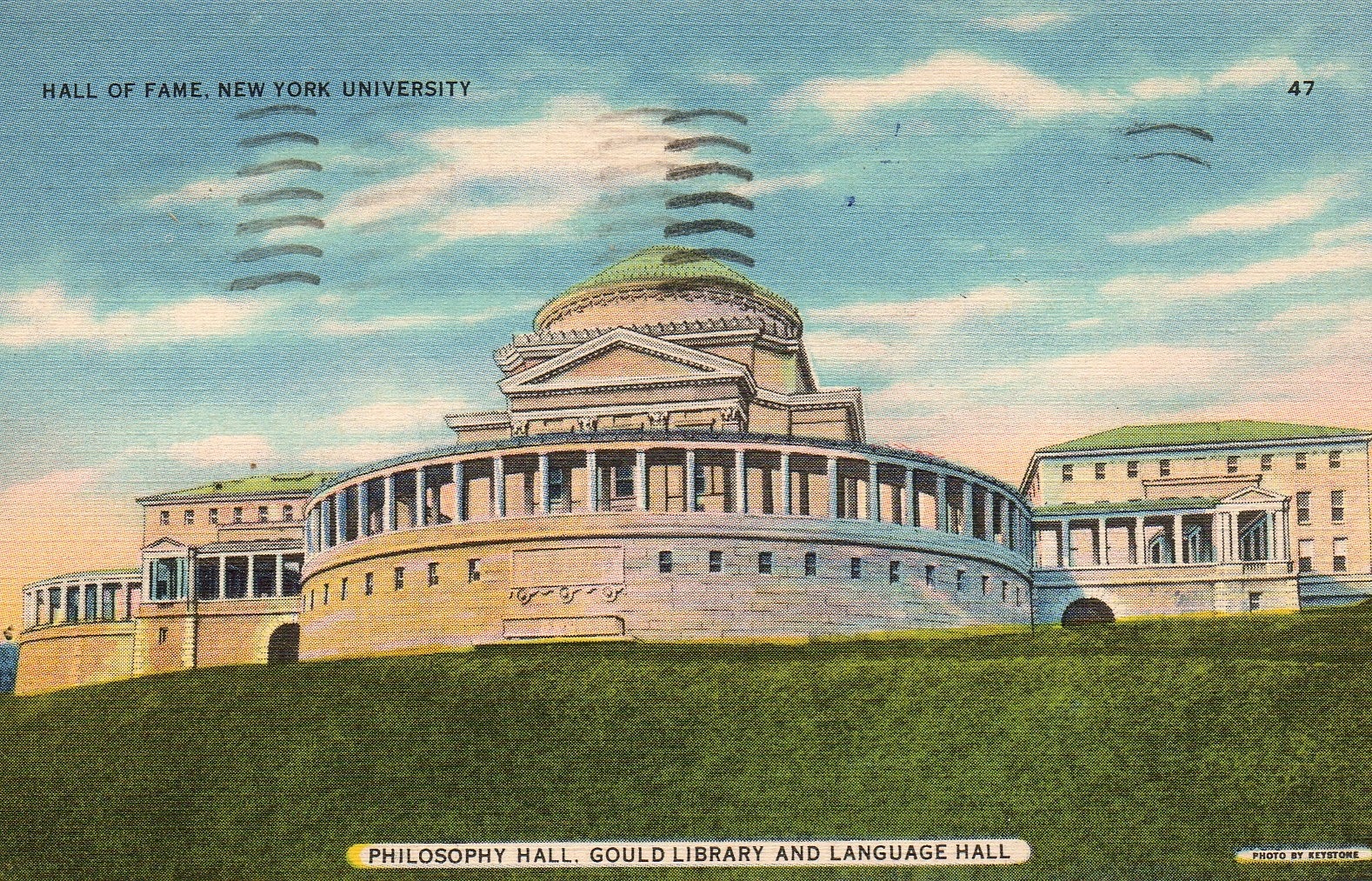
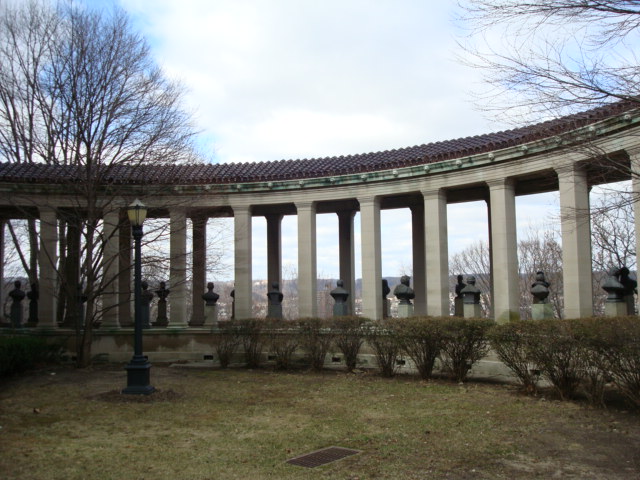
Walking along the spacious colonnade tucked behind the Stanford White-designed Hall of Philosophy, you are thrown back into a mix of turn-of-the century scholarly aesthetic and the belief of equating the American movement with ancient Roman and Greek forefathers.
MCNY 1945
There are 98 portrait busts representing a host of great minds — many recognizable, other completely forgotten today. The hall was regularly updated  up until the 1970s. Several people have been voted into the Hall of Fame but never received busts (sorry Andrew Carnegie).
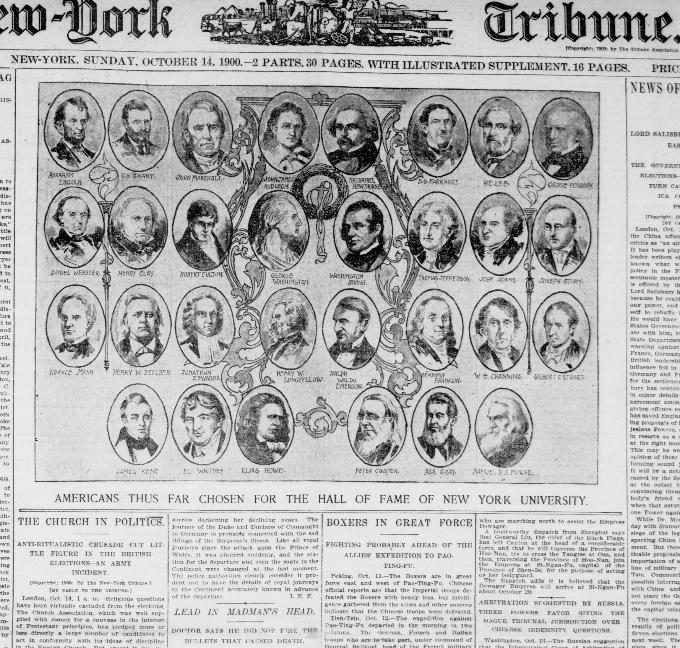
Prominent American citizens voted on who would be the first entrants to the Hall of Fame in 1900. Â When the ballots were at last tallied, a great number of (exclusively) men included some very obvious choices (Benjamin Franklin, Abraham Lincoln) some inspired ones (Nathaniel Hawthorne, Peter Cooper), and a couple bizarre ones, by today’s standards (the famed botanist Asa Gray).
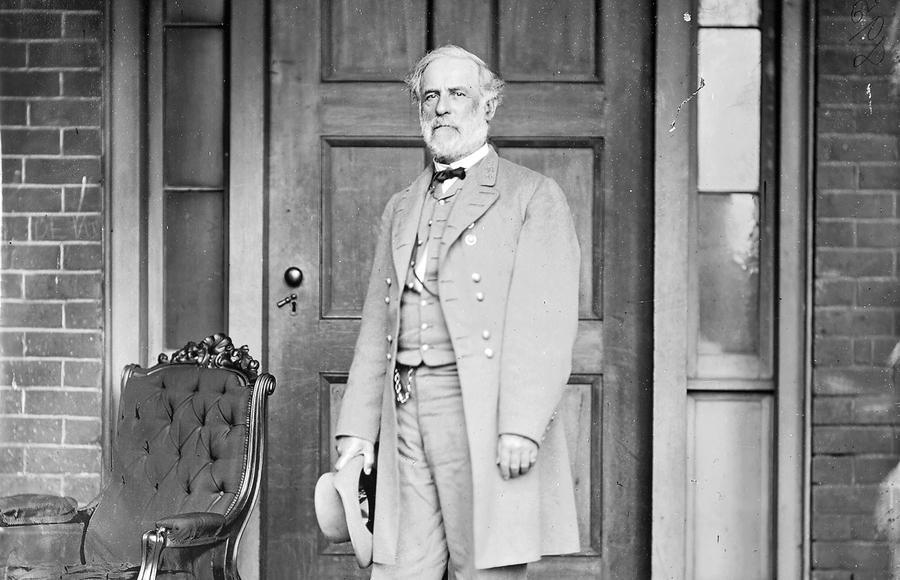
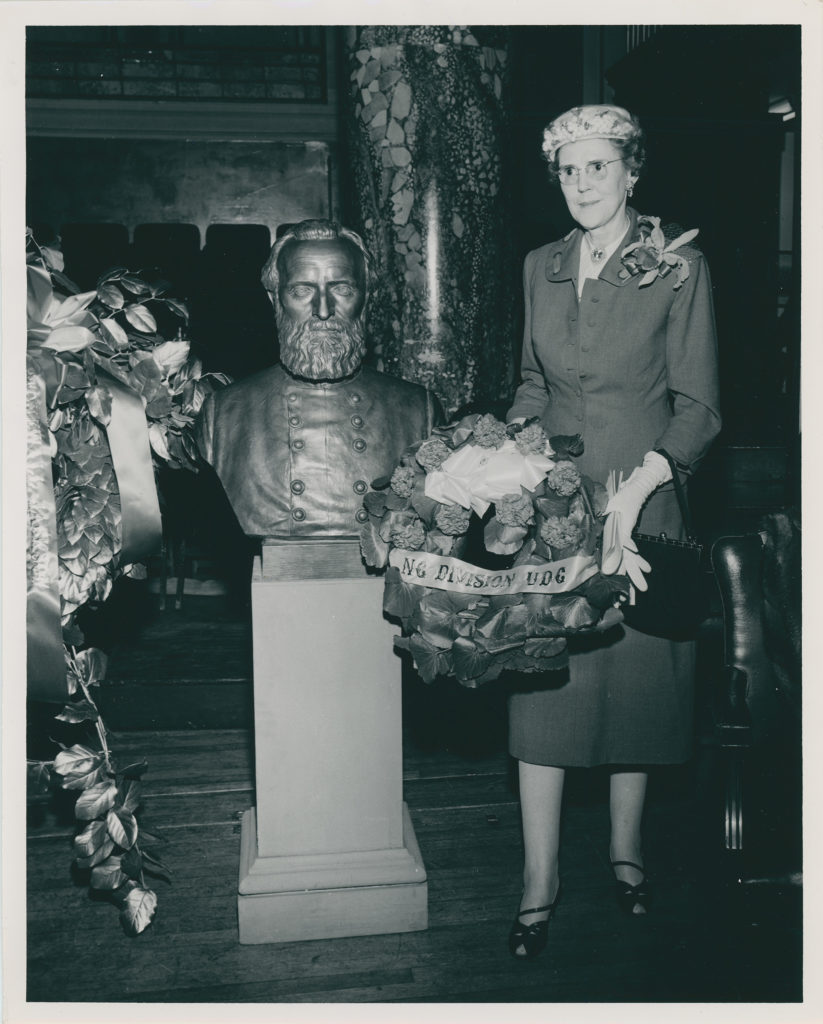
Interestingly one man who had fought for the Confederacy during the Civil War made the original list — Robert E. Lee. Over a half century later, he would be joined by Stonewall Jackson, another Confederate general.
Below: Lee, photographed by Mathew Brady in 1865
The Jackson bust was installed in 1957 after a vigorous campaign by  Confederate history supporters. According to Richard Rubin of The Atlantic: “Newspaper publishers used their editorial pages to lobby for or against nominees, and groups like …. the United Daughters of the Confederacy waged extensive, expensive campaigns to get ‘their’ candidates elected.” [See picture at the bottom of this article]
But Lee’s appearance in this immortal pantheon was almost never in question — at least for those who voted on the original inductees.
However, almost immediately, the possibility of Lee’s inclusion became controversial. The idea of a Confederate general — responsible for the deaths of thousands of Union soldiers — seemed ridiculous, even offensive, particularly to Northerners and to the residents of the city which would hold the Hall of Fame.
Leading the charge against Lee was the New York Sun.
“At this time there has come up a false and mushy sentimentality which would have the American people forget the outrage against the Republic committed by the rebellions forces under the command of Robert E. Lee. It is that meek and mawkish sentimentality which puts the name of Lee among the great commanders entitled to the veneration of posterity. Â Hail to the Stars and Stripes and always death and confusion to its enemies!”
“[T]he protagonist of the Lost Cause possessed personal beauty of the ideal kind and accomplishments which perfectly fitted him for the high station which was his, from the bright beginning to the sombre close of his career. [H]e sacrificed wealth and ambition, to battle for a cause which, to his keen professional eye, was predestined to failure.”
(Theirresponse seems to revel in the ‘mawkish sentimentality’ upon which the New York Sun was remarking!)
“His only claim to distinction is that he displayed great ability in his attempt to destroy the Government he had sworn to defend, much of his ability being due to the education given him by that Government. The only excuse to be made for Lee is that he thought he was right, that he thought he must be ‘loyal to his State’…..
But supposing Lee was honest in his belief, it is not customary or proper to honor a man for making the mistake of a lifetime. We may forgive his offense but neither justice nor charity requires that we should do more than maintain silence on the subject.
Let those who know Robert E. Lee honor his memory for such good qualities as they found in him, but the Hall of Fame should be reserved for those whose public services are worthy of honor.”
A month later: Â “I protest against his name being coupled with the patriots of his time. Robert E. Lee deserves the everlasting contempt of every soldier and every honest American for accepting the surrender of brave Union soldiers when he know they would be sent to be starved and tortured in Southern prison pens.” — NYT, Oct 16, 1900
Many of the letter writers were certainly alive during the Civil War. The veterans organization Associated Survivors of the Sixth Army Corps of Washington passed a resolution against the Hall of Fame organizers, declaring “General Lee was an enemy to his country and failed to do his duty at a critical time.”
However it is interesting that of all the objections about Lee and Jackson, none directly had to do with slavery or the plight of enslaved people.
An illustration of the first inductees from the New York Tribune:
Others thought of the  Hall of Fame a place of representative honor and so Lee must be included, if only to bring the Southern states into the hall’s august glory.
“Would it not be a graceful tribute to our worthy Southern brothers to include the names of some of their great heroes on the Hall of Fame record? Though Robert E. Lee and T. J. Jackson fought for what we think is a bad cause, yet we should not forget that such men acted as their consciences dictated, and their whole lives show them to be great, good and most worthy gentlemen.”
Others set aside grievances with Lee and took aim at another candidate — John C. Calhoun, the former Vice President who set the wheels of the South’s secession in motion.
From a Boston newspaper: “The judges are having trouble enough from their assignment of a pedestal to General Lee. But Lee did not formulate policies. To have put the Great Nullifier in the American Pantheon would have bred a riot.”
In the end, Lee would be among the original inductees to the Hall of Fame. (Calhoun would fail to make the final cut.) Indeed the balloting proved both general to be well regarded in their day, placing higher in the voting than all generals by Ulysses S. Grant.
The Hall of Fame is a true curiosity in the ‘roadside attraction’ sense. Once NYU sold the campus in the 1970s, the colonnade was virtually neglected, the hall of fame forgotten.
It is a modern ruin that current events has dusted off for new evaluation.
Below: The installation of Stonewall Jackson’s bust in 1957Â
Courtesy Bronx Community College
________________
Portions of the research for this article were taken from a previous article I wrote about the Hall of Fame back in 2009.
The Dutch were sold on the island’s placement in the harbor at the mouth of the mighty Hudson River, making it a convenient waypoint for explorers and traders. Soon its ports had built the foundation for New York’s and later America’s financial sector.
The city’s most influential nineteenth-century businessman, Cornelius Vanderbilt, got his feet wet in business first with ferries and steamships before building his mighty railroad empire. Manhattan is surrounded by water, and yet early New York would almost be undone due to a lack of it.
Traces of the city’s centuries-long quest for clean drinking water can be found from the island’s tip to its top from the site of spring water wells down in Bowling Green to the relics of old water systems..
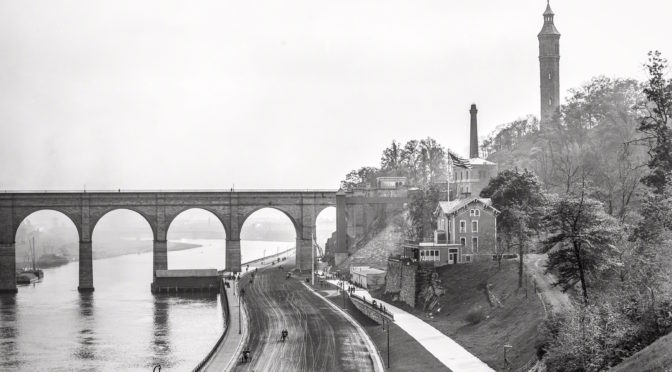
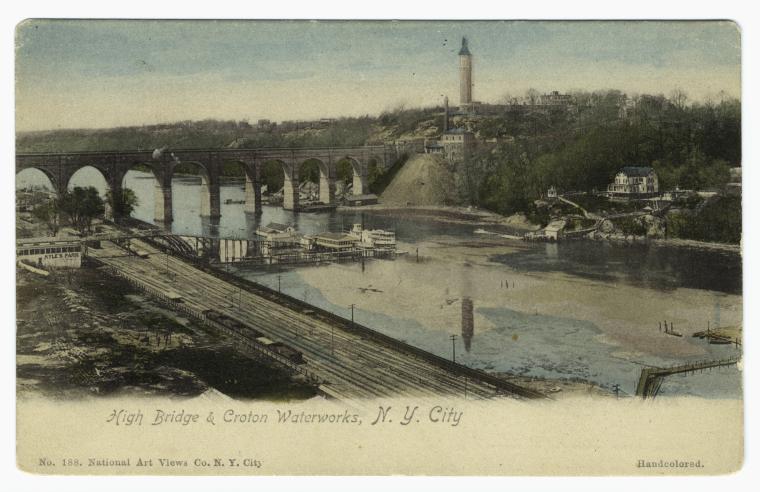
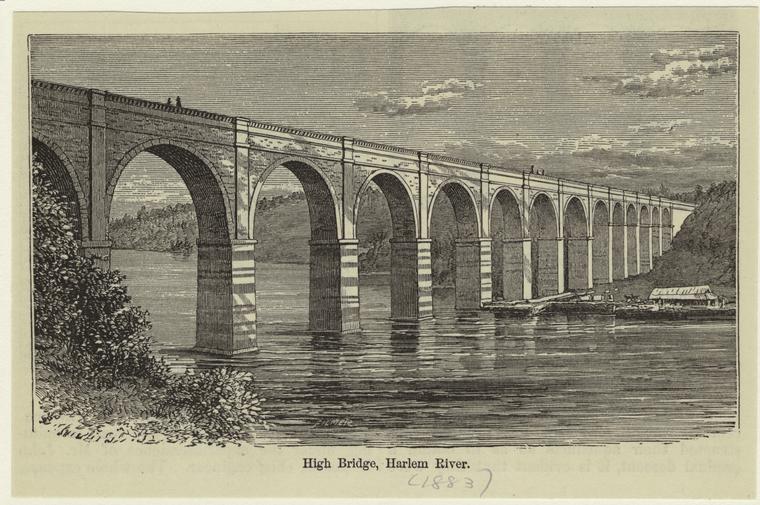
But no monument to freshwater dominates quite like the High Bridge, the Romanesque wonder linking Manhattan to the Bronx over the Harlem River.
Courtesy NYPL
For many decades this majestic artifact, seemingly plucked from the hills of ancient Gaul, was a vital link in that great engineering triumph: the Croton Aqueduct.
With the dense river traffic below and the icky-brackish composition of the surrounding rivers, early New Yorkers had to look beyond their waterways for drinking water. They dug cisterns and hunted down springs, but these couldn’t support the growing city.
By the late eighteenth century, Collect Pond, a so-called freshwater source located northeast of today’s City Hall, had become polluted by the industries that surrounded it, and valiant efforts to bring water from other sources during the Colonial era were dampened by debt and war.
Courtesy MCNY
In 1799 future vice president/murderer Aaron Burr hatched a grand business plan to construct a reservoir system that would distribute water via an elaborate network of hollowed-out logs. (Above: The reservoir and grandest structure of the Manhattan Company system, pictured here in 1825.)
Unfortunately for parched New Yorkers, he ended up using most of the funding for his company to establish a successful bank instead. More than a century and a half later, Manhattan Company merged with Chase National Bank to become Chase Manhattan, known today simply as Chase, one of the largest banks in the world. But his water distribution efforts ended up being woefully inadequate, and left Manhattan high and dry.
NYPL
By the 1830s the city was on the verge of a health crisis, as putrid water, poor sanitation, and all-around squalid living conditions culminated in a series of health epidemics and breakouts—which only heightened the urgent need for clean water.
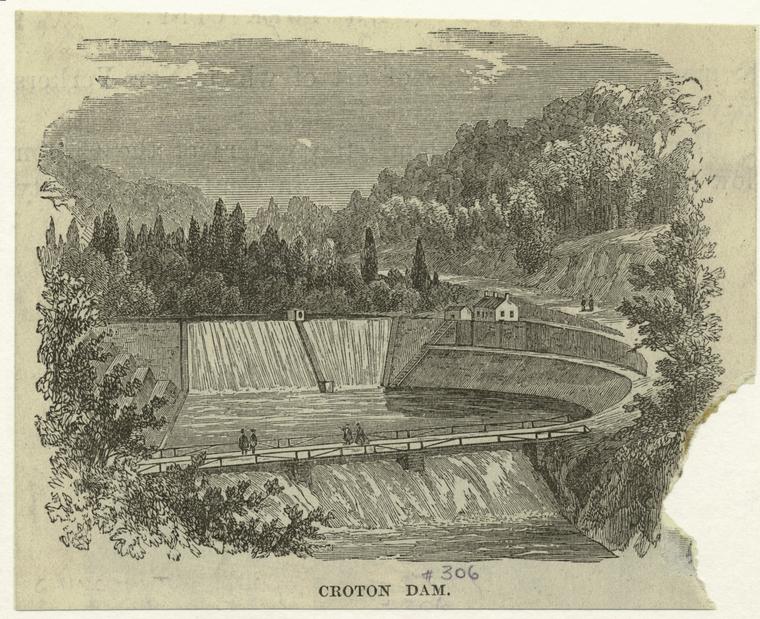
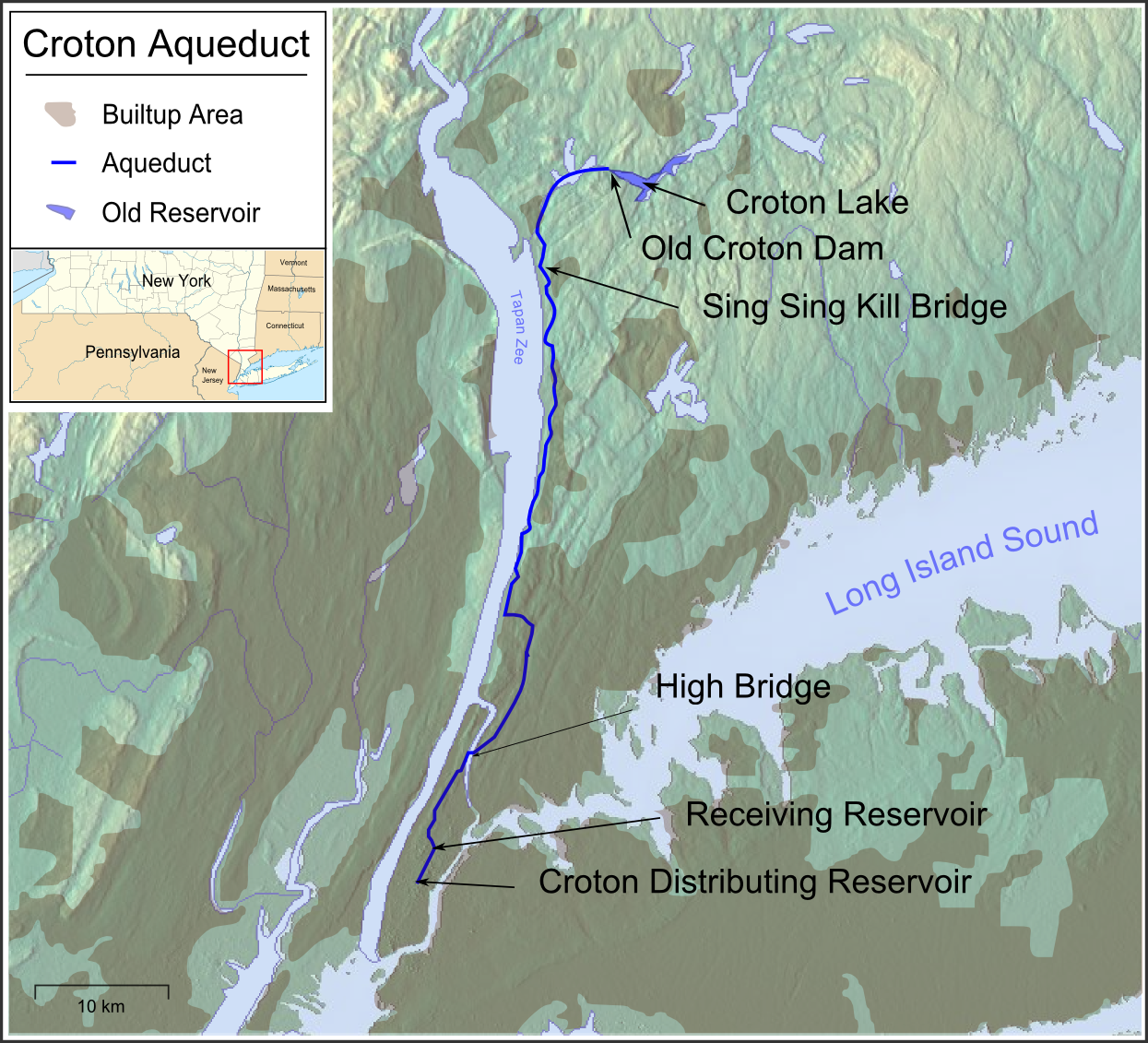
In April 1835 New Yorkers were so desperate for a freshwater supply that they voted in favor of a seemingly impossible plan: a pipeline that would bring the pure waters of the Croton River, forty miles north in Westchester County, down to city residents. Only underscoring the emergency, eight months later the Great Fire of 1835 would ravage the city. The aqueduct couldn’t be constructed quickly enough.
Wikipedia
The elaborate project employed thousands of mostly Irish immigrants for many years (1837-1842). They constructed a sophisticated system of iron piping and brick masonry, which drew upon gravity to run the water through pipes and over arches, across the lush terrain of Westchester, and through the small towns that would later form the nucleus of the Bronx.
But how would the water get into the island of Manhattan? The aqueduct’s architects would need to find a way to keep it flowing across the Harlem River. Drilling technologies were not advanced enough in the 1840s to allow for a tunnel, so planners thought bigger — and higher.
NYPL
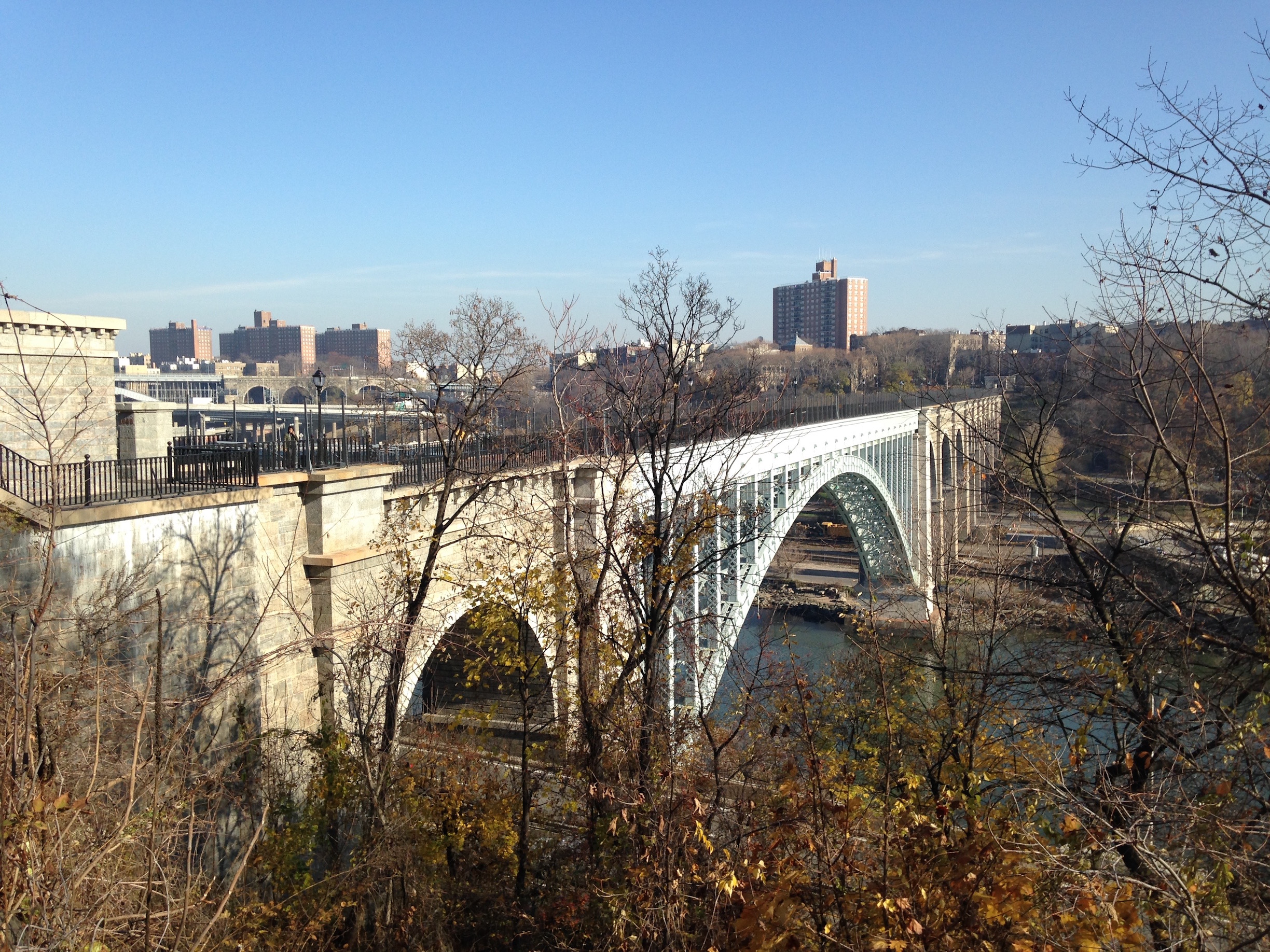
The High Bridge, at an elegant 1,450 feet long, is the oldest surviving bridge in New York. Completed in 1848, it not only brought the Croton water into the city, but it also made one heck of a statement noticed around the world.
New Yorkers had pulled off a technological miracle, borrowing engineering and architecture principles not attempted, on this scale, since the glory days of the Roman Empire. They were changing the course of one river forty-one miles away and sending its waters high above another.
“Water! Water!” wrote diarist and former mayor Philip Hone on October 12, 1842, “is the universal note which is sounded through every part of the city, and infuses joy and exultation into the masses.”
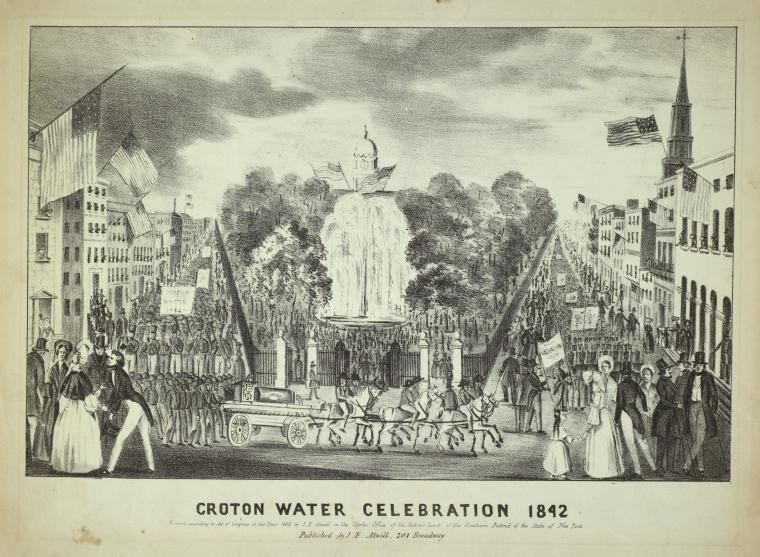
When the water was finally turned on — flowing on October 14, 1842 — the city threw a bash bigger than any since the expulsion of the British in 1783.
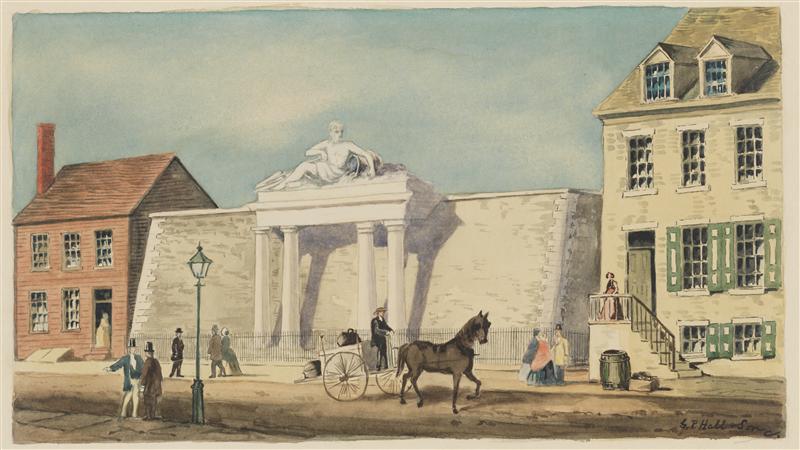
From there it moved through the city, eventually to City Hall Park, where good, clean water shot high into the air and down into the City Hall fountain, to the delight of the public. Imagine— enough water to waste in a fountain!
(At the time of the celebration, the High Bridge had not yet been completed, so Croton water crossed a temporary low bridge. The lofty span replaced the modest one a few years later.)
Below: New Yorkers gathering at City Hall in celebration at the completion of the Croton water system. For more information, check out our podcast on the construction of the Croton Aqueduct
NYPL
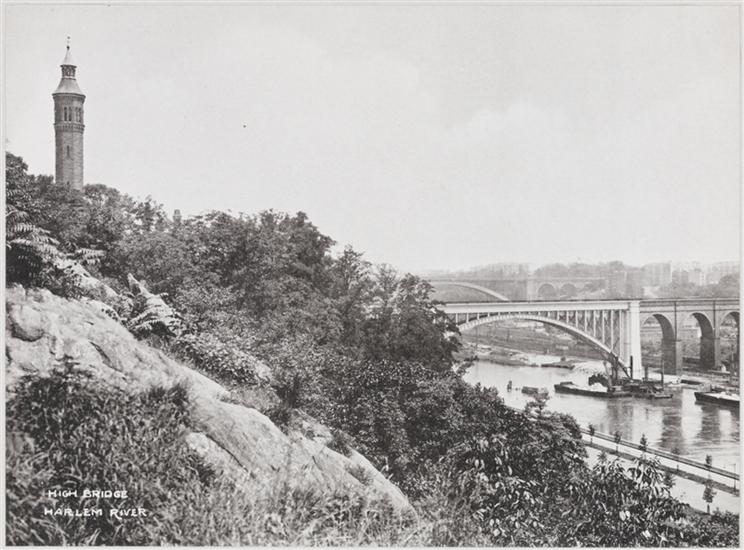
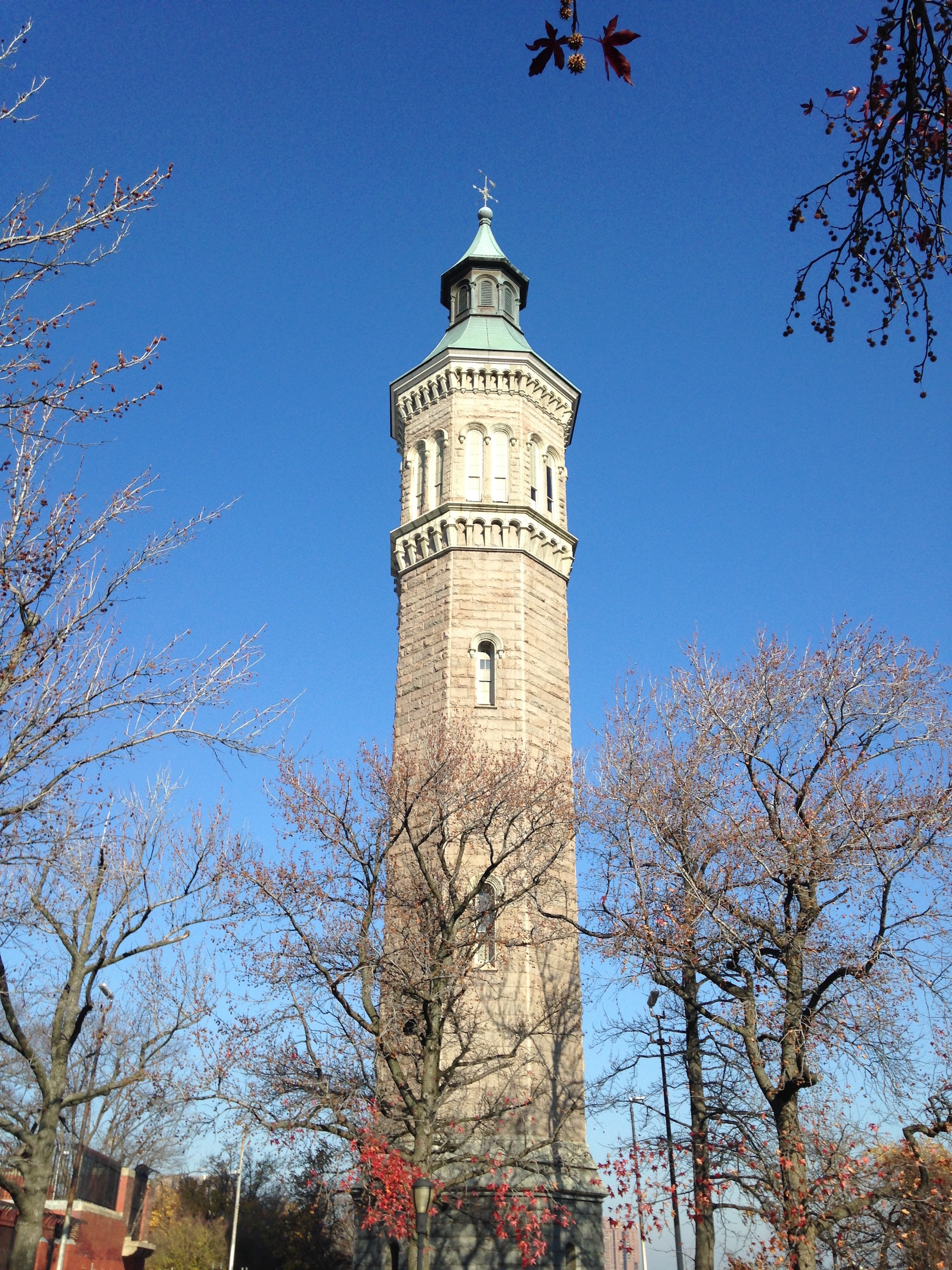
But the celebrated new system struggled to keep up with the demands of the growing city. In 1872, as masses of new arrivals from far-off lands crammed into tenements, an attractive water tower was constructed near the High Bridge to help increase the water pressure into the city.
The High Bridge and tower in 1915
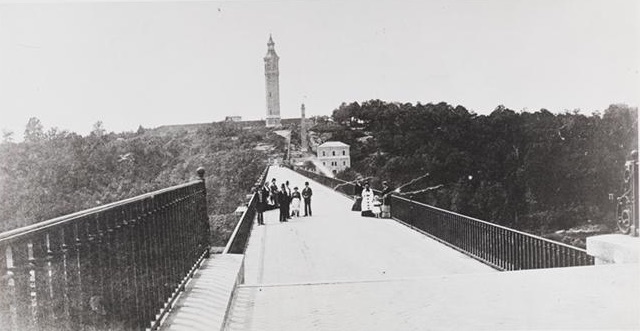
By this time the High Bridge itself had turned into an attraction, a festive promenade where young gentlemen and their parasol-clinging lady companions could stroll, taking in the striking views of the still-forested landscape that surrounded them, while millions of gallons of clean water coursed beneath their feet.
MCNY
But New York, growing larger every day, would need more water. Much, much more. The introduction of indoor plumbing would require an entirely new and much larger Croton system to be built, which opened in 1890 and employed the massive Jerome Park Reservoir in the Bronx to satisfy the demand.
But alas, with a million flushes came the end of the High Bridge as an active part of the water system. Its function replaced by unromantic pipes buried underground, the bridge and water tower were retired from service by 1949, and soon these structures modeled after antiquity became historical relics themselves.
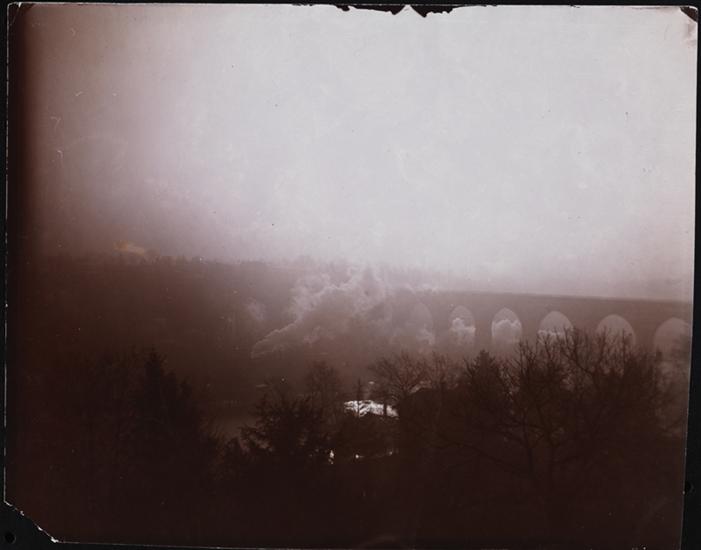
Below: The High Bridge, lost in a haze, photographed in 1920
MCNY
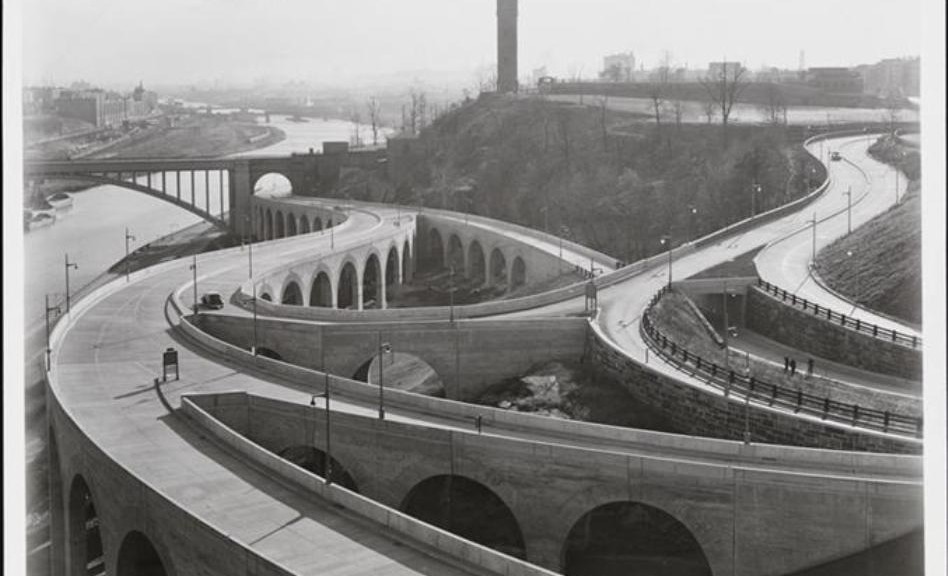
In a surprising twist given the unforgiving tendencies of city planners of the day, it was probably the beauty of the bridge and the tower that kept them from being ripped down in a bit of “progress.” Motorists along the Major Deegan Expressway took moments from their traffic jams to reflect on the possible story behind these strange and magnificent artifacts, which grew more incongruous as the modern highway system developed around them.
MCNY
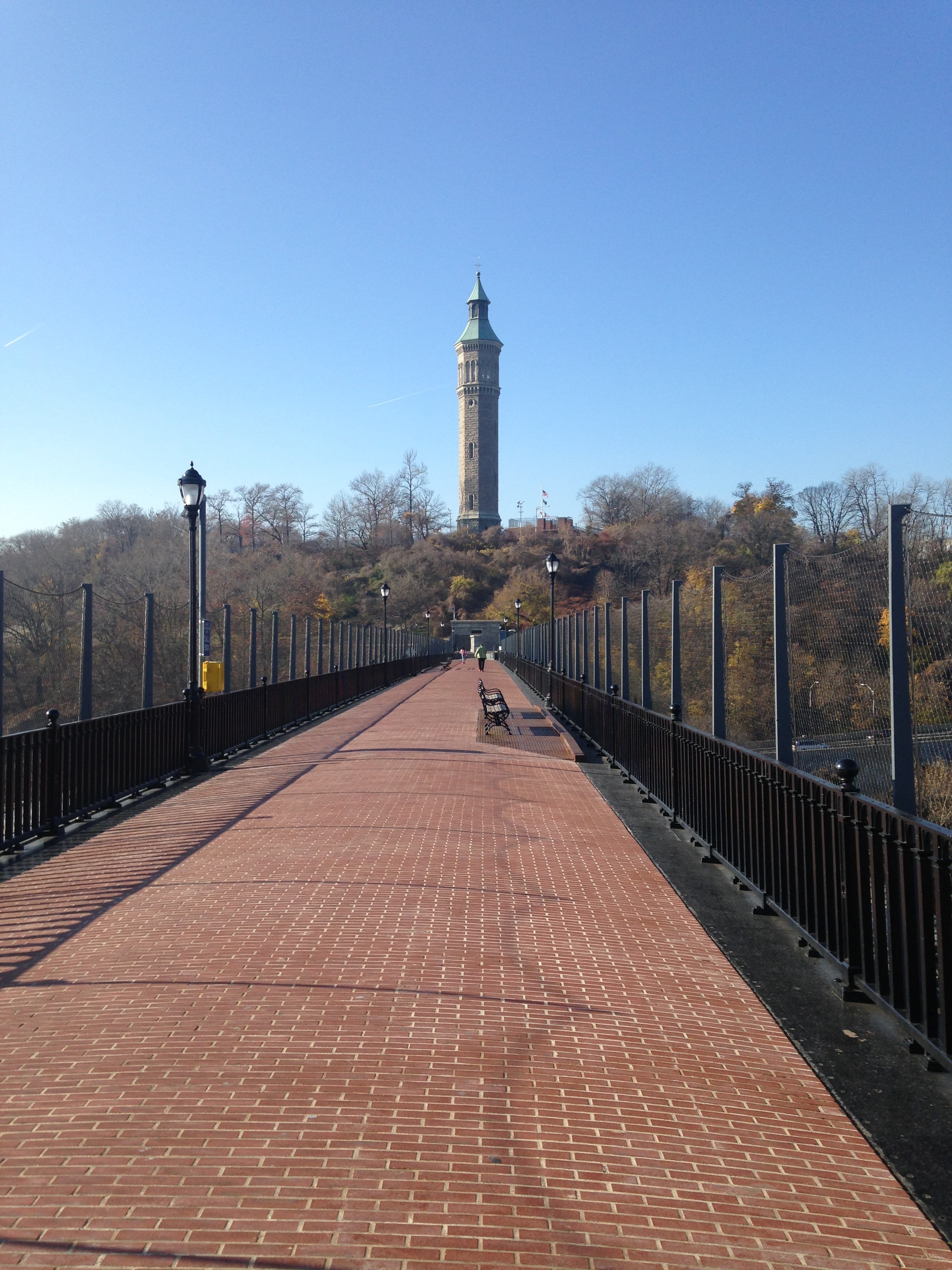
Two years ago this month, the High Bridge was restored, not for the movement of water but for those visitors and their parasols (replaced by headphones, we imagine) to enjoy a one-of-a-kind perspective on their buzzing metropolis.
If you go — or rather, when you go, because you really must see it — reflect upon the water that once passed below you. It helped this city grow.
HOW TO GET TO THE HIGH BRIDGE
Mass Transit: Take the A/C or the 1 train to 168th Street, get out and walk east. OR the M101 bus takes you right up to Highbridge Park
On the Bronx side, you can take the 4 train to Mt Eden Ave but it’s a bit of a walk west. Instead take the Bx11 or Bx13 bus
“If you are entering the High Bridge from the Manhattan side, please enter Highbridge Park at West 172nd Street and Amsterdam Avenue and walk east to the High Bridge Water Tower Terrace staircase down to the bridge level. If entering from the Bronx side, enter at University Avenue and 170th Street in Highbridge, Bronx.”
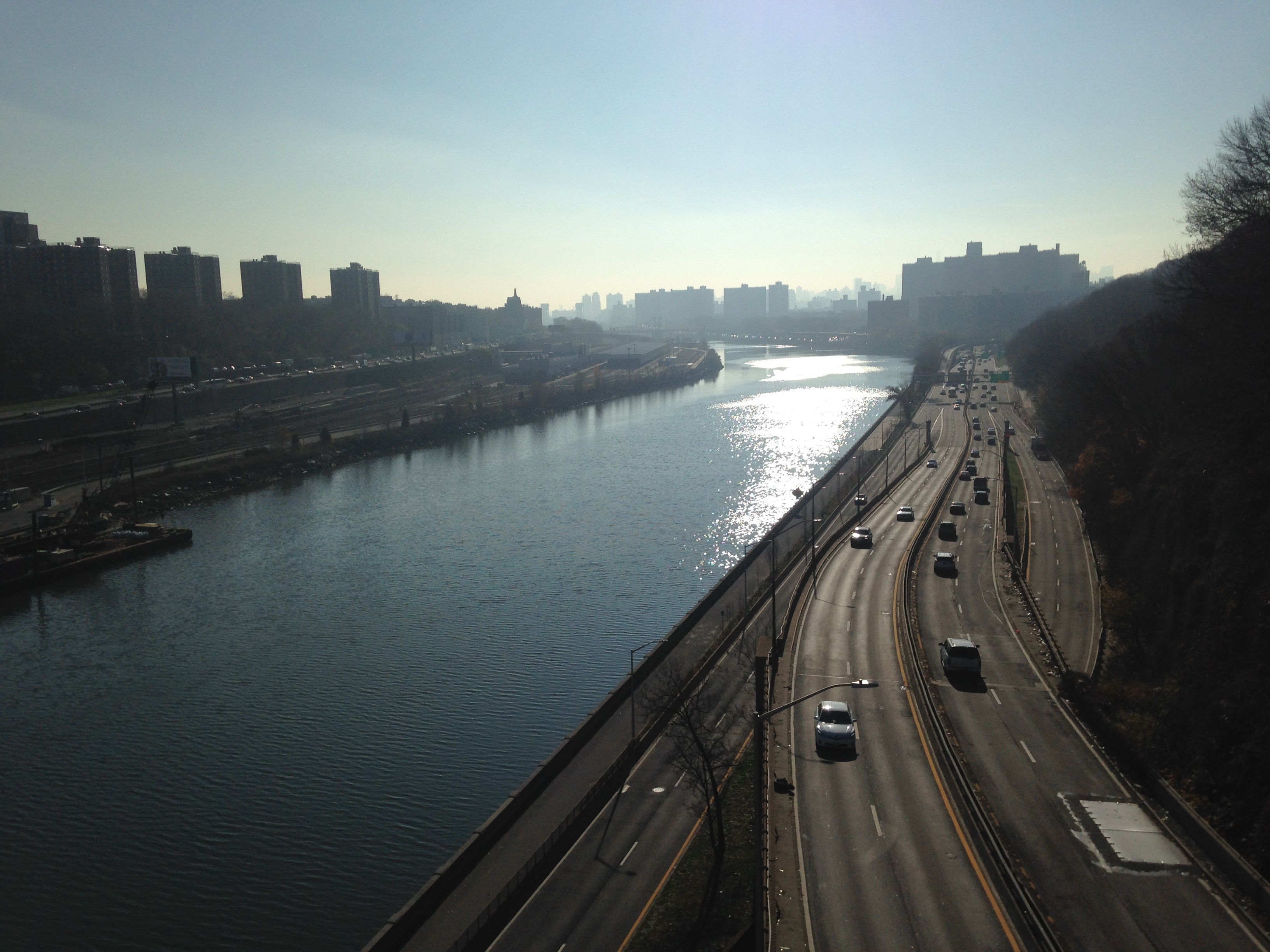
Some images from my trip there in November. It’s three times as beautiful now!
PODCAST The trials and tribulations experienced by the Bronx through the mid and late 20th century.
In the third and final part of our Bronx history series, we tackle the most difficult period in the life of this borough — the late 20th century and the days and nights of urban blight.
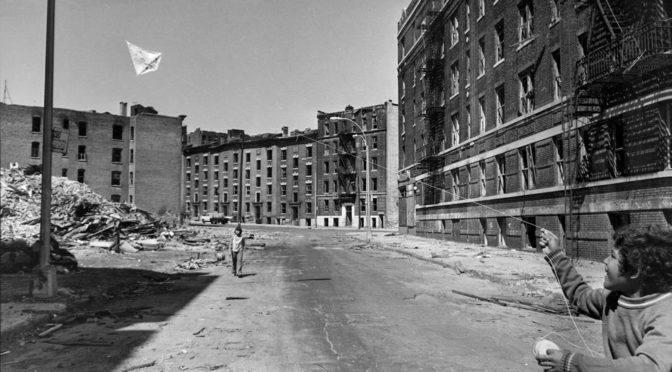
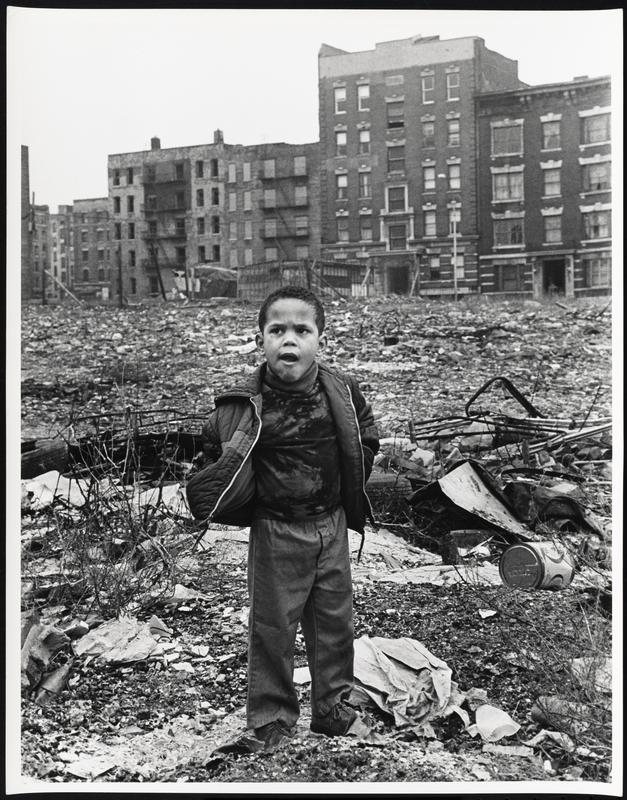
The focus of this show is the South Bronx, once the tranquil farmlands of the Morris family and the location of the first commuter towns, situated along the new railroad. By the 1950s, however, a great number of socio-economic forces and physical changes were conspiring to make life in this area very, very challenging.
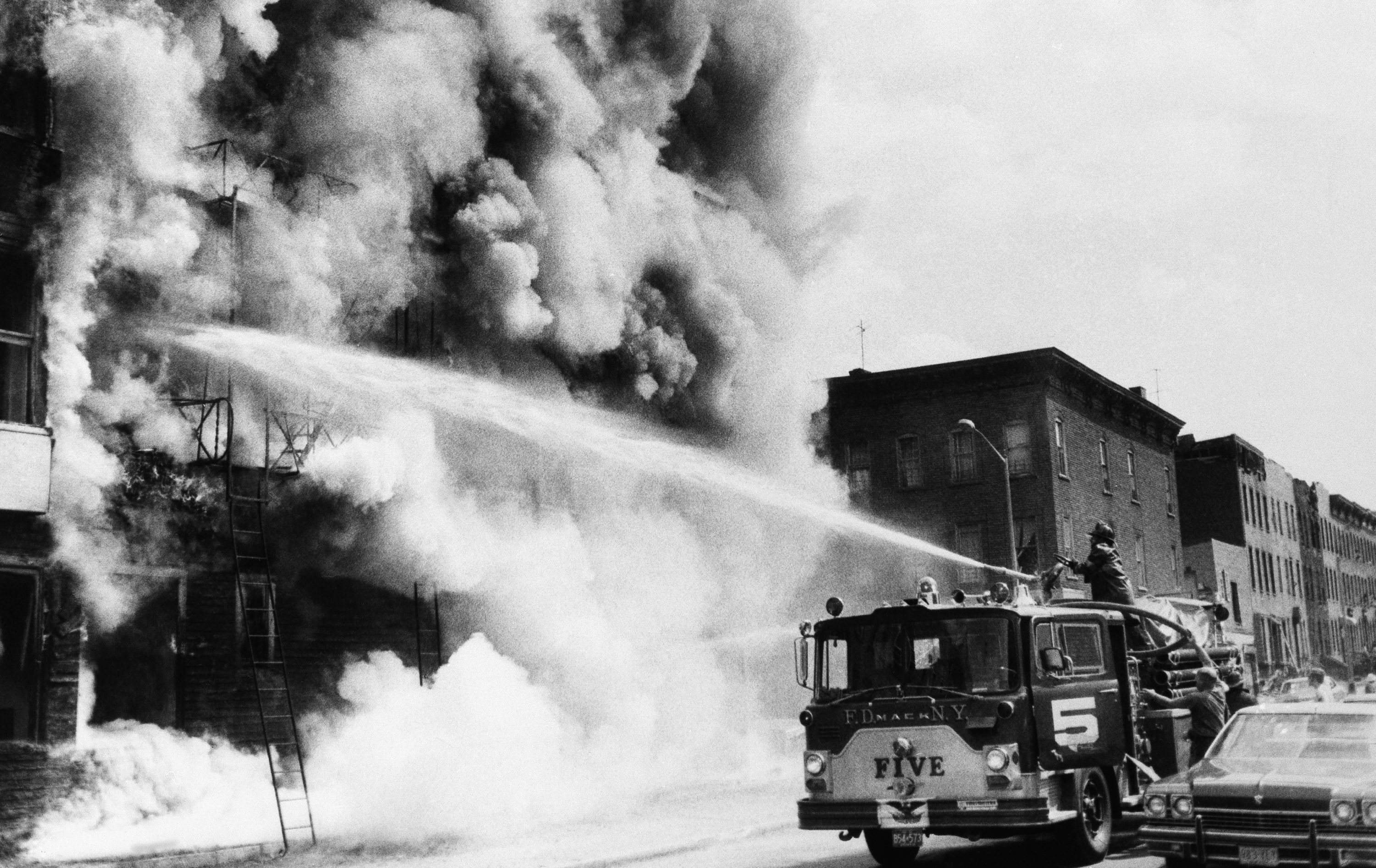
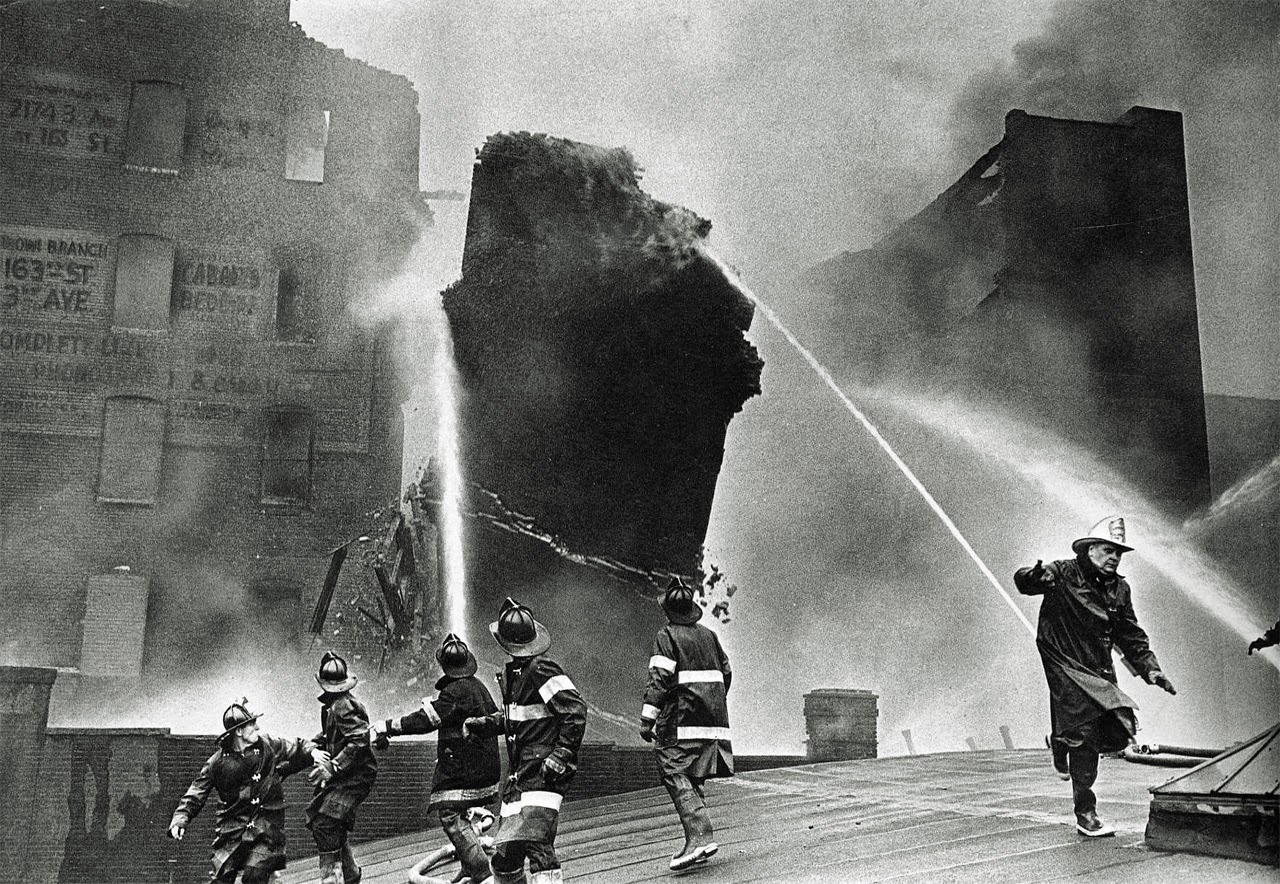
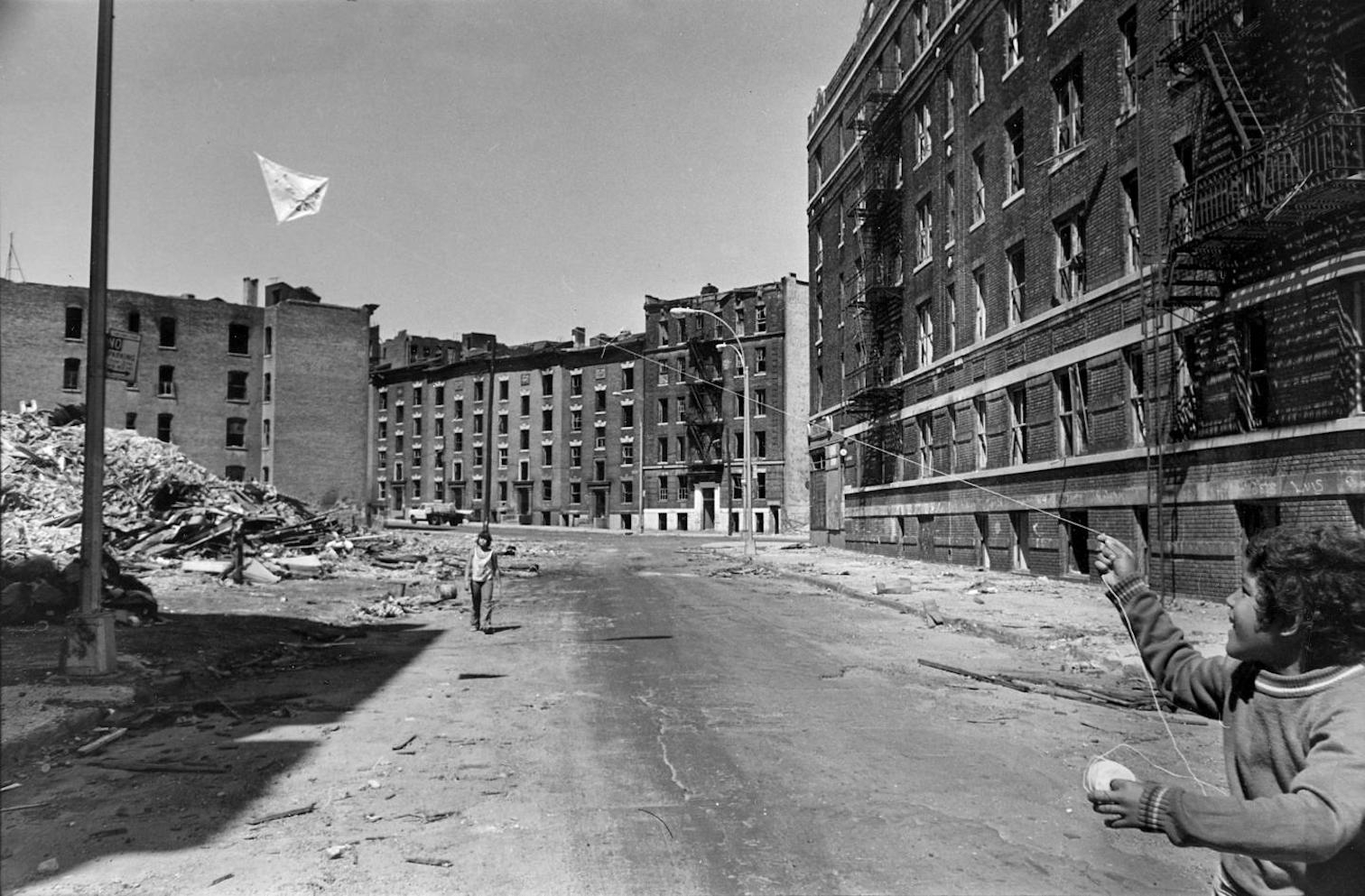
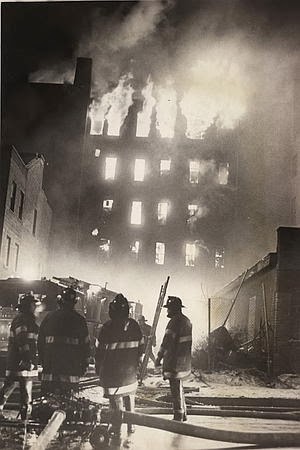
Construction projects like the Cross Bronx Expressway and shifts in living arrangements (from new public housing to the promise of Co-Op City) had isolated those who still lived in the old tenements of the South Bronx. Poverty and high crime rendered the neighborhood so undesirable that buildings were abandoned and even burned.
Mainstream attention (from notable television broadcasts to visits by the President of the United States) did not seem to immediately change things here. It would be up to local neighborhood activists and wide-ranging city and state programs — not to mention the purveyors of an energetic new musical force — to begin to improve the fortunes of this seemingly doomed borough.
FEATURING an interview with Inside Out Tours founder and chief tour guide Stacey Toussaint about the new Bronx renaissance.
ALSO: Appearances by Howard Cosell, Sonia Sotomayor, Robert Moses, Grand Wizzard Theodore, and Jimmy Carter!
The Bowery Boys: New York City History podcast is brought to you …. by you!
We are now producing a new Bowery Boys podcast every two weeks. We’re also looking to improve the show in other ways and expand in other ways as well — through publishing, social media, live events and other forms of media. But we can only do this with your help!
We are now a member of Patreon, a patronage platform where you can support your favorite content creators for as little as a $1 a month.
Please visitour page on Patreon and watch a short video of us recording the show and talking about our expansion plans. If you’d like to help out, there are five different pledge levels (and with clever names too — Mannahatta, New Amsterdam, Five Points, Gilded Age, Jazz Age and Empire State). Check them out and consider being a sponsor.
We greatly appreciate our listeners and readers and thank you for joining us on this journey so far. And the best is yet to come!
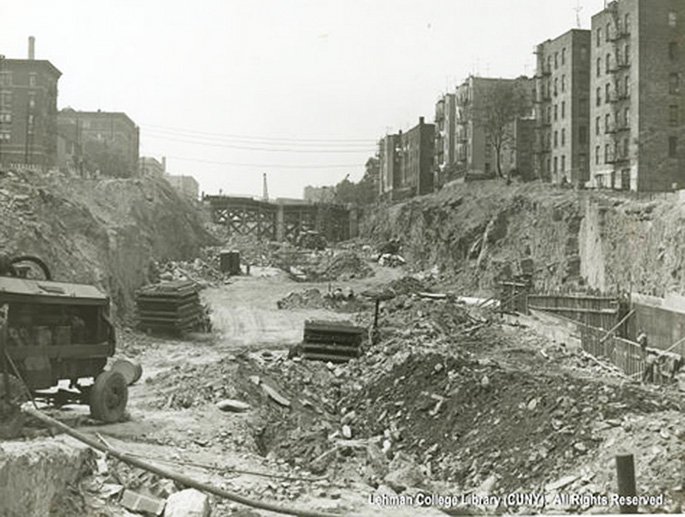
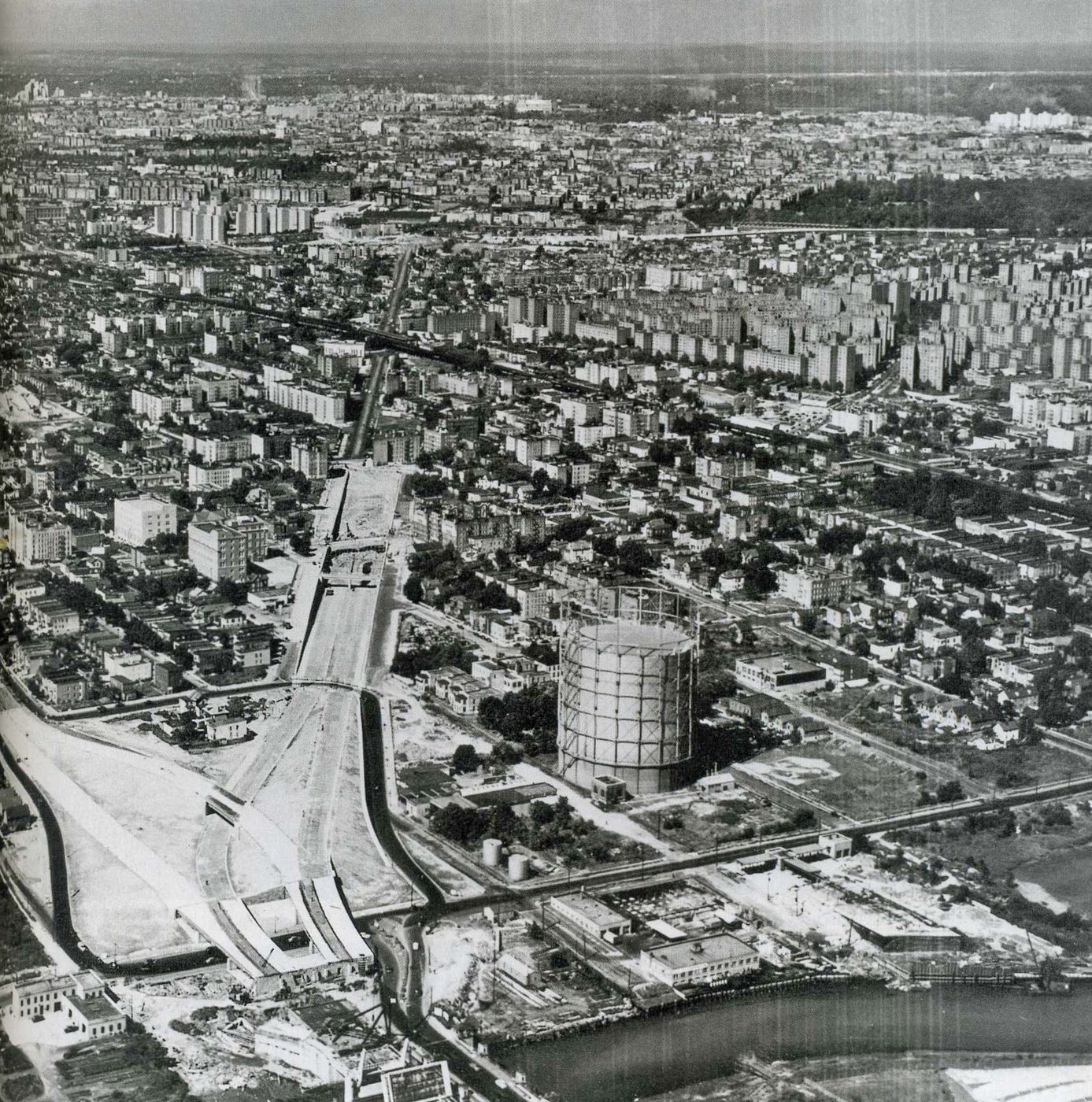
Construction of the Cross Bronx Expressway required the mass expulsion of residents from their homes
Lehman College
From this overhead view, you can see the areas of the city about to be wiped away by expressway construction. And you can also observe the powerful impact public housing has already had on the landscape
NYU Furman Center Archives
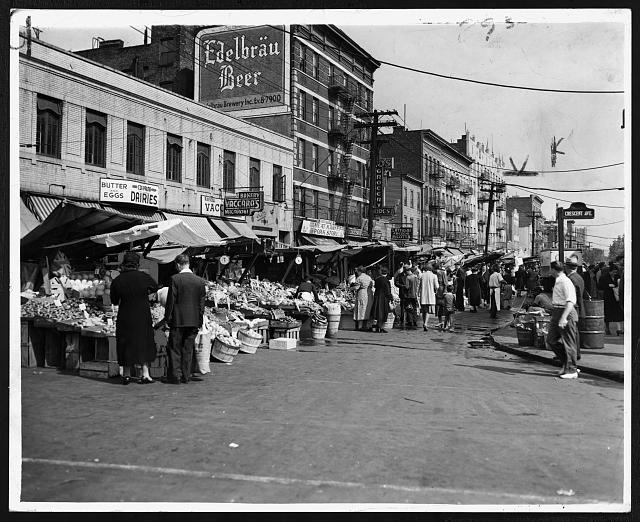
Life on Arthur Avenue, 1940. The Italian sector of the Bronx would only grow larger in the mid 20th century as more Italians from southern areas of New York City migrated to the Bronx
Stieglitz, C.M./Library of Congress
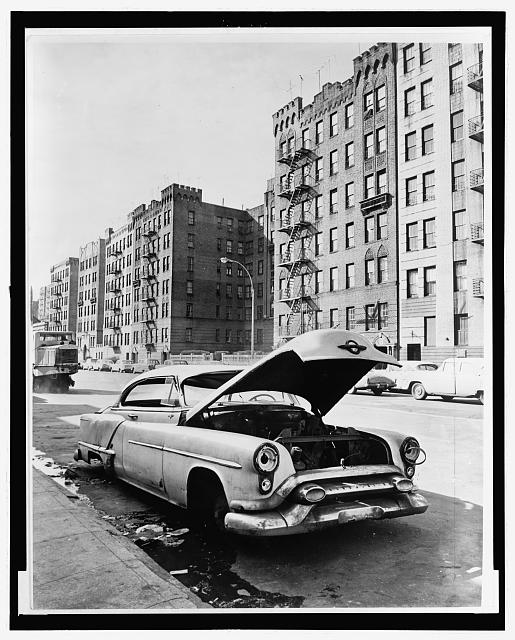
The scene on Macombs Road, 1964
Macombs Rd., Bronx / World Telegram & Sun photo by Phil Stanziola.
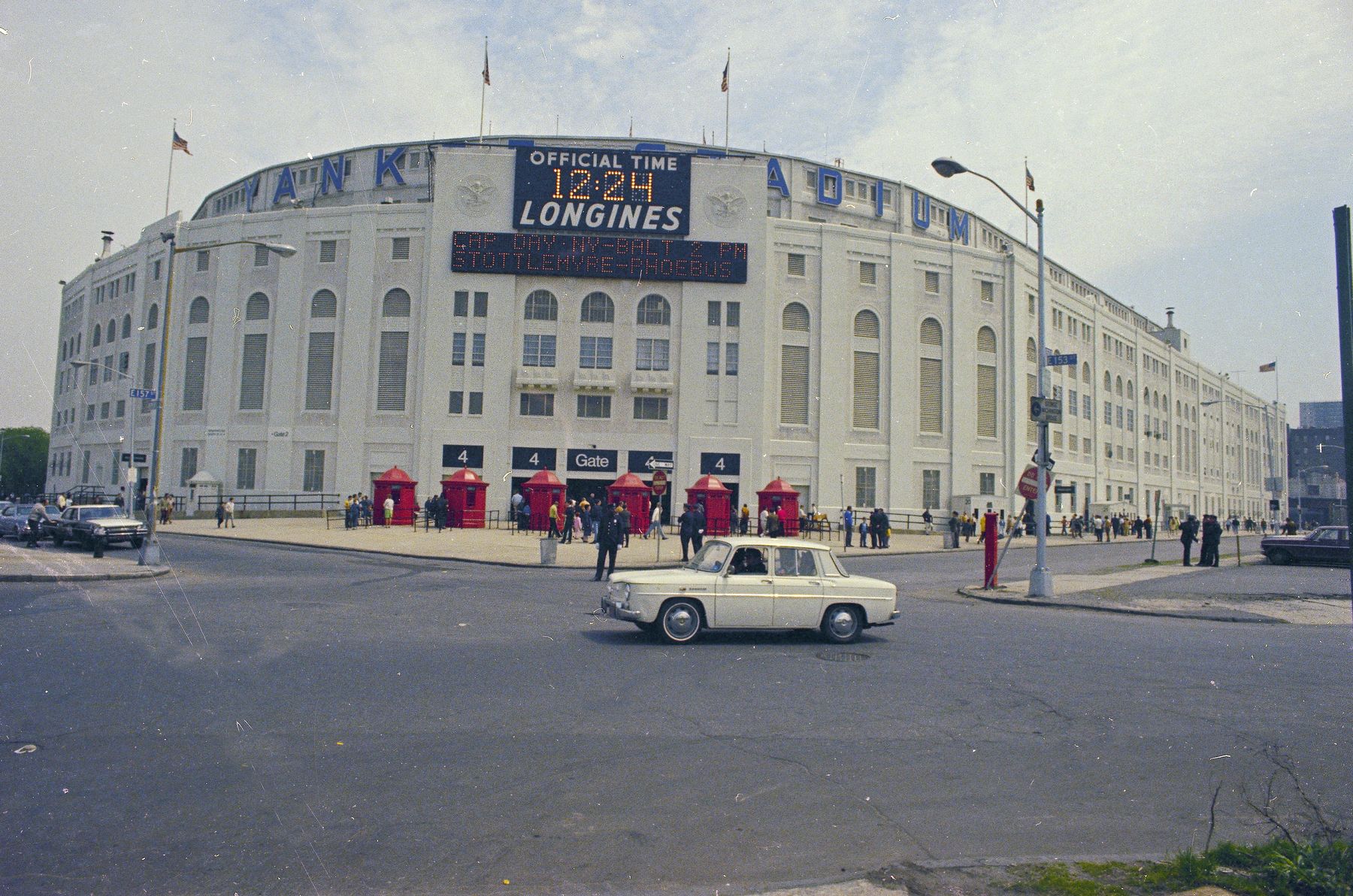
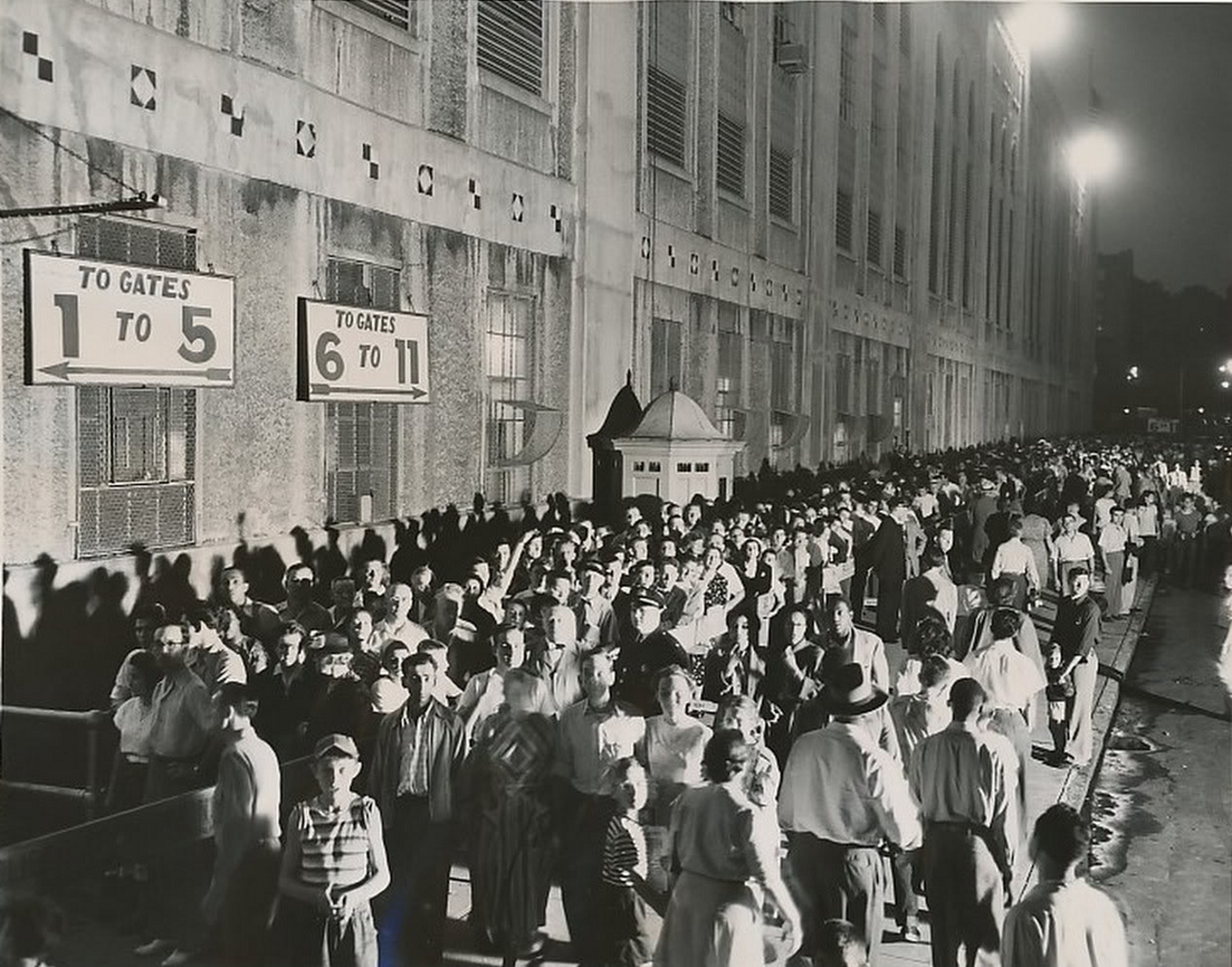
Yankee Stadium in 1969
Photo by AP Images
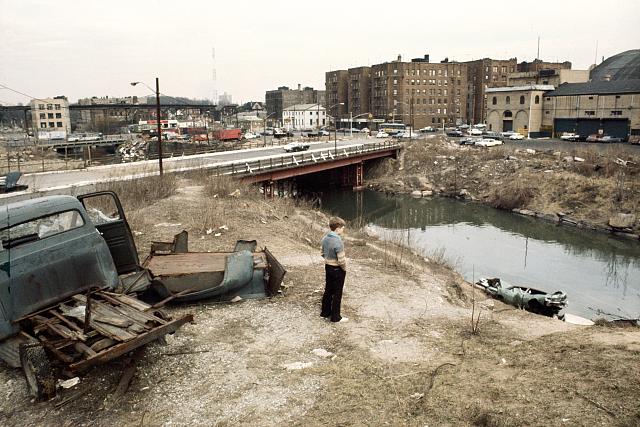
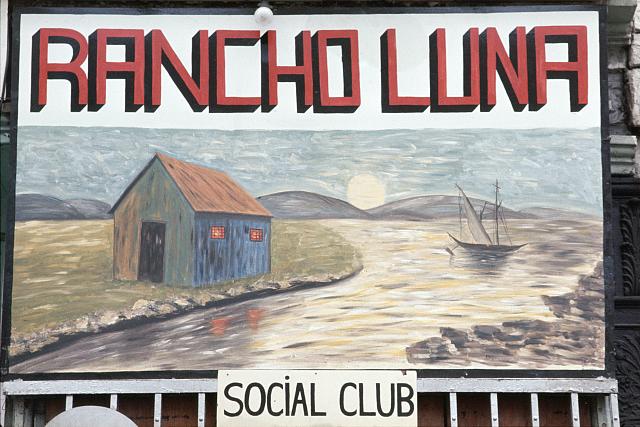
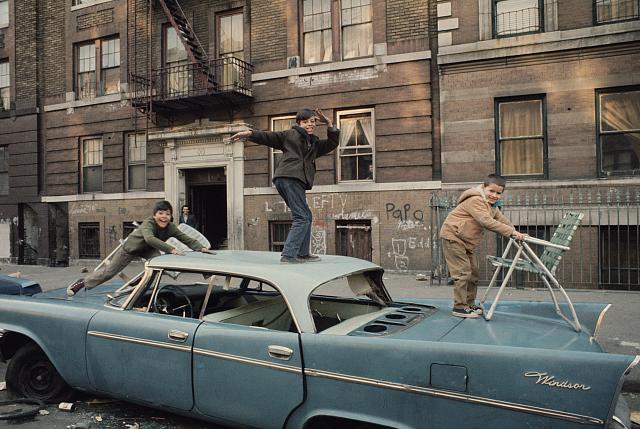
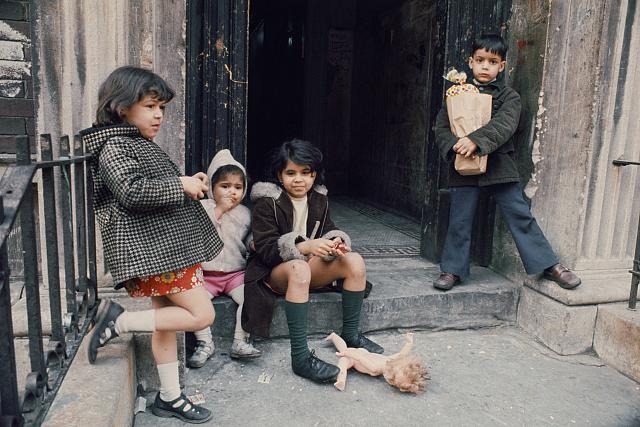
Scenes from the South Bronx, early 1970s, from photographer Camilo J. Vergara, courtesy Library of Congress
Overlooking a portion of the Bronx River, 1970
Camilo J. Vergara photographer/Library of Congress
Camilo J. Vergara/Library of Congress
Camilo J. Vergara/Library of Congress
Camilo J. Vergara/Library of Congress
The view from Hunts Point, 1970
Camilo J. Vergara/Library of Congress
East 167th Street, South Bronx, 1973, Camilo J. Vergara/Library of Congress
Members of the Reapers gang clean up a lot in the South Bronx, 1972. Photo by Life Magazine photographer John Shearer. Check out the rest of the photos in this series here.
John Shearer Time & Life Pictures/Getty Images
The termination point of the Third Avenue El (around 147th through 149th) which was torn down in 1977.
Jack Boucher photographer
Insanity: One of dozens of fires that occurred in the aftermath of the blackout of 1977.
AP Photo/HG
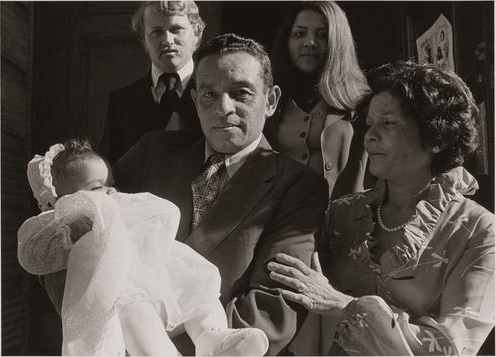
A child’s baptism at St. Jerome’s Church in the South Bronx
Photo by Susan Lorkid Katz/MCNY
June 1977.
Courtesy AP
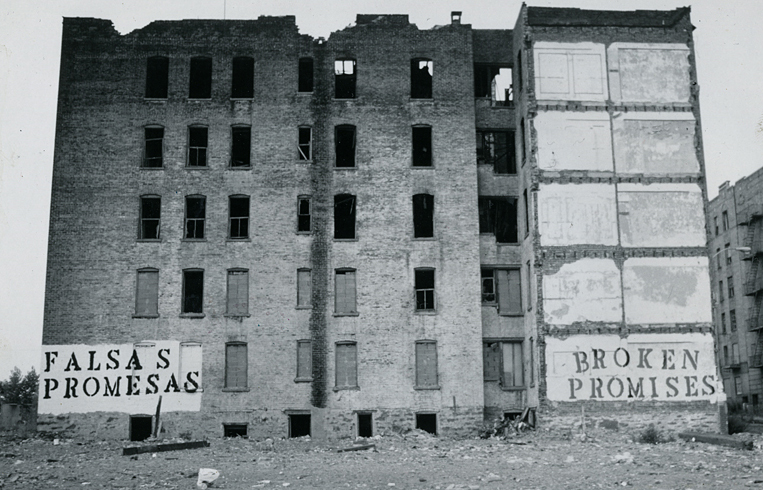
An abandoned building on Charlotte Street was turned into an art project by John Fekner, Broken Promises/Falsas Promesas, 1980
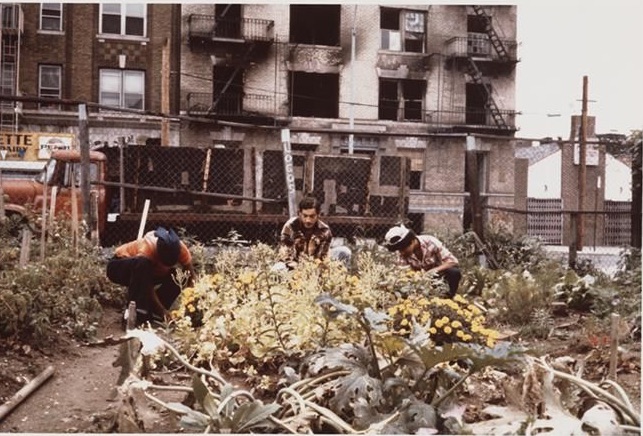
Planting a community garden in a vacant lot, 1980s
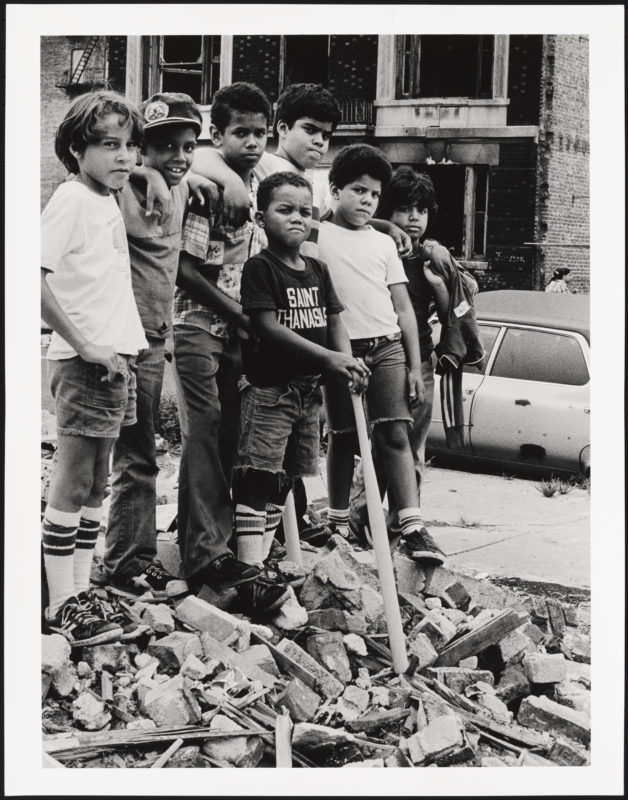
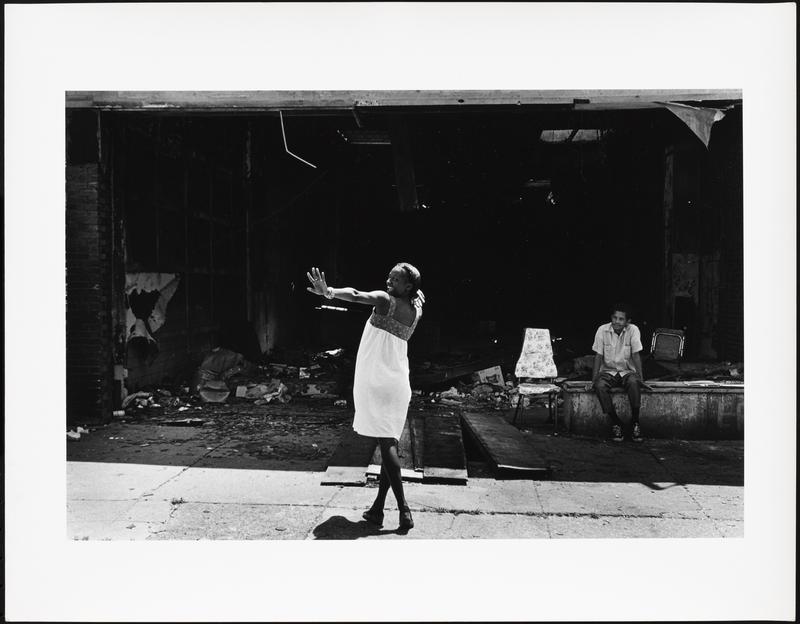
A current exhibit at the Museum of the City of New York celebrates the photography of Mel Rosenthal in their show In The South Bronx of America, running until October 16
Mel Rosenthal/MCNY
Mel Rosenthal/MCNY
Mel Rosenthal/MCNY
And now a few videos — both of actual events and dramatized, highly exaggerated depictions of the Bronx.
The infamous video from the 1977 World Series between the Yankees and the Dodgers, with Howard Cosell running play-by-play for both the game and the drama outside the stadium.
A film about DJ Kool Herc made in the 1980s
Dramatic video from ABC News of the Bronx as it looked in 1982
A news report about Fort Apache, police precinct in the Bronx. This uses documentary footage (albeit with dramatic music).
Later the film Fort Apache: The Bronx dramatized the events at this police precinct:
The trailer from the exploitation film ‘1990: The Bronx Warriors’ made in 1982
Was there an estate in New York ever as beautiful as Morrisania, nearly 2,000 acres that hugged the Harlem River until it opened out into the turbulent East River as it coursed past small islands and flowed into the Long Island Sound?
A property that varied from western hills looking over the river to the rolling spread of Manhattan below, to eastern marshes and flatlands suitable for farming.
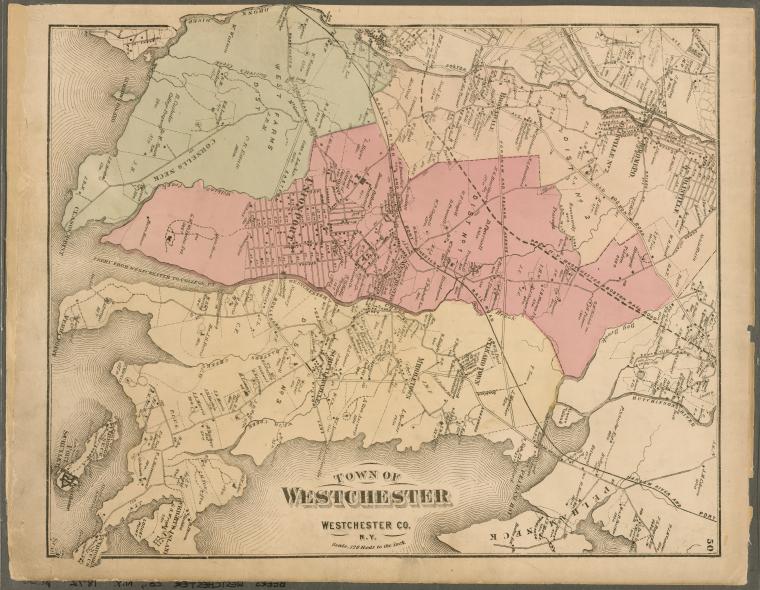
Today’s Bronx neighborhood of Morrisania is only a small portion of the original property owned by the Morris family since the 1670s, during the dawning years of British dominance in the New York region.
Vestiges of the old estate still existed well into the 20th century, including their old well (pictured below in 1910)
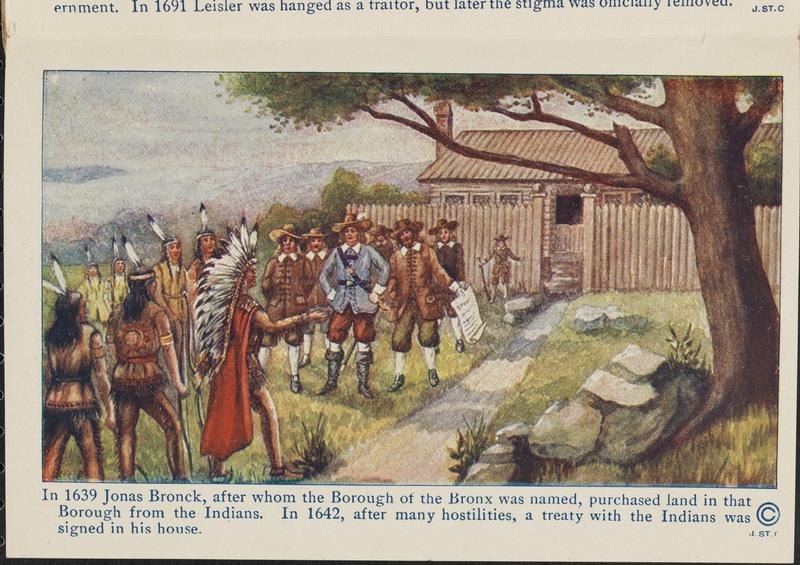
The original parcel, purchased by Welsh captain Richard Morris, was only 500 acres, a part of original land settled by Bronx namesake Jonas Bronck.
When Richard died, brother Lewis Morris (for reasons that will soon be evident, let’s call him Lewis I) moved from the West Indies to claim the property. He would be one in a succession of Lewis Morrises to live here and place an imprint on what would some day contain much of the South Bronx.
The Morris family was feisty, business savvy, well connected, extremely aristocratic and entirely unoriginal with names. Another Lewis Morris (Richard’s son, or Lewis II) became the governor, at separate times, of both New York and New Jersey. Yet another Lewis (Lewis III) became a powerful New York justice. His son Lewis Morris (Lewis IV) was a signer of the Declaration of Independence.
Below: Morris farm houses, still standing in 1920
If you haven’t gleaned it already, the clan carried themselves like some kind of royal family. They were, artificially at least, as were many families in the New World who quickly made fortunes here and staked claims in manners similar to what their forebears were accustomed to in Europe. Over the decades, the Lewises would blend by marriage into other elite, bold-faced families to form a tangled ball of interlinked faux American royalty.
Morrisania for most of the 18th century resembled a miniature British kingdom, with a spread of small farms, dairies and cattle pens operated by those leasing from the Morris family, a proper workaday serfdom common for the era. However, during the early decades, the land was even worked with slave labor, although the practice was phased out in later generations.
Below: The Lewis G Morris house which stood at Montgomery Avenue and 176th Street at late as 1905 (the date of this image)
Museum of City of New York
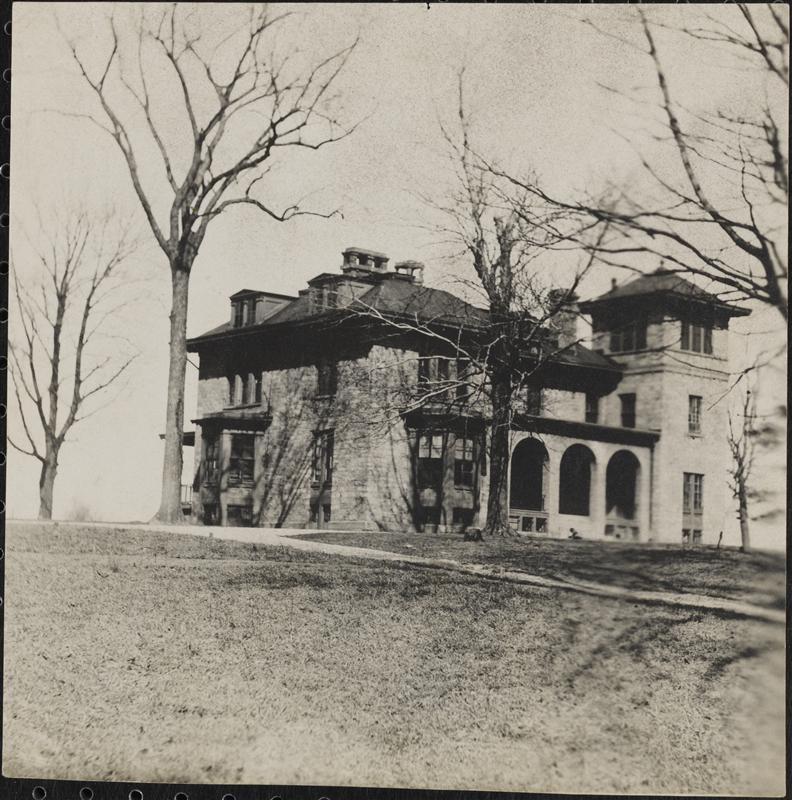
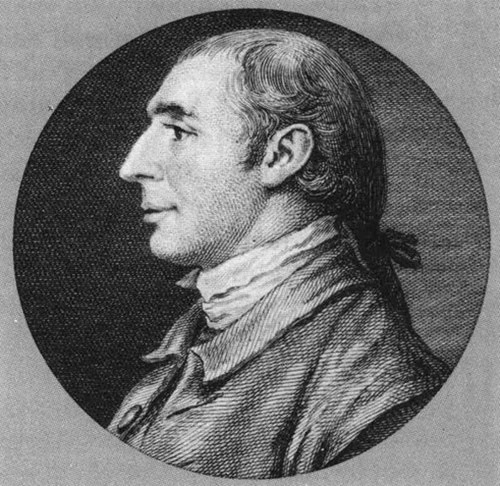
When Lewis 3passed in 1762, this massive property was split in two. West of the small babbling Mill Brook (honored today with a playground and a housing development) belonged to Lewis IV and his brothers, but the more bucolic eastern side fell to Lewis III’s second wife Sarah and eventually her only son. That’s right, Gouverneur Morris (pictured below).
Gouverneur fled his home during the Revolutionary War, but his mother Sarah stayed behind. During this time, the rich farmland was vandalized and the family’s voluminous library, one of the largest collections in North America at the time, was ransacked.
Gouverneur was quite busy in the late 18th century doing things like penning the Constitution and being minister to France in the midst of their bloody revolution. But wherever he traveled, he always felt a closeness to Morrisania.
After the war, while Gouverneur was in France, Lewis Morris (the fourth one, Gouverneur’s half brother) offered up the family estate of Morrisania be used as the site for the new American capital. One can just imagine the history of New York had Congress taken him up on that offer!
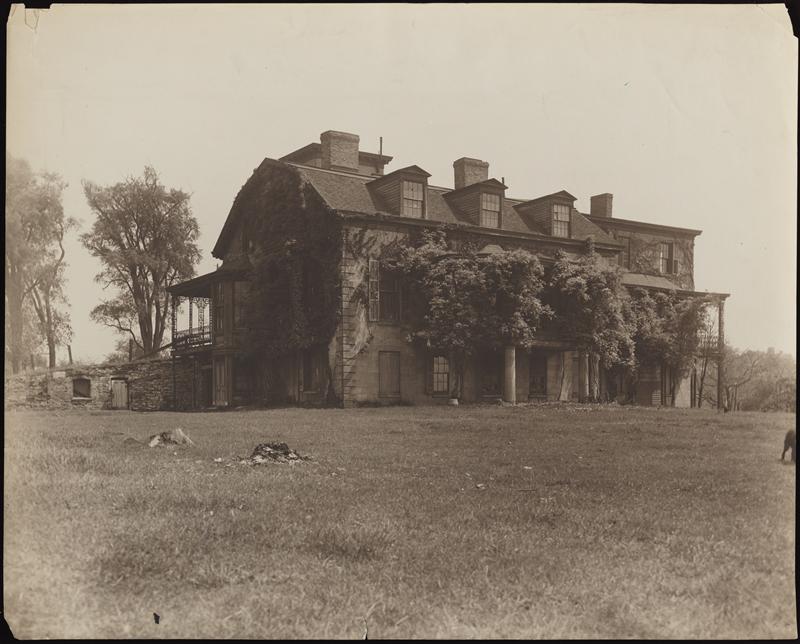
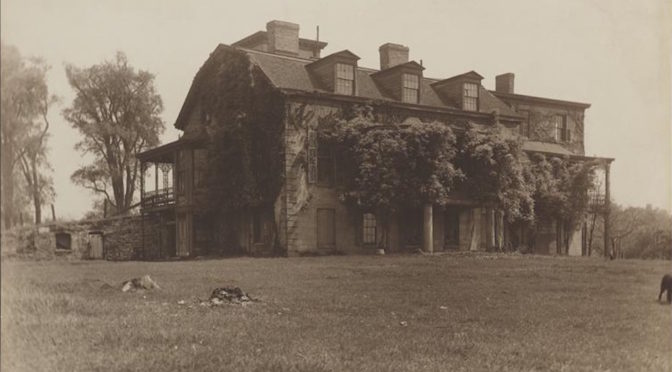
The former mansion of Gouverneur Morris which sat near the waterfront in the Bronx until the 1900s.
Museum of the City of New York
In 1798, when Gouverneur returned from France and claimed the property for himself, he built a new home here (the one pictured above) and filled it with all his gathered French finery. Perhaps no household was more beautiful — or as pretentious — as Morris’ new manor.
Gouverneur, of course, facilitated the growth of New York with his roles in the development of both the Commissioners Plan of 1811 and the Erie Canal. His old farms, however, were technically part of Westchester Country. In the 1840s, his son Gouverneur Morris Jr. emulated New York’s former estate owners and began to develop his property for commercial and residential use.
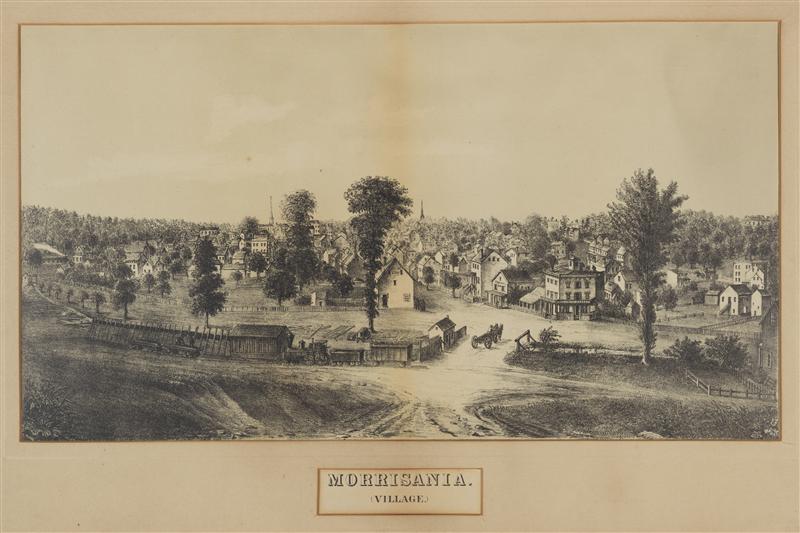
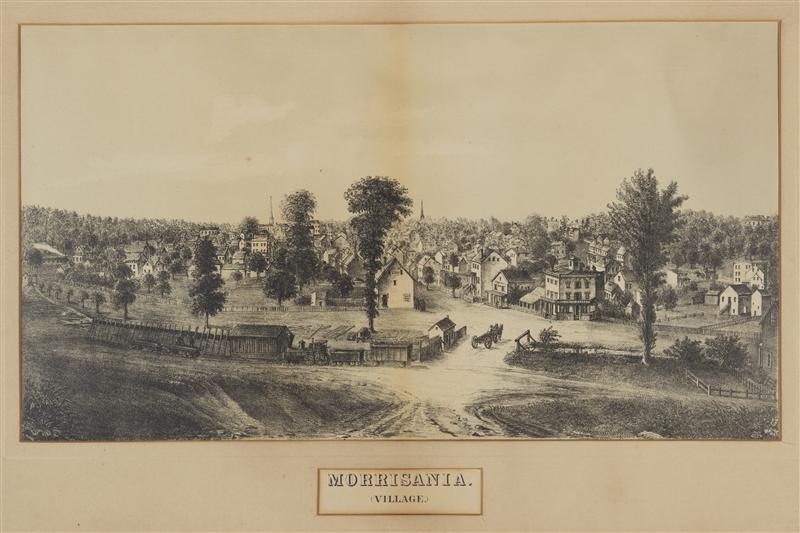
Below: The village of Morrisania, an original ‘commuter’s town’ for those who worked in the city of New York down south.
MCNY
Chief among these decisions was becoming vice president of the New York and Harlem Railroad (eventually to be owned by Cornelius Vanderbilt) and allowing the railroad to cut through the old property. Townships formed around the railroad station, include one small village named for the old manor, Morrisania. That village is the root of today’s neighborhood of the same name.
Gouverneur Junior was cut from the visionary mold that would define many in the 19th century. One pet project was the development of a port village along the old family property on the eastern shoreline, today’s Port Morris area.
Port Morris, pictured below in 1920, would become a chief location for manufacturing in the borough.
Given that Gouverneur Senior was partially responsible for Manhattan’s grid, it’s no surprise that a different grid patterns were adhered to the old Morris properties over the years. In emulating Manhattan’s pattern, all traces of the area’s early farm existence was eradicated.
The following years would hold many strange detours in the history of the South Bronx: opulent boulevards, the New York Yankees, 1970s urban decay. But the Morrises live on, if in name only.
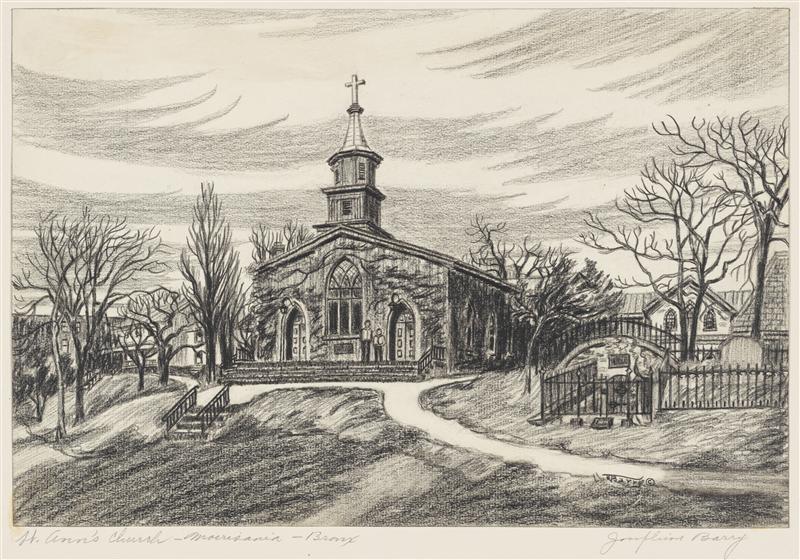
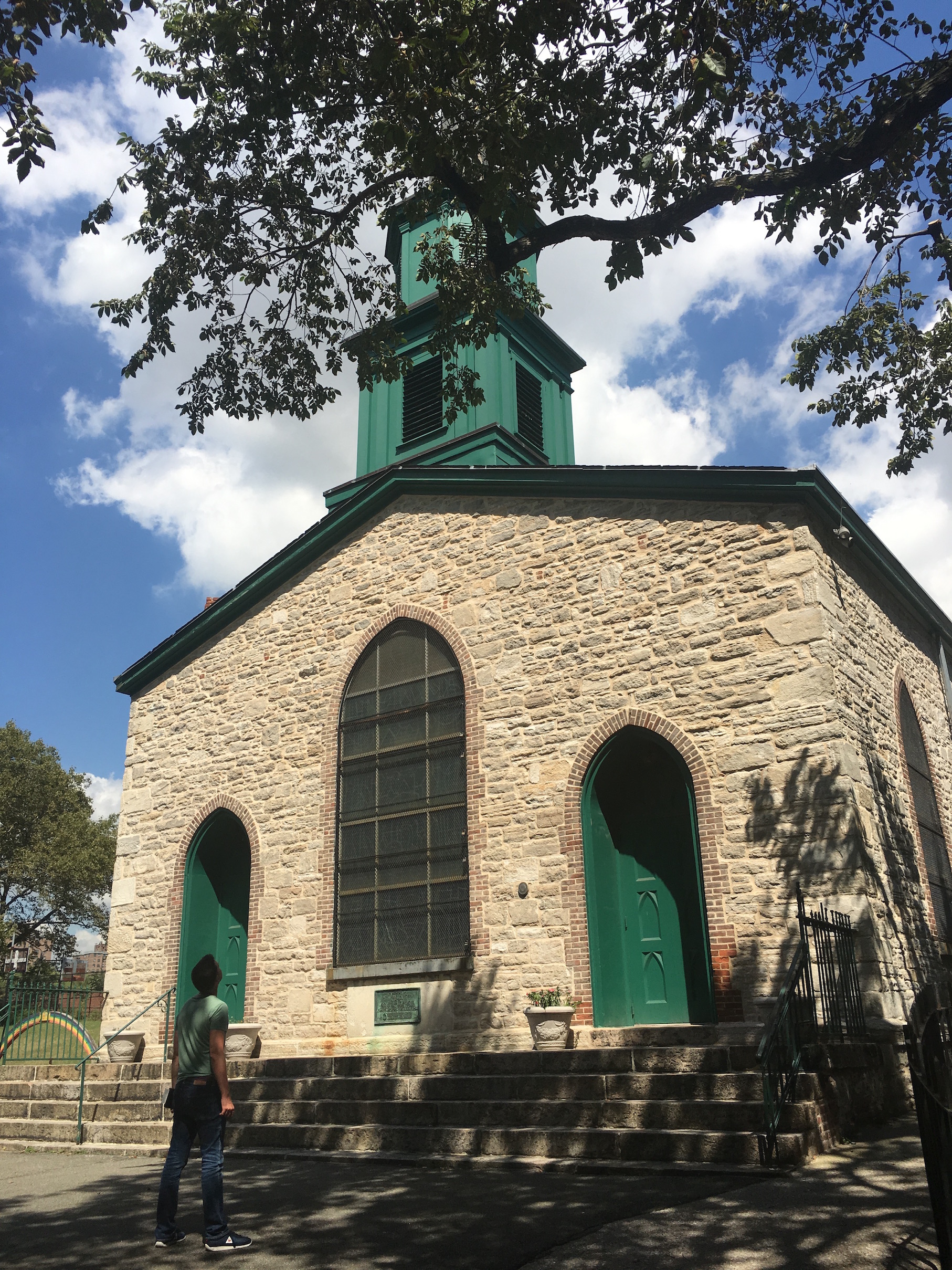
However one lasting physical vestige to the Morris family still remains — St. Ann’s Church (pictured below) in the neighborhood of Morrisania, built in 1840 and the location of burials for members of the Morris family, including Gouverneur Morris and Lewis Morris (the fourth).
Portions of this article were taken from an earlier one that I wrote for this blog back in 2010.
PODCAST The story of how the Bronx became a part of New York City and the origin of some of the borough’s most famous landmarks.
In the second part of the Bowery Boys’ Bronx Trilogy — recounting the entire history of New York City’s northernmost borough — we focus on the years between 1875 and 1945, a time of great evolution and growth for the former pastoral areas of Westchester County.
New York considered the newly annexed region to be of great service to the over-crowded city in Manhattan, a blank canvas for visionary urban planners. Soon great parks and mass transit transformed these northern areas of New York into a sibling (or, perhaps more accurately, a step-child) of the densely packed city to the south.
The Grand Concourse embodied the promise of a new life for thousands of new residents — mostly first and second-generation immigrants, many of them Jewish newcomers. The Hall of Fame of Great Americans was a peculiar tourist attraction that honored America’s greatest. But the first time that many outside New York became aware of the Bronx may have been the arrival in 1923 of New York’s most victorious baseball team, arriving via a spectacular new stadium where sports history would frequently be made.
By the 1930s Parks Commissioner Robert Moses began looking at the borough as a major factor in his grand urban development plans. In some cases, this involved the creation of vital public recreations (like Orchard Beach). Other decisions would mark the beginning of new troubles for the Bronx.
The Bowery Boys: New York City History podcast is brought to you …. by you!
We are now producing a new Bowery Boys podcast every two weeks. We’re also looking to improve the show in other ways and expand in other ways as well — through publishing, social media, live events and other forms of media. But we can only do this with your help!
We are now a member of Patreon, a patronage platform where you can support your favorite content creators for as little as a $1 a month.
Please visitour page on Patreon and watch a short video of us recording the show and talking about our expansion plans. If you’d like to help out, there are five different pledge levels (and with clever names too — Mannahatta, New Amsterdam, Five Points, Gilded Age, Jazz Age and Empire State). Check them out and consider being a sponsor.
We greatly appreciate our listeners and readers and thank you for joining us on this journey so far. And the best is yet to come!
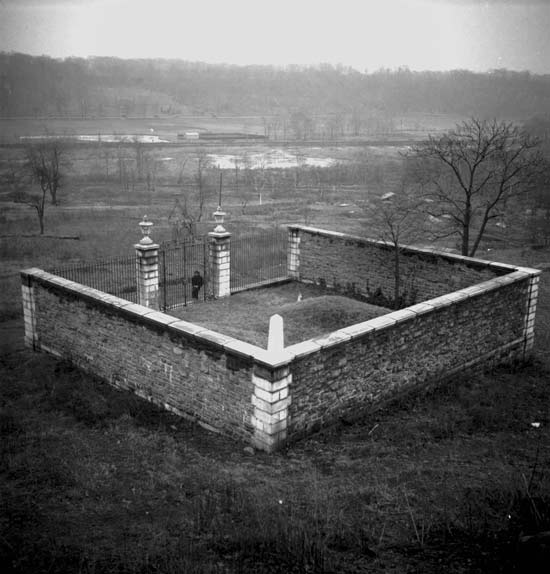
The burial vault of the Van Cortlandts was actually contained within the newly formed park. And it’s still there.
Courtesy New York Park Service
NYU’s former University Heights campus (now the home of Bronx Community College) contains one unusual tourist attraction — the Hall of Fame of Great Americans
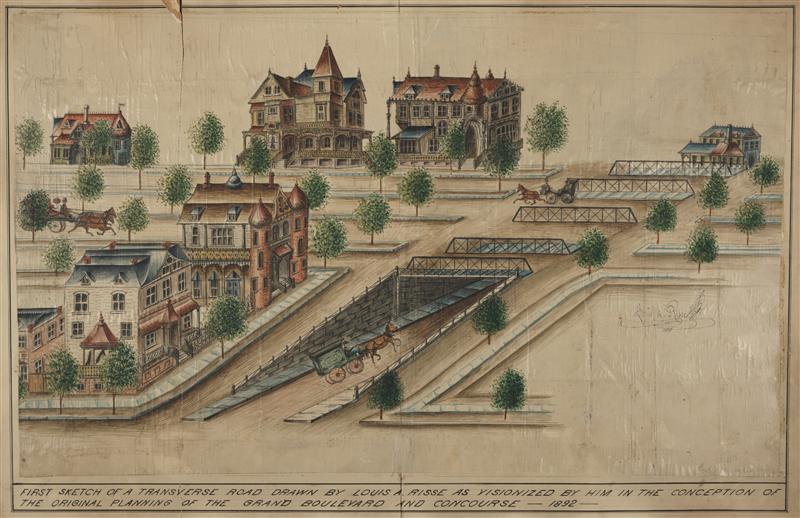
Louis Risse’s vision of the Grand Concourse in 1892 obviously did not imagine automobiles using the boulevard.
MCNY
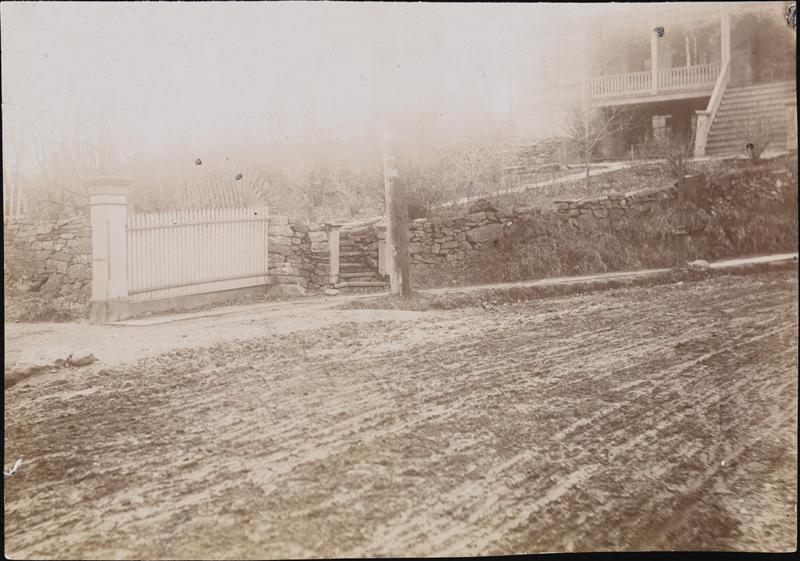
Kingsbridge Road near the Grand Concourse, 1890. It was originally a dirt road of course.
MCNY
The New York Botanical Garden inaugurated Bronx Park and created another reason for New Yorkers to head up to the vastly evolving area up north.
A romantic depiction of the Lorillard snuff mill on the Bronx River. The building is still on the river, contained within the Botanical Garden.
By Frederick Rondel, Jr., courtesy MCNY
Jerome Park Reservoir, opposite a set of homes, pictured here in 1920 and (below) 1936.
MCNYMCNY
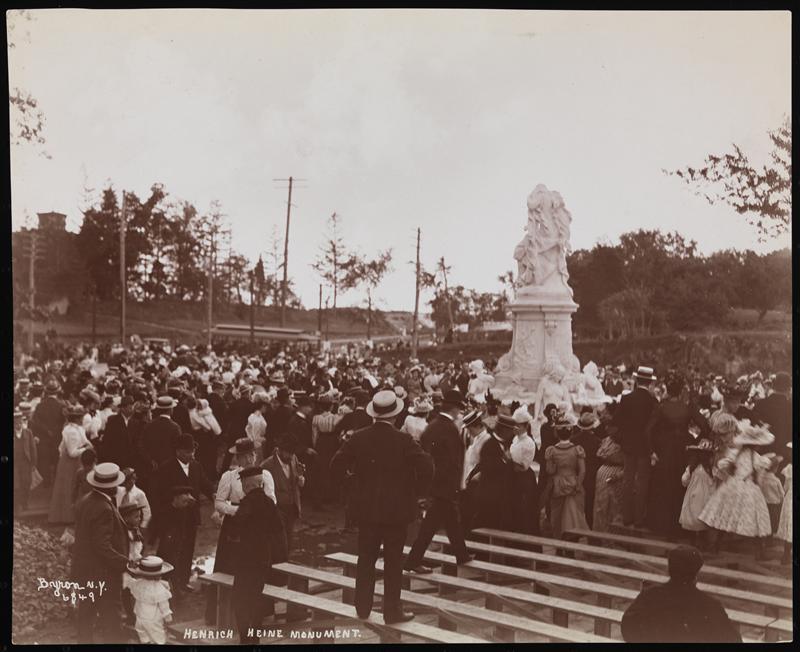
The unveiling of the Heinrich Heine monument in today’s Joyce Kilmer Park on the Grand Concourse.
MCNY
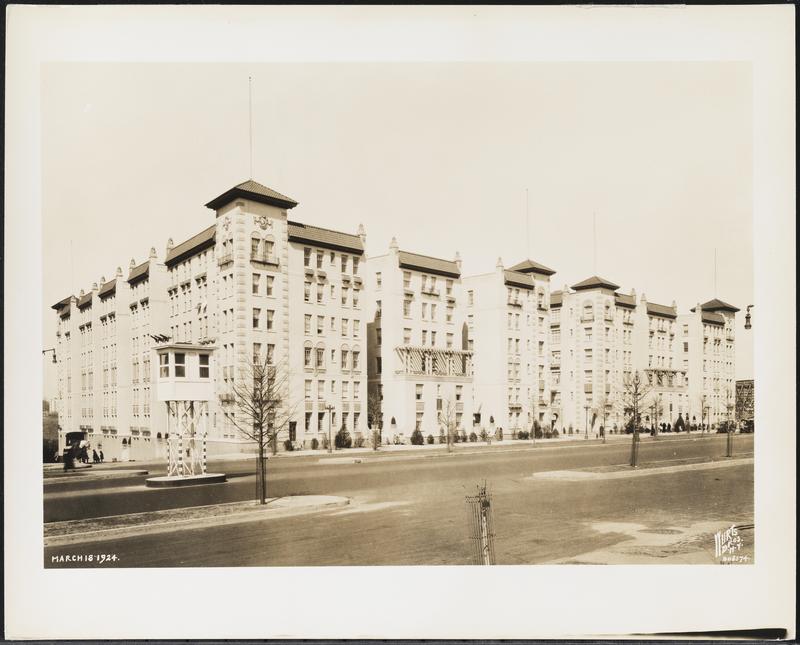
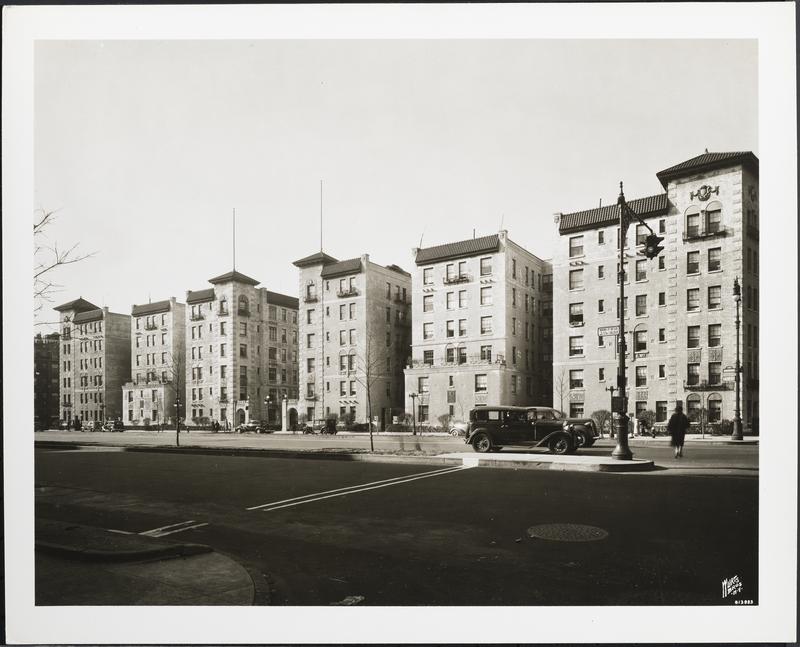
Lavish apartments like the Roosevelt (pictured here in 1924 and in 1937) were able to attract New Yorkers escaping the overcrowded Lower East Side.
MCNYMCNY
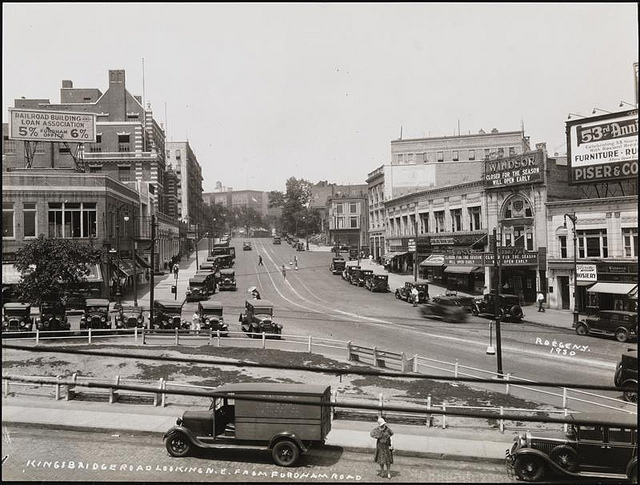
Fordham Road in 1930 with the Grand Concourse East Kingsbridge Road steaming by.
Photo by William Roege (1930)
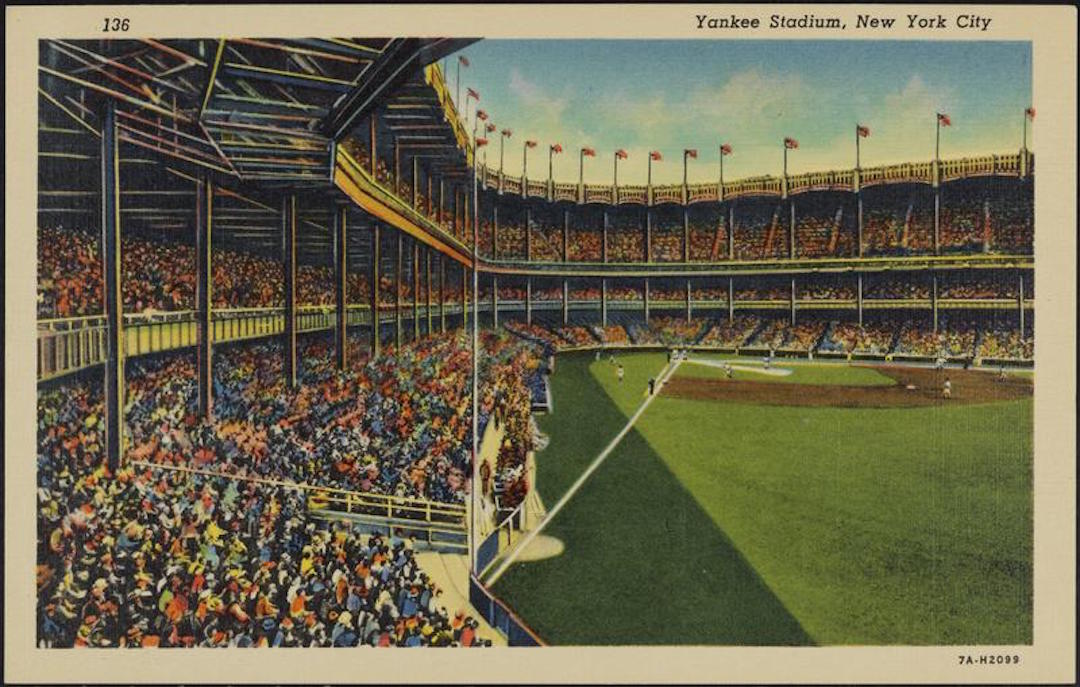
A Yankee Stadium postcard circa 1945
Courtesy MCNY
Ruth was so integrally a part of the Bronx and Yankee Stadium that when he died in 1948, his casket was taken to the stadium where tens of thousands of people came to pay their respects.
A few selections from our Instagram account of things we discussed on this week’s show:
In 1910, D.W. Griffith made one of first films ever produced in Hollywood, CA, appropriately called In Old California. Before then, film production companies were scattered throughout the United States, with two of the most successful based here in New York City.
The American Vitagraph Company, originally located at the Morse Building on 140 Nassau Street, made film shorts on the roof before moving to the Brooklyn neighborhood of Midwood in 1906. Vitagraph is best known for producing a five-part serial on The Life of Moses strung together to make what some call the first ever feature length motion picture.
More influential, however, was probably Edison Studios, the film company owned by inventor Thomas Edison. With principal studios in the New Jersey town West Orange — and original laboratories in Menlo Park (now Edison, NJ) — Edison eventually set his sights on a Manhattan studio.
He initially moved into the heart of the city in 1901, in a studio at 41 East 21st Street. Such a move made sense at the time; movies were only a few minutes long, essentially just filmed sequences of activities, and had no sound. A small studio smack in the center of New York would not have been disturbed by the bustle of the city.
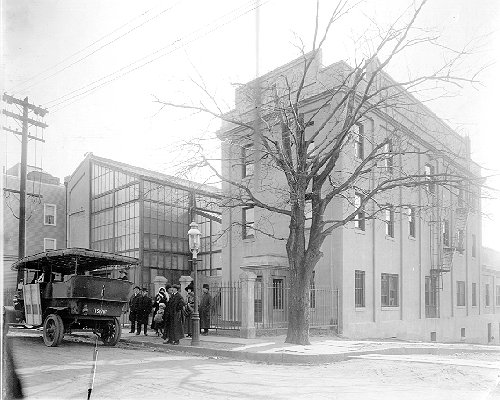
With the growth into narrative films — longer movies with elaborate sets and casts — Edison needed to expand into a larger space and in 1908 moved production to a warehouse in the Bronx, at Decatur Avenue and Oliver Place, sandwiched between the Grand Concourse and the New York Botanical Garden.
“The Edison Studio is said to be one of the finest and largest of its kind in the world,” reported [the theatrical trade paper]The Dramatic Mirror. “The building itself is 60 by 100 feet, built of concrete, iron and glass. The scenic end of the studio, corresponding to the stage in a theatre, except that it is not raised is 60 by 60 feet and 40 feet high. Here the scenes for film productions that cannot be made with natural outdoor backgrounds are painted and set.”
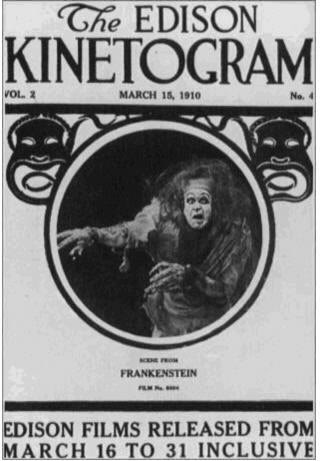
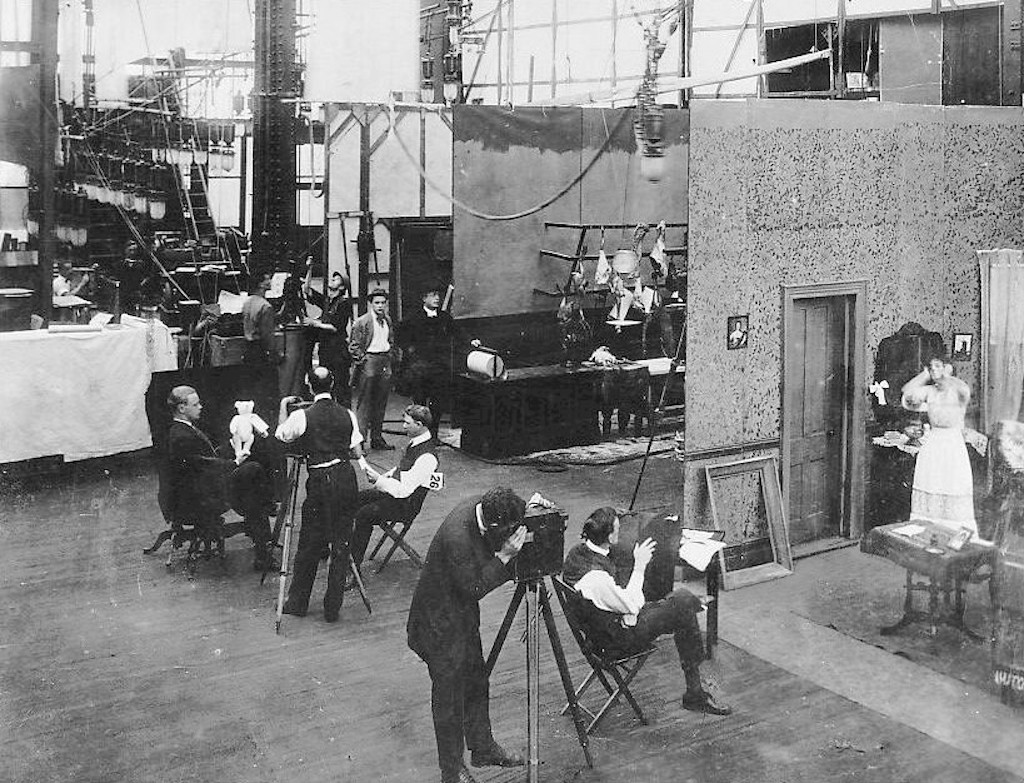
Its glass enclosure was especially revolutionary for the day, allowing for a diversity of film presentations. Â Of a film called While John Bolt Slept, the clearly-not-unbiased Edison Kinetogram journal said in 1913: “The scene in the tenement alley is a wonderful example of the realistic effect which can be obtained in the Studio. Even the ‘fan’ of long standing would hardly believe that the scene was done under the great glass of the Bronx Studio.”
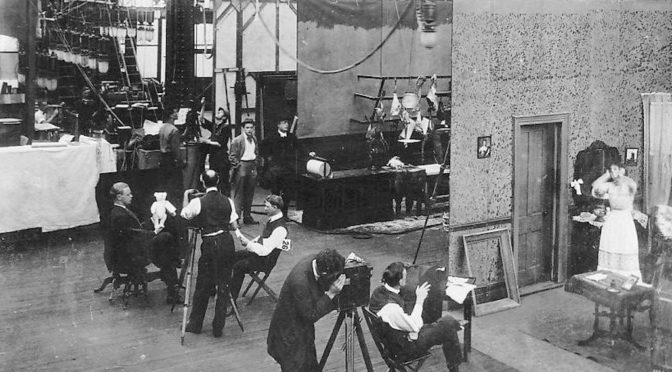
Inside the Bronx Edison Studios:
It was at this new Bronx studio in 1910 that Edison’s company produced one of its greatest works, the very first film adaptation of Mary Shelley’s Frankenstein. Shot in a week — rather lengthy for a film shoot in those days — the loose adaptation featured Charles Ogle as the famed monster.
Believe it or not, the film began production on January 17, 1910, and was released by March of that year! Since there just weren’t that many movies houses in 1910, a film release constituted about 40 copieswhich were distributed around the country, then returned several months later.
The film was reportedly lost forever before a single negative was found and restored in the 1970s. I present to you the Bronx-made psycho-horror masterpiece in all its glory:
Unfortunately this glorious studio was destroyed long before the film industry moved out to California, gutted by fire on March 28, 1914. The glass ceiling, shattered during the blaze, proved quite a danger to fire fighters. Â Two men were cut by flying glass though no one was seriously injured, a miracle considering that over a hundred actors had been working there the previous night.
“Thousands of dollars worth of cameras, scenery, costumes and properties were burned, as was all the film so far used in the making of a spectacle to be called The Battle of Mobile Bay.” Other films worth $100,000 including original films of Mayor Gaynor and Andrew Carnegie, stored in fireproof vaults, were saved.”
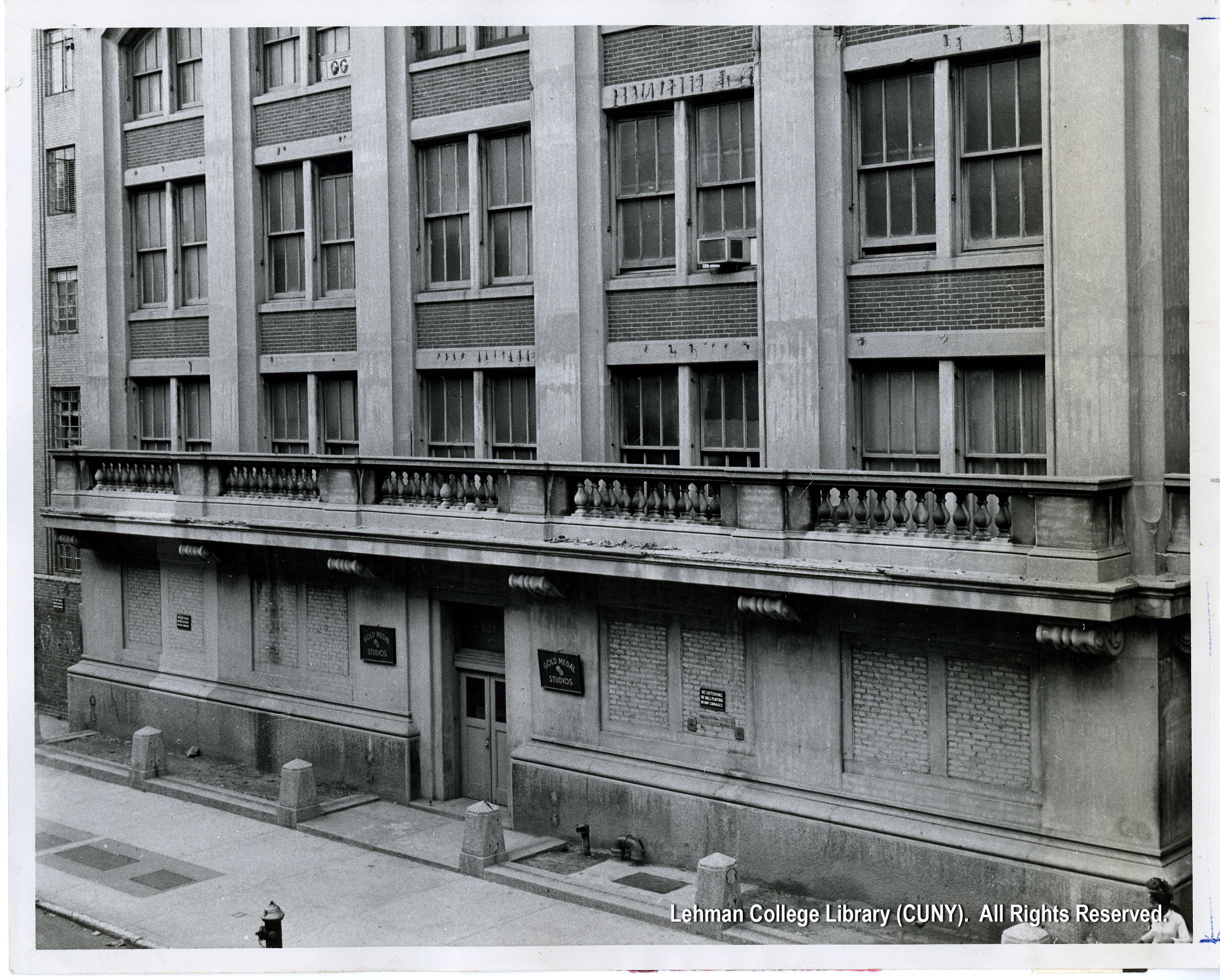
Edison was not alone in finding inspiration in the Bronx. Â Biograph Studios briefly (from 1913 to 1915) opened a studio at East 175th Street and Marmion Avenue just north of Crotona Park.
The building would later claim a greater connection to Hollywood int the 1935s when it was transformed into Gold Medal Studios, an early film and television production company. (Below: The unspectacular exterior)
Truly exciting for residents of the Bronx was that these studios often plucked random people off the street to serve as extras in their films.
This article reprinted from a blog posting on January 10 2011.
Nobody remembers the Bronx World’s Fair of 1918 or, more precisely, the Bronx International Exposition of Science, Arts and Industries. Nor should they really. Modest in scale and only partially completed, the exposition failed to bring the world marvels on the scale of the elevator (from the 1853 Crystal Palace exposition) or the television set (from the 1939-40 World’s Fair in Flushing-Meadows).
It was, in most aspects, a flop. But something very magical — and very nostalgic — arose in its place.
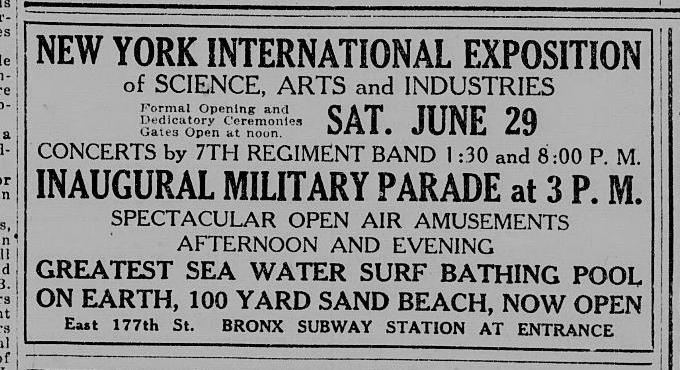
The fair was twenty years in the making, opening on June 29, 1918, two decades after the Bronx had become an official borough of New York. While many areas of the Bronx (as the Annexed District) were already part of New York as early as 1874, it wasn’t until consolidation that Bronx leaders began shaping a new character for this former section of Westchester County.
But in a sense, the fair was 300 years in the making. It was initially planned as a commemoration of the first European settlement in the Bronx. (NOTE: The park was supposed to open in 1917, although I’m still not sure which measure they’re using to get 1617 as a date of settlement; Jonas Bronck, considered the ‘first’ settler, arrived in 1638.)
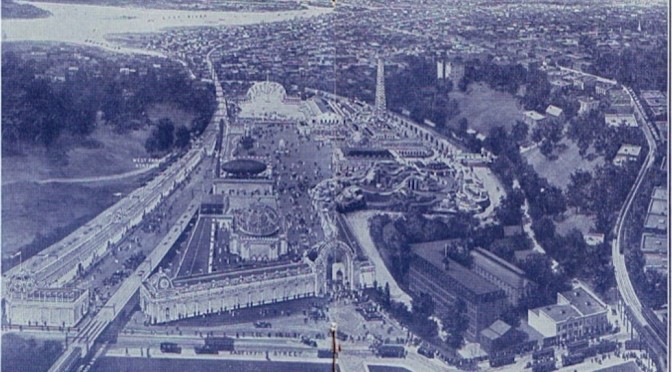
The fair was developed on the old grounds of the William Waldorf Astor estate in the neighborhood of West Farms, just to the south of Bronx Park.
From the caption: “Bird’s-Eye View of the Bronx International Exposition Grounds showing the wonderful location in the heart of the great city, and transportation facilities, with railroads, subway and elevated lines, surfactelines and automobile boulevard at the very door. The Bronx River, providing anchorage for small craft, forms the western boundary of the exposition grounds.”
Courtesy OutdoorAfro.com
The fair was meant to attract foreign trade to this country after the war. It was to be a Bronx show-and-tell. “The exposition will bring hundreds of thousands of visitors, who will have the chance to see the Bronx at its very best. There is no reason, it is said, why a certain percentage of those newcomers might not become interested in real estate.” [source]
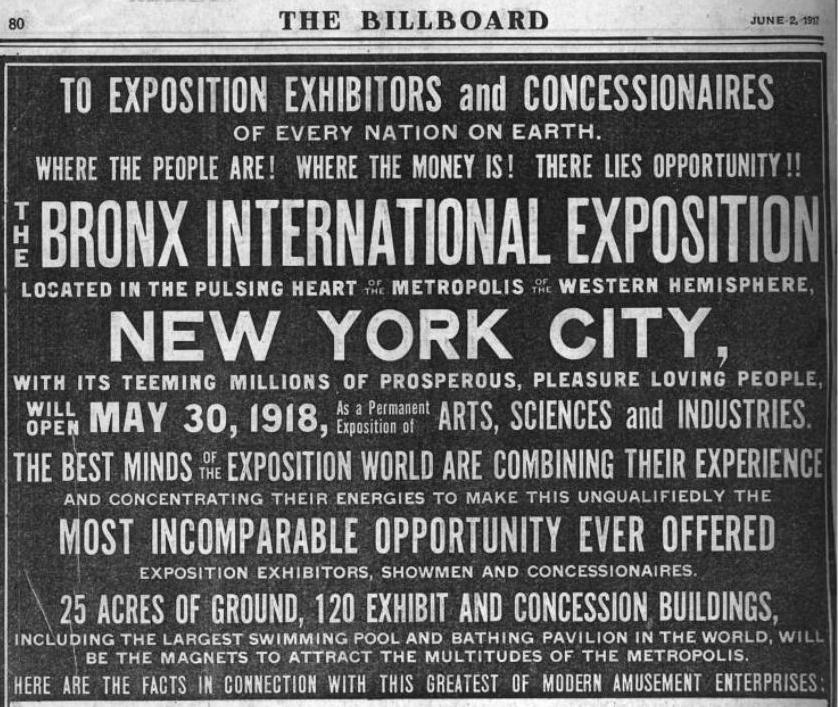
From a 1917 advertisement in Billboard Maazine attempting to drum up exhibitors.
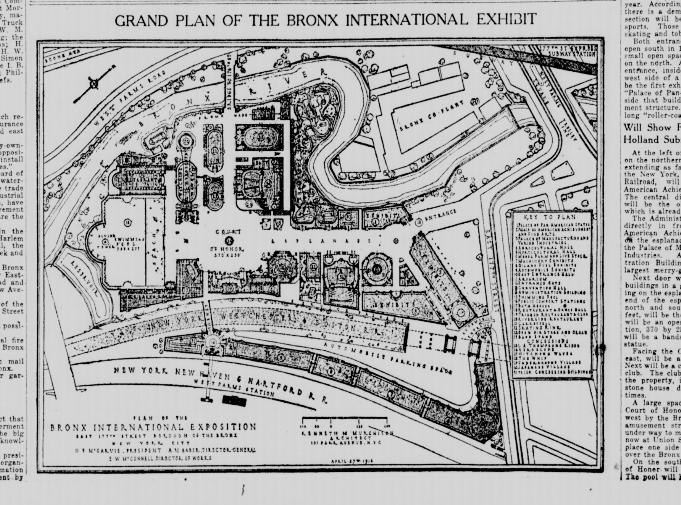
Below: Grand plans indeed. What the Bronx fair was supposed to look like.
Courtesy New York Tribune
The fair opened almost one month late, having already been delayed a year due to the war. Even still, when it did open, most of its buildings were yet to be completed. Most would never be finished. “[T]here are only a dozen buildings and a number of concessions including a restaurant, a roller coaster, a centrifugal swing and a nonsense house,” giving it “the impression of a mini-Coney Island.” [source] [source]
Over the coming weeks, fair attendees would attend such free attractions as Madame Torelli’s Comedy Circus, the Lunette Sisters aka “the whirling Geisha Girls,” and performances by the world’s greatest high-diver Kearney P. Speedy. And there was some kind of “monkey cabaret” as well.
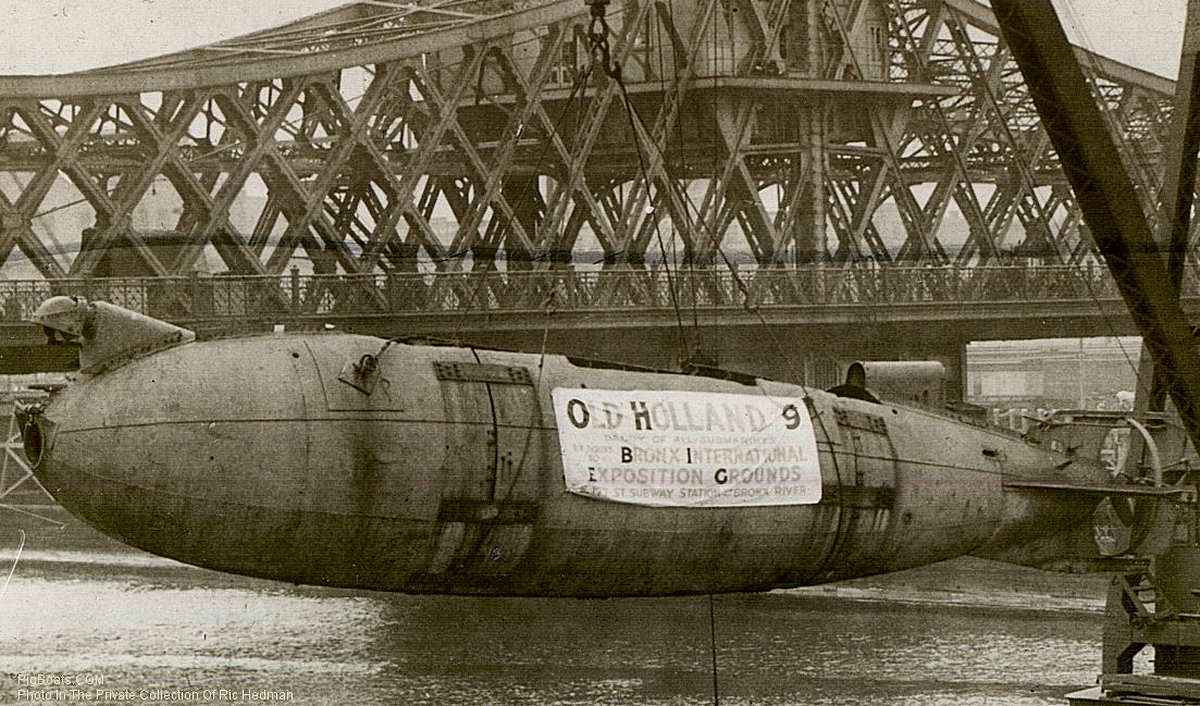
One of the Exposition’s most popular attractions was a small submarine called the Holland, the very first commissioned by the United States Navy.
From the Private Collection Of Ric Hedman
The fair was ‘international’ in the sense that only one country (Brazil) actually showed up to exhibit anything.
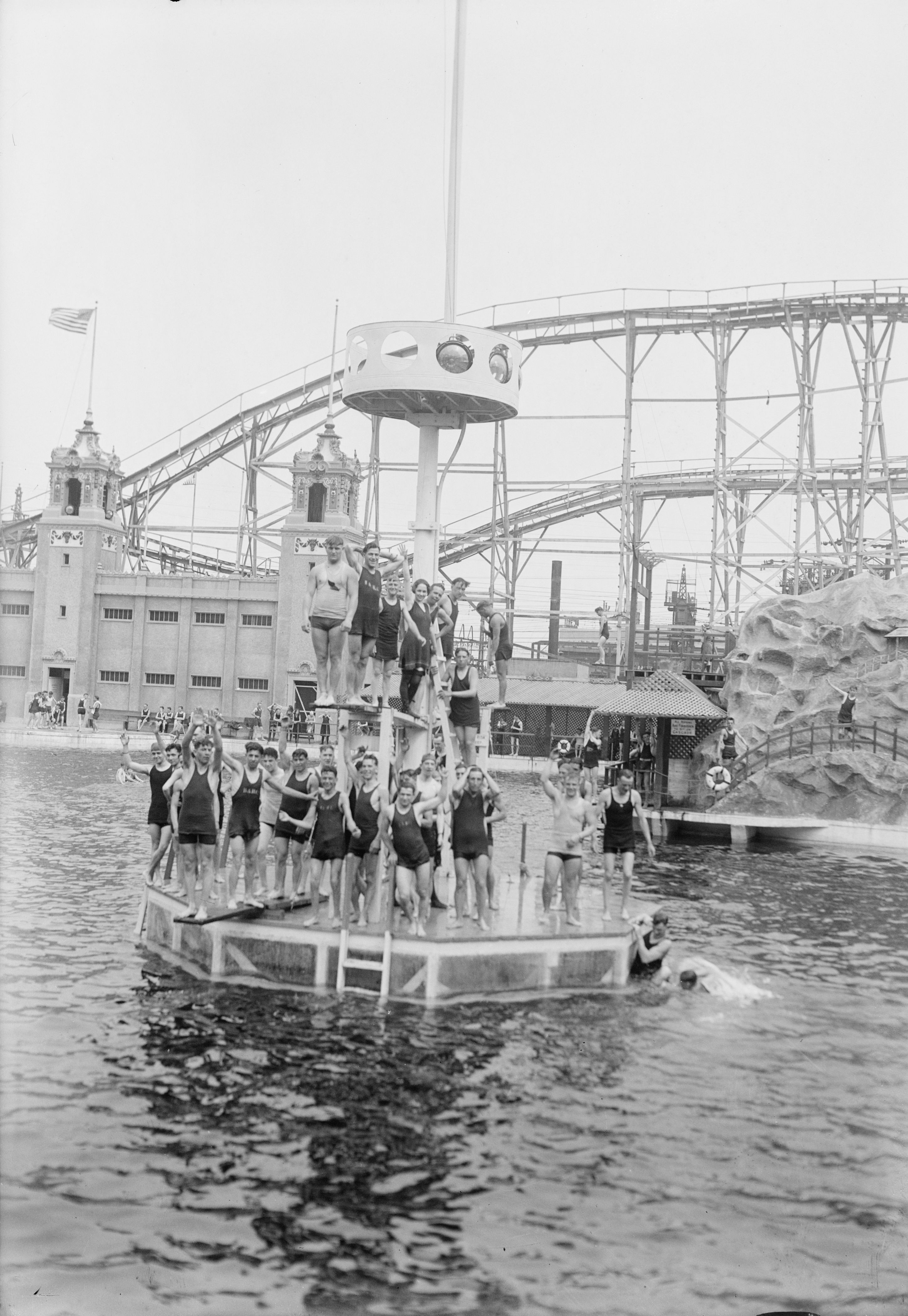
After all, it was entirely unrealistic to expect exhibitors while a war was raging in Europe. By August, the only headlines coming out of the International Exposition were related to swimming and diving. (“HAWAIIANS REPEAT TRIUMPHS IN TANK.”)
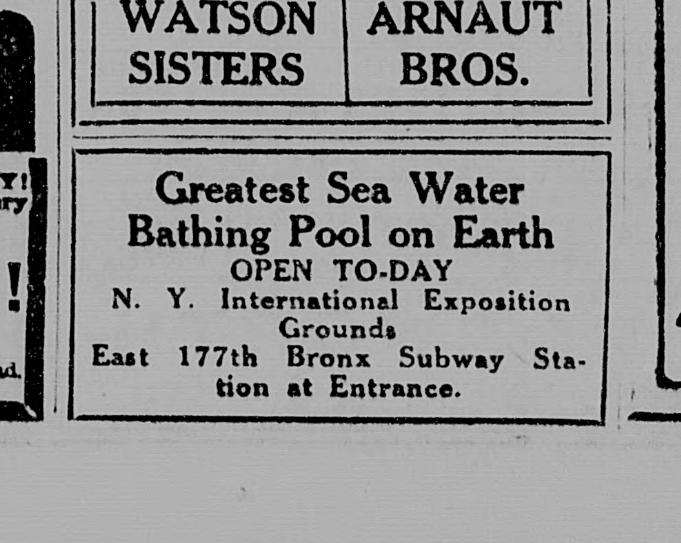
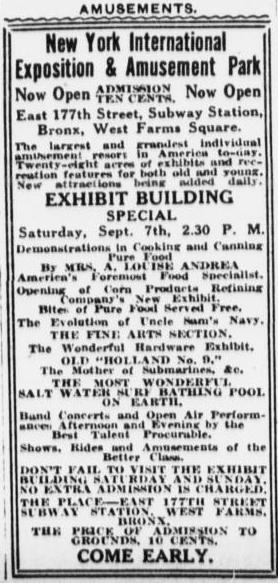
Most the fair’s more serious fare took a backseat to the amusements, as this advertisement from September 1918 indicates. The Exhibition Hall was eventually turned into a skating rink. Although one could enjoy cooking demonstrations and a fine exhibition of hardware:
By the following year, it was decided to just dispense with the serious stuff entirely. Well before the fair, there had been much talk of turning the Astor property into an amusement park. After the Exposition ended, that finally came to fruition — as Starlight Park.
Thousands of children descended upon Starlight Park during the summer, one of the popular attractions in the Bronx in the 1920s.
One of the park’s centerpieces was a giant stadium called the Coliseum which held up to 15,000 people, often there to cheer on New York’s premier soccer team, the New York Giants, who made Starlight their home from 1923 to 1930.
By the 1930s, most of the rides had closed, but the pool was still a popular draw. The park became a magnet for the area’s working class families, who enjoyed sunbathing, picnicking and, if they stayed after dark, moonlight dancing to live big band music. One of the very first Bronx radio stationsWKBQ also made Starlight its broadcasting home in 1931.
Sadly, Starlight met with a rather ungracious fate. The park was slowly demolished over the years and by 1940 it was permanently closed, transformed into a city truck facility. Fire in the late 1940s destroyed any remaining vestiges of the park, and its memory was completely wiped away by expanses of the Cross Bronx Expressway.
Today there’s a children’s playground at around the spot of the old exposition called Starlight Park.
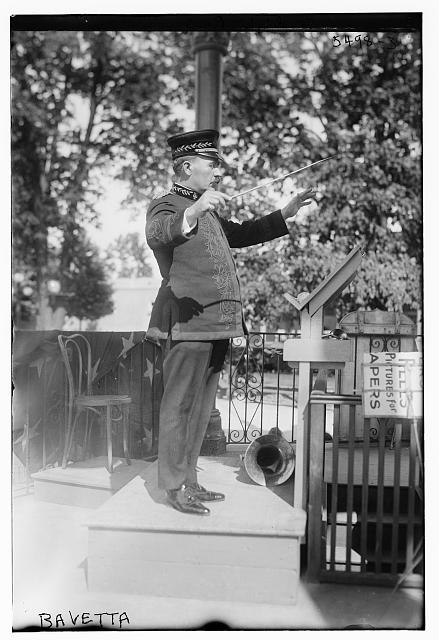
Below: Strike up the band! Conductor V. Bavetta provides musical accompaniment to the visitors of Starlight Park
Courtesy Library of Congress
NOTE: Clips of this article originally appeared in my old 2009 post about Starlight Park.
DUMBO, for Down Under Manhattan Bridge Overpass — a stretch to create an geographic acronym if there ever was one — is not the only neighborhood named by a bridge which passes by, through, or over it. It might be obvious but the neighborhood of Kingsbridge in the Bronx is named for an actual bridge, and the King’s Bridge at that.
The Spuyten Duyvil Creek, that short, narrow span of water that separates the far north edge of Manhattan from the west side of the Bronx, has vexed travelers for hundreds of years, due to choppy waters and devilish legends. One translation of its name has traditionally been ‘Devil’s Spout’. Folklore sent Anthony Van Corlaer to his death here. (Listen to our oldHaunted Tales podcastfor more information.)
Below: Marble Hill in the year 1900, an undeveloped parcel of land which was cut from Manhattan via a canal and eventually joined the mainland.
In the past 150 years, the course of this waterway has been re-routed, shut off and landfilled to accommodate needs of Harlem River shipping traffic. In fact the neighborhood of Marble Hill, once a part of Manhattan island, has been affixed to the Bronx by drilling a canal though its southern part (in 1895), then filling in the Spuyten Duyvil to its north (in 1914). This disembodied nub of Manhattan is still administratively considered part of the island.
But it’s not Marble Hill we’re looking at here, but rather the neighborhood to its east, Kingsbridge. Way before the Spuyten Duyvil was filled in, the creek posed a challenge for early Dutch farmers wishing to transport their wares into the city markets. However it was narrower than trying to attempt a crossing of the far-broader Harlem, and many farmers used their own boats to get across.
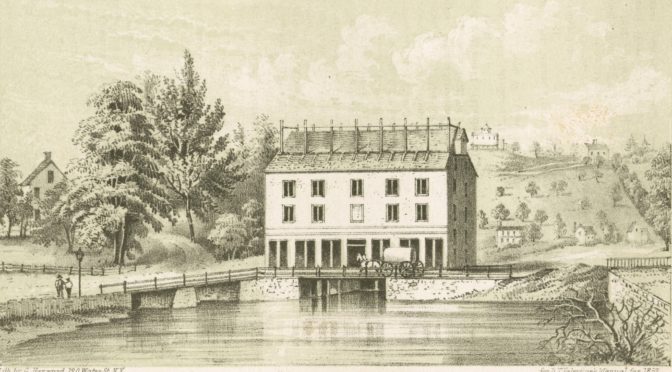
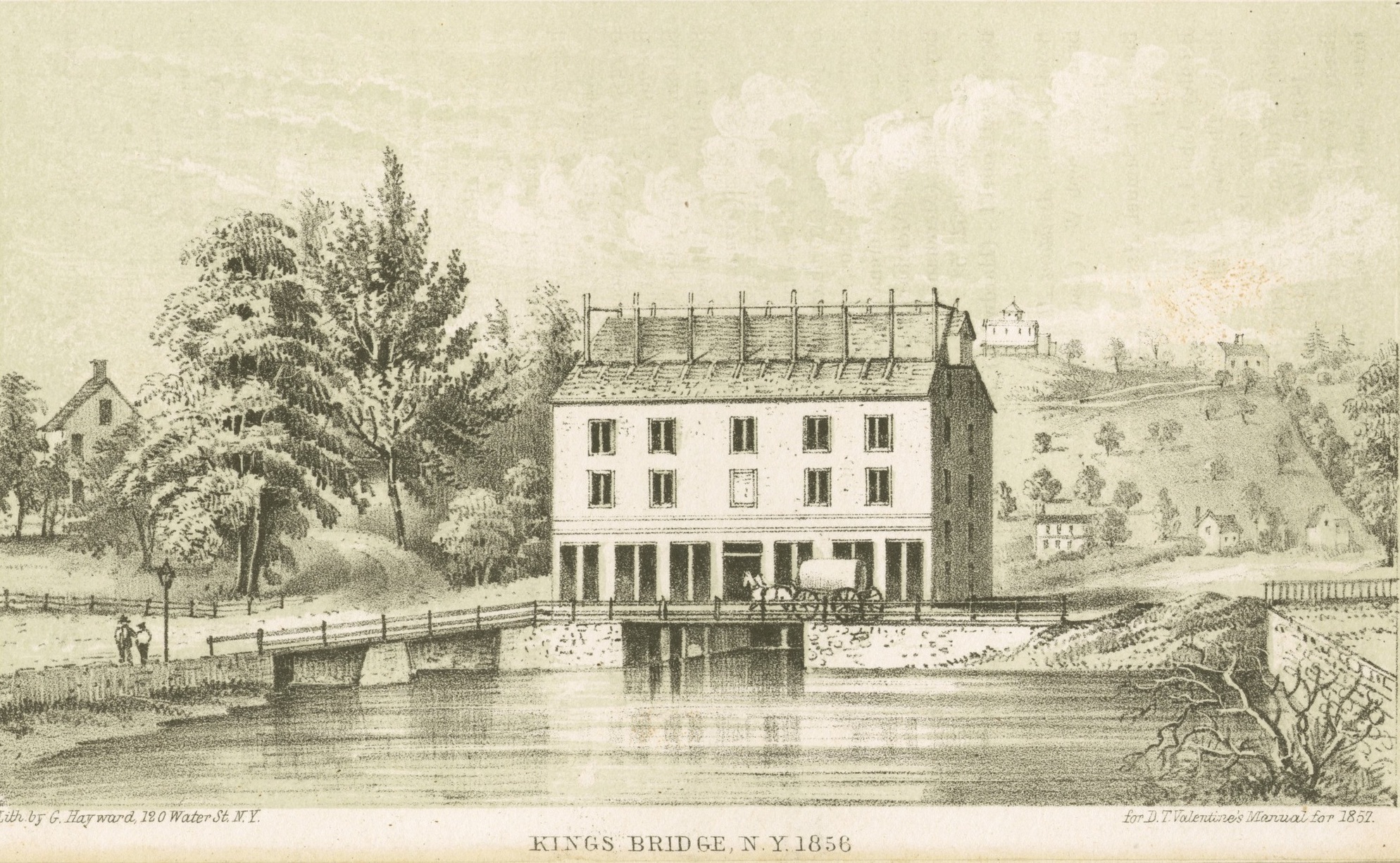
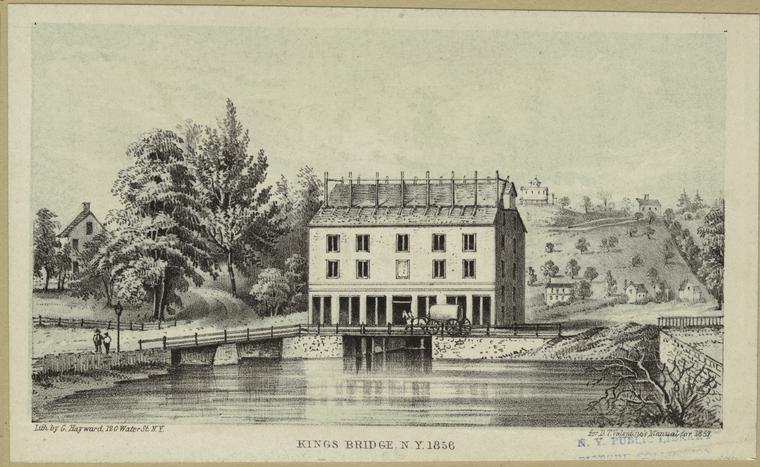
The rebuilt King’s Bridge in 1856
Courtesy NYPL
The earlier inhabitants of the land, the Lenape, simply used canoes when they wished to pass across it; it was at this spot that a well-trodden Indian trail led into the wilderness beyond. By the time of the Dutch, this path had been turned into a workable road. It would eventually become part of the Boston Post Road — appropriate the mail delivery route — which led into New York to the south and up the Albany to the north.
In 1669, in those tentative years of England’s early occupation of the former New Netherland colony, one enterprising Dutch farmer Johannes Verveelen set up a pay ferry service, at the area of the former creek today situated at 231st Street and Broadway— both to serve those who didn’t have their own vessels and to monetize those who had previously preferred their own.
This would be fine for awhile, until greater number of travelers to and from New York on the post road commanded that a more permanent solution be found.
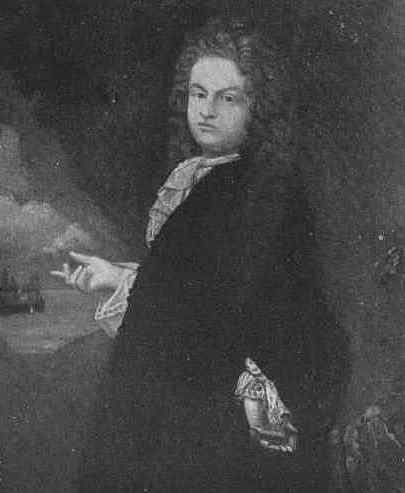
The first Frederick Philipse (formerly Flypsen)
Enter wealthy adventurer and servant to the crown Frederick Philipse. The enterprising and ambitious Dutchman (his original name was Flypsen) came to New Amsterdam in the 1650s and stayed for the transition into New York. He then married into money and soon became the wealthiest man in town, thanks partially to the slave trade.
He soon acquired an estate (or rather, “hunting ground”) encompassing land between the Spuyten Duyvil creek and the Croton River further upstate.
He built a lavish home here — the Manor of Philipsburg — with breathtaking views of the Hudson.
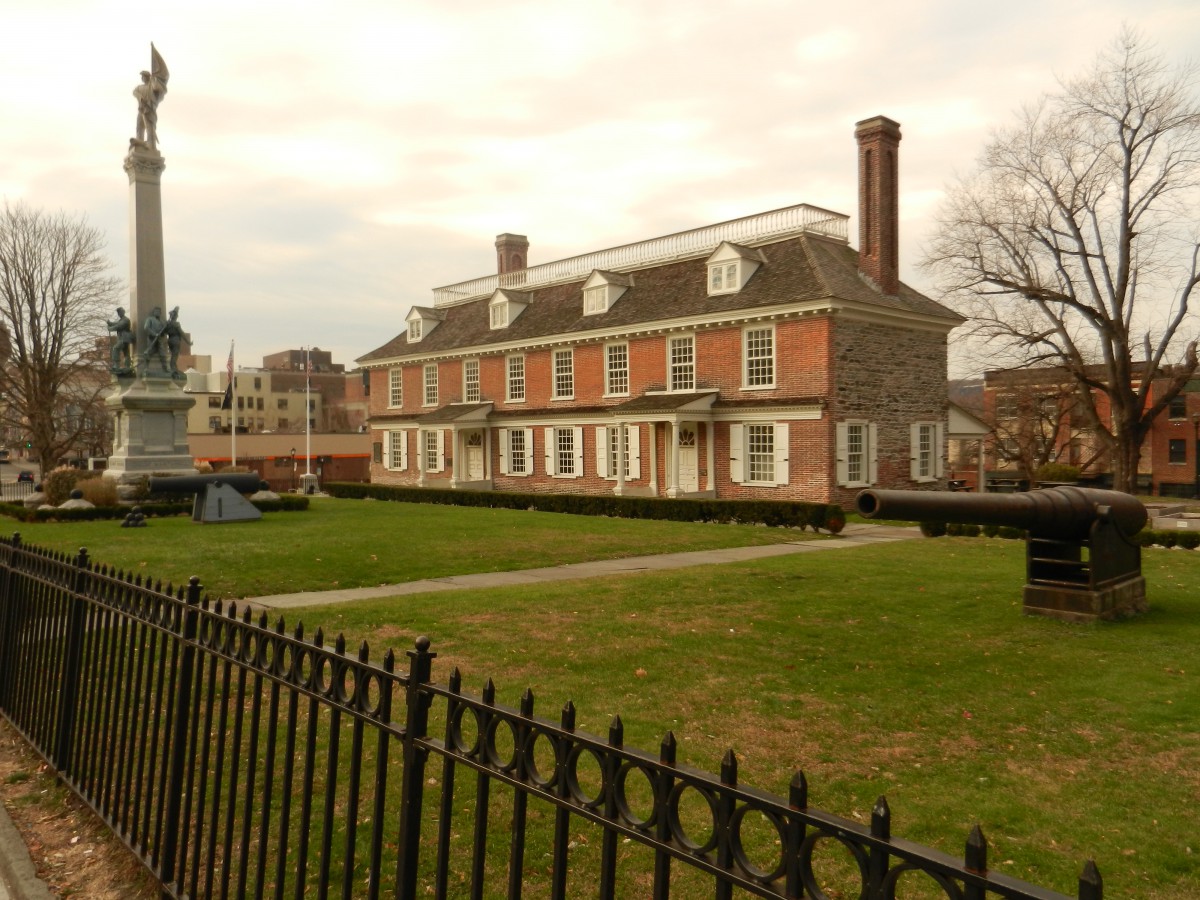
Several buildings from the original Philipsburg Manor property still stand in the Hudson River Valley, including the Philipse Manor Hall, built in 1682.
Photo courtesy CUNY
As author Stefan Bielinski explains, Philipse “was essentially a merchant with mercantile liaisons extending to several continents, but although he had acquired land for speculative purposes, he also hoped to one day generate the flour, grain, and other products which his own ships would then carry to the worldwide marketplace.” Of course he would “generate” these goods with the help of slave labor.
This land once had been owned by Lenape and later by Adriaen van der Donck, the Dutch lawyer who apparently met an unfortunate end. Now these thousands of acres were part of a wealthy lord’s estate, part of a vast area that would later become the western Bronx and Yonkers.
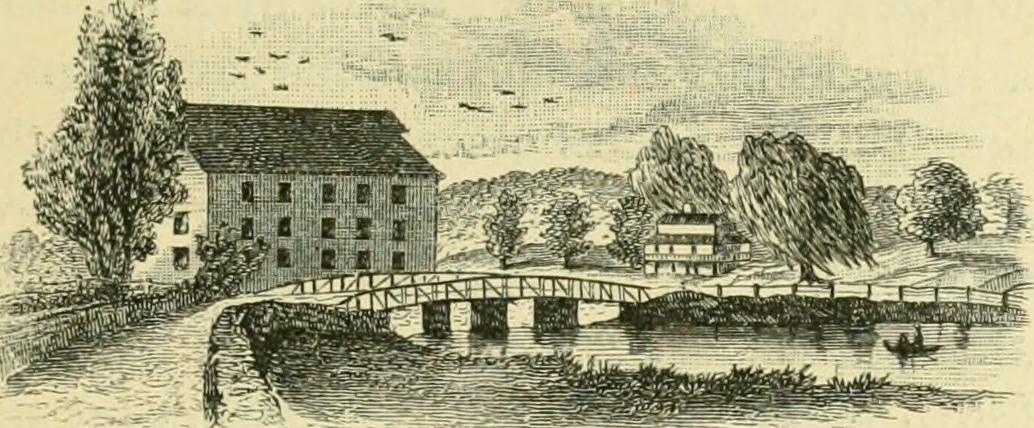
Of course, in the southern part of his estate, there was that pesky road — that former Lenape road — that abutted his property, heavily trafficed with people crossing at the creek. No matter. In 1693, he built a bridge — the King’s Bridge as it was “established by royal grant“ — and charged a fee, payable to the crown.
Internet Book Archive
The bridge was the only legitimate way to cross the river, the only way to deliver goods to Manhattan from the mainland. Naturally this monopoly was soon poorly received by local farmers who wanted to sell their bounty in the profitable New York markets down south.
Philipse’s toll bridge can be seen as a physical representation of the later unrest between England and the colonies. Philipse and his descendants were faithful to the English; his great-grandson would still own the property during the Revolutionary War and would flee when the British were kicked out in 1783.
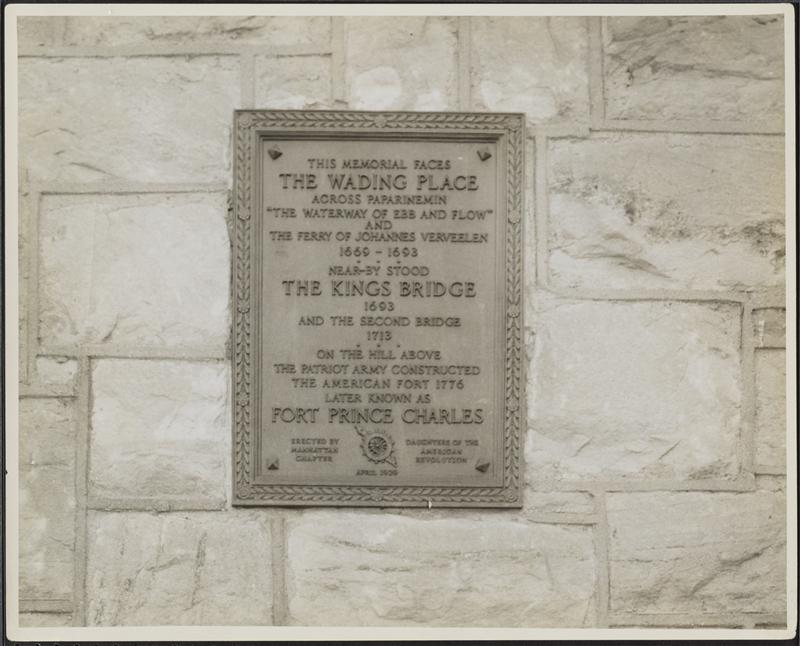
A plaque on nearby St. Stephen’s United Methodist Church commemorates both Verveelen’s ferry service and the site of the original King’s Bridge. Pictured here in 1932.
Museum of City of New York
Many decades later, a mild form of protest was practiced by neighboring farmers Benjamin Palmer and Jacob Dyckman, who built the aptly named wooden-plank Free Bridge in 1758, at around 226th and Broadway, with funds contributed by other perturbed locals.
This rebellion was celebrated with a wild feast, an ox roast, “thousands from the city and country …. rejoiced greatly.”
Palmer was the man responsible for developing City Island just three years later. Dyckman attempted to profit from the bridge by building a nearby tavern, later sold and known as Hyatt Tavern. The bridge was burned down by British soldiers in 1776, but they left the tavern still standing.
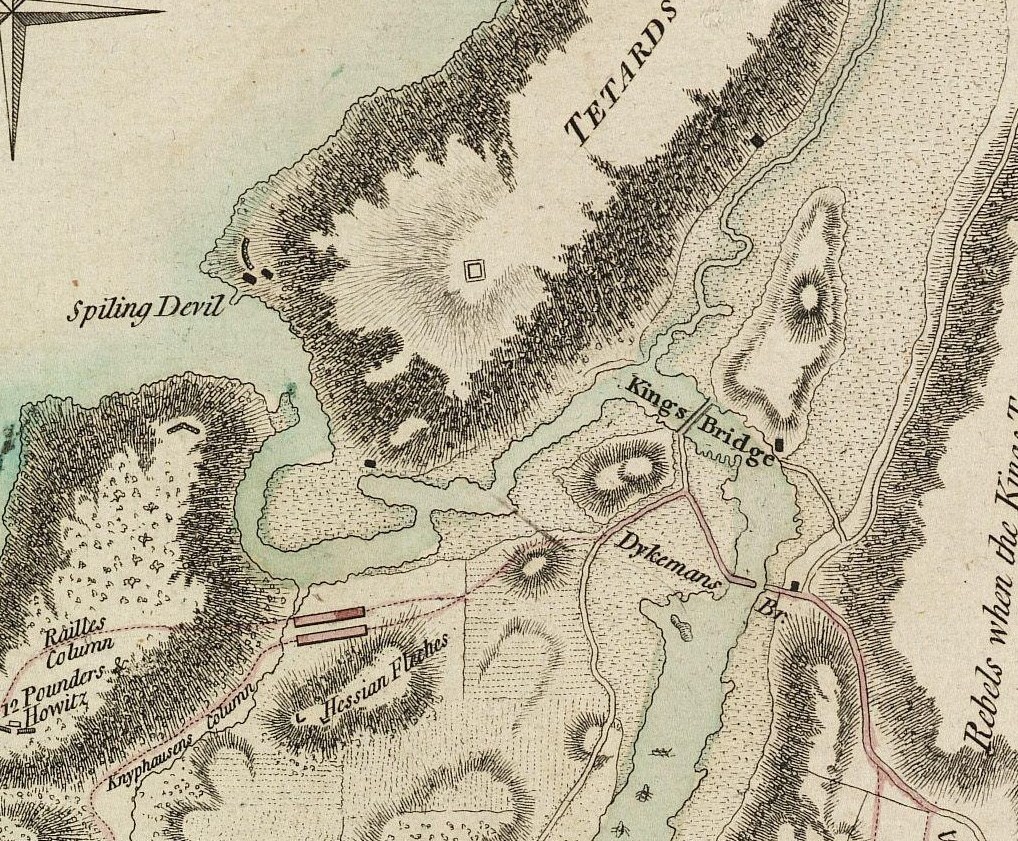
Below: Map showing the location of the King’s Bridge approximate to where the Free Bridge (or Dyckman’s Bridge) was. Â
Excerpt from the Battle Of Fort Washington Map By Sauthier showing original course of Spuyten Duyvil Creek, and locations of King’s Bridge, Dyckman’s Bridge, and Marble Hill area then part of Manhattan
As for the King’s Bridge, according to author Stephen Jenkins, it had fallen “into disuse, the gatekeeper gave up his position, and Colonel Philipse [great-grandson of Frederick] had to advertise for a new lease; from this time forth, it was virtually a free bridge also.”
It too was eventually destroyed — by Washington’s forces, as they fled in 1776 — but was rebuilt after the war, as was the Free Bridge. The pictures of the King’s Bridge you see in this post are of the rebuilt bridge.
The community that developed around King’s Bridge, losing the space and the apostrophe, was officially part of Yonkers until the city of New York annexed it in 1874, years before the creation of the Bronx borough.
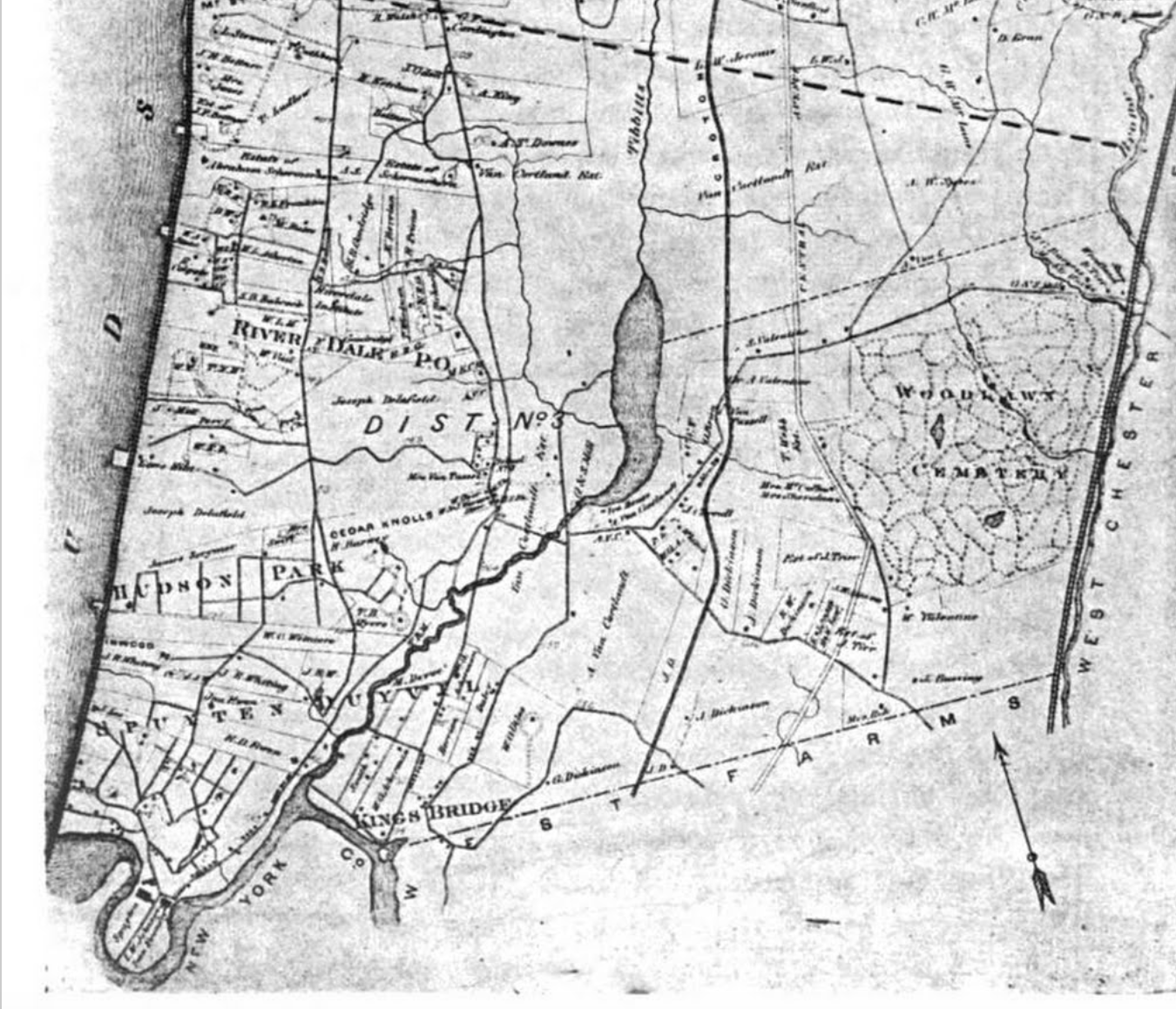
A map from 1867 showing King’s Bridge in the southern portion:
With the filling in of Spuyten Duyvil Creek in 1914, the city not only created this strange quirky place called Marble Hill, they also apparently buried the bridge without dismantling it. It may still technically exist under the roadway at 230th Street and Broadway. Is this a historic legend or does a little piece of old New York still reside in the neighborhood of Kingsbridge?
This article is based on an article I wrote back in 2010. You can see the original here.
We’ve received such an overwhelming positive response to our Bronx history podcast — and we’re just at Part One. You may know a few things about 20th century Bronx history, but it’s so important to familiarize yourself with the early stories as well. Almost all of these stories figure into the creation of the modern Bronx and will help shape the borough’s future.
But there’s need to wait for us to release Part Two next week. There are many institutions in the borough where you can experience the early history of the Bronx firsthand. May we suggest planning an afternoon adventure around a visit to these places? (NOTE: It’s always a good idea to call ahead before planning a visit. Some of these locations often host private events.)
For reasons which will become obvious, late summer and autumn are the perfect times to visit some of these sites. You’ll see why many people consider the Bronx to be the most beautiful borough in New York City.
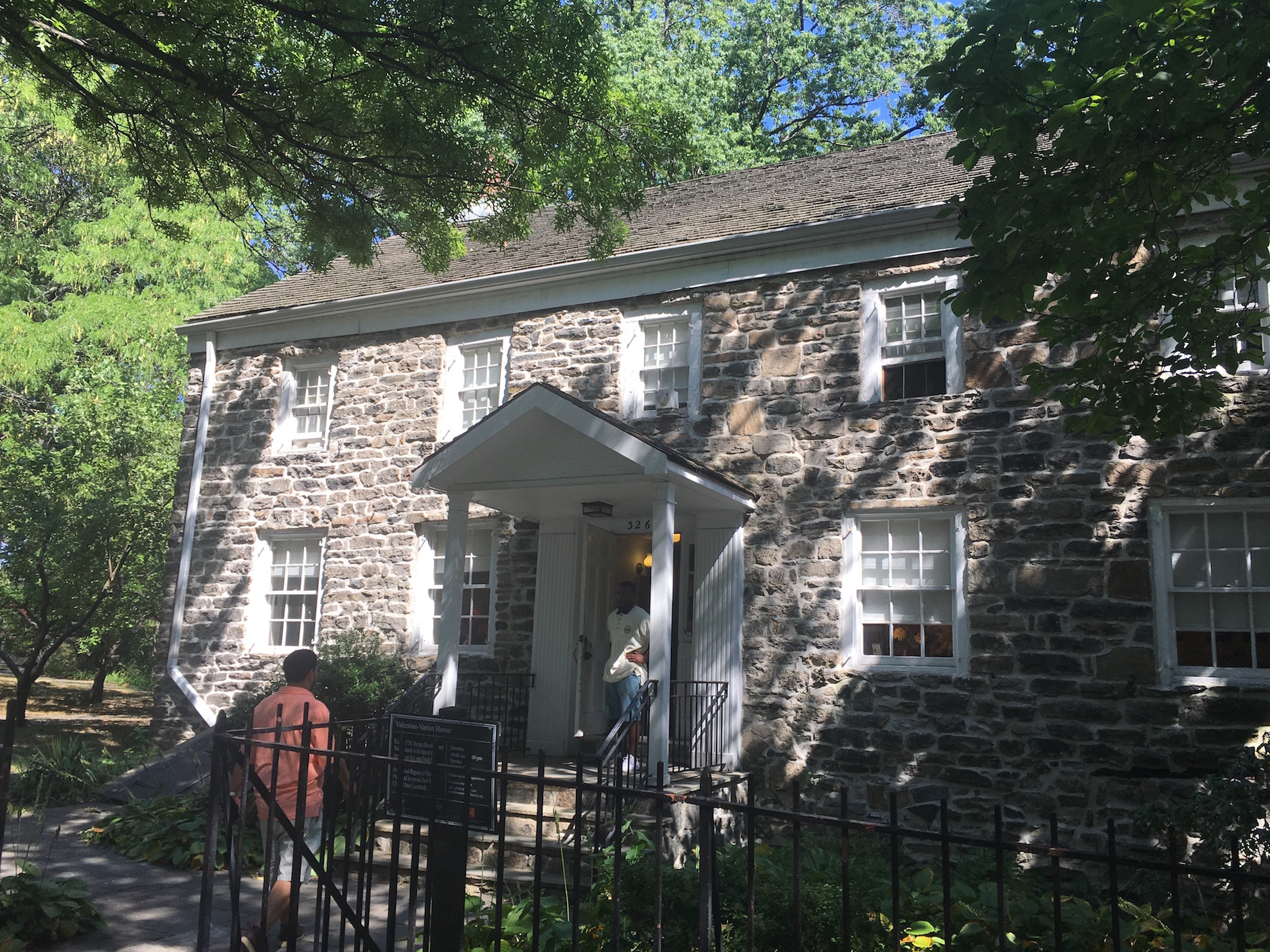
Start an exploration into Bronx history here, a non-profit organization located in the Valentine-Varian House, the oldest farmhouse in the Bronx (from 1758). As is the way with historical homes, this structure once owned by the family of New York mayor Isaac Varian and Bull’s Head Tavern owner Richard Varian was actually moved to its present location in the Williamsbridge Oval back in 1965. Inside you’ll find a complete display of exhibits and examples of colonial life in the Bronx.
LOCATION 3266 Bainbridge Avenue, Norwood, the Bronx WHY YOU SHOULD VISIT SOON A special exhibition (open until October 9) explores the history of Westchester Town, one of the earliest settlements in the region. We recommend pairing a visit to the home with a trip to New York Botanical Garden, just a short walk down Mosholu Parkway. HOURS AND ADMISSION Saturday 10AM-4PM; Sunday 1PM-5PM, $5 per adult, $3 for students, children and seniors HOW TO GET THERE BY SUBWAY — The D train to East 205th Street or the 4 train to Mosholu Parkway
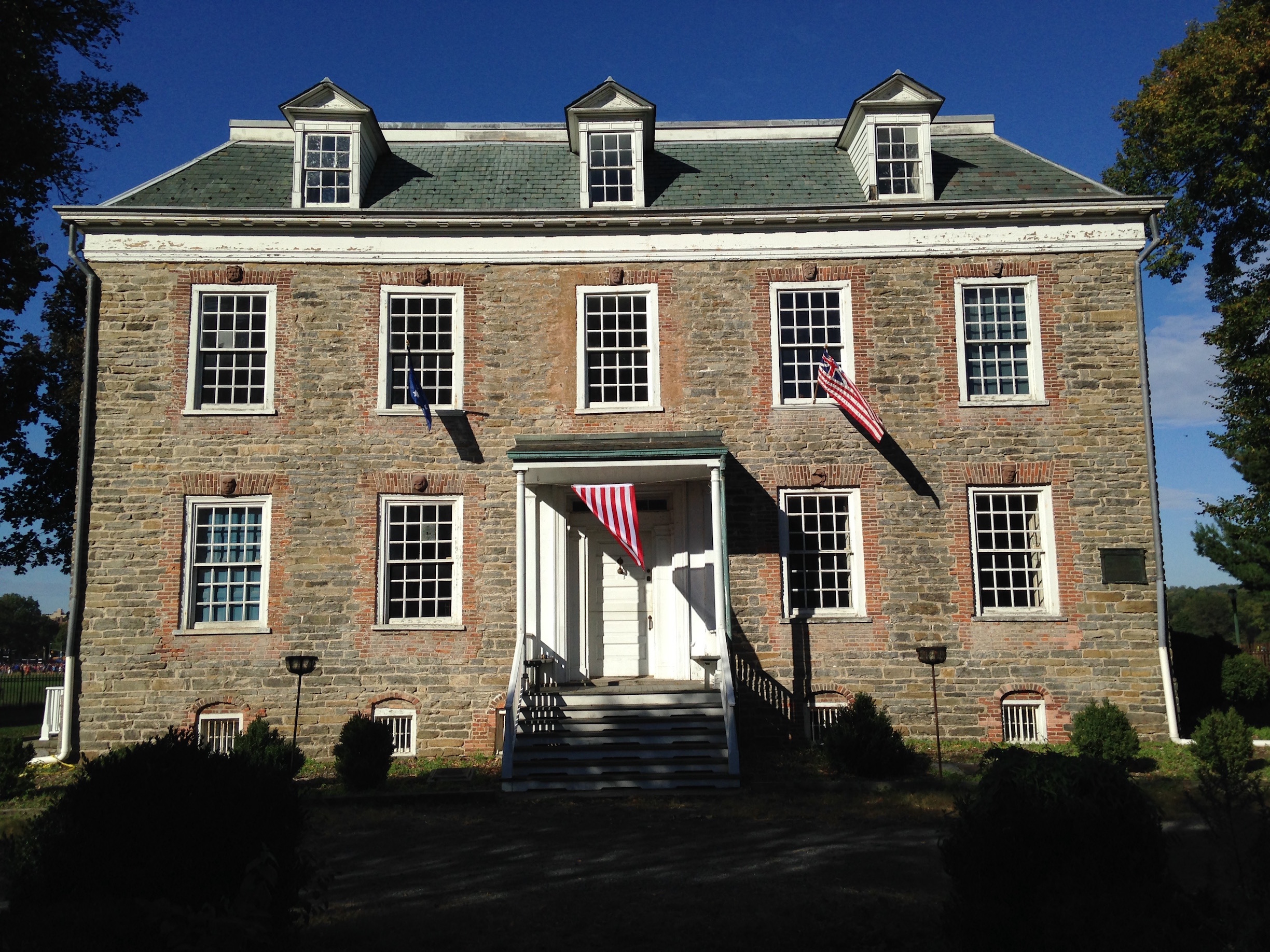
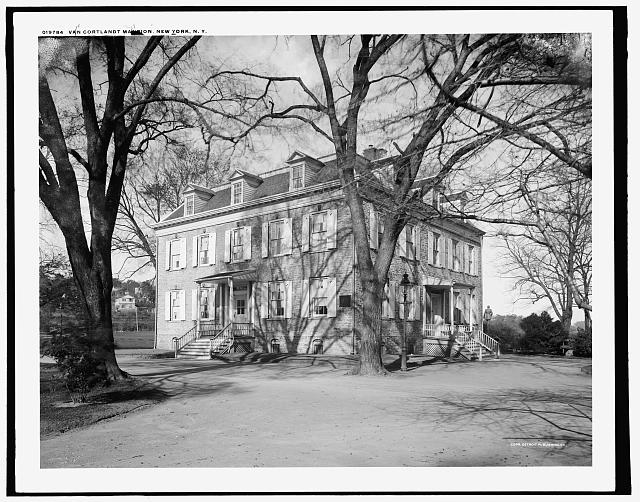
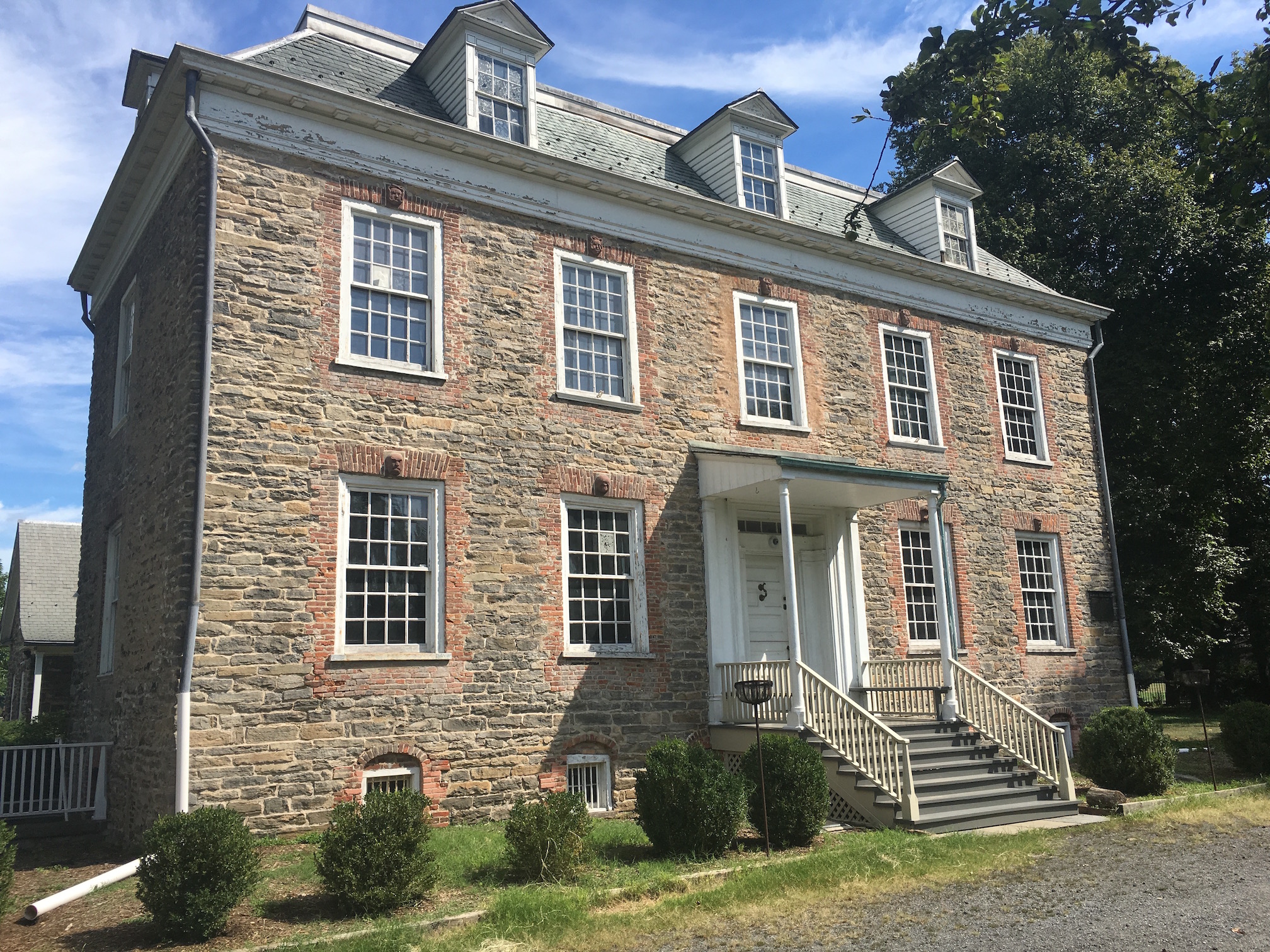
Few places in New York feel as authentically connected to the era of the Revolutionary War as the old 1748 home of the Van Cortlandts, sitting within the family’s former estate in the park named after them. Depending on the time you get there — call ahead just to be sure they’re open — you’ll take a guided tour (perhaps even with a costumed guide) or have the opportunity to explore the house yourself.
LOCATION 6036 Broadway, Van Cortlandt Park, the Bronx WHY YOU SHOULD VISIT SOON The park is popular with joggers and sports fans, so you may want to join in the fun after a visit. Plan a trip here on the same day you go to Wave Hill. HOURS AND ADMISSION Tuesday-Friday 10AM-4PM; Saturday and Sunday 11AM-4PM, $5 per adult, $3 for students, children and seniors, free on Wednesdays HOW TO GET THERE BY SUBWAY — The 1 train to the last stop West 242nd Street
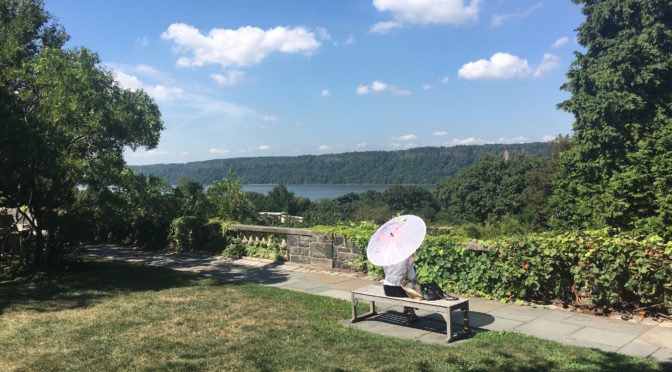
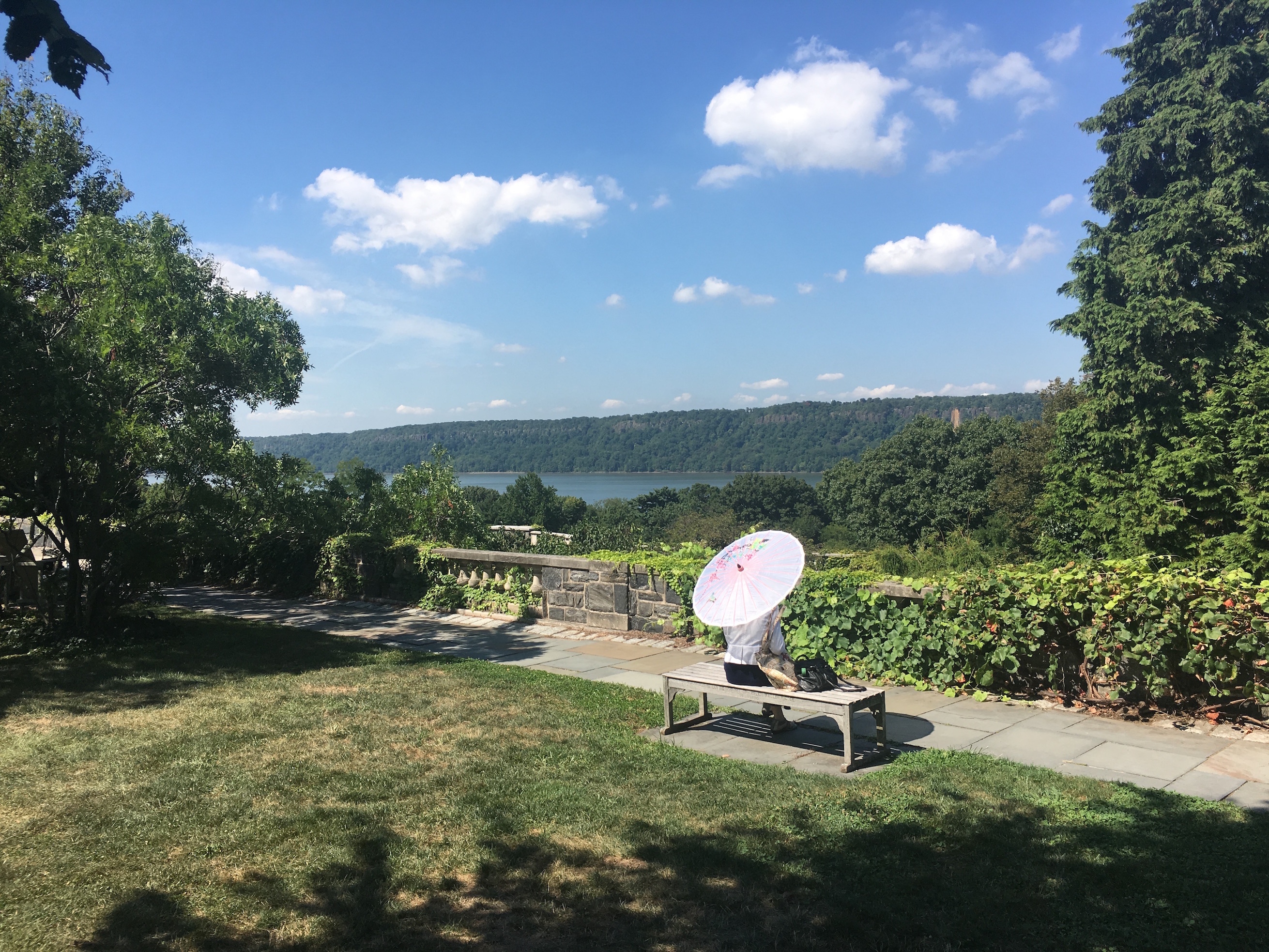
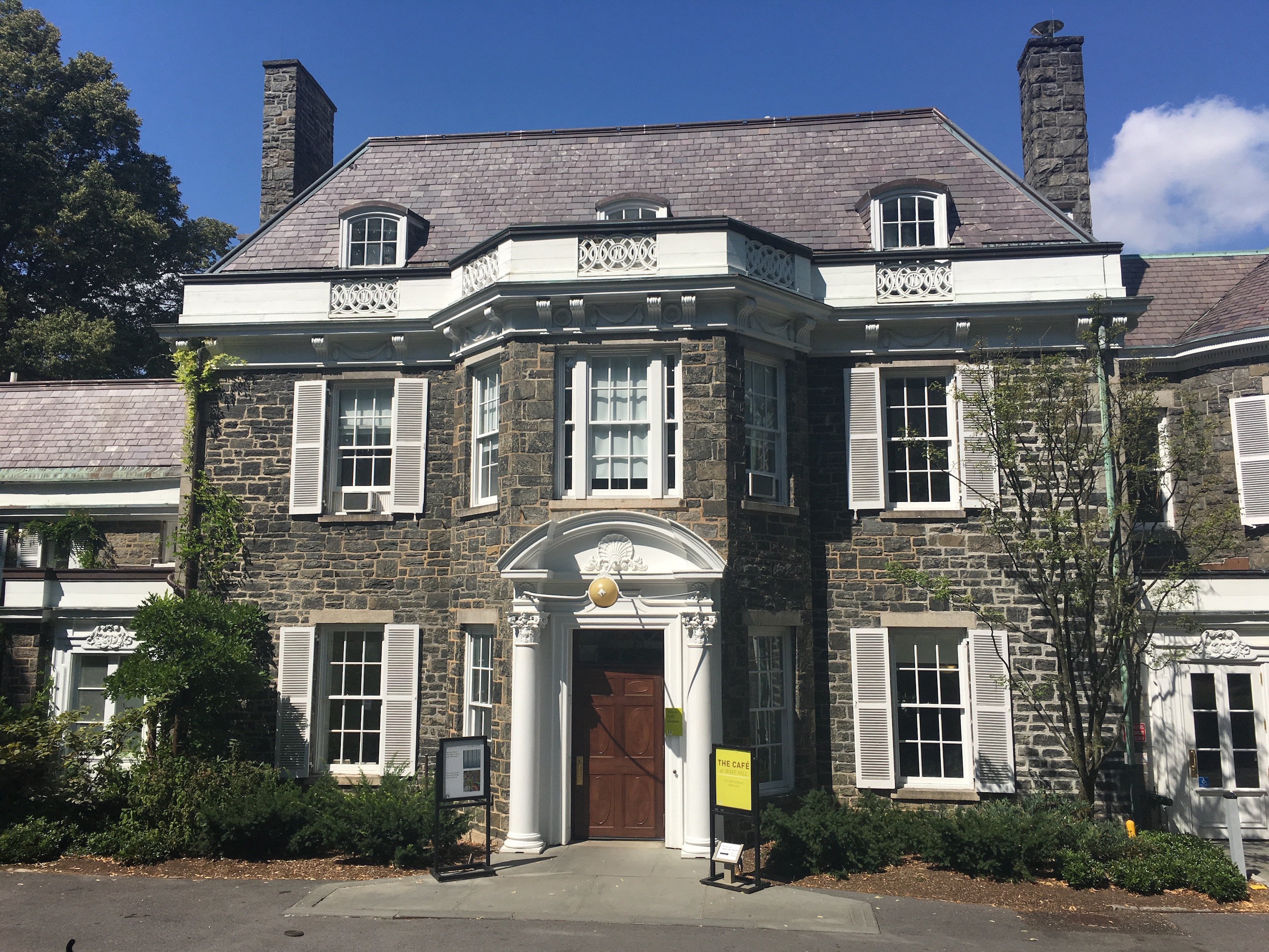
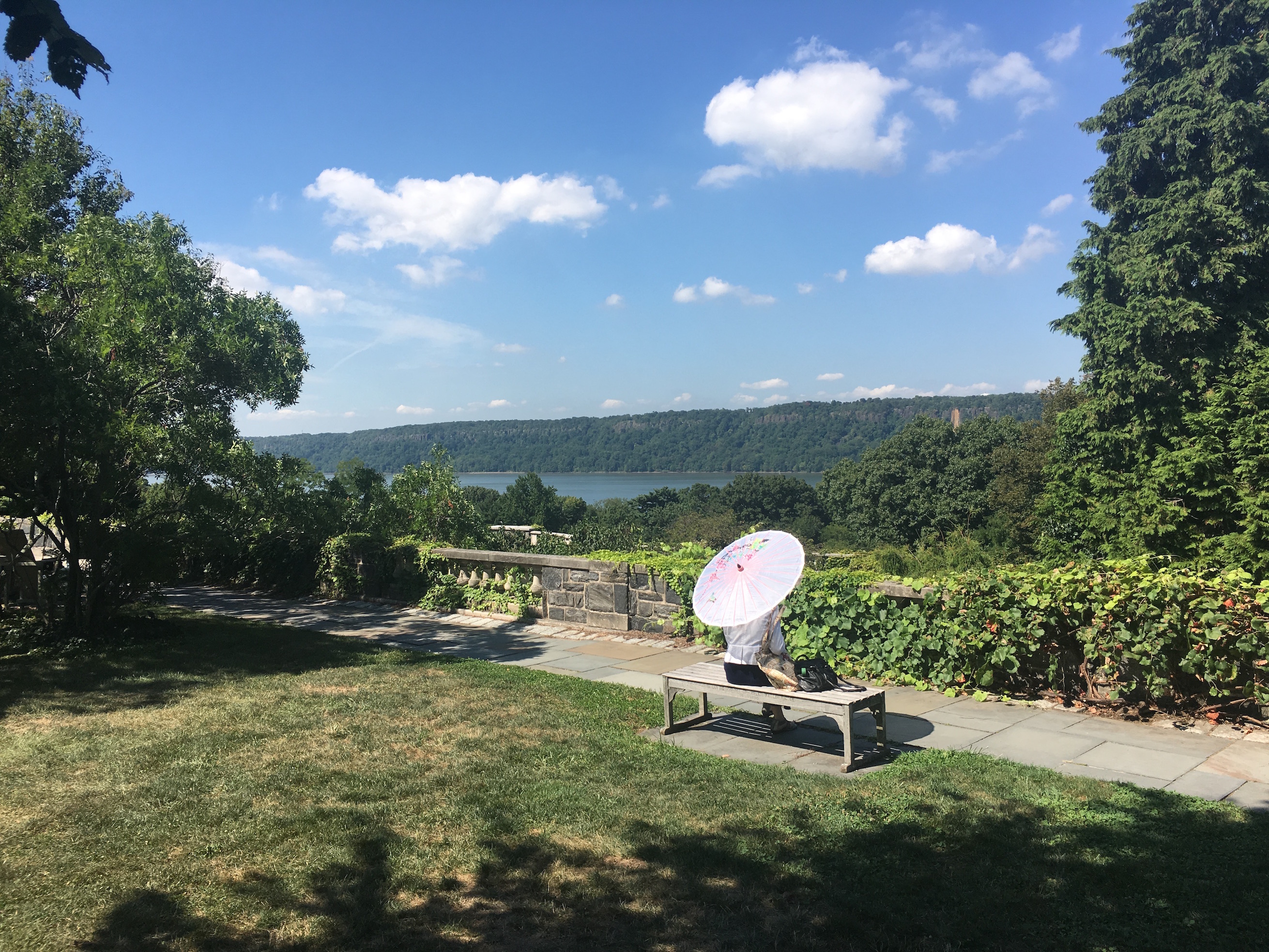
This is your home now! Well you can at least fantasize that this sumptuous 1843 mansion — and its 1927 companion Glyndor — is yours as you stroll the property, looking out at the splendid view of the Hudson River and the Palisades. The feeling of calm and isolation  you get from an afternoon here is almost impossible to find in the five boroughs.
LOCATION 649 W 249th St, Riverdale, the Bronx WHY YOU SHOULD VISIT SOON They encourage you to take your shoes off and walk in the grass. The already-gorgeous surroundings become even more extraordinary starting in the early fall. Perfect day-trip with the Van Cortlandt House Museum (see above) HOURS AND ADMISSION Tuesday-Sunday 9AM-5:30PM; $8 per adult, $4 for students and seniors, $2 children +2 (Parking is available) HOW TO GET THERE BY SUBWAY — The 1 train to the last stop West 242nd Street. A free Wave Hill shuttle van meets passengers on the west side of Broadway in front of Burger King (!) at 10 minutes past the hour, from 9:10am to 4:10pm. The shuttle van returns visitors to Broadway in front of Burger King, departing Wave Hill’s front gate on the hour, from 10am until 5pm. (You can also get here via Metro-North Railroad. See website for more information.)
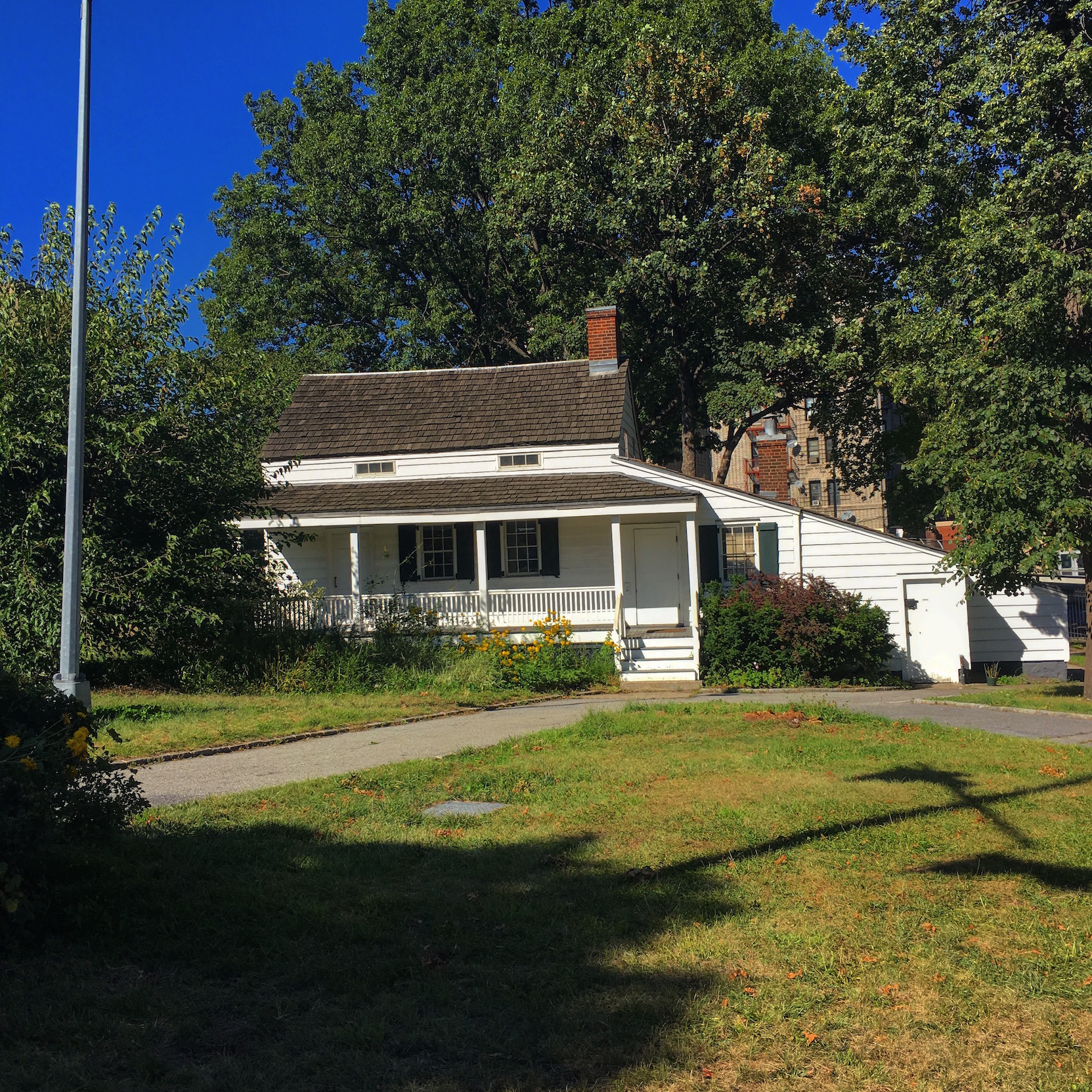
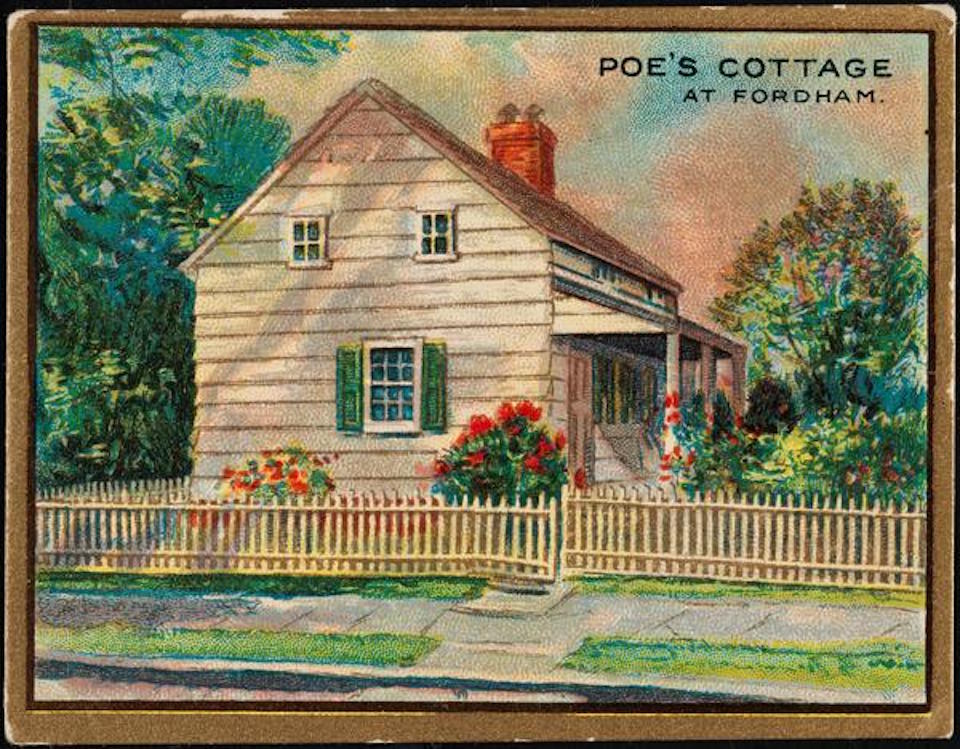
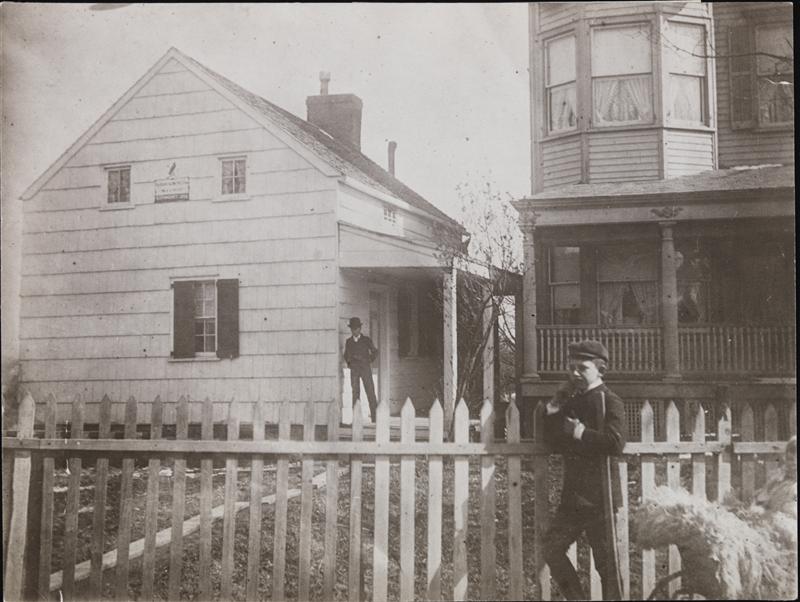
This remains one of the strangest literary landmarks in New York City. Positioned in charming Poe Park, right off the Grand Concourse, the cottage has lost all of its original context but none of its allure. Standing on the porch, the more creative among you may be able to close your eyes and imagine the dark, sullen worlds the poet was able to conjure from here. (A few of his most famous poems were written at the cottage, and the short story “Landor’s Cottage” is believed to be heavily inspired by this place.)
LOCATION 2640 Grand Concourse, Fordham Manor, the Bronx WHY YOU SHOULD VISIT SOON Fall is always the best time experience anything Poe-related.  You’re also a short walk to the culinary delights of Arthur Avenue. HOURS AND ADMISSION Tuesday-Friday 10AM-3PM; Saturday and 10AM-4PM, Sunday 1PM-5PM, $5 per adult, $3 for students, children and seniors HOW TO GET THERE BY SUBWAY — The D train to Kingsbridge Road lets you off right at the park, however the 4 train to Kingsbridge Road will also get you there too.
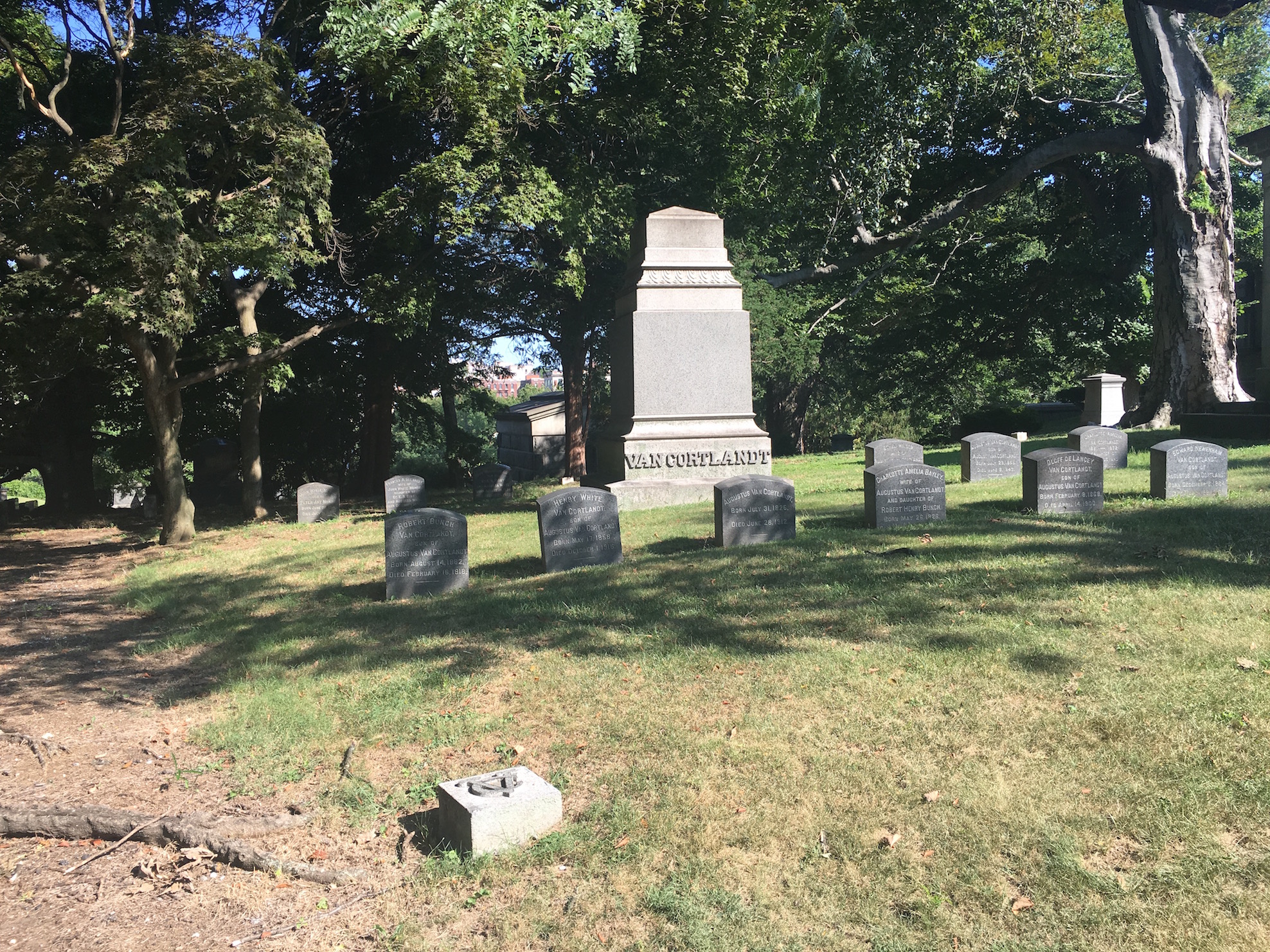
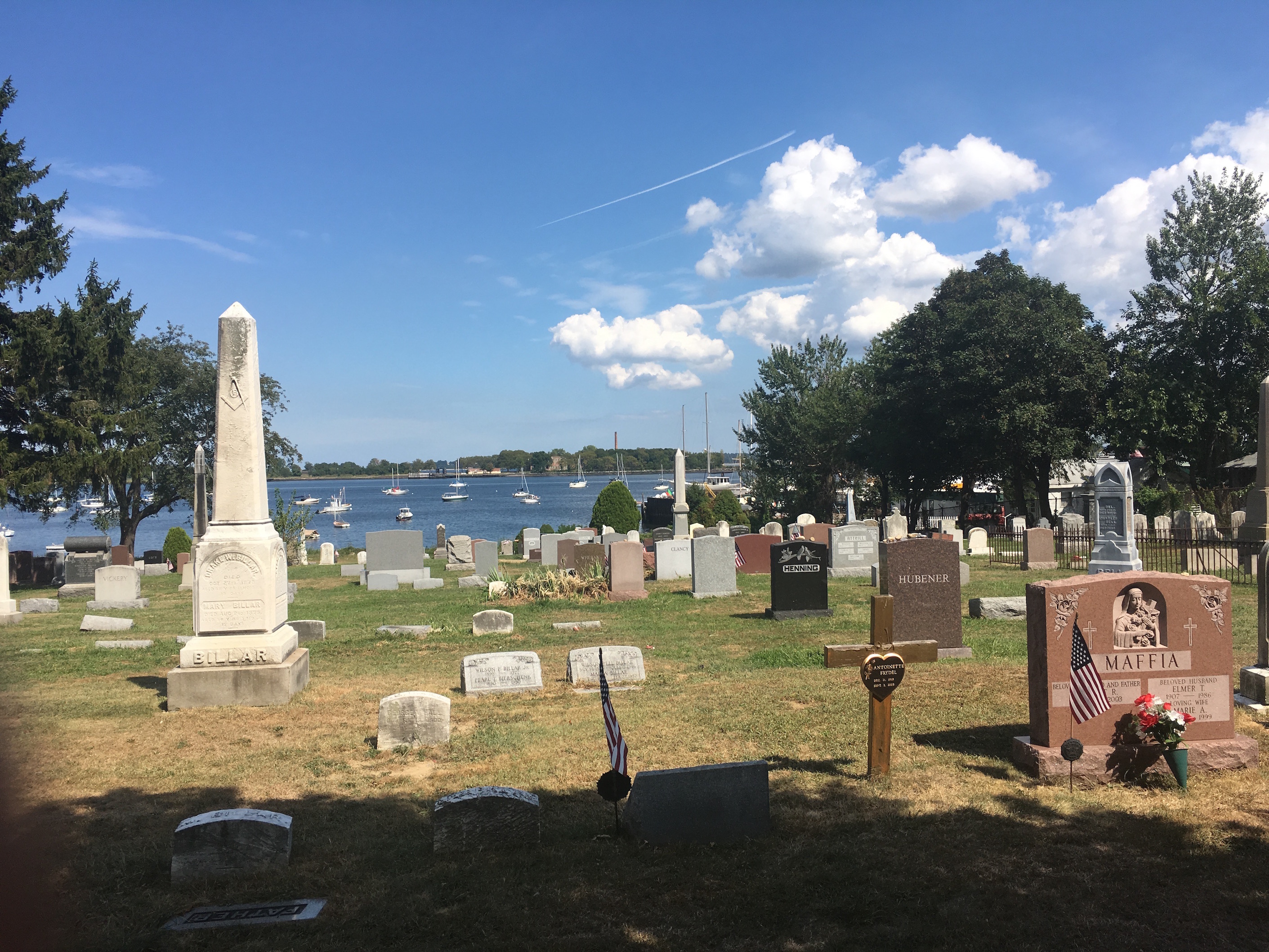
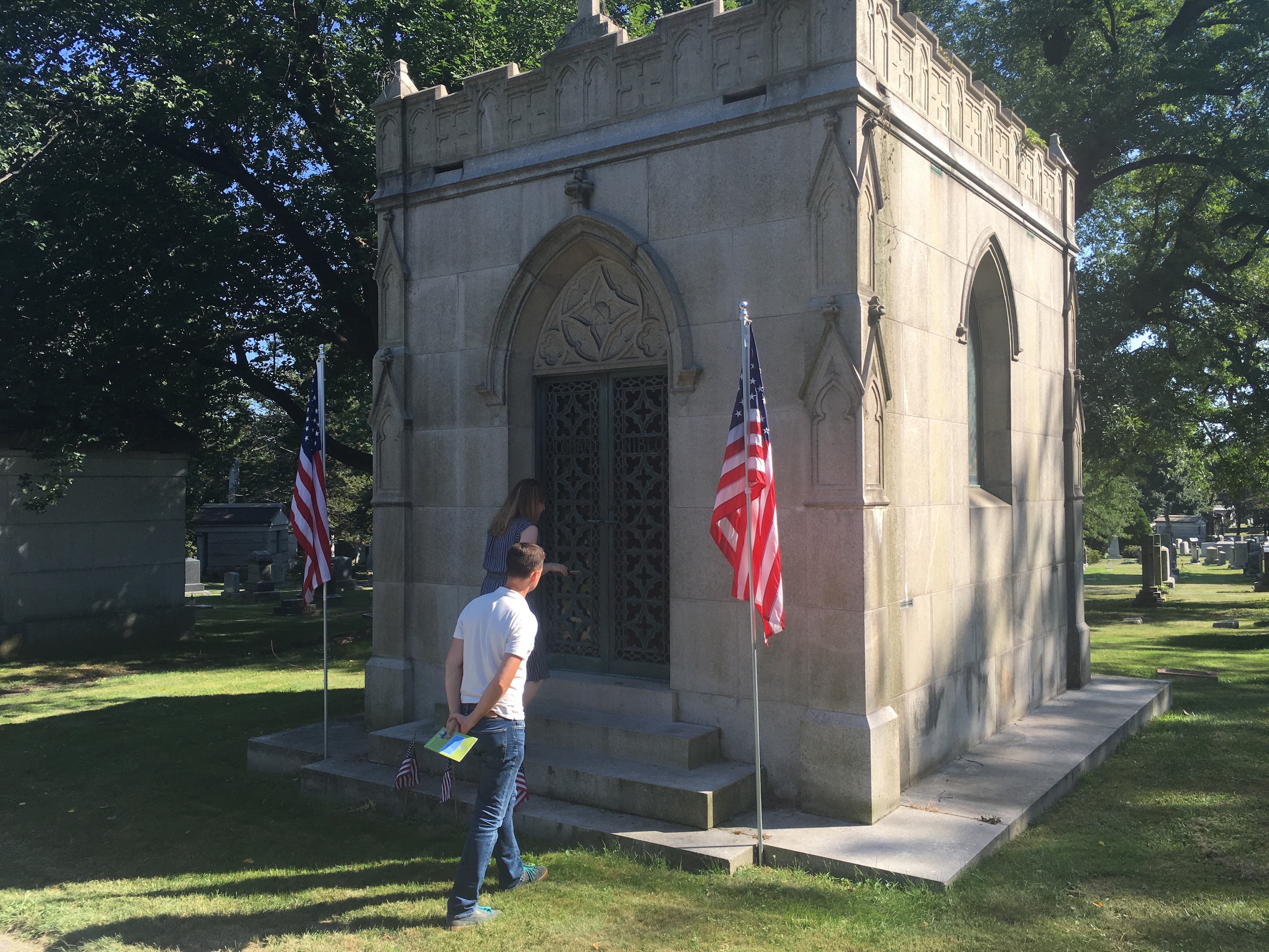
Sometimes you learn more about the great figures from the past by seeing how they’ve chosen to spend eternity. Woodlawn Cemetery, which opened in 1863 and was specifically notable for its access to the new railroad, is the final resting place of moguls, robber barons, politicians, socialites and musicians. A stroll along Woodlawn’s paths will tell you more about human vanity and the urge to preserve personal legacy than any college psych class.  (Above: the plot for members of the Van Cortlandt family — THE Van Cortlandt family — is relatively modest.)
LOCATION 517 E 233rd St, Woodlawn Heights, the Bronx WHY YOU SHOULD VISIT SOON There are an abundance of intriguing public programs planned for the next couple months. Our favorites — a concert by the Bardekova Quintet on September 25 and a special walking tour on October 9 called “Shuffle Along and the Stories of Black Broadway.”  Visit their website for more information. HOURS AND ADMISSION Monday-Sunday 8:30AM-4:30PM, free, no bicycles HOW TO GET THERE BY SUBWAY – The 4 train to Woodlawn Station or the 2 or 5 trains to E 233rd Street
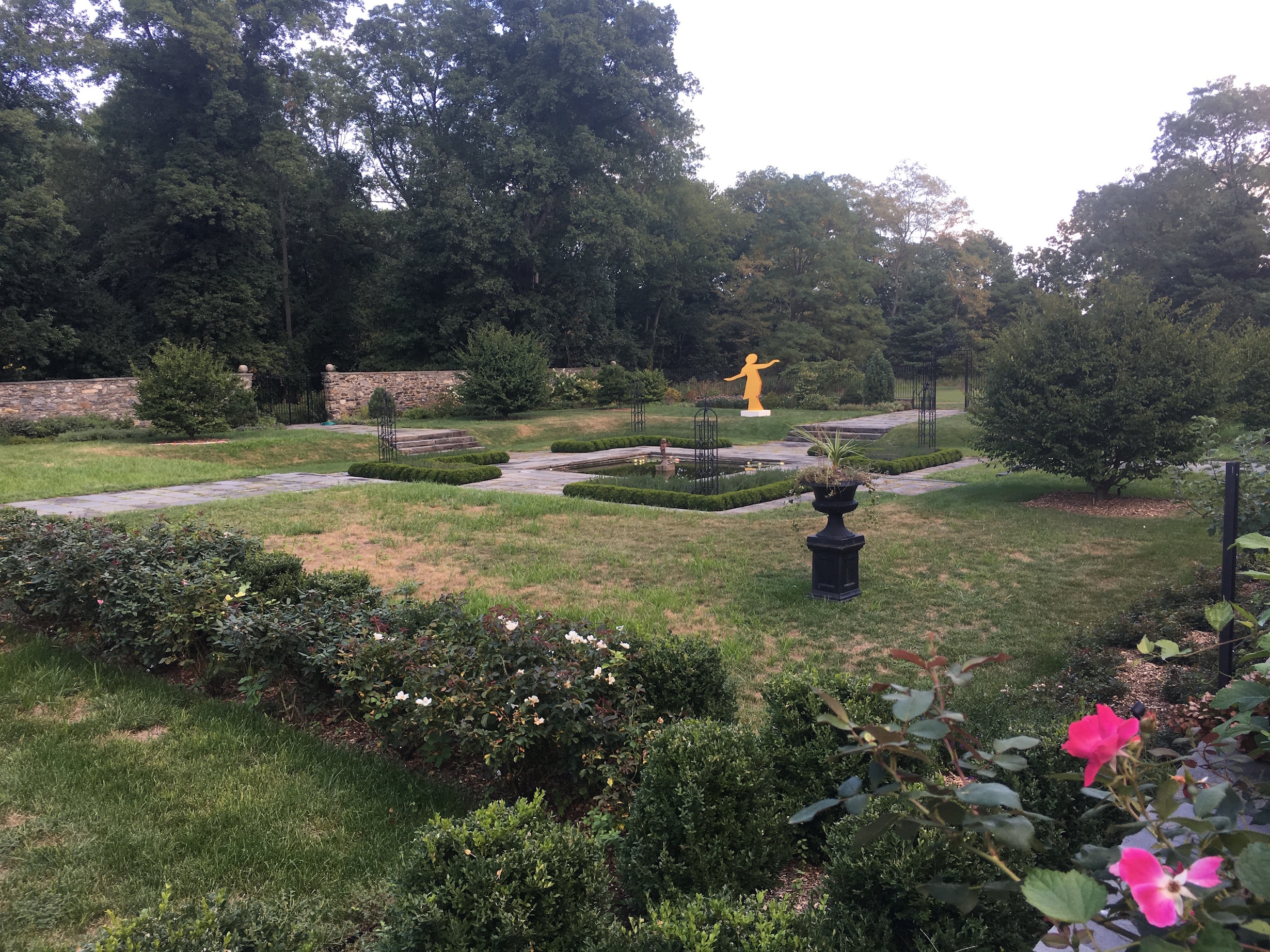
The Bartow-Pell Mansion, tracing its lineage back to the original Pell family, may not have the breathtaking view of the Palisades that Wave Hill has, but it has something else equally lush — an extraordinary formal garden in the back. This lovely and occasionally surreal feature has only been part of the house since 1916. It makes a perfect addition to the family home, originally constructed between 1836 and 1842.
LOCATION 895 Shore Road North, Pelham Bay Park, the Bronx WHY YOU SHOULD VISIT SOON This is the 100th anniversary of that garden, and a new exhibit celebrating its centennial pairs the formal beauty with strange and unusual pieces of modern art. If you go this weekend, you’ll be able to pair your experience here with a trip to Orchard Beach, which closes for the season on September 11. HOURS AND ADMISSION The house – Wednesday, Saturday-Sunday Noon-4PM, $5 adults, $3 seniors and students, free for kids under 6. The gardens — open daily, free, from 8:30AM to dusk. HOW TO GET THERE BY SUBWAY – The 6 train to the Pelham Bay Park station, then transfer to a #45 bus. More information here.
This lovely and strange little museum is tucked away off the main road and feels like a old ship in a bottle, dusty and preserved. If you can time your visit to City Island to coincide with its opening hours, it’s well worth a visit. You may think you’re in a small town in Maine! (But then again, the whole island often feels like that.)
LOCATION  190 Fordham Street, City Island, the Bronx WHY YOU SHOULD VISIT SOON If you’re clinging on to the last scraps of summer, then a visit to City Island — and its delicious eateries on the southern point — will provide you with the inspiration you need. HOURS AND ADMISSION Saturday and Sundays only, from 1PM to 5PM. Also by appointment. HOW TO GET THERE BY SUBWAY – The 6 train to the Pelham Bay Park station, then transfer to a #29 bus to City Island.  More information here.
PODCAST A history of the land which would become the Bronx, from the first European settlement to its debut in 1874 as New York’s Annexed District.
The story of the borough of the Bronx is so large, so spectacular, that we had to spread it out over three separate podcasts!
In Part One — The Bronx Is Born — we look at the land that is today’s borough, back when it was a part of Westchester County, a natural expanse of heights, rivers and forests occasionally interrupted by farm-estates and modest villages. Settlers during the Dutch era faced grave turmoil; those that came afterwards managed to tame the land with varying results. Speculators were everyone; City Island was born from the promise of a relationship with the city down south.
During the Revolutionary War, prominent families were faced with a dire choice — stay with the English or side with George Washington’s Continental Army? One prominent family would help shape the fate of the young nation and leave their name forever attached to one of the Bronx’s oldest neighborhoods. Sadly that family’s legacy is under-appreciated today.
By the 1840s, Westchester County was at last connected to New York via a new railroad line. It was a prosperous decade with the development of the area’s first college, a row of elegant homes and some of its very first ‘depot towns.’ Two decades later, the future borough would even cater to the dead — both the forgotten (at Hart Island) and the wealthy (Woodlawn Cemetery).
The year 1874 would mark a new chapter for a few quiet towns and begin the process of turning this area into the borough known as the Bronx.
FEATURING: Many places in the Bronx that you can visit today and experience this early history up close, including Wave Hill, Pelham Bay Park, Woodlawn Cemetery, City Island and more.
The Bowery Boys: New York City History podcast is brought to you …. by you!
We are now producing a new Bowery Boys podcast every two weeks. We’re also looking to improve the show in other ways and expand in other ways as well — through publishing, social media, live events and other forms of media. But we can only do this with your help!
We are now a member of Patreon, a patronage platform where you can support your favorite content creators for as little as a $1 a month.
Please visitour page on Patreon and watch a short video of us recording the show and talking about our expansion plans. If you’d like to help out, there are five different pledge levels (and with clever names too — Mannahatta, New Amsterdam, Five Points, Gilded Age, Jazz Age and Empire State). Check them out and consider being a sponsor.
We greatly appreciate our listeners and readers and thank you for joining us on this journey so far. And the best is yet to come!
In this 1896 Robert Bracklow photograph, a solitary woman stands by the Bronx River, looking almost completely unchanged from how it would have looked when Jonas Bronck saw it.
Museum of the City of New York
A 1914 illustration recounting the tale of Jonas Bronck:
Museum of the City of New York
Another book illustration, this one of the massacre of Anne Hutchinson and her family.
NYPL
The Split Rock as it appeared in 1910, with a memorial plaque to Anne and her family and no highways anywhere around it. The rock today has no plaque but the impression of one can still be seen.
Courtesy MCNY
An auction map of the Bronx from 1910, highlighting the area of Throg’s Neck which gets its name from Throckmorton or Throgmorton.
NYPL
The King’s Bridge from an 1856 illustration.
NYPL
The town of Westchester in the East Bronx, pictured here in 1872. Throg’s Neck is in the lower portion of the map. Today’s neighborhood of Soundview comprises the green portion.
NYPL
The village of Morrisania, pictured here in 1860, which arose from land owned by the Morrises after the railroad encouraged a row of ‘depot towns.’
MCNY
St Ann’s Episcopal Church in Morrisania, where both Lewis and Gouverneur Morris (and Gouverneur’s wife Ann) are buried.
Courtesy MCNY
A view of St. Ann’s today:
The Van Cortlandt Mansion then (in 1906)…
And today (featuring George Washington’s room):
The old City Island monorail from 1910
LOC
The old City Island Bridge, the only way on or off the island that’s not a boat. That remains true to this day, although the bridge is much sturdier-looking today!
MCNY
The old City Island Cemetery with Hart Island in the distance.
Breathtaking Wave Hill and the grounds which provide an unbelievable view of the Hudson River and the Palisades.
Here’s Tom, getting a peek inside George M Cohan’s mausoleum at Woodlawn Cemetery:
Jerome Park Racetrack where the Belmont Stakes were first run in 1867.
From Harpers Weekly, 1886:
The former (awkward) location of Edgar Allan Poe’s cottage. It has since been moved to the Grand Concourse.
And finally — Gouverneur Morris’ mansion which — believe it or not — stood at the foot of St. Ann’s Avenue until the 20th century.
MCNY
We want to give a big thanks to the Bronx Historical Society, Wave Hill, Woodlawn Cemetery and St. Ann’s Episcopal Church for helping us with our research. Keep coming back to the blog throughout the month of September as we’ll have additional stories about these places and others.
The distinguished members of New York’s various volunteer fire brigades, posing for the photographer Matthew Brady in 1858 PODCAST The New York City Fire Department (or FDNY) protects the five boroughs from a host of disasters and mishaps — five-alarm blazes, a kitchen fire run amok, rescue operations and even those dastardly midtown elevators, always getting stuck! But today’s tightly organized team is a far cry from the chaos and machismo that defined New York’s fire apparatus many decades ago.
New York’s early firefighters — Peter Stuyvesant‘s original ratel-watch — were all-purpose guardians, from police work to town timepieces. Volunteer forces assembled in the 18th century just as innovative new engines arrived from London.
By the 19th century, the fire department was the ultimate boys club, with gangs of rival firefighters, with their own volunteer ‘runners’, raced to fires as though in a sports competition. Fisticuffs regularly erupted. From this tradition came Boss Tweed, whose corrupt political ways would forever change New York’s fire services — for better and for worse.
Volunteers were replaced by an official paid division by 1865. Now using horse power and new technologies, the department fought against the extraordinary challenges of skyscraper and factory fires. There were internal battles as well as the department struggled to become more inclusive within its ranks.
But the greatest test lay in the modern era — from a deteriorating infrastructure in the 1970s that left many areas of New York unguarded, and then, the new menace of modern terrorism that continues to test the skill of the FDNY. From burning chimneys in New Amsterdam to the tragedy of 9/11, this is the story of how they earned the nickname New York’s Bravest.
Above: That’s Harry Howard, one of the FDNY’s greatest firemen and a former member of the Bowery Boys volunteer fire unit!
A poster by Vera Bock from 1936, created for a series by the Federal Art Project, touts the contributions of Peter Stuyvesant to the history of New York firefighting. (LOC)
One of two fire engines first received by New York in 1733 (from an 1872 illustration) Courtesy NYPL
A firefighters’ procession at night, marching past Niblo’s Garden. 1858 Courtesy NYPL
Eagle insignia from a New York fire truck, 19th century, courtesy the US National Archives
The first official fire boat of the FDNY (although others had been rented before this), named for former mayor William F. Havemeyer.
Volunteer fire divisions were slowly fazed out after the introduction of an official paid company. This was expanded when the five boroughs were created in 1898. This postcard commemorates the final run of a volunteer fire department in West Brighton, Staten Island. (NYPL)
Firefighters battled a tenement blaze in this illustration from 1899, one of thousands that occurred in the poorer districts of town. Improved fire regulations would ensure newer buildings were more fire proof. (Courtesy NYPL)
One of New York’s more interesting firehouses — the one for fireboats at the Battery. Photo by Berenice Abbott (courtesy NYPL)
Horses were a hotly contested inclusion to the fire departments during the 19th century. They were eventually banished during the volunteer years, but re-introduced after 1870 and soon became essential for getting quickly to fires.
Hook and Ladder Co. No. 8, from 1887
Motorized fire engines and trucks replaced the horse-drawn varieties in the 1910s. Here’s one model that was used by the FDNY in 1913 (Courtesy Shorpy)
The city’s growth created new challenges for the FDNY. With the new subway, there was the potential for dangerous fires underground. Here a team of firefighters battle a subway fire in midtown in 1915, and a couple firemen who braved the inferno underfoot. (LOC)
The difficult blaze at the Equitable Building in 1912 produced a bizarre aftermath of icy ruins.
Firefighters rescuing people (and paintings!) from a fire at the Museum of Modern Art, 1958. (Courtesy Life)
A sorrowful day: Thousands come out to mourn the 12 firefighters who died fighting a terrible blaze that erupted across from the Flatiron Building on October 21, 1966. (Picture courtesy FDNY)
Total mayhem erupted in New York City in the 1970s, as whole districts like the South Bronx, Bushwick, Harlem and the Lower East Side saw a massive increase of fire-related disasters due to the city’s financial woes. (Photo courtesy New York Post/Vernon Shibla photographer)
Three hundred and forty-three firefighters and FDNY paramedics died in the September 11, 2001, terrorist attack on the World Trade Center. But the force, along with the police and other emergency workers, managed to save tens of thousands of people on that day, making one of the largest rescue operations in American history. In total, 2,977 people were killed that day, 2,606 of them in New York, on the ground and in the towers.
And finally, a rather amazing film documenting the fire department’s emergency response process in 1926, with a breathless dash-cam vantage point!