Jungle Alley and wild nights at Connie’s Inn

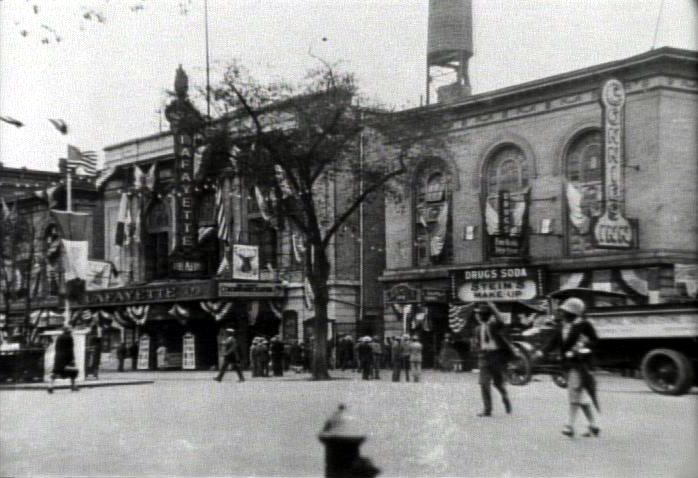
Connie’s during the day, with the Tree of Hope directly in front of it

FRIDAY NIGHT FEVER To get you in the mood for the weekend, every other Friday we’ll be featuring an old New York nightlife haunt, from the dance halls of 19th Century Bowery, to the massive warehouse clubs of the mid-1990s. Past entries can be found here.

NIGHTCLUB Connie’s Inn
In operation: 1923-1933

The strange and sad irony of Harlem nightlife in the 1920s — during the neighborhood’s height of creative powers — is that the biggest clubs featured the world’s top African-American musicians, but only a white audience could go hear them. This ridiculous arrangement, however, did allow many performers a unique forum to launch their careers, for this string of whites-only establishments soon became the hottest spot in Jazz Age New York. A district of these clubs soon took on the moniker Jungle Alley.

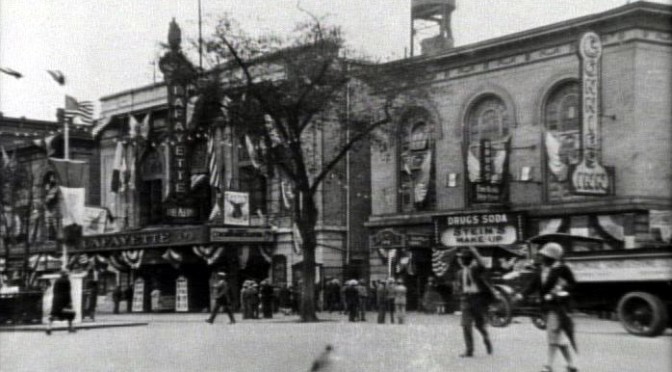
Concentrated on 133rd Street between Lenox and Seventh avenues, Jungle Alley was a place for downtown white Manhattanites to dabble in the saucy, ‘dangerous’ sounds of jazz as performed by some of the most talented people in the world. Elegant, new Pontiac and Franklin sedans lined the street delivering partygoers to the likes of The Cotton Club and Small’s Paradise, the two biggest names among virtually dozens of establishments on Jungle Alley. And of course a couple blocks away at 131st and 7th Ave, in a basement near the Lafayette Theatre — there was Connie’s Inn, in no way as plain as its name suggested.

Cotton, Small’s and Connie’s — these were the big three of Jungle Alley.

The Connie in question is Conrad Immerman, a German immigrant who, with his brother George, moved to the neighborhood and opened a chain of delicatessens. (According to lore, a delivery boy at one of those delis was none other than a young Fats Waller.) However, with prohibition, it became far more profitable to alter their business plan to include speakeasies. By 1923, the brothers had opened Connie’s at one of the most prominent corners in Harlem. Right next to it sat the famous Tree of Hope, a large chestnut who the alleged powers of good fortune for those who rubbed it. (A remnant remains on the stage of the Apollo Theatre.)

It certainly worked for Connie. His establishment soon rivaled the Cotton Club as the hotspot for New York’s trendier white crowd.

Why would Immerman exclude blacks? One source suggests this wasn’t Connie’s natural inclination: “Connie was not a bigoted man. Connie’s reason for exclusivity policy is a matter of profit; he assumed his white downtown clientele did not wish to sit, cheek in jowl, with African Americans.” Faint justification today. Connie’s success spawned a virtual industry of whites-only clubs in the neighborhood. He bolstered the segregation by giving in to it passively. Eventually, though, Connie’s would open for black audiences — after hours, when the downtowners had returned to their homes.
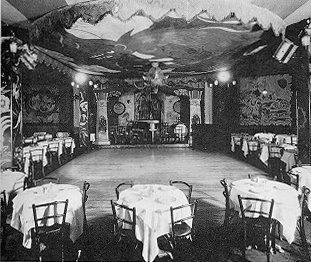
Connie’s attracted the best and the worst of the underworld, “a shady clientele of gangsters and molls, rumrunners, and bathtub bootleggers” according to one source. A black newspaper the New York Age says, “Immerman’s is opened to Slummers; Sports; “coke” addicts, and high rollers of the White race who come to Harlem to indulge in illicit and illegal recreations.”

Slummers and sports alike packed into Connie’s 500 seat club, elegantly ornamented, one of the classier looking establishments of Jungle Alley. The stage could fit a couple dozen dancers, a rollicking jazz orchestra and a few prime performers sewn together into a variety of spirited production numbers. Winding across Connie’s stage were artists like Moms Mabley, Fletcher Henderson and Louis Armstrong.
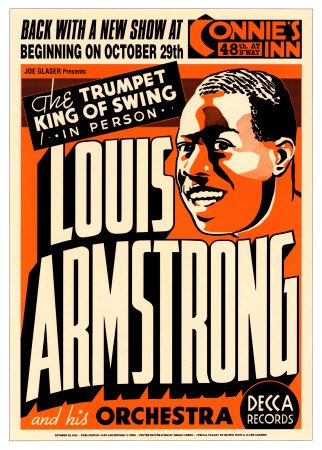
One stage show by Fats Waller, eventually titled Hot Chocolate, was successful enough that it transplanted for a successful run on Broadway. Armstrong would recall racing between the Broadway stage — where he would perform ‘Ain’t Misbehavin’ every night — and Connie’s, where he was a contract performer.

Armstrong was uncomfortable with the mob-controlled world of New York nightlife, and Connie’s place was no exception. One night during a performance in Chicago, he was compelled to return to New York to perform for Connie.

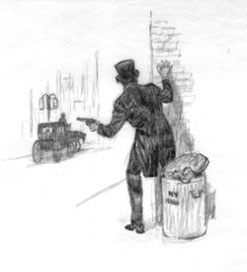
According to an Armstrong bio, Louis claims that a gangster Frankie Foster “was sent over to my place to see that I catch the first train out of New York…I said ‘New York? Why that’s news to me.’ Foster said, Oh yes, you’re leaving tomorrow morning.’ Then he flashed his big ol’ pistol and aimed it straight at me. With my eyes big as saucers and frightened too, I said, ‘Well, maybe I am going to New York.”

Connie’s was a haven for mob activity; Connie’s brother George was even kidnapped for a time during a ‘disagreement’. But then, everybody was acting funny in those desperate final days of Prohibition. By 1933, Connie’s had closed its door, not fit for a world of legal entertainment.
Club 57 and the sweet, sweet smell of St. Mark’s Place


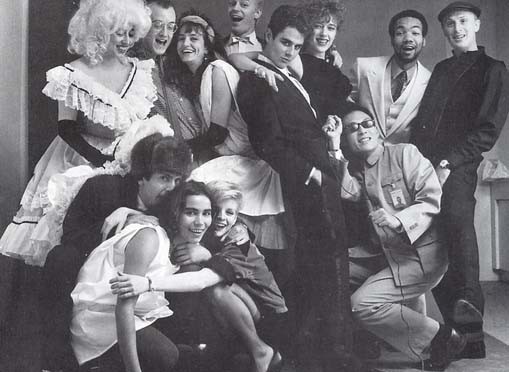
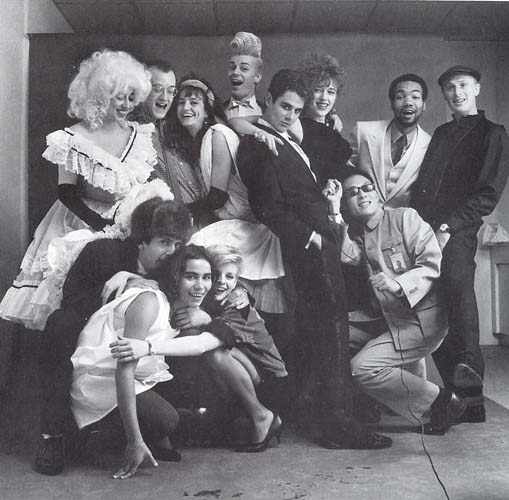
Those crazy kids! The revelers of Club 57 (featuring, among others, Keith Haring), circa 1980

FRIDAY NIGHT FEVER To get you in the mood for the weekend, every other Friday we’ll be featuring an old New York nightlife haunt, from the dance halls of 19th Century Bowery, to the massive warehouse clubs of the mid-1990s. Past entries can be found HERE.

I try not to editorialize too much about the places I write about, because like people, the beauty of a neighborhood is in the eye of the beholder. But these young whippersnappers today just do not understand how profoundly awesome St. Mark’s Place used to be. *waves fist* There’s a Pinkberry there now. Kim’s Video is gone. Where’s the edge?

Yes, yes, things change. And not everyone would agree anyway; in fact, a traditional New York history buff might look upon anything that happened on this East Village street after 1960 as being pure deterioration. Formerly a part of Peter Stuyvesant’s farm, the street transformed from luxury mansions to the heart of German immigrant culture at the turn of the 20th Century. You could say St. Mark’s suffers from a ghost limb. The street used to officially extend one block west before dignified Cooper Union moved into the neighborhood. It now starts at Third Avenue and barrels through to end at the foot of Tompkins Square Park on Avenue A.

The street was also one of New York’s great epicenters for counter-culture, the home to agitators like Emma Goldman and Leon Trotsky, underground jazz clubs and gay bath houses, avant-garde artists and musicians, and finally, by the late 70s, the stomping grounds of punk youth. It’s during this period that our subject, Club 57, enters the story.

Nightlife in the late 70s was epitomized by Studio 54 — high fashion, disco, celebrity and, quite frankly, aristocratic staleness. If disco didn’t appeal to you, it might have been the most loathsome place in the universe. As more and more clubs began aping and distorting the Studio 54 formula, what was your average East Village, pink-haired, multiple pierced, non-traditionally beautiful transgendered girl to do?

We’ve already seen in this column one rebellious strain — the Paradise Garage, which took the big club aesthetic and transformed it into a temple for music worship. When Club 57 opened up in the basement of the Holy Cross Polish National Church at 57 St. Mark’s Place, it had another philosophy: why must celebrities have all the fun?

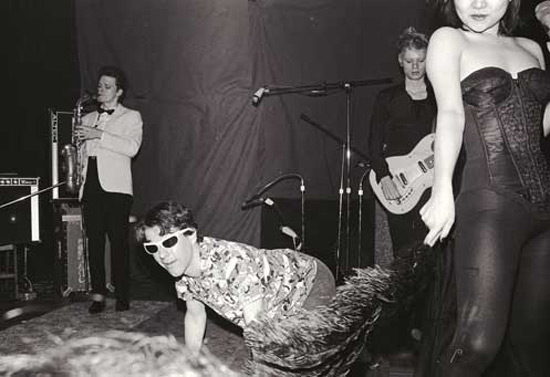
The strange and the beautiful (Photo by Harvey Wang)

Club 57 was an anti-disco, anti-glitz dingy diamond of the early new wave era, a ‘punk do-it-yourself’ romper room managed by budding performance artist Ann Magnuson. (She’s now an icon of the downtown New York scene. You may remember her from Desperately Seeking Susan.)

According to Ann, she was hired in 1979 by the owner of Irving Plaza whose smaller club here at St. Mark’s needed to be spiced up with “‘alternative’ entertainment” that reflected the clientele of the neighborhood. With some creativity and abandon, Magnuson and her gang of misfits turned the basement into her own “low rent answer to Andy Warhol’s Factory,” “a center for personal exorcism, devising theme parties (or “enviroteques,” as one drug-dealing-conceptual-artist ex-boyfriend liked to call them),” for its outcast, straight, gay, vanguard clientele.

The theme parties would mock serious musical conventions, often requiring silly or even conventional dress done in an ironic fashion — nights like Putt-Putt Reggae night, ‘A Night At the Opry’, and Elvis Memorial night (where everybody dressed as their distorted version of the King). One event featured club goers sitting around making model planes; another emulated the thrill of lady wrestling.

These probably weren’t like the costume parties you’re used to. Kenny Scharf: “There were drugs and promiscuity — it was one big orgy family. Sometimes I’d look around and say ‘Oh my God! I’ve had sex with everybody in this room!”

One of Club 57’s more successful nights was the Monster Movie Club, every Tuesday, showing “the worst monster movie they could find,” according to Drew Straub.

The soundtrack for these absurdist weekly carnival shows were stars of the outer reaches of punk, new wave and rap. The club featured performances by St. Marks resident Klaus Nomi, Fab Five Freddy and John Sex. When it did feature more established names, they were along the lines of the Buzzcocks and the Cramps

Below: the band Certain General plays at Club 57, April 1981

The club soon gained a rowdy reputation. According to Magnuson, her Elvis Memorial night was disrupted when “local juvenile delinquents” caught the air conditioner on fire, sending bizarre Elvis lookalikes spilling into the street. Its reputation was spirited enough to keep away to more ‘cultured’ avant garde of venues like the Mudd Club. Said Magnuson, “The Mudd Club was more into coolness and being hip and shadowy and mysterious, while Club 57 was about being loud and bright and colorful and kooky and silly — and doing mushrooms.”

However one artist who was not detoured was Keith Haring who frequented the club and credits it for inspiring “the beginning of a whole career as the organizer and curator of some really interesting art shows.”

Club 57’s time was brief; it opened in 1979 and closed four years later. But its influence would spread into many other underground clubs, including the longer lasting Jackie 60. Today’s St. Mark’s Place could definitely benefit from a little infusion of its wild, retro chaos.

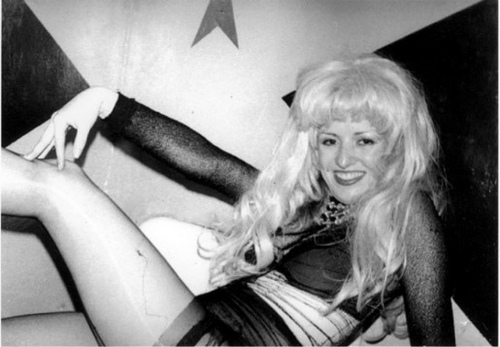
Below: the wonderful Wendy Wild, a fixture of Club 57 (Photo by Ande Whyland)

Categories
Friday Night Fever Music History

Birdland: The Midtown Manhattan playground for classic jazz

FRIDAY NIGHT FEVER To get you in the mood for the weekend, every other Friday we’ll be featuring an old New York nightlife haunt, from the dance halls of 19th Century Bowery, to the massive warehouse clubs of the mid-1990s. Past entries can be found HERE.

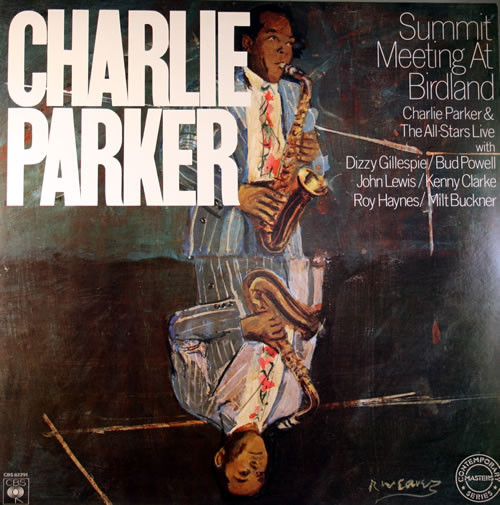
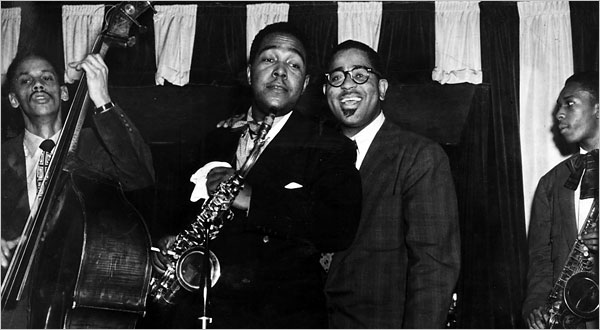
Charlie Parker was the king of the jazz scene, father of bebop, and a figurehead of bohemian New York — the original hipster, before the term moved on to other connotations.

He is also the reason for Birdland, the influential midtown jazz club that’s still with us today.

Parker was born in 1920 in another jazz capital, Kansas City, Mo, and moved to New York at 19 years of age.

He quickly worked his way into jazz’s inner circle, performing saxophone in Harlem and midtown clubs with names that would soon become legendary in the genre — Art Tatum, Thelonius Monk and especially Dizzy Gillespie, Parker’s frequent duet partner.

Through these collaborations, Parker helped create the style of jazz known as bebop, a frenetic, dirty and liberal type of jazz which required a mastery over their instruments along an uncharted, often improvised melody.

By 1949, he was the biggest star in jazz music, defining the sound through dozens of recordings and spectacularly unpredictable live performances. (He was also severely abusing alcohol and drugs by this time, too.)

He had also acquired the well known nickname, the Yardbird. There are multiple theories as to how he obtained that name; by the 40s, it was most popularly shortened to the Bird.

The fan site Bird Lives has a compendium of back stories of how the name came to be.

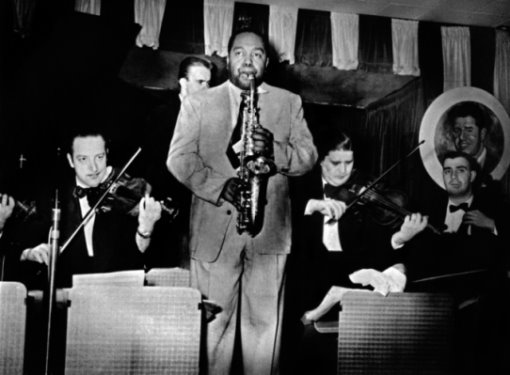
BELOW: Parker performs at Birdland, 1951

Young Bronx-born songwriter Morris Levy, meanwhile, was making his own way through New York’s music scene, most notably in the 40s as manager of Topsy’s Chicken Roost.

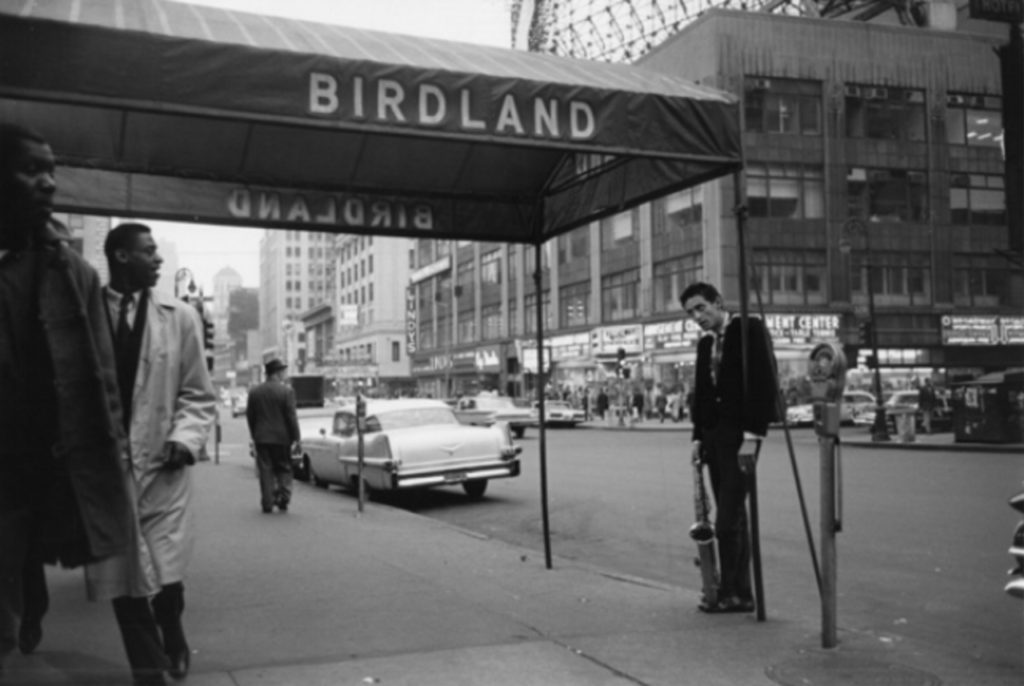
Seizing upon the connections he made there, Levy decided to head out on his own, while promising Parker a club of his own to perform in. And so became Birdland, opening near the end of 1949, at 1678 Broadway on 52nd street.

Bird was very excited about that,” recalled renown jazz drummer Earl Haynes. “I remember on opening night there were lines of people outside, waiting in bad weather.”

The club, the self-proclaimed ‘jazz corner of the world’, sat 400 amidst a cabaret space adorned with actual caged birds and a ‘bullpen’ behind the bar “where penniless college kids and struggling musicians” took their place.

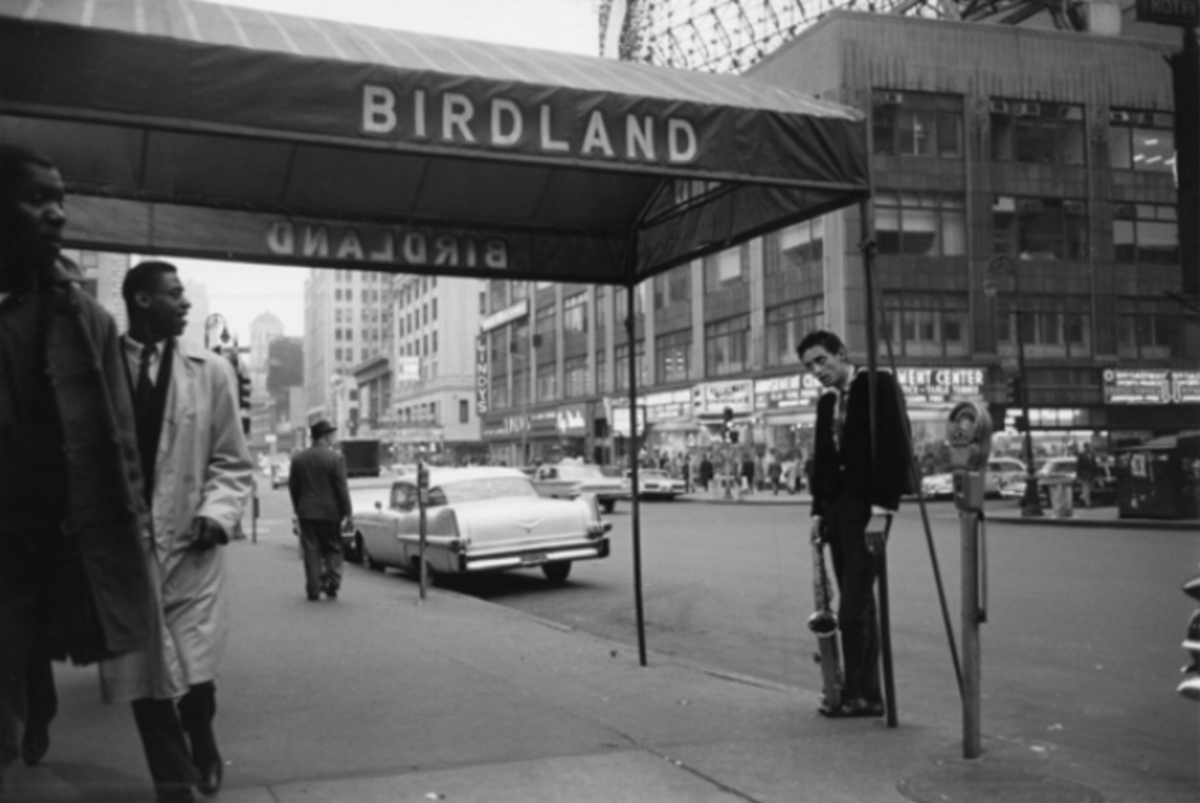
Birdland 4AM, photograph by William Claxton

Birdland quickly took off as New York’s leading jazz club of the 1950s, attracting the genre’s greatest names: Miles Davis, John Coltrane, Lester Young, not to mention Gillespie and Monk.

And of course, Parker would perform there regularly. At one point, he couldn’t acquire a cabaret license because of his substance-abuse problems; as a result, he would actually be barred from performing in any New York club, including his own.

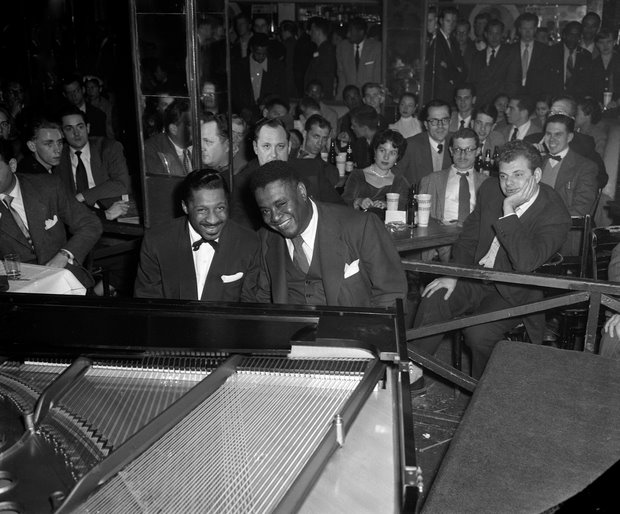
Eroll Garner and Art Tatum perform in 1951. You get a great sense of the room — and the clientele! — in this picture.

As the club became more popular, Birdland’s tables were surrounded by a bevy of glamorous stars on any given night, like Marilyn Monroe, Frank Sinatra, Sammy Davis Jr and Marlene Dietrich.

According to Ebony editor Allan Morrison, “Birdland was both a cultural vantage point and a barometer of trends where all the big names in jazz performed.”

From the successes of Birdland, Levy would go on form Roulette Records and become one of the most unscrupulous music moguls in the rock and R&B era.

He was responsible for some of the biggest R&B hits of the 60s — and also notorious for his mob connections and a penchant for strong-arming recording artists into sharing publishing rights with him. (He also allegedly owned the phrase ‘rock and roll’.) He died in 1990 before he could serve a ten-year jail sentence for extortion.

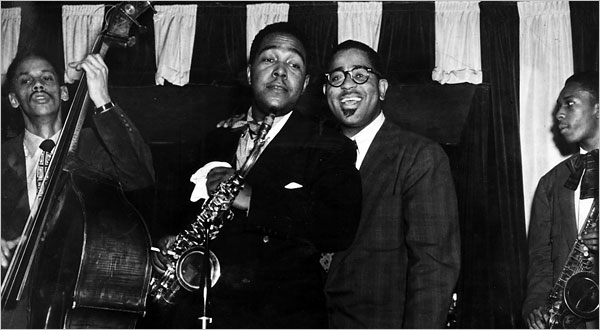
How’s this for a lineup in 1951? From left to right: Tommy Potter, Charlie Parker, Dizzy Gillespie and John Coltrane

Parker meanwhile, had met his tragic end many, many years previous, a victim of rampant substance abuse. His last performance at Birdland was on March 5, 1955, dying in New York one week later.

The Birdland club drifted against the headwinds of the 1960s, where rock clubs like the Peppermint Lounge ruled midtown. “Birdland has gone off the cool,” lamented Oscar Goodstein to Time Magazine. By 1965, the club on 52nd street closed its doors.

With the consent of Parker’s widow Doris, John Valenti reopened Birdland in 1986 on the Upper West Side, 2745 Broadway at 106th Street, in a more intimate, triangular shaped space.

Watching the rebirth of midtown in the 1990s, Valenti decided to move the club back downtown in 1996 to its present location at 315 W. 44th Street, between 8th and 9th avenues.

They get fewer celebrities, but a lot more tourists, sampling the newest crop of jazz stars.

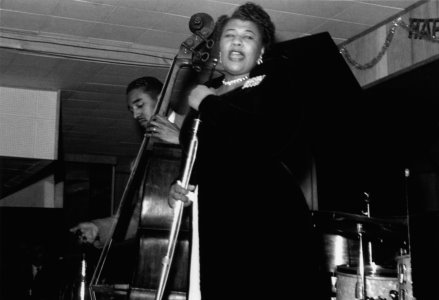
BELOW: Ella Fitzgerald electrifies the room


Bull’s Head Tavern: treating you like cattle since 1755


To get you in the mood for the weekend, every other Friday we’ll be celebrating ‘FRIDAY NIGHT FEVER’, featuring an old New York nightlife haunt, from the dance halls of 19th Century Bowery, to the massive warehouse clubs of the mid-1990s. Past entries can be found HERE.

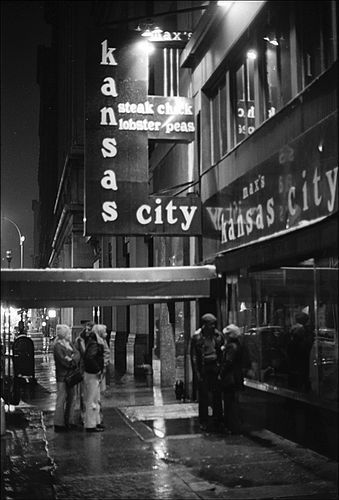
Last time around, I wrote about Max’s Kansas City, a steakhouse that served up a side of punk and pop celebrity like a glamorous cattle call. It has a few things in common with another centerpiece of social life that attracted a few of New York’s boldfaced (in this case, Washingtons and Astors), combining truly Revolutionary business with pleasure. And it had plenty of red meat, of the pre-prepared variety.

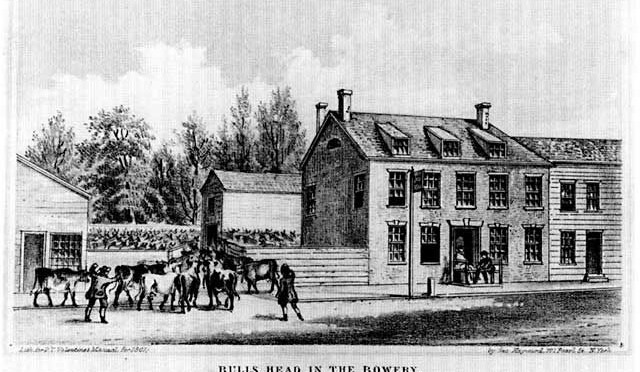
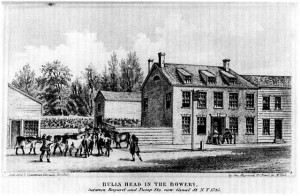
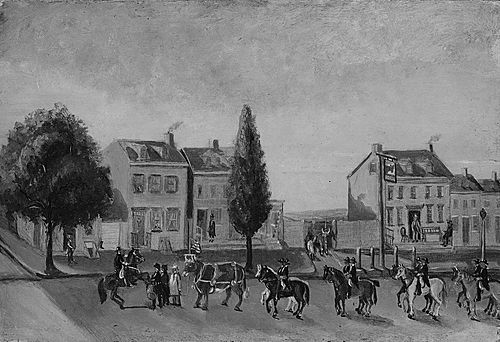
The Bull’s Head Tavern was the gathering-place for farmers, drovers, and merchants in the 18th century, located well outside city boundaries just east of Collect Pond. (At the Bowery, right at the entrance to the Manhattan Bridge.)

It soon became the center of Manhattan’s entire meat selling and rendering industry, with the area surrounding the nearby Collect overrun with tanneries and slaughterhouses. As the Bull’s Head was also located right on the Boston Post Road (later the Bowery), situated at a crossroads of livestock yards and stables, it became an ideal place for both commerce and carousing.

The Bull’s Head was in operation as early as 1755, enjoying business as “the last halting-place for the stages before entering the city.”

Within the next few decades, industry enveloped the area, transforming the Bull’s Head into a cattle market, with pens adjoining the main building where farmers from the surrounding area herded their best specimens for sale. Inside the tavern became a literal stock market, with transactions, news and gossip being shared over brew and a hot meal. Those who lingered well into the night sometimes played a strange game called crack loo — often gambling away any profits they might have made earlier in the day. Out in the pen, dog fights and “bear baiting” sometimes occured as entertainment.
As Washington Irving describes, at the Bull’s Head he would “hear tales of travelers, watch the coaches and envy the more pretentious country gentlemen in Castor hat, cherry-derry jackets and doeskin breeches.”

On November 25, 1783, Evacuation Day, the Bull’s Head entered history. As the British fled New York that day, George Washington and his entourage met at the Bull’s Head, preparing themselves for their triumphant entry into town. Governor George Clinton and over 800 uniformed troops and townfolk gathered right outside, preparing for the procession.

Henry Astor, the older brother of John Jacob, stepped in as owner of the Bull’s Head in 1785. Already an accomplished butcher, Henry served his “celebrated cuts of meats” and often outpriced his own clientele when a particularly choice herd of cattle came travelling by.

Of course, New York was outgrowing its old boundaries by then. By 1813, Collect Pond had been drained and high society eyed the Bowery, sweeping away the filthy stockyards and factories to construct homes, shops and theatres. Moving with the changing times, some civic minded businessmen bought out Astor and moved the Bull’s Head somewhere safely outside the city — this time at 3rd Avenue and 24th Street!

In 1830, this new location fell into the hands of young rancher and entrepreneur Daniel Drew, who turned the tavern into a sort of bank, marketplace and social club for local cattlemen, upgrading the establishment and building his own reputation as a saavy financier.

As this time, according to an old history, “various types of men mingled in the bar-rroom of the Bull’s Head, from the rough country man to the speculative citizen, butcher and horse-fancier. Plain apple-jack and brandy and water… were the principal liquors passed over the bar. Guests were so numerous that at the first peal of the dinner-bell. it was neccessary to rush for the table or fail miserably.” And of course, after hearty meal and vigorous drink, came the gambling, “throwing dice for small stakes.”

Drew eventually went on to become a steamboat mogul. The site of the old Bull’s Head eventually hosted the notorious Bowery Theatre (built upon its old cattleyards), then the sumptuous Atlantic Gardens by the mid-19th century.  Drew’s uptown location on 24th, of course, caved in to a growing residential neighborhood. However, today there is a new Bull’s Head Tavern, at that exact location, that probably smells a lot better than the original.

And not to forget, there was also a Bull’s Head Tavern in Staten Island, at Victory Boulevard and Richmond Avenue. Built in 1741, this Bull’s Head was a popular destination for British-loving Tories before the days of the Revolutionary War. Before it was destroyed in a fire, “people from all over the country made special trips to the old house, just to see the famous Tory headquarters,” according to one old history.

The neighborhood that sprouts around that intersection at Victory and Richmond is named Bulls Head in the old tavern’s honor.

Categories
Uncategorized

Max’s Kansas City: New York’s celebrity steakhouse

To get you in the mood for the weekend, every other Friday we’ll be celebrating ‘FRIDAY NIGHT FEVER’, featuring an old New York nightlife haunt, from the dance halls of 19th Century Bowery, to the massive warehouse spaces of the mid-90s. Past entries can be found HERE.

At Max’s Kansas City, there was not a Max, and it wasn’t in Kansas City. What you would find, however, was the birth of celebrity nightlife in New York City, a collision of culture greats before they became cliches, glamour with a tattered cuff.

There were certainly nightclubs in downtown Manhattan that became magnets for revolutionary musicians and artists well before Max’s. But I maintain that no place organized and fetishized its celebrity clientele quite like this little club on 213 Park Avenue South (between 17th and 18th streets), providing canvas aplenty for Andy Warhol’s pop art crowd and underground music’s biggest pioneers. Nights at Max’s begat the culture of Studio 54.

Max’s was actually Mickey’s — Mickey Ruskin that is, a lawyer who opened a string of cafes and bars in the early 60s, eventually cultivating relationships with Greenwich Village artists and writers who would pop in to showcase their talents. His first, the 10th Street Coffeehouse (between 3rd and 4th Aves.), became a poets corner, with standing-room audiences listening to beat and experimental poetry. In another venture, a bar called the Ninth Circle, Ruskin began attracting painters and artists, quickly becoming, in his own words, one of New York’s leading “middle-class beatnik bars.”

Successfully moving from coffee to liquor, Mickey now wanted to try the restaurant business. He bought the failing Southern Restaurant near Union Square, and on December 6, 1965, transformed it into Max’s Kansas City.

The mysterious name purportedly comes from one of Ruskin’s more famous clients from the Ninth Circle, poet Joel Oppenheimer . According to a documentary on Max’s Kansas City, Oppenheimer heard Ruskin wanted to open a steakhouse and claims, “When I was a kid, all the steakhouses had Kansas City on the menu because the best steak was Kansas City-cut, so I thought it should be ‘something Kansas City.'”

Although people have suspected the ‘Max’ comes from fellow poet Max Finstein, Oppenheimer claims a more logical origin. “Wouldn’t you eat at a place called Max’s? I said, ‘Mickey, believe me, it’s Max’s Kansas City.’ Two days later, he called back again and said, ‘I don’t know why, but I mentioned the name to some people, and they all loved it.'”

Whatever the story, the restaurant soon became more known for its crowds than for its simple menu. All of Mickey’s writer and artist friends migrated to Max’s, a loyal crowd but not enough to keep the doors open. Then Andy came.

Ruskin is unsure of the date, but Andy Warhol soon became a regular, and with him came his entourage of geniuses, models and freaks. And with them came reputation and notoriety. The biggest names generally camped out in Max’s backroom, which soon gave way to music and photography, attracted like moths to the nightly absurd mixture of the beautiful and the famous.

“I met Iggy Pop at Max’s Kansas City in 1970 or 1971,” recalled David Bowie. “Me, Iggy and Lou Reed at one table with absolutely nothing to say to each other, just looking at each other’s eye makeup.”

William Burroughs smoking in a corner with Allen Ginsberg. Twiggy and Mick Jagger and Dennis Hopper — dancing to live performances upstairs like the Velvet Underground (performing at Max’s during their last days), Bob Marley or a young Bruce Springsteen on acoustic guitar.

Meanwhile, in the front room gathered artists and writers, many of whom were too broke to pay their checks and occasionally paid for their meals with original art. Imagine having a meal paid for with an original work of art by William de Koonig or minimalist Carl Andre!

A staple of the late 60s, Ruskin weathered the following decade for only a few years before closing its doors in December 1974. But the story was not over.

The name and location was snatched up by club owner Tommy Dean Mills, who revitalized Max’s as a viable punk club, restoring a bit of its prior glamour, booking hot punk banks like Blondie and the Ramones, glam acts like the New York Dolls and before-they-were-famous performers like the B-52s, Devo, and Madonna.

Most notably were the post-Sex Pistol shows by Sid Vicious, messy and unforgettable; three months before his death, Sid attacked Patti Smith’s brother Todd inside the club and was thrown into jail. (Or maybe not; see notes below for a possible correction.)

That incarnation of Max’s closed in 1981. Believe it or not, there have been later, ill-advised attempts to reopen Max’s, but best it remain gone. I would hate to see it become a Las Vegas attraction like that other 70s staple.

Please check out this colorful website tribute to Max’s , as well as Max’s latest incarnation as a non-profit lifeline “to financially distressed individuals in the creative and performing arts for housing, medical and legal aid.”

Cabaret license be damned: NYC’s politics of dancing


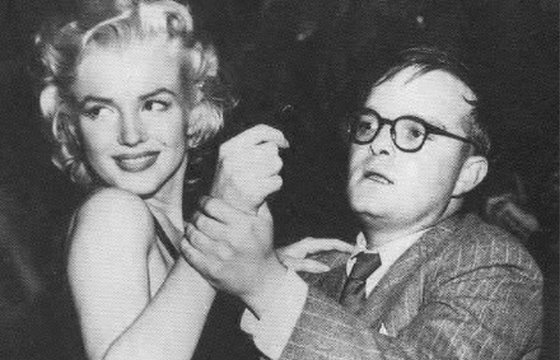
Above: Marilyn and Truman maintain their composure at the Peppermint Lounge, an early 60s dance hole that frequently scoffed at fire codes

Time Out’s cover story last week features places and events where a New Yorker can still go and dance. Very nice try. Dancing in a public place can be akin to performing an illegal act if the establishment does not hold a cabaret license, a permit that can be so difficult to obtain that, as of 2006, only 200 establishments in all five boroughs have one. You can thank the excesses of Prohibition and 1990s club kids, Rudy Guiliani, and maybe even the advent of the iPod as the causes.

For most of New York’s history, recreational dancing split society. The taverns of the Dutch, the freed black population at home on Cow Bay, the Irish basements of Five Points, the naughty brothels of the Bowery — commoners mixed their dancing with liquor and sex, launched marathon parties in the dankest, seediest parts of their neighborhoods. Dancing was an escape.

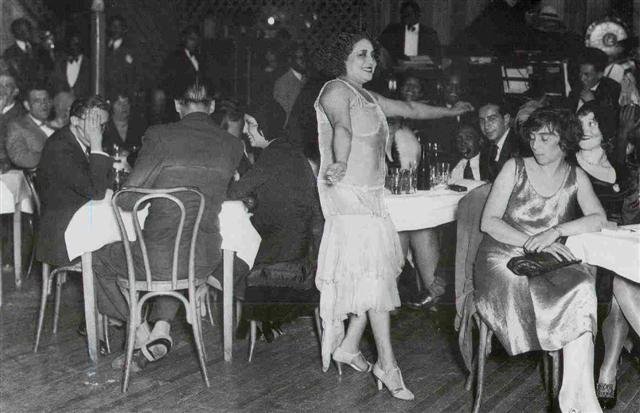
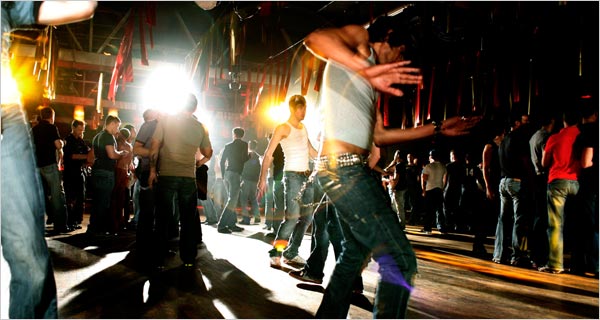
Below: An unrestrained shimmy in Harlem in the days before the cabaret license

For New York’s upper-class, it was anything but. The British took to ballrooms like the New York Arms in 1750, New York’s upper-crust to their formal ‘dance assemblies’ in post-Revolutionary times, and later the elaborate pavilions of Vauxhall Gardens and sumptuous hotel ballrooms. But dancing was a proper, rigid affair, more prone to causing stress than relieving it. Who would dare be comfortable at one of Mrs. Astor’s storied functions, a collection of New York’s 400 and no place to get creative with your fancy footwork? When Alva Vanderbilt threw her legendary $3 million masquerade ball in 1883, musical innovation was not on her mind.

What brought the classes together in the 20th century — musically speaking — was the emergence of jazz and Big Band — Small’s Paradise uptown, the Roseland Ballroom in Times Square, and every nook and cranny in between. What eventually brought them together physically was Prohibition, driving cultural excess into the underground, loosening morals and dance steps, both breaking couples up to enjoy the pleasure of dancing alone, and pulling them together in more sexually charged moves.

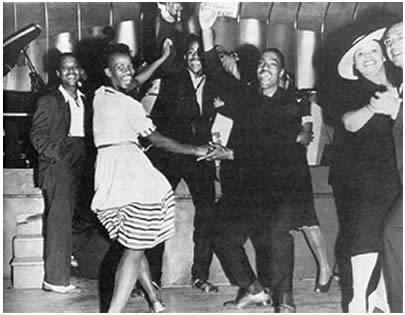
Below: swinging it at the Savoy

It was at the height of Prohibition that New York debuted its idea of a cabaret license. In 1926, as a way to reel in sanction out-of-control establishments (which were often discreetly selling liquor), the state required licenses for any place that wished to host “three or more musicians” especially “any … percussion or brass”, or “three or more people moving in synchronized fashion.”

The real motive behind the laws were probably a lot more sinister; the new nightclubs were bringing classes together, and that meant bringing races together. Whites mingled with blacks up in the swanky Harlem clubs and down in the Village, at Cafe Society and smoky coffeehouses.

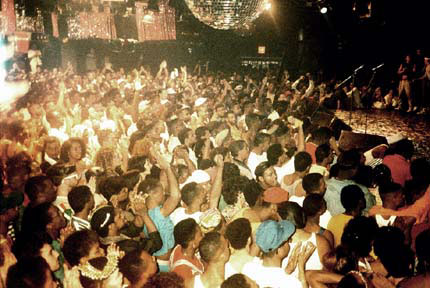
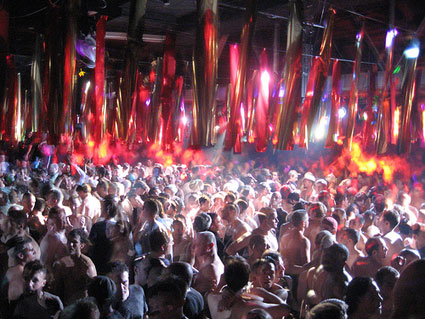
Below: Packed in at the Paradise Garage

By the 1980s, musicians were exempted from the cabaret license — could you imagine such a restriction on percussion today? — but the dancing ban stayed on the books. The restriction did little to squelch the spread of disco, funk and hip hop, and dance music flourished in the 70s and 80s, partially because they were genres that derived as much from the street as from set establishments.

Controversies over the cabaret license reared again during the administration of Rudy Guiliani, whose quest to scrub clean the city ran headlong into the decadence nightclub culture of the 1990s. By this time, drugs ran rampant through the halls of Peter Gatien and the elaborate super-clubs of the west side. Cabaret law enforcement had also laxed, and even gigantic clubs catering to thousands of people failed to get them. In 1996, Guiliani created the Nightclub Enforcement Task Force, and the bubble burst. Dozens of clubs, big and small, were busted, ostensibly to curtail the rampant drug culture.

Or as the Gotham Gazette says, “Some blamed the owners themselves, for refusing to address the problems emanating from their clubs, and failing to cooperate with the authorities. Others said the police overreacted.”

The current process of obtaining a cabaret license can be compared to, say, the many obstacles faced by Odysseus. However, it’s not technically impossible.

The bigger buzzkill to the New York dance scene is general lethargy combined with raising rents. The gigantic dance spaces of old are simply too big to keep empty. Many old club have become condos or office buildings. One, the Palladium, became a New York University dorm. Paradise Garage is a Verizon warehouse. Others stay in the world of entertainment, but change the tune — Studio 54 is a theatre, Exit is a live music venue (under the name Terminal 5)

And is there room for public dancing if the iPod inspired “silent raves” become popular? Ugh!

But perhaps things are changing. One potentially symbolic move was reported yesterday by amNew York’s Urbanite blog: the Roxy, one of New York’s disco icons, may be reopening after rumors that it shut its doors last year to become condo-land. Can the beat come back to New York?

Below: The club Stereo, surviving through a series of closings and re-openings, was gutted by a fire a couple weeks ago. (Pic courtesy of Queen of New York)

Manhattan’s first taverns: Wooden Horse and City Tavern

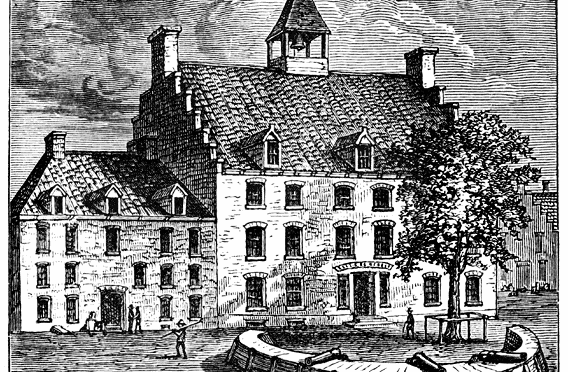
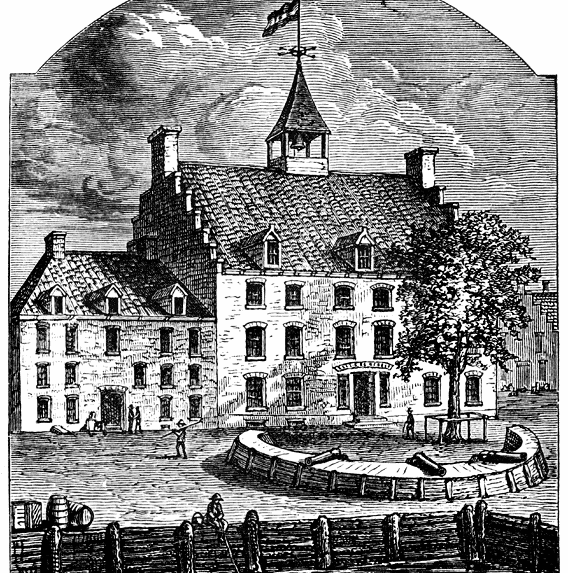
New Amsterdam city hall, once one of Manhattan’s very first taverns

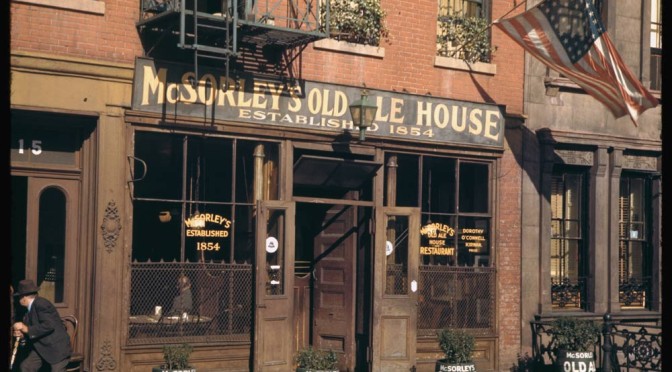
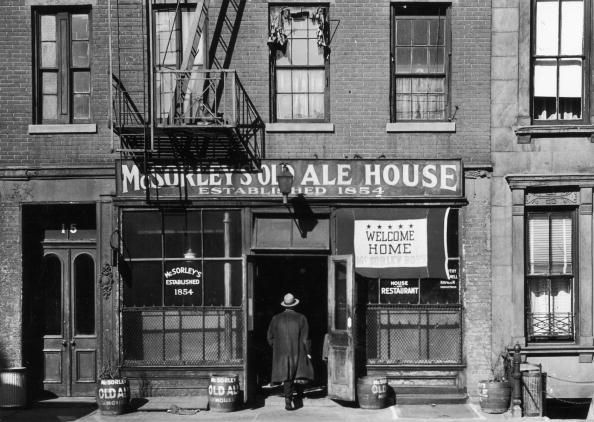
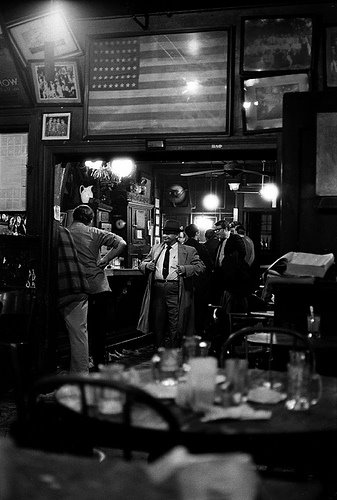
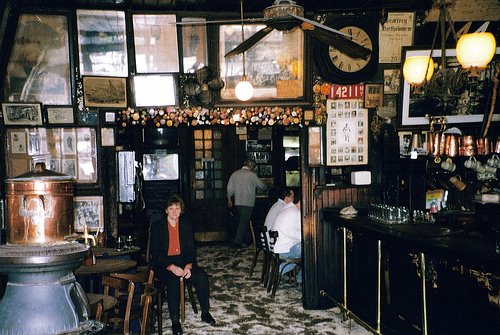
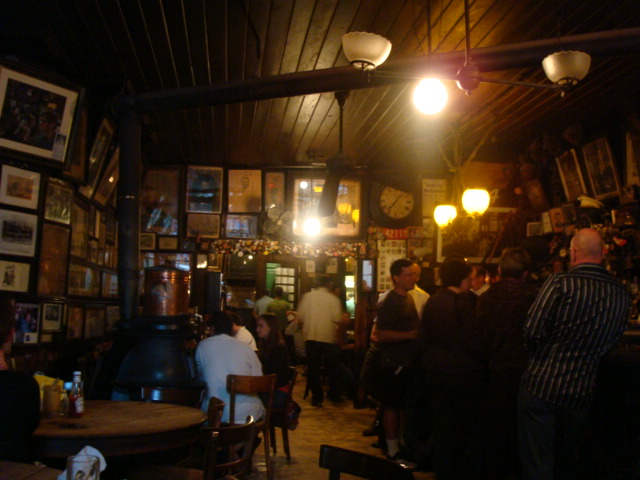
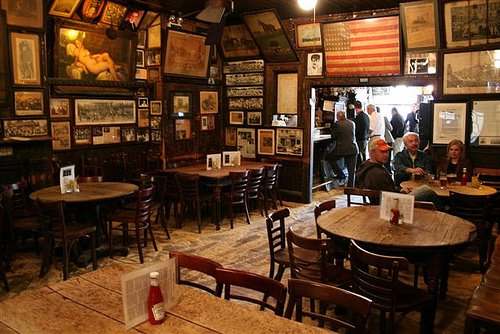
McSorley’s Ale House certainly deserves to throw that Old in its title, happily swilling the devil’s juice for 154 years. But it’s positively a youngster compared to evidence of Manhattan’s first two taverns, opened in the days when New York was just barely even New Amsterdam.

Henry Hudson first set eyes on Mannahatta in 1609. Fifteen years later, the Dutch came into New York harbor to begin their permanent settlement. In 1625, work began on Fort Amsterdam, which served as protection from the Indians and as the heart of the developing town. But by that time, New Amsterdam already had a brewery, which began production in 1612!
This young settlement was filled with young traders and shipmen who enjoyed their drink. Their liquor requirement was most likely fulfilled by captains selling it out of their own boats or residents from their own homes. But it’s fur trader Philip Geraerdy that wears the distinction as first private tavern owner. He was granted a lot on “Stone street, between Whitehall and Broad Street,” in 1641 (or possibly 1642, depending on which source you look at) to open his Wooden Horse Tavern (Het Houten Paard).

According to author Mark Caldwell, the name was probably a jab at punishment he had received as a soldier, forced to straddle “two boards nailed together to form a sharp wedge that rested on four legs” due to some sort of subordination.

Geraerdy most likely served no more variety than what can be found at McSorley’s today, ale and possibly wine.

A more official tavern also opened in the same year. Governor of New Amsterdam William Keift had a costly stone structure built at what is today Coenties Slip and Pearl Street and called it City Tavern. Taverns of course were far more than booze dispensaries. They served as inns, meeting halls, social networking places and sometimes even offices. It makes sense then that when the city was incorporated in 1653, City Tavern morphed into what would be New Amsterdam’s very first city hall (Stadt Huys or State House).

By that time, many other taverns had opened with names like Three Small Pigeons and the Blue Grape. In fact, the Dutch brewery business was booming by this time, supplying local ales to Dutch settlements throughout New Netherland.

Categories
Podcasts

PODCAST: McSorley’s Old Ale House

Grab yourself a couple mugs of dark ale and learn about the history of one of New York City’s oldest bars, serving everyone from Abraham Lincoln to John Lennon — and eventually even women!

Listen to it for free on iTunes or other podcasting services. Or you can download or listen to it HERE

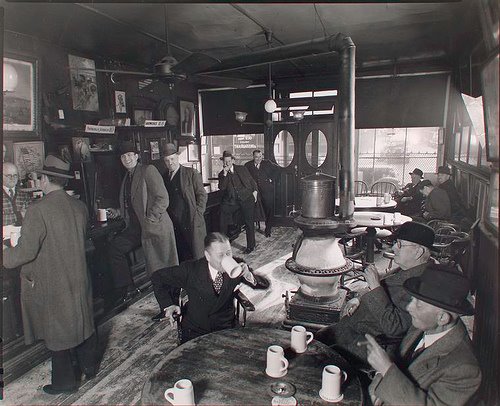
McSorley’s through the ages. Here’s one from 1937:

The outside from 1945

1969:

1998:

And McSorley’s today

The backroom:

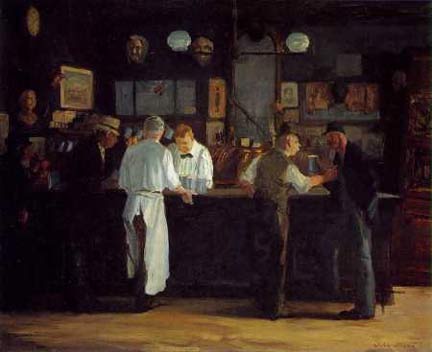
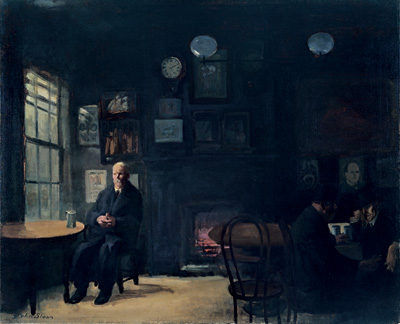
Two of John Sloan’s most famous works, with McSorley’s as its subject:

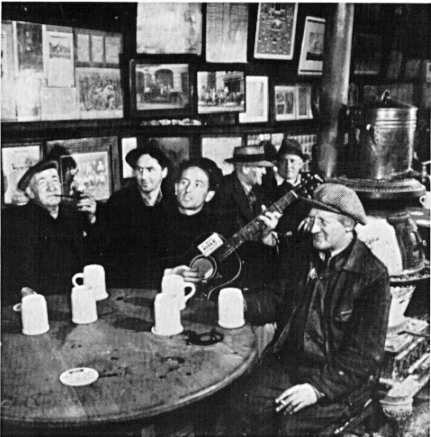
Woody Guthrie hams it up by the coal burning stove.

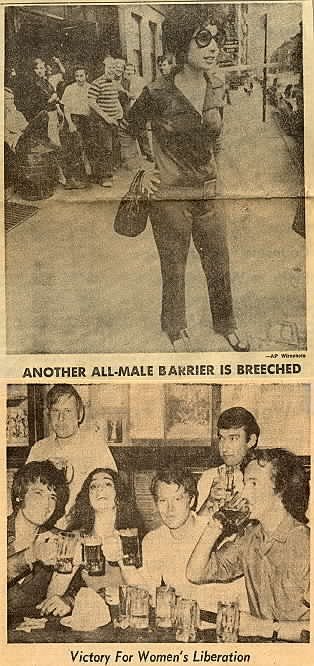
Women win the right to vote: dark ale or light ale!

FRIDAY NIGHT FEVER: The Slide / Kenny’s Castaways

To get you in the mood for the weekend, every Friday we’ll be celebrating ‘FRIDAY NIGHT FEVER’, featuring an old New York nightlife haunt, from the dance halls of 19th Century Bowery, to the massive warehouse spaces of the mid-90s. Past entries can be found HERE.

The rapid transitional personality of a New York City building tends to write over the juicier bits of its past. Will we remember CBGBs 20 years from now when it’s a fashion boutique? Do the college students down at the Palladium NYU dormitory in the East Village know what their building’s named after?

When Patrick Kenny opened Kenny’s Castaways in 1967 at 157 Bleeker Street, he certainly knew he was settling down onto the equivalent of an burial ground of early Village debauchery. And without obscuring the establishment quite seedy origins he would create a bit of history himself.

Patrons slipping into a bar at that address less than a hundred years before would be stepping into what the New York Press (a 19th Century news rag) called “the wickedest place in New York.” Being New York in 1890, I suspect there were a few places more ‘wicked’ in the city; yet The Slide won this notorious title for being a flaunting homosexual dive bar.

You can’t trust police blotters and morality crusader sheets like the Press to give an accurate depiction of what The Slide was really like. But even an attempt to peel back the hyperbole gives you a sight that would rival the bawdier Village gay bars of today.

Dive lord Frank Stephenson seemed to specialize in lubricating the underground fringes of society. His Black and Tan bar down the street from the Slide catered to non-white patrons who preferred the flirtation of ‘amoral’ white ladies (sometimes prostitutes, often thieves). The Slide went a step further, with open displays of men in drag, ‘one to three hundred people, most of whom are males, but are unworthy the name of men’, performing ‘fairies’ on pianos, and backrooms of male prostitution.

Homosexual behavior of any stripe would have been condemned in this era; such flagrant and open displays would have been unthinkable. The clientele were ‘effeminate, degraded, and addicted to vices which are inhuman and unnatural’. A bar today would be honored to be strapped with such description!

Some of the Slide’s patrons went by such names as Princess Toto, Madam Fisher, Maggie Vickers, Phoebe Pinafore and Queen of the Slide. Female prostitutes mingled with the men to create what must have been a dizzying stew of genders, the air filled with cheap booze, wild sex (‘orgies beyond description’) and tunes banged out on an old piano.

Flash forward almost 75 years. The Slide was closed down by police in 1892 and the building took on a host of different identities. In preparing for opening of Kenny’s Castaways, the Kenny family would find the basement cellars — with largely intact evidence of its use as a brothel — almost preserved. Many of the bars floors and fixtures hearken to the 19th century. What Patrick Kenny planned, however, would definitely influence the 20th. Kenny would return the space to its former glory as a raucous bar and host to a very different set of over-the-top characters, while leaving the basic layout of the bar mostly intact.

Instead of mincing drag queens, Kenny’s Castaways would host up-and-coming rockers and superstars longing to return to barroom performance spaces. Patti Smith, the New York Dolls, Blues Traveler and Aerosmith have all played Kenny’s worn stage early in their careers. Two Ramones, DeeDee and Joey, are purported to have first met at a Dolls show here in the 70s.

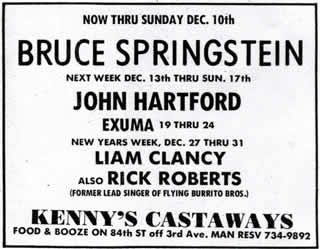
A young singer Bruce Springsteen performed for a week here in 1973 with his new band the E Street Band. Seven years later Kenny’s would hire a house band the Smithereens. Even today the bar hosts a mix of big stars and local cover bands, and all rather discreetly, at least in New York terms. The bar rarely advertises, yet everybody knows Kenny’s.

Patrick died three years ago, but the family continues to run it. This year is Kenny’s 40th anniversary. I can’t help but think that the ghost of Princess Toto sidles up to the bar every night to lord over the festivities with satisfaction.

FRIDAY NIGHT FEVER: Coyote Ugly Saloon

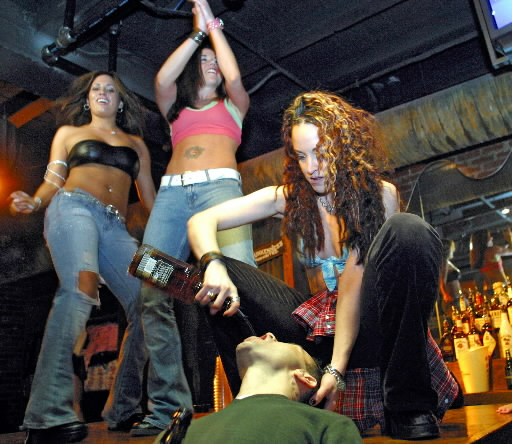
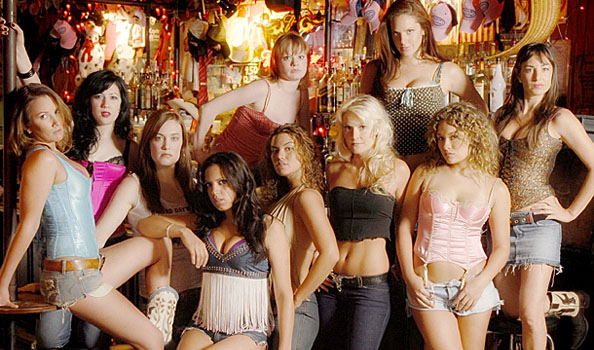
Above: From the official website — the girls of Coyote Ugly

To get you in the mood for the weekend, every Friday we’ll be celebrating ‘FRIDAY NIGHT FEVER’, featuring an old New York nightlife haunt, from the dance halls of 19th Century Bowery, to the massive warehouse spaces of the mid-90s. Past entries can be found HERE.

Studio 54. The Cotton Club. The Copacabana. Coyote Ugly.

If you’re thinking to yourself, “Is this a game of ‘one of these things is not like the other'”, you would be wrong. These four storied institutions have something very key about them — they are the four members of New York nightlife that have been the subject of their very own Hollywood film. (Please email me if I’ve missed any!)

In fact, of the four, only the Copacabana and Coyote had films made about them while the bars themselves were still in operation. The Copacabana film had Groucho Marx and Carmen Miranda. Coyote Ugly has Bud Cort and Leann Rimes.

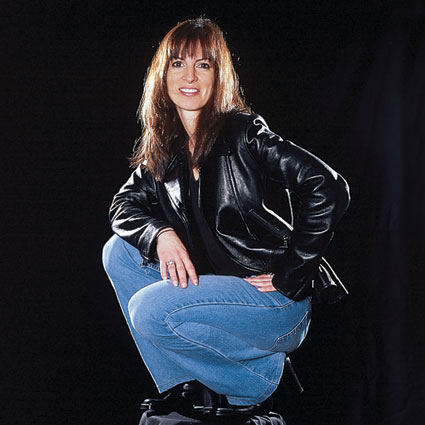
Okay, I may be giving a lot of credit to this East Village saloon, 1st Ave and 9th Street, named after the term for waking up with an unattractive partner after a raucous night of beer-goggled imbibing. But you have to admire the gumption and savvy of its creator Liliana Lovell (pictured below) in turning the traditional notion of a dive bar into a kerosene-soaked, carnival-like Hooters.

In the early 90s, Lovell was a two-jobber — an intern at an investment firm by day, a bartender at The Village Idiot by night. With a degree from NYU in psychology and communications, she soon found bartending more rewarding and lucrative. In particular, she admired the style of Village Idiot owner Tom McNeill; that bar, formerly a block away from the current location of Coyote Ugly, was known for loud 70s country music, swaggering drink contest and pretty bartenders in low cut tops — almost a camp variation on a Southern hard-drinkin’ saloon.

Lovell eventually saved enough to buy an Italian restaurant down the street and refit it with familiar Village Idiot decor but with a twist that would make P.T Barnum blush — a phalanx of female bartenders who could sing, dance and (most importantly) literally blow fire like a sideshow freak. The notion turned mid 90s feminism on its head — a surface objectification of themselves tied into their roles as circus masters — while making a steady profit from frat boys and curiosity seekers.

It would have remained a quaint anomaly of New York college fantasies if not for bartender and writer Elizabeth Gilbert, who turned her experiences into an amusing GQ article that was then quickly spun into a Hollywood feature in 2000, with Maria Bello as playing the brassy, sassy Lovell.

Lovell was quick to take advantage of the films rusty-glam depiction of her establishment. Not exactly the most austere or critically acclaimed concept to begin with, Lovell had no qualms about spinning Coyote Ugly into a franchise, starting (naturally) in Las Vegas in 2001, then to New Orleans in 2003, arguably two places where it could reach its fullest potential.
She’s now up to thirteen locations around the country (and one in Panama City) and thanks to a reality show the Ultimate Coyote Ugly Search, may continue to become America’s feisty madam of flaming cocktails. Although she might have gone corporate, she’s still an East Village institution whenever she’s in town (she lives in New Orleans now). Texas Guinan would be so, so proud.

FRIDAY NIGHT FEVER: Gerde’s Folk City

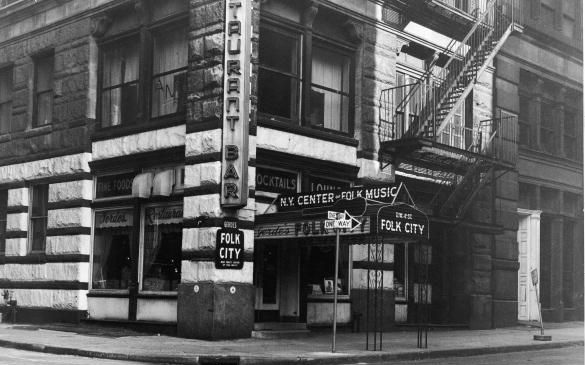
ABOVE: Gerde’s in its original location, circa 1960

To get you in the mood for the weekend, every Friday we’ll be celebrating ‘FRIDAY NIGHT FEVER’, featuring an old New York nightlife haunt, from the dance halls of 19th Century Bowery, to the massive warehouse spaces of the mid-90s. Past entries can be found HERE.

Few streets in Greenwich Village have more history than West 4th Street, which runs along the south side of Washington Square and became a lifeline to New York’s art and bohemian culture. The teahouse Mad Hatter at 150 W. 4th was an influential artist destination, later becoming the lesbian bar Pony Stable Inn, where Allan Ginsberg first met close friend and fellow beat poet Gregory Corso. (It’s now the ever reliable Washington Square Diner. I heartily endorse their grilled cheese.)

The Whitney Studio Club sprang up at 147 W. 4th in 1910, presenting Edward Hopper’s first exhibit of his works, and later became the bohemian hangout Ristorante Volare. The Washington Square Methodist Church, a lovely Romanesque church built in 1860, on 135 W. 4th gave refuge to draft dodgers in the 60s and was appropriately called ‘Peace Church’.

And we can’t forget the notorious Golden Swan Café, a 19th century saloon formerly on the corner of W. 4th and Sixth Avenue, which Eugene O’Neil immortalized in ‘The Iceman Cometh’.

But for music lovers, no place on this tiny street is more revered than the former location (now gone) of Gerde’s Folk City.

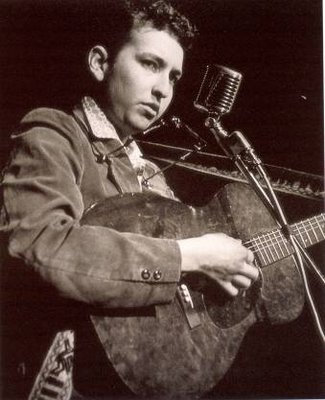
You won’t find the strange but fabulous Todd Haynes film ‘I’m Not There’ anywhere near West Fourth Street — it was filmed in Canada! — but this is the street where Bob Dylan, the artist, was born. The mousey Minnesota born musician arrived in 1961 and quickly caught the attentions of Village habitues. Although he performed in various places up and down the street — including the NYU Loeb Student Center (once at 61 W. 4th) — Gerde’s was his best known haunt.
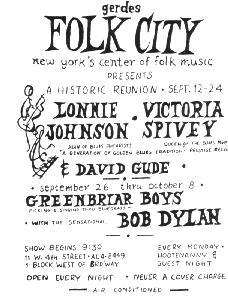
Owner Mike Porco took over Gerde’s restaurant in 1952 and refashioned it as a coffeehouse with Monday night ‘hootenannys’, amateur nights for local musicians. However, when you’re in Greenwich Village, the talent pool at Gerde’s would be filled with future stars — Judy Collins, Arlo Guthrie, Tom Paxton. And of course, Dylan, who approached Porco and began performing in April of 1961, on a ticket that night with John Lee Hooker.

He threw the clientele for a loop. Dylan Roots quotes Happy Traum as saying, “I remember watching him, thinking ‘This boy’s unbelievable, he’s going to become another Woody Guthrie.’ I also thought that he would not become known outside of Greenwich Village.”

He would become quite known, however, thanks to a performance at Gerde’s in September that was reviewed by the New York Times critic Robert Sheldon. Dylan wasn’t even headlining that night; he opened that night for a bluegrass outfit the Greenbriar Boys. By October, Dylan had a record deal with Columbia Records. Sheldon, by the way, would go on to write ‘No Direction Home’, a biography on Dylan that would be made into Martin Scorcese film.

Gerde’s would move in 1970 to 130 West 3rd Street. Its now the home of the Village Underground, another great Village music venue.
I would suggest going on an ultimate Dylan excursion through the Village, even if you’re not really into Dylan. Go check out ‘I’m Not There’ at the Film Forum, then walk up to Fourth Street to the other addresses associated with Dylan. On top of the previously mentioned Gerde’s and Loeb Student Center, his former apartment is in 161 W. 4th and he snarfed down bagels at 168 w. 4th. New Pony has an entire map of Dylan-themed locations in downtown Manhattan!

I think we can conclude what Bob’s ‘Positively Fourth Street’ was about.

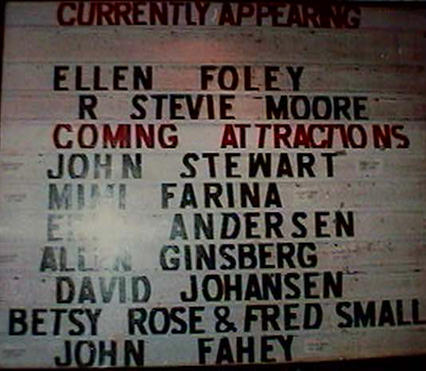
Below: from R. Stevie Moore, a billboard from latterday Gerde’s (1984) listing some of the headliners that month:

Categories
Podcasts

PODCAST: The Copacabana

To get you in the mood for the weekend, every Friday we’ll be celebrating ‘FRIDAY NIGHT FEVER’, featuring an old New York nightlife haunt, from the dance halls of 19th Century Bowery, to the massive warehouse spaces of the mid-90s. Past entries can be found HERE.

During the 40s and 50s, any celebrity worth their weight in fame either frequented or performed at the Copacabana, a swanky nightclub known for its showgirls, its Chinese food and its mafia ties. On this mini-podcast, we take you on a night on the town with Frank Sinatra, Sammy Davis Jr and a rowdy table of New York Yankees.

Listen to it for free on iTunes or other podcasting services. Or you can download or listen to it HERE

Two corrections to the podcast this week:

— FREUDIAN SLIP — I refer to Frank Costello as New York’s leading ‘media don’. Clearly, he’s a ‘mafia don’.
— JUST PLAIN MISSPEAK — The current Copacabana has closed to make way for the extension of the 7 train, not the 4 train.

—-

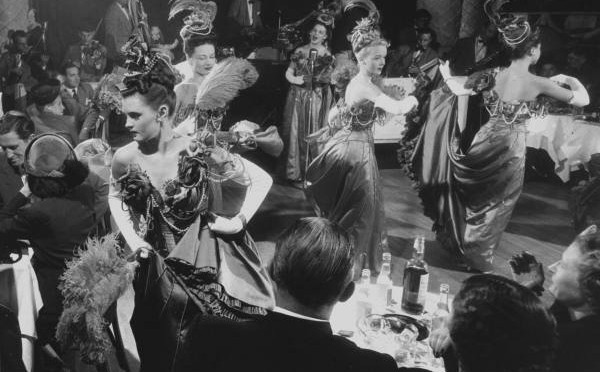
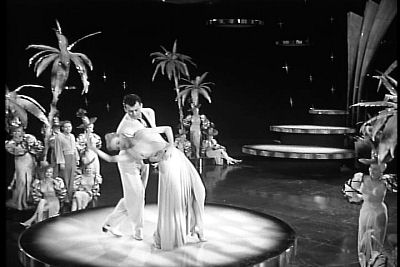
To boost popularity of the club, first Copa owner Marty Proser helped produce a film called ‘Copacabana’ in 1947, starring Groucho Marx and Carmen Miranda. The film was not a hit, however it gave some of the Copa Girls a chance at appearing on the big screen:

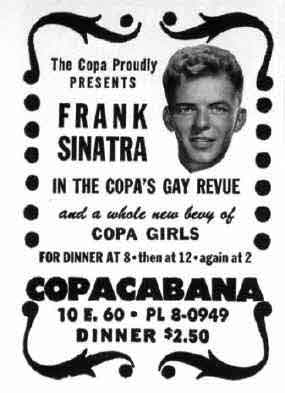
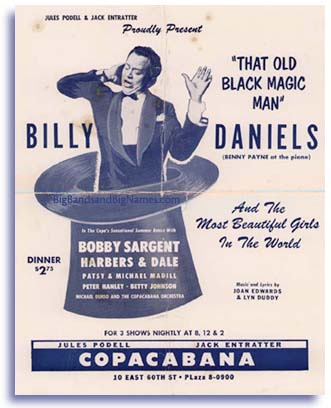
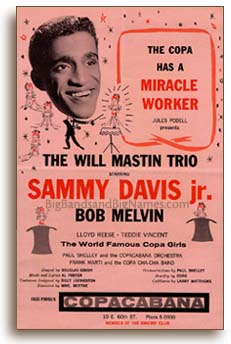
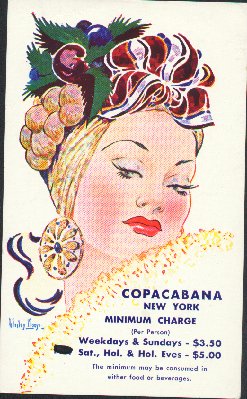
Some peppy flyers for the Copa:

I found some of these nostalgic flyers at a cool website calledBig Bands And Big Names.)

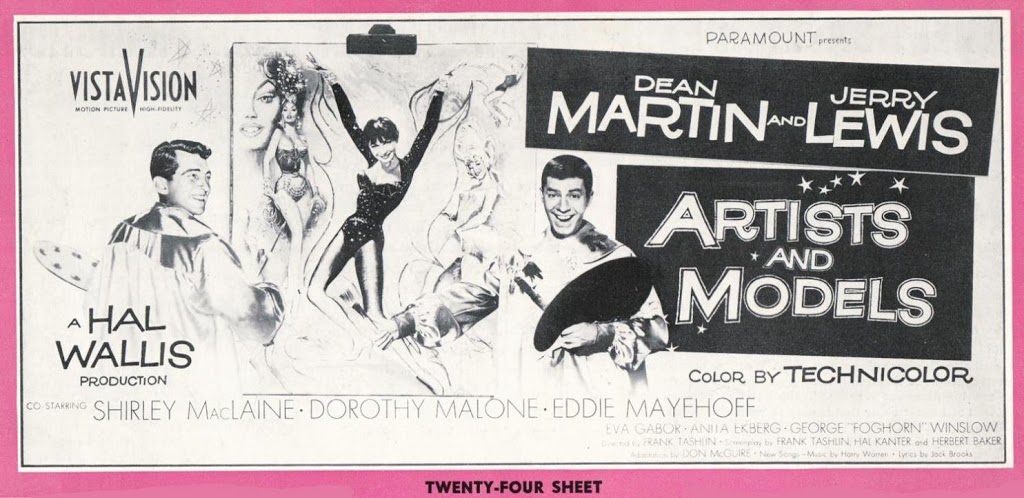
Dean Martin and Jerry Lewis spun off their fame from the Copa to make corny movies like this one:

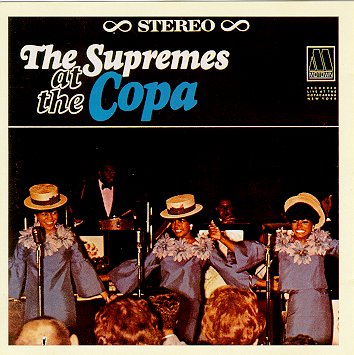
Although the Copa began to wane in popularity in the 1960s, artists like Marvin Gaye, the Temptations, and the Supremes recorded live albums there.

FRIDAY NIGHT FEVER: the Palladium Ballroom

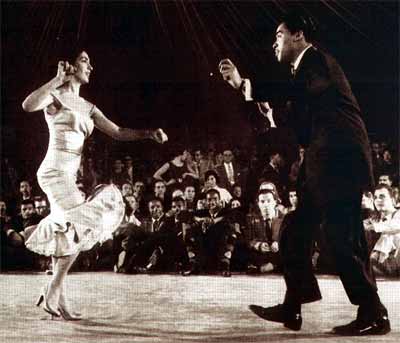
ABOVE: Millie Donay and Cuban Pete, the queen and king of Latin dance, cuttin’ it up at the Palladium

To get you in the mood for the weekend, every Friday we’ll be celebrating ‘FRIDAY NIGHT FEVER’, featuring an old New York nightlife haunt, from the dance halls of 19th Century Bowery, to the massive warehouse spaces of the mid-90s. Past entries can be found HERE.

It’s become almost cliche for me to bring up a New York nightclub with the credentials of popularizing a world renown dance style. The Peppermint Lounge has the twist, the Roxy breakdancing. But those moves are with us only as retro vestiges. The mambo, on the other hand, is still a popular ballroom dance, and it’s around thanks to the lithe and lovely hoofers that frequented the Palladium Ballroom.

This is not the former Palladium nightclub on 14th and 3rd Avenue, a concert venue turned Peter Gatien-owned nightclub from the 90s (which, incidentally, in now a New York University dormitory!) Nothing is left of this Palladium, a former second floor ballroom on the corner of 53rd and Broadway, near the Ed Sullivan Theatre. Nothing, that is, except for an international dance craze.

The Palladium opened in 1947 just as the bittersweet residuals of a finished war were hitting the country. New York’s Latin population boomed after the war, facilitating the need for larger entertainment venues outside of traditional Latin neighborhoods. This massive influx of people from Cuba, the Caribbean, Puerto Rico, Mexico and other South American countries inlaid bursts of different cultures into traditionally white — and whitebread– notions of nightlife. The Palladium would not follow in the relatively sedate footsteps of New York’s burgeoning 40s dance scene.

The epicenter of Afro-Cuban music would begin with a Jewish tailor Maxwell Hyman, owner of the Palladium, who introduced Latin music to his ballroom on a Sunday night, where it instantly caught fire. Hyman quickly filled every night with Hispanic and Caribbean entertainers and dancers, scouted from smaller venues and snatched up to fill the Palladium schedule.

As the club grew in popularity, it became the natural nesting ground for a new music craze jelling Cuban rhythms with African folk beats — the mambo.

While composer brothers Oresto and Cachao López are considered the inventors of the style in the 30s, it was the Cuban-born Perez Prado who coined the phrase for American audiences. His RCA recordings brought the sounds to national prominence, particularly through his hit ‘Mambo No. 5’. (Yes, that Mambo No. 5.)

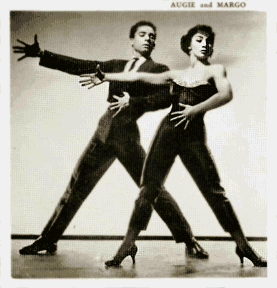
It hardened into a sexy and athletic — but somehow accessible — dance at the Palladium. Those perfecting it at the ballroom fused the skills of ballet dancers and acrobats into acts of statuesque sweep and grace. Augie & Margo Rodriguez (seen below) were frequent performers here, dipping some flamenco into their mambo, and later touring the world to perform with Harry Belafonte and Sammy Davis Jr.

Then there was Millie Donay and Pete Aguilar. To the sounds of ‘house band’ Los Ases del Ritmo, Millie and Pete would pack in capacity crowds on Wednesday night, hypnotizing them with Aguilar’s mambo swagger and Donay’s gyrating chachacha’s. Aguilar would become so famous that Desi Arnez would write a song for him — “Cuban Pete.” The name would stick with him forever. Cuban Pete is now considered the father of mambo, and at 80 years old still trains dancers today. (Donay died in July of this year.)

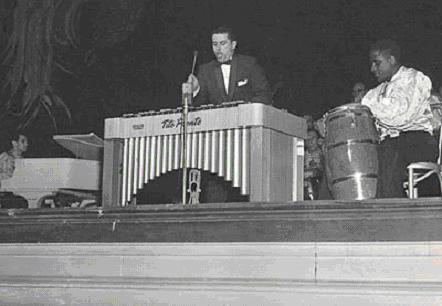
At the Palladium the orchestras and music performers would threaten to overshadow the dancers. Popular artist Arsenio Rodríguez and his band would help define the mambo sound further with the introduction of conga beats and brass instruments into the mix. The ballroom platform saw the likes of Celia Cruz, Beny Moré, La Lupe, Tito Rodriguez, Machito and Tito Puente (pictured below).

In fact, the ‘two Titos’ were to have a vicious onstage Palladium rivalry — playing out in musical barbs aimed at each other, such as “Que Pena Me Da (I Pity You)” — that must have delighted crowds almost as much as the two disliked each other. Despite this, they and Machito were often referred to as ‘the Big Three’ and would tour with each other, obviously swallowing their contempt. They seem to be getting along in the picture below:

And, yes, like any New York sensation, the celebrities would soon come to fill the floors too; frequenters included Marlon Brando, Lena Horne, Henry Fonda and Bob Hope (!).

The popularity of the mambo and the cha-cha would spread other clubs, particularly to the influential La Bamba nightclub just around the corner, and to the Tropicana in the Bronx.

Although the Palladium closed in 1966, the results of years of amazing dancing there can probably best be seen on Dancing With the Stars. Methinks Millie and Pete would have swept the floor with those clowns.

And finally, this glorious picture from the final days of the Palladium —

FRIDAY NIGHT FEVER: Hole-In-The-Wall

To get you in the mood for the weekend, every Friday we’ll be celebrating ‘FRIDAY NIGHT FEVER’, featuring an old New York nightlife haunt, from the dance halls of 19th Century Bowery, to the massive warehouse spaces of the mid-90s. Past entries can be found HERE.

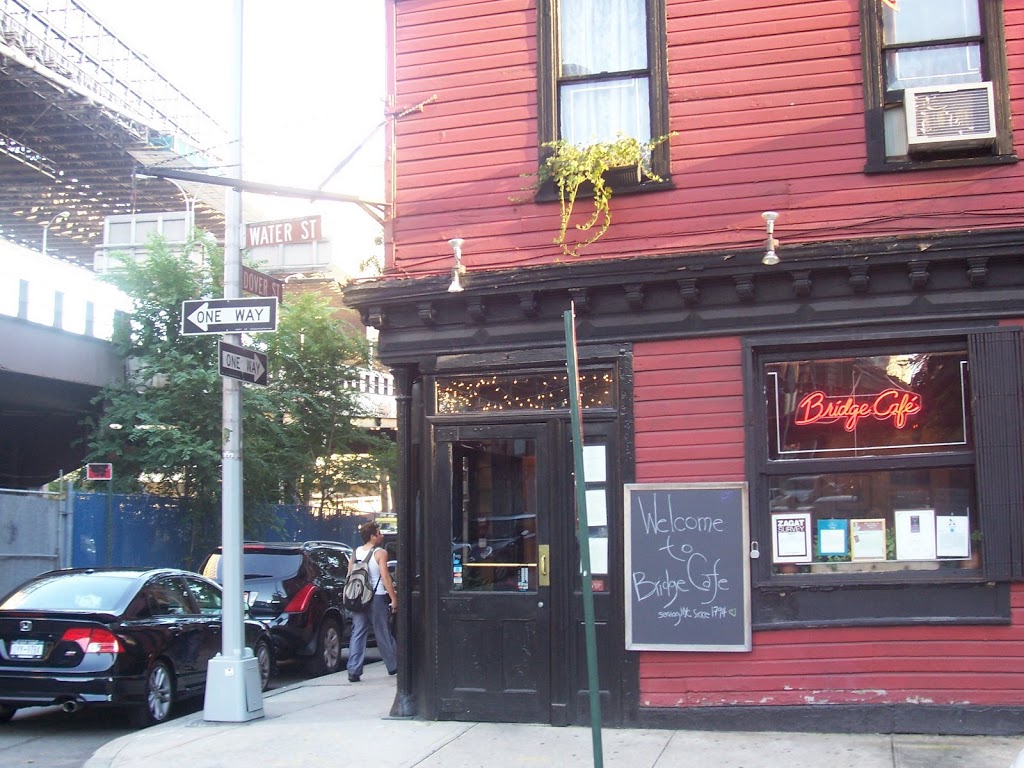
The Bridge Cafe, a quiet bar and brunch destination underneath the Brooklyn Bridge at the corner of Water and Dover streets, has a storied legacy as the oldest tavern in New York City. Although it does take a bit of imagination to envision the red wooden building as former home to the most despicable, most vile and — let’s face it — most fabulous characters in our fair city’s history.

The legend of the Hole In The Wall derives mostly from one place — Herbert Asbury’s infamous ‘Gangs of New York’, a dastardly inspection of New York’s 19th century criminal lowlifes and squalor. As such, given the books fanciful and exagerrated nature, you can’t exactly use it as faithful reference. When journalist Richard McDermott began doing research on the Bridge’s background, he didn’t even find the Hole In The Wall.

What he did discover was a tradition of booze swilling that began with a ‘wine and porter bottler’ in 1794. It was followed by a grocery — one that I guess technically sold liquor, thus keeping the ‘oldest tavern’ title precariously intact. But the date 1826 is most significant as the establishment fell into the hands of Charles G. Ferris, an attorney who leased the property to a host of saloons.

And there were patrons aplenty, for this was New York’s dangerous Fourth Ward; in particular, Water Street was festooned with brothels, boarding houses, dance halls and watering holes. In 1866, writer Bayard Taylor referred to it as “the only rival of the Sixth in its triple distinction of filth, poverty, and vice.” (The Sixth being the Five Points slum, about a half mile away.) ‘On The Town in New York’ by Michael Batterberry says, “Generally speaking, Water Street was a thoroughfare of vice and iniquity to challenge the imagination of the most graphic Victorian preacher.”

So although little evidence remains of a Hole In The Wall in the precise vicinity of the Bridge Cafe, it’s extremely likely such a place existed.

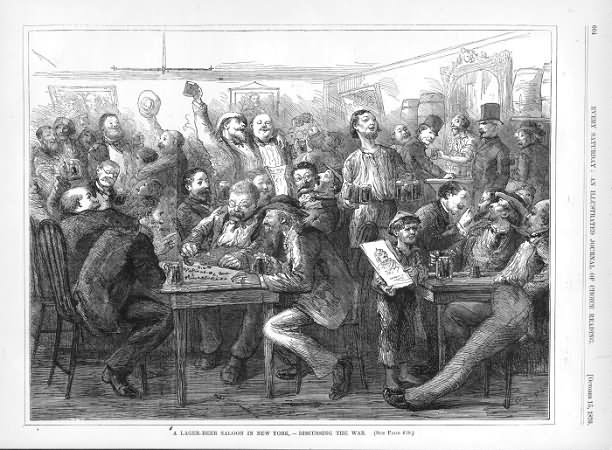
(The picture below is not of Hole In The Wall, or of any particular Water Street saloon, but a print of a New York ‘lager-beer saloon’ from 1870. Sorry, there aren’t a lot of photographic options from this period of time!)

Few tavern staffs today could compare to those of Hole In The Wall’s proprietor ‘One-Armed’ Charley Monell. We’re assuming that sobriquet wasn’t just a cute nickname. For security, he relied on two lovely ladies by the names of Kate Flannery and scrappy Gallus Mag. No ordinary bouncer, Mag kept a pistol at her waist, a club at her side and for good measure sharpened her teeth like a rodent. This was not just a fashion statement; she would need such sharpened incisors for when she would bite off the ears of unruly patrons, spraying blood with delight as she deposited the ear into a gigantic jar behind the bar. (Mag is immortalized in the film version of ‘Gangs of New York’ as well as virtually tributed in every horror movie from ‘Texas Chainsaw Massacre’ onward.)

Gallus (a word for men’s suspenders, which she would frequently wear) wasn’t always so cruel. After chewing off the ear of a female rival named Patsy the Goat, she later gave the body part back after the two mended ways. It’s a plot right out of ‘Sex And The City’, I tells ya.

Sex, sinful dancing and swill — sometimes drank right out of the spout for a small price — were orders of the day on Water Street, as was murder. The most famous brawl in perhaps all of Water Street occurred here between two thugs named Patsy the Barber and Slobbery Jim, both probably teenagers or in their early 20s. They were members of the gang the Daybreak Boys (ahem, I’m sure they were no match for the Bowery Boys), responsible for dozens of deaths in downtown Manhattan in the 1850s.

One day, Patsy and Slobbery casually robbed and killed a German and threw him into the East River. Settling down at Hole In The Wall with their booty (all of twelve cents), the pair fought over the amount, with Jim thinking he deserved more as he did single-handedly throw him into the river. 

Soon the boys were brawling, Mag and Charley stepping back to watch it play out. Patsy had a knife and stuck it into Jim; the knife changed hands and was soon lodged into Patsy’s throat. Patsy passed out from blood loss, and Jim finished the performance by stomping into his partner until he expired. Ten years later Slobbery would enlist in the Confederate Army.

According to Asbury, the Hole In The Wall was permanently closed after a string of seven murders were committed there in less than two months. However, if Bridge Cafe is indeed the former home of Hole In The Wall, it clearly didn’t stay closed for long. It passed through the hands of several saloon owners, including a city alderman Jeremiah J. Cronin in 1898. Even Prohibition couldn’t dry it out; a restaurant in the ’20s served beer on the down low from bootlegger Charlie Brennan.

The current incarnation opened in 1979 and was a favorite of former mayor Ed Koch. Today you can have a good brunch there and just stare down at the floor, picturing Patsy the Barber, pools of blood and a few loose ears lying around.

FRIDAY NIGHT FEVER: The Roxy

To get you in the mood for the weekend, every Friday we’ll be celebrating ‘FRIDAY NIGHT FEVER’, featuring an old New York nightlife haunt, from the dance halls of 19th Century Bowery, to the massive warehouse spaces of the mid-90s. Past entries can be found HERE.

Most New York nightclubs rarely see get past one dance craze before shuttering, their popularity passed to another disposable club. The Roxy, however, kept the mirrorball turning for over 25 years, bringing to light world famous deejays, breakdancing motion pictures, and its biggest claim to fame — roller-disco.

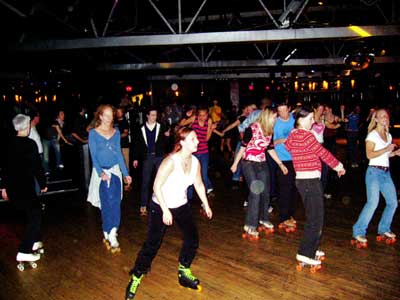
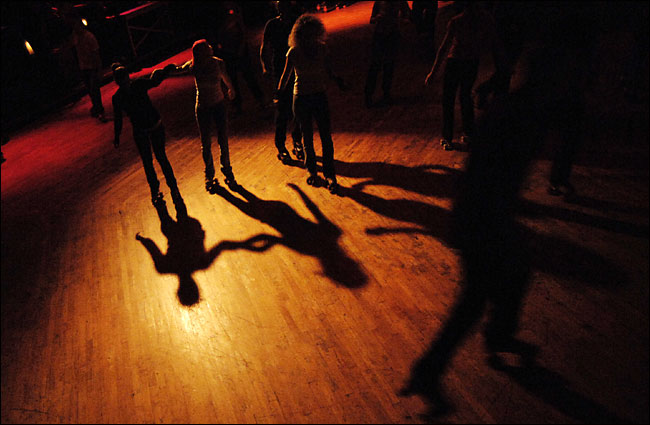
Roller-disco was disco dancing taken to the level of near-sport, tight pants and tube-tops whizzing by to the beat of Donna Summer. The Roxy was one of several roller-discos in late 70s New York, but Roxy was its finest — judging by its nickname ‘the Studio 54 of rollerdisco’ — and was destined to become the last one standing. Owner Steven Greenberg, who would later manage the storied Palladium, turned a 60-year-old warehouse into a hangar-sized fantasia for skaters. With very few other rooms to carry about in, all focus was on the massive floor, filled with people on wheels.

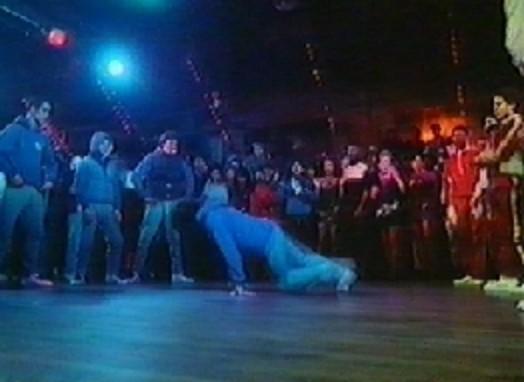
Roller-disco quickly waned, though most of the Roxy’s later history would feature at least one roller night, all the way up to the end. However during the 80s, the Roxy would be chiefly occupied by another dance craze — breakdancing. 

One of the many deejays of this period was Afrika Bambaataa who brought the style and energy of his Zulu Nation into the club. Known for breaking hip hop into white venues and creating the electro-funk sound, Bambaataa remade the Roxy as a centerpiece to freeform early 80s hip hop culture. Go out and rent the pivotal breakdancing film ‘Beat Street’ to see a performance of Bambaataa’s in the Roxy.

The late 80s saw its bleakest phase with a name change and frequent violence from rowdy crowds. It was saved, like so many dance clubs in New York, by the gay community.

New owner Gene DiNino, having experimented unsuccessfully by renaming the Roxy as 1018 (the combination of its cross streets), brought in promoters Lee Chappell and David Leigh and deejay Larry Tee to debut a gay night on Saturdays, one which eventually lasted sixteen years and would help shape from its partygoers the ubiquitous ‘Chelsea boy’ type, an aesthetic of well groomed, tightly muscled bodies squeezed into simple, often nonexistent clothing.

According to ‘Dirty Sexy Money’ star Candis Cayne: “[In the early ’90s] I was a kitty girl selling cigarettes and candy. It was amazing! There were drag queens in flawless costumes they worked all week long, and everyone seemed happy. Roxy is one of those ‘firsts’ kind of clubs—people did things for the first time there.”

The Roxy defined the modern dance music sound of big beats and wailing divas, woven into epic evenings of glittery debauchery. Party promoters such as John Blair and Marc Berkley would amp up the energy with lavish themed parties and deejays known the world over — Victor Calderone, Junior Vasquez, Peter Rauhofer. It was almost imperative for pop stars to sweep through for an ‘improptu’ performance — Beyonce, Cher, and Madonna singing (or syncing) just feet from hundred of frenzied, sweaty fans.

Lest anybody feel they still needed to strap on some roller-skates, never fear. The Roxy still hosted roller-disco one night a week. Skaters made their last pass under the disco ball the week of March 10, 2007. Like everything it seems these days, the Roxy will be turned into luxury condominiums, following the fates of the Tunnel, the Palladium and many other popular 80s and 90s dance spaces.