Categories
Podcasts

Pennsylvania Station – Manhattan’s Missing Treasure

PODCAST: The story of Penn Station involves more than just nostalgia for the long-gone temple of transportation as designed by the great McKim, Mead and White.

It’s a tale of incredible tunnels, political haggling and big visions. Find out why the original Penn Station was built to look so classical, why it was then torn down, and what strange behaviors the tunnels that connect it to New Jersey exhibit every night.


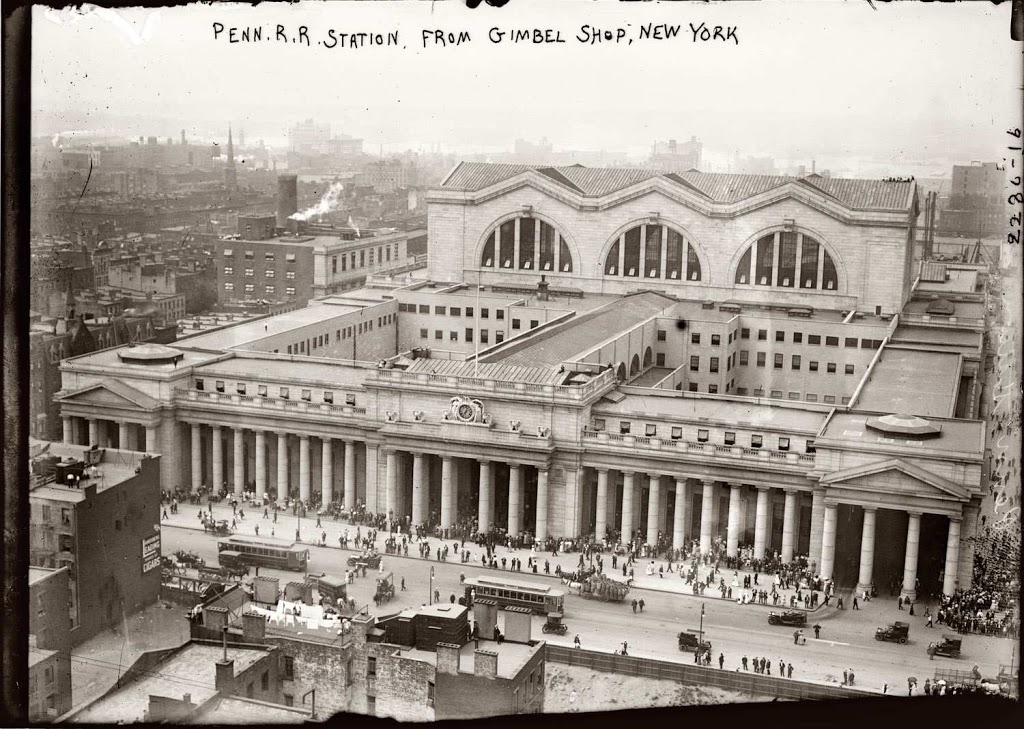
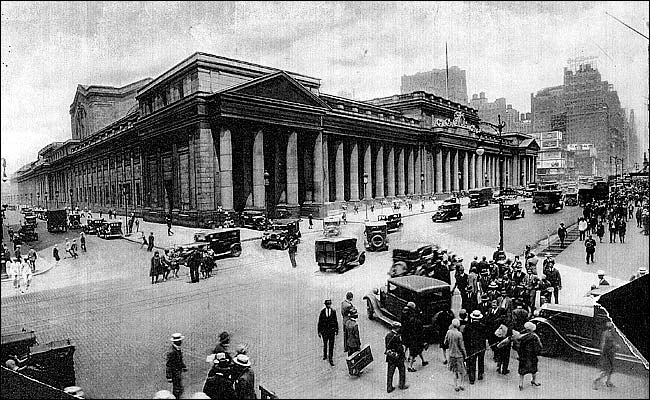
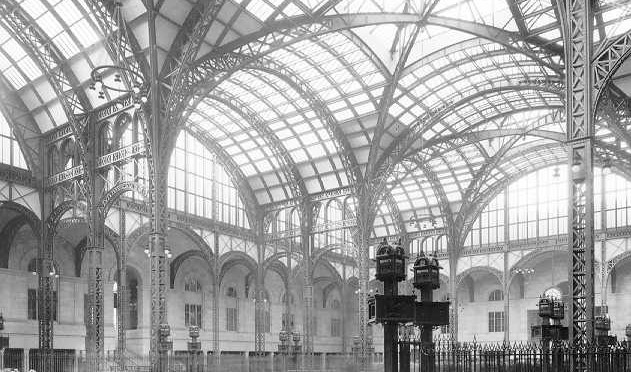
The grandeur and size of Penn Station shocked New Yorkers as it rose from the massive pit excavated by workmen employed by Penn Railroad. McKim, Mead and White’s Roman homage expressed the scope of their client’s ambitions; even more impressive than the station were the miles of tunnels under Manhattan. The image below was taken from Gimbels department store

(Click the picture below for greater detail. Pic courtesy Shorpy)

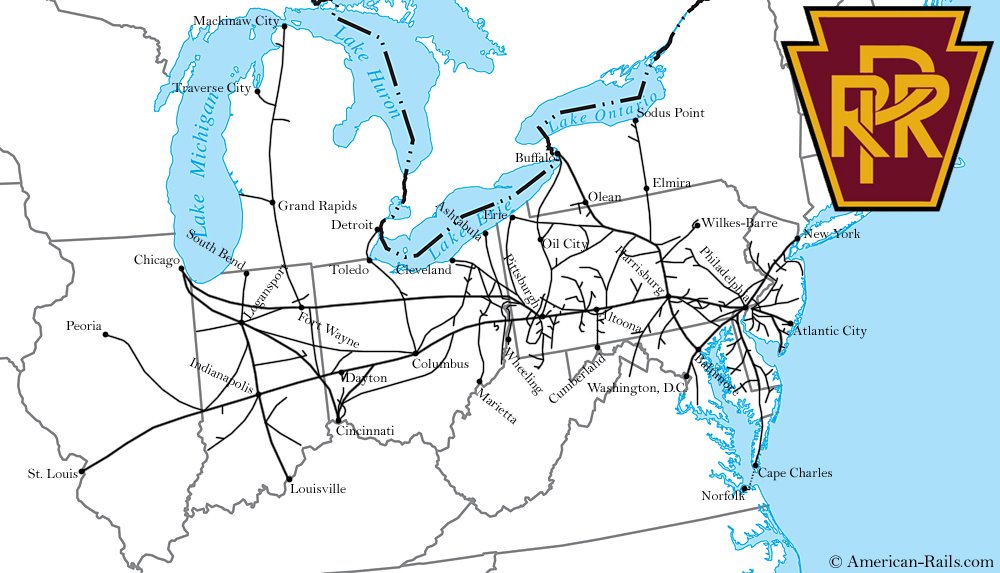
The empire of the Pennsylvania Railroad, extending through most of the northeast, but unable to reach Manhattan until 1910. (Map courtesy American Rails.)

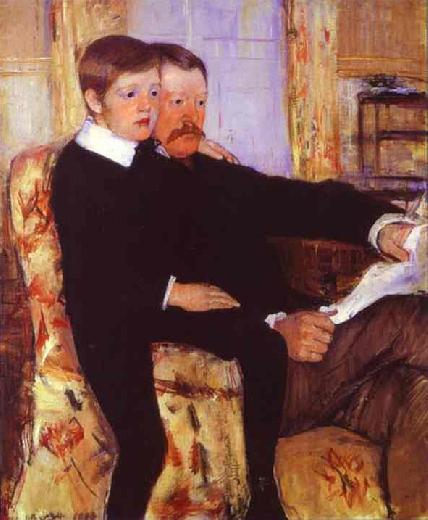
Mary Cassatt’s acclaimed painting of her brother Alexander, the president of Penn Railroad from 1899 to his death in 1906, seated here with his young son Robert

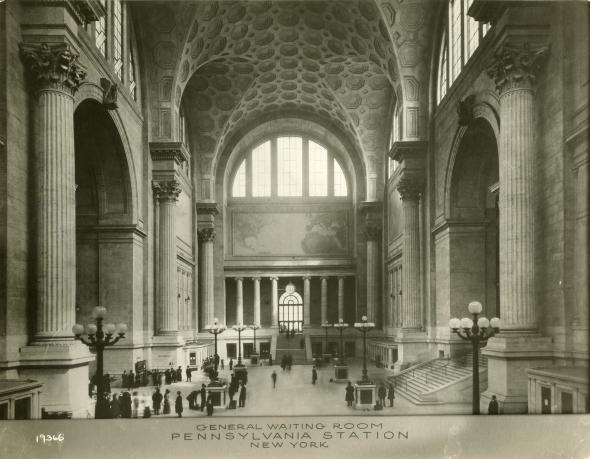
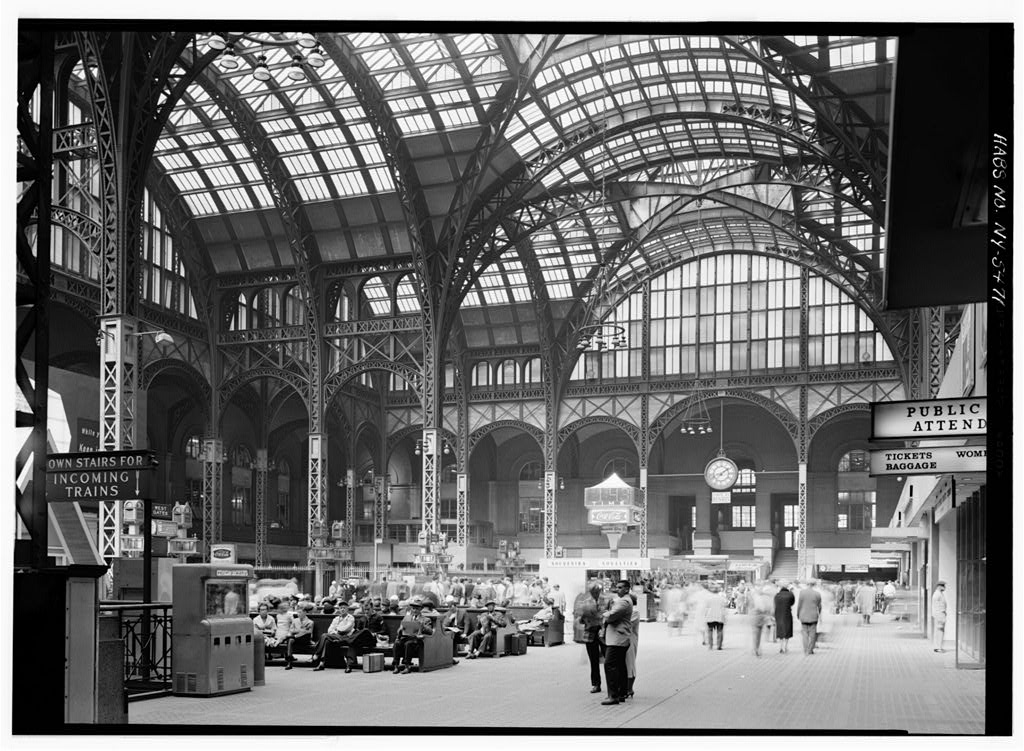
The breathtaking waiting room, with a ceiling that rivaled the greatest buildings of ancient Rome. Even if you were late for your train, how could you not stop for a second to marvel at it?

Charles McKim’s glass ceilings gave Penn its unique appeal, rays of light greeting customers who have just spent part of their commute underground.

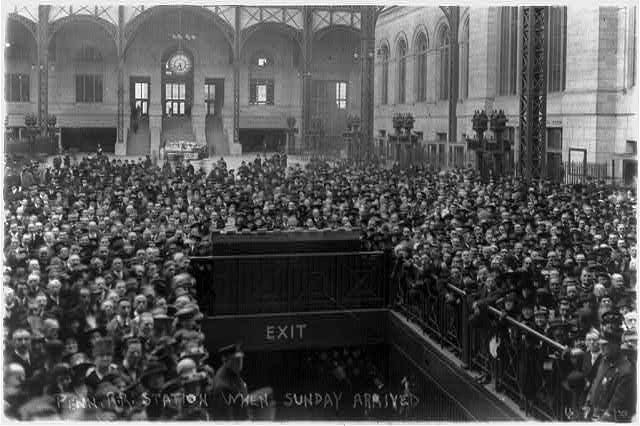
A crush of people along the concourse in 1917. They’re actually not commuters though; they’re fans of appropriately named evangelist Billy Sunday, waiting for his train to arrive.

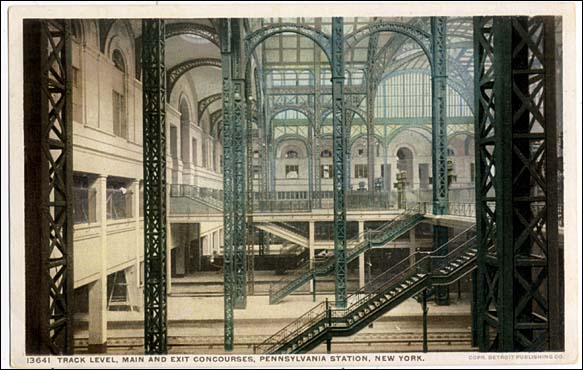
This postcard illustrates how especially sunken the tracks were, coming from deep tunnels from both the west and east sides. The building itself seems ethereal by comparison.

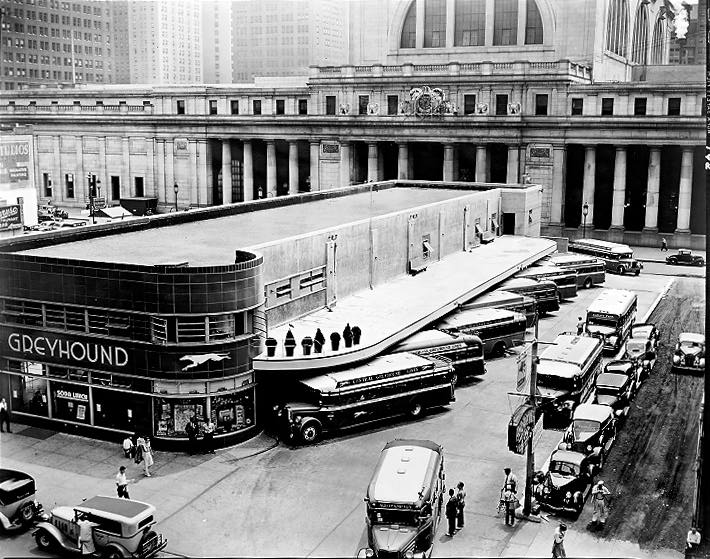
Across the street from Penn was this swanky Greyhound Bus Terminal, which opened in 1935 (Photographed by Berenice Abbott)

From this view, you get a sense of its massive size and effect on the neighborhood….

While, from street view, the building seemed to continue well into the horizon.

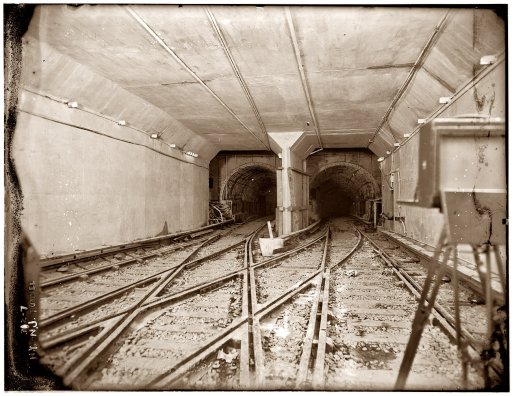
The Hudson River tunnels, a stunning engineering feat that required some truly exact measurements; digging started from both sides of the Hudson River and met in the middle.

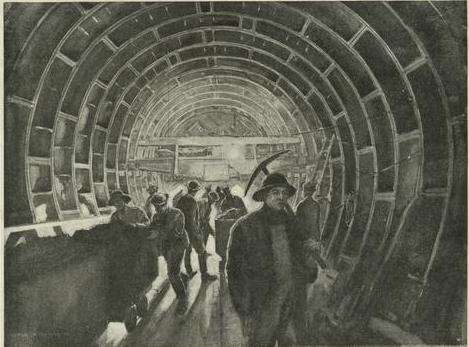
The ambiance inside a tunnel compressed-air chamber. ‘Sandhogs’ spent months boring under the Hudson and East rivers, with the constant fear of flooding, cave-ins and ‘the bends’.

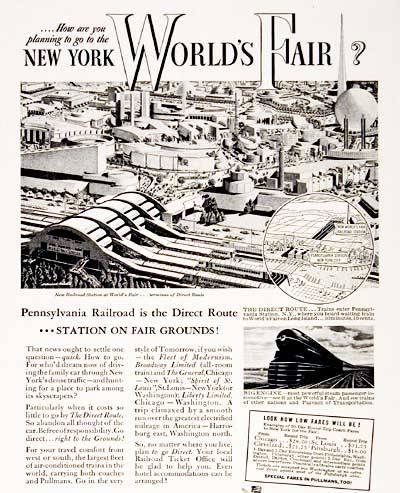
An ad for the World’s Fair of 1939-40 in Flushing Meadows, Queens — a short distance from Penn’s train yards.

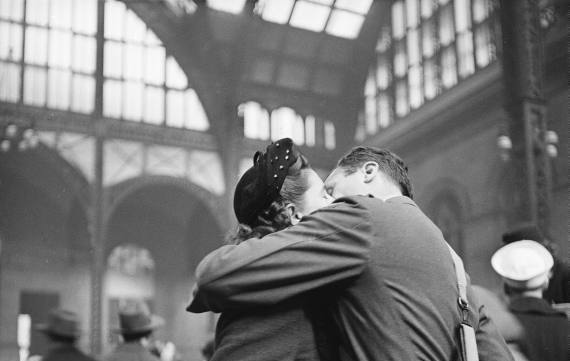
The scene of more than a few emotional departures and arrivals during World War II.

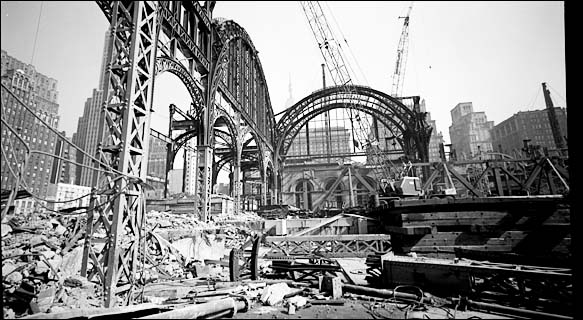
Penn is ungraciously torn down starting in October 1963. The sight stunned New Yorkers, many who thought nobody would ever go through with wrecking the monument. Its demise galvanized architects and preservationists; the sacrifice of Penn most likely helped save dozens of other buildings from a similar fate.

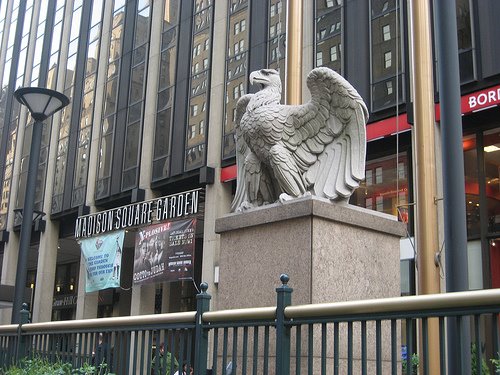
Eagles from the original Penn Station still grace the front of Madison Square Garden.

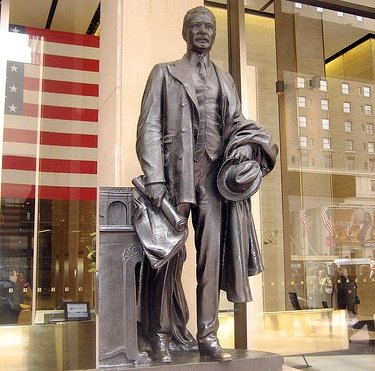
Nearby also stands a statue of Samuel Rea, president of Penn Railroad from 1913-1925

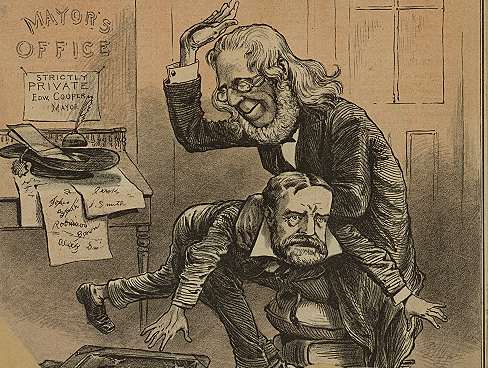
Mayor Edward Cooper, chip off the ole block

ABOVE: Puck Magazine satirizes father and son, Peter and Edward Cooper

KNOW YOUR MAYORS Our modest little series about some of the greatest, notorious, most important, even most useless, mayors of New York City. Other entrants in our mayoral survey can be found here.

Mayor Edward Cooper

In office: 1879-1880

Many of us must inevitably live in the shadows of the achievements of our parents. Edward Cooper, while no slouch, suffers from the competing bios of two great men in his family — papa Peter Cooper, New York’s cleverest industrialist, and brother-in-law Abram Hewitt, a transformative city leader.

Like Hewitt, Cooper too was mayor of New York, from 1879-1880. Cooper’s tenure wasn’t exactly memorable, but the years following up to it certainly were.

Edward was born on the outskirts of town (i.e., 28th Street and today’s Park Avenue South) in October 1824, the only surviving son of Peter and his wife Sarah, a child with the unique advantage of having one of America’s leading inventors to apprentice from. Peter was already wealthy from his Kips Bay glue factory and employed his free time tinkering, experimenting and dreaming. In fact, Edward was celebrating his third birthday when Peter brought into this world another of his pride and joys — the Tom Thumb, the first operable, steam-powered train engine.

Not surprising, Edward quickly followed his father’s intellectual lead. During his early days in public school, “it was often said of him that there was never a time in his life when he would not sit up half the night to solve a difficult problem in mathematics or engineering which were his especial delights.” Like father, like geek!

Edward went to Columbia University where he befriended his fellow student Abram Hewitt, and the two set out for an educational European vacation in 1844. On the way back however, they were both nearly killed in a shipwreck, stranded with the crew for many days without food or water,

Leave it to outrageous hearsay, but allegedly during this shipwreck, according to Edward’s own obituary, he was almost cannibalized for food by the survivors.

“One report had it that the castaways were so hungry that lots were cast to see who should be eaten. Mr. Cooper drew the unlucky number, but Mr. Hewitt asked to take his place.

“I have brothers,” Mr. Hewitt said, but you are your father’s only son and his life is wrapped up in you. Let me take your place.” Now that’s friendship!

This devastating experience drew the Coopers and the Hewitts together. In fact, Hewitt would later marry Edward’s only sister Sarah Amelia. Edward and Abram, meanwhile would go into the ironworks business together, with capital from Peter Cooper. The results would make them very rich men with foundries in Trenton, New Jersey, producing “mortar beds and gun carriages” in the years leading up to the Civil War.

In 1865, Peter gave control of his coveted glue factory to Edward and soon young Cooper became as distinguished a New York business man in his own right. Just in time to pursue a political career.

Edward was a Democrat, but not of the tainted Tammany Hall stripe. Cooper came from the short-lived rival and reform-minded Irving Hall, battling to sweep away city hall corruption as practiced by the machinations of the other, far powerful Democratic machine. In fact, he would prove instrumental — both through his close friend Samuel Tilden, and as a member of the reform Committee of 70 — in helping bring down the ring of Boss Tweed and the corrupt mayoralty of A. Oakley Hall. He later ardently supported his friend Tilden during his contentious run for the White House in 1876.

The rift was caused by two rival party bosses — John Morrissey, a prize-fighter turned state senator who drew men like Cooper by recoiling from the excesses of Tweed-style politics, and ‘Honest’ John Kelly, who at first rallied in reform rhetoric with Tilden and others but later rebuffed his former allies when he became New York comptroller.

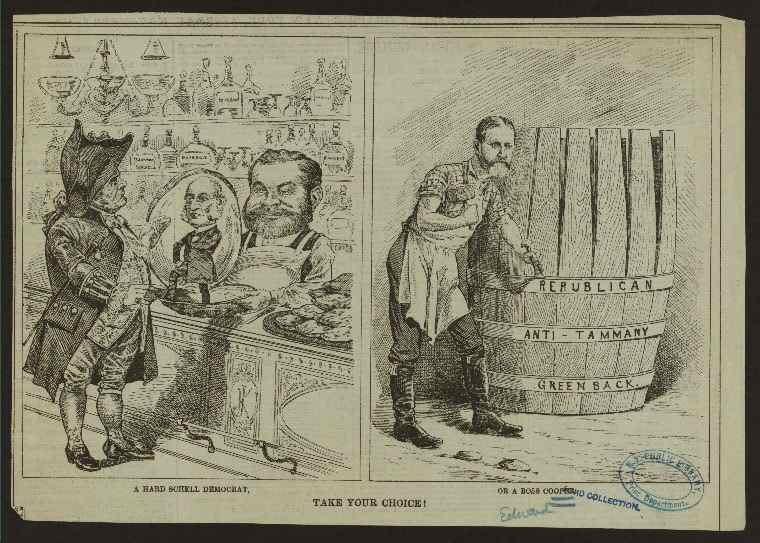
Morrissey ran for state legislature defeating Tammany stalwart August Schell. August turned around and ran for mayor, but this time it was Edward Cooper who defeated him in the fall of 1878. (Ironically, Cooper had to cull together a coalition of Republicans and anti-Tammanys in order to claim victory.)

Below: the electoral decision between Schell and Cooper, as seen through the satire a political cartoon.

The conflict above between Morrissey and Kelly deserves some greater inspection in this column at a later date. Only know that it was John Kelly’s ascension into the comptroller seat before Cooper became mayor that basically ensured Cooper would not be any kind of an effective mayor at all.

Most of Cooper’s time was spent in political infighting, and his prime objective — to reform the corrupt police department — was continually met with criticism, mostly led by Kelly.

Let’s just say, Kelly and Cooper really didn’t get along. Or, in Kelly’s own words, “Let, Edward Cooper, that infamous hypocrite who occupies the Mayoralty chair know that, after his betrayal of the Democracy, he is no nearer Heaven, nor Samuel Tilden near the White House, than they were before!”

Interestingly, Cooper is front and center of a small but precious moment in New York history: the debut of Cleopatra’s Needle, the 3,500 year old obelisk from Egypt planted in Central Park on Oct 9, 1880.

Near the end of his life, Edward would take another, more familiar and far less strenuous office — the president of Cooper Union — in 1898. He died seven years later, in 1905.

Run DMC and the Revolution: Historic Hollis, Queens

It’s like that: Rap pioneers and proud sons of Queens

NAME THAT NEIGHBORHOOD Some New York neighborhoods are simply named for their location on a map (East Village, Midtown). Others are given prefabricated designations (SoHo, DUMBO). But a few retain names that link them intimately with their pasts. Other entries in this series can be found here.

WHERE: HOLLIS — in the southeastern section of Queens. It’s next to the much larger Jamaica, a neighborhood with an even stranger origin to its name

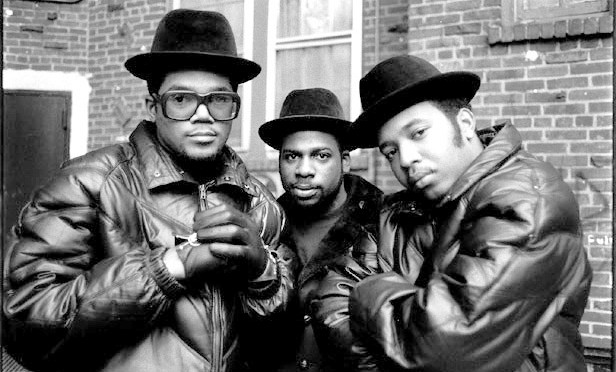
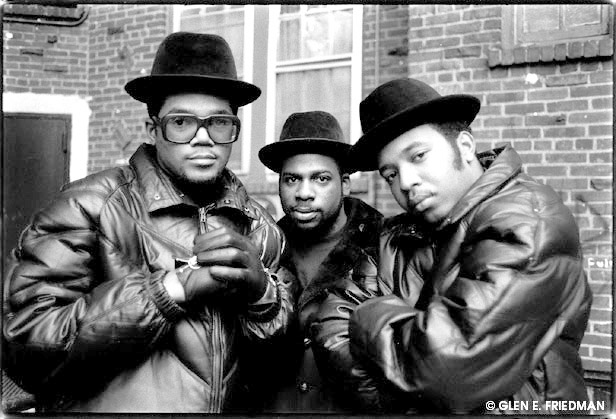
This Saturday the hip hop supergroup Run DMC will be inducted into the Rock And Roll Hall of Fame, representing Queens and specifically the neighborhood of Hollis. What may have been an average neighborhood under normal circumstances has become one of the birthplaces of hip hop, starting with music mogul Russell Simmons and his younger brother Joseph, the Run of Run DMC, and continuing today with current hip hop star, Hollis native Ja Rule.  Run DMC even immortalizes Hollis in their unusual holiday classic “Christmas In Hollis.”

Icons of a major musical movement, emanating from such a saccharine sounding community? But Hollis disguises some rather tragic moments in Queens history, its roots reaching all the way back to a horrifying, bloody moment of the Revolutionary War.

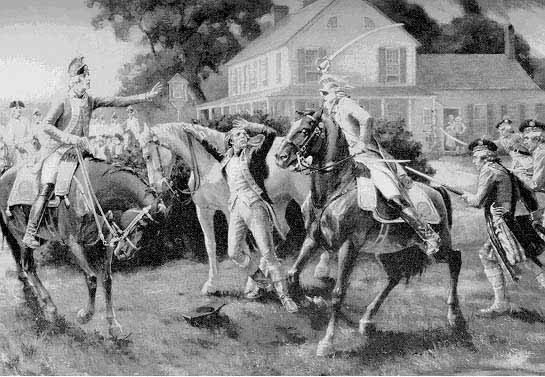
In a story now steeped in legend, it was here along the Jamaica road — back when Hollis was mere uninhabited hillside — that one of the Continental Army’s great generals Nathaniel Woodhull was brutally tortured by British soldiers.

Woodhull was in charge of the Queens and Suffolk county militias when the British invaded Brooklyn, spreading out along the countryside, pushing back Washington’s men, surging towards an invasion of Manhattan island. On that fateful day in August 27, 1776, however, Woodhull and his men were busy herding Brooklyn’s cattle east into Queens, ensuring the British had little to eat when they arrived.

While stranded at a tavern on Jamaica road (today’s Jamaica Avenue) near the center of today’s Hollis, Woodhull was captured and, as legend goes, forced to swear allegiance to England. Instead of “God Save The King” however, Woodhull allegedly cried, “God Save Us All!” For his defiance he was mutilated by British soldiers and died a few days later.

Below: Woodhull receives his mortal blow at Carpenter’s Tavern

This bucolic land outside of the town of Jamaica would not see much excitement for the next 100 years, the quiet hills and farms being referred only as East Jamaica, the memories of Woodhull’s sacrifice its only legacy.

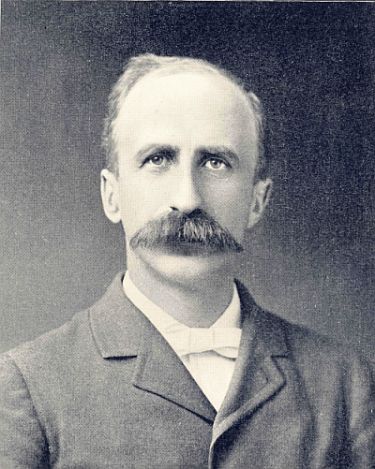
Then came Freddy. That would be Frederick W. Dunton (pictured at right), a young, ambitious and handsomely mustachioed man born with the benefit of calling the president of the Long Island Railroad, during the days of its unprecedented growth, his beloved uncle. 

Dunton was raised in the New Hampshire town of Hollis and obviously thought the most of it. When he went off to pursue his own real estate development in Long Island in 1884, he grew fond of this hilly area outside of Jamaica and, as an ardent history geek himself, most likely reveled at its importance in Revolutionary War history. He built his house here on a hilltop, sold plots to his friends and called the surrounding development Hollis and Holliswood — because there’s no place like home, right?* 

He also bought and named a community after himself — the now-vanished Dunton, which was later absorbed into today’s Richmond Hill neighborhood. (Ken Bausart does some fascinating detective work in digging up the back story.)

Apparently, Frederick is equally as known for something a bit more scandalous — a headline grabbing grand larceny trial in 1896.

The area developed slowly into a comfortable middle-class neighborhood, experiencing a bit of scandal now and then, as when Hollis Hall, Dunton’s old home in Holliswood, allegedly became a speakeasy during Prohibition. (An apartment complex stands in that spot today.) Hollis grew slowly and steadily, from 4,000 people in the 1920s to 31,000 people today.

Russell and Joseph were raised here in the 1960s, soon teaming with Darryl “D.M.C.” Matthews McDaniels (born in Hollis in 1965) and the late Jam Master Jay** (who moved here in the 1970s), performing together for the first time in 1980. Within four years, they would become rap music’s ambassadors to the world, the first rap act played on MTV, selling millions of records and paving the way for mainstream hip hop culture. God save us all.

(Frederick’s picture courtesy Dunton.org)

*  Okay, but if Hollis, Queens, got its name from Hollis, New Hampshire, then where did they get it from? Hollis is a vestige of British occupation of the entire region. British governor Bennign Wentworth gave the settlement the name Hollis in 1746, after one of his more colorful ancestors John Holles, the Earl of Clare. Holles was actually one of England’s wealthiest men ever; in today’s currency, his estate would be worth 5.1 billion pounds.
**Jam Master Jay, aka Jason Mizell, was also shot and killed in Hollis in 2002
Categories
Women's History

The 25 Most Influential Women in New York City history


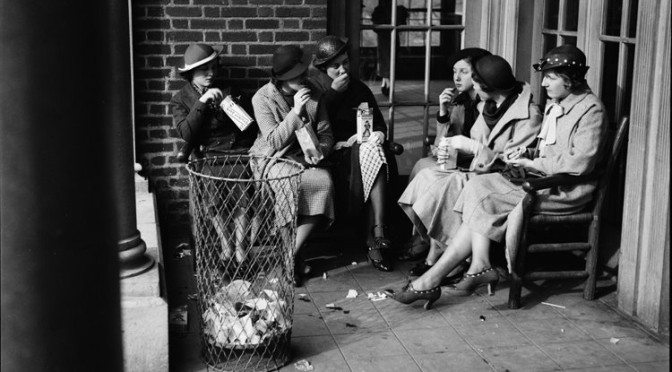
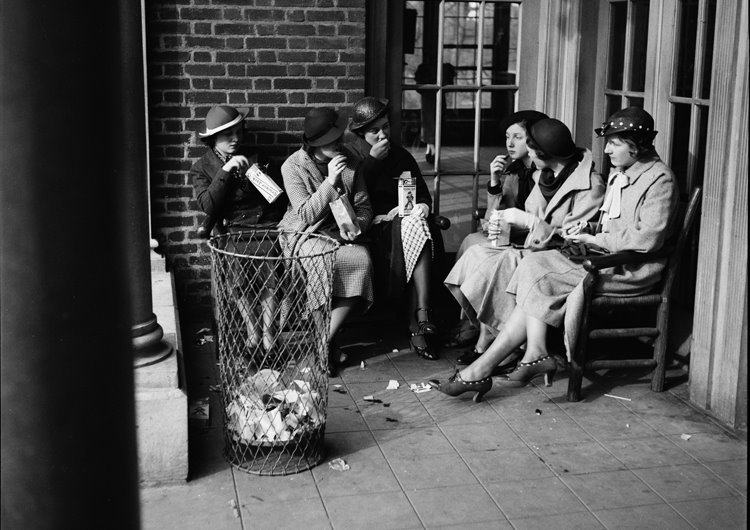
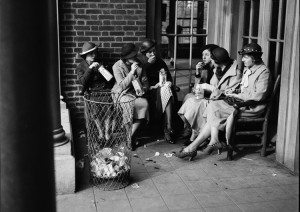
ABOVE: These are the ladies who lunch in Prospect Park 1935

We talk about a lot of white men on the Bowery Boys podcast. When discussing the mainstream history of the city, it’s pretty unavoidable. Men had the money, the power, the influence. Not to mention most of the corruption, the crime, the scandal.

So as Women’s History Month draws to a close (okay, I’m one day late), I thought I’d make a very opinionated list of the 25 women who made the biggest impact to the city of New York, at least as seen by this humble blogger and podcaster.

There have obviously been many, many New York-based women whose contributions changed the country and the world. There are your feminists (Elizabeth Cady Stanton), your activists (Ella Baker), your entrepreneurs (Estee Lauder), your tastemakers (Diana Vreeland) and your entertainers (Madonna).

But these 25 helped shape the actual city itself. The neighborhoods, populations and culture, to be sure. But most importantly, they each effected perceptions of the city, both to its residents and outward to the world. (Thus, for instance, you’ll note my heavy emphasis on preservationists.)

This is not an ultimate list. I obviously do not know the impact of every woman who ever lived in New York City. Many women communicated power through wealth and property; I don’t have the social register from every season and cannot gauge the influence of every bold-faced name. These are just 25 that have crossed my path since we started the Bowery Boys that I just wanted to celebrate today.

I’ve obviously missed out on a few, so if you have a particular favorite that’s missing, please put them in the comment section. At the bottom I have a list of ladies that made my personal honorable mention. So here we go!

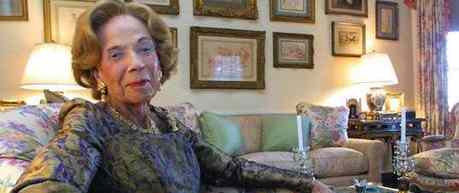
Brooke Astor (1902-2007)
Philanthropist

She was the last of the socialites, as they say. The queen of old American money, for 105 years Astor ruled as the last official vestige of one of Manhattan’s wealthiest families, setting a standard for philanthropy and sadly leaving an uncertain legacy amid scandals involving her heirs.

Power is the ability to do good things for others. — Brooke Astor
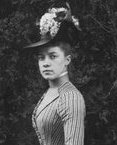
Alice Austen (1866-1952)
Photographer

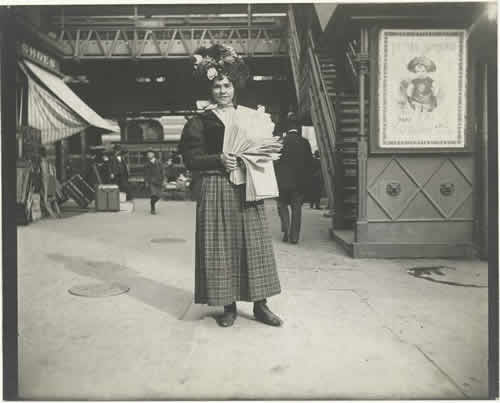
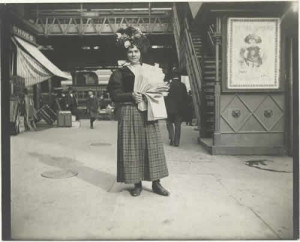
Few saw the Gilded Age city quite as Austen did, a Staten Island native who captured the beauties of New York, the horrors of Ellis Island’s quarantine station, and the wonders of the world, but probably took her best shots from her own backyard at Clear Comfort, in Rosebank, SI.

Below: a girl newsie in 1896, as captured by Austen
Nellie Bly (1864-1922)
Journalist
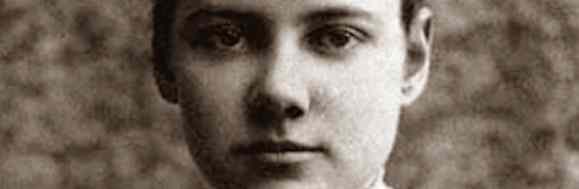
Her bravery, curiosity and outright nerve made her a writer of international fame, one of the first investigative journalists in the age of sensational journalism. But the story that put her on the map was her undercover expose at Blackwell’s Island, ripping open the abuses of New York’s island of untouchables, changing how the city thought about both the infirm and the incarcerated.
Could I pass a week in the insane ward at Blackwell’s Island? I said I could and I would. And I did. — Nellie Bly
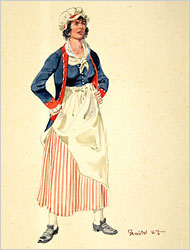
Margaret Corbin (1751-1800)
Revolutionary
Things were so precarious in the fall of 1776, the dawn of the Revolution, that anyone who lived in New York might have turned the tide of war. Many women did their part to battle the British, from Mary Lindlay Murray the to the mysterious Agent 355, a shrouded spy among the British. But Corbin is notable not just for particular bravery but for sacrifice; she continued to lob cannon fire at the British from Fort Washington in today’s Washington Heights well after her husband was killed. Corbin herself was later imprisoned by the British. Today the street along Fort Tryon is named for her.
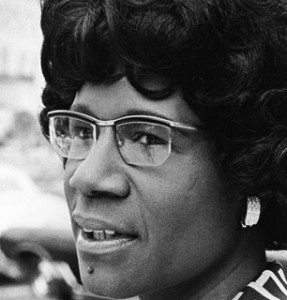
Shirley Chisholm (1924-2005)
Trailblazer
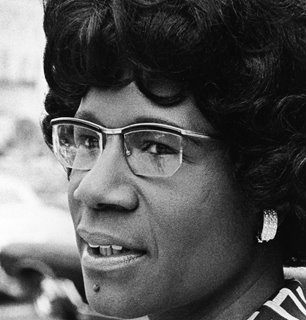
The pride of Bedford-Stuyvesant maneuvering through the precarious world of New York politics, Chisholm won a seat in the state legislature in 1964 but always dreamed to represent Brooklyn on a national level, in the U.S House of Representatives. She finally got her wish to represent her neighborhood when redistricting lines were finally redrawn — finally allowing a black candidate to run (and win) in a largely black community — and won her seat in Congress in 1968. Shirley never disguised her ties to her beloved Brooklyn neighborhood, even as a candidate for president of the United States.

That I am a national figure because I was the first person in 192 years to be at once a congressman, black and a woman proves, I think, that our society is not yet either just or free. — Shirley Chisholm
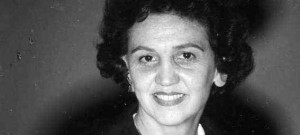

Margot Gayle (1908-2008)
Community leader

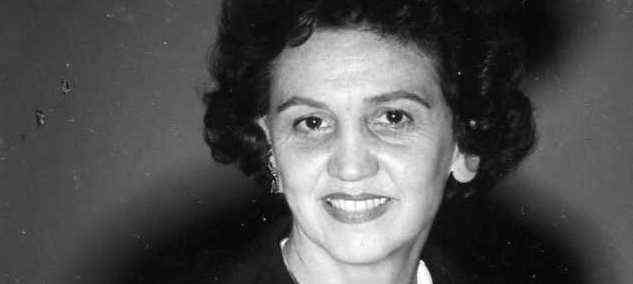
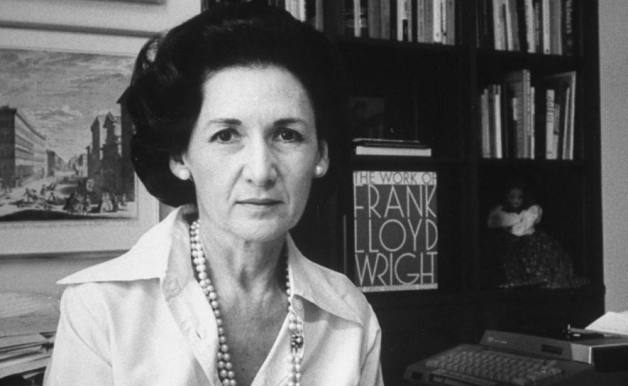
Gayle, who died last year at age 100, loved her Victorian architecture and in particular cast-iron, the antiquated style of downtown New York warehouses. Seeing destruction imminent, she decided to save what she considered one of the city’s most neglected treasures. Forming her first community group in the 1950s to save castle-like Jefferson Market Courthouse, Gayle galvanized a grassroots architecture movement.

There might be no SoHo without Gayle; as a campaigner, her work in saving and preserving this heretofore disregarded part of downtown led to one of Manhattan’s great neighborhood success stories. The SoHo Cast Iron Historic District exists due to her efforts. And, more importantly, her work became a template for how future neighborhoods could be revitalized. (Read her Times obituary here).
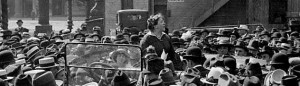

Emma Goldman (1869-1940)
Agitator

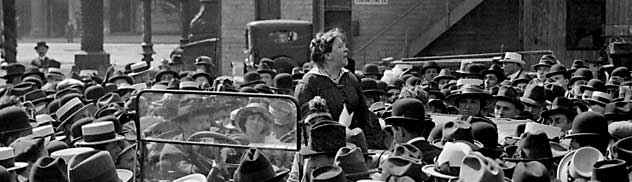
Probably the most influential anarchist in American history, Goldman promoted the rights of workers and upended the role of women in New York politics. The Russian-born activist made her name on the streets of Manhattan, stirring Bohemia and workers alike, butting heads with most of New York’s leading industrialists in the process.

Her views are controversial, often horrifying by today’s standards. (She once ordered the assassination of Henry Clay Frick, for instance.) But her powers as an orator and rabble-rouser are unquestioned; her stirring words in Union Square (pictured above) during the panic of 1893 gave voice to the outrage of the city.

If voting changed anything, they’d make it illegal. — Emma Goldman
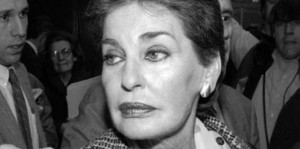

Leona Helmsley (1920-2007)
Magnate

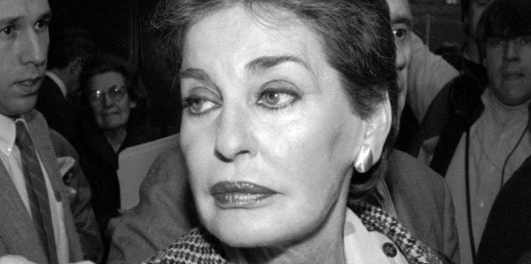
Leona and her husband Harry reigned over a vast Manhattan empire of highrises and hotels, permanently changing Park and Madison avenues, helping transform New York into a city of condominiums. Her status as the Queen of Mean also formed the modern caricature of overbearing and out of touch wealthy elite. Later convicted of tax evasion, Leona died in 2007 a laughing-stock. (That Suzanne Pleshette film didn’t help either.) But her reach extends through many of the city’s great iconic buildings, including the Empire State Building, which she and her husband once managed.
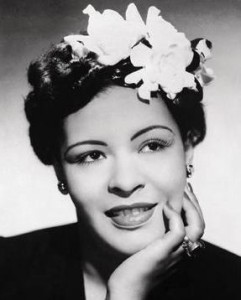
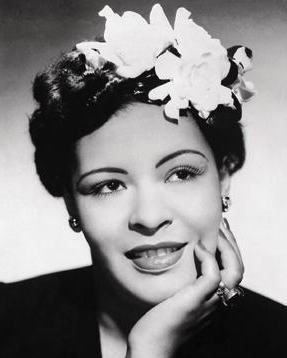
Billie Holiday (1915-1959)
Chanteuse
Of all the thousands of entertainers that have left their imprint on the city, Holiday’s is the one that makes the deepest impact. Her entire story — her birth, her rise to fame, her indiscretions and her tragic death — takes place in New York. Her greatest performances electrified and reshaped race assumptions in 1930s and 40s nightlife; legendary nights at places like Cafe Society ensured entertainment would no longer be strictly a black and white affair. Her performance style is emulated nightly in cabarets and clubs throughout the city.
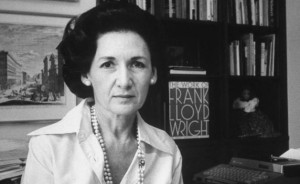
Ada Louise Huxtable (1921-2013)
Critic
She is the best known woman in twentieth century architecture, and she isn’t even an architect. It’s hard to analyze the history of any building without first checking in with Ada to see what she has to say on the matter. Her writing is elegant, persnickety, direct and affectionate to architectural aesthetic as a whole, and New York City in specific. As a writer for the New York Times and Wall Street Journal, Huxtable directed New York’s architecture scene from behind her desk, excoriating designers for excess or dullness, praising beauty when it improved the city’s legendary skyline.

I like old buildings that are intriguing and quite wonderful but don’t make the history books. What you discover is there’s a little group of people that have been admiring them quietly by themselves all along. — Ada Louise Huxtable
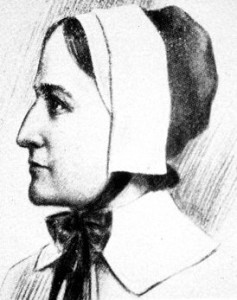
Anne Hutchinson (1591-1643)
Dissident

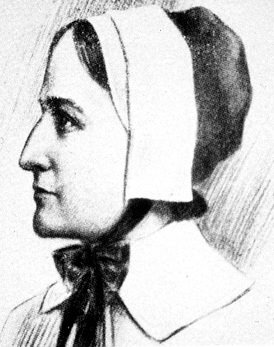
Escaping persecution in both Puritan Massachusetts and Rhode Island, religious revolutionary Hutchinson and her followers settled in today’s area of the North Bronx in the 1640s, one of two significant female leaders in the early New York area. Although she was later murdered — Lenapes wiped out the settlement in 1643, a victim of New Amsterdam’s persistent conflicts with native tribes — she still leaves her mark today. The Hutchinson River and Parkway both carry her name.
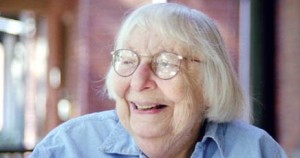

Jane Jacobs (1916-2006)
Community defender

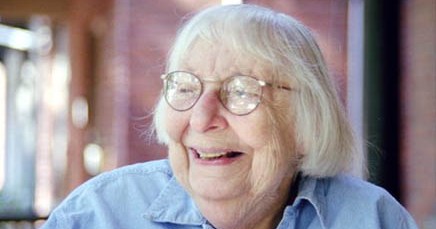
Her theories on urban life have benefited many North American cities, but it was her struggles to save neighborhoods from Robert Moses and the rise of car culture in the 1950s and 60s that make her most influential today. The entirely of downtown Manhattan has her to thank for fighting back — and ultimately defeating — Moses’ destructive Lower Manhattan Expressway proposal. The theories described in her classic “Death and Life of Great American Cities” were shaped from observing life from her window at 555 Hudson Street in the West Village.

Cities have the capability of providing something for everybody, only because, and only when, they are created by everybody. — Jane Jacobs

Lady Deborah Moody (1586 – 1659)
Founder
The British-born Moody, like Hutchinson, took to the unknown when persecuted for her religious beliefs. With the permission of William Kieft, the “dangerous” Moody set up the colony of Gravesend in 1645, becoming the first female founder of an American colony. Gravesend was one of the original towns of Brooklyn and is still the name of a south Brooklyn neighborhood today.


Jackie Kennedy Onassis (1929-1994)
Icon

Settling in New York after the deaths of two husbands, Onassis was the biggest bold-faced name in the city, famously suffering the intrusive effects of paparazzi. However she used her headline grabbing name wisely as a member of the Municipal Art Society, helping defend Grand Central Station, Columbus Circle and Staten Island’s Snug Harbor from modification or outright destruction. The Central Parks reservoir is named in her honor, and MAS gives out a yearly Jackie Kennedy Onassis Medal to noteworthy New Yorkers. (Margot Gayle received it in 1997.)
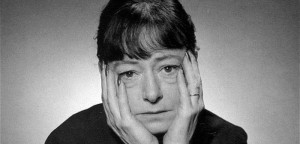
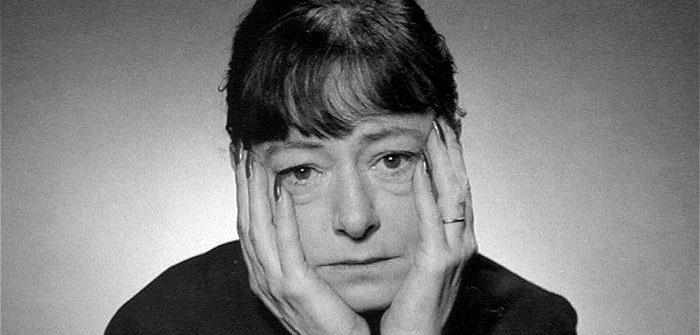
Dorothy Parker (1893-1967)
Wit

As doyenne of the Algonquin Round Table, Parker had the sharpest friends in town in the 1920s. Her droll charm helped create the archetype of New York caustic intellectualism, something Woody Allen, Fran Lebowitz and an entire culture of New Yorker readers can well recognize.

I’d rather have a bottle in front of me, than a frontal lobotomy. — Dorothy Parker
Abby Aldrich Rockefeller (1874-1948)
Collector

She could very well have stayed in the sidelines with the other spouses of multi-millionares. But Abby’s tastes and passions for modern art led her to an astonishing collection she kept on an upper floor of her townhouse, away from her husband J.D. Rockefeller Jr., who didn’t much care for those odd little pictures. Years later, that townhouse would give way to Abby’s pet project, the Museum of Modern Art, one of the most influential galleries for 20th Century art. Her memory is kept alive at the museum with the Abby Aldrich Rockefeller Sculpture Garden.
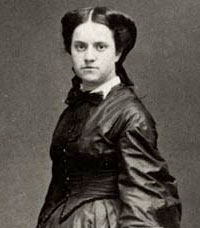
Emily Warren Roebling (1843-1903)
Bridge Builder

Construction on the Brooklyn Bridge had barely begun when her husband and master engineer Washington Roebling came down with crippling symptoms of the Bends. Emily at first operated only as his eyes and ears, but soon grew into the role of leading the completion of New York’s first great bridge. Ceremonially, she was the first person to cross it.
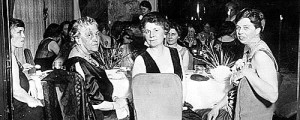

Eleanor Roosevelt (1884-1962)
World Leader

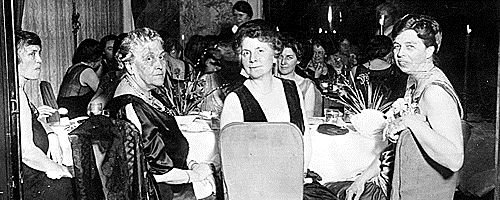
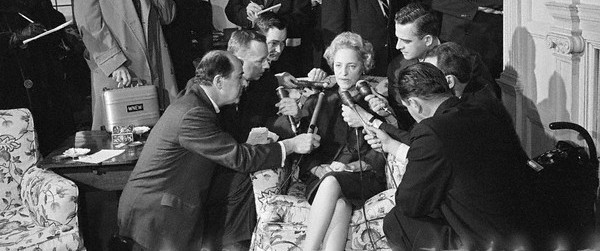
One of the most powerful American women to have ever lived was a New Yorker through and through. Her aristocratic name may have opened doors for her early on, but her compassion and ingenuity would soon set her apart, first as a social worker in Manhattan slums, then as the spouse of a governor and president. She returned to New York after FDR’s death to become a U.S. delegate to the United Nations. (Above: Eleanor with New York City society women.)

Beautiful young people are accidents of nature, but beautiful old people are works of art. — Eleanor Roosevelt
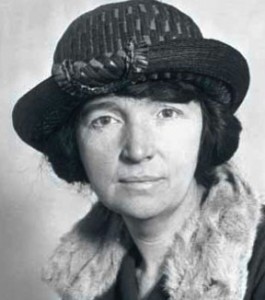
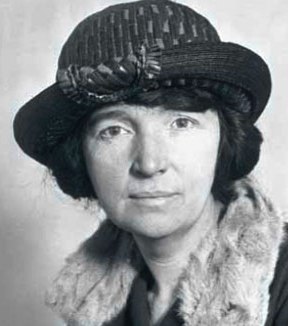
Margaret Sanger (1879-1966)
Rebel

Her influence in the fields of reproduction and birth control would eventually go global, but all nurse Sanger really wanted to do at first was help out women in the Lower East Side. From her work in the slums, Sanger believed radical action was neccessary to control the rising tide of pregnancies, leading to larger families and greater poverty. In 1917 she opened New York’s first birth control clinic in Brooklyn and was promptly thrown in jail. Ten years later, her innovations as an educator in birth control — she’s the mother of Planned Parenthood! — would catch on worldwide.

During these years in New York more and more my calls began to come from the Lower East Side, as though I were being magnetically drawn there by some force outside my control. — Margaret Sanger
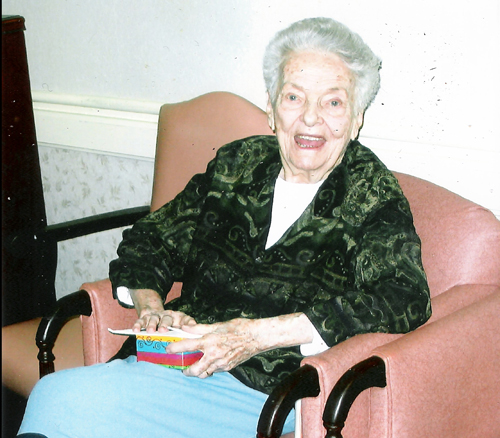

Verna Small (1916-2008)
Preservationist
Small is the queen of Greenwich Village, a fiesty, often poetic community leader who provoked residents into lobbying for historic preservation. She organized or led one group after another, all in an effort to preserve the remainder of the Village before developers could sweep it away. She succeeded. Today it seem impossible that the Village was ever in that much danger at all. Her many years with the Landmarks Committee in the 1980s assured the rest of the city would benefit from her tender loving care.

The attitude of the Village was ‘We’ve got to catch up with Brooklyn Heights!’ — Verna Small
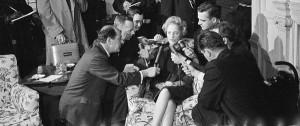

Dorothy Schiff (1903-1989)
Publisher
Native New Yorker Schiff owned the New York Post from 1939 to the 1970s and eventually shaped its editorial policy as publisher, the first New York woman to do so. Her stinging, left-leaning views and saavy tastes for great writers turned the once tame newspaper into the city’s most successful tabloid. Her sudden decision to sell it to Rupert Murdoch in 1976 led to the decidedly different, far more sensational Post we’re familiar with today.
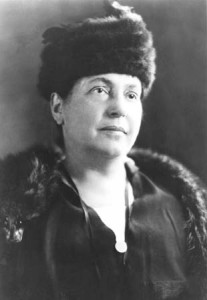
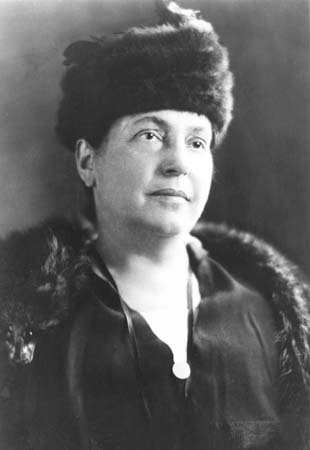
Lillian Wald (1867–1940)
Social Worker

The patron saint of the Lower East Side, devoted nurse Wald helped found both the Henry Street Settlement and the National Association for the Advancement of Colored People. Her desire to help New York’s poorest consumed her life. Her altruism helped save thousands of lives and set the standard modern social work and nursing. If that isn’t enough, her innovations from everything to playgrounds and school lunch programs redefined New York education and reverberated throughout America. Um, what have you done today to help your fellow man?
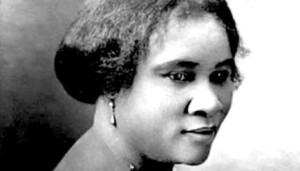
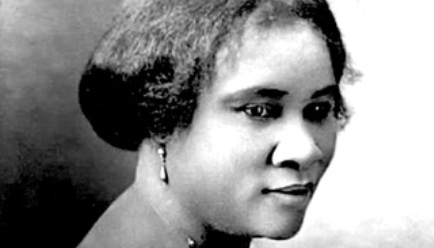
Madam C.J. Walker (1867-1919)
Tycoon

Walker, a self-made entrepreneur and hair product queen, was the richest and most powerful woman in Harlem, during the neighborhood’s pivotal years of growth in the dawn of the Harlem Renaissance. (Some sources say she was America’s first female millionaire.) She shattered color and gender barriers, employing hundreds of other black women and eventually leaving most of her wealth to notable African-American organizations. Walker’s daughter A’Lelia was a patron of many great writers of the Renaissance era.

And her name? She was once married to a man named Charles Joseph Walker; he left in 1910, but the C.J. — and the Madam — stayed.
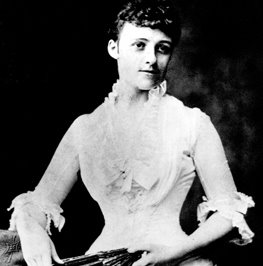
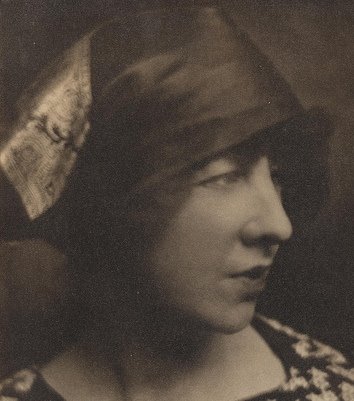
Edith Wharton (1862-1937)
Observer

Wharton was a woman of ultimate privledge in Gilded Age New York but had an uncanny ability to describe it. Our notions of what upper-crust New York was at this time are shaped in part by her novels and short stories. Her creations Lily Bart and the Countess Ellen Olenska are still the best evidence we have of the absurdities and restraints upper-class New York.

A New York divorce is in itself a diploma of virtue. — Edith Wharton
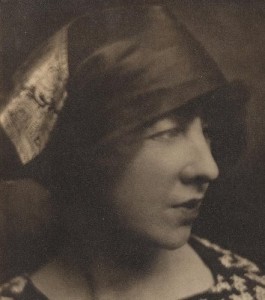
Gertrude Vanderbilt Whitney (1875-1942)
Patron

Gertrude, the daughter of Cornelius Vanderbilt, turned her powerful name, untold wealth and fascinations with art into an endeavor that would benefit the general public, eventually founding the Whitney Museum in 1931. But unlike Abby Rockefeller, Whitney actually was an artist herself, a sculptrress and a habitue of turn-of-the-century Greenwich Village bohemia. Gertrude’s daughter Flora Payne Whitney would go on to head her mother’s museum for decades.

And 25 more that I didn’t get to write about this time around:

Society ruler Caroline Webster Schermerhorn Astor, aka THE Mrs. Astor, civil rights organizer Ella Baker, photographer Margaret Bourke-White, journalism pioneer Jane Cunningham Croly, interior decorator and culture hound Elsie de Wolfe, feminist march organizer Betty Friedan, Brooklyn community activist Rosetta “Mother” Gaston, dance icon Martha Graham, New Yorker co-founder Jane Grant, art aficionado Peggy Guggenheim, speakeasy queen Texas Guinan, Harlem Renaissance writer Zora Neale Hurston, daring socialite Eliza Jumel, film critic Pauline Kael, restauranteur Elaine Kaufman, survivor Tricia Meili, mayoral candidate Ruth Messinger, superstar and parks lover Bette Midler, 19th Century philanthropist Anna Ottendorfer, politician Francis Perkins, abortionist Madame Restell, Central Park maven Elizabeth Barlow Rogers, presidential mom Sara Delano Roosevelt, wealthy suffragette Alva Vanderbilt, Village defender Ruth Wittenberg and grand rebel-rouser Victoria Woodhull

Categories
Podcasts

The Whyos: Gang of New York – PODCAST

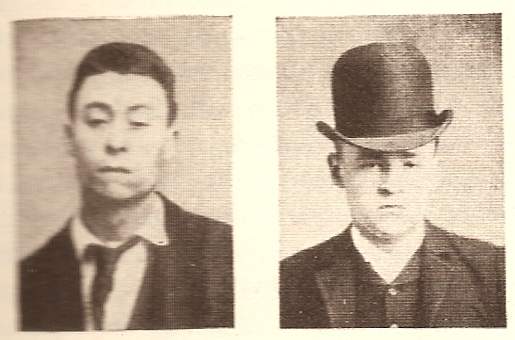
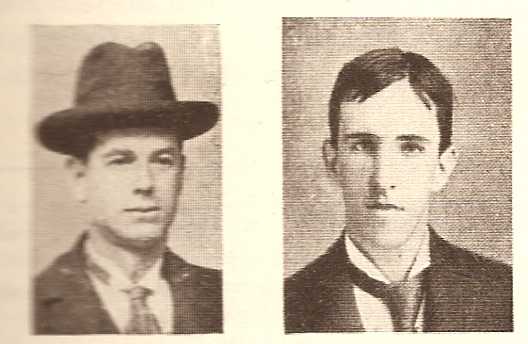
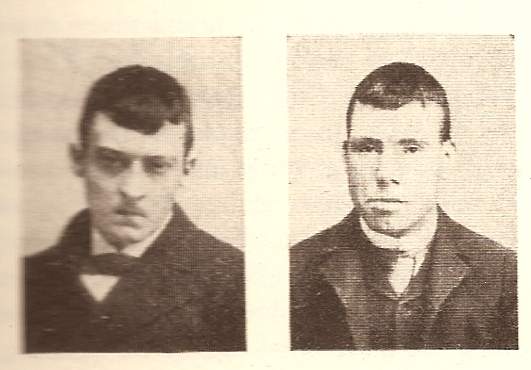
Faces of the Whyo Gang: Googy Corcoran, Clops Connolly, Big Josh Hines and Baboon Connolly

PODCAST: The Whyos (pronounced Why-Ohs) were New York’s most notorious gang after the Civil War, organizing their criminal activities and terrorizing law abiding citizens of the Gilded Age. Find out when they lived, how they broke the law and who they were — from Googie Corcoran to Dandy Johnny, as well as two particularly notable guys named Danny.

ALSO: How much does it cost to have somebody’s ear bitten off?

Below: Bull Hurley and Dorsey Doyle
Categories
Uncategorized

Beware the Forty Thieves, very first gang of New York

Above: the crowded streets of Five Points, where the Forty Thieves first made mischief

What does it mean to be the ‘first’ gang in New York? Most likely, it means you weren’t really the first. Just the first to be caught at doing it.

New Yorkers seem to create a grim romanticism around 19th century gang life because the underworld they lived in seem increasingly more exotic. They were unofficial rulers of neighborhoods vastly changed today. Hell’s Kitchen. The Tenderloin. The sleazy Fourth Ward.

And of course Five Points, the centerpiece of the Sixth Ward. That’s where New York’s first recorded gang, the Forty Thieves, got their start, in the back room of the ‘grocery store’ owned by one Rosanna Peers.

No evidence remains of what Rosanna might have looked like, but gather together what you will from the evidence. Selling hard liquors along with “brown-streaked cabbages and tattered lettuce,” Rosanna’s establishment was ostensibly the first bar on Centre Street in 1825, and would certainly not be the last.
I wouldn’t exactly lionize her abilities, but you can’t say she wasn’t an entrepreneur of sorts. The cheapness of her “rutgot rum” attracted the most charming thugs and pickpockets in the city, and soon they formed a merry band of crooks, watching each other’s backs, delineating common territory, and sharing their ill-gotten wealth. The Forty Thieves — almost all Irish immigrants and almost certainly more than forty — would grow to terrorize the streets of downtown New York for over 25 years.
Their first leader was Edward Coleman who must have some certain gruff charm as he gathered up teams of dime criminals for more elaborate jobs, including staking out this corner of Five Points, defending it from rivals. His organization included a rather strict quota system, where members had to bring back a certain amount of stolen goods or be thrown out. Rejects were either disposed of or fled to join rival gangs that soon organized in other neighborhoods.

Coleman would lead until 1838, when he violently beat and killed his wife, a ‘hot corn’ girl who had brought back inadequate wages from a day’s work. This heinous crime earned Coleman the distinction of being the first man hung in the newly built Tombs prison, just a few blocks away.

The Forty Thieves lived on without him and were such a successful organization that they recruited younger delinquents for a specialized Forty Little Thieves, filthy tots from the street of Five Points dispatched like ruddy faced Oliver Twists to pick pockets and troll the streets for law enforcement.

They fade away into New York history, breaking off and joining other, more powerful and more politically connected gangs. They were only the seed of lawlessness in a neighborhood that would soon grant a wretched neighborhood its rather notorious status today.

As for Ms. Peer, she apparently felt no ambivalence about her clientele; another early Five Points gang, the Kerryonians, also used her rum-filled backroom as a headquarters. The Kerryonions, comprised specifically of Irish immigrant men from the county Kerry, were less terrifying than the Forty Thieves — unless you were British, whom they reserved a special hatred for.

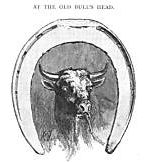
Bull’s Head Tavern: treating you like cattle since 1755


To get you in the mood for the weekend, every other Friday we’ll be celebrating ‘FRIDAY NIGHT FEVER’, featuring an old New York nightlife haunt, from the dance halls of 19th Century Bowery, to the massive warehouse clubs of the mid-1990s. Past entries can be found HERE.

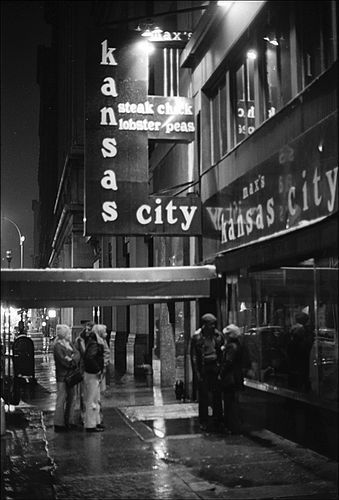
Last time around, I wrote about Max’s Kansas City, a steakhouse that served up a side of punk and pop celebrity like a glamorous cattle call. It has a few things in common with another centerpiece of social life that attracted a few of New York’s boldfaced (in this case, Washingtons and Astors), combining truly Revolutionary business with pleasure. And it had plenty of red meat, of the pre-prepared variety.

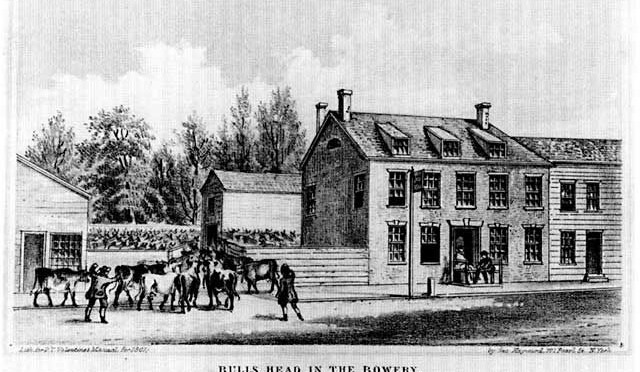
The Bull’s Head Tavern was the gathering-place for farmers, drovers, and merchants in the 18th century, located well outside city boundaries just east of Collect Pond. (At the Bowery, right at the entrance to the Manhattan Bridge.)

It soon became the center of Manhattan’s entire meat selling and rendering industry, with the area surrounding the nearby Collect overrun with tanneries and slaughterhouses. As the Bull’s Head was also located right on the Boston Post Road (later the Bowery), situated at a crossroads of livestock yards and stables, it became an ideal place for both commerce and carousing.

The Bull’s Head was in operation as early as 1755, enjoying business as “the last halting-place for the stages before entering the city.”

Within the next few decades, industry enveloped the area, transforming the Bull’s Head into a cattle market, with pens adjoining the main building where farmers from the surrounding area herded their best specimens for sale. Inside the tavern became a literal stock market, with transactions, news and gossip being shared over brew and a hot meal. Those who lingered well into the night sometimes played a strange game called crack loo — often gambling away any profits they might have made earlier in the day. Out in the pen, dog fights and “bear baiting” sometimes occured as entertainment.

As Washington Irving describes, at the Bull’s Head he would “hear tales of travelers, watch the coaches and envy the more pretentious country gentlemen in Castor hat, cherry-derry jackets and doeskin breeches.”

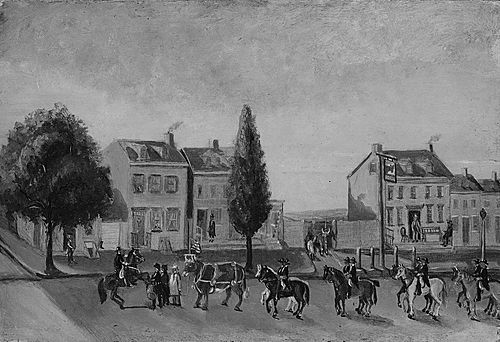
On November 25, 1783, Evacuation Day, the Bull’s Head entered history. As the British fled New York that day, George Washington and his entourage met at the Bull’s Head, preparing themselves for their triumphant entry into town. Governor George Clinton and over 800 uniformed troops and townfolk gathered right outside, preparing for the procession.

Henry Astor, the older brother of John Jacob, stepped in as owner of the Bull’s Head in 1785. Already an accomplished butcher, Henry served his “celebrated cuts of meats” and often outpriced his own clientele when a particularly choice herd of cattle came travelling by.

Of course, New York was outgrowing its old boundaries by then. By 1813, Collect Pond had been drained and high society eyed the Bowery, sweeping away the filthy stockyards and factories to construct homes, shops and theatres. Moving with the changing times, some civic minded businessmen bought out Astor and moved the Bull’s Head somewhere safely outside the city — this time at 3rd Avenue and 24th Street!

In 1830, this new location fell into the hands of young rancher and entrepreneur Daniel Drew, who turned the tavern into a sort of bank, marketplace and social club for local cattlemen, upgrading the establishment and building his own reputation as a saavy financier.

As this time, according to an old history, “various types of men mingled in the bar-rroom of the Bull’s Head, from the rough country man to the speculative citizen, butcher and horse-fancier. Plain apple-jack and brandy and water… were the principal liquors passed over the bar. Guests were so numerous that at the first peal of the dinner-bell. it was neccessary to rush for the table or fail miserably.” And of course, after hearty meal and vigorous drink, came the gambling, “throwing dice for small stakes.”

Drew eventually went on to become a steamboat mogul. The site of the old Bull’s Head eventually hosted the notorious Bowery Theatre (built upon its old cattleyards), then the sumptuous Atlantic Gardens by the mid-19th century.  Drew’s uptown location on 24th, of course, caved in to a growing residential neighborhood. However, today there is a new Bull’s Head Tavern, at that exact location, that probably smells a lot better than the original.

And not to forget, there was also a Bull’s Head Tavern in Staten Island, at Victory Boulevard and Richmond Avenue. Built in 1741, this Bull’s Head was a popular destination for British-loving Tories before the days of the Revolutionary War. Before it was destroyed in a fire, “people from all over the country made special trips to the old house, just to see the famous Tory headquarters,” according to one old history.

The neighborhood that sprouts around that intersection at Victory and Richmond is named Bulls Head in the old tavern’s honor.

Mayor Cornelius Lawrence, son of Bayside

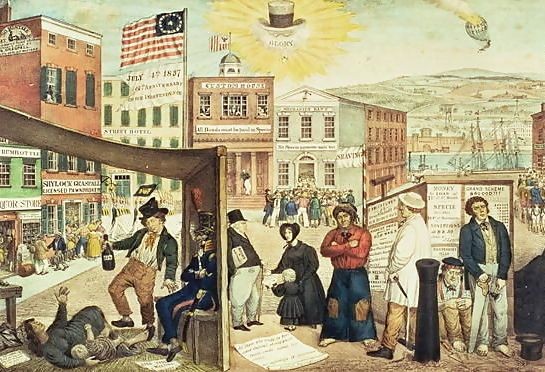
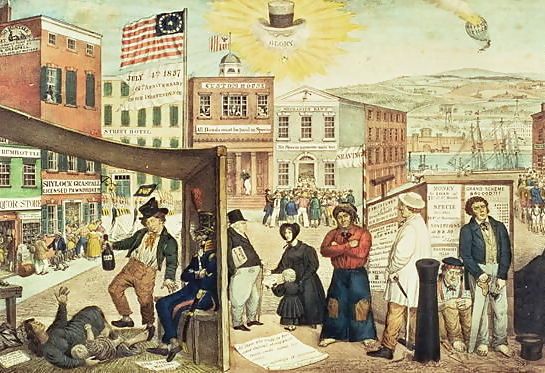
Above: New York by 1837 (in an painting by Edward Williams Clay) — a city surviving financial ups and downs, fires and water shortage, riots, cholera and the mayoralty of Cornelius W. Lawrence

KNOW YOUR MAYORS Our modest little series about some of the greatest, notorious, most important, even most useless, mayors of New York City. Other entrants in our mayoral survey can be found here.

Mayor Cornelius Lawrence

In office: 1834-1837

We’re going back to the era of the great fire one more time to take a look at the man in charge of the city during that time — Cornelius W. Lawrence, the first elected mayor of New York.

I couldn’t find any portraits of Cornelius, but I found something better: the following description from a mid-19th century journal: “…old Cornelius had the ice cream and strawberries of everything in life — in commerce, in politics, in wives, in finances and in religion….He had a peculiar way of carrying his spectacles in his hand, behind his back while he looked at all the pretty girls he met.”

But getting to that ‘ice cream and strawberries’ required surviving one of the most tumultuous city elections — and the subsequent years of trauma — that a New York mayor has ever had to endure.

Lawrence was born in 1791 in bucolic Bay Side(in the future Queens), a farm boy with big city intentions at an early age. He became entranced with the lucrative merchant culture of New York, working his way into his own dry-goods auction house, the firm of Hicks, Lawrence & Co. with the wealthy Quaker financier Willet Hicks and Lawrence’s brother Richard. Their auction house was at Pearl and Fulton streets (just off Schermerhorn Row near the South Street Seaport today).

Lawrence, a high-profile merchant by 1832, was also a politically ambitious Democrat and served two years as a state congressmen before turning to local politics at a uniquely opportune moment.

Before 1834, the position of mayor had been appointed by the Common Council of the city, an unelected job that was shaped more by the political favoritism of governors and city alderman (who were elected) than by any particular leadership characteristic. This was finally amended by New York state in 1834, allowing for the mayor’s job to be popularly elected. And, not surprisingly, that first election was an absolute, chaotic mess.

The long-established Democrats and a surging Whig party wanted to get their hands on this now attainable position. As a result, that election day, spring 1834, came with voter intimidation, massive fraud, and angry riots which overtook the polls, particularly in the volitile Sixth Ward. The Democrats had put up Lawrence to challenge the wonderfully named Gulian Crommelin Verplanck, a colorful poet and former Democrat. When the dust settled, the Whigs were victorious in a majority of alderman posts, but the Democrat came out on top as mayor — by a mere 180 votes!

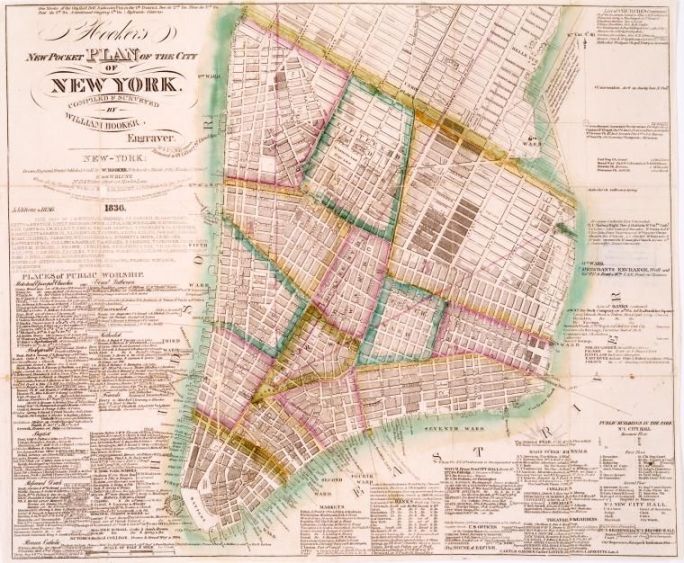
Below: New York in 1836, as per “Hooker’s new pocket plan of the city” (Click into it for a closer view)

Lawrence would be elected for three stressful one-year terms (spring 1834-spring 1837). At the very top of his to-do list was New York’s water supply. The new mayor had inherited a city quickly bursting with new residents and a paltry water supply so rancid and inadequete that one source blames it for the increase in public drunkenness. (Hey people have to drink something, right?)

Exacerbating the matter was the fear of disease. In 1832, his first year as congressman, New York was struck with a devastating cholera epidemic, killing hundreds; a lesser but no less dangerous sequel struck in 1834, just as Lawrence was getting comfortable at City Hall. And of course, the spectre of fire lurked, not just jeopardizing a highly flammable city, but Lawrence’s own fortunes: he controlled shares several fire insurance companies.

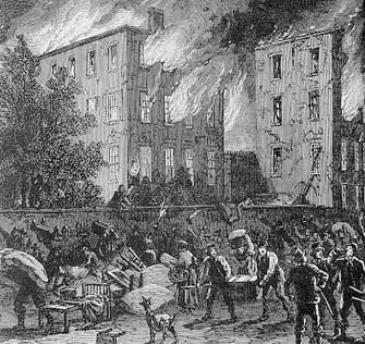
Plans for what would become the Croton aqueduct were well underwway when the Great Fire of 1835 devastated New York, destroyed the Merchant’s Exchange and potentially spelled doom for the city’s future. Lawrence himself lost thousands of dollars in shares, although his own auction house on Pearl Street had been spared.

The mayor and his entourage stormed down to Washington begging for aid for his beleagured city, to no avail. Fortunately, former mayor Philip Hone succeeded in persuading the state government to dole out millions in relief. Meanwhile, voters finally approved the construction of the aqueduct in 1836. Within the year New York experienced a burst of rapid reconstruction; the price of New York real estate post-fire soared to outlandish prices.

But fire and water weren’t Lawrence’s only distresses. Sometimes he had to fear his own constituents.

BELOW: Anti-abolitionist riots kept the city on edge during the 1830s

Pro-slavery sentiment among some New Yorkers culminated in a series of deadly riots in the 1830s, one during Lawrence’s first months as mayor, leading to the destruction of property owned by abolitionists and prominent businessmen Lewis and Arthur Tappan. Lawrence denounced the mob (after posing a threat to his wealthy friends) and ordered the National Guard to disperse them. Later, Tappen penned this mea culpa to the mayor, ensuring his good intentions, particularly the assurance that the abolitionists “will never, in any way, countenance the oppressed in vindicating their rights by resorting to physical force.”

Being a Democrat in the 1830s meant a marraige between the Jacksonian wealthy and a powerful Irish working-class, strange bed-fellows often culminating in disaster. At a New Years eve celebration at the mayor’s home in 1837, supporters stormed the doors, turning the home into a ‘Five Points tavern’ by one account. The police were summoned in an effort to clear away the mayor’s own supporters!

As if these catastrophic events hadn’t been enough, Lawrence was finally thrown out of the mayor’s seat due to the results of the greatest catastrophe of all — the Panic of 1837, a financial crisis that briefly shifted the city’s power from the Democrats to the Whigs. He was defeated by Aaron Clark, who would prove to be the only Whig mayor of the city.

Perhaps ready to move on anyway, Lawrence entered the world of banking in his later years, interuppted only by a four-year stint in a federal role under President James Polk as the Collector of Customs.

He lived his later years in the city in a home near Broadway and Worth Street, before finally retiring back to the family home in Flushing. He died in 1861 and you can conceivably still go visit him; he’s buried at the Lawrence family burying ground at 216th Street and 42nd Avenue in Bayside, Queens.

Thank you Bob. Thank you Gowanus Lounge.

We’d like to offer our condolences to the friends and family of Robert Guskind, the creator and wit behind Gowanus Lounge, one of the very best blogs about Brooklyn. When I began this site over 20 months ago, Guskind’s was one of the first that I linked to and read on a regular basis, admiring his observations of the culture, history and current events — not only on the quirky, misunderstood neighborhood of Gowanus, but the entire borough. It’s at times tart, always immediate, insightful and questioning.

Thankfully, after a technical glitch, the site is back up and I recommend you flip back to older posts. He had a particularly great ability to find photos of the most unusual corners of his home neighborhood. Flatbush Gardener has a links featuring other tributes to Bob and his work.

Categories
Uncategorized

Max’s Kansas City: New York’s celebrity steakhouse

To get you in the mood for the weekend, every other Friday we’ll be celebrating ‘FRIDAY NIGHT FEVER’, featuring an old New York nightlife haunt, from the dance halls of 19th Century Bowery, to the massive warehouse spaces of the mid-90s. Past entries can be found HERE.

At Max’s Kansas City, there was not a Max, and it wasn’t in Kansas City. What you would find, however, was the birth of celebrity nightlife in New York City, a collision of culture greats before they became cliches, glamour with a tattered cuff.

There were certainly nightclubs in downtown Manhattan that became magnets for revolutionary musicians and artists well before Max’s. But I maintain that no place organized and fetishized its celebrity clientele quite like this little club on 213 Park Avenue South (between 17th and 18th streets), providing canvas aplenty for Andy Warhol’s pop art crowd and underground music’s biggest pioneers. Nights at Max’s begat the culture of Studio 54.

Max’s was actually Mickey’s — Mickey Ruskin that is, a lawyer who opened a string of cafes and bars in the early 60s, eventually cultivating relationships with Greenwich Village artists and writers who would pop in to showcase their talents. His first, the 10th Street Coffeehouse (between 3rd and 4th Aves.), became a poets corner, with standing-room audiences listening to beat and experimental poetry. In another venture, a bar called the Ninth Circle, Ruskin began attracting painters and artists, quickly becoming, in his own words, one of New York’s leading “middle-class beatnik bars.”

Successfully moving from coffee to liquor, Mickey now wanted to try the restaurant business. He bought the failing Southern Restaurant near Union Square, and on December 6, 1965, transformed it into Max’s Kansas City.

The mysterious name purportedly comes from one of Ruskin’s more famous clients from the Ninth Circle, poet Joel Oppenheimer . According to a documentary on Max’s Kansas City, Oppenheimer heard Ruskin wanted to open a steakhouse and claims, “When I was a kid, all the steakhouses had Kansas City on the menu because the best steak was Kansas City-cut, so I thought it should be ‘something Kansas City.'”

Although people have suspected the ‘Max’ comes from fellow poet Max Finstein, Oppenheimer claims a more logical origin. “Wouldn’t you eat at a place called Max’s? I said, ‘Mickey, believe me, it’s Max’s Kansas City.’ Two days later, he called back again and said, ‘I don’t know why, but I mentioned the name to some people, and they all loved it.'”

Whatever the story, the restaurant soon became more known for its crowds than for its simple menu. All of Mickey’s writer and artist friends migrated to Max’s, a loyal crowd but not enough to keep the doors open. Then Andy came.

Ruskin is unsure of the date, but Andy Warhol soon became a regular, and with him came his entourage of geniuses, models and freaks. And with them came reputation and notoriety. The biggest names generally camped out in Max’s backroom, which soon gave way to music and photography, attracted like moths to the nightly absurd mixture of the beautiful and the famous.

“I met Iggy Pop at Max’s Kansas City in 1970 or 1971,” recalled David Bowie. “Me, Iggy and Lou Reed at one table with absolutely nothing to say to each other, just looking at each other’s eye makeup.”

William Burroughs smoking in a corner with Allen Ginsberg. Twiggy and Mick Jagger and Dennis Hopper — dancing to live performances upstairs like the Velvet Underground (performing at Max’s during their last days), Bob Marley or a young Bruce Springsteen on acoustic guitar.

Meanwhile, in the front room gathered artists and writers, many of whom were too broke to pay their checks and occasionally paid for their meals with original art. Imagine having a meal paid for with an original work of art by William de Koonig or minimalist Carl Andre!

A staple of the late 60s, Ruskin weathered the following decade for only a few years before closing its doors in December 1974. But the story was not over.

The name and location was snatched up by club owner Tommy Dean Mills, who revitalized Max’s as a viable punk club, restoring a bit of its prior glamour, booking hot punk banks like Blondie and the Ramones, glam acts like the New York Dolls and before-they-were-famous performers like the B-52s, Devo, and Madonna.

Most notably were the post-Sex Pistol shows by Sid Vicious, messy and unforgettable; three months before his death, Sid attacked Patti Smith’s brother Todd inside the club and was thrown into jail. (Or maybe not; see notes below for a possible correction.)

That incarnation of Max’s closed in 1981. Believe it or not, there have been later, ill-advised attempts to reopen Max’s, but best it remain gone. I would hate to see it become a Las Vegas attraction like that other 70s staple.

Please check out this colorful website tribute to Max’s , as well as Max’s latest incarnation as a non-profit lifeline “to financially distressed individuals in the creative and performing arts for housing, medical and legal aid.”

Bloomberg’s Time Square plan: a blast from the past?

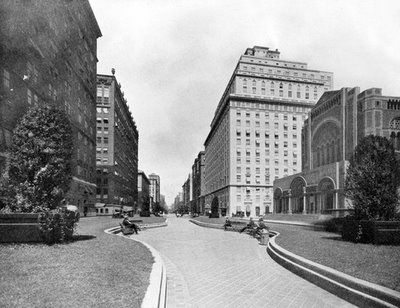
ABOVE: Park Avenue — before the cars came

I’ve posted the extraordinary picture above of pre-1920s Park Avenue a couple times in the past, but I wanted to do so again in light of Michael Bloomberg’s recent proposal to turn Times Square and Herald Square into partial traffic-free plazas. His plan calls for “traffic lanes along Broadway from 42nd to 47th streets and from 32nd to 35th streets” to be “transformed into pedestrian lanes”, with the residual traffic flowing down a Seventh Avenue refitted for four lanes.

The notion of creating public space out of vehicular traffic areas in Manhattan flies in the face of what used to be called ‘progress’ — at least in the Fiorello Laguardia/Robert Moses definition of the word.

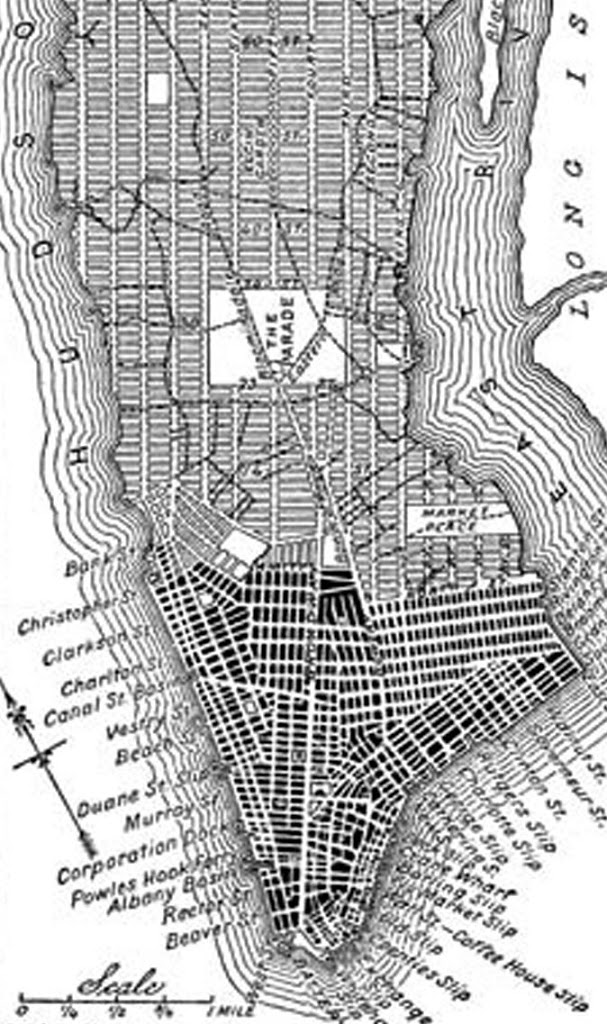
In a way, you can say this type of reversal for the benefit of pedestrians actually began in the 19th century, before the roads were paved. When the original commissioners plan of 1811 was initiated, the intention was to direct the city’s growth and organize a rational method of parcelling out the city to developers. In doing so, it sliced up Manhattan as though it were an ice tray, rows of uniform blocks in a cross-section of streets and avenues. However, there were few parks in that original plan (at right).

In practice, however, some virtual streets were transformed into public spaces once it seemed obvious that uninterrupted rows of development would cause for an unlivable city. Notably, Central Park was envisioned in the 1850s as a way to break up the grid. (The Parks Department actually has a nice short history on this 19th century struggle.)

Another major shift towards a pedestrian driven city occurred with the disappearance of the elevated trains and creation of the subway system, opening up darkened city streets and creating new public spaces. Additionally, as in the picture above, once Grand Central began hiding its train tracks underground, the newly created real estate above it became, you know, a park avenue.

Social activism at the turn of the century, led by Jacob Riis and others, made a play at eliminating decrepit slums in exchange for pedestrian areas. For instance, Most of Five Points was wiped from the map to become Columbus Park and various governmental buildings. Swaths of land in the Lower East Side were cleared of tenements to become open space, like the Sara Delano Roosevelt Park.

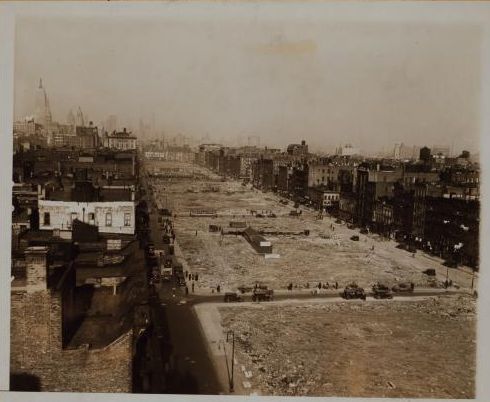
Below: In this picture from 1932, tenements between Chrystie and Forsyth have been eliminated to make way for the future Sara Delano Roosevelt Park.

Robert Moses liked his parks, but he also loved his expressways, and he created both at the expense of the neighborhoods they were supposedly to have served. But Manhattan was becoming a latticework of traffic congestion well before that; everywhere you looked, streets were widened to accomodate vehicles — first carriages and trolleys, later cars and buses.

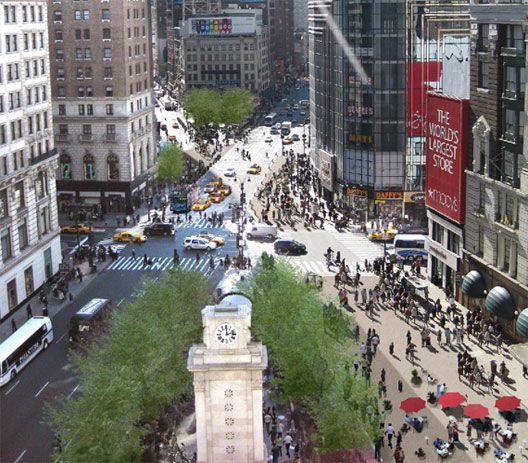
Bloomberg’s ambitions stem from a more environmental motivation, with newly installed bike lanes, pedestrian spaces in the Meatpacking District and Madison Square, and last year’s temporary no-traffic days on Park Avenue. His midtown plans, to be installed this summer, may become permanent. Below: A rendering of his virtual Herald Square:

Categories
Uncategorized

Snow shocked: The Blizzard of 1888

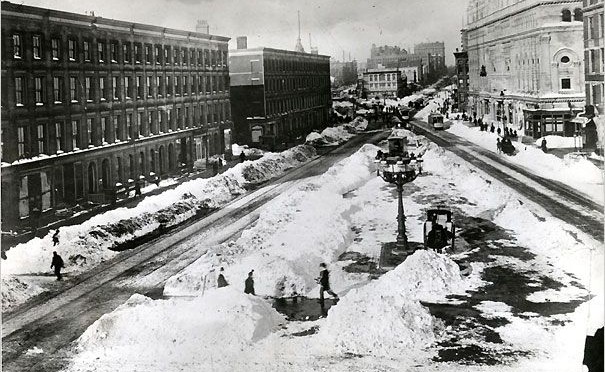
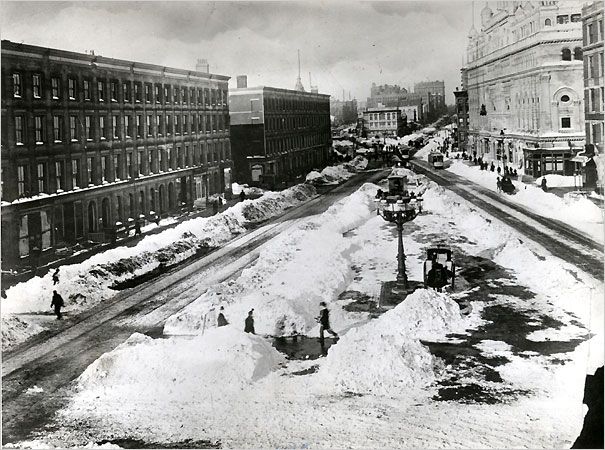
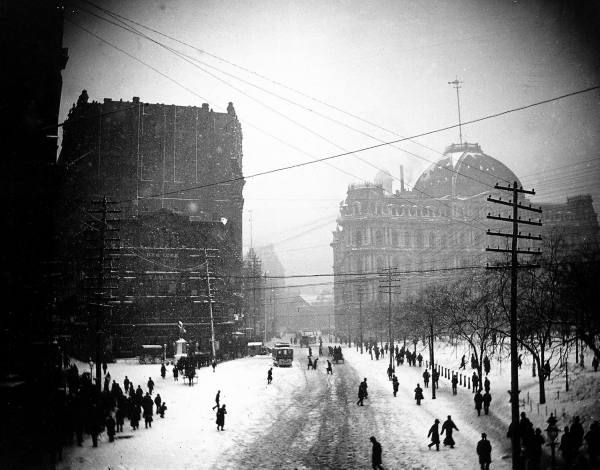
Longacre Square — the future Times Square — after the Blizzard

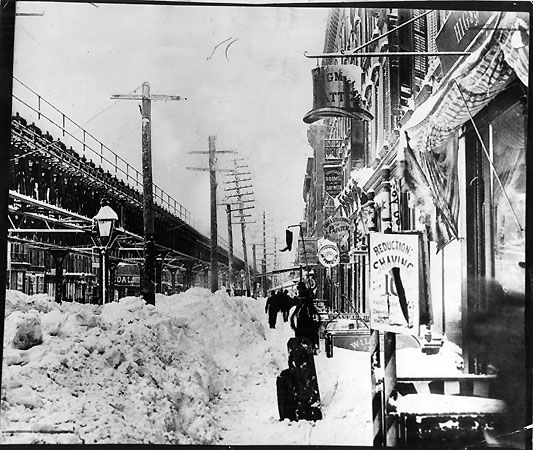
A March blizzard like the one today is discouraging as we’re so close to ridding ourselves of winter forever. But putting it all in perspective, it’ll never top the absolute worst March snowstorm of all time, a snowy catastrophe that completely shut down the city — the Blizzard of 1888.

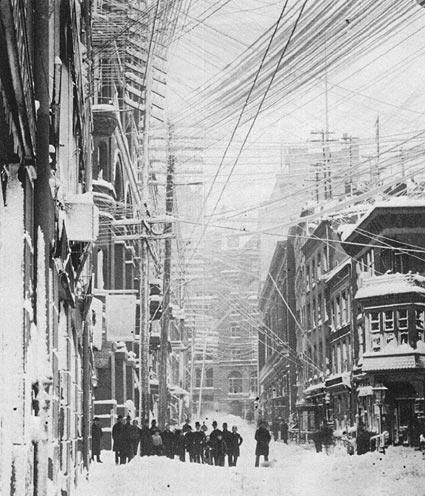
In an age before radio and television, in a city with elevated trains and few effective snow-clearing techniques, New York was held hostage as the blizzard pelted New England, starting as freezing rain on March 11, then building to a 36-hour deluge of wind and snow from March 12-13, winding up the next day. The East River became a solid floor of ice, destroying dozens of boats and ferries. Telegraph poles and rudimentary electrical wires crumbled under ice and wind. Food deliveries stopped, supplies of fresh water froze up; many in downtown tenements froze to death in their rooms.

The storm also underscored the city’s need for an underground transit system. One unfortunate reporter for the New York Sun was on a packed morning Sixth Avenue elevated and observed: “The train moved down a little below Seventeenth street and stopped. It stayed there more than two hours. Then it moved ten feet and stopped another hour; ten feet more and another hour; finally to a little below Sixteenth street, and there it stuck until 5 minutes before 3 o’clock.”

Here’s a few more images from that horrific event. See, today isn’t so bad:

Aftermath along the elevated trains. Within ten years, New York would begin work on underground tunnels to accomodate a more convenient mode of transportation

Not having the luxury of ‘sick days’ or lenient work environment, most New Yorkers braved the awful weather to go into work that day. What greeted them were a death-defying latticework of icy wires and downed telegraph poles.

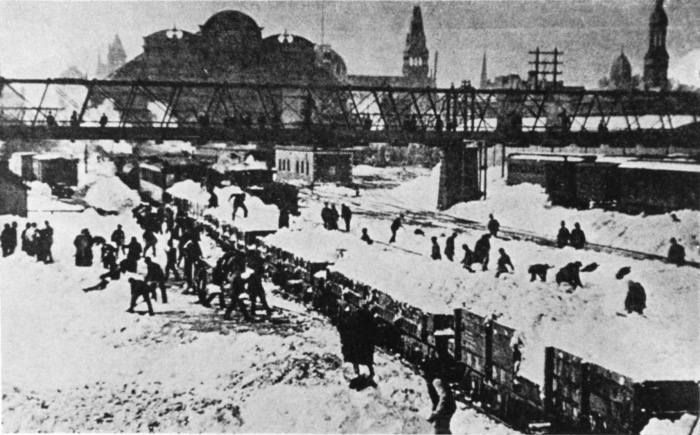
The scene behind the Grand Central Depot at 43rd street — essentially paralyzed

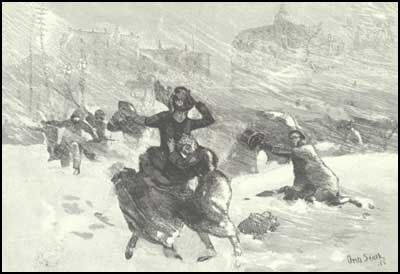
A Harpers Weekly illustration summing up the scene at Union Square. Not a day to hit the Ladies Mile shops!

The view of Park Row in front of the Brooklyn Bridge entrance in Manhattan, with the old post office to the right. Again, just invision sliding down one of these sidewalks, dodging uncontrollable trollies and the risk of falling poles and wires

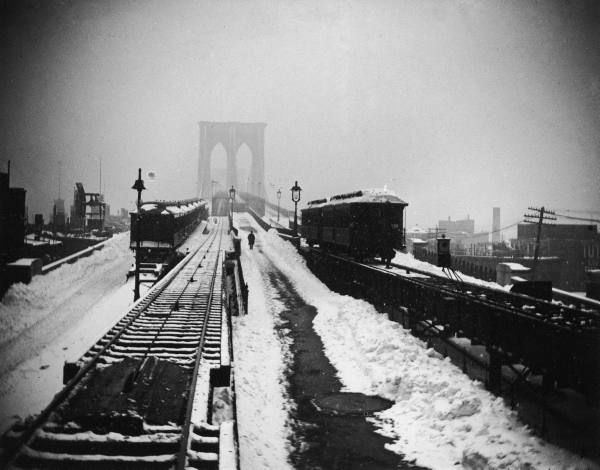
The Brooklyn Bridge, barely a few years old, aches under the burden of tons of snow and violent winds
(Life archive images)

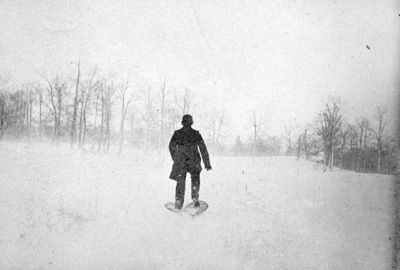
The truly adventurous, however, were well prepared, such as this man in Prospect Park, armed with snow shoes. (Pic courtesy the Brooklyn Historical Society)

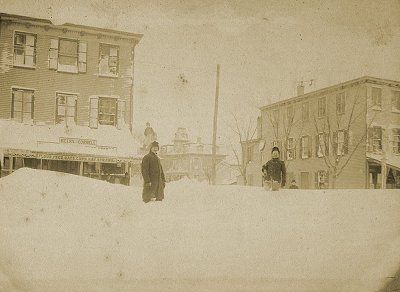
And the scene was certainly no better in the town of Jamaica (Union Avenue is pictured here), which would be incorporated as a part of the borough of Queens just ten years later (pic courtesy wintercenter)

Categories
Podcasts

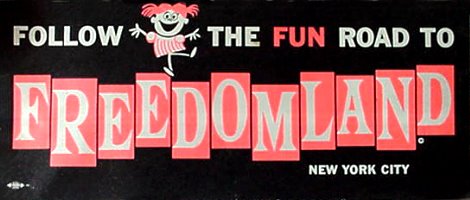
PODCAST: Freedomland U.S.A.

What is Freedomland U.S.A.? An unusual theme park in the Bronx, only in existence for less than five years, Freedomland has become the object of fascination for New York nostalgia lovers everywhere.

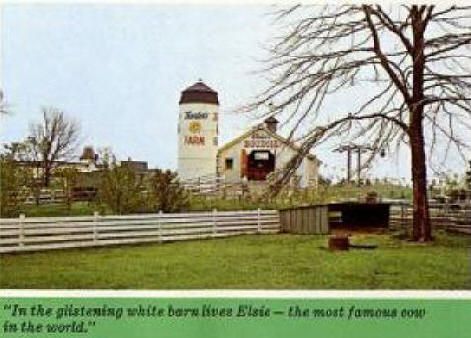
Created by an outcast of Walt Disney’s inner circle, Freedomland practically defines 60s kitsch, with dozens of rides and amusements related to saccharine views of American history. Along the way, we’ll take a visit to the Blast-Off Bunker, Casa Loca, and, yes, Borden’s Barn Boudoir!

Listen to it for FREE on iTunes or other podcasting services. Or click this link to listen to the show or download it directly from our satellite site.

NOTE: There’s nothing wrong with your speakers! I include a short clip in this podcast of an original Freedomland radio advertisement from 1960. The sound quality of the clip is extremely bad, however I thought it was important to include as it sets the tone for what Freedomland was all about (or, rather, wanted to be about).

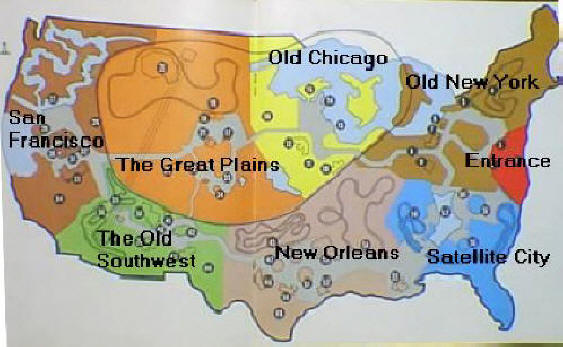
The map through Freedomland mimicked the outline of the United States. (Well, sorta.) Visitors entered through Washington D.C. and meandered through candy-coated interpretations of various national regions, ending up in the future (located in the American South).

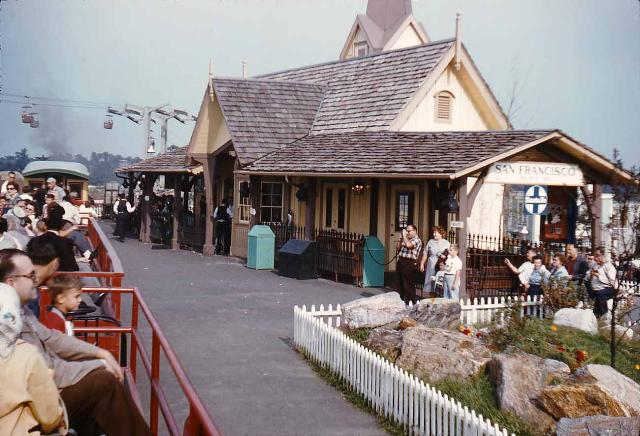
San Francisco in the Bronx, a Disney-like village served by the Santa Fe Railroad (pic courtesy Stuff From The Park)

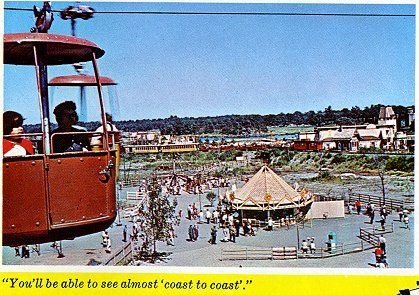
Another view of the Santa Fe (courtesty Gorillas Dont Blog)

Looking out over the ‘United States’

A rather blurry image — perhaps that’s best — of Borden’s Barn Boudoir, featuring the private rooms of one Elsie the Cow (Pic courtesty Benros, who has a great page on Freedomland.)

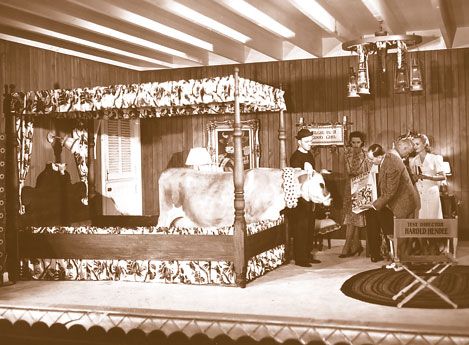
The picture below is NOT from Freedomland, but it gives you an idea of what Elsie’s bedroom might have looked like. Apparently, Bordens loved nothing more than putting their bovine mascot in this type of setting; she also had a bedroom at the World’s Fair of 1964-65 in Flushing Meadows, most likely transported from the failing Freedomland attraction.

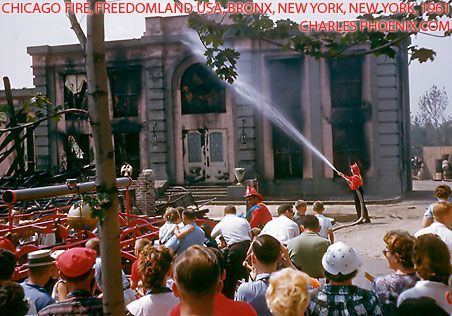
Why people are so entertained by this, I’ll never understand. But if fire was your game, Freedomland let you enjoy the re-burning of Chicago every day. And sometimes, the firemen actors would grab volunteers to help put out the blaze! (Pic courtesy God Bless Americana)

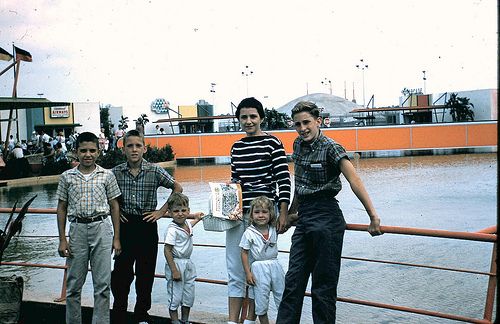
Freedomland was perpetually in debt and often a great inconvenience with long lines and unfinished rides. This family, visiting in July 1960, doesn’t seem to mind. (Flickr)

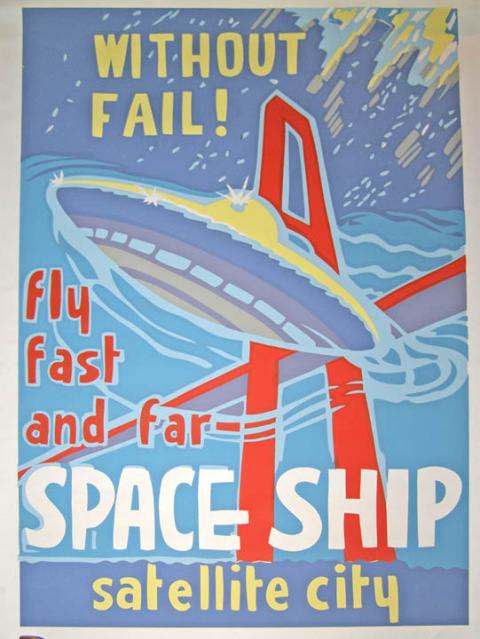
A promotional poster for Freedomland’s futuristic Satellite City, which wasn’t opened for a few days after the park’s opening, by which time crowds had died off considerably. (Pic courtesy Perky Pickle, who has other great poster images from the park’s heyday.)

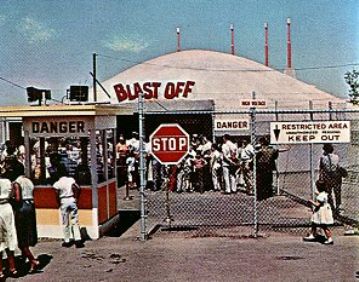
This frightening little attraction was the Blast-Off Bunker, because there’s nothing more fun than hanging out in a dark bunker on a nice summer’s day. In fact, inside you could enjoy the ‘tense excitement’ of a Cape Canaveral control room.

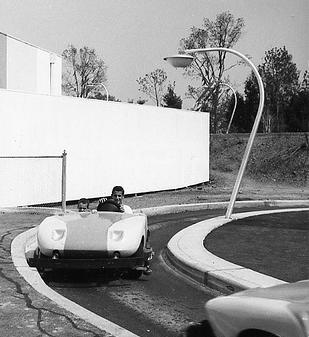
You could experience the joys of riding a ‘modern automobile’ in Freedomland’s knockoff future land. A sad way of marketing a go-cart, but at least this picture is pretty great. (Courtesy Flickr)

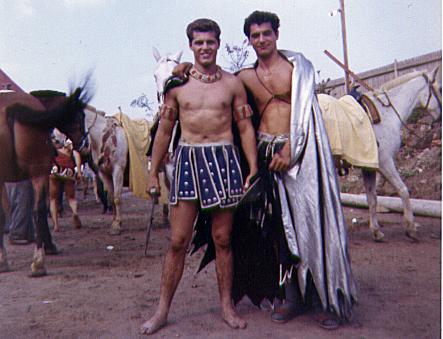
Freedomland was more than happy to abandon its themes if it meant more paying customers. Here are two stunt men from a ‘Colossus’ spectacular in 1961. (Benros)

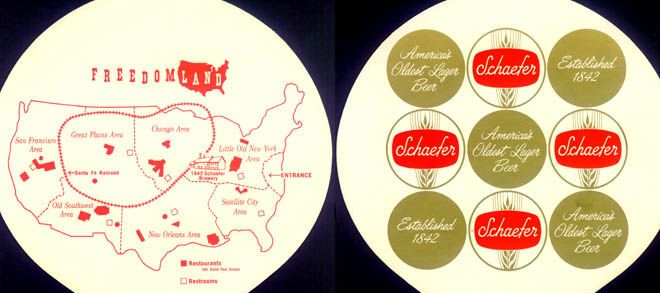
Some detailing from a Freedomland souvenir fan, featuring a map of the park on one side, and beer advertisement on the other. This was, after all, a ‘family entertainment center.’ (Click it for a closer look.)

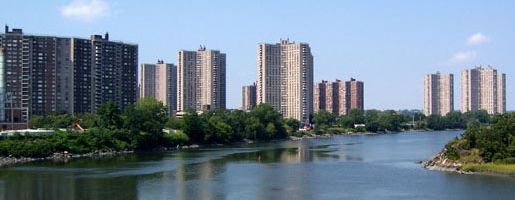
Freedomland was replaced by another oddity — the massive Co-op City, housing over 50,000 residents, and often referred to as a ‘city within a city’. Theoretically, one never need leave Co-op City.

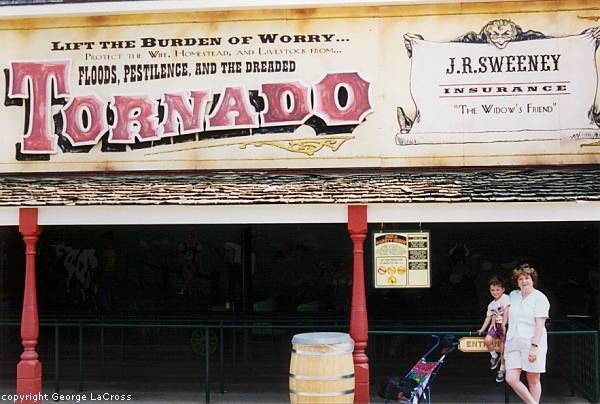
After the closing of Freedomland, some rides were rescued by other amusement parks, including the Tornado Adventure, seen here at Lake George, NY. It was eventually closed for good in 2003. If you really want to experience the delights of a tornado, you’ll have to go to the midwest! (Courtesy Laff In The Dark)

I tried to include a lot of link above to other great websites with more information on Freedomland. The most comprehensive tribute can be found on Rob Friedman’s old site on the park, with dozens of pictures, sounds and personal stories.

Any of you remember visiting this place? Leave a comment!

‘Starlight’ express: fun and death in a lost Bronx park

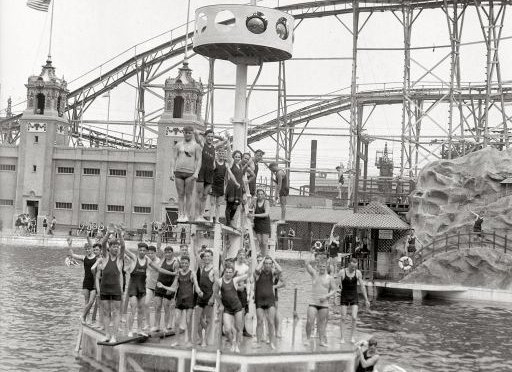
It’s raining men at Starlight Park in the Bronx, circa 1921 (photo cleaned up and courtesy of Shorpy)

For residents of the west Bronx, getting to Coney Island might have been quite a chore in 1918. So they decided to bring Coney Island to them.

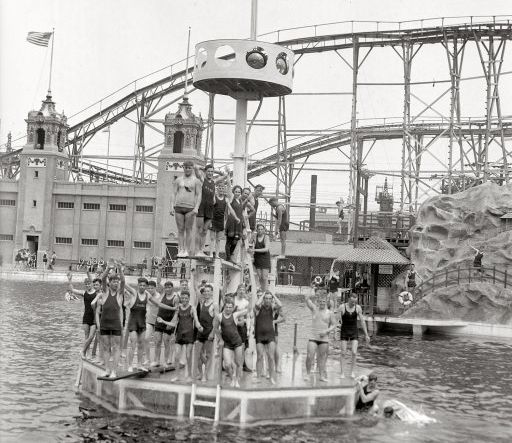
I believe Starlight Park can be called the Bronx’s first amusement park. But it wasn’t the last. (More on that tomorrow.) Located on the Bronx River near the borough’s famous zoo, in the neighborhood of West Farms, it became a summer respite for residents looking for a cool swim or merely to ogle hot bodies in their revealing bathing suits (bare legs and arms!).

Similar to Flushing Meadows, Queens — which became a public park after its creation for the 1939 World’s Fair — Starlight Park also started off as a campus for a international exhibition, albeit far smaller. No one much talks about the Bronx International Exposition of Science, Arts and Industries, which opened here at 177th Street in the Bronx on June 30, 1918. The grounds, called Exposition Park, were not quite finished for the opening of the fair, which was held to “attract foreign trade to this country after the war.”

After the fair closed in November 1918, the park became the public playground Starlight Park. Just from reading about Starlight’s many amusements, it sounds like a hyper, dizzying place. Most prominent was an enormous swimming pool with faux rock features, a nearby roller coaster, your typical Coney Island-esque games and rides, boat rides, and outdoor performances by opera singers and greased up wrestlers (presumably, not all at once).

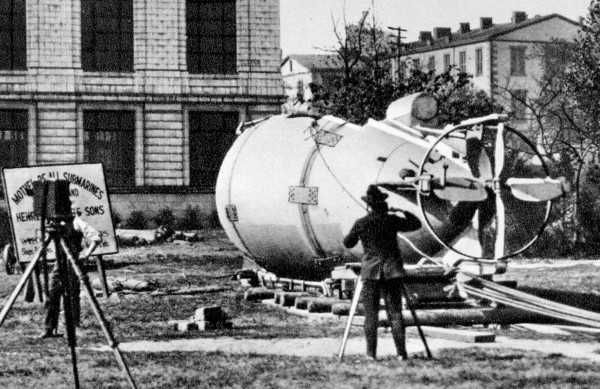
One of the park’s more popular attractions was something left over from the Expo: a small submarine called the Holland, the very first commissioned by the United States Navy. (The Holland is pictured below in its home in Philadelphia, just a couple years before being transported to the Bronx.)

Later, the park’s centerpiece was a giant stadium, built in 1928, called the Coliseum which held up to 15,000 people. They were often there to cheer on New York’s premier soccer team, the New York Giants, who made Starlight their home from 1923 to 1930.

In these heady days before safety precautions, the Starlight was also the scene of a tragic roller coaster fatality. “Somebody in a skylarking mood stood up in a seat on a roller-coaster train … and fell out as the train struck a curve on the fifty-foot level,” reports the New York Times in May 1922. “The other passengers were thrown completely out of the two-train car.”

(My favorite line of the story: “Inquiry by the police at an address noted on a card in [the victim’s] pocket failed, however, to disclose any one who knew such a person.”)

By the 1930s, most of the rides had closed, but the pool was still a popular draw. The park became a magnet for the area’s working class families, who enjoyed sunbathing, picnicking and, if they stayed after dark, moonlight dancing to live big band music. One of the very first Bronx radio station WKBQ also made Starlight its broadcasting home in 1931.

Sadly, Starlight met with a rather ignoble fate. The park was slowly demolished over the year and by 1940 it was permanently closed, transformed into a city “truck facility.” A fire in the late 1940s destroyed any remaining vestages of the park, and its memory was completely wiped away by expanses of the Cross Bronx Expressway.

You can still go to a Starlight Park in the Bronx however. Or rather, you will be able to. The current Starlight Park, nearby the original location, is closed for renovations. Look here for more information on what’s going on there and when it’s opening. But for now, leave your bathing suits at home.

And click here to see the belle of Starlight Park.

Categories
Uncategorized

Name that Neighborhood: what exactly is a Throgs Neck?


Some New York neighborhoods are simply named for their location on a map (East Village, Midtown). Others are given prefabricated designations (SoHo, DUMBO). But a few retain names that link them intimately with their pasts. Other entries in this series can be found here.

What is a Throgs Neck? And why isn’t it a Throggs Neck?

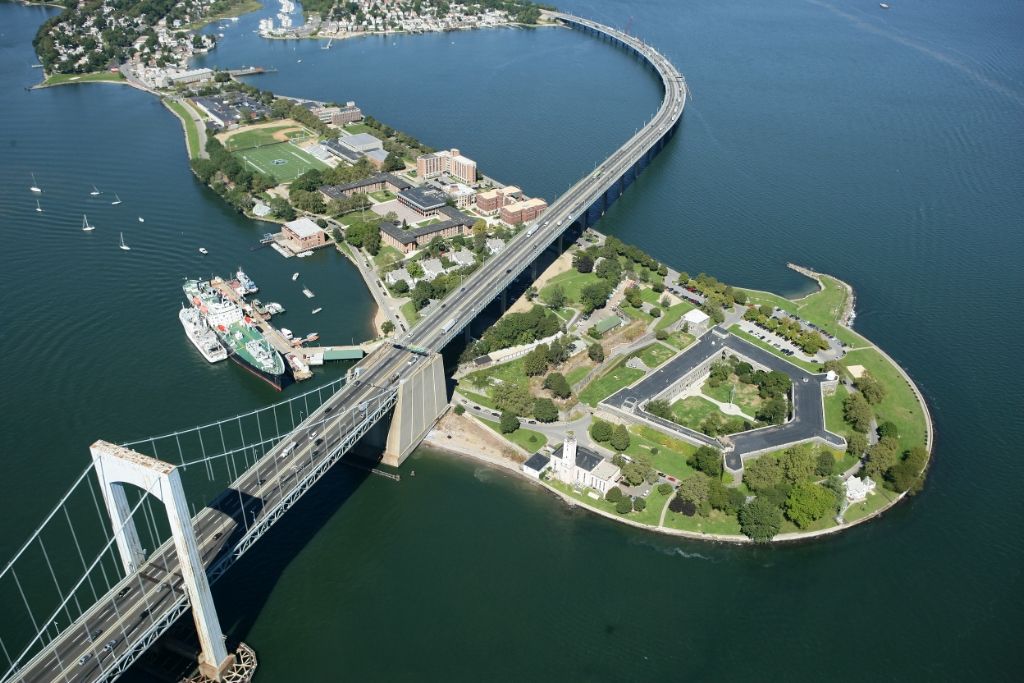
Of course that’s the name of a pleasant peninsular neighborhood in the Bronx. Many people with cars are probably as familiar with the Throgs Neck Bridge, a 1,800-foot Robert Moses/Othmar Ammann production which connects the Bronx to Queens. But where did that unusual name come from? Is a throg some kind of creature native to New England?

The “Neck” part is easy. The slender Throg’s Neck peninsula dangles where the East Rivers finally empties into the Long Island Sound. The neighborhood expands up the peninsula and out through the mainland.

For the throg, you’ll have to go back to the Dutch occupation of the region to find the answer. There was of course a contentious relationship between the Dutch and the British regarding territorial boundaries in the New World, a dispute that resulted in the eventual takeover of all Dutch lands in 1664. However, over 20 years earlier, the leader of the New Amsterdam colony, William Keift, seemed to take a more charitable view towards individual English families, especially those fleeing British rule due to religious intolerance.

The most famous of these satellite English settlements on alleged Dutch soil was that of Anne Hutchinson, a charismatic and determined leader who fled Massachusetts and Rhode Island out of religious persecution by the Puritans. Perhaps simmering with delight at Englishmen fleeing their own kind, Keift allowed Hutchinson and her flock to settle in the areas that are now called Pelham and Eastchester today. The Hutchinson River, which runs through these areas, reminds us of the impact of this ballsy lady.

Just a year earlier (1642) however, Keift allowed another persecuted religious leader to settle just downstream. The Rev. John Throggmorton (or Throgmorton or Throckmorton, take your pick, depending on which ancient document you prefer) and 35 others families were allowed to settle on this peninsula, valuable real estate if your living required contact with water, but dangerous because of the potential of being bottled in by an enemy.

The land had previously been known as Vredeland by the Dutch (or ‘land of peace’) owing to the lush natural beauty of the region. They dropped the old peaceful name and changed it to Throggmorton’s Neck.

Keift, who frequently provoked Indian anger, may have thought that additional European settlements could be used as a buffer against Lenape attacks to New Amsterdam, just 24 miles south. Eventually the Indians did attack; in one horrifying massacre on September 20, 1643, tribes exterminated the Hutchinson settlement, then traveled down to do the same to the Throggmortons. (Few in the future Bronx neighborhood escape the slaughter, including the borough’s namesake Jonas Bronck.)

Many families on Throggmorton’s Neck were brutally massacred, although a passing boat managed to rescue a few distraught family members. Strangely enough, Throggmorton himself was away that day. He never returned the area which would forever keep his name.

Within 150 years, the name would be shortened to Throgg’s Neck. Or, better yet, according to George Washington himself, “Frog’s Neck.”

You may have noticed that John’s last name has two g’s in it, while most common spellings have only one. Legend has it that this is another thing you can blame on Robert Moses. Not exactly known for reaching out to communities for their thoughts and opinions, Moses decided to drop a ‘g’ in 1955 when the bridge started construction, believing it would fit on more traffic signs without an additional and needless letter. Who cares if it was in use that way for over 300 years!

Purists prefer Throggs Neck. It is Throggs Neck. Either way, it’s an unforgettable name, with an unforgettable story.