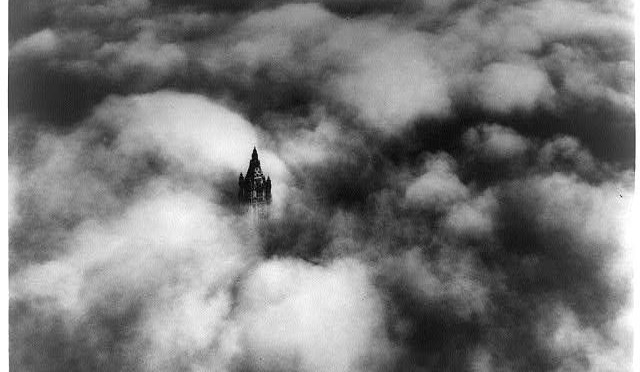
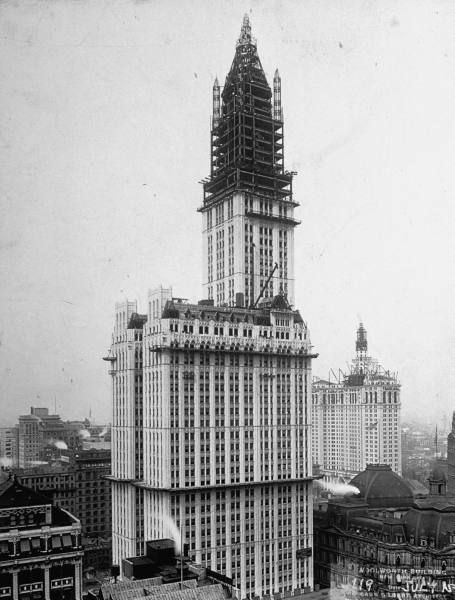
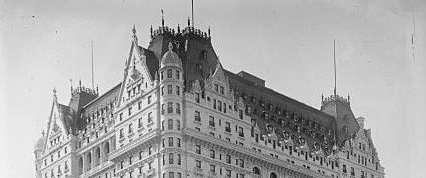
When this classic photo was taken in 1928, the Woolworth Building was still the tallest in New York
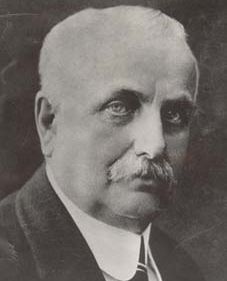
F.W. Woolworth was the self-made king of retail’s newfangled ‘five and dime’ store and his pockets were overflowing with cash. Meanwhile, in New York, the contest to build the tallest building was well underway. The two combine to create one of Manhattan’s most handsome buildings, cutting a Gothic profile designed by America’s hottest architect of the early century. So what exactly does it all have to do with sneakers and gym clothes?
Frank Winfield Woolworth was an upstate New York who worked in general stores in his youth before branching out into his own unique ‘five and dime’ retailers — places where customers could interact with the merchandise directly, without a store clerk.
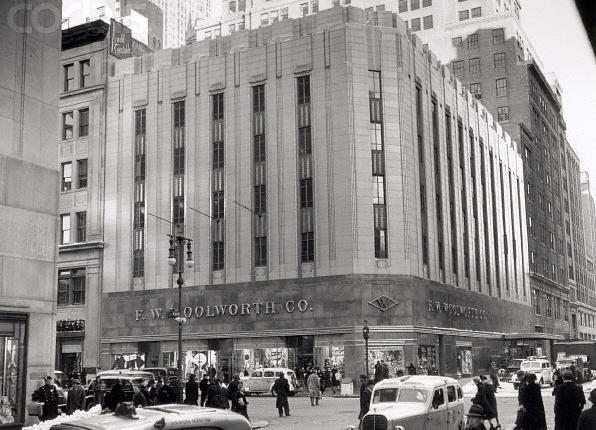
Frank’s stores changed the way people shopped for everyday items. This fancy Woolworth location even had a lofty address — 5th Avenue and 39th Street (courtesy Corbis)
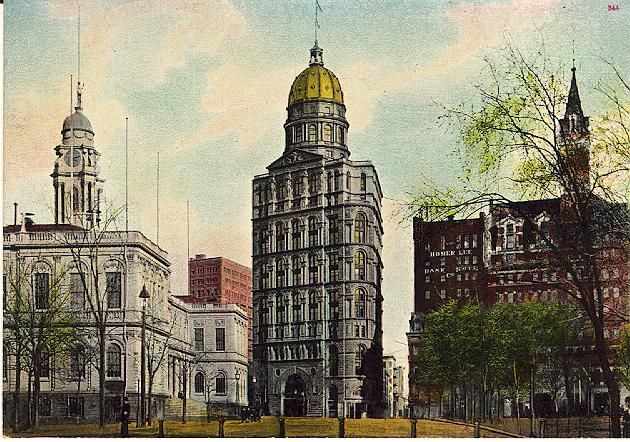
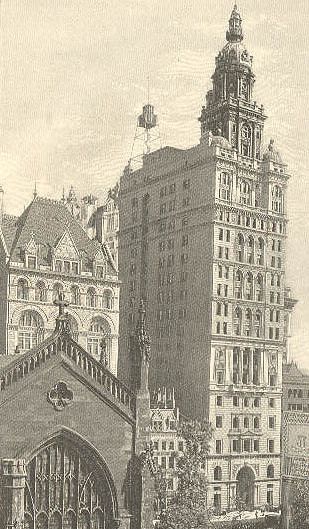
The tallest structure in New York for many years was the spire of the Trinity Church, on Broadway, at the foot of Wall Street. In 1890, its height was finally topped with the completion of the World Building by the influential publisher of the New York World newspaper, Joseph Pulitzer.
In 1894, Pulitzer lost the tallest building title with the completion of the Manhattan Life Building, a clever structure with two sides that top out with an iron bridge and a towering lantern at 348 ft. It was across the street from Trinity Church (today occupied by the domineering Bank of New York Building).
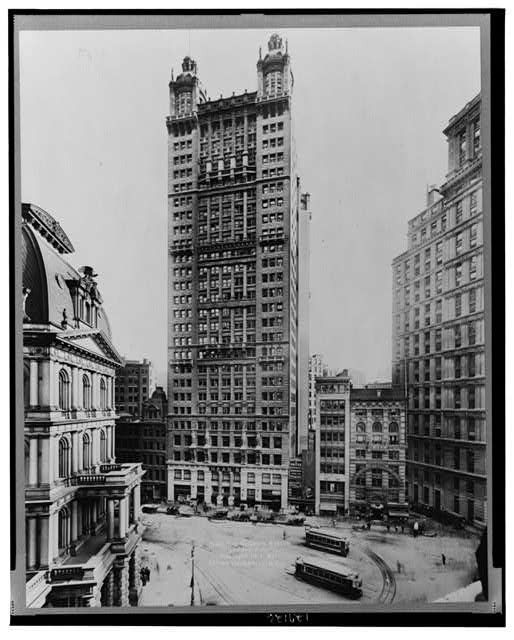
The Park Row Building came next, completed in 1899. It still stands today, with the Woolworth looking down on it. J&R Music World still occupies many of its floors today.
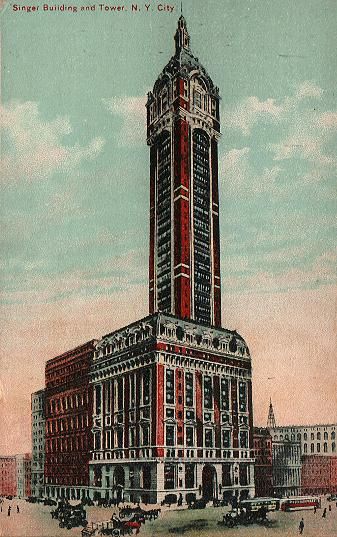
Perhaps the strangest building to become New York’s tallest was the Singer Building, built in 1908 at a then-staggering 612 feet. It has the very dubious distinction of being the tallest building in history ever to be purposefully demolished (in 1968, making way for the frustratingly bleak One Liberty Plaza).
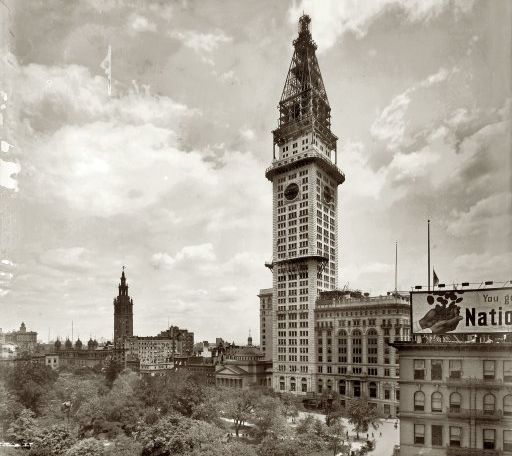
In order for Frank to build New York’s tallest structure, he need to beat the Metropolitan Life Tower, completed in 1909, still a beauty next to Madison Square Park.
The Woolworth, nearly complete in this picture from 1913 (courtesy the Life archives)
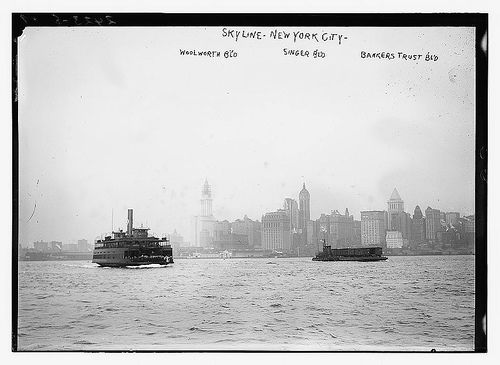
View from the Hudson, mid 1910s: three tallest buildings are the Woolworth Building, the Singer Building and the Bankers Trust Building (built in 1912) Pic courtesy Library of Congress
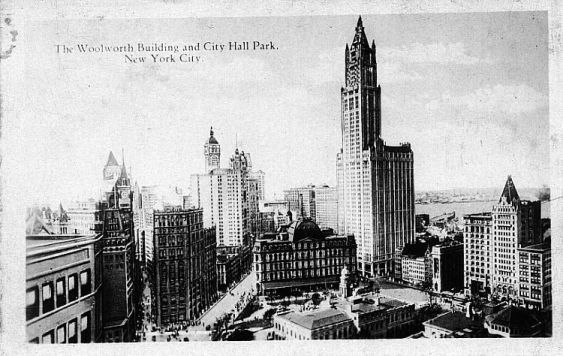
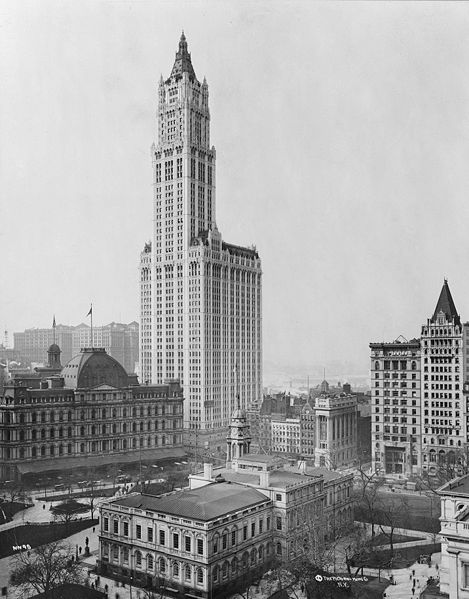
From this old postcard and photograph below, you can see the Woolworth’s proximity to City Hall and the old Post Office (later demolished to expand City Hall Park)
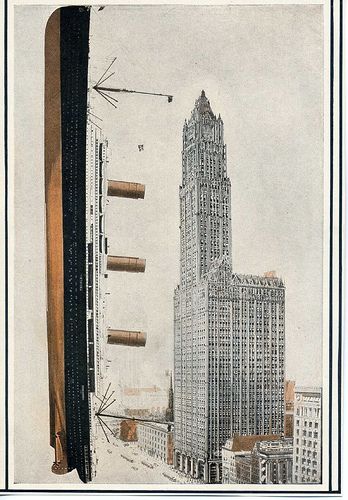
It’s height was enough of a marvel that this rather odd comparison was made in the book Our Wonder World Vol. IV, Geo. L. Shuman & Co., 1914 (Courtesy Flickr)
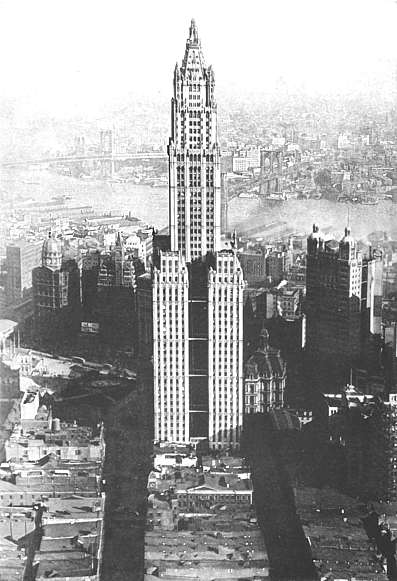
A view from the other side of the Woolworth, taken in 1920, reveals two other buildings that were once considered ‘the tallest building in New York’: the domed World Building to the left, the Park Row Building to the right.
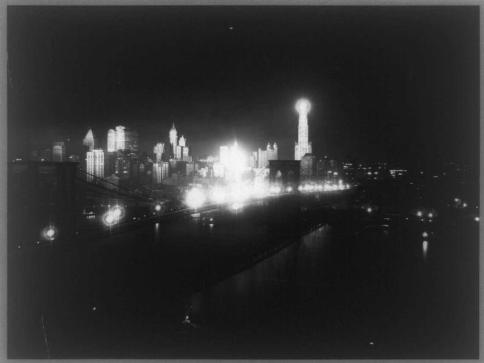
A remarkable and rather dreamlike nighttime shot of Manhattan in 1919, with the Woolworth building gleaming like a candle
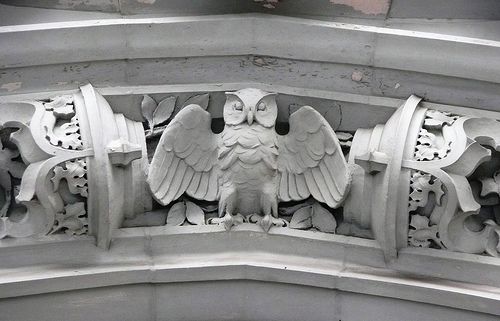
An owl ‘gargoyle’, one of many playful details Cass Gilbert incorporated into the building’s massive terra cotta face.
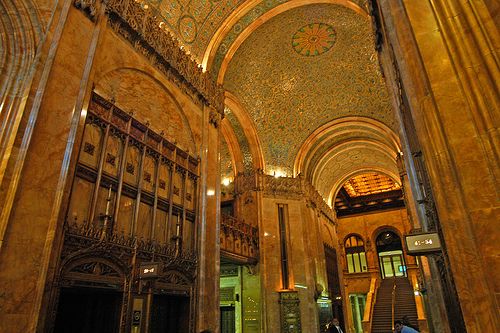
Inside the vaulted, gold-drenched lobby (courtesy Flickr)
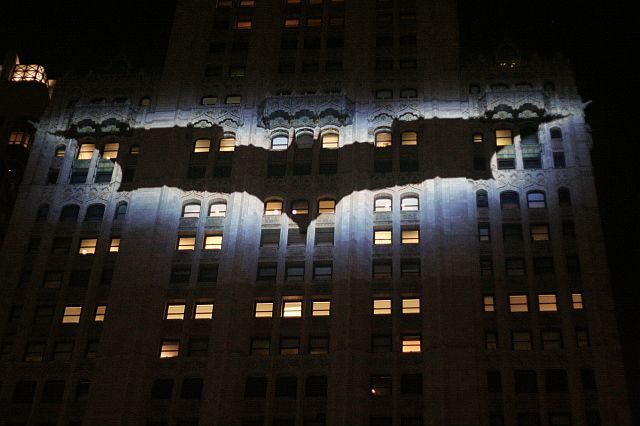
To promote the most recent Batman film The Dark Knight, the Bat Signal was projected onto the Woolworth Building.
Patrick Henry McCarren — best known today for leaving his last name to a park and a swimming pool — was a complicated figure, so it makes sense he should be considered a sort of godfather to a rather complicated neighborhood like Williamsburg.
McCarren became the voice of Greenpoint and Williamsburg at a pivotal time of growth for Brooklyn, during the years of consolidation with New York. He worked his way up and, once there, bought himself favor like a good old-fashioned machine Democrat would — one hand outstretched to the working class, the other in the pocket of big industry.
Born in East Cambridge, Massachusetts of Irish parents in 1847, McCarren headed to Brooklyn and worked first in Williamsburg’s thriving sugar refineries, then as a cooper, and finally as a lawyer, the springboard for his real ambitions in local politics. Civic service was his singular objective, entering Kings County’s democratic machine at age 21. In 1881, he was elected a state senator, a vantage he would use in accumulating great influence.
“Far from being offended at being called a politician,” according to a glowing eulogy. “[McCarrin] took pains to emphasize his right to the name and became a power….because of his singleness of aim.”
During 18 years as a state senator, McCarrin rallied for the fortunes of Brooklyn and, in particular, for the East River Bridge to link New York with the factories of Greenpoint and Williamsburg. (And, oh yes, blossoming Brooklyn’s population with the fleeing residents of the Lower East Side.)
There is much truth in the statement, “The bridges, the parks, the improved means of transit, the better paved and lighted streets…by which the Brooklyn of to-day is distinguished….are due more to the legislative efficiency of Senator McCarren than to the influence of any other individual.”
Of course, he did so frequently on behalf of the Eastern District’s big industries, becoming a political marionette for both oil and sugar. He was publicly charged with actually being on the payroll of Rockefeller’s Standard Oil Company. According to one account, “No denial of the charge was ever made by the Senator.” One paper even referred to him as “the Standard Oil serpent of Brooklyn politics.”
Remarkably, with such unabashed connections to corruption, you’d think he’d be a welcome ally to New York’s Tammany Hall. Far from it; as a powerful Brooklyn Democrat, he remained unbought by Tammany, on the outskirts of their most important political objectives. By 1908, the year he thwarted Tammany’s plans to put William Randolph Hearst in the governor’s seat, he was possibly the most powerful man in Brooklyn.
He died the next year, 1909, hated and mocked across the water but beloved by most in Brooklyn, even some of his most fractious enemies. His funeral was purported the biggest in the borough since Henry Ward Beecher’s.
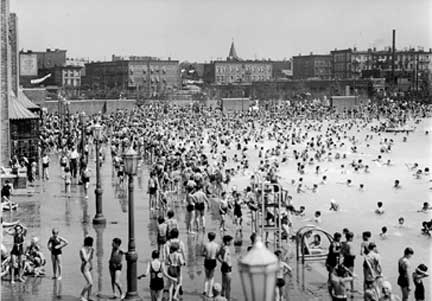
Greenpoint Park, which had opened in 1906, was quickly renamed in his honor. Had he been around, Patrick might have blanched thirty years later when another steadfast politician, Robert Moses, decided to plunk down the biggest of eleven WPA-funded municipal swimming pools here in 1936. Today, the pool is a popular but surprising venue for concerts and is currently being renovated.
Below: McCarren Pool in its heyday, date unknown (Courtesy McCarren Park)
Williamsburg used to have an H at the end of its name, not to mention dozens of major industries that once made it the tenth wealthiest place in the world. How did Williamsburgh become a haven for New York’s most well-known factories and then become Williamsburg, home to such wildly diverse communities — Hispanic, Hasidic and hipster? Find out how its history connects with whalebones, baseball, beer, and medicine for intestinal worms.
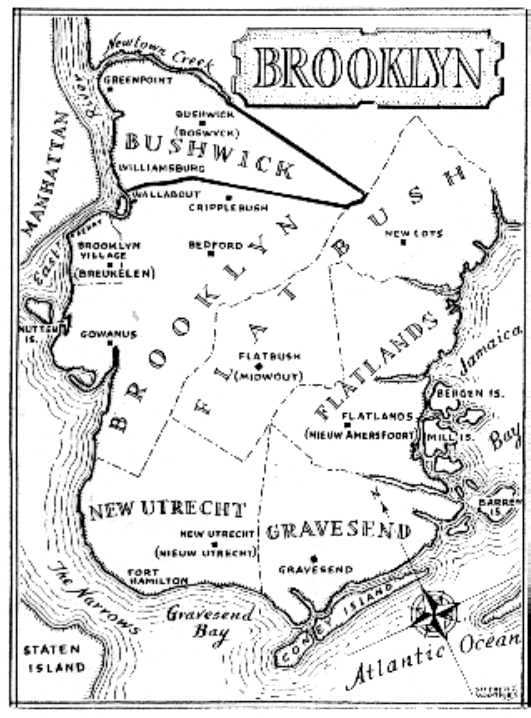
A modern map of the townships of Kings County. Cripplebush is listed here as a settlement in Brooklyn. The dense undergrowth that gave Cripplebush its name stretched well into the jurisdiction of Bushwick, which the Dutch actually called Boswijck.
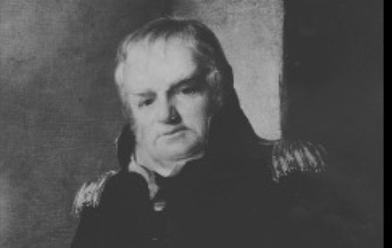
The esteemed Lt Col. Jonathan Williams, who surveyed the land along the Bushwick shore and eventually gave Williamsburg its name. You can also find his handywork at Castle Clinton and Castle Williams (also named after him).
Another father of Williamsburg, David Dunham, can still be found today on a very tiny street near the bridge called Dunham Place. (Forgotten New York has a great look at this odd little side street.)
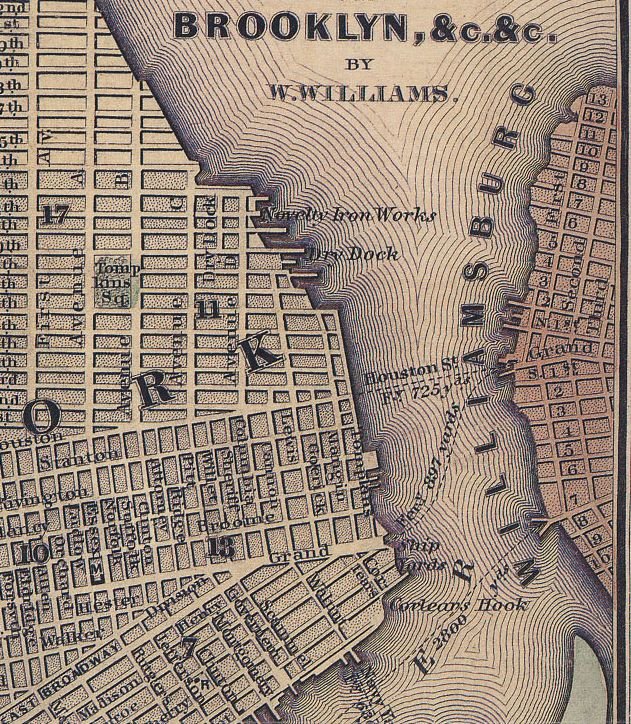
A detail from this mid-19th century map of New York and Brooklyn indicates the two ferry paths across the East River from the Grand Street dock in Williamsburg.
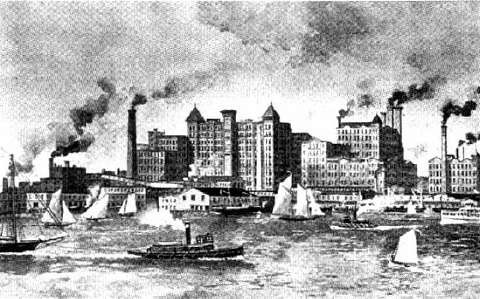
The Williamsburg waterfront during the 1880s. Havemeyer’s sugar refinery became one of the most profitable businesses along the East River. It became Domino Sugar in 1900.
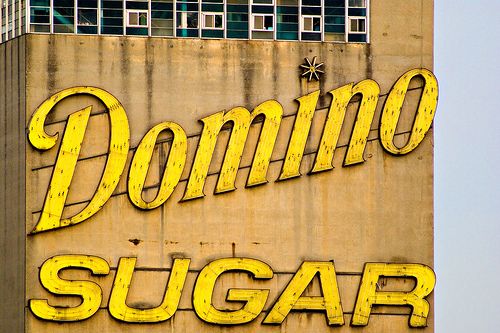
While Havemeyer’s factory, closed in 2004, has been landmarked, its future could include a vast complex of condominiums — but with community opposition and a $1.3 billion dollar price tag, is it viable?
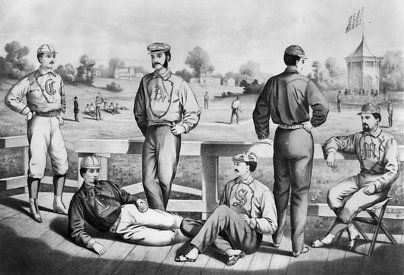
These fancy guys are relaxing after a vigorous game of baseball at the Union Grounds, the first to fence in the playing field and charge spectators. Check out our previous article on this historic place and where you can find its location today.
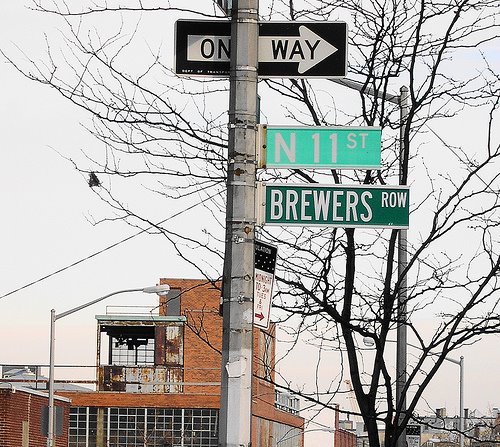
There are no more breweries along Brewer’s Row, but the once grand boulevard of beer makers that stretched from Williamsburg to Bushwick is still recognized on street signs.
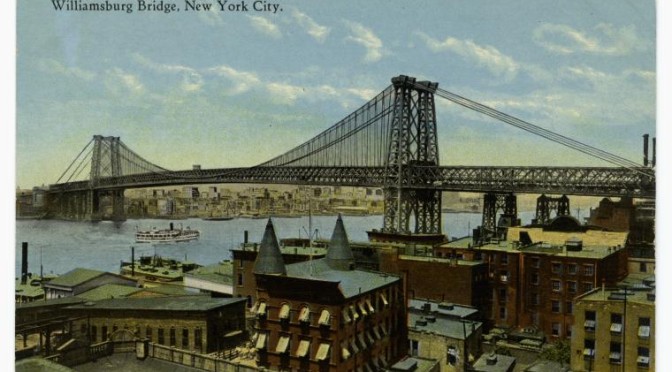
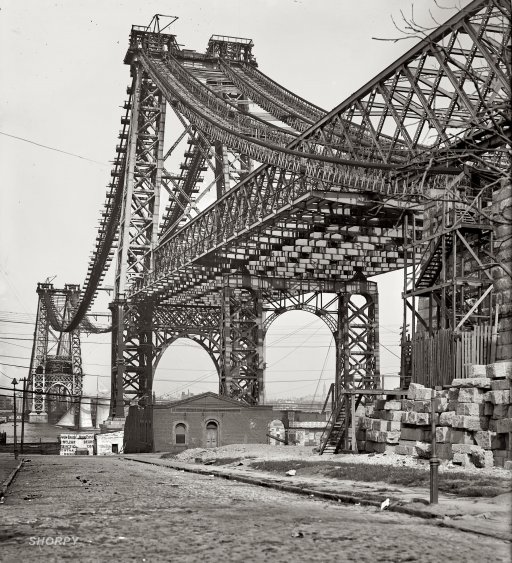
The East River Bridge (today the Williamsburg Bridge) in 1902. It would be opened a year later, opening the neighborhood to thousands of new residents fleeing overcrowded Lower East Side (pic courtesy Shorpy)
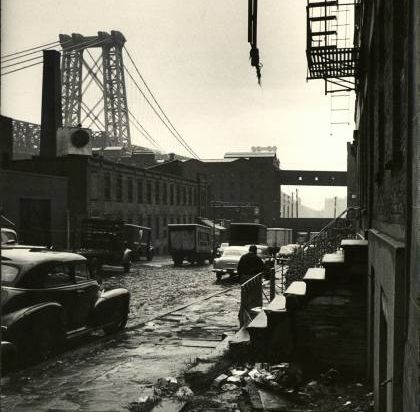
Williamsburg in 1954, not the sunniest place ever. Photo by Alfred Eisenstaedt (LIFE archives)
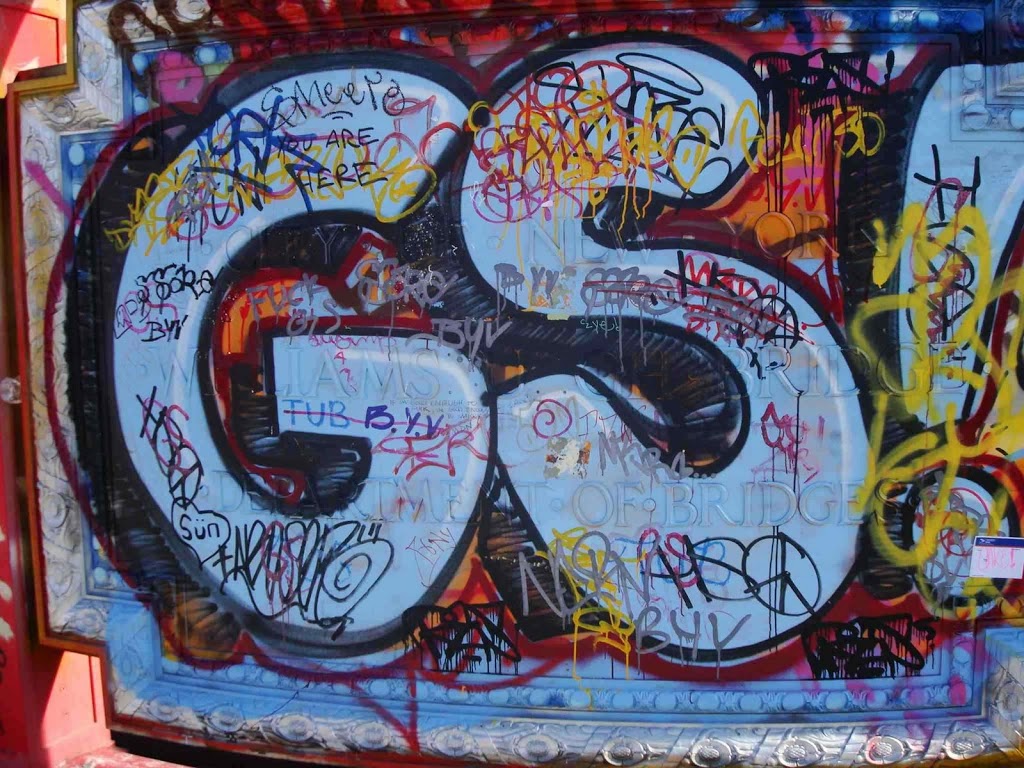
Look really closely at this dedication found at the pedestrian fork on the Williamsburg Bridge. If you scrape away the graffiti, you’ll see Williamsburg with an H on the end. (Click it to get a closer look.)
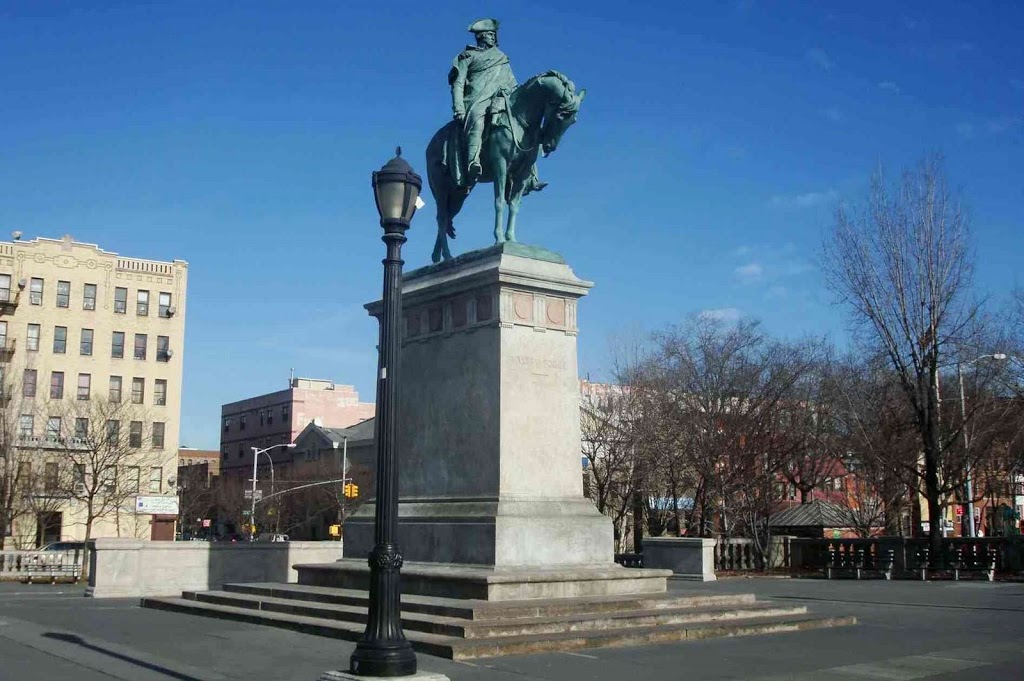
Continental Army Plaza, now overlooking the entrance and exit ramps of the Williamsburg Bridge. An engraving in the sidewalk points towards Valley Forge. The statue and the plaza were installed shortly after the opening of the bridge. So, in fact, this has pretty much always been George’s view.
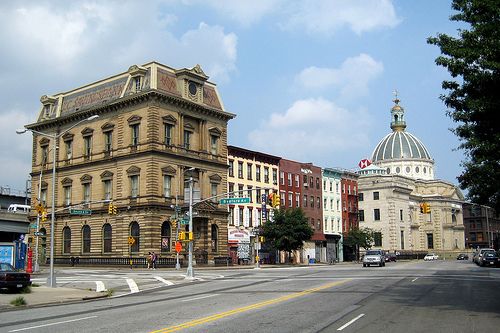
Two gorgeous examples of Williamsburg’s opulent past — the Kings County Savings Bank (built in 1868!) in the foreground, and the George Post’s domed Williamsburgh Savings Bank in the distance. (pic courtesy Flickr)
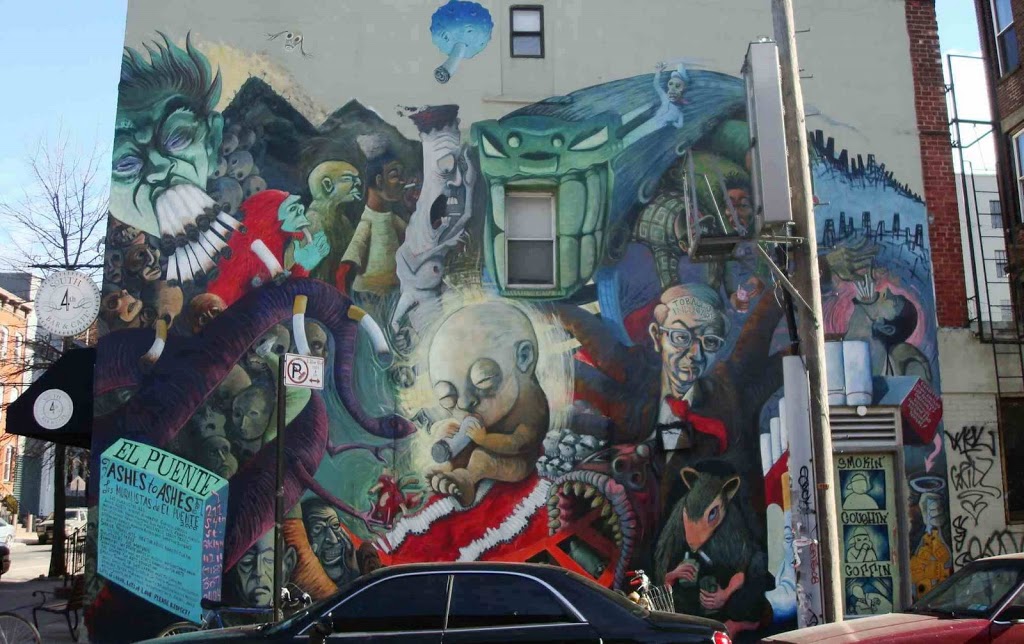
A mural just north of the bridge. Don’t smoke, kids!
Laura is disturbed “I’m completely out of control!”
BOWERY BOYS RECOMMEND is an occasional feature where we find an unusual movie or TV show that — whether by accident or design — uniquely captures an era of New York City better than any reference or history book. Other entrants in this particular film festival can be found HERE.
The New York Times had an intriguing piece last Sundayon modern “fetishizing” of New York in the 1970s, as popularly depicted in the TV show “Life on Mars.” This blog is probably as guilty as any at looking at this crime-riddled, bankrupt period of New York’s history and seeing only a glossier rendition. The article suggests people may fear this view as the economic crisis begins to transform the city; I personally suggest it appeals to people as a flipside to New York’s current crawl towards homogeny and total gentrification.
Two vastly different 1970s movies I recently re-watched suggest that the city’s combination of grit and glamour were already being analyzed and parodied before the decade was even finished.
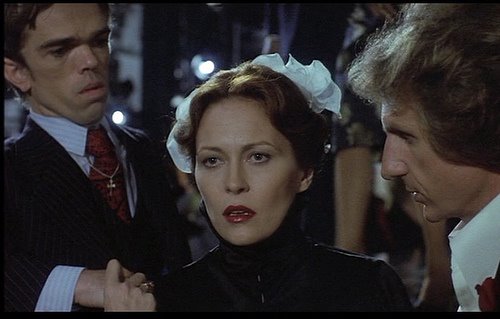
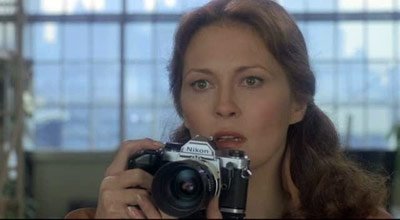
In the silly thriller The Eyes of Laura Mars, Faye Dunaway stars as a downtown fashion photographer who can somehow see through the eyes of a serial killer who wrecks havoc among New York’s stylistas. The plot is preposterous, aching for some legitimacy, either a setting at the Mudd Club or a cameo from Halston or Bianca Jagger maybe. Or Andy Warhol: the idea of framing death for pop photography was nothing new to him.
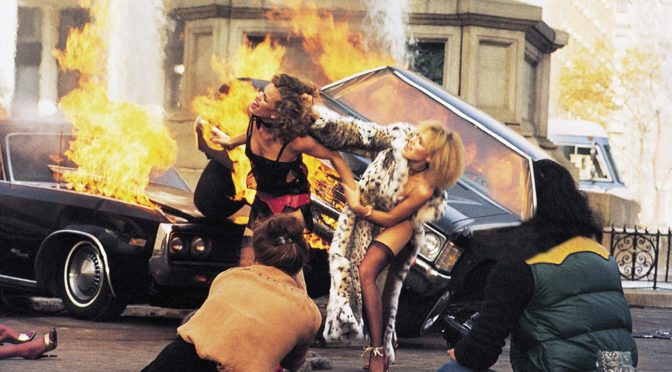
As such, it seems a thin but playful satire of downtown New York decadence. Manhattan looks unusually great for such a commonplace horror flick. The best set is easily Mars’ studio, in one of the Chelsea warehouses piers overlooking the Hudson River, just steps from the West Side elevated highway. The most notable — and campy scene — erupts at Columbus Circle, at a ridiculous fashion shoot involving burning cars and models in lingerie and fur coats. Oh Columbus Circle! Were you ever so fun?
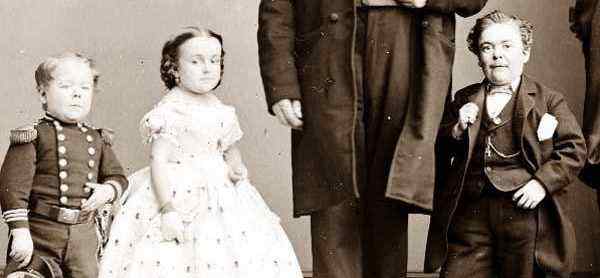
You get a taste of Hell’s Kitchen in a brisk chase scene involving Tommy Lee Jones’ cop character, his feathered hair flapping in the wind. But seeing Soho was more striking to me, devoid of shopfronts, mysterious flat warehouses during the day that open to become large, disco-thumping galleries at night. There are still galleries in Soho, of course, but the one in ‘Laura Mars’ is a big, hokey circus. (The director even condescendingly throws in a dwarf, to get the point across.)
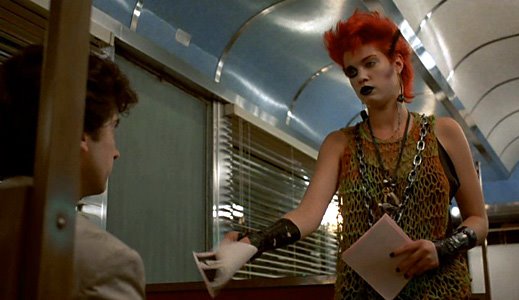
The secrets of late 70s Soho art and fashion worlds are expanded and distorted in Martin Scorsese’s masterpiece AfterHours, one of my absolute favorite New York movies ever. The director doesn’t intend reality, but his movie shaped the perspective of Soho culture for those of us who weren’t in it.
Like ‘Laura Mars’, but far more intentional, the plot conceit involves absurd artwork — in this case a “Plaster of Paris bagel and cream cheese” sought out by hapless computer geek Paul (Griffin Dunne). He is an uptown exaggeration, even though he works at the not-too-uptown Metropolitan Life Tower. No matter; he descends into Soho and its late-night collection of kooks almost get him killed.
Did New Yorkers really see Soho as otherworldly like this? Despite the surreal plot and vast, empty streets, ‘After Hours’ is filled with identifiable places, including the Emerald Pub (subbing as the ‘Terminal Bar’) and the Spring Street subway station. But the Moondance Diner (seen below) is long gone. From Scorsese to Wyoming.
Both are on DVD, both are must-sees for New York lovers. I wouldn’t exactly call ‘Laura Mars’ a conventional ‘classic’ unless you love thrillers you can also laugh unintentionally at.
Our modest little series about some of the greatest, notorious, most important, even most useless, mayors of New York City. Other entrants in our mayoral survey can be found here.
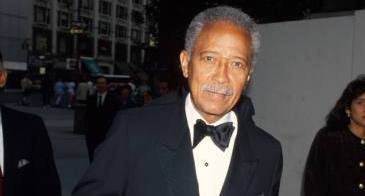
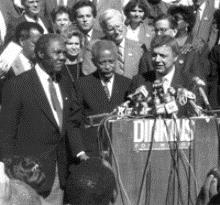
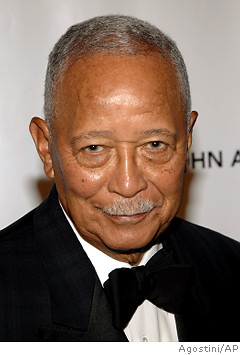
As we cap a historical week for our nation, it seems appropriate to take a brief look at New York City’s own first African-American leader, David Dinkins, mayor of the city from 1990 to 1993, and the last Democrat to hold the office. My only hesitation in bringing this up is that I hope Obama has far better luck than Dinkins, whose tenure was most notable for at least appearing to make almost everything worse. (Appearances, however, can be deceiving.)
Dinkins is one of the most successful products of a Harlem political machine that has been slowly churning since the 1920s, when a huge population influx into the neighborhood bestowed political influence to community leaders and business owners.
Not surprisingly, many of today’s political organizations are spinoffs of Tammany Hall from its last waning days of power, and so cameJ. Raymond Jones, Tammany Hall’s first black leader in the 1960s. Jones developed his own political coterie here — known as the ‘Harlem Clubhouse’ — and proceeded to foster some of New York’s saaviest political talents, including New York congressman Charlie Rangel and former deputy New York mayor Basil Patterson, father of our current governor.
Dinkins became a core member of this influential political group. (Rangel actually calls himself, Dinkins, Patterson and Percy Sutton the “Gang of Four.”) Although born in Trenton, New Jersey, David’s family moved to Harlem during the 1930s, just as the neighborhood, once flourishing under a cultural renaissance, begin feeling the pinch of economic depression. After a stint in the Marines, Dinkins returned to New York, became a lawyer and slowly began his ascent into Harlem’s growing political scene.
His close political connections with the Clubhouse granted him access to real opportunity — first in the state assembly in 1966, then City Clerk in 1975 — but it was his work with the city’s lower class that endeared him to constituents. In 1985 he was elected Manhattan Borough President, often a springboard to the mayoralty.
From our vantage today, Dinkins is sandwiched between two great forces in New York City politics — Ed Koch and Rudy Guiliani. Koch however, bore the brunt of New York’s pitiful economic downturn during the 1980s and Dinkins handily defeated him in the Democratic primary. Guiliani, on the Republican side, was a far more formidable foe; fresh from defeating the wealthy Ronald Lauder (son of Estee Lauder), Rudy put up a good fight against Dinkins, although a New York Times opinion piece laments: “voters have heard almost as much about Jackie Mason and Jesse Jackson as about David Dinkins and Rudolph Giuliani. So far, the two candidates haven’t even managed to debate each other.”
Ultimately, in November 1989, Dinkins defeated Guiliani, in the smallest margin of victory in modern times — 47,080 votes.
Dinkins seems almost immediately carried off by events of the city. Although he was initially seen as a potential salve to the city’s uneasy ethnic tensions, he was soon caught up in rocky political scandals, most involving racial violence.
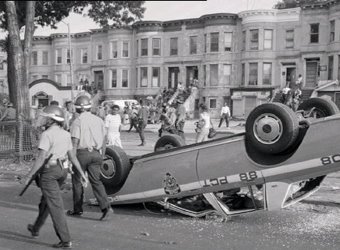
None were as damaging as the Crown Heights riots of 1991. A deadly three days of racially fueled mayhem between West Indian and Jewish residents which left dozens injured, Dinkins was remarkably ineffective in quelling the violence and later was even accused of restraining police and refusing to get involved. It was a political disaster for Dinkins, one he was never able to recover from for the duration of his term.
In fact, the event disguises a surprising fact: Dinkins did successfully lower the city’s crime rate and grow the city’s police force. It’s widely argued that many of Dinkin’s policies laid the ground work for Guiliani’s many successes in the late 90s.
However, Rudy successfully lobbed Crown Heights back at Dinkins during an electoral rematch in 1993. Although Dinkins still had great support in Manhattan, Rudy swept past him to officially end the Democratic hold on the mayor’s office.
Dinkins is currently a professor at Columbia University. His term as mayor is still one of the most hotly debated even today.
And because he’s a Bowery Boys fave, I thought you might like to know his thoughts on another controversial New York figure, Robert Moses (quote courtesy PBS.org):
“Robert Moses left a legacy. To be sure, we would not have had the kinds of development that we had, had he not behaved as he did. Which incidentally doesn’t mean that it was necessarily a good thing to so behave. There was a lot of pain in the wake of some of the things that got accomplished and he fought with mayors and governors along the way, but he did achieve a lot of development that would not have occurred otherwise, and that no way could occur today.”
On January 31 1857, the body of dentist Harvey Burdell was found mangled on the floor of his suite at 31 Bond Street. In Benjamin Feldman’s look at the murder and its famous trial, ‘Butchery on Bond Street‘ he uncovers so many potential suspects that entire episodes of ‘Murder She Wrote’ could be scripted from a single page.
Suspicion, of course, mostly rests on Burdell’s former lover Emma Cunningham, an attractive and elusive women suffers the abuses of a misogynistic press while remaining unsympathetic for much of the tale.
Feldman lays out the details of a love affair turned sour, intertwined with jealous family members, seedy bachelors and secret marraige vows. Notably, A. Oakley Hall makes an appearances, years before his scandals with Boss Tweed.
‘Butchery’ has the ingredients of a delicious gaslight thriller, far more successful a crime novel than period piece. The biographical details of Burdell and Cunningham are indeed rich but the tale’s gothic qualities would have benefited from more atmosphere.
My favorite portions were rather tangental to the actual storyline — solid depictions of Vinegar Hill, Brooklyn, and upstate Saratoga Springs, that “watering hole for the wealth and the aspiring middle class.” It’s worth getting to the third act, when Cunningham concocts a botched fake baby scheme so outrageous it gets the attention of P.T. Barnum.
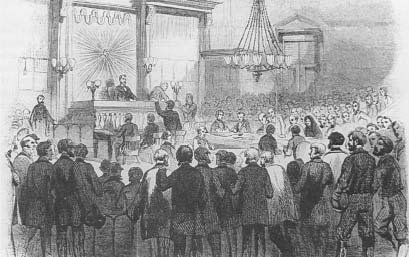
Below: a Harpers Weekly of the 1857 Cunningham trial
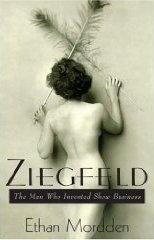
You might say ‘Ziegfeld: the Man Who Invented Showbiz’ is a biography with more character than its subject. In fact, I would call this retelling of Florenz Ziegfeld’s life by author Ethan Mordden more a performance than a book. But wouldn’t Flo approve of that?
Mordden wryly recounts all of Ziegfeld’s sexy, zany productions as though he had been backstage and were describing things from a corner booth in a nightclub later that night. One takes away the feeling of crazy possibility in those days, when Ziegfeld could throw any combination of girls, music and dance on stage to see if it would stick. Like a pageant, he parades by the reader every Ziegfeld production — from Eugen Sandow to the final Follies — with both reverence and all-knowing.
The author’s vast knowledge of Broadway history is clearly displayed, but the writing is quirky, friendly, open but insider-y. He peers into Ziegfeld’s heart and even dares prioritize Flo’s true loves in life. (Ann Held, Lillian Lorraine, Billie Burke or Marilyn Miller: who wins?) After racing through the book in a couple days, I felt I had just drank an entire bottle of champagne.
We’ll be occasionally reviewing new New York history-related books on this site. If you’re a publisher and have any upcoming releases, please let us know by emailing boweryboysnyc@earthlink.net.
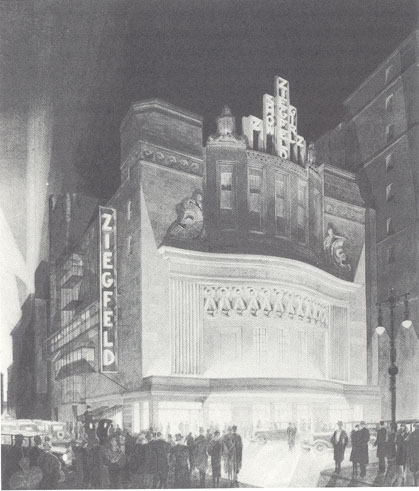
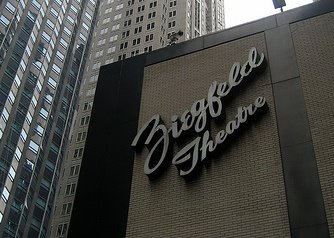
Cue the dancing girls, lower the props, raise the curtain — we’re taking on Broadway’s most famous producer, Florenz Ziegfeld! We give you a brief overview of the first days of Broadway, then sweep into Ziegfeld’s life — from his early successes (both professional and personal) to his famous Follies. And find out how the current Ziegfeld Theatre, a movie house, relates to the original Ziegfeld Theatre, home of Broadway’s first ‘real’ musical, Show Boat.
CORRECTION: I mention that the Lion King is playing at the new New Amsterdam Theater. It DID play the New Amsterdam, but another Disney musical, Mary Poppins, resides there today.
The original Ziegfeld Theatre, built by Thomas Lamb and Joseph Urban, one of the glitziest stages and the home of ‘Show Boat’ (built 1927, demolished 1966)
Three years after the original was torn down, a movie theater bearing the Ziegfeld name was constructed by Emery Roth and Sons. Don’t let its bland exterior fool you; this is one of the greatest movie screens in town.
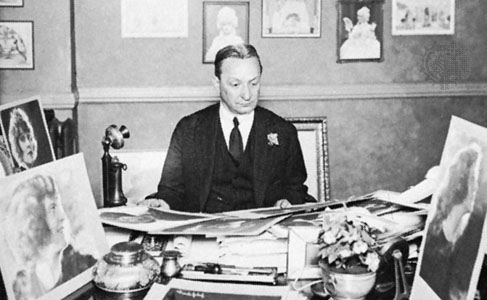
Florenz Ziegfeld, for once not surrounded by actual girls
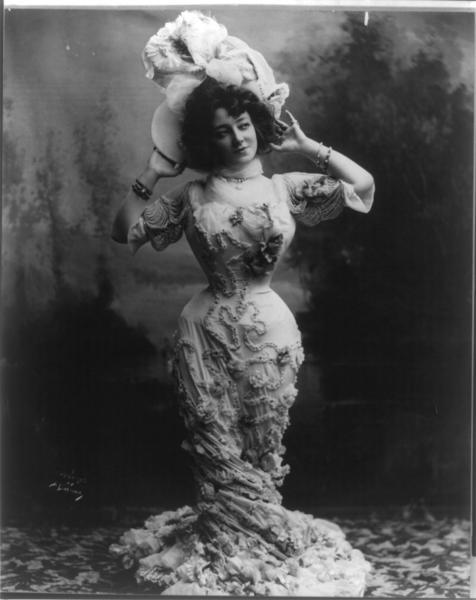
Anna Held, Ziegfeld’s ‘common law’ wife, became a star in America thanks to Flo’s often comically ridiculous press stunts
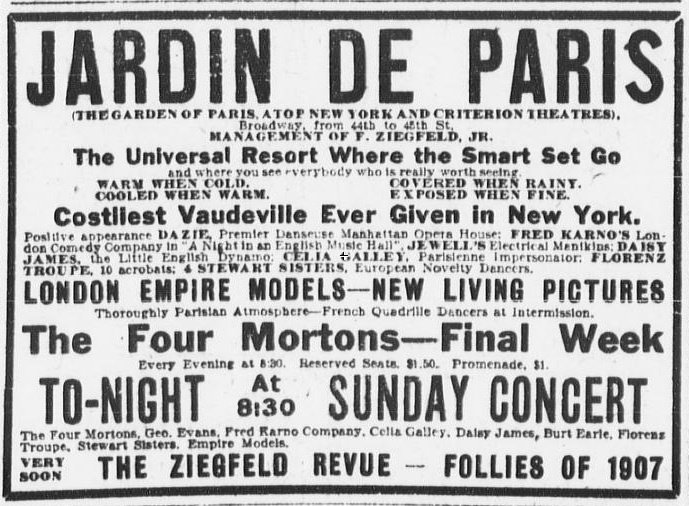
A New York Sun ad for the Jardin de Paris, the rooftop performance space at the New York Theater, touting the Follies of 1907
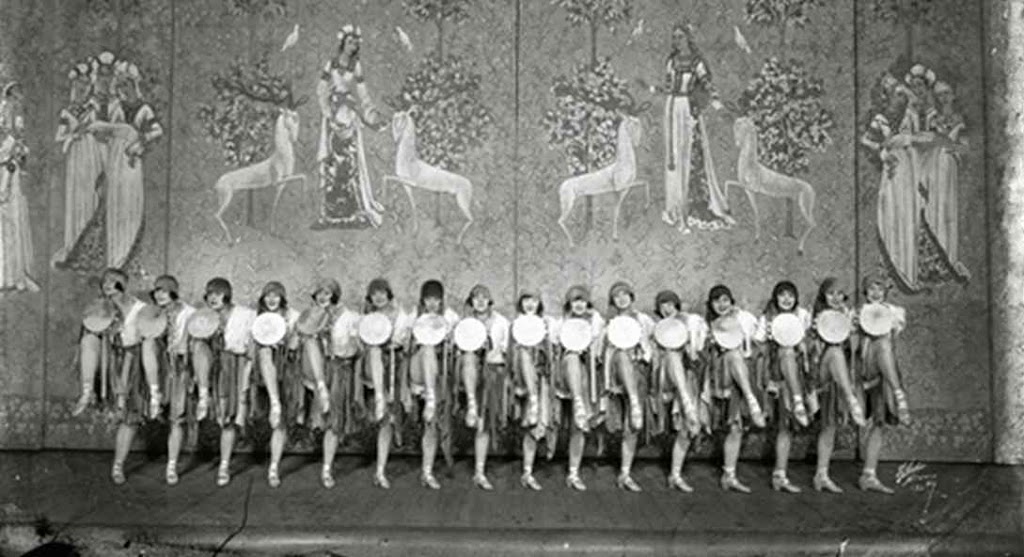
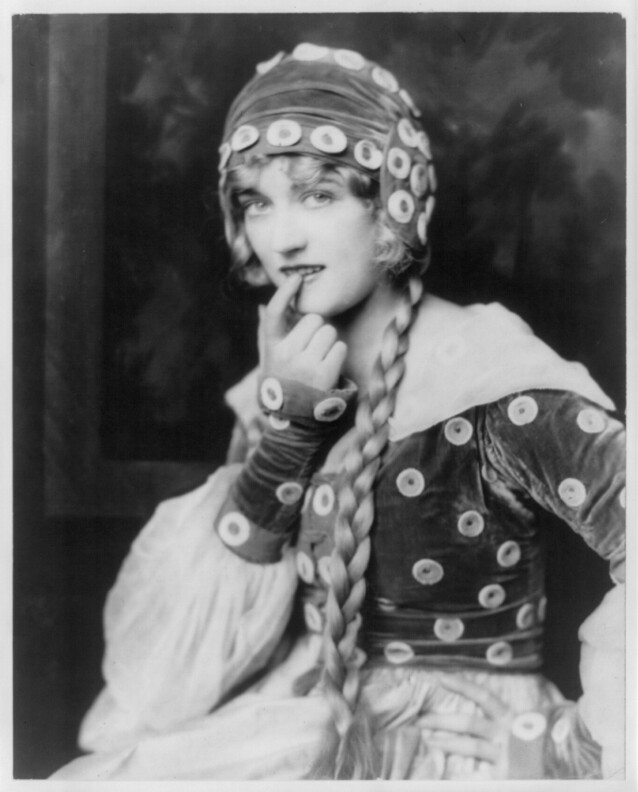
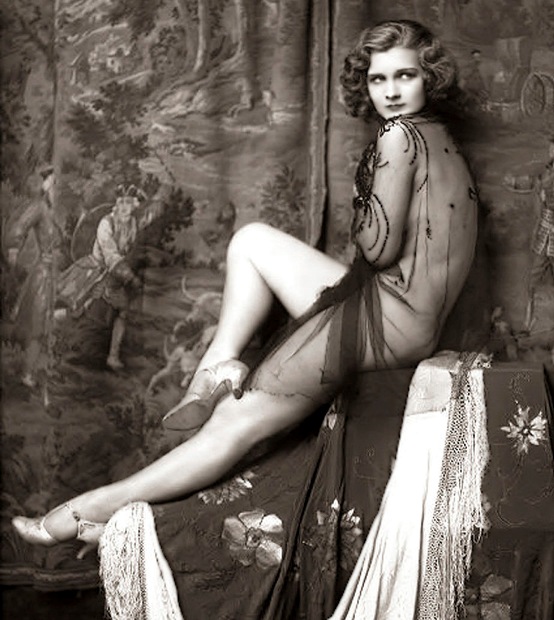
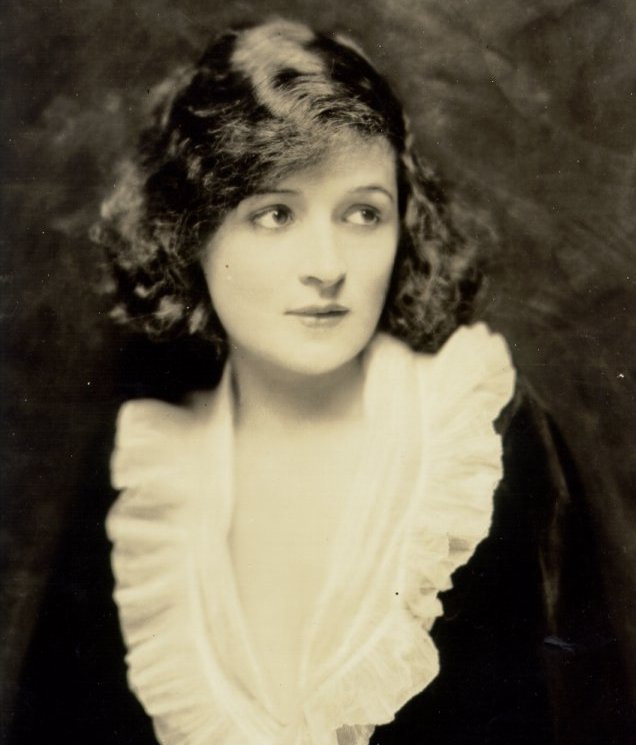
Some of the real mystique of the Ziegfeld girls comes from the provocative photography of Alfred Cheney Johnston, whose candid images were often the closest one got to these beautiful women. Below are a few examples of his work:
Marion Davies
Drucilla Strain
Billie Burke
Marilyn Miller
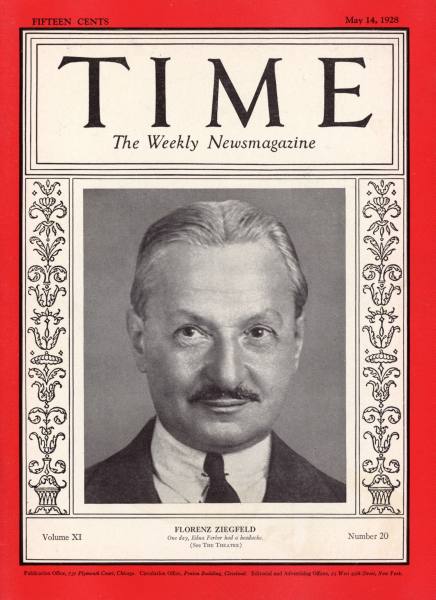
Just how big did all this make Ziegfeld? Cover-of-Time-Magazine big, that’s how big. (Courtesy Time)
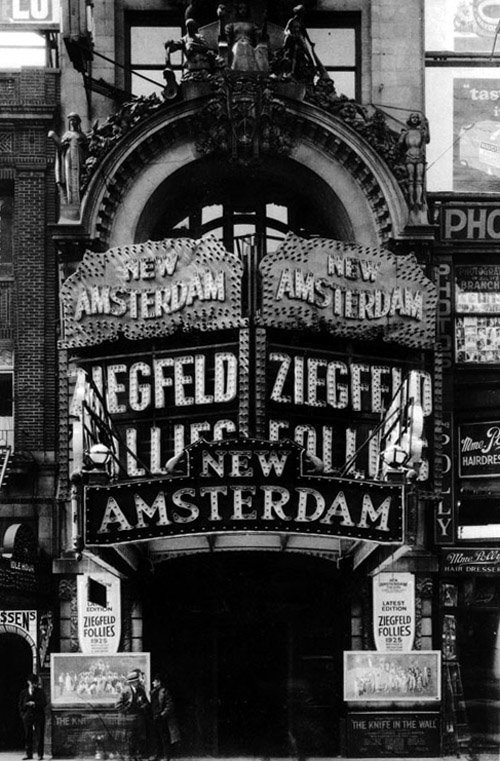
Klaw and Erlinger’s crown jewel the New Amsterdam was the home for the Ziegfeld Follies for most of its years. The stage wouldn’t see another hit that size for another 75-80 years, when Disney would renovate and move in the Lion King (now at the Minskoff Theatre).
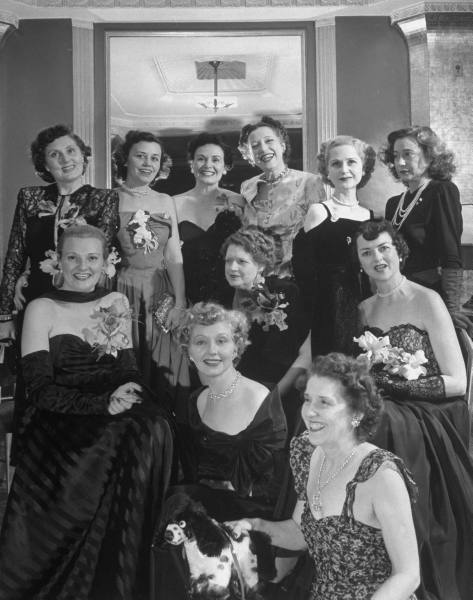
In 1948, some Ziegfeld girls who had married well (and most of them did) put together a reunion to raise money for their sister chorines who weren’t quite living it up so well.
Imagine a Steve Madden shoe store in Times Square erecting a grand new palace to footwear, and atop its banner they decided to welcome its patrons and the throngs of Broadway theater goers passing by with sculptural likenesses of Angela Lansbury, Audra McDonald, Idina Menzel, and Julia Roberts.
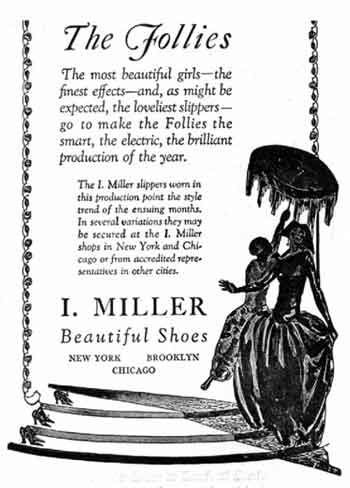
That absurd theater dream actually happened — eighty-three years ago. Polish-born Israel Miller was a successful importer of women’s shoes from the 1920s well into the late 1960s, an early fashionista who learned his trade fitting ladies of Broadway during its formative years. It was an adroit way of self-promotion; the glamorous Ziegfeld girls wore his shoes home, and what lady doesn’t want to look like a glamorous Ziegfeld girl?
By 1911, Israel opened his first shoe store at 1552 Broadway, the heart of the new theater world. Business boomed — echoing the fortunes of Broadway itself — and by 1926 absorbed the storefront next door, 1554 Broadway, to create a midtown footwear oasis for trendy women.
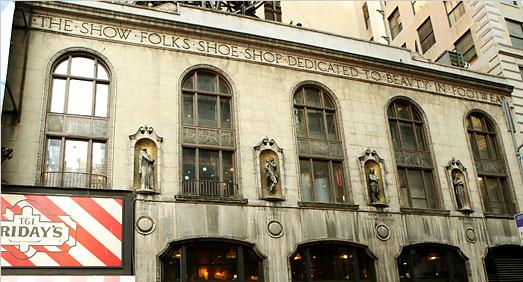
Today, Israel’s former shrine to shoes is a TGI Friday’s. But the gaudy striped signs of this chain restaurant fail to mask a remarkable glimmer of the building’s glory days.
You can still see Miller’s slogan etched into the marble — The Show Folks Shoe Shop Dedicated to Beauty in Footwear. Sitting into the walls below are four statues of Broadway muses, four major stars of the stage when they were carved in 1929 — drama icon Ethyl Barrymore, musical muse Marilyn Miller, operetta diva Rosa Ponselle and film’s biggest female star Mary Pickford (yes, that’s really her, in drag as Little Lord Fauntleroy).
But the building is as much a monument to 20th Century art as it is to the early days of Broadway. The first remarkable fact comes with the man who sculpted these stone beauties: Alexander Sterling Calder, father of the iconic mobile designer.
The second involves Miller, who in the 1950s commissioned a young graphic artist to invent whimsical, fresh shoe designs, radically dusting off his store’s by-then dusty reputation. That illustrator, Andy Warhol, would later uses his assembly-line acumen and eye for product design to revolutionize the art world.
Obama’s inauguration next Tuesday will closely adhere to the traditions of many presidents past, but with some serious leanings towards that other Illinois president Abraham Lincoln. But as ostentasious as some his plans seem — even eating foods that Abe might have noshed on — it can’t possibly top the ‘hope and change’ of the original celebration for George Washington, America’s first president and the only inauguration ceremony to take place in New York City, on April 30, 1789.
It took George seven entire days to get to New York from his home in Mount Vernon as his procession was met every step of the way with throngs of patriotic crowds and flamboyant celebratory displays. Meanwhile, on Tuesday April 21, Washington’s vice president John Adams arrived in the city, two days ahead of the president-elect.
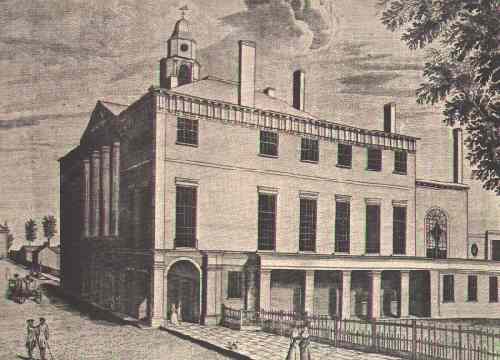
The building which greeted him, the former City Hall building on Wall Street, had been the center of city’s government since 1699, when the British used materials from the city’s demolished north defense wall to construct it. The heavily remodeled building which now stood in its place, later to be called Federal Hall, was designed by successful city contractor and former Continental Army engineer Pierre Charles L’Enfant. According to David McCullough, “it was the first building in America designed to exalt the national spirit, in what would come to be known as the Federal style.” (Sadly, this building was ripped down in 1812; the ‘Federal Hall’ which stands in the same spot today was built as a customs house in 1842) L’Enfant would later work on the creation of Washington DC from Maryland swampland and be fired from that project — by George Washington.
Below: a look at ‘old City Hall’ well before the thorough developments up and down Wall Street
George finally arrived in New York two days later, April 23, via a barge from Elizabeth, New Jersey, and was met at the Wall Street pier by the current mayor of New York James Duane and the state’s governor and DeWitt Clinton’s uncle George Clinton. From there, he was taken to his new home on Cherry Street (long demolished, around near the Brooklyn Bridge anchorage today) and spent the day greeting dozens of well-wishers. That night, Clinton hosted an elaborate dinner in his honor; the pomp and extravagance by this time were probably getting tiresome to the stately Virginian farmer.
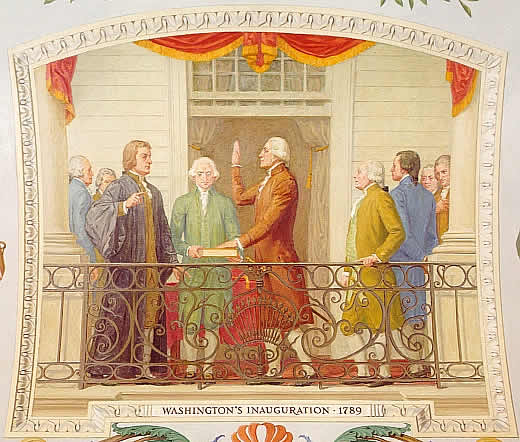
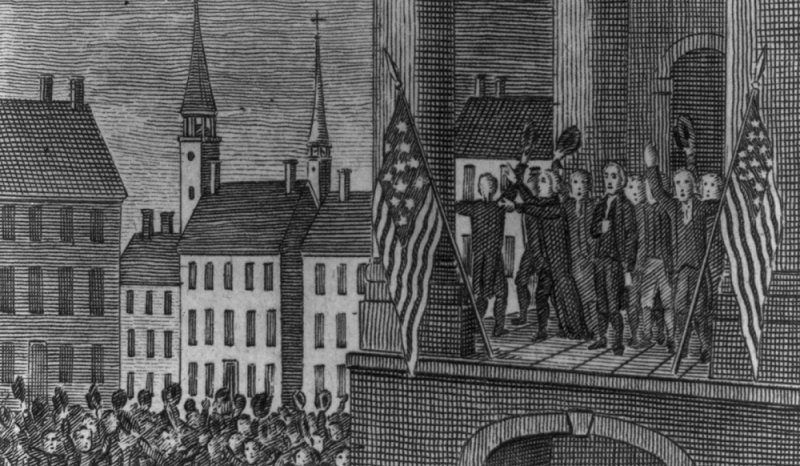
Meanwhile Adams spent the week at Federal Hall in Senate chambers, hashing out such things we take for granted, such as how to even address the new president, until at last they were ready for the ceremony to begin, on April 30. According to Ron Chernow, “Washington rose early, sprinkled powder in his hair, and prepared for his great day.” Like some fairy tale detail, Washington left his Cherry Street home at noon in a yellow carriage driven by white horses, legions of soldiers marching proudly behind him. The streets of Manhattan were clogged with people, over ten thousand cramming Broad and Wall streets, as far as the eye could see both ways. Sitting on the balcony of his own home on Wall Street was Washington’s closest confidante Alexander Hamilton, certainly reveling in the moment.
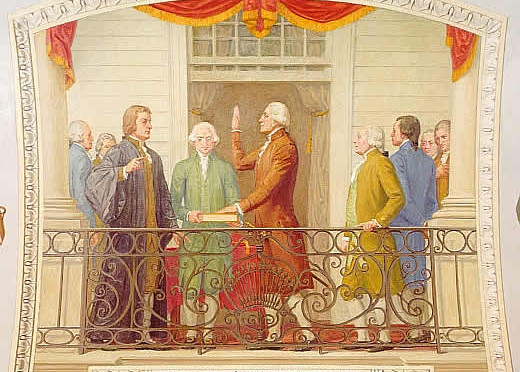
After greeting the Congress inside, Adams led Washington to the second floor balcony along with Robert Livingston, the Chancellor of New York (the highest judicial office in the state) who held out the a bible owned by St. John’s Lodge freemasons and delivered the oath of office, probably not loud enough for anybody in the street to actually hear.
Washington, possibly even less audible than Livingston, swore to “faithfully execute the office of President of the United States, and will to the best of my ability, preserve, protect and defend the Constitution of the United States” and then possibly threw in a ‘so help me God’ for good measure (although there are some doubts).
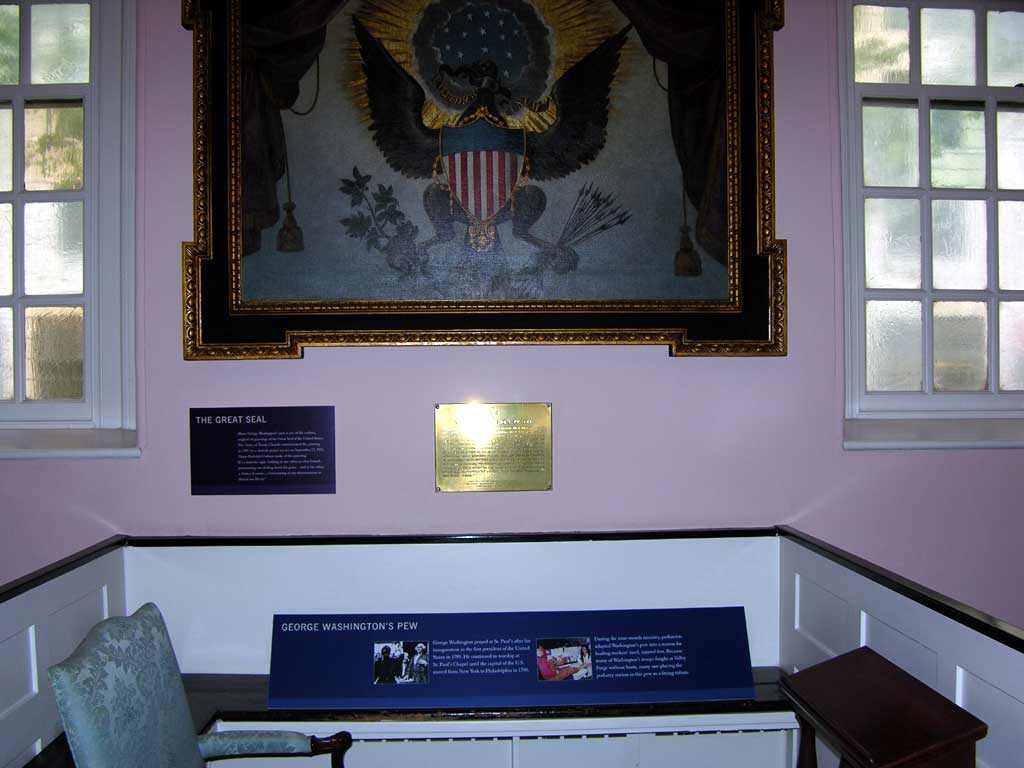
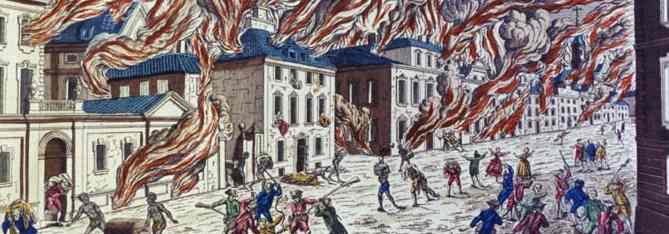
New Yorkers went crazy then, firing cannons, screaming and waving flags, playing music and dancing in the streets. After returning inside to address the new Congress — by this time with tears in his eyes — Washington and his entourage went up Broadway to receive on invocation at St. Paul’s Church, the scrappy survivor of the great fire the destroyed much of the city in 1776. Washington would be a regular here for his entire stay in New York; the pew where he planted himself for two years is still on display there (below).
Martha Washington would not arrive in town for another month, but that didn’t stop the parties. The official inauguration ball took place a week later, on May 7th, at the Assembly Rooms at 115 Broadway. Although a bit stiff and silent, George was still popular with the ladies and danced “two cotillions and a minuet,” often seen with Alexander Hamilton’s young bride Eliza. When Martha arrived on May 17, landing at Peck Slip, she was greeted with similarly grand fanfare, and yet another ball was held in her honor.
Believe it or not, there are some remnants of this unique event still in the city. Starting January 20th, the New York Historical Society will exhibit artifacts from that day, including a balustrade saved from old Federal Hall before it was demolished and George’s ‘inauguration chair’. And down at Federal Hall you can find other artifacts, including Washington’s bible, on permanent loan from St. John’s Lodge.
Our modest little series about some of the greatest, notorious, most important, even most useless, mayors of New York City. Other entrants in our mayoral survey can be found here.
Perhaps no mayor of New York City this side of Fiorello Laguardia has ever overseen so drastic a change to the landscape of the city than George B. McClellan Jr.
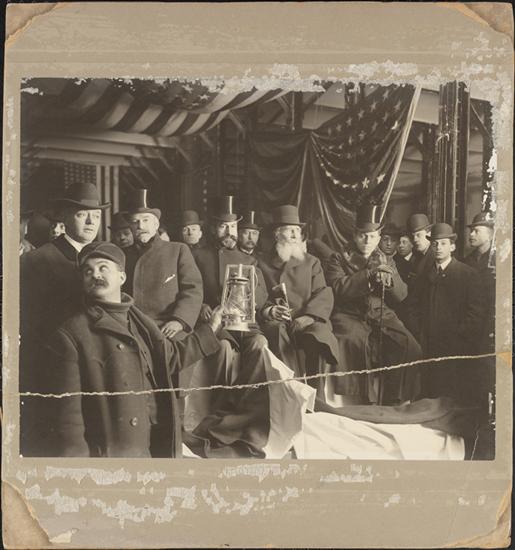
For six extraordinary years (1904-09) McClellan presided over the openings of the New York Public Library, Chelsea Piers, Grand Central Station, christened the first subway service and licensed the first taxi cab.
Below: Mayor McClellan in 1904, his first year in office
But oddly, George is perhaps best remembered today for his half-hearted but successful campaign against motion pictures.
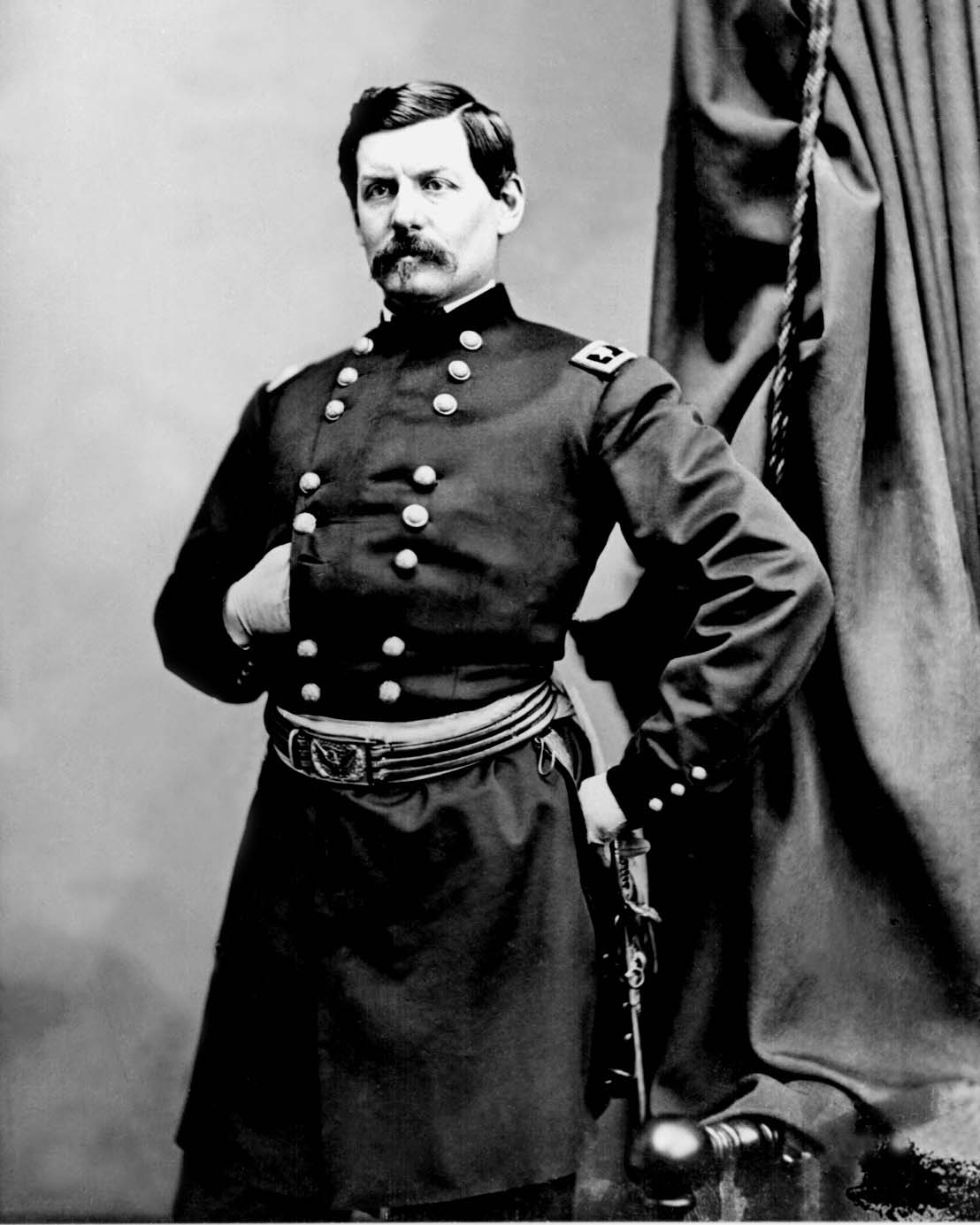
If his name sounds vaguely familiar, thank your high school history teacher. George Jr. was the son of the ultimately disastrous Civil War general of the same name, a Union general first fired by Lincoln, then defeated by him in the presidential election of 1864. Despite this, George McClellan Sr. did become the governor of New Jersey, providing his son with a model of leadership he would implant into his many civic duties.
Below: Papa McClellan
The dashing George Jr — or you can call him Max, his family did — is one of New York’s few foreign-born mayors, born in 1865 in Dresden, a few years before it was absorbed into Germany. Growing up in New Jersey while father governed, George graduated from Princeton in 1886 and a couple years later ended up as a writer for the revitalized New York World, Joseph Pulitzer‘s popular scandal sheet, in its brand new office on Newspaper Row — just across the street from George’s future office at City Hall.
Actually, George was mayor before he was really mayor. Name recognition and an inherited interest in public service placed him on the Board of Aldermen (precursor to the City Council) by the 1890s, and he was elected board president in 1893. The next year, due to an absence from the city by sitting mayor Thomas Gilroy, McClellan, age 29, became the acting leader for a month.
His biggest controversy? Raising on Irish flag over City Hall for St. Patricks Day, outraging local schoolboys. No, really. He even received threats of bodily harm, but held firm. Deal with it, he told the boys.
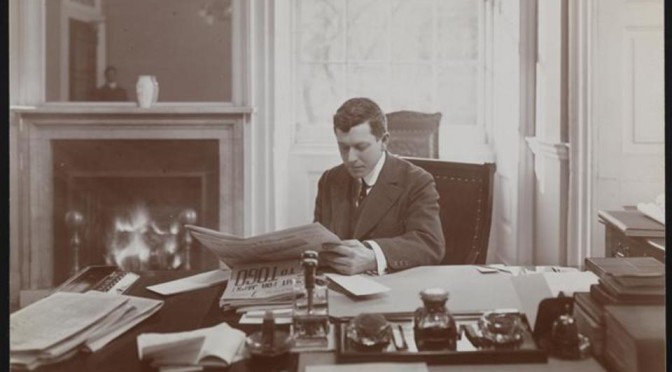
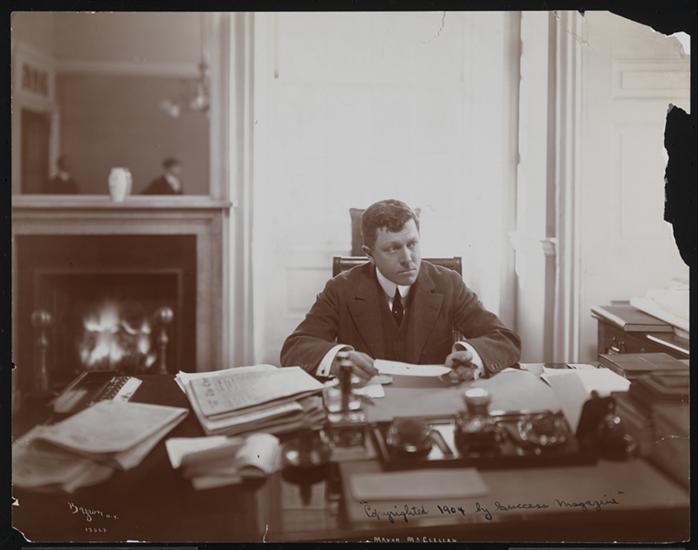
Mayor McClellan in his office, 1904 (Courtesy Museum of the City of New York)
Snugly in bed with Tammany Hall and a favorite of oleBoss Croker, McClellan spent the next several years representing New York in the U.S. House of Representatives. He returned to the New York scene in 1903 as a Tammany instrument to oust mayor Seth Low, a reform ‘clean-up’ mayor who may have irked more than a few tavern owners.
McClellan, with Tammany’s blind eye towards New York’s more lascivious industries, handily won. And would stay in office for six years, making him New York’s longest serving mayor since Richard Varick in 1789. (The man he beat for re-election in 1905? William Randolph Hearst.)
New York blossomed under McClellan’s reign, with many long boiling projects coming to fruition. One new bridge, the Williamsburg, opened under his watch with another (Manhattan Bridge) well on its way, he unveiled lofty plans to improved the city’s water system, and he gave Longacre Square a new name (Times Square). The Battery Maritime Terminal (built in 1906), that jade beauty next to the Staten Island ferry, is even dedicated to McClellan. New York Public Library was nearly completed — and Grand Central Terminal half-way done — by the end of his term.
A picture in the new subway tunnels, Mr. McClellan looking very confident near the center right. (Museum of the City of New York)
An intrepid tale springs up about McClellan involving the grand opening of the IRT’s first subway tunnelin October 27, 1904. Meant only go ceremonially start up the engine of the first train, McClellen requested that he would like to actually go ahead and drive the train all the way up to Harlem! (And Bloomberg brags that he only rides the train.) He deftly steered the new engine up to 103rd Street before handing over the controls.
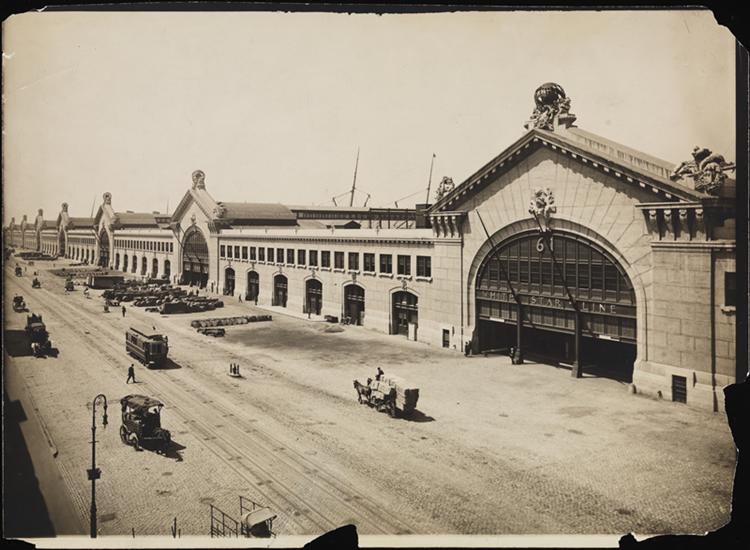
To me, McClellan’s biggest contribution is valuable indeed — overseeing the construction of the Chelsea Piers (below), which allowed massive steamships to dock in the city, turning New York into a truly international port. By 1907, in fact, the Lusitaniawas already at dock here, although the terminal wasn’t officially completed until 1910.
Yet with all of these remarkable changes, the story which arises the most about McClellan involves his war against a technological threat — the rise of cinema.
By 1905, the city had dozens of ‘movie houses’, nickelodeons and amusement arcades where patrons could pay a penny to see the birth of the motion picture. A theater owned by Marcus Loews, quickly to become the biggest name in film exhibition, opened in New York in 1904; the city got its own production company, Biograph, in 1906.
This new moving pictures craze was sweeping the United States — two million patrons in 1907, according to the Saturday Evening Post — and like everything foreign and new, it was soon seen as a corrupting influence, ‘demoralizing’ children, a bastard offspring of vaudeville and burlesque.
Some accounts have McClellan ardently opposed to this new medium on those grounds. I prefera more rational theory: by 1908, McClellan had his eye on a new job — president of Princeton University — and in order to get that, he had to be seen as sticking up for higher morals. (Something Tammany candidates aren’t exactly known for.)
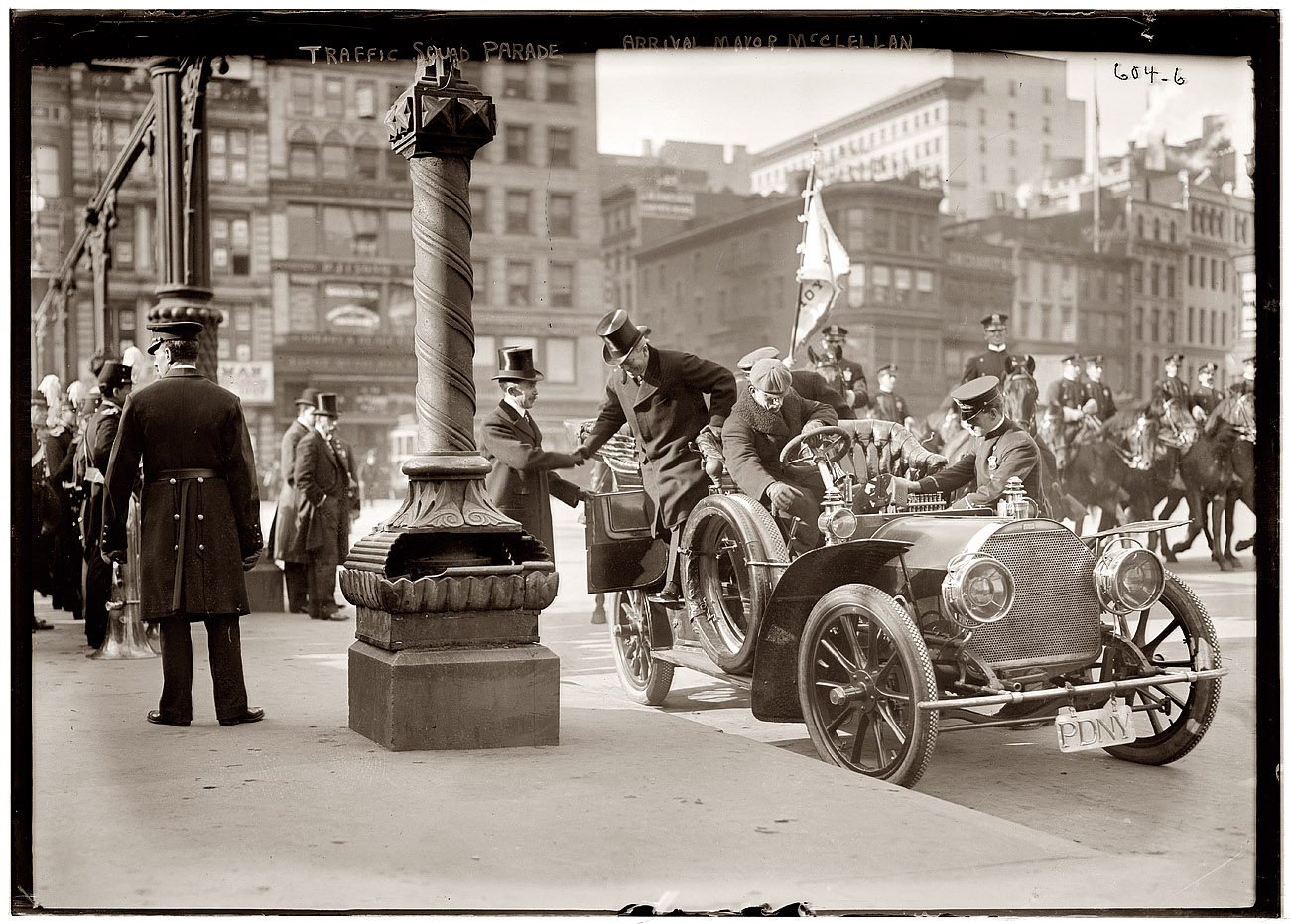
Below: McClellan steps from a newfangled automobile onto the streets of Union Square in 1908 (pic courtesy Shorpy)
And so, on the technicality of being dangerous fire hazards, McClellan tore up the licenses of over 550 motion picture exhibitors — yes, that’s right, 550. (Nickelodeons were in music halls, taverns, even a few restaurants.) Most were not reinstated until the debut of New York’s Board of Censorship in 1909, a reviewing board which ended up not censoring much of anything. By the 1910s, movie makers and theatre owners were becoming too powerful to overrule.
By why was McClellan looking for a new job in the first place? In 1908, he was not long for the mayor’s office. Like blessed as Tammany Hall golden boys, McClellan got a conscious in his second term, hiring many non-Tammany employees and rooting out a mountain of Tammany related corruption in civic offices.
This turncoat did not please new Tammany boss Charlie Murphy, no it didn’t. In 1909, Tammany put up their new contestant, the colorful William J. Gaynor. (Incidentally, he also beat William Randolph Hearst, in his second and final unsuccessful run at the office.)
McClellan never became the president of Princeton, but he spent his remaining years teaching there until 1931, when he retired to the good life, writing books about his real passion — the history of Venice. He died in 1940 in Washington DC and was buried in Arlington Cemetery.
But clearly, it’s to New York that he belong.
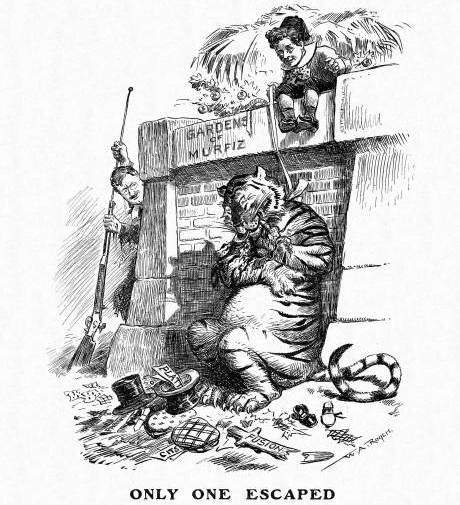
Below: in this 1905 Harpers Weekly cartoon, McClellan is seen as a little boy holding the Tammany tiger, devouring the ‘fusion candidate’ (Seth Low). President Theodore Roosevelt peeks from the side. (He always did like wildlife.) Within three years, McClellan would be the devoured.
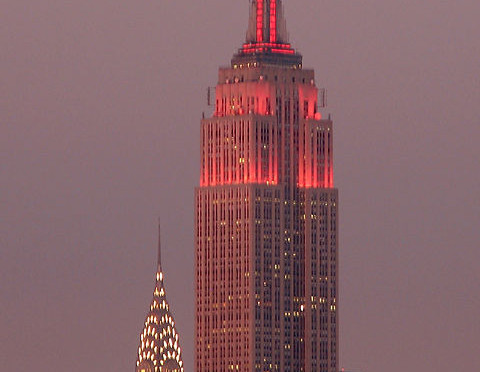
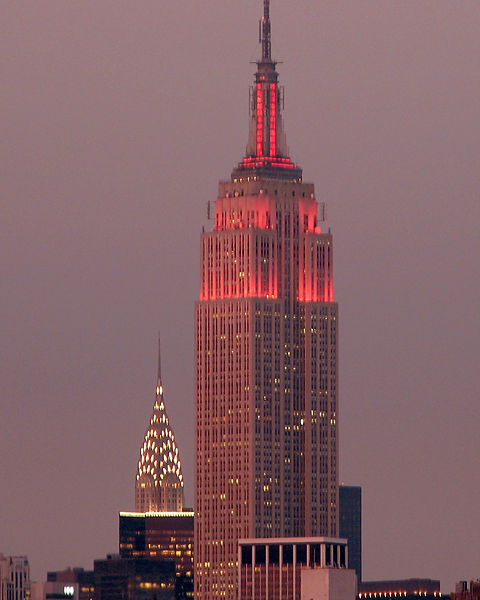
Yesterday the media reported the grim news that a woman committed suicide by leaping out a 39-story window of the Empire State Building. The woman was an employee in the building; however New York’s most recognizable symbol, and its 102 floors, has been the final destination for over 30 people since it opened its doors in 1931. (According to one source, 35 as of 2006. Make that 36, I guess.)
Why do people choose famous places to leap from? Is it simply to grab attention, to attach a sense of the iconic to your final moment? Are they hoping they get caught before leaping? The Empire State, destined to represent the city’s promise and pure ambition, has also been a magnet for morbid thoughts even during its construction.
A construction worker, laid off in a swath of Great Depression job cuts, jumped from the building before it was even completed. (He chose to go in a different direction : the elevator shaft.) In 1947, a 23 year old woman jumped from the building to hit a United Nations limousine, resulting in an extremely famous Life Magazine photograph. (Go ahead, look. It’s strangely serene.) In fact, there were a rash of suicide attempts from the observation deck in 1947, including one jumper who seriously injured a pedestrian walking in the street below.
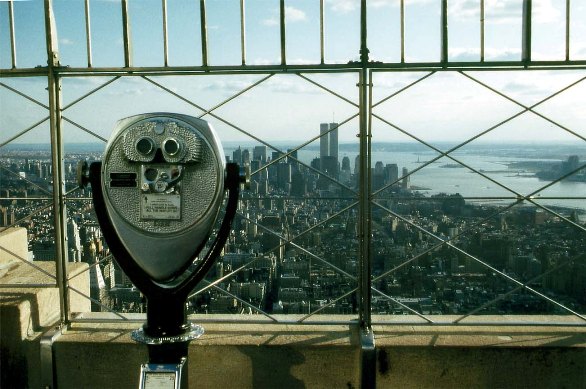
According to a paper by the New York Academy of Medicine, midtown Manhattan has seen dozens of suicides over the years, particularly from non-residents of the city, combining fantasies of their own ends with those of the city’s grandeur. This has of course caused safety concerns for people on the ground — “They said the man landed on a van parked on 33d Street” says a New York Times account of one event in 1981 — to the extent that the Empire State Building has had ‘suicide fences’ on its observation deck for many years. (Since, no surprise, 1947.)
However, believe it or not, somebody did survive a leap from the Empire State Building. She just didn’t fall very far.
As the story goes, in 1979, a depressed woman Elvita Adams jumped from the 86th floor to end her life. Yet the wind gusts can be quite powerful that high up and, unfortunately for her, one powerful gust actually blew her back into the building one floor below, breaking her hip. She was apprehended before she could try again. (And really, if something that extraordinary happens, she might have wanted to reconsider it anyway.)
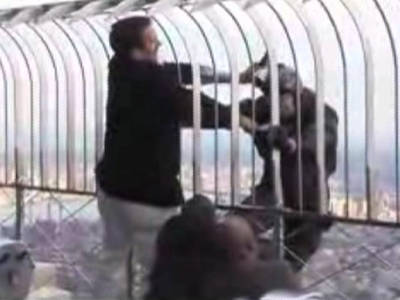
Of course, not everybody who attempts this horrible leap has a deathwish. Stunt aficionado Jeb Corliss was arrested in April 2006 when he tried to leap from the building wearing a parachute. Some of you may remember the heart stopping video of the man being apprehended from the other side of the fences. (A screenshot is below.)
Having just written all of that, I almost feel required to put information for the New York Suicide and Crisis Hotline. You may now return to enjoying the Empire State Building as the vibrant, living, joyous icon of the city.
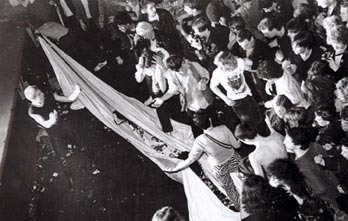
Fans incensed by PiL’s cheeky use of a video screen began attacking the stage
It may not have the historical cache of a Civil War draft riot, but Webster Hall has had its share of violence. The discontent of union workers? Anger over its salacious activities? NO. Just pissed off Public Image Limited fans in May 1981. You can read all about it here from a Rolling Stone article.
“PiL play behind a large screen, on which pre-taped video footage is projected. However, the audience doesn’t get the concept (or joke…) and smashes the venue apart after 25 minutes!”
A year earlier, young Irish rock band U2 had their American debut at Webster Hall, back in its days as the Ritz. Their second performance there, in March of 1981, was reviewed by the New York Times, and the original review — by Stephen Holden, no less — is worth a look if you’re a U2 fan. My favorite line:
“Bono Hewson, U2’s lead singer, has a moderately strong voice that was partially drowned out at the Ritz. This was a shame, since the band’s material is of considerable interest.”
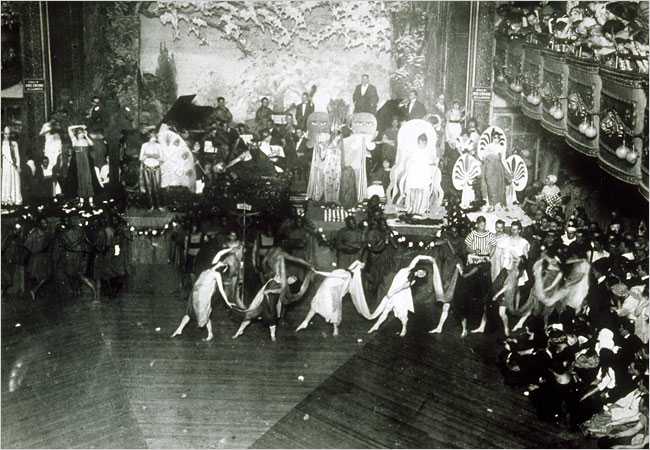
Webster Hall, as beautifully worn and rough-hewn as it was during its heyday in the 1910s and 20s, disguises a very surprising past, a significant venue in the history of the labor movement, Greenwich Village bohemia, gay and lesbian life, and pop and rock music. Its ballroom has hosted the likes of Emma Goldman, Marcel Duchamp, Elvis Presley, Robert F Kennedy and Madonna. Listen in to find out how it got its reputation as ‘the devil’s playhouse’.
Listen to it for FREE on iTunes or other podcasting services. Or click this link to listen to the show or download it directly from our satellite site.
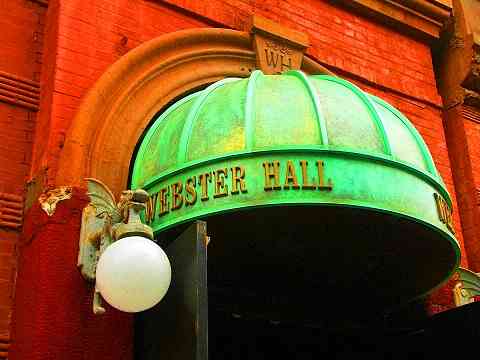
Webster Hall in its first decade of the 20th century….
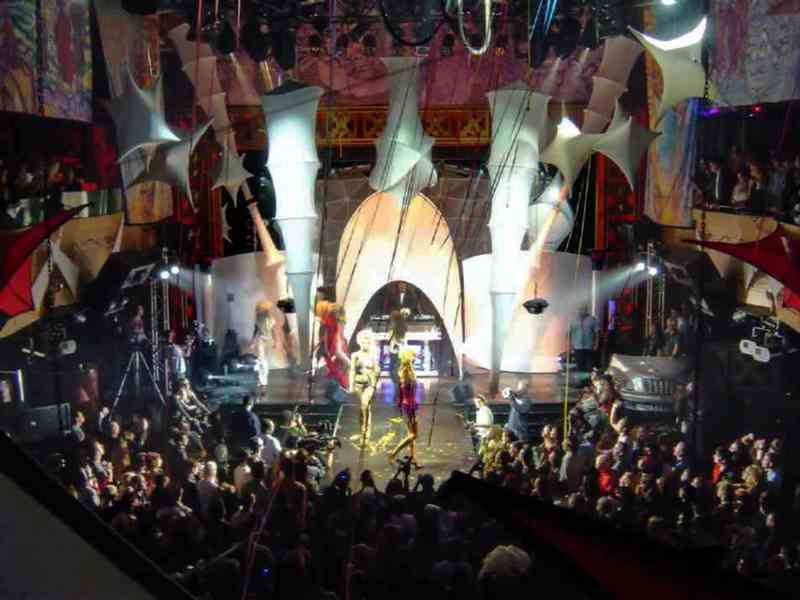
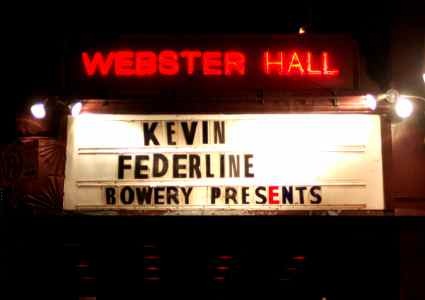
…and the first decade of the 21st century
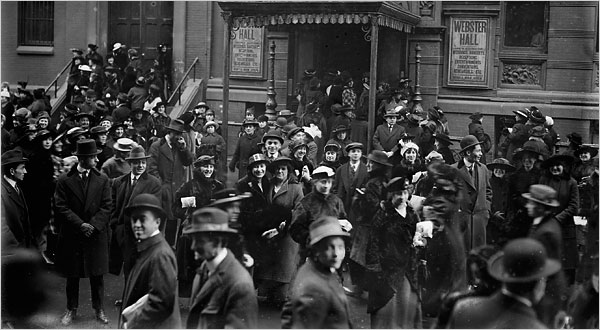
Outside the club during a labor rally in the 1910s (pic courtesy Library of Congress
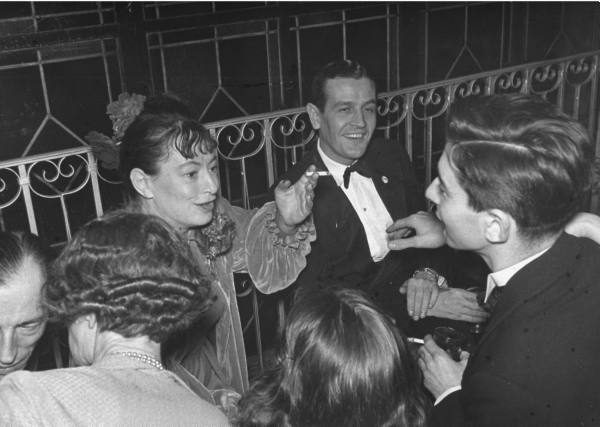
Dorothy Parker arrives at Webster Hall in 1938 with husband Alan Campbell
In its years as an RCA recording studio, Webster Hall saw most of the greats of pop, jazz, classical and Broadway making albums here.
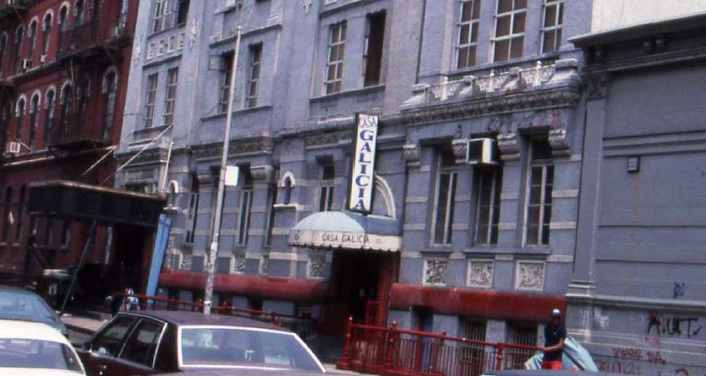
As the Casa Galicia during the 1970s
Elvis, Madonna, Lena Horne, Louis Armstrong, Frank Sinatra, James Brown, Jefferson Airplane, Run DMC, Prince, U2 — all the greats have performed at Webster Hall. And then there’s ….
Some high-quality films and television shows returned to New York’s past for inspiration this year. Here’s a few of my favorites:
1 MAN ON WIRE
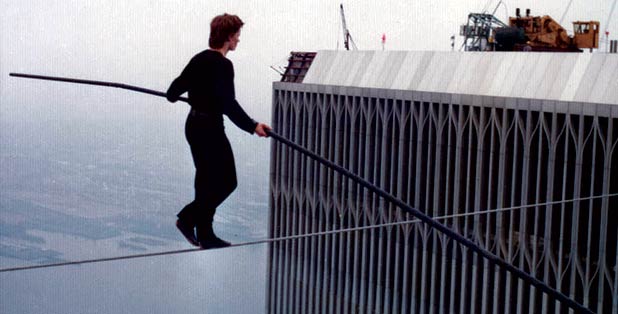
This documentary purports to be the story of Philippe Petit, the daredevil highwire artist who staged one of the craziest stunts in modern times, an illegal tightrope walk between the Twin Towers in 1974. But to me it’s as much a portrait of 70s New York as it is anything; look through the branches and see the grit and the glamour of downtown Manhattan. And of course the World Trade Center, retaining its wonder and majesty, back in the day when you could both hate it and love it.
2 DOUBT
A world ten years older than Petit’s is depicted in this John Patrick Shanley play turned self-directed flick. The scene, practically gothic, is the St. Anthony parish in the Bronx in 1964. This is the darkest portrait of the Bronx I’ve ever seen. Literally. The one time there’s sun, it’s used by viperous Sister Aloysius (Meryl Streep) as a light of interrogation upon Father Flynn (Phillip Seymour Hoffman), accused of a heinous crime with one of his young charges. Although the film (almost to its fault) stays claustrophobically indoors, snow-covered Italian and Irish working-class neighborhoods set the tone of a deceptively innocent world.
3 REVOLUTIONARY ROAD
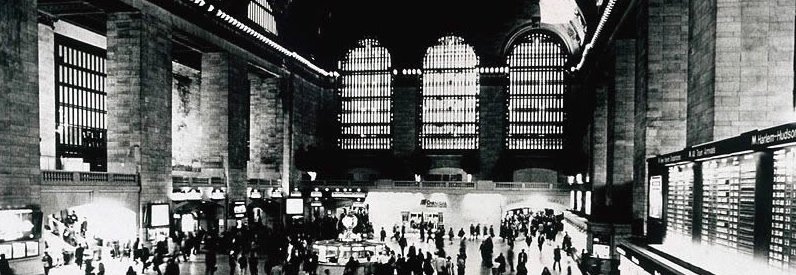
Set almost ten years earlier than Doubt, this re-teaming of the Titanic stars Leonardo DiCaprio and Kate Winslet essentially depicts the clash of 50s suburban life with the toils of midtown Manhattan. The pair bicker throughout the entire film as a married couple thinking they can survive the banality of middle class life in Connecticut. To offset it, director Sam Mendes gracefully uses Grand Central Terminal as a metaphor for DiCaprio’s homogeny, its arching windows cast as prison bars.
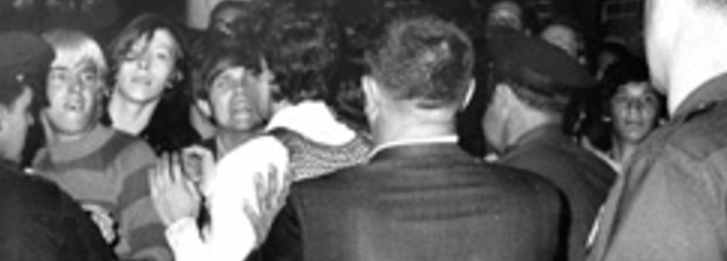
Honorable Mention: Anyone looking to visit pre-developed 90s New York need only rent The Wackness, a loving portrait of the city and its music. The low-budget but heartfelt Henry May Long was only in theaters for a week, but its worth a look for its drawing-room portrait of two vastly different New Yorkers in the late 19th Century. (Should be on DVD next year.) Milk is set entirely in San Francisco but for the first ten minutes, with a passionate kiss in the subway between Harvey Milk (Sean Penn) and his soon-to-be boyfriend Scott (James Franco). A brief flash to the Stonewall riots remind you of New York’s links to the events of the film.
New York seems to be a backdrop on half the TV shows currently broadcast — even when it’s Toronto — but to take the risk and display New York’s past is pretty admirable when it’s done right. Until HBO answers my calls to make a weekly series about Five Points, these will have to tide you over:
1. LIFE ON MARS
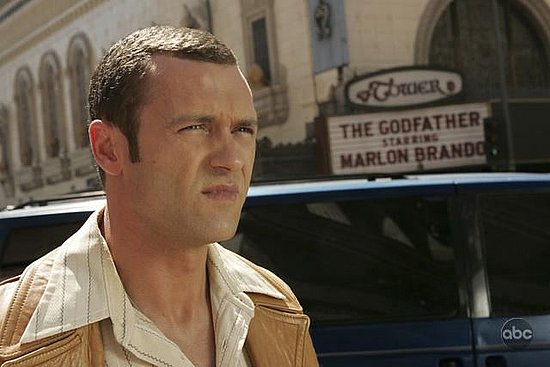
Modern-day cop gets stuck in some kind of mental wormhole, jettisoning to a 1973 New York straight out of old, comfortable cop shows. Although I find it a bit costume-y, I love its attention to detail and zany cultural clashes. Its amber glow grants New York’s near bankrupt, joyously cultural era a buffer of sweet nostalgia. If the 70s were like this for real, who wouldn’t want to be knocked into a coma and join him? Here’s hoping the show makes it at least four years to the blackout, Son of Sam and Studio 54. (Hmm, maybe next season, he can go arrest Philippe Petit!)
2. MAD MEN
This show still isn’t filmed here, but the second season of Mad Man fine-tuned its depiction of early 60s New York in its perfectly dressed interiors and fashions. You never see Madison Avenue, but boy do you feel it on the smarm these ad men bring to their work. Don Draper disappears in Los Angeles for a few episodes, and you feel the loss of New York like a missing limb — or a weight off your shoulders, depending on the perspective.
3. JOHN ADAMS
Almost none of this epic mini-series was filmed here, or for that matter, even set here. But for the New York history geek in all of us, did you not get chills at the reenactment of Washington’s swearing-in at Federal Hall, with bug-eyed Paul Giamatti looking on as the testy, tormented vice president?
Honorable Mention: American Experience had two great New York stories this year — one on Grand Central Terminal, the other on Brooklyn’s favorite son Walt Whitman, a gorgeous, poetic episode that won an Emmy
Below is a list of all the podcasts we did for the year 2008. This year has been a tremendous, overwhelming time for us, and Tom and I want to thank all of you for listening or just checking out this website. I can’t promise we’ll be able to produce quite this many shows for 2009, but we do plan on making the shows even better than before. We have many more ‘epic’ shows in the pipeline, and we’re also going to do a few that are way off the beaten path.
In addition, we now offer another way of getting these shows. In addition to downloading from iTunes and other podcasting services, you can download them directly from our satellite links that are now included below. Just click on the name of the podcast you want to hear, and it will take you to another screen. From there, you can listen with Quicktime or just download to your computer!