Pope-fest 2008: The Holy (Sight) See

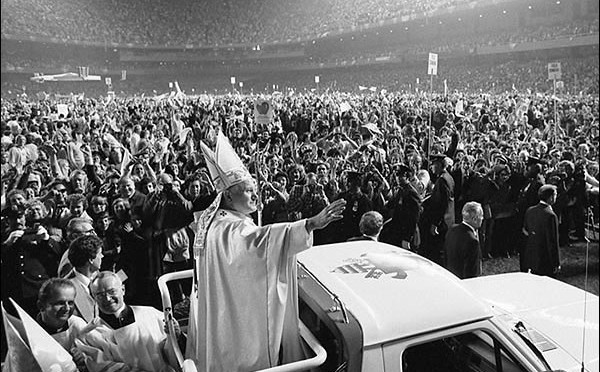
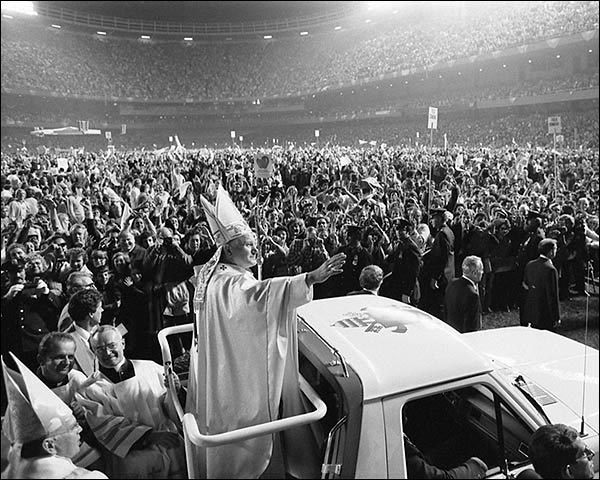
Pope John Paul greets the crowds at Yankee Stadium

Welcome Benedict! I’m not Catholic, but I do love a good papal visit to New York City. Nothing could be more absurd. The leader of the Catholic Church, a man who traces his spiritual lineage all the way back to the apostles — delivering mass at Yankee Stadium, traipsing Fifth Avenue in his sacred robes. I hope that person who dresses as Sesame Street’s Elmo in front of Rockefeller Center waves to Benedict as he enters St. Patrick’s Cathedral on Friday.

Only the Marquis de Lafayette and the Beatles have been treated to more rapturous displays of welcome by New York City residents. The city has been host to three previous papal visits, and in each case, St. Patrick’s has naturally been the manic center of activity. In fact each visit is immortalized on a plaque in front of the cathedral. Although with each trip, the pope in question managed to find a couple other unique corners of the city to visit as well.

Perhaps the strangest was the very first — Pope Paul VI, the controversial leader who presided over the Second Vatican Council and made a name for himself traveling all over the world. Finally in an era were a man could be both pope and jetsetter, Pope Paul arrived in New York in October of 1965 and promptly went to visit his roommate, who was performing in a fair.
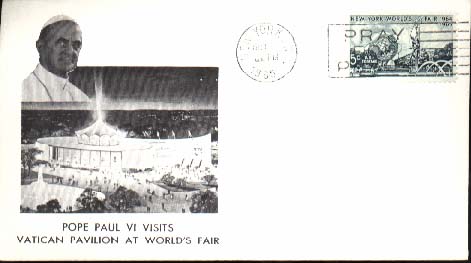
That roommate would be Michelangelo’s Pieta, on loan from St. Peter’s hallways to the Vatican pavilion at the 1964-65 World’s Fair. The Pope visited the Fair on Oct 4, 1965, on a busy day that also included mass at Yankee Stadium (the first papal mass ever in the United States), an address to the United Nations, and a meeting in the city with president Lyndon Johnson at the Waldorf=Astoria.

Today a rounded bench, or exedra, sits in Flushing Meadows park honoring the moment Pope Paul visited the Pavilion. (It seems that whenever a Pope hovers in a place for more than a few minutes, a plaque or monument springs up in its place.)

By the way, I found this extraordinary page full of great photos about the Pope-mobile, the superfine limousine used by the Pope during his visit.

But its Pope John Paul who’s the real New York favorite; he held the office for so long that he managed two trips to Gotham City — in 1979 and 1995.

His October 1979 trip was like a rock concert tour, also swinging through Philadelphia, Boston, D.C., Chicago and Des Moines. Part of the enthusiasm was because John Paul, at 58 years old, had just been appointed the year before.

As a cardinal, he had already held mass at Yankee Stadium, so by the time he did it again on October 2, 1979, he was as much a fixture as Reggie Jackson. Rain greeted over 9,000 cheering worshippers — or fans — and, according to legend, when the Pope mounted the ballfield to address the crowd, the rain showers stopped. And as a blessing for Mets fans, the next day the Pope also held rapt an audience of 52,000 at Shea Stadium (pictured below).
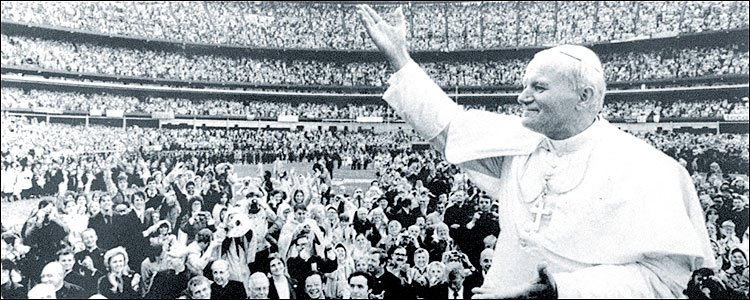
But like all rock stars, the Pope couldn’t complete his New York odyssey without a performance at Madison Square Garden. Although John Paul also addressed the U.N. and a St Patrick’s audience during that trip, he’s best remembered by many for his inspirational address on October 3rd to 19,000 city children.

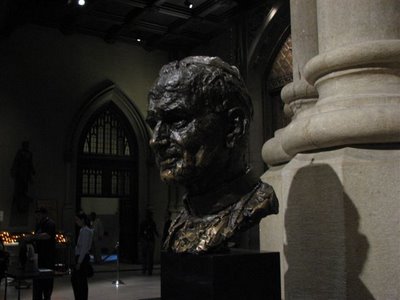
St Patrick’s honored his Holiness’s visit in 1979 by installing a bust (see below). But he would be back. On almost exactly the same day, sixteen years later.
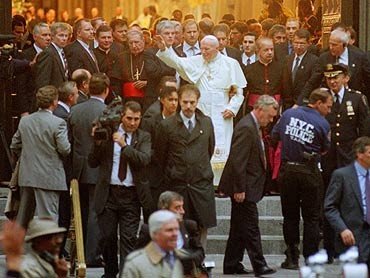
New York City in 1995 was a vastly different city and John Paul returned for a longer visit — four days in total in the entire New York area — on October 4th. This time, instead of just delivering messages to the clergy gathered at St. Patrick’s, he spontaneously decided he wanted to walk around the block. And why not? You’ve got shopping, Saks, street vendors selling Pope souvenirs!

Below: the Pope prepares for his light stroll
The Pope also finished off his collection of performing in gigantic venues for mass — holding court in Giants Stadium, the Aquaduct Racetrack in Ozone Park and eventually to 100,000 people on the great lawn in Central Park.

From there, the elderly leader of the Catholic Church gave the city the ultimate shout-out: “This is New York! The great New York! This is Central Park. The beautiful surroundings of Central Park invite us to reflect on a more sublime beauty: the beauty of every human being, made in the image and likeness of God. Then you can tell the whole world that you gave the pope his Christmas present in October, in New York, in Central Park.”

Pope Benedict, here for two days (April 19-20), has broken the apparently holy tradition of visiting New York in the first week in October. But Benedict, as the cardinal formerly known as Joseph Ratzinger, actually visited the city in that lesser role in 1988, where apparently he was met with protest from gay activists and shunned by some prominent Jewish leaders.

This year, he intends to hit all the “usual” Pope spots — St. Patricks, the United Nations, Yankee Stadium — but has added a couple surprising detours: Park East Synagogue and Ground Zero. At this rate, he might even stop in to see an off-Broadway show! Is Nunsense still playing?
Boycott the Olympic Games!


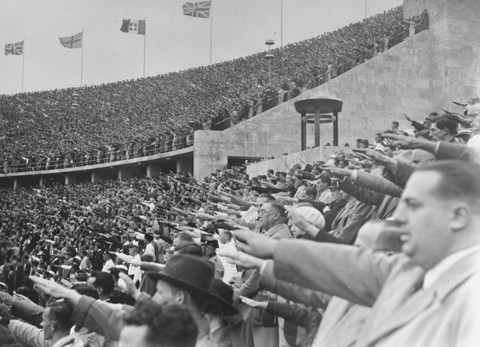
It’s been awhile since America faced the potential of an Olympic Games boycott. The debate about Beijing is still being waged in the press. America withdrew from the Moscow Olympics in 1980. And in 1936, there was an equally emphatic cry to boycott the Olympics in Berlin, Germany — and New York City led the protest.


This seems logical, as New York was America’s center for Jewish culture; many Jewish athletes (most notably, world record hurdler Milton Green) would eventually sit out these Olympics anyway, in protest to Hitler’s purging of his Olympic team of Jewish athletes. Hitler had relented in his original dictate to ban all Jewish athletes from all countries, but who could blame any athlete from wishing to avoid such an event fraught with toxic politics?

But in fact it was prominent New York Catholic politicians that headed the effort to convince the New York Olympic committee to pull out of games. Leading the charge was former New York state supreme court justice Jeremiah Titus Mahoney, who also just happened to be the president of Amateur Athletic Union. Mahoney had run for mayor of New York in 1934 but lost to Fiorello LaGuardia.

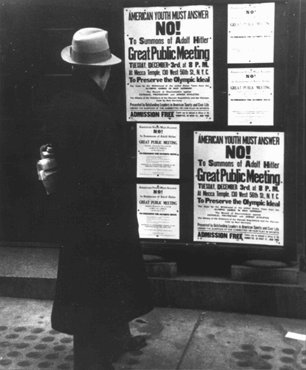
So imagine the impact of a rally on Dec 3, 1935, where both Mahoney and Laguardia took to the stage, urging Americans to support a boycott of the Berlin Olympics. The rally was held at the former Mecca Temple for Shriners on W. 55th Street.(Today, its the New York City Center concert hall.) Pictured above: announcements of the Mecca rally

According to Jeremy Schaap, a host of political leaders urged on a boycott and read letters from supportive state governors and Senators. But it a speech from the diminutive but charismatic LaGuardia, himself of Jewish descent, that moved the crowd. “Athletic contests imply good sportsmanship and fair play, two qualities which are unknown to the Hitler regime.”

But boycotters faced two insurmountable roadblocks. The first was Avery Brundage, president of the United States Olympic Committee, who was firmly in Hitler’s pocket after a carefully orchestrated wine-and-dine tour through the country convinced him of above-board German intentions that would “promise … the greatest sports festival ever staged anywhere.” Brundage also happened to be the former president of the Amateur Athletic Union, pitting him directly with Mahoney.

The other was endemic of America itself. Many wondered how America could boycott the games out of political protest, when African-Americans were hardly being treated any better in our own country. Jesse Owens originally signed on to the notion of a boycott, but the general concensus was that a diverse American team could undermine Hitler’s racial policies by showing him up at his very doorstep.

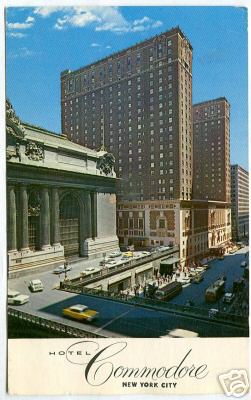
So it was no surprise that at a Dec. 8 meeting of the Amateur Athletic Union, held at the Hotel Commodore on Lexington and 42nd Street, Brundage was able to convince the voting body of the organization to vote to stay in the games.

Despite the bad blood with city leaders, New York City hosted the Olympic trials the next year in July on Randalls Island at the former Downing Stadium. (Downing was ripped down in 2004 and replaced with Icahn Stadium.) New Yorkers got to witness firsthand the now-legendary prowess of Jesse Owens who then went on to snatch four gold metals from Hitler’s games.


But while Owens was busy showing up the Nazis, a ‘protest’ Olympics were being held at Downing that same summer. The World Labor Athletic Carnival or ‘Counter-Olympics’ featured over 400 American athletes in a display more of solidarity than actual competition. Although it was organized by the Jewish Labor Committee, its no surprise to find as co-chairs of the ‘counter-Olympics’ the two former rivals who had desperately tried to boycott the games in the first place — Mahoney and LaGuardia.

As for the former Hotel Commodore (pictured at left), now the Grand Hyatt , it holds another place in sports history; it was here on June 6, 1946, that the precursor the the National Basketball Association was formed.

Categories
Podcasts

PODCAST: The Triangle Factory Fire of 1911

Shirtwaist factory workers on strike!

Come listen to the strange and shocking facts of the Triangle Shirtwaist Factory fire, of a workplace tragedy that changed how New Yorkers live and work in a world of tall, flammable buildings.

Listen to it for free on iTunes or other podcasting services. Or you can download or listen to it HERE

Know Your Mayors: “The Boy Mayor of New York”

Our modest little series about some of the greatest, notorious, most important, even most useless, mayors of New York City. Other entrants in our mayoral survey can be found here.

The 1910s were a rough time to be mayor of New York City. The decade’s first mayor, William Jay Gaynor, took an assassin’s bullet in the neck and an entire term to die from it. A second mayor — in fact, New York’s youngest mayor ever — would not live to see the end of the decade either.

We covered Gaynor’s unusual tenure in the job in a prior entry. Former army Col. Ardolph Loges Kline stepped in to fill the remainder of Gaynor’s term, a duration of less than four months. Kline, former president of the Board of Aldermen (an equivalent of today’s city council), was remarkably enough a replacement for that job too. He stepped in after first Board president, a man whom I will shortly introduce below, vacated the post.

Although fairly insignificant, Col. Kline holds a distinction that Rudolph Guiliani must loathe — Kline is the last mayor to hold an additional elected office after leaving City Hall. (He became a U.S. representative for a single term.) Keep in mind this significance; in the early days of New York, the mayor’s seat was a mere stepping stool to a host of elected jobs. Kline seemed to take that stepping stool with him when he departed on the first day of 1914.

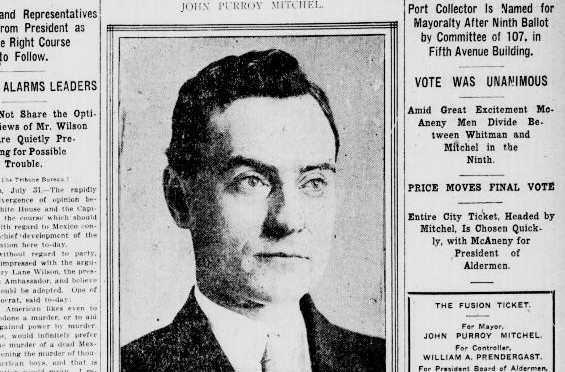
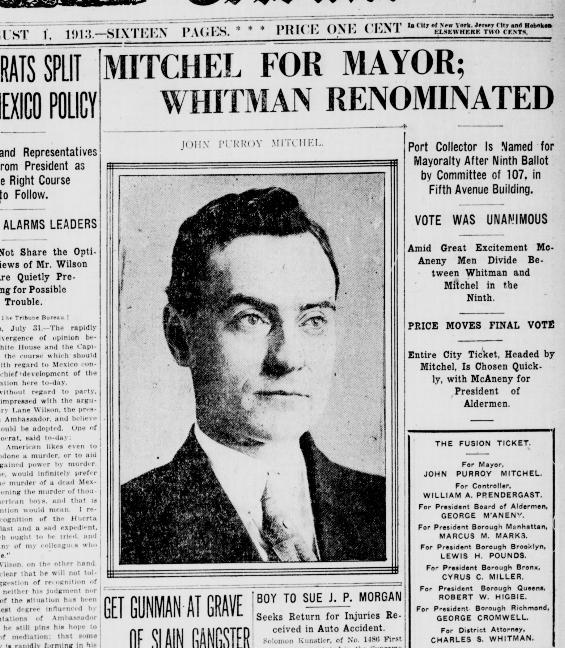
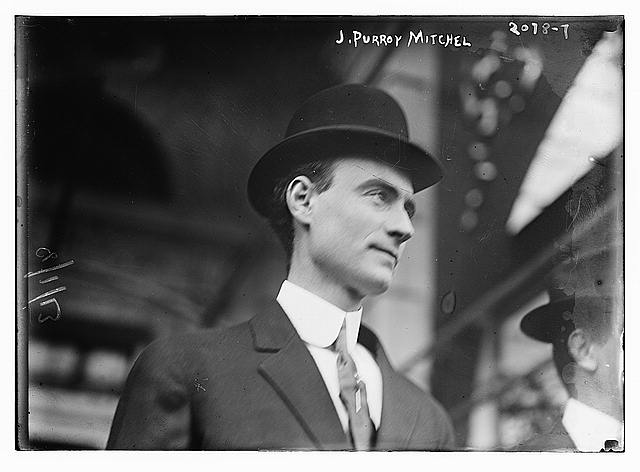
Kline stepped aside in 1914 for the newly elected John Purroy Mitchel, an ambitious young man who at 34 become the city’s second youngest mayor. (Hugh Grant — that’s Hugh J. Grant — was the youngest at 31.) He would forever be known as The Boy Mayor.

Mitchel had a meteoric rise not too dissimilar to our former governor Eliot Spitzer. A graduate of Columbia University and the New York Law School, Mitchel was thrust into the spotlight in cases that frequently pit him against the all-powerful leader of Tammany Hall, Charlie Murphy.

In 1907, all of 28 years old, Mitchel brought down the borough presidents of Manhattan and the Bronx in one fell swoop, the ringleaders of a corrupt contracting scandal. He quickly became known for his reform-heavy, almost naive take on civic responsibility, a refreshing breath in this era of Tammany Society. Mitchel was quickly elected to the president’s seat of the Board of Aldermen, in the same election that brought Gaynor to City Hall.

As Gaynor was losing the graces of Tammany, Mitchel swiftly proved himself a thorn in the side of the shifty New York police force. When it was discovered that a prominent police chief Charles Becker, on the Tammany payroll, had murdered a Jewish casino owner on July 1912 in efforts to ‘shut him up’, Mitchel used the public outcry to sweep the precinct halls of mass corruption.

Mitchel’s rising star was impervious to Tammany attacks and was elected the new mayor, the nominee of a fusion party.

In his inauguration speech, he makes the startling announcement: “It will not be necessary for us to go to the people of the city every day and tell them what we propose to do. It will be better for us to wait a little while and then to go to them and tell them what we are doing or have done.”

Some of the reforms he brought into play include a standardization for government works and a innovative city development zoning plan.

Unfortunately, history almost repeats itself with another crazy assassin. Four months into his term, a disgruntled 72 year old man by the name of Michael Mahoney fired a shot at Mitchel at City Hall.  But unlike his predecessor Gaynor, the mayor was not hit and he and his entourage wrestled the disturbed man to the sidewalk.

The real attack, however, was yet to come — and no surprise, from Charlie Murphy. Although Mitchel had continued with his vow to eradicate police corruption, an educational reform policy was viciously attacked from both ends, from Murphy’s Tammany pawns and from William Randolph Hearst‘s New York World. The attacks worked; Mitchel, a Catholic, lost the support of the poor Irish Catholics who believed the education reforms would only benefit the rich. By the end of his term, the Boy Mayor was soundly defeated by John Francis Hylan — bringing Tammany back to City Hall.

Undetoured, Mitchel changed career course. World War I had raged throughout his tenure as mayor, and he strongly believed in the importance of military service. Still a young man, he joined the Signal Corps Army Air service as a pilot in 1918. Unfortunately nobody would ever know whether he would bring his brilliance and ambition to the armed forces as on July 6, 1918, fell out of his plane during a training session in Louisiana, after apparently failing to fasten his seat belt. A curiously ridiculous and tragic end to a unique New York personality.

At the Engineers Gate in Central Park on Fifth Avenue sits a very, very gold bust of Mitchel. The bust was made by Adolph Weinman, the go-to sculpture guy of iconic New York architects McKim Mead and White. He’s also honored by Mitchel Square in Washington Heights (with a monument to World War I, see below) and Mitchel Air Force Base in Long Island.


Strange fact: allegedly, his aerial death was the partial inspiration for Gary Cooper‘s demise in the silent film ‘Wings’, best known as the first ever Best Picture Oscar winner.

Categories
Podcasts

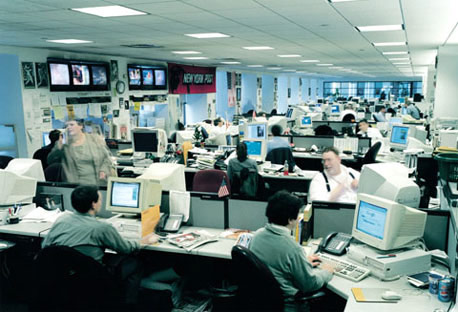
PODCAST: New York Post

Extra! Extra!
Scandal Sheet Revealed To Be Started By Founding Father!
New York Post May Be Responsible For Central Park!
Rupert Murdoch Property Was Once A Nest of Liberal Sympathizers!
PLUS: Was there really a “headless body” in a “topless bar”?

Listen to it for free on iTunes or other podcasting services. Or you can download or listen to it HERE

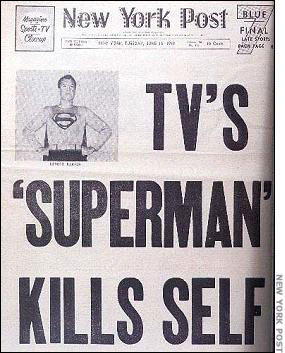
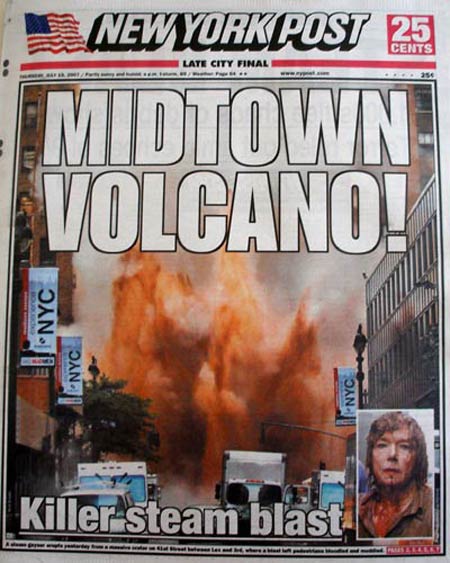
Murdoch, of course, didn’t exactly invent the New York Post’s penchant for attention-grabbing headlines. They’re just a lot better written:

Some recent favorites:

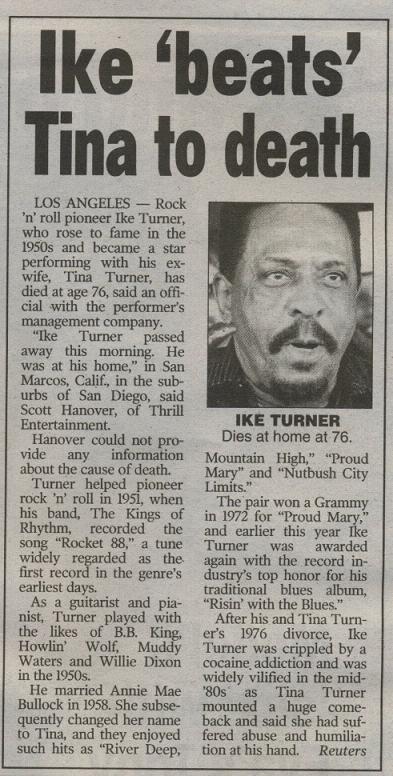
And the tasteless hilarity isn’t even relegated to merely the front page:


New York’s first newspaper — the Gazette


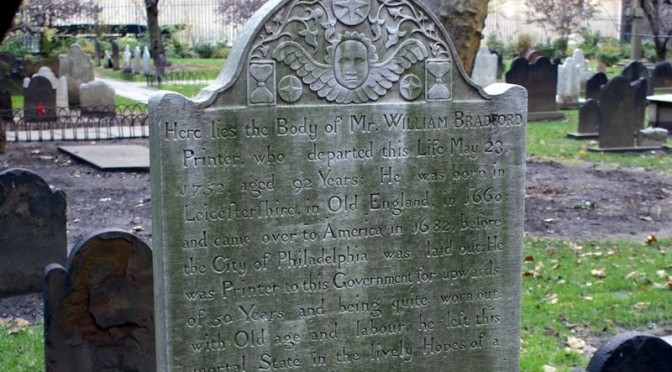
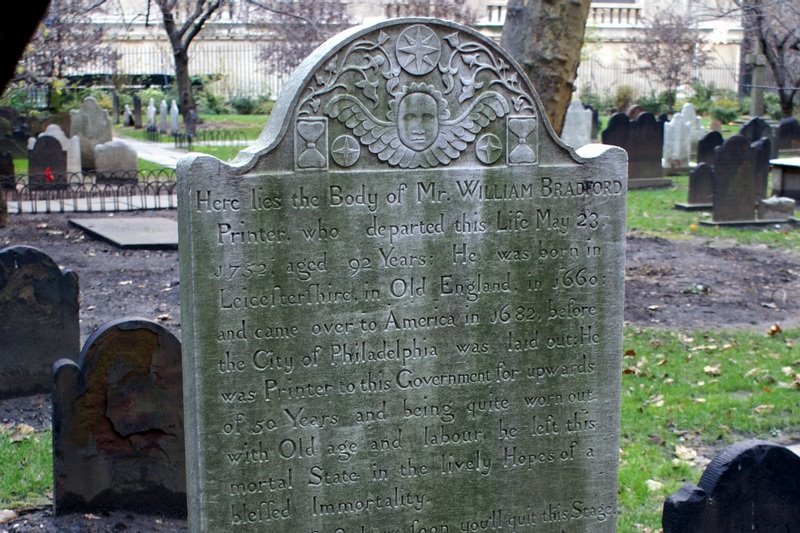
The Trinity Church grave marker of William Bradford, publisher of the New York Gazette.

Dusting off the cobwebs of your high school history curriculum, you might remember the tale of John Peter Zenger, the publisher of the New York Weekly Journal whose libel trial in 1735 marked the beginning of the American discussion of freedom of the press. However, if you were to remember the Journal as New York’s very first newspaper, you would be close, but wrong.

The German-born Zenger came to America in 1710 when he was 13 years old and quickly became an apprentice in the shops of William Bradford, public printer of the New York colony and the city’s best known — and, oh yes, only — real printer at the time. (It was so easy to climb the corporate ladder back in those days.)

The Quaker Bradford was a mouthpiece for the crown but had exhibited a rambunctuous side when he first settled in the spanking new town of Philadelphia in 1682. He was scandalized by the spiritual wanderings of the Quakers farther north in New England and published the political treatise of critic George David effectively denouncing them. For that he was jailed and his printing press taken away.

As a New Yorker, he was far better behaved. At his new press near Fort William (that’s the former Fort Amsterdam and the current site of the Custom House), Bradford took Zenger on as a partner and on November 8, 1725, published Manhattan’s very first newspaper — the New York Gazette.

It was an unspectacular piece of journalism. Author Frank Luther Mott describes it as a “small two-page paper, poorly printed, and containing chiefly foreign news from three to six months old, state papers, lists of ships entered and cleared, and a few advertisements.”

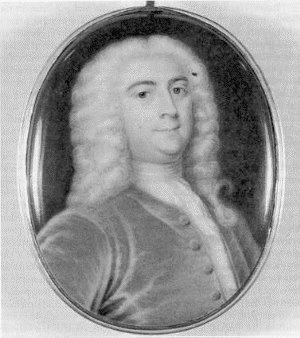
Bradford would continue publishing the Gazette until 1744, never wavering from official crown duties. (The colony would see many newspapers named the New York Gazette over the proceeding years.) But Zenger would start his own press in 1726 and would spawn the Weekly Journal in 1733, which would go on to criticize the oppressive policies of governor William Cosby (pictured above), who Zenger documents as infringing on the “liberties and properties” of the New York colonists.

Meanwhile, Cosby had installed a censor at the Gazette and, apparently, commanded heroic sonnets be published about him, such as this one:

“Cosby the mild, the happy, good and great,
The strongest guard of our little state;
….
He unconcerned will let the wretches roar,
And govern just, as others did before.”

So naturally, that same year Cosby accused Zenger of libel in the very pages of the Gazette, an accusatioin that eventually led to Zenger’s landmark trial in 1735 and eventual acquital.

By the way, believe it or not, you can visit William Bradford. He’s buried at Trinity Church. As for John Peter Zenger, it is believed that he too may also be buried at Trinity — but in an unmarked grave!

Categories
Podcasts

PODCAST: Union Square

This former English-garden style park became the heart of protest and the labor movement. Join the Bowery Boys as we dig into the history of Union Square, from Book Row to Klein’s.

Listen to it for free on iTunes or other podcasting services. Or you can download or listen to it HERE

An old view of Union Place, looking south. The oval shape of the park is readily apparent from this drawing. The park is still oval, but sidewalk extensions and the inclusion of the south ‘traffic islands’ configure the park into a more rectangular shape.

Two views of the 1861 Civil War rally (or Sumter rally), one from the ground…

…and from overhead.

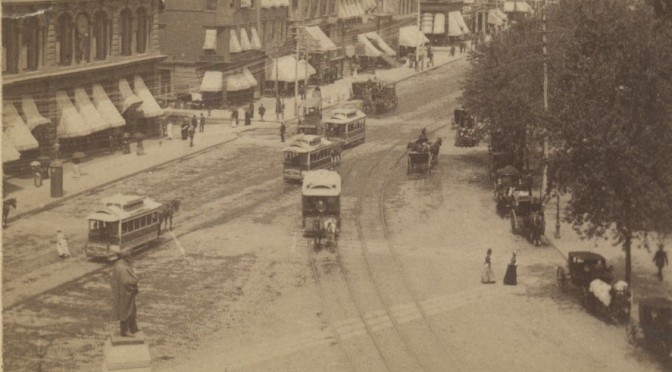
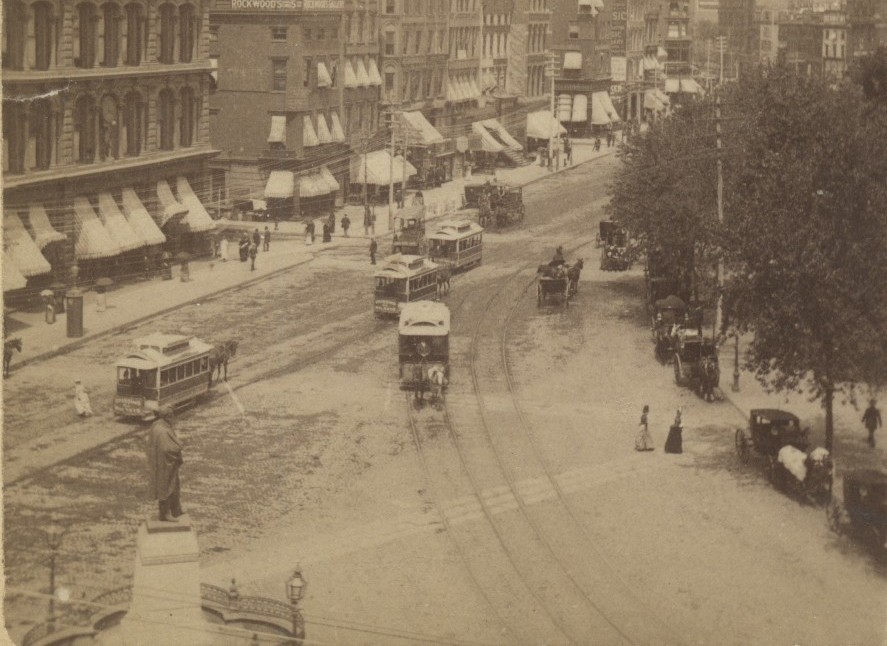
This is Deadman’s Curve, the scene of several accidents due to cable-car operators zipping through

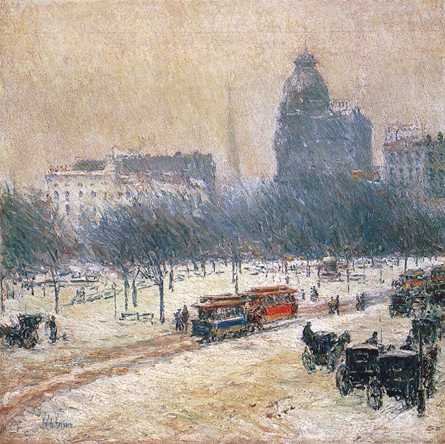
Union Square in 1892, by the American impressionist painter Frederick Childe Hassam

A depiction of the first Labor Day march by the Knights of Labor

Labor leader Emma Goldman was arrested here at Union Square. In this picture, she lectures to an enrapt audience (of men!)

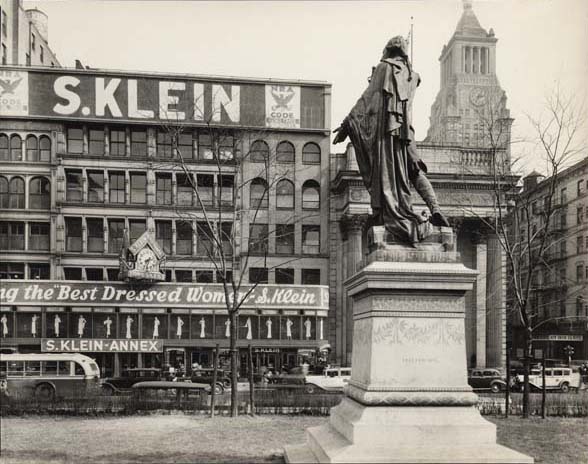
Klein’s on the Square — affordable women’s clothes dominate the park for decades, until they closed in 1975. It was strangely juxtaposed across the street with the Marquis de Lafayette statue, designed by Statue of Liberty creator Frederic Bartholdi.

New York also celebrated the first Earth Day here in Union Square in 1970

Union Square is still a popular and often chaotic place for gathering in protest. Last Saturday (March 22nd), over the course of about an hour, saw a large anti-war gathering, with speakers and singers.

People used the rally to air all sorts of grievances. And wear gory costumes.

Not thirty feet away, this flower seller was offering his springtime wares.

The Greenmarket stretched from the north side and down along the east side of the Square.

At 3 pm, almost as though in opposition to the war protest, people battled in a gigantic pillow fight

Now compare those pictures to this one of a Union Square crowd in 1910:

And finally, an extraordinary panoramic view of Broadway from Union Square … via 1890! Click to get a closer view

The REAL story behind those confusing numbers

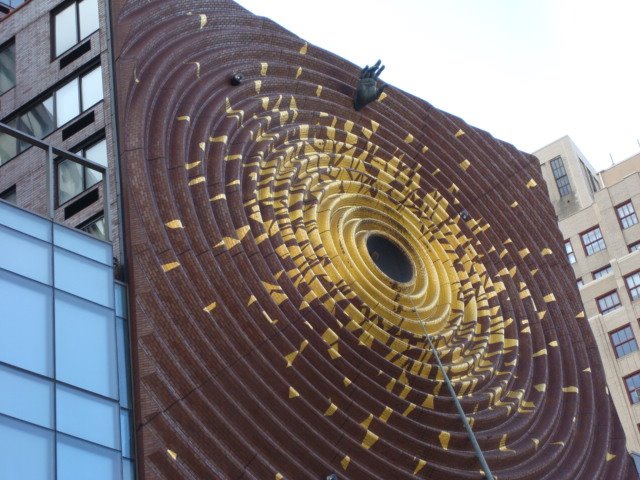
Some architectural monstrosities just beg to be ripped upon. Topping this list is One Union Square South, a bland 33-story structure and pioneer in the mall-ification of Union Square. Although its storefronts feature a Circuit City and a dying Virgin Mega-store, One Union Square South is defined by a piece of public art that has only gotten more atrocious and weird over time.

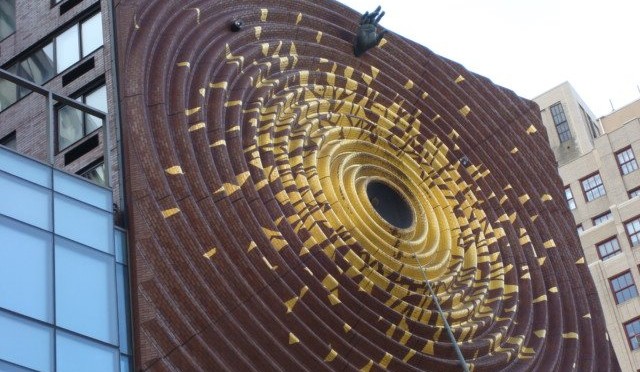
The Metronome was a project three years and $3 million in the making when it was finally installed in February 1999. It has confused and horrified New Yorkers ever since. The 100-foot Kristin Jones and Andrew Ginzel display features a brick wall striated with the undulations of water waves, interrupted with such objects as a boulder, a long tube frozen in the swing of a ‘metronome’, and a sphere which registers the moon cycles. Smoke occasionally burps through the hole in the middle, and a gigantic hand — modeled after the hand of George Washington across the street on his equestrian statue — beckons the viewer to stop and gawk at it.

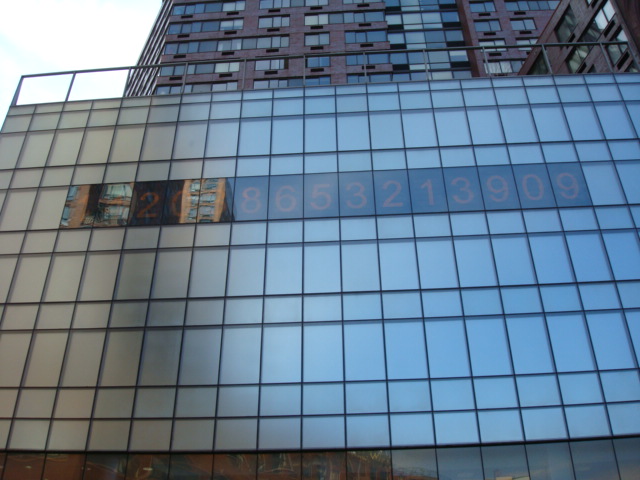
Nearby is a row of 80s-era calculator digits, rolling at different speeds. The six numbers on the left indicate the proper time (i.e. 9:34 am and 21 seconds = 093421).

The six numbers on the right display the amount of time before midnight, except to be quirky, they put it backwards. So, using the prior example, there are 14 hours, 25 minutes and 39 seconds to midnight. In Metronome world, you write that as 392514.

The three digits in the middle are too blurry, presumably in the rush of micro-seconds. (Except, of course, when you take a picture of it.)

Since this piece begs the viewer to speculate the passage of time, perhaps its time to speculate what sat here at One Union Square South before this dated piece was even here. (To be fair, the piece seemed dated the moment it was installed in 1999.)

One Union Square South replaced the less glamorous address 58 East 14th Street. Passersby in the early 90s saw it as a frumpy building with modest retail space dominated by a gigantic McDonalds sign. What many may not have known was that this building contained the oldest theatrical space in Manhattan.

Rumors of this secret stage had persisted since the 1970s, but it wasn’t until some clever detective work by a New York Times reporter verified in fact interior walls were built during its transition into retail space, severing the stage from a vast auditorium, sitting empty for decades.

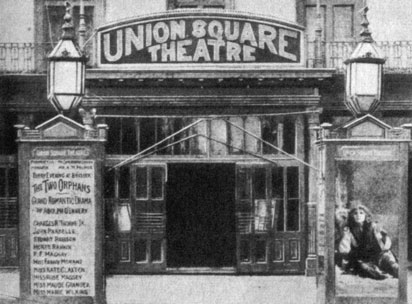
It had once been the Union Square Theater. In its final days of operations, from 1896 until the late 30s, it had been a cinema for silent features and ‘racy’ pre-code pictures. As with many stages, it converted to showing films after a brief stint from 1893 to 1896 as a vaudevillian showcase. The stage saw the debut of a young entertainer named George M. Cohen, who was originally supposed to perform with his family The Four Cohens. But owner B. F. Keith needed to fill up his bill, so young Georgie took the stage himself and the boy was greeted with apparent indifference. (You can see a variant of this event in the film ‘Yankee Doodle Dandy’.)

Before the racy films, before Cohen and the vaudeville, the Union Square Theater was a legitimate stage, showing mostly unsuccessful fare such as the un-intriguingly named ‘A Woman’s Strategem’. That show was apparently significant enough to merit articles about the details of the leading lady’s costumes — “a very quaintly-designed morning gown of crepe,” “a very handsome broche with bodices of the Directoire period and point de gaze’ lace sleeves.”

The early days of the Union Square Theater sound a lot more engaging. When it opened in 1871, it was advertised as a ‘modern temple of amusement’, showcasing everything from burlesque to ballet. Its brief foray into legitimate theater — the kind that could feature costumes of ‘quaintly-designed’ crepe — came only after a small fire gutted the balcony in 1888.

Peeling time back further, we find that the Union Square Theater was carved out of the remnants of vast dining room of an old hotel the Morgan House, which was itself the five-story modification of the original building on this spot — the Union Place Hotel, built in 1850.

A descriptive 1861 travel guide refers to the Union Place Hotel as an ‘elegant establishment’, and truly this was Union Square’s high-class heyday, of upper-crust homes surrounding an earlier version of the square inspired by lush English gardens.

A cheeky 1852 guide to the city called Glimpses of New York — written by “a South Carolinian (who had nothing else to do)” — describes it as ‘kept in equal style to the New York [Hotel, one of the superior hotels of the time] and the charges are a grade higher.’

Among many famous guests of the hotel were Mary Todd Lincoln in the years after the death of her husband.

Union Square eventually became the heart of New York’s theater district, and apparently the Union Square Hotel was a bit of a hangout for the out-of-work. Dwight’s Journal of Music proclaims “…at the Union Square Hotel, there is always a host of unemployed managers and actors.”

Luxury hotels and out-of-work actors — some things about New York haven’t changed a bit.

Know Your Mayors: Fernando Wood

Our modest little series about some of the greatest, notorious, most important, even most useless, mayors of New York City. Other entrants in our mayoral survey can be found here.

And now we come to one of New York’s most notorious, absolutely in the top 10% of the most corrupt mayors ever in our fair city — Fernando Wood. He was the first mayor ever to be forcibly dragged from City Hall and arrested. Even then, he was elected more than once, was seen at one point as a savior, and even received the unanimous votes of New York City’s dead constituents. We also have him to thank for one of New York’s most treasured landmarks.

The Philadelphia-born Wood had distinguished himself as a former merchant and then as a member of Congress from 1841-43. His meteoric rise came through the assistance of Tammany Society, the frequently corrupt Democratic machine which all but dominated New York politics. By 1855, the year Tammany placed Wood in the mayoral seat, the Society was at the height of their control.

During his first term, 1855–1858, he was initially seen as a moral reformer, who “closed saloons on Sunday, suppressed brothels, gambling houses and rowdism, [and] had the streets cleaned” according to Tammany historian Gustavus Myers.

But these tokens of fortitude were a facade to extort support from those very vice industries. By 1856, he abolished the Sunday saloon restriction in exchange for their support. The Municipal Police Force under Wood became corroded with graft and bribery, at times more fearful than the crime they were purportedly there to eliminate.

So it should come as no surprise that even nativist gangs like the Dead Rabbits were soon under Wood’s control, ensuring ‘fair’ elections — fair for Wood, that is — by destroying ballot boxes, tossing others into the river and even tallying votes from lists of voters in cemeteries. It helped that rival gangs like the Bowery Boys (the gang, not us) were in the pockets of the Republicans.

Fed up with New York’s culture of corrupt law enforcement, in 1857 the state legislature formed a rival police force the Metropolitan Police Force. Wood’s Municipal force, fat from its complex institution of graft that essentially left crime to fester unabated, were not interested in stepping aside, nor did Wood relinquish his power to the Republican-controlled state. When Albany-appointed State Commissioner Daniel Conover arrived at City Hall, Wood promptly threw him out. (Wood had hired his own state commissioner, Charles Devlin, who bought the position for $50,000.)

Conover returned with the Metropolitan police force and a warrant for Wood’s arrest. Wood’s Municipal men were waiting, and when the captain grabbed Wood and began dragging him from City Hall, the Municipal men pounced.

Soon Metropolitan police were battling Municipal men, a surreal conflict now known as the Police Riots of 1857. With the assistance of the National Guard, Wood was briefly arrested. The Metropolitans eventually disbanded, but not before a chaotic summer of two rival police forces, cancelling each others arrests and raiding each other jails. Ah, it was a great time to be a knife-wielding gang member. *sigh*

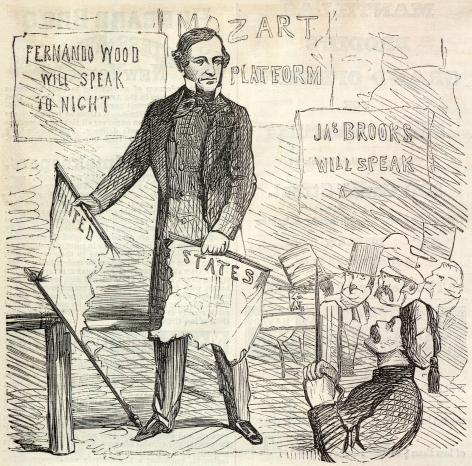
Disagreements with Tammany left Wood without his primary backers and out of office in 1858. (Industrialist Daniel Tiemann was mayor from then until 1860.) But under the aegis of a new political machine, called Mozart Hall, he swept back into office for another two year term.

This time, his allegiances took on a Confederate tenor. A sympathizer with the Southern cause, especially as New York’s profits as a port city were tied closely to Southern plantations, Wood suggested that New York City secede with the South. In his official recommendation, he proclaims, “Amid the gloom which the present and prospective condition of things must cast over the country, New York, as a Free City, may shed the only light and hope of a future reconstruction of our once blessed Confederacy.”

“With our aggrieved brethren of the Slave States, we have friendly relations and a common sympathy,” he remarked, in statements made January 6, 1961.

He also had a prescient idea for all the wrong reasons — to merge Manhattan, Staten Island and Long Island into a new independent commonwealth, known as the Free City of Tri-Insula. Had Wood gotten his way — and his plan was greeted warmly by the corrupt Common Council — the city might have joined the South. Less than forty years later, of course, similar consolidation plans (with less anarchic pretentions) prevailed.

Unfortunately for his grandiose schemes, the Civil War erupted in April of that year at Fort Sumter and a huge outpouring of support in New York soon swept Wood’s ideas into obscurity. In fact, being a crafty politician, he was soon organizing troops for the Union cause, the eventual result of which would soon lead to New York’s draft riots in 1863.

By then, however, Wood was out of the mayoral office and onto other pastures — namely the U.S. House of Representatives. How this man could have been elected with his track record is personally beyond me, but thus is the way of the New York political machine.

He did, however, leave us with one lasting mark on the city — the present-day location of Central Park.

Categories
Podcasts

PODCAST: The New York Yankees

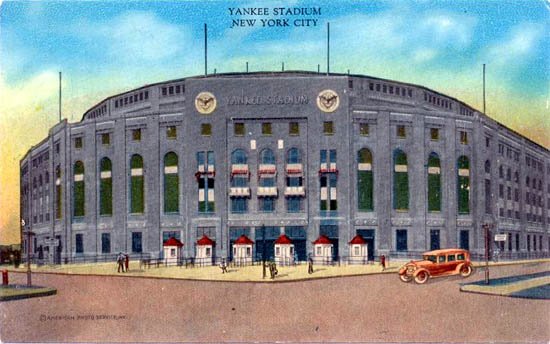
Get ready for nine innings (or 30 minutes) of the greatest sports team ever — the New York Yankees. Hear about their modest beginnings, their best players, and the fate of Yankee Stadium, their home for 85 years.

(And I apologize in advance for this week’s echo-y sound…had some difficulty with one of my directional mics!)

Listen to it for free on iTunes or other podcasting services. Or you can download or listen to it HERE

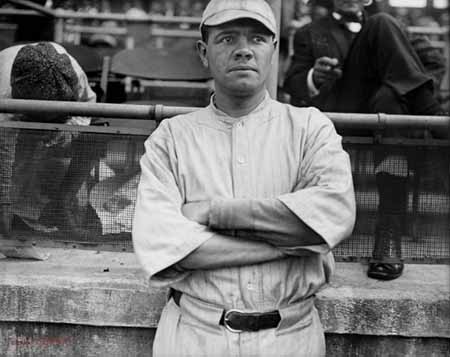
Babe Ruth in 1915, as a Red Sox. He would be traded in 1919 to the Yankees, thus beginning the Curse of the Bambino.

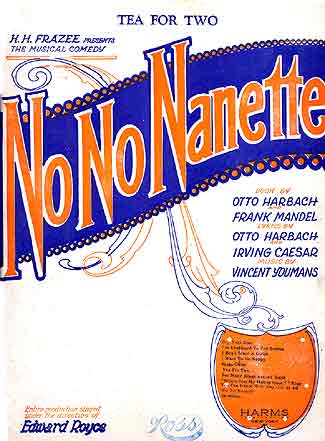
Ruth was alledgedly traded to the Yankees to finance Frazee’s musical No No Nanette. (Frazee’s name appears on the top of this poster.) Full disclosure — we dismiss this musical in the podcast, although musical enthusiasts might proclaim No No Nanette was very well worth it, if nothing more than for its signature song “Tea For Two.” Its first run ran over two years in 1925 and a 1971 revival did win several Tony Awards.

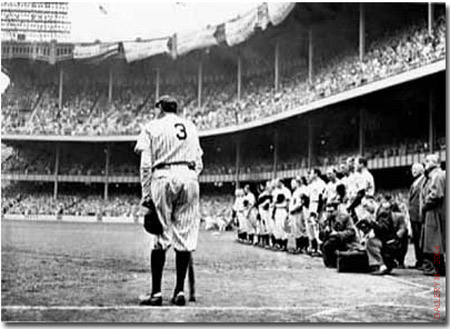
Babe at his retirement….

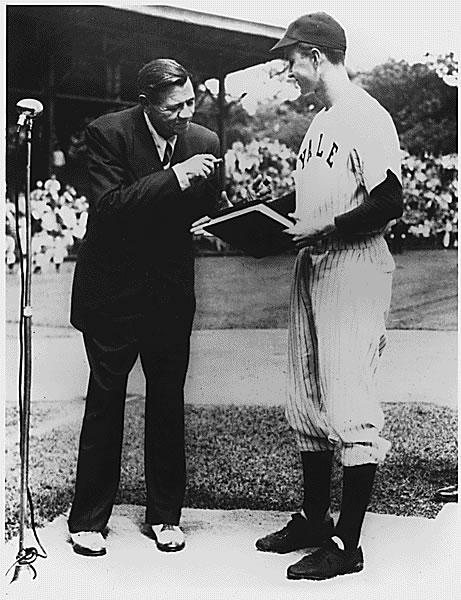
Babe Ruth in 1948, with a young Yale player, George H. W. Bush

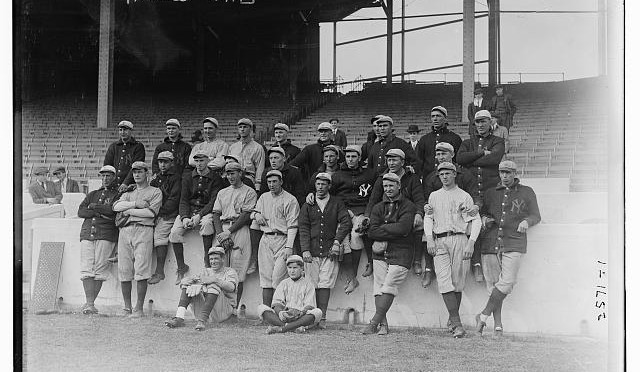
Yankees owners Jacob Ruppert and Tillinghast L’Hommedieu Huston, with (fourth on the right) Red Sox owner Harry Frazee.

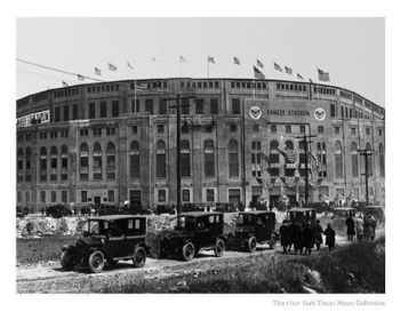
Yankee Stadium in its opening year 1923

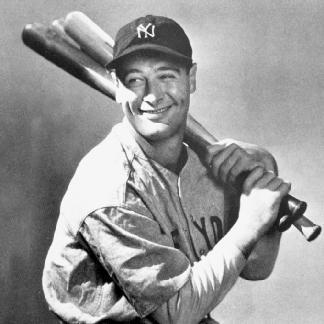
The player who probably enjoys the greatest mystique in the pantheon of iconic Yankee stars — Lou Gehrig

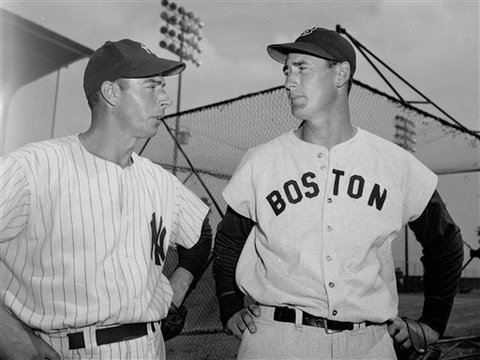
Joe Dimaggio with rival Ted Williams from the Red Sox. These two were almost traded with each other by their rival owners over an unfortunate night of cocktails.

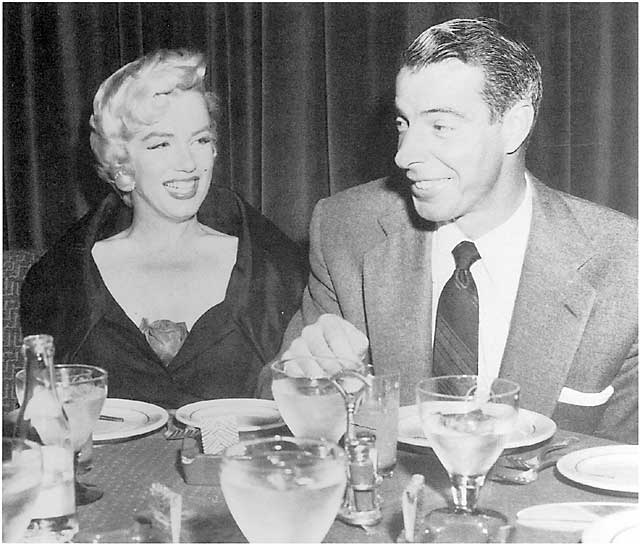
DiMaggio ‘the Yankee Clipper’ retired in 1951 and soon found himself in an ordinary life with an ordinary wife.

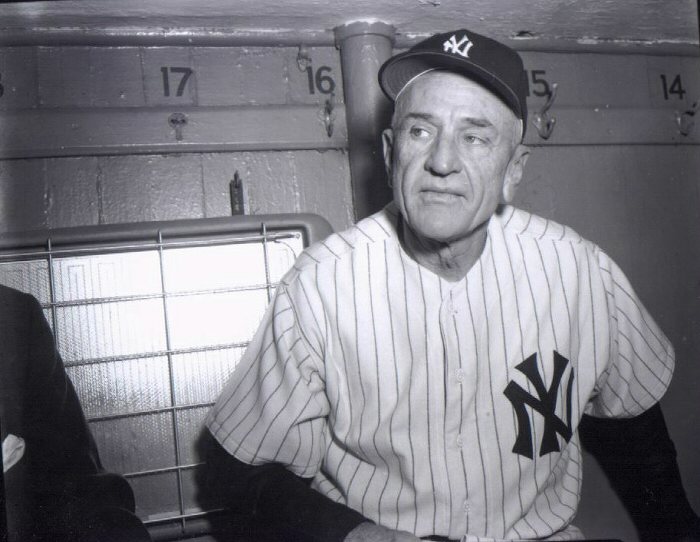
And who doesn’t love them some Casey Stengel, one of the best baseball managers who ever lived?

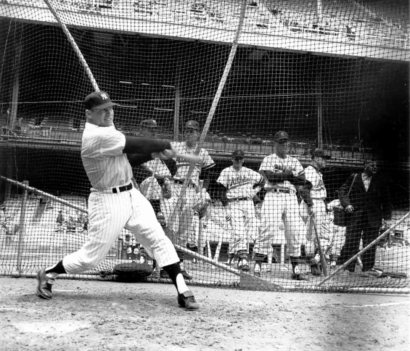
Mickey Mantle at batting practice

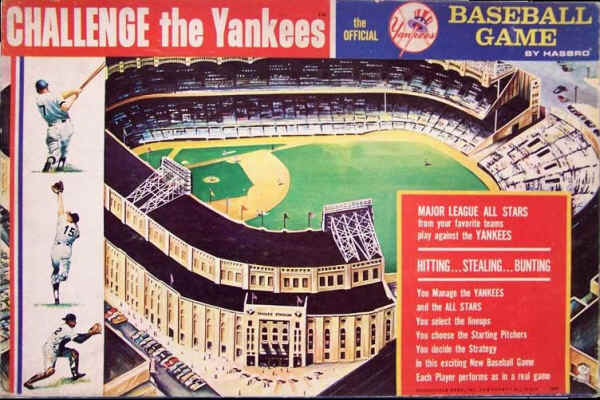
A 1960s Yankee board game

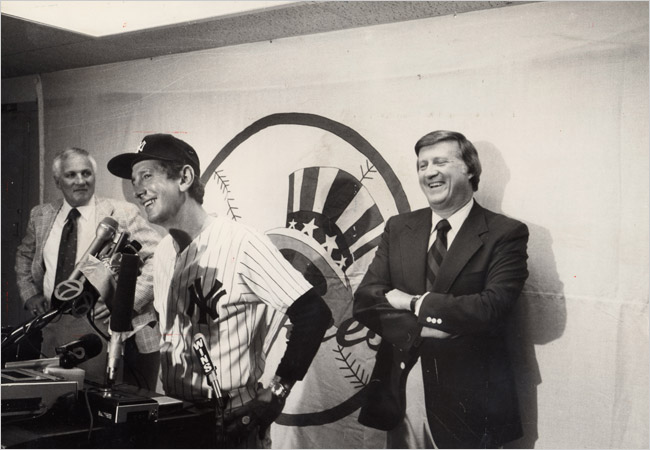
Billy Martin and the man who would repeatedly fire him, George Steinbrenner (Pic courtesy the New York Times)

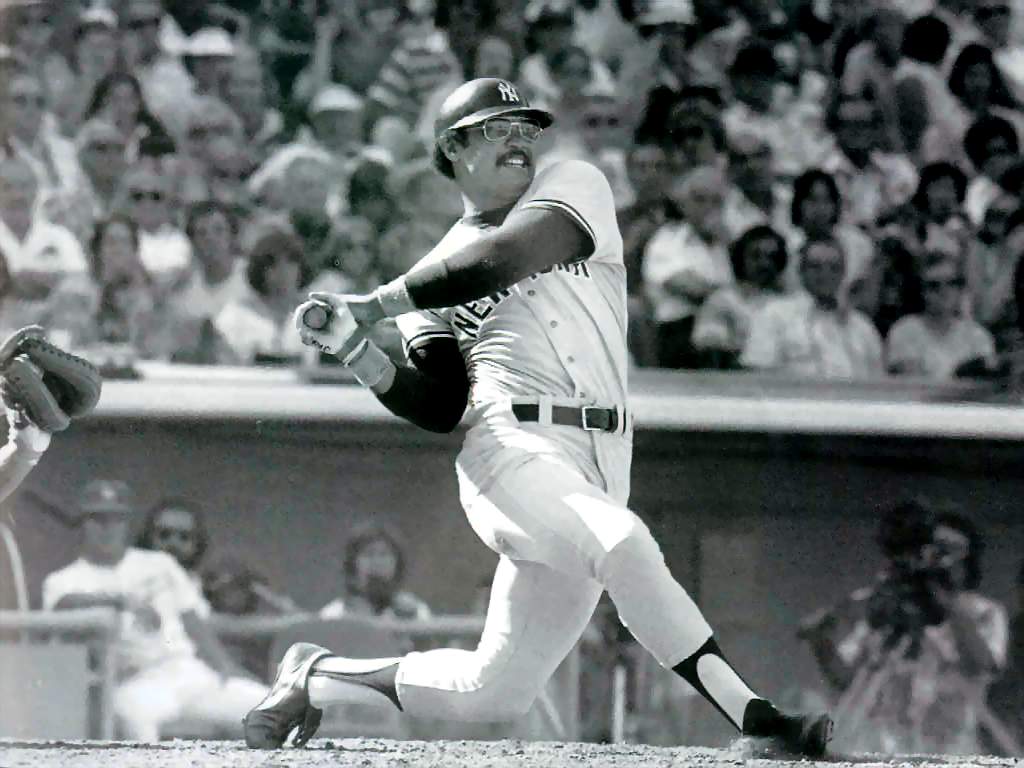
The controversial but undeniably sensational Reggie Jackson

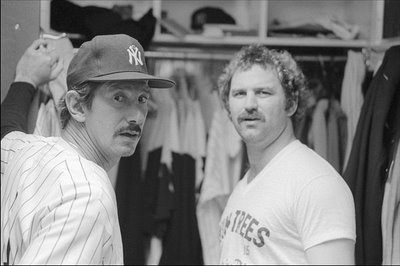
Billy Martin with Thurman Munson

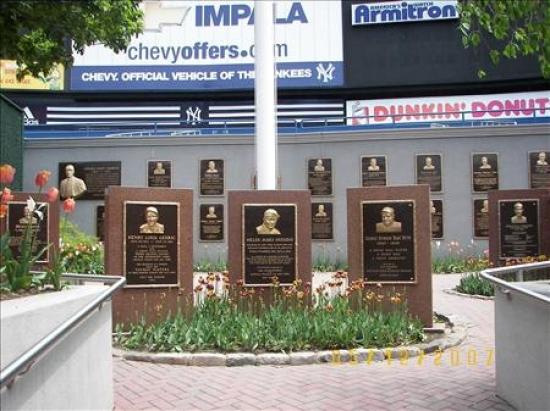
Monument Park at Yankee Stadium, honoring the greatest in baseball. Thank God they moved it out of center field….

About our guest host:
A former journalist, Tanya Bielski-Braham is a writer, personal chef and full-time “foodie” who specializes in educating her clients on healthy, tasty diets and proper nutrition. She can be reached at skinnytomato@gmail.com. [Ed. note — A Yankee fan who’s an amazing cook!]

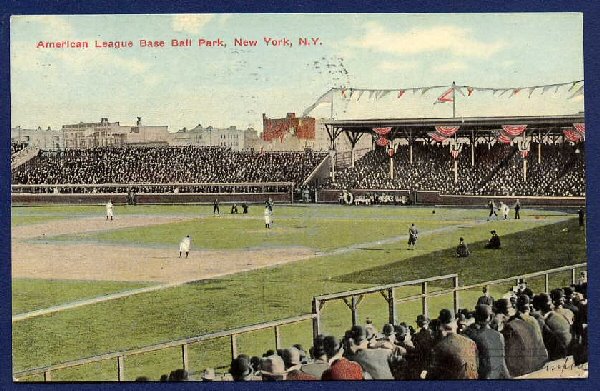
The Hilltop home of the Yankees


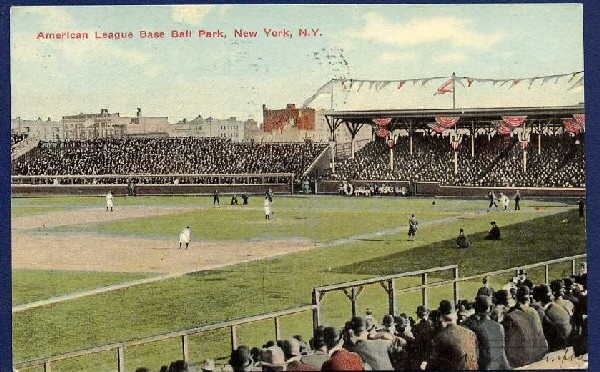
Before they went by their better known name — and before they were any good — the team that would become ‘the Yankees’ were known as the Highlanders, from 1903-1913. The name played to a couple dated references. The team captain was named Joseph Gordon, and the name referenced a British military outfit named Gordon’s Highlanders. More importantly, the team played on one of the highest points in the city, in a long forgotten ball field called Hilltop Park.

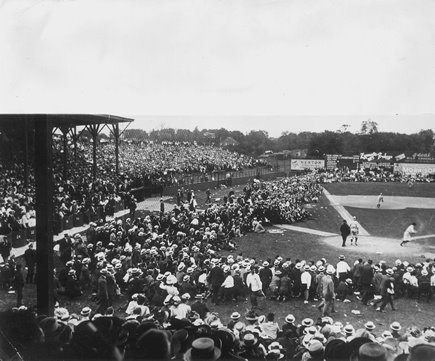
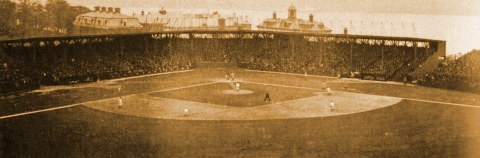
A large but spare field located in Washington Heights on Broadway between 165th and 168th streets, Hilltop Park could accommodate 15,000 to 16,000 spectators comfortably, though more exciting match-ups would draw clusters of almost 10,000 standing room only crowds. In fact, in the rather lax early days of formalized sports, fans were allowed to stand around, almost virtually on the playing field!

I’m sure it was at that capacity on opening day, April 30, 1903, when the Highlanders played the Washington Senators. Yet despite a cost of $200,000 and arresting views of the Hudson River, Hilltop had a swamp in right field and most of the bleacher seats were uncovered until 1912, making for many a hot, steamy game for fans.

The Highlanders were in equally good shape. In fact, many of the best moments in Hilltop Park’s brief history were made by players from other teams against the Highlanders. Cy Young (Boston Americans) and Ty Cobb (Washington Senators), the two best known players from this generation, had spectacular days on Hilltop beating the crap out of the local team.

Hilltop Park is almost completely gone save for one peculiar memorial. In 1914, almost as soon as the Highlanders moved to the nearby Polo Grounds (and thus changed their team name to their popular nickname ‘the Yankees’), the field was demolished. Within ten years, the hospital that today is known as the Columbia-Presbyterian Medical Center) would be built over it and it still stands there today.

However a small base-shaped plaque can be found in the grass outfront, placed there in 1993. It’s on the exact spot of the original home place — thank God it happened to be in a garden and not somebody’s room — honoring the now-forgotten home of the team that would become the most successful team in baseball.

New York City’s curious, modern-day Olympus

Most small community colleges feature a statue or two honoring somebody specifically related to the campus. Even massive schools could invite their monuments over for a small dinner and have room for you and your friend from out of town.

Bronx Community College would need a fairly large banquet hall. This school in University Heights, the Bronx, is a kooky mix of classical Stanford White-designed buildings (from the days when New York University camped here) to some rather awkward concrete classrooms typical of schools that flourished in the 1970s.

One of the stranger acquisitions BCC received when it took over the NYU campus in 1973 was a prestigious hall of fame featuring the biggest names in American history. Let me clarify. They don’t own a hall of fame. They have THE Hall of Fame.

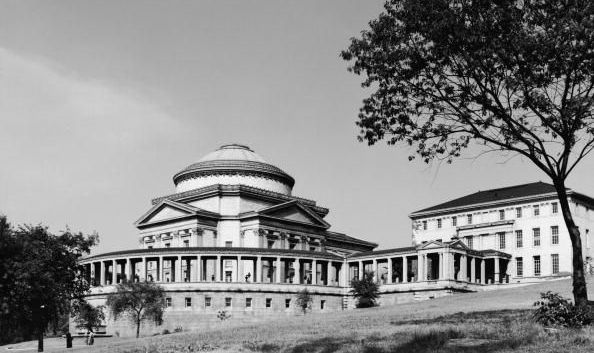
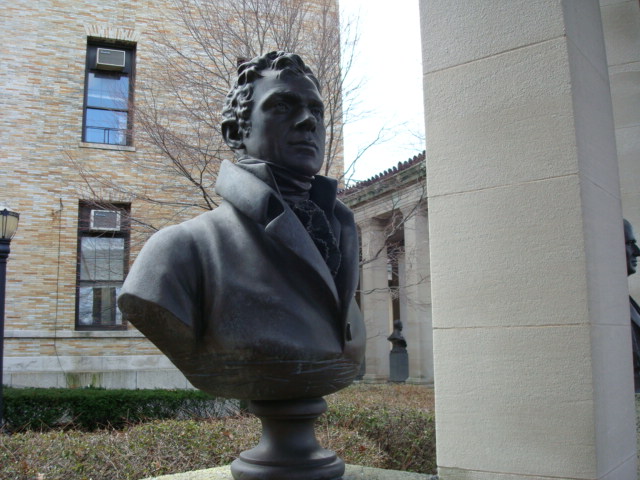
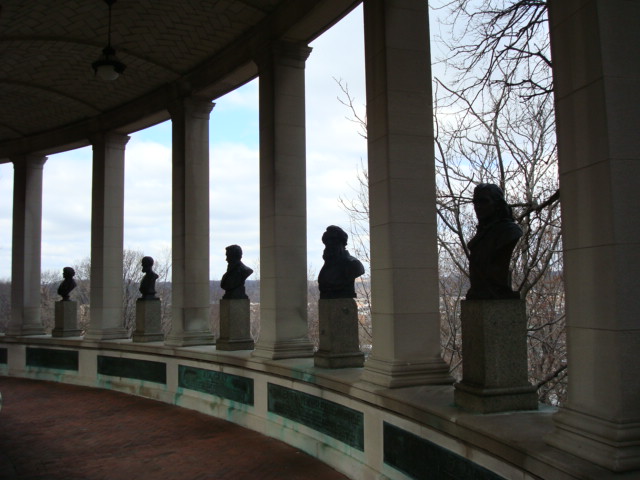
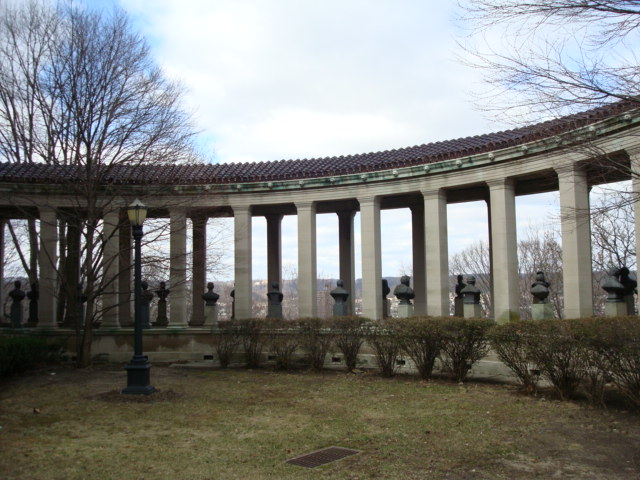
Tucked on a scenic cliff overlooking the Harlem River (and with the Cloisters well in sight), the Hall of Fame for Great Americans was an ambitious project constructed in 1900 with the idea of immortalizing the Americans with significant contributions to science, the arts, politics and the military. Spearheaded by then-chancellor Henry Mitchell MacCracken, the project is the first real memorial ‘hall of fame’ concept to be executed in the United States.

The spacious colonnade tucked behind the White-designed Hall of Philosophy, you are thrown back into a mix of turn-of-the century scholarly aesthetic and the belief of equating the American movement with ancient Roman and Greek forefathers.

With room for 102 sizable busts (although there are only 98), the colonnade winds around the contours of the hill, spotlighting American icons. John Marshall sits astride Henry Clay. Harriet Beecher Stowe is a few busts down from brother Henry. George Washington AND George Washington Carver are close enough, they could play catch (if they had arms).

The Hall of Fame is a true curiosity in the ‘roadside attraction’ sense. Once a fabled hall with prestige enough that newspapers would lobby for nominees, there haven’t been any new inclusions since the 1960s. (Three more ‘American icons’ — Clara Barton, Andrew Carnegie and Luther Burbank — were elected in 1976, but nobody ever made busts for them!) Once NYU sold the campus, the colonnade was neglected, the hall of fame virtually forgotten.

It has been recently renovated, and the BCC keeps this well-preserved secret maintained. I went this weekend, stayed for about an hour, and didn’t see a soul. It’s worth a visit for the view, although you might want to wait until spring to appreciate the foliage.

Fun Hall of Fame trivia:

— One bust sits apart from the others, partially because he’s the only non-American — the Marquis de Lafayette

— The bust of Stephen Foster in inscribed with the music and lyrics to ‘Swanee River’

— Actor Edwin Booth sits serenely looking out at the river, while the man his younger brother assassinated, Abraham Lincoln, has a less interesting view

— Hey! We’ve actually done whole podcasts on four members of the Hall of Fame — Beecher, Washington Irving, Peter Cooper and Alexander Hamilton

— The bust of female astronomer Maria Mitchell creeps me out to my very soul

How to get there: #4 train to Burnside Avenue. Walk west to University Avenue and one block north to the college.

Name That Neighborhood: Who is Jonas Bronck?


Some New York neighborhoods are simply named for their location on a map (East Village, Midtown). Others are given prefabricated designations (SoHo, Dumbo). But a few retain names that link them intimately with their pasts. Other entries in this series can be found here.

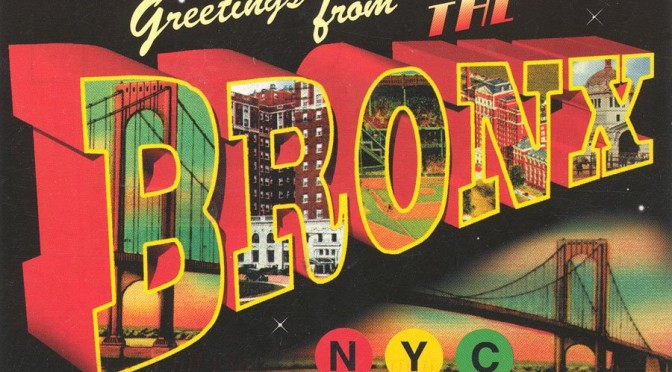
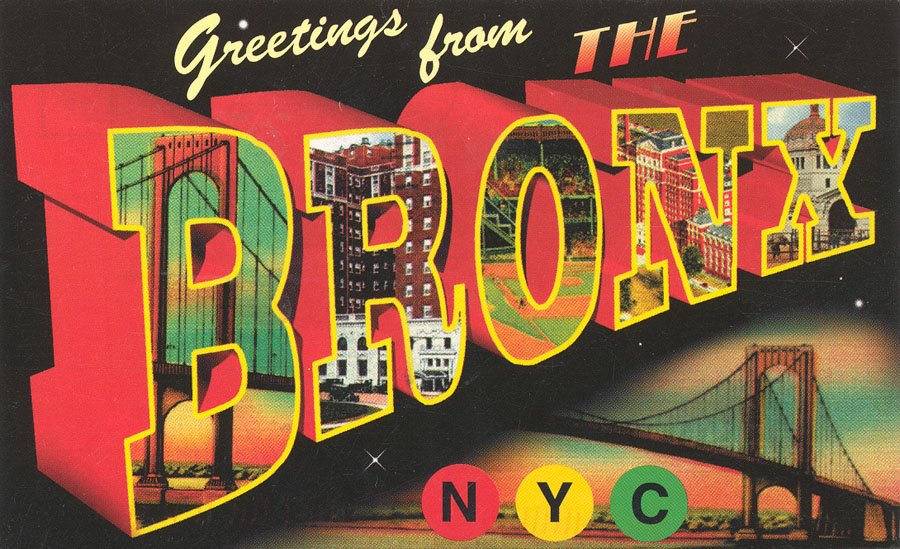
The Bronx is one of two boroughs with names derived from actual people. The residents of Queens can brag that their borough honors Charles II’s wife Catherine of Braganza. The Bronx, however, gets its name from less regal sources, from Swedish-born landowner Jonas Bronck. However the Bronx is not directly named after Bronck. Confused?

Despite Bronck’s tenacity in forging onto the unknown Lenape Indian territory of Rananchqua in the Dutch colony New Netherlands, his actual role in New York history is quite brief. An ardent intellectual who gave his ship the lofty name Brand van Trogen (The Fire of Troy), Bronck, his wife Teuntje and a boatload of eager voyagers traveled to the new world in 1639 and settled on a stretch of land, 500 acres, across the river from the village of Haarlem.

With permission from the West India company, Bronck had brought builders, his own cattle, boxes of books, and a desire to create a small community of his own. Spread out through the modern neighborhood of Motts Haven, Bronck’s farm (Broncksland) and those of the other settlers sat along a north-south river, called by the Lenape the river Aquahung.

Bronck grew tobacco and traded with the local Indians, keeping the peace through exchanges of goods. Jonas however had arrived at a rather unfortunate time to be a pale blond foreigner.

Relations between the Dutch and the native Indian population were tenuous at best, and not greatly assisted by hot-headed director-general William Kieft of the port city of New Amsterdam. In 1643, driven by growing animosities and the murder of a single settler, Kieft ordered troops to rout the Lenape populations at Corsairs Hook and the area now known as Jersey City, murdering dozens of Indians and ensuring years of bloody battles between settlers and natives.

Bronck was the unfortunate recipient of native Indian backlash. That same year, 1643, Bronck and most of his settlers were murdered in an Indian raid.

Kieft would be swept out of the new world by Peter Stuyvesant. Bronckland would pass into other hands, and after just a few years, the parcel of land would no longer be named for him. Jonas was almost erased from history.

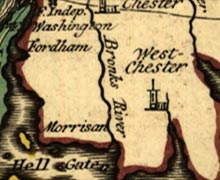
Except for that rather sizable river that ran through his property, the Aquahung. Even as memories of Dutch settlers gave way to their British successors — his farm went to two officers in Oliver Cromwell’s army! — the river was still referred to as Bronck’s River. Eventually it was shortened to the Bronx River, and thus it’s the river that the borough is named after.

Had everybody just kept with the original name as given by the Lenape, we would be referring to our northernmost borough as Aquahung.

By the way, Bronck’s wife and son escaped the Indian raid, and later, Teuntje with her new husband moved to the area now known as Coxsackie, New York. Son Pieter Bronck became a landowner in his own right and built a house that still stands today. It is the oldest home in all of upstate New York.

Categories
Podcasts

PODCAST: Breakfast at Tiffany & Co.

You’ll be surprised by Tiffany’s 170-year history as a vanguard in New York luxury. See how they went from selling horse whips to world class diamonds.

Listen to it for free on iTunes or other podcasting services. Or you can download or listen to it HERE

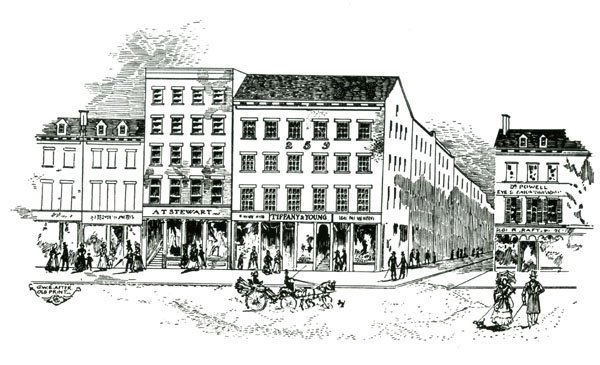
The original Tiffany & Young location on downtown Broadway

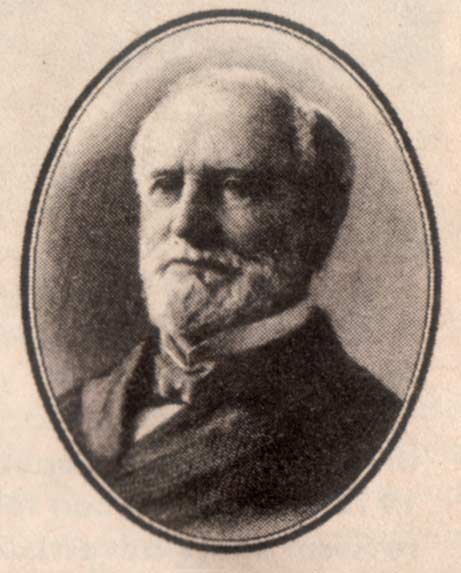
Charles Tiffany, the ‘King of Diamonds’

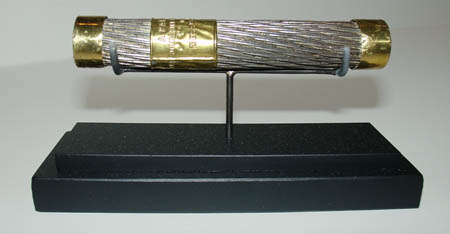
Outside of his gems, the most curious item that Tiffany probably ever sold in his store were leftover bits of the Atlantic cable. This is probably the only instance in history where cable wires became a luxury item.

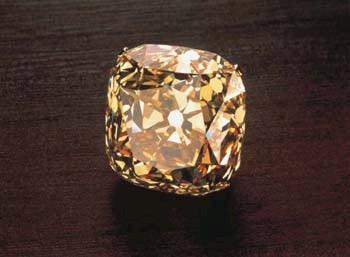
No amount of cable, however, drew the kind of crowds that the Tiffany diamond did:

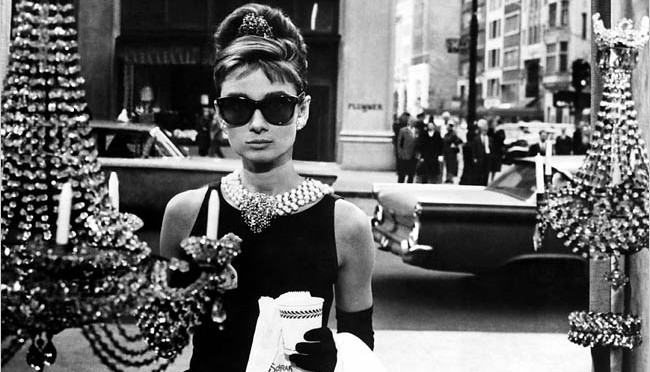
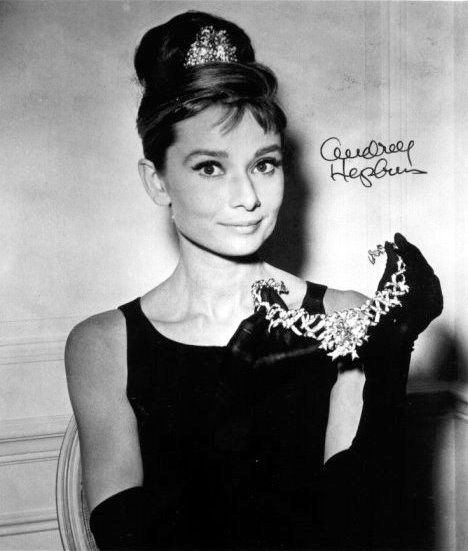
Here’s a promo pic of Audrey Hepburn wearing the Tiffany diamond. After this photoshoot, the necklace was dismantled. The diamond has not been worn since.

Sparkletack has a great podcast on the Great Diamond Hoax that vexed Charles Tiffany and various other wealthy gents.

And who are the Tiffany girls?

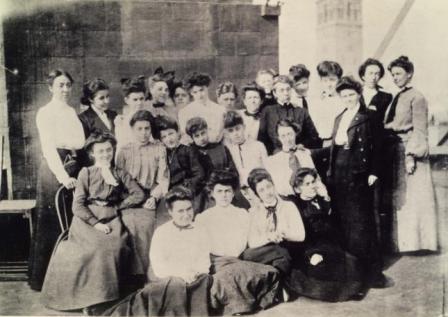
They’re not counter girls at the jewelry store, but rather workers in the studio of Louis Comfort Tiffany. The studios were on 25th street and (then) Fourth Avenue. This team of largely unmarried women enjoyed a unique privledge in the history of the female workforce — they were paid the same as their male counterparts. More information here.

And finally, onto the end of this weeks blog series:

Meloncholy
1. Breakfast At Tiffany’s
A little windowshopping

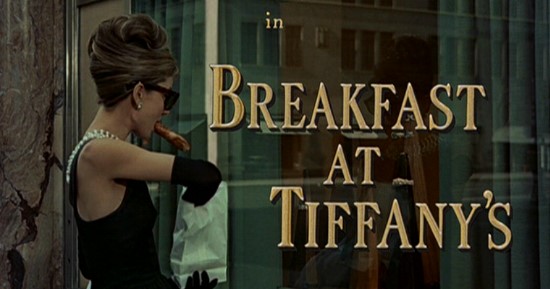
This serene, wistful and deceptively simple scene — Holly gets out of a cab, dreams of Tiffany jewels, walks down 57th street — displays New York at its best. Filmed on an early Sunday morning — the first time in decades Tiffany had ever opened its doors on a Sunday — just off camera were hundreds of Audrey fans and gawkers watching the progress of the filming.

According to director Blake Edwards, traffic was not controlled; they just happened to catch a few moments with NO automobiles on the street. (I find this almost impossible to believe, by the way.)

However, Audrey was often distracted and the scene required several takes. Also, she was not a fan of Danish pastries, making these multiple takes of her nibbling on one especially taxing.

As the legend goes, however, a crew member was almost electrocuted on a piece of equipment off camera. The accident sent a chill through the crew, and Audrey then snapped into focus, completing the scene. I do wonder how close to electrocution that crew member really was, but it is a nice legend attached to the famous scene.

It should be noted that lovely, slinky Audrey had just had a baby three months prior to shooting.

New York’s best performances – Part 3

It’s funny that the decade in which New York is truly at its lowest — crime at its all time high, fiscal crisis, the city’s landmarks falling apart — also happens to be the best decade ever for films about New York. I’ve already listed Taxi Driver and Saturday Night Fever, but you could wax on endlessly about New York films in the 1970s: Three Days of the Condor, Marathon Man, The Godfather, Annie Hall, The Taking of Pelham 1-2-3, Mean Streets, Shaft, All That Jazz, Network, the Panic at Needle Park.

And of course, these three….

Chaos
4. Dog Day Afternoon
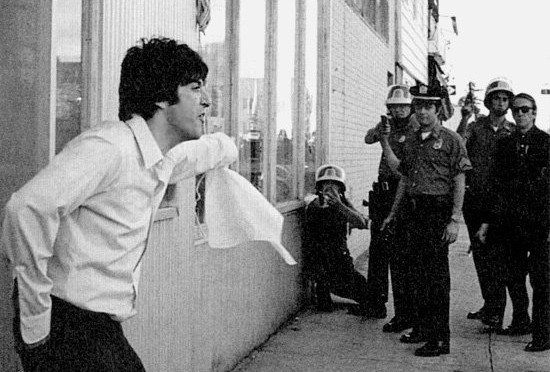
Warming up the crowd

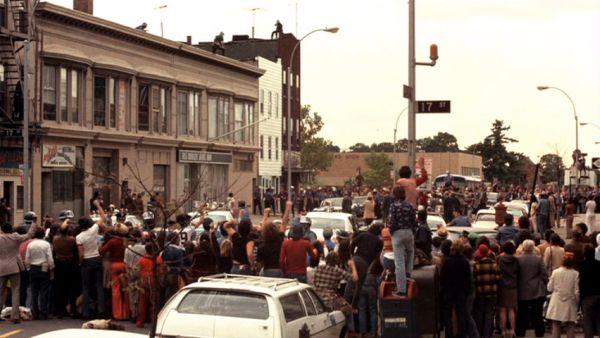
Like Do The Right Thing, this blistering Sidney Lumet flick is based on a real incident, a bank heist in Gravesend, Brooklyn — at 450 Avenue P, to be exact. (The only thing you can steal from there now is a mammography or an ultrasound; it’s the now the Brooklyn Medical Imaging Center.) Lumet moved the action to the Brooklyn neighborhood of Windsor Terrace, at Prospect Park West between 17 and 18th streets. He probably couldn’t have chosen a better block. With the park in the distance, the streets fill with police, random photographers, on-lookers, TV cameramen, buses and shop owners, and the result is like a self-contained swarm.

All to observe Al Pacino, playing Sonny the charming but befuddled bank robber, holding hostages and, in the pivotal scene, rallying the crowd to his side with cries of ‘Attica! Attica!’ (The Attica prison riots, spurred on by accusations of prisoner torture, had just happened, in 1971.)

Sadly the bank and many of the shops on the street have been replaced with — quel suprise! — condominiums.

However, the neighborhood Holy Name Roman Catholic Church (at 245 Prospect Park West), featured in the film, is still hanging around. The bank interiors, although not filmed in the actual bank, were still filmed in Brooklyn — in a nearby warehouse.

Hysteria
3. The French Connection
Chase under a train

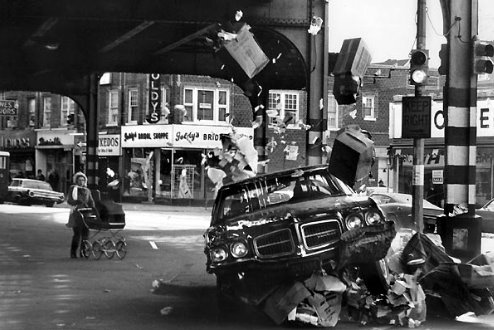
The car chase that defines all car chases zipped under the elevated train from Coney Island for a death-defying 26 blocks. I wrote about the wacky logistics of the filming here . Perhaps with the exception of I Am Legend or The Naked City, this William Friedkin film could be considered the film that most used New York, as scenes were evidentally shot in almost every corner of the city.

Magic
2. Manhattan
Isaac and Mary have a chat

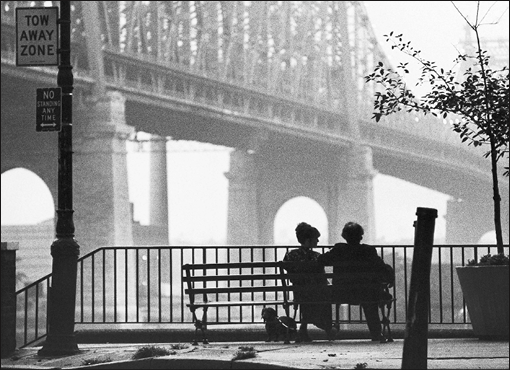
I’m sorry, but Woody Allen’s 59th Street Bridge scene is just him showing off. And that’s why it’s so perfect, the defining shot in what has commonly been called his “love letter” to the city. The quintessential New York director, essentially rendering a rather unromantic bridge into the most beautiful site in the entire city — the entire world, at least you think so while watching it.

“This is just a great city. I don’t care what anybody says,” Woody remarks to Diane. (Their characters are Isaac and Mary, but who cares?)

You’d think it would be easy to recapture this scene yourself, but alas, there’s no longer a bench. By the way, for some reason, ‘Manhattan’ is considered to be Woody Allen’s least favorite film that he’s made. Really Woody? Worse than Scoop? Shadows And Fog? The Jason Biggs-vehicle Anything Else?