Categories
Podcasts True Crime

The Murder on Bond Street: Who Killed Dr. Burdell?

PODCAST A gaslight murder mystery with more twists than an Agatha Christie novel!

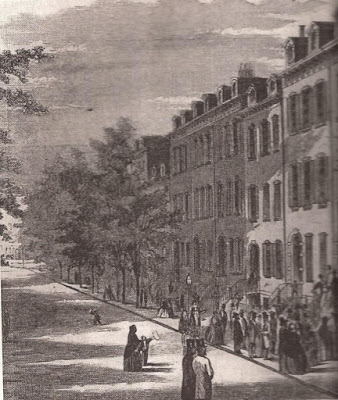
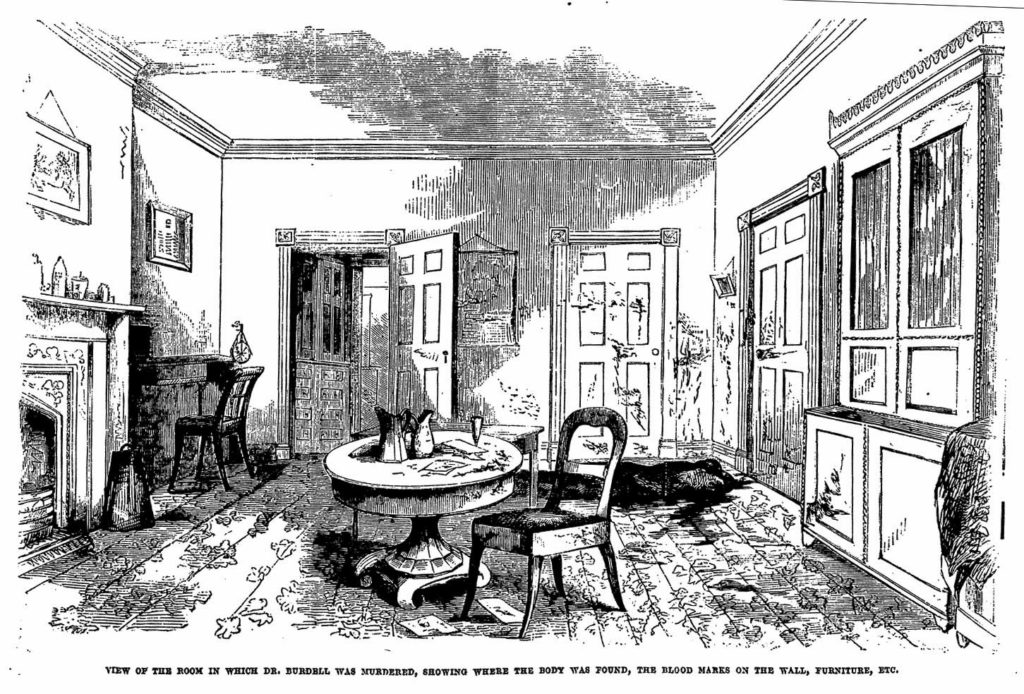
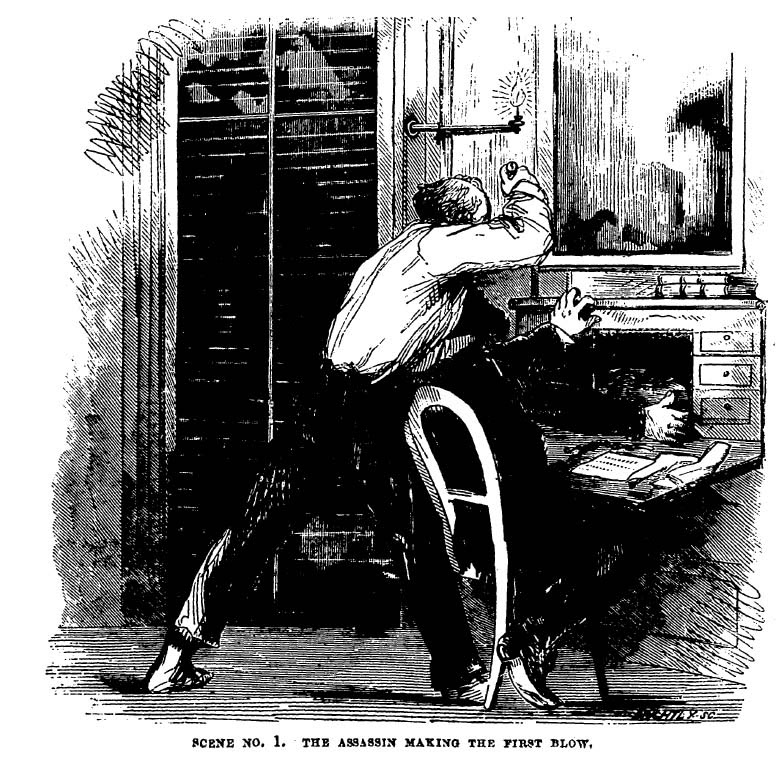
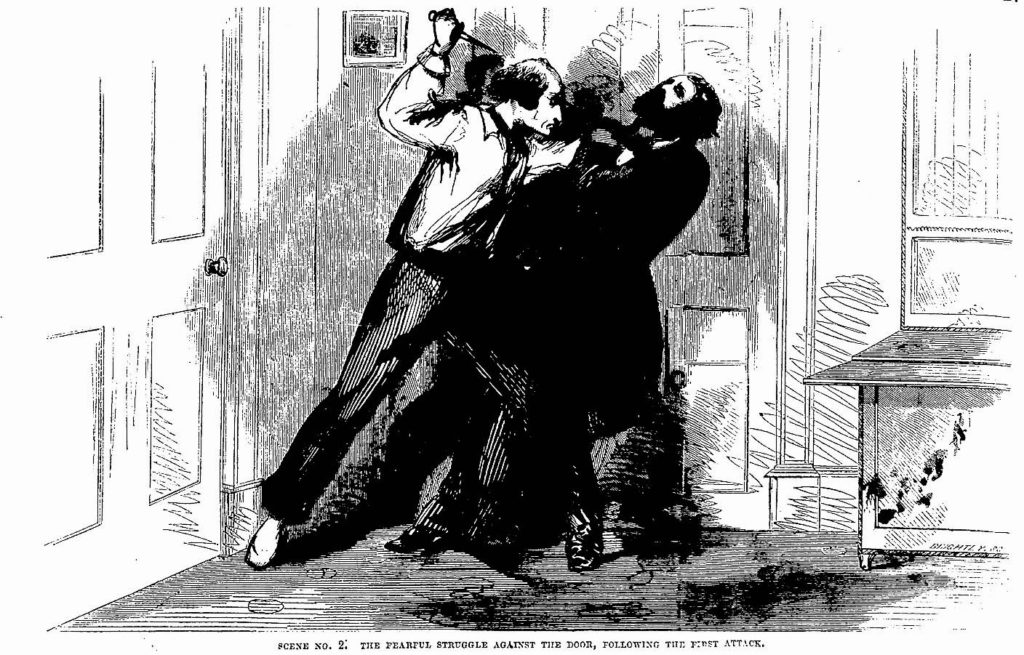
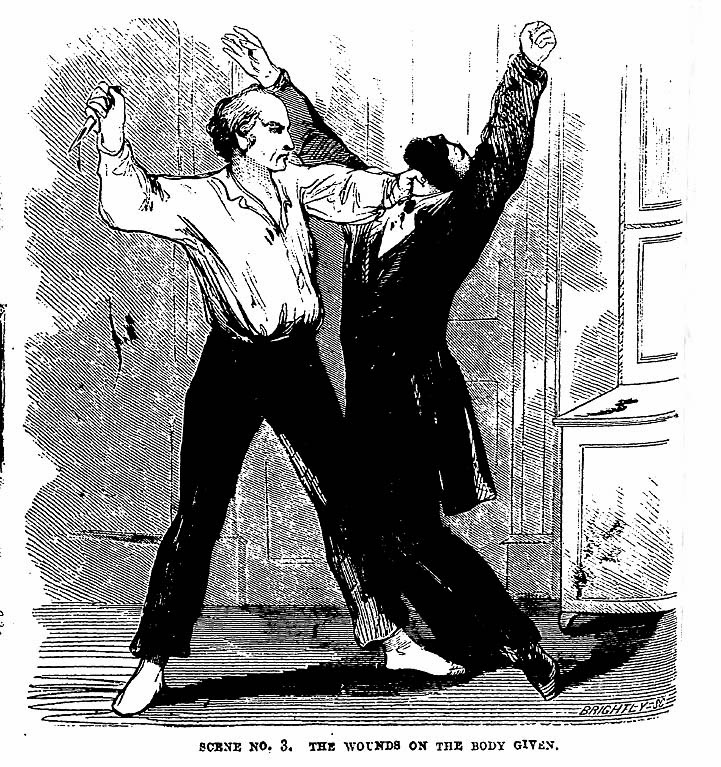
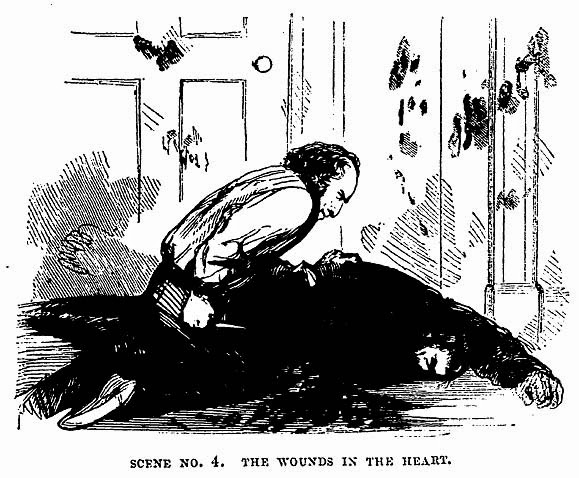
On January 31, 1857, a prominent dentist named Harvey Burdell was found brutally murdered — strangled, then stabbed 15 times — in his office and home and Bond Street, a once-trendy street between Broadway and the Bowery.

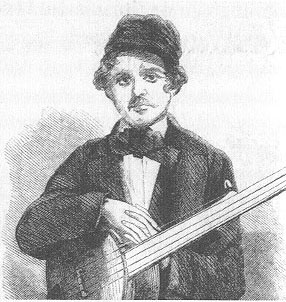
The suspects for this horrific crime populated the rooms of 31 Bond Street including Emma Cunningham, the former lover of Dr. Burdell and a woman with many secrets to hide; the boarder John Eckel with a curious fondness for canaries; and the banjo-playing George Snodgrass, whose personal obsessions may have evolved in depraved ways.

The mechanics of solving crime were much different in the mid 19th century than they are today, and the mysterious particulars of this investigation seem strange and even unacceptable to us today. A suspect would stand trial for Dr. Burdell’s death yet the shocking events which followed — including a sinister deception and a fake childbirth — would prove that truth is stranger than fiction.

Listen Here: Harvey Burdell Murder Podcast

___________________________________________________________
The Bowery Boys: New York City History podcast is brought to you …. by you!

We are now producing a new Bowery Boys podcast every other week. We’re also looking to improve the show in other ways and expand in other ways as well — through publishing, social media, live events and other forms of media. But we can only do this with your help!

We are now a member of Patreon, a patronage platform where you can support your favorite content creators for as little as a $1 a month.

Please visit our page on Patreon and watch a short video of us recording the show and talking about our expansion plans. If you’d like to help out, there are five different pledge levels (and with clever names too — Mannahatta, New Amsterdam, Five Points, Gilded Age, Jazz Age and Empire State). Check them out and consider being a sponsor.

And join us for the next episode of the Bowery Boys Movie Club, an exclusive podcast provided to our supporters on Patreon. This month’s selection — Ghostbusters!

We greatly appreciate our listeners and readers and thank you for joining us on this journey so far.

__________________________________________________________

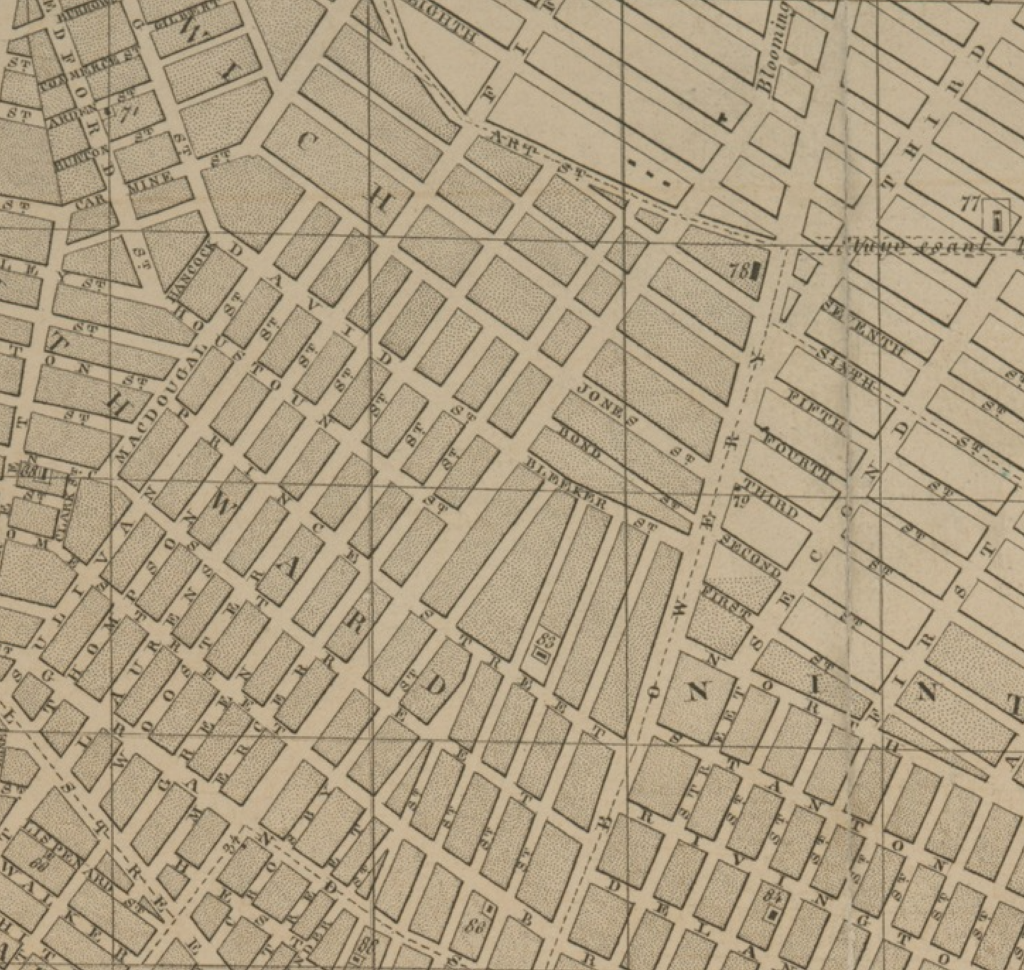
A look at Bond Street and the surrounding blocks in 1828. Lafayette Street/Lafayette Place did not yet exist then. In fact, Houston Street stops at Broadway. East of the Bowery runs North Street (which would be renamed Houston Street when it was extended through the block.) Great Jones Street is listed only as Jones Street here, and streets with names like David Street and Art Street also appear.

New York Public Library
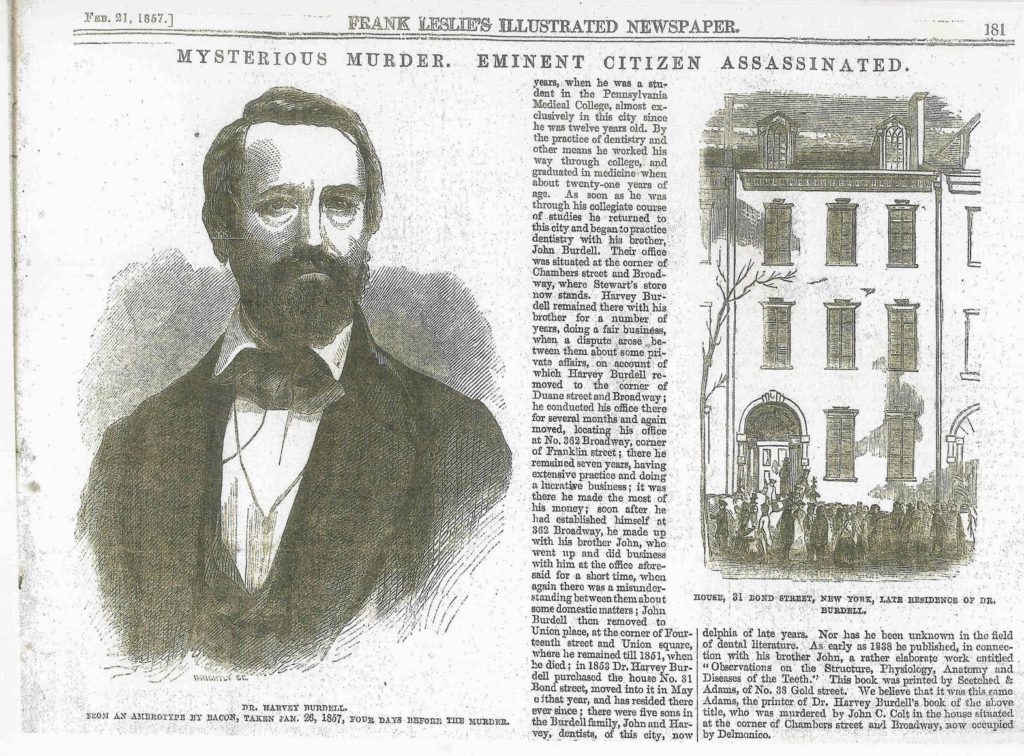
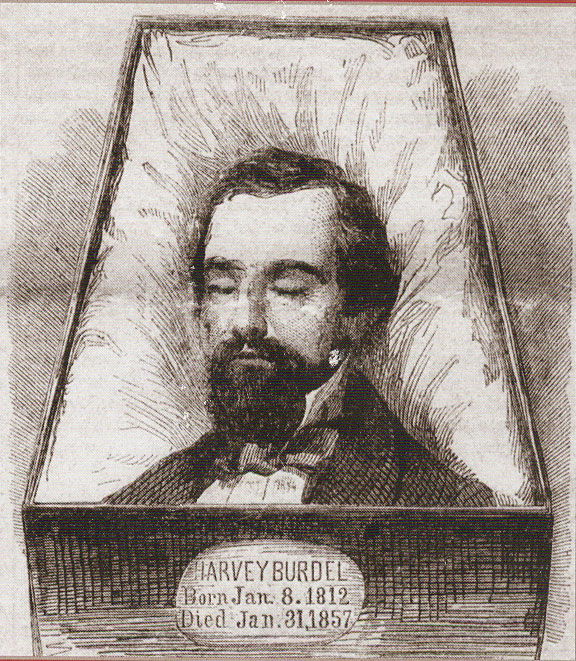
Dr. Harvey Burdell and 31 Bond Street, Leslie’s Illustrated Newspaper, Feb. 21, 1857 via Off the Grid

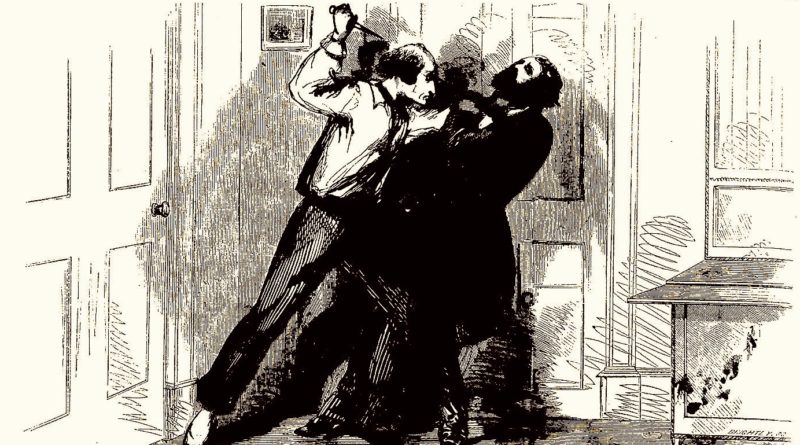
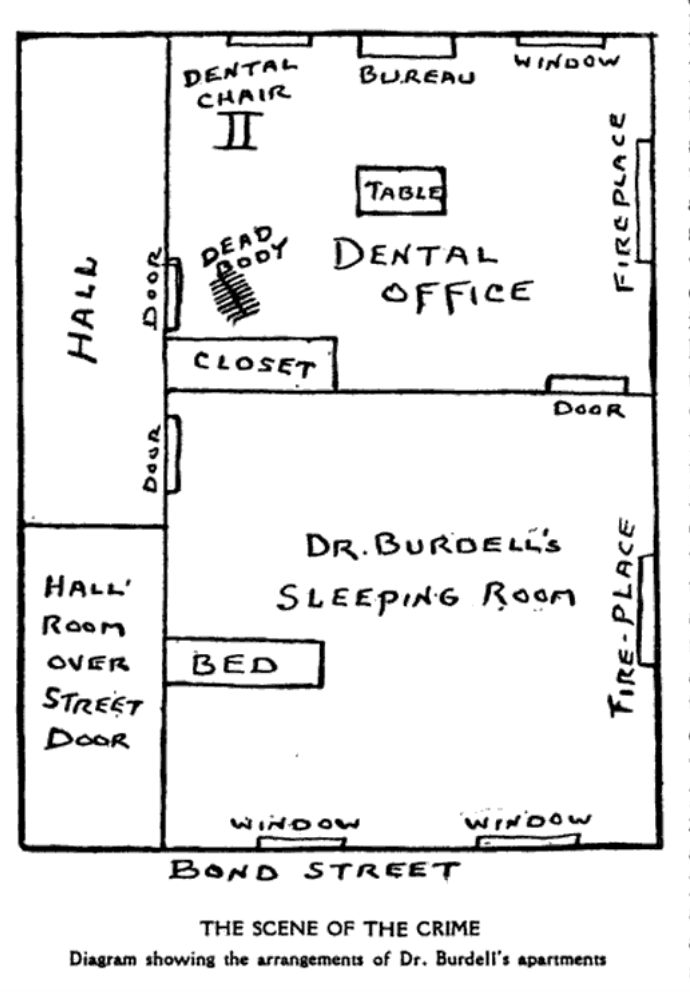
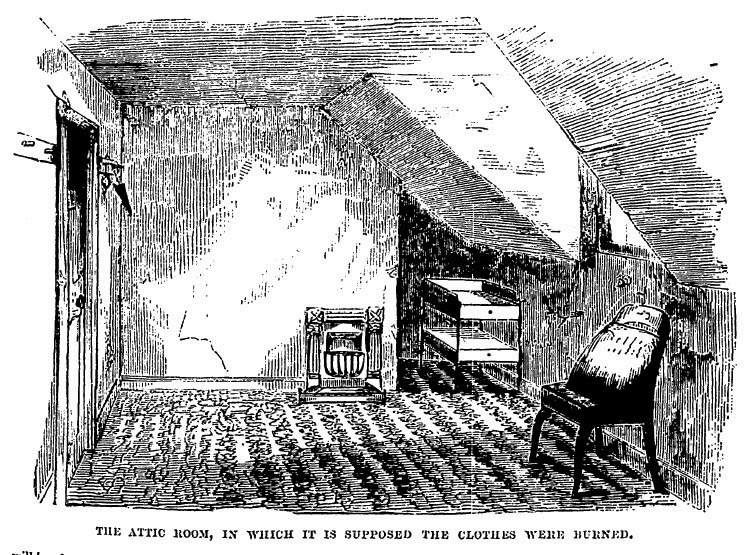
The layout of the murder scene on the second floor of 31 Bond Street

The Era Magazine, 1904

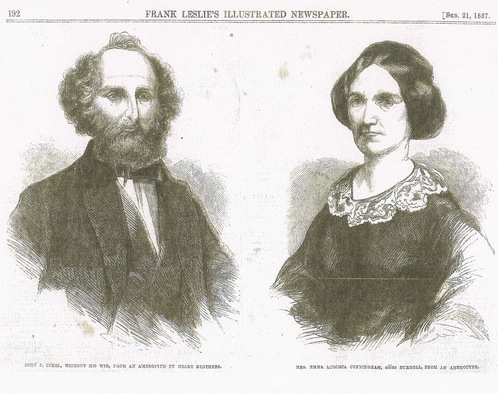
Images below are from Frank Leslie’s Illustrated Newspaper, Harper’s Weekly and other contemporary publications from 1857.

John Eckel, Emma Cunningham and George Snodgrass

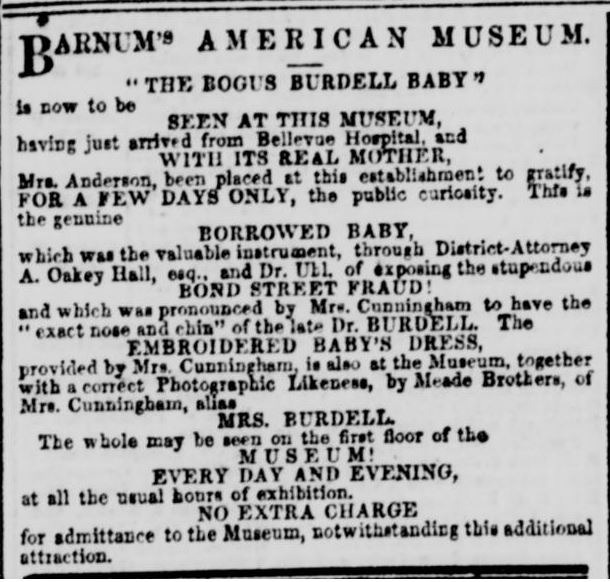
An advertisement for the ‘bogus Burdell baby’, displayed at Barnum’s American Museum:

Via Strange Company blog

FURTHER READING

Butchery On Bond Street: Sexual Politics and the Burdell-Cunningham Case in Ante-Bellum New York by Benjamin Feldman — the definitive narrative of this crime story from 2007

Evil Emma, Down Mexico Way by Benjamin Feldman — a sequel of sorts, following the strange circumstances of Emma Cunningham’s time in Baja, California

31 Bond Street: A Novel by Ellen Horan — a fictionalized retelling of the story

FURTHER LISTENING

A few other murder mysteries in our back catalog that might interest you:

Categories
Mysterious Stories Podcasts

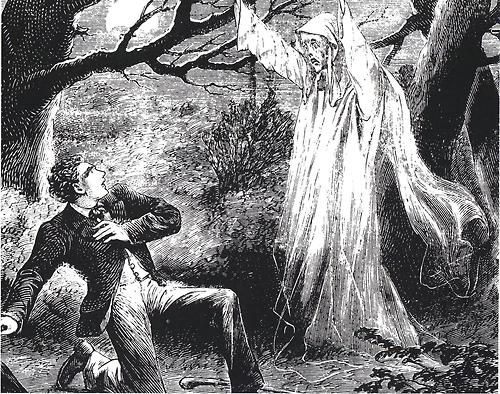
Ghost Stories of Hell’s Kitchen: Tales of haunted houses, creepy courtyards and spirited taverns

PODCAST The Manhattan neighborhood of Hell’s Kitchen has a mysterious, troubling past. So what happens when you throw a few ghosts into the mix? Greg and Tom find out the hard way in this year’s ghost stories podcast, featuring tales of mystery and mayhem situated in the townhouses, courtyards and taverns of this trendy area of Midtown West.

This year’s Ghost Stories of Old New York show features:

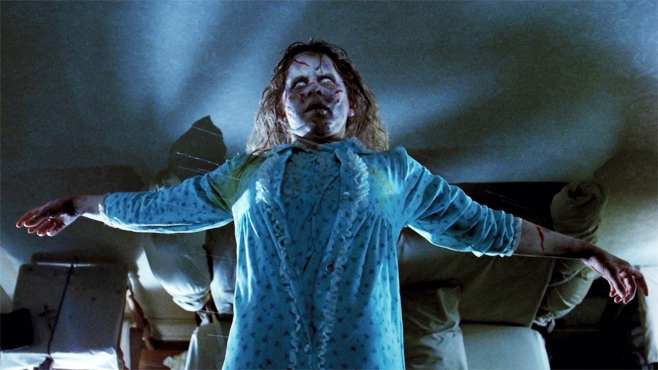
— The troubling tale of a 1970s motion picture classic that may have left a sinister mark on West 54th Street

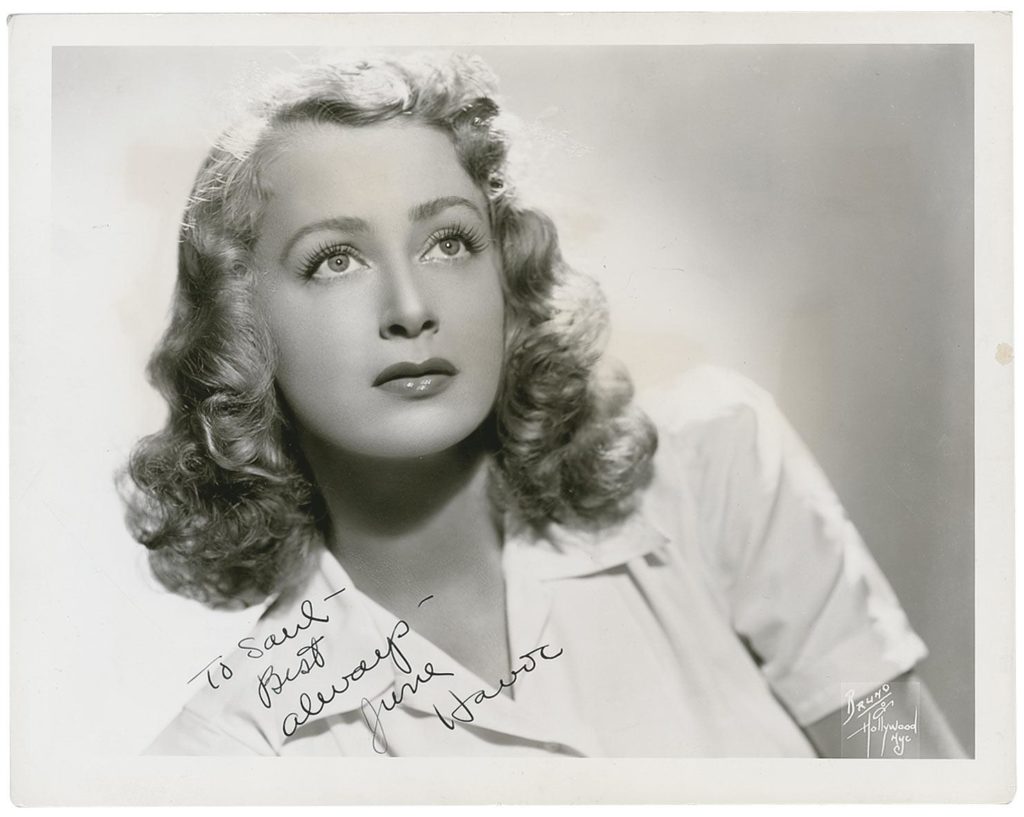
— The haunted home of a popular film and TV actress, possessed with very hungry ghost

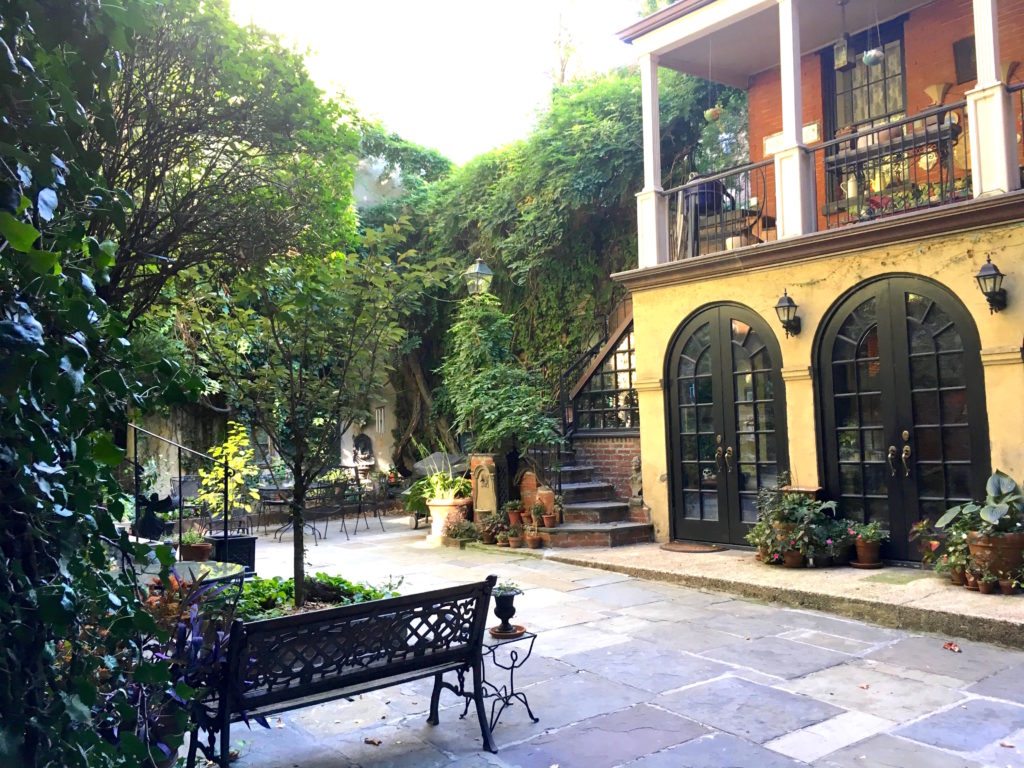
— An enchanting courtyard layered with several horrifying ghost stories

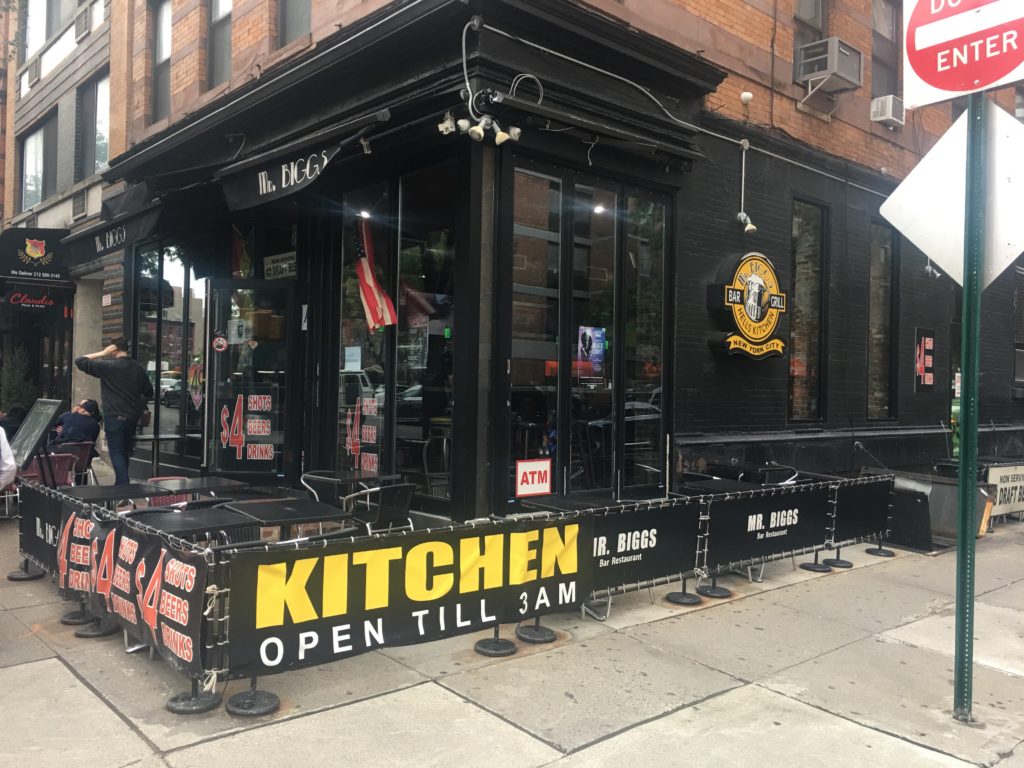
— And the shenanigans at a 150-year-old tavern where the beer and the spirits flow freely.

Listen Now: Hell’s Kitchen Ghosts Podcast

To download this episode and subscribe to our show for free, visit iTunes or other podcasting services or get it straight from our satellite site.

You can also listen to the show on OvercastGoogle Music and Stitcher streaming radio.

Or listen to it straight from here:

___________________________________________________________

The Bowery Boys: New York City History podcast is brought to you …. by you!

We are now producing a new Bowery Boys podcast every other week. We’re also looking to improve the show in other ways and expand in other ways as well — through publishing, social media, live events and other forms of media. But we can only do this with your help!

We are now a member of Patreon, a patronage platform where you can support your favorite content creators for as little as a $1 a month.

Please visit our page on Patreon and watch a short video of us recording the show and talking about our expansion plans. If you’d like to help out, there are five different pledge levels (and with clever names too — Mannahatta, New Amsterdam, Five Points, Gilded Age, Jazz Age and Empire State). Check them out and consider being a sponsor.

And join us for the next episode of the Bowery Boys Movie Club, an exclusive podcast provided to our supporters on Patreon. This month’s selection — Ghostbusters!

We greatly appreciate our listeners and readers and thank you for joining us on this journey so far.

_________________________________________________________

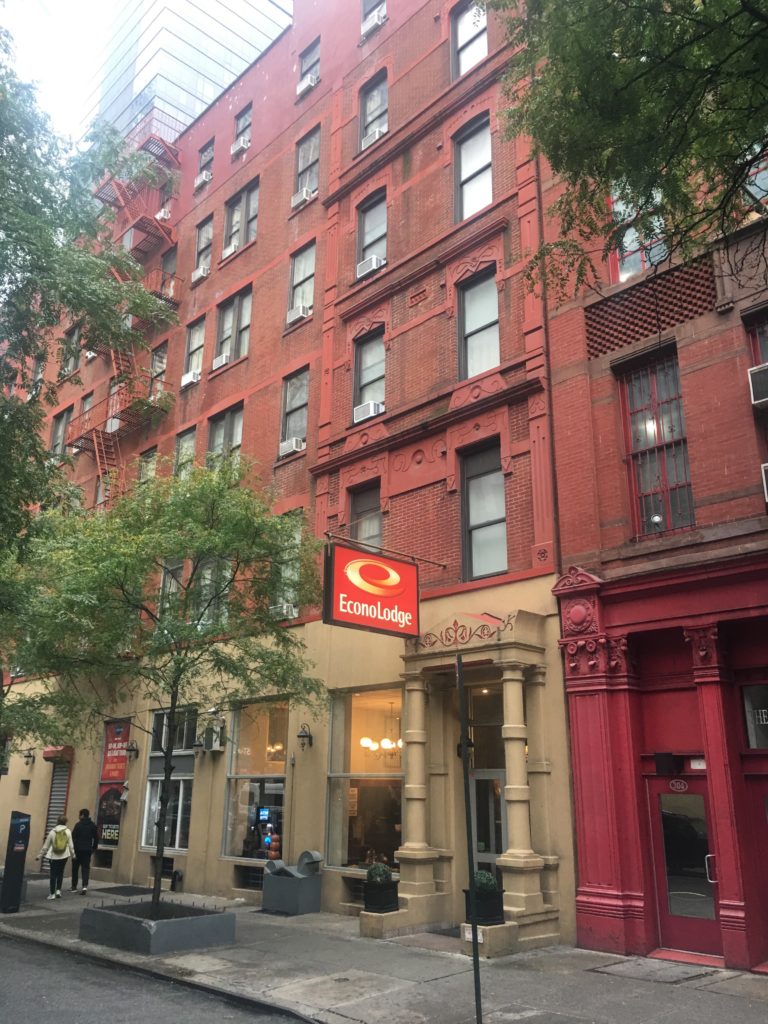
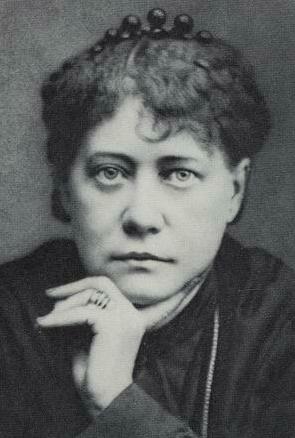
The location of Madame Blavatsky’s home off Eighth Avenue.

The former site of the 596 Club, a notorious hangout for the Westies.

Some of the Exorcist‘s most frightening scenes were filmed in Hell’s Kitchen.

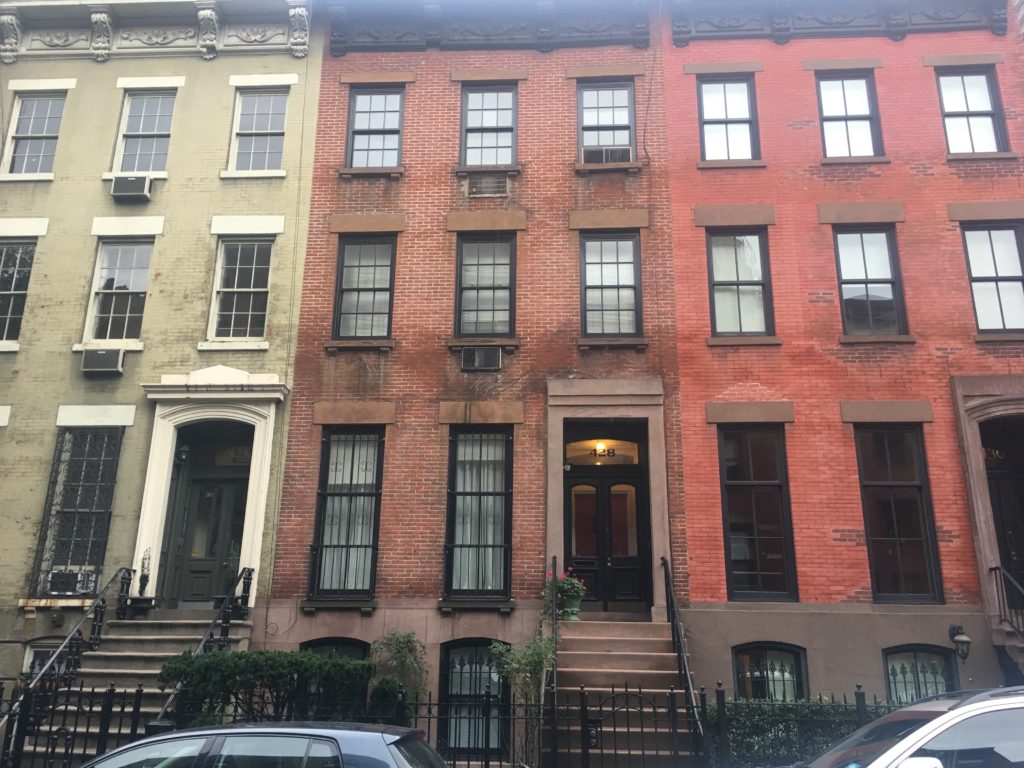
The former home of both film star June Havoc — and a restless spirit named Lucy.

The mysterious, tucked-away oasis known as Clinton Court.

Courtesy Ephemeral New York

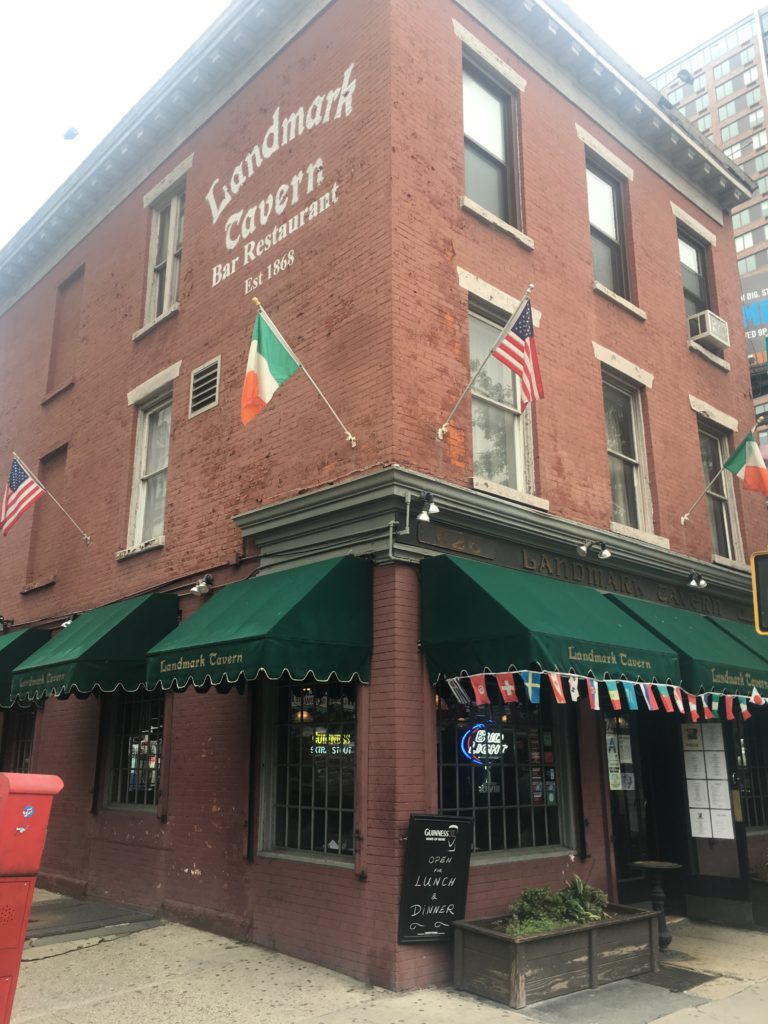
The neighborhood institution known as the Landmark Tavern today, a tavern which has been in business since 1868.

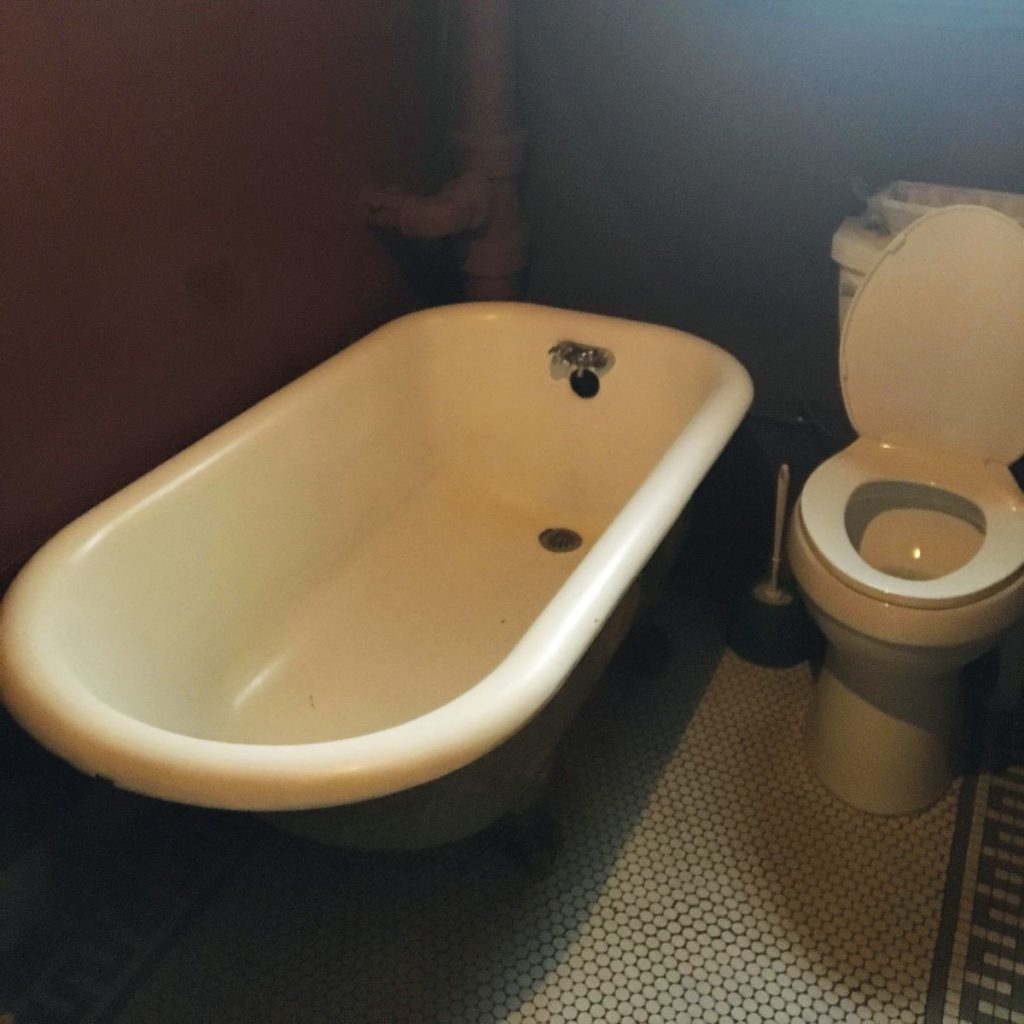
The infamous bathtub. Does the ghost of a Confederate veteran still rub-a-dub in this tub?

Courtesy W42ST

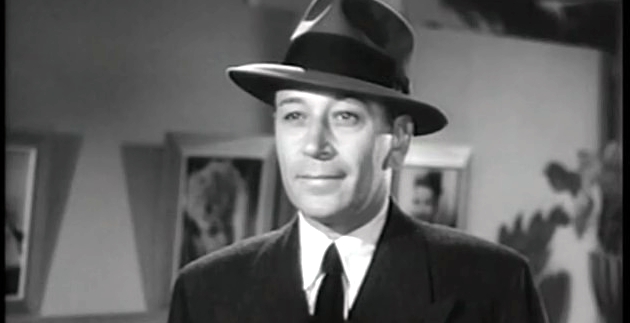
The film star George Raft, a regular at the Landmark Tavern …. to this day.

FURTHER LISTENING:

For a ‘regular’ look at the history of Hell’s Kitchen, listen to this show:

Last year’s ghost story episode on Greenwich Village plays a small role in this year’s episode as well.

Categories
New Amsterdam Podcasts

Peter Stuyvesant and the Fall of New Amsterdam: Where did the Dutch roots of New York City go?

PODCAST There would be no New York City without Peter Stuyvesant, the stern, authoritarian director-general of New Amsterdam, the Dutch port town that predates the Big Apple. 

The willpower of this complicated leader took an endangered ramshackle settlement and transformed it into a functioning city. But Mr. Stuyvesant was no angel.

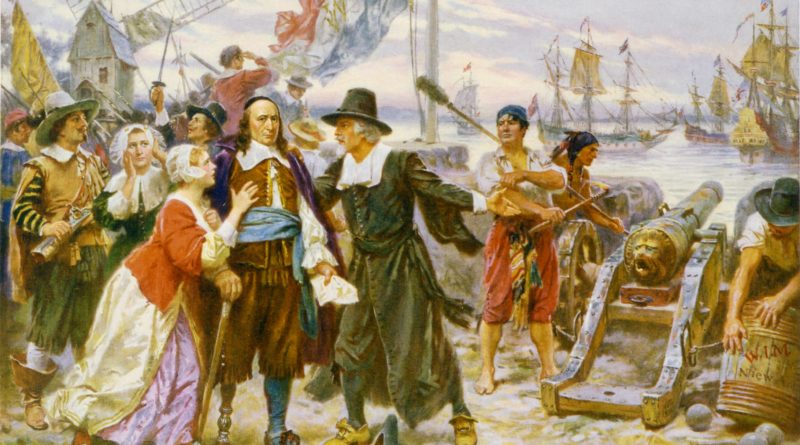
In part two in the Bowery Boys’ look into the history of New Amsterdam, we launch into the tale of Stuyvesant from the moment he steps foot (or peg leg, as it were) onto the shores of Manhattan in 1647.

Stuyvesant immediately set to work reforming the government, cleaning up New Amsterdam’s filth and even planning new streets. He authorized the construction of a new market, a commercial canal and a defense wall — on the spot of today’s Wall Street. But Peter would act very un-Dutch-like in his intolerance of varied religious beliefs, and the institution of slavery would flourish in New Amsterdam under his unwavering direction.

And yet the story of New York City’s Dutch roots does not end with the city’s occupation by the English in 1664 — or even in 1673 (when the city was briefly retaken by a Dutch fleet). The Dutch spirit remained alive in the New York countryside, becoming part of regional customs and dialect.

And yet the story of New Amsterdam might otherwise be ignored if not for a determined group of translators who began work on a critical project in the 1970s……

Listen Now: Peter Stuyvesant Podcast

___________________________________________________________

The Bowery Boys: New York City History podcast is brought to you …. by you!

We are now producing a new Bowery Boys podcast every other week. We’re also looking to improve the show in other ways and expand in other ways as well — through publishing, social media, live events and other forms of media. But we can only do this with your help!

We are now a member of Patreon, a patronage platform where you can support your favorite content creators for as little as a $1 a month.

Please visit our page on Patreon and watch a short video of us recording the show and talking about our expansion plans. If you’d like to help out, there are five different pledge levels (and with clever names too — Mannahatta, New Amsterdam, Five Points, Gilded Age, Jazz Age and Empire State). Check them out and consider being a sponsor.

And join us for the first ever Bowery Boys Movie Club, an exclusive podcast provided to our supporters on Patreon. This month’s selection — Taxi Driver.

We greatly appreciate our listeners and readers and thank you for joining us on this journey so far.

__________________________________________________________

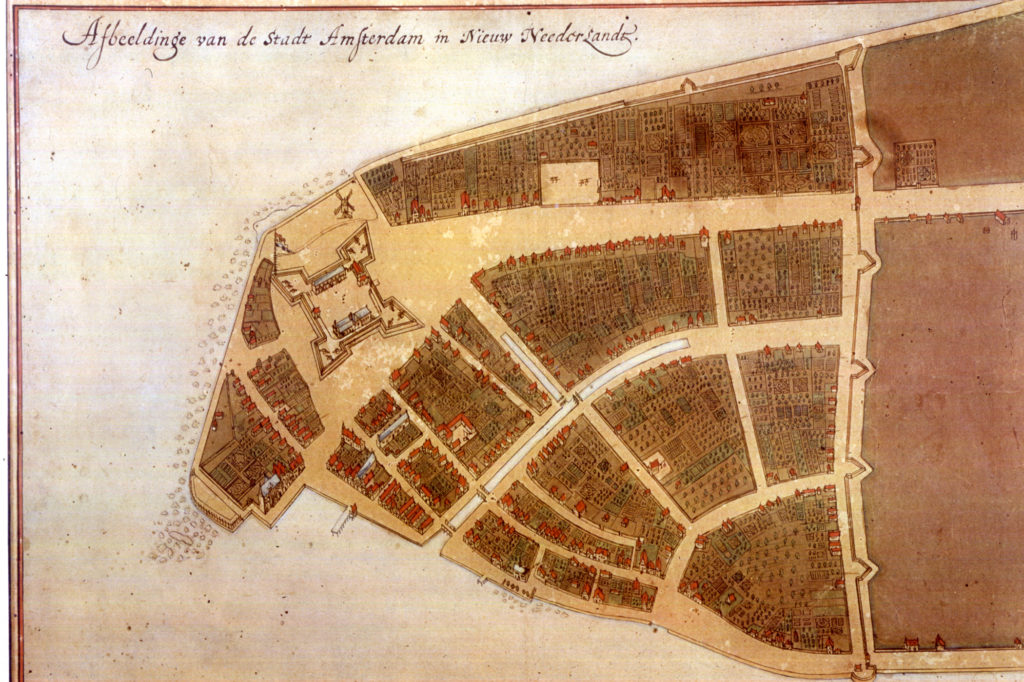
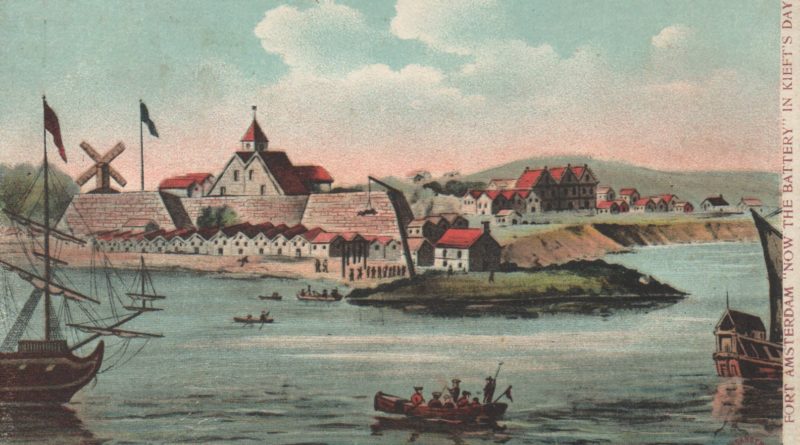
The Costello Plan, New Amsterdam 1660. Surveyed by Jacque Cortelyou. Full size photograph of manuscript map in the Biblioteca Medicea-Laurenziana of Florence, Italy. The Castello plan is the earliest known plan of New Amsterdam, and the only one dating from the Dutch period. Wikicommons.

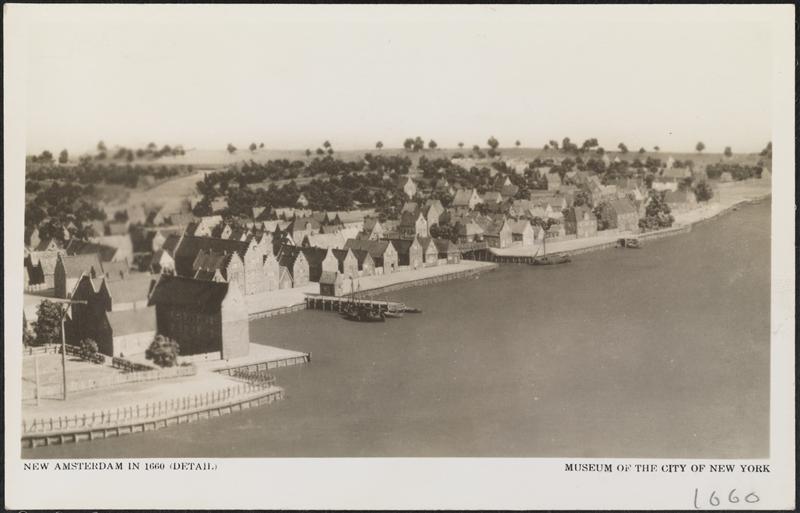
New Amsterdam in miniature at the Museum of the City of New York, photographed in 1932

Museum of the City of New York
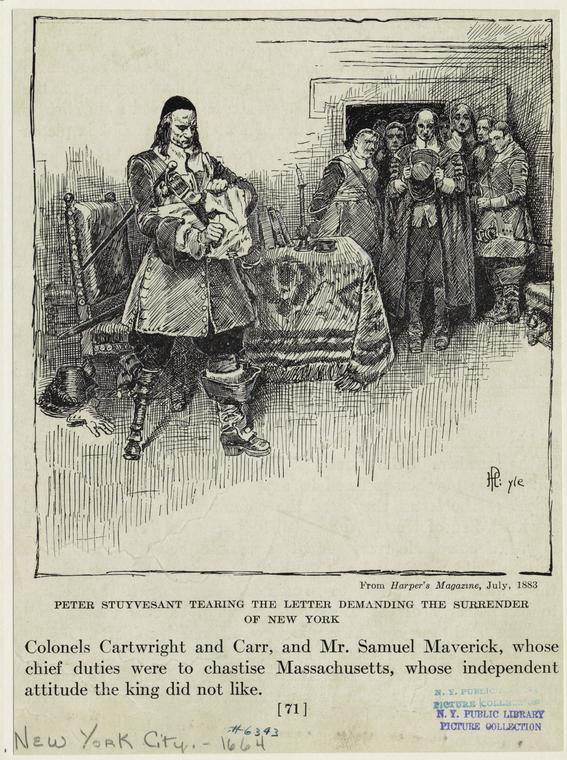
Peter Stuyvesant tearing the letter demanding the surrender of New York. Artist Howard Pyle, 1923. New York Public Library

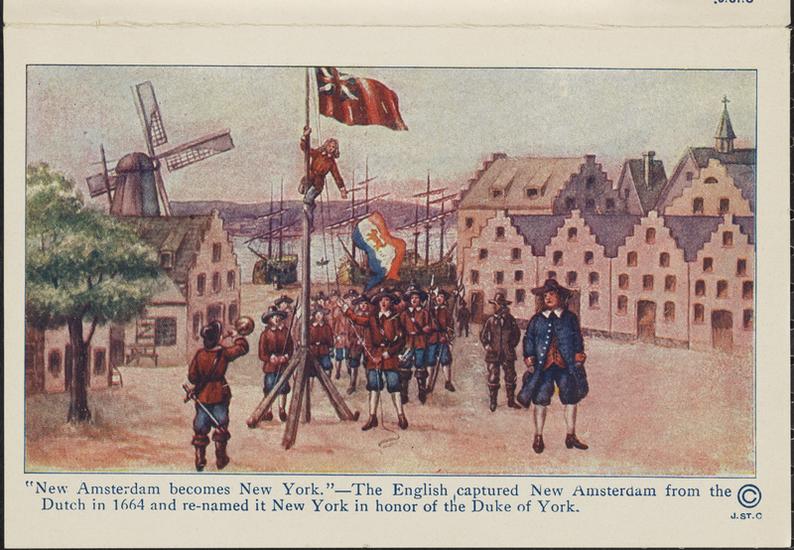
The moment when New Amsterdam became New York, depicted in a 1914 picture book.

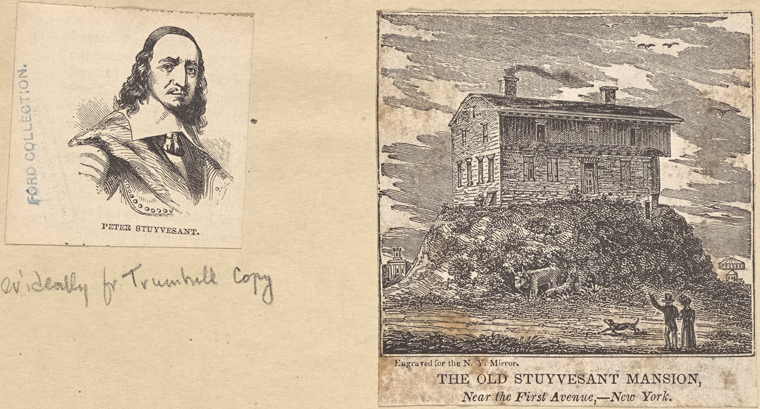
The old Stuyvesant mansion, near First Avenue, engraved for the N.Y. Mirror newspaper. Courtesy NYPL

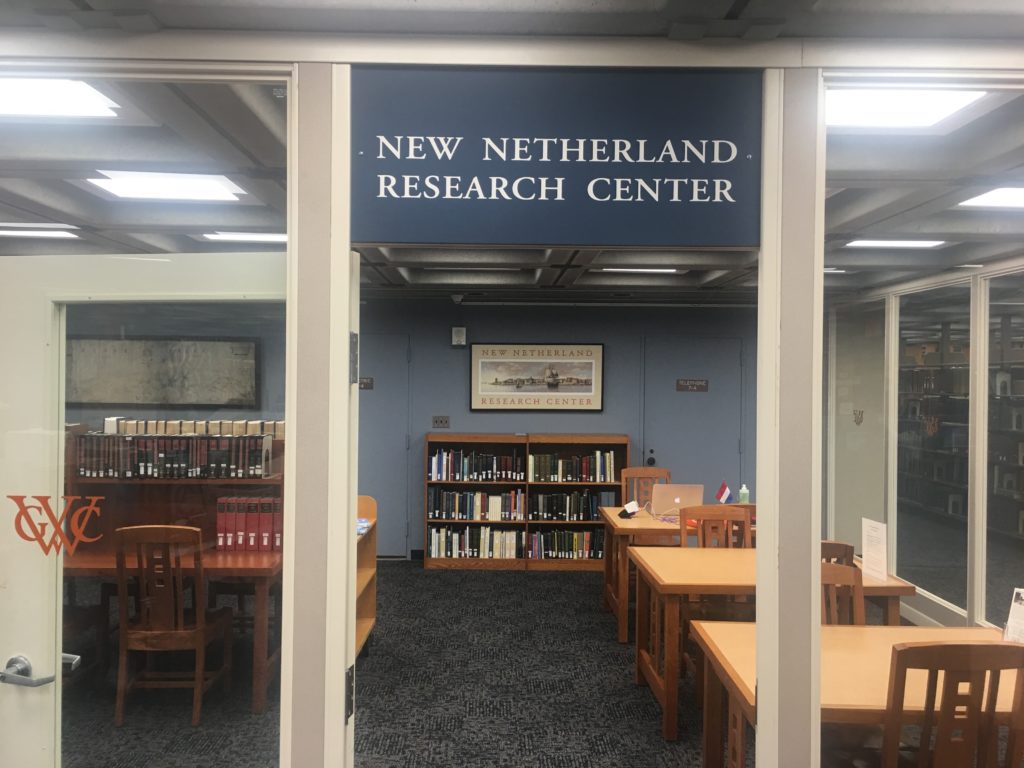
The New Netherland Research Center, located on the seventh floor of the New York State Library.  For more information, visit the New Netherland Institute website.

Greg Young

FURTHER LISTENING

We didn’t go too deeply into it in our latest show, but the Bronx also has a very rich Dutch history. The name even comes from a (unfortunately doomed) Dutch settler.

The early history of Broadway begins in New Amsterdam.

We also spoke about the ‘rattle watch’ in our show on the New York Fire Department.

Categories
Bowery Boys

Bowery Boys Walking Tours takes the podcast to the streets

And now for a little news from the Bowery Boys: We’re excited to announce the launch of Bowery Boys Walks — our official small-group walking tours that are taking our show into the streets!

If you’re a regular listener to the podcast, you know that we try to bring a little fun and humor to retelling the events and characters that have shaped New York’s history. We’re taking the same approach in developing the Bowery Boys walking tours.

Each walk has been developed by an expert tour guide working together with us, and most will complement episodes of the show that have already been released. So, if you’re in the mood to study up before your walk, there will be at least one episode you can listen to to get “situated.”

Our first tour: Broadway

We’re kicking things off on center stage with our first walking tour: Legends and Landmarks of Broadway. Led by professional tour guide and long-time theater insider Jeff Dobbins, the tour will trace the history of Broadway theater and the theater district from the days of Oscar Hammerstein I up through Broadway’s “Golden Age”.

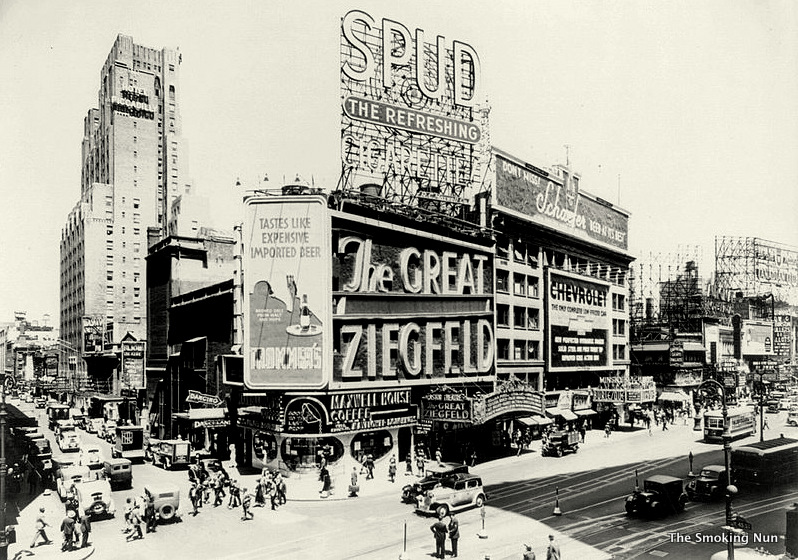
(Looking to study up before the tour? Check out our podcasts on Rodgers & HammersteinFlorenz Ziegfeld, and Times Square in the ’70s.)

Several additional tours are currently in development and will be announced shortly. Stay tuned for that announcement.

About the tours

Bowery Boys Walks are intended to be as intimate as possible, so groups are limited to 15 participants. Because of this, we strongly recommend booking in advance through the website to ensure a spot on the tour.

Tours last two hours, and tickets are $35 per person. (Read more of the details here.)

Follow Bowery Boys walks on Instagram and on Facebook, where we’ll be posting photos from the streets, past and present.

Categories
New Amsterdam Podcasts

Life in New Amsterdam: How the Dutch helped build the foundations of New York City history

PODCAST Back when old New York was once New Amsterdam.

We are turning back the clock to the very beginning of New York City history with this special two-part episode, looking at the very beginnings of European settlement in the area and the first significant Dutch presence on the island known as Manhattan.

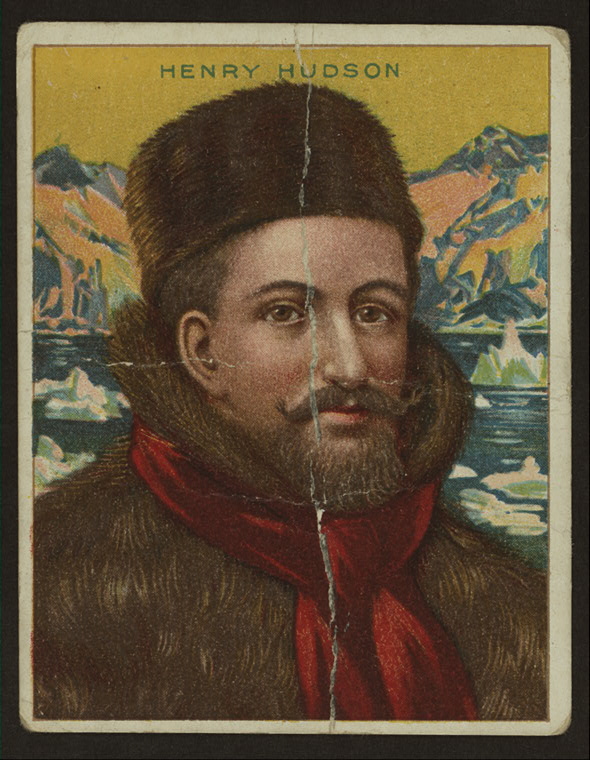
The Dutch were drawn to the New World not because of its beauty, but because of its beavers. Beaver pelts were all the rage in European fashion, and European explorers like Henry Hudson reported back that this unexplored land was filled with the animals and their beautiful coats.

Of course, people were already living here — the tribes of the Lenape — and the first settlers sent by the Dutch — French-speaking Walloons — encountered them in the mid 1620s. But relations were relatively good between the two parties at the beginning. Could the native Munsee-speaking people and the first Dutch settlers get along?

In this episode, we walk you through the first two decades of life in the settlement of New Amsterdam, confined to the southern tip of Manhattan. What was the island like back then? How did people live and work in a region so entirely unknown to its European inhabitants?

Listen Now: New Amsterdam History Podcast

___________________________________________________________________________

The Bowery Boys: New York City History podcast is brought to you …. by you!

We are now producing a new Bowery Boys podcast every other week. We’re also looking to improve the show in other ways and expand in other ways as well — through publishing, social media, live events and other forms of media. But we can only do this with your help!

We are now a member of Patreon, a patronage platform where you can support your favorite content creators for as little as a $1 a month.

Please visit our page on Patreon and watch a short video of us recording the show and talking about our expansion plans. If you’d like to help out, there are five different pledge levels (and with clever names too — Mannahatta, New Amsterdam, Five Points, Gilded Age, Jazz Age and Empire State). Check them out and consider being a sponsor.

And join us for the first ever Bowery Boys Movie Club, an exclusive podcast provided to our supporters on Patreon.

We greatly appreciate our listeners and readers and thank you for joining us on this journey so far.

________________________________________________________________________

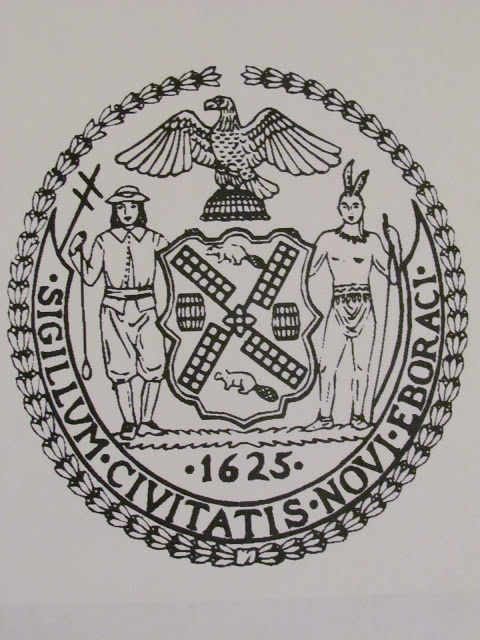
The official seal of New York City contains many clues to the city’s history. It also features not one, but two, beavers.

Manhattan Unlocked

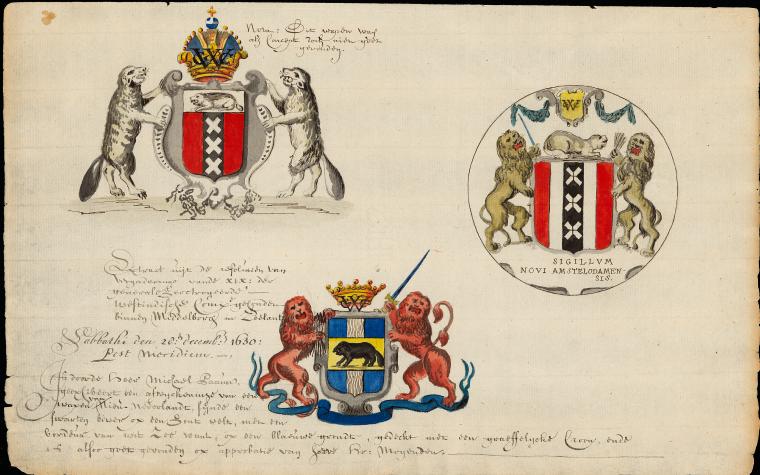
The original coat of arms for New Amsterdam and New Netherland.

New York Public Library

Henry Hudson on a vintage cigarette card.

George Arents Collection/New York Public LIbrary

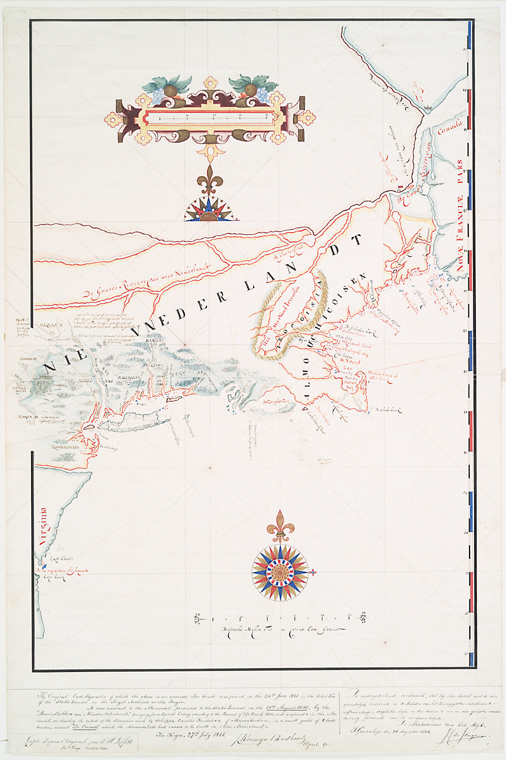
A 1614 map drawn by explorer Adriaen Block, labeling the entire place New Nederlandt!

I. N. Phelps Stokes Collection of American Historical Prints/ New York Public Library

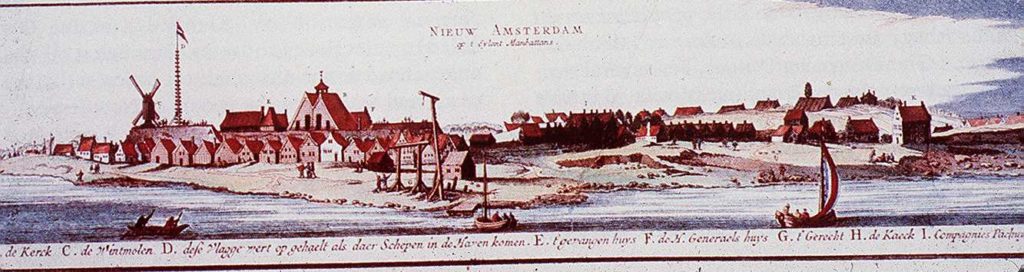
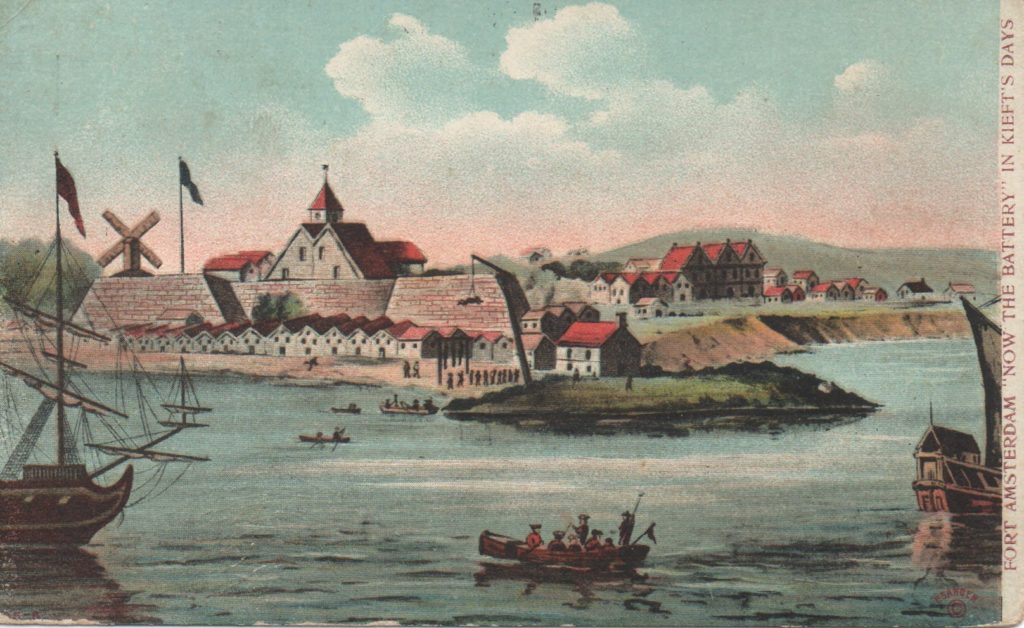
A look at New Amsterdam in it might have looked in 1640. Note the windmill in the background and gallows on Capske Hook!

New-York Historical Society
“As it appeared about the year 1640, while under the Dutch Government. Copied from an ancient Etching of the same size Publd. by Justus Danckers, at Amsterdam. Printed and Published by H. R. Robinson, 52 Courtlandt Street New York” Courtesy Museum of the City of New York

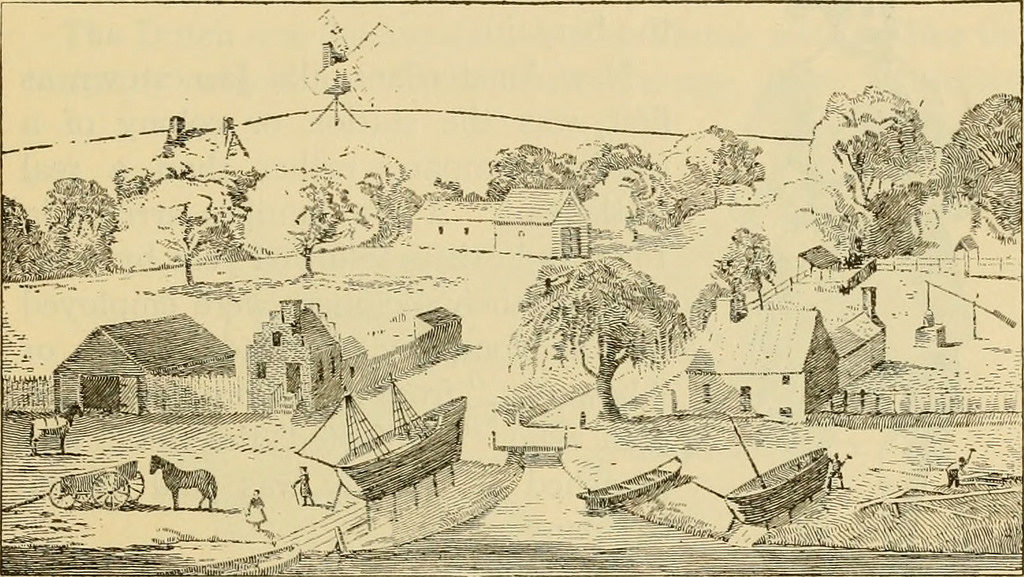
An illustration from the 1921 book A History of the United States by Henry Eldridge Bourne. A Dutch blacksmith shop and a farm scene, Manhattan Island, where a brookside path with the name of Maiden Lane followed a valley to the East River

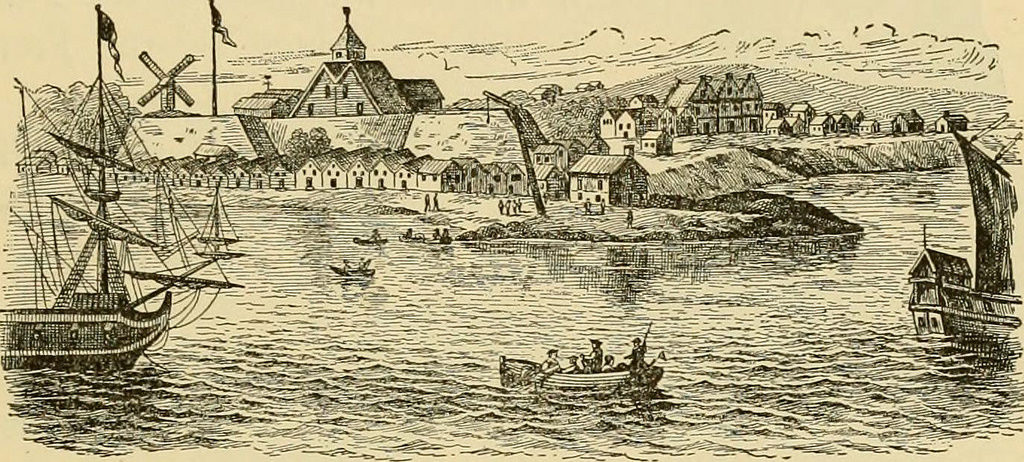
From the same book — a look at Fort Amsterdam and Capske Hook.

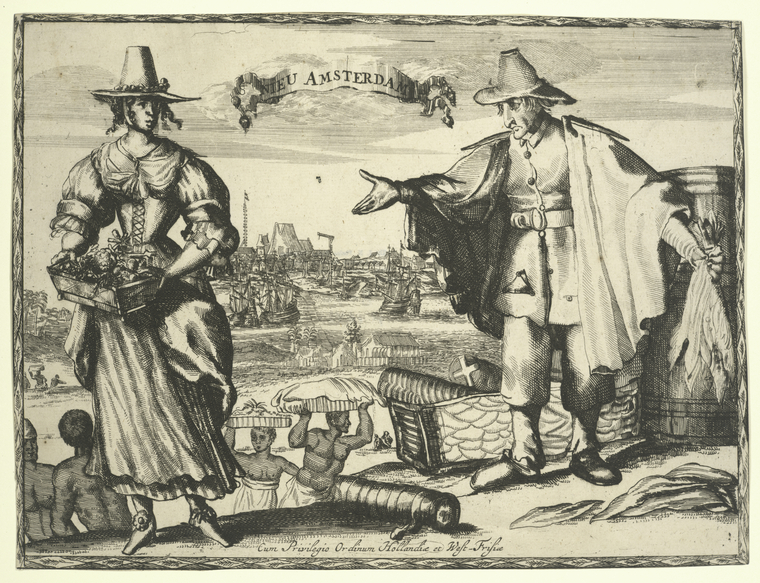
An illustration of New Amsterdam clearly depicts its placement in the larger scheme of the New Netherland territory (and, as the years went by, its increasing prominence as both a tobacco producer and a component of the Dutch transatlantic slave trade).

New York Public Library

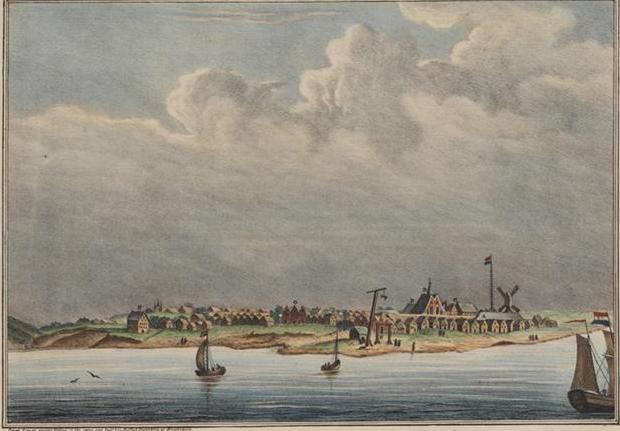
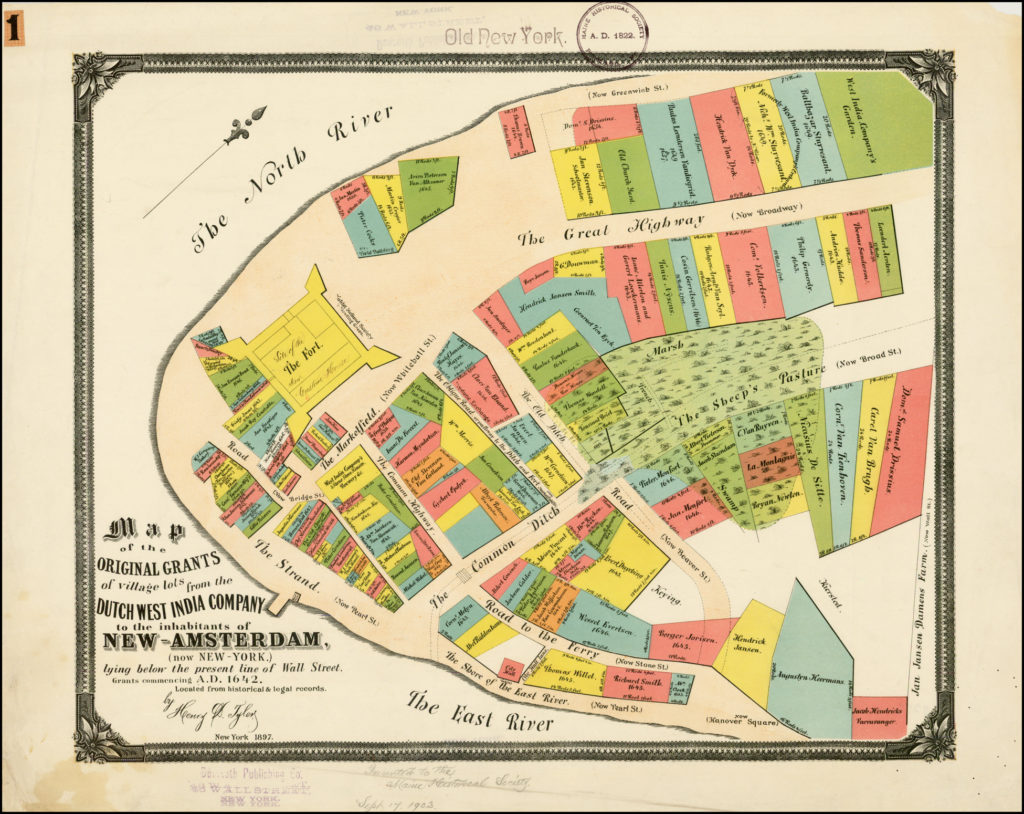
A look at New Amsterdam in the year 1642, dominated by the fort to the south and a sheep’s pasture and various farms to the north.

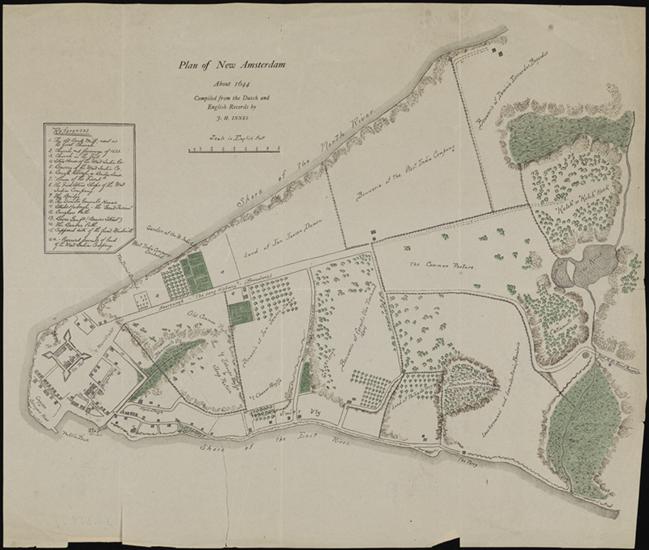
Plan of New Amsterdam About 1644, map dated 1902, compiled from the Dutch and English records by J. H. Innes.

Museum of the City of New York

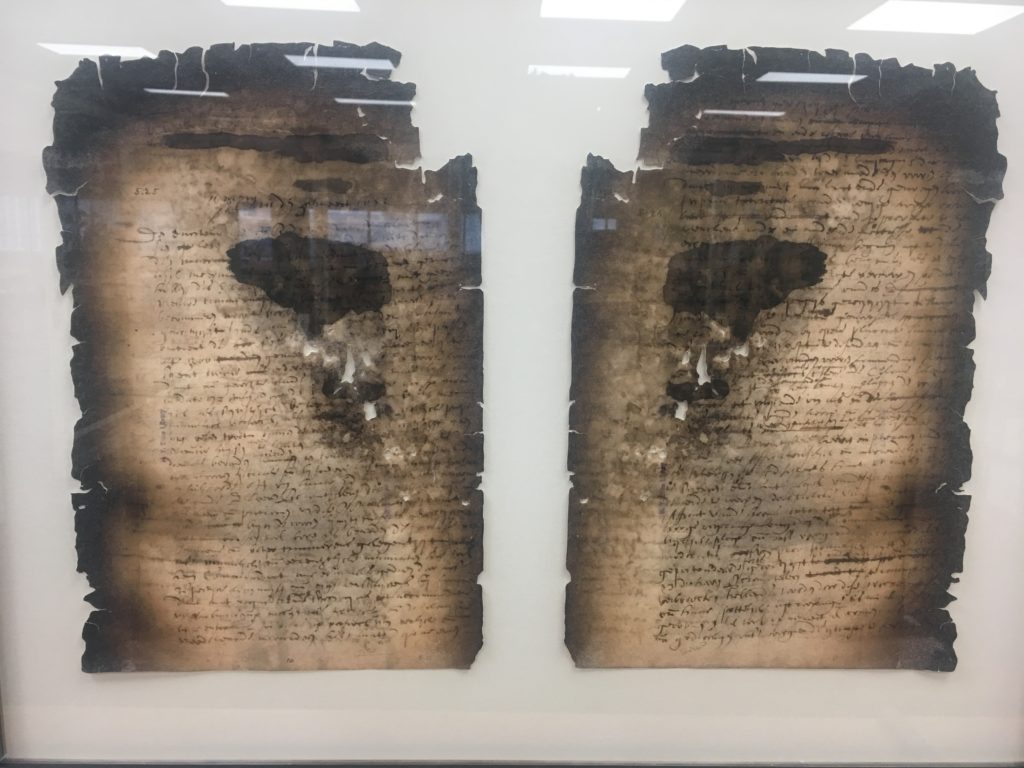
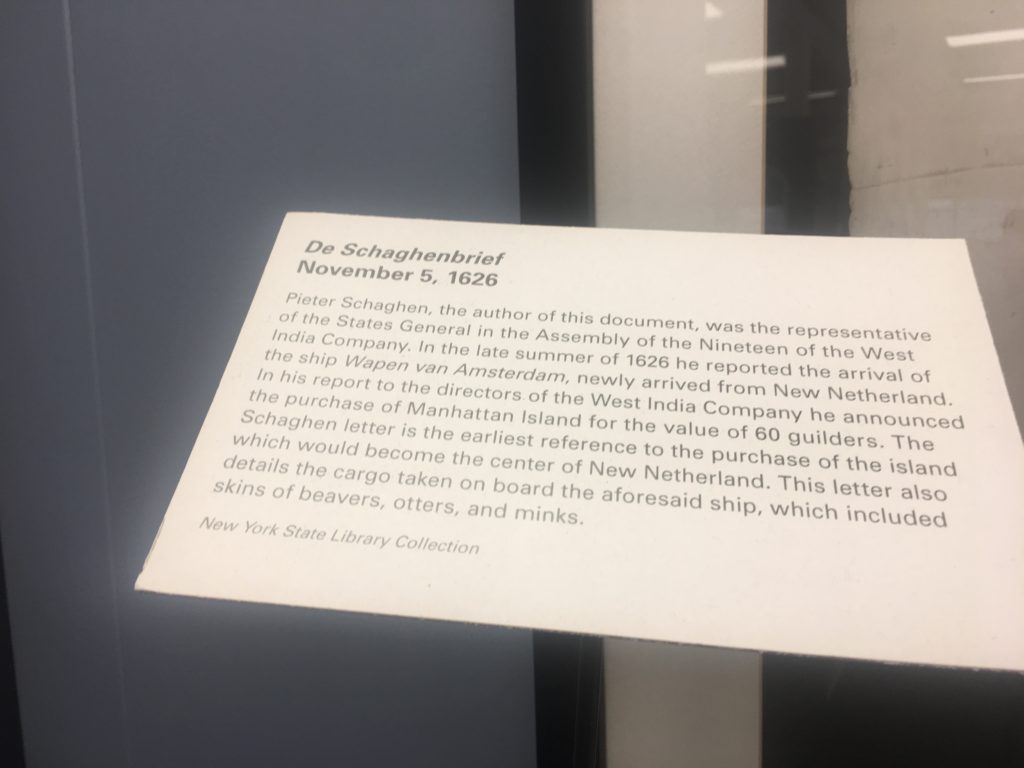
The Pieter Schaghen letter outlining the purchase of the island of Manhattan. This letter is located at the New Netherland Research Center.

FURTHER LISTENING

Listen to the podcasts

Looking for the latest episode of our podcasts? Listen now on iTunes to “The Bowery Boys” and “The First”.

Find recent podcast episodes here, and click to read more about listening options here.

Read the book

Bowery-Boys-Book-Cover-R6--revised

Our first-ever Bowery Boys book, “Adventures in Old New York” is now out in bookstores! A time-traveling journey into a past that lives simultaneously besides the modern city.

Bowery Boys Walking Tours

Are you ready to walk through time? We’re excited to announce Bowery Boys Walks, our new walking tours developed around our podcast. Join us in the streets — beginning in October 2018!

Categories
Food History Podcasts

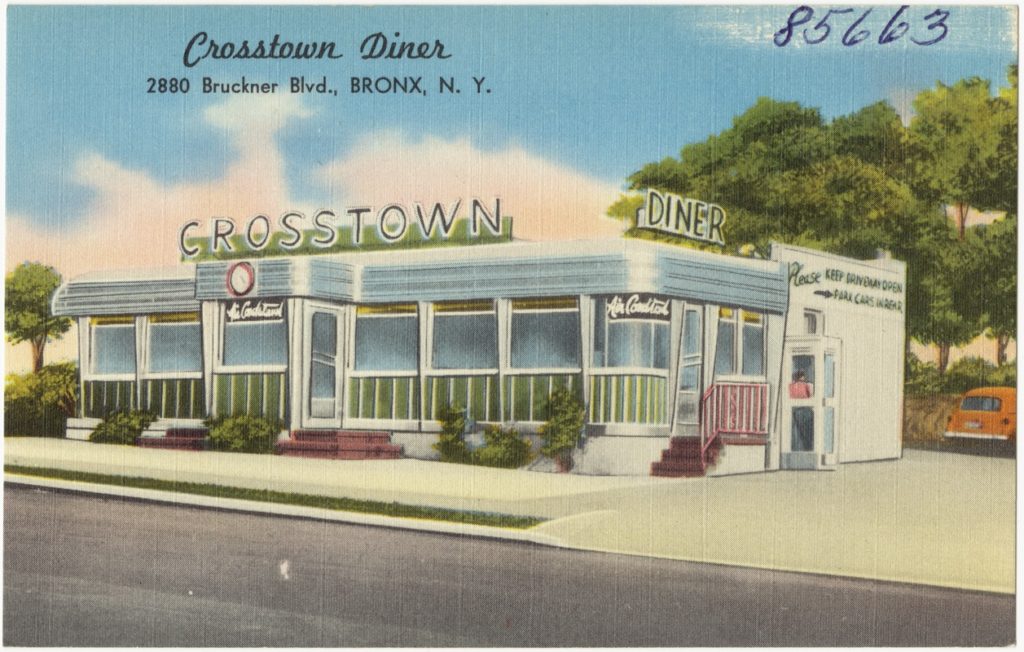
Counter Culture: A History of Automats, Lunchonettes and Diners in New York City

PODCAST The evolution of affordable dining — from oyster houses to lunch counters.

The classic diner is as American as the apple pie it serves, but the New York diner is a special experience all its own, an essential facet of everyday life in the big city. They range in all shapes and sizes — from the epic, stand-alone Empire Diner to tiny luncheonettes and lunch counters, serving up fried eggs and corned beef.

In this episode, the Bowery Boys trace the history of the New York diner experience, a history of having lunch in an ever-changing metropolis.

There were no New York restaurants per se before Delmonico’s in 1827, although workers on-the-go frequented oyster saloons and bought from street vendors and markets. Cellar establishments like Buttercake Dicks served rudimentary sustenance, and men often ate food provided by bars.

But once women entered the public sphere — as workers and shoppers — eating houses had to evolve to accommodate them. And thus was born the luncheonette, mini-lunch spaces in drug stores and candy shops. Soon prefabricated structures known as diners — many made in New Jersey — moved into vacant lots, streamlining the cheap eating experience.

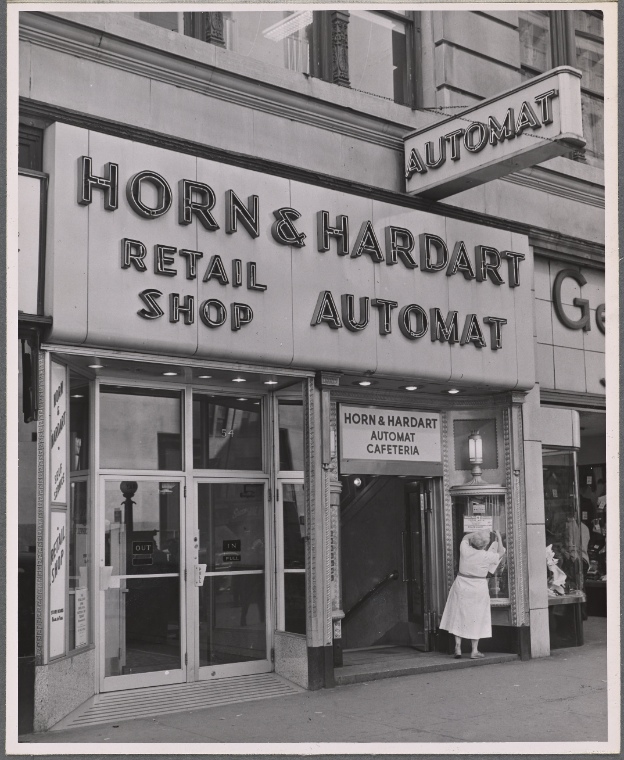
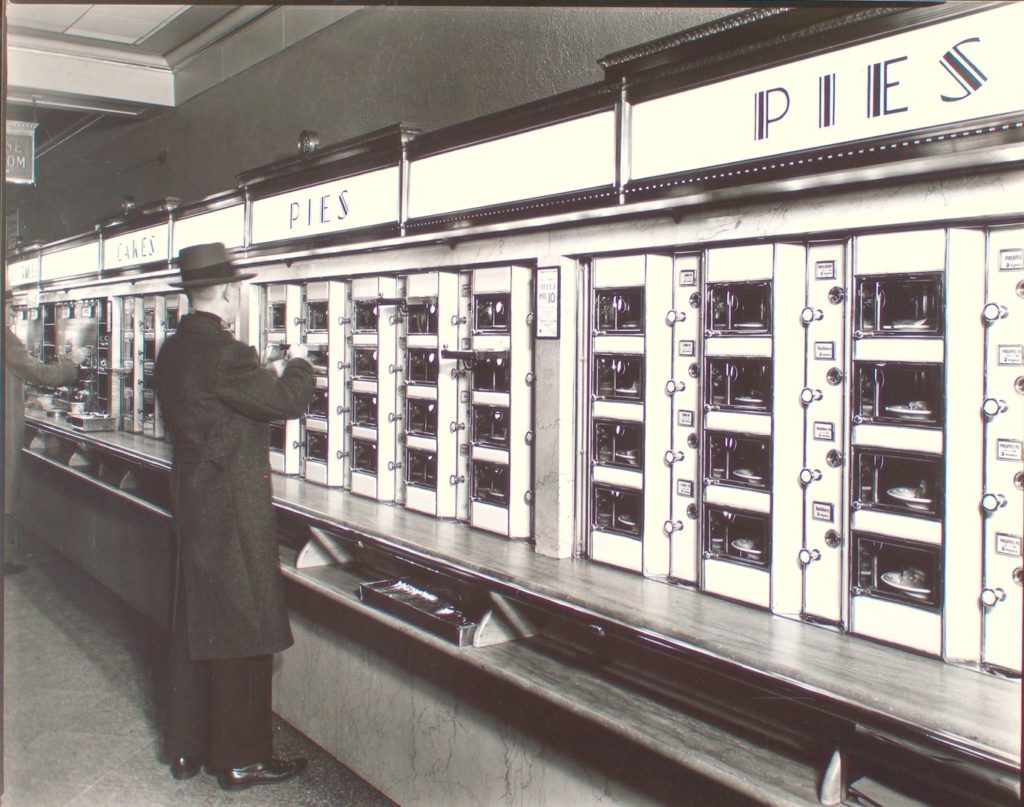
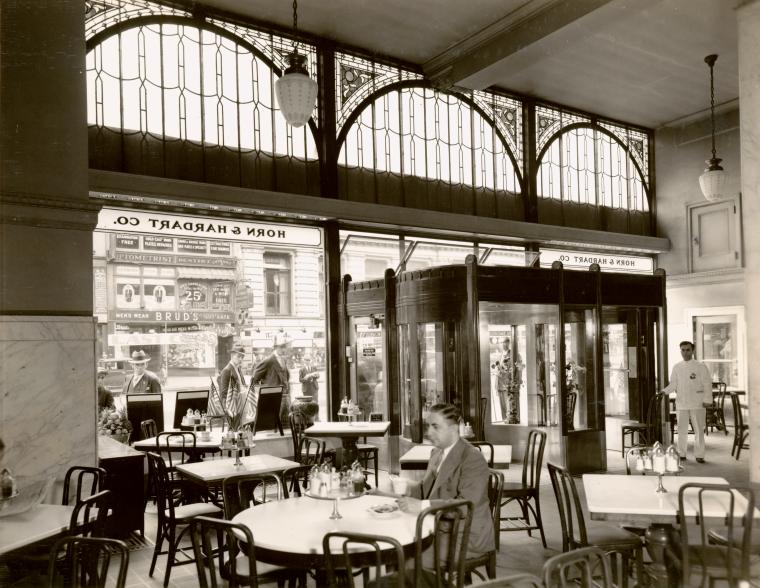
Cafeterias appealed to New Yorkers looking for cleanliness, and those looking for an inexpensive, solitary meal turned to one unusual restaurant — the automat. Horn & Hardarts’ innovative eateries — requiring a handful of nickels — were regular features on the New York City streetscape.

How did all these different types of eating experiences culminate in the modern New York diner-counter experience? For that, you can thank the Greeks.

Listen Now: Diner History Podcast

_________________________________________________________

The Bowery Boys: New York City History podcast is brought to you …. by you!

We are now producing a new Bowery Boys podcast every other week. We’re also looking to improve the show in other ways and expand in other ways as well — through publishing, social media, live events and other forms of media. But we can only do this with your help!

We are now a member of Patreon, a patronage platform where you can support your favorite content creators for as little as a $1 a month.

Please visit our page on Patreon and watch a short video of us recording the show and talking about our expansion plans. If you’d like to help out, there are five different pledge levels (and with clever names too — Mannahatta, New Amsterdam, Five Points, Gilded Age, Jazz Age and Empire State). Check them out and consider being a sponsor.

We greatly appreciate our listeners and readers and thank you for joining us on this journey so far.

________________________________________________________

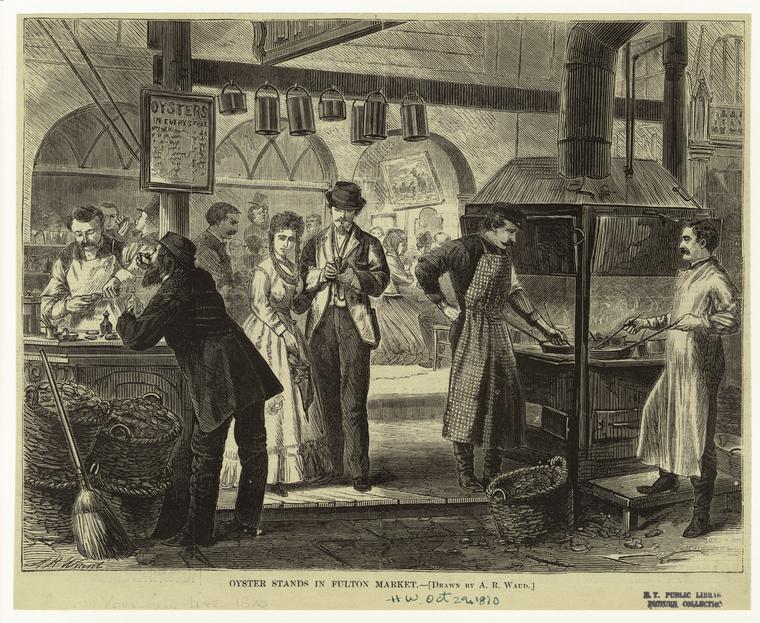
Like oysters? They were the easiest way to grab a quick bite on the go in the 19th century. You could find oyster sellers at markets (pictured here: the scene at a mid-19th century oyster stand at Fulton Market) or…..

New York Public Library

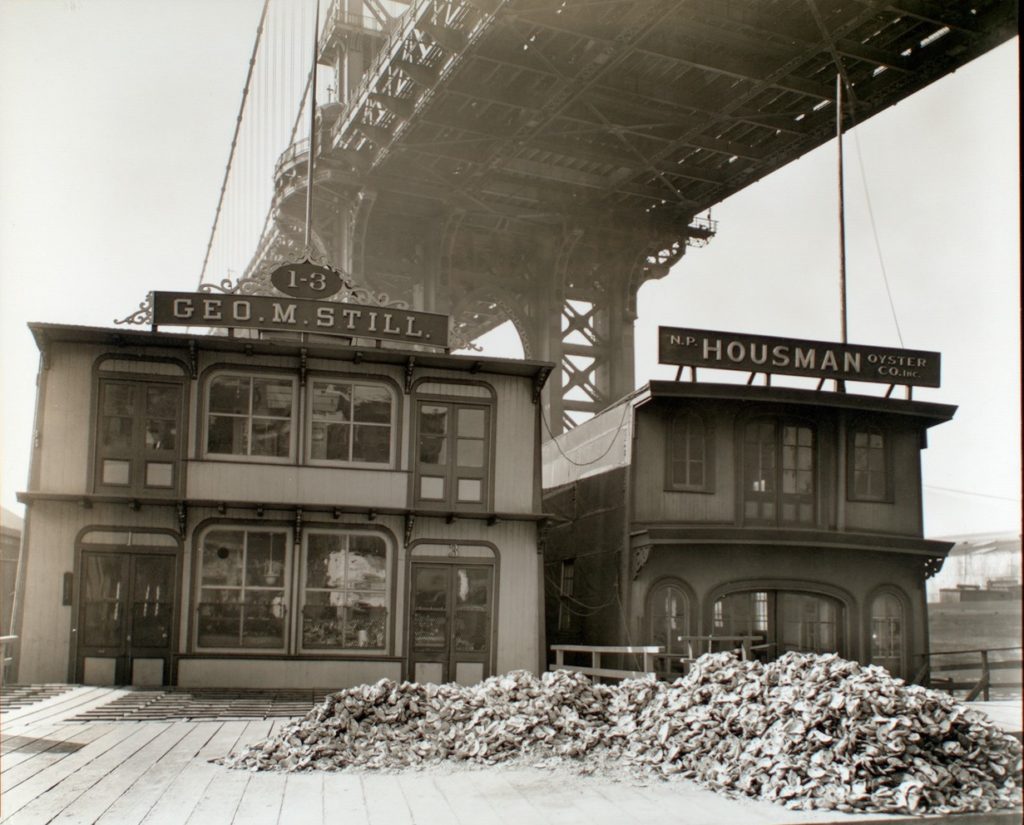
…head over to the many oyster saloons or houses along the waterfront. Believe it or not, many oyster places remained opened well into the 20th century. The ones pictured here were photographed by Berenice Abbott in 1937!

Berenice Abbott/1937

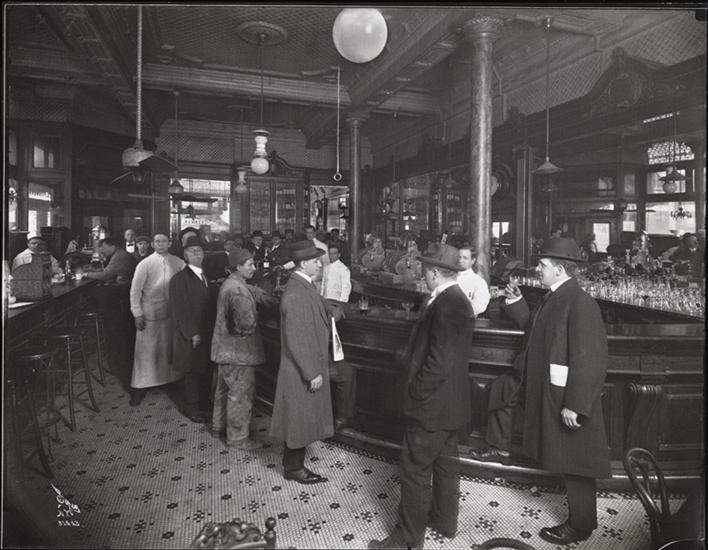
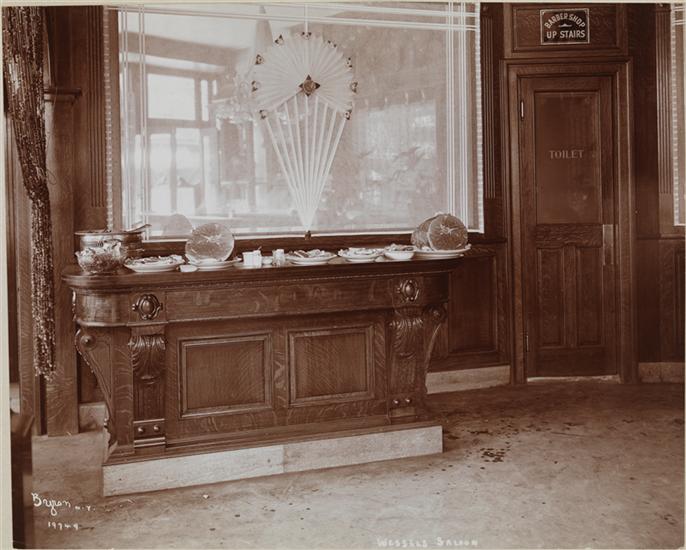
This scene at T.E. Fitzgerald’s Bar, taken in 1912, reflects the typical bar and saloon scene of the 19th century. A food bar is at the left, liquor on the right. Below that, a picture from a bar in Jersey City, New Jersey, with a scenario that was probably more standard — help-yourself food heaped on a bar in the corner.

Museum of the City of New York
Byron Company/Museum of the City of New York

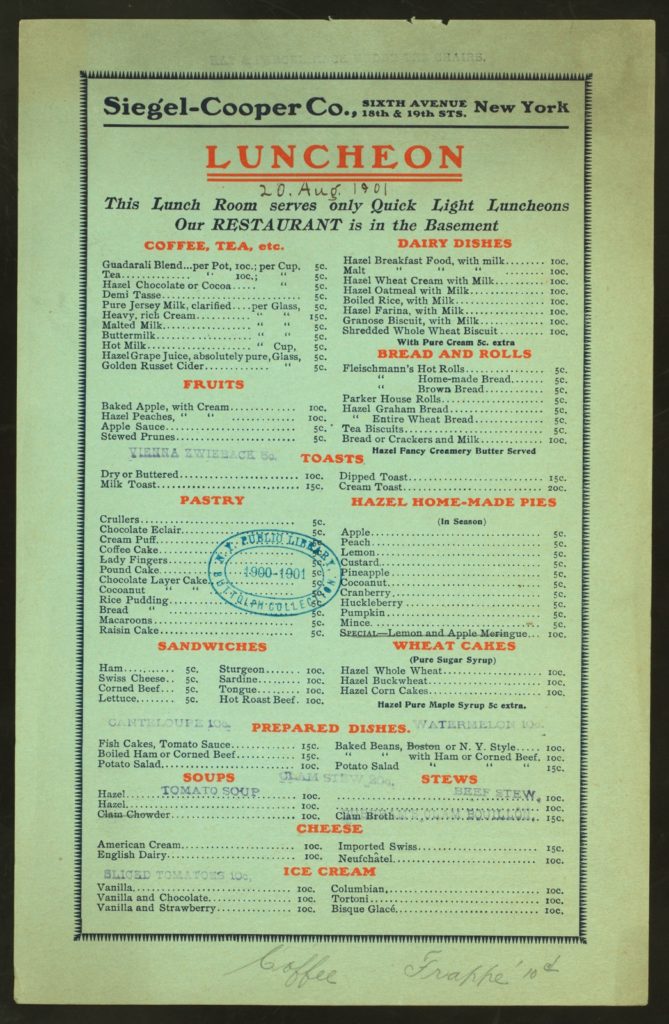
A luncheon menu at Siegel-Cooper Department Store on Ladies Mile, 1901.

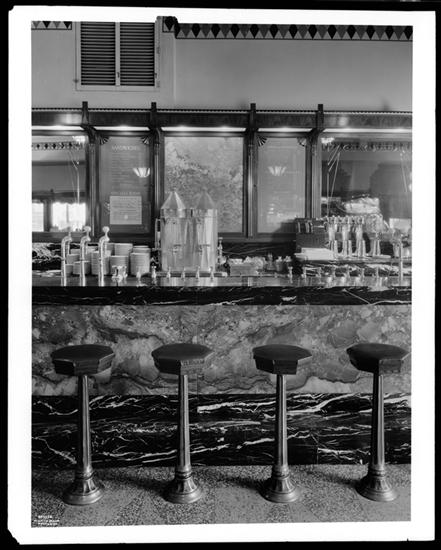
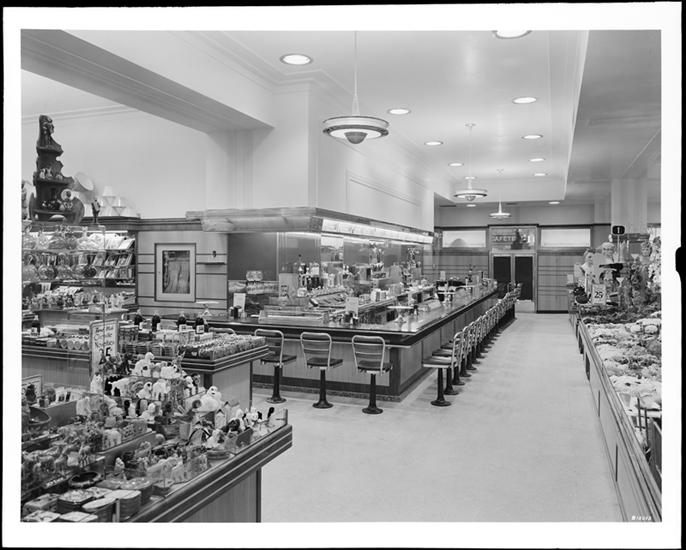
The Arcadia Luncheonette Soda Fountain at 45th Street and Vanderbilt Avenue, 1930.

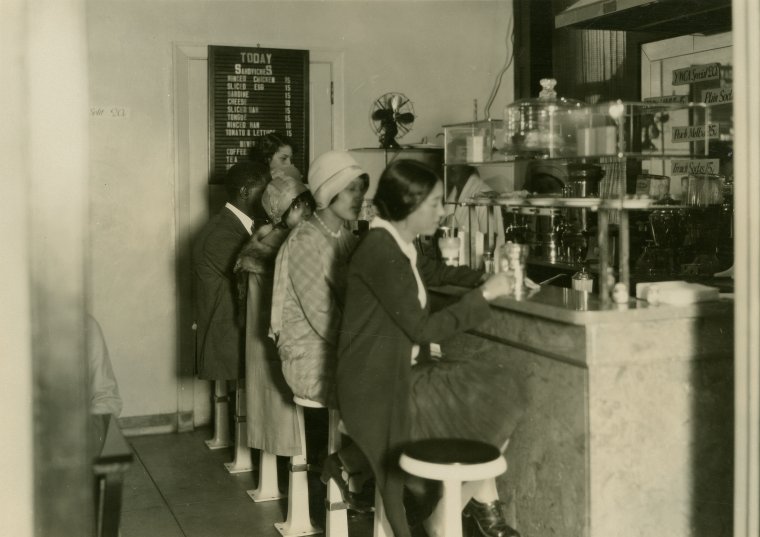
Customers crammed in at a restaurant counter, 1920s.

NYPL

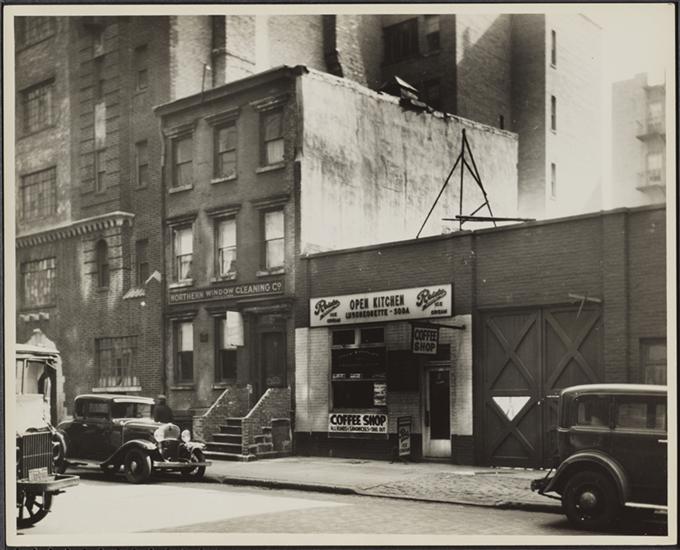
Rela’s Open Kitchen Luncheonette & Coffee Shop at 252-254 West 17th Street, 1932

Charles Von Urban / Museum of the City of New York

Lamston 5 & 10 Cent Store, lunch counter, 45th Street and Lexington Avenue, 1940

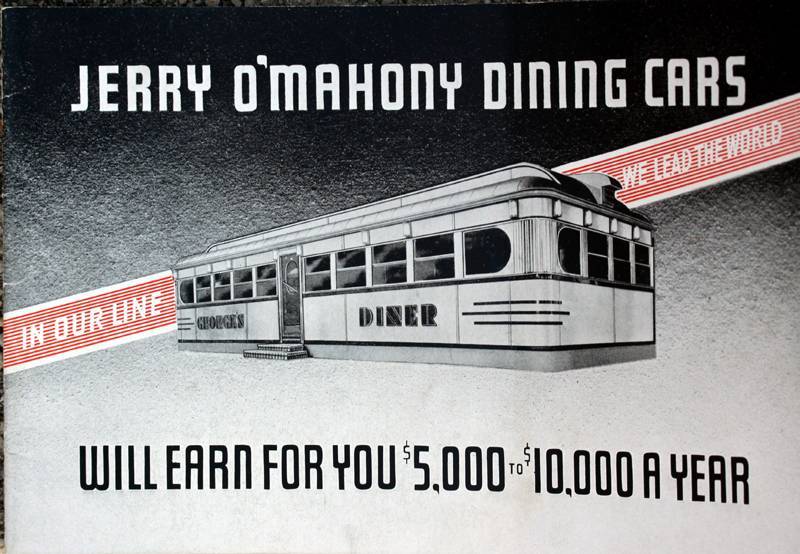
One hundred years ago, an aspiring New York entrepreneur could have a O’Mahony dining car (or diner) shipped to your lot. And voila! Your new restaurant was ready to serve hungry customers.

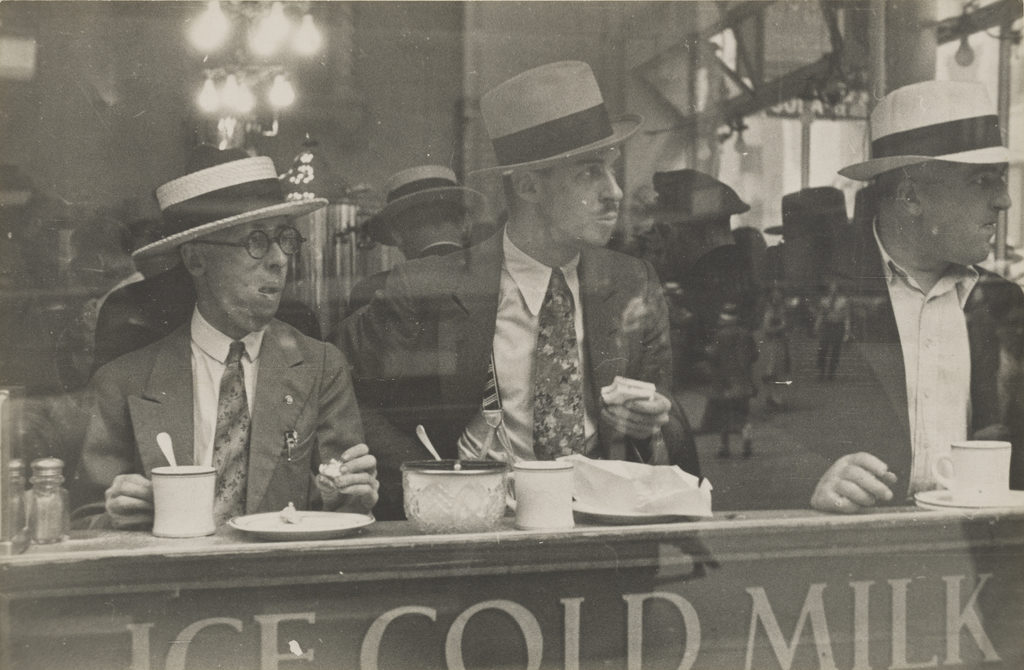
©Walker Evans Archive, The Metropolitan Museum of Art

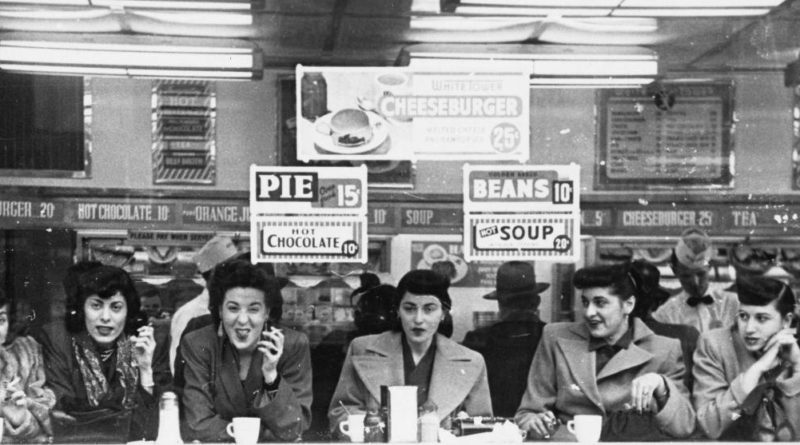
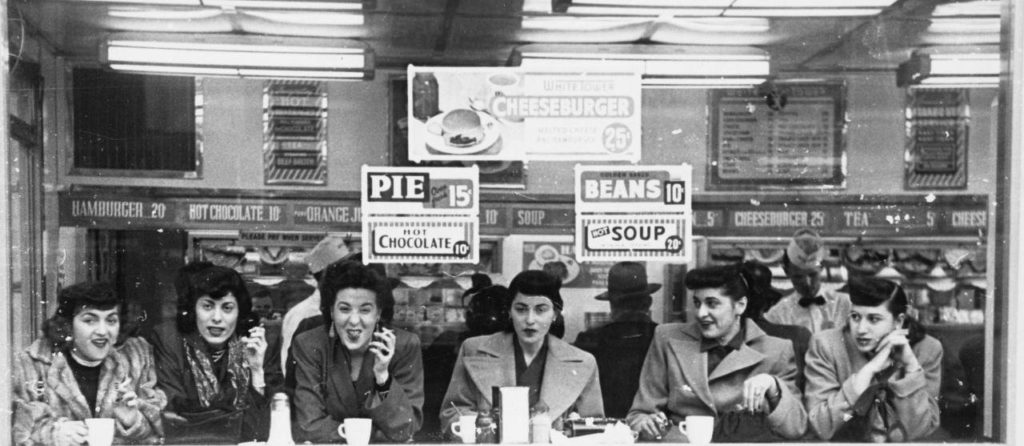
Ladies at a lunch counter, 1948

Images of automat goodness from the New York Public Library:

1936, Berenice Abbott/NYPL
115 East 14 St. automat, 1935.

A transfixing little film about dining in an automat.

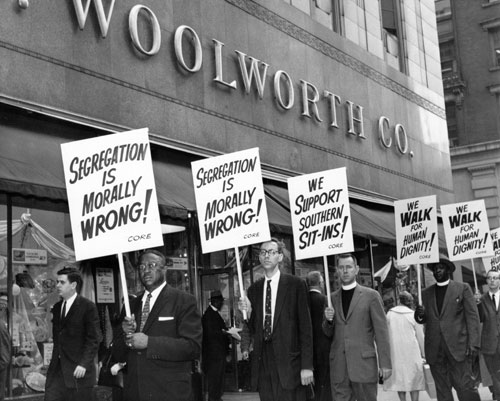
1960: Religious leaders protest outside a New York Woolworth location in solidarity with protesters in the South.

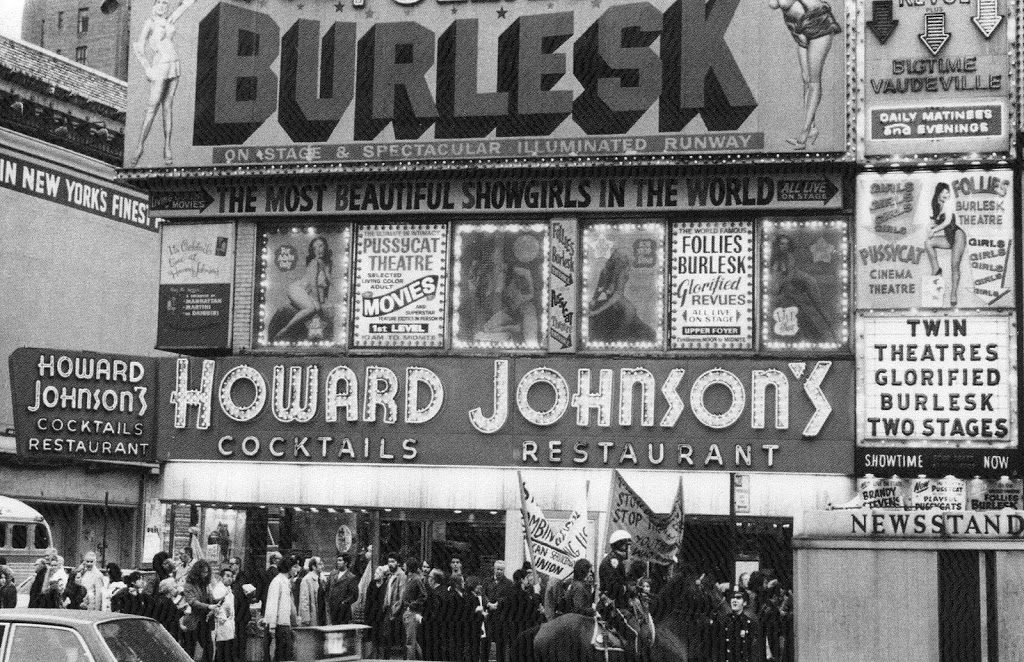
Howard Johnson’s Restaurants were another ubiquitous sight on the streets of New York during the 1970s.

Photo by Bob Gruen, taken 1972, courtesy Ephemeral New York

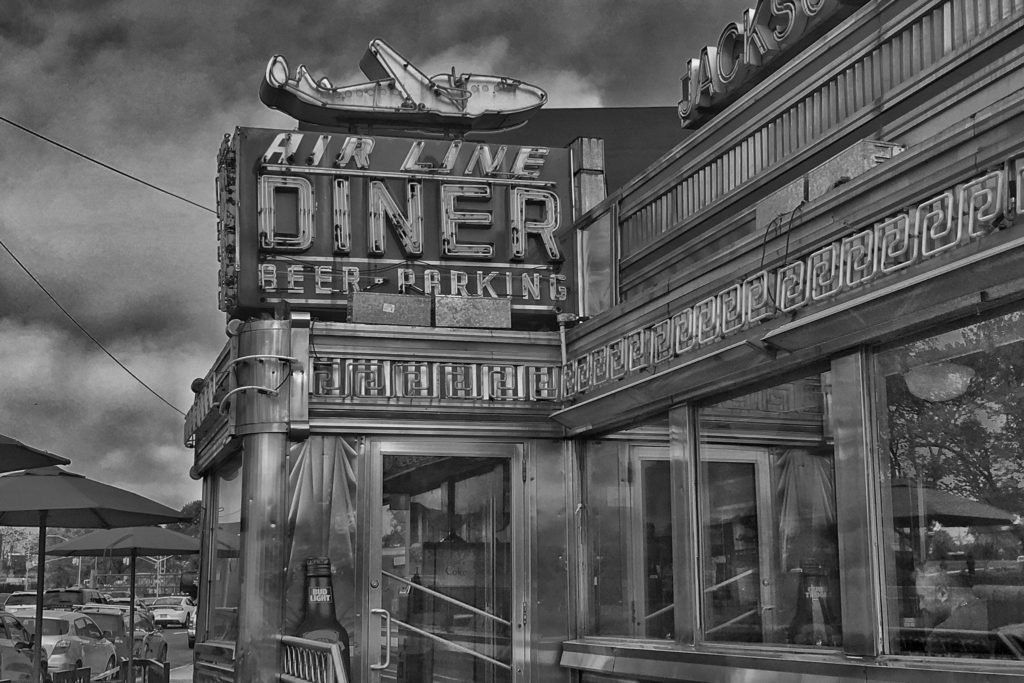
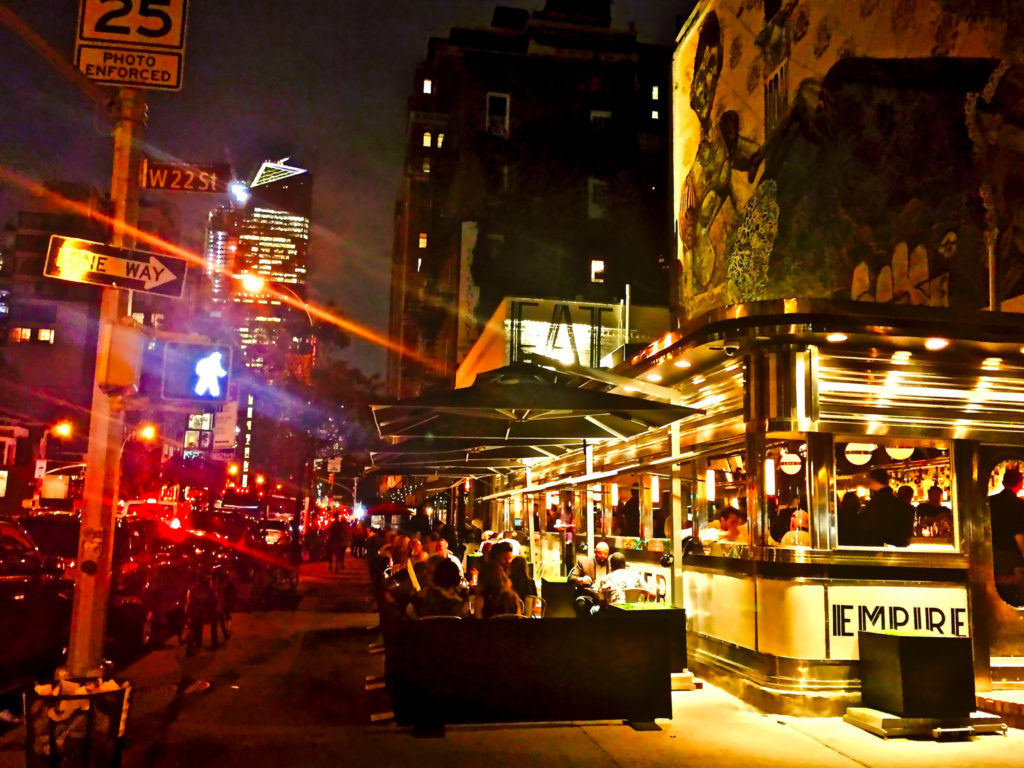
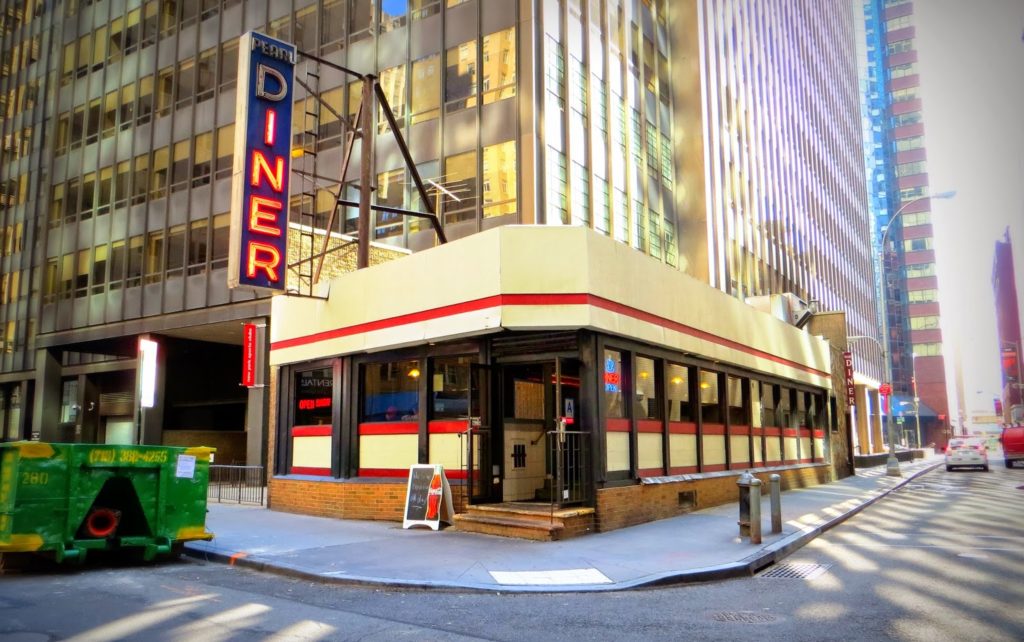
Many stand-alone diners have closed in New York City, but there are plenty still in New Jersey and on Long Island. These New York classics are still open for business:

Carlos Escobedo/Flickr
Andreas Komodromos/Flickr
NYC Corners

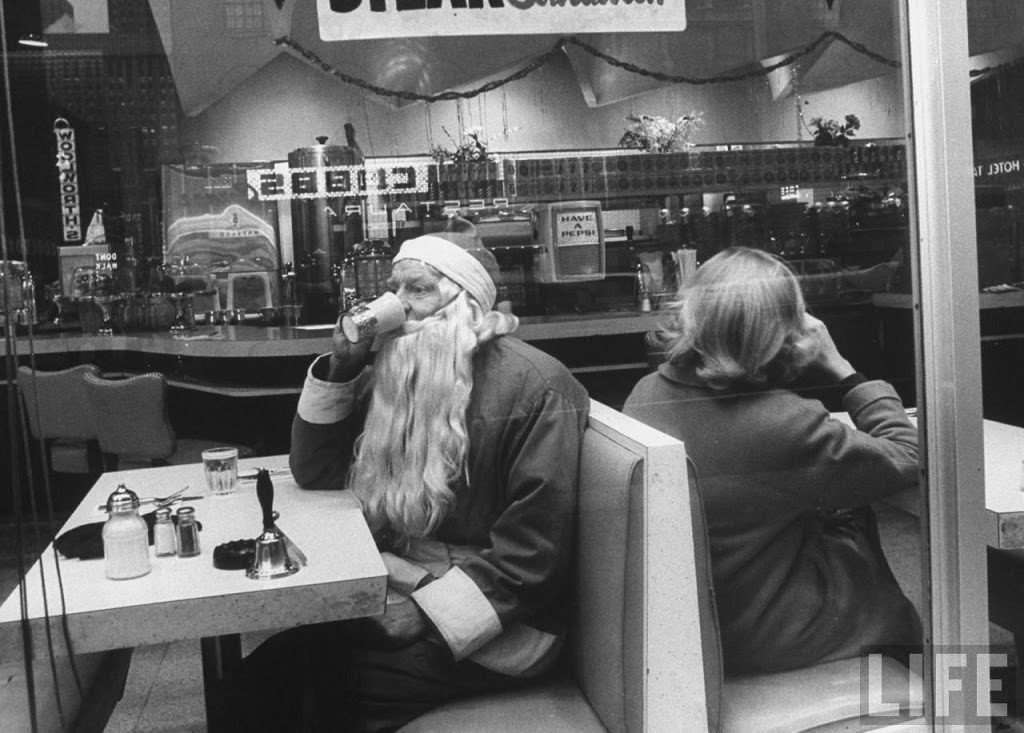
Who knows who’ll meet in a New York City diner?

FURTHER EXPLORING

Please visit the New York Public Library’s wonderful resource called What’s On The Menu?, a searchable database of thousands of old menus. As of this date, they have 1,333,481 dishes transcribed from 17,545 menus!

FURTHER LISTENING

Listen to the podcasts

Looking for the latest episode of our podcasts? Listen now on iTunes to “The Bowery Boys” and “The First”.

Find recent podcast episodes here, and click to read more about listening options here.

Read the book

Bowery-Boys-Book-Cover-R6--revised

Our first-ever Bowery Boys book, “Adventures in Old New York” is now out in bookstores! A time-traveling journey into a past that lives simultaneously besides the modern city.

Bowery Boys Walking Tours

Are you ready to walk through time? We’re excited to announce Bowery Boys Walks, our new walking tours developed around our podcast. Join us in the streets — beginning in October 2018!

Categories
Parks and Recreation Podcasts

Heaven on the Hudson: How Riverside Park covered its tracks and became a breathtaking spot

PODCAST The highs and lows of the history of Riverside Park

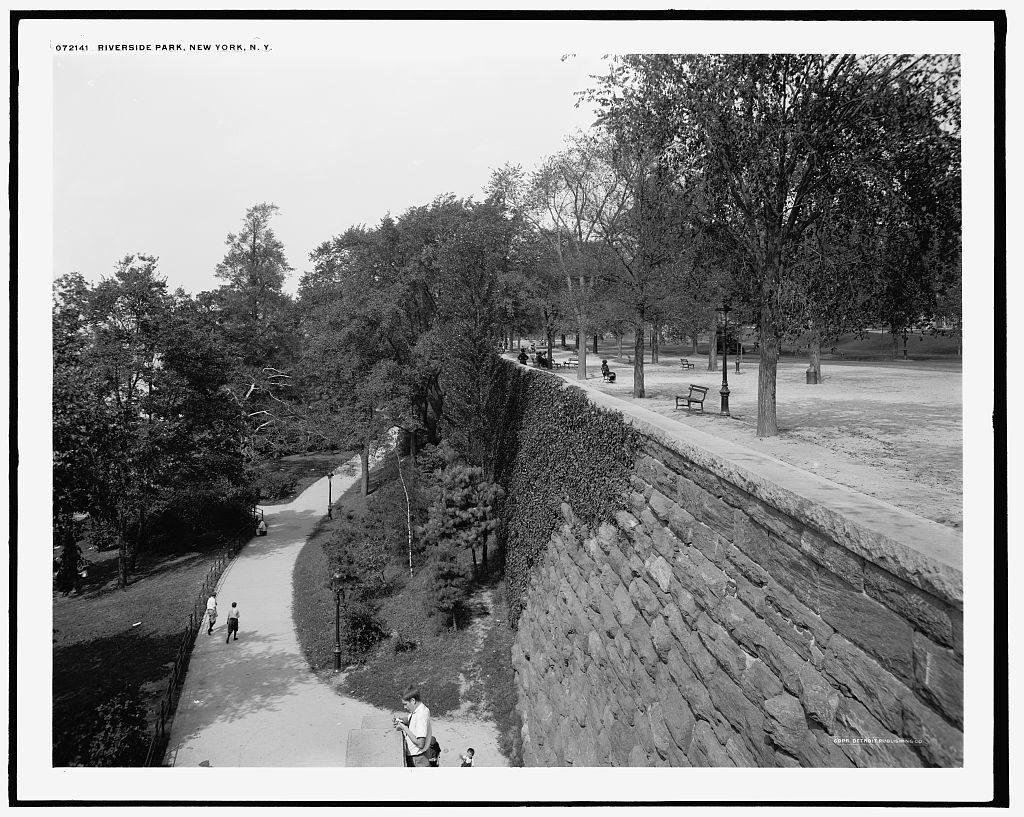
In peeling back the many layers to Riverside Park, upper Manhattan’s premier ribbon park, running along the west side from the Upper West Side to Washington Heights, you will find a wealth of history that takes you back to Manhattan’s most rugged days.

The windswept bluffs overlooking the Hudson River were home to only desolate mansions and farmhouses, its rock outcroppings appealing to tortured poets such as Edgar Allan Poe. But the railroad cleaved the peace when it laid its tracks along the waterfront in the 1840s.

To encourage development, the city planned Riverside Park as a respite with commanding views of the river and a swanky carriage way for afternoon excursions. But the original plan by Central Park designer Frederick Law Olmsted only went so far — right up to those pesky train tracks.

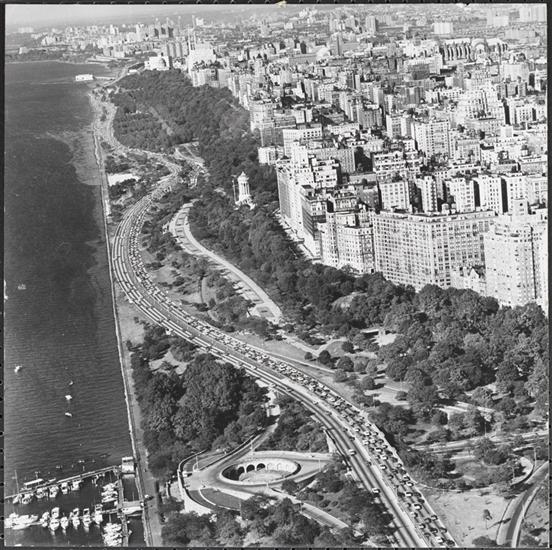
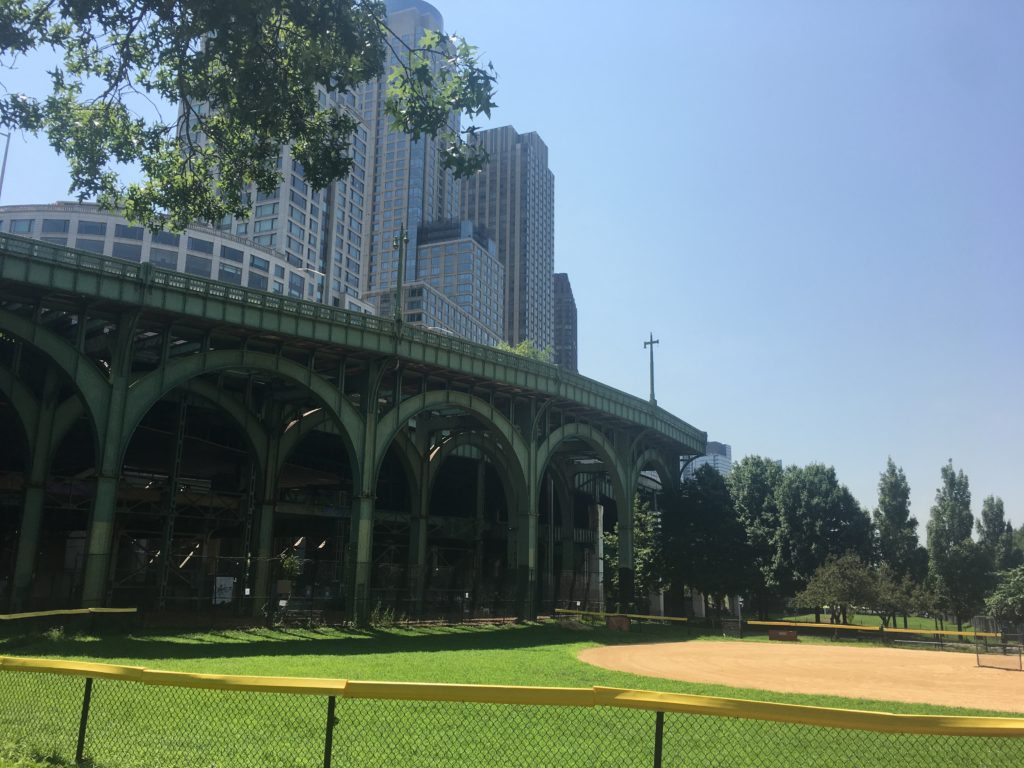
In the 20th century, residents along the newly chic Riverside Drive tired of the smoky mess. It would take the ‘master builder’ himself — Robert Moses — to finally conceal those tracks and create a new spot for recreational facilities. In doing so, he threaded his new park with a new noisemaker — the Henry Hudson Parkway.

We give you the grand overview history of this extraordinary park THEN we visit the park itself to give you the full dynamic sound experience, reviewing Riverside’s most spectacular attractions.

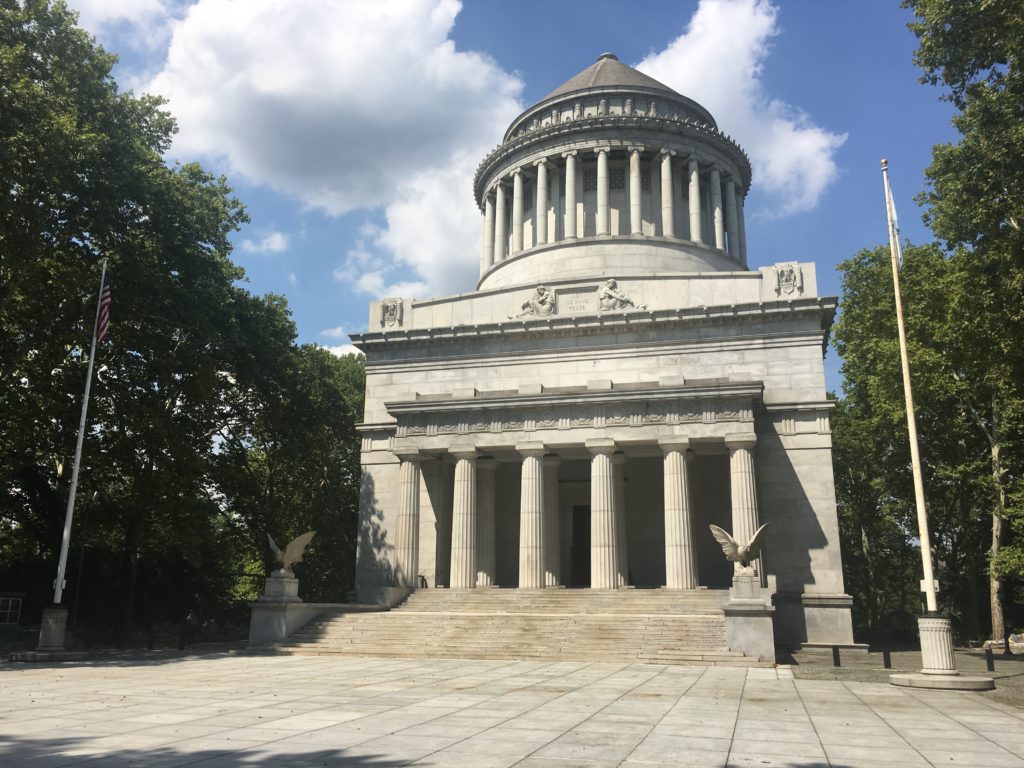
PLUS: The strange story of two great monuments at 125th Street, the final resting place for a great military leader and a five year old boy, whose tragic story has inspired generations of poets.

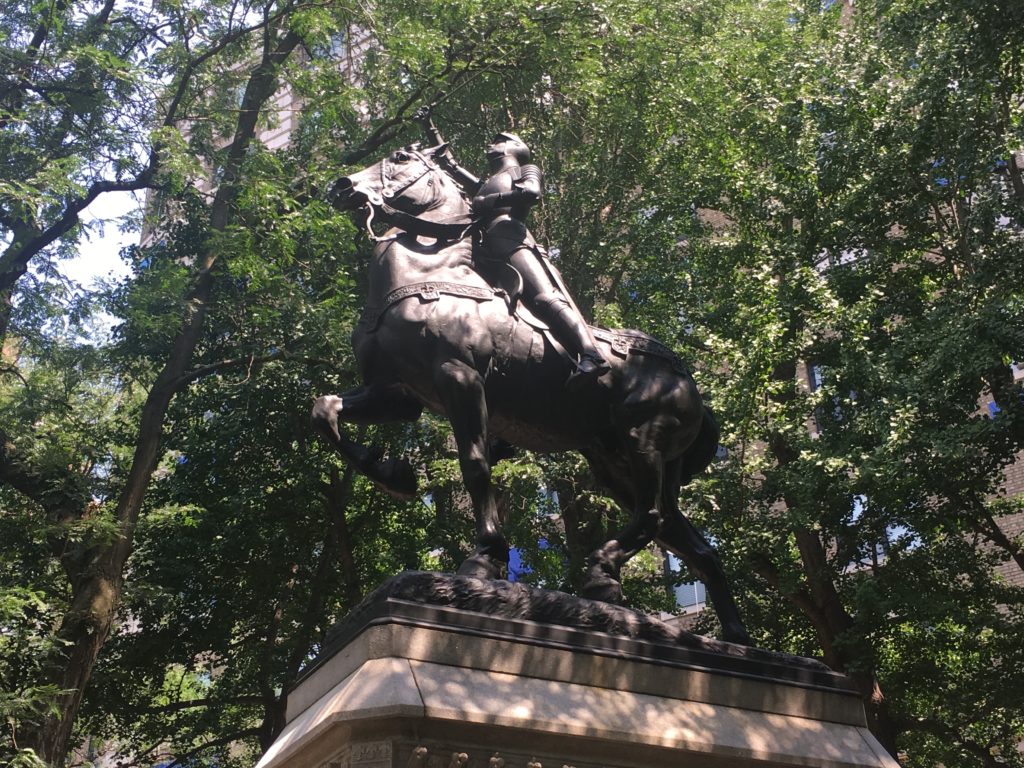
FEATURING: George and Ira Gershwin, Charles Schwab, Joan of Arc, Hillary Clinton and Donald Trump (in non political capacities!)

Listen Now: Riverside Park New York Podcast

________________________________________________________

The Bowery Boys: New York City History podcast is brought to you …. by you!

We are now producing a new Bowery Boys podcast every other week. We’re also looking to improve the show in other ways and expand in other ways as well — through publishing, social media, live events and other forms of media. But we can only do this with your help!

We are now a member of Patreon, a patronage platform where you can support your favorite content creators for as little as a $1 a month.

Please visit our page on Patreon and watch a short video of us recording the show and talking about our expansion plans. If you’d like to help out, there are five different pledge levels (and with clever names too — Mannahatta, New Amsterdam, Five Points, Gilded Age, Jazz Age and Empire State). Check them out and consider being a sponsor.

We greatly appreciate our listeners and readers and thank you for joining us on this journey so far.

________________________________________________________

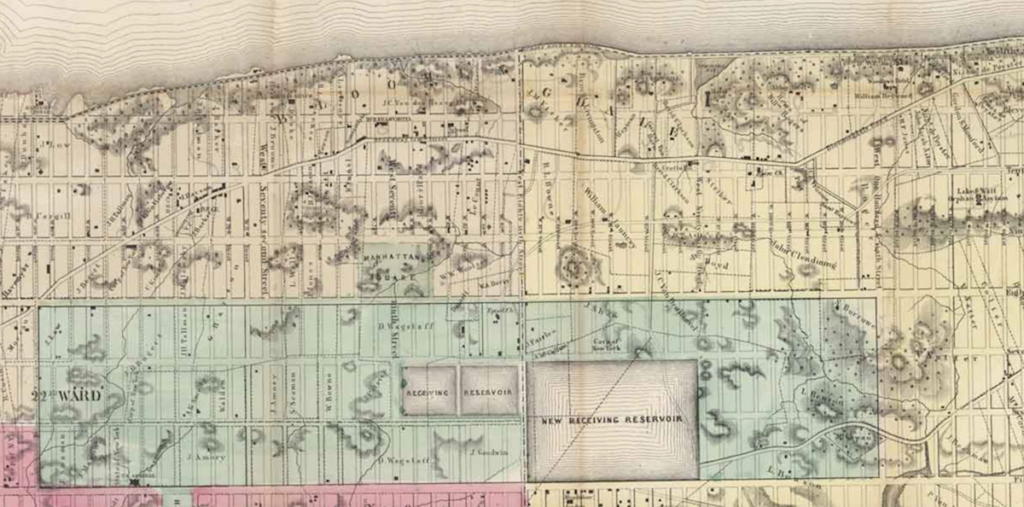
From an 1855 map of Manhattan, showing the still-rugged terrain of the area west of Central Park

1896, Museum of the City of New York
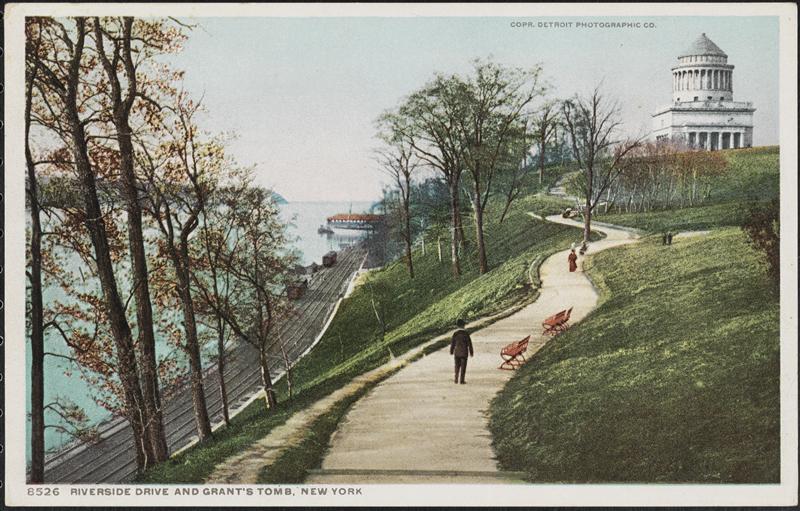
Detroit Publishing Co.,Created / Published between 1910 and 1920 / Library of Congress

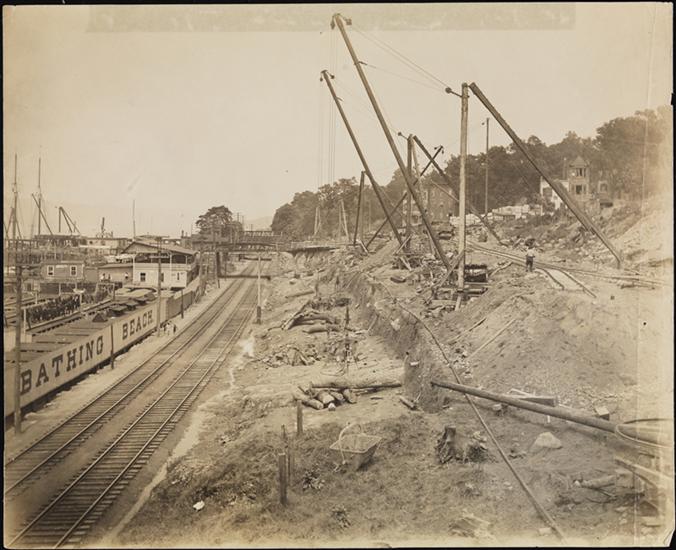
In the early 1900s, the park was extended further north. This depicts the scene near 148th Street, near a ‘bathing beach’ that couldn’t have been very pleasant to visit during construction.

MCNY

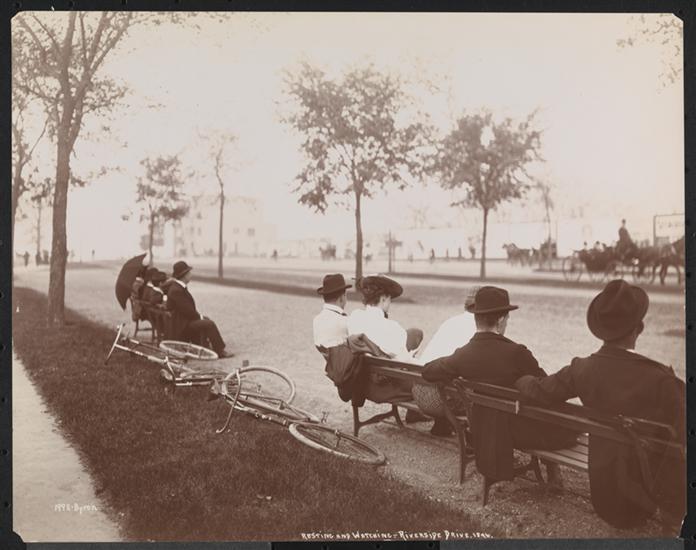
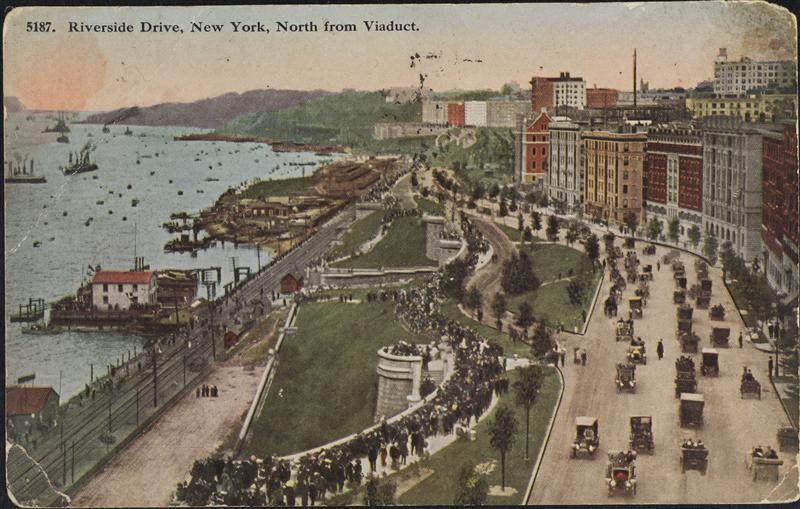
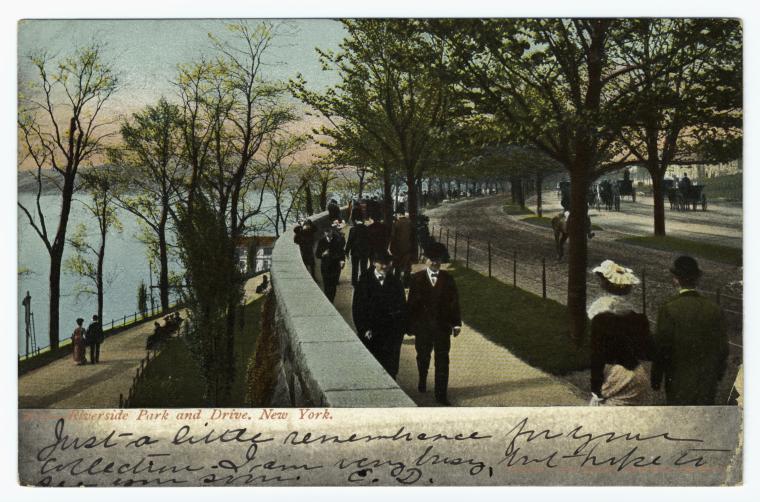
Riverside Park and Drive in the 1920s — the park stops at the tracks.

Another image from 1910, showing the exposed tracks and the waterfront.

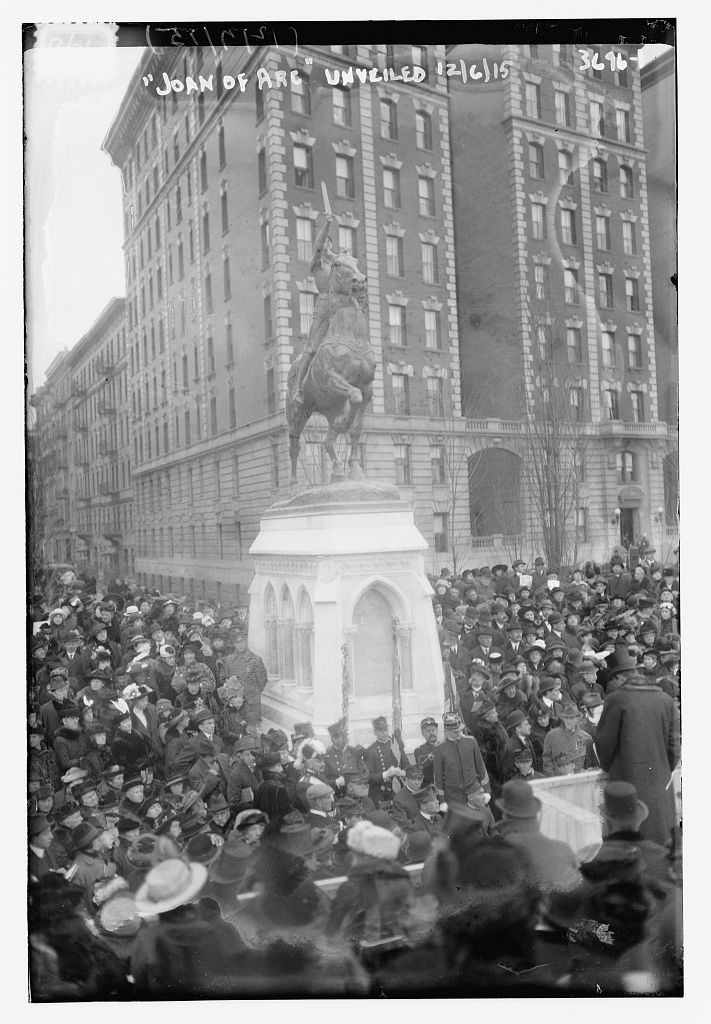
Photograph shows the unveiling of the Joan of Arc statue, Riverside Park, New York City on Dec. 6, 1915. (Source: Flickr Commons project, 2013)

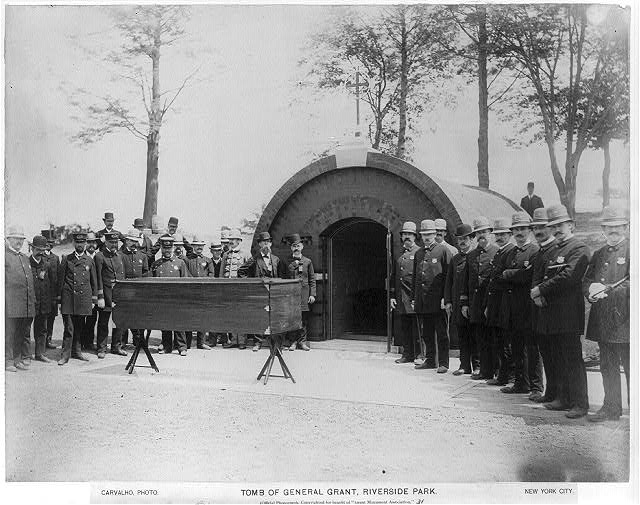
The original tomb of Ulysses S. Grant, circa 1886….

Library of Congress

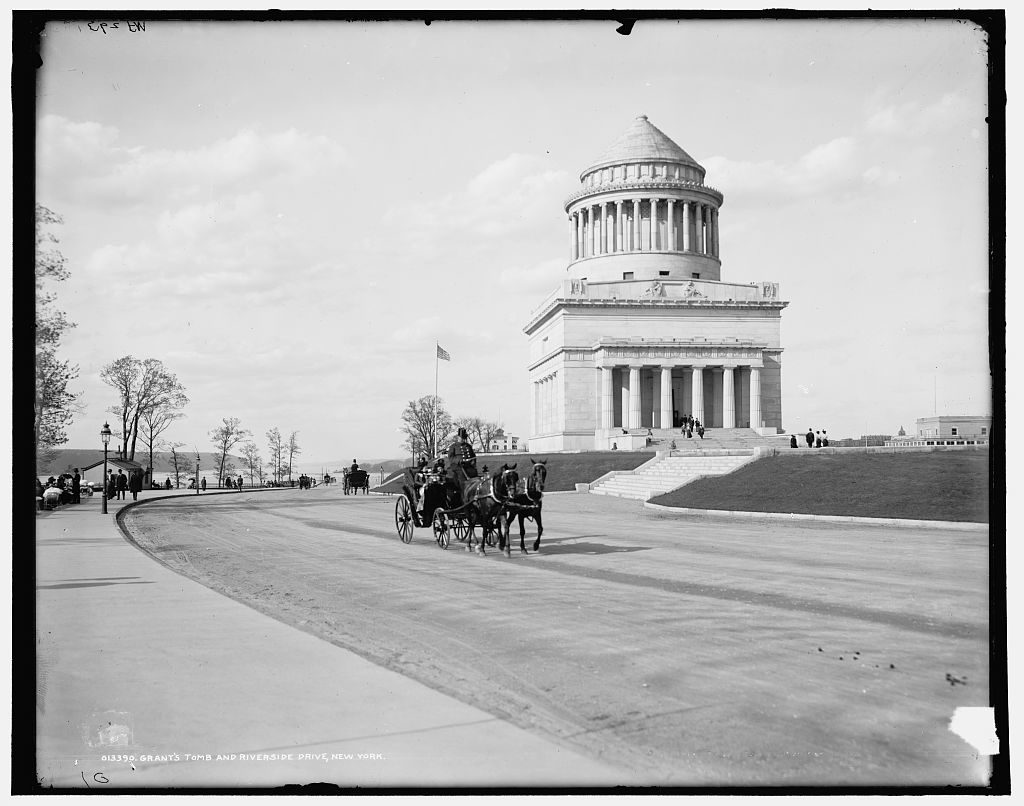
Replaced by his more famous resting place in 1897, in Olmsted’s carriage loop. (Olmsted was no longer associated with Riverside Park or else he might have taken issue with its placement.)

1901/Library of Congress

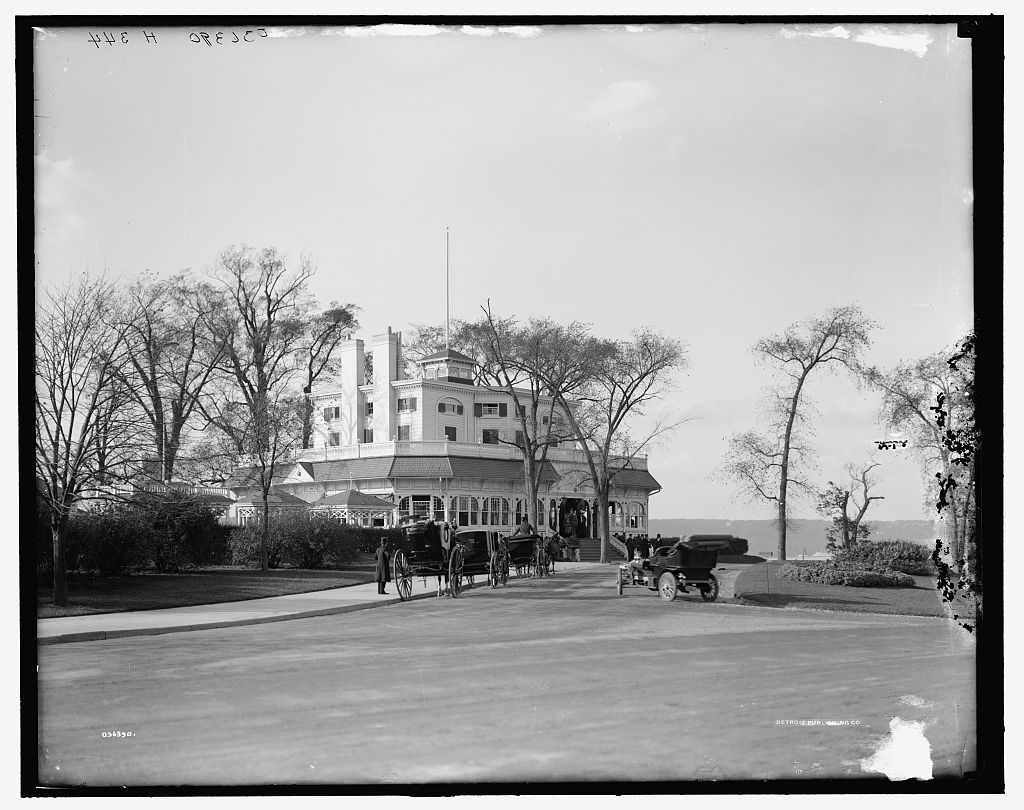
The fabulous Claremont Inn which drew thousands of weary New Yorkers after a long stroll in Riverside Park.

Detroit Publishing Co., 1900/ Library of Congress

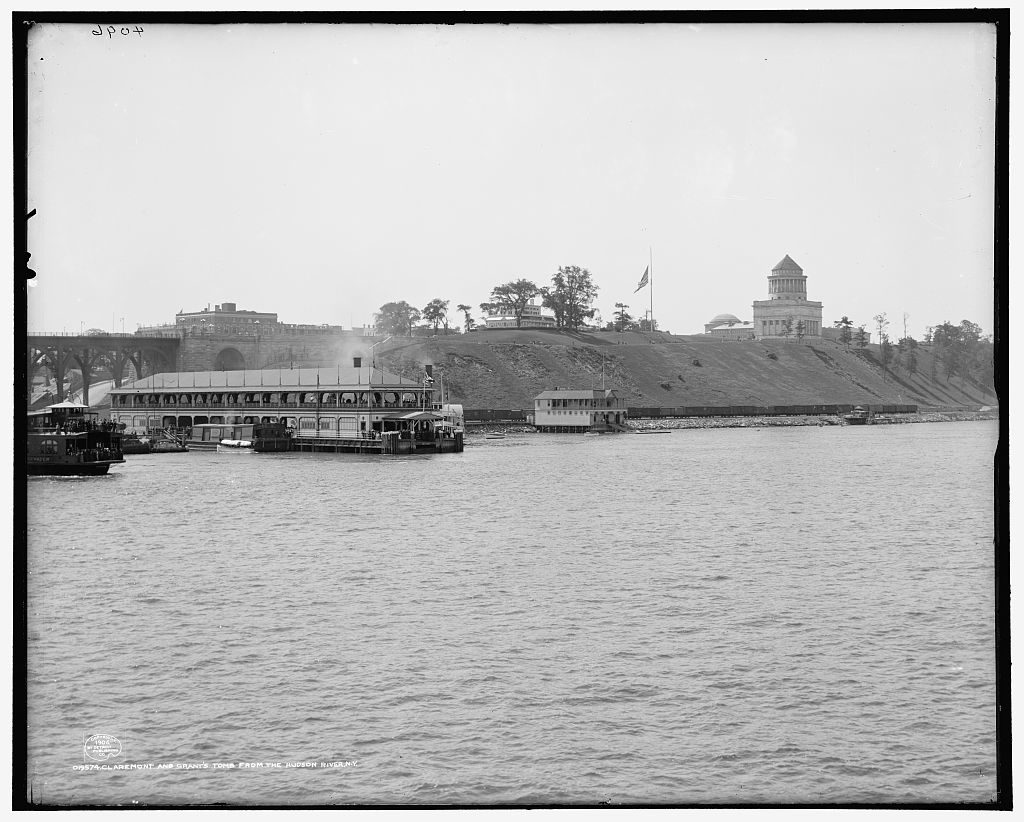
A view of Grant’s Tomb, Claremont Inn, the Manhattan Valley Viaduct and a glorious pier structure.

1906/Library of Congress
New York Public Library

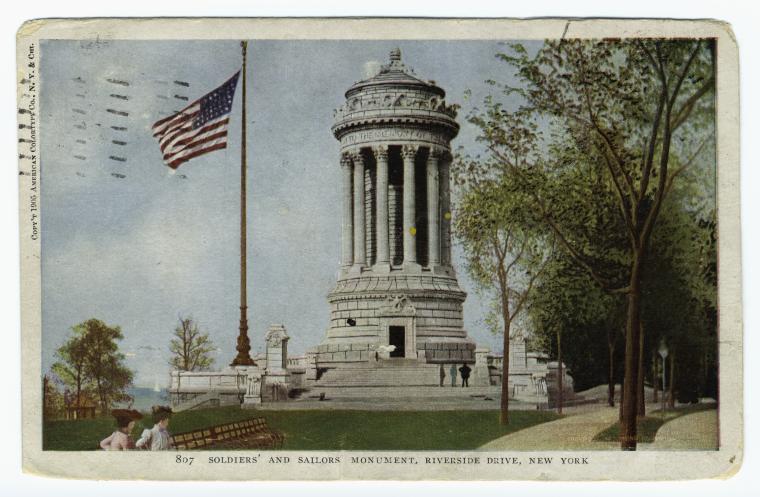
The Soldiers and Sailors Monument. (Read more about it here.)

New York Public Library

The Rice residence at West 89th Street and Riverside Drive

Wurts Brothers/MCNY

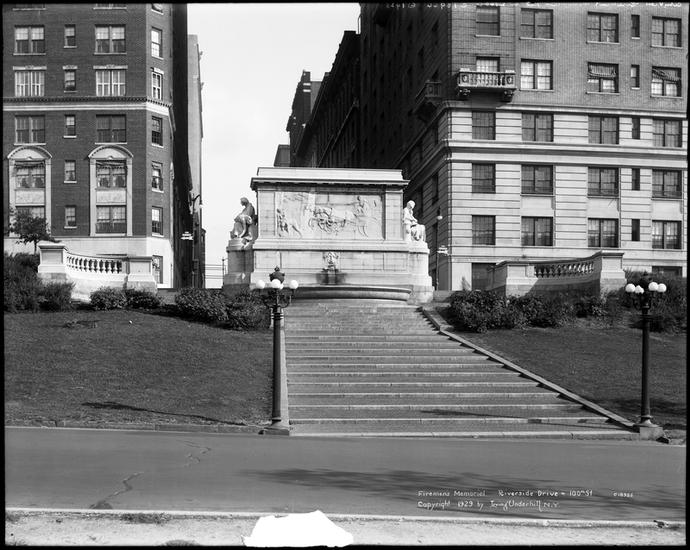
The Firemen’s Memorial, pictured here in 1929

MCNY

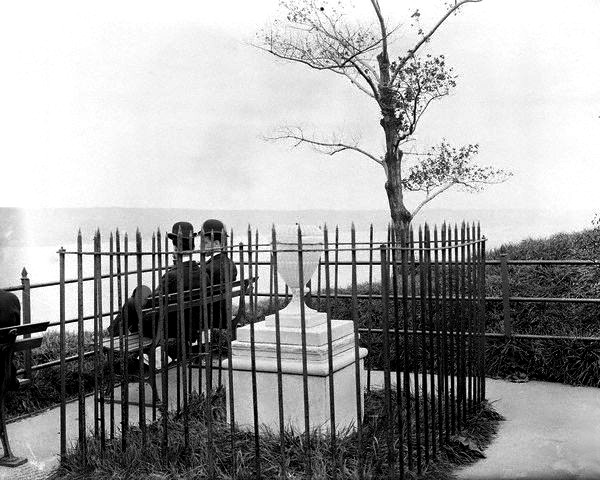
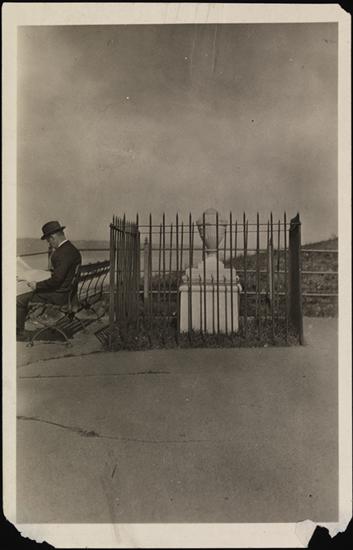
The tomb of the Amiable Child, 1900 and 1925

MCNY

The Henry Hudson Parkway and the Boat Basin, 1975

New York Times/MCNY

A portion of Riverside Park South, developed by Donald Trump.

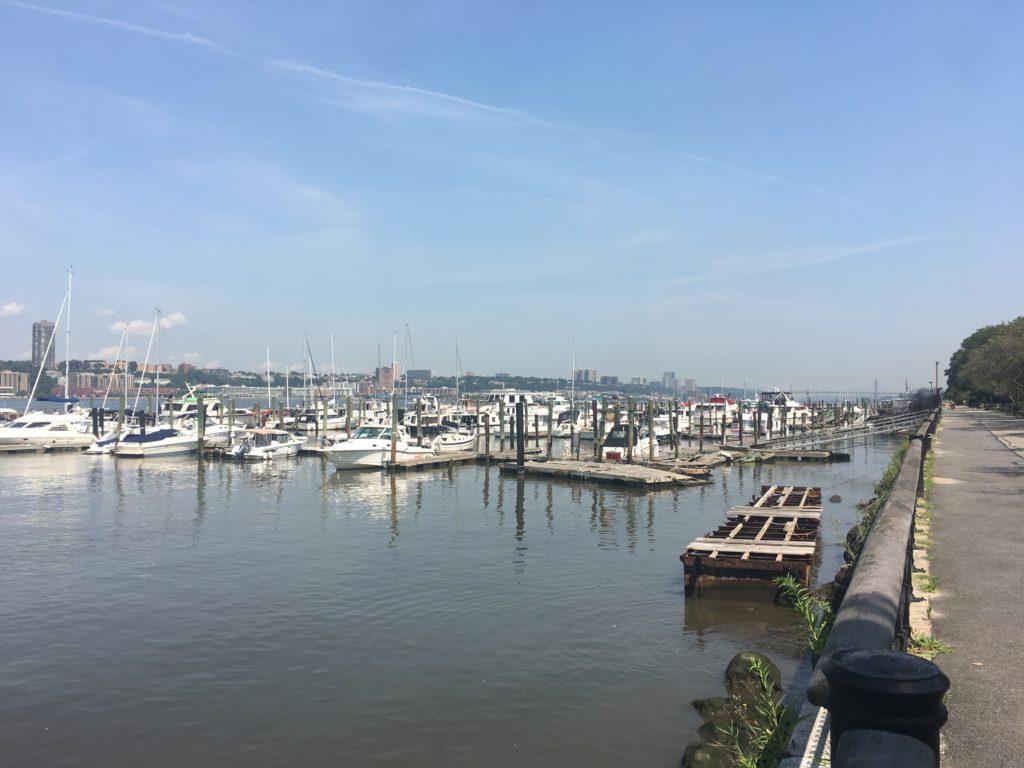
A glorious little marina sits in front of the Boat Basin.

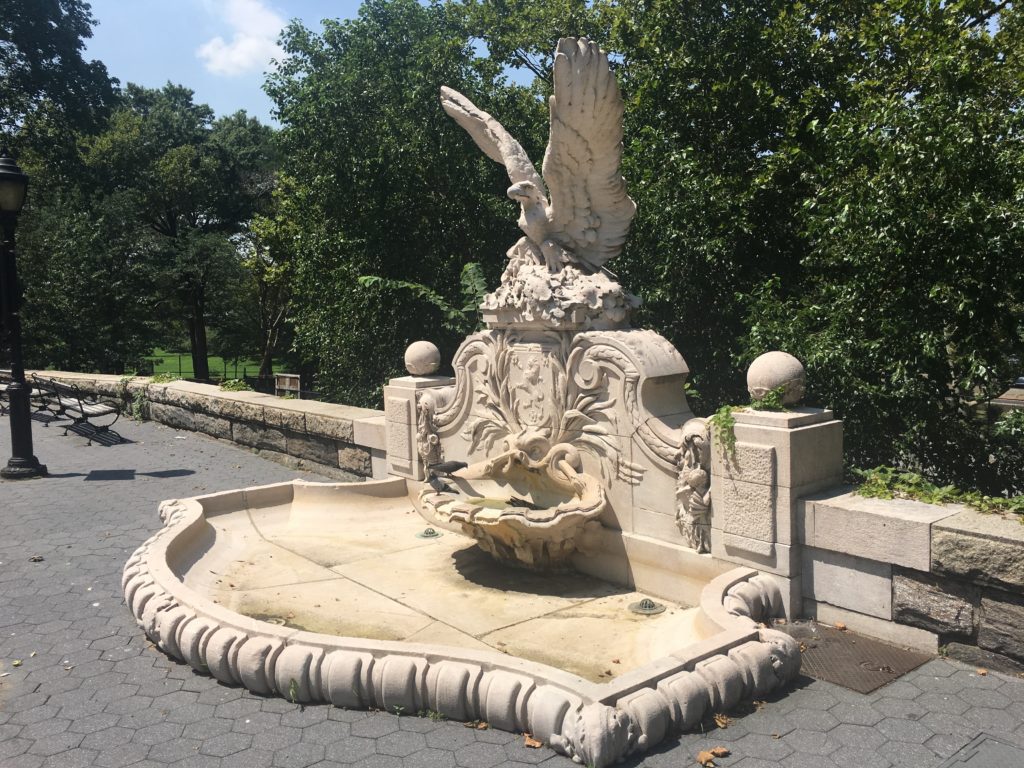
The Hamilton Fountain, at West 76th Street, named for the man who bequeathed it to the city — Robert Ray Hamilton, the great-grandson of Alexander Hamilton and Eliza Schuyler Hamilton.

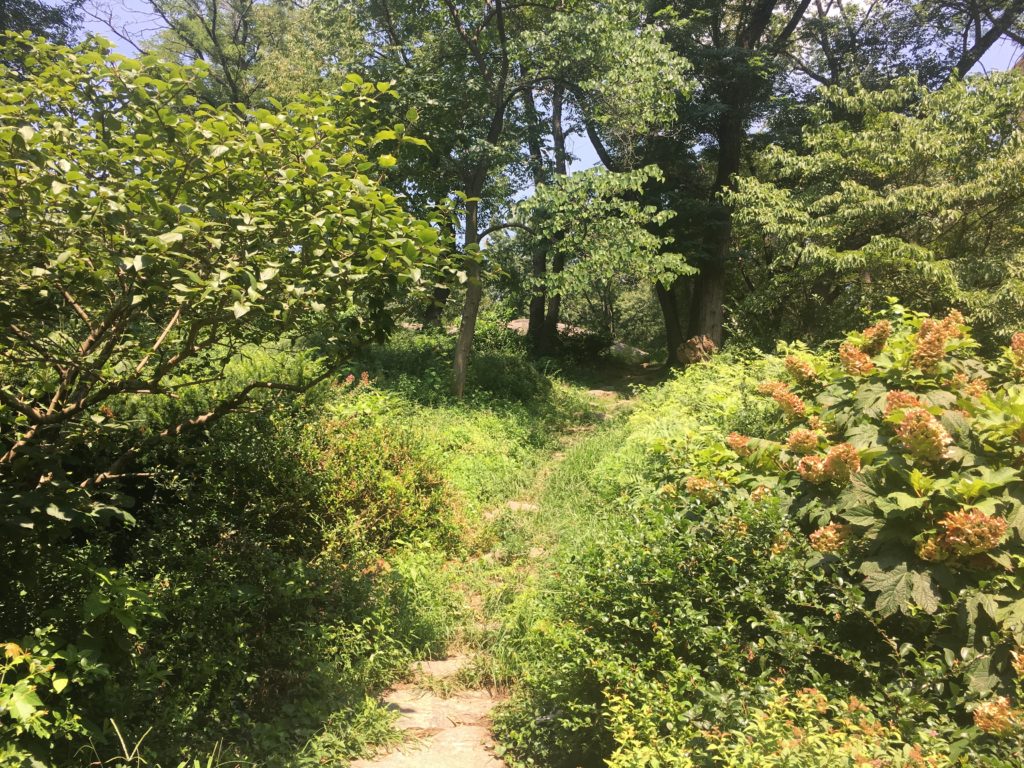
Up the hill and through the trees, you will find the contemplation spot for one of America’s most famous writers.

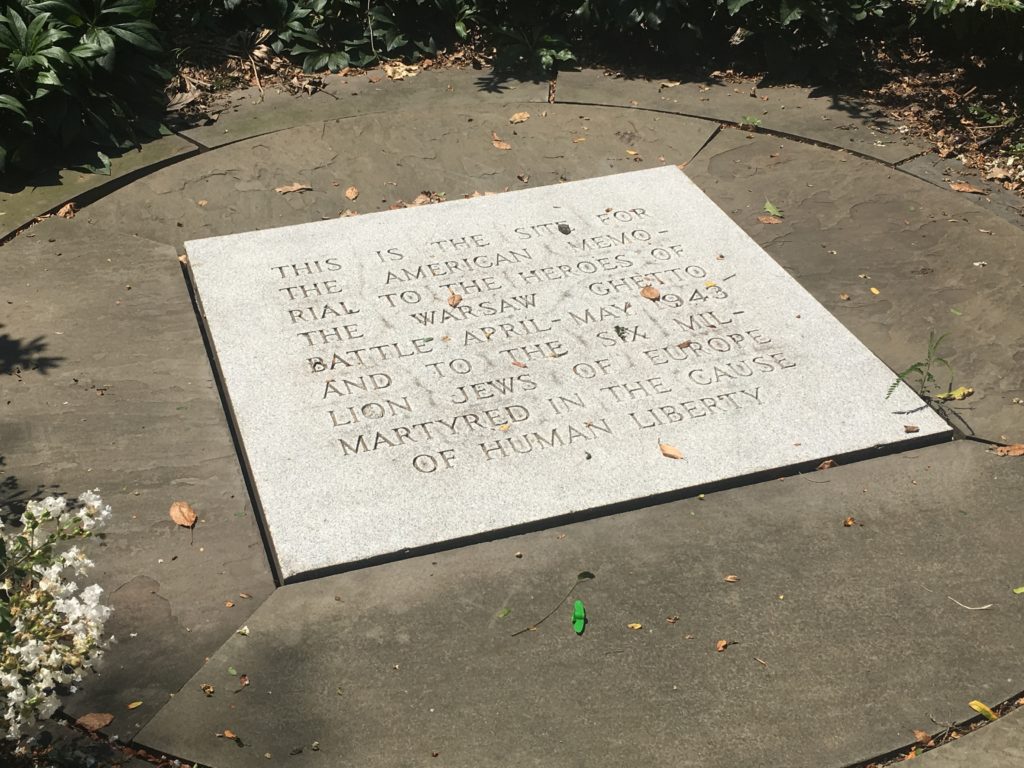
The Warsaw Ghetto Memorial — or rather, where a memorial should be.

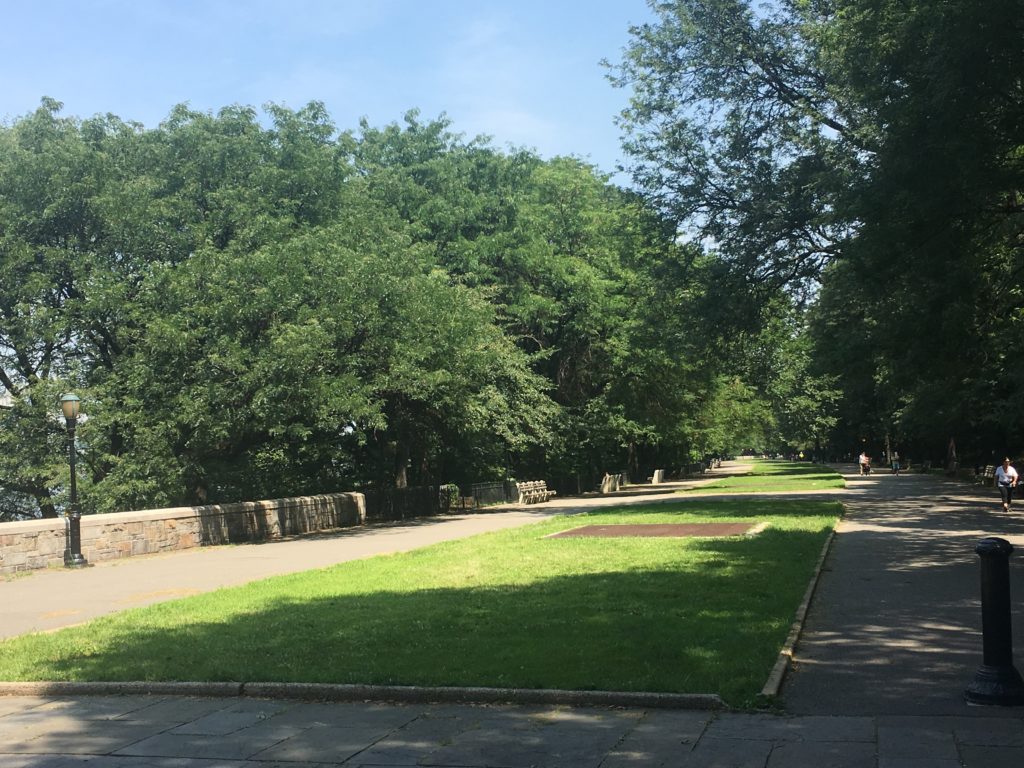
Just west of the peacefulness of Warsaw Ghetto Memorial Plaza:

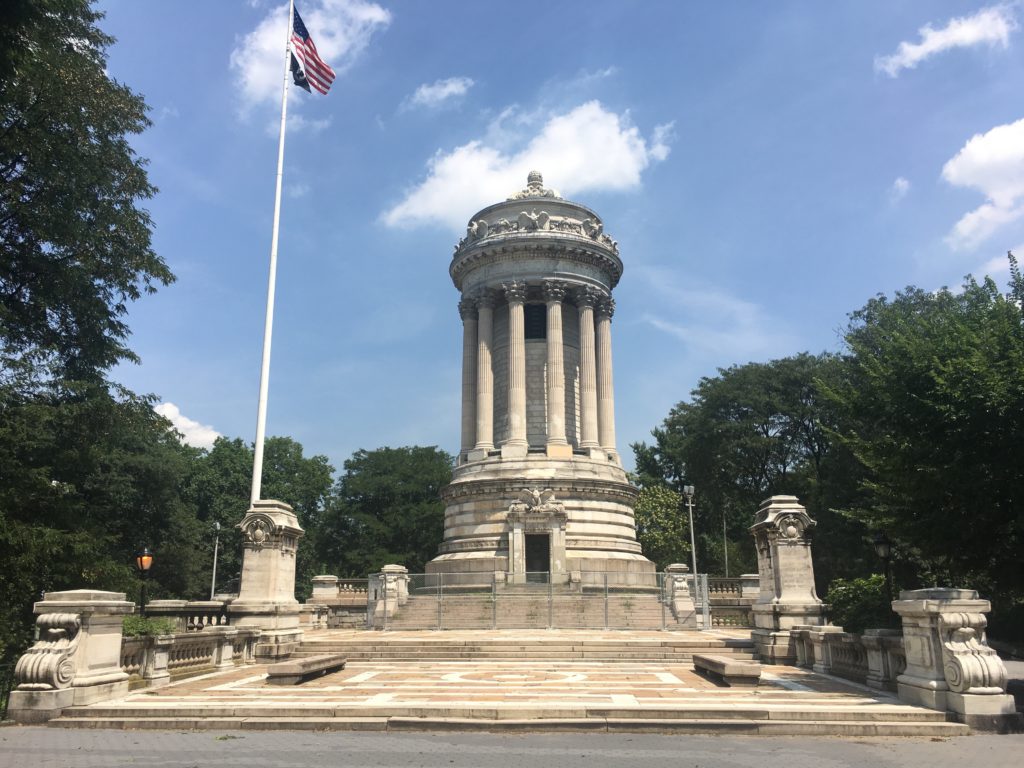
The Soldiers and Sailors Monument, completed in 1902.

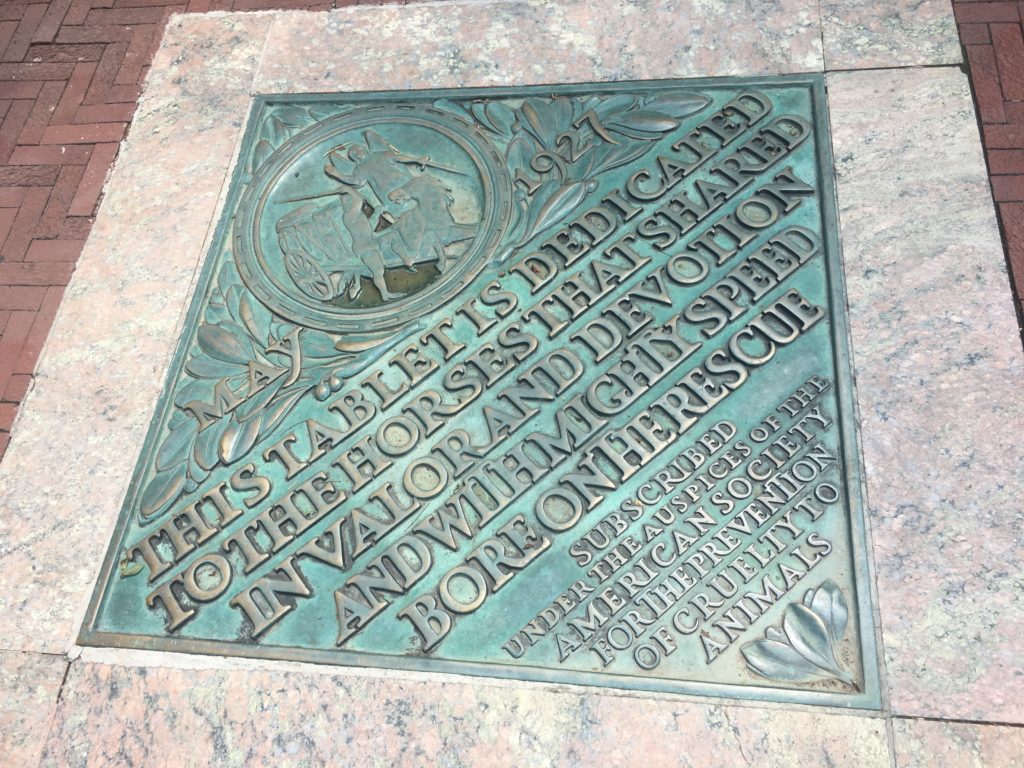
A message of thanks from the ASPCA….

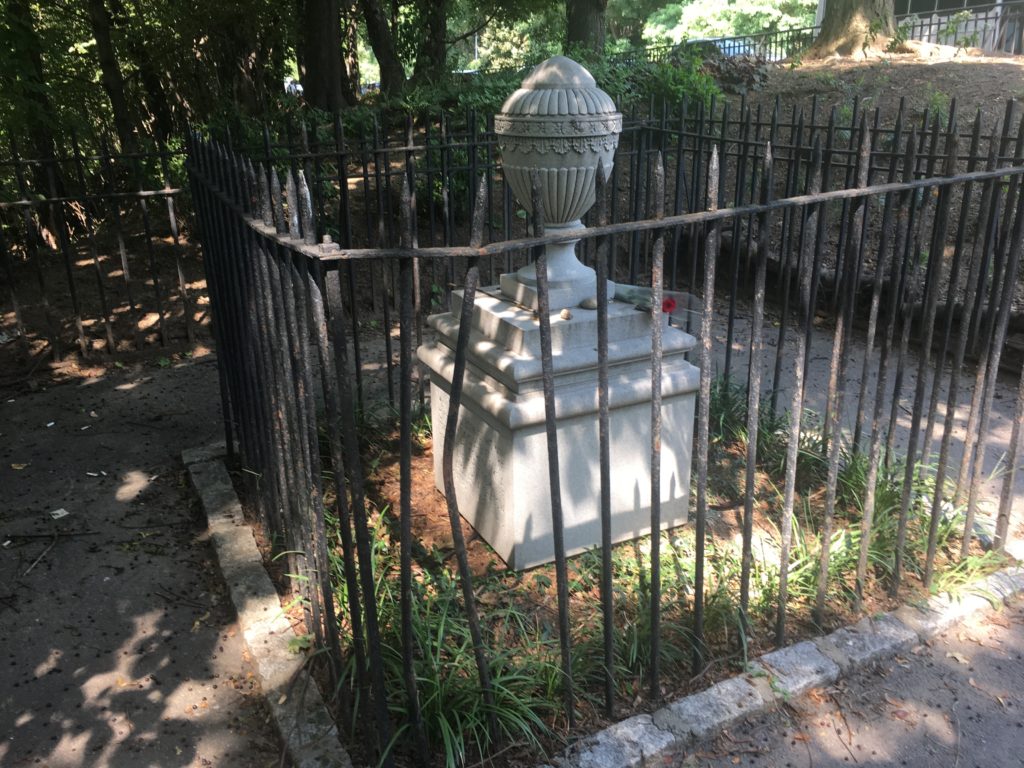
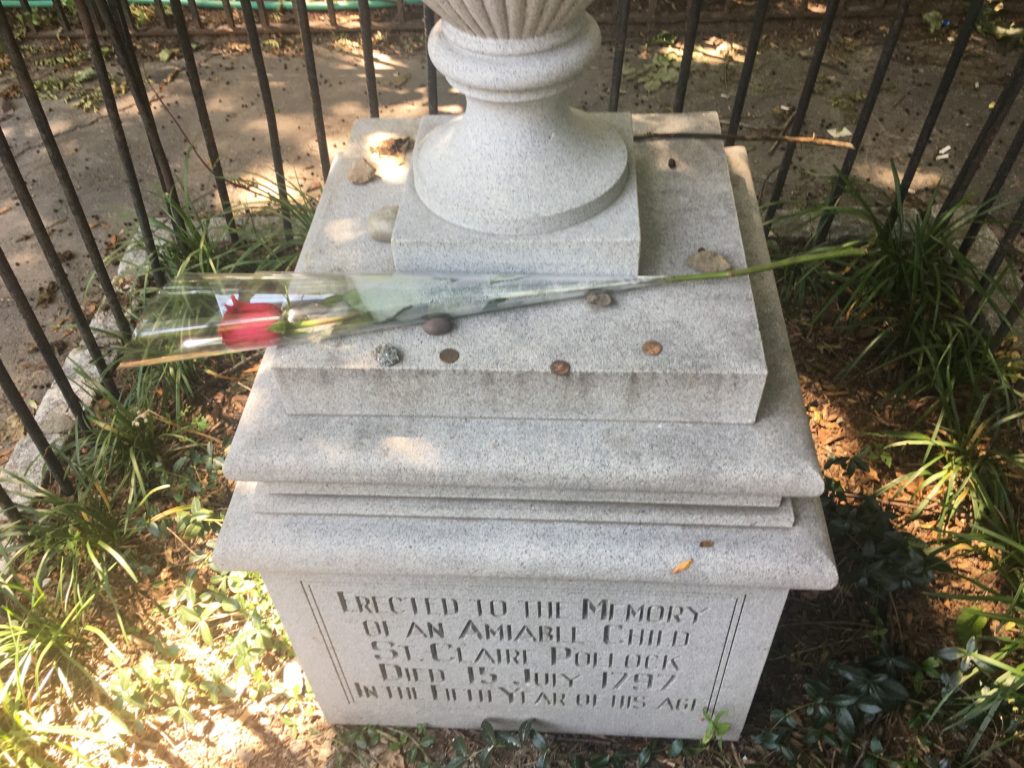
The Amiable Child monument today…..

…just steps away from Grant’s Tomb.

All hail Joan!

FURTHER LISTENING

After listening to this story of Riverside Park, check out these related Bowery Boys podcasts —

For more information on Upper West Side development:

For more information on the westside railroad:

Listen to the podcasts

Looking for the latest episode of our podcasts? Listen now on iTunes to “The Bowery Boys” and “The First”.

Find recent podcast episodes here, and click to read more about listening options here.

Read the book

Bowery-Boys-Book-Cover-R6--revised

Our first-ever Bowery Boys book, “Adventures in Old New York” is now out in bookstores! A time-traveling journey into a past that lives simultaneously besides the modern city.

Bowery Boys Walking Tours

Are you ready to walk through time? We’re excited to announce Bowery Boys Walks, our new walking tours developed around our podcast. Join us in the streets — beginning in October 2018!

Categories
Amusements and Thrills Podcasts

Harry Houdini and the Golden Age of Magic: Spectacle, sorcery and spiritualism in New York

PODCAST The history of magic in New York City — in all its peculiar varieties.

Harry Houdini became one of the greatest entertainers of the 20th century, a showman whose escape artistry added a new dimension to the tried-and-true craft of stage magic. In this show, we present not only a mini-biography on the daredevil wizard, but a survey of the environment which made him — a city of magic, mediums and mystery.

New York during the late 19th century was a place of real, practical magic — electric lights, elevated trains, telephones and other wonders that would have seemed impossible just a few decades before. Those that performed stage magic in a world of such unbelievable inventions would need to up their game.

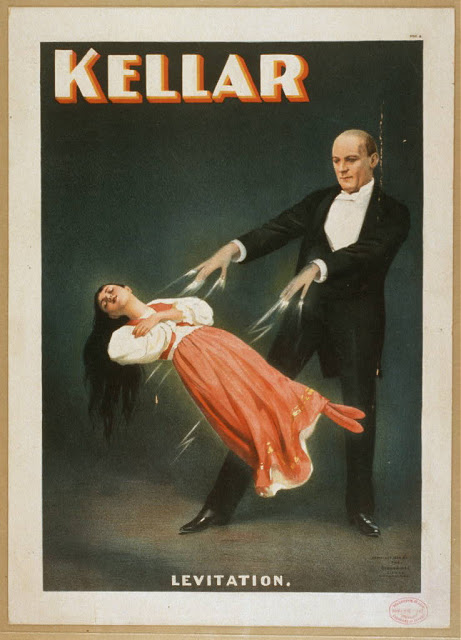
The great names of European stage magic — most notably Jean Eugène Robert-Houdin — would give rise to spectacular performances on both vaudeville and legitimate stages. Performers like Howard Thurston would dazzle New York crowds with unbelievable demonstrations of levitation while Harry Kellar and his ‘spirit cabinet’ would seem to use sorcery from other worlds.

Houdini got his start in New York’s dime museums, evolving from simple card tricks to elaborate routines of escape. He was a truly modern performer, borrowing from the magic masters and benefiting from an eager public, looking for a virtual superhero.

But stage magic had a surprising foe — actual magic or, as practiced by hundreds of mediums and mystics,  spiritualism. Suddenly, the craft of magical illusion seemed secondary to those who could practice those same arts via a connection with the afterlife. Houdini was drawn into the debate early in his career, and the conflict intensified with his unusual friendship with one of the greatest writers in the world.

Listen Now: Harry Houdini

___________________________________________________________________________

The Bowery Boys: New York City History podcast is brought to you …. by you!

We are now producing a new Bowery Boys podcast every other week. We’re also looking to improve the show in other ways and expand in other ways as well — through publishing, social media, live events and other forms of media. But we can only do this with your help!

We are now a member of Patreon, a patronage platform where you can support your favorite content creators for as little as a $1 a month.

Please visit our page on Patreon and watch a short video of us recording the show and talking about our expansion plans. If you’d like to help out, there are five different pledge levels (and with clever names too — Mannahatta, New Amsterdam, Five Points, Gilded Age, Jazz Age and Empire State). Check them out and consider being a sponsor.

We greatly appreciate our listeners and readers and thank you for joining us on this journey so far.

________________________________________________________

And we have even MORE magic in store for you!

Tickets on sale now for an evening of historical tales, magical projection and a poorly placed pun or two. A tie-in event to the New-York Historical Society’s Summer of Magic: Treasures from the David Copperfieldcollection

THE BOWERY BOYS MAGICAL MYSTERY HOUR
Tuesday, August 14th, 2018 | 7:00 pm to 8:30 pm
$20 (Members $18)

Presenting the most magical tales in all of New York City history! Tom Meyers and Greg Young of the Bowery Boys: New York City History podcast will conjure up stories of historical wizardry and superstition, from the dusty backrooms of old magic shops to the impossible feats of illusion and incantation from the Gilded Age’s most mysterious parlors. You may even see them perform a bit of sleight-of-hand themselves! Afterwards, we’ll be signing copies of our book The Bowery Boys Adventures in Old New York.

LOCATION
The Robert H. Smith Auditorium at the New-York Historical Society, 170 Central Park West, New York, NY

TO PURCHASE TICKETS
Click HERE to purchase tickets online
By phone: Contact New-York Historical’s in-house call center at (212) 485-9268. Call center is open 9 am–5 pm daily.
Advance tickets may be purchased on site at New-York Historical’s Admissions desk during museum hours.

________________________________________________________

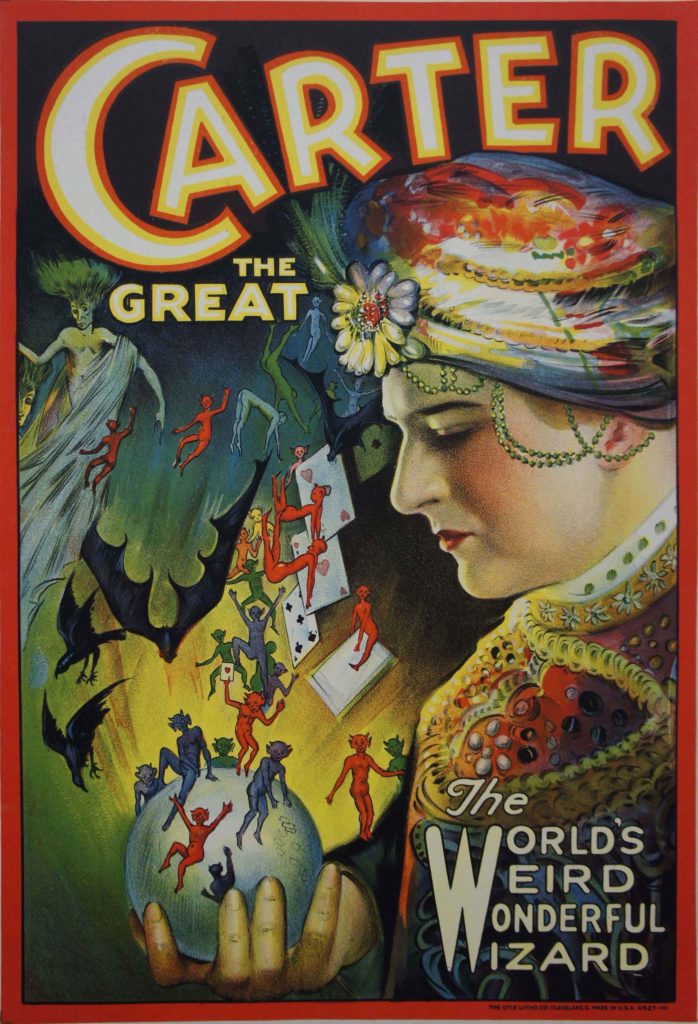
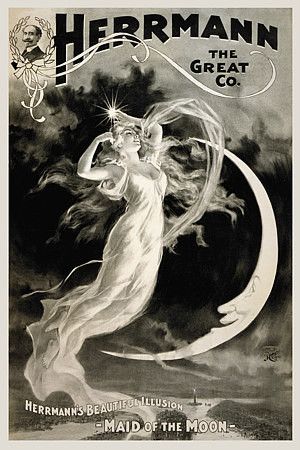
Magic posters from some of the great magicians who preceded Houdini to the New York stage:

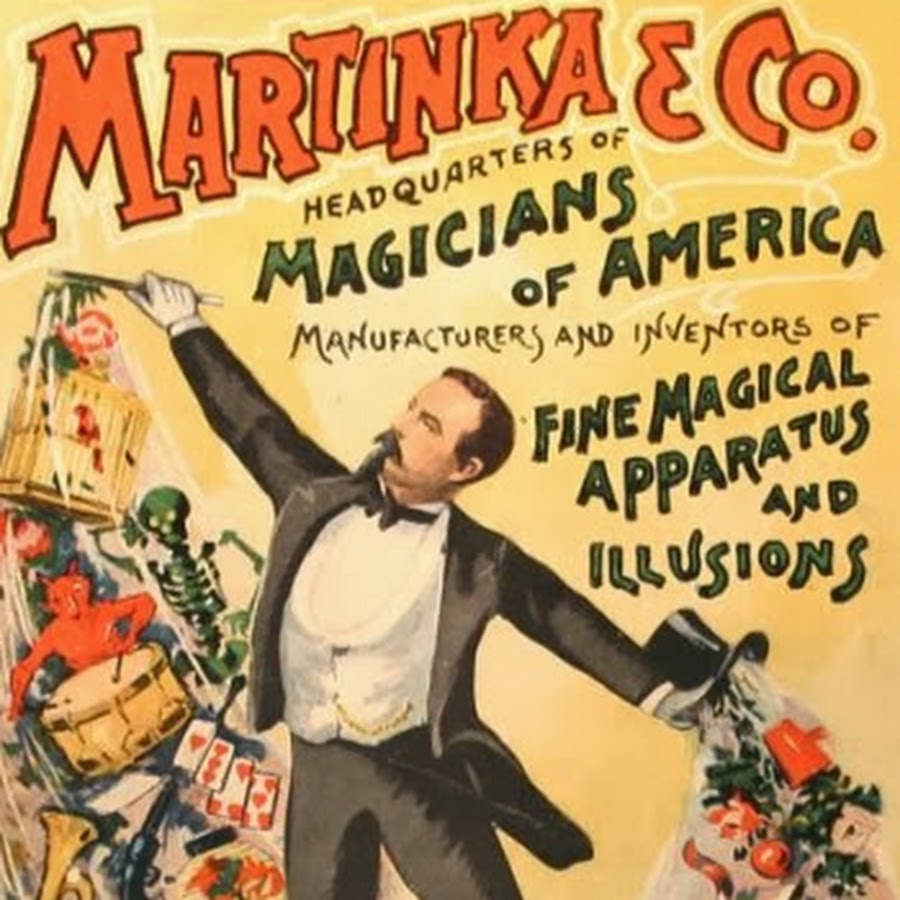
Martinka’s Magic Shop on Sixth Avenue — the center of the American magic community for much of the 20th century

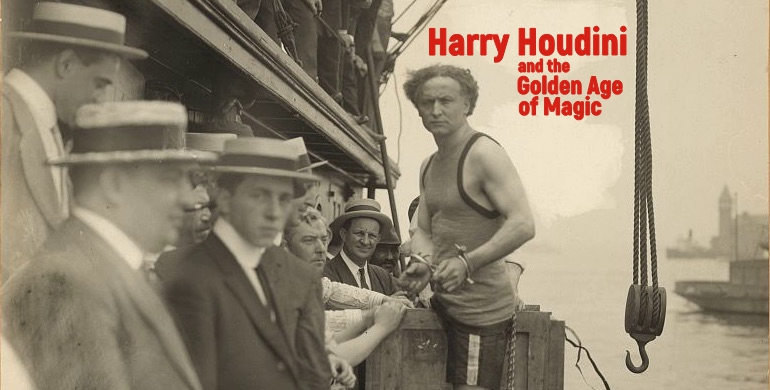
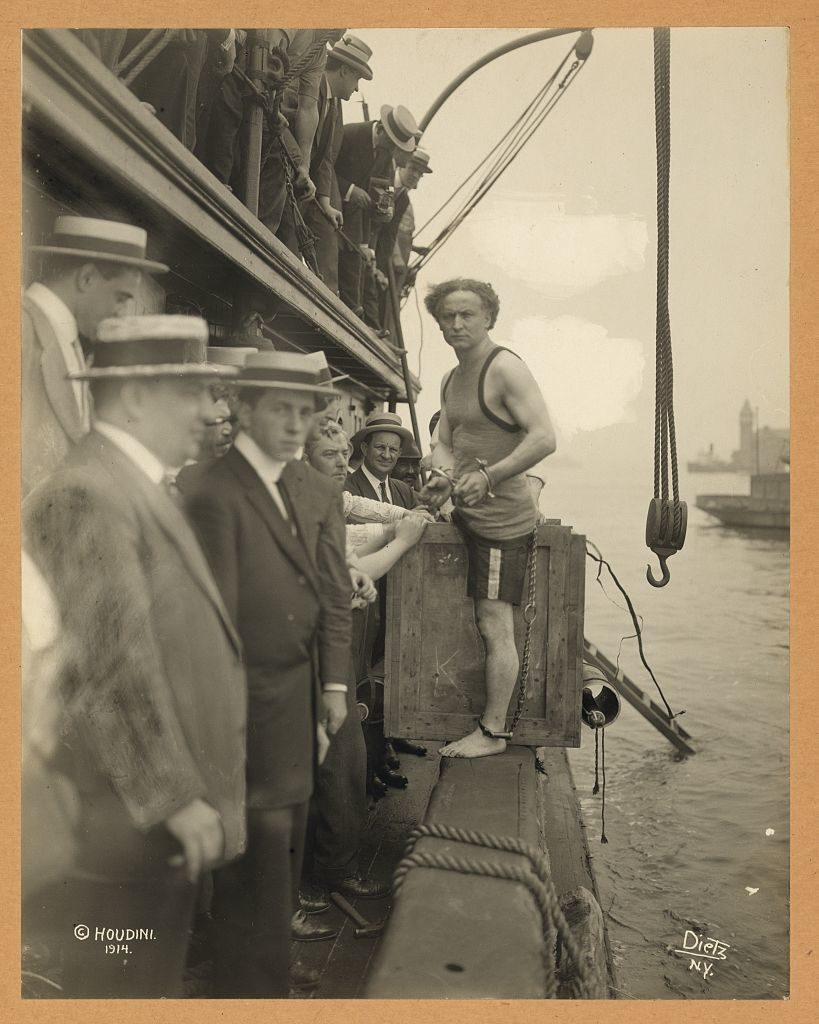
At top: Harry Houdini stepping into a crate that will be lowered into New York Harbor as part of an escape stunt on July 7, 1912.

Library of Congress

FURTHER LISTENING

The Conan Doyle-Houdini seance was spoken about in of the official Bowery Boys Halloween podcasts:

Categories
American History Podcasts

The Astonishing Saga of Cyrus West Field and the Atlantic Cable, the “Eighth Wonder of the World”

PODCAST The origin of the Atlantic Cable — the first telegraph connection between the Old and the New Worlds — and the role of New York City in its creation.

New Yorkers threw a wild, exuberant celebration in the summer of 1858 in honor of ‘the eighth wonder of the world’, a technological achievement that linked North America and Europe by way of an underwater cable which sat on the floor of the Atlantic Ocean.

The transatlantic cable was set to link the telegraph systems of the United Kingdom with those in the United States and Canada, and New Yorkers were understandably excited. Peter Cooper, one of the city’s wealthiest men, was attached to the ambitious project as a member of the ‘Cable Cabinet’, as was Samuel Morse, the brilliant inventor who helped to innovate the telegraph.

But it was an ambitious young New Yorker — a successful paper manufacturer named Cyrus W. Field — who devised the endeavor from the comfort of his luxurious Gramercy Park townhouse.

New Yorkers had so much to celebrate; a link with Europe would bring the world closer together, enrich the financiers of Wall Street and raise the city’s international profile. The city partied so relentlessly that New York City Hall was almost destroyed in a frenzy of fireworks.

But had everybody started celebrating too early? Was the Atlantic Cable — fated to change the world — actually a terrible failure?

PLUS: A visit to beautiful Newfoundland and the origin of the journalism slang “scoop”!

Listen Now: Atlantic Cable Podcast

_______________________________________________________

The Bowery Boys: New York City History podcast is brought to you …. by you!

We are now producing a new Bowery Boys podcast every other week. We’re also looking to improve the show in other ways and expand in other ways as well — through publishing, social media, live events and other forms of media. But we can only do this with your help!

We are now a member of Patreon, a patronage platform where you can support your favorite content creators for as little as a $1 a month.

Please visit our page on Patreon and watch a short video of us recording the show and talking about our expansion plans. If you’d like to help out, there are five different pledge levels (and with clever names too — Mannahatta, New Amsterdam, Five Points, Gilded Age, Jazz Age and Empire State). Check them out and consider being a sponsor.

We greatly appreciate our listeners and readers and thank you for joining us on this journey so far.

________________________________________________________

The initial New York City celebration for the Atlantic Cable — when the cables first touched ground — literally ignited a firestorm. Frenzied fireworks caught the cupola on fire, almost destroying the whole building. Compare lithographs from the August 1858 celebration and the September celebration:

Library of Congress

Image courtesy Bill Burns/History of the Atlantic Cable

A dramatic rendering of the Cable Cabinet, featuring all the principal players in Cyrus Field’s townhouse.

Museum of the City of New York

Heart’s Content in Newfoundland, location of the North American terminus of the Atlantic Cable

New York Public Library

The words of Queen Victoria and James Buchanan:

Library of Congress

Images of the September 1, 1858 celebration, mere days before people realized that the cable stopped working.

Two vibrant versions of the same view from Union Square:

Image courtesy Bill Burns/History of the Atlantic Cable
NYPL

The celebration at the Crystal Palace in honor of Cyrus Field:

NYPL

FURTHER READING:

We encourage you to visit Bill Burns’ wonderful and exhaustive online resource on this subject — History of the Atlantic Cable & Undersea Transmission

FURTHER LISTENING:

Samuel Morse also plays a big role in the birth of early photography — and in a famous New York City location!

One of our earliest shows! On the history of Peter Cooper, one of the principal characters in the laying of the Atlantic Cable.

The glorious history of Gramercy Park, the neighborhood of Cyrus Field.

Categories
Landmarks Podcasts

The Origin of Broadway: The Story of a Street

PODCAST What makes a street so extraordinary that it becomes a destination in itself? What makes it Broadway? This is the history of New York City’s most famous street and a progression through the entire history of the city.

In this episode, Tom is joined by Fran Leadon, the author of a new history of Broadway, called Broadway: A History of New York in 13 Miles.

We’ve discussed Broadway, the street, in just about every show we’ve done — as so many of the city’s key events have taken place along Broadway or near it. And that’s also the point of Fran’s book — by telling the story of a street, you’re actually telling the story of the entire city.

On today’s show, we’ll be discussing how Broadway moved north — literally, how did it expand, overcoming natural obstacles and merging with… or avoiding… old, pre-existing roads, and how did it take such an unusual route?

And perhaps most surprisingly, how did Broadway survive the Commissioner’s Plan of 1811 which imposed a rigid street grid on the city?

You’re in for a few surprises.

To download this episode and subscribe to our show for free, visit iTunes or other podcasting services or get it straight from our satellite site.

You can also listen to the show on OvercastGoogle Music and Stitcher streaming radio.

________________________________________________________

The Bowery Boys: New York City History podcast is brought to you …. by you!

We are now producing a new Bowery Boys podcast every other week. We’re also looking to improve the show in other ways and expand in other ways as well — through publishing, social media, live events and other forms of media. But we can only do this with your help!

We are now a member of Patreon, a patronage platform where you can support your favorite content creators for as little as a $1 a month.

Please visit our page on Patreon and watch a short video of us recording the show and talking about our expansion plans. If you’d like to help out, there are five different pledge levels (and with clever names too — Mannahatta, New Amsterdam, Five Points, Gilded Age, Jazz Age and Empire State). Check them out and consider being a sponsor.

We greatly appreciate our listeners and readers and thank you for joining us on this journey so far.

_______________________________________________________

You can read Greg’s review of Fran Leadon’s book from a couple months ago here. “Fran Leadon, an architect and co-author of fifth edition of the AIA Guide to New York City, is a perfect biographer for Broadway, a main character in the development of one of the world’s great cities. His book is dense, richly written and researched, loaded with a million fun anecdotes.”

The beginning of Broadway — from a map of New Amsterdam and one from the Commissioners Plan

New York Public Library

Undated image of the commerce of Broadway. The Western Union building was located on Broadway and Dey Street, placing this view in lower Manhattan. Note the telephone and telegraph wires!

Library of Congress [No Date Recorded on Shelflist Card]

Broadway at Canal Street, 1836, in a lithograph by T. Hornor

Museum of the City of New York

The unique ‘Broadway bend’ that begins on 10th Street, attributed, some say, to the farm of Henry Brevoort.

From the Commissioners Plan of 1811, both Broadway and the Bowery were to ‘disappear’ into a massive open space called the Parade.

The glamour of Broadway and 42nd Street as it heads into Times Square. Broadway’s many ‘accidental’ plazas are responsible for most of New York’s cultural hubs. Thanks to the subway and proximity to the two major train stations, the ‘center of it all’ seemed to remain in Times Square, even as the city continued to move further northwards.

Library of Congress

Broadway at West 62nd Street and at West 153rd Street, circa 1900-1915. City planners had an opportunity to make Broadway in upper Manhattan into a grand boulevard, Paris-style.

Museum of the City of New York
Museum City of New York
Categories
It's Showtime Podcasts

Absolutely Flawless: A History of Drag in New York

PODCAST The story of New York City’s most colorful profession.

Television audiences are currently obsessed with shows like RuPaul’s Drag Race and FX’s Pose, presenting different angles on the profession and art of drag. New York City has been crucial to its current moment in pop culture and people have been performing and enjoy drag performers for well over a century.

In the beginning there were two kinds of drag — vaudeville and ballroom. As female impersonators filled Broadway theaters — one theater is even named for a famed gender illusionist — thrill seekers were heading to the popular balls of Greenwich Village and Harlem.

During the middle of the 20th century, the gay scene retreated into the shadows, governed by mob control and harshly policed by the city. By design, drag became political. It also became a huge counter-cultural influence in the late 1960s — from the glamour of Andy Warhol‘s superstars to the jubilant schtick of Charles Busch.

But it was the 1980s that brought the most significant influences to our current pop cultural moment. Joining Greg on this show are two experts on two late 80s/early 90s scenes — Felix Rodriguez, a videographer of the ballroom culture (made famous in the landmark documentary Paris Is Burning) and Linda Simpson, one of the great queens of East Village drag.

FEATURING: Drag kings! Wigstock! And a famous drag queen superstar who got struck by lightning.

Listen Now: Drag Queen History Podcast

_________________________________________________________

The Bowery Boys: New York City History podcast is brought to you …. by you!

We are now producing a new Bowery Boys podcast every other week. We’re also looking to improve the show in other ways and expand in other ways as well — through publishing, social media, live events and other forms of media. But we can only do this with your help!

We are now a member of Patreon, a patronage platform where you can support your favorite content creators for as little as a $1 a month.

Please visit our page on Patreon and watch a short video of us recording the show and talking about our expansion plans. If you’d like to help out, there are five different pledge levels (and with clever names too — Mannahatta, New Amsterdam, Five Points, Gilded Age, Jazz Age and Empire State). Check them out and consider being a sponsor.

We greatly appreciate our listeners and readers and thank you for joining us on this journey so far.

_______________________________________________________

Big thanks to Felix and Linda for joining me on the show! For more information on the history they spoke about, reach out to their work directly.

The Drag Explosion — Simpson’s collection of spectacular photographs from the late 80s/early 90s East Village drag scene.

And visit Linda Simpson at her long-running bingo night at (le) poisson rouge

Courtesy Linda Simpson

And here’s one of Felix’s videos featuring the early 90s ballroom scene. Find many more at his YouTube page:

A couple images from Linda Simpson’s Drag Explosion project:

The Drag Explosion

Vaudeville superstar Julian Eltinge, in a couple of popular looks:

New York Public Library

A postcard from Club 82. (Queer Music Heritage has an unbelievable collection of these.)

From the Jewel Box Revue’s 1960 appearance at the Apollo Theatre:

The Ridiculous Theatrical Company (with Charles Ludlum), one of the great influences on the modern drag scene.

Stormé DeLarverie who performed with the Jewel Box Revue. DeLarverie was also a participant at the Stonewall Riots.

The stars of the eye-opening documentary The Queen

Jackie Curtis with Divine

Flickr/Confetta

A flyer for a Wayne County (with the Back Street Boys) at the iconic rock venue Max’s Kansas City.

Categories
Podcasts Sports

The Pride of Brooklyn: Ebbets Field and the Glory Days of the Brooklyn Dodgers

The Robins. The Bridegrooms. The Superbas. The Dizziness Boys. Dem Bums. The Boys of Summer. Whatever you call them, they will always be known in the hearts of New Yorkers as the Brooklyn Dodgers, the legendary baseball team that almost literally defined the spirit of Brooklyn in the early and mid 20th century.

Equally as heralded is their former home Ebbets Field, a tiny stadium east of Prospect Park that saw several spectacular moments in sports history. This tiny but mighty field was also witness to many heart-breaking events for the Dodgers’ unique die-hard fans.

In this show, we review Dodgers history from the perspective of the team’s fans and the surrounding neighborhood. This episode features recollections from Brooklynites who grew up around Ebbets Field, a sampling of stories from the Brooklyn Historical Society Oral History Collection.

What was it like to grow up just a couple blocks from Ebbets Field? What makes Dodgers fans particularly unique in the world of sports? And what were the unfortunate series of events that led to the Dodgers leaving Brooklyn forever?

FEATURING: Jackie Robinson, Robert Moses, Branch Rickey, Leo Durocher and a wild lady named Hilda Chester, armed with her vicious cowbell.

Categories
Podcasts Religious History

The secrets of the Cathedral of St. John the Divine, the unfinished beauty of Morningside Heights

PODCAST The history of the Cathedral of St. John the Divine and a tour of its unique artistic treasures

The Bowery Boys have finally made it to one of the most enigmatic and miraculous houses of worship in America – the Cathedral of St John the Divine. This Episcopal cathedral has a story like no other and a collection of eccentric artifacts and allegorical sculpture – both ancient and contemporary – that continues to marvel and confound.

Located in Morningside Heights in Upper Manhattan, St. John the Divine – named for the Apostle and author of the Book of Revelations — is no ordinary cathedral (if such a thing exists). Every corner seems to vibrate on a different frequency from other Christian churches.

Many ideas have gone into creating St. John the Divine’s unique personality – a quirky mix of architectural styles, some outside-the-box ideas about community outreach, its embrace of the unconventional. But one particularly striking detail sets it apart from the rest: the Cathedral remains unfinished.

FEATURING: Franklin Delano Roosevelt, Keith Haring, Duke Ellington, Martin Luther King Jr. and the high-wire antics of Philippe Petit

ALSO: Tom and Greg explore the Cathedral — from the crypt to the rooftop – with tour guide Bill Schneberger.

Listen Now: Cathedral of St. John the Divine Podcast

Or listen to it straight from here:

______________________________________________________

The Bowery Boys: New York City History podcast is brought to you …. by you!

We are now producing a new Bowery Boys podcast every other week.  We’re also looking to improve the show in other ways and expand in other ways as well — through publishing, social media, live events and other forms of media.  But we can only do this with your help!

We are now a member of Patreon, a patronage platform where you can support your favorite content creators for as little as a $1 a month.

Please visit our page on Patreon and watch a short video of us recording the show and talking about our expansion plans.  If you’d like to help out, there are five different pledge levels (and with clever names too — Mannahatta, New Amsterdam, Five Points, Gilded Age, Jazz Age and Empire State). Check them out and consider being a sponsor.

We greatly appreciate our listeners and readers and thank you for joining us on this journey so far. 

_______________________________________________________

A postcard from 1902 with only a gigantic arch built. The nearby campus of Columbia University was only a few years old by this time.

A postcard from 1910. Little did they know that it still would not be finished over a century afterwards.

Museum of the City of New York

What the church actually looked like in 1910.

Irving Underhill/Museum of the City of New York
New York Public Library

Bringing the columns into the future nave of the church, 1904.

Museum of the City of New York

The first services were actually held in the crypt. Note the beautiful Guastavino tiling on the ceiling.

MCNY

Considerably more work has been done by 1934 as shown in this photograph.

NYPL

The western end of the cathedral as seen from the children’s garden at the foot of the REALLY weird Peace Fountain by sculptor Greg Wyatt.

From the western entrance of the church, a collection of curious, strange and even unsettling carvings:

Befitting John’s authorship of the Book of Revelations, a grim depiction of the Apocalypse (and carved well before the events of September 11).

The southern archway had yet to be populated with statues.

From its northern side, an excellent view of the diverse styles in their unfinished state.

Don’t forget to look and listen for the peacocks which roam the cathedral grounds.

From the triforium, our tour guide Bill Schneberger points out a very bizarre detail, recently revealed. In a sea of flower decorations, one stone carver made the face of a boy. (Video is not great but trust us! It’s there.)Video Player00:0000:14

This video actually shows the very, very top of the church — the ceiling which is enclosed in a separate space, protected from the elements.Video Player00:0000:10

The Keith Haring triptych in contrast to the extraordinary patterned stained-glass window.

Video Player00:0000:41

And finally, we’re pleased to announce that we will emceeing a very special event at the Cathedral later this month — a party for its 125th birthday!

More details here and check this website in the coming days for even more information

The Cathedral Church of Saint John the Divine
invites you to
The 37th Annual Spirit of the City Gala
Celebrating 125 years of this historic landmark!
With a special tribute to José V. Torres and his leadership in the Cathedral’s education programs for children
on Wednesday, May 23rd

Dinner & Party Tickets
An exquisite buffet dinner featuring international foods in the chapels followed by drinks and live music at 6 pm

$1000 Regents Ticket
Includes annual membership in the Cathedral’s Society of Regents, invitations to Cathedral events, and recognition in the evening’s program.

$500 Supporting Ticket
Includes recognition in the evening’s program and invitations to Cathedral events.

After-Party Tickets
Featuring signature cocktails by Highland Park Whiskey along with beer, wine, and desserts and a performance by The Duke Ellington Legacy Band followed by a DJ

Doors open at 7:30 pm
$150 after April 30th

To reserve your ticket online, please click here.

Those who support the Bowery Boys on Patreon will receive a discount code later next week, so check your messages!

Proceeds from the evening benefit the Cathedral.

Categories
American History Podcasts

The Huddled Masses: Emma Lazarus and the many meanings of the Statue of Liberty

PODCAST The words of “The New Colossus,” written 135 years ago by Jewish poet Emma Lazarus in tribute to the Statue of Liberty, have never been more relevant — or as hotly debated — as they are today.

What do they mean to you? “Give me your tired, your poor/Your huddled masses yearning to breathe free/The wretched refuse of your teeming shore.”

In this episode, Tom and Greg look at the backstory of these verses — considered sacred by many — and the woman who created them.

Emma Lazarus was an exceptional writer and a unique personality who embraced her Jewish heritage even while befriending some of the greatest writers of the 19th century. When the French decided to bestow the gift of Liberty Enlightening the World to the United States, many Americans were uninterested in donating money to its installation in New York Harbor. Lazarus was convinced to write a poem about the statue but she decided to infuse her own meaning into it.

This icon of republican government — and friendship between France and America — would soon come to mean safe harbor and welcome to millions of new immigrants coming to America. But are Lazarus’ words still relevant in the 21st century?

Listen Now: Emma Lazarus Podcast

___________________________________________________________

The Bowery Boys: New York City History podcast is brought to you …. by you!

We are now producing a new Bowery Boys podcast every other week.  We’re also looking to improve the show in other ways and expand in other ways as well — through publishing, social media, live events and other forms of media.  But we can only do this with your help!

We are now a member of Patreon, a patronage platform where you can support your favorite content creators for as little as a $1 a month.

Please visit our page on Patreon and watch a short video of us recording the show and talking about our expansion plans.  If you’d like to help out, there are five different pledge levels (and with clever names too — Mannahatta, New Amsterdam, Five Points, Gilded Age, Jazz Age and Empire State). Check them out and consider being a sponsor.

We greatly appreciate our listeners and readers and thank you for joining us on this journey so far. 

____________________________________________________________

A group of fifty Jewish children, en route to Philadelphia in 1939, were placed into foster homes.

United States Holocaust Memorial Museum, courtesy of Anita Willens

Emma Lazarus (1849-1887), a woman of exceptional writing skills who eventually embraced her Jewish heritage and worked to bridge the divide between settled Americans and newly arriving immigrants in need of assistance.

New Yorkers first saw a small portion of Lady Liberty — her arm and torch, displayed in Madison Square Park in an effort to raise money for her installation in New York Harbor.

Museum of City of New York

Liberty in 1890, prepared to welcome millions of new immigrants in the harbor. She’s actually copper at this time, not green.

Library of Congress/Detroit Publishing Co

From a 1946 newspaper:

From our recent trip to the statue:

A waxen replica of Bartholdi in the gift shop:

The words of Emma Lazarus, at gift shop checkout:

A statue of Lazarus herself, in the shadow of Lady Liberty:

The statue’s original torch, which leaked and had to be replaced:

Tom enjoying the museum audio tour:

The original Emma Lazarus plaque which once sat just inside the pedestal. Today its home is in the Statue of Liberty museum:

At the American Jewish Historical Society, a peak into Lazarus’ handwritten journal, piecing together some of her favorite poems. She placed “The New Colossus” in the very front:

Emma’s Greenwich Village home on West 10th Street:

EXHIBITIONS
American Jewish Historical Society — Our BIG thanks to Annie Polland, executive director at AJHS, for showing us some of the astonishing artifacts in their collection. Visit their rotating exhibition of objects from their collection and check out their list of programs and events.

FURTHER READING
Enlightening the World: The Creation of the Statue of Liberty by Yasmin Sabina Khan
Liberty’s Torch: The Great Adventure to Build the Statue of Liberty by Elizabeth Mitchell
Emma Lazarus by Esther Schor
Emma Lazarus in Her World: Life and Letters by Bette Roth Young

FURTHER LISTENING
After listening to our show Mother of Exiles, check out these podcasts from our back catalog with similar themes:

Categories
Brooklyn History Podcasts

Crossing to Brooklyn: How the Williamsburg Bridge Changed New York City

PODCAST The story of the Williamsburg Bridge — poorly received when it was built but vital to the health of New York City

Sure, the Brooklyn Bridge gets all the praise, but the city’s second bridge of the East River has an exceptional story of its own.

In this episode, we’ll answer some interesting questions, including:
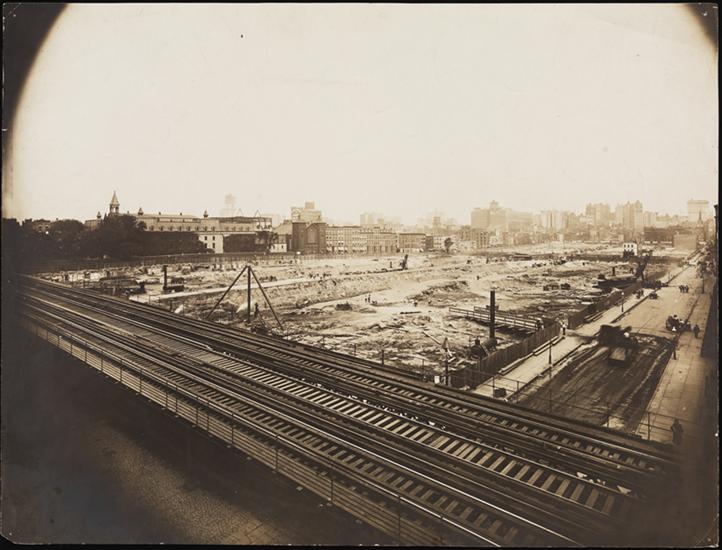
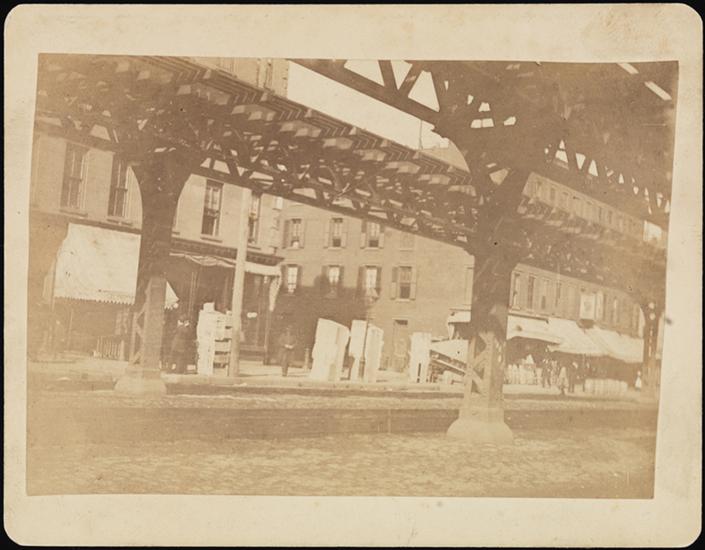
— Why is the bridge named for a 19th century industrial neighborhood in Brooklyn and why is it not, for instance, called the Manhattan Bridge (a name not in use yet in 1903) or the East River Bridge (which was its original name)?

— Why did everybody think the bridge looked so unusually ugly and how did the city belatedly try and solve the problem?

— Why did one population in the Lower East Side find the bridge more important than others?

— And why was the bridge is such terrible shape in the 20th century? Did it really almost collapse into the river?

PLUS: How the fate of the two neighborhoods linked by the Williamsburg Bridge would change radically in the 115 years since the bridge was opened.
Listen Now: Williamsburg Bridge Podcast
________________________________________________________

The Bowery Boys: New York City History podcast is brought to you …. by you!

We are now producing a new Bowery Boys podcast every other week.  We’re also looking to improve the show in other ways and expand in other ways as well — through publishing, social media, live events and other forms of media.  But we can only do this with your help!

We are now a member of Patreon, a patronage platform where you can support your favorite content creators for as little as a $1 a month.

Please visit our page on Patreon and watch a short video of us recording the show and talking about our expansion plans.  If you’d like to help out, there are five different pledge levels (and with clever names too — Mannahatta, New Amsterdam, Five Points, Gilded Age, Jazz Age and Empire State). Check them out and consider being a sponsor.

We greatly appreciate our listeners and readers and thank you for joining us on this journey so far. 

_________________________________________________________

We’d also like to thank WeWork for sponsoring the Bowery Boys podcast. Enter to win a 1-month hot desk membership to WeWork checking into this link. This contest only last a few more days and the winner will be announced on March 30.

we.co/boweryboyshotdesk

And we’d also like to thank our additional sponsors Hulu (and the gripping new thriller The Looming Tower) and Audible. For a free 30-day trial (and a free audiobook) go to audible.com/bowery or text the word BOWERY to 500-500

________________________________________________________________________

A map of the City of Williamsburgh and Town of Bushwick including Green Point, 1852

NYPL

In 1902, the bridge was finally near completion, but many were worried about the bridge’s functional plainness.

Library of Congress/Cleaned up image courtesy Shorpy
New York Public Library

A 1903 fire on the bridge created a scary scene over the East River, but the cables and wires proved durable.

From the Brooklyn Daily Eagle souvenir section celebrating the opening of the bridge:

Bertrand Brown/MCNY

An illustration from the 1915 book New York: The Wonder City

Flickr commons

Seen from South Eighth and Berry Streets in Brooklyn, 1935.

Berenice Abbott/NYPL

The old spelling of the name continually popped up in various places as late as the early 20th century. This passenger tickets dates to between 1903 and 1915.

MCNY

Williamsburg Bridge Plaza — and the handsome equestrian statue of George Washington — festooned with banners at the start of World War I.

MCNY

The approach to the Williamsburg Bridge from the Manhattan side. Delancey Street had to be widened to accommodate the influx of transportation options flooding onto the bridge.

The bridge is central to the growth of New York’s immigrant (and particularly Jewish) communities. While its construction did displace thousands of people, the bridge would actually facilitate better living conditions for Lower East Side immigrant groups by encouraging migration to less populated Brooklyn neighborhoods.  The New York Herald even called it the “Jews Highway” as those of Eastern European and Russian Jewish heritage transplanted to Williamsburg.

The ritual of tashlikh  תשליך‬‎ has often been performed on the bridge.

Library of Congress

From the film The Naked City

FURTHER LISTENING

These past episodes were mentioned in this week’s podcast. After finishing the Williamsburg Bridge show, go back and give these a listen: