THE FIRST PODCAST The story of Benjamin Franklin at the end of his life — at the birth of a new nation.
Part Three of The Invention of Benjamin Franklin. Check Part One (FranklinGothic) and Part Two (LightningStrikes) to catch up on his extraordinary story!
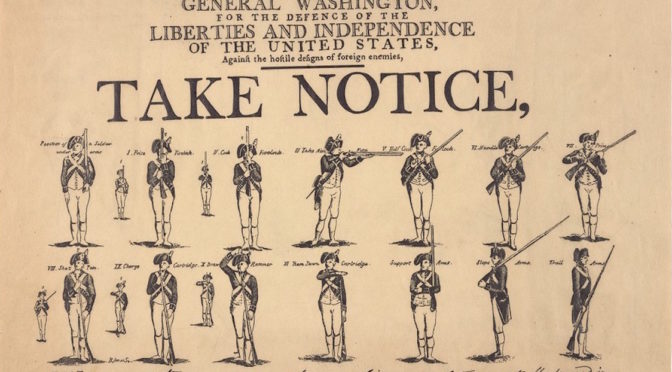
Benjamin Franklin was the most famous American in the world by the time of the Revolutionary War, known as a writer, inventor and philosopher. But as an old man, he would earn another title — rebel.
By the time of the Boston Massacre, Dr. Franklin was already an elderly man, watching the early days of American unrest from his comfy home in London. His scientific experiments were eventually put on hold as he rushed back to the colonies to help set up the mechanism of independence.
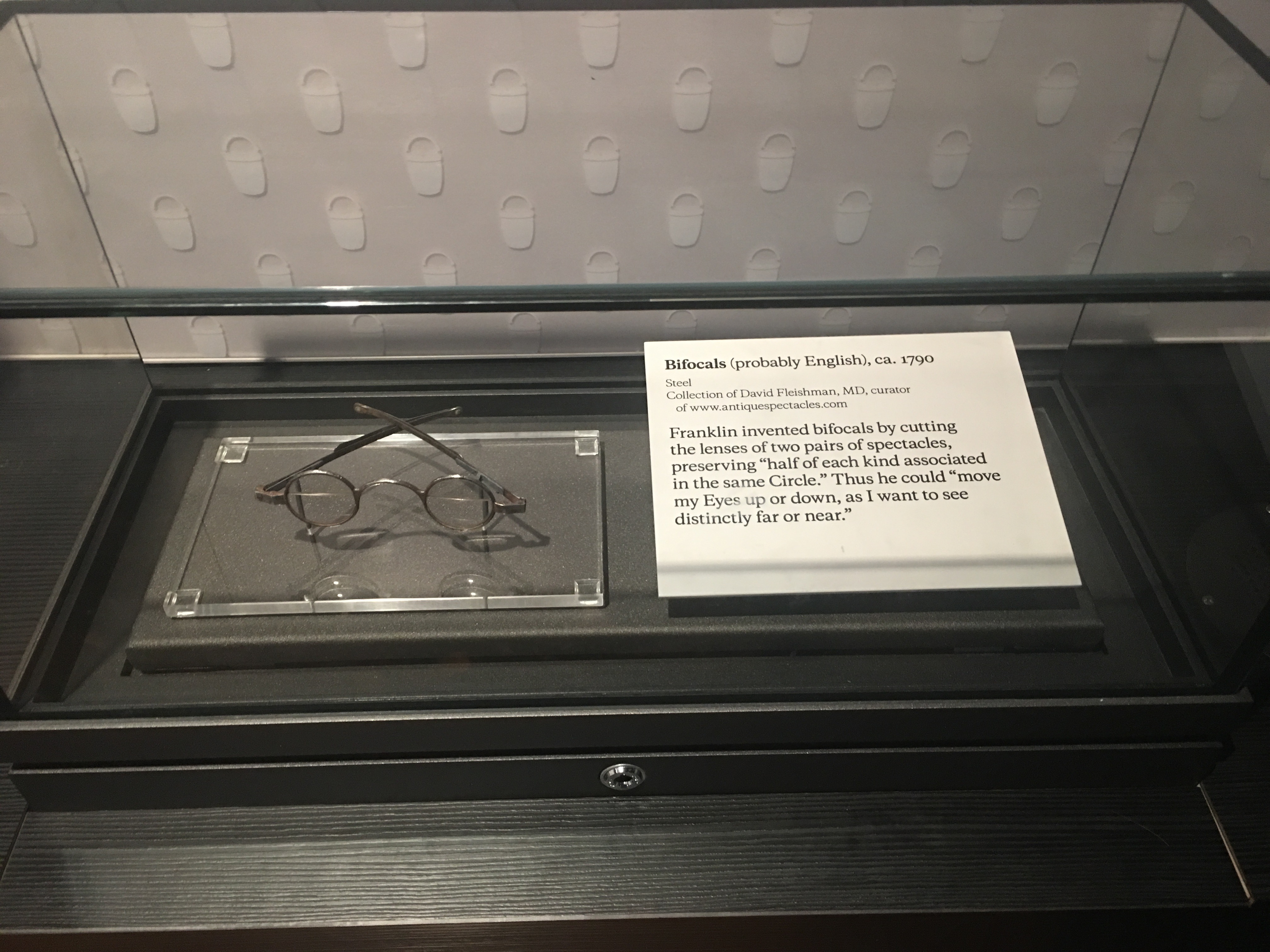
But while others went to war, Franklin went — to France? It was because of his great celebrity that he was deployed on an unusual mission to court an important ally for George Washington and his Continental Army. And it was in the banquet halls and libraries of Paris that Franklin would actually invent one of his useful creations.
STARRING: Mesmer, Marie Antoinette, Voltaire and all the Founding Fathers!
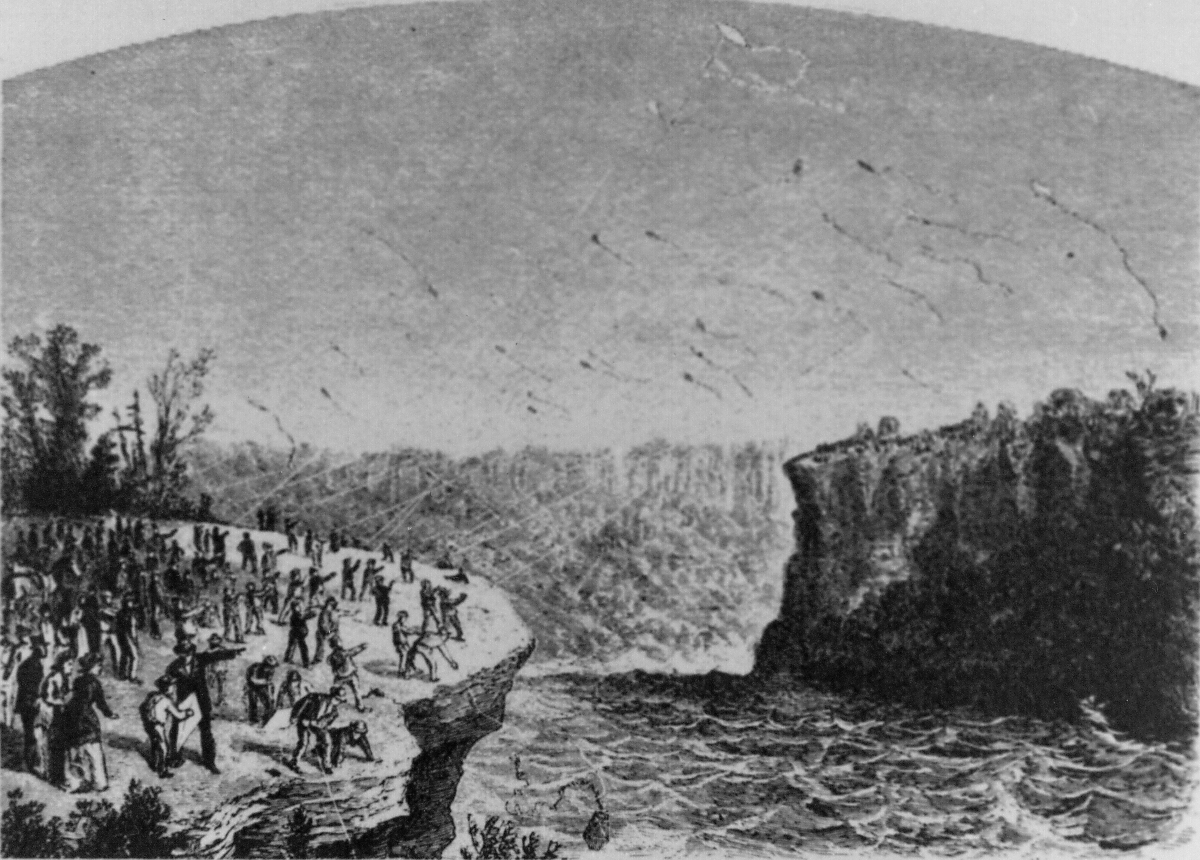
Greg Young has been doing several appearances on the Travel Channel program Mysteries at the Museum with Don Wildman. He’s on tonight talking the construction of a bridge in Niagara Falls. Check your local listings and tune in
Mysteries at the Museum — KITE BRIDGE
featuring Greg Young of the Bowery Boys
Aug 24 premiere — 9 pm EDT/ 8 pm CDT
then again at
Aug 25 12am EDT / 11pm CDT
Aug 27 9am EDT / 8am CDT
Greg also appeared on an episode last week featuring the adventures of Isabella Goodwin, one of New York’s first female detectives.
Watch it again at: Mysteries at the Museum — DETECTIVE GOODWIN
Aug 31 7pm EDT | 6pm CDT
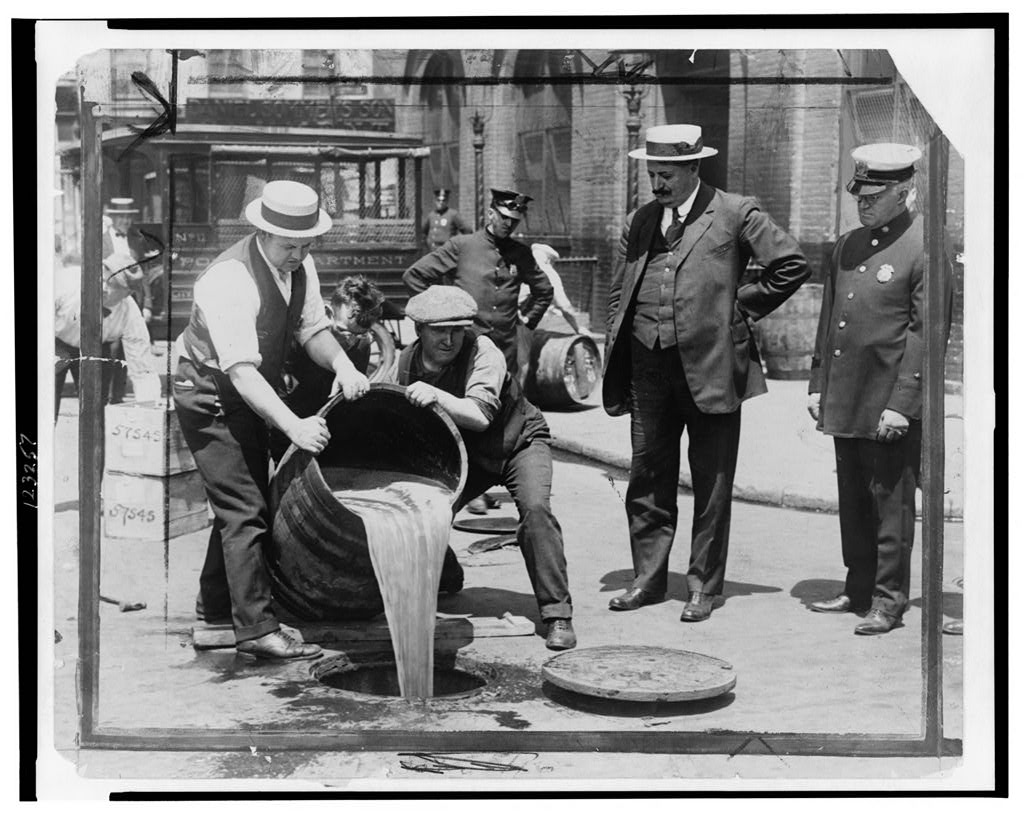
PODCASTDry wit! Wet lips! The story of Prohibition during the Jazz Age and the movie star-turned-hostess who became the toast of New York nightlife.
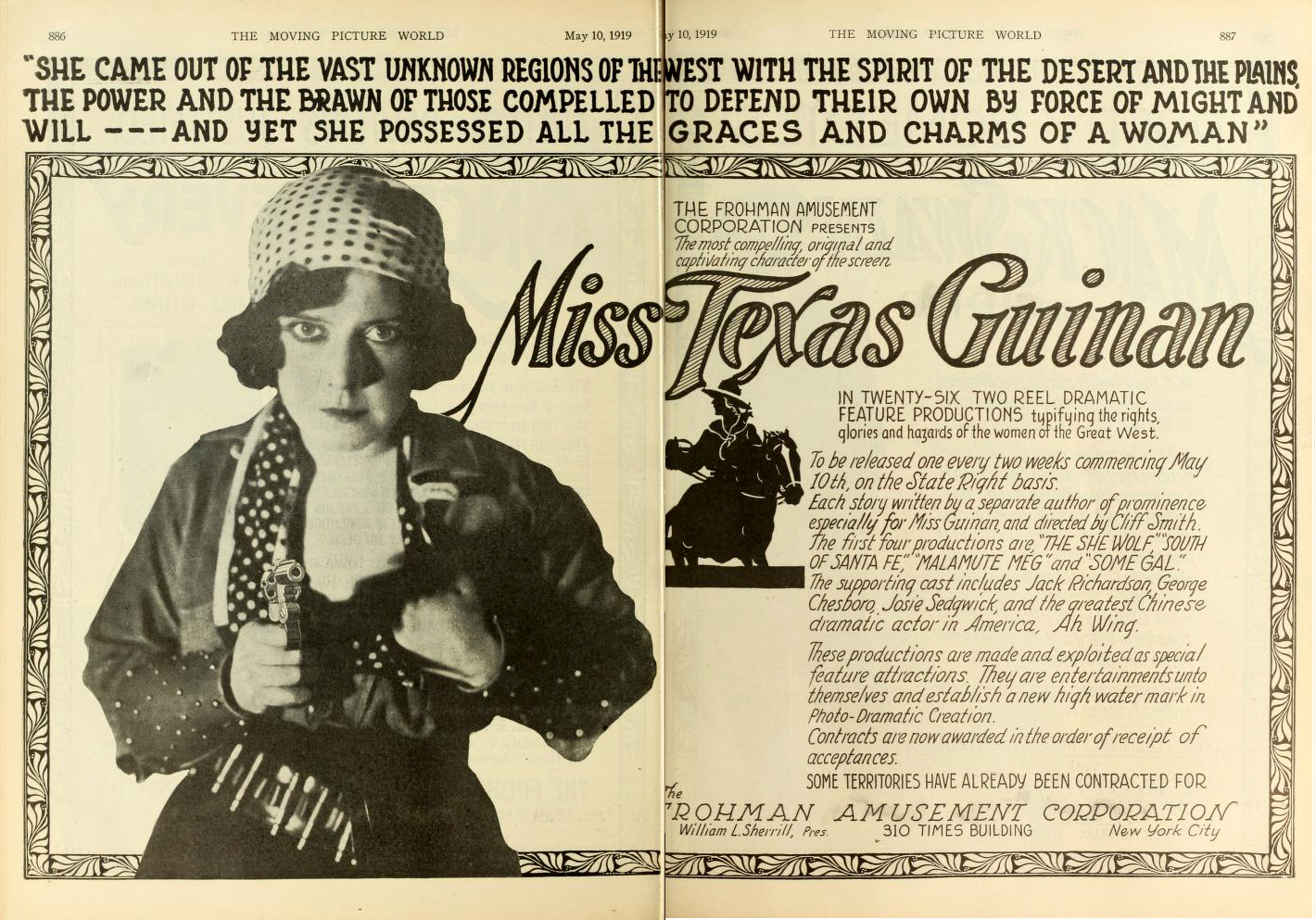
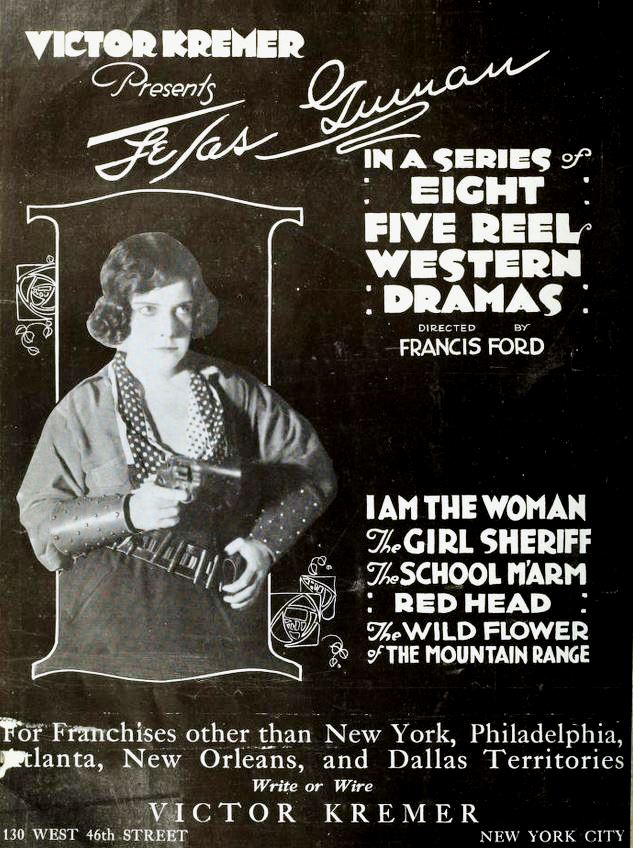
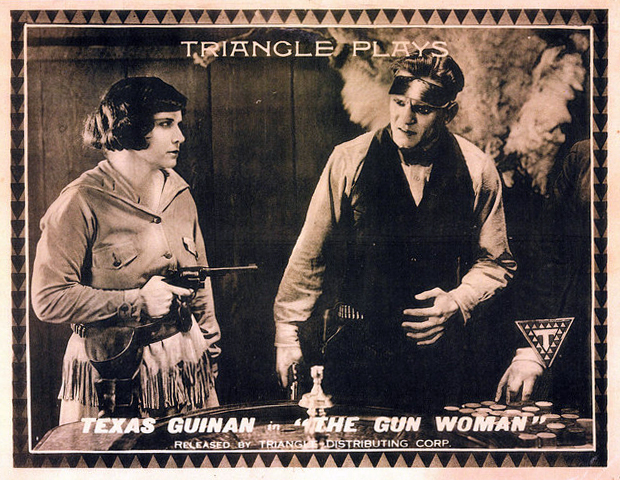
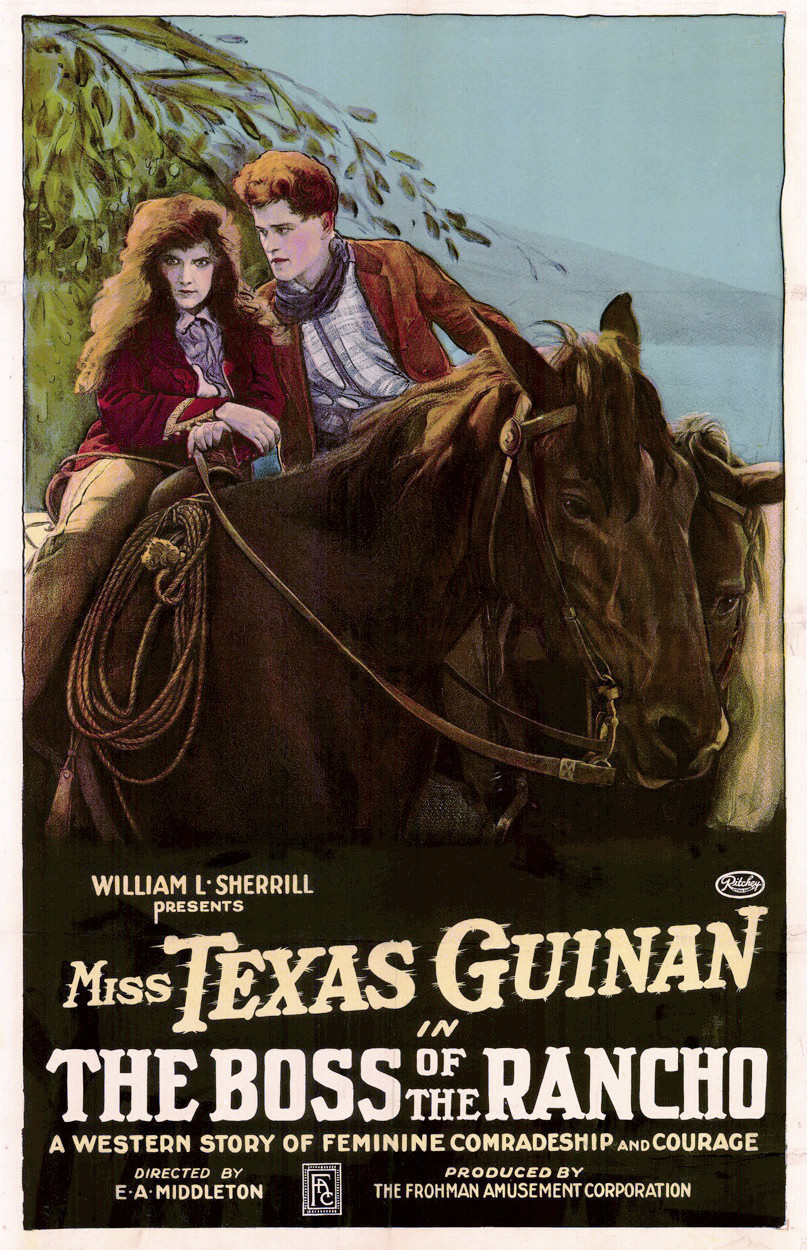
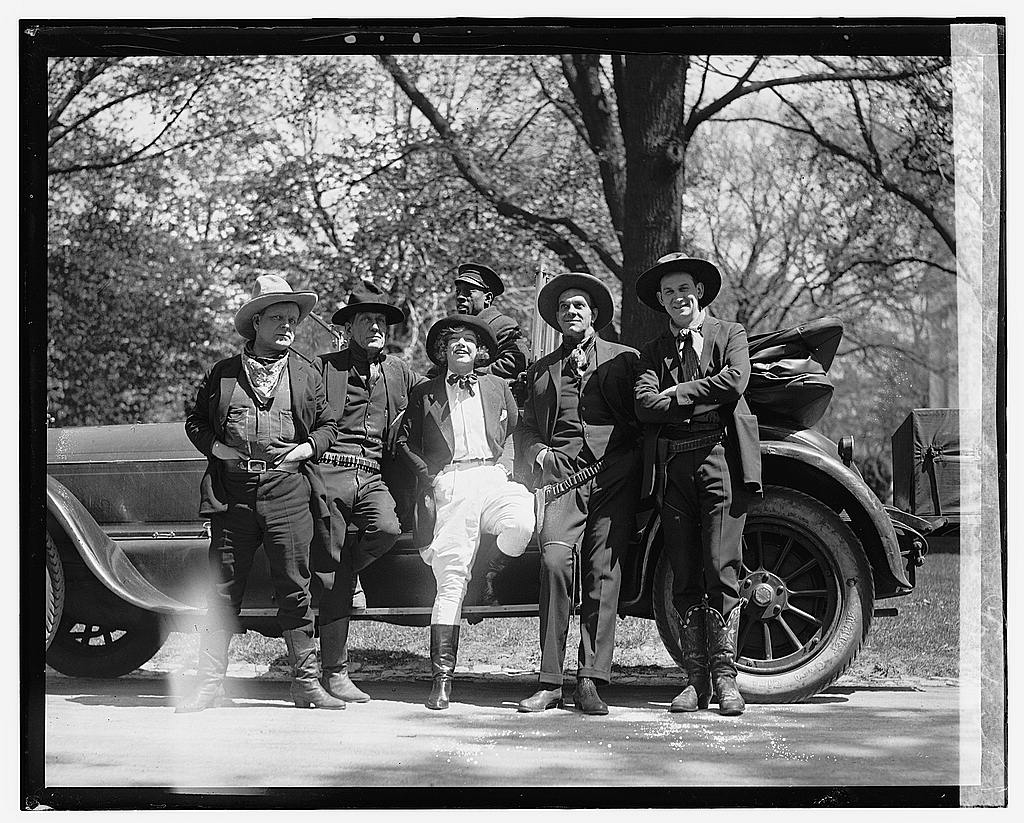
Texas Guinan was the queen of the speakeasy era, the charismatic and sassy hostess of New York’s hottest nightclubs of the 1920s. Her magnetism, sharpened by years of work in Hollywood, would make her one of the great icons of the Prohibition era.
She’s our guide into the underworld of the Jazz Age as we explore the history of Prohibition and how it affected New York City.
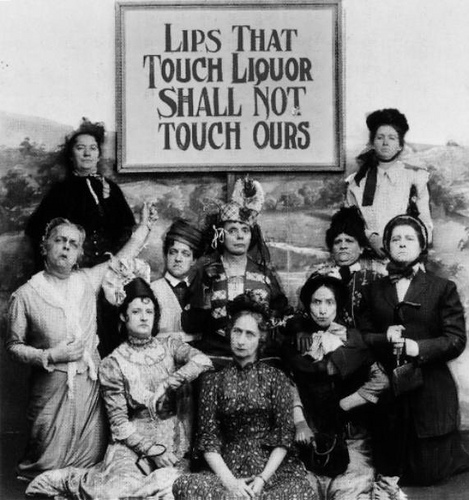
The temperance movement united a very bizarre group of players — progressives, nativists, churchgoers — in their quest to eliminate the evil of alcohol from American society. Many saw liquor as a symbol of systemic social failure; others suspected it as the weakness of certain immigrant groups.
Guinan, a Catholic girl from Waco, Texas, was introduced to New York’s illegal booze scene by way of the nightclub. Her associations with rumrunners and gangsters were certainly dangerous, but her unique skills and charms allowed her an unprecedented power on the edges of a world fueled by the ways of organized crime.
Come along as we visit her various nightclubs and follow the course of Prohibition in New York City from the loftiest heights to the lowliest dive.
Listen to our podcast: Texas Guinan, Queen of the Speakeasies
To download this episode and subscribe to our show for free, visit iTunesor other podcasting services or get it straight from our satellite site.
The Bowery Boys: New York City History podcast is brought to you …. by you!
We are now producing a new Bowery Boys podcast every other week.
We’re also looking to improve and expand the show in other ways —
publishing, social media, live events and other forms of media. But we
can only do this with your help!
We are now a creator on Patreon, a patronage platform where you can support your favorite content creators.
Please visit our page on Patreon
and watch a short video of us recording the show and talking about our
expansion plans. If you’d like to help out, there are six different
pledge levels. Check them out and consider being a sponsor.
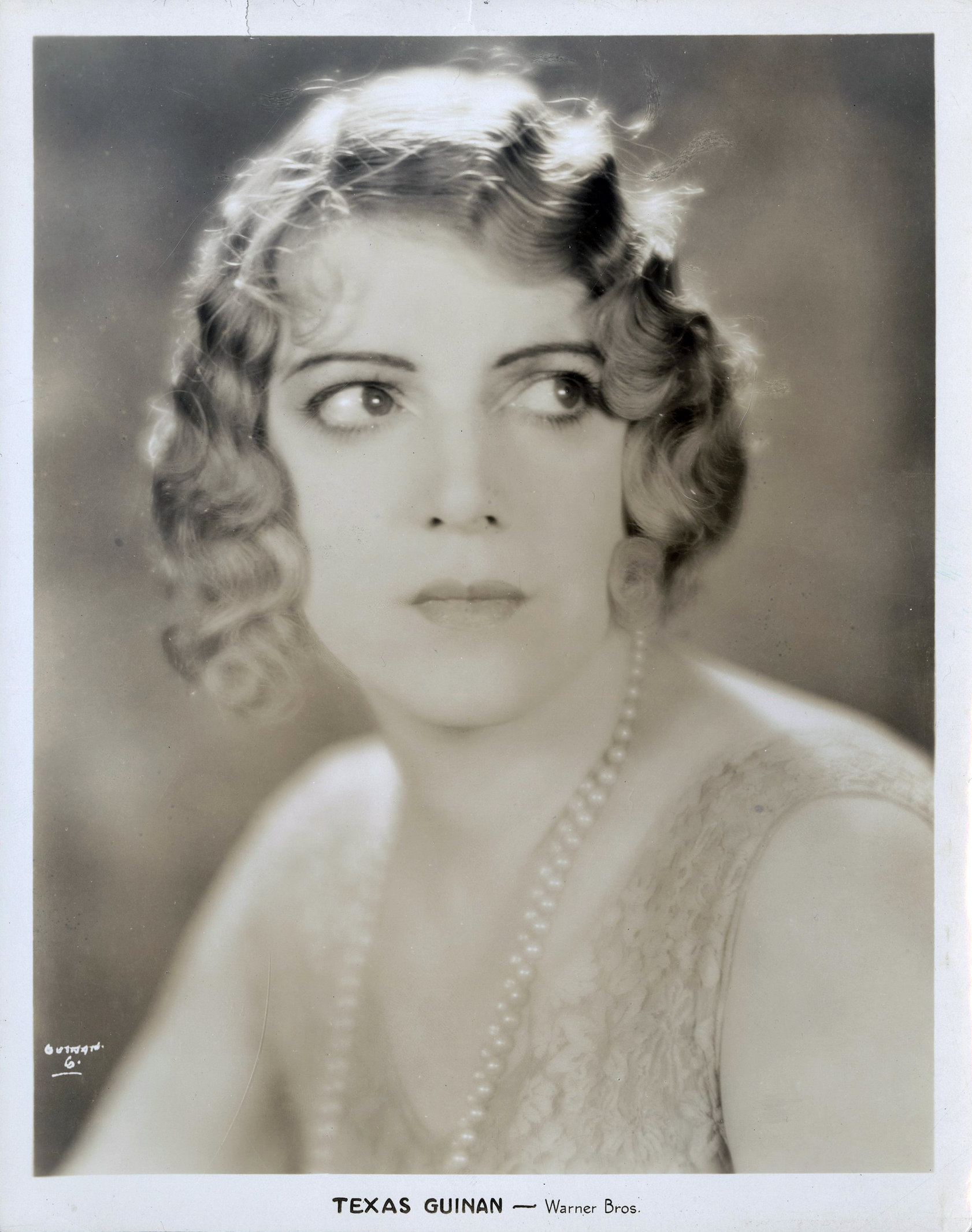
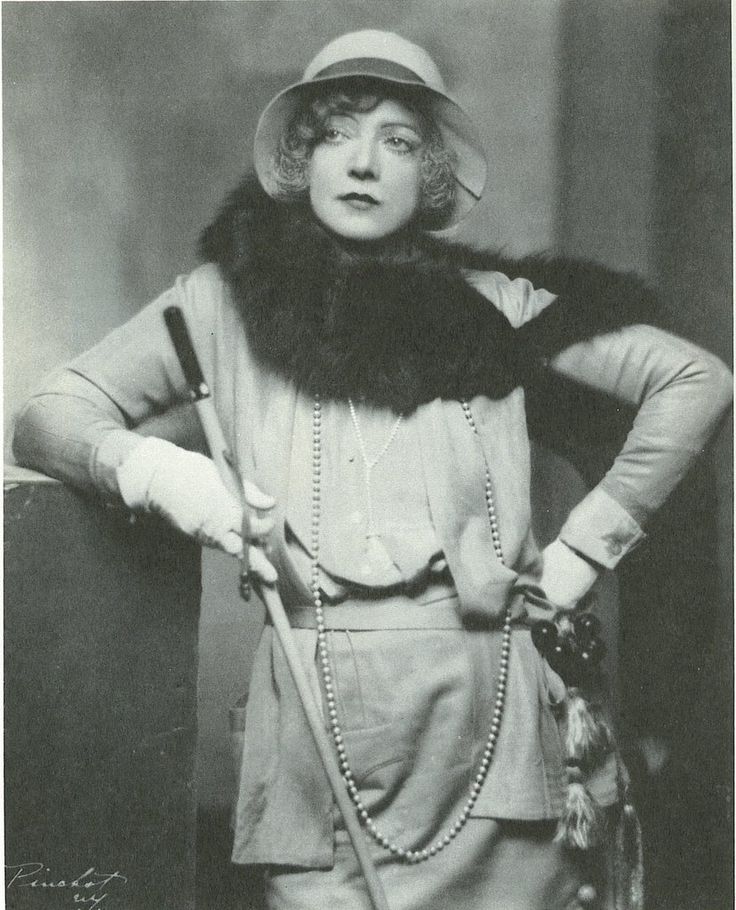
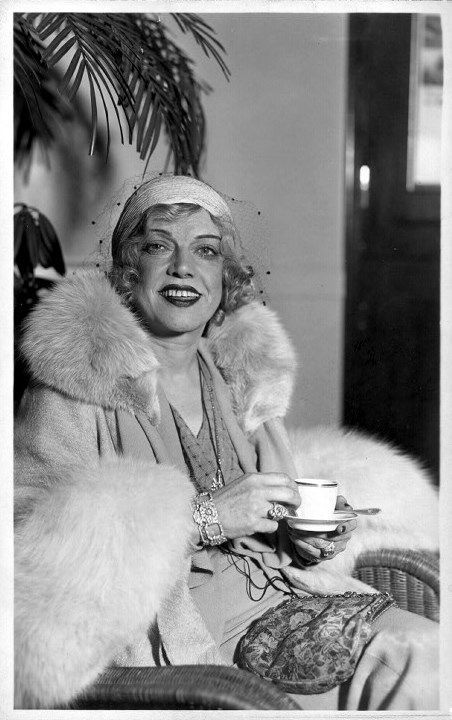
She would go blonde by the time she got to New York, helping to define hairstyles every night in her clubs.
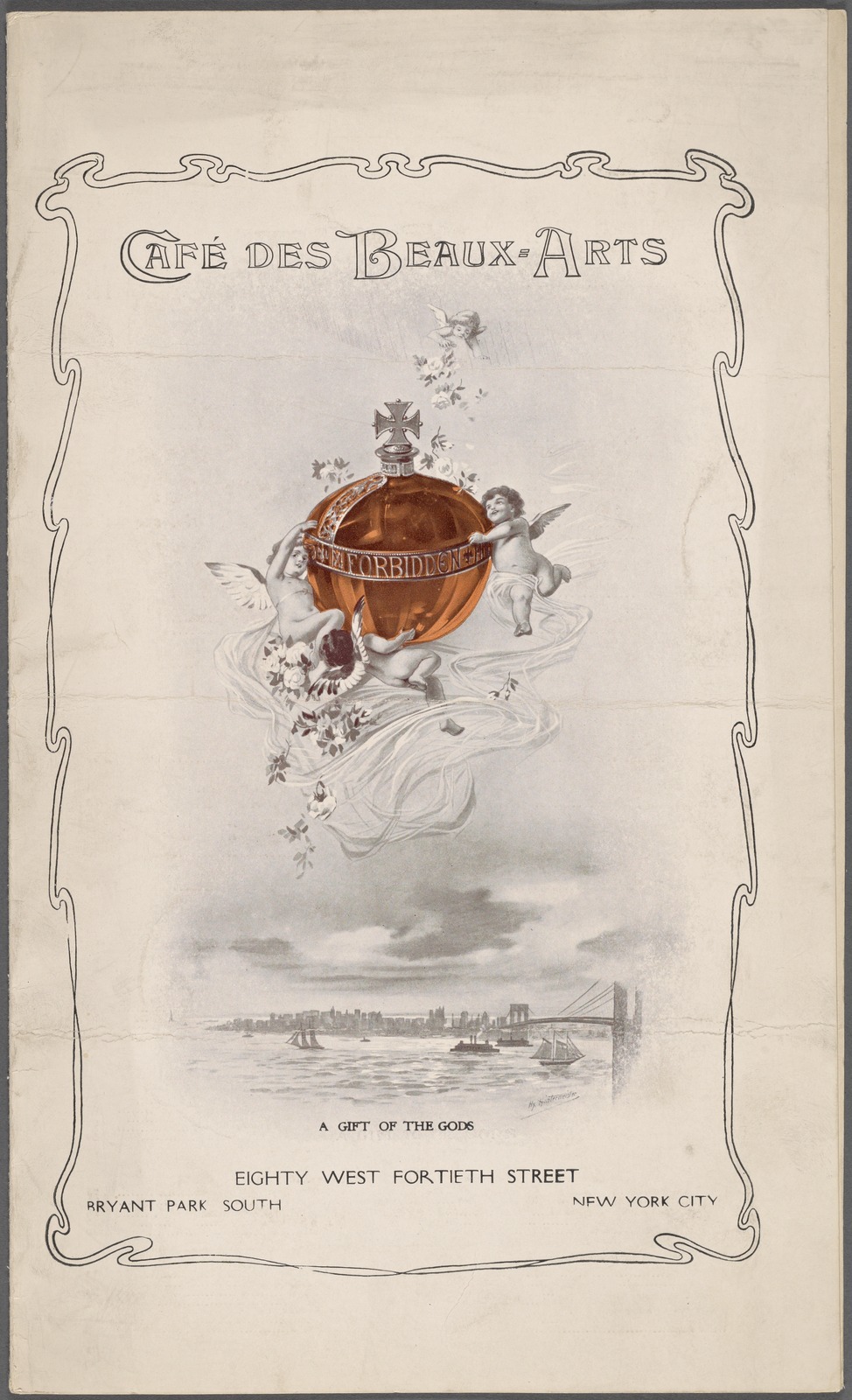
A menu from the Cafe des Beaux Arts from 1914. This would be the place where Guinan would be ‘re’-discovered.
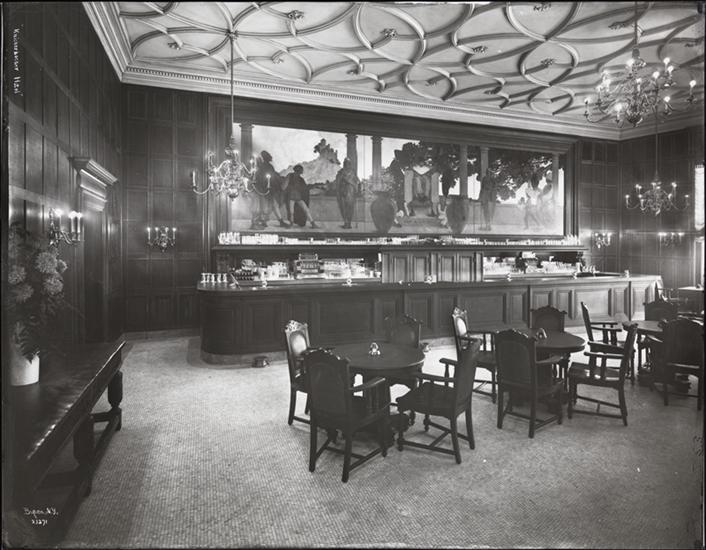
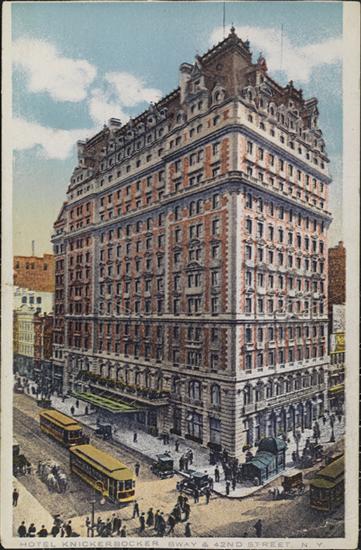
The interior of the King Cole Bar at the Hotel Knickerbocker showing the “Old King Cole” mural by Marfield Perrish. Below that: the exterior. The building, located on 42nd Street, has been refurbished to its original glory today.
MCNY
MCNY
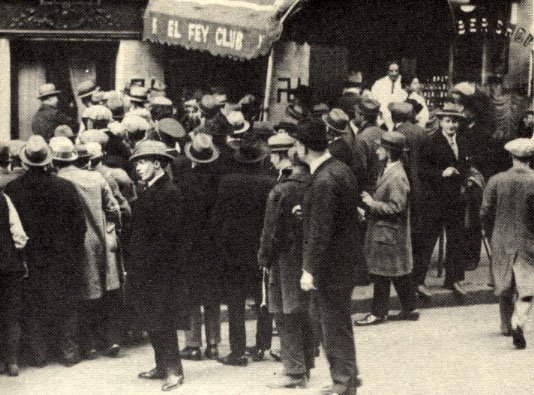
Men gather outside the El Fey Club where Guinan first worked with Fay and made connections with New York’s criminal element.
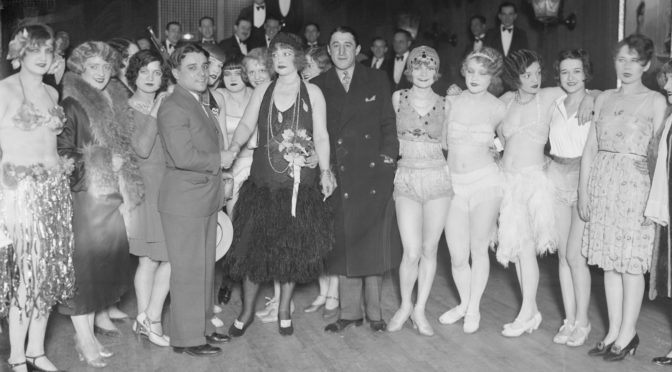
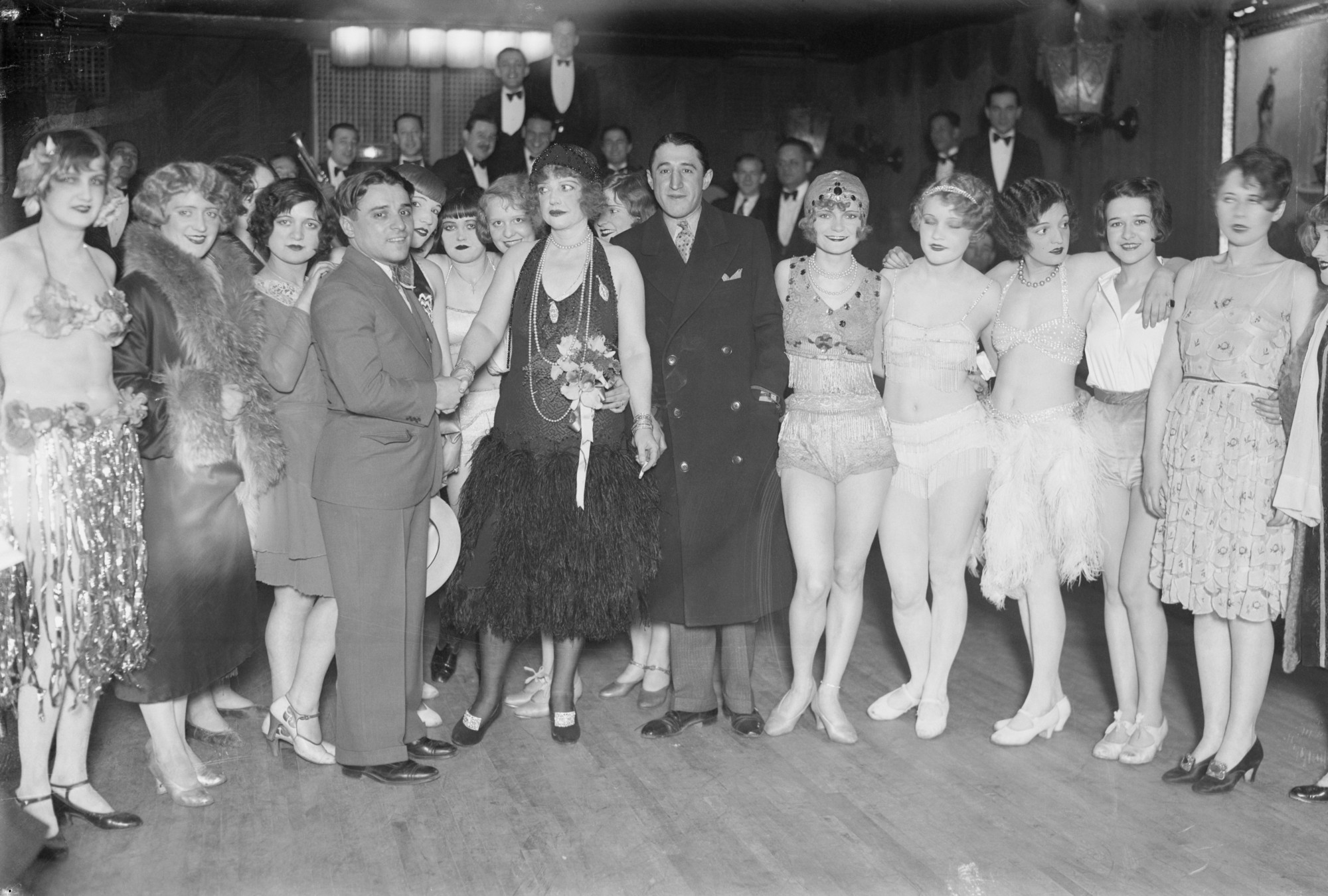
Texas Guinan with Larry Fay to her right and a row of beautiful flapper chorus girls.
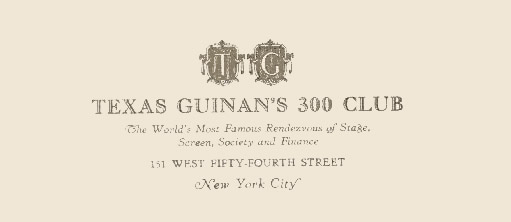
A calling card for Guinan’s most famous establishments.
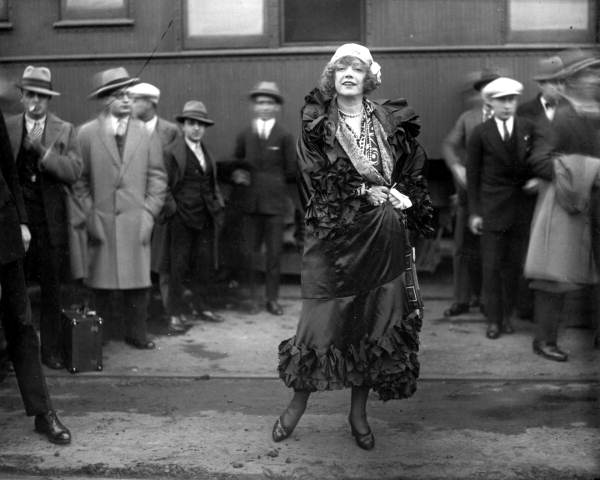
All the while, she kept working on the stage and even doing a bit of touring. Here’s Guinan in 1925, stepping off the train to Miami. (I can’t imagine she was just there for a performance. Miami was considered ‘thewild west of bootlegging‘.)
A couple rare videos of Guinan in action:
For more information, check out the following books:
Last Call: The Rise and Fall of Prohibition by Daniel Okrent
Texas Guinan: Queen of the Nightclubs by Louise Berliner
Satan in the Dance Hall by Ralph G. Giordano
Dry Manhattan: Prohibition in New York City by Michael A. Lerner
On Wednesday, Governor Andrew Cuomoannounced that the busts of Robert E. Lee and Stonewall Jackson, located on the campus of BronxCommunity College, would be permanently evicted, following the removal and dismantling of several sculptural depictions of the Confederate generals across the country in recent days.
There are many great Americans, many of them New Yorkers worthy of a spot in this great hall. These two confederates are not among them.
The funny thing about these particular busts though. Most New Yorkers were probably saying to themselves, “Busts of Confederates? In the Bronx?” Â Cuomo’s statement is probably the most that been written about them in more than five decades.
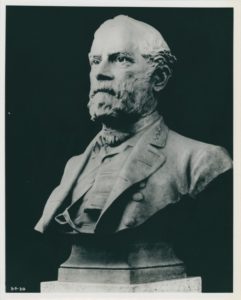
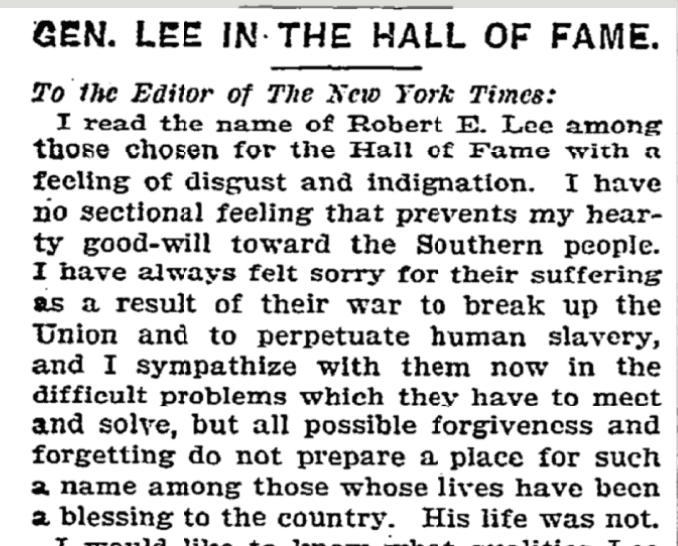
But many people have been displeased with Lee’s placement in the Hall of Fame from the moment it was decided to place his bust there back in 1900. Angry New Yorkers wanted to rip down his likeness before it was ever even erected.
“Robert E. Lee deserves the everlasting contempt of every soldier and every honest American.” – A.B.W., New York Times, 1900
Below: The Hall of Fame bust of Robert E. Lee
Archives of Bronx Community College, City University of New York
History remains static even as our recollections of it evolve, even as our monuments to it transform without a single chip of the chisel. Statues often reveal more about the nature of collective memory than the likenesses represented in these honors.
Nowhere in New York City is that more true than a strange little nook of marble busts in the Bronx.
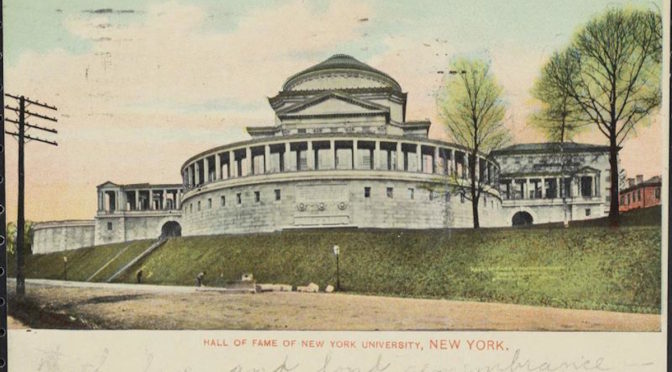
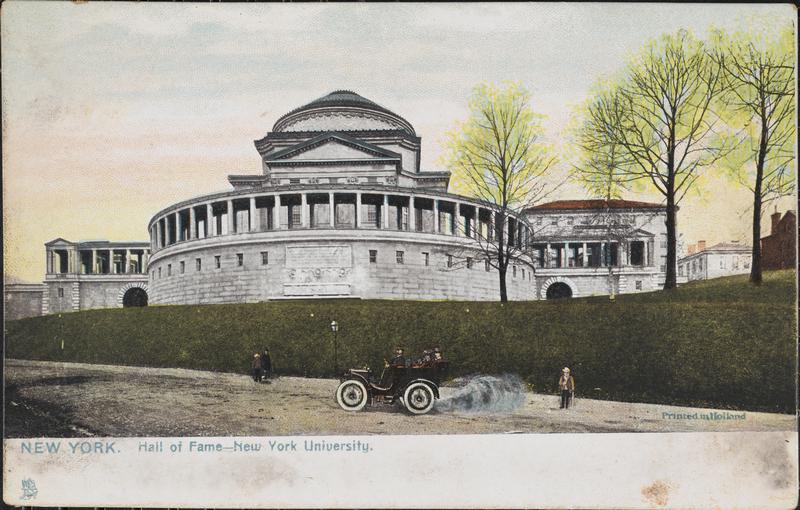
The Hall of Fame of Great Americans, located on the beautiful campus of BronxCommunity College (the former uptown campus of New York University), used to be considered a very, very important place.
MCNY — Raphael Tuck & Sons
Tucked on a scenic cliff overlooking the Harlem River (and with the Cloisters well in sight), the Hall of Fame  was an ambitious project constructed in 1900 with the idea of immortalizing Americans who had made significant contributions to the sciences, the arts, politics and the military.
Spearheaded by then-chancellor of NYU Henry Mitchell MacCracken, the project is the first real memorial ‘hall of fame’ concept to be executed in the United States. With America flush with Gilded Age wealth, the Hall of Fame was intended to be an American pantheon, a modern response to the god-filled marble hallways of Europe.
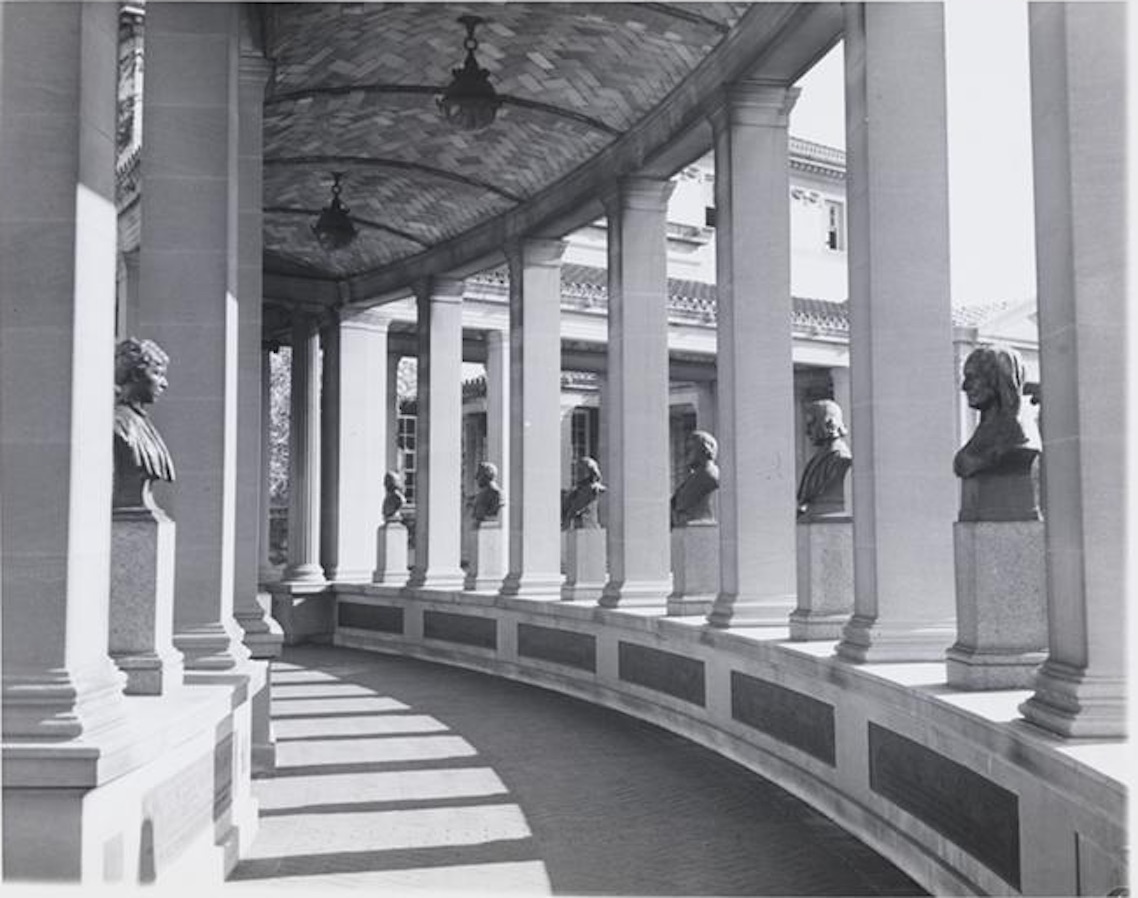
Walking along the spacious colonnade tucked behind the Stanford White-designed Hall of Philosophy, you are thrown back into a mix of turn-of-the century scholarly aesthetic and the belief of equating the American movement with ancient Roman and Greek forefathers.
MCNY 1945
There are 98 portrait busts representing a host of great minds — many recognizable, other completely forgotten today. The hall was regularly updated  up until the 1970s. Several people have been voted into the Hall of Fame but never received busts (sorry Andrew Carnegie).
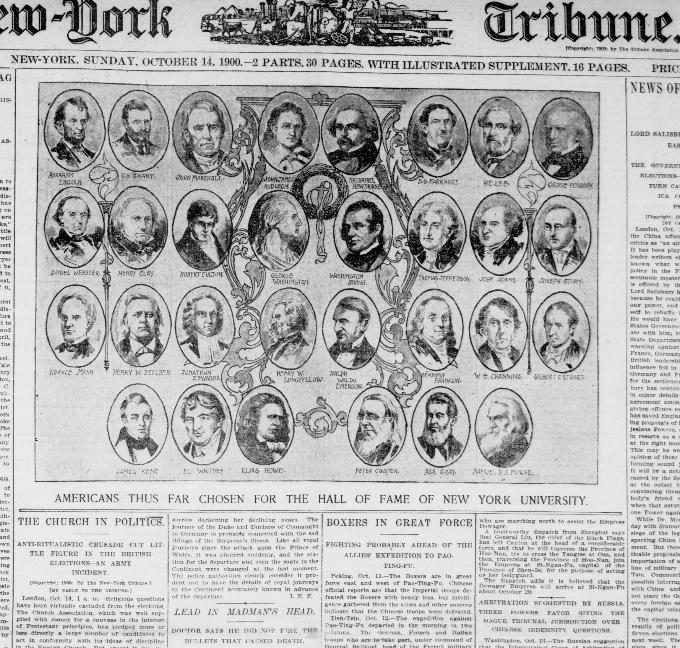
Prominent American citizens voted on who would be the first entrants to the Hall of Fame in 1900. Â When the ballots were at last tallied, a great number of (exclusively) men included some very obvious choices (Benjamin Franklin, Abraham Lincoln) some inspired ones (Nathaniel Hawthorne, Peter Cooper), and a couple bizarre ones, by today’s standards (the famed botanist Asa Gray).
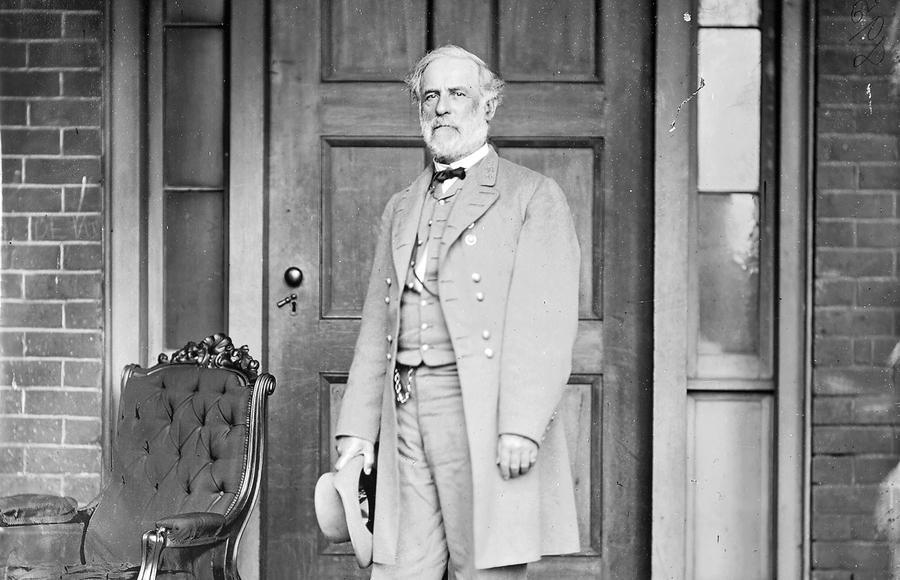
Interestingly one man who had fought for the Confederacy during the Civil War made the original list — Robert E. Lee. Over a half century later, he would be joined by Stonewall Jackson, another Confederate general.
Below: Lee, photographed by Mathew Brady in 1865
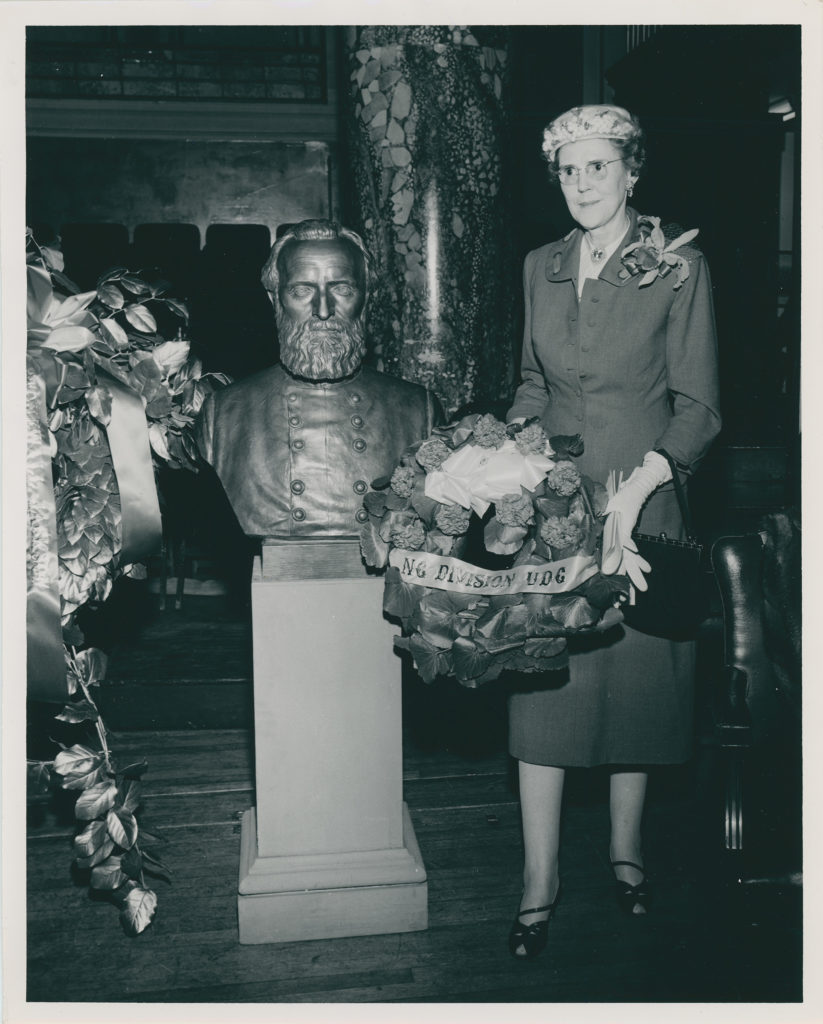
The Jackson bust was installed in 1957 after a vigorous campaign by  Confederate history supporters. According to Richard Rubin of The Atlantic: “Newspaper publishers used their editorial pages to lobby for or against nominees, and groups like …. the United Daughters of the Confederacy waged extensive, expensive campaigns to get ‘their’ candidates elected.” [See picture at the bottom of this article]
But Lee’s appearance in this immortal pantheon was almost never in question — at least for those who voted on the original inductees.
However, almost immediately, the possibility of Lee’s inclusion became controversial. The idea of a Confederate general — responsible for the deaths of thousands of Union soldiers — seemed ridiculous, even offensive, particularly to Northerners and to the residents of the city which would hold the Hall of Fame.
Leading the charge against Lee was the New York Sun.
“At this time there has come up a false and mushy sentimentality which would have the American people forget the outrage against the Republic committed by the rebellions forces under the command of Robert E. Lee. It is that meek and mawkish sentimentality which puts the name of Lee among the great commanders entitled to the veneration of posterity. Â Hail to the Stars and Stripes and always death and confusion to its enemies!”
“[T]he protagonist of the Lost Cause possessed personal beauty of the ideal kind and accomplishments which perfectly fitted him for the high station which was his, from the bright beginning to the sombre close of his career. [H]e sacrificed wealth and ambition, to battle for a cause which, to his keen professional eye, was predestined to failure.”
(Theirresponse seems to revel in the ‘mawkish sentimentality’ upon which the New York Sun was remarking!)
“His only claim to distinction is that he displayed great ability in his attempt to destroy the Government he had sworn to defend, much of his ability being due to the education given him by that Government. The only excuse to be made for Lee is that he thought he was right, that he thought he must be ‘loyal to his State’…..
But supposing Lee was honest in his belief, it is not customary or proper to honor a man for making the mistake of a lifetime. We may forgive his offense but neither justice nor charity requires that we should do more than maintain silence on the subject.
Let those who know Robert E. Lee honor his memory for such good qualities as they found in him, but the Hall of Fame should be reserved for those whose public services are worthy of honor.”
A month later: Â “I protest against his name being coupled with the patriots of his time. Robert E. Lee deserves the everlasting contempt of every soldier and every honest American for accepting the surrender of brave Union soldiers when he know they would be sent to be starved and tortured in Southern prison pens.” — NYT, Oct 16, 1900
Many of the letter writers were certainly alive during the Civil War. The veterans organization Associated Survivors of the Sixth Army Corps of Washington passed a resolution against the Hall of Fame organizers, declaring “General Lee was an enemy to his country and failed to do his duty at a critical time.”
However it is interesting that of all the objections about Lee and Jackson, none directly had to do with slavery or the plight of enslaved people.
An illustration of the first inductees from the New York Tribune:
Others thought of the  Hall of Fame a place of representative honor and so Lee must be included, if only to bring the Southern states into the hall’s august glory.
“Would it not be a graceful tribute to our worthy Southern brothers to include the names of some of their great heroes on the Hall of Fame record? Though Robert E. Lee and T. J. Jackson fought for what we think is a bad cause, yet we should not forget that such men acted as their consciences dictated, and their whole lives show them to be great, good and most worthy gentlemen.”
Others set aside grievances with Lee and took aim at another candidate — John C. Calhoun, the former Vice President who set the wheels of the South’s secession in motion.
From a Boston newspaper: “The judges are having trouble enough from their assignment of a pedestal to General Lee. But Lee did not formulate policies. To have put the Great Nullifier in the American Pantheon would have bred a riot.”
In the end, Lee would be among the original inductees to the Hall of Fame. (Calhoun would fail to make the final cut.) Indeed the balloting proved both general to be well regarded in their day, placing higher in the voting than all generals by Ulysses S. Grant.
The Hall of Fame is a true curiosity in the ‘roadside attraction’ sense. Once NYU sold the campus in the 1970s, the colonnade was virtually neglected, the hall of fame forgotten.
It is a modern ruin that current events has dusted off for new evaluation.
Below: The installation of Stonewall Jackson’s bust in 1957Â
Courtesy Bronx Community College
________________
Portions of the research for this article were taken from a previous article I wrote about the Hall of Fame back in 2009.
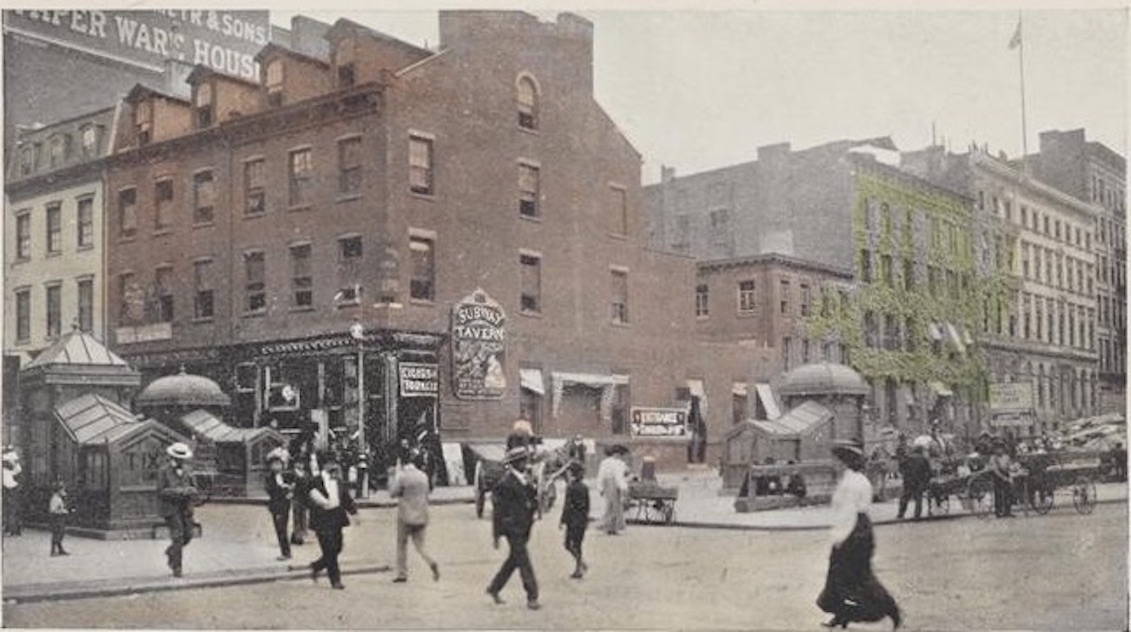
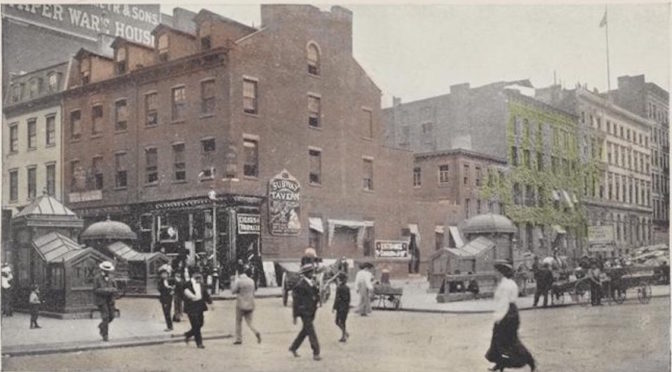
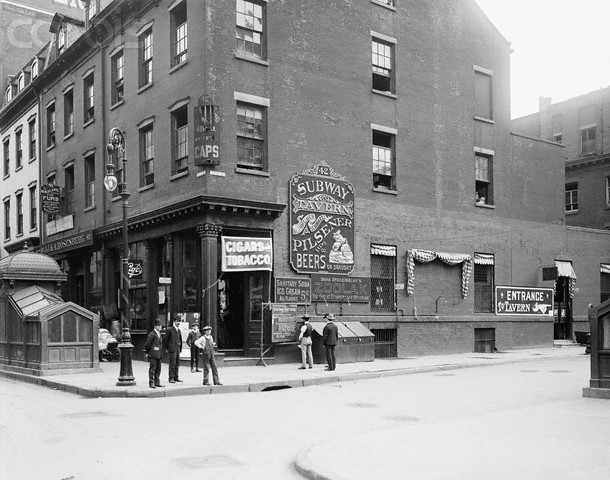
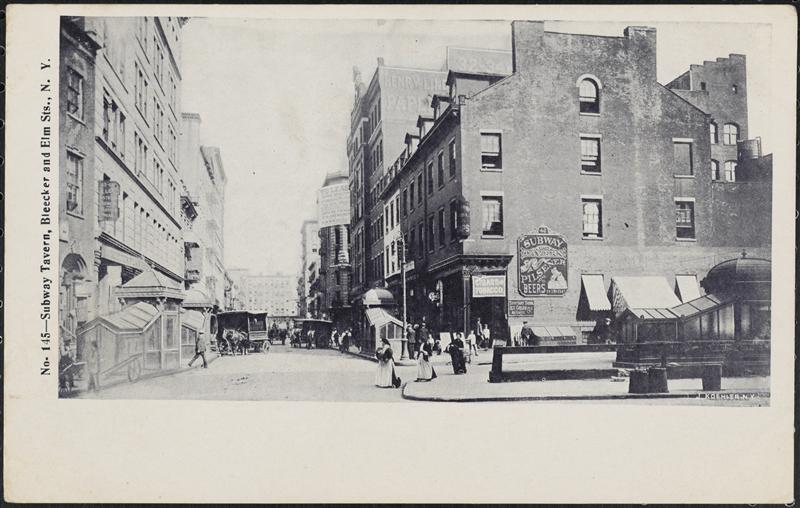
LOCATION:Subway Tavern Bleecker and Mulberry, Manhattan
In operation 1904-05
The early planners of the New York City subway negotiated that very first route through some of the city’s mostly heavily populated areas, those obviously in need of rapid transit. The locations of the first underground stations were based on the amount of available space at key cross streets. If you happened to own property along the route and specifically near a planned station, you would have hit the proverbial jackpot in 1904, the year the subway opened.
And so begins the tale of the Subway Tavern, at the corner of Bleecker and Mulberry, which tried to monopolize on this lottery of suddenly-valuable real estate with the worst idea in the history of New York City nightlife — a moral tavern.
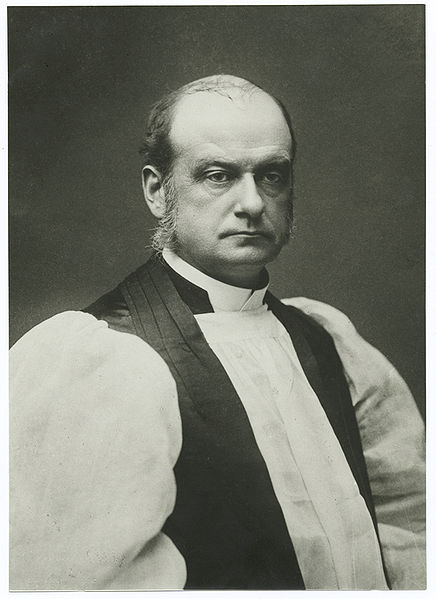
Like all religious leaders, the Bishop Henry Codman Potter of the Episcopal Diocese of New York was gravely concerned with the evils of alcohol upon the poorest classes and the newest arrivals from Ellis Island. Most of the temperance stripe preferred to hit areas most soaked in booze — particularly the Bowery — with bibles in hand and moral example on display. Often to no avail and to the occasional danger to the proselytizers themselves.
Potter (pictured below), a rector at Grace Church, thought outside the box. His own ideas for social reform were radical for the time but some (like daycare in churches) seem standard and even obvious today. Although he lived rather luxuriously — his stately home at 89th and Riverside Drive is still standing — he made a point, even after his ascension to bishop, to work regularly in poor neighborhoods.
He was often a voice for labor groups and consistently berated Tammany Hall for its abuses. Nobody could say the man’s heart was not in the right place. Which made it all the more shocking when he decided one day that the Episcopal Church should open a tavern.
Since it seemed unlikely that people would stop drinking entirely, went his theory, why not found an establishment where proper and gentlemanly drinking would be encouraged? A place where the staff could monitor and guide patrons to more responsible imbibing.
Potter found the perfect location, a former saloon owned by future Fire Commissioner Joseph ‘Oak’ Johnson, at the corner of Bleecker and Mulberry streets and sitting right in front of a new subway entrance. Although the trains would not run for another few months, the new experiment was dubbed the Subway Tavern.
Potter christened the new tavern on August 2, 1904, opened with $10,000 in funds from distinguished citizens, including money from U.S. representative Herbert Parsons and former lacrosse star Elgin Gould. In case anybody was unclear of the intentions of the unusual establishment, a holy doxology was performed to an enrapt, standing-room-only audience.
Courtesy Museum of the City of New York
The Subway Tavern was to operate like a respectable upper-class club, except for poorer folks. “I belong to many clubs which I can go,” remarked the bishop, “but where can the toiler go?” Where, indeed!
Potter honestly believed the Subway Tavern could be jovial and free-spirited without becoming debaucherous. The front room, adored with a sign ‘To The Water Wagon’ playfully overhead, would be open to both sexes “with a ‘sanitary’ soda water fountain where beer will be served to women.” [source] Men would have a private room behind some swinging saloon doors in the back.
As the bar was funded by donations, the ‘evils’ of profit were eliminated. And thus, reasoned Potter, bartenders would not encourage patrons to drink. Men and women could come to converse, read a newspaper and have one — maybe two — drinks. Employees were to closely watch the intoxication levels of customers; if one even looked tipsy — if say, somebody appeared to be enjoying their drink a wee too much — they would be cut off. Healthy food would also be on hand downstairs to soak up any amoral toxins in the belly.
As the New York Times lightly mocked, “The benevolent bartenders … are anguished when they are compelled to serve whisky, and … dimple with joy when sarsaparilla pop is ordered.”
Naturally, many Episcopalians were not too thrilled having their church associated with a tavern just a couple blocks from the Bowery. Many dubbed it ‘The Bishop’s Inn’. The experiment made national headlines and was greeted with remarks like those from Pittsburgh pastor J.T. McCrory: “I supposed the ‘Subway Tavern’ was called that because it is an underground way to hell.” (Several accounts I read seemed to believe the tavern was actually in the subway.)
Another preacher called it a “low down, greasy Bowery saloon.” Shocked clergy flocked from other cities to gander at this oddity and register their opinion to the press. “I do not think it will turn the tide of drunkenness,” said one stunned clergyman, “nor will it solve or diminish the curse of rum.”
The naysayers were right. The Subway Tavern turned out to be a horribly ill-conceived idea, and its flaws were magnified several months after the subway opened in October 1904. When a reporter for the Advance visited the pub in September 1905, they found the exterior covered in ‘tattered’, ‘stained’ advertisements, a main barroom empty and most surfaces covered in flies.
Presumably, patrons quickly grew tired of being stately. As the Advance so plainly stated, “The liquor sold at the Subway does not make men sober. There is no method by which a young man learning the drink habit may not go elsewhere to complete his ruin.”
Within days of the Advance’s visit to the Subway Tavern, the holy drinking establishment closed up and reopened as a no-pretenses ‘out and out saloon’. Bishop Potter died just a few years later with a mostly unblemished record.
Many years later, the structure that once housed the Subway Tavern was ingraciously replaced with this building.
This article originally ran as part of our FRIDAY NIGHT FEVER series entry. Past entries can be found here.
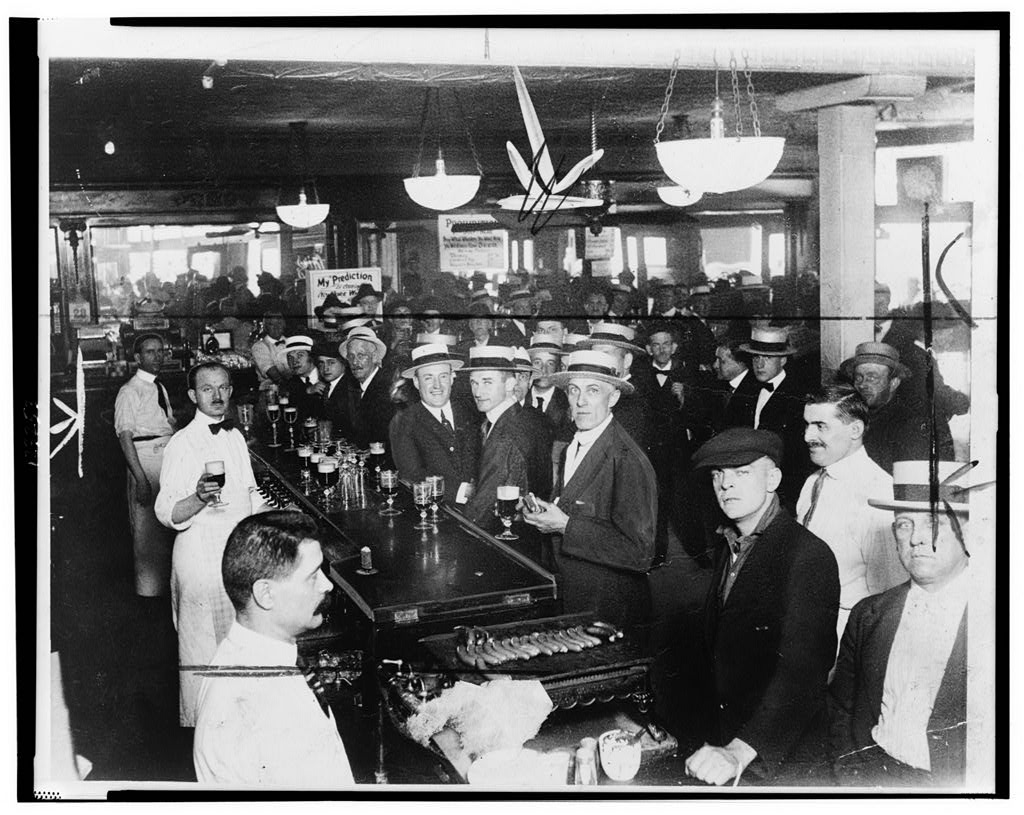
The passage of the 18th Amendment in 1919 — prohibiting the sale of alcohol in the United States — failed to sober up the country. It merely drove its unquenchable thirst underground.
Prohibition came about because of an extraordinary union of disparate groups — religious folks, racists, progressives, nativists — all possessing different motivations for banning booze. Â It was a movement decades in the making.
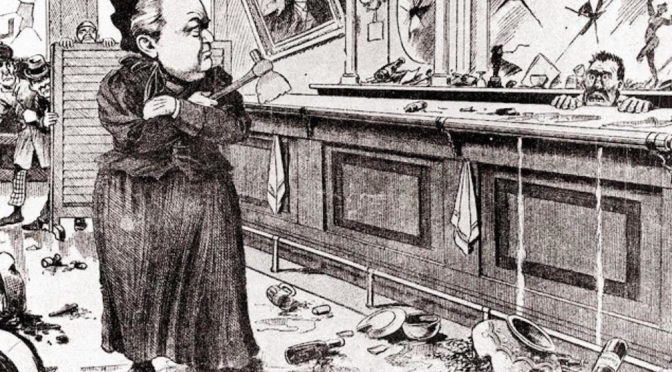
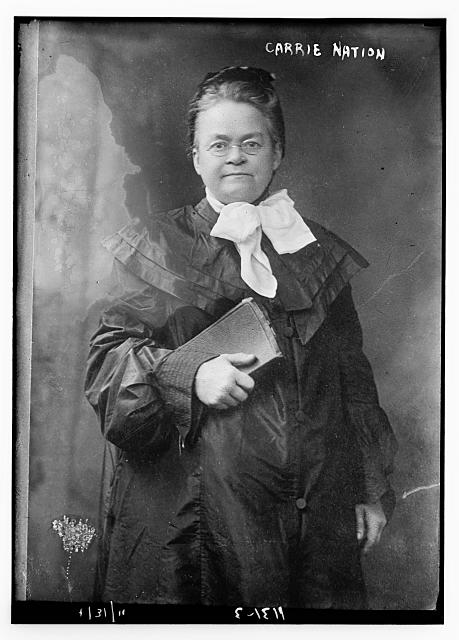
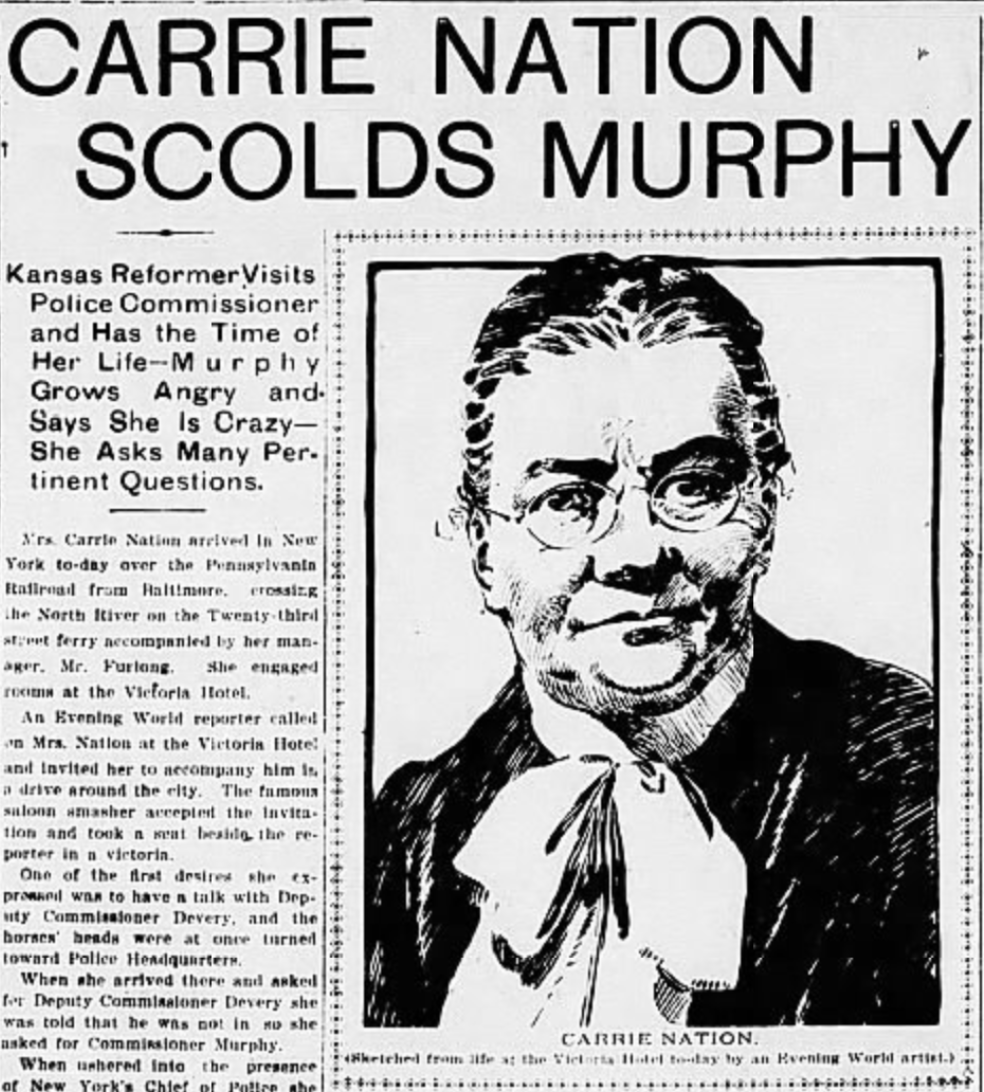
One of the most radical superstars of the movement was Carrie Nation, that hatchet-wielding temperance terror whose unorthodox and non-peaceful displays of protest made her a national celebrity.
Library of Congress
Literally taking directives from God, Nation battle-axed her way through small Midwestern towns, protesting the sale of liquor with violent force, chopping at bartops, bottles and furniture with her signature hatchet, accompanied by a righteous choir of church ladies belting hymns while dodging splinters.
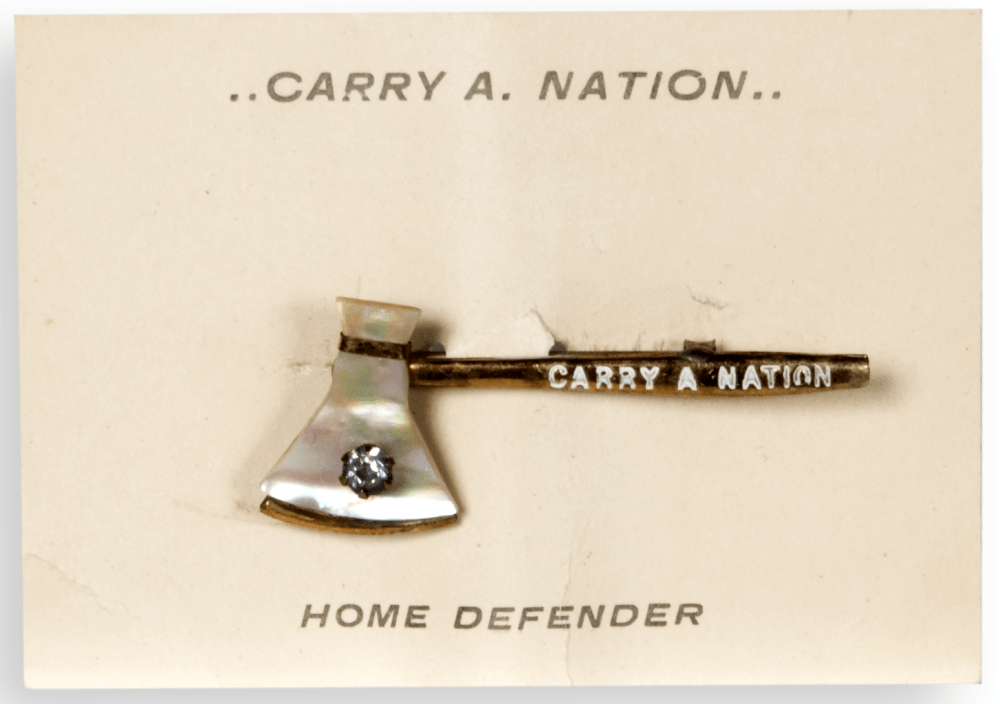
Nation was regularly arrested and fined, but under the cover of doing God’s duty — and riding a swell of anti-liquor sentiment — she managed to continue her vicious tirade across the country, becoming the temperance movement’s most colorful star by the turn of the century. She even sold minature replicas of her well-known weapon to fund her cross-country adventures.
Nation’s reputation had obviously preceded her when she arrived in New York on August 28, 1901.
Law enforcement and nervous saloon owners braced for the worst. After freshening up in a suite of rooms arranged for her at the Victoria Hotel on 27th Street and Broadway, Mrs. Nation headed down to police headquarters onMulberry Street to address the general drunkenness conditions of the city directly with police commissioner Michael Murphy.
Their exchange was not pleasant. Nation, called ‘the feminine devastation’ in onepress report, demanded to know why the city kept saloons open on Sunday. Murphy replied that it was legal to do so. She bitterly lectured back with a Bible verse; New York “is full of hell holes and murder shops,” she cried.
“Don’t quote scripture at me, Madame. Go back to Kansas and get that off on your husband,” the commissioner replied.
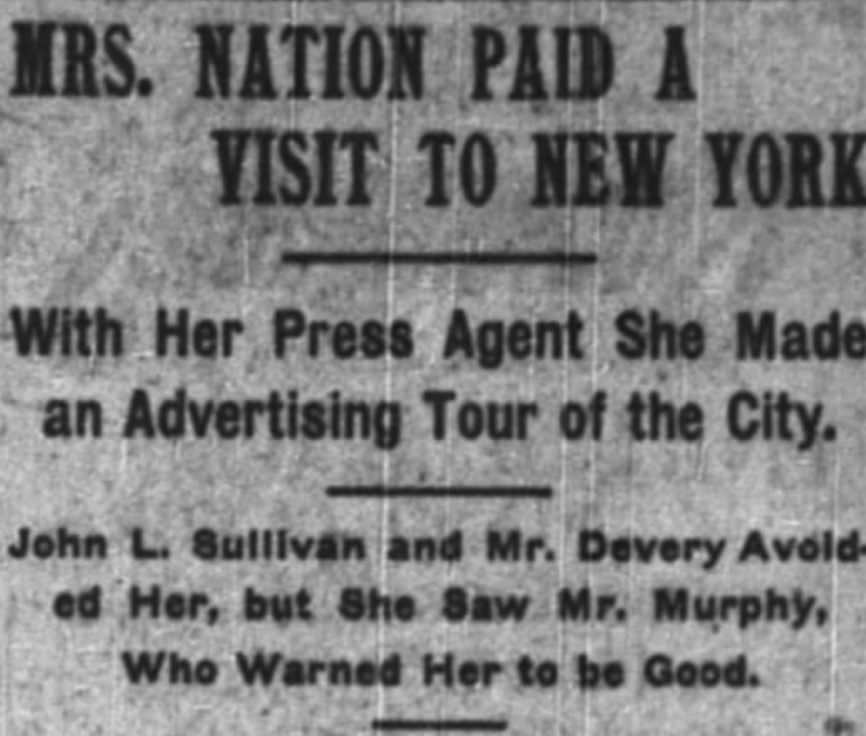
After a few more volatile exchanges, Nation was forcefully removed from police headquarters. (Certainly, this result was one she had intended. Her press agent was waiting outside with a throng of curious onlookers.) Nation next decided to harangue the mayor and prepared to visit City Hall. When message was sent that the mayor didn’t care to meet with the fiery reformer, Nation decided to do what came most naturally — she headed for a bar, hatchet in hand.
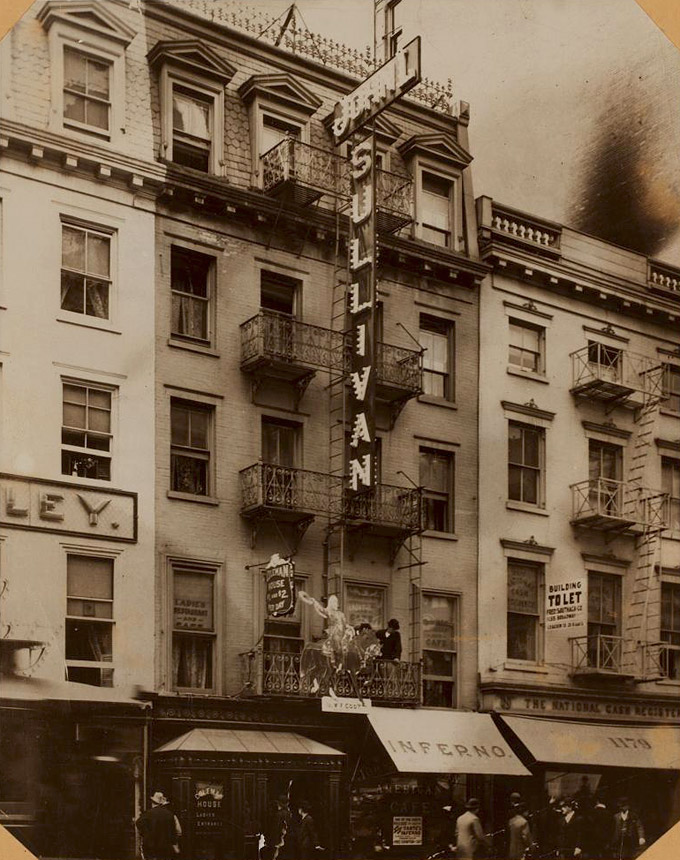
The unfortunate establishment in her crosshairs was that owned by famed boxer John L. Sullivan, himself a celebrity of some flamboyance. Having spent the 1880s as one of America’s most legendary bare-knuckle fighters, he was famously brought down (in a gloved match) by ‘Gentleman’ Jim Corbett in 1892. Like many boxing stars before him, Sullivan ended up in New York as a saloon owner, at 1177 Broadway, between 27th and 28th streets (at right). And right near the hotel hosting Carrie Nation!
In a bit of braggadocio, Sullivan had proclaimed to the press that if Nation ever bothered to stop by, he would “thrust her into a sewerhole.”
Nation accepted the invitation, arriving by carriage and demanding Sullivan meet her out front. The famed boxer, however, refused to come outside, theNew York Times even mentioning, “a shutter in one of the blinds in the room usually occupied by Mr. Sullivan was seen to move.”
The mighty athlete was certainly fearful of his property being chopped to ribbons. This wasn’t some Bowery dive bar, after all. But while the authorities were certainly no friends of Nation, she was a very popular symbol among New York’s temperance supporters. Arresting such a known figure would have actually played into Nation’s intentions.
Best to wait out the storm, I suppose. By that afternoon, Nation has left town via Grand Central, off to more wily stunts in the Midwest. Drinkers and cops alike raised a toast in relief.
Police commissioner Murphy later said of Nation: “She is an old barge, a real old nag. She has a bad, vicious face. I guess there’s method in her madness,” implying her crusades were more for fame than Christian salvation.
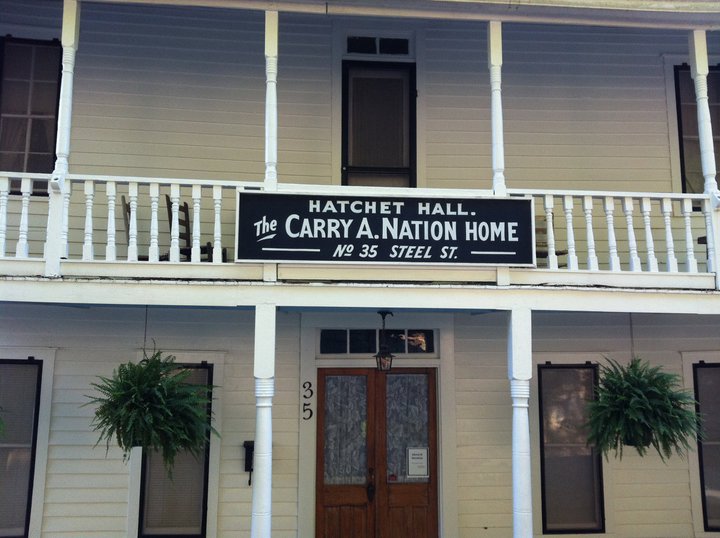
— BY THE WAY: A few summers ago I took a trip back to Ozarks (where I’m originally from) and spent an evening in marvelous Eureka Springs, Arkansas. Carrie Nation spent her final years here, appropriately opening a boardinghouse for widows and proper ladies called Hatchet Hall. The Hall is still preserved near the center of town (pictured below) and across from a boarded-up water spring that was also named in Nation’s honor. She collapsed during heated speech right up the road from Hatchet Hall in 1911 and died shortly thereafter in a Kansas hospital.
Picture of Sullivan’s courtesy Sepiatown. Picture of Hatchet Hall courtesy me. Â Portions of this article originally ran in 2011
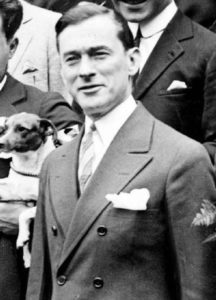
Jimmy Walker, the man who would become the mayor of New York during one of its most prosperous periods, was famously cavalier about politics. [Listen to our podcast onMr. Walker for more information.] But in the years before he became mayor, he actually spearheaded two laws that would change New York City and the state of New York forever.
The first brought one of America’s great pastimes back into vogue: boxing. The sport was technically illegal for much of the 19th century — which didn’t stop New York from becoming the boxing capital of the United States — until a 1911 law briefly brought back.
Reformers banned it again in 1917 only to be met head-on by a powerful and well-connected member of the New York state senate who also just happened to be a boxing enthusiast — Jimmy Walker. The 1920’s Walker Law would bring back the sport for good.
His second great legislative contribution would set the stage for civil rights laws across the country.
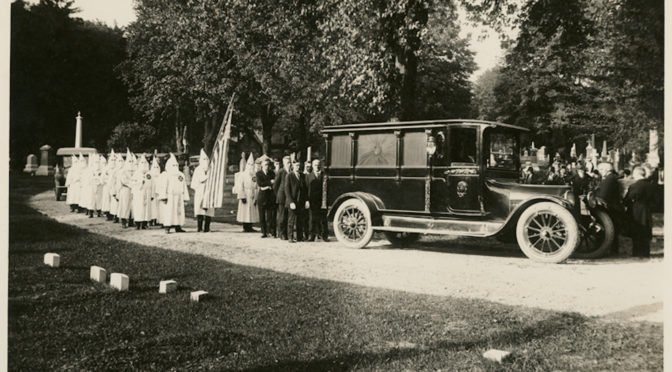
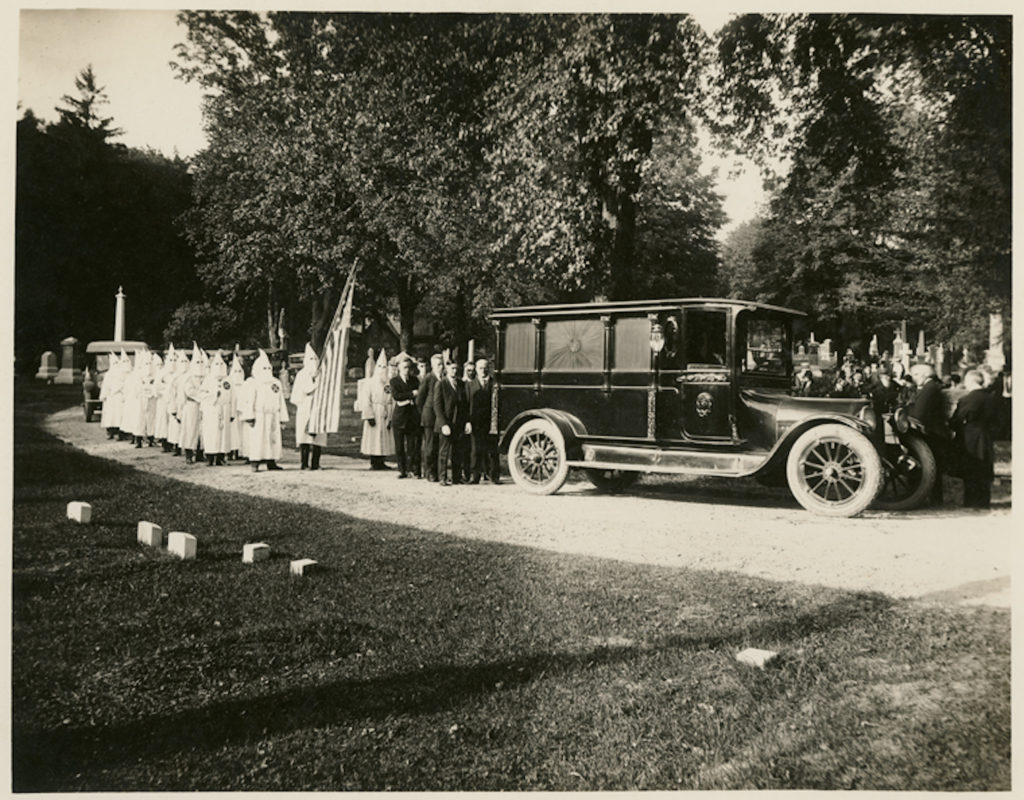
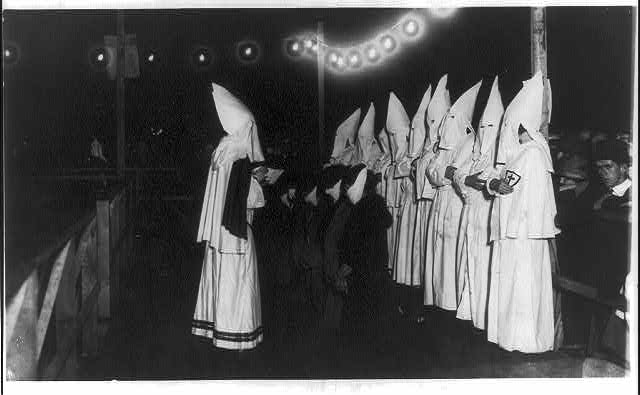
Below: Funeral procession for a Ku Klux Klan member, held in Cold Spring, Putnam County, New York, 1920s.
Courtesy NYPL
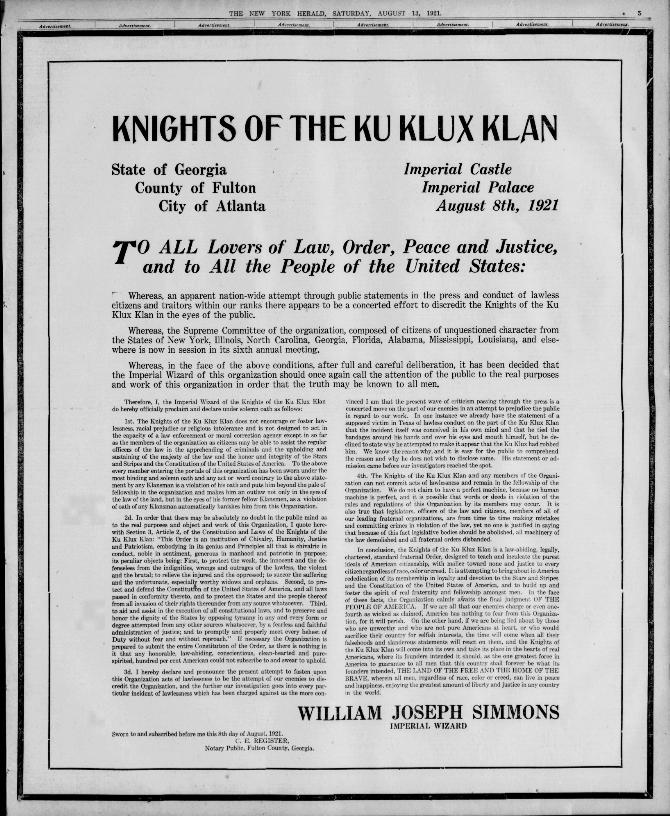
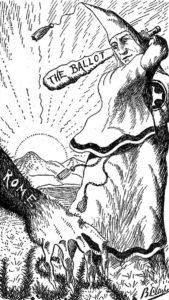
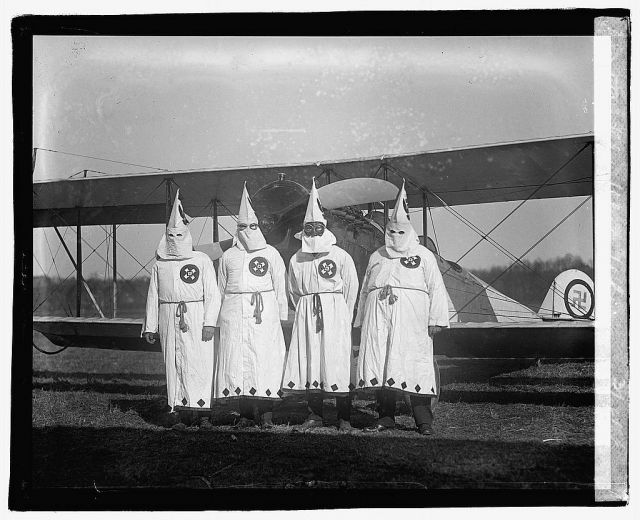
The Ku Klux Klan, a racist vigilante organization formed in the Reconstruction South, gained new prominence in the mid-1910s thanks to the popularity of the film The Birth of a Nation.
Feeding off anti-black, anti-Catholic and anti-immigrant fervor, the newly reinvigorated organization rose to power in the early 1920s in many big American cities. By 1922 there were 21 distinct klaverns in New York City alone.
But in a city full of powerful Catholics, immigrant groups of all types, and an empowered African-American population rising in Harlem, one might have expected a reactionary force like the KKK to be even bigger in New York City. That’s where Walker comes in.
Walker, born an Irish Catholic, was closely associated with Al Smith, the new governor of New York who was also Catholic. Both were Democrats and also aligned with the needs of the city’s Irish community. (Not to mention Tammany Hall, the political organization whose power had diminished since its Gilded Age glory days.)
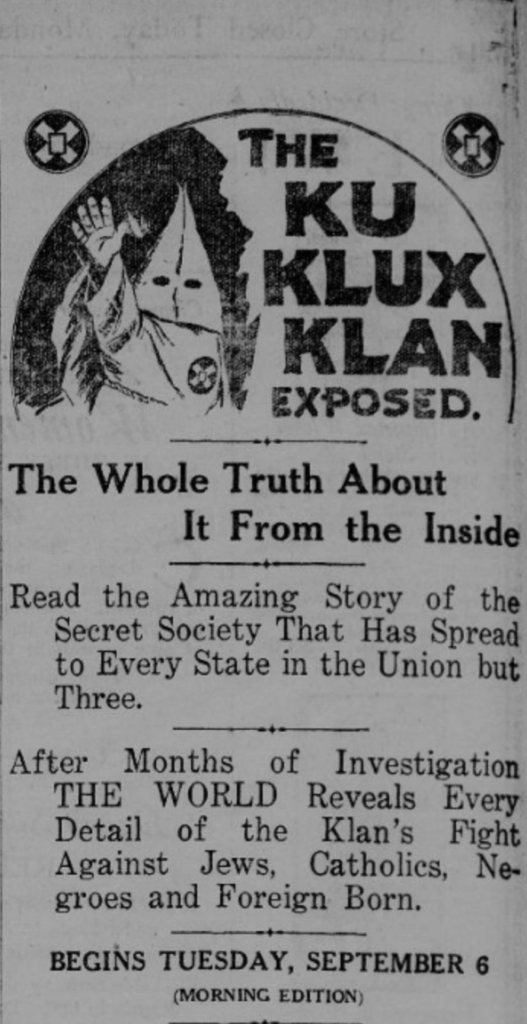
A rising swell of anti-KKK sentiment in New York City came in 1921 with the publication of a series ofdamning articles in the New York World, effectively neutralizing the klan’s influence in denser portions of the city. Mayor John Hylan “launchedan all-outwar” on the KKK, throwing them out of Manhattan wherever possible.
In no uncertain terms, Hylandeclared, “Do not leave a stone unturned to ferret out these despicable, disloyal persons who are attempting to organize a society the aims and purposes of which are of such a character that were they to prevail, the foundation of our country would be destroyed.”
But targeting the KKK was not merely a moral mission for Walker, the future mayor of New York City.
Nationally the KKK were a rising political power within the Democratic party of the 1920s. In fact the the 1924 Democratic National Convention, held at Madison Square Garden to select a presidential candidate, was almostderailed by their inclusion.
Smith, Walker’s ally, was planning on running for president in 1924. (He was overlooked that year but eventually became the party’s candidate in 1928). Limiting a hate group like the Ku Klux Klan — a hate group with rising power — within the state would certainly lessen their impact within the party.
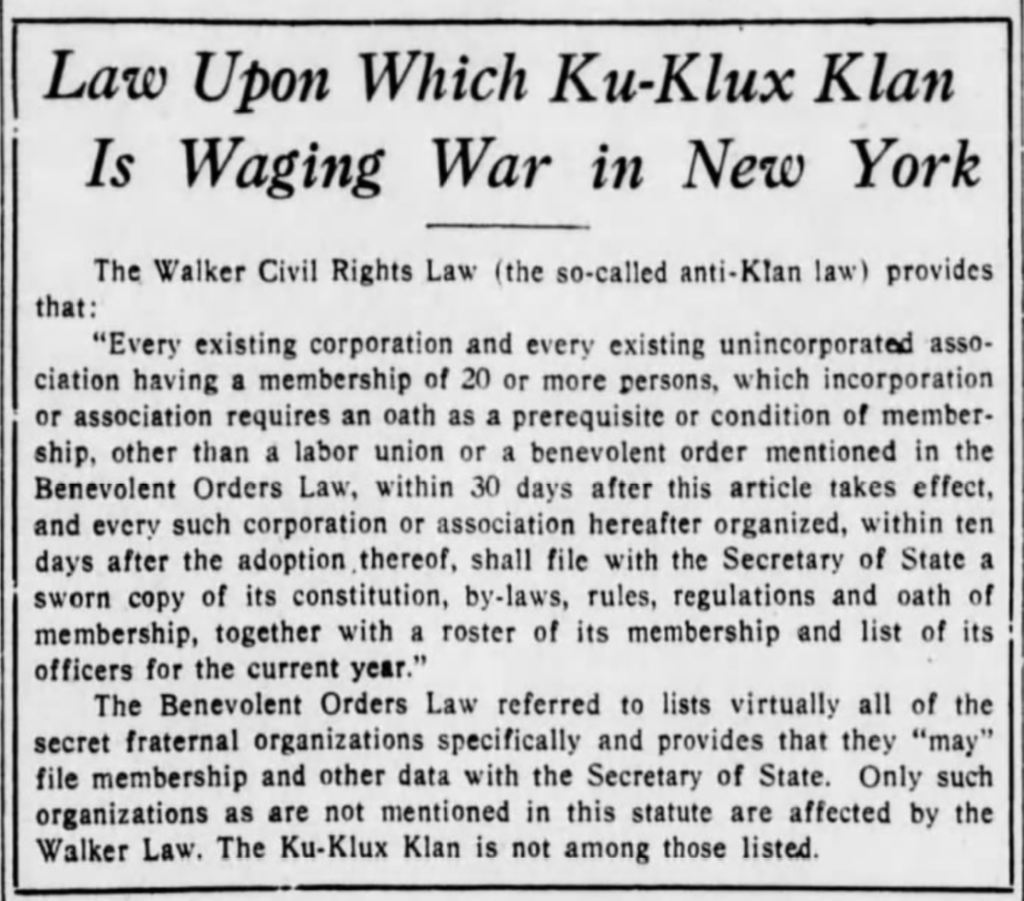
By early 1923, Walker was the state senate leader and introduced a bill into the chamber, placing limits on ‘oath-based associations’ that would require them to file a list of their membership with the state. The Klan were essentially being unmasked; the names of their members would become public record.
From the Brooklyn Daily Eagle:
*The bill exempted labor unions and, “officially chartered benevolent orders” like the Elks Lodge.
The bill swept through the state senate, (barely) made it through the assembly, before landing on Governor Smith’s desk for a swift passage.
Even with the ‘anti-masking’ law in place, the klan found receptive crowds in the region.
Thousands of Klan members marched in protests immediately following the law’s implementation.
“The demonstrations by tens of thousands of Ku Kux Klansmen on Long Island, in New Jersey and in various parts of New York State yesterday and Saturday were staged as a spectacular defiance of the Klan’s enemies.” [Eagle, 5/28/1923]
Below: A scene from Long Island, 1925. “Four women kneeling in front of strouded Klansman reading from a book; other Klansmen stand behind them on the platform; spectators watch initiation.”
Library of Congress
The spirit of the law was more powerful than its specifics. The Ku Klux Klan was effectively turned into an illegal organization that day. Many states would use Walker’s tactics in crafting their own anti-Klan laws.
THE FIRST PODCAST How much do you know about one of the most famous scientific experiments in American history?
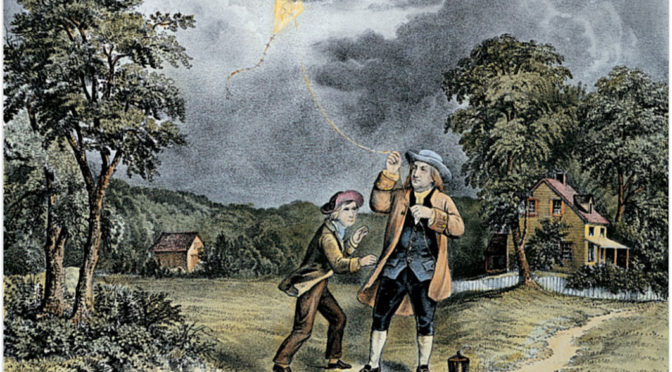
In 1752 Benjamin Franklin and his son William performed a dangerous act of experimentation, conjuring one of nature’s most lethal powers from the air itself. This tale — with the kite and the key — has entered American urban legend. But it did not happen quite the way you learned about it in school. (Did you know somebody died trying to duplicate Franklin’s astonishing feat?)
In this second chapter of The Invention of Benjamin Franklin, the inventor becomes an international celebrity thanks to his clear writing style and pragmatic outlook. Not only would he change the field of electrical sciences, he would even change the English language.
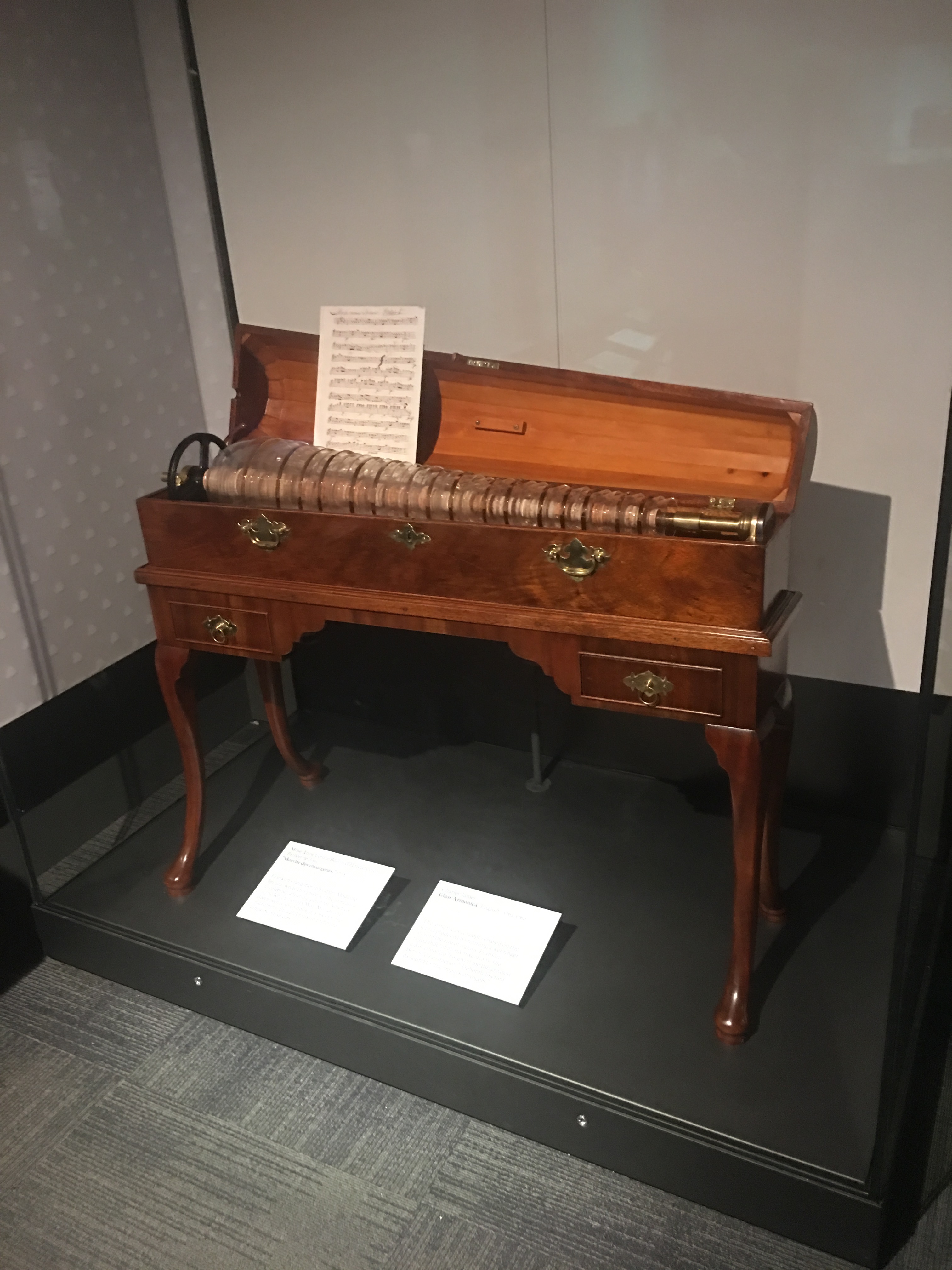
PLUS: London inspires the invention of a beautiful glass instrument, capturing the music of the 18th century.
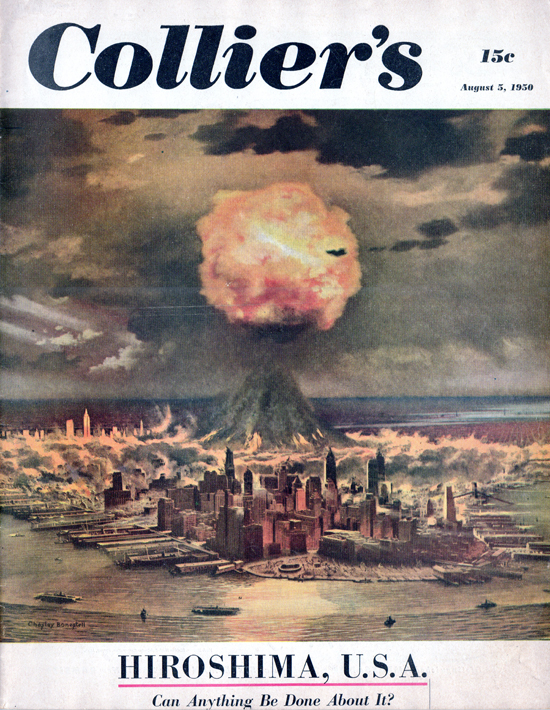
The early 1950s provided residents of New York with ample reasons for doom and gloom, thanks to fears of an atomic attack. America paid the price for using the bomb on Hiroshima and Nagasaki, helping to end World War II, by living with the anxiety of an atomic horror on its own shores for the next forty years. Not surprising, this was the decade that thedestruction of New York City began graphically appearing in motion pictures in earnest.
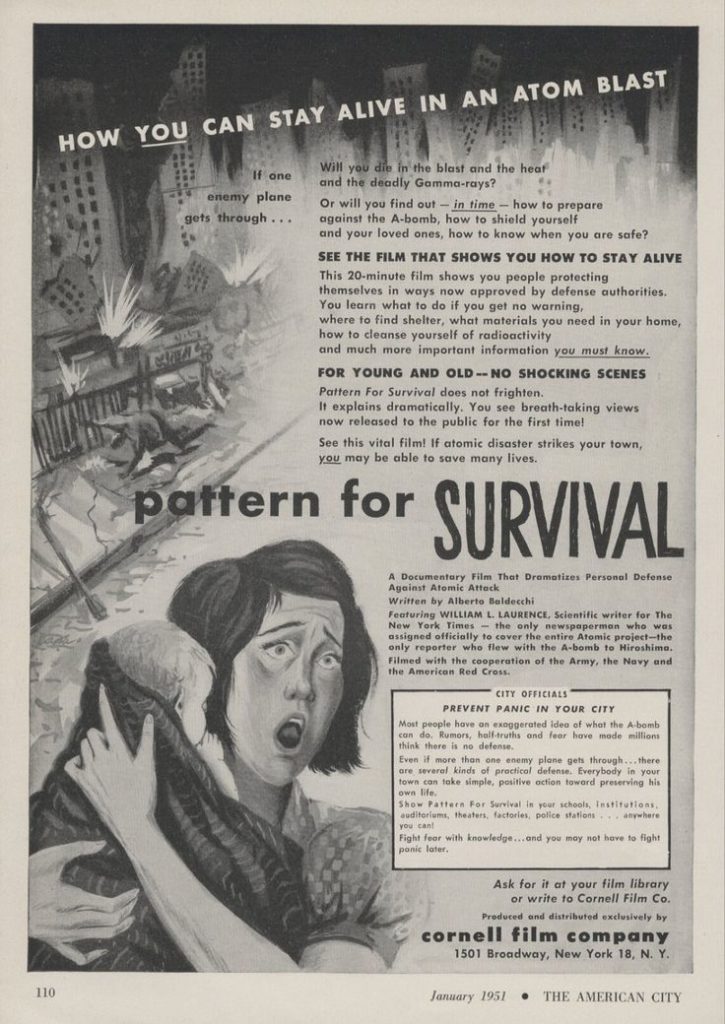
Below: 1950s magazines got in on the game too —
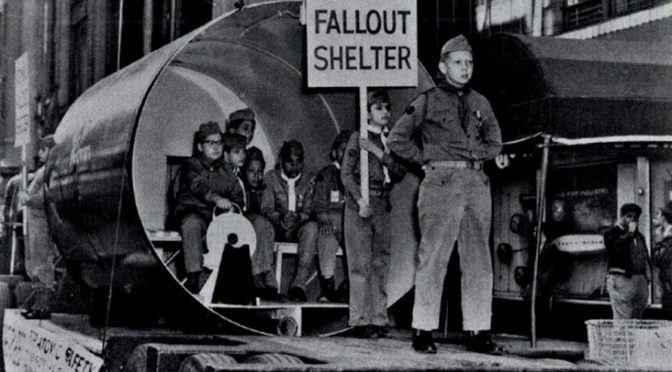
Although a great many films focused on the destruction of West Coast cities — the famous ‘A Day Called X‘ depicts the evacuation of Portland, Oregon — New York City also received its fair share of warning due to its size and prominence. Videos on survival and the construction of fall-out shelters, meanwhile, usually focused on the suburbs.
1. Civil Defense: NY Streets Cleared In Air Raid Drill
The citizens of New York City, a rather ‘prime target for an atomic attack’, prepare for an enemy ‘onslaught’ in an orderly fashion, at least according to this video. No panics, only ‘precision’.
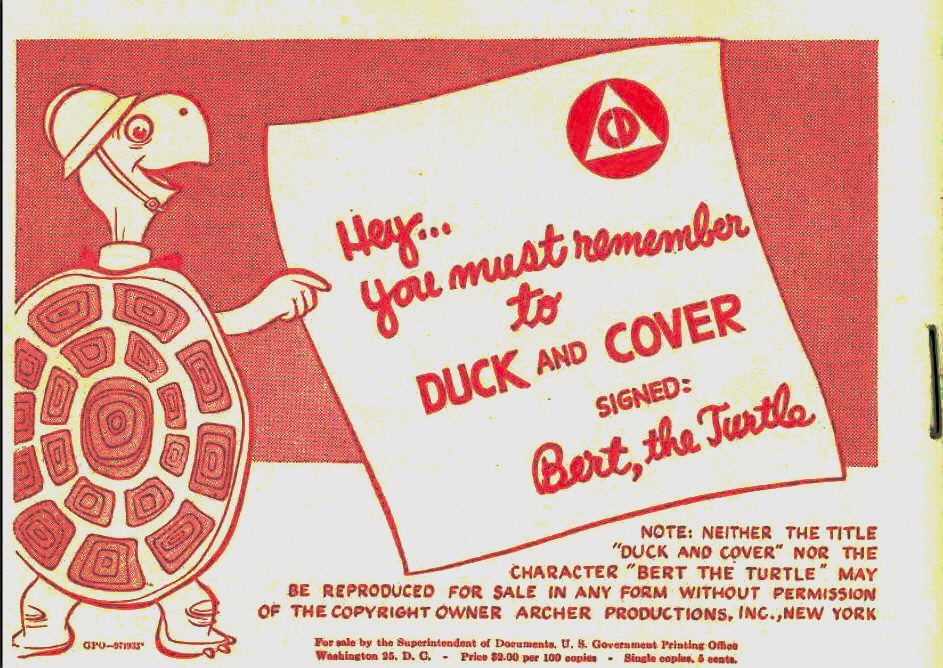
2. Duck And Cover
The classic ‘duck and cover’ video was produced in 1951 using children from P.S. 152 (today the Gwendoline N. Alleyne School) in Woodside, Queens. Perhaps one of your parents stars in this video? The use of an animated turtle playfully hid the consequences of the bombardment of radiation and helpfully ignored how useless a maneuver like duck and cover would possibly be in such an attack.
3. Air Raid!
From the WNYC-produced film The Price of Liberty in 1952, this well-directed video is structured like a suspense film. We’re in good hands, thanks to ‘brazen voiced shrieks’ and some film noir shadow effects.
4. Pattern For Survival
This coolly produced film, released in October 1950,  featured William L. Laurence, science writer for the New York Times, in full scare mode. Although this one looks like it was filmed elsewhere (possibly Los Angeles), the animated sequence is clearly a city of the size and shape of New York. *sigh* This film came out less than a year before The Day The Earth Stood Still, embedding the ideas of non-fiction survivals into Hollywood dramas.
5. Atomic Attack
Then, if you have the stomach, there’s an entire 1953 50-minute film about a suburban family who — thankfully — live just outside of New York City to survive a devastating blast from a hydrogen bomb. Fromthe company that now provides you with cell phones!
6 He May Be A Communist
Of course, the real threat are the communists in our midst. Luckily in this video, New York proves to be stridently anti-Communist. Look there’s a parade!
PODCAST For the first part in our New York City in the Roaring Twenties summer mini-series, we’re hitting the town with “Beau James,” New York’s lively and fun-loving mayor Jimmy Walker.
And the king of it all was Jimmy Walker, elected mayor of New York City just as its prospects were at their highest. The Tin Pan Alley songwriter-turned-Tammany Hall politician was always known more for his grace and style than his accomplishments. His wit and character embodied the spirit (and the spirits) of the Roaring ’20s.
The 1920s were a transformational decade for New York, evolving from a Gilded Age capital to the ideal of the modern international city. Art deco skyscrapers reinvented the skyline, reorienting the center of gravity from downtown to a newly invigorated Midtown Manhattan. Cultural influences, projected to the world via radio and the silent screen, helped create a new American style.
Join us for an after-midnight romp with the Night Mayor of New York as he ascends to the most powerful seat in the city and spends his first term in the lap of luxury. What could possibly go wrong?
LISTEN NOW: KING OF THE JAZZ AGE
The Bowery Boys: New York City History podcast is brought to you …. by you!
We are now producing a new Bowery Boys podcast every two weeks. We’re also looking to improve the show in other ways and expand in other ways as well — through publishing, social media, live events and other forms of media. But we can only do this with your help!
We are now a member of Patreon, a patronage platform where you can support your favorite content creators for as little as a $1 a month.
Please visitour page on Patreon and watch a short video of us recording the show and talking about our expansion plans. If you’d like to help out, there are five different pledge levels (and with clever names too — Mannahatta, New Amsterdam, Five Points, Gilded Age, Jazz Age and Empire State). Check them out and consider being a sponsor.
We greatly appreciate our listeners and readers and thank you for joining us on this journey so far. And the best is yet to come!
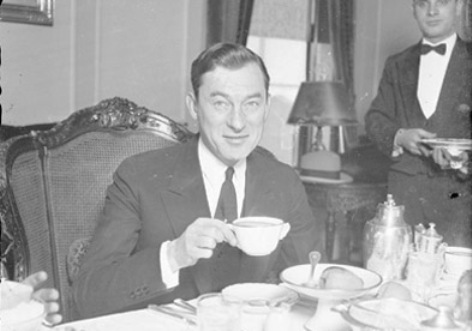
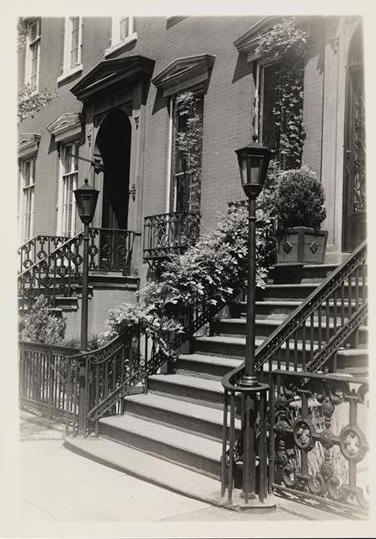
Walker having his morning coffee at his home on 6 St. Lukes Place (pictured below)
Courtesy MCNY
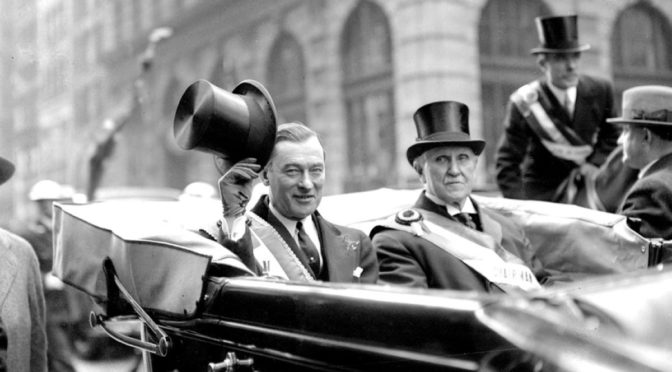
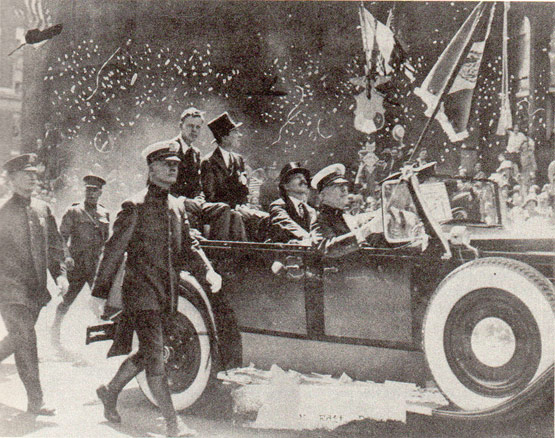
Jimmy Walker with Charles Lindbergh in 1927, in the midst of a ticker tape parade after his non-stop ride from Long Island to Paris.
Courtesy New York Social Diary
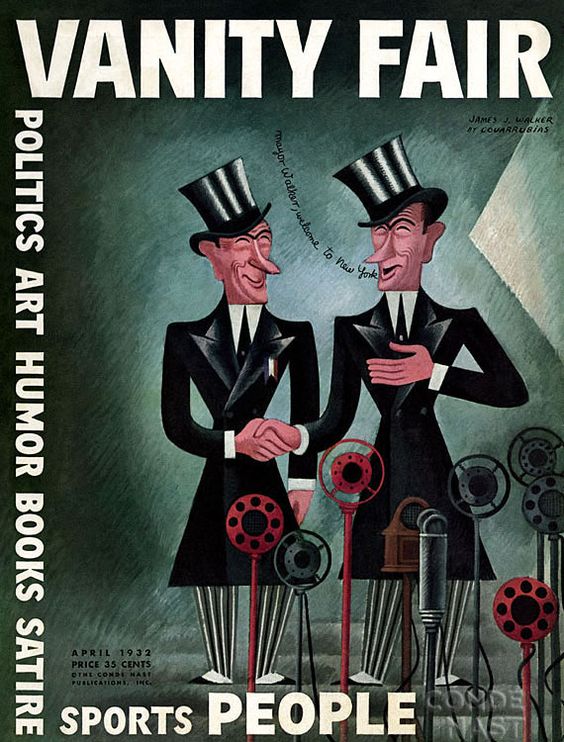
Walker so enjoyed throwing public events for famous people that he was frequently parodied for it. In 1932 Vanity Fair pictured him giving a lavish welcome — to himself.
Conde Nast
Harry McDonough with The Elysian Singers from 1905, singing Walker’s big hit “Will You Love Me In December As You Do In May.”
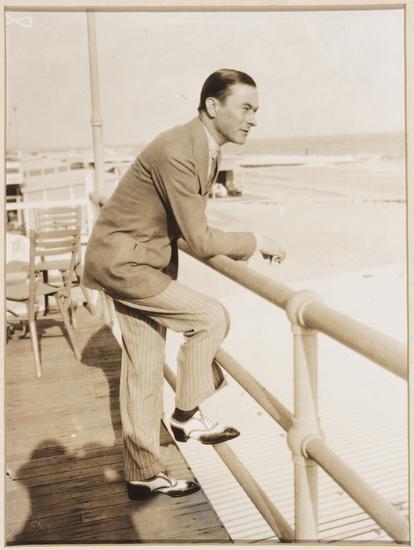
The dashing fashion plate, pictured here most certainly on his way to yet another vacation…..
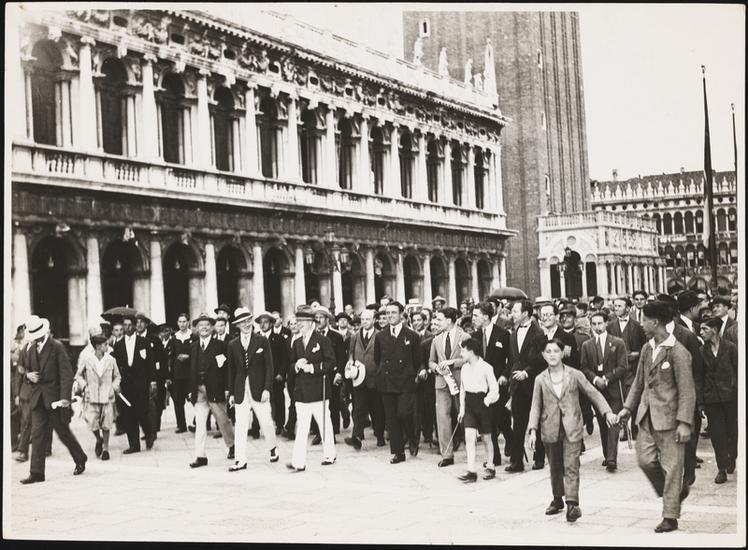
….perhaps his European vacation! He’s pictured here in 1927, strolling the streets of Venice with a few hundred people behind him.
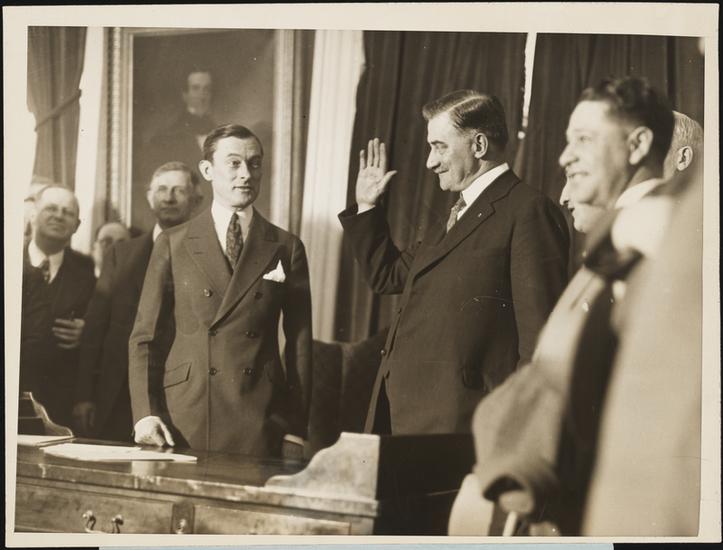
A picture of Jimmy, actually at work! He’s swearing in the new fire commissioner James J. Dorman in 1926.
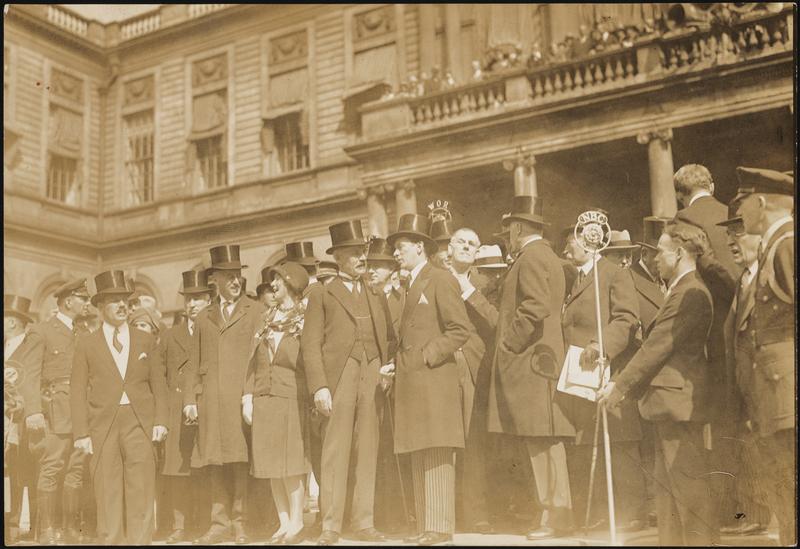
Mayor Jimmy Walker with British Prime Minister Ramsay MacDonald at yet another welcoming ceremony, broadcast on the radio.
MCNY
Another British visit, this time from Mrs Foster Welch, Mayor of Southampton.
In another Pathe video, Jimmy Walker visits Ireland and the former home of his father.
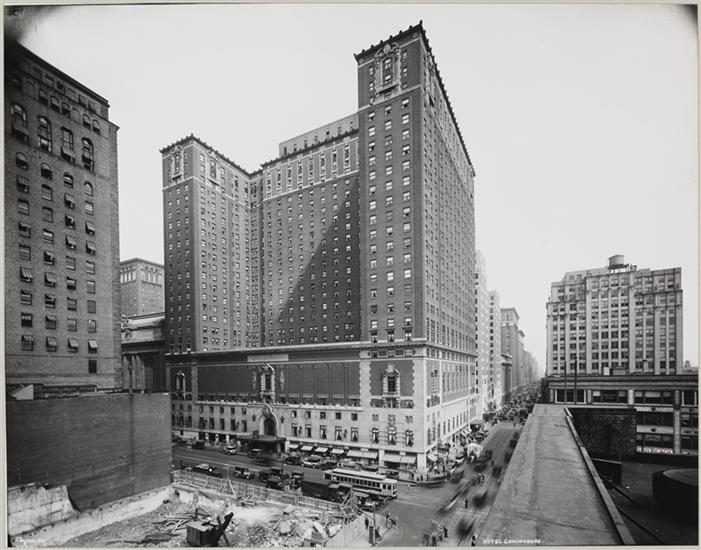
During Walker’s extraordinary rise, New York was becoming an entirely new city in the 1920s with construction projects on virtually on every block. Even in front of the Hotel Commodore (pictured here in 1927), which was, for a time, the home of Jimmy Walker.
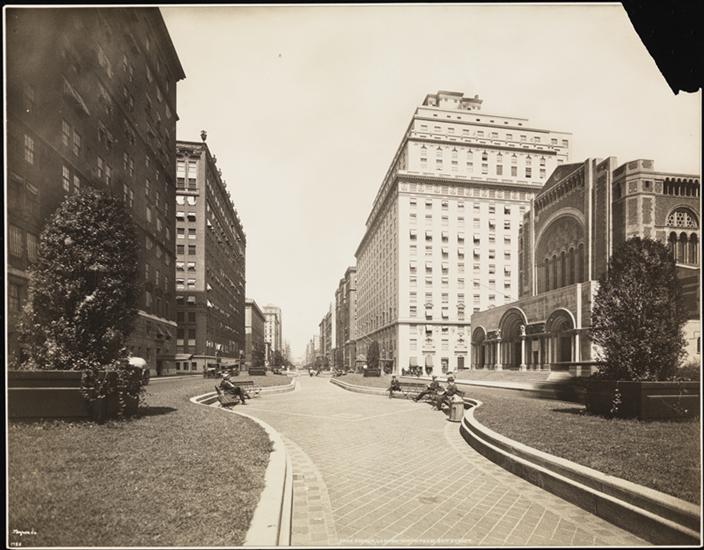
Park Avenue (at 50th Street) in 1922.
MCNY
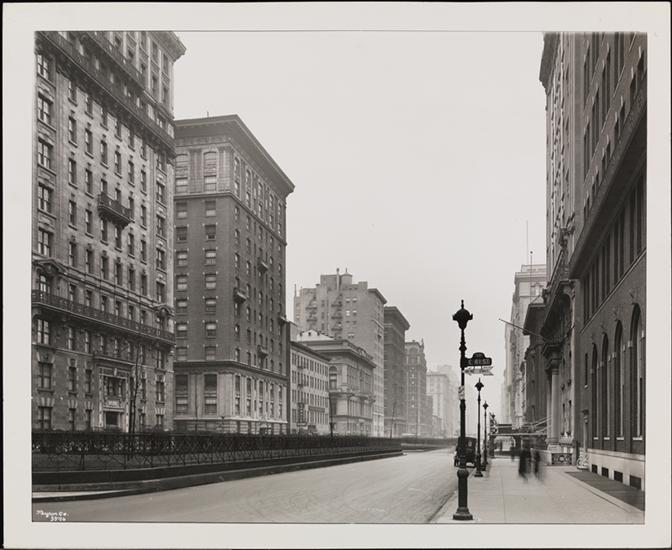
Park Avenue at 61st Street in 1922. The rich flocked to this newly developed street of apartment complexes, making it the new center of wealth.
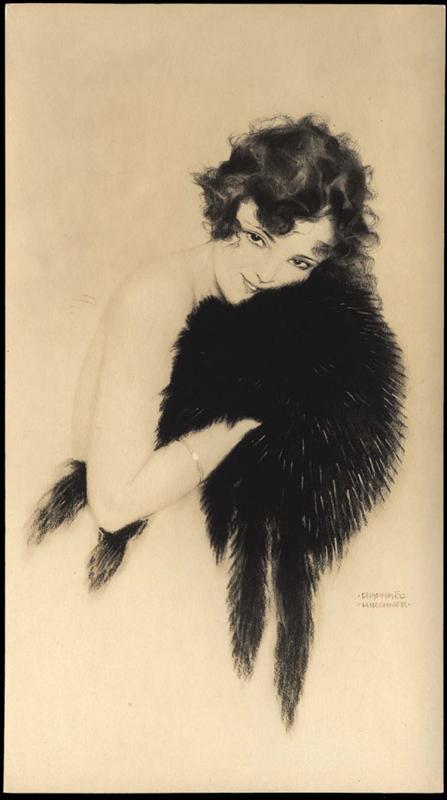
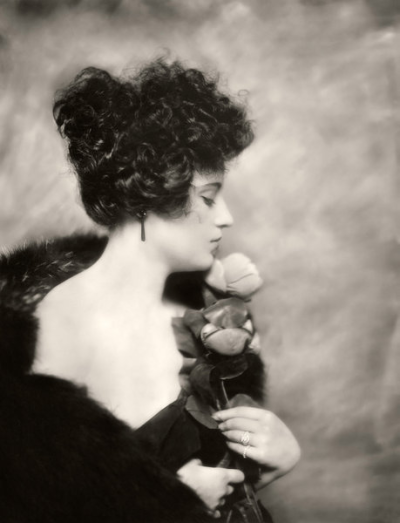
And now, for a little glamour, a few shots of Yvonne Shelton, then Betty Compton, Walker’s two most famous girlfriends (who he wooed while married to wife Janet).
wikiart
Courtesy Historial Ziegfeld
Photographs above by Alfred Cheney Johnston.
She most famously starred in 1927’s Broadway production of Oh Kay! starring Gertrude Lawrence. Here’s Lawrence singing a famous song from that show:
IN TWO WEEKS: Chapter Two of our series on the Roaring ’20s, rewinding back to the beginning of the decade and introducing you to another icon of the Jazz Age. Who will it be?
The Pulitzer Prize-winning playwright and actor Sam Shepard, Â who passed away today at age 73, is remembered for many classic film roles and triumphant plays which embodied a gritty American aesthetic.
But he was also a pivotal contributor to the development of Off and Off-Off Broadway theater in New York City during the 1960s and early 1970s. In fact, I think it’s fair to say we would not have such a healthy independent theater scene without his influence.
This morning I looked at his early work in a New York City in this series of tweets. Here’s the tweet series along with some additional information:
I think its safe to say that Sam Shepard helped build NYC’s Off-Broadway scene and, by extension, the American theater world. #SamShepardpic.twitter.com/oiUM109tEV
The Village Gate’s waiter Ralph Gate began producing Sam’s early plays for Theater Genesis at St Mark’s Church-on-the-Bowery. #SamShepardpic.twitter.com/xaRm2z8FD9
In 1965, at 21 years old, ‘somber-faced’ Shepard makes Off-Broadway debut at Cherry Lane Theatre with Lanford Wilson. From NYT: #SamShepardpic.twitter.com/mimiJ5e2CD
In 1966 Sam’s play ‘Red Cross’ debuted at Judson Memorial Church. Later that year he won an Obie Award, first of many accolades. #SamShepardpic.twitter.com/ITh5ZxPYJY
Shepard’s play ‘The Unseen Hand’ featured Jim Sharman and Richard O’Brien. Those two later created Rocky Horror Picture Show. #SamShepardpic.twitter.com/oRsg48tfde
Shepard was frequently seen at the Chelsea Hotel during its heyday in the late 1960s-early 70s, greatly influencing his work. #SamShepardpic.twitter.com/KtcPwyez4I
In 1971, he co-wrote Cowboy Mouth with his girlfriend Patti Smith. It debuted at American Place Theater in Hell’s Kitchen. #SamShepardpic.twitter.com/mblj8Hdys7
Shepard also found the time to play drums for the LES psychedelic band the Holy Modal Rounders, playing on their 1968 album. #SamShepardpic.twitter.com/OZxkrDl0zt
Michelangelo Antonioni hired Shepard to help write script for his film Zabriskie Point, released (and largely panned) in 1971. #SamShepardpic.twitter.com/B7pkfNCPR5
THE FIRST PODCAST Â Benjamin Franklin did more in his first forty years than most people do in an entire lifetime. Had he not played a pivotal role in the creation of the United States of America, he still would have been considered an icon in the fields of publishing, science and urban planning.
How much do you know about Benjamin Franklin the inventor? In this podcast (the first of three parts), Greg takes a dive into his early years as a precocious young inventor and writer, a witty and determined publisher, and a great mind in search of the natural world’s great mysteries.
FEATURING: The origins of the lending library, the Franklin stove, swim fins and even kite-surfing!
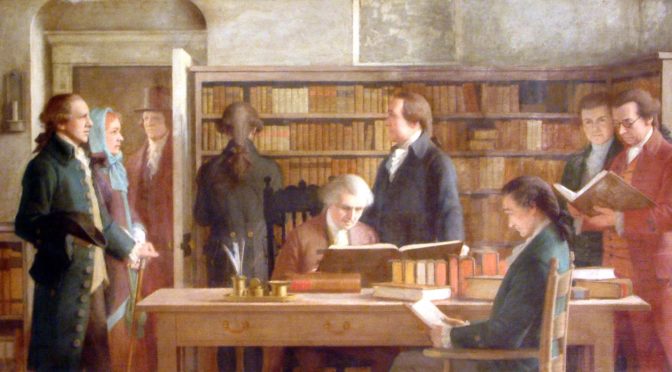
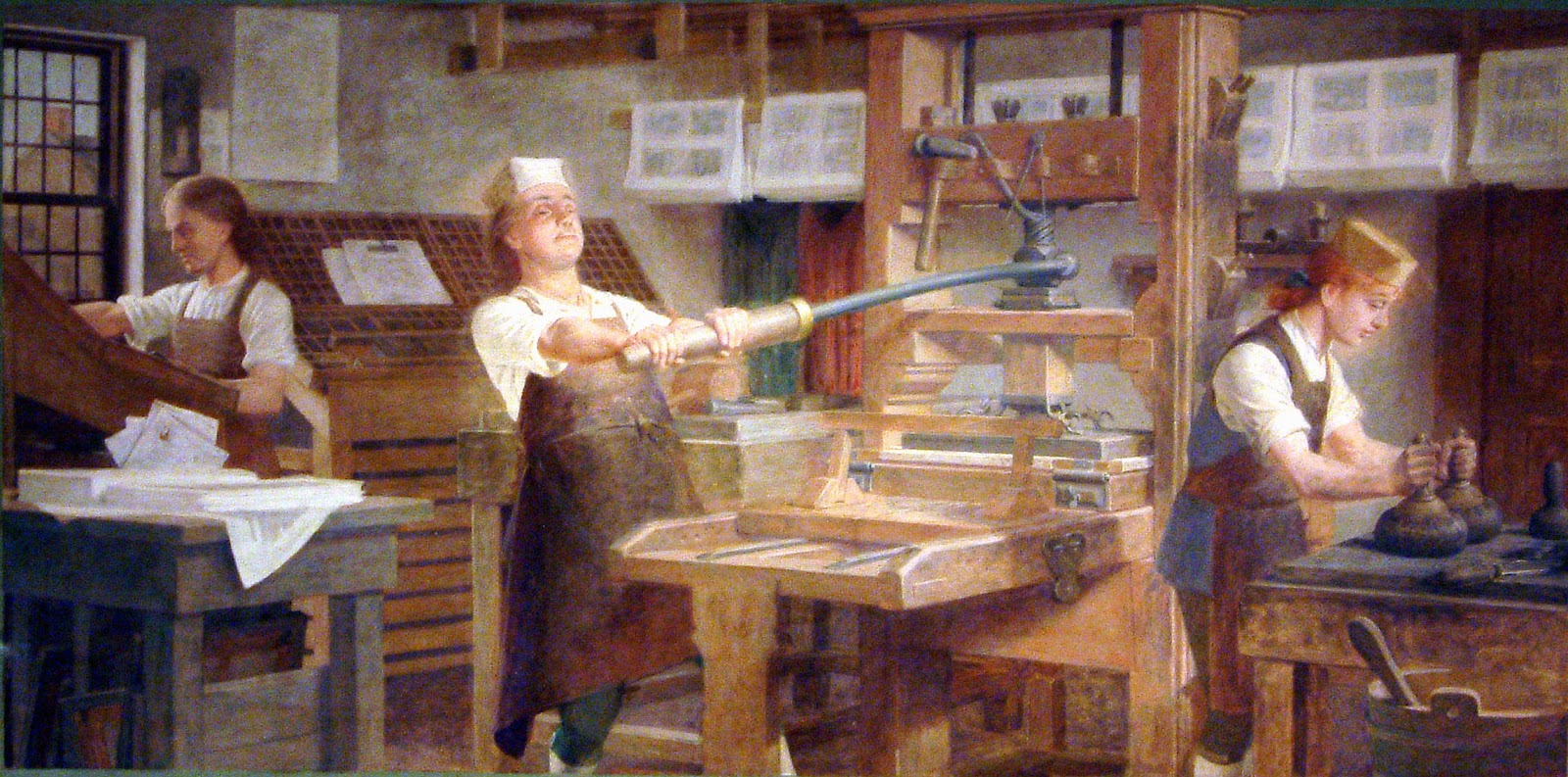
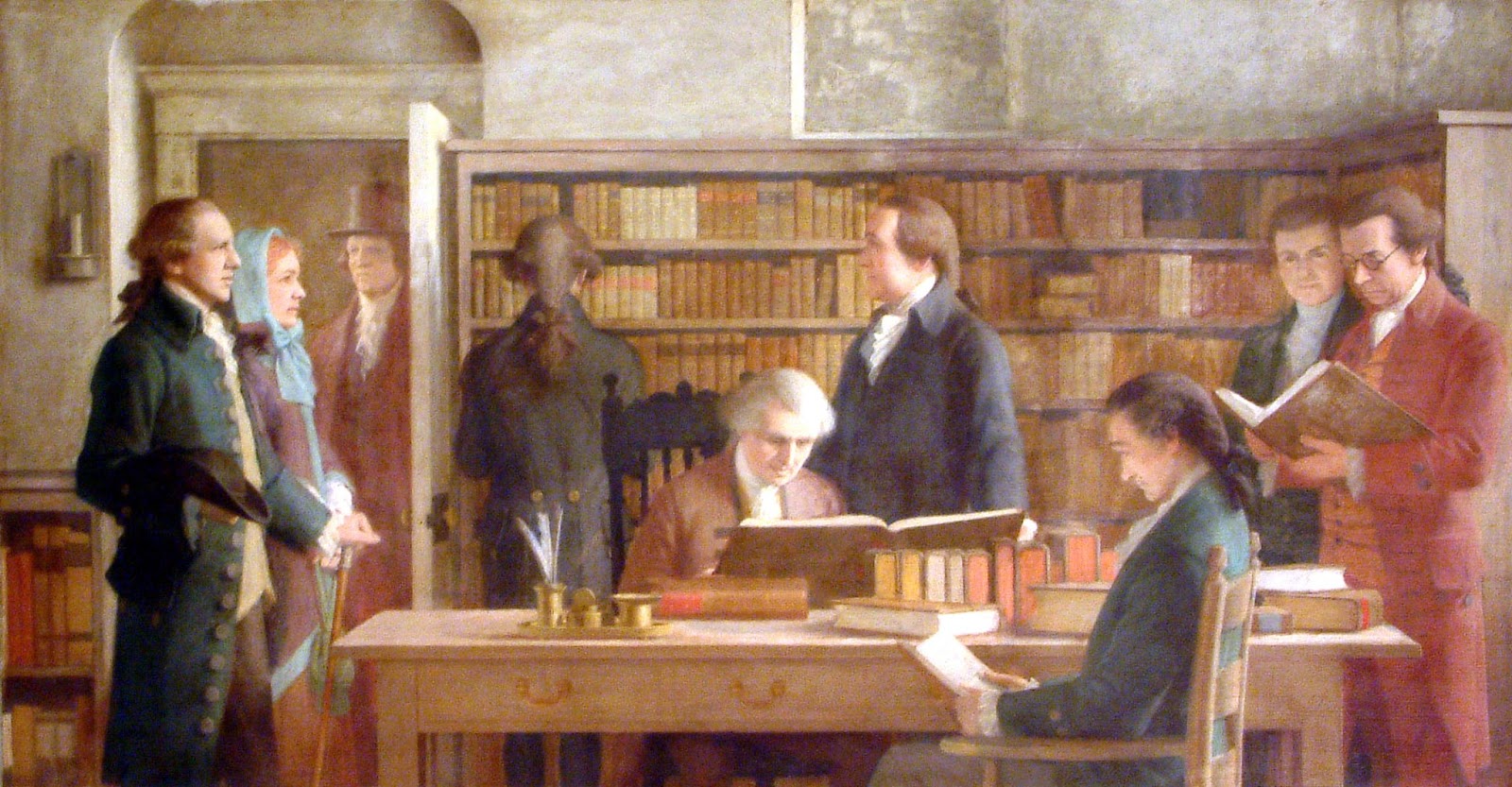
In a couple murals by Charles E. Mills, Benjamin Franklin 1) working hard at the printing press and  2) oversees the opening of the Library Company of Philadelphia.
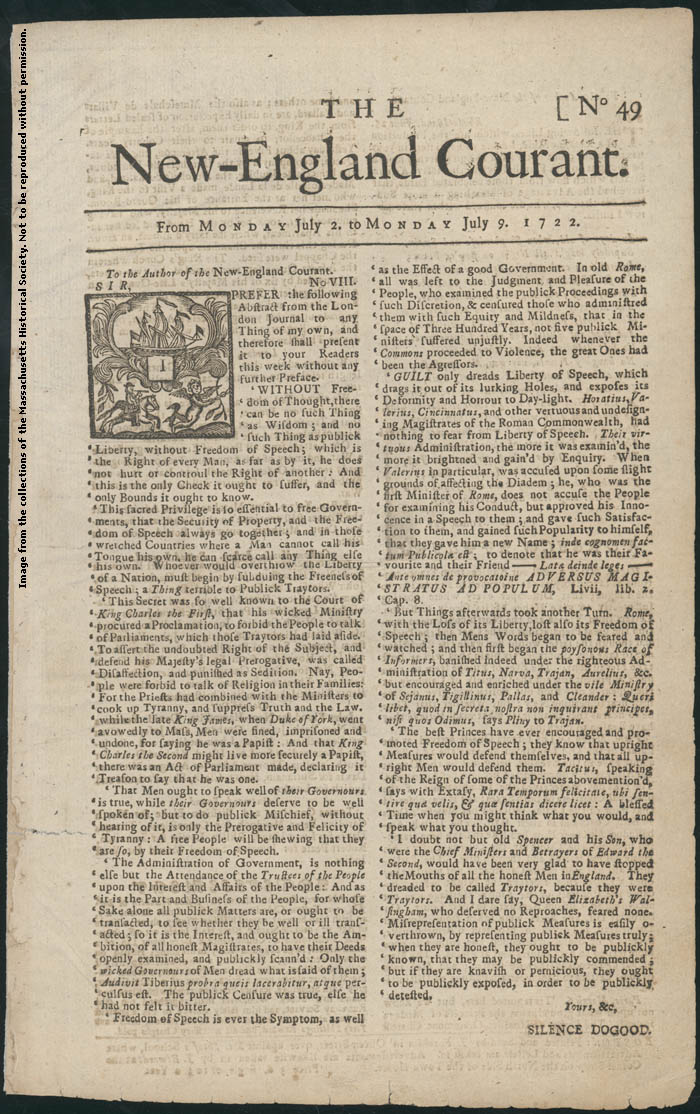
The New-England Courant, where Franklin wrote as a teenager under the name Silence Do-Good:
From the Massachusetts Historical Society. Not to be reproduced without permission.
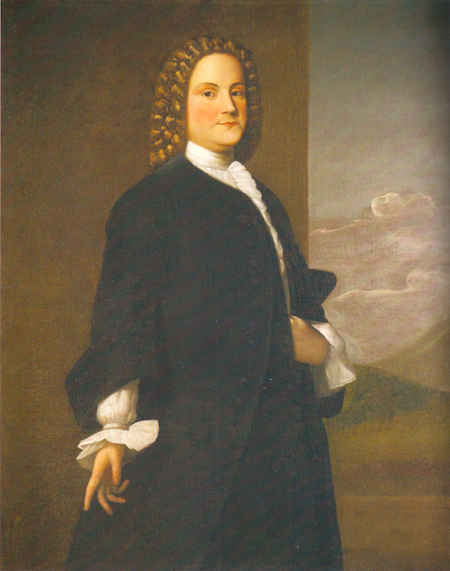
Ben Franklin in 1746 in a painting by Robert Feke. He’s very much emulating the style of a proper English gentleman in this image. He would later shed the finery and define his more personal, unwigged style.
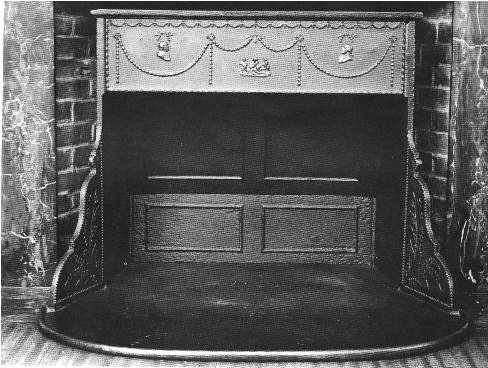
A large Franklin stove although they would develop into different shapes and sizes in the hands of other inventors.
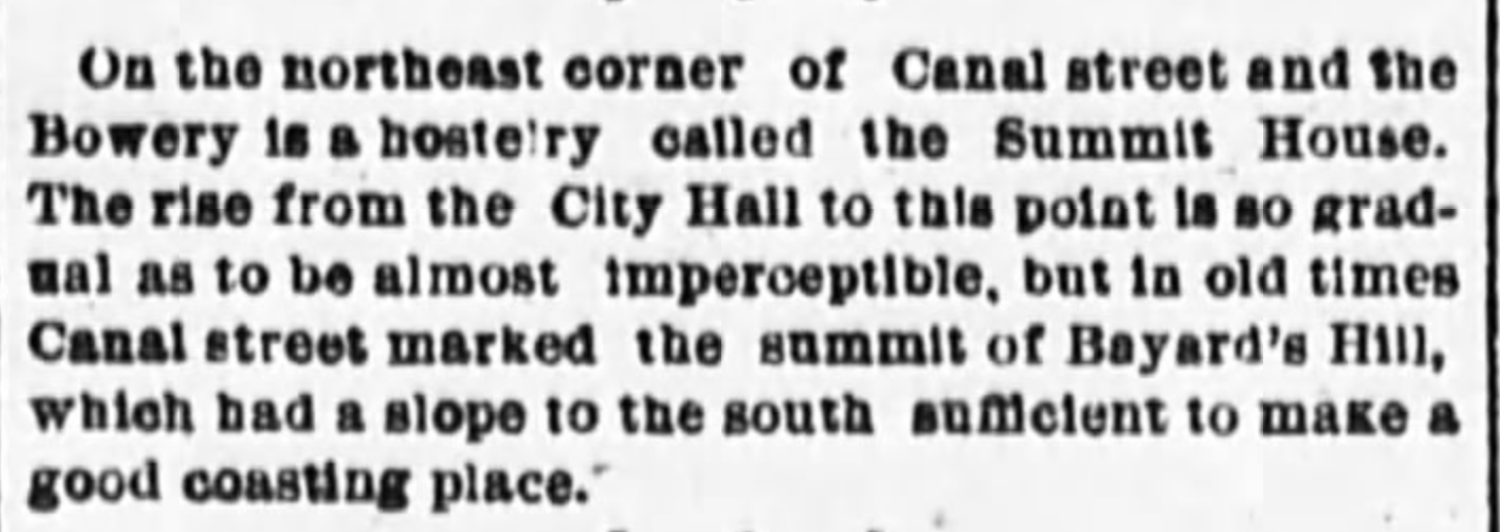
Bayard’s Mount, one of the highest points in Manhattan, has been gone for more than two hundred years. Where other hills and high points have been incorporated into the modern topography New York, this old hill was wiped from the map.
Bayard’s Mount used to sit at around where Mott and Grand Streets meet today, in today’s Little Italy. Indeed, back when nearby SoHo was but a dense thicket of oak and tulip trees, the Mount was the best place to view the waters of CollectPond, the wild northern orchards, and the flat tidal creeks to the west.
A smaller hilltop, called Mount Pleasant, sat to its east and, with the introduction of Europeans, a farm road (Bowery) ran along it. Sitting atop Bayard’s Mount, a person could wile away the day watching travelers going along the Bowery, to and from the city.
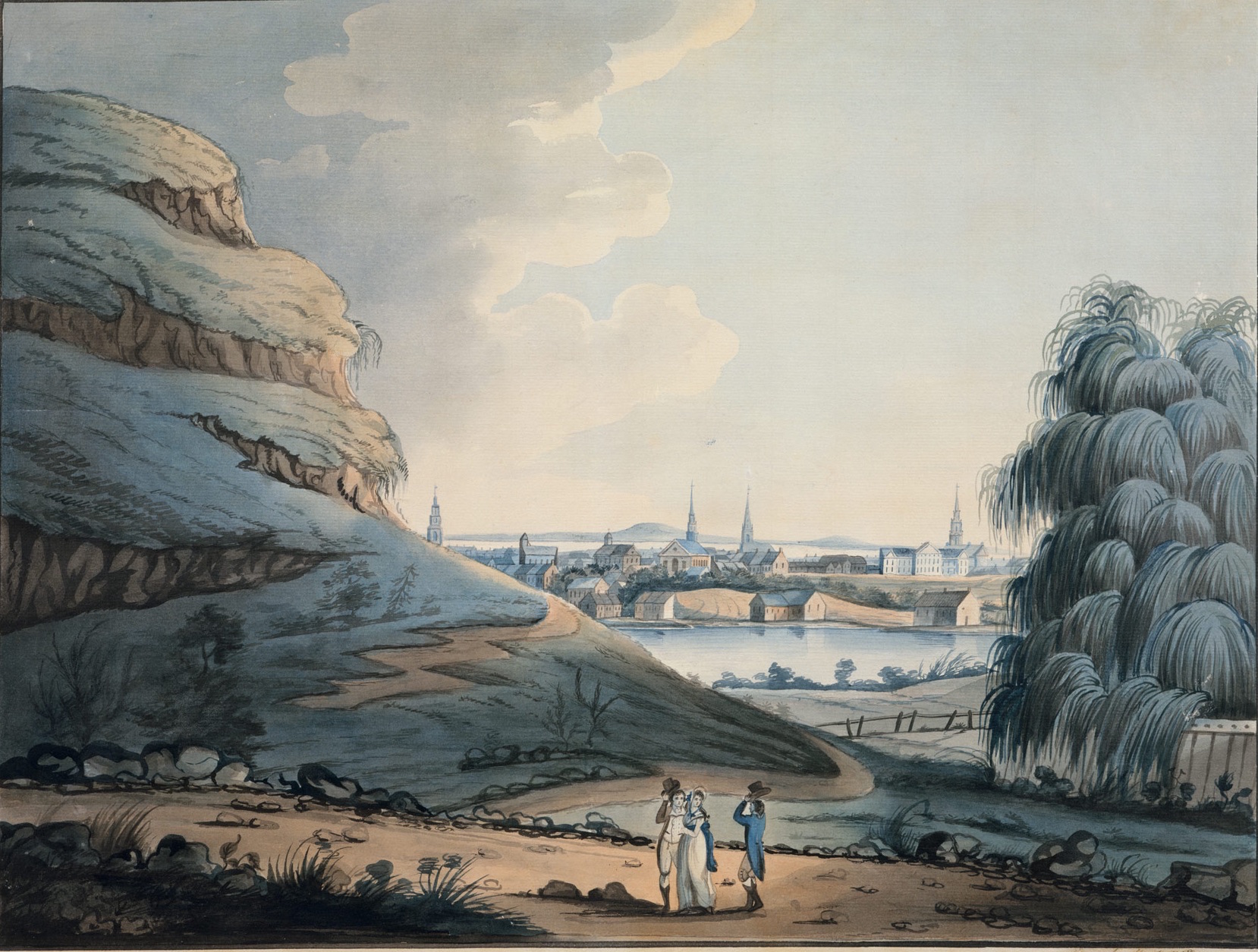
A watercolor by artist Archibald Robertson in 1798, looking south, with Bayard’s Mount/Bunker Hill to the left and Collect Pond dead center.
Some reminiscences refer to Bayard’s Mount and Mount Pleasant as the same hill, and they were close enough they seem to be part of the same ridge.
After the territory went from Dutch to British hands in the mid-17th century, most of this property fell into the hands of Nicholas Bayard, and the “small, cone-shaped mount” took on the name of its landowner, who built his sturdy estate just to its north. Even by the early 18th century, Bayard’s family would still have few neighbors; swampy ground prevented much development west, while property to the east eventually belonged to James DeLancey, the governor of the colony.
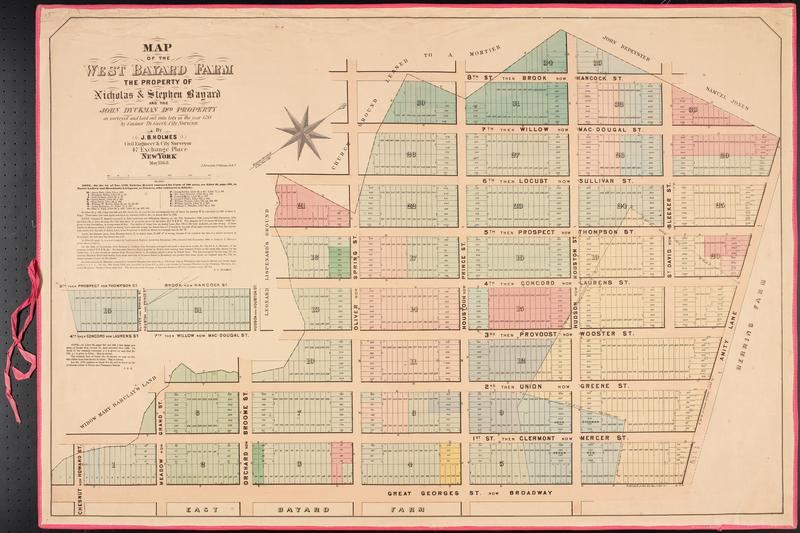
Below: A later 19th century property map highlights the broken western border of Bayard’s farm. The wetlands known as Lispenard’sMeadow prevented the estate from developing further westward.
The mount took on a more serious purpose with the onset of the Revolutionary War. In March of 1776, “One third of the citizens were ordered out to erect new works; they began a fort upon Mr. Bayard’s Mount near the Bowery.” [source]
This fortification, built in anticipation of a messy battle with the British, was named after a critical battle the year previous at Bunker Hill in Boston; soon, the hill itself took on the name, and in most histories after 1776, this place at today’s Mott and Grand Streets is officially known as Bunker Hill. Notably stationed here at Bunker Hill was NathanHale.
There would be no significant altercations here between British troops and the Continental Army. No, in fact, the bloodshed would wait until after the war, when the hilltop would be known as a fashionable place to host your duel.
For instance, in 1787, a disagreement between two French men ended in a duel here and the death of one of them, a “Monsieur Chevalier de Longchamps” who was apparently no stranger tooffense and violent response.
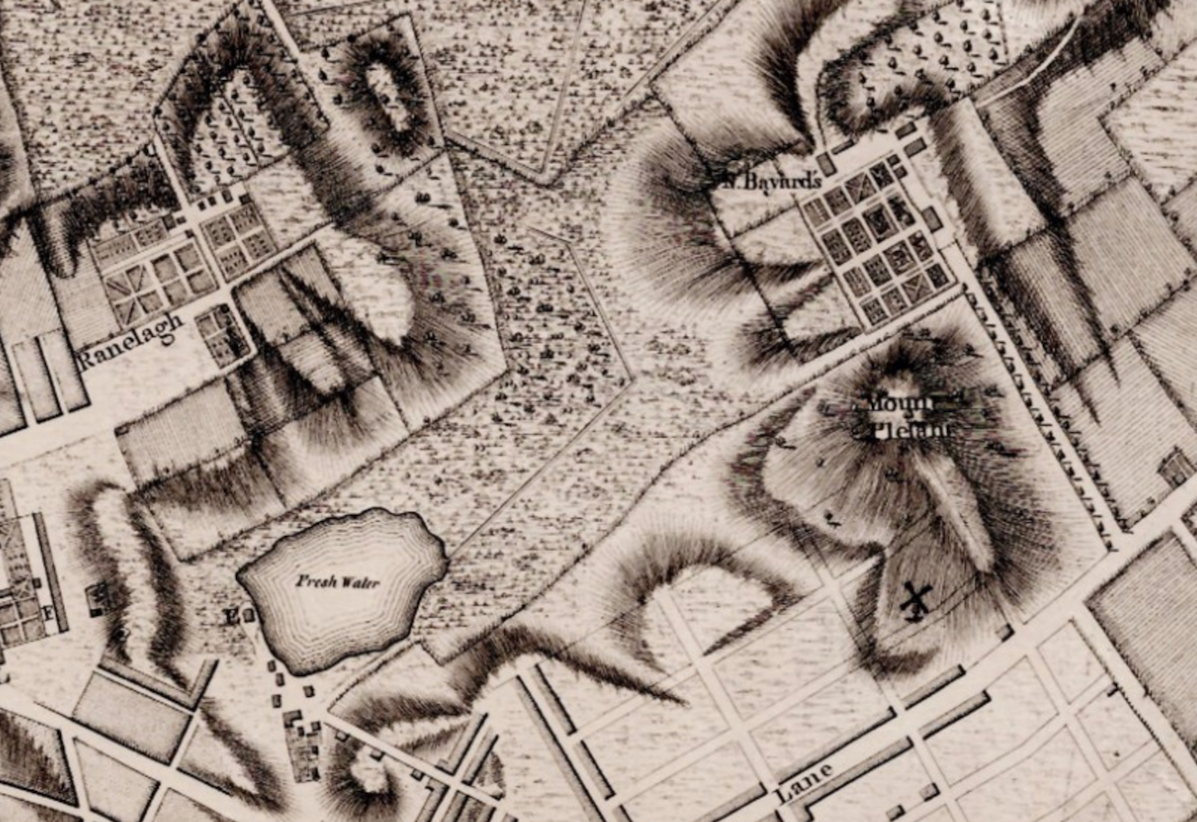
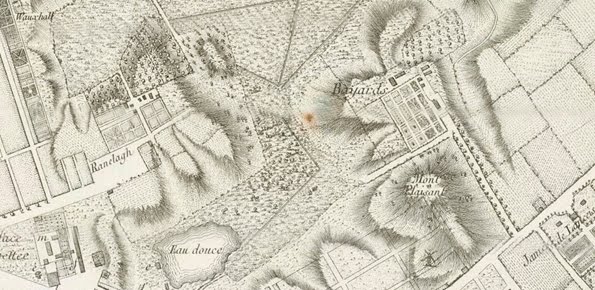
Below: From Montressor’smap of Manhattan, 1755, you can see Bayard’s property and both hills — Bayard’s Mount and Mount Pleasant, the elongated hill. The Bowery runs along the bottom right hand of the illustration, with Collect Pond in the bottom left corner. You can also see the grid plan of Bayard’s farm (which was ultimately adapted for the modern street plan of SoHo).
In July 1788, to celebrate the federal ratification of the Constitution, a procession marched through the city and ended its revelry at Bayard’s Mount/Bunker Hill, where “ten enormous tables laden with provisions” and hundreds of pounds ofroasted ox were served to hungry patriots. Several years later, in 1795, a different gathering, angered by their governor John Jay over his (perceived) treasonous treaty with the British, burned his portrait in a bonfire here.
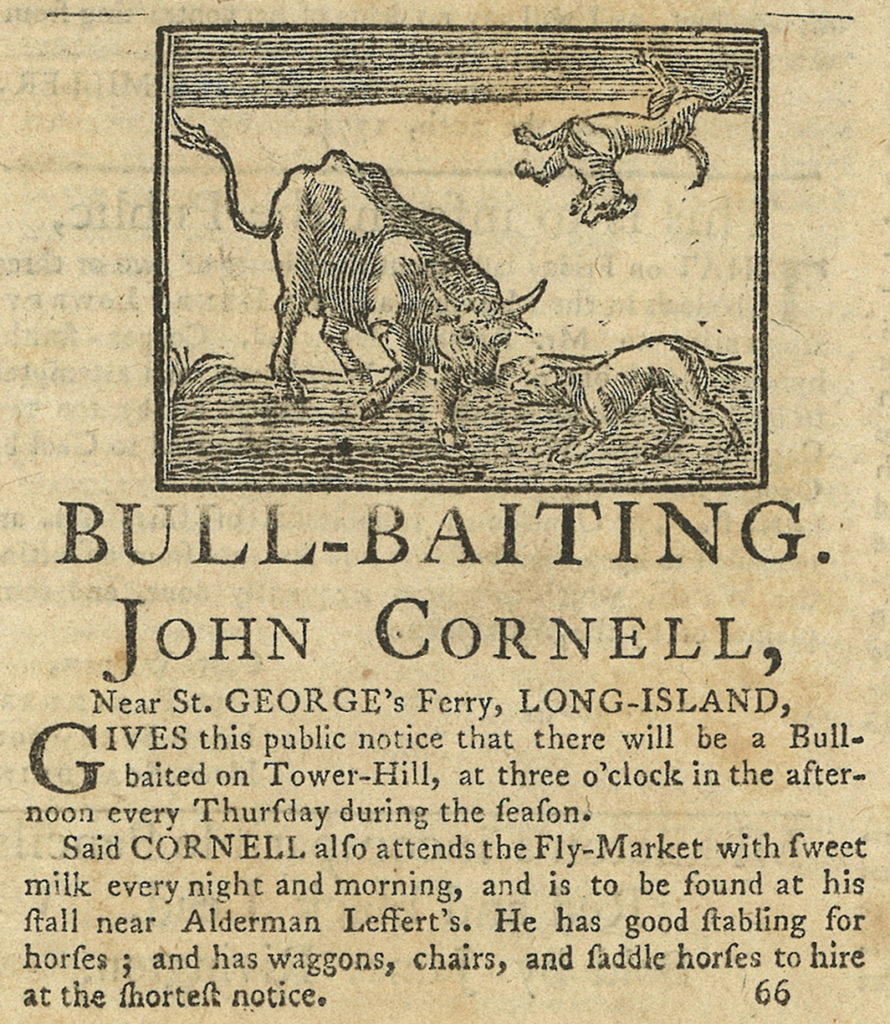
Another curious pastime at the hilltop was the British sport of ‘bull baiting’, where a bull would be tied to a stake and slowly tortured by angry dogs. Why this is of any visible amusement is beyond me, although its cousin ‘bear baiting’ is still sometimes practicedin Pakistan.
Below: A bit of this nasty little pastime out in Long Island as it was advertised in 1774
New York was outgrowing the southern point of Manhattan, and former deterrents for expansion — the marshes of Lispinard’sMeadow, polluted Collect Pond, and of course, Bayard’s Mount — were slated for elimination. The ponds and marshes would soon be drained, creating Canal Street, and Broadway expanded further north. (Listen to our podcast on Collect Pond and Canal Street formore information.) By then, Bayard’s was but a memory.
Beginning in 1802, workmen began levelling Bayard’s Mount and Mount Pleasant which also included moving the old Bayard family crypt which had its entrance at the bottom of the hill. Unfortunately, it was discovered that a “hermit or ragman” had moved into the vault and turned it into his very own macabre home. Remarkably, the man was allowed to live there — “he was somewhat feared and not much troubled by visitors” — until he was found one day dead in the vault.
By the time Collect Pond was completely drained (around 1811), the hills to its north had gone, replaced with land lots and the first hints of townhouses and new businesses.
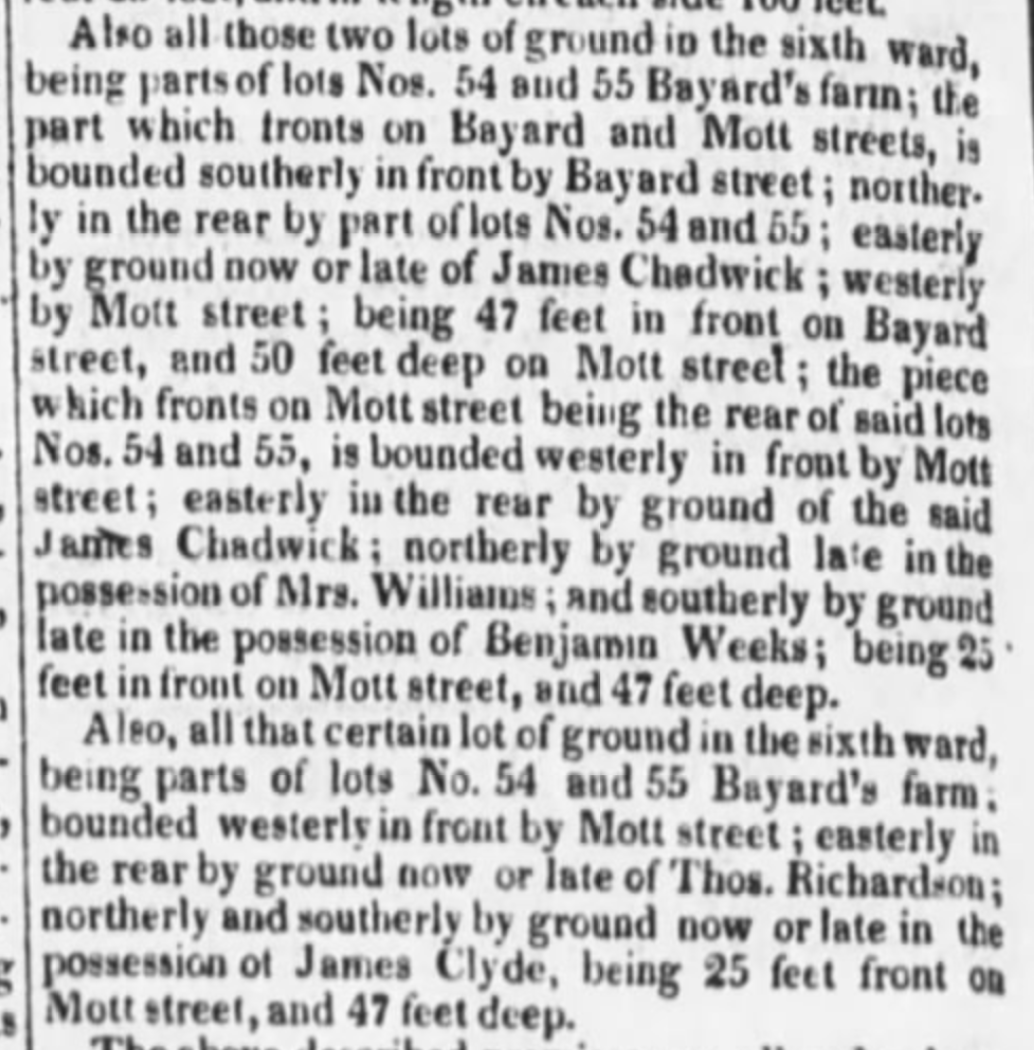
Below: From an 1821 New York Evening Post, an advertisement for plots on the old Bayard farm — at Bayard Street and Mott Street, just a couple blocks south of the location of the Mount
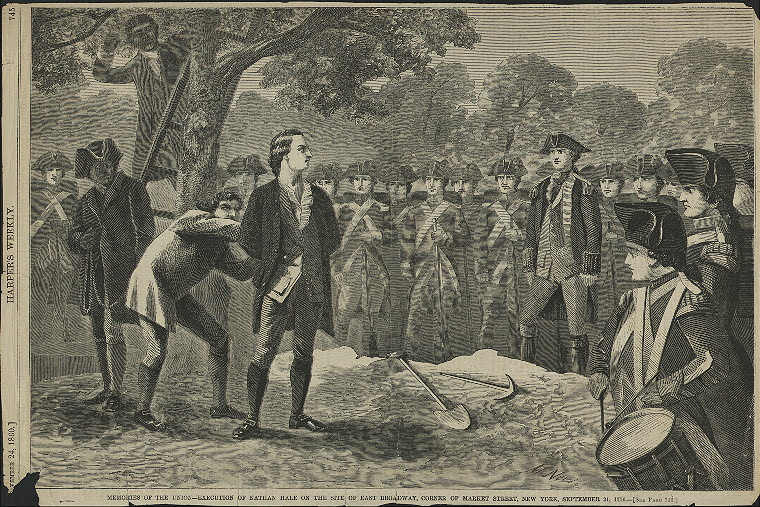
You may know Nathan Hale well from history books or from New York’s numerous memorials as a symbol of American patriotism, dying for his country long before anybody actually thought it would ever be a country.
The British hanged him in New York as a spy in the aftermath of the Great Fire of1776. He had performed no great deed for George Washington and his army — his intel never made it back to the general — except for volunteering for the spy mission in the first place.  His gift to the future United States was in believing it would exist.
Courtesy NYPL
But what if things had been a little different in the life of Mr. Hale as a young man? What if, Sliding Doors-style, decisions made by him and his loved ones had sent him down a different path? What if his ardent patriotism had, instead, been in support of the British cause?
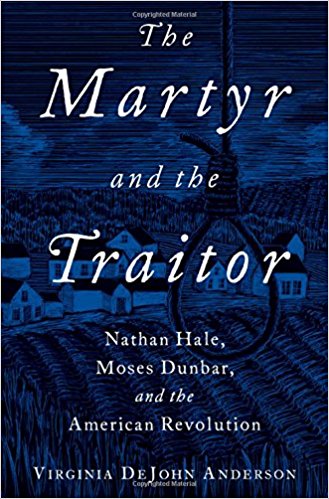
In a captivating new book byVirginiaDeJohn Anderson, a professor of history at the University of Colorado in Boulder, we are presented with an actual historical example — a contrasting figure nearly forgotten — to use for this thought experiment.
THE MARTYR AND THE TRAITOR Nathan Hale, Moses Dunbar, and the American Revolution by Virginia DeJohn Anderson Oxford University Press
The story of Moses Dunbar is the flip-side to the Hale legend. The two Connecticut men were similar in a great many ways (although Dunbar was older) but circumstances led them to different causes.
Dunbar’s story is far less known than Hale’s of course. Hale was proclaimed a true patriot early in the Revolutionary conflict, and those with documents and information about the young schoolmaster proudly preserved them. His story is richly documented and well embroidered.
The opposite is true of Dunbar; he was hung in disgrace after returning home from a mission to recruit British sympathizers among his countrymen. It’s said that Dunbar’s own father offered to provide the rope.
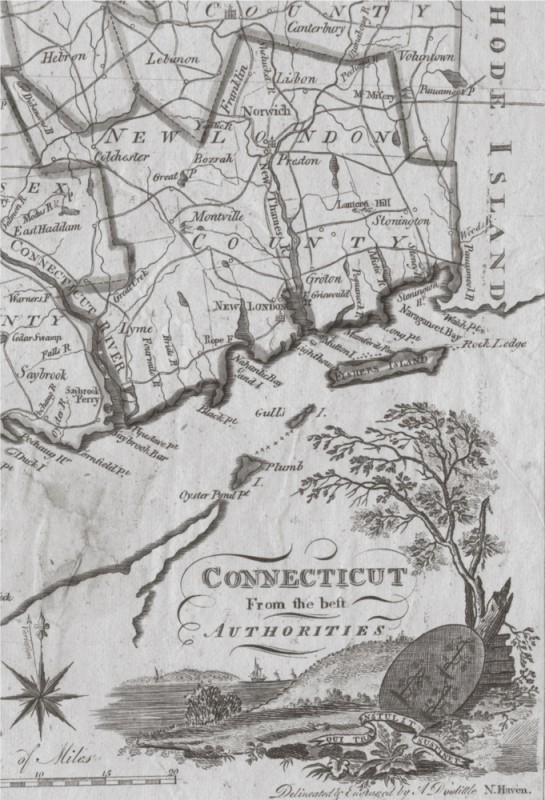
Detail of Amos Doolittle, Connecticut From the best Authorities, first printed by Matthew Carey, Philadelphia, Pennsylvania, 1795. (Courtesy, Connecticut Historical Society via Chipstone.)
Anderson tells both of their stories in parallel, and for a time, the reader can experience this book as an excellent social history of life in Connecticut in the mid 18th century — the degrees in which religion, marriage, education and land ownership play a defining role in an individual’s fate.
Dunbar became an Anglican, tied to the Church of England in a time with anti-British fervor was sweeping the countryside. In fact, there are moments when Dunbar seems far more radical than Hale (who, with his Yale education, is exposed to other feisty young men and books full of eye-opening revolutionary beliefs).
Courtesy Brown University Digital Repository
The most vivid portions of Anderson’s well-researched and excellently paced history involve violent attempts by anti-British mobs. Writes Anderson:
“As the weeks passed, Anglicans in general, not just clergy, became target of attacks if they did not announce their opposition to Britain. In East Haddam  a seventy-year-old Anglican parish clerk was yanked out of bed on a cold night, stripped, and beaten …… Rumors began circulating that Anglican clergy, in league with the detested Samuel Peters and with the approval of their congregations, were plotting to enslave the colony.”
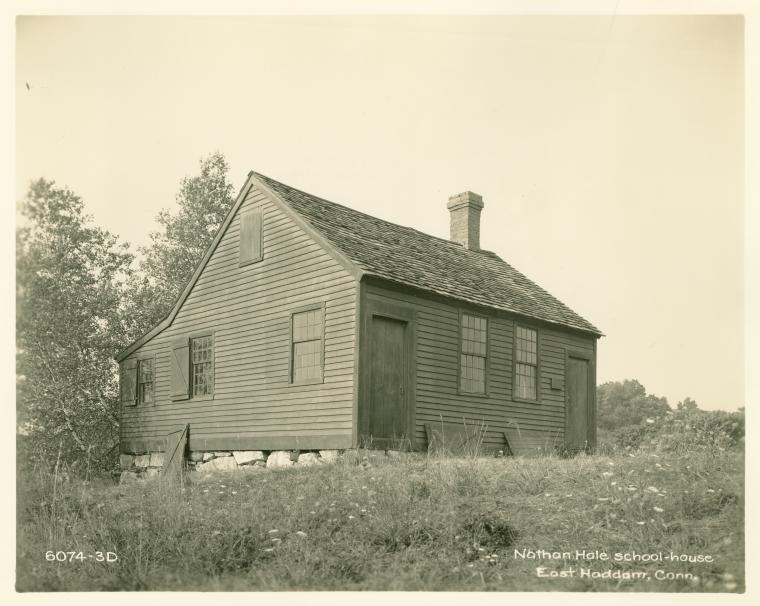
Below: Nathan Hale’s schoolhouse in East Haddam, CT
NYPL
Dunbar was radicalized by his environment and, observing such displays in his community, chose church (and, by extension, Great Britain) over country. His decision would destroy him and even lead his disgraced family into vigorously supporting the American cause.
In The Martyr and the Traitor, in putting Hale and Dunbar on equal footing, Anderson underscores the intensity of the moment and the uncertainty of its outcome. Hale’s patriotism seems all the more brave but so too does Dunbar’s intransigence.
Both men died on the noose away from loved ones; their ends embody the chaos and certain danger of the Revolutionary War.
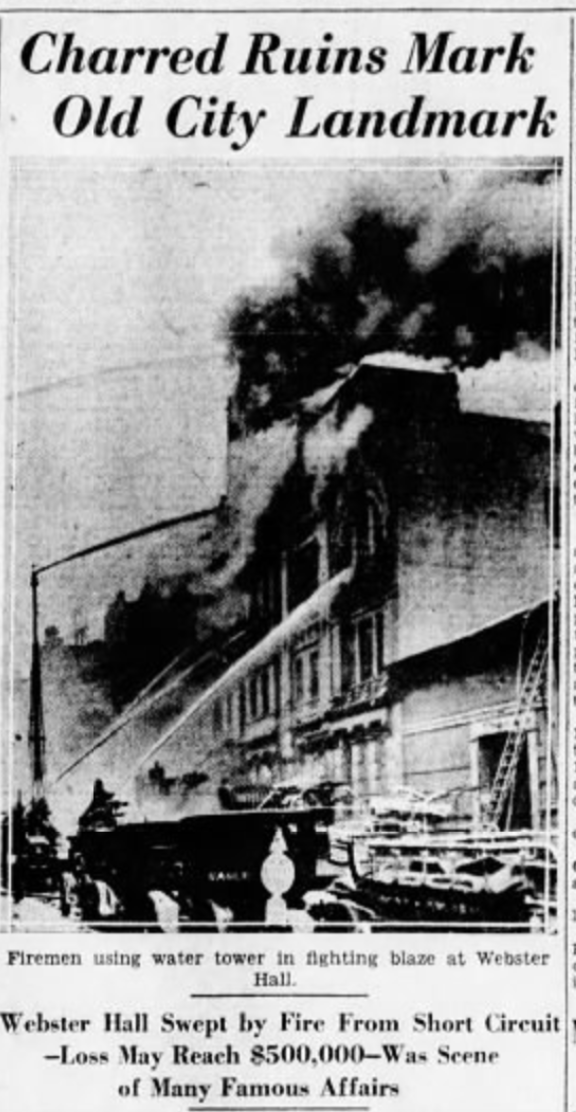
When news circulated this week that East Village nightclub Webster Hall would be closing for renovation in August, people understandably freaked out. It seems we’re losing historically significantly places at an alarming rate, places that seem to take a little bit of New York City’s personality with them when they disappear forever.
But don’t panic! This change is but the latest for this storied party venue. The hall has had many facelifts over the past 130 years, evolving to mirror the tastes of Greenwich Village residents. Indeed this corporate upgrade is a belated reflection of the neighborhood’s various sleek changes. (The projected renovations seem positivelymild in comparison to the blistering reinvention of Astor Place.)
In 2008 Webster Hall was designated a New York Citylandmark for its impressive terra-cotta architecture and its status as a beacon of ethnic and social counter-culture during the late 19th and early 20th centuries.
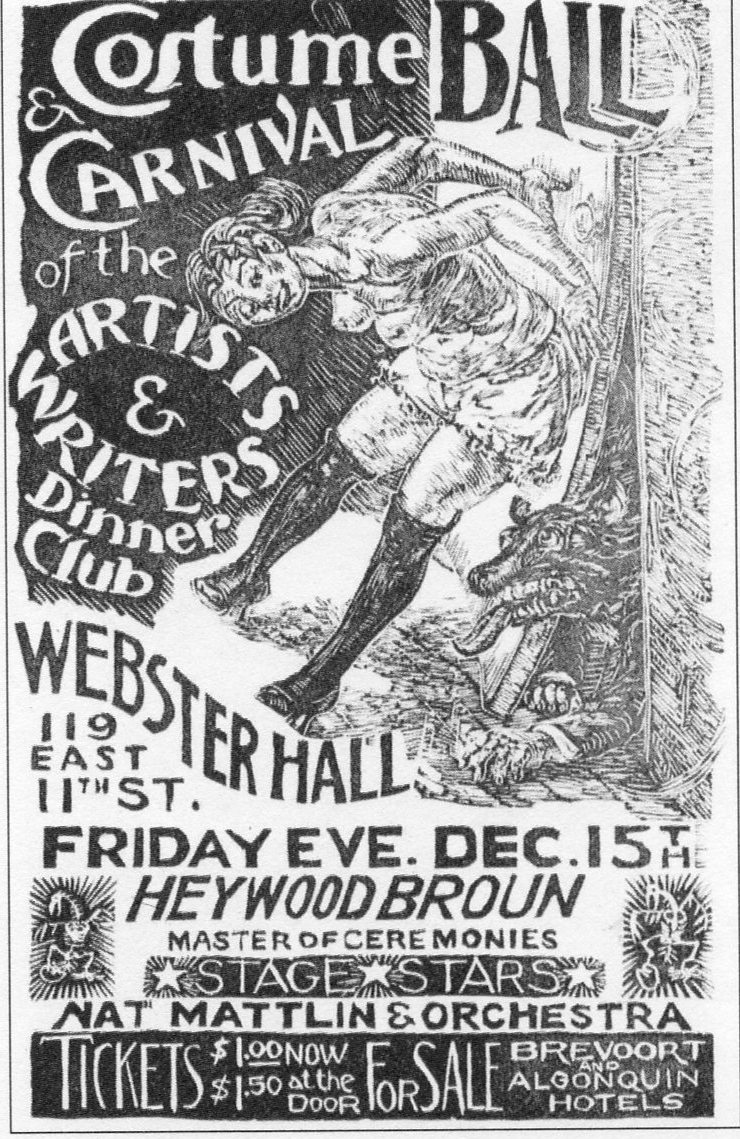
As we wrote in our book Adventures In Old New York: “Opened in 1886, the hall hosted the annual Greenwich Village Ball from the 1910s to the 1930s, a bacchanalia where artists, bohemians, drag queens, and general reprobates of the best kind came to drink, dance, and seriously make merry until early morning. It worked hard to earn its nickname “the devil’s playhouse.â€
Author Allan Church wrote, “So many dances-till-dawn and fancy dress balls were held there that one Villager said of himself and his wife: ‘We’ve sold our bed. Why sleep when there’s a dance every night at Webster Hall?’ â€
—————
In celebration of its new landmark status, we recorded an entire episode on the history of Webster Hall back in January 2009. In 2015, some additional material was added to the show. Â Listen to it here or look for it in our Bowery Boys Archive feed (episode #73):
We look forward to visiting the new Webster Hall but of course we’ll be swinging by before August 5 to bid adieu to present incarnation. Â Here’s a few clippings from old newspapers, giving you a few additional insights into Webster Hall’s spectacular history:
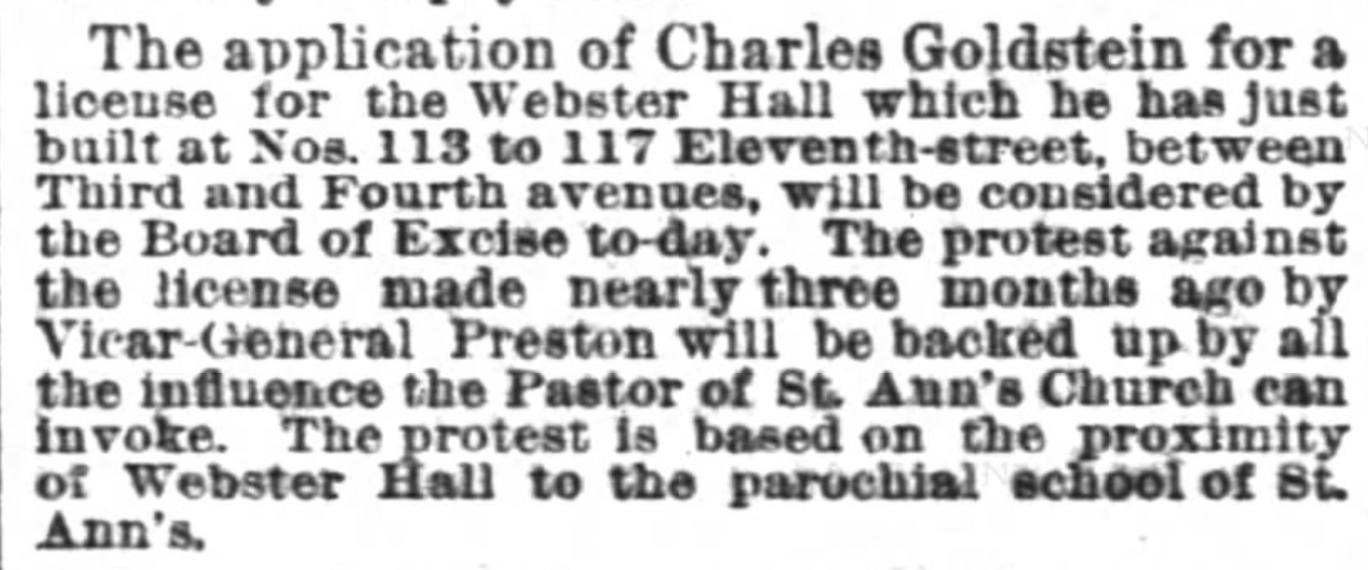
Webster Hall was rebellious before it even opened. St. Ann’s, the church which most vigorously decried its existence, has all been erased exceptfor its entrance:
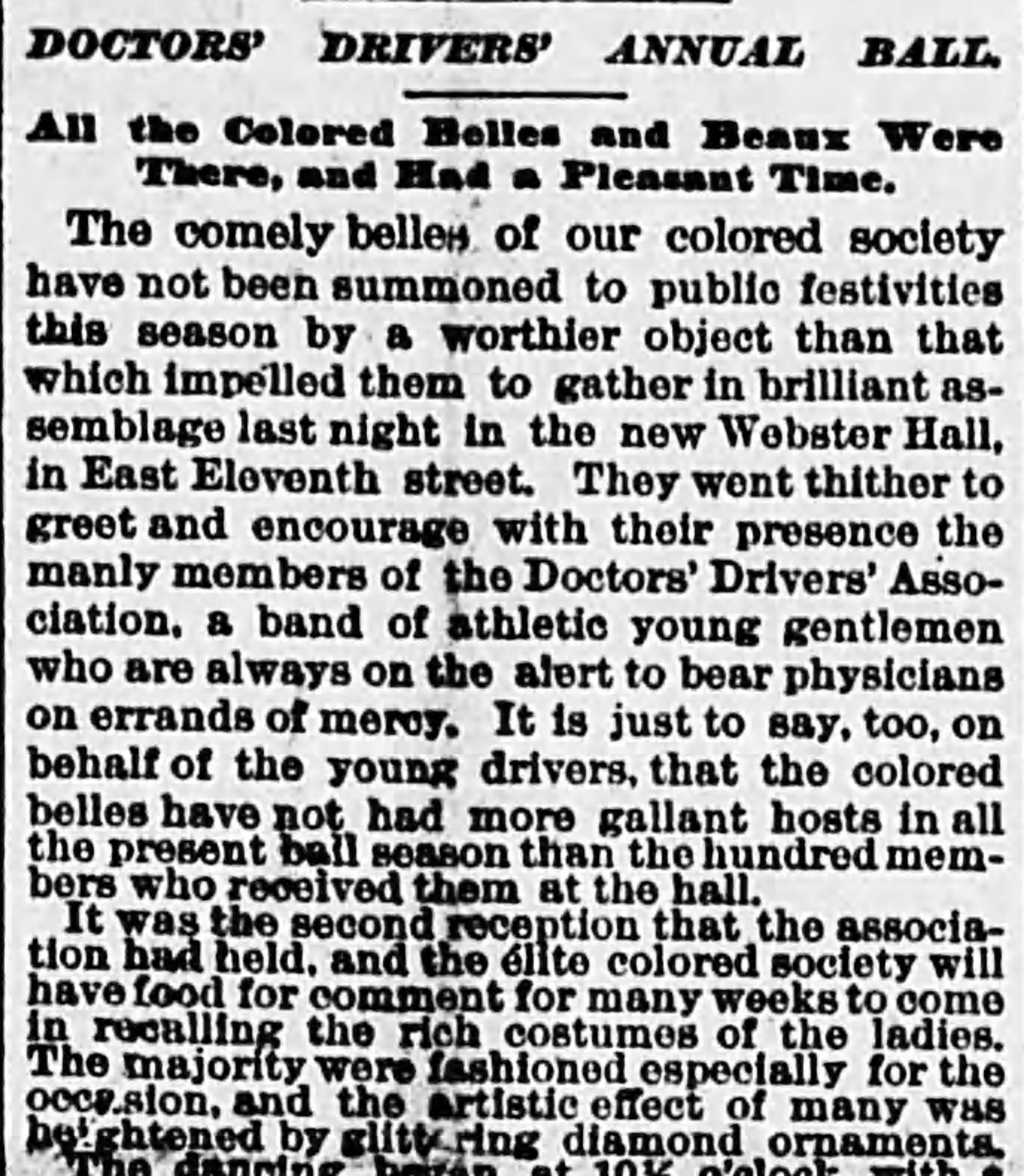
In 1887 Webster Hallplayed host to a private dance for wealthy black New Yorkers, members of the Doctors’ Drivers’ Association, “a band of athletic young gentlemen who are always on the alert to bear physicians on errands of mercy.”
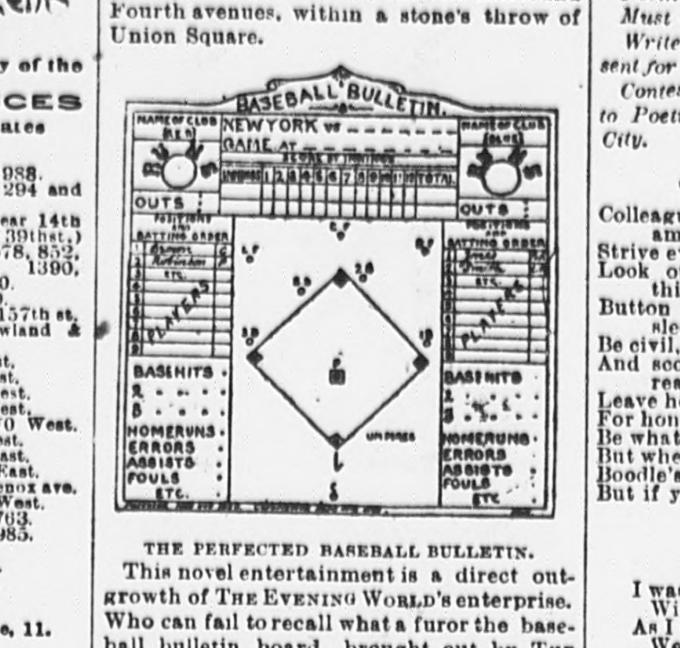
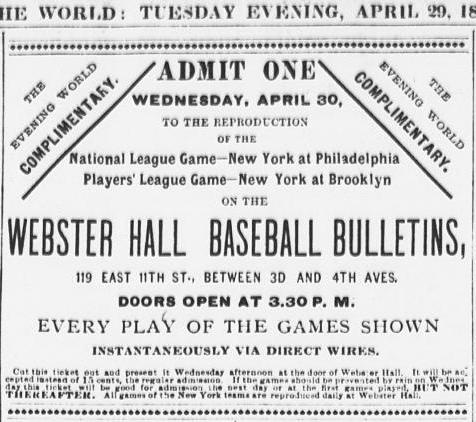
A depiction of the baseball scoreboard that was installed by the New  York Evening World to ‘instantaneously’ update baseball scores from Boston in 1890. [The complete article is here.]
New York Evening World
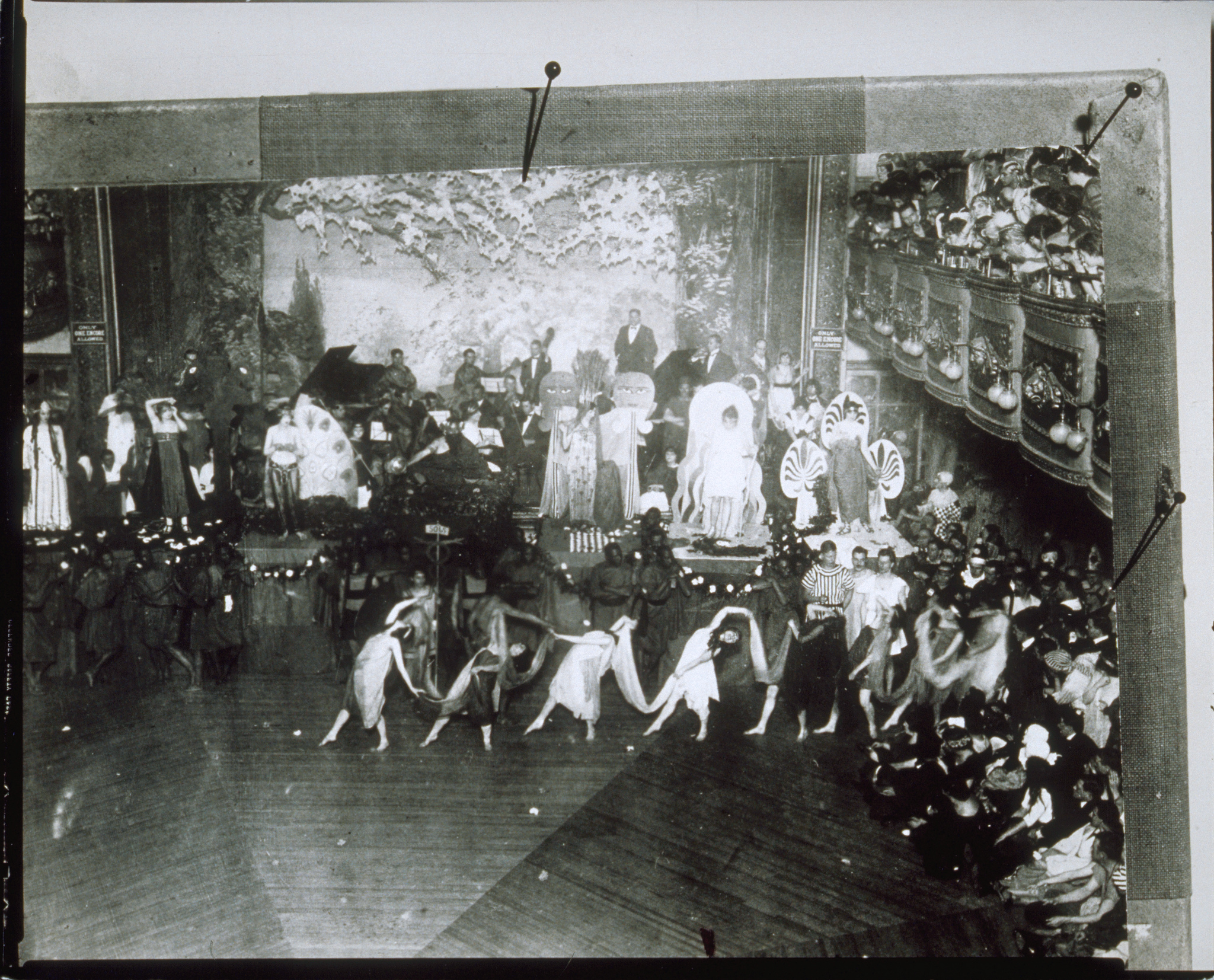
The party rages at a Webster Hall costume ball, in a photo by the great Jessie Tarbox Beals. Just click into this photo for a closer view and observe the bizarre costumes.
Courtesy Schlesinger Library
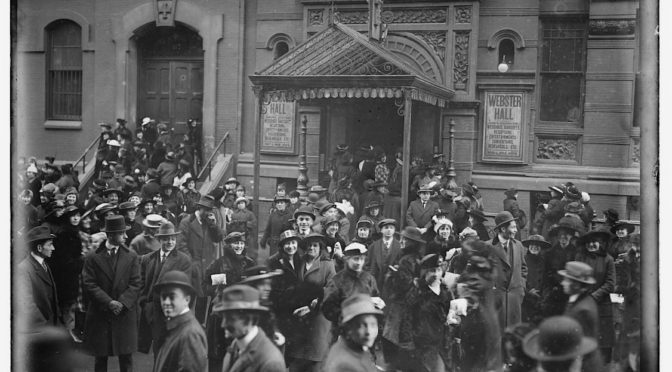
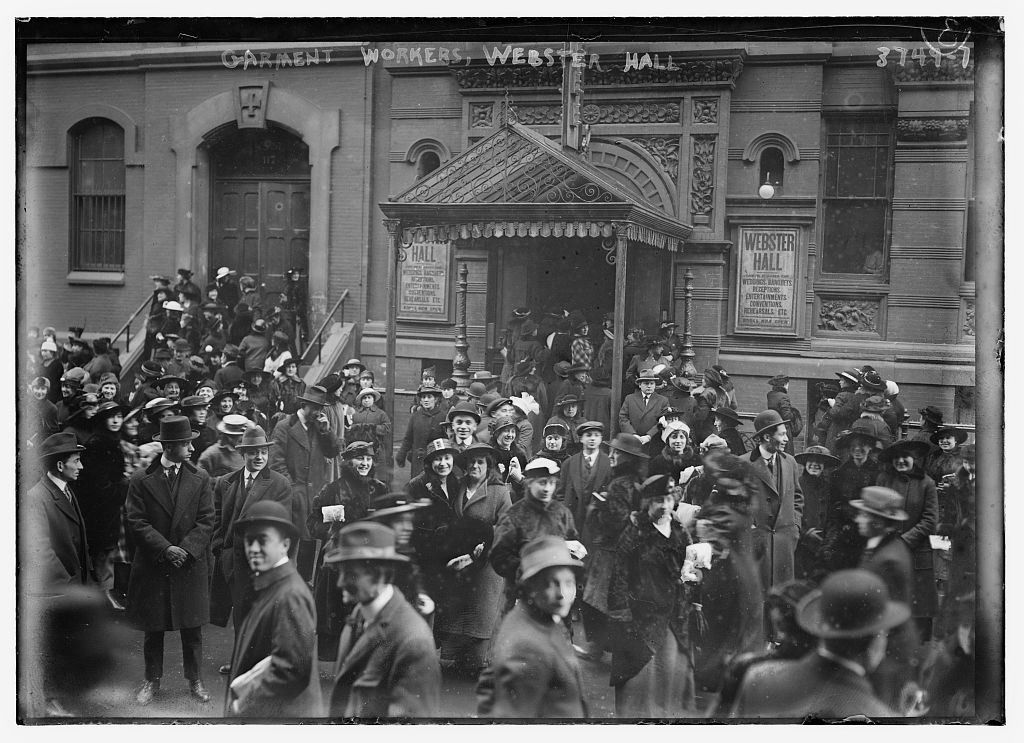
Garment workers meet out in front of Webster Hall, between 1910-1915. Â The venue was a pivotal meeting spot for union groups, political activists and anarchist leaders like Emma Goldman.
Courtesy Library of Congress
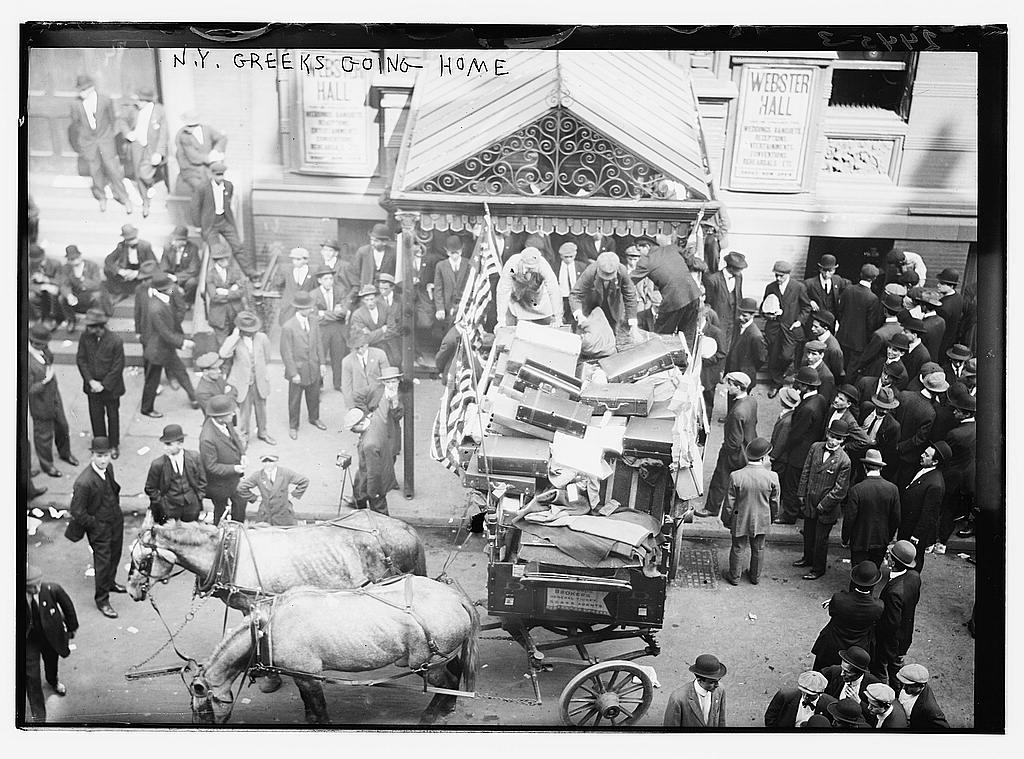
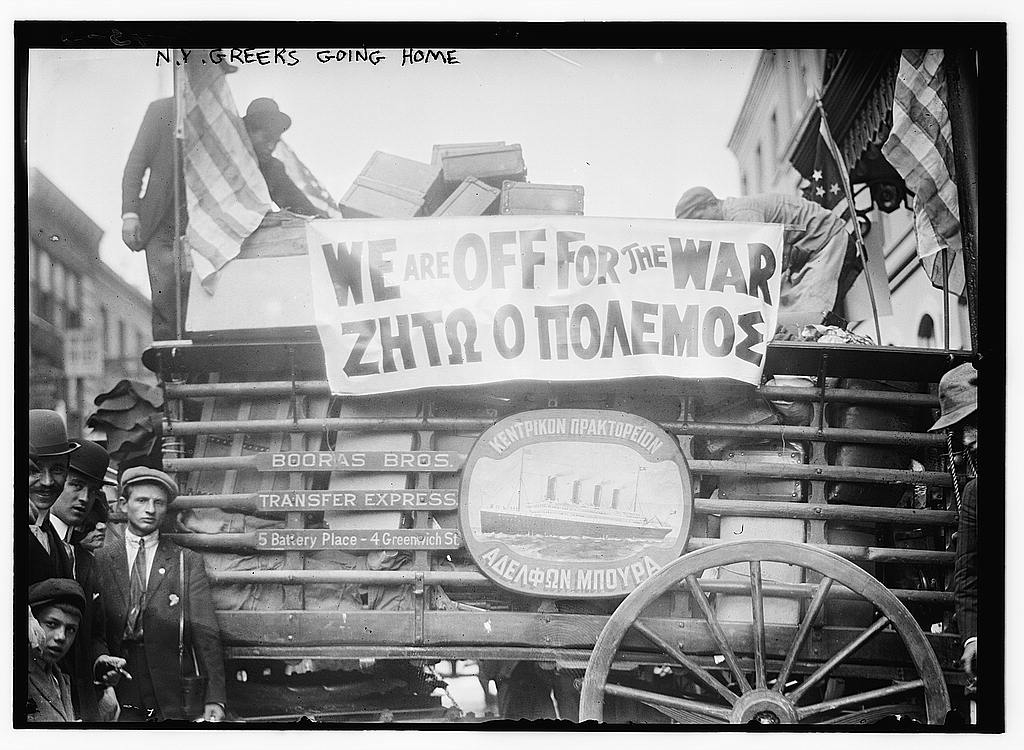
Greek immigrants gather in front of Webster Hall as they prepare to return to their country to engage in the first Balkan war (October 1912).
Courtesy Library of Congress
Courtesy Library of Congress
From a 1930 article:
A 1933 poster advertising the annual Greenwich Village costume ball, designed by John Sloan
CourtesyLibrary of Congress
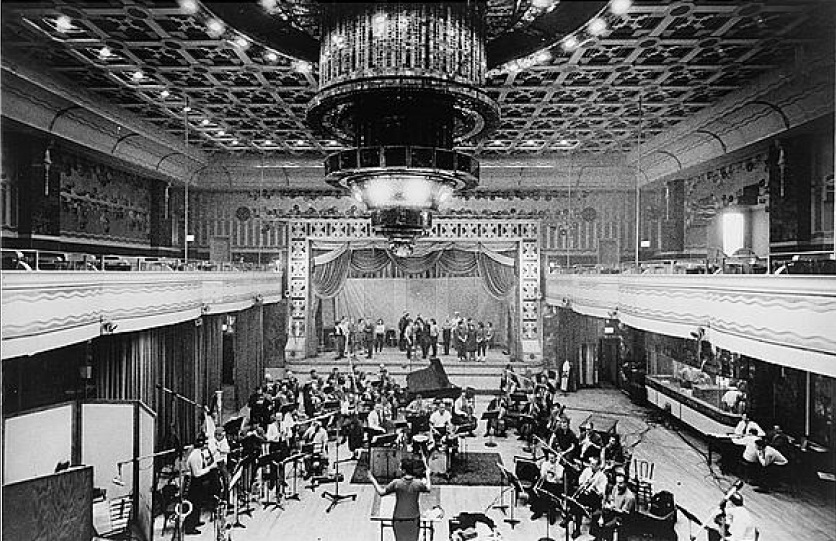
The cast of ‘How To Succeed In Business Without Really Trying’ recording the cast album at Webster Hall, 1961.
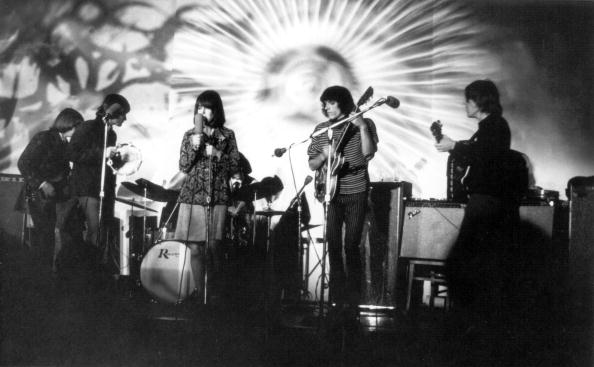
Jefferson Airplane’s first New York concert, January 8, 1967, at Webster Hall


 Courtesy Museum of the City of New York