Categories
Holidays Neighborhoods Podcasts

The history of the Dyker Heights Christmas Lights: An electric holiday tradition illuminates Brooklyn

PODCAST: The history of the Dyker Heights Christmas lighting extravaganza, Brooklyn’s fabulous and flashy celebration of the holiday season.

EPISODE 305 There’s a special kind of magic to Christmas in New York City. From that colossal Christmas tree in Rockefeller Center to the fanciful holiday displays in department store windows.

But in the past three decades, a new holiday tradition has grown in popularity and in a surprising quarter — the quiet residential neighborhood of Dyker Heights in Brooklyn.

Every December many residents of this area of southwestern Brooklyn ornament their homes in a wild and brilliant parade of Christmas lights and decorations. From gigantic animatronic Santas to armies of toy soldiers!

This electrical spectacle draws thousands of tourists this year, attracted to this imaginative mind-blowing display of Christmas spirit.
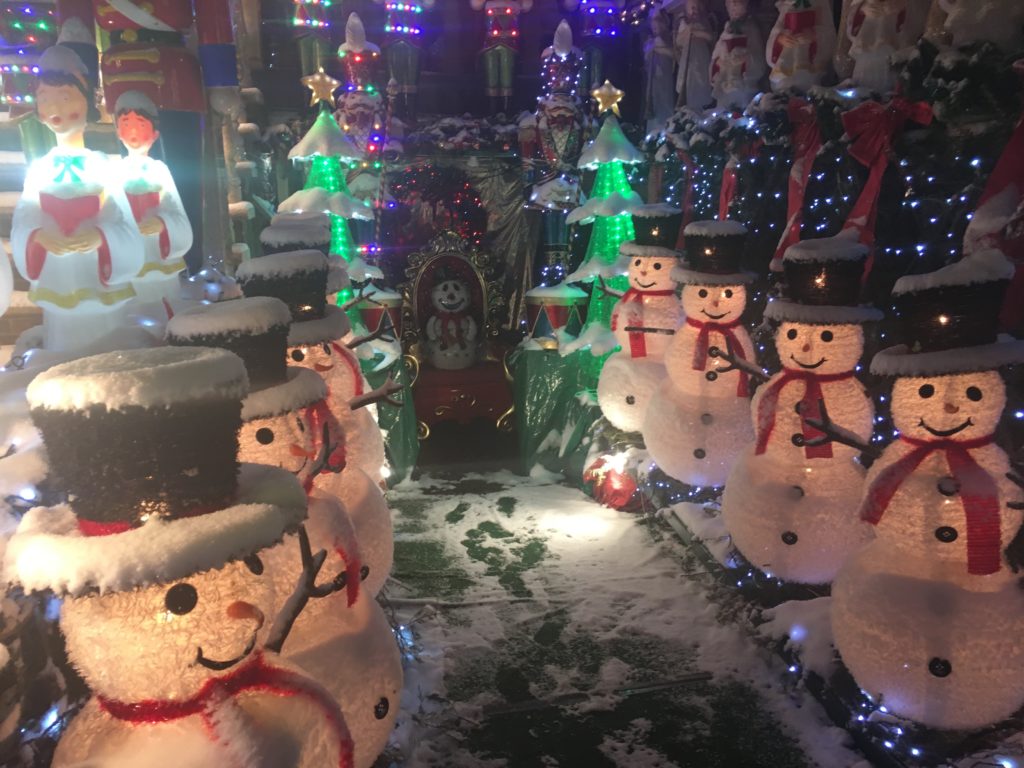
In this episode, we look at the lights of Dyker Heights from a few angles. First we explore the history of Christmas lighting in New York City and how such displays brought Christmas into the secular public sphere.

Then we look at the history of Dyker Heights, tracing back to one of the first Dutch settlements and a neighborhood which has developed into a stable Italian community.

Finally, we send our researcher and producer Julia Press on an excursion into Dyker Heights to reveal the origin of the Christmas display extravaganza. Featuring an interview with one of the residents who started it all!

LISTEN NOW — CHRISTMAS IN NEW YORK: THE LIGHTS OF DYKER HEIGHTS

To get this week’s episode, simply download or stream it for FREE from iTunes, Stitcher, Spotify or other podcasting services. You can also get it straight from our satellite site.

Or listen to it straight from here:


THE TAKEOUT

A bonus after-show podcast for those who support us on Patreon. Greg and Tom (and Julia) continue their conversation about the story of the Dyker Heights Christmas tradition.


A big thank you to Lucy Spata and Tony Muia of A Slice of Brooklyn Bus Tours for allowing us to record at the synagogue. And of course HUGE THANKS to Julia Press for contributing to this show and helping up over the past few months. Please check out her website for more links to her past work.


FURTHER LISTENING: This episode was partially inspired by Greg’s episode of The First podcast on the history of electric Christmas lighting. Makes great companion listening to this one:
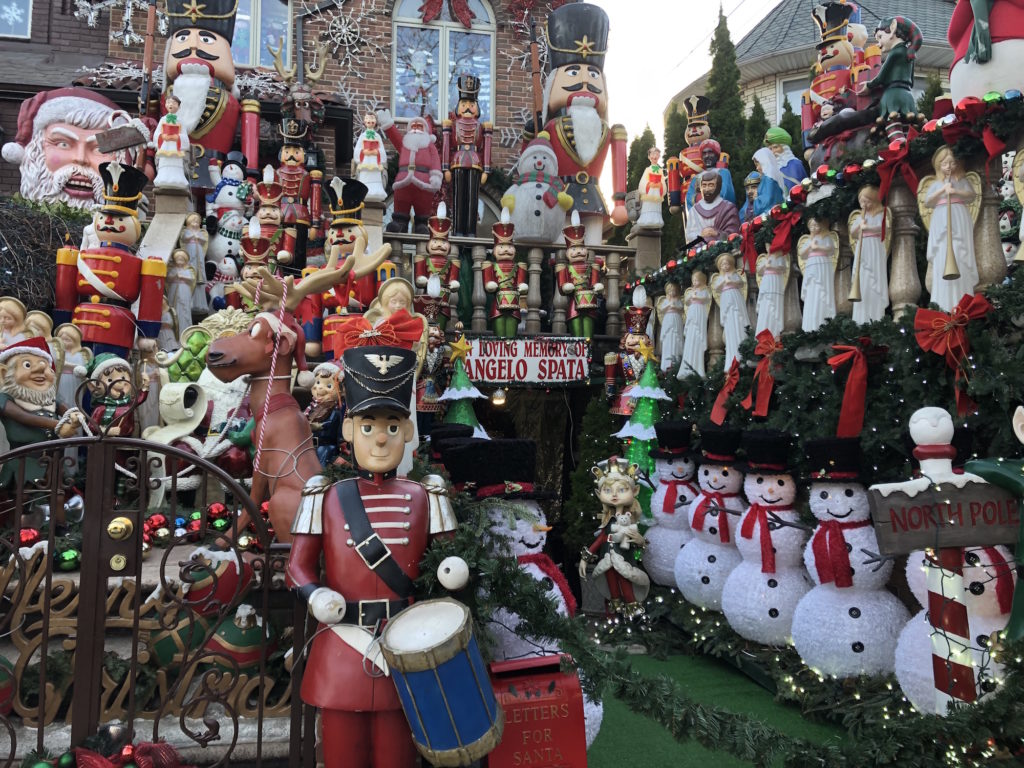


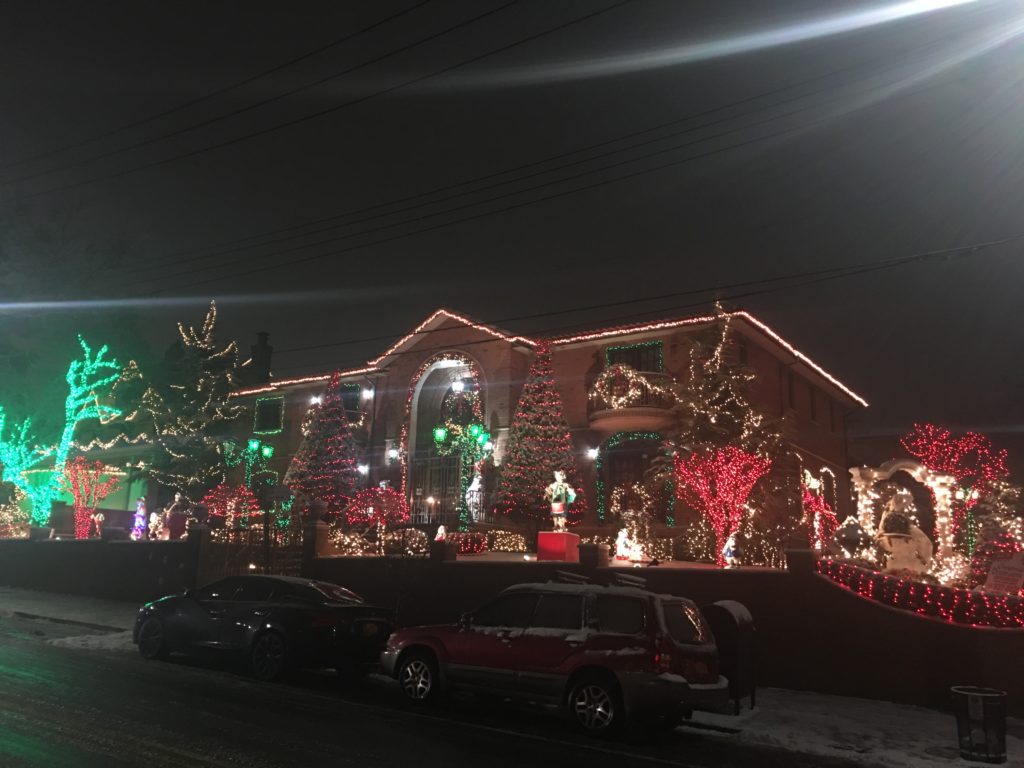
The home of the Spatas, photo by Julia Press
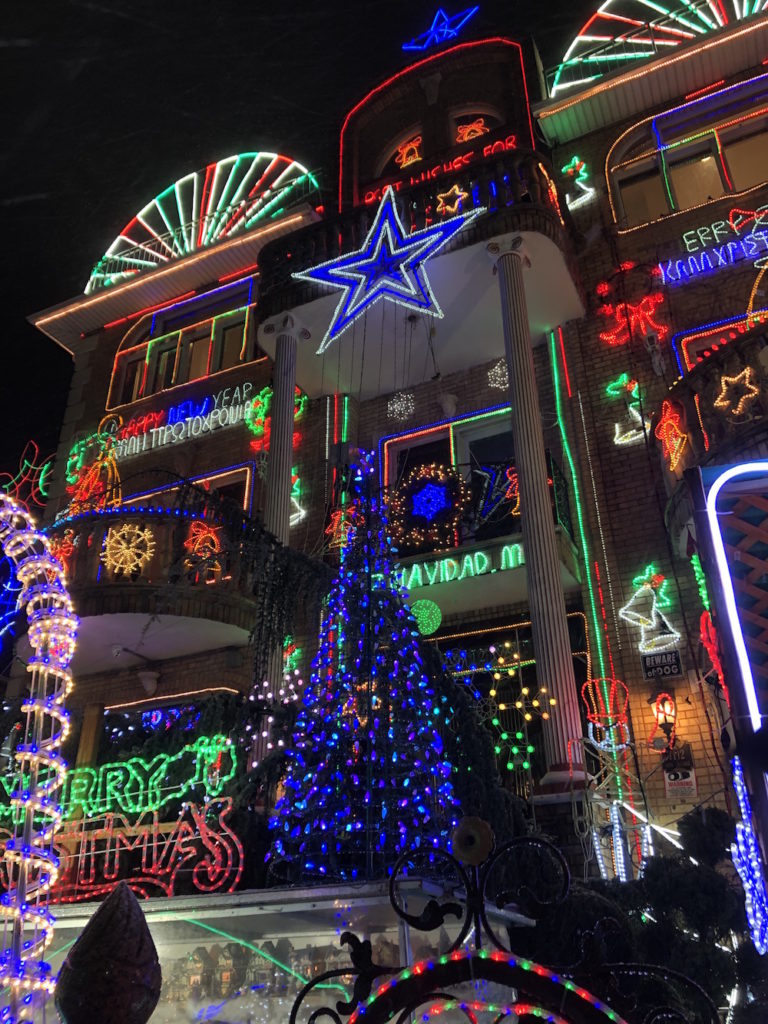
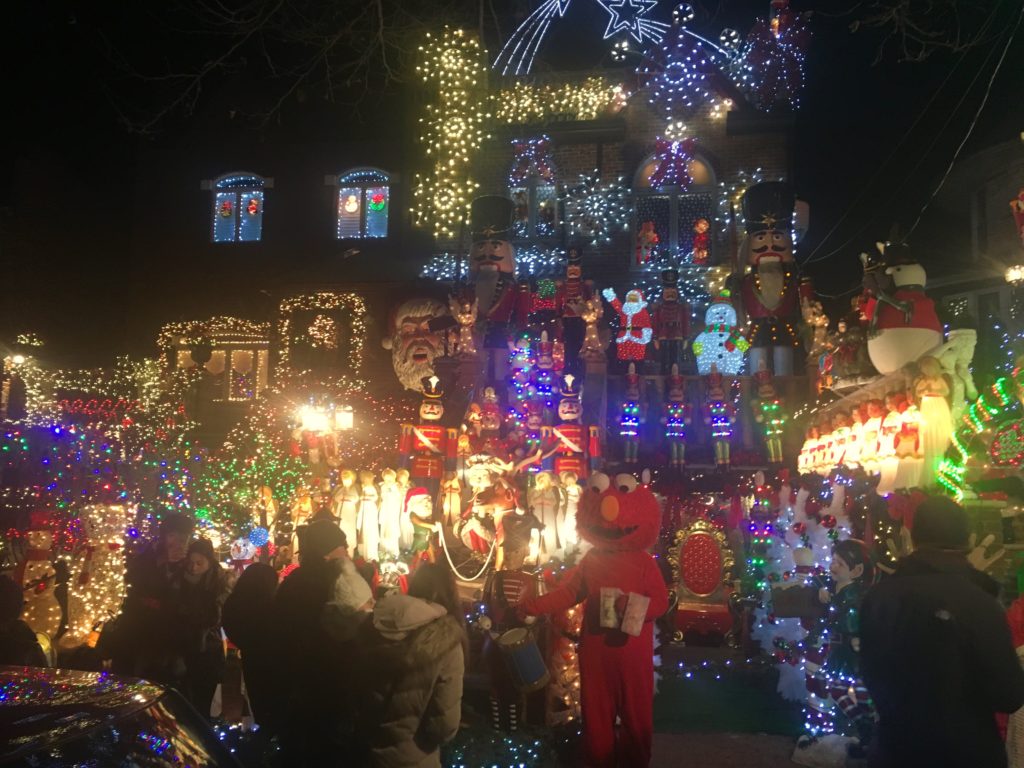
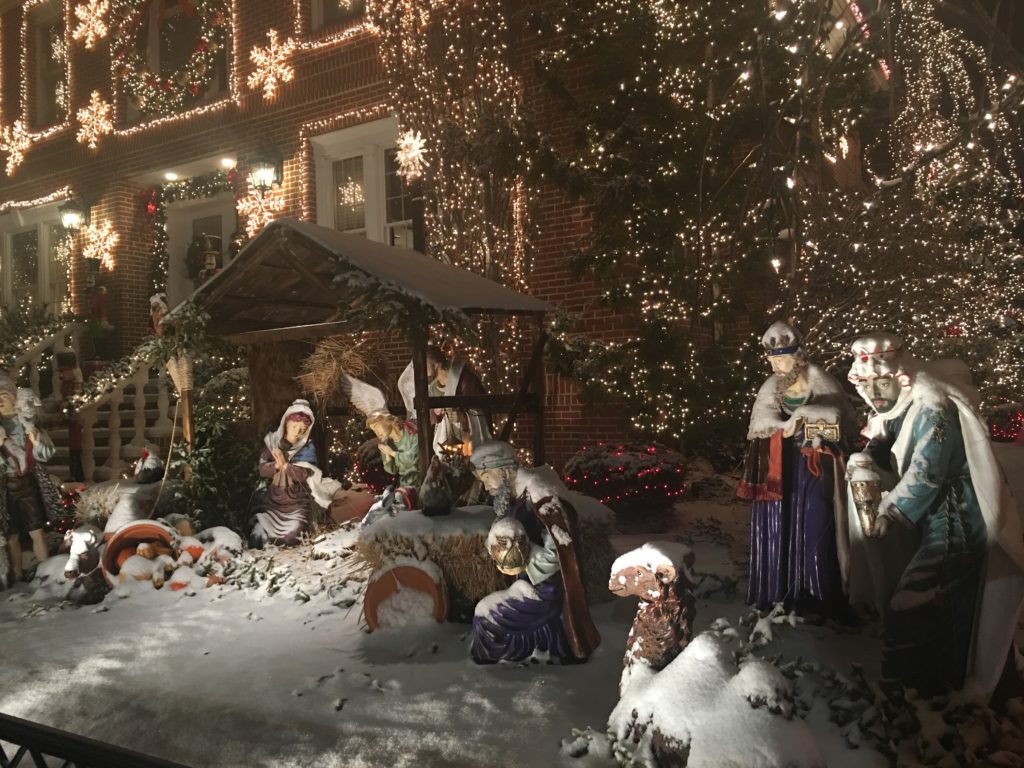
It’s like Las Vegas and Christmas — but in Brooklyn! Photo by Julia Press

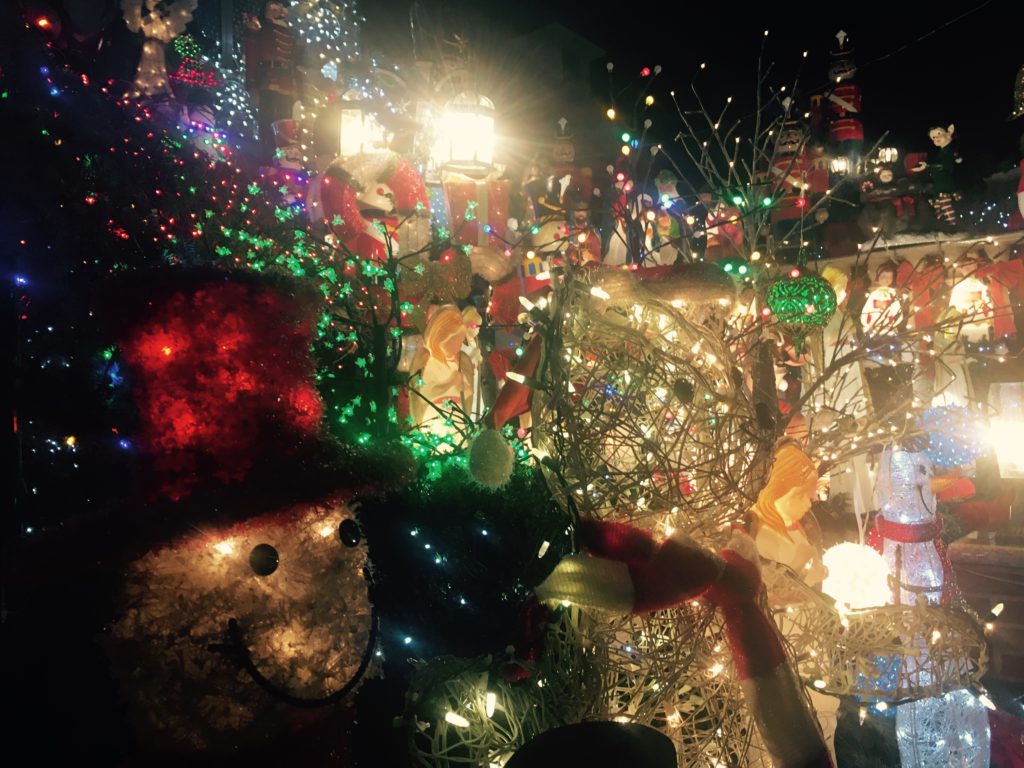
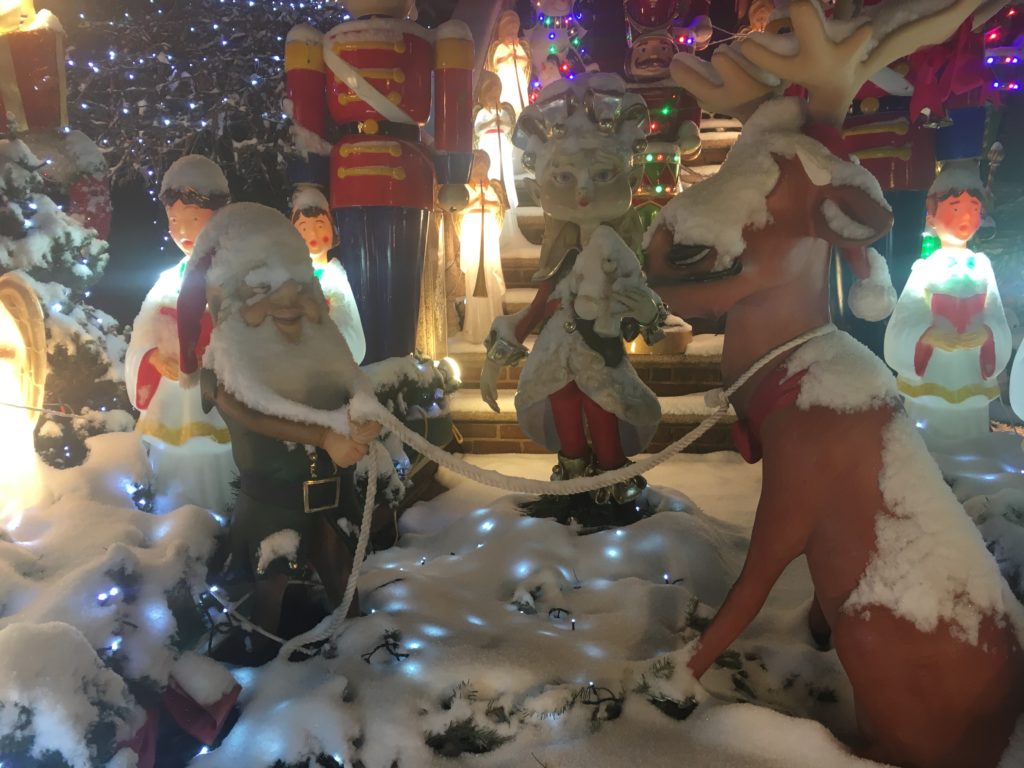
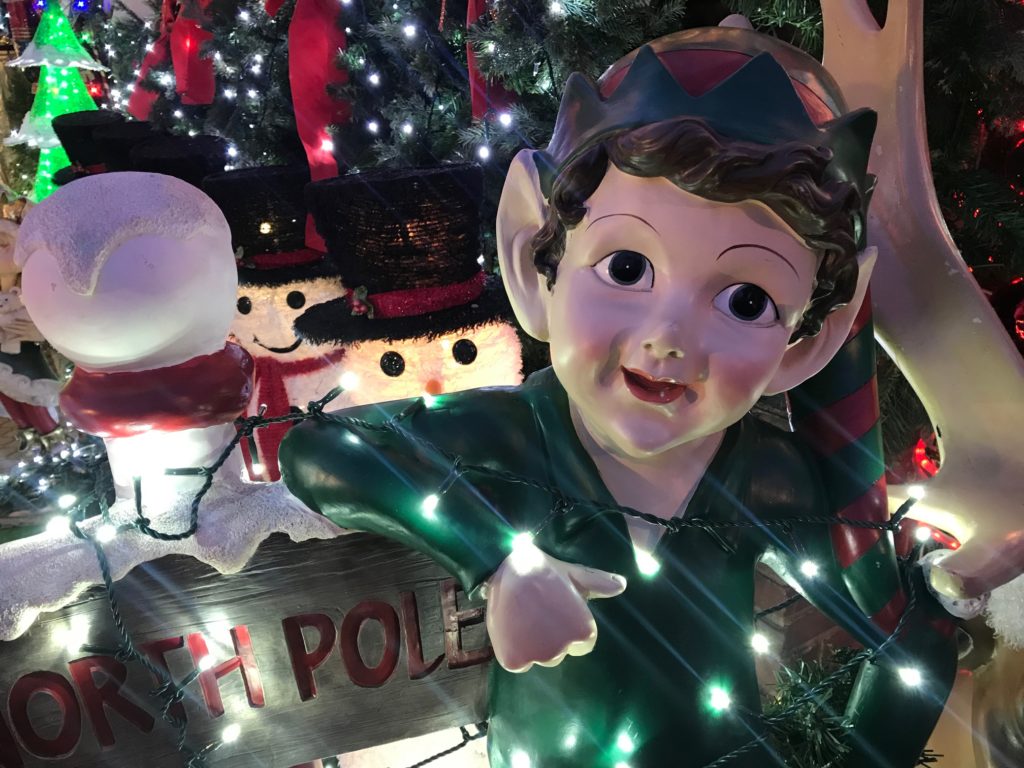
A few images from the 2017 extravaganza — when a nice layer of snow added to the festive spirit.
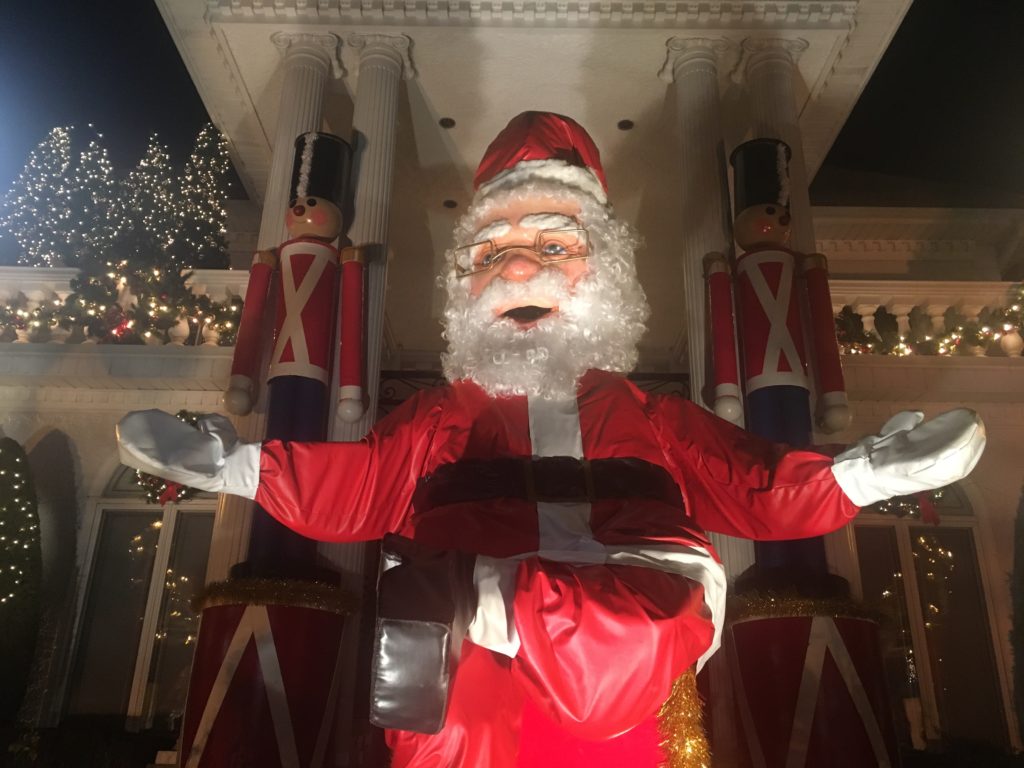
Further images from the podcast:

The marvelous rotating Christmas tree of Edward H. Johnson, the first tree with Christmas lights.
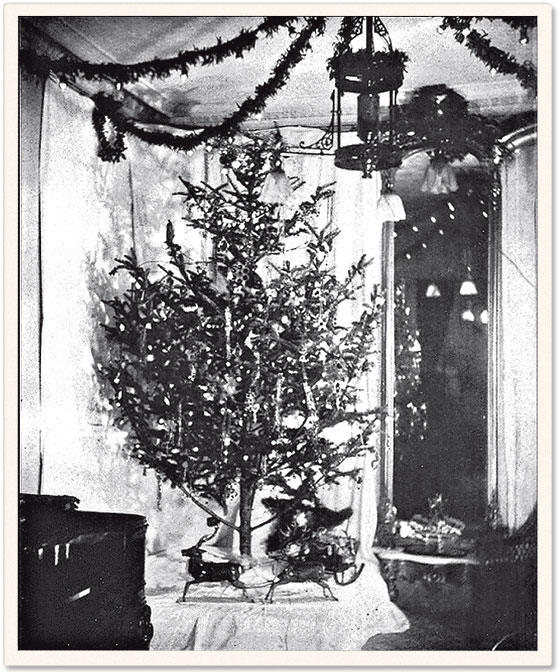
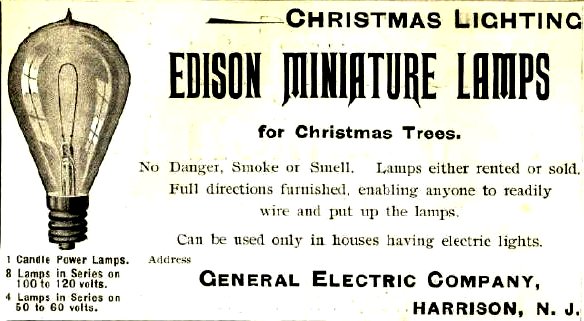
Thomas Edison Museum

The nation’s first ‘community Christmas tree’ in Madison Square in New York City. Read more about it here.
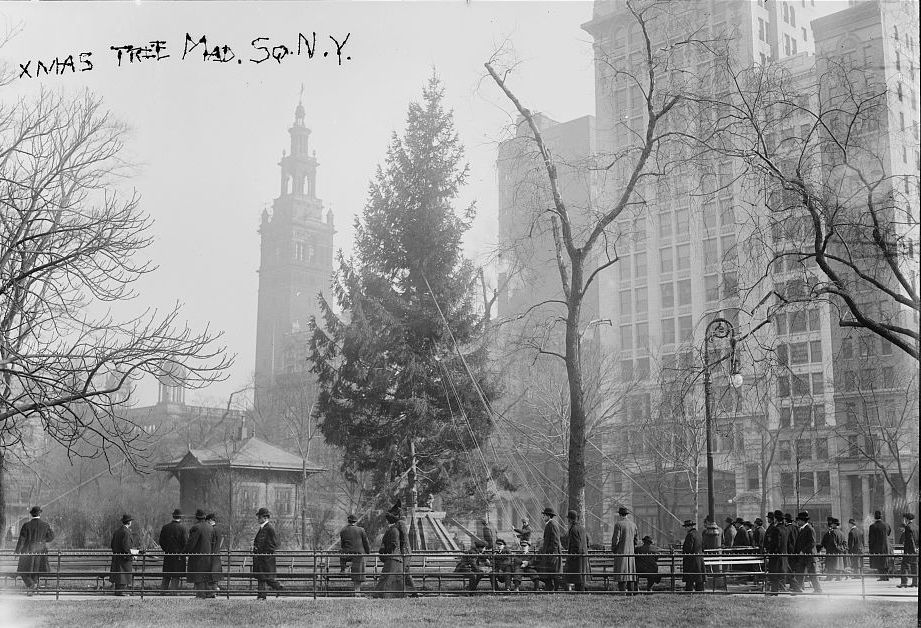
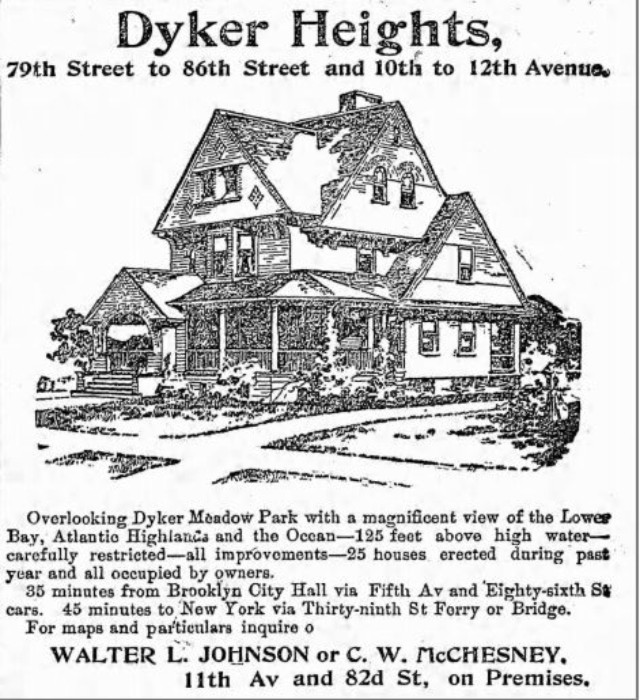
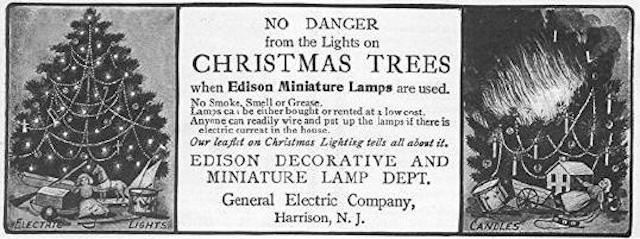
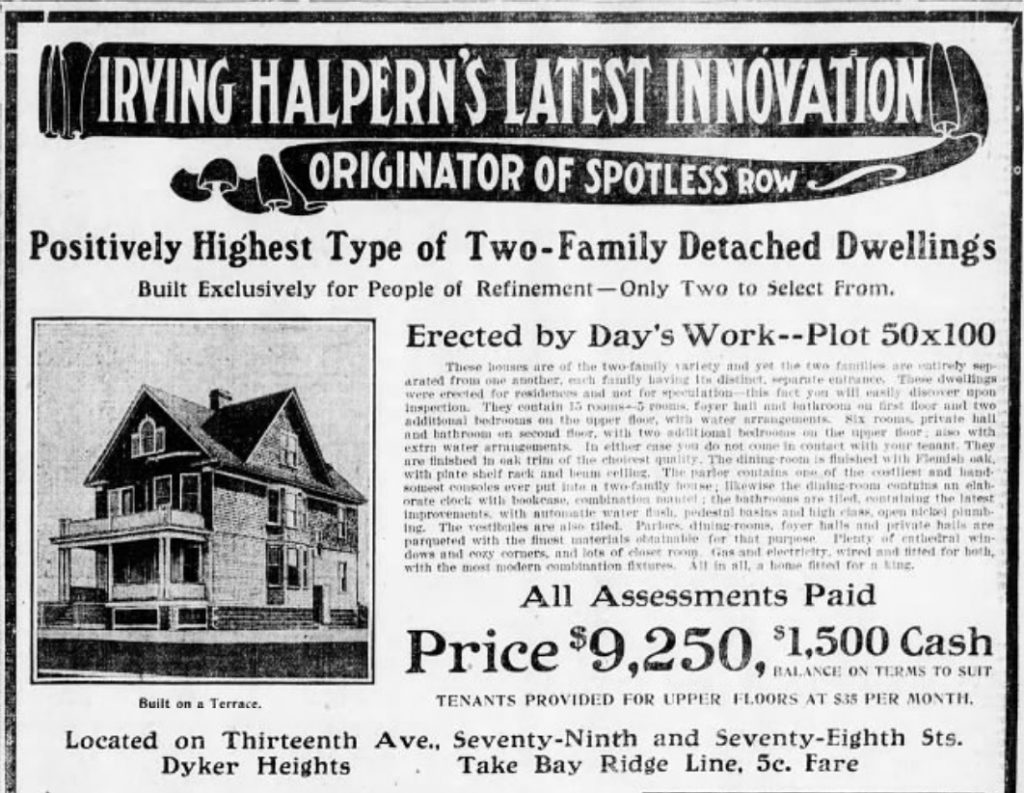
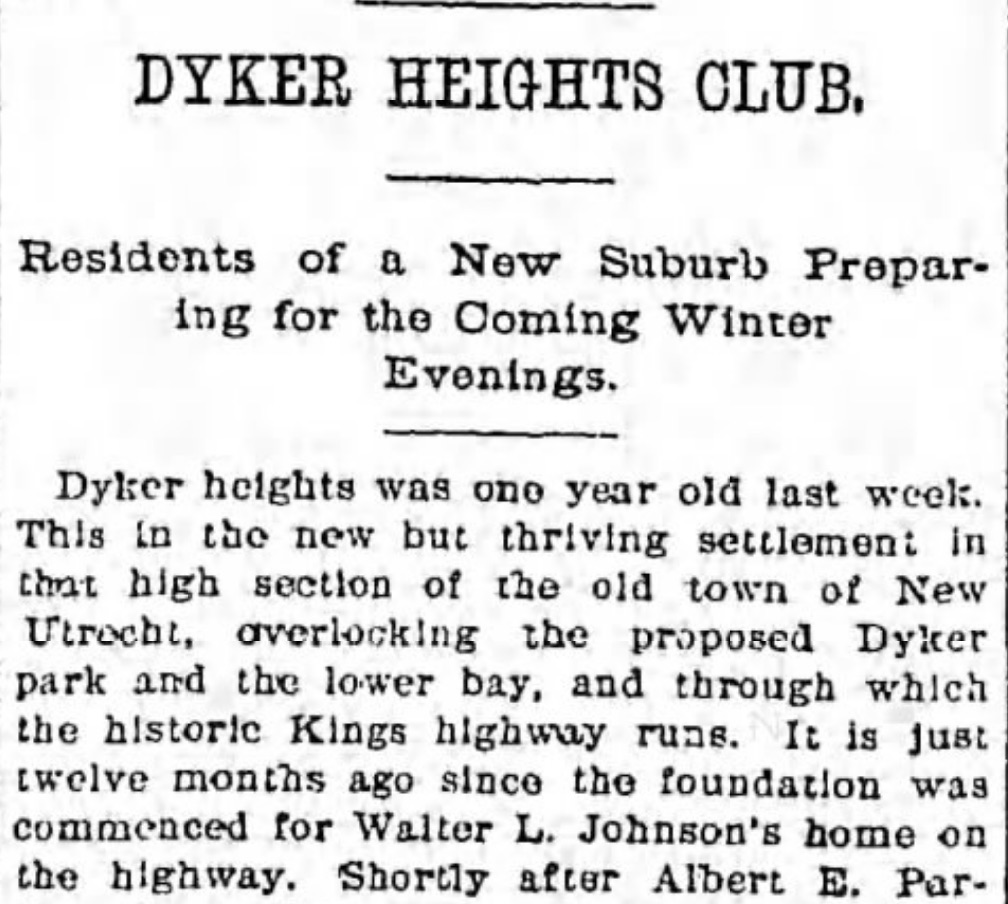
Ads from the early years of Dyker Heights development, Courtesy BrownstonerFrom April 1909 Brooklyn Daily EagleBrooklyn Daily Eagle, October 12, 1896

__________________________________________________________________________

The Bowery Boys: New York City History podcast is brought to you …. by you!

We are now producing a new Bowery Boys podcast every other week. We’re also looking to improve and expand the show in other ways — publishing, social media, live events and other forms of media. But we can only do this with your help!

We are now a creator on Patreon, a patronage platform where you can support your favorite content creators.

Please visit our page on Patreon and watch a short video of us recording the show and talking about our expansion plans. If you’d like to help out, there are six different pledge levels. Check them out and consider being a sponsor.

ALL patrons at all levels will receive many benefits include the next episode of the Bowery Boys Movie Club, an exclusive podcast (released every 6-8 weeks) celebrating New York City in the movies. And patrons at the Five Points ($5) level and up will get our other exclusive podcast — The Bowery Boys: The Takeout — released every two weeks.

We greatly appreciate our listeners and readers and thank you for joining us on this journey so far.
Categories
Bowery Boys Movie Club Film History Podcasts

Once Upon A Time In Five Points: The Bowery Boys Movie Club revisits Scorsese’s “Gangs of New York”

As a celebration of filmmaker Martin Scorsese (whose film The Irishman opens this month), we’ve just released an episode of the Bowery Boys Movie Club to the general Bowery Boys: New York City History audience. This is an exclusive podcast for those who support us on Patreon.

For current patrons, we’ve also just released a brand new episode of the Movie Club, looking at the 1987 film Moonstruck. To listen to that episode and the past Movie Club episodes (discussing Midnight Cowboy, On The Town, Eyes of Laura Mars and many other films) become a Patreon supporter today!


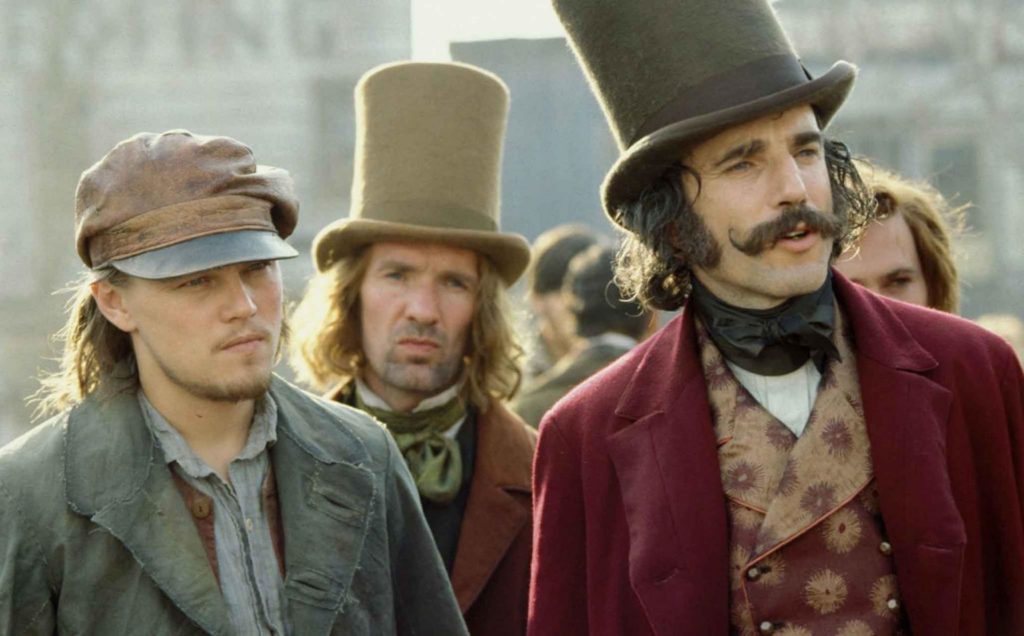
Gangs of New York is a one-of-a-kind film, a Martin Scorsese 2002 epic based on a 1927 history anthology by Herbert Asbury that celebrates the grit and grime of Old New York.

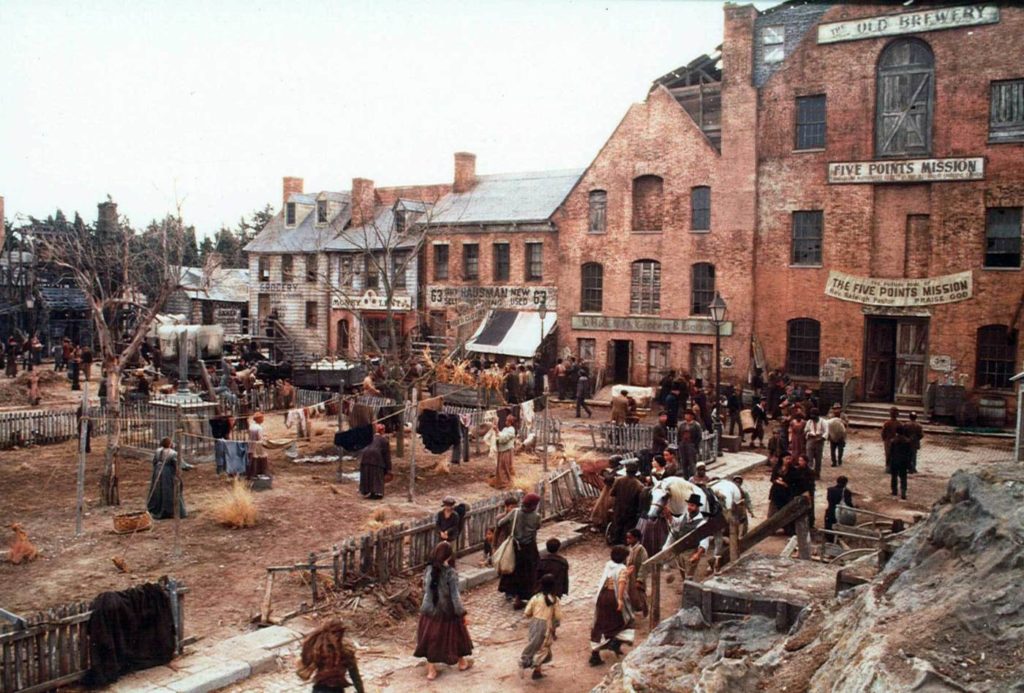
Its fictional story line uses a mix of real-life and imagined characters, summoned from a grab bag of historical anecdotes from the gutters of the 19th century and poured out into a setting known as New York City’s most notorious neighborhood — Five Points.

Listen in as Greg and Tom discuss the film’s unique blend of fact and fiction, taking Asbury’s already distorted view of life in the mid 19th century and reviving it with extraordinary set design and art direction. The film itself, released a year after September 11, 2001, had dated itself in some interesting ways.

And unfortunately some elements of the film are more relevant in 2019 than ever.

How do I get regular episodes of the Bowery Boys Movie Club? Simply support the Bowery Boys: New York City History podcast at any level on Patreon. 

Once you’re signed on, you’ll see a private RSS link that can be put directly into your favorite podcast player. It can also be played directly from the Patreon app once you’re signed in. Your support of the Bowery Boys podcast on Patreon assists us in producing our podcast and this website and it helps as we endeavor to share our love of New York City history with the world!

Should you watch the movie before you listen to this episode? This podcast can be enjoyed both by those who have seen the film and those who’ve never even heard of it.  

We think our take on Gangs of New York might inspire you to look for the film’s many fascinating (but easy to overlook) historical details, so if you don’t mind being spoiled on the plot, give it a listen first, then watch the movie! Otherwise, come back to the show after you’ve watched it. 

If you’d like to watch the movie first, it’s currently streaming on iTunes and Amazon. Or rent it from your local library.

Thank you for supporting the Bowery Boys: New York City History podcast!

Categories
Parks and Recreation Podcasts

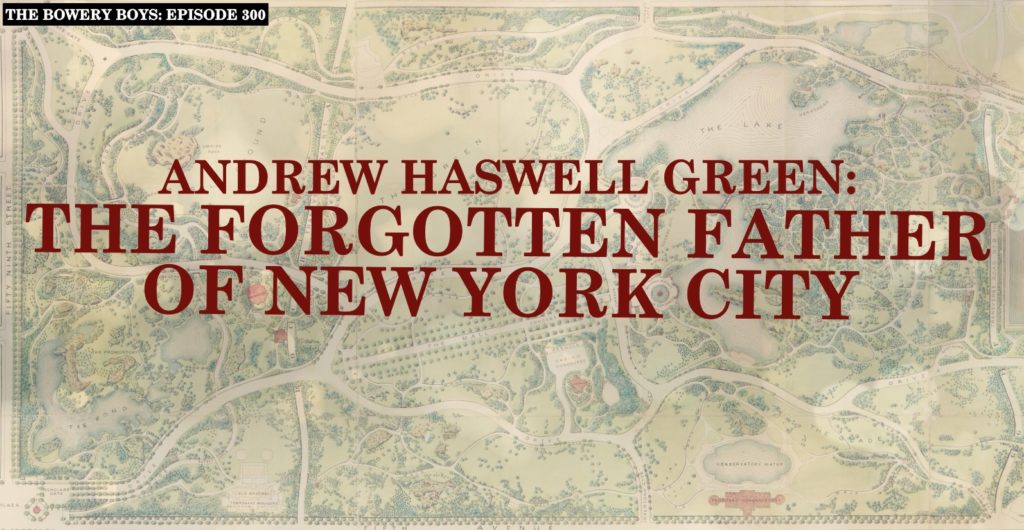
Who was Andrew Haswell Green? Say hello to “the most important leader in Gotham’s long history.”

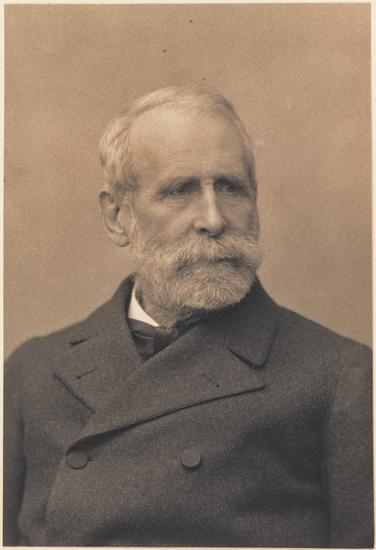
PODCAST EPISODE 300Andrew Haswell Green helped build Central Park and much of upper Manhattan, oversaw the formation of the New York Public Library, assisted in the foundation of great institutions such as the American Museum of Natural History and the Bronx Zoo, and even organized the city’s first significant historical preservation group, saving New York City Hall from demolition.

This smart, frugal and unassuming bachelor, an attorney and financial whiz, was critical in taking down William Tweedand the Tweed Ring during the early 1870s, helping to bail out a financially strapped government.

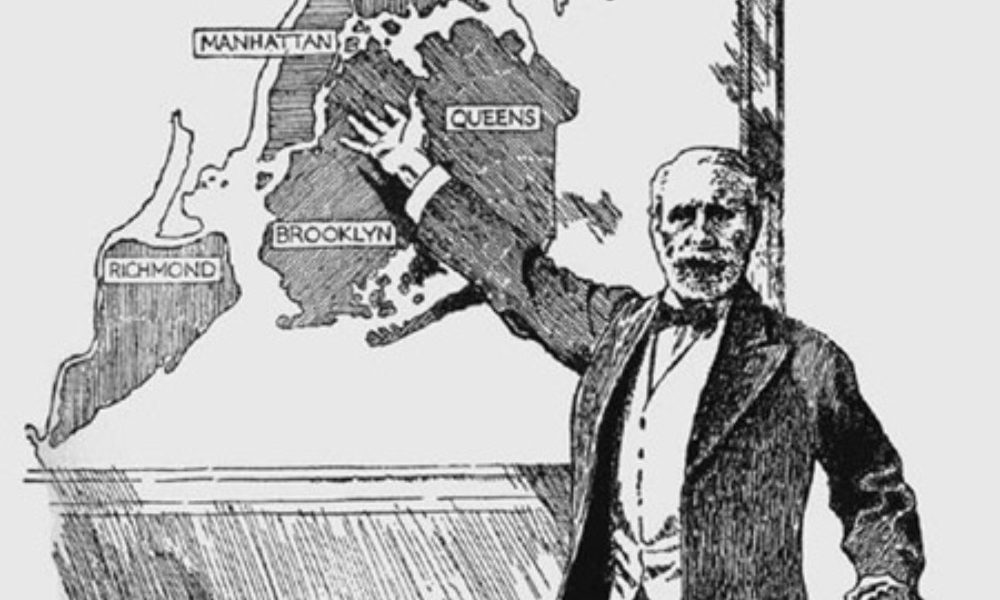
But Green’s greatest achievement — championing the consolidation of the cities of New York and Brooklyn with communities in Richmond County (Staten Island), Westchester County (the Bronx) and Queens County (Queens) — would create the City of Greater New York, just in time for the dawn of the 20th century.

Kenneth T. Jackson, editor of the Encyclopedia of New York, called Green “arguably the most important leader in Gotham’s long history, more important than Peter Stuyvesant, Alexander Hamilton, Frederick Law Olmsted, Robert Moses and Fiorello La Guardia.”

So why is he virtually forgotten today?

“Today not one New York in 10,000 has heard of Andrew Haswell Green,” wrote the New York Daily News in 2003.

In our 300th episode, we’re delighted to bring you the story of Mr. Green, a public servant who worked to improve the city for over five decades. And we’ll be joined by an ardent Green advocate — former Manhattan Borough Historian Michael Miscione.

LISTEN NOW — THE FORGOTTEN FATHER OF NEW YORK CITY


Museum of the City of New York

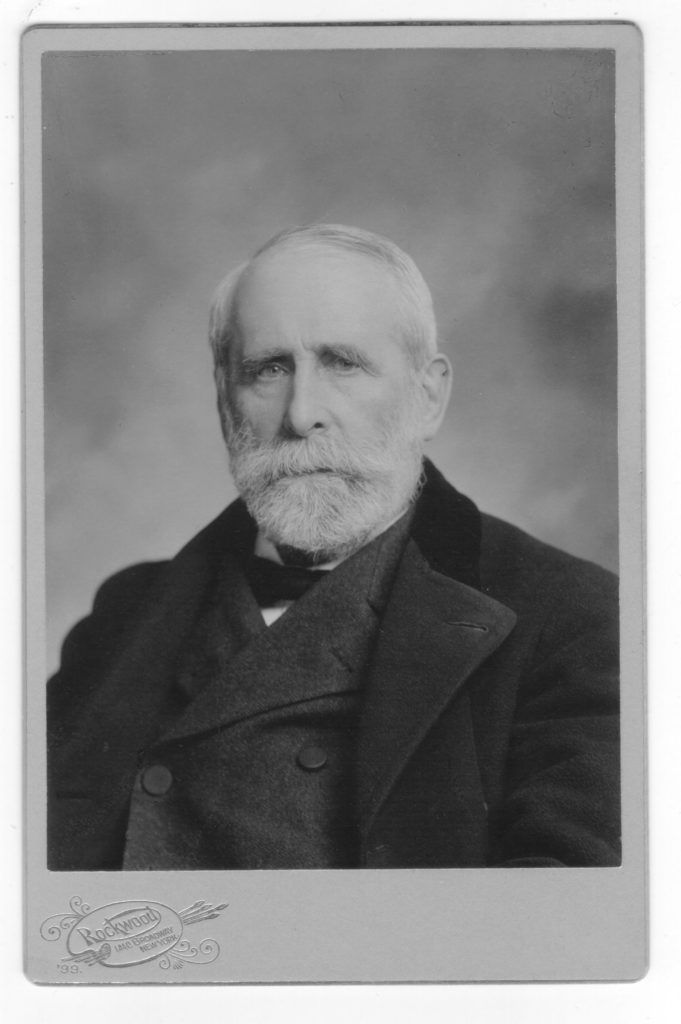
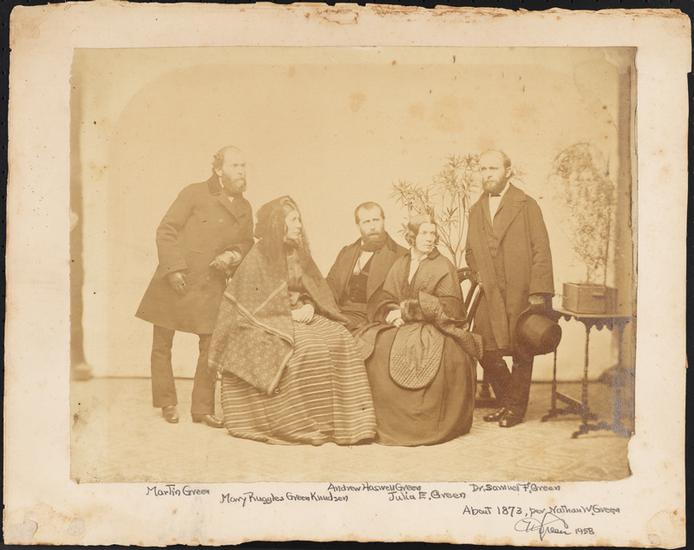
Andrew H. Green sits for a family photo, 1873. He would remain a bachelor his entire life.

Martin Green, Mary Ruggles Green Knudsen, Andrew Haswell Green, Julia E. Green, Dr. Samuel F. Green — courtesy Museum of the City of New York

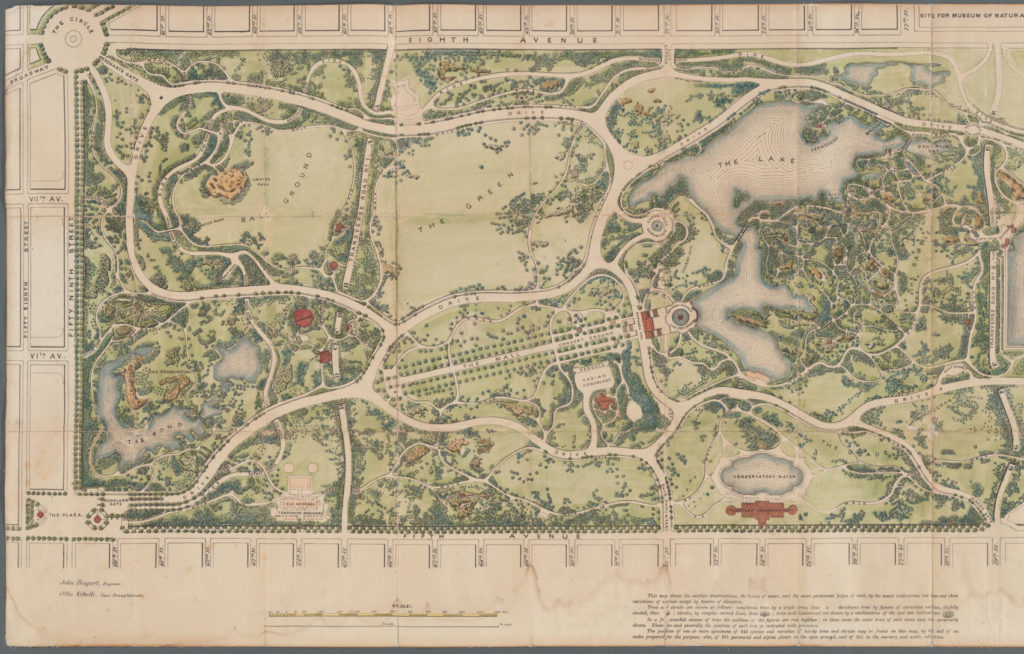
The Greensward plan, by Frederick Law Olmsted and Calvert Vaux, was chosen as the winning design for the new ‘central park’ in 1857

New York Public Library

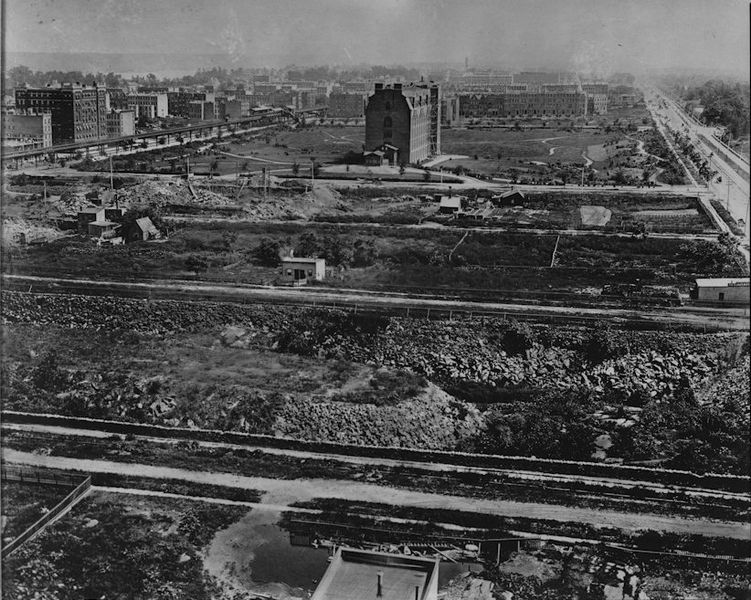
From the late 1870s, the solitary American Museum of Natural History building sits on the spot of Manhattan Square (land just to the west of Central Park granted to Green and the Central Park Commission).

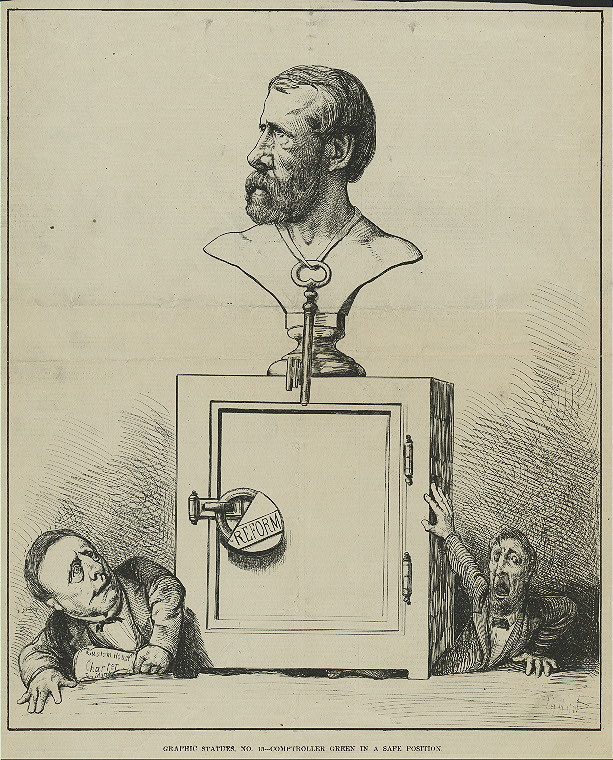
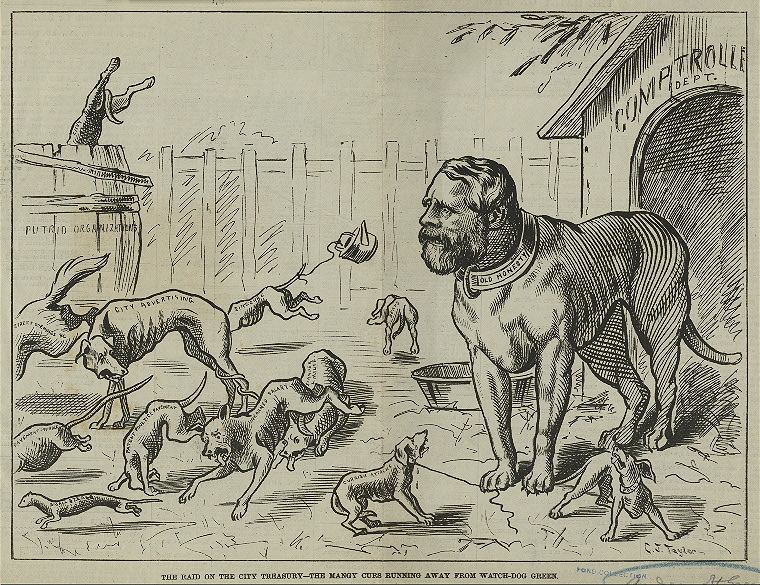
Green in a couple 1870s political cartoon, lampooning his honesty and austerity — in comparison to Boss Tweed and his Tammany Hall cronies.

New York Public Library

“Not a dollar, not a cent, is got from under his paw that is not wet with his blood and sweat.” — Olmstead on Green’s legendary money-managing reputation.

New York Public Library

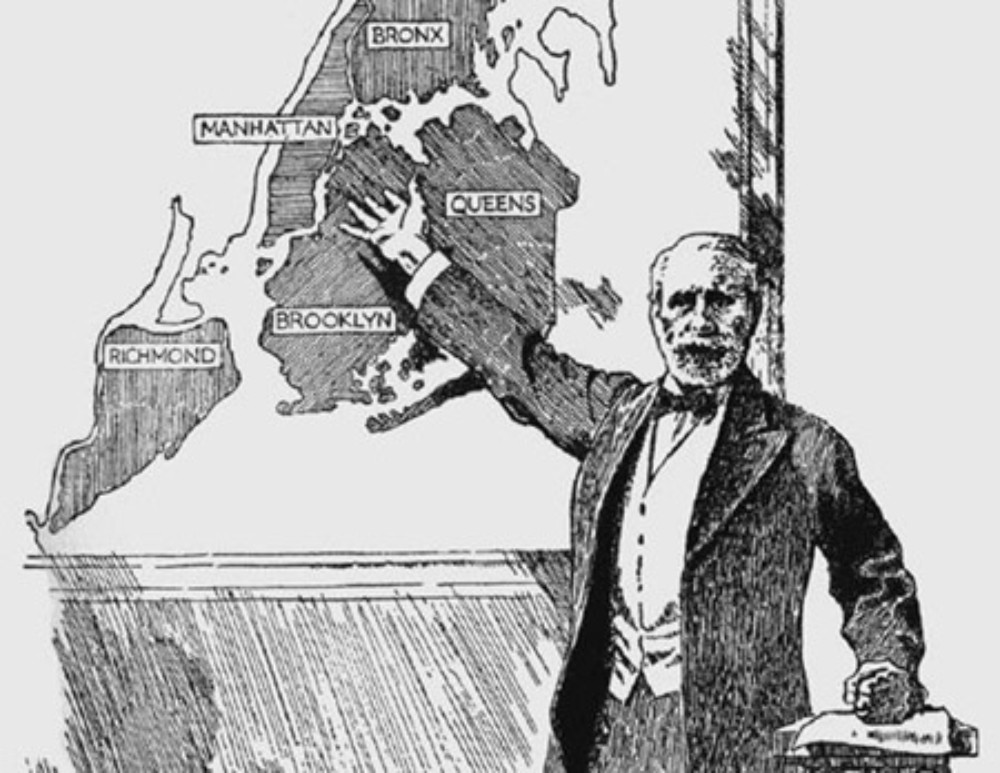
Green, the ardent salesman of a consolidated metropolis.

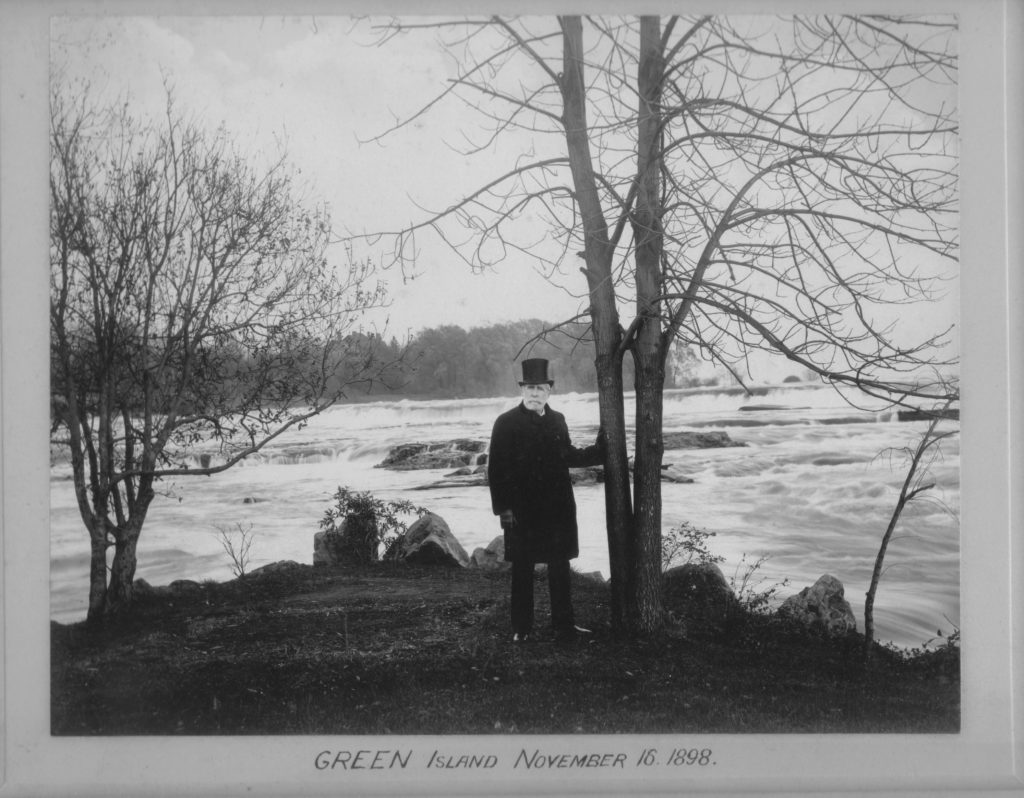
Green on the island that was named for him near Niagara Falls in 1898. He chaired the Niagara Falls State Reservation Commission for decades, helping to create the park and preserve the falls.

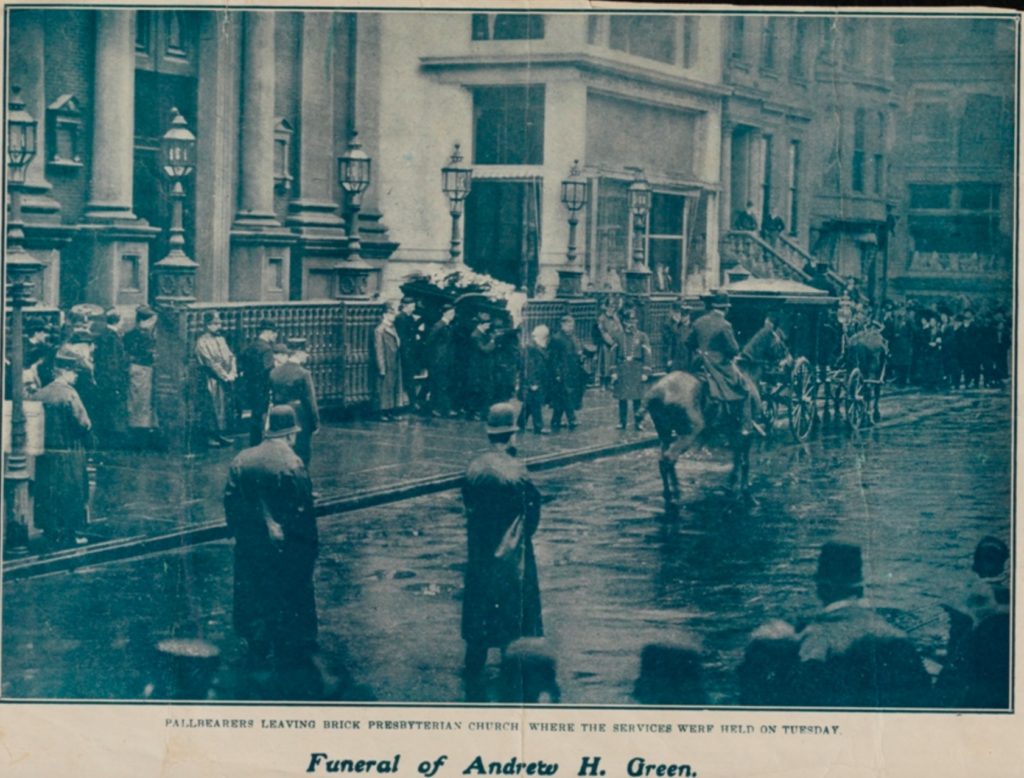
Andrew Haswell Green’s funeral procession leaving Brick Presbyterian Church, 1903

Museum of the City of New York

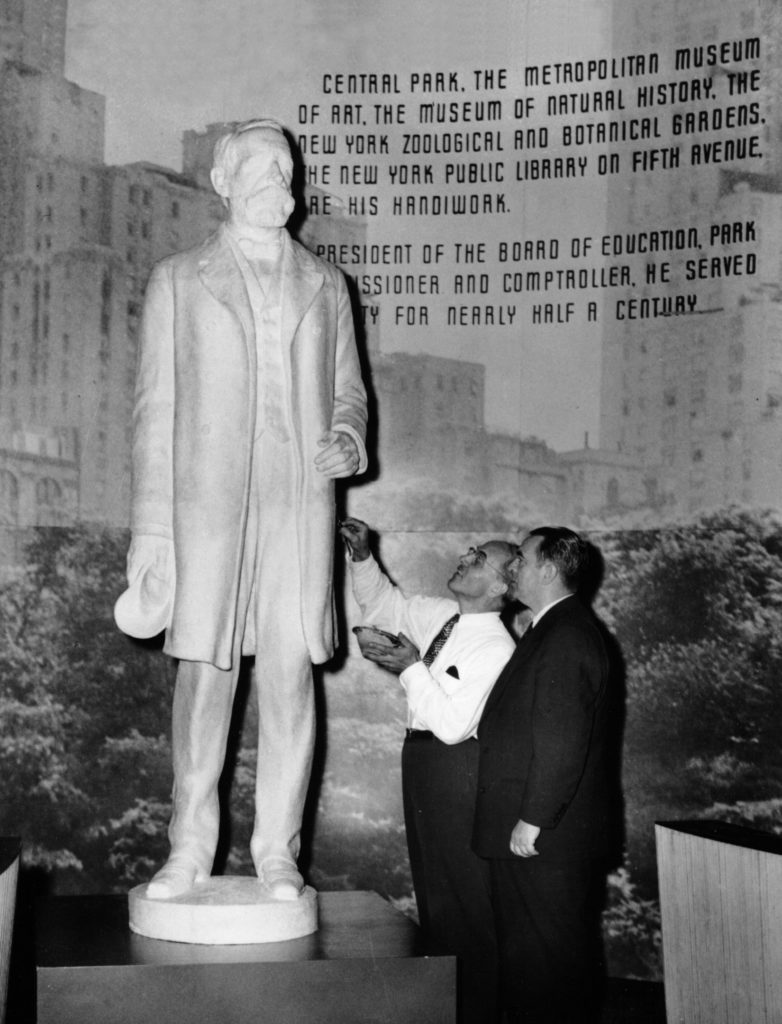
Temporary statue of Green created for the city’s Golden Jubilee celebration in 1948, marking the 50-year anniversary of the consolidated city. The men are sculptor Karl Gruppe and NYC Mayor William O’Dwyer.

Michael Miscione

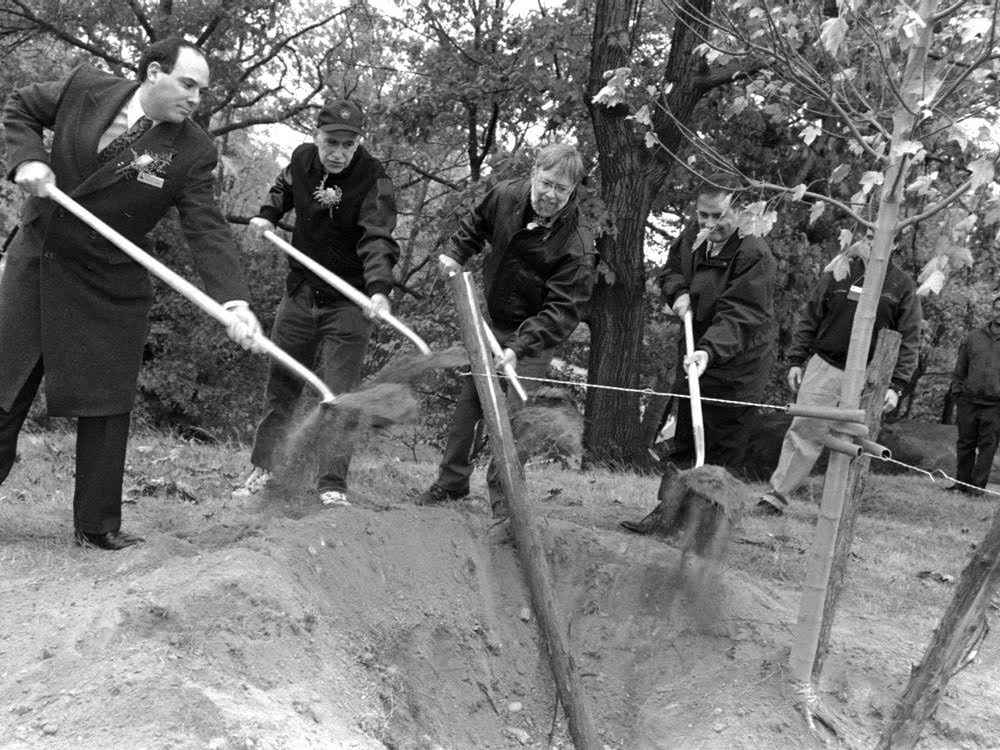
Michael Miscione, Parks Commissioner Henry Stern, Pulitzer Prize-winning historian Mike Wallace, and MCNY President Robert Macdonald (left to right) planting five new symbolic trees — representing the boroughs — at the AHG Memorial Bench in Central park in 1998 to replace the original ones that had died decades years earlier.

Michael Miscione

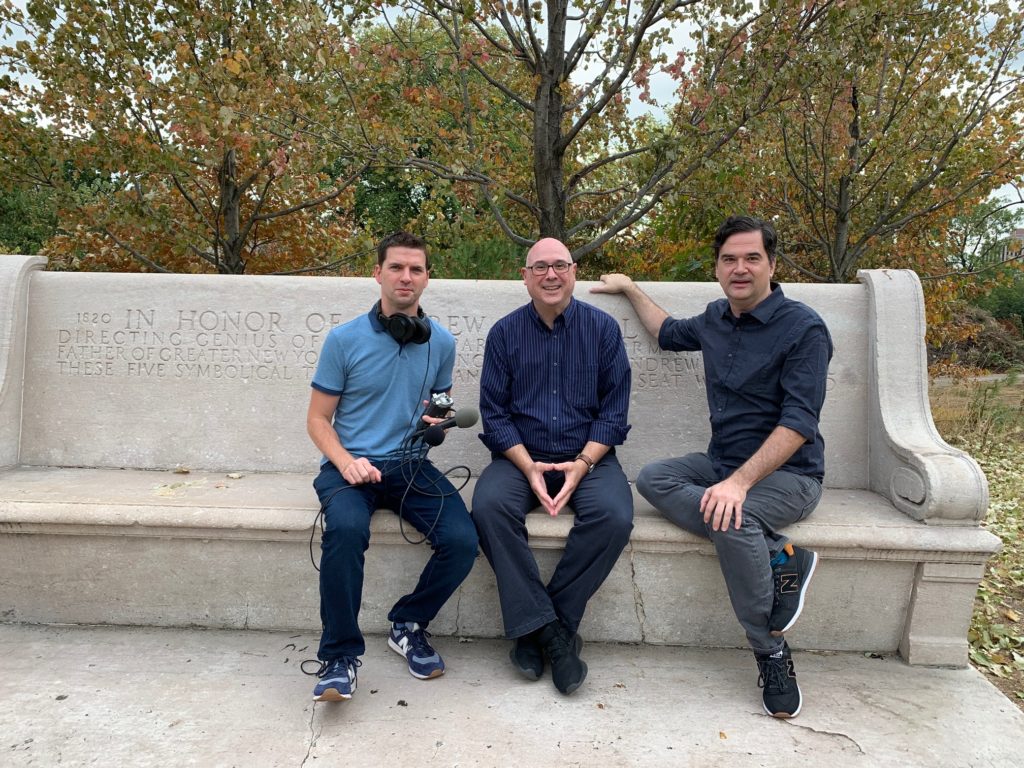
Tom and Greg with Michael Miscione at the Andrew Haswell Green Bench.

Courtesy Michael Miscione

FURTHER LISTENING:

So many of our past 299 shows touch upon landmarks and institutions mentioned in the show, but start with these five:

Andrew Haswell Green and Dorothy Catherine Draper courted for just a few months and both would remain unmarried for their entire lives. Yet both are critical figures in American history:

The Consolidation of Greater New York was Green’s grand vision, conceived of during his years on the Central Park Commission.

From way, way back in our back catalog, a two part show on the history of Central Park:

The Bronx Is Born: The magnificent idea of consolidation was conceived from Green’s ideas of expansion into Westchester County, into districts that would become known as the Annexed District

FURTHER READING:

The American Museum of Natural History and How It Got That Way by Colin Davey

The Life and Public Services of Andrew Haswell Green by John Foord

The Greater New York Charter by Andrew Haswell Green

Capital City: New York City and the Men Behind America’s Rise to Economic Dominance, 1860-1900 by Thomas Kessner

The Once and Future New York: Historic Preservation and the Modern City by Randall Mason

Two Centuries of American Planning by Daniel Schaffer

The Father of Greater New York: Official Report of the Presentation to Andrew Haswell Green of a Gold Medal Commemorating the Creation of the Greater City of New York: with a Brief Biographical Sketch

__________________________________________________________________________

The Bowery Boys: New York City History podcast is brought to you …. by you!

We are now producing a new Bowery Boys podcast every other week. We’re also looking to improve and expand the show in other ways — publishing, social media, live events and other forms of media. But we can only do this with your help!

We are now a member of Patreon, a patronage platform where you can support your favorite content creators.

Please visit our page on Patreon and watch a short video of us recording the show and talking about our expansion plans. If you’d like to help out, there are six different pledge levels. Check them out and consider being a sponsor.

And join us for the next episode of the Bowery Boys Movie Club, an exclusive podcast provided to our supporters on Patreon.

We greatly appreciate our listeners and readers and thank you for joining us on this journey so far.

________________________________________________________________________

Categories
Health and Living Podcasts

Talking Trash: A History of New York City Sanitation

PODCAST: A history of all things trash in New York City.

Picture New York City under mountains of filth, heaving from clogged gutters and overflowing from trash cans. Imagine the unbearable smell rotting food and animal corpses left on the curb. And what about snow, piled up and untouched, leaving roads entirely impassable?

This was New York City in the mid 19th century, a place growing faster than city officials could control. It seems impossible to keep clean.

In this episode, we chart the course to a safer, healthier city thanks to the men and women of the New York City Department of Sanitation, which was formed in the 1880s to combat this challenging humanitarian crisis.

And along the way, we’ll stop at some of the more, um, pungent landmarks of New York City history — the trash heaps of Rikers Island, the mountainous Corona Ash Dump, and the massive Fresh Kills Landfill.

PLUS: We’ll be joined by two special guests to help us understand the issues surrounding New York City sanitation in the 21st century:

Robin Nagle is a Clinical Professor at NYU and the Anthropologist in Residence for New York City’s Department of Sanitation, and the author of Picking Up – On the Streets and Behind the Trucks with the Sanitation Workers of New York City.

Maggie Lee is the records management officer in the Sanitation Department, and also serves as the deputy director for Museum Planning for the Foundation for New York’s Strongest.

LISTEN NOW — THE STORY OF NEW YORK SANITATION

To get this week’s episode, simply download or stream it for FREE from iTunes, Stitcher, Spotify or other podcasting services. You can also get it straight from our satellite site.

Or listen to it straight from here:

New York Public Library
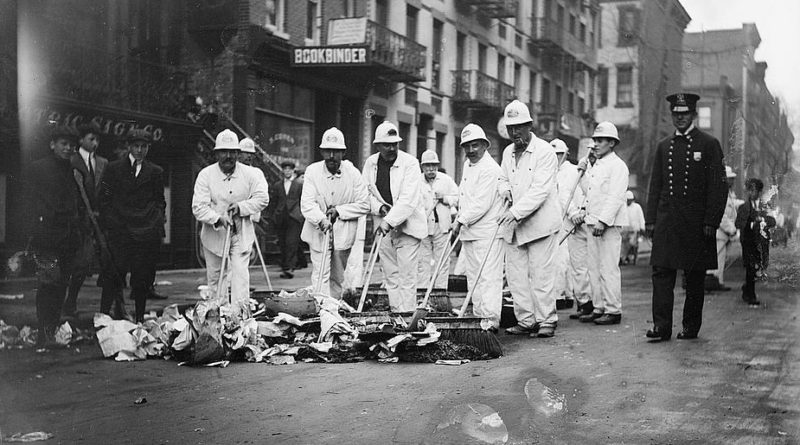
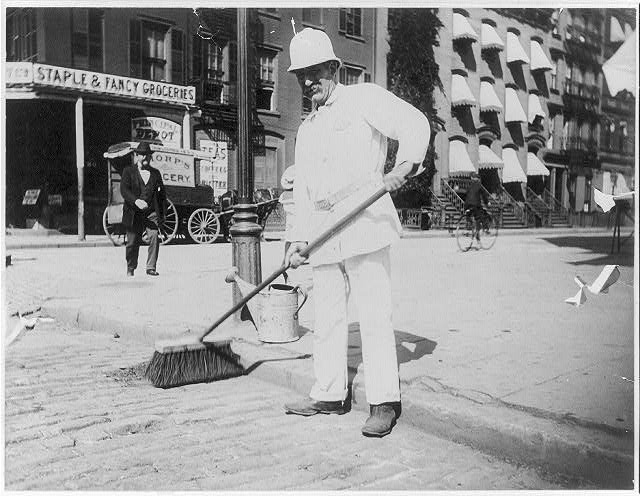
1896 street cleaner and member of Waring’s ‘white wings’, photograph by Alice Austen
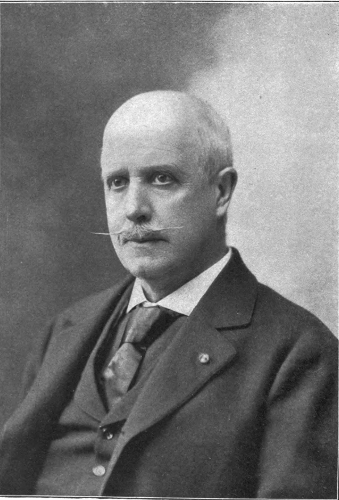
Colonel George E. Waring Jr., who changed the course of New York City life with the development of a rigorous new sanitation process in the city.
The ‘White Wings’ on parade, 1903, filmed for the Edison Company.
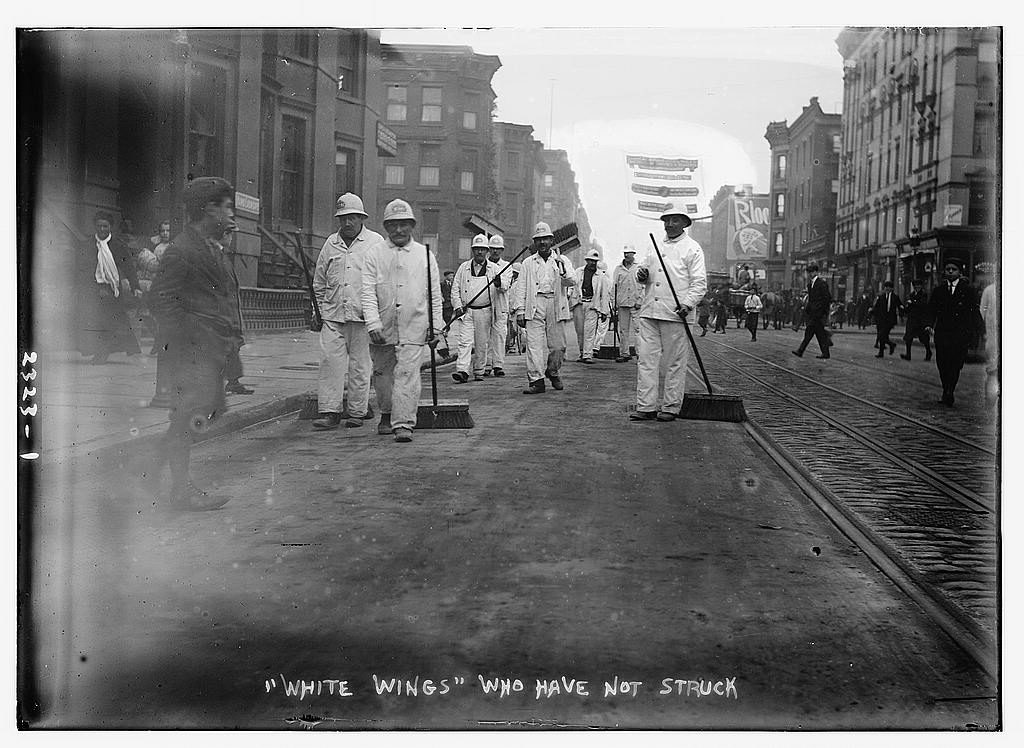
Photo shows men in white uniforms and hats with brooms in the street to sweep trash during the New York City garbage strike, Nov. 8-11, 1911. (Source: Flickr Commons project.)
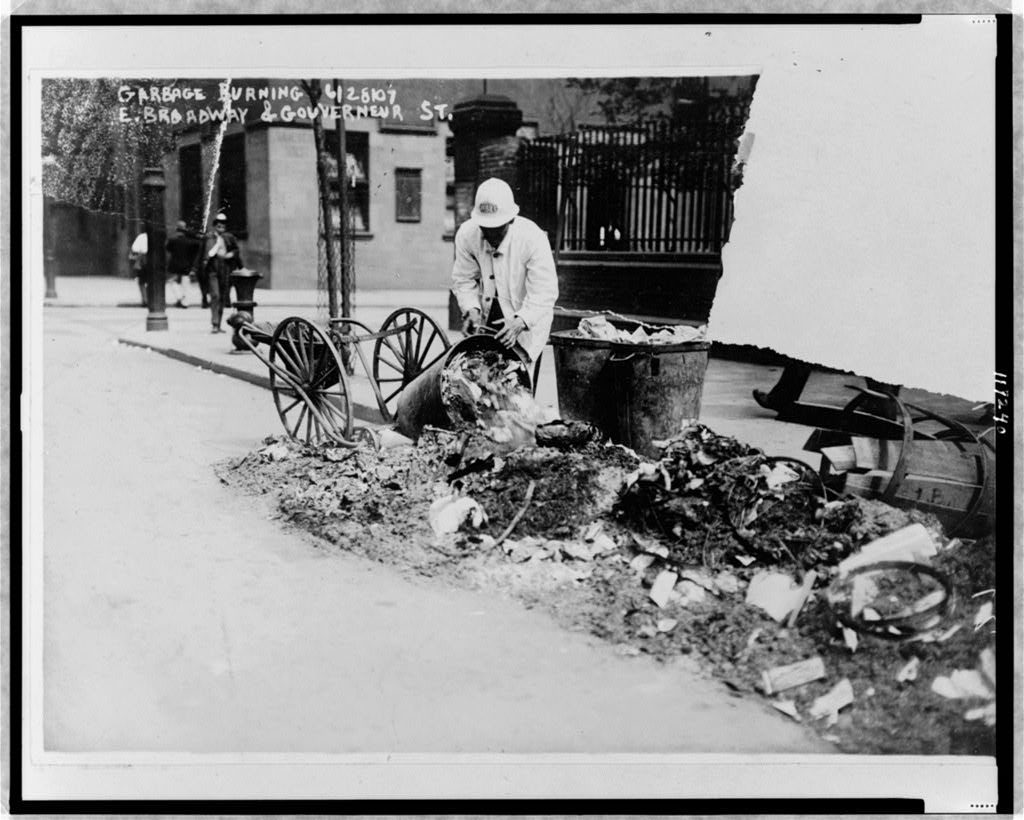
[Garbage burning at East Broadway and Gouverneur Street, New York City] Created / Published 1907 June 28. Courtesy Library of Congress
In the distance you see the incinerator located on Governor’s Island, operating at full capacity. Circa 1900. Photographer Robert Bracklow, image courtesy Museum of the City of New York.
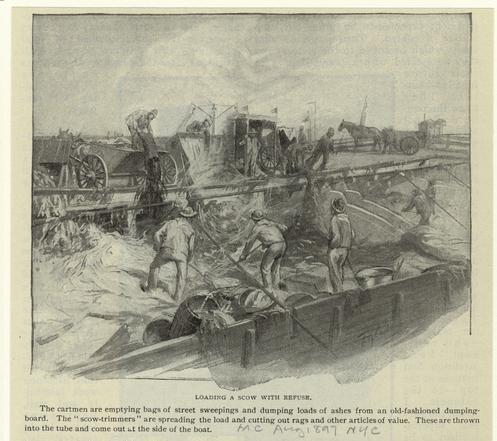
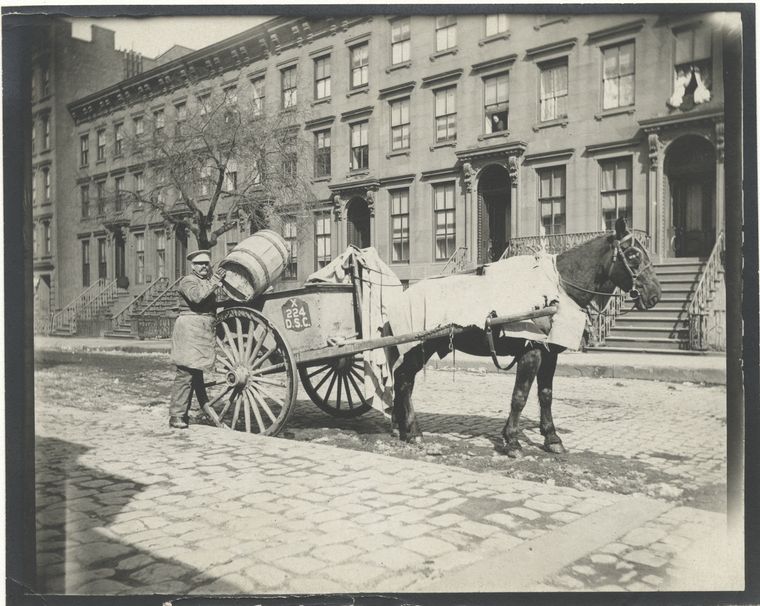
A sanitation worker carting carting away a full barrel of ash. The open cart would be filled, taken to barges, then sent to far-away dumps. In the 1910s, Brooklyn ash went to Corona.
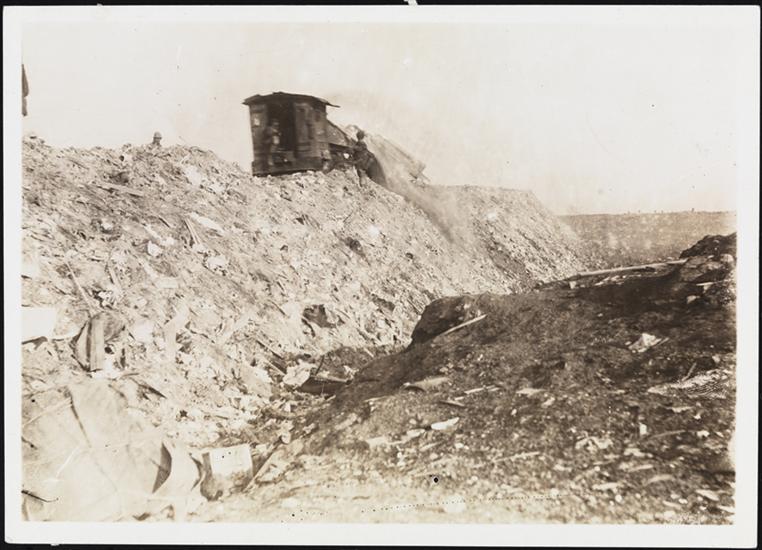
Rikers Island, 1915, a post-apocalyptic sea of trash. (Image courtesy the Museum of the City of New York)
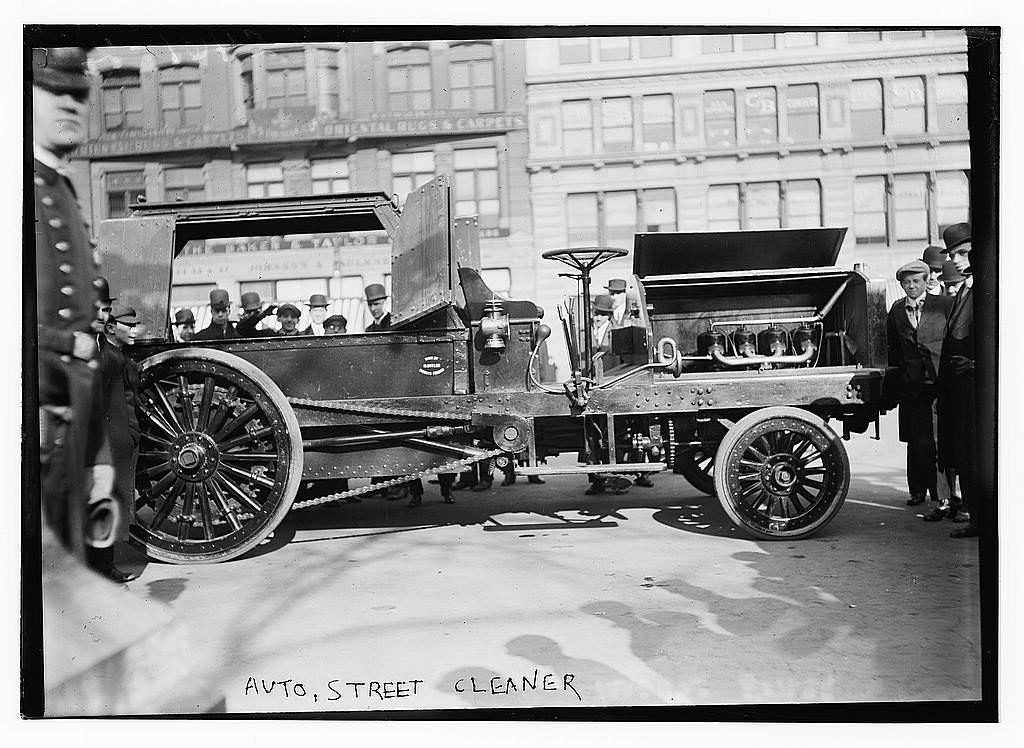
A fancy auto street cleaner, 1920. Photo courtesy Library of Congress
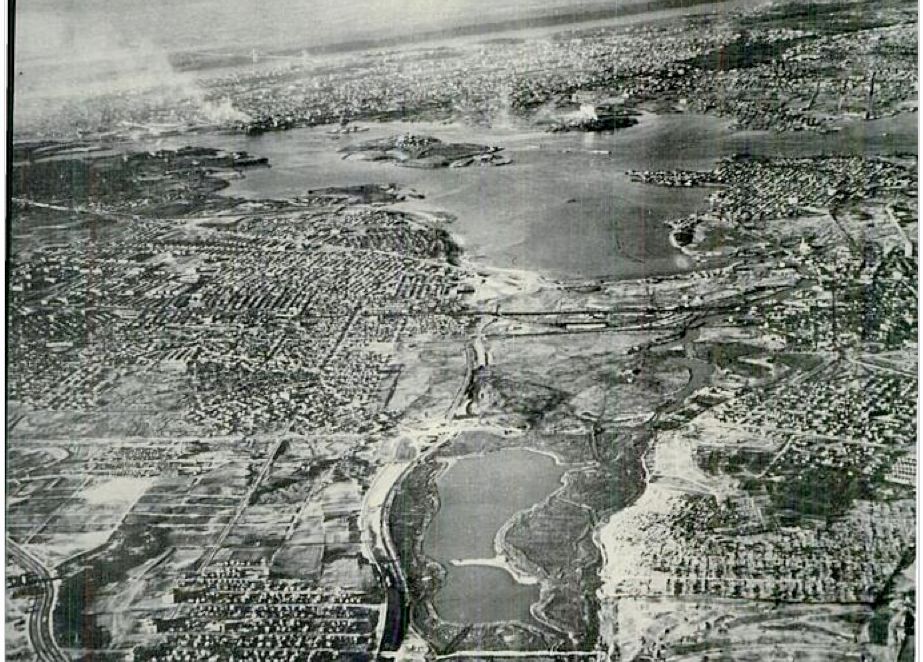
The Corona Ash Dump as seen from overhead. Rikers, also a destination for the city’s waste, can be seen in the bay. Courtesy CUNY
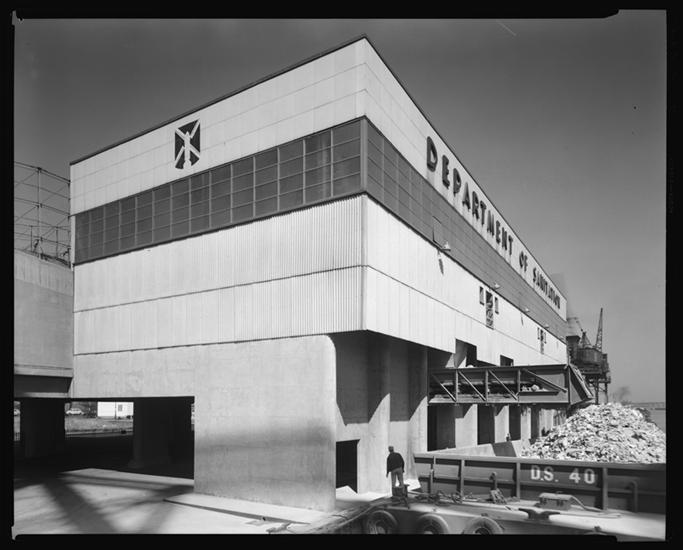
View of garbage disposal plant at the foot of 60th Street and the East River, 1946. Photo by the Wurts Brothers, courtesy the Museum of the City of New York
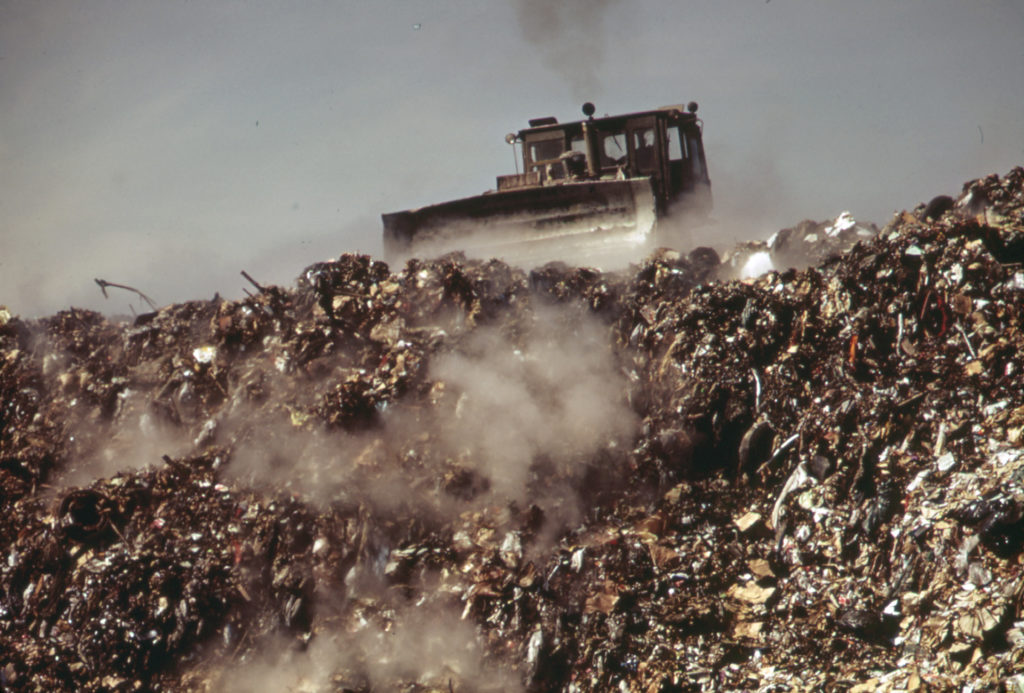
Freshkills Landfill, 1973. Gary Miller photographer
Our guest Robin Nagle giving a fascinating TED Talk on the subject!

PLACES TO VISIT

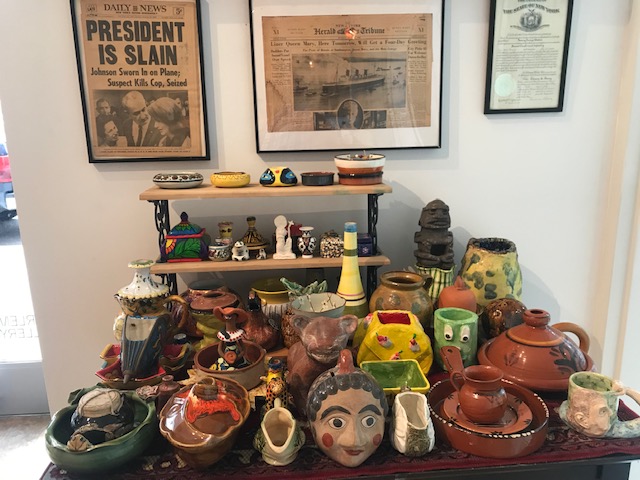
Hunter East Harlem Gallery: What is Here is Open: Selections from the Treasures in the Trash Collection” — an art show centered around pieces thrown out with the trash, which is currently running at the Hunter East Harlem Gallery at 119th and 3rd Avenue through September 14, 2019. (See some images of the exhibition below.)

Freshkills Park: See for yourself the unbelievable transformation from notorious dump to breathtaking new park

Photos by Tom Meyers

FURTHER LISTENING:

Listen to these shows in our back catalog for more information on subjects mentioned in this show —

The Blizzard of 1888 proved that New York’s fledgling Department of Sanitation had its work cut out for them.

Rikers Island had a truly unusual history that goes far beyond its current function as a controversial jail complex.

The World’s Fair of 1939 was planted atop the site of a notoriously ghastly ash dump:

FURTHER READING FROM THE WEBSITE:

Know Your Mayors: A Profile of Mayor Williams Strong

The Corona Ash Dump: Brooklyn’s burden on Queens, a vivid literary inspiration and a bleak, rat-filled landscape

The Origin of Snow Removal for All New Yorkers, Rich or Poor

Lovely Photos of the New York Garbage Strike of 1911

FURTHER BOOK READING:

Picking Up: On the Streets and Behind the Trucks with the Sanitation Workers of New York City by Robin Nagle

History of Public Health in New York City 1625-1866 by John Duffy

Fat of the Land: Garbage of New York — The Last Two Hundred Years by Benjamin Miller

Gotham Unbound: The Ecological History of Greater New York by Ted Steinberg

Noxious New York: The Racial Politics of Urban Health and Environmental Justice by Julie Sze

__________________________________________________________________________

The Bowery Boys: New York City History podcast is brought to you …. by you!

We are now producing a new Bowery Boys podcast every other week. We’re also looking to improve and expand the show in other ways — publishing, social media, live events and other forms of media. But we can only do this with your help!

We are now a member of Patreon, a patronage platform where you can support your favorite content creators.

Please visit our page on Patreon and watch a short video of us recording the show and talking about our expansion plans. If you’d like to help out, there are six different pledge levels. Check them out and consider being a sponsor.

And join us for the next episode of the Bowery Boys Movie Club, an exclusive podcast provided to our supporters on Patreon.

We greatly appreciate our listeners and readers and thank you for joining us on this journey so far.

Categories
Bowery Boys Movie Club Podcasts

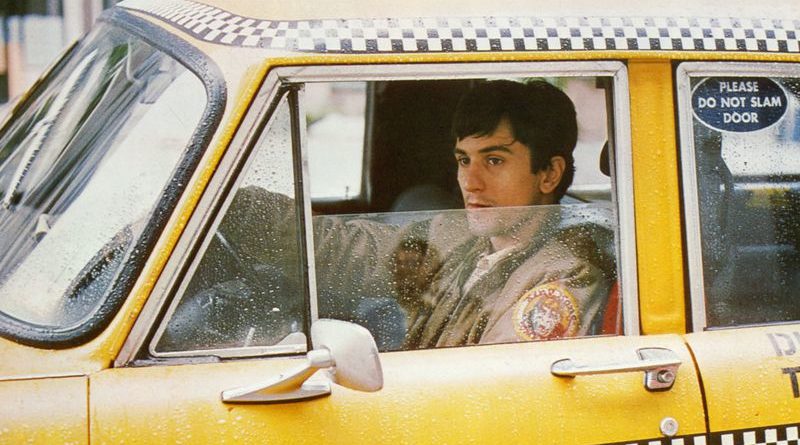
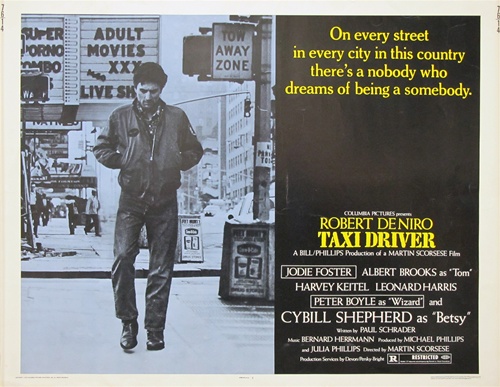
Taxi Driver: Looking at 1970s New York City in Martin Scorsese’s gritty thriller classic

Welcome to the Bowery Boys Movie Club, a new podcast exclusively for our Patreon supporters where Tom and Greg discuss classic New York City films from an historical perspective. As we are currently prepare the newest episode for our patrons, we thought we’d give our all our listeners a taste of the very first episode (which was released back in September).

In the Bowery Boys Movie Club, we’ll be revisiting some true cinematic classics and sprinkling our recaps with trivia, local details and personal insight — and lots of spoilers of course.

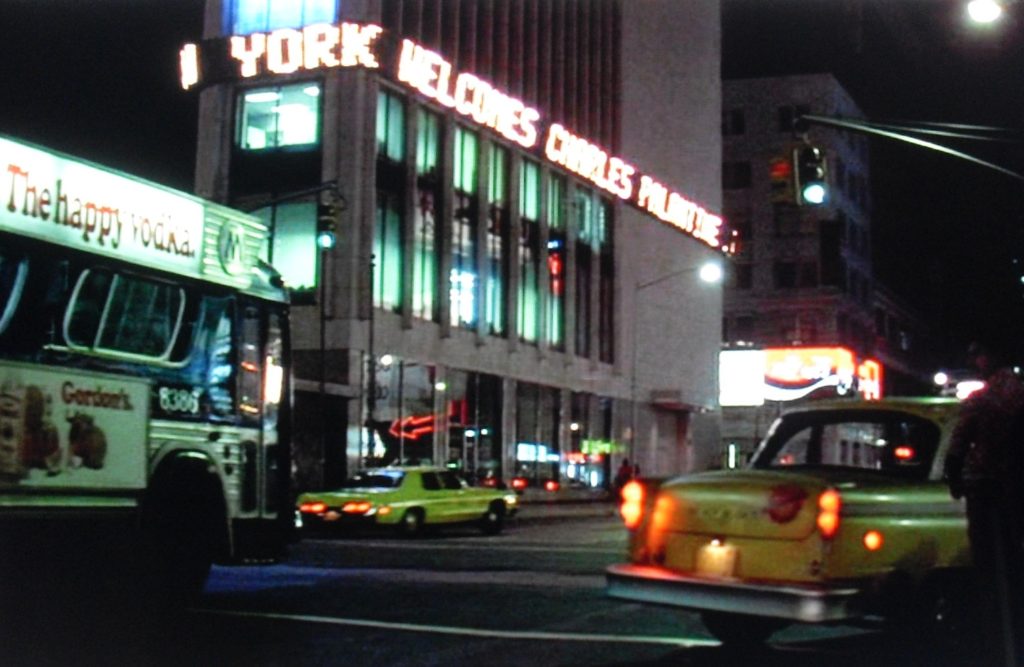
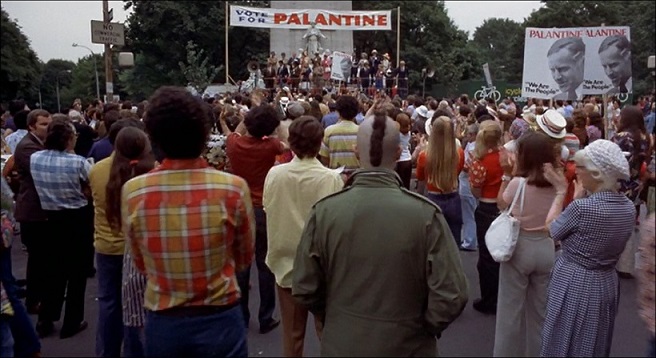
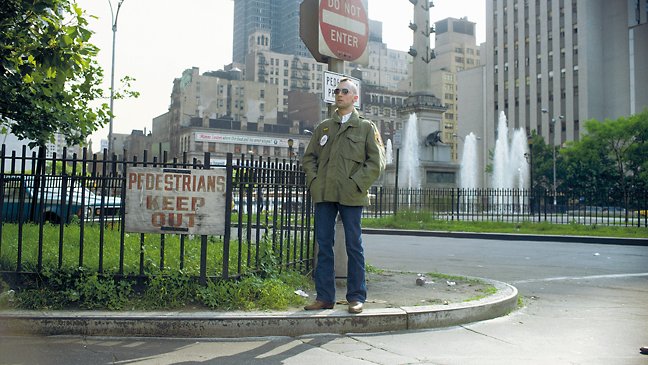
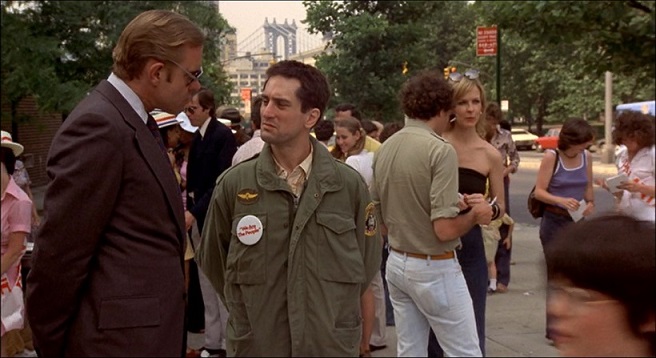
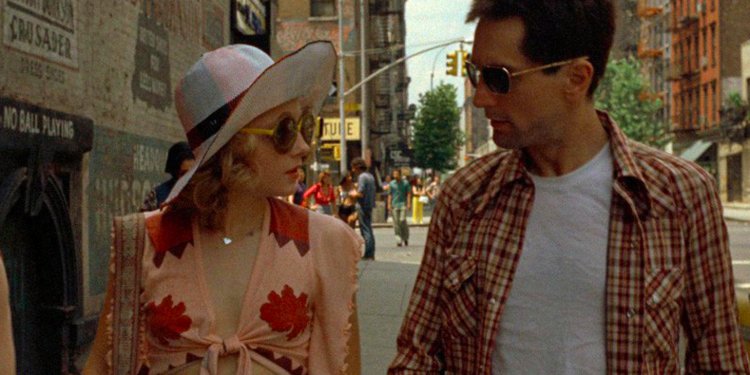
In this inaugural episode, the Bowery Boys take a trip to Times Square in the 1970s (not to mention Columbus Circle, the East Village and even Cadman Plaza in Downtown Brooklyn) in Martin Scorsese’s masterpiece Taxi Driver.

How does the director use New York’s unique geography to tell his story and categorize his three main characters? What does this film have to say about New York City in the 1970s? And how much has the city changed since Robert De NiroCybill Shepherd, and Jodie Foster starred in this grim, noir-ish thriller?

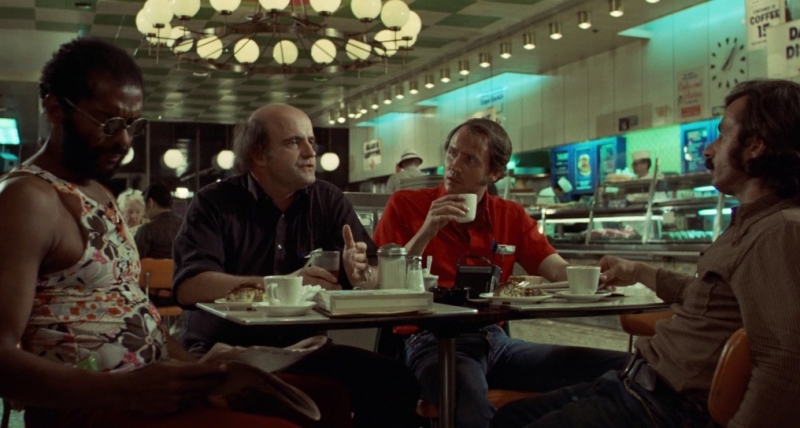
FEATURING: Diners, cafeterias, porn theaters and old elevated highways!

LISTEN HERE:

_________________________________________________________

The Bowery Boys: New York City History podcast is brought to you …. by you!

We are now producing a new Bowery Boys podcast every other week. We’re also looking to improve the show in other ways and expand in other ways as well — through publishing, social media, live events and other forms of media. But we can only do this with your help!

We are now a member of Patreon, a patronage platform where you can support your favorite content creators for as little as a $1 a month.

Please visit our page on Patreon and watch a short video of us recording the show and talking about our expansion plans. If you’d like to help out, there are five different pledge levels (and with clever names too — Mannahatta, New Amsterdam, Five Points, Gilded Age, Jazz Age and Empire State). Check them out and consider being a sponsor.

And join us for the next episode of the Bowery Boys Movie Club, an exclusive podcast provided to our supporters on Patreon. Our new show on the 1958 classic Auntie Mame arrives in your exclusive feed next Wednesday.

We greatly appreciate our listeners and readers and thank you for joining us on this journey so far.

__________________________________________________________

Some New York City locations featured in Taxi Driver and mentioned on our show:

One Times Square

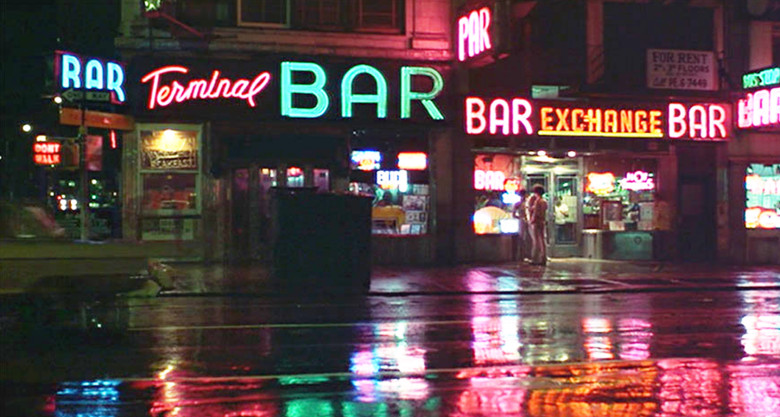
Terminal Bar, Eighth Avenue

East Village (13th Street)

From the film:

Columbus Circle (in front of the Maine Monument)

From the film:

Cadman Plaza West, Downtown Brooklyn

From the film:

Belmore Cafeteria (28th Street/Park Avenue South)

All images and video clips are the property of Columbia Pictures
Categories
Brooklyn History Podcasts

Treasures of Downtown Brooklyn: Remnants of the former independent city, hidden in plain sight

PODCAST The fascinating history of Brooklyn’s most bustling — and most frequently misunderstood — neighborhood.

Downtown Brooklyn has a history that is often overlooked by New Yorkers. You’d be forgiven if you thought Brooklyn’s civic center — with a bustling shopping district and even an industrial tech campus — seemed to lack significant remnants of Brooklyn’s past; many areas have been radically altered and hundreds of old structures have been cleared over the decades.

But, in fact, Downtown Brooklyn is one of the few areas to still hold evidence of the borough’s glorious past — its days as an independent city and one of the largest urban centers in 19th century America.

Around Brooklyn City Hall (now Borough Hall) swirled all aspects of Brooklyn’s Gilded Age society. With the construction of the Brooklyn Bridge and a network of elevated railroad lines, Downtown Brooklyn became a major destination with premier department stores on Fulton Street, entertainment venues like the Brooklyn Academy of Music and exclusive restaurants like Gage & Tollners.

The 20th century brought a new designation for Brooklyn — a borough of Greater New  York — and a series of major developments that attempted to modernize the district — from the creation of Cadman Plaza to New York’s very own ‘tech hub’. In 2004 a major zoning change brought a new addition to the multi-purpose neighborhood — high-end residential towers. What will the future hold for the original heart of the City of Brooklyn?

LISTEN HERE:

_________________________________________________________

The Bowery Boys: New York City History podcast is brought to you …. by you!

We are now producing a new Bowery Boys podcast every other week. We’re also looking to improve the show in other ways and expand in other ways as well — through publishing, social media, live events and other forms of media. But we can only do this with your help!

We are now a member of Patreon, a patronage platform where you can support your favorite content creators for as little as a $1 a month.

Please visit our page on Patreon and watch a short video of us recording the show and talking about our expansion plans. If you’d like to help out, there are five different pledge levels (and with clever names too — Mannahatta, New Amsterdam, Five Points, Gilded Age, Jazz Age and Empire State). Check them out and consider being a sponsor.

And join us for the next episode of the Bowery Boys Movie Club, an exclusive podcast provided to our supporters on Patreon.

We greatly appreciate our listeners and readers and thank you for joining us on this journey so far.

__________________________________________________________

And a video about the history of MetroTech Center from NYU Polytechnic

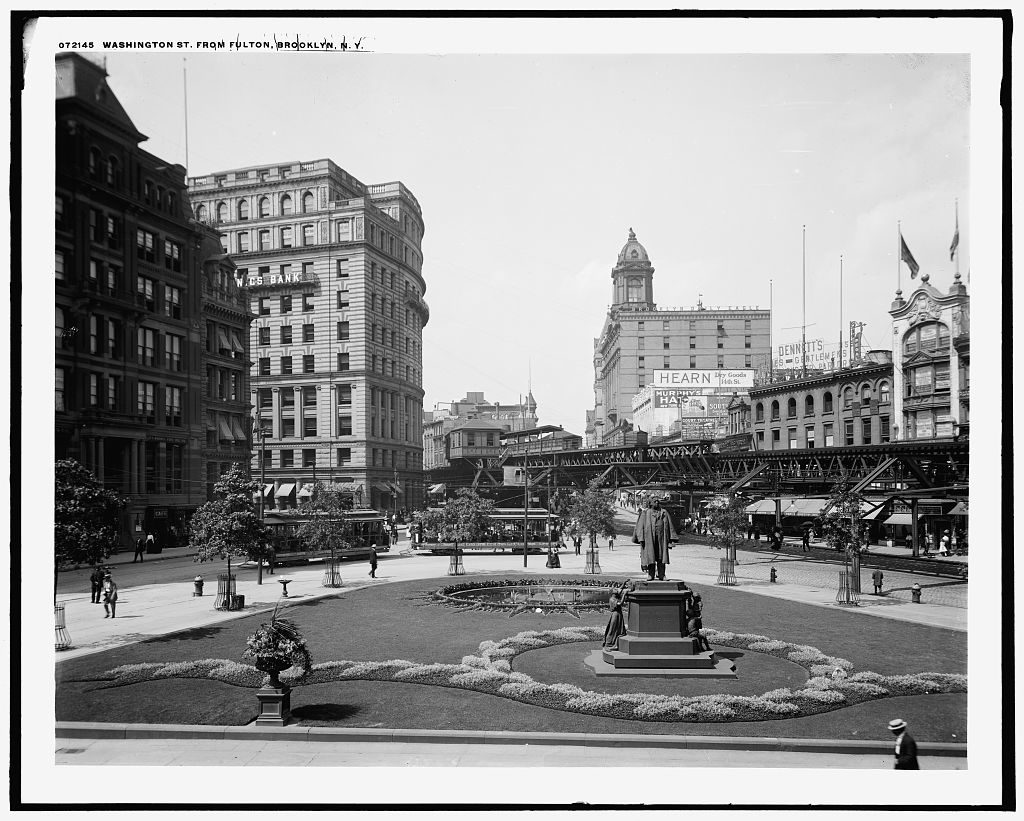
The scene just north of Brooklyn Borough Hall, in a photo taken in the early 1900s. The Henry Ward Beecher monument would be moved further north with the creation of Cadman Plaza.

Detroit Publishing Company / Library of Congress

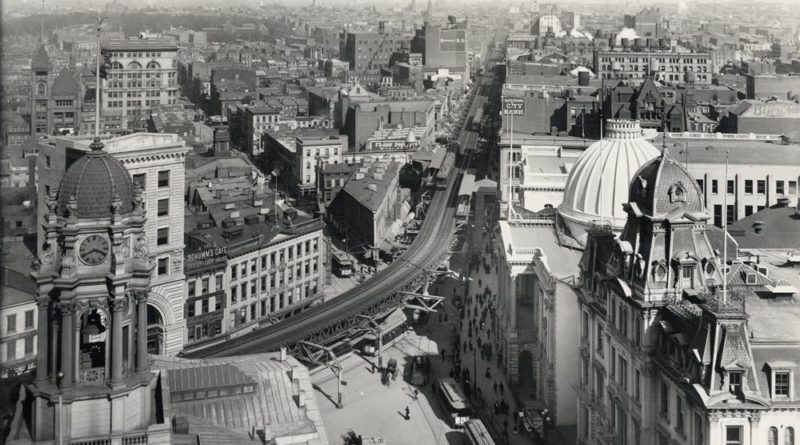
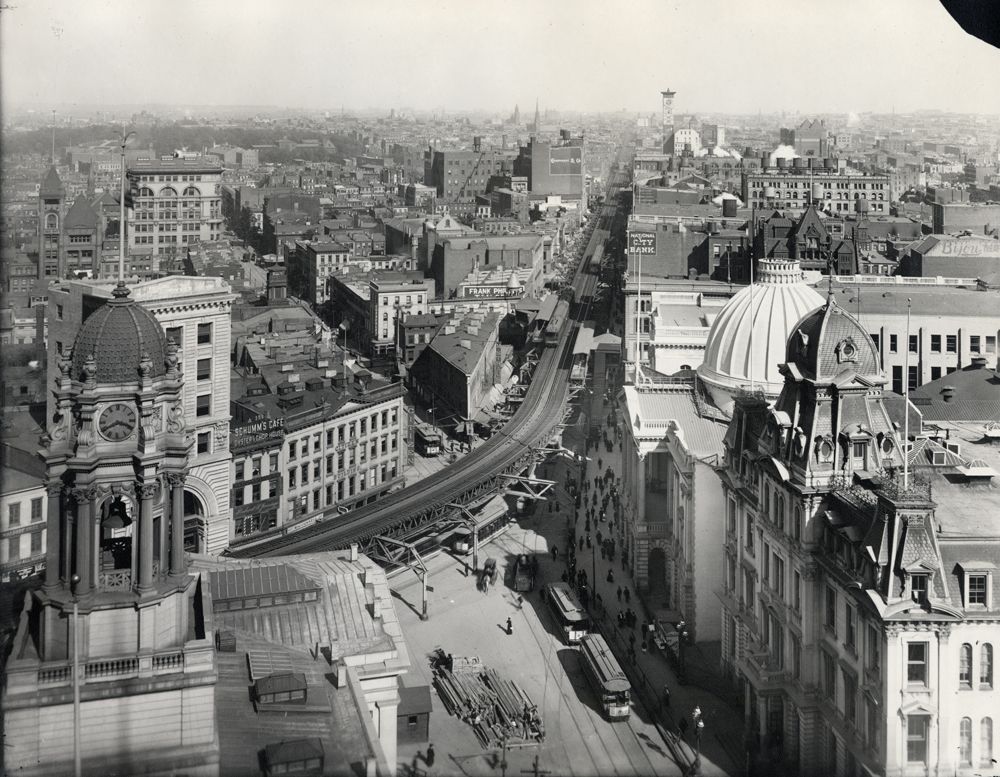
Downtown Brooklyn in 1892, a year of momentous change for the neighborhood. Here you see the elevated railroad snaking up Fulton Street with Brooklyn City Hall on the far left.

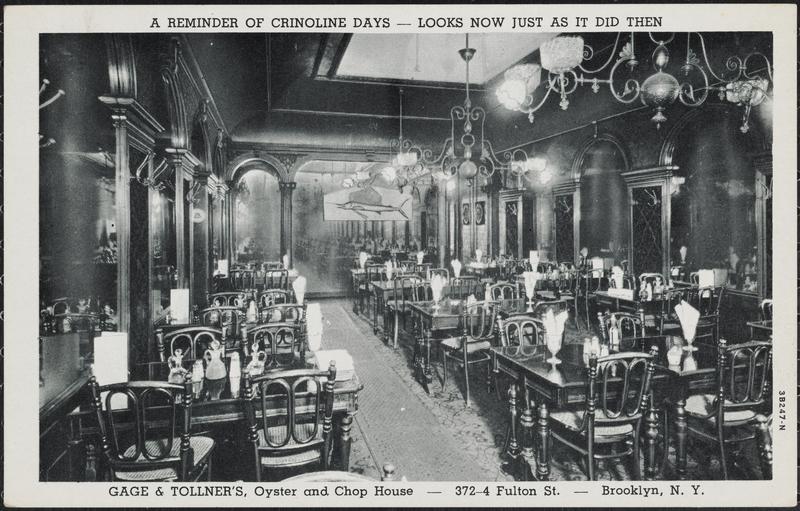
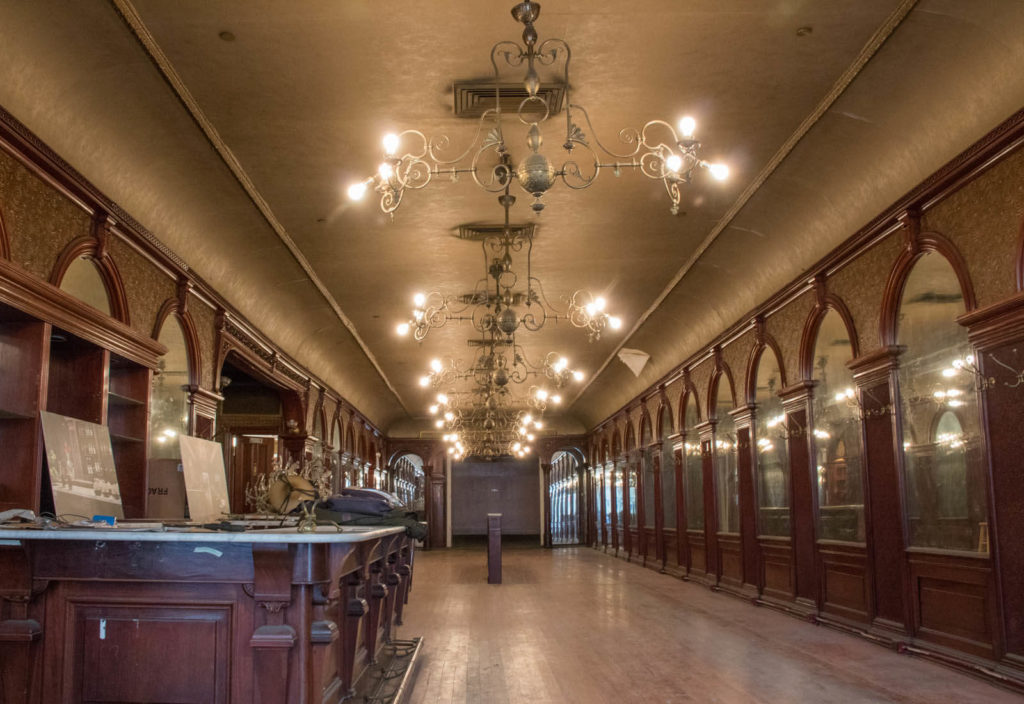
The classic interiors of Gage & Tollner’s exclusive restaurant on Fulton Street. The interiors are landmarks and you can actually peer into the storefront on Fulton Street to see them (although no business currently occupies the space.)

Museum of the City of New York
Susan De Vries/Brownstoner

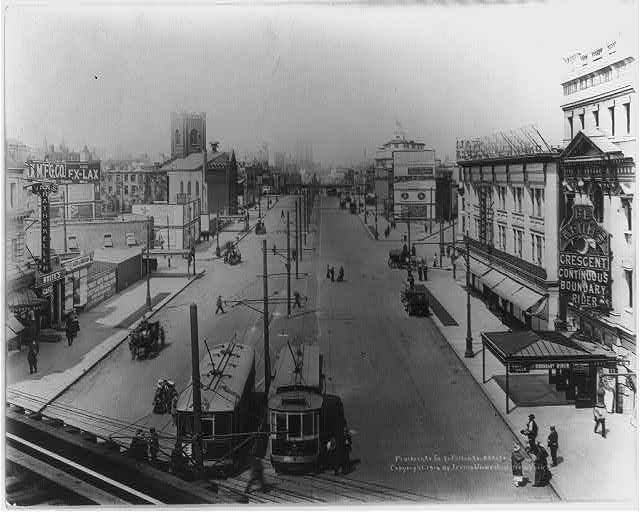
Flatbush Avenue Extension from Fulton Street, 1914 (a few years after the opening of the Manhattan Bridge). Note the Crescent Theatre to the far right. It opened as a vaudeville/burlesque house and transitioned to silent films.

Library of Congress

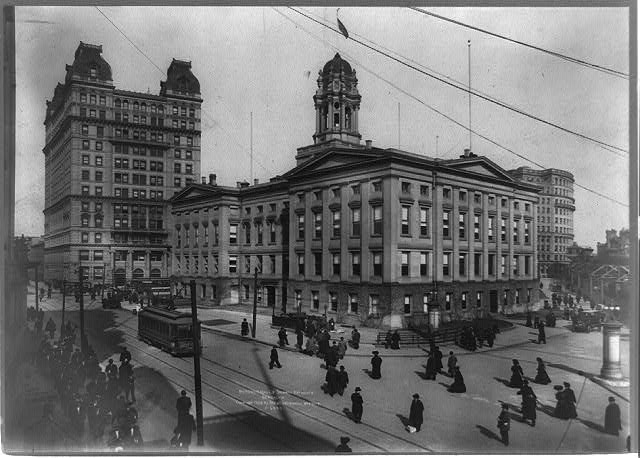
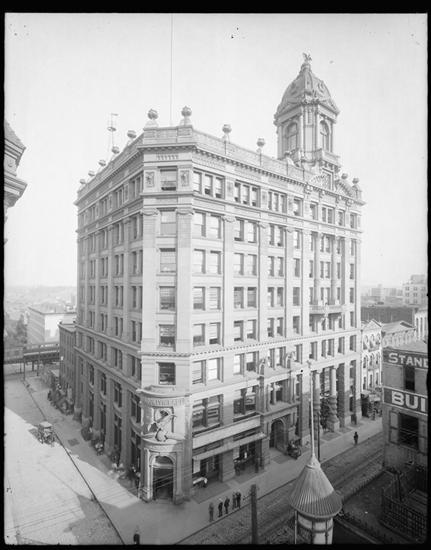
Brooklyn Borough Hall in 1908 with its new neighbor, the Temple Court Building (constructed 1901).

Irving Underhill/Library of Congress/ 1908

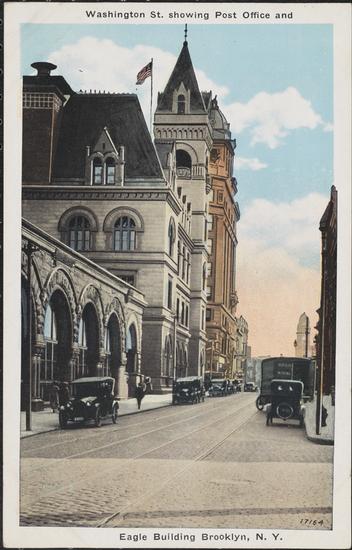
The post office was once next to the Brooklyn Daily Eagle offices. The Eagle building was demolished, as was Washington Street. (It became Cadman Plaza East.)

Museum of the City of New York

The post office building on Cadman Plaza in 1976, with the newly situated Henry Ward Beecher monument.

Edmund Vincent Gillon, Museum of the City of New York

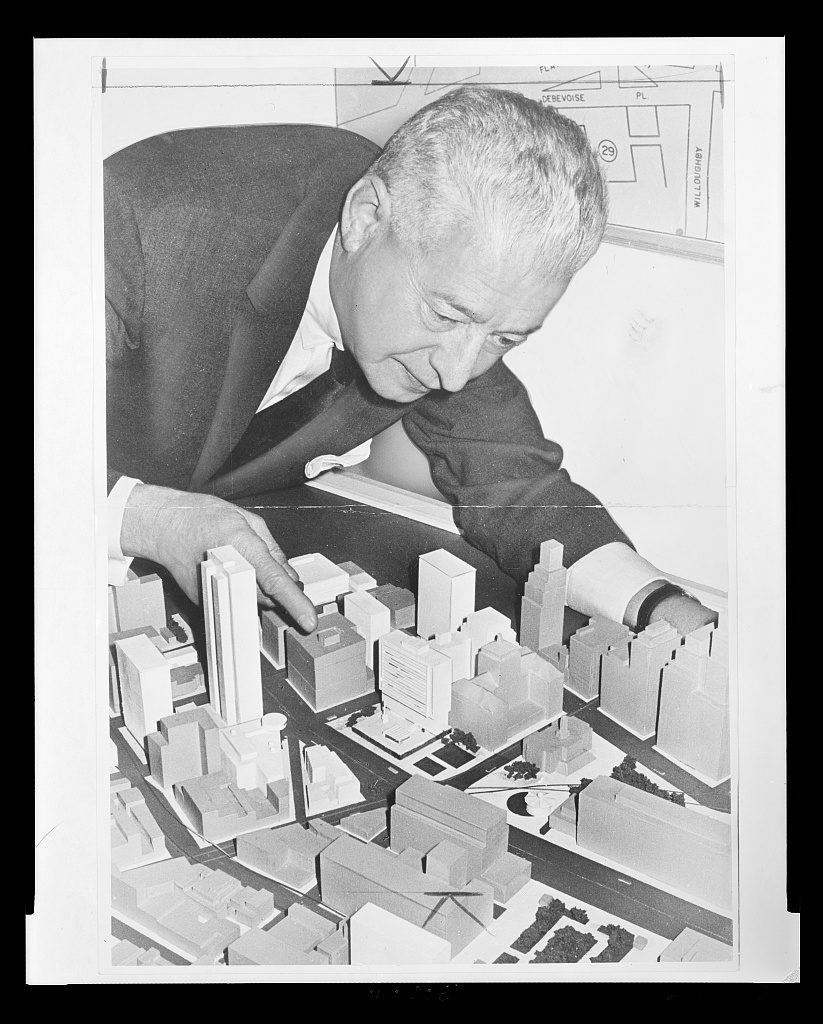
A 1963 photo of Abe Stark, Brooklyn borough president, hovering over a model of the ‘new’ civic center plan for downtown Brooklyn.

Higgins, Roger, photographer/Library of Congress

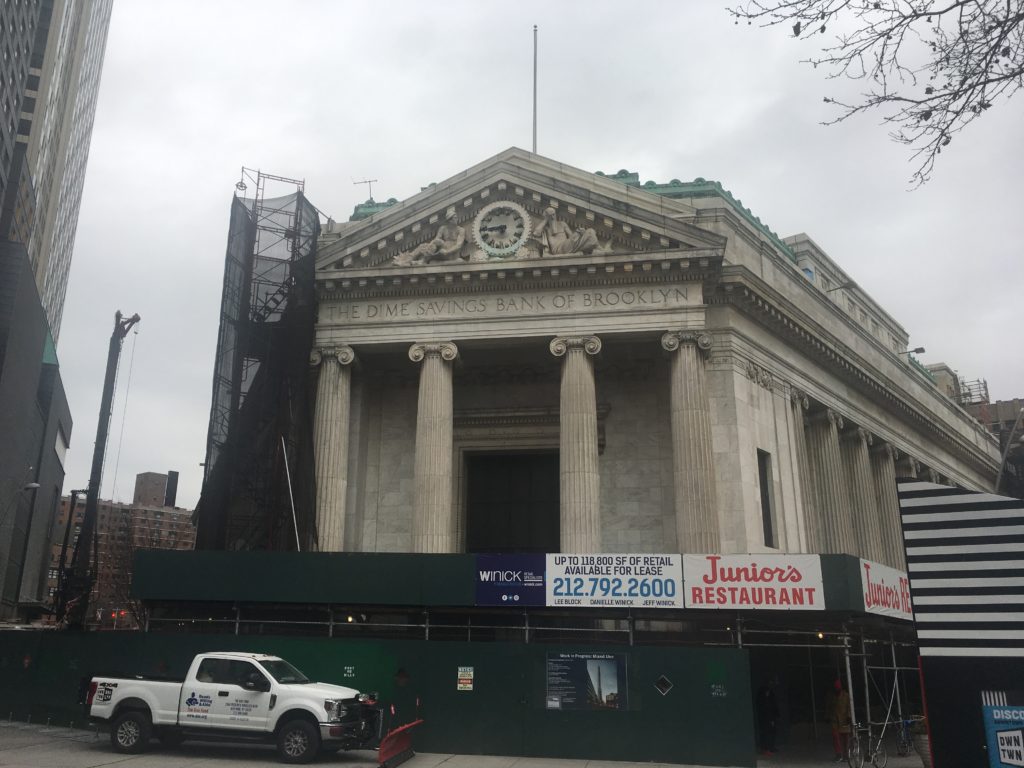
The Dime Savings Bank of Brooklyn is an oddity among the old retail shops of Fulton Street but its classical architecture has helped it survive the wrecking ball.

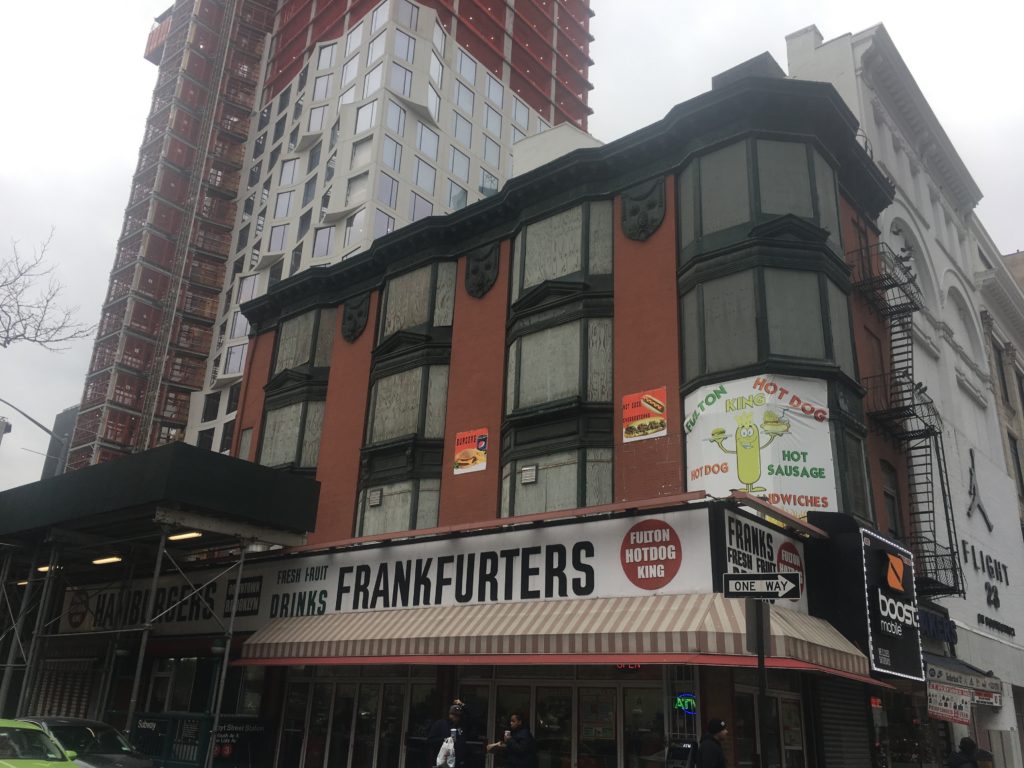
Look above the first or second floors on Fulton Street and you’ll find some curious and spectacular architectural finery.

The landmarked Offerman Building, the most beautiful former department store on Fulton Street.

More department store richness:

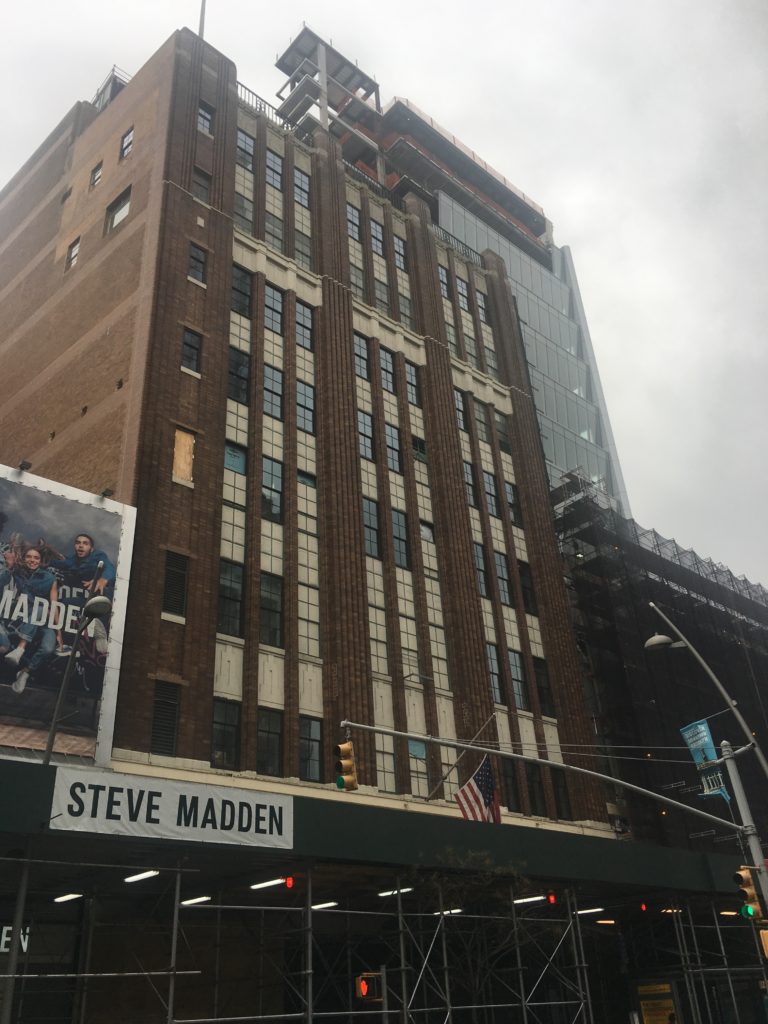
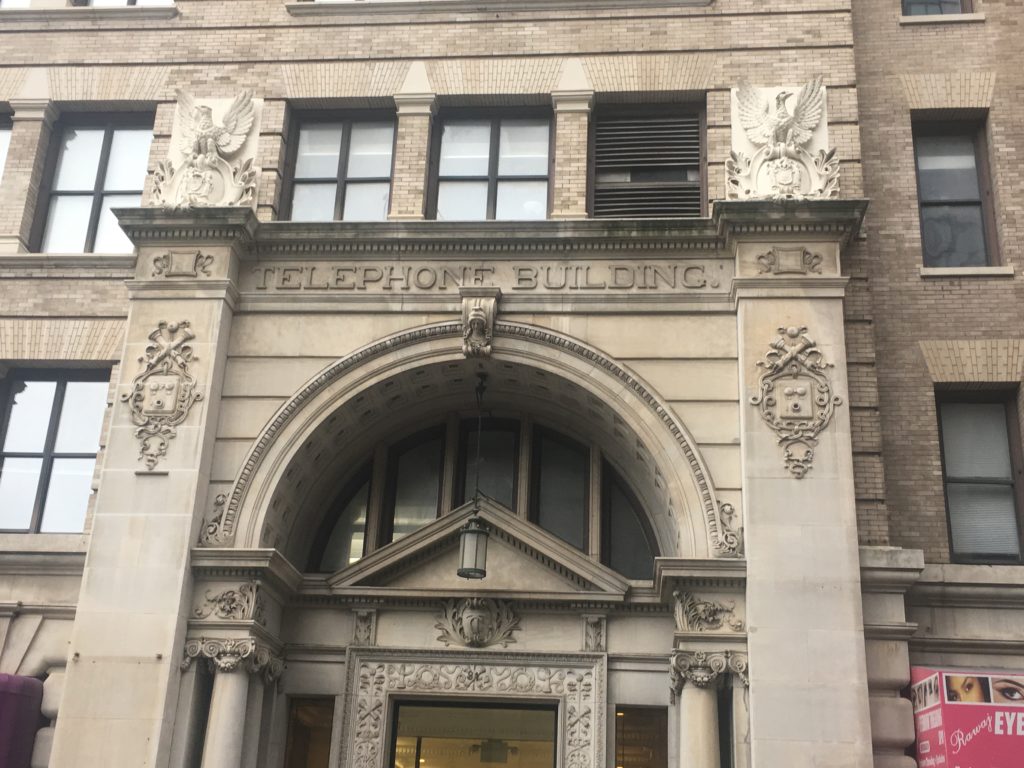
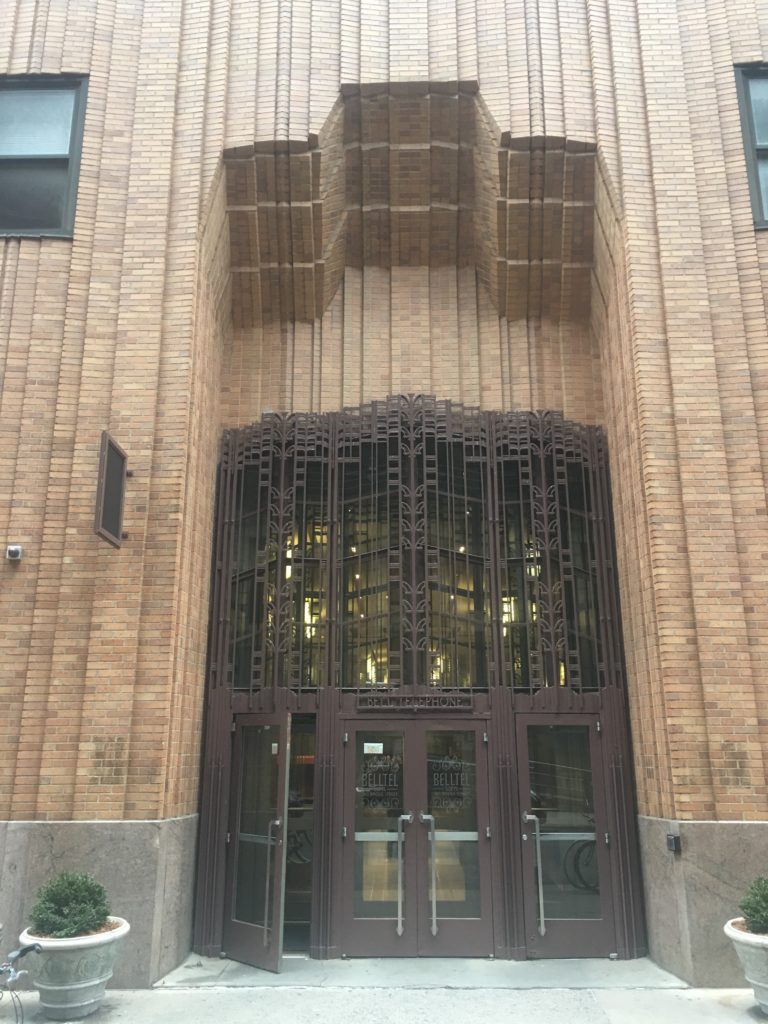
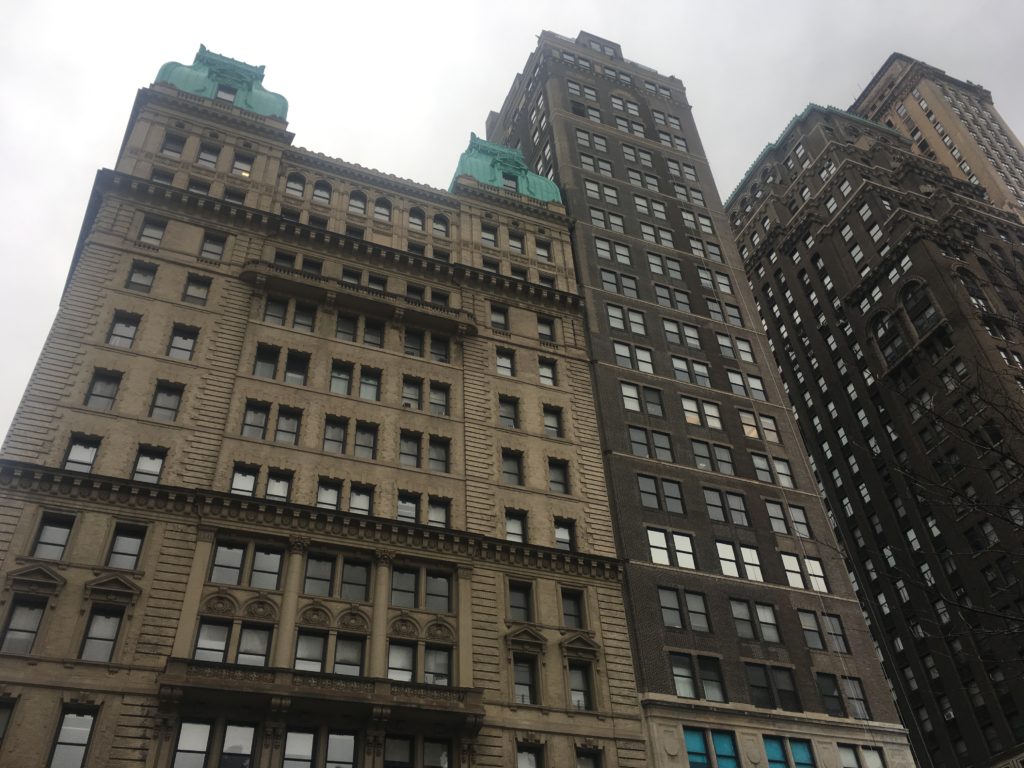
The New York Telephone Company Building and the NY and NJ Telephone and Telegraph Building both remain standing amid a sea of new supertall residential construction.

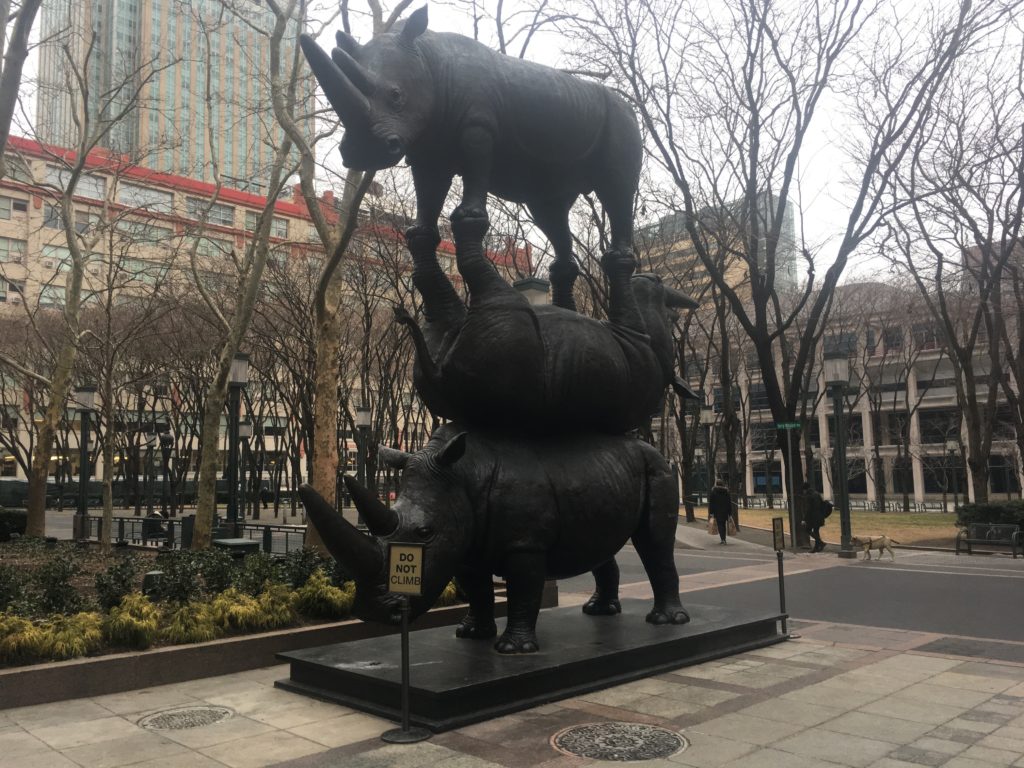
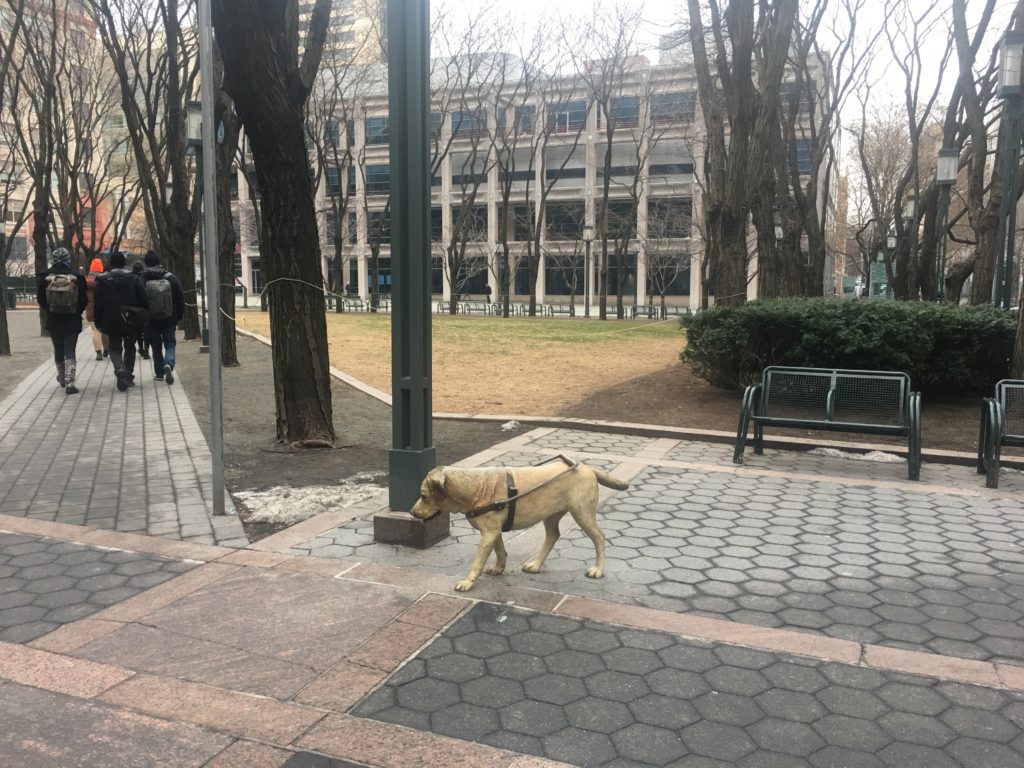
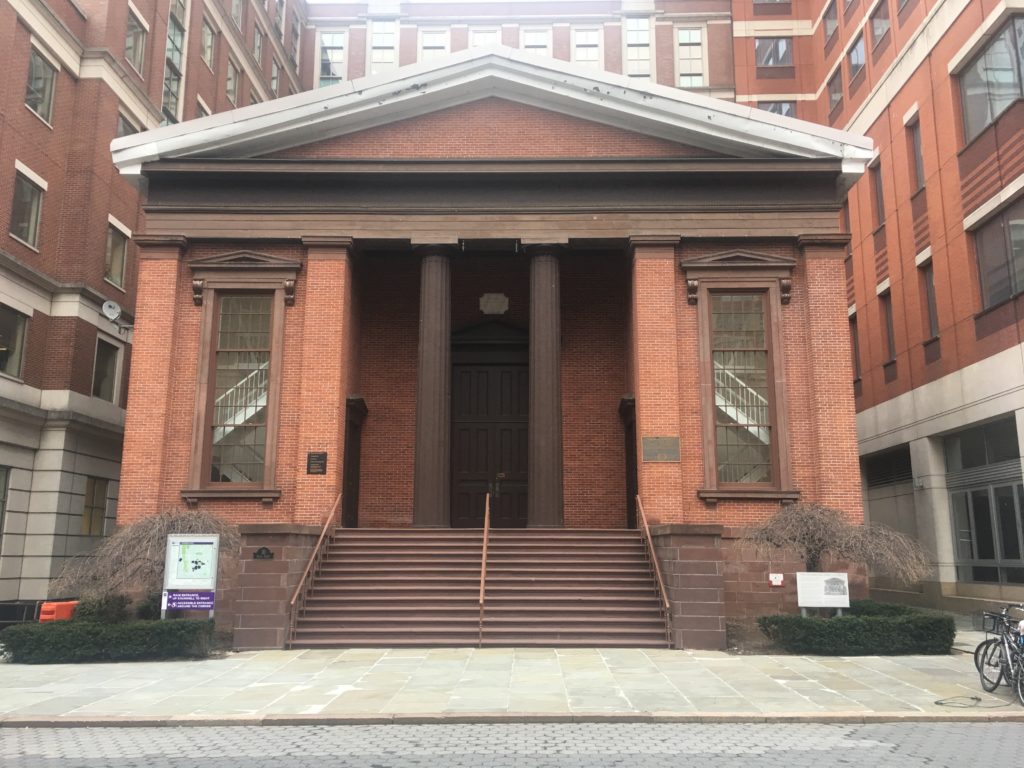
Some curious features of MetroTech Commons — two whimsical animal-themed sculptures and the Bridge Street Church, a historical landmark associated with the Underground Railroad.

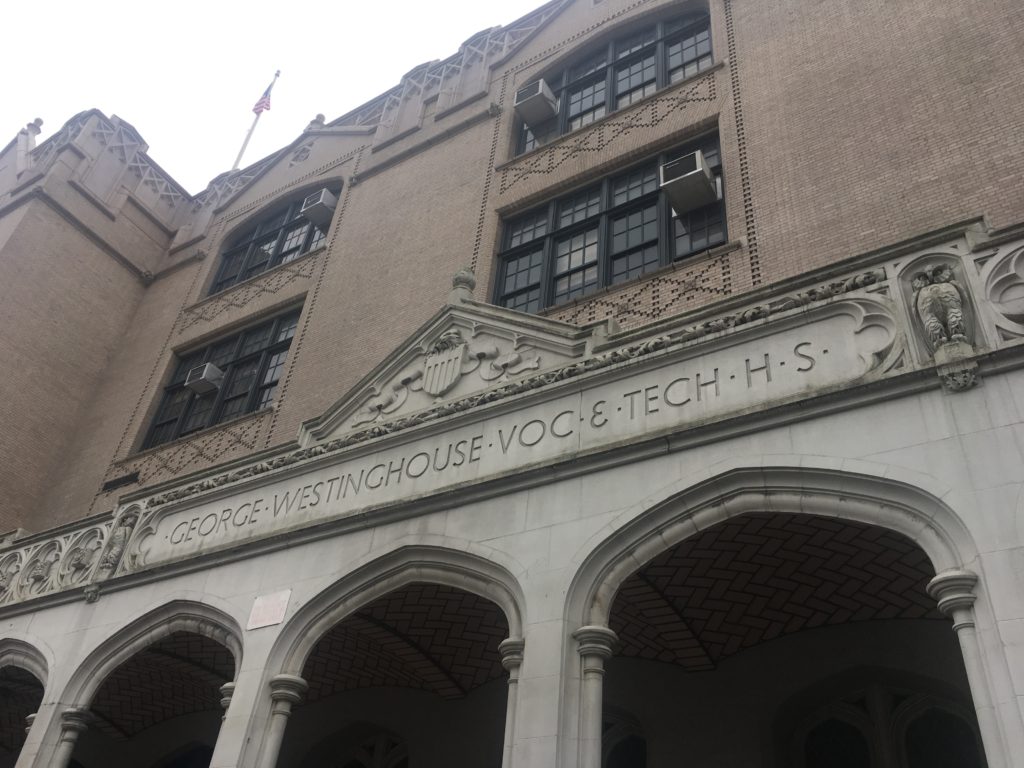
A block north of MetroTech Commons, you’ll find the historic George Westinghouse High School.

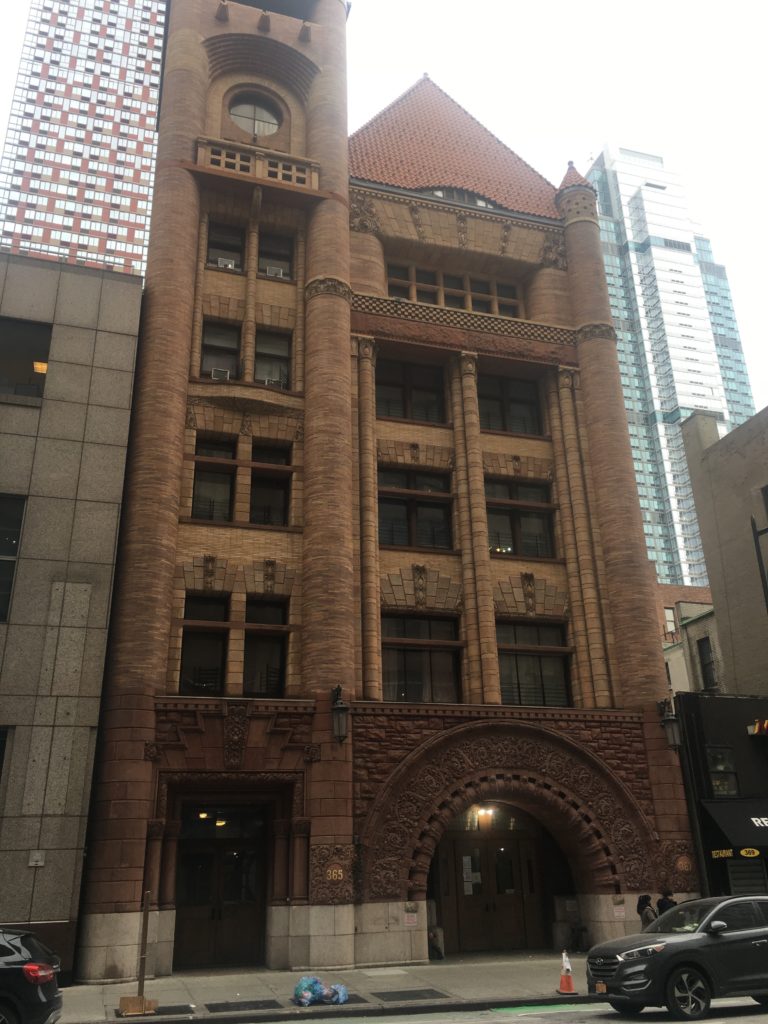
The old Brooklyn Fire Headquarters on Jay Street, built in 1892 in a style most unusual for the neighborhood — Richardsonian Romanesque Revival.

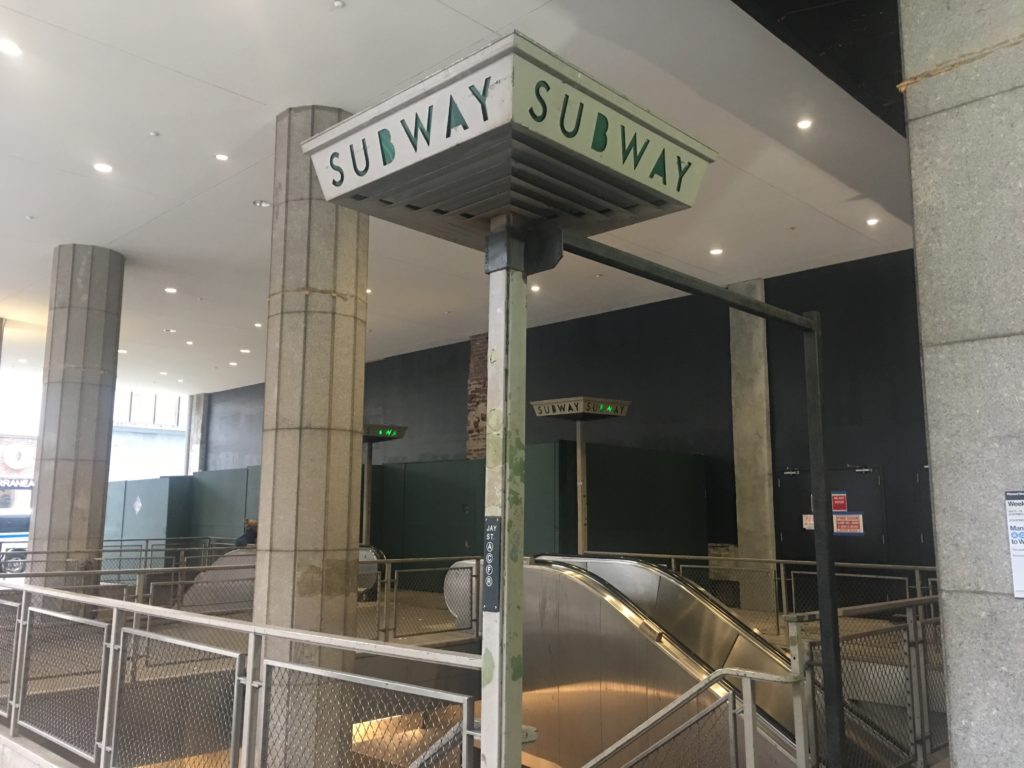
The Jay Street-MetroTech station still contains some quirky details from the past.

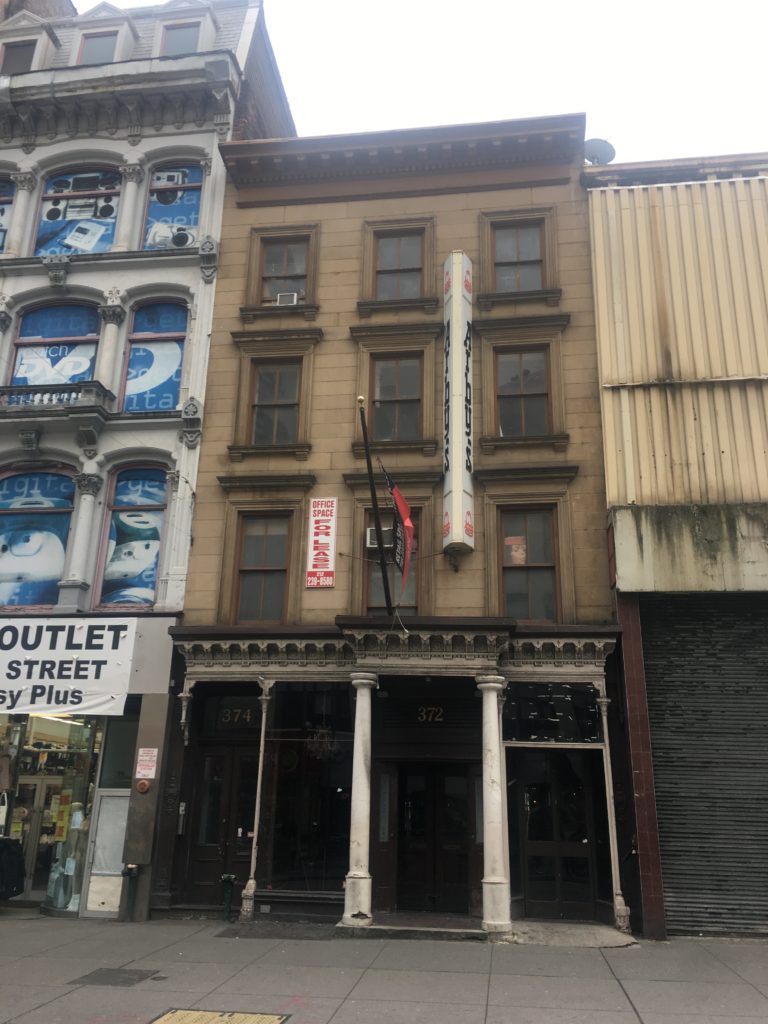
This undistinguished old building was once the home of Gage & Tollner’s, the most exclusive restaurant in Brooklyn.

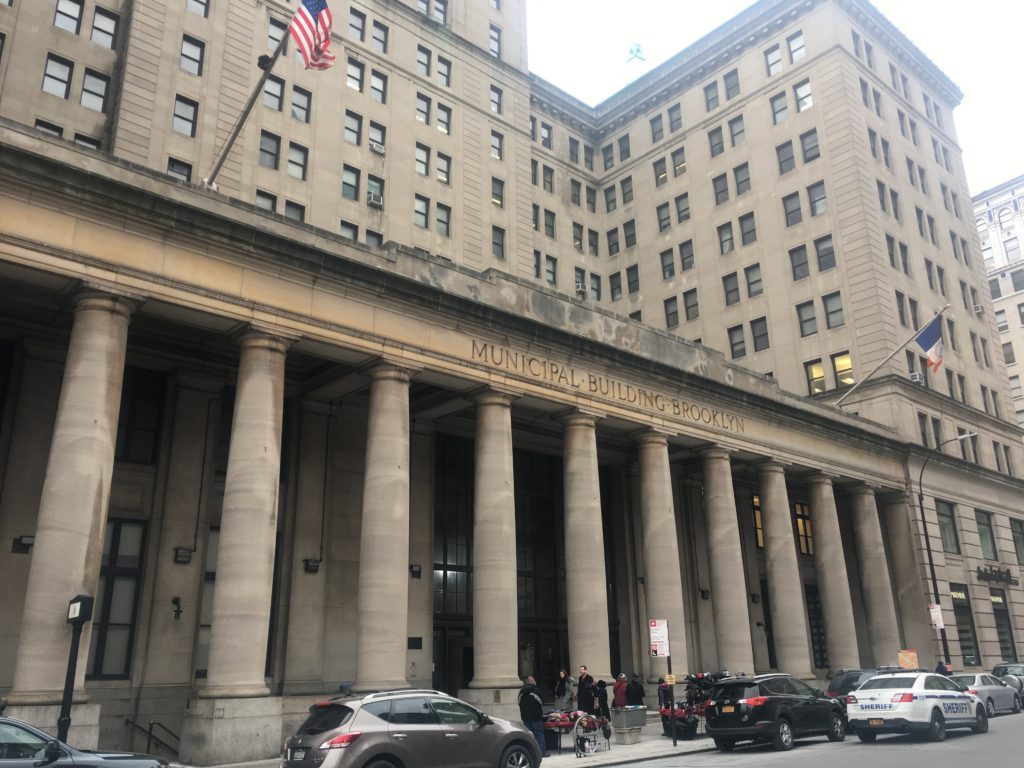
The austere Municipal Building was constructed in 1924 and the skyscrapers which surround it also joined the neighborhood in the same decade.

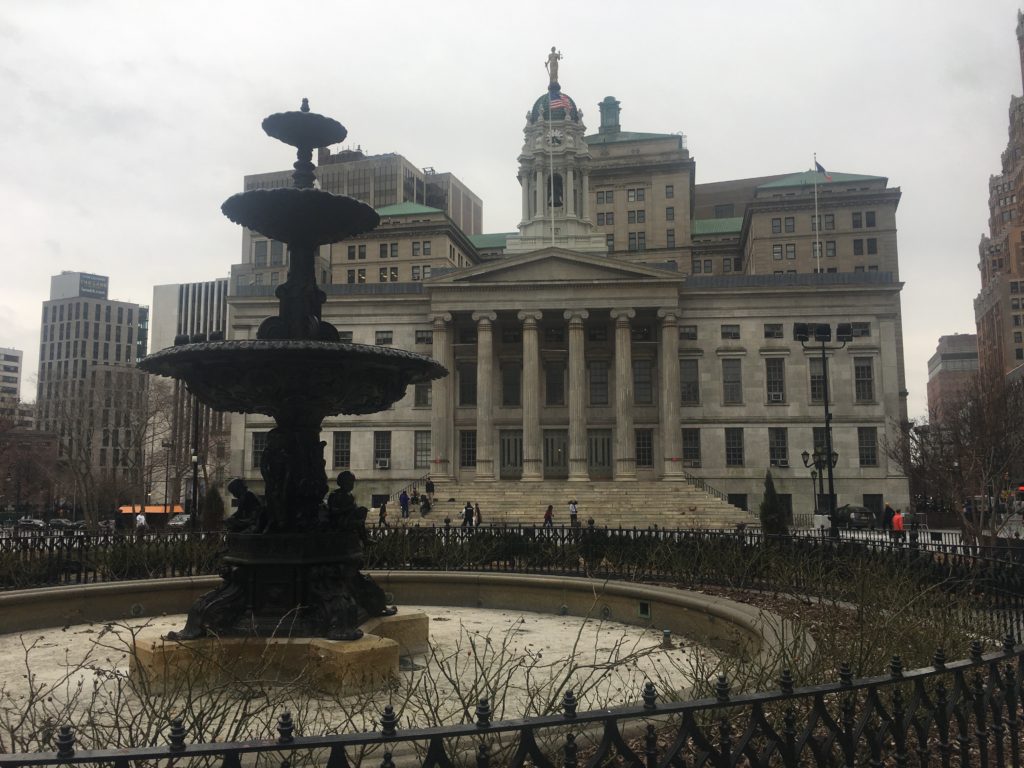
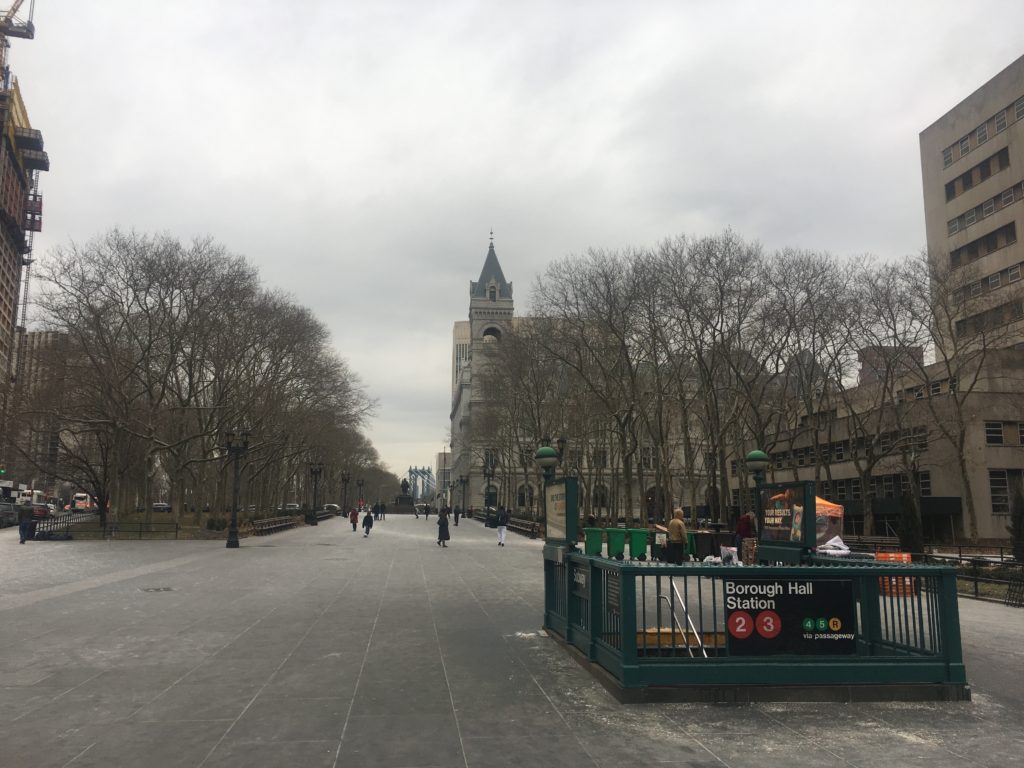
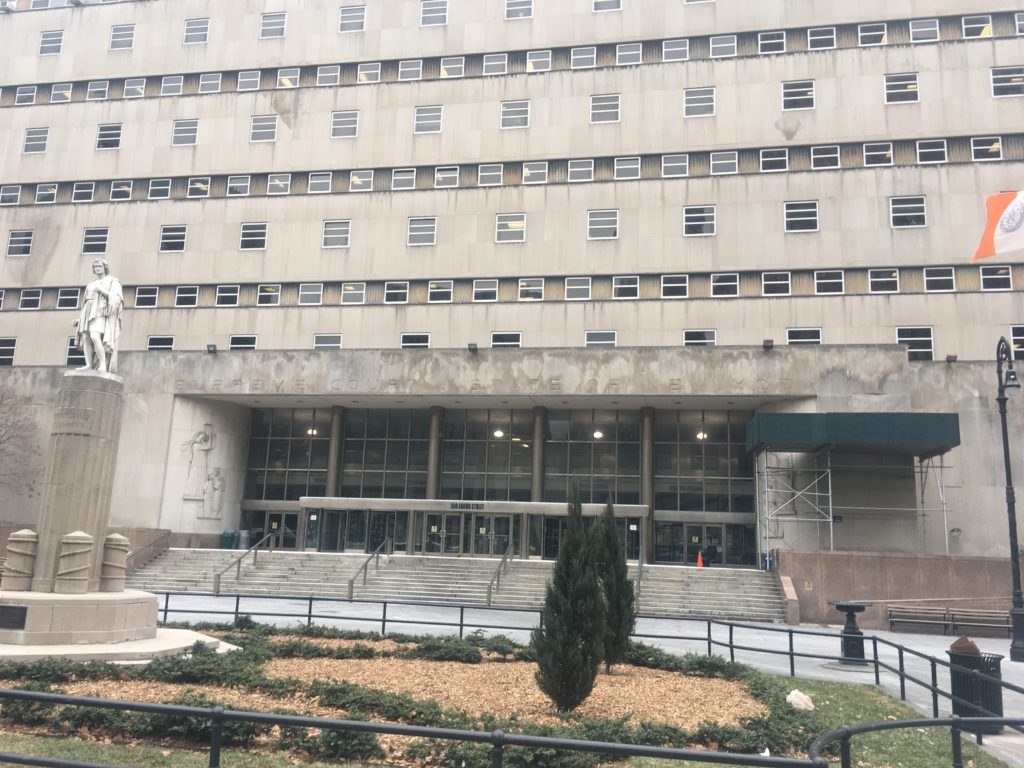
Brooklyn Borough Hall and Columbus Park:

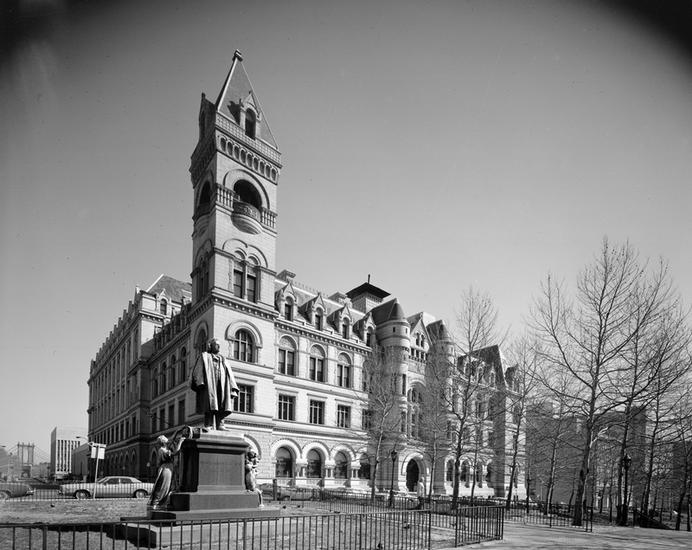
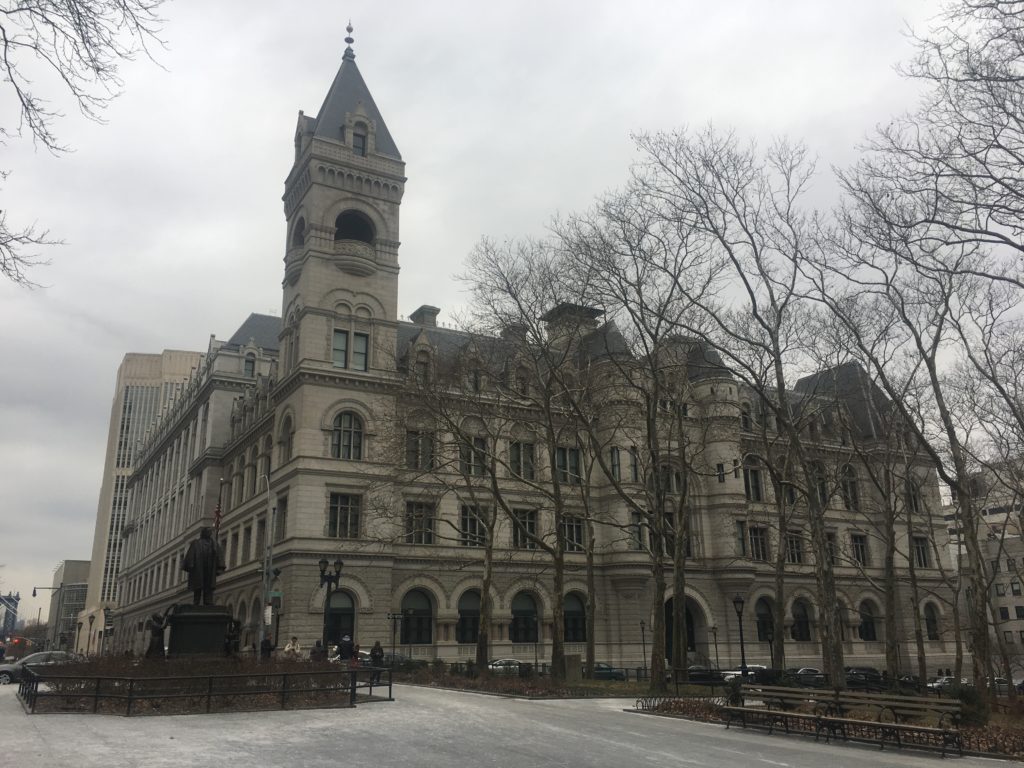
The 1892 Federal Building and Post Office with a tribute to Henry Ward Beecher (which once sat closer to Brooklyn Borough Hall).

Further Listening:

If you like Brooklyn history, check out these episodes from our back catalog that are referenced in this week’s show.

Categories
Podcasts Politics and Protest

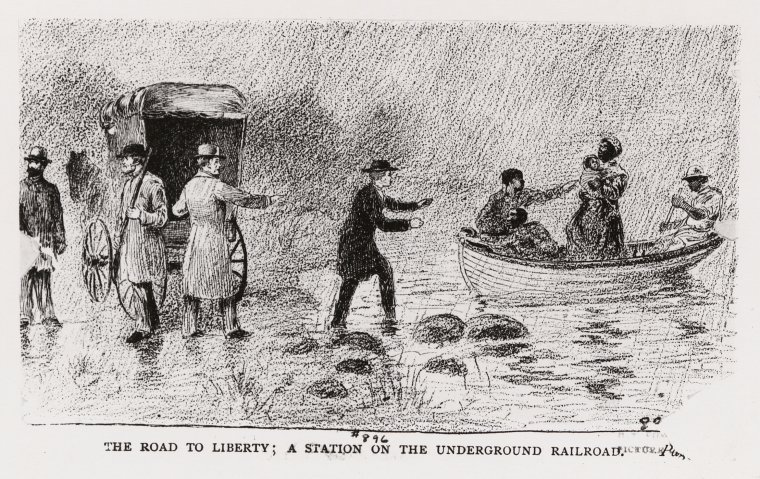
New York City and the Underground Railroad: Escaping to freedom through a hostile city

PODCAST For thousands of people escaping the bonds of slavery in the South, the journey to freedom wound its way through New York City via the Underground Railroad.


The Underground Railroad was a loose, clandestine network of homes, businesses and churches, operated by freed black people and white abolitionists who put it upon themselves — often at great risk — to hide fugitives on the run.

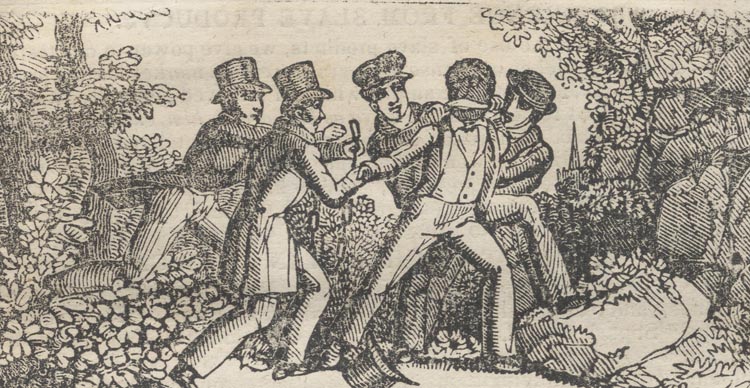
New York and Brooklyn were vital hubs in this network but these cities were hardly safe havens. The streets swarmed with bounty hunters, and a growing number of New Yorkers, enriched by Southern businesses, were sympathetic to the institution of slavery. Not even freed black New Yorkers were safe from kidnapping and racist anti-abolitionist mobs.

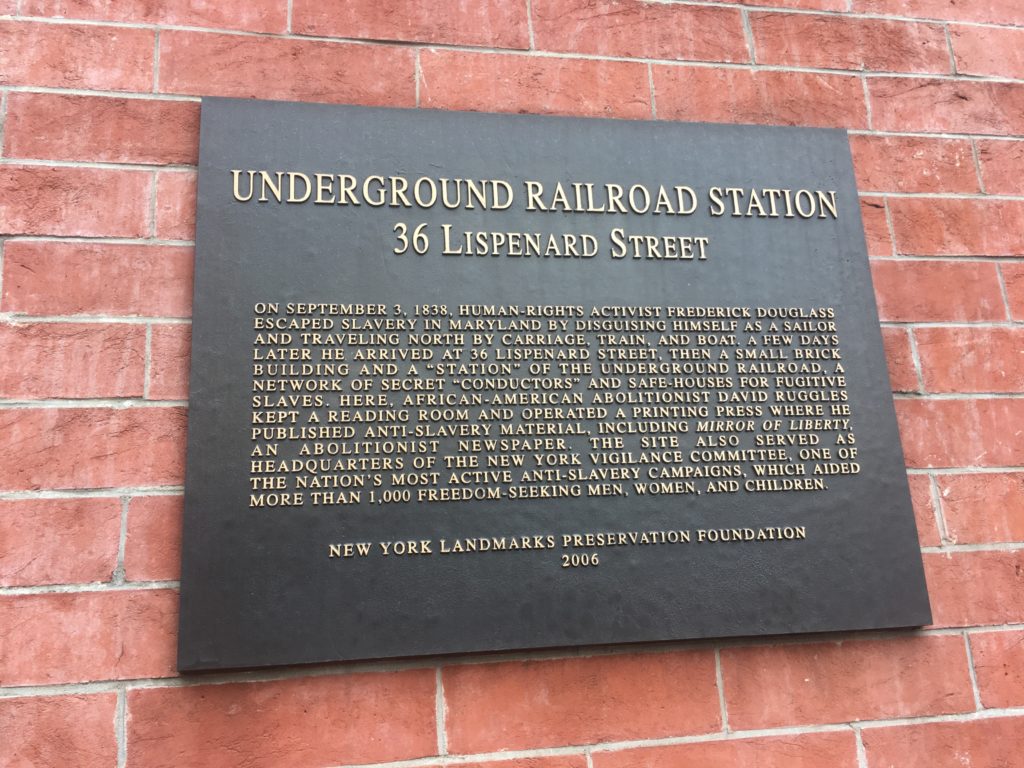
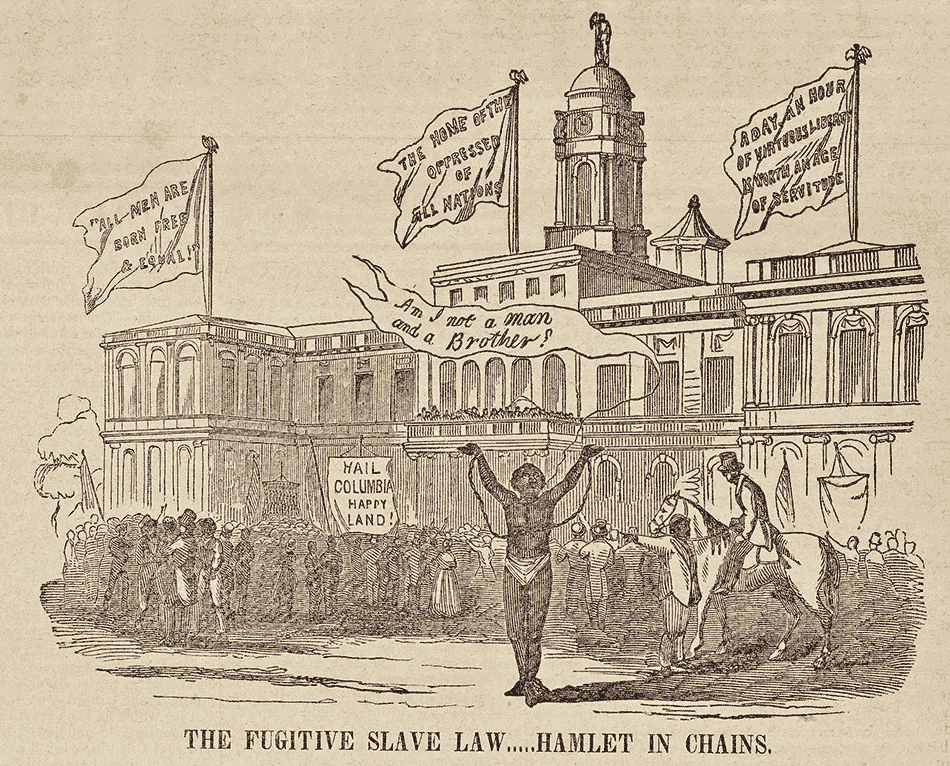
In this podcast we present some of the stops in New York along the Underground Railroad — from offices off Newspaper Row to the basement of New York’s first African-American owned bookstore. You’ll be familiar with some of this story’s leading figures like Frederick Douglass, Harriet Tubman and Henry Ward Beecher. But many of these courageous tales come from people who you may not know — the indefatigable Louis Napoleon, the resolute Sydney Howard Gay, the defiant David Ruggles and James Hamlet, the first victim of the 1850 Fugitive Slave Act.

PLUS: A trip to Brooklyn Heights and the site of New York’s most famous Underground Railroad site — Plymouth Church

LISTEN HERE:

_______________________________________________________

The Bowery Boys: New York City History podcast is brought to you …. by you!

We are now producing a new Bowery Boys podcast every week. We’re also looking to improve the show in other ways and expand in other ways as well — through publishing, social media, live events and other forms of media. But we can only do this with your help!

We are now a member of Patreon, a patronage platform where you can support your favorite content creators for as little as a $1 a month.

Please visit our page on Patreon and watch a short video of us recording the show and talking about our expansion plans. If you’d like to help out, there are five different pledge levels (and with clever names too — Mannahatta, New Amsterdam, Five Points, Gilded Age, Jazz Age and Empire State). Check them out and consider being a sponsor.

We greatly appreciate our listeners and readers and thank you for joining us on this journey so far. 

________________________________________________________

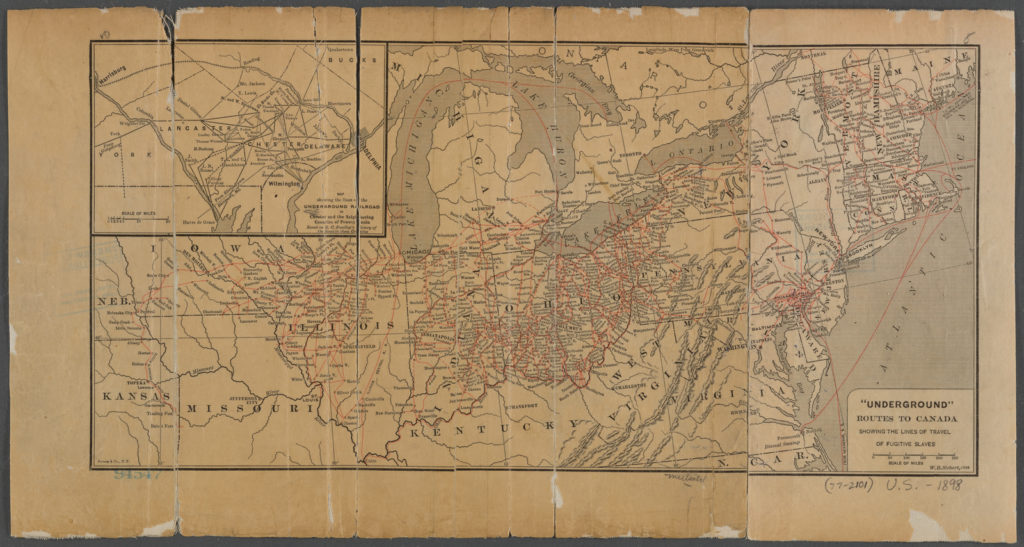
The many routes of the Underground Railroad, in an 1898 map by cartographer Wilbur Henry Siebert.

New York Public Library

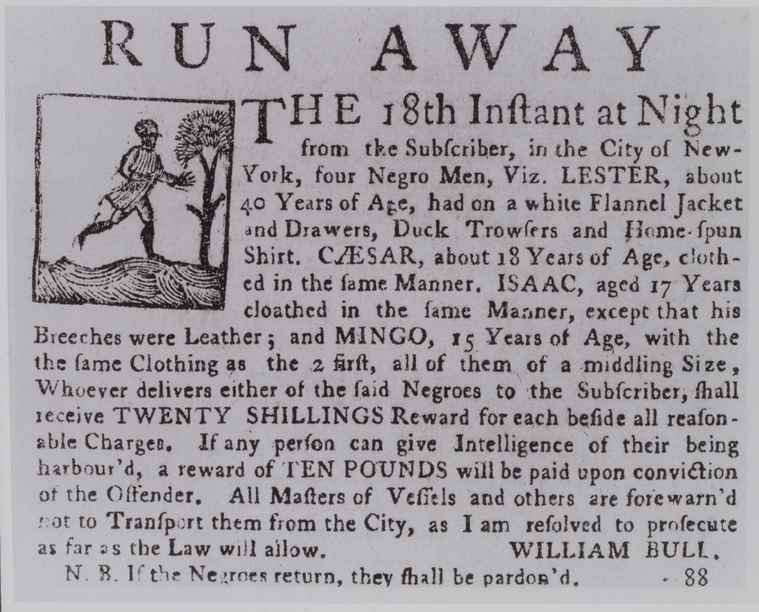
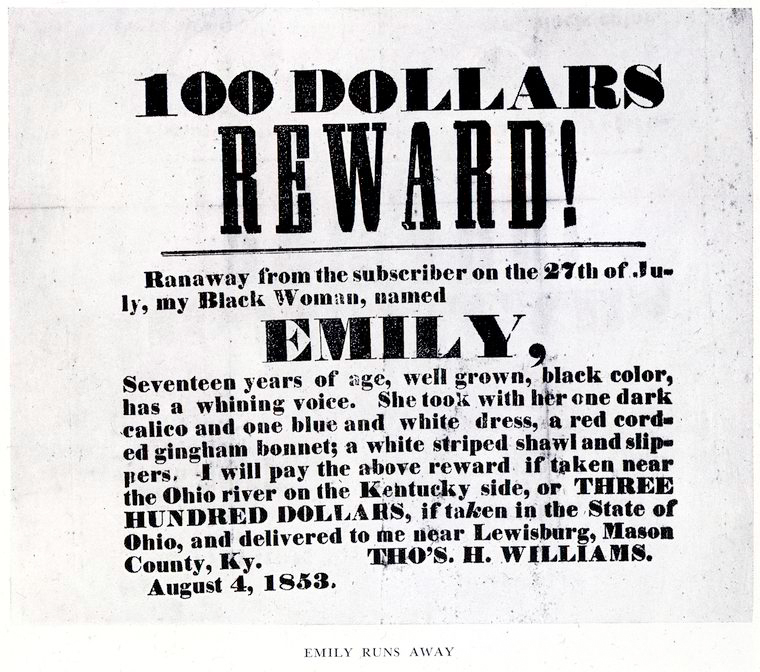
An advertisement for the capture of a runaway slave, published during the colonial era (1760s)

Schomburg Center for Research in Black Culture, Photographs and Prints Division

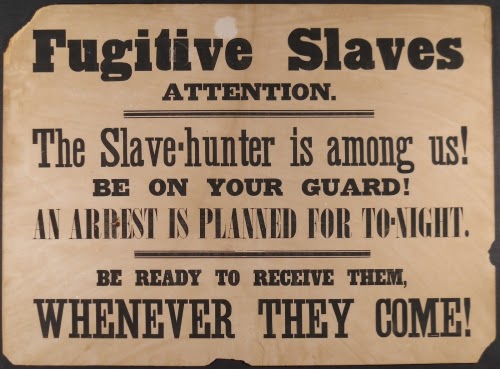
….and another, from 90 years later.

Schomburg Center for Research in Black Culture, Photographs and Prints Division

African-American New Yorkers lived in fear of being kidnapped by bounty hunters.

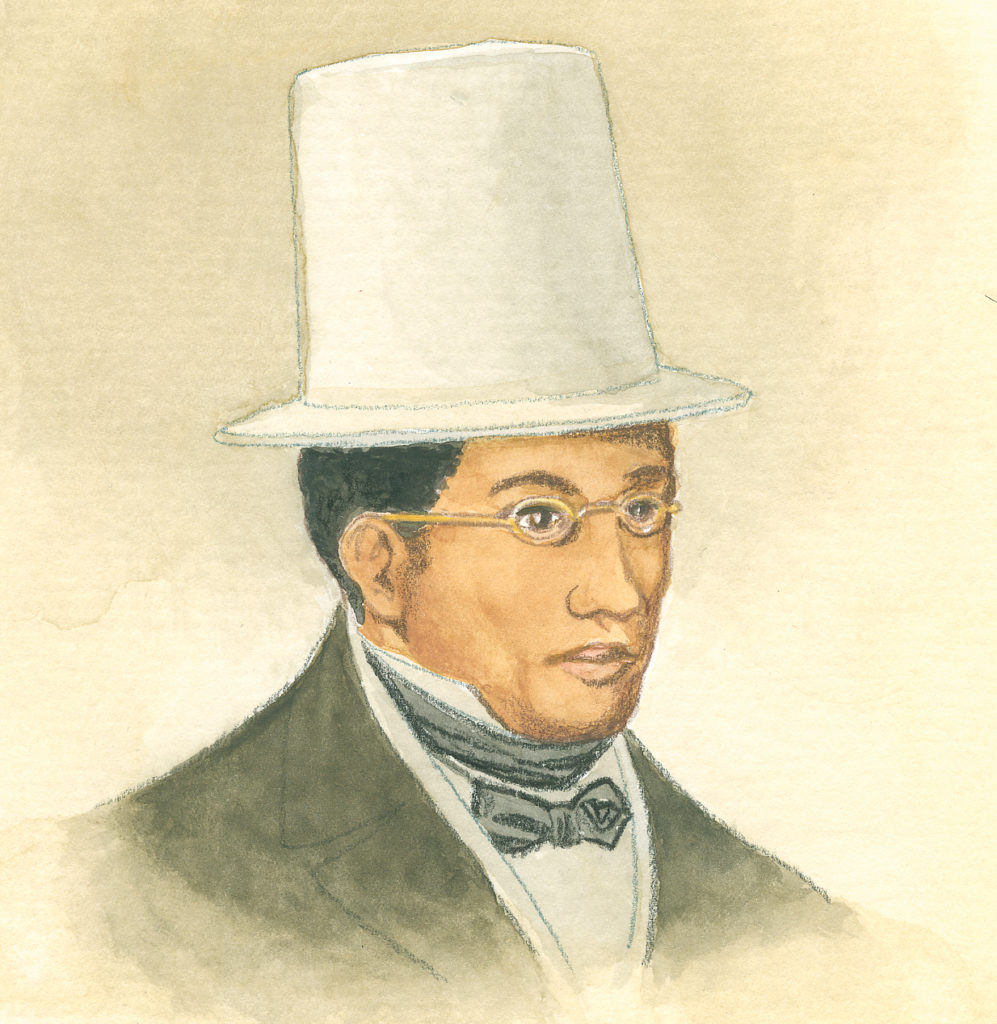
David Ruggles who operated America’s first African-American library and reading room on Lispenard Street. His home was also a stop on the Underground Railroad.

Illustration by Bob Powers (from original engraving)

At the release of James Hamlet (i.e. the purchase of his freedom by the AME Zion Church), this handbill was distributed

Rare Books and Manuscripts Library, Columbia University

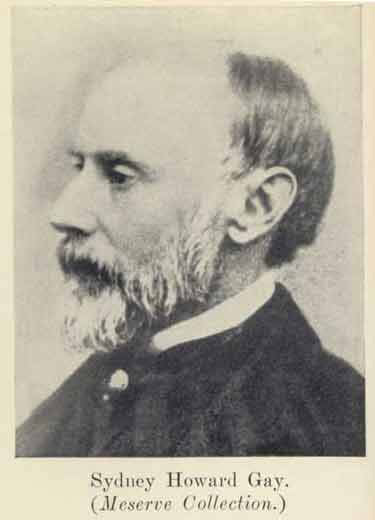
Sydney Howard Gay worked with several operatives on the Underground Railroad and was one of the few to keep records of new fugitive arrivals.

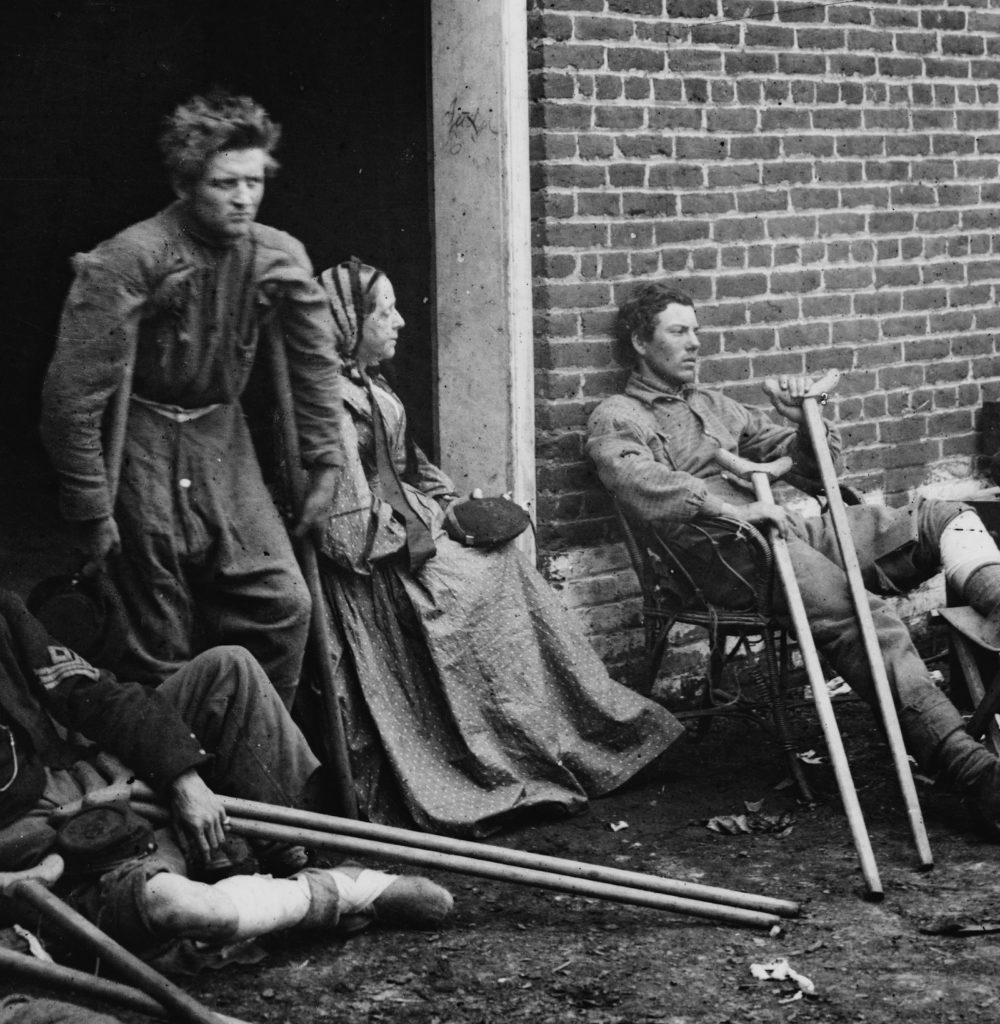
Abigail Hopper Gibbons, daughter of esteemed abolitionist Isaac Hopper, worked as a battlefield nurse in the early years of the Civil War. She returned to New York in 1863, only to be chased from her home by angry mobs during the Civil War Draft Riots.

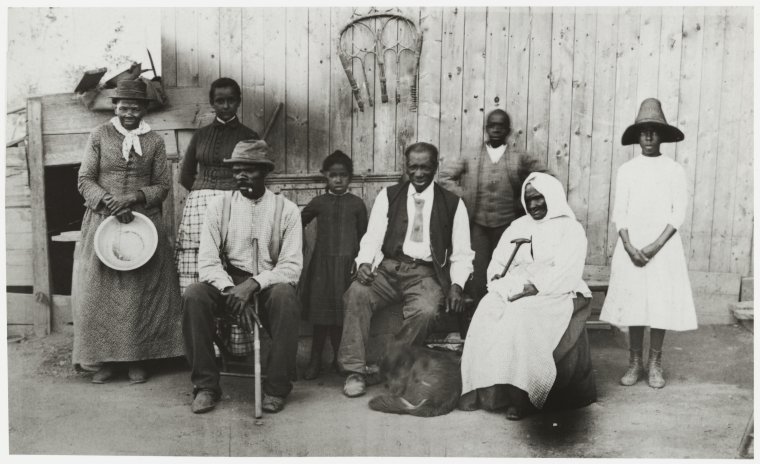
Harriet Tubman and her family — Gertie Davis [Tubman’s adopted daughter]; Nelson Davis [Tubman’s husband]; Lee Cheney; “Pop” Alexander; Walter Green; Sarah Parker [“Blind Auntie” Parker] and Dora Stewart [granddaughter of Tubman’s brother, John Stewart].

Schomburg Center for Research in Black Culture, Photographs and Prints Division

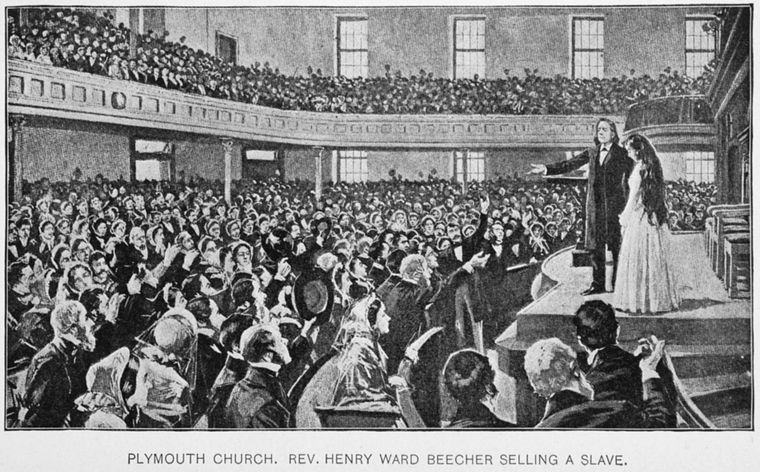
An illustration of Henry Ward Beecher‘s ‘auction’ of the enslaved woman nicknamed Pinky, held at Plymouth Church.

Schomburg Center for Research in Black Culture, Manuscripts, Archives and Rare Books Division

TOURS
Inside Out Tours: Slavery and Underground Railroad Walking Tour
Walks of New York
Black Gotham Experience

Plymouth Church — Public tours every Sunday at 12:30. Visit their website for more information

Plymouth now has a New Abolitionists ministry, tied into New York state’s anti-human trafficking initiatives. Visit Plymouth’s website for further information.

FURTHER READING
Bound for Canaan: The Epic Story of the Underground Railroad by Fergus M. Bordewich
Gateway to Freedom: The Hidden History of the Underground Railroad by Eric Foner
The Underground Railroad: Authentic Narratives and First-Hand Accounts (African American) by William Still

and, of course,

The Underground Railroad by Colson Whitehead

EXHIBITIONS

Brooklyn Historical Society — In Pursuit of Freedom: A long term installation celebrating the lives of Brooklyn abolitionists

Weeksville Heritage Center — Site of one of America’s first free black communities in the 19th century

You may also be interested in New-York Historical Society‘s online exhibit New York Divided: Slavery and the Civil War

FURTHER LISTENING
We mentioned these past Bowery Boys podcast on the show. After you’ve finished listening to our Underground Railroad show, give these a try!

Categories
Landmarks Podcasts

The Empire State Building: Story of an Icon

PODCAST The history of the Empire State Building revealed!


Start spreading the news …. the Bowery Boys are finally going to the Empire State Building!

New York City’s defining architectural icon is greatly misunderstood by many New Yorkers who consider its appeal relegated to tourists and real estate titans.

But this powerful and impressive symbol to American construction has a great many secrets among its 102 (or is that 103?) floors.

The Empire State Building project was announced in 1929 by former New York governor Al Smith. The group of wealthy investors he fronted were clear in associating the building with his image (the Empire State itself), and Smith was even there at the demolition of the building it would replace — the Waldorf-Astoria Hotel.

A few weeks after the announcement, however, the stock market crashed.

In this podcast, we look at how this magnificent skyscraper was built with incredible speed and efficiency, to tower over a city entering the Great Depression. It quickly became a beacon of hope for many — a symbol of American skill and the embodiment of the New York City spirit.

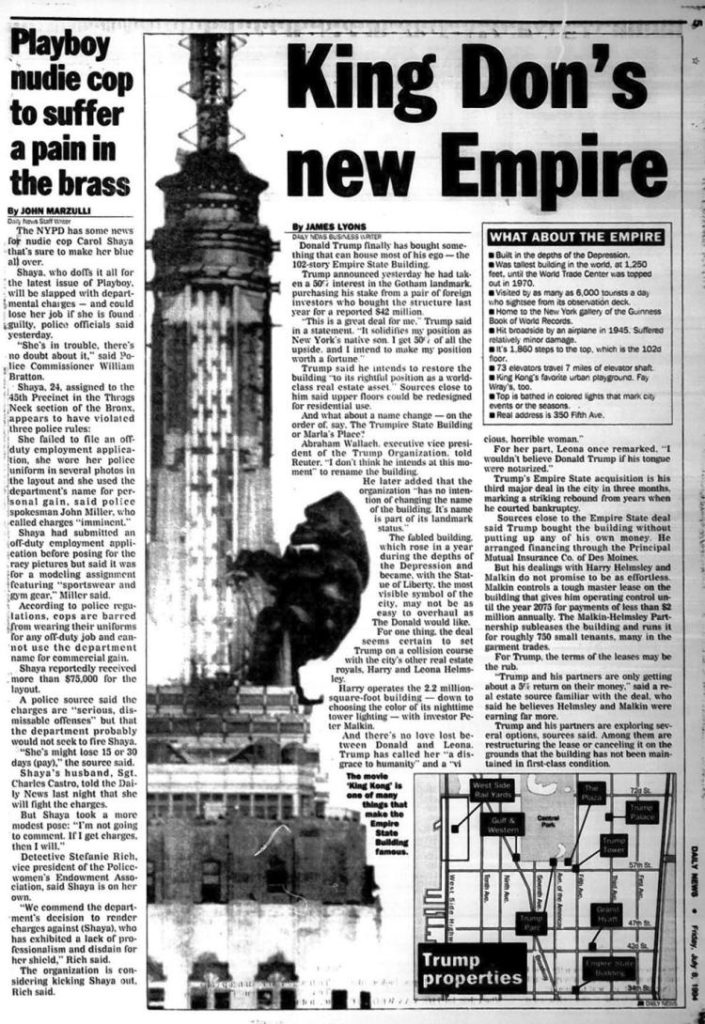
Tourists would indeed flock to it, enamored of the extraordinary views it offered for the very first time. (Most of its early visitors had never been in an airplane.) It would eventually become an object of great value and the subject of tabloid headlines — many featuring the current President of the United States — but it would never, ever lose its luster.

In fact, that luster, over the years, would become very well lit…..

LISTEN HERE:

________________________________________________________

The Bowery Boys: New York City History podcast is brought to you …. by you!

We are now producing a new Bowery Boys podcast every week. We’re also looking to improve the show in other ways and expand in other ways as well — through publishing, social media, live events and other forms of media.  But we can only do this with your help!

We are now a member of Patreon, a patronage platform where you can support your favorite content creators for as little as a $1 a month.

Please visit our page on Patreon and watch a short video of us recording the show and talking about our expansion plans. If you’d like to help out, there are five different pledge levels (and with clever names too — Mannahatta, New Amsterdam, Five Points, Gilded Age, Jazz Age and Empire State). Check them out and consider being a sponsor.

We greatly appreciate our listeners and readers and thank you for joining us on this journey so far.

_______________________________________________________

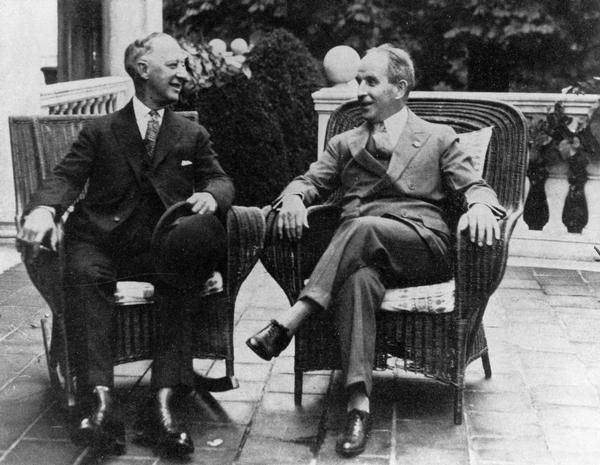
Al Smith, 1928 Democratic nominee for President of the United States, and John J. Raskob, chairman of the Democratic National Committee, were the two men most responsible for the idea of the Empire State Building.

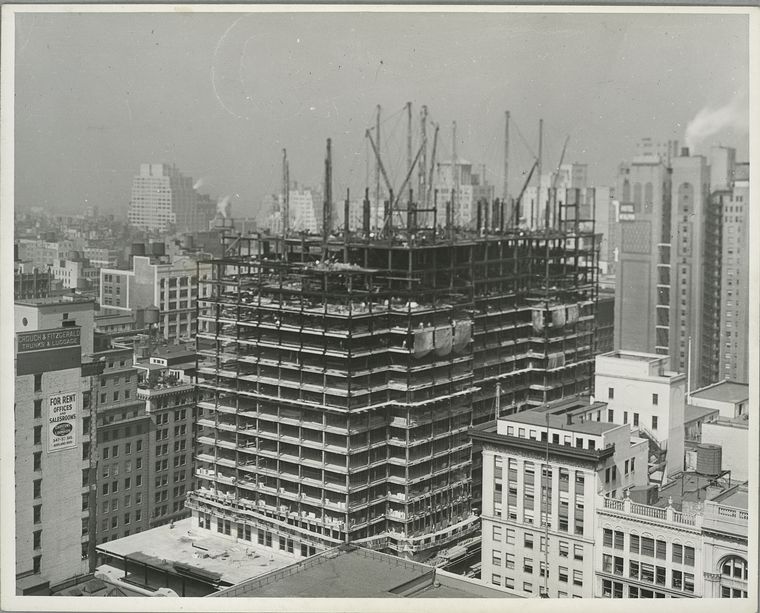
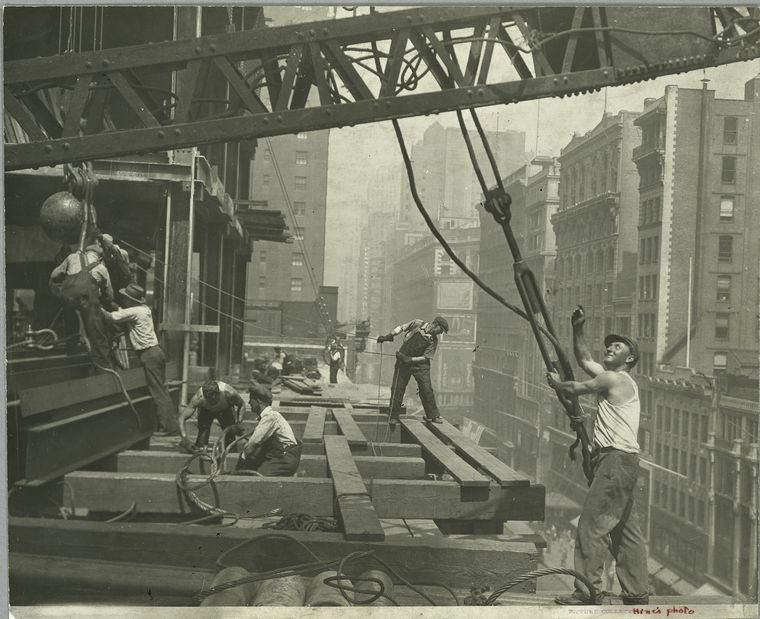
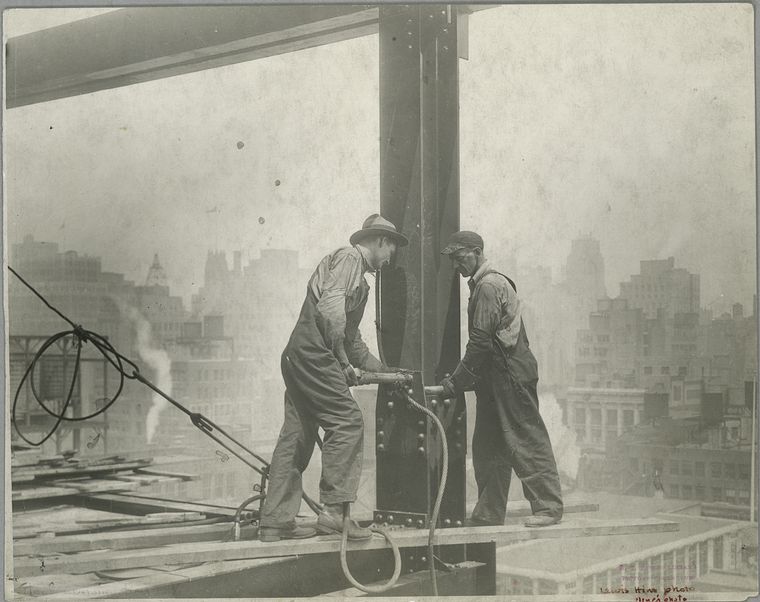
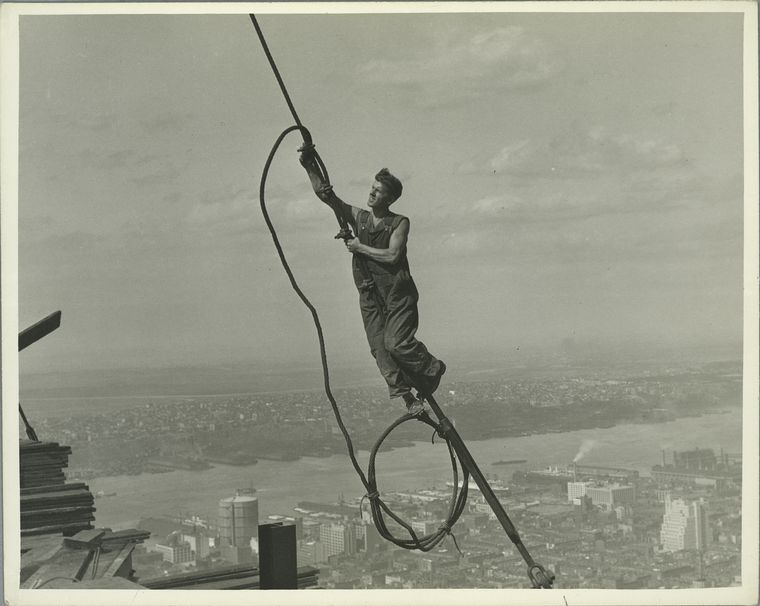
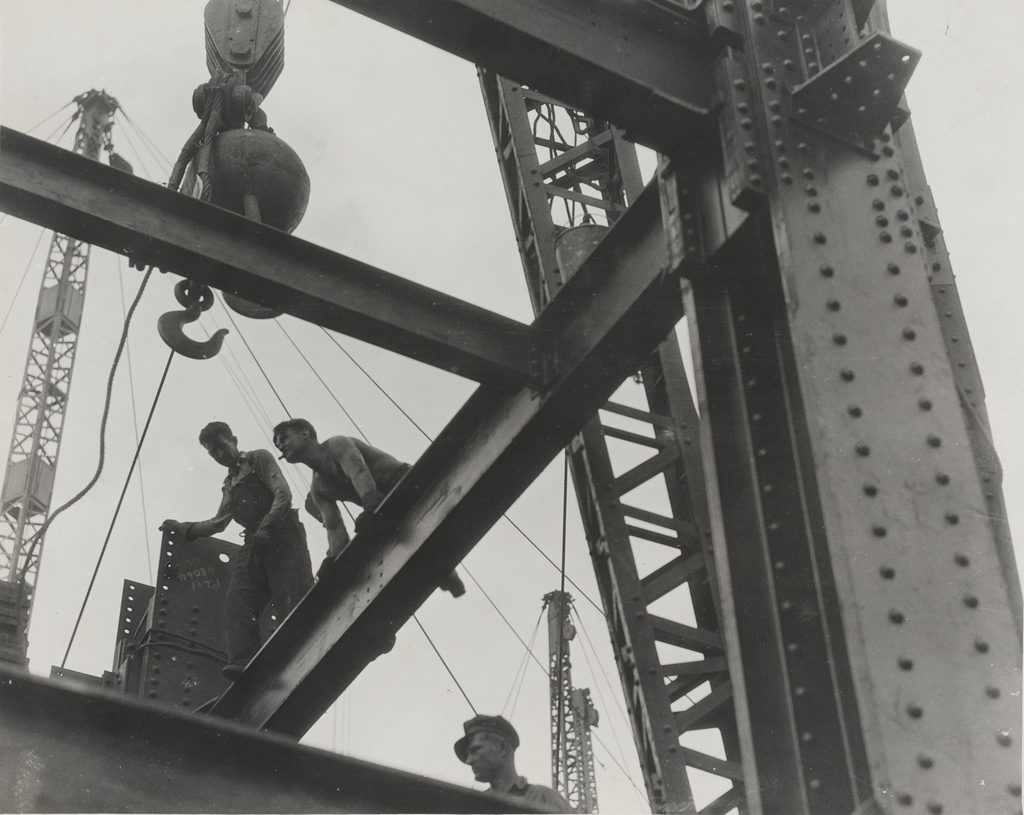
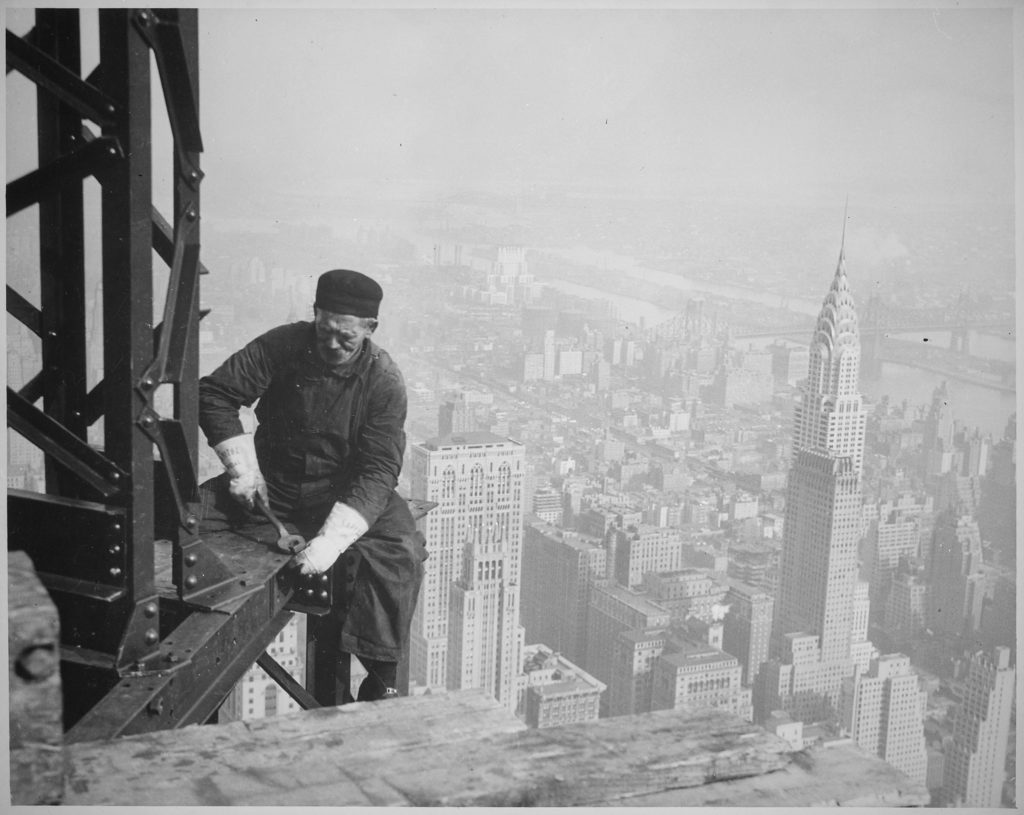
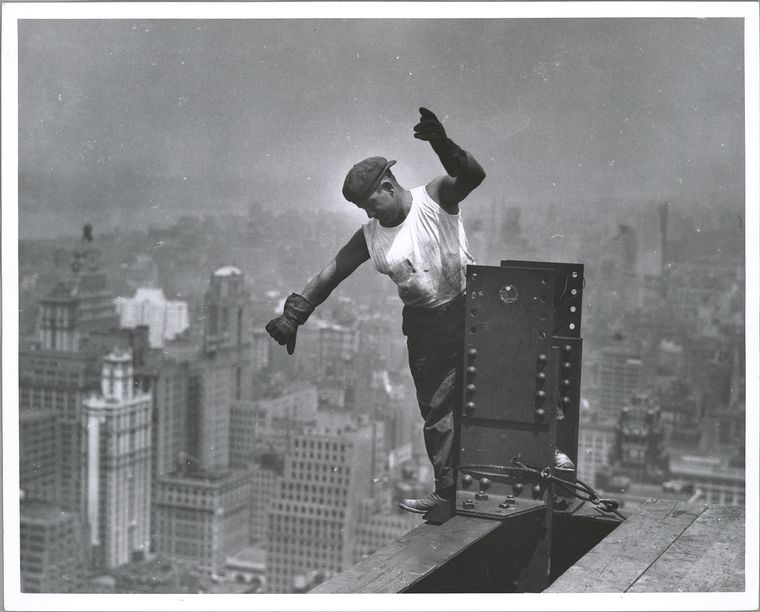
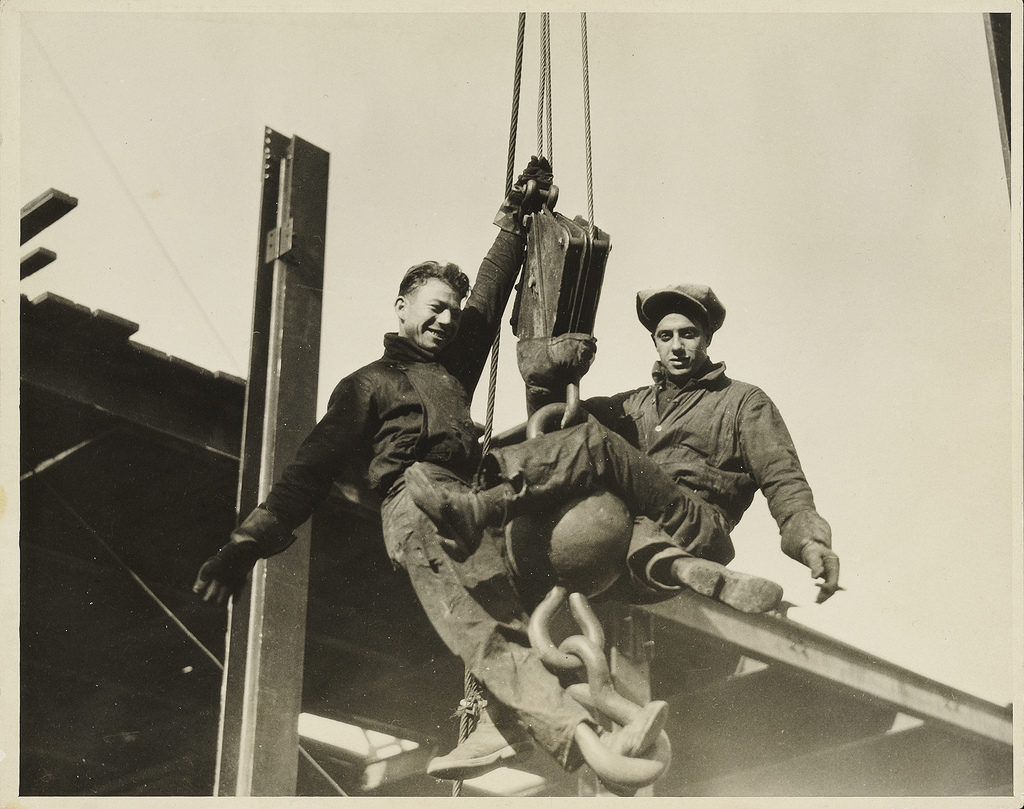
From the New York Public Library (except here noted): Photographs taken by Lewis Hine of the construction of the Empire State Building:

NYPL
NYPL
Preus Museum
U.S. National Archives
Preus Museum

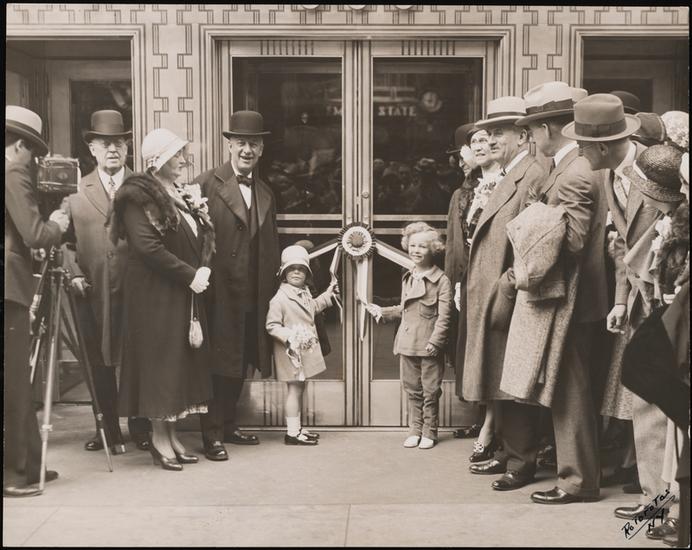
Al Smith — with his children — at the opening ceremony of the Empire State Building.

MCNY

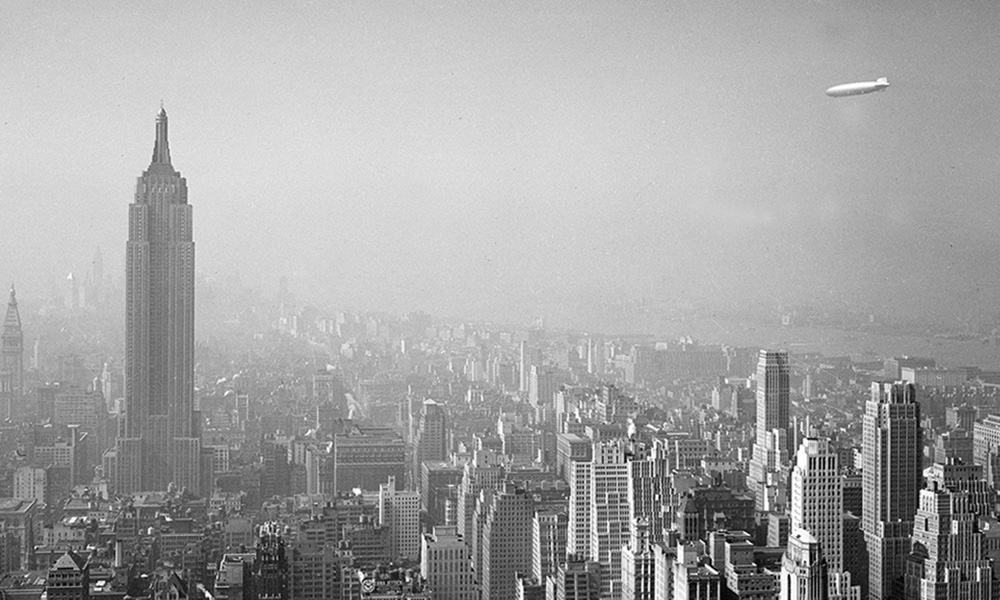
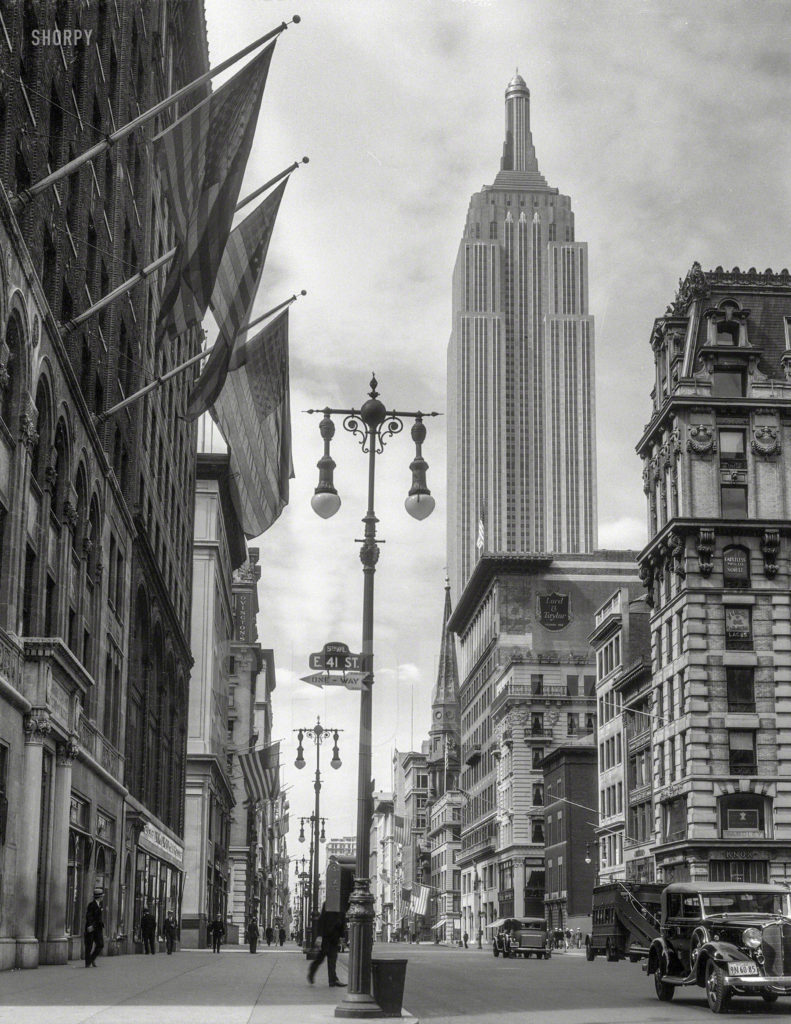
The Empire State in 1933, looking like a futuristic rocket standing over a city of Beaux-Arts architecture.

Library of Congress, cleaned up image Shorpy

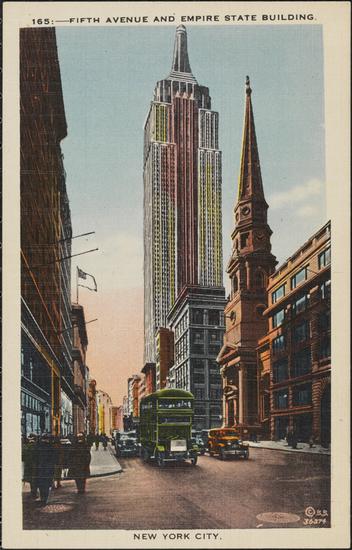
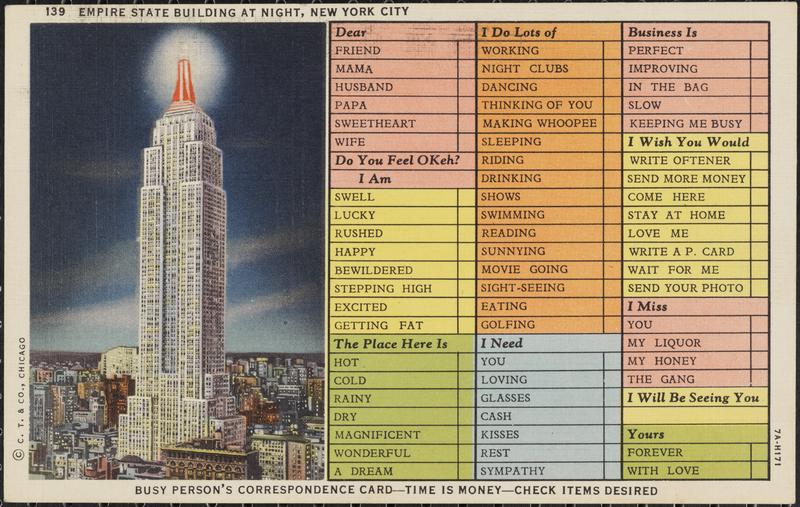
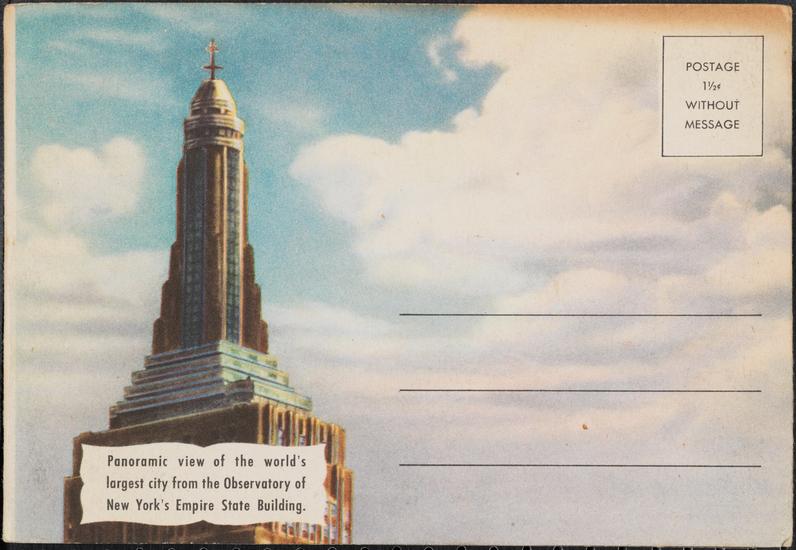
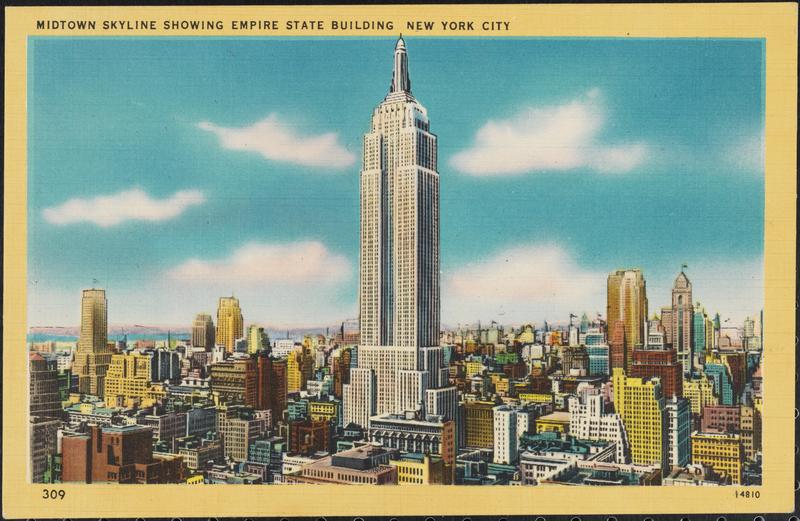
The Empire State Building — in postcards! (From the collection at the Museum of the City of New York.) You could buy these in the gift shop, available for purchase for the first day the building opened.

MCNY
MCNY

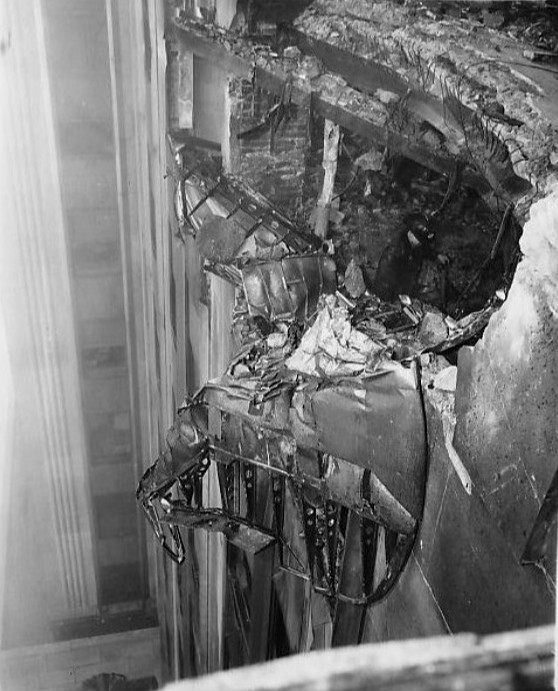
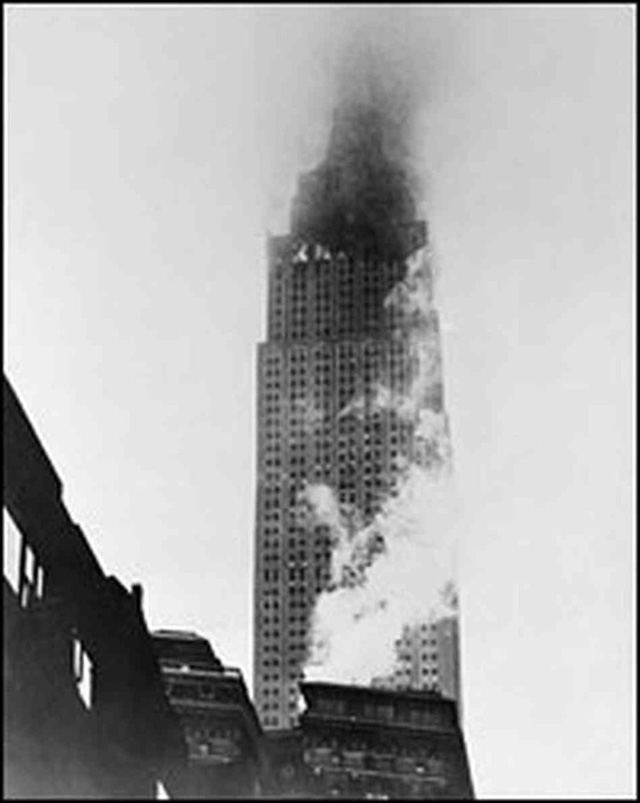
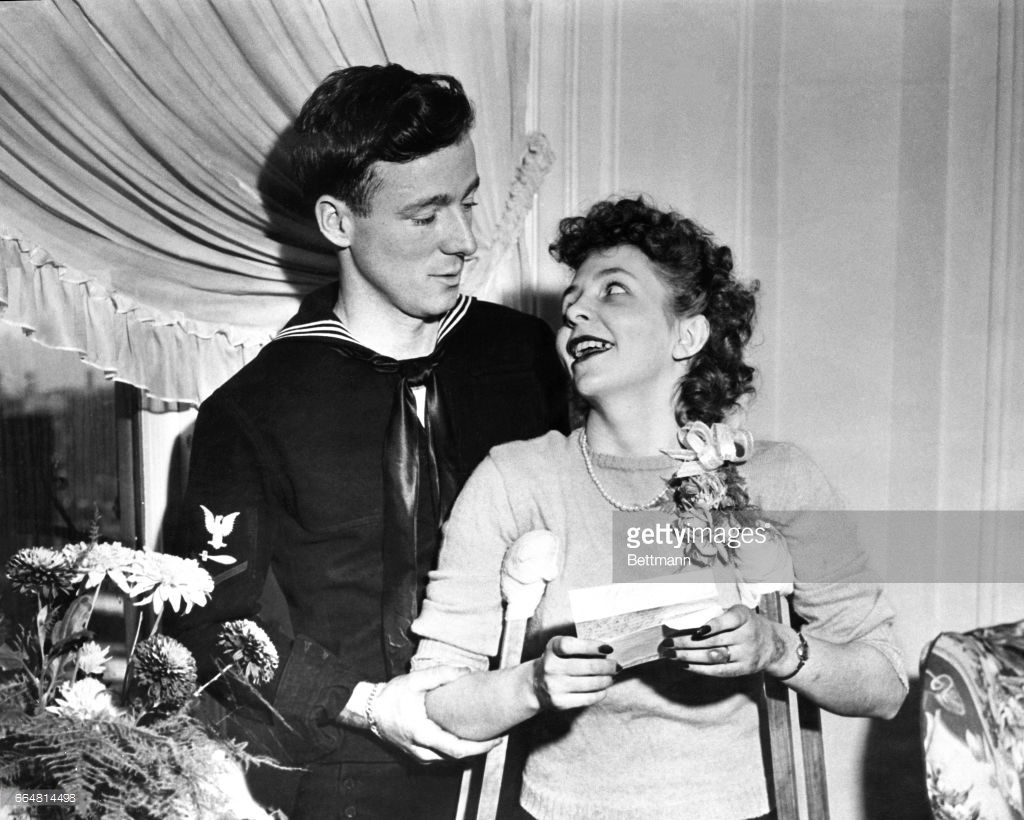
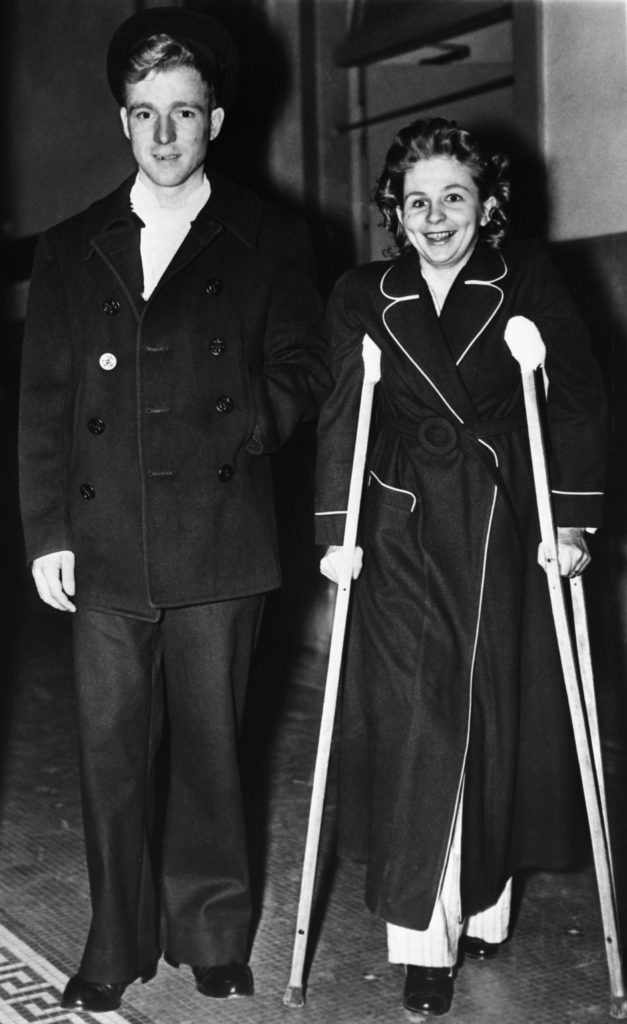
The tragic plane crash into the Empire State Building on July 28, 1945 caused 14 deaths. Injured elevator operator Betty Lou Oliver managed to survive a terrible plunge of 75 stories when the elevator she was been transported in plummeted.

Betty Lou Oliver on crutches, being consoled by her Navy husband Oscar Oliver.

The Empire State Building on film:

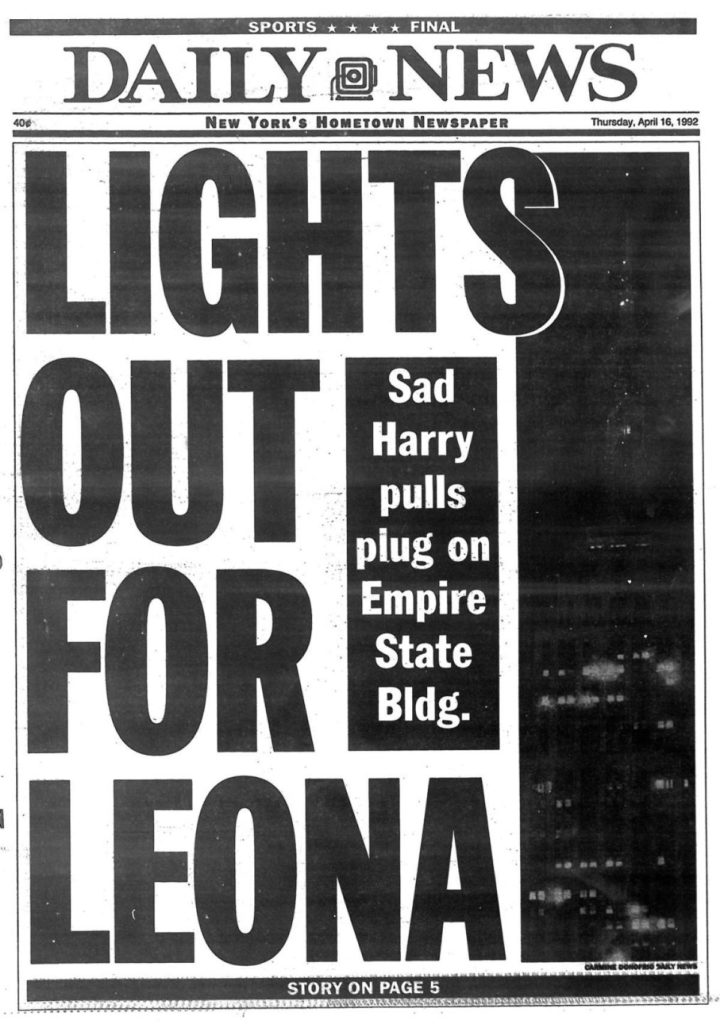
Some amusing tabloid headlines from the 1990s featuring Donald Trump and Leona Helmsley

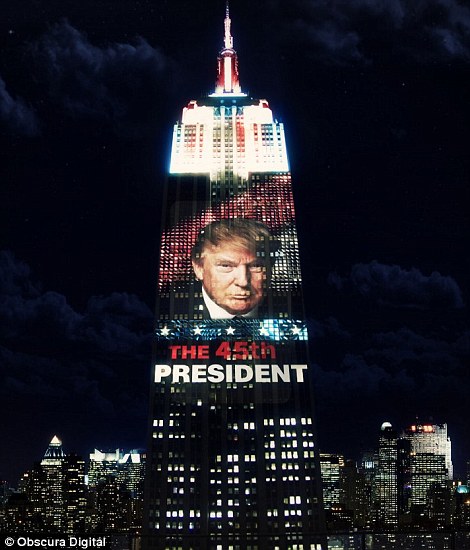
The Empire State Building projected the winner of the 2016 presidential election — thanks to its state-of-the-art lighting technology

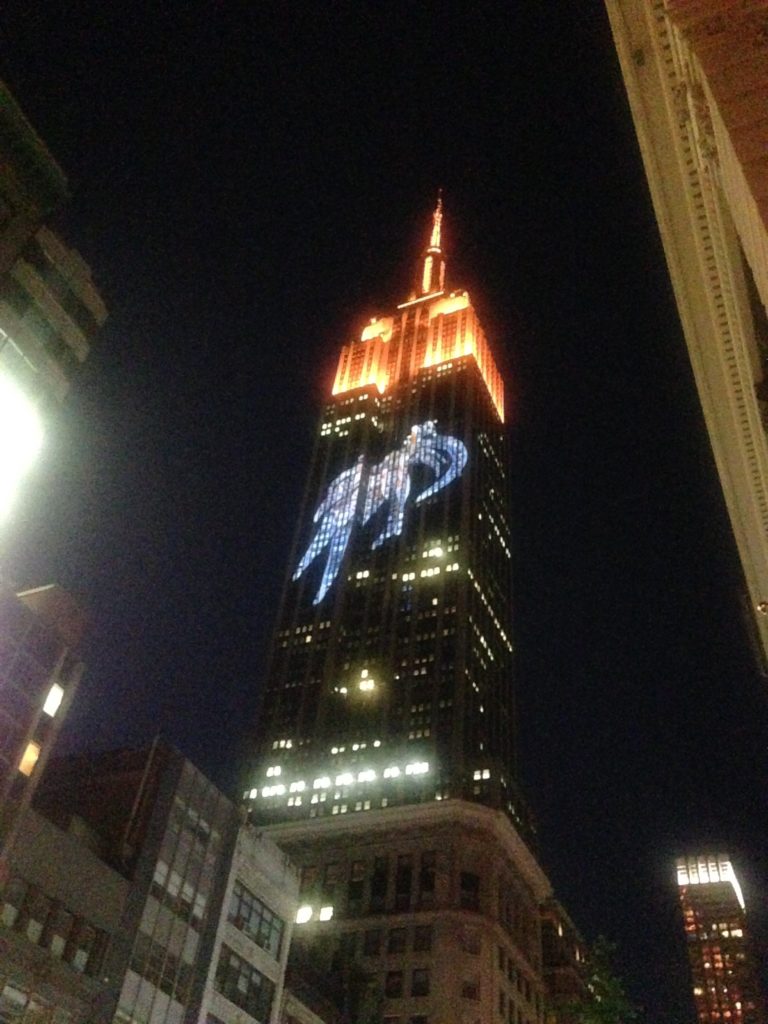
More dazzling were the endangered species projected upon it during the summer of 2015:

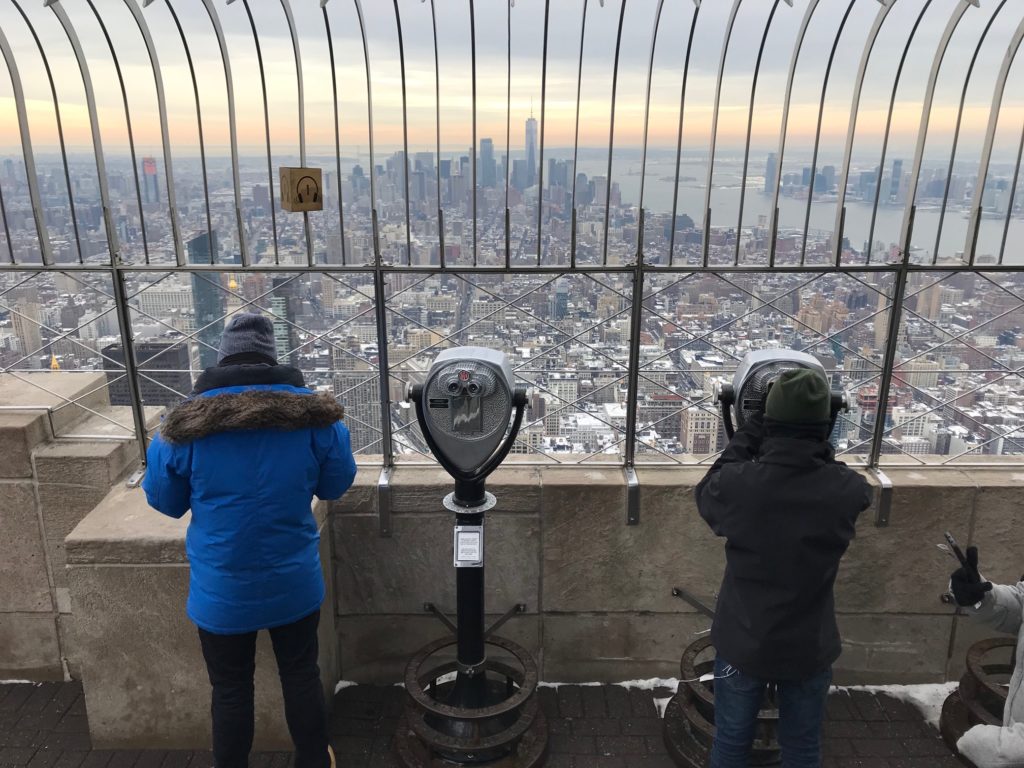
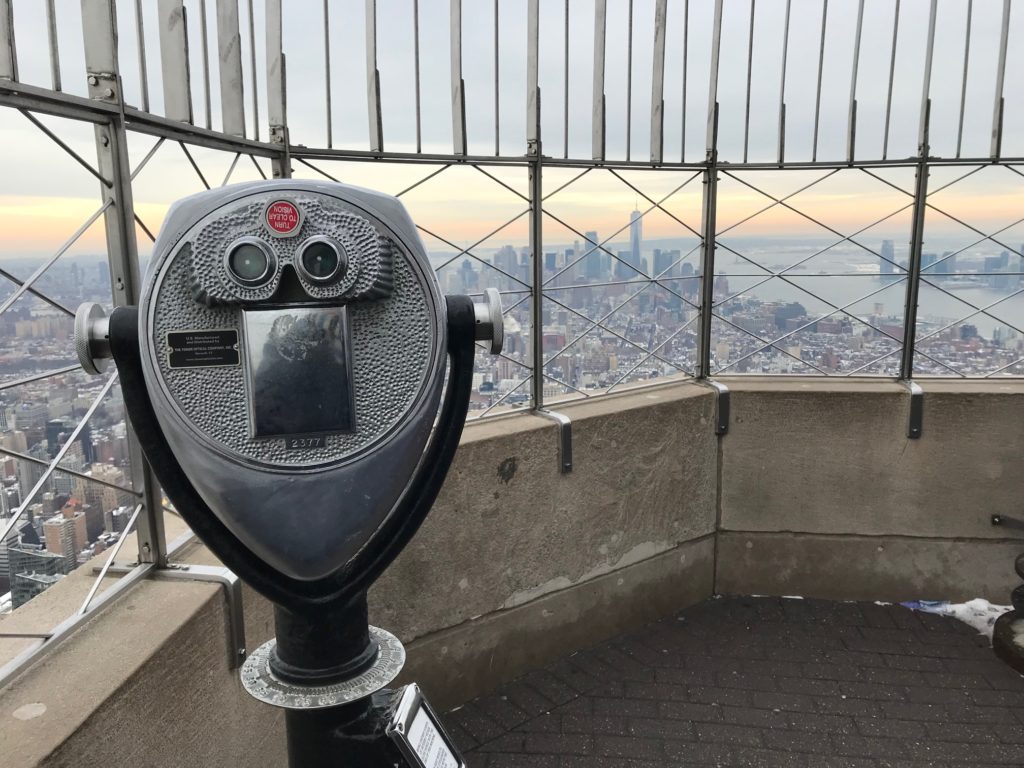
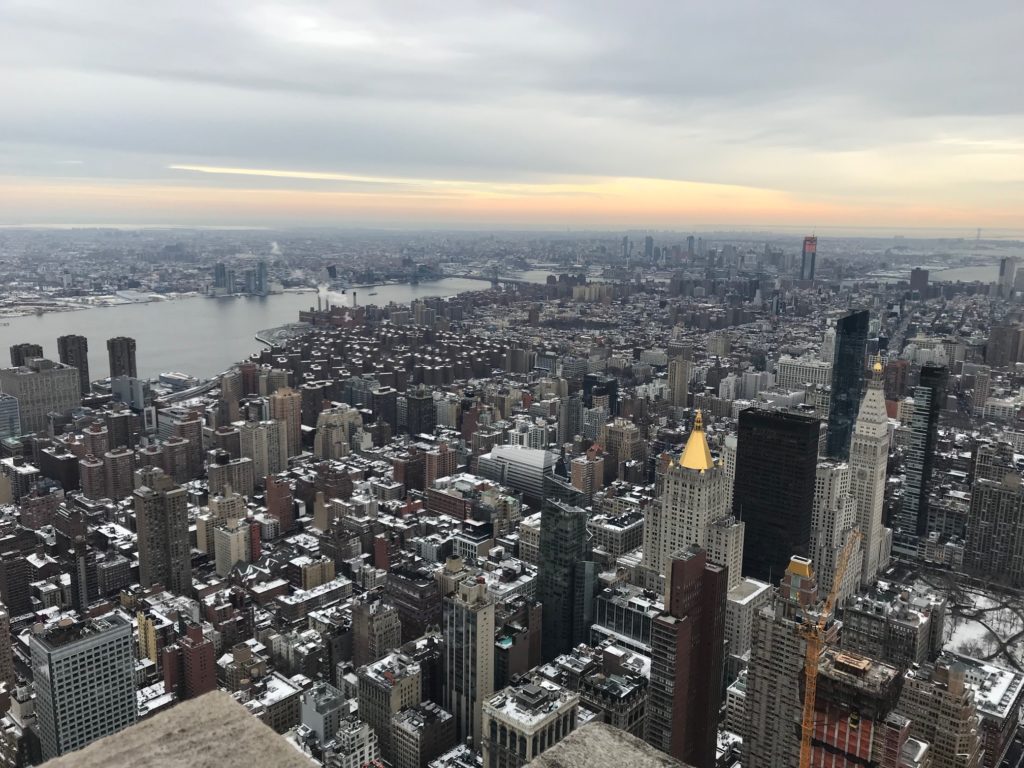
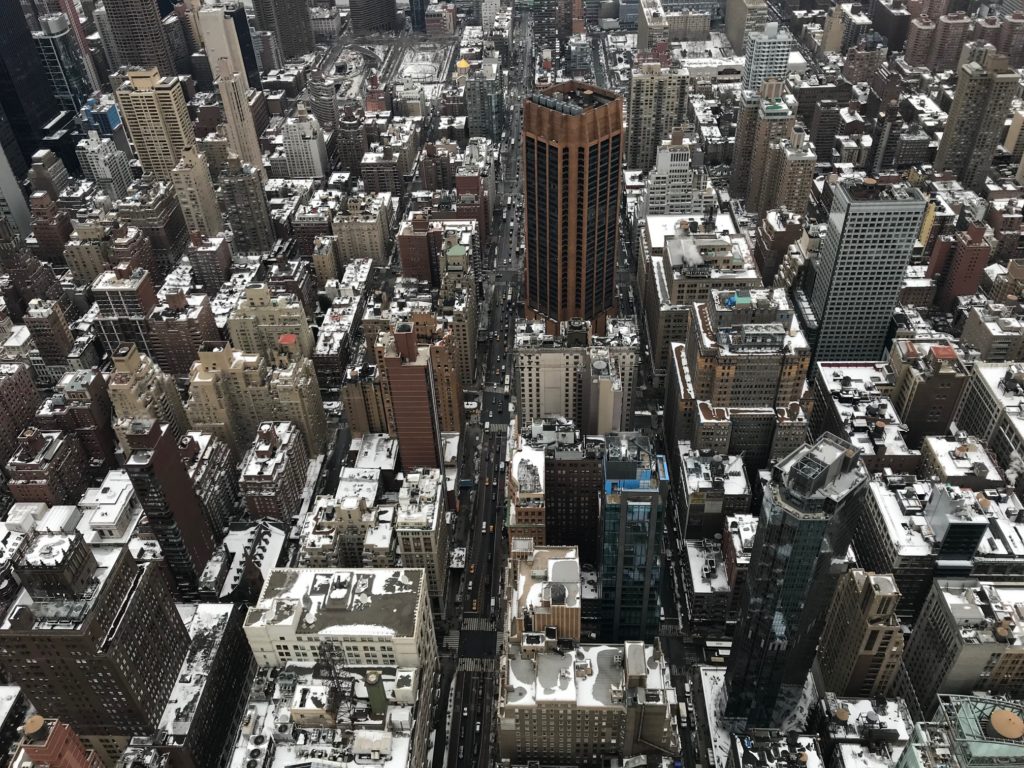
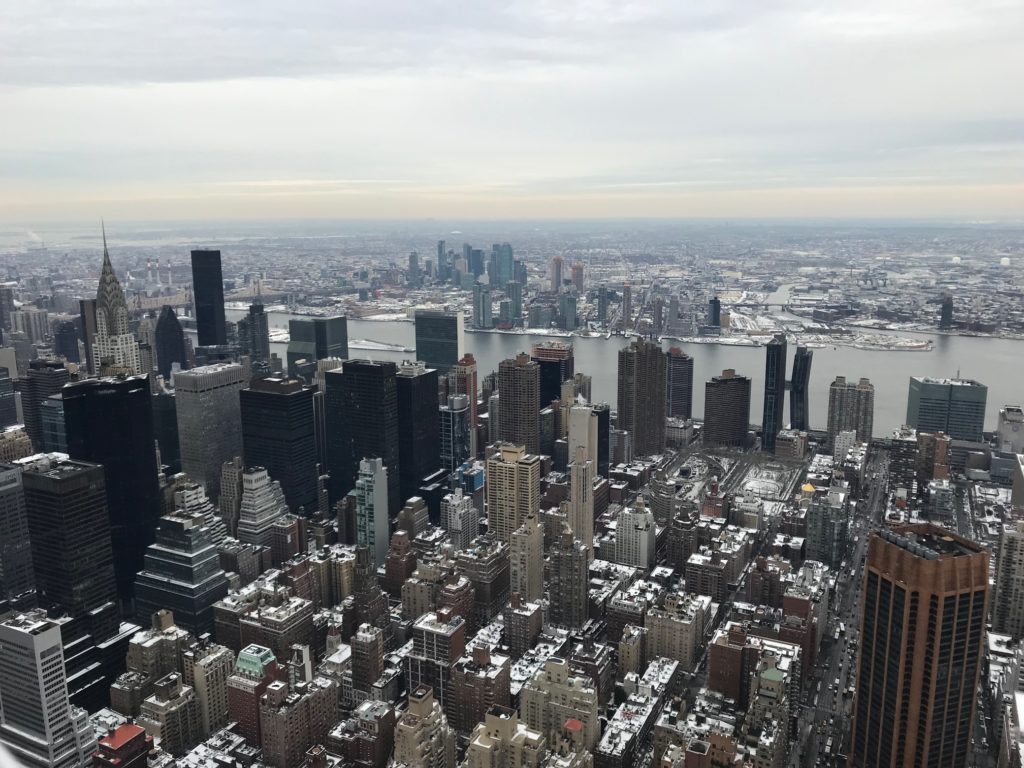
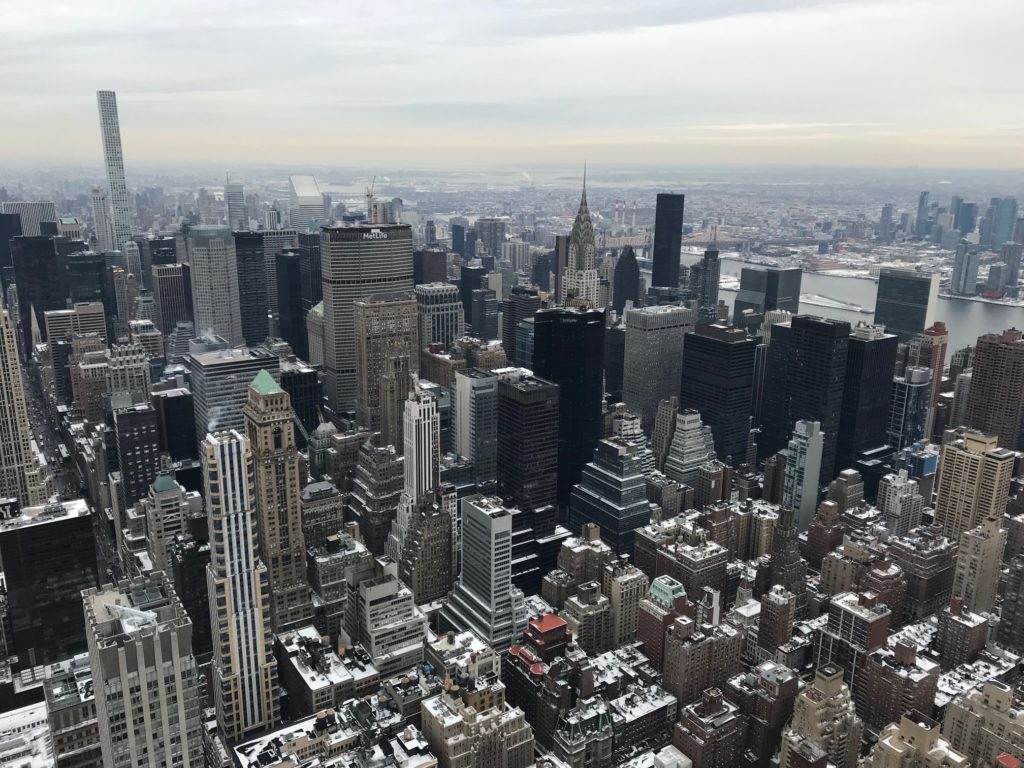
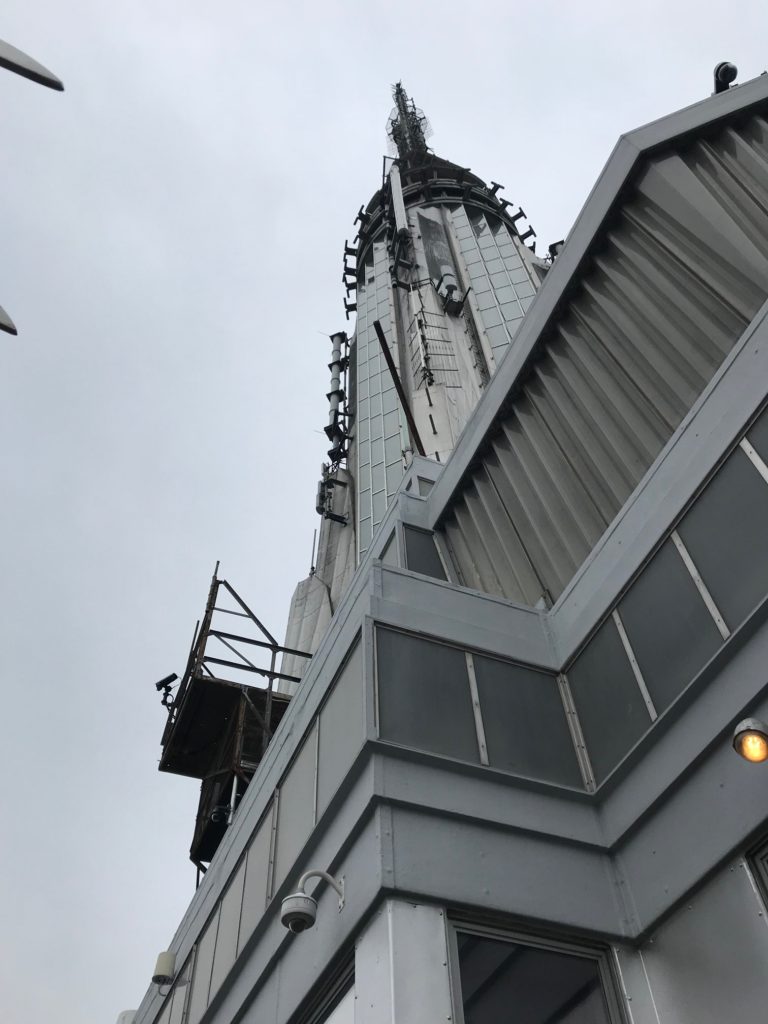
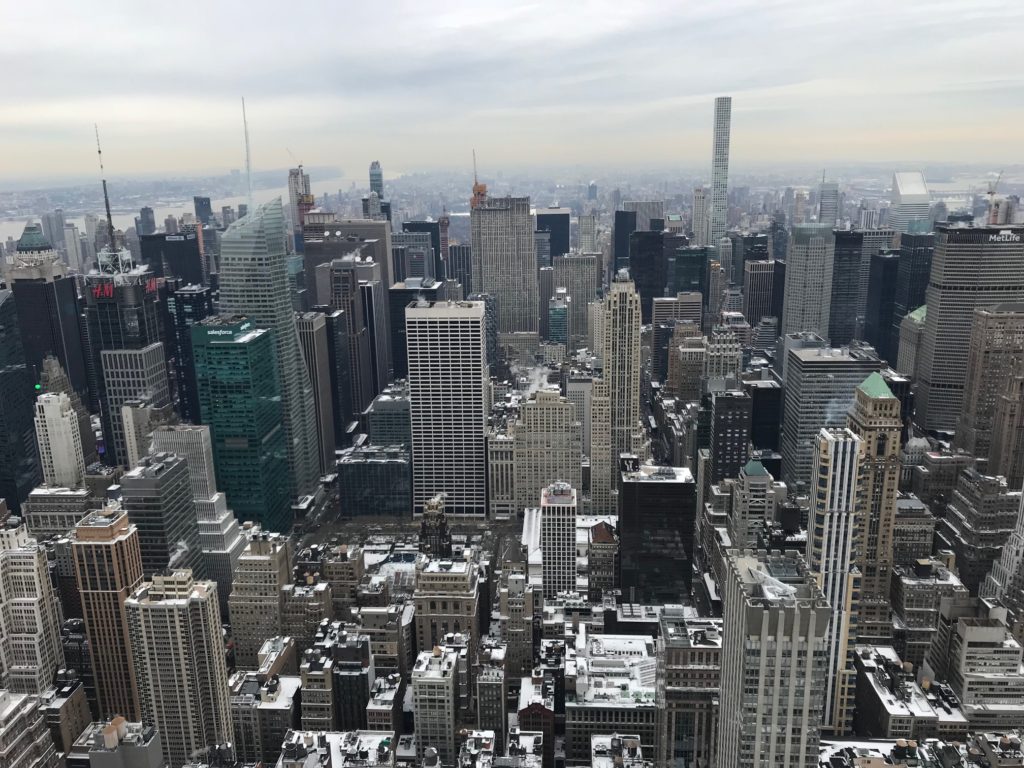
Some additional images from this week’s visit to the ESB:

Categories
Bowery Boys Bookshelf Podcasts

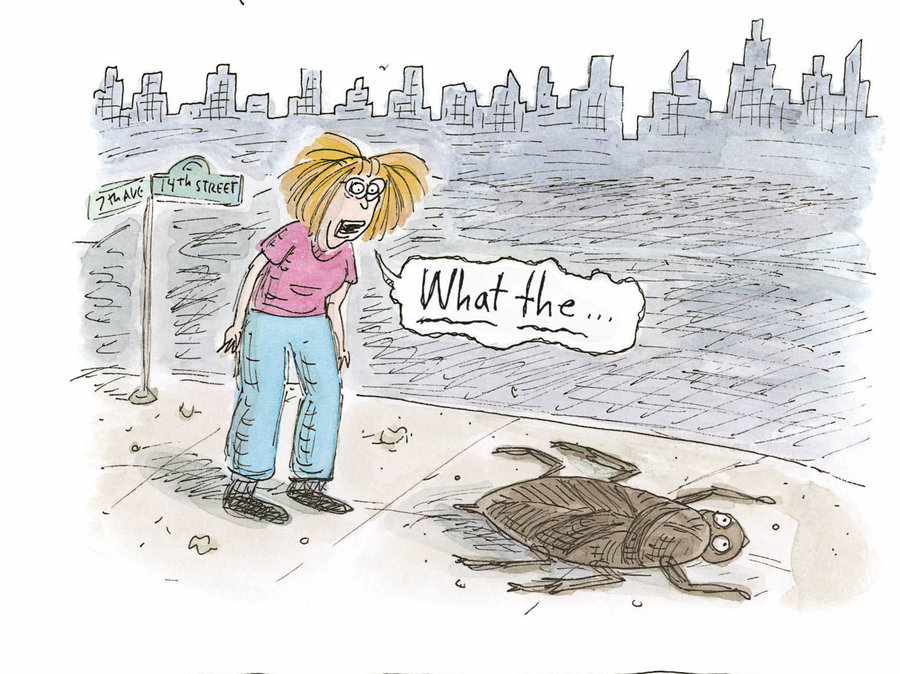
‘Going Into Town’ with the New Yorker’s Roz Chast: A Conversation with the Bowery Boys

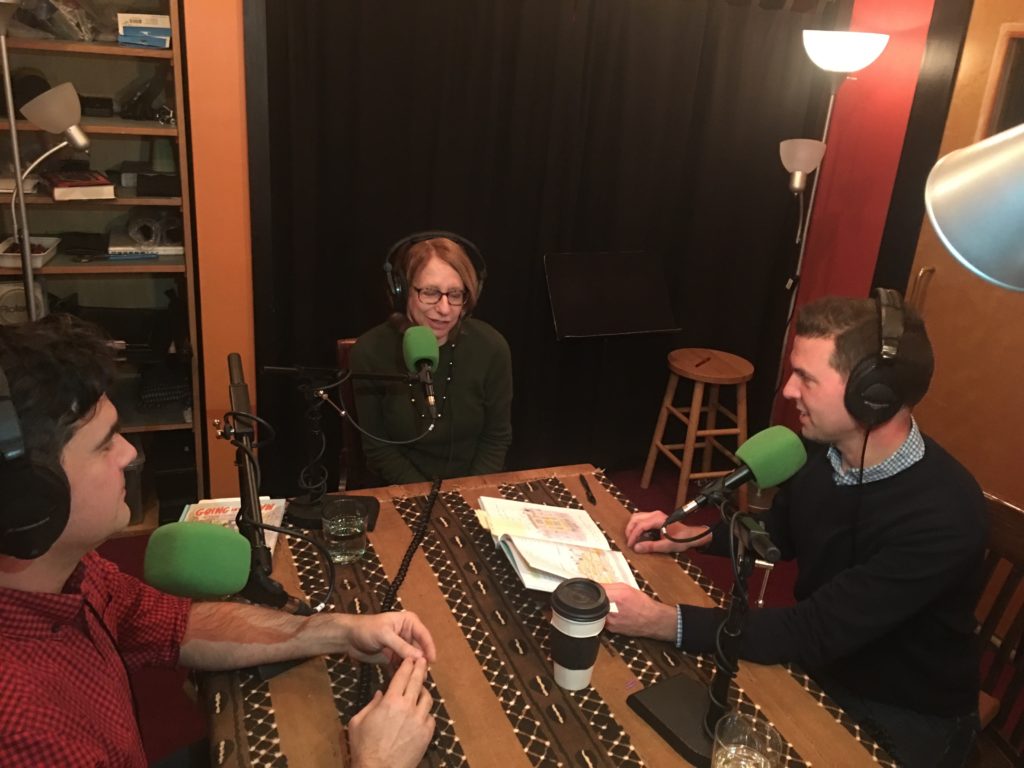
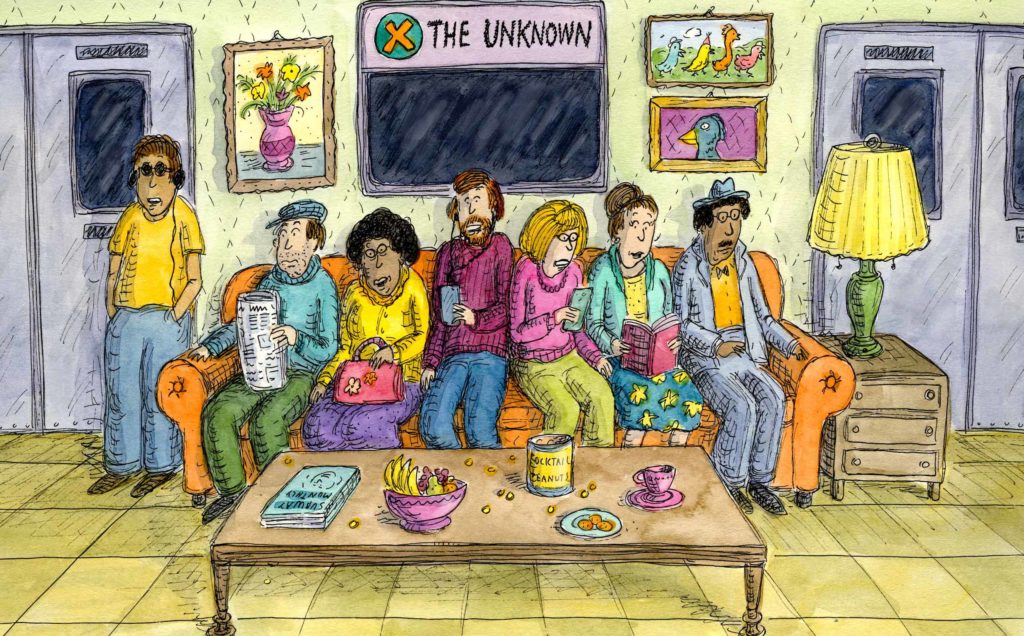
PODCAST The Bowery Boys celebrate the end of the year by sitting down with Roz Chast, who has been contributing cartoons to the New Yorker since 1978. She’s also the author of the New York Times best-selling graphic memoir Can’t We Talk About Something More Pleasant?

Chast’s new book Going into Town: A Love Letter to New York is a guidebook to living in — and loving — New York. Tom and Greg discuss her childhood in Brooklyn, life on the Upper West Side in the ’70s and ’80s, her favorite diner (which is still open!), working at the New Yorker, and much more.

LISTEN HERE:

To download this episode and subscribe to our show for free, visit iTunes or other podcasting services or get it straight from our satellite site.

You can also listen to the show on Google Music, Stitcher streaming radio and TuneIn streaming radio from your mobile devices.

___________________________________________________________________________

The Bowery Boys: New York City History podcast is brought to you …. by you!

We are now producing a new Bowery Boys podcast every week.  We’re also looking to improve the show in other ways and expand in other ways as well — through publishing, social media, live events and other forms of media.  But we can only do this with your help!

We are now a member of Patreon, a patronage platform where you can support your favorite content creators for as little as a $1 a month.

Please visit our page on Patreon and watch a short video of us recording the show and talking about our expansion plans.  If you’d like to help out, there are five different pledge levels (and with clever names too — Mannahatta, New Amsterdam, Five Points, Gilded Age, Jazz Age and Empire State). Check them out and consider being a sponsor.

We greatly appreciate our listeners and readers and thank you for joining us on this journey so far. 

________________________________________________________________________

Categories
Podcasts

Tales of a Tenement: Three Families Under One Roof

In today’s show, we’ll continue to explore housing in New York, but move far from the mansions of Fifth Avenue to the tenements of the Lower East Side in the 20th Century. Specifically, we’ll be visiting one building, 103 Orchard Street, which is today part of the Tenement Museum.


The Bowery Boys: New York City History podcast is brought to you — by you!

We are now producing a new Bowery Boys podcast every week.  We’re also looking to improve the show in other ways and expand in other ways as well — through publishing, social media, live events and other forms of media. But we can only do this with your help!

We are now a member of Patreon, a patronage platform where you can support your favorite content creators for as little as a $1 a month.

Please visit our page on Patreon and watch a short video of us recording the show and talking about our expansion plans. If you’d like to help out, there are five different pledge levels (and with clever names too — Mannahatta, New Amsterdam, Five Points, Gilded Age, Jazz Age and Empire State). Check them out and consider being a sponsor.

We greatly appreciate our listeners and readers and thank you for joining us on this journey so far.


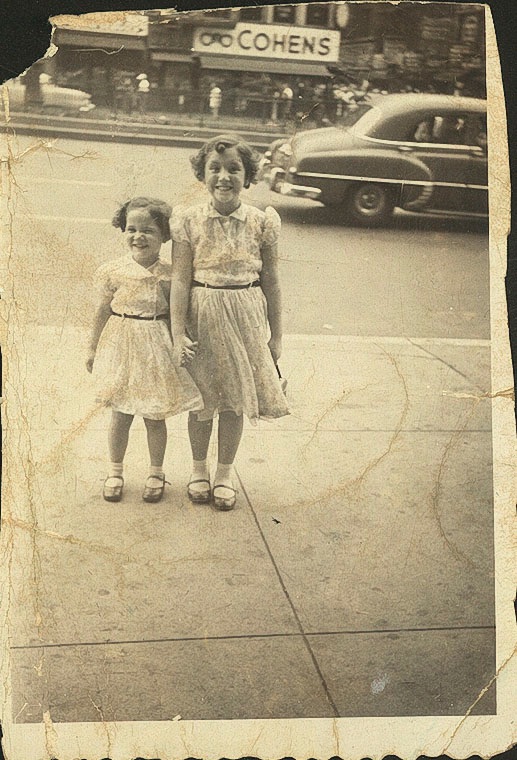
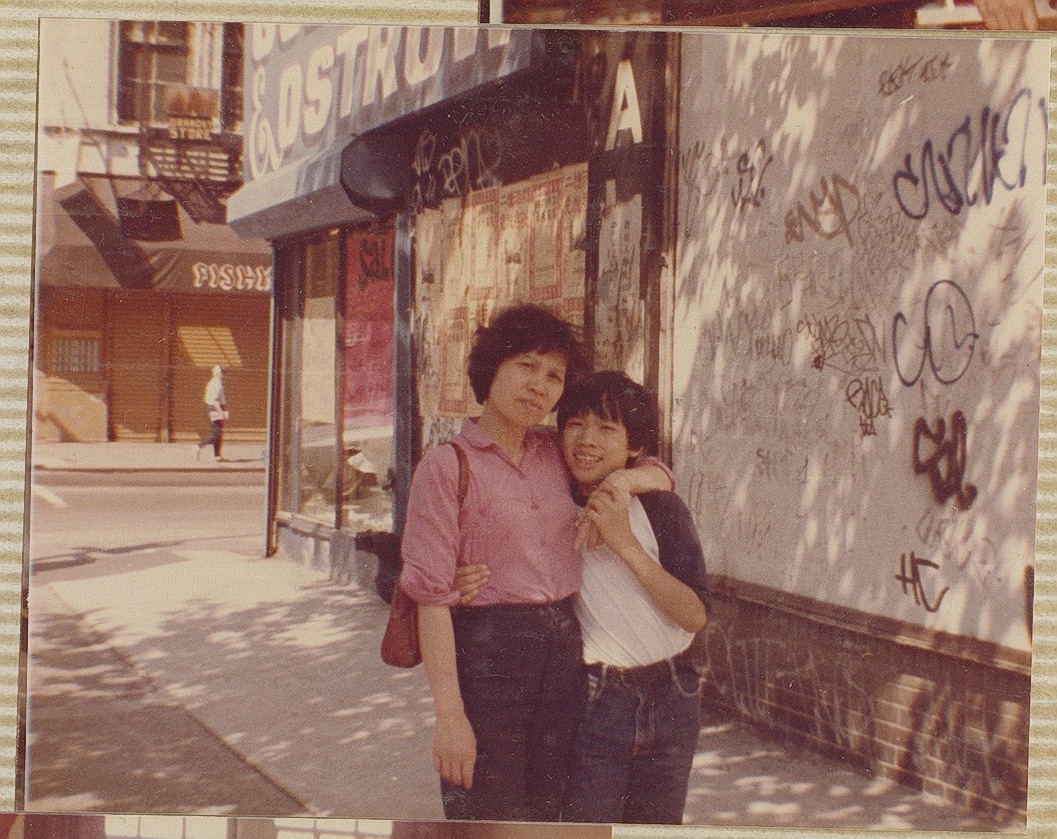
The Epstein sisters, posing on the streets of the Lower East Side. (Photo: The Tenement Museum)

When we step inside 103 Orchard, we’ll be meeting three families who lived there after World War II. We’ll be getting to know them by walking through their apartments, faithfully reconstructed, often with their very own furniture, to tell their stories.

The three families are the Epsteins, the Saez-Velez family, and the Wong family. The Epsteins were Holocaust survivors who moved into the building in the 1950s, the Saez-Velez family moved in during the 60s and were led by a mother who left Puerto Rico and worked as a seamstress here, and the Wong family, whose mother raised the family while working in Chinatown garment shops, moved in during the 1970s.

They’re included in an exciting new interactive exhibition at the Tenement Museum. This exhibit, which includes a tour of the apartments, is called “Under One Roof”, and opens to the public this month. We’re led through it on our show by Annie Polland, the museum’s curator of this exhibit.

For more information on the exhibit, visit tenement.org. While there, be sure to take a virtual tour of the apartment.

Mrs. Wong and her son Kevin. (Photo: The Tenement Museum)

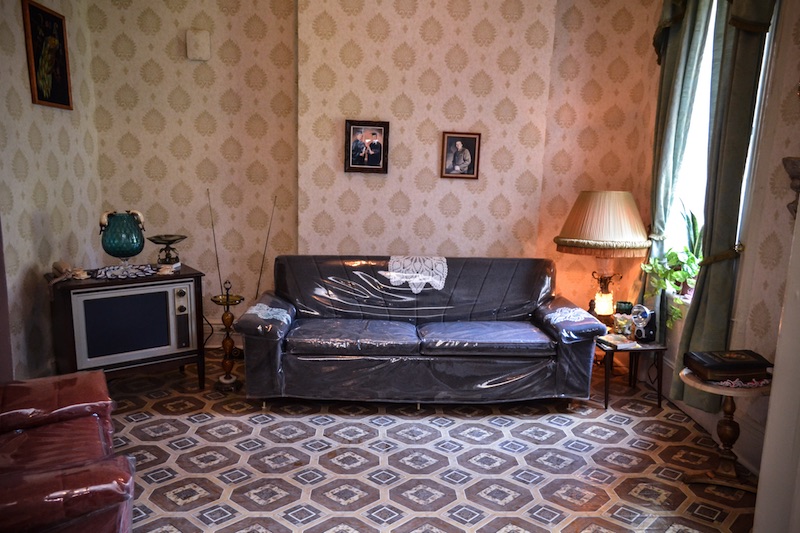
The living room in Ramonita Rivera Saez’s apartment. Photo: The Tenement Museum

Categories
Podcasts Preservation

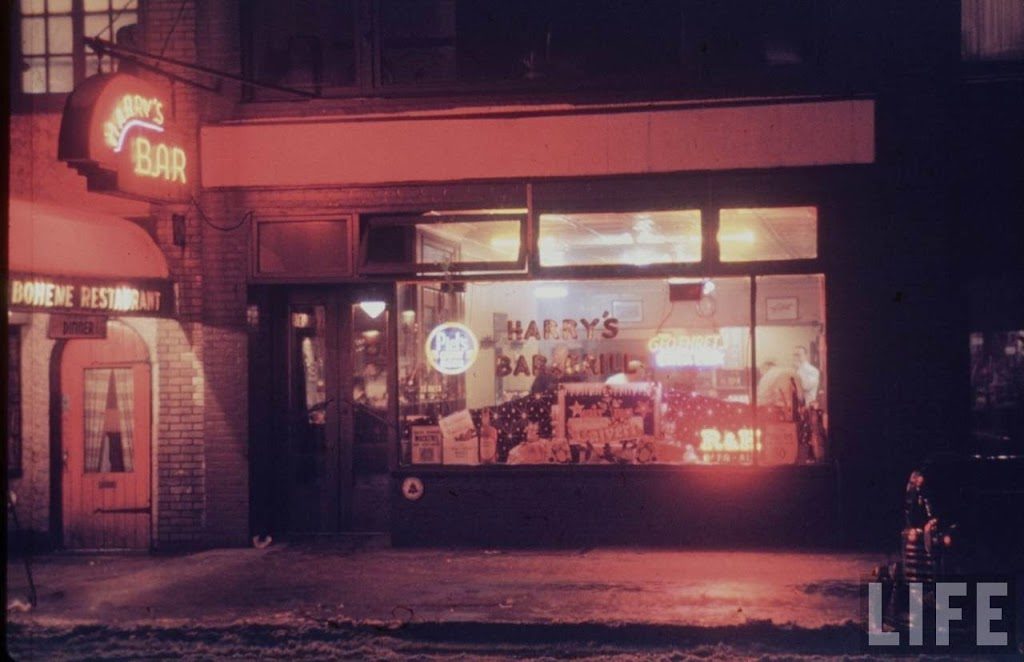
New York In Neon: A History of the City in Lights

PODCAST A neon sign blazing on a rainy New York City street evokes the romance of another era, welcoming or mysterious — depending on how many films noir you’ve watched.

In 2017, a neon sign says more about a business than the message that its letters spell out. It’s an endangered form of craftsmanship although the production of neon is making a hopeful comeback.

In this show Greg briefly take a look at the classic signage in New York City, the kinds of signs you might have seen in New York during the Gilded Age — from a dizzying mass of posters to the first electric signs.

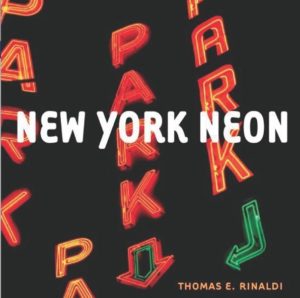
Then he’ll be joined by guest host Thomas Rinaldi, author of the New York Neon book and blog, to figure out what it is about neon that is so essentially New York. And finally because most neon is made by hand, they’ll head out to Ridgewood, Queens, to visit one of New York City’s most acclaimed neon family businesses — Artistic Neon.

Why do so many New York liquor stores have classic neon signs? Why is Fifth Avenue devoid of neon?

From glowing crucifixes in Hell’s Kitchen to the sleaze of ’70s Times Square, from the marquee of Radio City Music Hall to a thousand diners and liquor stores — this is the story of New York in Neon.

PLUS: We come to a consensus on the greatest neon sign in New York City. Do you agree?


The Bowery Boys: New York City History podcast is brought to you …. by you!

We are now producing a new Bowery Boys podcast every week. We’re also looking to improve the show in other ways and expand in other ways as well — through publishing, social media, live events and other forms of media. But we can only do this with your help!

We are now a member of Patreon, a patronage platform where you can support your favorite content creators — for as little as a $1 a month.

Please visit our page on Patreon and watch a short video of us recording the show and talking about our expansion plans. If you’d like to help out, there are five different pledge levels (and with clever names too — Mannahatta, New Amsterdam, Five Points, Gilded Age, Jazz Age and Empire State). Check them out and consider being a sponsor.

We greatly appreciate our listeners and readers and thank you for joining us on this journey so far.

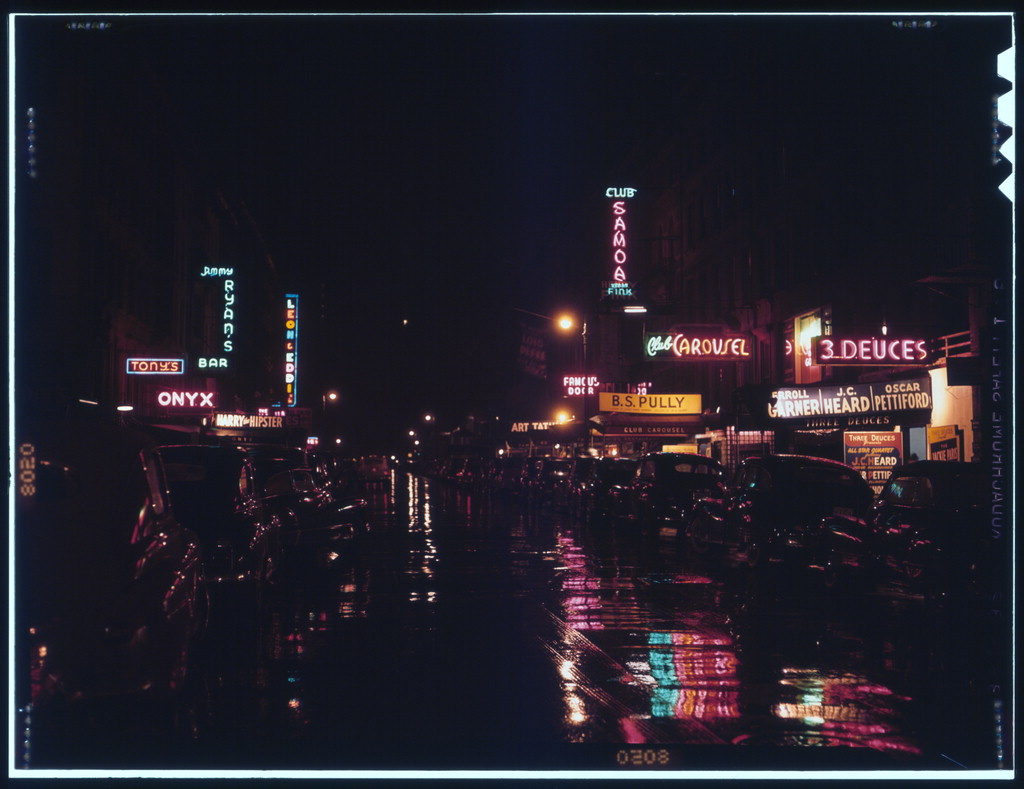
Swing Street, the home of New York jazz in the 1940s, photographed here in July 1948 by William Gottlieb

Library of Congress

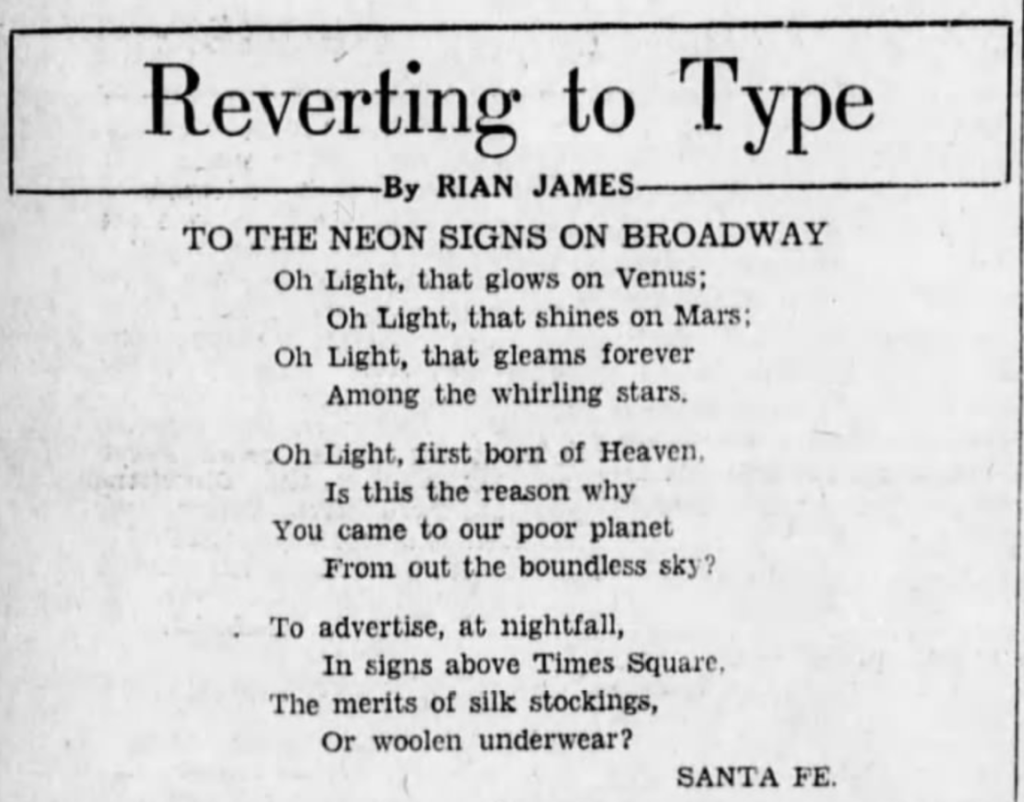
From the Brooklyn Daily Eagle, January 28, 1930 — an ode to neon:

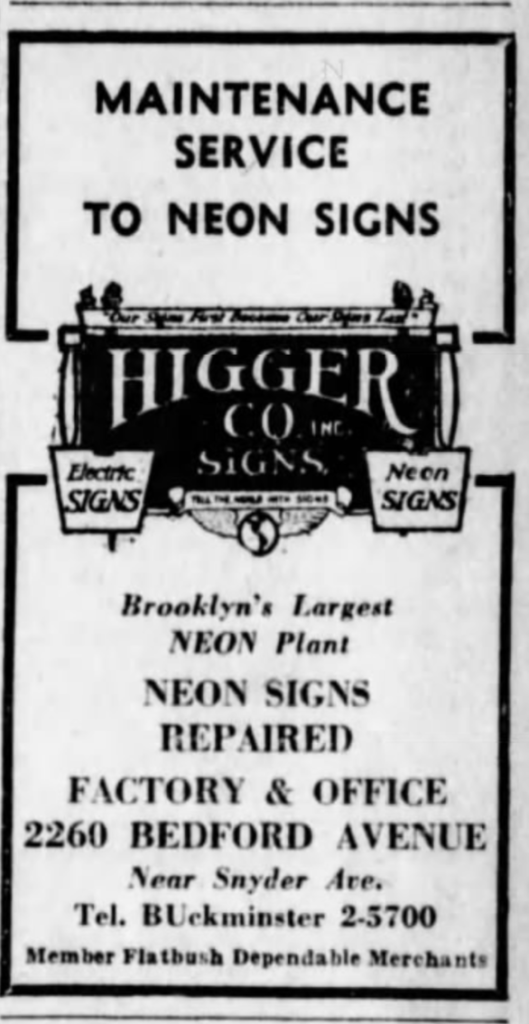
A 1932 advertisement for a Brooklyn neon shop:

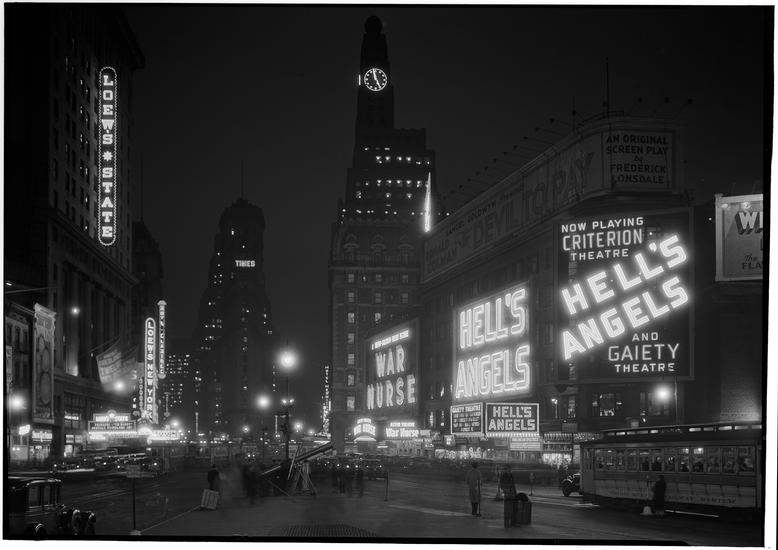
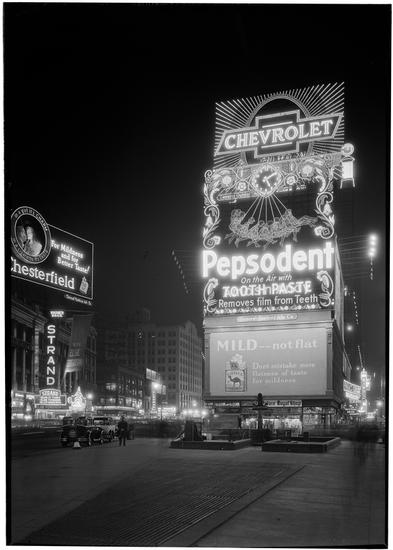
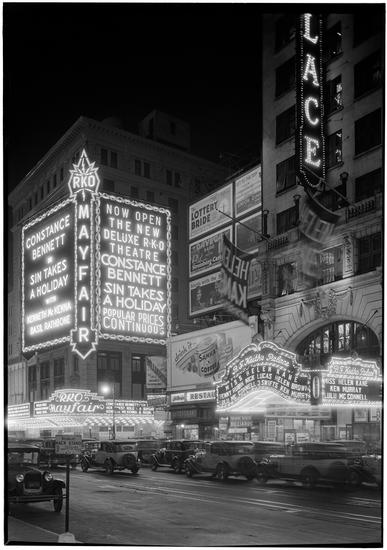
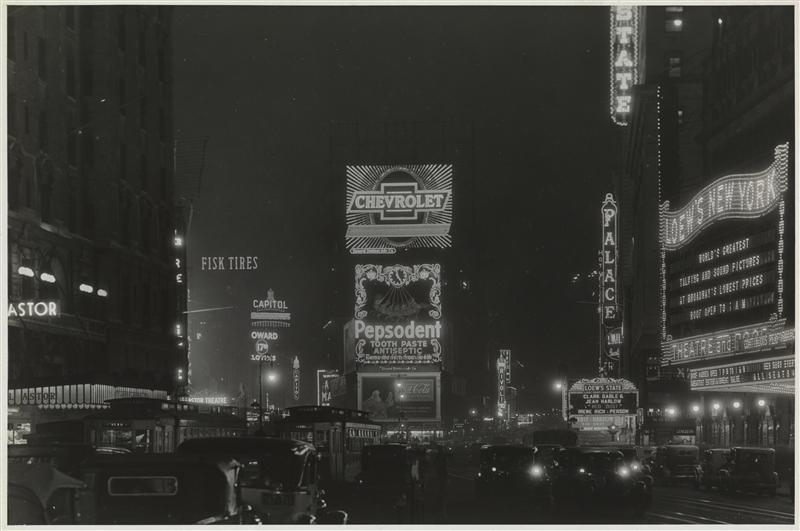
The neon heyday — the 1930s. Images of Times Square  in 1930 from Samuel Gottscho, courtesy the Museum of the City of New York


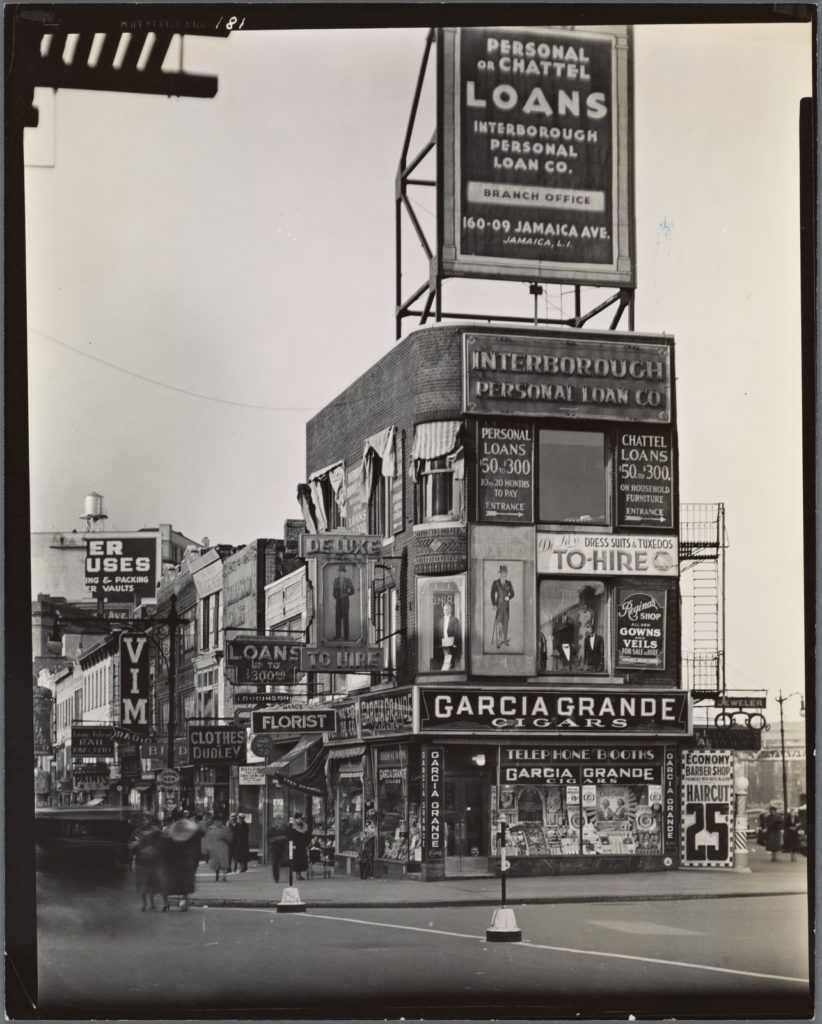
Brooklyn neon 1936 — recognize this corner (photographed by Berenice Abbott)? It’s near the Brooklyn Academy of Music.

NYPL

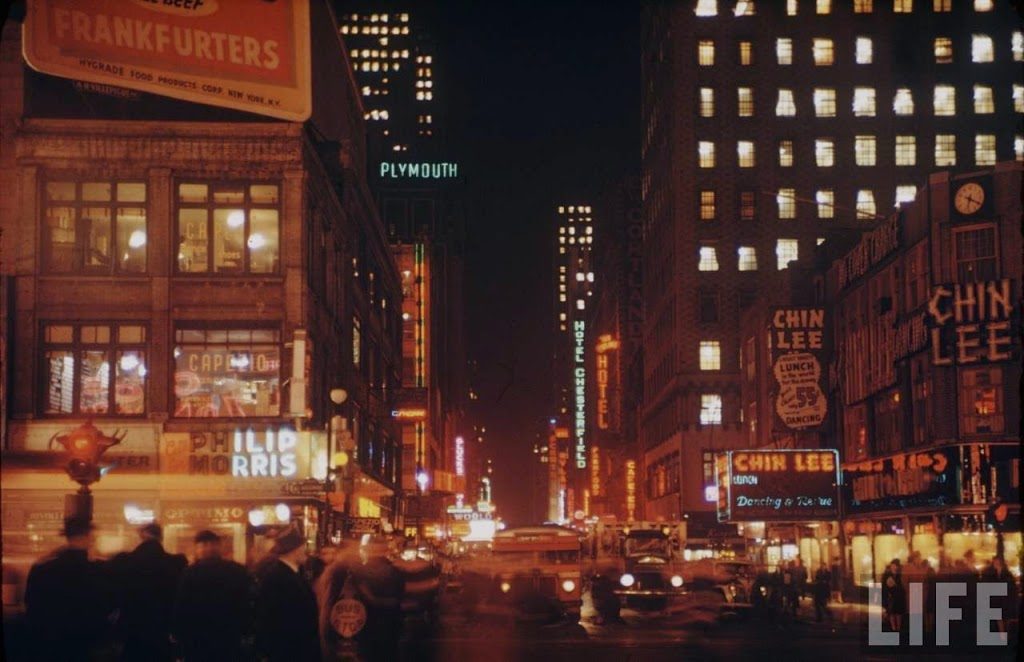
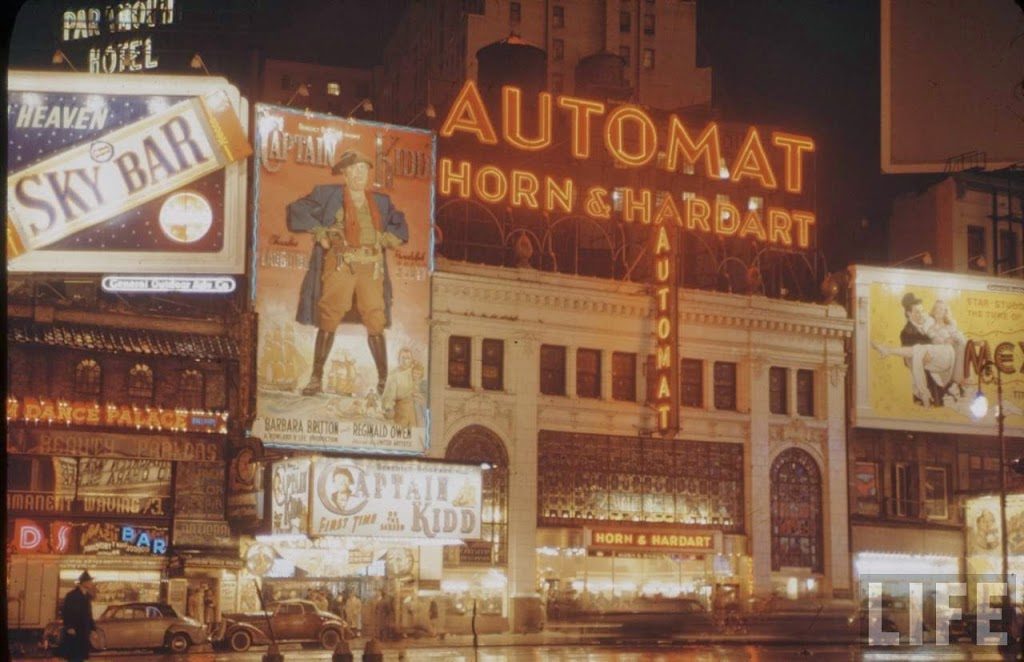
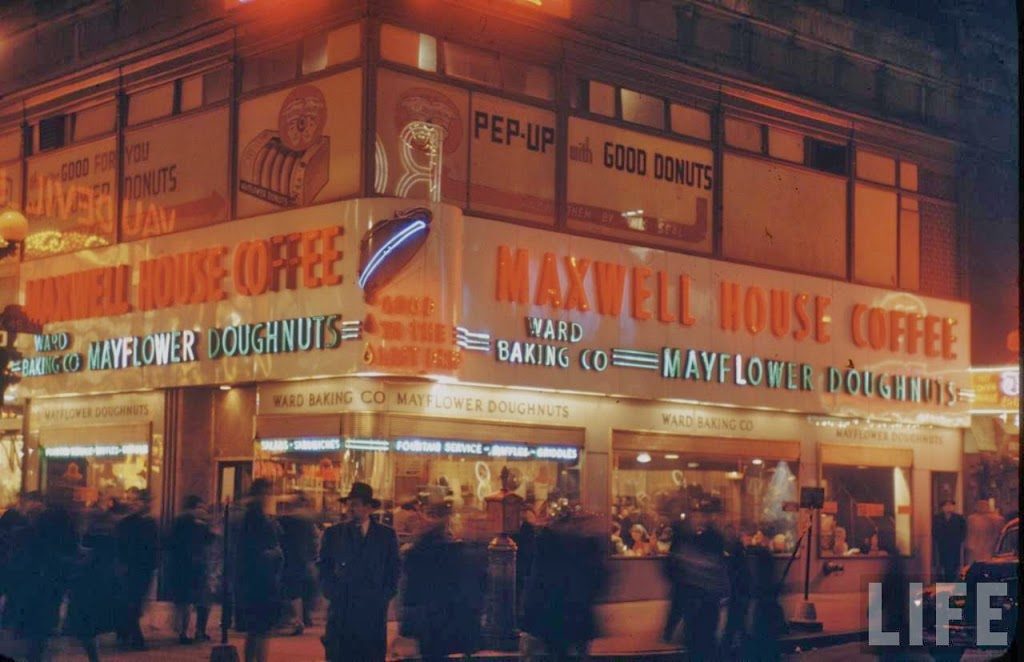
New York City in 1946, via the photography of Andreas Meininger (Life Magazine)

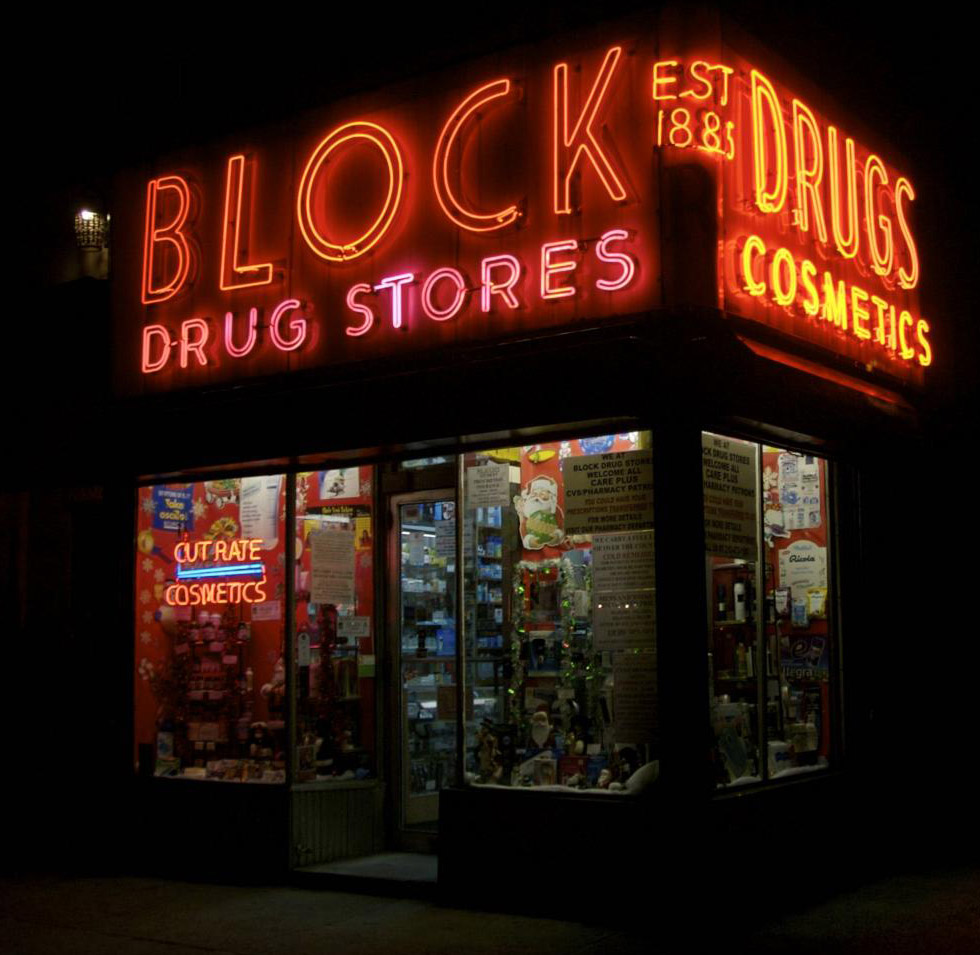
A treasure in the East Village — Block Drug Stores:

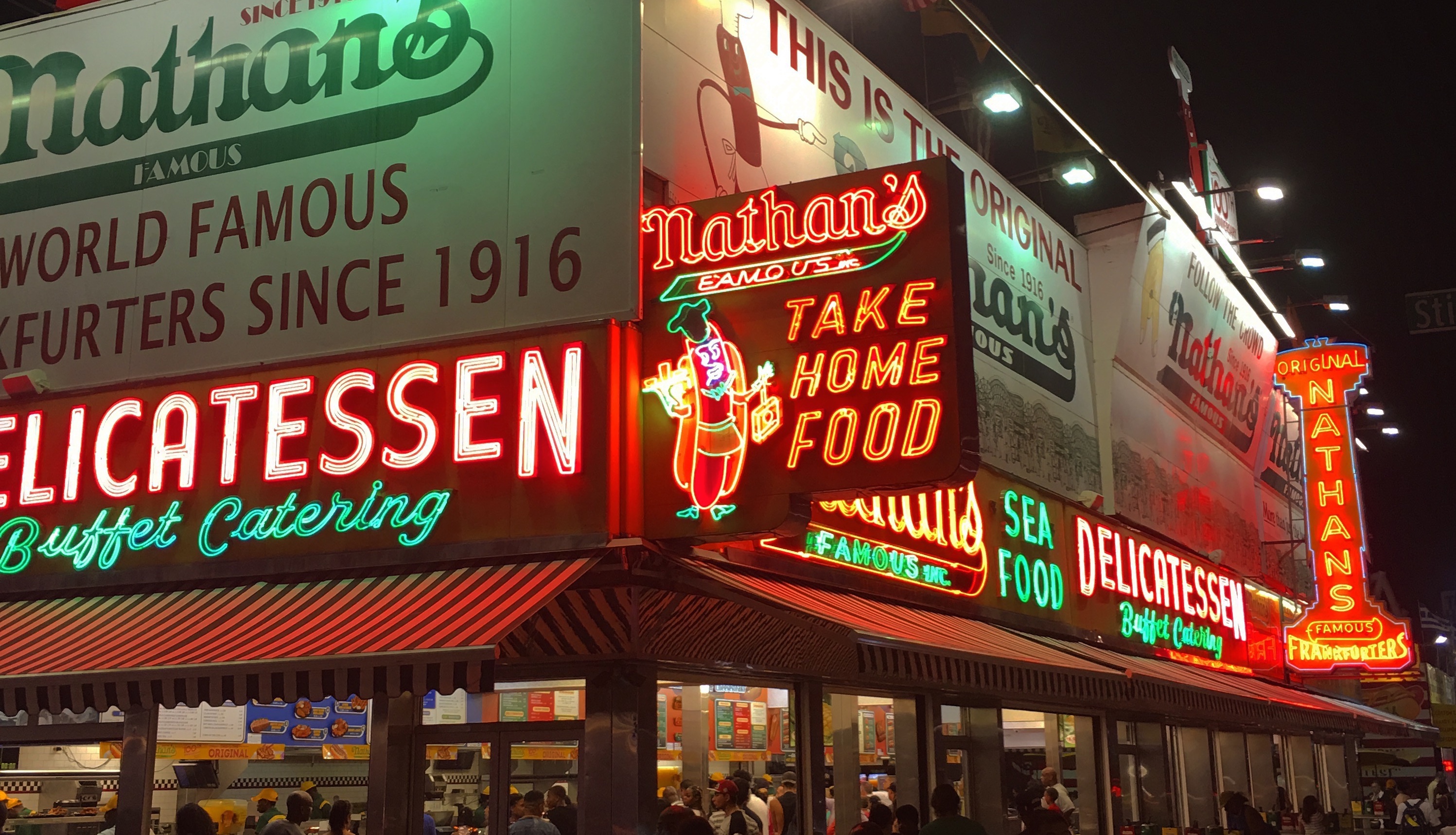
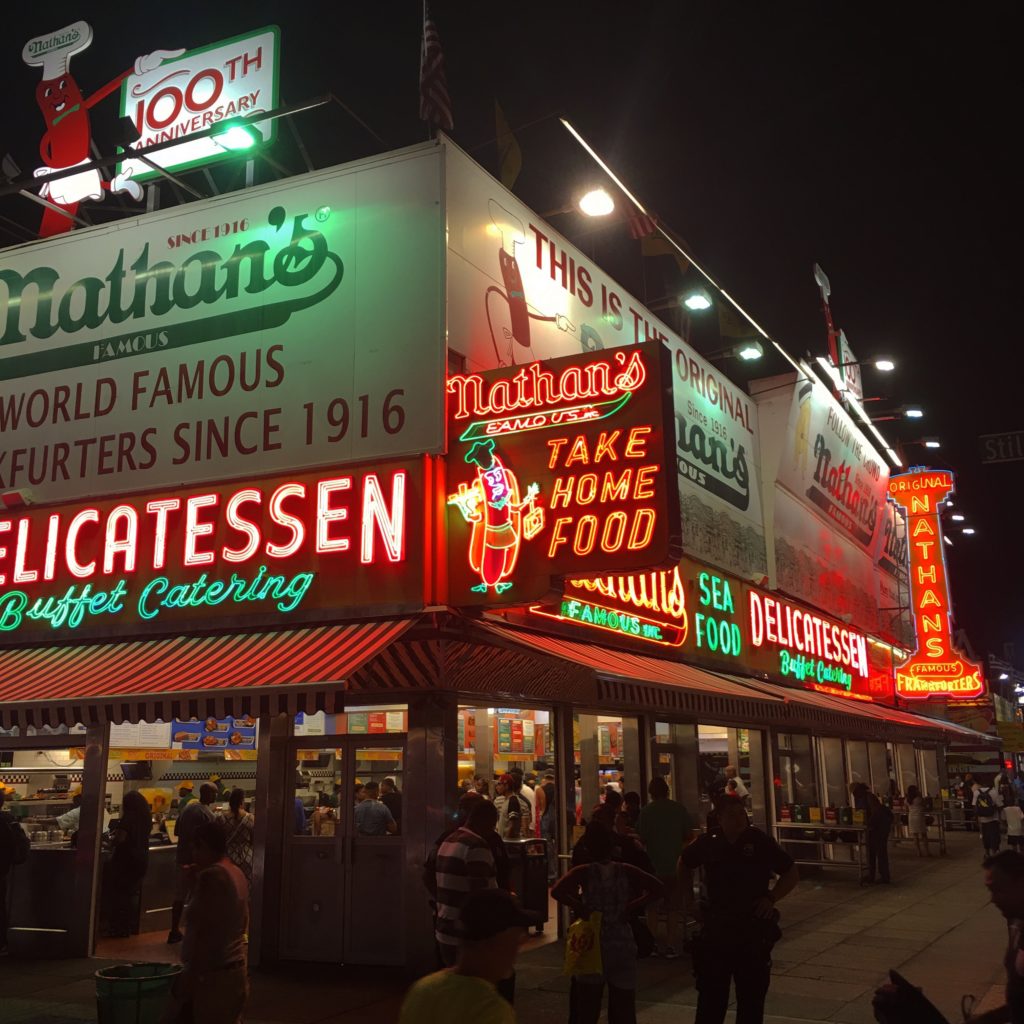
Nathan’s Most Famous …. neon signs! In the show, Thomas Rinaldi shares the incredible secret to the sign’s unusual script.


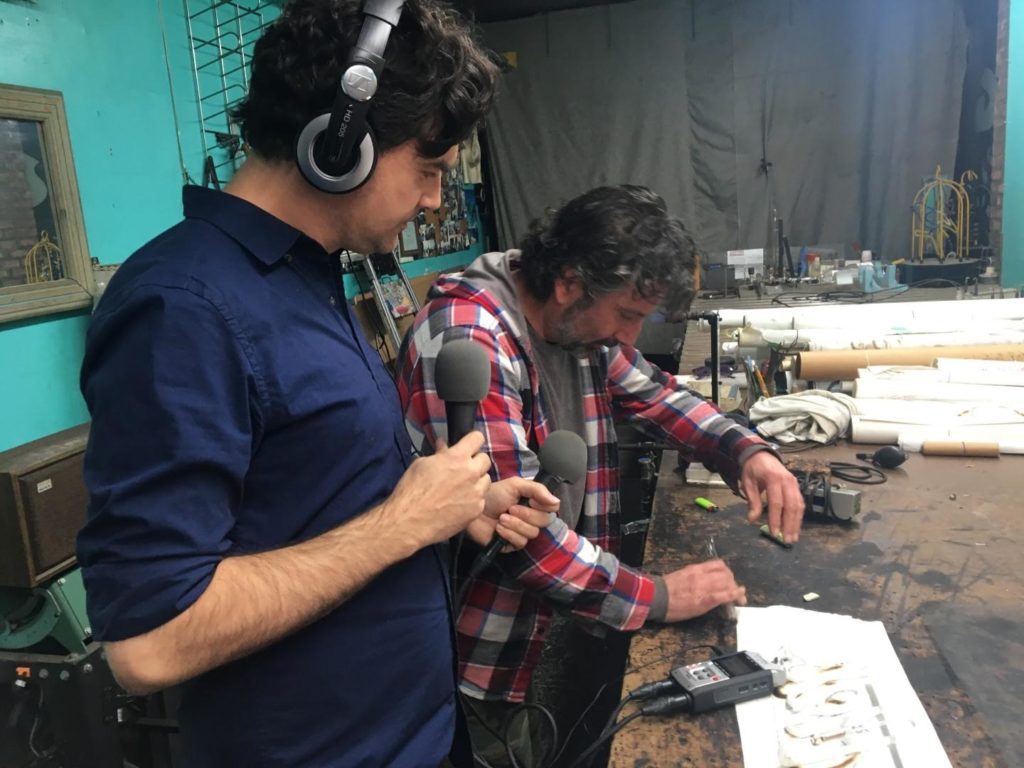
Inside Artistic Neon with Robbie Ingui:

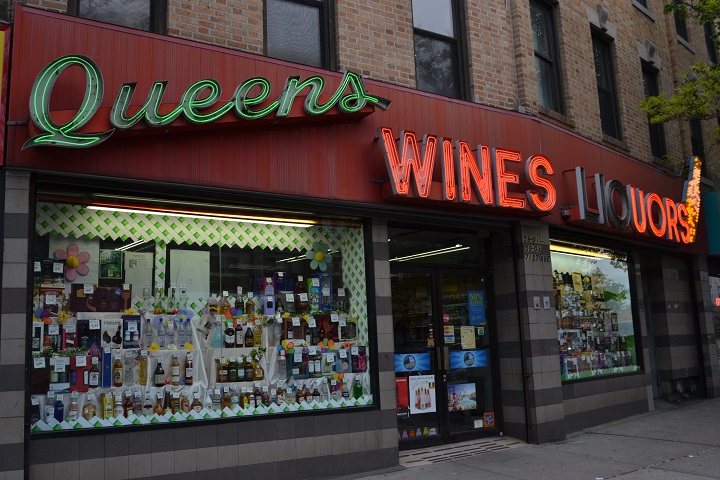
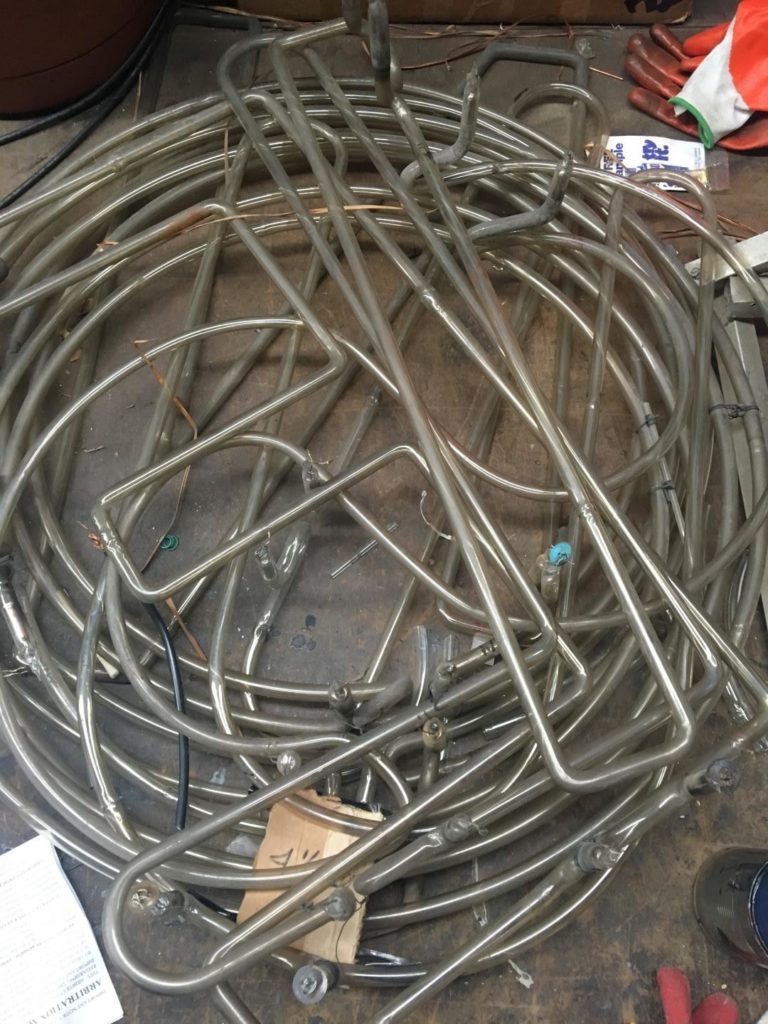
Queens Wine and Liquor in Ridgewood, Queens — the old sign and the letters which were in Robbie’s workshop!


My thanks to Artistic Neon, Brooklyn Glass (for the show’s inspiration) and Thomas Rinaldi. His book New York Neon is currently in stores. And thanks to everyone who called into our toll-free number, leaving your vote for best New York neon sign!

Categories
Podcasts The First

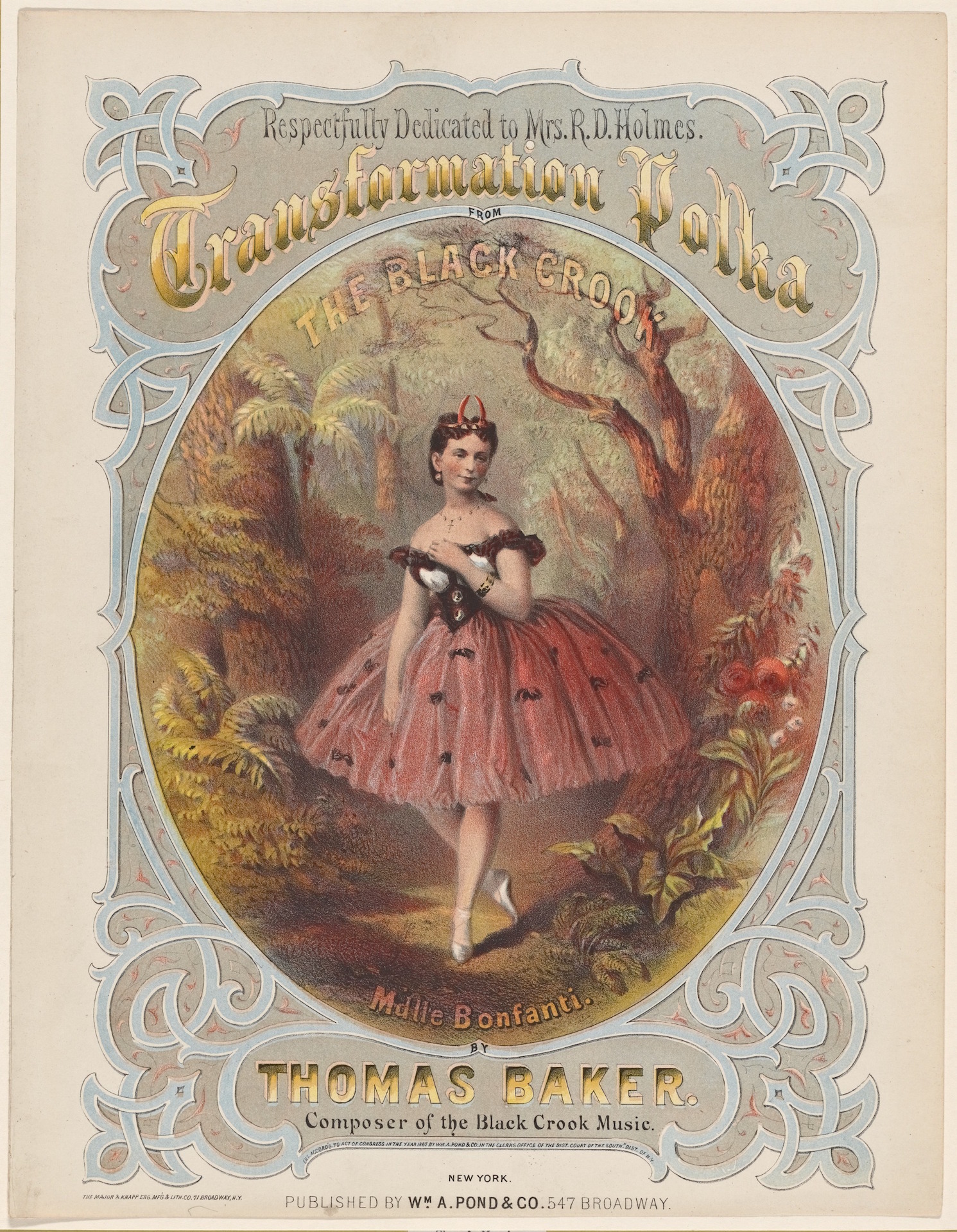
The Devil and the First Broadway Musical (“The Black Crook”)

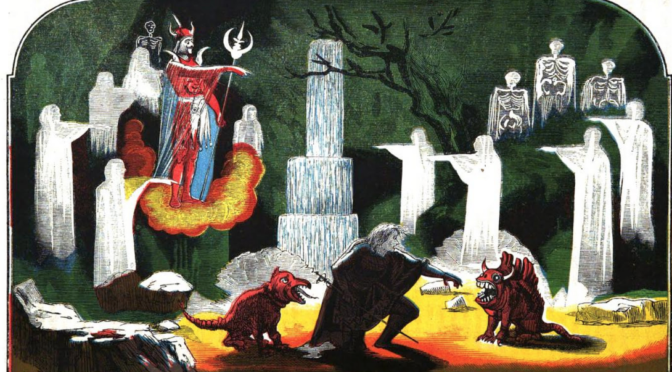
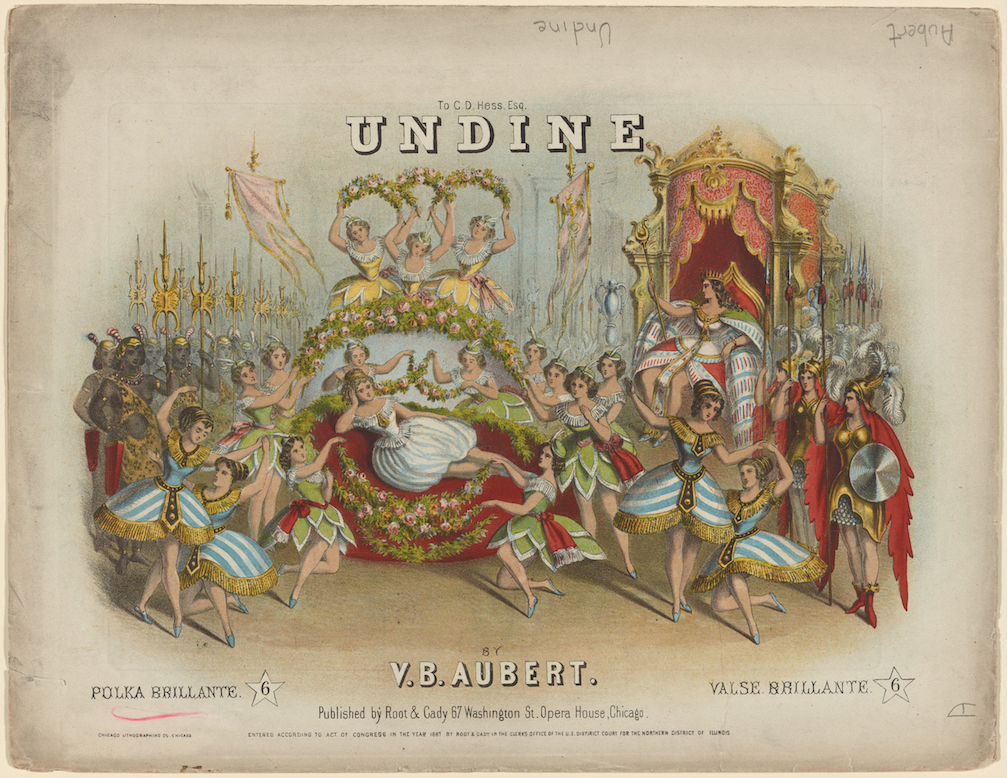
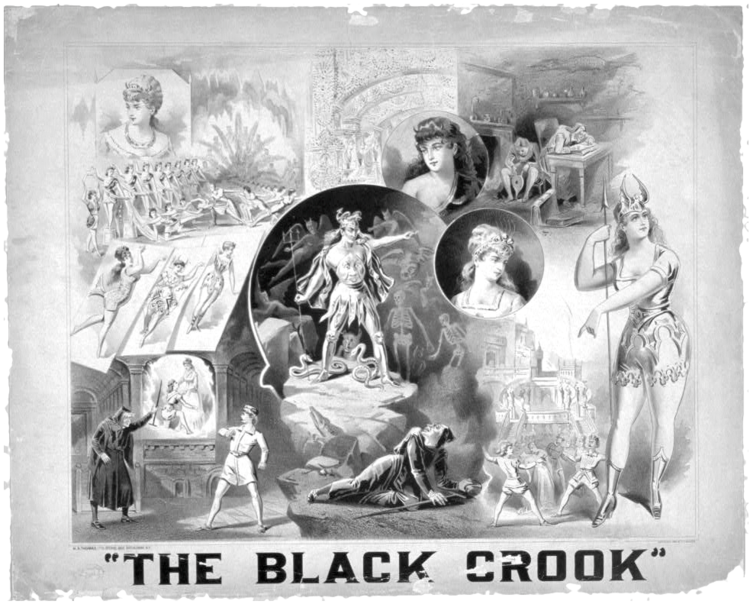
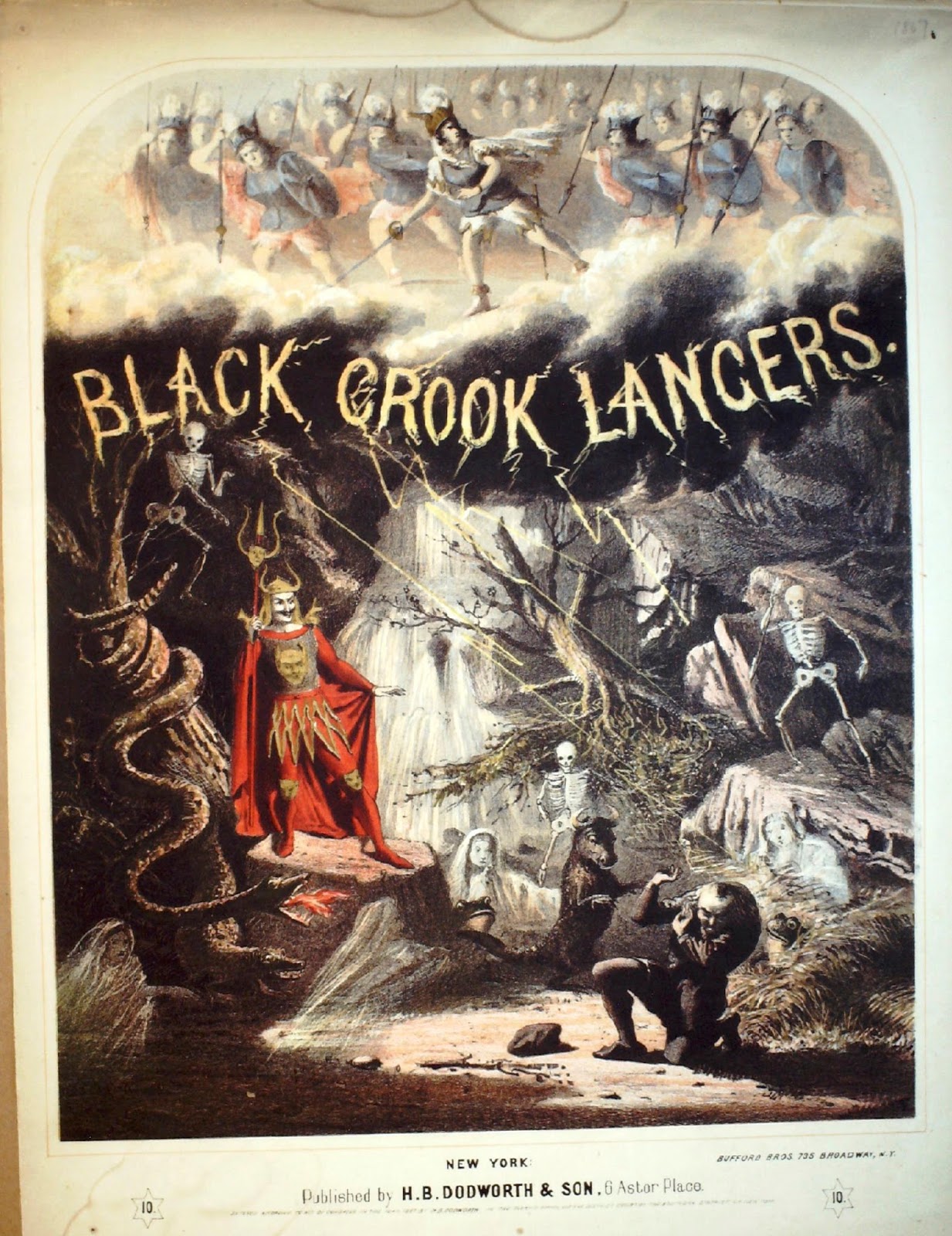
THE FIRST PODCAST The Black Crook is considered the first-ever Broadway musical, a dizzying, epic-length extravaganza of ballerinas, mechanical sets, lavish costumes and a storyline about the Devil straight out of a twisted hallucination.

The show took New York by storm when it debuted on September 12, 1866. This is the story of how this completely weird, virtually unstageable production came to pass. Modern musicals like Phantom of the Opera, Wicked, and Hamilton wouldn’t quite be what they are today without this curious little relic.

WARNING: You may leave this show humming a little tune called “You Naughty, Naughty Men.”

Featuring music by Adam Roberts and Libby Dees, courtesy the New York Public Library for the Performing Arts.

And the voice of Ben Rimalower reading the original reviews of the Black Crook.

With grateful thanks to Doug Reside whose online resources have been most invaluable with my research.

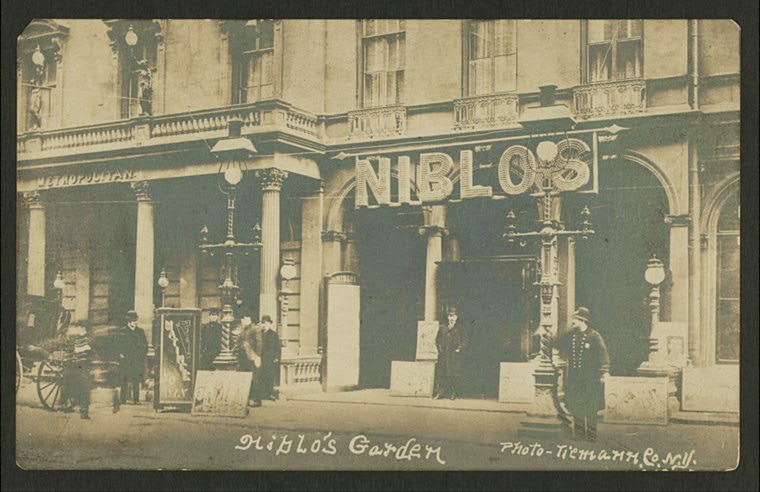
For more information, there’s an entire Bowery Boys podcast on the history of Niblo’s Garden:

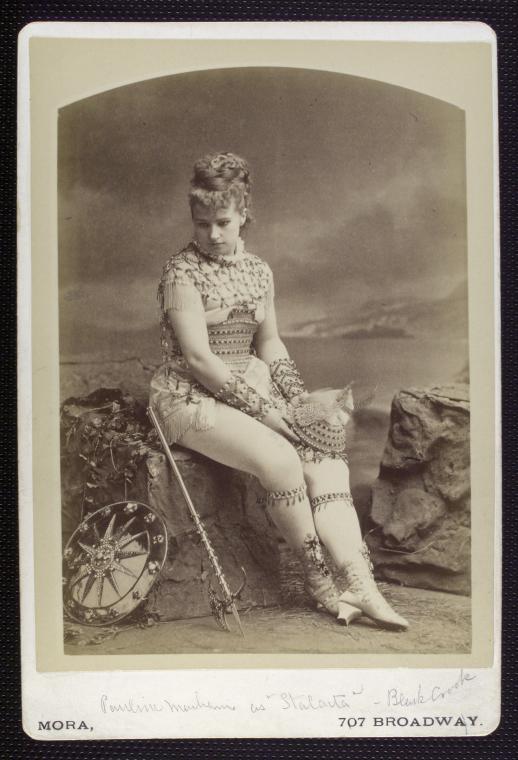
The actress and dancer Pauline Markham, performing as Stalacta, Queen of the Golden Realm

NYPL

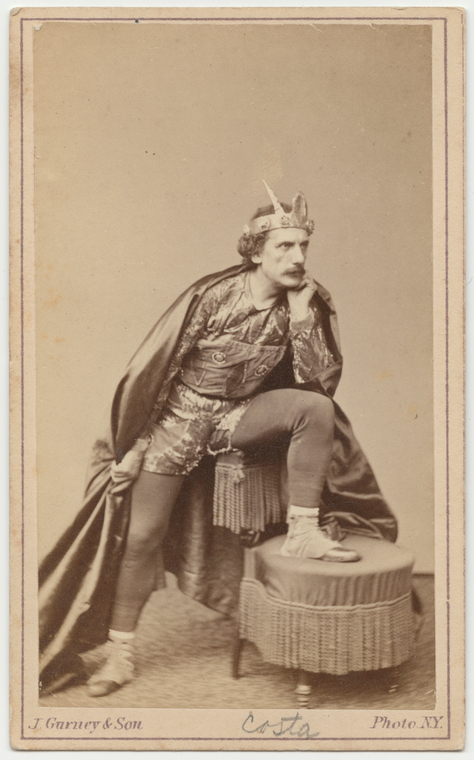
“Celebrated dancer and composer, David Costa, wearing tights, trunks, shirt and long cape with a satin sheen, and a crown on his head featuring horns. He has one foot on the seat of a round-seat chair with heavy fringe, his thigh resting on the back of the chair as he rests his elbow on his knee and his chin on his hand.”

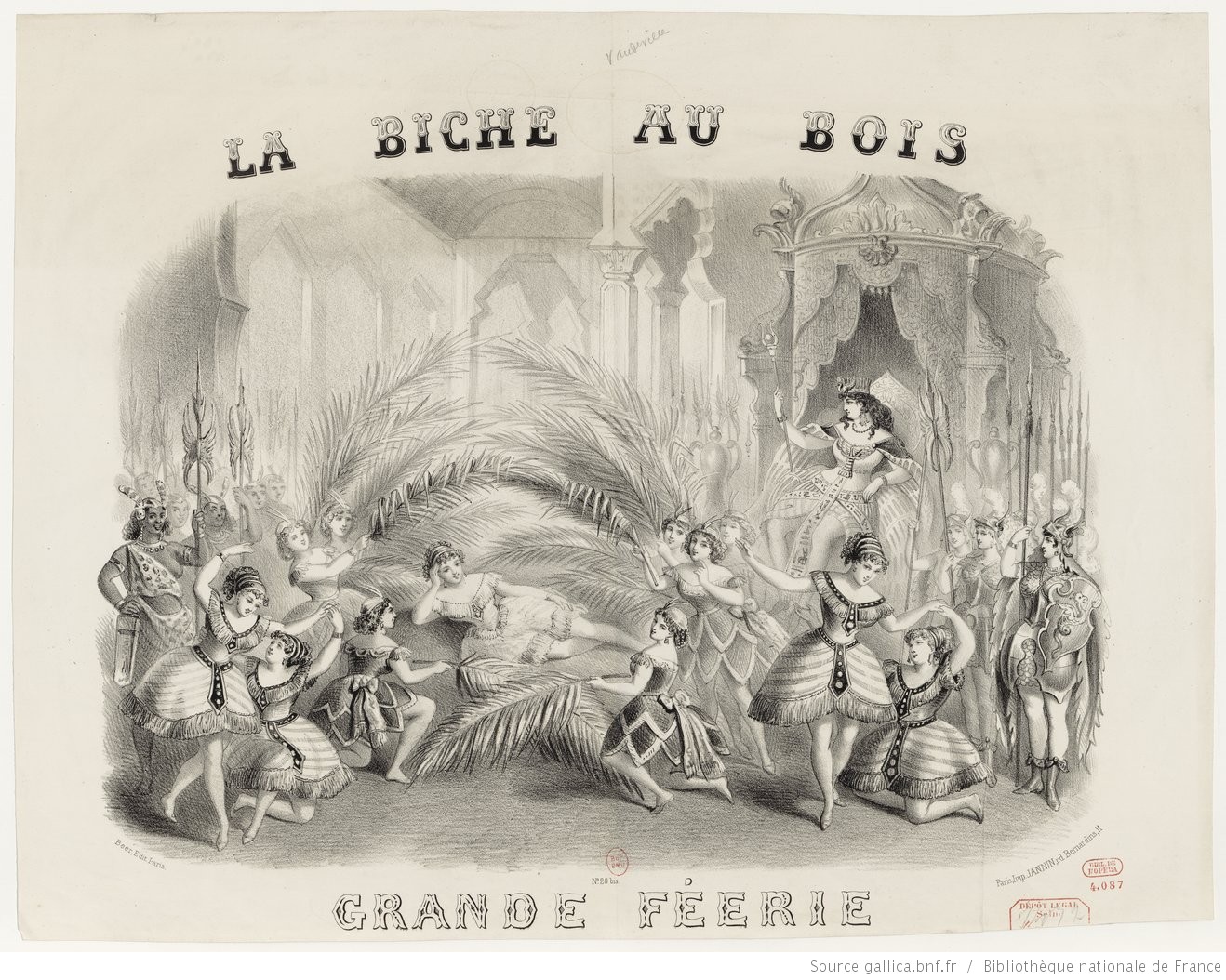
La Biche au Bois from which sprung the Black Crook

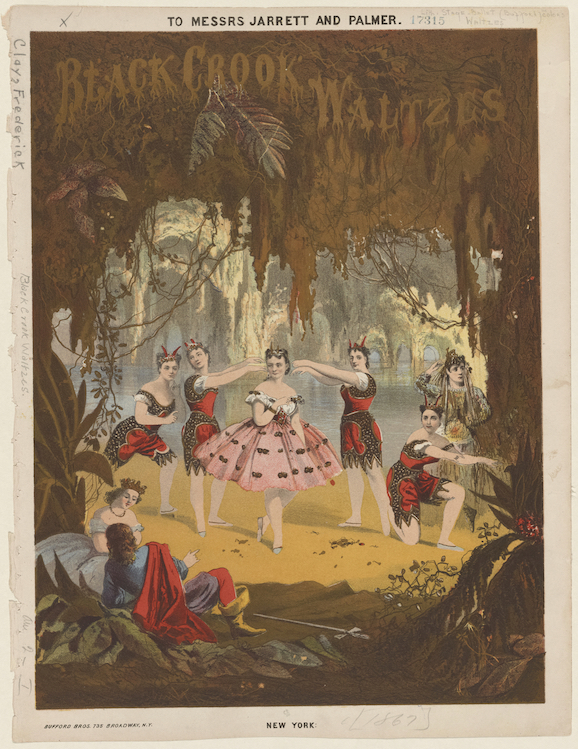
From an 1867 book of songs from the Black Crook (although many of the songs were likely never in the show!)

NYPL

Versions of the show popped up across the country in almost every major city. There was no real consistency aside from Barras’ story.

NYPL

Thomas Baker wrote many of the songs in The Black Crook. He was also a song writer for Laura Keene whose show The Seven Sisters is sometimes noted as an early proto-musical.

NYPL

Each number was so elaborate that it would take several minutes to move scenery and get the cast into new costumes. This was one of the key reasons the show had so many unrelated songs which were sung as scenes were shifted.

NYPL
Operetta Research Center

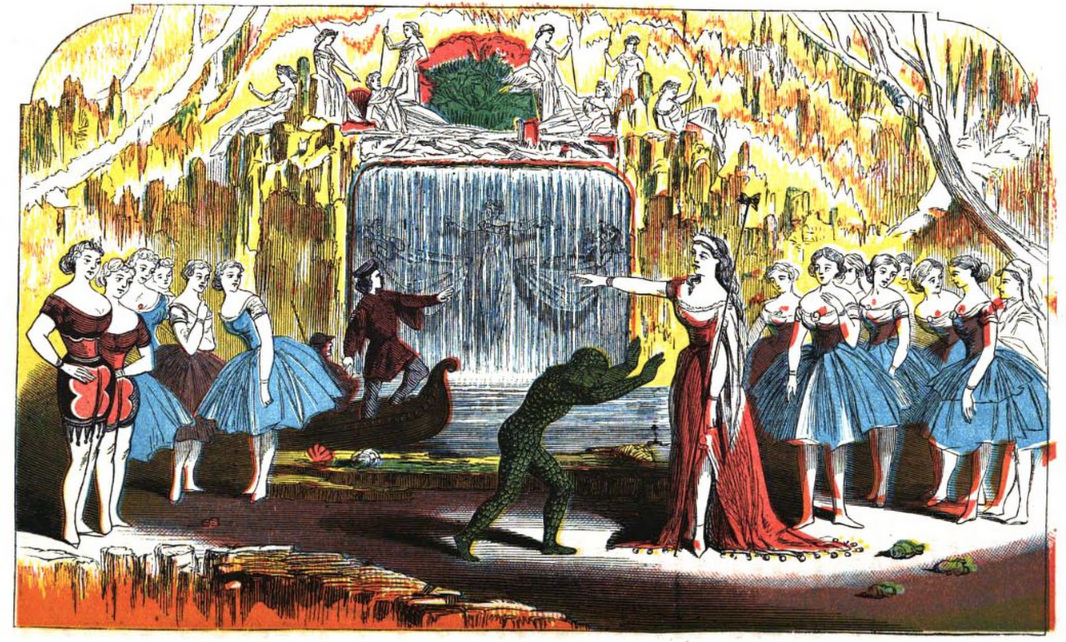
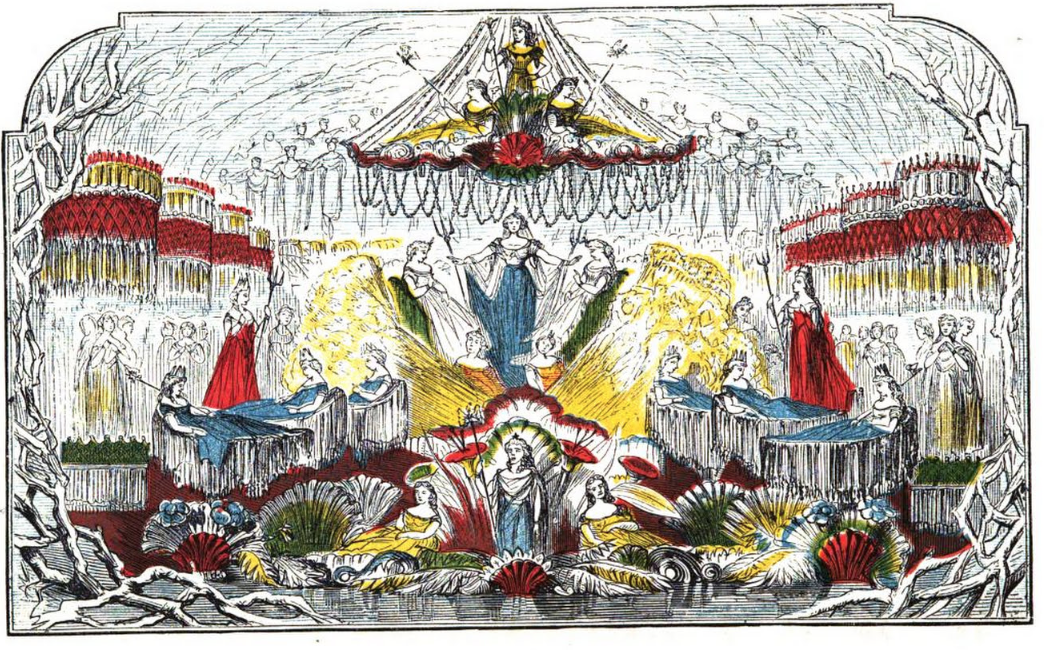
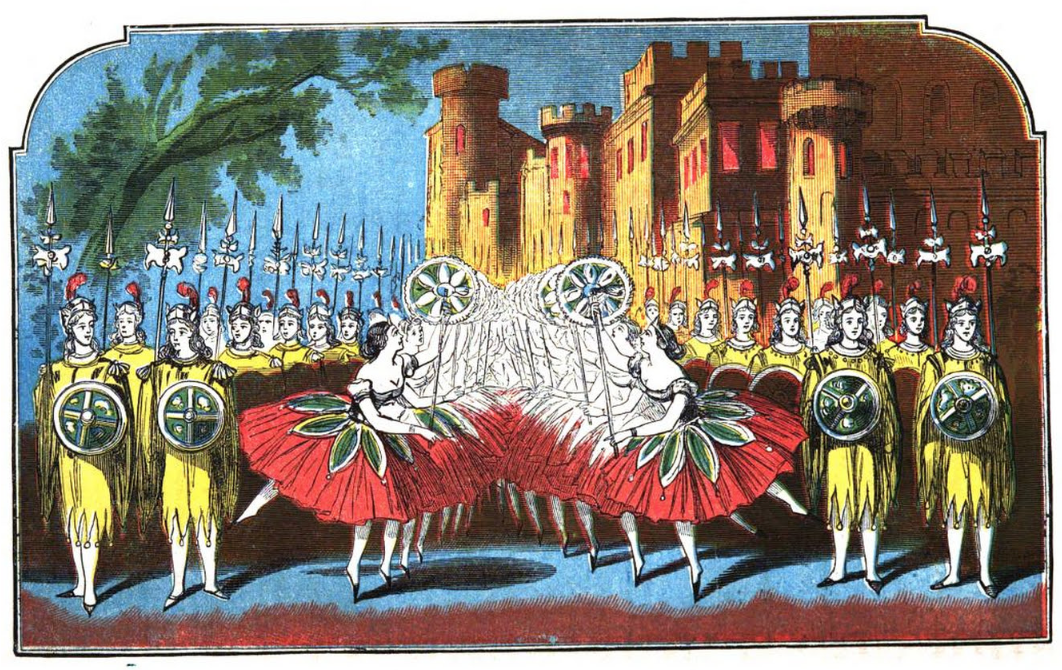
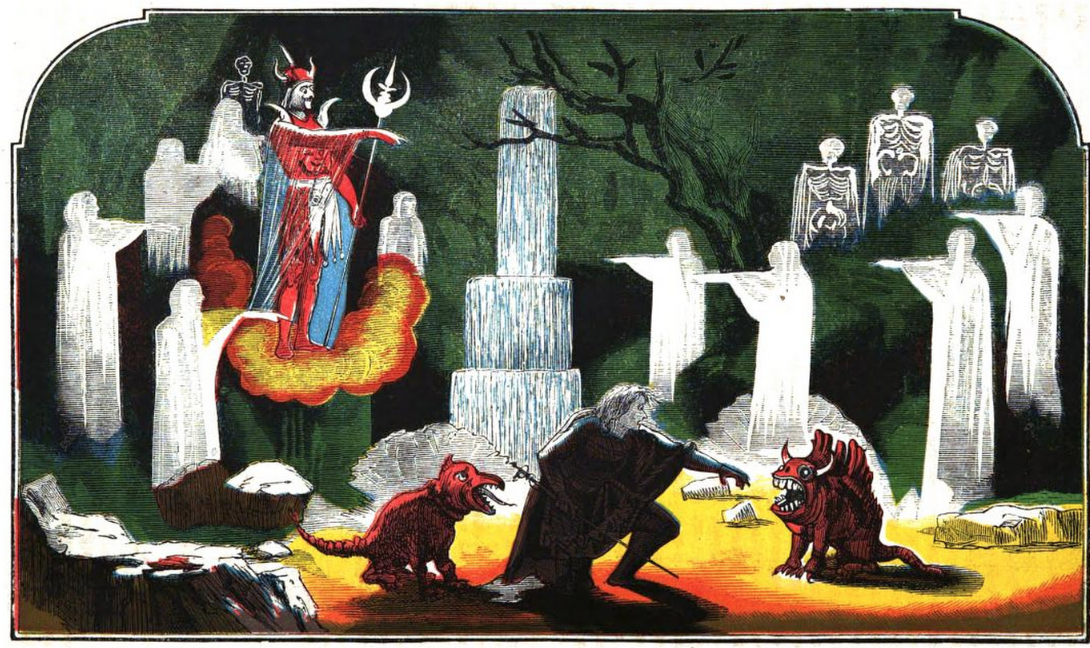
Illustrations from Charles Barras novel The Black Crook: A Most Wonderful History, published in 1866

The audio of Leonard Bernstein was taken from this episode of Omnibus:

“You Naughty, Naughty Men” performed by Adam Roberts and Libby Dees

“Les Grelots d’amour” performed by Adam Roberts

Some intrepid theater folk brought back a version of The Black Crook and performed it last year at Abrons Arts Center. Hopefully they will remount the show in the future!

Categories
Newspapers and Newsies Podcasts

Newsies on Strike! The thrilling tale of New York newsboys fighting back

PODCAST We’re in the mood for a good old-fashioned Gilded Age story so we’re bringing back one of our favorite Bowery Boys episodes ever — Joseph Pulitzer and William Randolph Hearst vs. the newsies!

LISTEN TO THIS SHOW HERE:

It was pandemonium in the streets. One hot summer in July 1899, thousands of corner newsboys (and girls) went on strike against the New York Journal and the New York World. Throngs filled the streets of downtown Manhattan for two weeks and prevented the two largest papers in the country from getting distributed.

In this episode, we look at the development of the sensationalist New York press — the birth of yellow journalism — from its very earliest days, and how sensationalism’s two famous purveyors were held at ransom by the poorest, scrappiest residents of the city.

The conflict put a light to the child labor crisis and became a dramatic example of the need for reform.

Crazy Arborn, Kid Blink, Racetrack Higgins and Barney Peanuts invite you to the listen in to this tale of their finest moment, straight from the street corners of Gilded Age New York.

PLUS: Bonus material featuring a closer look at the Brooklyn Newsboys Strike and a moment with the newsies during the holidays.

To get this week’s episode, simply download it for FREE from iTunes or other podcasting services or get it straight from our satellite site.

To get this week’s episode, simply download or stream it for FREE from iTunes, Stitcher, Spotify or other podcasting services.You can also get it straight from our satellite site.

Or listen to it straight from here:
The Bowery Boys #219: NEWSIES ON STRIKE

___________________________________________________________

The Bowery Boys: New York City History podcast is brought to you …. by you!

We are now producing a new Bowery Boys podcast every other week. We’re also looking to improve and expand the show in other ways — publishing, social media, live events and other forms of media. But we can only do this with your help!

We are now a creator on Patreon, a patronage platform where you can support your favorite content creators.

Please visit our page on Patreon and watch a short video of us recording the show and talking about our expansion plans. If you’d like to help out, there are six different pledge levels. Check them out and consider being a sponsor.

ALL patrons at all levels will receive many benefits include the next episode of the Bowery Boys Movie Club, an exclusive podcast (released every 6-8 weeks) celebrating New York City in the movies. And patrons at the Five Points ($5) level and up will get our other exclusive podcast — The Bowery Boys: The Takeout — released every two weeks.

We greatly appreciate our listeners and readers and thank you for joining us on this journey so far. And the best is yet to come!
___________________________________________________________

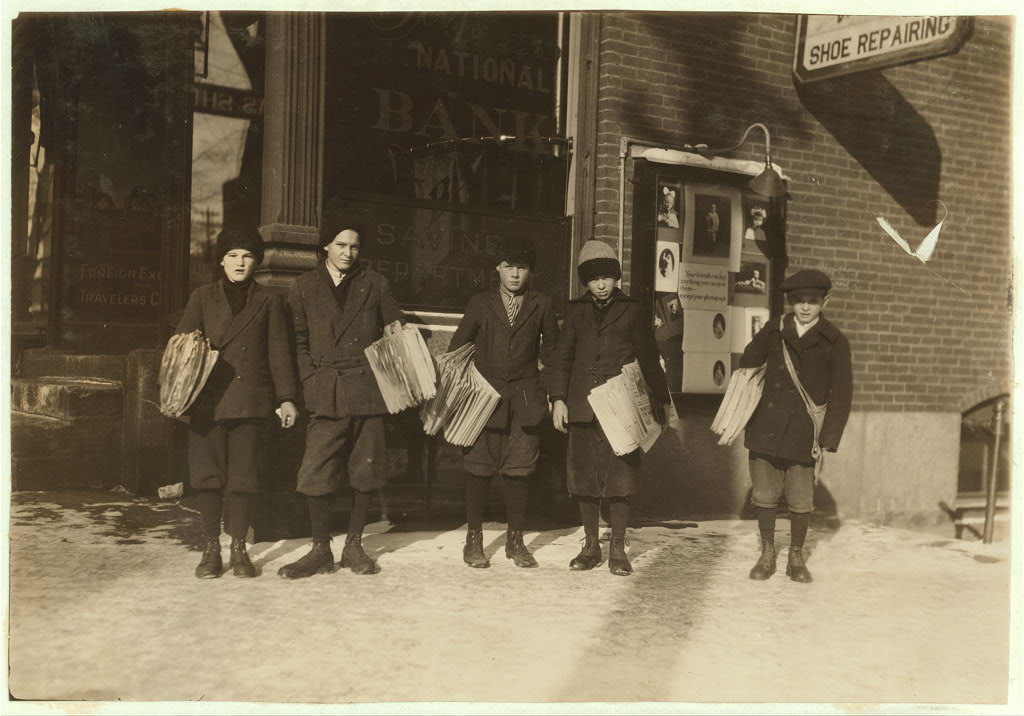
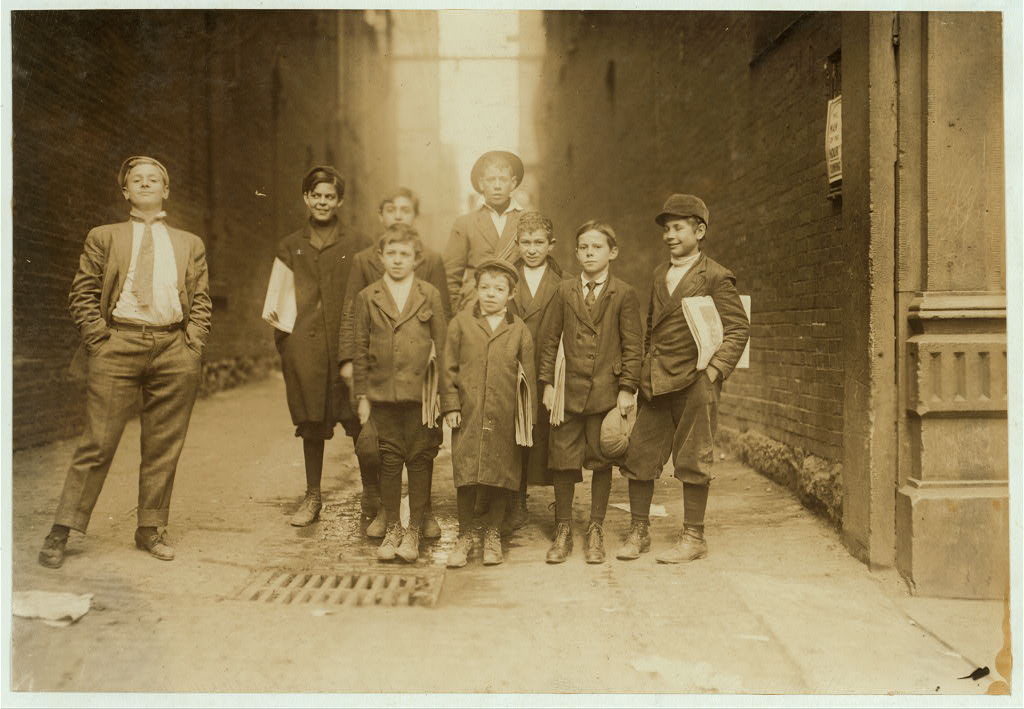
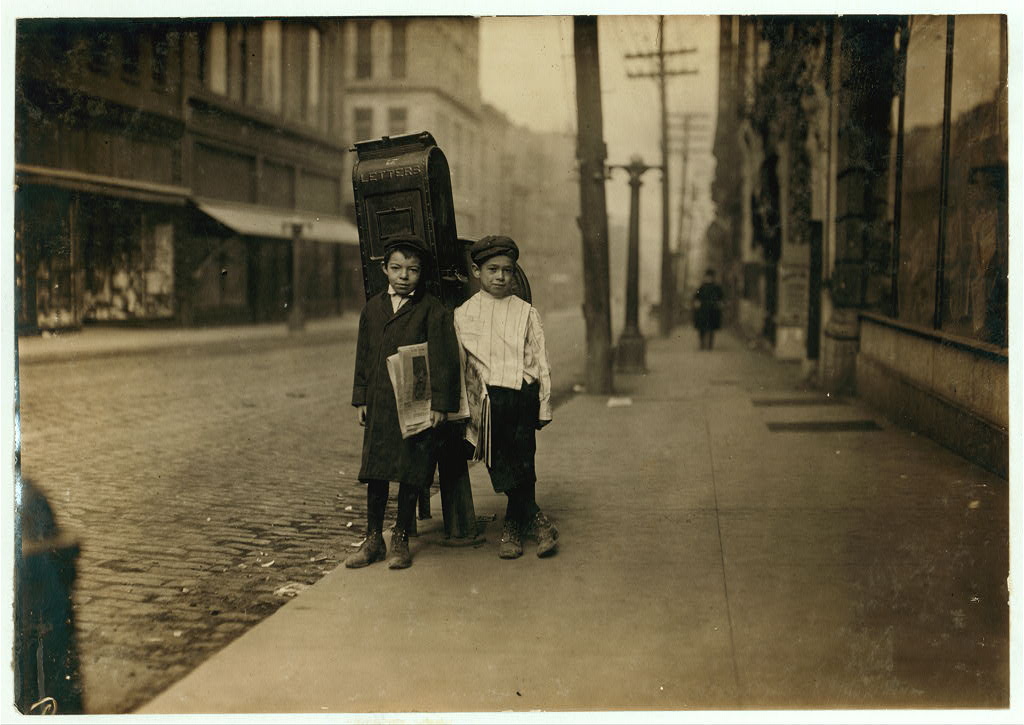
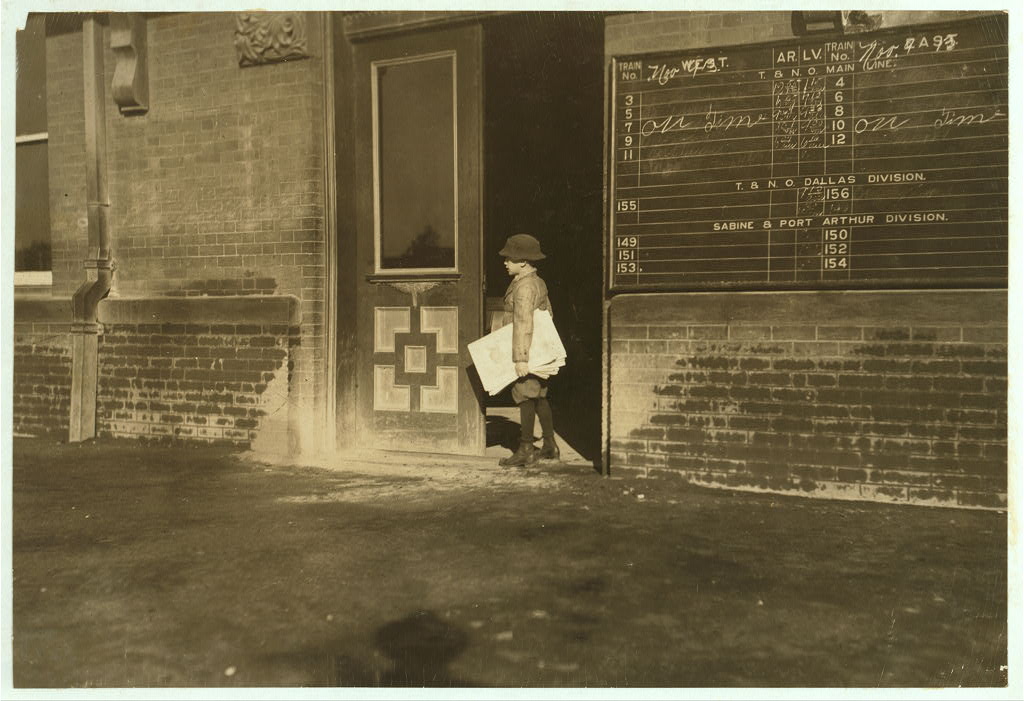
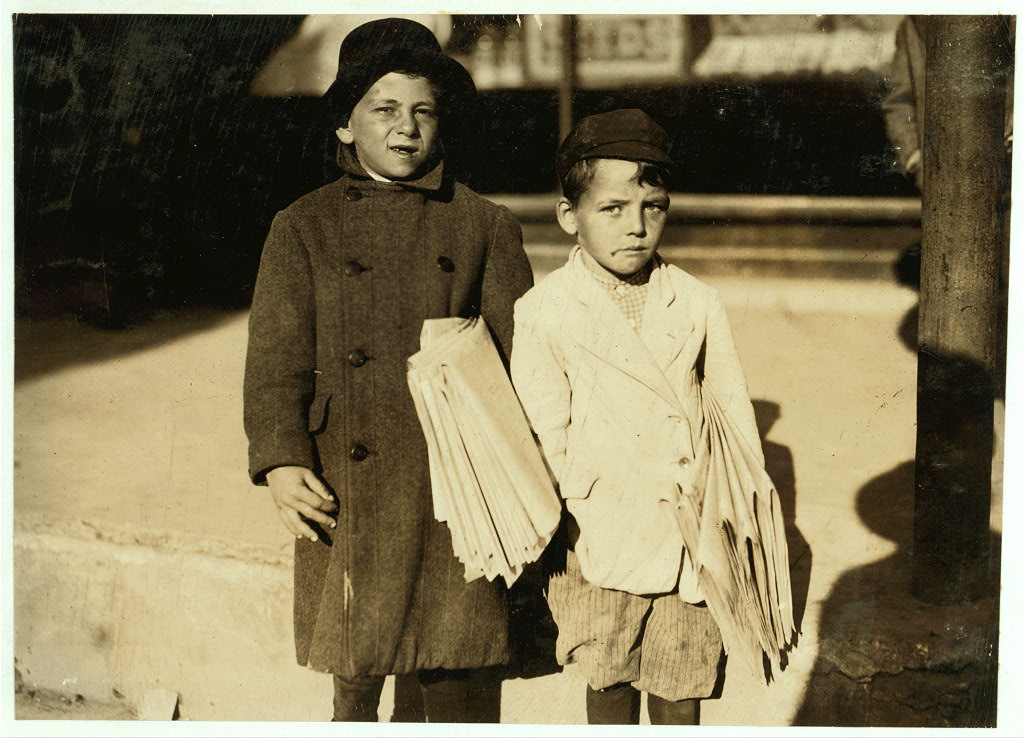
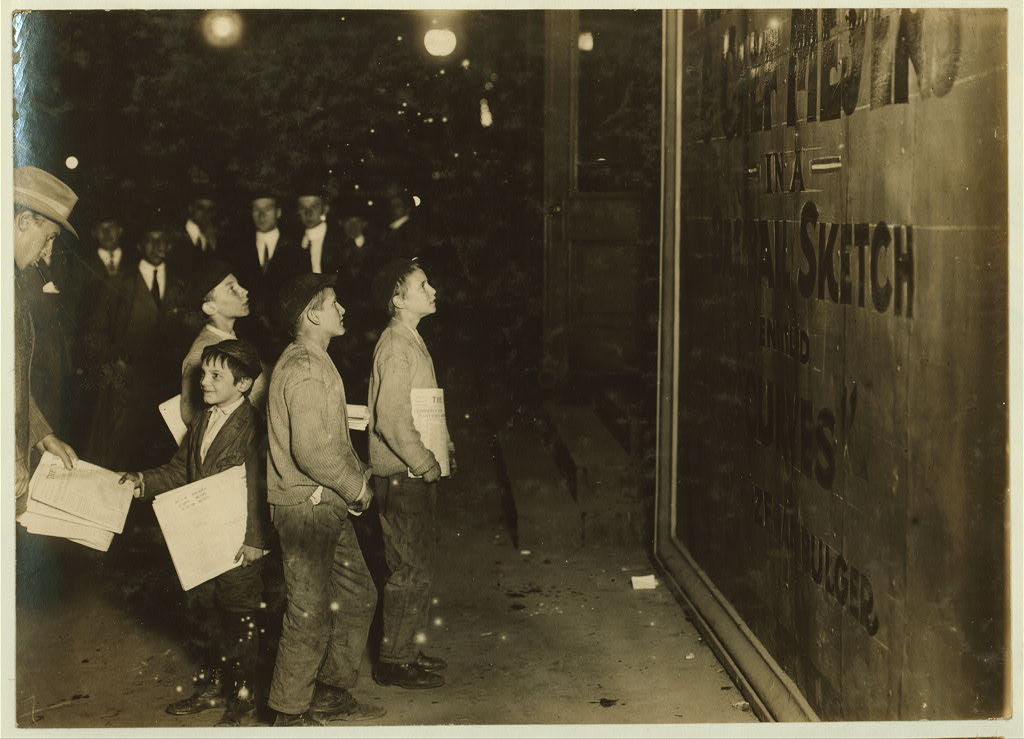
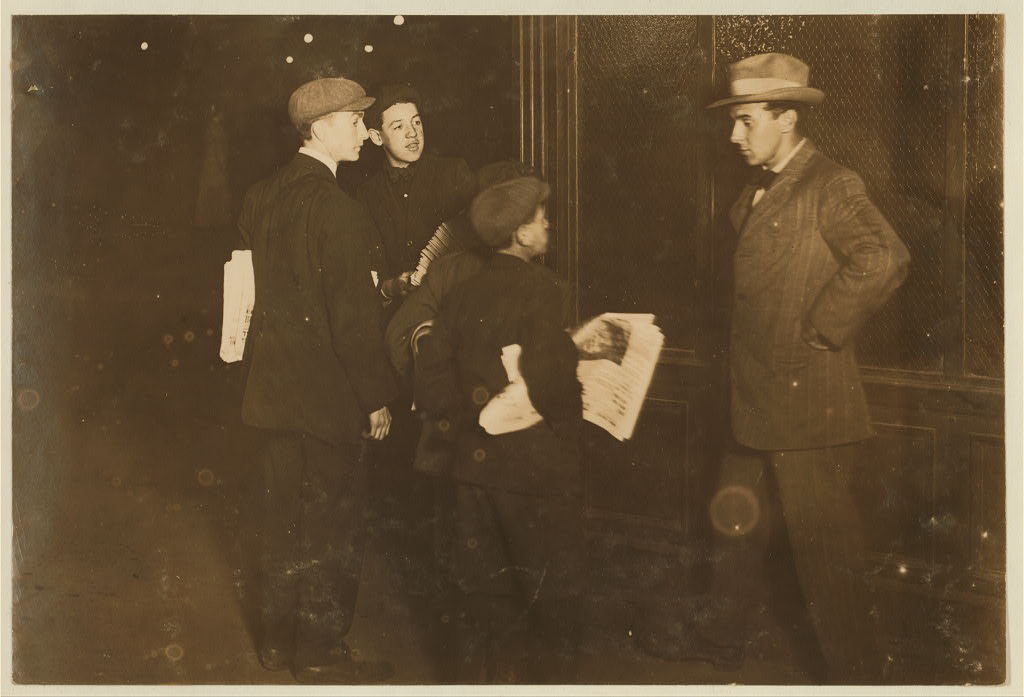
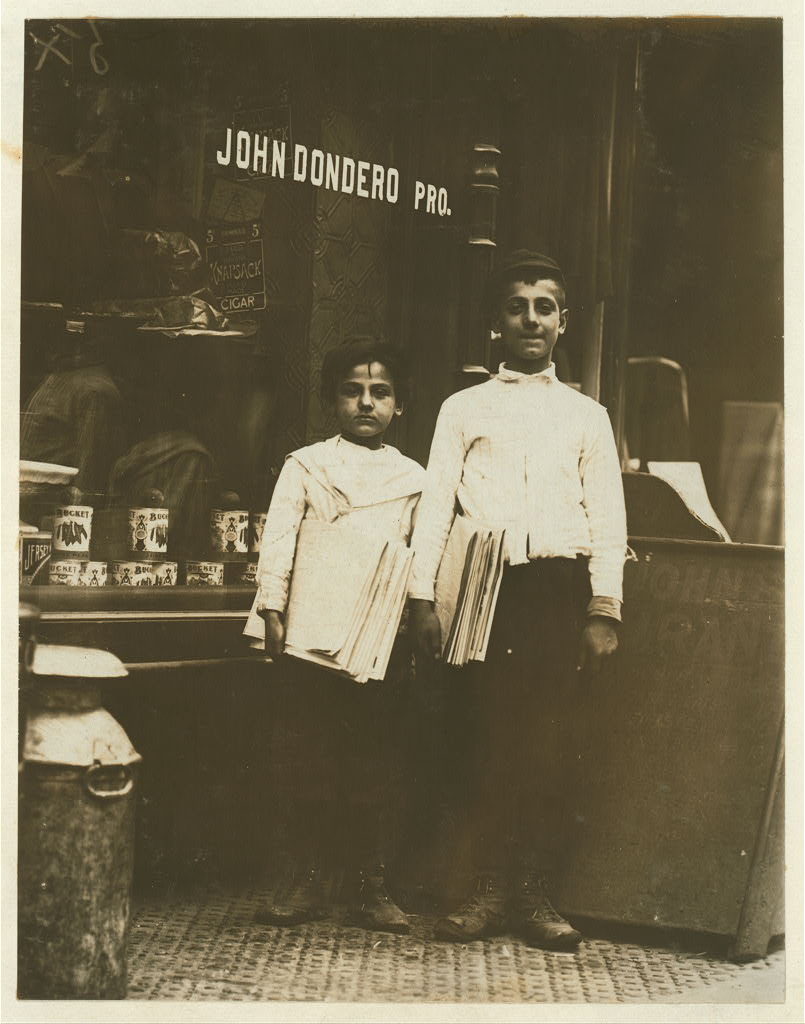
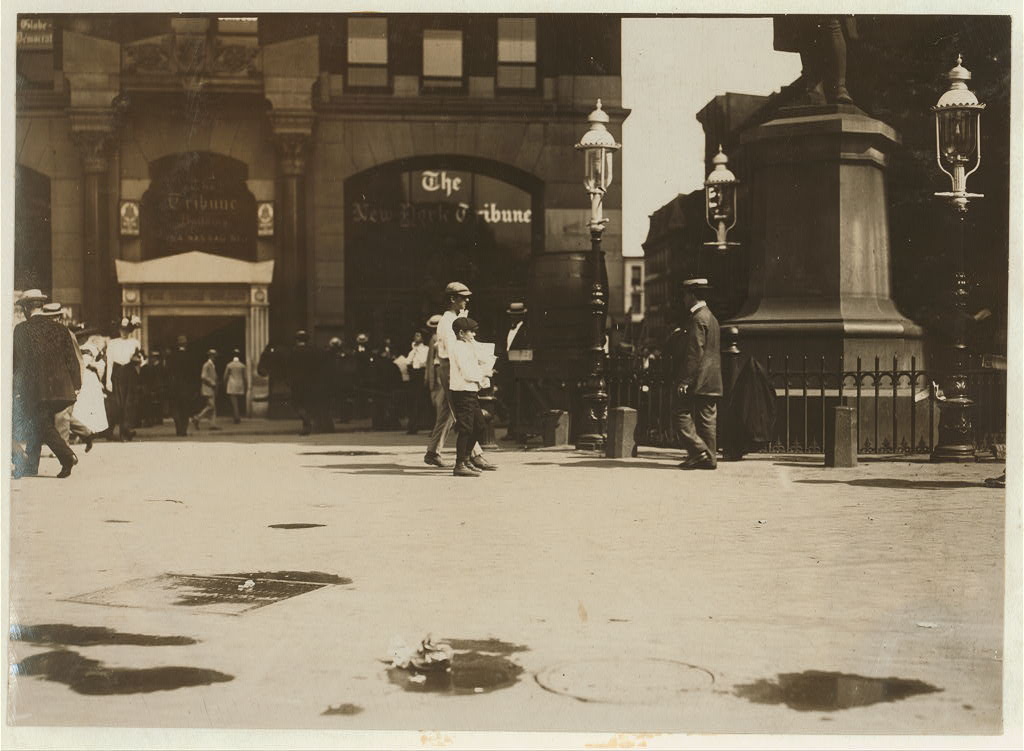
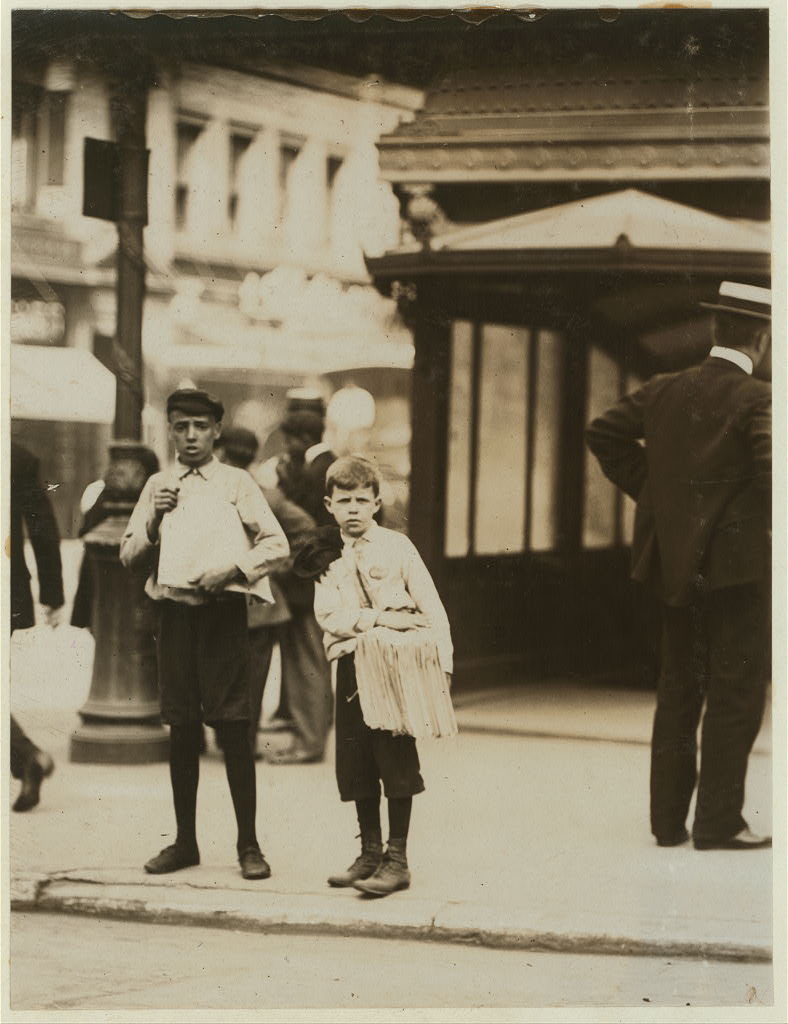
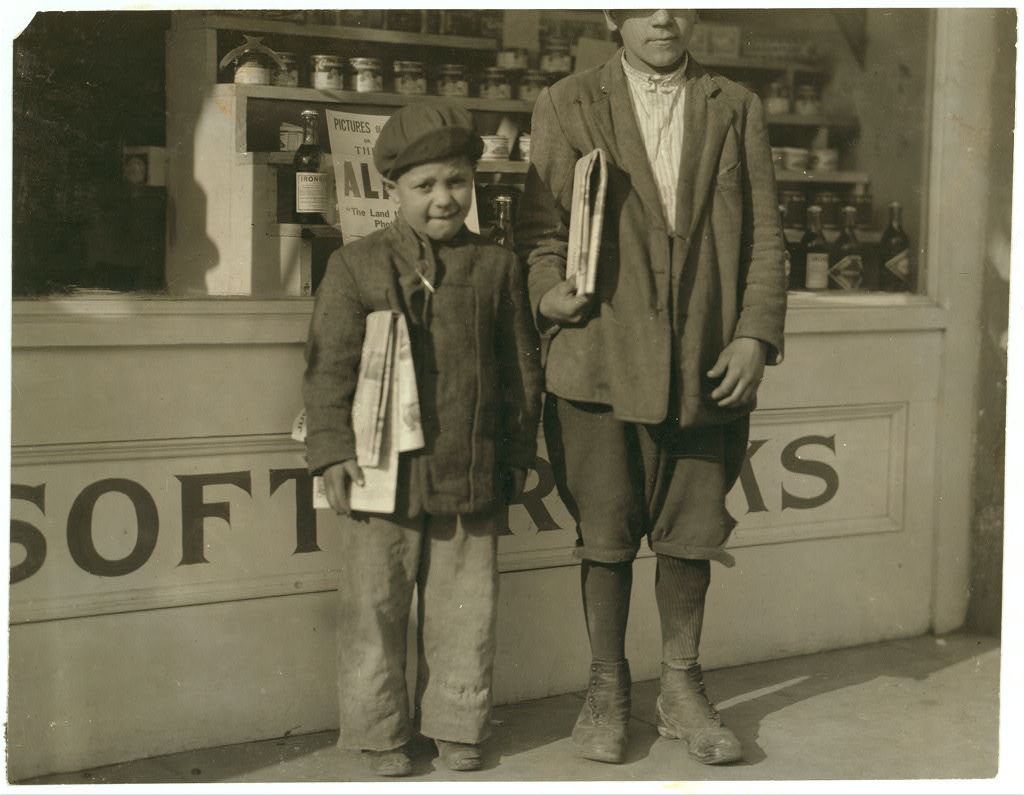
For related images for this week’s show, I’m turning to the extraordinary Lewis Wickes Hine, one of the first photographers to ever turn his lens towards the poor and disadvantaged with the express purpose of public activism.

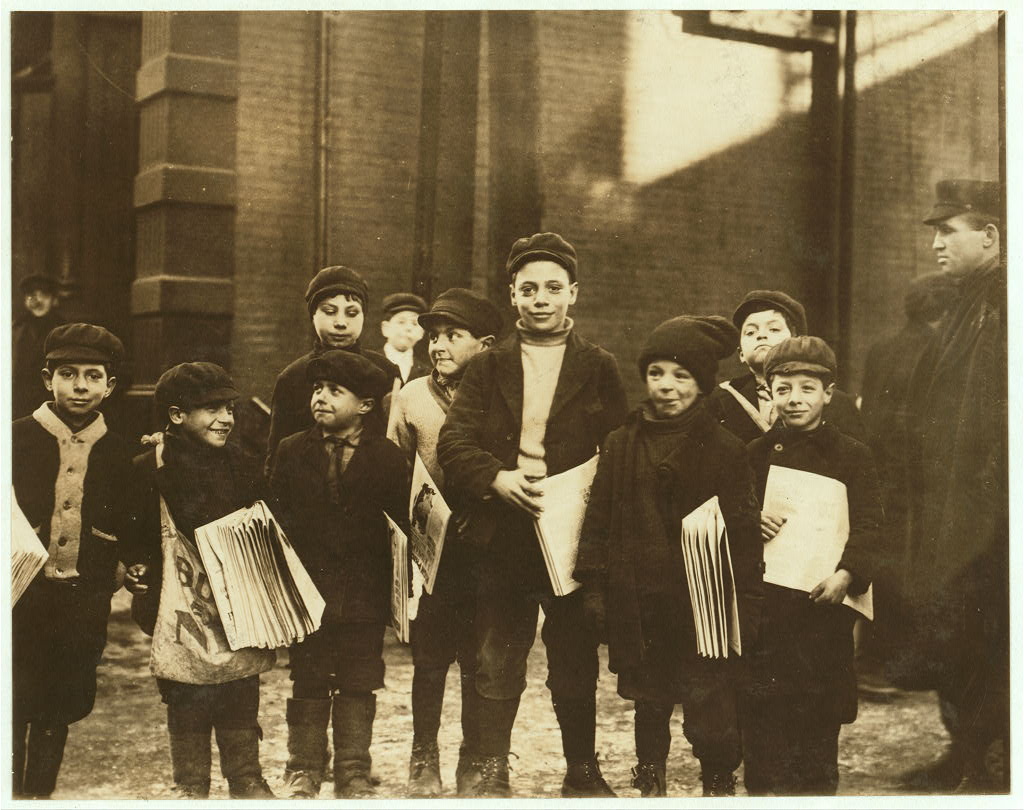
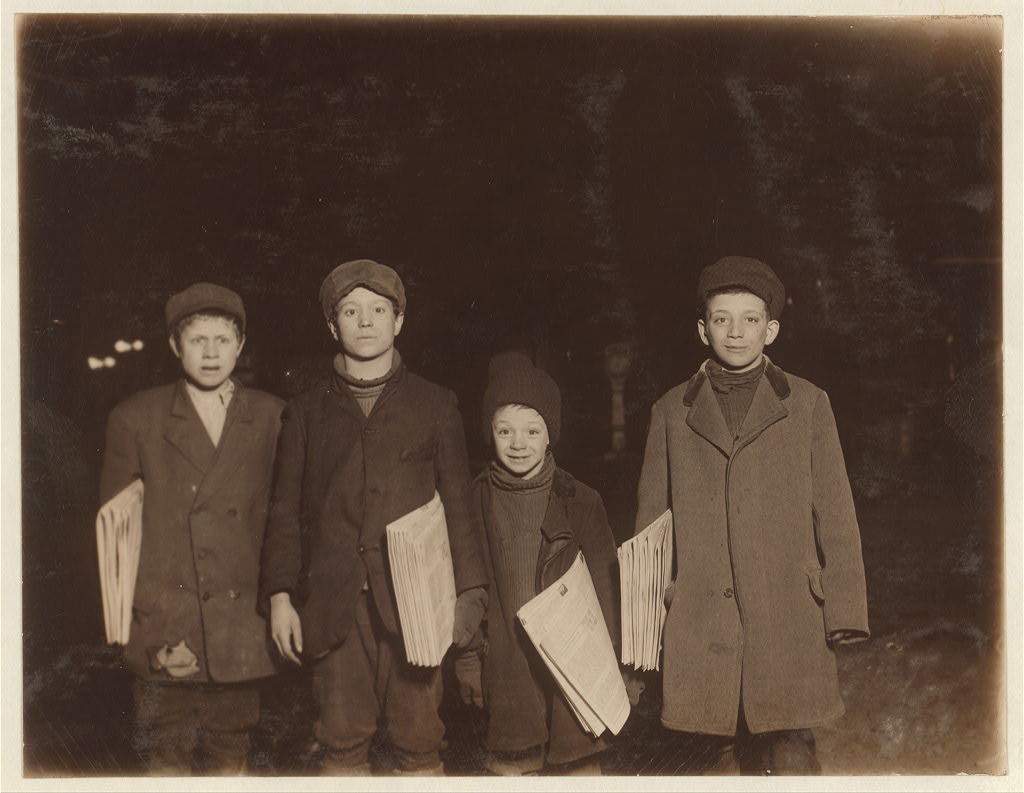
Here is a collection of Hine photographs of newsboys (and some girls), taken from the late 1890s into the early 1920s.  Where possible, I will try and include Hine’s original caption and will feature a selection of images from cities across the country.

Perhaps you will see the face of your grandfather or great-grandfather here? These pictures are equally charming, concerning, life-affirming, tragic,

Pictures courtesy the Library of Congress. Our thanks to them for continually providing great access to their marvelous trove of images.

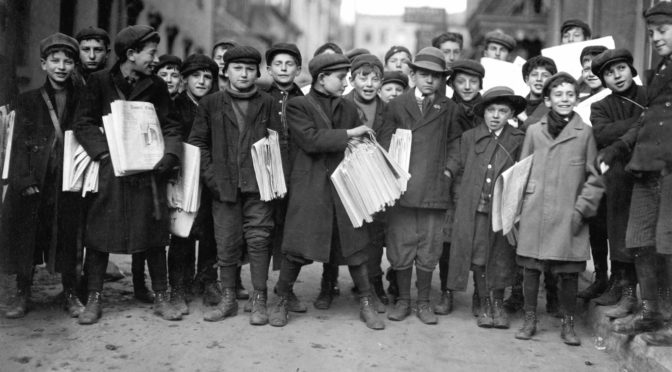
“Group of newsies (youngest 10 years) selling Boston papers at noon. In Barre and Montpelier newsies are excused from school a little early at noon and at night in order to get to their papers earlier. Location: Barre, Vermont” December 18, 1916 — one century old

LOC

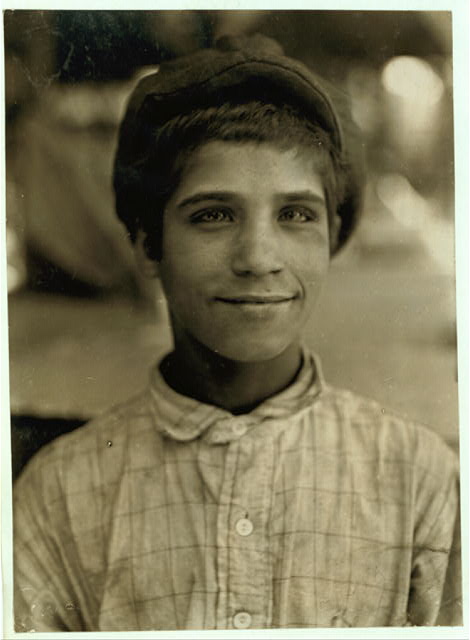
One of the newsies at The Newsboys’ Picnic, Cincinnati. Location: Cincinnati, Ohio, August 1908

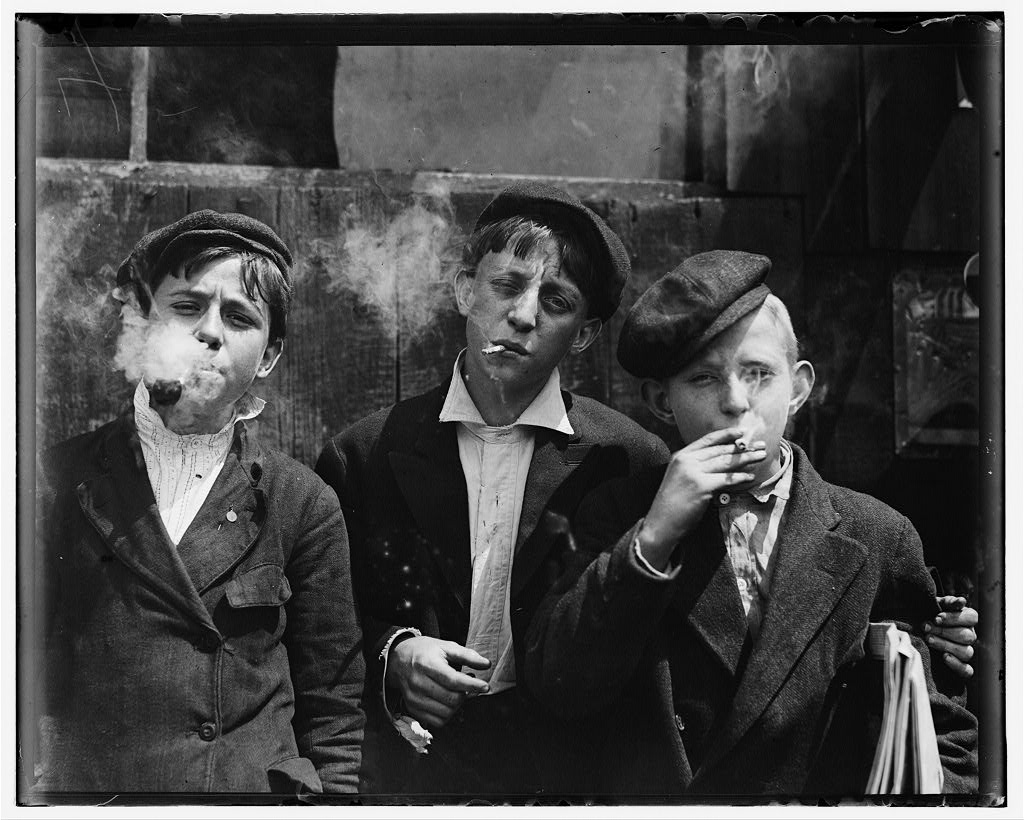
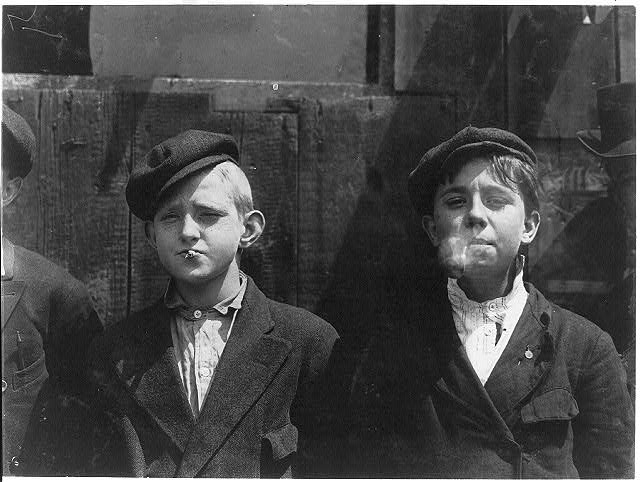
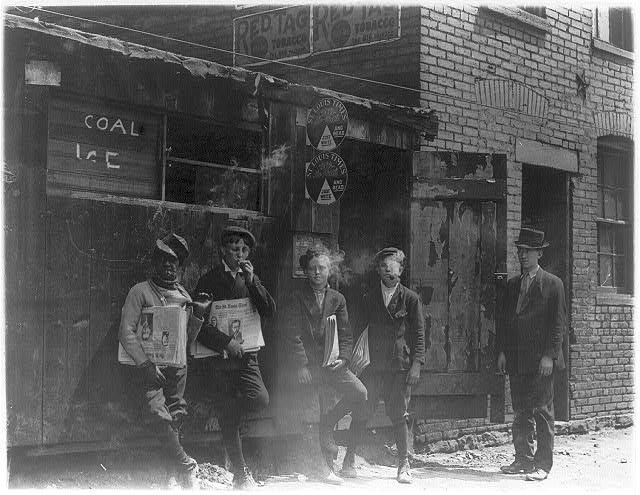
“11:00 A. M . Monday, May 9th, 1910. Newsies at Skeeter’s Branch, Jefferson near Franklin. They were all smoking. Location: St. Louis, Missouri.” May 9, 1910″

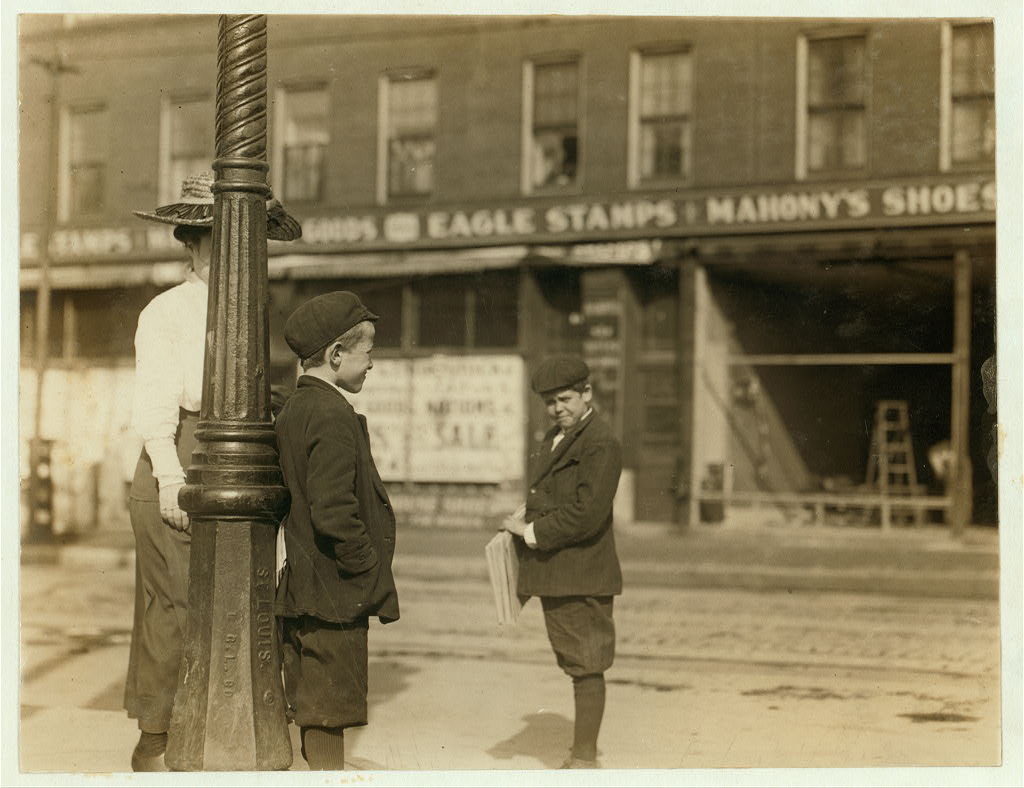
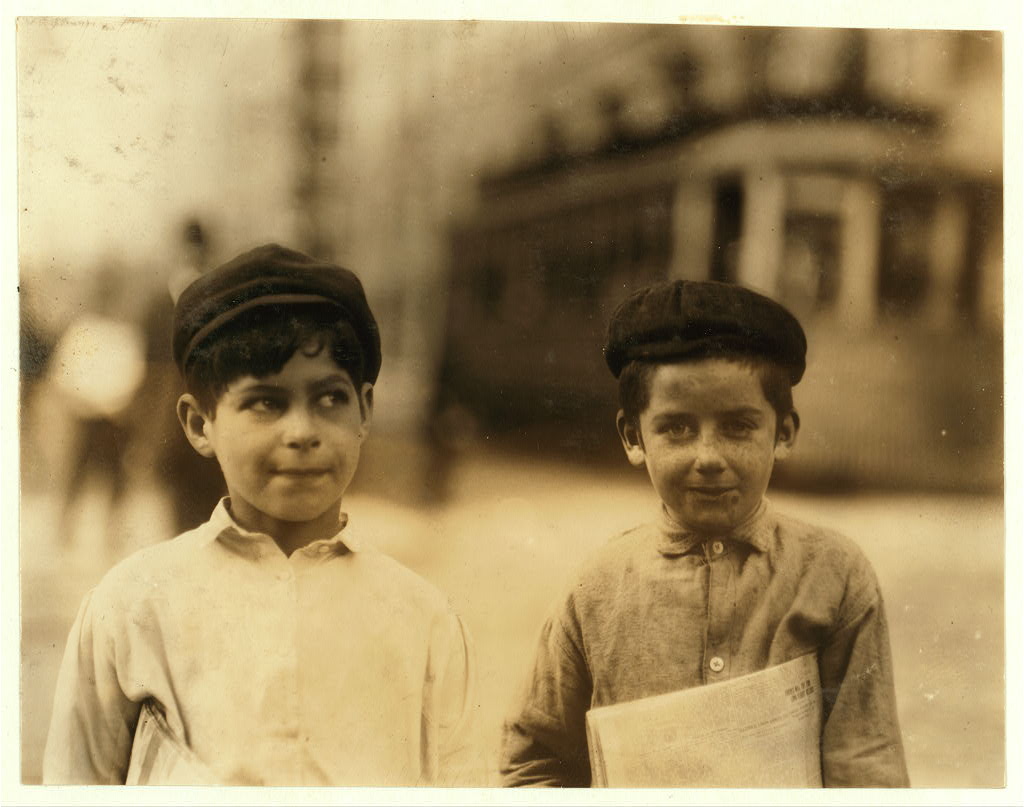
“Two newsies selling in P.M. Grand Avenue. May 9th, 1910. Location: St. Louis, Missouri.”

LOC

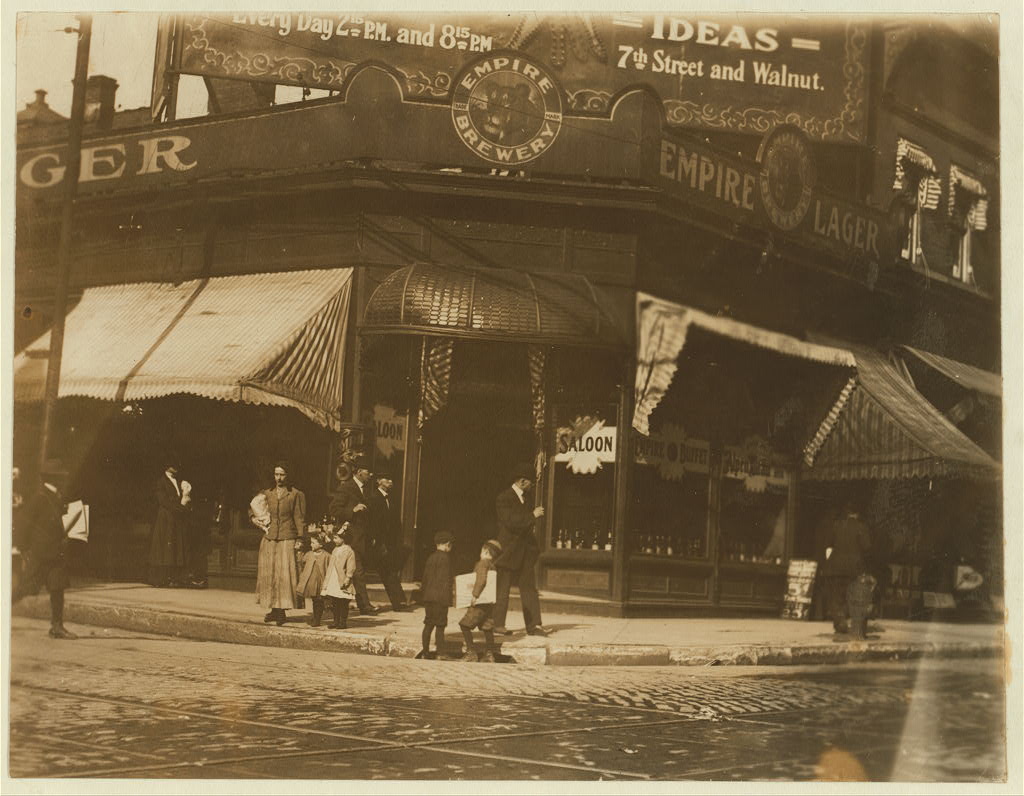
“Newsies selling near saloon. Location: St. Louis, Missouri.”

LOC

“Just newsies.” Location: St. Louis, Missouri. May 1910

LOC

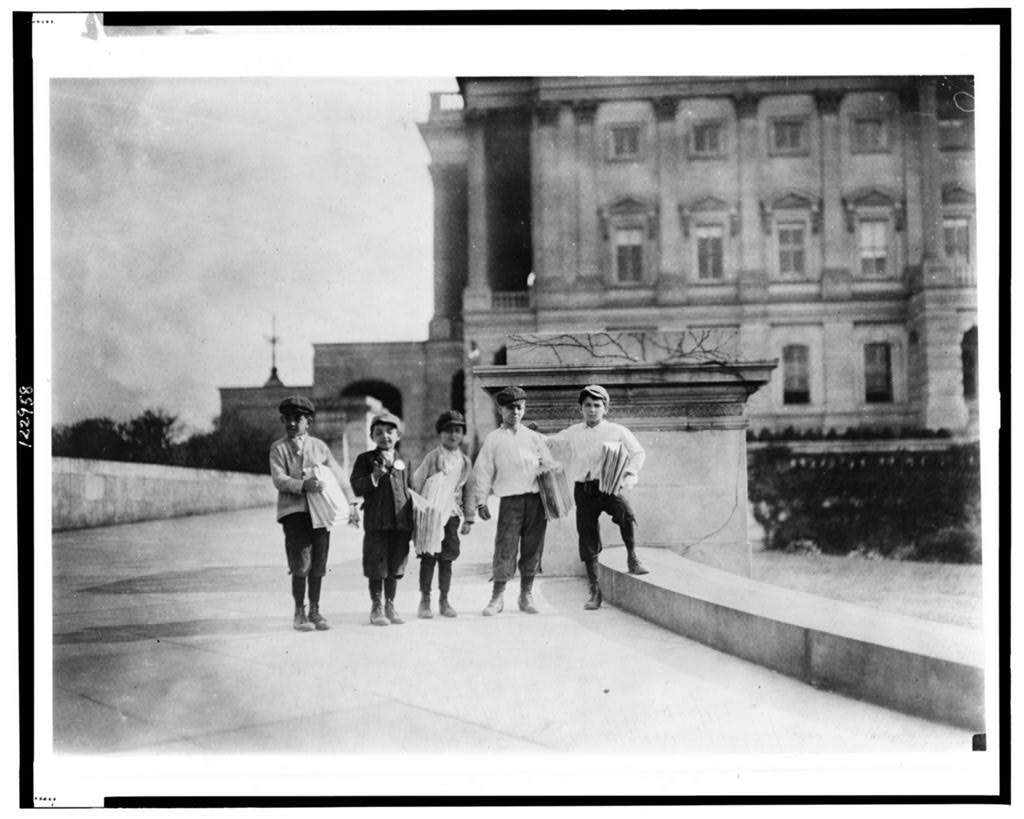
“In comparison with governmental affairs newsies are small matters. This photo taken in the shadow of the National Capitol where the laws are made. This group of young newsboys sells on the Capitol grounds every day, ages 8 years, 9 years, 10 years, 11 years, 12 years. The only boy with a badge, was the 8 year old, and it didn’t belong to him. Names are Tony Passaro, 8 yrs. old, 124 Schottes Alley N.E.; Joseph Passaro, 11 yrs. old, (has made application for badge) Joseph Mase (9 yrs. old), 122 Schottes Alley. Joseph Tucci, (10 yrs. old), 411 1/2 5th St., N.E. Jack Giovinazzi, 228 Schottes Alley, 12 yrs. old. Is in ungraded school for incorrigibility in school. Location: [Washington (D.C.), District of Columbia].” April 1912

“Some of the youngest newsies hanging around the paper office after school. Location: Buffalo, New York (State)” February 1910″

“Newsies selling on Court St., 8 P.M. Left to right: Frank Spegeale, 13 years old, 72 Terrace St.; Dominick Gagliani, 10 years old, 230 Court St.; Charlie Decarlo, 8 years old; Anthony Decarlo (brother) 13 years old, 32 Front Ave.,. Location: Buffalo, New York (State)” February 10, 1910

“Group of Nashville newsies. In middle of group is 7-year-old Sam. Smart and profane. He sells nights also. Location: Nashville, Tennessee.” November 1910

LOC

Lewis met a lot of profane kids apparently! “Two 7 year old Nashville newsies, profane and smart, selling Sunday. Location: Nashville, Tennessee.”

Beaumont is overrun with little newsies. This boy, Vincent Serio, eight years old, is up at 5:00 A.M. daily. “Have sold papers since I was four years old.” Location: Beaumont, Texas. November 1913

LOC

“Tony and Charlie a pair of six year old newsies. Location: Beaumont, Texas. November 1913”

LOC

And now for a few of their New York brothers:

“Group of newsies hanging around Long Acre Square waiting for the theatre to close. Photo taken at the Victoria Theatra [i.e., Theatre], B'[road]way and 42nd St. James Thorpe (boy selling paper) 8 yrs. 640 10th Ave. Richard Farrell, 13 yrs., same address. Harry Farrell, 10 yrs., same address. August Habich, 10 yrs., same address. 10:30 P.M. Oct.’, 1910. Location: New York, New York (State)”

LOC

“In foreground–14 yrs. old Nathan Weis. He comes all the way from East New York in Brooklyn (435 W. Jersey St.) to sell pages at the 14th St. Subway entra[n]ce. St. 11 P.M. with one exception, I saw no other small newsies on 14th St. between 5th and Third Ave. Location: New York, New York (State)” October 1910

LOC

“Newsies. Bowery. Frank & Johnnie Yatemark. 12 Delancey St. Location: New York, New York (State), July 1910”

“Park Row Newsies. July 1910”

LOC

“N.Y. Newsies. Location: New York, New York (State)”

LOC

And just to demonstrate Hine’s thoroughness, he even went out to the West Coast, searching for newsboys in action.

“Newsies. Location: Los Angeles, California. May 1916”

LOC

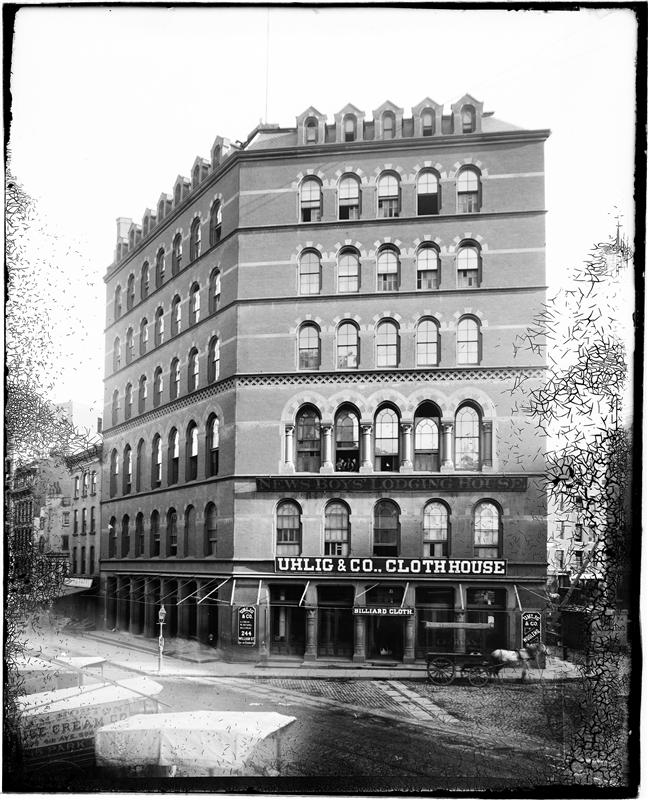
The famous Newsboys Lodging House at 9 Duane Street. Date of photograph unknown, taken by Robert L. Bracklow (1849-1919). Courtesy Museum of the City of New York

Categories
It's Showtime Podcasts

Edwin Booth and the Players Club, New York’s home for high drama

PODCAST The thrilling tale of Edwin Booth and the marvelous social club he created for the acting profession

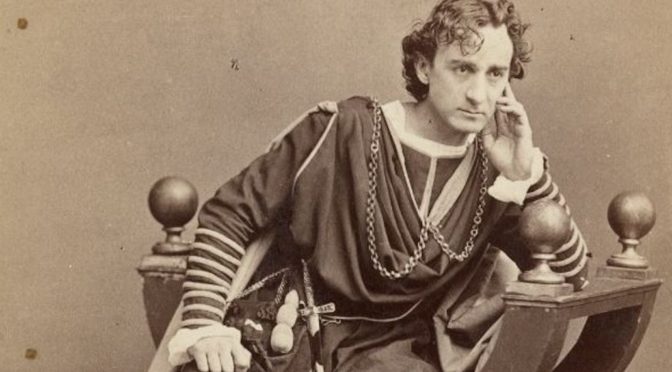
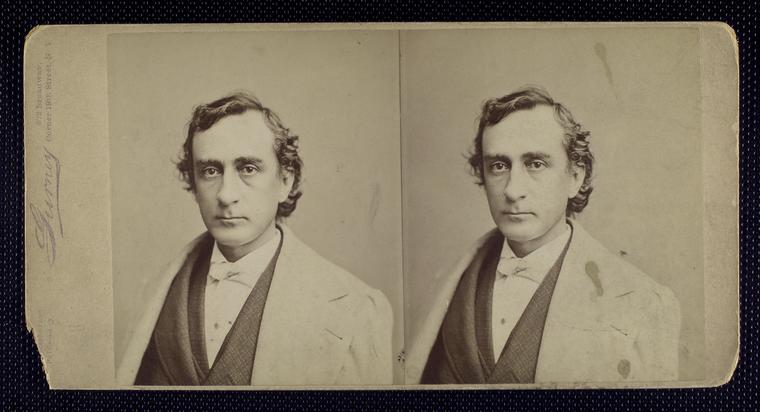
Edwin Booth was the greatest actor of the Gilded Age, a superstar of the theater who entertained millions over his long career. In this podcast, we present his extraordinary career, the tragedies that shaped his life (on stage and off), and the legacy of his cherished Players Club, the fabulous Stanford White-designed Gramercy Park social club for actors, artists and their admirers.

The Booths were a precursor to the Barrymores, an acting family who were as famous for their personal lives as they were for their dramatic roles. Younger brother John Wilkes Booth would horrify the nation when he assassinated Abraham Lincoln in April of 1865, and Edwin would briefly retire from the stage, fearing his career was over.

But an outpouring of love would bring him back to the spotlight and the greasepaint. From then on, Booth would be known as the most respected actor in the United States.

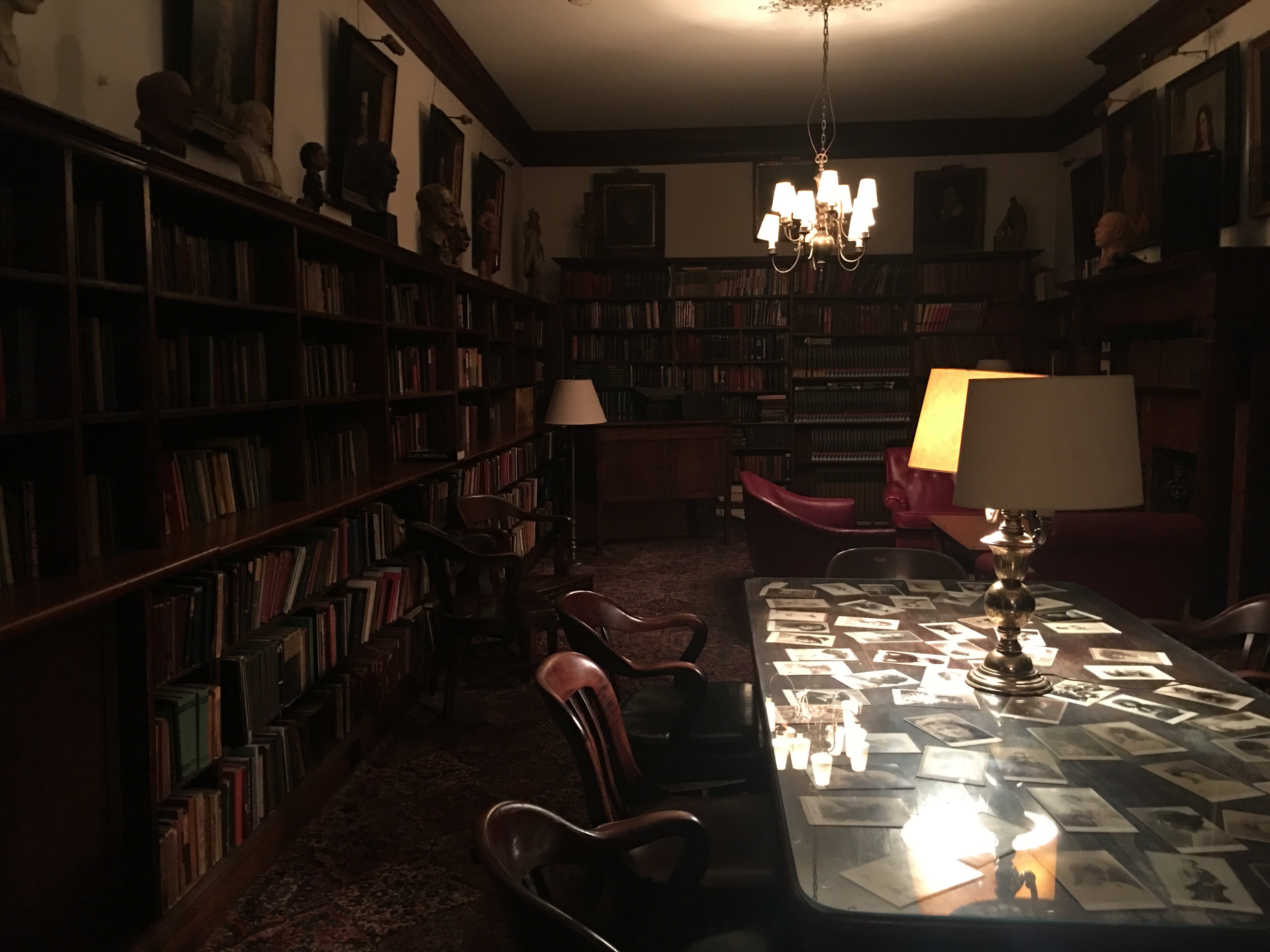
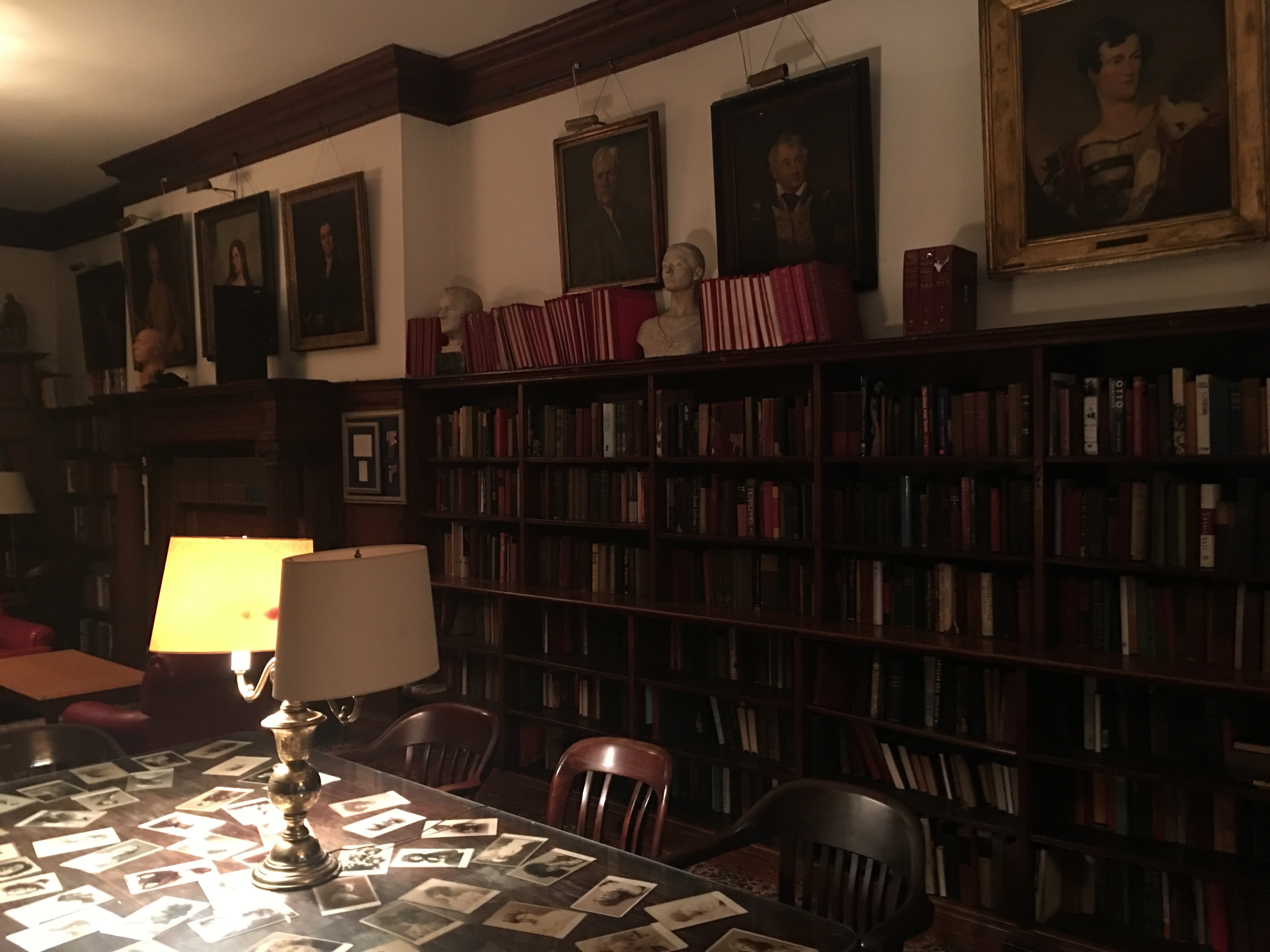
Booth would give back to the theatrical community with the formation of the Players Club which officially made its debut on New Year’s Eve 1888. In this show, we’ll take you on a tour of this exclusive destination for film and theatrical icons, including a look at the upstairs bedroom where Booth died, still preserved exactly as it looked on that fateful day in 1893.

Our thanks to Nicole and Patrick Kelly of Top Dog Tours NYC for giving us  a tour of this extraordinary place!


The Bowery Boys: New York City History podcast is brought to you …. by you!

We are now producing a new Bowery Boys podcast every two weeks. We’re also looking to improve the show in other ways and expand in other ways as well — through publishing, social media, live events and other forms of media. But we can only do this with your help!

We are now a member of Patreon, a patronage platform where you can support your favorite content creators for as little as a $1 a month.

Please visit our page on Patreon and watch a short video of us recording the show and talking about our expansion plans. If you’d like to help out, there are five different pledge levels (and with clever names too — Mannahatta, New Amsterdam, Five Points, Gilded Age, Jazz Age and Empire State). Check them out and consider being a sponsor.

We greatly appreciate our listeners and readers and thank you for joining us on this journey so far. And the best is yet to come!

nypl-digitalcollections-510d47d9-f04f-a3d9-e040-e00a18064a99-001-w

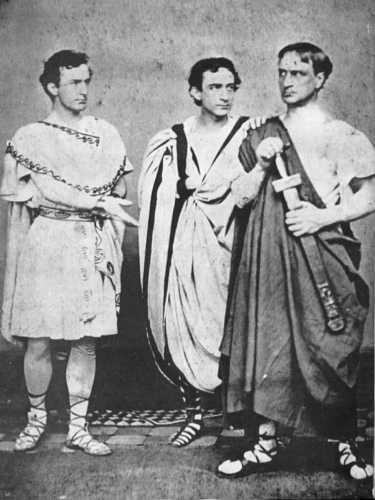
John Wilkes, Edwin and Junius Booth performing  Julius Caesar.

booth-brothers

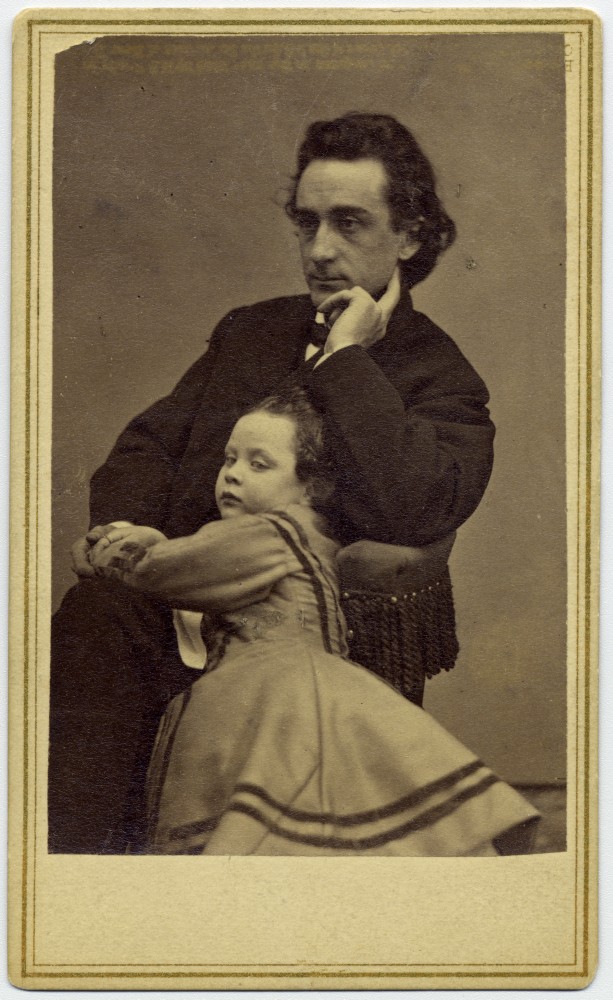
Edwin Booth and his daughter Edwina, photo taken by Mathew Brady, circa 1864

Courtesy George Eastman House

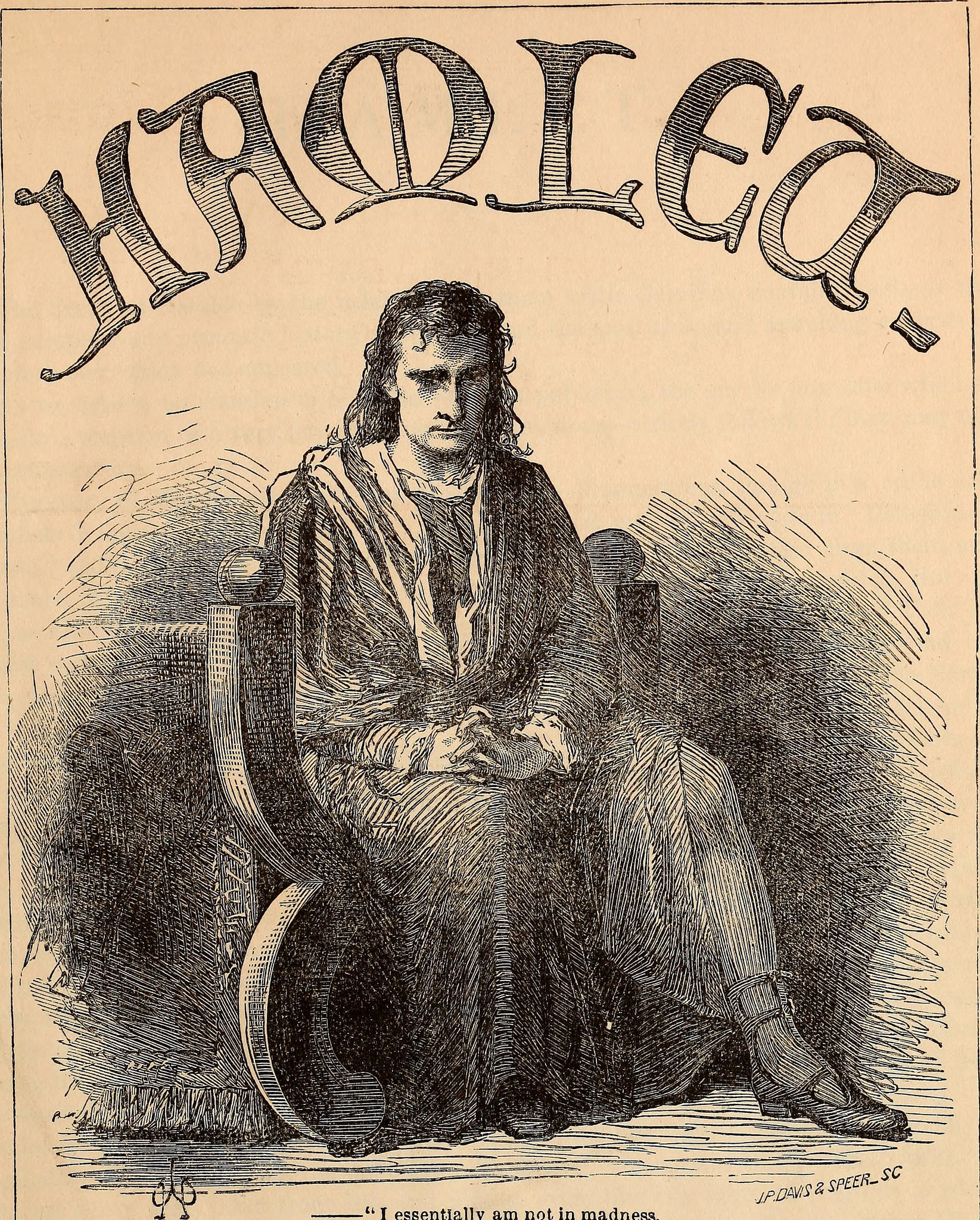
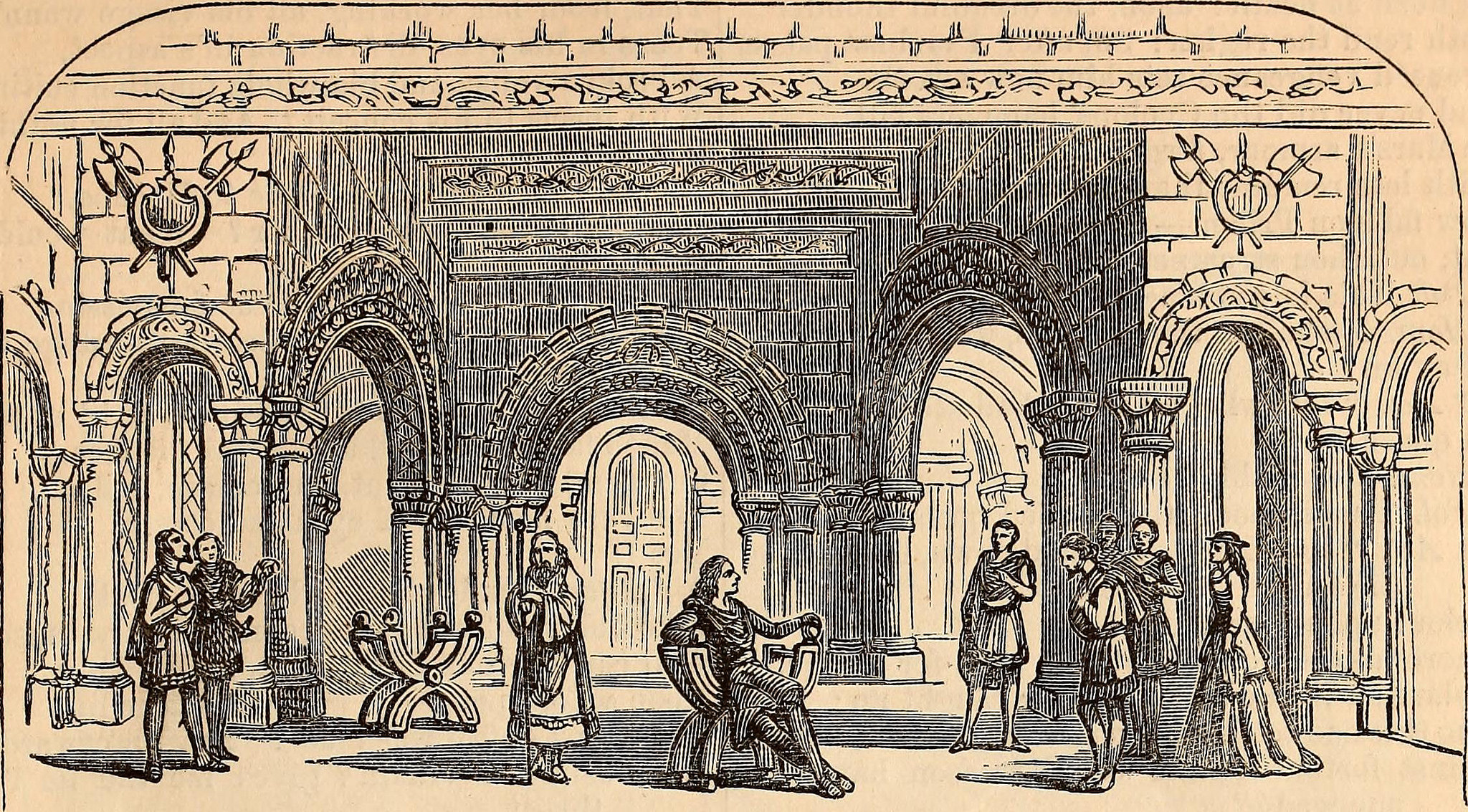
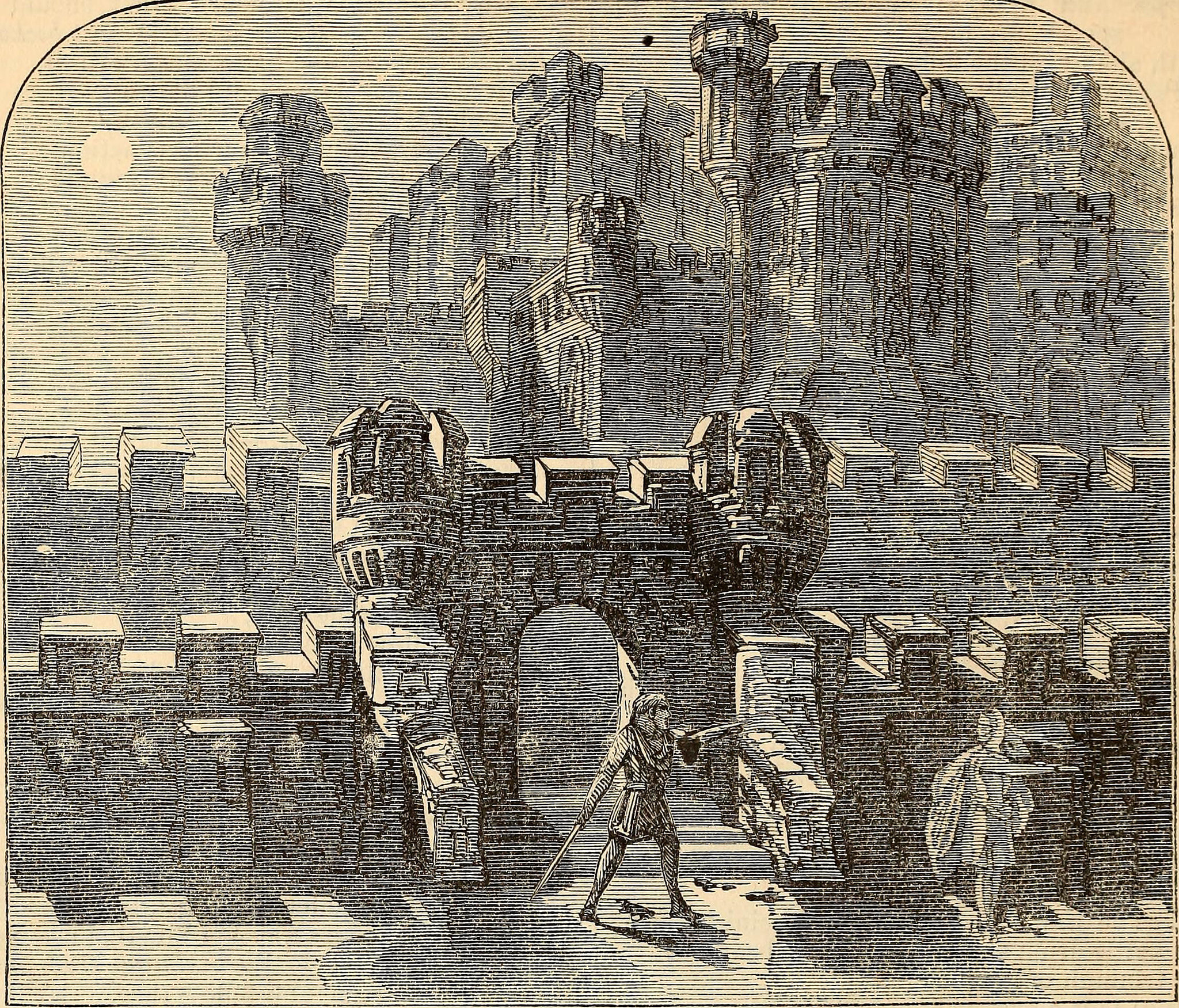
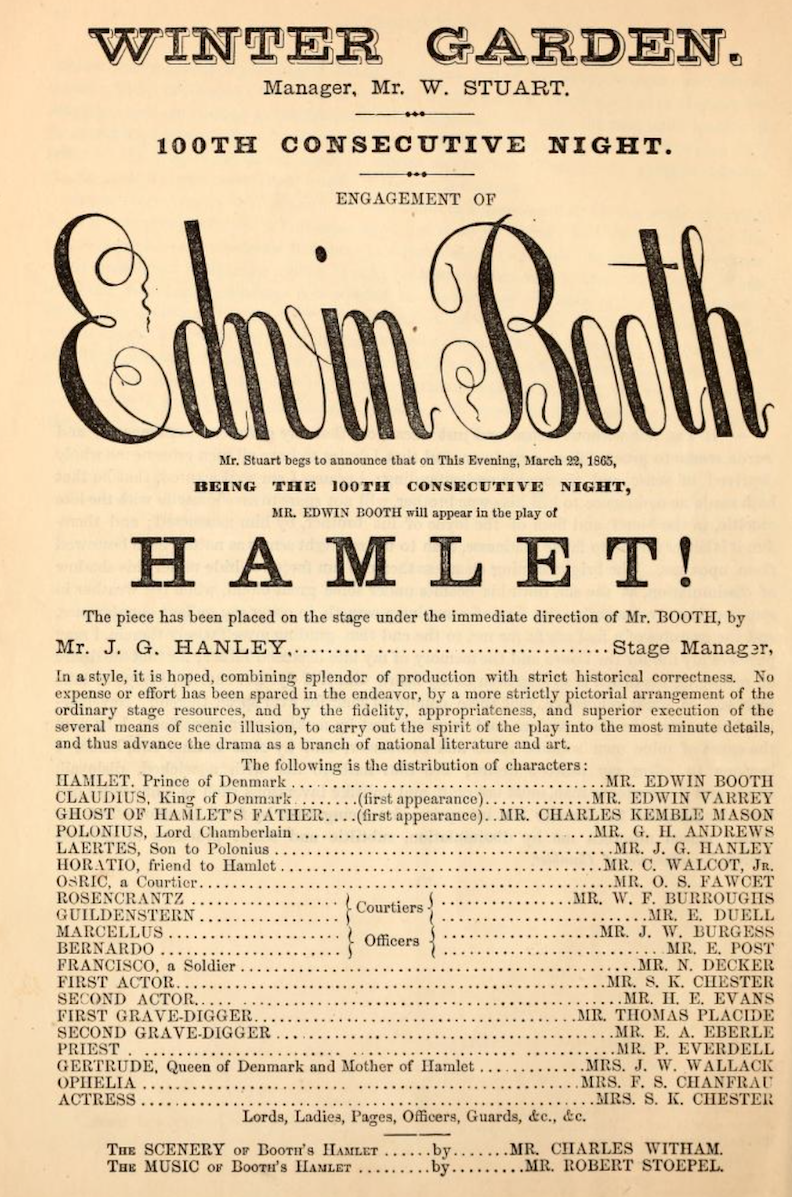
Images from a commemorative book (published in 1866) of Booth’s 100 nights of Hamlet at the Winter Garden.

14586956370_38a39041c3_k

14750657726_e6d277d280_k

14773667455_3c9fbbd107_k

screen-shot-2016-11-11-at-11-32-24-am

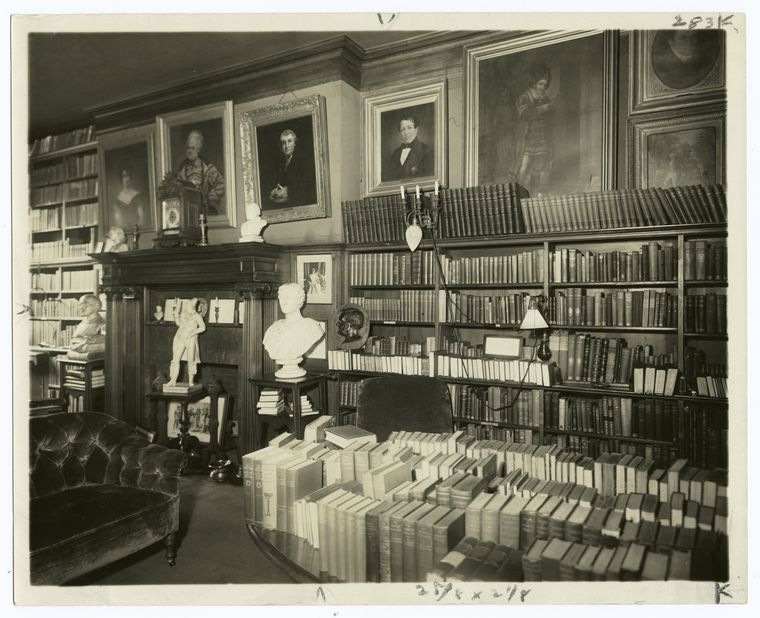
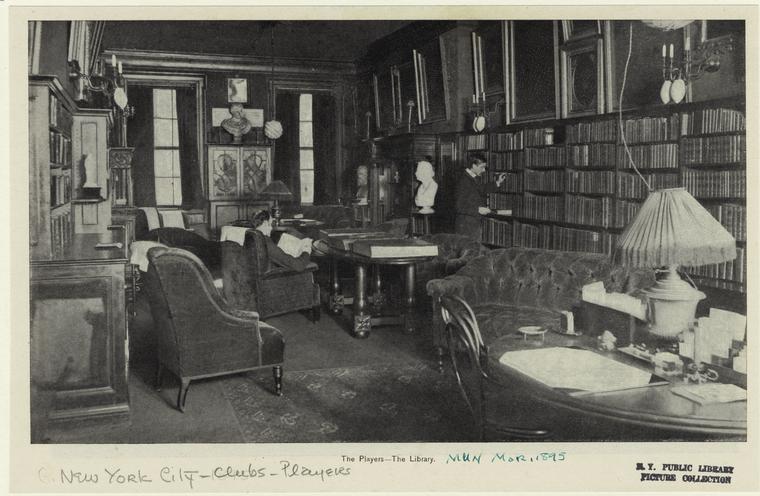
In the library of the Players Club, picture dated 1895

NYPL
NYPL

NYPL
NYPL

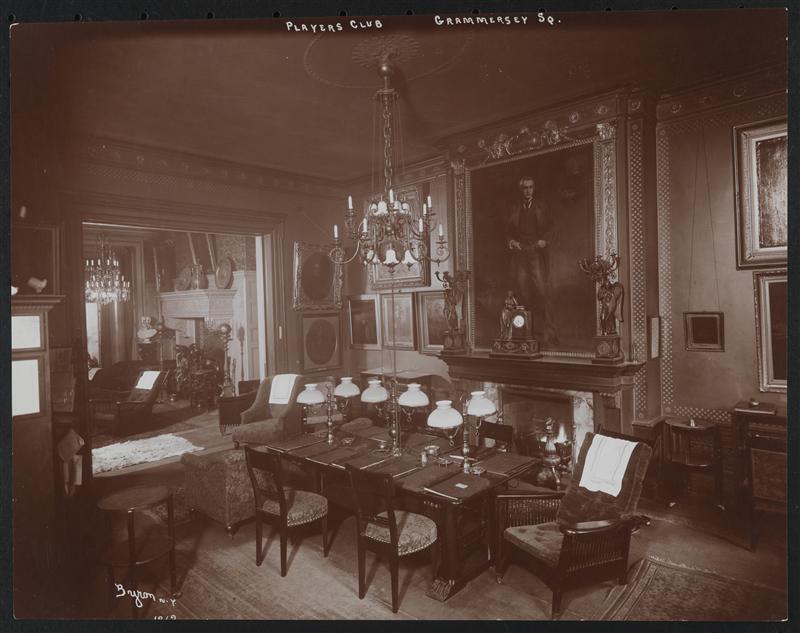
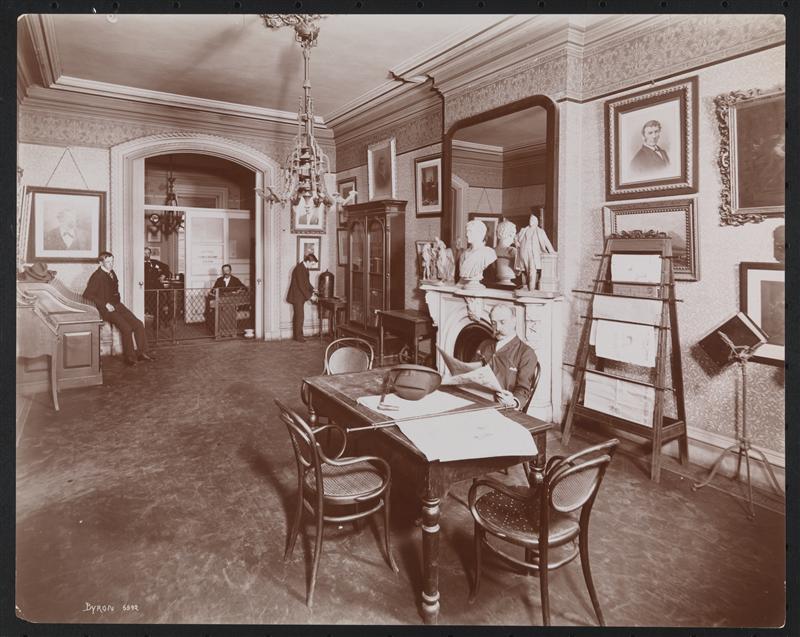
Further interiors of the Players Club, c. 1895, courtesy the Museum of the City of New York:

MCNY/Byron Co.
MCNY/Byron Co.

MCNY/Byron Co.
MCNY/Byron Co.

MCNY/Byron Co.
MCNY/Byron Co.

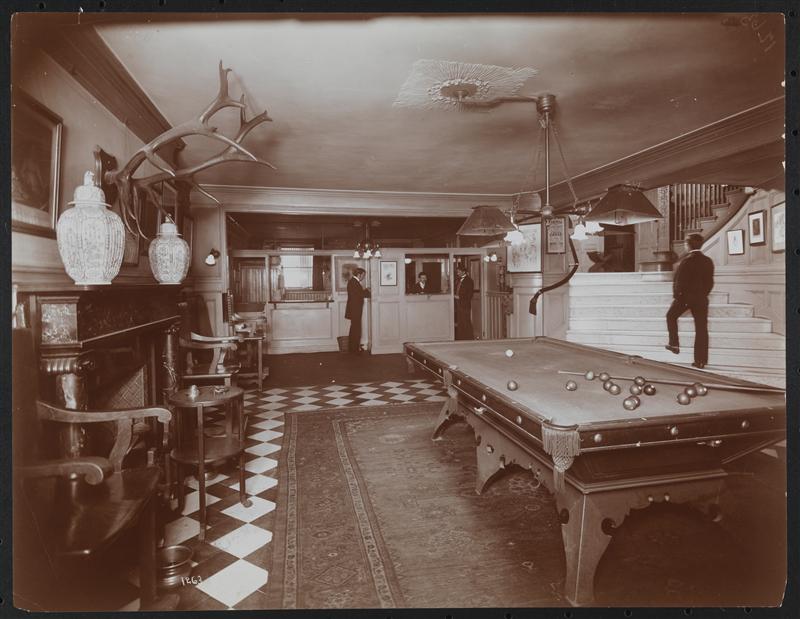
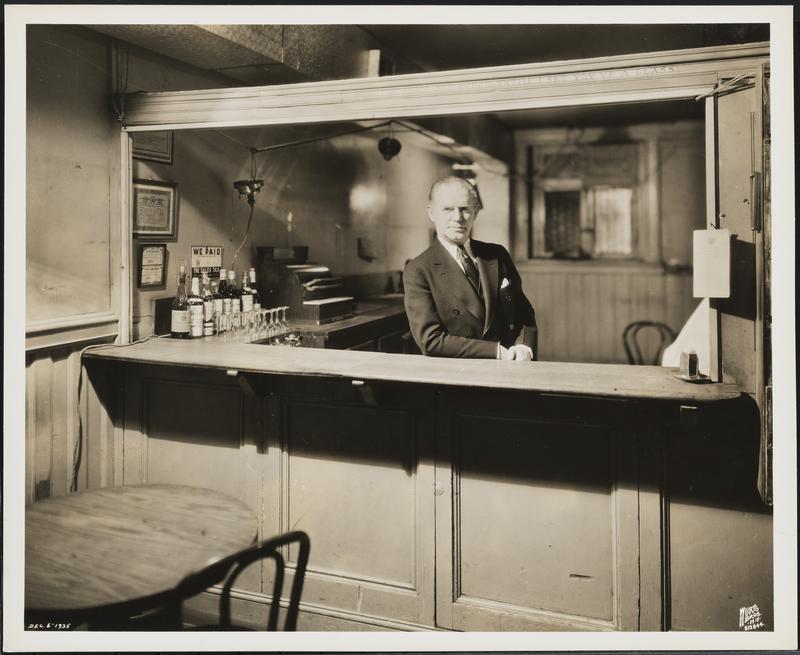
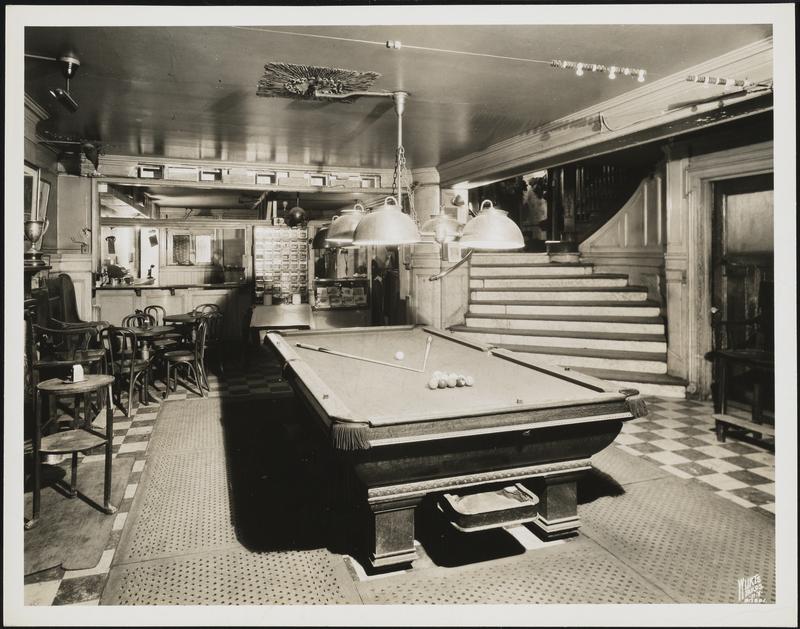
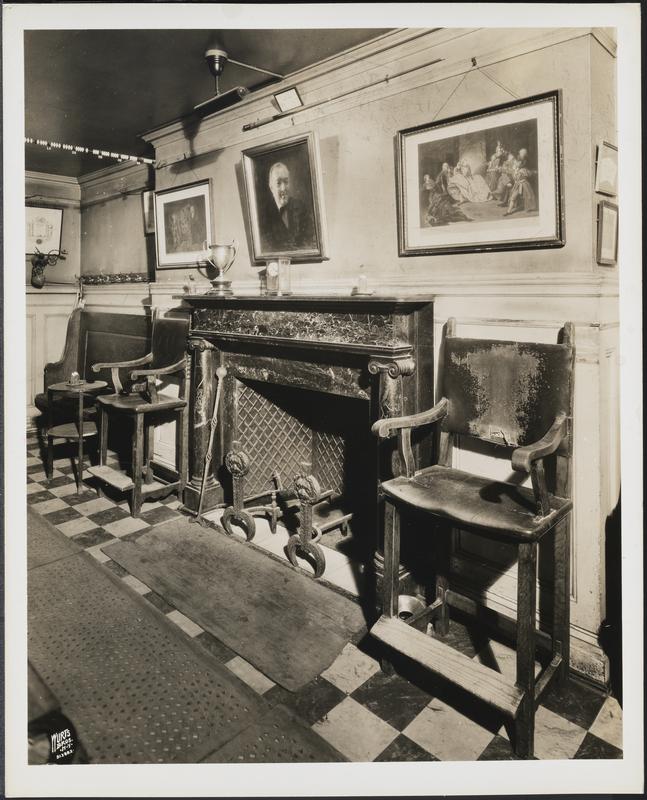
And some from 1935 of the barroom and billiard room downstairs (also courtesy MCNY):

16 Gramercy Park South. Interior, The Player's Club with Connelly, barkeeper
16 Gramercy Park South. Interior, The Player’s Club with Connelly, barkeeper

16 Gramercy Park South. The Players Club. Interior, view of playroom and bar, before alterations

16 Gramercy Park South. The Players Club. Interior, view of playroom and bar, before alterations

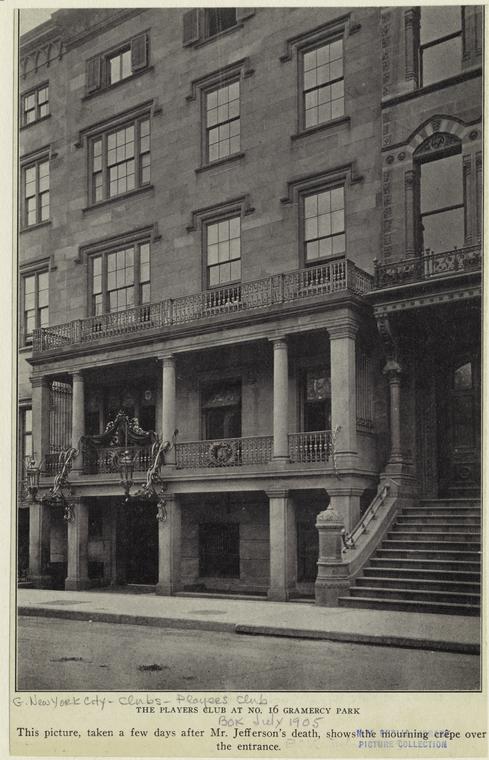
The exterior of the club (image dated 1895) with its distinctive balcony where members would enjoy an evening gazing out of the park, drinking a brandy or a flute of champagne.

NYPL
NYPL
MCNY/Byron Co.
MCNY/Byron Co.

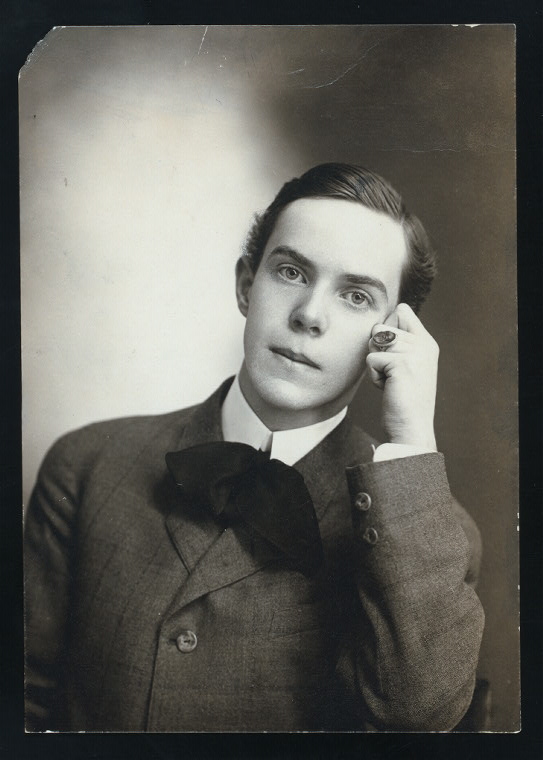
Edwin Booth Grossman, Booth’s grandson, who became a painter.

NYPL
NYPL

Some pictures of our visit to the Players Club from last week —

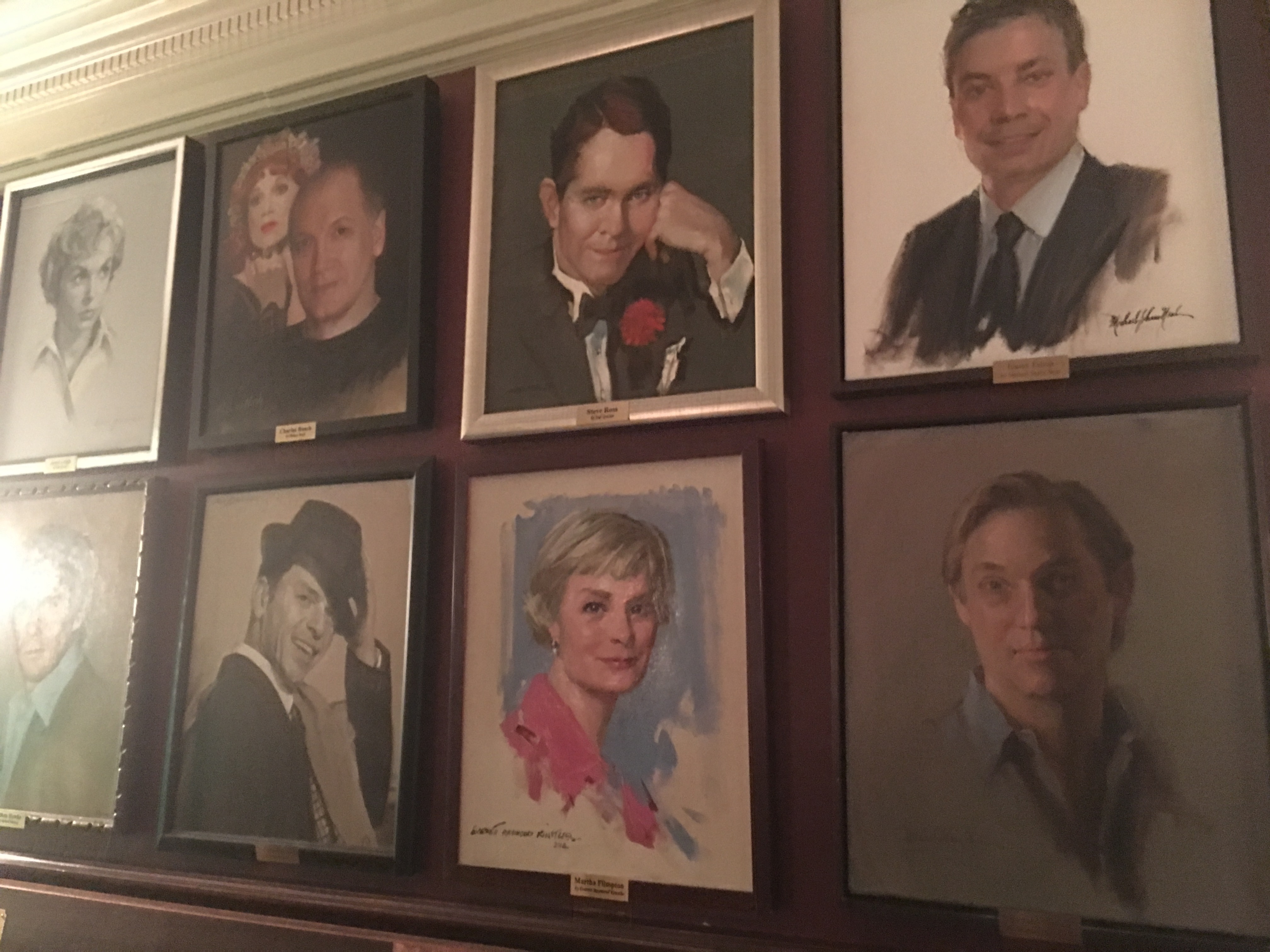
Portraits of members, past and future. Two very recent members are featured here — Martha Plimpton and Jimmy Fallon!

img_0825

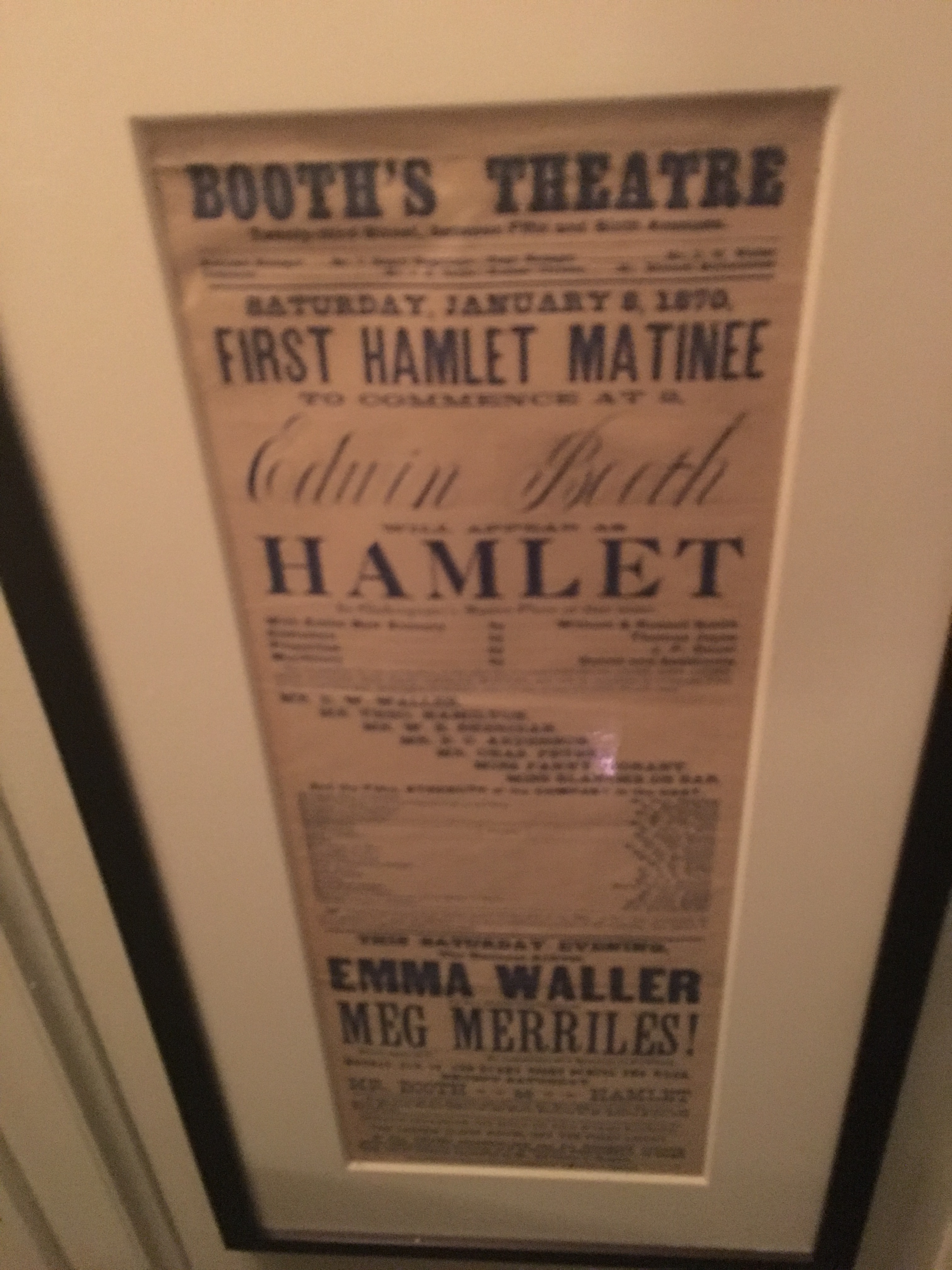
A framed bulletin from Booth’s Theatre on 23rd Street:

img_0829

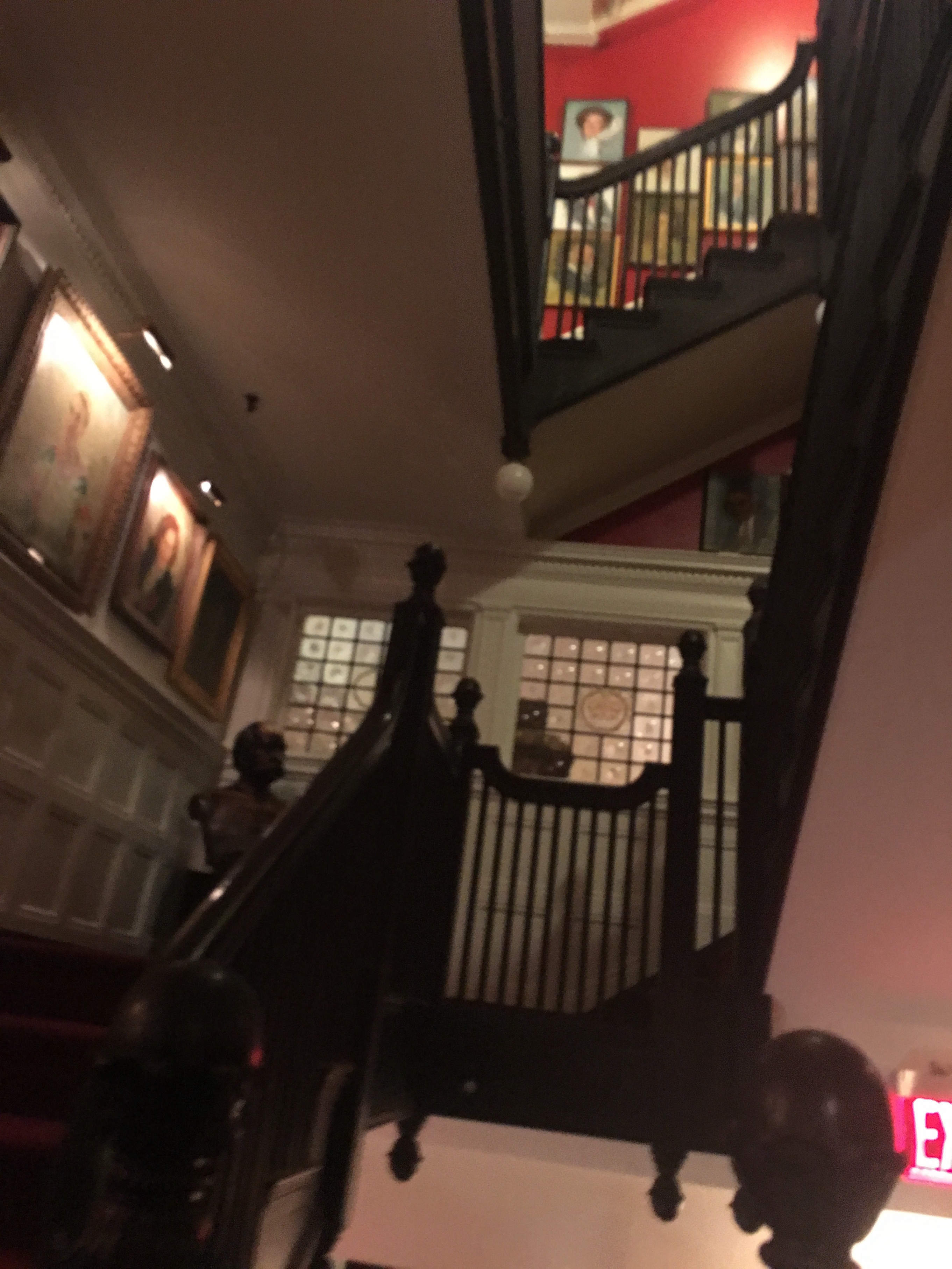
Up the winding staircase to Booth’s bedroom….

img_0830

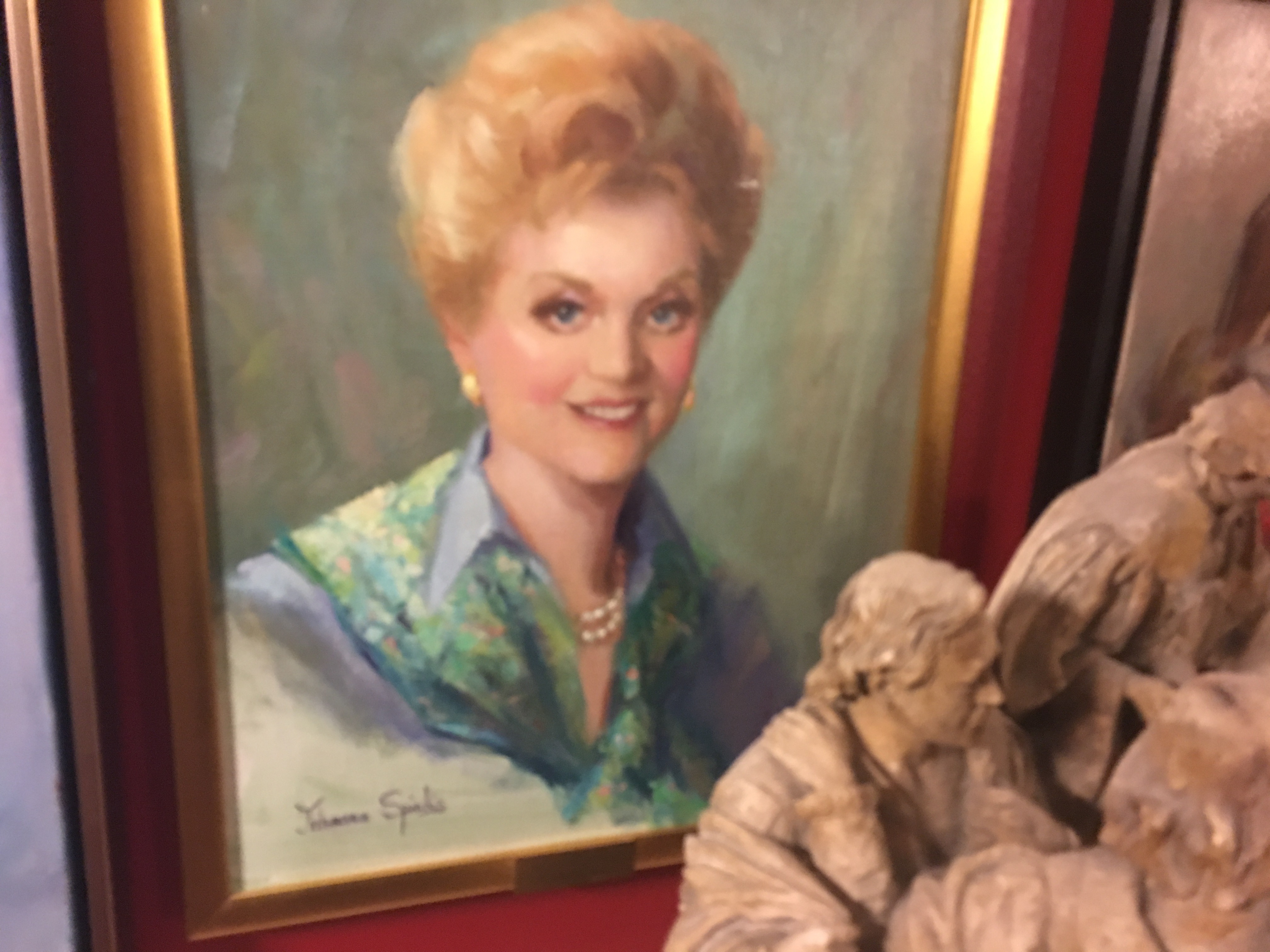
Angela Lansbury awaits us on the landing!img_0835

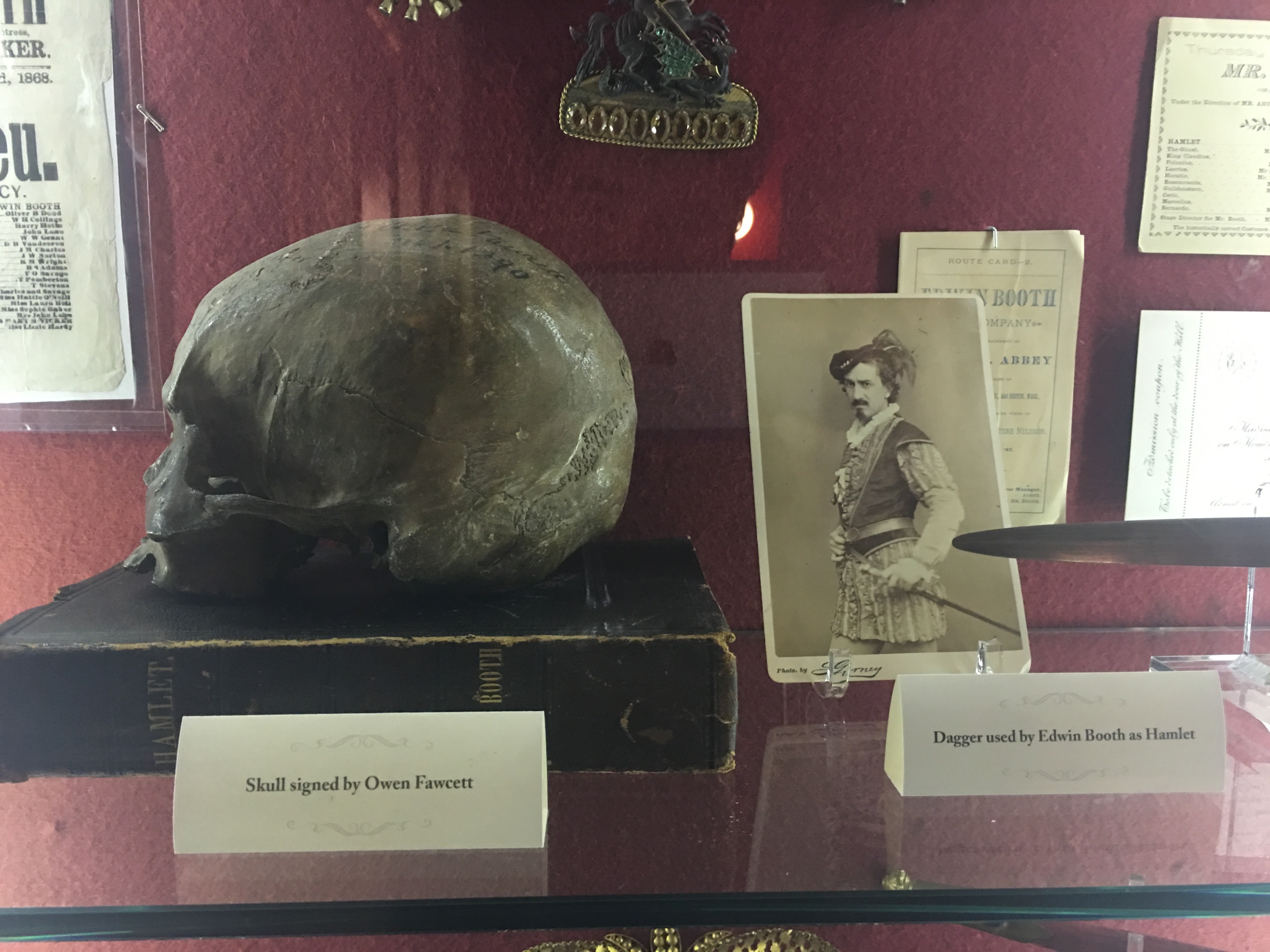
Theatrical props adorn every shelf of the club.

img_0836

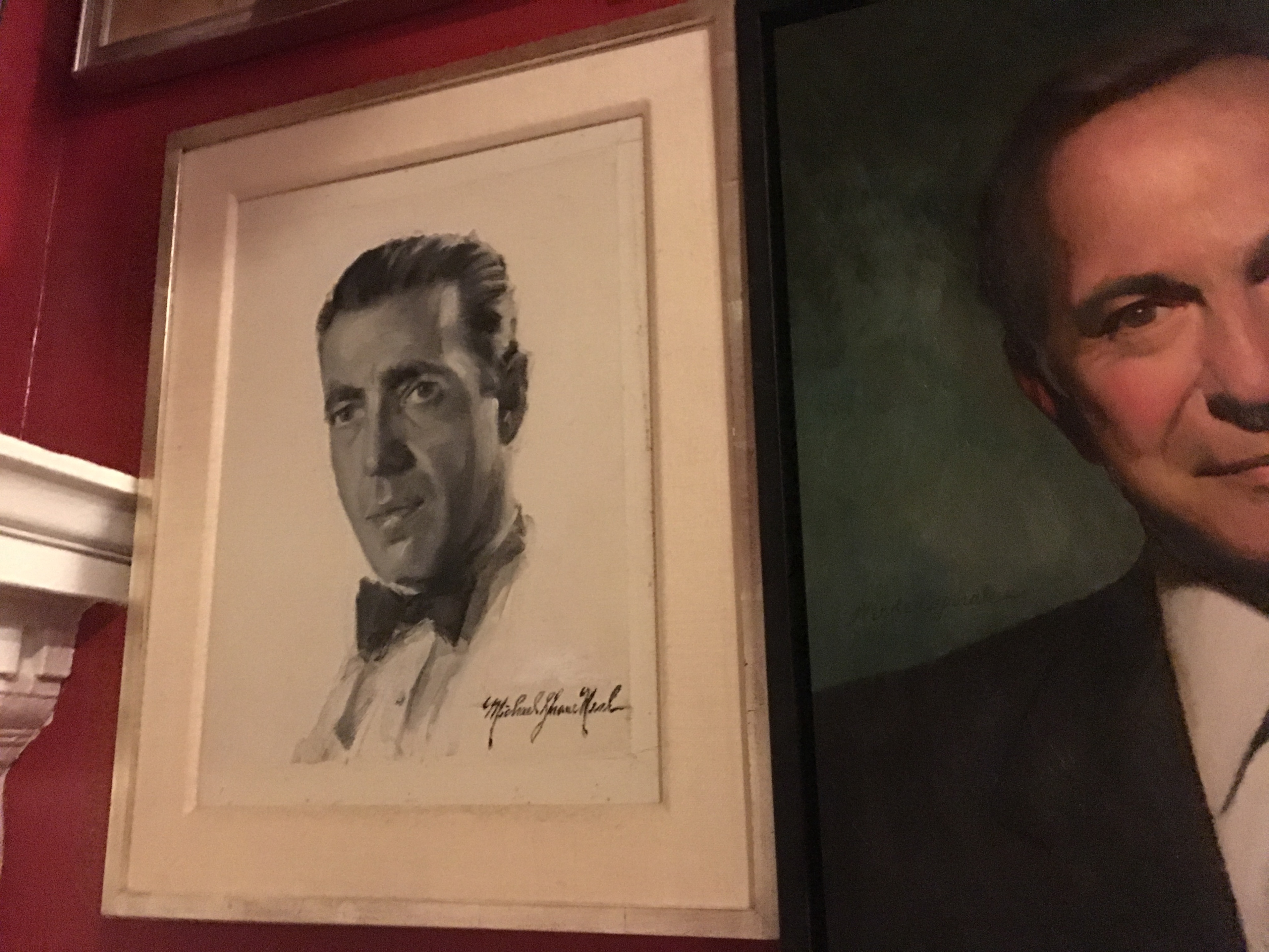
Humphrey Bogart hangs in the hallway. Lauren Bacall, by the way, also has a portrait hanging near the billiard table.

img_0839

Inside the dark theatrical library, one of the greatest collections of theater history volumes in the world.

img_0887 img_0888

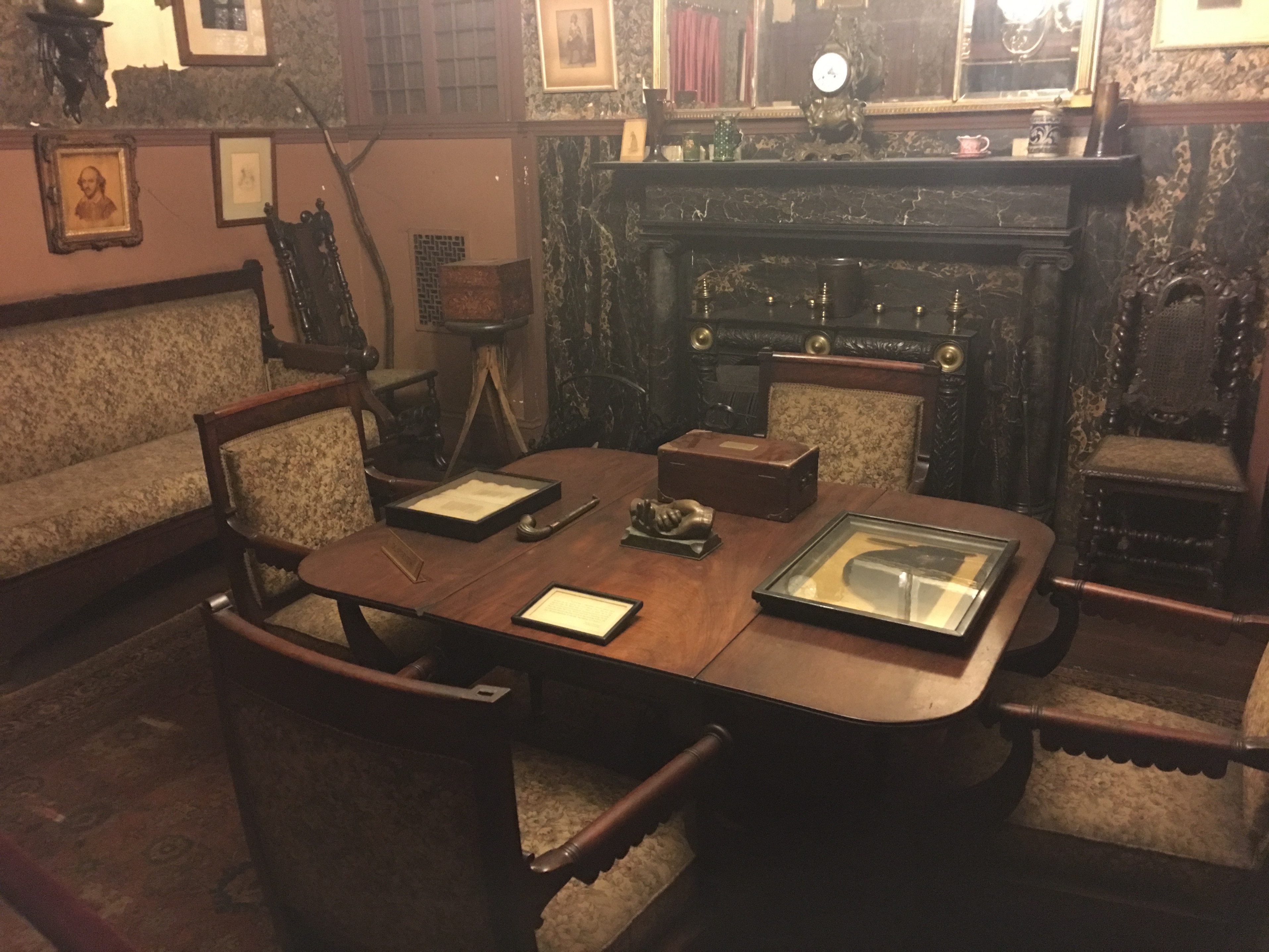
Finally, inside Booth’s living quarters! On the table sits a mold of Edwin’s hand holding that of his daughter Edwina.img_0890

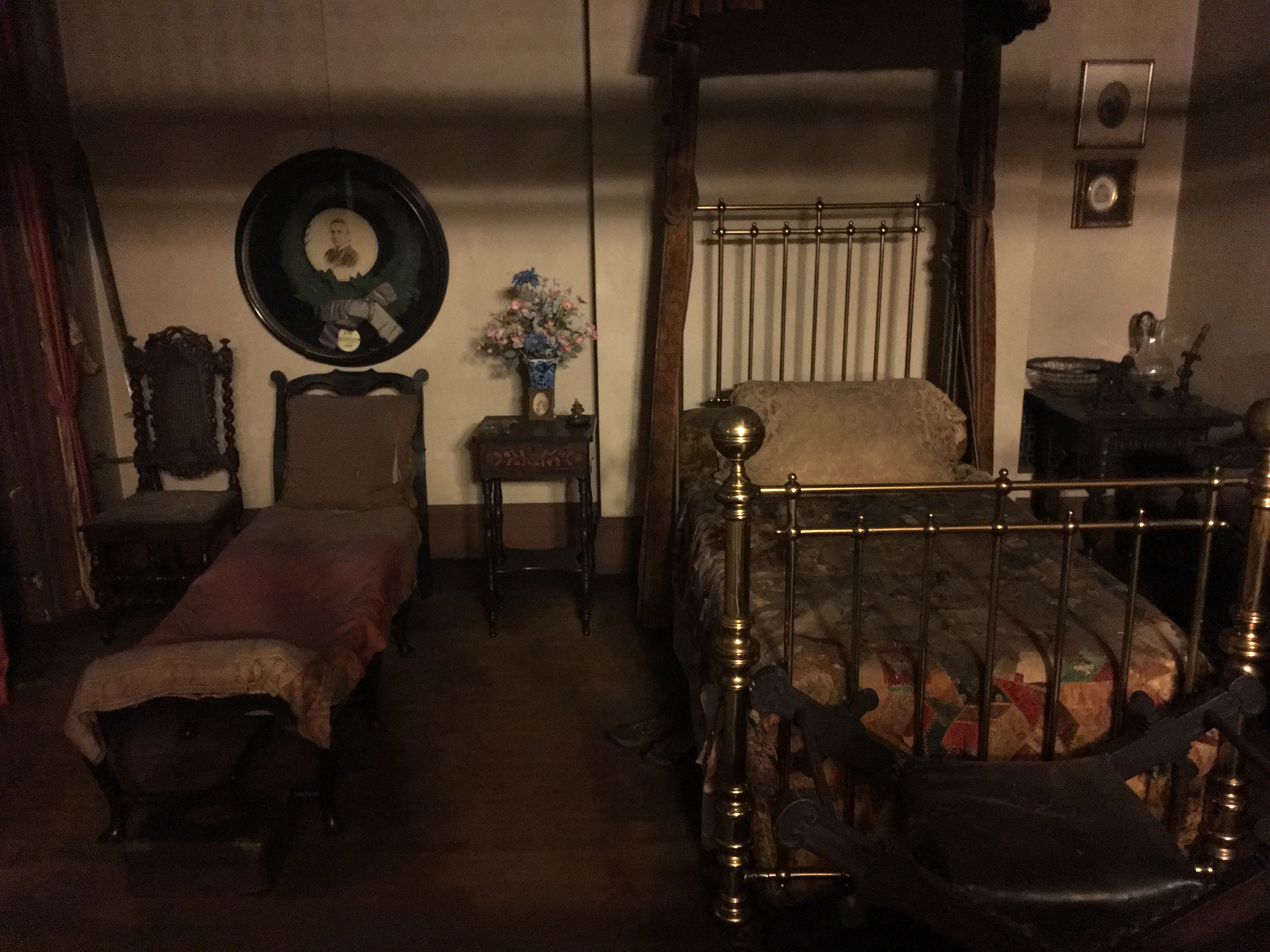
The bed where Edwin Booth died, and a smaller bed where his daughter kept next to him in his final moments.

img_0891

For more information on tours of the Players Club, visit Top Dog Tours NYC.  And visit the Players website for more information about membership and its history

Categories
Podcasts The First

The Wheel: Ferris’ Big Idea (Special Preview of The First Podcast)

This is a special preview for the new Bowery Boys spin-off podcast series The First: Stories of Inventions and their Consequences, brought to you by Bowery Boys host Greg Young.

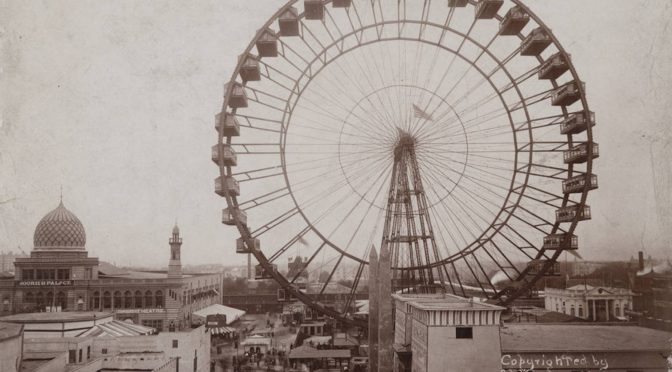
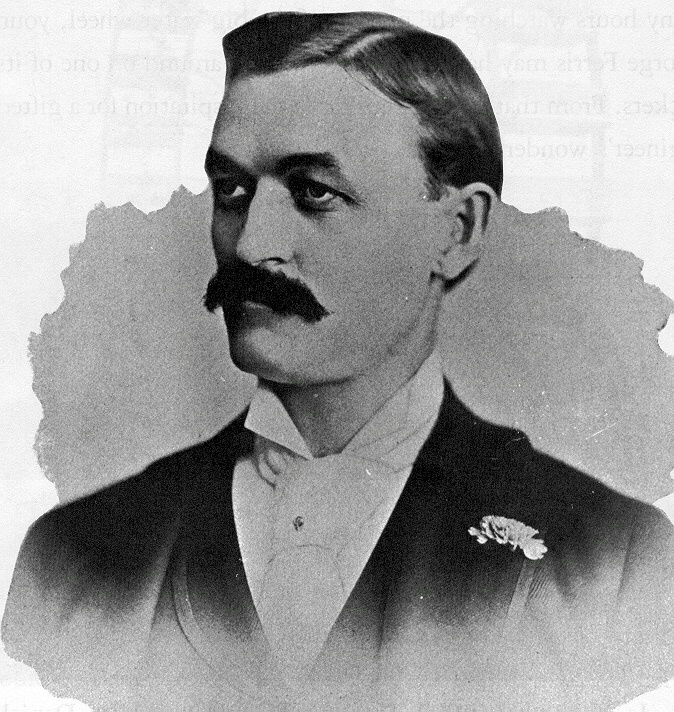
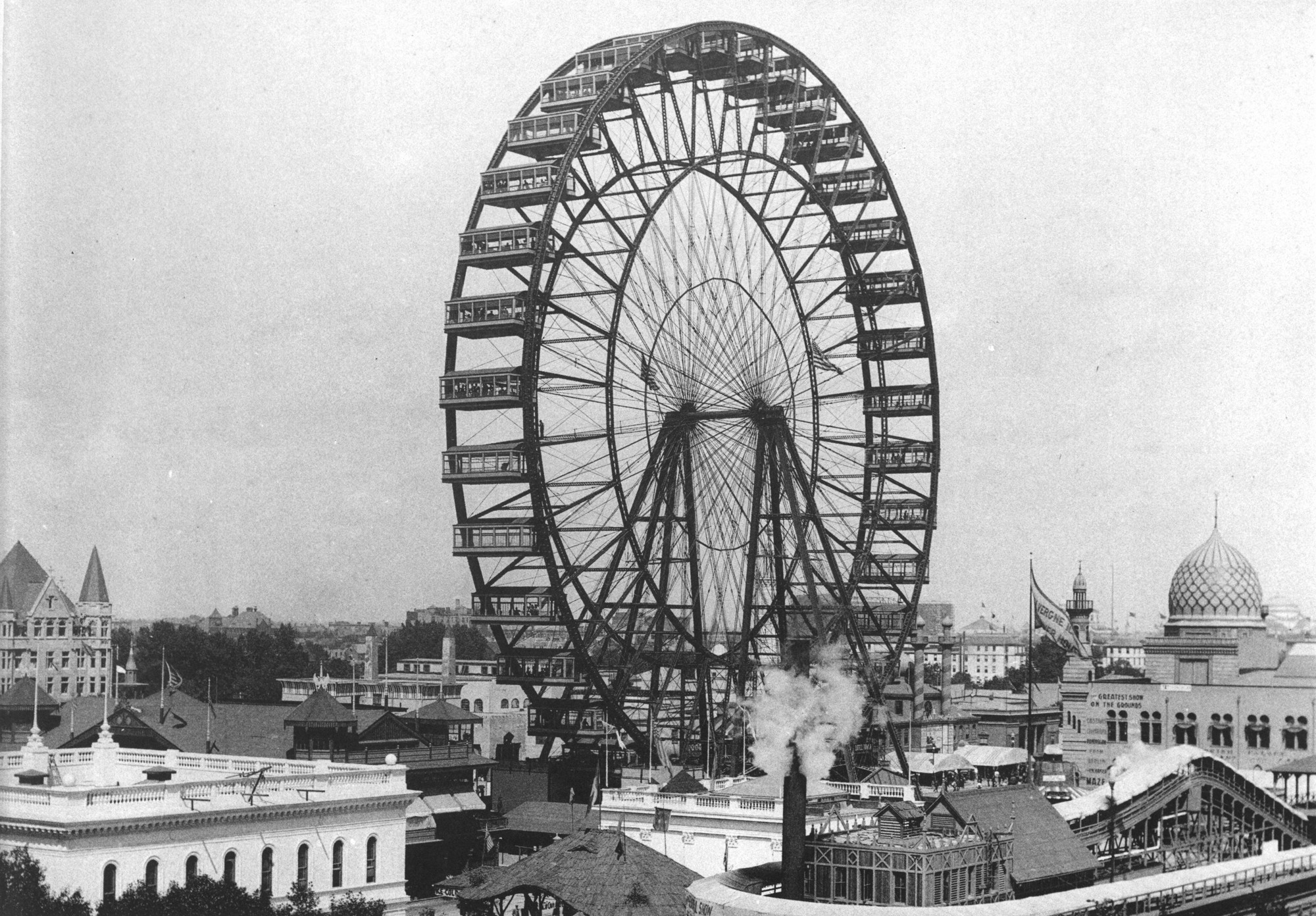
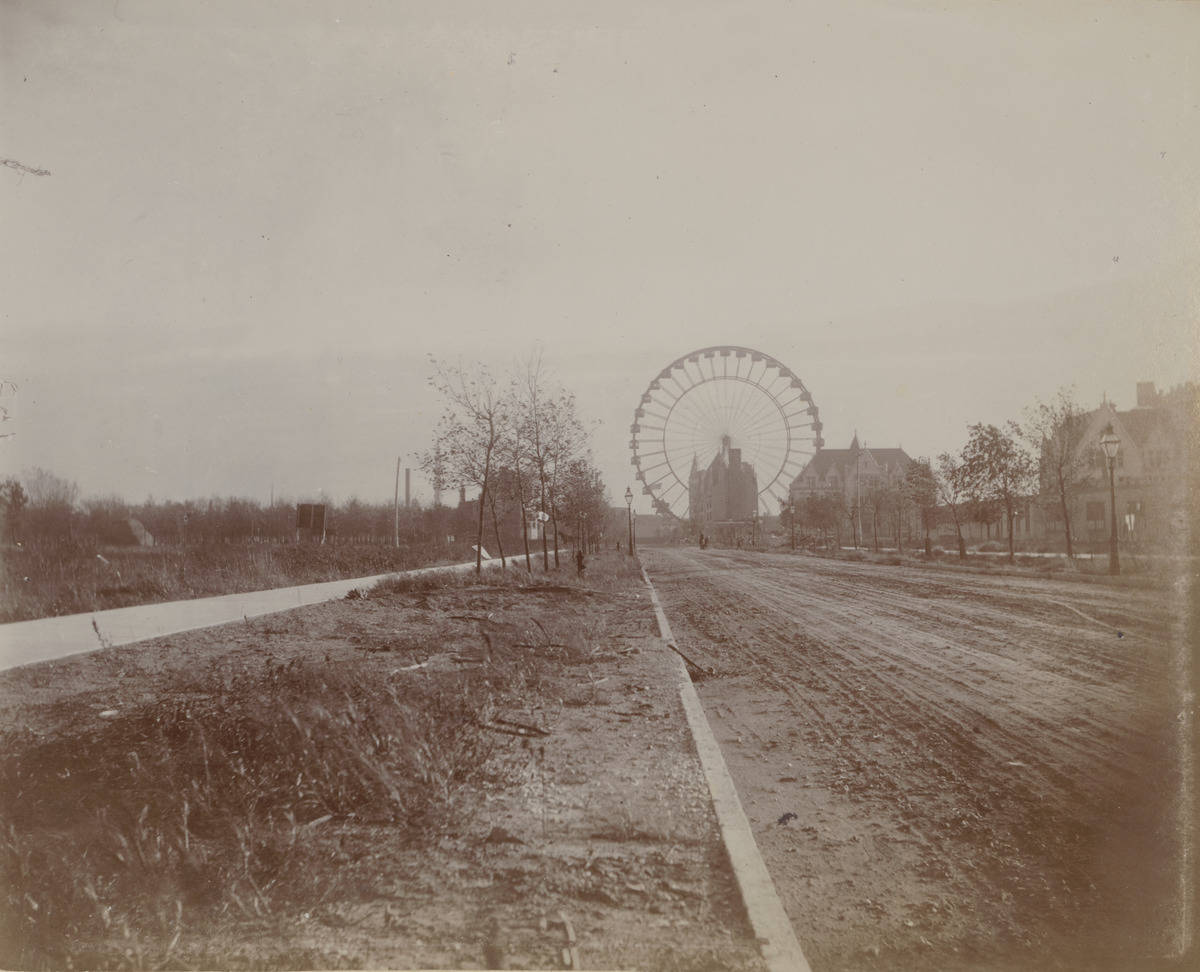
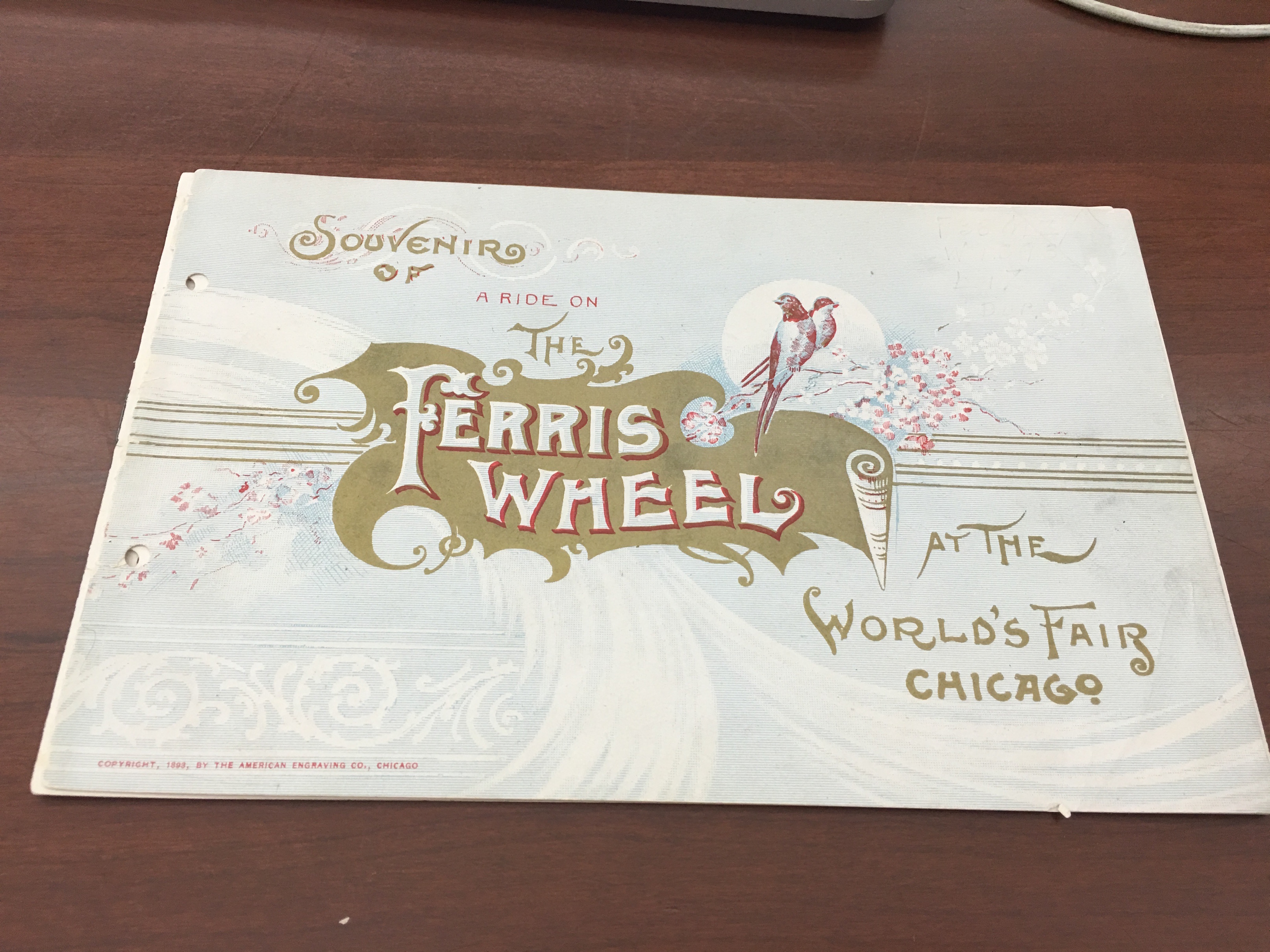
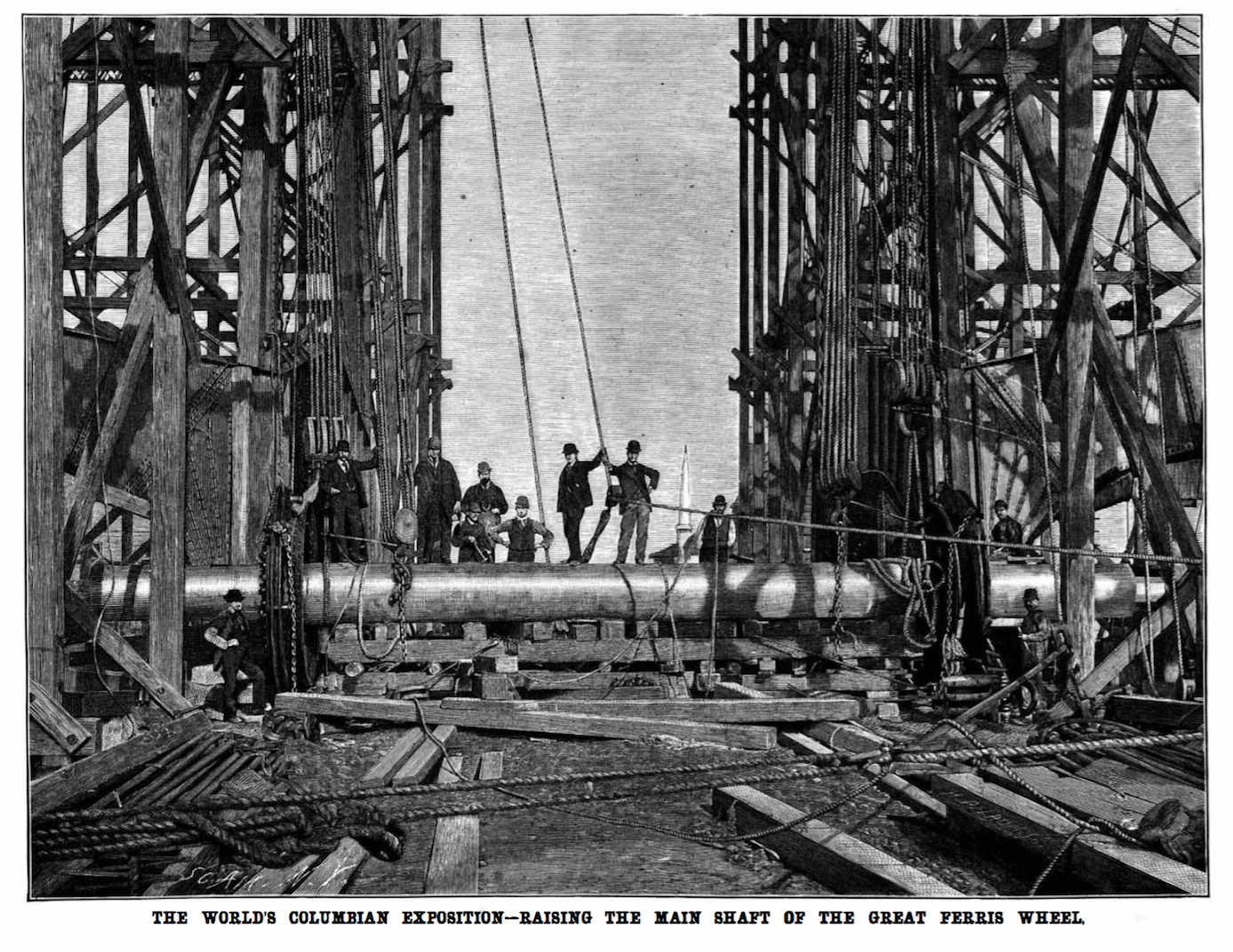
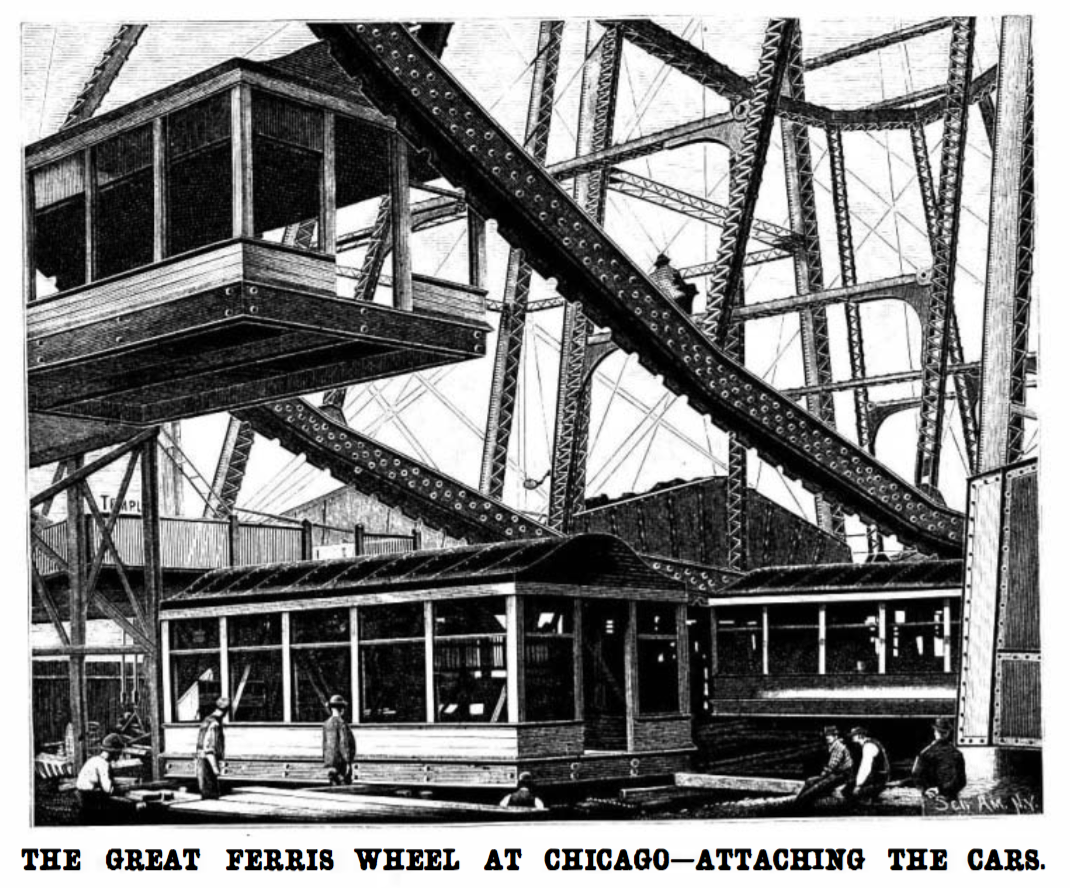
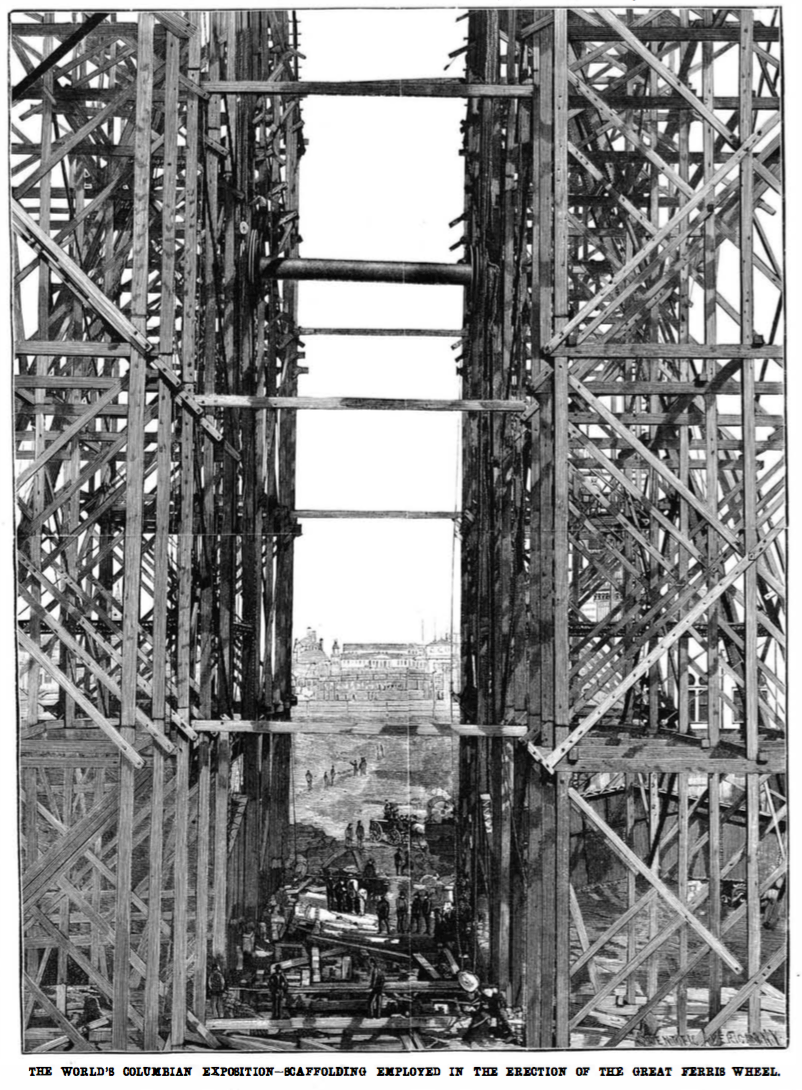
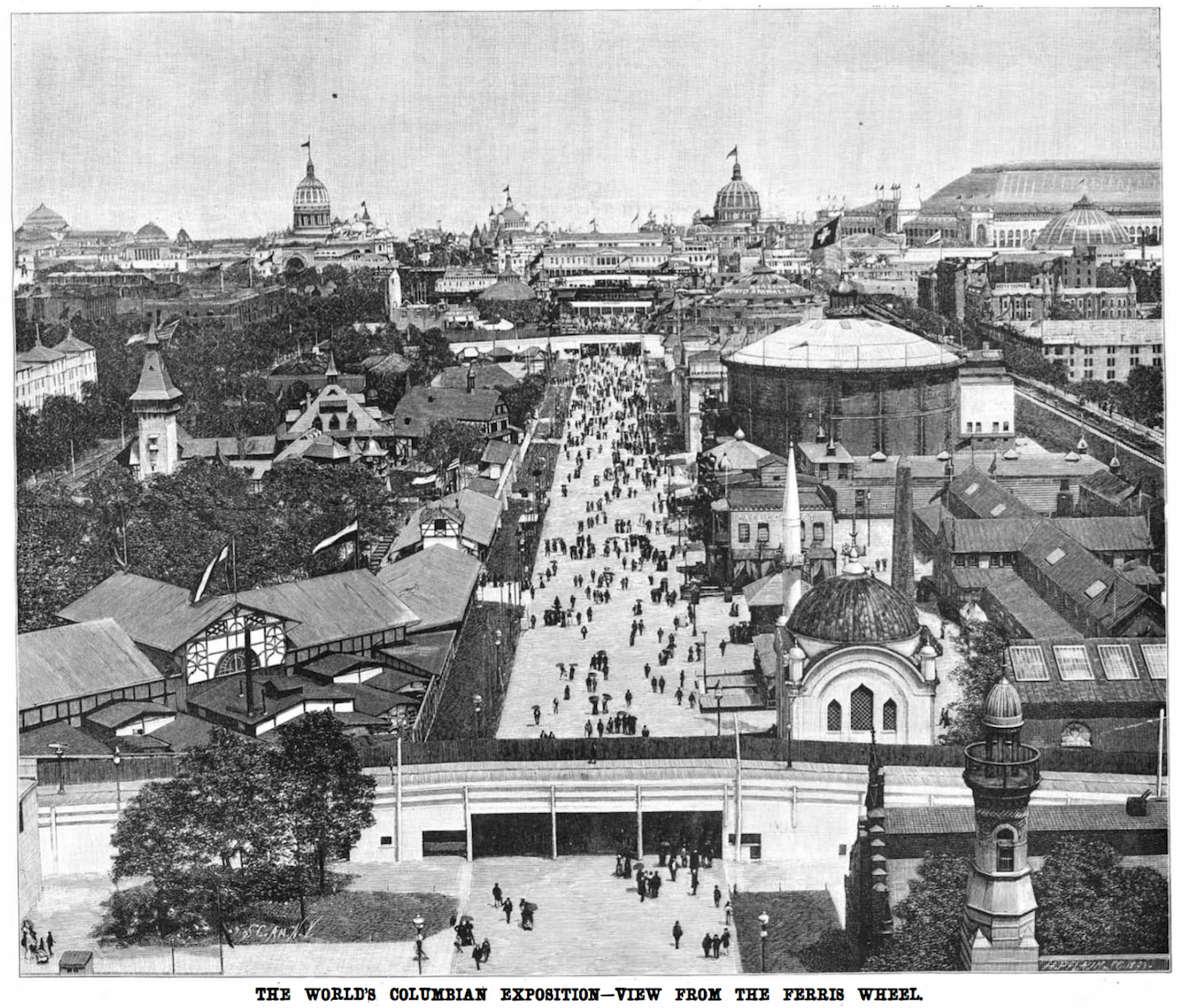
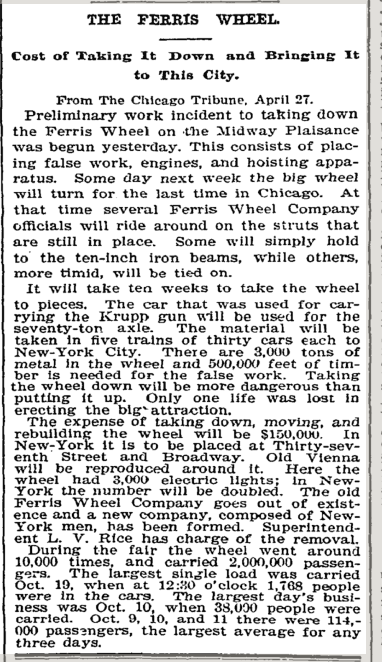
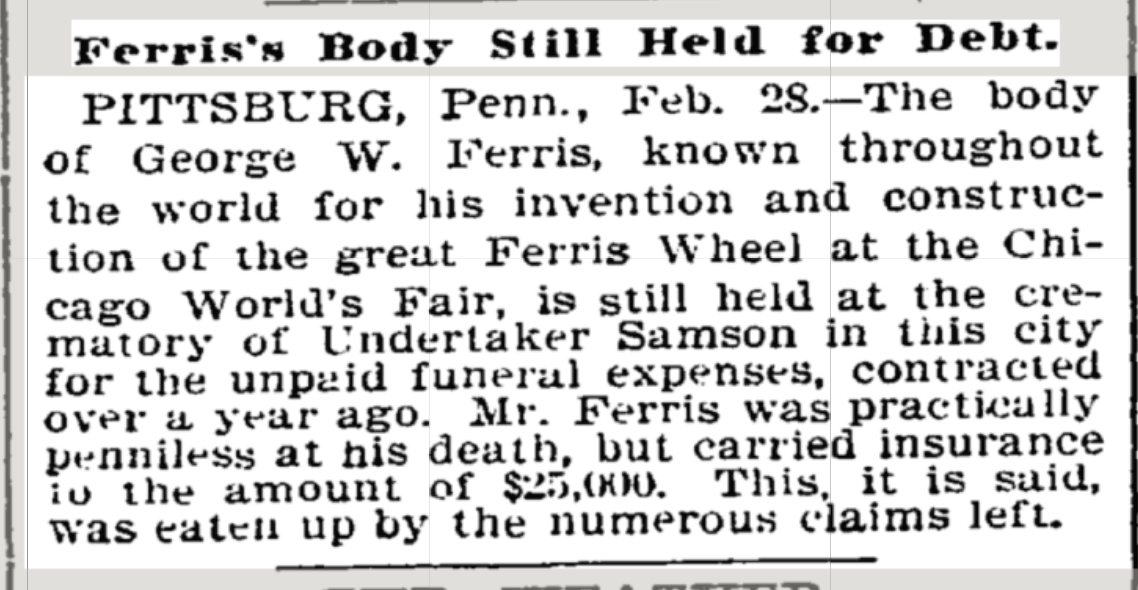
01: The first Ferris Wheel was invented to become America’s Eiffel Tower, making its grand debut at the Chicago World’s Fair of 1893. The wheel’s inventor George Washington Gale Ferris was a clever and optimistic soul; he did everything in his power to ensure that his glorious mechanical ride would forever change the world.

That it did, but unfortunately, its inventor paid a horrible price.

FEATURING a visit the Wonder Wheel at Coney Island, one of the most famous wheels in the world, and a trip to one of Chicago’s newest marvels — the Centennial Wheel at Navy Pier.


The Bowery Boys: New York City History podcast is brought to you …. by you!

We are now producing a new Bowery Boys podcast every two weeks. We’re also looking to improve the show in other ways and expand in other ways as well — through publishing, social media, live events and other forms of media. But we can only do this with your help!

We are now a member of Patreon, a patronage platform where you can support your favorite content creators for as little as a $1 a month.

Please visit our page on Patreon and watch a short video of us recording the show and talking about our expansion plans. If you’d like to help out, there are five different pledge levels (and with clever names too — Mannahatta, New Amsterdam, Five Points, Gilded Age, Jazz Age and Empire State). Check them out and consider being a sponsor.

We greatly appreciate our listeners and readers and thank you for joining us on this journey so far. And the best is yet to come!

The star of the show — George Washington Gale Ferris:

gwferris

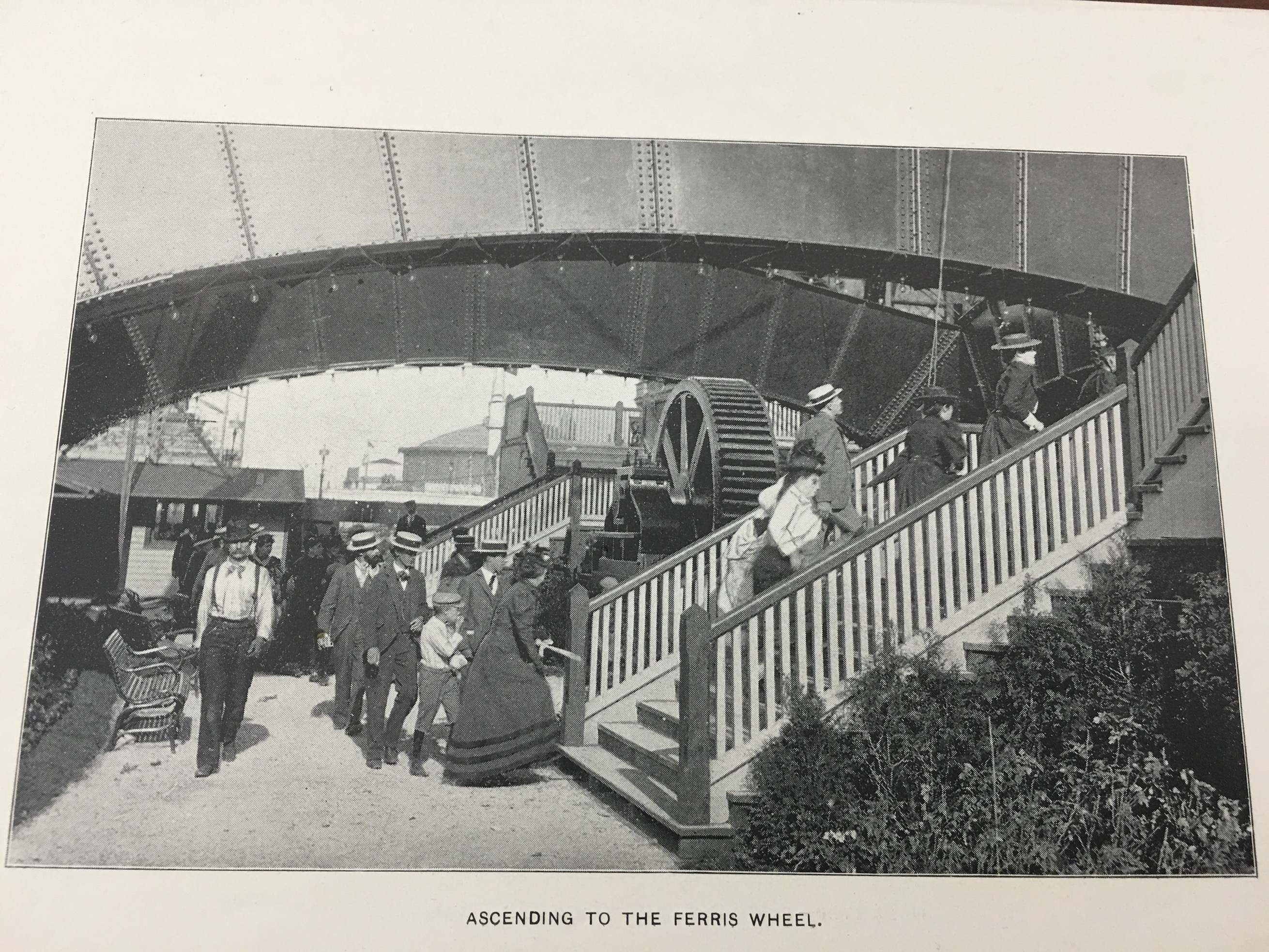
… and the Ferris Wheel at the World’s Fair!

chicago-worlds-fair-1893-chicago-history-museum-01-2


Courtesy Chicago History Museum

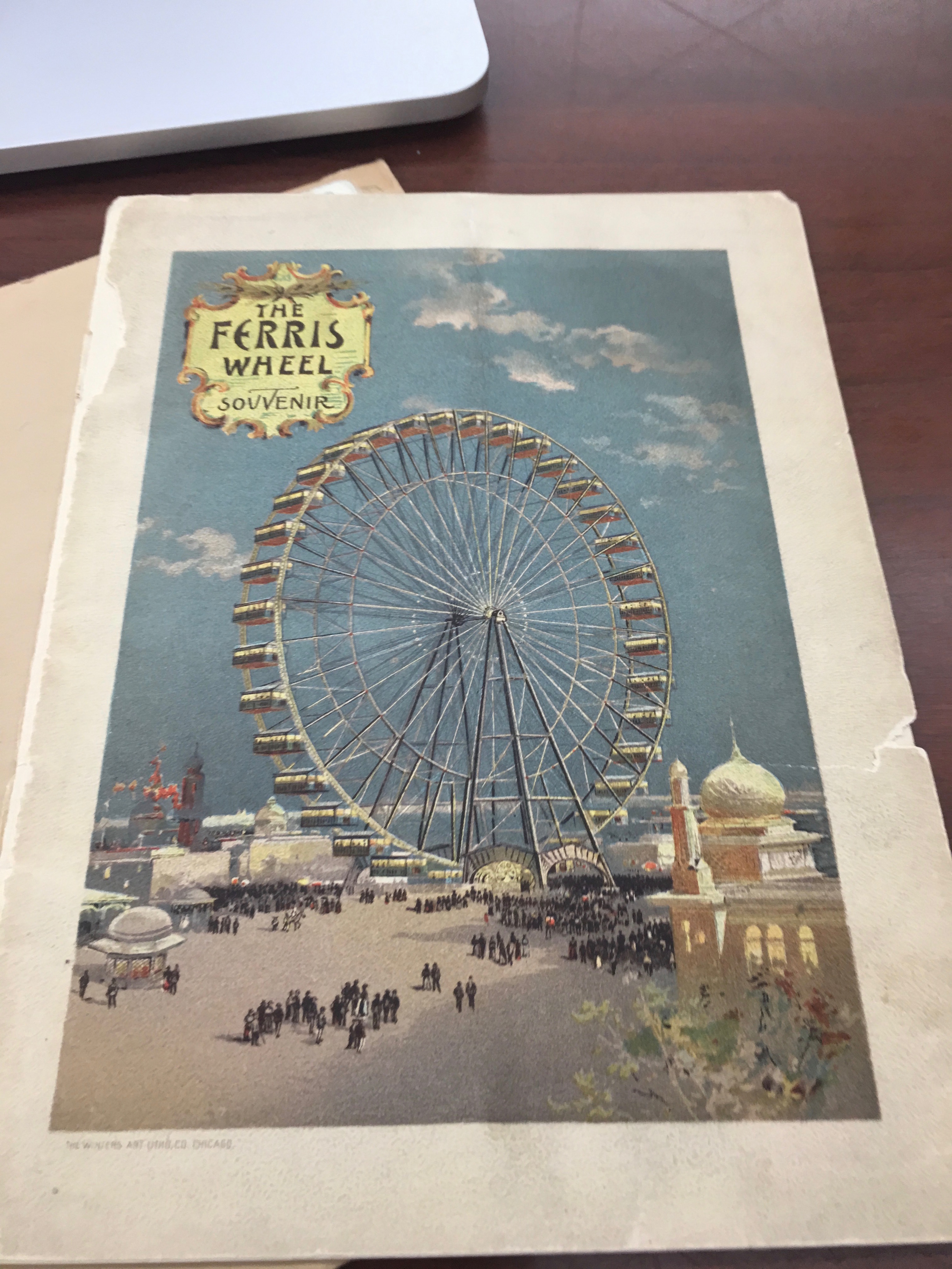
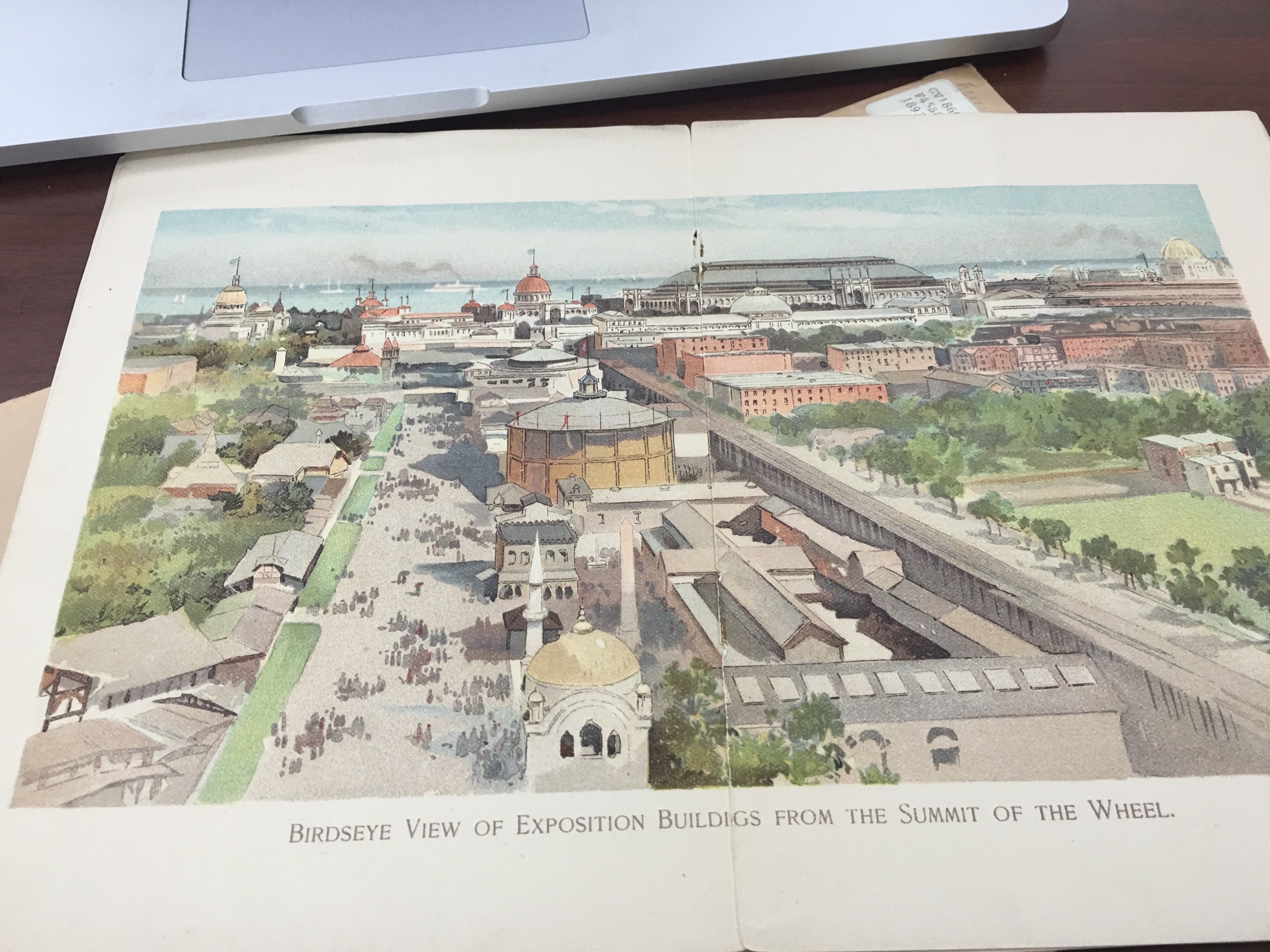
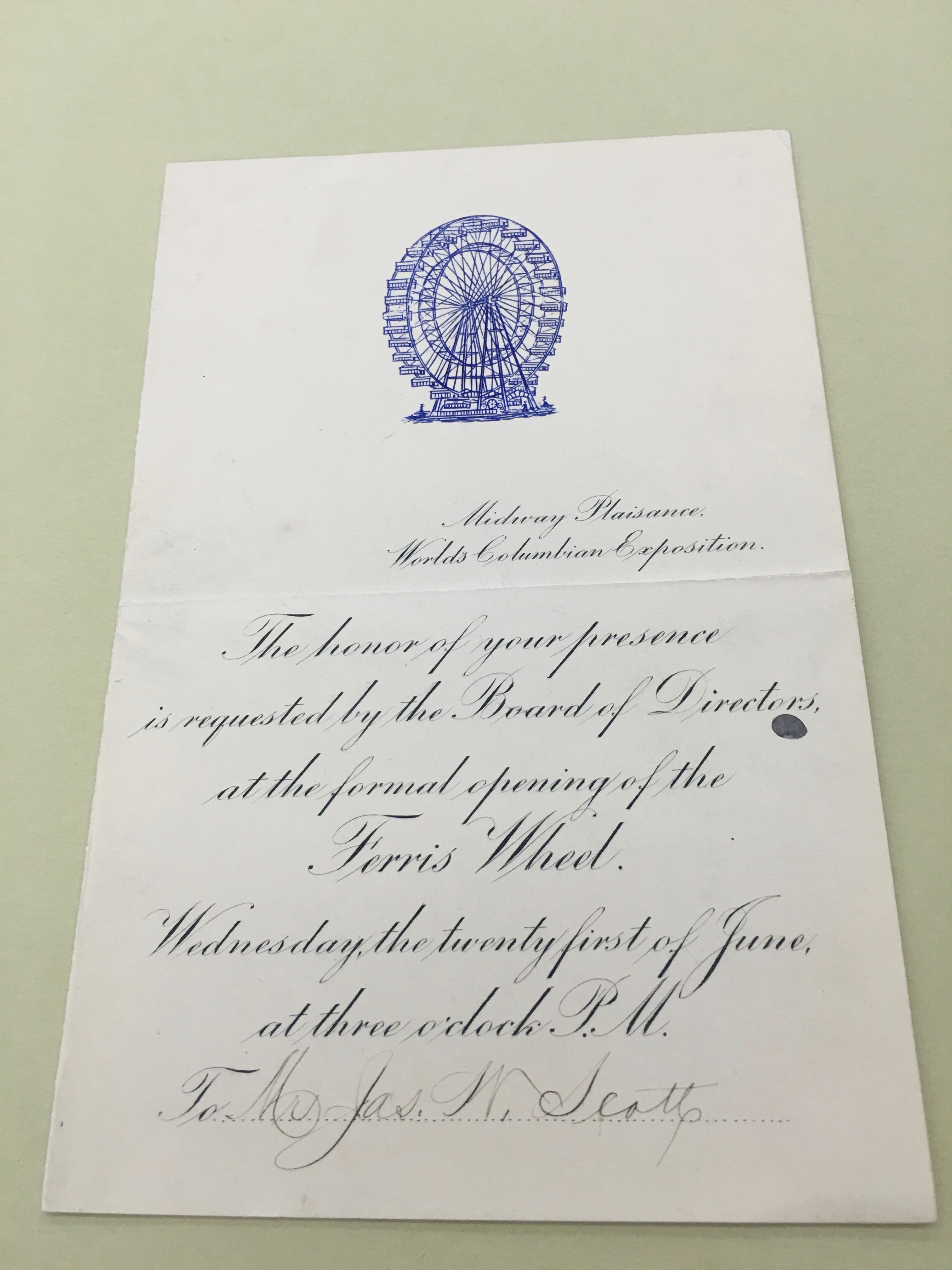
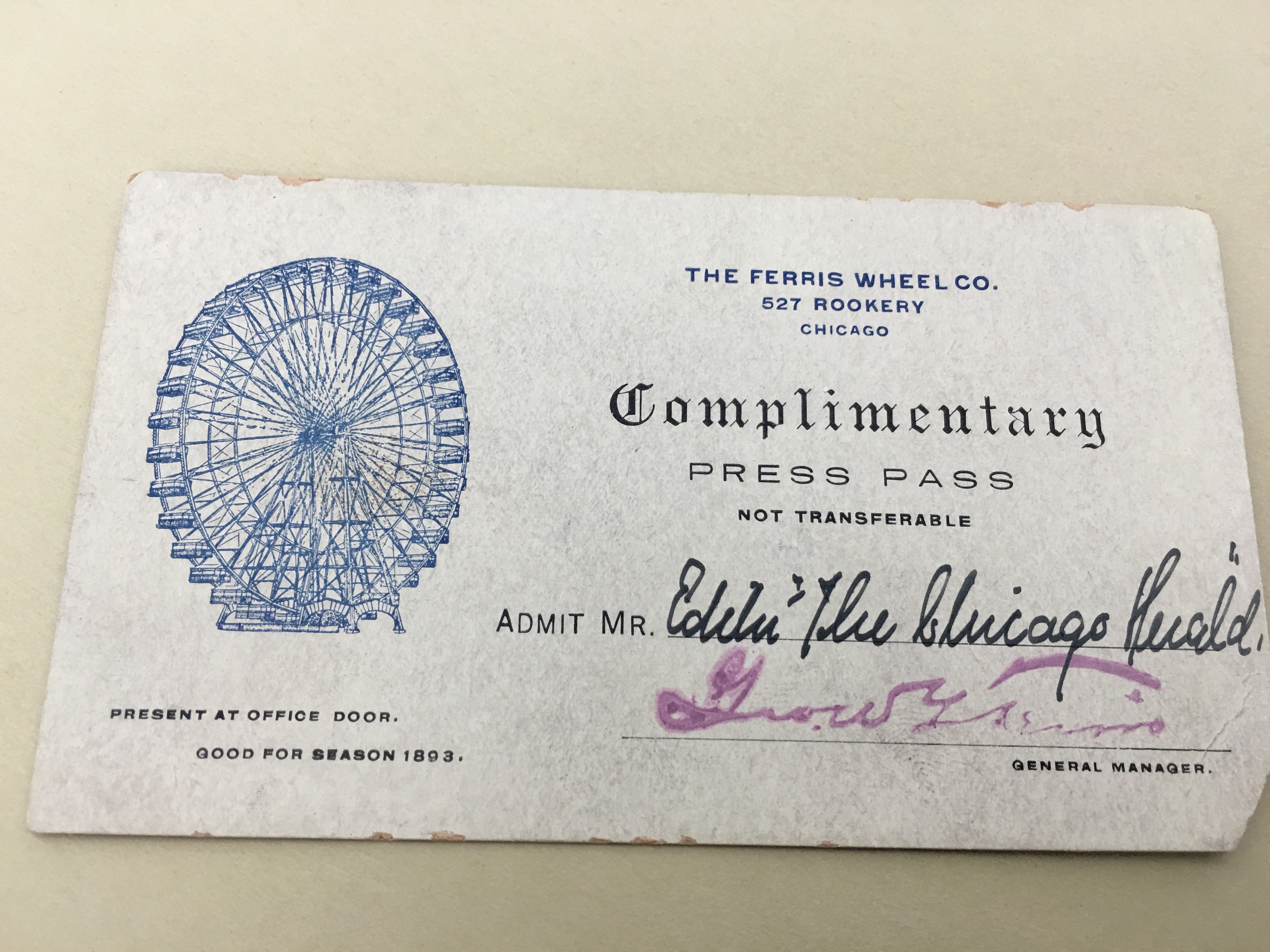
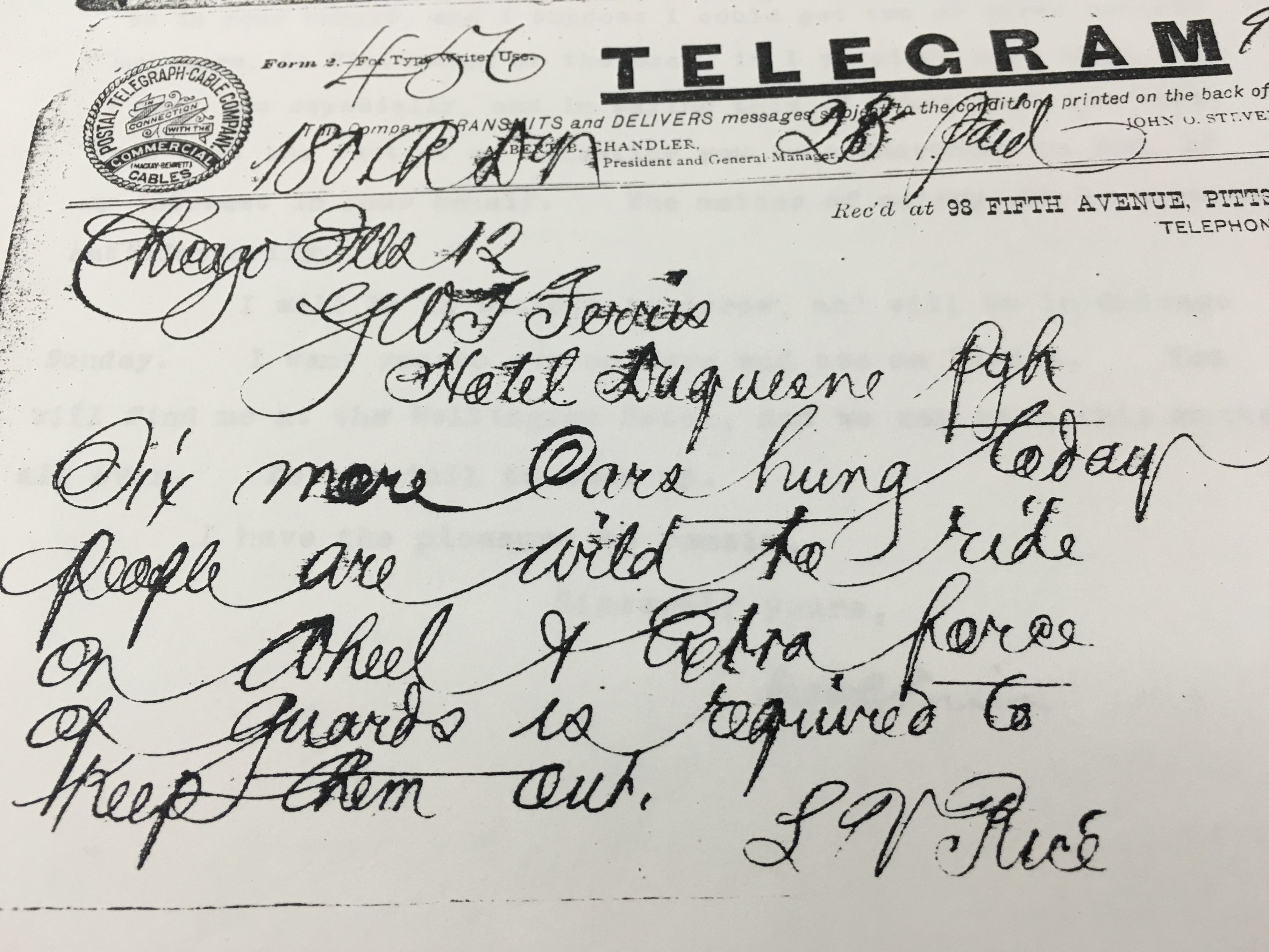
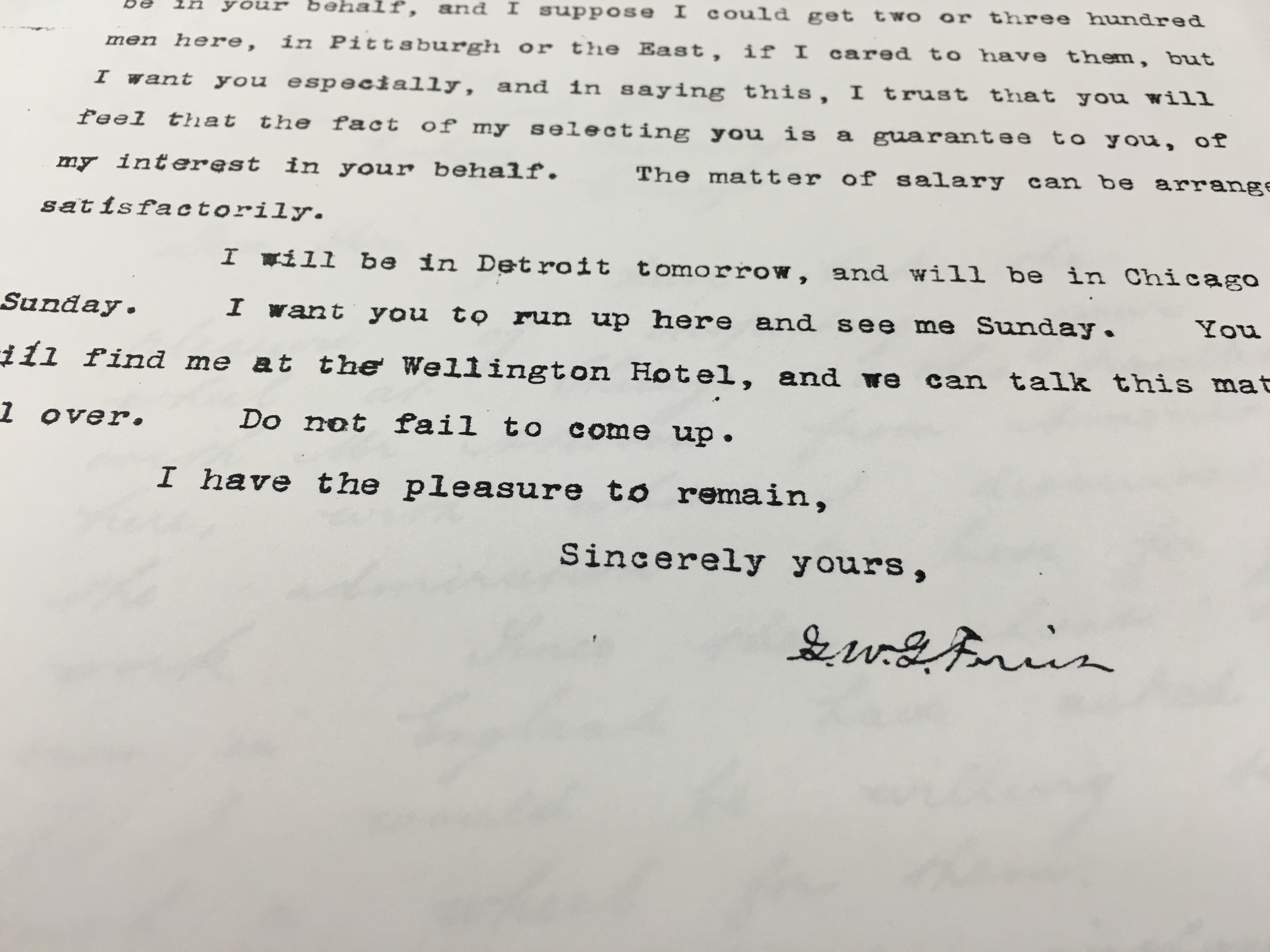
Some intriguing finds I made while researching at the Chicago History Museum and the National Archives:

img_0201

img_0206

img_0212

img_0225

img_0229

The telegram from Luther Rice to George Washington Ferris that was read on the show:

img_0239

This was also featured on the show — the passionate letter from Ferris, asking Rice to join the project

img_0240

img_0232

img_0233

img_0234

img_0235

img_0236

Images of wheel construction courtesy Scientific American.
Courtesy Scientific American

New York Times, May 13, 1894 — This article mentioned the plan to move the Ferris Wheel to New York (but the plan fell through)

screen-shot-2016-10-28-at-9-25-28-am

From the New York Times, March 1, 1898

screen-shot-2016-10-28-at-9-22-44-am

PLACES TO VISIT:

The Chicago Navy Pier (featured on the show)

Chicago History Museum (featured on the show)

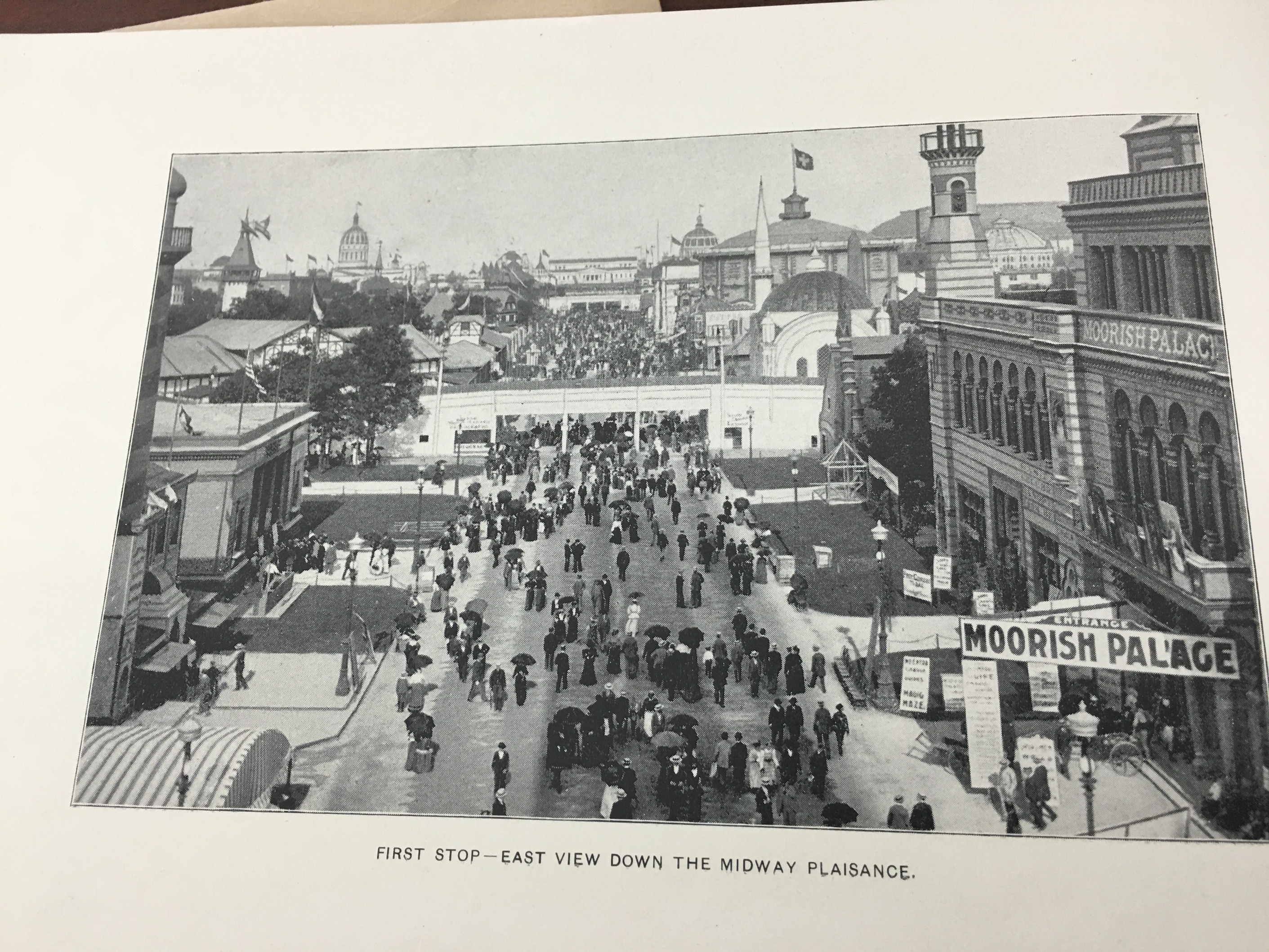
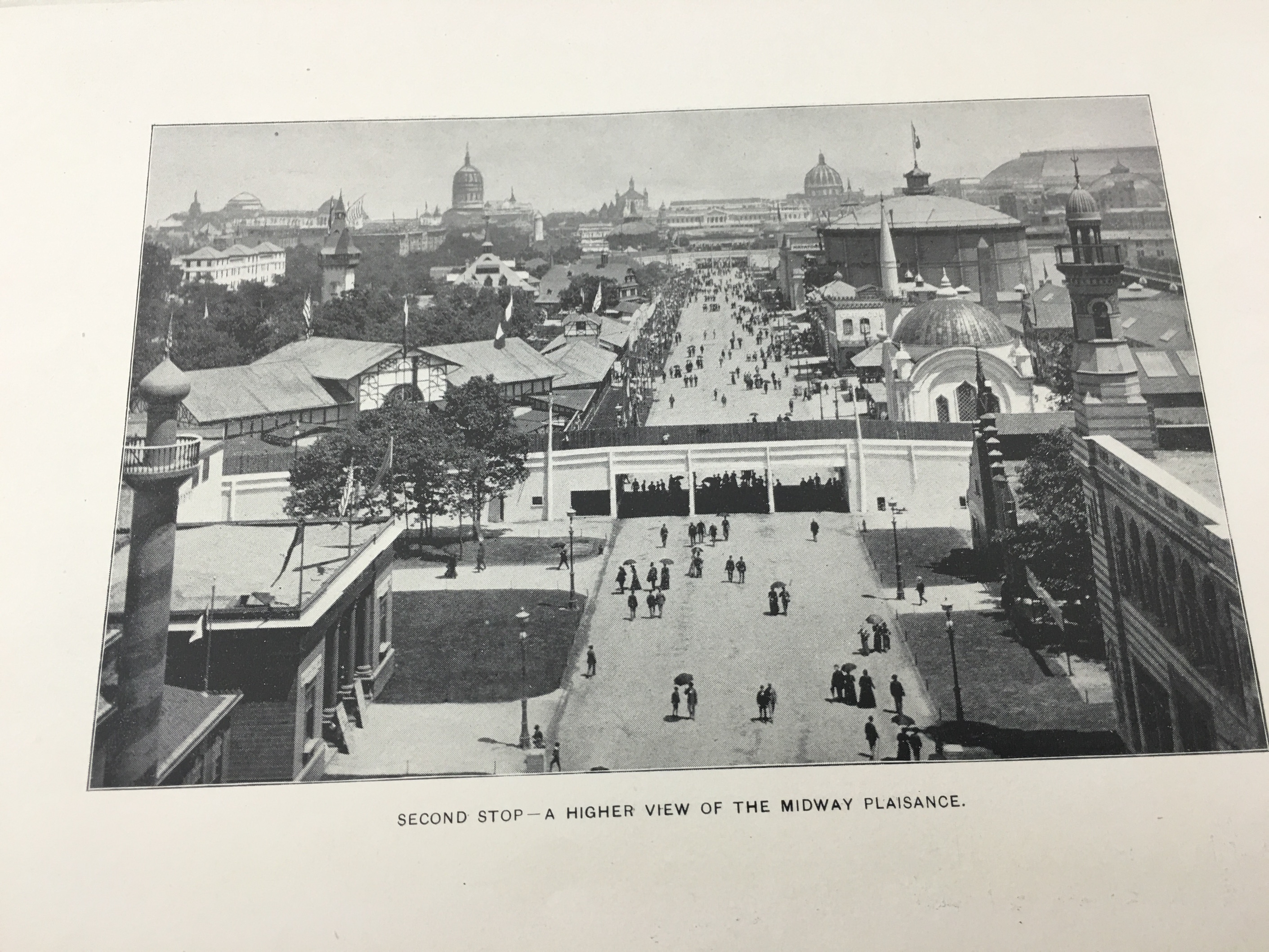
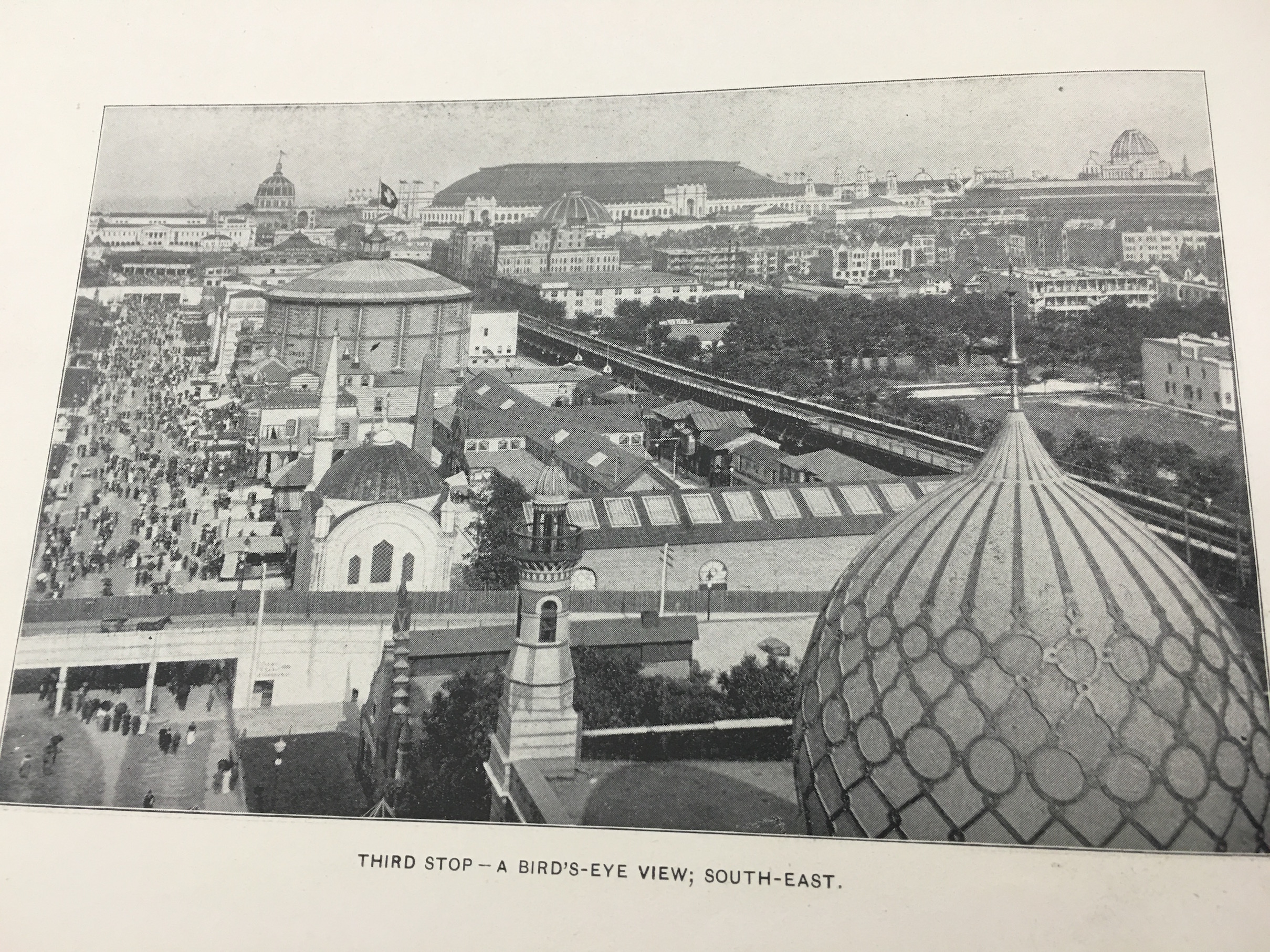
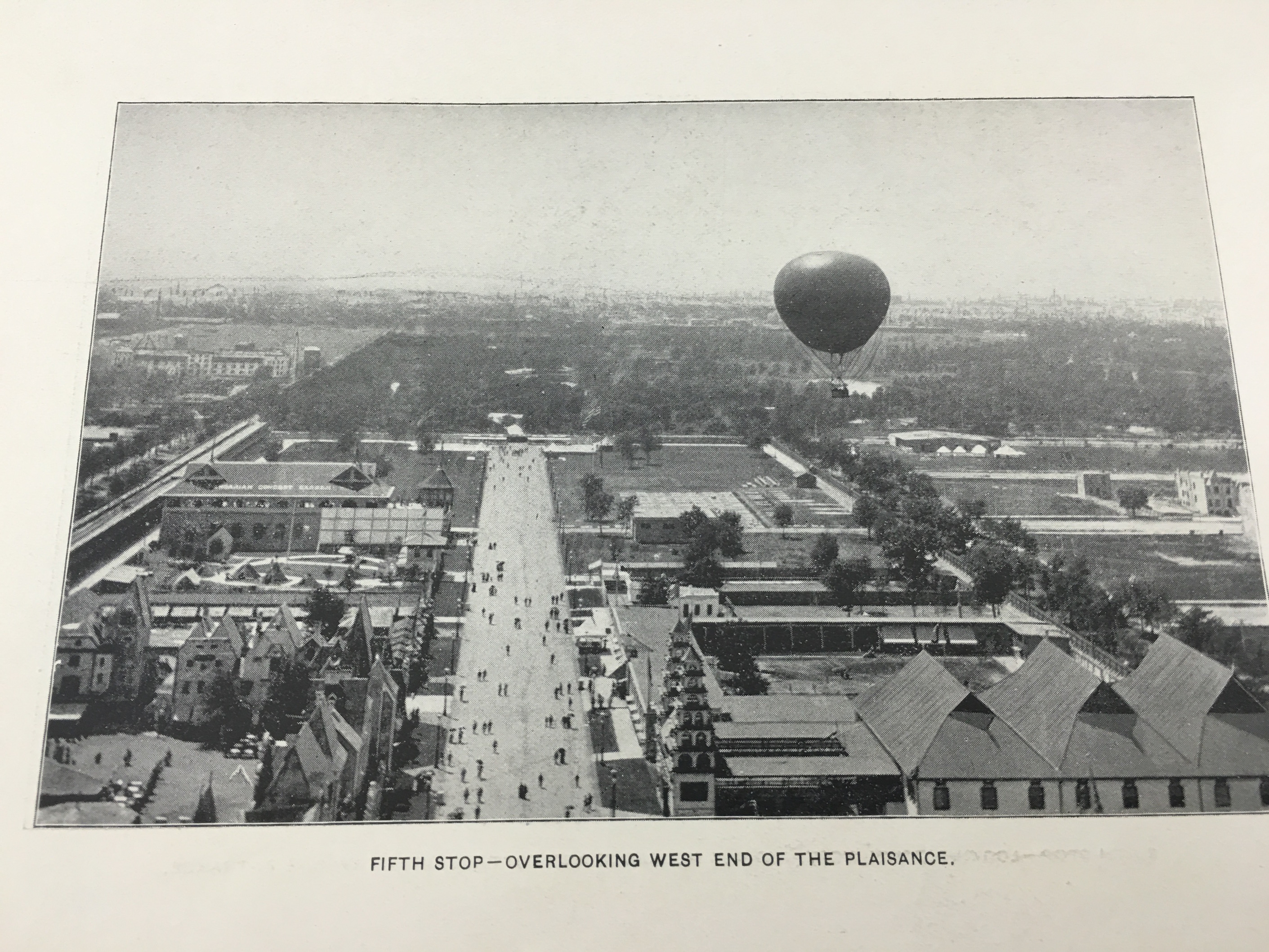
The Midway Pleasance and Jackson Park, Chicago

The Ferris House in Pittsburgh, PA

The Sears-Ferris House in Carson City, Nevada

The Wonder Wheel and Deno’s Wonder Wheel Amusement Park, Coney Island, Brooklyn (featured on the show)

The High Roller, Las Vegas, Nevada

Weiter Riesenrad (Vienna’s Giant Ferris Wheel), Vienna, Austria

THINGS TO READ:

Ferris Wheels: An Illustrated History by Norman Anderson

Circles In the Sky: The Life and Times of George Ferris by Richard G. Weingardt
Six Months at the Fair by Mrs Mark Stevens

ARTWORK FOR THE FIRST DESIGNED BY THOMAS CABUS. CHECK OUT HIS PORTFOLIO OF OTHER WORK HERE.

the-first-itunesart_1400x1400