Categories
Mysterious Stories Podcasts

Ghost Stories of Hell’s Kitchen: Tales of haunted houses, creepy courtyards and spirited taverns

PODCAST The Manhattan neighborhood of Hell’s Kitchen has a mysterious, troubling past. So what happens when you throw a few ghosts into the mix? Greg and Tom find out the hard way in this year’s ghost stories podcast, featuring tales of mystery and mayhem situated in the townhouses, courtyards and taverns of this trendy area of Midtown West.

This year’s Ghost Stories of Old New York show features:

— The troubling tale of a 1970s motion picture classic that may have left a sinister mark on West 54th Street

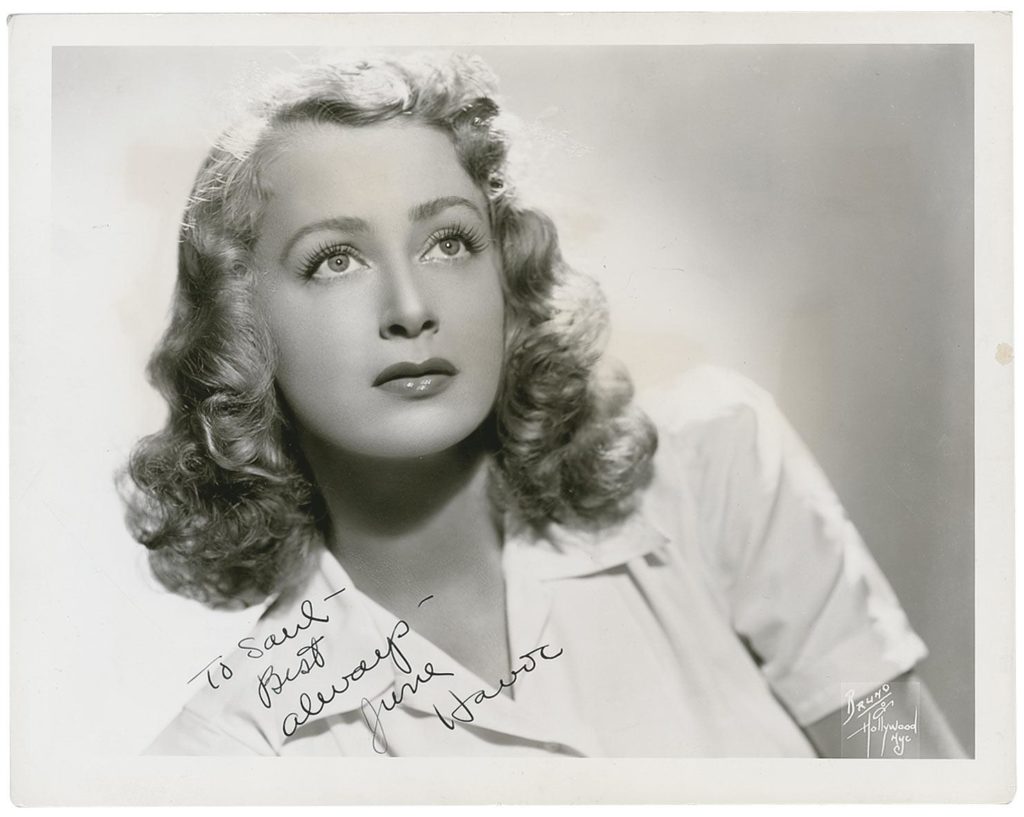
— The haunted home of a popular film and TV actress, possessed with very hungry ghost

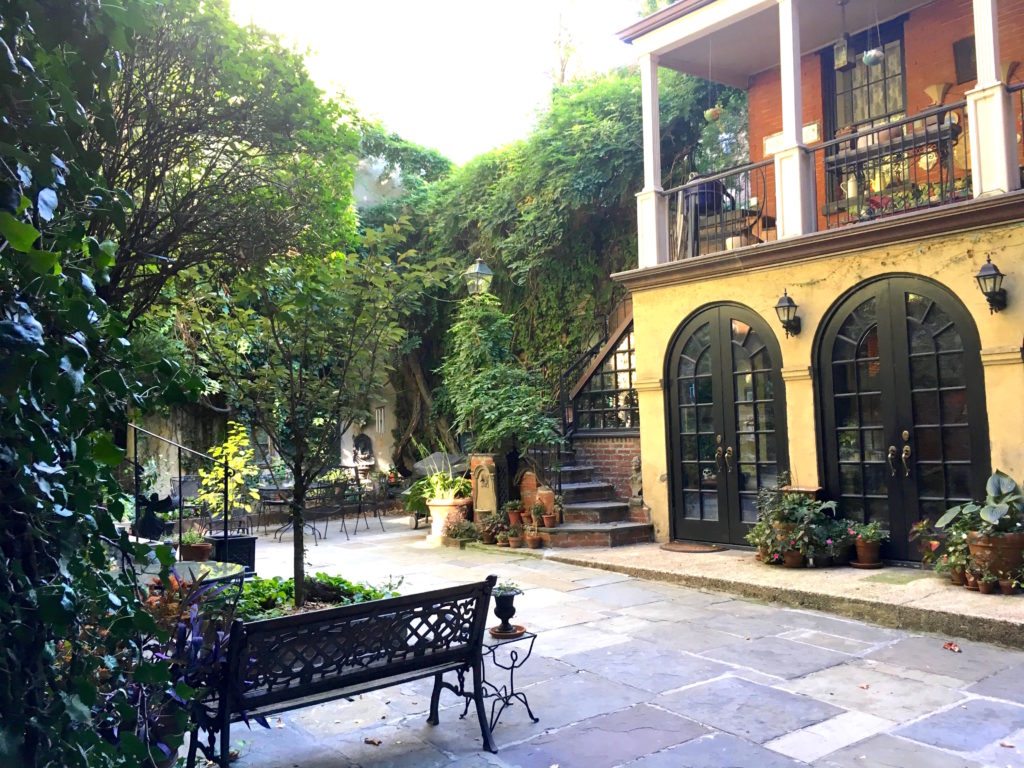
— An enchanting courtyard layered with several horrifying ghost stories

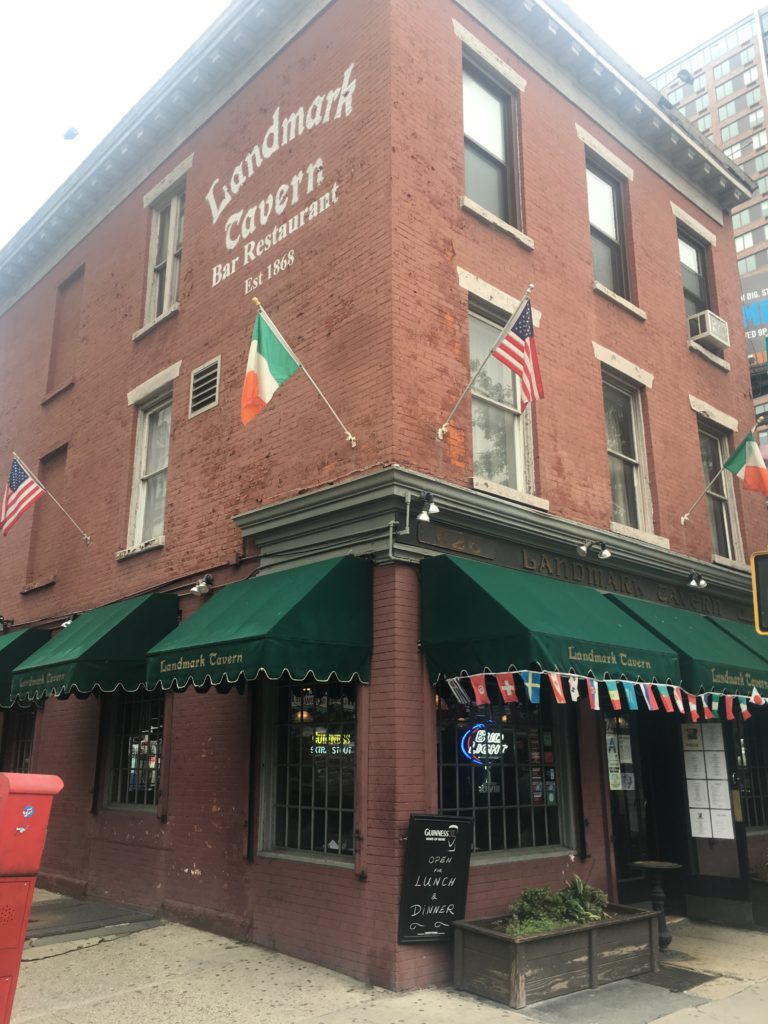
— And the shenanigans at a 150-year-old tavern where the beer and the spirits flow freely.

Listen Now: Hell’s Kitchen Ghosts Podcast

To download this episode and subscribe to our show for free, visit iTunes or other podcasting services or get it straight from our satellite site.

You can also listen to the show on OvercastGoogle Music and Stitcher streaming radio.

Or listen to it straight from here:

___________________________________________________________

The Bowery Boys: New York City History podcast is brought to you …. by you!

We are now producing a new Bowery Boys podcast every other week. We’re also looking to improve the show in other ways and expand in other ways as well — through publishing, social media, live events and other forms of media. But we can only do this with your help!

We are now a member of Patreon, a patronage platform where you can support your favorite content creators for as little as a $1 a month.

Please visit our page on Patreon and watch a short video of us recording the show and talking about our expansion plans. If you’d like to help out, there are five different pledge levels (and with clever names too — Mannahatta, New Amsterdam, Five Points, Gilded Age, Jazz Age and Empire State). Check them out and consider being a sponsor.

And join us for the next episode of the Bowery Boys Movie Club, an exclusive podcast provided to our supporters on Patreon. This month’s selection — Ghostbusters!

We greatly appreciate our listeners and readers and thank you for joining us on this journey so far.

_________________________________________________________

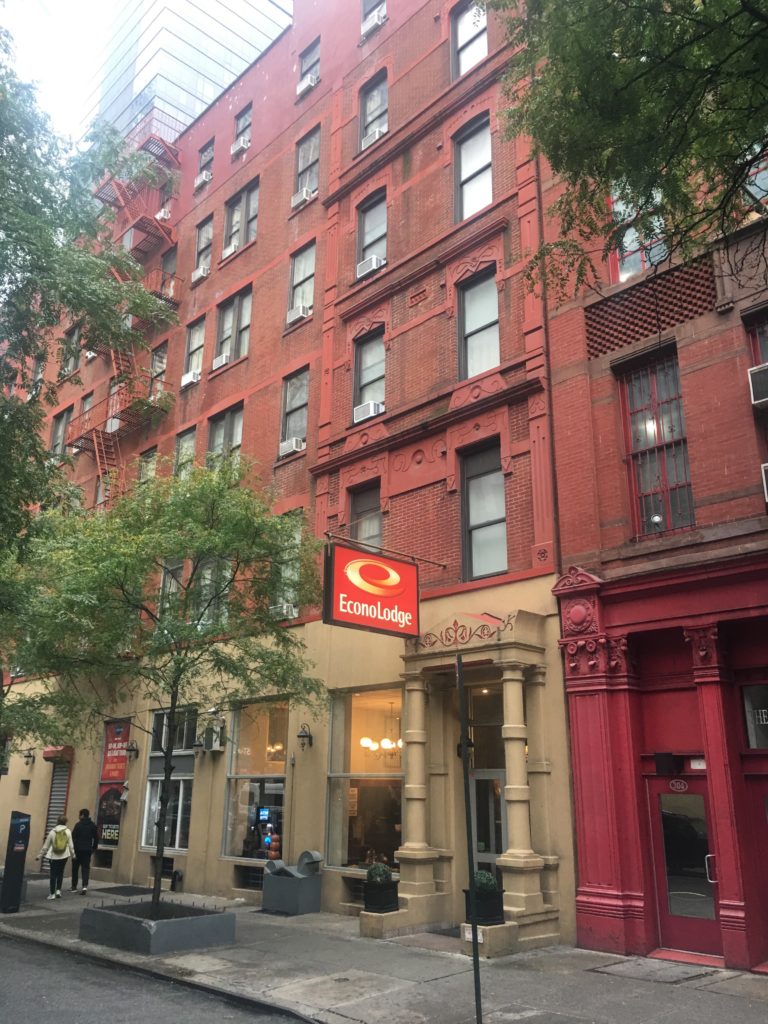
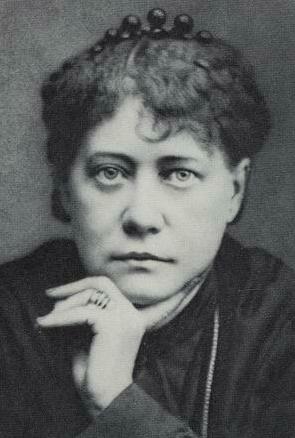
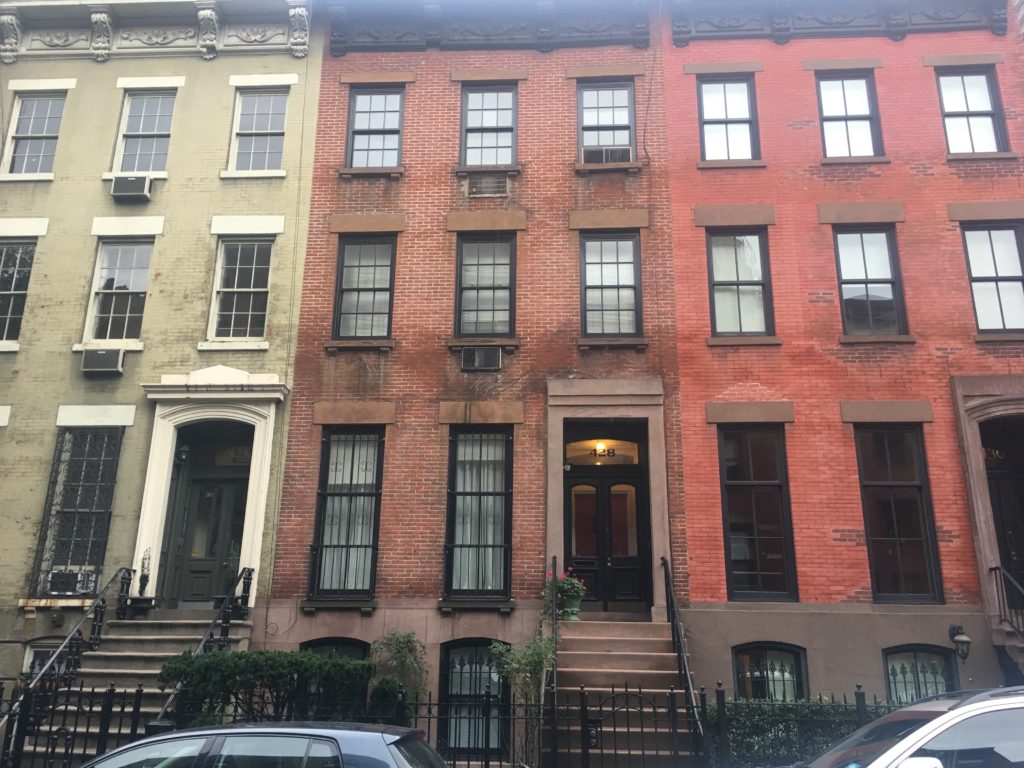
The location of Madame Blavatsky’s home off Eighth Avenue.

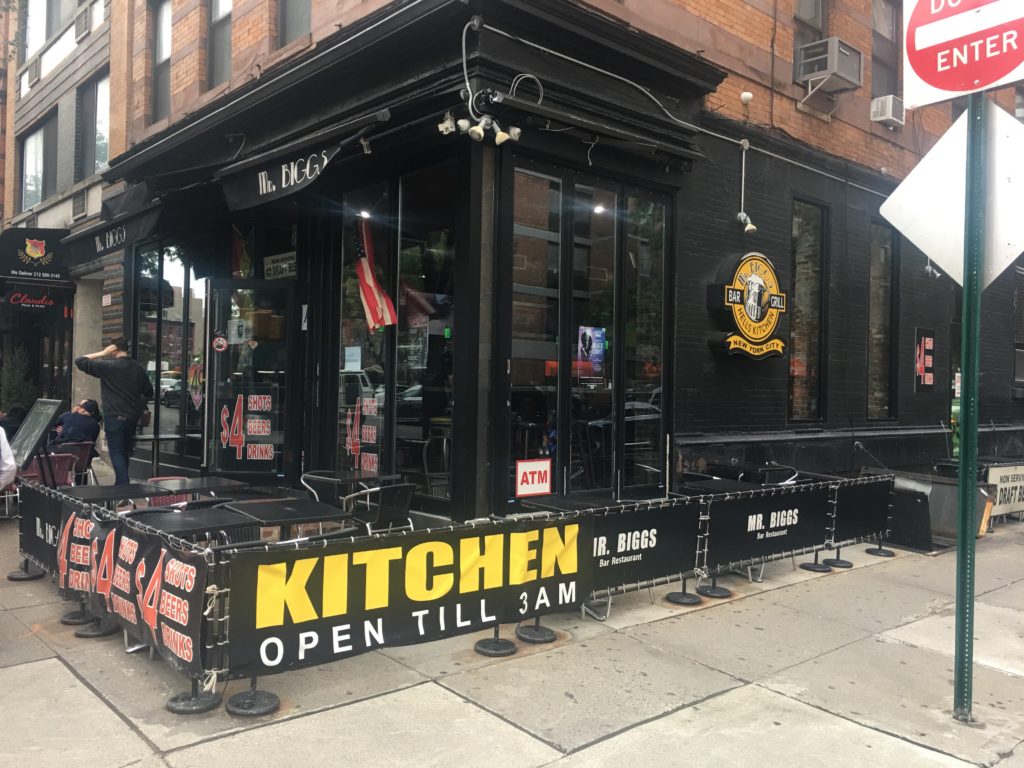
The former site of the 596 Club, a notorious hangout for the Westies.

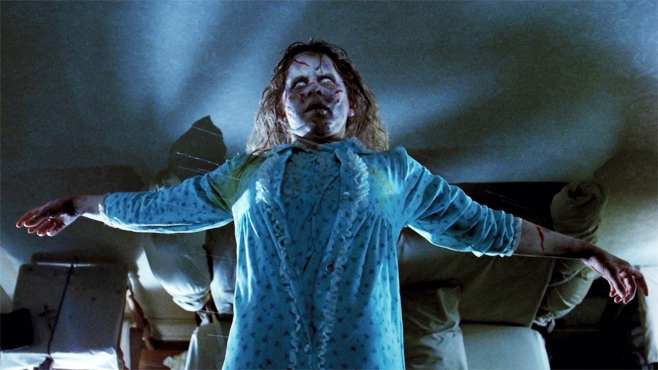
Some of the Exorcist‘s most frightening scenes were filmed in Hell’s Kitchen.

The former home of both film star June Havoc — and a restless spirit named Lucy.

The mysterious, tucked-away oasis known as Clinton Court.

Courtesy Ephemeral New York

The neighborhood institution known as the Landmark Tavern today, a tavern which has been in business since 1868.

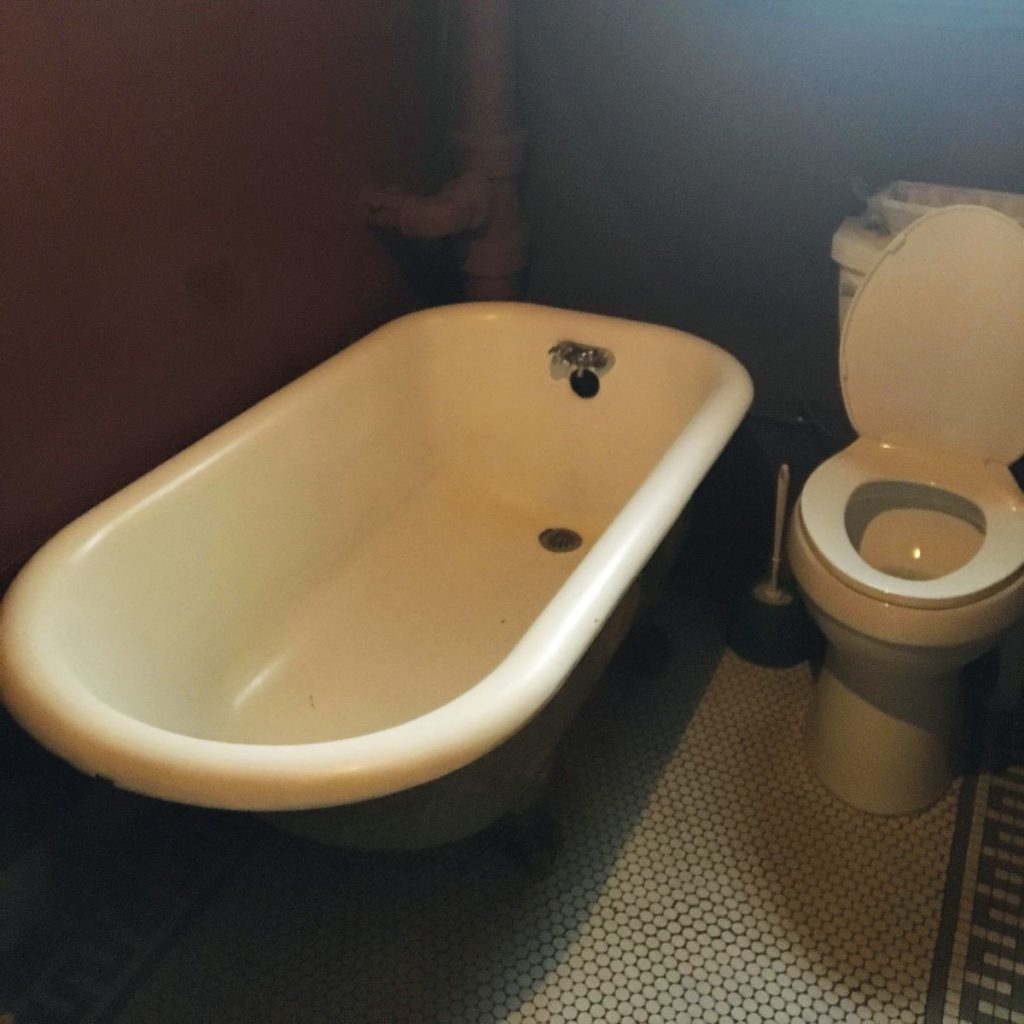
The infamous bathtub. Does the ghost of a Confederate veteran still rub-a-dub in this tub?

Courtesy W42ST

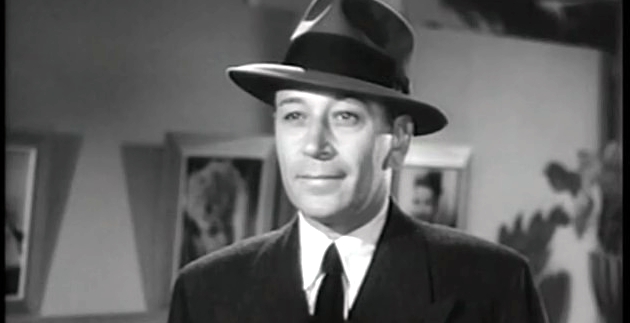
The film star George Raft, a regular at the Landmark Tavern …. to this day.

FURTHER LISTENING:

For a ‘regular’ look at the history of Hell’s Kitchen, listen to this show:

Last year’s ghost story episode on Greenwich Village plays a small role in this year’s episode as well.

Categories
It's Showtime Podcasts

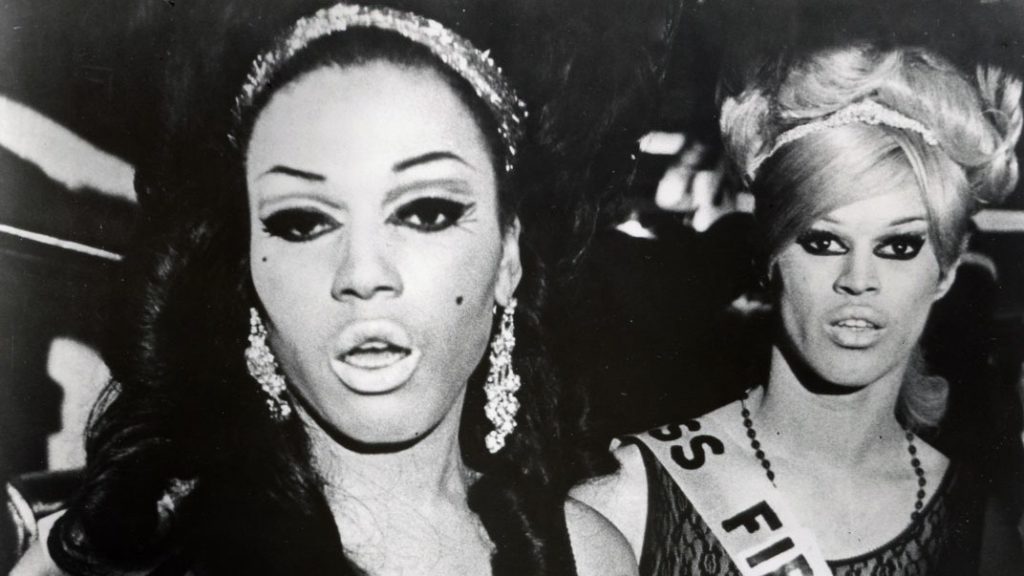
Absolutely Flawless: A History of Drag in New York

PODCAST The story of New York City’s most colorful profession.

Television audiences are currently obsessed with shows like RuPaul’s Drag Race and FX’s Pose, presenting different angles on the profession and art of drag. New York City has been crucial to its current moment in pop culture and people have been performing and enjoy drag performers for well over a century.

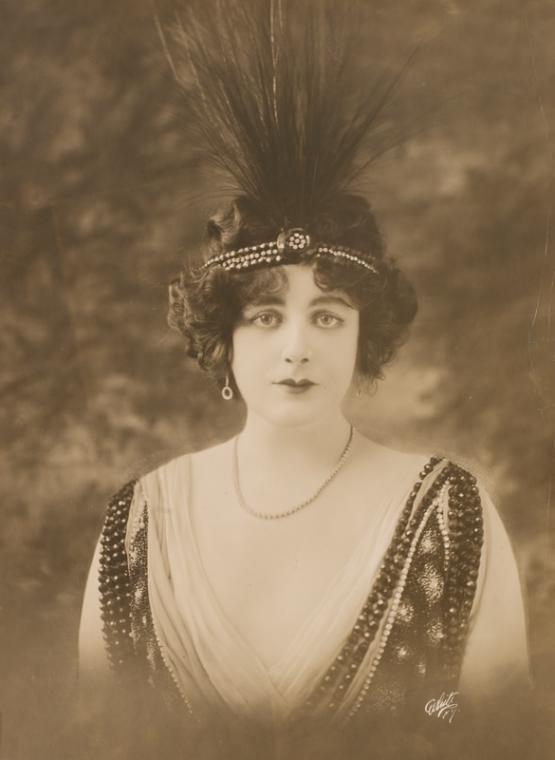
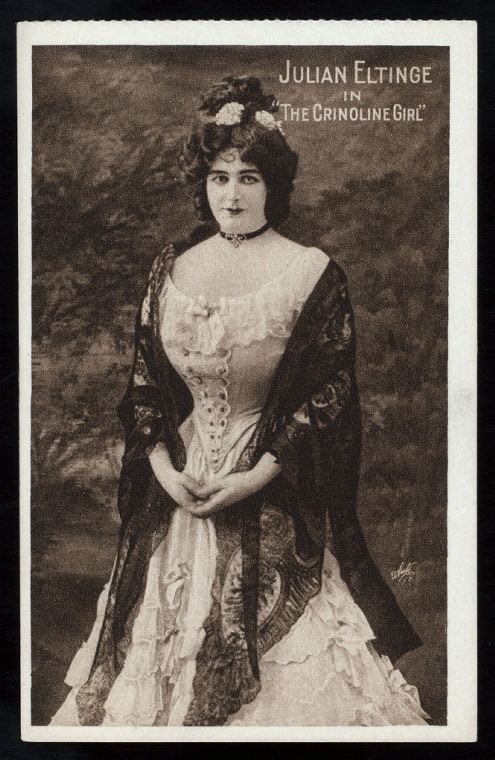
In the beginning there were two kinds of drag — vaudeville and ballroom. As female impersonators filled Broadway theaters — one theater is even named for a famed gender illusionist — thrill seekers were heading to the popular balls of Greenwich Village and Harlem.

During the middle of the 20th century, the gay scene retreated into the shadows, governed by mob control and harshly policed by the city. By design, drag became political. It also became a huge counter-cultural influence in the late 1960s — from the glamour of Andy Warhol‘s superstars to the jubilant schtick of Charles Busch.

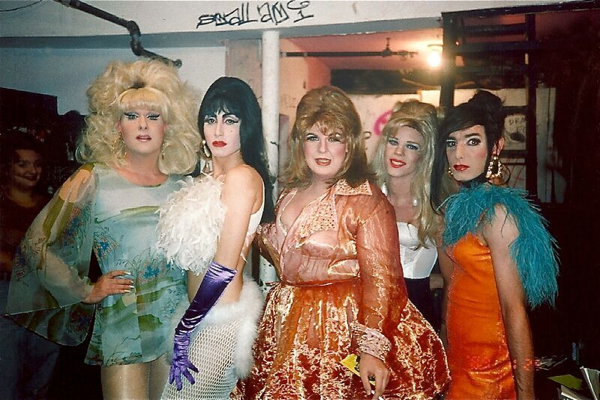
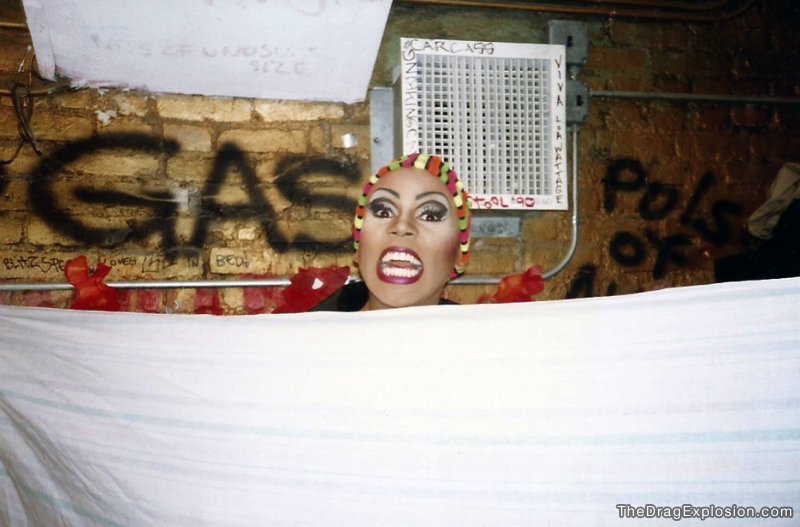
But it was the 1980s that brought the most significant influences to our current pop cultural moment. Joining Greg on this show are two experts on two late 80s/early 90s scenes — Felix Rodriguez, a videographer of the ballroom culture (made famous in the landmark documentary Paris Is Burning) and Linda Simpson, one of the great queens of East Village drag.

FEATURING: Drag kings! Wigstock! And a famous drag queen superstar who got struck by lightning.

Listen Now: Drag Queen History Podcast

_________________________________________________________

The Bowery Boys: New York City History podcast is brought to you …. by you!

We are now producing a new Bowery Boys podcast every other week. We’re also looking to improve the show in other ways and expand in other ways as well — through publishing, social media, live events and other forms of media. But we can only do this with your help!

We are now a member of Patreon, a patronage platform where you can support your favorite content creators for as little as a $1 a month.

Please visit our page on Patreon and watch a short video of us recording the show and talking about our expansion plans. If you’d like to help out, there are five different pledge levels (and with clever names too — Mannahatta, New Amsterdam, Five Points, Gilded Age, Jazz Age and Empire State). Check them out and consider being a sponsor.

We greatly appreciate our listeners and readers and thank you for joining us on this journey so far.

_______________________________________________________

Big thanks to Felix and Linda for joining me on the show! For more information on the history they spoke about, reach out to their work directly.

The Drag Explosion — Simpson’s collection of spectacular photographs from the late 80s/early 90s East Village drag scene.

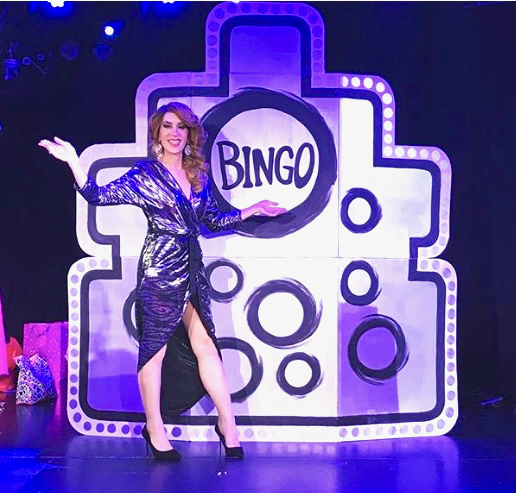
And visit Linda Simpson at her long-running bingo night at (le) poisson rouge

Courtesy Linda Simpson

And here’s one of Felix’s videos featuring the early 90s ballroom scene. Find many more at his YouTube page:

A couple images from Linda Simpson’s Drag Explosion project:

The Drag Explosion

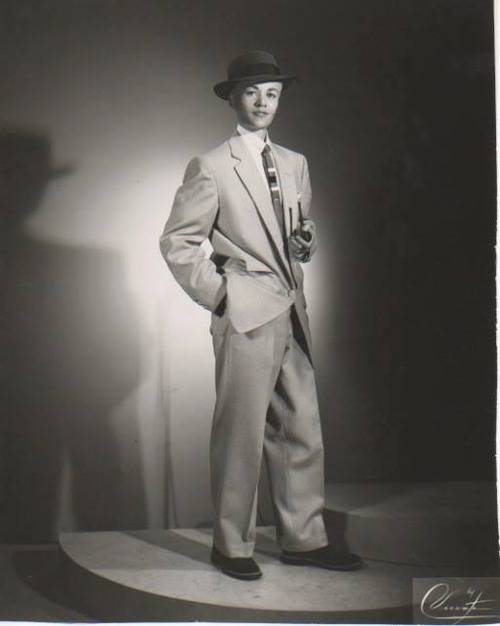
Vaudeville superstar Julian Eltinge, in a couple of popular looks:

New York Public Library

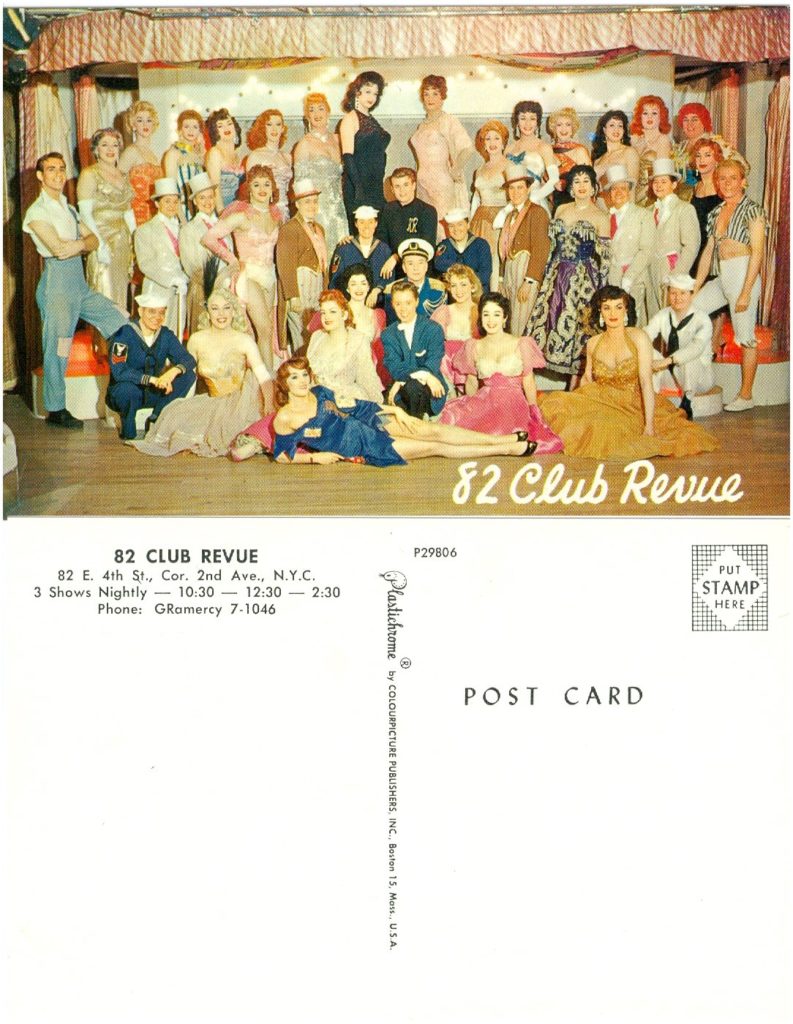
A postcard from Club 82. (Queer Music Heritage has an unbelievable collection of these.)

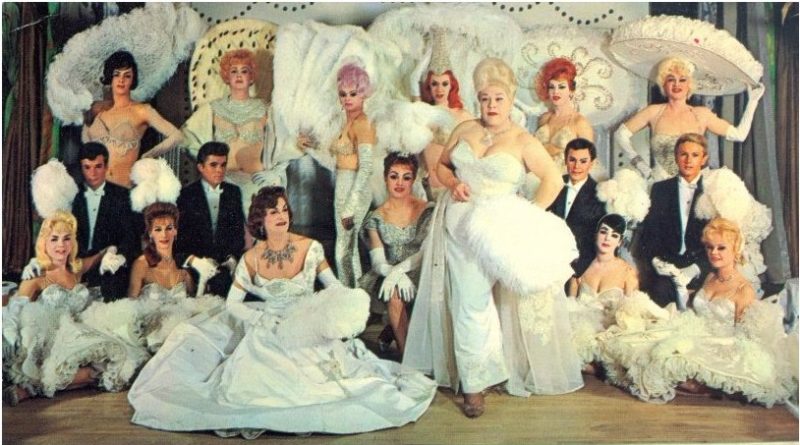
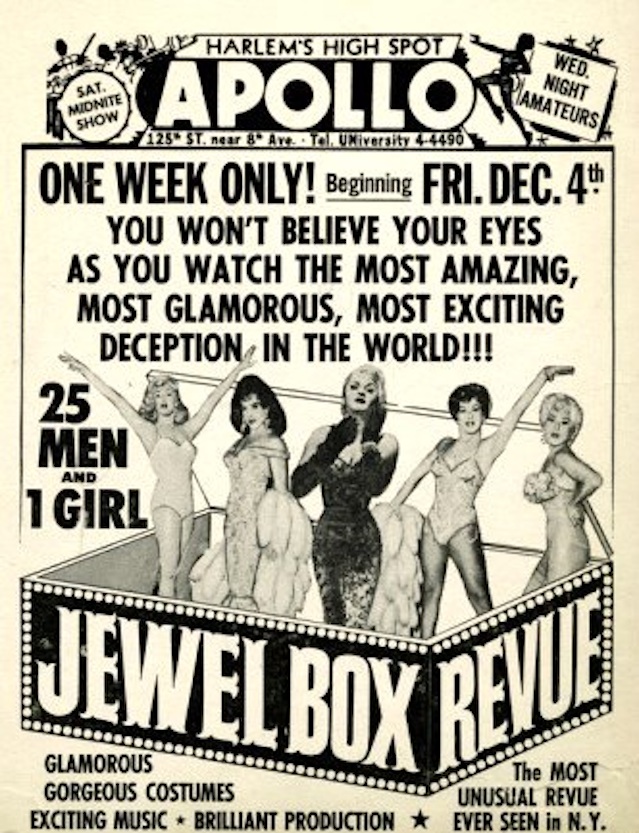
From the Jewel Box Revue’s 1960 appearance at the Apollo Theatre:

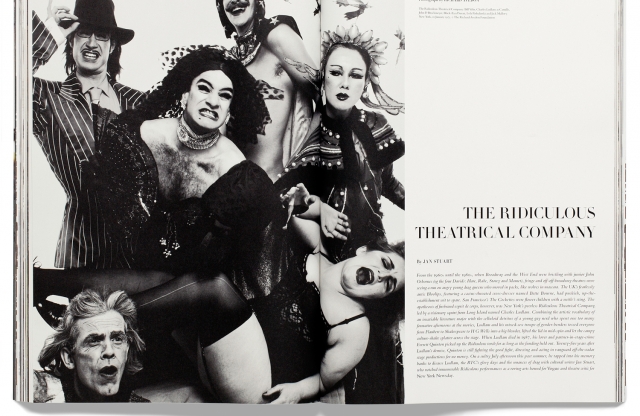
The Ridiculous Theatrical Company (with Charles Ludlum), one of the great influences on the modern drag scene.

Stormé DeLarverie who performed with the Jewel Box Revue. DeLarverie was also a participant at the Stonewall Riots.

The stars of the eye-opening documentary The Queen

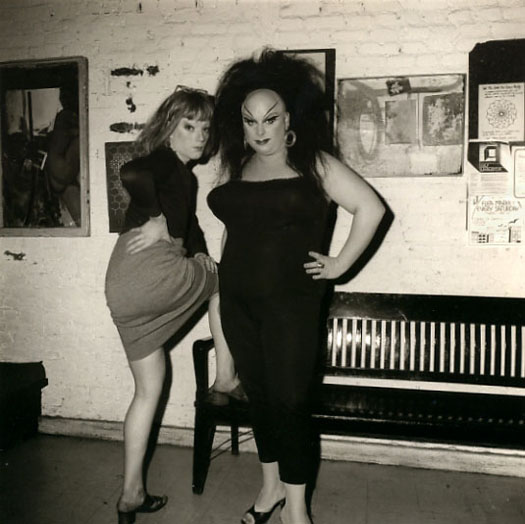
Jackie Curtis with Divine

Flickr/Confetta

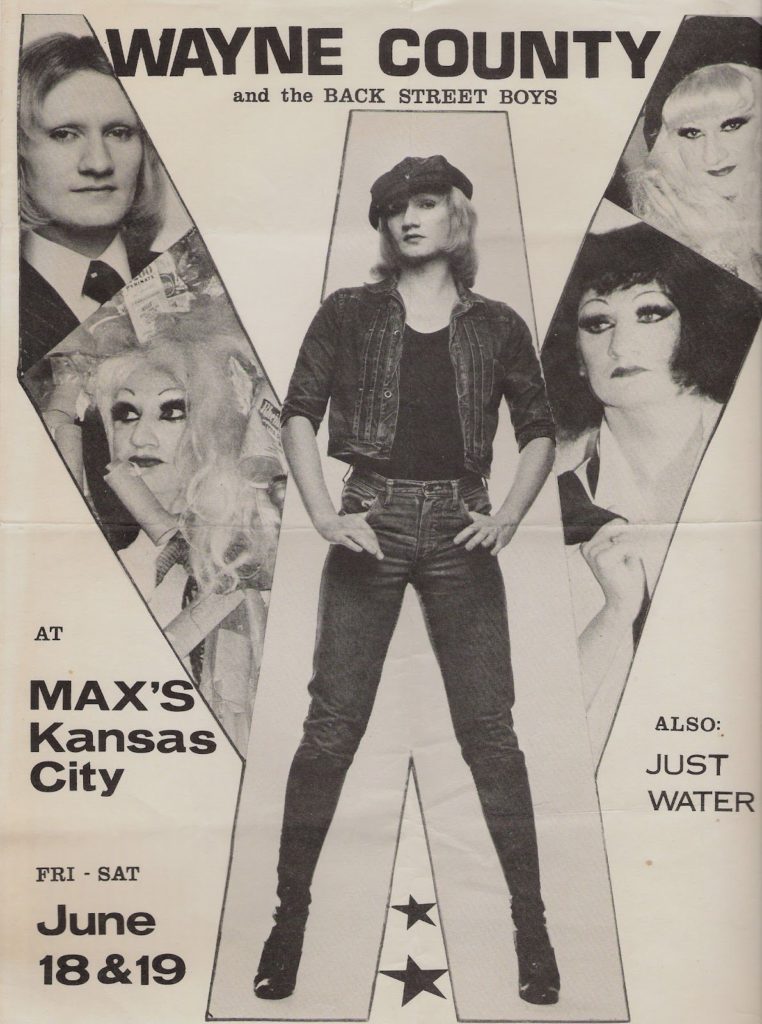
A flyer for a Wayne County (with the Back Street Boys) at the iconic rock venue Max’s Kansas City.

Categories
Bowery Boys Movie Club Landmarks

Grand Central Terminal’s Ten Greatest Moments on Film

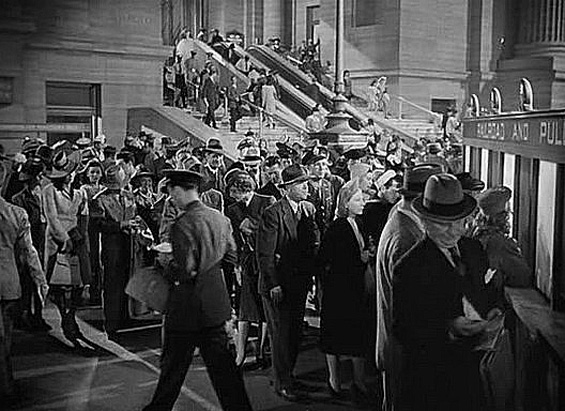
Grand Central Terminal has seen millions of people rush across its Main Concourse over the past one hundred years, and more than a few movies have captured that commuter ebb and flow.  But while Grand Central is occasionally a backdrop for romance — especially during World War II, when returning soldiers would arrive to meet their loved ones — filmmakers have preferred to capture a darker aspect to the landmark.

The Beaux-Arts train station has become an ideal location for thrillers, mysteries, fantasies and horror films, a backdrop for chases and a metaphor for chaos and disorientation.  In the movies, its concourse feels even more cavernous and mythic, its train tunnels havens for the unknown.

During its first half-century, Grand Central was known mostly for its trains — in particular, the Twentieth Century Limited, the luxurious passenger locomotive that attracted the most famous people in the world. In fact, the most common place to see a celebrity in the 1930s and 40s would probably have been Grand Central. People would sit at the station watching politicians and stars boarding the most famous train in the world.

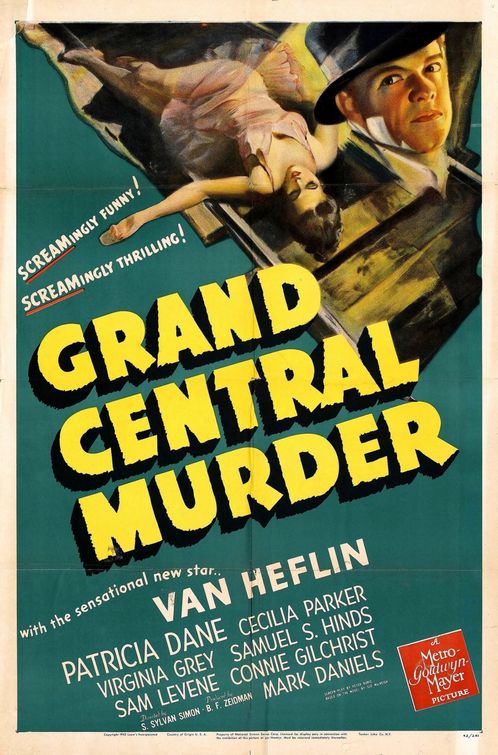
So it’s no surprise that Grand Central’s most notable early film appearances relate to the Twentieth Century, including, of course, Twentieth Century, the ribald 1934 comedy that made Carole Lombard a star.  Other glamorous features of this era — including Grand Central Murder (1942) and The Thin Man Goes Home (1945) — use Hollywood reconstructions of Grand Central as a backdrop.

Below: A phony version of Grand Central Terminal used in the film The Thin Man Goes Home. (Courtesy On The Set of New York)

As the train station deteriorated after the 1950s — as train travel itself fell into disregard — Grand Central became a darker, dangerous place in the movies. The travelers, the commuters, are now a backdrop for chase scenes and violent shootouts, homeless people and even psychos stalking the yellowing, banner-filled concourse of the 1970s and 80s.

Its rehabilitation in the 1990s brought monumentality back to Grand Central and brought it back to the movies as a place of respect and beauty. I would never recommend you watch the remake of Arthur starring Russell Brandexcept for this particular scene which demonstrates the Terminal’s remarkable transformation.

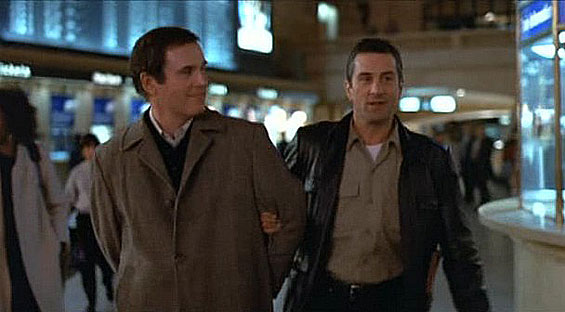
Grand Central makes a brief appearance in the 1988 comedy Midnight Run with Charles Grodin and Robert DeNiro. (Courtesy On The Set of New York)

Here are my personal choices for Grand Central’s top ten moments in cinema.  I’m sure I’m forgetting a few choice ones, so please add them in the comments section if they come to mind:

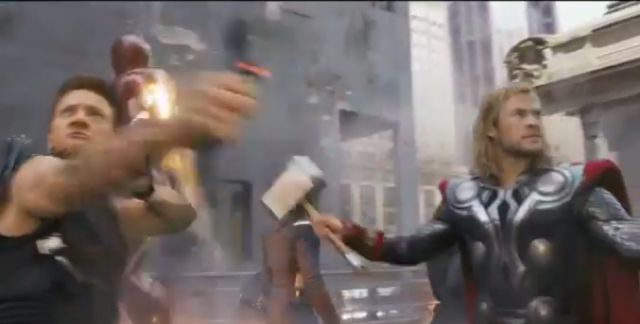
10 The Avengers (2012)
The Terminal as a fortress, a hall of justice.  The MetLife Building behind it is completely dismantled and replaced with Iron Man‘s new headquarters, but nobody would ever think of doing that to Grand Central. In fact, our heroes fight inter-dimensional aliens right in front of it, their phalanx mounted on the overpass below.  As Earth’s finest stand in akimbo waiting for the attack, the statue of Cornelius Vanderbilt stands equally defiant in the background.  (For another sci-fi use of Grand Central’s exterior, see Will Smith in I Am Legend.)

9  Necrology (1971)
The building has inspired the avant-garde as well.  Years after Andy Warhol turned his camera to the Empire State Building, experimental filmmaker Standish Lawder found supernatural inspiration inside Grand Central for this odd little film ostensibly about the afterlife.  Stay for the credits.

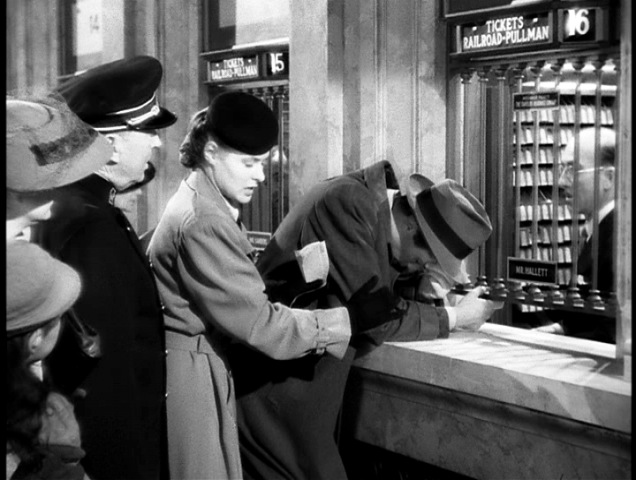
8 Spellbound (1945)
This isn’t even Alfred Hitchcock‘s best film usage of Grand Central (see below), but it’s notable in that both Grand Central and Pennsylvania Station are used in this psychological thriller starring Ingrid Bergman and Gregory Peck.  I can’t recall any other film that would have included both iconic New York landmarks. With this film, Hitchcock also playfully mocks Grand Central’s wartime reputation as a place for departing lovers, even while giving into those romantic impulses.

7 The House on Carroll Street (1988)
This somewhat unsuccessful thriller (with a spectacular cast) is notable for its creativity involving a climactic chase scene up in Grand Central’s inaccessible upper tiers.  You can see a little bit of it in this trailer:

6 Superman (1978)
Lex Luther’s secret lair, eccentrically decorated, is hidden in a forgotten tunnel underneath Grand Central.  His lackey Otis (Ned Beatty) is tracked to the concourse by police officers, but Luther has set a deadly trap for one of them.  Another reason not to roam the tracks by yourself!

Later, the supervillain waxes about the benefits to his Grand Central lair as the trains rumble overhead.

5 A Stranger Is Watching (1982)
Had Lex not been defeated, he would have been sharing the tunnels with the maniacal killer of this schlocky thriller, based on a novel by Mary Higgins Clark.  While this movie is pretty bad, Grand Central is used to superb effect, a veritable haunted house of dark tunnels and abandoned elevators.  There’s even mention of Franklin Delano Roosevelt’s secret elevator!

4 Carlito’s Way (1993)
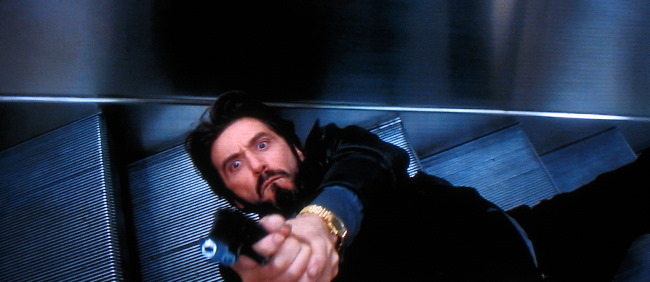
The famous escalator shootout scene (it’s Battleship Potemkin-meets-violent cop show) is probably the goriest scene ever filmed directly in Grand Central, topped by Carlito (Al Pacino) running to meet Penelope Ann Miller.  Let’s just say, he misses his train.  Watch the scene here.

3 Seconds (1966)
This bizarre John Frankenheimer drama starring Rock Hudson uses Grand Central Terminal (and a unique camera angle) to set the film’s off-kilter and twisted perspective.  It becomes the crossroads where opportunities of a second chance are literally handed to you if you dare to take them.

2 The Fisher King (1991)
Having hosted various mentally disturbed escapades in prior films, we now get to look in on an actual Grand Central fantasy in this Robin Williams film, as the deranged hallucinations of his character turn the bustling room into a glorious dance floor.

1 North By Northwest (1959)
Has Grand Central Terminal ever looked as beautiful as it does in this pivotal scene from Hitchcock’s great 1959 masterpiece?  It gives Cary Grant opportunities to be suave, pensive and fabulous all at once.  It also embodies the tension and danger that would influence other filmmakers in later years to come to Grand Central for inspiration.

For more on the terminal, listen to our podcast episode and read the blog post on The Rescue of Grand Central Terminal.

Categories
It's Showtime

An ode to the early Bronx film industry

In 1910, D.W. Griffith made one of first films ever produced in Hollywood, CA, appropriately called In Old California. Before then, film production companies were scattered throughout the United States, with two of the most successful based here in New York City.

The American Vitagraph Company, originally located at the Morse Building on 140 Nassau Street, made film shorts on the roof before moving to the Brooklyn neighborhood of Midwood in 1906. Vitagraph is best known for producing a five-part serial on The Life of Moses strung together to make what some call the first ever feature length motion picture.

More influential, however, was probably Edison Studios, the film company owned by inventor Thomas Edison. With principal studios in the New Jersey town West Orange — and original laboratories in Menlo Park (now Edison, NJ) — Edison eventually set his sights on a Manhattan studio.

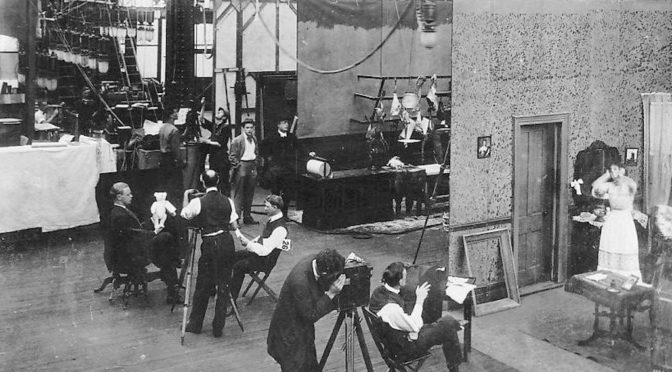
He initially moved into the heart of the city in 1901, in a studio at 41 East 21st Street. Such a move made sense at the time; movies were only a few minutes long, essentially just filmed sequences of activities, and had no sound. A small studio smack in the center of New York would not have been disturbed by the bustle of the city.

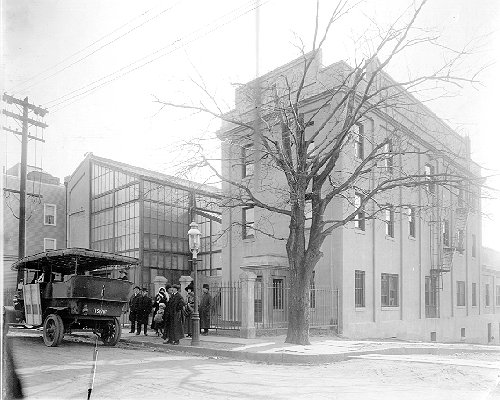
With the growth into narrative films — longer movies with elaborate sets and casts — Edison needed to expand into a larger space and in 1908 moved production to a warehouse in the Bronx, at Decatur Avenue and Oliver Place, sandwiched between the Grand Concourse and the New York Botanical Garden.

edison_bronxbis

“The Edison Studio is said to be one of the finest and largest of its kind in the world,” reported [the theatrical trade paper] The Dramatic Mirror. “The building itself is 60 by 100 feet, built of concrete, iron and glass. The scenic end of the studio, corresponding to the stage in a theatre, except that it is not raised is 60 by 60 feet and 40 feet high. Here the scenes for film productions that cannot be made with natural outdoor backgrounds are painted and set.”

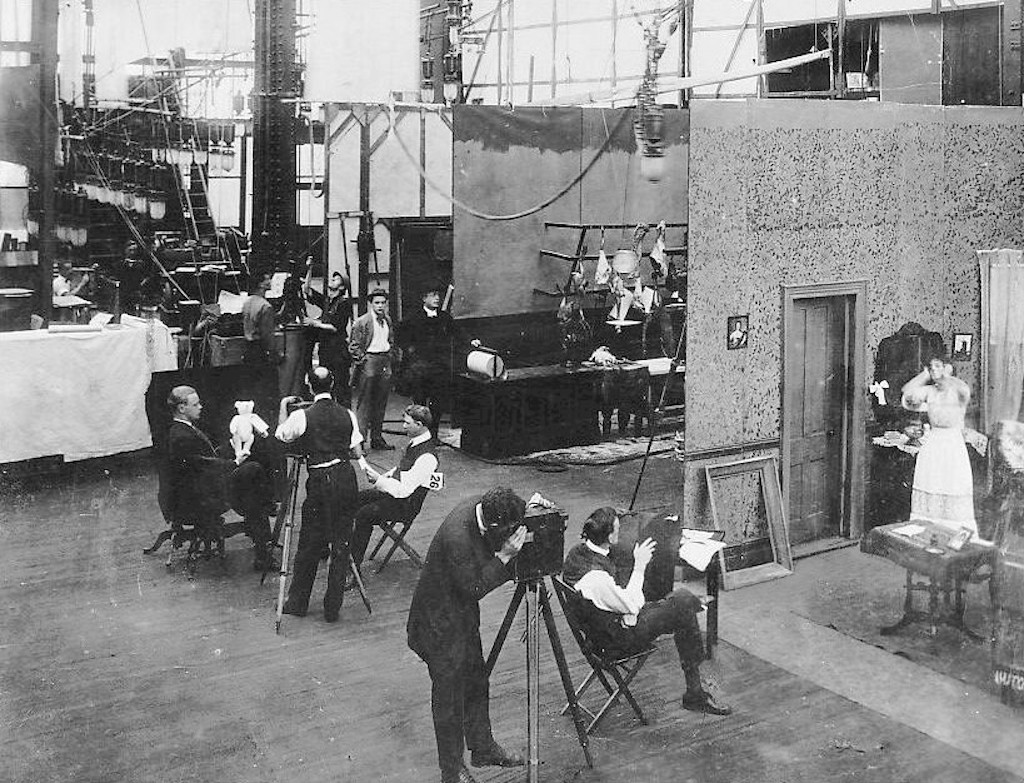
Its glass enclosure was especially revolutionary for the day, allowing for a diversity of film presentations.  Of a film called While John Bolt Slept, the clearly-not-unbiased Edison Kinetogram journal said in 1913: “The scene in the tenement alley is a wonderful example of the realistic effect which can be obtained in the Studio. Even the ‘fan’ of long standing would hardly believe that the scene was done under the great glass of the Bronx Studio.”

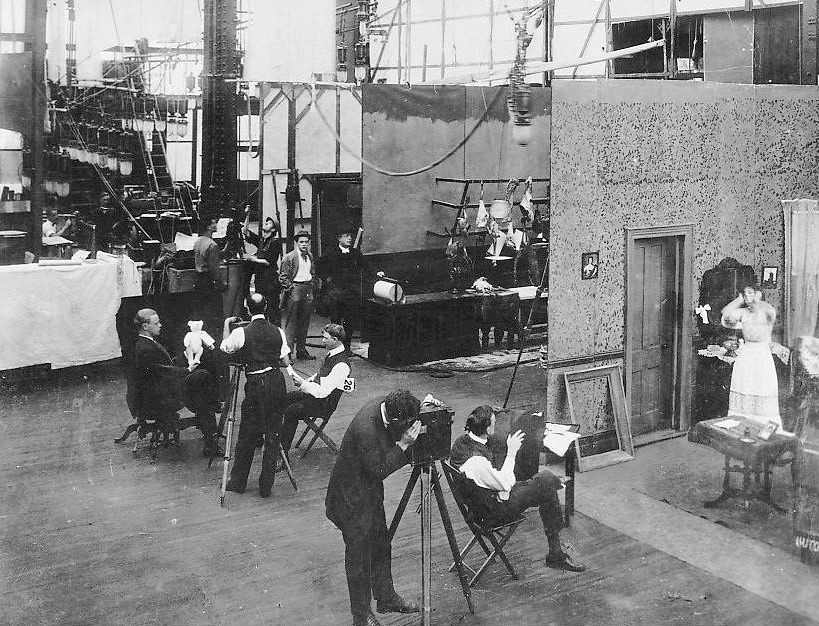
Inside the Bronx Edison Studios:

edison_studio_bronxbis

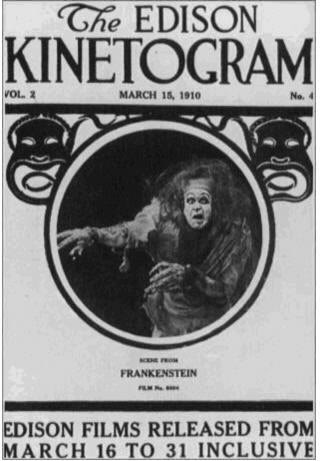
It was at this new Bronx studio in 1910 that Edison’s company produced one of its greatest works, the very first film adaptation of Mary Shelley’s Frankenstein. Shot in a week — rather lengthy for a film shoot in those days — the loose adaptation featured Charles Ogle as the famed monster.

Believe it or not, the film began production on January 17, 1910, and was released by March of that year! Since there just weren’t that many movies houses in 1910, a film release constituted about 40 copies which were distributed around the country, then returned several months later.

The film was reportedly lost forever before a single negative was found and restored in the 1970s. I present to you the Bronx-made psycho-horror masterpiece in all its glory:


Unfortunately this glorious studio was destroyed long before the film industry moved out to California, gutted by fire on March 28, 1914. The glass ceiling, shattered during the blaze, proved quite a danger to fire fighters.  Two men were cut by flying glass though no one was seriously injured, a miracle considering that over a hundred actors had been working there the previous night.

Cringe as you read the damage report from the New York Evening World:

Thousands of dollars worth of cameras, scenery, costumes and properties were burned, as was all the film so far used in the making of a spectacle to be called The Battle of Mobile Bay.” Other films worth $100,000 including original films of Mayor Gaynor and Andrew Carnegie, stored in fireproof vaults, were saved.”

Edison was not alone in finding inspiration in the Bronx.  Biograph Studios briefly (from 1913 to 1915) opened a studio at East 175th Street and Marmion Avenue just north of Crotona Park.

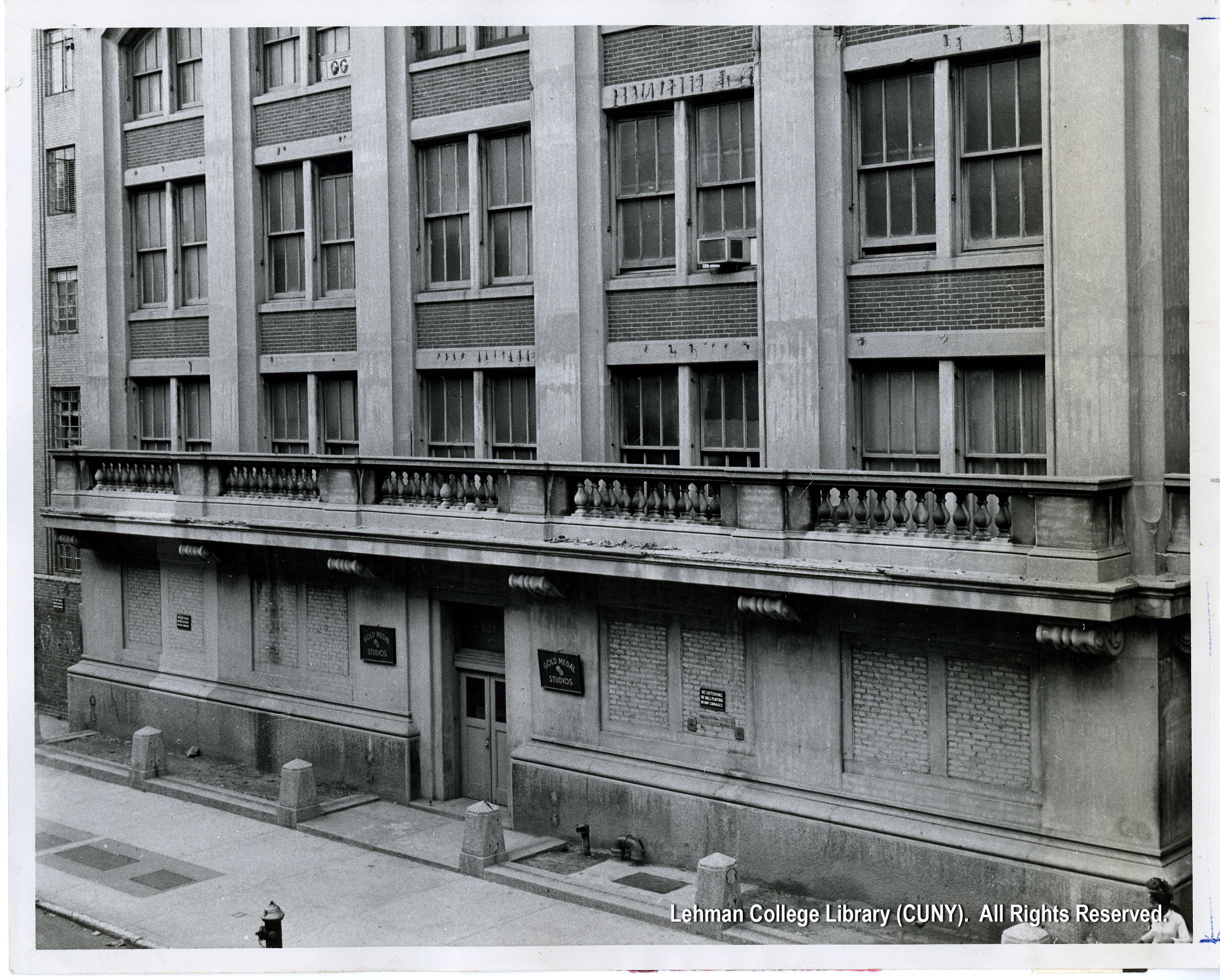
The building would later claim a greater connection to Hollywood int the 1935s when it was transformed into Gold Medal Studios, an early film and television production company. (Below: The unspectacular exterior)

view

Truly exciting for residents of the Bronx was that these studios often plucked random people off the street to serve as extras in their films.


This article reprinted from a blog posting on January 10 2011.

Categories
Christmas Pop Culture

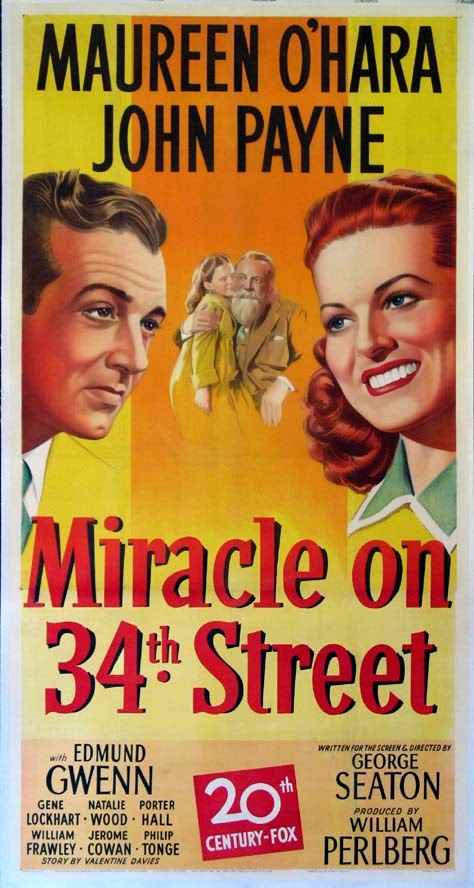
The real ‘Miracle On 34th Street’: 21 great historical details from New York City’s most famous Christmas movie


The Bowery Boys Obsessive Guides look very, very closely at a classic movie filmed in New York City, finding buried history, additional context and a few secrets within various scenes and plot points. Filled with film spoilers so read this after you’ve seen the movie — or use it to follow along as you watch it!  Check out my previous guides for Midnight CowboyGhostbusters and The Muppets Take Manhattan.

“Oh, Christmas isn’t just a day, it’s a frame of mind… and that’s what’s been changing. That’s why I’m glad I’m here, maybe I can do something about it.” 

— Kris Kringle (Edmund Gwynn)

Miracle on 34th Street is the most famous New York City Christmas movie ever made, a celebration of post-war prosperity that happily substitutes Herald Square for the North Pole.

The movie is a complete inventory of the commercial Christmas experience. It treats the Macy’s Thanksgiving Day Parade like a starting gate — Thanksgiving? What’s that? — and, like many Americans, spends much of its entire running time in department stores.

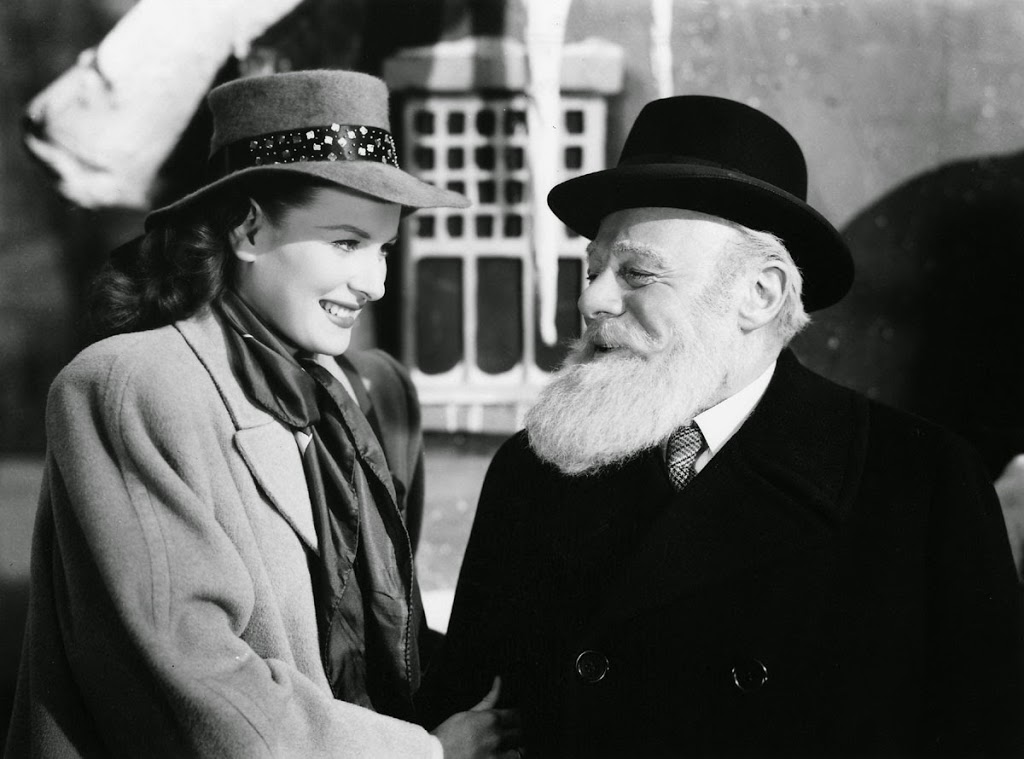
The central question posed by this 1947 classic is whether Macy’s newly hired Santa Claus (played by Edmund Gwenn) is actually the Santa Claus or just some crazy person. At stake is not only the entire world’s celebration of Christmas, but the heart of young Susan (played by Natalie Wood) who never believed in Santa, thanks to her mother Doris (Maureen O’Hara).

Manhattan is perpetually bustling, from the Upper West Side down to Foley Square. Despite its reputation as a saccharine sweet take on the materialistic component of the holiday, the film is really quite cynical, even dark, at times.  Throwing an old man into the Bellevue Hospital psychiatric ward in the 1940s is hardly what I call a warm and fuzzy image.

I recently dug deep into the film and found a great many fascinating details, many involving people and places that lived in New York City at that time.  Here’s my obsessive guide to what normally stuffy critic Bosley Crowther originally called “the freshest little picture in a long time and maybe even the best comedy of the year.”

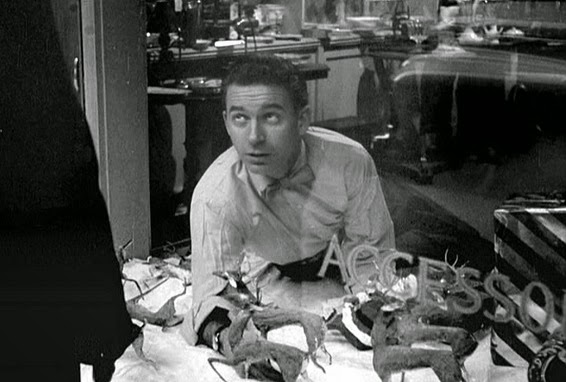
1) Arranging Reindeer  The film opens with Kris Kringle walking south down Madison Avenue. Get it? He’s Santa. He’s from the north! Along the way he passes several long-vanished New York businesses — Rosenberg & Grief furrier, Janice Carol salon, Liszt jeweler (or possibly pawn shop?)

He stops to chastise a store clerk on 19 East 61st Street about the placement of reindeer in the shop windows. That shop belonged to the interior designer Lillian Schary Waldman, often employed by high society and responsible for the homes of a few celebrities including Danny Kaye.  

By the way, you’ll notice there’s no Rudolph in the Christmas display.  The red nosed reindeer was created in 1939, within a coloring book produced by Montgomery Ward (at right), but not popularly considered part of Santa’s team until the 1964 Rankin-Bass animated special. (EDIT: Thanks to the commenter for reminding me of Rudolph’s real coming out –the song “Rudolph the Red-Nosed Reindeer,” recorded by Gene Autry and Bing Crosby in successive years.)

2) Old Newsprint  The film occasionally uses the technique of turning newspaper pages as a way of setting the scene. Notice the first time this is used, before the parade. The prop designer constructed a phony newspaper but used real news articles from the New York Times. Here’s the catch — most of the stories are well over a decade old! Some examples:  “NEW FRENCH CABINET UPHELD BY DEPUTIES” – Dec 23, 1932, “OUR SPEED PRAISED IN CHILD LABOR BAN” – July 20, 1933, and “EARTHS FORCES LAID TO COSMIC IMPULSE” – July 24, 1933

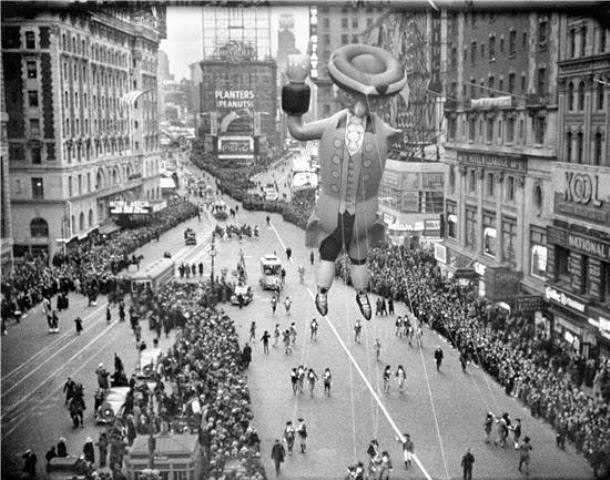
The curious Deitrich Knickerbocker balloon from the 1936 parade. (Courtesy Smithsonian)

3) The Real Parade Santa Claus has appeared in the Macy’s Thanksgiving Day Parade since the very first parade in 1924. One detail that did not quite make it into the modern era — knights in shining armor. Santa arrived in Herald Square “in state. The float upon which he rode was in the form of a sled driven by reindeer over a mountain of ice. Preceding him were men dressed like the knights of old, their spears shining in the sunlight.” [source]

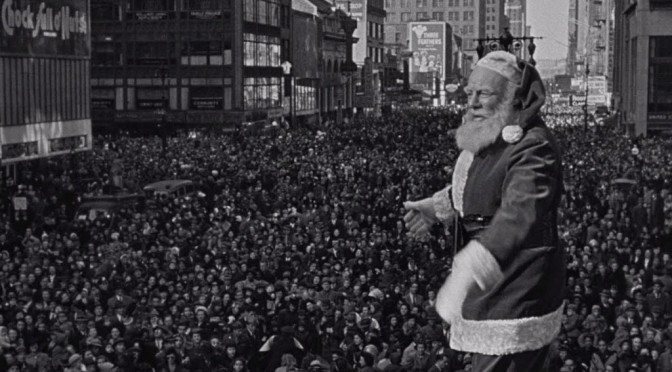
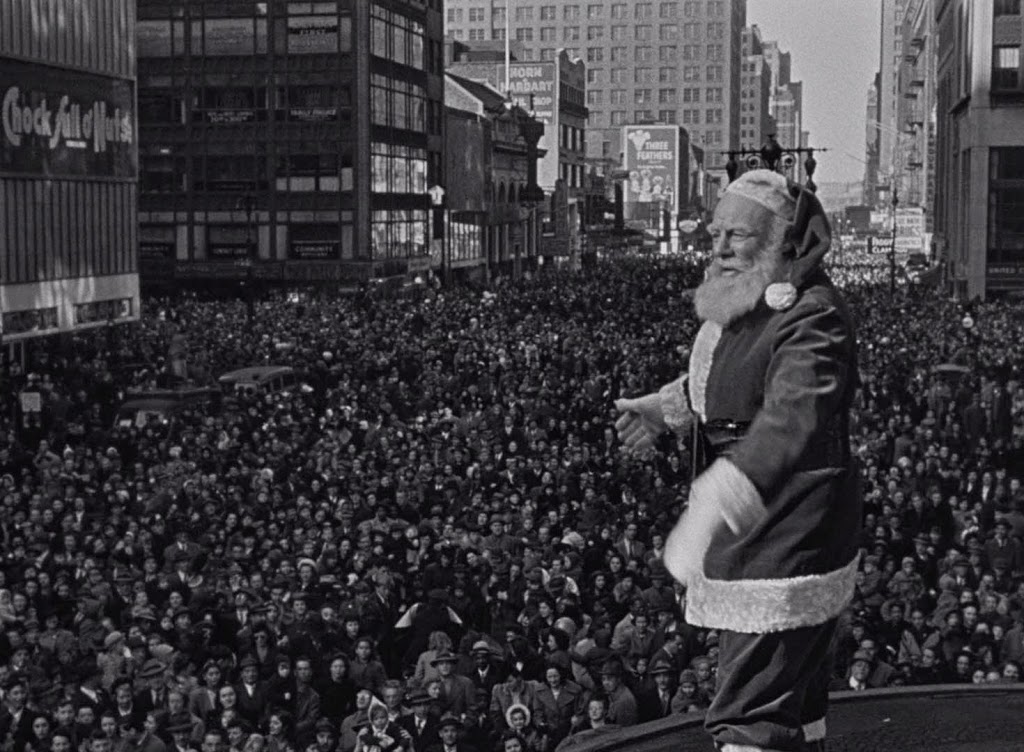
The scenes of the Thanksgiving Day parade in Miracle are real, taken from the 1946 parade. This mixing of live events and fictional set pieces (filmed in Hollywood) was rather unusual for the day.  “Scenes shot in actual New York settings add credibility to the film,” said Crowther. Gwenn was even the parade’s real Santa!  “A somewhat frostbitten Santa Claus, in the person of Edmund Gwenn, the actor, gingerly climbed off his high perch and unveiled Macy’s mechanical windows….” [source]
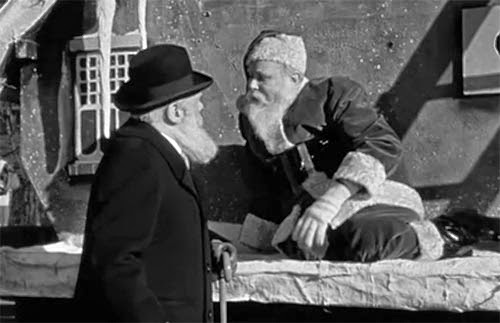
4) Bad Santas  “These pants are gonna fall off in the midst of Columbus Circle,” said the unfortunately inebriated Santa, who is relieved of his duties and replaced by Gwenn’s Santa. Several decades before Santacon, newspapers would occasionally make note of a Santa who would come to work “with liquor on his breath.” It seems there were all sorts of lecherous Santas! In 1948, the year after Miracle, the New York Times Magazine notes a Santa who “grabbed a trim young mother, set her on his knee and suggested that they both go out and have a drink.”

5) Behind The Beard  Edmund Gwenn, the film’s jovial Kris Kringle, went on to win the Academy Award for Best Supporting Actor. (Unfortunately, he beat Richard Widmark‘s work in the film Kiss of Death, widely considered to be one of the greatest film noir performances.)

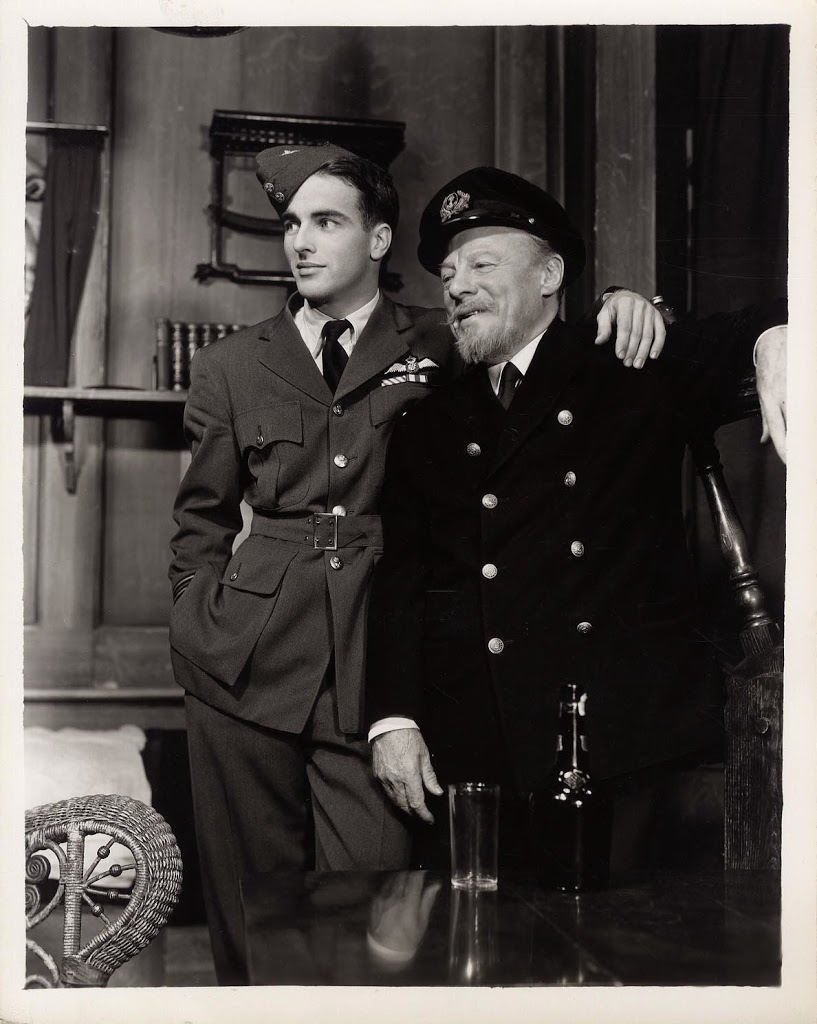
Although he had made dozens of films, the British actor was known for his work on the stage. In fact, right before starting work on Miracle, he gave what would be his last performance on the New York stage — the play You Touched Me with upcoming young star Montgomery Clift.

Above: Clift and Gwenn from their Broadway production of You Touched Me (Courtesy WalterFilm)

6) D-I-V-O-R-C-E  Miracle is unique in that its heroine is a divorced woman, but she’s badly treated by the film’s screenplay. Note the look of shock on the face of Fred Galley (John Payne) when little Susan casually mentions that her mother and father are divorced.

After World War II, divorce rates skyrocketed in America as servicemen returned from war to changed domestic situations. Divorces were only “fault-based” at the time; “typical grounds were adultery, desertion, habitual drunkenness, conviction of a felony, impotence … and, most used by divorcing parties, ‘cruel and inhuman treatment’.” [source]

The film makes some unsubtle commentary — Doris (which even sounds like divorce) is depicted as a cold, cynical woman, lacking little joy. I mean, she’s the director of the Macy’s Thanksgiving Day Parade and she doesn’t even bother to stay and watch it?

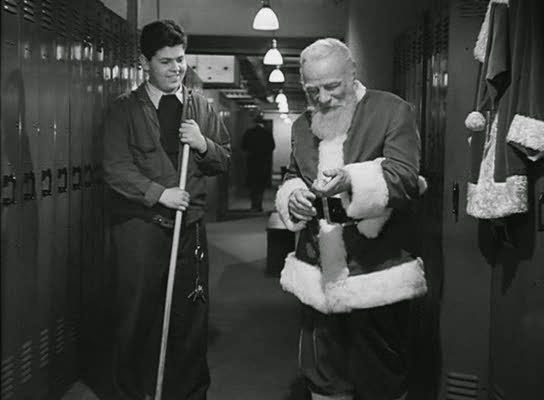
7) Locker Room Talk  We’re granted many scenes of Macy’s work spaces that customers don’t get to see, such as the locker room, where Kringle meets Alfred, the sometimes store Santa “with extra padding” and a thick Brooklyn accent — “just troo ’em on the floor!”

Macy’s was actually once renown for its locker room! From a report in 1913: “At Macy’s there are vast locker rooms containing expanded individual metal lockers for the majority of the employees and some smaller ones for certain groups. Never are two required to use one locker, except during Christmas rush. This is an exceedingly liberal policy, considering the size of the establishment, and a most desirable one.”

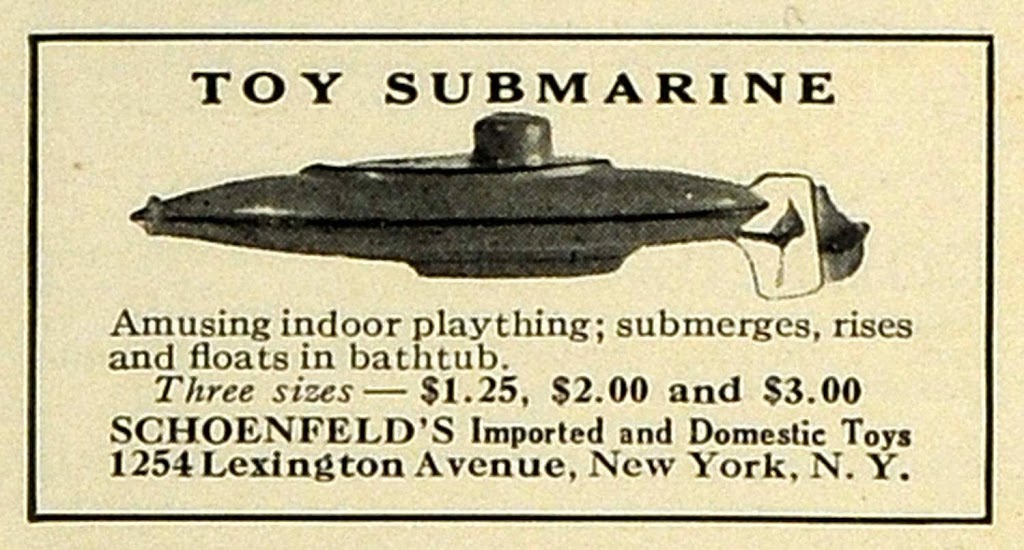
8) Toy Stores We get to the crux of the tale when Kringle, now hired as Macy’s Santa, begins sending customers to other department stores in the city. Most notably he sends a thankful mother (played by Thelma Ritter, in her debut film role) to Macy’s big rival Gimbels and another to a toy store called Schoenfeld’s, in Yorkville, at 1254 Lexington Avenue.

Here’s an ad for a toy submarine that was sold at Schoenfeld’s in 1927.

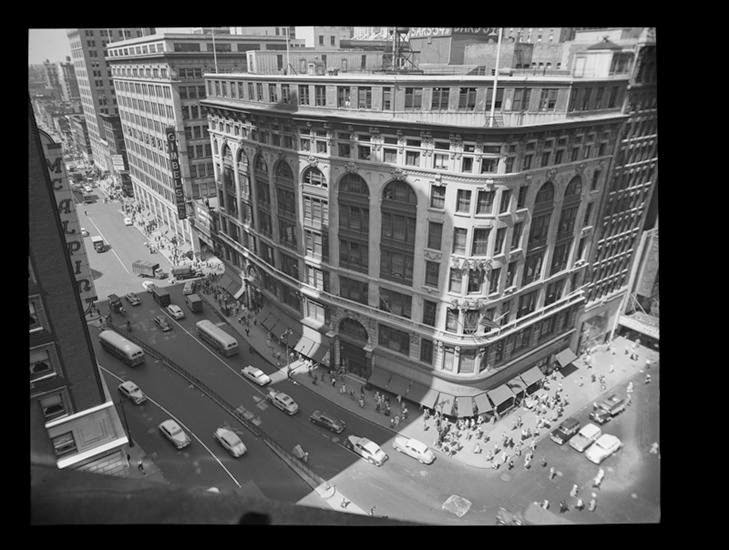
9) Cutthroat Business Macy’s and Gimbel’s were the two biggest department stores in Herald Square and one of New York’s best known rivalries. “Would Macy’s tell Gimbels?” was a popular expression of the time, expressing the fierce secrecy in sales and marketing practices. In Miracle, after Macy’s embraces Kringle’s policy of recommending items for sale at other stores, Gimbals tries to one-up their rival by adhering to the same policy and spread it to their stores across the country.

According to Gimbels lore, the company chairman Bernard Gimbel was asked to take the role of Kringle in Miracle. (I personally find this very hard to believe.) Such a request would not have been made of Macy’s founder Rowland Hussey Macy as he had died almost 70 years before.

Below: Gimbels Department Store in Harold Square, taken in 1915, from the vantage of the Marbridge Building (Photo by the Wurts Brothers, courtesy Museum of City of New York)

10) Home Away From Home When not at the North Pole, Kris Kringle resides at Brooks Memorial Home for the Aged at 126 Maplewood Dr, Great Neck, Long Island. That’s a real address although you won’t find the grand exterior that was used in the film. Why would they put Kringle in a nursing home in Great Neck? Perhaps it was a literary illusion to another great New York City fictional tale — Great Neck is called West Egg in The Great Gatsby, written only twenty-two years previous.

11) Santa Gets It Wrong Kringle is taken in for a psychological evaluation to prove his competence. He’s fully prepared, of course, seeing as he’s frequently accused of being crazy.

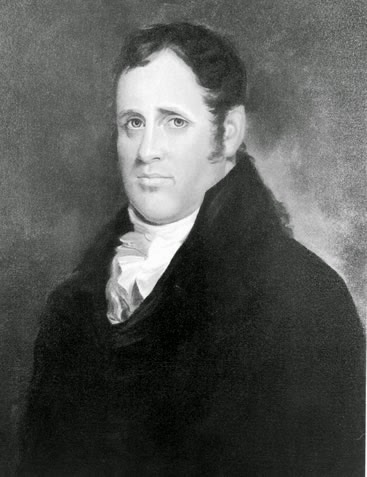
He rattles off a list of questions that might be thrown his direction during the mental examination. The trickiest? “Who was the vice president under John Quincy Adams? Daniel D Tompkins. And I’ll bet your Mr Sawyer doesn’t know that!”

Tompkins was a great many things in his day. Today he’s the namesake of Tompkins Square Park and Tompkinsville, Staten Island. But one thing he was not — he was never vice president under John Quincy Adams. That was John C. Calhoun. Tompkins served under President James Monroe.

So what accounts for this obvious error? Is it a true gaffe or an insight into Kringle’s character? Maybe he was crazy! Or just in need of an encyclopedia.

By the way, the psychiatrist Sawyer is taking his examination cues from a 1946 book called Mastering Your Nerves: How To Relax Through Action.

12) Working Delusion The handsome Doctor Pierce from the Brooks Memorial Home is sure the old man is suffering from a deeply held delusion. But so what?

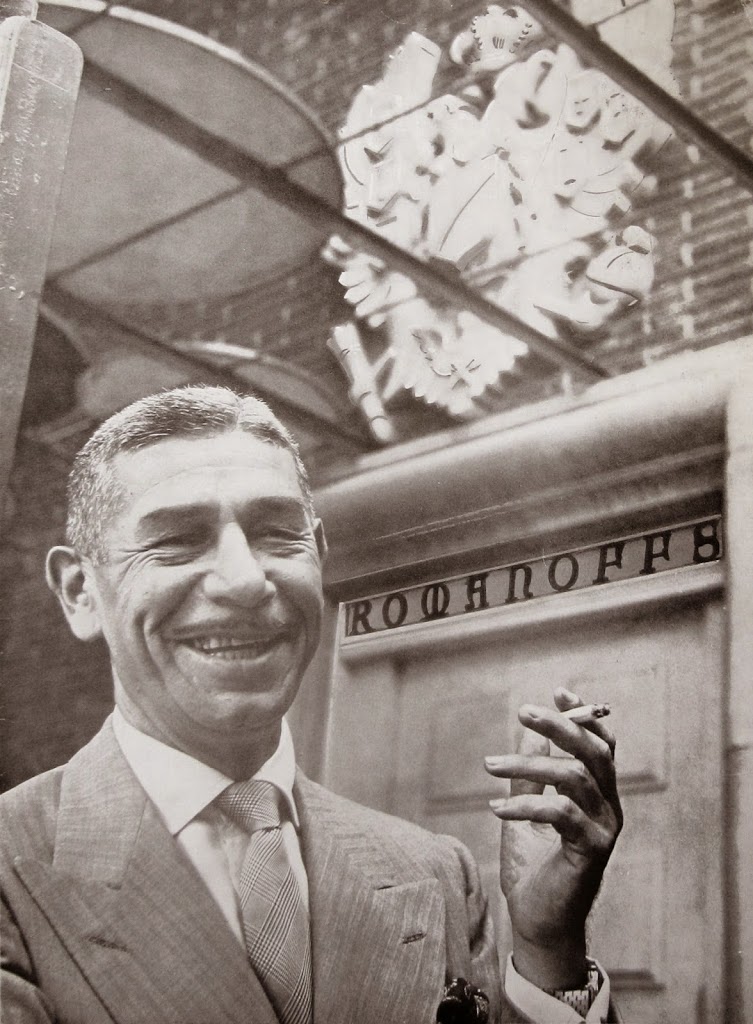
“Why there are thousands of people walking around with similar delusions, living perfectly normal lives in every other respect. A famous example is that fellow — I cant think of his name — but for years he’s insisted he’s a Russian prince. He owns a famous restaurant in Hollywood and is a highly respected citizen.”

Pierce is referencing an actual person named Michael Romanoff (at right), a noted ‘professional imposter’, who once walked the streets of New York City claiming he was Prince Michael Dimitri Alexandrovich Obolensky-Romanoff, nephew of Tsar Nicholas II.

In 1941 he opened the restaurant Romanoff’s in Los Angeles on North Rodeo Drive, enjoying newly found success in a town noted for its impostors. The famous photograph of Sophia Loren and Jayne Mansfield is taken at Romanoff’s.

13) Martini Time! In a delightfully throw-away scene, Shellhammer, the head of Macy’s toy department, tries to convince his wife to let Kringle stay at their home. In order to get her to agree, he gets her wasted on martinis. “We always have martinis before dinner. I’ll make them double-strength tonight.”

We have Prohibition to thank for martini hour in many American homes. Driving alcohol consumption into private dwellings, the cocktail hour was firmly entrenched by the 1930s. It was properly solidified by the world’s most famous martini drinker after James Bond — Franklin Delano Roosevelt. “Before dinner we usually had martini cocktails made by the President’s own hands,” said one cabinet member. Many remembered that Roosevelt made very, very bad martinis, preferring to enhance them with a few drops of absinthe.
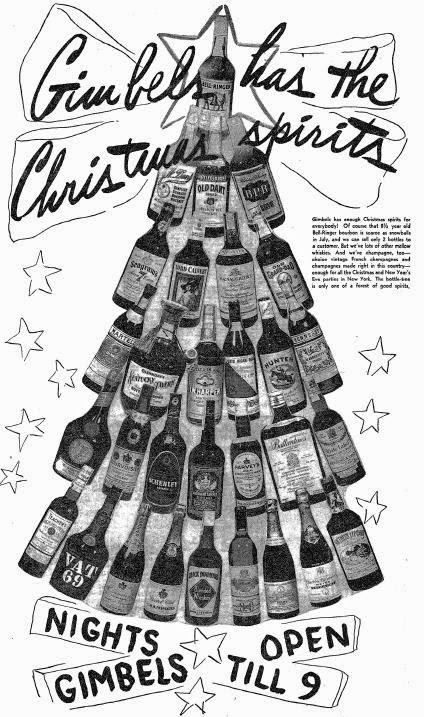
At right: A festive Gimbels ad which ran in the New York Times in 1946

14) Advertising Blitz Macy’s fully embraces the altruistic policy of directing shoppers to other stores if they are looking for an item that is not stocked. In a montage, we get to see some of the other department stores benefiting from Macy’s new rules — Bloomingdales, Hearn’s, Gimbels, Stern’s and McCreery’s. 

These stores were situated very close to one another during the 1940s and had followed each other up the island of Manhattan, beginning their existence in lower Manhattan, then moving to Ladies Mile in the late 19th century, then to Midtown by the new century. For instance, Hearn’s went from Broadway and 8th Street, then to 14th Street between Fifth and Sixth Avenue (very near Macy’s old home).

McCreery’s made its Ladies Mile home at Sixth Avenue and 23rd Street. Today it’s occupied by another building with a Best Buy on the bottom floor. It later moved to 34th Street and Fifth Avenue.

For more information about the department store scene, check out our podcast on Ladies Mile.

15) Vintage Lunch We see Alfred and Kris Kringle in another space for Macy’s employee’s — the cafeteria. This was obviously filmed on location as evidenced by this picture of the cafeteria from 1948 (photo by Nina Leen):

16) The Nut House Kris Kringle purposefully fails a mental exam — heartbroken by what he believes is a betrayal by Doris — and gets thrown into Bellevue Hospital for a few days. Kringle is seen in a relatively safe environment although the hospital’s reputation was less than rosy during this period. This is the era of shock therapy and other controversial treatments. In one experiment at Bellevue from the mid-1940s, almost one hundred children with diagnosed schizophrenia were given shock treatments six days a week.

Bellevue was also famous during this period for its alcohol rehabilitation center. In 1945, the film The Lost Weekend detailed one alcoholic’s “staggering ugly treatment” here.

17) Kooky Headlines In another swirl of headlines, we’re alerted to Kringle’s upcoming court trial to determine his true status. Among the many headlines we see is one that makes a total assault upon the English language — KRIS KRINGLE KRAZY? KOURT KASE KOMNG “KALAMITY” KRY KIDDIES
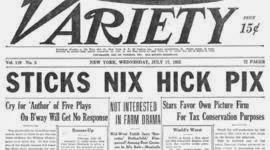
This is a gag directed squarely at Daily Variety, who specialized in absurdist headlines as early as the 1930s. In 1935 they went with the mind-boggling STICKS NIX HICK PIX, a headline later made famous in the 1942 film Yankee Doodle Dandy.

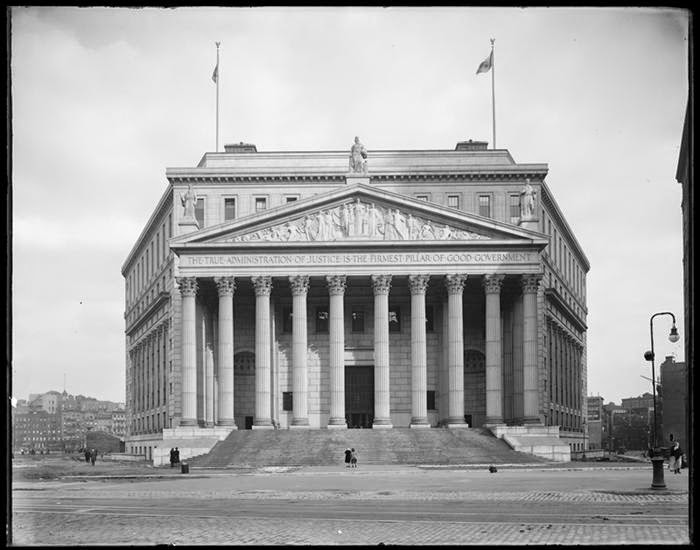
18) Historical Spot The climax of the film arrives at a peculiar place — Foley Square and the New York County Courthouse, one of the pillars of this civic district. The building was a little over 20 years old at the time of this film, and it looks pretty much the same as it does today. Along the top of the structure you can make out a carving of a 1789 quotation by George Washington — “The True Administration of Justice is the Firmest Pillar of Good Government.”

This building sets near the infamous intersection of Five Points and almost exactly on the spot were old Collect Pond once sat!

Below: New York County Courthouse, where Kringle’s fate is decided. (Photo from 1927, Wurts Brothers, courtesy Museum of the City of New York)

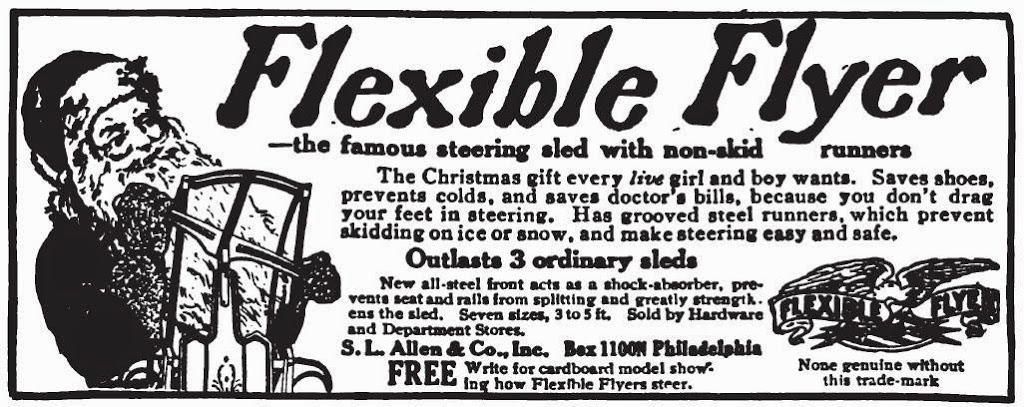
19) Kids Court  In an effort to prove the existence of Santa Claus, the son of the prosecutor is called to the stand. His name is Tom Marrah (you know, because he’s the future — tomorrow) and he is questioned about his beliefs on Old Saint Nick. “He gave me a brand-new flexible flyer sled last year,” he proclaims, then proceeds to point out Kringle from the stand.

The scene is an amusing twist on the great tale of “Yes Virginia there is a Santa Claus,” the famous confirmation of Santa’s existence that was published in the New York Sun fifty years earlier. The Virginia in question was also the child of a city employee — the coroner’s assistant — whose letter was answered by Sun editor Francis Pharcellus Church. In the case of Miracle, it is a more assured child that confirms his identity.  Judge Henry X Harper — a Democrat, we learn — affirms Kringle’s existence to curry favor from the electorate.

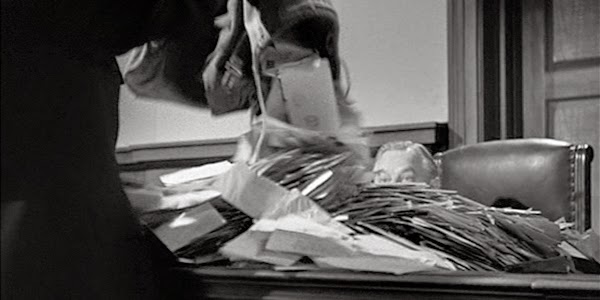
20) Dear Santa The final proof arrives, deus ex machina style, in the form of thousands of letters, re-routed from New York’s mail processing center to Foley Square. Kringle’s lawyer Galley then proceeds to regale the hall with a brief history of the U.S. post office. Galley informs the judge that the mail service was created in 1776 — technically it was 1775 — by the Second Continental Congress. Benjamin Franklin was indeed the first postmaster general.

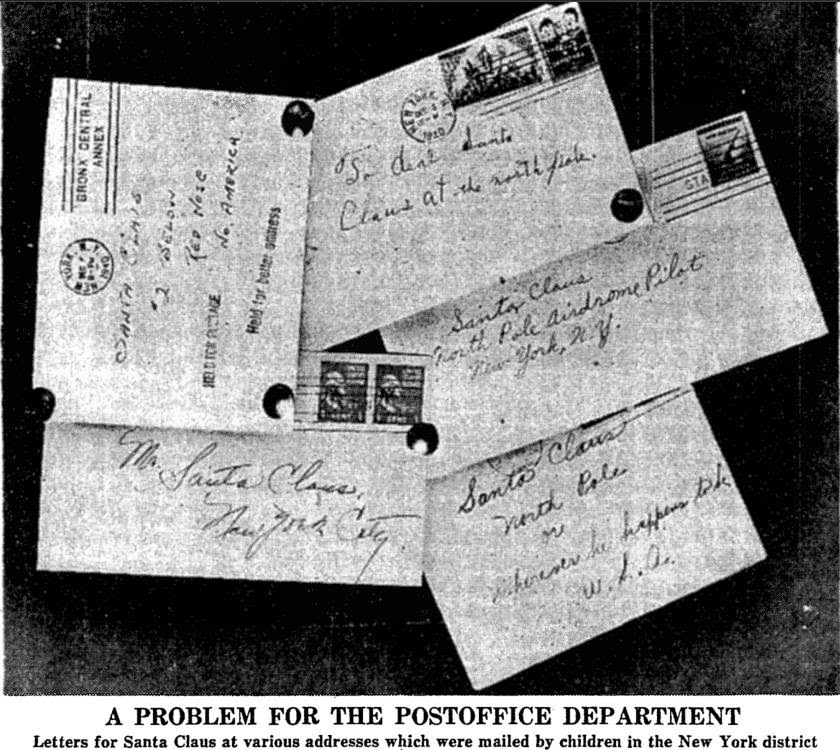
So how many letters does Santa really get a year? In 2013 — even in the era of emails — there were over one million letters from American children alone. [source]  Back in 1940, the postmaster’s office was inundated with correspondence. Letters address to Santa were “opened and read so that ‘the real worthy ones’ can be set aside from those which were childish requests.” Because how dare a child ask Santa a childish request.

The film may have played a hand into an increase of Dear Santa letters in 1947 — “up 25% over 1946,” according to reports.

From the 1940s article:

21) Christmas In June Miracle on 34th Street may be set during Christmastime, but it was originally released in the late spring, June 2, 1947. The film made its New York debut at the Roxy Theatre in a program that also featured comedian Jerry Lester, singer Art Lund, a puppet show and “the Gae Foster Roxyettes,” which replaced the original Roxyettes after they moved to Radio City Music Hall.

As part of the promotion for the film, Macy’s sent an undercover shopper into Gimbel’s to report for Macy’s-owned radio station WOR. It’s doubtful that either department store took Santa’s advice and recommended visiting their competitor.

Categories
It's Showtime Podcasts

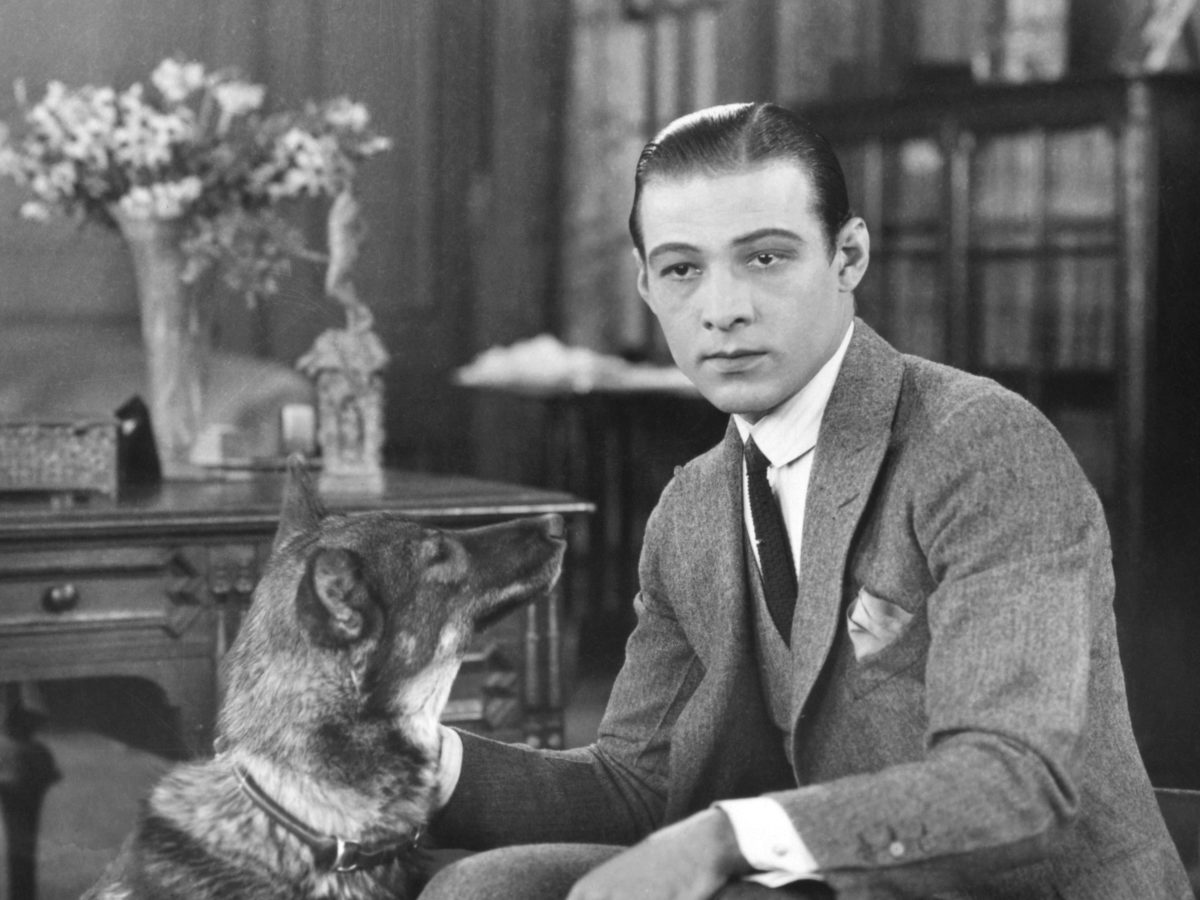
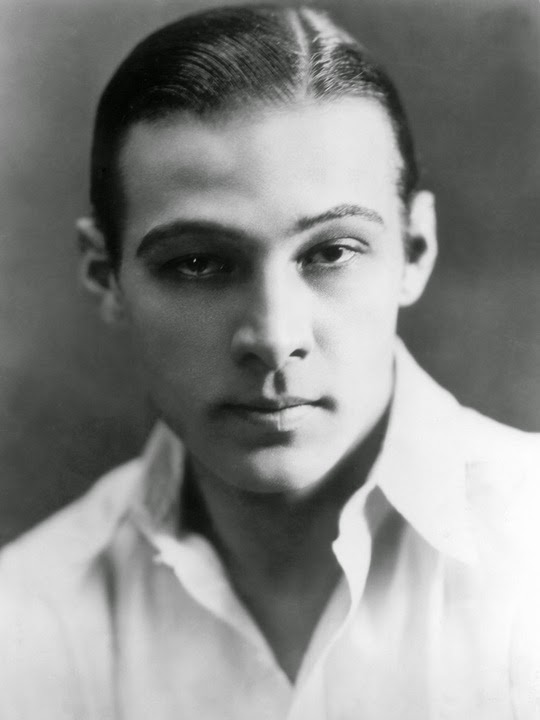
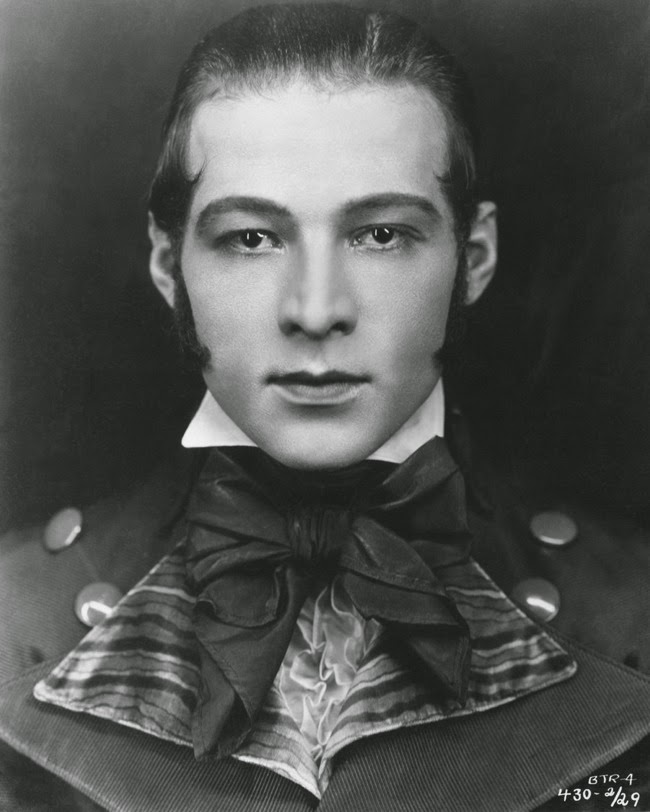
Rudolph Valentino, the seductive, tragic idol of the Jazz Age


PODCAST  Rudolph Valentino was an star from the early years of Hollywood, but his elegant, randy years in New York City should not be forgotten.  They helped make him a premier dancer and a glamorous actor. And on August 23, 1926, this is where the silent film icon died.
 
Valentino arrived in Ellis Island in 1913, one of millions of Italians heading to America to begin a new life.  In his case, he was escaping a restless life in Italy and a set of mounting debts! But he quickly distinguished himself in New York thanks to his job as a taxi dancer at the glamorous club Maxim’s, where he mingled with one particular Chilean femme fatale.
 

He headed to Hollywood and became a huge film star in 1921, thanks to the film The Sheik, which set his reputation as the consummate Latin Lover.  Throughout his career, he returned to New York to make features (in particular, those as his Astoria movie studio), and he once even judged a very curious beauty pageant at Madison Square Garden.

 
In 1926, he headed here not only to promote his sequel Son Of The Sheik, but to display his masculinity after a scathing article blamed him for the effeminacy of the American male!
 
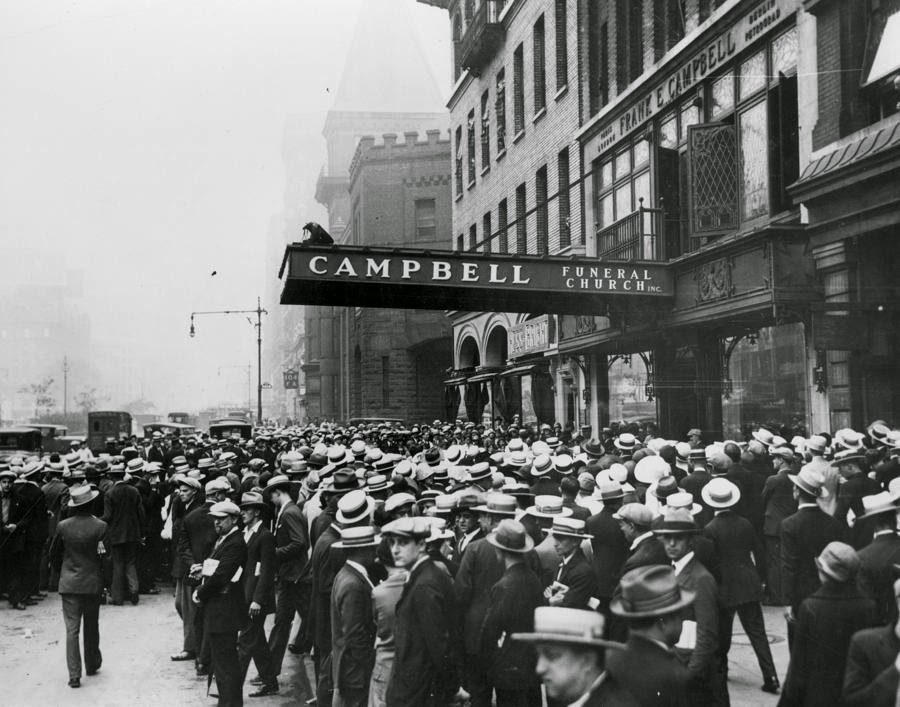
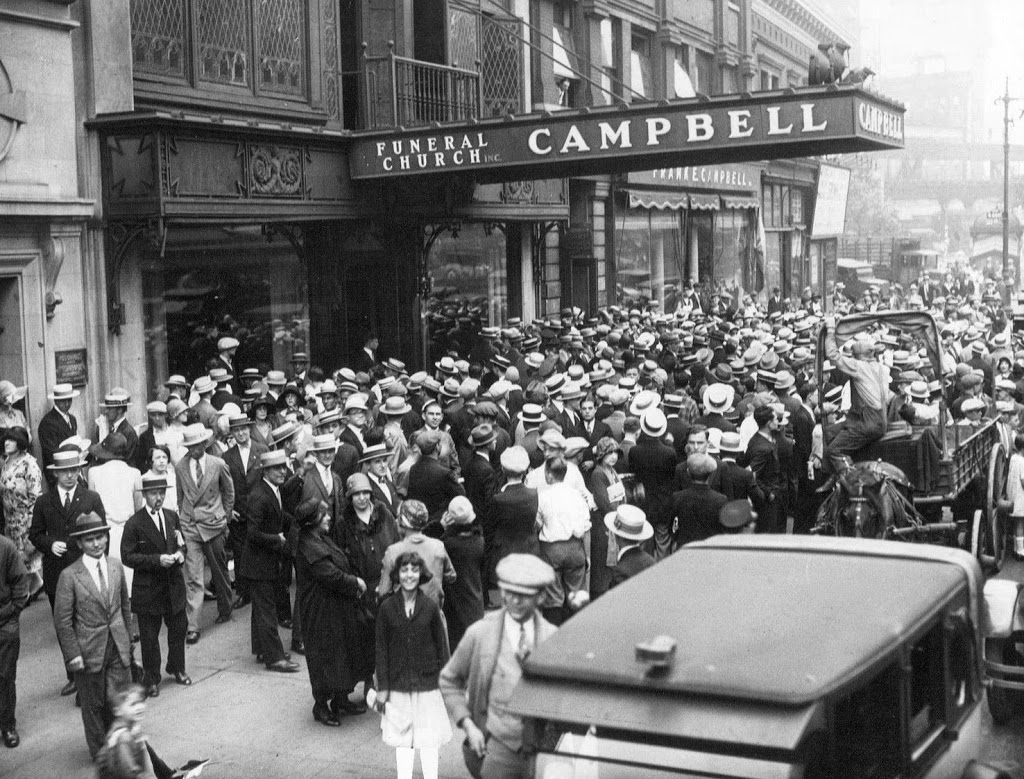
Sadly, however, he tragically and suddenly (and, some would say, mysteriously) died at a Midtown hospital.  People were so shocked by his demise that the funeral chapel (in the area of today’s Lincoln Center) was mobbed for almost a week, its windows smashed and the streets paralyzed by mourners — or where those people paid by the film studio?Here are the details of the tragedy that many consider one of the most important cultural events of the 1920s.


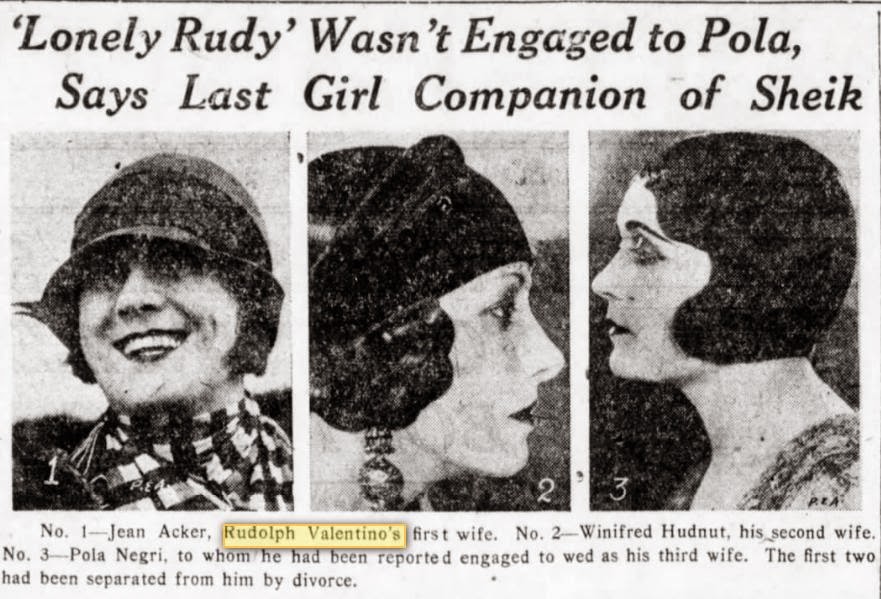
ALSO: We are proud to introduce to you — POLA! 


To get this week’s episode, simply download it for FREE from iTunes or other podcasting services.

____________________________________________________________________

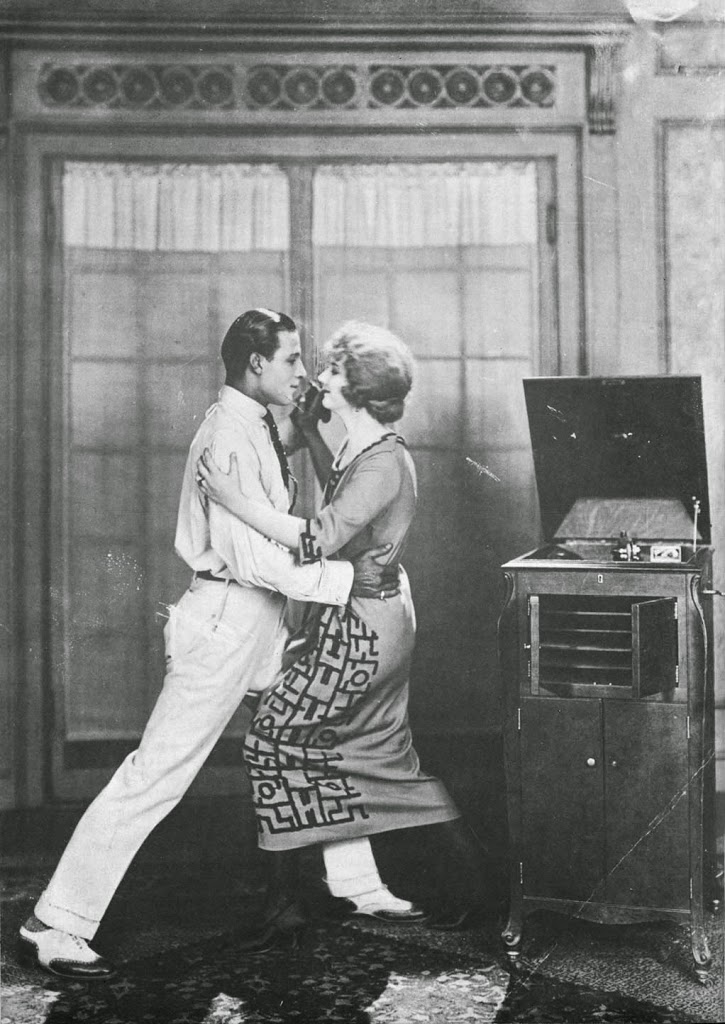
The young dancer was employed at Maxims on 110 West 38th Street. From a 1916 guidebook: “A famous ‘smart’ restaurant. A la carte. Music, dancing, cabaret, from 6:30 to close. High prices. Special ladies luncheon at noon.” Valentino would use his skills as a struggling actor in Los Angeles and incorporate it into his film work. Below: Valentino with Alice Terry

Valentino’s breakthrough film — The Four Horsemen of the Apocalypse.  “He paints the town red!” “Each kiss flamed with danger!” Like many of his movies, the plot seems taken from his life. Valentino spent some time as a youth in Paris, dancing and dining his way through the city (and into debt). (NYPL)

The Sheik, the film that made his reputation:

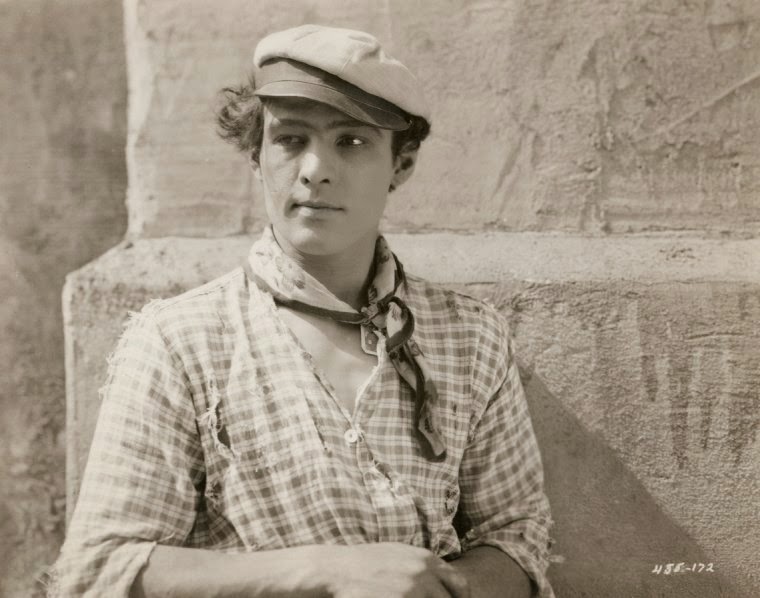
From Blood and Sand (1922) — In this one, the Italian Valentino plays a Spanish toreador. (NYPL)
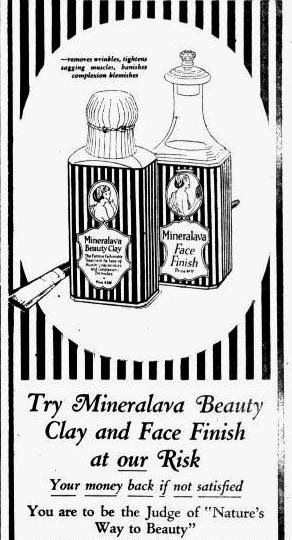
Mineralava Beauty Clay, the sponsor of Valentino and Rambova’s cross-country tango trip:

Newsreel footage of Valentino at Madison Square Garden judging the Mineralava Beauty Clay competition:

The Hotel Ambassador at Park Avenue and 51 Street.  This is where Valentino boxed the reporter (on the rooftop) to defend his masculinity and where he was staying on August 15, 1926, when he collapsed.

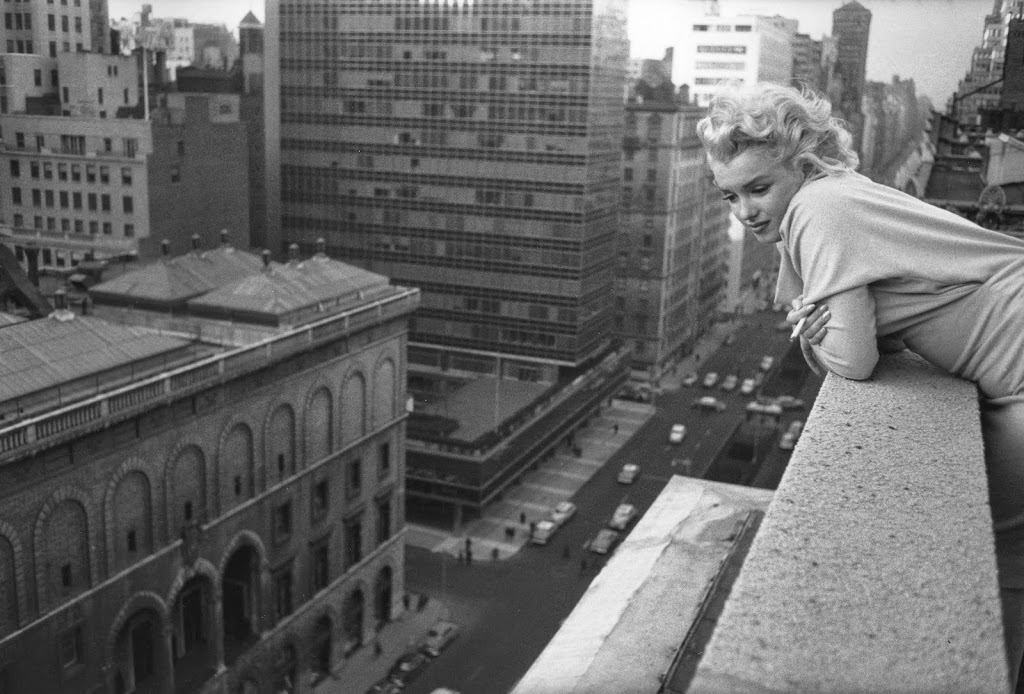
Most people are familiar with the Ambassador due to another iconic film star and her memorable photo shoot (by Ed Feingersh) on the rooftop:

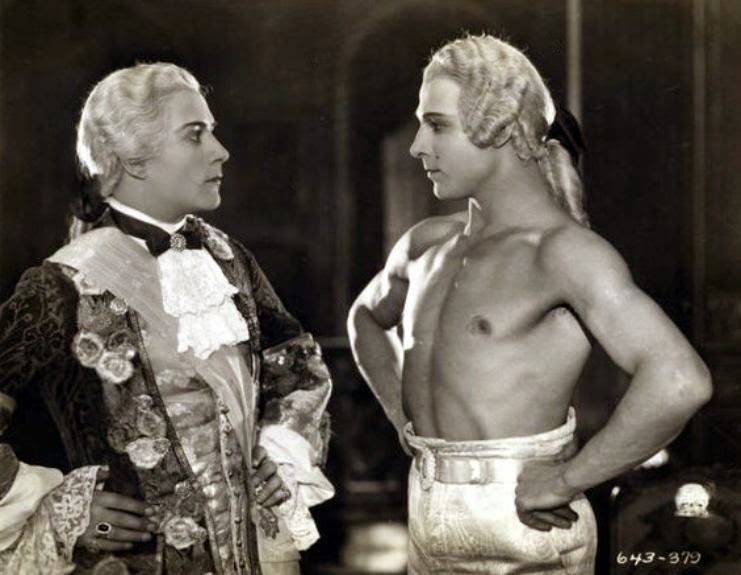
Rudolph in Monsieur Beaucaire, filmed at the Famous Players (later Paramount) studio in Astoria, Queens:


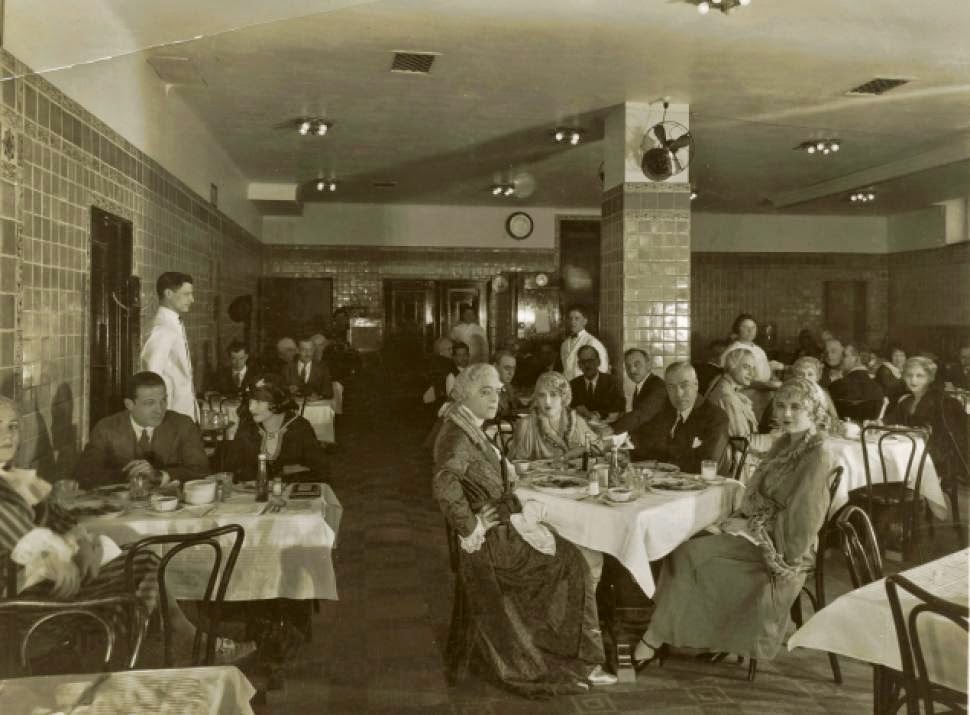
Downstairs, in the studio commissary, with Valentino (at left) and the cast of the film.  Today this room is a restaurant named The Astor Room, which features cocktails named for silent film stars. There’s even a Valentino-themed cocktail called Blood and Sand!

Polyclinic Hospital at 345 West 50th Street, where Valentino died on August 23, 1926. The building still exists today as an apartment complex. (Picture courtesy Museum of the City of New York)

West 50th Street. Polyclinic Hospital.

Pictures of the mad, chaotic crowds outside Frank Campbell’s Funeral Church during the week of August 23-30, 1926:

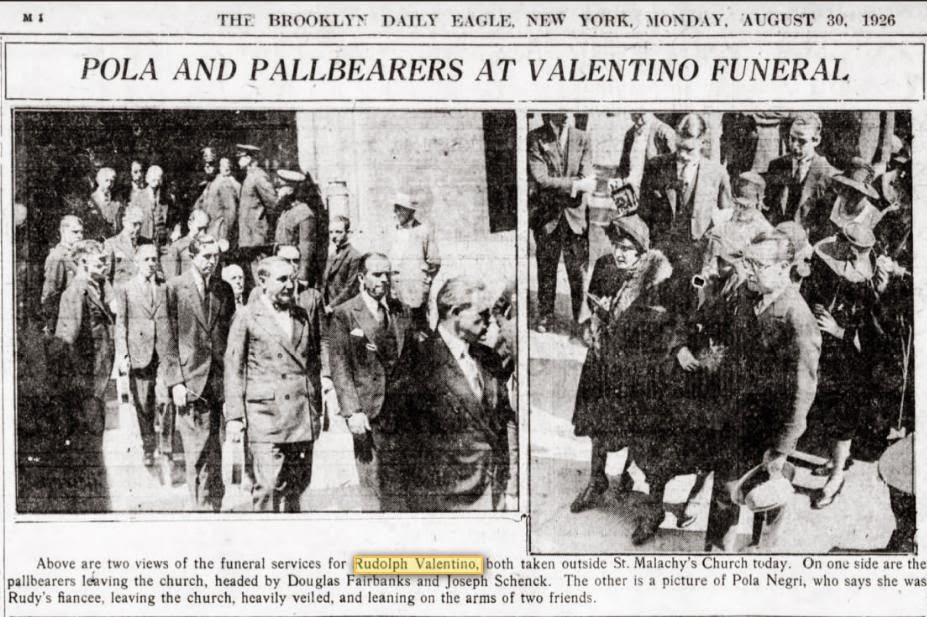
Pola Negri, who made quite a scene at the funeral of Valentino (NYPL):

From the Brooklyn Daily Eagle, August 30, 1926

Newsreel footage of his funeral in Midtown Manhattan — from Frank Campbell’s (in today’s Lincoln Center area) to St Malachy’s on West 49th Street:

SOURCES AND SUGGESTED READING:
Note: Don’t say we didn’t warn you! There’s a lot of material that seems to be based on speculation.  Thoughts of possible sexual adventures have sent many authors into wild fits of imagination. (  Enter the back catalog of Valentino at your own risk:

Rudolph Valentino: A Wife’s Memories of an Icon by Natacha Rambova and Hala Pickford
The Valentino Mystique: The Death and Afterlife of a Silent Film Idol by Allen R Ellenberger and Edoardo Ballerini
Dark Lover: The Life and Death of Rudolph Valentino by Emily W. Leider
The Valentino Affair: The Jazz Age Murder Scandal That Shocked New York Society and Gripped The World by Colin Evans
The Intimate Life of Rudolph Valentino by Jack Scagnetti
Falcon Lair — an indispensable online resource for all things Valentino
Publications sited:  New York Times, New Yorker, Newark News, Brooklyn Daily Eagle, New York Sun

Almost his entire film catalog is available to watch for free on YouTube.  These include The Sheik, Blood And Sand, The Four Horsemen of the Apocalypse, Son of the Sheik and his Astoria-made film Monsieur Beaucaire.  Another film he made in Astoria — A Sainted Devil — has been lost with no extant copies available.

Categories
Pop Culture

The first Sherlock Holmes film ever was made in Union Square. And the second? In Flatbush, Brooklyn

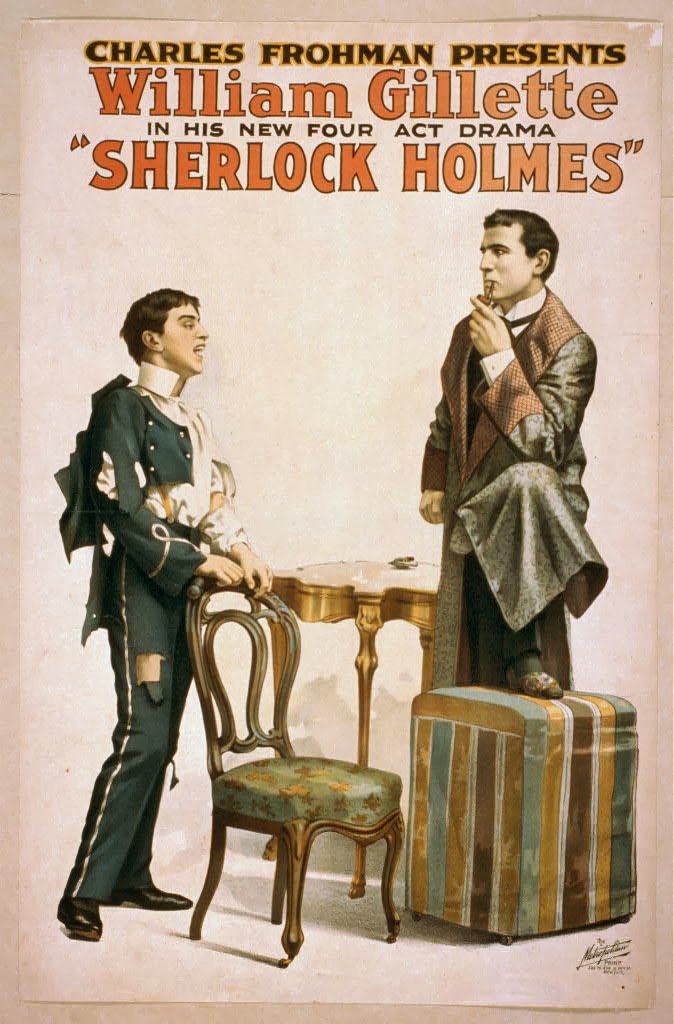
Above: While Sherlock Holmes made his film debut in 1900, he hit the stage a bit earlier.  William Gillette was the most acclaimed Sherlock of the day, touring the United States in a play he co-wrote with the detective’s creator Sir Arthur Conan Doyle.  After a tryout in Buffalo, the play made its debut at the Garrick Theatre (67 West 35th Street) in New York on November 6, 1899.
There are two varieties of Sherlock Holmes these days — the British alternative kind (Sherlock, with Benedict Cumberbatch) and the New York variant (Elementary, with Jonny Lee Miller).  You might naturally assume that Cumberbatch’s Sherlock Holmes is closer in spirit to the original stories by Sir Arthur Conan Doyle.  But the modern-day CBS variation, which is filmed in New York City, actually brings the classic detective stories back to its original roots in the cinema.

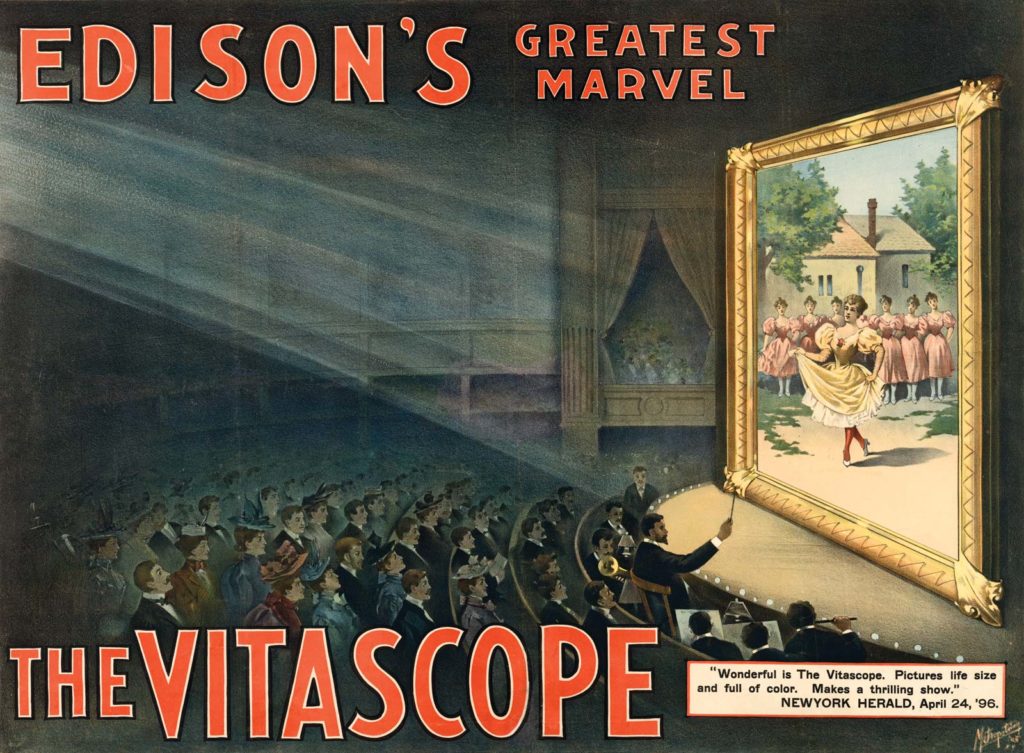
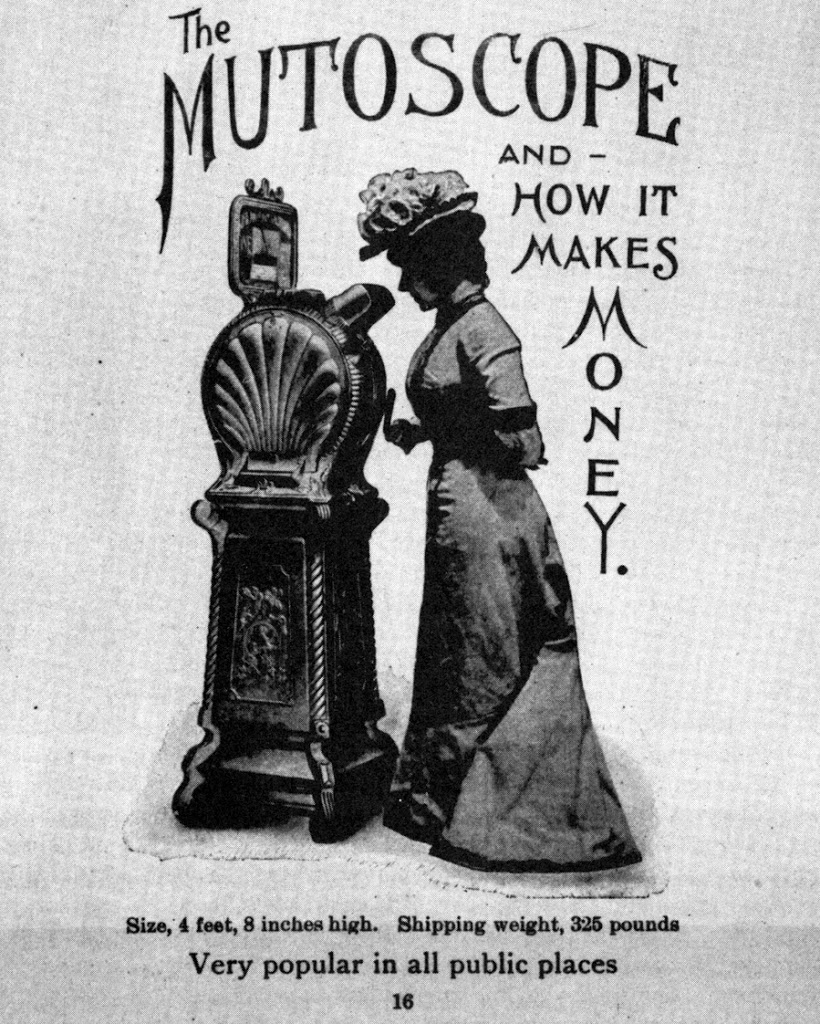
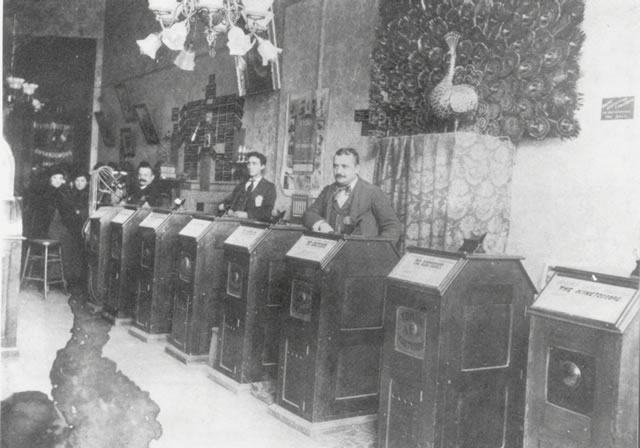
The first attempt to bring Sherlock Holmes to the film medium was in the year 1900 with Biograph-Mutoscope’s Sherlock Holmes Baffled.  Mutoscope films were not projected, but rather, displayed in a stand-alone box for a single person to view, the images moving with the help of a hand crank.  (At right: An 1899 trade advertisement for the Mutoscope).

Most early Mutoscope films were documentary in nature (often boxers or acrobats), similar to those for Thomas Edison‘s Kinetoscope.  The very first movie made in the city of New York was a boxing match featuring Young Griffo, made for another competing film device, the Eidoscope, and filmed atop old Madison Square Garden.

Due to the short running time of films made for these private viewing consoles, the first narrative films were crude, silly and often confusing, throwing viewers into an action scene that abruptly stops.   That is the case with Sherlock Holmes Baffled, seen here in its entirety:

Outside of the title card, the move bares no traits of Sherlock Holmes whatsoever.  It seems to merely borrow the name to present a wacky narrative involving the detective discovering a thief who then disappears and re-appears at a whim.

The movie was made at Biograph’s revolving rooftop studio at 841 Broadway in Union Square.  That original building was demolished at some point to make way for the Roosevelt Building.  In an accidental tie to its movie heritage, across from the Roosevelt is the Regal Union Square Stadium multiplex, which has undoubtedly seen more sophisticated Sherlock Holmes movies (such as the Robert Downey Jr. version) since it was constructed in 1998.

The identity of the actor who played the first Sherlock Holmes is apparently unknown.

Biograph would continue using Union Square as a site for film production.  They moved to another studio in 1906 — just up the street, at 11 14th Street — where they produced ever more extravagent movies, including a reinactment of the San Francisco earthquake, rushed into theater just months after the disaster struck the West Coast city on April 18, 1906.

From my original article:  “What seems especially brazen about this fabrication is that it was being created in New York’s Union Square, even as San Francisco’s public square of the same name sat in ruins.”

Five years later, a slightly more recognizable Sherlock Holmes can be seen in The Adventures of Sherlock Holmes, or Held For A Ransom.  In this version, Sherlock is played by vaudeville star Gilbert Anderson, best known for his appearance in The Great Train Robbery. (He was later renamed ‘Bronco’ Billy Anderson due to his later fame as an early cowboy film star.)  

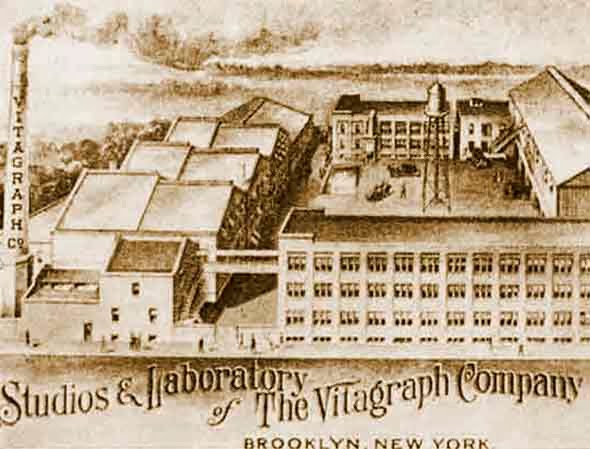
This, too, was filmed in New York — at Vitagraph Studios in Flatbush, Brooklyn!  Pictured below:

Top picture courtesy the Library of Congress

Categories
Neighborhoods Preservation

The neon bible: A chat with ‘New York Neon’ author Thomas E. Rinaldi about the city’s most stylish signs


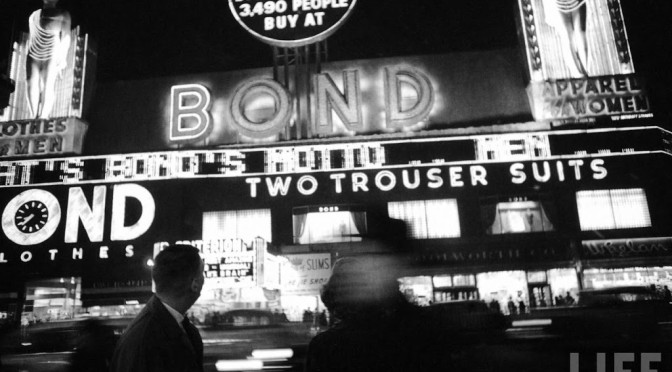
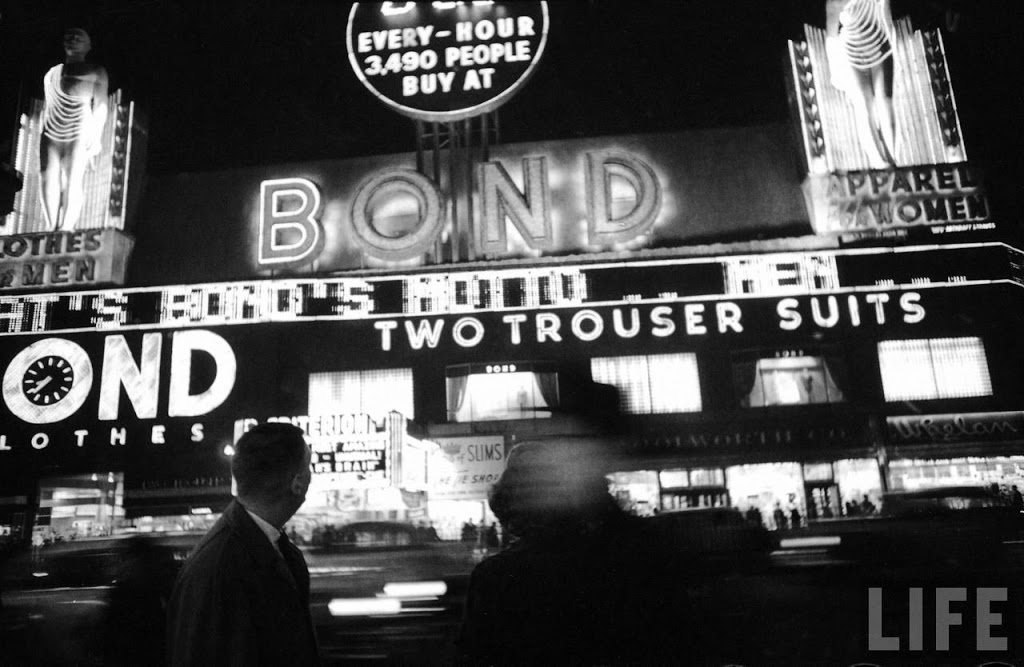
Bond Clothing Store sign was a mainstay of Times Square in the 1940s and 50s. For more on Bond’s unusual transition after that, read my article from 2007 on Bond International Casino. Picture courtesy Life Magazine, Lisa Larsen photographer

New York Neon is the Bowery Boys Book of the Month for July, a superb review of the history of neon signs in New York City and a delectable catalog of some of the finest neon works still in the city today.  My full review is here.

The author Thomas E. Rinaldi also runs a great website on the subject.  I asked him a few questions about the current state of New York’s most classic form of signage:

Why does the glow of a neon sign continue to endure and fascinate people over other architectural forms from the same period of the early-mid 20th century? 

Thomas Rinaldi: I think a large part of the appeal of old signs is their rarity.  The odds of any commercial sign lasting more than a few years are incredibly slim; for this reason, old signs really stand out, in a way that turns out to be of widespread appeal.  This is especially true in NYC today, where old signs have added appeal by way of their association with old, independent businesses that have become almost an endangered species in the city of late.

How does New York’s representatives in neon compare to those in other neon-friendly cities like Las Vegas or Los Angeles? 

TR: The old neon signs one finds around New York today are actually very modest compared to those of Vegas or LA, or the kind of “roadside Americana” signs one associates with Route 66.   I find this interesting in and of itself.  Sure, New York had its extravagant signs in places like Times Square.  But most of the neon that went up in New York was relatively humble, for a variety of reasons.

First of all, there are the obvious space constraints of any urban storefront.  While some pretty imaginative storefront signs appeared before WWII, the signs became increasingly spare after the War, partly because of restrictive zoning, partly because of labor costs (most of the New York sign shops were union), and – my belief – partly because of the general postwar trend away from urban centers and toward suburban development and roadside culture.

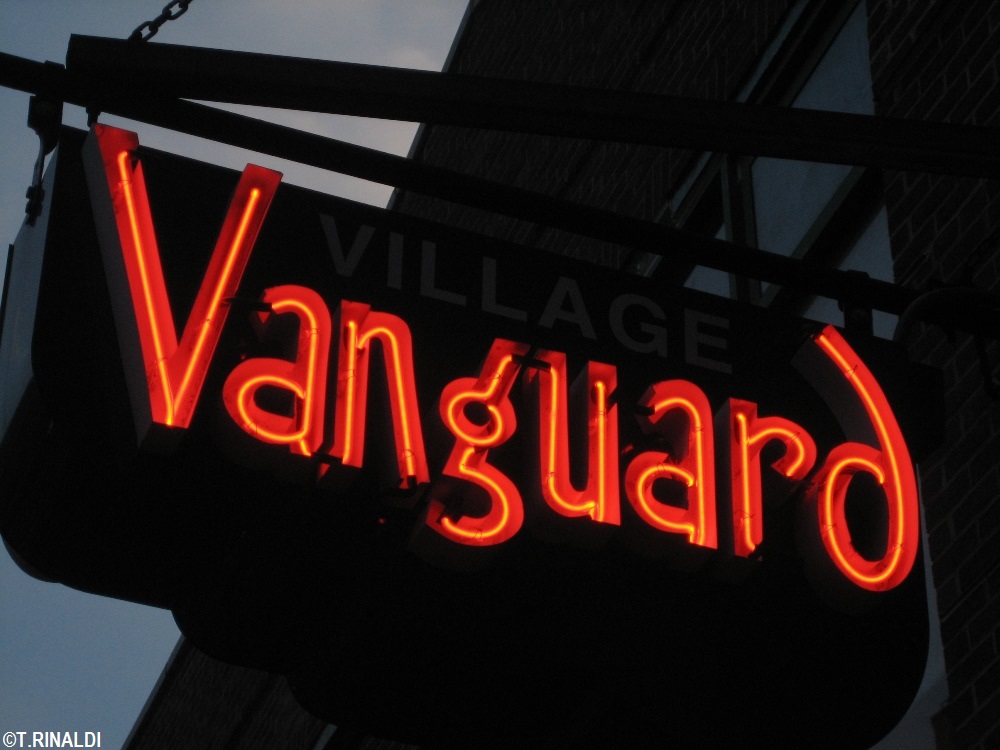
Below: The neon sign at the Village Vanguard in Greenwich Village, a facsimile of one that originally appeared here in the 1940s.

Neon lends its appeal to a certain nostalgic image of New York. Are there any uses in classic print, TV or film that stand out to you as particularly striking?

TR: I found that the classic, iconic image of New York neon noir is spread out in little scattered fragments.  There are a handful of classic noir films set in New York in which you’ll see neon in the backdrop – films like I Wake Up Screaming and Where The Sidewalk Ends.  But some of the best cinematic depictions of New York’s neon heyday aren’t noir films at all:  Pillow Talk, for instance, is a goofy comedy, or The Sweet Smell of Success, which is probably the single best go-to for shots of midcentury, neon-festooned New York.

Neon storefront signs were so incredibly ubiquitous in cities like New York that they crop up just about everywhere – in noir films, yes, but not just those set in New York. I would suggest that the popular association of neon with the nocturnal cityscape is not something born unto any one city, medium or genre, but a composite of scattered fragments that add up to a collective ideal.

Below: The trailer to Murder My Sweet, a wild, smoky film noir starring Dick Powell that effectively uses neon to help set the mood. 


It seems the most difficult task you laid out for yourself in ‘New York Neon’ is tracking down the stories of dozens of still-extant individual signs. What’s the secret to many of these classic signs surviving for so long?

TR: To a large extent, it’s luck of the draw. But also, I found that old signs tended to be more densely collected in certain kinds of neighborhoods, like the Upper West Side or Greenwich Village. Places that could still sustain little family-owned businesses, even through the period of New York’s financial crisis. Places not too rich but not too destitute either. Now, however, they’ve become scarce even in those neighborhoods.

What’s your personal favorite New York neon sign, both of those presently existing and those from the past?

TR: Depends on what day you ask me!  Ones that usually come to mind, though, are Nathan’s Famous and the Wonder Wheel out in Coney, the Dublin House on West 79th Street, Radio City Music Hall and Patsy’s Restaurant in Midtown.

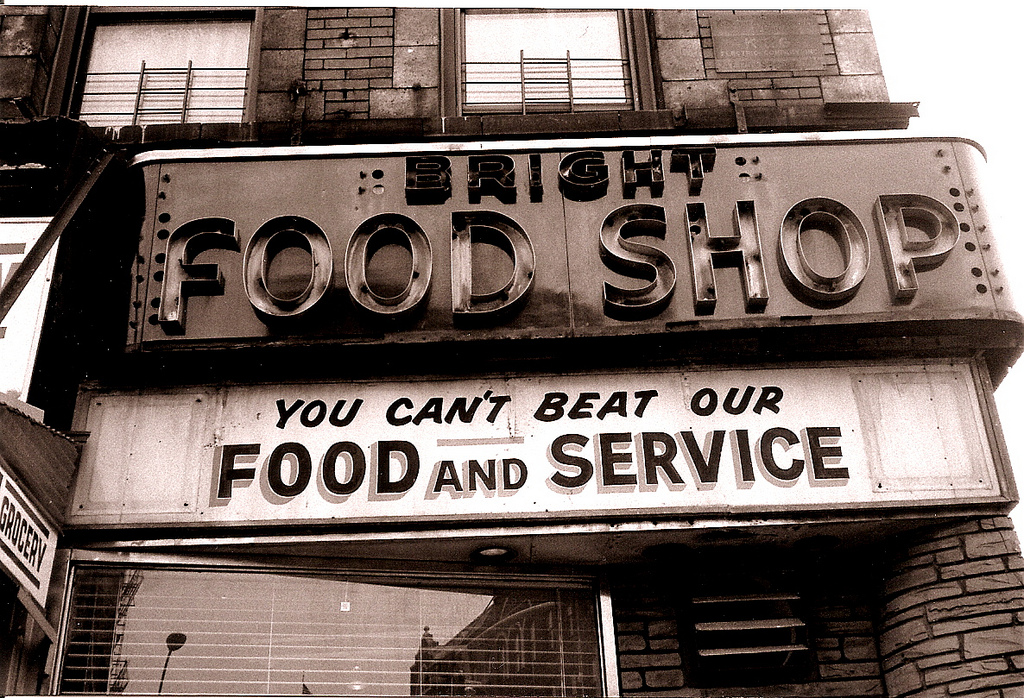
The P&G Bar sign, formerly on the Upper West Sign, is my favorite of the signs that have disappeared in recent years. I also really miss the Bright Food Shop‘s sign in Chelsea.

 There were some great relics that disappeared just a little before my time – places like the Terminal Bar, across from the Port Authority Bus Terminal, or the Penn Bar & Grill, by Penn Station, that I wish I’d photographed. And then there are those that vanished long, long ago – a funny place called the “Barrel Of Fun” nightclub in the West 50s comes to mind, but really, of the thousands and thousands of neon signs that have come and gone from Manhattan alone, the list could go on almost forever.

Below: The old Bright Food Shop sign on Eighth Avenue (Photo courtesy verplanck/Flickr)

Having devoted so much time to the classic beauty of neon, does it make you a little nauseous to even look at LED sign by this point?

TR: Actually, it’s sort of the opposite.  Maybe it’s just wishful thinking, but I find that LEDs have facilitated some fairly decent, interesting new signs, sort of like the early days of neon all over again – much more creative stuff than the boring, fluorescent-and-vinyl signs that have been the norm for the last few decades. 

Still, LEDs have a tremendously long way to go before they could give us illuminated signage that holds a candle to typical neon storefront signs of the 1930s or 1950s, in terms of creativity and craft.  Whereas neon signs were designed to be repaired rather than replaced, LEDs are essentially disposable, and it’s heartbreaking that they’ve taken such a huge toll on the neon industry around the world.

The flip side is that LEDs are an incredibly versatile artificial light source, so – maybe there’s hope for better signs down the road.  But neon is still so unique that I expect it will always have a niche, even though we’ll likely be seeing less and less of it in the years to come.

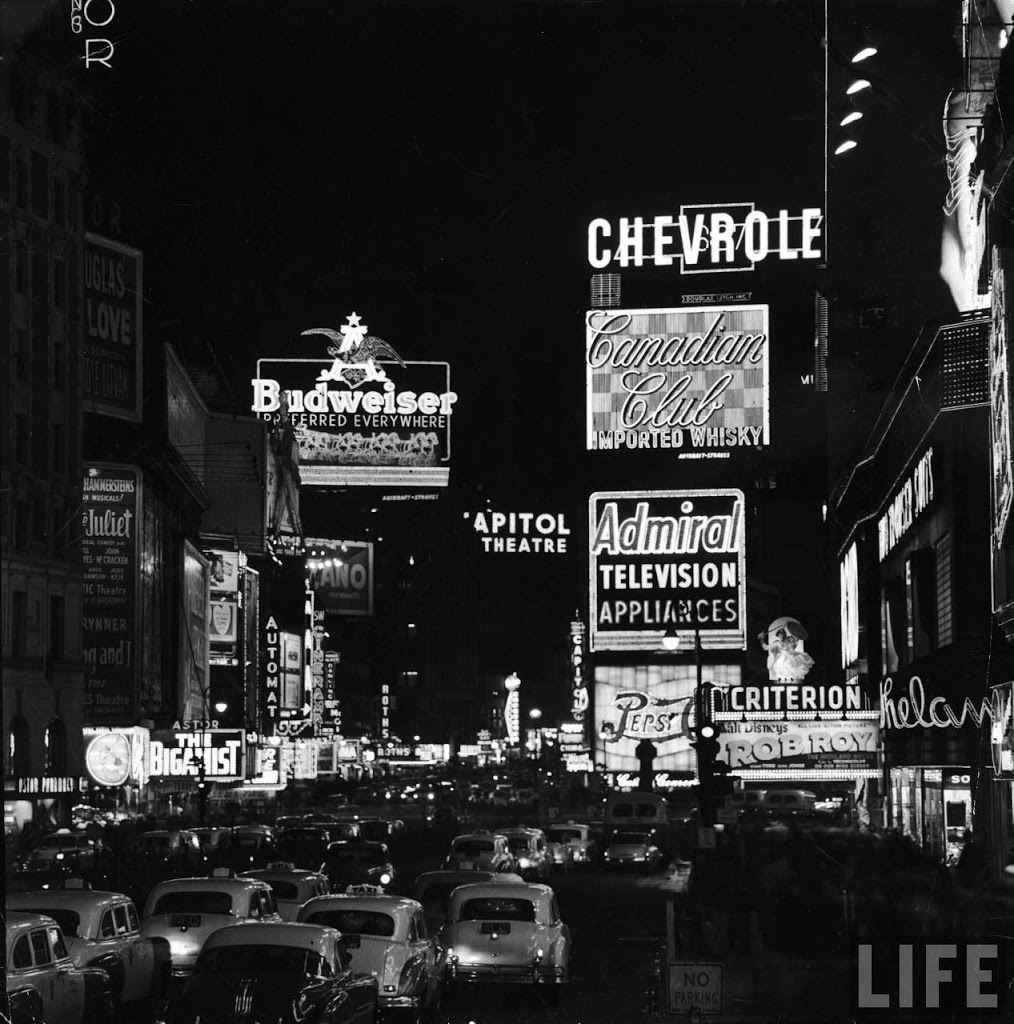
Below: Times Square 1954, photo by Andreas Feinginger (Courtesy Life)

You can hear Rinaldi discuss all things neon at his upcoming talk on Monday, July 22, at the New York Public Library’s Mid-Manhattan branch. More information here.

Categories
Pop Culture

The Broadway Melody: New York’s first Oscar victory and an ironic success for the Astor Theatre in Times Square

The second film to ever win the Academy Award for Best Picture was hardly a movie at all.

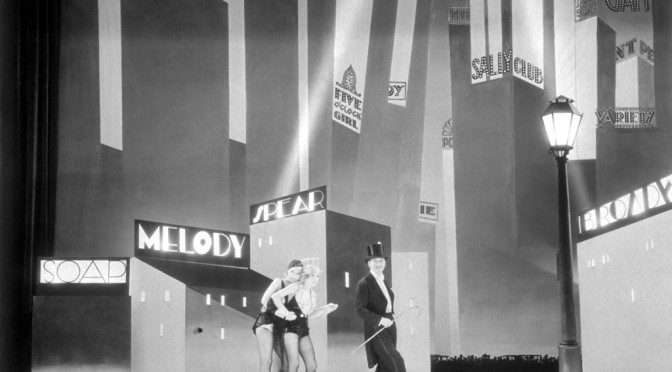
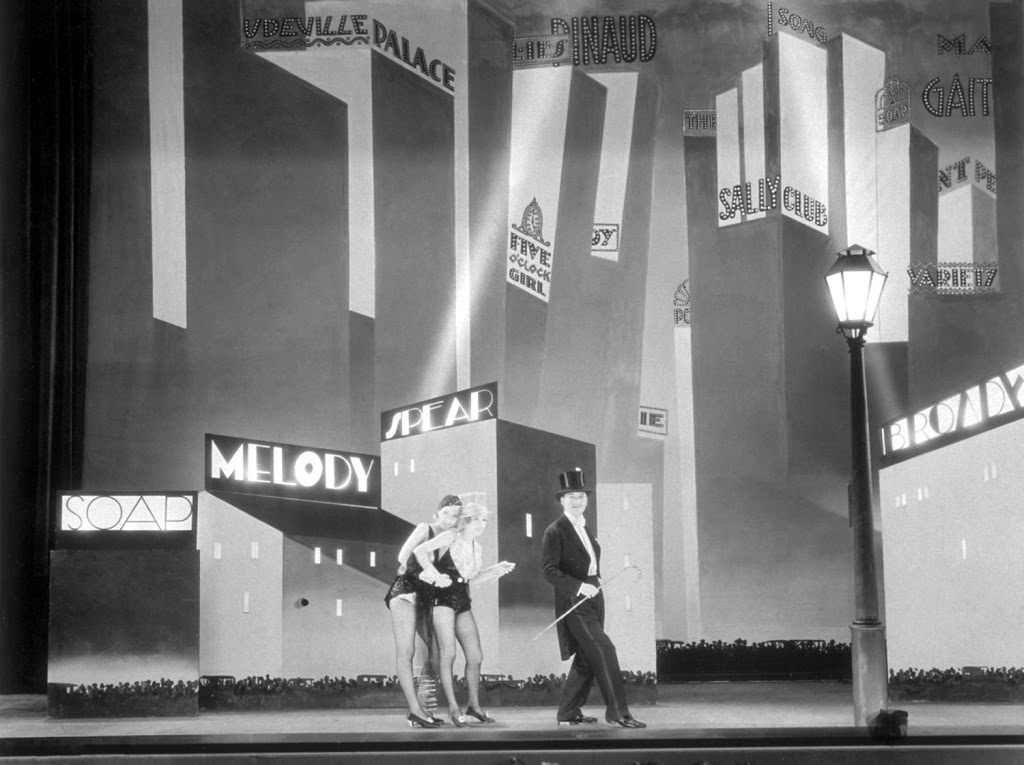
‘The Broadway Melody’, a frothy Hollywood revue about the mounting of an frothy Broadway revue, was a total celebration of every strength and weakness of the early Broadway stage, and a hopeful sign that the New York entertainment world would still wield some influence over its West Coast counterpart.

“Before an enthusiastic throng there was launched last night at the Astor Theatre a talking picture teeming with the vernacular of the bright lights and back-stage argot,” began the New York Times’ original review by Mordaunt Hall, when the movie opened on February 8, 1929.

One of the first-ever movie musicals, ‘Broadway’ was, of course, not filmed on Broadway, but in Hollywood, on an MGM soundstage.  Even when movies were regularly filmed in New York in the early years, they were rarely filmed on an actual Broadway stage.

But the movie’s opening shot is within an office on Tin Pan Alley, that sector of songwriters at 28th Street and Broadway who changed American pop music.  The melody of the film’s title is delivered to Zanfield (a thinly disguised Florenz Ziegfeld) who uses it as a vehicle to make stars out of a couple freshfaced sisters.

The puffy love triangle at the heart of ‘The Broadway Melody’ is merely an excuse to launch various musical numbers in the vaudeville-variety style.  The movie was produced at astonishing speeds; filming began in October 1928 and was ready for its two-city premiere (Grauman’s Chinese Theater in Los Angeles, the Astor Theatre in New York) by early February.

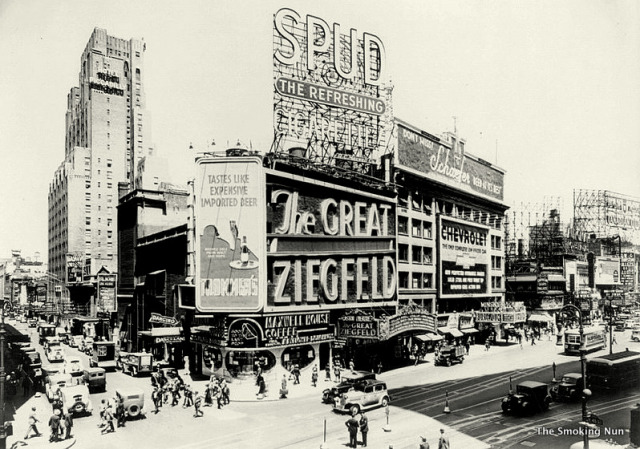
The Astor Theatre, in Times Square at Broadway and 45th Street, played host to ‘The Broadway Melody’ for an entire year.  Some might have thought that deeply ironic, as the Astor had once been a legitimate stage that permanently switched to motion pictures in 1925.  And with great success it was now exhibiting a motion picture about the legitimate stage.

Below: The Astor Theatre in 1936, exhibiting another Broadway-themed film that would go on to win the Oscar for Best Picture —  The Great Ziegfeld (Courtesy LOC)

It’s been claimed that the film was made by MGM’s Irving Thalberg on a suggestion from the owner of the Capitol Theatre, up the street from the Astor.  If so, its debut here must have been a real slap in the face!
In this tenuous day of movie sound, many were unsure people a film with music would work.  “Although the audible devices worked exceedingly well in most instances,” Hall continued in his review, “it is questionable whether it would not have been wiser to leave some of the voices to the imagination, or, at least to have refrained from having a pretty girl volleying slang at her colleagues.”

Audience members, especially those in the Astor’s $2 reserved seats, were rapturous for it.  “‘Broadway Melody’ has everything a silent picture should have outside of its dialog,” praised Variety in 1929.  A basic story with some sense to it, action, excellent direction, laughs, a tear, a couple of great performances and plenty of sex….It’s perfectly set at the Astor.  And will it get dough around the country. Plenty.”
At right: Anita Page, one of the stars of ‘The Broadway Melody’, from Flushing, Queens!

The very first Academy Awards the previous year had rewarded serious fare — and all silent.  The first Best Picture winner, ‘Wings‘, had also been a big box office hit in New York, making its debut in August 1927 at the Criterion Theater, just one block away from the Astor!

But Oscar voters went carefree for their second Best Picture winner. Additionally, ‘The Broadway Melody’ became the first sound picture to be awarded the Best Picture Oscar. And the first of a great many to find inspiration in that great big city on the opposite coast.
It would also introduce a lasting connection between the movies and stage musicals, a connection that still lasts today with the Oscar-nominated ‘Les Miserables’, which had its Broadway debut on March 12, 1987 at the Broadway Theatre (Broadway and 53rd Street).

Categories
Brooklyn History Pop Culture

The curious tale behind the first film ever made in Brooklyn

Millions and millions of hours of television and film have been made within the five boroughs since the invention of the camera.  But have you ever wondered where the very first roll of film was ever shot?

That distinction most likely goes to a nondescript rooftop studio built atop a building at 1729 St. Marks Avenue in Brooklyn.  Of course in 1894, Brooklyn wasn’t yet a borough of New York proper, but would be within five years.  So I think it’s fair to grant it the title of New York’s first ever film shoot, or at very least, Brooklyn’s first movie.

The idea of moving pictures was barely a decade old by then, still very experimental and produced under controlled environments.  Europeans like Eadweard Muybridge had already captured the movements of animals by the early 1890s, and the Lumieres Brothers would have completed the development of the cinematograph, the first successful motion picture camera to gain widespread acceptance in Europe.

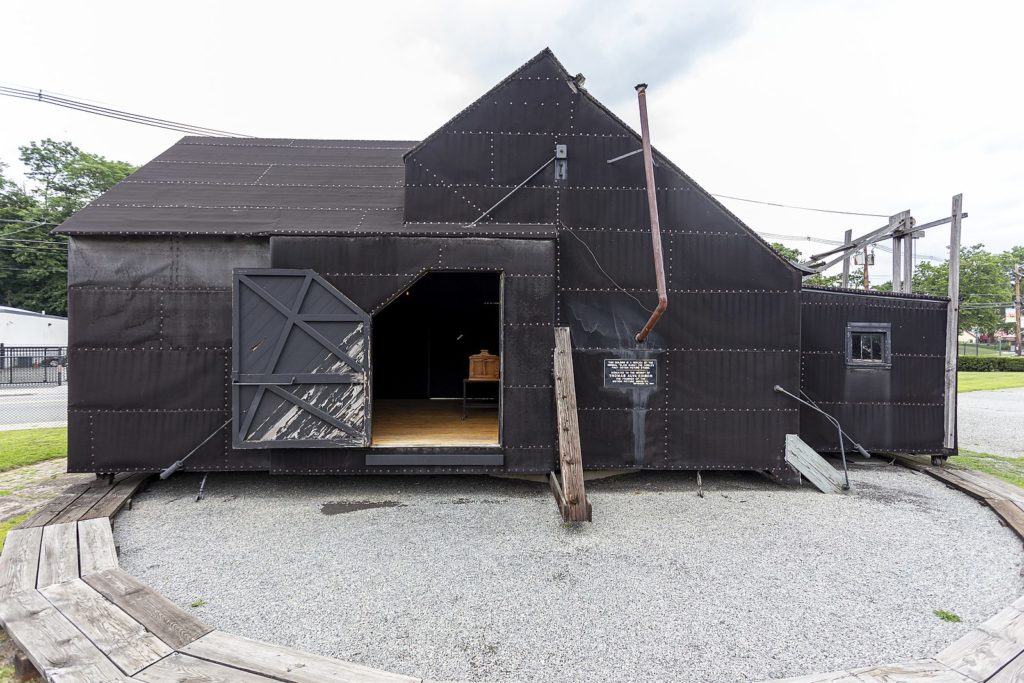
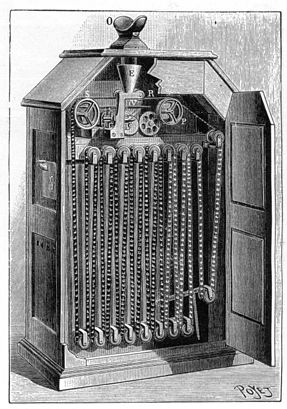
In America, engineers working for Thomas Edison began experimenting with film devices as early as the late 1880s out in his Black Maria studio in West Orange, New Jersey.  It was William Kennedy Dickson‘s work for Edison which produced the Kinetoscope, a cabinet peep-show where a rapid flipping of cards created instant movement.  An observer would hunch over the box, looking into a view-finder to witness the amazing visual trick contained inside.

In 1893, a completed Kinetoscope made its debut to the world at the Brooklyn Institute of Arts and Sciences (the precursor to the Brooklyn Museum).  Observers there were treated to the very first American film, Blacksmith Scene.

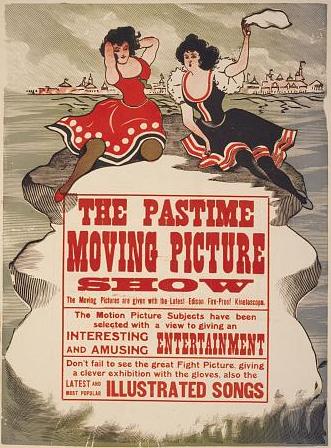
Above: A poster for a series of Edison kinetoscope films, including a boxing movie or ‘Fight Picture’ (Courtesy LOC)

But that’s not Brooklyn’s only stake in early American film history, thanks in part to another of Edison’s employees named Charles E. Chinnock.

The London-born inventor came to Edison as a telephone electrician and soon moved on to work on other key projects, including the lighting of lower Manhattan via the Pearl Street Station in 1882.  Chinnock excelled so ably at his management of the station that, as legend has it, Edison paid him a bonus of $10,000 right from his own pocket.  As the electrical grid expanded throughout Manhattan and into the future boroughs, Chinnock was put in charge of the Edison Electric Illuminating Company of Brooklyn, preparing Brooklyn for its own electrical lighting grid.

Like so many of Edison’s employees, Chinnock fell out with the inventor-mogul and left to pursue his own electronic concerns, including the creation of his very own version of the Kinetoscope.  In fact, Chinnock would be a minor competitor of Edison’s for the New York Kinetoscope market in the 1890s.  While Edison would strike first, Chinnock’s machines would eventually grace the saloons of Coney Island and the lobby of the Eden Musee on 23rd Street in Manhattan.

So obviously, Chinnock would need his own films to exhibit, as Edison would certainly not give permission for his.  Chinnock lived in Brooklyn at this time — in a townhouse at Sixth Avenue and St. John’s Place in Park Slope — so it would make sense that his own makeshift film studio would be nearby.

At right: One of Edison’s kinetoscopes. Chinnock’s would have looked quite similar.

In November of 1894, Chinnock began making films for his own version of the Kinetoscope.  The place was a rooftop at 1729 St. Mark’s Avenue, a couple miles east from his home, at the edge of today’s neighborhood of East New York.

Chinnock’s rooftop studio was probably similar to Edison’s Black Maria, a small black-walled room built to capture as much natural light as possible. The filming space was very small and could accommodate only a couple subjects.  For this reason, boxing became a popular subject of early films because it was compact, thrilling, full of movement and — for its day — rather bawdy.

Edison has already filmed a boxing match, so Chinnock decided to do the same.  Two boxers unknown today in the annals of sport — James W. Lahey and Chinnock’s own nephew Robert T. Moore — were chosen to compete, and their battle was captured sometime that November in 1894.  The film would have been quickly produced and distributed to Kinetoscope operators.

No copies of the Moore-Lahey faceoff exist today. However, this Edison film featuring the Glenroy Brothers was made just a couple months prior to Chinnock’s old film, so this gives you a good idea of what it could have looked like:


Chinnock continued to rip off Edison films, with his own blacksmith scene, a few dancing girls and even a cock fight.

A few months later, the Latham Brothers, another competitor of Edison’s, filmed another boxing match between Young Griffo and Battling Charles Barnett at Madison Square Garden.  This movie holds the distinction of being the first film projected for a paying audience vs. Chinnock’s the soon-to-be-unfashionable kinetoscope.

Chinnock, of course, is no household name.  He was eventually run out of the film business by Edison and others.  He died in his Park Slope home in 1915.

Chinnock’s real failure may have been a simple one — instead of humans boxing, he should have had cats do it.  Just a few months before Chinnock put his nephew in the ring, Edison placed two cats in a ring against each other at the Black Maria studio, in what must certainly be the world’s first LOLCATS video.

In fact, these two were a popular vaudeville act of the day — Professor Welton’s Boxing Cats, named Corbett and Mitchell.


For more on this era of film history in New York City, check out our 2010 podcast NYC and the Birth of the Movies

Chinnock picture courtesy Victorian Cinema

Rainey’s African Hunt: A bloody 1912 movie blockbuster

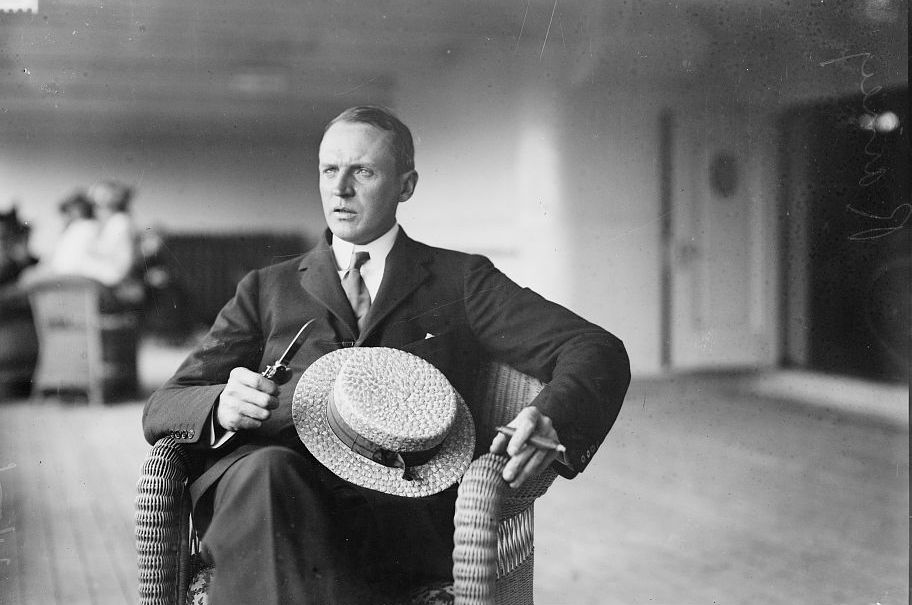
Hunter and gadabout Paul Rainey: An accidental matinee idol

Catching a movie this weekend? Many New Yorkers had the same plan one hundred years ago, but the experience was vastly different.  Motion pictures in 1912 were shorter, without sound and in black-and-white, of course, but they were sometimes presented as part of a set of vaudeville performances, with live musical accompaniment and in repertory with several short films.

In the days before movie palaces, movies were shown in legitimate theaters which often gave them a must-see feel. This was the case with a strange non-fiction film that played in New York for well over a year — Rainey’s African Hunt.

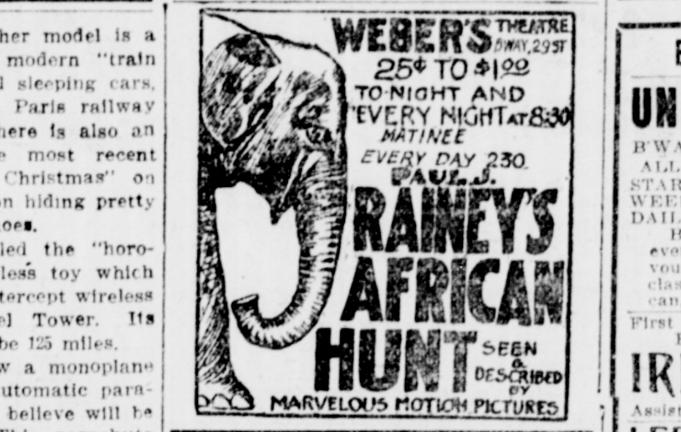
In September 1912, the film played Joe Weber‘s Music Hall at Broadway and 29th Street:

The film made its debut in April 1912 up the street at the Lyceum (45th/Broadway) and played there through the summer, heralded as a serious entertainment, for ‘wealthy people at top prices‘ to distinguish it from the fiction films favored by everybody else.

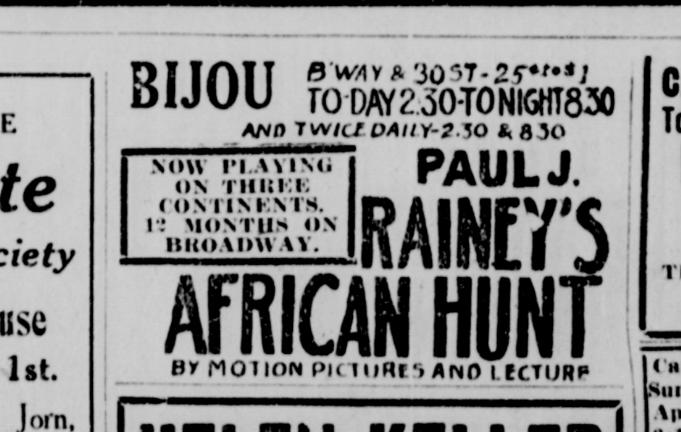
But is seems that ‘African Hunt’ resonated with all sorts of audiences. The film moved to Weber’s in August, then to the Bijou (30th/Broadway) in October, where it stayed put until April 1913!

So what made this film so popular? Americans were still safari crazy in the early 1910s thanks to Theodore Roosevelt‘s famous African trip in 1909, in which he brought back the carcasses of dozens of exotic animals and donated them to natural history museums around the country, including New York’s own American Museum of Natural History.

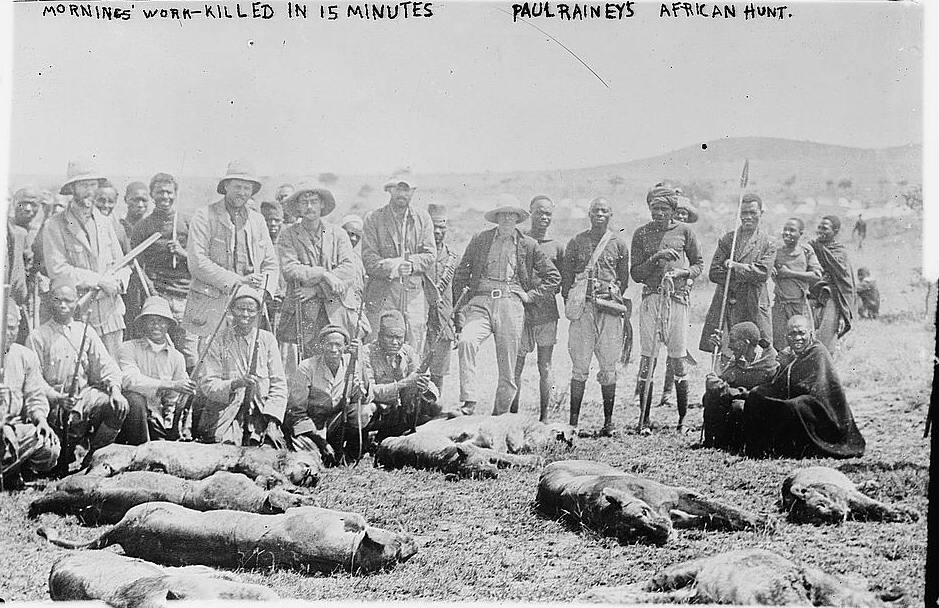
The wealthy playboy Paul Rainey was also a renown game hunter and filmed his exploits in Africa following Roosevelt’s trip there. The film depicts his interaction with African tribes and the trials of hunting exotic animals. Although Rainey claims to have been more interested in photographing and trapping live creatures, he ended up killing several dozen animals, including “twenty-seven lions in thirty-one days.” One notable scene features Rainey’s specially trained fox hounds stalking and killing a leopard.

 Claimed one advertisement: “One touch of nature makes the whole world kin. That is the secret to the extraordinary success of this picture.”

The film came with a sterling pedigree and glowing reviews, include praise from the American Museum’s Henry Fairfield Osborn, who proclaimed it the ‘greatest contribution to natural science of the decade.’ [source]

Distributed by Carl Laemmle’s Universal studios, ‘Rainey’s African Hunt’ grossed over a half-million dollars, an extraordinary sum for an early motion picture. It would stand as one of the most successful non-fiction films of the decade.

Like every box office success, a sequel debuted in 1914 at the Casino Theatre (29th/Broadway). Portions of its first week gross were donated to a newsies home and summer camp in Staten Island. Despite emphatic reviews — “better and clearer” than its predecessor, according to the New York Times —  it appears to be mostly recycled material and was not a hit.

Below: A grim photo from Rainey’s safari. The hunter killed so many animals that is exploits eventually led to stricter regulations on foreign hunters.

According to the site Silent Era, a print exists of the film, although I don’t know if its presently available for view.
For more information on New York’s unique relationship with African safari hunters, check out our podcast on the American Museum of Natural History. For a peek at the early days of cinema in New York, listen to our show on NYC and the Birth of the Movies.
For more information on Paul Rainey, check out this interesting blog page on his Tennessee lodge and his tragic death.

Beware the New York vampires: A seductive film star inspires an army of ‘golden haired’ Broadway sex goddesses

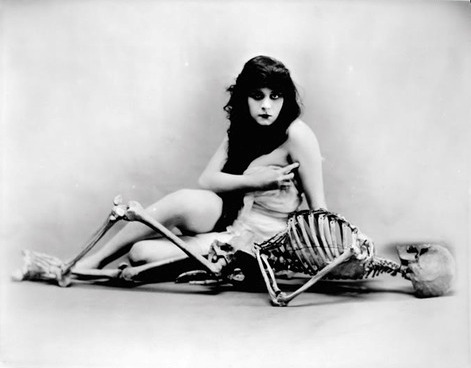
 Maneater: Theda Bara in an unconventional portrait. Her publicist claimed it was her lover and that ‘not even the grave could separate them’.


“A vampire is a good woman with a bad reputation, or rather a good woman who has had possibilities and wasted them” — Florenz Ziegfeld

Progressive, liberated women were clearly so frightening one hundred years ago that equating them to undead, bloodthirsty creatures borne of Satan didn’t seem so unusual.

In the late 1910s, women were on the verge of winning the right for equal representation in the voting booth. Women were asserting power in unions, and, in the wake of disasters like the Triangle Factory Fire, those unions were influencing government policy. They were taking control of their destinies, their fortunes, even their sexuality (Margaret Sanger‘s first birth control clinic opened in 1916).

This surging independence came just as the entertainment industry heralded the female form as one of its primary attractions. Ziegfeld’s sassy, flesh-filled Follies — and its many imitators — defined the Broadway stage, mixing  music, sex and glamour with a morality-shattering frankness.

But it was the birth of motion pictures that gave the allure of female bodies an unearthly, flickering glow, as nickelodeon shorts became feature-length films, and the first era of the movie siren was born.

Combine the power of liberation with the erotic potential of cinema, and in the late 1910s, you got the vampire (or as we would come to know, the ‘vamp’).

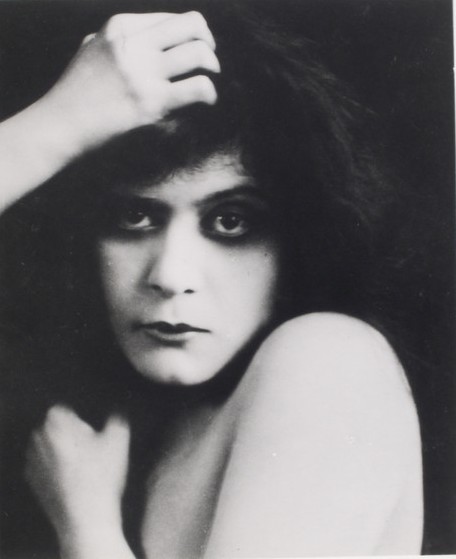
The queen of the vamps was one of America’s most mysterious movie stars — Theda Bara (at left). The magnetic actress, with her steely gaze and jetblack hair, was the prototype for a movie bad girl. She shook convention so dramatically that a critic called her a “flaming comet of the cinema firmament.”

From 1915-1919, she made over three dozen films, most in movie studios located in Fort Lee, New Jersey. It were here that she acquired her famous nickname, based upon her role as a home wrecker in a film inspired by Rudyard Kipling’s ‘The Vampire’. During this period, Bara lived in Manhattan’s Gramercy Park with her family — at 132 E. 19th Street.

She put a face to a new sort of young lady. These were the spiritual children of the prior generation of newly empowered women who fought against the constraints of Victorian society. A few years later, as another vein of female power (the temperance movement) helped bring about Prohibition, these young women would be called flappers, carefree and fueled on the powers of jazz and illegal alcohol.

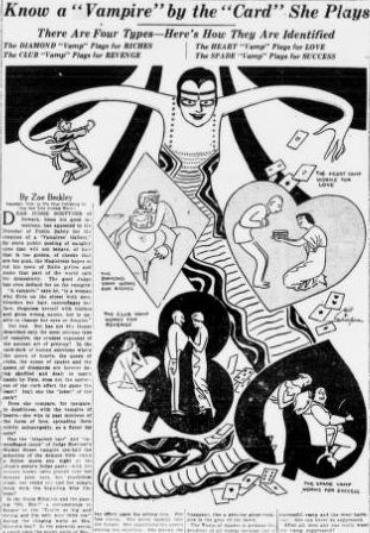
But to the established class, these ladies weren’t trend-setters. They were devils in black gowns. ‘Know a ‘Vampire’ by the Card She Plays‘, warned a New York Evening World article from March 1919, accompanied by a Theda Bara-like illustration of a snake-like monster.

The article recounts the efforts of a Newark judge attempting the rid the streets of “flirty girlies,” as he called them. “A vampire is a woman who flirts on the street with men, bleaches her hair, camouflages her face, disguises herself with clothes and gives wrong names, but is unable to change her eyes or dimples.” The article laughs off his puny efforts. “Can vamps, of whatever sort, BE suppressed?”

Vampires were of course more readily seen in Times Square, dancers, actresses or cabaret stars. But even your stenographer could be one!, warned one article.

Unlike Bara’s iconic identity as a raven-locked seductress, most ‘real’ vampires were blondes. “[T]he vampire of real life hath the golden hair of an angel, which is never disarranged, same when she letteth it down, to DISPLAY it, on the beach,” warned columnist Helen Rowland, with a little tongue in cheek. (Ms. Rowland was famous for her writings as a ‘bachelor girl’.)

“No one ever saw a vampire in a high neck dress,” said an Evening World advice columnist in 1918. “All vampires must reveal their collar-bones and the contiguous territory.”

The woman vampire was an urban creature, up all night, sleeping all the day. The city was partial cause for her condition. As the New York Times suggested in 1920, “The idea of New York as a vampire to the rest of the country is one which a number of persons have entertained and expressed. To some of them the vampire is Wall Street, to others it is the region of white lights [Broadway].”

Many actress got stuck with the term ‘vamp’ or ‘baby vampire’ — or else, embraced the coy terminology. Juliette Day was a known ‘baby vampire’ for her role in the scandalous 1916 play ‘Upstairs and Down’. It’s no surprise that in the film version from 1919, the role is reprised by the notorious Olive Thomas, a Ziegfeld girl who met a bitter end the following year.

Some actress fought against the alleged stigma. Actress Clara Joel, playing a vampire-type role in a 1918 film, made it known in the Tribune that “she is not a vampire and that she was born in Jersey City.”

The irony of stage actresses trying to shed a vampire image is that Theda Bara, the original vampire, in her first stage attempt in 1920, flopped. The play was supernatural-themed ‘The Blue Flame‘ which opened at the Shubert Theater to cavalcades of unintentional laughter.(A ‘terrible thing’, according to the Times critic.) Bara, who had to deliver such lines as “Did you remember to bring the cocaine?” was roundly trashed.

Shortly thereafter, the vampire moved to Los Angeles. Her film career lasted a few more years, but sound pictures and a strict Hollywood production code pretty much eradicated the existence of vamps on the screen. In New York, meanwhile, her sultry spawn morphed into flappers, populating the speakeasies and cabaret nightclubs of the city.

Below: A 1919 romp called ‘The Vamp’ performed by the Waldorf-Astoria Orchestra

A Brooklyn intellectual landmark becomes a supermarket

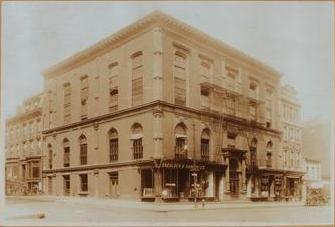
Mentioned in our podcast this week was the precursor to the Brooklyn Academy of Music, the three-story ‘centre of Brooklyn culture‘ known as the Brooklyn Athenaeum and Reading Room. Founded in 1848 and incorporated in 1852, the Athenaeum was a combination concert hall, store for intellectuals and library (in an era before public libraries), serving the gentlemen of the city of Brooklyn.

Not only BAM but the Brooklyn Public Library traces its lineage to this structure which sat at the northeast corner of Atlantic Avenue and Clinton Street. It was also the original home of the Brooklyn Philharmonic.

Perhaps the place was best known as a prime stop on the lecture circuit. Abolitionist Wendell Phillips spoke to thousands here in October 1860 — “crowded to its utmost capacity” — encouraging the Southern states to secede from the Union, months before any of them did so.

By the 1890s, the more elevated arts had escaped to other venues, and the Athenaeum hosted various political functions. Economic reformer and former candidate for mayor of New York Henry George spoke to a crowd of a thousand here on October 25, 1897, four days before dying of a stress-induced stroke.

Events had wandered way off the original course by 1901, when police closed down the Athenaeum due to a planned meeting of East Coast anarchists.

The following year, the top floor was occupied for three decades by the New York Court of Special Sessions. It was unceremoniously torn down in 1942. At some point a modest structure was placed on the lot, and today is hosts a Key Food supermarket.


View Larger Map

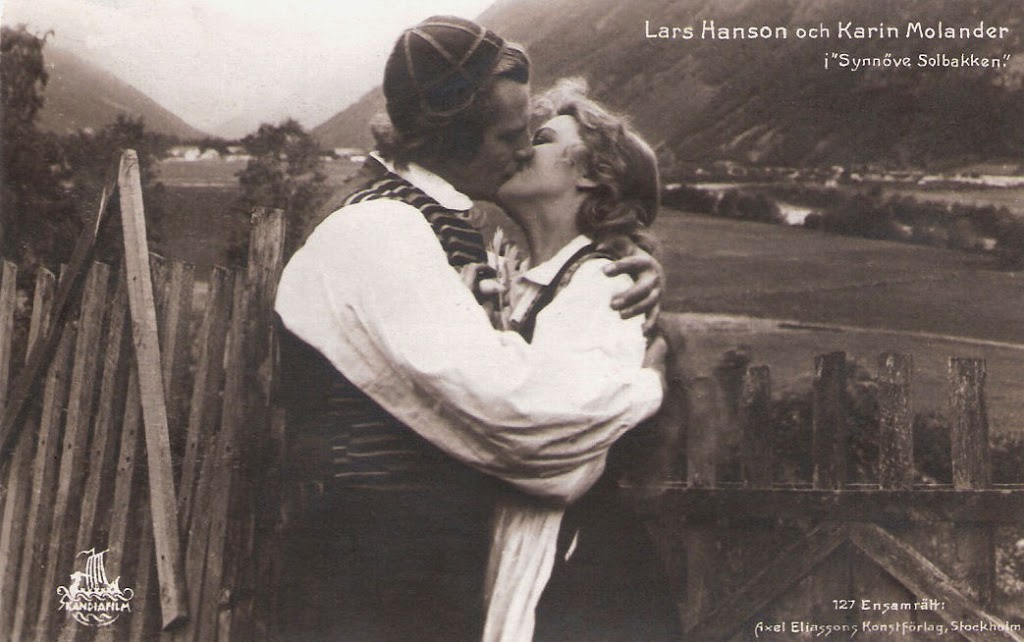
ALSO FROM THE PODCAST: One of the very first films shown at the Brooklyn Academy of Music (in 1921) was the Swedish silent romance Synnøve Solbakken (“The Fairy of Solbakken”), screened decades before BAM’s stage collaborations with Sweden’s greatest filmmaker, Ingmar Bergman.

Looks like a spellbinding movie. Wish I knew Swedish!
 Top picture courtesy NYPL
Film photo courtesy Flickr/Truus, Bob & Jan too!

Times Squared: Lovingly nitpicking ‘The Great Gatsby’ trailer

The recent trailer to Baz Luhrmann’s The Great Gatsby, aka ‘Moulin Rouge in Manhattan’, seems to have left everyone in a state of awe (and horror) in its vivid, hyper-electro-glossy depiction of Prohibition-era New York. And it left many feeling slight panic, even apoplexy, especially considering the entire spectacle will be rendered in 3D when it’s released in December. Oh God. Will flappers kick whimsily towards the camera?

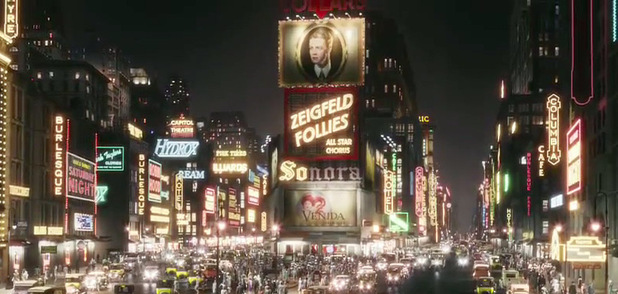
So how accurate was Lurhmann in his glamorous take on Times Square of 1922? How accurate was it supposed to be? Many have already taken note of one glaring and unforgivable error — misspelling the name of Florenz Ziegfeld on the sign for the ‘Ziegfeld Follies’. That ridiculous mistake overshadows a possibly smaller error, that the Follies were actually performed down at the New Amsterdam Theatre on 42nd Street in 1922. However, the Follies from the year before were hosted at the Globe Theater on West 46th Street (today’s Lunt-Fontanne Theatre), quite close to this sign. So perhaps they just kept it up.

Here’s the entire trailer:

Clearly, Luhrmann is interpreting New York, not emulating it. ‘Moulin Rouge’, after all, was Paris through a hazy scrim. He’s filtering the glitz of F. Scott Fitzgerald‘s work through his own dreamlike aesthetic and doesn’t need to fact-check every sign and street corner. Still, the trailer does feature some interesting obscure details, and I can’t help myself.  If you saw a different detail, please post about it in the comments section:

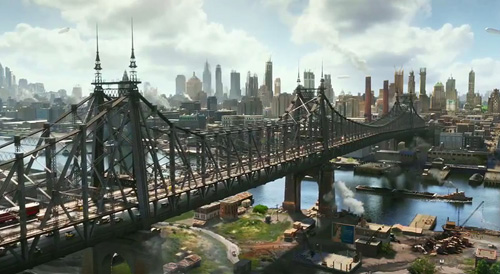
Queensboro Bridge The trailer opens with a spectacular look at the Queensboro Bridge, a potent symbol in the Fitzgerald novel. “Over the great bridge, with the sunlight through the girders making a constant flicker upon the moving cars, with the city rising up across the river in white heaps and sugar lumps all built with a wish out of non-olfactory money.”

The bridge opened in 1909, and it’s a defining image of the Jazz Age, not least of which because the population of Queens almost tripled during the 1920s. There were certainly trains on the Queensboro — it was built to accommodate them — but I’m not sure about that particular train.  Below it sits grimy old Blackwell’s Island, renamed Welfare Island in 1921 and certainly looking the part.

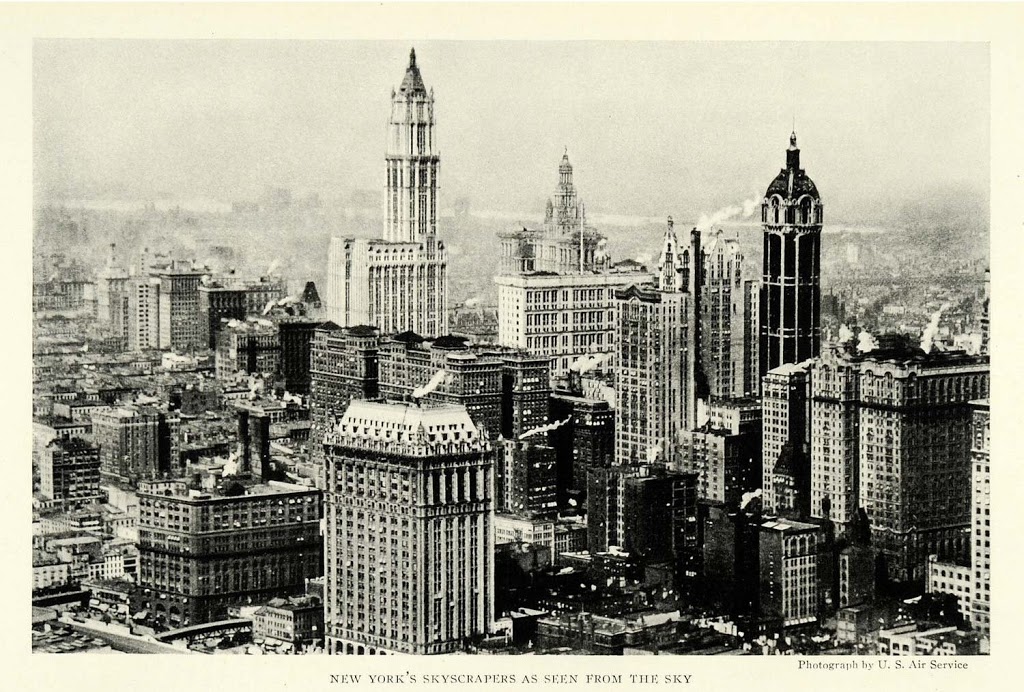
 — Skyscrapers Oh Lord. I don’t think this depicts New York at all but is a composite view of various buildings of the age. Far to the left in the trailer I see structures that look like the Singer Building and the Woolworth Building, but they would not be seen from this angle. Besides, the Woolworth would be taller than the Singer. See below for a size comparison, in a picture from 1922, looking northeast.

There are some vaguely Flatiron Building/Met Life Tower type structures, but they look like they’re on 42nd Street.  And why do I think I can see something that clearly looks like the New York Central Building (later the Helmsley Building) which wasn’t finished until 1929?

Times Square Signs An array of illuminated products logos — in various colorful hues foreign to Times Square in 1922 — gives the Crossroads of the World a mystical glow. The tony Hotel Astor adorned in lights dominates the plaza to the left. Nearby is an ad for Douglas Fairbank‘s ‘Robin Hood’, released in October 1922. It played at the Lyric Theatre. Fairbank’s rival Rudolph Valentino and actress Norma Talmadge created a buzz when they attended the film’s premiere together here.

It’s next to the advertisement for Hydrox (the sandwich cookie which debuted in 1908) and the Capitol Theater, a movie palace which opened in 1919. The tire ad is a nice touch, recalling Times Square’s status as the center of automobile sales and repair during the early 20th century.


Below the Zeigfeld [sic] Follies sign is an advertisement for Sonora, a phonograph company that began producing radios in 1924. Their slogan ‘Clear As A Bell’ harkens back to the company’s original product line — clock chimes.

To the right of those is a sign for the Columbia Theatre, “the royal palace of burlesque” in the 1920s. The theater opened in 1910 with decor of “Roman gold and and French gray, and the hangings and carpets are of rose du Barry.” It became the Embassy movie theaters in the 1970s.

Later on in the trailer, an ad can be seen for Arrow Collars, the detatchable shirt collar company that went on to spawn America’s first male model type, the ‘Arrow Collar Man’, the sort of debonair type who populates the world of Gatsby. Of course, the demand for collared shirts pretty much killed of this industry by the end of the decade.

Grand Central Oyster Bar There appears to be a brief scene at this lush location with its vaulted ceilings. The Oyster Bar would have indeed been a thriving spot in 1922 and an ideal place to mix business with pleasure. A few years later, so goes the legend, David Sarnoff formed RKO Pictures over a few oysters here with Joseph Kennedy. In 1922, Tin Pan Alley lyricist Al Lubin met his music partner Harry Warren here. They went on to create the film musical 42nd Street in 1933.

Yellow Cab Co.? There are many brief glimpses of taxicabs, including those of the Yellow Cab fleet, which would later be purchased by the Checkered Cab company in 1929. In 1922, the Yellow Cab successfully won a ruling barring other paid-ride automobiles from being painted yellow. ‘1,000 Cabs Face Change of Paint.

Blood And Sand A prominent movie marquee is shown near the trailer’s end for Rudolph Valentino‘s ‘Blood And Sand’, a summer box office smash in 1922. This film debuted at the Rivoli, at 1620 Broadway, at 49th Street. From the New York Times film review on its debut: “Mr. Valentino has not been doing much acting of late. He’s been slicking his hair and posing for the most part. But here he becomes an actor again.” Let’s hope the same can be said of Leonardo DiCaprio, who plays Mr. Gatsby.

By the way, the 1974 version of ‘The Great Gatsby’, starring Robert Redford and Mia Farrow, premiered — with attendees in full ’20s regalia — at the Loews State Theater at 1540 Broadway at 45th Street. “The guests, many of them in Teflon or Daisy white, whatever you want to call it, were greeted by hundreds of celebrity gawkers, reporters and photographers.” [source]

Below: A clip from the Valentino film:


As I rewatch the trailer over the next few days, I may amend this article with further information. If there’s something obvious that I’ve missed, please let me know in the comments below!

Thanks to Michael Raisch, whose Tweet to me last night inspired this article.  Screenshots courtesy of Curbed and Entertainment Weekly.

Categories
Mad Men

Mad Men 1966-67: Speculation, context and flashbacks

Our favorite randy, drunken Madison Avenue suits return this Sunday with an extra-special long episode of ‘Mad Men‘ this Sunday. As with prior seasons, I’ll try and follow up most shows on Monday with a little historical commentary.

The wonderful thing about this show is that they’re nothing if not hyper-sensitive about historical accuracy. From hints given by producers, it appears the new season will open sometime late in the year 1966 or perhaps early 1967. Some significant events during that year that may come into play on the show, either in major disruptive ways or in fine, knowing details:

— It’s the first year of the John Lindsay mayoral administration. Although he governs over a metropolis in steep financial crisis and paralyzed by striking workers, he still considers it a ‘fun city’.

Pennsylvania Station is ceremoniously demolished. The fate of the treasured train station has been the subject of prior episodes. Could its final destruction represent something more for the troubled ad agency?

The World Trade Center begins construction. I’ll be very surprised if some mention isn’t made of the envious offices with their magnificent views.

— ‘Cabaret‘ opens on November 20, 1966.  Finally, something opens in New York more debauched than an ad agency Christmas party!

— New York’s most fabulous club is The Electric Circus on St. Mark’s Place, drawing the magnificent and the mod, including the entourage of former advertising illustrator Andy Warhol.

— This is the year of color and camp. New on TV: Star Trek, Batman, The Monkees, Dark Shadows

— In 1966, there 385,000 American troops in Vietnam, of which over 6,000 would be killed that year alone. A massive protest hit the streets of New York in April 1967 and dozens burned their draft cards in Central Park. A Maxwell House coffee can was famous used to burn the cards. A new client for Don Draper?

— Cassius Clay had fans last season at Sterling Cooper Draper Pryce. As Muhammad Ali, will he still have them after he becomes a conscientious objector against the war?

The most important album of 1966 comes from two boys from Forest Hills, QueensPaul Simon and Art Garfunkel.

— New York played second-fiddle to the colorful imported fashion trends of London. Fashion became daring, flamboyant and colorful, even the dress suits. Skirt hems elevate. Pictured above: New York’s hottest star Barbra Streisand on one side, Marlene Dietrich the other, and the currency of 1966 fashion in between, at a Paris fashion show. Pic courtesy Life Google images

— A strange year at the movies, the top box office hits were ‘Hawaii‘ and ‘The Bible‘. However the cultural zeitgeist was surrounding the third biggest film of the year — ‘Who’s Afraid Of Virginia Woolf?‘ Can you imagine a time when a stage adaptation was the third biggest film of the year?

— Gay rights protests begin popping up around the Village, including a slightly botched ‘sip-in’ at Julius Bar in April of 1966. Might we see a reappearance of Sal in this context?

— New York gets its first FM rock music station in 1966 — WOR-FM. While I doubt this fact makes the show, expect a soundtrack heavily laced with sweat and reverb. (Or perhaps, laced with something more tangible?)

— On top of color televisions, potential clients for the agency include such newfangled inventions as disposable diaper, the synthetic fiber Kevlar, lawn replacement AstroTurf, the sugar substitute NutraSweet and any product related to the American quest to reach the moon.

Here’s a sampling of some articles I’ve written for the blog on ‘Mad Men’ episodes. You can find them all by clicking on the label ‘Mad Men‘:

‘Mad Men’ returns: a guide to eating (and drinking) options
‘Mad Men’ notes: The once and future Hotel Pennsylvania
‘Mad Men’ notes: A movie theater classic in its final days
‘Mad Men notes: Naked truths about New York nudism
‘Mad Men’ notes: Upscale flowers in a mystery mansion
‘Mad Men notes: Konnichiwa, New York City!