Categories
The Alienist

The Alienist podcast takeover: Haunting historical tales to accompany the new TNT limited series

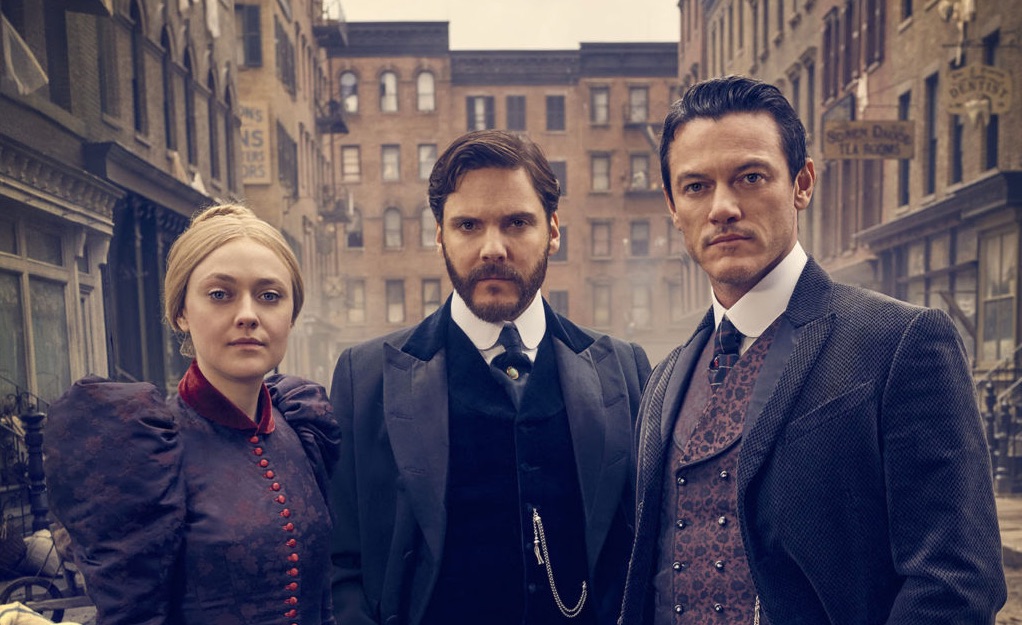
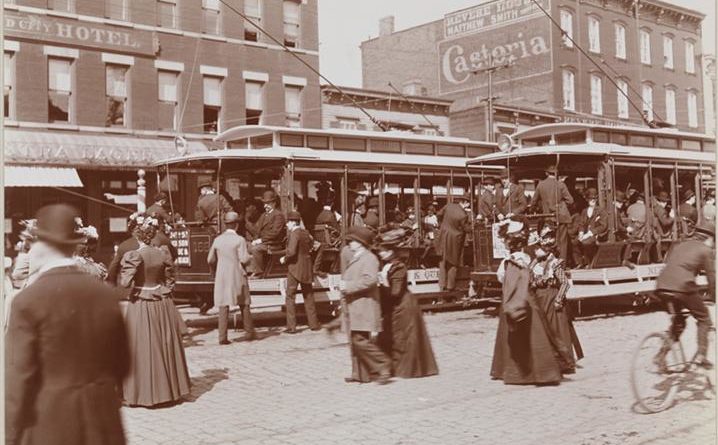
This weekend brings an absolute treat for New York City history lovers: the debut of the TNT limited series The Alienist, based on the classic Caleb Carr best seller, starring Daniel Bruhl, Luke Evans and Dakota Fanning. (The first episode debuts on Monday, January 22, although you can catch a sneak preview the night before after the Screen Actors Guild Awards.) This series will explore the grimy and often terrifying underbelly of New York’s Gilded Age in the 1890s, following a group of investigators who use unconventional methods to track a murderer through Old New York’s seedy back alleys.

Perhaps you know how much we love the original source material so we’re greatly looking forward to seeing it play out on television this winter. And what better way to prepare yourself for this television event than immersing yourself in haunting and unsettling historical stories of crime — in podcast form!

Throughout the week, several podcasts join in the fun as they participate in an ‘Alienist podcast takeover’, presenting fascinating and moody real-life tales of murder, mystery and mayhem, all inspired by the material in The Alienist.

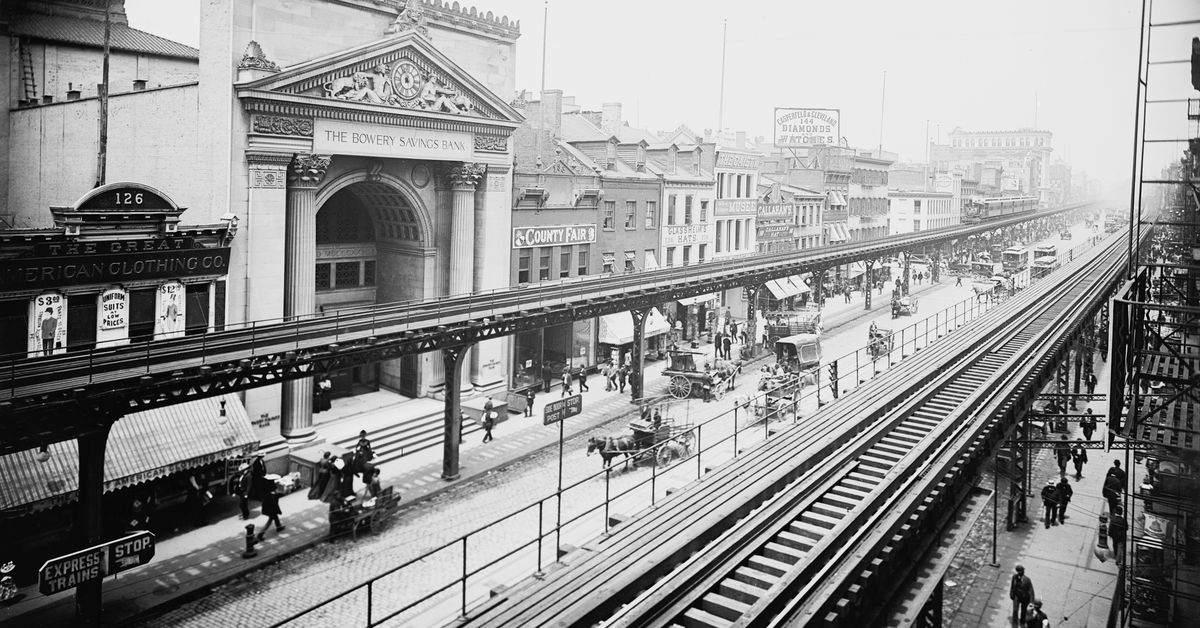
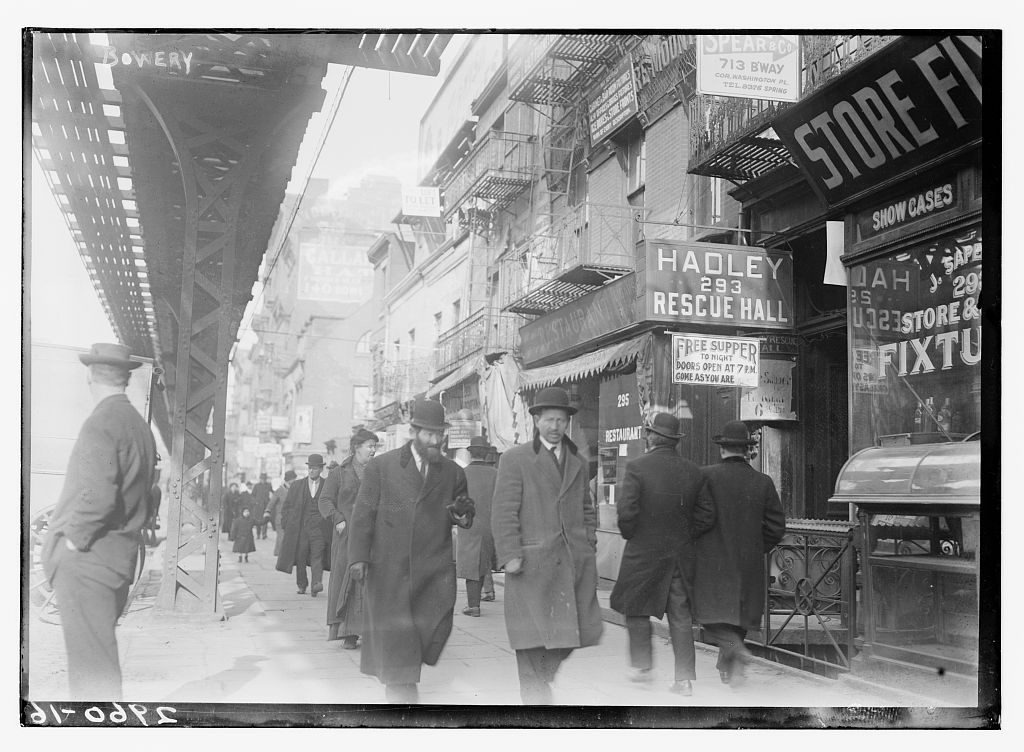
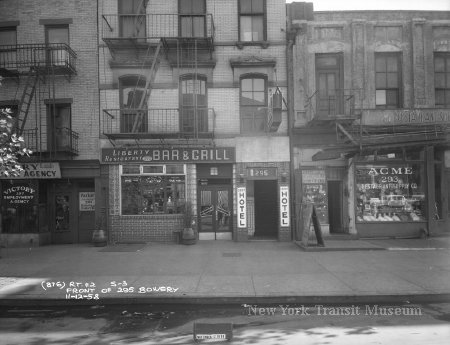
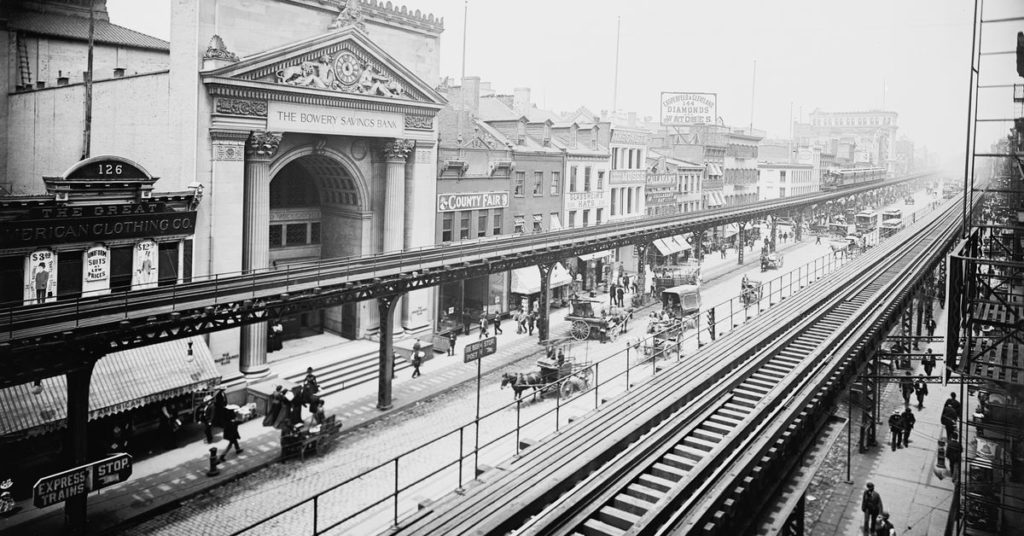
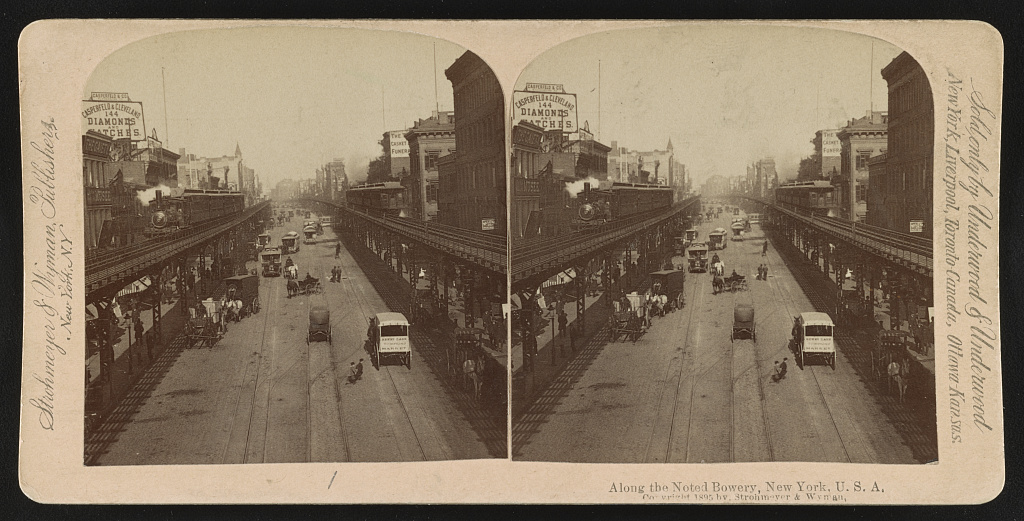
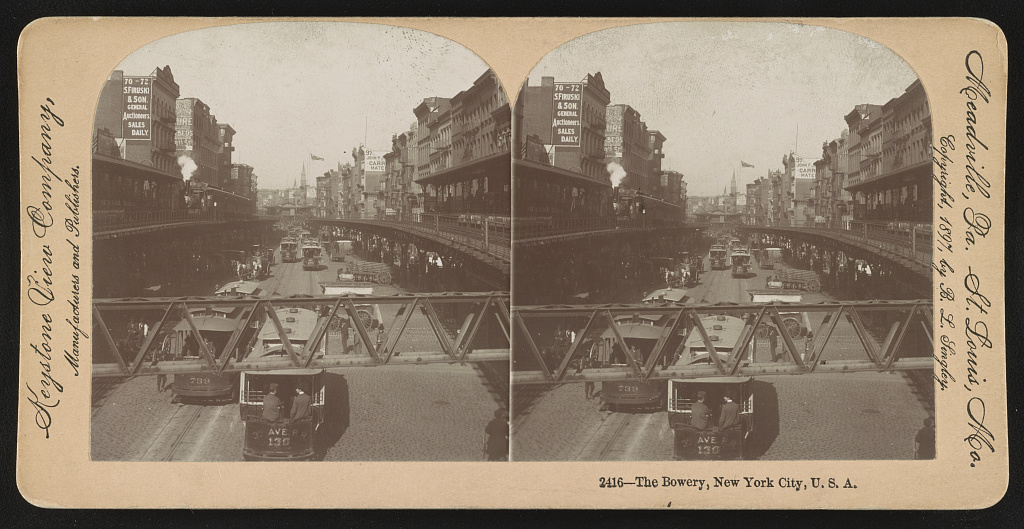
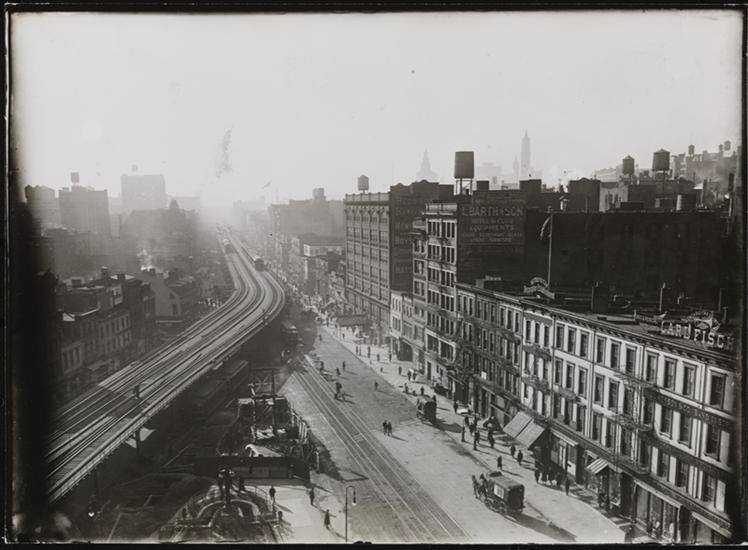
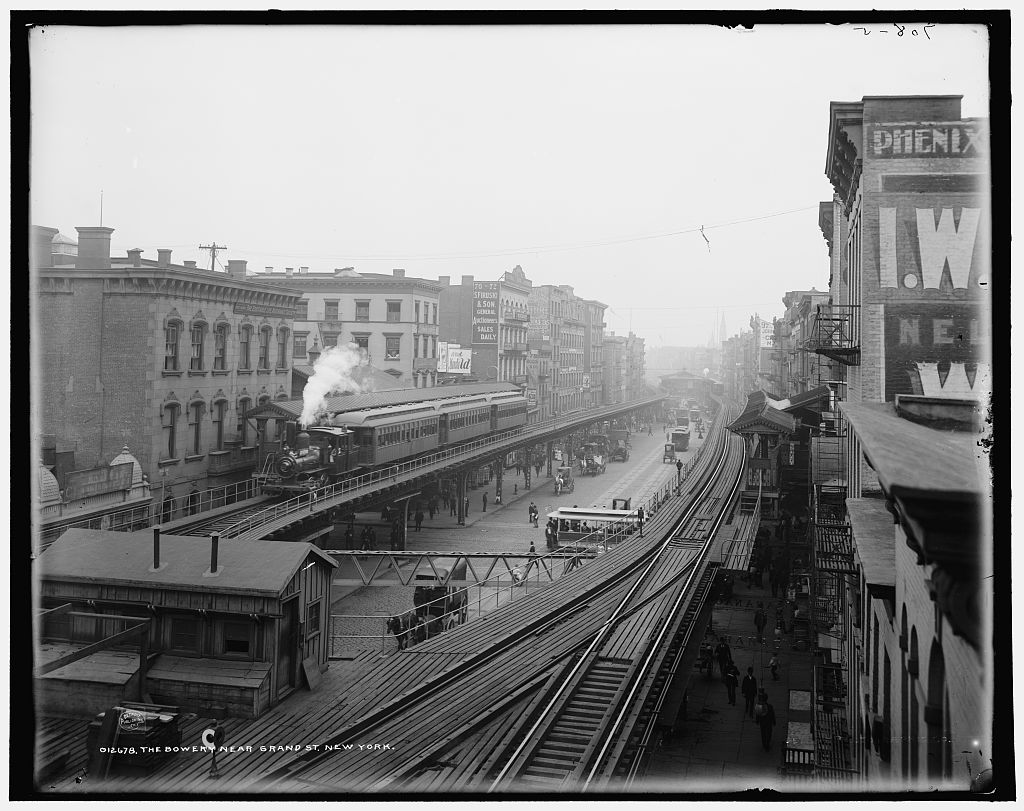
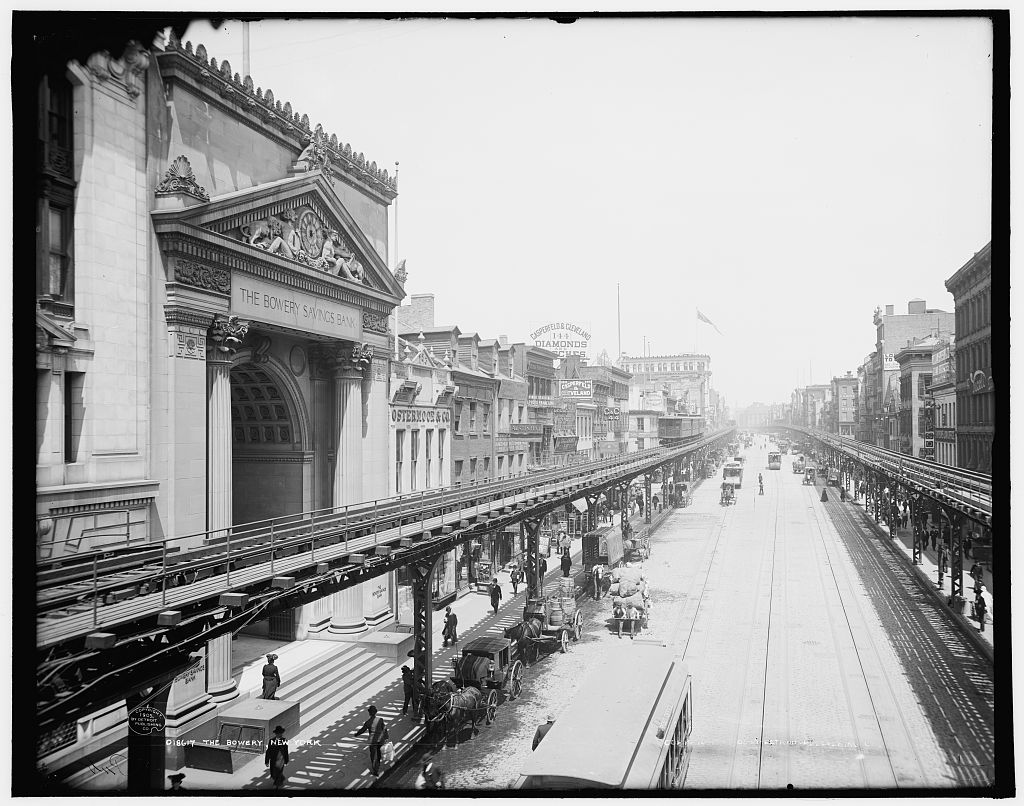
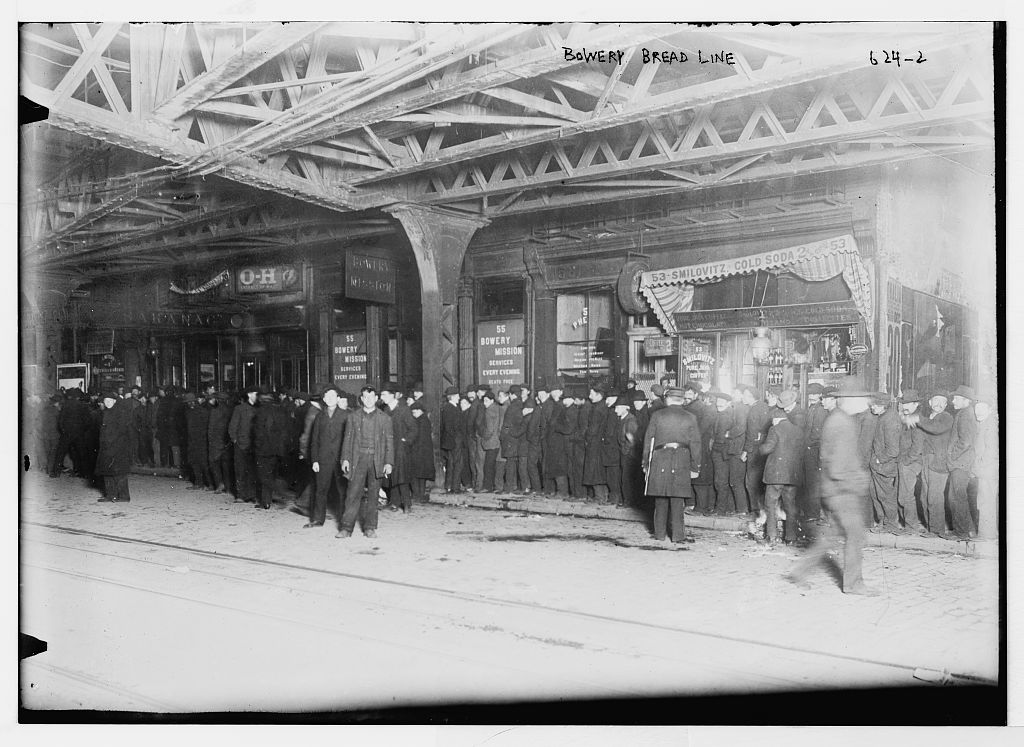
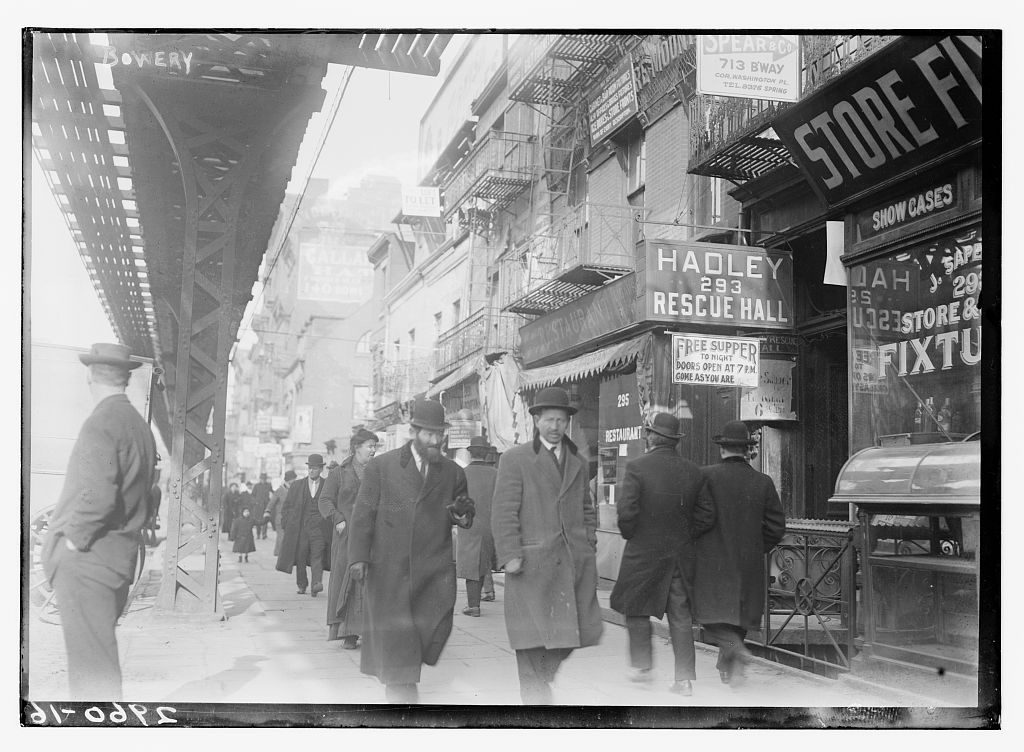
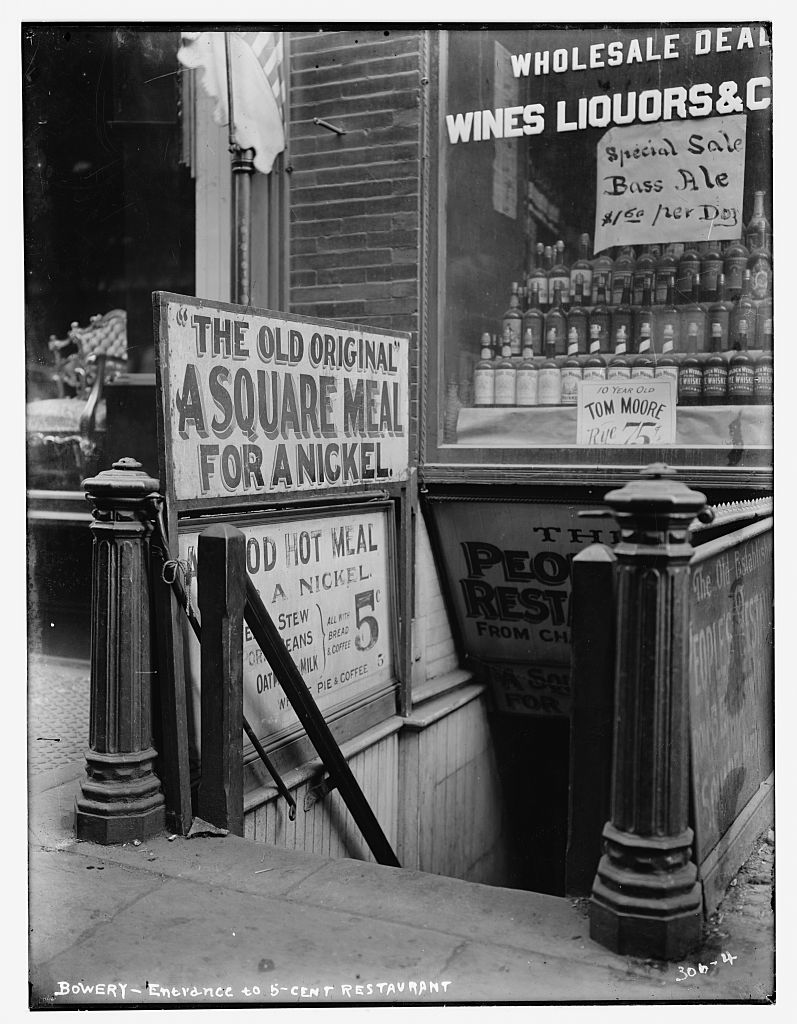
Below is the full directory of podcasts releasing special Alienist-themed episodes. The Bowery Boys will finish the series with a brand new podcast episode (coming out on Friday) that delves into the disturbing side of the Bowery in the late 19th century.

Listen to these podcasts via the players below or look for these shows on your favorite podcast players.

SERIAL KILLERS
With hosts Greg Polcyn & Vanessa Richardson
Subject: Jane Toppan
“After a childhood filled with abuse, poverty, and shame, Jane Toppan (born Honora Kelley), left her foster home and pursued nursing. To many, she seemed like a loving nurse who cared deeply for her patients. But for years, she used her nursing skills to experiment with medicines…and kill the people who trusted her the most.”

Thinking Sideways Podcast
With hosts Devin, Joe and Steve
Subject: The Murder of Thomas Edwin Bartlett
“On January 1st 1886 Thomas Edwin Bartlett was found dead in bed. Doctors discovered chloroform in his stomach and determined it was the cause of death. How did it get there? Did he drink it willingly? Did his wife give it to him? Did her lover? To this day no one knows.”

Unsolved Murders: True Crime Stories
With hosts Carter Roy & Wendy Mackenzie
Subject: The Wall Street Bombing
“On September 16, 1920, an explosion went off at 23 Wall Street, killing 38 people and injuring hundreds more. But no one knew who set off the bomb, or why. We explore the political and financial turmoil that may have inspired the attack, and we look into the man who warned New Yorkers of the bombing beforehand with uncanny detail.”

CASEFILE: True Crime
Subject: The Lady In the Barrel
“September 15th, 1878 was a cooler than average day for Staten Island, New York. A cold north-westerly breeze blew as three young teenage boys tended cattle in the woods near Silver Lake…”

The Generation Why Podcast
With host Aaron and Justin
Subject: The Murders Of Thomas & Ann Farrow
“March 27, 1905. London, England. Thomas & Ann Farrow had been shopkeepers at Chapman’s Oil and Colour Shop in Deptford for more than two decades. On the morning of March 27, 1905 they were victims of a vicious attack. Thomas was in the shop on the floor having been bludgeoned to death. Ann, barely breathing, was still in her bed having been bludgeoned as well. Police took witness statements and examined both the shop and the Farrow’s flat for clues. In the early days of forensics it was not so easy to tie a crime to a person. The Farrow case would rest upon a new forensic science tool. One that would anger some who didn’t believe it to be a real science. If the right people could not be convinced, this crime would go unpunished.”

Last Podcast on the Left
With hosts Ben Kissel, Marcus Parks and Henry Zebrowski
Subject: The Thames Torso Murders
“Join us on this minisode as we extend our Jack the Ripper episodes past the official five Ripper victims to six mysterious headless torsos found around London between 1873 and 1889, pointing towards the possibility of a second unidentified serial killer apart from the Ripper.”

CRIMINAL
With host Phoebe Judge
Subject: Like A Page From A Book
In 1892, a gruesome murder took place in a small fishing village in Argentina. The police had a suspect who would not confess. What happened next would change the way murders were investigated around the world.

The Bowery Boys: New York City History
With Tom Meyers and Greg Young
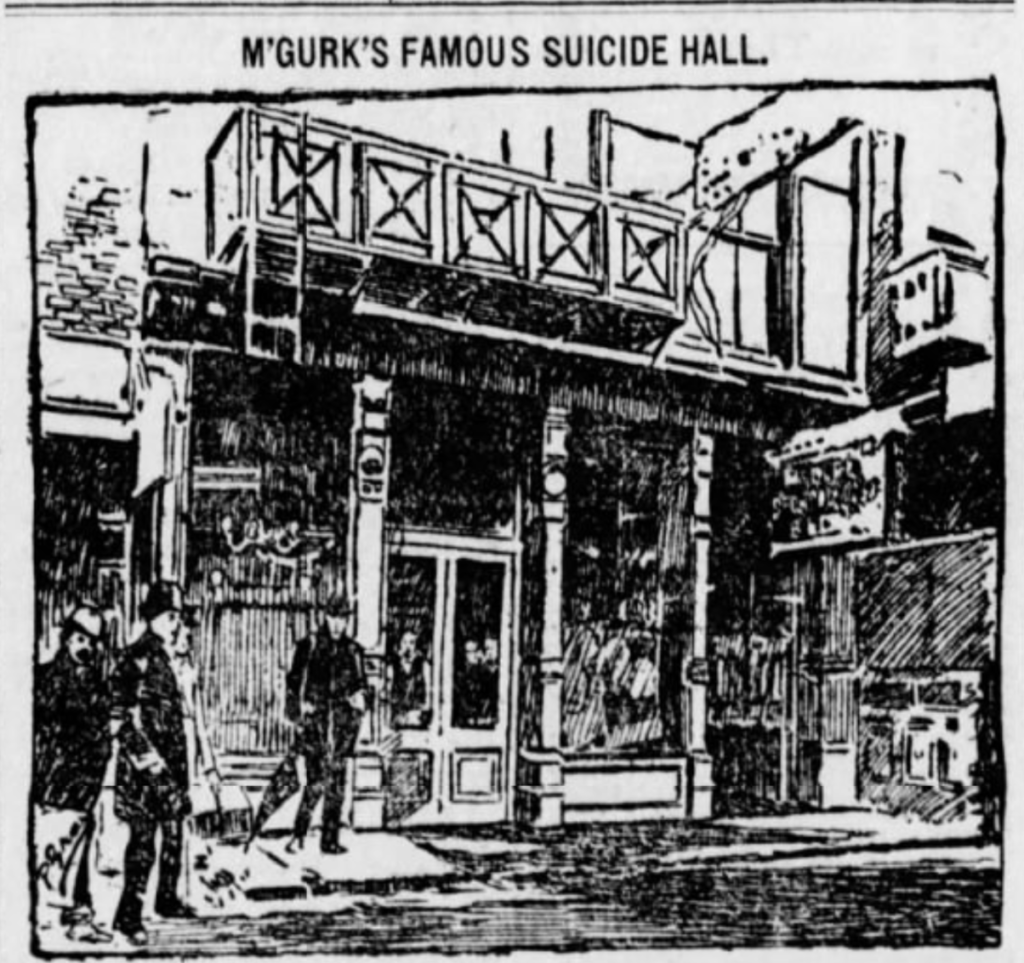
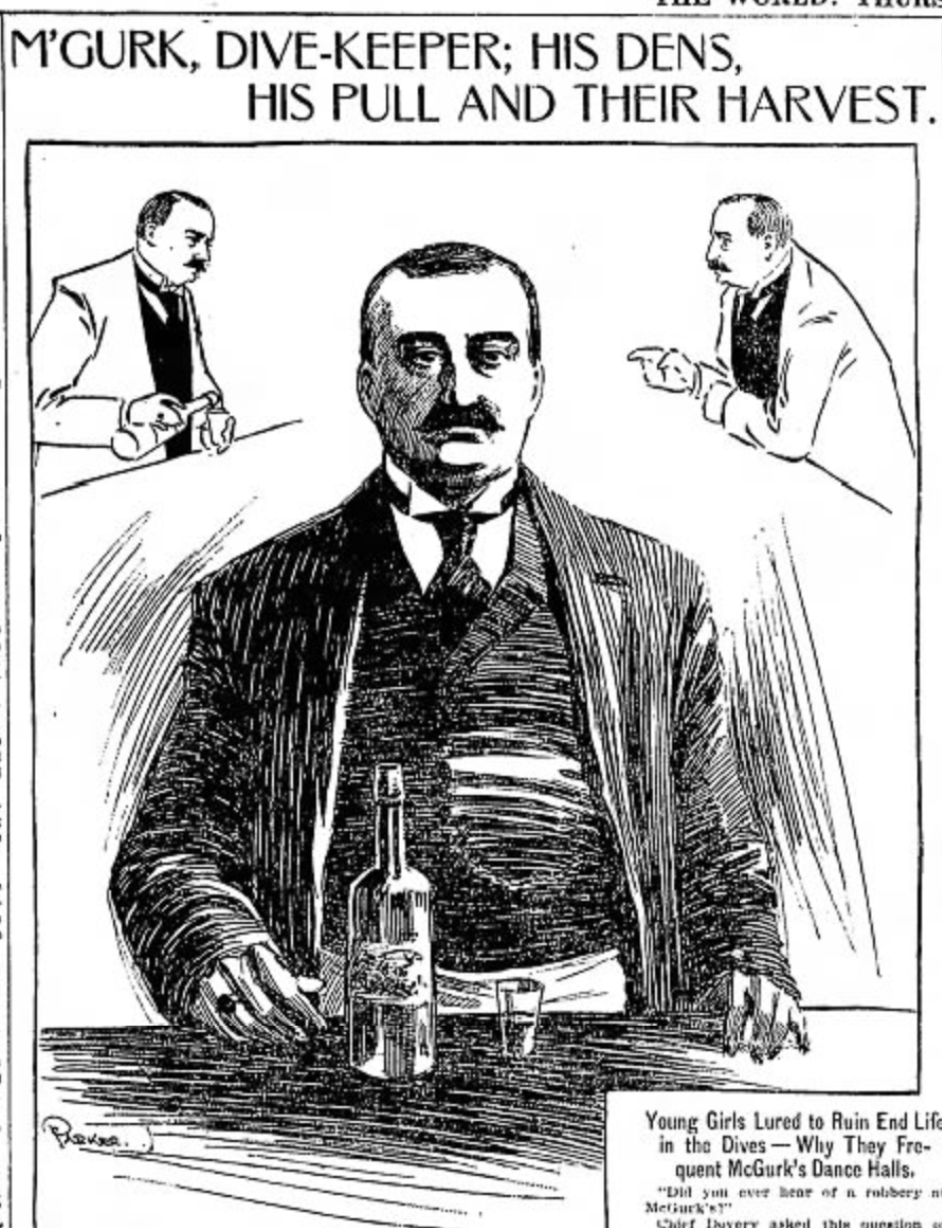
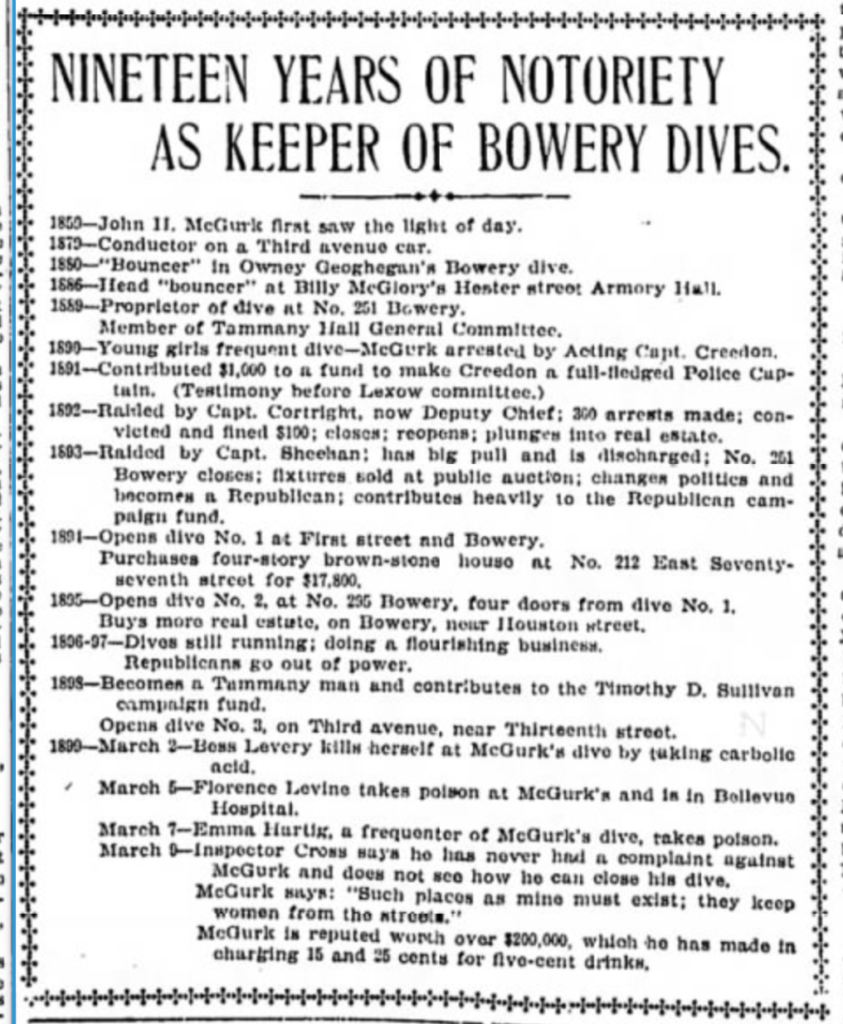
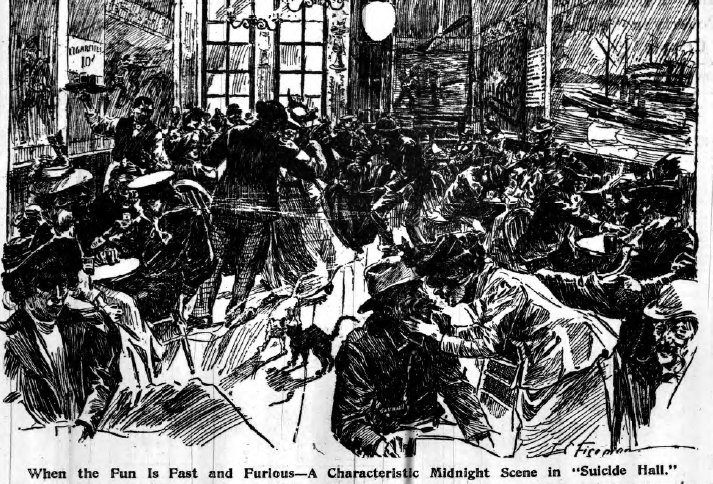
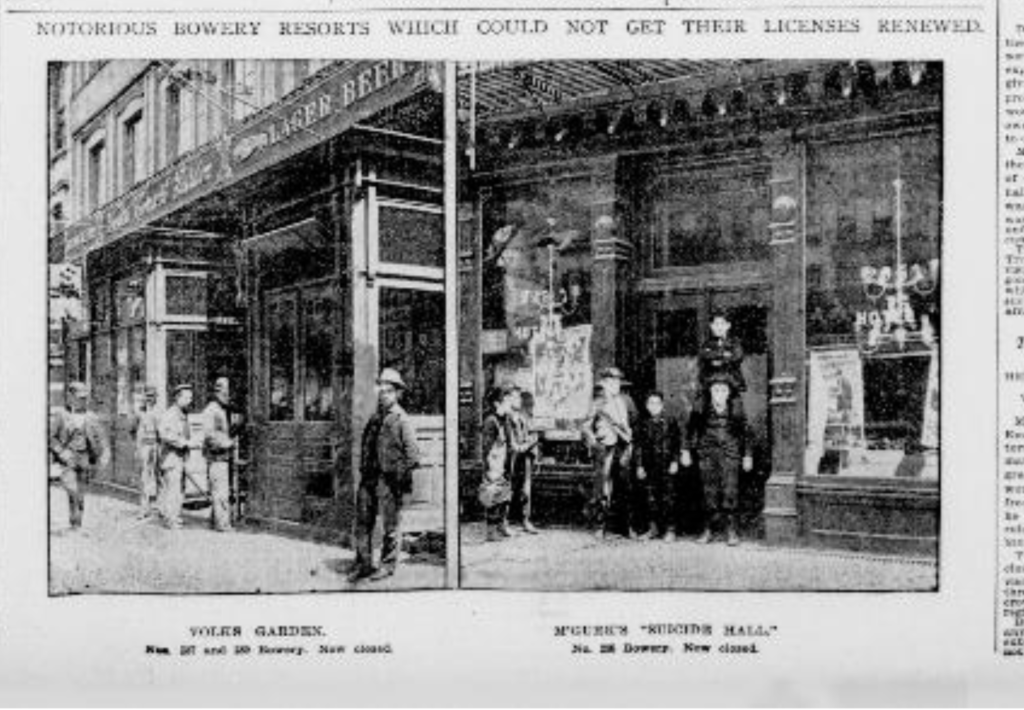
Subject: McGurk’s Suicide Hall: The Bowery’s Most Notorious Dive
“In early March of 1899, a woman named Bess Levery climbed to one of the top floors of McGurk’s — floors given over to illegal behavior — and killed herself by drinking carbolic acid. Within a week, two more women had ventured to McGurk’s, attempting the same dire deed. By the end of 1899, the dance hall had received a truly grim reputation, and its proprietor, capitalizing on its reputation, began calling his joint McGurk’s Suicide Hall.”

Categories
Gilded Age New York

The Gilded Age: The Bowery Boys join PBS for a discussion at the New-York Historical Society

The Gilded Age, a fascinating new documentary from PBS’s American Experience, premieres in early February. But we’ve got your ticket to the premiere on Thursday, January 25! The Bowery Boys are hosting a panel discussion about the film at the New-York Historical Society, and we’d love to see you there.

 ——————

In collaboration with PBS’s AMERICAN EXPERIENCE, the New-York Historical Society is proud to present a first glimpse of the eagerly anticipated documentary, The Gilded Age. (Watch the trailer here.) The preview will be followed by a panel discussion with the film’s production team and experts on the era.

The Gilded Age presents a compelling and complex story of one of the most convulsive and transformative eras in American history. In the closing decades of the 19th century, the U.S. population doubled in the span of a single generation, national wealth expanded, and two classes rose simultaneously, separated by a gulf of experience and circumstance that was unprecedented in American life. Join us for an exciting evening of exploration and reflection on this historic era.

The panel
Steve Fraser, historian and author, Age of Acquiescence: The Life and Death of American Resistance to Organized Wealth and Power
Sylvia Hoffert, Professor of History Emerita, Texas A&M University and author, Alva Vanderbilt Belmont: Unlikely Champion of Women’s Rights
Mark Zwonitzer, writer of The Gilded Age
The Bowery Boys: Greg Young and Tom Meyers


The Gilded Age Screening and Panel Discussion
Free but RSVP is strongly recommended as seating is limited. Those without an RSVP cannot be guaranteed a seat.
RSVP to koconnor@nyhistory.org

7pm on Thursday, January 25
The Robert H. Smith Auditorium at the New-York Historical Society
170 Central Park West, New York, NY 10024

More information on The Gilded Age which makes its PBS debut on Tuesday, February 6.

Categories
Landmarks Podcasts

The Empire State Building: Story of an Icon

PODCAST The history of the Empire State Building revealed!


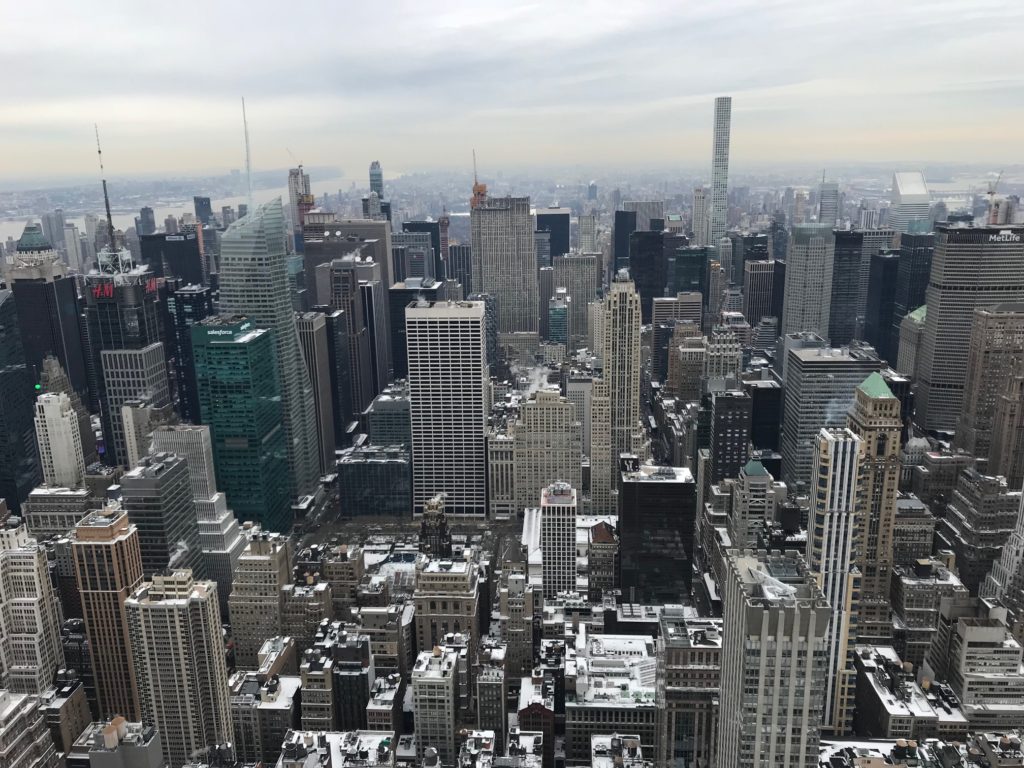
Start spreading the news …. the Bowery Boys are finally going to the Empire State Building!

New York City’s defining architectural icon is greatly misunderstood by many New Yorkers who consider its appeal relegated to tourists and real estate titans.

But this powerful and impressive symbol to American construction has a great many secrets among its 102 (or is that 103?) floors.

The Empire State Building project was announced in 1929 by former New York governor Al Smith. The group of wealthy investors he fronted were clear in associating the building with his image (the Empire State itself), and Smith was even there at the demolition of the building it would replace — the Waldorf-Astoria Hotel.

A few weeks after the announcement, however, the stock market crashed.

In this podcast, we look at how this magnificent skyscraper was built with incredible speed and efficiency, to tower over a city entering the Great Depression. It quickly became a beacon of hope for many — a symbol of American skill and the embodiment of the New York City spirit.

Tourists would indeed flock to it, enamored of the extraordinary views it offered for the very first time. (Most of its early visitors had never been in an airplane.) It would eventually become an object of great value and the subject of tabloid headlines — many featuring the current President of the United States — but it would never, ever lose its luster.

In fact, that luster, over the years, would become very well lit…..

LISTEN HERE:

________________________________________________________

The Bowery Boys: New York City History podcast is brought to you …. by you!

We are now producing a new Bowery Boys podcast every week. We’re also looking to improve the show in other ways and expand in other ways as well — through publishing, social media, live events and other forms of media.  But we can only do this with your help!

We are now a member of Patreon, a patronage platform where you can support your favorite content creators for as little as a $1 a month.

Please visit our page on Patreon and watch a short video of us recording the show and talking about our expansion plans. If you’d like to help out, there are five different pledge levels (and with clever names too — Mannahatta, New Amsterdam, Five Points, Gilded Age, Jazz Age and Empire State). Check them out and consider being a sponsor.

We greatly appreciate our listeners and readers and thank you for joining us on this journey so far.

_______________________________________________________

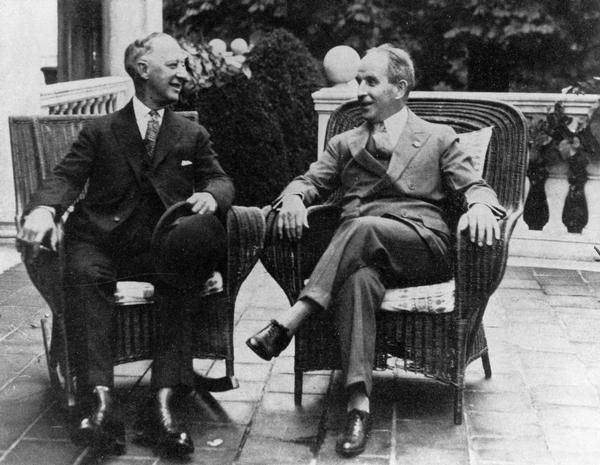
Al Smith, 1928 Democratic nominee for President of the United States, and John J. Raskob, chairman of the Democratic National Committee, were the two men most responsible for the idea of the Empire State Building.

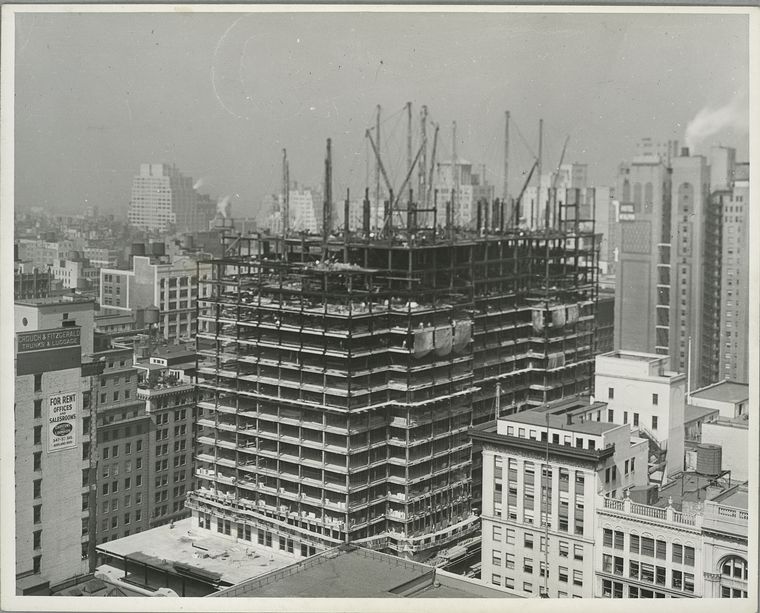
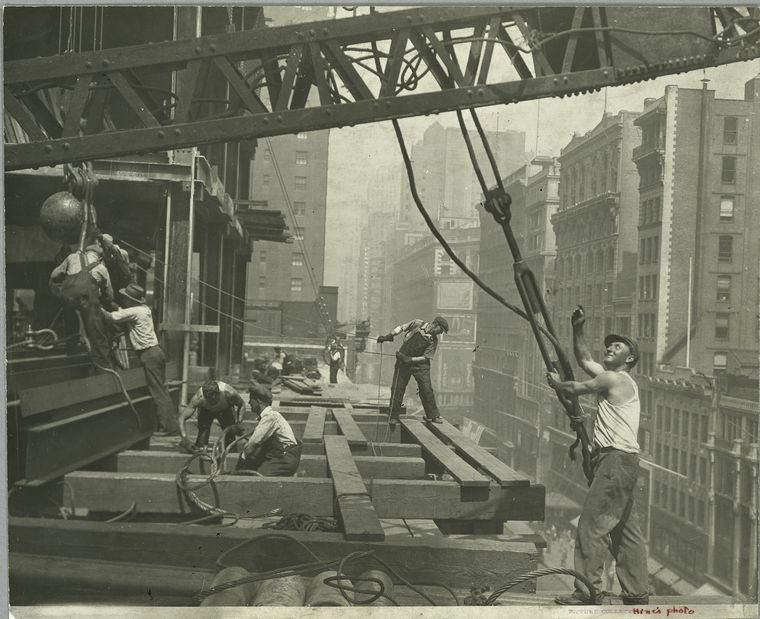
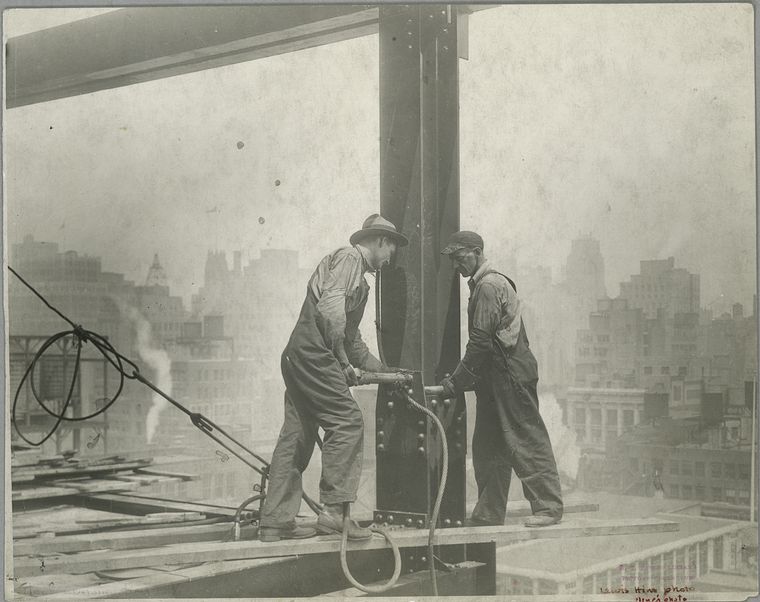
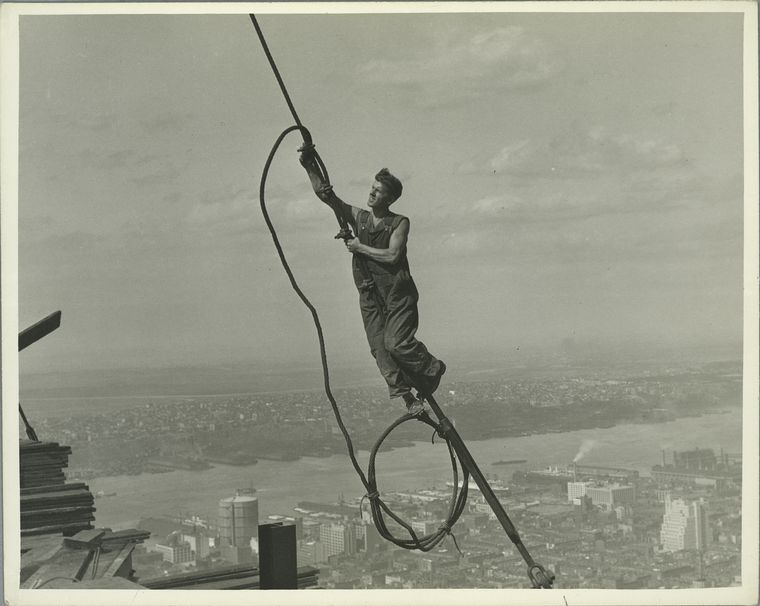
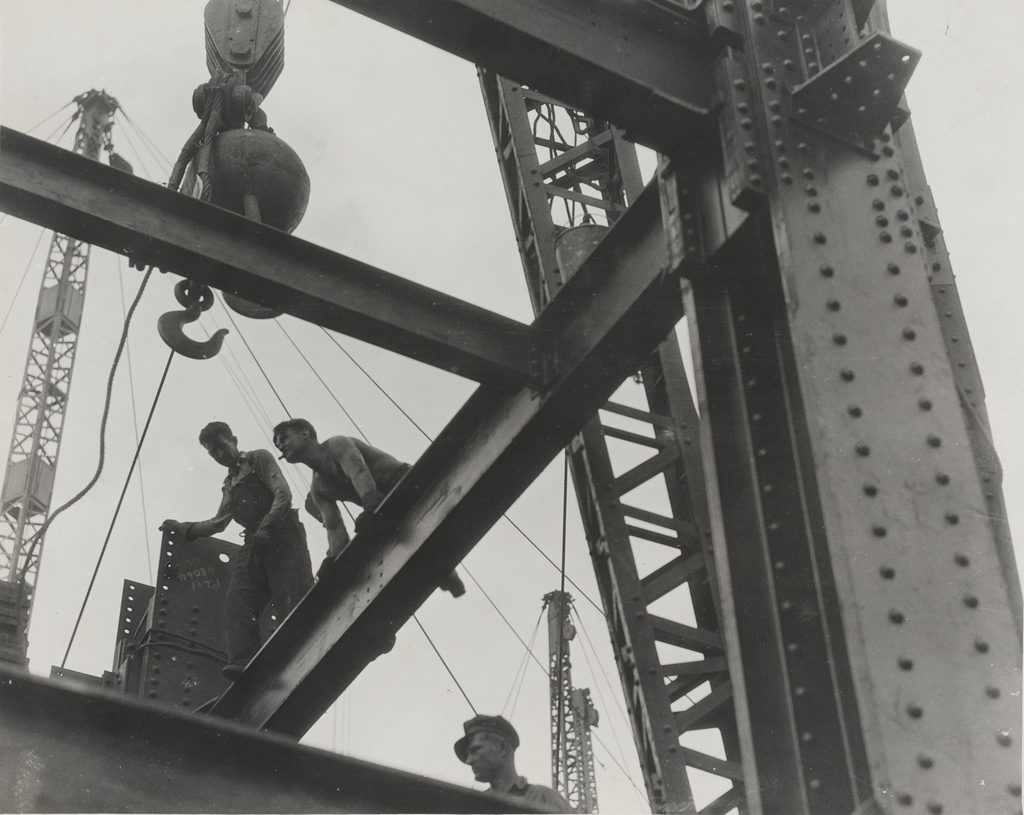
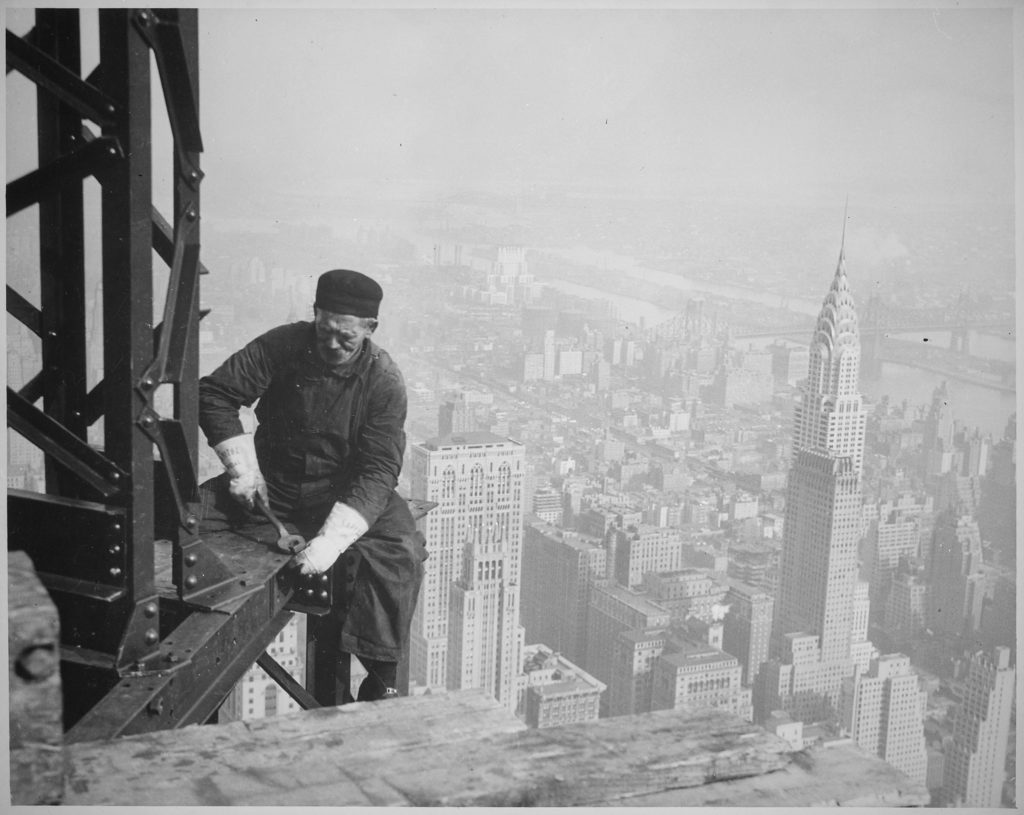
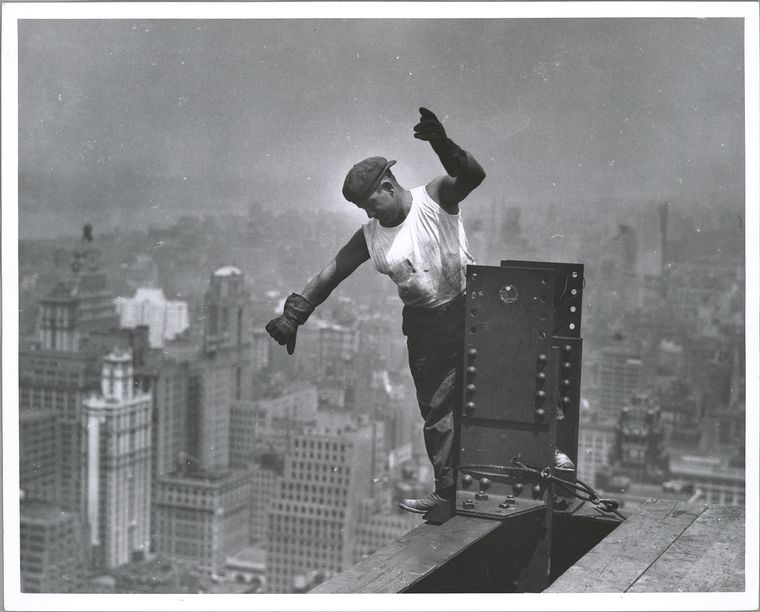
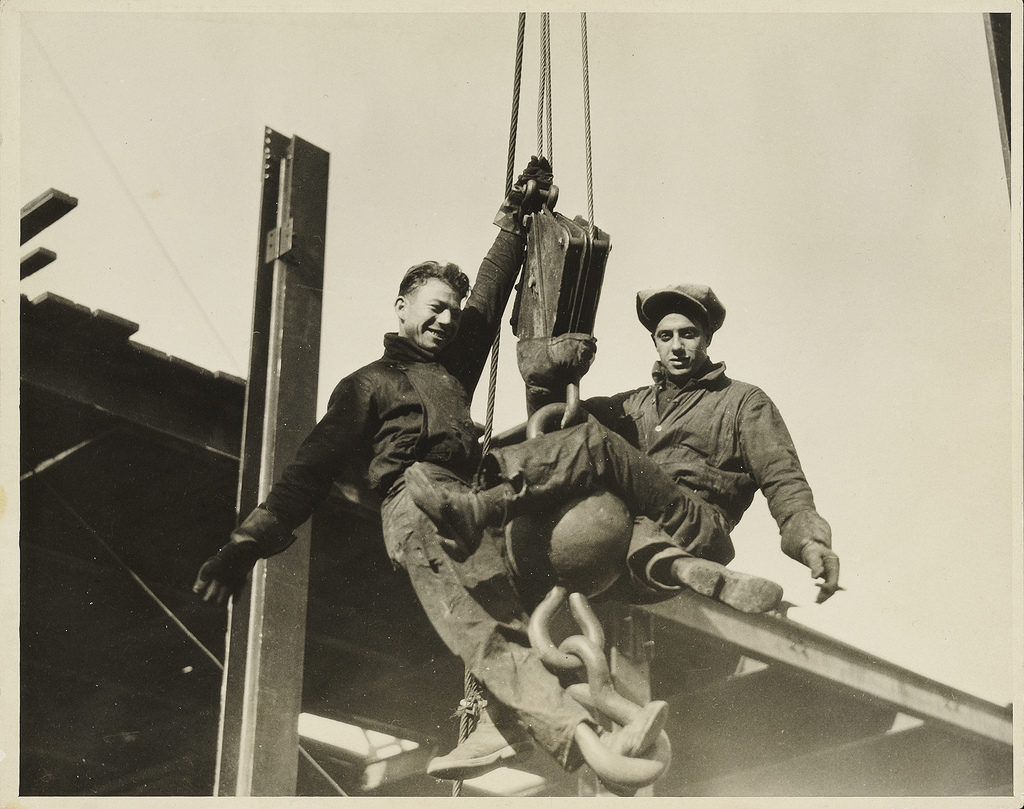
From the New York Public Library (except here noted): Photographs taken by Lewis Hine of the construction of the Empire State Building:

NYPL
NYPL
Preus Museum
U.S. National Archives
Preus Museum

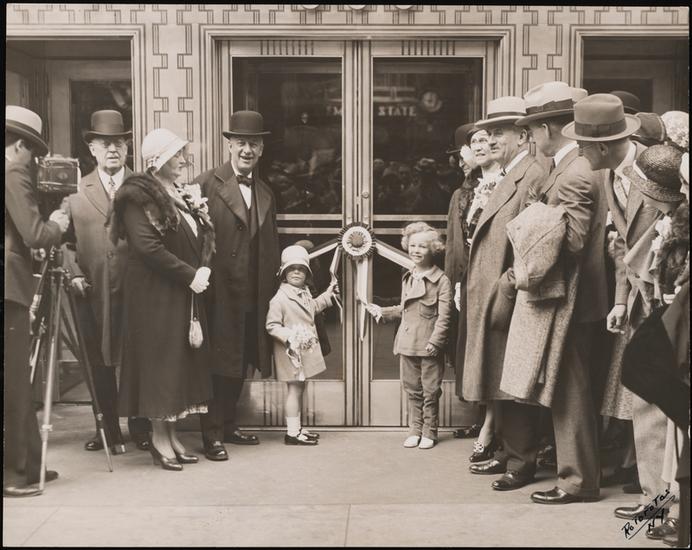
Al Smith — with his children — at the opening ceremony of the Empire State Building.

MCNY

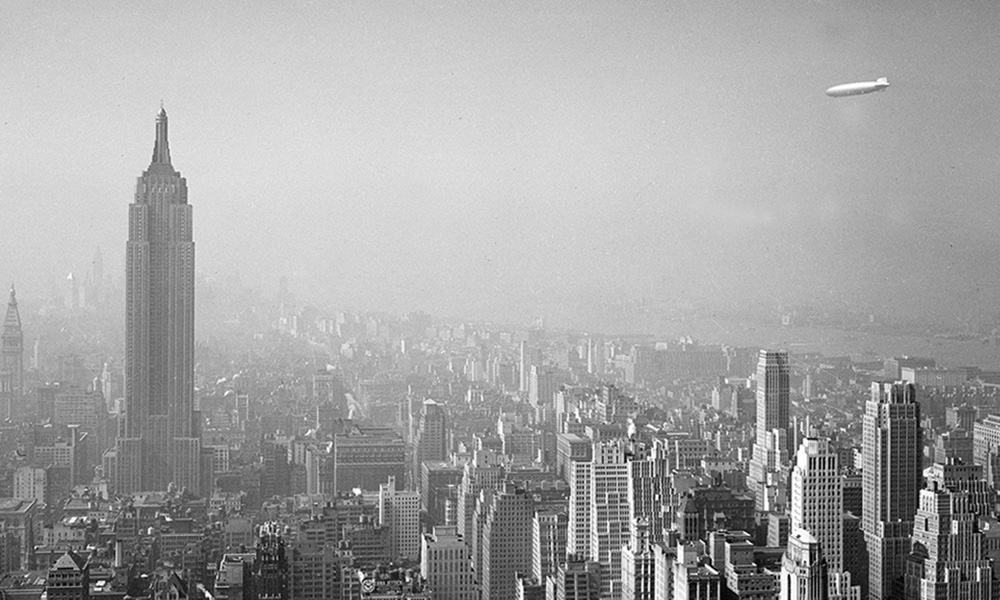
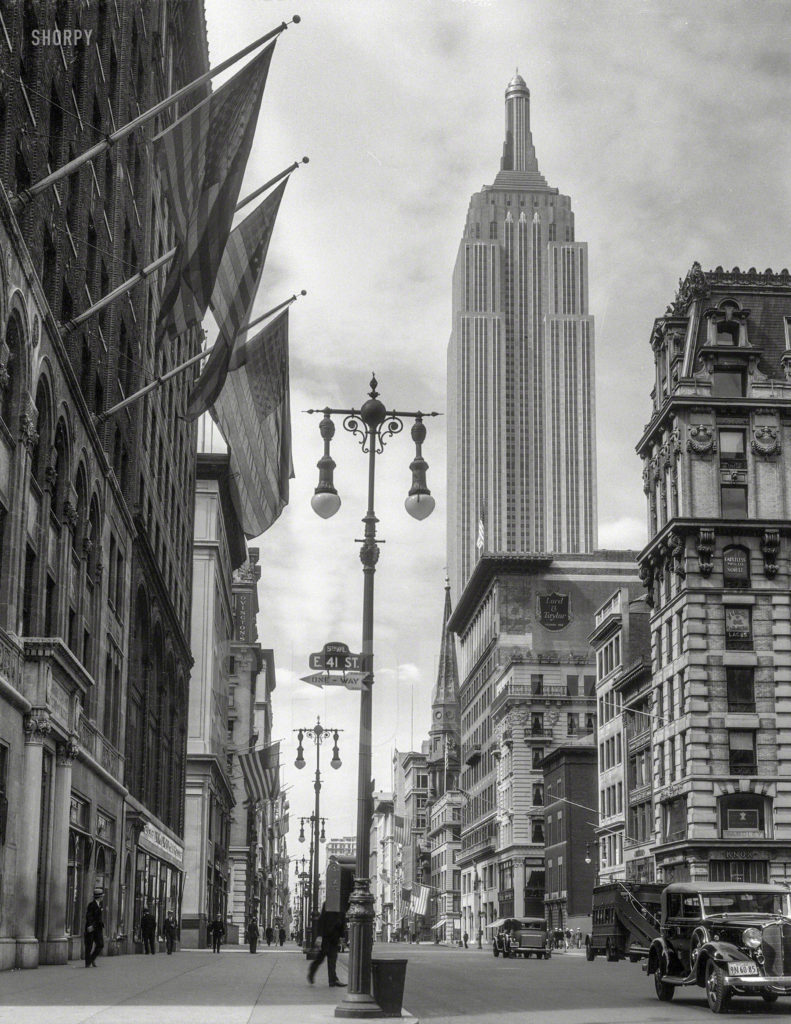
The Empire State in 1933, looking like a futuristic rocket standing over a city of Beaux-Arts architecture.

Library of Congress, cleaned up image Shorpy

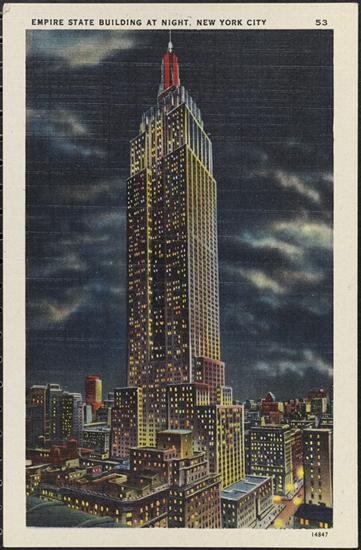
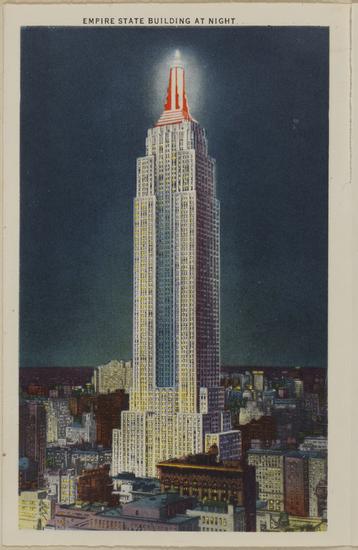
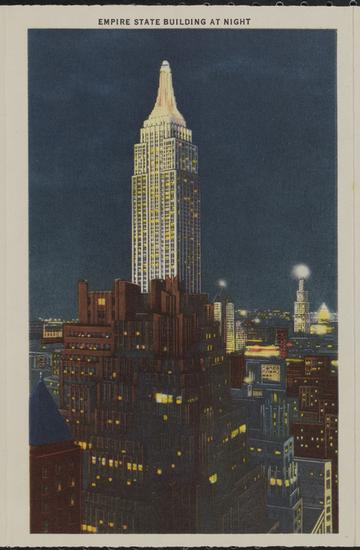
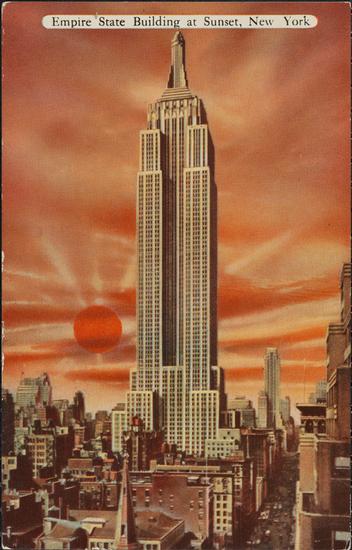
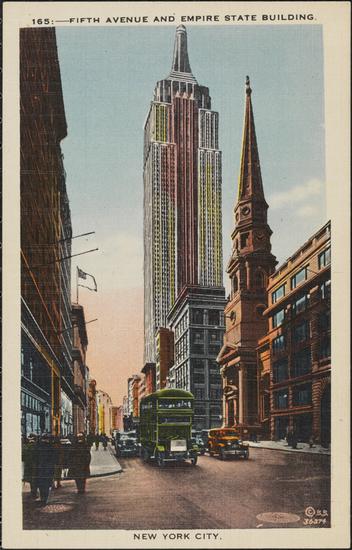
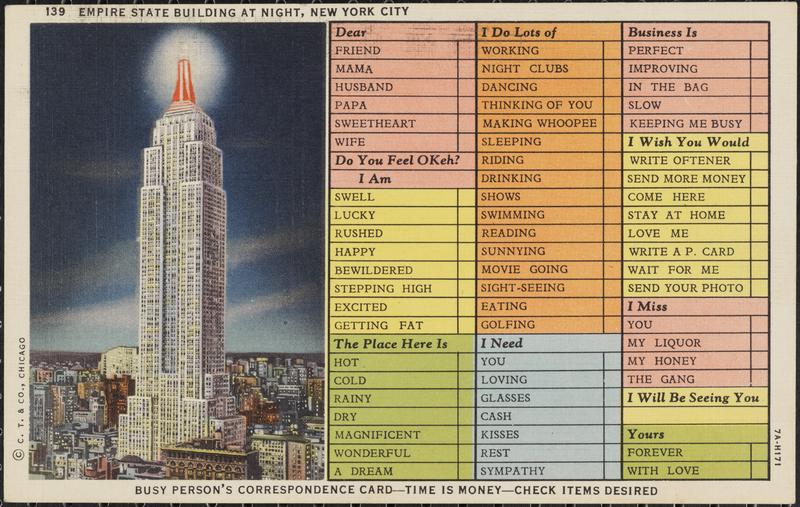
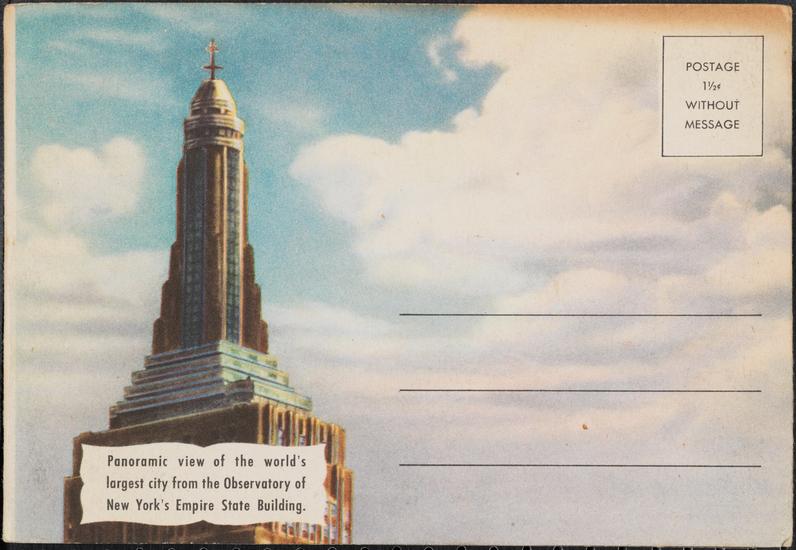
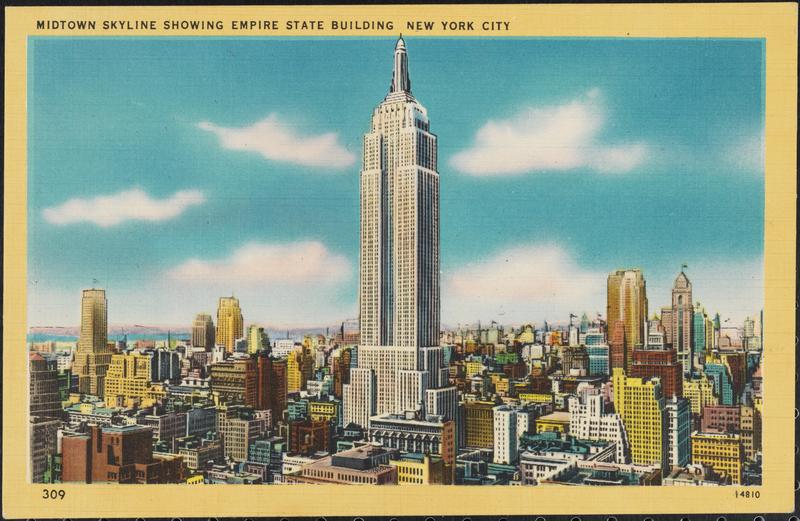
The Empire State Building — in postcards! (From the collection at the Museum of the City of New York.) You could buy these in the gift shop, available for purchase for the first day the building opened.

MCNY
MCNY

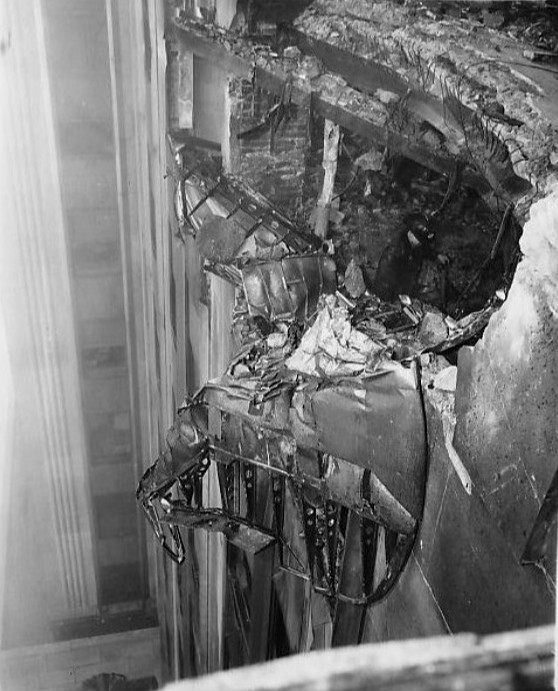
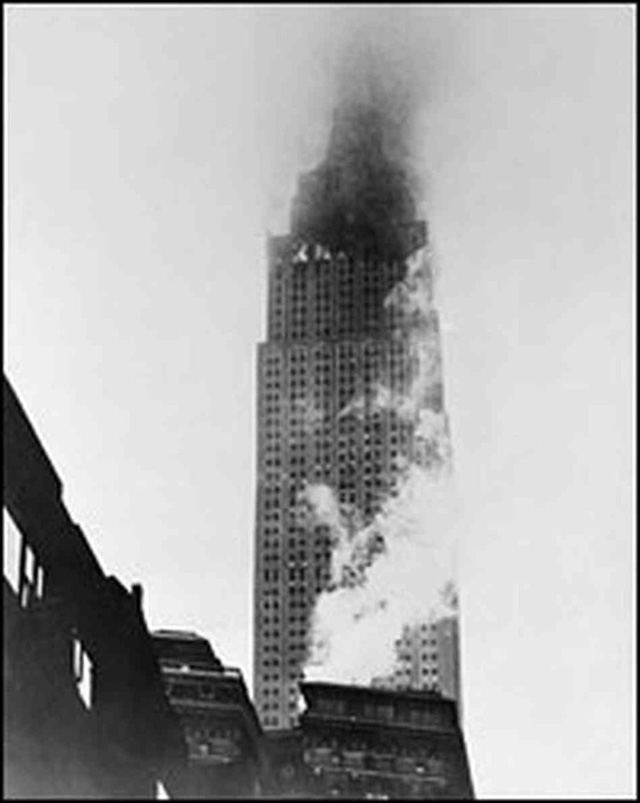
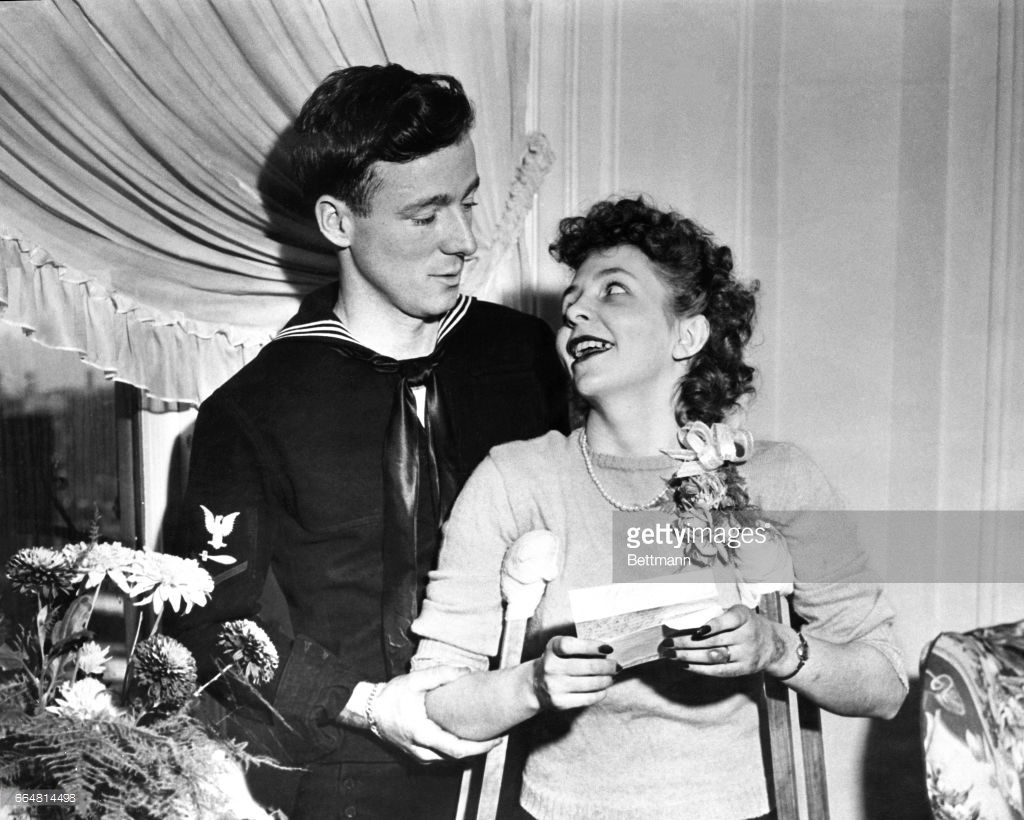
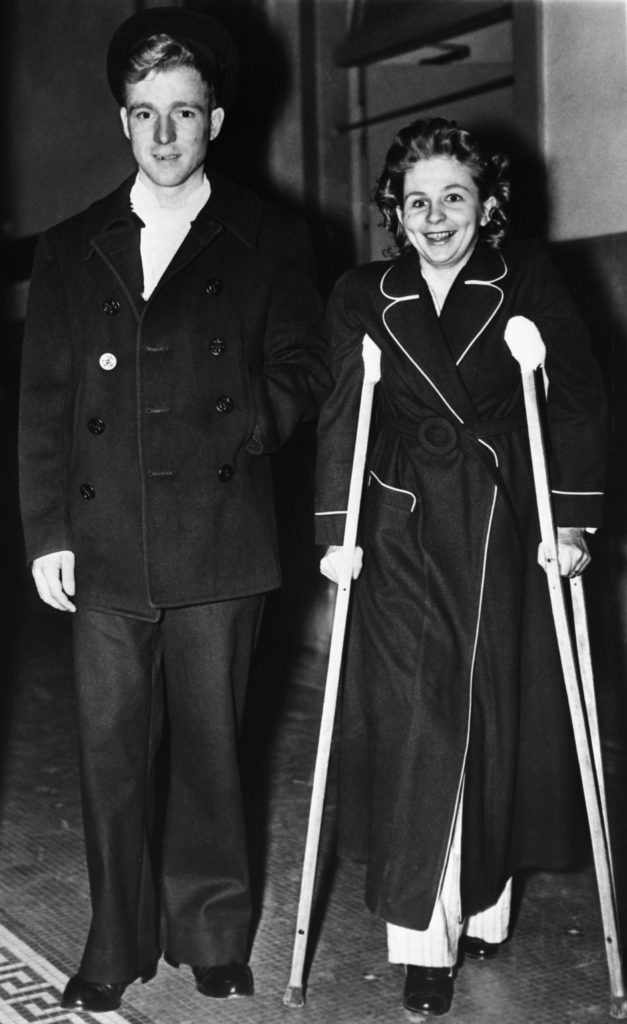
The tragic plane crash into the Empire State Building on July 28, 1945 caused 14 deaths. Injured elevator operator Betty Lou Oliver managed to survive a terrible plunge of 75 stories when the elevator she was been transported in plummeted.

Betty Lou Oliver on crutches, being consoled by her Navy husband Oscar Oliver.

The Empire State Building on film:

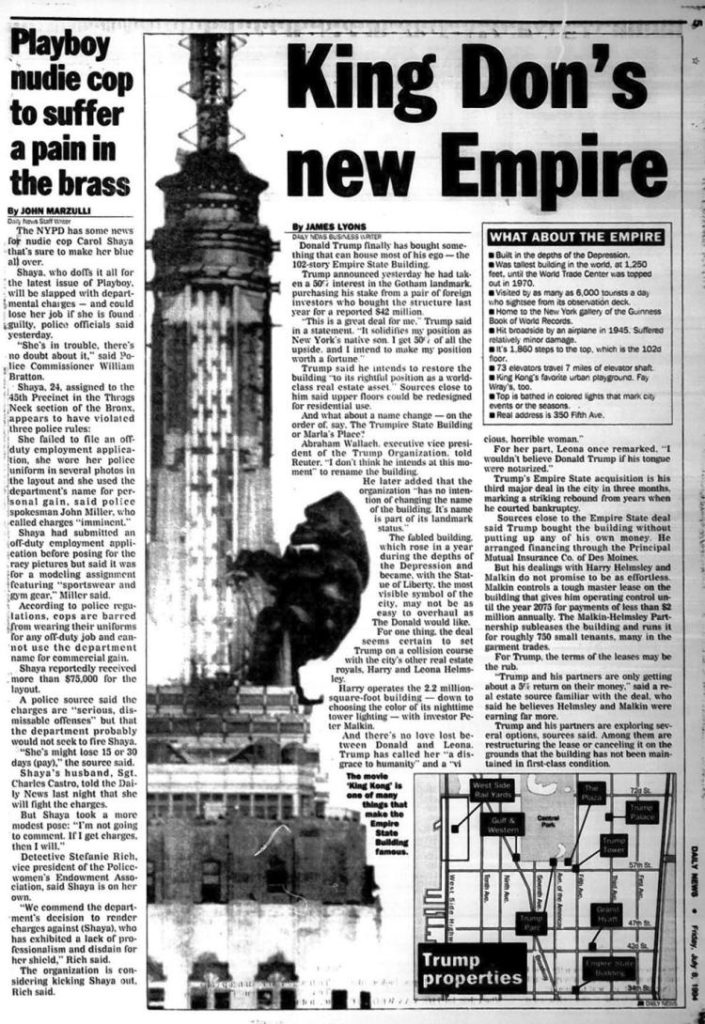
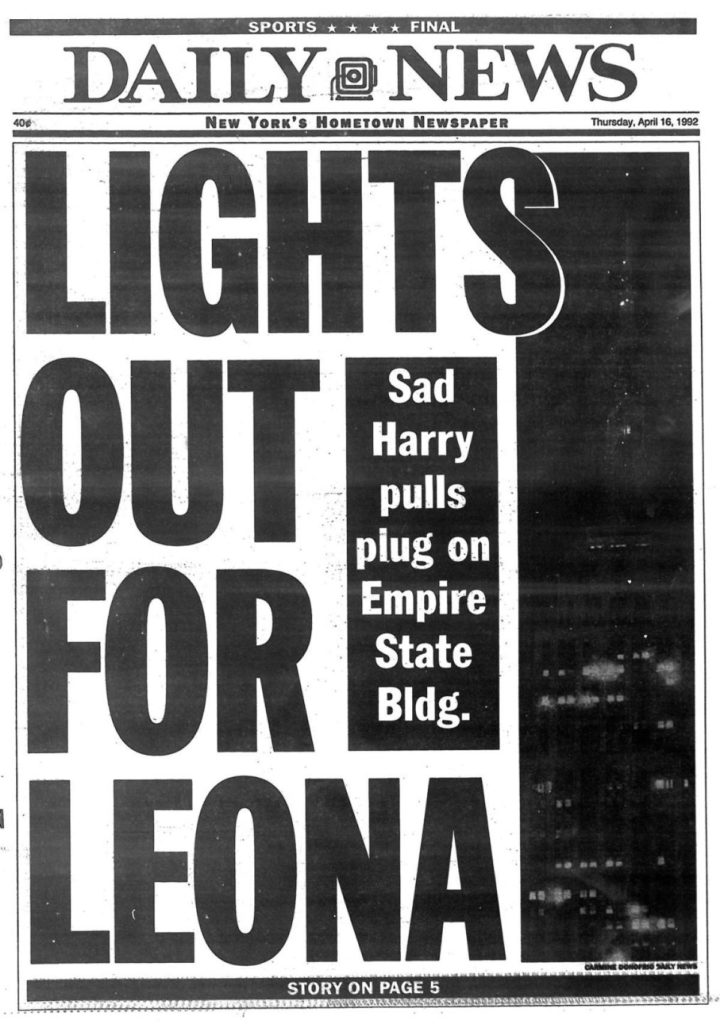
Some amusing tabloid headlines from the 1990s featuring Donald Trump and Leona Helmsley

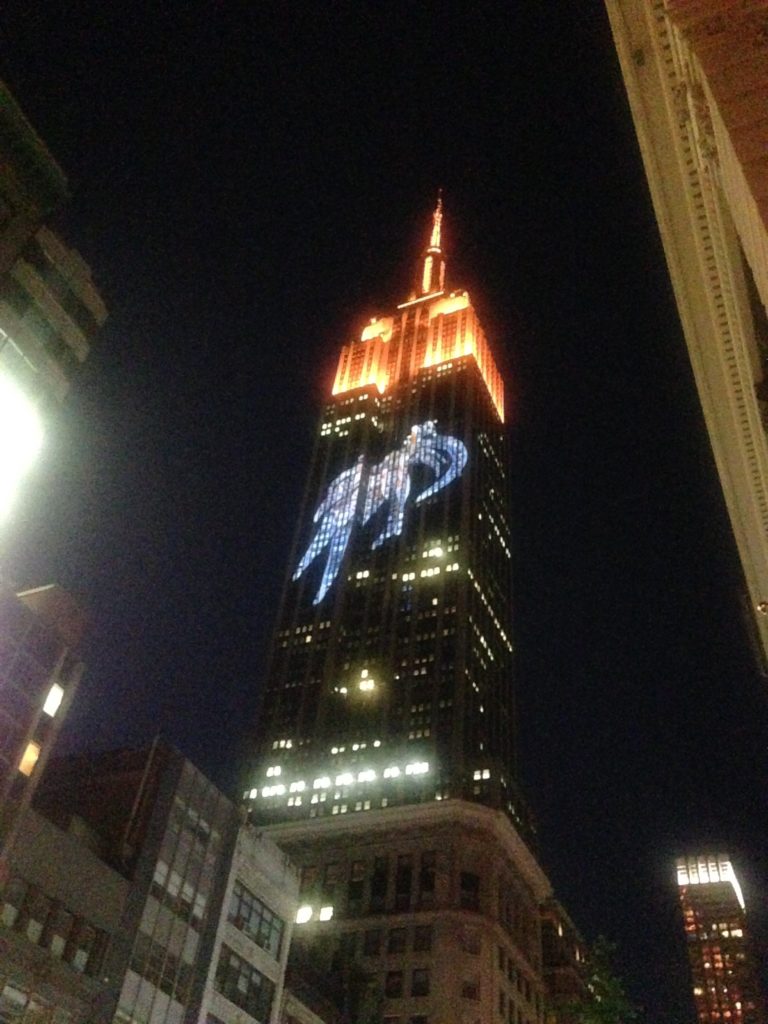
The Empire State Building projected the winner of the 2016 presidential election — thanks to its state-of-the-art lighting technology

More dazzling were the endangered species projected upon it during the summer of 2015:

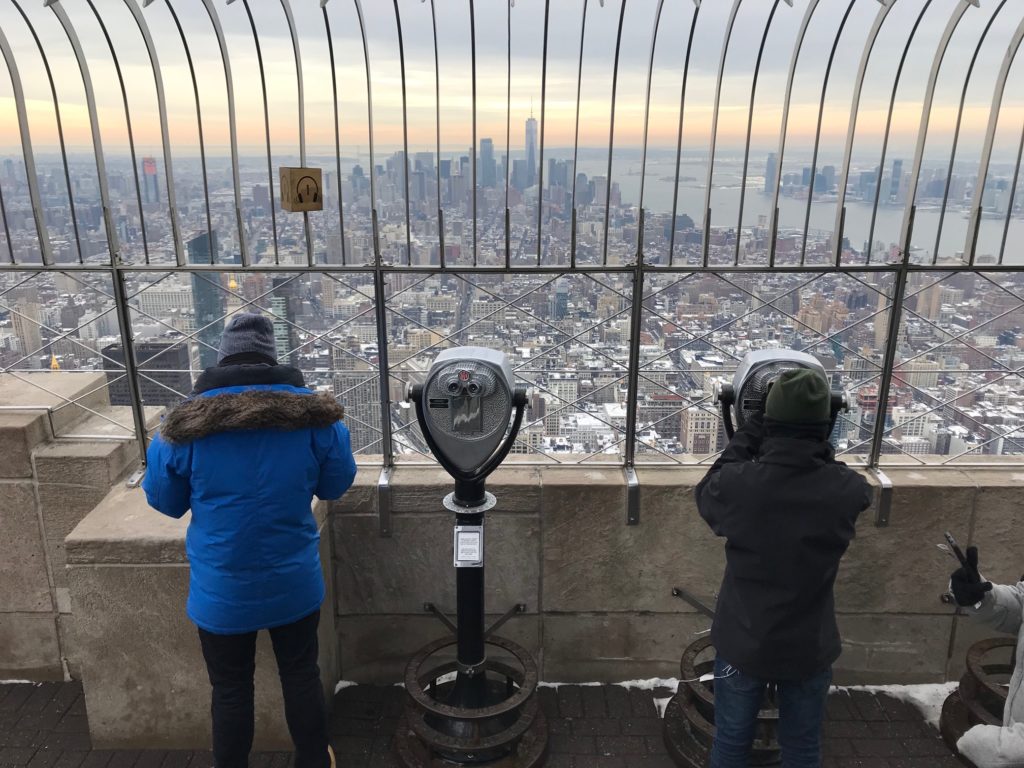
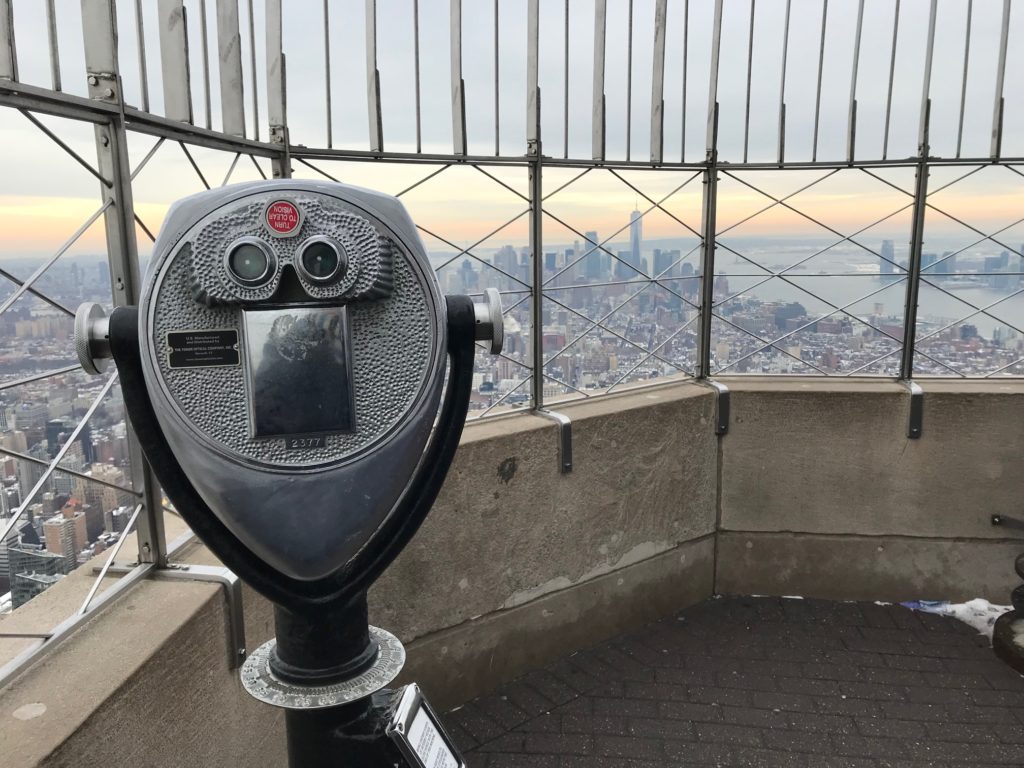
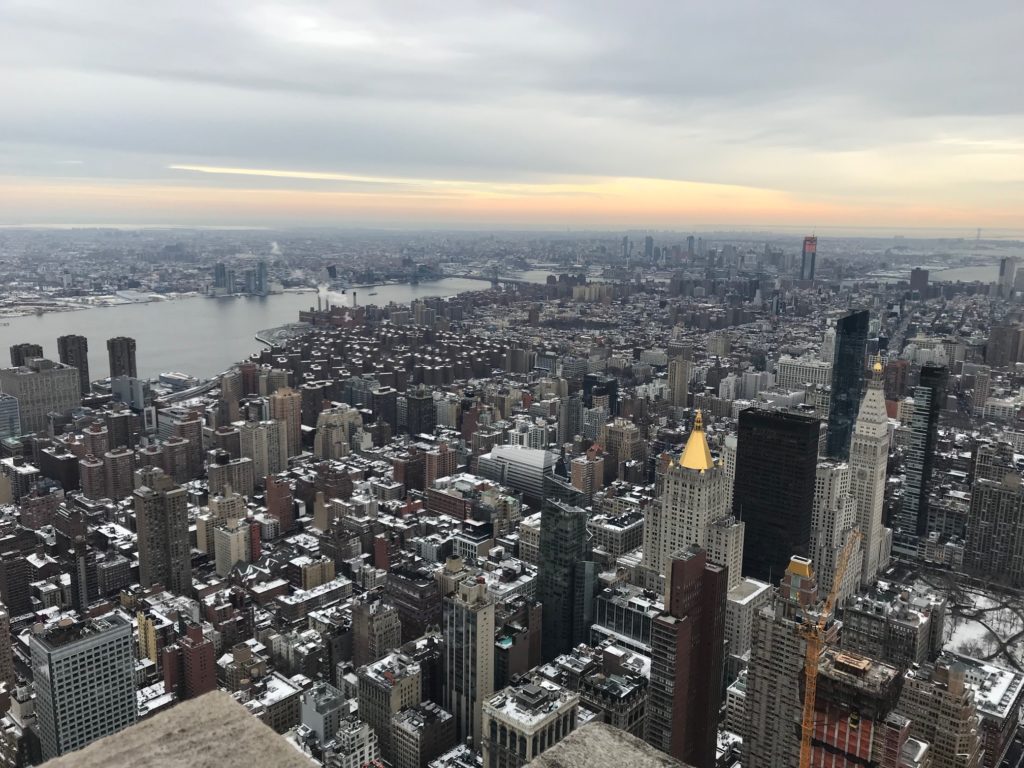
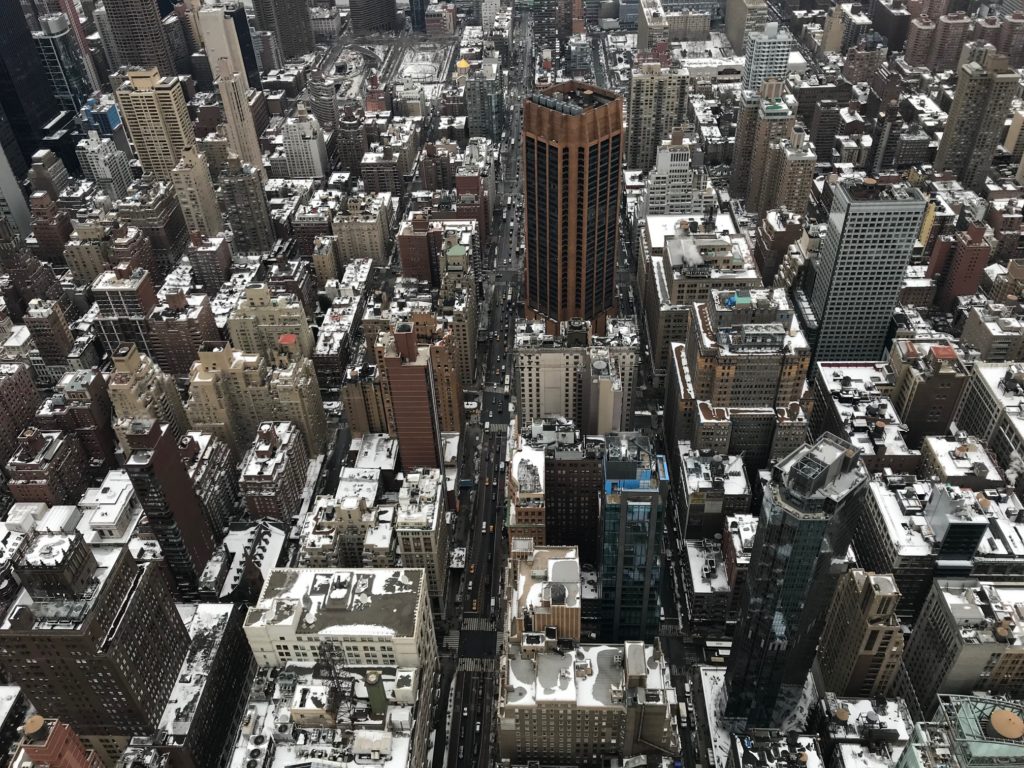
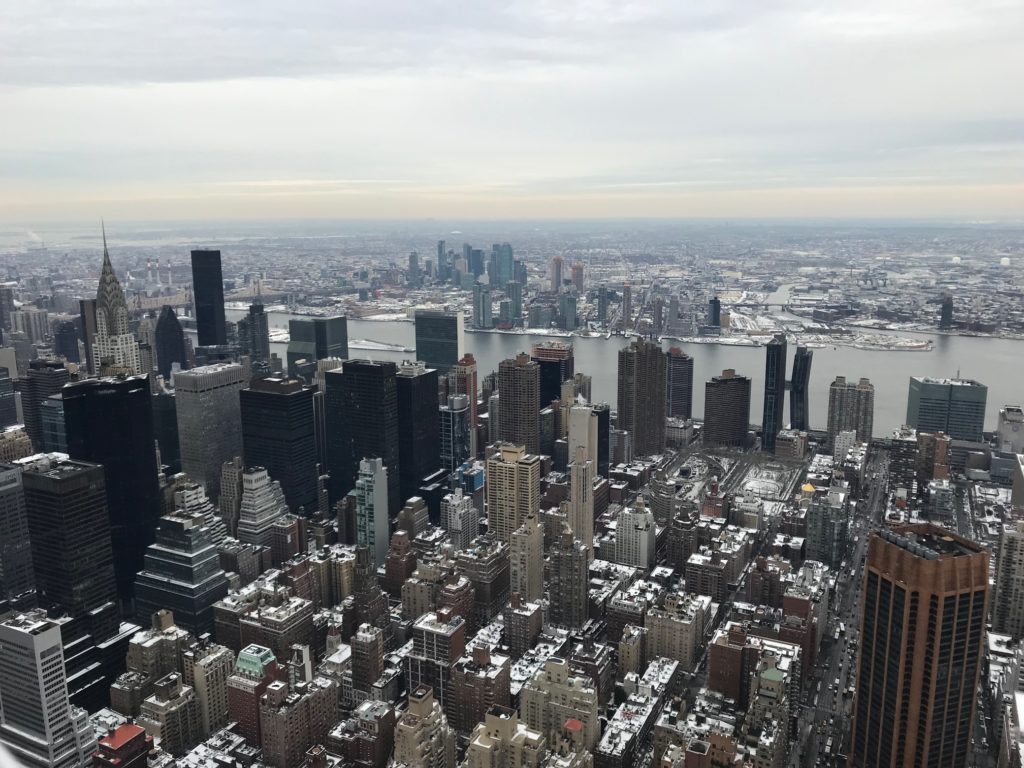
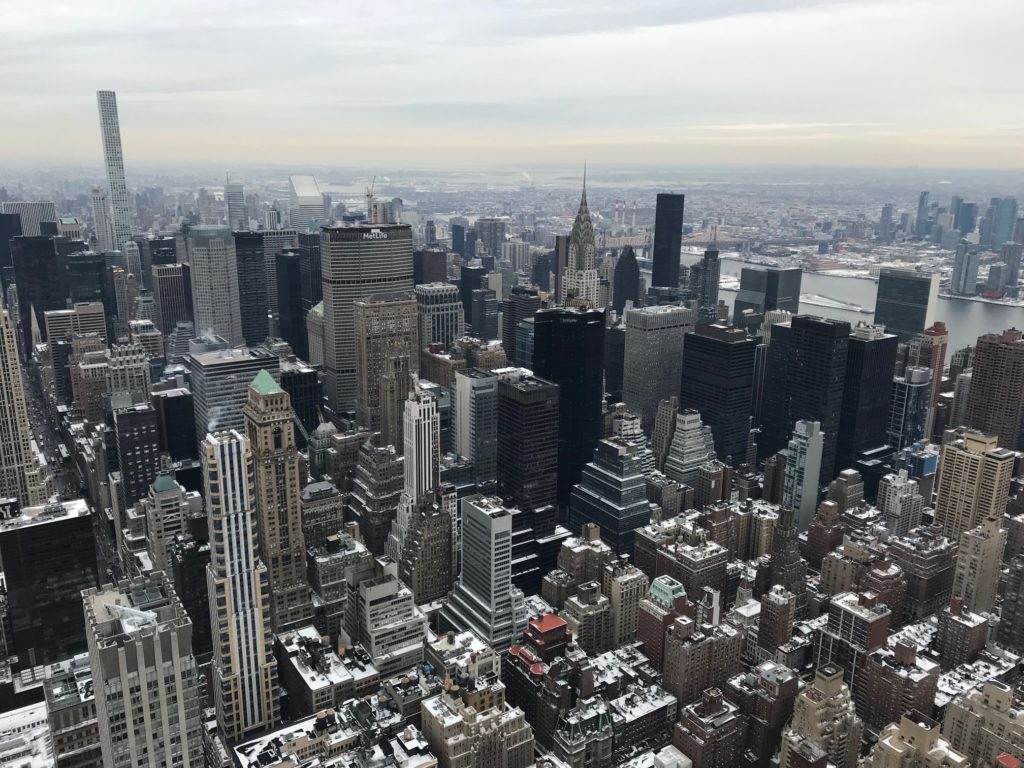
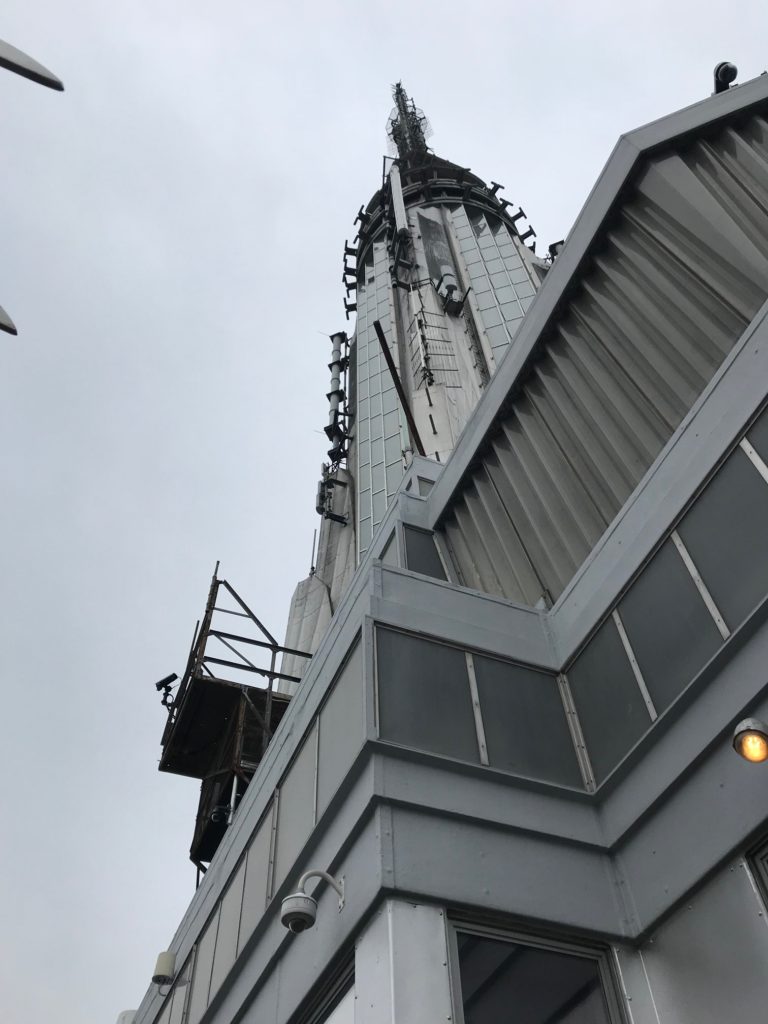
Some additional images from this week’s visit to the ESB:

Categories
Landmarks

The destruction of the Waldorf-Astoria in 1929 gave rise to an even grander New York icon

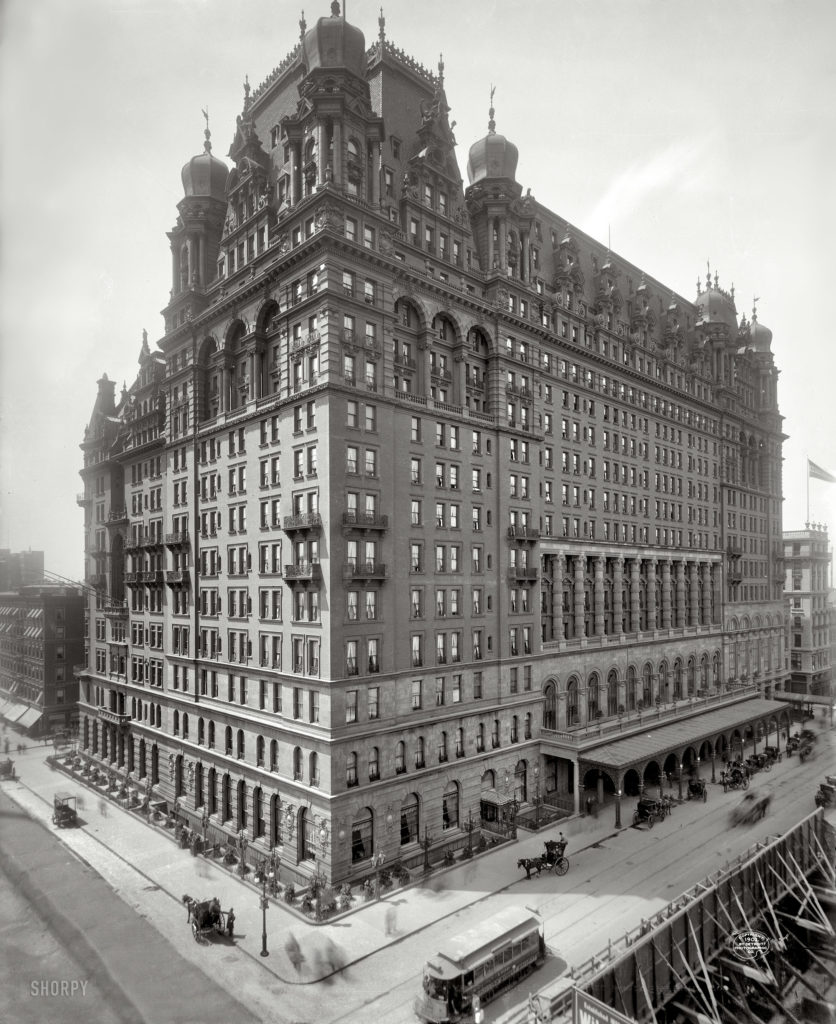
The original Waldorf-Astoria Hotel, the ultimate symbol of the Gilded Age, was demolished in the fall and early winter of 1929 to make way for a new building project.

That the building project in question happened to be the Empire State Building does not make the loss of the Waldorf-Astoria any less regretful. The storied hotel, borne from the rivalry of two factions of the Astor family, was the delight of New York’s upper crust from the moment the Waldorf Hotel opened in 1893. (The Astoria side opened four years later.)

The hotel was an extraordinary piece of architecture, a gracious (if elitist) piece of New York history. Scientific breakthroughs were announced here, Nikola Tesla lived here, and even its telegraph offices were revolutionary.

Cleaned-up version of public domain photo courtesy Shorpy

But the fashions of New York had passed the Waldorf-Astoria by in the 1920s, and the land was sold to a collective of businessmen — led by former New York governor Al Smith — who wished to build the world’s tallest office building on the spot.

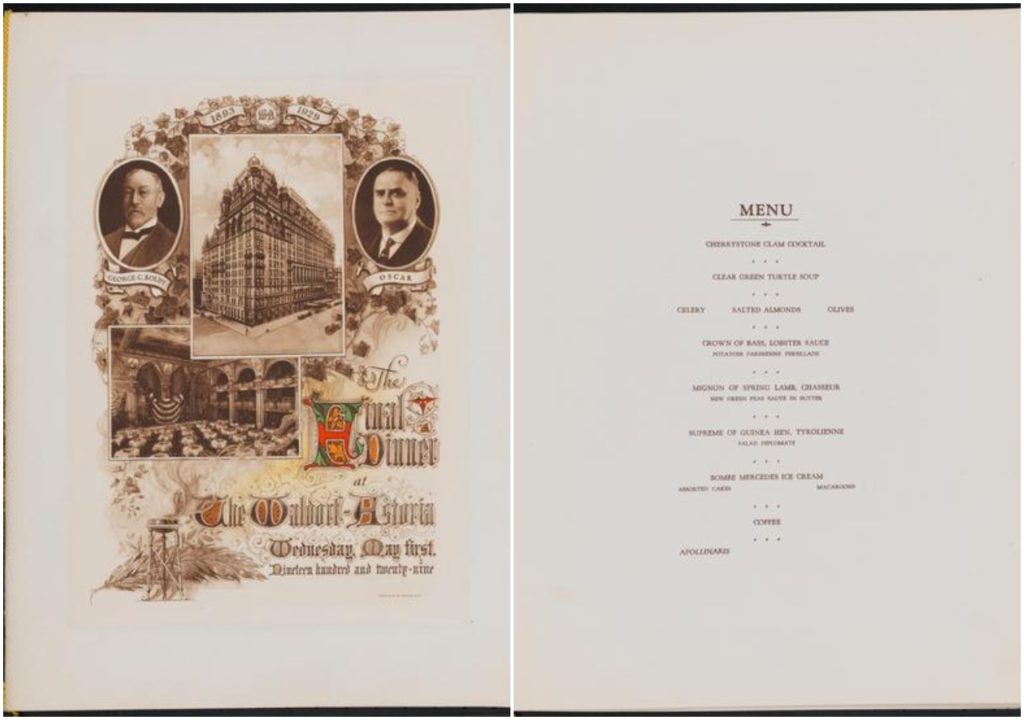
Below: The final menu served at the Waldorf-Astoria — May 1, 1929

Museum of the City of New York

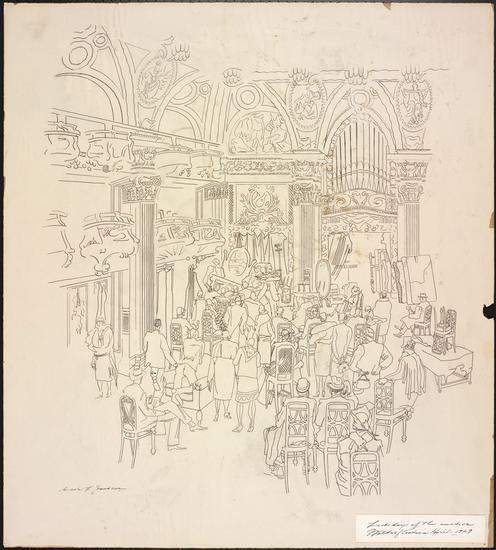
Following a final dinner party on May 1, objects from the hotel were sold at auction. The relinquishing of the hotel’s possession was so captivating that the auction was even broadcast on the radio, a fairly revolutionary idea for its day. “The famed bronze pair [of statues], a large bull and a big bear, which stood on the bar in the hotel for so many years, went to Charles Gutradt & Son, art dealers, for $225 each.” [source]

This was not a building that was dispensed with lightly. The year 1929 was crammed with newspaper and magazine reminders of the hotel’s greatness. “Histories will keep its fame and name alive, for it marked an epoch in the development of an empire city. In its day it gathered together a remarkable clientele; at its banquets the wit and wisdom of the New World and the Old intermingled, stimulated by savory viands and sparkling winds (in pre-prohibition days) from a well-stocked cellar.” [source]

An illustration of one auction of Waldorf-Astoria objects from 1929:

Museum of the City of New York

Demolition of the Waldorf-Astoria would take a couple months, owing to difficulties of dismantling the especially sturdy materials holding up the hotel. The process began on October 1st with a somber ceremony on the rooftop, officiated by Smith and his business partners.

He was quoted as saying. “This historic building, known all over the world, must come down in the northward march of progress.”

From the New York Times: “Yawning holes mark the doorways where livered attendants greeted distinguished guests. Men in overall bustle about amid dust and debris in Peacock Alley. The men’s cafe, once a favorite haunt of millionaires, and the giant ballrooms are bare.”

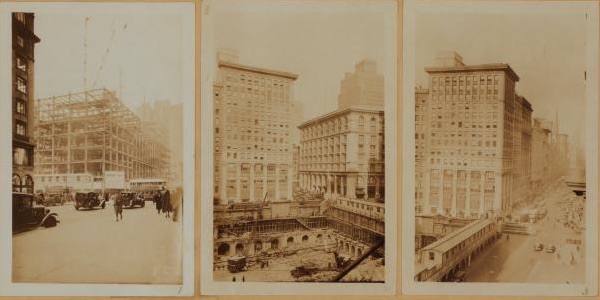
Work began on the Empire State Building on March 17, 1930, despite the fact that America (following the stock market crash of 1929) was on the precipice of the Great Depression. Meanwhile a new Waldorf-Astoria would open uptown, on Park Avenue, on October 1, 1931. The Empire State Building had opened (in record time, it must be said) exactly five months before, on May 1, 1931. New York City had itself two new impressive landmarks.

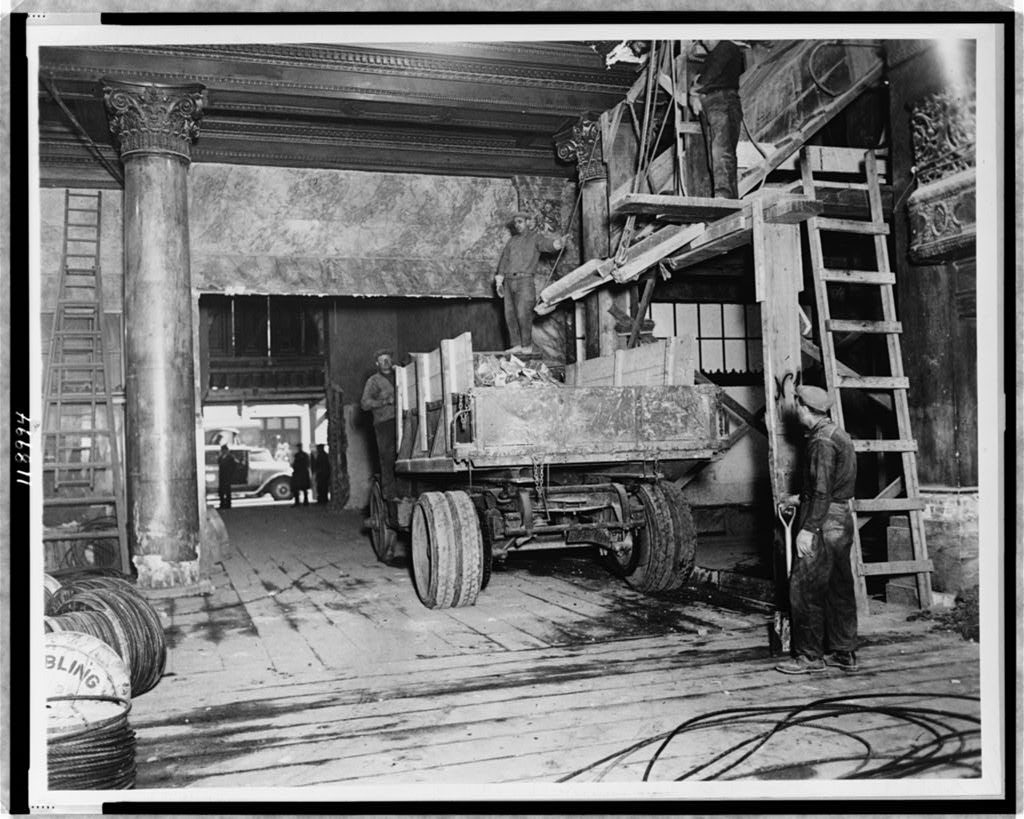
Trucks emptying the Waldorf-Astoria ballroom:

Library of Congress
NYPL

From Modern Mechanics magazine:

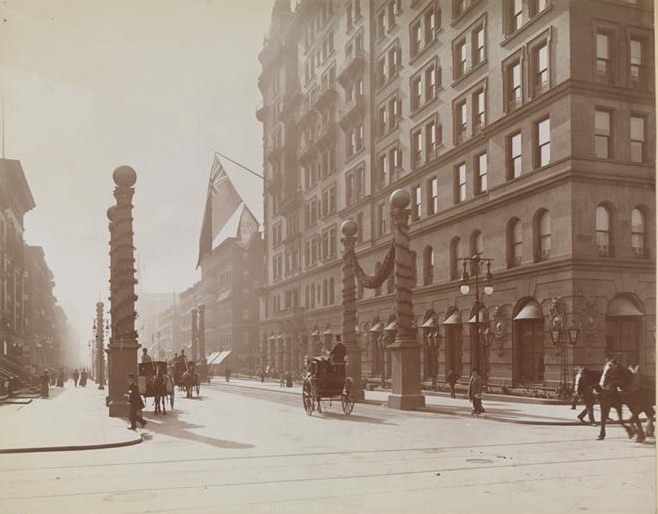
At top: The decorations for the Dewey Parade in front of the Waldorf-Astoria Hotel at 33rd Street and 5th Avenue, 1899.

MCNY

For more information on the new Waldorf-Astoria hotel, listen to our 2016 show:

Categories
Adventures In Old New York

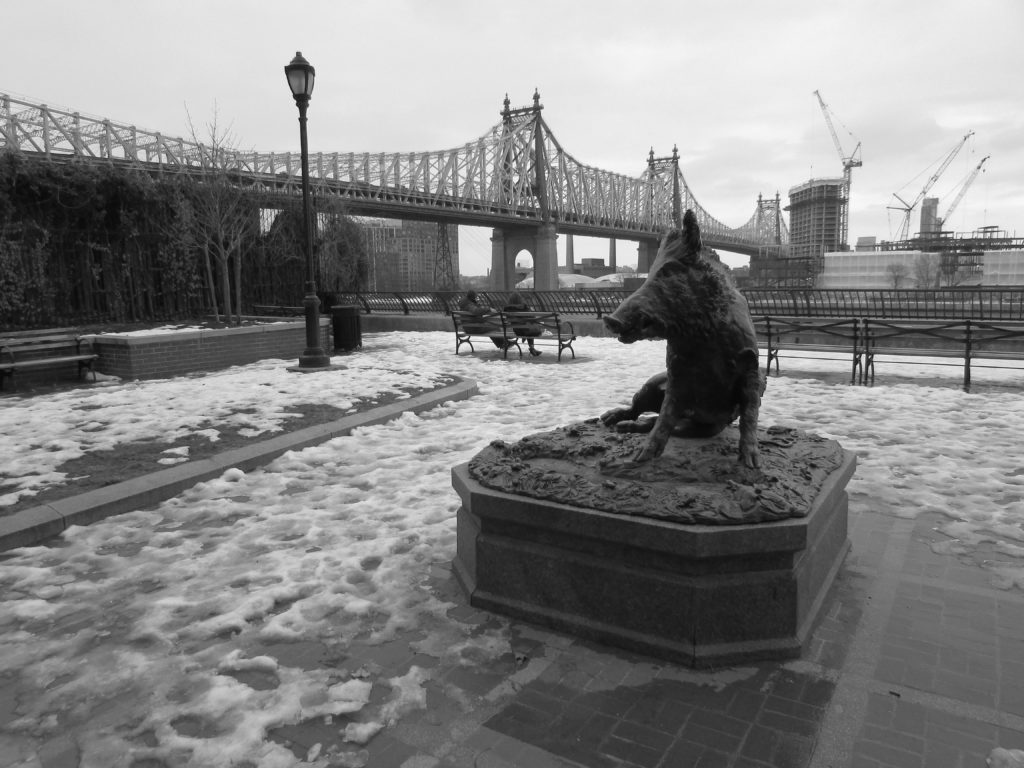
Why is there a statue of a boar on Sutton Place?

The Vanderbilts did more than dictate the fate of Park Avenue, the boulevard hovering above the old track path of the New York Central Railroad. The scions of this New York family also changed the fate of a little street called Sutton Place.

Anne Harriman Vanderbilt—along with other society mavens—had mansions built there in 1920, quickly turning it into a pocket colony for the wealthy. “You have to be way up in Who’s Who to gain admission into this selected settlement,” explained the New York Evening World in 1921.

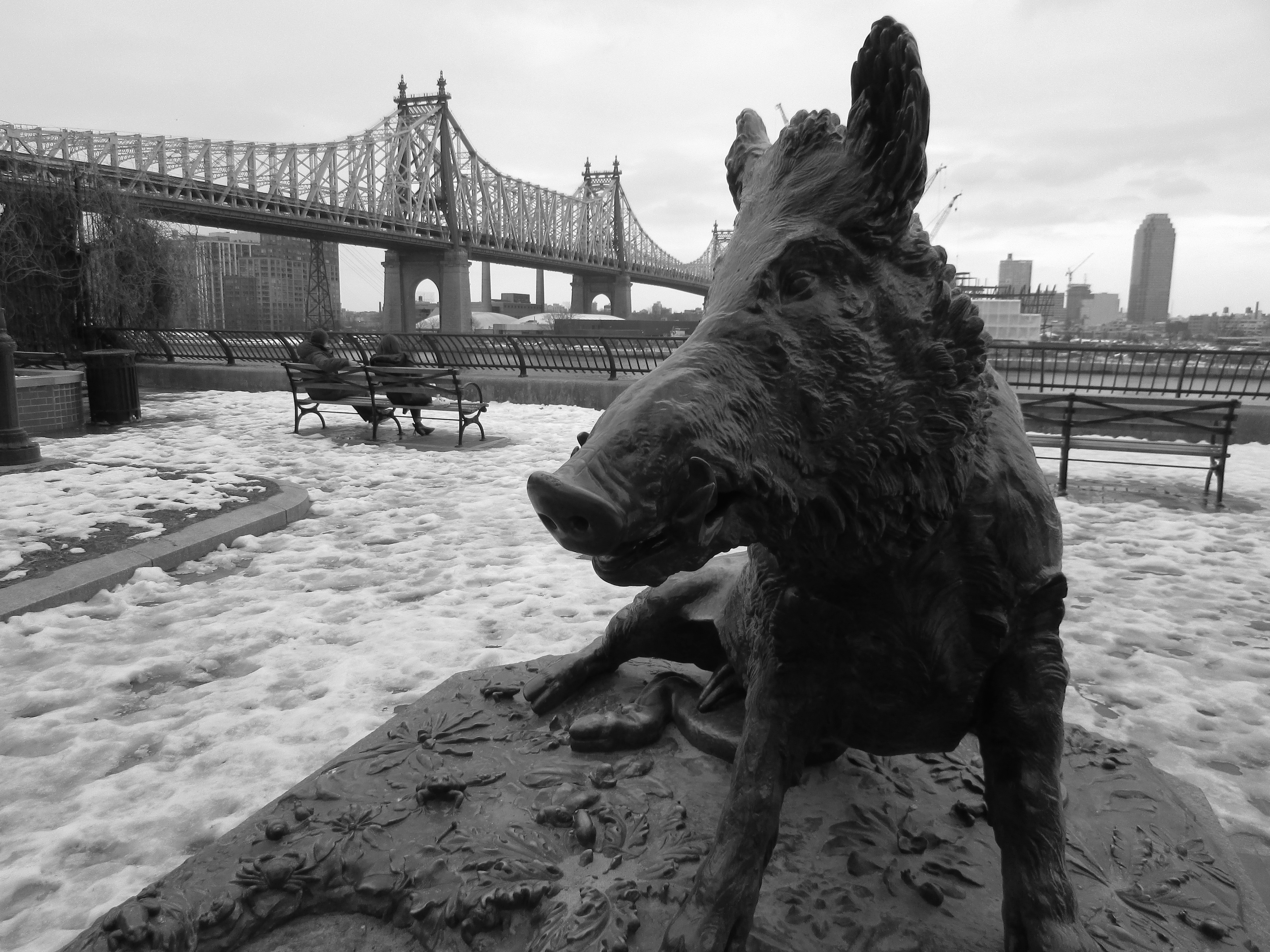
So why does the little park on East 57th Street, tucked into proper little Sutton Place, contain a garish bronze sculpture of a boar sitting next to a hideous frog-eating snake?

Even the boar has a pedigree! It’s a copy of Pietro Tacca’s 1634 sculpture Il Porcellino from Florence, Italy, installed here in 1972, a gift from Hugh Trumbull Adams, a descendent of the colonial governor of Connecticut Jonathan Trumbull. Mr. Adams donated many public works of art to the city including the stunning Armillary Sphere located as the pocket park further south on 54th Street.

Tacca’s Italian boar, a copy of an ancient marble sculpture, is much beloved in Florence. “Visitors to Il Porcellino put a coin into the boar’s gaping jaws, with the intent to let it fall through the underlying grating for good luck, and they rub the boar’s snout to ensure a return to Florence.”

Here in Sutton Place, given the neighborhood’s early history with abattoirs and stockyards, we can’t help but think that it was placed here as a bloody homage.

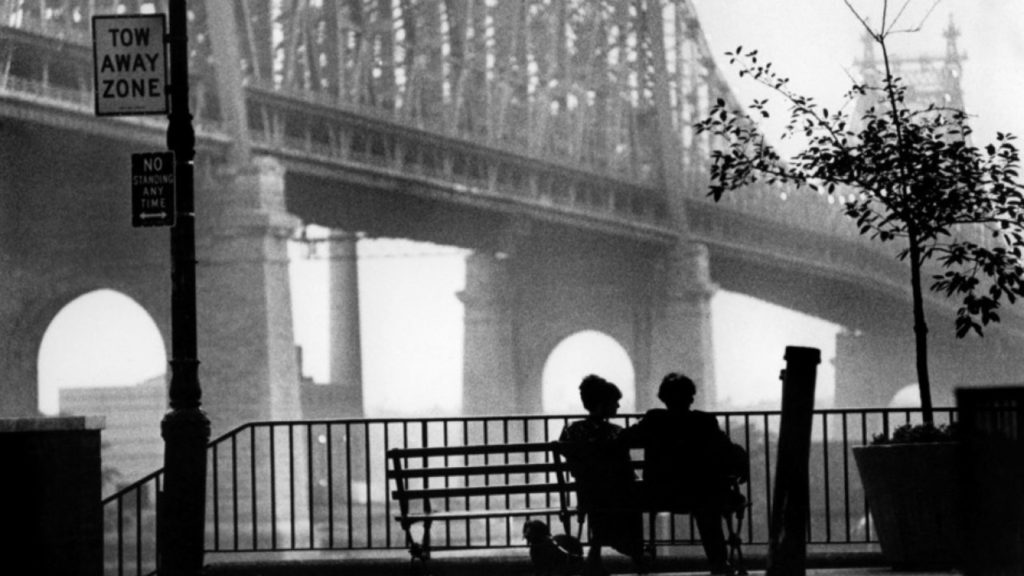
You may also know this view, similar to the one from the Woody Allen film Manhattan.


The above is an expanded excerpt from our book The Bowery Boys Adventures In Old New York, now available at bookstores everywhere.

Categories
Black History Podcasts Women's History

Madam C.J. Walker, Harlem’s self-made millionaire, and her daughter A’Lelia, patron of the Jazz Age

PODCAST The story of Harlem’s hair care queen and her daughter A’Lelia, a patron of the Harlem Renaissance.

In 1867, Sarah Breedlove was born to parents who had once been enslaved on a Louisiana plantation. Less than fifty years later, Breedlove (as the hair care mogul Madam C.J. Walker) would be the richest African-American woman in the United States, a successful business owner and one of black America’s great philanthropists.

At her side was daughter Lelia (later A’lelia) Walker, guiding her mother’s company to great success despite extraordinary obstacles.

The Walkers moved to Harlem in the mid 1910s during the neighborhood’s transformation from a white immigrant outpost to a thriving mecca for African-American culture.

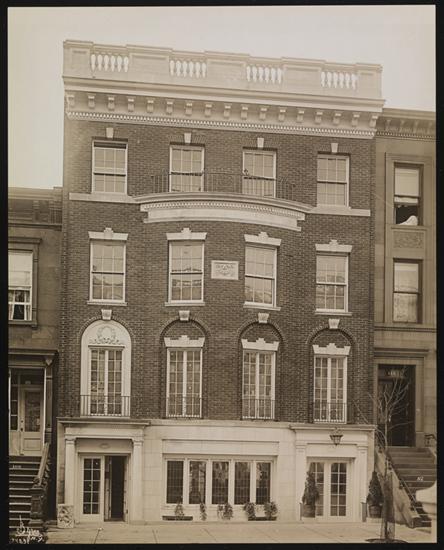
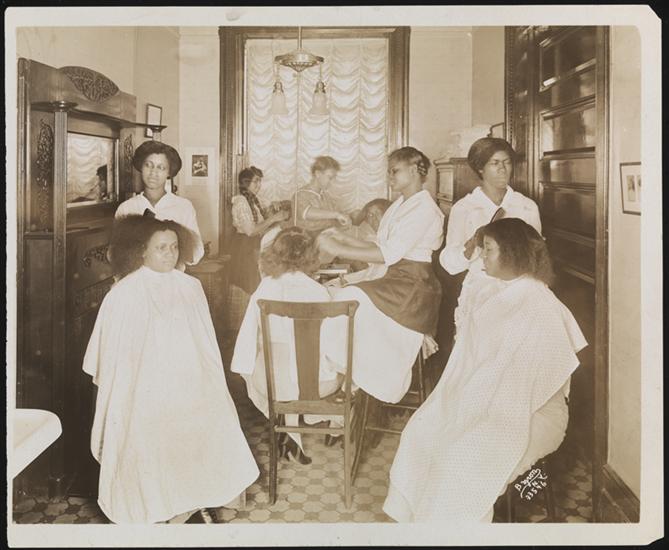
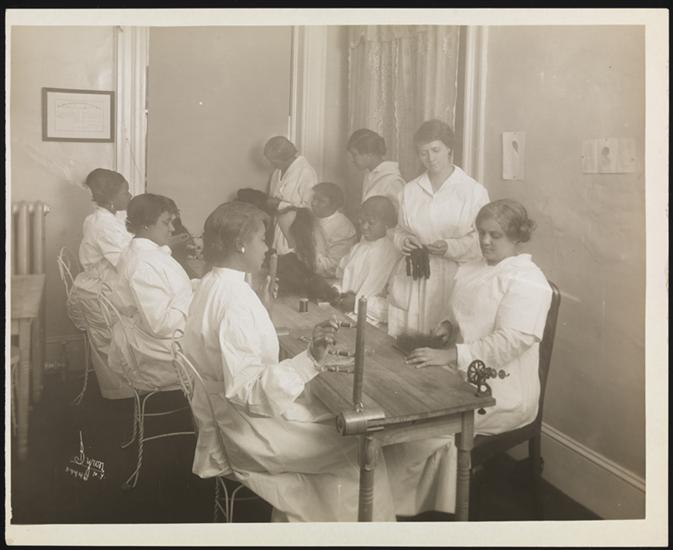
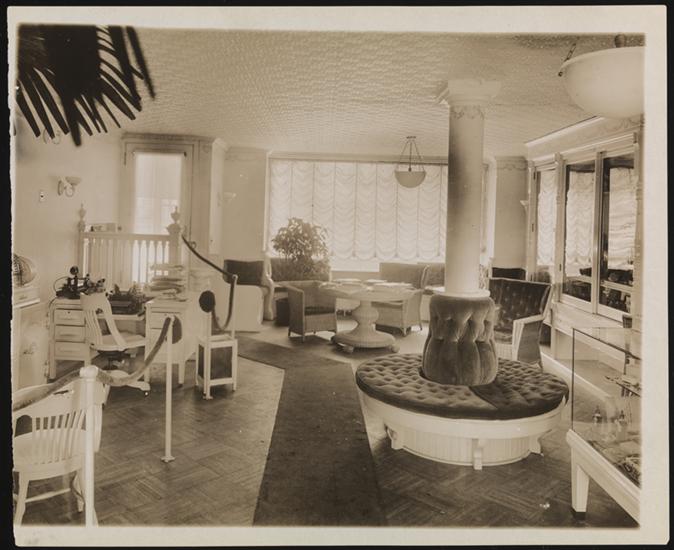
The ground floor of their spacious West 136th Street home was a hair salon for black women, opened during a contentious period when irate white property owners attempted to stem the tide of black settlement in Harlem.

The Walkers were at the heart of significant strides on African-American life. Madam used her wealth to support organizations like the NAACP push back against violence and racism.

A’lelia, meanwhile, used her influence to corral the great talents of the Harlem Renaissance. The two of them would positively influence the history of Harlem and black America forever.

FEATURING: The words of Langston Hughes, describing one of the most fabulous parties of the Jazz Age!

LISTEN HERE:

To download this episode and subscribe to our show for free, visit iTunes or other podcasting services or get it straight from our satellite site.

__________________________________________________________

The Bowery Boys: New York City History podcast is brought to you …. by you!

We are now producing a new Bowery Boys podcast every other week.  We’re also looking to improve the show in other ways and expand in other ways as well — through publishing, social media, live events and other forms of media.  But we can only do this with your help!

We are now a member of Patreon, a patronage platform where you can support your favorite content creators for as little as a $1 a month.

Please visit our page on Patreon and watch a short video of us recording the show and talking about our expansion plans.  If you’d like to help out, there are five different pledge levels (and with clever names too — Mannahatta, New Amsterdam, Five Points, Gilded Age, Jazz Age and Empire State). Check them out and consider being a sponsor.

We greatly appreciate our listeners and readers and thank you for joining us on this journey so far.

_________________________________________________________

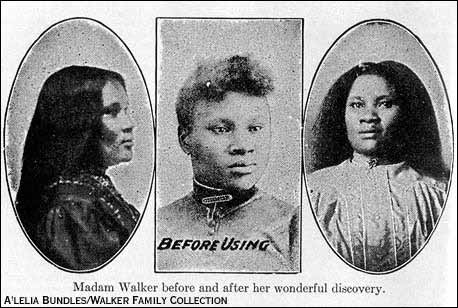
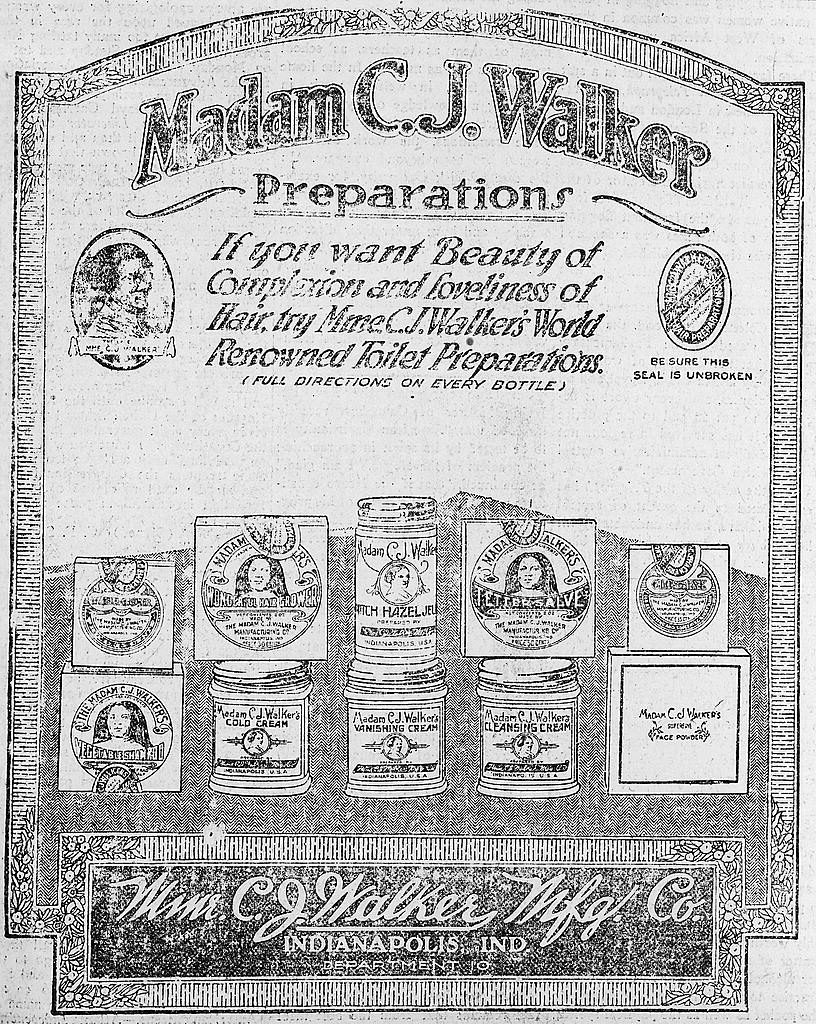
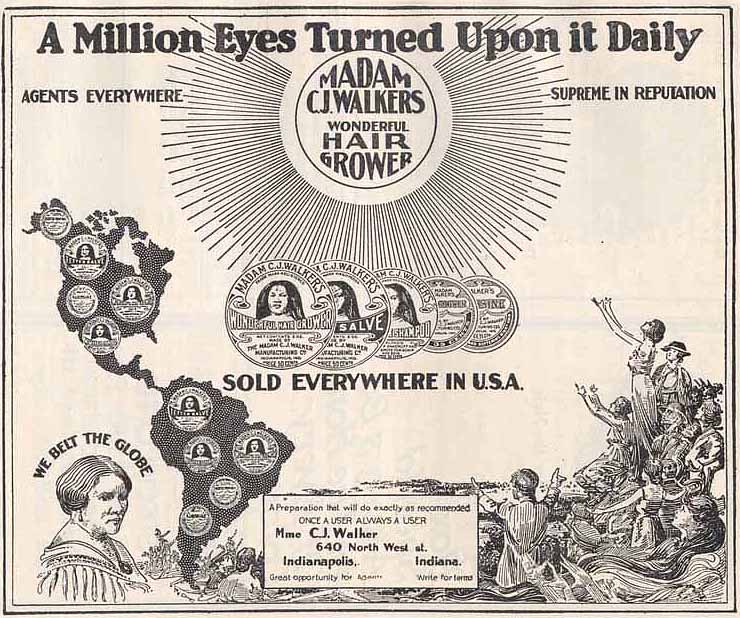
A selection of advertisements of Walker products. In most cases, her own image was use to sell the product. At the start of the century, it was still a new and extraordinary thing to even see the image of a black female face in print that was meant to convey beauty and confidence.

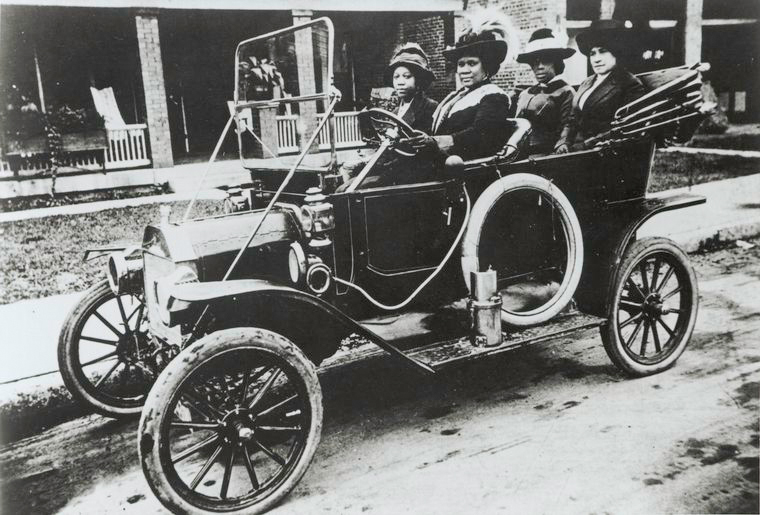
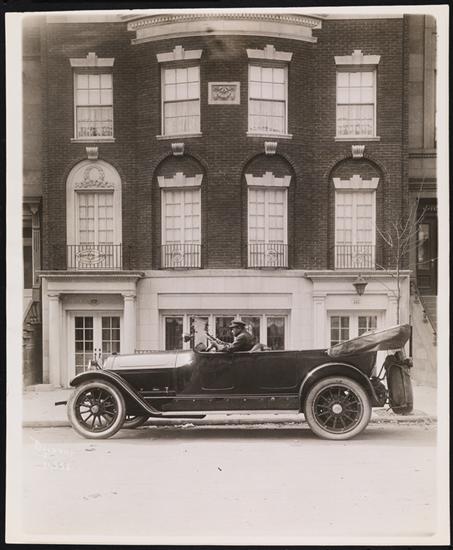
In the drivers seat: Madam C.J. Walker takes a road trip with (left to right) her niece Anjetta Breedlove; Madam C.J. Walker Manufacturing Company factory forelady Alice Kelly; and Walker Company bookkeeper Lucy Flint.

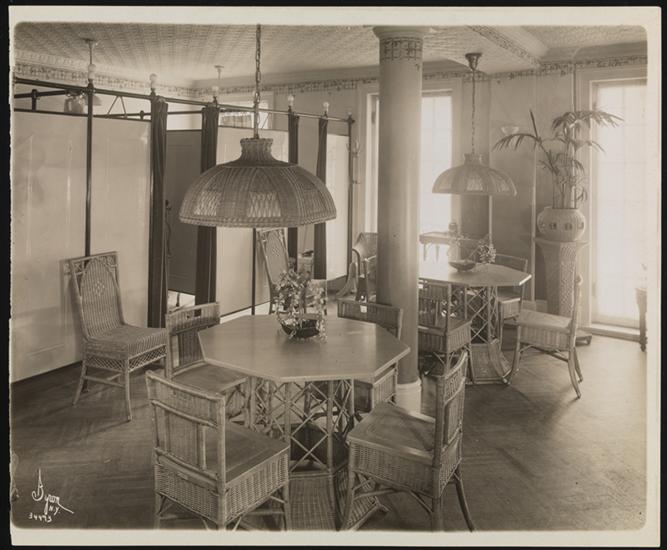
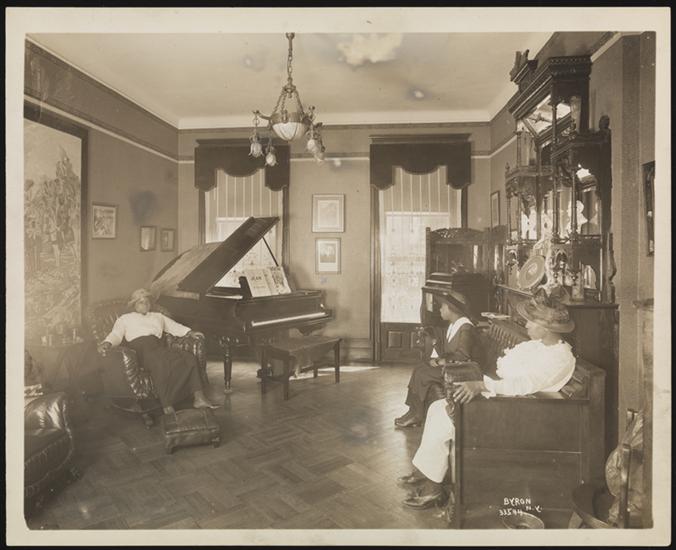
The training school, salon and townhouse of the Walkers, photographed in 1915/16.

Courtesy Museum of the City of New York
Byron Co./MCNY
Byron Co/MCNY
Byron Co/MCNY
Byron/MCNY
Byron Co/MCNY
MCNY

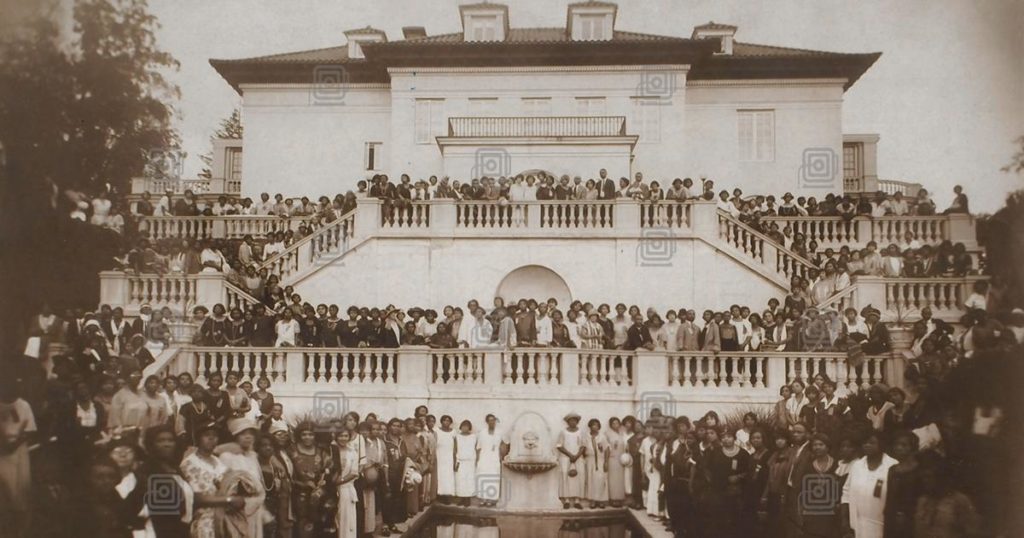
A gathering at Villa Lewaro in 1924, many years after the death of Madam C.J. Walker.

A’LELIA BUNDLES/MADAM WALKER FAMILY ARCHIVES

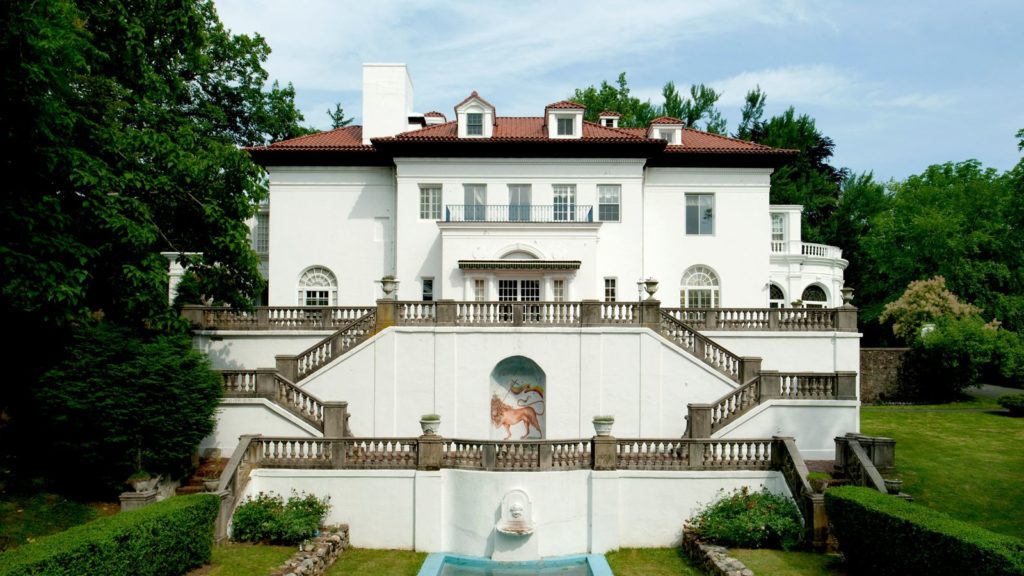
A look at the villa today….

Courtesy David Bohl/Curbed

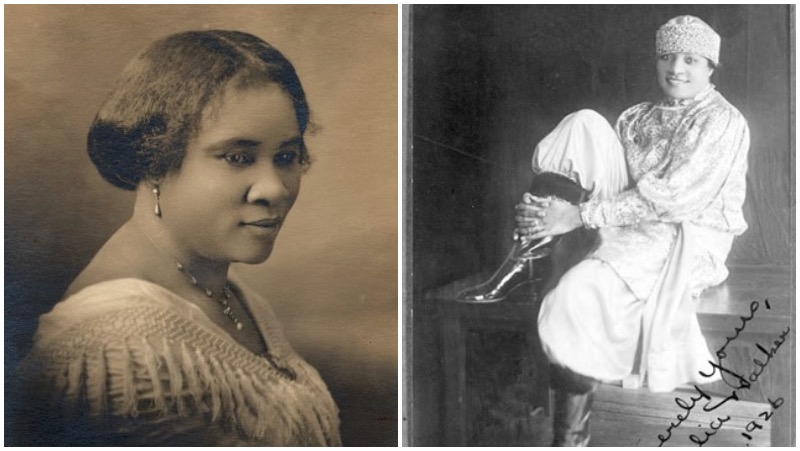
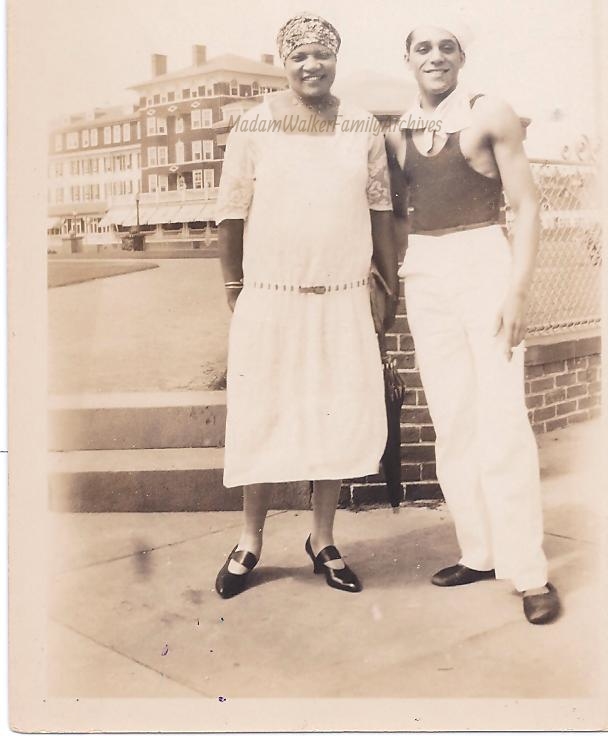
A’Lelia Walker, in the eyes of many, could not fill her mother’s shoes. So, in the 1920s, she decided to wear her own, becoming an impresario — empress-ario? — of the Harlem Renaissance, befriending and fostering the talents of America’s greatest black writers, artists and creators.  She’s pictured here with dancer Al Moore who frequently performed with Fredi Washington.

Courtesy Madam Walker Family Archives

A’lelia Bundles, the great great granddaughter of Madam C.J. Walker

FURTHER LISTENING:


This episode of the Bowery Boys mentioned two earlier shows. After you’ve listened to the Madam C.J. Walker show, check these out —

Categories
The First

The Story of First Apartment Building in America (and its most famous resident — Mrs. Custer)

THE FIRST PODCAST Apartment living is something we take for granted today, the option for those who can’t afford or don’t desire a private home. But how did this type of living situation become popular in the United States?

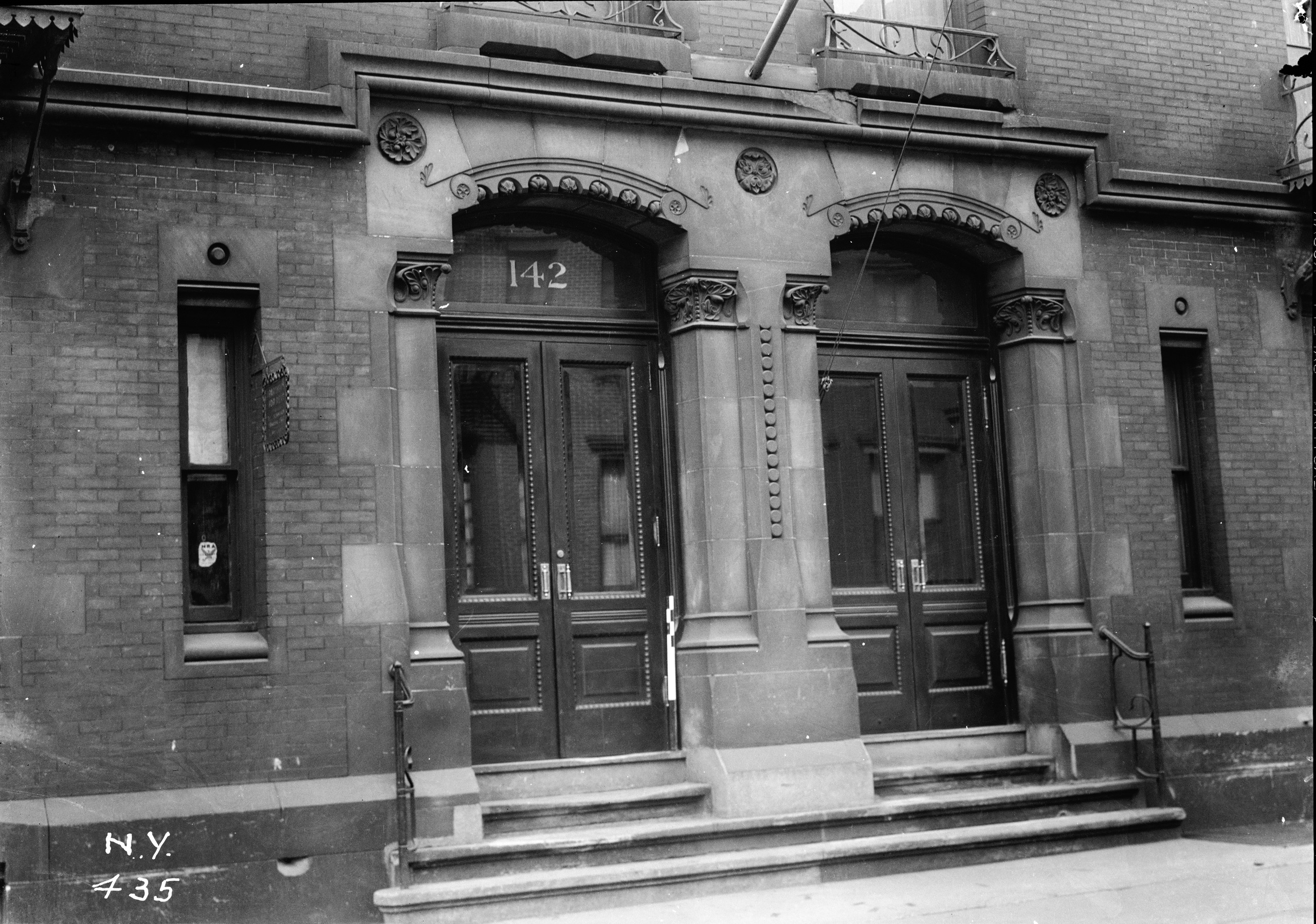
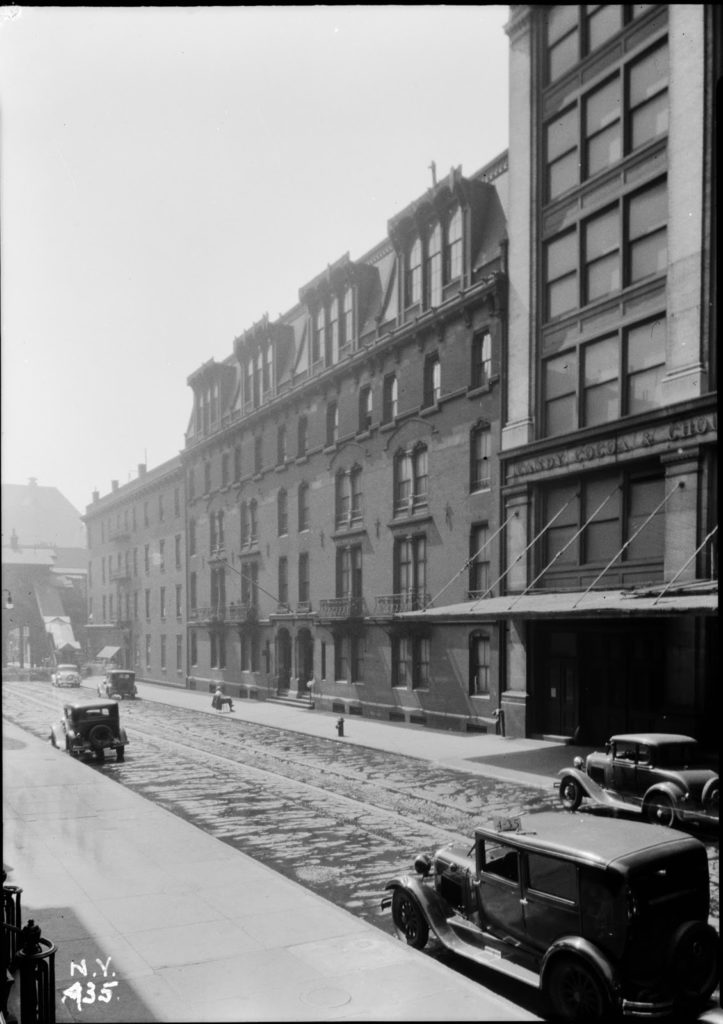
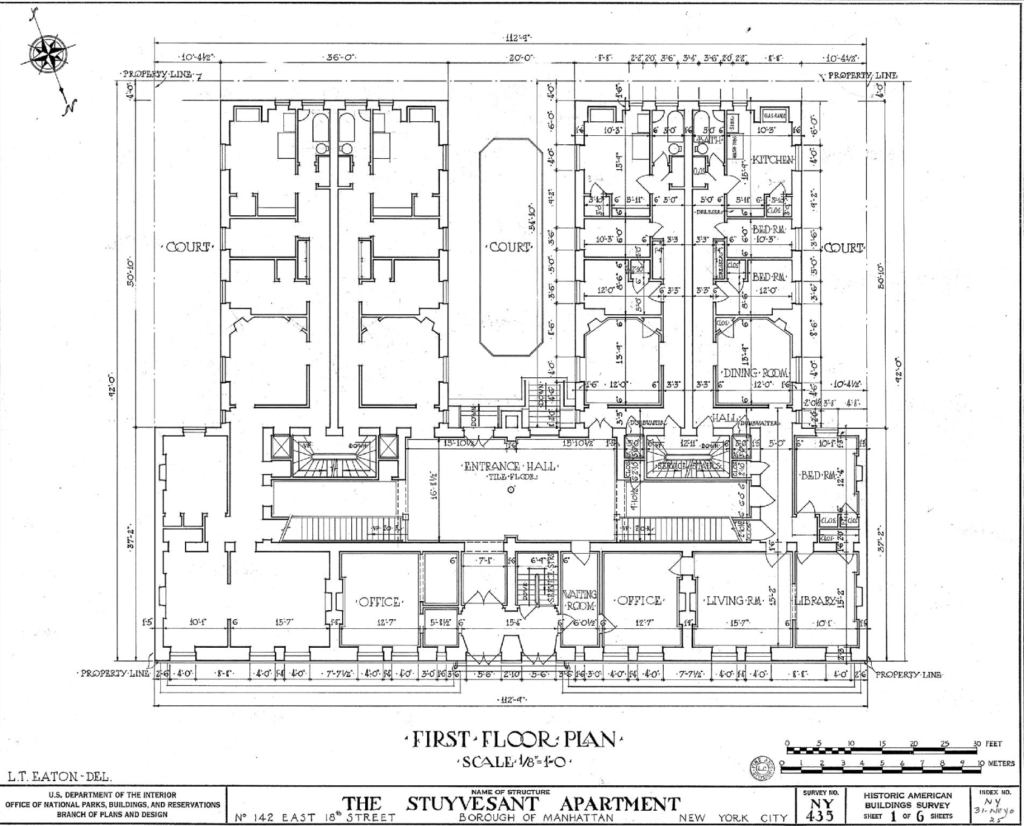
In mid-19th century New York, people lived in townhouses, boarding houses or tenements. But far-thinking urban planners like Calvert Vaux touted a new form of housing popularized by the French — the flat. Rutherford Stuyvesant, the wealthy heir of a couple notable American families, decided to build a version of this type of housing in the elite neighborhood of Gramercy Park.

But how to attract people to a risky form of living? You get celebrities to move in! In particular, one very well known person — Elizabeth Custer, the wife of General George Custer, newly widowed after her husband was killed in the Battle of Little Bighorn.

A version of this podcast was originally presented on The Bowery Boys: New York City History podcast

To get this episode, simply download it for FREE from iTunes or other podcasting services. Check here for other ways to get the show.

Subscribe to The First here.

You can also listen to the show on Stitcher streaming radio from your mobile device.

Or listen to it straight from here:
THE FIRST APARTMENT BUILDING IN AMERICA

Library of Congress. 1936 Historic American Buildings Survey

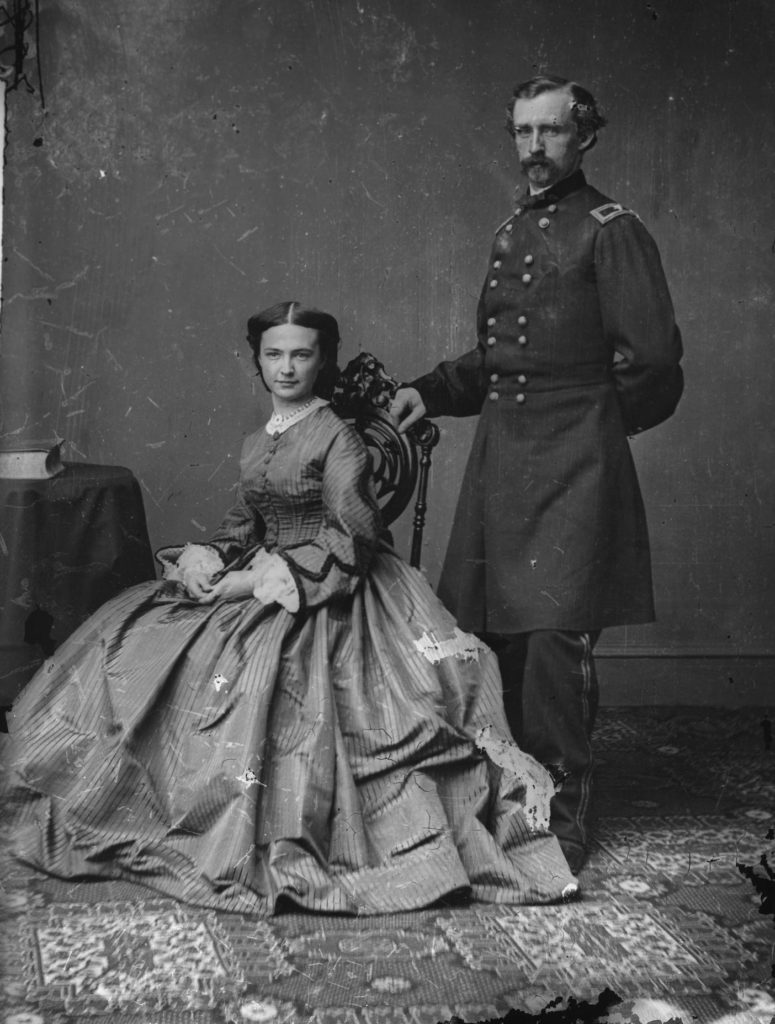
Elizabeth Custer with her husband General George Custer.

Categories
Preservation

Ten New Year’s resolutions that can help make New York City a better place to live

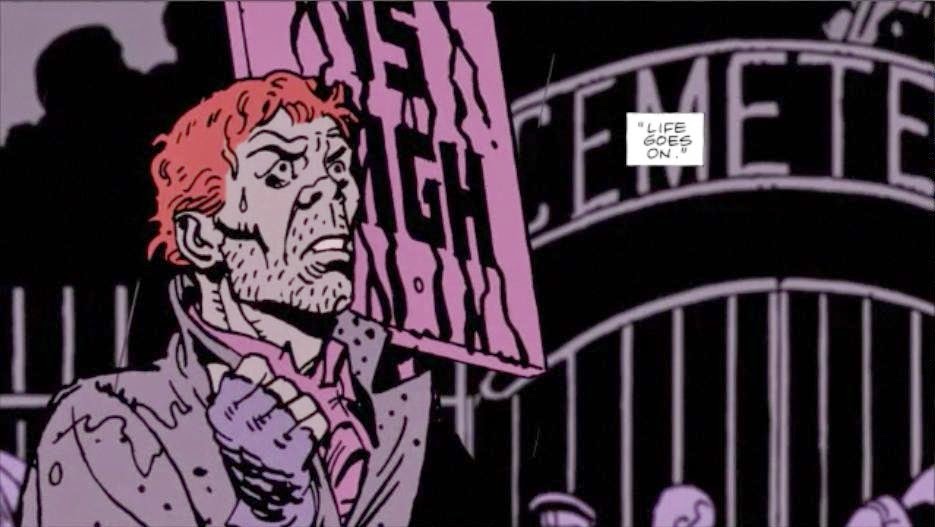
In the 1980s comic book Watchmen, a redheaded protester haunts a local New York newsstand holding a sign which says THE END IS NIGH.

Sometimes I feel the urge to hoist my own version of that sign upon a street corner, moaning as I watch the city I fell in love with change into something alien and unfamiliar, a luxury product completely out of reach of most of its own residents.
Beloved spots of substantial historical value are constantly closing. Mega-condos will rule Midtown. The phrase ‘pricey neighborhood’ applies to more places than ever before.

You sense that the character of the city might be changing too. You might be thinking about things that you can do to help preserve what you loved about New York in the first place and help keep it livable for the 21st century.

The city needs you! Here are ten ways of becoming a better New Yorker, ten things you can do (or mindsets you can develop) to continue making this a great place to live. This is the fleshed-out list that first appeared in our 2015 Year In Review podcast but it seems especially relevant in 2018.

1) Learn history. Talk about history.
We live in old buildings, walk down old streets. The stories behind them influence our lives to this day. Knowing the history of your neighborhood or your favorite landmark isn’t just a fun stash of trivia you can unspool at a party. It adds greater value to the places you interact with everyday. And if you’re going to pay all that money for rent, wouldn’t you like get a bit more out of it?

This isn’t just about reading books about history, watching Ken Burns documentaries, going to museums or, you know, listening to a podcast.

It’s about conceiving your life as the next chapter of the places around you.

Engage with others about the importance of knowing history. Because you never know who will have the energy and power to preserve it should the places you love become endangered.

In this day and age, you can’t fully trust that a landmarks commission or a preservation group will be fully empowered to step in.


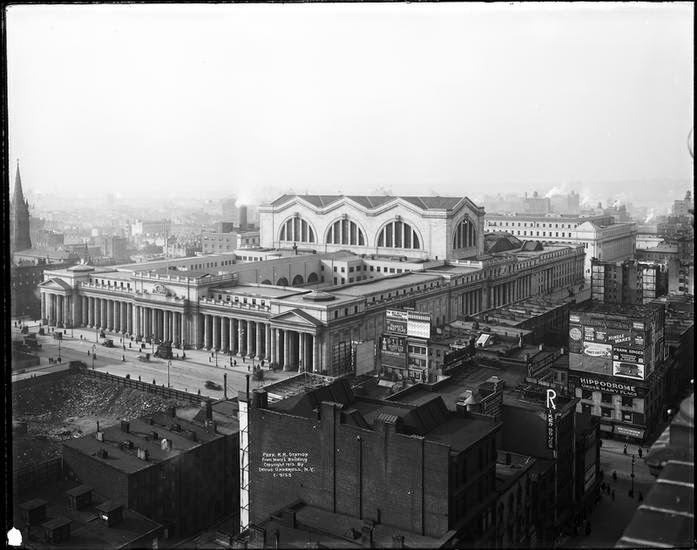
Old Pennsylvania Station, photographed from Macy’s, taken by Irving Underhill, courtesy Museum of City of New York

2) Read Jane Jacobs’ book The Death and Life of Great American Cities
Jacobs was a community activist during the Robert Moses era of vast highways and the modernist architecture boom. She was a crusader for active streets, of fluid interactive neighborhoods, during an era dominated by the ideals of Moses and modernist concrete architecture.

Her great manifesto The Death and Life of Great American Cities, written in 1961, takes on a new relevance in the New York City of 2017. I suspect we may continue to need Jacobs’ guidance as the city enters a new era of transformation.

3) Protest and speak out
Most people don’t protest anything that exists outside their personal life. When confronted with the closure of a favorite grocery store or the demolition of a beloved building, the tendency is simply to shrug your shoulders and sigh, “That’s sucks. Oh well!”

If it means something to you, take a few minutes out of your day, go in and ask why a place is closing. Interact with proprietors, let them know that you’re sorry to see them go.

Perhaps you’ll be told that there’s something you can do (sign a petition, make a phone call).

Perhaps there’s nothing you can do.

But your simple words of encouragement may help that shop owner or employee make it through a rough day. And could help in the thought process of their next great venture. And if enough people do the same thing, perhaps the fate of a certain place can be changed.

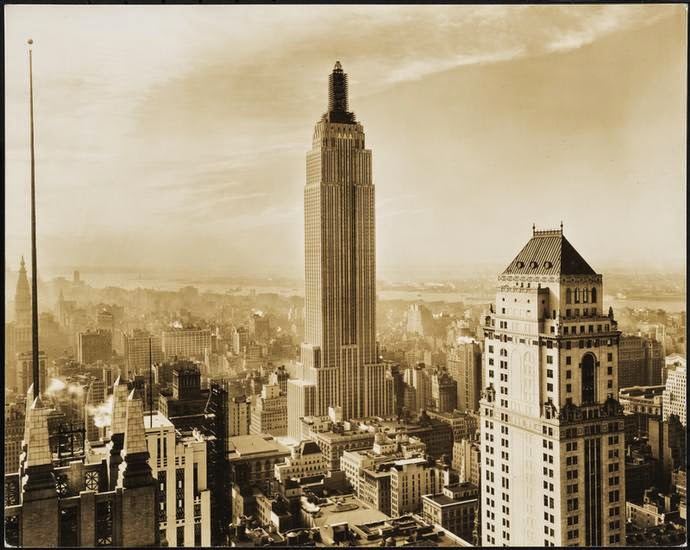
350 Fifth Avenue. Empire State Building, view of from Lincoln Building, East 42nd Street. Photo by the Wurts Brothers, courtesy Museum of City of New York

4) Look into a community group
Community groups are often on the front line of major shifts within a neighborhood.

The problem is, they can be intimidating to join. Regular meetings can be held at inconvenient times and are less than exhilarating, often bogged down with minutiae.

Don’t let that stop you.

Community groups need you and they need your voice, even if you’re a new resident.

There are perks to becoming acquainted with the most vocal members of your neighborhood. And keep in mind that you can participate in some groups even if you don’t live there. The Greenwich Village Society for Historic Preservation is a great example.

5) Identify where you might be part of the problem
The unsettling end result of learning history and becoming involved with your community is that you may come to a realization that you are part of a larger problem. Perhaps you’re part of a gentrification wave moving into expensive apartments in a once-affordable neighborhood. Perhaps you unknowingly displaced somebody else. Maybe you don’t really spend that much time in your neighborhood.

Is it merely a place you hang your hat, as they say?

This sort of self-reflection can make you feel a little helpless. Or it can empower you to offset the negative impact you might be making upon a neighborhood.

After all, people interested in environmental issues will try and lower their carbon footprint.

If you’re interested in a vital and rich New York City, why not make small, worthwhile changes to your own life?

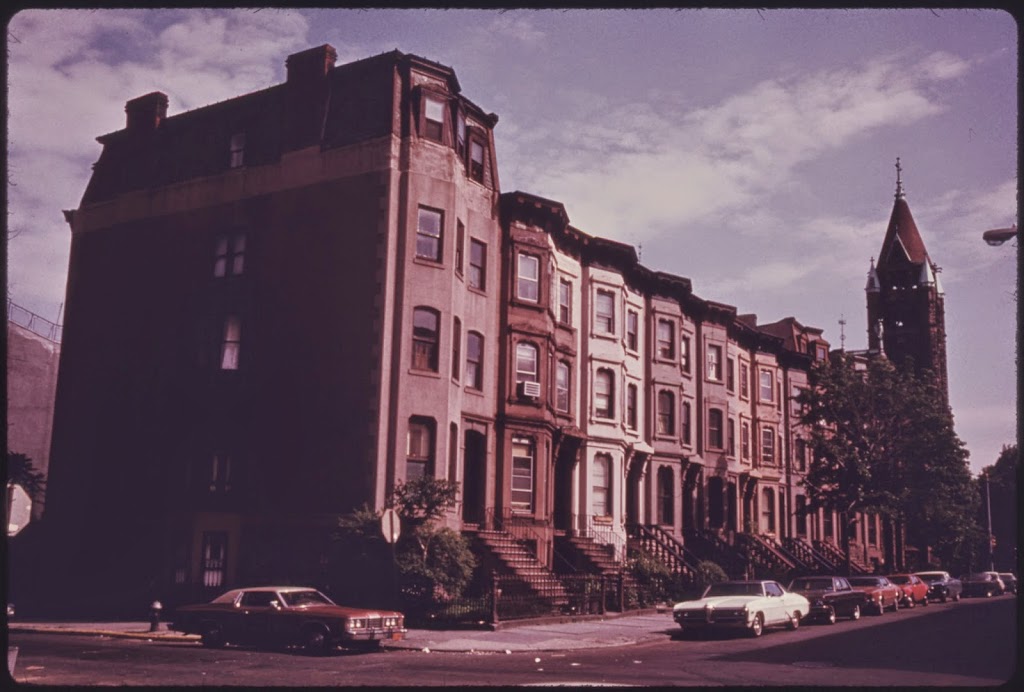
Block of brownstone residences in Park Slope, photographed by Danny Lyon, 1974, courtesy US National Archives

6) Spend your money locally
This is the number one way to support your neighborhood. Seek out shops and services that are within three to five blocks of your home.

Try to visit them all at least once and evaluate what they can provide for you. I assure you that the convenience will make up for any extra costs, and you might find that local places may actually be cheaper.

Personal maintenance services (salons, manicurists, dry cleaners) are the easiest, then branch out to grocery stores and delis.

You probably will still need to spend at big box retailers or chains on occasion, but just be aware of the kinds of items that can be easily purchased within your neighborhood.

Even among the big shops, there’s a distinction between local franchises and national ones.

Nine times out of ten, the services at local chains are more personal and the prices can be competitive.

7) Get out of your neighborhood
Mass transit operates a bit like a transporter on Star Trek, materializing you from point to point without the context of time and distance.

It disguises the fact that New York is one of the most walkable cities in the world with hundreds of miles of sidewalk. To understand your neighborhood, you sometimes must become more aware of those around yours.

Break out of your comfort zone and break out some walking shoes.

Get off the subway two or three stops before your home and just walk the rest of the way. (Or get out a few stops after you usually get out.)

This is greatest way of clearing your head after a long day, and you’ll always discover something new along the way.  Instead of leaving town for the weekend, chart a course via public transportation to a neighborhood on the outskirts of the city.

You’ll be able to see the history of New York City this way as clustered brownstones give way to housing development or homes with front yards.

Avenues with towering skyscrapers sometimes lead to sun-filled side streets. The more you experience, the more attractive the city becomes.

St. George, Staten Island, photomechanical print/postcard, courtesy New York Public Library

8) Get young people and new arrivals excited about history
New Yorkers can get very jaded. That mindset can help preserve a neighborhood or it can generate a profound lack of enthusiasm.

History and preservation has always been seen as an elder pursuit.

The young don’t care about history, right? Well, as the producer of a New York City history podcast and website, I can tell you quite the opposite.

I believe the present generation has the greatest potential for appreciating history and using its tools to create a better city.

Museums and community groups should be doing more to reach out to younger people, but you can help out with that too, everything from the presents you buy somebody for their birthday (put down that Dan Brown novel and get them Gangs of New York) to the places you go with them.

And this includes new arrivals to New York who simply may not yet feel comfortable wandering around the city themselves.

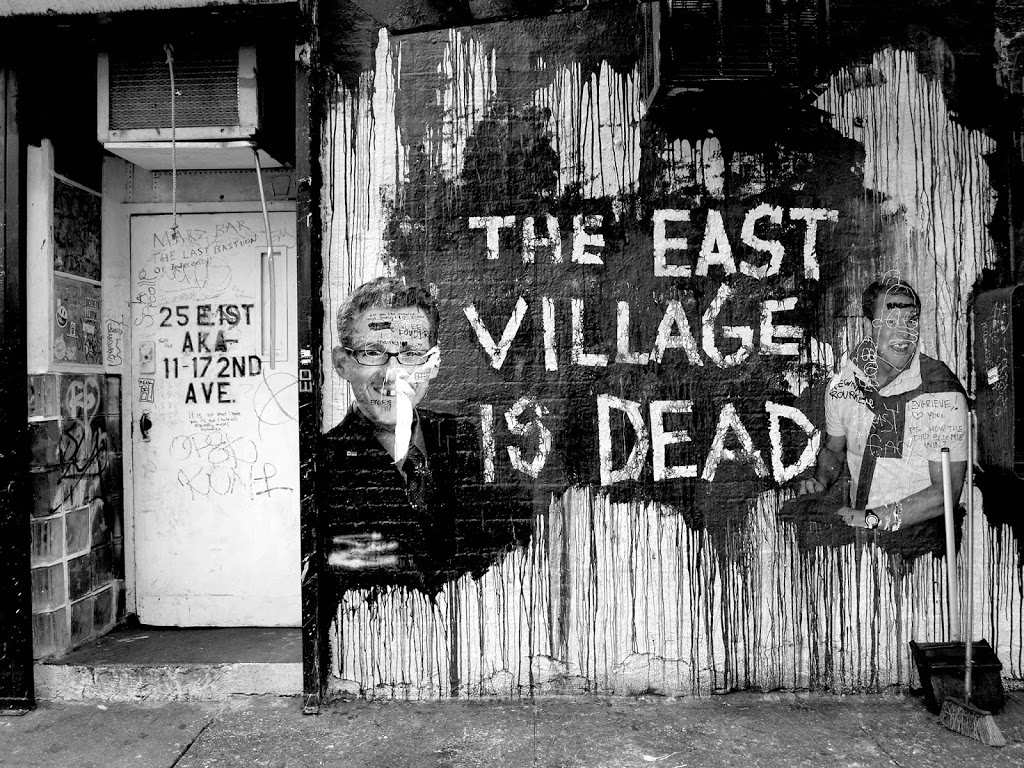
Outside the former Mars Bar in the East Village which closed in 2011. (Courtesy the Commercial Observer)

9) Remain a little outraged
I don’t mean to take away the joy of feeling a little jaded and grumpy. Sometimes that’s the fuel that can lead to a movement but only if you become proactive. Make yourself heard. Become a voice of discontent in social media. Read Jeremiah’s Vanishing New York at least once a week and get a little angry at the closures of so many places that provide richness and texture to the city.

There is something very serious happening in New York — this era will be noted by future historians — and this requires a unique and unconventional effort.

If you care at all, then you have to be part of it in some way.

Find a way to contribute — through your written words or conversations, to your co-workers or your congressperson.

But through it all….

10) DON’T PANIC
NEW YORK CITY IS OVER. You will hear variations of this from your concerned friends and read similar refrains on message boards and comment sections. Check the comments on various local websites on any given day and you will see variants of this phrase about twenty times.

This statement is inaccurate.

New York City has gone through vast changes over the decades. Gentrification has been a regularly recurring process in the city for almost one hundred years.

The remnants of beloved eras (Harlem in the ’30s, Greenwich Village in the ’60s, East Village in the ’80s) are disappearing, seemingly at a rapid pace these days. Urban blight reoccurs as well.

What’s different is our perception of these changes. I can openly lament the loss of my Meatpacking District, for instance, because it wasn’t like what I loved about it in the 1990s.

But another person will look at me and say, “Are you nuts? It’s safer than ever. You’re glamorizing things that are actually quite terrible. And besides the High Line is amazing.”

The New York City that you fell in love with might be disappearing.

Do what you can to help preserve that part of it that you loved.

But always remember that your city most likely replaced somebody else’s version of New York City.

It’s constantly reinventing itself and sometimes to the detriment of many of its residents.

In the end, New York City is never over but it can become tremendously unbalanced. This should be a city for all of us, not some of us. Become a voice, a part of the conversation, to make sure that doesn’t happen.

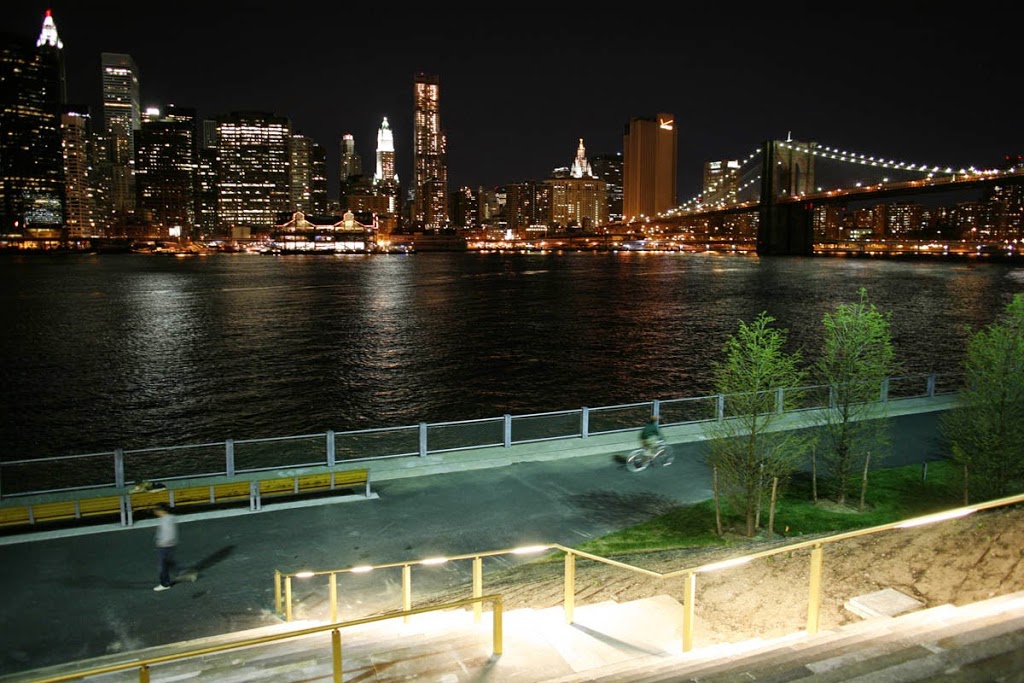
Brooklyn Bridge Park (courtesy Wired New York)

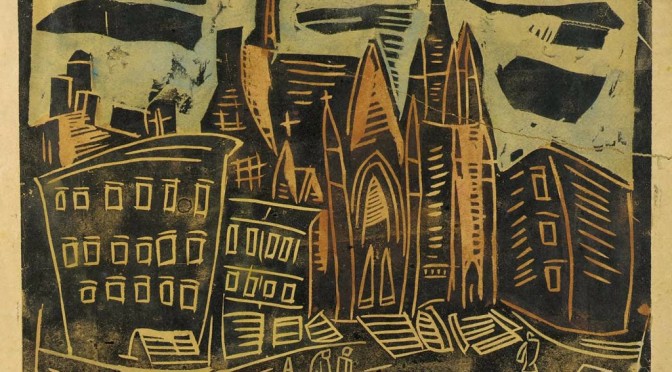
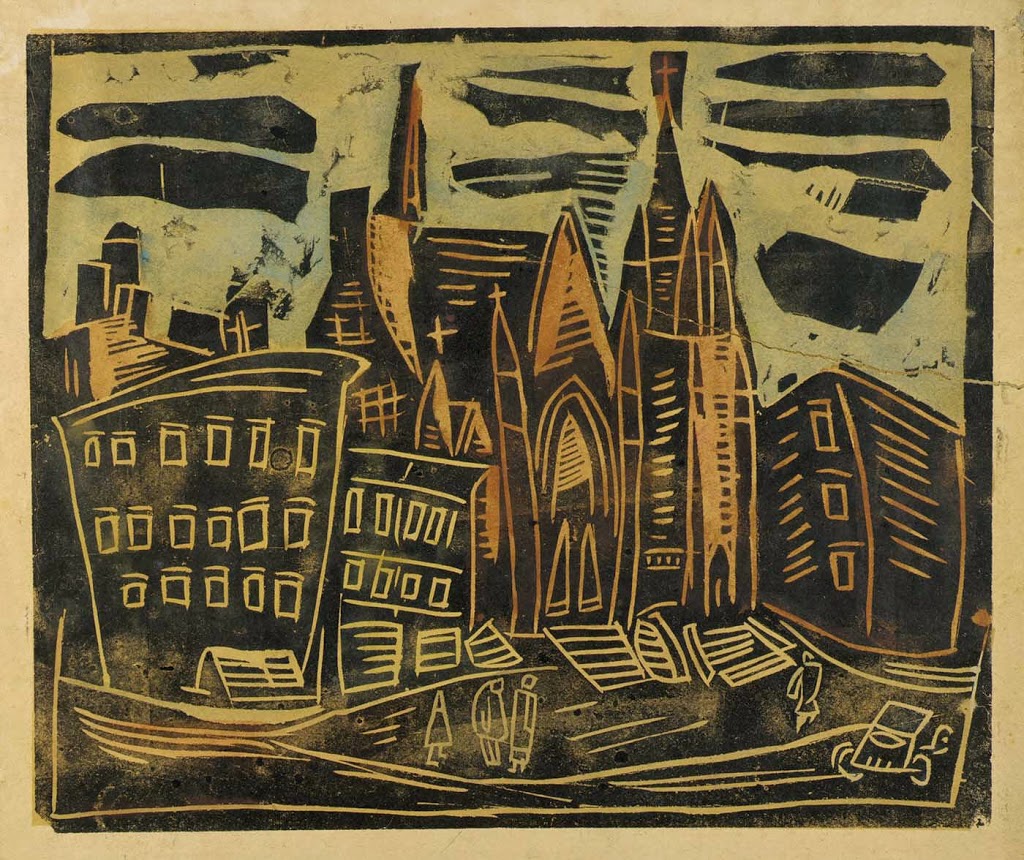
At top: Harlem Street with Church, by William H Johnson, 1939-40, courtesy the Smithsonian Institute

Categories
Bowery Boys

The Bowery Boys Podcast: Year in Review 2017

This was our tenth year in recording the Bowery Boys podcast and it was easily the best ever.

We charted new territories (from our first ever live show to the release of the Bowery Boys spin-off The First) and featured more treasured New York institutions than ever before — places like Weeksville Heritage Center, the Tenement Museum, the Algonquin Hotel and more.

Here is the complete list of Bowery Boys podcasts for 2017. To listen, use the podcast players attached this post or find the Bowery Boys podcast on your favorite podcast player.)

More excitement awaits in 2018 with new live shows, special tie-in events and our 250th episode (in just a couple weeks). See you in the new year!

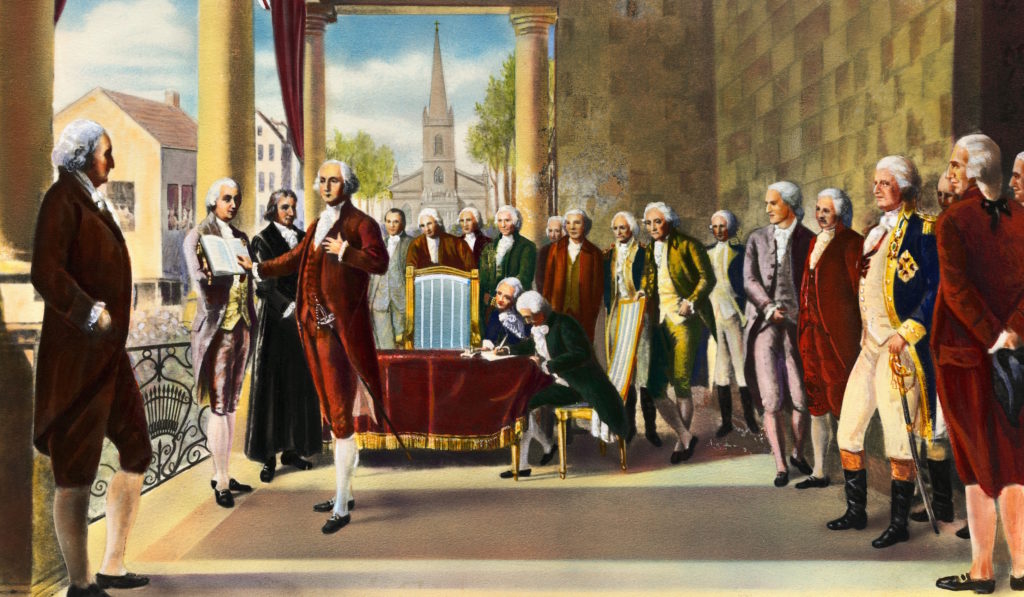
New York and the Inauguration of George Washington

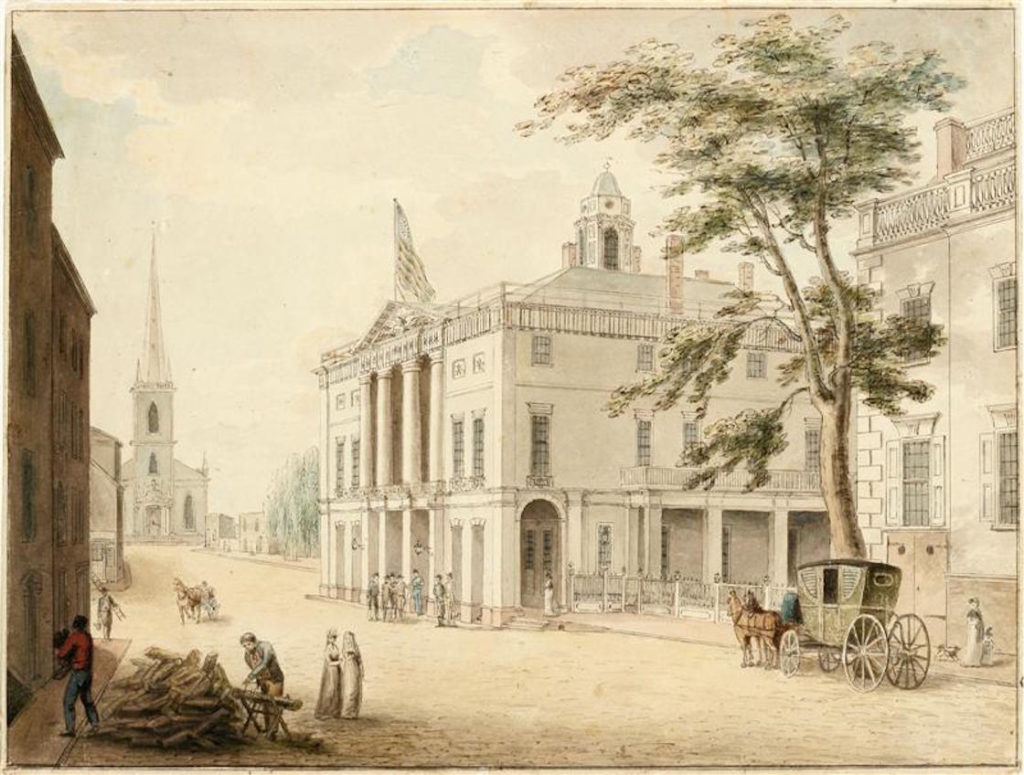
New York: Capital City of the United States

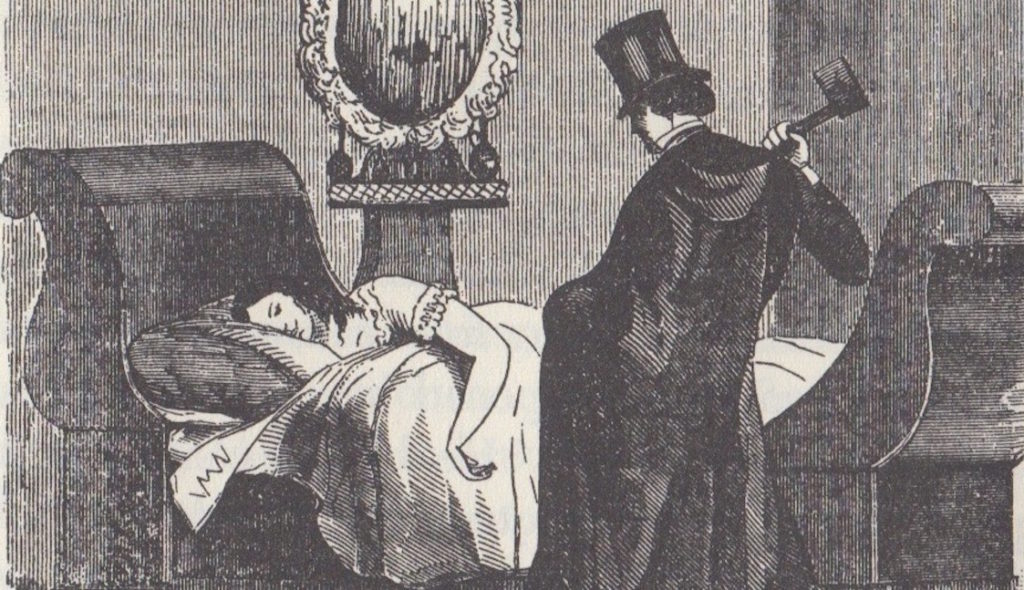
Who Killed Helen Jewett? A Mystery by Gaslight

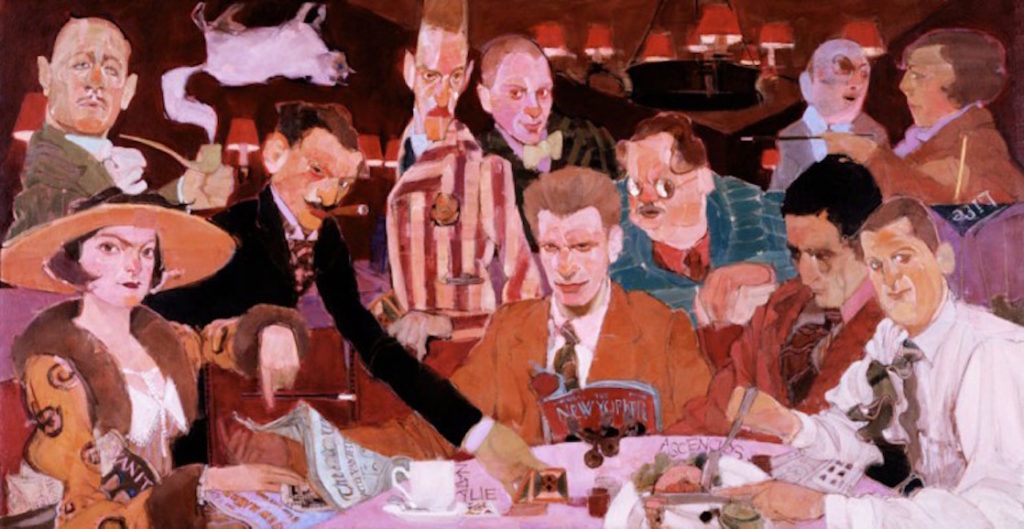
The Algonquin Round Table

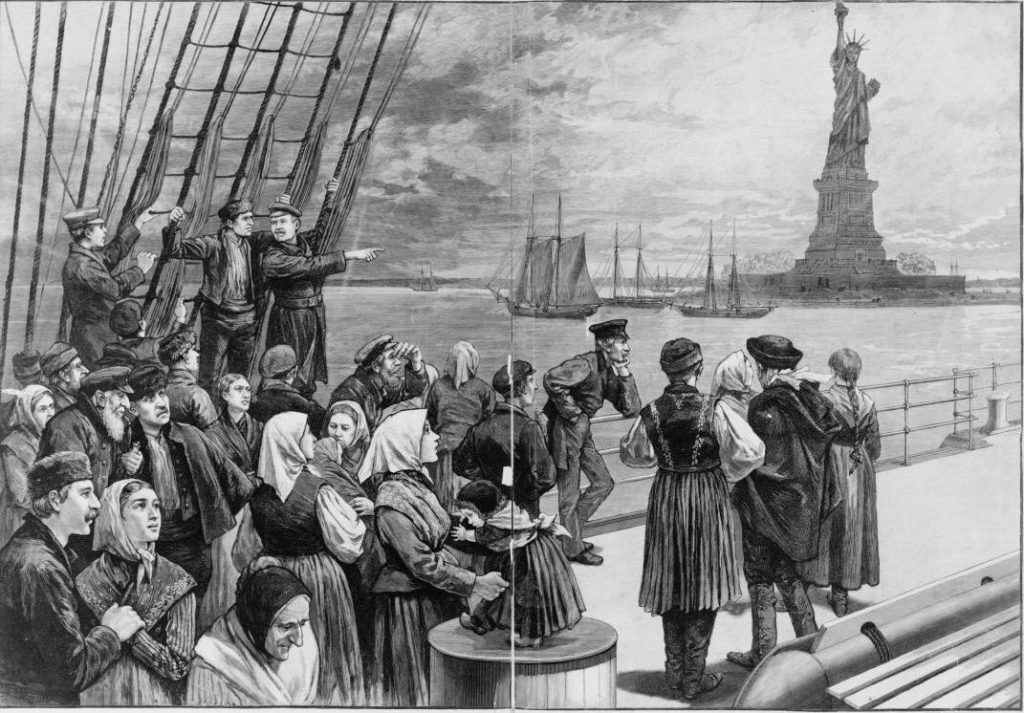
The Arrival of the Irish: An Immigrant Story

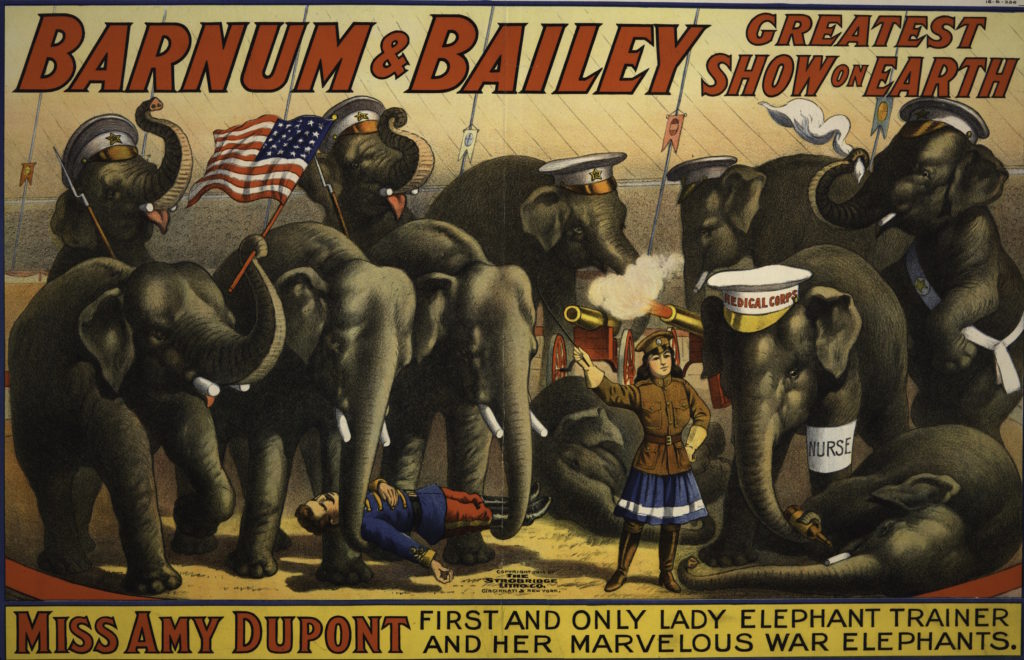
P. T. Barnum and the Greatest Show on Earth

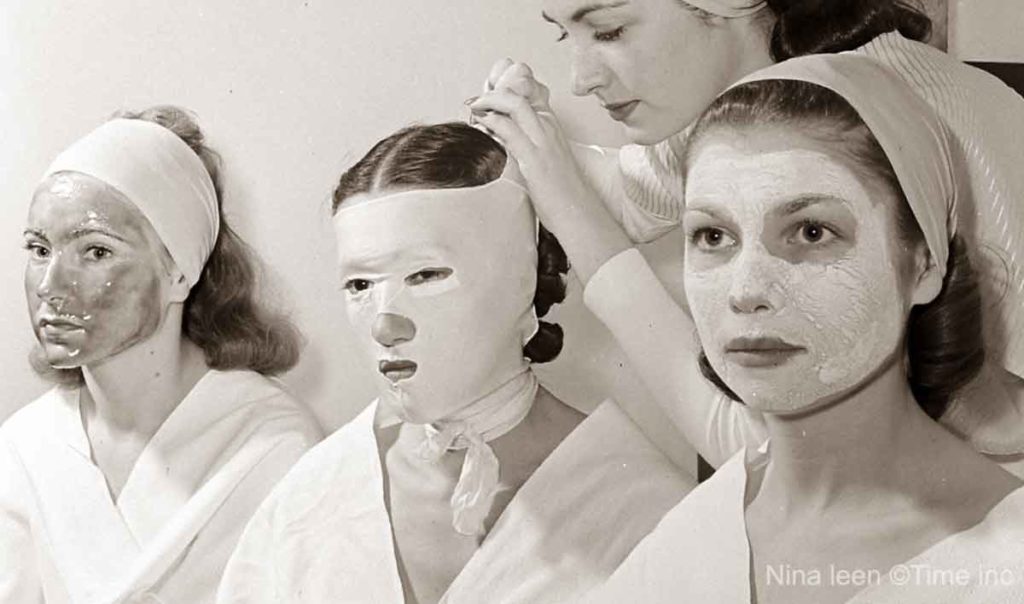
The Beauty Bosses of Fifth Avenue

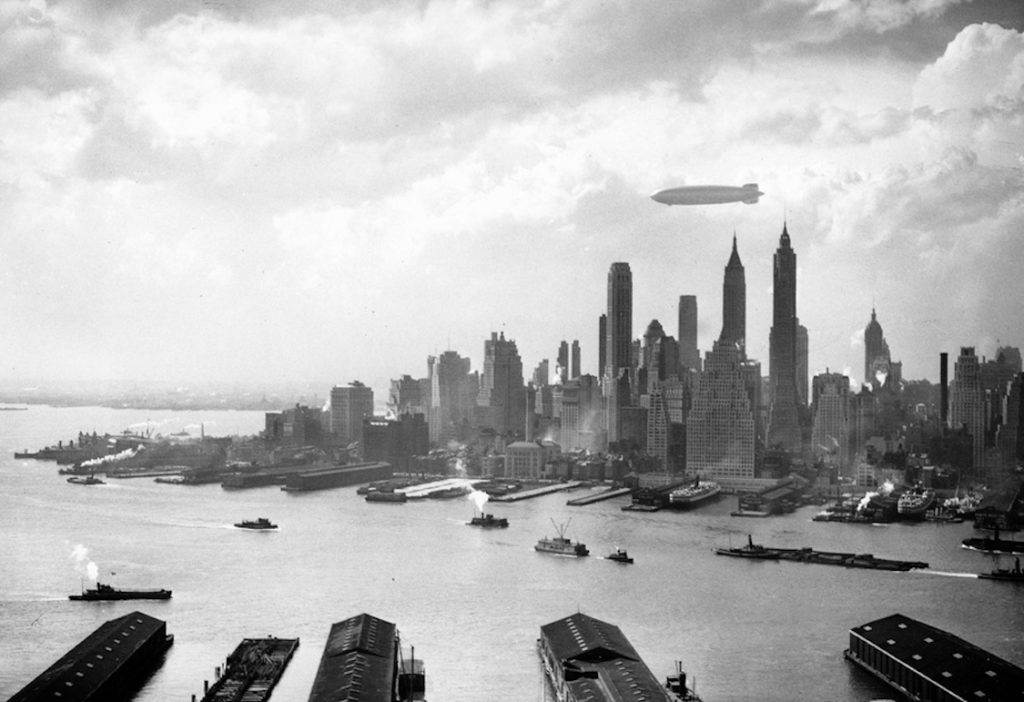
The Hindenburg Over New York

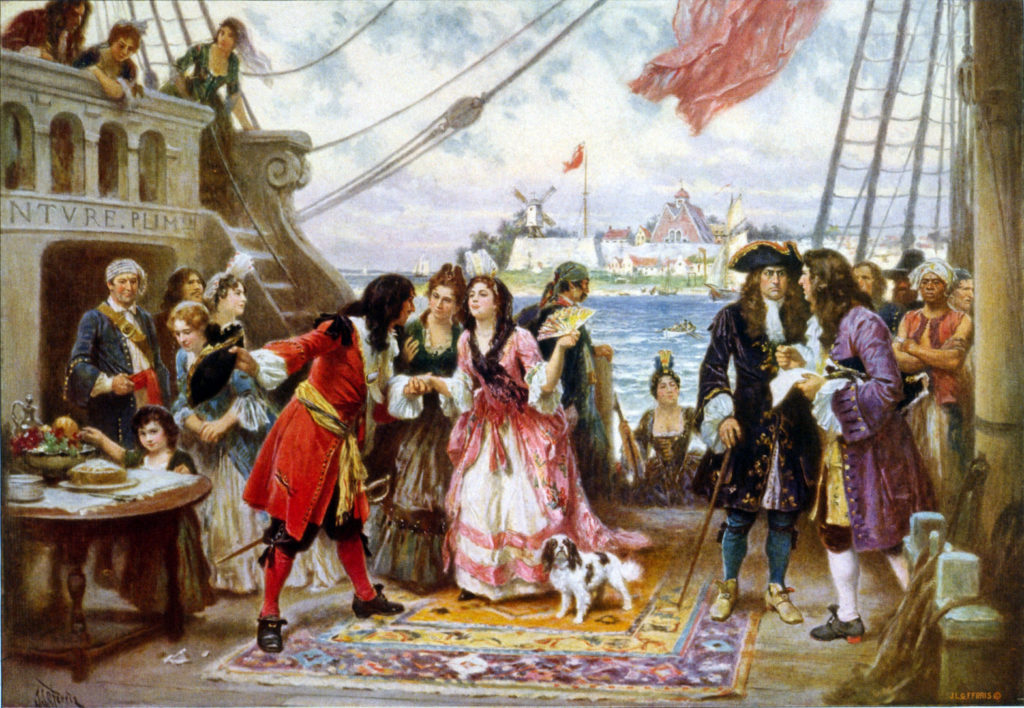
The Pirate of Pearl Street: The New York Adventures of Captain Kidd

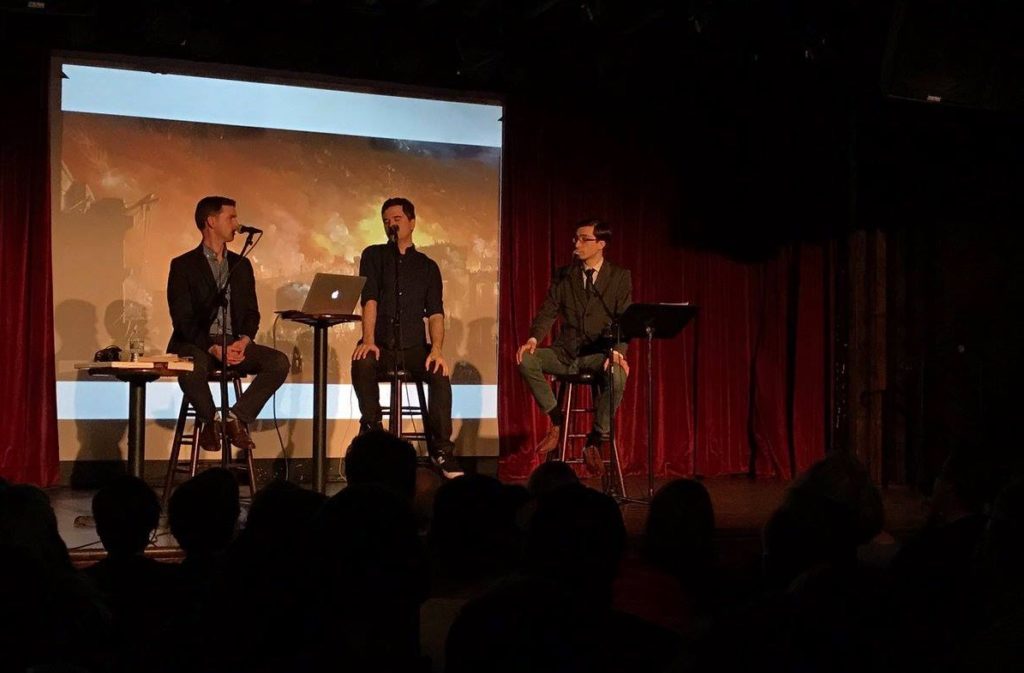
Live in Brooklyn! The Bowery Boys: Ten Years of Podcasting

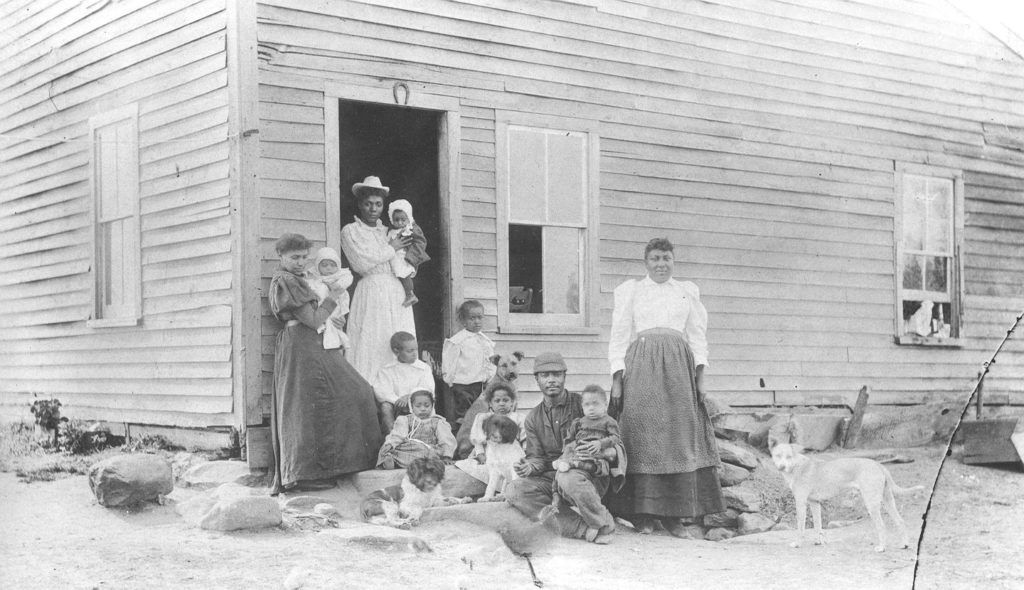
Before Harlem: New York’s Forgotten Black Communities

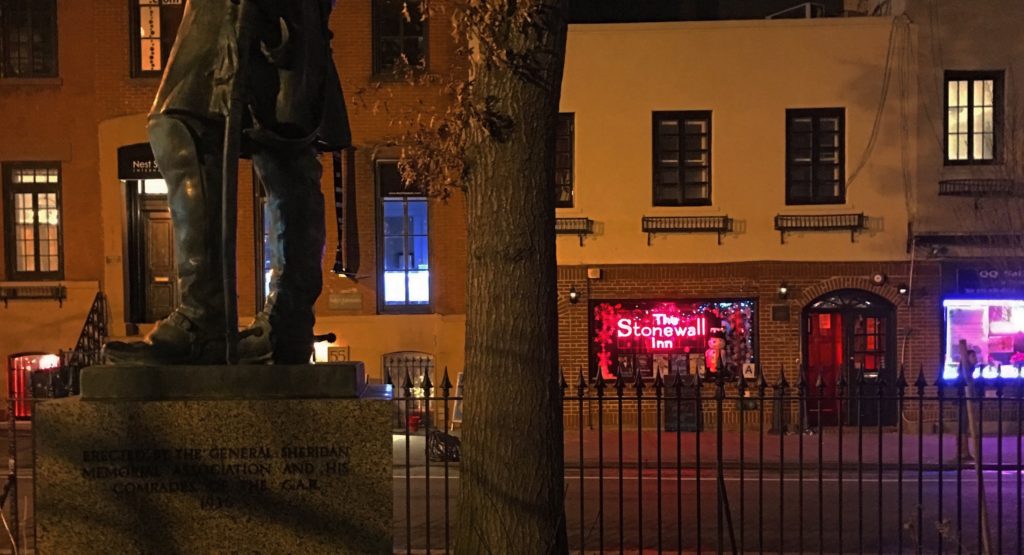
The Stonewall Riots Revisited

The Story of SoHo

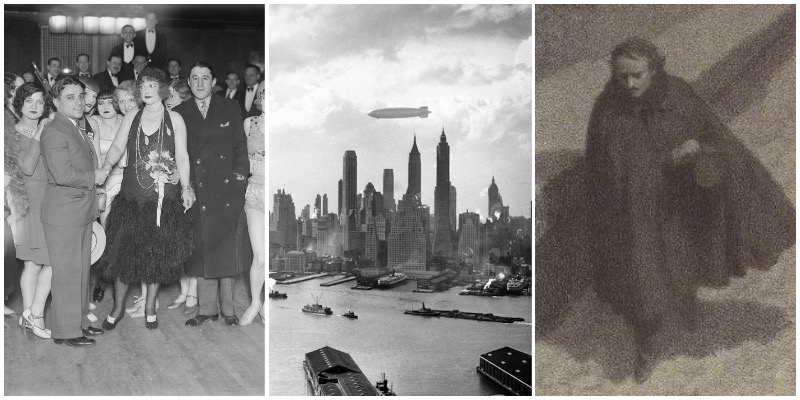
The Roaring ’20s: King of the Jazz Age

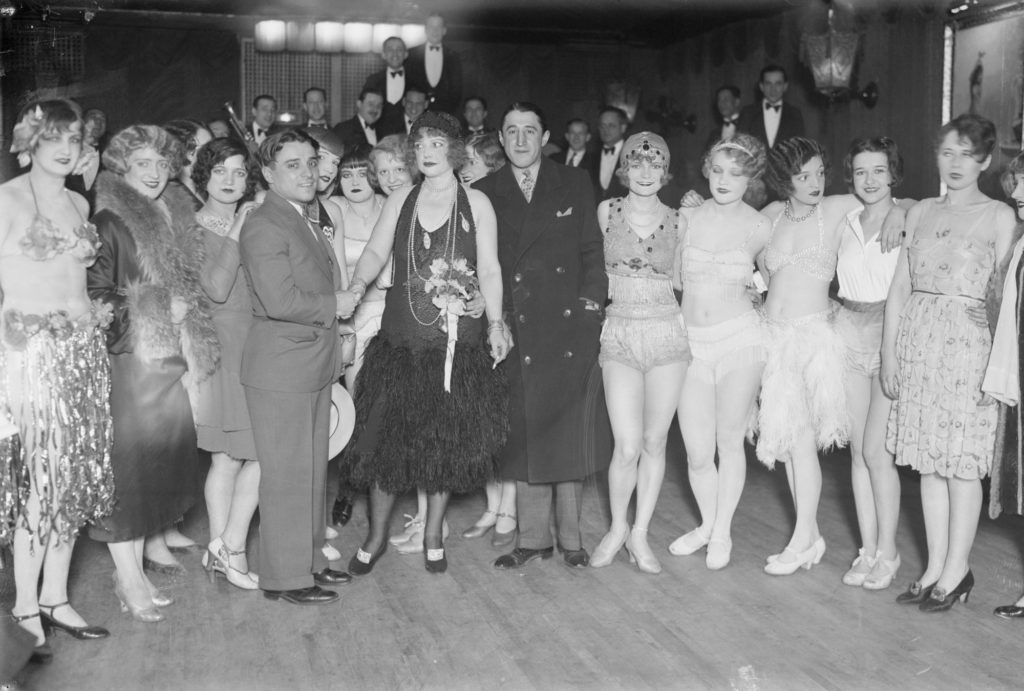
Queen of the Speakeasies: A Tale of Prohibition New York

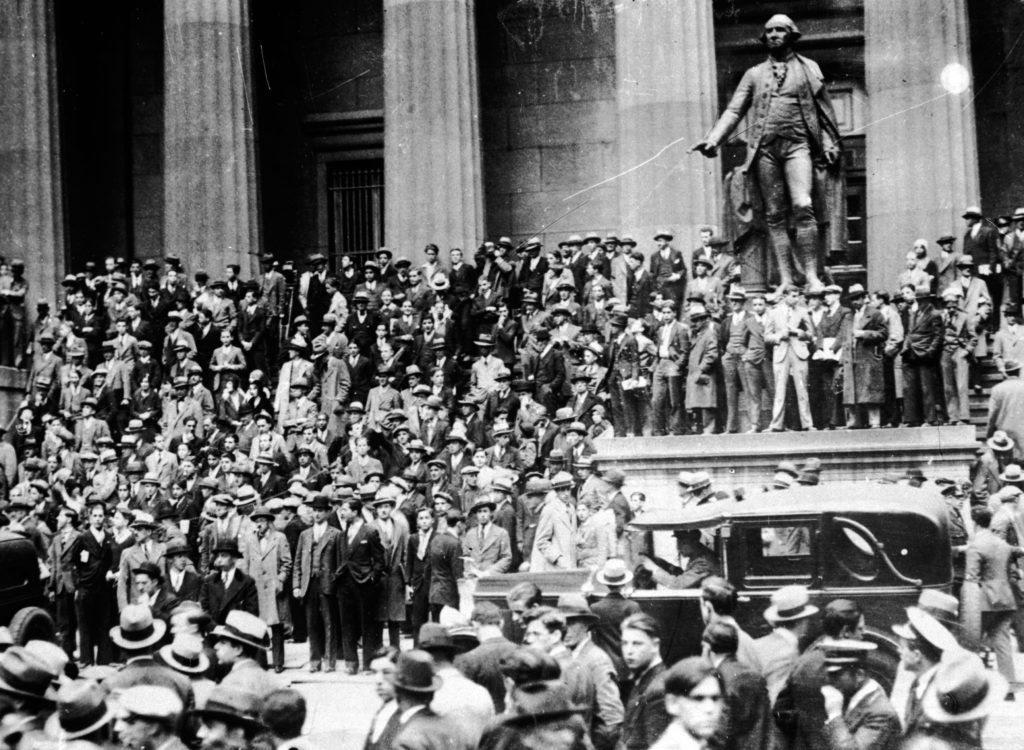
The Wall Street Crash of 1929: New York In Crisis

Times Square in the 1970s

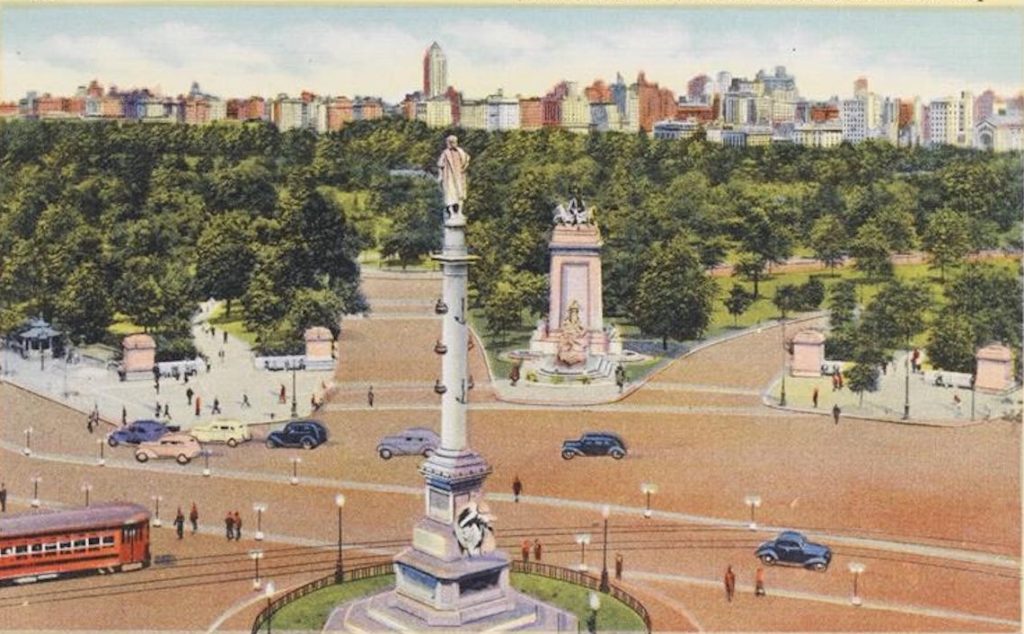
Columbus Circle: A Century of Controversy

Astoria and Long Island City

Murder at the Manhattan Well

The Ghosts of Greenwich Village

Edgar Allan Poe in New York

New York and the Dawn of Photography

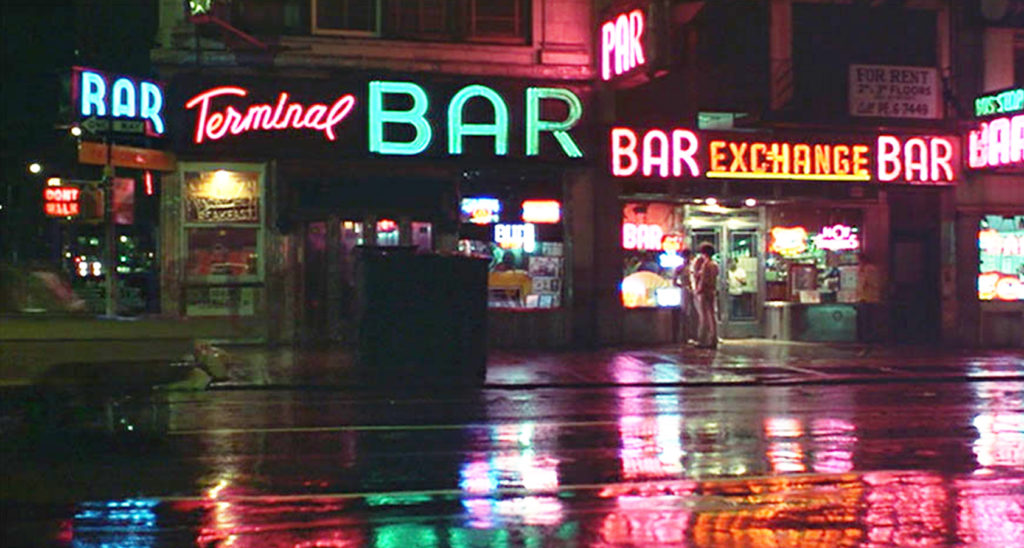
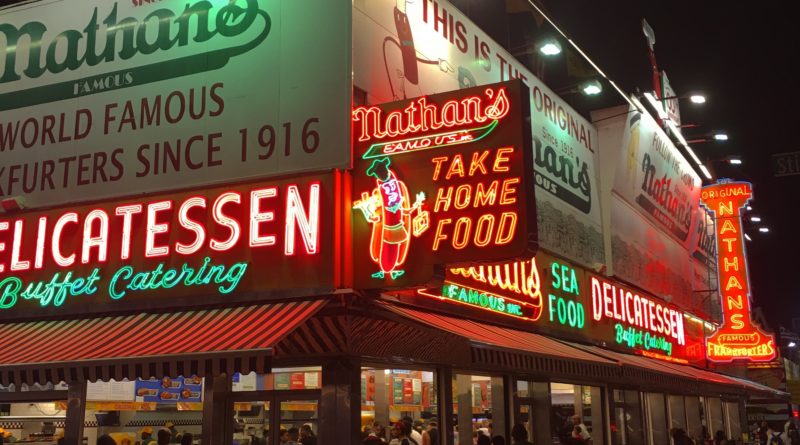
New York in Neon: Signs of the City

The Rise of the Fifth Avenue Mansions

The Fall of the Fifth Avenue Mansions

Tales from a Tenement: Three Families on the Lower East Side

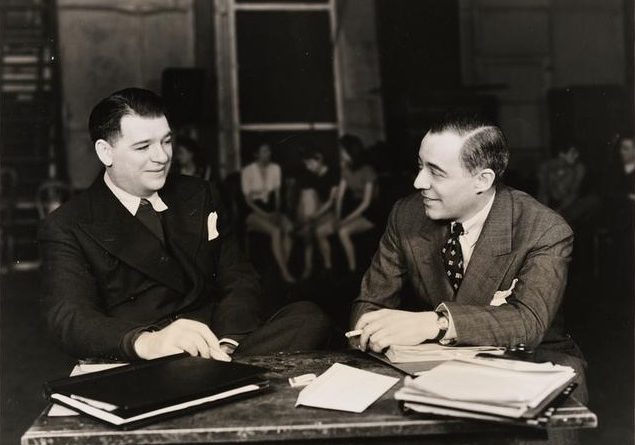
Rodgers and Hammerstein: The Golden Age of Broadway

Sitting Down with Roz Chast of the New Yorker

Categories
Bowery Boys Bookshelf Podcasts

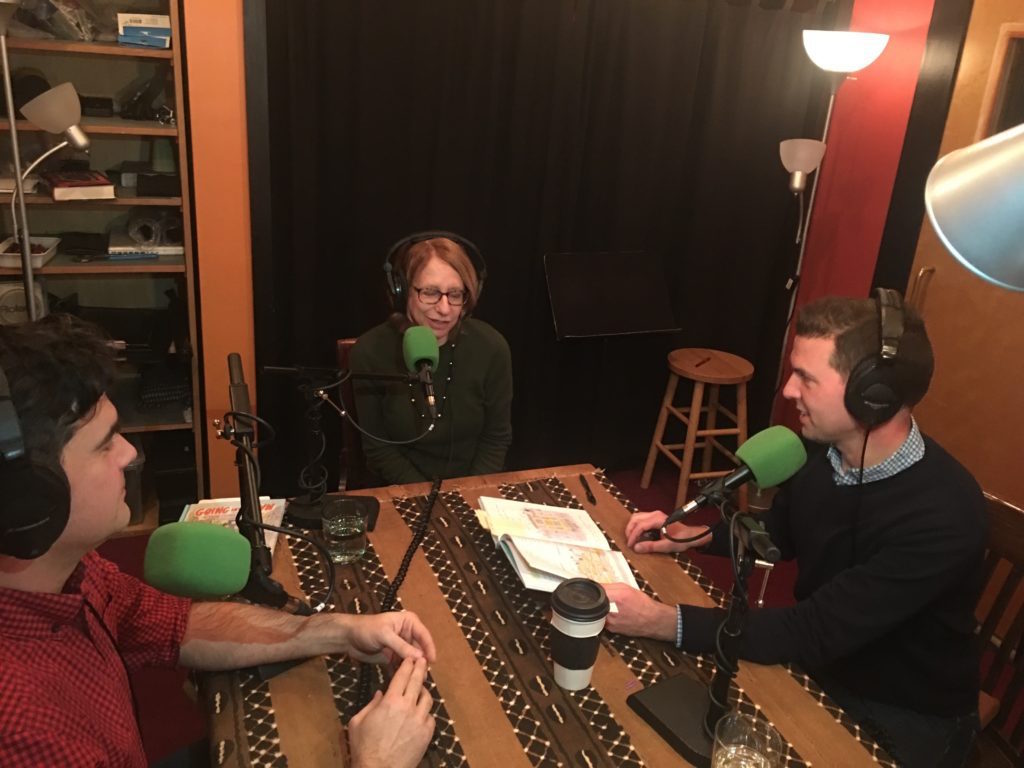
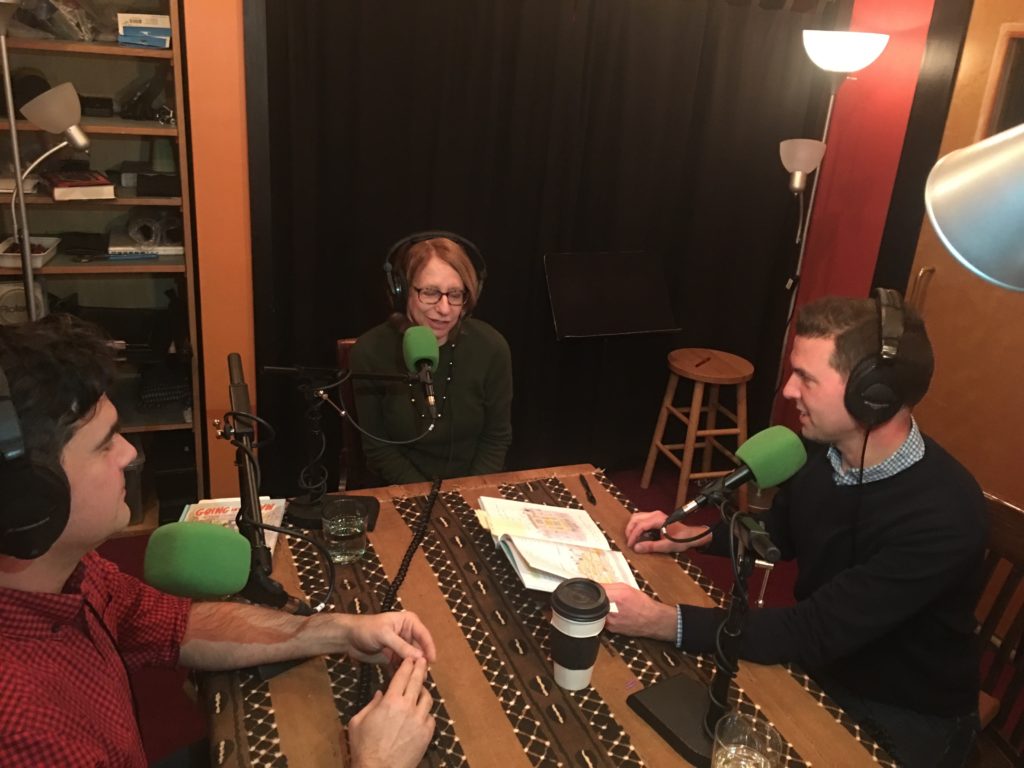
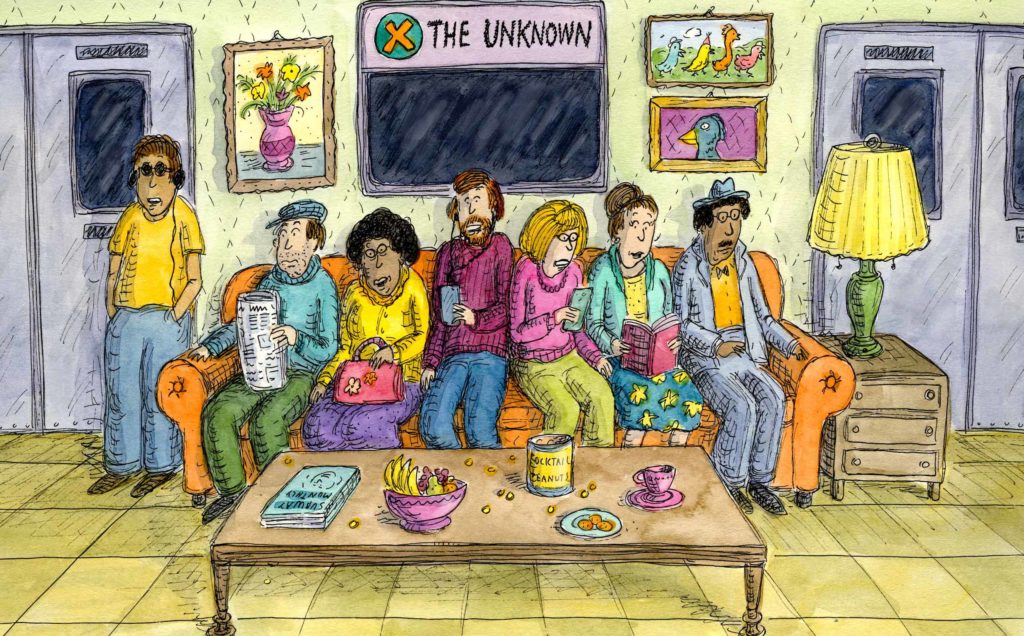
‘Going Into Town’ with the New Yorker’s Roz Chast: A Conversation with the Bowery Boys

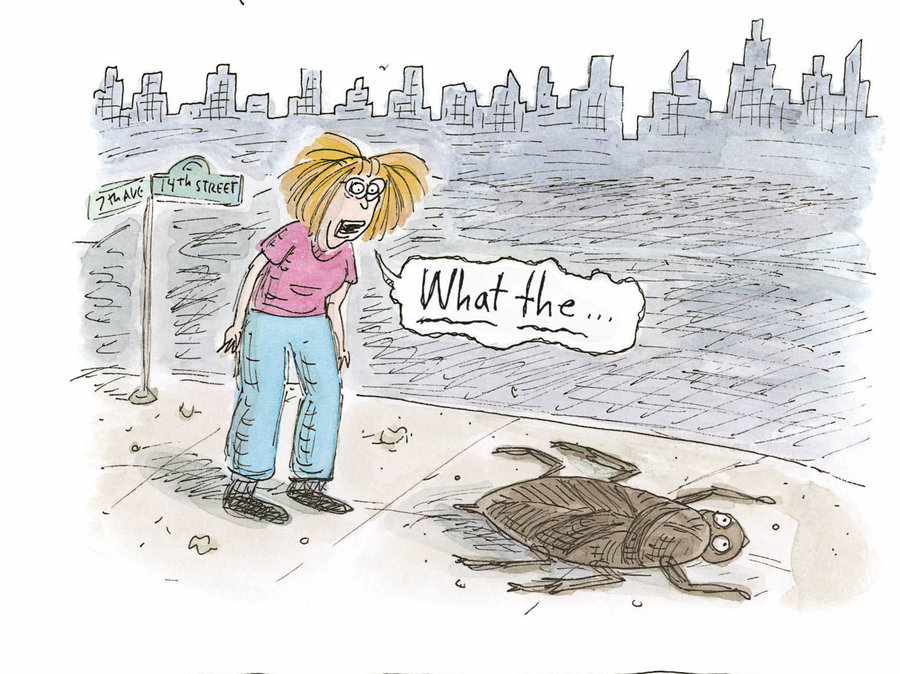
PODCAST The Bowery Boys celebrate the end of the year by sitting down with Roz Chast, who has been contributing cartoons to the New Yorker since 1978. She’s also the author of the New York Times best-selling graphic memoir Can’t We Talk About Something More Pleasant?

Chast’s new book Going into Town: A Love Letter to New York is a guidebook to living in — and loving — New York. Tom and Greg discuss her childhood in Brooklyn, life on the Upper West Side in the ’70s and ’80s, her favorite diner (which is still open!), working at the New Yorker, and much more.
LISTEN HERE:

To download this episode and subscribe to our show for free, visit iTunes or other podcasting services or get it straight from our satellite site.

You can also listen to the show on Google Music, Stitcher streaming radio and TuneIn streaming radio from your mobile devices.

___________________________________________________________________________

The Bowery Boys: New York City History podcast is brought to you …. by you!

We are now producing a new Bowery Boys podcast every week.  We’re also looking to improve the show in other ways and expand in other ways as well — through publishing, social media, live events and other forms of media.  But we can only do this with your help!
We are now a member of Patreon, a patronage platform where you can support your favorite content creators for as little as a $1 a month.

Please visit our page on Patreon and watch a short video of us recording the show and talking about our expansion plans.  If you’d like to help out, there are five different pledge levels (and with clever names too — Mannahatta, New Amsterdam, Five Points, Gilded Age, Jazz Age and Empire State). Check them out and consider being a sponsor.

We greatly appreciate our listeners and readers and thank you for joining us on this journey so far. 

________________________________________________________________________

Categories
The First

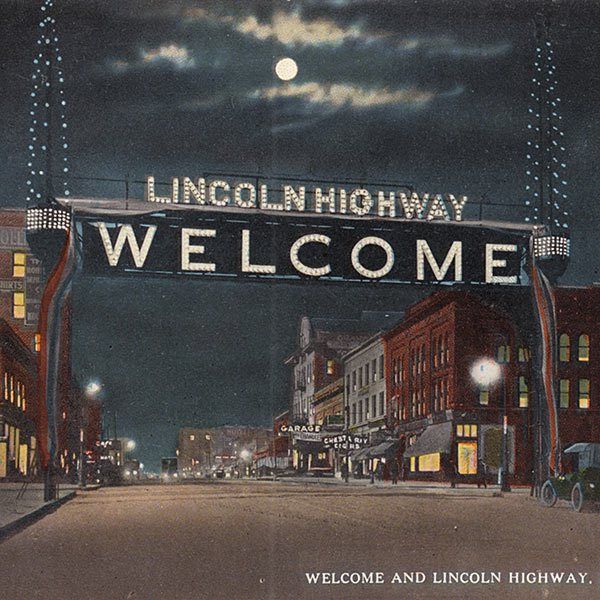
The Lost Highway: The Tale of the Lincoln Highway, America’s First Cross Country Road

THE FIRST PODCAST  In 1900, there were about 8,000 registered automobiles in the United States. They were a genuine novelty. Those that attempted to go on ‘road trips’ met with a frustrating reality — there were no drivable roads, no unified road maps, no nation-wide infrastructure of gas stations or amenities. The first automobiles to attempt cross-country travel were essentially UFOs streaking through a sparsely populated and isolated America.

This is the story of how that all changed. This is the story of the Lincoln Highway, the first cross-country road in the Untied States, linking Times Square in Manhattan with Lincoln Park in San Francisco via a patchwork of pre-existing roads in twelve states.

The Lincoln Highway was developed by automotive executives who wanted to use the cross-country road to promote automobile sales. It accomplished more than that; the Lincoln Highway invented the pleasures and eccentricities of American road travel.

To get this episode, simply download it for FREE from iTunes or other podcasting services. Check here for other ways to get the show.

Subscribe to The First here so that you don’t miss future episodes!

You can also listen to the show on Stitcher streaming radio from your mobile device.

Or listen to it straight from here:
THE LOST HIGHWAY: AMERICA’S FIRST CROSS COUNTRY ROAD

A 1916 route map for the Lincoln Highway:

Categories
Bowery Boys Bookshelf

Eleven holiday gift ideas for New York history buffs: The Bowery Boys favorite books of 2017

For this holiday season, what single present can satisfy a native New Yorker, a history buff enchanted with the city’s rich heritage, or a person who’s dreamed of coming here to visit one day? A book of course!

Here are our picks for ideal gifts this year — from hard-hitting non-fiction to nostalgic memoir, from the Revolutionary War to the 1970s, from the real to the imagined.

And at the bottom of this list are our three favorite New York City history books of 2017. Most of these books are taken from past blog write-ups so click on the links below to get our full reviews.

ILLUSTRATED WONDERS

Tenements, Towers & Trash
An Unconventional Illustrated History of New York City
by Julia Wertz

Going Into Town
A Love Letter to New York
by Roz Chast

Two New Yorker cartoonists hit the bookshelves with absolutely perfect tributes to the city, both in the spirit of E.B. White’s Here Is New York (of which both books pay homage).  Tenements, Towers & Trash is a wonderland of New York scenes from the past and present,  wandering through time and space almost in a sentimental stream of consciousness, captured in beautiful and detailed black-and-white illustrations. Streetscapes are captured at rest, the awnings and ornaments of the past awaiting the reader to fill them with memories. Along the way are historical asides on Madame Restell and Typhoid Mary, as well as fabulous celebrations on the city’s most beautiful trash dumps (Bottle Beach, Staten Island’s Boat Graveyard.)

Going Into Town, Chast’s book of urban observations, is a guide book full of charm and optimism, a polar opposite of most current-affairs tomes about New York on the shelves today. Even when she remarks disparagingly about tourists or rodents or trash, it’s done with the lightest of touches, graced with vibrating illustrations of herself.  And it really is a guide book — albeit one you can safely read at home — describing the layout of New York’s avenues and cross-streets, exploring its most enchanting institutions and proclaiming love for the most particular things (the Times Square/Grand Central shuttle, the armor gallery at the Met, the pigeon). It’s curmudgeonly but not the least bit cynical.

(Read the full review of Chast’s book here.)


REVOLUTIONAIRIES, 18th CENTURY VERSION 

The Martyr and the Traitor
Nathan Hale, Moses Dunbar, and the American Revolution
by Virginia DeJohn Anderson

The Ghost Ship of Brooklyn
An Untold Story of the American Revolution
by Robert P. Watson

You may know Nathan Hale well from history books as a symbol of American patriotism, dying for his country long before anybody actually thought it would ever be a country.  But what if things had been a little different in the life of Mr. Hale as a young man? What if, Sliding Doors-style, decisions made by him and his loved ones had sent him down a different path? What if his ardent patriotism had, instead, been in support of the British cause?  In Anderson’s captivating history, we are presented with an actual historical example — a contrasting figure, nearly forgotten, named Moses Dunbar — to use for this thought experiment.

But during the Revolutionary War, there was a fate worse than death, as graphically depicted in Watson’s history of the prison ships of Brooklyn’s cursed Wallabout Bay. The author isolates the grim tale of these prison ships, often deemed a footnote in most war histories, from the actions of the conflict at large. It’s vividly narrow in scope, allowing the reader to experience the ship’s macabre trials in a sort of narrative entrapment.

(Read the full review of these books here and here.)

REVOLUTIONAIRIES, 21st CENTURY VERSION 

Vanishing New York
How A Great City Lost Its Soul
by Jeremiah Moss

The Creative Destruction of New York City
Engineering the City of the Elite
Alessandro Busà

Loving New York, of course, doesn’t mean you have to like what it’s becoming. Most of you know the blog Jeremiah’s Vanishing New York, observing the steady strangulation of New York City by hyper-gentrification, one fallen local landmark at a time. In what is essentially a book-length version of the blog, Moss has taken a step back, observing the alterations of the city’s DNA from neighborhood perspectives. In The Creative Destruction of New York City, Busà goes for a different approach, breaking down the major players in city government who make those altering decisions and identifies the tools those parties may use in transforming New York, often for less-than-altruistic ends.

(Read the full reviews of these books here and here.)

PIECING TOGETHER THE PAST

 The Gargoyle Hunters
John Freeman Gill

At the Strangers’ Gate
Arrivals In New York
by Adam Gopnik

In the 1970s lovers of New York’s fading architectural landscape decided to protect its most treasured features — by liberating its details from the landscape entirely. They were called ‘gargoyle hunters’, so passionate for the city’s magnificent beauty that they would rather steal aspects of it than see it destroyed. Gill is the son of a ‘gargoyle hunter’ who traipsed 1970s in search of aged, deteriorating treasures, and his adventure here, while certainly fictionalized, has the immediacy of a memoir, laced with specific references to corner shops, restaurants and cheap snack foods.

The ’80s in New York City, meanwhile, were sometimes defined by glossy magazines and gallery shows, the earnest giving way to irony, the facile passed off as profound. Many chroniclers of this period fall victim to its excesses, treating guest lists like poems. Not Gopnik, the New Yorker writer who resides within his written settings retaining a voice of sincerity and restraint.  Gopnik’s lovely recollection of New York during this heady, escapist decade recounts tales of tiny studio apartments and dinners with iconic photographers with equal measures of joy and admiration.

(Read the full Bowery Boys book reviews here and here.)

And our top three favorite books of 2017 are….

1) Fear City
New York’s Fiscal Crisis and the Rise of Austerity Politics
Kim Phillips-Fein

Phillips-Fein has crafted one of the best history books of the year out of one of the ugliest periods in New York City history — the financial crisis of the 1970s. The author manages to sift through this complicated and seemingly indecipherable story and recount even the most gloomy late-night board meetings with a vital urgency. You may know portions of this story quite well — some of you lived through it — but you may not know the varying and even opposing ways that the city got out of this mess.

(Read the full Bowery Boys book review from May here.)

2) Greater Gotham
A History of New York City from 1898 to 1919
Mike Wallace

The decades between Consolidation and Prohibition saw the rise of New York City as an international symbol of American prosperity while being reshaped by an unprecedented collection of modern cultural forces. During the Gilded Age, New York became of city of wealth and a metropolis of stratified classes, forming immigrant enclaves and vital (if often corrupted) social institutions. In the new century, a pivot occurs. Tradition gives way to the modern and a crowded city finds room for its new personalities.

Confined by just these two decades, the book visits virtually every aspect of life by category. It thoroughly explores one element of that critical period — politics or finance, for instance — then refocuses and reboots, starting at the beginning again in the next chapter, observing different histories.

(Read the full Bowery Boys review from November here.)

3) Down the Up Staircase
Three Generations of a Harlem Family
Bruce D. Haynes and Soma Solovitch

Haynes grew up in a townhouse at 411 Convent Avenue, observing the latter years of the building’s steady, graceful decline. His grandparents had moved into the townhouse in 1944 and his parents had remained within it their entire lives, even through a contentious marriage. Bruce grew up there with his two brothers George and Alan. One of them would meet a tragic end during the fateful summer of 1976.

But the house has not simply been transformed by familial necessity; it has been changed by the history of Harlem itself. Down the Up Staircase documents the lives of three families who seem to have felt every tumultuous shift and been present, in some form, in every major milestone in black American life.

(Read the full Bowery Boys review from July here.)

Categories
Podcasts

Tales of a Tenement: Three Families Under One Roof

In today’s show, we’ll continue to explore housing in New York, but move far from the mansions of Fifth Avenue to the tenements of the Lower East Side in the 20th Century. Specifically, we’ll be visiting one building, 103 Orchard Street, which is today part of the Tenement Museum.


The Bowery Boys: New York City History podcast is brought to you — by you!

We are now producing a new Bowery Boys podcast every week.  We’re also looking to improve the show in other ways and expand in other ways as well — through publishing, social media, live events and other forms of media. But we can only do this with your help!

We are now a member of Patreon, a patronage platform where you can support your favorite content creators for as little as a $1 a month.

Please visit our page on Patreon and watch a short video of us recording the show and talking about our expansion plans. If you’d like to help out, there are five different pledge levels (and with clever names too — Mannahatta, New Amsterdam, Five Points, Gilded Age, Jazz Age and Empire State). Check them out and consider being a sponsor.

We greatly appreciate our listeners and readers and thank you for joining us on this journey so far.


The Epstein sisters, posing on the streets of the Lower East Side. (Photo: The Tenement Museum)

When we step inside 103 Orchard, we’ll be meeting three families who lived there after World War II. We’ll be getting to know them by walking through their apartments, faithfully reconstructed, often with their very own furniture, to tell their stories.

The three families are the Epsteins, the Saez-Velez family, and the Wong family. The Epsteins were Holocaust survivors who moved into the building in the 1950s, the Saez-Velez family moved in during the 60s and were led by a mother who left Puerto Rico and worked as a seamstress here, and the Wong family, whose mother raised the family while working in Chinatown garment shops, moved in during the 1970s.

They’re included in an exciting new interactive exhibition at the Tenement Museum. This exhibit, which includes a tour of the apartments, is called “Under One Roof”, and opens to the public this month. We’re led through it on our show by Annie Polland, the museum’s curator of this exhibit.

For more information on the exhibit, visit tenement.org. While there, be sure to take a virtual tour of the apartment.

Mrs. Wong and her son Kevin. (Photo: The Tenement Museum)

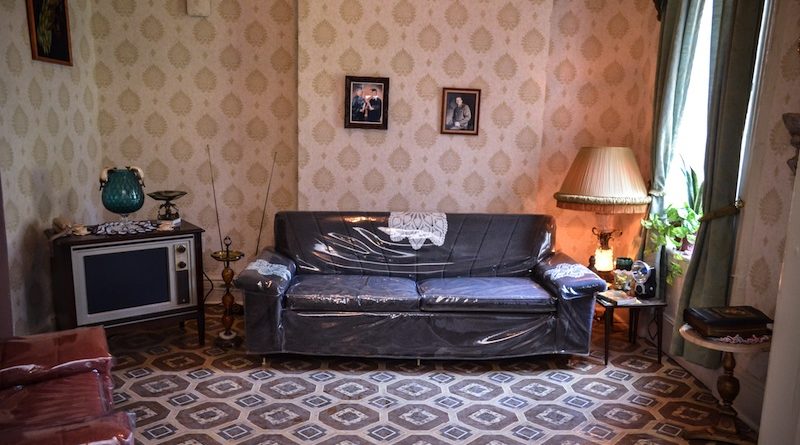
The living room in Ramonita Rivera Saez’s apartment. Photo: The Tenement Museum

Categories
Holidays The First

How Electric Light Changed Christmas Forever

‘THE FIRST’ PODCAST The surprisingly rich history of Christmas lights in America.

That string of multi-colored Christmas lights wrapped around your tree (or your house) is far more influential to American history than you might think.

The first electric Christmas lights debuted in 1882, shortly after the invention of the incandescent light bulb itself, in the New York home of a Thomas Edison employee. They quickly became a vehicle for electric companies to tout the magic of electrical power.

In the process, they helped secularize very basic symbols of the Christmas season. In this episode, find out how the invention of whimsical colored lights helped redefine the holiday and create comfort and unity for millions of Americans.

PLUS: The origin story of those ‘classy’ lights you see wrapped around trees and lampposts on respectable urban avenues.

To get this episode, simply download it for FREE from iTunes or other podcasting services. Check here for other ways to get the show.

Subscribe to The First here so that you don’t miss future episodes!

You can also listen to the show on Stitcher streaming radio from your mobile device.

Or listen to it straight from here:
HOW ELECTRIC LIGHT CHANGED CHRISTMAS FOREVER


Before electric lights, Christmas trees were adorned with candles, precariously balanced upon branches.

Christmas Tree Family, Victorian Christmas, 1858 from Illustrated London News by J. A. Pasqier via It’s About Time Blog

The marvelous rotating Christmas tree of Edward H. Johnson, the first tree with Christmas lights.

Thomas Edison Museum


An electrically lit Christmas trees is one of the components of an ‘Edison household’

Edison Awards

Some vivid packaging from the Edison company.

Edison Awards

Christmas with the Ludor family, 1904. Even wealthy families could only afford to install a small number of electric lights on their trees.

MCNY

The nation’s first ‘community Christmas tree’ in Madison Square in New York City. Read more about it here.

Library of Congress


President Herbert Hoover prepares to turn on the electric lights of the National Christmas Tree, Dec. 4, 1930. Trees in Washington D.C. have been central to the popularizing of electric Christmas decorations.

Library of Congress

From a 1957 Sears Christmas catalog, featuring bulb sets by NOMA

The Plaza in Kansas City, 1940

Courtesy of Missouri State Archives

Downtown Kansas City in the 1960s, awash in Christmas lights and fine cars!

Rockefeller Center Christmas Tree in 1964

Robert Richie, photographer. DeGolyer Library, Southern Methodist University


The Griswolds may have over done it in the film Christmas Vacation.

Categories
Gilded Age New York Podcasts

The Fall of the Fifth Avenue Mansions: Where to find the remnants of an opulent past

PODCAST The story of how Fifth Avenue, once the ritziest residential address in America, became an upscale retail strip and the home of some of New York’s finest cultural institutions.

LISTEN HERE:

In this episode, the symbols of the Gilded Age are dismantled.

During the late 19th century, New York’s most esteemed families built extravagant mansions along Fifth Avenue, turning it into one of the most desired residential streets in the United States. The ‘well-connected’ families, along with the nouveau riche, planted their homes here, even as the realities of the city encroached around them.

By 1925 most of the mansions below 59th Street were gone, victims of changing tastes and alterations to the city landscape. Clothing manufacturing plants swept through Greenwich Village, and such ‘common’ purposes threatened the identity of Fifth Avenue. To the west, the dazzling delights of Times Square seemed certain to wring any respectability out of Midtown Manhattan’s reputation.

But near Central Park, families of newer wealth filled Fifth Avenue with their own opulent homes — Carnegies, Dukes, Fricks — as though oblivious to the changes occurring down south.

Most of these habitats of old wealth are gone today. There’s no place for a 100-room mansion on one of New York City’s busiest streets. Yet a few of these mansions managed to survive by taking on very different identities — from clothing boutiques to museums.

PLUS: The building that was bought for a necklace!

To download this episode and subscribe to our show for free, visit iTunes or other podcasting services or get it straight from our satellite site.

You can also listen to the show on Google Music, Stitcher streaming radio and TuneIn streaming radio from your mobile devices.

___________________________________________________________________________

The Bowery Boys: New York City History podcast is brought to you …. by you!

We are now producing a new Bowery Boys podcast every week.  We’re also looking to improve the show in other ways and expand in other ways as well — through publishing, social media, live events and other forms of media.  But we can only do this with your help!

We are now a member of Patreon, a patronage platform where you can support your favorite content creators for as little as a $1 a month.

Please visit our page on Patreon and watch a short video of us recording the show and talking about our expansion plans.  If you’d like to help out, there are five different pledge levels (and with clever names too — Mannahatta, New Amsterdam, Five Points, Gilded Age, Jazz Age and Empire State). Check them out and consider being a sponsor.

We greatly appreciate our listeners and readers and thank you for joining us on this journey so far. 

________________________________________________________________________

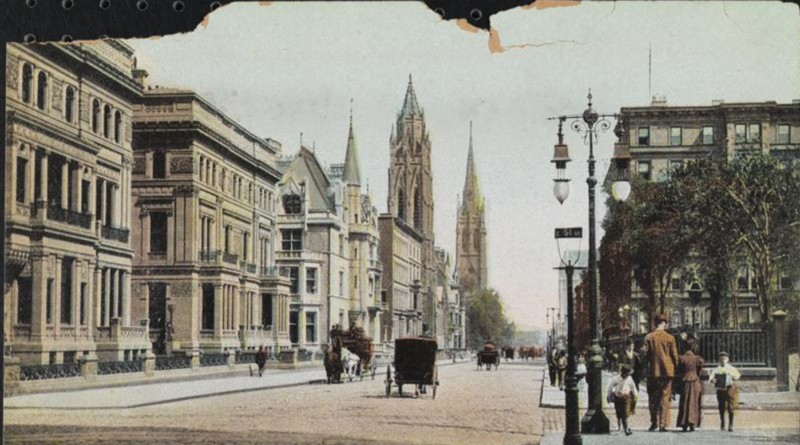
Artistic representations of a changing Fifth Avenue —

A 1908 illustration by Joseph Pennell titled Rebuilding Fifth Avenue.

Library of Congress

Fifth Avenue at Twilight, an illustration (c. 1910) by artist Birge Harrison, depicting Grand Army Plaza and Vanderbilt’s mansion, with Fifth Avenue Presbyterian and the Gotham Hotel behind it.

Library of Congress

By 1932, the transition to a retail district was virtually complete. Almost no single-family houses remained on Fifth Avenue below 59th Street.

Latham Litho. & Ptg. Co., 1932, Library of Congress

Postcard caption (from 1935): “A view of Fifth Avenue, the parade ground of the nation, looking south from 48th St., famous for its smart shops and double-decked buses.”


The New Century —

The corner of 59th Street and Fifth Avenue. Within 30 years this view would be completely transformed.

Museum of the City of New York


The new mansion ‘bonanza’ sprouted above 59th Street, a row of fine single-family palaces that would help create the ritzy reputation of the Upper East Side.

The home of W.C. Whitney (68th Street), 1900:

Museum of the City of New York


The home of George Gould (son of Jay), at Fifth Avenue and 89th Street

New York Public Library


The mansion of William Clark at E. 77th Street — in 1918 and 1927 (note the boarded up windows).

Wurts Brothers/Museum of the City of New York

Phillip Bartlett/Museum of the City of New York


Demolition on Fifth Avenue was an extraordinarily common site in the first quarter of the 20th century.  This is the northeast corner of Fifth Avenue and 54th Street in 1925.

The mansion of James B Duke, 1938. The house still exists, as does the apartment complex (and its awning) across the street.


A confusion of automobile traffic along Grand Army Plaza, 1930

The new Bergdorf Goodman in 1930, replacing the old Vanderbilt mansion.


OTHER PODCAST LISTENING related to this show:

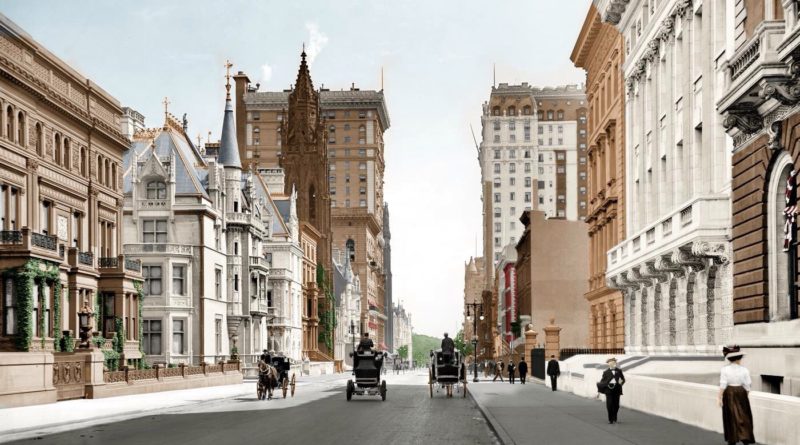
At top: A colorized image of Fifth Avenue from 1908 from Shorpy. Click here to see the original in deeper detail