Polish heroes, unliked dams and peculiar misspellings: Origins of ten New York City bridge names

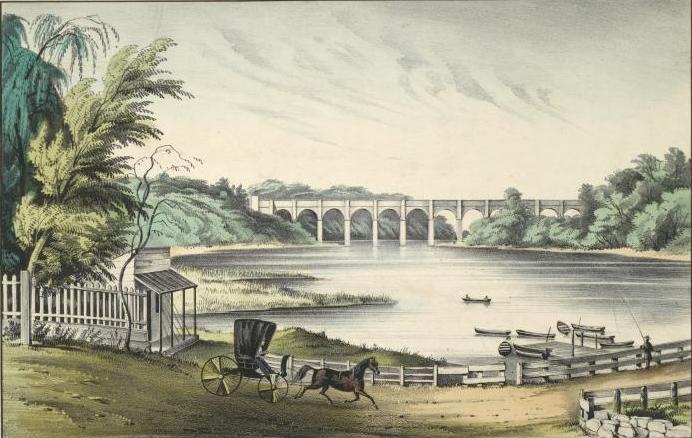
The newly built High Bridge over the Harlem River, as it looked in 1849. (NYPL)

Here’s a handy primer to ten of the most strangely named bridges in the New York City metropolitan area. Most of these names are probably familiar to you, and you probably pass over many of these bridges without giving a second thought to their name origin. Some are simply named for small neighborhoods or geographical features; others share the names of men that occasionally have little to no connection to the bridge at all. May you never drive over a body of water without being informed!

Bronx-Whitestone Bridge (Bronx/Queens) This intriguing span by Othmar Ammann (builder of six NYC bridges) has a slightly off-kilter name. Whitestone is a neighborhood in Queens and also gives its name to an expressway. To be consistent, shouldn’t it be the Bronx-Queens Bridge? Perhaps, but the bridge entrance in the Bronx is west of the neighborhood of Throggs Neck, and that neighborhood already has a bridge named after it — almost (see below).
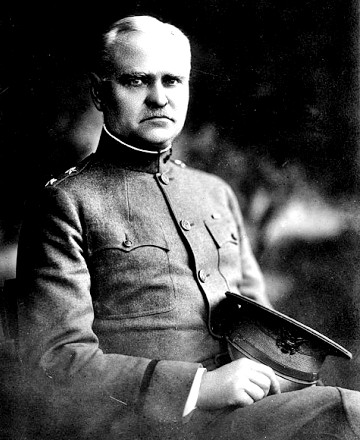
Goethals Bridge (Staten Island/New Jersey) The oldest vehicular bridge in Staten Island, this span over the Arthur Kill honors Brooklyn-born George Washington Goethals (at right) who helped construct the Panama Canal. He was also the first consulting engineer for an early version of Port Authority, not their only former employee to give their name to a bridge (see below).

High Bridge (Manhattan/Bronx) The oldest bridge in New York, created in 1848 as part of the Croton Aqueduct water system, is certainly high. But its name has a practical implication. Its creators considered a ‘low bridge’ — literally closer to the Harlem River — but that would require a draw mechanism for boat traffic. The ‘high’ bridge could transport water unimpeded.

Kosciuszko Bridge (Brooklyn/Queens) The brother of the Pulaski Bridge (see below), this oft-mispronounced crossing is named for Tadeusz KoÅ›ciuszko, a Polish volunteer in George Washington’s Continental Army who went on to lead battalions in Poland against Russian forces in the 1790s. Like the Marquis de Lafayette, you can find his name in towns and streets across the United States.

Lord Byron once said, “That sound that crashes in the tyrant’s ear – Kosciuszko!” He was probably not referring to the multiple pronunciations. (You’ll hear it either as “kahs-kee-OOSH-koh” or, more accutrately, “kohsh-CHOOSH-koh”.) [source]

Macombs Dam Bridge (Manhattan/Bronx) This bright swing bridge is familiar to anybody whose been to Yankees Stadium, hovering over the Harlem River. But it harbors perhaps the most violent history of any bridge in New York. Robert Macomb was a miller who received permission from the state in 1813 to place a dam in the Harlem. A private toll bridge sat above the dam, operated by Macomb, making him quite wealthy. Local residents, angered by the useless, ill maintained dam and the hazardous conditions it created, literally took axes to it in 1829.
Outerbridge Bridge (Staten Island/New Jersey) People really call it the Outerbridge Crossing or simply the Outerbridge. But if you’re being truly consistent, then it has to be Outerbridge Bridge. Because Outerbridge was an actual person — Eugenius Harvey Outerbridge, a Staten Islander who became the first president of Port Authority. Has there ever been a more perfect name for that particular function? As a bridge name, however, it continues to cause confusion.

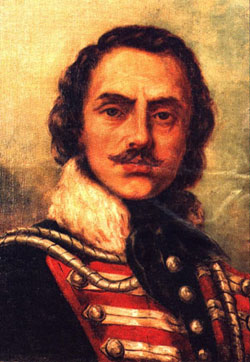
Pulaski Bridge (Brooklyn/Queens) This critical pass over Newtown Creek separating the two boroughs is yet another bridge named for a Polish hero, in this case Casimir Pułaski (at left). A revolutionary fighting against Russian forces, Pulaski was a political hot potato. But Lafayette and Benjamin Franklin were fans. He was recruited for the American Revolutionary War and once saved the life of George Washington (who also has his own New York City bridge) before dying in battle in Georgia.

Throgs Neck Bridge (Bronx/Queens) Inspired by the name of the neighborhood in which it passes — Throggs Neck. Popular legend has it that Robert Moses thought the extra ‘G’ made the name too long, so he chucked it. This would not be Moses’ first dance with spelling controversies. (See below) Whether with one G or two, Throg/gs Neck traces its name to an early settler here, the Rev. John Throggmorton. [Read more about it here.]

Verrazano-Narrows Bridge (Brooklyn/Staten Island) The longest suspension bridge in the United State, this glorious span, the last by Ammann, is named both for the slender pinch of water it rises over and the 16th century European explorer (Giovanni da Verrazzano) who first sailed through it. If you sometimes can’t remember how to spell the explorer’s name, you’re not alone. Long after they decided on a name, advocates debated whether he had one or two Zs in the name. (Read more about the debate here.) The bridge goes by one Z; the explorer is frequently spelled with two.

Fun fact: This is the only New York City bridge named for somebody who is believed to have been murdered and cannibalized in the West Indies.

Joseph P. Addabbo Memorial Bridge (Queens) This small bridge, spanning Jamaica Bay between the neighborhoods of Howard Beach and Broad Channel, is named for Queens native and U.S. House Representative Joseph Addabbo, a feisty Democrat who frequently sparred with Ronald Reagan. I put it last on this list specifically because it seems that all the Ds and Bs that appear in Mr. Addabbo’s name have successfully made it onto the name of the bridge as well.
Ulmer Park: A toasty footnote in Brooklyn beer history

We’re putting together the first new podcast of the year right now, involving a major traumatic event in south Brooklyn history. As I’m getting that together, enjoy this blog posting from summer 2009 about one of southern Brooklyn’s long forgotten pleasure destinations, Ulmer Park. You can find the original article here.

Over a 100 years ago, there was once a time you could get your beer, music and mayhem at a Brooklyn ‘pleasure park’ just a few stops short of Coney Island — near today’s Bensonhurst neighborhood.

Ulmer Park was the lark of William Ulmer, one of Brooklyn’s most successful brewers in an age where much of the nation’s finest beer was coming from the future borough. The German-born son of a wine merchant who learned the trade from his uncle, Ulmer opened his eponymous brewery in the 1870s at Belvedere Street and soon came upon the idea of opening a park as a way of selling more beer. (Not a bad idea. Jacob Ruppert would have similar designs in mind when he bought the New York Yankees in 1915).

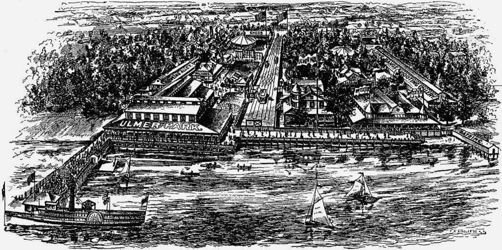
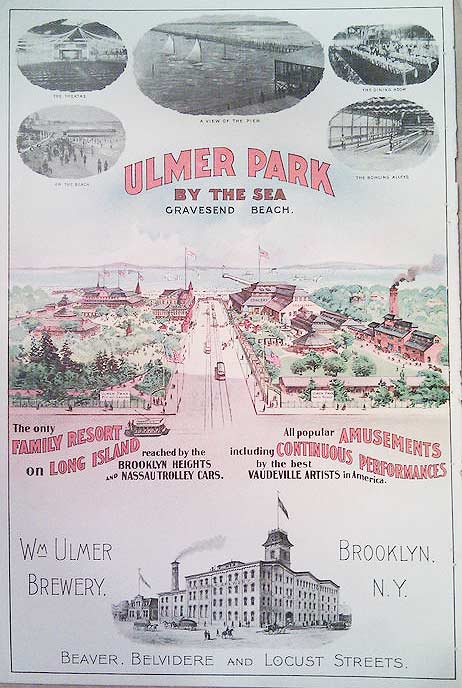
The park would open in 1893 in Gravesend Bay along the southern shore of Brooklyn — back when there was an actual shore — between Coney Island farther south and the more conservative Bath Beach resort community to its west. Ulmer Park seemed to have more in common with Bath Beach — clean, family friendly (keep Dad happy so he keeps drinking!) with a beer garden, carousels and swings, rifle ranges, a dance pavilion and of course plenty of beachfront property.

The park seemed to be particular popular with Germans — Ulmer after all was German, and this was a beer garden — and particularly the annual ‘Saengerfest’ festival. A Times article even claims that 100,000 gathered at Ulmer Park for the end of one such festival.

Below: an illustration of Ulmer Park. Note the grand pier which stuck out into into the bay

We can get a good idea of Ulmer’s intentions for the park by looking at his failure at obtaining a “liquor tax certificate” (or license) in a report from 1900. “A picnic ground, or open air pleasure resort, of about two acres” between Harway Avenue and the shore, the park had a bowling alley, a pier with canopied bar at the end, two or three other beer pavilions scattered throughout the property and a hotel.

Ultimately, neither the resort at Bath Beach nor amusements at Ulmer Park could compete with Coney Island which was about to enter its golden age in the early 1900s; apparently, it was grit and decadence people wanted in their summertime Brooklyn getaways. Ulmer closed in 1899.

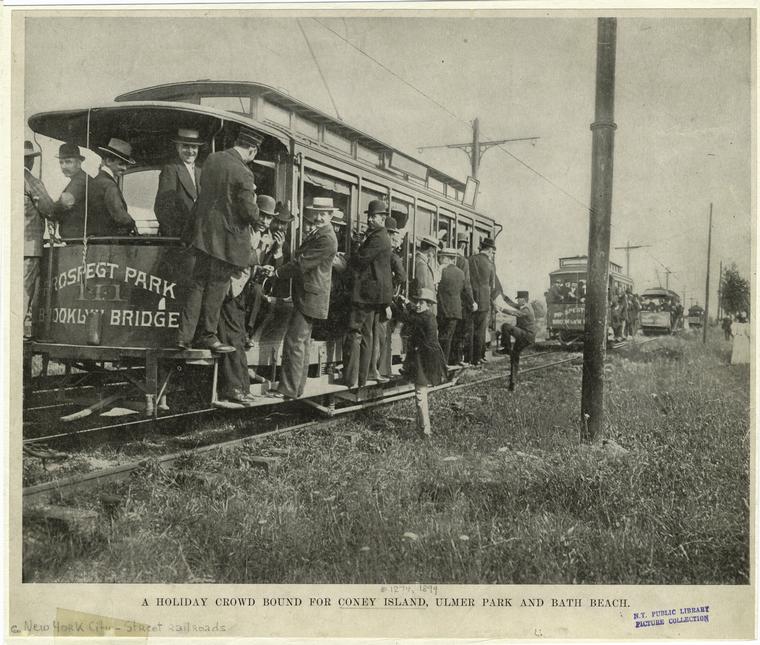
Below: All aboard the train to Coney Island, Ulmer Park and Bath Beach Above pic courtesy NYPL

The land remained a public space hosting baseball, cricket and track and field events. Eventually it was wiped away and redeveloped. It remains in name only, at the Ulmer Park branch of the Brooklyn Public Library and the name of the neighborhood bus depot.

You can find more information about the area surrounding Ulmer Park over at Forgotten New York.

‘Shadows’: Improv, jazz and a squint at midtown Manhattan

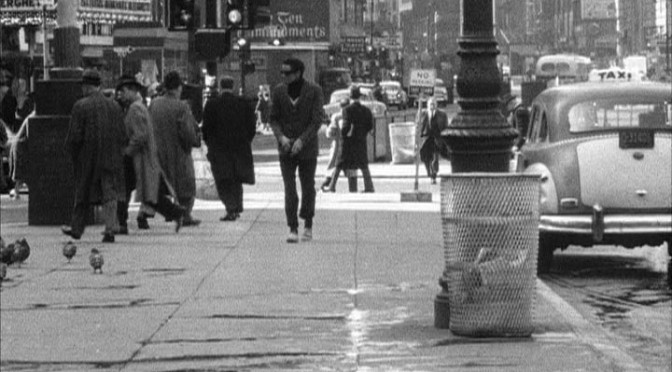
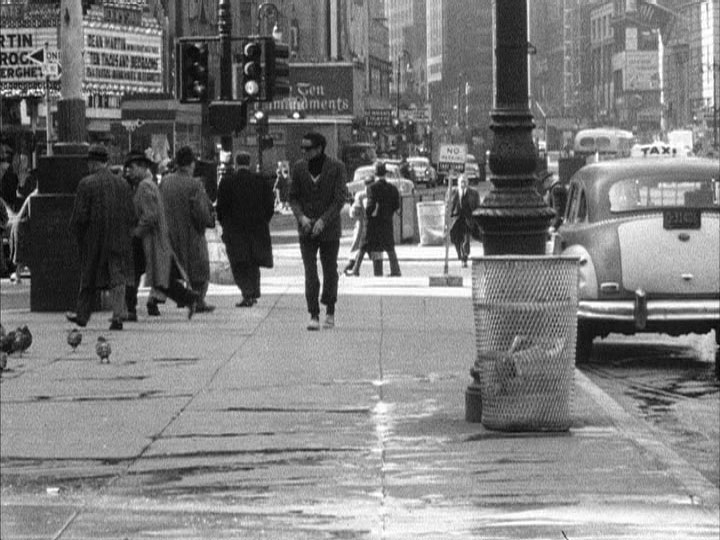
A beat in Times Square: Ben Carruthers drifts through the city in ‘Shadows’

BOWERY BOYS RECOMMEND is an occasional feature where we find an unusual movie or TV show that — whether by accident or design — uniquely captures an era of New York City better than any reference or history book. Other entrants in this particular film festival can be found HERE.

When we did our Times Square podcast a few weeks ago, I went looking for photographs that captured its mid-century transition, when the balance between glamour and sleaze began tipping from one extreme to the other. When was the moment that 42nd Street went from meaning one thing, to the other? Had I seen John Cassavetes’ ‘Shadows’ then, I wouldn’t have needed to look much further.

‘Shadows’ is a revolutionary moment in film, displaying a loose, on-the-fly vocabulary and a casual, bebop storytelling style completely foreign to movies of the day. Cassavetes, a young acting teacher and soon-to-be film star in his own right, assembled production funds and the film’s cast from among his friends and acquaintances. Its largest supporter was radio deejay and writer Jean Shephard, years before writing short stories that would form the basis of the film ‘A Christmas Story’.
The film was finished in 1959 after Cassavetes had initially completed one version in 1957 and sent the actors on their merry way. He recalled the cast and inserted new scenes which are easily identified. The plot is largely improvised and feels it. The somewhat central plot — a romance between a young black woman and a white jazz musician she meets at a party — was provocative for its time, but feels little wooden today. The acting is all over the place. (Cassavetes’ wife Gena Rowlands, later to become his greatest star, appears only fleetingly as an extra.)
But I’m recommending this film for its style and electricity, its cool depiction of downtown beatniks afloat in midtown Manhattan. The images and sounds seem to fly together, with an airy jazz score accompanying a broad number of New York locations rising from a grainy black-and-white haze.

Its most famous scene depicts the lovely Lelia Goldini strolling down 42nd Street after dropping off her brother at Port Authority. He wants her to take a cab home; she wants to enjoy a walk. 42nd Street isn’t the seedy corridor it would become, but it isn’t safe either. Outside a movie theater, aflame with the glowing lights of surrounding marquees she’s harassed by a stranger. But this is a street in transition; Lelia is rescued by strangers, and the harasser is himself harassed. (See if you can recognize one of the strangers.)

The movie is strongest when it’s drifting along with rebels, three hapless hipsters led by the magnetic Ben Carruthers. They invade a countless number of dive bars and diners, looking for street smart ladies. That’s how they look at the entire world which makes their visit to the sculpture garden at the Museum of Modern Art strangely compelling. I’m sure you’ve never looked at art the way these three do.
In a cramped and dank nightclub, smoke and whiskey filled, a jazz vocalist, played by Hugh Hurd, is forced to become an emcee to a bunch of talentless dancing girls, the humiliation on his face a sure representation of the changing tastes of New York nightlife. In the variety shows of yore, his somber talents would have fit in; by the late 1950s, moody jazz was merely a distraction.
‘Shadows’ has a wonderful mood of melancholy that would go on to exemplify the great New York independent movies of the 1960s and 70s. The long procession of cabs zooming down the avenue, past the Colony Records and the Thom McAn’s, past the titillating neon ‘FASCINATION’ of a 42nd Street theater, would go on to influence the dreams of New York lovers for years after.

Here’s the trailer:

Was ‘Birth of a Nation’ really filmed in Staten Island?


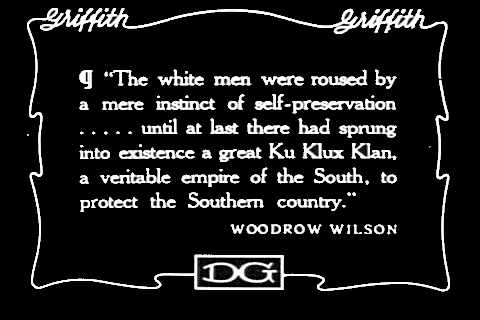
A rather startling title card from ‘Birth of a Nation’ [courtesy the Liberty Lamp]

The question posed in the headline is a fascinating urban legend I’ve been obsessed with proving (or disproving) for about a year. It pops up occasionally during discussions about New York film history. And I think I’ve come up with an answer.

D.W. Griffith’s 1915 landmark ‘The Birth of a Nation’ heralded the birth of the Hollywood blockbuster, becoming its first true sensation and inventing production techniques that would become standard issue for the industry. It’s also, of course, an incredibly slanted account of the Civil War and its aftermath, glorifying the Ku Klux Klan and presenting a demeaning and racist portrait of Southern blacks.

For all those reasons, the movie is a true archetype, singlehandedly displaying the power and influence, both good and bad, that motion pictures would one day possess. So I was quite surprised a couple years ago to find that the production of this staple of college film courses might have a New York City connection.

Many non-primary sources claim that some scenes depicting Civil War battle were filmed in Staten Island, in an area located around today’s Park Hill neighborhood. The New York City Department of Parks and Recreation pinpoints it further — “shooting [the] Civil War battles sequences” around the area of Eibs Pond in nearby Clifton.

One can perhaps imagine the calm, slight hills around the pond standing in for Southern battlefields. But I’m afraid to say this was probably not the case.

Local filming references mostly pop up in books and websites on New York or Staten Island history. The earliest reference I could find was in an AIA Guide from 1968. New York Magazine also trumpeted this tale in 1970, even visiting the alleged filming location.

But you won’t find these claims in film history books. Books specifically related to the ‘Birth of a Nation’ are clear that this was an all-California production: “Filmed at the Reliance-Majestic Studio, Sunset Boulevard, Los Angeles, California, and the various outdoor locations in the area, principally in the the San Fernando and Big Bear valleys and the open country in the Rio Honda.” [source]

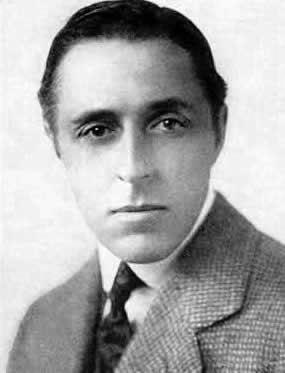
Staten Island does have an important place in early American cinema. Some of the first fiction shorts were made here, in the South Beach area, in the 1890s, and some consider the area the birth place of the movie western. And Griffith (at left) did indeed make dozens of films in the New York region for the American Mutoscope and Biograph Company, whose principal studios were in Manhattan.

But Griffith began filming ‘Birth of a Nation’ from July to September of 1914. He had left both Biograph and New York the year previous and drummed up the finances independently to make ‘Nation’ himself, as its length and subject matter was still an uncertain risk for a young Hollywood to take. Griffith would return to the New York area in 1919, setting up a short-lived studio in Mamaroneck, New York, a short drive from the Bronx.

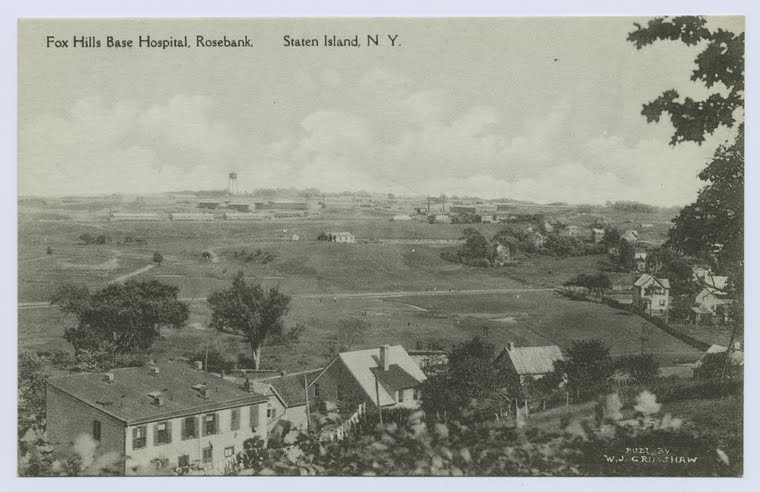
Below: Fox Hills, Staten Island, perhaps in the 1910s or 20s [NYPL]

Part of the location confusion may lie in the former name of the Park Hill and Clifton neighborhoods. Around the late 19th century, this area of Staten Island was called Fox Hills, known for its tony golf course and, during World War I, a noted hospital for wounded soldiers. The name is still occasionally used there by residents today.

Fox Hills is also the name of a small neighborhood in Culver City, California, and was also once known for its golf courses. Culver City would become an important home to film studios in the late 1910s, after ‘Nation’ was finished. But it would not be a stretch to think it was this area that was most likely used for certain shots of the Griffith picture, and not an area of New York thousands of miles away.

This is not to say that New York doesn’t have a role in the tumultuous history of ‘The Birth of A Nation’. The movie, “a feature film tracing the history of African slavery” according to a notice in the New York Times, made its debut in March 1915 at the Liberty Theatre* on 42nd Street, to both praise and outrage. The film was picketed by the NAACP on a daily basis, and one New York protester got themselves arrested by throwing eggs at the screen. [source]

But the film was a financial success in New York, running for most of the year — tickets were sold a month in advance, and at an outrageous price of $2.00! — and it soon swept across the country to similar accolades.

*The Liberty is still standing, in part; its facade has been absorbed that of Madame Toussaud’s Wax Museum complex.

**Seems that a commenter on the Staten Island Advance has had a similar idea!

Categories
It's Showtime

D.W. Griffith turns Central Park into a silent screen star

In honor of the grand re-opening of the Museum of the Moving Image this Saturday, we’re going all New York film and media here on the blog, posting some new stuff and re-printing some older ones pertinent to the city’s filmmaking history.

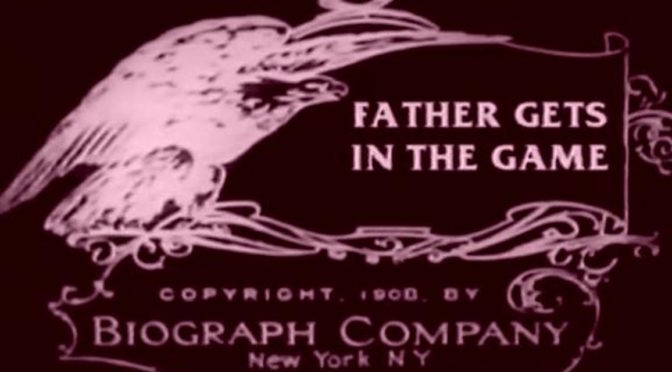
Above, you can watch ‘Father Gets In The Game’, a cheeky short from 1908 that is most likely the very first fictional movie ever filmed in Central Park. ‘Father’, a lark involving a lecherous old timer who hits the park to pick up ladies, is directed by D.W. Griffith, who would expand into feature length projects several years later, notoriously so with ‘The Birth of a Nation’ in 1916.

The crudely rendered ‘old man’ in the picture is played by Mack Sennett, himself a director of early comedies and founder of Keystone Studios. Charles Avery, who plays the butler here, will later become of the Keystone Kops.

(The movie only 8 minutes long. It’s followed in the YouTube clip above by another feature from the same year called ‘Romance Of A Jewess’, also directed by Griffith and starring Sennett.)
______________________

By the way, the first new Bowery Boys: New York City History podcast of 2011 will be available on January 21.

Old Swamp Church and the first U.S. Speaker of the House


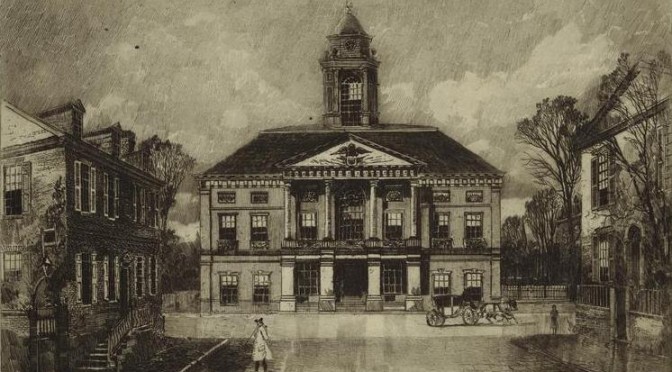
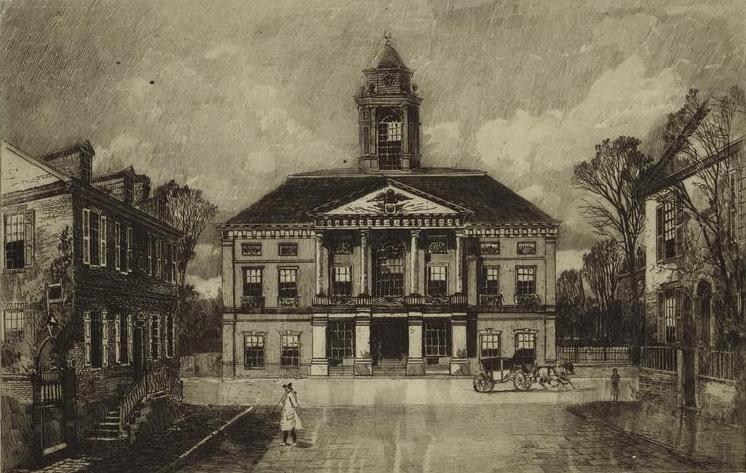
Federal Hall, home to the first House of Representatives 1789 [NYPL]

This week the United States got a new Speaker of the House of Representatives, John Boehner, and its first female ex-Speaker, Nancy Pelosi. This changing of the guard got me to wondering how many politicians representing New York had ever held this powerful job.

Surprise! No House representatives from the City of New York have ever been Speaker. The closest we’ve gotten is the otherwise unremarkable John W. Taylor, an upstate New Yorker from the Saratoga region, who briefly held the job in 1820-21. A central New York representative, Theodore Medad Pomeroy, held the post for exactly one day in 1869.

But never fear! America’s very first Speaker of the House, Frederick Muhlenberg, has a New York connection wholely unique and never to be repeated — he is the only Speaker to have served within that role in New York proper, in the months of 1789-1790 when the city was also the nation’s capital, and the center of government sat in Federal Hall on Wall Street.

And that was not Muhlenberg’s only tie to the city. Although he served in the House as a representative from Pennsylvania, he had previously lived in New York for two years during a truly volatile moment — the years before the Revolutionary War.

His name will probably sound familiar if you’re a Lutheran. His father Henry Melchior Muhlenberg is considered “the patriarch of the Lutheran Church in North America,” coming to the British colonies from Germany in 1742 by request of several American ministers in need of spiritual direction. Henry spread Lutheranism throughout the colonies, principally to German and Dutch settlers, and for a time in 1751 even lived in New York, uniting the Lutheran congregations here.

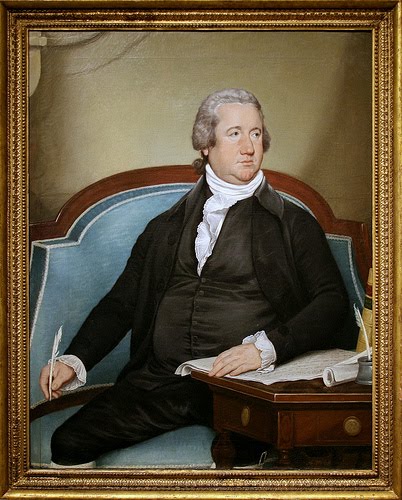
He spawned a true religious dynasty as three of his sons entered the ministry. Frederick (pictured below), born in 1750 in Trappe, Pennsylvania, trained at several small churches in the state before moving with his family to New York in 1774. Lutherans were by no means plentiful in New York during this period, but they worshipped in various small congregations throughout the city, including some services at Trinity Church.

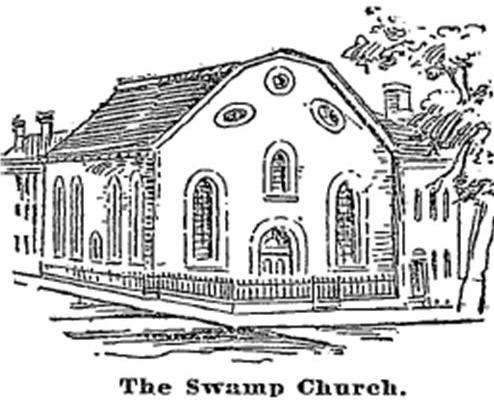
Young Muhlenberg, however, took up with a new church situated just east of the city commons, the newish stone Christs Church at the southeast corner of Frankfort and William streets, affectionately referred to as the Old Swamp Church.

When that house of worship was built in 1767, this area of the city, sparsely populated, was called the ‘swamp’, not so much for the topography perhaps as for the grim-smelling leather shops and tanneries that sat here. Collect Pond, which attracted these sorts of businesses, was but a stone’s throw away, and the area retained its air of industry even as the tanneries moved out and the presses (that would soon comprise Park Row’s newspaper district) moved in.

The congregation didn’t seem to mind however, especially now that they had a venerable Muhlenberg as their leader. And they certainly needed him by this time. In fact, he might had come to New York during this period specifically to reassure a tense congregation amid the tensions that were stewing within the city.

The city of over 22,000 inhabitants was being ripped apart with rebellion, as New Yorkers, caught in an increasing spirit of independence, fought back against British tyranny. From the steps of Old Swamp Church, members would have seen the ‘liberty poles’, hanging in the commons and festooned with banners, and heard (or participated in) regular rallies there. The clandestine Sons of Liberty would conduct secret meetings in nearby taverns, and services would have been interrupted with sounds of the Sons’ many retaliations against British officials.

Congregants felt the inevitability of war; it would surely dominate their prayers by 1774. Having the guidance of Muhlenberg, son of the colonies’ most prominent Lutheran, would certainly be of great relief.

It seems, though, that Muhlenberg himself was at odds with his role. He was not bold or rebellious himself and he initially believed the conflicts were none of his business. Even as his brother Peter Muhlenberg, a Virginian who embraced the rebel conflict, would join the fledgling Continental Army in 1775, Frederick himself was not yet convinced. He wrote his brother: “You have become too involved in matters with which, as a preacher, you have nothing whatsoever to do and which do not belong to your office.” [source]

Revolution was invitable. But Frederick was a theologian, cautious and steady, and he worried not only for his congregation but for his own family. This passivity would soon fall away. When actual bombs began reigning down on the city, he sent his pregnant wife and children away to Philadelphia. He remained for a few months to officiate over a dwindling flock but soon fled himself in the first months of 1776, looking over his shoulder at a city soon to be paralyzed by war.

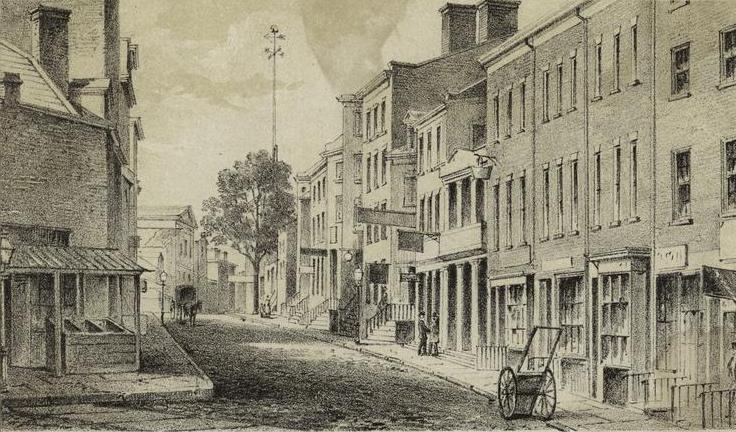
Below: An illustration from ‘D.T. Valentine’s Manual, 1859’, looking up from William Street from Frankfort. The building immediately to the left was the old Swamp Church, no longer in service and heavily redone by the mid-19th century.

He returned to New York in 1789 as one of the most powerful men in the new government of the United States. Muhlenberg spent the war in Pennsylvania and soon found his footing there as a political leader, becoming a member of the Continental Congress and later elected as speaker to Pennsylvania’s own state House of Representatives in 1780.

According to author Paul Wallace (in his excellent book ‘Muhlenbergs of Pennsylvania’), Frederick wasn’t merely heeding a patriotic call. He had grown a little exhausted of the pulpit and wanted to develop his new course, one of his very own.
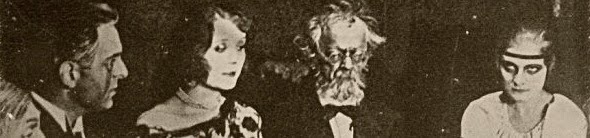
Muhlenberg’s austere character and unblemished reputation served him well in politics. He led Pennsylvania’s ratification of the Constitution in 1787. When the first national Congress was formed, Muhlenberg represented his state at their first meeting in the new temporary capital and his old home — New York. His election as Speaker made perfect sense; he had a well-known last name that had helped define American spirituality, and he came from a state neatly between that of President George Washington (from Virginia) and Vice President John Adams (from Massachusetts).

The first House of Representatives met on April 1, 1789, at Federal Hall at the junction of Wall and Broad streets, just south of Old Swamp Church (which now thrived under new leadership). Muhlenberg would help shape the first traditions of the House and define the rules as dictated by the Constitution, its ink still dry and untested. Most notably, his was the first signature to grace the Bill of Rights.

He grew into a tolerant and jovial leader, best known for inviting fellow Congressmen over to his home for fairly elaborate ‘oyster suppers’. Muhlenberg would remain Speaker of the House for the entirety of the first Congress, even as they moved out of New York at the end of 1790. He stayed in the House through 1797, become Speaker again for the Third Congress in 1793.

Muhlenberg’s name has been attached to some rather scandalous events. He was one of three men brought into the confidence of Alexander Hamilton during a blackmail scandal involving his mistress Maria Reynolds. Muhlenberg was sympathetic to Hamilton’s predicament; one of the other three men, political enemy and future president James Monroe, was less so.

In 1796, during congressional battles over funding for the Jay Treaty, Muhlenberg broke a tie vote authorizing the highly controversial treaty to go forward. As a thank-you, his anti-treaty brother-in-law stabbed him in retaliation. He recovered, but family dinners must have been very awkward after that.

Muhlenberg retired shortly thereafter and died in his home in Lancaster, Pennsylvania, in 1801.

As for the Swamp Church, its members slowly drifted away, and the property was purchased by tobacco mogul George Lorillard. The Lorillards also have very deep scars due to the Revolutionary War, but that is another story.

Below: the location of Old Swamp Church

View Larger Map

Illustration of the Swamp Church from an 1894 New York Times article.

Fun on the ice: Party time atop the frozen East River

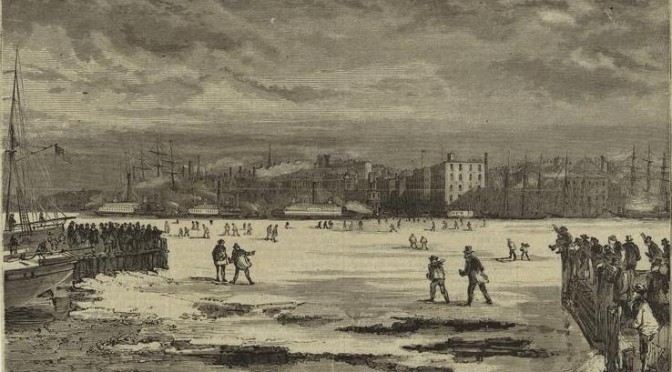
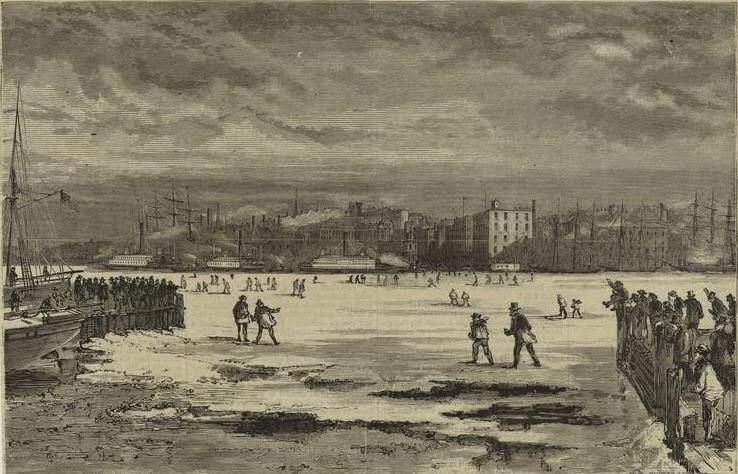
Daredevils trespassing the ice between New York and Brooklyn in 1871.

I spent much of New York’s Christmas blizzard nightmare in various airports throughout the country, unable to get back to La Guardia Airport, where it appears I would have just been stranded anyway.

With all the transportation fiascoes, the unplowed streets and the mounting piles of garbage, it seems like it was certainly the messiest of storms. But ranking in ranking it among the worst storms in New York City history, it doesn’t even make the top five! According to the city’s own ‘hazard mitigation plan’, “Since 1798, New York City has experienced 23 snowstorms with 16 inch or greater snowfall totals.” They also include a list of the most frightening blizzards in the city’s history, including the worst in 2006 and one from 1805 that doesn’t sound like so much fun (“48 hours of continuous snow”).

As horrible as it certainly was, however, imagine it paired with that most peculiar of natural interruptions — the freezing of the East River.

Having a key waterway turned into a veritable skating rink would be inconvenient today, though not the catastrophe it would have been in the 19th and early 20th centuries, when New York’s seaport was one of America’s centers of trade. Hundreds of vessels sat paralyzed along the waterfront, dozens more prevented from entering.

Before the railroad, New York relied solely on its ferry system to get people from Manhattan to neighboring towns like Brooklyn and Williamsburgh. These were clearly not functional when the East River froze, as it did on several occasions throughout its history, before heat-generating over development on both shores assured such events would happen less frequently.

Contemporary reports from one freeze in 1857 describe dozens of ferry cancellations in ways that hearken to the scenes in airports just a few days ago, with boats making their way across the river and returning to pick up new passengers — twelve hours later.

But just as people made the most of the late December blizzard fiasco — doing wacky things like skiing down Park Avenue at 40 mph — New Yorkers in the 1850s did not let something like a gigantic ice sheet go to waste. In 1852, “It is estimated that 20,000 persons must have taken advantage of the circumstance to walk, instead of sail from New York to Brooklyn and back.”

The thick ice sheet that accumulated over the East River in 1857 seems to have encouraged jovial behavior. Regaling the hundreds of walkers braving the temporary walkway, “the shores of either side were lined with people shouting, hurrahing and having a good time of it generally, and the utmost hilarity prevailed.” Among those that crossed the ice in the spirit of fun: the Reverend Henry Ward Beecher, “asserting that the trip was made to prove that it was not the wicked alone who could stand in slippery places.” [source]

It’s all fun and games, of course, until the ice starts melting. During an 1888 freeze, fish sellers at the Fulton Market lowered ladders down to the ice, allowing hundreds to cross. Unfortunately some got caught in the middle, trapped on ice floes, and had to be rescued by passing tugboats.

The year 1875 was an especially cold year, with the East River sitting frozen for almost four days. But an even rarer occurrence happened that year: the freezing of the Hudson River between Manhattan and New Jersey. While other parts of the Hudson regularly froze solid — indeed, the river was the principal supplier of ice for New Yorkers in the late 19th century — it was rare to have that span between New York and the shore to the west freeze to the point that people could cross with little difficulty.

It’s impossible to know the most severe freeze in the history of New York Harbor, but a leading candidate must certainly be the winter of late 1779-early 1780, which locked British-occupied New York in a sheath of solid ice and kept ships and ferries immobile for over a month. According to historian David Ludlum, “Judge Jones, who lived at Fort Neck (now Massapequa), wrote in his book that 200 provision-laden sleighs, pulled by two horses each, escorted by 200 light cavalry, made the five-mile trip from New York to Staten Island.”

Categories
Uncategorized

The Bowery Boys 2010: A Year of Podcasts In Review

Here’s the whole menu of our 2010 podcasts. As always, you can download them all for free from iTunes and or your favorite podcast aggregator. The original blog page for each is listed below, along with a link to download directly from our satellite site. See you in 2011!

TRINITY CHURCH
Blog page / Trinity Church: Anchor of Wall Street, New York’s Landlord
Download here

MANHATTAN BRIDGE
Blog page / Manhattan Bridge: New York City’s dysfunctional classic
Download here

MADISON SQUARE GARDEN
Blog page / Madison Square Garden, World’s Most Famous Arena(s)
Download here

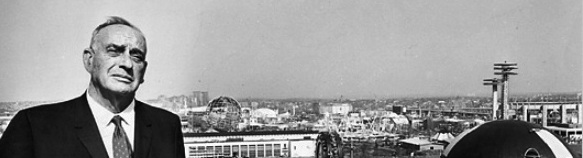
ROBERT MOSES
Blog page / Robert Moses: Did he save New York — or destroy it?
Download here

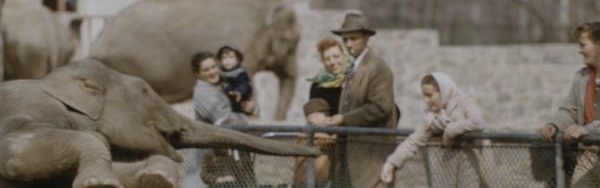
BRONX ZOO
Blog page / The Bronx Zoo: the tale of NYC’s biggest animal house
Download here

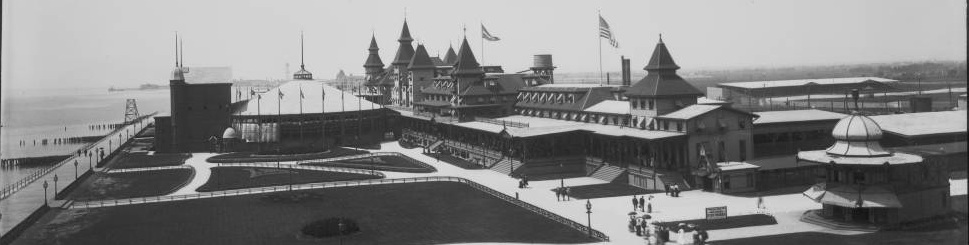
BRIGHTON BEACH AND MANHATTAN BEACH
Blog page / Brighton Beach and Manhattan Beach, at your leisure
Download here


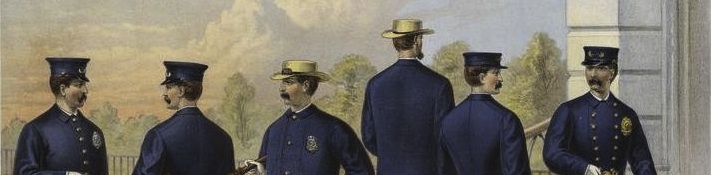
CASE FILES OF THE NYPD
Blog page / Case Files of the New York Police Department 1800-1915
Download here

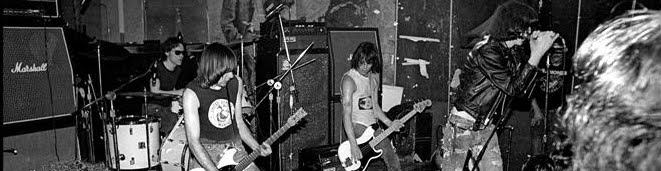
CBGB & OMFUG
Blog page / CBGB & OMFUG: Punk music history on the Bowery
Download here

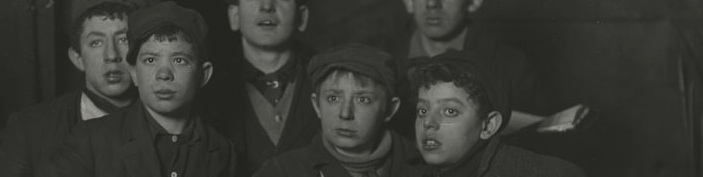
THE NEWSBOYS STRIKE OF 1899
Blog page / Newsies vs. The World! The Newsboys Strike of 1899
Download here

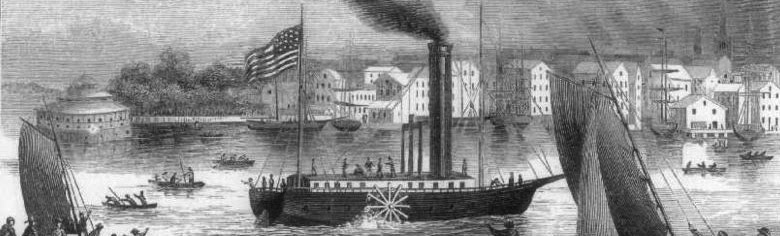
STATEN ISLAND FERRY
Blog page / The Staten Island Ferry: its story, from sail to steam
Download here

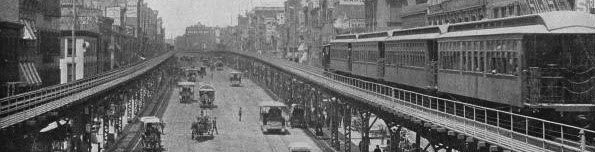
NEW YORK’S ELEVATED RAILROADS
Blog page / New York City’s Elevated Railroads: Journey to a spectacular world of steam trains along the avenues
Download here

CABLE CARS, TROLLEYS AND MONORAILS
Blog page / Cable cars, trolleys and monorails: Moving around on New York’s forgotten transit options
Download here

NEW YORK CITY SUBWAY, PART 1
Blog page / The New York City Subway and the creation of the IRT
Download here

NEW YORK CITY SUBWAY, PART 2
Blog page / Modern history of the New York Subway: Expansion from the 1-2-3, A-B-C, Second Avenue and beyond
Download here

SUBWAY GRAFFITI 1970-1989
Blog page / The wild times of the subway graffiti era 1970-1989
Download here

ARCHIBALD GRACIE AND HIS MANSION
Blog page / Gracie Mansion: How a bucolic summer home survived a couple wars, a society feud and a few live-in mayors
Download here

NIBLO’S GARDEN
Blog page / Niblo’s Garden: New York’s entertainment complex and home to the first (bizarre) Broadway musical
Download here

SUPERNATURAL STORIES OF NEW YORK
Blog page / Supernatural Stories of New York: spooky seances, violent Jazz Ages ghosts and an island of despair
Download here

AFRICAN BURIAL GROUND
Blog page / African Burial Ground: History from underneath the city, and the secret tale of New Yorkers once forgotten
Download here

AMERICAN MUSEUM OF NATURAL HISTORY
Blog page / American Museum of Natural History: Digging up the past
Download here

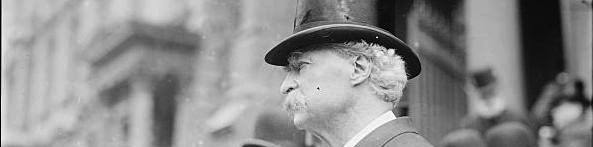
MARK TWAIN’S NEW YORK
Blog page / Mark Twain In New York, or His Adventures on Fifth Avenue
Download here

TIMES SQUARE

Blog page/ Times Square: History in stages, chronicled in lights
Download here

Top picture courtesy NYPL; courtesy lines for all other pics can be found on original blog pages

The little engine that could in downtown Manhattan

Once upon a time, in December 1900, there was a toy store on 67 Cortlandt Street with very, very sad display windows. The store’s owner, Robert Ingersoll, was best known for his ‘dollar watches’ and, on the success of those, had branched out to include other items for sale, including a great variety of toys and novelties.

But he was not advertising wizard. Ingersoll tried to emulate the windows of the great department stores uptown, but try as he might, the items in his display just sat there, garnering little interest. The fire engines for play, the little trains and boats, toy elephants and clown dolls. People rushed by without a second glance.

They caught no one’s eye, until one day came along Joshua Cowen, a tinkerer and inventor with some training at the Cooper Institute and gifted with a wild imagination. He made small electrical trinkets at an office on 24 Murray Street, just a few blocks north from Ingersoll’s little store, and reveled at coming up with unique ways to utilize electrical power.

Cowen saw the display of toys and immediately thought of an invention he was working on. He ran into Ingersoll’s shop and proposed an idea to the shop owner. What if we could make something that the big department stores hadn’t thought of yet? What if we grabbed the attention of shoppers by putting a little momentum into your window display?

Ingersoll liked the idea and soon installed Cowen’s ideas among his merchandise — a rudimentary electric train, “resembl[ing] the maintenance cars…towed around the city by work trolley” [source], an ingenous little device that wove between toys along a small track.

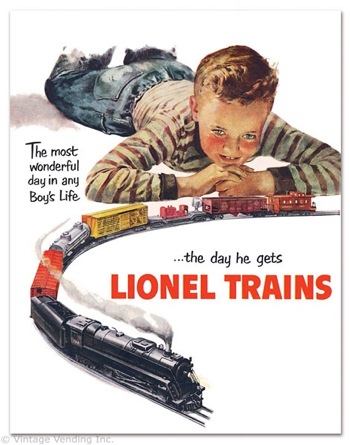
It did the trick. In fact, the electric train, which Cowen sold to Ingersoll for four dollars, was then itself sold to a customer. So Ingersoll asked for six more. From there came demand from other stores, and Cowen suddenly had himself a new business, manufacturing the new toys under a brand taken from his own middle name — Lionel Trains.

From this odd start — built as an advertising ploy — Lionel Train become the leading name in toy trains and a perennial favorite of the Christmas season. In 1999, the Lionel train was named the 4th greatest toy of the 20th Century, beating all by crayons, yo-yos and Barbie dolls.

By the way, do you think Cohen, busily making his miniature trains above ground, knew that right underneath his office at 24 Murray Street was the sole tunnel made for New York’s very first underground train from the 1870s — the pneumatic transit of Alfred Ely Beach?

America’s first holiday Nutcracker, before Balanchine

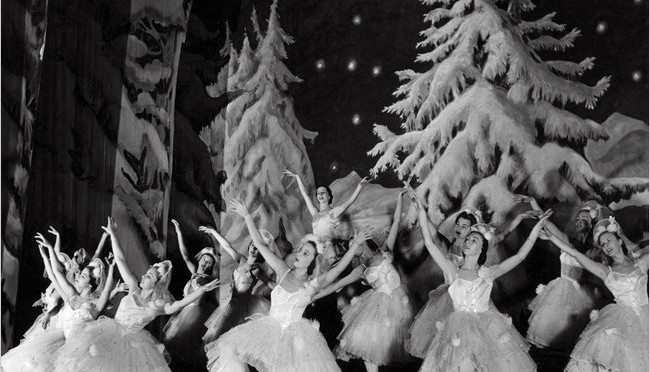
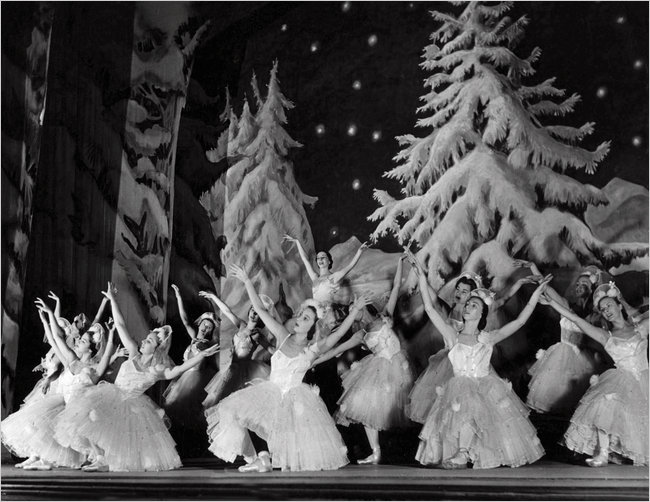
Ballerinas in their first flight of The Nutcracker: the Ballet Russe at the 51st Street Theater, 1940 (Picture courtesy the New York Times)

Few ballet productions of the last century had more influence on American culture than George Balanchine’s 1954 edition of Tchaikovsky’s The Nutcracker, as performed by the New York City Ballet. Although not purely conceived as a Christmastime show, the characters of The Nutcracker were welcomed into the pantheon of holiday images from the moment they appeared on opening night, February 2, 1954, fueled by multiple television appearances during the ’50s and ’60s.

Far from simply presenting the show as originally seen in Russia and throughout Europe in the 1930s, Balanchine made notable changes to the full-length work that have stayed firm even within modern presentations of the ballet. Balanchine’s footwork has also been largely preserved.

But if Balanchine is responsible for making The Nutcracker a valuable holiday tradition, then it is with grief that I inform you that Balanchine’s troupe was not the first to perform The Nutcracker in New York. In fact, his was 14 years too late for that distinction.

The first appearance of The Nutcracker on American soil was performed by the Ballet Russe de Monte Carlo, an offshoot of the great Ballet Russe that eventually splintered into two rival companies. As a united company, they had toured the country in the 1910s, making their New York debut on January 17, 1916, with a selection of shows, including Schéhérezade. By the 1930s, they were two separate, warring ballet troupes; both toured the United States, sometimes to great confusion.

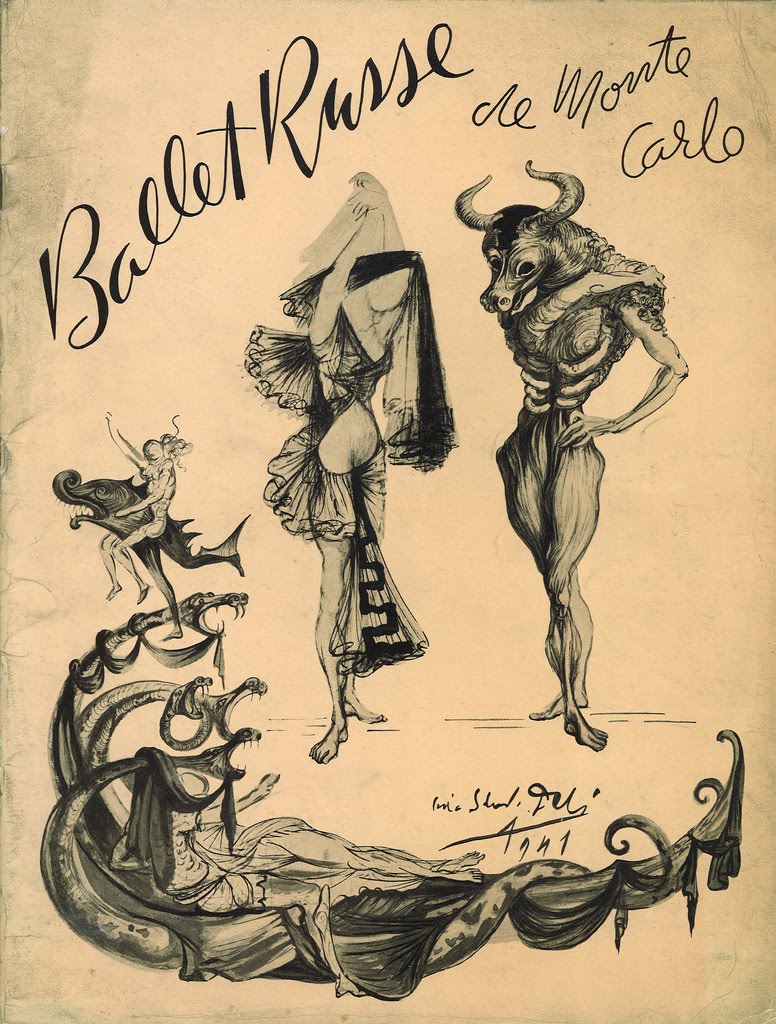
The Ballet Russe de Monte Carlo, under the direction of Sergei Denham, made the 51st Street Theatre their home for their 1940 season. On October 17th, they unfurled their version of The Nutcracker for the very first time, an abridged, one-act version staged by choreographer Alexandra Fedorova.(At left, the cover of a Ballet Russe program from the 1940-41 season.)

It can’t have been that well received because it took four whole years for another production to appear, in San Francisco in 1944.

Balanchine of course was quite aware of these productions; he’d choreographed for both versions of the Ballet Russes, was an adviser on the San Francisco show and had even danced in the show himself, back as a young man in St. Petersburg. He would bring all these experiences into his version which would eventually pirouette into an annual holiday tradition.

The New York City Ballet still performs the show annually; you can check in here for tickets and showtimes, through January 2. If you want to look in on the original stage on which the ballet was first performed, it’ll definitely be open on Christmas Day. The 51st Street Theater now houses the inter-denominational Times Square Church.

HOW NEW YORK SAVED CHRISTMAS Throughout the week I’ll spotlight a few more events in New York history that actually helped establish the standard Christmas traditions many Americans celebrate today. Not just New York-centric events like the Rockefeller Christmas Tree or the Rockettes, but actual components of the holiday festivities that are practiced in America and around the world today. We started this series last year; click hereto read past entries.

A Christmas Tree for the ages in Madison Square Park


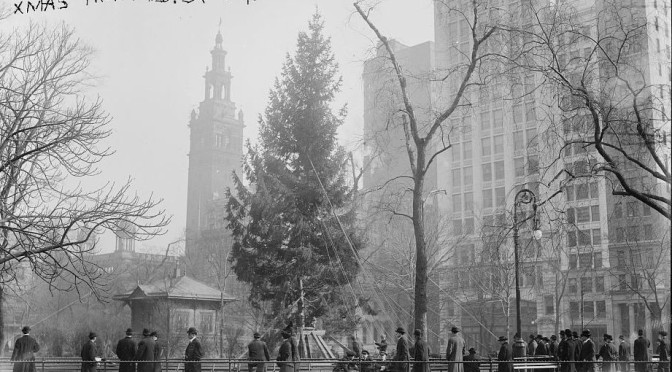
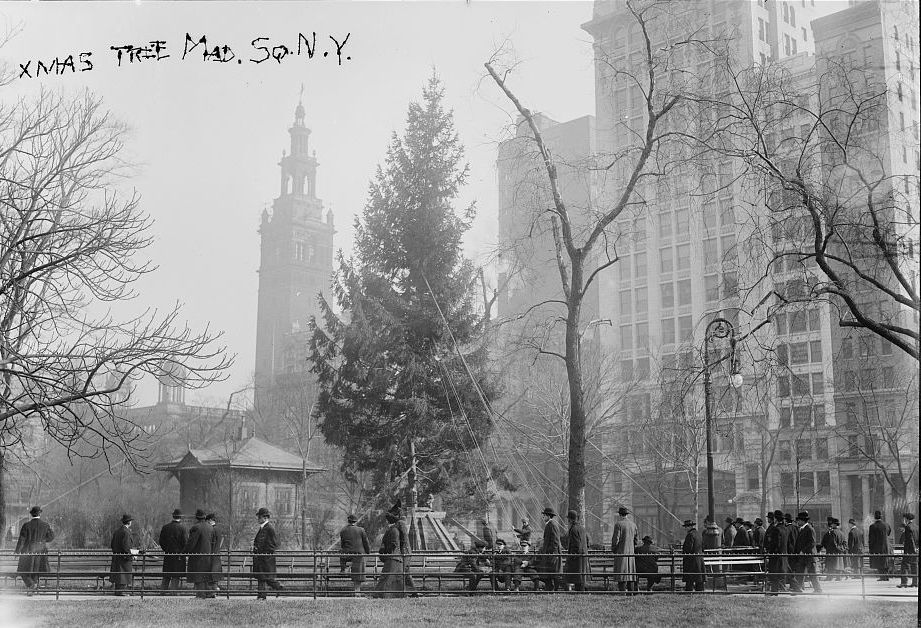
The misty Madison Square Garden greets a stranger to the park: America’s first community Christmas tree. (Courtesy LOC)

HOW NEW YORK SAVED CHRISTMAS Throughout the week I’ll spotlight a few more events in New York history that actually helped establish the standard Christmas traditions many Americans celebrate today. Not just New York-centric events like the Rockefeller Christmas Tree or the Rockettes, but actual components of the holiday festivities that are practiced in America and around the world today. We started this series last year; click here to read past entries.

The New York Tribune from Christmas Eve 1912 cheerfully attempted to use the symbol of the Christmas tree as totem for class struggles between the rich and poor. In case you missed what they were doing, the headline proclaimed: “HOW THE CHILDREN OF THE RICH AND POOR ENJOYED XMAS TREES — BUT IN DIFFERENT WAYS.”

The story recounts two Christmas events. On Ellis Island, children sang carols and patriotic anthems in glee and appreciation around two large trees bedecked with candles. Meanwhile, at the newly opened Ritz-Carlton at 46th and Madison, the children of wealthy New Yorkers gathered around an opulent tree with what is being described as holiday malaise. “Children in broadcloth and furs, accompanied by their mammas in silks and velvets and sables, smiled in well bred manner when something pleased them, but showed no other emotion.”

But it’s the Christmas tree mentioned in an adjoining article that would be more historically relevant. “2,300 LIGHTS ON CHRISTMAS TREE, FINE PROGRAMME IN MADISON SQUARE FROM 4:30 TILL MIDNIGHT, FREE TO MULTITUDE.”

The Christmas Eve Madison Square celebration was derived from the well-meaning progressive push by social activists to care for the city’s poor. Plans for an outdoor public Christmas tree were devised by Emilie Herreshoff, wife of the prominent chemical scientist J.B.F. Herreshoff, in emulation of European civic customs. (Mrs. Herreshoff’s other claim to fame would be her messy divorce from Mr. Herreshoff just a few years later.)

It would be a clean, proper, somber affair, closely tied to Jacob Riis’s equally non-riotous New Years Eve celebration scheduled the week after — righteous counter-programming to the Times Square celebration. Riis believed that the holidays were not a time wild behavior, and these events would provide the poor with ‘acceptable’ alternatives.

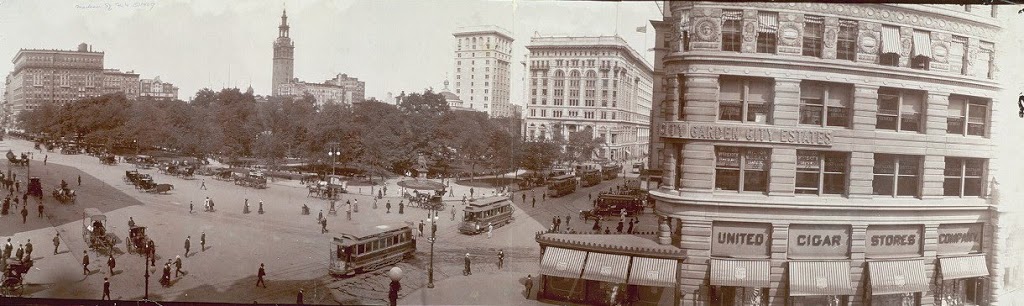
Below: Madison Square, how it looked in 1907 (with the Flatiron to the right. (Courtesy LOC)

The organizers knew they were doing something unique, but probably did not realize the special significance of the event. Their 70-foot-tall imported tree from the Adirondacks, festooned with lights from the Edison Company, would be the first outdoor community Christmas tree in the United States.**

This is not an insignificant milestone, especially today in a age where public displays of holiday expression and religious belief are constantly being debated. This ‘Tree of Light’, mounted in cement, was such a novelty that almost 25,000 people showed up that night to witness it and enjoy an evening-long slate of choral entertainment.

The location was significant as well, as the nearby Madison Square Garden sometimes hosted Christmas celebrations. Those mostly charged an admission price, however, and certainly left the poorest of New Yorkers out in the cold.

The New York Times laid it on thick the following day, reporting, ‘”The Almighty put snow on the tree to make it prosper,” said an old lady who hobbled along in crutches.’

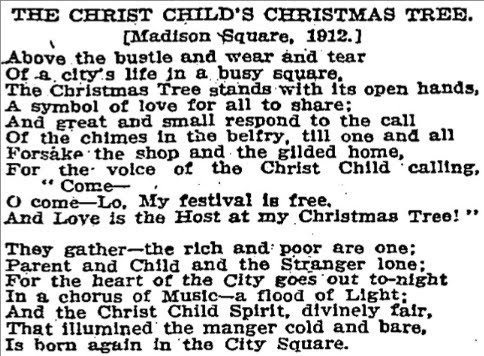
They also ran this poem about the Madison Square tree:

By the following year, the Salvation Army would take the reins of the popular event, offering up “10,000 hot sausages and 10,000 cups of hot coffee” for arriving crowds. According to the same article, ‘moving pictures’ were even shown in a different area of the park.

Today the Star of Hope monument in the park commemorates these early Madison Square celebrations.

**The Tribune article says that “Boston and Hartford, Conn., following the example set here, will have public trees to-day,” so one could generously say at least that the honor is shared.

Categories
Podcasts

Times Square: History in stages, chronicled in lights

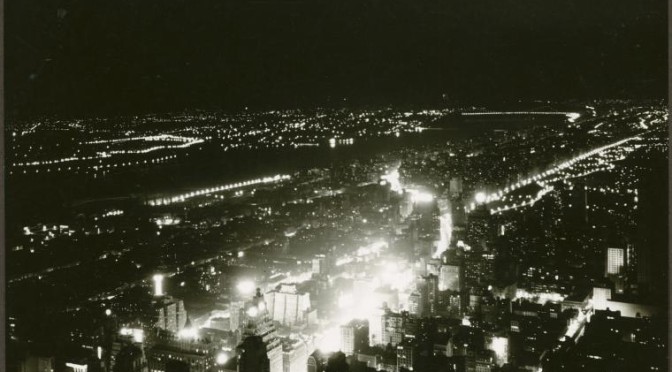
The canyon, as seen from the Empire State Building. (Photography by the Wurts Brothers, courtesy NYPL)

PODCAST: Times Square is the centerpiece of New York for most visitors and a place that sharply divides city residents. Nothing about it sits still. Even its oldest buildings are severely transformed and slathered with electronic imagery.

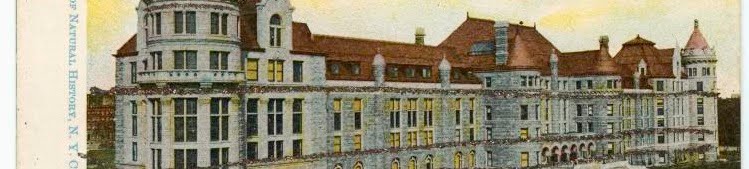
In 1900, the neighborhood surrounding the intersection of Broadway and Seventh Avenue was the drab Longacre Square, the heart of the horse and carriage industry, and few dared put a legitimate theater or restaurant so far north. But with the construction of the subway came big changes, and when the new headquarters for the New York Times arrived, so did a new name.

Listen along as we travel through the decades, through Times Square’s glory days of lobster palaces and celebrities, the introduction of electric advertisements, its gritty slide and eventual rebound. Is the new Times Square an extraordinary transformation? Or a travesty?


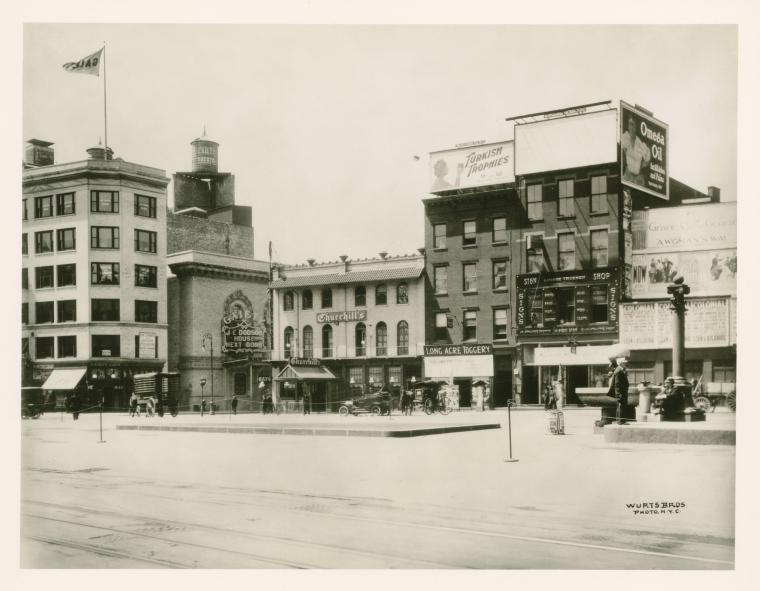
1909, when things weren’t quite so insane. I believe this is Broadway between 46th and 47th Streets. You see the Gaiety Theater on the left, as well as Churchill’s Restaurant. Long Acre Riggery sits next door, proving that the neighborhood’s transformation wasn’t as quick as you might have thought. There’s also an ad for Turkish Trophies cigarettes.

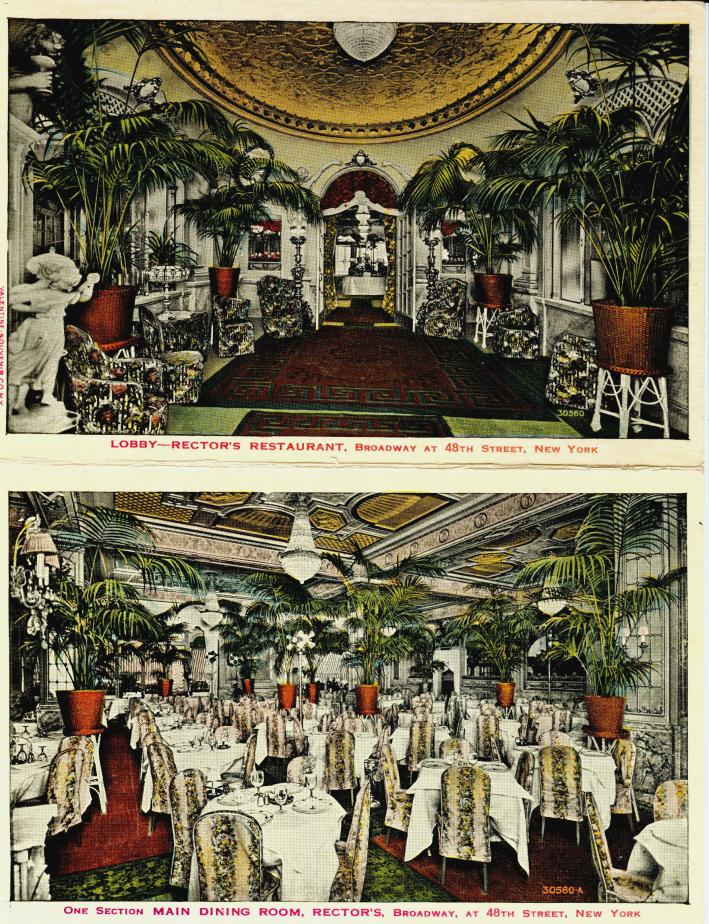
Rector’s Restaurant, the greatest of the so-called ‘lobster palaces’, where opulance and celebrity mixed with musical entertainment in an occasionally rowdy environment.

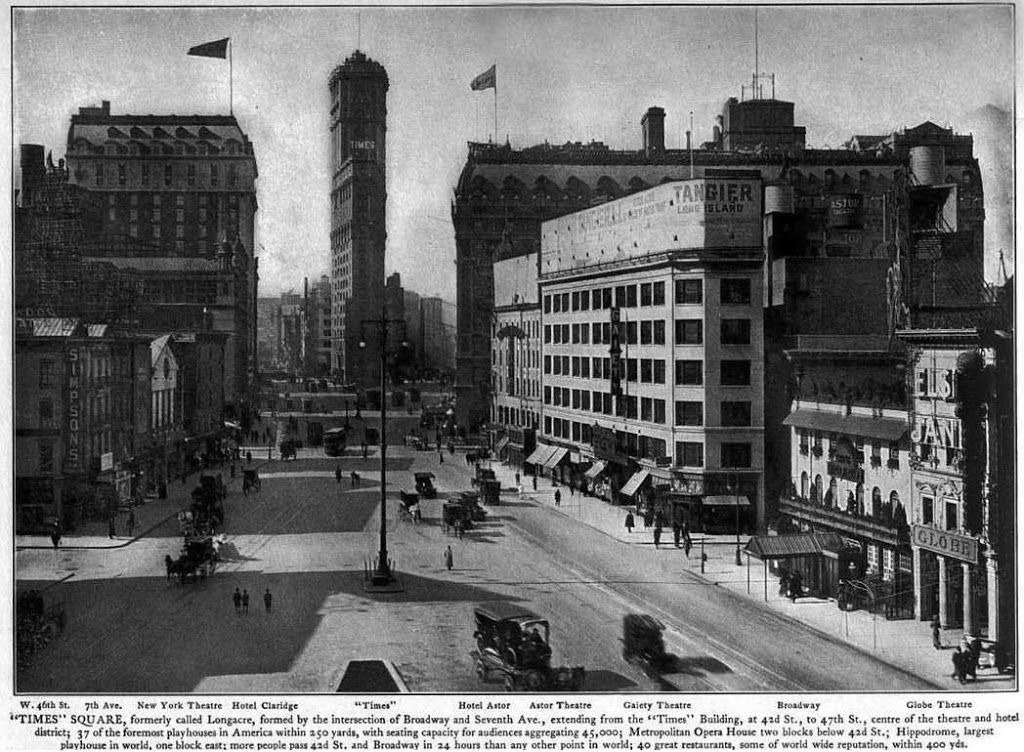
1910: The strangely orderly streets are still mostly filled with horse-drawn carriages and trolleys. Theaters have worked there way in by this time, including the New York Theatre on the left, and the Gaiety and Globe theaters on the right. (Courtesy Spooner Central)

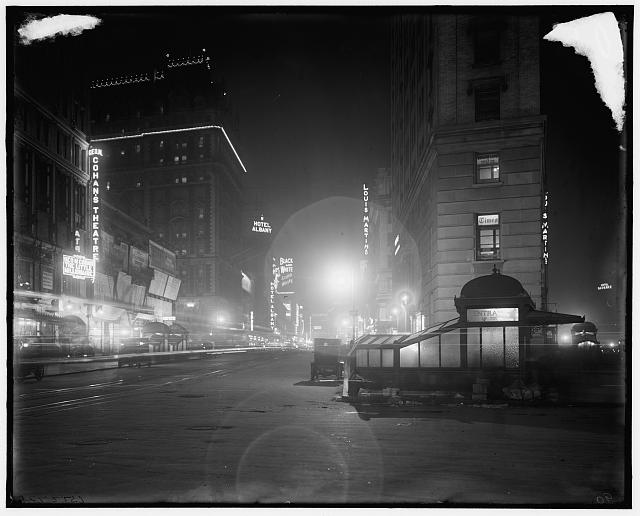
Between 1911-1915: Standing on 42nd Street, looking north, the Times Building and the subway entrance to the right. The theater built and named for George M. Cohan was completed in 1911. (Courtesy LOC)

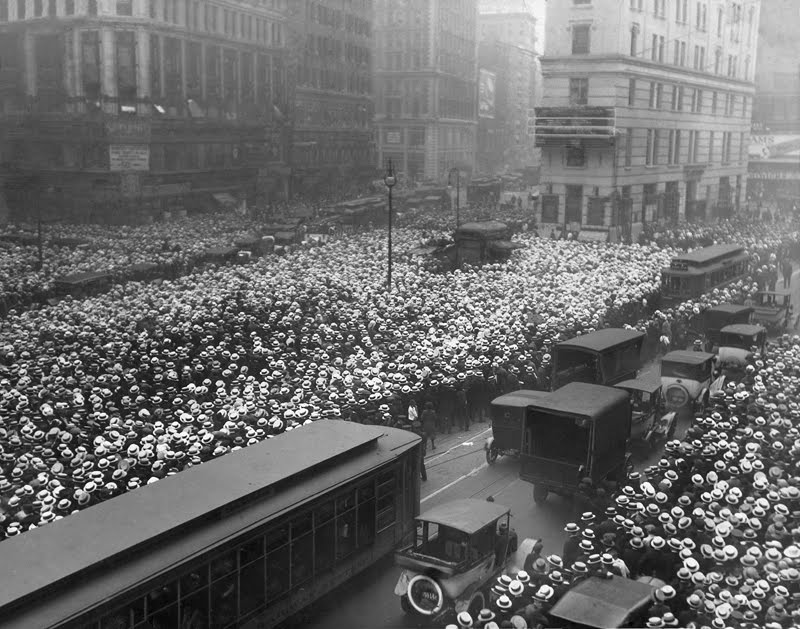
1921: People readily embraced Times Square as a place for instant news information. Thousands of similarly dressed men wait impatiently outside the Times Building on a hot July afternoon awaiting news of the Jersey City boxing match between Jack Dempsey and Georges Carpentier.

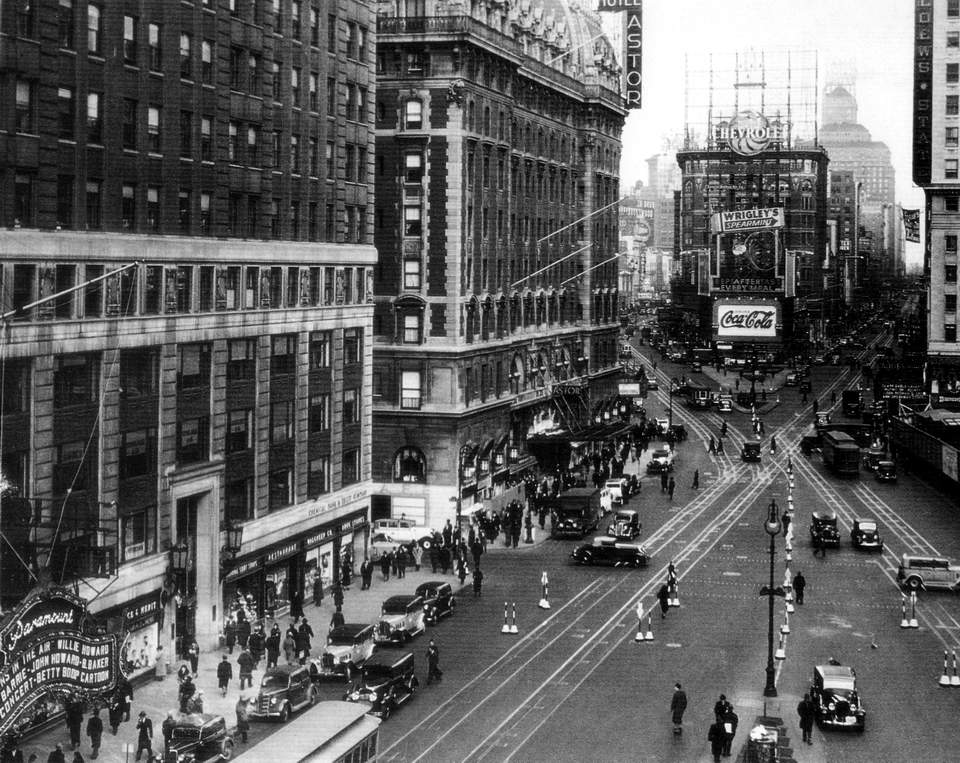
1931: No sign of a Great Depression here. Trolley tracks are still very much in evidence. (Courtesy Flickr/straatis)

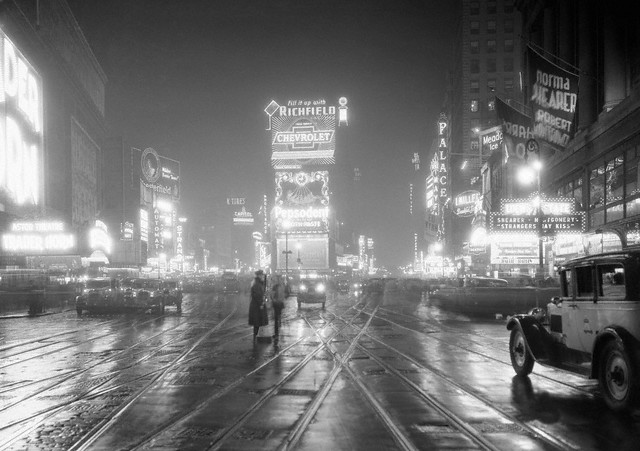
1935: The Paramount Building astride the Hotel Astor dominate the plaza. I’m not sure I would like negotiating this seemingly chaotic cross street.

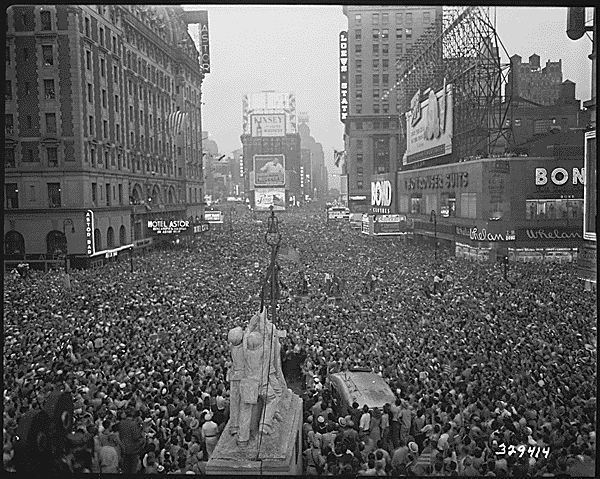
1945: Thousands arrive in Times Square to celebrate the end of the surrender of the Japanese and the end of World War II.

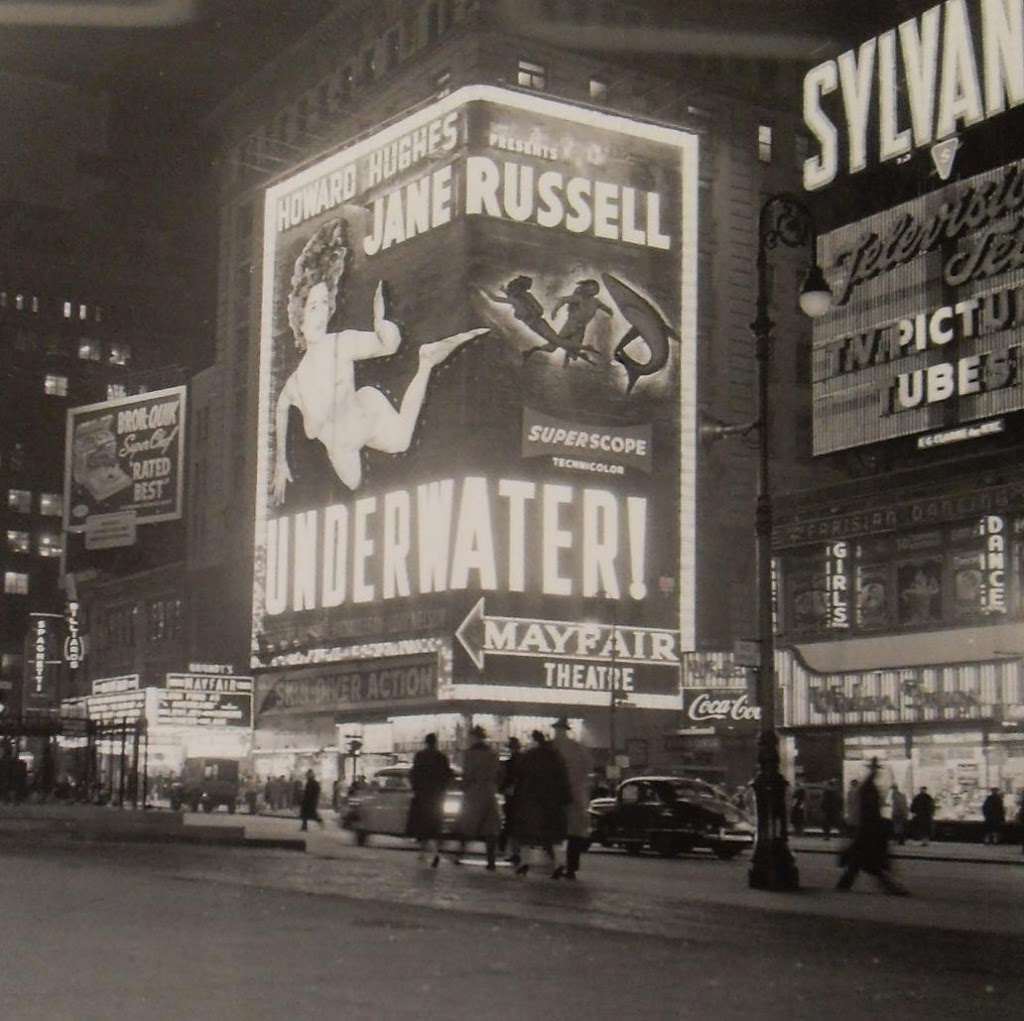
1955: Times Square’s subtle shifts can be seen here — larger than life electric beauties overhead, dancing girls across the street. The RKO Mayfair (later the DeMille sat at Seventh Avenue and 47th Street. (Courtesy Flickr/Christian Montone)

By the 1960s, old stages and movie theaters were giving way to a new form of entertainment, the adult kind.

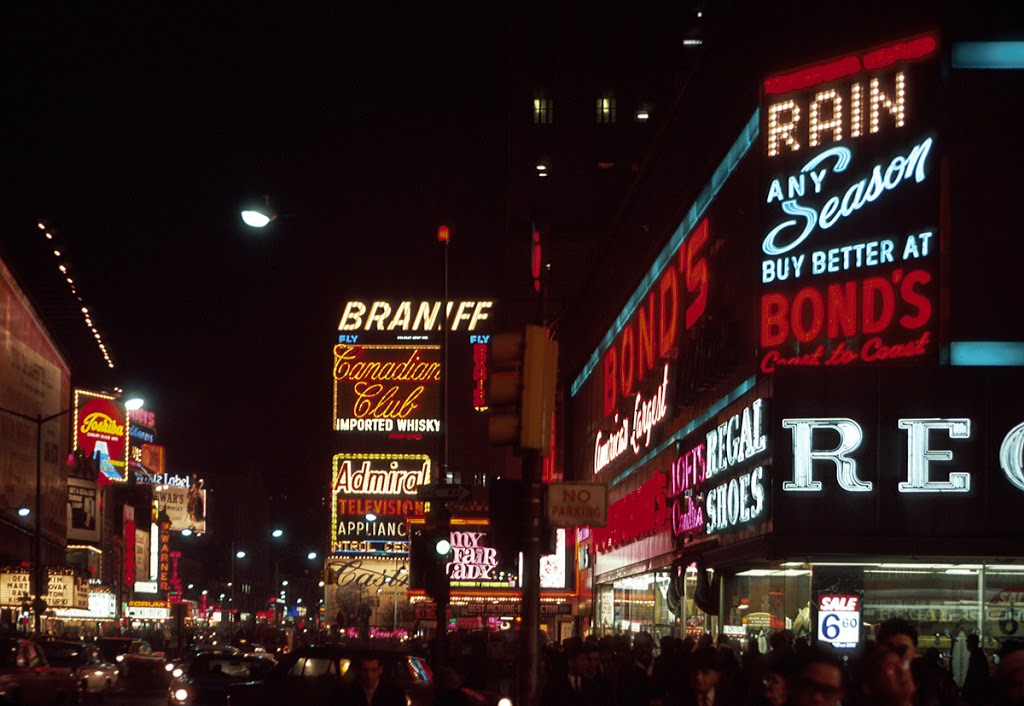
1965: The neon shines as bright as ever. Bonds Clothing Store thrived for years at this central location and provided one of its most memorable sign. Previously the space had been the swanky nightclub International Casino. In the late ’70s, the clothing store closed, and, in some clever combination, it became the nightclub Bond International Casino, home of the Times Square Riot of 1981. (Courtesy Panoramio)

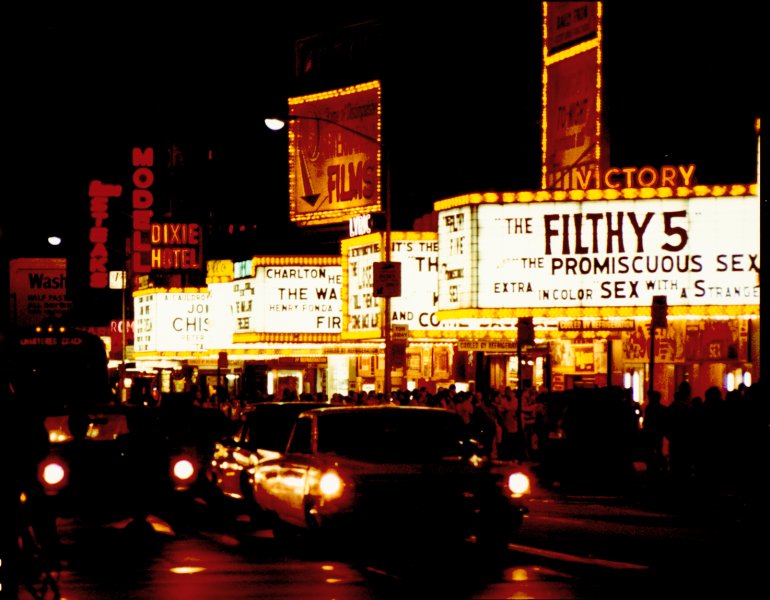
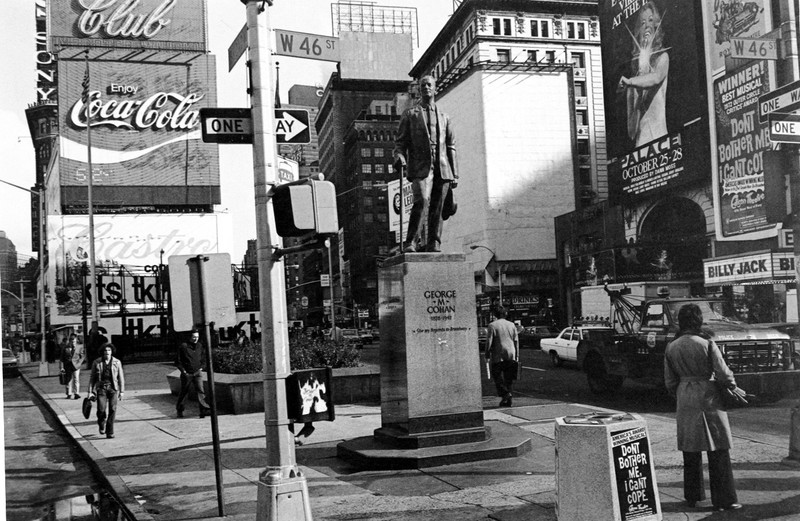
1970s: A strange mix of entertainments and ideas now permanently intermingle in Times Square. Cohan represents the past, while TKTS booth (which opened in 1973), providing discounted Broadway tickets and a safe haven for visitors, presents a possible key to its future.

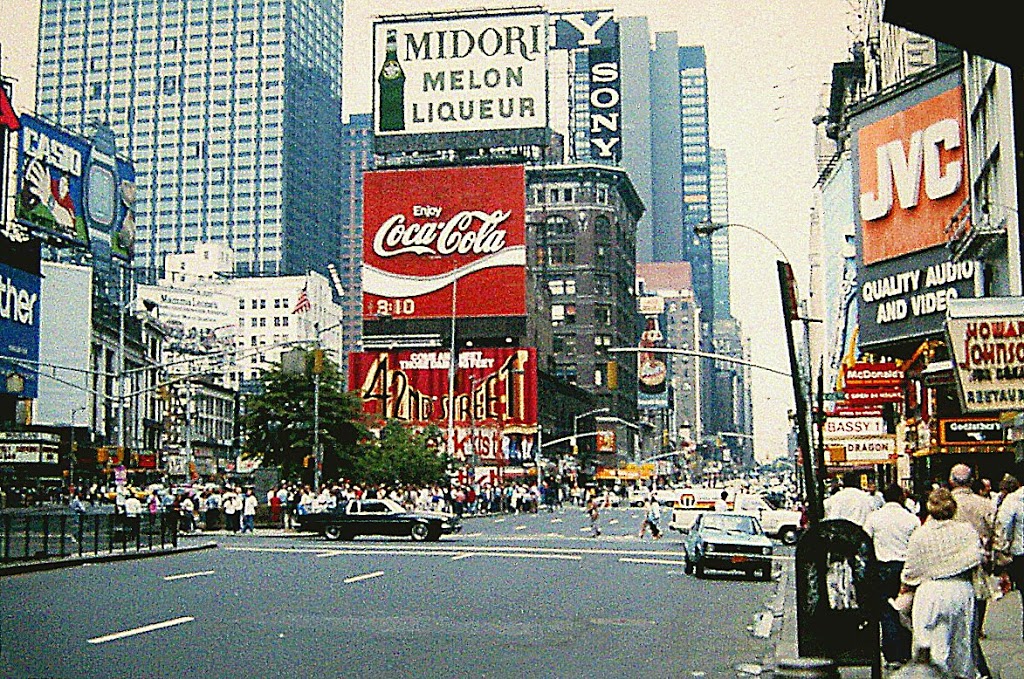
1985: By this time, the city had worked through almost two decades of improvement ideas for Times Square. (Courtesy Flickr/Jim In Times Square)

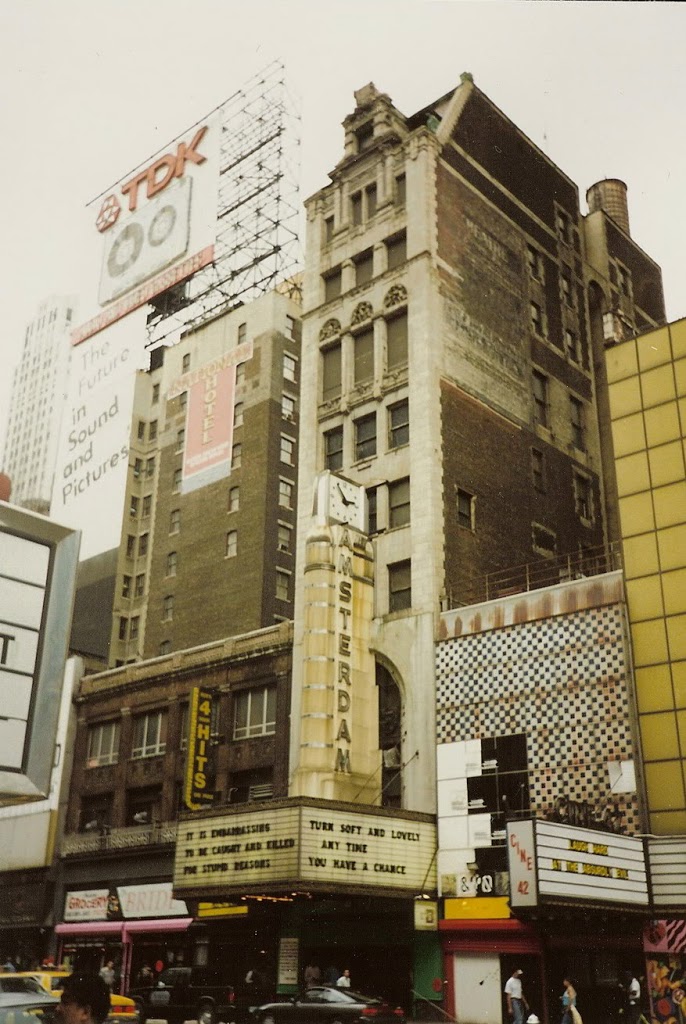
The New Amsterdam Theater, before it was renovated by Disney. (Courtesy Flickr/GuanoReturns)

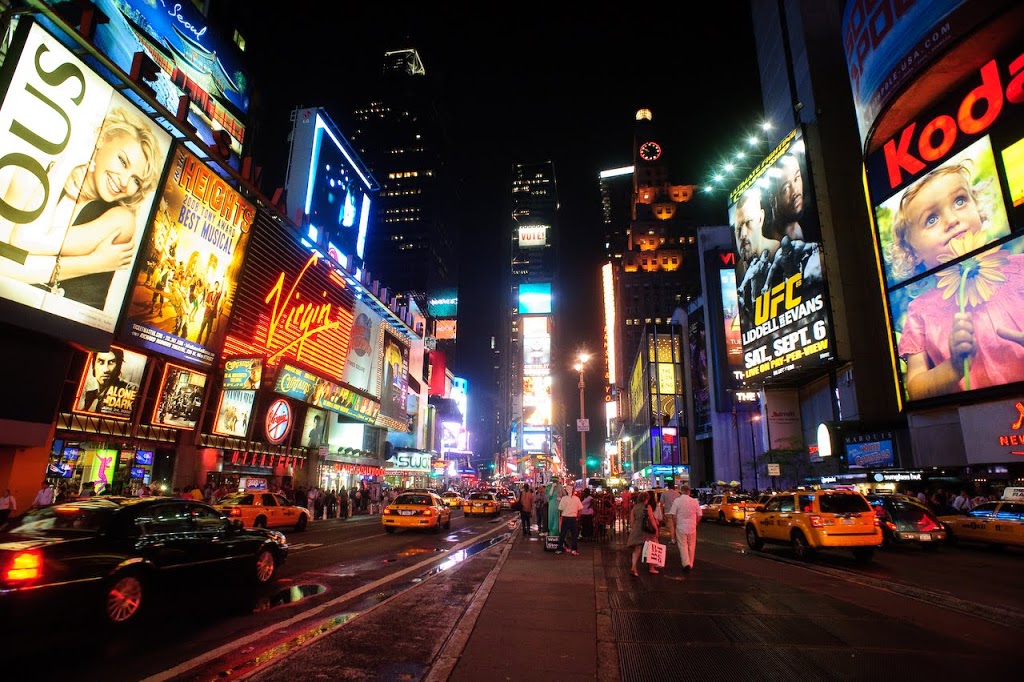
2008: Most of the seedier element of Times Square was eradicated by this time. (Courtesy zero null)

A fabulous video of various New Years Eve ball drops throughout the years, starting in 1978:

And to tie it all back to the beginning, here’s an Edison film shot from the top of the Times Building, from 1905. Most interesting, actually, is the view of Bryant Park and the large, stately Hippodrome.

This episode was so packed, we barely even talked about New Year’s Eve! For some historical nuggets on that annual event, you might like to listen to our old show on One Times Square. Also, if theater history interests you, check out out podcast on Florenz Ziegfeld.

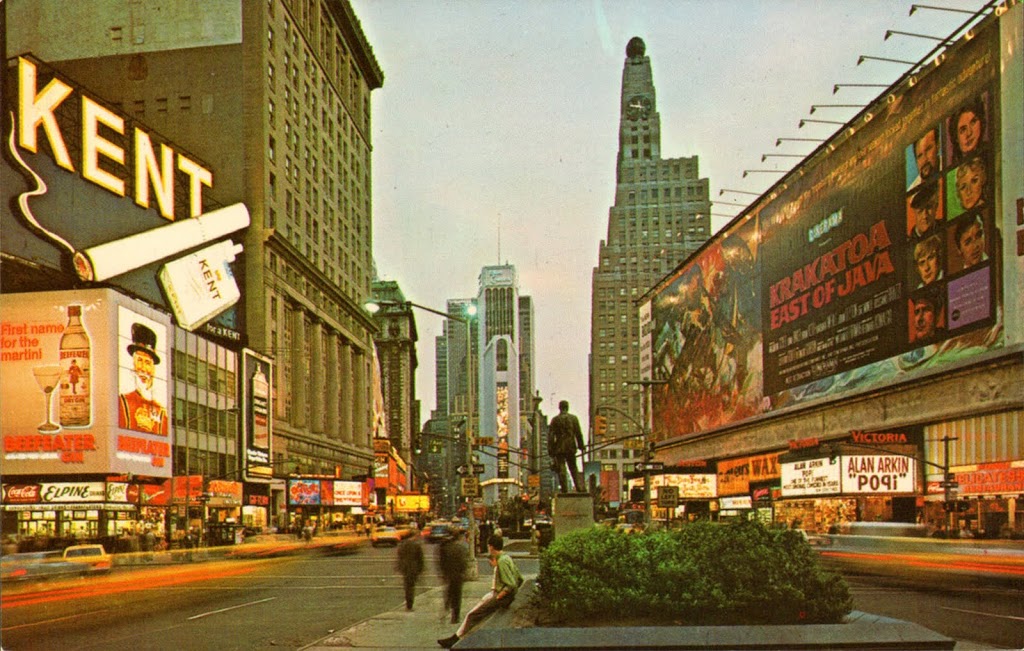
A trip to Times Square 1969: A world of colorful decline


(Postcard picture courtesy the marvelous Vintage Chromes blog)

Sixty-five years after the birth of Times Square, it was apparent that things were taking a rather bizarre left turn. The old Times Building, a building so critical to the neighborhood that its address was now One Times Square, had been stripped of its architectural finery and encased in a banal concrete uniform, the property of Allied Chemical.

The outdated Hotel Astor was completely gone. In its place within a year or so would rise One Astor Plaza. From the angle of this postcard, there is simply nothing there.

The building that once housed the Packard Motor Cars showroom had also disappeared. In 1969, that address 1540 Broadway belonged to the Loew’s State Theatre. For a time, it was one of Times Square’s great destination theaters, a 3,327-seat behemoth that opened in 1921 and hosted the premieres of ‘Ben-Hur’, ‘Some Like It Hot’, ‘The Godfather’ and many others. It was essentially demolished (along with those structures below the Kent Cigarette sign) with the construction of the Bertelsmann Building in 1989; but for many years afterwards, the business on the ground floor, Virgin Megastore, hosted smaller movie theaters in its basement.

The flamboyant movie theater to the right has a more glamorous background. It was once the Gaiety Theater, a grand original from the early days of old Broadway, opened in 1906 by theater impresarios Klaw and Erlinger. The Gaiety was truly a variety house, presenting legit theater, burlesque and vaudeville (Gypsy Rose Lee and Abbott and Costello performed here), and then straight into legitimate films under its new name, the Victoria. Today the Marriott Marquis rises here, after the controversial demolition of it and several other theaters on the block in 1982.

Just out of frame to the right, movie patrons could leave their film and discuss it at the Howard Johnson’s across the street.

Back under that Kent Cigarette ad is one for Beefeater gin — booze and smokes, good times. And underneath that is the refreshment stand Elpine Drinks, best known for its fruit juices. (Lost City has a nice write up about this forgotten establishment.)

The Paramount Building, its clock tower rising in the background, is one of the few structures virtually intact and looking close to how it did when it was built in 1926. In recent years, this building has been invaded by the Hard Rock Cafe.

Another survivor from this era — that tried, dependable statue of George M Cohan, standing in silhouette in the foreground. The statue was placed here at the tip of Duffy Square ten years before this postcard was made. Even then, in 1959, very little of Cohan’s Broadway remained to greet him.

Categories
Uncategorized

A trip to Times Square 1904: The Hotel Astor arrives


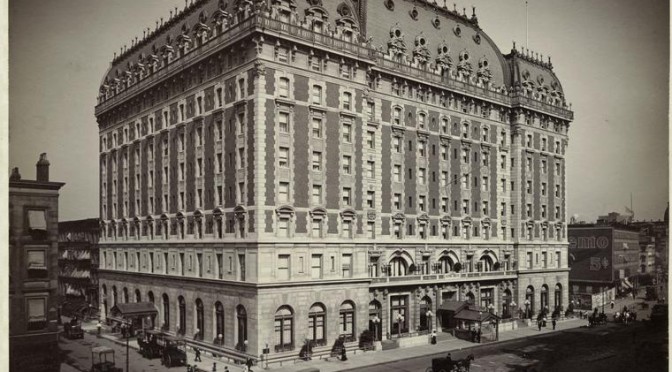
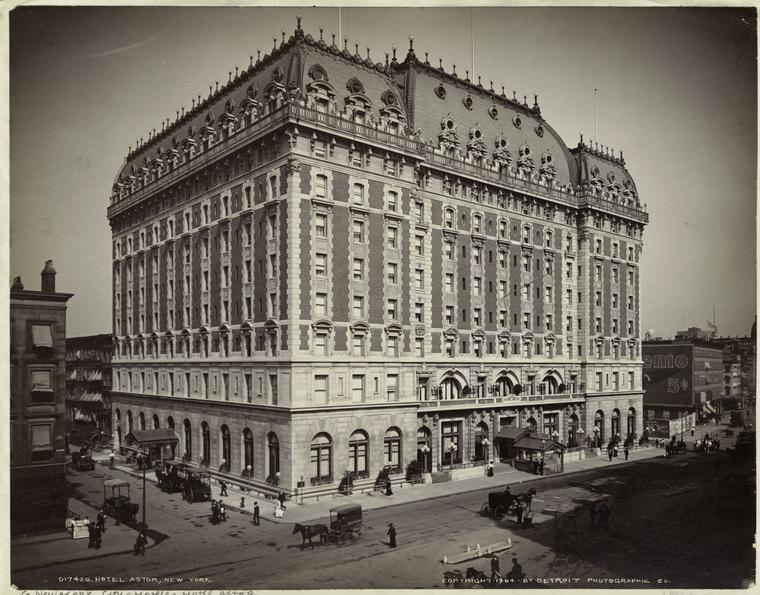
The Hotel Astor in its opening year, 1904. The Astor was a Waldorf; the Knickerbocker was an Astor. Makes sense? (Photo courtesy NYPL)

Longacre Square didn’t become Times Square without the Astor family making a lot of money. Much of the area had been farmland that had been purchased by John Jacob Astor in the 1830s. Later members of the family were not merely content to be landlords. In fact, the great family feud of the Astors and the Waldorfs brought the area its first two luxury hotels.

William Waldorf and his cousin John Jacob Astor IV were famously at odds with each other, but their disagreements produced a few striking landmarks. When Waldorf built a hotel next to the home of his old aunt, Caroline Webster Schermerhorn Astor, her son John moved her uptown and built an even bigger hotel. Voila! The two became one, the original Waldorf-Astoria on 34th Street.

A lesser known manifestation of this real estate feud waged in Times Square. Waldorf would build a spin-off of the Waldorf-Astoria at Broadway and 44th Street, an area once considered too far west for a luxury hotel. However, with the imminent arrival of a major subway station and a host of theaters, the time had arrived.

The Hotel Astor was the brainchild of German businessman William C. Muschenheim, a restaurateur and former proprietor of the New York Athletic Club. Muschenheim’s great dream was to build a hotel. Although planning one at Longacre Square seemed like a risk, it was Astor family property, and the Astors were known for their successful hotels.

With backing from William Waldorf, Muschenheim oversaw the construction of the Hotel Astor, an eleven-floor Beaux-Arts jewel stylistically related to the Waldorf-Astoria. When it opened on September 9, 1904, it seemed the gamble had paid off. Its lush ballrooms, lounges and restaurants would host the biggest soirees of Times Square’s inaugural year. A year later, its sumptuous roof garden would open, providing one of the most romantic views of the city.

John Jacob Astor IV would not be outdone by his cousin. He would soon take over a hotel project that was being constructed on the other side of the Times Building, at the southeast corner of Broadway and 42nd Street. His Hotel Knickerbocker would open in 1906.

An old McClure’s Magazine outlines the rivalry: “John Jacob also flatters William Waldorf by imitation. The latter can hardly make a move not obediently followed by his cousin. He builds the Waldorf and demonstrates his success; John Jacob follows with the Astoria. He goes up to Longacre Square and builds the Hotel Astor; John Jacob takes the hint and puts up the Knickerbocker.”

But John Jacob, who would perish on the Titanic in 1912, would have the last laugh. The Knickerbocker still sits in Times Square today, no longer a hotel but graced with a Gap clothing store on its ground floor. The Hotel Astor would vanish in 1967, to be replaced with the office tower known as One Astor Plaza today — the home of Viacom and The Lion King (in the third floor Minskoff Theatre).

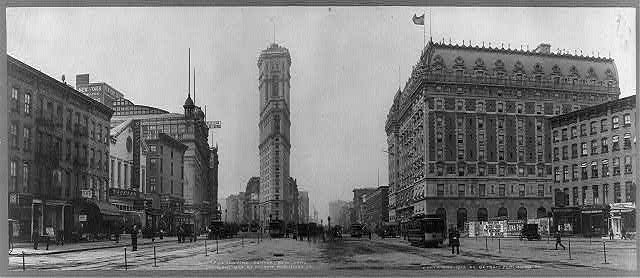
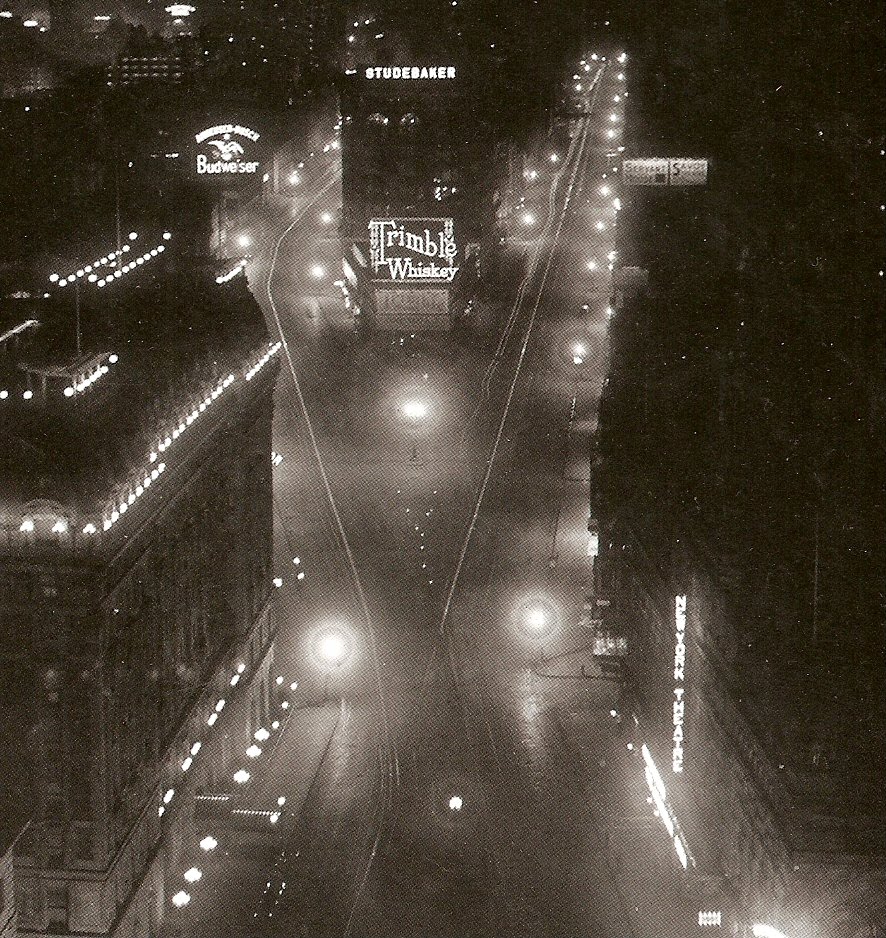
The scene so far: The Packard Motor Car store (which I wrote about Monday) is on the left. The new offices of the New York Times are in the middle. The Hotel Astor is at right. The photographer of this scene has his back facing the Trimble Whiskey written about yesterday.

Categories
Uncategorized

A trip to Times Square 1904: Lights and old whiskey

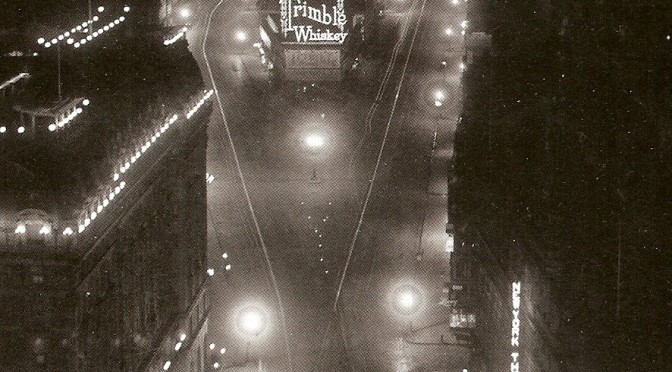
From atop the Times Tower, in 1904, another world lights up below.

The year that turned a ragged, uptown intersection into the place known as Times Square also brought an important work of advertising to the area, for a product that has been all but forgotten.

Oscar J. Gude was already a master of outdoor billboards and electric-light signs when, in 1904, his company installed a sophisticated advertisement for Trimble Whiskey, featuring two glasses in mid-toast nestled by the liquor’s fancy logo. (The glasses don’t seem to be on in the picture above.)

Gude had much better and more memorable ads throughout the city; his firm was perhaps best known for its Heinz pickle ad that hung above Madison Square. But the Trimble sign was placed on the north side of 47th Street, between Broadway and 7th Avenue, making it the first in a long line of dazzling electronic advertisements to be placed at this key intersection.

Times Square was already an advantageous place to hang things due to the sight lines created by long, even avenues. As one of the first electric signs, the Trimble name could be seen from almost a mile away down certain corridors. At night, the words ‘Trimble Whiskey’ could be seen reflecting into the new Times Square across the plaza. Theater goers leaving one of the new stages on 42nd Street stopped to take a gander at the glowing lights before boarding a trolley, or entering the crisp, new subway station.

As you can tell from the picture above, Trimble was quickly joined by a few other night lights. Bur for a time, only the street lamps, a couple small marquees and the haunting glow from the Hotel Astor were its competition.

Just a few years later, a bold corset advertisement would scandalously light that very wall. From the 1910 journal Printers Ink, the electric corset-wearer “stands out boldly against the night, at the spot where late a Trimble Whiskey sign has been wont to create thirsts by the thousand, which only the nearby gilded palaces could satiate properly.”

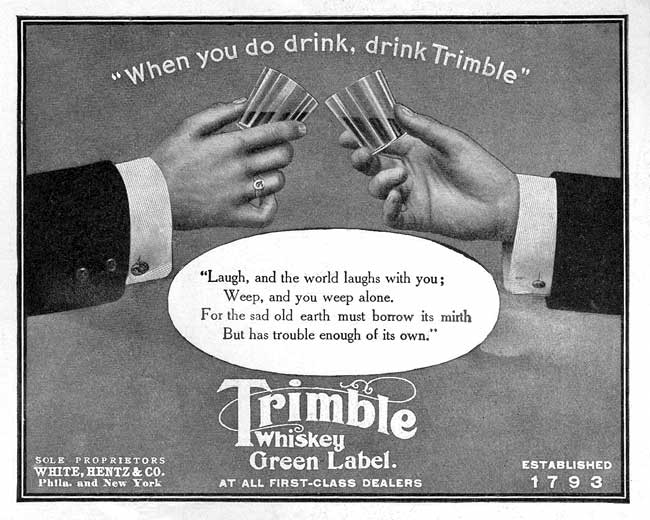
As for the liquor itself, it reportedly originates from one George Trimble who “brought this brand over the Allegheny Mountains on a Conetogas wagon” in the 1820s or ’30s. (The ad below dates its creation even further, to 1793.) It was distinguished by a green label and, despite its handsome advertisements, didn’t seem to last but for a few years more.

Below, a print ad for Trimble, featuring their signature clinking glasses, from an April 1904 issue of LIFE Magazine. [from Magazineart.org}